


Abstract
White maize is a culturally important staple in Africa, Latin America, and parts of Europe, where consumer preferences and traditional food practices have shaped its production and use. Its characteristically low endosperm carotenoid content can limit provitamin A intake in maize-dependent populations and contribute to vulnerability to vitamin A deficiency. This review examines white maize consumption in developing and developed countries, carotenoid biosynthesis and nutritional functions, and genetic strategies for improving grain quality. In regions facing micronutrient deficiencies, provitamin A biofortification may help address vitamin A deficiency, while Quality Protein Maize and low-phytate traits offer complementary ways to improve essential amino acid supply and mineral bioavailability. In developed-country markets, breeding priorities include agronomic performance and grain and product characteristics suited to regional foods, such as milling, flour, bread, and polenta; white maize is also relevant to gluten-free food applications. The review highlights carotenoid-pathway genes, including PSY1/y1, LcyE, and CrtRB1, alongside opaque2-based protein improvement and low-phytic-acid mutations. It further discusses the value of landraces as sources of locally adapted diversity and the importance of consumer acceptance, processing, and storage in realizing nutritional benefits. Integrating conventional breeding with molecular tools, participatory selection, and end-use quality assessment can support nutrition-sensitive improvement while responding to local production systems and food cultures.
1. Introduction
Maize (Zea mays ssp. mays L.) was first domesticated in the Balsas River drainage Valley in south-central Mexico, 9000 years ago, from the subspecies of teosinte, classified as Zea mays ssp. parviglumis and, over several millennia, gradually spread throughout the Americas [1,2]. After Columbus’s discovery of the New World, maize was introduced to Europe at the end of the 15th century. Exposure to new environments, novel uses, and crossing of strains from different locations facilitated the emergence of numerous new populations, termed landraces, suited to various agroecological conditions and promoting substantial intra-specific diversity. Landraces are defined as “dynamic populations of cultivated plants that have a historical origin, distinct identity, and lack formal crop improvement, while often being genetically diverse, locally adapted, and associated with traditional farming systems” [3,4]. Subsequently, through trade and colonial expansion, maize spread to many other regions of the world suitable for its cultivation [5,6].
Before the mid-19th century, maize served primarily as a food reserve. Later, with the spread of mechanization and the availability of high-yielding dent corn, large quantities of seed became available. Then, development of animal feeding accelerated the replacement of traditional varieties, whose organoleptic qualities could not match the higher productivity of dent hybrids [6]. Maize’s high productivity has established it as one of the world’s leading cereal crops. In addition to serving as a staple food in many regions, maize is processed into a wide range of food and industrial products, including starch, sweeteners, vegetable oil, beverages, adhesives, industrial alcohol, and fuel [7,8].
Globally, most maize produced and traded is yellow, while consumers in Africa and Latin America tend to prefer white varieties (Figure 1) [8,9].
Figure 1.
Seeds of six traditional maize landraces cultivated in Africa and Europe and characterized by white or carotenoid-deficient endosperm. (a) Millo Corvo, Spain; (b) “ummbila omhlophe”, South Africa; (c) “masángú ya pembe”, Congo; (d) “mahindi meupe”, Tanzania; (e) “Bianco Vitreo”, Italy; and (f) “Bianco Perla”, Italy. Millo Corvo represents a particular case in which the white, carotenoid-deficient endosperm is externally masked by the accumulation of blue-black anthocyanins in the aleurone layer.
White maize is inherently low in provitamin A carotenoids, a nutritional limitation that is particularly concerning in regions where maize constitutes a staple food. Vitamin A deficiency remains a major public health issue in many low- and middle-income countries, contributing substantially to childhood morbidity and mortality [10,11]. Consequently, reliance on conventional white maize as a primary dietary source may exacerbate micronutrient deficiencies.
This review provides an overview of white maize, addressing its consumption in both developed and developing countries, the carotenoid biosynthesis pathways in maize, the improvement of grain quality through opaque2 and low phytic acid mutants, and the health implications of vitamin A deficiency. Additionally, it examines potential links between maize consumption and celiac disease, and summarizes the progress of breeding programs aimed at improving white maize.
2. Worldwide Consumption of White Corn
2.1. Developing Countries
Maize is cultivated worldwide and can be classified according to different criteria. The classification based on endosperm size and composition distinguishes dent, flint, waxy, flour, sweet, pop, and pod corn. Alternatively, maize can be categorized by kernel pigmentation, which ranges from white and yellow to various shades of red, purple, and even nearly black [8,12]. Maize was introduced to Africa around 1500 via Portuguese maritime routes. From Brazil, it was first brought to the Gulf of Benin and soon after to Cape Verde and São Tomé; from these islands, it spread to the African mainland, starting its regional diffusion [13]. Although 90% of globally produced maize is yellow, white maize overwhelmingly predominates in Africa and Central and South America, where it represents more than 90% of total maize production [14].
To the best of our knowledge, no more recent global estimates than those reported in the aforementioned 1997 FAO report are available [14]. However, subsequent data in the literature suggest that the relative importance of white maize in human consumption has not changed substantially. For example, a recent study of maize production in Mexico [15] reported that, in 2022, Mexico produced 27.5 million tonnes of maize, 88% of which was white maize. As white maize is primarily produced for human consumption, these data are consistent with the continued predominance of white maize in human diets in region such as Africa and Centre-South America, where it is traditionally the main type of maize consumed [16] (Figure 2).
Figure 2.
Yearly per capita supply of maize; data refer to 2023. Modified from [16].
In developing countries, yellow maize has sometimes been viewed unfavorably because of its association with food-aid shipments that, when poorly handled during importation and storage, could develop undesirable organoleptic properties, contributing to its perception as an inferior food [17]. Moreover, in several regions of eastern and southern Africa, strong cultural preferences for white maize have been documented, with whiteness traditionally associated with desirable quality and consumers often preferring whiter maize products. These preferences are deeply rooted in local food traditions and persist despite the fact that white maize can cost up to 25% more than yellow maize [8,18,19,20]. In particular, a survey of 600 maize consumers in Nairobi, Kenya, revealed a strong preference for white maize. Only a minority of consumers were willing to purchase yellow maize at the same price as white maize, whereas, on average, they required a 37% price discount to purchase yellow maize [19].
In developing countries, yellow maize is mainly used in the feed industry, as it imparts a deep yellow coloration to egg yolks, poultry skin, and animal fat qualities that consumers commonly associate with healthiness and freshness [8,21].
The consumption of white maize as a staple food is closely linked to vitamin A deficiency (VAD). VAD is a serious global health challenge and is the leading cause of preventable blindness in young children, in addition to elevating susceptibility to severe infections and mortality. VAD compromises normal tissue function and has especially detrimental effects during critical developmental periods such as infancy, childhood, pregnancy, and lactation [22]. Africa bears the second-highest prevalence of VAD worldwide, with estimates indicating that 28–35% of children are deficient, second only to South-East Asia. The situation is exacerbated by dietary patterns across many African regions, where maize constitutes the primary staple food, providing more than half of total caloric intake, with an average consumption of 106 g per person per day [8]. Yet, the predominant maize varieties grown and consumed, white maize, which accounts for 90–100% of production in several African countries, are essentially devoid of provitamin A carotenoids. Because animals are unable to synthesize carotenoids de novo, dietary intake represents their only source of these compounds [23]. Interest in carotenoids has grown substantially due to their antioxidant properties and their capacity to mitigate the risk of chronic diseases. However, the nutritional value of carotenoid-rich foods is highly sensitive to post-harvest conditions. Studies conducted under traditional storage practices in sub-Saharan Africa have reported carotenoid losses ranging from 50% to 65% over four to six months, highlighting the vulnerability of biofortified maize to nutrient decline and the need for improved post-harvest handling strategies [24,25].
Biofortification efforts have led to the development of high-β-carotene maize, offering a sustainable and cost-effective strategy to combat VAD in populations dependent on white maize-based diets [26,27]. Human intervention trials conducted in Zambia provide strong evidence of its nutritional potential: children consuming provitamin A-rich maize exhibited significant increases in serum β-carotene, β-cryptoxanthin, and other dietary carotenoids compared with those consuming white maize [27,28]. Although changes in serum retinol are less pronounced in short-term interventions, the observed improvements in carotenoid status indicate effective absorption and conversion capacity. Additional studies suggest that high-carotene maize may also contribute to reduced aflatoxin contamination, offering dual benefits for nutrition and food safety [29].
Despite its potential, the success of provitamin A-rich maize ultimately depends on consumer acceptance. Although biofortified staples are affordable and locally adaptable, cultural preferences for white maize and perceptions of yellow or orange kernels may present barriers to adoption [30]. Overcoming these social and sensory constraints remains a critical component of ensuring the impact of biofortified maize in reducing VAD across high-risk populations.
2.2. Developed Countries
Maize is the most widely produced cereal globally, with annual output exceeding 1.2 billion tonnes [31]; in high-income countries, it is used predominantly as animal feed, while only a small fraction enters food markets. Historically, the development of a maize-based culinary tradition in Europe was limited: between the eighteenth and twentieth centuries, pellagra triggered by nutritional deficiencies associated with a maize-dominated diet became endemic in several impoverished regions, reinforcing negative perceptions of the crop [32,33]. Following the Green Revolution, the introduction of high-yielding varieties transformed agricultural systems and contributed to the decline of traditional landraces [6]. This shift intensified genetic erosion and prompted conservation efforts, including the establishment of germplasm collections aimed at safeguarding the remaining diversity [34]. Through these initiatives, aimed at rediscovering, characterizing, promoting, and conserving European maize landraces, these plant genetic resources are gaining renewed attention, within high-quality, biodiversity-based food chains. Maize flour is used in the formulation of a range of traditional products, ranging from bread (Portuguese ‘broa’) to maize porridge (Italian ‘polenta’), to cakes (Spanish ‘gofio’) [35].
In developed countries, white maize has also attracted interest beyond its traditional food applications as a raw material for gluten-free foods, particularly bread and biscuits [35,36,37]. This is of increasing interest given the prevalence of celiac disease, affecting approximately 1% of the global population and particularly prevalent in populations of European ancestry.
Celiac disease is an immune-mediated systemic condition triggered by gluten ingestion in genetically predisposed individuals, most commonly those carrying the Human Leukocyte Antigen (HLA)-DQ2 or HLA-DQ8 haplotypes [38,39]. It affects 0.6 to 1.0% of the population worldwide. Gluten found in wheat, barley, rye, and related grains contains gliadin, the fraction responsible for most of the toxic immune reactions in affected patients [40]. When gluten is consumed, tissue transglutaminase modifies gluten peptides, enabling their presentation to CD4+ T cells and initiating innate and adaptive immune responses that drive mucosal injury and a broad spectrum of gastrointestinal and extra-intestinal symptoms, including abdominal pain, diarrhea, anemia, osteoporosis, and failure to thrive [41]. Because the only effective treatment is strict lifelong gluten avoidance, gluten-free products made from grains such as maize have become dietary staples, supported by standards such as the Codex Alimentarius limit of 20 ppm gluten contamination [39]. Maize is naturally gluten-free and widely used to manufacture breads and other substitutes tailored to celiac patients, although technological challenges influence texture and sensory properties [35,42]. The gluten-free maize bread recipe is adapted from the traditional Portuguese broa de milho, which is made with a mixture of maize and wheat flour. In the gluten-free version, wheat flour is replaced by gluten-free alternatives, typically rice flour or starch. However, emerging evidence suggests that in a very small subset of individuals, maize prolamins (zeins) may elicit inflammatory responses resembling those caused by gluten, potentially contributing to persistent mucosal damage in patients who fail to respond fully to a conventional gluten-free diet [35,43]. Although such reactions are rare, they highlight the complexity of celiac disease, a condition now recognized across all ages and becoming increasingly prevalent as global dietary patterns shift toward greater wheat consumption [41,44].
3. Carotenoids in Human Nutrition: Dietary Sources, Bioavailability, Health Roles, and Public-Health Strategies
Carotenoids are lipid-soluble natural pigments widely distributed in foods and long present in the human diet, especially through plant tissues such as green leaves and other photosynthetic organs rich in lutein and provitamin A β-carotene [45,46]. Humans and other mammals cannot synthesize carotenoids de novo and therefore rely entirely on dietary intake [47,48]. This dependence is nutritionally critical because some carotenoids, e.g., β-carotene, α-carotene, and β-cryptoxanthin, have provitamin A activity and contribute to strategies addressing vitamin A deficiency (VAD), a major public-health challenge in developing countries [49,50,51,52,53]. Furthermore, carotenoids are widely regarded as antioxidant and bioactive compounds with potential health-promoting properties, sustaining scientific and food-system interest in the development of improved crops and diets rich in carotenoids [54,55].
More than 600 carotenoids have been identified in nature, but only about 40 are regularly consumed and roughly 20 are typically detected in human blood [56]. Nutritional monitoring commonly focuses on a limited panel β-carotene, α-carotene, lycopene, lutein, zeaxanthin, and β-cryptoxanthin even though dozens of carotenoids may be present in the diet, mainly from plant sources and sometimes supplements [57,58,59,60]. Approximately 80–90% of intake derives from fruits and vegetables, with 10–20% from animal-derived foods such as milk, cheese, butter, and egg yolk [47]. Staples are particularly relevant because of their global consumption, making them strategic targets for biofortification to combat hidden hunger and VAD [61,62,63]. Examples include carrot as a major provitamin A source [49,64], biofortified “golden” potato [65], carotenoid-diverse citrus fruits [66,67], and animal-derived matrices such as milk and eggs that transfer carotenoids through feed-based strategies [68,69].
Provitamin A carotenoids are converted in the intestine to retinoids via oxygenase-mediated cleavage, followed by metabolic transport and storage, although circulating retinol is homeostatically regulated, complicating status interpretation [70,71]. Because vitamin A must be obtained either as provitamin A carotenoids or preformed retinol, dietary supply is indispensable [72,73]. Biofortification initiatives in maize, wheat, rice (“golden rice”), and other staples aim to enhance provitamin A content and have demonstrated measurable effects on serum carotenoids and retinol-related biomarkers [48,50,74,75,76,77,78,79].
Nutritional impact depends on bioaccessibility and bioavailability. Carotenoids must be released from the food matrix, incorporated into mixed micelles, taken up by enterocytes, and absorbed [80,81]. Uptake involves scavenger receptors such as SR-BI (Scavenger receptor class B, type I) and CD36 (Cluster of Differentiation 36), and genetic variants in these proteins influence plasma carotenoid concentrations [56,70,82]. Matrix effects, processing, isomerization, and incomplete conversion of β-carotene to retinol further constrain efficacy [83,84,85,86]. Consequently, nanostructured delivery systems and supplement-design strategies have been proposed to improve bioavailability and reduce negative interactions among co-administered carotenoids [47,80,81,87].
In addition to vitamin A, carotenoids are associated with antioxidant, anti-inflammatory, immune-related, and DNA-protective functions and are discussed in relation to chronic diseases, cardiovascular conditions, cancers, age-related eye disorders, metabolic health, and NAFLD (Non-Alcoholic Fatty Liver Disease) [46,54,55,68,73,88,89,90]. A prominent non-provitamin A role concerns lutein and zeaxanthin as molecular pigments; these xanthophylls cross the blood–retina barrier and are linked to eye and possibly cognitive health across the lifespan [68,91,92,93,94,95,96].
Plasma carotenoids serve as validated biomarkers of fruit and vegetable intake, although assessment is limited by methodological variability and inter-individual differences related to sex, smoking, disease, and genetics [82,97,98,99]. Expanding analytical matrices to fecal carotenoids and under-studied compounds such as phytoene and phytofluene broadens understanding of intake–status relationships and safety considerations [100,101,102]. Carotenoids are also relevant in pregnancy and lactation: they are present in human milk, influenced by maternal diet, and contribute, along with retinol, to infant vitamin A supply and immune development [59,72,73,89,103,104].
From a public-health and agricultural perspective, VAD and hidden hunger motivate integrated strategies to enhance carotenoid availability through biofortification, crop improvement, functional foods, and post-harvest stabilization [48,49,50,51,62]. Stability during storage and processing remains a key challenge; for example, reducing lipoxygenase activity in golden rice mitigates carotenoid degradation, while processing studies in sweet potato highlight heat-related losses [55,79,85]. Overall, carotenoids are diet-derived micronutrients and bioactives whose importance reflects their exclusive dietary origin, conditional bioavailability, provitamin A function, biomarker relevance, and the capacity of food-system interventions to shift nutritional status indicators [47,48,50,51,53,70,74,80,82,92,97,99].
4. Carotenoid Biosynthesis: Pathway Organization, Regulation, and Metabolic Integration Across Taxa
Carotenoids are lipophilic C40 isoprenoid pigments widely distributed in photosynthetic organisms and some nonphotosynthetic bacteria and fungi [105,106]. In plants, they function as accessory light-harvesting pigments and photoprotective antioxidants, contributing to photosynthesis and stress tolerance [107,108,109], whereas in animals and humans they are dietary compounds, some serving as precursors of vitamin A [110,111]. Their biosynthesis involves the formation of the C5 precursors isopentenyl diphosphate (IPP) and dimethylallyl diphosphate (DMAPP), their conversion into geranylgeranyl diphosphate (GGPP), the synthesis of the C40 backbone, and subsequent cyclization, oxygenation and cleavage reactions leading to carotenes, xanthophylls and apocarotenoids, including abscisic acid (ABA)-related metabolites [108,109,112].
IPP and DMAPP are produced in plants through two compartmentalised pathways: the cytosolic mevalonate (MVA) pathway and the plastidial methylerythritol phosphate (MEP/DOXP) pathway [113,114,115,116]. The MEP pathway primarily supplies plastidial isoprenoids, including carotenoids and chlorophyll side chains [117,118,119,120], whereas the MVA pathway mainly contributes to cytosolic and ER-associated terpenoids, such as sterols [115,121]. Despite their compartmentalisation, metabolic crosstalk enables precursor exchange between the two pathways [122,123,124,125], contributing to carotenoid accumulation and lycopene production in fruits [122,126]. The MEP pathway involves key enzymes such as DXP synthase (DXS) and DXP reductoisomerase (DXR), which catalyse the initial steps of precursor formation [113,120,127,128]. Disruption of MEP enzymes or alterations in downstream steps can impair plastid development and pigment accumulation [116,124,127,129,130,131]. Furthermore, IPP/DMAPP balance, regulated by isopentenyl diphosphate isomerase (IDI), is essential for carotenoid biosynthesis, as demonstrated by studies involving the bacterial lytB gene and engineered systems [113,114,129,130,132,133,134].
IPP and DMAPP are sequentially condensed by prenyltransferases to produce geranyl (GPP, C10), farnesyl (FPP, C15) and geranylgeranyl diphosphate (GGPP, C20), the immediate precursor of C40 carotenoids [105,106,128,135,136,137,138,139,140,141,142,143]. The first committed and rate-limiting step of carotenoid biosynthesis is the condensation of two GGPP molecules into phytoene, catalysed by phytoene synthase (PSY) [107,108,112,144]. Phytoene is subsequently desaturated and isomerised into lycopene, which undergoes cyclisation to form β-carotene or α-carotene, the latter being a precursor of lutein [108,109,112,145,146]. Further oxygenation reactions generate xanthophylls, including lutein and zeaxanthin, which contribute to pigment diversification and photoprotection [108,112,117,118,147]. Carotenoid metabolism therefore constitutes an interconnected plastidial network associated with photosynthesis, photoprotection and ABA biosynthesis [108,109,148,149].
Oxidative cleavage of carotenoids by carotenoid cleavage dioxygenases (CCDs) generates apocarotenoids [108,112,147,149]. In fruits, the coordinated regulation of carotenoid biosynthetic and CCD genes modulates pigment accumulation and cleavage products during ripening [109,112,150].
Across taxa, carotenoids are produced by photosynthetic organisms and some bacteria and fungi, whereas animals depend on dietary sources and can convert β-carotene into retinal [105,106,110,111,142]. Although IPP and DMAPP can originate from MVA or MEP pathways depending on the organism [149], green algae and diatoms predominantly rely on MEP-type pathways for plastidial isoprenoid biosynthesis [151,152,153]. From a metabolic engineering perspective, carotenoid production is strongly dependent on precursor availability, as demonstrated by increased lycopene and carotenoid yields following enhancement of IPP supply in Escherichia coli and Corynebacterium glutamicum [105,143,154,155,156].
5. Genetic Basis of Carotenoid Accumulation
In maize, carotenoids determine kernel pigmentation, ranging from white to yellow or orange, and act as photoprotective antioxidants. They are also an important source of provitamin A in human and animal diets, making the genetic regulation of their accumulation particularly relevant in populations relying heavily on maize, where deficiency in this vitamin remains a nutritional concern. Figure 3 illustrates the carotenoid biosynthetic pathway and its main regulatory genes.
Figure 3.
Simplified carotenoid biosynthetic pathway and formation of apocarotenoid volatile compounds. Enzymatic reactions are indicated by arrows, while dotted lines represent intermediate steps not shown in the scheme. Geranylgeranyl diphosphate (GGPP) is converted into 15-cis-phytoene by phytoene synthase (PSY), followed by sequential desaturation and isomerization reactions catalyzed by phytoene desaturase (PDS), 15-cis-ζ-carotene isomerase (Z-ISO), ζ-carotene desaturase (ZDS), and carotene isomerase (CRTISO), leading to the formation of all-trans-lycopene. Lycopene cyclization mediated by lycopene β-cyclase (LCYB) and lycopene ε-cyclase (LCYE) generates α-carotene and β-carotene, which are subsequently hydroxylated by cytochrome P450-type β-hydroxylase (CYP97A), ferredoxin-dependent di-iron monooxygenase (HYD), and cytochrome P450-type monooxygenase (CYP97C) to produce lutein, zeinoxanthin, β-cryptoxanthin, and zeaxanthin. Zeaxanthin is further converted into abscisic acid (ABA) through the action of zeaxanthin epoxidase (ZEP) and 9-cis-epoxycarotenoid dioxygenase (NCED). In parallel, carotenoid cleavage dioxygenase 1 (CCD1) catalyzes the oxidative cleavage of carotenoids, generating volatile apocarotenoids such as pseudo-ionone, β-ionone, and 3-hydroxy-β-ionone, compounds associated with aroma and sensory quality. Metabolites are indicated in the rectangles, while enzymatic activities are indicated in the rounded rectangles (modified from [146]). The corresponding yellow (y) mutation and its chromosomal position are indicated in red next to each enzymatic activity.
Carotenoid accumulation is influenced by allelic variation affecting precursor availability, biosynthetic activity, metabolic flux and degradation. The first committed and rate-limiting step is the conversion of two geranylgeranyl pyrophosphate (GGPP) molecules into phytoene, catalysed by phytoene synthase (PSY) [107,108,112,144]. Among the three maize PSY paralogs (PSY1, PSY2 and PSY3), PSY1, encoded by the yellow1 (y1/psy1) locus on chromosome 6, is the main regulator of endosperm carotenoid biosynthesis [157,158,159]. Functional Y1 alleles enable carotenoid accumulation, whereas recessive loss-of-function y1 alleles result in white or pale endosperm with very low carotenoid and provitamin A levels. Their prevalence in traditional white maize reflects historical selection for cultural, agronomic and consumer preferences, with important nutritional implications.
Other genes affect precursor availability and early biosynthetic steps. The dxs2 and dxs3 genes contribute to precursor supply, while vp5, encoding phytoene desaturase, and im1, encoding a plastid terminal oxidase, affect carotenoid desaturation. The pale yellow9 (y9) mutation disrupts Z-ISO-mediated isomerisation of 15-cis-ζ-carotene, leading to intermediate accumulation and altered kernel pigmentation, although seedlings remain green due to light-mediated compensation [159]. Similarly, y10 produces pale-yellow endosperm with reduced carotenoid content through an apparent upstream impairment of isoprenoid biosynthesis; however, homozygous seedlings are albino limiting its breeding potential [160]. The recessive y11 mutation also affects endosperm colour, although its molecular identity and biochemical function remain unknown.
Downstream carotenoid composition is strongly influenced by lycopene ε-cyclase (LCYE), which controls metabolic partitioning between the β,ε and β,β branches. Reduced LCYE activity favours β-carotene and other provitamin A carotenoids, while four natural cis-regulatory polymorphisms at this locus explain a substantial proportion of provitamin A variation among maize inbred lines [161,162]. Allelic variation in β-carotene hydroxylase 1 (CrtRB1) can also increase β-carotene retention by reducing its conversion into β-cryptoxanthin and zeaxanthin [162,163]. HYD3 influences β-carotene levels through changes in transcript abundance, whereas lut1 (lutein deficient 1) and zep1 (zeaxanthin epoxidase) contribute to variation in xanthophyll composition [164]. These loci are important targets for provitamin A biofortification.
Carotenoid degradation represents an additional mechanism regulating kernel pigmentation. Carotenoid cleavage dioxygenase 1 (CCD1), encoded by the White cap1 (Wc1) locus, occurs in variable tandem copy numbers (1–23), with higher copy numbers associated with increased Ccd1 expression and reduced lutein, zeaxanthin and total carotenoid concentrations, resulting in paler endosperm [165,166]. Although Wc-associated colour variation is particularly evident in yellow-grained Y1 genotypes, the locus is more frequently found in y1 varieties, where it enhances the white-endosperm phenotype [165].
Overall, allelic variation in PSY1/y1, LCYE, CrtRB1 and other genes involved in carotenoid biosynthesis and degradation underlies much of the variation in maize kernel pigmentation and carotenoid composition. The prevalence of nonfunctional y1 alleles in traditional white maize highlights the influence of historical selection on grain colour and nutritional quality. Understanding this genetic diversity is essential for developing breeding strategies that improve provitamin A content while preserving the agronomic and quality characteristics of traditional germplasm.
6. Genetic Improvement of White Maize
6.1. Developing Countries
Maize is the major staple crop across Sub-Saharan Africa (SSA), where it is consumed in diverse forms including infant foods, porridges, snacks, beverages, and main dishes.
Six major categories of maize-based foods dominate local diets, whole-maize foods, wet-ground products, sourdough and dumplings, snacks and breads, porridges and beverages, reflecting the deep cultural integration of maize in African food systems [21]. In traditional cuisine, a balanced diet is achieved when foods such as carrots or squash, which are naturally rich in carotenoids, are available to add to recipes made with white corn (Figure 4).
Figure 4.
A traditional dish from Lesotho, consisting of pap (white maize flour boiled in water), boiled green vegetables, squash, and meat.
Demand for maize in SSA is projected to triple by 2050, driven by rapid population growth and urbanization, while climate change simultaneously threatens agricultural productivity and the stability of food supplies [21].
In this context, improving maize varieties through breeding is essential, even though improved agronomic performance alone does not guarantee the adoption of these new varieties resulting from breeding programs.
Food quality traits, organoleptic attributes, and cultural appropriateness strongly influence whether farmers and consumers accept a new variety [167]. Participatory varietal selection has therefore become a key breeding strategy, as farmers preferentially adopt lines that meet their own criteria for processing quality, taste, color, storage behavior, and culinary suitability [168]. Incorporating end-user preferences into breeding programs enables consumers to maintain their traditional processing methods while also improving the efficiency of processors and reducing grain losses [169].
Before the 1980s, the breeding efforts of CIMMYT (International Maize and Wheat Improvement Center) and IITA (International Institute of Tropical Agriculture) were focused mainly on the development and dissemination of improved open-pollinated varieties (OPVs), which dominated nearly 80% of maize area in low and middle-income countries due to their adaptability, broad genetic base, and suitability for seed recycling by smallholder farmers [170]. These early programs relied heavily on population improvement, using recurrent selection, half-sib and full-sib schemes, and broad-based germplasm pools to increase yield, stress tolerance, and consumer acceptance in local environments [170]. The process of developing new inbred lines typically involved selecting suitable donor germplasm, applying cycles of sib-mating or selfing combined with selection for agronomic traits, followed by topcross testing to identify parents with strong combining ability [171].
Extensive work on tropical maize across SSA has produced genotypes with superior agronomic characteristics through modified full-sib and half-sib recurrent selection, enabling high yield potential and stability across diverse production environments. However, tropical maize presents specific breeding challenges: it is adapted to shorter day lengths (12–13 h), and when grown under longer temperate photoperiods it flowers late, becomes excessively tall, and exhibits undesirable vegetative growth, complicating field selection [172]. Molecular marker studies including RFLP analyses demonstrated that tropical maize germplasm is genetically more diverse than temperate maize [173,174], indicating that tropical varieties harbor broad adaptation potential and unique alleles useful for identifying heterotic groups and enriching breeding pipelines. Traditional phenotypic selection alone had limited success in improving tolerance to abiotic stresses, whereas the integration of genomic tools, molecular markers, and biotechnology has laid the foundation for molecular plant breeding, a transformative approach that has accelerated crop improvement globally [172,175].
Early maize improvement efforts in developing countries also focused on local landraces, recognizing that these traditional varieties represent critical reservoirs of genetic diversity. Composite breeding based on intermating multiple parent lines followed by recurrent selection became a major strategy for broadening variability and developing cultivars adapted to marginal environments [176]. In recent years, genome-wide association studies (GWAS) have expanded the breeder’s toolbox by identifying allelic variants associated with major agronomic and nutritional traits, including those controlling carotenoid biosynthesis, relevant for provitamin A enhancement [29]. These advances are increasingly complementing traditional breeding in SSA, enabling programs to combine the strengths of indigenous genetic resources, farmer-preferred traits, and modern genomic tools to address the region’s growing food and nutrition security challenges.
Given the strong dependence of many low-income countries on maize as a staple crop, its inherently poor quality protein represents a major nutritional constraint, particularly where access to high-quality protein sources such as meat, dairy products, eggs, and legumes is limited due to economic and availability constraints [177,178]. From a nutritional standpoint, maize endosperm protein is deficient in essential amino acids, especially lysine and tryptophan, making it inadequate as a sole protein source for humans and monogastric animals.
Maize endosperm proteins are predominantly composed of zeins, which account for approximately 60% of total seed storage protein. Zeins are classified into four subfamilies (α, β, γ, and δ), with α-zeins representing the major prolamin fraction [179]. Based on solubility, maize proteins can be divided into albumins (water-soluble), globulins (salt-soluble), prolamins or zeins (alcohol-soluble), and glutelins (alkali-soluble) [177]. However, zeins are particularly deficient in lysine and tryptophan; consequently, their high proportion in the endosperm reduces the overall biological value of maize proteins and contributes to protein malnutrition [180].
The discovery of the opaque-2 (o2) mutation in the 1960s represented a major advance in improving maize protein quality. The o2 mutation is a naturally occurring recessive allele that nearly doubles lysine and tryptophan levels in the endosperm. The O2 gene encodes a leucine-zipper transcription factor required for the expression of 22 kDa α-zein genes, a 32 kDa albumin gene, and a ribosome-inactivating protein. Reduced α-zein synthesis in o2 endosperm leads to smaller protein bodies, which alters starch granule organization during kernel desiccation and results in a soft, chalky phenotype [179,181]. In addition, o2 mutants show reduced activity of lysine-ketoglutarate reductase, thereby decreasing lysine degradation and increasing free lysine accumulation [182].
Despite its nutritional advantages, the o2 mutation is associated with undesirable agronomic traits, including reduced kernel hardness, increased susceptibility to pests and diseases, lower yield potential, and inferior processing quality [179,181]. These limitations were overcome through the identification of endosperm hardness modifier (en-modifier) genes. These polygenic modifiers enhance γ-zein accumulation and protein body formation, restoring vitreous endosperm texture without compromising protein quality [183]. Several quantitative trait loci (QTLs), including QTLs 1.06, 7.02, and 9.03, have been associated with endosperm modification. QTLs 1.06 and 7.02 affect α- and γ-zein accumulation, whereas QTL 9.03 is linked to starch biosynthesis, influencing granule-bound starch synthase and amylose content in vitreous kernels [184,185,186].
The incorporation of o2 together with its modifier system through modified backcrossing and recurrent selection led to the development of Quality Protein Maize (QPM). In addition to o2, several other maize mutants affect endosperm protein composition, including floury-2 (fl-2), Mucronate (Mc), and Defective endosperm B30 (DEB30). Opaque mutants (o1, o2, o5, o9–11, o13, o16, and o17) are generally recessive, whereas floury, Mucronate, and DEB mutants exhibit semi-dominant or dominant inheritance and modify storage protein composition or amino acid balance [181]. Further improvement has been achieved by pyramiding o2 with additional high-lysine alleles such as o16, resulting in approximately 30% higher lysine content in combined o2o2o16o16 genotypes [187].
Beyond lysine and tryptophan enhancement, QPM shows increased levels of histidine, arginine, aspartic acid, and glycine, along with reduced leucine, glutamic acid, and alanine. The decrease in leucine is considered beneficial, as it improves the leucine–isoleucine balance and enhances tryptophan availability for niacin biosynthesis, potentially contributing to the prevention of pellagra [177]. Moreover, the biological value of QPM protein (i.e., the percentage of dietary protein that are used for protein synthesis) is approximately 80%, compared with 40–57% in non-QPM maize, approaching that of egg protein [179,180].
The development and dissemination of QPM provide a cost-effective biofortification strategy for improving protein intake in vulnerable populations, including children, pregnant women, and lactating mothers [178,188,189]. Biofortification through QPM is particularly relevant in rural regions where animal-source proteins are limited by cost and accessibility, as it improves nutritional quality without requiring changes in dietary habits [190]. These advances represent a significant contribution to food security and the reduction in protein malnutrition in maize-dependent populations [177,179,183,187].
In many maize dependent communities, total dietary zinc intake may not be intrinsically low; however, its bioavailability is often severely limited. A major contributing factor is the high concentration of phytic acid in plant derived foods, particularly cereal grains and legumes, which markedly reduces mineral absorption [191]. Phytic acid (myo-inositol-1,2,3,4,5,6-hexakisphosphate; IP6) is widely recognized as the principal dietary inhibitor of zinc bioavailability [191]. At physiological pH, phytic acid is a highly negatively charged molecule, carrying six to eight phosphate associated negative charges. This strong polyanionic character enables it to bind mineral cations such as zinc, iron, and calcium, with high affinity, forming insoluble complexes that are poorly absorbed in the human intestine [192].
Zinc supplementation trials in children from developing countries have demonstrated significant reductions in the incidence and severity of diarrhea and pneumonia, underscoring the public health relevance of zinc nutrition [191]. When impaired zinc status results primarily from elevated dietary phytate and high phytate-to-zinc molar ratios, strategies aimed at reducing phytate levels in staple crops are considered particularly effective. Approaches range from food processing practices, such as fermentation, to plant breeding programs introducing low phytic acid (lpa) mutations into local germplasm [191].
Phytic acid serves as the principal storage form of phosphorus in seeds, typically accounting for approximately 75–80% of total seed phosphorus in maize and accumulating to levels as high as 4–5% of seed dry weight [193,194]. Cereal grains, including maize, are therefore among the plant foods with the highest phytate content [194,195]. During germination, stored phosphorus is mobilized through the action of phytases, enzymes that sequentially hydrolyze phytate to release inorganic phosphate required for seedling growth [196,197].
Beyond its role in phosphorus storage, phytic acid is a ubiquitous and metabolically active molecule in eukaryotic cells. It is the most abundant inositol phosphate in nature and participates in multiple cellular processes, including mineral storage, signal transduction involving calcium fluxes, and nuclear functions related to chromatin remodeling, DNA repair, RNA editing, and gene expression regulation [198]. Furthermore, phytic acid has antioxidant properties and has been implicated in protecting seeds against oxidative stress, as demonstrated in maize low phytic acid mutants [199]. For this reason, in some contexts, phytate has also been viewed as a potentially beneficial antioxidant compound [192,196].
Despite these physiological functions, the anti-nutritional effects of phytate have driven the development of low phytic acid (lpa) crop varieties. Classical breeding has successfully generated maize germplasm with reduced seed phytate levels through the identification and incorporation of lpa mutations [198]. A key advantage of lpa mutants is the enhanced bioavailability of minerals, particularly zinc and iron, due to decreased chelation in the digestive tract [192,194]. In humans, dietary phytate not only interferes with absorption of exogenous zinc but may also limit the reabsorption of endogenous zinc secreted into the intestinal lumen after meals [194].
The benefits of lpa maize extend beyond human nutrition to include animal feed. In conventional grain-based feeds, most phosphorus is present as phytate and is largely unavailable to monogastric livestock, which lack sufficient endogenous phytase activity. Consequently, feed formulations often require supplementation with inorganic phosphorus and microbial phytase enzymes. In contrast, feeds prepared with low phytic acid grains allow a greater proportion of total phosphorus to be absorbed and utilized, reducing the need for supplemental phosphorus [192,194]. Importantly, undigested phytate phosphorus is excreted in manure, contributing to environmental phosphorus loading. Runoff from livestock operations is a major source of eutrophication in aquatic ecosystems in many developed regions. By improving phosphorus utilization efficiency in animals, low phytic acid maize can significantly reduce phosphorus excretion and thereby mitigate environmental pollution [192].
Altogether, phytic acid represents a molecule with dual roles: physiologically essential for seed development and cellular regulation, yet nutritionally limiting due to its mineral-chelating properties. The development and deployment of low phytic acid maize therefore reflect a balance between preserving seed viability and improving mineral bioavailability for humans and livestock, while also addressing environmental sustainability concerns.
Agronomic biofortification provides a complementary means of increasing mineral concentrations in maize grain through soil or foliar application of micronutrient fertilizers, their combined use with macronutrients, and locally appropriate soil-management practices. A field example comes from Malawi, where trials at three research stations compared zinc (Zn) fertilizer rates on two soil types using the widely grown maize hybrid SC 403. Application of 30 kg Zn ha−1, compared with the national recommendation of 1 kg Zn ha−1, increased grain Zn concentration by 15% and grain yield by 11% [200]. These results show that, under the tested conditions, Zn fertilization improved both the mineral concentration of the grain and crop productivity. The authors also noted that further work is needed to optimize application rates and assess residual effects.
In Zimbabwe, an integrated soil-fertility approach provides another example. Increases in grain Zn of up to 67% were reported when 11 kg Zn ha−1 was combined with mineral fertilizer (90 kg N ha−1 and 26 kg P ha−1) and locally available organic resources applied at 5 t ha−1 [201,202]. This value represents a maximum response under a specific integrated management treatment and should not be interpreted as the effect of Zn fertilizer alone. More broadly, the response to agronomic biofortification depends on soil pH, organic matter, available Zn, nutrient balance, and fertilizer application method [203].
For smallholder systems, interventions must also be practical and affordable. Soil application may be easier to integrate into existing fertilizer practices, whereas foliar application may be less feasible where spraying equipment or labor is limited. Organic inputs and improved nutrient management may support soil fertility, but their effects on grain mineral content should be confirmed in local trials. Evaluation should measure grain nutrient concentrations and yield, and, where feasible, the mineral content and bioavailability of commonly consumed foods.
6.2. Genetic Improvement of White Maize for Developed-Country Markets
In developed countries, white maize improvement should combine competitive agronomic performance with grain characteristics tailored to specific food products and regional value chains. European landraces have diversified through long-term adaptation to local environments and food traditions and remain useful sources of variation for modern breeding. Their value includes flour composition, aroma, texture, processing behavior, and suitability for particular traditional foods [35].
Breeding targets should be defined according to the intended product. In Portugal, maize landraces such as Fandango and Pigarro are associated with broa, a traditional maize bread valued for its characteristic flavor and texture. Revilla and co-authors [35] report that these varieties showed higher protein and lower amylose content than the hybrids included in the cited comparison, although the review does not provide numerical values for these differences. Traditional broa commonly combines maize flour with wheat and/or rye, whose gluten contributes to dough structure. Developing fully gluten-free maize bread therefore requires specific formulation and processing approaches, since maize flour alone does not form the gluten network characteristic of wheat bread.
Examples from Italy illustrate the value of selecting for product-specific qualities. The landraces Nostrano dell’Isola and Marano, having relatively high protein, lipid, and carotenoid contents and a vitreous texture, were considered promising material for improving modern maize for traditional food markets [35]. Across the Italian landraces represented in the European Maize Landraces Core Collection, mean zeaxanthin concentration was reported to exceed mean lutein concentration (10.46 vs. 5.89 mg kg−1 dry matter). A separate characterization of Italian material reported the same pattern, with average zeaxanthin and lutein concentrations of 11.77 and 7.13 mg kg−1 dry matter, respectively. These are collection-level averages and should not be interpreted as values specific to Nostrano dell’Isola or Marano.
Polenta quality can also be evaluated directly: a sensory analysis of polenta prepared from 12 Italian cultivars used a 13-term lexicon covering odor, taste, aroma, and texture. Such testing can help identify cultivars suited to regional preferences rather than relying solely on grain appearance or composition.
Other regional examples broaden the target product range. Rebordanes, a white-kernel, medium-early Spanish variety, was among the autochthonous varieties identified for agronomic performance and quality for bread and traditional foods [35]. In the Basque Country, maize varieties used for talo are associated with softer, less compact starch. These cases show why selection criteria should reflect the intended food use and local growing conditions.
For milling and flour production, relevant traits include kernel hardness, test weight, uniformity, resistance to breakage, milling yield, and the proportions of flour and grits obtained. For polenta, cultivar and particle size influence texture and other sensory properties. Selection should therefore assess grain and the prepared product together, including cooking time, water absorption, viscosity, aroma, and consumer acceptance. In white maize inbreds, grain density, milling performance, and the proportion of intact kernels vary genetically, and both additive and non-additive effects contribute to these traits [204].
Modern hybrid breeding relies on exploiting the wide genetic diversity preserved in landraces and wild relatives, which contain valuable alleles for yield, quality, and tolerance to biotic and abiotic stresses traits increasingly important with the ongoing climate changes [205].
The transition from landraces and OPVs to double-cross hybrids (1930s–1950s) and finally to today’s single-cross hybrids greatly increased yield potential and stress resilience [206]. A foundational work demonstrated hybrid vigor and introduced the use of inbred lines and double-cross production systems, enabling large-scale commercial hybrid seed production [207]. In Europe, breeding programs combined early-maturing flint inbreds with American lines to obtain hybrids adapted to cooler climates, contributing to the expansion of hybrid maize across the continent [207].
Despite these advances, hybrid breeding still faces major challenges. Many agronomic traits are controlled by numerous small effect QTL and exhibit strong genotype by environment interactions, complicating selection. Additionally, extreme weather events threaten global production, prompting the development of innovations such as Short Stature Corn hybrids, which improve standability and facilitate precise crop management under adverse conditions [208].
Biotechnologies such as genetic transformation and genome editing will likely play an expanding role in hybrid improvement, although their widespread adoption depends on economic feasibility and public acceptance [207].
7. Conclusions and Future Perspectives
White maize embodies a distinctive legacy shaped by domestication, migration, and long-term cultural selection. Originating from teosinte, domesticated in south-central Mexico and subsequently dispersed across the Americas and beyond, maize diversified into a wide array of locally adapted landraces whose identity is closely linked to traditional farming systems and food practices. Within this trajectory, white-endosperm types became strongly embedded in consumption patterns across Africa, Latin America, and parts of Europe, where organoleptic quality, processing suitability, and cultural perceptions have historically outweighed nutritional considerations. However, the genetic determinants underpinning the white kernel phenotype, most notably reduced or absent endosperm carotenoid accumulation, driven by allelic variation at key pathway loci such as PSY1/y1, also underpin an important nutritional constraint. In regions where maize constitutes a major staple food, reliance on conventional white maize can contribute to inadequate intake of provitamin A, thereby exacerbating vulnerability to vitamin A deficiency and its associated health burdens, particularly among children and women of reproductive age. At the same time, maize remains central to global food and feed systems due to its high productivity and versatility, positioning it as a highly strategic target for nutrition-sensitive crop improvement.
This review highlights that recent advances in maize improvement, increasingly relying on integrating classical breeding with molecular genetics and genomics to address nutrition, health, and sustainability outcomes without compromising agronomic performance. The carotenoid biosynthetic pathway provides a compelling example of pathway-informed improvement, where allelic variation at a limited number of loci, including PSY1/y1, LcyE, CrtRB1, and HYD3, can markedly influence endosperm carotenoid composition and provitamin A potential. In parallel, the development of QPM demonstrates how nutritional gains in essential amino acids can be made compatible with agronomic viability through the incorporation of modifier systems that restore kernel vitreousness. Beyond carotenoids and protein quality, low phytic acid (lpa) traits represent an additional route to improve nutritional quality by enhancing mineral bioavailability and phosphorus utilization, while also offering environmental benefits by reducing phytate phosphorus excretion from monogastric livestock and mitigating risks of phosphorus-driven eutrophication.
Future progress will depend on ensuring that biofortification and quality-improvement strategies are integrated within social, cultural, and value-chain realities. In many maize-dependent regions, adoption of new varieties is shaped as much by consumer preferences and processing traditions as by yield, making participatory varietal selection and end-use quality testing essential for the deployment of improved germplasm. Moreover, nutritional gains achieved through breeding must be protected through attention to post-harvest handling and processing, as carotenoids and other quality traits can be substantially degraded during storage and cooking under traditional practices. From a genetic and physiological perspective, improving nutritional traits also requires careful management of trade-offs: for example, phytate plays important roles in seed phosphorus storage and cellular functions, and strong reductions may carry pleiotropic penalties for seed vigor or stress resilience, motivating strategies that optimize rather than eliminate phytate accumulation. At the same time, the rich diversity preserved in landraces and traditional germplasm remains a key resource for both quality traits and climate resilience, and its systematic characterization is likely to expand the repertoire of alleles available for improvement programs. Finally, genomic selection and genome editing offer powerful opportunities to accelerate the assembly of favorable allele combinations across multiple nutritional pathways such as provitamin A enrichment, improved protein quality, and reduced phytate while maintaining farmer-preferred backgrounds and local adaptation, although their deployment will continue to depend on regulatory, economic, and societal acceptance. Overall, the legacy of white maize can be preserved not only as a cultural and gastronomic heritage, but also as a platform for modern, nutrition-sensitive innovation that strengthens food security, improves health outcomes, and supports environmental sustainability.
Author Contributions
Conceptualization, R.P. and M.G.; resources, R.P.; writing—original draft preparation, M.G., F.A., E.L.C.D., E.C. and R.P.; writing—review and editing R.P. and M.L.; visualization, M.G.; supervision, R.P.; funding acquisition, R.P. All authors have read and agreed to the published version of the manuscript.
Funding
This paper was supported by Agritech National Research Centre and received funding from the European Union as part of the project NextGenerationEU (PIANO NAZIONALE DI RIPRESA E RESILIENZA (PNRR)–MISSIONE 4 COMPONENTE 2, INVESTIMENTO 1.4–D.D. 1032 17/06/2022, CN00000022) to R.P.
Data Availability Statement
No new data were created or analyzed in this study. Data sharing is not applicable to this article.
Conflicts of Interest
The authors declare no conflicts of interest.
Abbreviations
Below are the abbreviated terms adopted in the present study:
| ABA | abscisic acid |
| CCD1 | carotenoid cleavage dioxygenase 1 |
| CCDs | carotenoid cleavage dioxygenases |
| CD36 | cluster of differentiation 36 |
| CIMMYT | International Maize and Wheat Improvement Center |
| CRTISO | carotene isomerase |
| CrtRB1 | β-carotene hydroxylase 1 |
| CYP97A | cytochrome P450-type β-hydroxylase |
| CYP97C | cytochrome P450-type monooxygenase |
| DEB30 | Defective endosperm B30 |
| DMAPP | dimethylallyl diphosphate |
| DXR | DXP reductoisomerase |
| DXS | DXP synthase |
| fl-2 | floury-2 |
| FPP | farnesyl diphosphate |
| GGPP | geranylgeranyl diphosphate |
| GPP | geranyl diphosphate |
| GWAS | genome-wide association study |
| HLA | Human Leukocyte Antigen |
| HYD | ferredoxin-dependent di-iron monooxygenase |
| HYD3 | hydroxylase 3 |
| IDI | isopentenyl diphosphate isomerase |
| IITA | International Institute of Tropical Agriculture |
| IP6 | myo-inositol-1,2,3,4,5,6-hexakisphosphate |
| IPP | isopentenyl diphosphate |
| LCY | lycopene cyclase |
| LCYE | lycopene ε-cyclase |
| lpa | low phytic acid |
| Mc | Mucronate |
| MEP/DOXP | methylerythritol phosphate/1-deoxy-D-xylulose 5-phosphate |
| MVA | mevalonate |
| NAFLD | non-alcoholic fatty liver disease |
| NCED | 9-cis-epoxycarotenoid dioxygenase |
| o | opaque |
| OPVs | open-pollinated varieties |
| PDS | phytoene desaturase |
| PSY | phytoene catalyzed by phytoene synthase |
| PSY | phytoene synthase |
| QPM | quality protein maize |
| QTLs | quantitative trait loci |
| SR-BI | Scavenger receptor class B, type I |
| SSA | sub-Saharan Africa |
| tb1 | teosinte branched1 |
| tga1 | teosinte glume architecture1 |
| VAD | vitamin A deficiency |
| ZDS | ζ-carotene desaturase |
| ZEP | zeaxanthin epoxidase |
| Z-ISO | 15-cis-ζ-carotene isomerase |
References
- Matsuoka, Y.; Vigouroux, Y.; Goodman, M.M.; Sanchez, G.J.; Buckler, E.; Doebley, J. A single domestication for maize shown by multilocus microsatellite genotyping. Proc. Natl. Acad. Sci. USA 2002, 99, 6080–6084. [Google Scholar] [CrossRef] [Scilit] [PubMed]
- Van Heerwaarden, J.; Doebley, J.; Briggs, W.H.; Glaubitz, J.C.; Goodman, M.M.; Gonzalez, J.D.J.S.; Ross-Ibarra, J. Genetic signals of origin, spread, and introgression in a large sample of maize landraces. Proc. Natl. Acad. Sci. USA 2011, 108, 1088–1092. [Google Scholar] [CrossRef] [Scilit] [PubMed]
- Zeven, A.C. Landraces: A review of definitions and classifications. Euphytica 1998, 104, 127–139. [Google Scholar] [CrossRef] [Scilit]
- Villa, T.C.C.; Maxted, N.; Scholten, M.; Ford-Lloyd, B. Defining and identifying crop landraces. Plant Genet. Resour. 2005, 3, 373–384. [Google Scholar] [CrossRef] [Scilit]
- Charcosset, M.L.; Warburton, A. Out of America: Tracing the Genetic Footprints of the Global Expansion of Maize. Theor. Appl. Genet. 2013, 126, 2671–2682. [Google Scholar] [CrossRef] [Scilit] [PubMed]
- Brandolini, A.; Brandolini, A. Maize introduction, evolution and diffusion in Italy. Maydica 2009, 54, 233–242. [Google Scholar]
- FAOSTAT. Available online: https://www.fao.org/faostat/en/#data/QCL/visualize (accessed on 26 June 2026).
- Ranum, P.; Peña-Rosas, J.P.; Garcia-Casal, M.N. Global maize production, utilization, and consumption. Ann. N. Y. Acad. Sci. 2014, 1312, 105–112. [Google Scholar] [CrossRef] [Scilit] [PubMed]
- Shiferaw, B.; Prasanna, B.M.; Hellin, J.; Bänziger, M. Crops that feed the world 6: Past successes and future challenges to the role played by maize in global food security. Food Secur. 2011, 3, 307–327. [Google Scholar] [CrossRef] [Scilit]
- Galani, Y.J.H.; Orfila, C.; Gong, Y.Y. A review of micronutrient deficiencies and analysis of maize contribution to nutrient requirements of women and children in Eastern and Southern Africa. Crit. Rev. Food Sci. Nutr. 2022, 62, 1568–1591. [Google Scholar] [CrossRef] [Scilit] [PubMed]
- Goredema-Matongera, N.; Ndhlela, T.; Magorokosho, C.; Kamutando, C.N.; van Biljon, A.; Labuschagne, M. Multinutrient biofor-tification of maize (Zea mays L.) in Africa: Current status, opportunities and limitations. Nutrients 2021, 13, 1039. [Google Scholar] [CrossRef] [Scilit] [PubMed]
- Anderson, E.; Cutler, H.C. Races of Zea mays: I. Their recognition and classification. Ann. Mo. Bot. Gard. 1942, 29, 69–88. [Google Scholar] [CrossRef] [Scilit]
- McCann, J. Maize and grace: History, corn, and Africa’s new landscapes, 1500–1999. Comp. Stud. Soc. Hist. 2001, 43, 246–272. [Google Scholar] [CrossRef] [Scilit]
- FAO. White Maize: Production; Food and Agriculture Organization of the United Nations: Rome, Italy, 1997; Available online: https://www.fao.org/4/w2698e/w2698e03.htm (accessed on 23 August 2026).
- Ramírez-Vega, H.; Vázquez-Carrillo, G.; Muñóz-Rosales, G.M.; Martínez-Loperena, R.; Heredia-Nava, D.; Martínez-Sifuentes, J.A.; Anaya-Esparza, L.M.; Gómez-Rodríguez, V.M. Physical and chemical characteristics of native maize from the Jalisco highlands and their influence on the nixtamalization process. Agriculture 2022, 12, 1293. [Google Scholar] [CrossRef] [Scilit]
- FAO. FAOSTAT Statistical Database: Food Balances; Food and Agriculture Organization of the United Nations: Rome, Italy, 2023; Available online: https://ourworldindata.org/explorers/global-food?facet=none&Food=Maize&Metric=Food+available+for+consumption&Per+Capita=true&tab=map&time=2020 (accessed on 23 August 2026).
- Muzhingi, T.; Langyintuo, A.S.; Malaba, L.C.; Banziger, M. Consumer acceptability of yellow maize products in Zimbabwe. Food Policy 2008, 33, 352–361. [Google Scholar] [CrossRef] [Scilit]
- Production; Food and Agriculture Organization of the United Nations: Rome, Italy, 1997; Available online: https://www.fao.org/4/w2698e/w2698e01.htm (accessed on 1 November 2026).
- De Groote, H.; Kimenju, S.C. Comparing consumer preferences for color and nutritional quality in maize: Application of a semi-double-bound logistic model on urban consumers in Kenya. Food Policy 2008, 33, 362–370. [Google Scholar] [CrossRef] [Scilit]
- Cantaluppi, E.; Manzi, S.; Egal, A.A.; Puglisi, D.; Cassani, E.; Toschi, I.; Pilu, S. Nutritional and phenotypical characterization of two South African maize (Zea mays L.) varieties sampled in the Qwa-Qwa region. Maydica 2017, 62, 1–10. [Google Scholar]
- Ekpa, O.; Palacios-Rojas, N.; Kruseman, G.; Fogliano, V.; Linnemann, A.R. Sub-Saharan African maize-based foods: Technological perspectives to increase the food and nutrition security impacts of maize breeding programmes. Glob. Food Secur. 2018, 17, 48–56. [Google Scholar] [CrossRef] [Scilit]
- Wiseman, E.M.; Bar-El Dadon, S.; Reifen, R. The vicious cycle of vitamin A deficiency: A review. Crit. Rev. Food Sci. Nutr. 2017, 57, 3703–3714. [Google Scholar] [CrossRef] [Scilit] [PubMed]
- Fraser, P.D.; Bramley, P.M. The biosynthesis and nutritional uses of carotenoids. Prog. Lipid Res. 2004, 43, 228–265. [Google Scholar] [CrossRef] [Scilit] [PubMed]
- Burt, A.J.; Grainger, C.M.; Smid, M.P.; Wurtzel, E.T.; Rocheford, T.R. Impact of postharvest handling on carotenoid concentration and composition in high-carotenoid maize (Zea mays L.) kernels. J. Agric. Food Chem. 2010, 58, 8286–8292. [Google Scholar] [CrossRef] [Scilit] [PubMed]
- Sowa, M.; Yu, J.; Palacios-Rojas, N.; Goltz, S.R.; Howe, J.A.; Davis, C.R.; Tanumihardjo, S.A. Retention of carotenoids in biofortified maize flour and β-cryptoxanthin-enhanced eggs after household cooking. ACS Omega 2017, 2, 7320–7328. [Google Scholar] [CrossRef] [Scilit] [PubMed]
- Pfeiffer, W.H.; McClafferty, B. HarvestPlus: Breeding crops for better nutrition. Crop Sci. 2007, 47, S88–S105. [Google Scholar] [CrossRef] [Scilit]
- Palmer, A.C.; Siamusantu, W.; Chileshe, J.; Schulze, K.J.; Barffour, M.A.; Craft, N.E.; Molobeka, N.; Kalungwana, N.; Arguello, M.A.; Mitra, M.; et al. Provitamin A-biofortified maize increases serum β-carotene, but not retinol, in marginally nourished children: A cluster-randomized trial in rural Zambia. Am. J. Clin. Nutr. 2016, 104, 181–190. [Google Scholar] [CrossRef] [Scilit] [PubMed]
- Manjeru, P.; Van Biljon, A.; Labuschagne, M. The development and release of maize fortified with provitamin A carotenoids in developing countries. Crit. Rev. Food Sci. Nutr. 2019, 59, 1284–1293. [Google Scholar] [CrossRef] [Scilit] [PubMed]
- Suwarno, W.B.; Pixley, K.V.; Palacios-Rojas, N.; Kaeppler, S.M.; Babu, R. Provitamin A carotenoids in grain reduce aflatoxin con-tamination of maize while combating vitamin A deficiency. Front. Plant Sci. 2019, 10, 30. [Google Scholar] [CrossRef] [Scilit] [PubMed]
- Saltzman, A.; Birol, E.; Bouis, H.E.; Boy, E.; De Moura, F.F.; Islam, Y.; Pfeiffer, W.H. Biofortification: Progress toward a more nourishing future. Glob. Food Secur. 2013, 2, 9–17. [Google Scholar] [CrossRef] [Scilit]
- White Maize Estimated World Production. Available online: https://www.fao.org/4/w2698e/w2698e03.htm (accessed on 1 November 2026).
- World Health Organization. Pellagra and Its Prevention and Control in Major Emergencies; World Health Organization: Geneva, Switzerland, 2000. [Google Scholar]
- Fenzi, M.; Rogé, P.; Cruz-Estrada, A.; Tuxill, J.; Jarvis, D. Community seed network in an era of climate change: Dynamics of maize diversity in Yucatán, Mexico. Agric. Hum. Values 2022, 39, 339–356. [Google Scholar] [CrossRef] [Scilit]
- Balconi, C.; Galaretto, A.; Malvar, R.A.; Nicolas, S.D.; Redaelli, R.; Andjelkovic, V.; Revilla, P.; Bauland, C.; Gouesnard, B.; Butron, A. Genetic and phenotypic evaluation of European maize landraces as a tool for conservation and valorization of agrobiodiversity. Biology 2024, 13, 454. [Google Scholar] [CrossRef] [Scilit] [PubMed]
- Revilla, P.; Alves, M.L.; Andelković, V.; Balconi, C.; Dinis, I.; Mendes-Moreira, P.; Redaelli, R.; Ruiz de Galarreta, J.I.; Vaz Patto, M.C.; Žilić, S.; et al. Traditional foods from maize (Zea mays L.) in Europe. Front. Nutr. 2022, 8, 683399. [Google Scholar] [CrossRef] [Scilit] [PubMed]
- Hussein, A.M.; Yaseen, A.A.; Esmail, R.M.; Mohammad, A.A. Gluten-free biscuits produced from new drought tolerant corn hybrids: Processing and evaluation. Bull. Natl. Res. Cent. 2020, 44, 25. [Google Scholar] [CrossRef] [Scilit]
- Acosta-Estrada, B.A.; Lazo-Vélez, M.A.; Nava-Valdez, Y.; Gutiérrez-Uribe, J.A.; Serna-Saldívar, S.O. Improvement of dietary fiber, ferulic acid and calcium contents in pan bread enriched with nejayote food additive from white maize (Zea mays). J. Cereal Sci. 2014, 60, 264–269. [Google Scholar] [CrossRef] [Scilit]
- Caio, G.; Volta, U.; Sapone, A.; Leffler, D.A.; De Giorgio, R.; Catassi, C.; Fasano, A. Celiac disease: A comprehensive current review. BMC Med. 2019, 17, 142. [Google Scholar] [CrossRef] [Scilit] [PubMed]
- Fasano, A.; Catassi, C. Celiac disease. N. Engl. J. Med. 2012, 367, 2419–2426. [Google Scholar] [CrossRef] [Scilit]
- Green, P.H.R.; Cellier, C. Celiac disease. N. Engl. J. Med. 2007, 357, 1731–1743. [Google Scholar] [CrossRef] [Scilit] [PubMed]
- Green, P.H.R.; Lebwohl, B.; Greywoode, R. Celiac disease. J. Allergy Clin. Immunol. 2015, 135, 1099–1106. [Google Scholar] [CrossRef] [Scilit] [PubMed]
- Brites, C.; Trigo, M.J.; Carrapiço, B.; Alviña, M.; Bessa, R.J.B. Maize-based gluten-free bread: Influence of processing parameters on sensory and instrumental quality. Food Bioprocess Technol. 2010, 3, 707–715. [Google Scholar] [CrossRef] [Scilit]
- Ortiz-Sánchez, J.P.; Cabrera-Chávez, F.; Calderón de la Barca, A.M. Maize prolamins could induce a gluten-like cellular immune response in some celiac disease patients. Nutrients 2013, 5, 4174–4183. [Google Scholar] [CrossRef] [Scilit] [PubMed]
- Martin, S. Against the grain: An overview of celiac disease. J. Am. Acad. Nurse Pract. 2008, 20, 243–250. [Google Scholar] [CrossRef] [Scilit] [PubMed]
- Călugăr, R.; Muntean, E.; Varga, A.; Vana, C.; Haş, V.; Tritean, N.; Ceclan, L. Improving the carotenoid content in maize by using isonuclear lines. Plants 2022, 11, 1632. [Google Scholar] [CrossRef] [Scilit] [PubMed]
- Hao, D.; Zhou, J.; Huang, Y.; Wang, H.; Li, X.; Guo, H.; Liu, J. Roles of plastid-located phosphate transporters in carotenoid accumulation. Front. Plant Sci. 2022, 13, 1059536. [Google Scholar] [CrossRef] [Scilit] [PubMed]
- Molteni, C.; Motta, C.; Valoppi, F. Improving the bioaccessibility and bioavailability of carotenoids by means of nanostructured delivery systems: A comprehensive review. Antioxidants 2022, 11, 1931. [Google Scholar] [CrossRef] [Scilit] [PubMed]
- Zhu, K.; Zheng, X.; Ye, J.; Jiang, Q.; Chen, H.; Mei, X.; Deng, X. Building the synthetic biology toolbox with enzyme variants to expand opportunities for biofortification of provitamin A and other health-promoting carotenoids. J. Agric. Food Chem. 2020, 68, 12048–12057. [Google Scholar] [CrossRef] [Scilit] [PubMed]
- Iorizzo, M.; Ellison, S.; Senalik, D.; Zeng, P.; Satapoomin, P.; Huang, J.; Simon, P.W. A high-quality carrot genome assembly provides new insights into carotenoid accumulation and asterid genome evolution. Nat. Genet. 2016, 48, 657–666. [Google Scholar] [CrossRef] [Scilit] [PubMed]
- Moreno, J.C.; Al-Babili, S. Are carotenoids the true colors of crop improvement? New Phytol. 2023, 237, 1946–1950. [Google Scholar] [CrossRef] [Scilit] [PubMed]
- von Lintig, J. Provitamin A metabolism and functions in mammalian biology. Am. J. Clin. Nutr. 2012, 96, 1234S–1244S. [Google Scholar] [CrossRef] [Scilit] [PubMed]
- Durán-Cabral, M.; Fernández-Jalao, I.; Estévez-Santiago, R.; Olmedilla-Alonso, B. Assessment of individual carotenoid and vitamin A dietary intake in overweight and obese Dominican subjects. Nutr. Hosp. 2017, 34, 407–415. [Google Scholar] [CrossRef] [Scilit] [PubMed]
- Burri, B.J.; Chang, J.S.; Neidlinger, T.R. β-Cryptoxanthin- and α-carotene-rich foods have greater apparent bioavailability than β-carotene-rich foods in Western diets. Br. J. Nutr. 2011, 105, 212–219. [Google Scholar] [CrossRef] [Scilit] [PubMed]
- Sun, T.; Yuan, H.; Cao, H.; Yazdani, M.; Tadmor, Y.; Li, L. Carotenoid metabolism in plants: The role of plastids. Mol. Plant 2018, 11, 58–74. [Google Scholar] [CrossRef] [Scilit] [PubMed]
- Maiani, G.; Castón, M.J.P.; Catasta, G.; Toti, E.; Cambrodón, I.G.; Bysted, A.; Granado-Lorencio, F.; Olmedilla-Alonso, B.; Knuthsen, P.; Valoti, M.; et al. Carotenoids: Actual knowledge on food sources, intakes, stability and bioavailability and their protective role in humans. Mol. Nutr. Food Res. 2009, 53, S194–S218. [Google Scholar] [CrossRef] [Scilit] [PubMed]
- Reboul, E. Mechanisms of carotenoid intestinal absorption: Where do we stand? Nutrients 2019, 11, 838. [Google Scholar] [CrossRef] [Scilit] [PubMed]
- Olmedilla-Alonso, B.; Estévez-Santiago, R. Dietary intake of carotenoids: Nutritional status assessment and the importance of considering free and ester forms in foods. In Carotenoids: Properties, Processing and Applications; Royal Society of Chemistry: Cambridge, UK, 2019; pp. 373–389. [Google Scholar] [CrossRef] [Scilit]
- Nishino, A.; Maoka, T.; Yasui, H. Preventive effects of β-cryptoxanthin, a potent antioxidant and provitamin A carotenoid, on lifestyle-related diseases—A central focus on its effects on non-alcoholic fatty liver disease (NAFLD). Antioxidants 2022, 11, 43. [Google Scholar] [CrossRef] [Scilit] [PubMed]
- Zielińska-Pukos, M.; Wesołowska, A.; Pawlus, B.; Hamułka, J. Health effects of carotenoids during pregnancy and lactation. Nutrients 2017, 9, 838. [Google Scholar] [CrossRef] [Scilit] [PubMed]
- Sreenivasulu, N.; Alseekh, S.; Tiozon, R.; Graner, A.; Martin, C.; Fernie, A.R. Metabolic signatures from genebank collections: An underexploited resource for human health? Annu. Rev. Food Sci. Technol. 2023, 14, 183–202. [Google Scholar] [CrossRef] [Scilit] [PubMed]
- Zhai, S.; Xia, X.; He, Z. Carotenoids in staple cereals: Metabolism, regulation, and genetic manipulation. Front. Plant Sci. 2016, 7, 1197. [Google Scholar] [CrossRef] [Scilit] [PubMed]
- Badejo, A.A. Elevated carotenoids in staple crops: The biosynthesis, challenges and measures for target delivery. J. Genet. Eng. Biotechnol. 2018, 16, 553–562. [Google Scholar] [CrossRef] [Scilit] [PubMed]
- Ashokkumar, K.; Govindaraj, M.; Karthikeyan, A.; Shobhana, V.; Warkentin, T. Genomics-integrated breeding for carotenoids and folates in staple cereal grains to reduce malnutrition. Front. Genet. 2020, 11, 414. [Google Scholar] [CrossRef] [Scilit] [PubMed]
- Shibaya, T.; Kuroda, C.; Tsuruoka, H.; Minami, C.; Obara, A.; Nakayama, S.; Isobe, S. Identification of QTLs for root color and carotenoid contents in Japanese orange carrot F2 populations. Sci. Rep. 2022, 12, 7365. [Google Scholar] [CrossRef] [Scilit] [PubMed]
- Chitchumroonchokchai, C.; Diretto, G.; Parisi, B.; Giuliano, G.; Failla, M.L. Potential of golden potatoes to improve vitamin A and vitamin E status in developing countries. PLoS ONE 2017, 12, e0187102. [Google Scholar] [CrossRef] [Scilit] [PubMed]
- Sun, Q.; He, Z.; Wei, R.; Zhang, Y.; Ye, J.; Chai, L.; Deng, X. The transcriptional regulatory module CsHB5–CsbZIP44 positively regulates abscisic acid-mediated carotenoid biosynthesis in citrus (Citrus spp.). Plant Biotechnol. J. 2024, 22, 722–737. [Google Scholar] [CrossRef] [Scilit] [PubMed]
- Ikoma, Y.; Matsumoto, H.; Kato, M. Diversity in the carotenoid profiles and the expression of genes related to carotenoid accumulation among citrus genotypes. Breed. Sci. 2016, 66, 139–147. [Google Scholar] [CrossRef] [Scilit] [PubMed]
- Stephenson, R.E.; Ross, R.P.; Stanton, C. Carotenoids in milk and the potential for dairy-based functional foods. Foods 2021, 10, 1263. [Google Scholar] [CrossRef] [Scilit] [PubMed]
- Spasevski, N.; Čolović, D.; Rakita, S.; Ikonić, P.; Đuragić, O.; Banjac, V.; Vukmirović, Đ. Fatty acid composition and β-carotene content in egg yolk of laying hens fed with linseed, paprika and marigold. Contemp. Agric. 2016, 65, 15–22. [Google Scholar] [CrossRef] [Scilit]
- Harrison, E.H. Mechanisms involved in the intestinal absorption of dietary vitamin A and provitamin A carotenoids. Biochim. ET Biophys. Acta (BBA) -Mol. Cell Biol. Lipids 2012, 1821, 70–77. [Google Scholar] [CrossRef] [Scilit] [PubMed]
- García, A.L.; Raila, J.; Koebnick, C.; Eulenberger, K.; Schweigert, F.J. Great apes show highly selective plasma carotenoids and have physiologically high plasma retinyl esters compared to humans. Am. J. Phys. Anthropol. 2006, 131, 236–242. [Google Scholar] [CrossRef] [Scilit] [PubMed]
- Carazo, A.; Macáková, K.; Matoušová, K.; Krčmová, L.K.; Protti, M.; Mladěnka, P. Vitamin A update: Forms, sources, kinetics, detection, function, deficiency, therapeutic use and toxicity. Nutrients 2021, 13, 1703. [Google Scholar] [CrossRef] [Scilit] [PubMed]
- Kołodziejczyk, A.; Karwowski, B. Anti-DNA damage mechanisms and the role of carotenoids, vitamin A, and its derivatives. Nutrients 2025, 17, 2721. [Google Scholar] [CrossRef] [Scilit] [PubMed]
- Sheftel, J.; Gannon, B.; Davis, C.; Tanumihardjo, S.A. Provitamin A-biofortified maize consumption increases serum xanthophylls and ^13C-natural abundance of retinol in Zambian children. Exp. Biol. Med. 2017, 242, 1508–1514. [Google Scholar] [CrossRef] [Scilit] [PubMed]
- Howe, J.A.; Valentine, A.R.; Hull, A.K.; Tanumihardjo, S.A. 13C natural abundance in serum retinol acts as a biomarker for increases in dietary provitamin A. Exp. Biol. Med. 2009, 234, 140–147. [Google Scholar] [CrossRef] [Scilit] [PubMed]
- Yu, S.; Tian, L. Assessing the role of carotenoid cleavage dioxygenase 4 homoeologs in carotenoid accumulation and plant growth in tetraploid wheat. Front. Nutr. 2021, 8, 740286. [Google Scholar] [CrossRef] [Scilit] [PubMed]
- Qin, X.; Fischer, K.; Yu, S.; Dubcovsky, J.; Tian, L. Distinct expression and function of carotenoid metabolic genes and homoeologs in developing wheat grains. BMC Plant Biol. 2016, 16, 186. [Google Scholar] [CrossRef] [Scilit] [PubMed]
- Lucca, P.; Poletti, S.; Sautter, C. Genetic engineering approaches to enrich rice with iron and vitamin A. Physiol. Plant. 2006, 126, 291–303. [Google Scholar] [CrossRef] [Scilit]
- Gayen, D.; Ali, N.; Sarkar, S.N.; Datta, S.K.; Datta, K. Down-regulation of lipoxygenase gene reduces degradation of carotenoids of golden rice during storage. Planta 2015, 242, 353–363. [Google Scholar] [CrossRef] [Scilit] [PubMed]
- Chacón-Ordóñez, T.; Carle, R.; Schweiggert, R.M. Bioaccessibility of carotenoids from plant and animal foods. J. Sci. Food Agric. 2019, 99, 3220–3239. [Google Scholar] [CrossRef] [Scilit] [PubMed]
- Parker, R.S.; Swanson, J.E.; You, C.-S.; Edwards, A.J.; Huang, T. Bioavailability of carotenoids in human subjects. Proc. Nutr. Soc. 1999, 58, 155–162. [Google Scholar] [CrossRef] [Scilit] [PubMed]
- Borel, P.; Lietz, G.; Goncalves, A.; Edelenyi, F.S.; Lecompte, S.; Curtis, P.; Goumidi, L.; Caslake, M.J.; Miles, E.A.; Packard, C.; et al. CD36 and SR-BI are involved in cellular uptake of provitamin A carotenoids by Caco-2 and HEK cells, and some of their genetic variants are associated with plasma concentrations of these micronutrients in humans. J. Nutr. 2013, 143, 448–456. [Google Scholar] [CrossRef] [Scilit] [PubMed]
- Bouwman, C.A.; Naber, T.H.J.; Schaafsma, G. A review of vitamin A equivalency of β-carotene in various food matrices for human consumption. Br. J. Nutr. 2014, 111, 2153–2166. [Google Scholar] [CrossRef] [Scilit] [PubMed]
- Verrijssen, T.A.J.; Vanierschot, M.; Ongena, S.; Cardinaels, R.; Van Bulck, E.; Van Loey, A.M.; Hendrickx, M.E.; Buggenhout, S.V. Role of mechanical forces in the stomach phase on the in vitro bioaccessibility of β-carotene. Food Res. Int. 2014, 55, 271–280. [Google Scholar] [CrossRef] [Scilit]
- Pan, Z.; Sun, Y.; Zhang, F.; Guo, X.; Liao, Z. Effect of thermal processing on carotenoids and folate changes in six varieties of sweet potato (Ipomoea batatas L.). Foods 2019, 8, 215. [Google Scholar] [CrossRef] [Scilit] [PubMed]
- LaPorte, M.; Suwarno, W.B.; Hannok, P.; Koide, A.; Bradbury, P.J.; Crossa, J.; Diepenbrock, C. Investigating genomic prediction strategies for grain carotenoid traits in a tropical/subtropical maize panel. G3 (Bethesda) 2024, 14, jkae044. [Google Scholar] [CrossRef] [Scilit] [PubMed]
- Venzon, D.; Kazlova, V.; Ford, S.; Intra, J.; Klosner, A.; Gellenbeck, K. Evidence for decreased interaction and improved carotenoid bioavailability by sequential delivery of a supplement. Food Sci. Nutr. 2017, 5, 424–433. [Google Scholar] [CrossRef] [Scilit] [PubMed]
- Dias, M.G.; Borge, G.I.A.; Kljak, K.; Mandić, A.I.; Mapelli-Brahm, P.; Olmedilla-Alonso, B.; Meléndez-Martínez, A.J. European database of carotenoid levels in foods: Factors affecting carotenoid content. Foods 2021, 10, 912. [Google Scholar] [CrossRef] [Scilit] [PubMed]
- Rühl, R. Effects of dietary retinoids and carotenoids on immune development. Proc. Nutr. Soc. 2007, 66, 458–469. [Google Scholar] [CrossRef] [Scilit] [PubMed]
- Coronel, J.; Pinos, I.; Amengual, J. β-Carotene in obesity research: Technical considerations and current status of the field. Nutrients 2019, 11, 842. [Google Scholar] [CrossRef] [Scilit] [PubMed]
- Milczarek, D.; Tatarowska, B. Evaluation of potato cultivars and breeding lines for carotenoid content in tubers. Plant Breed. Seed Sci. 2017, 75, 11–16. [Google Scholar] [CrossRef] [Scilit]
- LaPorte, M.; Vachev, M.; Fenn, M.; Diepenbrock, C. Simultaneous dissection of grain carotenoid levels and kernel color in biparental maize populations with yellow-to-orange grain. bioRxiv 2021. [Google Scholar] [CrossRef] [Scilit]
- Houhou, F.; Cordero, T.; Aragonés, V.; Martí, M.; Cebolla-Cornejo, J.; Pérez-de-Castro, A.; Daròs, J.A. Carotenoid and tocopherol fortification of zucchini fruits using a viral RNA vector. bioRxiv 2021. [Google Scholar] [CrossRef] [Scilit]
- Houhou, F.; Martí, M.; Cordero, T.; Aragonés, V.; Sáez, C.; Cebolla-Cornejo, J.; Daròs, J.A. Carotenoid fortification of zucchini fruits using a viral RNA vector. Biotechnol. J. 2022, 17, e2100328. [Google Scholar] [CrossRef] [Scilit] [PubMed]
- Stringham, J.M.; Johnson, E.J.; Hammond, B.R. Lutein across the lifespan: From childhood cognitive performance to the aging eye and brain. Curr. Dev. Nutr. 2019, 3, nzz066. [Google Scholar] [CrossRef] [Scilit] [PubMed]
- Buscemi, S.; Corleo, D.; Pace, F.; Petroni, M.L.; Satriano, A.; Marchesini, G. The effect of lutein on eye and extra-eye health. Nutrients 2018, 10, 1321. [Google Scholar] [CrossRef] [Scilit] [PubMed]
- Sklar, E.; Radtke, M.; Steinberg, F.; Medici, V.; Fetter, D.; Scherr, R. Nutrition knowledge, food insecurity, and dietary biomarkers: Examining fruit and vegetable intake among college students. Nutrients 2025, 17, 584. [Google Scholar] [CrossRef] [Scilit] [PubMed]
- Olmedilla-Alonso, B.; Rodríguez-Rodríguez, E.; Miguel, B.; Estévez-Santiago, R. Dietary β-cryptoxanthin and α-carotene have greater apparent bioavailability than β-carotene in subjects from countries with different dietary patterns. Nutrients 2020, 12, 2639. [Google Scholar] [CrossRef] [Scilit] [PubMed]
- Granado, F.; Olmedilla-Alonso, B.; Blanco, I. Carotenoid depletion in serum of young type 1 diabetics fed low-carotenoid diets. Ann. Nutr. Metab. 2004, 48, 251–258. [Google Scholar] [CrossRef] [Scilit] [PubMed]
- Rodríguez-Rodríguez, E.; Miguel, B.; Samaniego-Aguilar, K.; Sánchez-Prieto, M.; Estévez-Santiago, R.; Olmedilla-Alonso, B. Extraction and analysis by HPLC-DAD of carotenoids in human faeces from Spanish adults. Antioxidants 2020, 9, 484. [Google Scholar] [CrossRef] [Scilit] [PubMed]
- Rodríguez-Rodríguez, E.; Estévez-Santiago, R.; Sánchez-Prieto, M.; Olmedilla-Alonso, B. Status and dietary intake of phytoene and phytofluene in Spanish adults and the effect of a four-week dietary intervention with lutein-rich fruits or vegetables. Nutrients 2022, 14, 2922. [Google Scholar] [CrossRef] [Scilit] [PubMed]
- Havas, F.; Krispin, S.; Meléndez-Martínez, A.J.; Oppen-Bezalel, L. Preliminary data on the safety of phytoene- and phytofluene-rich products for human use including topical application. J. Toxicol. 2018, 2018, 5475784. [Google Scholar] [CrossRef] [Scilit] [PubMed]
- Lipkie, T.E.; Morrow, A.L.; Jouni, Z.E.; McMahon, R.J.; Ferruzzi, M.G. Longitudinal survey of carotenoids in human milk from urban cohorts in China, Mexico, and the USA. PLoS ONE 2015, 10, e0127729. [Google Scholar] [CrossRef] [Scilit] [PubMed]
- Attia, S.; Odhiambo, S.; Mogaka, J.; Ondondo, R.; Schadler, A.; McQuerry, K.; Owuor, P. Impact of maternal Moringa oleifera leaf supplementation on milk and serum vitamin A and carotenoid concentrations in a cohort of breastfeeding Kenyan women and their infants. Nutrients 2024, 16, 3425. [Google Scholar] [CrossRef] [Scilit] [PubMed]
- Tonhosolo, R.; D’Alexandri, F.L.; Rosso, V.V.; Gazarini, M.L.; Matsumura, M.Y.; Peres, V.J.; Katzin, A.M. Carotenoid biosynthesis in intraerythrocytic stages of Plasmodium falciparum. J. Biol. Chem. 2009, 284, 9974–9985. [Google Scholar] [CrossRef] [Scilit] [PubMed]
- Hammond, R.K.; White, D.C. Carotenoid formation by Staphylococcus aureus. J. Bacteriol. 1970, 103, 191–198. [Google Scholar] [CrossRef] [Scilit] [PubMed]
- Dong, C.; Wang, Q.; Wang, Y.; Qin, L.; Shi, Y.; Wang, X.; Wang, R. NtDREB-1BL1 enhances carotenoid biosynthesis by regulating phytoene synthase in Nicotiana tabacum. Genes 2022, 13, 1134. [Google Scholar] [CrossRef] [Scilit] [PubMed]
- Shumskaya, M.; Wurtzel, E.T. The carotenoid biosynthetic pathway: Thinking in all dimensions. Plant Sci. 2013, 208, 58–63. [Google Scholar] [CrossRef] [Scilit] [PubMed]
- DellaPenna, D.; Pogson, B.J. Vitamin synthesis in plants: Tocopherols and carotenoids. Annu. Rev. Plant Biol. 2006, 57, 711–738. [Google Scholar] [CrossRef] [Scilit] [PubMed]
- Liu, M.; Tao, Y.; Zhang, Y.; Li, Y.; Zhou, Y.; Zhang, X.; Wang, X. Engineering Sphingobium sp. to accumulate various carotenoids using agro-industrial byproducts. Front. Bioeng. Biotechnol. 2021, 9, 784559. [Google Scholar] [CrossRef] [Scilit] [PubMed]
- Jang, J.-H.; Lee, K.S.; Seo, J.-S. Effect of dietary supplementation of β-carotene on hepatic antioxidant enzyme activities and glutathione concentration in diabetic rats. J. Korean Soc. Food Sci. Nutr. 2011, 40, 1092–1098. [Google Scholar] [CrossRef] [Scilit]
- Lu, S.; Li, L. Carotenoid metabolism: Biosynthesis, regulation, and beyond. J. Integr. Plant Biol. 2008, 50, 778–785. [Google Scholar] [CrossRef] [Scilit] [PubMed]
- Zhang, Y.; Yan, H.; Li, Y.; Xiong, Y.; Niu, M.; Zhang, X.; Ma, G. Molecular cloning and functional analysis of 1-deoxy-D-xylulose 5-phosphate reductoisomerase from Santalum album. Genes 2021, 12, 626. [Google Scholar] [CrossRef] [Scilit] [PubMed]
- Pankratov, I.; McQuinn, R.; Schwartz, J.; Bar, E.; Fei, Z.; Lewinsohn, E.; Hirschberg, J. Fruit carotenoid-deficient mutants in tomato reveal a function of the plastidial isopentenyl diphosphate isomerase (IDI1) in carotenoid biosynthesis. Plant J. 2016, 88, 82–94. [Google Scholar] [CrossRef] [Scilit] [PubMed]
- Lichtenthaler, H.K. The 1-deoxy-D-xylulose-5-phosphate pathway of isoprenoid biosynthesis in plants. Annu. Rev. Plant Physiol. Plant Mol. Biol. 1999, 50, 47–65. [Google Scholar] [CrossRef] [Scilit] [PubMed]
- Ahn, C.S.; Pai, H.S. Physiological function of IspE, a plastid MEP pathway gene for isoprenoid biosynthesis, in organelle biogenesis and cell morphogenesis in Nicotiana benthamiana. Plant Mol. Biol. 2008, 66, 503–517. [Google Scholar] [CrossRef] [Scilit] [PubMed]
- Sun, P.; Song, S.; Zhou, L.; Zhang, B.; Qi, J.; Li, X. Transcriptome analysis reveals putative genes involved in iridoid biosynthesis in Rehmannia glutinosa. Int. J. Mol. Sci. 2012, 13, 13748–13763. [Google Scholar] [CrossRef] [Scilit] [PubMed]
- Wei, H.; Xu, C.; Movahedi, A.; Sun, W.; Li, D.; Zhuge, Q. Characterization and function of 3-hydroxy-3-methylglutaryl-CoA reductase in Populus trichocarpa: Overexpression of PtHMGR enhances terpenoids in transgenic poplar. Front. Plant Sci. 2019, 10, 1476. [Google Scholar] [CrossRef] [Scilit] [PubMed]
- Yang, D.; Du, X.; Liang, X.; Han, R.; Liang, Z.; Liu, Y.; Zhang, J. Different roles of the mevalonate and methylerythritol phosphate pathways in cell growth and tanshinone production of Salvia miltiorrhiza hairy roots. PLoS ONE 2012, 7, e46797. [Google Scholar] [CrossRef] [Scilit] [PubMed]
- Wright, L.P.; Rohwer, J.M.; Ghirardo, A.; Hammerbacher, A.; Ortiz-Alcaide, M.; Raguschke, B.; Phillips, M.A. Deoxyxylulose 5-phosphate synthase controls flux through the methylerythritol 4-phosphate pathway in Arabidopsis. Plant Physiol. 2014, 165, 1488–1504. [Google Scholar] [CrossRef] [Scilit] [PubMed]
- Lange, I.; Poirier, B.; Herron, B.; Lange, B.M. Comprehensive assessment of transcriptional regulation facilitates metabolic engineering of isoprenoid accumulation in Arabidopsis. Plant Physiol. 2015, 169, 1595–1614. [Google Scholar] [CrossRef] [Scilit] [PubMed]
- Grassi, S.; Piro, G.; Lee, J.M.; Zheng, Y.; Fei, Z.; Dalessandro, G.; Lenucci, M.S. Comparative genomics reveals candidate carotenoid pathway regulators of ripening watermelon fruit. BMC Genom. 2013, 14, 781. [Google Scholar] [CrossRef] [Scilit] [PubMed]
- Laule, O.; Fürholz, A.; Chang, H.-S.; Zhu, T.; Wang, X.; Heifetz, P.B.; Gruissem, W.; Lange, M. Crosstalk between cytosolic and plastidial pathways of isoprenoid biosynthesis in Arabidopsis thaliana. Proc. Natl. Acad. Sci. USA 2003, 100, 6866–6871. [Google Scholar] [CrossRef] [Scilit] [PubMed]
- Wanke, M.; Skorupińska-Tudek, K.; Świeżewska, E. Isoprenoid biosynthesis via 1-deoxy-D-xylulose 5-phosphate/2-C-methyl-D-erythritol 4-phosphate (DOXP/MEP) pathway. Acta Biochim. Pol. 2001, 48, 663–672. [Google Scholar] [CrossRef] [Scilit] [PubMed]
- Nagata, N.; Suzuki, M.; Yoshida, S.; Muranaka, T. Mevalonic acid partially restores chloroplast and etioplast development in Arabidopsis lacking the non-mevalonate pathway. Planta 2002, 216, 345–350. [Google Scholar] [CrossRef] [Scilit] [PubMed]
- Movahedi, A.; Wei, H.; Pucker, B.; Jiang, T.; Sun, W.; Li, D.; Zhuge, Q. Isoprenoid biosynthesis regulation in poplars by methylerythritol phosphate and mevalonic acid pathways. bioRxiv 2020. [Google Scholar] [CrossRef] [Scilit]
- García-Alcázar, M.; Giménez, E.; Pineda, B.; Capel, C.; García-Sogo, B.; Sánchez, S.; Yuste-Lisbona, F.J.; Lozano, R. Albino T-DNA tomato mutant reveals a key function of 1-deoxy-D-xylulose-5-phosphate synthase (DXS1) in plant development and survival. Sci. Rep. 2017, 7, 45333. [Google Scholar] [CrossRef] [Scilit] [PubMed]
- Ganjewala, D.; Kumar, S.; Luthra, R. An account of cloned genes of methyl-erythritol-4-phosphate pathway of isoprenoid biosynthesis in plants. Curr. Issues Mol. Biol. 2009, 11, i35–i45. [Google Scholar] [CrossRef] [Scilit] [PubMed]
- Zhao, L.; Chang, W.; Xiao, Y.; Liu, H.; Liu, P. Methylerythritol phosphate pathway of isoprenoid biosynthesis. Annu. Rev. Biochem. 2013, 82, 497–530. [Google Scholar] [CrossRef] [Scilit] [PubMed]
- Page, J.E.; Hause, G.; Raschke, M.; Gao, W.; Schmidt, J.; Zenk, M.H.; Kutchan, T.M. Functional analysis of the final steps of the 1-deoxy-D-xylulose 5-phosphate (DXP) pathway to isoprenoids in plants using virus-induced gene silencing. Plant Physiol. 2004, 134, 1401–1413. [Google Scholar] [CrossRef] [Scilit] [PubMed]
- Zhang, L.; Zhang, X.; Wang, X.; Xu, J.; Wang, M.; Lin, L.; Yang, X. SEED CAROTENOID DEFICIENT functions in isoprenoid biosynthesis via the plastid MEP pathway. Plant Physiol. 2019, 179, 1723–1738. [Google Scholar] [CrossRef] [Scilit] [PubMed]
- Cunningham, F.X.; Lafond, T.P.; Gantt, E. Evidence of a role for LytB in the nonmevalonate pathway of isoprenoid biosynthesis. J. Bacteriol. 2000, 182, 5841–5848. [Google Scholar] [CrossRef] [Scilit] [PubMed]
- Hunter, W.N. The non-mevalonate pathway of isoprenoid precursor biosynthesis. J. Biol. Chem. 2007, 282, 21573–21577. [Google Scholar] [CrossRef] [Scilit] [PubMed]
- Barkley, S.J.; Cornish, R.M.; Poulter, C.D. Identification of an archaeal type II isopentenyl diphosphate isomerase in Methanothermobacter thermautotrophicus. J. Bacteriol. 2004, 186, 1811–1817. [Google Scholar] [CrossRef] [Scilit] [PubMed][Green Version]
- Li, F.; Murillo, C.; Wurtzel, E.T. Maize Y9 encodes a product essential for 15-cis-ζ-carotene isomerization. Plant Physiol. 2007, 144, 1181–1189. [Google Scholar] [CrossRef] [Scilit] [PubMed]
- Testa, C.A.; Cornish, R.M.; Poulter, C.D. The sorbitol phosphotransferase system is responsible for transport of 2-C-methyl-D-erythritol into Salmonella enterica serovar Typhimurium. J. Bacteriol. 2004, 186, 473–480. [Google Scholar] [CrossRef] [Scilit] [PubMed]
- Zhang, J.; Li, X.; Lu, F.; Wang, S.; An, Y.; Su, X.; Huang, G. De novo sequencing and transcriptome analysis reveal key genes regulating steroid metabolism in leaves, roots, adventitious roots and calli of Periploca sepium Bunge. Front. Plant Sci. 2017, 8, 594. [Google Scholar] [CrossRef] [Scilit] [PubMed]
- Ye, J.; Liu, M.; He, M.; Ye, Y.; Huang, J. Illustrating and enhancing the biosynthesis of astaxanthin and docosahexaenoic acid in Aurantiochytrium sp. SK4. Mar. Drugs 2019, 17, 45. [Google Scholar] [CrossRef] [Scilit] [PubMed]
- Basir, S.; Akbar, M.F.; Talip, N.; Baharum, S.N.; Bunawan, H. An integrative volatile terpenoid profiling and transcriptomics analysis in Hoya cagayanensis, Hoya lacunosa and Hoya coriacea (Apocynaceae, Marsdenieae). Horticulturae 2022, 8, 224. [Google Scholar] [CrossRef] [Scilit]
- Zhang, X.; Allan, A.C.; Li, C.; Wang, Y.; Yao, Q. De novo assembly and characterization of the transcriptome of the Chinese medicinal herb, Gentiana rigescens. Int. J. Mol. Sci. 2015, 16, 11550–11573. [Google Scholar] [CrossRef] [Scilit] [PubMed]
- Basallo, O.; Pérez, L.; Lucido, A.; Sorribas, A.; Marin-Sanguino, A.; Vilaprinyó, E.; Alves, R. Changing biosynthesis of terpenoid precursors in rice through synthetic biology. Front. Plant Sci. 2023, 14, 1133299. [Google Scholar] [CrossRef] [Scilit] [PubMed]
- Davies, B.H. Carotene biosynthesis in fungi. Pure Appl. Chem. 1973, 35, 1–28. [Google Scholar] [CrossRef] [Scilit] [PubMed][Green Version]
- Wang, Z.; Sun, J.; Yang, Q.; Yang, J. Metabolic engineering Escherichia coli for the production of lycopene. Molecules 2020, 25, 3136. [Google Scholar] [CrossRef] [Scilit] [PubMed]
- Osorio, C. The role of Orange gene in carotenoid accumulation: Manipulating chromoplasts toward a colored future. Front. Plant Sci. 2019, 10, 1235. [Google Scholar] [CrossRef] [Scilit] [PubMed]
- Gómez-García, M.R.; Ochoa-Alejo, N. Biochemistry and molecular biology of carotenoid biosynthesis in chili peppers (Capsicum spp.). Int. J. Mol. Sci. 2013, 14, 19025–19053. [Google Scholar] [CrossRef] [Scilit] [PubMed]
- Göttl, V.; Pucker, B.; Wendisch, V.F.; Henke, N.A. Screening of structurally distinct lycopene β-cyclases for production of the cyclic C40 carotenoids β-carotene and astaxanthin by Corynebacterium glutamicum. J. Agric. Food Chem. 2023, 71, 7765–7776. [Google Scholar] [CrossRef] [Scilit] [PubMed]
- Walter, M.H.; Fester, T.; Strack, D. Arbuscular mycorrhizal fungi induce the non-mevalonate methylerythritol phosphate pathway of isoprenoid biosynthesis correlated with accumulation of the “yellow pigment” and other apocarotenoids. Plant J. 2000, 21, 571–578. [Google Scholar] [CrossRef] [Scilit] [PubMed]
- Gamble, P.E.; Mullet, J.E. Inhibition of carotenoid accumulation and abscisic acid biosynthesis in fluridone-treated dark-grown barley. Eur. J. Biochem. 1986, 160, 117–121. [Google Scholar] [CrossRef] [Scilit] [PubMed]
- Qi, Z.; Tong, X.; Zhang, Y.; Jia, S.; Fang, X.; Zhao, L. Carotenoid cleavage dioxygenase 1 and its application for the production of C13-apocarotenoids in microbial cell factories: A review. J. Agric. Food Chem. 2023, 71, 19240–19254. [Google Scholar] [CrossRef] [Scilit] [PubMed]
- Leng, X.; Wang, P.; Wang, C.; Zhu, X.; Li, X.; Li, H.; Fang, J. Genome-wide identification and characterization of genes involved in carotenoid metabolism in three stages of grapevine fruit development. Sci. Rep. 2017, 7, 4216. [Google Scholar] [CrossRef] [Scilit] [PubMed]
- Disch, A.; Schwender, J.; Müller, C.; Lichtenthaler, H.K.; Rohmer, M. Distribution of the mevalonate and glyceraldehyde phosphate/pyruvate pathways for isoprenoid biosynthesis in unicellular algae and the cyanobacterium Synechocystis PCC 6714. Biochem. J. 1998, 333, 381–388. [Google Scholar] [CrossRef] [Scilit] [PubMed]
- Schwender, J.; Seemann, M.; Lichtenthaler, H.K.; Rohmer, M. Biosynthesis of isoprenoids (carotenoids, sterols, prenyl side-chains of chlorophylls and plastoquinone) via a novel pyruvate/glyceraldehyde 3-phosphate non-mevalonate pathway in the green alga Scenedesmus obliquus. Biochem. J. 1996, 316, 73–80. [Google Scholar] [CrossRef] [Scilit] [PubMed]
- Massé, G.; Belt, S.T.; Rowland, S.J.; Rohmer, M. Isoprenoid biosynthesis in the diatoms Rhizosolenia setigera (Brightwell) and Haslea ostrearia (Simonsen). Proc. Natl. Acad. Sci. USA 2004, 101, 4413–4418. [Google Scholar] [CrossRef] [Scilit] [PubMed]
- Li, C.; Swofford, C.A.; Sinskey, A.J. Modular engineering for microbial production of carotenoids. Metab. Eng. Commun. 2020, 10, e00118. [Google Scholar] [CrossRef] [Scilit] [PubMed]
- Farmer, W.R.; Liao, J.C. Precursor balancing for metabolic engineering of lycopene production in Escherichia coli. Biotechnol. Prog. 2001, 17, 57–61. [Google Scholar] [CrossRef] [Scilit] [PubMed]
- Heider, S.A.E.; Wolf, N.; Hofemeier, A.; Peters-Wendisch, P.; Wendisch, V.F. Optimization of the IPP precursor supply for the production of lycopene, decaprenoxanthin and astaxanthin by Corynebacterium glutamicum. Front. Bioeng. Biotechnol. 2014, 2, 28. [Google Scholar] [CrossRef] [Scilit] [PubMed]
- Buckner, B.; Miguel, P.S.; Janick-Buckner, D.; Bennetzen, J.L. The Y1 gene of maize codes for phytoene synthase. Genetics 1996, 143, 479–488. [Google Scholar] [CrossRef] [Scilit] [PubMed]
- Li, F.; Vallabhaneni, R.; Yu, J.; Rocheford, T.; Wurtzel, E.T. The maize phytoene synthase gene family: Overlapping roles for carotenogenesis in endosperm, photomorphogenesis, and thermal stress tolerance. Plant Physiol. 2008, 147, 1334–1346. [Google Scholar] [CrossRef] [Scilit] [PubMed]
- Chen, Y.; Li, F.; Wurtzel, E.T. Isolation and characterization of the z-iso gene encoding a missing component of carotenoid biosynthesis in plants. Plant Physiology 2010, 153, 66–79. [Google Scholar] [CrossRef] [Scilit]
- Janick-Buckner, D.; Hammock, D.J.; Johnson, J.M.; Osborn, J.M.; Buckner, B. Bio-chemical and ultrastructural analysis of the y10 mutant of maize. J. Hered. 1999, 90, 507–513. [Google Scholar] [CrossRef] [Scilit]
- Harjes, C.E.; Rocheford, T.R.; Bai, L.; Brutnell, T.P.; Kandianis, C.B.; Sowinski, S.G.; Stapleton, A.E.; Vallabhaneni, R.; Williams, M.; Wurtzel, E.T.; et al. Natural genetic variation in lycopene epsilon cyclase tapped for maize biofortification. Science 2008, 319, 330–333. [Google Scholar] [CrossRef] [Scilit] [PubMed]
- Babu, R.; Rojas, N.P.; Gao, S.; Yan, J.; Pixley, K. Validation of the effects of molecular marker polymorphisms in LcyE and crtRB1 on provitamin A concentrations for 26 tropical maize populations. Theor. Appl. Genet. 2013, 126, 389–399. [Google Scholar] [CrossRef] [Scilit] [PubMed]
- Yan, J.; Kandianis, C.B.; Harjes, C.E.; Bai, L.; Kim, E.H.; Yang, X.; Skinner, D.J.; Fu, Z.; Mitchell, S.; Li, Q.; et al. Rare genetic variation at Zea mays crtRB1 increases β-carotene in maize grain. Nat. Genet. 2010, 42, 322–327. [Google Scholar] [CrossRef] [Scilit] [PubMed]
- Wurtzel, E.T.; Cuttriss, A.; Vallabhaneni, R. Maize provitamin A carotenoids, current resources, and future metabolic engineering challenges. Front. Plant Sci. 2012, 3, 29. [Google Scholar] [CrossRef] [Scilit] [PubMed]
- Tan, B.C.; Guan, J.C.; Ding, S.; Wu, S.; Saunders, J.W.; Koch, K.E.; McCarty, D.R. Structure and origin of the White Cap locus and its role in evolution of grain color in maize. Genetics 2017, 206, 135–150. [Google Scholar] [CrossRef] [Scilit] [PubMed]
- Diepenbrock, C.H.; Ilut, D.C.; Magallanes-Lundback, M.; Kandianis, C.B.; Lip-ka, A.E.; Bradbury, P.J.; Holland, J.B.; Hamilton, J.P.; Wooldridge, E.; Vaillan-court, B.; et al. Eleven biosynthetic genes explain the majority of natural varia-tion in carotenoid levels in maize grain. Plant Cell 2021, 33, 882–900. [Google Scholar] [CrossRef] [Scilit] [PubMed]
- Hebinck, P.; Mango, N.; Kimanthi, H. Local maize practices and the cultures of seed in Luoland, West Kenya. In Cultural Sustainability and Regional Development; Routledge: London, UK, 2015; pp. 206–218. [Google Scholar]
- Tadesse, D.; Medhin, Z.G.; Ayalew, A. Participatory on-farm evaluation of improved maize varieties in Chilga District of northwestern Ethiopia. Int. J. Agric. For. 2014, 4, 402–407. [Google Scholar]
- Anthony, A.O. Physical features of some selected Nigerian maize cultivars. Am. J. Plant Sci. 2014, 5, 1352–1358. [Google Scholar] [CrossRef]
- Krishna, V.V.; Lantican, M.A.; Prasanna, B.M.; Pixley, K.; Abdoulaye, T.; Menkir, A.; Banziger, M.; Erenstein, O. Impacts of CGIAR Maize Improvement in Sub-Saharan Africa 1995–2015; International Maize and Wheat Improvement Center (CIMMYT): Mexico City, Mexico, 2021. [Google Scholar]
- Tallury, S.P.; Goodman, M.M. The State of the Use of Maize Genetic Diversity in the USA and Sub-Saharan Africa. In Broadening the Genetic Base of Crop Production; Cooper, H.D., Spillane, C., Hodgkin, T., Eds.; CABI Publishing: Wallingford, UK, 2000; pp. 159–179. [Google Scholar]
- Anami, S.; De Block, M.; Machuka, J.; Van Lijsebettens, M. Molecular improvement of tropical maize for drought stress tolerance in sub-Saharan Africa. Crit. Rev. Plant Sci. 2009, 28, 16–35. [Google Scholar] [CrossRef] [Scilit]
- Benchimol, L.L.; Souza, C.L.; Garcia, A.A.F.; Kono, P.M.S.; Mangolin, C.A.; Barbosa, A.M.M.; Coelho, A.S.G.; De Souza, A.P. Genetic diversity in tropical maize inbred lines: Heterotic group assignment and hybrid performance determined by RFLP markers. Plant Breed. 2000, 119, 491–496. [Google Scholar] [CrossRef] [Scilit]
- Warburton, M.L.; Xia, X.C.; Crossa, J.; Franco, J.; Melchinger, A.E.; Frisch, M.; Bohn, M.; Hoisington, D. Genetic characterization of 218 elite CIMMYT maize inbred lines using RFLP markers. Euphytica 2005, 142, 97–106. [Google Scholar] [CrossRef] [Scilit]
- Moose, S.P.; Mumm, R.H. Molecular plant breeding as the foundation for 21st century crop improvement. Plant Physiol. 2008, 147, 969–977. [Google Scholar] [CrossRef] [Scilit] [PubMed]
- Ceccarelli, S.; Grando, S. Diversity as a plant breeding objective. Agronomy 2024, 14, 550. [Google Scholar] [CrossRef] [Scilit]
- Babu, R.; Prasanna, B.M. Molecular breeding for quality protein maize (QPM). In Genomics of Plant Genetic Resources; Tuberosa, R., Graner, A., Frison, E., Eds.; Crop Productivity, Food Security and Nutritional Quality; Springer: Dordrecht, The Netherlands, 2013; Volume 2, pp. 489–505. [Google Scholar] [CrossRef] [Scilit]
- Tandzi, L.N.; Mutengwa, C.S.; Ngonkeu, E.L.M.; Woïn, N.; Gracen, V. Breeding for quality protein maize (QPM) varieties: A review. Agronomy 2017, 7, 80. [Google Scholar] [CrossRef] [Scilit]
- Prasanna, B.M.; Vasal, S.K.; Kassahun, B.; Singh, N.N. Quality protein maize. Curr. Sci. 2001, 81, 1308–1319. [Google Scholar]
- Coleman, C.E.; Larkins, B.A. The prolamins of maize. In Seed Proteins; Shewry, P.R., Casey, R., Eds.; Springer: Dordrecht, The Netherlands, 1999; pp. 109–139. [Google Scholar] [CrossRef] [Scilit]
- Tripathy, S.K.; Das, A.; Das, S.; Lenka, D.; Pradhan, S.K. Quality protein maize (QPM): Genetic basis and breeding perspective. Trop. Plant Res. 2017, 4, 145–152. [Google Scholar] [CrossRef] [Scilit]
- Brochetto-Braga, M.R.; Leite, A.; Arruda, P. Partial purification and characterization of lysine-ketoglutarate reductase in normal and opaque-2 maize endosperms. Plant Physiol. 1992, 98, 1139–1147. [Google Scholar] [CrossRef] [Scilit] [PubMed][Green Version]
- Maqbool, M.A.; Issa, A.B.; Khokhar, E.S. Quality protein maize (QPM): Importance, genetics, timeline of different events, breeding strategies and varietal adoption. Plant Breed. 2021, 140, 375–399. [Google Scholar] [CrossRef] [Scilit]
- Salazar-Salas, N.Y.; Pineda-Hidalgo, K.V.; Valdivia-Bernal, R.; Vega-Alvarez, M.O.; Vázquez-Carrillo, M.G.; Gómez-Montiel, N.O. Biochemical characterization of QTLs associated with endosperm modification in quality protein maize. J. Cereal Sci. 2014, 60, 255–263. [Google Scholar] [CrossRef] [Scilit]
- Babu, R.; Nair, S.K.; Kumar, A.; Venkatesh, S.; Sekhar, J.C.; Singh, N.N.; Srinivasan, G.; Gupta, H.S. Two-generation marker-aided backcrossing for rapid conversion of normal maize lines to quality protein maize (QPM). Theor. Appl. Genet. 2005, 111, 888–897. [Google Scholar] [CrossRef] [Scilit] [PubMed]
- Gibbon, B.C.; Larkins, B.A. Molecular genetic approaches to developing quality protein maize. Trends Genet. 2005, 21, 227–233. [Google Scholar] [CrossRef] [Scilit] [PubMed]
- Yang, W.; Zheng, Y.; Ni, S.; Wu, J.; Tang, Z.; Li, G.; Yang, X. Molecular genetic mapping of a high-lysine mutant gene (opaque-16) and the double recessive effect with opaque-2 in maize. Mol. Breed. 2005, 15, 257–269. [Google Scholar] [CrossRef] [Scilit]
- Gunaratna, N.S.; De Groote, H.; Nestel, P.; Pixley, K.V.; McCabe, G.P. A meta-analysis of community-based studies on quality protein maize. Food Policy 2010, 35, 202–210. [Google Scholar] [CrossRef] [Scilit]
- Nuss, E.T.; Tanumihardjo, S.A. Quality protein maize for Africa: Closing the protein inadequacy gap in vulnerable populations. Adv. Nutr. 2011, 2, 217–224. [Google Scholar] [CrossRef] [Scilit] [PubMed]
- De Groote, H.; Kimenju, S.C.; Kanampiu, F.; Kassie, M.; Friesen, D.; Githinji, J. Extension and adoption of biofortified crops: Quality protein maize in East Africa. Agric. Econ. 2010, 41, 1–14. [Google Scholar]
- Hambidge, K.M.; Krebs, N.F. Zinc, diarrhea, and pneumonia. J. Pediatr. 1999, 135, 661–664. [Google Scholar] [CrossRef] [Scilit] [PubMed]
- Raboy, V. Low-phytic-acid grains. Food Nutr. Bull. 2000, 21, 423–427. [Google Scholar] [CrossRef] [Scilit]
- Raboy, V.; Gerbasi, P.F.; Young, K.A.; Stoneberg, S.D.; Pickett, S.G.; Bauman, A.T.; Murthy, P.P.N.; Sheridan, W.F.; Ertl, D.S. Origin and seed phenotype of maize low phytic acid 1-1 and low phytic acid 2-1. Plant Physiol. 2000, 124, 355–368. [Google Scholar] [CrossRef] [Scilit] [PubMed]
- Adams, C.L.; Hambidge, M.; Raboy, V.; Dorsch, J.A.; Sian, L.; Westcott, J.L.; Krebs, N.F. Zinc absorption from a low-phytic acid maize. Am. J. Clin. Nutr. 2002, 76, 556–559. [Google Scholar] [CrossRef] [Scilit] [PubMed]
- Pilu, R.; Panzeri, D.; Gavazzi, G.; Rasmussen, S.K.; Consonni, G.; Nielsen, E. Phenotypic, genetic and molecular characterization of a maize low phytic acid mutant (lpa241). Theor. Appl. Genet. 2003, 107, 980–987. [Google Scholar] [CrossRef] [Scilit] [PubMed]
- Landoni, M.; Doria, E.; Gigliotti, C.; Bellucci, M.; Pellegrini, N.; Catellani, D.; Pilu, R. Low phytic acid 1 mutation in maize modifies density, starch properties, cations, and fiber contents in the seed. J. Agric. Food Chem. 2013, 61, 4622–4630. [Google Scholar] [CrossRef] [Scilit] [PubMed]
- Pilu, R.; Landoni, M.; Cassani, E.; Doria, E.; Nielsen, E. The maize lpa1-241 mutation causes a remarkable variability of expression and some pleiotropic effects. Crop Sci. 2005, 45, 2096–2105. [Google Scholar] [CrossRef] [Scilit]
- Raboy, V. Approaches and challenges to engineering seed phytate and total phosphorus. Plant Sci. 2009, 177, 281–296. [Google Scholar] [CrossRef] [Scilit]
- Doria, E.; Galleschi, L.; Calucci, L.; Pinzino, C.; Pilu, R.; Cassani, E.; Nielsen, E.; Landoni, M. Phytic acid prevents oxidative stress in seeds: Evidence from a maize (Zea mays L.) low phytic acid mutant. J. Exp. Bot. 2009, 60, 967–978. [Google Scholar] [CrossRef] [Scilit] [PubMed]
- Botoman, L.; Chimungu, J.G.; Bailey, E.H.; Munthali, M.W.; Ander, E.L.; Mossa, A.W.; Young, S.D.; Martin, R.; Broadley, M.R.; Lark, R.M.; et al. Agronomic biofortification increases grain zinc concentration of maize grown under contrasting soil types in Malawi. Plant Direct 2022, 6, e458. [Google Scholar] [CrossRef] [Scilit] [PubMed]
- Manzeke, G.M.; Mtambanengwe, F.; Nezomba, H.; Mapfumo, P. Zinc fertilization influence on maize productivity and grain nutritional quality under integrated soil fertility management in Zimbabwe. Field Crops Res. 2014, 166, 128–136. [Google Scholar] [CrossRef] [Scilit]
- Manzeke-Kangara, M.G.; Joy, E.J.; Mtambanengwe, F.; Chopera, P.; Watts, M.J.; Broadley, M.R.; Mapfumo, P. Good soil management can reduce dietary zinc deficiency in Zimbabwe. CABI Agric. Biosci. 2021, 2, 36. [Google Scholar] [CrossRef] [Scilit]
- Kihara, J.; Sileshi, G.W.; Bolo, P.; Mutambu, D.; Senthilkumar, K.; Sila, A.; Devkota, M.; Saito, K. Maize-grain zinc and iron concentrations as influenced by agronomic management and biophysical factors: A meta-analysis: Addressing maize grain zinc and iron deficiencies. Food Secur. 2024, 16, 1147–1173. [Google Scholar] [CrossRef] [Scilit]
- Malvar, R.A.; Revilla, P.; Moreno-González, J.; Butrón, A.; Sotelo, J.; Ordás, A. White maize: Genetics of quality and agronomic performance. Crop Sci. 2008, 48, 1373–1381. [Google Scholar] [CrossRef] [Scilit]
- Bradshaw, J.E. Plant breeding: Past, present and future. Euphytica 2017, 213, 60. [Google Scholar] [CrossRef] [Scilit]
- Zhang, Y.; Li, R.; Xu, Z.; Fan, H.; Xu, X.; Pan, S.; Liu, F. Recent advances in the effects of food microstructure and matrix components on the bioaccessibility of carotenoids. Trends Food Sci. Technol. 2024, 143, 104301. [Google Scholar] [CrossRef] [Scilit]
- Duvick, D.N. Biotechnology in the 1930s: The development of hybrid maize. Nat. Rev. Genet. 2001, 2, 69–74. [Google Scholar] [CrossRef] [Scilit] [PubMed]
- Bayer. How Thinking Short Could Help Sustainably Weather Climate Change. Available online: https://csrwire.com/press-release/how-thinking-short-could-help-sustainably-weather-climate-change/ (accessed on 1 November 2026).
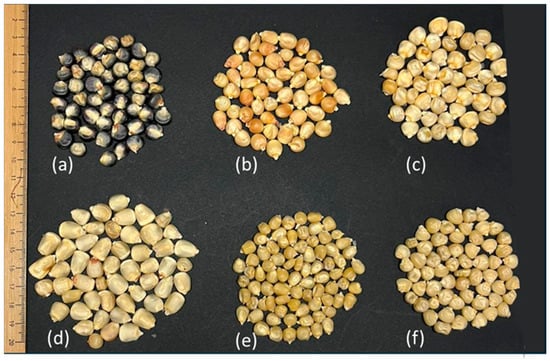
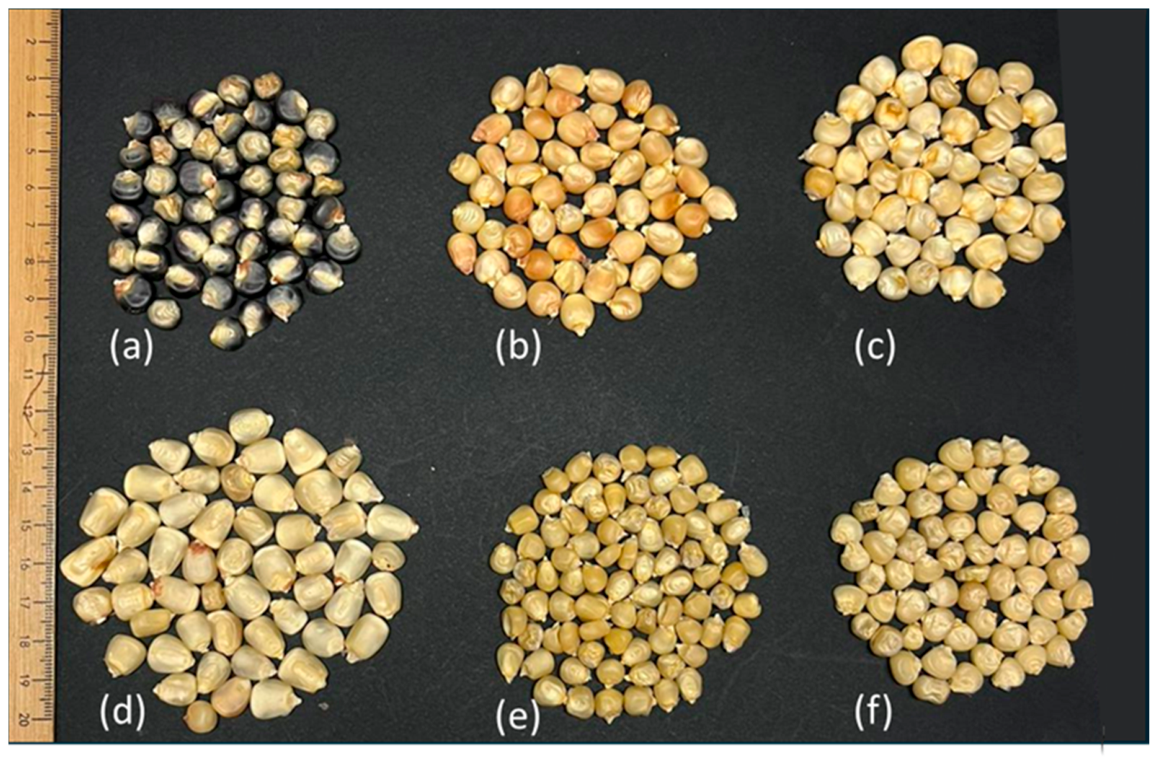
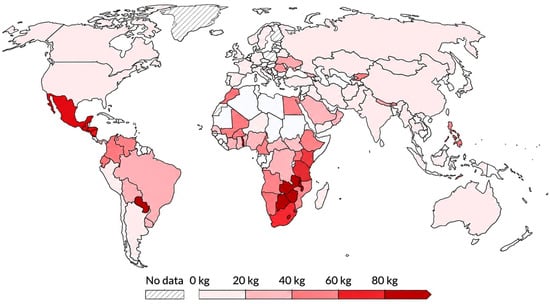
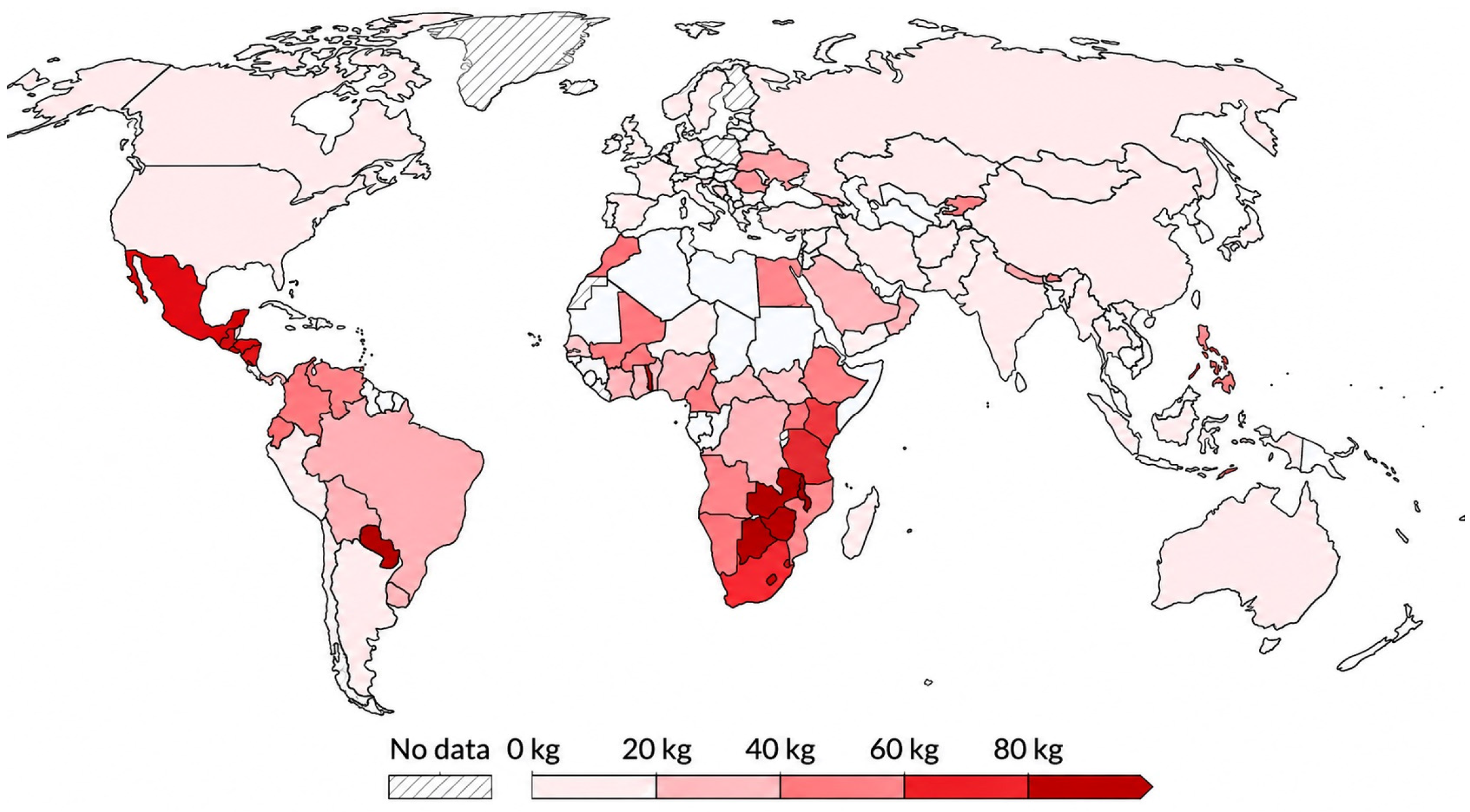
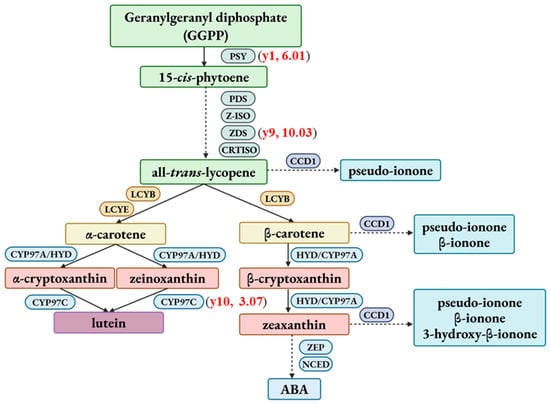
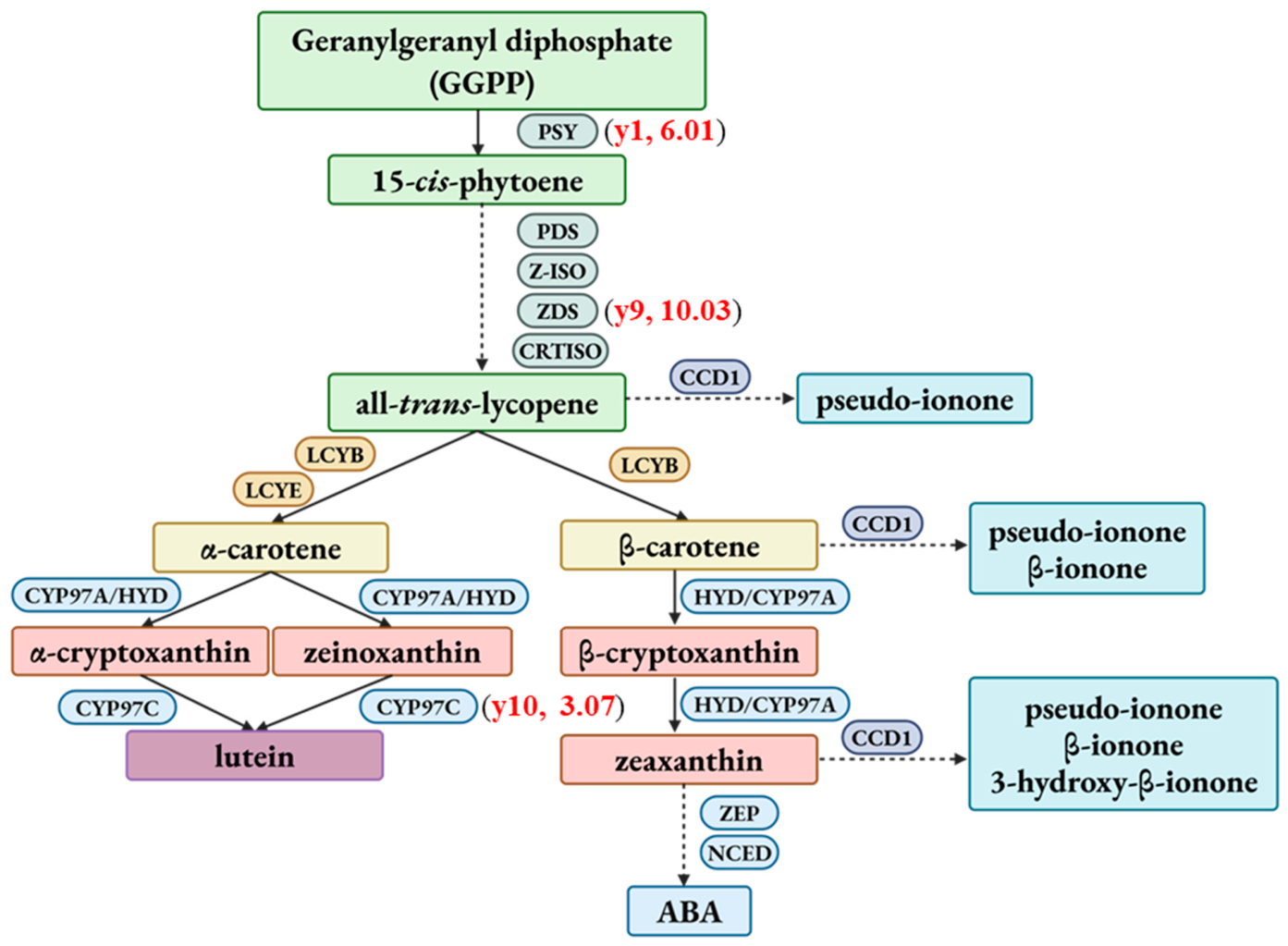


Disclaimer/Publisher’s Note: The statements, opinions and data contained in all publications are solely those of the individual author(s) and contributor(s) and not of MDPI and/or the editor(s). MDPI and/or the editor(s) disclaim responsibility for any injury to people or property resulting from any ideas, methods, instructions or products referred to in the content. |
© 2026 by the authors. Licensee MDPI, Basel, Switzerland. This article is an open access article distributed under the terms and conditions of the Creative Commons Attribution (CC BY) license.