


Abstract
Mineral nutrition is evaluated through nutrient supply, deficiency, tissue concentration, and yield response. These indicators help establish sufficiency but do not fully describe the metabolic costs or spatial and temporal constraints involved in correcting a nutrient-dependent limitation. This hypothesis-driven narrative review examines acquisition, assimilation, homeostasis, and respiration alongside photochemical energy conversion, ATP-dependent metabolism, carbon allocation, and crop productivity. It distinguishes basal fertilization from corrective functional mineral nutrition, which targets limitations arising from stress or disrupted acquisition and transport despite apparently adequate background supply. Three provisional, potentially overlapping profiles organize documented mechanisms and proposed energy–carbon connections: Group I (Ca, Fe, K, Mg, Mn, and P), Group II (Cl, Cu, N, S, and Zn), and Group III (B, Mo, and Ni). Their boundaries remain unvalidated and imply no fertilizer priority. Nitrogen is assigned provisionally to Group II because crop responses to additional N vary with nutritional status and sink demand. Correcting N limitation can substantially improve photosynthesis and harvested yield; beyond sufficiency, additional N may increase the costs of assimilation, protein turnover, and maintenance with limited productive benefit. The review distinguishes evidence for functional recovery, harvested yield, and measured energetic efficiency. Current evidence does not permit quantitative comparison of net energetic efficiency across all fourteen nutrients. Mineral correction and biostimulation may complement one another when they address different components of an active limitation.
1. Introduction
The amount of a nutrient supplied does not always predict its physiological use. Root acquisition, membrane transport, xylem and phloem transfer, cellular compartmentation, biochemical assimilation, remobilization, and recycling determine whether an absorbed element reaches the sites where it supports photosynthetic energy conversion, carbon metabolism, or biomass formation [1,2,3]. A nutrient present in soil or tissue may produce little agronomic response when the limiting step lies downstream of supply.
A previous review of plant biostimulation under abiotic stress organized crop response into five linked components: the stressor, the limiting process, the mechanism responsive to intervention, preservation of plant function, and the agronomic outcome [4]. It examined root and rhizosphere activity, nutrient acquisition, osmotic and ionic homeostasis, stomatal regulation, photosynthetic protection, carbon assimilation, and source–sink performance. Nutrient availability was distinguished from functionality: membrane energization, transport, water status, carbon supply, or metabolic regulation may restrict the use of an element already present in soil or tissue [4].
For each limiting process, this review asks which essential minerals are required, what metabolic costs their acquisition and use entail, and how correction affects energy–carbon function and productivity. Net energetic return requires separate measurement. Biostimulants may preserve or restore physiological competence, while mineral nutrients supply the ionic, structural, catalytic, redox, and energetic components required for those processes [4].
Functional nutrient sufficiency can change during the crop cycle. Drought, salinity, biotic stress, unfavorable soil conditions, root impairment, disrupted mass flow or diffusion, and nutrient antagonisms can restrict acquisition, transport, redistribution, or utilization [1,2,3,5,6]. Basal fertilization matches inputs to crop demand and, in maintenance systems, to nutrient removal, while accounting for soil supply [7]. Even after seasonal requirements appear to have been met, a transient limitation may develop in a particular organ or growth stage. Corrective functional mineral nutrition targets that limitation.
Photosynthetic capacity alone does not determine crop productivity. Light energy converted into electron flow, ATP, and reducing power must support CO2 assimilation and photoassimilate synthesis. The resulting carbon supplies roots, reproductive organs, and other sinks while covering respiratory and maintenance costs. The yield response to improved photosynthesis depends on sink strength, developmental stage, respiratory cost, and dry-matter partitioning [8,9,10,11]. A soybean field study reported higher photosynthetic efficiency and seed yield after accelerated recovery from photoprotection. The yield interpretation was subsequently challenged and defended in a published exchange [12,13,14]. These studies concern photosynthetic dynamics, not mineral correction or regrowth after damage.
Nutrient acquisition and use carry distinct metabolic costs. Ion pumping and maintenance of electrochemical gradients require ATP, while assimilatory metabolism can require ATP and reducing power [15,16]. Protein synthesis and turnover, cofactor assembly, and tissue maintenance add nutrient-specific costs, discussed in Section 4, Section 5 and Section 6. Benefits arise at different points in metabolism: some nutrients participate directly in photochemical electron transfer or ATP chemistry; others support carbon acquisition, assimilate distribution, nutrient assimilation, recycling, or regulation.
Higher nutrient supply, tissue concentration, photosynthesis, or biomass can accompany greater respiratory and maintenance costs without a corresponding increase in harvested yield. Additional leaves, stems, roots, and protein pools all contribute to these costs. For N, gains in chlorophyll, Rubisco, leaf area, and photosynthetic capacity can accompany greater nitrate reduction, amino acid synthesis, protein turnover, respiration, and maintenance of N-rich tissues [10,17,18,19,20]. These responses alone do not establish higher energetic efficiency.
Previous syntheses cover mineral function and interacting deficiencies [1,2,3], photosynthesis–respiration coupling [10], source–sink adjustment under water deficit [11,21], mineral–biostimulant interactions [22], and Mg-dependent carbon partitioning [23]. This review integrates those mechanisms to examine the effects of correcting a diagnosed mineral-dependent bottleneck: which function is restored, what acquisition, assimilation, and respiratory costs accompany correction, and where carbon is allocated. Evidence for recovery in regenerating organs and allocation to harvestable sinks is assessed separately from metabolic investment. Proposed experiments test the relationships among these outcomes and, independently, the three provisional nutrient groups.
The central hypothesis is that the agronomic value of mineral nutrition depends on the response to correction of an active mineral-dependent limitation as well as the quantity supplied or absorbed. Stress, nutrient antagonisms, root impairment, and restricted transport may create transient limitations despite adequate basal nutrition. Targeted correction may restore the affected process and, where source–sink conditions permit, support photoassimilate use in respiration, biosynthesis, and regrowth. Productive recovery requires coordination of mineral function, carbon supply, respiratory energy generation, and development of the damaged organs.
Terminology and scope. The following terms are used operationally in this review. The energetic-leverage groups describe provisional, potentially overlapping profiles; they are not established functional classifications or measured levels of energy efficiency.
- High-leverage nutrient/high-leverage position: an element, or the mineral-dependent step it supports, for which correcting a limitation may restore substantial energy–carbon or source–sink flux. Group I brings together selected connections involving Ca, Fe, K, Mg, Mn, and P. The term does not rank essentiality or fertilizer requirements; another nutrient may have decisive leverage under a specific limitation.
- Conditional energetic influence: a nutrient-dependent effect on carbon–energy function and crop productivity that varies with physiological status, nutrient interactions, and sink demand. This variability applies to all essential nutrients, including the diverse members of Group II (Cl, Cu, N, S, and Zn). It does not imply a lower contribution to yield or energetic efficiency for that group.
- High-investment and variable-return nutrient: the description applied here to N. Assimilation, protein synthesis, and maintenance require metabolic resources, but correcting N limitation can produce a large physiological and yield response. Once sufficiency is reached, marginal benefits may decline while costs or nonharvest biomass increase. This variation motivates the provisional placement of N in Group II.
- Energetic constraint/energetic recovery: an energetic constraint is a nutrient-dependent bottleneck that limits photochemical activity, ATP-dependent metabolism, carbon gain, or allocation. Energetic recovery is the time-dependent restoration of those functions and carbon-supported organ regrowth after stress.
- Energetic return/productive energetic return: energetic return describes the physiological benefit of restoring a mineral-dependent process relative to its energetic and carbon costs. Productive energetic return also considers the subsequent contribution to harvestable sinks. Both terms describe conceptual relationships here; this review does not calculate nutrient-specific energy balances.
- Basal sufficiency/corrective functional mineral nutrition: basal sufficiency is a crop- and stage-appropriate nutritional status assessed through calibrated soil and plant analyses and management information. Corrective functional mineral nutrition is a targeted response to a newly active mineral-dependent limitation that may emerge despite apparently adequate basal supply.
Six questions guide the review. How does basal sufficiency differ from a stress-induced functional limitation requiring correction? Where do essential nutrients act in the energy–carbon–source–sink pathway, and what do their acquisition and use require? How does correction affect carbon assimilation, respiration, allocation, and regrowth? When do nutrient interactions, excess supply, toxicity, or sink constraints reduce the response? How can mineral correction and biostimulation complement one another during recovery? Finally, do these mechanisms support provisional energetic-leverage groups without implying a fixed nutrient order or fertilizer priority?
2. Literature Search and Evidence Framework
The literature was assembled through a targeted, hypothesis-driven narrative approach. Foundational studies of mineral function, relevant reviews, and their cited primary research were considered alongside peer-reviewed studies available through September 2026. Source–sink regulation under water deficit and Mg-dependent carbon partitioning received particular attention [21,23]. Primary mechanistic studies were preferred for biochemical claims. Reviews and meta-analyses informed the interpretation of broader physiological patterns, and older studies were retained when they offered relevant direct evidence.
Narrative literature selection. Individual nutrient names, such as phosphorus, magnesium, manganese, copper, and nitrogen, were combined with terms including “photosynthesis,” “ATP,” “carbon partitioning,” “source-sink,” “respiration,” “stress recovery,” “foliar nutrition,” and “crop yield.” The search themes also covered photosynthetic electron transport, MgATP, carbon assimilation, root activity, nutrient assimilation and use efficiency, harvest index, stress-induced nutrient limitation, and corrective nutrition. These were thematic combinations, not a standardized Boolean query. Eligible sources addressed biochemical or physiological mechanisms, whole-plant carbon or nutrient flux, crop-scale responses, or syntheses needed to evaluate the hypothesis. Peer-reviewed English-language studies were preferred; correspondence was included when relevant to a published scientific exchange [13,14]. Nutrient concentrations alone were insufficient evidence of improved energy efficiency. Selection was purposive and iterative, without a registered protocol or formal screening flow. The synthesis does not claim exhaustive coverage and cannot estimate the prevalence of particular findings.
Reported benefits were assessed alongside reports of no response, saturation, antagonism, toxicity, and increased respiratory or maintenance costs. These observations informed interpretation of individual mechanisms and their limits; they were not pooled into a common estimate of energetic return.
Each study type addressed a different question. Biochemical and organellar experiments established nutrient involvement in electron transfer, ATP-dependent reactions, enzyme activation, ionic gradients, or assimilatory reduction. Whole-plant experiments examined gas exchange, respiration, carbohydrate pools, root activity, and biomass accumulation. Source–sink studies connected carbon production with allocation, while field trials and meta-analyses supplied evidence of yield, crop productivity, or agronomic nutrient-use efficiency.
Changes in chlorophyll fluorescence, ATPase activity, nutrient concentration, photosynthesis, or biomass alone do not establish higher harvested yield or net energetic efficiency. Three outcomes are assessed separately: (i) documented recovery of a nutrient-dependent function, such as electron transport or carbon export; (ii) observed improvement in yield or harvested-sink performance; and (iii) measured net energy or carbon-use efficiency. The third requires inputs, metabolic or respiratory costs, and outputs to be quantified in comparable units. A plausible mechanism cannot substitute for yield measurements. Increased yield without quantified metabolic investment establishes a productive benefit, but not greater energetic efficiency. Increased respiration, maintenance, futile cycling, antagonism, toxicity, or carbon accumulation in source leaves may indicate costs even when tissue nutrient concentration rises.
Independent observations support Ca signaling and membrane function, altered photoassimilate distribution under Ca deficiency, carbon-supported root respiration, and ATP-dependent nutrient uptake. Their integration remains a hypothesis because the complete Ca-specific energetic balance has not been quantified. The same distinction applies to the proposed nutrient profiles: published studies support the component mechanisms, while the group boundaries require independent testing.
The evidence categories used to assess physiological recovery, productive responses, and energetic efficiency, together with their interpretive limitations, are summarized in Table 1.
Table 1.
Evidence categories for evaluating energetic and productive responses.
3. Basal and Corrective Functional Nutrition
Here, “net energetic return” describes a conceptual relationship between restored nutrient-dependent function, carbon and metabolic investment, and allocation to productive sinks. It is not a measured thermodynamic balance or a common index across nutrients. Investment includes acquisition, active transport, ion homeostasis, assimilatory reduction, protein synthesis and turnover, and maintenance respiration in the tissues produced. The cited literature documents transport, electrochemical, and ATP:NADPH demands [15,16]; Section 4, Section 5 and Section 6 examine nutrient-specific costs. Potential benefits include restored electron flow, ATP turnover, carbon assimilation, protection of energy-converting machinery, nutrient recycling, and source–sink transport. These components have not been quantified together in a single comparative study.
Physiological recovery can be documented through restored electron transport, ATP-related function, or CO2 assimilation. A net energy–carbon assessment must also account for respiration, transport, assimilation, and maintenance. Evidence of productive benefit requires measurements of harvested yield or quality; sink indicators alone support a possible pathway to yield improvement. These are the separate outcomes defined in Section 2 [8,9,10,11,15,16,67,68].
Evaluation should compare correction of a diagnosed limitation with an appropriate control. Field assessments should measure recovery of the affected function, using chlorophyll fluorescence or gas exchange where relevant, together with crop growth and marketable yield or quality under comparable basal management. Measurements of CO2 assimilation, respiratory carbon use, carbohydrate allocation, and sink growth can test the proposed mechanism. Agronomic nutrient-use efficiency, expressed as yield increase per unit of nutrient added, remains a separate endpoint. Energetic comparisons require consistently defined energy or carbon units [8,9,10,11,15,16,67,68].
Productive benefit requires carbon remaining after metabolic costs to reach the relevant sinks. Roots depend on shoot-derived carbohydrates, whose respiratory metabolism supplies ATP, reducing power, and carbon skeletons for active transport, nutrient assimilation, biosynthesis, growth, and maintenance [10,11,22,48,67,68]. Mitochondrial respiration also supplies ATP outside the chloroplast [22,48,67,68]. Grain, fruit, seed, tubers, and other harvested organs determine whether physiological gains become yield. Source activity, sink demand, and the costs of respiration and tissue construction therefore need to be assessed together.
Biostimulants can modify root development, membrane transport, rhizosphere activity, nutrient uptake, and assimilation, sometimes improving nutrient-use efficiency. Their effects depend on the plant’s capacity to acquire and use available minerals; they cannot generally replace an essential element that remains severely limiting [22].
Corrective functional nutrition targets a nutrient-dependent process that becomes limiting despite an otherwise adequate basal program. Basal nutrition addresses crop demand and nutrient removal over the production cycle [7]. Correction addresses transient restrictions caused by stress, impaired acquisition or transport, altered redistribution, antagonism, or increased mineral demand during organ recovery [2,3,5,6,7,19,22]. Restoring the affected process may improve carbon gain, respiratory energy use, source–sink transport, or growth despite apparently adequate seasonal supply.
“Adequate basal nutrition” is a working diagnosis specific to the crop and growth stage. It should draw on calibrated soil tests, crop demand and removal, fertilization history, tissue analyses with validated ranges, and expected yield. Evidence of a functional limitation is stronger when nutritional status, the affected physiological process, and the response to correction provide consistent evidence; soil or leaf concentration alone cannot establish causality [1,2,3,7,22,48].
A corrective intervention must specify the diagnosis, timing, dose, delivery route, and physiological target. Impaired root uptake may justify a route other than basal soil application; foliar nutrition offers one complementary approach under stresses that restrict soil-derived acquisition [48]. A deficiency induced by antagonism also requires attention to nutrient balance. Extra supply is unlikely to help when the element is already functionally sufficient or when water deficit, salinity, damaged transport, another nutrient, or inadequate sink capacity remains the dominant constraint [5,48].
The proposed response depends on initial nutrient status and dose. Correcting an active limitation may restore a substantial physiological flux, with diminishing gains as sufficiency is reached. Excess supply can increase costs through toxicity, ionic competition, futile transport, respiration, or maintenance of nonharvest biomass. Direct measurements would be needed to determine the resulting net energetic efficiency.
Figure 1 distinguishes maintenance fertilization from targeted correction after stress, antagonism, or impaired transport creates a functional limitation. It links restored mineral function to photosynthesis, respiratory use of photoassimilates, tissue reconstruction, and productive sinks.
Figure 1.
Basal fertilization and corrective functional mineral nutrition in post-stress recovery. Basal fertilization maintains nutrient sufficiency according to crop demand, removal, and soil supply. Stress, nutrient antagonisms, root impairment, or disrupted transport can create a functional limitation that mineral correction and biostimulation address through complementary mechanisms. Restored nutrient function supports photosynthesis and photoassimilate delivery. Respiration supplies ATP, reducing power, and carbon skeletons for cell proliferation, biosynthesis, organ regrowth, and source–sink recovery. Harvestable yield depends on crop and genotype, phenological stage, stress intensity, soil and rhizosphere conditions, nutrient interactions, dose, delivery route, and sink capacity.
4. Mineral-Dependent Interfaces with Energy and Carbon Metabolism
The six nutrients examined here connect ATP chemistry, electron transport, carbon acquisition, and assimilate distribution. These connections motivate their provisional placement in Group I (Section 9), although comparative net energetic returns have not been established. The order of discussion in Section 4, Section 5 and Section 6 is explanatory and does not imply a fertilizer priority.
“High leverage” describes the potential effect of correcting a limiting mineral-dependent process. The examples involve ATP/Pi/MgATP chemistry, electron transport, CO2 entry, and assimilate distribution. Cu, Cl, N, or another essential element can have comparable influence when its function limits crop performance [1,2,10,11,27,28,29,30,37,38,39,40,41,42,43,44,69].
4.1. Phosphorus (P): ATP Turnover and Carbon Metabolism
Under low Pi availability, plants modify root growth, transporter activity, internal P recycling, membrane-lipid composition, and metabolism to maintain acquisition and conserve cellular Pi. These adjustments require or redirect carbon and biosynthetic resources. The outcome depends on the quantity absorbed and its distribution among metabolically active pools, including ATP, phosphorylated intermediates, nucleic acids, phospholipids, and storage forms [1,24,25].
Pi participates in ATP synthesis and turnover and in the phosphorylated intermediates connecting photochemical energy conversion with carbon metabolism. Continued CO2 assimilation requires phosphate availability and recycling to sustain ATP turnover and conversion of triose phosphates into sucrose, starch, and other end products. Restricted Pi availability or recycling can inhibit photosynthesis even when light capture and electron transport remain functional [1,25,26].
Correcting a limitation in Pi availability can improve ATP turnover and carbon metabolism, allowing source tissues to generate assimilates and growing or reproductive sinks to use them. P-use efficiency depends on acquisition, internal utilization, recycling, remobilization, and allocation. A productive response requires the additional carbon to reach sinks that contribute to growth or harvested yield [25,70].
The response to P supply is nonlinear. Once ATP/Pi turnover and P-dependent carbon metabolism are no longer limiting, additional P cannot proportionally increase carbon gain and may induce nutrient imbalances (Section 7). Mechanistic evidence supports its roles in ATP chemistry, phosphorylation, Pi recycling, and end-product formation, while whole-plant responses vary with crop, environment, soil, and sink demand [24,25,70]. A meta-analysis of more than 400 Finnish field experiments spanning 80 years found an average 11% yield increase with P fertilization, with substantial variation among soil groups. The lowest rates tested on clay and organic soils (6–15 kg ha−1) produced maximum cereal responses; coarse-textured mineral soils required 16–30 kg ha−1. Responses were negligible or low at moderate-to-high soil-test P or baseline productivity on coarse-textured mineral and organic soils. Clay soils responded similarly across soil-test P and productivity classes [57].
4.2. Magnesium (Mg): MgATP and Carbon Export
Magnesium supports light capture, ATP-dependent reactions, and assimilate export through its distribution among chloroplasts, the cytosol, mitochondria, and ribosomes. Excess K can restrict Mg uptake or translocation and induce Mg deficiency even when soil Mg appears adequate. Mg limitation can therefore arise from cation imbalance as well as absolute shortage [33,59,71].
Mg is the central atom of chlorophyll, is required for Rubisco activation, and forms MgATP, the substrate used by most ATP-dependent enzymes. These functions connect light capture with ATP utilization, phosphorylation, CO2 fixation, protein synthesis, and enzyme activation [1,33,34,35].
Mg deficiency can cause carbohydrates to accumulate in source leaves as phloem export, root growth, and sink supply decline. A synthesis of bean and sugar beet experiments links impaired sucrose export to increased photooxidative pressure despite assimilate production [23]. Correction can improve CO2 assimilation and carbon delivery to heterotrophic sinks. Meta-analyses report positive mean yield responses across production systems and declining agronomic efficiency at higher application rates [34,36]. Across 570 paired observations from 99 field studies, Mg fertilization increased yield by 8.5% on average and by 9.4% under severe deficiency. Sugar concentration in edible organs increased by 5.5% [36].
The evidence spans biochemical roles in chlorophyll and MgATP, physiological effects on assimilation and carbon export, and yield responses under Mg limitation. Benefits decline after sufficiency; excessive K may also reduce whole-plant energetic efficiency by suppressing Mg acquisition [34,36,59].
4.3. Manganese (Mn): PSII and Photochemical Energy
Although Mn is required in small amounts, its function depends on homeostasis and delivery to the oxygen-evolving complex of photosystem II. Maintaining Mn availability and directing it to the appropriate subcellular sites require metabolic investment. Total tissue Mn can obscure a shortage in assembled functional complexes: latent deficiency may impair photosynthesis before severe visual symptoms appear [27,69].
The Mn4CaO5 cluster catalyzes water oxidation at PSII, supplying electrons for downstream transport, proton-gradient formation, NADPH generation, and ATP synthesis. Mn deficiency constrains this initial photochemical step, for which mechanistic evidence is particularly strong [27,28,29,30].
Correcting Mn limitation at the oxygen-evolving complex may restore substantial photosynthetic electron flux. This mechanism does not quantify net energetic return per unit supplied or establish a greater yield benefit than correcting another limiting nutrient. Productive effects depend on CO2 assimilation, downstream metabolism, and carbon delivery to growing or reproductive sinks [2,30]. In the cited winter barley experiment, foliar Mn increased winter survival by up to 33% and grain yield by up to 36% in plants with the lowest autumn Mn status; comparable benefits were absent where Mn status was adequate [72].
Once OEC requirements are met, additional Mn cannot proportionally increase electron flow. Excess raises the costs of sequestration, detoxification, and redox control. Soil chemistry affects both deficiency and toxicity, helping explain variation in field responses despite the well-established PSII mechanism [27,60].
4.4. Iron (Fe): Electron Transfer and Redox Control
Iron acquisition and homeostasis require substantial metabolic investment. Its poor solubility in many soils necessitates species-specific strategies: rhizosphere acidification and reduction predominate in Strategy I plants, whereas grasses synthesize and release phytosiderophores. Transport, intracellular trafficking, storage, and cofactor assembly deliver Fe to functional proteins in chloroplasts and mitochondria while limiting reactive free Fe [73,74,75].
Fe–S clusters, cytochromes, ferredoxin, and related proteins participate in photosynthetic and respiratory electron transfer. They contribute to reducing-power generation in chloroplasts and mitochondrial ATP production, supporting carbon acquisition, maintenance, transport, and biosynthesis [75,76,77].
Fe correction should benefit the plant when acquisition and cofactor assembly restore limiting electron-transfer capacity. This condition often arises in calcareous or alkaline soils, where total Fe can be abundant but acquisition remains restricted. Effective correction depends on Fe reaching and metallating the proteins involved in energy conversion [73,74]. In a field experiment with 14 wheat cultivars on soil with marginal micronutrient availability, foliar Fe applied as recommended increased grain yield by 13.65% to 29.15% among the Fe-susceptible genotypes tested, whereas Fe-efficient genotypes responded much less [78].
Unliganded or excessive Fe can promote oxidative damage and increase the costs of sequestration, antioxidant protection, and repair. Although its role in electron transport is well established, crop-scale balances between acquisition cost and productive return remain poorly quantified. Additional Fe beyond sufficiency may increase oxidative and homeostatic costs without improving function or yield [60,75,77].
4.5. Potassium (K): Stomatal Regulation and Carbon Transport
Potassium acts mainly through electrochemical and regulatory processes. Its uptake, redistribution, and compartmentation depend on membrane energization, particularly proton gradients established by plasma-membrane H+-ATPases. ATP investment creates the conditions for K+ transport in guard cells, vascular tissues, and other compartments, with part of that energy stored in ionic gradients [15,37,38,39].
K controls stomatal movement and CO2 entry, contributes to osmotic relations and enzyme activation, and supports phloem loading and long-distance photoassimilate transport [38,40,41,42]. The potassium-battery concept proposes that energy stored in K+ gradients can support transport elsewhere in the vascular system. This mechanism has not been quantified as a whole-crop energy budget [39].
K deficiency can reduce sink activity and assimilate delivery before large changes in biomass occur, while sugars accumulate in source leaves. Adequate K supports CO2 acquisition and carbon transport toward roots, grains, fruits, and other heterotrophic sinks [11,43]. In a two-year potato field experiment, 270 kg K ha−1 increased tuber yield by 17.3% and 24.0% relative to zero K in successive years. The higher rate of 405 kg K ha−1 produced smaller increases of 15.5% and 19.3%. Source–sink analysis indicated a balance at 135–270 kg K ha−1, whereas 405 kg K ha−1 was associated with a significantly lower sink–source ratio and no further yield improvement [44].
Luxury K uptake can continue beyond the amount required for maximum growth. Excess K may suppress Mg acquisition, impairing chlorophyll function, MgATP metabolism, and CO2 assimilation. Its effects on stomatal regulation and carbon transport therefore need to be evaluated alongside Mg status; greater tissue K concentration alone does not establish higher energetic efficiency [40,59].
4.6. Calcium (Ca): Signaling and Carbon Distribution
Maintaining Ca2+ far from electrochemical equilibrium requires continuing energy expenditure. Ca2+-ATPases and H+/Ca2+ exchangers keep cytosolic concentrations much lower than extracellular and organellar pools. The ATP and proton-motive force invested in these gradients enable transient Ca2+ signals. These costs arise from homeostatic regulation rather than reductive assimilation [79,80,81,82].
Ca2+ gradients coordinate channels, transporters, membrane stability, stress responses, and mineral homeostasis. Classical 14C-tracer experiments and Ca-starvation studies also indicate that inadequate Ca can restrict photoassimilate translocation: sugars accumulate in leaves while delivery to stems or roots declines. These observations support a role for adequate Ca in maintaining the conditions needed for source-to-sink transport [46,47].
Roots depend on imported carbohydrates for respiration, ATP production, nutrient uptake, and growth. Adequate Ca may support a feedback loop in which leaves export carbon, roots use it to generate ATP, and root nutrient acquisition sustains shoot nutrition. The component processes have independent support, but the complete loop has not been quantified as a Ca-specific energetic balance [11,46,82].
Ca signaling depends on controlled spatial and temporal gradients; increasing cytosolic Ca2+ does not continuously improve the response, and excessive Ca may interfere with Mg and other cations. Evidence for signaling is strong, while the proposed contribution to photoassimilate distribution relies partly on classical studies and requires modern quantitative validation. Correcting Ca limitation may restore membrane function, carbon distribution, or root sink activity [71,82]. A meta-analysis of 668 pairwise comparisons from 110 studies reported an average 18.8% yield increase with Ca fertilization. Yield increases were 37.8% when soil exchangeable Ca was below 300 mg kg−1 and 13.6% above that threshold [58]. Lime treatments produced larger pooled responses than non-liming Ca fertilizers, so part of the effect may reflect changes in pH and nutrient availability rather than Ca nutrition alone [58].
Ca is delivered mainly through xylem water flow, with limited phloem redistribution. An adequate bulk Ca concentration therefore does not guarantee delivery to a poorly transpiring meristem or fruit. Correction requires a defined target tissue, assessment of roots and water transport, and a delivery route capable of reaching that tissue. A general foliar treatment cannot be assumed to correct every Ca-related disorder, and additional Ca does not necessarily improve signaling or regeneration [46,47,58,79,80,81,82,83].
These nutrients act at different points in coupled biochemical processes. In the light reactions, Mn and Fe support electron transfer upstream of ATP generation and CO2 fixation. P and Mg participate in ATP/Pi turnover and ATP-dependent carbon metabolism across cellular compartments. These positions describe biochemical relationships, not stages of fertilizer application. K and Ca contribute through CO2 acquisition, electrochemical regulation, assimilate transport, and carbon delivery to heterotrophic sinks. Correction is most effective when the relevant function limits crop performance; saturation, toxicity, antagonism, or impaired source–sink balance can reduce or reverse the benefit.
5. Additional Mineral-Dependent Contributions to Carbon–Energy Function
The seven elements examined here contribute to photochemistry, catalysis, assimilation, recycling, regulation, and tissue structure. Their roles differ in the processes affected and the available crop-scale evidence. Section 9 provisionally places Cl, Cu, S, and Zn in Group II, and B, Mo, and Ni in Group III. These profiles organize the discussion without determining the magnitude of a response to correction.
Cu and Cl participate directly in photosynthetic electron transport or oxygen evolution. A Mo-dependent nitrate-reduction step or B-dependent reproductive process may also determine crop performance when limiting. A specific catalytic or structural role can therefore have a substantial agronomic effect.
5.1. Copper (Cu): Plastocyanin and Electron Transfer
Cu homeostasis must balance the toxicity of free Cu against the metallation requirements of cuproproteins. P-type ATPases and metallochaperones deliver it to compartments such as the chloroplast, where plastocyanin transfers electrons from cytochrome b6f to PSI. ATP-dependent Cu trafficking thus supports photosynthetic electron transport [84,85,86].
Correcting Cu limitation can restore plastocyanin and other Cu-dependent electron-transfer functions. As with Mn at the oxygen-evolving complex, a small cofactor pool can control substantial electron flux. A small quantitative requirement therefore cannot justify assigning Cu less leverage than Mn. Their assignment to different groups reflects a qualitative interpretation of pathway involvement, metabolic context, and evidence; comparative energetic or yield responses have not been demonstrated. Cu correction may be the most justified intervention when plastocyanin activity is limiting [27,28,29,30,69,72,84,85,86].
Once plastocyanin and other cuproproteins are adequately metallated, further Cu provides little functional benefit. Excess Cu increases redox activity, oxidative damage, and detoxification and sequestration costs, restricting the beneficial range [60].
5.2. Chloride (Cl): Photochemistry and Water Relations
Cl− requires uptake, transport, compartmentation, and ionic homeostasis but no reductive assimilation before use. This difference from nitrate and sulfate suggests a comparatively low assimilatory cost; a whole-plant Cl energy budget has not been measured. Cl is required for efficient oxygen evolution at PSII and the resulting photochemical electron flow [87,88,89].
Within a beneficial concentration range, Cl has also been associated with improved water relations, mesophyll CO2 diffusion, stomatal behavior, and nitrate utilization [90,91]. Its contribution to carbon acquisition and nutrient use depends on photochemical and hydraulic functions rather than the supply of chemical energy.
Excess Cl contributes to salinity and ionic stress, and homeostatic costs may outweigh further functional benefits. Despite its established photochemical role and reported physiological benefits within an appropriate concentration range, field-scale evidence for energetic return remains less developed than for P, Mg, or K.
5.3. Zinc (Zn): Enzyme Function and Carbon Metabolism
Zn supports the catalytic activity of proteins involved in carbon metabolism and cellular regulation. Zn is needed only in small quantities, but its uptake, sequestration, redistribution, and metallation must remain regulated. Severe Zn deficiency strongly depressed carbonic anhydrase activity in classic spinach experiments, but net CO2 uptake changed little except under the most severe stress. Those results did not support a direct role for carbonic anhydrase in facilitating CO2 diffusion to carboxylation sites [92]. Other Zn-dependent proteins contribute to metabolic regulation and homeostasis [93,94,95].
Zn correction can improve metabolism when deficiency restricts carbon processing or Zn-dependent enzyme activity. The contribution of these processes to CO2 assimilation varies among species, tissues, and environments. Their whole-plant energetic effect is less direct than that of P, Mg, Mn, or Fe, so agronomic interpretation requires caution.
Excess Zn can reduce stomatal and mesophyll conductance while increasing respiration and detoxification costs. The resulting loss of carbon gain and increase in maintenance expenditure differ from the metabolic restrictions caused by deficiency [61].
5.4. Sulfur (S): Assimilation and Redox Metabolism
Sulfate activation and reduction consume ATP and reducing power before S is incorporated into cysteine. Sulfur assimilation therefore requires investment from photosynthetic or respiratory metabolism before protein synthesis begins [31,32].
After reduction, S enters cysteine, methionine, proteins, glutathione, coenzymes, and Fe–S proteins. Glutathione buffers cellular redox conditions, while ferredoxins and other Fe–S proteins participate in photosynthetic electron transfer and other redox reactions. S assimilation supplies components that sustain and protect energy conversion and metabolism [76,77,96].
S nutrition is coordinated with C and N metabolism. Additional S should produce smaller gains when carbon skeletons or N availability limit protein synthesis. S deficiency can, in turn, alter N acquisition and incorporation and restrict S-containing protein synthesis, Fe–S-dependent redox functions, and glutathione metabolism [97].
5.5. Molybdenum (Mo): Nitrogen Assimilation
The molybdenum cofactor is indispensable for nitrate reductase, allowing nitrate to enter the reductive pathway that ultimately supplies organic N. Although required in very small amounts, Mo enables reducing power and carbon skeletons to be used in N assimilation [98,99,100,101,102]. In symbiotic N2-fixing systems, it also forms part of the Fe–Mo cofactor of bacterial nitrogenase, connecting a small Mo requirement in the plant–microbe system with an ATP-intensive route of N acquisition [99,102].
Correcting Mo limitation can restore nitrate reductase or nitrogenase activity, supporting a large N flux relative to the amount of Mo supplied. Productive effects depend on carbon supply, reducing power, downstream assimilation, protein synthesis, and sink demand.
Once molybdoenzymes are adequately supplied, additional Mo cannot increase N flux if carbon, N substrate, enzyme abundance, or sink capacity becomes limiting. Evidence for this catalytic role is stronger than evidence for its effect on whole-plant energy balance.
5.6. Nickel (Ni): Nitrogen Recycling
Ni is required by urease to hydrolyze urea produced during internal N metabolism. Impaired urease activity restricts recovery of N previously acquired, assimilated, and incorporated at metabolic cost [103,104,105,106].
Urea-N recycling preserves prior metabolic investment by reducing the need to acquire replacement N. Recycling can reduce some of the ATP, reducing power, and carbon-skeleton requirements of new acquisition and assimilation. Ni is required in small quantities and has a limited direct effect on whole-plant energy flux; its proposed energetic role concerns resource conservation rather than energy generation.
Additional Ni should yield diminishing benefits once urease requirements are met, while supraoptimal supply can cause toxicity and increase homeostatic costs [69,106]. Its role in urease is established, but crop-scale measurements of energetic savings remain scarce [106].
5.7. Boron (B): Structural Integrity and Sink Development
B has an indirect connection to energy metabolism through its established structural role. It stabilizes rhamnogalacturonan-II in cell walls and is associated with membrane function, transport, meristem activity, and reproductive development [62,63,64,65].
B deficiency can impair rapidly growing and reproductive tissues. Adequate B helps maintain the structural development, membrane integrity, and transport capacity required for sinks to convert imported photoassimilates into biomass. This contribution to productive carbon use does not involve direct generation of ATP or reducing power.
Both B deficiency and toxicity impair plant performance, leaving a narrow beneficial range [62,64,65]. Excess B can intensify salinity stress [66]. Its role in tissue integrity and sink development provides an indirect route to productive carbon use, with less direct evidence of whole-plant energetic gain than for the nutrients discussed above.
A limitation in any of these photochemical, catalytic, assimilatory, recycling, or structural processes can control crop performance, irrespective of provisional group membership. N is examined separately because substantial metabolic investment can accompany large, but variable, physiological and productive responses.
6. Nitrogen (N): High Investment and Variable Energetic Return
N assimilation and maintenance of N-rich tissues require continuing metabolic investment. Nitrate reduction consumes reducing equivalents, ammonium assimilation requires carbon skeletons and ATP, and amino acid and protein synthesis add further costs. Protein turnover and maintenance respiration continue after tissue formation [10,17,19,107]. Growth responses therefore need to be assessed alongside energetic expenditure.
N supports chlorophyll, Rubisco, thylakoid proteins, electron-transfer components, enzymes, nucleic acids, and the photosynthetic apparatus. Under N limitation, greater allocation to photosynthetic proteins can increase CO2 assimilation and canopy growth, with substantial effects on yield [18,19]. The energetic question is whether the additional carbon gain and productive sink growth offset the metabolic and maintenance costs of each increment in N supply.
Correcting N limitation may be the first intervention justified when photosynthesis or reproductive development is constrained [18,19,20,108,109]. Once N is sufficient, further uptake, assimilation, and maintenance of N-rich biomass may add little productive benefit. This variability underlies its provisional Group II assignment. The response depends on N status, crop, growth stage, environment, N form, and sink capacity; this variation does not establish a lower net return for N than for Group I nutrients. P and K also require metabolic investment and show conditional responses [15,24,25,26,37,38,39,40,41,42,43,44,70].
Photosynthetic N-use efficiency is constrained by Rubisco, chlorophyll, electron transport, stomatal conductance, canopy light distribution, and sink demand. The quantitative review by Rotundo and Cipriotti [20] found a saturating relationship between N and photosynthetic performance. Once additional leaf N ceases to increase photosynthetic capacity, carbon return per unit N declines.
Additional N can increase leaf area, tillering or branching, stem and root biomass, and protein pools. These tissues respire, turn over proteins, maintain ion gradients, and compete for carbohydrate. Unless sink number, reproductive capacity, filling duration, or harvest index increases proportionally, more fixed carbon may remain in nonharvest biomass. Remobilization and delivery to reproductive sinks are therefore central to productive N-use efficiency [11,108,109].
A crop can accumulate more biomass while using more carbon for nitrate assimilation, protein turnover, and root and shoot maintenance. Garcia et al. [10] accordingly argue for assessing photosynthesis and respiration together. For N nutrition, dry-matter and N harvest indices help evaluate whether carbon retained after respiratory costs reaches harvested organs.
N form affects photosynthate costs, but nitrate reduction alone does not determine the full investment. Zerihun et al. [107] estimated that nitrate was not substantially more expensive to use than ammonium or glutamine over longer periods because protein turnover and pH regulation dominate total N-utilization costs. They also concluded that N-assimilation costs had relatively little effect on whole-plant carbon balance and shoot–root partitioning. The most efficient regime therefore depends on root-zone pH, toxicity, transport, carbon availability, protein turnover, crop species, and sink demand, as well as reduction costs.
Near the agronomic optimum, coordinated N assimilation, remobilization, and carbon supply can support efficient yield formation. Beyond sufficiency, gains may diminish as maintenance of nonharvest biomass continues. The magnitude of these costs varies with other metabolic processes [107], so the energetic consequences require measurement rather than inference from N dose alone.
In barley, an Ascophyllum nodosum-derived biostimulant improved N-use efficiency and maintained yield with lower N input [49]. Under severe N depletion, plant-derived biostimulants changed physiological and metabolic responses but could not compensate for the missing N [50]. Improved acquisition and use can reduce fertilizer requirements within a responsive range; they cannot replace N when substrate availability is limiting.
7. Nutrient Interactions and Energetic Constraints
Combined nutrient limitations can alter photosynthesis and metabolic allocation in ways that single-element experiments do not predict. Correcting one limitation may expose another [2], so the response must be assessed within the affected pathway and the crop’s overall nutritional status.
Meeting basal requirements and replacing nutrients removed by the crop do not prevent later functional limitations [7]. Drought can restrict diffusion, uptake, and acropetal transport; salinity can cause ionic competition and imbalance; and other stresses can impair acquisition and use [3,5,6]. Soil supply and even tissue concentration may then be poor indicators of nutrient availability to a particular process. Nutrient antagonisms can compound these restrictions [59]. Diagnosis must assess supply and nutrient balance before increasing basal fertilizer rates.
Soil and rhizosphere conditions affect nutrient supply and acquisition. The effect of pH on sorption and uptake varies with soil type and the ion involved. Liming can alter pH, exchangeable cations, and availability, so its effects extend beyond nutrient addition alone [58,110,111]. Redox status influences Fe and Mn dynamics [112]. Organic matter contributes to complexation, buffering, and cycling, while mycorrhizal fungi and other microbes can assist P and N acquisition [113,114]. Adjusting pH, improving water status or aeration, or enhancing biological nutrient acquisition may remove a limitation without extra mineral fertilizer and alter which nutrient limits crop function. Microbial acquisition also requires plant carbon, including sugars, lipids, and root exudates transferred to partners or released into the rhizosphere [113,114]. Net energetic return must account for this investment and the productive response.
Excess K can restrict Mg uptake and translocation, impairing chlorophyll function, MgATP-dependent reactions, Rubisco activity, and carbon export. A previously beneficial K input may then have a negative marginal effect [59]. K management should therefore account for Mg status.
Ca and Mg share transport and homeostatic constraints. Excessive Ca may restrict the Mg needed for MgATP-dependent metabolism and photosynthesis, despite Ca’s beneficial effects on membranes, signaling, and carbon distribution. This interaction is particularly relevant in calcareous systems with high total Ca [71].
P and Zn homeostasis are interdependent. High P can exacerbate Zn deficiency in susceptible systems, and Zn deficiency can alter P homeostasis. Added P can support ATP-dependent metabolism only while Zn-dependent enzymes remain functional. P correction therefore requires diagnosis of both nutritional status and the affected process [93,94,95].
N–S and N–Mo interactions affect assimilatory metabolism. N assimilation increases demand for S-containing amino acids and proteins, while S assimilation consumes ATP and reducing power. S deficiency may leave absorbed N in inorganic or incompletely incorporated forms, reducing the productive return on N investment. Mo deficiency restricts nitrate reductase, so adequate N supply cannot compensate for impaired nitrate reduction [31,97,102].
Fe, Mn, and Cu are required for photosynthetic electron transfer, but their free or excessive forms can be toxic. Effective use depends on controlled acquisition, compartmentation, and metallation. The relevant range supplies functional cofactors while limiting oxidative damage and homeostatic expenditure [60,77,85].
Management should target the dominant limitation and then reassess the remaining constraints. Restoring Mg-, Mn-, Fe-, or P-dependent metabolism may produce little yield gain if carbon transport, N/S assimilation, or reproductive sink capacity remains limiting. Improved transport may likewise have little effect when photochemistry or ATP chemistry is constrained.
In tomato and cucumber, a legume-derived protein hydrolysate improved growth under Fe deficiency but had no significant effect under adequate Fe supply [51].
8. Energetic Recovery and Crop Productivity
8.1. Physiological Recovery After Damage and Restoration of Source–Sink Function
Recovery can improve harvested yield only where sink capacity, crop development, and environmental conditions permit [8,9]. The soybean photoprotection experiments discussed in the Introduction illustrate the possible contribution of recovery kinetics to carbon gain and seed yield [12,13,14]. Their yield interpretation remains debated, and they did not test mineral correction after organ damage.
Respiration uses photoassimilates for maintenance, ion pumping, protein turnover, repair, and biosynthesis while supplying ATP, reducing power, and carbon skeletons for reconstruction [10,67,68]. If those costs increase in proportion to photosynthetic carbon gain, net carbon gain may remain small, particularly when added N supports nonharvest biomass [10].
Post-stress recovery requires coordinated restoration of electron transport, ATP use, CO2 assimilation, respiration, and sink demand. PSII repair illustrates the importance of recovery kinetics [52], while impaired nutrient acquisition can delay recovery [3]. Direct comparisons among corrective nutrient treatments remain scarce. A shorter period of impaired assimilation may increase seasonal carbon gain even when steady-state measurements differ little. Time-course measurements of recovery can capture this difference.
Damage to leaves, roots, reproductive organs, or transport tissues creates new sinks and changes demand for minerals and respiratory energy. Regrowth, reconstruction of photosynthetic machinery, membrane transport, and protein turnover require continued carbon delivery. Some carbon is incorporated into biomass; another fraction is used in respiration to supply ATP, reducing power, and carbon skeletons for biosynthesis and maintenance [10,11,67]. Mitochondrial support of photosynthesis-dependent cytosolic ATP supply has been demonstrated experimentally [68]. Its relevance to post-stress crop recovery is a mechanistic inference, not direct evidence of recovery. A previously sufficient nutrient may become temporarily limiting if its availability constrains reconstruction or operation of the damaged organ.
A targeted correction may elicit a larger response than additional basal fertilizer after stress changes the limiting process. Recovery requires both relief of the mineral constraint and sufficient carbon and respiratory energy for tissue rebuilding. Source reconstruction may depend on chlorophyll function, ATP chemistry, electron transfer, or carbon assimilation. Where export or root supply limits recovery, phloem transport, membrane regulation, or root metabolism may require attention [2,3,10,11,59,67,68]. The affected process should determine the corrective target; crop nutrient removal alone cannot identify it.
8.2. Complementary Biostimulation and Mineral Correction During Recovery
Biostimulants can affect roots, rhizosphere activity, transport, signaling, redox regulation, and photosynthetic protection, while mineral nutrition supplies the ions and cofactors those processes require [22]. The studies discussed in Section 6 and Section 7 show that a biostimulant maintained barley yield at reduced N input, whereas biostimulants could not overcome severe N depletion in lettuce. The protein hydrolysate improved growth under Fe deficiency but not under adequate Fe supply [49,50,51]. These responses support complementarity under the tested nutritional conditions; they do not establish universal synergy.
The earlier process-based biostimulant framework [4] makes the same distinction: preserving membrane function, osmotic regulation, or photochemical activity cannot supply a missing mineral component. Conversely, added nutrients may have little effect where transport or carbon-assimilation machinery remains severely impaired [4,22].
Root regrowth depends on shoot-derived carbohydrates. Their respiratory use supports nutrient transport and tissue formation, so higher leaf assimilation may offer little belowground benefit if export remains constrained [11,15,45,67,68]. Mg, K, and Ca affect this connection through different mechanisms.
In oat roots, a biologically active humic fraction stimulated nitrate uptake, microsomal K+-stimulated ATPase activity, and H+ extrusion [53]. The H+-ATPase consumes ATP to establish the proton-motive force used by secondary transporters. Increased activity therefore indicates support for nutrient transport, not a demonstrated reduction in uptake costs. Changes in root growth and root-hair development reported for humic and other biostimulant systems [22] further support coupling among carbon delivery, respiratory ATP supply, membrane energization, and acquisition during recovery.
Canopy loss can reduce carbon supply to roots and alter biomass allocation. Partial defoliation in sugar beet redirected growth away from fibrous roots [54]. Partial canopy removal in mature citrus suppressed root growth for several weeks, reduced root carbohydrate reserves, and was associated with fine-root mortality [55]. A conceptual synthesis cautions that recovery of the root:shoot biomass ratio alone does not establish recovery of resource acquisition, shoot growth, reproduction, or crop performance [56]. The experiments illustrate severe source loss; they did not directly test drought, salinity, disease, herbivory, heat, or herbicide injury. Reduced root respiration, maintenance, and growth may subsequently weaken acquisition of the water and minerals needed to reconstruct the canopy.
After canopy loss, Mg, K, Ca, and P support concurrent source–sink processes. Mg contributes to chlorophyll function, MgATP-dependent metabolism, and assimilate export; K supports stomatal regulation and phloem transport. Ca supports signaling and membrane function and may affect photoassimilate distribution, as indicated partly by classical tracer studies. P participates in ATP/Pi-dependent metabolism and rebuilding of tissues, including roots [23,24,25,26,33,34,35,36,37,38,39,40,41,42,43,44,46,47,59,71,79,80,81,82]. These functions operate across several compartments and inform the proposed shoot–root recovery hypothesis. They do not establish an application sequence or comparative net energetic returns.
Diagnosis should establish which mineral-dependent process limits recovery and whether available carbon can support respiration, biosynthesis, and growing sinks. Excess K may induce Mg limitation; N, Mn, Fe, or another nutrient may instead be limiting in a different crop or under a different stress [3,18,19,20,27,28,29,30,59,72,73,74,75,76,77,78]. Severe source loss may itself restrict root ATP supply. Corrective treatments require appropriate controls and measurements of the affected function and, where feasible, harvested yield. Simultaneous Mg, K, Ca, and P application requires evidence of need [10,11,15,67,68].
8.3. Water Deficit, Salinity, and Potassium-Dependent Osmotic Regulation
Under drought and salinity, K contributes to osmotic adjustment, stomatal regulation, and phloem transport [37,38,39,40,41,42] within the source–sink changes imposed by water deficit [21]. Regulated K+ accumulation makes cellular osmotic potential more negative, supporting water uptake and turgor as tissue water potential declines [37,38,39,40,41,42,115,116]. Turgor maintenance therefore need not involve a less negative leaf water potential. In guard cells, reversible K+ accumulation and release connect membrane energization with stomatal aperture. Adequate K supports CO2 entry when water status permits and ABA-dependent restriction of water loss as stress intensifies. These responses can preserve carbon assimilation and subsequent root and sink activity during stress and recovery.
K+ and its counterions supply much of the inorganic component of osmotic adjustment. Glycine betaine (GB), proline, soluble sugars, and other compatible solutes can add osmotic capacity while stabilizing membranes, proteins, and redox-sensitive processes [38,41,115,117]. Under salinity, these osmotic functions must be coordinated with ionic homeostasis. In tomato, enhanced GB production or exogenous GB application reduced salt-induced K+ efflux and increased root Na+ efflux, lowering the Na+/K+ ratio without GB acting as an ion transporter [117]. This result suggests an interaction between compatible-solute protection and K+ retention in that system. It neither establishes synergy across crops nor shows that organic solutes can replace mineral K.
A meta-analysis of 2381 paired observations found that K application attenuated osmotic-stress effects on water status, photosynthesis, oxidative damage, and productivity. Responses were generally stronger under drought than salinity [118]. In tomato under water shortage, additional K increased water content, shoot growth, fruit set, and yield, although severe drought still reduced yield [119]. During fruit development under deficit irrigation, greater K supply improved soluble sugar concentrations, titratable acidity, and vitamin C concentration [120]. Soil or foliar K also improved tomato yield, soluble solids, titratable acidity, and dry matter under salinity [121].
Combined Ascophyllum nodosum extract and K improved water relations, stomatal function, photosynthetic performance, fruit yield, quality, and water productivity in tomato under water deficit [122]. In contrasting wheat genotypes exposed to salinity, K combined with humic acid improved ionic homeostasis, nutrient uptake, root and shoot growth, and antioxidant responses [123]. These experiments support complementary mineral and biostimulant effects in the tested systems. They do not show that biostimulants replace K or that the combinations will be synergistic across crops.
Benefits remain dependent on K status: supply beyond functional sufficiency may reduce nutrient-use efficiency or induce Mg antagonism [40,59]. The objective is adequate K function, not maximum tissue concentration.
Figure 2 locates nutrient-dependent steps within the earlier process-based framework [4], connecting water relations and photochemistry with carbon assimilation, respiratory metabolism, and productive sinks.
Figure 2.
Mineral-dependent control points connecting water relations, photosynthesis, N metabolism, and crop productivity under stress. Ca, Fe, K, Mg, Mn, and P contribute to ionic regulation, photochemical energy conversion, ATP-dependent carbon metabolism, assimilate transport, and root acquisition. Productive responses depend on the limiting function, stress type and intensity, genotype, phenological stage, nutrient status and interactions, soil and rhizosphere conditions, and sink capacity. The diagram follows the physiological framework in [4] while identifying mineral-dependent steps. Nitrate reduction converts NO3− to NH4+; ammonium is then incorporated into glutamine and glutamate, the first organic N products of assimilation [19].
Increased photosynthesis may produce little yield gain when sink filling or allocation remains limiting [8,10,11,124]. In a rice experiment under nonstress conditions, glycine betaine increased grain yield by 13% and spikelet fertility by 14%, without significant increases in net photosynthesis, stomatal conductance, biomass, or grain number per panicle [125]. Lower leaf respiration and improved filling were proposed explanations; transport and partitioning were not measured directly. This example supports examining respiration and reproductive filling alongside photosynthesis, but provides no evidence for a mineral-specific energetic advantage.
9. Proposed Groups of Potential Energetic Leverage
Five qualitative criteria guide the discussion of potential energetic leverage: direct participation in energy conversion or ATP use; position and breadth within energy–carbon pathways; influence on source–sink allocation; whole-plant and agronomic evidence; and risk of diminishing or negative marginal response through saturation, antagonism, toxicity, or maintenance of nonharvest biomass. They describe nutrient functions and response conditions. A reproducible ranking of the fourteen nutrients would require comparative measurements of net energetic return in common units.
Three provisional, potentially overlapping profiles are proposed: Group I (Ca, Fe, K, Mg, Mn, and P), Group II (Cl, Cu, N, S, and Zn), and Group III (B, Mo, and Ni). They organize hypotheses about the processes affected by a nutrient-dependent limitation. Their boundaries remain unvalidated, and membership implies no internal ranking, fertilizer rate, or application sequence.
Interpretive procedure. Documented nutrient functions were examined separately from their possible effects on carbon gain, respiratory investment, and harvested sinks. The five dimensions in Table 2 informed a qualitative comparison of pathway involvement and the conditions needed for an agronomic response. Group I emphasizes coupled photochemical, ATP-related, and source–sink processes. Group II combines photochemical, catalytic, and assimilatory roles considered alongside nutrient-specific investment and sink demand. Group III focuses on specific catalytic, recycling, or structural limitations. Responses in all three groups are context-dependent, so conditionality alone cannot determine membership.
Table 2.
Qualitative evidence matrix for potential energetic leverage.
The VH, H, M, and L descriptors in Table 2 summarize qualitative assessments. They are neither numerical weights nor measured returns and cannot uniquely determine or validate group membership. Mn and Cu illustrate an uncertain boundary because both support essential electron-transfer steps [27,28,29,30,84,85,86]. The placement of Ca in Group I is also uncertain: signaling and photoassimilate-distribution functions are documented, but the proposed feedback between Ca, source activity, and root metabolism remains unquantified [46,47,79,80,81,82,83]. Matched experiments are needed to determine whether these distinctions are useful.
Basal fertilization and nutrient budgets remain necessary. A diagnosed Group II or III limitation may warrant correction before any Group I nutrient, while additional supply of a Group I nutrient that is already sufficient may provide no benefit. Practical decisions require assessment of soil supply, pH, redox status, biological availability, water status, nutrient interactions, crop stage, and sink demand [2,3,5,6,7].
Table 2 lists the fourteen nutrients alphabetically by chemical symbol. The descriptors summarize evidence dimensions without calculating group membership.
As discussed in Section 6, correcting N deficiency can substantially improve photosynthesis, reproductive development, and yield [18,19,20,108,109]. Its Group II placement reflects variation with N form, carbon availability, respiratory and protein-turnover demands, and sink capacity. These observations do not establish lower energetic efficiency for N than for Group I nutrients, and the whole-plant cost of N assimilation should not be overstated [107].
The profiles pose a testable question: does correction restore several coupled processes or primarily restore a specific catalytic, assimilatory, or structural step? Comparisons across crops, stages, stresses, and levels of sink demand can test that distinction without prescribing which group should produce the largest response.
A specific deficiency can override any expectation based on group membership. B deficiency can prevent reproductive-sink development, Mo deficiency can restrict assimilation or symbiotic N fixation, and N deficiency can limit photosynthetic machinery and yield [18,19,20,62,63,64,65,66,98,99,100,101,102]. Mo can thus exert strong catalytic influence despite its Group III placement. Cu and Cl also have indispensable photosynthetic functions, including the role of Cl in photosystem II [84,85,86,87,88,89,90,91].
In crop management, assessment begins with basal supply and crop- and stage-specific requirements, followed by soil pH, redox, organic matter, rhizosphere activity, irrigation, root condition, and nutrient interactions. Soil and tissue results should be interpreted alongside functional indicators such as PSII performance, gas exchange, chlorophyll status, carbohydrate export, or organ recovery. Targeted treatments should be compared with standard management to assess restoration of the affected function, changes in respiration and carbon allocation, and harvested yield [2,3,7,10,11,22,48]. The profiles help formulate these tests; they have not been calibrated as nutrient-response classes or a decision algorithm for growers.
Hypothetical on-farm example. A crop receives a high K input and has soil-test Mg within the locally accepted range, but excess K may restrict Mg acquisition or use [59]. Soil pH, K–Mg balance, irrigation, root condition, crop stage, and tissue status should be checked for evidence that Mg-dependent photosynthesis or assimilate export is constrained [33,34,35,36,59,71]. Evidence of Mg limitation would justify comparing rebalanced K supply, targeted Mg correction, or both with standard management. The affected function and, where feasible, marketable yield should be measured. Failure of Mg function to improve would prompt investigation of another limitation. This hypothetical test does not justify applying every Group I nutrient.
The proposed energetic-leverage groups, their nutrient-specific constraints, and the corresponding corrective contexts are summarized in Table 3.
Table 3.
Proposed energetic-leverage groups and corrective contexts.
Table 4 summarizes the physiological basis of the proposed energetic-leverage groups and the main limitations associated with their interpretation.
Table 4.
Physiological basis and limitations of the proposed energetic-leverage groups.
10. Knowledge Gaps and Experimental Validation
Two evidence gaps limit this interpretation. Most studies measure selected processes rather than quantify an integrated balance covering ATP metabolism, photosynthesis, respiration, carbohydrate pools, roots, nutrient flux, allocation, tissue construction, and yield. Few establish basal sufficiency before imposing stress and testing whether mineral correction, alone or with biostimulation, relieves a newly developed functional limitation. The evidence identifies plausible mechanisms and costs, but net returns cannot yet be compared across nutrients in common units.
Trials should combine graded nutrient supply with measurements across the source–sink pathway. At minimum, they should quantify tissue nutrient status, PSII performance and electron transport, net CO2 assimilation, dark and light respiration where appropriate, and ATP/ADP or related indicators. Measurements should also cover sugars and starch in source leaves, carbon delivery to roots or reproductive sinks, root respiration, nutrient assimilation, dry-matter partitioning, harvest index, and yield. Isotopic tracers can distinguish newly fixed carbon from reserves and quantify allocation.
The ATP/ADP ratio indicates nucleotide-pool status under the sampling conditions; it does not measure ATP synthesis or turnover flux. Respiration measurements quantify gas exchange or O2 consumption, which alone cannot determine the efficiency of ATP production. Tests of energetic efficiency require compartment-specific flux analysis where feasible, assessment of respiratory pathway partitioning, including alternative oxidase, and measurements of respiratory coupling or ATP yield. Carbon allocation and nutrient status must also be assessed. Functional recovery, harvested yield, and measured energetic efficiency must remain separate outcomes [10,15,16,67,68].
Measurements should follow the nutrient-dependent mechanism. For Group I, this means examining ATP/Pi/MgATP use and carbon metabolism for P and Mg, electron transfer for Mn and Fe, and carbon acquisition, transport, and sink supply for K and Ca. Group II requires assessment of photochemical functions for Cl and Cu, catalytic activity for Zn, and assimilation for N and S. Group III calls for Mo- and Ni-dependent N metabolism and B-dependent structural or reproductive processes. Context dependence applies throughout, and a narrowly defined role can still have a substantial energetic effect.
N treatments should span confirmed deficiency, sufficiency, and excess. Measurements should include CO2 assimilation, respiratory expenditure, photosynthetic protein pools, protein turnover where feasible, N remobilization, dry-matter and N harvest indices, and marketable yield. Factorial manipulation of sink capacity could distinguish physiological saturation or limited reproductive demand from assimilation costs alone. These comparisons would test variation in N return without assuming its magnitude in advance [18,19,20,107,108,109]. Comparable approaches should examine K–Mg, P–Zn, N–S, N–Mo, and Ca–Mg interactions.
Testing across crops, genotypes, soils, climates, and developmental stages is needed to establish whether profile membership remains informative. Broad pathway involvement may yield little response under sufficiency, while a single reaction can become decisive during flowering or recovery. Time courses of PSII performance, CO2 assimilation, respiration, root activity, export, and sink growth should reveal changes in allocation and treatment response.
Matched experiments should compare corrections of diagnosed limitations under matched crop, developmental, and environmental conditions. Appropriate controls and measurements of the affected mechanism, photosynthetic and respiratory carbon balance, allocation, and harvested yield are needed, with acquisition and metabolic expenditure expressed in comparable carbon-equivalent units where possible. Failure to find reproducible differences in pathway involvement would require revising or abandoning the corresponding profile boundaries. The diagnosis-based hypothesis would remain independently testable [2,7,10,11].
To test stress-induced functional limitation, crops should first be grown under a defined, nutritionally adequate maintenance program and then exposed to a biotic or abiotic stress affecting a specific organ or process [7]. Factorial treatments can combine mineral correction with biostimulation and, where relevant, manipulated nutrient antagonisms. This would distinguish restrictions in mineral availability, physiological competence, energy–carbon supply, and their interactions [22,49,50,51,122,123]. Measurements should follow nutrient status, root acquisition, transport, photosynthetic recovery, respiration, ATP-related indicators, allocation, regrowth, tissue construction, and yield. The test is whether targeted correction increases conversion of photoassimilates into new functional biomass after stress despite initially adequate seasonal supply, accounting for respiratory costs of growth [67,68]. Impaired root uptake also warrants comparisons of delivery routes [48].
A quantitative energetic-efficiency metric requires comparable measures of investment and return. Carbon equivalents may be more practical at crop scale than direct ATP accounting: acquisition, assimilation, and respiratory costs can be assessed against fixed-carbon allocation and yield. Measuring these changes after correction of a diagnosed limitation is a necessary step before assigning nutrient-specific energetic returns.
11. Conclusions
Basal fertilization maintains crop- and stage-appropriate mineral sufficiency. Corrective functional mineral nutrition targets a diagnosed limitation that may develop despite adequate background supply. Recovery requires coordinated restoration of mineral function, photosynthesis, respiratory metabolism, transport, and productive sinks. The three energetic-leverage profiles organize testable hypotheses about nutrient mechanisms but remain provisional and potentially overlapping. Their boundaries may need to be revised or abandoned; the diagnosis-based hypothesis remains independently testable. Correcting N deficiency can greatly improve photosynthesis and harvested yield; near sufficiency, metabolic investment, carbon availability, and sink capacity may limit further benefit. This response pattern does not establish lower intrinsic energetic efficiency for N. Mineral correction and biostimulation may complement one another when they address different components of a limitation. Crop-specific evidence should determine the intervention, with functional recovery, harvested yield, and measured energetic efficiency assessed separately.
Funding
This research received no external funding.
Data Availability Statement
No new data were created or analyzed in this study. Data sharing is not applicable to this article.
Conflicts of Interest
The author declares no conflicts of interest.
References
- de Bang, T.C.; Husted, S.; Laursen, K.H.; Persson, D.P.; Schjoerring, J.K. The molecular–physiological functions of mineral macronutrients and their consequences for deficiency symptoms in plants. New Phytol. 2021, 229, 2446–2469. [Google Scholar] [CrossRef] [Scilit] [PubMed]
- Lu, Z.; Ren, T.; Li, Y.; Cakmak, I.; Lu, J. Nutrient limitations on photosynthesis: From individual to combinational stresses. Trends Plant Sci. 2025, 30, 872–885. [Google Scholar] [CrossRef] [Scilit] [PubMed]
- Thakur, P.P.; Jadhav, P.V.; Dasgupta, D.; Mote, G.; Bhagat, R.; Kale, P.B.; Mane, S.S.; Kharche, V.K.; Deshmukh, R.; Sonah, H.; et al. Mineral nutrient acquisition under stress: Sensing, signaling, and transportation. Plant Sci. 2025, 360, 112702. [Google Scholar] [CrossRef] [Scilit] [PubMed]
- San Bautista, A. Plant Biostimulants Under Abiotic Stress: Functional Convergence from Redox Regulation and Photosynthetic Protection to Crop Productivity, with Glycine Betaine as a Mechanistic Case Study. Agronomy 2026, 16, 1912. [Google Scholar] [CrossRef] [Scilit]
- Hu, Y.; Schmidhalter, U. Drought and salinity: A comparison of their effects on mineral nutrition of plants. J. Plant Nutr. Soil Sci. 2005, 168, 541–549. [Google Scholar] [CrossRef] [Scilit]
- Wang, L.; Ju, C.; Han, C.; Yu, Z.; Bai, M.-Y.; Wang, C. The interaction of nutrient uptake with biotic and abiotic stresses in plants. J. Integr. Plant Biol. 2025, 67, 455–487. [Google Scholar] [CrossRef] [Scilit] [PubMed]
- Siatwiinda, S.M.; Ros, G.H.; Yerokun, O.A.; de Vries, W. Options to reduce ranges in critical soil nutrient levels used in fertilizer recommendations by accounting for site conditions and methodology: A review. Agron. Sustain. Dev. 2024, 44, 9. [Google Scholar] [CrossRef] [Scilit]
- Wu, A.; Hammer, G.L.; Doherty, A.; von Caemmerer, S.; Farquhar, G.D. Quantifying impacts of enhancing photosynthesis on crop yield. Nat. Plants 2019, 5, 380–388. [Google Scholar] [CrossRef] [Scilit] [PubMed]
- Li, Y.; Tao, F.; Hao, Y.; Tong, J.; Xiao, Y.; He, Z.; Reynolds, M. Wheat traits and the associated loci conferring radiation use efficiency. Plant J. 2022, 112, 565–582. [Google Scholar] [CrossRef] [Scilit] [PubMed]
- Garcia, A.; Gaju, O.; Bowerman, A.F.; Buck, S.A.; Evans, J.R.; Furbank, R.T.; Gilliham, M.; Millar, A.H.; Pogson, B.J.; Reynolds, M.P.; et al. Enhancing crop yields through improvements in the efficiency of photosynthesis and respiration. New Phytol. 2023, 237, 60–77. [Google Scholar] [CrossRef] [Scilit] [PubMed]
- Rosado-Souza, L.; Yokoyama, R.; Sonnewald, U.; Fernie, A.R. Understanding source–sink interactions: Progress in model plants and translational research to crops. Mol. Plant 2023, 16, 96–121. [Google Scholar] [CrossRef] [Scilit] [PubMed]
- De Souza, A.P.; Burgess, S.J.; Doran, L.; Hansen, J.; Manukyan, L.; Maryn, N.; Gotarkar, D.; Leonelli, L.; Niyogi, K.K.; Long, S.P. Soybean photosynthesis and crop yield are improved by accelerating recovery from photoprotection. Science 2022, 377, 851–854. [Google Scholar] [CrossRef] [Scilit] [PubMed]
- Sinclair, T.R.; Specht, J.E.; Cassman, K.G.; Purcell, L.C.; Rufty, T.W. Comment on “Soybean photosynthesis and crop yield are improved by accelerating recovery from photoprotection”. Science 2023, 379, eade8506. [Google Scholar] [CrossRef] [Scilit] [PubMed]
- De Souza, A.P.; Burgess, S.J.; Doran, L.; Manukyan, L.; Hansen, J.; Maryn, N.; Leonelli, L.; Niyogi, K.K.; Long, S.P.; Gotarkar, D. Response to Comments on “Soybean photosynthesis and crop yield is improved by accelerating recovery from photoprotection”. Science 2023, 379, eadf2189. [Google Scholar] [CrossRef] [Scilit] [PubMed]
- Blatt, M.R. A charged existence: A century of transmembrane ion transport in plants. Plant Physiol. 2024, 195, 79–110. [Google Scholar] [CrossRef] [Scilit] [PubMed]
- Smith, K.; Strand, D.D.; Walker, B.J. Evaluating the contribution of plant metabolic pathways in the light to the ATP:NADPH demand using a meta-analysis of isotopically non-stationary metabolic flux analyses. Photosynth. Res. 2024, 161, 177–189. [Google Scholar] [CrossRef] [Scilit] [PubMed]
- Nunes-Nesi, A.; Fernie, A.R.; Stitt, M. Metabolic and signaling aspects underpinning the regulation of plant carbon nitrogen interactions. Mol. Plant 2010, 3, 973–996. [Google Scholar] [CrossRef] [Scilit] [PubMed]
- Makino, A. Photosynthesis, grain yield, and nitrogen utilization in rice and wheat. Plant Physiol. 2011, 155, 125–129. [Google Scholar] [CrossRef] [Scilit] [PubMed]
- Xu, G.; Fan, X.; Miller, A.J. Plant nitrogen assimilation and use efficiency. Annu. Rev. Plant Biol. 2012, 63, 153–182. [Google Scholar] [CrossRef] [Scilit] [PubMed]
- Rotundo, J.L.; Cipriotti, P.A. Biological limits on nitrogen use for plant photosynthesis: A quantitative revision comparing cultivated and wild species. New Phytol. 2017, 214, 120–131. [Google Scholar] [CrossRef] [Scilit] [PubMed]
- Rodrigues, J.; Inzé, D.; Nelissen, H.; Saibo, N.J.M. Source–sink regulation in crops under water deficit. Trends Plant Sci. 2019, 24, 652–663. [Google Scholar] [CrossRef] [Scilit] [PubMed]
- Basar, N.U.; Shahid, M.A.; San Bautista Primo, A.; Kadyampakeni, D.M. Synergies between biostimulants and plant nutrients: A review of ecofriendly nutrient management in crop production. Discov. Agric. 2025, 3, 150. [Google Scholar] [CrossRef] [Scilit]
- Cakmak, I.; Kirkby, E.A. Role of magnesium in carbon partitioning and alleviating photooxidative damage. Physiol. Plant. 2008, 133, 692–704. [Google Scholar] [CrossRef] [Scilit] [PubMed]
- Dissanayaka, D.M.S.B.; Ghahremani, M.; Siebers, M.; Wasaki, J.; Plaxton, W.C. Recent insights into the metabolic adaptations of phosphorus-deprived plants. J. Exp. Bot. 2021, 72, 199–223. [Google Scholar] [CrossRef] [Scilit] [PubMed]
- Lambers, H. Phosphorus acquisition and utilization in plants. Annu. Rev. Plant Biol. 2022, 73, 17–42. [Google Scholar] [CrossRef] [Scilit] [PubMed]
- McClain, A.M.; Sharkey, T.D. Triose phosphate utilization and beyond: From photosynthesis to end product synthesis. J. Exp. Bot. 2019, 70, 1755–1766. [Google Scholar] [CrossRef] [Scilit] [PubMed]
- Alejandro, S.; Höller, S.; Meier, B.; Peiter, E. Manganese in plants: From acquisition to subcellular allocation. Front. Plant Sci. 2020, 11, 300. [Google Scholar] [CrossRef] [Scilit] [PubMed]
- Hakala, M.; Tuominen, I.; Keränen, M.; Tyystjärvi, T.; Tyystjärvi, E. Evidence for the role of the oxygen-evolving manganese complex in photoinhibition of Photosystem II. Biochim. Biophys. Acta Bioenerg. 2005, 1706, 68–80. [Google Scholar] [CrossRef] [Scilit] [PubMed]
- Sproviero, E.M.; Gascón, J.A.; McEvoy, J.P.; Brudvig, G.W.; Batista, V.S. Computational studies of the O2-evolving complex of photosystem II and biomimetic oxomanganese complexes. Coord. Chem. Rev. 2008, 252, 395–415. [Google Scholar] [CrossRef] [Scilit] [PubMed]
- Schmidt, S.B.; Jensen, P.E.; Husted, S. Manganese deficiency in plants: The impact on photosystem II. Trends Plant Sci. 2016, 21, 622–632. [Google Scholar] [CrossRef] [Scilit] [PubMed]
- Takahashi, H.; Kopriva, S.; Giordano, M.; Saito, K.; Hell, R. Sulfur assimilation in photosynthetic organisms: Molecular functions and regulations of transporters and assimilatory enzymes. Annu. Rev. Plant Biol. 2011, 62, 157–184. [Google Scholar] [CrossRef] [Scilit] [PubMed]
- Takahashi, H. Sulfate transport systems in plants: Functional diversity and molecular mechanisms underlying regulatory coordination. J. Exp. Bot. 2019, 70, 4075–4087. [Google Scholar] [CrossRef] [Scilit] [PubMed]
- Ishfaq, M.; Wang, Y.; Yan, M.; Wang, Z.; Wu, L.; Li, C.; Li, X. Physiological essence of magnesium in plants and its widespread deficiency in the farming system of China. Front. Plant Sci. 2022, 13, 802274. [Google Scholar] [CrossRef] [Scilit] [PubMed]
- Hauer-Jákli, M.; Tränkner, M. Critical leaf magnesium thresholds and the impact of magnesium on plant growth and photo-oxidative defense: A systematic review and meta-analysis from 70 years of research. Front. Plant Sci. 2019, 10, 766. [Google Scholar] [CrossRef] [Scilit] [PubMed]
- Amaral, J.; Lobo, A.K.M.; Carmo-Silva, E. Regulation of Rubisco activity in crops. New Phytol. 2024, 241, 35–51. [Google Scholar] [CrossRef] [Scilit] [PubMed]
- Wang, Z.; Hassan, M.U.; Nadeem, F.; Wu, L.; Zhang, F.; Li, X. Magnesium fertilization improves crop yield in most production systems: A meta-analysis. Front. Plant Sci. 2020, 10, 1727. [Google Scholar] [CrossRef] [Scilit] [PubMed]
- Wang, Y.; Wu, W.-H. Potassium transport and signaling in higher plants. Annu. Rev. Plant Biol. 2013, 64, 451–476. [Google Scholar] [CrossRef] [Scilit] [PubMed]
- Santelia, D.; Lawson, T. Rethinking guard cell metabolism. Plant Physiol. 2016, 172, 1371–1392. [Google Scholar] [CrossRef] [Scilit] [PubMed]
- Dreyer, I.; Gomez-Porras, J.L.; Riedelsberger, J. The potassium battery: A mobile energy source for transport processes in plant vascular tissues. New Phytol. 2017, 216, 1049–1053. [Google Scholar] [CrossRef] [Scilit] [PubMed]
- Zörb, C.; Senbayram, M.; Peiter, E. Potassium in agriculture—Status and perspectives. J. Plant Physiol. 2014, 171, 656–669. [Google Scholar] [CrossRef] [Scilit] [PubMed]
- Daloso, D.M.; dos Anjos, L.; Fernie, A.R. Roles of sucrose in guard cell regulation. New Phytol. 2016, 211, 809–818. [Google Scholar] [CrossRef] [Scilit] [PubMed]
- Lemonnier, P.; Lawson, T. Calvin cycle and guard cell metabolism impact stomatal function. Semin. Cell Dev. Biol. 2024, 155, 59–70. [Google Scholar] [CrossRef] [Scilit] [PubMed]
- Kanai, S.; Ohkura, K.; Adu-Gyamfi, J.J.; Mohapatra, P.K.; Nguyen, N.T.; Saneoka, H.; Fujita, K. Depression of sink activity precedes the inhibition of biomass production in tomato plants subjected to potassium deficiency stress. J. Exp. Bot. 2007, 58, 2917–2928. [Google Scholar] [CrossRef] [Scilit] [PubMed]
- Zhang, S.; Wang, H.; Fan, J.; Zhang, F.; Cheng, M.; Yang, L.; Ji, Q.; Li, Z. Quantifying source-sink relationships of drip-fertigated potato under various water and potassium supplies. Field Crops Res. 2022, 285, 108604. [Google Scholar] [CrossRef] [Scilit]
- Marschner, H.; Kirkby, E.A.; Cakmak, I. Effect of mineral nutritional status on shoot-root partitioning of photoassimilates and cycling of mineral nutrients. J. Exp. Bot. 1996, 47, 1255–1263. [Google Scholar] [CrossRef] [Scilit] [PubMed]
- Gossett, D.R.; Egli, D.B.; Leggett, J.E. The influence of calcium deficiency on the translocation of photosynthetically fixed 14C in soybeans. Plant Soil 1977, 48, 243–251. [Google Scholar] [CrossRef] [Scilit]
- Matsumoto, H.; Teraoka, K. Accumulation of sugars in cucumber leaves during calcium starvation. Plant Cell Physiol. 1980, 21, 1505–1513. [Google Scholar] [CrossRef] [Scilit] [PubMed]
- Ishfaq, M.; Kiran, A.; ur Rehman, H.; Farooq, M.; Ijaz, N.H.; Nadeem, F.; Azeem, I.; Li, X.; Wakeel, A. Foliar nutrition: Potential and challenges under multifaceted agriculture. Environ. Exp. Bot. 2022, 200, 104909. [Google Scholar] [CrossRef] [Scilit]
- Goñi, O.; Łangowski, Ł.; Feeney, E.; Quille, P.; O’Connell, S. Reducing nitrogen input in barley crops while maintaining yields using an engineered biostimulant derived from Ascophyllum nodosum to enhance nitrogen use efficiency. Front. Plant Sci. 2021, 12, 664682. [Google Scholar] [CrossRef] [Scilit] [PubMed]
- El-Nakhel, C.; Cristofano, F.; Colla, G.; Pii, Y.; Secomandi, E.; De Gregorio, M.A.; Buffagni, V.; Garcia-Perez, P.; Lucini, L.; Rouphael, Y. Vegetal-derived biostimulants distinctively command the physiological and metabolomic signatures of lettuce grown in depleted nitrogen conditions. Sci. Hortic. 2023, 317, 112057. [Google Scholar] [CrossRef] [Scilit]
- Celletti, S.; Astolfi, S.; Guglielmo, N.; Colla, G.; Cesco, S.; Mimmo, T. Evaluation of a legume-derived protein hydrolysate to mitigate iron deficiency in plants. Agronomy 2020, 10, 1942. [Google Scholar] [CrossRef] [Scilit]
- Su, J.; Jiao, Q.; Jia, T.; Hu, X. The photosystem-II repair cycle: Updates and open questions. Planta 2024, 259, 20. [Google Scholar] [CrossRef] [Scilit] [PubMed]
- Nardi, S.; Concheri, G.; Dell’Agnola, G.; Scrimin, P. Nitrate uptake and ATPase activity in oat seedlings in the presence of two humic fractions. Soil Biol. Biochem. 1991, 23, 833–836. [Google Scholar] [CrossRef] [Scilit]
- Fick, G.W.; Williams, W.A.; Loomis, R.S. Recovery from partial defoliation and root pruning in sugar beet. Crop Sci. 1971, 11, 718–721. [Google Scholar] [CrossRef] [Scilit]
- Eissenstat, D.M.; Duncan, L.W. Root growth and carbohydrate responses in bearing citrus trees following partial canopy removal. Tree Physiol. 1992, 10, 245–257. [Google Scholar] [CrossRef] [Scilit] [PubMed]
- San Bautista, A. From Growth Dynamics to Agronomic Decisions: A Conceptual Framework for Diagnosing Limiting Processes in Crop Productivity. Agronomy 2026, 16, 1766. [Google Scholar] [CrossRef] [Scilit]
- Valkama, E.; Uusitalo, R.; Ylivainio, K.; Virkajärvi, P.; Turtola, E. Phosphorus fertilization: A meta-analysis of 80 years of research in Finland. Agric. Ecosyst. Environ. 2009, 130, 75–85. [Google Scholar] [CrossRef] [Scilit]
- Wang, Y.; Xu, Z.; Degryse, F.; Huang, C.; Wang, J.; Lyu, Y.; Cheng, L.; Ji, T.; Lu, Z. Effects of calcium fertilization on crop yield in China: A meta-analysis (2004–2024). Eur. J. Agron. 2026, 181, 128307. [Google Scholar] [CrossRef] [Scilit]
- Xie, K.; Cakmak, I.; Wang, S.; Zhang, F.; Guo, S. Synergistic and antagonistic interactions between potassium and magnesium in higher plants. Crop J. 2021, 9, 249–256. [Google Scholar] [CrossRef] [Scilit]
- Andresen, E.; Peiter, E.; Küpper, H. Trace metal metabolism in plants. J. Exp. Bot. 2018, 69, 909–954. [Google Scholar] [CrossRef] [Scilit] [PubMed]
- Sagardoy, R.; Vázquez, S.; Florez-Sarasa, I.D.; Albacete, A.; Ribas-Carbó, M.; Flexas, J.; Abadía, J.; Morales, F. Stomatal and mesophyll conductances to CO2 are the main limitations to photosynthesis in sugar beet (Beta vulgaris) plants grown with excess zinc. New Phytol. 2010, 187, 145–158. [Google Scholar] [CrossRef] [Scilit] [PubMed]
- Camacho-Cristóbal, J.J.; Rexach, J.; González-Fontes, A. Boron in plants: Deficiency and toxicity. J. Integr. Plant Biol. 2008, 50, 1247–1255. [Google Scholar] [CrossRef] [Scilit] [PubMed]
- Funakawa, H.; Miwa, K. Synthesis of borate cross-linked rhamnogalacturonan II. Front. Plant Sci. 2015, 6, 223. [Google Scholar] [CrossRef] [Scilit] [PubMed]
- Yoshinari, A.; Takano, J. Insights into the mechanisms underlying boron homeostasis in plants. Front. Plant Sci. 2017, 8, 1951. [Google Scholar] [CrossRef] [Scilit] [PubMed]
- Shireen, F.; Nawaz, M.A.; Chen, C.; Zhang, Q.; Zheng, Z.; Sohail, H.; Sun, J.; Cao, H.; Huang, Y.; Bie, Z. Boron: Functions and approaches to enhance its availability in plants for sustainable agriculture. Int. J. Mol. Sci. 2018, 19, 1856. [Google Scholar] [CrossRef] [Scilit] [PubMed]
- Qu, M.; Huang, X.; García-Caparrós, P.; Shabala, L.; Fuglsang, A.T.; Yu, M.; Shabala, S. Understanding the role of boron in plant adaptation to soil salinity. Physiol. Plant. 2024, 176, e14358. [Google Scholar] [CrossRef] [Scilit] [PubMed]
- Bathe, U.; Leong, B.J.; Van Gelder, K.; Barbier, G.G.; Henry, C.S.; Amthor, J.S.; Hanson, A.D. Respiratory energy demands and scope for demand expansion and destruction. Plant Physiol. 2023, 191, 2093–2103. [Google Scholar] [CrossRef] [Scilit] [PubMed]
- Vera-Vives, A.M.; Novel, P.; Zheng, K.; Tan, S.-L.; Schwarzländer, M.; Alboresi, A.; Morosinotto, T. Mitochondrial respiration is essential for photosynthesis-dependent ATP supply of the plant cytosol. New Phytol. 2024, 243, 2175–2186. [Google Scholar] [CrossRef] [Scilit] [PubMed]
- Hänsch, R.; Mendel, R.R. Physiological functions of mineral micronutrients (Cu, Zn, Mn, Fe, Ni, Mo, B, Cl). Curr. Opin. Plant Biol. 2009, 12, 259–266. [Google Scholar] [CrossRef] [Scilit] [PubMed]
- Veneklaas, E.J.; Lambers, H.; Bragg, J.; Finnegan, P.M.; Lovelock, C.E.; Plaxton, W.C.; Price, C.A.; Scheible, W.-R.; Shane, M.W.; White, P.J.; et al. Opportunities for improving phosphorus-use efficiency in crop plants. New Phytol. 2012, 195, 306–320. [Google Scholar] [CrossRef] [Scilit] [PubMed]
- Tang, R.-J.; Luan, S. Regulation of calcium and magnesium homeostasis in plants: From transporters to signaling network. Curr. Opin. Plant Biol. 2017, 39, 97–105. [Google Scholar] [CrossRef] [Scilit] [PubMed]
- Stoltz, E.; Wallenhammar, A.-C. Manganese application increases winter hardiness in barley. Field Crops Res. 2014, 164, 148–153. [Google Scholar] [CrossRef] [Scilit]
- Kobayashi, T.; Nishizawa, N.K. Iron uptake, translocation, and regulation in higher plants. Annu. Rev. Plant Biol. 2012, 63, 131–152. [Google Scholar] [CrossRef] [Scilit] [PubMed]
- Briat, J.-F.; Dubos, C.; Gaymard, F. Iron nutrition, biomass production, and plant product quality. Trends Plant Sci. 2015, 20, 33–40. [Google Scholar] [CrossRef] [Scilit] [PubMed]
- Murgia, I.; Marzorati, F.; Vigani, G.; Morandini, P. Plant iron nutrition: The long road from soil to seeds. J. Exp. Bot. 2022, 73, 1809–1824. [Google Scholar] [CrossRef] [Scilit] [PubMed]
- Hanke, G.; Mulo, P. Plant type ferredoxins and ferredoxin-dependent metabolism. Plant Cell Environ. 2013, 36, 1071–1084. [Google Scholar] [CrossRef] [Scilit] [PubMed]
- Balk, J.; Schaedler, T.A. Iron cofactor assembly in plants. Annu. Rev. Plant Biol. 2014, 65, 125–153. [Google Scholar] [CrossRef] [Scilit] [PubMed]
- Narwal, R.P.; Dahiya, R.R.; Malik, R.S.; Kala, R. Influence of genetic variability on zinc, iron and manganese responses in wheat. J. Geochem. Explor. 2012, 121, 45–48. [Google Scholar] [CrossRef] [Scilit]
- Dodd, A.N.; Kudla, J.; Sanders, D. The language of calcium signaling. Annu. Rev. Plant Biol. 2010, 61, 593–620. [Google Scholar] [CrossRef] [Scilit] [PubMed]
- Fuglsang, A.T.; Palmgren, M. Proton and calcium pumping P-type ATPases and their regulation of plant responses to the environment. Plant Physiol. 2021, 187, 1856–1875. [Google Scholar] [CrossRef] [Scilit] [PubMed]
- Tan, Y.Q.; Yang, Y.; Shen, X.; Zhu, M.; Shen, J.; Zhang, W.; Hu, H.; Wang, Y.F. Multiple cyclic nucleotide-gated channels function as ABA-activated Ca2+ channels required for ABA-induced stomatal closure in Arabidopsis. Plant Cell 2023, 35, 239–259. [Google Scholar] [CrossRef] [Scilit] [PubMed]
- Wang, T.; Chen, X.; Ju, C.; Wang, C. Calcium signaling in plant mineral nutrition: From uptake to transport. Plant Commun. 2023, 4, 100678. [Google Scholar] [CrossRef] [Scilit] [PubMed]
- Zörb, C.; Geilfus, C.-M. Calcium in agriculture and crop production. Trends Plant Sci. 2026, in press. [Google Scholar] [CrossRef] [Scilit] [PubMed]
- Shikanai, T.; Müller-Moulé, P.; Munekage, Y.; Niyogi, K.K.; Pilon, M. PAA1, a P-type ATPase of Arabidopsis, functions in copper transport in chloroplasts. Plant Cell 2003, 15, 1333–1346. [Google Scholar] [CrossRef] [Scilit] [PubMed]
- Burkhead, J.L.; Gogolin Reynolds, K.A.; Abdel-Ghany, S.E.; Cohu, C.M.; Pilon, M. Copper homeostasis. New Phytol. 2009, 182, 799–816. [Google Scholar] [CrossRef] [Scilit] [PubMed]
- Aguirre, G.; Pilon, M. Copper delivery to chloroplast proteins and its regulation. Front. Plant Sci. 2016, 6, 1250. [Google Scholar] [CrossRef] [Scilit] [PubMed]
- Raven, J.A. Chloride: Essential micronutrient and multifunctional beneficial ion. J. Exp. Bot. 2017, 68, 359–367. [Google Scholar] [CrossRef] [Scilit] [PubMed]
- Wege, S.; Gilliham, M.; Henderson, S.W. Chloride: Not simply a ‘cheap osmoticum’, but a beneficial plant macronutrient. J. Exp. Bot. 2017, 68, 3057–3069. [Google Scholar] [CrossRef] [Scilit] [PubMed]
- Imaizumi, K.; Ifuku, K. Binding and functions of the two chloride ions in the oxygen-evolving center of photosystem II. Photosynth. Res. 2022, 153, 135–156. [Google Scholar] [CrossRef] [Scilit] [PubMed]
- Franco-Navarro, J.D.; Rosales, M.A.; Cubero-Font, P.; Calvo, P.; Álvarez, R.; Díaz-Espejo, A.; Colmenero-Flores, J.M. Chloride as a macronutrient increases water-use efficiency by anatomically driven reduced stomatal conductance and increased mesophyll diffusion to CO2. Plant J. 2019, 99, 815–831. [Google Scholar] [CrossRef] [Scilit] [PubMed]
- Rosales, M.A.; Franco-Navarro, J.D.; Peinado-Torrubia, P.; Díaz-Rueda, P.; Álvarez, R.; Colmenero-Flores, J.M. Chloride improves nitrate utilization and NUE in plants. Front. Plant Sci. 2020, 11, 442. [Google Scholar] [CrossRef] [Scilit] [PubMed]
- Randall, P.J.; Bouma, D. Zinc deficiency, carbonic anhydrase, and photosynthesis in leaves of spinach. Plant Physiol. 1973, 52, 229–232. [Google Scholar] [CrossRef] [Scilit] [PubMed]
- Sinclair, S.A.; Krämer, U. The zinc homeostasis network of land plants. Biochim. Biophys. Acta 2012, 1823, 1553–1567. [Google Scholar] [CrossRef] [Scilit] [PubMed]
- Stanton, C.; Sanders, D.; Krämer, U.; Podar, D. Zinc in plants: Integrating homeostasis and biofortification. Mol. Plant 2022, 15, 65–85. [Google Scholar] [CrossRef] [Scilit] [PubMed]
- Thiébaut, N.; Hanikenne, M. Zinc deficiency responses: Bridging the gap between Arabidopsis and dicotyledonous crops. J. Exp. Bot. 2022, 73, 1699–1716. [Google Scholar] [CrossRef] [Scilit] [PubMed]
- Jez, J.M. Structural biology of plant sulfur metabolism: From sulfate to glutathione. J. Exp. Bot. 2019, 70, 4089–4103. [Google Scholar] [CrossRef] [Scilit] [PubMed]
- Courbet, G.; Gallardo, K.; Vigani, G.; Brunel-Muguet, S.; Trouverie, J.; Salon, C.; Ourry, A. Disentangling the complexity and diversity of crosstalk between sulfur and other mineral nutrients in cultivated plants. J. Exp. Bot. 2019, 70, 4183–4196. [Google Scholar] [CrossRef] [Scilit] [PubMed]
- Mendel, R.R.; Hänsch, R. Molybdoenzymes and molybdenum cofactor in plants. J. Exp. Bot. 2002, 53, 1689–1698. [Google Scholar] [CrossRef] [Scilit] [PubMed]
- Kaiser, B.N.; Gridley, K.L.; Brady, J.N.; Phillips, T.; Tyerman, S.D. The role of molybdenum in agricultural plant production. Ann. Bot. 2005, 96, 745–754. [Google Scholar] [CrossRef] [Scilit] [PubMed]
- Schwarz, G.; Mendel, R.R. Molybdenum cofactor biosynthesis and molybdenum enzymes. Annu. Rev. Plant Biol. 2006, 57, 623–647. [Google Scholar] [CrossRef] [Scilit] [PubMed]
- Mendel, R.R. Biology of the molybdenum cofactor. J. Exp. Bot. 2007, 58, 2289–2296. [Google Scholar] [CrossRef] [Scilit] [PubMed]
- Huang, X.-Y.; Hu, D.-W.; Zhao, F.-J. Molybdenum: More than an essential element. J. Exp. Bot. 2022, 73, 1766–1774. [Google Scholar] [CrossRef] [Scilit] [PubMed]
- Brown, P.H.; Welch, R.M.; Cary, E.E. Nickel: A micronutrient essential for higher plants. Plant Physiol. 1987, 85, 801–803. [Google Scholar] [CrossRef] [Scilit] [PubMed]
- Eskew, D.L.; Welch, R.M.; Norvell, W.A. Nickel in higher plants: Further evidence for an essential role. Plant Physiol. 1984, 76, 691–693. [Google Scholar] [CrossRef] [Scilit] [PubMed]
- Witte, C.-P.; Rosso, M.G.; Romeis, T. Identification of three urease accessory proteins that are required for urease activation in Arabidopsis. Plant Physiol. 2005, 139, 1155–1162. [Google Scholar] [CrossRef] [Scilit] [PubMed]
- Polacco, J.C.; Mazzafera, P.; Tezotto, T. Opinion—Nickel and urease in plants: Still many knowledge gaps. Plant Sci. 2013, 199–200, 79–90. [Google Scholar] [CrossRef] [Scilit] [PubMed]
- Zerihun, A.; McKenzie, B.A.; Morton, J.D. Photosynthate costs associated with the utilization of different nitrogen forms: Influence on the carbon balance of plants and shoot–root biomass partitioning. New Phytol. 1998, 138, 1–11. [Google Scholar] [CrossRef] [Scilit]
- Masclaux-Daubresse, C.; Daniel-Vedele, F.; Dechorgnat, J.; Chardon, F.; Gaufichon, L.; Suzuki, A. Nitrogen uptake, assimilation and remobilization in plants: Challenges for sustainable and productive agriculture. Ann. Bot. 2010, 105, 1141–1157. [Google Scholar] [CrossRef] [Scilit] [PubMed]
- Tegeder, M.; Masclaux-Daubresse, C. Source and sink mechanisms of nitrogen transport and use. New Phytol. 2018, 217, 35–53. [Google Scholar] [CrossRef] [Scilit] [PubMed]
- Barrow, N.J.; Hartemink, A.E. The effects of pH on nutrient availability depend on both soils and plants. Plant Soil 2023, 487, 21–37. [Google Scholar] [CrossRef] [Scilit]
- Wenyika, P.; Enesi, R.O.; Gorim, L.Y.; Dyck, M. Effects of liming on soil physical and chemical properties in Europe and North America: A review. Agrosyst. Geosci. Environ. 2025, 8, e70175. [Google Scholar] [CrossRef] [Scilit]
- Husson, O. Redox potential (Eh) and pH as drivers of soil/plant/microorganism systems: A transdisciplinary overview pointing to integrative opportunities for agronomy. Plant Soil 2013, 362, 389–417. [Google Scholar] [CrossRef] [Scilit]
- Zhao, B.; Jia, X.; Yu, N.; Murray, J.D.; Yi, K.; Wang, E. Microbe-dependent and independent nitrogen and phosphate acquisition and regulation in plants. New Phytol. 2024, 242, 1507–1522. [Google Scholar] [CrossRef] [Scilit] [PubMed]
- Duan, S.; Feng, G.; Limpens, E.; Bonfante, P.; Xie, X.; Zhang, L. Cross-kingdom nutrient exchange in the plant–arbuscular mycorrhizal fungus–bacterium continuum. Nat. Rev. Microbiol. 2024, 22, 773–790. [Google Scholar] [CrossRef] [Scilit] [PubMed]
- Turner, N.C. Turgor maintenance by osmotic adjustment: 40 years of progress. J. Exp. Bot. 2018, 69, 3223–3233. [Google Scholar] [CrossRef] [Scilit] [PubMed]
- Cardoso, A.A.; Andrade, M.T.; Bucior, E.R.; Martins, S.C.V. Plant hydraulic traits influencing crop production in water-limited environments. Plant Physiol. 2025, 199, kiaf521. [Google Scholar] [CrossRef] [Scilit] [PubMed]
- Wei, D.; Zhang, W.; Wang, C.; Meng, Q.; Li, G.; Chen, T.H.H.; Yang, X. Genetic engineering of the biosynthesis of glycinebetaine leads to alleviate salt-induced potassium efflux and enhances salt tolerance in tomato plants. Plant Sci. 2017, 257, 74–83. [Google Scholar] [CrossRef] [Scilit] [PubMed]
- Zhu, L.; Sun, Y.; Wang, R.; Zeng, J.; Li, J.; Huang, M.; Wang, M.; Shen, Q.; Guo, S. Applied potassium negates osmotic stress impacts on plant physiological processes: A meta-analysis. Hortic. Res. 2025, 12, uhae318. [Google Scholar] [CrossRef] [Scilit] [PubMed]
- De Luca, A.; Corell, M.; Chivet, M.; Parrado, M.A.; Pardo, J.M.; Leidi, E.O. Reassessing the role of potassium in tomato grown with water shortages. Horticulturae 2021, 7, 20. [Google Scholar] [CrossRef] [Scilit]
- Liu, J.; Hu, T.; Feng, P.; Yao, D.; Gao, F.; Hong, X. Effect of potassium fertilization during fruit development on tomato quality, potassium uptake, water and potassium use efficiency under deficit irrigation regime. Agric. Water Manag. 2021, 250, 106831. [Google Scholar] [CrossRef] [Scilit]
- Amjad, M.; Akhtar, J.; Anwar-Ul-Haq, M.; Imran, S.; Jacobsen, S.-E. Soil and foliar application of potassium enhances fruit yield and quality of tomato under salinity. Turk. J. Biol. 2014, 38, 208–218. [Google Scholar] [CrossRef] [Scilit]
- Ahmed, M.; Ullah, H.; Himanshu, S.K.; García-Caparrós, P.; Tisarum, R.; Cha-um, S.; Datta, A. Ascophyllum nodosum seaweed extract and potassium alleviate drought damage in tomato by improving plant water relations, photosynthetic performance, and stomatal function. J. Appl. Phycol. 2024, 36, 2255–2268. [Google Scholar] [CrossRef] [Scilit]
- Abbas, G.; Rehman, S.; Siddiqui, M.H.; Ali, H.M.; Farooq, M.A.; Chen, Y. Potassium and humic acid synergistically increase salt tolerance and nutrient uptake in contrasting wheat genotypes through ionic homeostasis and activation of antioxidant enzymes. Plants 2022, 11, 263. [Google Scholar] [CrossRef] [Scilit] [PubMed]
- Durán-Soria, S.; Pott, D.M.; Osorio, S.; Vallarino, J.G. Sugar signaling during fruit ripening. Front. Plant Sci. 2020, 11, 564917. [Google Scholar] [CrossRef] [Scilit] [PubMed]
- Mohammed, A.R.; Tarpley, L. Characterization of rice (Oryza sativa L.) physiological responses to alpha-tocopherol, glycine betaine or salicylic acid application. J. Agric. Sci. 2011, 3, 3–13. [Google Scholar] [CrossRef] [Scilit]
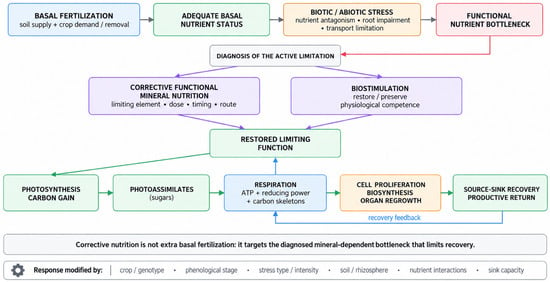
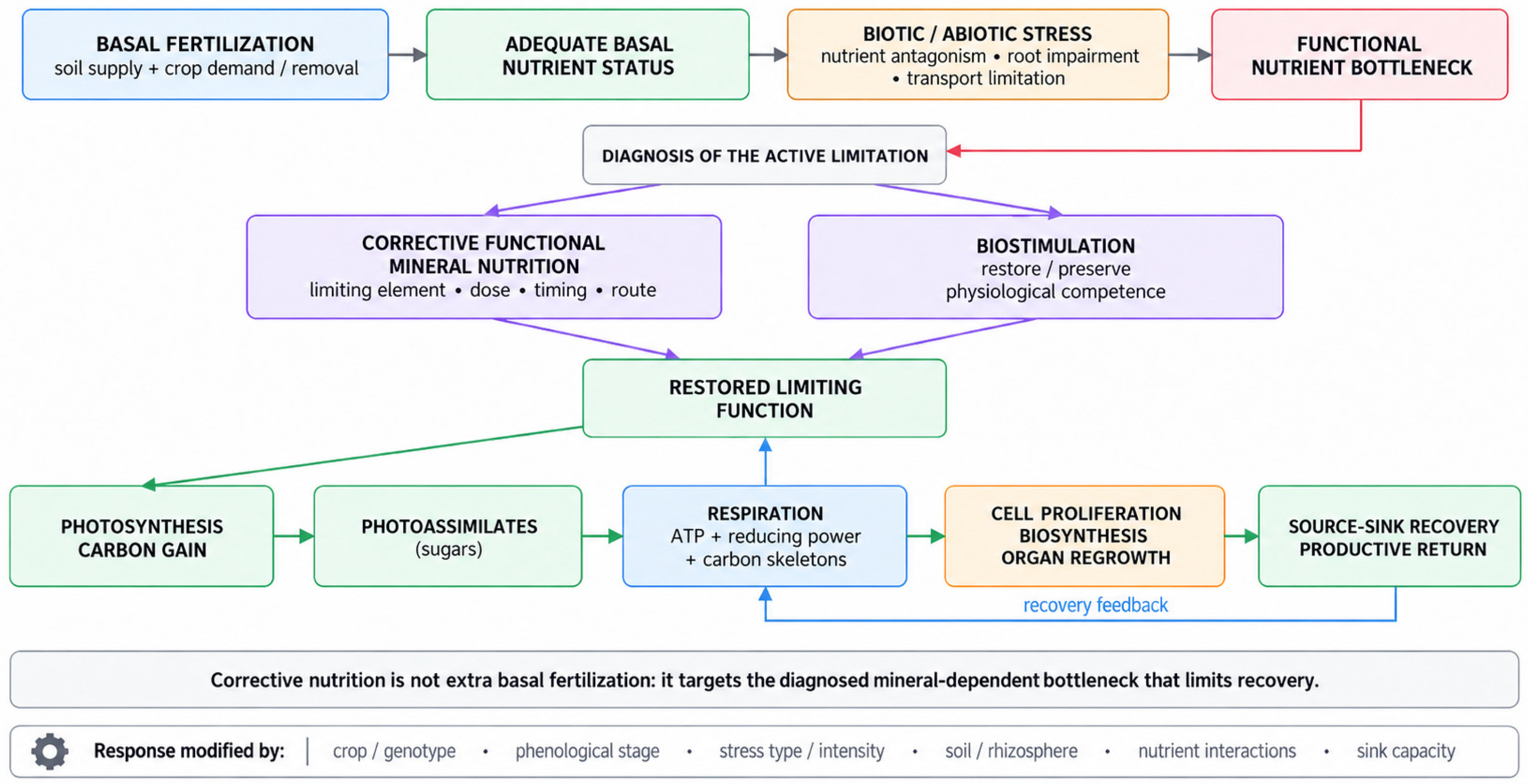
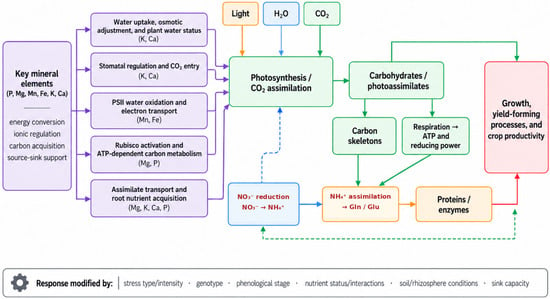
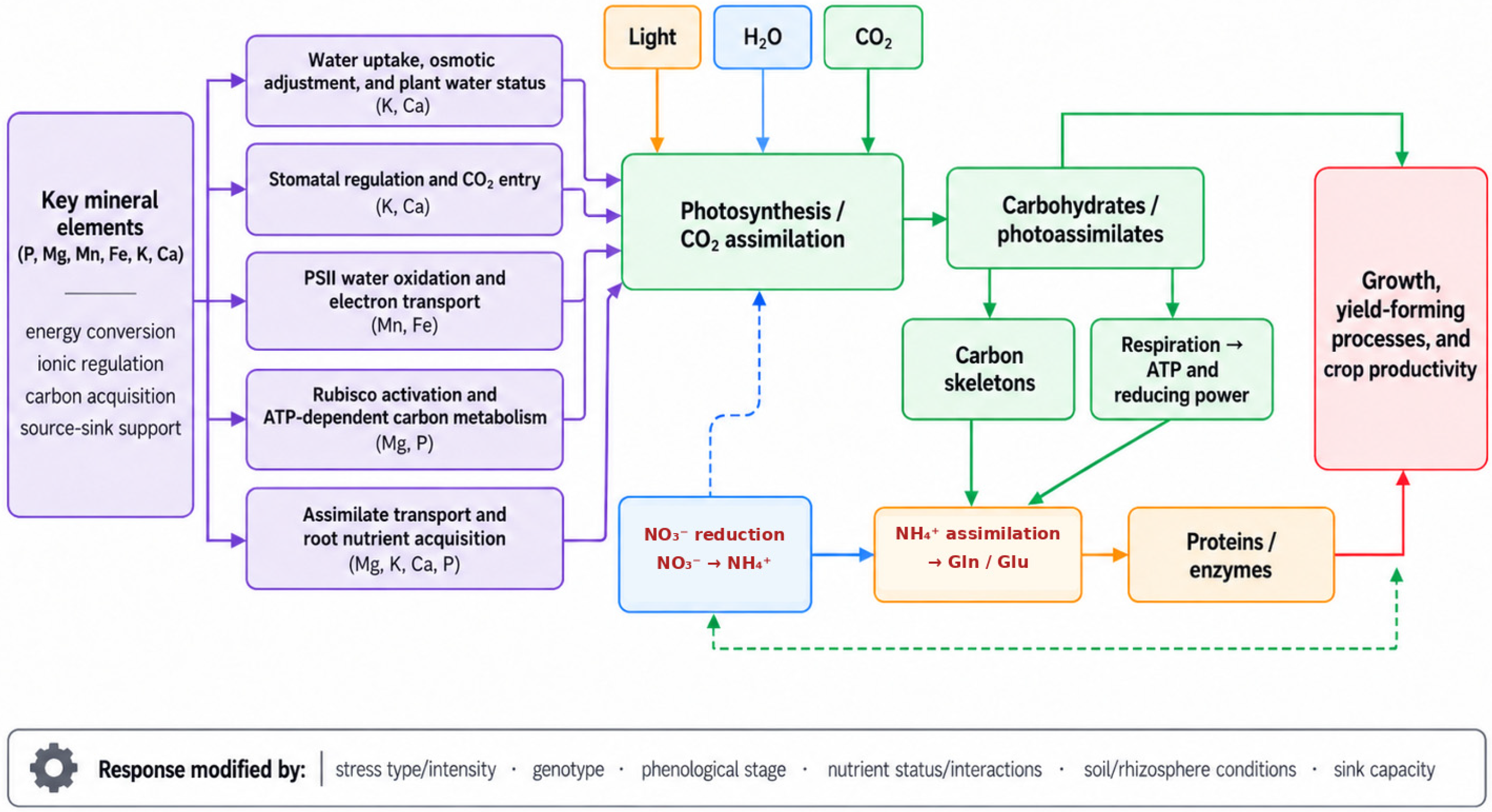

Disclaimer/Publisher’s Note: The statements, opinions and data contained in all publications are solely those of the individual author(s) and contributor(s) and not of MDPI and/or the editor(s). MDPI and/or the editor(s) disclaim responsibility for any injury to people or property resulting from any ideas, methods, instructions or products referred to in the content. |
© 2026 by the author. Licensee MDPI, Basel, Switzerland. This article is an open access article distributed under the terms and conditions of the Creative Commons Attribution (CC BY) license.