


Abstract
Weathered acidic soils are characterized by severe phosphorus (P) fixation and aluminum (Al3+) toxicity, limiting crop productivity. Integrated nutrient management (INM), combining mineral fertilizers, organic amendments, and biofertilizers, offers a promising strategy to overcome these constraints. Unlike conventional single-site fertilizer comparisons, this study examined how mineral, organic, and phosphate-solubilizing biological inputs interact with contrasting acidic soil environments across successive seasons, allowing simultaneous assessment of immediate crop productivity and residual soil fertility. Field experiments were conducted over two consecutive cropping seasons (2022–2023 and 2023–2024) at three sites in Tete Province, Mozambique: Ntengo-wa-mbalame, Rinzi, and Angónia Research and Technology Transfer Centre (CITTA). The experiment followed a 2 × 3 × 11 factorial arrangement in a randomized complete block design with four replications. Eleven treatments comprising mineral N, P, K, and S fertilizers, vermicompost, and a multifunctional multi-strain phosphate-solubilizing biofertilizer (Bio-Rock P) were evaluated. Soil chemical properties and crop performance were influenced by site and season (p ≤ 0.001). Ntengo-wa-mbalame had the most favorable fertility, achieving a maximum yield of 34.96 t ha−1 in Year 1, whereas high acidity and exchangeable Al at Rinzi restricted canopy development and increased small, non-commercial tubers (<45 mm). Across sites, exclusive mineral fertilization showed numerical trends toward greater soil pH declines (up to 26%), whereas INM treatments maintained more stable soil pH levels (declines limited to 2.2–10.8%) and significantly reduced toxic exchangeable Al3+ down to 0.03 cmolc kg−1, likely through organo-metallic complexation. Treatments combining mineral inputs, vermicompost, and biofertilizers, particularly T7, showed strong residual effects, increasing available P from 55.34 to 87.02 mg kg−1 by Year 2 while maintaining marketable tuber yields and nutrient recovery statistically comparable to or exceeding mineral fertilization. PCA showed that P agronomic efficiency (P-AE) was positively associated with biomass, tuber number, and total tuber yield. Overall, INM improved nutrient availability, moderated soil acidity and Al toxicity, and supported potato productivity, providing an ecologically sustainable strategy for fragile tropical agrosystems.
1. Introduction
Potato (Solanum tuberosum L.) is one of the world’s most important food crops and plays a pivotal role in global food security due to its high productivity, energetic efficiency, and nutritional value [1,2]. In Sub-Saharan Africa, and particularly in Mozambique, potato cultivation has emerged as a strategic crop for income generation and dietary diversification. However, domestic production often fails to meet demand, leaving the country reliant on imports due to severe agronomic and environmental bottlenecks [3]. Sustainable potato production in these tropical regions remains heavily constrained by the predominance of highly weathered acidic soils, such as Acrisols, Lixisols, and Luvisols [4]. These environments are characterized by low nutrient retention, strong phosphorus (P) fixation, low base saturation, and high exchangeable aluminum (Al) toxicity, which substantially reduce nutrient use efficiency, restrict root development, and limit crop productivity under intensive cultivation systems [5,6,7].
Phosphorus deficiency represents a major nutritional bottleneck in acidic tropical soils because applied orthophosphate ions are rapidly immobilized through adsorption to iron (Fe) and aluminum (Al) oxides, resulting in low fertilizer recovery efficiency. Consequently, resource-poor farmers often apply high doses of mineral fertilizers. However, continuous reliance on exclusive synthetic fertilization accelerates soil acidification, induces micronutrient imbalances, and degrades the soil’s biological health [8]. On the other hand, the potato crop has a relatively shallow root system and high nutrient demand within a short vegetative cycle, and that its growth and tuber yield are highly sensitive to these soil chemical restrictions. Complex still is the fact that the potato cultivar ‘Mondial’ is widely preferred by farmers in the Southern African region due to its high yield potential and market acceptance. However, farmers face a production challenge mainly because this genotype is highly demanding in terms of soil fertility and P availability, making its performance strictly dependent on optimized nutrient management when grown under severe soil acidity [9].
Integrated nutrient management (INM), combining mineral fertilizers with organic amendments and biofertilizers, has emerged as a promising strategy to improve nutrient synchronization, enhance soil biological activity, and increase nutrient availability under acidic soil conditions [8,10]. Organic amendments such as vermicompost can improve soil cation exchange capacity, stimulate microbial biomass, complex exchangeable Al, and contribute to gradual nutrient release throughout the crop cycle [11,12]. Likewise, inoculation with phosphate-solubilizing bacteria (PSB) can enhance the agronomic effectiveness of low-solubility phosphate sources, such as rock phosphate, through the production of organic acids and phosphatases that promote P mobilization [13,14,15]. Among these microbial agents, specific strains of Klebsiella variicola have demonstrated an outstanding capacity to survive in acidic rhizospheres and accelerate P mineralization [16], making these synergistic mechanisms particularly relevant in highly weathered tropical soils where nutrient dynamics are strongly controlled by soil acidity and microbial-mediated processes.
Although INM has been widely investigated, relatively few field studies have simultaneously examined how integrated mineral, organic and microbial nutrient sources perform across contrasting acidity gradients and successive seasons, particularly in relation to the trade-off between immediate nutrient acquisition and residual soil fertility. Most available studies focus either on short-term greenhouse trials or isolated nutrient responses, with limited information on how multi-location environments and seasonal variations affect soil chemical properties, vegetative growth, and tuber productivity of elite potato cultivars. Understanding these interactions across contrasting sites is essential for developing site-specific nutrient-management strategies capable of improving crop performance while maintaining long-term soil health and agroecosystem resilience.
The acidic highland soils of Mozambique serve as a representative experimental model for highly weathered tropical production systems characterized by low pH and intensive P fixation. Therefore, this study aimed to evaluate the effects of mineral, organic, and integrated nutrient-management strategies on soil chemical properties, vegetative growth parameters, and tuber productivity of potato cv. ‘Mondial’ across contrasting acidic tropical environments and successive growing seasons. Specifically, the study sought to: (i) assess how soil fertility constraints influence potato growth and yield responses to distinct fertilization regimes; (ii) determine the effectiveness of combining vermicompost and Bio-Rock P in mitigating soil acidity and enhancing plant P availability; and (iii) identify sustainable nutrient-management combinations capable of optimizing tuber yields while safeguarding soil quality in tropical agrosystems.
2. Materials and Methods
2.1. Study Area and Experimental Sites
The study consisted of replicated field experiments conducted across three sites and two consecutive cropping seasons. The field experiments were conducted across two consecutive agricultural seasons (2022–2023 and 2023–2024) in two major potato-producing districts of Tete Province, Mozambique: Tsangano and Angónia. Three representative experimental sites were established: Site 1 in Tsangano District (Ntengo-wa-mbalame village); Site 2 in Angónia District, located at the Angónia Research and Technology Transfer Centre (CITTA) in Ulónguè village; and Site 3 also in Angónia District (Rinzi village).
The geographical coordinates of the experimental areas range between 14°36′17″ S, 34°18′00″ E and 14°52′47″ S, 34°21′30″ E. The regional climate is classified as humid tropical, with mean annual temperatures ranging from 15 to 25 °C [17] and mean annual rainfall between 800 and 1200 mm (Figure 1) [3,18]. Seasonal weather varied across sites, with cumulative rainfall increasing from Year 1 to Year 2 in both Tsangano (833.6 mm vs. 1343.1 mm) and Angónia (1217.7 mm vs. 1409.2 mm). Across both districts, Year 2 was characterized by higher minimum temperatures (16.4–18.4 °C vs. 14.9–15.5 °C in Year 1) despite consistent maximum temperatures, establishing contrasting seasonal environments for evaluation. According to the WRB classification, the dominant soils at the experimental sites are highly weathered Acrisols, Luvisols, and Lixisols, typically characterized by low-activity clays, high susceptibility to phosphorus (P) fixation, and exchangeable aluminum (Al) toxicity [19].
Figure 1.
Monthly rainfall and average temperature in Tsangano (A,B) and Angonia (C,D) during the two consecutive potato growing seasons (Year 1 and Year 2).
2.2. Pre-Planting Soil Sampling and Characterization
Prior to land preparation and fertilizer application in the first season, composite soil samples were collected from the 0–20 cm layer at each experimental site using standard agronomic procedures [20]. At each site, 15 subsamples were randomly collected in a zig-zag pattern and pooled to form a representative composite sample. The samples were air-dried, crushed, and passed through a 2 mm sieve before laboratory analysis.
Physical and chemical characterizations were performed according to standard analytical methods [20,21,22]. The evaluated parameters included soil pH, measured potentiometrically in a 1:2.5 soil–CaCl2 (0.01 M) suspension, electrical conductivity (EC), organic carbon (OC), soil organic matter (SOM), available phosphorus (Mehlich-1), exchangeable cations (K+, Ca2+, Mg2+, and Na+), exchangeable aluminum (Al), sulfate-sulfur (SO42−− S), and particle size distribution (texture). The baseline soil chemical properties for the three sites are detailed in Table 1.
Table 1.
Selected chemical properties of soils at the experimental sites in Tsangano and Angónia districts, Mozambique (0–20 cm depth).
2.3. Experimental Design and Treatments
The field study was structured in a 2 × 3 × 11 factorial arrangement laid out in a Randomized Complete Block Design (RCBD) with four replications at each site and in each season.
- The experimental factors comprised:
Year (2 levels): Two successive cropping seasons (2022–2023 and 2023–2024);
Site (3 levels): Three distinct environmental locations (Ntengo-wa-mbalame, Rinzi, and CITTA);
Nutrient-Management Treatment (11 levels): Distinct combinations of mineral fertilizers, organic amendment (vermicompost), and a microbial biofertilizer.
Site and year were subsequently included as environmental factors in the combined analysis.
Each experimental plot measured 4.8 m in length by 4.0 m in width (total area of 19.2 m2). The nutrient-management treatments included an unfertilized control, sole mineral fertilizers, sole vermicompost, and various integrated nutrient-management (INM) combinations (Table 2).
Table 2.
Standardized description and elemental nutrient dosages of the eleven nutrient-management treatments evaluated in potato (cv. Mondial) cultivation.
The mineral fertilizer inputs consisted of Nitrogen (N) as urea (46% N), Phosphorus (P) as triple superphosphate (TSP, 46% P2O5), Potassium (K) as muriate of potash (MOP, 60% K2O), and Sulfur (S) applied at a flat rate of 45 kg ha−1 using elemental sulfur bentonite granules (90% S).
Vermicompost was supplied at rates equivalent to target nitrogen requirements based on its total N content and Minjingu rock phosphate (13% P2O5) inoculated with Bio-Rock P at planting. Full mineral, organic, and microbial treatment descriptions and their standardized nutrient dosages are summarized in Table 2.
2.4. Organic Amendment Characterization and Biofertilizer Preparation
The vermicompost used in this study was produced at CITTA using earthworms (Eisenia foetida) fed on a mixture of agricultural residues (maize and soybean straw) and cattle manure. Chemical characterization of the vermicompost prior to application revealed the following properties: pH (8.7), EC (3.01 dS m−1), organic carbon (4.45%), organic matter (7.67%), total N (3.10%), total P (0.92%), total K (0.29%), total Ca (0.29%), total Mg (0.22%), total Fe (0.25 mg kg−1), total Zn (1.91 mg kg−1), total Cu (0.12 mg kg−1), and total Mn (18.9 mg kg−1).
The biofertilizer, Bio-Rock P (carrier-based inoculant applied with Minjingu Rock Phosphate), consisted of a microbial consortium of two high-efficiency phosphate-solubilizing bacterial (PSB) strains: Klebsiella variicola strains MdE4 and MdG1 [16]. These strains were originally isolated from agricultural soils in the Tanzanian highlands and maintained at the Soil Microbiology Laboratory of Sokoine University of Agriculture.
The biofertilizer was prepared according to [16] using previously established strain characteristics. For field application, the carrier was pre-sterilized at 121 °C (15 bar) for 1 h, and the bacterial suspension was inoculated at a ratio of 20 mL broth per liter of double-modified synthetic minimal medium (dSMM). The final mixture was incubated for 7 days to guarantee a minimum viable cell concentration of approximately 109 cells mL−1. After dilution (1:20 inoculum/water), 5ml of Bio-Rock P was applied to each planting hole following the application of Minjingu RP granules. Under controlled laboratory evaluations, strains MdE4 and MdG1 exhibited phosphate solubilization indices of 2.2 cm and 1.6 cm in NBRIP agar medium and, releasing 55.56 mg L−1 and 49.35 mg L−1 of soluble P on dSMM after 5 days, respectively (Table 3).
Table 3.
Phosphate solubilization index (PSI), pH, and available phosphorus (AP) released by Klebsiella variicola strains using different phosphorus sources.
2.5. Crop Field Management
Certified seed tubers of the elite potato cultivar ‘Mondial’ (a dominant commercial variety in Southern Africa) were planted manually in furrows. Planting operations were carried out between December 18 and 20 in the first season, and between December 16 and 18 in the second season. Tubers were spaced at 30 cm within plants and 80 cm between rows, yielding a plant density of 102 plants per plot (equivalent to 53.125 plants ha−1). Planting depth was maintained between 4 and 5 cm.
Regarding nutrient application timing, vermicompost treatments were incorporated into the furrows 7 days before planting. All mineral P, K, and S inputs, along with the Bio-Rock P inoculant, were applied locally at planting. Nitrogen fertilization was split-applied: 50% was given at planting and the remaining 50% was side-dressed 30 days after planting (DAP) during the first earthing-up operation. Standard regional agronomic practices were uniformly maintained across all experimental plots. Manual weeding and earthing-up operations were performed twice per season. To prevent micronutrient deficiencies, zinc sulfate (ZnSO4 at 10 kg ha−1) and copper sulfate (CuSO4 at 5 kg ha−1) were uniformly applied across all plots [23].
Phytosanitary management consisted of preventive fungicide sprays (mancozeb- and copper-based products) and insecticide applications (cypermethrin) at 15-day intervals. In the second season, due to high and persistent rainfall conditions that favored fungal disease pressure, fungicide applications were increased to a weekly schedule. Despite these measures, late-season fungal disease symptoms occurred across all sites, most notably at Ntengo-wa-mbalame, inducing premature canopy senescence during the late bulking stage. These conditions likely contributed to reduced photosynthetic duration and nutrient acquisition, although disease severity was not quantitatively assessed. Plants were harvested manually between April 12 and 15 in both years.
2.6. Plant Sampling, Yield Assessment, and Post-Harvest Soil Analysis
Vegetative growth and agronomic performance traits were evaluated from a designated central net plot area of 3.0 m2 within each experimental unit to eliminate edge effects. At the stage of maximum vegetative growth (70 DAP), plant height, stem diameter, and the number of main stems per plant were recorded from ten randomly selected plants within the net area. At physiological maturity, yield components were determined by harvesting all plants within the net plot. Tubers were washed, counted, and classified into marketable and unmarketable categories based on physical integrity and size, and total fresh tuber yield was converted to tons per hectare (t ha−1).
Immediately following the final potato harvest in each season, post-harvest soil sampling was performed. Five core soil subsamples were collected from the 0–15 cm layer of each individual plot and mixed thoroughly to form one composite sample per plot. The samples were air-dried, crushed, and passed through a 2 mm sieve.
Soil pH was measured potentiometrically in a 1:2.5 soil-CaCl2 (0.01 M) suspension. Soil organic matter (SOM) was determined via wet oxidation using sodium dichromate followed by spectrophotometric quantification [22]. Available P, exchangeable K+, and available micronutrients (Zn, Mn, Fe, and Cu) were extracted using a Mehlich-1 solution [20]. Exchangeable Ca2+, Mg2+, and Al3+ were extracted using a 1 mol L−1 KCl solution; Ca and Mg contents were quantified by atomic absorption spectrophotometry, while exchangeable Al was determined via back-titration with an alkaline solution. Available sulfur was quantified via turbidimetry followed by spectrophotometric reading. Cation Exchange Capacity (CEC) and base saturation (V%) were calculated using exchangeable cation values according to standard equations [22].
2.7. Equation for Phosphorus Agronomic Efficiency (P-Ae)
Phosphorus Agronomic Efficiency (P-AE, kg tuber yield increase kg−1 P2O5 applied) was calculated using following equation:
where Yt is the fresh tuber yield of the fertilized plot (kg ha−1), Y0 is the fresh tuber yield of the control plot receiving no phosphorus fertilizer (kg ha−1), and Fp is the total amount of phosphorus fertilizer applied (kg ha−1 of P2O5 equivalent).
Methodological Note: To allow standardized comparisons across diverse P sources, Fp was calculated based on total applied P2O5 equivalents. However, because phosphorus in certain treatments comes from low-solubility rock phosphate (Minjingu RP) combined with biofertilizers rather than fully soluble synthetic P2O5, converting it directly to standard P2O5 equivalents provides an agronomic efficiency metric that reflects total seasonal input rather than immediate chemical solubility.
2.8. Statistical Analysis
All dataset variables collected from the soil, vegetative growth, and tuber yield components were subjected to a multi-factor analysis of variance (ANOVA) to test the effects of the experimental factors and their interactions (Year × Site × Treatment). The statistical model treated Year, Site, and Fertilizer Treatment as fixed factors, while replication (blocks) within each site was considered a random factor. The significance of the main effects and their double and triple interactions were verified using the F-test at the 5% probability level (p ≤ 0.05). Where significant F-values were obtained, means were compared using Student’s t-test for the Year factor, Tukey’s Honestly Significant Difference (HSD) test for the Site factor, and the Scott–Knott clustering algorithm for the 11 Nutrient-Management Treatments, all set at a 5% significance level (p ≤ 0.05). All statistical procedures were computed using the Sisvar software package, version 5.8 [24].
To further explore the relationships among soil fertility attributes, plant growth characteristics, yield components, and nutrient-management treatments, a Principal Component Analysis (PCA) was performed using PAST software version 4.03 [25]. The analysis was executed on treatment means level. Prior to singular value decomposition, variables were standardized via z-score normalization (μ = 0, σ2 = 1) based on a correlation matrix to eliminate differences in measurement scales. Component loadings were evaluated using an absolute threshold criterion of ∣loading∣ ≥ 0.40, where variables meeting or exceeding this cutoff were identified as dominant contributors to a given component axis. Complete loading matrices and eigenvalues are provided in Tables S3 and S4.
Variables with higher contributions to the principal components were used to interpret the multivariate response of potato production under different nutrient-management strategies.
3. Results
3.1. Effects of Year, Site and Nutrient Management on Soil Chemical Properties
The analysis of variance (ANOVA) revealed that soil chemical properties were predominantly influenced by site conditions (p < 0.01), followed by seasonal variation (p < 0.01), whereas nutrient management exerted more selective effects depending on the soil property evaluated (Table 4).
Table 4.
Analysis of variance (ANOVA) showing the significance (p-values) of the effects of year, site, treatment, and their interactions on soil chemical properties (A), soil fertility indicators and micronutrients (B).
Site as a factor significantly affected all measured soil chemical properties (p ≤ 0.01). Soil pH, available P, exchangeable K, base saturation (V%), and the availability of Cu, Mn, Fe and Zn were significantly influenced by seasonality whereas exchangeable Ca, Mg, sum of bases (SB), cation exchange capacity (T), soil organic matter (SOM), and total nitrogen (TN) remained relatively stable between seasons.
Fertilizer treatments significantly affected available P, exchangeable K, exchangeable Al, exchangeable Mg, base saturation, Mn and Zn but did not significantly alter soil pH, exchangeable Ca, SB, T, SOM, TN, available Cu or Fe. Significant interactions were also detected among experimental factors. The Year × Site interaction affected pH, P, K, Al, SOM, TN, Cu, Mn, Fe and Zn, whereas Treatment × Site significantly influenced available P, exchangeable K, exchangeable Al and exchangeable Mg. Treatment × Year was significant only for available P, while the three-way interaction (Treatment × Year × Site) significantly affected only Cu and Zn.
3.2. Site and Seasonal Variation in Soil Chemical Properties
Nutrient-management treatments exerted more selective and nutrient-specific effects. The spatial factor (Site) exerted a highly significant effect (p ≤ 0.001) on all evaluated soil chemical variables.
Significant spatial variation in soil fertility was observed among the three experimental sites (Table 5). Ntengo-wa-mbalame exhibited the highest soil pH, available P, exchangeable K, Ca, SB, T and base saturation, together with negligible exchangeable Al concentrations, indicating the most favorable chemical environment for potato production. CITTA presented intermediate fertility but contained significantly greater organic matter, total nitrogen, exchangeable Mg, Cu and Mn contents, suggesting greater biological activity while Rinzi exhibited the poorest soil fertility status, characterized by lower pH, lower exchangeable bases, reduced organic matter and total nitrogen, and higher exchangeable Al concentrations.
Table 5.
Site × year interaction effects on selected soil properties across two agricultural seasons. (A) Macro-nutrients and chemical baseline (pH CaCl2, AP, S, K, Al); (B) Organic matter, total nitrogen, and micro-nutrients (SOM, TN, Cu, Mn, Fe, Zn).
The temporal factor (Year) significantly affected soil pH, available P, available sulfur, exchangeable K, base saturation (V%), and available micronutrients (Cu, Mn, Fe, and Zn). Conversely, exchangeable Ca2+, Mg2+, sum of bases (SB), total cation exchange capacity (T), organic matter (SOM), and total nitrogen (TN) contents remained relatively stable across the two agricultural seasons.
Soil fertility status varied between the two cropping seasons, with the second year (Year 2) generally showing enhanced availability of key macronutrients. Compared with the first year (Year 1), Year 2 exhibited a significant increase in overall mean available P (63.66 vs. 37.39 mg kg−1), available sulfur (11.59 vs. 12.57 mg kg−1) and exchangeable K+ (0.43 vs. 0.38 cmolc kg−1). However, pooled soil pHCaCl2 and base saturation (V%) values experienced a slight decline in the second season, indicating a subtle increase in soil acidity and a reduction in base status over time.
Marked variations in baseline soil chemical traits were verified among the three experimental locations. Ntengo-wa-mbalame displayed the most favorable chemical environment for potato cultivation, recording the highest values for soil pH, available P, exchangeable K+, exchangeable Ca2+, SB, T, and V%. Concurrently, this site presented negligible exchangeable Al concentrations, indicating minimal acidity-related restrictions. The CITTA site presented intermediate soil fertility status but stood out due to significantly higher organic matter, total N, exchangeable Mg2+, available Cu, and available Mn contents, suggesting a biologically active soil matrix.
Conversely, Rinzi exhibited the most chemically restrictive conditions for potato production, characterized by the lowest soil pH, exchangeable bases, SOM, and TN contents, along with the highest concentrations of phytotoxic exchangeable Al and available Fe. Nutrient-management treatments significantly (p = 0.001) influenced available P, exchangeable K+, exchangeable Al, exchangeable Mg2+, base saturation (V%), and available Mn and Zn concentrations. However, treatments did not significantly (p = 0.624) affect soil pH, exchangeable Ca2+, SB, T, SOM, TN, available Cu, or available Fe.
3.3. Treatment Effects on Soil Chemical Properties
3.3.1. Effect of Fertilization Treatments on Selected Soil Chemical Properties
Fertilization treatment significantly affected a subset of soil fertility indicators, especially available P (p = 0.001), exchangeable K (p = 0.001), Al (p = 0.001), Mg (p = 0.042), base saturation (p = 0.007), Mn (p = 0.002), and Zn (p = 0.001), demonstrating that the treatments modified nutrient availability and selected aspects of soil chemical balance.
Integrated nutrient management generally improved available P, exchangeable K, Mg and Zn while reducing exchangeable Al compared with the unfertilized control and mineral fertilizer treatments. Nutrient-management strategies significantly (p <0.05) altered soil chemical dynamics, with their agronomic effectiveness being highly modulated by spatial and temporal variations. Because the multi-factor ANOVA revealed significant double interactions, the effects of nutrient-management regimes are presented and discussed through their specific interactions with cropping years and environmental sites, rather than isolated main effects.
3.3.2. Treatment × Year Interaction
Available phosphorus was the only variable showing a significant Treatment × Year interaction.
The Treatment × Year interaction was highly significant for available P (p ≤ 0.01), confirming that temporal variations in treatment efficacy were highly specific to phosphorus dynamics. Nutrient-management strategies incorporating vermicompost combined with Bio-Rock P (organic–microbial inputs) exhibited the strongest cumulative and residual effects from Year 1 to Year 2. For instance, soil available P concentrations expanded markedly under integrated regimes, shifting from 35.68 to 111.17 mg kg−1 under treatment T10, and from 39.04 to 101.90 mg kg−1 under T11 between the two consecutive agricultural cycles (Figure 2). These trends reflect a steady, cumulative nutrient release and high residual P availability associated with integrated organic–microbial matrices, whereas exclusive mineral or unfertilized plots maintained stable or depleted P pools over time.
Figure 2.
Effect of treatment and cropping year interaction on soil available phosphorus content (AP, mg kg−1). Means followed by the same lowercase letter within the same treatment across evaluated years (Year 1 vs. Year 2) are not significantly different according to the Scott–Knott test (p ≤ 0.05). Error bars represent standard errors of the mean (n = 4).
3.3.3. Treatment × Site Interaction
The effectiveness of nutrient management varied among sites (Figure 3).
Figure 3.
Effect of treatment and site interaction on soil exchangeable aluminum—(A) (Al, cmolc kg−1), available phosphorus—(B) (P, mg kg−1), exchangeable potassium—(C) (K, cmolc kg−1), and exchangeable magnesium—(D) (Mg, cmolc kg−1). Means followed by the same lowercase letter within the same treatment across evaluated sites (Ntengo, Citta, and Rinzi) are not significantly different according to the Scott–Knott test (p ≤ 0.05). Error bars represent standard errors of the mean (n = 4). Where bars for exchangeable Al are absent (e.g., Ntwngo and CITTA sites in Panel (A)), measured soil concentrations were below the detection limit (0.0 cmolc kg−1).
The significant Treatment × Site interaction validated that the capacity of fertilization to improve soil status was modulated by regional soil constraints, particularly for available P (Figure 3B), exchangeable K+, exchangeable Al, and exchangeable Mg2+. In highly restrictive and acidic environments (such as Rinzi), phytotoxic exchangeable Al was minimized under treatments combining vermicompost, mineral inputs, and the microbial biofertilizer (T10, T11, and T8) (Figure 3A). Conversely, purely mineral fertilization regimes (T3 and T4) led to higher exchangeable Al concentrations. This indicates that integrated nutrient management (INM) effectively alleviates acidity-induced chemical stress through the organic complexation of aluminum rather than direct substantial shifts in bulk soil pH.
Furthermore, exchangeable Mg2+ contents (Figure 3D) and base saturation (V%) followed a similar trend, peaking under T10 and T11 across the environments, which underscores the ancillary benefits of organic-mineral fertilization on secondary macronutrient status compared with the unfertilized control (T1) and exclusive mineral treatments. For exchangeable K+, maximum values were consistently recorded under T11, T10, and T9 (Figure 3C), driven by the synchronized input of potassium forms and the organic matter’s capacity to enhance nutrient retention. Among trace elements, available Zn peaked under T11, followed by T10 and T9, whereas available Mn concentrations reached their highest values under T8 and T4, proving that integrated spatial management significantly optimizes the trace element balance in highly weathered matrices (Table 6).
Table 6.
Effect of fertilization treatments on soil chemical properties.
3.4. Potato Vegetative Growth Traits
Potato vegetative growth parameters were predominantly driven by environmental site conditions and seasonal variations (p ≤ 0.01), although specific traits responded to nutrient management. Plant height was significantly (p = 0.00) greater at Ntengo-wa-mbalame (86.45 cm) and CITTA (88.80 cm) than at the restrictive Rinzi site (Table 7). Canopy branching was responsive to environmental site conditions, seasonal fluctuations, and fertilization treatments. Across sites, plants grown at CITTA achieved the highest branch numbers per plant during Year 1; however, branching capacity declined sharply across all experimental sites in Year 2.
Table 7.
Interaction effects of site and year on vegetative growth traits of Irish potato (means across sites and years).
Fertilization treatments significantly modified canopy development and overall plant vigor (Figure 4). Mineral treatments T4, T5, T3 and INM treatments T7 and T8 generated the highest branch numbers per plant, whereas the unfertilized control (T1) resulted in poor vegetative performance. Stem diameter was controlled by site conditions, with thicker potato stems observed at Ntengo-wa-mbalame. Lastly, the number of main stems per plant was governed by the Site × Year interaction and did not vary with fertilization treatments.
Figure 4.
Effect of fertilization treatments on vegetative growth parameters and morphological development of Irish potato. Stacked bars display primary vegetative components (left y-axis): Nr.Br = number of branches, St.Diam = stem diameter (cm), and M.st = number of main stems per plant. The dotted line represents P.H = total plant height (cm, right y-axis). Inset photographs illustrate visual morphological differences between the unfertilized control (T1) and integrated bio-rock phosphate + vermicompost treatment (T10). Means followed by the same lowercase letter within each evaluated parameter across treatments are not significantly different according to the Scott–Knott test (p ≤ 0.05). Error bars represent standard errors of the mean (n = 4).
3.5. Yield Components, Tuber Productivity, and Principal Component Analysis
Yield attributes and fresh tuber productivity were responsive to both environmental variations and nutrient-management regimes. The Rinzi site produced the highest total number of tubers per plant, particularly during Year 2, but concurrently exhibited a high proportion of non-commercial, small-sized tubers, highlighting localized constraints during the tuber bulking stage (Table 8). Conversely, treatments (T3, T5) and integrated treatment T7 promoted a significant increase in the number of marketable tubers (>45 mm in diameter), demonstrating the benefits of balanced nutrient delivery on commercial tuber development (Figure 5A).
Table 8.
Interaction effects of site and year on tuber yield components and productivity of Irish potato.
Figure 5.
Effect of fertilization treatments on tuber yield components (A) and potato crop productivity metrics (B). (A) Tuber yield components: total number of tubers per plant (Tubers plant−1), number of non-marketable small tubers (<45 mm), and marketable tubers (>45 mm). (B) Tuber productivity: total tuber yield per plot (kg plot), marketable tuber yield per plot (kg plot), and extrapolated total yield (t ha−1). Means followed by the same lowercase letter within each evaluated variable across treatments are not significantly different according to the Scott–Knott test (p ≤ 0.05). Error bars represent standard errors of the mean (n = 4).
Ntengo-wa-mbalame achieved the maximum fresh tuber yields during Year 1, reaching 34.96 t ha−1, but experienced a sharp productivity drop in Year 2. The CITTA site maintained stable productivity across both seasons, whereas Rinzi experienced an increase in potato yields during the second year.
Among the evaluated nutrient-management regimes, treatments T3, T5, and T7 consistently achieved the highest marketable and total fresh tuber yields across all sites, while the unfertilized control (T1) recorded the lowest agronomic productivity (Figure 5B). These findings indicate that integrated nutrient-management strategies combining mineral inputs, vermicompost, and Bio-Rock P optimize nutrient synchronization, support tuber bulking, and enhance tuber yield stability across contrasting acidic tropical soils.
3.6. Phosphorus Use Efficiency
The analysis of variance revealed that agronomic phosphorus use efficiency (P-AE) was significantly influenced by site (p = 0.0303) and fertilization treatment (p = 0.0091), whereas year and all interaction effects were not significant, indicating consistent treatment response across sites and cropping seasons. Among the experimental sites, Ntengo-wa-mbalame exhibited the highest mean P-AE (0.18), significantly exceeding those observed at CITTA (0.07) and Rinzi (0.12), which did not differ significantly from each other (Table 9). No significant differences were observed between cropping seasons, with both Year 1 and Year 2 presenting the same overall mean P-AE (0.12).
Table 9.
Mean agronomic phosphorus use efficiency.
Agronomic phosphorus use efficiency varied significantly among fertilization treatments. The highest P-AE values were recorded under T3 (0.23), T5 (0.23), T7 (0.20) and T8 (0.14), which did not differ significantly from one another. In contrast, T4 (0.08), T6 (0.02), T9 (0.02), T10 (0.06) and T11 (0. 08) exhibited significantly lower phosphorus use efficiency.
The Principal Component Analysis (PCA) biplot clearly separated the fertilization treatments into distinct groups according to their effects on soil fertility and crop performance (Figure 6). The close association of agronomic phosphorus use efficiency (P-AE) with available P, total tuber yield, plant growth variables, and organic matter indicates that greater phosphorus use efficiency was linked to enhanced crop productivity. In contrast, the opposite orientation of the exchangeable Al vector highlights the negative influence of aluminum toxicity on phosphorus use efficiency and plant performance. Overall, the PCA reinforces that integrated nutrient management improved phosphorus use efficiency while alleviating soil acidity constraints through reduced exchangeable Al.
Figure 6.
Principal Component Analysis (PCA) biplot displaying relationships between potato tuber yield parameters and soil chemical properties across treatments in the Mozambique highlands. The biplot was derived from z-score standardized treatment means level (n = 11) using a correlation matrix in PAST v4.03 [25]. Eigenvalues of Component 1 (PC1) and Component 2 (PC2) account for 37.25% and 23.88% of total variance, respectively (cumulative variance = 61.13%). Green vectors depict soil chemical attributes and crop response parameters, while numbered blue points represent treatment mean centroids (T1 to T11). Full eigenvector loadings, component eigenvalues, and variance proportions are provided in Tables S3 and S4. Abbreviations: Al, exchangeable aluminum; AP, available phosphorus; SOM, soil organic matter; K, exchangeable potassium; Zn, available zinc; Mn, exchangeable manganese; SB, sum of bases; T, cation exchange capacity (CEC); V%, base saturation percentage; pH, soil reaction; Tuber/plant, number of tubers per plant; Total Yield, fresh tuber yield (t ha−1); Plant.H, plant height; Plant.B, number of branches per plant; P-AE, phosphorus agronomic efficiency.
4. Discussion
4.1. Soil Chemical Dynamics and Implications for Potato Nutrition
The multi-site and multi-season post-harvest soil chemical analysis results demonstrate that environmental site conditions were the primary source of variation, although integrated nutrient-management (INM) strategies significantly modified labile nutrient pools and aspects of the soil chemical balance directly associated with potato performance. While inherent edaphic properties determined baseline fertility status, the applied treatments altered dynamic parameters such as available phosphorus (P), exchangeable potassium (K+), magnesium (Mg2+), exchangeable aluminum (Al), and microelements (Mn and Zn). The present findings are broadly consistent with previous studies showing that combining organic, mineral, and biological nutrient sources can improve soil nutrient availability, although the magnitude and direction of these responses depend on the nutrient sources and prevailing soil conditions.
Ref. [26] reported that PSB inoculation increased P availability by 3.54% relative to the control across different P sources and lime levels but also increased soil acidification by 9.78%. Similarly, ref. [27] found that combining 50% rock phosphate, 50% single superphosphate, and PSB increased available P by 32.6% compared with the control without significantly changing soil organic matter. Ref. [28] further demonstrated that combining vermicompost with chemical fertilizer markedly increased available P and K, reaching 89.03 and 277.72 mg kg−1, respectively, corresponding to 2.3 and 2.8 fold increases over the respective control treatments. In the present study, the increases in available P, exchangeable K and Mg, and Zn under selected integrated treatments, together with reductions in exchangeable Al, suggest that INM can simultaneously improve nutrient availability and modify the chemical environment governing nutrient retention and Al3+ toxicity. This indicates that targeted nutrient management can help mitigate multiple fertility constraints within highly weathered tropical agrosystems during critical potato growth stages.
The highly significant site effect highlights the contrasting edaphic environments under which the potato crop was grown, explaining the location-specific variations in vegetative vigor and fresh tuber yields. This interpretation is consistent with [29], who reported significant differences in potato growth and harvest index among sites and seasons, with the magnitude of nutrient responses varying according to environmental conditions. In that study, the omission of N, P, or other nutrients reduced potato growth relative to the complete NPKSB treatment, while the effects of nutrient omission differed across sites and seasons, highlighting the importance of environmental context in determining potato responses to nutrient availability.
Ntengo-wa-mbalame presented the most chemically favorable matrix, characterized by a higher soil pH, greater base saturation (V%), high sum of bases (SB), and high cation exchange capacity (T), exchangeable Al concentrations were negligible at this site. This non-restrictive chemical profile likely provided more favorable conditions for root development and nutrient acquisition, enhanced water and nutrient uptake, and led to optimal vegetative growth and elevated marketable tuber yields, particularly during the first growing season.
Conversely, the Rinzi site imposed severe chemical constraints on potato development, exhibiting the lowest soil pH, lowest base status, and the highest concentration of toxic exchangeable Al. Under highly acidic conditions (pH < 5.0), elevated levels of trivalent aluminum (Al3+) ions alter root cell wall components, inhibit cell division at the root apex, and restrict root elongation [30,31]. This root system impairment limits the plant’s capacity to access subsoil moisture and nutrients, which explains the reduced plant height, restricted canopy expansion, high incidence of non-commercial small tubers, and depressed marketable tuber yields observed at Rinzi.
The CITTA site represented an intermediate fertility environment but was distinguished by elevated levels of soil organic matter (SOM), total nitrogen (TN), exchangeable Mg2+, and available micronutrients (Cu and Mn). This profile suggests a biologically active soil matrix that sustained stable potato yields across both seasons, mitigating shifting climatic stresses [32].
Across fertilization regimes, the most pronounced increases in soil available nutrients occurred under integrated treatments that blended mineral fertilizers, vermicompost, and the Klebsiella variicola-based Bio-Rock P. This trend was particularly evident for available P, which increased 23.58 mg kg−1 in the control (T1) to 48.97, 55.42, and 61.53 mg kg−1 under T7, T10, and T11, respectively, while exchangeable K increased from 0.32 to 0.41, 0.50, and 0.52 cmolc kg−1, respectively. The greater P availability under these integrated treatments is consistent with proposed complementary mechanisms involving direct P inputs from rock phosphate, mineralization of organic P from vermicompost, and microbial solubilization of otherwise sparingly available P forms. Phosphate-solubilizing bacteria have been documented to enhance P release through the production of organic acids, phosphatases, and siderophores, which promote dissolution of poorly soluble phosphates and reduce P immobilization by Fe and Al minerals [14,15,33], processes that are particularly relevant in acidic, highly weathered tropical soils.
Ref. [16] reported similar results using the Klebsiella variicola MdE4 and MdG1 strains, demonstrating their strong capacity to solubilize Minjingu rock phosphate and showing that the Bio-Rock P formulation retained substantial phosphate-solubilizing activity under field conditions. Their results demonstrated that inoculation with these strains increased soil available P, with the strongest responses occurring when phosphate-solubilizing bacteria were combined with rock phosphate, particularly in soils with lower P sorption capacity. Thus, the elevated residual P observed in T7, T10, and T11 in the present study is consistent with the proposed role of microbial P mobilization in enhancing the agronomic effectiveness of rock phosphate, while the simultaneous contribution of vermicompost may have provided carbon substrates and favorable microsites that supported microbial activity and nutrient cycling.
Sulfur represented another highly dynamic component of the soil fertility response. Unlike several exchangeable base cations, soil S was significantly influenced by year, site, treatment, and the treatment × year × site interaction, indicating that its availability was strongly dependent on both nutrient management and environmental conditions. The higher S concentrations observed under treatments receiving S-containing mineral inputs confirm the contribution of direct fertilization; however, the strong seasonal and spatial interactions also suggest that sulfate dynamics were influenced by site-specific processes such as leaching, mineralization, and moisture conditions. This is particularly relevant in highly weathered tropical soils, where sulfate mobility may increase the risk of temporal mismatches between nutrient availability and crop demand.
These adjustments are agronomically vital for Solanum tuberosum L., a crop characterized by a shallow root system and an intense demand for P and K during short phenological windows, particularly at tuber initiation and active bulking [6,7]. Enhanced P availability promotes early root branching and increases the number of tubers initiated per plant, while a steady K supply regulates stomatal conductance, maintains turgor pressure, and drives the active loading and translocation of sucrose from photosynthetic source leaves to developing tuber sinks [34].
Numerical trends in post-harvest soil pH were also observed across treatments, with more pronounced reductions under inorganic fertilization. For example, pH decreased by 26% and 19.4% in T5 and T4, respectively, compared with T1. In contrast, integrated treatments combinations exhibited less marked numerical shifts (declines limited to 10.8%, 6.5%, and 2.2% in T7, T9, and T10, respectively), suggesting a relative buffering effect of organic inputs on soil acidity.
Although soil pH did not differ significantly among fertilization treatments (p > 0.05), integrated nutrient management (INM) significantly reduced exchangeable Al concentrations (p < 0.001; Table 6), indicating that its primary mechanism for alleviating soil acidity was not through increasing bulk soil pH but through the detoxification of exchangeable Al. The lowest exchangeable Al concentrations were recorded under T11 (0.03 cmolc kg−1) and T8 (0.09 cmolc kg−1), whereas higher values (>0.20 cmolc kg−1) were observed under mineral fertilizer treatments (T3 and T4).
This reduction in phytotoxic aluminum is attributed to the decomposition of organic amendments, which release humic and fulvic substances capable of chelating Al3+ ions and forming stable organo-metallic complexes. These reactions decrease the activity of free Al3+ in the soil solution, thereby reducing aluminum toxicity and improving root growth without necessarily altering bulk soil pH [30,35,36]. Similar findings have been reported in highly weathered tropical soils, where organic amendments alleviate acidity primarily through aluminum complexation rather than measurable changes in soil pH [37,38].
The simultaneous elevation in exchangeable Mg2+ and base saturation under treatments T10 and T11 suggests that integrated fertilization expands the exchange complex, improves retention of divalent bases, likely contributing to the maintenance of chemical configurations required for sustainable long-term potato cropping in fragile tropical environments.
4.2. Potato Canopy Development and Vegetative Traits
The location-specific variations in potato vegetative traits corresponded closely with the observed soil fertility statuses. Ntengo-wa-mbalame and CITTA, characterized by superior macronutrient levels and reduced acidity constraints, produced significantly taller plants (86.45 and 88.80 cm, respectively) than the restrictive Rinzi site (70.97 cm). The stunted canopy development at Rinzi reflects severe soil acidity constraints, where low K and Ca availability combined with exchangeable Al3+ toxicity limited cellular elongation within the main stems [10].
Interestingly, the stressed plants at Rinzi exhibited a significantly higher number of lateral branches per plant (8.93) compared to those at Ntengo-wa-mbalame (6.68) for year 1. This change in growth is an obvious morphological compensating mechanism [39,40]. When toxic levels of aluminum or severe P deficiency restrict vertical elongation of the primary apical shoot, apical dominance can weaken. This triggers the activation of axillary buds, resulting in a bushy, highly branched canopy configuration [6,41]. While this altered structure increases the lateral node number, it did not lead to high tuber yield, as the root system was unable to capture the water and nutrients required to fill the resulting sink demand.
The highly significant Site × Year interaction for growth parameters highlights the influence of seasonal weather conditions on potato canopy dynamics. Plant height dropped noticeably from Year 1 to Year 2 across all locations (from 93.16 to 79.75 cm at Ntengo-wa-mbalame; from 95.14 to 82.45 cm at CITTA; and from 75.75 to 66.18 cm at Rinzi). Concurrently, overall branching numbers declined between seasons. These patterns indicate that environmental variations, such as changes in rainfall distribution and temperature fluctuations during early vegetative stages, regulated the duration of active shoot growth, which is consistent with findings that potato dry matter accumulation is highly sensitive to seasonal variations [42,43].
In line with these dynamics, the lower performance during Year 2 coincided with distinct seasonal weather patterns, specifically higher cumulative rainfall and prolonged high humidity during critical growth stages. These environmental conditions created a microclimate highly conductive to fungal pathogen proliferation, aligned with field observation and premature canopy senescence during the season. Together, these conditions likely contributed to reduced photosynthetic duration, nutrient acquisition, and biomass synthesis during peak growth stages.
Treatment effects on potato vegetative architecture were most evident in plant height and branching density. Plant heights ranged from a low of 76.96 cm under T6 to a maximum of 88.46 cm under T4, while branch counts ranged from 4.25 in the control (T1) to 9.67 under T4. Fully balanced nutrient inputs (T4, T7, T8) enhanced canopy volume relative to the control, demonstrating that adequate nitrogen and phosphorus synchronization drives cell division and expands leaf area duration [10].
However, excessive vegetative vigor did not always lead to high tuber yields. Treatments such as T2 and T8 generated dense, vegetative canopies but did not achieve high tuber outputs. This discrepancy suggests that potato productivity depends on balanced source–sink dynamics. Excessive foliage development can turn the canopy into an alternative metabolic sink, consuming photo assimilates for vegetative maintenance rather than redirecting them toward the growth of high-value tubers.
4.3. Tuber Yield Formation, Source–Sink Dynamics, and INM Efficacy
The yield component data indicate that final fresh tuber yield was governed by interactions between environmental site conditions and nutrient-management regimes, which directly influenced tuber initiation and size distribution.
At Rinzi, despite producing the highest total number of tubers per plant (6.68), total marketable tuber yield was low. This site produced a large proportion of small, non-commercial tubers (<45 mm), showing that while early hormone signals and moisture conditions supported high initial tuber setting, the crop encountered severe physiological limits during the subsequent bulking phase. Edaphic constraints at Rinzi, specifically low exchangeable K+ and Ca2+ coupled with toxic exchangeable Al, disrupted the source-to-sink translocation pathway.
Potassium deficiency reduces the activity of starch-synthesizing enzymes within the tuber vacuoles and limits the phloem transport of sucrose from the leaves [44]. Consequently, the potato plants at Rinzi could not fill the initiated tuber sinks, which limited tuber bulking and reduced commercial yield.
Ntengo-wa-mbalame achieved the highest fresh tuber yield and marketable output during the first season due to its optimal soil chemical profile. However, its productivity fell sharply from 34.96 t ha−1 in Year 1 to 20.09 t ha−1 in Year 2, despite showing high nutrient availability in the second year. This seasonal yield shift aligns directly with the recorded meteorological profiles across sites (Figure 1), where Year 2 experienced significantly higher cumulative precipitation and prolonged humidity during critical growth stages. In tropical highland potato systems, such environmental conditions create well-established disease-conducive microclimates. This indicates that favorable soil nutrient levels cannot sustain crop yield when severe biotic stress occurs.
Qualitative field observations noted high late blight pressure and early canopy senescence and defoliation during Year 2 despite weekly fungicide applications. These adverse microclimatic interactions likely restricted active crop cycle, reduced the duration of photosynthesis, terminating tuber bulking prematurely. As a result, the crop could not convert the available soil nutrients into tuber biomass, a finding supported by the lower nutrient recovery data in Year 2.
The yield responses across treatments underscore the importance of supplying balanced nutrition rather than simply increasing the number of fertilizer components. The absolute control (T1) and the organic-only treatment T6 (vermicompost-derived N without mineral N, P, K, or S) resulted in low yields, confirming that single-source nutrient limitations restrict potato growth.
The highest fresh tuber yield was obtained with T3 (N + P) (32.91 t ha−1), indicating that under the prevailing soil conditions, nitrogen and phosphorus were the principal limiting nutrients for potato production. This finding suggests that, in the short term, additional potassium application did not result in a further yield increase, probably because the initial soil K levels were already above the critical threshold for potato response, as previously reported by [44,45,46] in a study of impact of combined vermicompost and inorganic fertilizers on bread wheat yield, yield component and soil properties in Ethiopia also reported higher yield on treatment consisting of NP all from inorganic sources. Nevertheless, the complete mineral fertilization treatment (T5: N + P + K + S) also produced comparably high yields, highlighting the importance of balanced nutrient supply for maintaining soil fertility and reducing the risk of nutrient depletion under continuous cultivation.
Treatment 3 maximized tuber yield, however, the integrated nutrient-management treatment T7 demonstrated important agronomic advantages beyond yield alone. By combining mineral N with vermicompost, Bio-Rock P, K, and S, T7 synchronized nutrient availability with crop demand while simultaneously improving soil fertility indicators, including available P and the maintenance of adequate K and Zn levels. These benefits contributed to high tuber productivity, particularly at Ntengo-wa-mbalame, while offering greater potential for sustaining soil fertility and productivity over successive cropping seasons.
Nutrient-management strategies generated different trade-offs between immediate crop productivity and residual soil fertility. Mineral NP maximized short-term tuber yield, whereas integrated treatments improved residual nutrient availability and soil chemical properties while maintaining competitive productivity. T3 (which consisted of mineral N + P) was the most productive treatment in the short term, T7 (INM: Mineral NKS + Vermicompost + Bio-rock P) represented the most balanced strategy when both crop productivity and long-term soil health were considered. This advantage was also reflected in the higher phosphorus agronomic efficiency (P-AE) associated with integrated nutrient management, demonstrating a greater capacity to transform applied P inputs into marketable tuber yield.
While immediate calculated P-AE values were lower in treatments relying on rock phosphate and biofertilizer matrices (such as T9, T10, and T11) compared to fully soluble mineral P (T3 and T5), this response reflects the inherent slow-release dynamics and gradual dissolution kinetics of Minjingu rock phosphate rather than inefficient plant nutrient acquisition. The continuous buildup of residual available P observed in Year 2 under these organic–microbial treatments demonstrates that P availability from rock phosphate is sustained over time, providing long-term fertility benefits that are not fully captured by short-term single-season P-AE calculations.
The combination of vermicompost, highly soluble mineral nutrients, and phosphate-solubilizing bacteria (PSB) improved overall nutrient use efficiency during critical tuber initiation and bulking periods. These results match findings from other INM studies combining organic amendments, synthetic fertilizers, and specialized bioinoculants [38,47]. Conversely, treatments that relied primarily on organic sources (T9 and T10) produced lower immediate tuber yields despite leaving high levels of residual P and K in the soil. This indicates that nutrient release from these organic matrices did not align with periods of peak crop demand, consistent with findings of the potato crop requires rapid nutrient assimilation during its early vegetative and tuber setting stages [38,39].
Nutrient release from organic vermicompost and rock phosphate depends on microbial mineralization and organic acid dissolution, processes that typically occur slowly in field environments. While these organic treatments improved post-harvest residual soil fertility, their nutrient release rates during key growth phases were apparently insufficient to maximize rapid tuber bulking and total commercial tuber yields. Similar temporal mismatches between organic nutrient release and short-term potato demand have been documented in comparable studies [8,14,15].
The performance of the phosphate-solubilizing Klebsiella variicola strains (MdE4 and MdG1) helps explain the behavior of these integrated systems. Although both strains showed strong phosphate solubilization in laboratory settings, their field performance may have been influenced by soil conditions. At the highly acidic Rinzi site, low soil pH and high exchangeable Al may have constrained microbial activity and establishment, root colonization, and phosphatase enzyme activity. Nevertheless, the integrated treatments maintained tuber yield levels comparable to fully mineral fertilization. This indicates that the bacterial inoculants helped improve the agronomic effectiveness of Minjingu rock phosphate under acidic conditions. In the literature, this response is frequently attributed to organic acids and specialized phosphatases released by the bacteria and during vermicompost decomposition which can chelate Fe and Al oxides, compete for soil adsorption sites, and temporarily protect orthophosphate ions from fixation [14,33].
An important benefit of the INM treatments was their capacity to reduce soil acidification compared to exclusive mineral fertilization. While pure mineral treatments lowered soil pH by up to 26%, integrated approaches limited this reduction to 2.2–10.8%, demonstrating a clear chemical buffering effect from the vermicompost and Bio-Rock P applications. This buffering capacity is crucial for long-term production in weathered tropical soils, as it helps prevent Al toxicity, maintains base saturation, and preserves favorable conditions for root growth and soil microbial activity [30,48].
The Principal Component Analysis (PCA) biplot supported these findings by separating the treatments into distinct functional groups based on their soil nutrient and tuber yield responses (Figure 6). Treatments on the positive side of PC1 (T3, T5, and T7) were strongly correlated with high tuber yields, active P uptake, plant height, and organic matter, indicating that these combinations optimized nutrient delivery and supported superior immediate crop performance. In contrast, treatments T9, T10, and T11 correlated with soil fertility variables such as pH, sum of bases, exchangeable K, and available Zn. This alignment indicates that while these organic-heavy treatments are highly effective at building long-term residual soil fertility, they do not match the immediate tuber yield gains of synchronized integrated systems.
Finally, vectors representing exchangeable Al were positioned opposite to the productivity indicators. This clear separation underscores the negative impact of unmitigated soil acidity on nutrient use efficiency and commercial tuber yield, confirming that managing soil acidity is essential for optimal potato production in tropical environments.
5. Conclusions
This study demonstrates that potato productivity in highly weathered tropical acidic soils depends on matching nutrient release with crop demand, mitigating edaphic constraints, and managing spatial–seasonal environmental interactions. Integrated nutrient-management (INM) strategies that combine mineral fertilizers, organic vermicompost, and phosphate-solubilizing bacteria (Klebsiella variicola) effectively increase soil available phosphorus, exchangeable potassium, and secondary macronutrients. However, the yield reductions observed under severe late blight pressure in Year 2 underscore that the extension potential of these soil-building INM packages relies heavily on complementary crop protection practices. Furthermore, while bulk soil pH shifts remained descriptive trends (p > 0.05), integrated treatments significantly reduced mineral-induced soil acidification and alleviated aluminum toxicity through organic-metallic complexation, expanding the soil exchange complex over successive seasons.
Although exclusive mineral fertilization delivers high short-term tuber yields, balanced integrated nutrient treatments synchronize nutrient release with critical potato growth stages like tuber initiation and active bulking. This synchronization maintains commercial yields and improves nutrient recovery efficiency under biotic and abiotic stresses. Additionally, organic–microbial formulations build high residual soil fertility, offering an effective approach for sustaining long-term soil quality and potato yield stability. Consequently, combining mineral, organic, and bio-fertilizer matrices provides a balanced strategy for managing acidic tropical agrosystems. This approach enhances economic crop performance while maintaining long-term soil health.
Supplementary Materials
The following supporting information can be downloaded at https://www.mdpi.com/article/10.3390/agronomy16191950/s1, Table S1: Analysis of Variance (p-values and CV%) for potato growth parameters, tuber numbers, and yield components evaluated across two growing seasons, two districts, and eleven nutrient-management treatments; Table S2: Main effect means and mean separation tests (Tukey’s HSD, p < 0.05) for potato growth parameters, tuber numbers, plot yield, marketable yield, and total yield across eleven nutrient-management regimes (n = 11); Table S3: Eigenvalues, and variance proportions for Principal Component Analysis (PCA) of soil fertility attributes and potato crop response parameters across nutrient-management treatments (n = 11); Table S4: Eigenvalues loadings for Principal Component Analysis (PCA) of soil fertility attributes and potato crop response parameters across nutrient-management treatments (n = 11).
Author Contributions
Conceptualization, T.J.S., A.M.T.A., H.J.T., J.M.S. and M.S.; methodology, T.J.S., A.M.T.A., H.J.T., J.M.S. and M.S.; validation, T.J.S., A.M.T.A. and H.J.T.; formal analysis, T.J.S., A.M.T.A. and H.J.T.; investigation, T.J.S.; resources, T.J.S.; data curation, T.J.S.; writing—original draft preparation, T.J.S. and A.M.T.A.; writing—review and editing, T.J.S., A.M.T.A. and H.J.T.; visualization, T.J.S., A.M.T.A. and H.J.T.; supervision, A.M.T.A., H.J.T., J.M.S. and M.S.; funding acquisition, T.J.S. All authors have read and agreed to the published version of the manuscript.
Funding
This study was funded by the Regional Scholarship and Innovation Fund (RSIF) of the Partnership for Skills in Applied Sciences, Engineering and Technology (PASET) (project grant no. P165581) grant to SACIDS Africa Centre of Excellence for Infectious Diseases of Humans and Animals in Southern and East Africa (SACIDS-ACE) at the Sokoine University of Agriculture (SUA), as well as DOCTAS from Carnegie Corporation (grant number is G-22-59858). Tamara José Sande is a recipient of an RSIF-PASET doctoral scholarship at SUA.
Institutional Review Board Statement
Not applicable.
Informed Consent Statement
Not applicable.
Data Availability Statement
The original contributions presented in this study are included in the article/Supplementary Materials. Further inquiries can be directed to the corresponding author(s).
Acknowledgments
The authors gratefully acknowledge the Partnership for Skills in Applied Sciences, Engineering and Technology (PASET), through the Regional Scholarship and Innovation Fund (RSIF), for financial support provided for this study as part of the PhD programme. The authors also sincerely acknowledge the financial support from L’Oréal-UNESCO For Woman in Science, which contributed to the successful implementation of this research. We are particularly grateful to João Machado and Camila Farah of the Soil Laboratory, Federal University of Grande Dourados (UFGD), Brazil, for their valuable technical assistance and support with the laboratory analyses.
Conflicts of Interest
The authors declare that none of the work reported in this study could have been influenced by any known competing financial interests or personal relationships.
References
- FAO. Mozambique: Humanitarian Response Plan 2022; FAO: Rome, Italy, 2022. [Google Scholar]
- Harahagazwe, D.; Condori, B.; Barreda, C.; Bararyenya, A.; Byarugaba, A.A.; Kude, D.A.; Lung’Aho, C.; Martinho, C.; Mbiri, D.; Nasona, B.; et al. How Big Is the Potato (Solanum tuberosum L.) Yield Gap in Sub-Saharan Africa and Why? A Participatory Approach. Open Agric. 2018, 3, 180–189. [Google Scholar] [CrossRef] [Scilit]
- MITADER. Avaliação Ambiental Estratégica, Plano Multissectorial, Plano Especial de Ordenamento do Vale do Zambeze e Modelo Digital de Suporte a Decisões; Perfil Ambiental Distrital de Tsangano: Maputo, Mozambique, 2015. [Google Scholar]
- MITADER Perfil Ambiental Distrital De Angónia. [Dezembro, 2015] Plano Multissectorial, Plano Especial de Ordenamento Territorial do Vale do Zambeze e Modelo Digital de Suporte a Decisões Ministério da Economia e Finanças Agência de Desenvolvimento do Vale do Zambe, MITADR, Ed.; 2005th ed.; MEF: Maputo, Mozambique, 2015. [Google Scholar]
- Bekele, A.; Kibret, K.; Bedadi, B.; Yli-Halla, M.; Balemi, T. Effects of Lime, Vermicompost, and Chemical P Fertilizer on Selected Properties of Acid Soils of Ebantu District, Western Highlands of Ethiopia. Appl. Environ. Soil Sci. 2018, 2018, 8178305. [Google Scholar] [CrossRef] [Scilit]
- Koch, M.; Naumann, M.; Pawelzik, E.; Gransee, A.; Thiel, H. The Importance of Nutrient Management for Potato Production Part I: Plant Nutrition and Yield. Potato Res. 2019, 63, 97–119. [Google Scholar] [CrossRef] [Scilit]
- Soratto, R.P.; Fernandes, A.M. Phosphorus Effects on Biomass Accumulation and Nutrient Uptake and Removal in Two Potato Cultivars. Agron. J. 2016, 108, 1225–1236. [Google Scholar] [CrossRef] [Scilit]
- EL-Zehery, T.M. Incorporated Use Impact of Organic, Bio and Mineral Fertilizers on Potato (Solanum tuberosum L.) Productivity and Quality. J. Soil Sci. Agric. Eng. 2019, 10, 857–865. [Google Scholar] [CrossRef] [Scilit]
- Ntuli, J.; Ngobese, N.Z.; Sithole, L.; Hadebe, S. Disentangling and Closing the Nutrient-Based Potato Yield Gap Using Integrated Nutrient Management Under Temperate Environments of Sub-Saharan Africa. Horticulturae 2025, 11, 835. [Google Scholar] [CrossRef] [Scilit]
- Niyonsenga, E.; Fabrice, R.; Mbakara, S.R.; Niyokwizigirwa, I.; Kanyaewanda, T.; Niyibizi, E.; Muhayimana, E.; Niyigaba, E. Effects of Inorganic and Organic Fertilizers on Irish Potato (Solanum tuberosum L.): Growth, Yield and Pocessing Quality in Volcanic Soil-Musanze District. In Proceedings of the 6th International Anatolian Agriculture, Food, Environment and Biology Congress (Targid 2022), Kütahya, Turkey, 7–9 October 2022. [Google Scholar]
- Jakubus, M.; Graczyk, M. Quantitative Changes in Various Nutrient Ratios in Fodder Plants as an Effect of Compost and Fly Ash Application. Int. J. Environ. Res. Public Health 2022, 19, 8136. [Google Scholar] [CrossRef] [Scilit] [PubMed]
- Kaur, T. Vermicomposting: An Effective Option for Recycling Organic Wastes. In Organic Agriculture; IntechOpen: London, UK, 2020; pp. 1–10. [Google Scholar]
- Bargaz, A.; Elhaissoufi, W.; Khourchi, S.; Benmrid, B.; Borden, K.A.; Rchiad, Z. Benefits of Phosphate Solubilizing Bacteria on Belowground Crop Performance for Improved Crop Acquisition of Phosphorus. Microbiol. Res. 2021, 252, 126842. [Google Scholar] [CrossRef] [Scilit] [PubMed]
- Demir, H.; Sonmez, I.; Ucan, U.; Akgun, I.H. Biofertilizers Improve the Plant Growth, Yield, and Mineral Concentration of Lettuce and Broccoli. Agronomy 2023, 13, 2031. [Google Scholar] [CrossRef] [Scilit]
- Javeed, H.M.R.; Qamar, R.; Rehman, A.U.; Ali, M.; Rehman, A.; Farooq, M.; Zamir, S.I.; Nadeem, M.; Cheema, M.A.; Shehzad, M.; et al. Improvement in Soil Characteristics of Sandy Loam Soil and Grain Quality of Spring Maize by Using Phosphorus Solublizing Bacteria. Sustainability 2019, 11, 7049. [Google Scholar] [CrossRef] [Scilit]
- Kwaslema, D.; Amuri, N.; Tindwa, H. Minjingu Phosphate Rock Solubilization and Potential for Use of Klebsiella Variicola-MdE4 and Klebsiella Variicola-MdG1 as Biofertilizer for Maize Production. J. Cent. Eur. Agric. 2022, 23, 817–831. [Google Scholar] [CrossRef] [Scilit]
- Nkoka, F.; Veldwisch, G.J.A.; Bolding, J.A. Organisational Modalities of Farmer-Led Irrigation Development in Tsangano District, Mozambique. Water Altern. 2014, 7, 414–433. [Google Scholar]
- Makate, C.; Makate, M.; Mango, N. Farm Types and Adoption of Proven Innovative Practices in Smallholder Bean Farming in Angonia District of Mozambique. Int. J. Soc. Econ. 2018, 45, 140–157. [Google Scholar] [CrossRef] [Scilit]
- Sande, T.J.; Tindwa, H.J.; Alovisi, A.M.T.; Shitindi, M.J.; Semoka, J.M. Enhancing Sustainable Crop Production through Integrated Nutrient Management: A Focus on Vermicompost, Bio-Enriched Rock Phosphate, and Inorganic Fertilisers—A Systematic Review. Front. Agron. 2024, 6, 1422876. [Google Scholar] [CrossRef] [Scilit]
- Okalebo, J.R.; Gathua, W.K.; Woomer, L.P. Laboratory Methods of Soil and Plant Analysis: A Working Manual; Second; SACRED Africa: Nairobi, Kenya, 2002. [Google Scholar]
- Mehlich, A. Mehlich 3 Soil Test Extractant: A Modification of Mehlich 2 Extractant. Commun. Soil Sci. Plant Anal. 1984, 15, 1409–1416. [Google Scholar] [CrossRef] [Scilit]
- Estefan, G.; Sommer, R.; Ryan, J. Methods of Soil, Plant, and Water Analysis: A Manual for the West Asia and North Africa Region, 3rd ed.; References—Scientific Research Publishing: International Centre for Agricultural Research in the Dry Areas (ICARDA): Beirut, Lebanon, 2013. [Google Scholar]
- South African Department of Agriculture, Forestry and Fisheries (DAFF). Potatoes Production Guidelines; Department of Agriculture, Forestry and Fisheries: Pretoria, South Africa, 2013.
- Ferreira, D.F. SISVAR: A Computer Analysis System to Fixed Effects Split Plot Type Designs. Braz. J. Biom. 2019, 37, 529–535. [Google Scholar] [CrossRef] [Scilit]
- Hammer, D.A.T.; Ryan, P.D.; Hammer, Ø.; Harper, D.A.T. Past: Paleontological Statistics Software Package for Education and Data Analysis. Palaeontol. Electron. 2001, 4, 9. [Google Scholar]
- Adnan, M.; Fahad, S.; Saleem, M.H.; Ali, B.; Mussart, M.; Ullah, R.; Amanullah; Arif, M.; Ahmad, M.; Shah, W.A.; et al. Comparative Efficacy of Phosphorous Supplements with Phosphate Solubilizing Bacteria for Optimizing Wheat Yield in Calcareous Soils. Sci. Rep. 2022, 12, 11997. [Google Scholar] [CrossRef] [Scilit] [PubMed]
- Hajira; Jamal, Y.; Adnan, M.; Ahmad, M.; Mussarat, M.; Saleem, M.H.; Saeed, B.; Wahid, F.; Ullah, R.; Fahad, S.; et al. Partial Substitution of Exogenously Applied Phosphatic Fertilizers by Phosphate Solubilizing Bacteria in Maize under Calcareous Soil. PeerJ 2023, 11, e15038. [Google Scholar] [CrossRef] [Scilit]
- Li, N.; Chen, S.; Yue, W.; Yan, A. Effects of Combined Application of Vermicompost and Mineral Fertilizers on Melon Quality and Soil Environmental Quality. Agronomy 2025, 15, 2428. [Google Scholar] [CrossRef] [Scilit]
- Mugo, J.N.; Karanja, N.; Gachene, C.; Dittert, K.; Schulte-Geldermann, E. Response of Potato to Fertilizers Applied on Different Soil Types in Kenyan Highlands. Agron. J. 2021, 113, 4793–4805. [Google Scholar] [CrossRef] [Scilit]
- Regasa, A.; Haile, W.; Abera, G. Effects of Lime and Vermicompost Application on Soil Physicochemical Properties and Phosphorus Availability in Acidic Soils. Sci. Rep. 2025, 15, 25544. [Google Scholar] [CrossRef] [Scilit] [PubMed]
- Terefe, Z.; Feyisa, T.; Molla, E.; Ejigu, W. Effects of Vermicompost and Lime on Acidic Soil Properties and Malt Barley (Hordeum distichum L.) Productivity in Mecha District, Northwest Ethiopia. PLoS ONE 2024, 19, e0311914. [Google Scholar] [CrossRef] [Scilit] [PubMed]
- Recke, H.; Schnier, H.F.; Nabwile, S.; Qureshi, J.N. Responses of Irish Potatoes (Solanum tuberosum L.) to Mineral and Organic Fertilizer in Various Agro-Ecological Environments in Kenya. Exp. Agric. 1997, 33, 91–102. [Google Scholar] [CrossRef] [Scilit]
- Khourchi, S.; Elhaissoufi, W.; Loum, M.; Ibnyasser, A.; Haddine, M.; Ghani, R.; Barakat, A.; Zeroual, Y.; Rchiad, Z.; Delaplace, P.; et al. Phosphate Solubilizing Bacteria Can Significantly Contribute to Enhance P Availability from Polyphosphates and Their Use Efficiency in Wheat. Microbiol. Res. 2022, 262, 127094. [Google Scholar] [CrossRef] [Scilit] [PubMed]
- Gelaye, Y.; Alemayehu, M.; Ademe, D. Potato (Solanum tuberosum L.) Growth and Quality as Influenced by Inorganic Fertilizer Rates in Northwestern Ethiopia. Int. J. Agron. 2022, 2022, 9476021. [Google Scholar] [CrossRef] [Scilit]
- Rehman, S.U.; De Castro, F.; Aprile, A.; Benedetti, M.; Fanizzi, F.P. Vermicompost: Enhancing Plant Growth and Combating Abiotic and Biotic Stress. Agronomy 2023, 13, 1134. [Google Scholar] [CrossRef] [Scilit]
- Desai, C.K.; Patel, G.J.; Rana, K.N. Effect of Organic Manures, Bio-Fertilizers, Levels of Nitrogen and Phosphorus on Growth and Yield of Soybean. J. Pharmacogn. Phytochem. 2019, 8, 966–969. [Google Scholar]
- Yu, X.; Liu, X.; Zhu, T.H. Walnut Growth and Soil Quality after Inoculating Soil Containing Rock Phosphate with Phosphate-Solubilizing Bacteria. ScienceAsia 2014, 40, 21–27. [Google Scholar] [CrossRef] [Scilit]
- Ahmed, S.; Matiullah, K.; Taqi, R.; Ahmad, R.; Iqbal, J. Integrated Use of Bio-Organic and Chemical Fertilizer to Enhance Yield and Nutrients Content of Tomato. Eurasian J. Soil Sci. 2022, 11, 126–132. [Google Scholar] [CrossRef] [Scilit]
- Joseph, R.; Apollon, W.; Jean-Baptiste, M.C.; Costa de Oliveira, A. Plant Resilience under Abiotic Stress: All for One or One for All? Plant Soil 2026, 522, 15–52. [Google Scholar] [CrossRef] [Scilit]
- Boguszewska-Mańkowska, D.; Zarzyńska, K.; Wasilewska-Nascimento, B. Potato (Solanum tuberosum L.) Plant Shoot and Root Changes under Abiotic Stresses—Yield Response. Plants 2022, 11, 3568. [Google Scholar] [CrossRef] [Scilit] [PubMed]
- Da Silva Oliveira, C.A. Potato Crop Growth as Affected by Nitrogen and Plant Density. Pesqui. Agropecu. Bras. 2000, 35, 940–950. [Google Scholar] [CrossRef] [Scilit]
- Simson, R.; Tartlan, L.; Nugis, E.; Eremeev, V. The Effect of Fertilizer and Growing Season on Tuber Dry Matter and Nitrate Content in Potato. Agron. Res. 2016, 14, 1486–1493. [Google Scholar]
- Burakova, A.; Bakšienė, E.; Ražukas, A. Influence of Organic Fertilizers on Potato Yield and Quality in Different Humidity Years. Žemės Ūkio Moksl. 2020, 27, 1-11. [Google Scholar] [CrossRef] [Scilit]
- Torabian, S.; Farhangi-Abriz, S.; Qin, R.; Noulas, C.; Sathuvalli, V.; Charlton, B.; Loka, D.A. Potassium: A Vital Macronutrient in Potato Production—A Review. Agronomy 2021, 11, 543. [Google Scholar] [CrossRef] [Scilit]
- Allison, M.F.; Fowler, J.H.; Allen, E.J. Responses of Potato (Solanum tuberosum) to Potassium Fertilizers; Cambridge University Press: Cambridge, UK, 2001; Volume 136. [Google Scholar]
- Gosa, R.; Ketema, T.; Eshetu, M.; Getachew, G. Impact of Combined Vermicompost and Inorganic Fertilizers on Bread Wheat Yield, Yield Component and Soil Properties in Sinana District, Bale Highlands, Ethiopia. Cross Curr. Int. J. Agric. Vet. Sci. 2025, 7, 9–15. [Google Scholar] [CrossRef] [Scilit]
- Wahid, F.; Fahad, S.; Danish, S.; Adnan, M.; Yue, Z.; Saud, S.; Siddiqui, M.H.; Brtnicky, M.; Hammerschmiedt, T.; Datta, R. Sustainable Management with Mycorrhizae and Phosphate Solubilizing Bacteria for Enhanced Phosphorus Uptake in Calcareous Soils. Agriculture 2020, 10, 334. [Google Scholar] [CrossRef] [Scilit]
- Al-Maamori, H.A.; Salman, A.D.; Al-Budeiri, M.; Al-Shami, Y.A.O.; Al-shaabani, E.M. IOP Conference Series: Earth and Environmental Science Effect of Vermicompost Production on Some Soil Properties and Nutrients in Plants. IOP Conf. Ser. Earth Environ. Sci. 2023, 1214, 012006. [Google Scholar] [CrossRef] [Scilit]
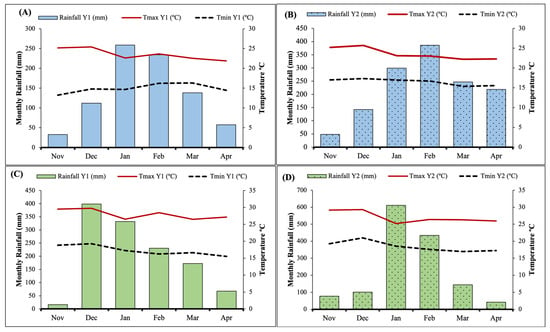
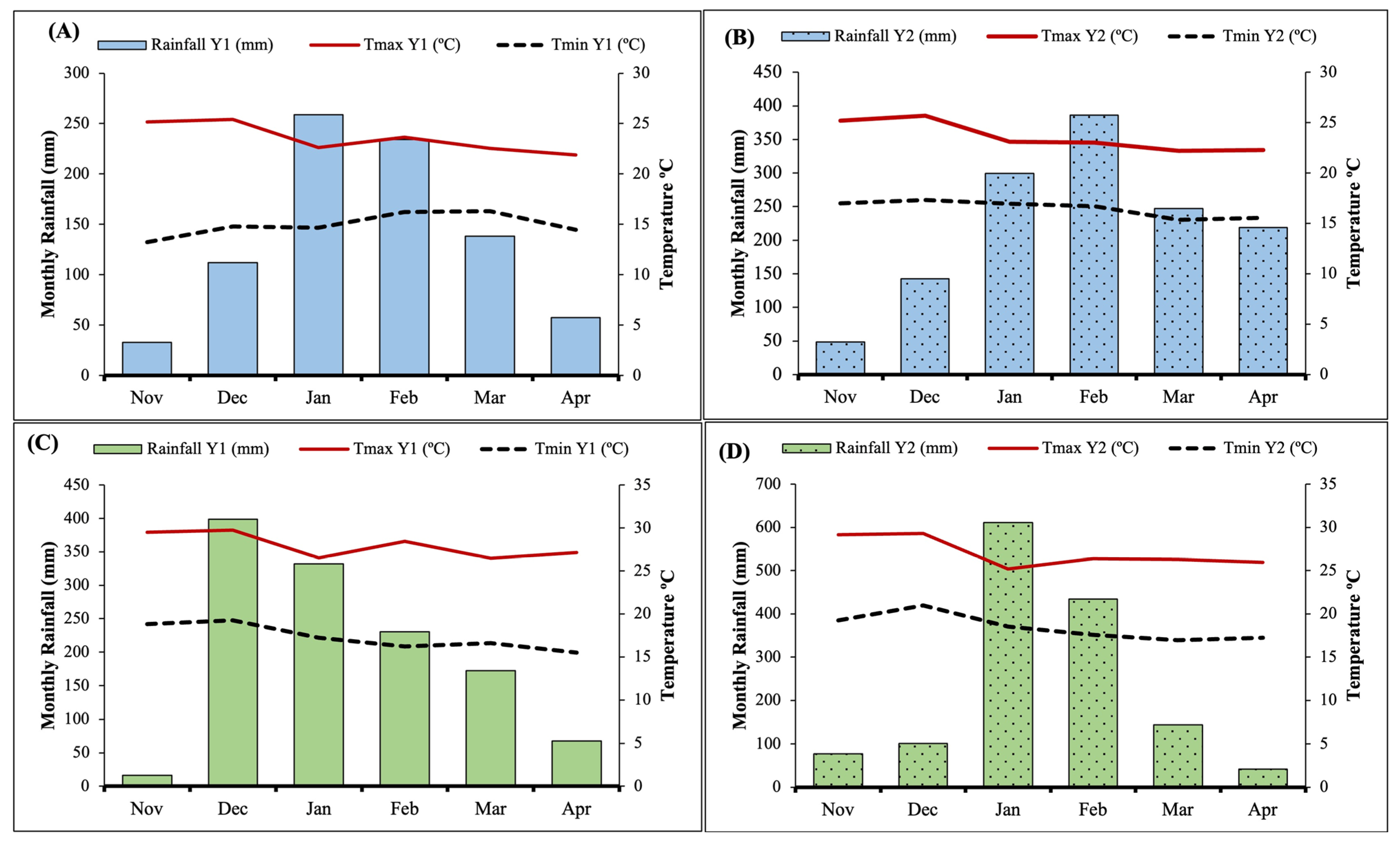
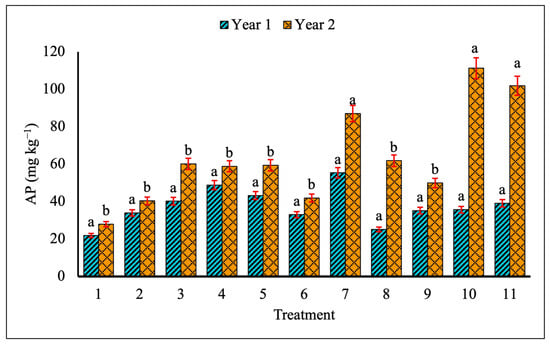
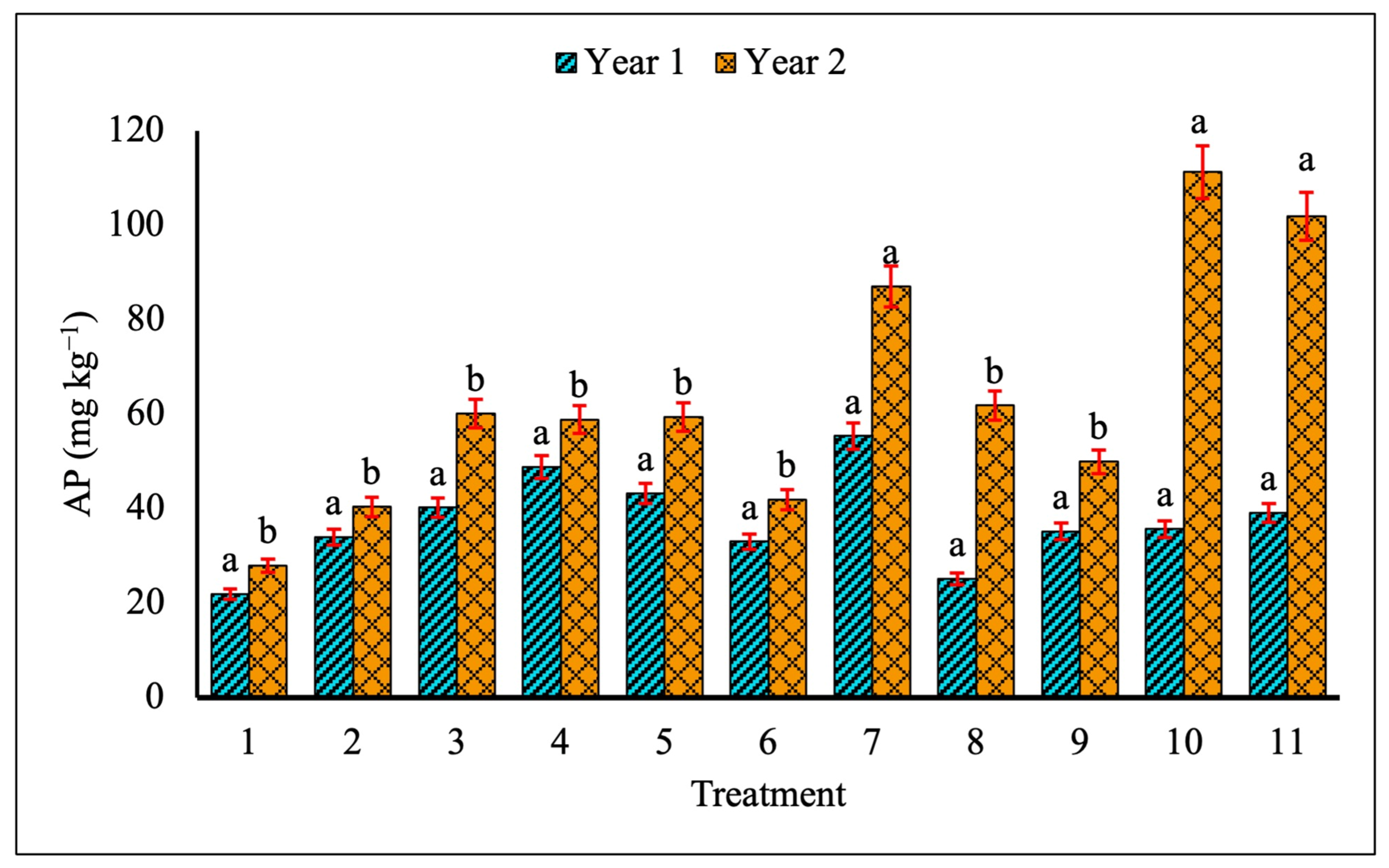
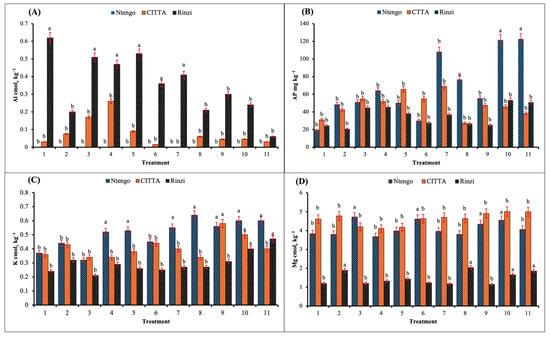
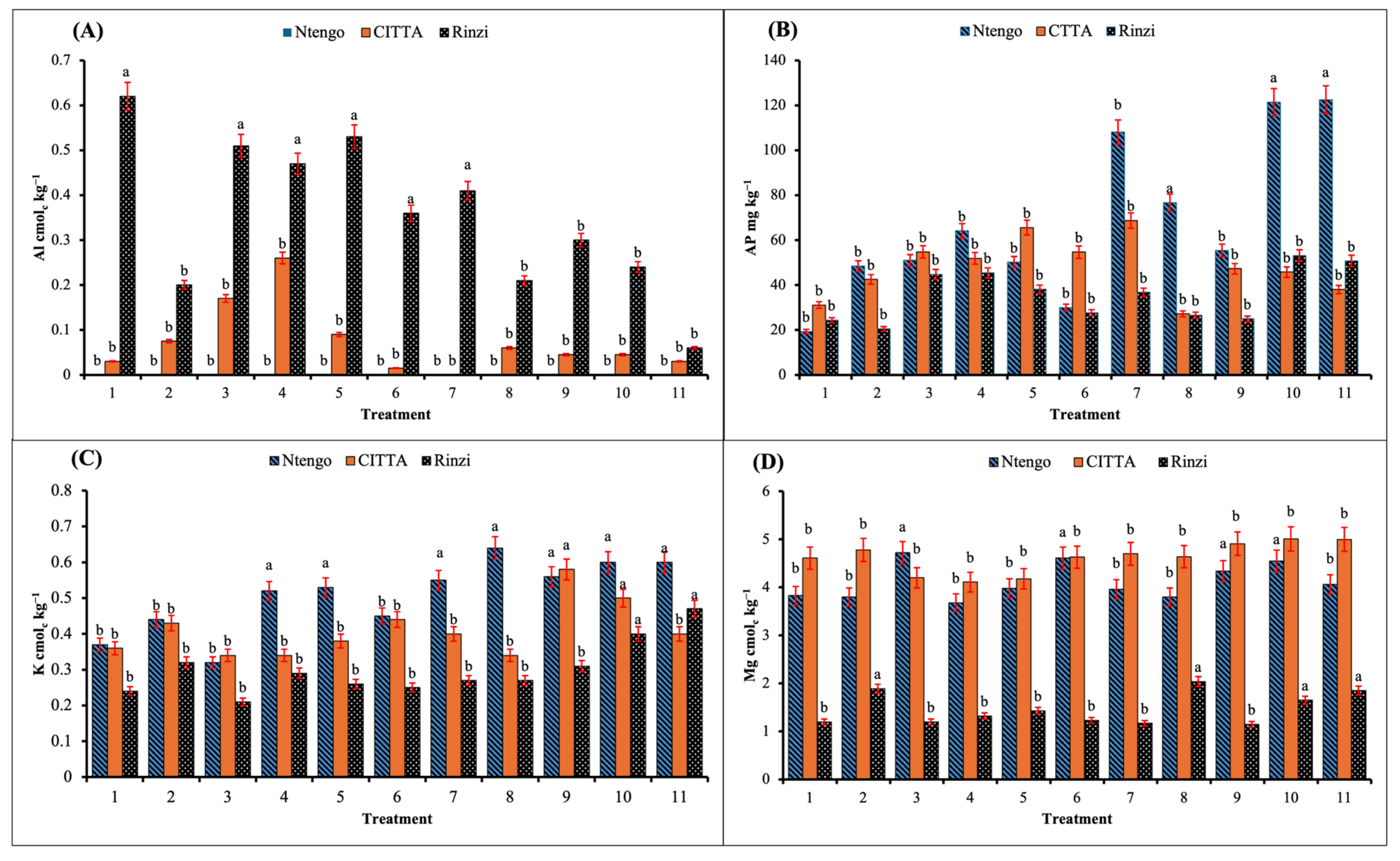
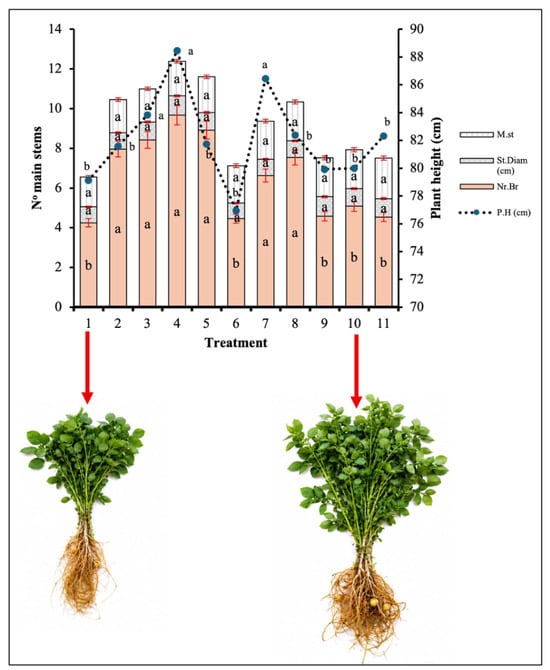
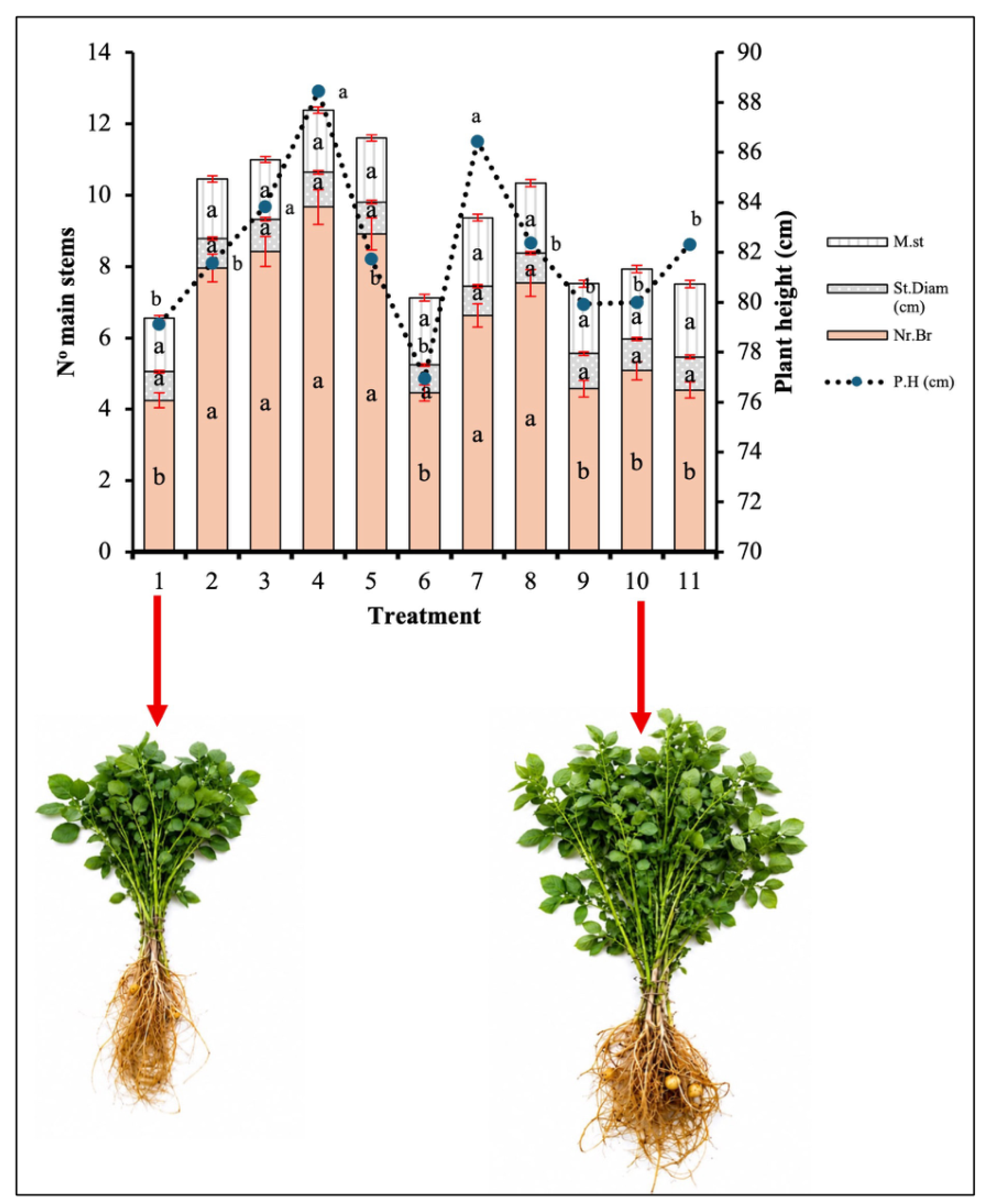
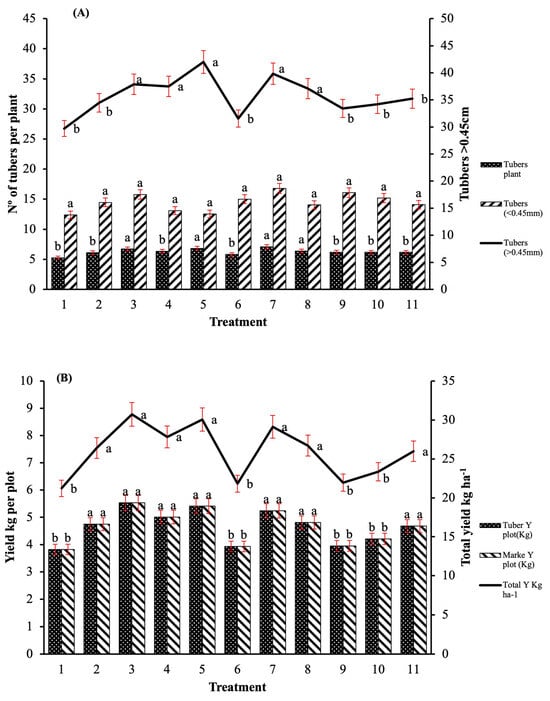
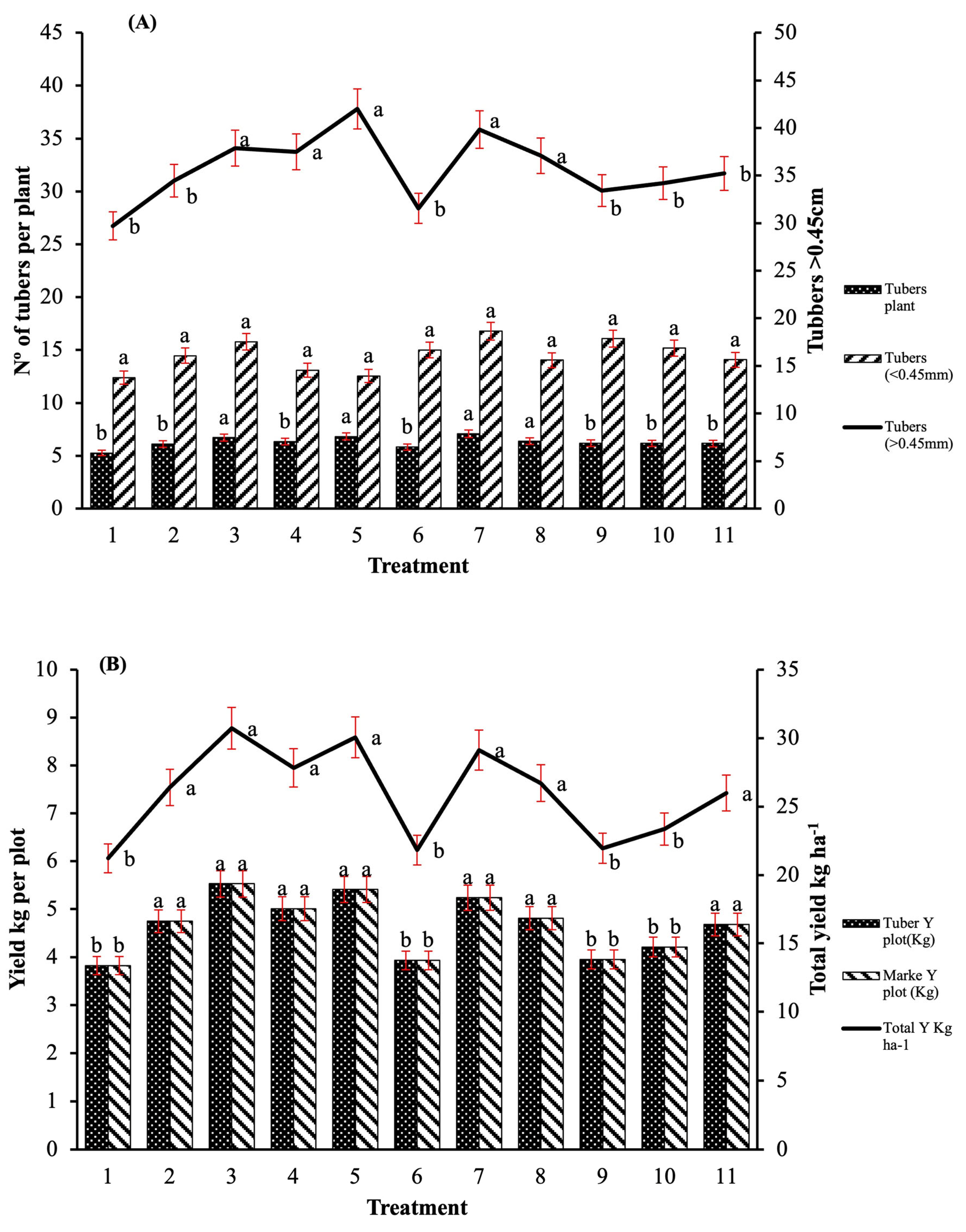
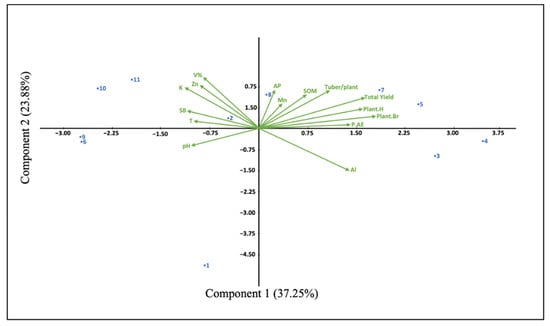
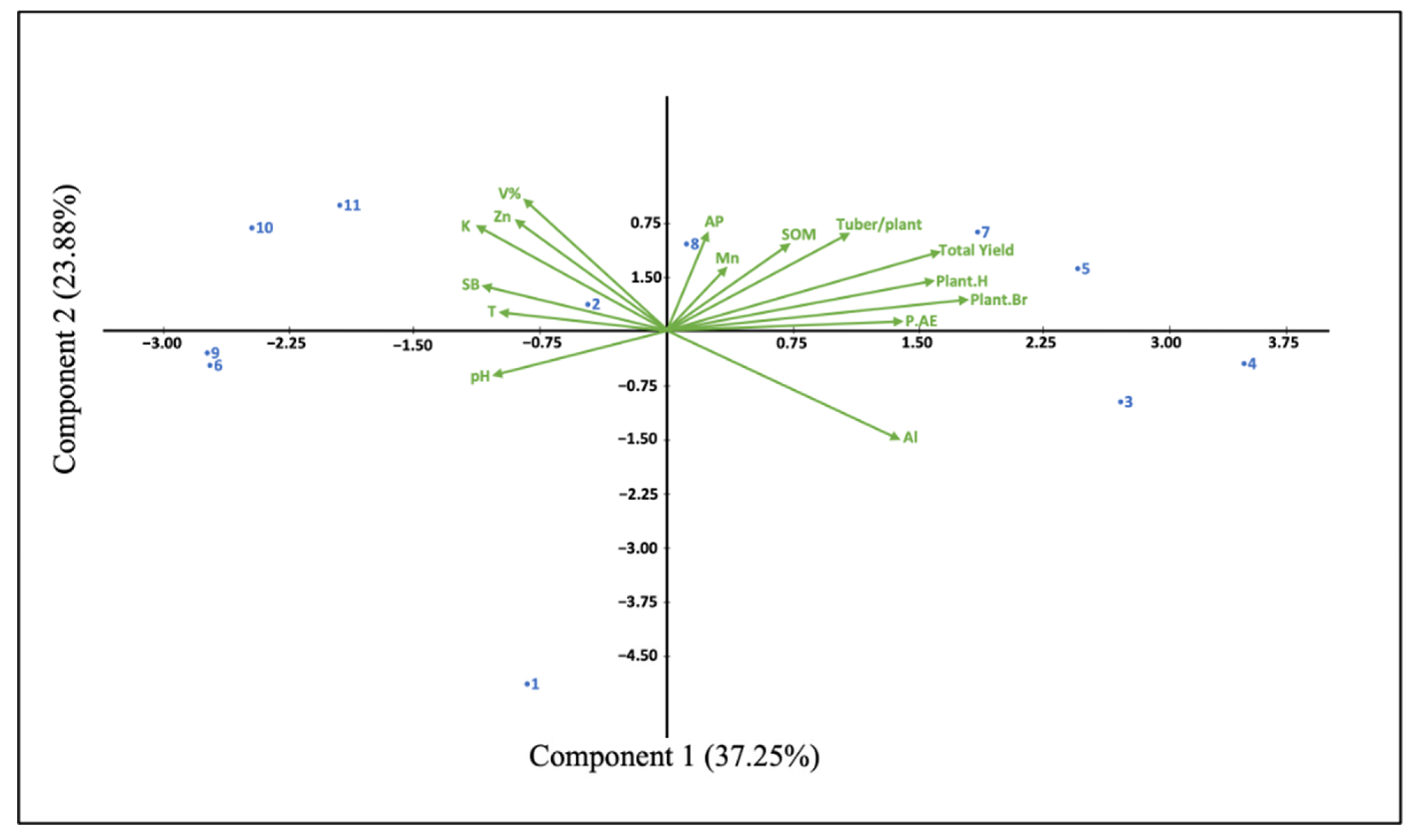

Disclaimer/Publisher’s Note: The statements, opinions and data contained in all publications are solely those of the individual author(s) and contributor(s) and not of MDPI and/or the editor(s). MDPI and/or the editor(s) disclaim responsibility for any injury to people or property resulting from any ideas, methods, instructions or products referred to in the content. |
© 2026 by the authors. Licensee MDPI, Basel, Switzerland. This article is an open access article distributed under the terms and conditions of the Creative Commons Attribution (CC BY) license.