


Abstract
Integrated nutrient management (INM) is increasingly recognized as a promising approach for sustaining crop productivity while reducing some of the environmental impacts associated with intensive agricultural production. This study presents a structured narrative review with critical evidence synthesis of the published literature examining the effects of INM on crop productivity, soil health, and greenhouse gas emissions. Relevant studies were identified through structured searches of Scopus, Web of Science, and Google Scholar, covering publications from January 2000 to December 2025. Eligible studies included peer-reviewed field and controlled experiments evaluating the combined application of organic and inorganic nutrient sources across cereal, legume, and vegetable production systems under diverse soil types, climatic conditions, and agroecological regions. The findings show that INM has been associated with improvements in crop yield, soil health, and nutrient use efficiency across many production systems; however, the magnitude of these responses varies with crop type, soil properties, climate, organic input quality, and management practices. Reported yield improvements of approximately 15–25%, reductions in N2O emissions of 15–30%, and decreases in global warming potential of 11–24% represent ranges reported in the reviewed literature rather than pooled effect estimates. Evidence from long-term field experiments further indicates that INM can increase soil organic carbon, improve soil structure, and enhance biological indicators of soil health, although responses are not uniform across all agroecosystems. In flooded rice systems, for example, improvements in greenhouse gas intensity may occur alongside methane–nitrous oxide trade-offs, highlighting the importance of evaluating both agronomic and environmental outcomes.
1. Introduction
Global agriculture faces the dual challenge of meeting rising food demand while reducing environmental degradation. By 2050, the global population is projected to reach 9.7 billion, requiring a 60–70% increase in food production despite shrinking arable land and intensifying climate stress [1,2]. Since the Green Revolution, yield gains have largely depended on increased application of mineral fertilizers, particularly nitrogen, phosphorus, and potassium. Global fertilizer consumption has risen from less than 30 million tons in the 1960s to over 200 million tonnes annually [3]. Although this intensification has strengthened food security, it has also contributed to greenhouse gas emissions, nutrient runoff, soil degradation, and water pollution [4,5]. Conventional nutrient management strategies that rely solely on synthetic fertilizers are increasingly viewed as environmentally unsustainable. Mineral fertilizers provide rapid nutrient availability and short-term yield gains, yet inefficient application often leads to low nitrogen use efficiency, soil acidification, nitrate leaching, ammonia volatilization, and elevated nitrous oxide (N2O) emissions [6,7]. Of particular concern are N2O emissions, whose global warming potential is nearly 300 times greater than that of carbon dioxide [8]. In contrast, organic fertilizers such as manure, compost, and crop residues improve soil structure, microbial activity, and soil organic carbon (SOC) stocks. However, nutrient release from organic inputs is slower and often poorly synchronized with crop demand, limiting productivity when applied alone [9,10]. Consequently, systems dependent exclusively on either mineral or organic fertilizers rarely achieve both high productivity and long-term environmental sustainability.
Integrated Nutrient Management (INM) has emerged as a strategy to overcome these limitations. INM combines mineral fertilizers with organic amendments to balance immediate nutrient availability with sustained soil improvement [11,12]. This approach enhances nutrient use efficiency, stimulates soil biological activity, supports stable crop yields, and reduces nutrient losses [13,14]. Growing evidence also indicates that INM promotes soil organic carbon accumulation, improves soil structure, moderates greenhouse gas emissions, and positions it as a key component of climate-smart agriculture [15]. However, the strength and consistency of these outcomes vary substantially across crops, climates, soil types, input combinations, and experimental durations, making broad generalizations difficult to justify from the current evidence base. Despite the growing body of research on INM, the existing literature remains fragmented across the agronomic, soil, and environmental domains. Many studies evaluate crop yield, soil properties, or greenhouse gas emissions independently, often within specific regions or cropping systems [16]. Although long-term experiments report productivity gains and emission reductions under INM, few studies discuss these outcomes within an integrated framework [17]. In addition, previous reviews have often emphasized agronomic benefits without sufficiently examining trade-offs among yield performance, soil health improvement, greenhouse gas mitigation, and the practical barriers that shape adoption at the farm level. Issues such as inconsistent greenhouse gas accounting, geographic concentration of studies, crop-specific bias, and limited attention to economic and logistical constraints have reduced the comparability and real-world applicability of published findings [18,19].
Representative studies were selected based on agronomic and environmental outcomes to highlight differences in scope, methodology, and research focus, as shown in Table 1. While INM is widely promoted as a climate-smart agronomic strategy, its empirical foundation remains constrained by methodological fragmentation, geographic and crop biases, inconsistent greenhouse gas accounting, and unaddressed scalability barriers [20]. Accordingly, the novelty of this review lies not simply in summarizing reported benefits of INM, but in critically assessing whether available evidence supports integrated claims across productivity, soil health, greenhouse gas trade-offs, and adoption feasibility. Rather than assuming that positive findings are universally transferable, this review evaluates where the evidence is robust, where it is context-specific, and where important uncertainties remain due to uneven regional coverage, short-term experimentation, or inadequate treatment of trade-offs. This review critically evaluates the strength, consistency, and contextual validity of INM evidence to determine where the approach is robust, where claims are overstated, and what paradigm shifts are needed for real-world implementation.
Table 1.
Comparison of the scope, methodological characteristics, and evidence synthesized in representative reviews related to integrated nutrient management.
2. Materials and Methods
This study reviews existing research to examine how INM affects crop yields, soil health, and greenhouse gas emissions. The review was conducted as a structured narrative review with a critical evidence synthesis rather than as a formal systematic review or meta-analysis. Accordingly, the objective was to comprehensively evaluate and critically interpret the existing literature while identifying areas of agreement, conflicting evidence, methodological limitations, and research gaps across different agroecological settings. Studies were critically appraised based on four dimensions: (1) experimental design and study duration, (2) consistency and robustness of reported agronomic, soil health, and greenhouse gas outcomes, (3) agroecological and socio-economic representativeness, and (4) transparency in reporting study limitations and uncertainties [26]. Rather than assigning formal quality scores, these criteria were used to guide the critical interpretation and synthesis of the available evidence. Greater interpretative emphasis was placed on long-term field experiments, multi-location studies, and findings consistently supported across multiple independent investigations.
We identified relevant publications through structured searches in Scopus, Web of Science and Google Scholar. The literature search was conducted between October and December 2025. Our search covered studies published from January 2000 to December 2025, capturing both foundational and recent work. We used a variety of keywords, including “organic fertilizer,” “inorganic fertilizer,” and “integrated nutrient management,” along with “crop yield,” “soil health,” and “greenhouse gas emissions,” to identify relevant studies. Representative Boolean search strings included: (“integrated nutrient management” OR “integrated fertilization” OR “organic fertilizer” OR manure OR compost OR “crop residue”) AND (“inorganic fertilizer” OR “mineral fertilizer” OR NPK OR urea) AND (“crop yield” OR productivity OR “soil health” OR “soil organic carbon” OR “microbial diversity” OR “greenhouse gas” OR N2O OR CH4). Equivalent search terms were adapted as needed for each database. We also included related terms such as “manure application”, “soil organic carbon”, and “nitrous oxide emissions” to ensure comprehensive coverage of the topic. Studies were selected if they focused on integrated nutrient management and reported results on crop performance, soil properties, or greenhouse gases. Specifically, eligible studies investigated the combined use of organic and inorganic nutrient sources and reported measurable agronomic, soil physical, chemical, or biological nutrient use efficiency, or greenhouse gas outcomes under field, long-term, or controlled agricultural conditions. We considered both short-term experiments and long-term field studies from different farming regions worldwide. Manuscripts published in English were chosen for this review.
Studies were excluded if they evaluated only organic or only inorganic fertilizers without an integrated nutrient management component, lacked relevant agronomic or environmental outcome measures, were conducted exclusively under laboratory conditions without field relevance, or consisted solely of conference abstracts, editorials, theses, or other non-peer-reviewed publications. Additionally, review papers were consulted to help consolidate the findings and give a useful background. Backward citation searching of influential reviews and highly cited primary studies was also undertaken to identify additional relevant literature. Because this was a structured narrative review rather than a systematic review, no formal PRISMA protocol, study quality scoring, or quantitative risk-of-bias assessment was performed. Instead, evidence was critically synthesized by comparing methodological strengths and weaknesses, consistency of findings, and contextual factors influencing study outcomes. Where contradictory findings were identified, these were deliberately retained and interpreted in relation to differences in soil type, climate, cropping system, fertilizer source, management practice, and experimental duration to provide a balanced assessment of the current evidence. Python 3.12.13 was used for visualization, including the generation of line graphs, bar charts, and other graphical outputs.
A summary of key methodological limitations, inconsistencies, and interpretative challenges identified in the literature, including short-term experimental bias in yield studies, inconsistent greenhouse gas accounting approaches, and overinterpretation of microbial diversity as a proxy for soil functional resilience was developed using the appraisal framework presented in Table 2. This framework provided a consistent basis for evaluating the strength, consistency, and contextual relevance of the available evidence while supporting a balanced synthesis of both positive and contradictory findings across the reviewed literature.
Table 2.
Critical review framework of integrated INM research across the study, highlighting key methodological gaps and inconsistencies.
3. Comparison of Organic and Inorganic Fertilizers
Organic fertilizers are derived from biological sources and release nutrients through microbial decomposition, thereby improving soil structure and water retention. For example, individual long-term field studies have reported that farmyard manure (FYM) applied at approximately 5–10 t ha−1 can increase soil organic carbon (SOC) over time, although the magnitude of improvement varies considerably with soil type, climate, and management practices [16]. Inorganic fertilizers, such as urea, provide immediate N availability, which often increases crop productivity in nitrogen-deficient soils; however, excessive nitrogen application can reduce nitrogen use efficiency and increase nitrogen losses through multiple pathways, including nitrate leaching, ammonia volatilization, and nitrous oxide (N2O) emissions [27]. The agronomic advantage of INM lies in the complementary timing of nutrient release: mineral fertilizers supply readily available nutrients during early crop growth, while organic amendments provide gradual nutrient release and improve soil physical and biological properties. Nevertheless, evidence remains geographically uneven, with much of the published literature originating from Asian production systems and comparatively fewer studies conducted in African agroecosystems [28].
As shown in Table 3, both organic and inorganic fertilizers present distinct advantages and limitations. This highlights the need for INM as a balanced approach that can bridge these gaps and optimize both productivity and environmental outcomes. Evidence from individual studies in rice production systems suggests that combining FYM with mineral fertilizers can reduce nutrient losses relative to sole mineral fertilization, although the magnitude of these responses varies among sites and management conditions [29]. However, challenges include the availability of high-quality organic products in resource-poor areas, calling for policy support for supply chains [30]. A recent global meta-analysis further reported that organic amendments generally improve soil aggregate stability compared with sole inorganic fertilization, although the reported effect sizes differ among amendment types, cropping systems, and soil conditions [31]. In contrast, inorganic sources excel at precision delivery but may contribute to soil acidification or salinity under long-term intensive use, particularly in irrigated systems, depending on fertilizer type, application rate, and soil buffering capacity. To mitigate this, INM protocols recommend biofortified organics, such as micronutrient-enriched vermicompost, which, in individual studies, have been reported to improve zinc and iron uptake in cereal crops compared with conventional fertilization strategies [13]. Furthermore, life-cycle assessment studies indicate that integrating organic and inorganic nutrient sources may reduce the overall environmental footprint by improving nutrient recycling efficiency and promoting circular use of agricultural residues; however, these benefits depend on the source, transport distance, and management of organic amendments [32].
Table 3.
Comparisons of organic and inorganic fertilizers, highlighting INM as a bridging approach across agronomic, environmental, and economic aspects.
Table 4 shows how INM integrates these elements to achieve holistic sustainability, aligning with the UN Sustainable Development Goals 2 (Zero Hunger) and 13 (Climate Action). Furthermore, interdisciplinary perspectives, such as socio-economic factors, emphasize INM’s potential to support smallholder farmers in developing regions by reducing input costs and enhancing resilience [27,33].
Table 4.
Key concepts in the INM framework.
Expanding on the socio-economic dimensions, the adoption of INM has been linked to improved farmer livelihoods in low-income regions where access to synthetic fertilizers is limited by cost and availability. Studies from sub-Saharan Africa have demonstrated that integrating locally sourced organic inputs, such as crop residues and leguminous cover crops, can reduce fertilizer expenditures by up to 40% while maintaining yields and fostering economic resilience [37]. Moreover, participatory approaches involving farmer cooperatives have accelerated INM diffusion, as evidenced by Indian case studies in which community-led soil testing programs enhanced nutrient optimization and equity in resource distribution [38]. These perspectives emphasize INM’s role not only in environmental stewardship but also in addressing social inequalities within global food systems.
3.1. Soil Health, Nutrient Balance, and Microbial Diversity
Soil health reflects the integrated functioning of soil physical structure, chemical balance, and biological activity, which are strongly shaped by nutrient management practices [19,39]. Excessive or imbalanced application of mineral fertilizers, particularly nitrogen, phosphorus, and potassium, can disrupt soil chemical equilibrium and alter microbial community composition, ultimately undermining long-term soil fertility. These chemical shifts suppress microbial biomass, reduce arbuscular mycorrhizal fungal colonization, and favor nitrifying and denitrifying functional groups at the expense of broader microbial diversity [6,39]. However, changes in microbial community composition do not necessarily translate into changes in ecosystem functioning, as taxonomic diversity and functional capacity are not always directly correlated. Consequently, microbial responses should be interpreted alongside functional indicators of nutrient cycling and soil processes rather than solely on diversity metrics [40].
Long-term nitrogen overapplication has been associated with simplified microbial networks and reduced functional redundancy, thereby weakening soil resilience and nutrient-cycling capacity [41]. Phosphorus imbalance similarly alters interactions among soil microbes. Excess soil phosphorus also weakens symbiotic associations with arbuscular mycorrhizal fungi, thereby reducing the efficiency of biological phosphorus acquisition and increasing the risk of runoff [42,43]. INM moderates these effects by enhancing organic matter inputs that stimulate microbial phosphatase activity and support functional bacterial groups such as Actinobacteria and Proteobacteria [44]. Although several 16S rRNA sequencing studies have reported increased relative abundance of these taxa under integrated fertilization regimes, such findings primarily reflect shifts in community composition rather than direct evidence of enhanced microbial function [43]. Functional processes such as phosphorus solubilization, nutrient turnover, or pathogen suppression require confirmation using complementary approaches, including metagenomics, metatranscriptomics, enzyme assays, or functional gene analyses. In contrast, excessive potassium inputs can disrupt calcium and magnesium balance, increase soil salinity, and impose osmotic stress on microbial communities, particularly in light-textured or weakly buffered soils [45].
By balancing macronutrient inputs, INM maintains exchangeable cation ratios and maintains soil buffering capacity, supporting more stable and diverse microbial communities. Nevertheless, reported microbial responses remain highly context-dependent and vary according to soil type, climate, cropping system, organic amendment quality, and experimental duration. Several studies have reported limited or statistically insignificant changes in microbial diversity following INM, particularly in soils with relatively high baseline fertility or during short-term experiments, suggesting that responses are not universally positive [46]. Micronutrient dynamics also play a critical role in shaping soil health. Elements such as zinc, iron, copper, and manganese are essential cofactors in microbial metabolic processes, yet excessive accumulation, often associated with repeated application of mineral fertilizers or manure, can inhibit microbial respiration and reduce species diversity [43,47]. In addition, antibiotic residues present in some organic amendments pose emerging risks by disrupting microbial gene expression and community structure. Integrated nutrient strategies that emphasize organic matter quality and controlled input rates help mitigate these risks by promoting metal immobilization, enhancing binding with soil organic carbon, and improving redox buffering [47].
Evidence from long-term field experiments demonstrates that INM enhances biological indicators of soil health, including dehydrogenase activity, which increases by approximately 25–40% under integrated fertilization. Enhanced microbial activity improves soil aggregation and pore continuity, increasing water infiltration and reducing bulk density by 5–10% [39]. These physical improvements strengthen soil water-holding capacity and resistance to erosion. In stressed environments such as saline soils, INM has been shown to increase microbial diversity, as indicated by a 12–15% rise in the Shannon diversity index. However, increases in diversity should not be interpreted as evidence of improved soil resilience without concurrent measurements of microbial functional activity, nutrient transformation, or ecosystem processes [28]. Indeed, several studies suggest that functional redundancy and microbial metabolic capacity may be more informative indicators of soil resilience than diversity indices alone.
Recent advances in soil health monitoring further highlight the multifunctional benefits of INM. Composite indicator frameworks integrating biological, hydrological, and physical metrics report consistent improvements in water infiltration rates of 2–30% and enhanced nutrient uptake efficiency, particularly phosphorus efficiency in low-P soils [39]. Although challenges persist in soils contaminated by heavy metals or legacy fertilizer residues, bioremediation through organic amendments within INM frameworks has demonstrated substantial recovery of microbial diversity and function [47]. However, the strength of evidence varies among studies because measurements often rely on taxonomic indicators without a corresponding assessment of microbial functional genes or ecosystem processes. Future research should therefore integrate taxonomic, functional, biochemical, and physicochemical indicators to provide a more comprehensive assessment of soil health responses under integrated nutrient management [48]. Long-term evidence supports the adoption of standardized monitoring protocols to track these dynamics across pedoclimatic regions and ensure the sustainability of integrated nutrient management systems [49].
The interactions between organic and inorganic nutrient inputs and their effects on soil processes and crop performance are shown in Figure 1. This outline progresses from historical models, such as the Green Revolution’s input escalation, to modern sustainability prototypes, such as the FAO’s 10 Elements of Agro-ecology, which emphasize recycling and resilience. To add depth, the outline now includes a socio-ecological element, in which community involvement in INM design improves adoption and equity [50]. In Latin American conditions, indigenous practices such as agroforestry, when integrated with INM, have boosted biodiversity and increased ecosystem services by 15–25%, including pollination and pest control [51]. These broader ecosystem benefits further illustrate that the effectiveness of INM should be evaluated using multiple agronomic, environmental, and ecological indicators rather than relying solely on changes in microbial diversity.
Figure 1.
Overview of the main pathways through which INM influences soil health, nutrient use efficiency, crop productivity, and greenhouse gas emissions.
3.2. Limitations and Mixed Responses of INM on Soil Microbial Dynamics
Building on the discussion in the previous section, it is important to recognize that improvements in microbial diversity or community composition under INM do not consistently translate into enhanced soil function or agronomic performance. Reported responses vary considerably across studies, highlighting the context-dependent nature of soil microbial processes and the need for cautious interpretation of positive findings [52]. Although INM is often associated with improved soil microbial health, its effects are not always positive. Some studies report little or no change in microbial biomass or diversity, especially in soils that are already fertile or rich in organic matter. In such cases, microbial communities may already be stable, so additional inputs do not lead to noticeable improvements. Similarly, short-term studies often show minimal changes, suggesting that microbial responses to INM take time to develop [53]. Likewise, several agronomic studies have reported neutral or inconsistent yield responses where existing soil fertility is high, nutrient inputs are already optimized, or environmental conditions limit crop response, indicating that the benefits of INM are not universal.
There are also situations where INM can have negative effects, particularly when the quality of organic inputs is poor. For example, animal manures may contain antibiotic residues or other contaminants that can disrupt the soil microbial balance and promote the emergence of resistant strains [54]. Poorly composted manures may also introduce heavy metals, weed seeds, or human and plant pathogens, creating additional environmental and agronomic risks that may offset some of the expected benefits of organic amendments. Excessive application of organic materials can also create oxygen-limited conditions, reducing the activity of beneficial aerobic microbes. In some systems, poor synchronization between organic and inorganic inputs may lead to temporary nutrient imbalances, such as nitrogen immobilization [55]. During this period, microbial assimilation of available nitrogen may temporarily reduce nutrient availability to crops, resulting in reduced early crop growth or short-term yield penalties, particularly where high-carbon organic materials are applied without adequate mineral nitrogen supplementation [56]. This can slow down microbial activity and nutrient cycling, especially in nutrient-poor soils. In addition, climate stress, such as high temperatures or drought, can limit the positive effects of INM by reducing microbial activity or favoring stress-tolerant species over diverse communities [57]. Similarly, excessive rainfall may accelerate nutrient leaching or alter microbial processes, further contributing to inconsistent responses across environments.
Another concern is that increased microbial activity under INM may enhance denitrification, thereby increasing N2O emissions. This highlights a potential trade-off between improving soil biology and minimizing environmental impacts. These trade-offs underscore that improvements in one ecosystem function may sometimes entail unintended consequences in another, underscoring the importance of evaluating multiple indicators of soil and environmental performance simultaneously [58]. Finally, it is important to recognize that positive results are more frequently reported in the literature, which may lead to an overestimation of INM benefits. Publication bias remains an important limitation within the current evidence base, as studies reporting significant improvements in crop productivity, soil health, or microbial diversity are generally more likely to be published than studies reporting neutral or negative outcomes. Consequently, the available literature may overrepresent favorable responses and underestimate the frequency of context-specific or inconsistent results [59]. Including neutral and negative findings provides a more balanced and realistic understanding of its impacts. Publication of well-designed studies should be prioritized regardless of outcome while incorporating longer-term experiments, functional microbial assessments, and standardized reporting frameworks to better resolve the variability in INM responses across different agroecosystems [60].
3.3. Nutrient Interaction Model
Figure 2 presents a conceptual synthesis of mechanisms reported in the published literature rather than a new mechanistic model developed in this review. The schematic integrates current understanding of how organic and inorganic nutrient inputs may interact to influence nutrient availability, soil biological processes, and crop performance under INM. The proposed interactions should therefore be interpreted as evidence-informed conceptual pathways rather than direct causal relationships that occur consistently across all agroecosystems [61]. INM enhances nutrient use efficiency through combined interactions between soil biological processes and fertilizer nutrients (Figure 2). Evidence from individual experimental studies suggests that organic amendments can stimulate microbial activity, thereby enhancing the solubilization of inorganic nutrients. For example, one study reported that farmyard manure increased the abundance of phosphate-solubilizing bacteria (PSB) by approximately 45% and improved phosphorus availability from rock phosphate by about 28%; however, these values reflect findings from a single study rather than generalized responses across INM systems [62]. Similarly, the timing and magnitude of microbial priming effects vary with organic amendment characteristics, soil properties, environmental conditions, and crop management. This priming effect has been reported to be most pronounced in the first 30 days post-application, aligning with peak crop demand during vegetative growth [63].
Figure 2.
Mechanistic Pathway Linking Organic Inputs to Improved Nutrient Use Efficiency, Yield Stability, and Soil Health.
The studies presented in Table 5 generally demonstrate that combining organic and inorganic nutrient sources has been associated with improved crop productivity and soil quality through different mechanisms, including changes in microbial activity, improved nutrient use efficiency, and better synchronization of nutrient availability with crop demand. However, the dominant mechanism and the magnitude of response differ considerably across studies due to variations in soil properties, climate, cropping systems, fertilizer sources, and experimental duration. Consequently, the evidence supports multiple context-dependent pathways rather than a single universal mechanism underlying INM performance [27,28,43]. Building on the conceptual framework, recent theoretical extensions incorporate rhizosphere engineering to explain how root exudates modulate microbial communities and influence nutrient transformations in the rhizosphere. Evidence from individual maize experiments indicates that organic priming may increase nitrogen fixation by free-living diazotrophs by approximately 20–30%, potentially reducing the requirement for synthetic nitrogen fertilizers under favorable conditions [64,65]. Nevertheless, these responses remain highly dependent on microbial community composition, soil physicochemical properties, and environmental conditions and should not be generalized across all production systems. Limitations include variability in microbial responses across soil types, necessitating tailored models for practical application.
Table 5.
Selected examples of mechanisms reported in studies evaluating INM.
3.4. Crop Yield and Quality Changes and Trade-Offs Under Different Conditions
Across empirical studies, many individual studies report that sole inorganic fertilization increases yield relative to unfertilized controls, although the magnitude of response varies substantially with crop type, soil fertility, climate, and fertilizer management [33]. However, prolonged reliance on mineral fertilizers without adequate organic inputs has been associated with declining soil quality, reduced soil organic matter, and deterioration of selected crop quality attributes in some long-term studies. In contrast, organic-only systems tend to stabilize yields and reduce year-to-year variability, yet frequently limit productivity due to nitrogen-release constraints, particularly for high-demand cereals [66]. INM has therefore been proposed as an approach to balance short-term nutrient availability with long-term soil improvement. Evidence from several studies indicates that integrated fertilization strategies may improve crop productivity compared with sole organic or inorganic fertilization; however, the magnitude of these benefits is highly context-dependent [67]. In cereals, legumes, and vegetables, some studies have reported that fertilizer combinations containing approximately 50–75% inorganic fertilizers with 25–50% organic inputs were associated with improved yield and crop quality compared with single-input systems; these proportions should be regarded as context-specific observations rather than universally optimal recommendations (Figure 3). These benefits stem from nutrient alignment whereby mineral fertilizers meet early crop demands and organic inputs sustain nutrient availability during later growth stages, thereby enhancing rhizosphere activity [68].
Figure 3.
Effect of Organic–Inorganic Fertilizer Ratios on Crop Yield Response in Different Cropping Systems.
However, yield responses vary depending on soil type and initial fertility. Sandy soils often show short-term yield gains due to rapid nutrient mineralization and limited organic matter stabilization, whereas clayey and fine-textured soils tend to exhibit greater long-term benefits, such as SOC buildup and improved nutrient retention [69]. This explains why long-duration trials (>10 years) report smaller yield increases (10–12%) but much greater yield stability and improvements in crop quality, including higher antioxidant levels and protein in vegetables and legumes [33,70]. Crop functional type also influences INM effectiveness. For example, several studies suggest that legumes may benefit from relatively higher proportions of organic inputs due to interactions with biological nitrogen fixation and phosphorus mobilization, whereas cereals often respond more favorably to greater mineral nutrient availability during early growth [27]. Nevertheless, these patterns are not consistent across all production systems and should not be interpreted as fixed fertilizer recommendations. In systems with soybean, green gram, and black gram, adding bioinoculants enhances these effects, increasing yields (18–25%) and nutritional quality through improved microbial-mediated nutrient supply [47].
Importantly, not all studies report positive agronomic responses to INM. In soils with high inherent fertility or where nutrient management is already optimized, integrated fertilization may produce little or no additional yield advantage compared with mineral fertilization alone. Likewise, short-term incorporation of high-carbon organic amendments may temporarily immobilize nitrogen, delaying nutrient availability during early crop growth and reducing initial crop performance [71]. The effectiveness of INM may also be constrained by poor-quality manure or compost with variable nutrient composition, contamination risks, or inadequate stabilization before field application. In addition, bulky organic materials often require greater labor inputs, higher transport costs, greater storage capacity, and timely field incorporation, creating practical barriers to adoption, particularly in large-scale or labor-limited farming systems. Delayed nutrient mineralization from some organic amendments may further reduce synchrony between nutrient supply and crop demand, particularly under cool or dry environmental conditions [72].
Despite these positive trends, methodological limitations affect interpretation. Many studies are short-term (less than 5 years) and primarily focus on temperate regions, potentially overestimating immediate benefits and underestimating variability and nutrient losses in tropical areas. Conversely, evidence indicates that INM works best in low-fertility soils, where organic amendments help replenish micronutrients, such as Zn and Fe, depleted by intensive farming [73]. Conversely, responses are frequently smaller or absent in fertile soils where nutrient availability is already sufficient, highlighting that baseline soil conditions strongly influence the agronomic benefits of INM. However, it requires careful management in high-rainfall or nutrient-rich systems to prevent imbalances [46].
4. Greenhouse Gas Emissions and Mitigation
The influence of INM on GHG emissions, as shown in Figure 4, reflects a complex interaction among nitrogen form, soil aeration, carbon availability, and crop uptake efficiency. The effects of INM on greenhouse gas emissions are highly dependent on the cropping system, soil properties, climatic conditions, fertilizer management, and the emission metric being evaluated. Consequently, field-scale, life-cycle, absolute, and yield-scaled emissions should be interpreted separately to avoid oversimplification [74]. Studies conducted in upland cropping systems have reported that sole inorganic fertilization tends to increase N2O emissions under conditions of excessive nitrogen application and low nitrogen use efficiency. Several individual field studies further suggest that integrated nutrient management may reduce field-scale N2O emissions relative to sole mineral fertilization, with reported reductions commonly ranging from approximately 15–30% depending on site conditions and management practices [29]. These values represent reported ranges from the literature rather than universally observed responses.
Figure 4.
Heatmap of Comparative Greenhouse Gas Emission Responses under Different Organic–Inorganic Fertilization Systems.
In flooded rice systems, however, trade-offs are more evident. The addition of organic amendments increases carbon availability under anaerobic conditions, thereby stimulating methanogenesis and may increase CH4 emissions relative to mineral fertilization alone in some studies. This illustrates the well-recognized CH4–N2O trade-off in flooded rice systems, whereby practices that reduce N2O emissions may simultaneously increase CH4 production, or vice versa, depending on water management, organic amendment characteristics, and soil redox conditions [62]. Importantly, this increase in absolute emissions (i.e., total GHG fluxes per unit area) does not necessarily translate into a higher overall climate impact. When emissions are expressed as greenhouse gas intensity (GHGI), that is, emissions per unit of crop yield, INM systems often show improvements [75]. This is because enhanced nutrient use efficiency and higher yields dilute emissions per unit of production, and several studies have therefore reported reductions in yield-scaled global warming potential or greenhouse gas intensity of approximately 11–24% under integrated nutrient management [75]. These reported reductions are derived from individual studies and literature ranges rather than pooled estimates across all production systems. This difference between absolute emissions and GHG intensity is critical to interpreting INM’s environmental performance. Long-term experiments frequently report stable or slightly increased total emissions, while simultaneously demonstrating lower GHGI due to sustained yield gains [76]. Accordingly, INM may improve climate efficiency without necessarily reducing absolute greenhouse gas emissions, particularly where increased crop productivity offsets total emissions on a yield basis. This distinction is especially important when interpreting greenhouse gas mitigation claims across contrasting production systems [77].
Soil properties further influence these outcomes. In neutral-to-alkaline soils (e.g., Chernozems), individual field studies have reported lower greenhouse gas intensity (GHGI) under integrated nutrient management, as moderate emissions are accompanied by higher crop productivity [78]. In contrast, acidic soils may exhibit increased N2O emissions due to enhanced denitrification, thereby reducing mitigation benefits [79]. In saline and coastal soils, combining INM with practices such as deep urea placement or slow-release fertilizers has been shown to reduce N2O emissions by 25–35% while maintaining or improving yields [80]. However, these responses are strongly influenced by local soil characteristics, fertilizer placement, irrigation practices, and climatic conditions and therefore should not be interpreted as universally applicable mitigation outcomes.
Life cycle assessment (LCA) studies provide further insight by accounting for emissions beyond the field scale. Unlike field-scale measurements, which quantify greenhouse gas emissions directly from agricultural soils, life-cycle assessments also include upstream and downstream emissions associated with fertilizer manufacture, transport, processing, storage, and application [81]. These studies show that INM can reduce total CO2-equivalent emissions by 18–22% when upstream emissions from fertilizer production and transport are included, particularly when organic inputs are locally sourced [65]. These reported reductions reflect findings from individual life-cycle assessment studies and should therefore be interpreted within the assumptions and system boundaries of each analysis. However, indirect emissions associated with the production and handling of organic amendments may still account for 10–15% of total impacts, underscoring the importance of full-system accounting [82]. Consequently, the environmental performance of INM should be evaluated using multiple complementary metrics, including field-scale emissions, life-cycle emissions, absolute greenhouse gas emissions, greenhouse gas intensity, and crop productivity, rather than relying on a single indicator of mitigation performance [83].
Heatmap illustrating the relative responses of nitrous oxide (N2O), methane (CH4), and greenhouse gas intensity (GHGI) under different fertilization strategies can be found in Figure 4. The 50:50 organic–inorganic combination exhibited the lowest overall greenhouse gas intensity, whereas 100% inorganic fertilization resulted in the highest N2O emissions, and 100% organic fertilization produced the highest CH4 emissions and elevated GHGI.
5. Long-Term Field Experiments (>10 Years)
Long-term field experiments provide compelling evidence of the sustained agronomic and environmental benefits of INM under diverse agroecological conditions. Compared with short-term studies, long-term experiments (LTEs) provide higher-confidence evidence because they capture cumulative changes in soil properties, nutrient cycling, crop productivity, and system resilience that cannot be adequately assessed over a few growing seasons [84]. Across multiple soil types and cropping systems, long-term experiments (LTEs) consistently demonstrate that combining organic and inorganic nutrient sources stabilizes soil chemical properties, enhances nutrient availability, and safeguards long-term productivity (Figure 5). For example, a 20-year continuous cropping experiment on Inceptisols showed that INM maintained soil pH and increased available nutrients by 15–20%, whereas exclusive reliance on inorganic fertilizers led to progressive soil degradation [28]. These outcomes underscore the critical buffering role of organic inputs in counteracting acidification and improving cation exchange capacity under intensive cultivation. Beyond maintaining crop yields, LTEs consistently demonstrate cumulative improvements in soil organic matter, nutrient retention, and soil resilience, providing stronger evidence for the long-term sustainability of integrated nutrient management than short-duration experiments [85]. North American experiments spanning more than five decades further indicate strong legacy effects, with sustained organic inputs improving soil health indices by over 20%, even when management practices evolve [28]. Nevertheless, despite the strength of this evidence, the global LTE database remains geographically uneven, with relatively few long-term experiments from tropical and subtropical regions, particularly South America and Sub-Saharan Africa [86].
Figure 5.
Comparative Long-Term Responses of Crop Yield, Soil Organic Carbon, and Yield Stability under Integrated Nutrient Management.
From a policy and sustainability perspective, these long-term findings carry critical implications. LTEs demonstrate that short-term fertilizer optimization strategies are insufficient for sustaining soil functions and climate resilience. Instead, nutrient management policies should prioritize INM as a foundational practice supported by long-term investment in restoring soil organic matter, incentives for organic resource recycling, and the integration of LTE-derived thresholds into fertilizer recommendation frameworks. Moreover, recent advances in soil carbon measurement emphasize the need for standardized protocols to ensure comparability across long-term datasets [87]. Expanding the geographical coverage of LTEs, particularly in underrepresented tropical and subtropical agroecosystems, would further strengthen the evidence base supporting climate-smart agriculture, carbon credit schemes, and region-specific nutrient management recommendations [88].
From a critical review perspective, the apparent superiority of the fertilizer combinations reported in some long-term studies should not be interpreted as universally applicable recommendations. The studies included in the literature were conducted under diverse agroecological conditions, with substantial variation in soil properties, climate, fertilizer sources, application rates, and management practices. Such heterogeneity may influence the observed yield responses and limit the transferability of findings across regions and farming systems. Another important consideration is that most studies primarily assessed yield performance, whereas fewer simultaneously evaluated broader sustainability indicators such as soil organic carbon accumulation, nutrient losses, greenhouse gas emissions, and economic returns. As a result, yield gains alone may not fully capture the long-term benefits or trade-offs associated with different INM strategies [89].
In contrast, the reviewed evidence indicates that balanced integration of organic and inorganic fertilizers can substantially enhance crop productivity. However, the magnitude of these benefits is context-dependent, emphasizing the need for site-specific nutrient management recommendations and more comprehensive long-term studies that integrate agronomic, environmental, and socio-economic outcomes. Taken together, the available evidence suggests that conclusions regarding the long-term effectiveness of INM should be based primarily on LTEs, while findings from short-term studies should be interpreted more cautiously, as they may underestimate cumulative soil improvements or overestimate immediate yield responses [90].
Regional and Crop-Specific Variations
The effectiveness of INM varies considerably across regions, cropping systems, and agroecological conditions. Consequently, reported agronomic and environmental outcomes should be interpreted within the geographic and production contexts in which they were generated rather than as globally generalizable responses. A notable characteristic of the current evidence base is its strong geographic concentration in Asia, particularly China and India, where cereal-based production systems dominate the published literature [16]. This imbalance limits confidence in extrapolating reported benefits to other regions and cropping systems that remain comparatively underrepresented.
INM effectiveness has been reported to increase yields by approximately 25% in Asian rice systems and about 15% in African maize systems in individual studies [16]. These values represent selected study findings rather than pooled estimates across regions. In saline soils, it improves resilience via microbes. Soybean in India under INM accumulated 20% more GDD, yielding +18% [56]. Rainfed systems reveal variable N2O (+5–10%) [91]. Legume systems frequently exhibit favorable responses due to interactions between biological nitrogen fixation and improved nutrient availability; however, these responses vary across environments and management practices [27]. However, these reported benefits should be interpreted cautiously, as the current evidence base is affected by significant geographic and crop biases. Most studies originate in Asia, particularly India and China, and are heavily focused on cereal-based systems, whereas root crops, perennial crops, and mixed farming systems remain comparatively underrepresented. Consequently, the observed responses may not reflect INM performance across diverse agroecosystems [92].
Regional disparities in the effectiveness of INM are particularly evident in Southeast Asia, where smallholder farming systems face diverse climatic and soil conditions. Research investigating the opportunities and challenges of integrated smallholder agriculture found that implementing INM can increase rice yields by approximately 20–30% [93]. Nonetheless, soil variability, such as in volcanic and alluvial zones, influences nutrient retention and greenhouse gas mitigation [93]. For example, in Vietnam and Indonesia, using compost alongside reduced inorganic nitrogen has lowered methane emissions in rice paddies by 15–25%, due to improved aerobic conditions and shifts in microbial activity [94]. Although these studies provide valuable evidence, their strong emphasis on irrigated rice systems means that comparatively little information is available for upland crops, perennial cropping systems, or diversified farming systems within the region.
In sub-Saharan Africa, INM has been characterized as a key approach for improving soil fertility in resource-constrained environments [95]. Studies show that using mineral fertilizers alongside organic materials, such as legume residues, can boost maize yields by about 15–25% in semi-arid areas while reducing N2O emissions by improving nitrogen management [96]. However, variability across agroecological zones, such as the Sahel and East African highlands, shows that sandy soils respond more positively to increased organic matter fractions (40–60%). This response reduces leaching losses by up to 35% and enhances climate resilience [97]. Despite these encouraging results, studies from sub-Saharan Africa remain dominated by maize and sorghum systems, while evidence for root and tuber crops, which are critical to regional food security, remains limited. Likewise, relatively few long-term studies have evaluated cassava, yam, sweet potato, or mixed crop–livestock production systems, despite their importance to nutrient cycling and sustainable farming across many African regions.
European regions, particularly within temperate zones, exhibit more modest yet consistent benefits from INM. In maize cultivation across Central Europe, the implementation of integrated strategies has led to yield increases of 10–20% and a 15% reduction in greenhouse gas emissions, primarily through meticulous application techniques and cover crop management [98]. Regional disparities, such as those between the Mediterranean and Northern Europe, indicate that calcareous soils enhance pH-related combined effects, thereby promoting microbial diversity and ensuring sustained long-term yield stability [99]. However, the highly mechanized nature of many European farming systems may limit the transferability of these findings to low-input and smallholder production environments. Furthermore, perennial horticultural systems, orchards, and vineyards are comparatively less represented in the current INM literature than annual cereal production, limiting understanding of long-term nutrient management strategies for these production systems [100].
Crop-specific adaptations highlight the unique needs of different regions. For example, in South Asia, using INM in soybean systems takes advantage of natural biological nitrogen fixation, leading to impressive 18–22% yield increases and reducing greenhouse gas emissions by 10–20% compared to cereals [70]. On the other hand, in African sorghum farming under rainfed conditions, drought-tolerant organic sources are essential, yielding improvements of 12–18%. However, responses to N2O emissions can vary due to unpredictable rainfall patterns [101]. These examples illustrate that crop responses are influenced by interactions among crop functional type, climate, soil characteristics, and nutrient management rather than by fixed fertilizer combinations. Consequently, fertilizer proportions reported in individual studies, such as 60:40 or 40:60 inorganic-to-organic ratios, should be interpreted as site-specific management strategies rather than universally applicable recommendations [102].
Another important limitation of the existing literature is temporal bias. Many studies reporting substantial yield gains and environmental benefits are based on short-term experiments, which tend to emphasize immediate responses while underestimating long-term legacy effects on soil organic carbon dynamics, microbial communities, nutrient accumulation, and greenhouse gas emissions [13,103]. Consequently, the sustainability benefits of INM may be overstated when conclusions are drawn primarily from short-duration trials. Publication bias also represents a challenge in interpreting the available evidence [104]. Positive outcomes such as increased yields and reduced greenhouse gas emissions are more likely to be reported, whereas neutral or negative responses receive comparatively less attention. This selective reporting can create an overly optimistic picture of INM performance and potentially inflate estimates of its agronomic and environmental benefits. Collectively, these geographic, crop, and temporal biases indicate that the current evidence base is uneven and should not be interpreted as representative of all agroecosystems worldwide. Therefore, greater emphasis on long-term studies, underrepresented cropping systems, and the publication of contradictory findings is necessary to provide a more balanced and context-specific understanding of INM effectiveness [105].
6. Policy and Adoption Barriers
Although INM is widely promoted as a cornerstone of sustainable agriculture, its adoption remains uneven across regions due to multiple technical, economic, institutional, and policy constraints. Successful implementation depends not only on agronomic effectiveness but also on farmers’ access to inputs, financial resources, extension support, markets, and enabling policy environments. Policies such as subsidies support INM (Figure 6), but adoption is delayed by knowledge gaps [106]. In India, extension services increased uptake by 30% [70]. These findings highlight the important role of farmer training, advisory services, and demonstration programs in translating research evidence into practical farm management practices. However, extension coverage and technical capacity remain highly variable across many low- and middle-income countries, limiting the dissemination of site-specific nutrient management recommendations. Global policy frameworks, including those aligned with the Sustainable Development Goals (SDGs), increasingly recognize INM as an important strategy for improving food security, resource-use efficiency, and environmental sustainability [107]. Nevertheless, implementation remains constrained by weak institutional coordination, inconsistent policy support, and limited investment in integrated soil fertility programmes.
Figure 6.
Conceptual framework for site-specific decision-making in INM.
Beyond knowledge constraints, the availability and quality of organic nutrient resources present significant practical challenges. Organic amendments often exhibit considerable variability in nutrient composition, moisture content, and decomposition rates, making precise nutrient management more difficult than with standardized mineral fertilizers. In addition, bulky organic materials often require greater labor for collection, processing, transport, storage, and field application, increasing production costs and reducing their attractiveness, particularly in large-scale farming systems or labor-constrained households [52]. Transport and storage infrastructure further influence adoption. The relatively low nutrient density of many organic resources increases transportation costs, especially where manure or compost must be moved over long distances. Inadequate storage facilities may also reduce nutrient quality through nutrient losses during handling and decomposition before field application. Financial barriers remain equally important [108]. Many smallholder farmers have limited access to affordable credit, restricting their ability to purchase mineral fertilizers, invest in composting infrastructure, or adopt complementary technologies required for effective INM implementation. Where credit schemes or input financing mechanisms are absent, farmers may continue relying on suboptimal fertilization practices despite the potential long-term benefits of integrated nutrient management [109].
Blockade includes market access; solutions involve cooperatives. Poor market access and weak value chains further discourage investment in improved nutrient management by limiting farmers’ opportunities to recover the additional labor and input costs associated with integrated production systems. Cooperative marketing structures, producer organizations, and value-chain development may therefore improve adoption by reducing transaction costs and strengthening market incentives [30]. Adoption barriers for smallholders in Southeast Asia include limited access to high-quality organic inputs and technical knowledge, as well as policy interventions, such as targeted subsidies, which have increased uptake by 25–35% [93]. In sub-Saharan Africa, integrated soil fertility management faces challenges from fragmented extension services, yet community-based policies have boosted adoption rates to 40% in pilot regions [110]. Despite these encouraging examples, adoption remains highly dependent on local institutional capacity, availability of extension personnel, and sustained policy investment beyond short-term development projects.
In Latin America and Africa, barriers such as agronomic knowledge gaps hinder the diffusion of integrated pest and nutrient management policies that promote agronomist-farmer collaboration, increasing adoption by 20–30% [111]. Linking agronomic and knowledge barriers, policies focused on nitrogen-conservation practices recommend subsidies and demonstration plots to enhance smallholder engagement. Food environment constraints, such as market inaccessibility, intensify barriers to adoption, while integrated policies under the SDGs advocate for value chain improvements [112]. However, policy interventions that rely solely on subsidies are unlikely to ensure sustained adoption unless accompanied by farmer education, locally adapted recommendations, reliable input supply systems, and supportive market incentives [113]. In irrigation-dependent regions, policy barriers to smallholder schemes can be addressed through cooperative models and financial incentives [114]. Transitioning from pesticide-based to integrated systems in Africa requires policy incentives for alternatives, such as access to credit and certification programs [115]. In contrast, climate-smart policies that address determinants such as education and infrastructure can mitigate barriers to the widespread adoption of INM among smallholders [116].
6.1. Climate Resilience and Multi-Stress Interactions
Evidence from field experiments suggests that INM can enhance the capacity of agricultural systems to cope with climate-related stresses; however, the strength of the evidence varies across stress types and production systems. The strongest evidence supports improvements in soil properties that contribute to climate adaptation, whereas evidence for complex multi-stress interactions remains comparatively limited. NM has been associated with adaptation by safeguarding yields under stress, with several studies reporting reductions in yield vulnerability of approximately 15–20% under specific environmental conditions [27]. These values represent findings from individual studies rather than universally observed responses. In warm conditions, some studies indicate that INM may improve nutrient use efficiency while maintaining crop productivity, although the magnitude of greenhouse gas mitigation remains highly dependent on climate, soil conditions, and management practices [35]. Similarly, evidence from flood-prone production systems suggests that organic amendments can improve soil structure, nutrient buffering, and recovery following inundation; however, the underlying mechanisms differ among cropping systems and remain incompletely understood [57]. Challenges include predicting non-linear responses, which requires modeling [117].
Sustainable intensification in China underscores the significance of INM for climate mitigation and adaptation, with nutrient strategies designed to reduce vulnerability to variable climatic conditions [118]. Some studies highlight its contribution to enhancing crop productivity and promoting environmental sustainability during climate fluctuations [68]. Nevertheless, much of this evidence originates from cereal-based systems in Asia, and relatively fewer long-term studies have evaluated climate resilience under contrasting agroecosystems or multiple interacting climate stresses. Clarifying local adaptations in INM reveals balancing effects in fertilizer management under climate variability [95]. INM mitigates and adapts to climate change by optimizing nutrient cycles and reducing emissions [68]. Nutrient strategies in climate scenarios promote conservation and precision agriculture for sequestration and balanced use [4]. Improved N management is a key adaptation tool that lowers agricultural vulnerability [10]. These adaptation benefits are thought to arise primarily through improved soil organic matter accumulation, greater water-holding capacity, enhanced nutrient retention, and improved nutrient synchronization rather than through direct effects on climate stress itself. Consequently, the available evidence more strongly supports improvements in soil-mediated adaptive capacity than direct increases in crop resilience across all environments [119].
Climate change increases nutrient imbalances through altered precipitation and temperature regimes, yet interactions with INM remain understudied [120]. Under drought conditions, increased soil organic matter may improve water storage and reduce crop water stress, whereas prolonged heat stress can accelerate organic matter decomposition and nutrient mineralization, potentially reducing synchronization between nutrient supply and crop demand. Salinity may alter microbial processes and nutrient availability, while prolonged flooding promotes anaerobic conditions that can increase methane production despite potential improvements in nutrient cycling. These contrasting responses illustrate that different climate stresses influence INM performance through distinct mechanisms rather than a single resilience pathway [121].
In changing climates, INM’s role in enhancing soil carbon sequestration and reducing GHG emissions is promising, but gaps exist in quantifying non-linear responses, such as increased N2O fluxes under drought [122]. In particular, relatively little long-term evidence is available on interacting stresses, such as combined drought and heat, flooding and salinity, or sequential climate extremes. The available literature suggests that responses to these compound stresses are often non-linear and cannot be predicted reliably from studies evaluating individual stressors alone [123]. Research in vulnerable regions such as sub-Saharan Africa shows that INM improves resilience, but long-term data on multi-stress interactions (e.g., heat and salinity) are insufficient [72]. Accordingly, confidence in the effectiveness of INM is highest for improving soil quality and sustaining productivity under moderate environmental stress, whereas evidence supporting resilience to complex multi-stress scenarios remains comparatively limited and requires further validation through long-term field experiments [95].
Future directions should use models such as DNDC to predict INM outcomes under IPCC conditions and address gaps in adaptive strategies for extreme events [18]. Emphasizing biofertilizers and organic amendments could mitigate climate impacts, but interdisciplinary studies linking INM to ecosystem services are needed to provide policy-relevant insights [124]. Future research should integrate long-term experiments, process-based modeling, and climate scenario analyses to improve understanding of non-linear interactions among drought, heat, salinity, flooding, nutrient cycling, and greenhouse gas emissions under integrated nutrient management.
6.2. Omics and Precision INM
Omics technologies are creating new possibilities for precision INM, although their application in routine nutrient management remains an emerging area of research rather than an established field practice [125]. Approaches like metagenomics are helping researchers better understand how soil microbes contribute to nutrient cycling. For example, functional genes such as nifH (linked to nitrogen fixation) and amoA (linked to nitrification) have been investigated as potential biological indicators of nutrient cycling and nitrogen availability. However, their use as operational decision-support tools requires further field validation across diverse cropping systems and environments [126].
Recent studies also show that these biological insights can be combined with precision agriculture tools and UAV-based imaging, using indices such as NDVI, NDRE, and GNDVI, to assess crop nitrogen status during the growing season. These indices often show strong relationships with nitrogen use efficiency (NUE), suggesting their potential to support more informed fertilizer management where appropriate calibration and validation are available [127,128,129]. Rather than replacing conventional nutrient recommendations, these technologies may complement existing INM practices by providing additional site-specific information on crop nutrient status [130]. In practice, this could enable INM ratios and fertilizer application rates to be adjusted during the season when reliable decision-support systems and appropriate technical capacity are available, for instance, by reducing inorganic inputs when crop nitrogen levels are already sufficient. In addition, sensor-based and modeling approaches are being used to link plant signals with soil conditions. Some studies demonstrate that combining spectral data with machine learning models can predict nitrogen demand and improve fertilizer timing, thereby reducing losses while maintaining crop performance [128]. However, most of these approaches have been evaluated at the experimental or pilot scale, and relatively few studies have demonstrated their long-term effectiveness, economic feasibility, or scalability under commercial farming conditions. These approaches therefore have the potential to make INM more flexible and responsive to field variability rather than relying on fixed recommendations.
Despite these advances, there are still important limitations. Omics data are lacking for many under-researched crops, which makes it difficult to develop specific nutrient management strategies [131]. Furthermore, widespread adoption is constrained by the high cost of omics analyses, limited access to advanced analytical facilities, technical expertise requirements, data management challenges, and inadequate digital infrastructure in many agricultural regions, particularly in low- and middle-income countries. Future work should focus on integrating different omics tools, such as genomics, proteomics, and metabolomics, with artificial intelligence to support real-time decision-making and improve resilience under changing climate conditions [132]. Future research should also prioritize independent field validation, cost-effectiveness analyses, farmer adoption studies, and integration with existing extension services to determine whether these technologies provide practical advantages over current nutrient management approaches. Emerging technologies such as CRISPR, supported by omics data, also offer future opportunities for improving nutrient efficiency and crop quality. However, their use will require careful regulation and ethical consideration to ensure they are applied safely and responsibly [117]. These technologies should be viewed as promising complementary tools that may strengthen future INM decision-making, rather than as mature solutions ready for universal implementation. Their successful integration into agricultural practice will depend on continued technological development, robust field validation, affordability, farmer acceptance, and supportive policy and extension frameworks.
7. Conclusions
This review combines global evidence that INM offers a context-dependent approach to sustaining crop productivity while reducing some of the environmental costs associated with conventional fertilizer use. Overall, the reviewed literature indicates that INM can improve crop yield, soil health, nutrient use efficiency, and greenhouse gas emissions compared with sole organic or inorganic fertilization under many conditions; however, these benefits vary depending on crop type, soil properties, climate, organic input quality, and management practices. Findings from the reviewed literature highlight that the strength of INM lies in balancing readily available nutrients from mineral fertilizers with the longer-term soil benefits of organic amendments. Long-term field experiments provide the strongest evidence for improvements in soil organic carbon, nutrient retention, and system resilience, whereas short-term studies may not fully capture these cumulative effects. Nevertheless, trade-offs such as delayed nutrient release, nutrient variability, labor and transport requirements, and greenhouse gas interactions should be considered when implementing INM. From an environmental perspective, INM has the potential to improve climate efficiency and nutrient management, though reductions in greenhouse gas intensity do not always translate into lower absolute emissions, particularly in flooded rice systems. The evidence supports INM as a flexible nutrient management strategy whose effectiveness depends on site-specific adaptation rather than universally applicable fertilizer recommendations. Future research should prioritize long-term, multi-location studies across underrepresented regions and cropping systems to strengthen the evidence base for sustainable nutrient management.
Future Research Directions
Although INM has shown clear benefits, important knowledge gaps remain that should guide future research priorities. First, greater emphasis should be placed on establishing long-term field experiments in underrepresented regions, particularly sub-Saharan Africa, Latin America, and other tropical and subtropical agroecosystems, to improve understanding of INM’s long-term agronomic and environmental performance under diverse farming conditions. Future work should also explore a wider range of crops beyond major cereals, including root and tuber crops, perennial production systems, and mixed crop–livestock systems, where evidence remains limited. In addition, greater attention is needed to uncover the underlying soil microbial processes driving nutrient cycling and emission dynamics. Future studies should integrate microbial community analyses with functional validation using approaches such as metagenomics, metatranscriptomics, functional gene quantification, and enzyme activity assays to link microbial composition with ecosystem function better.
Standardized greenhouse gas accounting frameworks are also needed to improve comparisons among studies. Future research should distinguish field-scale emissions from life-cycle emissions and report both absolute greenhouse gas emissions and yield-scaled metrics, such as greenhouse gas intensity (GHGI), using harmonized methodologies. Combining field experiments with advanced tools and simulation models, such as DNDC, could improve predictions under changing climate conditions. Finally, research should focus on developing site-specific nutrient recommendation frameworks that integrate soil characteristics, climate, crop requirements, and locally available nutrient resources while evaluating their economic feasibility, cost-effectiveness, and farmer adoption under real farming conditions. Strengthening the link between scientific findings and practical implementation will be key to scaling up INM as a sustainable agricultural strategy.
Author Contributions
M.A.A.: writing—original draft, visualization, methodology, formal analysis, data curation. M.A.A. and E.N.: conducted the literature review and data curation. A.R.: writing—review & editing; validation; supervision. W.S.: supervision; writing—review & editing; funding acquisition; conceptualization. All authors have read and agreed to the published version of the manuscript.
Funding
This work was supported by grants from the National Key Research and Development Program of China (2023YFF0805403) and the National Natural Science Foundation of China (42377311 and 41771291).
Data Availability Statement
No new data were created or analyzed in this study. Data sharing is not applicable to this article.
Acknowledgments
We sincerely thank the editor and reviewers for their insightful comments and suggestions.
Conflicts of Interest
The authors declare no conflicts of interest.
Abbreviations
The following abbreviations are used in this manuscript:
| CRISPR | Clustered Regularly Interspaced Short Palindromic Repeats |
| DNDC | Denitrification–Decomposition |
| NO2 | Nitrous oxide |
| CH4 | Methane |
| CO2 | Carbon dioxide |
| INM | Integrated nutrient management |
| IPCC | Intergovernmental Panel on Climate Change |
| GHG | Greenhouse Gas |
| GHGI | Green House Gas Intensity |
| GWP | Global warming potential |
| LCA | Life cycle assessment |
| LTEs | Long-term field experiments |
| NUE | Nitrogen use efficiency |
| SOC | Soil organic carbon |
| SDGs | Sustainable Development Goals |
References
- Akchaya, K.; Parasuraman, P.; Pandian, K.; Vijayakumar, S.; Thirukumaran, K.; Mustaffa, M.R.A.F.; Rajpoot, S.K.; Choudhary, A.K. Boosting resource use efficiency, soil fertility, food security, ecosystem services, and climate resilience with legume intercropping: A review. Front. Sustain. Food Syst. 2025, 9, 1527256. [Google Scholar] [CrossRef] [Scilit]
- Dorling, D. World Population prospects at the UN: Our numbers are not our problem? In The Struggle for Social Sustainability: Moral Conflicts in Global Social Policy; Policy Press: Bristol, UK, 2021. [Google Scholar]
- Penuelas, J.; Coello, F.; Sardans, J. A better use of fertilizers is needed for global food security and environmental sustainability. Agric. Food Secur. 2023, 12, 5. [Google Scholar] [CrossRef] [Scilit]
- Xing, Y.; Xie, Y.; Wang, X. Enhancing soil health through balanced fertilization: A pathway to sustainable agriculture and food security. Front. Microbiol. 2025, 16, 1536524. [Google Scholar] [CrossRef] [Scilit] [PubMed]
- Menegat, S.; Ledo, A.; Tirado, R. Greenhouse gas emissions from global production and use of nitrogen synthetic fertilisers in agriculture. Sci. Rep. 2022, 12, 14490. [Google Scholar] [CrossRef] [Scilit] [PubMed]
- Guo, J.; Fan, J.; Zhang, F.; Yan, S.; Zheng, J.; Wu, Y.; Li, J.; Wang, Y.; Sun, X.; Liu, X.; et al. Blending urea and slow-release nitrogen fertilizer increases dryland maize yield and nitrogen use efficiency while mitigating ammonia volatilization. Sci. Total Environ. 2021, 790, 148058. [Google Scholar] [CrossRef] [Scilit] [PubMed]
- Shcherbak, I.; Millar, N.; Robertson, G.P. Global metaanalysis of the nonlinear response of soil nitrous oxide (N2 O) emissions to fertilizer nitrogen. Proc. Natl. Acad. Sci. USA 2014, 111, 9199–9204. [Google Scholar] [CrossRef] [Scilit] [PubMed]
- Gao, Y.; Serrenho, A.C. Greenhouse gas emissions from nitrogen fertilizers could be reduced by up to one-fifth of current levels by 2050 with combined interventions. Nat. Food 2023, 4, 170–178. [Google Scholar] [CrossRef] [Scilit] [PubMed]
- Ilahi, H. Accentuating the Impact of Inorganic and Organic Fertilizers on Agriculture Crop Production: A Review. Indian J. Pure Appl. Biosci. 2021, 9, 36–45. [Google Scholar] [CrossRef] [Scilit]
- Olarewaju, O.O.; Fawole, O.A.; Baiyegunhi, L.J.S.; Mabhaudhi, T. Integrating Sustainable Agricultural Practices to Enhance Climate Resilience and Food Security in Sub-Saharan Africa: A Multidisciplinary Perspective. Sustainability 2025, 17, 6259. [Google Scholar] [CrossRef] [Scilit]
- Congreves, K.A.; Otchere, O.; Ferland, D.; Farzadfar, S.; Williams, S.; Arcand, M.M. Nitrogen Use Efficiency Definitions of Today and Tomorrow. Front. Plant Sci. 2021, 12, 637108. [Google Scholar] [CrossRef] [Scilit] [PubMed]
- Thangarajan, R.; Bolan, N.S.; Tian, G.; Naidu, R.; Kunhikrishnan, A. Role of organic amendment application on greenhouse gas emission from soil. Sci. Total Environ. 2013, 465, 72–96. [Google Scholar] [CrossRef] [Scilit] [PubMed]
- Fan, M.; Chen, P.; Zhang, C.; Liang, M.; Xie, G.; Zhao, L.; Wang, C. Effects of combined application of slow-release nitrogen fertilizer and urea on nitrogen uptake, utilization and yield of maize under two tillage methods. Sci. Rep. 2025, 15, 5007. [Google Scholar] [CrossRef] [Scilit] [PubMed]
- Walling, E.; Vaneeckhaute, C. Greenhouse gas emissions from inorganic and organic fertilizer production and use: A review of emission factors and their variability. J. Environ. Manag. 2020, 276, 111211. [Google Scholar] [CrossRef] [Scilit] [PubMed]
- Tubiello, F.N.; Karl, K.; Flammini, A.; Gütschow, J.; Obli-Laryea, G.; Conchedda, G.; Pan, X.; Qi, S.Y.; Heiðarsdóttir, H.H.; Wanner, N.; et al. Pre- and post-production processes increasingly dominate greenhouse gas emissions from agri-food systems. Earth Syst. Sci. Data 2022, 14, 1795–1809. [Google Scholar] [CrossRef] [Scilit]
- Paramesh, V.; Kumar, R.M.; Rajanna, G.A.; Gowda, S.; Nath, A.J.; Madival, Y.; Jinger, D.; Bhat, S.; Toraskar, S. Integrated nutrient management for improving crop yields, soil properties, and reducing greenhouse gas emissions. Front. Sustain. Food Syst. 2023, 7, 1173258. [Google Scholar] [CrossRef] [Scilit]
- Qiu, H.; Li, T.; Zhang, B. The impact of climate change on the earth system and its simulation predictions: Progress, challenges, and future directions. Geogr. Res. Bull. 2024, 3, 231–246. [Google Scholar] [CrossRef] [PubMed]
- Powlson, D.S.; Stirling, C.M.; Thierfelder, C.; White, R.P.; Jat, M.L. Does conservation agriculture deliver climate change mitigation through soil carbon sequestration in tropical agro-ecosystems? Agric. Ecosyst. Environ. 2016, 220, 164–174. [Google Scholar] [CrossRef] [Scilit]
- Lal, R.; Monger, C.; Nave, L.; Smith, P. The role of soil in regulation of climate. Philos. Trans. R. Soc. B 2021, 376, 20210084. [Google Scholar] [CrossRef] [Scilit] [PubMed]
- Li, J.; Ma, W.; Zhu, H. A systematic literature review of factors influencing the adoption of climate-smart agricultural practices. Mitig. Adapt. Strateg. Glob. Change 2024, 29, 2. [Google Scholar] [CrossRef] [Scilit]
- Yimer, A.H.; Tarnawa, A. Advancing Nutrient Management Strategies for Sustainable Crop Productivity in a Changing Climate: A Systematic Review. Sci. World J. 2025, 2025, 7101060. [Google Scholar] [CrossRef] [Scilit] [PubMed]
- Snyder, C.S.; Bruulsema, T.W.; Jensen, T.L.; Fixen, P.E. Review of greenhouse gas emissions from crop production systems and fertilizer management effects. Agric. Ecosyst. Environ. 2009, 133, 247–266. [Google Scholar] [CrossRef] [Scilit]
- Chen, X.; Cui, Z.; Fan, M.; Vitousek, P.; Zhao, M.; Ma, W.; Wang, Z.; Zhang, W.; Yan, X.; Yang, J.; et al. Producing more grain with lower environmental costs. Nature 2014, 514, 486–489. [Google Scholar] [CrossRef] [Scilit] [PubMed]
- Timsina, J. Can Organic Sources of Nutrients Increase Crop Yields to Meet Global Food Demand? Agronomy 2018, 8, 214. [Google Scholar] [CrossRef] [Scilit]
- Liu, X.; Zhang, Y.; Han, W.; Tang, A.; Shen, J.; Cui, Z.; Vitousek, P.; Erisman, J.W.; Goulding, K.; Christie, P.; et al. Enhanced nitrogen deposition over China. Nature 2013, 494, 459–462. [Google Scholar] [CrossRef] [Scilit] [PubMed]
- Snyder, H. Literature review as a research methodology: An overview and guidelines. J. Bus. Res. 2019, 104, 333–339. [Google Scholar] [CrossRef] [Scilit]
- Govindasamy, P.; Muthusamy, S.K.; Bagavathiannan, M.; Mowrer, J.; Jagannadham, P.T.K.; Maity, A.; Halli, H.M.; K., S.G.; Vadivel, R.; K., D.T.; et al. Nitrogen use efficiency—A key to enhance crop productivity under a changing climate. Front. Plant Sci. 2023, 14, 1121073. [Google Scholar] [CrossRef] [Scilit] [PubMed]
- Datta, S.; Mazumdar, S.P.; Majumdar, B.; Alam, N.; Chattopadhyay, L.; Ghosh, S.; Saha, D.; Saha, A.R.; Kar, G. Impact of integrated nutrient management on soil microbiome diversity and health in rice based cropping system: Insights from long-term agricultural practices. Rhizosphere 2025, 33, 101048. [Google Scholar] [CrossRef] [Scilit]
- Mohanty, S.; Nayak, A.; Swain, C.; Dhal, B.; Kumar, A.; Kumar, U.; Tripathi, R.; Shahid, M.; Behera, K. Impact of integrated nutrient management options on GHG emission, N loss and N use efficiency of low land rice. Soil Tillage Res. 2020, 200, 104616. [Google Scholar] [CrossRef] [Scilit]
- Dumont, B.; Barlagne, C.; Cassart, P.; Duval, J.; Fanchone, A.; Gourdine, J.L.; Huguenin-Elie, O.; Kazakova, Y.; Klötzli, J.; Lüscher, A.; et al. Principles, barriers and enablers to agroecological animal production systems: A qualitative approach based on five case studies. Animal 2025, 19, 101367. [Google Scholar] [CrossRef] [Scilit] [PubMed]
- Ma, S.; Cao, Y.; Lu, J.; Ren, T.; Cong, R.; Lu, Z.; Zhu, J.; Li, X. Response of soil aggregation and associated organic carbon to organic amendment and its controls: A global meta-analysis. CATENA 2024, 237, 107774. [Google Scholar] [CrossRef] [Scilit]
- Rodias, E.; Aivazidou, E.; Achillas, C.; Aidonis, D.; Bochtis, D. Water-Energy-Nutrients Synergies in the Agrifood Sector: A Circular Economy Framework. Energies 2020, 14, 159. [Google Scholar] [CrossRef] [Scilit]
- Paramesh, V.; Kumar, P.; Bhagat, T.; Nath, A.J.; Manohara, K.K.; Das, B.; Desai, B.F.; Jha, P.K.; Prasad, P.V.V. Integrated Nutrient Management Enhances Yield, Improves Soil Quality, and Conserves Energy under the Lowland Rice–Rice Cropping System. Agronomy 2023, 13, 1557. [Google Scholar] [CrossRef] [Scilit]
- Dencső, M.; Bakacsi, Z.; Fodor, N.; Horel, Á.; Magyar, M.; Tóth, E. Fertilizer management modifies soil CO2, N2O, and CH4 emissions in a Chernozem soil. Agric. Ecosyst. Environ. 2025, 385, 109580. [Google Scholar] [CrossRef] [Scilit]
- Kuziemska, B.; Klej, P.; Wysokinski, A.; Jaremko, D.; Pakuła, K. Yielding and Bioaccumulation of Zinc by Cocksfoot under Conditions of Different Doses of This Metal and Organic Fertilization. Agronomy 2022, 12, 686. [Google Scholar] [CrossRef] [Scilit]
- Gupta, A.; Singh, U.B.; Sahu, P.K.; Paul, S.; Kumar, A.; Malviya, D.; Singh, S.; Kuppusamy, P.; Singh, P.; Paul, D.; et al. Linking Soil Microbial Diversity to Modern Agriculture Practices: A Review. Int. J. Environ. Res. Public Health 2022, 19, 3141. [Google Scholar] [CrossRef] [Scilit] [PubMed]
- Zerssa, G.; Feyssa, D.; Kim, D.G.; Eichler-Löbermann, B. Challenges of Smallholder Farming in Ethiopia and Opportunities by Adopting Climate-Smart Agriculture. Agriculture 2021, 11, 192. [Google Scholar] [CrossRef] [Scilit]
- Prajapati, C.S.; Priya, N.K.; Bishnoi, S.; Vishwakarma, S.K.; Buvaneswari, K.; Shastri, S.; Tripathi, S.; Jadhav, A. The Role of Participatory Approaches in Modern Agricultural Extension: Bridging Knowledge Gaps for Sustainable Farming Practices. J. Exp. Agric. Int. 2025, 47, 204–222. [Google Scholar] [CrossRef] [Scilit]
- Shahane, A.A.; Shivay, Y.S. Soil Health and Its Improvement Through Novel Agronomic and Innovative Approaches. Front. Agron. 2021, 3, 680456. [Google Scholar] [CrossRef] [Scilit]
- Liu, H.; Ji, W.; Liu, X.; Ajibade, F.O.; Ugya, A.Y.; Sheng, Y.; Yin, L. Indicators and predictive frameworks for microbial regime shifts in aquatic ecosystems: From collapse detection to recovery prediction. Ecol. Indic. 2026, 189, 115268. [Google Scholar] [CrossRef] [Scilit]
- Ramirez, K.S.; Craine, J.M.; Fierer, N. Consistent effects of nitrogen amendments on soil microbial communities and processes across biomes. Glob. Change Biol. 2012, 18, 1918–1927. [Google Scholar] [CrossRef] [Scilit]
- Dhaliwal, S.S.; Dubey, S.K.; Kumar, D.; Toor, A.S.; Walia, S.S.; Randhawa, M.K.; Kaur, G.; Brar, S.K.; Khambalkar, P.A.; Shivey, Y.S. Enhanced Organic Carbon Triggers Transformations of Macronutrients, Micronutrients, and Secondary Plant Nutrients and Their Dynamics in the Soil under Different Cropping Systems-A Review. J. Soil Sci. Plant Nutr. 2024, 24, 5272–5292. [Google Scholar] [CrossRef] [Scilit]
- Gupta, G.; Dhar, S.; Kumar, A.; Choudhary, A.K.; Dass, A.; Sharma, V.K.; Shukla, L.; Upadhyay, P.K.; Das, A.; Jinger, D.; et al. Microbes-mediated integrated nutrient management for improved rhizo-modulation, pigeonpea productivity, and soil bio-fertility in a semi-arid agro-ecology. Front. Microbiol. 2022, 13, 924407. [Google Scholar] [CrossRef] [Scilit] [PubMed]
- Patra, A.; Sharma, V.K.; Purakayastha, T.J.; Barman, M.; Kumar, S.; Chobhe, K.A.; Chakraborty, D.; Nath, D.J.; Anil, A.S. Effect of Long-Term Integrated Nutrient Management (INM) Practices on Soil Nutrients Availability and Enzymatic Activity under Acidic Inceptisol of North-Eastern Region of India. Commun. Soil Sci. Plant Anal. 2020, 51, 1137–1149. [Google Scholar] [CrossRef] [Scilit]
- Zörb, C.; Senbayram, M.; Peiter, E. Potassium in agriculture—Status and perspectives. J. Plant Physiol. 2014, 171, 656–669. [Google Scholar] [CrossRef] [Scilit] [PubMed]
- Omokaro, G.O.; Kornev, K.P.; Nafula, Z.S.; Chikukula, A.A.; Osayogie, O.G.; Efeni, O.S. Biochar for sustainable soil management: Enhancing soil fertility, plant growth and climate resilience. Farming Syst. 2025, 3, 100167. [Google Scholar] [CrossRef] [Scilit]
- Sande, T.J.; Tindwa, H.J.; Alovisi, A.M.T.; Shitindi, M.J.; Semoka, J.M. Enhancing sustainable crop production through integrated nutrient management: A focus on vermicompost, bio-enriched rock phosphate, and inorganic fertilisers—A systematic review. Front. Agron. 2024, 6, 1422876. [Google Scholar] [CrossRef] [Scilit]
- Wang, N.; Li, K.; Zhu, X.; Zuo, Y.; Liu, J.; Guo, Z.; Sun, Y.; Guo, Y.; Song, C.; Yuan, F.; et al. Scale dependence of genome-derived microbial functional diversity informing soil functions. Geoderma 2026, 465, 117659. [Google Scholar] [CrossRef] [Scilit]
- Heintz-Buschart, A.; Guerra, C.; Djukic, I.; Cesarz, S.; Chatzinotas, A.; Patoine, G.; Sikorski, J.; Buscot, F.; Küsel, K.; Wegner, C.-E.; et al. Microbial diversity-ecosystem function relationships across environmental gradients. Res. Ideas Outcomes 2020, 6, e52217. [Google Scholar] [CrossRef] [Scilit]
- Uçkun, A.A. Enhancing climate resilience and sustainability through agroecology: A review of key principles and recent advances (2020–2025). World J. Adv. Res. Rev. 2025, 26, 2189–2209. [Google Scholar] [CrossRef] [Scilit]
- Belbase, P.; Bhaskar, M.S.B. Sustainable Cultivation of Dragon Fruit: Integrated Nutrient and Pest Management Strategies for Enhanced Productivity and Environmental Stewardship. Agronomy 2025, 15, 2514. [Google Scholar] [CrossRef] [Scilit]
- Srivastava, R.K.; Purohit, S.; Alam, E.; Islam, K. Advancements in soil management: Optimizing crop production through interdisciplinary approaches. J. Agric. Food Res. 2024, 18, 101528. [Google Scholar] [CrossRef] [Scilit]
- Marzouk, S.H.; Kwaslema, D.R.; Omar, M.M.; Mohamed, S.H. “Harnessing the power of soil microbes: Their dual impact in integrated nutrient management and mediating climate stress for sustainable rice crop production” A systematic review. Heliyon 2025, 11, e41158. [Google Scholar] [CrossRef] [Scilit] [PubMed]
- Marutescu, L.G.; Jaga, M.; Postolache, C.; Barbuceanu, F.; Milita, N.M.; Romascu, L.M.; Schmitt, H.; Husman, A.M.d.R.; Sefeedpari, P.; Glaeser, S.; et al. Insights into the impact of manure on the environmental antibiotic residues and resistance pool. Front. Microbiol. 2022, 13, 965132. [Google Scholar] [CrossRef] [Scilit] [PubMed]
- Goss, M.J.; Tubeileh, A.; Goorahoo, D. A Review of the Use of Organic Amendments and the Risk to Human Health. Adv. Agron. 2013, 120, 275–379. [Google Scholar] [CrossRef] [Scilit]
- Madrid, L.B.; Sehgal, A.; Ye, R.; Siddique, K.H.; Hein, K.; Topp, C.; Narayanan, S. Cover crop root attributes and their contribution to soil processes and agroecosystem sustainability. Agric. Ecosyst. Environ. 2026, 407, 110468. [Google Scholar] [CrossRef] [Scilit]
- Vermeire, M.L.; Thiour-Mauprivez, C.; De Clerck, C. Agroecological transition: Towards a better understanding of the impact of ecology-based farming practices on soil microbial ecotoxicology. FEMS Microbiol. Ecol. 2024, 100, fiae031. [Google Scholar] [CrossRef] [Scilit] [PubMed]
- Kelley, L.A.; Zhang, Z.; Tamagno, S.; Lundy, M.E.; Mitchell, J.P.; Gaudin, A.C.; Pittelkow, C.M. Changes in soil N2O emissions and nitrogen use efficiency following long-term soil carbon storage: Evidence from a mesocosm experiment. Agric. Ecosyst. Environ. 2024, 370, 109054. [Google Scholar] [CrossRef] [Scilit]
- Etesami, H. The dual nature of plant growth-promoting bacteria: Benefits, risks, and pathways to sustainable deployment. Curr. Res. Microb. Sci. 2025, 9, 100421. [Google Scholar] [CrossRef] [Scilit] [PubMed]
- Tripathi, S.; Bhagat, R.; Paramesha, V.; Walia, S.S.; Ravisankar, N.; Kaur, J.; Bhattacharjee, S. Global meta-analysis shows that agronomic interventions enhance nitrogen use efficiency in maize. Discov. Soil 2026, 3, 130. [Google Scholar] [CrossRef] [Scilit]
- Bai, Z.; Xu, J.; Shi, X.; Harrison, M.T.; Olesen, J.E.; Rees, R.M.; Topp, C.F.; Wen, X.; Song, Z.; Yin, X.; et al. Impacts of inorganic and organic fertilization on soil organic carbon and crop production: A meta-analysis. Farming Syst. 2026, 4, 100211. [Google Scholar] [CrossRef] [Scilit]
- Imran. Integration of organic, inorganic and bio fertilizer, improve maize-wheat system productivity and soil nutrients. J. Plant Nutr. 2024, 47, 2494–2510. [Google Scholar] [CrossRef] [Scilit]
- Sinha, S.K.; Kumar, A.; Narayan, S.C.; Kumar, S.; Kumari, A.; Kumar, B. Assessment of Microbial and Enzymatic Activity of Plant-ratoon System in Sugarcane Rhizosphere in Indo-Gangetic Plains of India. Int. J. Plant. Soil Sci. 2025, 37, 261–275. [Google Scholar] [CrossRef] [Scilit]
- Wankhade, A.; Wilkinson, E.; Britt, D.W.; Kaundal, A. A Review of Plant–Microbe Interactions in the Rhizosphere and the Role of Root Exudates in Microbiome Engineering. Appl. Sci. 2025, 15, 7127. [Google Scholar] [CrossRef] [Scilit]
- Zhao, L.; Yin, W.; Chai, Q.; Li, P.; Guo, Z.; Fan, Z.; Hu, F.; Zhao, C.; Yu, A.; Wan, P.; et al. Synergistic effects of slow-release fertilizer and biochar on crop yield and soil carbon-nitrogen dynamics under reduced nitrogen input. Agric. Ecosyst. Environ. 2025, 393, 109849. [Google Scholar] [CrossRef] [Scilit]
- Zhu, X.; Ros, G.H.; Xu, M.; Cai, Z.; Sun, N.; Duan, Y.; de Vries, W. Long-term impacts of mineral and organic fertilizer inputs on nitrogen use efficiency for different cropping systems and site conditions in Southern China. Eur. J. Agron. 2023, 146, 126797. [Google Scholar] [CrossRef] [Scilit]
- Lin, S.; Zhao, X.; Zhang, P.; Fu, Q.; Wang, Q. Integrated organic-inorganic fertilization enhances soil enzyme activity and reduces agricultural emissions in pakchoi (Brassica chinensis L.) production systems. J. Agric. Food Res. 2026, 29, 103040. [Google Scholar] [CrossRef] [Scilit]
- Wu, W.; Ma, B. Integrated nutrient management (INM) for sustaining crop productivity and reducing environmental impact: A review. Sci. Total Environ. 2015, 512–513, 415–427. [Google Scholar] [CrossRef] [Scilit] [PubMed]
- Naqvi, R.Z.; Siddiqui, H.A.; Mahmood, M.A.; Najeebullah, S.; Ehsan, A.; Azhar, M.; Farooq, M.; Amin, I.; Asad, S.; Mukhtar, Z.; et al. Smart breeding approaches in post-genomics era for developing climate-resilient food crops. Front. Plant Sci. 2022, 13, 972164. [Google Scholar] [CrossRef] [Scilit] [PubMed]
- Biswas, S.; Das, R.; Nwe, L.L.; Dutta, D. Influence of integrated nutrient management on agro-meteorological indices in cultivation of soybean (Glycine max L.) varieties of West Bengal. Discov. Plants 2025, 2, 46. [Google Scholar] [CrossRef] [Scilit]
- Al-Shammary, A.A.G.; Al-Shihmani, L.S.S.; Fernández-Gálvez, J.; Caballero-Calvo, A. Optimizing sustainable agriculture: A comprehensive review of agronomic practices and their impacts on soil attributes. J. Environ. Manag. 2024, 364, 121487. [Google Scholar] [CrossRef] [Scilit] [PubMed]
- Gram, G.; Roobroeck, D.; Pypers, P.; Six, J.; Merckx, R.; Vanlauwe, B. Combining organic and mineral fertilizers as a climate-smart integrated soil fertility management practice in sub-Saharan Africa: A meta-analysis. PLoS ONE 2020, 15, e0239552. [Google Scholar] [CrossRef] [Scilit] [PubMed]
- Danardono; Musiyam, M.; Wibowo, A.A.; Arijuddin, B.I.; Sunariya, M.I.T.; Hakim, R.; Setiawan, I.N.; Nurfauzi, M.A.; Septiyani, E.D. Modeling dynamics of ecosystem productivity in tropical watersheds. Kuwait J. Sci. 2026, 53, 100652. [Google Scholar] [CrossRef] [Scilit]
- Hassan, M.U.; Aamer, M.; Mahmood, A.; Awan, M.I.; Barbanti, L.; Seleiman, M.F.; Bakhsh, G.; Alkharabsheh, H.M.; Babur, E.; Shao, J.; et al. Management Strategies to Mitigate N2O Emissions in Agriculture. Life 2022, 12, 439. [Google Scholar] [CrossRef] [Scilit] [PubMed]
- Somboon, S.; Rossopa, B.; Yodda, S.; Sukitprapanon, T.S.; Chidthaisong, A.; Lawongsa, P. Mitigating methane emissions and global warming potential while increasing rice yield using biochar derived from leftover rice straw in a tropical paddy soil. Sci. Rep. 2024, 14, 8706. [Google Scholar] [CrossRef] [Scilit] [PubMed]
- Alface, A.; Phung, L.D.; Matsuyama, H.; Urakawa, S.; Watanabe, T. Three-year impacts of composted sewage sludge on CH4 and N2O emissions from rice paddies. Process Saf. Environ. Prot. 2025, 201, 107502. [Google Scholar] [CrossRef] [Scilit]
- Nyameasem, J.; Möller, M.; Andrino, A.; Athmann, M.; Brüggemann, N.; Kautz, T.; Gentsch, N.; Schlotter, D.; Ulrich, M.; Seidel, S. Climate efficiency of long-term nutrient management: Cross-site greenhouse gas responses in temperate cropping systems. Agric. Ecosyst. Environ. 2026, 409, 110519. [Google Scholar] [CrossRef] [Scilit]
- Sarkar, S.; Upadhyay, P.K.; Dey, A.; Ekka, U.; Shekhawat, K.; Rathore, S.S.; Singh, R.K.; Rajanna, G.; Babu, S.; Dass, A.; et al. An insight into productivity, profitability, and sustainable energy use in maize under precision nitrogen management using a smartphone app. Inf. Process. Agric. 2026, 13, 26–46. [Google Scholar] [CrossRef] [Scilit]
- Han, J.; Zhang, A.; Kang, Y.; Han, J.; Yang, B.; Hussain, Q.; Wang, X.; Zhang, M.; Khan, M.A. Biochar promotes soil organic carbon sequestration and reduces net global warming potential in apple orchard: A two-year study in the Loess Plateau of China. Sci. Total Environ. 2022, 803, 150035. [Google Scholar] [CrossRef] [Scilit] [PubMed]
- Kumar, R.; Mondal, B.; Linda, A.; Baruah, K.K.; Bordoloi, N. Enhancing Sustainability in Indian Rice–Wheat Agroecosystem: A Review and Analysis of Fertilizer Management Practices and Greenhouse Gas (N2O) Emission Mitigation. Water Air Soil Pollut. 2025, 236, 358. [Google Scholar] [CrossRef] [Scilit]
- Barbhuiya, S.; Das, B.B. Life Cycle Assessment of construction materials: Methodologies, applications and future directions for sustainable decision-making. Case Stud. Constr. Mater. 2023, 19, e02326. [Google Scholar] [CrossRef] [Scilit]
- van der Werf, H.M.G.; Knudsen, M.T.; Cederberg, C. Towards better representation of organic agriculture in life cycle assessment. Nat. Sustain. 2020, 3, 419–425. [Google Scholar] [CrossRef] [Scilit]
- Liu, G.; Yang, Y.; Zhang, F. Assessing the dynamics of greenhouse gas emissions and spatial inequalities to inform sustainable agricultural production. Geogr. Sustain. 2026, 7, 100482. [Google Scholar] [CrossRef] [Scilit]
- MacLaren, C.; Mead, A.; van Balen, D.; Claessens, L.; Etana, A.; de Haan, J.; Haagsma, W.; Jäck, O.; Keller, T.; Labuschagne, J.; et al. Long-term evidence for ecological intensification as a pathway to sustainable agriculture. Nat. Sustain. 2022, 5, 770–779. [Google Scholar] [CrossRef] [Scilit]
- Luo, G.; Li, L.; Friman, V.P.; Guo, J.; Guo, S.; Shen, Q.; Ling, N. Organic amendments increase crop yields by improving microbe-mediated soil functioning of agroecosystems: A meta-analysis. Soil Biol. Biochem. 2018, 124, 105–115. [Google Scholar] [CrossRef] [Scilit]
- Powers, J.S.; Corre, M.D.; Twine, T.E.; Veldkamp, E. Geographic bias of field observations of soil carbon stocks with tropical land-use changes precludes spatial extrapolation. Proc. Natl. Acad. Sci. USA 2011, 108, 6318–6322. [Google Scholar] [CrossRef] [Scilit] [PubMed]
- Kanagaraj, A.; Kaliappan, S.B.; Shanmugam, T.; Alagirisamy, B.; Ramalingam, K. Quantification techniques of soil organic carbon: An appraisal. Anal. Sci. 2025, 41, 759–776. [Google Scholar] [CrossRef] [Scilit] [PubMed]
- Imran, M.A.; Zennaro, M.; Popoola, O.R.; Chiaraviglio, L.; Zhang, H.; Manzoni, P.; van de Beek, J.; Stewart, R.; Cox, M.A.; Mendes, L.L.; et al. Exploring the Boundaries of Connected Systems: Communications for Hard-to-Reach Areas and Extreme Conditions. Proc. IEEE 2024, 112, 912–945. [Google Scholar] [CrossRef] [Scilit]
- Enebe, M.C.; Ray, R.L.; Griffin, R.W. Carbon sequestration and soil responses to soil amendments—A review. J. Hazard. Mater. Adv. 2025, 18, 100714. [Google Scholar] [CrossRef] [Scilit]
- Fu, Y.; de Jonge, L.W.; Moldrup, P.; Paradelo, M.; Arthur, E. Improvements in soil physical properties after long-term manure addition depend on soil and crop type. Geoderma 2022, 425, 116062. [Google Scholar] [CrossRef] [Scilit]
- Xu, P.; Li, Z.; Wang, J.; Zou, J. Fertilizer-induced nitrous oxide emissions from global orchards and its estimate of China. Agric. Ecosyst. Environ. 2022, 328, 107854. [Google Scholar] [CrossRef] [Scilit]
- Dutta, S.; Gorain, S.; Dey, P.; Bhattacharya, P.; Das, S.; Choudhury, M.R. Current progress and prospects of agrivoltaics for sustainable and climate-smart agriculture: A global insight. Clim. Smart Agric. 2026, 3, 100127. [Google Scholar] [CrossRef] [Scilit]
- Tiemann, T.; Douxchamps, S. Opportunities and challenges for integrated smallholder farming systems to improve soil nutrient management in Southeast Asia. World Dev. Sustain. 2023, 3, 100080. [Google Scholar] [CrossRef] [Scilit]
- Nguyen, B.T.; Trinh, N.N.; Bach, Q.V. Methane emissions and associated microbial activities from paddy salt-affected soil as influenced by biochar and cow manure addition. Appl. Soil Ecol. 2020, 152, 103531. [Google Scholar] [CrossRef] [Scilit]
- Vanlauwe, B.; Descheemaeker, K.; Giller, K.E.; Huising, J.; Merckx, R.; Nziguheba, G.; Wendt, J.; Zingore, S. Integrated soil fertility management in sub-Saharan Africa: Unravelling local adaptation. Soil 2015, 1, 491–508. [Google Scholar] [CrossRef] [Scilit]
- Maaz, T.M.; Sapkota, T.B.; Eagle, A.J.; Kantar, M.B.; Bruulsema, T.W.; Majumdar, K. Meta-analysis of yield and nitrous oxide outcomes for nitrogen management in agriculture. Glob. Change Biol. 2021, 27, 2343–2360. [Google Scholar] [CrossRef] [Scilit] [PubMed]
- Amede, T.; Gashaw, T.; Legesse, G.; Tamene, L.; Mekonen, K.; Thorne, P.; Schultz, S. Landscape positions dictating crop fertilizer responses in wheat-based farming systems of East African Highlands. Renew. Agric. Food Syst. 2022, 37, S4–S16. [Google Scholar] [CrossRef] [Scilit]
- Han, Z.; Walter, M.T.; Drinkwater, L.E. N2O emissions from grain cropping systems: A meta-analysis of the impacts of fertilizer-based and ecologically-based nutrient management strategies. Nutr. Cycl. Agroecosyst. 2017, 107, 335–355. [Google Scholar] [CrossRef] [Scilit]
- Rocabruna, P.C.; Domene, X.; Preece, C.; Peñuelas, J. Relationship among Soil Biophysicochemical Properties, Agricultural Practices and Climate Factors Influencing Soil Phosphatase Activity in Agricultural Land. Agriculture 2024, 14, 288. [Google Scholar] [CrossRef] [Scilit]
- Rathore, S.S.; Babu, S.; El-Sappah, A.H.; Shekhawat, K.; Singh, V.K.; Singh, R.K.; Upadhyay, P.; Singh, R. Integrated agroforestry systems improve soil carbon storage, water productivity, and economic returns in the marginal land of the semi-arid region. Saudi J. Biol. Sci. 2022, 29, 103427. [Google Scholar] [CrossRef] [Scilit] [PubMed]
- Mwamahonje, A.; Mdindikasi, Z.; Mchau, D.; Mwenda, E.; Sanga, D.; Garcia-Oliveira, A.L.; Ojiewo, C.O. Advances in Sorghum Improvement for Climate Resilience in the Global Arid and Semi-Arid Tropics: A Review. Agronomy 2024, 14, 3025. [Google Scholar] [CrossRef] [Scilit]
- Abrol, V.; Sharma, P.; Chary, G.R.; Srinivasarao, C.; Sankar, G.R.M.; Singh, B.; Kumar, A.; Hashem, A.; Ibrahimova, U.; Abd-Allah, E.F.; et al. Integrated organic and mineral fertilizer strategies for achieving sustainable maize yield and soil quality in dry sub-humid inceptisols. Sci. Rep. 2024, 14, 27227. [Google Scholar] [CrossRef] [Scilit] [PubMed]
- Gao, R.; Duan, Y.; Zhang, J.; Ren, Y.; Li, H.; Liu, X.; Zhao, P.; Jing, Y. Effects of long-term application of organic manure and chemical fertilizer on soil properties and microbial communities in the agro-pastoral ecotone of North China. Front. Environ. Sci. 2022, 10, 993973. [Google Scholar] [CrossRef] [Scilit]
- Makowski, D.; Catarino, R.; Chen, M.; Bosco, S.; Montero-Castaño, A.; Pérez-Soba, M.; Schievano, A.; Tamburini, G. Synthesising results of meta-analyses to inform policy: A comparison of fast-track methods. Environ. Evid. 2023, 12, 16. [Google Scholar] [CrossRef] [Scilit] [PubMed]
- Sterne, J.A.C.; Gavaghan, D.; Egger, M. Publication and related bias in meta-analysis. J. Clin. Epidemiol. 2000, 53, 1119–1129. [Google Scholar] [CrossRef] [Scilit] [PubMed]
- Wezel, A.; Herren, B.G.; Kerr, R.B.; Barrios, E.; Gonçalves, A.L.R.; Sinclair, F. Agroecological principles and elements and their implications for transitioning to sustainable food systems. A review. Agron. Sustain. Dev. 2020, 40, 40. [Google Scholar] [CrossRef] [Scilit]
- Blaix, C.; Dumont, B.; Bloor, J.M.; Zagaria, C.; Fleurance, G.; Joly, F.; Huguenin-Elie, O. Agroecological interventions increase biodiversity and the potential for climate change mitigation in Europe. Agric. Ecosyst. Environ. 2026, 395, 109938. [Google Scholar] [CrossRef] [Scilit]
- Lisenbee, W.; Saha, A.; Mohammadpour, P.; Cibin, R.; Kaye, J.; Grady, C.; Chaubey, I. Water quality impacts of recycling nutrients using organic fertilizers in circular agricultural scenarios. Agric. Syst. 2024, 219, 104041. [Google Scholar] [CrossRef] [Scilit]
- Abay, K.A.; Chamberlin, J.; Chivenge, P.; Spielman, D.J. Fertilizer, soil health, and economic shocks: A synthesis of recent evidence. Food Policy 2025, 133, 102892. [Google Scholar] [CrossRef] [Scilit]
- Kansiime, M.K.; Njunge, R.; Okuku, I.; Baars, E.; Alokit, C.; Duah, S.; Gakuo, S.; Karanja, L.; Mchana, A.; Mibei, H.; et al. Bringing sustainable agricultural intensification practices and technologies to scale through campaign-based extension approaches: Lessons from Africa Soil Health Consortium. Int. J. Agric. Sustain. 2022, 20, 743–757. [Google Scholar] [CrossRef] [Scilit]
- Melchior, I.C.; Newig, J. Governing Transitions towards Sustainable Agriculture—Taking Stock of an Emerging Field of Research. Sustainability 2021, 13, 528. [Google Scholar] [CrossRef] [Scilit]
- Vos, R.; Cattaneo, A. Poverty reduction through the development of inclusive food value chains. J. Integr. Agric. 2021, 20, 964–978. [Google Scholar] [CrossRef] [Scilit]
- Chauhan, N.; Kretschmer, M.; Aboytes, J.G.R.; von Wehrden, H. Major determinants of sustainable agriculture practices adoption: A systematic review. Land Use Policy 2026, 164, 107941. [Google Scholar] [CrossRef] [Scilit]
- Darma, R.; O’connor, P.; Akzar, R.; Tenriawaru, A.N.; Amandaria, R. Enhancing Sustainability in Rice Farming: Institutional Responses to Floods and Droughts in Pump-Based Irrigation Systems in Wajo District, Indonesia. Sustainability 2025, 17, 3501. [Google Scholar] [CrossRef] [Scilit]
- Srinivasan, R.; Tamò, M.; Subramanian, S. The case for integrated pest management in Africa: Transition from a pesticide-based approach. Curr. Opin. Insect Sci. 2022, 54, 100970. [Google Scholar] [CrossRef] [Scilit] [PubMed]
- Antwi-Agyei, P.; Abalo, E.M.; Dougill, A.J.; Baffour-Ata, F. Motivations, enablers and barriers to the adoption of climate-smart agricultural practices by smallholder farmers: Evidence from the transitional and savannah agroecological zones of Ghana. Reg. Sustain. 2021, 2, 375–386. [Google Scholar] [CrossRef] [Scilit]
- Coggins, S.; McDonald, A.J.; Silva, J.V.; Urfels, A.; Nayak, H.S.; Sherpa, S.R.; Jat, M.L.; Jat, H.S.; Krupnik, T.; Kumar, V.; et al. Data-driven strategies to improve nitrogen use efficiency of rice farming in South Asia. Nat. Sustain. 2025, 8, 22–33. [Google Scholar] [CrossRef] [Scilit]
- Liang, X.; Yu, S.; Ju, Y.; Wang, Y.; Yin, D. Integrated Management Practices Foster Soil Health, Productivity, and Agroecosystem Resilience. Agronomy 2025, 15, 1816. [Google Scholar] [CrossRef] [Scilit]
- Etengola, L.L.E.; Tamfuh, P.A.; Mushagalusa, A.B.; Ibrahim, A.; Mazinga, M.K.; Ilonga, S.B.; Wouatong, A.L.S. Agricultural resilience in west cameroon: Strategies for adapting to the challenges of lateritic soils and climate change. Soil Secur. 2026, 22, 100220. [Google Scholar] [CrossRef] [Scilit]
- Costa, D.; Sutter, C.; Shepherd, A.; Jarvie, H.; Wilson, H.F.; Elliott, J.A.; Liu, J.; Macrae, M.L. Impact of climate change on catchment nutrient dynamics: Insights from around the world. Environ. Rev. 2023, 31, 4–25. [Google Scholar] [CrossRef] [Scilit]
- Yin, W.; Chai, Q.; Hu, F.; Fan, Z.; Zhao, L.; Wan, P.; Nan, Y.; Zhao, C.; Yu, A.; Chen, H.; et al. Mechanisms and regulatory pathways for increasing water and nitrogen use efficiencies by crop diversification: A review. Agric. Water Manag. 2026, 332, 110477. [Google Scholar] [CrossRef] [Scilit]
- Kamyab, H.; SaberiKamarposhti, M.; Hashim, H.; Yusuf, M. Carbon dynamics in agricultural greenhouse gas emissions and removals: A comprehensive review. Carbon Lett. 2024, 34, 265–289. [Google Scholar] [CrossRef] [Scilit]
- Seleiman, M.F.; Al-Suhaibani, N.; Ali, N.; Akmal, M.; Alotaibi, M.; Refay, Y.; Dindaroglu, T.; Abdul-Wajid, H.H.; Battaglia, M.L. Drought Stress Impacts on Plants and Different Approaches to Alleviate Its Adverse Effects. Plants 2021, 10, 259. [Google Scholar] [CrossRef] [Scilit] [PubMed]
- Ayanwale, A.; Kehinde, A.; Ige, A. Determinants of organic fertilizer adoption and its implications for poverty reduction among farming households in Nigeria. Soc. Sci. Humanit. Open 2025, 12, 102328. [Google Scholar] [CrossRef] [Scilit]
- Zenda, T.; Liu, S.; Dong, A.; Li, J.; Wang, Y.; Liu, X.; Wang, N.; Duan, H. Omics-Facilitated Crop Improvement for Climate Resilience and Superior Nutritive Value. Front. Plant Sci. 2021, 12, 774994. [Google Scholar] [CrossRef] [Scilit] [PubMed]
- Xu, H.; Guo, J.; Chen, C.; Pang, Z.; Zhang, G.; Zhang, W.; Kan, H.; Shao, X. Metagenomics reveals the functional profiles of soil microorganisms and nutrient cycling under long-term grass vegetation cropping. Curr. Res. Microb. Sci. 2026, 10, 100583. [Google Scholar] [CrossRef] [Scilit] [PubMed]
- Liang, J.; Ren, W.; Liu, X.; Zha, H.; Wu, X.; He, C.; Sun, J.; Zhu, M.; Mi, G.; Chen, F.; et al. Improving Nitrogen Status Diagnosis and Recommendation of Maize Using UAV Remote Sensing Data. Agronomy 2023, 13, 1994. [Google Scholar] [CrossRef] [Scilit]
- Dong, Q.; Su, H.; Sun, Y.; Zhao, Y.; Zhou, D.; Wang, X.; Jiang, C.; Liu, X.; Zhong, C.; Zhang, H.; et al. Metagenomic insights into nitrogen cycling functional gene responses to nitrogen fixation and transfer in maize–peanut intercropping. Plant Cell Environ. 2024, 47, 4557–4571. [Google Scholar] [CrossRef] [Scilit] [PubMed]
- Fu, Z.; Tao, X.; Wang, W.; Zhang, J.; Tian, Y.; Cao, Q.; Zhu, Y.; Cao, W.; Liu, X. UAV-based precision nitrogen management balances agronomic, economic, and environmental multi-objective benefits in rice production. Field Crops Res. 2026, 335, 110187. [Google Scholar] [CrossRef] [Scilit]
- Chivenge, P.; Zingore, S.; Ezui, K.; Njoroge, S.; Bunquin, M.; Dobermann, A.; Saito, K. Progress in research on site-specific nutrient management for smallholder farmers in sub-Saharan Africa. Field Crops Res. 2022, 281, 108503. [Google Scholar] [CrossRef] [Scilit] [PubMed]
- Saleem, M.H.; Noreen, S.; Ishaq, I.; Saleem, A.; Khan, K.A.; Ercisli, S.; Anas, M.; Khalid, A.; Ahmed, T.; Hassan, A.; et al. Omics Technologies: Unraveling Abiotic Stress Tolerance Mechanisms for Sustainable Crop Improvement. J. Plant Growth Regul. 2025, 44, 4165–4187. [Google Scholar] [CrossRef] [Scilit]
- Saad, N.S.M.; Neik, T.X.; Thomas, W.J.; Amas, J.C.; Cantila, A.Y.; Craig, R.J.; Edwards, D.; Batley, J. Advancing designer crops for climate resilience through an integrated genomics approach. Curr. Opin. Plant Biol. 2022, 67, 102220. [Google Scholar] [CrossRef] [Scilit] [PubMed]
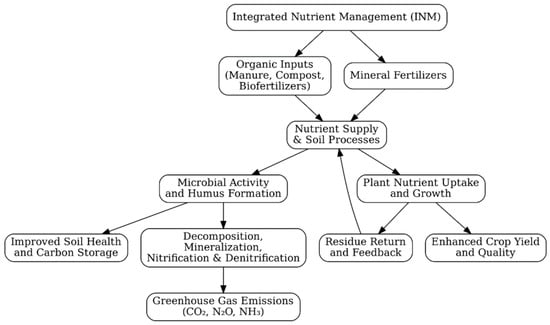
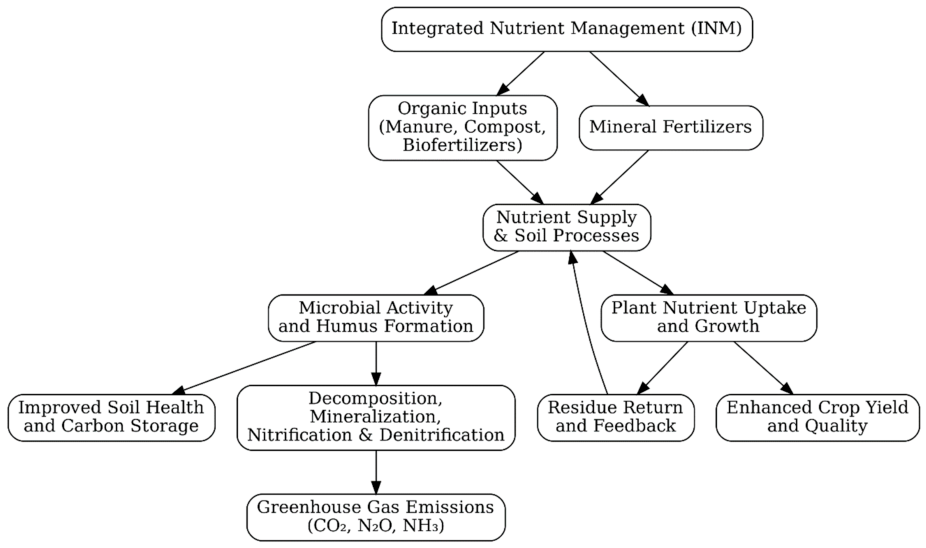
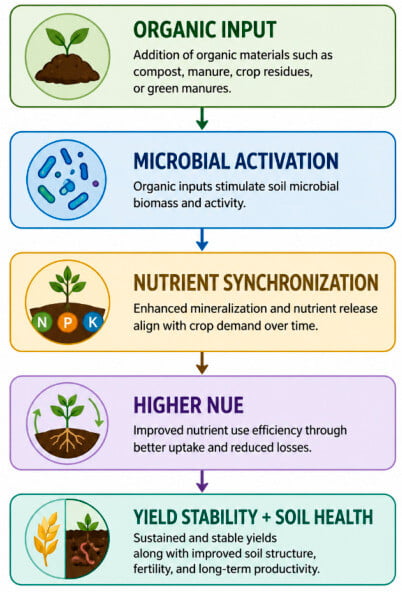
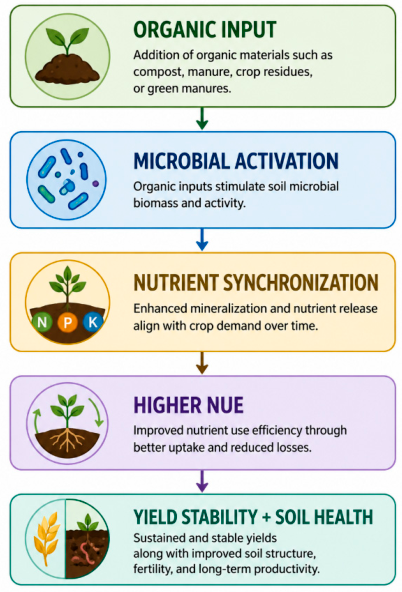
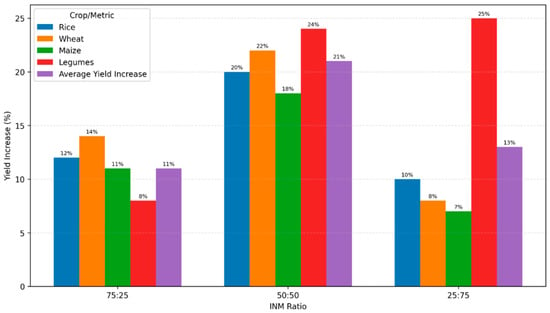
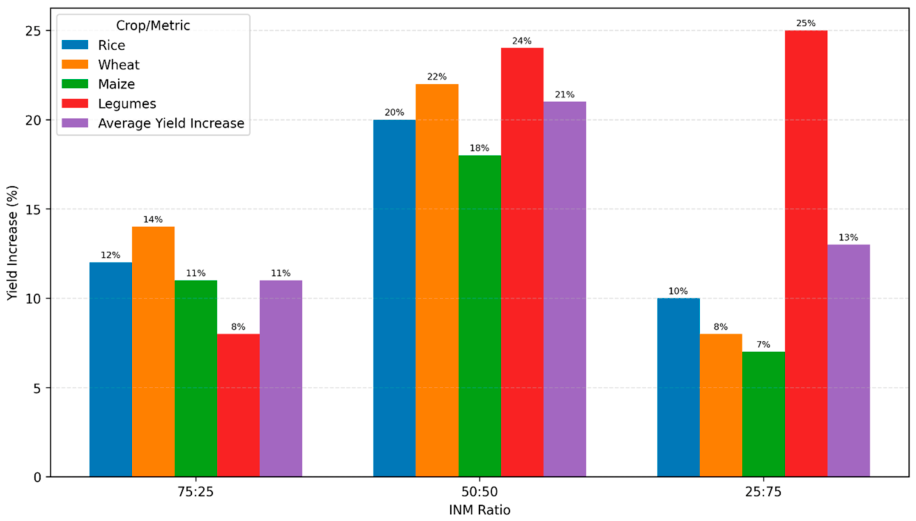
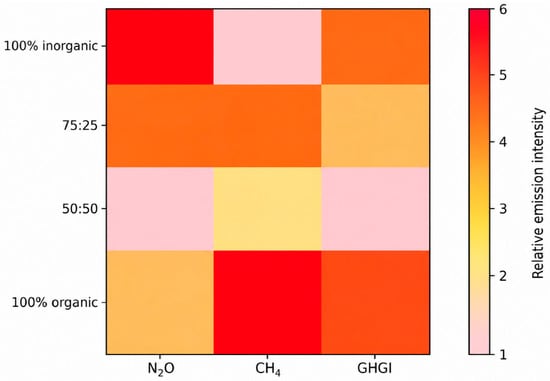
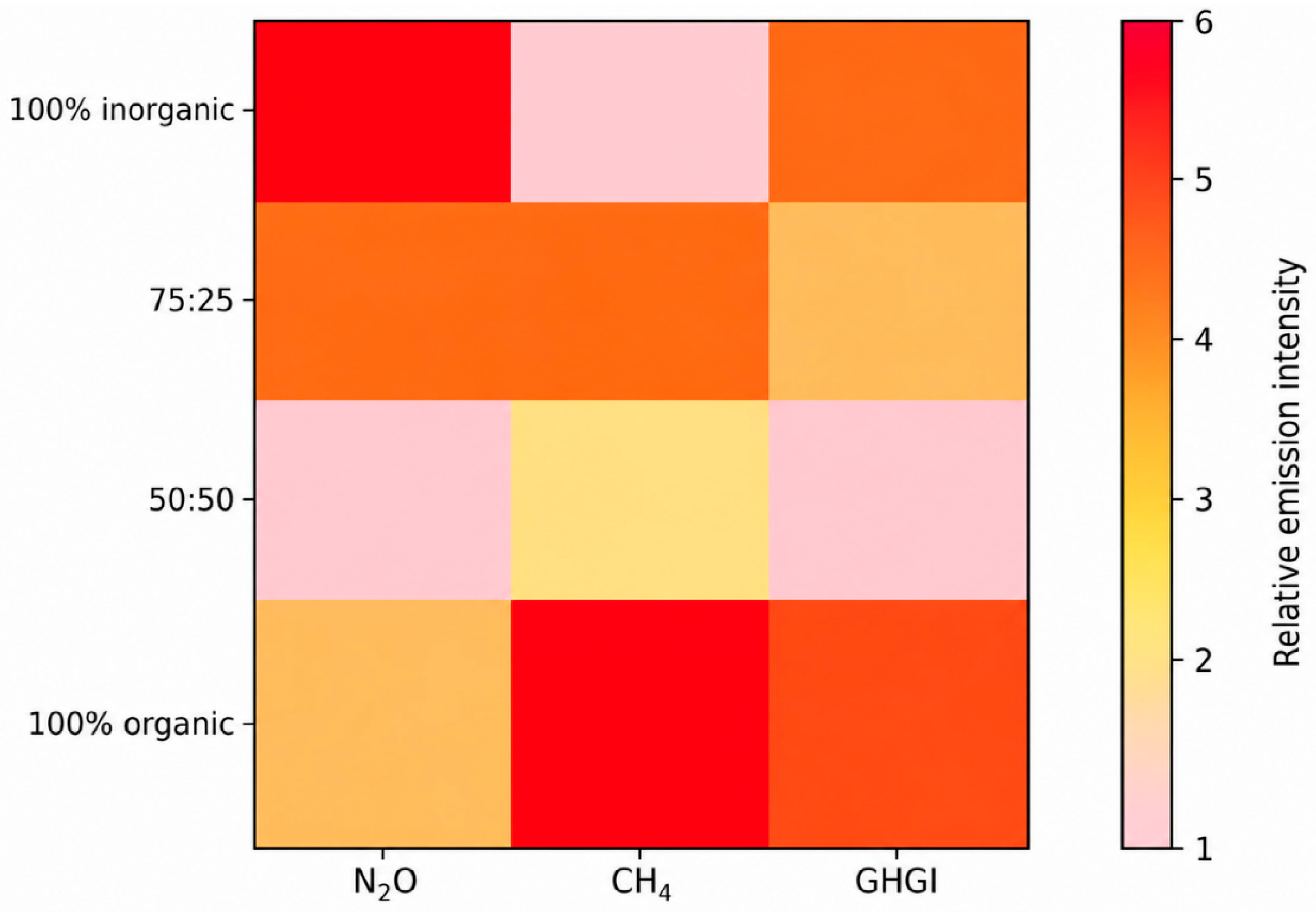
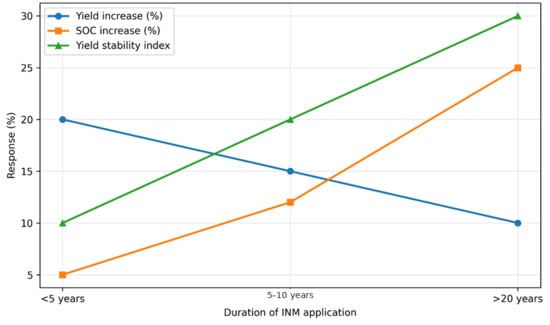
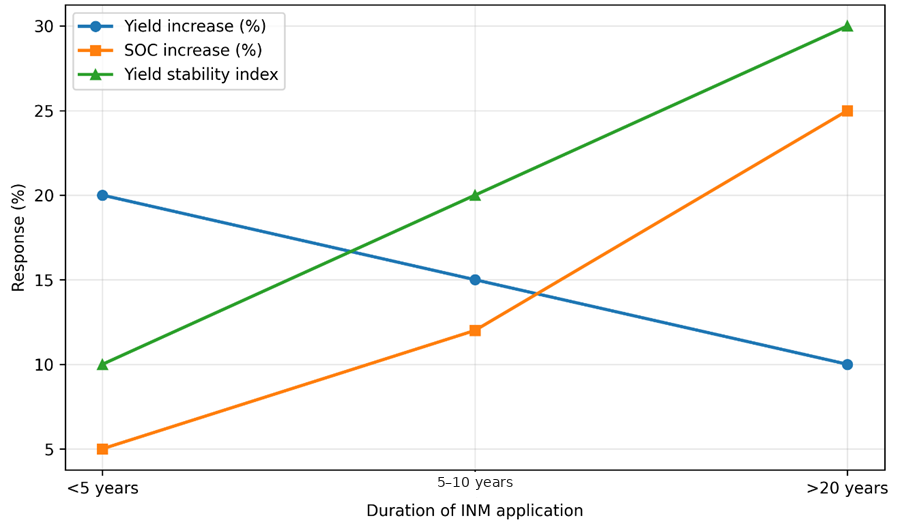
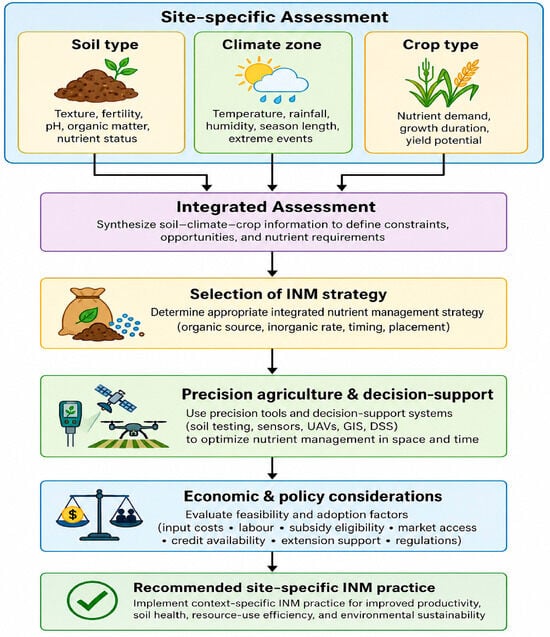
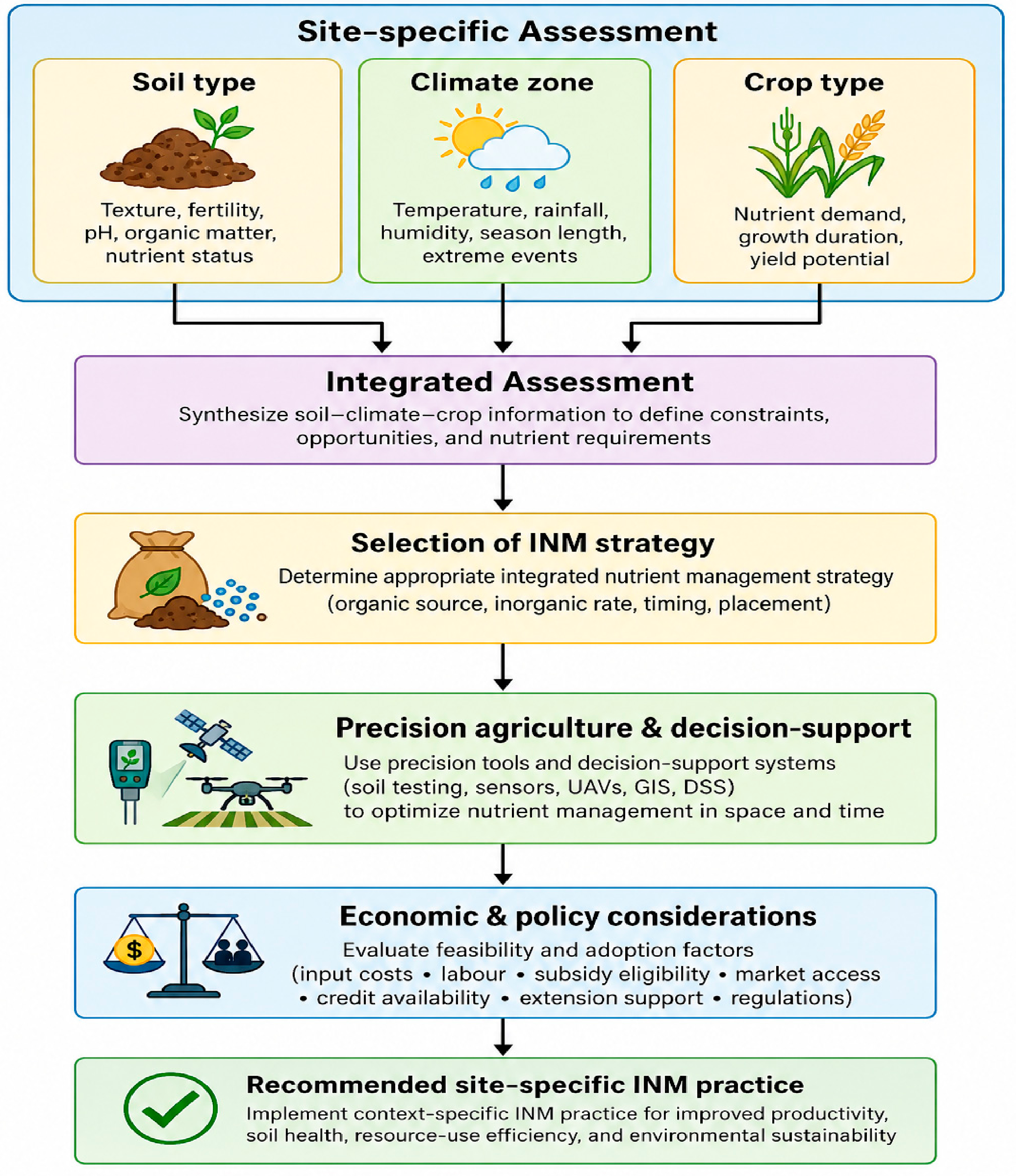

Disclaimer/Publisher’s Note: The statements, opinions and data contained in all publications are solely those of the individual author(s) and contributor(s) and not of MDPI and/or the editor(s). MDPI and/or the editor(s) disclaim responsibility for any injury to people or property resulting from any ideas, methods, instructions or products referred to in the content. |
© 2026 by the authors. Licensee MDPI, Basel, Switzerland. This article is an open access article distributed under the terms and conditions of the Creative Commons Attribution (CC BY) license.