


Abstract
Selenium (Se) is a beneficial element involved in plant growth, metabolism, stress adaptation, and crop quality improvement, but its effects are strongly influenced by chemical form, application dose, plant species, growth stage, and environmental conditions. To integrate mechanistic understanding with global research trends, this study combines a concise mini-review with a bibliometric analysis of Se research in plants from 2000 to 2025. The mini-review summarizes Se speciation and bioavailability in the soil–plant–microbe system, root uptake and long-distance transport, metabolic assimilation and detoxification, physiological regulation, stress tolerance, biofortification, and nano-Se applications. Bibliographic data were retrieved from the Web of Science Core Collection and analyzed using CiteSpace, VOSviewer, and Scimago Graphica. A total of 3451 valid publications were identified, showing a sustained increase in annual output, especially after 2018. The field has expanded from early studies on Se speciation, uptake, assimilation, and antioxidant responses toward broader themes involving crop biofortification, molecular regulation, stress physiology, foliar application, nano-Se applications, green synthesis, and phytoremediation. Overall, plant Se research has evolved into an interdisciplinary field linking mechanistic studies with safe agricultural application. Future work should emphasize standardized experimental frameworks, causal mechanism validation, precise biofortification, field-based evaluation, and safety assessment of emerging Se-based technologies.
1. Introduction
Selenium (Se) is an important trace element widely distributed in nature and is of both nutritional significance and environmental relevance [1]. In terrestrial ecosystems, Se biogeochemistry is governed by parent material, soil weathering, pH, redox conditions, adsorption–desorption processes, microbial transformation, plant uptake, and volatilization, which together regulate Se migration across soil–plant–atmosphere interfaces [2]. Because selenate [Se(VI), SeO42−], selenite [Se(IV), SeO32−], elemental Se [Se(0)], selenide [Se(-II)], and organic Se compounds differ markedly in mobility, bioavailability, and toxicity, Se speciation is central to understanding its ecological behavior and biological effects [3]. In addition, Se hyperaccumulator plants growing on seleniferous soils, such as Stanleya pinnata, Astragalus bisulcatus, and Cardamine hupingshanensis, have become important model systems for studying Se uptake, tolerance, methylation, ecological function, biofortification, and phytoremediation [4,5]. Similar to animals and humans, plants also exhibit a distinct optimal range in their response to Se [6]: appropriate levels of Se can participate in multiple physiological and metabolic processes, whereas excessive Se can induce toxic effects [7]. This dual nature makes Se an important research topic in plant nutrition, stress biology, environmental ecology, and functional agriculture [8,9].
Although Se is not generally recognized as an essential element for most higher plants, increasing evidence indicates that it can exert beneficial physiological effects when supplied at appropriate concentrations [10,11]. In plants, Se has been closely associated with photosynthesis, antioxidant defense, reactive oxygen species scavenging, secondary metabolism, and mineral nutrient balance. These effects allow Se to improve plant growth and physiological status under certain conditions [12,13]. In particular, under abiotic stresses such as drought, salinity, low temperature, and heavy metal contamination, exogenous Se has often been reported to enhance stress tolerance, alleviate oxidative damage, and improve the nutritional and functional quality of crops [13]. Meanwhile, plant Se biofortification provides an important strategy for increasing the nutritional value of agricultural products, improving dietary Se intake, and promoting the development of functional agriculture [14]. However, the physiological effects of Se are not constant or uniform, but are jointly influenced by Se form, application dose, plant species, growth stage, and environmental conditions [7]. Therefore, a systematic understanding of Se uptake, transport, assimilation, accumulation, and physiological regulation in plants is essential for advancing both basic research and agricultural applications [15,16]. Given the diversity of Se forms, plant responses, and application scenarios, research on Se in plants involves multiple interconnected biological processes, including Se availability in the soil–plant system, root uptake and long-distance transport, metabolic assimilation, physiological regulation, stress responses, and quality improvement. A concise synthesis of these mechanisms is therefore necessary to provide the biological context for understanding why Se has attracted increasing attention in plant science and agricultural research. Such a mechanistic overview can also help interpret the knowledge structure and emerging themes revealed by the subsequent bibliometric analysis.
Bibliometrics is a quantitative approach for analyzing the developmental trajectory, knowledge structure, and evolution of research hotspots within a given field based on publication output, citation relationships, and keyword co-occurrence [17,18]. Compared with traditional reviews, bibliometric analysis can identify core countries, institutions, authors, journals, knowledge bases, and emerging frontiers in a relatively objective manner. It has therefore been widely used in plant science, environmental science, and agricultural science [18,19]. Although bibliometric studies have been conducted on several agricultural and ecological topics, such as environmental pollution [20], precision agriculture [21], green technology innovation [22], and climate change [23], systematic bibliometric studies focusing specifically on the interdisciplinary field of Se in plants remain relatively limited, particularly with respect to global contribution patterns, collaboration networks, thematic evolution, and hotspot transitions.
Against this background, the present study combines a concise mechanistic review with a global bibliometric analysis of research on Se in plants. The mechanistic review was used as a biological framework for interpreting the bibliometric clusters and emerging keywords. First, we summarize the major biological processes and physiological mechanisms involved in Se uptake, transport, metabolism, stress regulation, and agricultural application in plants. Second, using the Web of Science Core Collection as the data source, we comprehensively apply CiteSpace (version 7.0.R0), VOSviewer (version 1.6.20), and Scimago Graphica (version 1.0.43) to analyze publications on Se in plants from 2000 to 2025. Specifically, this study aims to reveal publication trends, major research contributors, collaboration networks, core journals, knowledge bases, hotspot themes, and emerging frontiers in this field. By integrating mechanistic synthesis with bibliometric mapping, this work provides a clearer understanding of both the biological significance and the global research evolution of Se in plants and offers a reference for future studies on Se metabolism, Se biofortification, stress regulation, and sustainable agricultural applications.
2. Selenium in Plants: Uptake, Metabolism, Physiological Regulation, and Applications
This section provides a concise mechanistic overview of Se in plants. It focuses on Se speciation and bioavailability, root uptake and long-distance transport, metabolic assimilation and detoxification, physiological regulation of photosynthesis and antioxidant defense, stress tolerance, and agricultural applications. By summarizing these key biological processes, this section provides a mechanistic foundation for the subsequent bibliometric analysis of global research trends and emerging frontiers in plant Se research.
2.1. Selenium Speciation and Bioavailability in the Soil–Plant–Microbe System
In soil and rhizosphere environments, Se mainly occurs as inorganic Se, organic Se, and elemental Se. The major Se species relevant to plant nutrition include Se(VI), Se(IV), Se(0), Se(-II), and organic Se compounds such as selenocysteine (SeCys), selenomethionine (SeMet), and methylated Se compounds [24]. These species differ markedly in solubility, mobility, bioavailability, and toxicity [25]. In general, selenate is highly soluble and mobile under well-aerated soils, and it can be readily taken up by plant roots and transported to aboveground tissues [26]. By contrast, selenite is more easily adsorbed onto iron and aluminum oxides, clay minerals, and soil organic matter, resulting in lower mobility than selenate [27]. Nevertheless, selenite can still be effectively absorbed by plants under specific soil and rhizosphere conditions. Elemental Se has low solubility and limited direct bioavailability, but it can be transformed by microorganisms and thereby re-enter the plant-available Se cycle [28]. Organic Se usually occurs in the form of seleno-amino acids or methylated Se compounds, and its uptake and metabolic behavior may differ from those of inorganic Se species [29]. Wheat (Triticum aestivum L.) supplied with selenate has been reported to show more efficient Se translocation to shoots or grains than wheat supplied with selenite [30], whereas Allium crops such as garlic (Allium sativum L.) and onion (Allium cepa L.) are notable for their ability to accumulate organic and methylated Se compounds [31]. These examples highlight the crop-specific nature of Se translocation and organic Se accumulation.
Soil properties strongly influence Se bioavailability by regulating Se speciation, adsorption–desorption, redox transformation, and competition with other anions. Soil pH is a key factor controlling the surface charge of minerals and organic matter [32]; in many soils, lower pH enhances the adsorption of selenite onto Fe/Al oxides and clay minerals, thereby reducing its mobility and plant availability, whereas higher pH generally weakens anion adsorption and may increase Se mobility [33,34]. Redox potential determines the dominant Se species in soil [3]. Under well-aerated and oxidizing conditions, Se(VI) is relatively stable, highly soluble, and mobile, and therefore more readily available for root uptake [35]. Under reducing conditions, Se(VI) and Se(IV) can be reduced to Se(0) or Se(-II), which are less soluble and less available to plants [36]. Organic matter can influence Se availability in multiple ways: it may provide binding sites for Se, promote microbial reduction or methylation, and alter soil redox conditions during decomposition [37]. Clay minerals and amorphous Fe, Al, and Mn oxides are particularly important sorbents for selenite because selenite can form inner-sphere surface complexes, resulting in stronger retention than selenate [38]. This mechanism is especially important in highly weathered tropical soils, where abundant Fe/Al oxides and low-activity clay minerals can strongly immobilize selenite and reduce plant-available Se even when total soil Se is relatively high [39]. In addition, sulfate and phosphate affect Se availability through competitive processes. Sulfate can compete with selenate for plant uptake via sulfate transport pathways [40], whereas phosphate can compete with selenite for adsorption sites in soil and, in some cases, for uptake-related pathways [27]. Therefore, plant-available Se is not determined by total soil Se concentration alone, but by the combined effects of Se chemical form, soil pH, redox status, mineral composition, organic matter, competing ions, and rhizosphere processes. These factors have been shown to influence Se accumulation differently in crops such as rice (Oryza sativa L.) [41,42], wheat (Triticum aestivum L.) [42], lettuce (Lactuca sativa L.) [43], and tea plant (Camellia sinensis (L.) Kuntze) [44], indicating that soil Se availability should be interpreted together with crop-specific uptake and accumulation capacity.
Rhizosphere microorganisms play important roles in Se cycling through reduction, oxidation, methylation, mineralization, and volatilization [1]. These microbial processes can alter Se speciation and thus regulate its mobility, toxicity, and availability to plants. For example, Se-reducing bacteria can transform selenate or selenite into elemental Se, which may decrease Se mobility and toxicity but also reduce its immediate availability for plant uptake [45]. In contrast, some plant growth-promoting rhizobacteria may enhance Se availability by modifying rhizosphere pH, producing organic acids or siderophores, stimulating root growth, and regulating nutrient acquisition [46]. Arbuscular mycorrhizal fungi may further influence Se uptake and distribution by altering root absorptive capacity, soil exploration, and plant nutrient balance [47]. In low-Se agricultural systems, these microbial processes may contribute to crop Se biofortification [48], whereas in Se-contaminated environments, plant–microbe interactions may contribute to Se immobilization, transformation, volatilization, or phytoextraction [28]. In naturally Se-rich ecosystems, plants and microorganisms jointly regulate Se transfer and accumulation in the soil–plant system [25]. Therefore, Se bioavailability should be understood within the soil–plant–microbe continuum rather than as a simple function of soil Se content. Future studies should further clarify how rhizosphere microorganisms, root exudates, and soil environmental factors interactively regulate Se transformation, uptake, and accumulation in plants.
2.2. Uptake, Transport, Assimilation, and Metabolic Fate of Selenium in Plants
Plant Se uptake is closely related to Se chemical form, nutrient availability, and the activity of transport systems [49]. Because Se shares chemical similarities with sulfur, phosphorus, and some other nutrient elements, plants usually do not absorb Se through completely Se-specific transporters. Instead, different Se species enter root cells through existing nutrient-associated transport pathways [50]. This strategy provides entry routes for Se, but it may also create competition with essential nutrients, especially in Se-rich soils or under high-dose Se application. Selenate is structurally similar to sulfate (SO42−) and is mainly absorbed through sulfate transporters [51]. High-affinity SULTR1 family members, especially SULTR1;1 and SULTR1;2, are generally associated with root uptake, whereas SULTR2 family members contribute to vascular loading and long-distance translocation [52]. Other SULTR members may further participate in intracellular or vacuolar redistribution of sulfate and selenate, depending on plant species and tissue type [53]. Therefore, selenate and sulfate may compete for root uptake and subsequent translocation [54]. High sulfate availability can suppress selenate uptake, whereas excessive selenate may interfere with sulfur acquisition and sulfur-assimilation-related metabolism, potentially affecting the synthesis of sulfur-containing compounds such as cysteine, methionine, and glutathione [55,56]. After entering root cells, selenate can be efficiently loaded into the xylem and transported to aboveground tissues, where it may be further assimilated or accumulated. Due to its high mobility, selenate generally shows stronger long-distance transport capacity than selenite, which often results in higher Se accumulation in shoots or grains after selenate application [57]. This pattern has been reported in cereal crops such as wheat and rice, where selenate fertilization often leads to more efficient Se translocation to grains than selenite treatment [30,58].
The uptake mechanism of selenite is more complex and involves several possible transport routes (Figure 1). Because selenite can interact with phosphate-related uptake processes, phosphate transporters are considered to participate in selenite absorption in some plant species. In addition, aquaporins, NIP/Lsi-type silicon transporters, nitrate-related transporters, and other anion transport pathways may also contribute to selenite entry into root cells [59]. Compared with selenate, selenite is more easily retained in roots and rapidly reduced or converted into organic Se compounds after uptake. Therefore, plants supplied with selenite often show lower shoot translocation and higher root retention than those supplied with selenate [60]. Organic Se species, such as SeCys and SeMet, may be transported through amino acid-related transport systems, including amino acid permeases and lysine–histidine transporters, although their contribution varies among plant species and tissues. Thus, Se uptake should be understood as a form-dependent process involving sulfate-, phosphate-, silicon/aquaporin-, nitrate-, anion-, and amino acid-associated transport pathways rather than a single transport route.
Figure 1.
Schematic representation of root-mediated selenium uptake, transport, transformation, assimilation, and metabolic fate in plants. This schematic focuses on selenium acquisition from the soil–rhizosphere system and does not include foliar selenium uptake. In the soil–rhizosphere system, Se occurs mainly as selenate [Se(VI), SeO42−], selenite [Se(IV), SeO32−], elemental Se [Se(0)], and organic Se compounds. These species can undergo adsorption–desorption, microbial transformation, mineralization, methylation, and volatilization, thereby affecting Se mobility and bioavailability. Selenate is mainly taken up via sulfate transporters, whereas selenite may enter roots through phosphate transporters, aquaporins, silicon transporters, nitrate transporters, or anion channels. After uptake, Se can be transported through the xylem and phloem, assimilated through sulfur-related metabolic pathways, accumulated in vacuoles or grains, incorporated into organic Se compounds, or volatilized as dimethyl selenide (DMSe) and dimethyl diselenide (DMDSe). ATPS, ATP sulfurylase; APSe, adenosine 5′-phosphoselenate; APR, adenosine 5′-phosphosulfate reductase; SiR, sulfite reductase; GSH, glutathione; OAS, O-acetylserine; OASTL, O-acetylserine(thiol)lyase; Cys, cysteine; SeCys, selenocysteine; SeMet, selenomethionine; MeSeCys, methylselenocysteine; γ-Glu-MeSeCys, γ-glutamyl-methylselenocysteine; SeHCys, selenohomocysteine; SeCysth, selenocystathionine; CBS, cystathionine β-synthase; CBL, cystathionine β-lyase; CGS, cystathionine γ-synthase; MS, methionine synthase; γECS, γ-glutamylcysteine synthetase; NRTs/NPFs, nitrate-related transporters; PTs, phosphate transporters; NIPs/Lsi-like channels, aquaporin/silicon-related transport pathways; LHTs, lysine–histidine transporters; AAPs, amino acid permeases; SULTRs, sulfate transporters.
Once absorbed by plants, Se metabolism is closely linked to sulfur assimilation [61]. Selenate is first activated by ATP sulfurylase to form adenosine phosphoselenate (APSe) and is then reduced to Se(IV) and further to Se(-II) [62]. Selenide can combine with O-acetylserine to form SeCys, an important intermediate in plant Se metabolism [16], which can be further converted to SeMet or methylated to form non-protein Se compounds such as methylselenocysteine (MeSeCys) [63]. The metabolic fate of SeCys and SeMet is critical for plant Se tolerance [64]. Because Se-amino acids are structurally similar to sulfur-containing amino acids, they may be mistakenly incorporated into proteins in place of cysteine or methionine, leading to abnormal protein structure, altered enzyme activity, and metabolic disorder [65]. This is one of the key mechanisms underlying Se toxicity in plants. By contrast, methylation of SeCys into MeSeCys, sequestration of organic Se compounds, or conversion of Se into volatile compounds such as dimethyl selenide (DMSe) and dimethyl diselenide (DMDSe) can reduce the risk of Se-amino acid misincorporation and contribute to Se detoxification [62]. Se hyperaccumulator plants usually possess stronger capacities for Se uptake, transport, methylation, sequestration, and volatilization, allowing them to accumulate high levels of Se without severe toxicity [66]. Ordinary crops can also absorb and accumulate Se, but their tolerance range is usually narrower [67]. These differences in uptake, transport, and metabolic fate provide the mechanistic basis for crop-specific Se biofortification and toxicity management. For example, Se hyperaccumulators such as Stanleya pinnata and Cardamine hupingshanensis can accumulate high Se levels through efficient uptake, methylation, and detoxification, whereas common crops such as rice, wheat, soybean, and tomato usually require carefully controlled Se doses to avoid toxicity [68,69].
2.3. Physiological Regulation, Stress Tolerance, and Toxicity of Selenium in Plants
Appropriate Se levels can improve plant growth and physiological performance, as reflected by enhanced seed germination, increased root activity, higher biomass accumulation, improved leaf physiological status, and better yield-related traits (Figure 2) [12]. These beneficial effects are not mediated by a single pathway, but are closely associated with the regulation of photosynthesis, antioxidant defense, membrane stability, nutrient balance, and stress-responsive metabolism [70]. For example, Se treatments have been reported to improve germination or seedling vigor in rice [71] and alfalfa [72], and to enhance antioxidant or morpho-physiological responses in wheat [73] and tomato [74] under suitable treatment conditions.
Figure 2.
Dose-dependent beneficial and harmful effects of selenium in plants. Low or moderate Se levels may enhance antioxidant defense, photosynthesis, nutrient balance, and stress tolerance, whereas excessive Se can cause oxidative stress, sulfur metabolism disturbance, protein misincorporation, chlorosis, and growth inhibition.
Photosynthesis and redox homeostasis are two major targets of Se-mediated regulation. At suitable concentrations, Se may promote chlorophyll accumulation or delay chlorophyll degradation, maintain chloroplast structural stability, improve photosystem II photochemical efficiency, and enhance carbon assimilation [9]. Se may also influence stomatal conductance, transpiration rate, and leaf water status, thereby indirectly affecting photosynthetic performance [13]. Nevertheless, contradictory responses have also been reported, particularly when Se is supplied at excessive concentrations or in more toxic forms. Under such conditions, Se may inhibit chlorophyll synthesis, impair photosynthetic electron transport, reduce gas exchange, and aggravate oxidative stress [9,13]. Therefore, Se-mediated photosynthetic regulation should be interpreted as a dose- and species-dependent response rather than a general stimulatory effect. In parallel, Se can enhance antioxidant defense by increasing the activities of antioxidant enzymes, including superoxide dismutase, catalase, peroxidase, ascorbate peroxidase, and glutathione reductase [75]. It may also regulate the ascorbate–glutathione cycle and promote the accumulation of non-enzymatic antioxidants such as ascorbate, glutathione, flavonoids, and phenolic compounds [9,13]. These responses help reduce reactive oxygen species accumulation, lipid peroxidation, electrolyte leakage, and membrane injury. However, Se can also act as a pro-oxidant when the dose exceeds the tolerance threshold of a given species or cultivar. In such cases, antioxidant enzyme activities may decline, ROS accumulation may increase, and membrane damage may become more severe. This dual role explains why Se-induced antioxidant responses are often beneficial at low or moderate doses but harmful at high doses.
These physiological mechanisms are particularly important under abiotic stress conditions. Under drought stress, Se can improve osmotic adjustment and water balance by promoting the accumulation of osmolytes such as proline, soluble sugars, and soluble proteins [76]. Under salt stress, Se can mitigate ionic and osmotic stress by reducing oxidative damage and helping maintain Na+, K+, and Ca2+ homeostasis [77]. Under heavy metal stress, Se may reduce metal uptake, restrict metal translocation to shoots, promote metal immobilization in cell walls or vacuoles, and regulate sulfur and glutathione metabolism [78]. Through these processes, Se can alleviate stress-induced damage to photosynthetic systems and improve plant adaptation to unfavorable environments.
In addition to regulating photosynthesis and antioxidant defense, Se can affect plant secondary metabolism and crop quality [79]. Moderate Se application may promote the accumulation of phenolics, flavonoids, anthocyanins, carotenoids, glucosinolates, vitamin C, and other antioxidant compounds, thereby improving the nutritional and functional quality of agricultural products [80]. In vegetables, tea plants, cereals, fruits, and medicinal plants, Se may not only increase Se concentration in edible organs but also regulate metabolic networks related to flavor, antioxidant activity, and bioactive compound accumulation. These effects may be associated with redox signaling, hormone regulation, sulfur metabolism, and the activation of phenylpropanoid and flavonoid biosynthetic pathways [9,13,45].
Overall, Se-induced physiological responses are often characterized by hormesis, a non-linear or biphasic dose–response pattern in which low or moderate Se levels may stimulate adaptive responses, whereas excessive Se becomes inhibitory or toxic [68]. This hormetic framework helps explain why Se can enhance antioxidant defense, photosynthetic performance, stress tolerance, and quality-related traits within a suitable dose range but may cause oxidative damage and growth inhibition when the tolerance threshold is exceeded. Low or moderate Se levels usually induce adaptive physiological responses and improve stress resistance, whereas excessive Se can itself become a stress factor. High Se concentrations may lead to ROS overproduction, disruption of redox homeostasis, inhibition of root growth, chlorosis, reduced biomass, and metabolic dysfunction [81]. At the molecular level, the misincorporation of SeCys and SeMet into proteins can impair protein structure and function [82]. Therefore, Se should not be simply regarded as an antioxidant or growth-promoting element; rather, its effects should be interpreted within a hormetic framework that is dependent on dose, species, cultivar, Se form, developmental stage, and environmental conditions.
2.4. Selenium Biofortification, Nano-Selenium, and Future Agricultural Applications
Plant Se biofortification is an important application-oriented direction in plant Se research [83]. Its main goal is to increase Se concentrations in edible plant parts through agronomic practices, breeding strategies, microbial regulation, or nanomaterial-based approaches, thereby improving dietary Se intake. Compared with direct Se supplementation, Se-enriched plant foods may have greater dietary relevance and practical potential in agricultural production [84]. Current Se biofortification strategies mainly include soil Se application, foliar spraying, seed treatment, hydroponic supplementation, microbial-assisted biofortification, and nano-Se application [83]. Representative crop-specific Se treatments and reported plant responses are summarized in Table S1 [41,43,44,47,71,72,73,74,85,86,87,88,89,90,91,92,93,94,95,96,97,98,99,100,101,102,103,104].
Different Se application methods have distinct advantages and limitations. Soil Se application can regulate Se supply in the rhizosphere and is suitable for field production, but its efficiency is strongly affected by soil adsorption, fixation, leaching, and microbial transformation [105]. Foliar Se application can partly bypass soil constraints and often shows higher efficiency in increasing Se concentrations in leaves, fruits, or grains [106]. Seed treatment and hydroponic supplementation are more suitable for seedling management or controlled experiments [107]. However, because the boundary between inadequate Se enrichment, beneficial or sufficient Se supply, and Se toxicity can be narrow in agronomic biofortification, Se application must be carefully managed. Future Se-enriched agriculture should move from simply increasing total Se concentration toward the precise regulation of Se form, Se content, bioavailability, and safety in edible plant parts.
Nano-Se has received increasing attention in plant research. Compared with traditional selenate and selenite, Se nanoparticles are characterized by small particle size, large specific surface area, high surface reactivity, and potential for functional modification [108]. They have shown potential applications in plant nutrition, stress tolerance, pathogen suppression, crop biofortification, and environmentally compatible Se delivery [67,109]. However, lower acute toxicity does not necessarily imply lower long-term ecological or food-chain risk. In particular, the green synthesis of Se nanoparticles using plant extracts, microorganisms, polysaccharides, or other natural materials has attracted increasing attention because of its environmental compatibility and potential biocompatibility [110].
In plant systems, nano-Se may enter roots through surface adsorption, apoplastic pathways, endocytosis-like processes, or gradual release into plant-available Se species [111]. At suitable concentrations, nano-Se can enhance antioxidant defense, improve photosynthesis, increase stress tolerance, and potentially reduce the toxicity associated with high doses of inorganic Se [75]. Nevertheless, the biological effects of nano-Se depend on particle size, surface charge, coating material, concentration, exposure time, plant species, and environmental conditions. Important questions remain regarding the transformation of nano-Se in plants, its long-term environmental fate, food-chain safety, and field stability. Therefore, although nano-Se represents a promising application direction, its agricultural use still requires systematic dose–response evaluation, mechanistic clarification, and safety assessment. Overall, Se biofortification and nano-Se applications highlight the transition of plant Se research from basic physiological understanding toward practical agricultural utilization. However, their effective application depends on the integration of mechanistic studies, precise agronomic regulation, and safety evaluation.
2.5. Mechanistic Framework for Interpreting Bibliometric Patterns
Based on the mechanistic synthesis above, plant Se research can be broadly organized into four interconnected domains: (i) Se speciation and bioavailability in the soil–plant–microbe system; (ii) Se uptake, transport, assimilation, and detoxification; (iii) physiological regulation, stress responses, hormesis, and toxicity; and (iv) application-oriented research, including Se biofortification, nano-Se, green synthesis, and food-chain safety. These domains provide a conceptual framework for interpreting the co-cited references, keyword co-occurrence, burst terms, and future research directions identified in the bibliometric analysis.
3. Materials and Methods
3.1. Data Source and Literature Search
In this study, the Web of Science Core Collection (WoSCC) was used as the sole data source, and relevant publications on selenium in plants were retrieved using a Topic Search (TS) strategy. The search query was defined as TS = ((plant OR crop OR “higher plant*”) AND (selenium OR selenate OR selenite OR “Se(IV)” OR “Se(VI)” OR nanoselenium OR “nano-selenium” OR “selenium nanoparticle”). The search period was restricted from 1 January 2000 to 31 December 2025. To ensure the comparability and representativeness of the dataset, only English-language publications classified as Article and Review were included.
All retrieved records were screened independently by two researchers based on titles and abstracts. Publications were included when selenium was a core research factor and the main study object was plants or crop systems, including studies on selenium uptake, transport, accumulation, metabolism, biofortification, physiological regulation, stress responses, and agronomic applications in plants. Publications were excluded when they primarily focused on non-plant topics, such as animal or human health, food processing, analytical chemistry without a clear plant-focused objective, or environmental/microbial systems (e.g., wastewater treatment, bioreactors, and microbial reduction) that did not explicitly involve plants as the main research subject. Disagreements between the two reviewers were resolved through discussion and re-examination of the records, and unresolved cases were further judged by a third reviewer.
The retrieval date was 7 April 2026. The initial search yielded 5951 records. After manual screening, 2500 records were excluded as irrelevant, and 3451 valid publications (3175 articles and 276 reviews) were retained for subsequent bibliometric analysis (Figure 3). All records were exported as plain text files in the “Full Record and Cited References” format to serve as the data basis for the subsequent bibliometric analysis.
Figure 3.
Flowchart of literature retrieval, screening, and bibliometric analysis for research on selenium in plants.
3.2. Bibliometric Analysis and Visualization
The retrieved bibliographic data were used to perform statistical analysis, collaboration network analysis, knowledge structure identification, and identification of emerging research frontiers. First, VOSviewer 1.6.20 was used to construct collaboration networks at the country/region, institution, and author levels, as well as co-occurrence networks of journals and keywords, so as to identify the distribution of major research contributors and the structural patterns of research hotspots. Second, Bradford’s law of scattering was applied in bibliometrix 4.5.0 to identify the core journals in this research field. Furthermore, CiteSpace 7.0.R0 was applied for knowledge mapping analysis. The time slicing was set from 2000 to 2025, with 1 year per slice. The node types included author, institution, country, keyword, and reference. The g-index (k = 25) was adopted as the node selection criterion, and the networks were pruned using Pathfinder, pruning sliced networks, and pruning the merged network to improve the clarity and interpretability of the resulting maps. Based on these parameters, particular attention was given to keyword burst detection, co-citation analysis of references, and dual-map overlay analysis of journals, in order to identify the evolution of research hotspots and potential frontiers in the field of selenium in plants. Data organization and figure visualization were mainly completed using Microsoft Excel 2024 and Scimago Graphica Beta 1.0.51. Journal impact factors and JCR quartile information were obtained from the 2025 edition of the Journal Citation Reports (JCR).
4. Bibliometric Results and Discussion
4.1. General Overview and Temporal Trends of the Publications
Figure 4 shows a sustained increase in publications on selenium in plants indexed in the WoSCC from 2000 to 2025. The annual number of publications increased from 27 in 2000 to 416 in 2025, indicating a substantial expansion of academic interest in this field. Based on the annual publication pattern, the development of plant Se research can be broadly divided into three stages. The period from 2000 to 2010 may be regarded as the initial accumulation stage, during which annual publication output remained relatively low and fluctuated within a limited range. From 2011 to 2017, the field entered a steady expansion stage, with publication output increasing gradually and research activity becoming more active. From 2018 to 2025, the field entered a rapid growth stage, characterized by a sharp rise in annual publications and citations.
Figure 4.
Trend chart of the publication of research papers on selenium in plants in the Web of Science Core Collection from 2000 to 2025. In the fitting equation, t represents the year sequence, with 2000 = 1, 2001 = 2, …, and 2025 = 26.
In addition, an exponential fitting curve (y = 21.226 × exp(0.1101 × t), R2 = 0.9825, where t represents the year sequence from 2000 to 2025) was used only as a descriptive aid to visualize the accelerating increase in annual publications, rather than as a predictive model. The publication trend was therefore interpreted mainly from the observed annual counts, and no formal comparison with alternative growth models was performed. The citation counts also showed a marked and continuous increase, especially after 2021 (annual citations reached 10,878 citations), suggesting that the field has expanded not only in publication output but also in academic influence. This rapid growth is likely driven by the convergence of several scientific and practical demands. First, global interest in crop biofortification and food security has promoted research on Se-enriched agricultural products as a strategy to improve dietary Se intake and the nutritional value of staple crops, vegetables, and functional foods [112,113]. Second, increasing attention to abiotic stresses, including drought, salinity, low temperature, and heavy metal contamination, has stimulated studies on the role of Se in plant stress tolerance and redox regulation [114]. Third, advances in nanotechnology, molecular biology, and multi-omics approaches have expanded the research framework from conventional Se fertilization toward nano-Se application, Se speciation analysis, transport and metabolic regulation, and molecular mechanisms of Se accumulation and tolerance [5,62]. Therefore, the expansion of plant Se research reflects not only increasing publication activity, but also the growing integration of nutritional security, functional agriculture, stress-resilient crop production, and emerging technologies. Nevertheless, citation-based indicators for the most recent year should be interpreted with caution. Because articles published in 2025 had a shorter time window to accumulate citations than earlier publications, citation counts for this year may underestimate the future academic influence of recent studies. Therefore, the 2025 citation data were used only as descriptive information, and the interpretation of recent research trends was based mainly on annual publication output together with keyword and thematic analyses in the following sections.
4.2. Scientific Collaboration Network
4.2.1. Country-Level Collaboration
Figure 5 illustrates the geographical distribution and collaborative relationships of research on selenium in plants across different countries and regions from 2000 to 2025. Asia, North America, and Europe were the major centers of research activity. As shown in Table 1, China ranked first in publication output with 1334 publications, accounting for 39% of the total, followed by the United States with 503 publications (15%) and India with 240 publications (7%). Pakistan, Iran, Brazil, Poland, Italy, Egypt, and Saudi Arabia also ranked among the top 10 most productive countries.
Figure 5.
Global country-level collaboration map of research on selenium in plants. Node size reflects publication output, and links indicate collaborative relationships between countries. Countries with darker shading and larger nodes contributed more publications, whereas denser connections indicate stronger international collaboration.
Table 1.
Top 10 most productive countries in research on selenium in plants.
The country-level collaboration network showed broad but uneven international connectivity. China and the United States had the highest publication outputs and relatively high betweenness centrality values of 0.23 and 0.22, respectively. This suggests that they acted not only as major contributors to the literature but also as important connectors in the international collaboration network. China’s leading position may partly be associated with its diverse soil Se background [115], large agricultural production system [116], increasing demand for Se-enriched agricultural products [117], and policy and industrial support for functional agriculture [118]. The United States also showed strong network centrality, which may reflect its long-standing contributions to plant nutrition [112], soil chemistry, environmental Se cycling [119], and crop biofortification research [120].
Interestingly, several countries with moderate publication output also showed relatively high intermediary roles. India and Italy both had betweenness centrality values of 0.14, followed by Poland (0.13), Pakistan (0.12), Egypt (0.11), Brazil (0.09), Saudi Arabia (0.08), and Iran (0.05). These results suggest that publication productivity and collaborative bridging capacity were related but not identical, as several countries with moderate publication outputs also showed noticeable intermediary roles. Overall, plant Se research has developed as an internationally distributed but unevenly connected field. However, the collaboration pattern also indicates that broader and more balanced international partnerships are still needed to strengthen knowledge exchange among countries active in Se-related agricultural research.
4.2.2. Institution Collaboration
As shown in Table 2, institutional contributions to plant Se research were concentrated in a limited number of major research organizations. The Chinese Academy of Sciences ranked first with 202 publications and the highest betweenness centrality value of 0.33, indicating its leading role in both knowledge production and institutional connectivity. The United States Department of Agriculture also showed strong network influence, with 104 publications and a centrality value of 0.26. Among Chinese institutions, Huazhong Agricultural University, China Agricultural University, the Chinese Academy of Agricultural Sciences, and Northwest Agriculture and Forestry University were also among the top 10, suggesting that agricultural universities and national research academies form an important institutional base for plant Se research in China. The institutional pattern also shows that publication output and network centrality were not completely consistent. For example, Colorado State University and the University of California had relatively high publication outputs but lower centrality values, whereas the United States Department of Agriculture showed both high output and strong bridging capacity.
Table 2.
Top 10 most productive institutions in research on selenium in plants.
The institutional density map (Figure 6A) further indicates that collaboration was concentrated around several visible hubs, especially the Chinese Academy of Sciences, Colorado State University, Universidade Federal de Lavras, King Saud University, Sichuan Agricultural University, and Zhejiang University. These patterns suggest that institutional collaboration in plant Se research is organized around several high-output and high-connectivity hubs, rather than being evenly distributed across institutions. This hub-centered structure may facilitate knowledge accumulation, but it also indicates that broader inter-institutional cooperation is needed to improve the comparability of plant Se studies across different crops, soils, and application conditions.
Figure 6.
Collaboration analysis of institutions and authors in research on selenium in plants. (A) Density map of institutional collaboration based on standardized institution names. Warmer colors indicate higher collaboration density. (B) Author co-authorship network. Nodes represent authors, links indicate collaborative relationships, and colors represent collaboration clusters.
4.2.3. Author Collaboration
As shown in Table 3, author contributions to plant Se research were characterized by a small group of highly productive and highly cited researchers. Pilon-Smits, Elizabeth A. H. ranked first in publication output and citation frequency, indicating her substantial academic influence in this field. Several Chinese authors, including Zhao Xiaohu, Cheng Shuiyuan, Hu Chengxiao, Pan Canping, Cong Xin, and Xu Feng, also appeared among the top 10 productive authors, suggesting the strong contribution of Chinese research groups to plant Se studies. However, publication output and citation impact were not fully consistent. For example, Dos Reis, Andre Rodrigues and Hu Chengxiao showed relatively high citation counts compared with their publication numbers, indicating that some authors may have strong scholarly influence even with moderate output.
Table 3.
Top 10 most productive authors in research on selenium in plants.
The author collaboration network (Figure 6B) further indicates that author cooperation was organized into several clusters rather than a single fully integrated network. Total link strength provided complementary information to publication and citation counts. Cheng Shuiyuan, Xu Feng, Cong Xin, Zhao Xiaohu, and Hu Chengxiao showed relatively strong collaborative ties, suggesting their central roles within active co-authorship groups. In contrast, some highly cited or highly productive authors, such as Pilon-Smits, Elizabeth A. H., Pan Canping, and Dos Reis, Andre Rodrigues, showed lower total link strength, indicating that academic influence did not necessarily correspond to broader co-authorship connectivity in this dataset. Overall, the author-level results suggest that plant Se research has formed several active collaborative groups, but stronger cross-cluster cooperation may further promote integration between physiological, agronomic, biofortification, and environmental aspects of plant Se research.
4.3. Journal Distribution and Core Journal Analysis
Research on selenium in plants was published across a wide range of journals, but the distribution also showed a clear core-journal structure. According to Bradford’s law of scattering, 20 core journals were identified (Table 4). These journals were mainly concentrated in plant science, agronomy, soil science, environmental science, food chemistry, and toxicology. High-output journals such as Plants-Basel, Frontiers in Plant Science, Plant and Soil, and Agronomy-Basel indicate that plant physiology, crop nutrition, and agronomic application are central publication directions in this field. At the same time, journals such as Ecotoxicology and Environmental Safety, Science of the Total Environment, Journal of Hazardous Materials, and Environmental Pollution show that environmental behavior, Se toxicity, and soil–plant transfer remain important components of plant Se research.
Table 4.
Twenty core journals identified by Bradford’s law of scattering in research on selenium in plants.
The journal network in Figure 7A and the citation map in Figure 7B further suggest that plant Se research is not organized within a single disciplinary journal group but is supported by several interconnected publication clusters. Plant- and agronomy-oriented journals were closely linked with environmental and food chemistry journals, reflecting the connection between Se uptake and metabolism in plants, agronomic Se biofortification, food quality, and environmental safety. The dual-map overlay in Figure 7C also supports this interdisciplinary pattern, showing knowledge flows among plant science, environmental science, chemistry, molecular biology, food science, toxicology, and ecological research. Overall, the journal distribution indicates that selenium in plants has developed as a cross-disciplinary field centered on plant and agricultural sciences, while being strongly shaped by environmental risk assessment, food nutrition, and analytical chemistry.
Figure 7.
Journal distribution and citation relationships in research on selenium in plants. (A) Co-occurrence map of journals with at least five publications; node size indicates publication frequency and colors represent journal clusters. (B) Citation map of the 20 core journals identified by Bradford’s law of scattering; node size indicates total link strength and colors represent citation clusters. (C) Dual-map overlay analysis of journals; colored lines indicate citation pathways from citing journals on the left to cited journals on the right.
4.4. Co-Cited Reference Analysis
Co-cited references represent publications that are frequently cited together by later studies and therefore reflect the intellectual foundation of a research field. As shown in Table 5, the top co-cited references in plant Se research were dominated by review articles, indicating that conceptual syntheses have played an important role in organizing this field. Classic reviews such as Selenium in Higher Plants by Terry et al. [61], Selenium uptake, translocation, assimilation and metabolic fate in plants by Sors et al. [56], and Selenium in higher plants: understanding mechanisms for biofortification and phytoremediation by Zhu et al. [121] established the basic framework for understanding Se uptake, translocation, assimilation, metabolism, toxicity, biofortification, and phytoremediation in plants. Later broad syntheses, including Gupta et al. [81] and White [5], further integrated knowledge on Se accumulation, metabolism, and toxicity, showing that these mechanistic topics have remained central to plant Se research.
Table 5.
Top 10 highly co-cited references in research on selenium in plants.
The highly co-cited research articles provide more specific experimental support for this knowledge base. For example, Li et al. investigated Se uptake, translocation, and speciation in wheat supplied with selenate or selenite, highlighting the importance of Se chemical form in plant accumulation and distribution [30]. White et al. examined the interaction between Se and sulfur nutrition in Arabidopsis thaliana, supporting the view that Se uptake and metabolism are closely linked to sulfur transport and assimilation pathways [55]. Hartikainen et al. and Xue et al. further showed that Se can have antioxidant or growth-promoting effects at suitable doses, while also emphasizing the dual role of Se as both beneficial and potentially toxic depending on concentration and plant response [122,123]. Together with the review by Feng et al. on Se-mediated protection against abiotic stresses [114], these references indicate that stress tolerance and redox regulation form another major knowledge cluster in plant Se research. Overall, the co-cited references show that plant Se research is supported by two connected knowledge bases: mechanistic studies of Se uptake, transport, metabolism, and toxicity, and application-oriented studies of stress mitigation, biofortification, phytoremediation, and crop quality improvement. This structure indicates that agricultural applications in plant Se research are increasingly linked to mechanistic understanding.
4.5. Keyword Analysis
Keyword analysis indicates that plant Se research has gradually developed from studies of Se accumulation and speciation toward an integrated field combining mechanistic understanding with agronomic application (Figure 8). In the co-occurrence network (Figure 8A), “selenium” was closely connected with “accumulation”, “growth”, “biofortification”, “speciation”, “soil”, “rice”, “selenate”, “stress”, “photosynthesis”, “antioxidant enzymes”, “foliar application”, and “nanoparticles”. This pattern suggests that plant Se research is organized around a central question: how different Se forms enter the soil–plant system, how they are accumulated and transformed in plants, and how this knowledge can be used for crop biofortification and stress regulation. Researchers have addressed this question by comparing selenate and selenite uptake, translocation, and speciation in crops [124], by using hydroponic or pot experiments combined with Se speciation techniques such as HPLC-ICP-MS [125], and by evaluating how soil conditions, Se form, and application method affect Se accumulation in edible tissues [42,87]. The prominence of “speciation”, “selenate”, “selenite”, and “soil” further indicates that total Se concentration alone is insufficient for explaining plant Se behavior [5]. Instead, Se chemical form, soil availability, root uptake pathway, and tissue-level transformation jointly determine Se accumulation, distribution, and biological effects in plants [3,62].
Figure 8.
Keyword co-occurrence, temporal trends, clustering, and timeline analysis in research on selenium. (A) Keyword co-occurrence network of high-frequency keywords. Different colors represent different keyword clusters. (B) Keyword clustering map. node colors correspond to the average occurrence year according to the 2000–2025 color scale. (C) Annual occurrence heatmap of the top keywords from 2000 to 2025; the numbers indicate yearly keyword frequencies. warmer colors representing higher frequencies. (D) Top 20 keywords with the strongest citation bursts. Red segments indicate active burst intervals, blue-green lines indicate non-burst periods after keyword emergence, and pale lines indicate periods before the initial appearance of the corresponding keywords.
The clustering and temporal maps further indicate a shift from descriptive accumulation studies to mechanism-based interpretation and application-oriented research (Figure 8B,C). Keywords such as “gene expression”, “reactive oxygen species”, “oxidative stress”, “photosynthesis”, and “selenocysteine methyltransferase” show that recent studies increasingly focus on the molecular and physiological mechanisms underlying Se tolerance and stress responses [13,73]. This shift is important because Se can act as either a beneficial regulator or a toxic element depending on dose, chemical form, plant species, and environmental conditions. Therefore, the frequent occurrence of “toxicity”, “tolerance”, “oxidative stress”, and “antioxidant activity” reflects a growing recognition that Se application should be interpreted within a hormetic, dose-dependent and species-specific framework, rather than simply as a universal growth-promoting strategy [122,126].
The crop-related keywords also show that the field is becoming more closely connected with agricultural production. The increasing prominence of “rice”, “wheat”, “foliar application”, and “agronomic biofortification” indicates that research attention has moved from model systems and controlled experiments toward staple crops and practical Se delivery methods. This trend is closely related to the use of Se biofortification to improve dietary Se intake and the nutritional or functional quality of agricultural products [113]. However, the keyword structure also suggests an important limitation: many studies still emphasize Se enrichment or physiological response, whereas fewer studies integrate Se dose, Se speciation in edible organs, crop yield, food safety, and human intake requirements into a unified evaluation framework. This remains a key challenge for translating plant Se research into reliable agronomic recommendations.
The burst-term results (Figure 8D) further clarify the evolution of research frontiers. Early burst terms such as “volatilization”, “performance liquid chromatography”, “mass spectrometry”, “inductively coupled plasma”, “overexpression”, and “assimilation” indicate that early studies depended strongly on analytical techniques and focused on Se transformation, detection, and metabolic fate. More recent burst terms, including “agronomic biofortification”, “green synthesis”, “nano selenium”, and “selenium nanoparticles”, suggest that the frontier has moved toward practical application and new Se delivery systems. Nano-Se has attracted attention because it may provide different uptake behavior and lower toxicity than conventional inorganic Se forms, but its transformation in plants, long-term environmental fate, dose–response relationship, and food-chain safety still require further clarification [127,128]. Overall, the keyword results show that plant Se research is no longer centered only on whether plants can accumulate Se. Instead, the field is increasingly focused on why different plants respond differently, how Se form and dose determine beneficial or toxic effects, and how mechanistic knowledge can be translated into safe crop biofortification, stress mitigation, and quality improvement.
Keyword analysis provides the most direct bridge between the mechanistic review and the bibliometric results. The major keyword clusters were interpreted according to the four domains summarized in Section 2.5. Keywords related to “selenium speciation”, “soil”, “bioavailability”, “rhizosphere”, and “phytoremediation” correspond to the soil–plant–microbe domain. Keywords such as “selenate”, “selenite”, “uptake”, “transport”, “assimilation”, and “volatilization” reflect the uptake and metabolic fate domain. Keywords including “oxidative stress”, “antioxidant enzyme”, “photosynthesis”, “drought”, “salinity”, and “heavy metal stress” represent the physiological regulation and stress tolerance domain. More recent keywords such as “biofortification”, “foliar application”, “green synthesis”, “nano-Se”, and “selenium nanoparticles” indicate the transition toward application-oriented and safety-oriented research.
5. Limitations of This Study
Several limitations should be considered when interpreting the present bibliometric and mechanistic synthesis. First, the bibliometric dataset was restricted to the Web of Science Core Collection. Although WoSCC provides standardized bibliographic records and is widely used for citation-based mapping, relevant publications indexed exclusively in Scopus, PubMed, Google Scholar, or other databases may not have been captured [129,130]. Therefore, the bibliometric results should be interpreted as reflecting WoSCC-indexed literature rather than the entire body of plant selenium research. Second, because the complete year 2025 was included, recently published articles had a shorter citation window than earlier publications [131]. This may introduce citation-window bias, especially when interpreting annual citation counts, highly cited references, and the apparent influence of recent studies.
Third, evidence obtained under controlled hydroponic, pot, or growth-chamber conditions should be distinguished from findings validated under field conditions. Controlled systems are valuable for identifying selenium uptake pathways, metabolic transformation, physiological responses, and toxicity mechanisms, but they cannot fully reproduce soil heterogeneity, redox fluctuations, rhizosphere microbial activity, weather variation, crop management practices, and long-term environmental interactions under realistic agricultural conditions [3,7,83]. Therefore, mechanisms or dose–response patterns observed in controlled experiments should be further tested through multi-site and multi-season field trials before being directly translated into agronomic recommendations.
Finally, selenium hyperaccumulator species provide important model systems for understanding selenium uptake, transport, methylation, detoxification, volatilization, and tolerance. However, their exceptional selenium accumulation and detoxification capacities are not representative of most major crops [5,66,69]. Mechanisms identified in hyperaccumulators should therefore be translated to rice, wheat, maize, soybean, and horticultural crops with caution. Future studies should combine comparative physiology, transporter characterization, selenium speciation analysis, and field-based validation to determine which mechanisms are conserved across plant species and which are specific to hyperaccumulators.
6. Future Research Directions and Conclusions
Based on the bibliometric results, future research on selenium in plants may focus on four main directions. First, future studies should establish more standardized experimental and analytical frameworks for plant Se research. Current studies often differ in Se source, application dose, treatment stage, crop genotype, soil background, and analytical method, making it difficult to compare results across crops or environments [112]. Future work should report Se form, dose, exposure duration, soil physicochemical properties, crop developmental stage, and Se speciation methods more consistently. Such standardization would help distinguish general Se response patterns from species-, cultivar-, and environment-specific effects.
Second, greater emphasis should be placed on causal mechanisms rather than correlation-based interpretation. Many studies have linked Se application with changes in antioxidant enzymes, photosynthesis, gene expression, and stress tolerance [132], but the causal pathways connecting Se uptake, metabolism, signaling, and phenotypic outcomes remain insufficiently resolved [81]. Future research should combine physiological measurements with transcriptomics, metabolomics, ionomics, gene functional validation, and isotope or speciation tracing to identify which processes directly control Se accumulation, tolerance, and stress mitigation.
Third, Se biofortification should be evaluated within a more complete agronomic and nutritional framework. Future studies should not assess success only by increased total Se concentration in edible tissues. Instead, they should simultaneously consider crop yield, Se speciation, nutritional quality, bioaccessibility, dietary intake contribution, potential overaccumulation risk, and consumer safety [113]. Field trials across different soil types and cropping systems are especially needed to establish crop-specific and region-specific Se response curves linking soil Se application rates, plant Se accumulation, yield response, Se speciation in edible tissues, toxicity thresholds, and food safety.
Fourth, emerging Se-based technologies, especially nano-Se and green synthesis, require stronger risk-oriented evaluation before large-scale application. Although nano-Se has shown potential in plant growth regulation, stress mitigation, and Se biofortification, its transformation in soil and plants, persistence, dose–response behavior, interaction with the rhizosphere, and food-chain transfer remain unclear [133]. Future studies should therefore integrate controlled experiments, field validation, Se speciation analysis, and safety assessment to determine whether nano-Se can be used reliably under realistic agricultural conditions.
Overall, future progress in plant Se research will depend on stronger integration of standardized methods, causal mechanistic validation, field-based biofortification assessment, and safety-oriented technology evaluation. This will help shift Se application from empirical enrichment toward precise, crop-specific, and risk-controlled agricultural use.
In conclusion, this study used a mechanistic review to construct a biological framework for plant Se research and applied bibliometric analysis to trace how this framework has evolved in the literature from 2000 to 2025. The mechanistic synthesis indicates that plant Se research is organized around four interconnected domains: Se speciation and bioavailability in the soil–plant–microbe system, uptake and transport, assimilation and detoxification, and physiological regulation, biofortification, nano-Se application, and safety assessment. The bibliometric results further show that the field has shifted from early studies on Se speciation, analytical detection, uptake, and assimilation toward molecular regulation, stress physiology, crop biofortification, foliar application, green synthesis, and nano-Se-based strategies. Therefore, the integration of mechanistic knowledge with bibliometric evidence suggests that plant Se research is entering a mechanism-guided and application-oriented stage. Future studies should prioritize standardized experimental design, causal mechanism validation, crop-specific Se response curves, Se speciation-based safety assessment, field validation, and risk-controlled agricultural application.
Supplementary Materials
The following supporting information can be downloaded at https://www.mdpi.com/article/10.3390/agronomy16121204/s1. Table S1: Representative selenium treatments in crop plants.
Author Contributions
Conceptualization, M.P. and F.C.; methodology, H.W. and Z.G.; software, Z.G. and Y.L.; validation, F.C., Y.L. and M.P.; formal analysis, H.W., Z.G. and Y.L.; investigation, H.W. and Z.G.; data curation, H.W. and Z.G.; visualization, Z.G. and Y.L.; writing—original draft preparation, H.W. and Z.G.; writing—review and editing, F.C., Y.L. and M.P.; supervision, M.P.; project administration, M.P.; funding acquisition, Y.L. All authors have read and agreed to the published version of the manuscript.
Funding
This study was financially supported by Hubei Provincial Department of Education Science and Technology Plan Project (D20241902), Scientific Research Program of Hubei Provincial Department of Education (Q20231901, Q20221905), the Natural Science Foundation of Hubei Province (2022CFB674, 2023AFD081, 2026AFC0231), Hubei Minzu University (PY21018).
Institutional Review Board Statement
Not applicable.
Informed Consent Statement
Not applicable.
Data Availability Statement
The original contributions presented in this study are included in the article/Supplementary Materials. Further inquiries can be directed to the corresponding author.
Conflicts of Interest
The authors declare no conflicts of interest.
References
- Jiang, Z.; Wang, Z.; Zhao, Y.; Peng, M. Unveiling the vital role of soil microorganisms in selenium cycling: A review. Front. Microbiol. 2024, 15, 1448539. [Google Scholar] [CrossRef] [Scilit] [PubMed]
- Sharma, V.K.; McDonald, T.J.; Sohn, M.; Anquandah, G.A.K.; Pettine, M.; Zboril, R. Biogeochemistry of selenium. A review. Environ. Chem. Lett. 2015, 13, 49–58. [Google Scholar] [CrossRef] [Scilit]
- Guo, Q.; Ye, J.; Zeng, J.; Chen, L.; Korpelainen, H.; Li, C. Selenium species transforming along soil–plant continuum and their beneficial roles for horticultural crops. Hortic. Res. 2023, 10, uhac270. [Google Scholar] [PubMed]
- El Mehdawi, A.; Pilon-Smits, E. Ecological aspects of plant selenium hyperaccumulation. Plant Biol. 2012, 14, 1–10. [Google Scholar] [CrossRef] [Scilit]
- White, P.J. Selenium accumulation by plants. Ann. Bot. 2016, 117, 217–235. [Google Scholar] [CrossRef] [Scilit] [PubMed]
- Arivalagan, G.; Das, U. Impact of selenium nanoparticles on plant stress tolerance: A comprehensive review. Front. Nanotechnol. 2026, 8, 1727236. [Google Scholar] [CrossRef] [Scilit]
- Somagattu, P.; Chinnannan, K.; Yammanuru, H.; Reddy, U.; Nimmakayala, P. Selenium dynamics in plants: Uptake, transport, toxicity, and sustainable management strategies. Sci. Total Environ. 2024, 949, 17. [Google Scholar] [CrossRef] [Scilit] [PubMed]
- Shangguan, Y.; Zhu, J.; Ye, J.; Korpelainen, H.; Li, C. Selenium phytofortification: Enhanced stress resistance and nutraceutical enrichment in horticultural crops. Hortic. Res. 2025, 12, uhaf236. [Google Scholar] [CrossRef] [Scilit] [PubMed]
- Deng, G.; Zhang, X.; Wu, Y.; Huang, F.; Wang, Z.; Zhao, X.; Peng, M. Physiological, biochemical, and transcriptomic analysis of castor (Ricinus communis L.) under foliar selenium treatment. BMC Plant Biol. 2025, 25, 1610. [Google Scholar] [CrossRef] [Scilit] [PubMed]
- Song, J.; Yu, S.; Yang, R.; Xiao, J.; Liu, J. Opportunities for the use of selenium nanoparticles in agriculture. NanoImpact 2023, 31, 10. [Google Scholar] [CrossRef] [Scilit] [PubMed]
- An, L.; Mao, Y.; Huang, D.; Leng, Y.; Chen, X. Selenium in tea plant cultivation: Bioavailability, uptake, metabolism, and physiological regulation. Front. Plant Sci. 2025, 16, 11. [Google Scholar] [CrossRef] [Scilit] [PubMed]
- Ikram, S.; Li, Y.; Lin, C.; Yi, D.; Heng, W.; Li, Q.; Tao, L.; Hongjun, Y.; Weijie, J. Selenium in plants: A nexus of growth, antioxidants, and phytohormones. J. Plant Physiol. 2024, 296, 154237. [Google Scholar] [CrossRef] [Scilit] [PubMed]
- Deng, G.; Jiang, Z.; Guo, Z.; Wang, Z.; Peng, M. Integrated transcriptomics and metabolomics reveal key metabolic pathway responses in Mentha piperita L. under selenite stress. BMC Plant Biol. 2025, 25, 1609. [Google Scholar] [CrossRef] [Scilit] [PubMed]
- Ogundare, P.O.; Adefegha, S.A.; Oboh, G. Selenium biofortification: A sustainable strategy to improve crop quality and human nutrition. J. Trace Elem. Miner. 2026, 16, 100287. [Google Scholar] [CrossRef] [Scilit]
- Asamoah, E.; Ssemalawa, S.; Danso, O.; Wang, Y.; Farooq, M.; Rao, P.; Sun, H.; Guo, Y.; Yin, X.; Chen, Y. Foliar application of selenium increased selenium accumulation, speciation, and bioaccessibility, as well as the yield and nutritional quality of sweet maize. Front. Plant Sci. 2025, 16, 18. [Google Scholar] [CrossRef] [Scilit] [PubMed]
- van der Woude, J.; Aarts, M.G.M.; Schiavon, M.; van der Ent, A. An atlas of plant selenium metabolism. New Phytol. 2026, 250, 2041–2060. [Google Scholar] [CrossRef] [Scilit] [PubMed]
- Sampaio, T.; Marinho, D.; Bragada, J.; Morais, J. Bibliometric Review of the Step Test: A Comprehensive Analysis of Research Trends and Development. Sports Med.-Open 2024, 10, 14. [Google Scholar] [CrossRef] [Scilit] [PubMed]
- Abdelwahab, S.; Taha, M.; Farasani, A.; Abdullah, S.; Moshi, J.; Alshahrani, A.; Khamjan, N.; Khired, Z.; Assiri, A.; Alqassmi, A.; et al. Bibliometric analysis: A few suggestions (Part Two). Curr. Probl. Cardiol. 2025, 50, 11. [Google Scholar] [CrossRef] [Scilit] [PubMed]
- Ge, G.; Chen, X.; Ma, H.; Zhang, X.; Shi, J.; Wang, X.; Zhao, X.; Wang, M.; Xian, F.; Lu, Z.; et al. Bibliometric analysis of research trends in agricultural soil organic carbon components from 2000 to 2023. Front. Plant Sci. 2024, 15, 13. [Google Scholar] [CrossRef] [Scilit] [PubMed]
- Jin, F.; Lu, J.; Sun, F.; Yang, F.; Li, Z. Application and development of sludge-based materials for environmental pollution remediation: A bibliometric review from 2004 to 2024. RSC Adv. 2025, 15, 8072–8087. [Google Scholar] [CrossRef] [Scilit] [PubMed]
- Rejeb, A.; Abdollahi, A.; Rejeb, K.; Treiblmaier, H. Drones in agriculture: A review and bibliometric analysis. Comput. Electron. Agric. 2022, 198, 19. [Google Scholar] [CrossRef] [Scilit]
- Miwornunyuie, N.; Mao, G.; Benani, N.; Ampah, J.; Hunter, J. Investigating the research and development status and trends of constructed wetlands: A bibliometric and patent analysis. J. Water Process. Eng. 2024, 63, 23. [Google Scholar] [CrossRef] [Scilit]
- Huang, X.; Hui, Y.; Chen, J.; Huang, Z.; Li, X.; Yang, X. Research Progress on the Evaluation of Tourism Climate Comfort and Its Application in China: A Bibliometrics-Based Review. Atmosphere 2025, 16, 714. [Google Scholar] [CrossRef] [Scilit]
- El-Ramady, H.; Abdalla, N.; Taha, H.S.; Alshaal, T.; El-Henawy, A.; Faizy, S.E.D.A.; Shams, M.S.; Youssef, S.M.; Shalaby, T.; Bayoumi, Y.; et al. Selenium and nano-selenium in plant nutrition. Environ. Chem. Lett. 2016, 14, 123–147. [Google Scholar] [CrossRef] [Scilit]
- Kushwaha, A.; Goswami, L.; Lee, J.; Sonne, C.; Brown, R.J.C.; Kim, K.-H. Selenium in soil-microbe-plant systems: Sources, distribution, toxicity, tolerance, and detoxification. Crit. Rev. Environ. Sci. Technol. 2022, 52, 2383–2420. [Google Scholar] [CrossRef] [Scilit]
- Kumar, P.; Singh, J. Selenium in Water-Soil–Plant Environment. In Selenium in Sustainable Agriculture: A Soil to Spoon Prospective; Springer Nature: Cham, Switzerland, 2025; pp. 1–43. [Google Scholar]
- Huang, J.; Huang, X.; Jiang, D. Phosphorus can effectively reduce selenium adsorption in selenium-rich lateritic red soil. Sci. Total Environ. 2024, 906, 167356. [Google Scholar] [CrossRef] [Scilit] [PubMed]
- Deng, G.; Fan, Z.; Wang, Z.; Peng, M. Dynamic role of selenium in soil-plant-microbe systems: Mechanisms, biofortification, and environmental remediation. Plant Soil 2025, 515, 1085–1105. [Google Scholar] [CrossRef] [Scilit]
- Hu, J.; Wang, Z.; Zhang, L.; Peng, J.; Huang, T.; Yang, X.; Jeong, B.R.; Yang, Q. Seleno-Amino Acids in Vegetables: A Review of Their Forms and Metabolism. Front. Plant Sci. 2022, 13, 804368. [Google Scholar] [CrossRef] [Scilit] [PubMed]
- Li, H.F.; McGrath, S.P.; Zhao, F.J. Selenium uptake, translocation and speciation in wheat supplied with selenate or selenite. New Phytol. 2008, 178, 92–102. [Google Scholar] [CrossRef] [Scilit] [PubMed]
- Arnault, I.; Auger, J. Seleno-compounds in garlic and onion. J. Chromatogr. A 2006, 1112, 23–30. [Google Scholar] [CrossRef] [Scilit] [PubMed]
- Wang, C.; Kuzyakov, Y. Soil organic matter priming: The pH effects. Glob. Change Biol. 2024, 30, e17349. [Google Scholar] [CrossRef] [Scilit] [PubMed]
- Kim, S.S.; Min, J.H.; Lee, J.K.; Baik, M.H.; Choi, J.-W.; Shin, H.S. Effects of pH and anions on the sorption of selenium ions onto magnetite. J. Environ. Radioact. 2012, 104, 1–6. [Google Scholar] [CrossRef] [Scilit] [PubMed]
- Zafeiriou, I.; Gasparatos, D.; Massas, I. Adsorption/desorption patterns of selenium for acid and alkaline soils of xerothermic environments. Environments 2020, 7, 72. [Google Scholar] [CrossRef] [Scilit]
- Roy, J.; Verma, V.K. Selenium in Water, Soil, and Crop Interfaces. In Selenium in Sustainable Agriculture: A Soil to Spoon Prospective; Moulick, D., Choudhury, S., Eds.; Springer Nature: Cham, Switzerland, 2025; pp. 175–196. [Google Scholar] [CrossRef] [Scilit]
- Zhou, X.; Yang, J.; Kronzucker, H.J.; Shi, W. Selenium Biofortification and Interaction with Other Elements in Plants: A Review. Front. Plant Sci. 2020, 11, 586421. [Google Scholar] [CrossRef] [Scilit] [PubMed]
- Li, Z.; Liang, D.; Peng, Q.; Cui, Z.; Huang, J.; Lin, Z. Interaction between selenium and soil organic matter and its impact on soil selenium bioavailability: A review. Geoderma 2017, 295, 69–79. [Google Scholar] [CrossRef] [Scilit]
- Chubar, N.; Gerda, V.; Szlachta, M. Mechanism of Selenite Removal by a Mixed Adsorbent Based on Fe–Mn Hydrous Oxides Studied Using X-ray Absorption Spectroscopy. Environ. Sci. Technol. 2014, 48, 13376–13383. [Google Scholar] [CrossRef] [Scilit] [PubMed]
- Araujo, A.M.; de Lima Lessa, J.H.; Gustavochanavat, L.; Curi, N.; Guilherme, L.R.G.; Lopes, G. How sulfate content and soil depth affect the adsorption/desorption of selenate and selenite in tropical? Rev. Bras. Ciênc. Solo. 2020, 44, e0200087. [Google Scholar] [CrossRef] [Scilit]
- de Souza Cardoso, A.A.; de Lima Gomes, F.T.; Antonio, J.R.R.; Guilherme, L.R.G.; Liu, J.; Li, L.; de Souza Silva, M.L. Sulfate availability and soil selenate adsorption alleviate selenium toxicity in rice plants. Environ. Exp. Bot. 2022, 201, 104971. [Google Scholar] [CrossRef] [Scilit]
- Premarathna, L.; McLaughlin, M.J.; Kirby, J.K.; Hettiarachchi, G.M.; Stacey, S.; Chittleborough, D.J. Selenate-enriched urea granules are a highly effective fertilizer for selenium biofortification of paddy rice grain. J. Agric. Food Chem. 2012, 60, 6037–6044. [Google Scholar] [CrossRef] [Scilit] [PubMed]
- Stroud, J.; Broadley, M.; Foot, I.; Fairweather-Tait, S.; Hart, D.; Hurst, R.; Knott, P.; Mowat, H.; Norman, K.; Scott, P. Soil factors affecting selenium concentration in wheat grain and the fate and speciation of Se fertilisers applied to soil. Plant Soil 2010, 332, 19–30. [Google Scholar]
- Zafeiriou, I.; Gasparatos, D.; Ioannou, D.; Kalderis, D.; Massas, I. Selenium biofortification of lettuce plants (Lactuca sativa L.) as affected by Se species, Se rate, and a biochar co-application in a calcareous soil. Agronomy 2022, 12, 131. [Google Scholar] [CrossRef] [Scilit]
- Liao, Q.; Liang, P.-X.; Xing, Y.; Yao, Z.-F.; Chen, J.-P.; Pan, L.-P.; Deng, Y.-Q.; Liu, Y.-X.; Huang, D.-L. Optimizing Selenium Application for Enhanced Quality and Nutritional Value of Spring Tea (Camellia sinensis). Horticulturae 2025, 11, 423. [Google Scholar] [CrossRef] [Scilit]
- Guo, G.; Wang, Y.; Zhang, B.; Yu, H.; Li, L.; Cao, G.; Chen, B.; Li, C.; Bu, F.; Teng, S.; et al. Comparative transcriptomic and metabolomic analysis reveals mechanisms of selenium-regulated anthocyanin synthesis in waxy maize (Zea mays L.). Front. Plant Sci. 2024, 15, 1466756. [Google Scholar] [CrossRef] [Scilit] [PubMed]
- Yuan, Y.; Wang, Z.; Yang, Z.; Sun, Z.; Jiang, D.; Wu, P.; Zheng, S. Effects of plant growth promoting rhizobacteria on acid soil Se bioavailability and Se biofortification in pak choi (Brassica rapa ssp. chinensis). Plant Soil 2026, 520, 1589–1604. [Google Scholar] [CrossRef] [Scilit]
- Qin, Y.; Cai, Q.; Ling, Y.; Chen, X.; Xu, J.; Huang, G.; Liang, S.; Yuan, X.; Yang, X.M.; Lu, D.; et al. Arbuscular mycorrhizal fungi improve selenium uptake by modulating root transcriptome of rice (Oryza sativa L.). Front. Plant Sci. 2023, 14, 1242463. [Google Scholar] [CrossRef] [Scilit] [PubMed]
- Ye, Y.; Qu, J.; Pu, Y.; Rao, S.; Xu, F.; Wu, C. Selenium Biofortification of Crop Food by Beneficial Microorganisms. J. Fungi 2020, 6, 59. [Google Scholar] [CrossRef] [Scilit] [PubMed]
- Kikkert, J.; Berkelaar, E. Plant uptake and translocation of inorganic and organic forms of selenium. Arch. Environ. Contam. Toxicol. 2013, 65, 458–465. [Google Scholar] [CrossRef] [Scilit] [PubMed]
- Li, W.; Wang, Y.; Li, J.; Guo, X.; Song, Q.; Xu, J. Selenite improves growth by modulating phytohormone pathways and reprogramming primary and secondary metabolism in tomato plants. Plant Physiol. Biochem. 2024, 214, 108930. [Google Scholar] [CrossRef] [Scilit] [PubMed]
- Coppa, E.; Celletti, S.; Sestili, F.; Mimmo, T.; Garcia Molina, M.D.; Cesco, S.; Astolfi, S. Interaction between Sulfate and Selenate in Tetraploid Wheat (Triticum turgidum L.) Genotypes. Int. J. Mol. Sci. 2023, 24, 5443. [Google Scholar] [CrossRef] [Scilit] [PubMed]
- Wang, P.; Zhao, F.-J. Bridging sulfur assimilation to trace element homeostasis: Mechanisms and potential applications for crop improvement. J. Exp. Bot. 2026, erag065. [Google Scholar] [CrossRef] [Scilit] [PubMed]
- Gigolashvili, T.; Kopriva, S. Transporters in plant sulfur metabolism. Front. Plant Sci. 2014, 5, 442. [Google Scholar] [CrossRef] [Scilit] [PubMed]
- Zayed, A.; Pilon-Smits, E.; deSouza, M.; Lin, Z.-Q.; Terry, N. Remediation of selenium-polluted soils and waters by phytovolatilization. In Phytoremediation of Contaminated Soil and Water; CRC Press: Boca Raton, FL, USA, 2020; pp. 61–83. [Google Scholar]
- White, P.J.; Bowen, H.C.; Parmaguru, P.; Fritz, M.; Spracklen, W.P.; Spiby, R.E.; Meacham, M.C.; Mead, A.; Harriman, M.; Trueman, L.J.; et al. Interactions between selenium and sulphur nutrition in Arabidopsis thaliana. J. Exp. Bot. 2004, 55, 1927–1937. [Google Scholar] [CrossRef] [Scilit] [PubMed]
- Sors, T.G.; Ellis, D.R.; Salt, D.E. Selenium uptake, translocation, assimilation and metabolic fate in plants. Photosynth. Res. 2005, 86, 373–389. [Google Scholar] [CrossRef] [Scilit] [PubMed]
- Khan, M.S.; Soyk, A.; Wolf, I.; Peter, M.; Meyer, A.J.; Rausch, T.; Wirtz, M.; Hell, R. Discriminative Long-Distance Transport of Selenate and Selenite Triggers Glutathione Oxidation in Specific Subcellular Compartments of Root and Shoot Cells in Arabidopsis. Front. Plant Sci. 2022, 13, 894479. [Google Scholar] [CrossRef] [Scilit] [PubMed]
- Boldrin, P.F.; Faquin, V.; Ramos, S.J.; Boldrin, K.V.F.; Ávila, F.W.; Guilherme, L.R.G. Soil and foliar application of selenium in rice biofortification. J. Food Compos. Anal. 2013, 31, 238–244. [Google Scholar] [CrossRef] [Scilit]
- Wang, L.; Shafiq, F.; Ding, Z.; He, Y. Integrating molecular mechanisms and agronomic strategies for selenium biofortification in horticultural crops. Front. Plant Sci. 2025, 16, 1714617. [Google Scholar] [CrossRef] [Scilit] [PubMed]
- Wang, Q.; Kong, L.; Huang, Q.; Li, H.; Wan, Y. Uptake and translocation mechanisms of different forms of organic selenium in rice (Oryza sativa L.). Front. Plant Sci. 2022, 13, 970480. [Google Scholar] [CrossRef] [Scilit] [PubMed]
- Terry, N.; Zayed, A.; De Souza, M.; Tarun, A. Selenium in higher plants. Annu. Rev. Plant Biol. 2000, 51, 401–432. [Google Scholar]
- Trippe, R.C.; Pilon-Smits, E.A.H. Selenium transport and metabolism in plants: Phytoremediation and biofortification implications. J. Hazard. Mater. 2021, 404, 124178. [Google Scholar] [CrossRef] [Scilit] [PubMed]
- Chauhan, R.; Awasthi, S.; Srivastava, S.; Dwivedi, S.; Pilon-Smits, E.A.H.; Dhankher, O.P.; Tripathi, R.D. Understanding selenium metabolism in plants and its role as a beneficial element. Crit. Rev. Environ. Sci. Technol. 2019, 49, 1937–1958. [Google Scholar] [CrossRef] [Scilit]
- LeDuc, D.L.; Tarun, A.S.; Montes-Bayon, M.; Meija, J.; Malit, M.F.; Wu, C.P.; AbdelSamie, M.; Chiang, C.-Y.; Tagmount, A.; deSouza, M.; et al. Overexpression of Selenocysteine Methyltransferase in Arabidopsis and Indian Mustard Increases Selenium Tolerance and Accumulation. Plant Physiol. 2004, 135, 377–383. [Google Scholar] [CrossRef] [Scilit] [PubMed]
- Tommasini, M. Sulfur and Selenium in Nutrition Biology. In Chalcogen Chemistry: Fundamentals and Applications; Lippolis, V., Santi, C., Lenardão, E.J., Braga, A.L., Eds.; The Royal Society of Chemistry: London, UK, 2023. [Google Scholar] [CrossRef] [Scilit]
- Lima, L.W.; Pilon-Smits, E.A.H.; Schiavon, M. Mechanisms of selenium hyperaccumulation in plants: A survey of molecular, biochemical and ecological cues. Biochim. Biophys. Acta Gen. Subj. 2018, 1862, 2343–2353. [Google Scholar] [CrossRef] [Scilit] [PubMed]
- Samynathan, R.; Venkidasamy, B.; Ramya, K.; Muthuramalingam, P.; Shin, H.; Kumari, P.S.; Thangavel, S.; Sivanesan, I. A Recent Update on the Impact of Nano-Selenium on Plant Growth, Metabolism, and Stress Tolerance. Plants 2023, 12, 853. [Google Scholar] [CrossRef] [Scilit] [PubMed]
- Zhou, Y.; Tang, Q.; Wu, M.; Mou, D.; Liu, H.; Wang, S.; Zhang, C.; Ding, L.; Luo, J. Comparative transcriptomics provides novel insights into the mechanisms of selenium tolerance in the hyperaccumulator plant Cardamine hupingshanensis. Sci. Rep. 2018, 8, 2789. [Google Scholar] [CrossRef] [Scilit] [PubMed]
- Freeman, J.L.; Tamaoki, M.; Stushnoff, C.; Quinn, C.F.; Cappa, J.J.; Devonshire, J.; Fakra, S.C.; Marcus, M.A.; McGrath, S.P.; Van Hoewyk, D.; et al. Molecular Mechanisms of Selenium Tolerance and Hyperaccumulation in Stanleya pinnata. Plant Physiol. 2010, 153, 1630–1652. [Google Scholar] [CrossRef] [Scilit] [PubMed]
- Wani, K.I.; Hayat, K.; Naeem, M.; Aftab, T. Multifaceted role of selenium in plant physiology and stress resilience: A review. Plant Sci. 2025, 355, 112456. [Google Scholar] [CrossRef] [Scilit] [PubMed]
- Du, B.; Luo, H.; He, L.; Zhang, L.; Liu, Y.; Mo, Z.; Pan, S.; Tian, H.; Duan, M.; Tang, X. Rice seed priming with sodium selenate: Effects on germination, seedling growth, and biochemical attributes. Sci. Rep. 2019, 9, 4311. [Google Scholar] [CrossRef] [Scilit] [PubMed]
- Xia, F.; Wang, C.; Li, Y.; Yang, Y.; Zheng, C.; Fan, H.; Zhang, Y. Influence of Priming with Exogenous Selenium on Seed Vigour of Alfalfa (Medicago sativa L.). Legume Res. Int. J. 2021, 44, 1124. [Google Scholar] [CrossRef] [Scilit]
- Hasanuzzaman, M.; Raihan, M.R.H.; Siddika, A.; Bardhan, K.; Hosen, M.S.; Prasad, P.V.V. Selenium and its nanoparticles modulate the metabolism of reactive oxygen species and morpho-physiology of wheat (Triticum aestivum L.) to combat oxidative stress under water deficit conditions. BMC Plant Biol. 2024, 24, 578. [Google Scholar] [CrossRef] [Scilit] [PubMed]
- Gaucin-Delgado, J.M.; Hernandez-Montiel, L.G.; Sanchez-Chavez, E.; Ortega-Ortiz, H.; Fortis-Hernandez, M.; Reyes-PéRez, J.J.; Preciado-Rangel, P. Agronomic biofortification with selenium improves the yield and nutraceutical quality in tomato under soilless conditions. Not. Bot. Horti Agrobot. Cluj-Napoca 2020, 48, 1221–1232. [Google Scholar] [CrossRef] [Scilit]
- Alharbi, K.; Desoky, E.-S.M.; Almuziny, M.; Abuzaid, A.O.; Abu-Elsaoud, A.M.; Algopishi, U.B.; Serag, A.M.; El-Saadony, M.T.; Mathew, B.T.; El-Tarabily, K.A.; et al. Foliar-applied selenium nanoparticles improve antioxidant defense and photosynthetic efficiency to enhance salt stress tolerance in cowpea (Vigna unguiculata L.). Sci. Hortic. 2025, 353, 114454. [Google Scholar] [CrossRef] [Scilit]
- Ahmad, R.; Waraich, E.A.; Nawaz, F.; Ashraf, M.Y.; Khalid, M. Selenium (Se) improves drought tolerance in crop plants—A myth or fact? J. Sci. Food Agric. 2016, 96, 372–380. [Google Scholar]
- Heydari, H.; Zarinkamar, F.; Rezayian, M.; Soltani, B.M. The application of selenium enhances salt stress tolerance of sesame plants through regulation of key metabolic responses. BMC Plant Biol. 2026, 26, 516. [Google Scholar] [CrossRef] [Scilit] [PubMed]
- Yuan, Z.; Cai, S.; Yan, C.; Rao, S.; Cheng, S.; Xu, F.; Liu, X. Research Progress on the Physiological Mechanism by Which Selenium Alleviates Heavy Metal Stress in Plants: A Review. Agronomy 2024, 14, 1787. [Google Scholar] [CrossRef] [Scilit]
- Skrypnik, L.; Feduraev, P.; Golovin, A.; Maslennikov, P.; Styran, T.; Antipina, M.; Riabova, A.; Katserov, D. The Integral Boosting Effect of Selenium on the Secondary Metabolism of Higher Plants. Plants 2022, 11, 3432. [Google Scholar] [CrossRef] [Scilit] [PubMed]
- Zhang, R.; Tang, H.; Hu, X.; Chen, Y.; Ni, D.; Wang, M. Selenium improves the flavor-promoting substances of summer tea (Camellia sinensis) by altering the expression of flavonoid and amino acids metabolic genes. Hortic. Adv. 2025, 3, 4. [Google Scholar] [CrossRef] [Scilit]
- Gupta, M.; Gupta, S. An Overview of Selenium Uptake, Metabolism, and Toxicity in Plants. Front. Plant Sci. 2017, 7, 2074. [Google Scholar] [CrossRef] [Scilit] [PubMed]
- Hussein, R.A.; Ahmed, M.; Heinemann, S.H. Selenomethionine mis-incorporation and redox-dependent voltage-gated sodium channel gain of function. J. Neurochem. 2023, 167, 262–276. [Google Scholar] [CrossRef] [Scilit] [PubMed]
- Danso, O.P.; Asante-Badu, B.; Zhang, Z.; Song, J.; Wang, Z.; Yin, X.; Zhu, R. Selenium Biofortification: Strategies, Progress and Challenges. Agriculture 2023, 13, 416. [Google Scholar] [CrossRef] [Scilit]
- Tangjaidee, P.; Swedlund, P.; Xiang, J.; Yin, H.; Quek, S.Y. Selenium-enriched plant foods: Selenium accumulation, speciation, and health functionality. Front. Nutr. 2023, 9, 962312. [Google Scholar] [CrossRef] [Scilit] [PubMed]
- Radawiec, A.; Szulc, W.; Rutkowska, B. Effect of fertilization with selenium on the content of selected microelements in spring wheat grain. J. Elem. 2021, 26, 1025–1036. [Google Scholar] [CrossRef] [Scilit]
- Pérez, M.B.; Lipinski, V.M.; Filippini, M.F.; Chacón-Madrid, K.; Arruda, M.A.Z.; Wuilloud, R.G. Selenium biofortification on garlic growth and other nutrients accumulation. Hortic. Bras. 2019, 37, 294–301. [Google Scholar] [CrossRef] [Scilit]
- Lidon, F.C.; Oliveira, K.; Galhano, C.; Guerra, M.; Ribeiro, M.M.; Pelica, J.; Pataco, I.; Ramalho, J.C.; Leitao, A.E.; Almeida, A.S. Selenium biofortification of rice through foliar application with selenite and selenate. Exp. Agric. 2019, 55, 528–542. [Google Scholar]
- Ducsay, L.; Ložek, O.; Marček, M.; Varényiová, M.; Hozlár, P.; Lošák, T. Possibility of selenium biofortification of winter wheat grain. Plant Soil Environ. 2016, 62, 379–383. [Google Scholar] [CrossRef] [Scilit]
- Galinha, C.; Sánchez-Martínez, M.; Pacheco, A.M.; Freitas, M.d.C.; Coutinho, J.; Maçãs, B.; Almeida, A.S.; Pérez-Corona, M.T.; Madrid, Y.; Wolterbeek, H.T. Characterization of selenium-enriched wheat by agronomic biofortification. J. Food Sci. Technol. 2015, 52, 4236–4245. [Google Scholar] [PubMed]
- Deliboran, A. Selenium biofortification of grain maize through foliar application of sodium selenate: Selenium accumulation and recovery by the grain. Commun. Soil Sci. Plant Anal. 2023, 54, 1564–1581. [Google Scholar] [CrossRef] [Scilit]
- Mrština, T.; Praus, L.; Száková, J.; Kaplan, L.; Tlustoš, P. Foliar selenium biofortification of soybean: The potential for transformation of mineral selenium into organic forms. Front. Plant Sci. 2024, 15, 1379877. [Google Scholar] [CrossRef] [Scilit] [PubMed]
- Shiriaev, A.; Pezzarossa, B.; Rosellini, I.; Malorgio, F.; Lampis, S.; Ippolito, A.; Tonutti, P. Efficacy and comparison of different strategies for selenium biofortification of tomatoes. Horticulturae 2022, 8, 800. [Google Scholar] [CrossRef] [Scilit]
- Ávila, F.W.; Faquin, V.; Yang, Y.; Ramos, S.J.; Guilherme, L.R.G.; Thannhauser, T.W.; Li, L. Assessment of the anticancer compounds Se-methylselenocysteine and glucosinolates in Se-biofortified broccoli (Brassica oleracea L. var. italica) sprouts and florets. J. Agric. Food Chem. 2013, 61, 6216–6223. [Google Scholar] [CrossRef] [Scilit] [PubMed]
- Wu, Q.; Wang, J.; Huang, H.; Mao, S.; Wu, Q.; Huang, K. Exogenous selenium treatment promotes glucosinolate and glucoraphanin accumulation in broccoli by activating their biosynthesis and transport pathways. Appl. Sci. 2022, 12, 4101. [Google Scholar] [CrossRef] [Scilit]
- Adhikary, S.; Biswas, B.; Chakraborty, D.; Timsina, J.; Pal, S.; Chandra Tarafdar, J.; Banerjee, S.; Hossain, A.; Roy, S. Seed priming with selenium and zinc nanoparticles modifies germination, growth, and yield of direct-seeded rice (Oryza sativa L.). Sci. Rep. 2022, 12, 7103. [Google Scholar] [CrossRef] [Scilit] [PubMed]
- de los Ángeles Sariñana-Navarrete, M.; Benavides-Mendoza, A.; González-Morales, S.; Juárez-Maldonado, A.; Preciado-Rangel, P.; Sánchez-Chávez, E.; Cadenas-Pliego, G.; Antonio-Bautista, A.; Morelos-Moreno, Á. Selenium seed priming and biostimulation influence the seed germination and seedling morphology of jalapeño (Capsicum annuum L.). Horticulturae 2024, 10, 119. [Google Scholar] [CrossRef] [Scilit]
- Mejía-Ramírez, F.; Benavides-Mendoza, A.; González-Morales, S.; Juárez-Maldonado, A.; Lara-Viveros, F.M.; Morales-Díaz, A.B.; Morelos-Moreno, Á. Seed priming based on iodine and selenium influences the nutraceutical compounds in tomato (Solanum lycopersicum L.) crop. Antioxidants 2023, 12, 1265. [Google Scholar] [CrossRef] [Scilit] [PubMed]
- Hawrylak-Nowak, B. Comparative effects of selenite and selenate on growth and selenium accumulation in lettuce plants under hydroponic conditions. Plant Growth Regul. 2013, 70, 149–157. [Google Scholar] [CrossRef] [Scilit]
- Mimmo, T.; Tiziani, R.; Valentinuzzi, F.; Lucini, L.; Nicoletto, C.; Sambo, P.; Scampicchio, M.; Pii, Y.; Cesco, S. Selenium biofortification in Fragaria × ananassa: Implications on strawberry fruits quality, content of bioactive health beneficial compounds and metabolomic profile. Front. Plant Sci. 2017, 8, 1887. [Google Scholar] [CrossRef] [Scilit] [PubMed]
- Newman, R.G.; Moon, Y.; Sams, C.E.; Tou, J.C.; Waterland, N.L. Biofortification of sodium selenate improves dietary mineral contents and antioxidant capacity of culinary herb microgreens. Front. Plant Sci. 2021, 12, 716437. [Google Scholar] [CrossRef] [Scilit] [PubMed]
- Peng, Q.; Wu, M.; Zhang, Z.; Su, R.; He, H.; Zhang, X. The interaction of arbuscular mycorrhizal fungi and phosphorus inputs on selenium uptake by alfalfa (Medicago sativa L.) and selenium fraction transformation in soil. Front. Plant Sci. 2020, 11, 966. [Google Scholar] [CrossRef] [Scilit] [PubMed]
- Omar, A.A.; Heikal, Y.M.; Zayed, E.M.; Shamseldin, S.A.; Salama, Y.E.; Amer, K.E.; Basuoni, M.M.; Abd Ellatif, S.; Mohamed, A.H. Conferring of drought and heat stress tolerance in wheat (Triticum aestivum L.) genotypes and their response to selenium nanoparticles application. Nanomaterials 2023, 13, 998. [Google Scholar] [CrossRef] [Scilit] [PubMed]
- Ssemalawa, S.M.; Asamoah, E.O.; Farooq, M.R.; Bañuelos, G.; Wang, Y.; Sun, H.; Rao, P.; Guo, Y.; Chen, Y.; Yin, X. Comparative effects of foliar biogenic selenium nanoparticles and selenite on soybean growth, seed quality, selenium speciation and bioaccessibility. Front. Plant Sci. 2025, 16, 1692027. [Google Scholar] [CrossRef] [Scilit] [PubMed]
- Golubkina, N.; Nemtinov, V.; Amagova, Z.; Skrypnik, L.; Nadezhkin, S.; Murariu, O.C.; Tallarita, A.V.; Caruso, G. Selenium biofortification of allium species. Crops 2024, 4, 602–622. [Google Scholar] [CrossRef] [Scilit]
- Li, D.; Zhou, C.; Wu, Y.; An, Q.; Zhang, J.; Fang, Y.; Li, J.-Q.; Pan, C. Nanoselenium integrates soil-pepper plant homeostasis by recruiting rhizosphere-beneficial microbiomes and allocating signaling molecule levels under Cd stress. J. Hazard. Mater. 2022, 432, 128763. [Google Scholar] [CrossRef] [Scilit] [PubMed]
- Wu, W.; Qi, D.; Chen, Y.; Wang, J.; Wang, Q.; Yang, Y.; Niu, H.; Zhao, Q.; Peng, T. Enhancement of Nutrient, Trace Element, and Organic Selenium Contents of Ratooning Rice Grains and Straw Through Foliar Application of Selenite. Foods 2024, 13, 3637. [Google Scholar] [CrossRef] [Scilit] [PubMed]
- Ran, M.; Lu, Y.; Wu, J.; Li, J. Mitigating Antimony Toxicity in Rice (Oryza sativa L.) Through Exogenous Selenium Supplementation: A Comparative Study of Seed Priming, Hydroponics, and Foliar Spray Methods. J. Plant Growth Regul. 2024, 43, 816–828. [Google Scholar] [CrossRef] [Scilit]
- Huang, Y.; Chen, Q.; Zeng, H.; Yang, C.; Wang, G.; Zhou, L. A review of selenium (Se) nanoparticles: From synthesis to applications. Part. Part. Syst. Charact. 2023, 40, 2300098. [Google Scholar] [CrossRef] [Scilit]
- Nedjimi, B. The role of selenium and selenium nanoparticles in enhancing plant tolerance to cadmium stress: A sustainable approach. Discov. Plants 2025, 2, 129. [Google Scholar] [CrossRef] [Scilit]
- Hussain, A.; Lakhan, M.N.; Hanan, A.; Soomro, I.A.; Ahmed, M.; Bibi, F.; Zehra, I. Recent progress on green synthesis of selenium nanoparticles—A review. Mater. Today Sustain. 2023, 23, 100420. [Google Scholar] [CrossRef] [Scilit]
- Wei, L.; Liu, J.; Jiang, G. Nanoparticle-specific transformations dictate nanoparticle effects associated with plants and implications for nanotechnology use in agriculture. Nat. Commun. 2024, 15, 7389. [Google Scholar] [CrossRef] [Scilit] [PubMed]
- Schiavon, M.; Nardi, S.; Dalla Vecchia, F.; Ertani, A. Selenium biofortification in the 21st century: Status and challenges for healthy human nutrition. Plant Soil 2020, 453, 245–270. [Google Scholar] [CrossRef] [Scilit] [PubMed]
- D’Amato, R.; Regni, L.; Falcinelli, B.; Mattioli, S.; Benincasa, P.; Dal Bosco, A.; Pacheco, P.; Proietti, P.; Troni, E.; Santi, C. Current knowledge on selenium biofortification to improve the nutraceutical profile of food: A comprehensive review. J. Agric. Food Chem. 2020, 68, 4075–4097. [Google Scholar] [CrossRef] [Scilit] [PubMed]
- Feng, R.; Wei, C.; Tu, S. The roles of selenium in protecting plants against abiotic stresses. Environ. Exp. Bot. 2013, 87, 58–68. [Google Scholar] [CrossRef] [Scilit]
- Zhao, X.; Lu, Y.; Dai, L.; Wang, L.; Zhou, G.; Liang, T. Selenium spatial distribution and bioavailability of soil-plant systems in China: A comprehensive review. Environ. Geochem. Health 2024, 46, 341. [Google Scholar] [CrossRef] [Scilit] [PubMed]
- Huang, J.Q.; Wang, Z.H.; Sun, L.H.; Wang, L.L.; Yin, Y.L. Selenium in modern agriculture. Mod. Agric. 2023, 1, 34–42. [Google Scholar] [CrossRef] [Scilit]
- Zhang, M.; Wang, L.; Wang, J.; Zhao, Q.; Sun, Y. Feasibility of cultivating Se-enriched crops using localized natural Se enrichment resources. Food Chem. 2025, 467, 142333. [Google Scholar] [CrossRef] [Scilit] [PubMed]
- Ren, X.; Wang, Y.; Sun, J.; Liang, K.; Zhu, H.; Li, Y.; Gao, J.; Zhang, Y.; Huang, S.; Zhu, D. Legal standards for selenium enriched foods and agricultural products: Domestic and international perspectives. Nutrients 2024, 16, 3659. [Google Scholar] [CrossRef] [Scilit] [PubMed]
- Winkel, L.H.; Vriens, B.; Jones, G.D.; Schneider, L.S.; Pilon-Smits, E.; Bañuelos, G.S. Selenium cycling across soil-plant-atmosphere interfaces: A critical review. Nutrients 2015, 7, 4199–4239. [Google Scholar] [CrossRef] [Scilit] [PubMed]
- Bañuelos, G.S.; Arroyo, I.S.; Dangi, S.R.; Zambrano, M.C. Continued Selenium Biofortification of Carrots and Broccoli Grown in Soils Once Amended with Se-enriched S. pinnata. Front. Plant Sci. 2016, 7, 1251. [Google Scholar] [CrossRef] [Scilit] [PubMed]
- Zhu, Y.-G.; Pilon-Smits, E.A.; Zhao, F.-J.; Williams, P.N.; Meharg, A.A. Selenium in higher plants: Understanding mechanisms for biofortification and phytoremediation. Trends Plant Sci. 2009, 14, 436–442. [Google Scholar] [CrossRef] [Scilit] [PubMed]
- Hartikainen, H.; Xue, T.; Piironen, V. Selenium as an anti-oxidant and pro-oxidant in ryegrass. Plant Soil 2000, 225, 193–200. [Google Scholar] [CrossRef] [Scilit]
- Xue, T.; Hartikainen, H.; Piironen, V. Antioxidative and growth-promoting effect of selenium on senescing lettuce. Plant Soil 2001, 237, 55–61. [Google Scholar] [CrossRef] [Scilit]
- Li, Y.; Zhu, N.; Liang, X.; Zheng, L.; Zhang, C.; Li, Y.-F.; Zhang, Z.; Gao, Y.; Zhao, J. A comparative study on the accumulation, translocation and transformation of selenite, selenate, and SeNPs in a hydroponic-plant system. Ecotoxicol. Environ. Saf. 2020, 189, 109955. [Google Scholar] [CrossRef] [Scilit] [PubMed]
- do Nascimento da Silva, E.; Aureli, F.; D’Amato, M.; Raggi, A.; Cadore, S.; Cubadda, F. Selenium bioaccessibility and speciation in selenium-enriched lettuce: Investigation of the selenocompounds liberated after in vitro simulated human digestion using two-dimensional HPLC-ICP-MS. J. Agric. Food Chem. 2017, 65, 3031–3038. [Google Scholar] [CrossRef] [Scilit] [PubMed]
- Cunha, M.L.O.; Oliveira, L.C.A.; Silva, V.M.; Agathokleous, E.; Vicente, E.F.; Reis, A.R.d. Selenium promotes hormesis in physiological, biochemical, and biological nitrogen fixation traits in cowpea plants. Plant Soil 2024, 501, 555–572. [Google Scholar] [CrossRef] [Scilit]
- El-Ramady, H.; Faizy, S.E.-D.; Abdalla, N.; Taha, H.; Domokos-Szabolcsy, É.; Fari, M.; Elsakhawy, T.; Omara, A.E.-D.; Shalaby, T.; Bayoumi, Y.; et al. Selenium and Nano-Selenium Biofortification for Human Health: Opportunities and Challenges. Soil Syst. 2020, 4, 57. [Google Scholar] [CrossRef] [Scilit]
- Zhu, Y.; Dong, Y.; Zhu, N.; Jin, H. Foliar application of biosynthetic nano-selenium alleviates the toxicity of Cd, Pb, and Hg in Brassica chinensis by inhibiting heavy metal adsorption and improving antioxidant system in plant. Ecotoxicol. Environ. Saf. 2022, 240, 113681. [Google Scholar] [CrossRef] [Scilit] [PubMed]
- Mongeon, P.; Paul-Hus, A. The journal coverage of Web of Science and Scopus: A comparative analysis. Scientometrics 2016, 106, 213–228. [Google Scholar] [CrossRef] [Scilit]
- Gusenbauer, M. Search where you will find most: Comparing the disciplinary coverage of 56 bibliographic databases. Scientometrics 2022, 127, 2683–2745. [Google Scholar] [CrossRef] [Scilit] [PubMed]
- Waltman, L. A review of the literature on citation impact indicators. J. Informetr. 2016, 10, 365–391. [Google Scholar] [CrossRef] [Scilit]
- Liu, H.; Xiao, C.; Qiu, T.; Deng, J.; Cheng, H.; Cong, X.; Cheng, S.; Rao, S.; Zhang, Y. Selenium Regulates Antioxidant, Photosynthesis, and Cell Permeability in Plants under Various Abiotic Stresses: A Review. Plants 2023, 12, 44. [Google Scholar] [CrossRef] [Scilit] [PubMed]
- El-Ramady, H.; El-Sakhawy, T.; Omara, A.E.-D.; Prokisch, J.; Brevik, E.C. Selenium and nano-selenium for plant nutrition and crop quality. In Selenium and Nano-Selenium in Environmental Stress Management and Crop Quality Improvement; Springer: Berlin/Heidelberg, Germany, 2022; pp. 55–78. [Google Scholar]
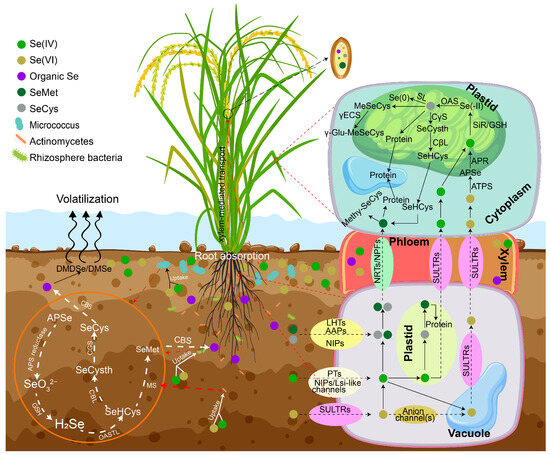
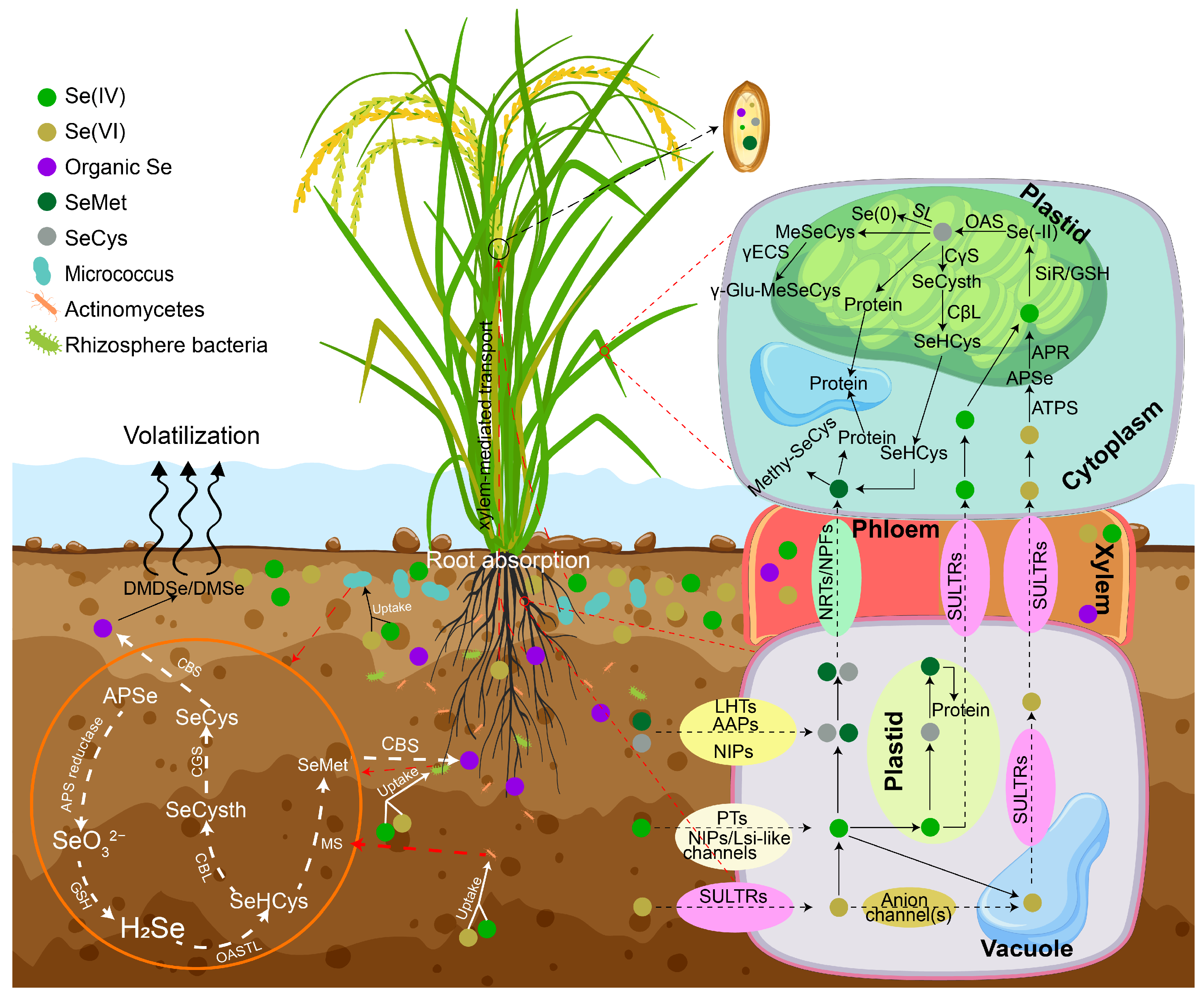
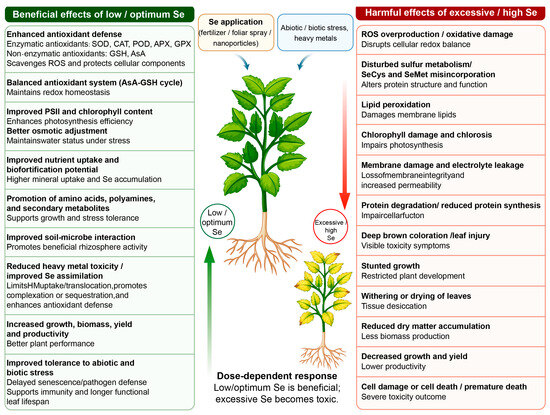
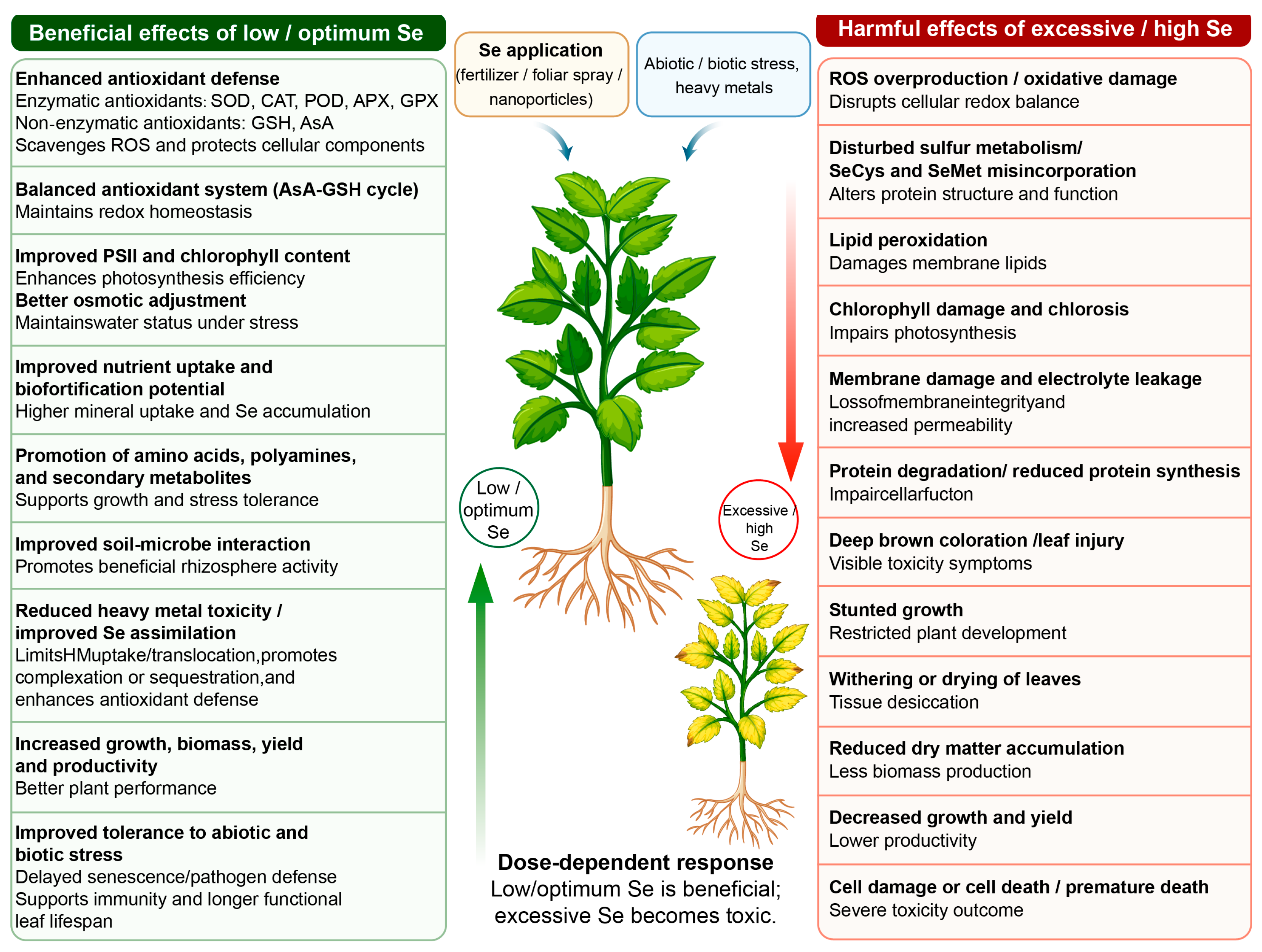
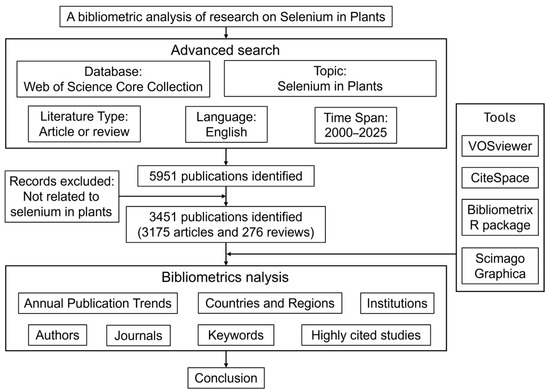
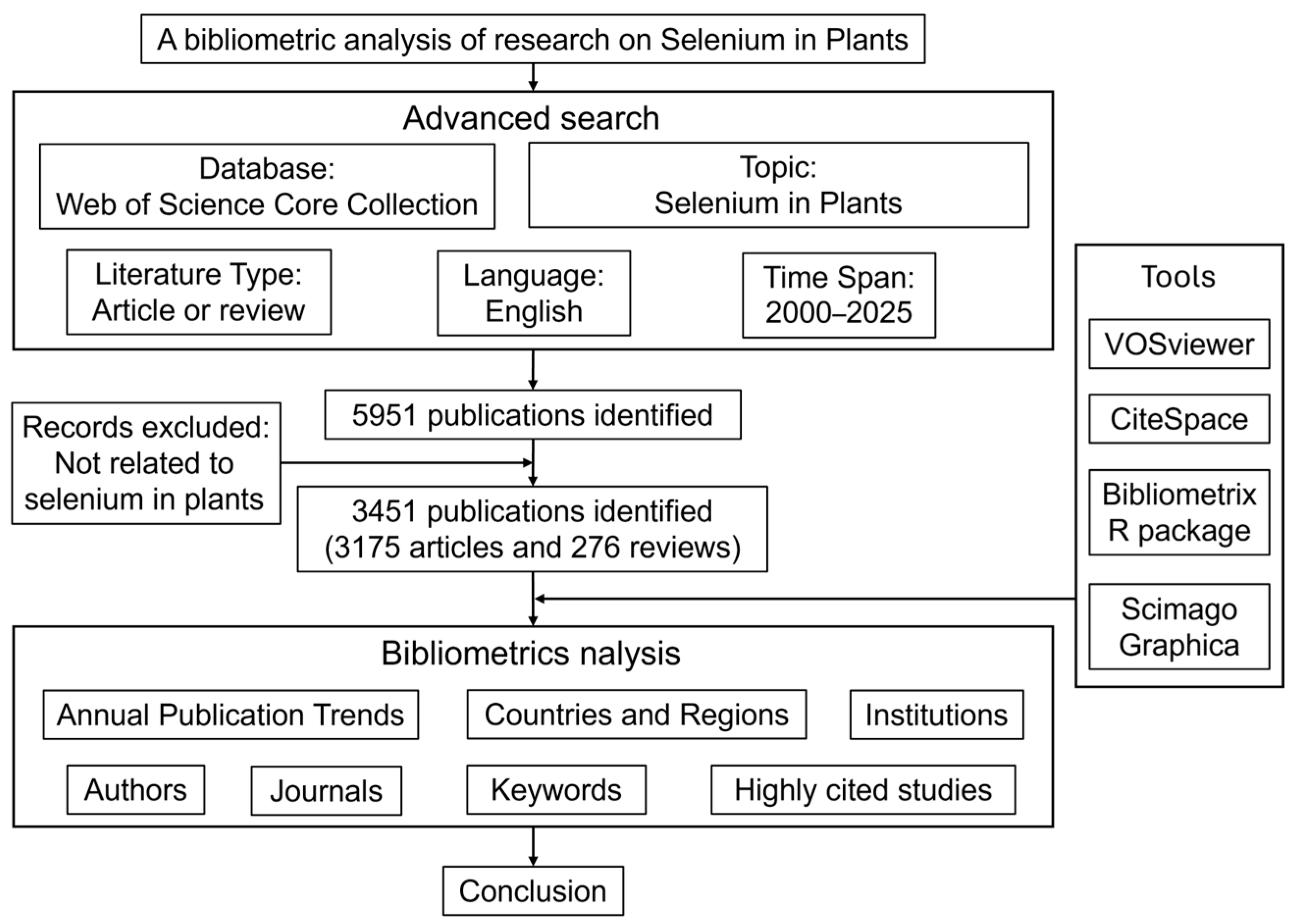
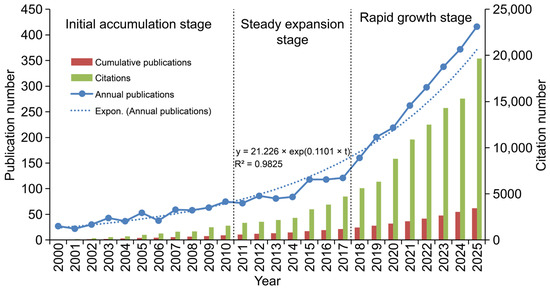
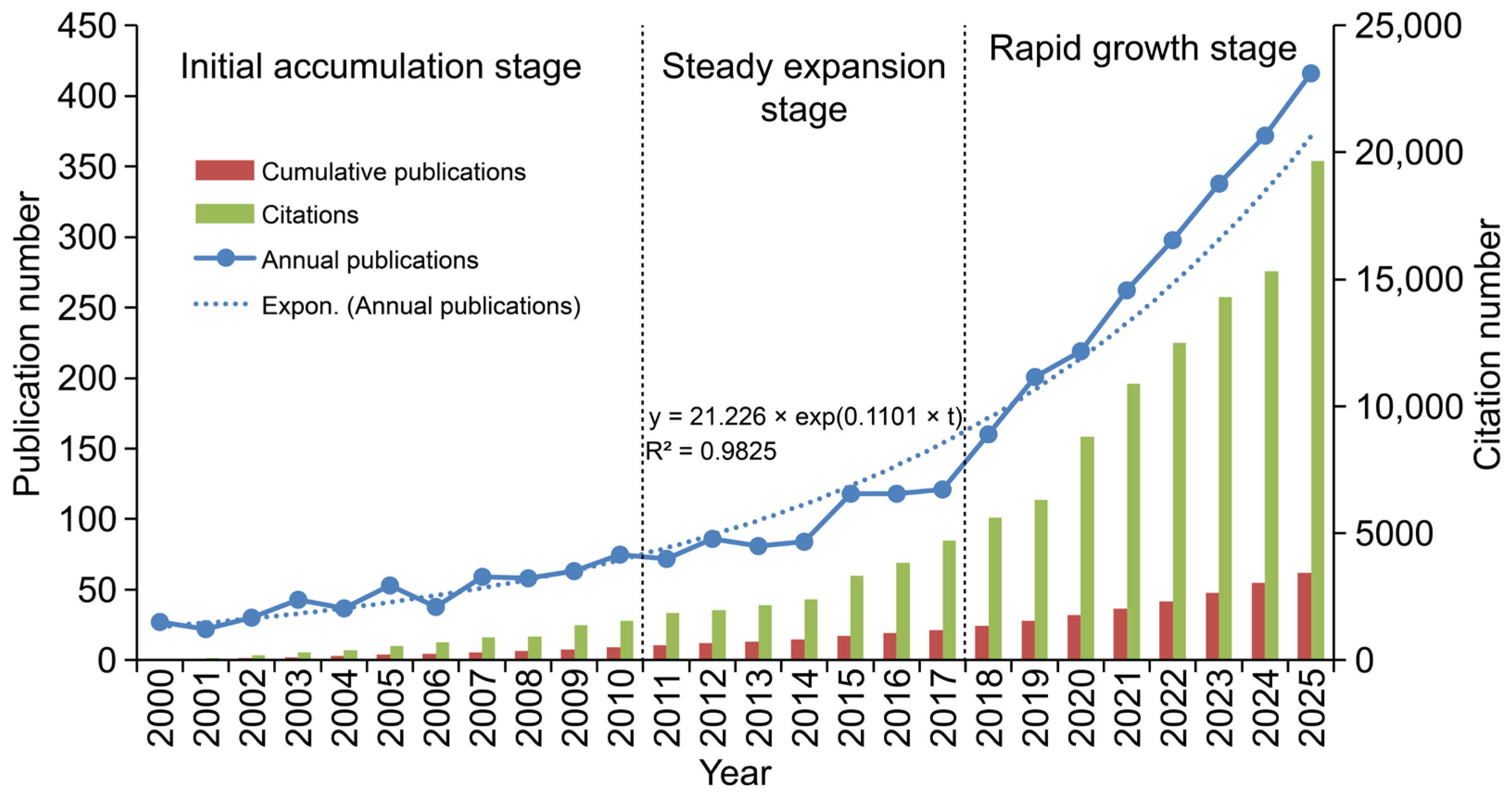
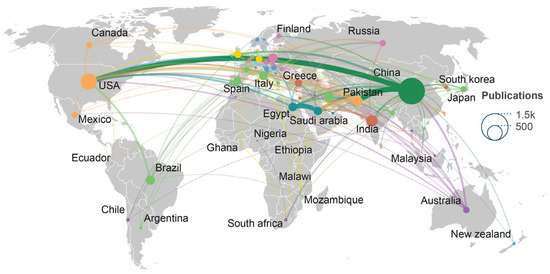
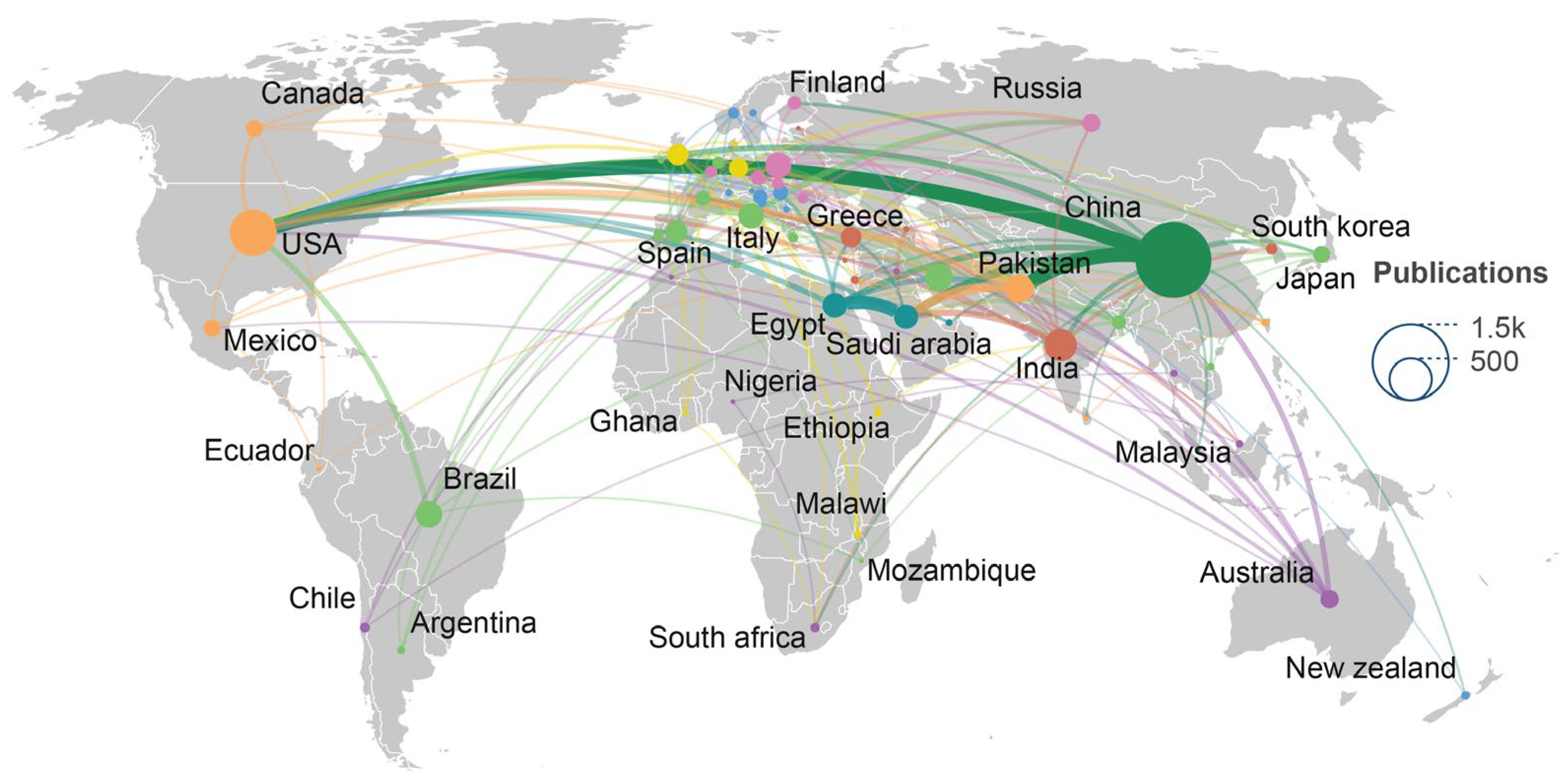
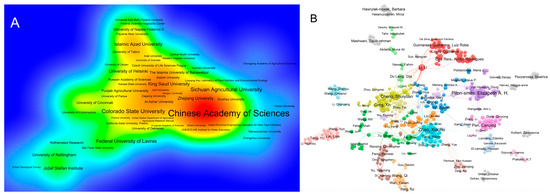
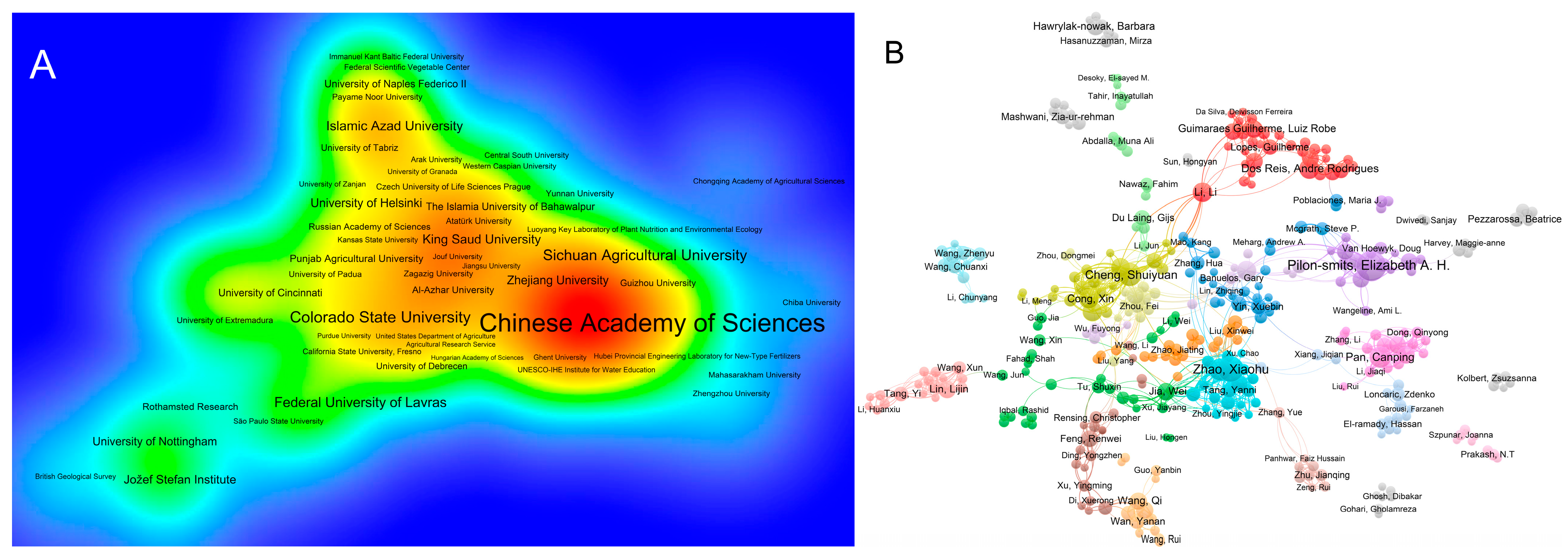
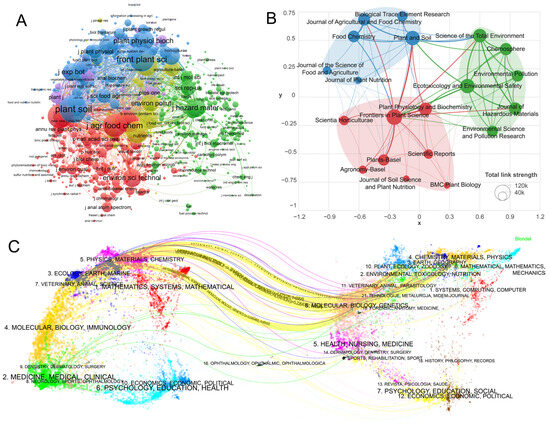
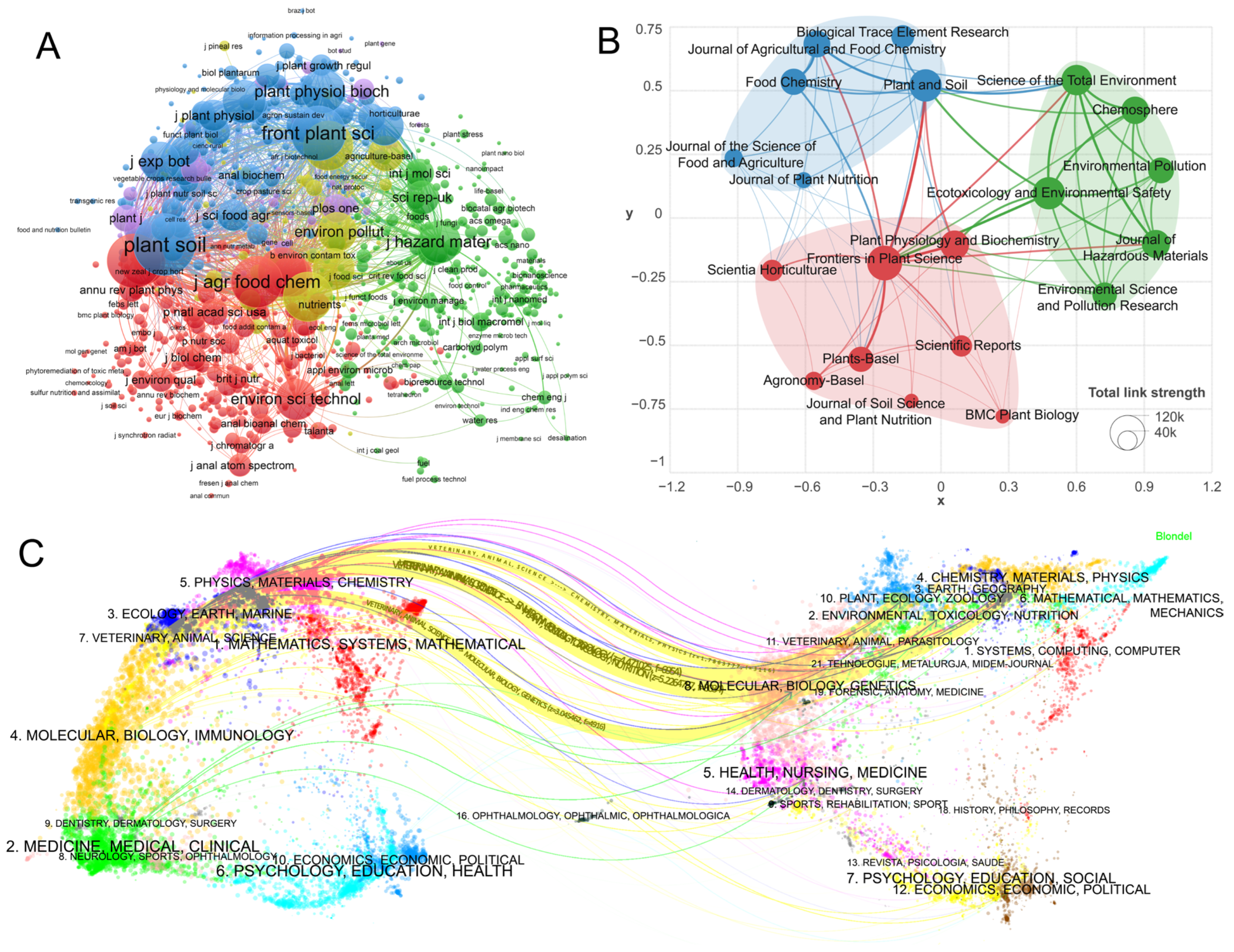
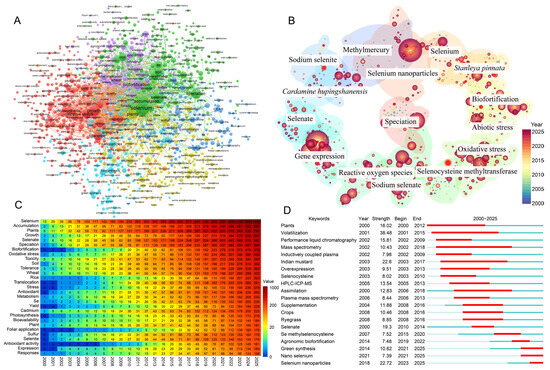
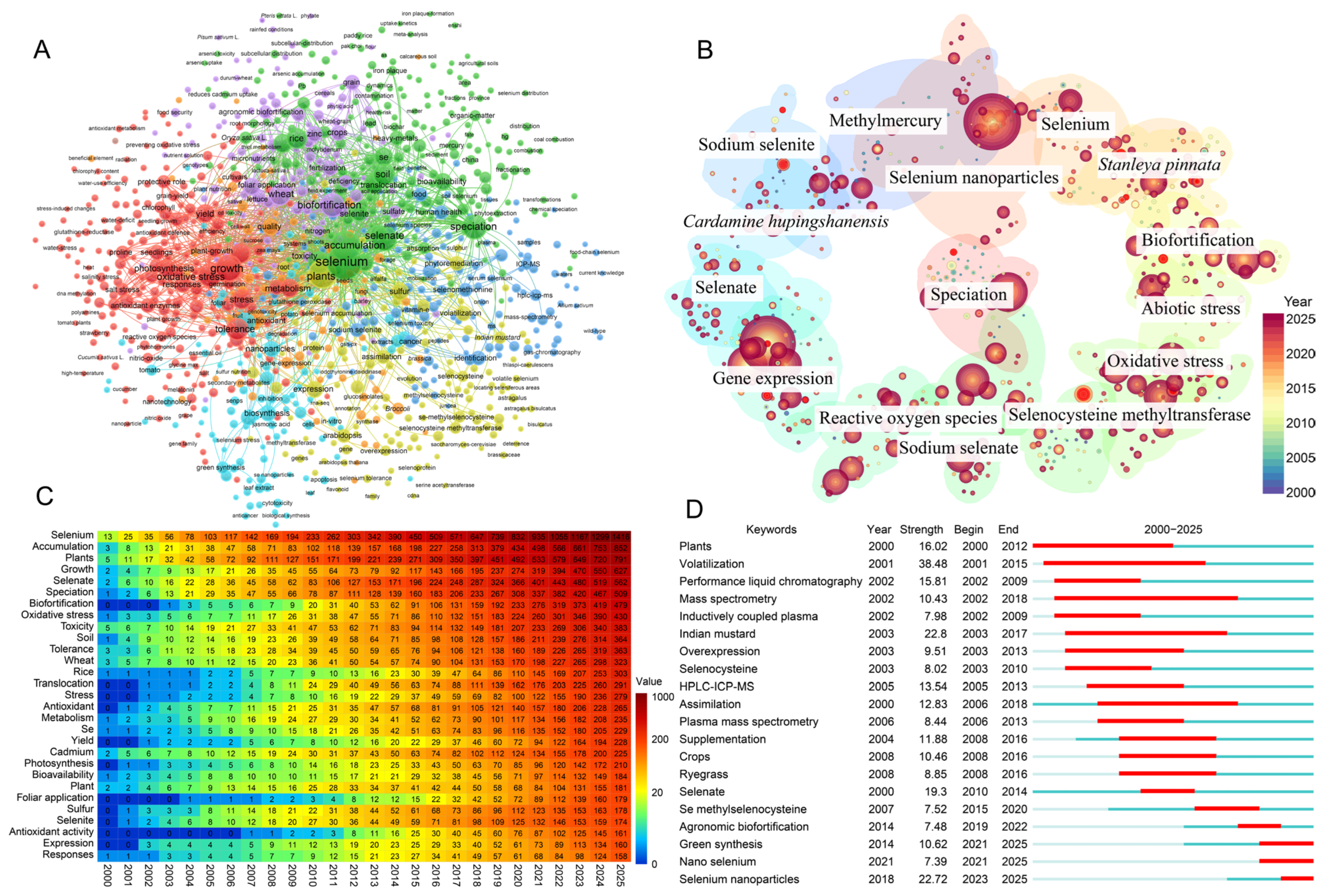

Disclaimer/Publisher’s Note: The statements, opinions and data contained in all publications are solely those of the individual author(s) and contributor(s) and not of MDPI and/or the editor(s). MDPI and/or the editor(s) disclaim responsibility for any injury to people or property resulting from any ideas, methods, instructions or products referred to in the content. |
© 2026 by the authors. Licensee MDPI, Basel, Switzerland. This article is an open access article distributed under the terms and conditions of the Creative Commons Attribution (CC BY) license.