


Abstract
Cold stress is a major environmental constraint limiting the growth, physiological performance, and productivity of African marigold (Tagetes erecta L.) under open-field conditions. This study evaluated the comparative effectiveness of salicylic acid (SA), silicon (Si), and methyl jasmonate (MeJA) in alleviating cold-induced damage and enhancing stress tolerance. Field experiments were conducted under naturally occurring cold stress using foliar applications of SA (0, 0.1, 0.5, and 1 mM), Si (0, 1, 5, and 10 mM), and MeJA (0, 10, and 50 µM) in a complete randomized block design with three replications. Moderate concentrations of all three regulators significantly (p < 0.05) improved plant growth and physiological stability relative to untreated controls. Salicylic acid at 0.5 mM produced the most consistent protective response, increasing biomass accumulation, chlorophyll content, and relative water content while reducing membrane damage, as indicated by a 42.3% decrease in leaf electrolyte leakage at 2 °C. Silicon at 10 mM enhanced membrane integrity, plant water status, and vegetative growth under low-temperature conditions, while methyl jasmonate at 10 µM mitigated cold-induced membrane damage and improved physiological tolerance, whereas higher concentrations (50 µM) were less effective. At their optimal doses, SA, Si, and MeJA increased plant dry mass by 39.7%, 30.1%, and 38.5%, respectively. Correlation analysis confirmed these results, revealing strong positive relationships among growth, chlorophyll, and relative water content. Conversely, electrolyte leakage was negatively correlated with biomass and water status, identifying membrane stability as a key determinant of cold tolerance. Overall, 0.5 mM SA, 5–10 mM Si, and 10 μM MeJA improved growth and key physiological responses in African marigold under cold stress under field conditions. Future studies should integrate mechanistic and economic analyses to refine growth-regulator-based cold-stress management strategies.
1. Introduction
African marigold (Tagetes erecta L.) is an ornamental plant that is highly popular due to its colorful inflorescences, decorative use, landscape and bedding culture, and container and cut-flower plantings [1]. Tagetes erecta is naturally vulnerable to low temperatures, and cold stress significantly affects its development, physiological functioning, and flowering under field conditions [2,3,4]. Cold stress, including chilling (0–15 °C) and freezing (≤0 °C), is one of the most significant constraints in temperate and subtropical climates [5]. It impairs cellular homeostasis, inhibits photosynthetic activity, decreases relative water content, enhances membrane electrolyte leakage and malondialdehyde formation, and eventually reduces the vigor and physical floral output of ornamental plants, including African marigold [6]. Recent literature reveals that exposure to cold prominently reduces chlorophyll content, relative water content, and increases electrolyte leakage in plants across diverse marigold genotypes [7,8], which depict drastic losses in both growth and reproductive features when plants are cultivated under field cold conditions compared to those in shelter [5]. In addition, cold stress causes aesthetic and commercial damage, as these conditions delay flowering, produce smaller flowers, and lead to poor pigment stability [7,8,9]. The African marigold is a cold-sensitive ornamental that exhibits marked decreases in relative water content and photosynthetic pigments, but high levels of electrolyte leakage and biochemical damage under low temperatures [10]. These reactions underscore the urgent need to identify agronomic mechanisms that enhance cold resilience and preserve floral quality [7].
Plant growth regulators (PGRs) generally mitigate the effects of abiotic stresses [11,12,13,14]. They, including salicylic acid (SA), silicon (Si), and methyl jasmonate (MeJA), when exogenously applied, also reduce these stresses in marigolds [15]. These polymers participate in endogenous signaling, through which they regulate stress-induced processes, stabilize the cellular junctional complex, and initiate defenses [16]. Salicylic acid is a phytohormone (a phenolic acid), which is central in the process of stress signaling, defense, reinforcement of antioxidant enzyme activities, decreased membrane lipid peroxidation, and cell integrity to low-temperature damage [17,18,19]. Such applications have also been shown to alleviate chilling and enhance physiological stability through integrative reviews and experimental data from multiple horticultural species subjected to cold stress, using SA [1,5,20,21]. Silicon is not a classical phytohormone; nevertheless, it contributes positively to stress reduction by strengthening structural integrity and managing water relations under adverse conditions [22,23,24]. Silicon was shown to promote cold tolerance, enhance morpho-physiological factors, and regulate abscisic acid signaling in the designation of ornamental marigold species [21,25], indicating possible effects on alleviating the impact of abiotic stress via the same pathway [8]. Jasmonic acid is volatilized to methyl jasmonate, which is a significant signaling molecule in plant defense and stress adaptation, such as temperature stress [26,27,28,29]. There is extensive literature describing jasmonates as having the ability to induce cold tolerance, induce antioxidant defenses, interact with other phytohormone pathways (e.g., abscisic acid), and activate cold-responsive gene networks (e.g., ICE-CBF pathways) to cause stress protection in a wide range of plant species [30]. The exogenous MeJA has already been effective in raising the cold tolerance of ornamental crops like Jasminum sambac and the marigold (Calendula officinalis L.) by enhancing the retention of chlorophyll, the enzyme-mediated ROS scavenging activities, and alleviating oxidative stress at low temperatures [31,32,33].
Despite evidence that salicylic acid, silicon, and methyl jasmonate can enhance cold tolerance in plants, the comparative effectiveness, optimal concentrations, and field-level performance of these compounds in African marigold remain unresolved. Existing studies typically evaluate these regulators individually, under controlled conditions, or without systematic dose–response analysis, limiting their applicability to open-field production. Moreover, the strong concentration dependence of these compounds—where beneficial effects may shift to growth inhibition at higher doses—has not been jointly examined across multiple regulators in African marigold. This lack of comparative, field-based evidence constrains the development of reliable, practical recommendations for managing cold stress in marigold cultivation.
Here, we hypothesized that foliar application of plant growth regulators differentially modulates cold stress tolerance in African marigold under open-field conditions by influencing key physiological determinants. We further hypothesized that these effects are concentration dependent, with intermediate application rates maximizing physiological stability and growth performance under cold stress. The objective of this study was to compare the effects of salicylic acid, silicon, and methyl jasmonate on growth and physiological indicators of cold tolerance in African marigold under field conditions, and to identify optimal regulator-specific application concentrations to improve cold resilience and plant performance.
2. Materials and Methods
2.1. Under Field Conditions, Experimental Design
On August 20th, during the growing season, the field experiment was set up in Jiroft, Iran (Latitude: 28.67152000, Longitude: 57.73294100, altitude: 650 m above sea level). The experiment had three replications and used a randomized complete block design (RCBD). The salicylic acid (SA) (0, 0.1, 0.5, and 1.0 mM) (Merck, Darmstadt, Germany), methyl jasmonate (MeJA) (0, 10, and 50 µM) (Merck, Darmstadt, Germany), and silicon (Si) (0, 1, 5 and 10 mM) (Merck, Darmstadt, Germany) were used as the treatments.
2.2. Experimental Procedure
2.2.1. Land Preparation and Cultivation Practices
The experimental fields were dug out and raked to a fine tilth before plant transplantation. According to the soil analysis results, fertilizers were applied at rates of 100 kg ha−1 of urea, 50 kg ha−1 of potassium sulfate, and 50 kg ha−1 of triple superphosphate. Plots were demarcated at 10 m2 (5 × 2 m). Irrigation was conducted using a furrow system every 3 days to maintain consistent soil moisture levels during the growing season. The cultural practices were carried out according to general local advice, such as wedding rituals and pest control. A randomized complete block design was used under field conditions to minimize spatial variability in soil and microclimatic factors; however, we acknowledge that environmental heterogeneity is inherently greater in open-field experiments than in controlled environments.
2.2.2. Stress Treatments and Transplantation
African marigold hybrid seeds were purchased from the British company Floranova (Norwich Road, Foxley, Dereham NR20 4SS, UK) and cultivated in a substrate of coir pith and perlite (3:1). After the plant produced 6 to 8 true leaves, they were transplanted into the open field on 15 September 2024. After 10 days of transplanting (25 September 2024), foliar applications of the treatments (SA, MJ, and Si) were initiated using a hand-held sprayer, covering all leaves until runoff. Applications were repeated at fixed intervals according to the treatment schedule until the experiment was over. Air temperature progressively declined over the growing season, with relatively warm conditions in August and September, cooler temperatures in October, and sustained low nighttime temperatures in November. During November, minimum night temperatures frequently fell below 6 °C, representing naturally occurring cold-stress events. Based on previous reports indicating the high sensitivity of African marigold to low temperatures [34], nights with minimum temperatures ≤ 5 °C were defined as cold-stress conditions in this study.
2.3. Growth, Physiological and Biochemical Characterization Measurement
2.3.1. Morphological and Growth Traits
Plant height (cm) was measured from the soil level to the end of the main stem using a standard ruler. Leaf area (cm2) was determined with a portable leaf area meter (LI-3000C, LI-COR, Lincoln, NE 68504, USA) on five random leaves per plot. Stem diameter (mm) was determined at a height of 2 cm above the soil surface with a digital caliper. Manually, the number of leaves per plant was counted on five representative plants per plot. The plants were weighed at harvest, separated into shoots and roots, and then weighed again to obtain fresh weight. Dry biomass was determined by oven-drying the samples at 70 °C until constant weight.
2.3.2. Physiological Traits
It should be noted that endogenous levels of SA, MeJA, and Si were not quantified in the present study, and the observed responses therefore reflect the physiological effects of exogenous applications. Before measuring physiological characteristics, the leaves and flowers were soaked in a 2% sodium hypochlorite solution for 2 h to remove external debris, including dust and plant growth hormone residues, from the leaf surface and to ensure accurate measurements.
Relative water content (RWC,%) was determined as follows: RWC = 100, in which FW = Fresh weight, accumulated in 24 h in distilled water, TW = Turgid weight, and DW = dry weight, oven-dried [35]. Chlorophyll Content (SPAD): A SPAD-502 chlorophyll meter (Minolta, Osaka, Japan) was used to measure it.
Electrolyte leakage (percent): It was established by assessing the electrical conductivity of leaf discs, and the conductivity meter of boiled discs compared to control samples (conductivity meter) [36]. EL (%) = × 100 (Where C1: conductivity taking off and C2: conductivity at end).
2.4. Data Statistical Analysis
Data were analyzed using analysis of variance (ANOVA) based on a randomized complete block design (RCBD) using SAS software version 9.4 (SAS Institute, Cary, NC, USA). Treatment means were compared using Duncan’s multiple range test at a significance level of p ≤ 0.05. Before analysis, data were tested for normality and homogeneity of variances to ensure compliance with ANOVA assumptions. Linear regression analysis and Multivariate Analyses were done using Origin Pro 2025b.
3. Results
Seasonal temperature records showed a clear transition from favorable to cold-stress conditions during the growing period. In August and September, minimum night temperatures consistently exceeded 14 °C, remaining within the optimal range for African marigold growth (Figure 1). During October, night temperatures progressively declined, with several events reaching 8–10 °C. Cold stress conditions became pronounced in November. Minimum night temperatures frequently dropped below 6 °C. Despite moderate daytime temperatures (17–30 °C), these conditions resulted in large diurnal temperature fluctuations, exposing plants to repeated episodes of chilling and cold stress during the late growing season.
Figure 1.
Seasonal Variation in Daily Air Temperature During the Growing Period of African Marigold.
3.1. Effect of Salicylic Acid on Growth and Physiological Characteristics Under Cold Stress
3.1.1. Growth Parameters
Salicylic acid significantly influenced plant fresh mass under cold stress. Compared with the control, application of 0.1 mM SA increased fresh mass by 13.6%, while 0.5 mM SA caused a marked increase of 27.5% (Table 1). In contrast, 1 mM SA slightly reduced fresh mass by 0.5%, indicating growth inhibition at higher concentrations. Dry mass increased progressively with SA concentration up to 0.5 mM. Dry mass increased by 16.4% and 39.7% at 0.1 and 0.5 mM SA, respectively. At 1 mM SA, dry mass remained higher than in the control, increasing by 13.7%, despite reductions in other growth traits. Plant height responded positively to moderate SA levels (Table 2). A slight increase (1.9%) was observed at 0.1 mM, while 0.5 mM SA enhanced height by 17.4%. However, 1 mM SA caused a substantial 26.3% reduction, reflecting growth suppression under excessive SA. Flower production increased significantly with 0.1 mM (19.7%) and 0.5 mM (30.5%) SA compared to the control (Table 1). Conversely, 1 mM SA reduced flower number by 20.7%, demonstrating the sensitivity of reproductive growth to high SA levels under cold stress. Flower weight increased by 22.5% and 30.0% at 0.1 and 0.5 mM SA, respectively, whereas 1 mM SA resulted in only a 5.0% increase. Root weight showed substantial enhancement, increasing by 27.8%, 48.1%, and 29.6% at 0.1, 0.5, and 1 mM SA, respectively, indicating preferential root stimulation under stress (Table 1).
Table 1.
Effect of salicylic acid on growth and physiological parameters of African Marigold (Tagetes erecta Linn) under cold stress in the field.
Table 2.
Effect of Silicon on growth and physiological parameters of African Marigold (Tagetes erecta Linn) under cold stress in the field.
3.1.2. SPAD Value, Relative Water Content, and Electrolyte Leakage
Leaf chlorophyll content increased by 6.0% at 0.1 mM and by 21.8% at 0.5 mM SA. However, it was found that high concentrations of salicylic acid (1 mM) caused an increase of only 3% compared to the control, but there was no statistical difference from the control. This high concentration also caused a significant decrease in SPAD compared to 0.5 and 0.1 mM salicylic acid in African marigold plants. (Table 1). Flower RWC increased by 14.2%, 23.7%, and 7.5% at 0.1, 0.5, and 1 mM SA, respectively. Leaf RWC showed similar trends, increasing by 12.3%, 26.2%, and 15.4%, indicating improved water retention under cold stress, especially at 0.5 mM (Table 1).
SA markedly reduced membrane damage. Flower electrolyte leakage decreased by 25.1%, 33.8%, and 15.5% at 0.1, 0.5, and 1 mM SA, respectively. Leaf electrolyte leakage declined by 13.3–26.9%, while leakage at 2 °C decreased most strongly (42.3%) at 0.5 mM SA.
3.2. Effect of Silicon on Growth and Physiological Characteristics Under Cold Stress
3.2.1. Growth Characteristics
Plant fresh mass increased by 0.8%, 11.1%, and 13.7% at 1, 5, and 10 mM silicon, respectively. Dry mass slightly decreased (4.1%) at 1 mM but increased by 9.6% and 30.1% at 5 and 10 mM, respectively (Table 3). Plant height increased gradually with silicon concentration, rising by 3.8%, 23.1%, and 30.8% at 1, 5, and 10 mM, respectively. Flower number increased by 4.4%, 14.6%, and 22.0%, respectively, indicating enhanced reproductive performance. Flower weight increased marginally at low silicon but rose by 27.5% at 10 mM. Root weight increased consistently, with gains of 1.9%, 20.4%, and 22.2%, reflecting improved root system development under cold stress (Table 2).
Table 3.
Effect of Methyl Jasmonate on growth and physiological parameters of African Marigold (Tagetes erecta Linn) under cold stress in the field.
3.2.2. SPAD Value, Relative Water Content, and Electrolyte Leakage
SPAD values increased by 6.0–8.0% at 5 and 10 mM silicon, while no meaningful change was observed at 1 mM. Flower RWC increased by 8.5%, 14.1%, and 19.7%, while leaf RWC increased by 6.2%, 12.1%, and 22.6% at 1, 5, and 10 mM silicon, respectively (Table 3). Silicon reduced electrolyte leakage in a concentration-dependent manner. Flower leakage declined by 11.9%, 15.5%, and 24.2%, while leaf leakage at 2 °C decreased by 4.3%, 18.5%, and 31.7%, confirming enhanced membrane stability (Table 2).
3.3. Effect of Methyl Jasmonate on Growth and Physiological Characteristics Under Cold Stress
3.3.1. Growth Traits
Compared with the control, 10 µM MeJA increased plant fresh mass by 22.3% and dry mass by 38.5%. At 50 µM, fresh and dry masses increased by 18.8% and 25.4%, respectively, indicating reduced effectiveness at higher concentration (Table 3). Plant height increased by 25.9% at 10 µM MeJA but only by 6.6% at 50 µM. Flower number increased by 10.9% and 5.9% at 10 and 50 µM, respectively (Table 3). Flower weight increased by 19.5% at 10 µM and 19.5% at 50 µM. Root weight increased by 33.3% and 16.7%, respectively, indicating stronger stimulation at lower MeJA concentrations (Table 3).
3.3.2. SPAD Value, Relative Water Content, and Electrolyte Leakage
SPAD value increased by 11.0% at 10 µM and 6.7% at 50 µM MeJA, suggesting improved chlorophyll retention under cold stress (Table 3). Flower RWC increased by 21.6% and 16.0%, while leaf RWC increased by 26.6% and 13.4% at 10 and 50 µM MeJA, respectively. MeJA substantially reduced membrane damage (Table 3). Flower electrolyte leakage decreased by 40.7% at 10 µM and 25.5% at 50 µM. Leaf electrolyte leakage at 2 °C declined by 39.3% and 25.3%, confirming enhanced cold tolerance, particularly at the lower dose (Table 3).
3.4. Linear Regression Analysis of Individual Plant Growth Regulators
3.4.1. Effect of Salicylic Acid (SA)
Linear regression analysis revealed that increasing concentrations of salicylic acid (SA; 0–1.0 mM) had a strong positive effect on most growth and physiological traits of African marigold under cold stress. SA exhibited pronounced positive linear relationships with plant fresh mass (PFM), plant dry mass (PDM), plant height (PH), number of flowers (NOF), flower weight (FW), root weight (RW), and chlorophyll content (SPAD value), indicating a substantial enhancement of vegetative growth, biomass accumulation, and reproductive performance with increasing SA dosage. In addition, SA showed strong positive associations with flower relative water content (Flower RWC) and leaf relative water content (Leaf RWC), suggesting improved plant water status and osmotic regulation under low-temperature stress. Conversely, SA displayed clear negative linear relationships with flower electrolyte leakage (Flower EL), leaf electrolyte leakage (Leaf EL), and leaf electrolyte leakage at 2 °C, indicating a marked reduction in membrane damage. Overall, SA produced the most consistent and balanced improvements across growth, physiological, and stress-related traits, demonstrating its high efficacy in mitigating cold stress effects (Figure 2A,B).
Figure 2.
Linear regression of salicylic acid (A,B) (SA, 0, 0.1, 0.5, and 1.0 mM), Silicon (C,D) (Si; 0, 1, 5 and 10 mM), Methyl Jasmonate (E,F) (MeJA, 0, 10, and 50 µM) on leaf and flower RWC (Relative Water Content) and EL (Electrolyte Leakage) parameters of African Marigold under cold stress in the field.
3.4.2. Effect of Silicon (Si)
Regression analysis of silicon (Si; 0–1.5 mM) application demonstrated significant positive linear relationships with several growth and physiological parameters, particularly those related to stress tolerance. Increasing Si concentration was strongly associated with reductions in flower electrolyte leakage, leaf electrolyte leakage, and leaf electrolyte leakage at 2 °C, indicating enhanced membrane stability and cellular integrity under cold stress. Positive linear trends were also observed for PFM, PDM, PH, FW, RW, and SPAD values, although the magnitude of these relationships was generally lower than those observed for SA. Si also significantly improved flower and leaf relative water content, reflecting its role in maintaining tissue hydration and structural stability. Among the tested regulators, Si exhibited the strongest protective effect against cold-induced membrane injury, highlighting its importance in improving physiological resilience rather than maximizing growth alone (Figure 2C,D).
3.4.3. Effect of Methyl Jasmonate (MeJA)
Methyl jasmonate (MeJA; 0–100 µM) showed positive but comparatively moderate linear relationships with growth and physiological traits under cold stress conditions. Increasing MeJA concentration resulted in improvements in chlorophyll content (SPAD value), relative water content, and several growth parameters, including PFM, PDM, PH, and NOF. However, the slopes of these regressions were generally less steep than those observed for SA and Si, indicating a lower overall magnitude of response. MeJA also exhibited negative linear relationships with electrolyte leakage parameters, confirming its role in reducing stress-induced membrane damage. Nevertheless, MeJA primarily enhanced stress signaling and physiological adjustment rather than promoting strong biomass accumulation or flowering responses. Thus, while MeJA contributed to improved cold stress tolerance, its effects were less pronounced compared with SA and Si (Figure 2E,F).
3.5. Correlation Plot
Figure 3A–C presents the Pearson correlation matrix showing the relationships among growth and physiological traits of African marigold in response to SA, Si, and MeJA under cold stress. Growth parameters such as PFM, PDM, PH, NOF, FW, RW, and SPAD are strongly and positively correlated with each other, indicating coordinated regulation of biomass production, photosynthetic capacity, and flowering under stress-mitigating treatments. Flower RWC and leaf RWC also show strong positive correlations with growth traits, indicating that improved water status is closely associated with enhanced growth and yield under cold stress. Conversely, electrolyte leakage traits (Flower EL, Leaf EL, and Leaf EL at 2 °C) exhibit significant negative correlations with growth and water status traits. This inverse relationship indicates that increased membrane integrity (lower EL values) is associated with greater biomass accumulation and improved physiological performance. Additionally, strong positive correlations among electrolyte-leakage traits indicate that membrane-damage responses in flowers and leaves are consistently regulated under cold stress.
Figure 3.
Correlation plot of (A) salicylic acid (SA), (B) Silicon (Si), and (C) Methyl Jasmonate (MeJA) on growth, and physiological parameters of African Marigold (Tagetes erecta Linn) under cold stress in the field. The traits include: Plant fresh and dry mass (PFM, PDM), plant height (PH), number of flower (NOF), flower and root weight (FW and RW, SPAD, Flower relative water content (Flower RWC) and leaf relative water content (Root RWC), flower electrolyte leakage (Flower EL) and leaf electrolyte leakage (Leaf EL) and Leaf Electrolyte Leakage in 2 °C (Leaf EL in 2 °C).
3.6. Principal Component Analysis (PCA) Biplot
Figure 4A–C shows the PCA biplot illustrating the multivariate relationships between treatments and measured traits in African marigold under cold stress. The first two principal components (PC1 and PC2) account for a substantial proportion of the total variance, indicating that the PCA effectively summarizes the dataset. PC1 is primarily associated with growth-related and physiological stability traits, including PFM, PDM, PH, NOF, FW, RW, SPAD, Flower RWC, and Leaf RWC. These variables cluster closely together and point in the same direction, suggesting strong positive interrelationships. In contrast, electrolyte leakage traits (Flower EL, Leaf EL, and Leaf EL in 2 °C) load negatively on PC1 and are positioned opposite to growth and water status traits, reflecting their antagonistic relationship with plant performance under cold stress. Treatment vectors for SA, Si, and MeJA are positioned closer to growth and RWC variables, indicating that these treatments are strongly associated with improved growth, photosynthetic capacity, and membrane stability. The proximity of the treatments suggests that all three elicitors act through partially overlapping physiological response patterns to enhance cold tolerance.
Figure 4.
The Biplot of the principal component analysis (PCA) for the effect of (A) salicylic acid (SA), (B) Silicon (Si) and (C) Methyl Jasmonate (MeJA) on growth, and physiological parameters of African Marigold (Tagetes erecta Linn) under cold stress in the field. The traits include: Plant fresh and dry mass (PFM, PDM), plant height (PH), number of flower (NOF), flower and root weight (FW and RW, SPAD, Flower relative water content (Flower RWC) and leaf relative water content (Root RWC), flower electrolyte leakage (Flower EL) and leaf electrolyte leakage (Leaf EL) and Leaf Electrolyte Leakage in 2 °C (Leaf EL in 2 °C).
3.7. Heatmap Analysis
Figure 5A–C presents a heatmap with hierarchical clustering, illustrating the relative responses of growth and physiological traits to SA, Si, and MeJA under cold stress conditions. The heatmap visually distinguishes two major clusters of traits. The first cluster includes growth-promoting and tolerance-related parameters such as PFM, PDM, PH, NOF, FW, RW, SPAD, Flower RWC, and Leaf RWC, which exhibit higher intensity values (warm colors), particularly under SA, Si, and MeJA treatments. This indicates enhanced growth, improved photosynthetic performance, and better water retention. The second cluster comprises stress damage indicators, including Flower EL, Leaf EL, and Leaf EL at 2 °C, which show lower intensity values (cool colors) under the treatments. This pattern reflects reduced membrane permeability and improved cellular stability under cold stress. Hierarchical clustering also groups SA, Si, and MeJA closely together, suggesting that these treatments induce similar physiological responses and collectively contribute to cold stress mitigation.
Figure 5.
Heatmap chart of (A) salicylic acid (SA), (B) Silicon (Si) and (C) Methyl Jasmonate (MeJA) on growth, and physiological parameters of African Marigold under cold stress in the field. The traits include: Plant fresh and dry mass (PFM, PDM), plant height (PH), number of flower (NOF), flower and root weight (FW and RW, SPAD, Flower relative water content (Flower RWC) and leaf relative water content (Root RWC), flower electrolyte leakage (Flower EL) and leaf electrolyte leakage (Leaf EL) and Leaf Electrolyte Leakage in 2 °C (Leaf EL in 2 °C).
4. Discussion
Low-temperature stress represents a significant constraint for ornamental plants cultivated under unprotected field conditions, particularly during early planting periods or episodes of unexpected temperature decline [37,38,39]. Low temperatures are deleterious to plant growth and flowering by affecting membrane integrity, influencing water uptake, and reducing photosynthetic intensity [8,21]. In this study, improved growth performance under cold stress under different plant growth regulators closely coincided with reduced electrolyte leakage and higher relative water content, indicating enhanced membrane stability and improved water relations (Table 1, Table 2 and Table 3). The magnitude and nature of these responses differed among plant growth regulators, highlighting distinct modes of action [40]. African marigold is a thermophilic species with limited tolerance to low temperatures, and exposure to chilling conditions is known to impair membrane stability, water relations, and growth performance [34]. In the present study, temperature records confirm that plants experienced recurrent cold stress during November, a developmental phase critical for flowering and biomass accumulation. Repeated exposure to nocturnal temperatures ≤6 °C likely disrupted cellular membranes and plant water status, even in the presence of relatively warm daytime conditions. The large diurnal temperature amplitudes observed during this period may have further intensified stress by constraining physiological recovery between cold events. Such thermal patterns are characteristic of open-field environments, including parks and landscaped areas, where African marigold cultivation frequently coincides with late-season cold exposure. These conditions provide a realistic context for evaluating the effectiveness of growth regulator-based strategies to improve cold stress tolerance under field conditions.
4.1. Salicylic Acid in Enhancement of Growth and Cold Tolerance
The primary effects of salicylic acid application on cold tolerance are as follows: membrane stability and plant water status, which are key predictors of growth and flowering under low-temperature conditions [17]. The lower electrolyte leakage in plants treated with SA implies higher membrane integrity, suggesting that the extent of cold-induced cellular damage would be lower in these plants [41]. Low temperatures negatively impact the photosynthetic apparatus by impairing the integrity of thylakoid membranes, leading to reductions in chlorophyll synthesis and stability [42]. Building on these established effects of salicylic acid, the present findings indicate that SA application conferred superior membrane protection and water status in African marigold under cold stress relative to other tested growth regulators, with the strongest response observed at 0.5 mM. A decrease in relative water content and an increase in electrical leakage under cold conditions have been observed in African marigold [34], which is consistent with our results in this study. This effect is more critical in ornamental crops, where cold injury can often manifest as leaf discoloration, decreased turgor, and impaired flower development [8]. In addition to protecting the membranous system, plants treated with SA in this study showed increased relative water content and chlorophyll content, indicating better hydration and enhanced photosynthetic activity under cold stress [43]. Such physiological advantages were translated into greater biomass accumulation and higher flower production at mild SA levels. Shivaswamy et al. [44] found that the use of salicylic acid under cold stress conditions increased the photosynthetic properties of French marigold plants. In the present study, cold stress significantly decreased growth characteristics, whereas salicylic acid at optimal concentrations (0.5 mM) increased these parameters in African marigold under cold stress conditions (Table 1). Tejaswi et al. [45] reported that cold stress in the field hurt the growth traits of marigold plants. In contrast, when salicylic acid was applied to marigold plants, growth parameters increased, consistent with our results. Under cold stress, French marigolds can enhance growth by increasing cell divisions in the terminal meristems [21]. When exposed to cold stress, plants tend to reallocate metabolic resources toward survival responses and the preservation of fundamental physiological functions rather than vegetative development. Consequently, internodal elongation is restricted, and overall plant height is reduced [46]. Consistent decreases in vegetative traits under low-temperature conditions have also been documented in French marigold by [34,47,48]. Our results also showed that the use of high concentrations of salicylic acid (1 mM) in African marigold under temperature stress can decrease growth and physiological characteristics. Also, this inhibiting effect on growth at elevated SA levels underscores the significance of concentration-dependent responses, as excessive SA can harm vegetation and suppress its growth [49]. The current findings are consistent with earlier horticultural studies reporting positive effects of low-to-moderate doses of SA under abiotic stress conditions [50,51,52,53]. Stress tolerance in African marigold may be partly associated with the NON-EXPRESSOR OF PATHOGENESIS-RELATED GENES 1 (NPR1), a key regulator that supports plant growth and physiological stability under stresses such as cold. NPR1 can be induced by salicylic acid (SA) and mediates SA perception and downstream transcriptional reprogramming by acting as a molecular scaffold linking hormone sensing to transcriptional activation. NPR1 contains conserved BTB/POZ and ankyrin repeat (ANK) domains, which facilitate interactions with multiple transcriptional regulators and co-activators [54]. Under non-stress conditions, NPR1 is retained in the cytoplasm as redox-sensitive oligomeric complexes; however, stress-induced salicylic acid accumulation alters cellular redox status, resulting in NPR1 monomerization and nuclear translocation, where it activates defense- and stress-responsive transcription [55]. In the nucleus, NPR1 interacts with TGA and WRKY transcription factors and recruits components of the transcriptional machinery, including cyclin-dependent kinase 8 and RNA polymerase II, thereby enhancing target gene expression and reinforcing positive feedback regulation of NPR1 itself [56,57]. This multiprotein complex allows NPR1 to function as a transcriptional co-regulator rather than a direct DNA-binding factor, enabling signal-dependent regulation of broad gene networks. Accordingly, SA signaling proceeds through NPR1-mediated activation of downstream genes via cooperative interactions with TGA, WRKY, and NIMIN proteins, which together determine the strength and specificity of the response [58]. Emerging evidence suggests that NPR1 also contributes to abiotic stress tolerance through mechanisms that partly bypass canonical SA-dependent signaling. In Arabidopsis, NPR1 activates subsets of cold-responsive genes independently of SA accumulation and TGA transcription factors [59], partly through direct interaction with the heat shock transcription factor HSFA1, which enhances the expression of cold-protective genes. Together, these findings indicate that NPR1 functions as a convergence node integrating hormonal and temperature-derived signals, a role further supported by recent evidence highlighting NPR1-mediated cross-talk between SA and cold-responsive signaling pathways [60].
In cucurbit systems, transcriptomic analyses of different graft combinations have shown marked differences in the expression of SA signaling-related genes under chilling conditions, indicating a role for hormonal regulation in graft-mediated cold tolerance. Given the central role of NPR1 in this pathway, changes in CsNPR1 expression are functionally important. Consistent with cold-induced upregulation of AtNPR1 in Arabidopsis [61], chilling stress significantly increases CsNPR1 transcript abundance in grafted cucumber plants. In addition, both endogenous SA accumulation and exogenous SA application enhance CsNPR1 expression and protein stability, with grafted plants maintaining higher NPR1 levels than self-rooted controls [62].
The effects of salicylic acid on marigolds vary widely depending on genotype, environmental conditions, and application method. Differences between greenhouse and field environments are particularly important, as hormonal responses to cold stress can differ substantially. For example, application of 0.3 mM SA under protected tunnel conditions enhanced marigold growth [5], whereas our field-based results indicate that 0.5 mM SA was more effective. In addition, higher SA concentrations have been reported to mitigate drought-induced damage in marigold [63] and to improve growth and physiological traits across different soil culture systems [64].
4.2. Structural and Physiological Protection Mediated by Silicon
In the present study, silicon application improved plant performance under cold stress primarily by enhancing membrane stability and water relations, as reflected by lower electrolyte leakage and higher relative water content compared with the control (Table 2). These effects were most pronounced at 10 mM Si, which was also associated with improved root development and maintenance of chlorophyll content under low-temperature conditions (Table 2). The application of silicon can significantly improve the plant performance under cold stress, primarily due to increased structural support and enhanced water relations [65]. Plants treated with silicon had lower electrolyte leakage, indicating that their cell walls and membranes are stronger and therefore less vulnerable to cold-induced damage [66,67]. This reinforcement of the structures is especially beneficial in field conditions, where plants are exposed to rapid, alternating temperatures [68]. The presence of higher relative moisture content and enhanced root development under silicon application indicates effective water uptake and retention, which, in turn, promotes larger and healthier plants [69]. Additionally, higher chlorophyll content indicates that silicon aids in maintaining photosynthetic ability under cold stress, thereby enabling further growth and flowering [70]. Oraee and Tehranifar [71] reported that silicon increased chlorophyll in hollyhock plants under cold stress. Also, researchers reported that the use of silicon increased physiological properties such as relative water content and chlorophyll content, and reduced ion leakage in marigold (Calendula officinalis L.) plants under drought stress conditions [69]. This indicates that silicon plays a significant role in reducing the adverse effects of biotic and abiotic stresses on ornamental plants. The concentration-related advantages of silicon in the study suggest that sufficient silicon must be supplied to optimize its protective effects in downsizing horticultural frameworks exposed to cold conditions. Also, the results of the present study showed that the use of high silicon concentration (10 mM) significantly increased the growth characteristics of African marigold under cold stress conditions. Increased growth characteristics of French marigold and tomatoes under stress conditions have been reported by researchers [25,70]. Numerous studies have demonstrated that exposure to unfavorable temperature conditions for plant growth and development can adversely affect all plant organs, with some of these impacts becoming irreversible [70,72]. This underscores the importance of maintaining optimal environmental conditions to ensure plant health and sustained productivity [73]. The beneficial role of silicon (Si) in plants is primarily attributed to its ability to promote root development and increase root contact with the growing medium, thereby enhancing water and nutrient uptake and ultimately improving plant growth attributes [74,75,76]. Structural modification at the tissue level, particularly cell wall remodeling, is a key component of plant adaptation to environmental stress and supports physiological acclimation [77]. Under abiotic stress, silicon promotes developmental plasticity, including fiber differentiation and reinforcement of supporting tissues, which helps maintain mechanical stability and cellular turgor [78,79]. Thickened fiber walls and middle lamellae may also reduce dehydration risk by contributing to transient water storage. In the present study, the improved physiological performance of silicon-treated African marigolds under cold stress is consistent with these structural adjustment mechanisms, although the objective of our work was not to provide mechanistic insight but to compare overall physiological response patterns to cold stress using well-established indicators. To support this limitation future studies are required.
Silicon-mediated stress responses are frequently associated with callose deposition, which facilitates silicic acid condensation within the cell wall matrix [80]. Increased callose abundance has been reported under various stress conditions [81] and in silicon-treated plants [82]. In oilseed rape, enhanced callose accumulation occurred under drought stress despite reduced transcription of callose-related genes, indicating post-transcriptional regulation [83]. At the molecular level, silicon forms stable associations with pectin, hemicellulose, and lignin, influencing wall rigidity and mechanical resilience [84,85]. These modifications are linked to improved membrane stability and enhanced tolerance to cold and other abiotic stresses [84] (Sheng et al., 2018), which aligns with the reduced cellular damage observed in our silicon-treated marigold plants. Such structural changes may also activate cell wall integrity signaling pathways involved in stress adaptation [86], and have to be investigated in future studies.
In marigolds, silicon effectiveness depends on concentration, application method, and growth conditions. Silicon application has improved growth and physiological traits under both field and greenhouse conditions [87], increased drought tolerance in potted plants [69], and enhanced seedling performance under greenhouse stress [88]. Differences in silicon uptake among species and application methods may further explain the concentration-dependent responses observed in the present study and in other ornamental plants [89].
4.3. Methyl Jasmonate as Stress-Protective Regulator
Methyl jasmonate was found to be very effective in mitigating cold injury by improving membrane stability and preserving cellular hydration [32,90], as evidenced by reduced electrolyte leakage and increased water content (Table 3). These reactions indicate that stress-protective mechanisms are activated and will curtail cell damage in response to low temperatures [91]. Also, this protection is essential for plant survival during cold spells and for quality [92]. Chlorophyll retention was also enhanced due to MeJA application (Table 3), indicating a protective effect on the photosynthetic apparatus [93]. Nevertheless, the reduced developmental response at high MeJA concentrations is consistent with the long-established role of jasmonates in regulating plant responses between growth and stress defense [94]. This trade-off demonstrates that MeJA is most efficient at low concentrations, especially as a prophylactic measure before a cold stress event [32,95]. In the present study, foliar application of methyl jasmonate at concentrations of 10 and 50 μM increased the growth characteristics of African marigold plants under cold stress. (Table 3). Rayavarapu et al. reported decreased growth characteristics in African marigold under cold stress conditions [6]. MeJA, by enhancing cell expansion, nutrient uptake, and cellular integrity, can mitigate stress conditions, resulting in an increase in marigold growth parameters [33]. Increases in plant growth characteristics can result from stimulation of endogenous hormone production, including gibberellins, auxins, and cytokinins, in various plants under stress conditions such as low temperature [26].
Temperature strongly influences phytohormone homeostasis, with chilling conditions commonly inducing jasmonic acid (JA) accumulation and modulating stress responses in a genotype-dependent manner [96]. Cold exposure generally promotes JA signaling, and both endogenous JA accumulation and exogenous JA application have been shown to enhance cold acclimation and freezing tolerance in several plant species [97]. In tomato, for example, application of an optimal methyl jasmonate (MeJA) concentration reduced low-temperature damage by maintaining growth and metabolic balance [98]. At the physiological level, JA-mediated signaling contributes to stress adaptation by limiting oxidative injury and supporting metabolic reprogramming under cold conditions [99].
Several studies have shown that MeJA enhances stress tolerance by strengthening antioxidant defenses. Increased antioxidant enzyme activities have been reported following MeJA application under drought and cold stress in wheat [100,101], supporting a conserved role of JA in maintaining redox homeostasis. However, JA responses are concentration-dependent and context-specific, as jasmonates can suppress vegetative growth under non-stress conditions [102]. Similar dose-dependent effects were observed in ornamental species, in which moderate JA concentrations improved growth and physiological traits, whereas higher doses inhibited growth [103].
In the present study, low temperature markedly reduced growth parameters of African marigold, including shoot and root length and biomass, consistent with general chilling responses reported in previous studies [97]. Application of MeJA partially alleviated chilling injury, with 10 μM MeJA being the most effective concentration for improving growth and physiological traits under field-based cold stress conditions. This finding agrees with reports that MeJA primarily mitigates stress damage rather than directly stimulating growth under chilling conditions [104]. In contrast, under non-stress conditions, MeJA tended to suppress growth, consistent with earlier observations of jasmonate-induced growth inhibition in the absence of stress [102].
Previous studies in marigolds and related ornamentals further support the importance of environmental context and application rate. For instance, jasmonic acid improved the growth and physiological performance of marigolds under greenhouse salt stress at higher concentrations [33], whereas concentration-dependent effects were also observed in other ornamental species [103]. Although JA signaling involves complex regulatory networks [31] and contributes to thermal tolerance through multiple pathways [105], the present field study demonstrates that appropriate MeJA concentration is critical for enhancing cold stress tolerance in African marigold.
4.4. The Linear Regression Analysis and Multivariate Analyses
The individual plant growth regulator linear regression analysis clearly showed that exogenous application of salicylic acid (SA), silicon (Si), and methyl jasmonate (MeJA) exerted a differential action in regulating growth, physiological performance and stress related characteristics of African marigold in a cold stressed environment. The linear tendencies found at various parameters are uniform, which means that the responses are dose-related, which also shows the significance of regulator type and concentration in improving cold stress tolerance. In addition, the regression analysis indicates that the regulators have conspicuous functional distinctions. SA was found to have the best balanced and strongest growth improvement, physiological status upgrading and water relations stability, and MeJA served as an agent with moderate protective impacts and mainly as a stress signaling molecule. These results highlight that the selection of plant growth regulator must be an outcome of the desired effect, whether growth and flowering occur under conditions of cold stress or physiological resilience, and underpin the strategic application of SA and Si as efficient in alleviating the effects of cold stress to African marigold grown under novel field conditions. Pearson correlation analysis showed strong positive interrelationships among the growth traits, chlorophyll content, and relative water content, indicating that the pegs operate in harmony to regulate growth, photosynthesis, and water balance under stress-reducing environments. The high correlations, coupled with negative values, among the traits of electrolyte leakage and growth parameters are clear evidence that less membrane damage is a precondition for better plant performance under cold stress [106]. These relationships were also verified by the PCA biplot, as growth and water status traits were dramatically separated along the first principal component, whereas electrolyte leakage parameters were distinctly apart. The proximity of the vectors of SA, Si, and MeJA treatment to growth-relevant characteristics indicates that all three elicitors play a role in developing cold tolerance via overlapping physiological pathways to some degree [107]. But their positions with respect to one another suggest that they also differ in their prevailing forms of action: slowing growth is more closely linked with SA, the behavior of their membranes is more closely linked with Si, and stress signaling is more closely related to MeJA. The results were supported by the heatmap analysis, which showed that growth- and tolerance-related traits were evidently clustered, and that the stress-damage indicators were also clustered into five groups. The protective effects of these regulators can be visually traced through the amount of warm coloration observed in growth and RWC traits under SA, Si, and MeJA treatments, and the cool coloration observed in electrolyte leakage traits. The near clustering of treatments also indicates that they elicit similar adaptive mechanisms overall, despite their different physiological functions.
The experiments were conducted under practical open-field conditions, ensuring strong relevance to real-world production systems. To our knowledge, this is the first study to systematically evaluate the concentration-dependent effects of these three regulators on African marigold under field conditions. Although the study was limited to a single growing season and location, the consistency of treatment responses under naturally occurring cold stress provides a solid basis for the conclusions drawn. In addition, although key physiological indicators of cold tolerance were assessed, detailed mechanistic measurements, such as antioxidant enzyme activity, lipid peroxidation, or gene expression, were beyond the scope of this study. Future multi-season and multi-site investigations incorporating physiological and molecular analyses would further strengthen the understanding of growth regulator-mediated cold tolerance in African marigold and support broader application across diverse climatic conditions.
5. Conclusions
Cold stress under open-field conditions markedly impaired growth, water status, and membrane stability in African marigold. This study shows that exogenous application of plant growth regulators can alleviate cold-induced damage, with effectiveness strongly dependent on regulator type and concentration. Among the treatments, salicylic acid at 0.5 mM was the most effective, consistently improving biomass production and physiological stability. Silicon at 10 mM ranked second, particularly by enhancing membrane integrity, root development, and overall plant vigor, whereas methyl jasmonate at 10 µM primarily reduced cellular injury with limited growth promotion, and higher concentrations suppressed growth.
Correlation analysis revealed strong positive relationships between growth traits and tissue relative to water content, indicating that maintenance of hydration is central to cold tolerance in African marigold. In contrast, electrolyte leakage from leaves and flowers was consistently and negatively correlated with growth and water status, demonstrating that reduced membrane damage is a prerequisite for sustained productivity under cold stress. Overall, salicylic acid appears to be the most suitable single regulator for improving cold tolerance and field performance, with silicon serving as a valuable complementary treatment. Low-dose methyl jasmonate may be applied strategically before anticipated cold events. Foliar application of salicylic acid (0.1–0.5 mM) and silicon (5–10 mM) offers a practical alternative to physical cold-protection measures in open-field systems. Future studies should refine the timing of applications, evaluate combined treatments, and further clarify the physiological mechanisms underlying cold tolerance in African marigold.
Author Contributions
Conceptualization S.M.J.A. and H.R.S.; methodology, S.M.J.A. and H.R.S.; software, S.M.J.A. and H.R.S.; validation, S.M.J.A. and H.R.S.; formal analysis, A.B. and S.M.J.A.; investigation, S.M.J.A. and H.R.S.; resources, S.M.J.A. and H.R.S.; data curation, A.B. and S.M.J.A.; writing—original draft preparation S.M.J.A., H.R.S. and N.S.G.; writing—review and editing, S.M.J.A., H.R.S. and N.S.G.; visualization, S.M.J.A.; supervision, S.M.J.A. and H.R.S.; project administration, S.M.J.A. and H.R.S.; funding acquisition, S.M.J.A. and H.R.S. All authors have read and agreed to the published version of the manuscript.
Funding
This research was financed by an institutional grant from the Department of Horticultural Sciences, Faculty of Agriculture, Shahid Bahonar University of Kerman, Kerman, Iran.
Data Availability Statement
The raw data supporting the conclusions of this article will be made available by the authors on request.
Acknowledgments
The authors used Grammarly 2026 (v.1.161.0.0) for language editing of the manuscript.
Conflicts of Interest
The authors declare no conflicts of interest.
References
- Jan, N.; Majeed, U.; Wani, M.A.; Wani, Z.A.; Chakraborty, N.; John, R. Analysis of physiological and proteomic changes in marigold (Calendula officinalis) in response to short term cold stress. S. Afr. J. Bot. 2023, 158, 31–48. [Google Scholar] [CrossRef] [Scilit]
- Kumar, A.; Gautam, R.D.; Kumar, A.; Singh, S.; Singh, S. Understanding the effect of different abiotic stresses on wild marigold (Tagetes minuta L.) and role of breeding strategies for developing tolerant lines. Front. Plant Sci. 2022, 12, 754457. [Google Scholar] [CrossRef] [Scilit] [PubMed]
- Bayat, P.; Bayat, P. Deep learning–driven adaptive framework for precision greenhouse management based on species-specific needs. Greenh. Plant Prod. J. 2025, 2, 28–44. [Google Scholar] [CrossRef] [Scilit]
- Karami, S.; Mousavi-Fard, S.; Rezaei Nejad, A.; Ehtesham Nia, A.; Beiranvand, F.; Souri, M.K. Effects of foliar application of copper nanoparticles on the morphological and physio-biochemical traits of marigold (Tagetes patula L.) under salinity stress. Greenh. Plant Prod. J. 2025, 2, 64–78. [Google Scholar] [CrossRef]
- Tejaswi, R.; Kumar, P.; Singh, K.; Singh, M.; Jain, R.; Panwar, S.; Singh, N.; Tejukumar, B. Effects of cold stress and melioration on survival and growth winter marigold (Tagetes erecta L.). J. Hortic. Sci. 2025, 20, 1. [Google Scholar]
- Rayavarapu, T.; Kumar, P.; Singh, K.; Singh, M.; Panwar, S.; Jain, R.; Tejukumar, B. Physiological responses of African marigold var. Pusa Narangi Gainda to low-temperature stress, elicitors and bioagents across sowing dates. J. Hortic. Sci. 2024, 19, 2. [Google Scholar] [CrossRef] [Scilit]
- Abass, M.; Nazir, M.; Teotia, J.; Farooq, H.; Singh, A.P. The Impact of Climate Change on Flowering Patterns and Productivity in Floriculture: A Comprehensive Review. J. Sci. Res. Rep. 2024, 30, 577–590. [Google Scholar] [CrossRef] [Scilit]
- Patil, M.S.; Naik, B.J.; Jogdand, S.; Rao, D.M.; Mhetre, V.; Babu, K.; Venkatesh, S. Abiotic Stress and Nanoparticle Responses in Ornamental Crops. Int. J. Curr. Microbiol. Appl. Sci. 2025, 14, 20–44. [Google Scholar] [CrossRef] [Scilit]
- Zhang, W.; Zhao, Y.; Frouz, J.; Xue, P.; Li, J.; Suo, L.; Song, B.; Wang, H. The impact of precipitation on N2O emissions during the freeze-thaw cycle in a typical grassland in Inner Mongolia. Soil Tillage Res. 2026, 255, 106774. [Google Scholar] [CrossRef] [Scilit]
- Ediga, A. Cold Tolerance Studies in Marigold; Division of Floriculture and Landscaping ICAR-Indian Agricultural Research: New Delhi, India, 2021. [Google Scholar]
- İkiz, B.; Dasgan, H.Y.; Balik, S.; Kusvuran, S.; Gruda, N.S. The use of biostimulants as a key to sustainable hydroponic lettuce farming under saline water stress. BMC Plant Biol. 2024, 24, 808. [Google Scholar] [CrossRef] [Scilit]
- Gruda, N.S.; Samuolienė, G.; Dong, J.; Li, X. Environmental conditions and nutritional quality of vegetables in protected cultivation. Compr. Rev. Food Sci. Food Saf. 2025, 24, e70139. [Google Scholar] [CrossRef] [Scilit] [PubMed]
- Ikiz, B.; Dasgan, H.Y.; Balik, S.; Aldiyab, A.; Gruda, N.S. Improved salt stress resilience, growth, and quality of soilless basil through biostimulant application. Sci. Rep. 2025, 15, 35522. [Google Scholar] [CrossRef] [Scilit]
- Rai, G.K.; Kalsi, J.; Khanday, D.M.; Choudhary, S.M.; Kosser, R.; Kumar, R.R.; Rai, P.K.; More, S.J.; Kumar, P.; Gruda, N.S. Integrating Physiological, Molecular, and Epigenetic Strategies for Drought–resilient Crops. Crit. Rev. Plant Sci. 2025, 44, 422–448. [Google Scholar] [CrossRef] [Scilit]
- Regmi, S.; Acharya, K. Effect of Plant Growth Regulators in African Marigold: A Review. Nepal. Hortic. 2022, 16, 7–14. [Google Scholar] [CrossRef] [Scilit]
- Thiruvengadam, R.; Venkidasamy, B.; Easwaran, M.; Chi, H.Y.; Thiruvengadam, M.; Kim, S.-H. Dynamic interplay of reactive oxygen and nitrogen species (ROS and RNS) in plant resilience: Unveiling the signaling pathways and metabolic responses to biotic and abiotic stresses. Plant Cell Rep. 2024, 43, 198. [Google Scholar] [CrossRef] [Scilit]
- Saleem, M.; Fariduddin, Q.; Janda, T. Multifaceted role of salicylic acid in combating cold stress in plants: A review. J. Plant Growth Regul. 2021, 40, 464–485. [Google Scholar] [CrossRef] [Scilit]
- Song, W.; Shao, H.; Zheng, A.; Zhao, L.; Xu, Y. Advances in roles of salicylic acid in plant tolerance responses to biotic and abiotic stresses. Plants 2023, 12, 3475. [Google Scholar] [CrossRef] [Scilit]
- Paul, A.; Kakoti, M.; Dutta, P.; Hazarika, B.; Robertson, A.; Talukdar, N.; Ray, S. Role of salicylic acid in mitigating stress and improving productivity of crops: A review. J. Adv. Biol. Biotechnol. 2024, 27, 1351–1361. [Google Scholar] [CrossRef] [Scilit]
- Liu, J.; Qiu, G.; Liu, C.; Li, H.; Chen, X.; Fu, Q.; Lin, Y.; Guo, B. Salicylic acid, a multifaceted hormone, combats abiotic stresses in plants. Life 2022, 12, 886. [Google Scholar] [CrossRef] [Scilit]
- Moradian, T.; Ghanbari Moheb Seraj, R.; Asgharzade, A. Salicylic acid and boric acid improve flower growth, yield, and cold tolerance in French marigold (Tagetes patula). Iran. J. Plant Physiol. 2023, 13, 4741–4751. [Google Scholar]
- Khan, I.; Awan, S.A.; Rizwan, M.; Brestic, M.; Xie, W. Silicon: An essential element for plant nutrition and phytohormones signaling mechanism under stressful conditions. Plant Growth Regul. 2023, 100, 301–319. [Google Scholar] [CrossRef] [Scilit]
- Mir, R.A.; Bhat, B.A.; Yousuf, H.; Islam, S.T.; Raza, A.; Rizvi, M.A.; Charagh, S.; Albaqami, M.; Sofi, P.A.; Zargar, S.M. Multidimensional role of silicon to activate resilient plant growth and to mitigate abiotic stress. Front. Plant Sci. 2022, 13, 819658. [Google Scholar] [CrossRef] [Scilit] [PubMed]
- Thakur, A.; Singh, A.; Tandon, A.; Sharma, V. Insights into the molecular mechanisms of uptake, phytohormone interactions and stress alleviation by silicon: A beneficial but non-essential nutrient for plants. Plant Growth Regul. 2023, 101, 1–13. [Google Scholar] [CrossRef] [Scilit]
- Kleiber, T.; Borowiak, K.; Kosiada, T.; Breś, W.; Ławniczak, B. Application of selenium and silicon to alleviate short-term drought stress in French marigold (Tagetes patula L.) as a model plant species. Open Chem. 2020, 18, 1468–1480. [Google Scholar] [CrossRef] [Scilit]
- Yu, X.; Zhang, W.; Zhang, Y.; Zhang, X.; Lang, D.; Zhang, X. The roles of methyl jasmonate to stress in plants. Funct. Plant Biol. 2019, 46, 197–212. [Google Scholar] [CrossRef] [Scilit]
- Wang, Y.; Mostafa, S.; Zeng, W.; Jin, B. Function and mechanism of jasmonic acid in plant responses to abiotic and biotic stresses. Int. J. Mol. Sci. 2021, 22, 8568. [Google Scholar] [CrossRef] [Scilit]
- Raza, A.; Charagh, S.; Zahid, Z.; Mubarik, M.S.; Javed, R.; Siddiqui, M.H.; Hasanuzzaman, M. Jasmonic acid: A key frontier in conferring abiotic stress tolerance in plants. Plant Cell Rep. 2021, 40, 1513–1541. [Google Scholar] [CrossRef] [Scilit]
- Ahmad, J.; Hayat, F.; Khan, U.; Altaf, M.A.; Ahmad, M.; Akram, M.T.; Kandhan, K.; Sheteiwy, M.S.; Li, J.; Alyafei, M. Jasmonic Acid as a Regulator in Plant Stress Tolerance: Mechanisms and Agricultural Implications. J. Crop Health 2025, 77, 118. [Google Scholar] [CrossRef] [Scilit]
- Ullah, I.; Hamza, M.; ul Ain, N.; Mohamed, H.I.; Muhammad, M.; Sultan, Y.; Khan, M.A.; Basit, A. Jasmonic acid: A key elicitor of cold stress tolerance in horticultural crops. J. Plant Growth Regul. 2025, 44, 6281–6312. [Google Scholar] [CrossRef] [Scilit]
- Li, P.; Han, Z.; Chepkorir, D.; Fang, W.; Ma, Y. Effect of Exogenous Jasmonates on Plant Adaptation to Cold Stress: A Comprehensive Study Based on a Systematic Review with a Focus on Sustainability. Sustainability 2024, 16, 10654. [Google Scholar] [CrossRef] [Scilit]
- Chen, C.; Chen, H.; Yang, K. Exogenous application of methyl jasmonate enhanced the cold tolerance of Jasminum sambac through changes in metabolites and antioxidants. Horticulturae 2024, 10, 688. [Google Scholar] [CrossRef] [Scilit]
- Lashkari, A.; Saadati, S.; Saffari, V.R. Methyl jasmonate and ascorbic acid enhance salinity tolerance in pot marigold (Calendula officinalis L.) through improved morphophysiological and biochemical traits. Sci. Rep. 2025, 15, 30434. [Google Scholar] [CrossRef] [Scilit]
- Amala, E.; Singh, K.; Panwar, S.; Banyal, N.; Jain, N.; Kumar, S.; Verma, P.K. Physiochemical and morphological responses of marigold (Tagetes erecta) genotypes under cold stress. Indian J. Agric. Sci. 2022, 92, 923–927. [Google Scholar] [CrossRef] [Scilit]
- Barrs, H.; Weatherley, P. A re-examination of the relative turgidity technique for estimating water deficits in leaves. Aust. J. Biol. Sci. 1962, 15, 413–428. [Google Scholar] [CrossRef] [Scilit]
- Sairam, R.; Deshmukh, P.; Shukla, D. Tolerance of drought and temperature stress in relation to increased antioxidant enzyme activity in wheat. J. Agron. Crop Sci. 1997, 178, 171–178. [Google Scholar] [CrossRef] [Scilit]
- Bhattacharya, A. Physiological Processes in Plants Under Low Temperature Stress; Springer: Singapore, 2022. [Google Scholar]
- Ashrostaghi, T.; Aliniaeifard, S.; Shomali, A.; Azizinia, S.; Abbasi Koohpalekani, J.; Moosavi-Nezhad, M.; Gruda, N.S. Light intensity: The role player in cucumber response to cold stress. Agronomy 2022, 12, 201. [Google Scholar] [CrossRef] [Scilit]
- Chen, M.; Zhang, T.-L.; Hu, C.-G.; Zhang, J.-Z. The role of drought and temperature stress in the regulation of flowering time in annuals and perennials. Agronomy 2023, 13, 3034. [Google Scholar] [CrossRef] [Scilit]
- Zhumanova, N.; Akimbayeva, N.; Myrzakhmetova, N.; Dzhiembaev, B.; Kuandykova, A.; Diyarova, B.; Seilkhanov, O.; Kishibayev, K.; Meldeshov, A.; Saparbekova, I.; et al. A comprehensive review of new generation plant growth regulators. ES Food Agrofor. 2024, 17, 1190. [Google Scholar] [CrossRef] [Scilit]
- Lone, M.L.; ul Haq, A.; Farooq, S.; Altaf, F.; Parveen, S.; Tahir, I. Jasmonates and salicylic acid accentuate longevity in ray florets of Calendula officinalis L. by attenuating postharvest oxidative stress. Plant Physiol. Rep. 2022, 27, 282–294. [Google Scholar] [CrossRef] [Scilit]
- Lee, H.J.; Lee, J.H.; Wi, S.; Jang, Y.; An, S.; Choi, C.K.; Jang, S. Exogenously applied glutamic acid confers improved yield through increased photosynthesis efficiency and antioxidant defense system under chilling stress condition in Solanum lycopersicum L. cv. Dotaerang Dia. Sci. Hortic. 2021, 277, 109817. [Google Scholar] [CrossRef] [Scilit]
- Kwon, E.-H.; Adhikari, A.; Imran, M.; Lee, D.-S.; Lee, C.-Y.; Kang, S.-M.; Lee, I.-J. Exogenous SA applications alleviate salinity stress via physiological and biochemical changes in st John’s Wort Plants. Plants 2023, 12, 310. [Google Scholar] [CrossRef] [Scilit]
- Shivaswamy, C.; Singh, K.P.; Panwar, S.; Chinnusamy, V.; Verma, P.K.; KT, P.N.; Wahengbam, R. Evaluation of French Marigold (Tagetes patula L.) Genotypes for Cold Tolerance Using Multivariate Analysis; Elsevier: Amsterdam, The Netherlands, 2025. [Google Scholar] [CrossRef] [Scilit]
- Tejaswi, R.; Kumar, P.; Singh, K.; Singh, M.; Panwar, S.; Jain, R.; Tejukumar, B.K.; Pooja, A.; Hiremath, V. Morphometric studies of marigold (Tagetes erecta) var. Pusa Narangi Gainda: Impact of cold stress and mitigation strategies. Indian J. Agric. Sci. 2025, 95, 463–469. [Google Scholar] [CrossRef] [Scilit]
- Bhattacharya, A. Effect of low-temperature stress on germination, growth, and phenology of plants: A review. In Physiological Processes in Plants Under Low Temperature Stress; Springer: Singapore, 2022; pp. 1–106. [Google Scholar]
- Rao, C.C.; Dadlani, N.; Voleti, S. Timing of reproduction, flower and seed yield in marigold species (Tagetes erecta L. and T. patula L.) as influenced by different sowing dates. J. Plant Biol.-New Delhi 2002, 29, 133–136. [Google Scholar]
- Amala, E.; Kumar, S.; Verma, P.; Singh, P.; Amit, A.; Pandey, U.; Singh, A. Resilience of French marigold (Tagetes patula L.) genotypes to cold stress: Morphological and biochemical insights. J. Atmos. Sol. Terr. Phys. 2025, 273. [Google Scholar] [CrossRef] [Scilit]
- EL Sabagh, A.; Islam, M.S.; Hossain, A.; Iqbal, M.A.; Mubeen, M.; Waleed, M.; Reginato, M.; Battaglia, M.; Ahmed, S.; Rehman, A. Phytohormones as growth regulators during abiotic stress tolerance in plants. Front. Agron. 2022, 4, 765068. [Google Scholar] [CrossRef] [Scilit]
- Hemmati, K.; Ebadi, A.; Khomari, S.; Sedghi, M. Influence of ascorbic acid and 24-epibrassinolide on physiological characteristics of pot marigold under water-stress condition. J. Plant Interact. 2018, 13, 364–372. [Google Scholar] [CrossRef] [Scilit]
- Sadique, S.; Ali, M.M.; Usman, M.; Hasan, M.U.; Yousef, A.F.; Adnan, M.; Gull, S.; Nicola, S. Effect of foliar supplied PGRs on flower growth and antioxidant activity of African marigold (Tagetes erecta L.). Horticulturae 2021, 7, 378. [Google Scholar] [CrossRef] [Scilit]
- Yang, H.; Fang, R.; Luo, L.; Yang, W.; Huang, Q.; Yang, C.; Hui, W.; Gong, W.; Wang, J. Uncovering the mechanisms of salicylic acid-mediated abiotic stress tolerance in horticultural crops. Front. Plant Sci. 2023, 14, 1226041. [Google Scholar] [CrossRef] [Scilit]
- Chen, S.; Zhao, C.-B.; Ren, R.-M.; Jiang, J.-H. Salicylic acid had the potential to enhance tolerance in horticultural crops against abiotic stress. Front. Plant Sci. 2023, 14, 1141918. [Google Scholar] [CrossRef] [Scilit]
- Wu, Y.; Zhang, D.; Chu, J.Y.; Boyle, P.; Wang, Y.; Brindle, I.D.; De Luca, V.; Després, C. The Arabidopsis NPR1 protein is a receptor for the plant defense hormone salicylic acid. Cell Rep. 2012, 1, 639–647. [Google Scholar] [CrossRef] [Scilit]
- Després, C.; DeLong, C.; Glaze, S.; Liu, E.; Fobert, P.R. The Arabidopsis NPR1/NIM1 protein enhances the DNA binding activity of a subgroup of the TGA family of bZIP transcription factors. Plant Cell 2000, 12, 279–290. [Google Scholar] [CrossRef] [Scilit]
- Kilian, J.; Whitehead, D.; Horak, J.; Wanke, D.; Weinl, S.; Batistic, O.; D’Angelo, C.; Bornberg-Bauer, E.; Kudla, J.; Harter, K. The AtGenExpress global stress expression data set: Protocols, evaluation and model data analysis of UV-B light, drought and cold stress responses. Plant J. 2007, 50, 347–363. [Google Scholar] [CrossRef] [Scilit]
- Huang, P.; Dong, Z.; Guo, P.; Zhang, X.; Qiu, Y.; Li, B.; Wang, Y.; Guo, H. Salicylic acid suppresses apical hook formation via NPR1-mediated repression of EIN3 and EIL1 in Arabidopsis. Plant Cell 2020, 32, 612–629. [Google Scholar] [CrossRef] [Scilit]
- Chen, J.; Mohan, R.; Zhang, Y.; Li, M.; Chen, H.; Palmer, I.A.; Chang, M.; Qi, G.; Spoel, S.H.; Mengiste, T. NPR1 promotes its own and target gene expression in plant defense by recruiting CDK8. Plant Physiol. 2019, 181, 289–304. [Google Scholar] [CrossRef] [Scilit]
- Olate, E.; Jiménez-Gómez, J.M.; Holuigue, L.; Salinas, J. NPR1 mediates a novel regulatory pathway in cold acclimation by interacting with HSFA1 factors. Nat. Plants 2018, 4, 811–823. [Google Scholar] [CrossRef] [Scilit]
- Li, S.; He, L.; Yang, Y.; Zhang, Y.; Han, X.; Hu, Y.; Jiang, Y. INDUCER OF CBF EXPRESSION 1 promotes cold-enhanced immunity by directly activating salicylic acid signaling. Plant Cell 2024, 36, 2587–2606. [Google Scholar] [CrossRef] [Scilit]
- Kim, Y.; Park, S.; Gilmour, S.J.; Thomashow, M.F. Roles of CAMTA transcription factors and salicylic acid in configuring the low-temperature transcriptome and freezing tolerance of A rabidopsis. Plant J. 2013, 75, 364–376. [Google Scholar] [CrossRef] [Scilit]
- Fu, X.; Feng, Y.; Zhang, Y.; Bi, H.; Ai, X. Salicylic acid improves chilling tolerance via CsNPR1–CsICE1 interaction in grafted cucumbers. Hortic. Res. 2024, 11, uhae231. [Google Scholar] [CrossRef] [Scilit]
- Moradi Marjane, E.; Goldani, M. Evaluation of different salicylic acid levels on some growth characteristics of pot Marigold (Calendula officinalis L.) under limited irrigation. Environ. Stress. Crop Sci. 2011, 4, 33–45. [Google Scholar]
- Shalaby, T.A.; El-Newiry, N.A.; El-Tarawy, M.; El-Mahrouk, M.E.; Shala, A.Y.; El-Beltagi, H.S.; Rezk, A.A.; Ramadan, K.M.; Shehata, W.F.; El-Ramady, H. Biochemical and physiological response of Marigold (Tagetes erecta L.) to foliar application of salicylic acid and potassium humate in different soil growth media. Gesunde Pflanz. 2023, 75, 223–236. [Google Scholar] [CrossRef] [Scilit]
- Esmaili, S.; Tavallali, V.; Amiri, B. Nano-silicon complexes enhance growth, yield, water relations and mineral composition in Tanacetum parthenium under water deficit stress. Silicon 2021, 13, 2493–2508. [Google Scholar] [CrossRef] [Scilit]
- Malhotra, C.; Kapoor, R.T. Silicon: A sustainable tool in abiotic stress tolerance in plants. In Plant Abiotic Stress Tolerance: Agronomic, Molecular and Biotechnological Approaches; Springer: Berlin/Heidelberg, Germany, 2019; pp. 333–356. [Google Scholar]
- Ali, R.; Bashir, Z.; Fayaz, U.; Nisa, M. Silicate Solubilizers: Role of Silicate Solubilizing Microorganisms in Organic Agriculture. In Organic Farming; CRC Press: Boca Raton, FL, USA, 2025; pp. 141–168. [Google Scholar]
- Khan, A.; Pan, X.; Najeeb, U.; Tan, D.K.Y.; Fahad, S.; Zahoor, R.; Luo, H. Coping with drought: Stress and adaptive mechanisms, and management through cultural and molecular alternatives in cotton as vital constituents for plant stress resilience and fitness. Biol. Res. 2018, 51, 47. [Google Scholar] [CrossRef] [Scilit]
- Eghlima, G.; Mohammadi, M.; Ranjabr, M.-E.; Nezamdoost, D.; Mammadov, A. Foliar application of nano-silicon enhances drought tolerance rate of pot marigold (Calendula officinalis L.) by regulation of abscisic acid signaling. BMC Plant Biol. 2024, 24, 1220. [Google Scholar] [CrossRef] [Scilit]
- Zhang, F.; Zhao, Y.; Zhang, Y.; Shi, Y.; Hou, L.; Khan, A.; Zhang, R.; Zhang, Y. Mechanism of Exogenous Silicon in Enhancing Cold Stress Tolerance in Solanum lycopersicum L. Seedlings: Insights from Resistance and Quality Indicators. Horticulturae 2024, 11, 4. [Google Scholar] [CrossRef] [Scilit]
- Oraee, A.; Tehranifar, A. Increasing the resistance of the hollyhock plant to cold stress: Silicon or selenium. J. Plant Nutr. 2024, 47, 1110–1129. [Google Scholar] [CrossRef] [Scilit]
- Grierson, W. Role of temperature in the physiology of crop plants: Pre-and postharvest. In Handbook of Plant and Crop Physiology; CRC Press: Boca Raton, FL, USA, 2001; pp. 35–56. [Google Scholar]
- Muhammad, M.; Wahab, A.; Waheed, A.; Hakeem, K.R.; Mohamed, H.I.; Basit, A.; Toor, M.D.; Liu, Y.H.; Li, L.; Li, W.J. Navigating climate change: Exploring the dynamics between plant–soil microbiomes and their impact on plant growth and productivity. Glob. Change Biol. 2025, 31, e70057. [Google Scholar] [CrossRef] [Scilit]
- Imtiaz, M.; Rizwan, M.S.; Mushtaq, M.A.; Ashraf, M.; Shahzad, S.M.; Yousaf, B.; Saeed, D.A.; Rizwan, M.; Nawaz, M.A.; Mehmood, S. Silicon occurrence, uptake, transport and mechanisms of heavy metals, minerals and salinity enhanced tolerance in plants with future prospects: A review. J. Environ. Manag. 2016, 183, 521–529. [Google Scholar] [CrossRef] [Scilit]
- López-Pérez, M.C.; Pérez-Labrada, F.; Ramírez-Pérez, L.J.; Juárez-Maldonado, A.; Morales-Díaz, A.B.; González-Morales, S.; García-Dávila, L.R.; García-Mata, J.; Benavides-Mendoza, A. Dynamic modeling of silicon bioavailability, uptake, transport, and accumulation: Applicability in improving the nutritional quality of tomato. Front. Plant Sci. 2018, 9, 647. [Google Scholar] [CrossRef] [Scilit]
- Pavlovic, J.; Kostic, L.; Bosnic, P.; Kirkby, E.A.; Nikolic, M. Interactions of silicon with essential and beneficial elements in plants. Front. Plant Sci. 2021, 12, 697592. [Google Scholar] [CrossRef] [Scilit]
- Diana, S.-G.; Kamila, G.-J.; Ewa, K.; Małgorzata, K.-K.; Monika, T.; Emilia, G.; Kaja, S.; Magdalena, R.; Karolina, U.; Monika, K. The effect of silicon supplementation and drought stress on the deposition of callose and chemical components in the cell walls of the Brassica napus roots. BMC Plant Biol. 2024, 24, 1249. [Google Scholar] [CrossRef] [Scilit]
- Esmaeili, N.; Cai, Y.; Tang, F.; Zhu, X.; Smith, J.; Mishra, N.; Hequet, E.; Ritchie, G.; Jones, D.; Shen, G. Towards doubling fibre yield for cotton in the semiarid agricultural area by increasing tolerance to drought, heat and salinity simultaneously. Plant Biotechnol. J. 2021, 19, 462–476. [Google Scholar] [CrossRef] [Scilit]
- Luyckx, M.; Hausman, J.-F.; Lutts, S.; Guerriero, G. Impact of silicon in plant biomass production: Focus on bast fibres, hypotheses, and perspectives. Plants 2017, 6, 37. [Google Scholar] [CrossRef] [Scilit]
- Mandlik, R.; Thakral, V.; Raturi, G.; Shinde, S.; Nikolić, M.; Tripathi, D.K.; Sonah, H.; Deshmukh, R. Significance of silicon uptake, transport, and deposition in plants. J. Exp. Bot. 2020, 71, 6703–6718. [Google Scholar] [CrossRef] [Scilit]
- Brugiére, T.; Exley, C. Callose-associated silica deposition in Arabidopsis. J. Trace Elem. Med. Biol. 2017, 39, 86–90. [Google Scholar] [CrossRef] [Scilit]
- Li, N.; Lin, Z.; Yu, P.; Zeng, Y.; Du, S.; Huang, L.-J. The multifarious role of callose and callose synthase in plant development and environment interactions. Front. Plant Sci. 2023, 14, 1183402. [Google Scholar] [CrossRef] [Scilit]
- Guerriero, G.; Stokes, I.; Exley, C. Is callose required for silicification in plants? Biol. Lett. 2018, 14, 20180338. [Google Scholar] [CrossRef] [Scilit]
- Sheng, H.; Chen, S. Plant silicon-cell wall complexes: Identification, model of covalent bond formation and biofunction. Plant Physiol. Biochem. 2020, 155, 13–19. [Google Scholar] [CrossRef] [Scilit]
- Cui, J.; Li, Y.; Jin, Q.; Li, F. Silica nanoparticles inhibit arsenic uptake into rice suspension cells via improving pectin synthesis and the mechanical force of the cell wall. Environ. Sci. Nano 2020, 7, 162–171. [Google Scholar] [CrossRef] [Scilit]
- Engelsdorf, T.; Gigli-Bisceglia, N.; Veerabagu, M.; McKenna, J.F.; Vaahtera, L.; Augstein, F.; Van der Does, D.; Zipfel, C.; Hamann, T. The plant cell wall integrity maintenance and immune signaling systems cooperate to control stress responses in Arabidopsis thaliana. Sci. Signal. 2018, 11, eaao3070. [Google Scholar] [CrossRef] [Scilit]
- Attia, E.A.; Elhawat, N. Combined foliar and soil application of silica nanoparticles enhances the growth, flowering period and flower characteristics of marigold (Tagetes erecta L.). Sci. Hortic. 2021, 282, 110015. [Google Scholar] [CrossRef] [Scilit]
- Rahimi, S.; Hatami, M.; Ghorbanpour, M. Silicon-nanoparticle mediated changes in seed germination and vigor index of marigold (Calendula officinalis L.) compared to silicate under PEG-induced drought stress. Gesunde Pflanz. 2021, 73, 575–589. [Google Scholar] [CrossRef] [Scilit]
- Hogendorp, B.K.; Cloyd, R.A.; Swiader, J.M. Determination of silicon concentration in some horticultural plants. HortScience 2012, 47, 1593–1595. [Google Scholar] [CrossRef] [Scilit]
- Lan, S.; Gong, M.; Yang, S. Osmoregulation is a crucial factor for methyl jasmonate to enhance chilling tolerance of Jatropha curcas L. Tree Physiol. 2025, 45, tpaf037. [Google Scholar] [CrossRef] [Scilit]
- Rehman, M.; Saeed, M.S.; Fan, X.; Salam, A.; Munir, R.; Yasin, M.U.; Khan, A.R.; Muhammad, S.; Ali, B.; Ali, I. The multifaceted role of jasmonic acid in plant stress mitigation: An overview. Plants 2023, 12, 3982. [Google Scholar] [CrossRef] [Scilit]
- Srinivasa Rao, M.; Mani, M.; Prasad, Y.; Prabhakar, M.; Sridhar, V.; Vennila, S.; Singh, V. Climate change and pest management strategies in horticultural and agricultural ecosystems. In Trends in Horticultural Entomology; Springer: Singapore, 2022; pp. 81–122. [Google Scholar]
- Barzin, G.; Safari, F.; Bishehkolaei, R. Beneficial role of methyl jasmonate on morphological, physiological and phytochemical responses of Calendula officinalis L. under Chromium toxicity. Physiol. Mol. Biol. Plants 2022, 28, 1453–1466. [Google Scholar] [CrossRef] [Scilit]
- Wasternack, C. Action of jasmonates in plant stress responses and development—Applied aspects. Biotechnol. Adv. 2014, 32, 31–39. [Google Scholar] [CrossRef] [Scilit]
- Shahzad, R.; Waqas, M.; Khan, A.L.; Hamayun, M.; Kang, S.-M.; Lee, I.-J. Foliar application of methyl jasmonate induced physio-hormonal changes in Pisum sativum under diverse temperature regimes. Plant Physiol. Biochem. 2015, 96, 406–416. [Google Scholar] [CrossRef] [Scilit]
- Wingler, A.; Juvany, M.; Cuthbert, C.; Munné-Bosch, S. Adaptation to altitude affects the senescence response to chilling in the perennial plant Arabis alpina. J. Exp. Bot. 2015, 66, 355–367. [Google Scholar] [CrossRef] [Scilit] [PubMed]
- Wingler, A.; Tijero, V.; Müller, M.; Yuan, B.; Munné-Bosch, S. Interactions between sucrose and jasmonate signalling in the response to cold stress. BMC Plant Biol. 2020, 20, 176. [Google Scholar] [CrossRef] [Scilit] [PubMed]
- Gul, N.; Masoodi, K.Z.; Ramazan, S.; Mir, J.I.; Aslam, S. Study on the impact of exogenously applied methyl jasmonate concentrations on Solanum lycopersicum under low temperature stress. BMC Plant Biol. 2023, 23, 437. [Google Scholar] [CrossRef] [Scilit] [PubMed]
- Saadati, S.; Baninasab, B.; Mobli, M.; Gholami, M. Enhancement of freezing tolerance of olive leaves by foliar application of methyl jasmonate and 24–epibrassinolide through changes in some metabolites and antioxidant activity. Sci. Hortic. 2021, 284, 110127. [Google Scholar] [CrossRef] [Scilit]
- Hu, Y.; Jiang, Y.; Han, X.; Wang, H.; Pan, J.; Yu, D. Jasmonate regulates leaf senescence and tolerance to cold stress: Crosstalk with other phytohormones. J. Exp. Bot. 2017, 68, 1361–1369. [Google Scholar] [CrossRef] [Scilit] [PubMed]
- Tayyab, N.; Naz, R.; Yasmin, H.; Nosheen, A.; Keyani, R.; Sajjad, M.; Hassan, M.N.; Roberts, T.H. Combined seed and foliar pre-treatments with exogenous methyl jasmonate and salicylic acid mitigate drought-induced stress in maize. PLoS ONE 2020, 15, e0232269. [Google Scholar] [CrossRef] [Scilit] [PubMed]
- Zahra, N.; Shaukat, K.; Hafeez, M.B.; Raza, A.; Hussain, S.; Chaudhary, M.T.; Akram, M.Z.; Kakavand, S.N.; Saddiq, M.S.; Wahid, A. Physiological and molecular responses to high, chilling, and freezing temperature in plant growth and production: Consequences and mitigation possibilities. In Harsh Environment and Plant Resilience: Molecular and Functional Aspects; Springer: Berlin/Heidelberg, Germany, 2021; pp. 235–290. [Google Scholar]
- Ataei, N.; Moradi, H.; Akbarpour, V. Growth parameters and photosynthetic pigments of marigold under stress induced by jasmonic acid. Not. Sci. Biol. 2013, 5, 513–517. [Google Scholar] [CrossRef] [Scilit]
- Riva-Roveda, L.; Escale, B.; Giauffret, C.; Périlleux, C. Maize plants can enter a standby mode to cope with chilling stress. BMC Plant Biol. 2016, 16, 212. [Google Scholar] [CrossRef] [Scilit]
- Sharma, M.; Laxmi, A. Jasmonates: Emerging players in controlling temperature stress tolerance. Front. Plant Sci. 2016, 6, 1129. [Google Scholar] [CrossRef] [Scilit] [PubMed]
- Takahashi, D.; Li, B.; Nakayama, T.; Kawamura, Y.; Uemura, M. Plant plasma membrane proteomics for improving cold tolerance. Front. Plant Sci. 2013, 4, 90. [Google Scholar] [CrossRef] [Scilit]
- Rachappanavar, V.; Kumar, M.; Sharma, J.; Panday, H. Plant hormone-mediated regulation of stress responses in fruit crops—A review. Authorea Preprints 2020. [Google Scholar] [CrossRef] [Scilit]
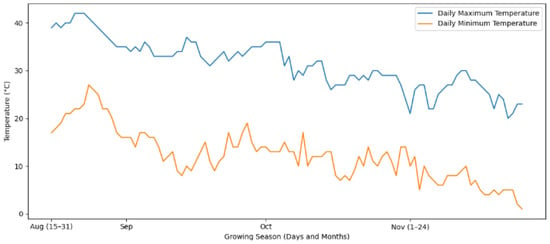
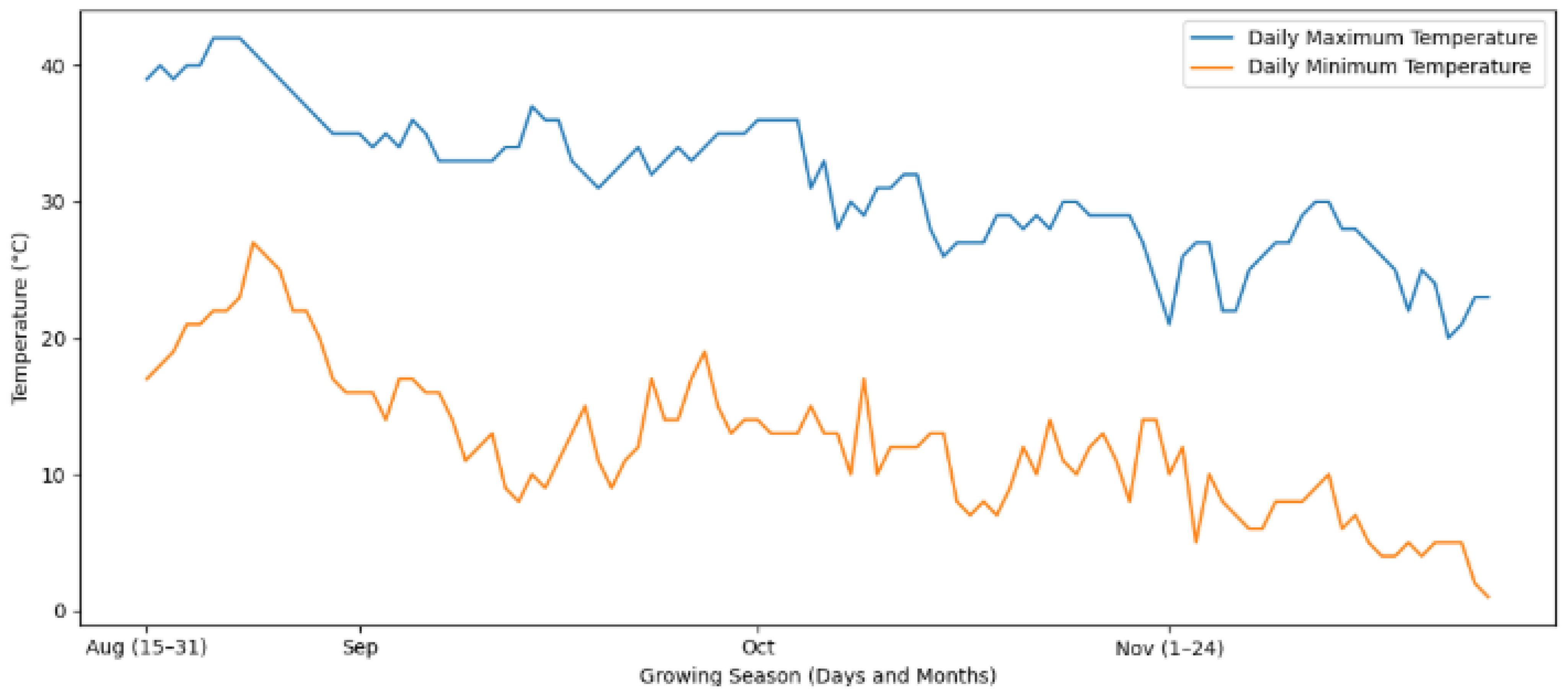
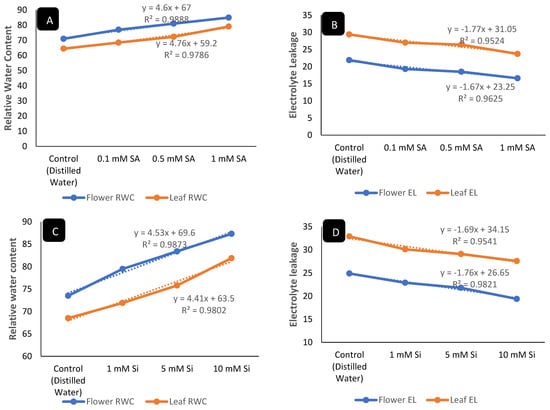
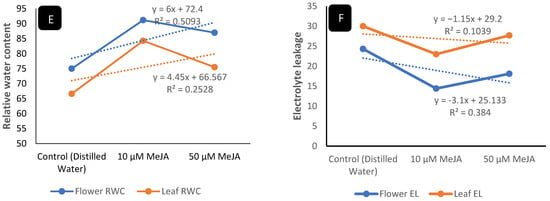
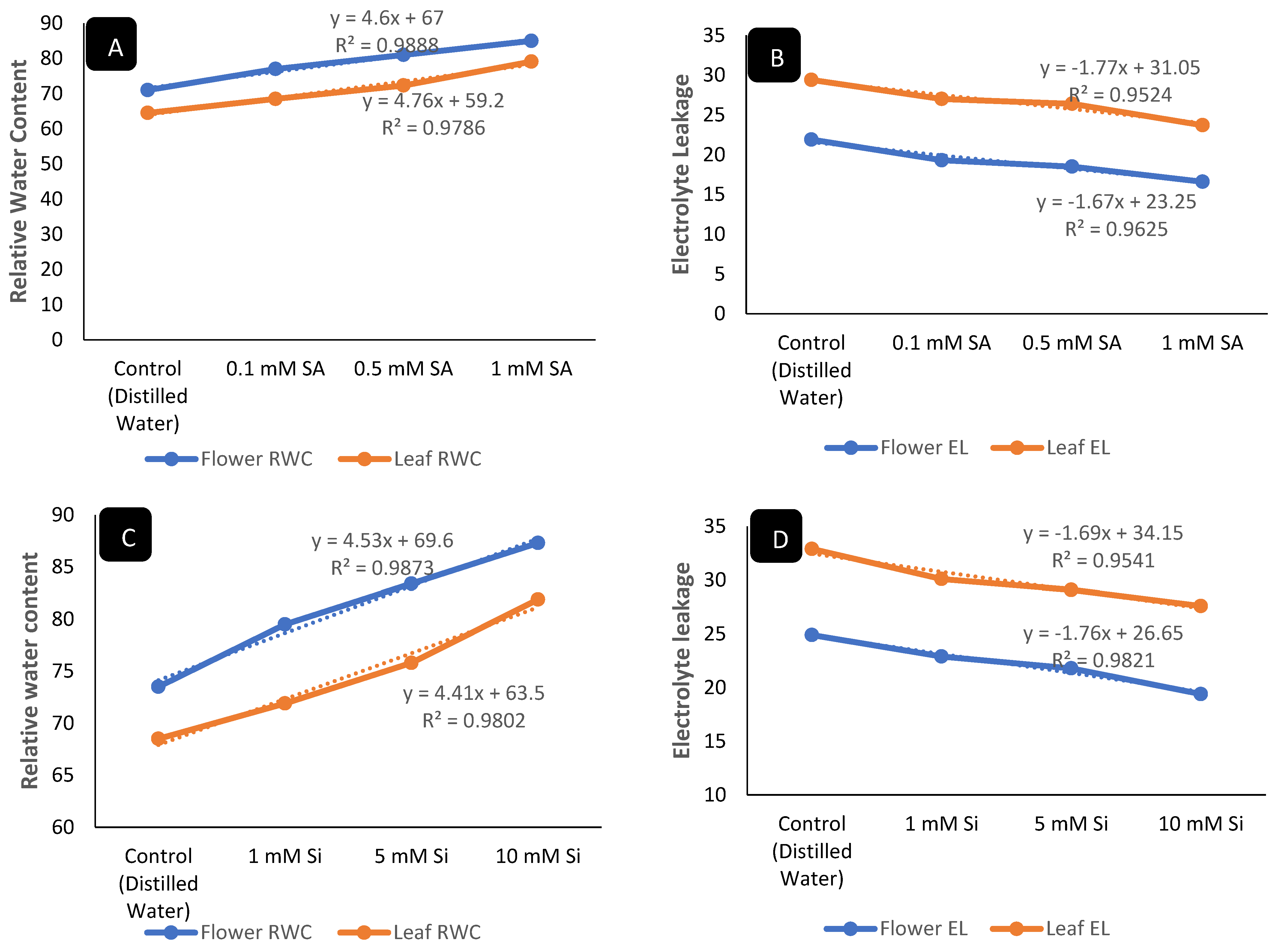
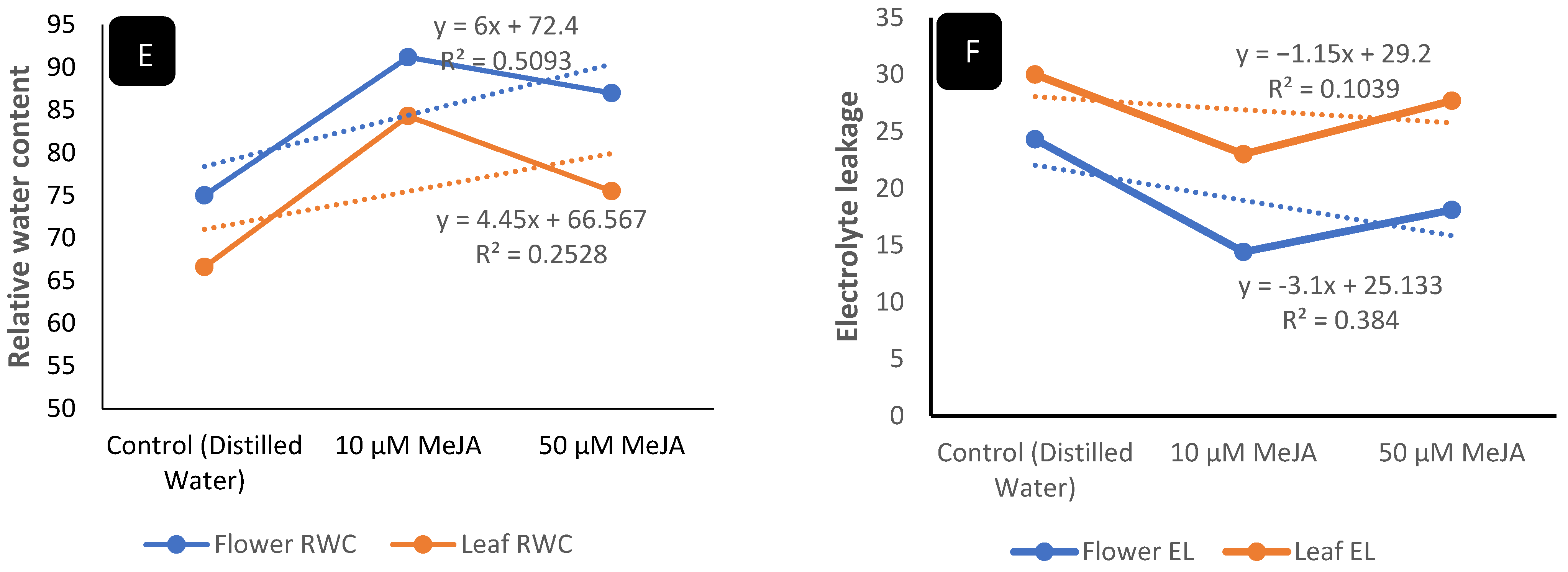
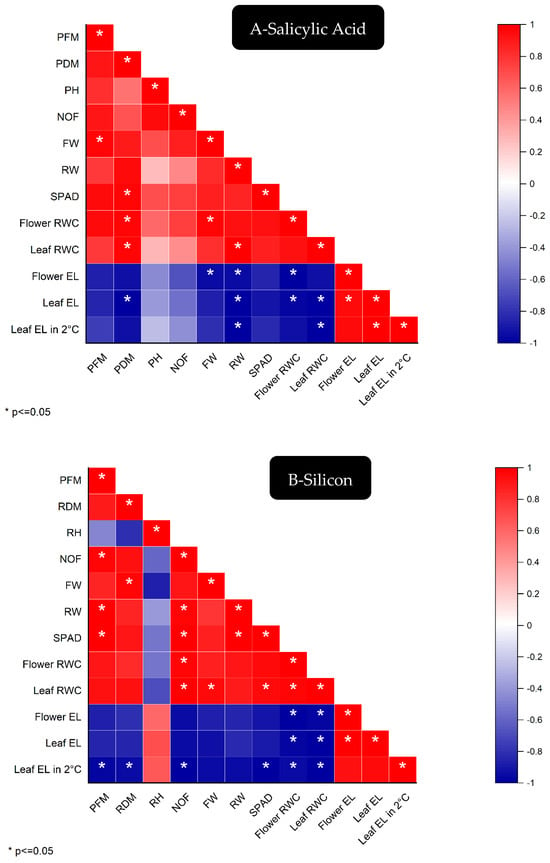
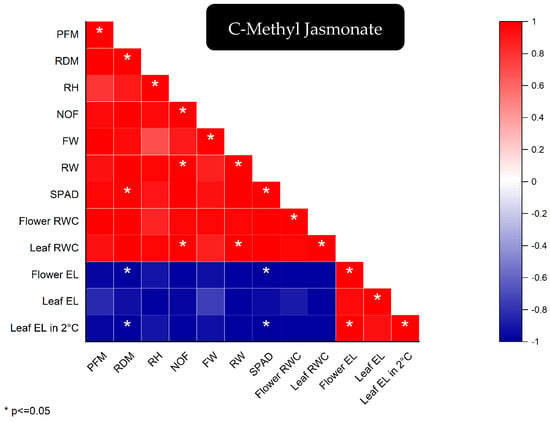
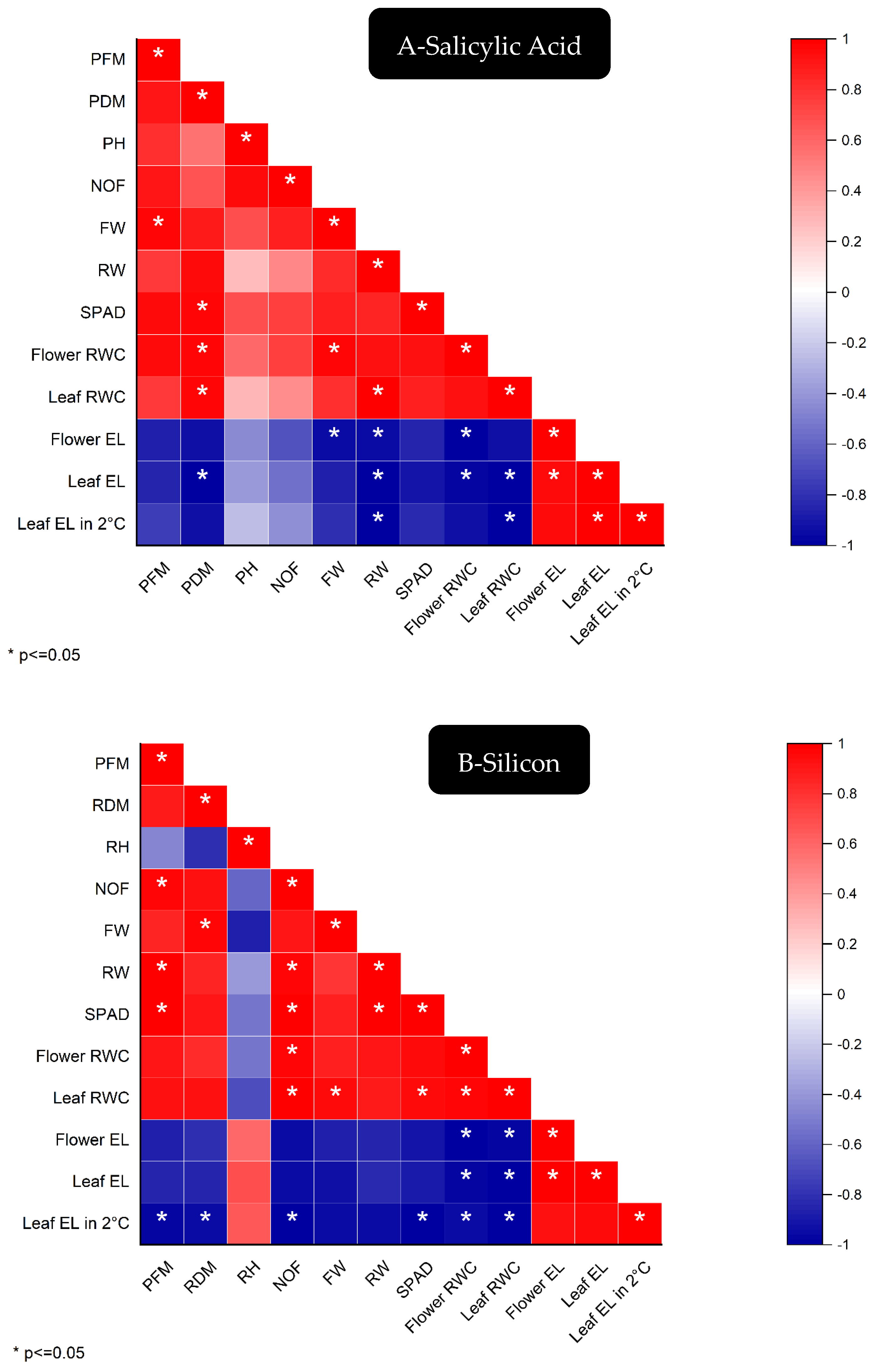
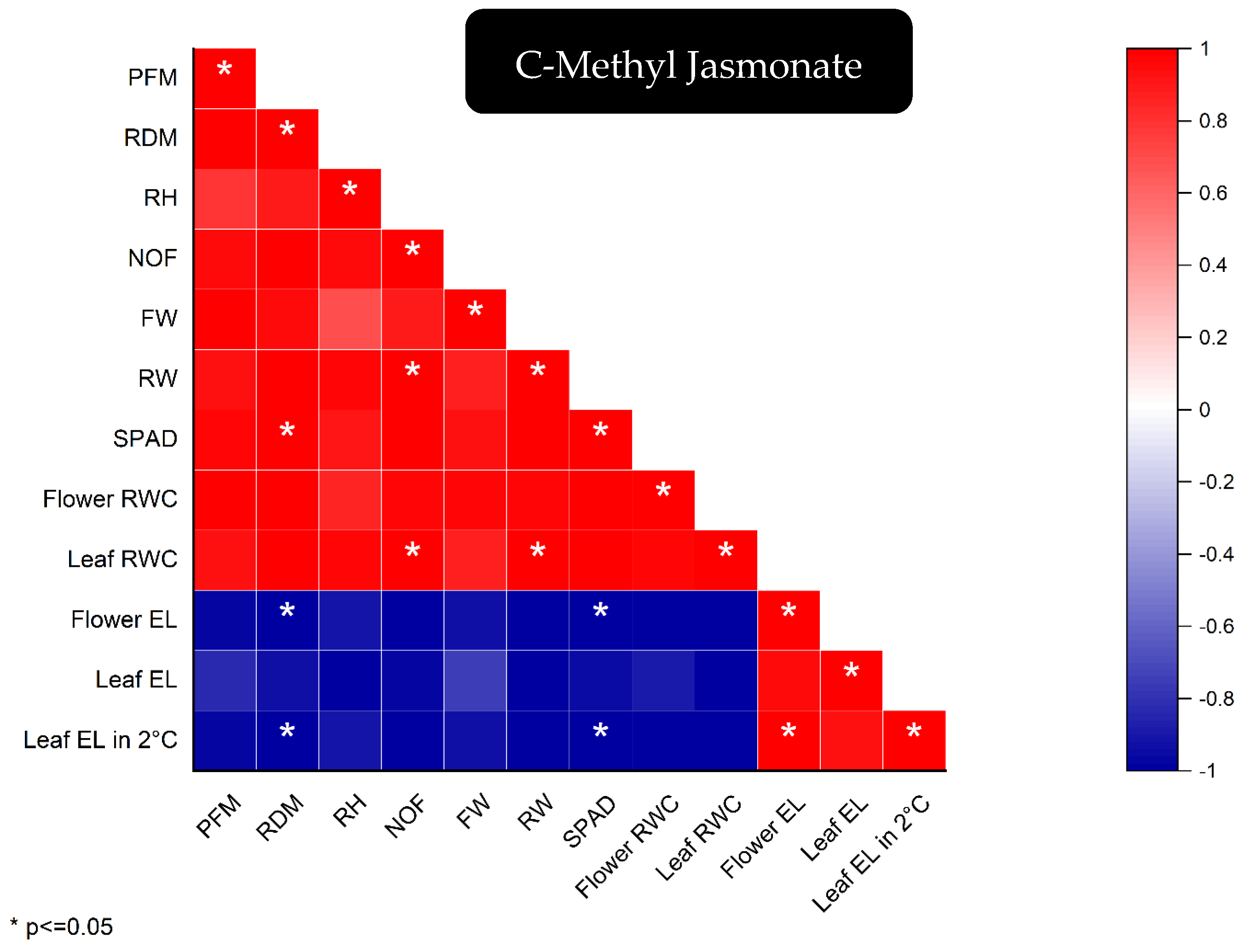
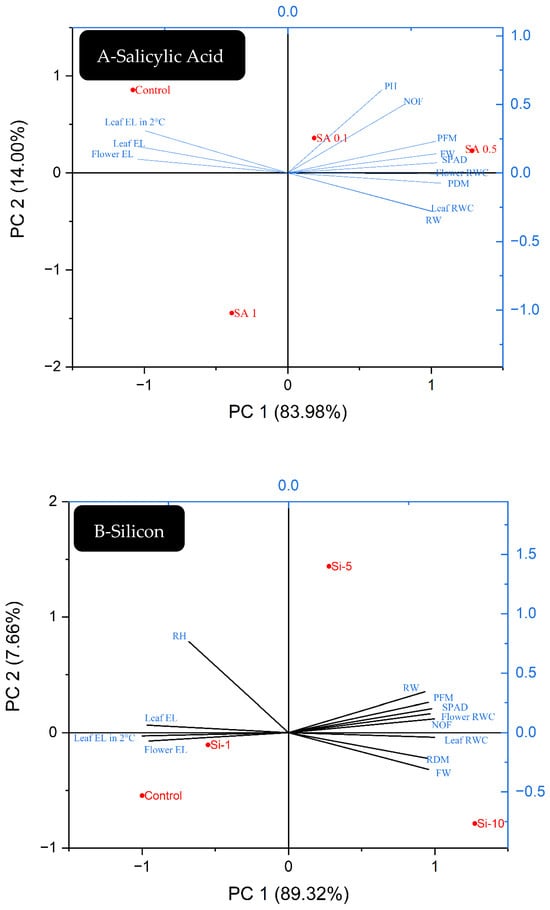
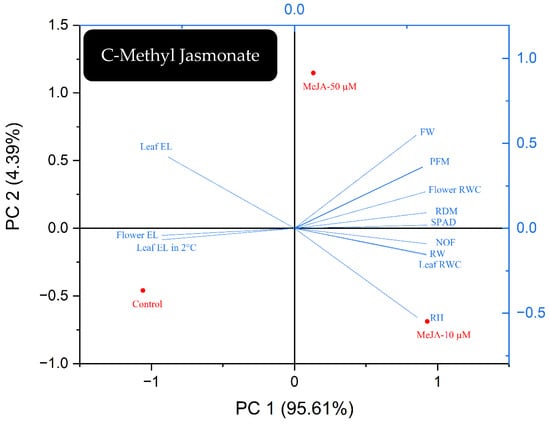
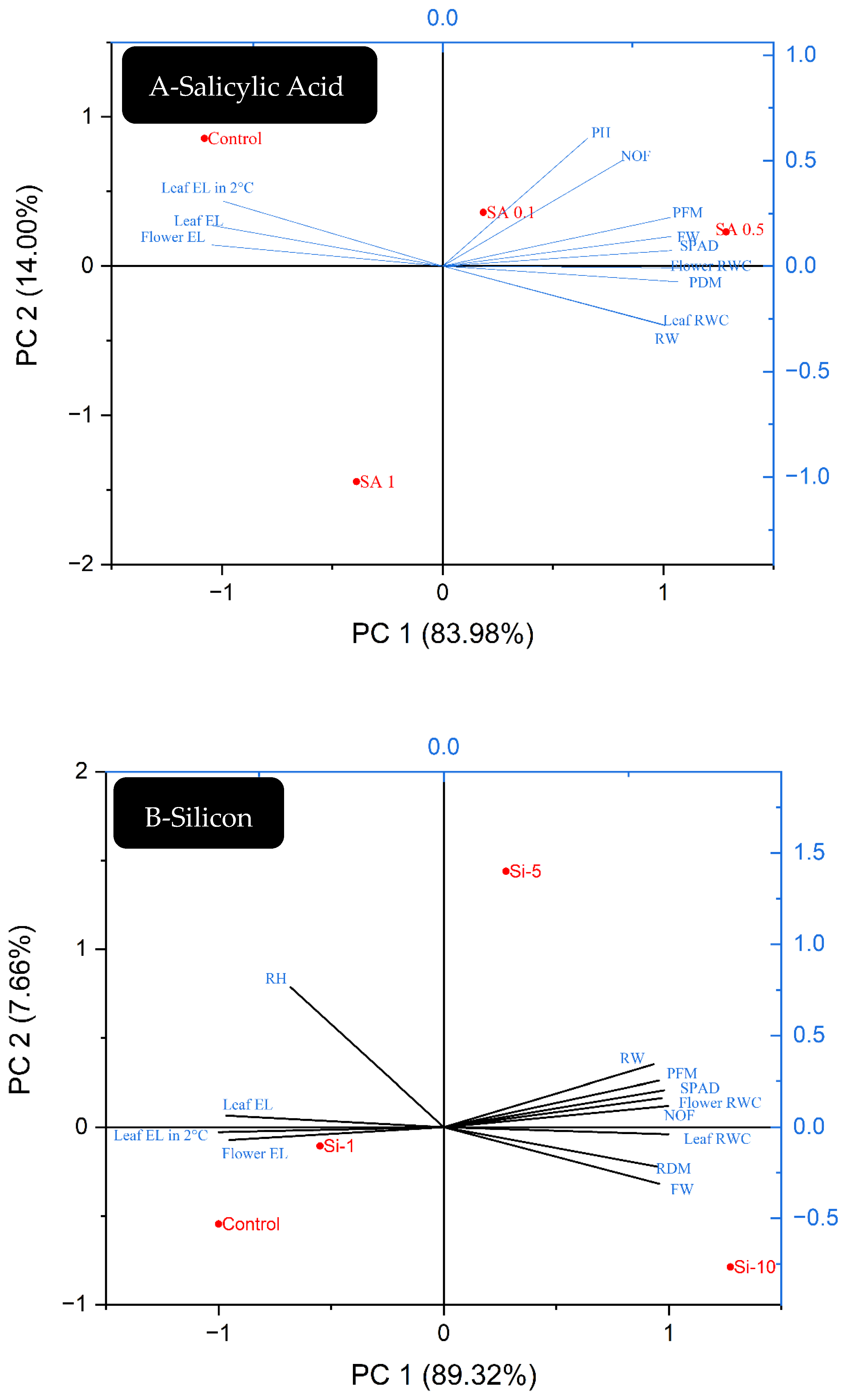
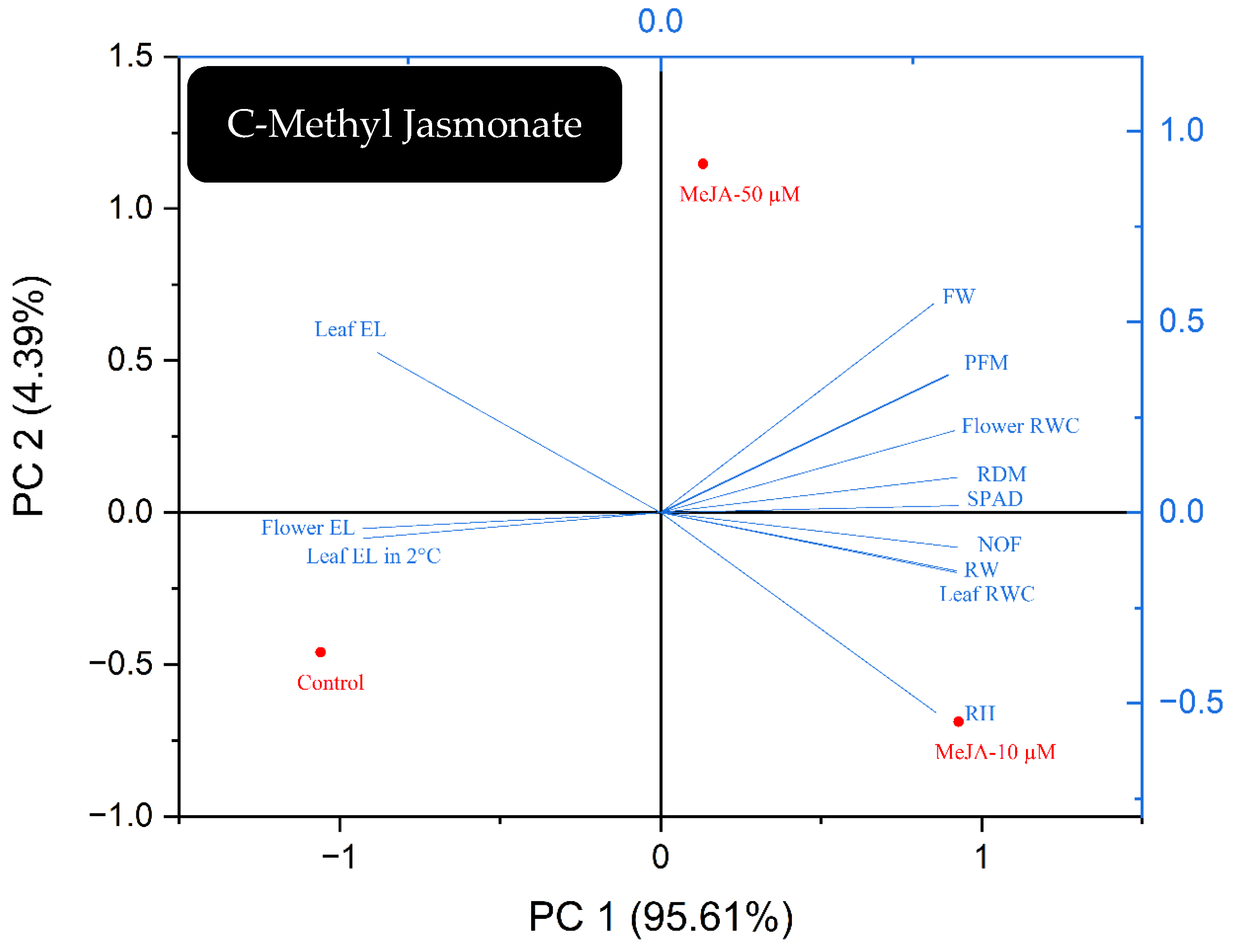
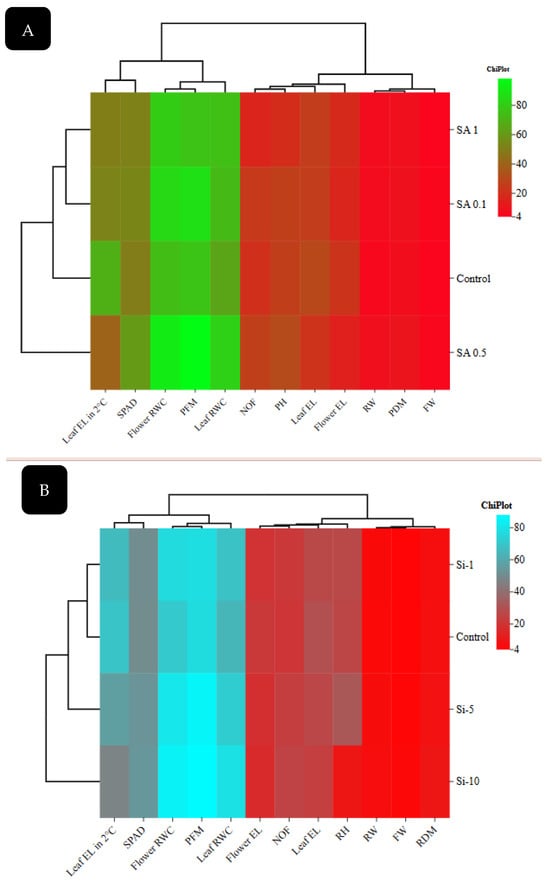
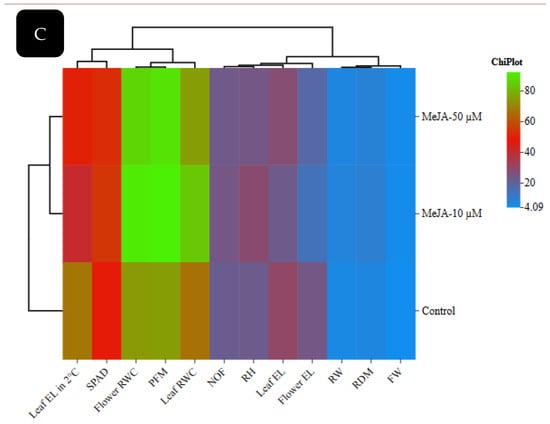
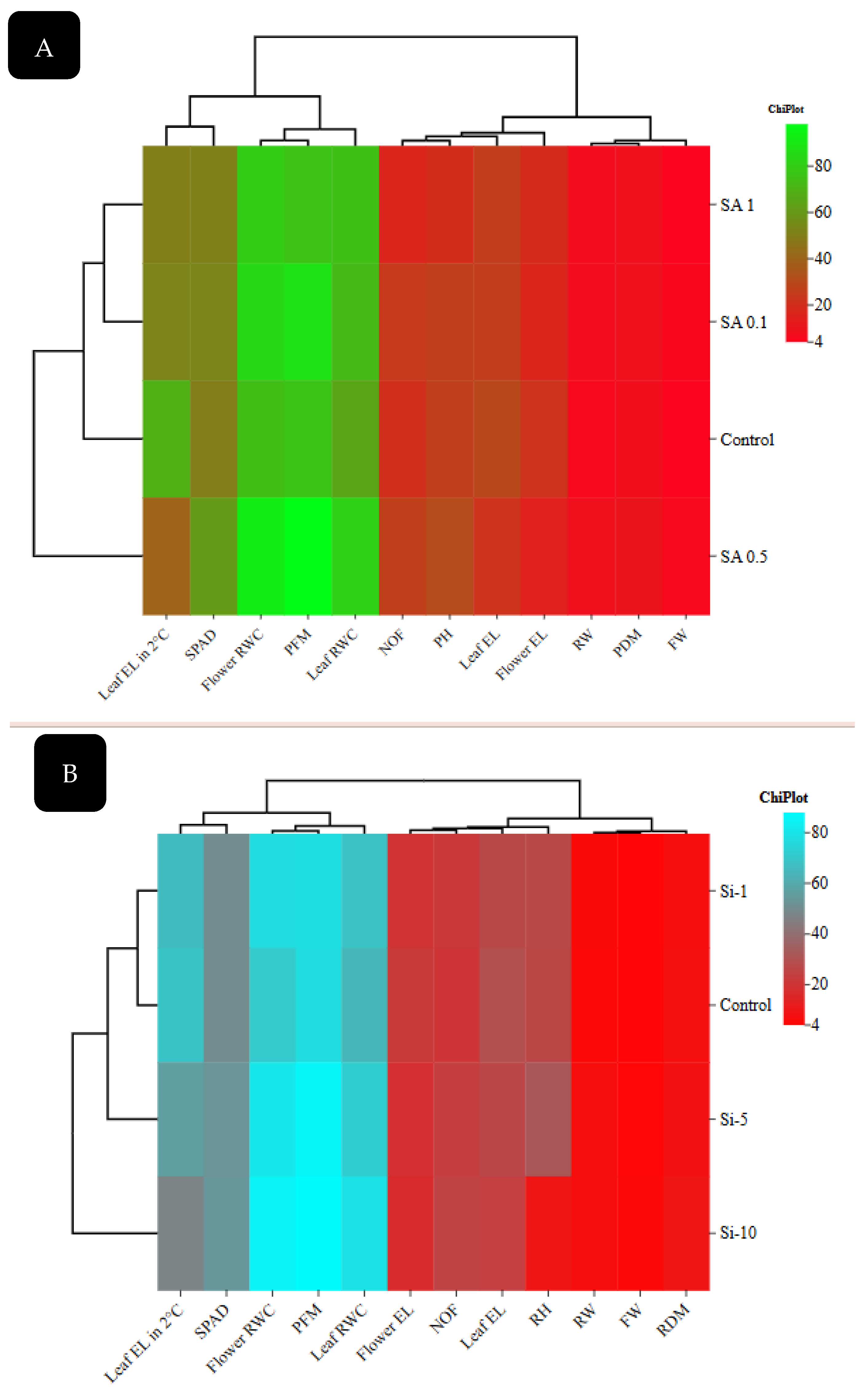
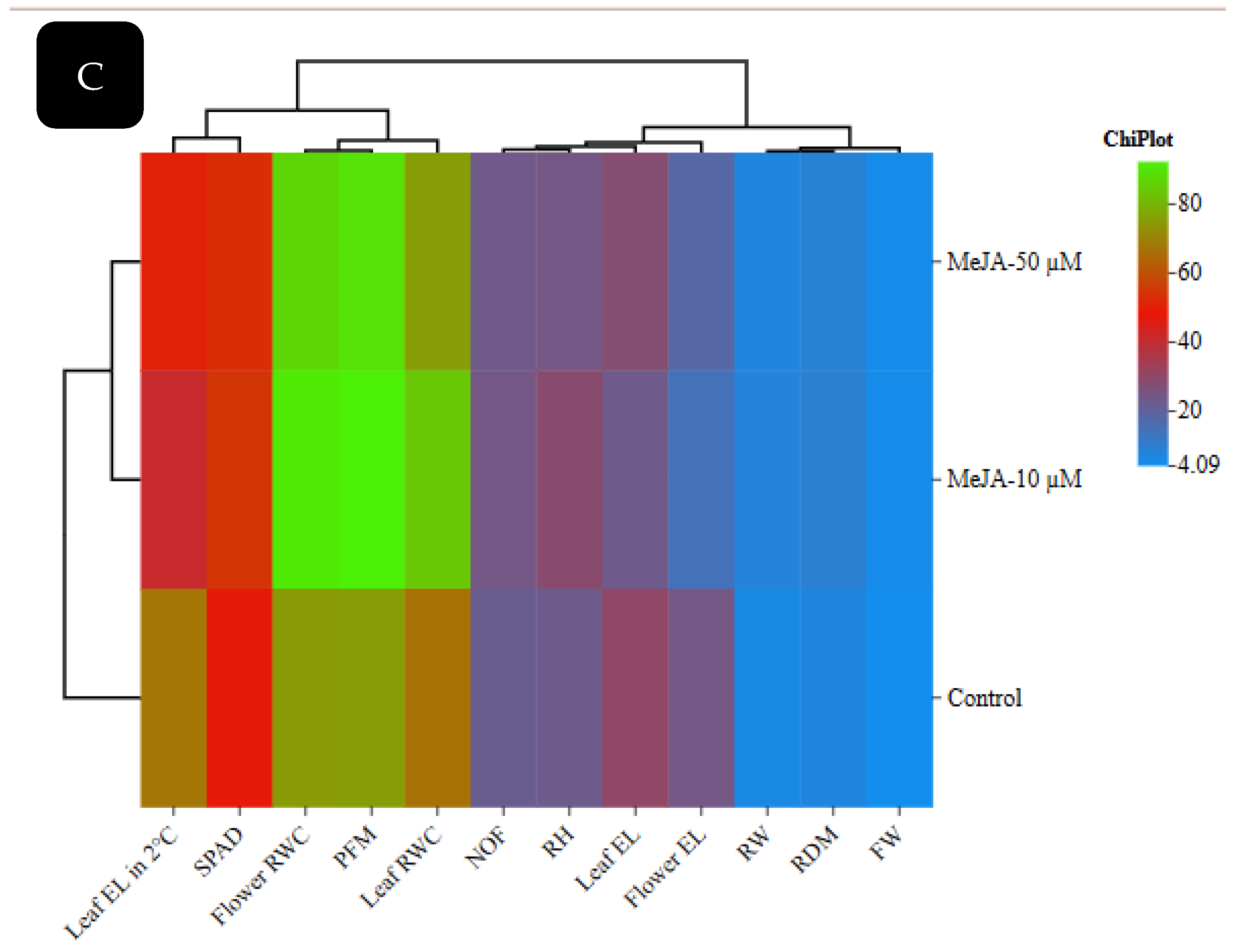

Disclaimer/Publisher’s Note: The statements, opinions and data contained in all publications are solely those of the individual author(s) and contributor(s) and not of MDPI and/or the editor(s). MDPI and/or the editor(s) disclaim responsibility for any injury to people or property resulting from any ideas, methods, instructions or products referred to in the content. |
© 2026 by the authors. Licensee MDPI, Basel, Switzerland. This article is an open access article distributed under the terms and conditions of the Creative Commons Attribution (CC BY) license.