Article

The Impacts of the Sterilization Method and the Electrospinning Conditions of Nanofibrous Biodegradable Layers on Their Degradation and Hemocompatibility Behavior


1
Department of Chemistry, Faculty of Science, Humanities and Education, Technical University of Liberec, Studentská 1402/2, 46117 Liberec, Czech Republic
2
Institute for Nanomaterials, Advanced Technology and Innovation, Technical University of Liberec, Bendlova 1409/7, 46117 Liberec, Czech Republic
3
Biomedical Center, Faculty of Medicine in Pilsen, Charles University, Alej Svobody 1655/76, 32300 Pilsen, Czech Republic
4
Department of Surgery, Faculty of Medicine in Pilsen, Charles University, Alej Svobody 80, 32300 Pilsen, Czech Republic
5
Regional Hospital Liberec, Husova 357/28, 46001 Liberec, Czech Republic
6
Institute of Clinical Disciplines and Biomedicine, Faculty of Health Studies, Technical University of Liberec, Studentská 1402/2, 46117 Liberec, Czech Republic
7
Department of Nonwovens and Nanofibrous Materials, Faculty of Textile Engineering, Technical University of Liberec, Studentská 1402/2, 46117 Liberec, Czech Republic
*
Authors to whom correspondence should be addressed.
Polymers 2024, 16(8), 1029; https://doi.org/10.3390/polym16081029
Submission received: 8 March 2024 / Revised: 26 March 2024 / Accepted: 4 April 2024 / Published: 9 April 2024
(This article belongs to the Special Issue Polymer-Based Biomaterials for Tissue Engineering Applications)

Abstract

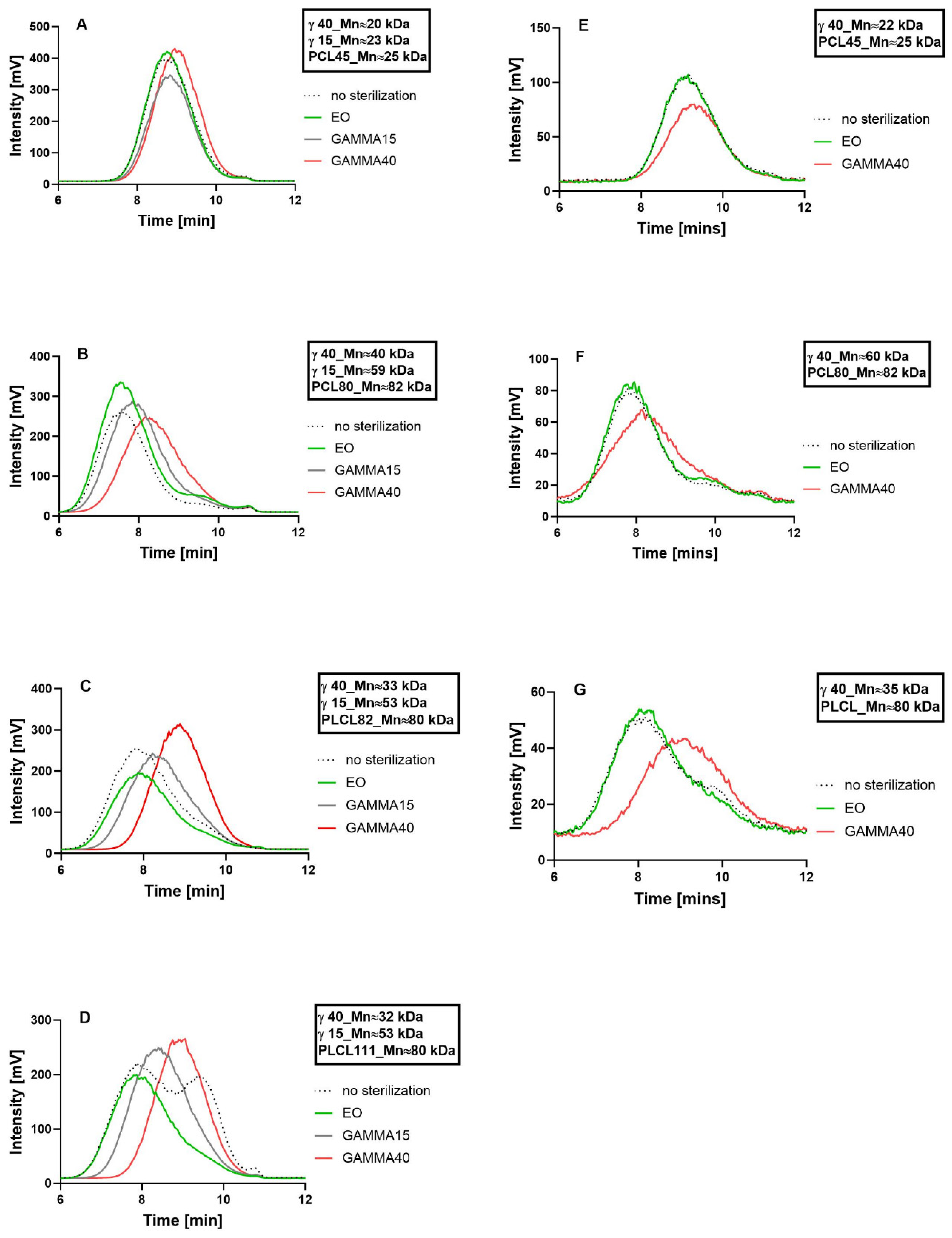
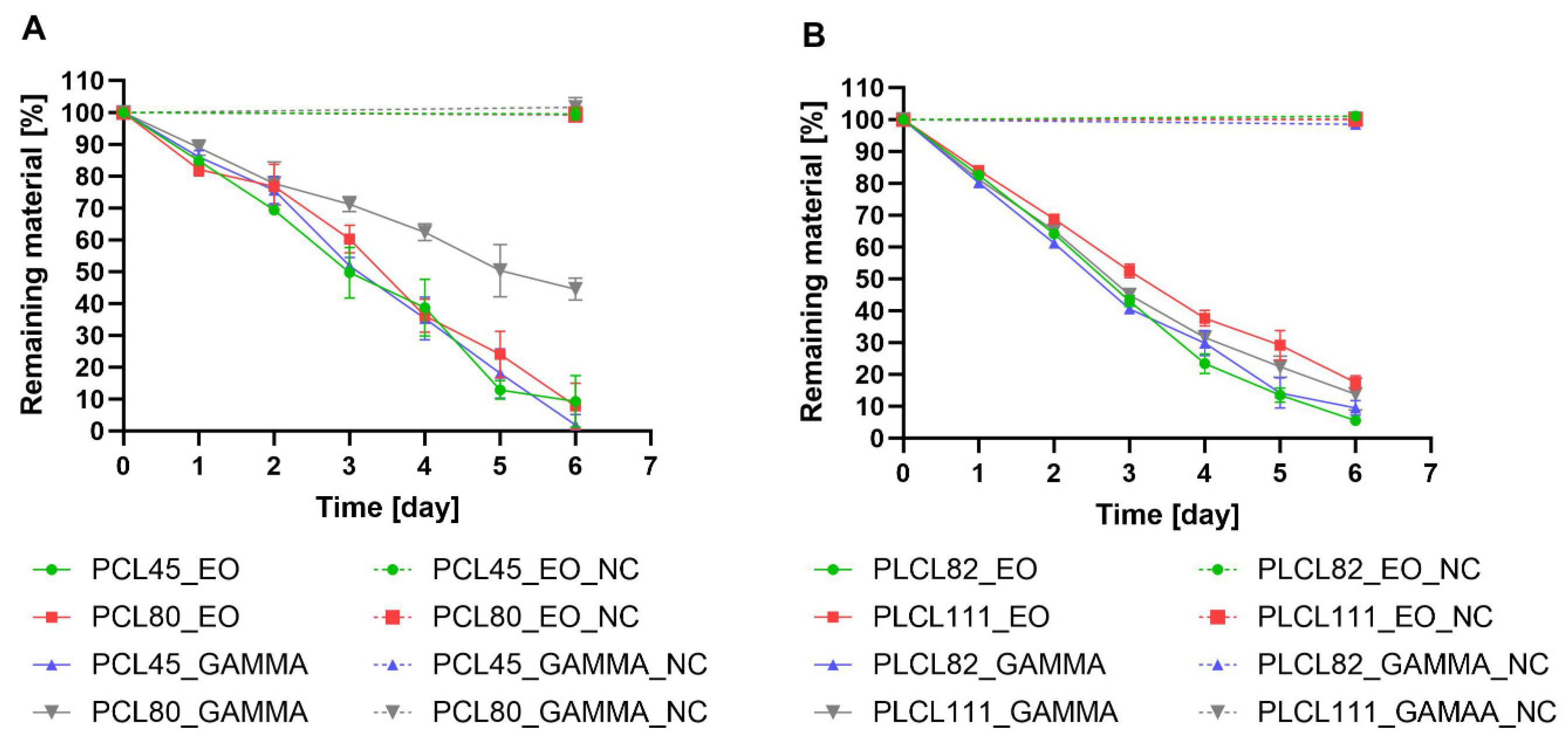
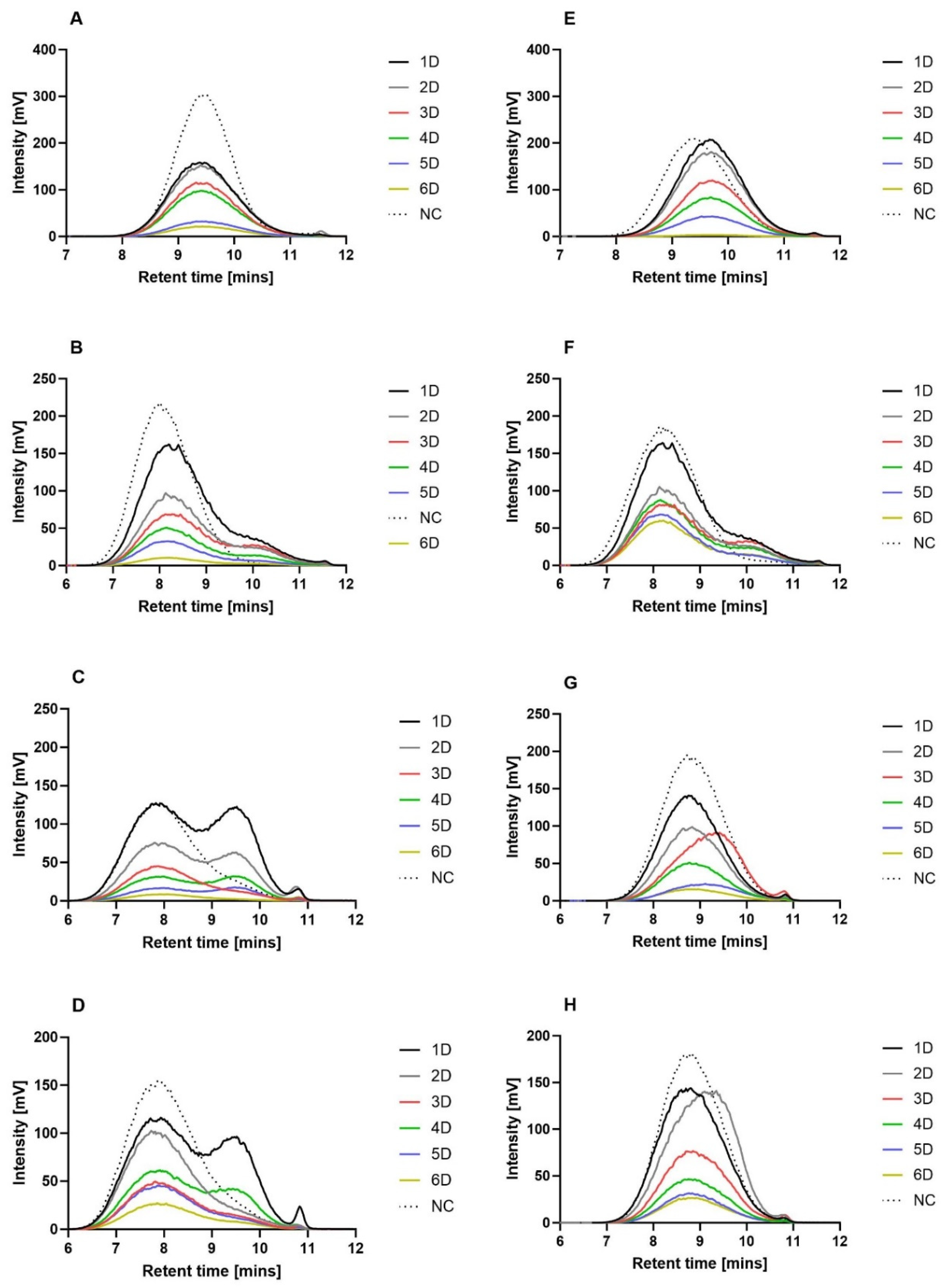
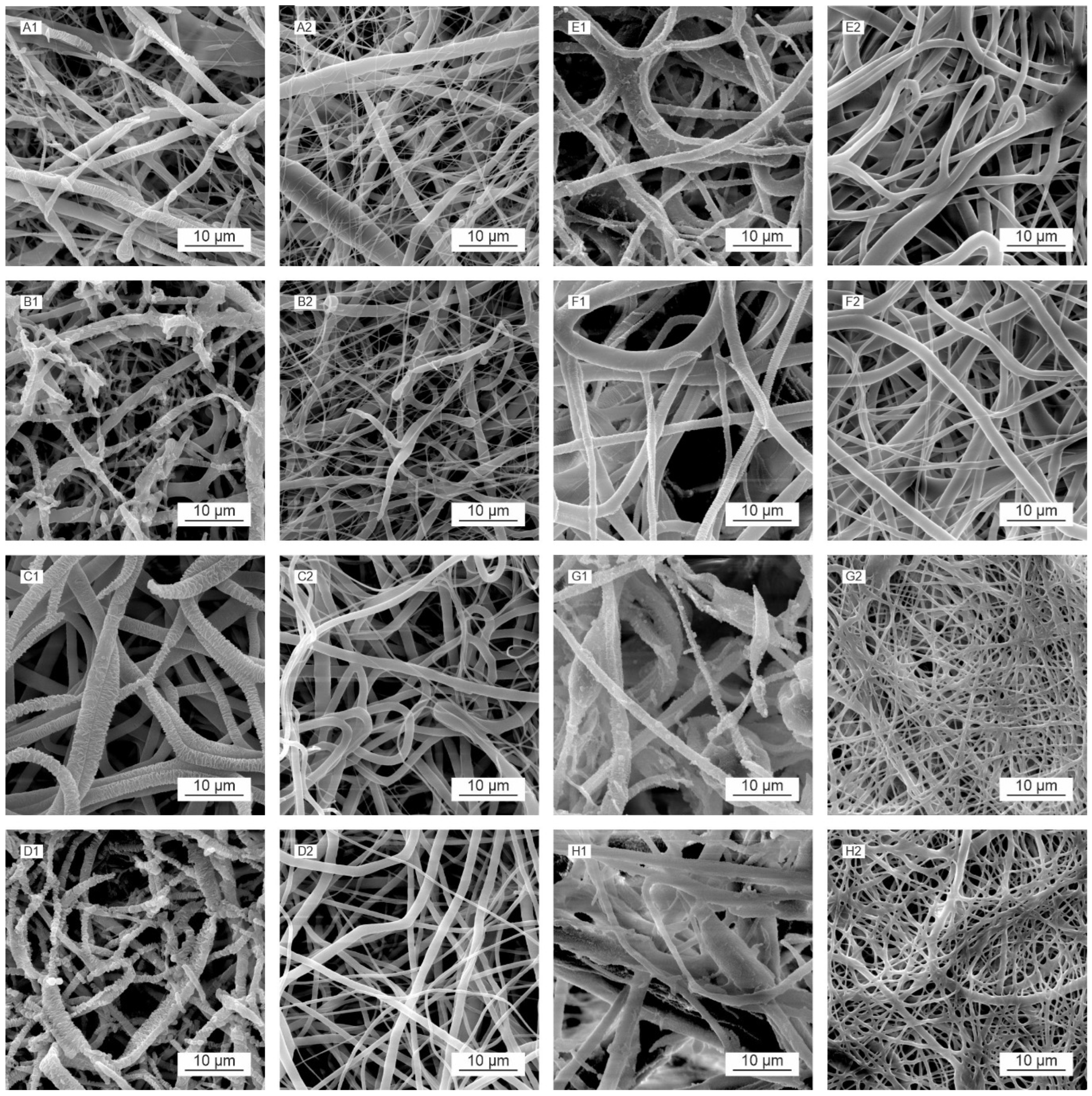
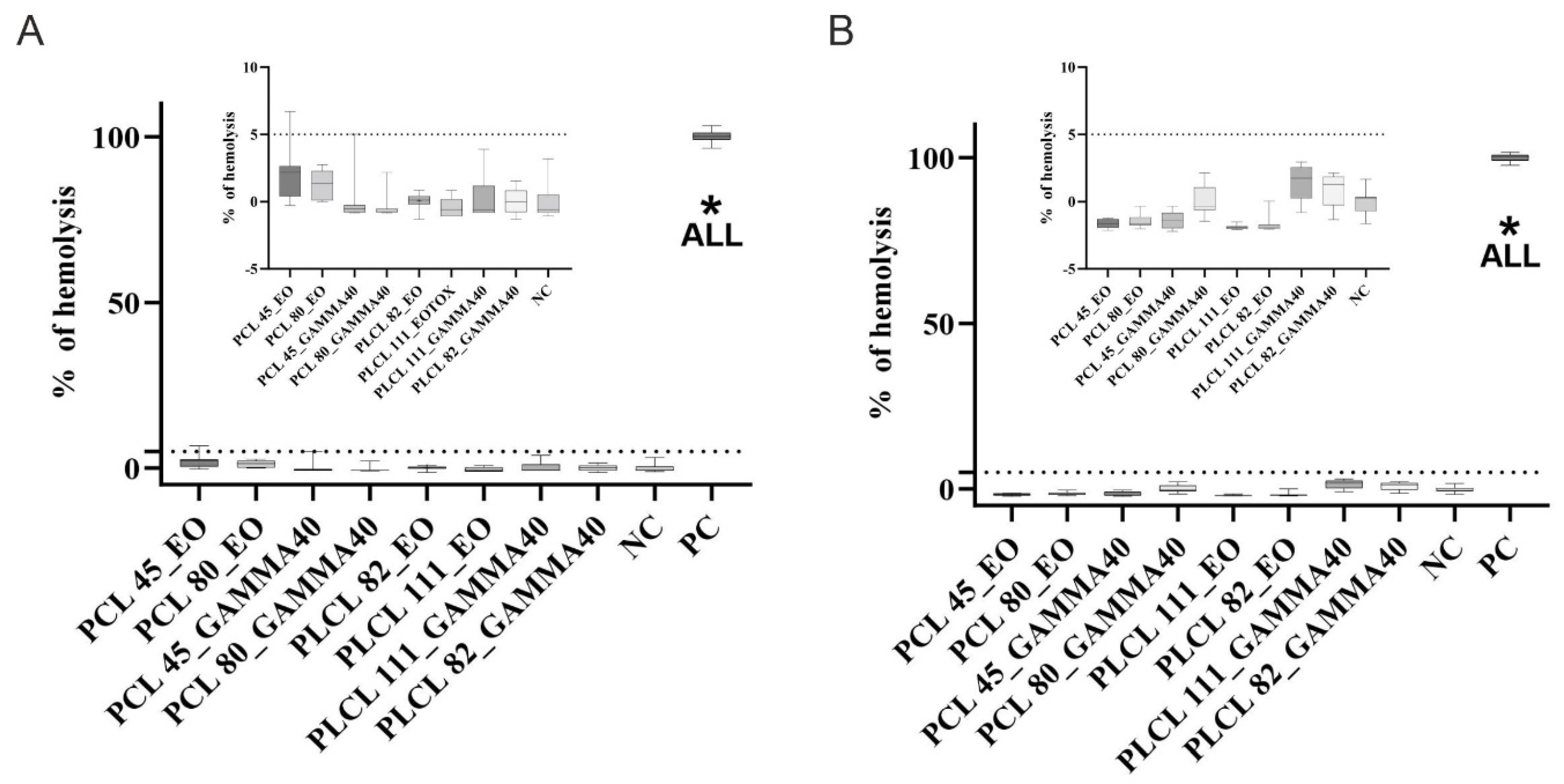
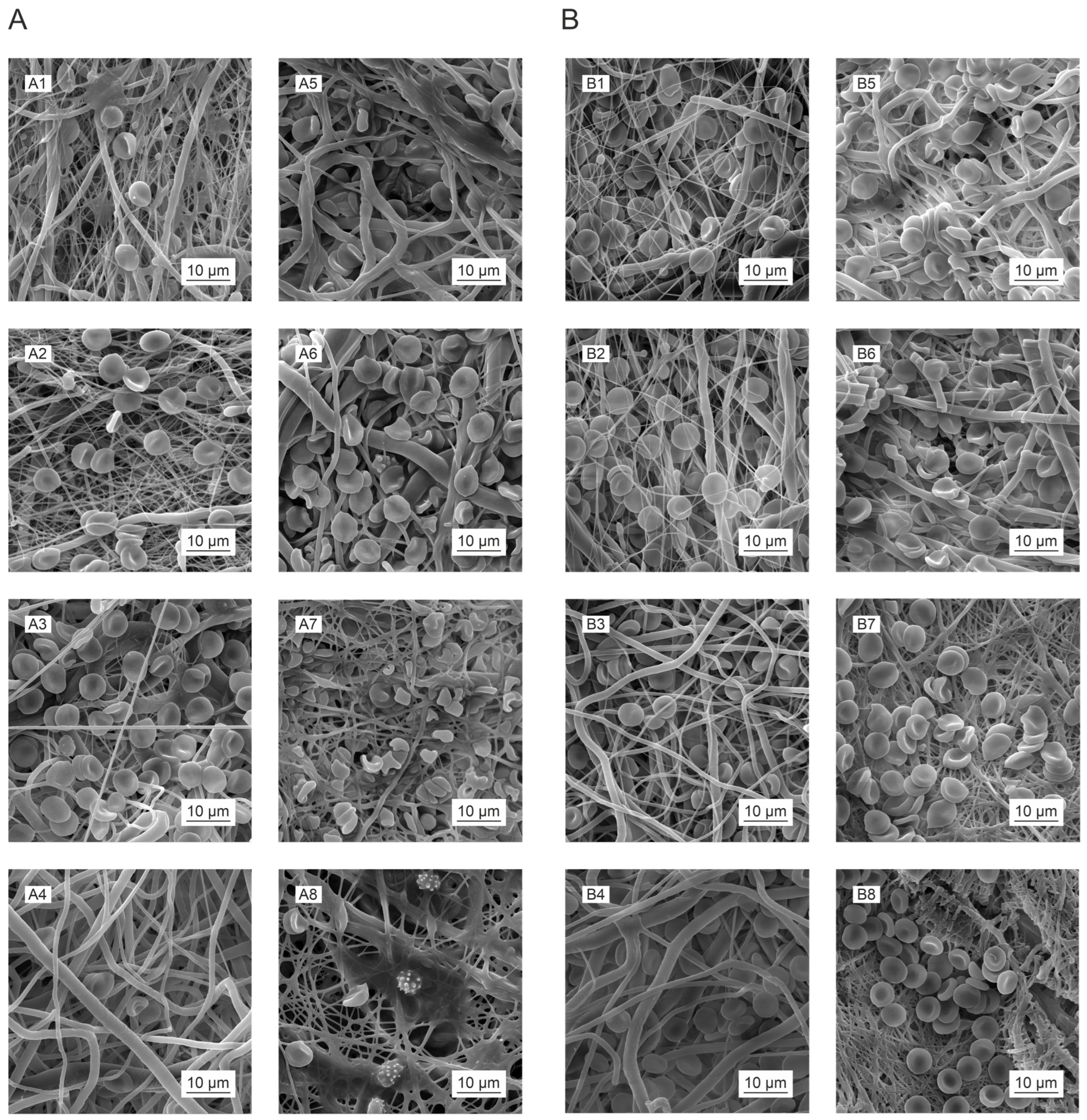
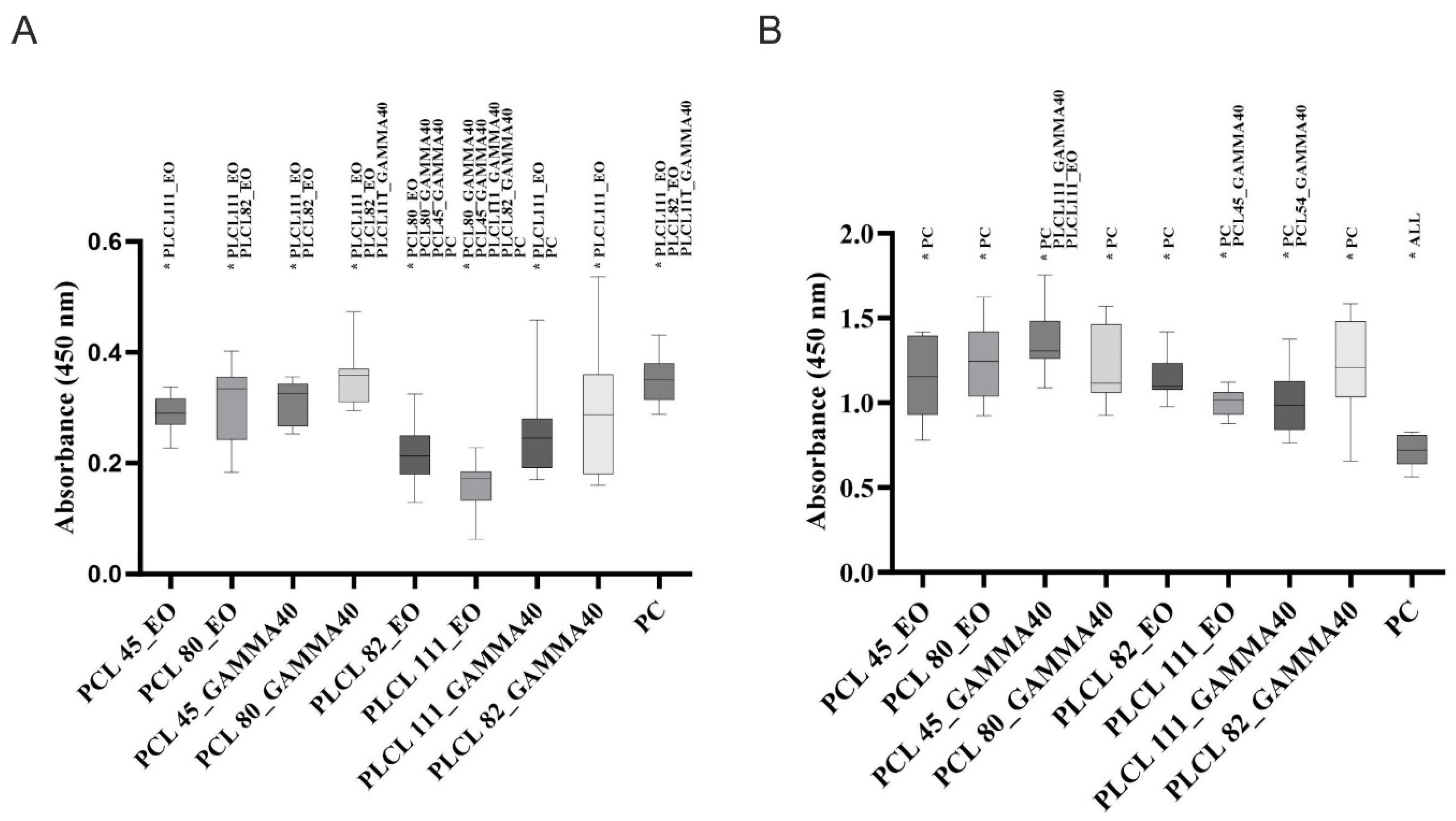
The use of electrospun polymeric biodegradable materials for medical applications is becoming increasingly widespread. One of the most important parameters regarding the functionality of nanofiber scaffolds during implantation and the subsequent regeneration of damaged tissues concerns their stability and degradation behavior, both of which are influenced by a wide range of factors (the properties of the polymer and the polymer solution, the technological processing approach, the sterilization method, etc.). This study monitored the degradation of nanofibrous materials fabricated from degradable polyesters as a result of the sterilization method applied (ethylene oxide and gamma irradiation) and the solvent system used to prepare the spun polymer solution. Aliphatic polyesters PCL and PLCL were chosen for this study and selected with respect to the applicability and handling in the surgical setting of these nanofibrous materials for vascular bandaging. The results revealed that the choice of solvent system exerts a significant impact on degradation during sterilization, especially at higher gamma irradiation values. The subsequent enzyme-catalyzed degradation of the materials following sterilization indicated that the choice of the sterilization method influenced the degradation behavior of the materials. Whereas wave-like degradation was evident concerning ethylene oxide sterilization, no such behavior was observed following gamma-irradiation sterilization. With concern for some of the tested materials, the results also indicated the potential for influencing the development of degradation within the bulk versus degradation from the surface of the material. Both the sterilization method and the choice of the spinning solvent system were found to impact degradation, which was observed to be most accelerated in the case of PLCL (L-lactide-co-caprolactone copolymer) electrospun from organic acids and subsequently sterilized using gamma irradiation. Since we planned to use these materials in cardiovascular applications, it was decided that their hemocompatibility would also be tested. The results of these tests revealed that changes in the structures of the materials initiated by sterilization may exert thrombogenic and anticoagulant impacts. Moreover, the microscopic analysis suggested that the solvent system used in the preparation of the materials potentially affects the behavior of erythrocytes; however, no indication of the occurrence of hemolysis was detected.
Keywords: electrospun nanofibers; biodegradable polyester; sterilization; gamma irradiation; ethylene oxide; enzymatically catalyzed degradation; hemocompatibility electrospun nanofibers; biodegradable polyester; sterilization; gamma irradiation; ethylene oxide; enzymatically catalyzed degradation; hemocompatibility