Article

Pyrolytic Behavior of Major Biomass Components in Waste Biomass

1
Southeast University, Nanjing 210096, China
2
Key Laboratory of Energy Thermal Conversion and Control of Ministry of Education, Nanjing 210096, China
3
Qingdao University, Qingdao 266071, China
4
State Key Laboratory of Bio-Fibers and Eco-Textiles, Qingdao University, Qingdao 266071, China
5
Joint Institute for Biological Sciences, Biosciences Division, Oak Ridge National Lab, Oak Ridge, TN 37831, USA
6
Department of Chemical and Biomolecular Engineering, University of Tennessee, Knoxville, TN 37996, USA
*
Author to whom correspondence should be addressed.
Polymers 2019, 11(2), 324; https://doi.org/10.3390/polym11020324
Submission received: 21 January 2019 / Revised: 3 February 2019 / Accepted: 5 February 2019 / Published: 13 February 2019
(This article belongs to the Special Issue Bio-Based Polymers for Engineered Green Materials)

Abstract

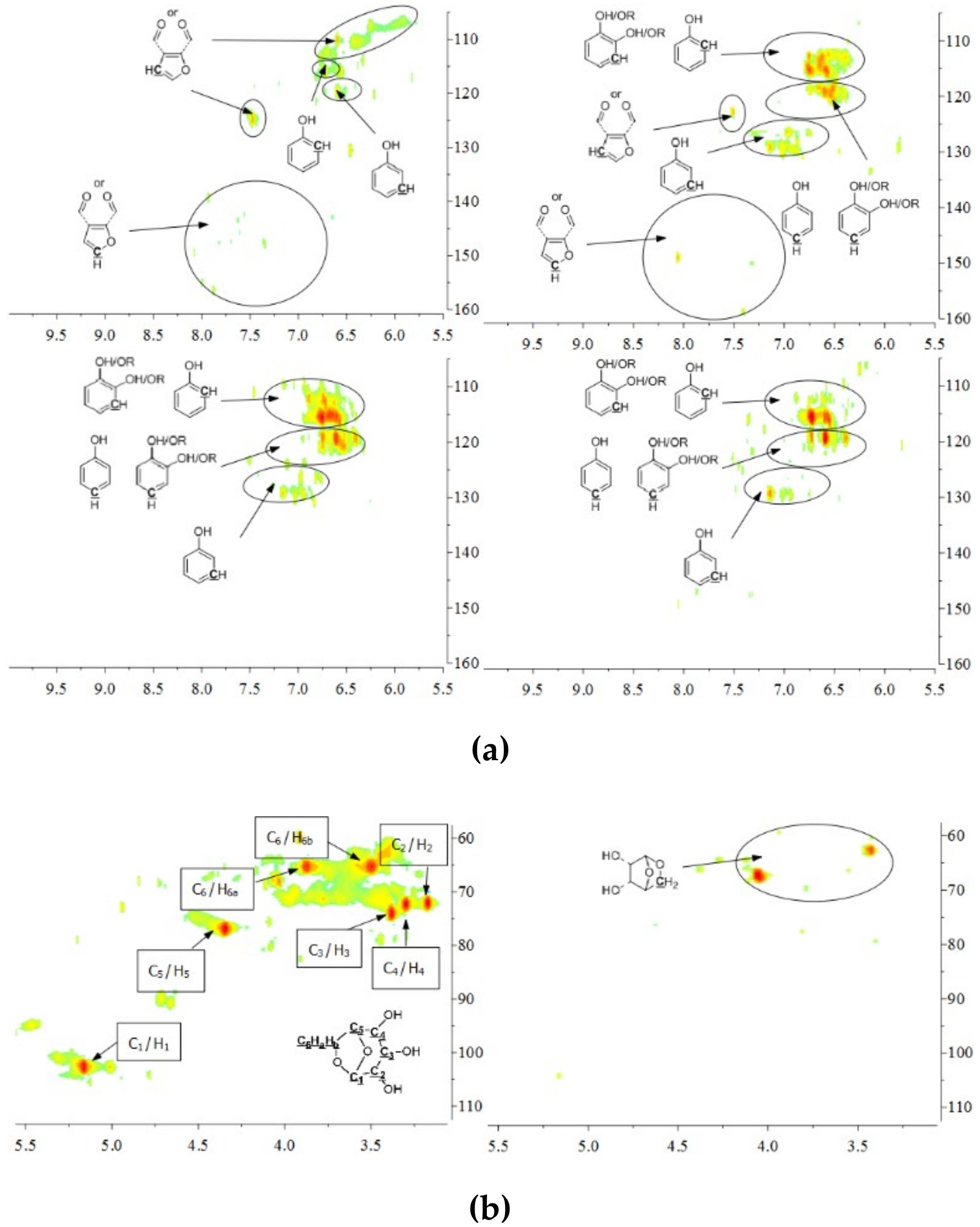
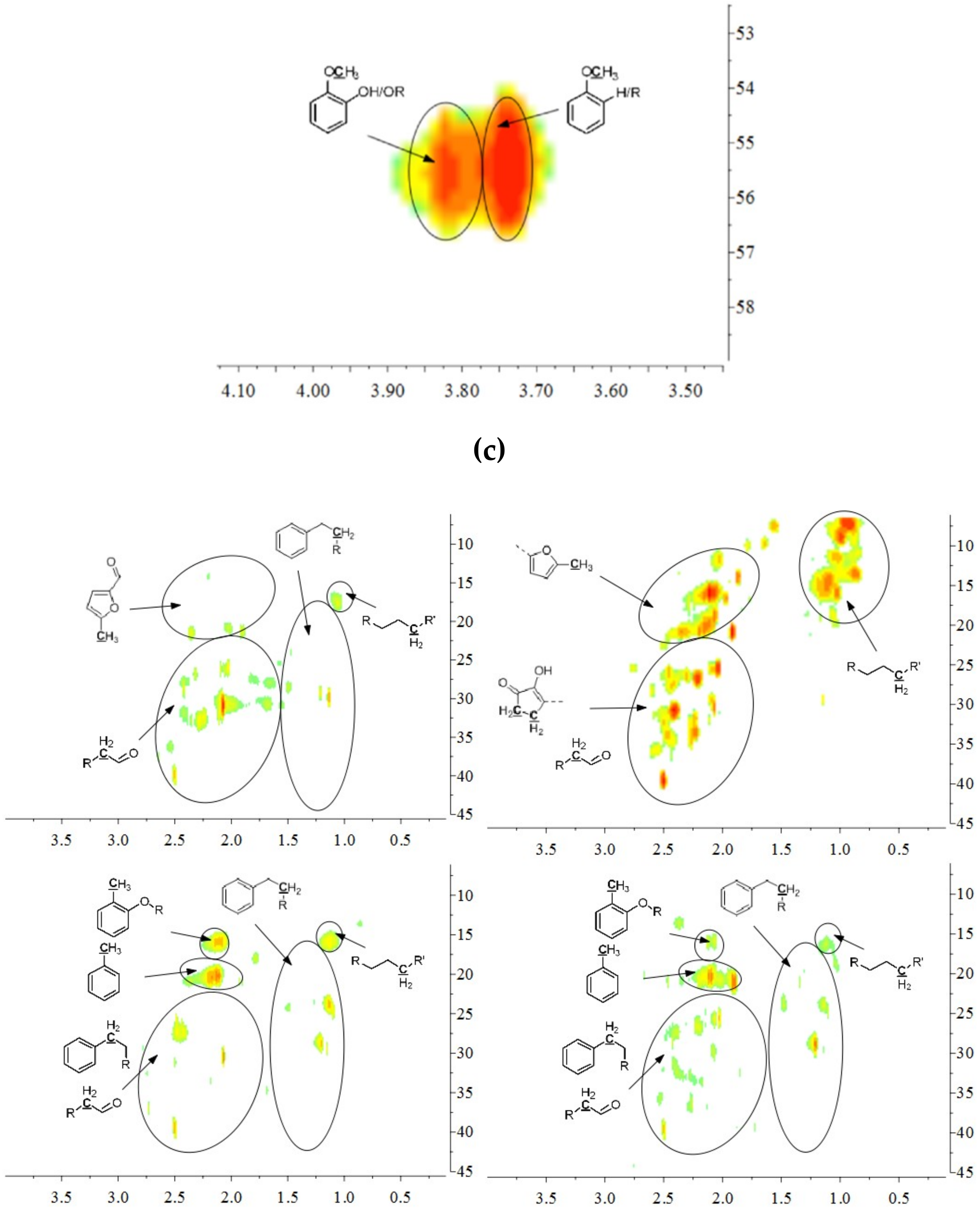
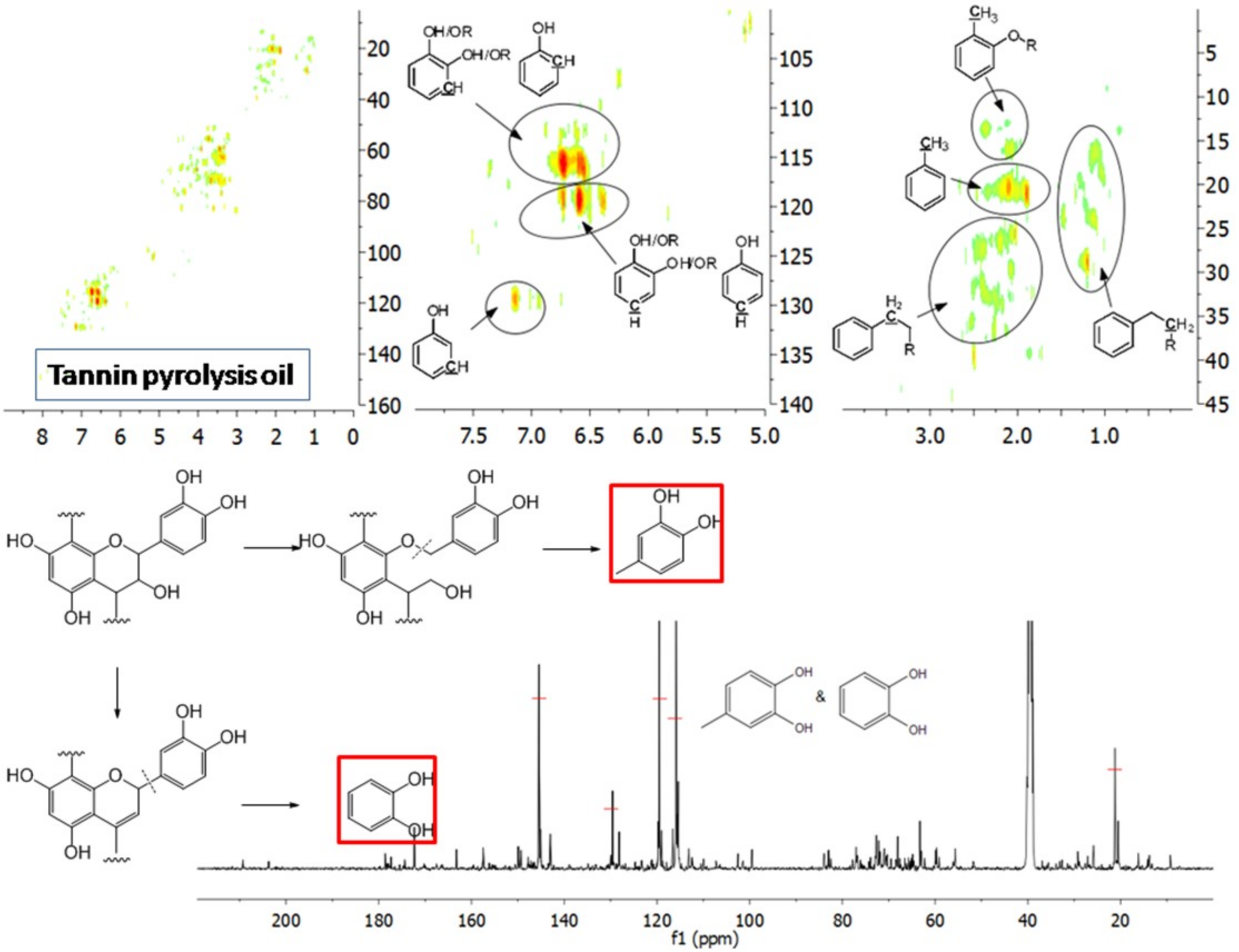
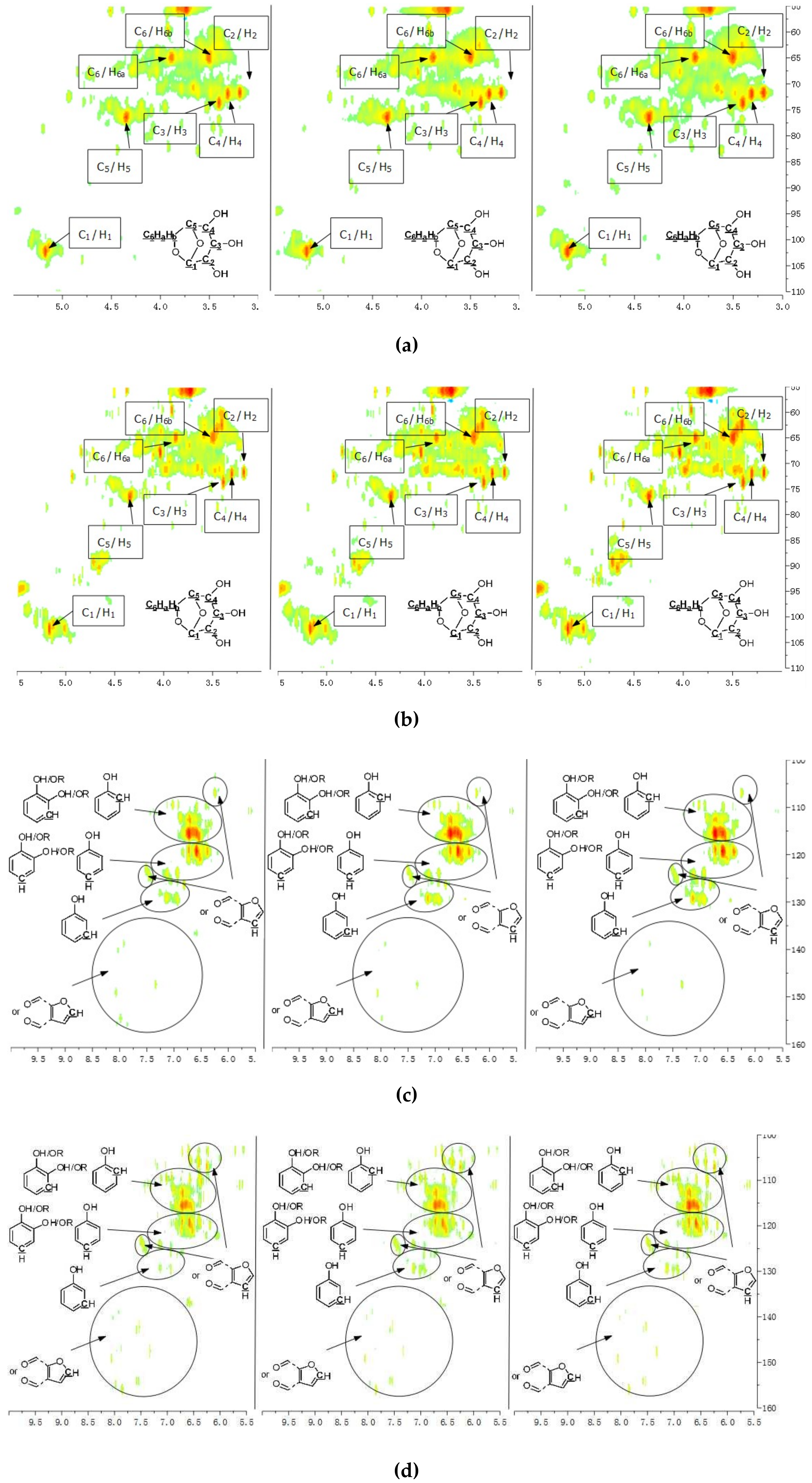
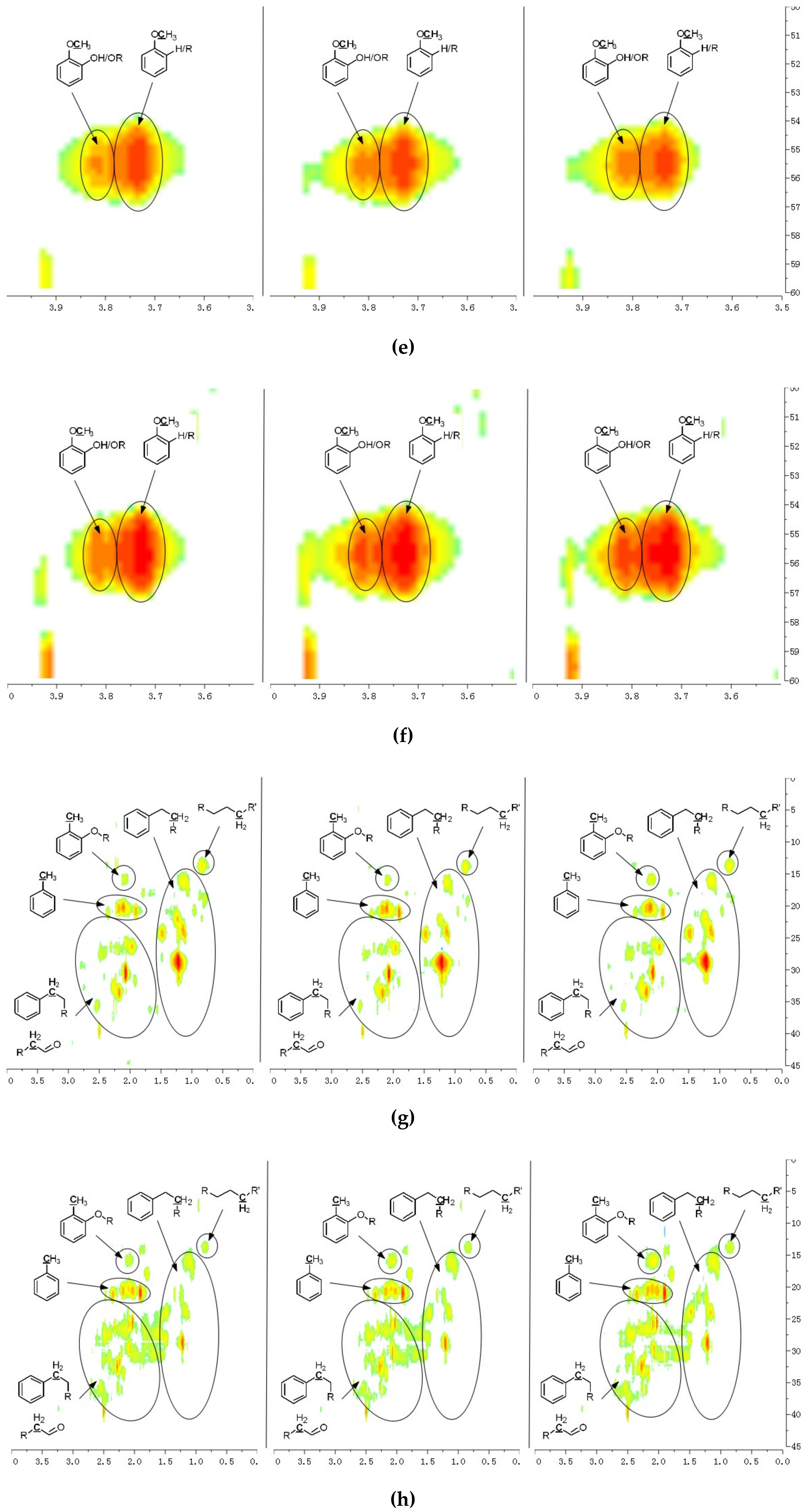
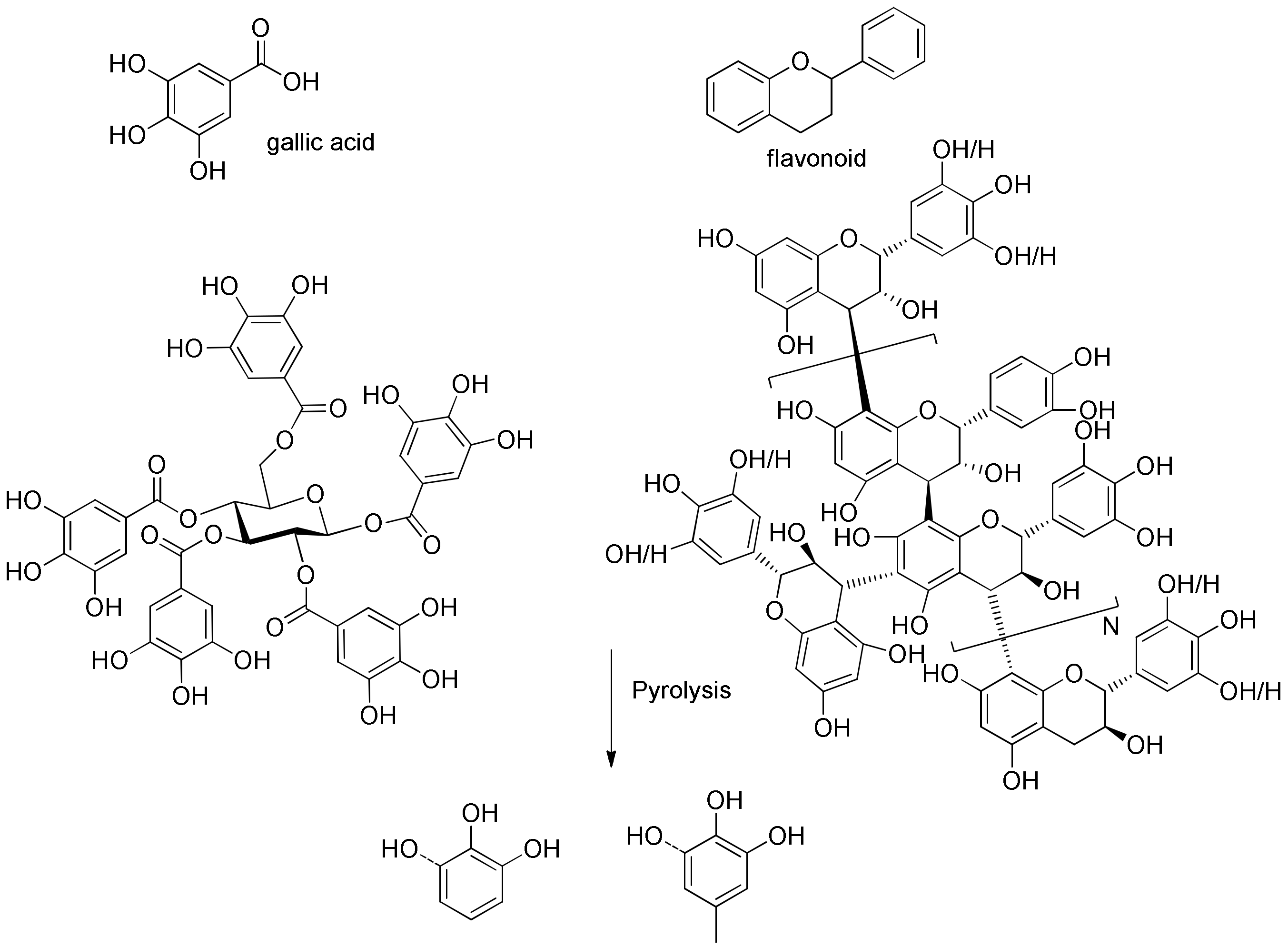
The pyrolytic behavior of several biomass components including cellulose, hemicellulose, lignin, and tannin, from two sources of waste biomass (i.e., pine bark and pine residues) were examined. Compared to the two aromatic-based components in the biomass, carbohydrates produced much less char but more gas. Surprisingly, tannin produced a significant amount of water-soluble products; further analysis indicated that tannin could produce a large amount of catechols. The first reported NMR chemical shift databases for tannin and hemicellulose pyrolysis oils were created to facilitate the HSQC analysis. Various C–H functional groups (>30 different C–H bonds) in the pyrolysis oils could be analyzed by employing HSQC-NMR. The results indicated that most of the aromatic C–H and aliphatic C–H bonds in the pyrolysis oils produced from pine bark and pine residues resulted from the lignin and tannin components. A preliminary study for a quantitative application of HSQC-NMR on the characterization of pyrolysis oil was also done in this study. Nevertheless, the concepts established in this work open up new methods to fully characterize the whole portion of pyrolysis oils produced from various biomass components, which can provide valuable information on the thermochemical mechanisms.
Keywords: tannin; hemicellulose; waste biomass; HSQC-NMR; pyrolysis mechanism tannin; hemicellulose; waste biomass; HSQC-NMR; pyrolysis mechanism