


Abstract
Poly(methyl methacrylate) (PMMA) remains a clinically important denture base polymer because of its favorable processability, aesthetics, repairability and long-term prosthodontic use; however, its limited surface hardness and susceptibility to sliding-induced degradation constrain surface durability. This study establishes the structure–chemistry–microstructure–tribology relationships and composition-window predictive behavior of heat-polymerized PMMA reinforced with titanium diboride (TiB2). PMMA/TiB2 composites containing 1, 3 and 5 wt.% TiB2 were prepared and compared with unreinforced PMMA. X-ray diffraction confirmed preservation of the broad amorphous/semi-amorphous PMMA response, while TiB2-related crystalline features became increasingly detectable with reinforcement content. ATR-FTIR showed retention of the characteristic C–H, ester C=O and C–O/C–O–C vibrations. SEM/EDS demonstrated progressively greater particle-related surface contrast and local Ti/B-associated elemental signatures. Vickers microhardness increased from 20.0 ± 0.7 to 35.0 ± 1.39 HV0.03, corresponding to a 75.0% improvement at 5 wt.% TiB2. After 1000 m of dry sliding, total mass loss decreased from 32.4 ± 0.5 to 14.9 ± 0.4 mg (54.0% reduction), overall coefficient of friction decreased from 0.58 to 0.35, and representative wear-track width decreased from 481.4 to 101.8 µm. A parsimonious distance–composition interaction model retained strong grouped leave-one-composition-out performance for cumulative wear (R2 = 0.9622; RMSE = 1.53 mg), while a linear composition model provided the most robust hardness prediction (R2 = 0.9317; RMSE = 1.50 HV0.03). More complex nonlinear models did not improve prediction for held-out compositions. Within the investigated 0–5 wt.% window, 5 wt.% TiB2 provided the most effective combination of matrix preservation, surface hardening, wear suppression and frictional stabilization.
1. Introduction
Poly(methyl methacrylate) (PMMA) has remained one of the most widely used denture base polymers in prosthodontics for several decades because it provides a practical balance of acceptable aesthetics, low density, dimensional adaptability, ease of processing, repairability, low cost and generally satisfactory biocompatibility [1,2,3]. Although contemporary prosthodontics has increasingly incorporated CAD/CAM-milled denture base materials, additively manufactured resins, high-performance thermoplastics and fiber-reinforced polymeric systems, conventional heat-polymerized PMMA still represents a clinically important reference material. This continued relevance is associated with its well-established laboratory workflow, predictable powder–liquid manipulation, compatibility with conventional flasking and heat-curing techniques, favorable polishability and extensive clinical history in complete and partial removable prostheses [1,2,3,4,5]. Therefore, improving the surface durability and functional stability of heat-polymerized PMMA remains an important research topic rather than an outdated materials problem.
The clinical performance of a denture base material is not determined only by its initial adaptation, esthetic appearance or ease of fabrication. During intraoral service, denture bases are continuously exposed to a complex combination of mechanical, chemical, thermal and biological factors. These include cyclic mastication, repeated insertion and removal, intermittent contact with opposing teeth or prosthetic components, denture cleaning procedures, salivary wetting, thermal fluctuations, pH variations, food-particle abrasion, microbial colonization and localized sliding interactions against mucosal or restorative surfaces [1,2,6,7,8,9,10]. Under these conditions, the denture base surface may undergo progressive degradation involving micro-scratching, surface roughening, adhesive smearing, abrasive grooving, debris formation, local material pull-out, micro-pitting and fatigue-related surface defects. Such surface changes are clinically relevant because rougher and damaged PMMA surfaces may promote plaque accumulation, staining, biofilm retention, hygiene difficulty, mucosal irritation, patient discomfort and deterioration of long-term prosthetic stability [6,7,8,9,10].
From a materials engineering perspective, the main limitation of unmodified PMMA is its moderate surface hardness and limited resistance to localized plastic or viscoelastic deformation. When PMMA is exposed to a harder counterface under sliding contact, the polymer surface may accommodate the applied stress through chain mobility, local matrix flow, adhesive junction formation, micro-ploughing and repeated shear deformation. These mechanisms may generate loose debris, increase frictional instability and accelerate cumulative material removal. In addition, local surface deformation can increase the real contact area and promote adhesive interactions, which may further intensify wear. For this reason, the improvement of PMMA denture base materials requires strategies that increase surface load-bearing capacity, reduce counterface penetration, limit matrix deformation and stabilize the sliding interface without compromising the processability and polymeric continuity of the denture base resin [4,5,6,7,8,9,10,11,12,13,14,15,16,17,18].
One of the most effective strategies for improving PMMA performance is the incorporation of inorganic fillers, ceramic particles, fibers or hybrid reinforcement phases into the polymer matrix. Ceramic fillers such as Al2O3, ZrO2, TiO2, SiO2, ZnO and hydroxyapatite have been investigated to enhance hardness, flexural properties, surface stability, wear resistance, antimicrobial behavior or thermal response of PMMA-based dental composites [5,6,7,8,9,10,11,12,13,14,15,16,17,18]. However, the performance of a filled PMMA system is strongly dependent on filler type, particle size, morphology, loading fraction, surface chemistry, dispersion quality and filler–matrix interaction. A well-dispersed ceramic reinforcement can restrict polymer deformation and increase resistance to indentation, whereas poorly distributed particles or excessive filler loading can create agglomerates, stress concentration sites, interfacial defects, voids and particle pull-out during sliding. Thus, filler addition does not automatically guarantee performance improvement; the reinforcement must be incorporated within a composition range that preserves matrix continuity while providing sufficient hard-particle contribution [5,6,7,8,9,10,11,12,13,14,15,16,17,18].
The tribological behavior of PMMA-based composites is particularly sensitive to this balance. In polymer composites, wear resistance is governed not only by hardness but also by interfacial adhesion, filler retention, particle distribution, surface roughness, debris behavior, frictional heating and the formation or suppression of transfer layers during sliding contact [19,20,21,22,23]. Some fillers reduce friction mainly through low-shear or transfer-film mechanisms, whereas hard ceramic fillers generally improve tribological performance by increasing load-bearing capacity, reducing penetration depth and suppressing matrix removal. Therefore, the selection of a reinforcement phase should be based on the targeted mechanism. For denture base applications in which improved resistance to scratching, deformation and dry-sliding wear is required, a hard ceramic reinforcement can be especially valuable if it remains sufficiently distributed and mechanically retained within the PMMA matrix [24,25].
Titanium diboride (TiB2) is a transition-metal boride ceramic characterized by high hardness, high elastic modulus, high melting point, good thermal stability, electrical conductivity and strong Ti–B bonding within a hexagonal AlB2-type crystal structure [26,27,28,29,30,31,32,33,34]. Because of this combination of properties, TiB2 has attracted considerable attention in monolithic ceramics, ultra-high-temperature materials, metal-matrix composites, protective coatings, cutting and wear-resistant surfaces, and tribological systems [26,27,28,29,30,31,32,33,34,35,36]. Its high hardness and stiffness allow TiB2 to function as a load-bearing ceramic phase, while its thermal and chemical stability support its use in environments involving mechanical contact and surface degradation. These characteristics make TiB2 a promising candidate for reinforcing comparatively softer polymeric matrices, including PMMA, where surface deformation and material removal are major limitations.
When incorporated into a PMMA denture base matrix, TiB2 particles are expected to act as rigid ceramic micro/nano-domains that locally resist indentation and restrict deformation of the surrounding polymer phase. Under Vickers indentation, these hard domains may reduce the effective penetration depth of the indenter and increase resistance to localized plastic or viscoelastic flow. Under dry-sliding contact, TiB2 particles may partially support the applied load, decrease direct counterface penetration into the polymer-rich surface, reduce micro-ploughing and limit adhesive detachment of PMMA. This expected mechanism differs from that of lamellar or solid-lubricant fillers, which often reduce friction by forming low-shear interfacial layers. TiB2 is not primarily expected to behave as a lubricating phase; rather, its contribution is mainly associated with hard-particle reinforcement, contact stabilization, surface-bearing enhancement and suppression of matrix removal [19,20,21,22,23,30,31,32,33,34,35,36].
The extensive literature on Al2O3-, ZrO2-, TiO2-, SiO2-, ZnO- and hydroxyapatite-modified PMMA demonstrates that ceramic fillers can enhance selected surface or bulk properties, but the governing mechanism and associated trade-offs depend strongly on filler chemistry, stiffness, surface state and retention within the polymer [5,6,7,8,9,10,11,12,13,14,15,16,17,18]. TiB2 provides a distinct, complementary reinforcement route because it is a non-oxide transition-metal boride with very high hardness and elastic modulus, strong Ti–B bonding and high thermal stability [26,27,28,29,30,31,32,33]. In PMMA, its intended function is therefore not bioactivity or low-shear lubrication, but local load support, resistance to counterface penetration and stabilization of the deformable polymer contact. The value of TiB2 is consequently assessed through the simultaneous evolution of hardness, distance-dependent mass loss, friction and worn-surface morphology rather than by assuming universal superiority over established oxide fillers.
Published TiB2 research has focused predominantly on monolithic ceramics, metal-matrix systems, coatings and high-temperature or hybrid polymer composites [26,27,28,29,30,31,32,33,34,35,36,37,38,39]. A systematic heat-polymerized denture base study that resolves PMMA structural preservation, local TiB2 exposure, indentation resistance, cumulative wear kinetics, friction regime stability and composition-conditioned prediction within the same experimental framework remains limited. Addressing this combined structure–surface–tribology gap constitutes the principal scientific contribution of the present study.
In this context, X-ray diffraction is necessary to determine whether TiB2 addition introduces detectable crystalline features while preserving the broad amorphous or semi-amorphous response of the PMMA matrix. ATR-FTIR spectroscopy is required to evaluate whether the characteristic PMMA functional groups remain stable after TiB2 incorporation or whether any major chemical modification of the polymer backbone occurs. SEM and EDS analyses provide complementary information on the surface morphology and local elemental response of the composites, particularly regarding the presence of Ti-containing regions associated with TiB2 particles. Vickers microhardness testing enables quantification of localized indentation resistance, whereas dry-sliding wear testing provides direct evidence of material removal under controlled contact conditions. Coefficient-of-friction analysis further clarifies whether reinforcement affects only mass loss or also the stability of the sliding interface.
The experimental trends were also examined through statistical and composition-window regression analysis. Because the design contains four discrete TiB2 levels, model development was organized around parsimony, physical interpretability and composition-wise validation. Linear composition models and a distance–composition interaction model were treated as the primary predictive forms, while nonlinear machine-learning algorithms were retained as comparative sensitivity models. Grouped leave-one-composition-out validation was used so that all observations from the test composition were excluded from model fitting, thereby evaluating transfer to an unseen formulation rather than interpolation among repeated observations from the same group.
Therefore, the present study investigates heat-polymerized PMMA denture base composites reinforced with 1, 3 and 5 wt.% TiB2 through an integrated structure–chemistry–microstructure–mechanics–tribology–regression framework. XRD, ATR-FTIR, SEM/EDS, Vickers microhardness, cumulative dry-sliding mass loss, final mass loss, coefficient-of-friction analysis, post-wear SEM, inferential statistics and composition-wise validated regression were combined to determine whether low TiB2 additions can preserve matrix structure while producing a reproducible surface stabilization response.
The objective was to quantify the reinforcement effect of TiB2 within the investigated 0–5 wt.% range and to establish a mechanistically interpretable relationship among filler content, surface hardness, wear accumulation and frictional response. The null hypothesis was that TiB2 content would not significantly alter the structural, chemical, surface, hardness, wear, friction or composition-conditioned regression responses of the PMMA composites. The alternative hypothesis was that increasing TiB2 content would increase indentation resistance and simultaneously reduce wear accumulation and friction through hard-particle load sharing and contact stabilization.
2. Materials and Methods
The experimental methodology was designed to systematically evaluate the influence of titanium diboride (TiB2) reinforcement on the structural, chemical, surface-morphological, mechanical, tribological, statistical, and data-driven predictive responses of heat-polymerized poly(methyl methacrylate) (PMMA) denture-base composites. The methodological framework was established to provide an integrated structure–chemistry–microstructure–hardness–wear–prediction relationship rather than an isolated single-property assessment. Accordingly, the study comprised raw-material selection, compositional design, powder conditioning, TiB2 incorporation, powder homogenization, conventional heat-polymerized specimen fabrication, surface finishing and polishing, crystallographic characterization, chemical-structure analysis, pre-wear and post-wear surface characterization, Vickers microhardness testing, dry-sliding wear testing, coefficient-of-friction analysis, inferential statistics, and composition-window regression modeling. The complete experimental and analytical workflow is presented in Figure 1.
Figure 1.
Conventional scientific process map of PMMA/TiB2 formulation, powder conditioning, heat-polymerized specimen fabrication, structural/surface characterization, mechanical testing, tribological evaluation and statistical modeling.
Figure 1 Integrated experimental workflow for PMMA/TiB2 compositional design, raw-material conditioning, powder homogenization, conventional heat-polymerized specimen fabrication, structural and chemical characterization, SEM/EDS surface analysis, Vickers microhardness testing, dry-sliding wear and coefficient-of-friction evaluation, statistical inference, and composition-window predictive modeling.
The experimental design consisted of one unreinforced PMMA control group and three TiB2-reinforced PMMA composite groups containing 1, 3, and 5 wt.% TiB2. The formulations were designated PMMA, PMMA-1TiB2, PMMA-3TiB2, and PMMA-5TiB2, respectively. This compositional range was selected to investigate the progressive contribution of a low-fraction hard ceramic reinforcement while maintaining the processability and continuity of the heat-polymerized PMMA matrix. The 1 wt.% formulation represented the initial reinforcement level, the 3 wt.% formulation provided an intermediate composition for evaluating content-dependent behavior, and the 5 wt.% formulation represented the highest reinforcement content within the investigated low-filler range.
All experimental groups were produced using identical powder-conditioning, weighing, homogenization, polymerization, finishing, polishing, conditioning, and testing procedures. This standardization was necessary because particulate PMMA composites are sensitive to variations in powder moisture, filler distribution, local agglomeration, polymerization history, specimen geometry, surface roughness, polishing quality, and test configuration. Consequently, the measured differences in XRD response, ATR-FTIR spectra, SEM/EDS characteristics, Vickers microhardness, cumulative mass loss, final mass loss, coefficient of friction, and worn-surface morphology were interpreted primarily as functions of TiB2 content rather than uncontrolled fabrication variability.
PMMA powder with an average molecular weight of approximately 15,000 g mol−1 was obtained from Sigma-Aldrich Corporation (Product No. 200336, St. Louis, MO, USA). TiB2 nanopowder with a supplier-specified purity of 99.9% and a nominal particle-size range of 50–100 nm was supplied by Nanografi Nano Technology (Çankaya, Ankara, Türkiye). The TiB2 powder was used in its as-received condition without silane treatment or any other surface-functionalization procedure. Methyl methacrylate monomer was supplied by Sigma-Aldrich Corporation (St. Louis, MO, USA) and was combined with the powder phase using the same powder-to-liquid ratio for all experimental groups.
The nominal compositions were 100 wt.% PMMA for the control group, 99 wt.% PMMA and 1 wt.% TiB2 for PMMA-1TiB2, 97 wt.% PMMA and 3 wt.% TiB2 for PMMA-3TiB2, and 95 wt.% PMMA and 5 wt.% TiB2 for PMMA-5TiB2. The required masses of PMMA and TiB2 were calculated relative to the total powder mass. Each constituent was weighed using an AUW220D analytical balance with a readability of 0.0001 g (Shimadzu Corporation, Kyoto, Japan). Separate weighing accessories were used for each constituent, and the weighing chamber and contact surfaces were cleaned between successive compositions to minimize cross-contamination.
Before composite preparation, the PMMA and TiB2 powders were vacuum-dried at 80 °C for 8 h using a laboratory vacuum oven manufactured by Protherm Furnaces (Ankara, Türkiye). The dried TiB2 powder was subsequently passed through a 500 µm stainless-steel analytical sieve supplied by Retsch GmbH (Haan, Germany). This sieving procedure was employed to disrupt and remove coarse secondary agglomerates from the powder bed and did not redefine the supplier-specified primary particle-size range of 50–100 nm.
The calculated TiB2 fractions were incorporated into the PMMA powder before monomer addition. Powder homogenization was conducted using a PM100 planetary ball mill (Retsch GmbH, Haan, Germany) with zirconia milling media. A ball-to-powder mass ratio of 10:1 and a rotational speed of 150 rpm were employed. Homogenization was performed for a total processing duration of 180 min using alternating cycles of 5 min of milling and 5 min of rest. The intermittent operating sequence was selected to limit frictional heat accumulation while promoting the redistribution of TiB2 particles among the PMMA powder particles. The use of zirconia milling media minimized the possibility of metallic contamination during homogenization.
Following homogenization, the blended powders were vacuum-dried at 50 °C for 4 h using the same Protherm vacuum oven and subsequently stored in individually labeled and sealed containers until specimen fabrication. Identical milling media, ball-to-powder ratio, rotational speed, milling/rest sequence, total homogenization duration, post-mixing drying conditions, and storage procedures were applied to all TiB2-containing groups. The powder-conditioning, composition-setting, homogenization, post-mixing stabilization, and specimen-manufacturing sequence is summarized in Figure 2.
Figure 2.
Detailed sequence for powder conditioning, composition setup, ZrO2-assisted homogenization, post-mixing drying and conventional heat-polymerized denture base specimen manufacturing.
Figure 2 Detailed sequence of powder conditioning, compositional weighing, zirconia-assisted homogenization, post-mixing vacuum drying, conventional flasking, heat polymerization, finishing, polishing, ultrasonic cleaning, and pre-test water conditioning of the PMMA and PMMA/TiB2 specimens.
Disc-shaped PMMA and PMMA/TiB2 composite specimens were fabricated using a conventional flasking and heat-polymerization procedure suitable for denture-base acrylic resins. Standardized wax patterns measuring 12 mm in diameter and 5 mm in height were prepared. The wax patterns were invested in dental flasks, and dewaxing was subsequently performed to produce cylindrical mold cavities with identical dimensions.
The conditioned PMMA or PMMA/TiB2 powder was combined with methyl methacrylate monomer using an identical powder-to-liquid ratio for all groups. The mixtures were allowed to reach the dough stage under the same laboratory conditions. The dough-stage material was then packed into the prepared mold cavities. Flask pressing was performed using a SPECAC 25T hydraulic press (Specac Ltd., Orpington, UK). The same packing mass, pressing sequence, pressure-application procedure, and flask-closure conditions were maintained for all formulations.
Heat polymerization was conducted using a thermostatically controlled laboratory water bath. The packed flasks were maintained at 74 °C for 9 h, followed by a terminal polymerization stage at 100 °C for 1 h. After completion of the polymerization cycle, the flasks were allowed to cool gradually to room temperature before deflasking. Controlled cooling was applied to reduce thermally induced residual stresses, dimensional instability, and specimen warpage.
Following deflasking, excess acrylic material was removed, and the dimensions of each specimen were verified using a digital caliper. The final test specimens had a nominal diameter of 12.0 mm and a nominal height of 5.0 mm. Specimens exhibiting visible porosity, edge fracture, incomplete polymerization, severe warpage, unacceptable dimensional deviation, or surface defects that could influence the mechanical or tribological results were excluded and replaced.
All specimens were subjected to the same sequential surface-finishing procedure. Wet grinding was performed using silicon carbide abrasive papers with progressively finer grit sizes up to 1200 grit. Each specimen was ground under continuous water irrigation to minimize localized heating and remove polymerization-related surface irregularities. The grinding direction was changed between consecutive abrasive steps to facilitate the removal of scratches generated during the preceding stage.
Following wet grinding, the specimens were pre-polished using an aqueous pumice suspension and subsequently subjected to final polishing using a polishing paste and felt wheel. The same abrasive sequence, polishing duration, applied pressure, and rotational conditions were maintained for all experimental groups. The specimens were then ultrasonically cleaned in deionized water for 10 min to remove loosely attached polishing residues and surface debris.
After ultrasonic cleaning, the specimens were stored in distilled water at 37 ± 2 °C for 24 h before mechanical and tribological testing. This conditioning procedure was applied to all groups to minimize differences associated with short-term water uptake and post-polymerization surface state. Surface standardization was particularly important because Vickers indentation and dry-sliding wear responses can be influenced by polishing scratches, local waviness, surface roughness, loosely attached debris, residual abrasive particles, and preparation-induced surface defects.
Crystallographic characterization was performed using an Empyrean X-ray diffractometer (Malvern Panalytical B.V., Almelo, The Netherlands) equipped with a Cu Kα radiation source. Diffraction patterns were collected over a 2θ range of 5–90°, covering the broad amorphous or semi-amorphous PMMA response and the principal TiB2-related crystalline reflections. Identical scanning conditions were applied to representative specimens from all four groups.
The XRD patterns were used to determine whether TiB2 incorporation produced detectable crystalline features while preserving the polymer-dominated structural response of heat-polymerized PMMA. Because PMMA constituted the continuous and dominant phase and TiB2 was incorporated at relatively low concentrations, the diffraction results were interpreted primarily in terms of matrix preservation, TiB2 phase detectability, and composition-dependent changes in crystalline peak visibility rather than quantitative phase refinement.
Chemical-structure characterization was performed using a Nicolet iS5 Fourier-transform infrared spectrometer equipped with an attenuated total reflectance accessory (Thermo Fisher Scientific Inc., Waltham, MA, USA). Spectra were collected over the mid-infrared range of 4000–500 cm−1. A background spectrum was obtained before specimen measurements, the ATR crystal was cleaned between analyses, and the same contact-pressure and acquisition procedures were applied to all specimens.
The ATR-FTIR spectra were evaluated with particular emphasis on the characteristic aliphatic C–H stretching bands, ester carbonyl C=O vibration, CH3 bending and deformation bands, and C–O/C–O–C stretching vibrations of PMMA. ATR-FTIR analysis was used to determine whether TiB2 incorporation, powder homogenization, and heat polymerization caused any major modification of the PMMA functional-group framework. The analysis was not used to calculate a numerical degree of conversion because no validated pre-polymerization and post-polymerization methacrylate-band ratio or residual-monomer calibration was included in the experimental design.
Pre-wear and post-wear surface morphologies were examined using an EVO MA10 scanning electron microscope (Carl Zeiss Microscopy GmbH, Jena, Germany) equipped with an energy-dispersive X-ray spectroscopy detector. Representative images were acquired using an accelerating voltage of 10 kV. General surface morphology was examined at 500× magnification, whereas filler-associated regions and localized surface features were evaluated at magnifications up to 20,000×.
The pre-wear SEM images were used to examine matrix continuity, polishing-related features, particle-associated contrast, localized agglomeration, and near-surface heterogeneity. Post-wear SEM images were used to evaluate wear-track morphology, abrasive grooves, adhesive smearing, cracking, pitting, debris accumulation, matrix detachment, and particle-related surface features. The wear-track widths were determined from calibrated representative low-magnification SEM images.
EDS spectra were acquired from representative matrix-rich and particle-rich surface regions. Carbon and oxygen were evaluated as the principal PMMA-related elements, whereas titanium- and boron-associated signals were used as local evidence of TiB2-containing regions. Because boron generates low-energy characteristic X-rays and its quantification is sensitive to X-ray absorption, detector efficiency, surface condition, and the polymer-rich interaction volume, the EDS results were interpreted as local semi-quantitative evidence rather than exact bulk-composition or whole-surface dispersion measurements.
Vickers microhardness was measured using an HVS-1000 digital micro-Vickers hardness tester (Mitech, supplied by Onalkon, Bursa, Türkiye). A load of 30 gf, corresponding to approximately 0.294 N, was applied for a dwell time of 20 s. Five valid indentations were produced on each polished specimen. The indentations were positioned with sufficient separation from adjacent impressions and specimen edges to prevent interaction among the corresponding deformation fields.
Ten independently fabricated specimens were tested for each group. The mean of the five valid indentations was used as the representative microhardness value of each specimen, and the results were reported as HV0.03. Indentations exhibiting severe edge distortion, cracking, overlap with a pore, or interaction with a visible surface defect were excluded and repeated at a new location.
Dry-sliding wear tests were conducted using an ELKİMAK pin-on-disc tribometer (ELKİMAK, Elazığ, Türkiye) under ambient laboratory conditions. The apparatus was operated using a spherical 316L stainless-steel counterface with a diameter of 5 mm. Therefore, although the instrument is conventionally classified as a pin-on-disc tribometer, the actual contact geometry employed in the present study corresponded to a ball-on-disc contact configuration.
The specimens were tested under a normal load of 10 N, a sliding speed of 1 m s−1, and a total sliding distance of 1000 m. Identical specimen geometry, counterface material, normal load, sliding speed, total sliding distance, surface-finishing procedure, and pre-test conditioning conditions were used for all groups. Ten independently fabricated specimens were evaluated for each composition.
Before each wear test, the specimen and counterface were cleaned and dried to remove loosely attached particles and surface contamination. The initial specimen mass was recorded using an AUW220D analytical balance with a readability of 0.0001 g (Shimadzu Corporation, Kyoto, Japan). Wear testing was interrupted at 100 m intervals, and the specimen was carefully cleaned, dried, and weighed. Cumulative mass loss was determined from the difference between the initial mass and the mass measured at each interval. Final mass loss was calculated after completion of the 1000 m sliding distance.
The coefficient of friction was recorded continuously using the tribometer data-acquisition system. The distance-dependent COF, overall mean COF, steady-state COF, contact-establishment interval, transition interval, and steady-state coefficient of variation were evaluated. Mass-loss and COF responses were interpreted together because a reduction in endpoint material loss alone does not necessarily demonstrate stabilization of the sliding interface.
Descriptive statistics were calculated for the principal experimental responses and were reported as the mean, standard deviation, median, minimum, maximum, coefficient of variation, and 95% confidence interval, where applicable. The Shapiro–Wilk test was used to evaluate normality, and Levene’s test was used to assess variance homogeneity. Differences among the PMMA, PMMA-1TiB2, PMMA-3TiB2, and PMMA-5TiB2 groups were evaluated using one-way analysis of variance followed by Tukey’s honestly significant difference post-hoc test. Statistical significance was accepted at α = 0.05. Eta-squared (η2) and omega-squared (ω2) values were calculated to quantify the magnitude of the composition effect.
Statistical analysis, data preprocessing, and composition-window regression modeling were performed using Python 3.13.5 (Python Software Foundation, Fredericksburg, VA, USA). The computational environment included NumPy 2.3.5, pandas 2.2.3, SciPy 1.17.0, statsmodels 0.14.6, scikit-learn 1.8.0, and Matplotlib 3.10.8. Publication-quality graphical presentation and complementary curve evaluation were performed using OriginPro 2023b, version 10.05 (OriginLab Corporation, Northampton, MA, USA).
TiB2 content was treated as a categorical factor for inferential group comparisons and as a numerical predictor for composition–property modeling. For cumulative mass loss, the primary physically interpretable regression model included sliding distance, TiB2 content, and their interaction. Additive linear, quadratic, linear support-vector regression, radial-basis-function support-vector regression, and random-forest models were evaluated as comparative models. For microhardness, linear, quadratic, linear support-vector regression, radial-basis-function support-vector regression, and random-forest regression models were compared.
Predictors were standardized within each training fold where required. Predictive robustness was evaluated using grouped leave-one-composition-out validation. In each validation cycle, all observations associated with one TiB2 composition were withheld, data preprocessing and model fitting were performed exclusively using the remaining three compositions, and predictions were subsequently generated for the unseen formulation. Model performance was evaluated using the mean absolute error, mean squared error, root mean squared error, and coefficient of determination. Model selection prioritized grouped validation performance, physical interpretability, and parsimony rather than in-sample fit alone.
Overall, the methodology integrates crystallographic, vibrational, morphological, mechanical, tribological, statistical, and predictive evidence within a standardized experimental framework. This integrated approach enables the effect of TiB2 content to be evaluated through mutually supporting changes in matrix structure, surface morphology, indentation resistance, wear accumulation, frictional stability, worn-surface damage, and composition-dependent predictive behavior. The principal materials and devices are listed in Table 1, while the nominal compositions and test allocation are summarized in Table 2.
Table 1.
Main materials and devices used for PMMA/TiB2 composite fabrication and testing.
Table 2.
Nominal composition, group coding and test allocation.
Overall, the methodology provides a systematic evaluation of PMMA/TiB2 denture base composites by linking crystallographic and vibrational evidence with surface morphology, indentation resistance, cumulative wear, frictional stability and composition-wise validated regression. The integrated design enables the reinforcement mechanism to be evaluated from mutually supporting structural, mechanical and tribological observations.
2.1. Powder Conditioning, Composite Preparation and Specimen Fabrication
The PMMA and TiB2 powders were conditioned before specimen fabrication to improve compositional reproducibility and powder flow. The TiB2 feedstock had a supplier-specified purity of 99.5% and a nominal primary-particle-size ceiling of <250 nm. Vacuum drying was performed at 80 °C for 8 h, followed by passage through a 500 µm sieve to remove coarse secondary agglomerates from the powder bed. Therefore, the sieve aperture served as an agglomerate-control step and did not redefine the primary TiB2 particle size. The TiB2 powder was incorporated in its as-received state without silane or other surface-functionalization treatment.
The calculated TiB2 fractions were incorporated into the PMMA powder before monomer addition. Homogenization was conducted with zirconia milling media at a 10:1 ball-to-powder mass ratio and 150 rpm using alternating 5 min milling and 5 min rest intervals for a total processing time of 180 min. Intermittent operation limited heat accumulation while promoting redistribution of the ceramic particles among the PMMA beads. The blended powders were subsequently vacuum-dried at 50 °C for 4 h and stored in sealed containers until specimen fabrication. Identical mixing conditions were applied to all TiB2-containing groups.
Disc-shaped PMMA and PMMA/TiB2 composite specimens were fabricated using a conventional heat-polymerized denture base resin processing route. Wax patterns with identical geometry were prepared, invested in dental flasks and removed after dewaxing to obtain standardized mold cavities. The PMMA or PMMA/TiB2 powder–monomer mixtures were packed into the molds at the appropriate dough stage, followed by pressing, heat polymerization and controlled cooling. After deflasking, excess material was removed, and all specimens were finished and polished according to an identical sequential surface preparation protocol. This standardization was essential because surface roughness, polishing scratches, residual debris and preparation-induced defects can significantly influence Vickers indentation response, running-in behavior, coefficient of friction, and early-stage wear accumulation [37,38,39,40]. Consequently, all groups were produced with the same geometry, polymerization procedure, finishing sequence, polishing conditions and pre-test conditioning protocol to ensure reliable comparison among the PMMA control and TiB2-reinforced composites.
2.2. Characterization, Testing and Data Analysis
The characterization and testing sequence was designed to evaluate the PMMA/TiB2 composites through complementary structural, chemical, morphological, mechanical, tribological and data-driven approaches. The overall characterization, testing and data analysis protocol is summarized in Table 3. X-ray diffraction (XRD) analysis was performed to determine whether TiB2 incorporation altered the broad amorphous/semi-amorphous diffraction response of the PMMA matrix and to identify reinforcement-related crystalline features associated with the TiB2 phase. Because the polymer matrix represented the dominant phase and the ceramic reinforcement was incorporated at relatively low concentrations, XRD results were interpreted with emphasis on matrix preservation, filler detectability and composition-dependent changes in crystalline peak visibility [41,42,43,44,45,46,47].
Table 3.
Characterization, testing and data analysis protocol.
ATR-FTIR spectroscopy was used to examine the chemical stability of the PMMA matrix after TiB2 incorporation. In this analysis, the characteristic PMMA absorption bands were evaluated to determine whether powder blending, heat polymerization and ceramic reinforcement caused any major modification of the polymer backbone or ester-related functional groups. The retention of diagnostic PMMA bands was therefore considered an indicator of chemical preservation, while any reinforcement-related contribution was interpreted cautiously because of the low TiB2 fraction and the dominance of the PMMA infrared response.
SEM/EDS analysis was conducted before wear testing to characterize the polished surface and to verify reinforcement-associated elemental signatures. SEM observations were used to examine matrix continuity, polishing features, particle-associated contrast and local surface heterogeneity. EDS spectra were interpreted as local semi-quantitative compositional evidence from the selected interaction volume. Accordingly, Ti/B signals were used to verify TiB2-containing surface regions, whereas dispersion uniformity was evaluated qualitatively from the spatial frequency and morphology of particle-related SEM features rather than inferred from a single elemental ratio [41,42,43,44,45,46,47].
Vickers microhardness measurements were performed under a 30 gf load with a 20 s dwell time; five indentations were obtained per specimen. Dry-sliding wear was evaluated in a pin-on-disc configuration using a 5 mm 316L stainless steel counterface, 10 N normal load, 1 m/s sliding speed and 1000 m total distance. Dry contact was selected as a reproducible baseline that isolates the influence of TiB2 on load support, matrix deformation, debris generation and friction regime development without a liquid-mediated lubrication contribution. Cumulative mass loss and coefficient of friction were recorded as functions of distance, and representative worn surfaces were examined by SEM. All groups underwent the same sequential wet grinding, pumice pre-polishing, paste/felt final polishing, ultrasonic cleaning and 24 h water conditioning at 37 ± 2 °C, thereby treating surface preparation as a controlled experimental factor.
Statistical analysis included Shapiro–Wilk normality testing, Levene variance homogeneity testing, one-way ANOVA, Tukey HSD multiple comparisons, η2 and ω2 effect sizes, and composition–property regression. For cumulative wear, the primary physically interpretable model included sliding distance (D), TiB2 content (C) and the D × C interaction. Additive linear, quadratic, linear-SVR, RBF-SVR and random forest models were evaluated as comparators. For hardness, linear, quadratic, linear-SVR, RBF-SVR and random forest forms were compared. Predictors were standardized within each training fold where required. Robustness was assessed by grouped leave-one-composition-out validation: one complete TiB2 level was withheld, model fitting and preprocessing were performed on the remaining groups, and predictions were generated for the unseen composition. Model ranking prioritized held-out R2, RMSE, MAE and parsimony rather than in-sample fit alone [41,42,43,44,45,46,47].
3. Results and Discussion
The results are presented in the order of the experimental workflow. The XRD section establishes the structural response of PMMA and the detectability of TiB2-related crystalline features. ATR-FTIR then evaluates chemical stability. SEM/EDS provides surface morphological and elemental evidence before wear. Vickers microhardness quantifies the indentation response. Dry-sliding wear, cumulative mass loss and COF results are interpreted in relation to friction regime development, and post-wear SEM analysis further verifies the morphology of the worn tracks. Finally, statistical and composition-window regression analyses are used to validate the significance and predictability of the composition-dependent trends.
3.1. XRD Analysis
Figure 3 presents the combined XRD patterns of the unreinforced PMMA and PMMA/TiB2 composite groups, whereas Figure 4 shows the corresponding individual diffraction profiles. XRD analysis was performed to determine whether TiB2 incorporation modified the structural state of the heat-polymerized PMMA matrix and to identify the presence of reinforcement-related crystalline features within the polymer-dominated composite structure. Since PMMA constituted the major phase in all formulations and TiB2 was incorporated at relatively low concentrations of 1–5 wt.%, the diffraction data were interpreted primarily in a qualitative and phase-identification-based manner rather than by quantitative phase refinement.
Figure 3.
Combined XRD patterns of PMMA and PMMA/TiB2 composites. The broad PMMA response is preserved, while TiB2-related crystalline features become more visible as reinforcement content increases.
Figure 4.
Individual XRD patterns of PMMA, PMMA-1TiB2, PMMA-3TiB2 and PMMA-5TiB2 showing the polymer halo and filler-related high-angle features.
The XRD pattern of the unreinforced PMMA group was dominated by broad diffuse scattering rather than sharp crystalline reflections. This behavior is characteristic of heat-polymerized PMMA, which generally exhibits an amorphous or semi-amorphous structural character under conventional XRD conditions [34,35,36]. The main PMMA-related broad halo was observed in the low-to-medium diffraction-angle region, generally around 2θ ≈ 13–16°, with a weaker broad contribution extending toward approximately 2θ ≈ 28–32°. These broad scattering features are associated with short-range ordering, local chain packing and intermolecular spacing within the PMMA matrix rather than long-range crystalline periodicity. Therefore, the control pattern confirmed that the applied heat-polymerized denture base processing route preserved the expected polymeric structural character of PMMA.
After TiB2 incorporation, the broad amorphous/semi-amorphous PMMA halo remained the dominant diffraction feature in all reinforced groups. This finding is important because the reinforcement strategy was intended to improve surface hardness and wear resistance through the physical incorporation of a hard ceramic phase, not through crystallization or chemical transformation of the PMMA matrix. The persistence of the PMMA halo indicates that the polymer phase retained its structural continuity and matrix-dominated character within the investigated TiB2 range. In other words, TiB2 addition did not induce detectable long-range crystallization of PMMA or cause a major structural disruption of the heat-polymerized acrylic network.
The reinforcement-related crystalline contribution became progressively more visible with increasing TiB2 content. Titanium diboride is known to crystallize in a hexagonal AlB2-type structure with P6/mmm crystallographic symmetry, and its diffraction response is associated with reflections from the ordered Ti–B lattice [26,27,28,29,30,31]. In the present PMMA/TiB2 composites, TiB2-related features can be associated with approximate reflections near 2θ ≈ 27.6°, 34.1°, 44.5°, 57.0°, 61.1°, 68.2–68.4°, 71.9° and 78.7°, which correspond respectively to the (001), (100), (101), (002), (110), (102)/(111), (200) and (201) planes of hexagonal TiB2. Among these reflections, the peaks near 34.1° and 44.5° are particularly useful for identifying TiB2 because they are commonly among the more distinguishable crystalline contributions of this phase in polymer- and composite-based systems.
In the PMMA-1TiB2 group, the TiB2-related diffraction features were weak and partially masked by the broad PMMA background because of the low ceramic fraction and limited diffracting volume of the reinforcement phase. This result should not be interpreted as the absence of TiB2, but rather as a consequence of low filler loading and the dominant amorphous scattering contribution of PMMA. In the PMMA-3TiB2 group, the TiB2-related reflections became more distinguishable, particularly in the higher-angle region where the polymer background contribution was less dominant. The PMMA-5TiB2 group exhibited the most visible TiB2-associated crystalline features among the tested formulations, confirming that the detectability of the reinforcement phase increased consistently with nominal filler content.
No dominant additional crystalline peaks attributable to newly formed secondary phases were observed within the evaluated diffraction range. In particular, the XRD response did not indicate the formation of a new crystalline PMMA-related phase or a major oxide-based crystalline product resulting from TiB2 transformation during processing. This supports the interpretation that TiB2 was retained mainly as a physically dispersed crystalline ceramic reinforcement phase within the PMMA matrix. However, considering the low filler content and the broad amorphous background of PMMA, very weak secondary features below the detection limit of conventional XRD cannot be completely excluded.
Overall, the XRD findings indicate a structurally favorable two-component configuration consisting of an amorphous/semi-amorphous PMMA matrix and discrete crystalline TiB2 reinforcement domains. This structural combination is directly relevant to the later mechanical and tribological results. The PMMA phase provides matrix continuity, processability and denture base formability, whereas the TiB2 phase introduces hard crystalline domains capable of resisting localized indentation, supporting contact stresses and reducing polymer-dominated material removal during sliding. Therefore, the XRD results provide the structural basis for attributing the subsequent improvements in Vickers microhardness, cumulative mass-loss resistance and coefficient-of-friction behavior mainly to the presence of crystalline TiB2 reinforcement rather than to crystallographic transformation of the PMMA matrix. The composition-dependent XRD features and their structural interpretations are summarized in Table 4.
Table 4.
XRD feature summary and structural interpretation.
3.2. ATR-FTIR Analysis
Figure 5 presents the combined ATR-FTIR spectra of the PMMA and PMMA/TiB2 composite groups, whereas Figure 6 shows the corresponding individual spectra. ATR-FTIR analysis was performed to determine whether the incorporation of TiB2 caused any major chemical modification in the heat-polymerized PMMA matrix. Since TiB2 was introduced as a physically dispersed ceramic reinforcement phase, the expected spectroscopic response was the preservation of the characteristic PMMA vibrational bands rather than the formation of a new polymeric chemical structure. The main ATR-FTIR band assignments and their chemical interpretations are summarized in Table 5.
Figure 5.
Combined ATR-FTIR spectra of PMMA and PMMA/TiB2 composites presented as relative absorbance for clarity. Characteristic PMMA bands are retained after TiB2 incorporation.
Figure 6.
Individual ATR-FTIR spectra of PMMA, PMMA-1TiB2, PMMA-3TiB2 and PMMA-5TiB2 showing preservation of the PMMA functional group response.
Table 5.
Principal ATR-FTIR band assignments and chemical interpretation.
All groups exhibited the characteristic infrared spectral profile of PMMA. The spectra showed the typical aliphatic C–H stretching bands of methyl and methylene groups in the 2995–2850 cm−1 region, the strong ester carbonyl stretching vibration around 1720–1730 cm−1, CH3 bending/deformation bands near 1450 cm−1 and 1380 cm−1, and intense C–O/C–O–C stretching vibrations in the fingerprint region, especially between 1260 and 1000 cm−1. The preservation of these diagnostic bands in all TiB2-containing groups indicates that the PMMA matrix maintained its fundamental chemical identity after powder homogenization, heat polymerization, finishing and polishing. This result is consistent with classical PMMA vibrational assignments reported in Raman and infrared spectroscopy studies [34,35,36].
The ester carbonyl band located near 1720–1730 cm−1 is one of the most important diagnostic features of PMMA because it corresponds to the C=O stretching vibration of the methacrylate ester group. Any substantial disappearance, severe broadening, marked shift or splitting of this band could indicate degradation, hydrolysis, oxidation or strong chemical interaction affecting the ester environment. In the present spectra, the carbonyl band remained clearly visible in the control and all PMMA/TiB2 groups. This confirms that TiB2 incorporation did not produce a dominant chemical reaction capable of disrupting the ester functionality of the PMMA matrix [39,40,41,42,43,44,45,46,47,48].
The aliphatic C–H stretching region also remained stable after TiB2 addition. Bands in the 2995–2850 cm−1 range are associated with asymmetric and symmetric stretching vibrations of CH3 and CH2 groups in the PMMA backbone and side-chain structure. The retention of this region indicates that the hydrocarbon skeleton of PMMA was not chemically degraded during the composite preparation process. Similarly, the CH3 deformation bands near 1450 cm−1 and 1380 cm−1 were preserved, supporting the conclusion that the methyl side-group environment of PMMA remained essentially unchanged after reinforcement [48,49,50,51,52,53,54,55,56].
The fingerprint region between 1260 and 1000 cm−1 requires careful interpretation because PMMA exhibits strong ester-related C–O and C–O–C stretching vibrations in this interval. These bands dominate the ATR-FTIR response and are highly sensitive to the polymeric ester structure. In the present spectra, the main C–O/C–O–C bands were retained in all groups, indicating that the ester-linked molecular architecture of PMMA was preserved. Minor intensity differences among the spectra, if present, may be associated with variations in ATR contact, local filler distribution, surface roughness, effective penetration depth or scattering effects caused by ceramic particles rather than direct chemical transformation of the matrix [57,58,59,60,61,62,63,64].
No dominant new absorption band attributable to a polymer–ceramic reaction product was observed after TiB2 incorporation. Therefore, the retained PMMA bands support preservation of the principal functional group framework under the applied processing conditions. This interpretation is distinct from a quantitative degree-of-conversion determination, which requires a validated pre-/post-polymerization methacrylate-band ratio or residual monomer calibration. The spectra are consequently used to assess chemical framework preservation and are not converted into a numerical degree-of-conversion value [63].
Taken together, XRD and ATR-FTIR establish a two-phase structural interpretation: the amorphous/semi-amorphous PMMA response and its diagnostic ester-related vibrations remain dominant, while crystalline TiB2 features become progressively visible. The subsequent hardness and tribological changes are therefore discussed in terms of physical reinforcement and contact mechanics, without assigning them to a filler-induced change in polymer conversion or to formation of a new covalent PMMA–TiB2 phase.
3.3. SEM and EDS Analysis Before Wear
Figure 7 presents the representative SEM surface morphologies of the PMMA and PMMA/TiB2 composite groups before wear testing, while Figure 8 shows the corresponding representative EDS spectra. This analysis was conducted to evaluate the initial polished surface condition of the specimens and to determine whether TiB2 incorporation produced detectable morphology- and composition-related changes at the surface level. Since both Vickers microhardness and dry-sliding wear are highly surface-sensitive tests, the pre-wear surface morphology is directly relevant for interpreting the subsequent indentation response, mass-loss behavior and coefficient-of-friction evolution. The semi-quantitative EDS results and SEM-based morphology interpretations are summarized in Table 6 and Table 7, respectively.
Figure 7.
Representative SEM surface morphologies of PMMA and PMMA/TiB2 composites before wear testing. Increasing TiB2 content produces more frequent particle-related surface features and local heterogeneity.
Figure 8.
EDS spectra of PMMA and PMMA/TiB2 groups. Ti-related signals in reinforced groups support the presence of TiB2-containing surface regions.
Table 6.
Semi-quantitative EDS elemental composition of representative pre-wear surface regions.
Table 7.
SEM-based morphology interpretation before wear.
The unreinforced PMMA specimen exhibited a predominantly polymer-rich surface morphology characterized by shallow polishing traces, fine preparation marks and localized surface irregularities. This type of morphology is expected for a conventionally finished and polished heat-polymerized acrylic resin surface. Since the control group did not contain a ceramic reinforcement phase, no particle-associated contrast, filler-rich domains or Ti-containing regions were observed. Therefore, the surface response of the control specimen can be considered matrix dominated, and its subsequent hardness and wear behavior is expected to depend mainly on the intrinsic deformation resistance of the PMMA phase.
The PMMA-1TiB2 specimen retained an overall matrix-dominated surface appearance, but discrete particle-associated features became visible in localized regions. These features indicate that even a low TiB2 loading introduced ceramic domains into the near-surface region of the PMMA matrix. Although the particle-related contrast was limited at 1 wt.% TiB2, the presence of such domains is important because localized hard particles can contribute to improved indentation resistance and reduced matrix deformation during sliding. At this composition, however, the ceramic phase remained relatively sparse, and the matrix continuity was still the dominant morphological characteristic.
With increasing TiB2 content, particle-associated contrast became more frequent, and the polished surface exhibited a progressively larger number of locally particle-rich regions. The PMMA-3TiB2 and PMMA-5TiB2 micrographs show greater near-surface exposure of reinforcement-related features than the 1 wt.% group. These images support a composition-dependent increase in the probability of contact with hard ceramic domains; they are interpreted as representative morphological fields rather than as a quantitative whole-surface dispersion map.
The morphological evolution is mechanically consistent with the measured hardening and wear suppression. TiB2-containing regions can act as rigid load-bearing sites that oppose localized polymer flow and reduce counterface penetration. At the same time, the continuity of PMMA around the visible ceramic features provides a pathway for mechanical constraint and particle retention. Therefore, the present interpretation refers to effective mechanical load transfer and retention within the processed matrix; it does not require a claim of chemically bonded PMMA–TiB2 interfaces.
EDS analysis provided local elemental support for the SEM observations. Carbon and oxygen dominated the unreinforced PMMA spectrum, whereas Ti- and B-associated signals were detected in the reinforced groups. The selected-field Ti response increased from 0.3 wt.% at 1 wt.% nominal TiB2 to 3.8 wt.% at 5 wt.% nominal TiB2, consistent with an increasing probability of intersecting TiB2-rich near-surface regions. Because EDS samples a restricted interaction volume, these values are used for local phase verification and not as exact bulk composition or dispersion uniformity measurements.
Boron quantification by conventional EDS is intrinsically sensitive to low-energy X-ray generation, absorption, detector efficiency and the polymer-rich interaction volume [48]. Consequently, the Ti/B values are interpreted together with XRD phase evidence and SEM contrast. This combined analysis provides stronger support for TiB2 incorporation than any single-point spectrum ratio considered in isolation.
Minor elemental signals other than carbon, oxygen and titanium may originate from local surface residues, polishing-related contamination, environmental exposure, sample preparation or localized heterogeneity within the analyzed region. Since the EDS measurements were obtained from representative surface areas, these values should be interpreted as local semi-quantitative indicators rather than exact bulk compositions. This distinction is important because the nominal TiB2 contents were determined by powder weighing, whereas EDS reflects the composition of a limited interaction volume at the analyzed surface.
Overall, the pre-wear SEM/EDS results show a transition from a polymer-dominated control surface to reinforced surfaces containing progressively more frequent TiB2-associated domains. This local surface exposure supplies a microstructural basis for increased indentation resistance and reduced matrix-dominated removal. The modest measurement scatter is consistent with the localized nature of indentation and sliding contact across matrix-rich, particle-rich and interfacial regions.
3.4. Vickers Microhardness
Figure 9 presents the Vickers microhardness values of the PMMA and PMMA/TiB2 composite groups, whereas Figure 10 illustrates the composition-dependent hardness response as a function of TiB2 content. Vickers microhardness testing was performed to quantify the resistance of the polished specimen surfaces to localized indentation. This parameter is particularly important for denture base materials because intraoral service involves repeated mechanical contact, insertion–removal cycles, cleaning-related abrasion, micro-scratching, localized sliding and surface deformation. Therefore, an increase in surface hardness can be considered an important indicator of improved resistance to indentation, superficial damage initiation and contact-induced polymer deformation.
Figure 9.
Vickers microhardness of PMMA and PMMA/TiB2 composites. TiB2 reinforcement produces a statistically significant and content-dependent hardening response.
Figure 10.
Hardness dose–response with TiB2 content showing progressive surface hardening across the investigated composition window.
A clear and progressive increase in microhardness was observed with increasing TiB2 content. The unreinforced PMMA group exhibited the lowest hardness value, with a mean of 20.0 ± 0.7 HV0.03. The incorporation of 1 wt.% TiB2 increased the hardness to 23.0 ± 0.75 HV0.03, corresponding to a 15.0% improvement relative to the control PMMA. A further increase in TiB2 content to 3 wt.% resulted in a mean hardness of 27.8 ± 0.90 HV0.03, representing a 39.0% increase. The highest hardness was obtained for the PMMA-5TiB2 group, reaching 35.0 ± 1.39 HV0.03, which corresponds to a 75.0% improvement compared with unreinforced PMMA. This monotonic increase demonstrates that TiB2 acted as an effective hard ceramic reinforcement phase within the heat-polymerized PMMA matrix.
The observed hardening behavior can be explained by the combined effects of load sharing, restricted polymer chain mobility and increased resistance to localized plastic or viscoelastic deformation. During Vickers indentation, the indenter generates a concentrated stress field beneath and around the indentation zone. In unreinforced PMMA, this stress field is mainly accommodated by local matrix deformation, chain segment mobility, viscoelastic flow and limited plastic displacement of the polymer phase. Consequently, the softer PMMA surface allows deeper indenter penetration and produces a lower hardness response. In contrast, when TiB2 particles are present within or near the indentation-affected volume, these hard ceramic domains can partially support the applied load, obstruct local matrix flow and increase the effective resistance of the surface against indenter penetration.
This mechanism is consistent with the intrinsic characteristics of TiB2. Titanium diboride is a hard, stiff and thermally stable ceramic phase with strong Ti–B bonding and a hexagonal AlB2-type structure. When dispersed within a comparatively softer polymeric matrix, TiB2 particles may function as rigid load-bearing microdomains that increase the local stiffness of the composite surface. Therefore, the increase in hardness is not expected to arise from chemical transformation of PMMA, as confirmed by ATR-FTIR, or from crystallization of the polymer matrix, as indicated by XRD. Instead, the hardness improvement is mainly associated with the physical reinforcement effect of TiB2 particles and their ability to constrain deformation within the polymer-rich surface layer [4,5,6,7,8,9,10,11,12,13,14,15,16,17,18,26,27,28,29,30,31,32,33,34].
The hardness response was composition dependent but not strictly linear. The increase from PMMA to PMMA-1TiB2 was moderate, indicating that a low TiB2 content introduced only a limited number of reinforcement sites within the indentation volume. At 3 wt.% TiB2, the probability that the indentation zone interacted with TiB2-containing regions increased, leading to a more pronounced hardness improvement. The strongest increase was observed between 3 and 5 wt.% TiB2, suggesting that the surface contained a sufficiently dense population of ceramic domains to produce more effective load transfer and stronger restriction of matrix deformation. This interpretation is in agreement with the SEM/EDS observations, which showed that particle-associated surface features and TiB2-related elemental signatures became more evident with increasing reinforcement content.
The coefficients of variation remained low across all groups (3.22–3.96%), although the PMMA-5TiB2 group showed the largest absolute standard deviation. This pattern is consistent with localized sampling of matrix-rich, particle-rich and interfacial regions by the Vickers indenter. Despite this microstructural variability, the group means remained clearly separated and Tukey HSD comparisons confirmed a systematic composition effect. Therefore, the hardening response is attributed to effective mechanical constraint and load sharing within the indentation-affected volume rather than to the intrinsic hardness of isolated TiB2 particles alone.
From a materials design perspective, the PMMA-5TiB2 formulation showed the most favorable hardness response among the investigated compositions. The 75.0% increase in Vickers microhardness indicates a substantial improvement in surface resistance to localized indentation. This is important because a harder denture base surface may better resist superficial scratching, deformation and contact-induced damage during service. However, the hardness result should not be interpreted in isolation. Although hardness is closely related to resistance against penetration and micro-ploughing, the tribological response of polymer composites is also governed by particle dispersion, filler retention, interfacial bonding, debris formation, contact temperature, transfer-layer behavior and frictional stability. Therefore, the hardness data must be interpreted together with the cumulative mass-loss, final wear-loss, COF and SEM/EDS findings.
Overall, the Vickers microhardness results demonstrate that TiB2 reinforcement significantly improved the indentation resistance of heat-polymerized PMMA within the investigated 0–5 wt.% composition range. The progressive increase in hardness supports a hard-particle load-bearing mechanism in which TiB2 particles restrict local polymer deformation and enhance surface-bearing capacity. This improved hardness provides an important mechanical basis for the reduced mass loss and more stable frictional response observed in the subsequent dry-sliding wear analysis. Descriptive statistics and individual Vickers microhardness measurements are reported in Table 8 and Table 9, respectively.
Table 8.
Descriptive statistics for Vickers microhardness.
Table 9.
Raw Vickers microhardness values (HV0.03).
3.5. Dry-Sliding Wear, Cumulative Mass Loss, and Coefficient of Friction
The tribological performance of the PMMA and PMMA/TiB2 composites was evaluated by considering cumulative mass-loss evolution, final mass loss, wear-reduction efficiency, coefficient-of-friction behavior, friction regime development, post-wear SEM morphology and mechanism-based interpretation. This multi-parameter approach was necessary because the wear behavior of polymer-based composites cannot be fully explained by a single endpoint value. In particulate polymer composites, the final wear loss represents only the total accumulated damage after a defined sliding distance, whereas the shape of the cumulative mass-loss curve, the evolution of COF, the stability of the sliding interface and the morphology of the worn track provide more detailed information about the progression of surface degradation. Therefore, cumulative mass loss, COF and post-wear SEM observations were interpreted together to determine whether TiB2 reinforcement only reduced the final amount of removed material or also altered the kinetics, morphology and stability of the wear process.
In polymer tribology, wear is governed by a complex interaction among surface hardness, matrix deformation, filler loading, filler distribution, interfacial retention, transfer-layer formation, debris generation, real contact area, counterface penetration and frictional heating [19,20,21,22,23,24,25]. A decrease in final mass loss may indicate improved resistance to material removal, but it does not necessarily prove stable sliding behavior. For example, a reinforced polymer may show lower total wear but still exhibit strong friction fluctuations if the interface is dominated by intermittent particle pull-out, debris entrapment or unstable adhesive junctions. Conversely, simultaneous reductions in cumulative mass loss, final mass loss, average COF and steady-state COF variability indicate a more stable and mechanically supported sliding interface. For this reason, the present tribological analysis was organized around both damage accumulation and frictional response.
All wear tests were performed under identical conditions, including the same 316L stainless steel counterface, normal load, sliding speed, total sliding distance, specimen geometry and surface-finishing procedure. This experimental standardization is important because polymer wear is highly sensitive to contact pressure, counterface material, sliding velocity, surface roughness, temperature rise and preparation-induced surface defects. Since these variables were kept constant for all groups, the observed differences in cumulative mass loss, final mass loss and COF can be attributed mainly to the effect of TiB2 reinforcement content. Thus, the tribological comparison reflects the transition from a matrix-dominated PMMA surface toward a ceramic-reinforced PMMA/TiB2 surface with improved load-bearing capability.
The dry-sliding configuration should be understood as a conservative contact mechanics reference for comparing formulations under identical load, speed and counterface conditions. Salivary proteins, aqueous lubrication, pH fluctuations, food particles and denture-cleaning abrasives can alter transfer-layer formation and third-body dynamics; therefore, the present ranking identifies the intrinsic reinforcement contribution and provides a defined baseline for subsequent saliva-mediated and cleaning-abrasion validation.
The central question in this section is whether TiB2 acts only as a passive filler that lowers final mass loss or whether it actively modifies the wear mechanism throughout the sliding process. If the reinforcement effect were limited to a short initial period, the cumulative wear curves would be expected to separate at the beginning but approach each other at longer distances. In contrast, if TiB2 continuously contributes to surface support, the slope of the cumulative mass-loss curve should remain lower throughout the sliding interval. Therefore, both the magnitude and the slope of the cumulative mass-loss curves were analyzed to determine whether TiB2 reduced wear accumulation persistently during the 1000 m test.
The obtained results show that TiB2 reinforcement improved the tribological behavior of heat-polymerized PMMA in a composition-dependent manner. Increasing TiB2 content reduced cumulative mass loss at each measured sliding distance and decreased the final mass loss after 1000 m. This behavior indicates that the ceramic phase enhanced the resistance of the composite surface against progressive material removal. The improvement can be associated with the high hardness and stiffness of TiB2 particles, which can partially support the applied load, restrict polymer deformation, reduce direct penetration of the metallic counterface into the PMMA-rich matrix and suppress micro-ploughing. These effects are consistent with the general behavior of hard-particle-reinforced polymer composites, in which rigid inclusions improve wear resistance by increasing surface-bearing capacity and limiting matrix removal [19,20,21,22,23,24,25].
The COF response is equally important for interpreting the wear mechanism. In unreinforced PMMA, the relatively soft polymer surface is more susceptible to adhesive contact, shear deformation, local smearing and debris detachment. These processes can increase friction and contribute to unstable sliding. TiB2-containing composites, on the other hand, provide harder local contact points that reduce the amount of deformable polymer participating directly in sliding. As a result, the frictional response becomes lower and more stable. Therefore, the tribological behavior of PMMA/TiB2 composites should be understood as the combined result of improved hardness, enhanced load sharing, reduced matrix deformation and more stable contact evolution.
3.5.1. Cumulative Mass-Loss Evolution
Figure 11 presents the cumulative mass-loss curves of the PMMA and PMMA/TiB2 groups as a function of sliding distance. All groups exhibited a progressive increase in mass loss with increasing sliding distance, confirming that dry-sliding contact produced measurable surface degradation under the applied test conditions. However, the rate of mass-loss accumulation differed clearly among the groups. The unreinforced PMMA group showed the steepest cumulative mass-loss curve, whereas the PMMA-5TiB2 group exhibited the lowest mass loss throughout the entire sliding interval. This indicates that TiB2 addition reduced not only the endpoint wear loss but also the rate at which material was removed during sliding.
Figure 11.
Cumulative mass loss as a function of sliding distance for PMMA and PMMA/TiB2 composites. TiB2 reduces the rate of wear accumulation throughout the sliding interval.
The early-stage wear response already showed a clear separation among the groups. At 100 m, PMMA exhibited a cumulative mass loss of 2.4 mg, whereas PMMA-1TiB2, PMMA-3TiB2 and PMMA-5TiB2 showed lower values of 2.1 mg, 1.7 mg and 1.3 mg, respectively. This early separation suggests that TiB2 particles began to influence the contact response from the initial stage of sliding. During the first part of the test, the counterface establishes contact with the specimen surface, and the polymer matrix may undergo local smoothing, deformation, adhesive interaction and debris formation. The lower mass loss of the reinforced groups indicates that TiB2 reduced the severity of this initial surface adaptation process by increasing the resistance of the surface against indentation and shearing.
As sliding continued, the differences among the groups became more pronounced. At intermediate distances, the cumulative mass-loss curves retained the same ranking: PMMA showed the highest mass loss, followed by PMMA-1TiB2, PMMA-3TiB2 and PMMA-5TiB2. This consistent order indicates a stable composition-dependent reinforcement effect rather than a random or localized improvement. In particular, the PMMA-3TiB2 and PMMA-5TiB2 groups showed a much lower rate of mass accumulation compared with unreinforced PMMA, demonstrating that higher TiB2 contents provided more effective protection against progressive surface removal.
After 1000 m of dry sliding, the cumulative mass loss reached 32.4 mg for unreinforced PMMA. The value decreased to 26.4 mg for PMMA-1TiB2, 19.8 mg for PMMA-3TiB2 and 14.9 mg for PMMA-5TiB2. These results correspond to a clear reduction in wear accumulation with increasing TiB2 content. The PMMA-5TiB2 group showed the most favorable response, with less than half of the cumulative mass loss observed for the control group. This indicates that 5 wt.% TiB2 provided the most effective reinforcement level within the investigated composition range.
The slope of the cumulative mass-loss curve provides important mechanistic information. A steeper slope indicates faster material removal per unit sliding distance, whereas a lower slope indicates improved resistance to continued wear. The PMMA curve showed the highest slope, which suggests that the neat polymer surface was continuously removed under sliding contact. In contrast, TiB2-containing groups exhibited progressively lower slopes. This behavior demonstrates that TiB2 did not simply delay the onset of wear; rather, it reduced the wear rate throughout the test. Such a persistent reduction in slope is more meaningful than a simple endpoint difference because it shows that the reinforcement remained effective during prolonged sliding.
The reduction in cumulative mass-loss rate can be explained by a hard-particle load-bearing mechanism. In unreinforced PMMA, the metallic counterface can more easily penetrate and deform the softer polymer surface. This promotes micro-ploughing, adhesive junction formation, matrix smearing and debris detachment. Once debris is generated, it can further contribute to third-body abrasion and accelerate material removal. In TiB2-reinforced composites, the hard ceramic particles increase the local resistance of the surface to penetration and shear. These particles can share part of the applied normal load, reduce the effective stress imposed on the surrounding PMMA matrix and restrict the depth of ploughing. Consequently, less polymer material is removed per unit sliding distance.
The cumulative mass-loss behavior also agrees with the Vickers microhardness results. The hardness increased from 20.0 HV0.03 in PMMA to 35.0 HV0.03 in PMMA-5TiB2, while the cumulative mass loss decreased from 32.4 mg to 14.9 mg over the same composition range. This inverse relationship between hardness and wear loss supports the interpretation that improved indentation resistance contributed directly to reduced sliding-induced material removal. However, hardness alone cannot fully define polymer-composite wear. The actual wear response also depends on filler dispersion, interfacial retention, particle exposure, debris stability and contact evolution. Therefore, the cumulative wear data should be considered together with SEM/EDS and COF results.
The SEM/EDS observations provide a microstructural explanation for the mass-loss trends. The control PMMA surface was mainly polymer rich, whereas the reinforced groups exhibited increasingly visible TiB2-associated surface features. As TiB2 content increased, the probability of the sliding counterface interacting with hard ceramic domains also increased. This explains why PMMA-5TiB2 showed the lowest cumulative mass loss. Nevertheless, the presence of localized heterogeneity in the high-filler group suggests that further increases in TiB2 content may not necessarily produce unlimited wear improvement. Excessive filler loading could increase agglomeration, particle pull-out or third-body abrasion if dispersion and interfacial retention are not properly controlled.
The shape of the curves further indicates that the TiB2 reinforcement effect was maintained during both early and later sliding stages. If TiB2 particles had been rapidly removed from the surface or acted only during the running-in stage, the reinforced curves would likely have approached the PMMA curve at longer sliding distances. Instead, the reinforced groups remained consistently below the control group up to 1000 m. This confirms that TiB2 provided a sustained improvement in wear resistance over the full test distance. Therefore, the cumulative mass-loss results demonstrate a persistent reinforcement-driven reduction in wear accumulation rather than a temporary initial-stage effect.
Overall, the cumulative mass-loss analysis shows that TiB2 incorporation substantially improved the dry-sliding wear resistance of heat-polymerized PMMA. The improvement was composition dependent, with PMMA-5TiB2 displaying the lowest mass-loss accumulation and the most effective wear suppression. These findings support a mechanism in which TiB2 particles act as hard ceramic load-bearing domains that reduce matrix deformation, limit counterface penetration, decrease micro-ploughing and suppress progressive polymer removal during sliding. This mechanism provides the basis for the subsequent interpretation of final mass loss, wear-reduction efficiency and coefficient-of-friction behavior. The distance-dependent cumulative mass-loss values are provided in Table 10.
Table 10.
Cumulative mass loss as a function of sliding distance.
3.5.2. Final Mass Loss and Wear-Reduction Efficiency
Figure 12 compares the final mass loss of the PMMA and PMMA/TiB2 composite groups after 1000 m of dry-sliding wear. While cumulative mass-loss curves provide information about the progressive development of wear damage, final mass loss represents the total amount of material removed at the end of the test. Therefore, this parameter is useful for comparing the overall wear resistance of the different compositions under identical contact conditions. In the present study, the final mass-loss results confirmed a clear and systematic reduction in material removal with increasing TiB2 content. The unreinforced PMMA group exhibited the highest total mass loss, whereas the PMMA-5TiB2 group showed the lowest value among all tested formulations.
Figure 12.
Final mass loss after 1000 m dry sliding. TiB2 reinforcement reduces total material removal in a content-dependent manner.
The final mass loss decreased from 32.4 ± 0.5 mg for unreinforced PMMA to 26.4 ± 0.4 mg for PMMA-1TiB2, 19.8 ± 0.4 mg for PMMA-3TiB2 and 14.9 ± 0.4 mg for PMMA-5TiB2. These values correspond to wear-loss reductions of 18.5%, 38.9% and 54.0%, respectively, compared with the PMMA control. The reduction was monotonic across the investigated composition range, indicating that TiB2 addition progressively improved the resistance of the PMMA matrix against sliding-induced material removal. In particular, the 5 wt.% TiB2 formulation reduced the final mass loss by more than half relative to unreinforced PMMA, demonstrating the effectiveness of TiB2 as a hard ceramic reinforcement phase under the selected dry-sliding conditions.
The systematic reduction in final mass loss is consistent with the cumulative wear behavior discussed in Section 3.5.1. The groups that exhibited lower cumulative mass-loss slopes also showed lower endpoint mass loss after 1000 m. This agreement confirms that the final wear reduction did not arise from an isolated late-stage effect or random measurement variation. Instead, the endpoint results reflect a sustained reduction in wear accumulation throughout the sliding distance. Therefore, the final mass-loss response provides strong evidence that TiB2 reinforcement modified the wear process in a persistent and composition-dependent manner.
From a mechanistic standpoint, the lower final mass loss of the TiB2-reinforced groups can be attributed primarily to hard-particle load sharing and restricted polymer deformation. In the unreinforced PMMA group, the stainless steel counterface interacted mainly with a comparatively soft polymer-rich surface. Under normal load and sliding motion, this surface was more susceptible to localized penetration, micro-ploughing, adhesive junction formation, smearing, and debris detachment. These mechanisms promoted continuous removal of PMMA from the contact zone and resulted in the highest final mass loss. In contrast, TiB2 particles introduced hard ceramic domains into the surface region, allowing part of the applied load to be supported by reinforcement sites rather than by the polymer matrix alone.
The presence of TiB2 can reduce the effective deformation imposed on the PMMA phase. When hard particles are sufficiently retained within the matrix, they limit the depth of counterface penetration and reduce the extent of polymer flow beneath the sliding contact. This decreases the probability of severe ploughing and adhesive tearing. As a result, less polymer material is detached from the surface during each sliding interval. This mechanism is consistent with the Vickers microhardness results, where TiB2 addition increased surface hardness from 20.0 HV0.03 for PMMA to 35.0 HV0.03 for PMMA-5TiB2. The combined increase in hardness and decrease in final mass loss indicates that improved indentation resistance contributed directly to enhanced dry-sliding wear resistance.
The improvement in final mass loss also agrees with the general behavior of ceramic-filled PMMA and other hard-particle-reinforced polymer composites. In such systems, hard ceramic particles can improve tribological performance by increasing surface-bearing capacity, reducing matrix deformation, decreasing direct polymer–counterface contact and limiting material removal [13,14,15,16,17,18,19,20,21,22,23,24,25,30,31,32,33,34,35,36]. However, the effectiveness of this mechanism depends strongly on particle dispersion, filler retention, local agglomeration, interfacial contact and particle exposure at the sliding surface. Therefore, the decrease in final mass loss should be interpreted not only as a consequence of TiB2 hardness but also as the result of a favorable balance between reinforcement content and matrix continuity.
The wear-reduction efficiency was not perfectly proportional to TiB2 loading. The reduction increased from 18.5% at 1 wt.% TiB2 to 38.9% at 3 wt.% TiB2 and 54.0% at 5 wt.% TiB2. This trend suggests that the reinforcement effect became more pronounced as the probability of counterface interaction with TiB2-containing domains increased. At 1 wt.% TiB2, the number of hard ceramic domains exposed or located near the sliding surface was relatively limited; therefore, the improvement was measurable but moderate. At 3 wt.% TiB2, a higher density of reinforcement sites produced a stronger reduction in material removal. At 5 wt.% TiB2, the surface apparently contained a sufficiently dense population of hard particles to provide the most effective load-bearing and matrix-protection effect within the investigated range.
Nevertheless, the interpretation of the 5 wt.% TiB2 group requires some caution. Although PMMA-5TiB2 exhibited the lowest final mass loss and the highest wear-reduction efficiency, SEM observations indicated increased local surface heterogeneity and particle-rich regions at this composition. In the present study, this heterogeneity did not prevent improvement; rather, the reinforcing effect remained dominant. However, if TiB2 content were increased further, excessive particle clustering could potentially reduce tribological performance by generating weakly bonded agglomerates, local stress concentrations, particle pull-out or third-body abrasion. Therefore, 5 wt.% TiB2 can be considered the best-performing composition among the tested groups, but it should not be assumed that higher TiB2 contents would necessarily lead to further improvement without additional dispersion control.
The final mass-loss results also provide important support for the proposed structure–property relationship. XRD confirmed the presence of crystalline TiB2 features in the reinforced groups, ATR-FTIR demonstrated preservation of the PMMA chemical structure and SEM/EDS verified the presence of TiB2-related surface domains. Therefore, the reduction in final mass loss can be attributed mainly to the physical reinforcement effect of TiB2 rather than to chemical modification of PMMA. This distinction is important because the composite improvement arises from the introduction of hard load-bearing ceramic domains while maintaining the fundamental polymeric matrix structure.
Overall, the final mass-loss and wear-reduction efficiency results demonstrate that TiB2 reinforcement substantially improves the dry-sliding wear resistance of heat-polymerized PMMA. The endpoint wear decreased systematically with increasing TiB2 content, and the PMMA-5TiB2 group showed the most effective response, with a 54.0% reduction compared with unreinforced PMMA. These findings confirm that TiB2 particles reduce sliding-induced material removal by increasing surface-bearing capacity, limiting polymer deformation and suppressing matrix-dominated wear mechanisms. Therefore, the final mass-loss results complement the cumulative mass-loss data and provide a quantitative basis for identifying PMMA-5TiB2 as the most wear-resistant formulation within the investigated 0–5 wt.% TiB2 range. The endpoint mass-loss statistics and individual measurements are reported in Table 11 and Table 12, respectively.
Table 11.
Final mass loss, wear-reduction efficiency and apparent wear slope after 1000 m.
Table 12.
Raw total mass-loss measurements after 1000 m dry sliding.
3.5.3. Coefficient of Friction and Friction Regime Development
Figure 13 presents the distance-dependent coefficient-of-friction curves of the PMMA and PMMA/TiB2 composite groups, while Figure 14 summarizes the overall COF, steady-state COF and steady-state coefficient of variation. The COF response provides important complementary information to the cumulative and final mass-loss results because friction reflects the dynamic interaction between the specimen surface, counterface, debris layer and evolving contact interface. Therefore, COF analysis was used not only to compare friction magnitude but also to evaluate whether TiB2 reinforcement improved the stability of the sliding regime.
Figure 13.
Coefficient of friction as a function of sliding distance for PMMA and PMMA/TiB2 composites. TiB2 reinforcement lowers COF throughout the sliding interval.
Figure 14.
Overall and steady-state coefficient of friction together with steady-state frictional stability. Lower CV indicates a more stable sliding interface.
The COF results followed the same beneficial trend observed in the wear-loss data. The unreinforced PMMA group exhibited the highest friction response throughout the test, whereas the PMMA-5TiB2 group consistently showed the lowest COF values at all measured sliding distances. This indicates that TiB2 reinforcement did not merely reduce the amount of material removed from the surface; it also altered the frictional behavior of the sliding interface. Such simultaneous reduction in wear loss and COF is an important outcome because it suggests that the reinforced composites developed a more mechanically stable and less deformable contact surface during dry sliding.
The overall mean COF decreased from 0.58 for unreinforced PMMA to 0.49, 0.41 and 0.35 for PMMA-1TiB2, PMMA-3TiB2 and PMMA-5TiB2, respectively. A similar reduction was observed in the steady-state regime, where the COF decreased from 0.61 for PMMA to 0.50, 0.43 and 0.36 for the corresponding TiB2-reinforced groups. These results demonstrate that TiB2 addition reduced both the average frictional resistance during the whole test and the stabilized friction level after the interface reached a more mature sliding condition. The reduction was composition dependent, with the lowest friction response obtained for the 5 wt.% TiB2 formulation.
The high COF of unreinforced PMMA can be attributed to its comparatively soft and deformable polymeric surface. Under dry-sliding contact, the metallic counterface can penetrate the PMMA surface more easily, increasing the real contact area and promoting local shear deformation. This may lead to adhesive junction formation, polymer smearing, micro-ploughing and repeated detachment of softened or deformed matrix material. These processes increase frictional resistance and contribute to the generation of loose debris. Once debris is formed, it may become trapped within the contact interface and further increase frictional instability through intermittent third-body interactions.
The lower COF of PMMA/TiB2 composites is explained by a coupled contact-mechanics mechanism rather than by solid lubrication. Hard TiB2 domains reduce the depth of counterface penetration and the fraction of highly deformable PMMA within the real contact area. This lowers the ploughing component of friction, restricts viscoelastic hysteresis, and decreases the growth and rupture of adhesive junctions. Reduced matrix removal also limits the supply of loose polymeric debris, while compacted fine debris may contribute to a more stable transfer layer. These effects collectively account for the decrease in both mean COF and steady-state variability as TiB2 content increases.
The friction regime behavior provides further mechanistic insight. In a dry-sliding polymer system, the COF curve usually includes an initial contact establishment stage, a transition stage and a relatively stabilized steady-state stage. During contact establishment, asperities are progressively flattened, surface irregularities are modified, and the counterface adapts to the specimen surface. In the transition stage, debris generation, surface renewal, particle exposure and local material transfer may occur. In the steady-state stage, the interface reaches a more stable balance among deformation, debris formation, removal and possible transfer-layer development. Therefore, evaluating COF regime development is important for understanding whether reinforcement stabilizes or destabilizes the contact interface.
The PMMA control group reached a contact-established condition relatively quickly, but it maintained the highest steady-state COF and the highest frictional variability. This behavior suggests that the neat polymer surface entered a sliding regime dominated by matrix deformation, adhesive interaction and intermittent debris activity. Although the surface adapted rapidly to the counterface, the resulting interface remained frictionally unstable because the soft PMMA matrix continued to undergo localized deformation and material removal during sliding.
The TiB2-reinforced groups required a longer distance to reach a stabilized frictional condition, especially at higher filler content. This can be attributed to the heterogeneous nature of the composite surface, which contains both polymer-rich regions and TiB2-containing ceramic domains. During the early sliding stage, the counterface must adapt to this more complex surface topography and mechanical contrast. However, once the interface stabilizes, the reinforced groups exhibit lower and more stable COF values than unreinforced PMMA. This indicates that the initial adaptation of a heterogeneous reinforced surface ultimately produces a more favorable sliding interface.
The steady-state coefficient of variation decreased from 19.8% for PMMA to 16.6%, 13.8% and 12.0% for PMMA-1TiB2, PMMA-3TiB2 and PMMA-5TiB2, respectively. This reduction is particularly important because it demonstrates that TiB2 improved not only the magnitude of friction but also the stability of the frictional response. A lower steady-state CV indicates fewer severe fluctuations, less stick–slip-like behavior and a more stable contact condition. Therefore, PMMA-5TiB2 showed the most stable sliding response among the investigated groups.
High frictional variability in polymer contacts is often associated with intermittent adhesive junction formation and rupture, irregular debris entrapment, unstable third-body motion, repeated surface renewal and localized stick–slip events [20,21,22,23]. The reduction in COF variability with increasing TiB2 content suggests that the ceramic reinforcement helped suppress these instability mechanisms. By increasing surface hardness and reducing deformable polymer contact, TiB2 likely decreased the frequency and severity of adhesive junction growth and rupture. In addition, the reduced mass-loss rate implies that fewer loose polymeric debris particles were generated, which may also have contributed to a more stable frictional response.
The COF findings are consistent with the cumulative and final mass-loss results. The groups with lower friction levels also exhibited lower wear accumulation and lower final mass loss. This agreement indicates that the reduction in COF was not an isolated frictional effect but part of a broader reinforcement-controlled tribological improvement. As TiB2 content increased, hardness increased, cumulative mass-loss slope decreased, final mass loss decreased and frictional stability improved. These simultaneous trends support the transition from a matrix-dominated adhesive-abrasive wear regime toward a reinforcement-stabilized sliding regime.
Overall, the COF and friction regime results demonstrate that TiB2 reinforcement improved the dry-sliding performance of heat-polymerized PMMA by reducing both friction magnitude and frictional variability. The PMMA-5TiB2 group exhibited the most favorable response, with the lowest overall COF, lowest steady-state COF and lowest steady-state CV. These results confirm that TiB2 particles enhanced the sliding-interface stability by increasing surface load-bearing capacity, limiting polymer deformation, reducing adhesive interaction and suppressing unstable debris-related friction events. Therefore, the COF results provide strong tribological support for the proposed hard-particle reinforcement mechanism. The distance-dependent COF values and friction-regime stability parameters are reported in Table 13 and Table 14, respectively.
Table 13.
Distance-dependent coefficient-of-friction values.
Table 14.
Friction regime parameters and steady-state stability indicators.
3.5.4. Post-Wear SEM Analysis
Figure 15 presents representative post-wear SEM morphologies of the PMMA and PMMA/TiB2 composite groups after the pin-on-disc dry-sliding test. This analysis was included to connect the quantitative wear and COF responses with the actual morphology of the worn surfaces. While cumulative mass loss and final mass loss quantify the amount of material removed, post-wear SEM provides direct evidence of the damage mechanisms responsible for material removal, including abrasive grooving, adhesive smearing, matrix detachment, cracking, debris accumulation and particle-related surface heterogeneity. Therefore, the post-wear SEM observations are essential for validating whether TiB2 reinforcement changed the dominant wear mechanism rather than only lowering the endpoint mass-loss value.
Figure 15.
Post-wear SEM morphologies of PMMA and PMMA/TiB2 composites after 1000 m dry-sliding wear. The representative images show the progressive narrowing of the wear track and reduction in surface damage severity with increasing TiB2 content. The low-magnification images indicate track-width reduction from the PMMA control to PMMA-5TiB2, while the high-magnification images reveal differences in ploughing, cracking, debris retention and particle-related surface features.
The unreinforced PMMA group exhibited the most severe wear morphology. At low magnification, the worn region was broad and irregular, with a measured wear-track width of approximately 481.4 µm in the representative image. The surface showed extensive material displacement, localized debris accumulation, severe edge damage and non-uniform surface removal. These features are consistent with the high cumulative mass loss and high final mass loss measured for the PMMA control. At higher magnification, the worn PMMA surface displayed crack-like defects, local tearing, micro-pits, detached fragments and smeared regions. Such morphology indicates that the neat PMMA matrix experienced deformation-assisted adhesive-abrasive wear under the stainless steel counterface. The comparatively soft polymer surface was more easily penetrated and sheared during sliding, leading to micro-ploughing, matrix flow and unstable debris detachment.
The PMMA-1TiB2 group showed a visibly narrower and more organized wear track than unreinforced PMMA, with a representative track width of approximately 225.6 µm. Although directional grooves and abrasive traces were still evident, the severity of track broadening and large-scale material detachment decreased substantially. This indicates that even 1 wt.% TiB2 was sufficient to introduce hard ceramic domains that partially reduced the depth and lateral propagation of the worn region. The higher-magnification image showed a more continuous matrix surface with fewer severe tearing regions compared with PMMA, although scattered particles, small pits and localized defects remained visible. Therefore, the 1 wt.% TiB2 composition can be interpreted as a transitional surface in which the PMMA matrix still dominated the wear response, but the reinforcement phase began to reduce the severity of polymer removal.
The PMMA-3TiB2 group exhibited a further reduction in wear-track width, reaching approximately 175.1 µm in the representative low-magnification SEM image. Compared with PMMA and PMMA-1TiB2, the track appeared more confined and the surface showed finer, more parallel sliding grooves. The reduction in track width agrees with the lower cumulative mass-loss slope and lower final mass loss observed for this group. At higher magnification, the worn surface contained particle-associated contrast, localized debris regions and micro-defects, but the overall damage morphology was less severe than in the control PMMA. This suggests that the greater number of TiB2-containing domains improved load sharing and reduced the extent of polymer-rich surface deformation. Nevertheless, the presence of local heterogeneity indicates that the wear response was still influenced by filler distribution, possible particle clustering and local matrix–particle interactions.
The PMMA-5TiB2 group showed the narrowest and least severe wear track among the evaluated formulations, with a representative width of approximately 101.8 µm. The low-magnification image revealed a more confined sliding path, reduced lateral damage and comparatively shallow directional wear marks. This morphology is consistent with the lowest cumulative mass loss, lowest final mass loss, lowest COF and highest microhardness measured for PMMA-5TiB2. The higher-magnification SEM image still showed localized defects, particle-associated regions, small crack-like marks and isolated detachment sites; however, the overall surface degradation was less extensive than in the other groups. The narrower track and reduced damage severity indicate that 5 wt.% TiB2 provided the most effective surface-bearing support within the tested composition window.
Therefore, the post-wear SEM sequence confirms the same ranking obtained from the quantitative tribological data. The wear-track width and damage severity decreased in the order PMMA > PMMA-1TiB2 > PMMA-3TiB2 > PMMA-5TiB2. This morphological progression supports the interpretation that TiB2 reinforcement reduced the real contact deformation of the PMMA matrix, limited counterface penetration and suppressed extensive polymer removal during sliding. The decrease in track width also corresponds to the progressive reduction in final mass loss from 32.4 mg to 14.9 mg and the reduction in overall COF from 0.58 to 0.35. Thus, the post-wear SEM results provide direct visual evidence that the improved wear resistance was associated with a transition from broad matrix-dominated damage toward a more localized and reinforcement-stabilized wear track.
The worn surfaces also contain isolated pits, detached regions and particle-associated contrast, features that are compatible with localized particle release or matrix-supported debris formation. Detached TiB2 could participate in third-body abrasion because of its high hardness; however, any such local process did not dominate the net response within the tested range, as mass loss, COF and wear-track width all decreased monotonically up to 5 wt.%. The balance between retained load-bearing particles and mobile abrasive debris is therefore a key mechanistic variable for longer-duration and saliva-mediated testing.
3.5.5. Tribological Mechanism Derived from Mass Loss, COF and Post-Wear SEM
The cumulative mass-loss, final mass-loss, coefficient-of-friction and post-wear SEM results collectively indicate a consistent tribological mechanism for the PMMA/TiB2 composites. The unreinforced PMMA group exhibited the highest cumulative mass-loss slope, the highest final mass loss, the highest overall COF, the highest steady-state COF, the greatest steady-state frictional variability and the broadest wear track. This combined response shows that the neat PMMA surface was mainly governed by a matrix-dominated adhesive-abrasive wear mechanism. Under dry-sliding contact, the comparatively soft and deformable PMMA matrix was more easily penetrated by the 316L stainless steel counterface. This promoted localized surface deformation, micro-ploughing, polymer smearing, adhesive junction formation, debris detachment, wide-track formation and frictional instability.
In the neat PMMA group, the sliding interface was controlled primarily by the mechanical response of the polymer phase. Because PMMA has limited resistance to localized plastic and viscoelastic deformation, the applied normal load can increase the real contact area between the polymer surface and the metallic counterface. A larger deformable contact area favors adhesive interaction and repeated shear deformation. During continued sliding, these processes may cause the removal of softened or plastically deformed matrix fragments. The detached fragments can then act as loose debris within the contact interface, contributing to third-body abrasion and additional COF fluctuations. Therefore, the high mass loss and high friction variability of unreinforced PMMA are mechanically coherent.
TiB2 reinforcement progressively changed this wear response. The hard ceramic domains introduced into the PMMA matrix increased the effective surface-bearing capacity and reduced the extent of polymer-dominated deformation under contact. When TiB2 particles are present near the sliding surface, they can partially support the applied load and restrict the penetration of the metallic counterface into the polymer-rich regions. This reduces the depth and severity of micro-ploughing, limits adhesive matrix removal and decreases the amount of loose polymeric debris generated during sliding. As a result, the cumulative mass-loss slope decreased systematically with increasing TiB2 content, and the final mass loss was reduced from 32.4 mg for PMMA to 14.9 mg for PMMA-5TiB2.
The COF results support the same mechanism from a contact-stability perspective. The reduction in overall COF and steady-state COF indicates that TiB2 did not only reduce the amount of material removed from the surface but also modified the interfacial sliding condition. In TiB2-containing composites, the contact interface contained a greater number of hard ceramic support points and a smaller contribution from highly deformable PMMA-rich areas. This reduced deformable polymer contact, suppressed unstable adhesive junction growth and limited repeated matrix smearing. Although TiB2 is not a lamellar solid lubricant, its ability to increase load-bearing capacity and stabilize the contact interface can reduce frictional resistance indirectly. Therefore, the lower COF values of the reinforced groups are attributed mainly to mechanical contact stabilization rather than to lubricating action.
The decrease in the steady-state coefficient of variation further confirms this interpretation. The steady-state CV decreased from 19.8% for PMMA to 12.0% for PMMA-5TiB2, indicating that the frictional response became progressively more stable with increasing reinforcement content. High COF variability in polymer contacts is typically associated with intermittent adhesive junction formation and rupture, debris entrapment, irregular third-body motion, stick–slip-like behavior and repeated surface renewal. The reduced CV of the TiB2-reinforced composites suggests that the ceramic phase suppressed these instability mechanisms by reducing matrix deformation and lowering debris generation. Thus, TiB2 improved both friction magnitude and friction stability.
The distance–composition interaction model provides a direct physical measure of reinforcement persistence. For ML(D,C) = −1.63175 + 0.03187D + 0.27559C − 0.00355DC, the distance derivative is ∂ML/∂D = 0.03187 − 0.00355C mg/m. Thus, the predicted wear-accumulation slope decreases from 0.03187 mg/m for unreinforced PMMA to 0.02832, 0.02122 and 0.01412 mg/m at 1, 3 and 5 wt.% TiB2, respectively. Thus, the negative interaction coefficient quantifies a progressive reduction in incremental material loss per unit sliding distance, rather than only a downward shift in the endpoint value.
The relationship between hardness and wear also supports the proposed hard-particle load-bearing mechanism. As TiB2 content increased, Vickers microhardness increased from 20.0 HV0.03 to 35.0 HV0.03, while final mass loss decreased from 32.4 mg to 14.9 mg. This inverse hardness–wear relationship is expected when a hard ceramic reinforcement improves resistance to indentation, micro-ploughing and matrix detachment. However, hardness alone does not fully control the tribological response of particulate polymer composites. Wear behavior also depends on particle dispersion, particle retention, interfacial contact, local agglomeration, surface roughness, debris stability, frictional heating and possible third-body effects [19,20,21,22,23,24,25,30,31,32,33,34,35,36].
The SEM/EDS findings are important in this context because they connect the tribological response with the surface microstructure. The control PMMA surface was polymer rich, whereas the reinforced groups displayed progressively more particle-associated surface features and Ti/B-related elemental signatures. This confirms that the sliding interface of the reinforced groups was not purely polymeric but contained TiB2-associated domains capable of supporting contact stresses. At the same time, the SEM observations showed local heterogeneity, especially at higher TiB2 content. This indicates that the beneficial effect of TiB2 depends on maintaining a balance between sufficient ceramic reinforcement and adequate matrix continuity.
Among the evaluated formulations, PMMA-5TiB2 exhibited the strongest combined surface response. At 5 wt.%, the near-surface population of hard ceramic domains was sufficient to maximize load support and wear suppression, while the PMMA phase retained the continuity required to mechanically constrain the reinforcement. Therefore, this composition defines the upper-performing point of the current experimental window rather than an extrapolated optimum beyond 5 wt.% TiB2.
Local heterogeneity at 5 wt.% TiB2 indicates that additional filler would not necessarily produce a proportional benefit. Greater particle–particle proximity could shift the balance from retained load-bearing domains toward cluster-controlled pull-out and third-body abrasion. Therefore, the present data support 5 wt.% as the best tested composition while motivating finer composition increments around this level in subsequent optimization.
Overall, the tribological mechanism can be described as a transition from a broad matrix-dominated adhesive-abrasive wear regime in unreinforced PMMA to a narrower and reinforcement-stabilized sliding regime in PMMA/TiB2 composites. In the control group, wear was governed mainly by polymer deformation, adhesive interaction, smearing, debris detachment and extensive wear-track formation. With increasing TiB2 content, hard ceramic domains improved load sharing, restricted matrix deformation, reduced counterface penetration, decreased debris formation, narrowed the wear track and stabilized friction. This mechanism explains the simultaneous improvement in microhardness, cumulative mass-loss resistance, final wear loss, COF stability and post-wear surface morphology observed for the TiB2-reinforced PMMA composites. The integrated relationships among hardness, mass loss, COF, and SEM/EDS observations are summarized in Table 15.
Table 15.
Integrated tribological mechanism derived from hardness, mass loss, COF, SEM/EDS and post-wear SEM findings.
3.6. Statistical Analysis and Composition-Window Regression Modeling
The statistical and regression workflow separated inferential group comparison from predictive composition modeling. TiB2 content was treated categorically for ANOVA and Tukey HSD tests, and numerically for composition–property equations. Predictive evaluation was performed by grouped leave-one-composition-out validation so that the test formulation was absent from all fitting and preprocessing steps. This design directly addresses whether a model trained on three compositions can estimate the response of the fourth composition within the experimental window.
Normality and variance homogeneity checks supported parametric group comparisons. Hardness, final mass loss and overall COF showed highly significant group effects, with η2 values of 0.974, 0.996 and 0.976, respectively. These effect sizes indicate that TiB2 group membership accounted for most of the measured variation under the controlled laboratory conditions. Tukey HSD comparisons further demonstrated systematic separation among the four formulations.
The composition–property relationships were monotonic and mechanically coherent. TiB2 content correlated positively with hardness (r = 0.983) and negatively with final mass loss (r = −0.983) and overall COF (r = −0.964). For cumulative wear, inclusion of the distance × composition interaction increased interpretability by quantifying how reinforcement changed the rate of material removal throughout sliding.
Model comparison favored parsimonious forms. The linear distance–composition interaction model achieved an in-sample R2 of 0.9919 and retained grouped validation performance of R2 = 0.9622, MAE = 1.20 mg and RMSE = 1.53 mg. The quadratic model produced a slightly higher in-sample fit but lower held-out performance (R2 = 0.9492). Random forest and RBF-SVR models showed larger composition-wise prediction errors, indicating that added nonlinearity did not provide a generalization advantage for the available four-level design.
A similar result was obtained for microhardness. Linear regression using TiB2 content provided the best balance of fit and transfer to an unseen composition, with in-sample R2 = 0.9664 and grouped validation R2 = 0.9317 (RMSE = 1.50 HV0.03). Quadratic, random forest and RBF-SVR models did not improve held-out composition accuracy. Therefore, the predictive contribution is presented as composition-window regression supported by machine-learning comparators, not as a universal clinical prediction model.
The validated equations are intended for interpolation and composition selection within the investigated 0–5 wt.% TiB2 range. Extrapolation beyond this interval would assume unchanged dispersion, matrix continuity and wear mechanisms, an assumption that is not justified by the present design. The interaction model is most useful as a compact mechanistic descriptor of wear-rate suppression and as a basis for selecting additional TiB2 levels in a future expanded design. See Figure 16 and Table 16, Table 17, Table 18 and Table 19.
Figure 16.
Integrated statistical and composition-window regression summary: (a) Coupled hardness and final mass-loss response; (b) representative SEM-calibrated wear-track widths for the four formulations; (c) measured cumulative wear data and predictions from the distance–composition interaction model; and (d) grouped leave-one-composition-out R2 values for alternative cumulative-wear models.
Table 16.
ANOVA and effect-size summary for the principal endpoint responses.
Table 17.
Regression equations and physical interpretation. C = TiB2 content (wt.%); D = sliding distance (m).
Table 18.
Cumulative mass-loss model performance under grouped leave-one-composition-out validation.
Table 19.
Vickers microhardness model performance under grouped leave-one-composition-out validation.
3.7. Cross-Study Benchmarking and Translational Context
Table 20 places the present PMMA–5TiB2 response beside representative ceramic- and nanoparticle-reinforced PMMA systems. Because hardness scales, curing systems, loads, counterfaces and wear protocols differ across studies, the comparison emphasizes within-study relative change rather than treating absolute values as directly interchangeable. Under the present controlled pin-on-disc protocol, 5 wt.% TiB2 produced a larger relative Vickers hardness gain than the compared oxide and hydroxyapatite systems and simultaneously reduced both final mass loss and COF. This combination supports TiB2 as a surface durability-oriented complement to established PMMA fillers rather than as a universal replacement.
Table 20.
Quantitative context for selected filler-reinforced PMMA systems.
For denture base translation, the surface optimum must be considered together with bulk load bearing, aesthetics and biological response. Previous PMMA studies show that hardness improvement can coexist with non-monotonic flexural or impact behavior and measurable color change [10,17]. TiB2 also has a distinct non-oxide surface chemistry; available cellular evidence indicates concentration-dependent biological interactions that require application-specific interpretation [64]. The next-stage qualification should therefore couple the present surface durability response with ISO 20795-1 mechanical testing, color/translucency assessment, saliva-mediated wear, extract/ion-release analysis and oral-cell compatibility testing.
4. Conclusions
This study demonstrates that low-fraction TiB2 reinforcement can improve the surface mechanical and tribological response of heat-polymerized PMMA while preserving the dominant amorphous/semi-amorphous matrix signature and characteristic PMMA vibrational bands. XRD, ATR-FTIR and SEM/EDS collectively support a two-phase structure consisting of a continuous PMMA matrix and progressively more visible TiB2-associated crystalline and near-surface domains.
Vickers microhardness increased from 20.0 ± 0.7 to 35.0 ± 1.39 HV0.03, while final mass loss after 1000 m decreased from 32.4 ± 0.5 to 14.9 ± 0.4 mg. The simultaneous 75.0% hardening and 54.0% wear reduction are consistent with hard-particle load sharing, reduced counterface penetration and restricted matrix flow. Overall COF decreased from 0.58 to 0.35, steady-state COF from 0.61 to 0.36, and representative wear-track width from 481.4 to 101.8 µm.
The friction response is attributed to a lower deformable contact fraction, reduced ploughing and adhesive-junction activity, and more stable debris/transfer-layer dynamics rather than to a solid-lubricant action. Localized pits and detached regions indicate that retained-particle reinforcement and possible third-body abrasion can coexist; within the tested range, the net response remained strongly favorable and improved monotonically up to 5 wt.% TiB2.
Group effects were very large for hardness, final mass loss and COF. Grouped leave-one-composition-out validation showed that parsimonious models generalized better than more complex nonlinear alternatives: the cumulative-wear interaction model achieved R2 = 0.9622 and RMSE = 1.53 mg, while the linear hardness model achieved R2 = 0.9317 and RMSE = 1.50 HV0.03. The negative distance × TiB2 coefficient quantitatively demonstrates that reinforcement reduced the incremental wear rate throughout sliding.
Among the evaluated formulations, PMMA-5TiB2 provided the best combined surface response and represents the preferred formulation within the investigated 0–5 wt.% window. Its progression toward denture base applications should integrate ISO 20795-1 bulk mechanical qualification with optical assessment, saliva-mediated wear and application-specific biological evaluation so that surface durability is considered together with structural, aesthetic and biological requirements.
Author Contributions
Conceptualization, E.F.H., A.S. and C.K.M.; methodology, E.F.H., A.S., C.K.M. and S.T.; investigation (specimen preparation and experimental implementation), E.F.H., A.S. and S.T.; investigation (structural, chemical and microstructural characterization), C.K.M., S.T. and U.U.U.; investigation and formal analysis (tribological testing and data interpretation), C.K.M. and U.U.U.; formal analysis and software (statistical and composition-window regression analysis), C.K.M.; writing—original draft preparation, E.F.H., A.S. and C.K.M.; writing—review and editing, E.F.H., A.S., C.K.M., S.T. and U.U.U.; visualization, C.K.M.; supervision, A.S. and C.K.M. All authors have read and agreed to the published version of the manuscript.
Funding
This research was supported by the Fırat University Scientific Research Projects Coordination Unit (FUBAP), Project No. DHF.26.07.
Institutional Review Board Statement
Not applicable. This study was conducted as an in vitro materials investigation and did not involve human participants, human tissue, animal subjects, or clinical intervention.
Data Availability Statement
The experimental data, characterization results, tribological measurements, statistical outputs, and composition-window regression datasets generated and analyzed during the present study are available from the corresponding author upon reasonable request.
Acknowledgments
The authors gratefully acknowledge FUBAP (Project No. DHF.26.07.) for financial support. The authors also acknowledge the institutional and technical support provided by Fırat University during the preparation, characterization, mechanical testing, tribological evaluation and data analysis stages of this study. During the preparation of this manuscript, the authors used OpenAI’s ChatGPT (GPT-4 version, July 2026 release) to improve the readability of selected sections and to correct language errors. The authors have reviewed and edited the output and take full responsibility for the content of this publication.
Conflicts of Interest
The authors declare no conflicts of interest. The funder had no role in the design of the study; in the collection, analysis, or interpretation of data; in the writing of the manuscript; or in the decision to publish the results.
References
- Zafar, M.S. Prosthodontic applications of polymethyl methacrylate (PMMA): An update. Polymers 2020, 12, 2299. [Google Scholar] [CrossRef] [Scilit] [PubMed]
- Gad, M.M.; Fouda, S.M.; Al-Harbi, F.A.; Näpänkangas, R.; Raustia, A. PMMA denture base material enhancement: A review of fiber, filler, and nanofiller addition. Int. J. Nanomed. 2017, 12, 3801–3812. [Google Scholar] [CrossRef] [Scilit] [PubMed]
- Alhotan, A.; Yates, J.; Zidan, S.; Haider, J.; Silikas, N. Flexural strength and hardness of filler-reinforced PMMA targeted for denture base application. Materials 2021, 14, 2659. [Google Scholar] [CrossRef] [Scilit] [PubMed]
- Nejatian, T.; Nathwani, N.; Taylor, L.; Sefat, F. Denture base composites: Effect of surface modified nano- and micro-particulates on mechanical properties of polymethyl methacrylate. Materials 2020, 13, 307. [Google Scholar] [CrossRef] [Scilit] [PubMed]
- Vojdani, M.; Bagheri, R.; Khaledi, A.A.R. Effects of aluminum oxide addition on the flexural strength, surface hardness, and roughness of heat-polymerized acrylic resin. J. Dent. Sci. 2012, 7, 238–244. [Google Scholar] [CrossRef] [Scilit]
- Cevik, P.; Yildirim-Bicer, A.Z. The effect of silica and prepolymer nanoparticles on the mechanical properties of denture base acrylic resin. J. Prosthodont. 2018, 27, 763–770. [Google Scholar] [CrossRef] [Scilit] [PubMed]
- Asar, N.V.; Albayrak, H.; Korkmaz, T.; Turkyilmaz, I. Influence of various metal oxides on mechanical and physical properties of heat-cured polymethyl methacrylate denture base resins. J. Adv. Prosthodont. 2013, 5, 241–247. [Google Scholar] [CrossRef] [Scilit] [PubMed]
- Baloš, S.; Pilić, B.; Marković, D.; Pavličević, J.; Luzanin, O. Poly(methyl-methacrylate) nanocomposites with low silica addition. J. Prosthet. Dent. 2014, 111, 327–334. [Google Scholar] [CrossRef] [Scilit] [PubMed]
- Alrahlah, A.; Fouad, H.; Hashem, M.; Niazy, A.A.; AlBadah, A. Titanium oxide (TiO2)/polymethylmethacrylate (PMMA) denture base nanocomposites: Mechanical, viscoelastic and antibacterial behavior. Materials 2018, 11, 1096. [Google Scholar] [CrossRef] [Scilit] [PubMed]
- Zidan, S.; Silikas, N.; Alhotan, A.; Haider, J.; Yates, J. Investigating the mechanical properties of ZrO2-impregnated PMMA nanocomposite for denture-based applications. Materials 2019, 12, 1344. [Google Scholar] [CrossRef] [Scilit] [PubMed]
- Naji, S.A.; Behroozibakhsh, M.; Jafarzadeh Kashi, T.S.; Eslami, H.; Masaeli, R.; Mahgoli, H.; Tahriri, M.; Ghavvami Lahiji, M.; Rakhshan, V. Effects of incorporation of 2.5 and 5 wt.% TiO2 nanotubes on fracture toughness, flexural strength, and microhardness of denture base PMMA. J. Adv. Prosthodont. 2018, 10, 113–121. [Google Scholar] [CrossRef] [Scilit] [PubMed]
- Cierech, M.; Osica, I.; Kolenda, A.; Wojnarowicz, J.; Szmigiel, D.; Łojkowski, W.; Kurzydłowski, K.; Ariga, K.; Mierzwińska-Nastalska, E. Mechanical and physicochemical properties of ZnO-PMMA nanocomposites for denture bases. Nanomaterials 2018, 8, 305. [Google Scholar] [CrossRef] [Scilit] [PubMed]
- Ergun, G.; Sahin, Z.; Ataol, A.S. The effects of adding various ratios of zirconium oxide nanoparticles to poly(methyl methacrylate) on physical and mechanical properties. J. Oral Sci. 2018, 60, 304–315. [Google Scholar] [CrossRef] [Scilit] [PubMed]
- Kundie, F.; Azhari, C.H.; Ahmad, Z.A. Effect of nano- and micro-alumina fillers on some properties of PMMA denture base composites. J. Serbian Chem. Soc. 2018, 83, 75–91. [Google Scholar] [CrossRef] [Scilit]
- Alhareb, A.O.; Akil, H.B.M.; Ahmad, Z.A.B. Poly(methyl methacrylate) denture base composites enhancement by various combinations of nitrile butadiene rubber/treated ceramic fillers. J. Thermoplast. Compos. Mater. 2017, 30, 1069–1090. [Google Scholar] [CrossRef] [Scilit]
- El-Tamimi, K.M.; Bayoumi, D.A.; Ahmed, M.M.Z.; Albaijan, I.; El-Sayed, M.E. The effect of silanized nano-ZrO2 particles on the microstructure, hardness, and wear behavior of acrylic denture tooth nanocomposite. Polymers 2022, 14, 302. [Google Scholar] [CrossRef] [Scilit] [PubMed]
- Altaie, S.F. Tribological, microhardness and color stability properties of a heat-cured acrylic resin denture base after reinforcement with different types of nanofiller particles. Dent. Med. Probl. 2023, 60, 295–302. [Google Scholar] [CrossRef] [Scilit] [PubMed]
- Fouly, A.; Ibrahim, A.M.M.; Sherif, E.S.M.; Fathel-bab, A.M.R.; Badran, A.H. Effect of low hydroxyapatite loading fraction on the mechanical and tribological characteristics of PMMA nanocomposites for dentures. Polymers 2021, 13, 857. [Google Scholar] [CrossRef] [Scilit] [PubMed]
- Gu, D.; Zhang, L.; Chen, S.; Song, K.; Liu, S. Significant reduction of the friction and wear of PMMA based composite by filling with PTFE. Polymers 2018, 10, 966. [Google Scholar] [CrossRef] [Scilit] [PubMed]
- Friedrich, K.; Zhang, Z.; Schlarb, A.K. Effects of various fillers on the sliding wear of polymer composites. Compos. Sci. Technol. 2005, 65, 2329–2343. [Google Scholar] [CrossRef] [Scilit]
- Myshkin, N.K.; Petrokovets, M.I.; Kovalev, A.V. Tribology of polymers: Adhesion, friction, wear, and mass-transfer. Tribol. Int. 2005, 38, 910–921. [Google Scholar] [CrossRef] [Scilit]
- Briscoe, B.J.; Sinha, S.K. Wear of polymers. Proc. Inst. Mech. Eng. Part J J. Eng. Tribol. 2002, 216, 401–413. [Google Scholar] [CrossRef] [Scilit]
- Bahadur, S. The development of transfer layers and their role in polymer tribology. Wear 2000, 245, 92–99. [Google Scholar] [CrossRef] [Scilit]
- Hooke, C.J.; Kukureka, S.N.; Liao, P.; Rao, M.; Chen, Y.K. The friction and wear of polymers in non-conformal contacts. Wear 1996, 200, 83–94. [Google Scholar] [CrossRef] [Scilit]
- Lancaster, J.K. Abrasive wear of polymers. Wear 1969, 14, 223–239. [Google Scholar] [CrossRef] [Scilit]
- Munro, R.G. Material properties of titanium diboride. J. Res. Natl. Inst. Stand. Technol. 2000, 105, 709–720. [Google Scholar] [CrossRef] [Scilit] [PubMed]
- Basu, B.; Raju, G.B.; Suri, A.K. Processing and properties of monolithic TiB2 based materials. Int. Mater. Rev. 2006, 51, 352–374. [Google Scholar] [CrossRef] [Scilit]
- Subramanian, C.; Murthy, T.; Suri, A.K. Synthesis and consolidation of titanium diboride. Int. J. Refract. Met. Hard Mater. 2007, 25, 345–350. [Google Scholar] [CrossRef] [Scilit]
- Fahrenholtz, W.G.; Hilmas, G.E. Ultra-high temperature ceramics: Materials for extreme environments. Scr. Mater. 2017, 129, 94–99. [Google Scholar] [CrossRef] [Scilit]
- Golla, B.R.; Mukhopadhyay, A.; Basu, B.; Thimmappa, S.K. Review on ultra-high temperature boride ceramics. Prog. Mater. Sci. 2020, 111, 100651. [Google Scholar] [CrossRef] [Scilit]
- Lv, X.; Yin, Z.; Yang, Z.; Chen, J.; Zhang, S.; Song, S.; Yu, G. Review on the development of titanium diboride ceramics. Recent Prog. Mater. 2024, 6, 009. [Google Scholar] [CrossRef] [Scilit]
- Sajdak, M.; Kornaus, K.; Madej, D.; Zientara, D.; Rączka, M. Processing, microstructure and mechanical properties of TiB2-based materials. Crystals 2024, 14, 212. [Google Scholar] [CrossRef] [Scilit]
- Taraborelli, S.; Failla, S.; Sani, E.; Sciti, D. Sintering, mechanical and optical properties of TiB2 composites with and without high-energy milling. Nanomaterials 2023, 13, 2683. [Google Scholar] [CrossRef] [Scilit] [PubMed]
- Ayodele, O.O.; Popoola, A.P.I.; Olubambi, P.A. Evaluation of the wear and mechanical properties of titanium diboride reinforced titanium matrix composites. Materials 2023, 16, 2078. [Google Scholar] [CrossRef] [Scilit] [PubMed]
- Sulima, I.; Hyjek, P.; Podsiadło, M.; Boczkal, S. Effect of zirconium diboride and titanium diboride on the microstructure, mechanical and tribological properties of composites. Materials 2023, 16, 439. [Google Scholar] [CrossRef] [Scilit] [PubMed]
- Yuan, J.; Zhang, Z.; Yang, M.; Wang, W.; Men, X.; Liu, W. TiB2 reinforced hybrid-fabric composites with enhanced thermal and mechanical properties for high-temperature tribological applications. Tribol. Int. 2017, 115, 8–17. [Google Scholar] [CrossRef] [Scilit]
- Farooq, S.A.; Mukhtar, S.H.; Raina, A.; Ul Haq, M.I.; Siddiqui, M.I.H.; Naveed, N.; Dobrota, D. Effect of TiB2 on the mechanical and tribological properties of marine grade Aluminum Alloy 5052: An experimental investigation. J. Mater. Res. Technol. 2024, 29, 3749–3758. [Google Scholar] [CrossRef] [Scilit]
- Kshirsagar, D.V.; Joshi, G.M. Plasma treated carbon black/titanium diboride epoxy composites: Synergetic effect on tribological properties. Polym. Adv. Technol. 2026, 37, e70541. [Google Scholar] [CrossRef] [Scilit]
- Shahrajabian, H.; Hatami, H.; Rafiei, M. Improvement of mechanical and wear properties of epoxy/glass fiber/titanium carbide/titanium diboride hybrid composites by adding clay nanoparticles. J. Reinf. Plast. Compos. 2025, 44, 73–84. [Google Scholar] [CrossRef] [Scilit]
- Willis, H.A.; Zichy, V.J.I.; Hendra, P.J. The laser-Raman and infra-red spectra of poly(methyl methacrylate). Polymer 1969, 10, 737–746. [Google Scholar] [CrossRef] [Scilit]
- Dirlikov, S.; Koenig, J.L. Infrared spectra of poly(methyl methacrylate) labeled with oxygen-18. Appl. Spectrosc. 1979, 33, 551–555. [Google Scholar] [CrossRef] [Scilit]
- Dirlikov, S.K.; Koenig, J.L. Assignment of the carbon-hydrogen stretching and bending vibrations of poly(methyl methacrylate) by selective deuteration. Appl. Spectrosc. 1979, 33, 555–561. [Google Scholar] [CrossRef] [Scilit]
- Kuhar, M.; Funduk, N. Effects of polishing techniques on the surface roughness of acrylic denture base resins. J. Prosthet. Dent. 2005, 93, 76–85. [Google Scholar] [CrossRef] [Scilit] [PubMed]
- Berger, J.C.; Driscoll, C.F.; Romberg, E.; Luo, Q.; Thompson, G. Surface roughness of denture base acrylic resins after processing and after polishing. J. Prosthodont. 2006, 15, 180–186. [Google Scholar] [CrossRef] [Scilit] [PubMed]
- Al-Kheraif, A.A.A. The effect of mechanical and chemical polishing techniques on the surface roughness of heat-polymerized acrylic denture base resins. Saudi Dent. J. 2014, 26, 56–62. [Google Scholar] [CrossRef] [Scilit] [PubMed]
- ASTM E384-22; Standard Test Method for Microindentation Hardness of Materials. ASTM International: West Conshohocken, PA, USA, 2022.
- Taşcı, U.; Yılmaz, T.A.; Karakoç, H.; Karabulut, Ş. Enhancing wear resistance and mechanical behaviors of AA7020 alloys using hybrid Fe3O4-GNP reinforcement. Lubricants 2024, 12, 215. [Google Scholar] [CrossRef] [Scilit]
- Newbury, D.E.; Ritchie, N.W.M. Performing elemental microanalysis with high accuracy and high precision by scanning electron microscopy/silicon drift detector energy-dispersive X-ray spectrometry. J. Mater. Sci. 2015, 50, 493–518. [Google Scholar] [CrossRef] [Scilit] [PubMed]
- Shapiro, S.S.; Wilk, M.B. An analysis of variance test for normality: Complete samples. Biometrika 1965, 52, 591–611. [Google Scholar] [CrossRef] [Scilit]
- Gastwirth, J.L.; Gel, Y.R.; Miao, W. The impact of Levene’s test of equality of variances on statistical theory and practice. Stat. Sci. 2009, 24, 343–360. [Google Scholar] [CrossRef] [Scilit]
- Tukey, J.W. Comparing individual means in the analysis of variance. Biometrics 1949, 5, 99–114. [Google Scholar] [CrossRef] [Scilit]
- Lakens, D. Calculating and reporting effect sizes to facilitate cumulative science: A practical primer for t-tests and ANOVAs. Front. Psychol. 2013, 4, 863. [Google Scholar] [CrossRef] [Scilit] [PubMed]
- Chicco, D.; Warrens, M.J.; Jurman, G. The coefficient of determination R-squared is more informative than SMAPE, MAE, MAPE, MSE and RMSE in regression analysis evaluation. PeerJ Comput. Sci. 2021, 7, e623. [Google Scholar] [CrossRef] [Scilit] [PubMed]
- Chai, T.; Draxler, R.R. Root mean square error (RMSE) or mean absolute error (MAE)? Arguments against avoiding RMSE in the literature. Geosci. Model Dev. 2014, 7, 1247–1250. [Google Scholar] [CrossRef] [Scilit]
- Cortes, C.; Vapnik, V. Support-vector networks. Mach. Learn. 1995, 20, 273–297. [Google Scholar] [CrossRef] [Scilit]
- Cover, T.; Hart, P. Nearest neighbor pattern classification. IEEE Trans. Inf. Theory 1967, 13, 21–27. [Google Scholar] [CrossRef] [Scilit]
- Breiman, L. Random forests. Mach. Learn. 2001, 45, 5–32. [Google Scholar] [CrossRef] [Scilit]
- Friedman, J.H. Greedy function approximation: A gradient boosting machine. Ann. Stat. 2001, 29, 1189–1232. [Google Scholar] [CrossRef] [Scilit]
- Chen, T.; Guestrin, C. XGBoost: A scalable tree boosting system. In Proceedings of the 22nd ACM SIGKDD International Conference on Knowledge Discovery and Data Mining, San Francisco, CA, USA, 13–17 August 2016; pp. 785–794. [Google Scholar] [CrossRef] [Scilit]
- Prokhorenkova, L.; Gusev, G.; Vorobev, A.; Dorogush, A.V.; Gulin, A. CatBoost: Unbiased boosting with categorical features. Adv. Neural Inf. Process. Syst. 2018, 31, 6638–6648. [Google Scholar]
- Ke, G.; Meng, Q.; Finley, T.; Wang, T.; Chen, W.; Ma, W.; Ye, Q.; Liu, T.-Y. LightGBM: A highly efficient gradient boosting decision tree. Adv. Neural Inf. Process. Syst. 2017, 30, 3146–3154. [Google Scholar]
- Ramprasad, R.; Batra, R.; Pilania, G.; Mannodi-Kanakkithodi, A.; Kim, C. Machine learning in materials informatics: Recent applications and prospects. npj Comput. Mater. 2017, 3, 54. [Google Scholar] [CrossRef] [Scilit]
- Bartoloni, J.A.; Murchison, D.F.; Wofford, D.T.; Sarkar, N.K. Degree of conversion in denture base materials for varied polymerization techniques. J. Oral Rehabil. 2000, 27, 488–493. [Google Scholar] [CrossRef] [Scilit] [PubMed]
- Türkez, H.; Arslan, M.E.; Tatar, A.; Özdemir, Ö.; Sönmez, E.; Çadirci, K.; Hacimüftüoğlu, A.; Ceylan, B.; Açikyildiz, M.; Kahraman, C.Y.; et al. Molecular Genetics and Cytotoxic Responses to Titanium Diboride and Zinc Borate Nanoparticles on Cultured Human Primary Alveolar Epithelial Cells. Materials 2022, 15, 2359. [Google Scholar] [CrossRef] [Scilit] [PubMed]
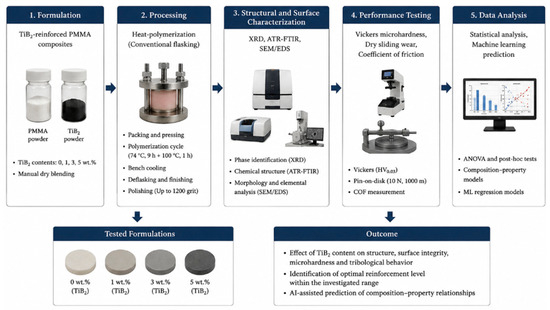
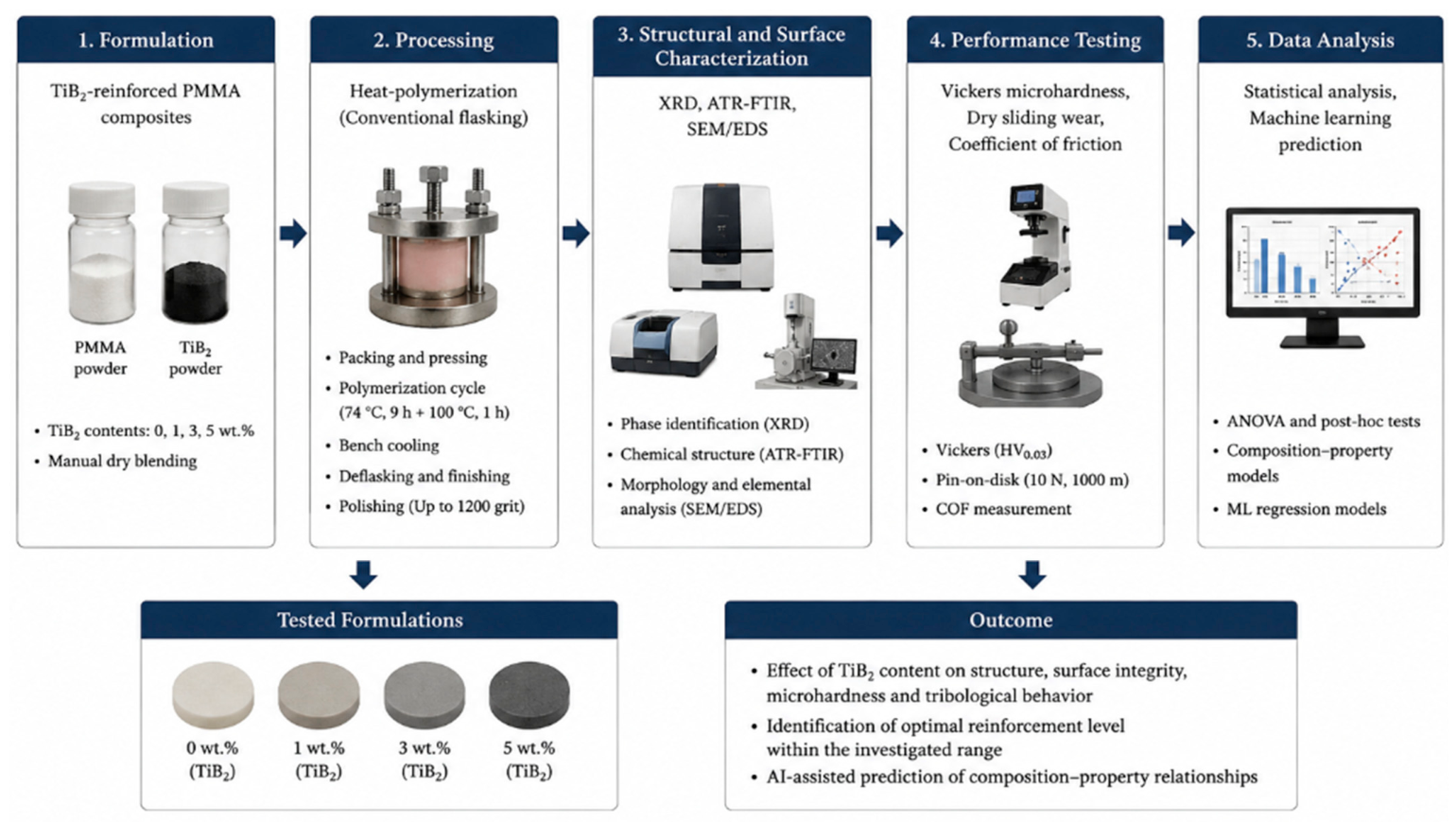
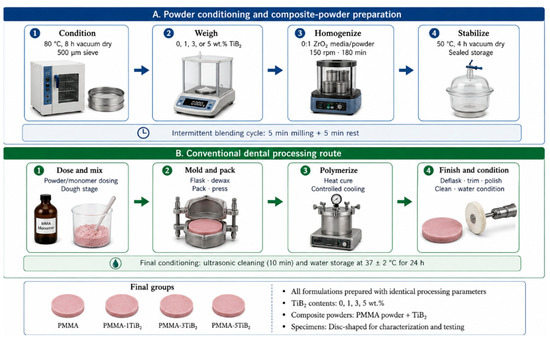
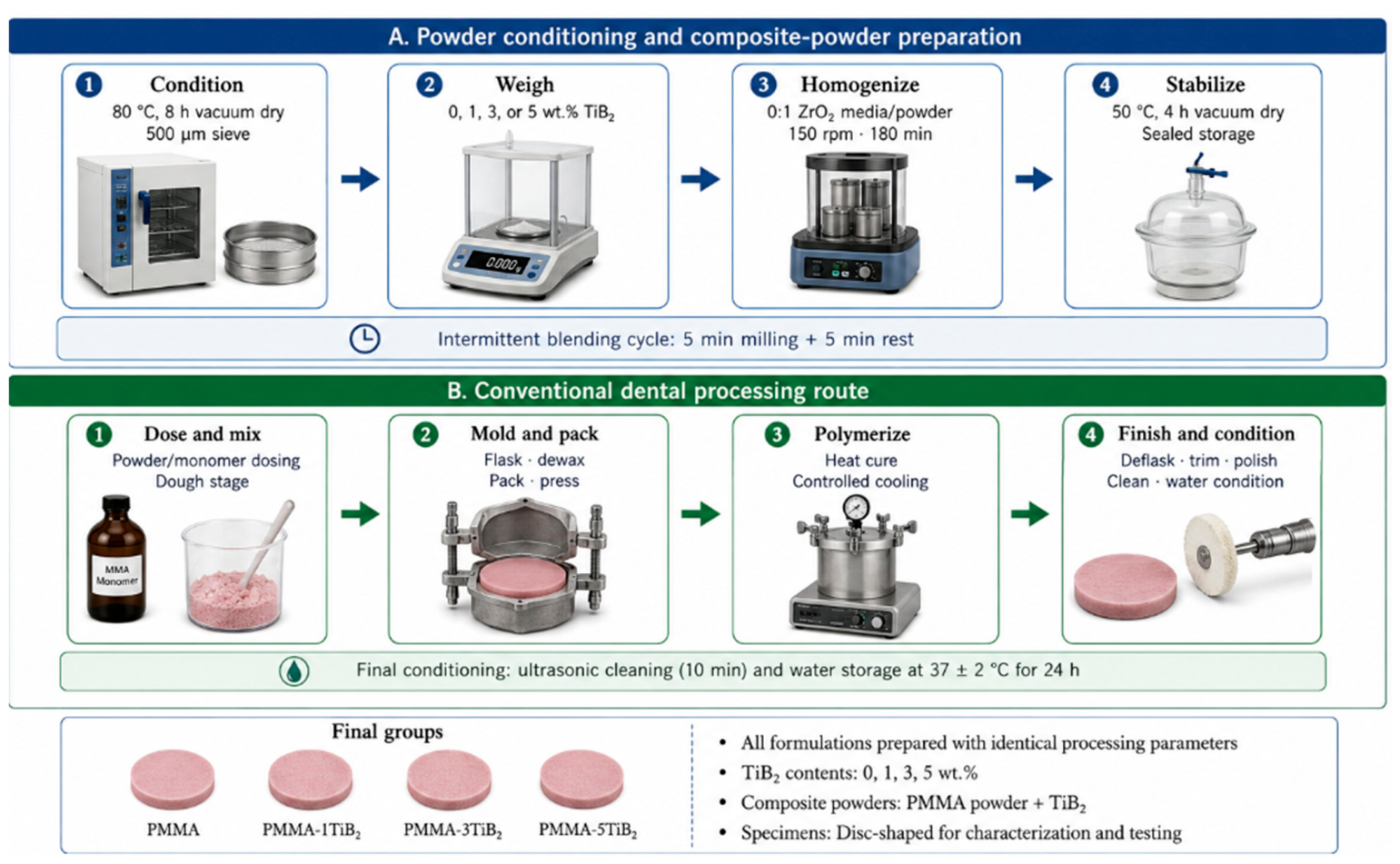
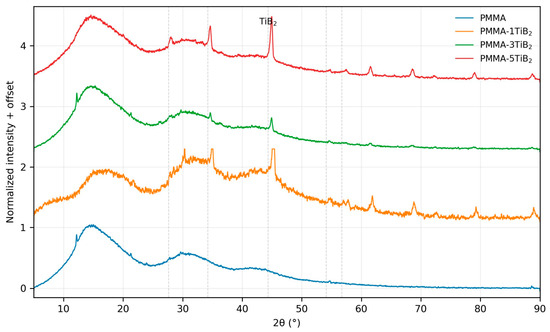
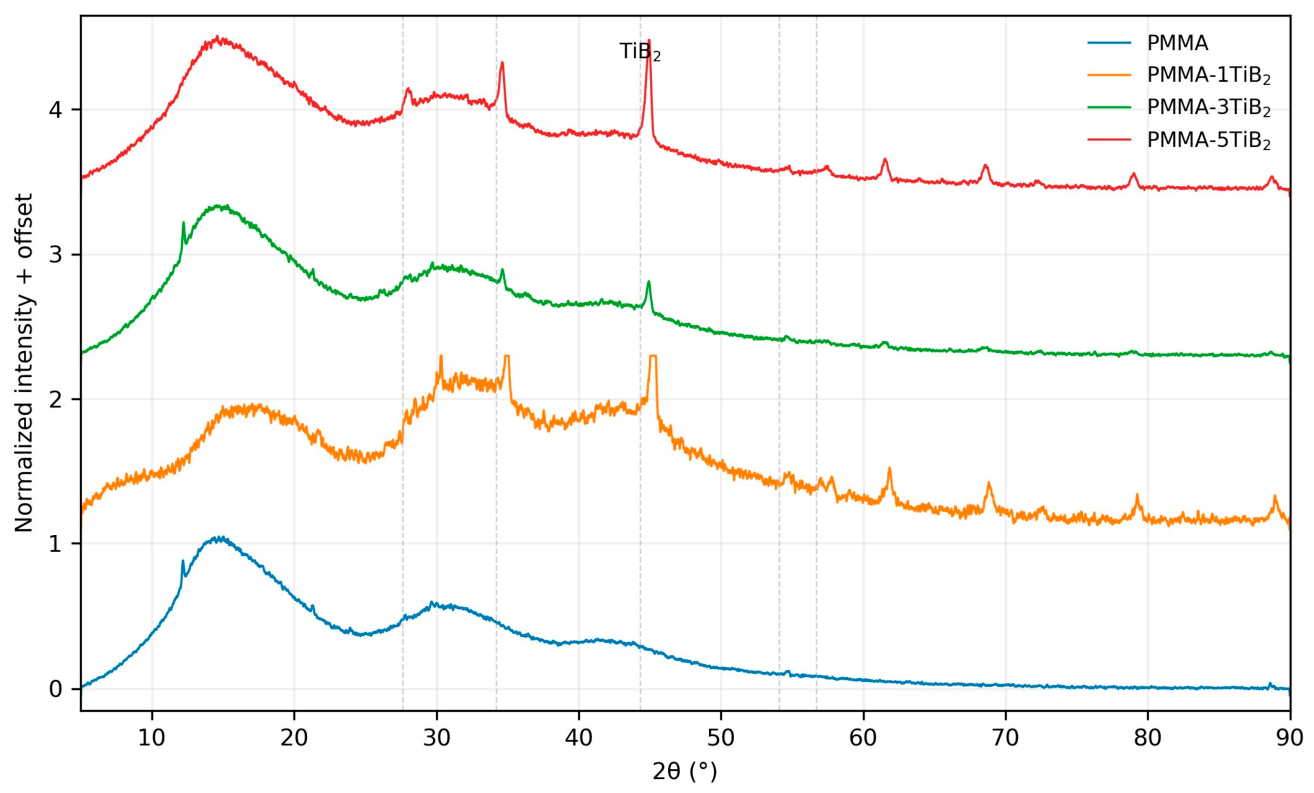
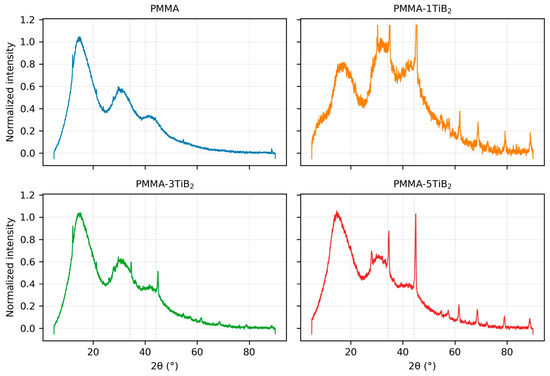
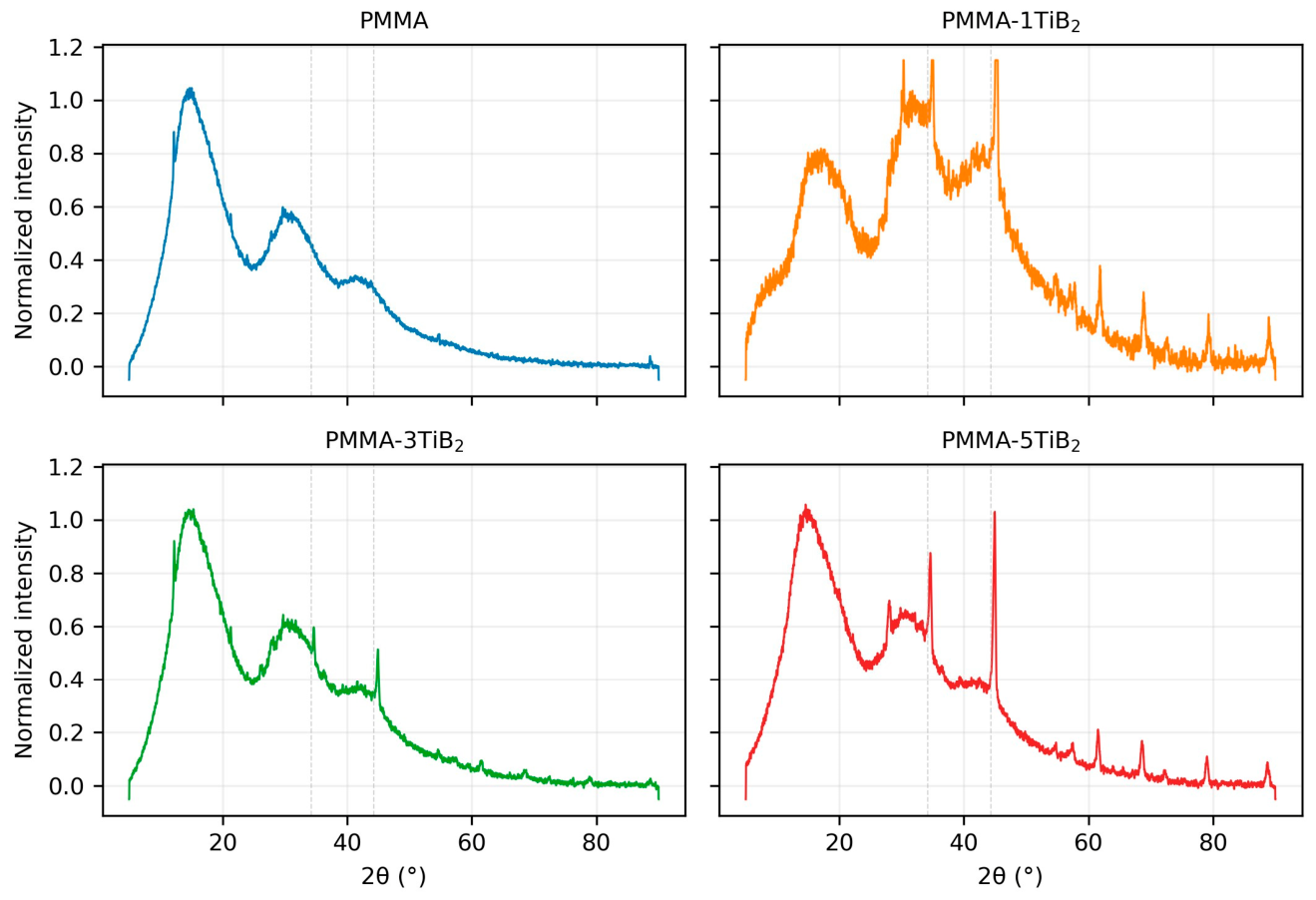
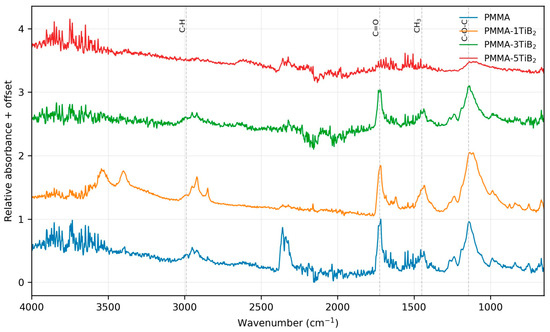
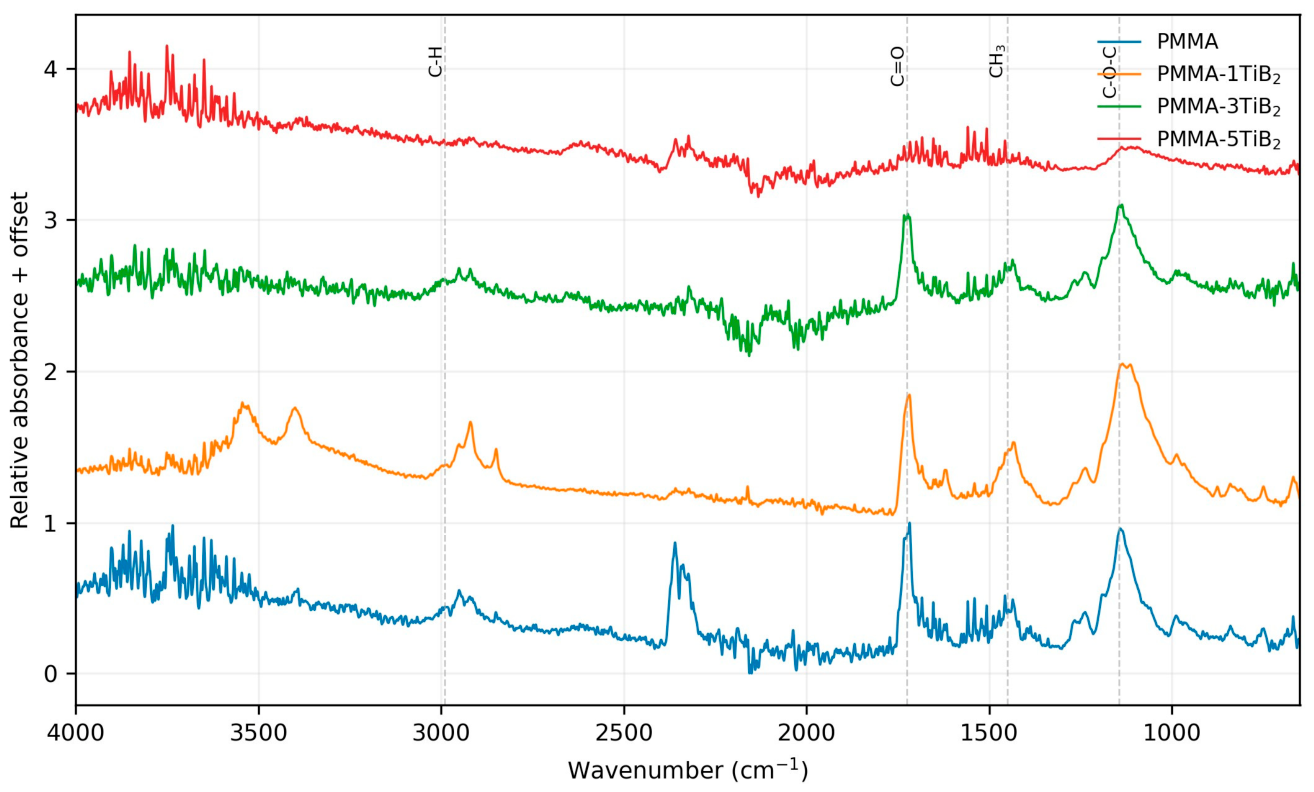
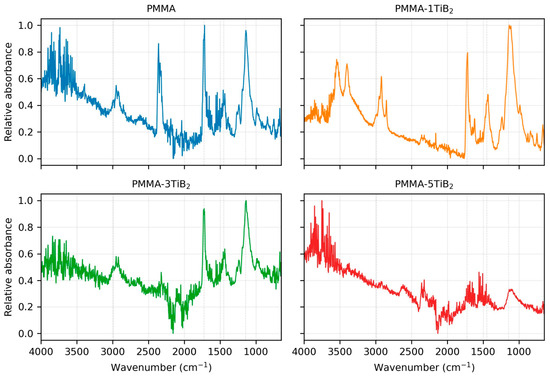
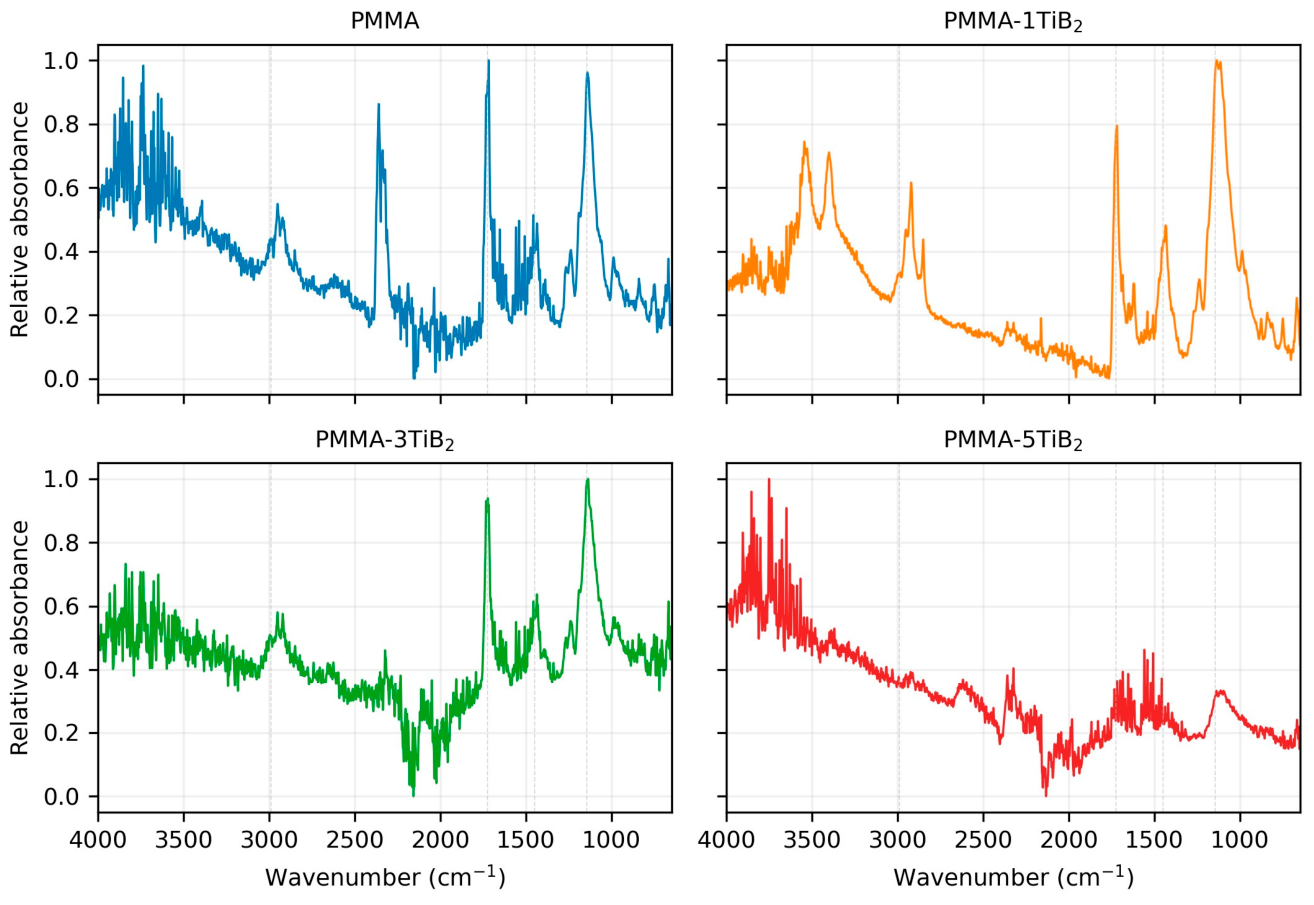
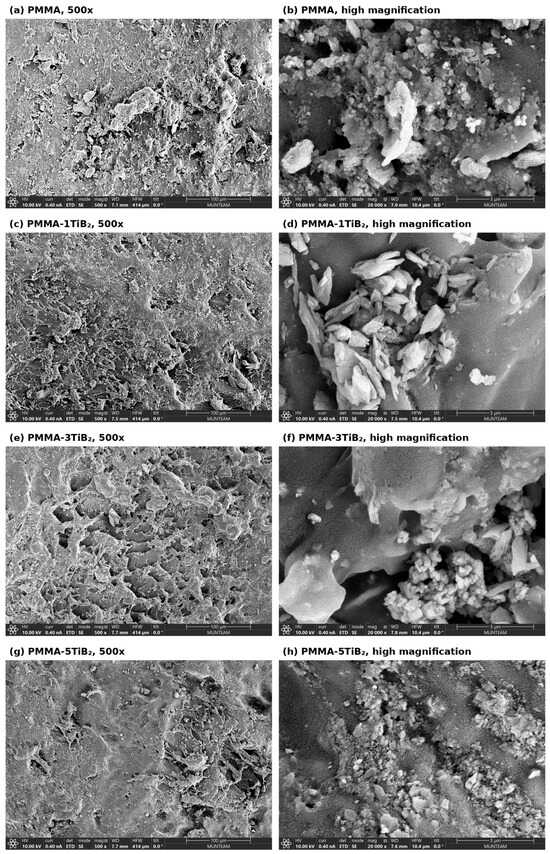
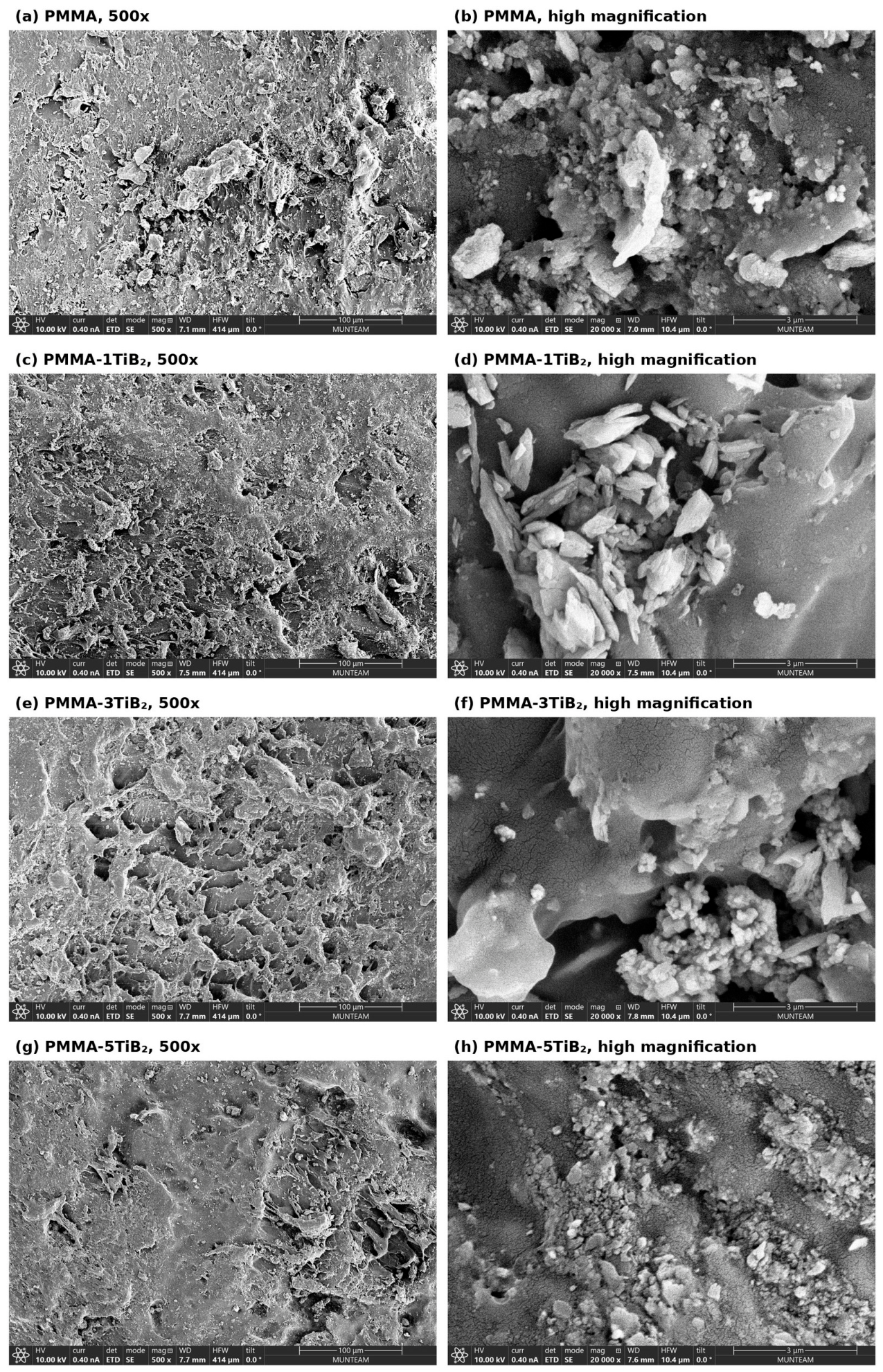
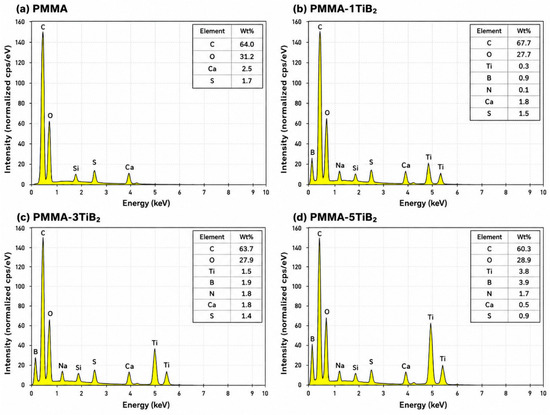
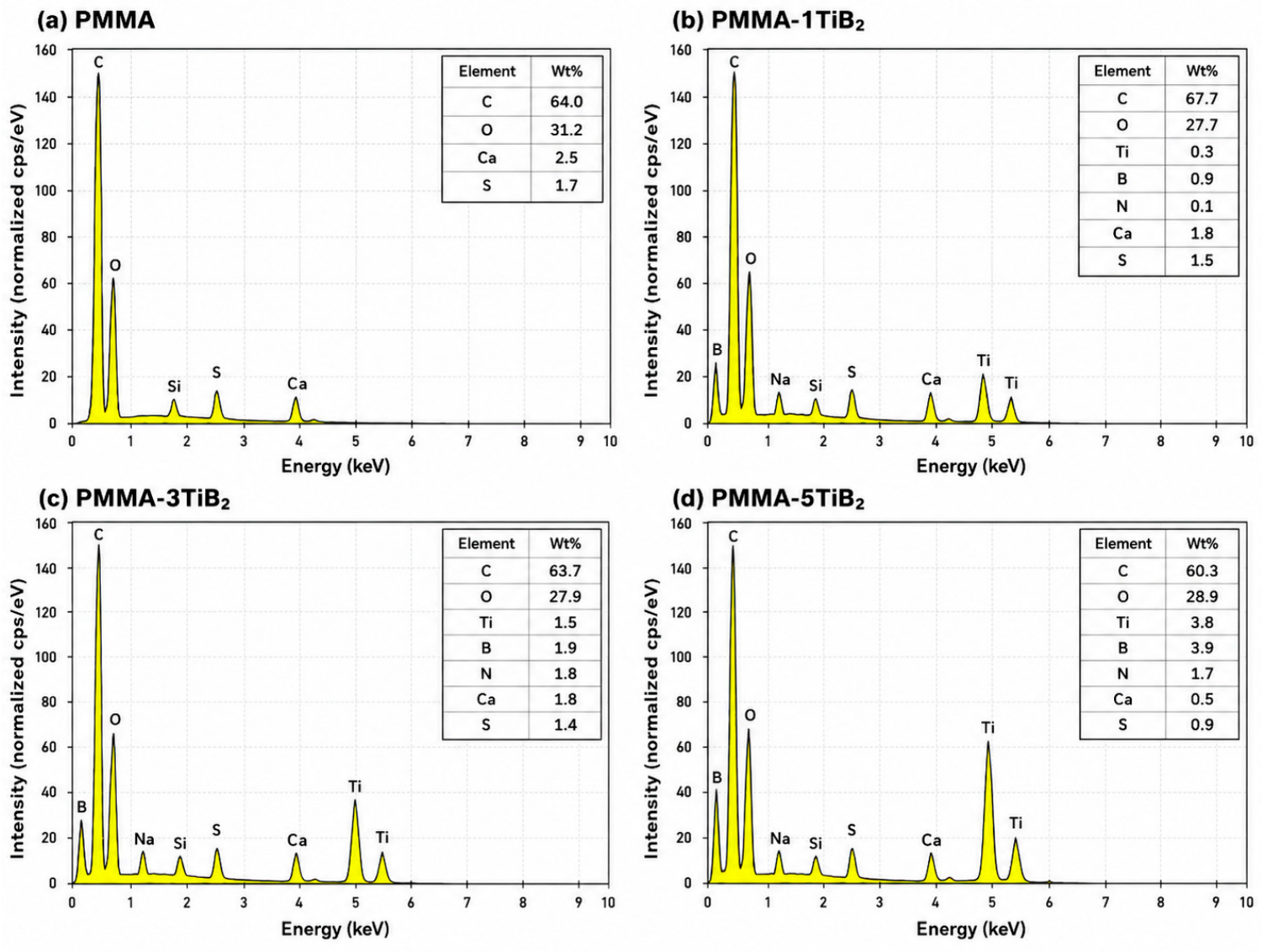
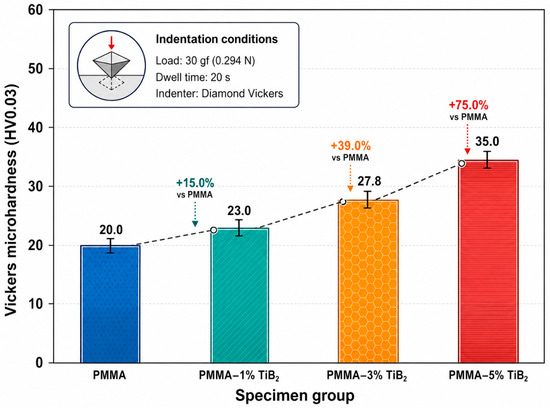
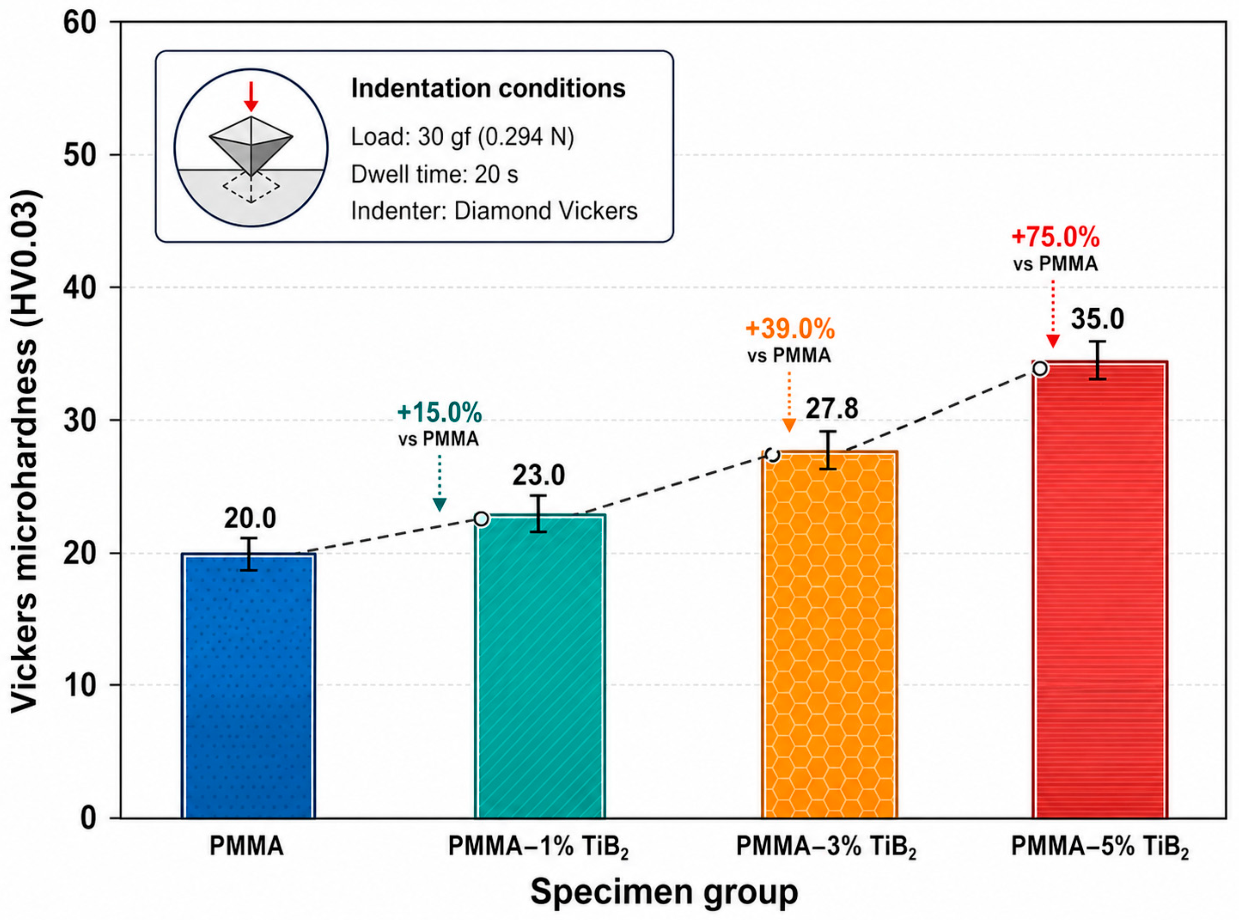
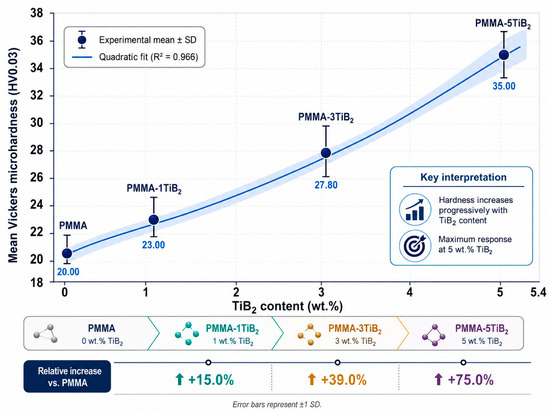
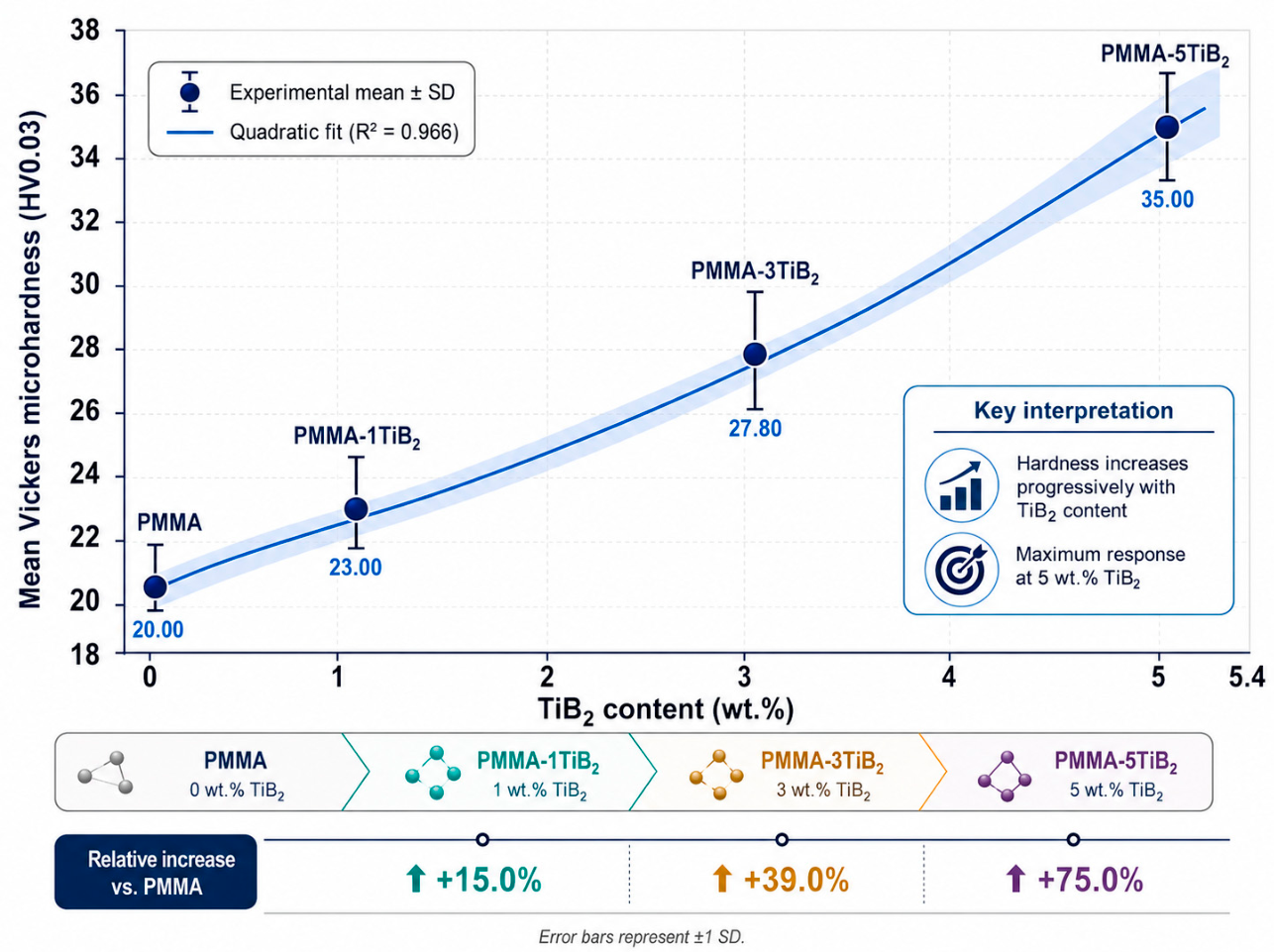
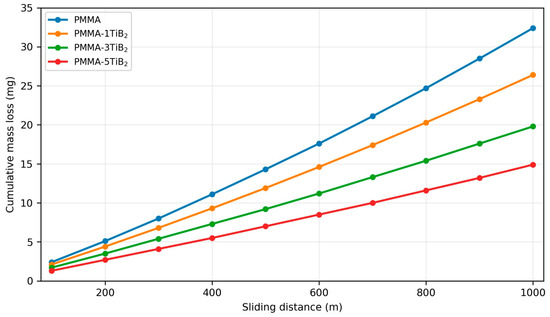
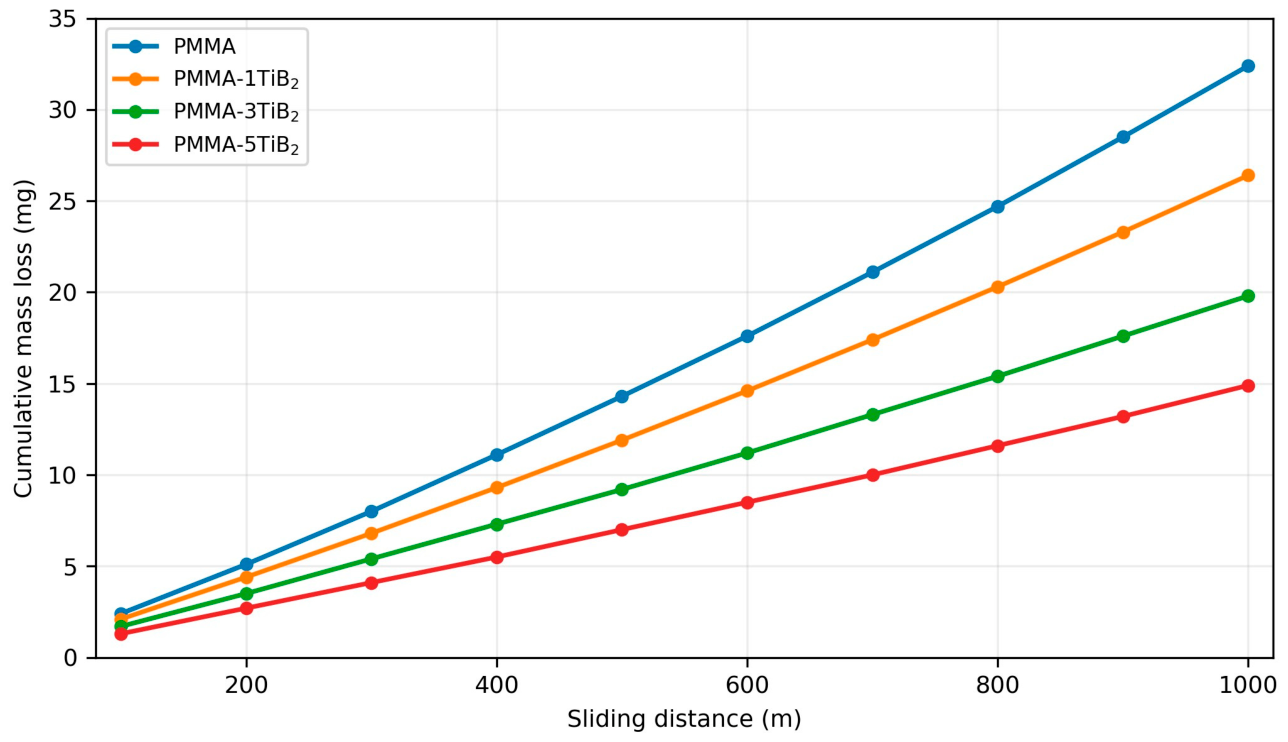
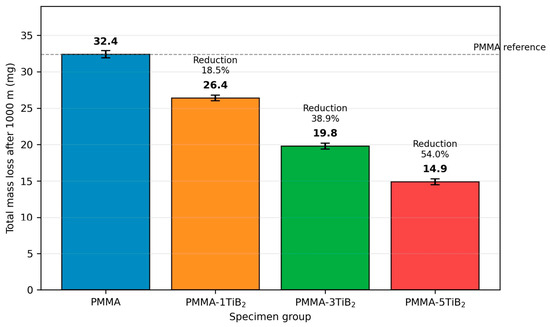
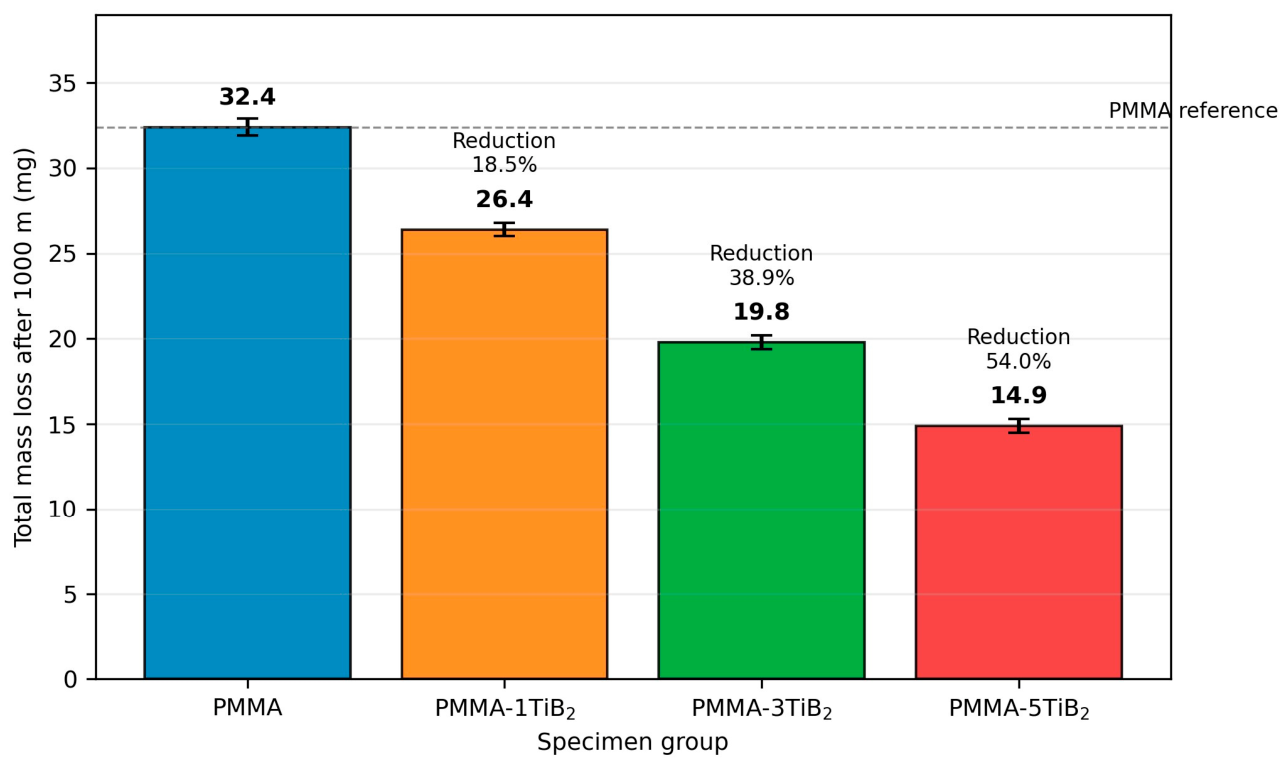
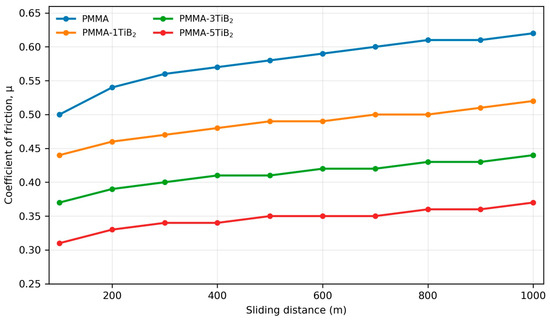
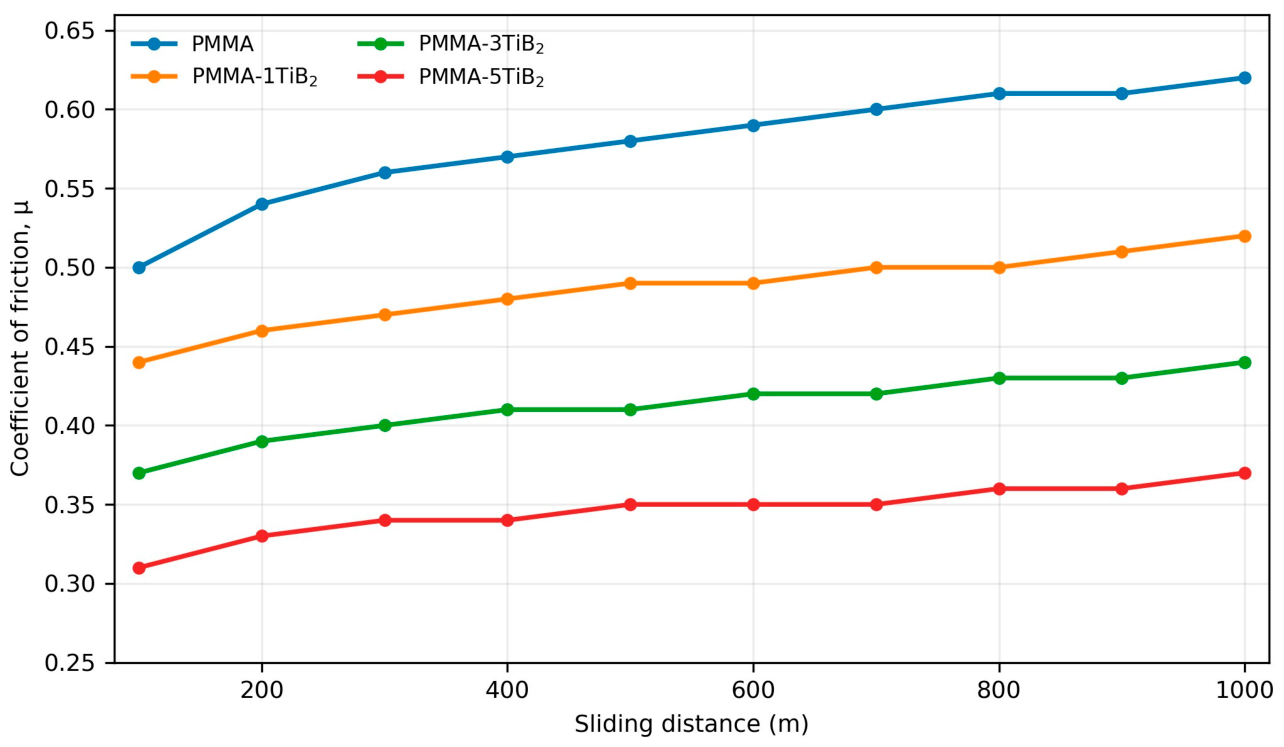
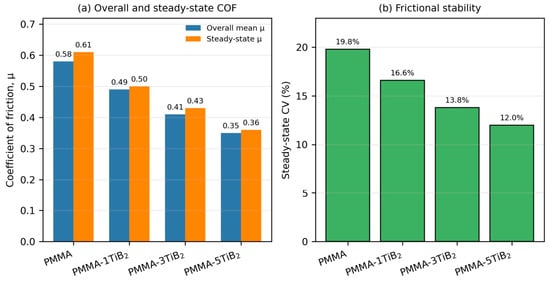
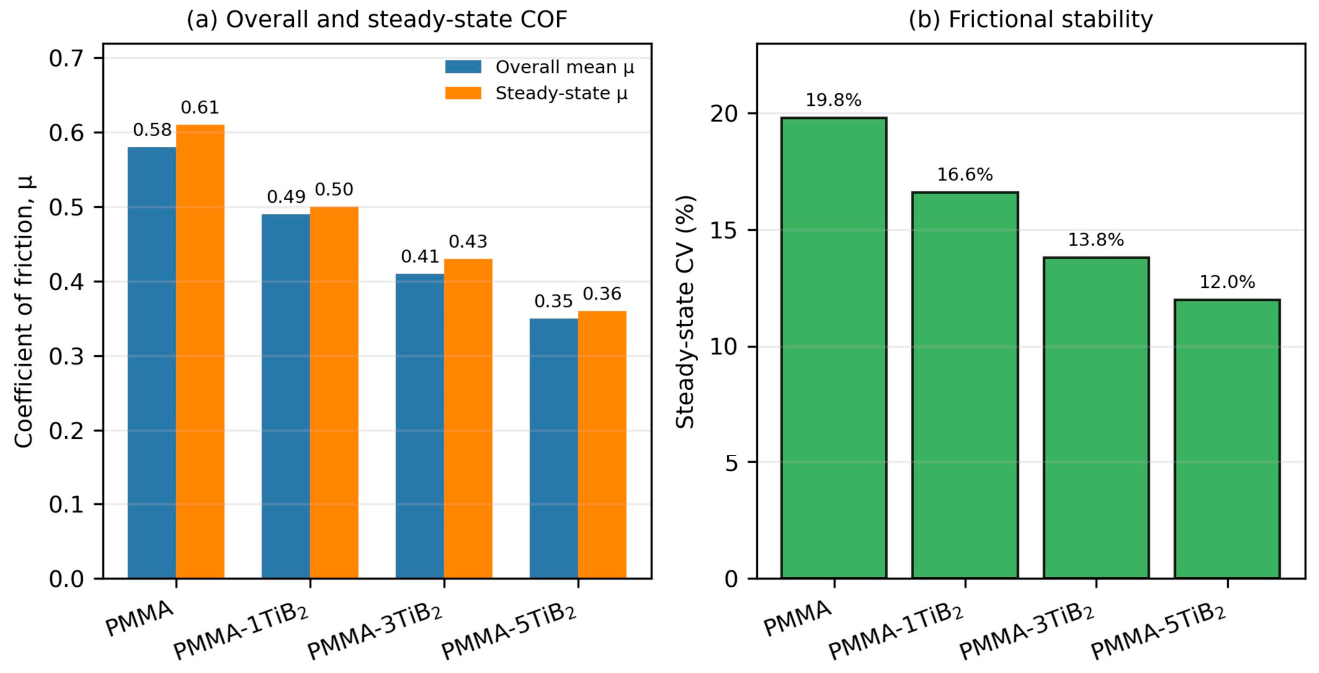
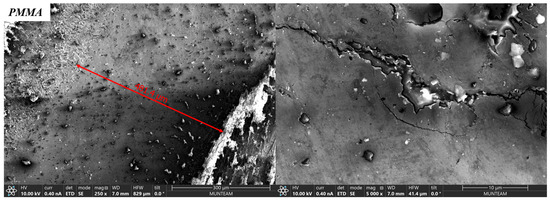
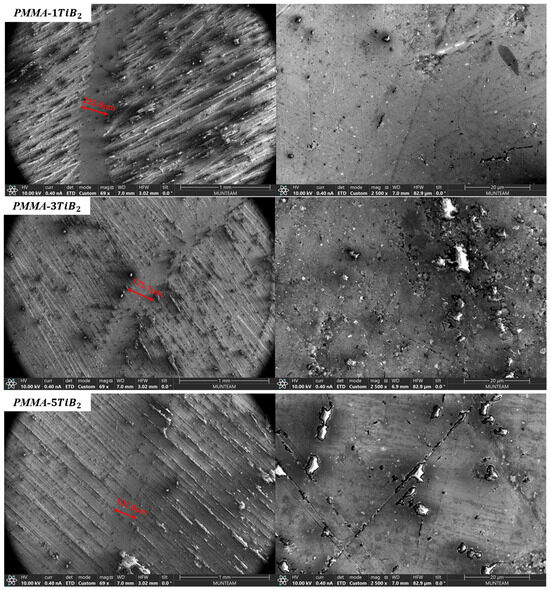
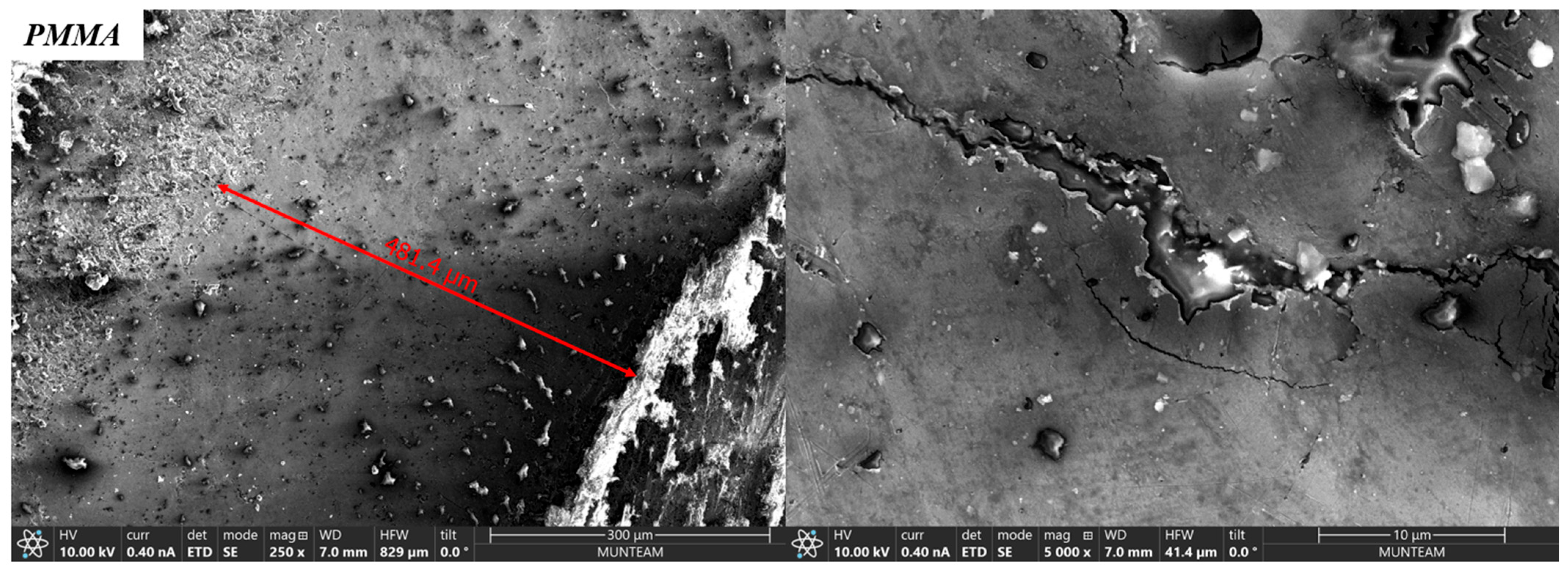
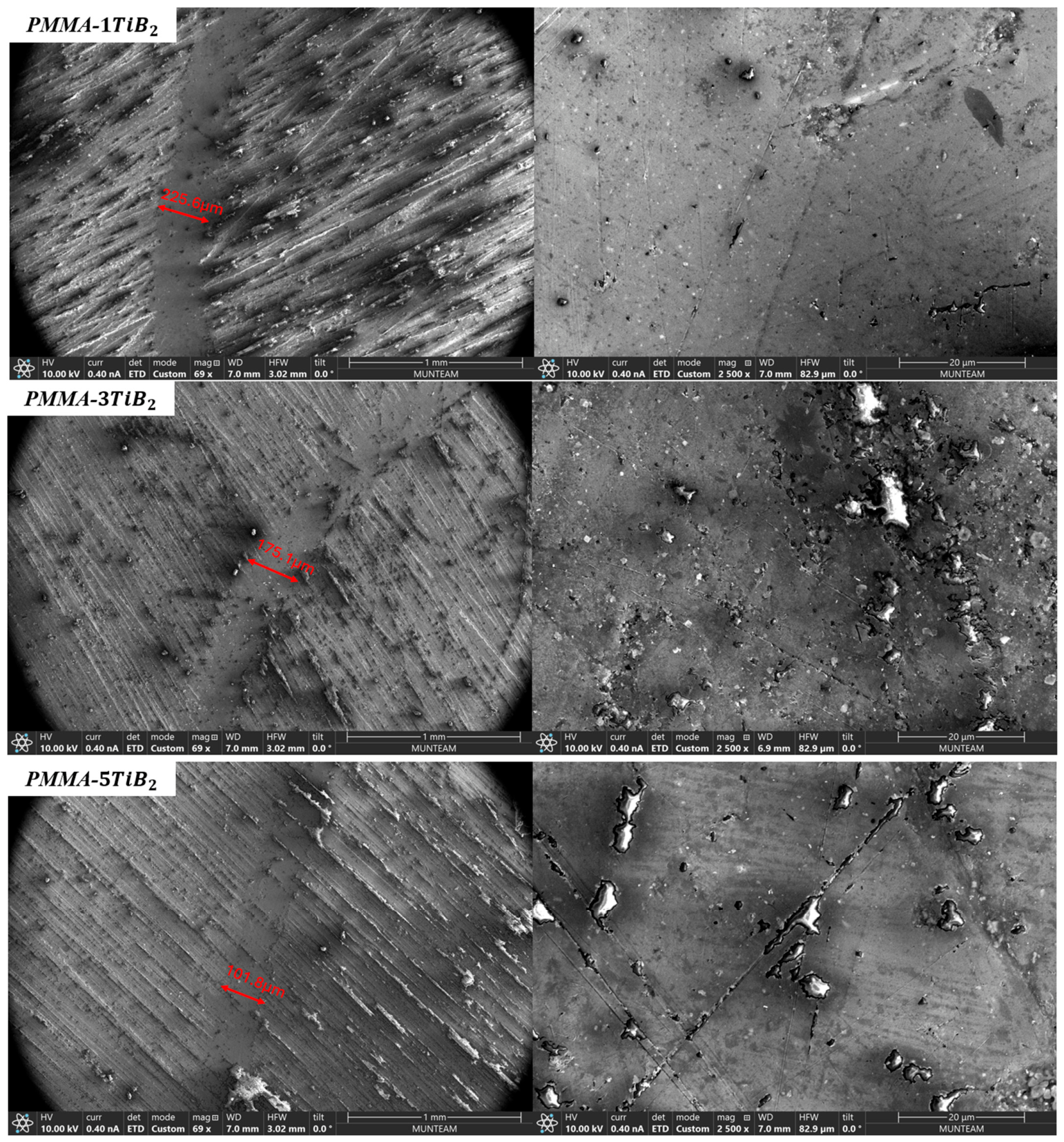
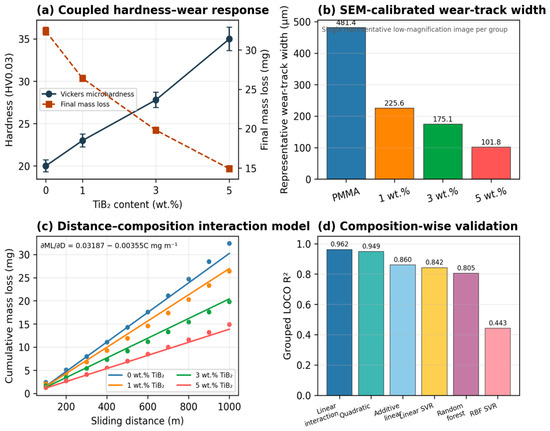
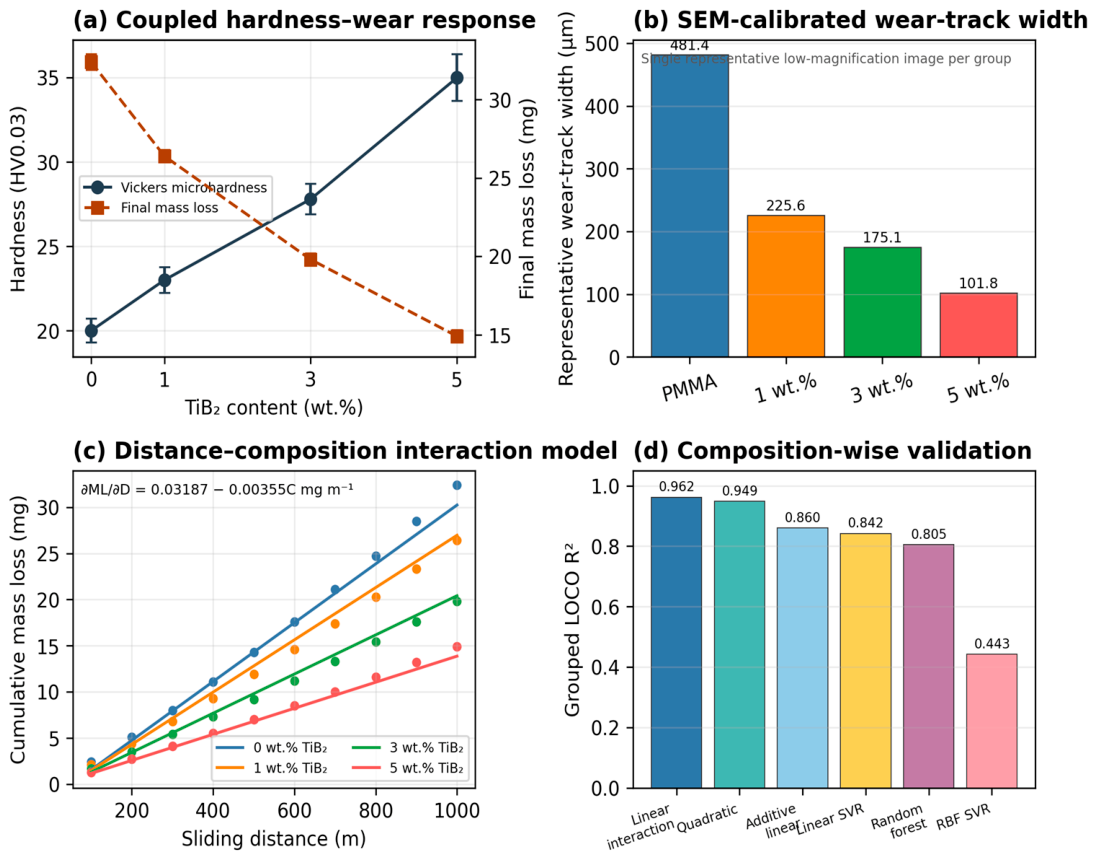

Disclaimer/Publisher’s Note: The statements, opinions and data contained in all publications are solely those of the individual author(s) and contributor(s) and not of MDPI and/or the editor(s). MDPI and/or the editor(s) disclaim responsibility for any injury to people or property resulting from any ideas, methods, instructions or products referred to in the content. |
© 2026 by the authors. Licensee MDPI, Basel, Switzerland. This article is an open access article distributed under the terms and conditions of the Creative Commons Attribution (CC BY) license.