


Abstract
Cobalt–chromium (CoCr) alloys have gained significant importance in the field of medical implants due to their outstanding combination of mechanical strength and excellent wear and corrosion resistance. Compared with other state-of-the-art materials, such as stainless steel or titanium, CoCr alloys typically exhibit superior fatigue strength, which is particularly advantageous for implants and components exposed to long-term repetitive loading. The present study investigates the feasibility of using commercially available CoCr alloy powders in the Laser Powder Bed Fusion (PBF-LB/M) process for the fabrication of biomedical implants. Microstructural characterization of the PBF-LB/M-manufactured CoCr samples revealed a dense, refined cellular–dendritic microstructure with a high degree of densification, characteristic of the rapid solidification associated with the PBF-LB/M process. The evaluation of mechanical performance, wear behavior, and corrosion resistance provides valuable insights into the suitability of these alloys for biomedical applications, especially in the design of complex implants requiring enhanced durability and long-term reliability. Furthermore, compression testing highlighted the influence of layer orientation on mechanical properties, emphasizing the importance of strategic prototyping and building orientation selection in the PBF-LB/M process. Tribological behavior assessed under dry sliding conditions demonstrated a significantly reduced coefficient of friction and lower wear rate compared to a conventional 316L stainless steel, which is frequently used in similar applications. Corrosion resistance was evaluated by potentiodynamic polarization measurements in Ringer electrolyte, showing that the PBF-LB/M-fabricated CoCr samples exhibit good corrosion resistance in environments resembling physiological fluids. Overall, the PBF-LB/M technique represents a promising manufacturing route for next-generation CoCr biomedical implants, particularly for orthopedic and dental applications. Beyond the biomedical field, the findings of this study also support the potential extension of PBF-LB/M-processed CoCr alloys to industrial sectors requiring high wear and corrosion resistance, including aerospace and automotive applications.
1. Introduction
Laser Powder Bed Fusion (PBF-LB/M) is among the most widely investigated and industrially implemented metal additive manufacturing technologies [1]. This technique employs a high-power laser beam to selectively melt and consolidate metallic powders in a layer-by-layer manner, directly from a digital three-dimensional model [2]. Due to its capability to fabricate geometrically complex and highly precise components, PBF-LB/M has gained substantial importance in aerospace, biomedical, and automotive applications.
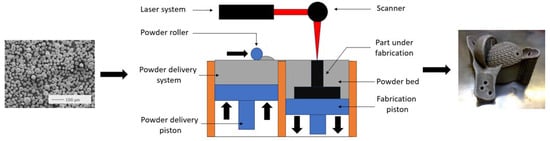
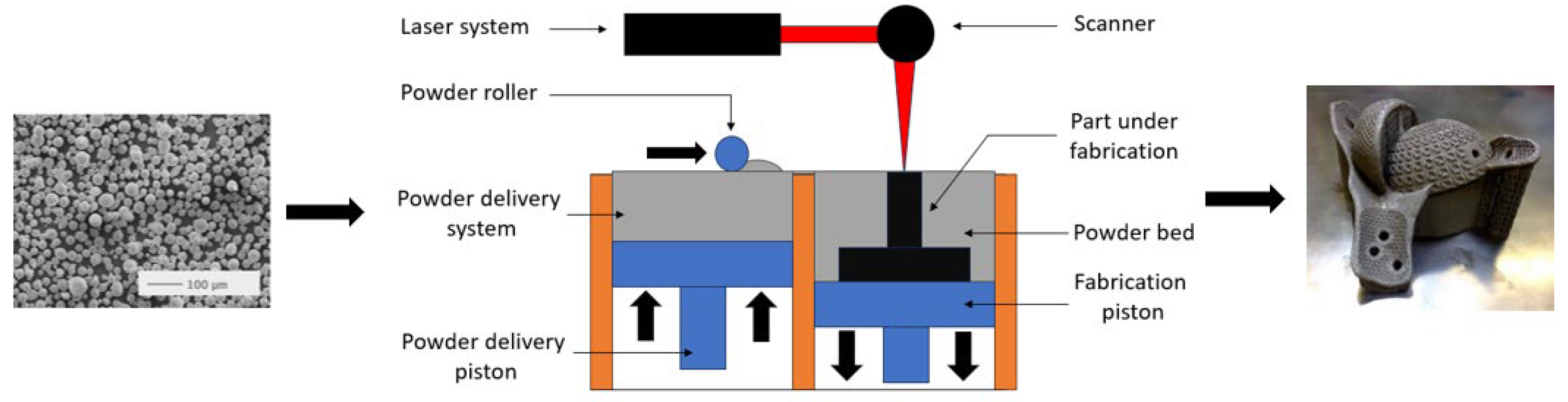
Compared to conventional metal processing routes, PBF-LB/M offers significant advantages, including enhanced design freedom, reduced material waste, shortened production chains, and economic efficiency for customized or low-volume parts. The process principle involves the deposition of a thin metallic powder layer onto a build platform, which is selectively melted according to the sliced geometry of the digital model [3]. To prevent oxidation and contamination during processing, fabrication is carried out in a controlled atmosphere, typically using inert gases such as argon or nitrogen. After laser scanning and solidification of one layer, the build platform is lowered, a new powder layer is spread, and the process is repeated until the component is fully manufactured [4]. A simplified schematic representation of the PBF-LB/M working principle is presented in Figure 1.
Figure 1.
Schematic representation of the PBF-LB/M process, illustrating powder deposition, laser scanning, and layer-by-layer fabrication under an inert atmosphere.
PBF-LB/M is a highly complex process governed by numerous interdependent parameters, including layer thickness, laser power, scan speed, hatch spacing, scanning strategy, build orientation, support design, and processing atmosphere [5,6,7,8]. To date, this technology has been successfully applied to a wide range of metallic systems, such as Fe-based alloys [6,7], Ti- and Ni-based alloys [9], as well as Al-based materials [10]. In the biomedical field, the major advantage of PBF-LB/M lies in its capacity to produce patient-specific implants with controlled geometry and tailored porosity. Ti- and Co-based alloys fabricated by PBF-LB/M have demonstrated superior performance compared to conventionally manufactured counterparts, overcoming several limitations associated with traditional casting or machining techniques [11]. Among these materials, cobalt–chromium (CoCr) alloys are extensively used across medical, automotive, and aerospace sectors due to their excellent wear resistance and satisfactory corrosion behavior, which contribute to prolonged component service life [1,12].
The popularity of CoCr alloys is further attributed to their unique combination of high melting temperature, mechanical strength, and structural stability under severe mechanical and thermal conditions. Together with stainless steel and titanium alloys, CoCr systems represent one of the most important material classes employed in biomedical applications [13,14,15]. They are widely used for orthopedic implants, dental restorations, and cardiovascular devices owing to their high durability and proven biocompatibility [1,13]. In comparison with Ti-based alloys, which often exhibit poor tribological behavior caused by high friction coefficients and wear debris formation, CoCr alloys provide significantly improved wear resistance [14]. Consequently, they are frequently selected for total hip and knee joint replacements [16].
Several studies have demonstrated that PBF-LB/M-fabricated CoCr components exhibit a finer and more homogeneous microstructure than conventionally cast alloys, leading to reduced metal ion release and enhanced cellular response in biological environments. Furthermore, the design flexibility of additive manufacturing enables the fabrication of porous architectures that promote osseointegration. Nevertheless, challenges remain, including residual stresses, potential cracking due to rapid thermal cycling, and relatively high surface roughness, which typically necessitate post-processing operations such as heat treatment or polishing to meet clinical requirements [17]. Extensive research has investigated the influence of processing parameters on the structural and functional properties of PBF-LB/M CoCr alloys. Pupo et al. analyzed the effects of laser power (300–400 W), scan spacing (450–600 µm), and scanning speed on surface quality, identifying optimal conditions that yielded low surface roughness values (~8 µm Ra) and minimized melt-pool irregularities [18]. Viderščak et al. examined laser powers between 160 W and 250 W at a fixed scanning speed of 900 mm s−1, demonstrating that higher laser power and base-plate preheating reduced porosity, alleviated residual stresses, and enhanced mechanical performance in dental CoCr alloys [19]. Gülcan et al. studied lattice structures manufactured under varying energy densities, reporting that increased laser power or reduced scan speed promoted denser cellular microstructures and superior compressive strength, while insufficient energy input resulted in lack-of-fusion defects and degraded performance [20]. Leordean et al. identified optimal laser powers in the range of 85–90 W, achieving low surface roughness (Ra ≈ 5.1 µm), high hardness (~560 HV), ultimate tensile strength of approximately 1358 MPa, and elongation values around 1.39% [21]. Dai et al. highlighted the anisotropic behavior of as-built PBF-LB/M CoCrMo alloys, resulting from elongated columnar grains, showing that the subsequent solution and annealing treatments significantly improved ductility and homogenized mechanical properties [22]. Ramezani et al. further correlated melt-pool morphology and microhardness distribution with tribological performance, demonstrating lower wear rates in PBF-LB/M samples compared to cast materials, particularly under lubricated conditions [23].
CoCr alloys consist primarily of cobalt and chromium, with additional alloying elements such as molybdenum, tungsten, and carbon. Each constituent plays a critical role in determining mechanical strength, corrosion resistance, and wear behavior, with carbon content being particularly influential in carbide formation and tribological performance [24,25]. Most industrial cobalt alloys are derived from ternary CoCrMo or CoCrW systems, where the presence of Mo or W enhances both mechanical and corrosion properties, while microstructural features are strongly dependent on the manufacturing technology and processing parameters employed [26].
In the present study, the feasibility of processing a commercially available CoCr alloy powder using the PBF-LB/M technique for medical implant applications is evaluated. Emphasis is placed on corrosion resistance, wear behavior, and mechanical performance, with comparative analysis against conventional materials such as 316L stainless steel. Microstructural characterization was carried out using optical microscopy, scanning electron microscopy (SEM), energy-dispersive spectroscopy (EDS), and X-ray diffraction (XRD). In addition, compression testing, wear experiments, and corrosion investigations were performed according to international standards to assess the overall performance and suitability of the additively manufactured CoCr alloy for biomedical use.
2. Materials and Methods
This study uses a commercially available CoCr powder (Mediloy@ S-Co, Bego GmbH & Co. KG, Bremen, Germany) as a raw material. The nominal chemical composition (wt.%) given by the supplier is reported in Table 1.
Table 1.
Chemical composition of the CoCr powder.
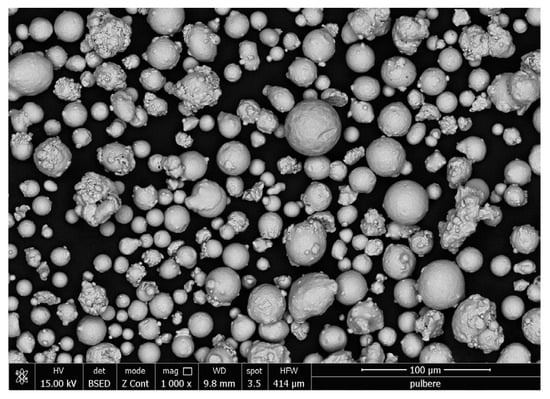
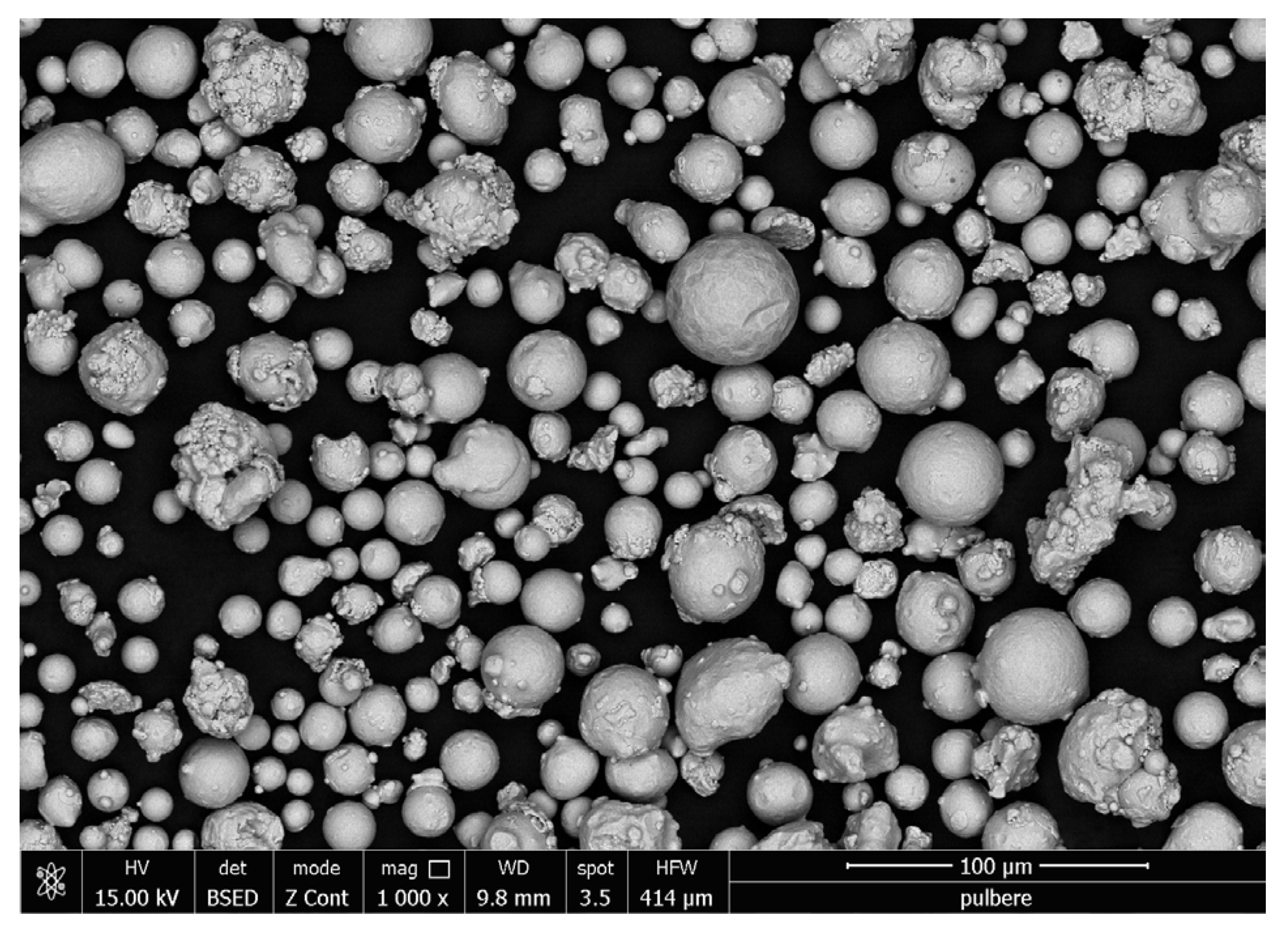
The particles’ shape and morphology were evaluated by scanning electron microscopy (SEM) using a FEI Quanta™ FEG 250 (FEI Quanta™, Hillsboro, OR, USA) equipped with an energy-dispersive spectroscopy analyzer (EDS) for line scan and chemical composition identification. The raw powder has a spherical shape, with a particle size distribution ranging from 10 to 45 μm, according to Figure 2, which is typical for powders used in the PBF-LB/M process. These characteristics strongly influence the packing property, flow rate, and compressibility of the powder. The satellites observed on the particles are a consequence of the atomization process. The CoCr alloy’s main properties, provided by the manufacturer, are a density of 8.6 g cm−3, yield strength of 1090 MPa, tensile strength of 1315 MPa, elongation of 4.2%, coefficient of thermal expansion of 14.3 × 10⁻⁶·K−1, Young’s modulus of 215 GPa, hardness of 469 HV, and relative density over 99.97%. The resulting roughness Ra of 8 μm and Rz 40 μm, measured in compliance with ISO 4287-1997 [27], is strongly dependent on sample geometrical complexity and printing orientation. Samples in the form of a parallelepiped (30 × 10 × 4 mm) were prepared using the PBF-LB/M process with the aid of a SISMA MYSINT100 (SISMA S.p.A equipment, Piovene Rocchette, Italy), provided with a Yb-fiber laser (λ = 1070 nm), with a maximum power of 200 W and a nominal focused spot diameter of 55 μm. Samples were built in a nitrogen atmosphere with a low residual content of oxygen (0.3 vol%) [28].
Figure 2.
SEM micrograph of the CoCr alloy powder, showing predominantly spherical particles with occasional satellites and agglomerates, typical for gas-atomized powders used in PBF-LB/M.
The PBF-LB/M processing parameters applied for sample fabrication varied between the outer contour and the inner core in order to optimize both dimensional accuracy and material densification. For the outer contour, border scanning was performed using a laser power of 90 W and a scanning speed of 600 mm s−1, corresponding to a volumetric energy density (VED) of 136.4 J mm−3. The higher energy input in the contour region was selected to ensure complete melting, improve edge definition, and minimize surface defects. The contour hatching was carried out at a laser power of 150 W and a scanning speed of 1200 mm s−1, resulting in a VED of 113.6 J mm−3, which promoted efficient consolidation while maintaining productivity.
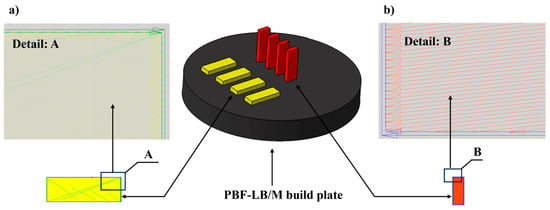
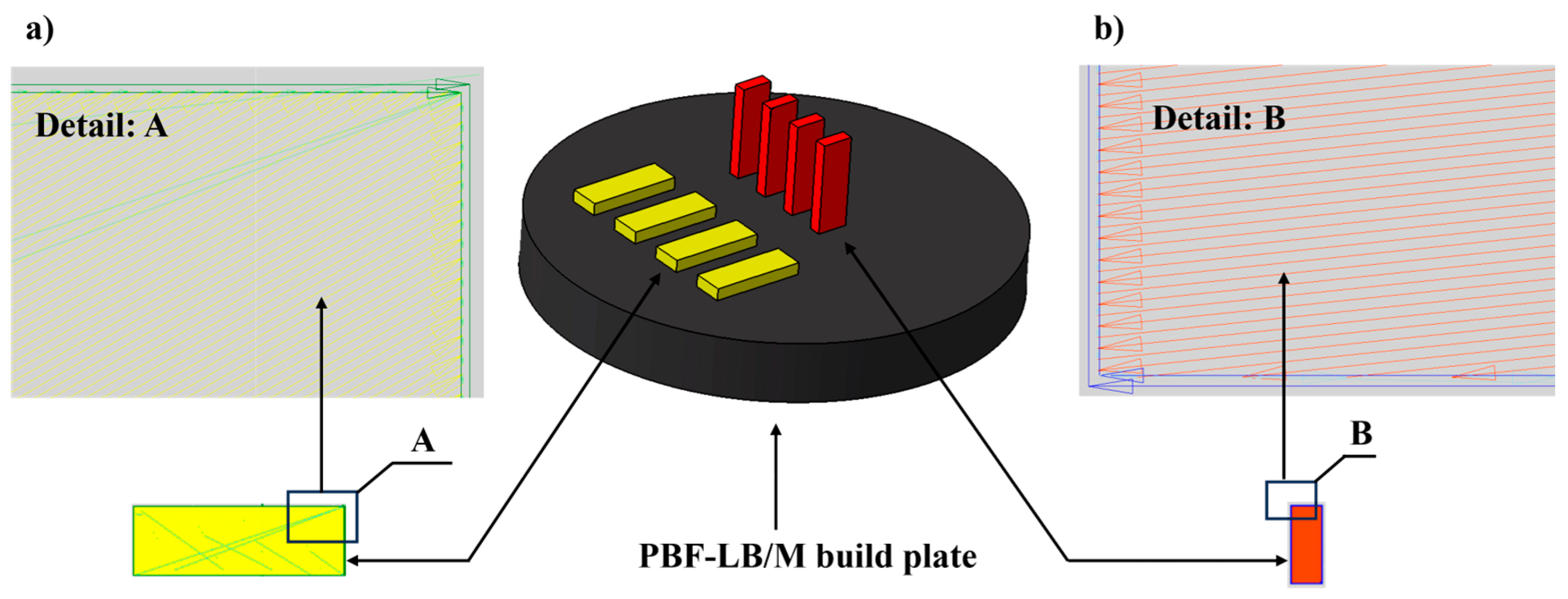
For the inner core, both border and hatching regions were processed using a laser power of 90 W and a scanning speed of 800 mm s−1, corresponding to a VED of 102.3 J mm−3. This lower energy density was sufficient to achieve effective melting and interlayer bonding while reducing excessive heat accumulation, residual stresses, and the risk of microstructural coarsening. The layer thickness was maintained at 0.02 mm and the hatch spacing at 0.055 mm throughout the fabrication process. The samples prepared through the PBF-LB/M process are shown in Figure 3. The schematic representation illustrates the build platform containing specimens manufactured in two distinct geometrical configurations and scanning strategies. Rectangular specimens were arranged horizontally on the build plate, while vertically oriented samples were fabricated perpendicular to the substrate. The corresponding laser scanning patterns are highlighted in Detail A and Detail B, showing the hatch strategy applied during layer deposition. The arrows indicate the primary scanning direction adopted for each configuration. This arrangement enabled the evaluation of the influence of build orientation and scan strategy on the mechanical behavior of the PBF-LB/M-processed CoCr alloy.
Figure 3.
Build plate position of PBF-LB/M samples: (a) Detail A illustrates the laser scanning strategy applied to the horizontally oriented specimens, showing the hatch vector direction during layer fabrication. (b) Detail B illustrates the laser scanning strategy applied to the vertically oriented specimens, indicating the hatch vector direction used during fabrication.
Before the microstructural characterization, the printed specimens were prepared using standard metallographic procedures, including cutting with abrasive disks, grinding with SiC papers of 180–2500 grit, and polishing using diamond suspension down to 1 µm. Microstructural features were revealed by chemical etching in a 6:1 HCl–H2O2 solution at room temperature, with an immersion time of 60 s. Optical microscopy was subsequently conducted using an optical microscope (Leica DM 2700M, Wetzlar, Germany), and SEM analysis was performed to reveal the microstructural features of the CoCr printed specimens. The phase composition of the PBF-LB/M-fabricated CoCr samples was characterized by X-ray diffraction (XRD) using a PANalytical X’Pert Pro Powder diffractometer (Malvern Panalytical, Malvern, UK) equipped with Cu Kα radiation (λ = 1.5406 Å). Diffraction patterns were collected over a 2θ range of 20–100° with a step size of 0.033°, operating at an accelerating voltage of 45 kV and a current of 30 mA.
The wear resistance of the CoCr samples was evaluated by the ball-on-disk method in accordance with ASTM G99 [29]. Tests were performed using a tribometer (TR-20, Ducom–Materials Characterisation Systems, Groningen, The Netherlands) under dry sliding conditions at ambient temperature, applying a normal load of 5 N, a sliding speed of 100 rot min−1, and a total test duration of 100 min, corresponding to a sliding distance of 314 m. Before testing, the sample surfaces were ground with SiC abrasive paper to minimize surface irregularities and ensure stable contact conditions. A WC–Co ball with a diameter of 6 mm was used as a counterbody. During testing, the coefficient of friction (COF) was continuously recorded as a function of sliding distance, while the wear rate was determined from the total material volume loss. Compression tests were carried out using a universal testing machine (LBG TC100, LBG Testing Equipment, Azzano San Paolo, Italy) with a maximum load capacity of 100 kN, in accordance with ISO 13314:2011 [30]. The corrosion behavior of the PBF-LB/M-fabricated CoCr alloy was investigated by potentiodynamic polarization measurements performed in Ringer solution at room temperature. The chemical composition of the electrolyte was 8.6 g L−1 NaCl, 0.3 g L−1 KCl, and 0.25 g L−1 CaCl2. The electrochemical tests were carried out using a BioLogic SP-150 potentiostat/galvanostat (BioLogic Science Instruments, Seyssinet-Pariset, France) in a conventional three-electrode electrochemical cell configuration. The CoCr specimen served as the working electrode (1 cm2 exposed surface area), a saturated calomel electrode (SCE) was used as the reference electrode, and a platinum mesh acted as the counter electrode. Prior to the polarization measurements, the open-circuit potential (OCP) was monitored until a stable value was reached. Potentiodynamic polarization curves were subsequently recorded at a scan rate of 1 mV s−1 within a potential range of ±250 mV relative to the OCP. The main electrochemical parameters, including corrosion potential (Ecorr), corrosion current density (icorr), and the corrosion rate, were determined by the Tafel extrapolation method using the linear regions of the anodic and cathodic branches of the polarization curves.
The wear and corrosion performance of the PBF-LB/M CoCr alloy was subsequently compared with that of the 316L stainless steel. Although 316L stainless steel was selected as the reference material in this study due to its widespread use as a standardized implant alloy (ASTM F138/F139) and its frequent application as a benchmark in tribological and corrosion studies, it does not represent the direct manufacturing alternative for CoCr biomedical implants. In clinical practice, conventionally processed CoCr alloys produced by casting or machining remain the principal competitors to additively manufactured CoCr components.
3. Results and Discussion
3.1. Microstructure of the Feedstock Powder
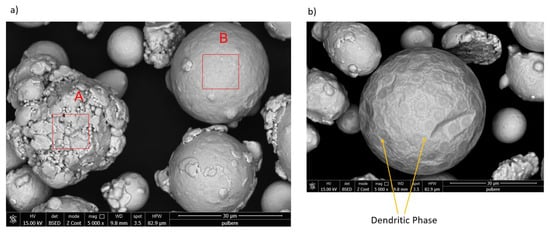
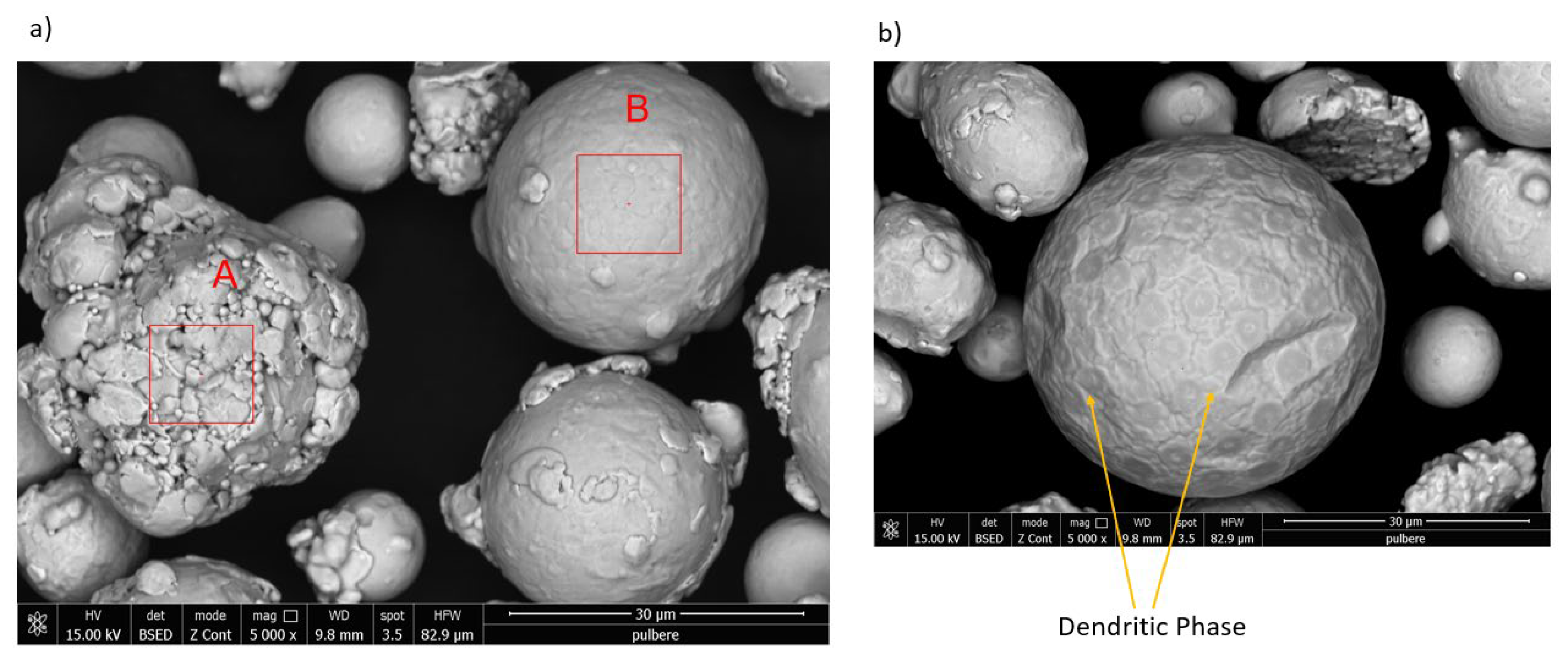
Representative SEM micrographs of free powders from Figure 4 show that their shape is mainly spherical, due to surface tension effects achieved during atomization, which promotes the minimization of surface energy. It is important to emphasize that in a few cases, powders with abnormal morphology were detected, such as in zone A, indicated on the micrograph. However, most particles exhibit smooth or slightly textured surfaces, as observed in zone B, although satellite particles may cause minor roughness. Such satellites appear due to the smaller particles that fuse onto the larger ones. Collapsed particles were also detected on the outer surface, making the powders’ morphology uneven. The particle illustrated in Figure 4b displays an almost perfect spherical structure and a smooth surface, with the dendritic phase being clearly visible.
Figure 4.
SEM analyses of the CoCr powder particles; (a) general morphology of the powder particles; (b) details of a representative powder particle revealing a fine dendritic solidification pattern.
Rapid solidification during atomization produces a fine dendritic structure, with a Co-rich matrix and Cr-rich interdendritic regions. Moreover, darker regions are also noticeable on the particle’s surface. Depending on the cooling rates, minor amounts of carbides or intermetallic phases may form within particles [1].
3.2. Microstructure and Chemical Composition of the PBF-LB/M CoCr Samples
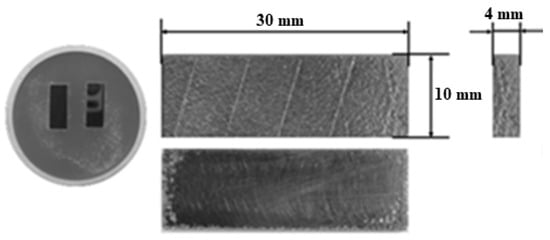
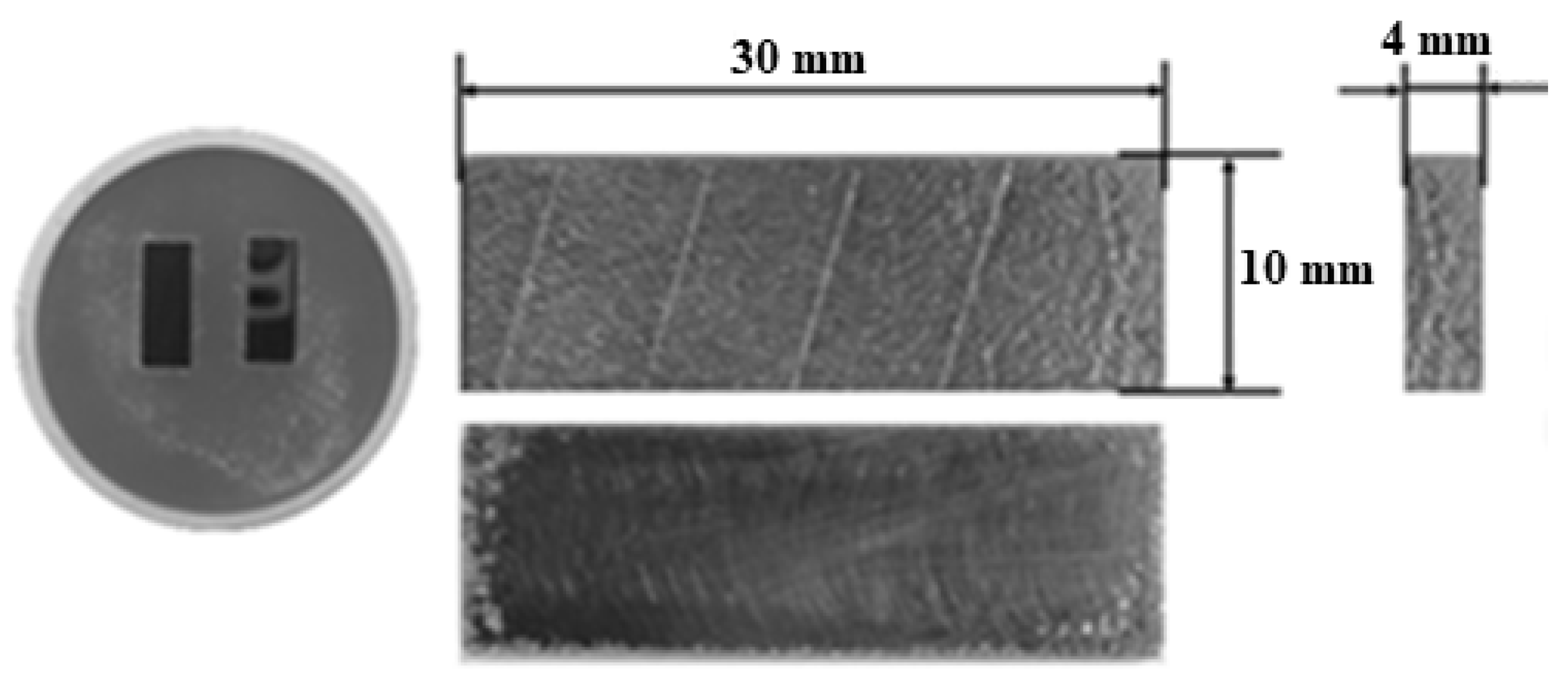
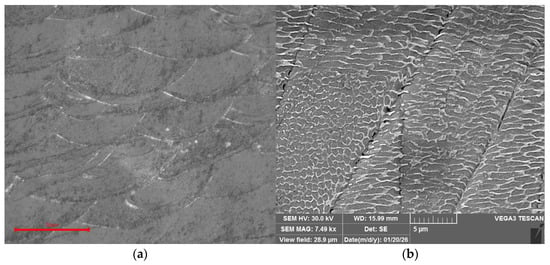
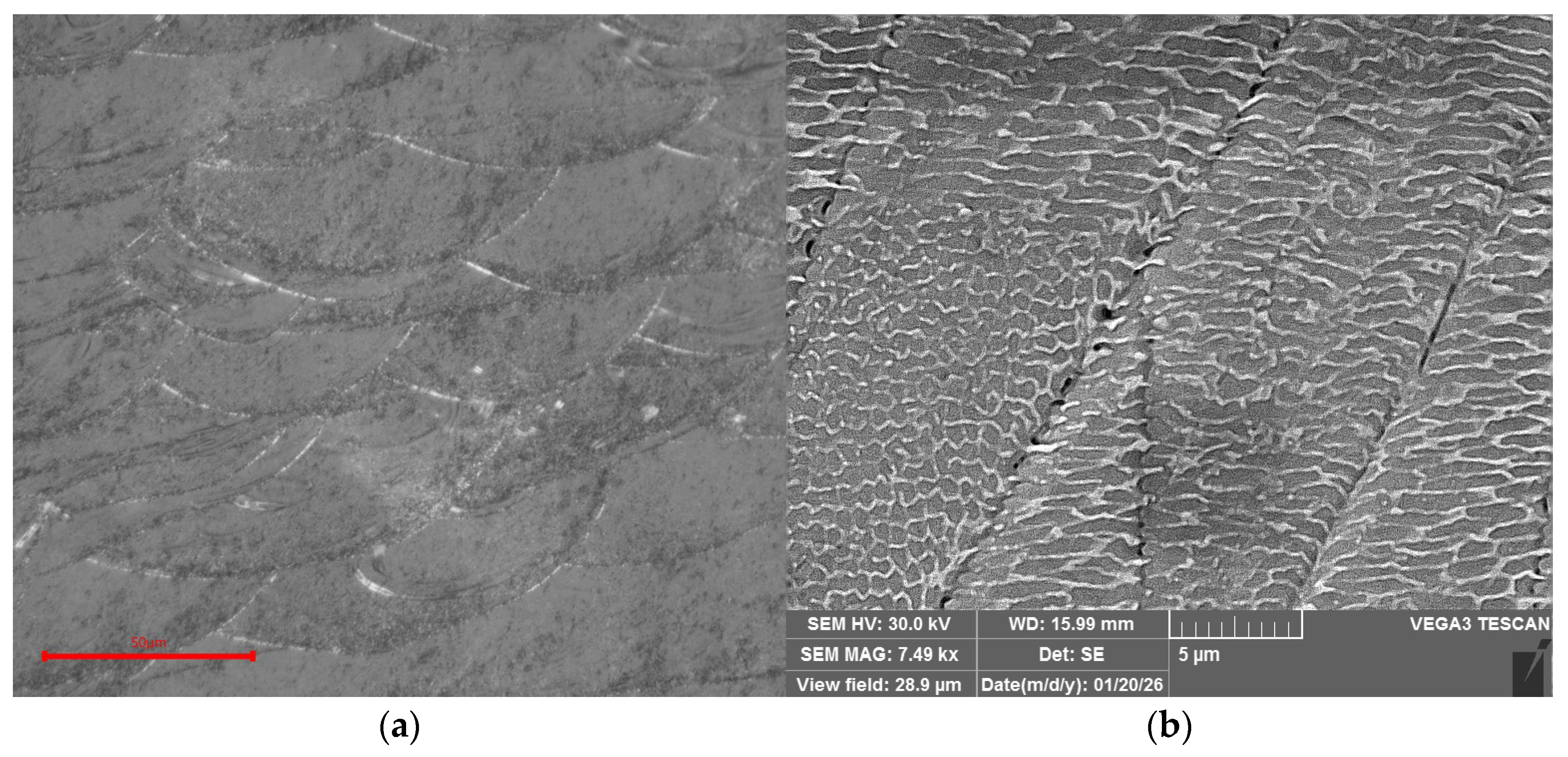
For microstructural characterization, the PBF-LB/M CoCr samples shown in Figure 5 were cut in cross-section, following the metallographic preparation described previously. Figure 6 illustrates the microstructural characteristics of the CoCr PBF-LB/M sample. The cross-section optical micrograph in Figure 6a reveals a characteristic melt pool structure (seen as arc-shaped patterns), with overlapping semicircular patterns, aligned with the laser scanning strategy and heat distribution. These features result from rapid solidification, typical of the PBF-LB/M process, leading to fine microstructural characteristics. The SEM micrograph in Figure 6b reveals a dense, refined cellular–dendritic microstructure with a high degree of densification, characteristic of the rapid solidification associated with the PBF-LB/M process.
Figure 5.
Preparation of CoCr PBF-LB/M samples for the chemical etching test.
Figure 6.
Optical (a) and SEM (b) micrographs of the PBF-LB/M CoCr sample.
The cellular features, with submicrometric spacing, are the result of extremely high solidification cooling rates typically associated with laser-based additive manufacturing, commonly reported in the range of 105–106 K·s−1. The directional arrangement of the cells reflects the thermal gradients generated during layer-by-layer fabrication and melt pool solidification. Such microstructures are known to promote enhanced mechanical strength through grain refinement and to improve wear resistance by limiting plastic deformation. Additionally, the homogeneous distribution of the cellular network suggests stable melting and solidification conditions during processing, with limited microstructural defects. In CoCr alloys, these cellular boundaries are frequently associated with local chromium and molybdenum segregation, which contributes to the formation of a stable passive film, thereby supporting improved corrosion resistance in chloride-containing environments. Overall, the observed microstructure confirms the strong influence of the PBF-LB/M process on microstructural refinement, which is directly linked to the favorable mechanical, tribological, and corrosion performance of additively manufactured CoCr alloys.
The density of the PBF-LB/M-fabricated CoCr alloy was determined using the water pycnometry method. Based on the measured specimen mass and the displaced water volume, the calculated density was 8.56 g·cm−3. This value is in good agreement with the density reported by the producer and the density range typically reported for biomedical CoCr alloys (8.3–8.9 g·cm−3). Based on the theoretical density of the CoCr alloy, the corresponding relative density was calculated to be approximately 98.4%, indicating a high degree of densification and a low level of residual porosity in the additively manufactured material. The high density achieved can be attributed to the optimized PBF-LB/M processing parameters, which promote efficient melting and consolidation of the powder particles while minimizing the formation of lack-of-fusion defects and gas porosity.
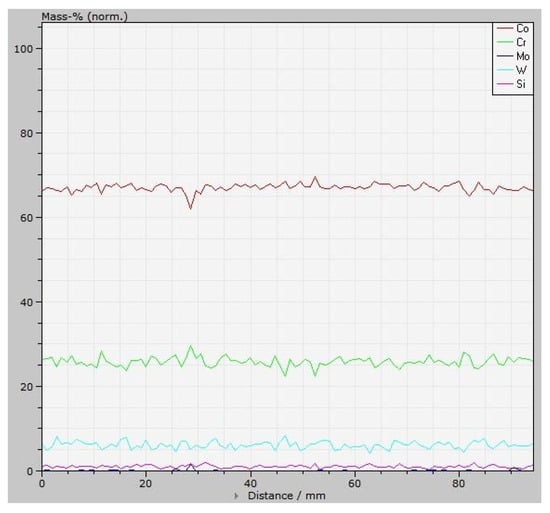
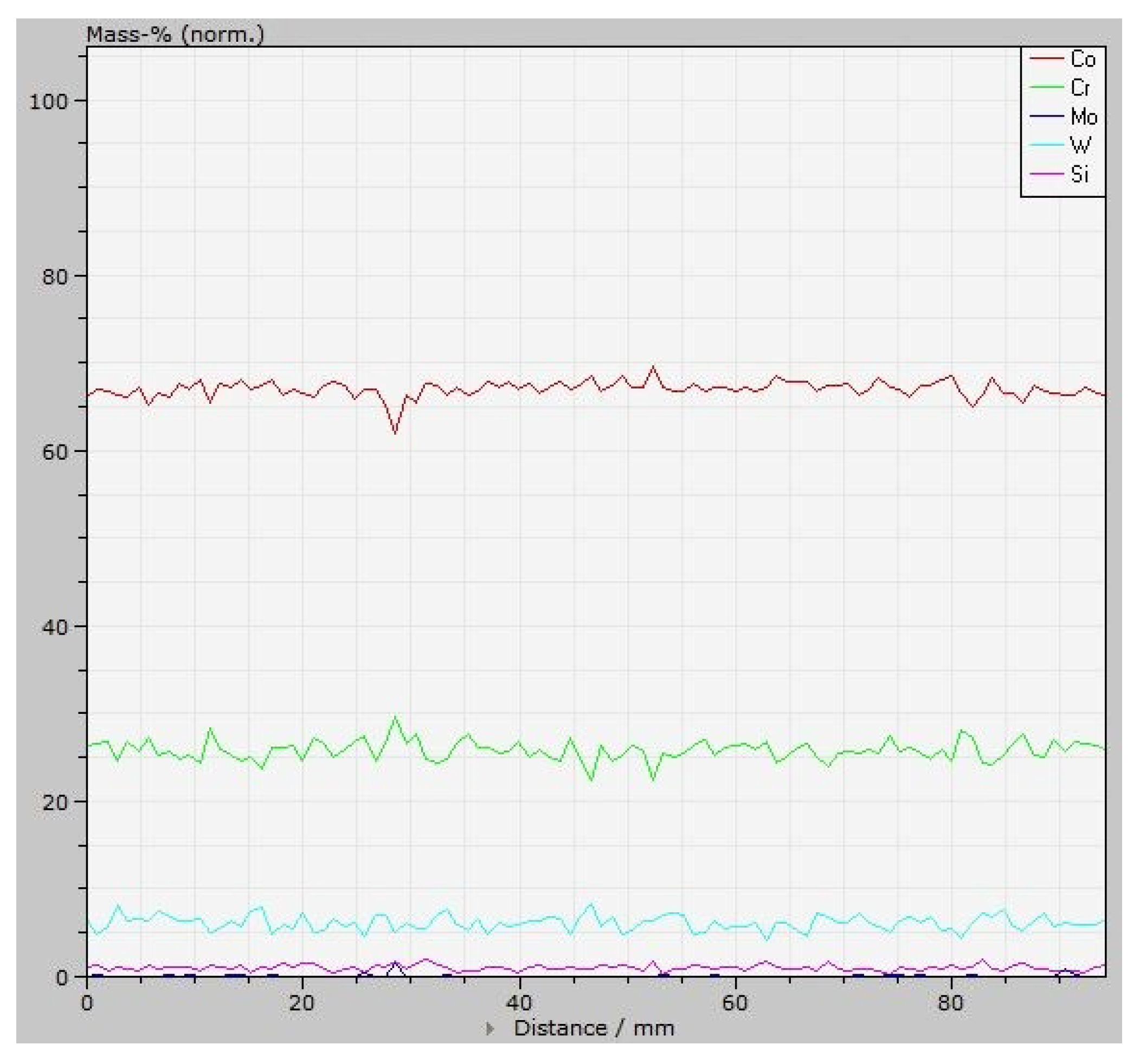
The EDS line scan presented in Figure 7 confirms the distribution of the principal alloying elements throughout the analyzed region. Cobalt remained the dominant element at approximately 66–68 wt.%, while chromium exhibited a stable concentration of approximately 25–27 wt.%. Tungsten and silicon were also uniformly distributed, with average concentrations of approximately 6–7 wt.% and 1 wt.%, respectively. Only minor fluctuations were observed along the scan, which may be associated with local microsegregation occurring during the rapid solidification.
Figure 7.
EDS line scan analysis of the PBF-LB/M-fabricated CoCr alloy showing the distribution of the principal alloying elements along the analyzed region.
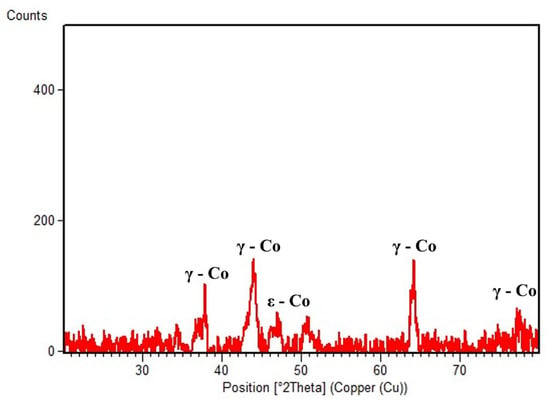
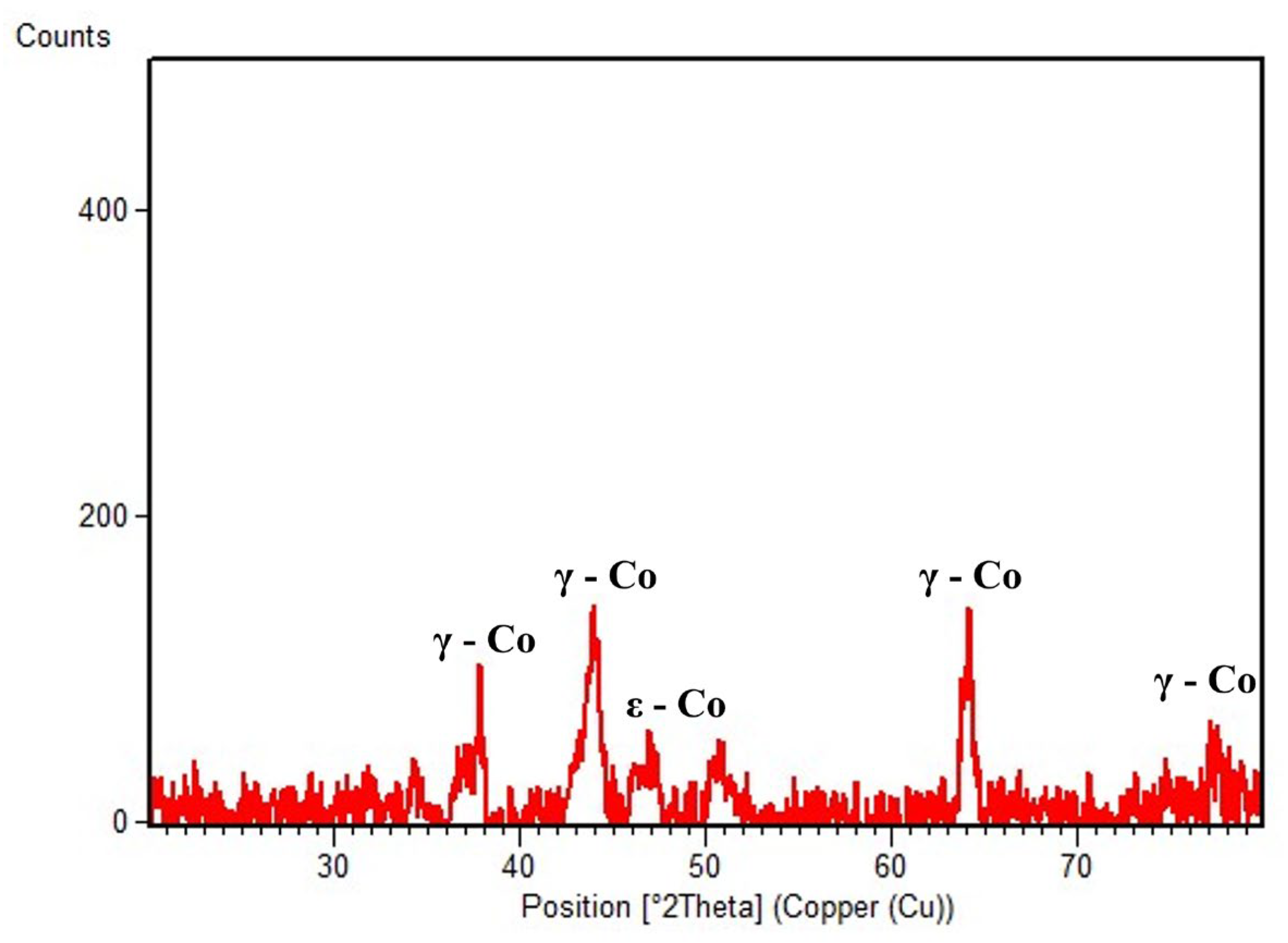
The XRD pattern of the PBF-LB/M-fabricated CoCr alloy presented in Figure 8 reveals a microstructure dominated by a cobalt-rich solid solution. The most intense diffraction peaks located at approximately 44° and 64° (2θ) are characteristic of the γ-Co phase with a face-centered cubic (FCC) crystal structure. In addition, a weak reflection around 46–47° suggests the presence of a minor amount of ε-Co with a hexagonal close-packed (HCP) structure. The coexistence of FCC and HCP phases is commonly reported for PBF-LB/M CoCr alloys and is attributed to the rapid solidification conditions and the partial γ → ε martensitic transformation induced by thermal gradients and residual stresses during processing. No significant diffraction peaks associated with intermetallic phases were detected, indicating that the alloy is predominantly composed of the cobalt-based solid-solution matrix. The stabilization of the FCC phase is consistent with the high cooling rates characteristic of the PBF-LB/M process, which suppress the formation of equilibrium phases and promote a refined microstructure.
Figure 8.
XRD pattern of the PBF-LB/M-fabricated CoCr alloy.
3.3. Compression Tests
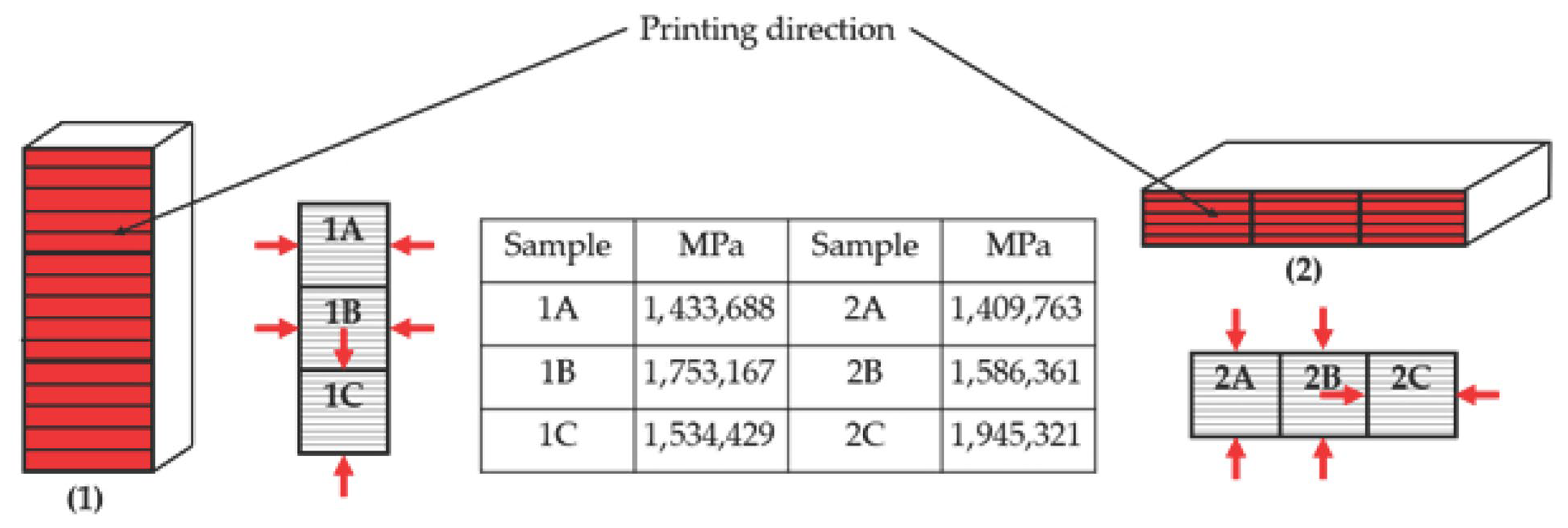
Compression tests were performed on the CoCr alloy specimens fabricated by the PBF-LB/M process. Two build orientations were investigated: one specimen printed in the vertical direction and another printed in the horizontal direction. Each specimen was sectioned into three equal parts, as illustrated in Figure 9, in order to evaluate the influence of build orientation and position within the printed structure on the mechanical response.
Figure 9.
Preparation of CoCr alloy samples made by the PBF-LB/M process for compression test.
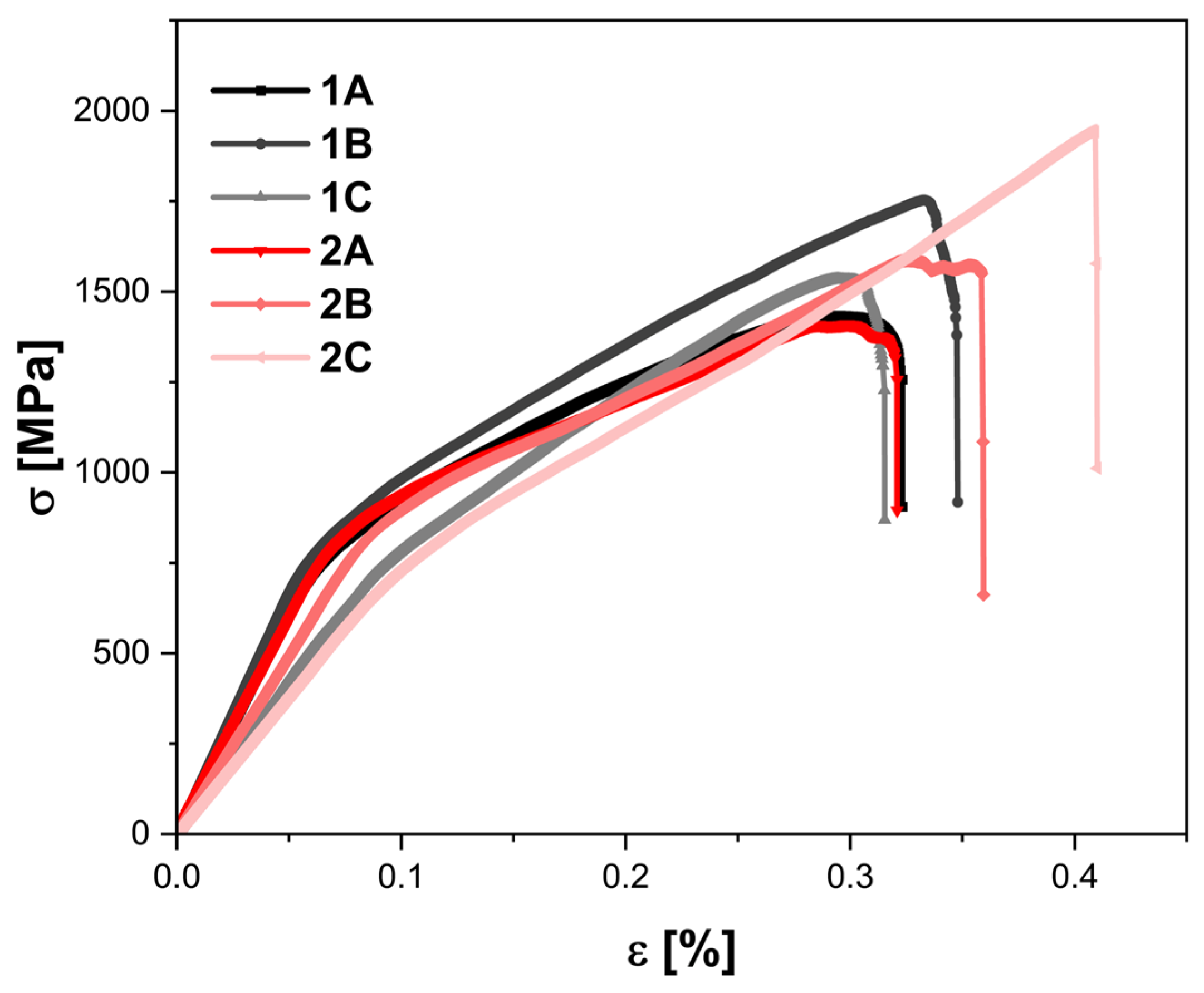
Uniaxial compression tests were conducted under quasi-static loading conditions using a universal testing machine equipped with a 100 kN load cell. All experiments were carried out at a constant crosshead displacement rate of 1 mm min−1. The applied force was continuously recorded until reaching a maximum load of 78 kN or until complete structural collapse of the specimen occurred. Strain values were determined from the actual crosshead displacement, while the engineering compressive stress was calculated based on the measured load and the initial cross-sectional area of the samples. The resulting force–displacement curves obtained from the experimental tests are presented in Figure 10.
Figure 10.
Stress–strain curves of the PBF-LB/M samples.
The compressive stress–strain curves do not exhibit a distinct yield point typically observed in conventionally processed alloys. Instead, they display a gradual transition from elastic to plastic deformation, followed by localized softening and abrupt stress drops before failure. This behavior is characteristic of PBF-LB/M-fabricated CoCr alloys and can be attributed to their fine cellular–dendritic microstructure, residual stresses, crystallographic texture, and the progressive development of localized deformation bands during compressive loading.
All specimens exhibit a typical elastic–plastic response, characterized by a steep initial elastic region followed by progressive plastic deformation until final collapse. The compressive strength values of all specimens exceeded 1400 MPa, with an overall mean of 1610.5 ± 205.1 MPa, confirming the excellent load-bearing capability of the additively manufactured CoCr alloy. A clear influence of build orientation on mechanical behavior can be observed. The horizontally printed specimens (2A–2C) achieved a higher mean compressive strength (1647.1 ± 272.9 MPa) compared to the vertically printed ones (1A–1C) (1573.8 ± 163.4 MPa), indicating that loading perpendicular to the layer stacking direction promotes greater resistance to compressive failure. In addition, the horizontally built samples exhibit a more pronounced strain to failure, indicating enhanced deformability before collapse. In contrast, the vertically printed specimens show higher stiffness in the elastic region, which can be attributed to the preferential growth of columnar and cellular grains along the build direction, driven by the steep thermal gradients established during laser melting. In the PBF-LB/M process, the elongated melt pool geometry and the directional heat extraction toward the substrate promote epitaxial grain growth parallel to the building direction, resulting in a crystallographic texture that confers greater resistance to elastic deformation when load is applied along this axis. This combination of higher strength and ductility in the horizontal group, alongside greater stiffness in the vertical group, reflects the inherent anisotropy induced by the layer-by-layer nature of the PBF-LB/M process. Furthermore, variations among specimens extracted from different positions within the same printed block indicate a certain degree of microstructural and residual stress heterogeneity along the build direction. Nevertheless, the overall shape of the stress–strain curves remains consistent, demonstrating good repeatability of the manufacturing process.
3.4. Corrosion Behavior Evaluation
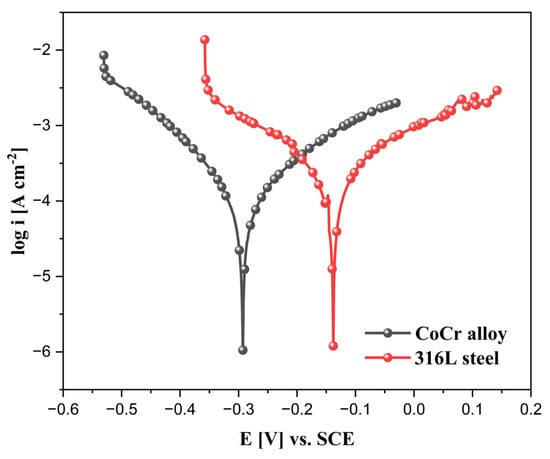
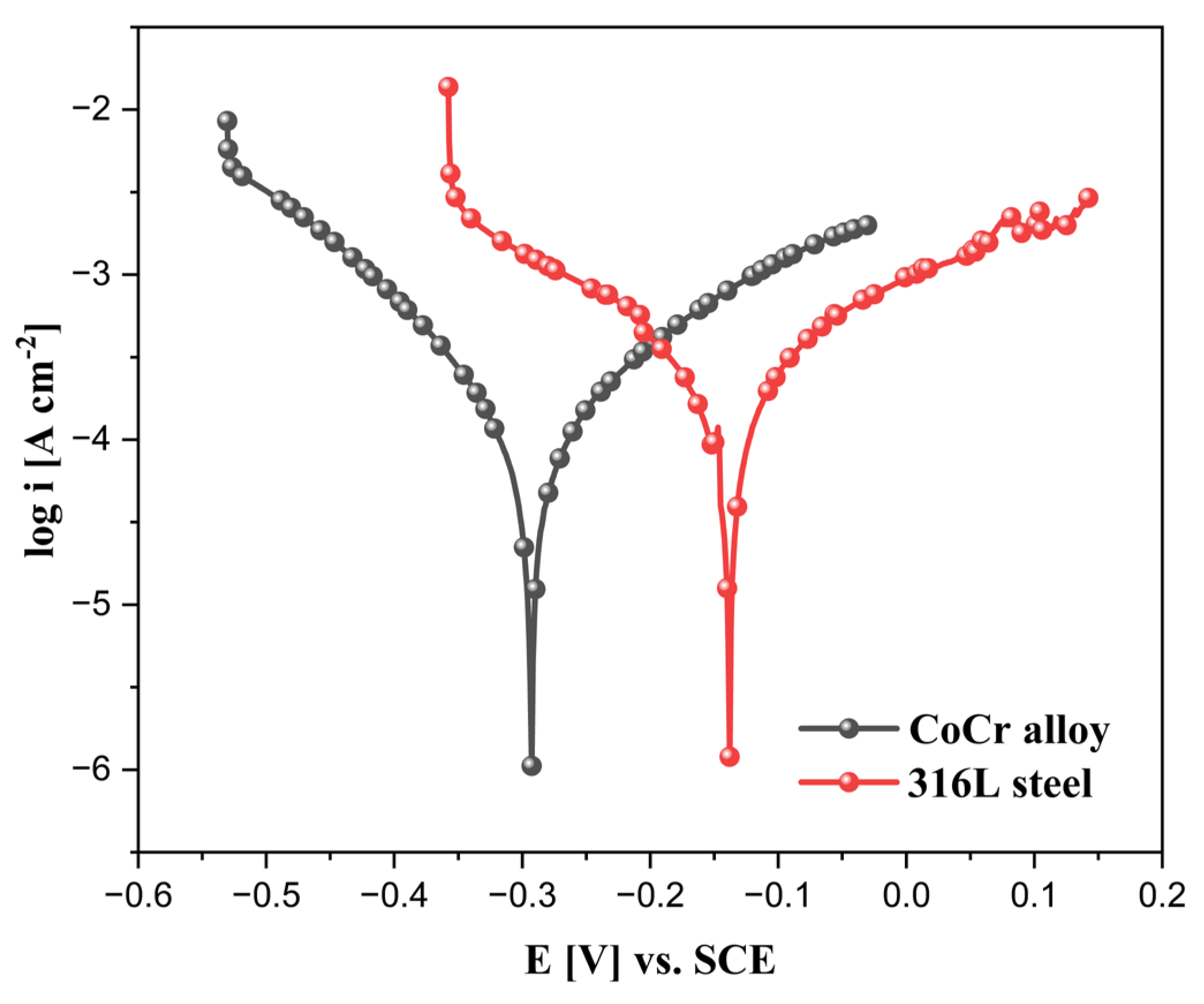
The potentiodynamic polarization measurements performed in Ringer solution (Figure 11) demonstrated that the PBF-LB/M-fabricated CoCr alloy exhibits slightly superior corrosion resistance compared with 316L stainless steel. The electrochemical parameters obtained by Tafel extrapolation (Table 2) revealed a corrosion current density of 0.129 μA cm−2 for the CoCr alloy, which is less than half the value measured for 316L stainless steel (0.297 μA cm−2). Consequently, the calculated corrosion rate decreased from 3.10 μm y−1 for 316L stainless steel to 1.24 μm y−1 for the CoCr alloy, indicating a significantly lower dissolution rate under simulated physiological conditions. Although the CoCr alloy exhibited a more negative corrosion potential (−0.29 V vs. SCE) than 316L stainless steel (−0.14 V vs. SCE), the corrosion potential alone does not determine corrosion resistance. Instead, the lower corrosion current density and reduced corrosion rate demonstrate the superior stability of the passive layer formed on the CoCr surface. This behavior is mainly attributed to the high chromium content of the alloy, which promotes the formation of a compact and adherent Cr2O3-rich passive film. Furthermore, the presence of Mo and W contributes to the stabilization of the passive layer and enhances resistance to localized corrosion processes. The improved electrochemical performance can also be associated with the dense microstructure obtained by the PBF-LB/M process. The measured density of 8.56 g cm−3 indicates a high degree of consolidation and a low level of residual porosity, reducing the number of preferential sites for electrolyte penetration and corrosion initiation. In addition, the refined microstructure generated by rapid solidification may contribute to the formation of a more homogeneous passive film on the alloy surface.
Figure 11.
Potentiodynamic polarization curves (ν = 1 mV s−1) of the CoCr samples measured in Ringer electrolyte at 25 °C.
Table 2.
Electrochemical corrosion parameters obtained by Tafel extrapolation from the potentiodynamic polarization curves of the PBF-LB/M-fabricated CoCr alloy and 316L stainless steel in Ringer electrolyte.
3.5. Wear Behavior of the PBF-LB/M-Fabricated CoCr Samples
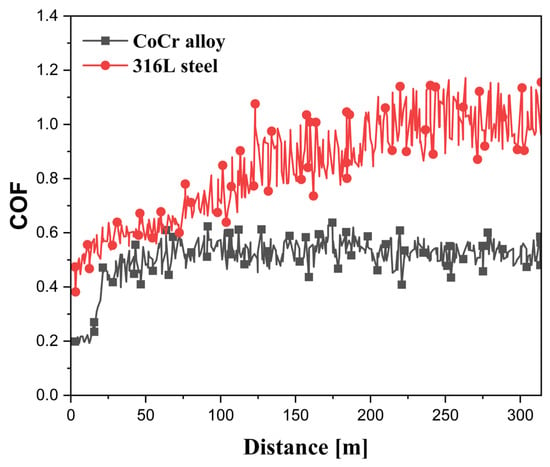
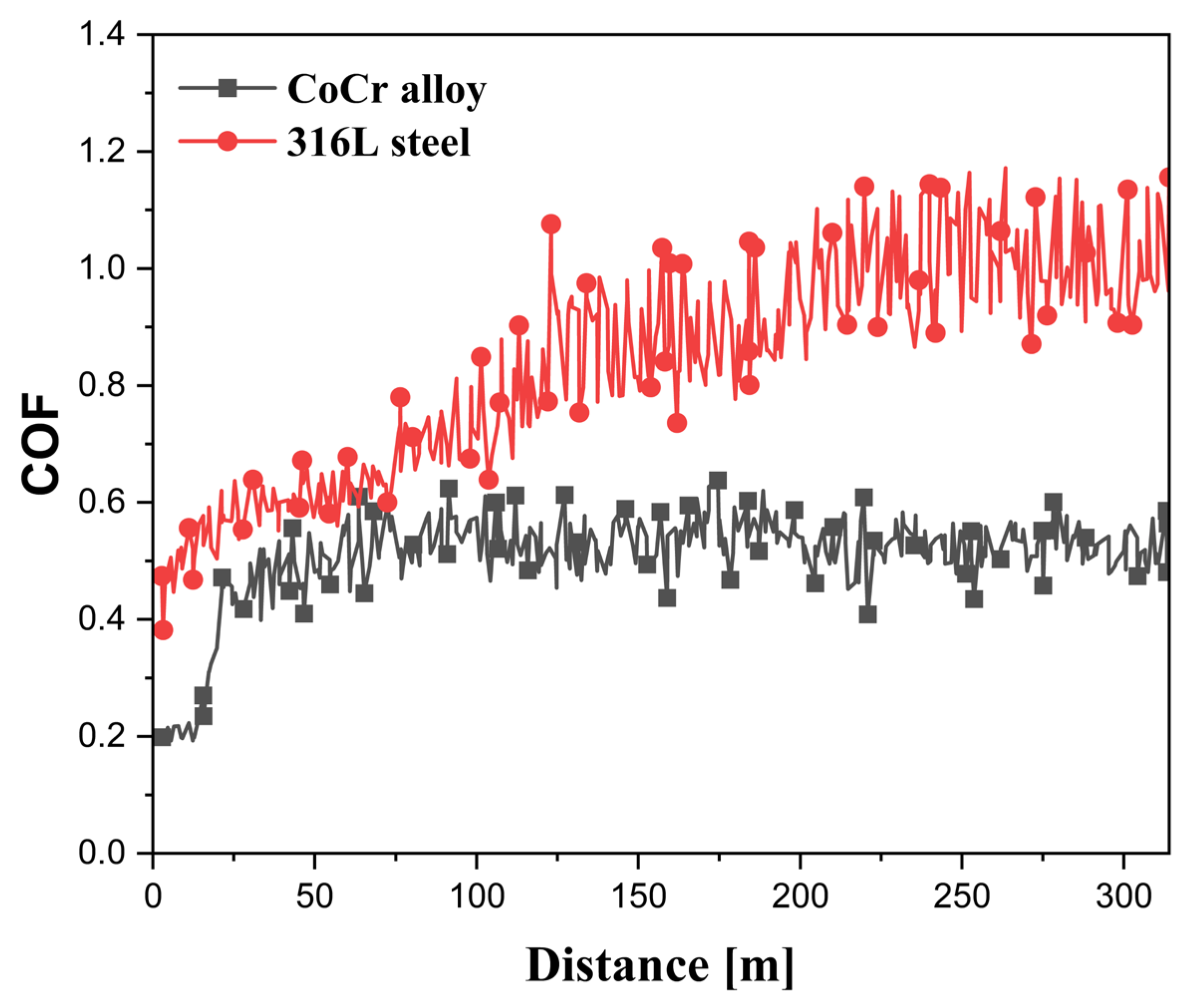
This method provides insight into friction coefficients, wear rates, and wear mechanisms, helping to assess the material’s suitability for long-term use in implants and other load-bearing medical devices. The variation in the coefficient of friction over time for the investigated samples is presented in Figure 12, compared to the 316L stainless steel substrate.
Figure 12.
COF variation for the CoCr samples produced by the PBF-LB/M process in comparison to 316L stainless steel.
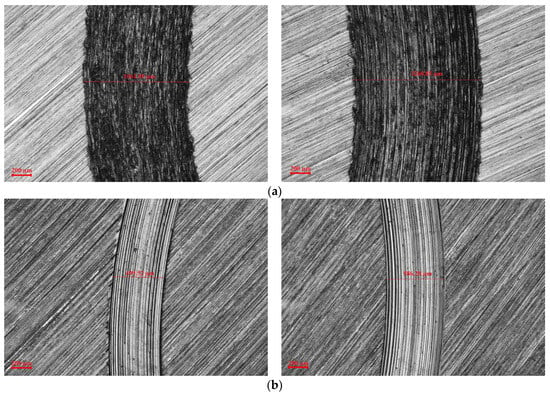
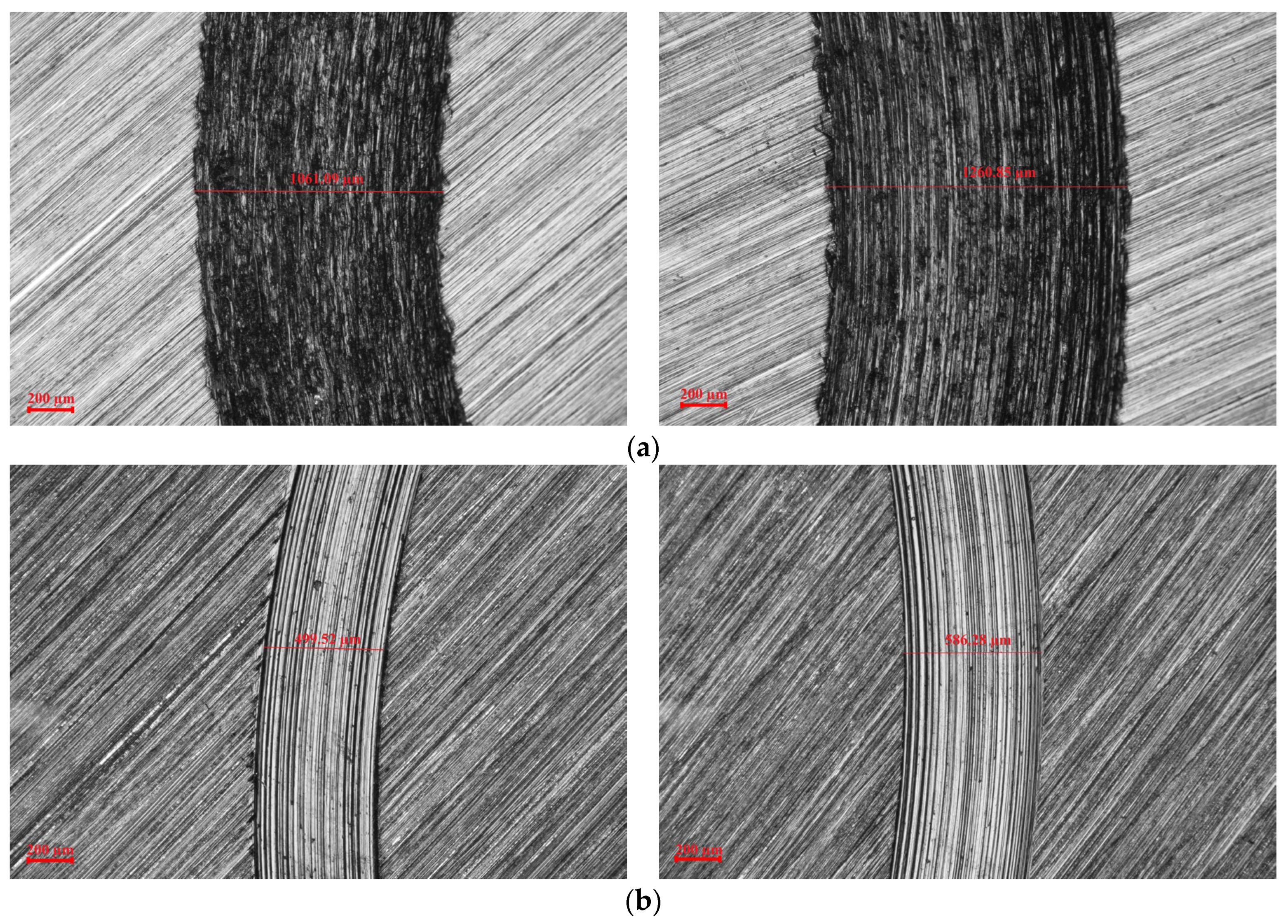
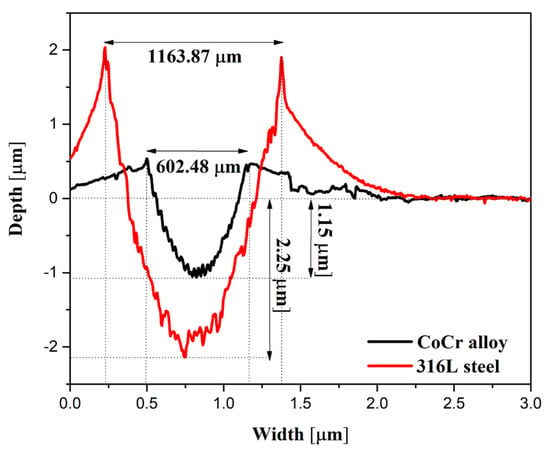
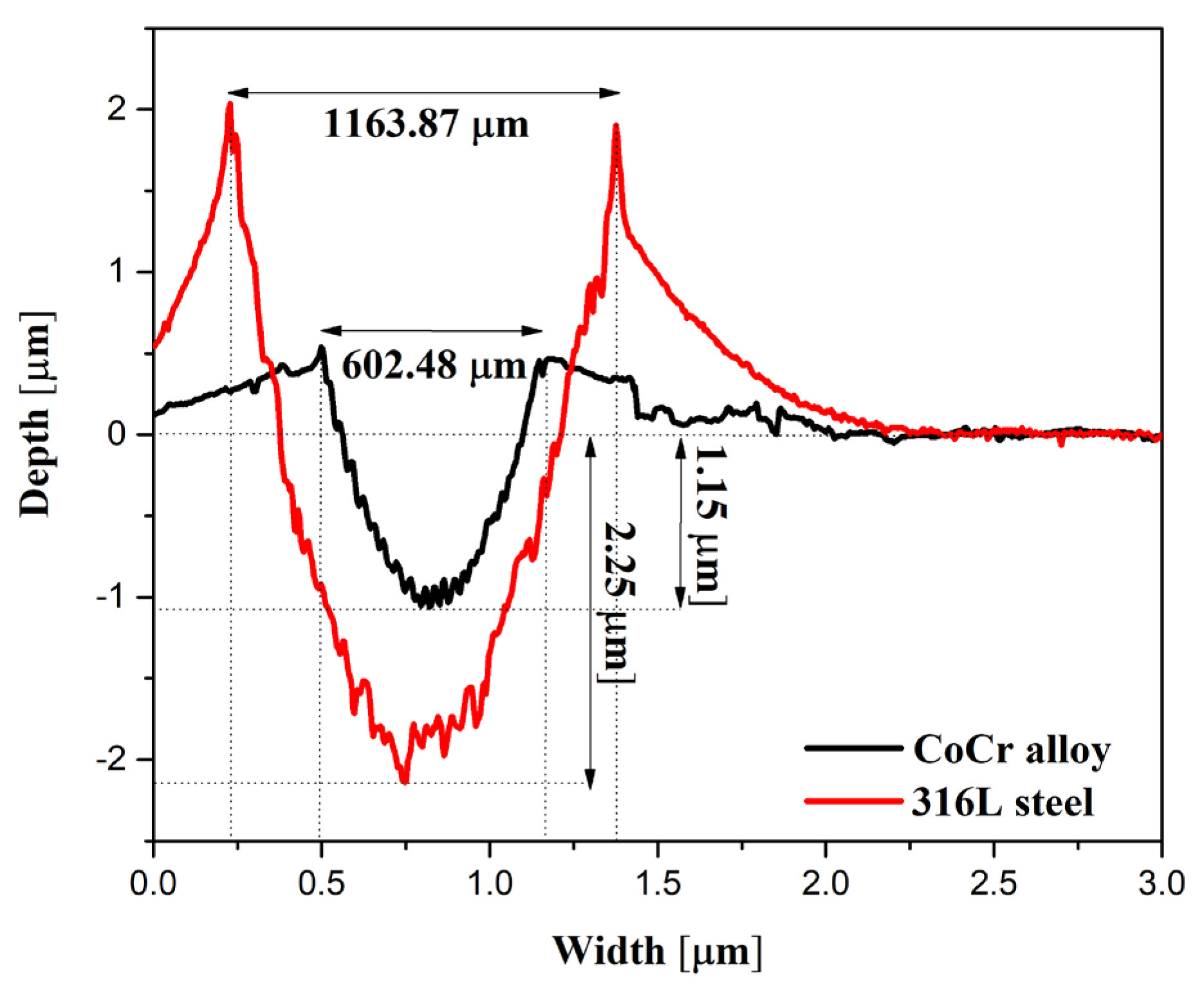
The CoCr alloy shows a relatively stable and lower COF (~0.45–0.55) after an initial running-in period, indicating consistent tribological behavior. This stability suggests that the PBF-LB/M-manufactured surface might possess favorable hardness and wear resistance properties, likely due to its refined microstructure. In contrast, the 316L steel exhibits a continuously increasing COF, reaching values above 1.2. This rise indicates progressive surface degradation or increased adhesion during sliding, which could be attributed to its comparatively softer nature or inferior wear resistance. Overall, the PBF-LB/M CoCr alloy demonstrates superior frictional performance and wear stability compared to the conventional 316L steel, making it a promising candidate for long-term medical applications under sliding conditions. The wear track images from Figure 13 confirm the tribological performance trends observed in the COF variation. The 316L stainless steel from Figure 13a exhibits severe wear with dark, irregular tracks, indicative of dominant adhesive and abrasive wear mechanisms. Material transfer and debris accumulation contribute to its rising COF and poor wear stability. In contrast, the CoCr alloy in Figure 13b, produced by the PBF-LB/M process, shows smoother and more uniform tracks with minimal material removal. This suggests a mild abrasive wear mechanism, likely due to the alloy’s high hardness and refined microstructure. These findings highlight the superior wear resistance and frictional stability of the PBF-LB/M CoCr alloy over conventional 316L, making it a strong candidate for biomedical applications involving long-term sliding contact. The specific wear rates (Ws) were calculated from the wear track profiles presented in Figure 14, using the volume difference in the material after wear (ΔV), applied normal load (L), and the sliding distance (D) as presented in Equation (1):
Figure 13.
Wear track micrographs of the (a) 316L stainless steel and (b) CoCr samples produced by the PBF-LB/M process after the ball-on-disk test.
Figure 14.
Wear track profile of the 316L stainless steel and CoCr samples produced by the PBF-LB/M process after the ball-on-disk test.
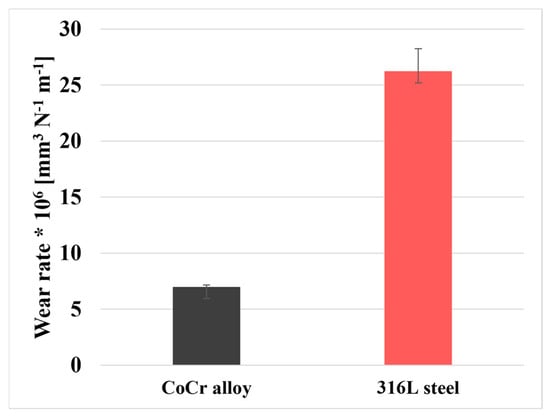
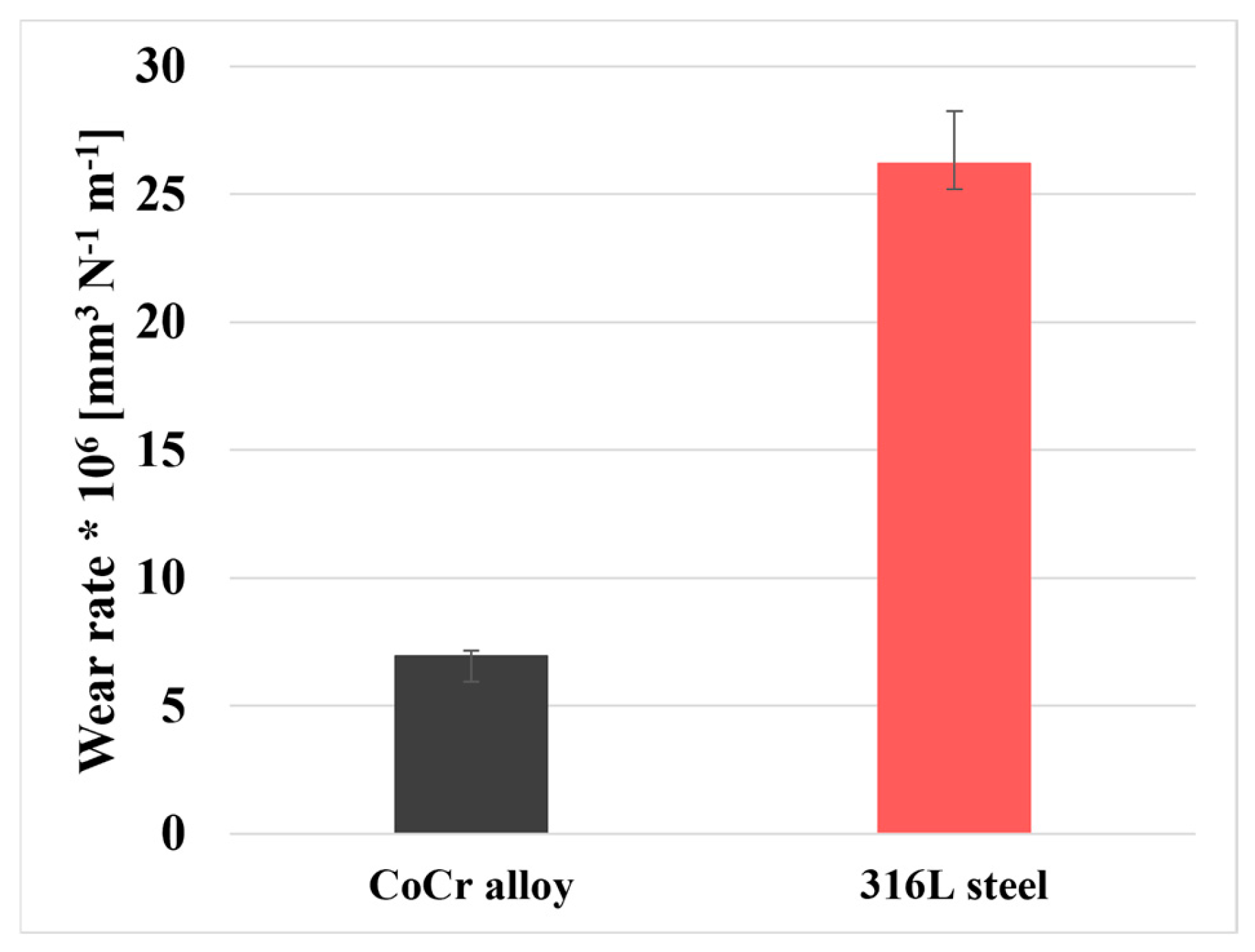
The calculated wear rates illustrated in Figure 15 were 6.95 × 10⁻⁶ mm3 N−1 m−1 for the CoCr alloy and 26.2 × 10⁻⁶ mm3 N−1 m−1 for the 316L stainless steel, indicating that the stainless steel experienced approximately 3.8 times greater material loss under identical testing conditions. The superior wear resistance of the CoCr alloy can be attributed primarily to its higher hardness and enhanced microstructural stability. The PBF-LB/M process produces a fine cellular–dendritic microstructure characterized by a cobalt-rich solid solution strengthened by chromium, molybdenum, and tungsten. This refined microstructure effectively resists plastic deformation during sliding contact, thereby reducing material removal. Furthermore, the presence of chromium promotes the formation of a stable and protective oxide film, which contributes to minimizing adhesive wear and surface degradation. In contrast, the higher wear rate observed for 316L stainless steel indicates a lower resistance to repeated sliding contact. The larger wear track dimensions and increased material removal suggest more extensive plastic deformation and a greater susceptibility to adhesive and abrasive wear mechanisms. This behavior is consistent with the lower hardness of 316L stainless steel compared with CoCr alloys and with the reduced ability of the passive film to withstand repeated mechanical disruption during sliding. The friction measurements further support these observations. While the CoCr alloy exhibited a relatively stable friction response throughout the test, the coefficient of friction of 316L stainless steel showed continuous fluctuations without reaching a clear steady-state regime. This behavior is commonly associated with repeated formation and removal of oxide layers, generation of wear debris, and unstable adhesive interactions at the sliding interface. The resulting variation in contact conditions leads to oscillations in the friction coefficient and contributes to the increased wear rate observed for the stainless steel specimen.
Figure 15.
Wear rate values estimated from the wear track profile of the investigated samples.
4. Conclusions
This study demonstrates the potential of the PBF-LB/M process for manufacturing CoCr alloys intended for biomedical applications, particularly orthopedic and dental implants. The PBF-LB/M process produced highly dense components with a refined cellular–dendritic microstructure characteristic of rapid solidification, contributing to excellent mechanical performance, high wear resistance, and good corrosion resistance in Ringer electrolyte. Compression testing revealed a clear influence of build orientation on the mechanical behavior of the alloy. The horizontally fabricated specimens exhibited a higher average compressive strength than the vertically fabricated specimens, while the vertical orientation showed greater stiffness in the elastic region, highlighting the importance of build orientation in optimizing the mechanical response of PBF-LB/M-manufactured components. Tribological testing demonstrated significantly lower friction coefficients and wear rates for the PBF-LB/M CoCr alloy compared with conventional 316L stainless steel, while electrochemical polarization measurements confirmed its superior corrosion resistance under simulated physiological conditions.
Overall, the results confirm that PBF-LB/M is a promising manufacturing route for producing high-performance CoCr components with properties well suited for biomedical applications. Furthermore, the excellent combination of mechanical strength, wear resistance, and corrosion resistance suggests considerable potential for extending the use of PBF-LB/M-fabricated CoCr alloys to demanding engineering applications, including the aerospace and automotive sectors.
Author Contributions
Conceptualization, Ș.A.Ț., R.M., C.C. and A.D.; Data curation, R.M., C.O. and D.B.; Project administration, V.-A.Ș.; Supervision, V.-A.Ș.; Validation, R.M. and Ș.A.Ț.; Writing—original draft, Ș.A.Ț.; Writing—review and editing, R.M. and Ș.A.Ț. All authors have read and agreed to the published version of the manuscript.
Funding
This research received no external funding.
Data Availability Statement
The original contributions presented in this study are included in the article. Further inquiries can be directed to the corresponding author.
Acknowledgments
The authors would like to acknowledge Politehnica University Timisoara, Romania, for the technical and financial support. During the preparation of this manuscript, the authors used ChatGPT (GPT-5.5, Open AI) for the purposes of refining the text, to assist with language editing, and checking spelling and grammar. The authors have reviewed and edited the output and take full responsibility for the content of this publication.
Conflicts of Interest
The authors declare no conflicts of interest.
Abbreviations
The following abbreviations are used in this manuscript:
| CoCr | Cobalt–Chromium |
| PBF-LB/M | Laser Powder Bed Fusion |
| CoCrMo | Cobalt–Chromium–Molybdenum |
| CoCrW | Cobalt–Chromium–Tungsten |
| SEM | Scanning Electron Microscopy |
| EDS | Energy-Dispersive Spectroscopy |
| XRD | X-ray diffraction |
| NaCl | Sodium chloride |
| KCl | Kalium chloride |
| CaCl2 | Calcium chloride |
| HCP | Hexagonal close-packed |
| FCC | Face-centered cubic |
| COF | Coefficient of Friction |
| WC-Co | Tungsten carbide–Cobalt |
| VED | Volumetric energy density |
References
- Tonelli, L.; Fortunato, A.; Ceschini, L. CoCr alloy processed by Selective Laser Melting (PBF-LB/M): Effect of Laser Energy Density on microstructure, surface morphology, and hardness. J. Manuf. Process. 2020, 52, 106–119. [Google Scholar] [CrossRef] [Scilit]
- Stefene, E.M. State-of-the-art of selective laser melting process: A comprehensive review. J. Manuf. Syst. 2022, 63, 250–274. [Google Scholar] [CrossRef] [Scilit]
- Dasgupta, S.; Singh, Y.P. Additive manufacturing techniques used for preparation of scaffolds in bone repair and regeneration. In Advances in Additive Manufacturing; Elsevier: Amsterdam, The Netherlands, 2023; pp. 103–127. [Google Scholar] [CrossRef] [Scilit]
- Fousová, M.; Kubásek, J.; Dvorskỳ, D.; Machová, M. 3D Printing as an Alternative to Casting, Forging and Machining Technologies? Manuf. Technol. 2015, 15, 809–814. [Google Scholar] [CrossRef] [Scilit]
- Gao, B.; Zhao, H.; Peng, L.; Sun, Z. A Review of Research Progress in Selective Laser Melting (PBF-LB/M). Micromachines 2023, 14, 57. [Google Scholar] [CrossRef] [Scilit] [PubMed]
- Kruth, J.P.; Froyen, L.; Van Vaerenbergh, J.; Mercelis, P.; Rombouts, M.; Lauwers, B. Selective Laser Melting of Iron-Based Powder. J. Mater. Process. Technol. 2004, 149, 616–622. [Google Scholar] [CrossRef] [Scilit]
- Sghaier, T.A.M.; Sahlaoui, H.; Mabrouki, T.; Sallem, H.; Rech, J. Selective Laser Melting of Stainless-Steel: A Review of Process, Microstructure, Mechanical Properties and Post-Processing Treatments. Int. J. Mater. Form. 2023, 16, 41. [Google Scholar] [CrossRef] [Scilit]
- Hanzl, P.; Zetek, M.; Bakša, T.; Kroupa, T. The Influence of Processing Parameters on the Mechanical Properties of PBF-LB/M Parts. Procedia Eng. 2015, 100, 1405–1413. [Google Scholar] [CrossRef] [Scilit]
- Korkmaz, M.E.; Gupta, M.K.; Waqar, S.; Kuntoğlu, M.; Krolczyk, G.M.; Maruda, R.W.; Pimenov, D.Y. A Short Review on Thermal Treatments of Titanium Nickel-Based Alloys Processed by Selective Laser Melting. J. Mater. Res. Technol. 2022, 16, 100–1101. [Google Scholar] [CrossRef] [Scilit]
- Zhang, J.; Songa, B.; Wei, Q.; Bourell, D.; Shi, Y. A Review of Selective Laser Melting of Aluminum Alloys: Processing, Microstructure, Properties, and Developing Trends. J. Mater. Sci. Technol. 2019, 35, 270–284. [Google Scholar] [CrossRef] [Scilit]
- Phasani, M.; Abe, J.; Popoola, P.; Aramide, O.; Dada, M. Synthesis and Characterization of Cobalt-Chromium-Based Alloys via Spark Plasma Sintering for Biomedical Applications. Next Mater. 2025, 6, 100291. [Google Scholar] [CrossRef] [Scilit]
- Mergulhão, M.V.; Podestá, C.E.; Neves, M.D.M.d. Mechanical Properties and Microstructural Characterization of Cobalt-Chromium (CoCr) Obtained by Casting and Selective Laser Melting (PBF-LB/M). Mater. Sci. Forum. 2017, 899, 534–539. [Google Scholar] [CrossRef] [Scilit]
- Koutsoukis, T.; Zinelis, S.; Eliades, G.; Al-Wazzan, K.; Al Rifaiy, M.; Al Jabbari, Y.S. Selective Laser Melting Technique of Co-Cr Dental Alloys: A Review of Structure and Properties and Comparative Analysis with Other Available Techniques. J. Prosthodont. Res. 2015, 24, 303–312. [Google Scholar] [CrossRef] [Scilit] [PubMed]
- Lam, T.N.; Chen, K.M.; Tsai, C.H.; Tsai, P.I.; Wu, M.H.; Hsu, C.H.; Jain, J.; Huang, E.W. Effect of Porosity and Heat Treatment on Mechanical Properties of Additive Manufactured CoCrMo Alloys. Materials 2023, 16, 751. [Google Scholar] [CrossRef] [Scilit] [PubMed]
- Song, Y.; Park, C.-H.; Moriwaki, T. Mirror Finishing of Co-Cr-Mo Alloy Using Elliptical Vibration Cutting. Precis. Eng. 2010, 34, 784–789. [Google Scholar] [CrossRef] [Scilit]
- Zeng, S.; Blunt, L. Experimental Investigation and Analytical Modelling of the Effects of Process Parameters on Material Removal Rate for Bonnet Polishing of Cobalt Chrome Alloy. Precis. Eng. 2014, 38, 348–355. [Google Scholar] [CrossRef] [Scilit]
- Attarilar, S.; Ebrahimi, M.; Djavanroodi, F.; Fu, Y.; Wang, L.; Yang, J. 3D Printing Technologies in Metallic Implants: A Thematic Review on the Techniques and Procedures. Int. J. Bioprint. 2021, 7, 21–46. [Google Scholar] [CrossRef] [Scilit] [PubMed]
- Pupo, Y.; Monroy, K.; Ciurana, J. Influence of process parameters on surface quality of CoCrMo produced by selective laser melting. Int. J. Adv. Manuf. Technol. 2015, 80, 985–995. [Google Scholar] [CrossRef] [Scilit]
- Viderščak, D.; Schauperl, Z.; Godec, M.; Donik, C.; Paulin, I.; Sercer, M.; Ćatić, A.; Alar, Ž.; Pustički, D. Influence of laser powder bed fusion parameters on microstructure and mechanical properties of Co–Cr dental alloy. J. Mater. Res. Technol. 2024, 30, 6218–6226. [Google Scholar] [CrossRef] [Scilit]
- Gülcan, Ö.; Simsek, U.; Cokgunlu, O.; Ozdemir, M.; Sendur, P.; Yapici, G.G. Effect of Build Parameters on the Compressive Behavior of Additive Manufactured CoCrMo Lattice Parts Based on Experimental Design. Metals 2022, 12, 1104. [Google Scholar] [CrossRef] [Scilit]
- Leordean, D.V.; Cosma, C.; Balc, N.; Dudescu, M.C. Evaluating the Reliability of Powder Bed Fusion for Biomedical Materials: An Experimental Approach. Appl. Sci. 2025, 15, 4542. [Google Scholar] [CrossRef] [Scilit]
- Dai, L.; Song, C.; Fu, H.; Chen, H.; Yan, Z.; Liu, Z.; Li, R.; Wang, A.; Yang, Y.; Yu, J.-K.; et al. Recrystallization induced by heat treatment regulates the anisotropic behavior of CoCrMo alloys fabricated by laser powder bed fusion. Mater. Futures 2025, 4, 025001. [Google Scholar] [CrossRef] [Scilit]
- Ramezani, M.; Ripin, Z.M. Investigation of Wear and Friction Behavior of Cobalt-Chromium-Molybdenum Alloy Produced by Laser Powder Bed Fusion. Appl. Sci. 2023, 13, 10582. [Google Scholar] [CrossRef] [Scilit]
- Barbosa, L.; Figueira, M.H.; Neves, C.B.; Malheiro, R.; Sampaio-Fernandes, M.A.; Oliveira, S.J.; Sampaio-Fernandes, M.M. Fit Accuracy of Cobalt–Chromium and Polyether Ether Ketone Prosthetic Frameworks Produced Using Digital Techniques: In Vitro Pilot Study. Appl. Sci. 2024, 14, 118. [Google Scholar] [CrossRef] [Scilit]
- Dikova, T. Chapter 5: Properties of Co-Cr Dental Alloys Fabricated Using Additive Technologies. In Biomaterials in Regenerative Medicine; Dobrzański, L.A., Ed.; InTech: London, UK, 2018. [Google Scholar] [CrossRef] [Scilit]
- Augustyn-Pieniazek, J.; Lukaszczyk, A.; Zapala, R. Microstructure and Corrosion Resistance Characteristics of Cr-Co-Mo Alloys Designed for Prosthetic Materials. Arch. Metall. Mater. 2013, 58, 1281–1285. [Google Scholar] [CrossRef] [Scilit]
- ISO 4287-1997; Geometrical Product Specifications (GPS)—Surface Texture: Profile Method—Terms, Definitions and Surface Texture Parameters. International Organization for Standardization: Geneva, Switzerland, 1997.
- PBF-LB/M Equipment SISMA MYSINT100. Available online: https://www.sisma.com/en/products/mysint100/ (accessed on 2 May 2025).
- ASTM G99-17; Standard Test Method for Wear Testing with a Pin-on-Disk Apparatus. ASTM International: West Conshohocken, PA, USA, 2017.
- ISO 13314:2011; Mechanical Testing of Metals—Ductility Testing—Compression Test for Porous and Cellular Metals. International Organization for Standardization: Geneva, Switzerland, 2011.

Disclaimer/Publisher’s Note: The statements, opinions and data contained in all publications are solely those of the individual author(s) and contributor(s) and not of MDPI and/or the editor(s). MDPI and/or the editor(s) disclaim responsibility for any injury to people or property resulting from any ideas, methods, instructions or products referred to in the content. |
© 2026 by the authors. Licensee MDPI, Basel, Switzerland. This article is an open access article distributed under the terms and conditions of the Creative Commons Attribution (CC BY) license.