


Abstract
This paper examines the use of metallurgical process waste in welding electrode coatings and their impact on the quality and properties of welded joints in carbon steels. The results demonstrate that the use of metallurgical process waste in slag coatings for welding electrodes can significantly reduce the cost of the charge without degrading the welding properties of the electrodes or the quality and properties of the welded joints. The new electrode under study was fabricated using technological waste of metallurgical plants for the welding electrodes (IMAN-9). An activator additive consisting of nanostructured functional ceramics ZB-1 was introduced into the coating at an amount of 1% to increase the melting capacity of the welding electrode. This electrode is characterized by low cost, good welding properties, and ensures high-quality welded joints and beads. This paper also includes comparative tests of welded joints in low-carbon AISI 1017 steel using the IMAN-9 electrode and the ESAB E6013 electrode, which is widely used in the global market. Research has shown that IMAN-9 electrodes, compared to ESAB E6013 electrodes, offer superior performance in terms of weld metal penetration, weld metal structure, and weld joint ductility. In terms of strength, welds made by the IMAN-9 electrodes are slightly inferior to those made by the ESAB E6013 electrodes.
1. Introduction
Manual metal arc welding (MMA) is often referred to as shielded metal arc welding (SMAW) or stick electrode welding. Welding consists of splintering of an arc between the consumable electrode and the workpiece. The electrode coating forms a protective slag. This technique is easy to learn, can be used indoors and outdoors. A variety of types of electrodes are available in the market. The coating is composed of various mixtures of chemical and mineral powders selected according to the type of materials to be joined. The coating materials ensure the protection of the weld pool, enhancing the stability of the arc, import beneficial elements for obtaining a sound weld [1]. Several researchers and scientists have studied the effects of fluxes and coating composition constituents on weld metal mechanical properties and their chemistry to meet the industry’s needs, particularly the environmentally friendly aspects and economic rentability [2,3].
The quality of a weld is intimately related to the mechanical characteristics of the welded joint. Many studies focus on the effect of welding parameters and type of electrodes on mechanical properties and weld aspect. Sumardiyanto et al. [4] investigated the effect of intensity current and type of electrode on the mechanical properties of low carbon steel API 5L shielded metal arc welds. They carried out experiments by changing current values from 90 A to 100 A using various types of welding electrodes such as E6010, E7016 and E7018. They concluded that the optimum tensile strength for welding metal is produced by the welding electrode E7016 at 90 A with 617.155 MPa while the lowest value is 505.215 MPa for E6013 at 100 A, the optimum of hardness is produced by E7018 at a welding current of 90 A with 194.40 VH while the lowest is 170.60 VH for E6013 at 100 A.
In another study Talabi et al. [5] studied the effect of welding parameters such as welding current, arc voltage, welding speed, and electrode diameter on the mechanical properties of welded 10 mm thick low carbon steel plates, performed by the shielded metal arc welding (SMAW) technique. They find that the increases in the arc voltage and welding current contribute to enhancing hardness and decreases in yield strength, tensile strength and impact toughness. Increasing the welding speed from 40 to 66.67 mm/min caused an increase in the hardness characteristic of the welded samples.
Wang et al. [6] investigated the impact of different current intensity on the microstructure and mechanical properties of single-pass G115 martensitic steel SMAW welded joints. The results show that a larger welding current causes a decrease in Vickers hardness in welding metal. The tensile strength of the welded joint firstly decreases and then increases with the increase in welding current, while the yield strength and elongation firstly increase and then decrease. The welded joint with welding current of 100 A is more recommended, due to the combination of highest yield strength and best ductility.
Afzal Muhammad Saad et al. [7] used the Taguchi L16 array method to optimize the input welding parameters to achieve the best mechanical properties. The main finding reveals the impacts of groove angle on tensile strength, electrode diameter on impact strength, and welding current on hardness and angular distortion. Optimal parameters were: 160 A welding current, 60° groove angle, 3.25 electrode diameter, 3 mm root gap, and 3 mm root face. Implementation of optimal parameters led to significant improvements: 10.53% higher tensile strength, 14.28% increased impact toughness, 8.55% reduced hardness, and a remarkable 33.33% decrease in angular.
Another field for improving weld quality oriented through electrode development and fabricating a new promising electrode. Modern industry, including welding, faces the need to enhance economic efficiency and reduce environmental impact. In this context, interest in utilizing secondary resources, such as waste products from various manufacturing processes, is growing [8,9]. One such promising direction is the application of metallurgical slags, generated in significant quantities during the production of pig iron and steel. Slags, which are complex oxide systems, possess several physico-chemical properties that can be successfully employed to modify the composition and properties of welding electrode coatings, as well as to improve the quality of deposited metal and welded joints. The use of slags not only reduces the cost of electrode production but also allows for obtaining unique properties in the deposited metal, such as increased wear resistance, corrosion resistance, and mechanical strength. Metallurgical slags are by-products of high-temperature processes, formed by the interaction of raw material impurities, fuel, and fluxes with molten metal. Their composition is highly diverse and depends on the initial raw materials, production technology, and slag formation conditions [10,11,12,13].
Blast furnace slags (pig iron smelting slags) typically contain CaO (35–50%), SiO2 (25–40%), Al2O3 (10–20%), MgO (1–10%), FeO (0.5–5%), and other oxides. They are characterized by relatively high refractoriness and can serve as a source of calcium, silicon, and aluminum. Steelmaking slags (converter, open-hearth, electroslag) have a more variable composition. They often contain higher concentrations of iron oxides (FeO, Fe2O3, up to 20–40%), manganese (MnO), as well as phosphorus (P2O5) and sulfur (S). These slags can be a source of alloying elements (Mn, Cr, V) and influence the oxidation-reduction processes during welding. Ferroalloy slags (e.g., ferrosilicon, ferromanganese) contain high concentrations of SiO2, MnO, Cr2O3, V2O5. They can be a valuable source of alloying elements for hardfacing.
The physico-chemical properties of slags, such as melting point, viscosity, density, and their ability to form a glassy phase, play a crucial role in their application in welding materials. Often, preliminary processing of slags is required—crushing, grinding, enrichment, granulation, or thermal modification—to obtain particles with a specified granulometric composition and chemical composition, as well as to reduce harmful impurities.
The coating of a welding electrode performs several crucial functions such as arc stabilization, protection of molten metal from oxidation and nitridation, alloying of the weld metal, and creation of a slag crust for weld formation and protection from external influences. Oxides present in slags (especially CaO, MgO, MnO) have ionizing properties, which contribute to more stable arc burning, particularly during welding with direct current, reverse polarity. This helps reduce metal spatter and improve the transfer of electrode metal. Slags are a source of various elements such as manganese (Mn), silicon (Si), chromium (Cr), vanadium (V), titanium (Ti), which are transferred into the weld pool and become a significant part of the deposited metal and modify the weld metal behavior [14]. The introduction of these elements allows for targeted modification of the weld metal’s structure and properties, enhancing its strength, hardness, wear resistance, and corrosion resistance. For instance, additions of ferroalloy slags can be used to produce high-alloy electrodes for wear-resistant surfacing.
Metal oxides in slags (especially FeO, MnO, SiO2) can react with oxygen and sulfur dissolved in the weld pool, transferring them into the slag phase. This leads to a reduction in harmful impurities in the weld metal, improving its ductility and impact toughness. Metal oxides in slags are good deoxidizer and desulfurizer [15].
The slag crust formed during welding protects the solidifying weld metal from oxidation and nitridation by atmospheric air. Furthermore, the slag influences the metal crystallization rate, its structure, and the shape and dimensions of the weld. The properties of the slag crust (its viscosity, solidification rate, ease of removal) are largely dependent on the coating composition, including the slag component content.
Depending on the type of metallurgical slag and its quantity in the coating, varying influences on electrode and welded joint properties are observed.
The use of blast furnace slags in electrode coatings (e.g., UONII-type electrodes) contributes to arc stabilization and the formation of a smooth weld. They can serve as a source of calcium and magnesium, positively affecting weld metal properties. However, high SiO2 content can lead to the formation of a more viscous slag crust that is harder to remove [16]. The introduction of steelmaking slags (especially those rich in manganese) into electrode coatings can significantly increase the manganese content in the deposited metal, leading to increased strength and hardness. High iron content can contribute to an increased deposition rate. However, the content of harmful impurities (S, P) must be controlled, as they can negatively affect the ductility and impact toughness of the weld metal [17]. Slags rich in chromium, vanadium, or nickel are widely used in electrode formulations to produce wear-resistant and heat-resistant coatings. For example, the addition of ferrochrome slags allows for the deposition of weld metal with high hardness and resistance to abrasive wear [18].
Research is ongoing into the use of modified slags, and modifying additives such as those that have undergone special heat treatment or have been enriched with rare earth elements, to achieve an ultrafine grain structure in the weld metal and enhance its comprehensive properties [19,20,21].
Despite the evident advantages, the use of metallurgical slags in electrode coatings is associated with several challenges. The primary problem is the instability of their chemical composition and physical properties, making it difficult to achieve consistent quality of electrodes and welded joints. Another important task is reducing the content of harmful impurities like sulfur and phosphorus, which can lead to weld-metal brittleness. Promising research directions are oriented to investigating the impact of slag nanoparticles on the structure and properties of weld metal; it became possible to modify the weld metal by nanosized hard refractory particles. Nanoparticles have sizes less than 100 nm. They are characterized by a high specific surface area, which makes it possible to provide high reactivity, high activity, and a high surface energy with a low content [22,23].
On other side, optimization techniques and evolutionary algorithms for engineering design have been used to develop electrodes for specialized applications (e.g., for welding high-strength steels, stainless steels, or for hardfacing in aggressive environments) based on optimized slag additives [24,25]. Moreover, utilizing computational modeling techniques to predict the influence of slag-component composition on welded joint properties is another research track to improve the electrode performance [26].
Metallurgical slags are a valuable secondary resource whose application in welding electrode coating formulations offers broad opportunities for reducing production costs, improving electrode technological properties, and obtaining welded joints with enhanced performance characteristics [27]. The effective utilization of slags requires a deep understanding of their composition and properties, as well as the development of optimal processing and incorporation techniques into coating compositions. Further research aimed at solving existing challenges and exploring promising new directions will contribute to a more complete and rational use of this type of secondary resource in the welding industry. The type and chemical composition of coatings significantly affect the mechanical strength of a weld.
This article is devoted to comparing the electrodes fabricated from of the influence of metallurgical slags doped by 1% of nanostructured functional ceramics and the widespread electrode brand E6013. Utilizing factory waste slags and adding value to this waste by incorporating nanostructured functional ceramics is an emerging field with significant potential for the sustainable, environmentally friendly production. This paper contributes to encourage the pursuit of promising research in developing new consumable electrodes.
2. Materials and Methods
For this work, the product used is issued from metallurgical process waste. The chemical composition of the product is depicted in Table 1.
Table 1.
Chemical composition of metallurgical process waste weight %.
Before using the process waste, it was dried for 60 min at 200 °C and then sieved through a 0.315 mm mesh screen.
Also, to increase the melting capacity of the welding electrode, an activator additive consisting of nanostructured functional ceramics ZB-1 was introduced into the coating in an amount of 1% [28]. The composition and preparation technology of this photocatalyst are described in detail in [29,30].
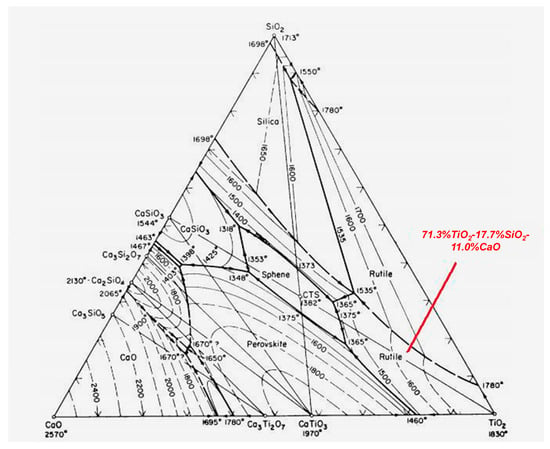
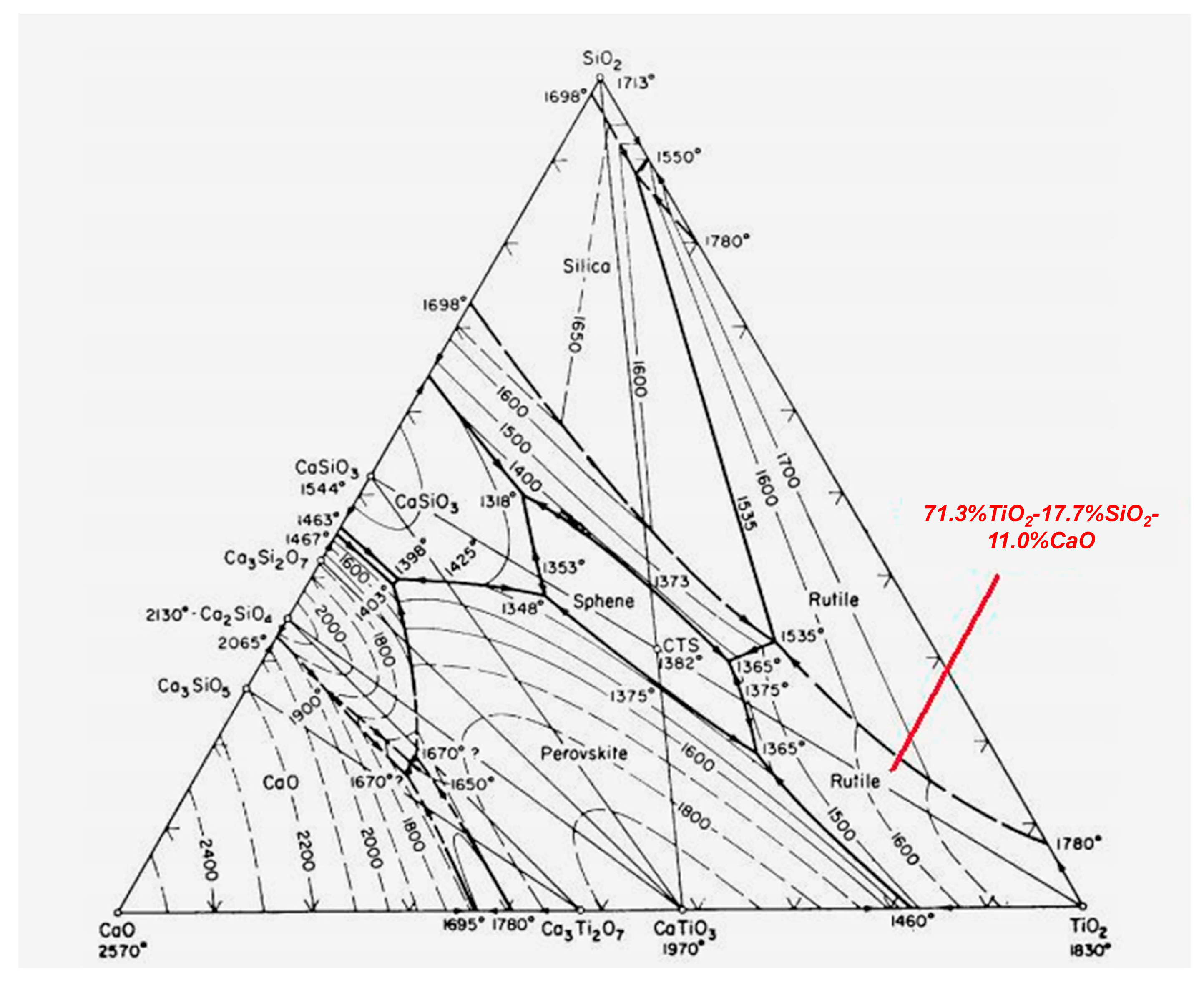
The coating base for the welding electrode was determined using the melting diagram of the TiO2-SiO2-CaO oxide system depicted in Figure 1 with the following percentages: TiO2 up to 71.3%, SiO2 up to 17.7%, and CaO up to 11.0% characterized by the basic index (BI) of 0.206.
Figure 1.
Experimental phase diagram of the system CaO-TiO2-SiO2 according to [31].
As a result of the research, the optimal composition of the coating mixture was determined. This composition is not disclosed, as it is subject to intellectual property and is being patented.
Experiments consist of welding a 20 cm line on a rectangular plate of low carbon steel, AISI 1017 plates having the dimensions 200 mm × 100 mm × 1.8 mm. The plates were cleaned with acetone then joined using SMAW in butt design.
During SMAW, only the current is adjusted. Arc voltage is derived from the arc length, which the welder must maintain. The current-carrying capacity of the electrode diameter must be taken into consideration when adjusting the current.
The specified currents apply only to non-alloyed and low-alloy steels. When working with high-alloy steels and nickel-based alloys, lower values must be selected due to the higher electrical resistance.
The following rules for calculation of individual intensity currents were respected:
- –
- At a diameter of 3.2 mm, current should be between 90 and 150 A.
- –
- At a diameter of 4.0 mm, current should be between 120 and 200 A.
- –
- At a diameter of 5.0 mm, current should be between 180 and 200 A.
E-6013 electrode and IMAN-9 electrodes with 2.6 mm diameter 2.2 mm respectively were used as filler material. During SMAW operation, the chosen welding current was 40 A. Chemical composition of low carbon AISI 1017 steel plates, electrodes E-6013 and IMAN-9 welding rods are given in Table 2, Table 3 and Table 4 respectively.
Table 2.
Chemical composition of low carbon AISI 1017 steel weight %.
Table 3.
Chemical composition of ESAB E6013 welding rod (AWS: SFA 5.1 E6013).
Table 4.
Chemical composition of IMAN-9 welding rod (Sv-08A, GOST 2246-70).
2.1. Morphology and Microstructure Investigation
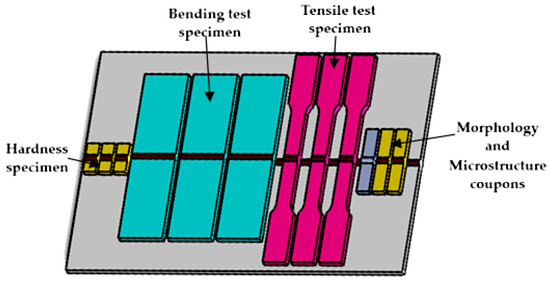
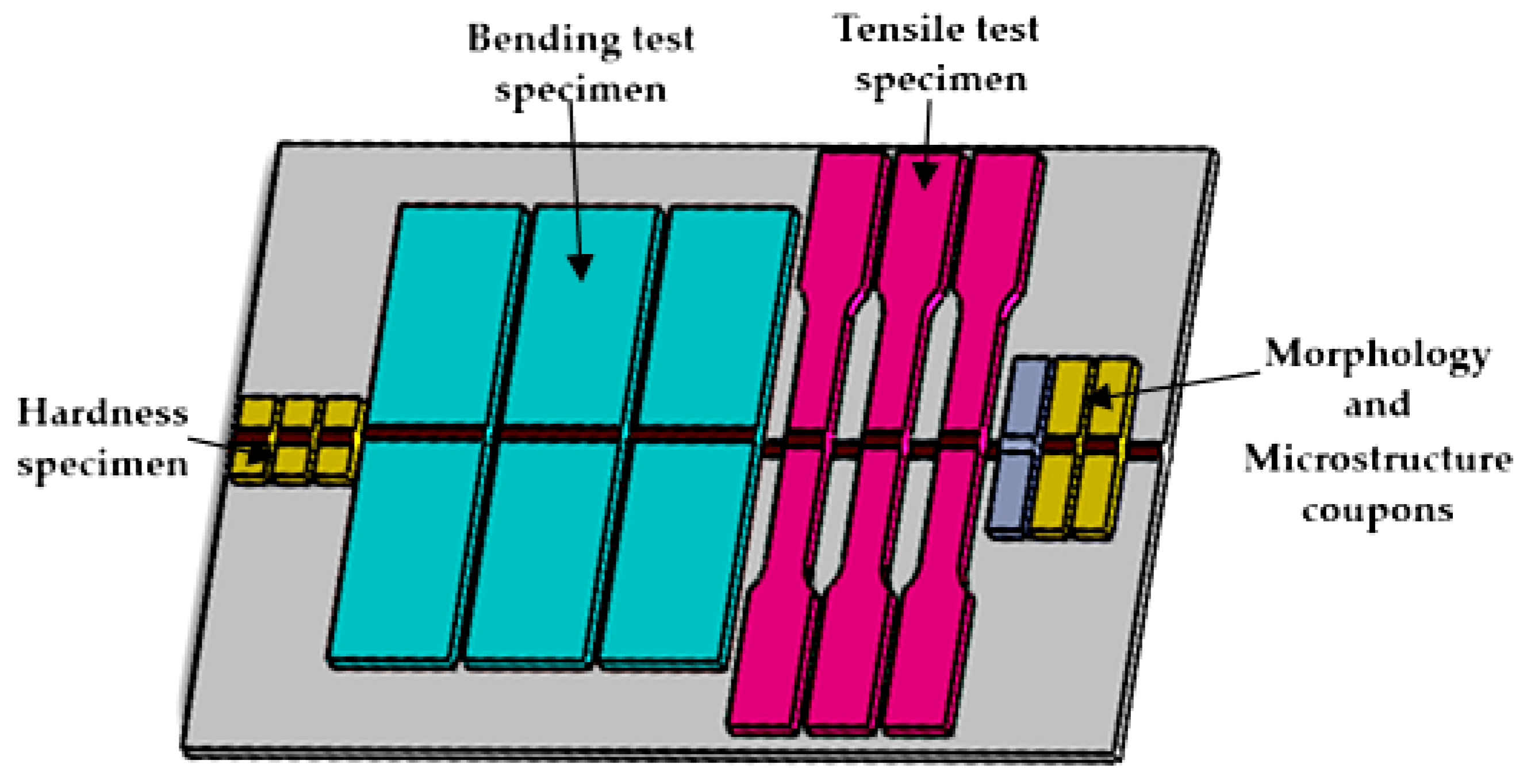
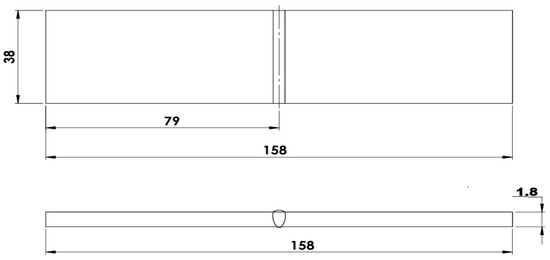
After welding, samples were extracted, specifically avoiding the initiation and termination points of the weld, as illustrated in Figure 2. The structural characteristics of SMAW welds, fabricated using ESAB E6013 and IMAN-9 electrodes, were analyzed by examining their morphology. Prior to this investigation, the samples underwent polishing to a 1200-grit finish, followed by a cloth polishing step to achieve a 0.05 µm alumina surface finish. The AISI 1017 weld zone was subsequently etched using a nital solution (comprising 95 cc ethylene and 5 cc HNO3). Weld bead features were then inspected with an optical microscope, utilizing Motic software (version 2, Motic Images 3.0, Xiamen, China). Furthermore, the microstructural evolution within the fusion zone of both SMAW welds was investigated using a JEOL JSM-7600F scanning electron microscope (SEM). The areas image processing 7.0 (6th edition) and granix 6.1 (8th edition) software from Microvision Instruments (Microvision Instruments, Imager M2.m, Paris, France) were used to measure the phase proportions and the ASTM G (grain size indicator) for samples carried out with E6013 and IMAN-9 electrodes.
Figure 2.
Test specimen for the tensile test, bending test, hardness, and microstructure investigation.
2.2. Tensile Test
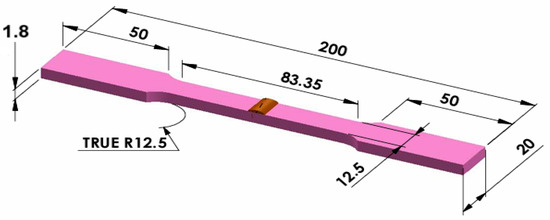
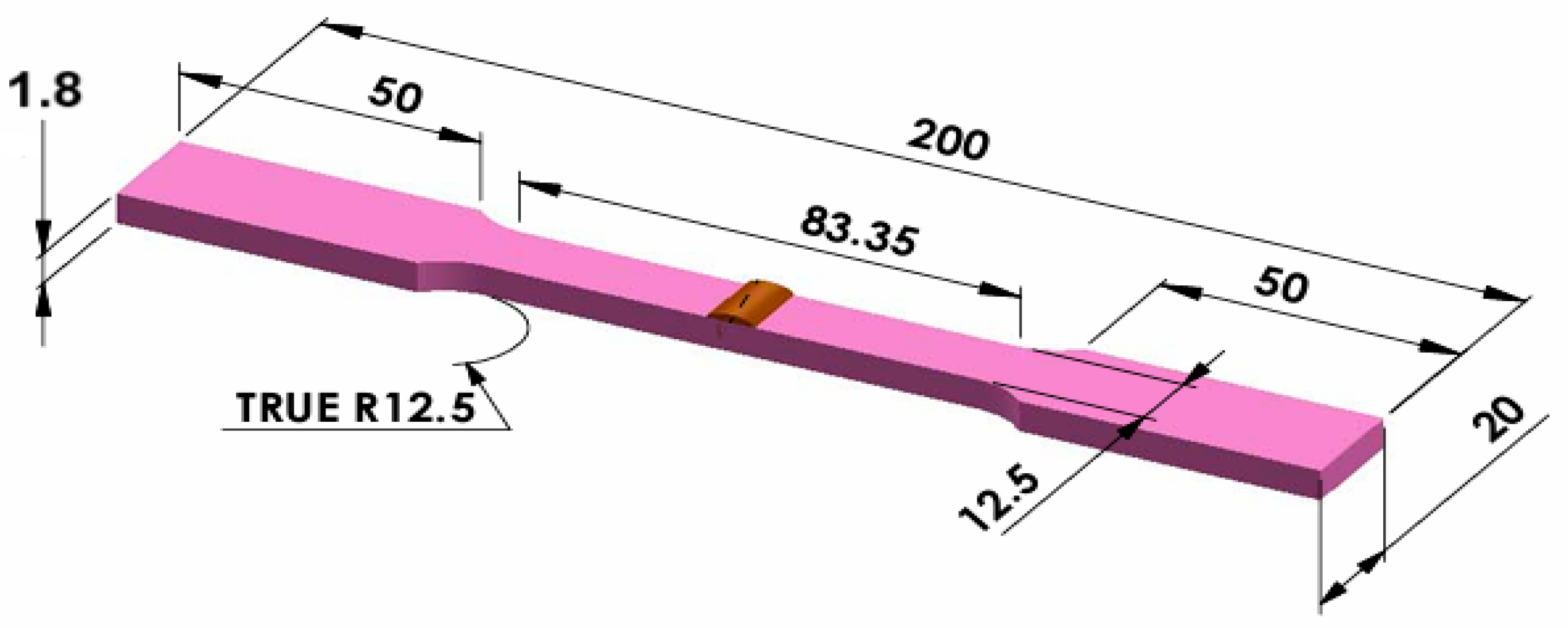
Tensile tests were conducted at room temperature (24 °C) utilizing a WAW-300E electro-hydraulic servo universal testing machine (Jinan testing equipment IE, Jinan, China). The tests were performed with a consistent crosshead speed of 0.5 mm/min, a loading rate of 0.5 kN/s, and a strain rate of 1.6 × 10⁻⁴ s−1. The tensile specimens adhered to the specifications outlined in ASTM E8M-04, as illustrated in Figure 3. To ensure result consistency and reliability across different weld types, a total of three samples were tested for each weld configuration.
Figure 3.
Tensile test specimen according to ASTM E8M-04 (dimensions in mm).
2.3. Bending Test
The bending tests were carried out using a computer control electrohydraulic servo universal testing machine model WAW-300E. Transverse bend test specimens were prepared according to ASTM E190-14 as displayed in Figure 4.
Figure 4.
Transverse bend specimen according to ASTM E190-14 (dimensions in mm).
2.4. Hardness Test
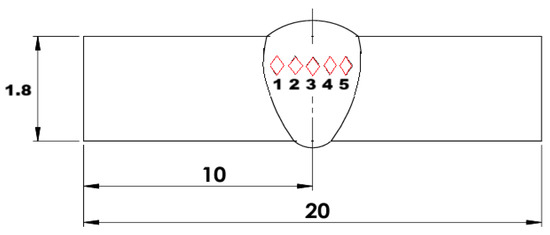
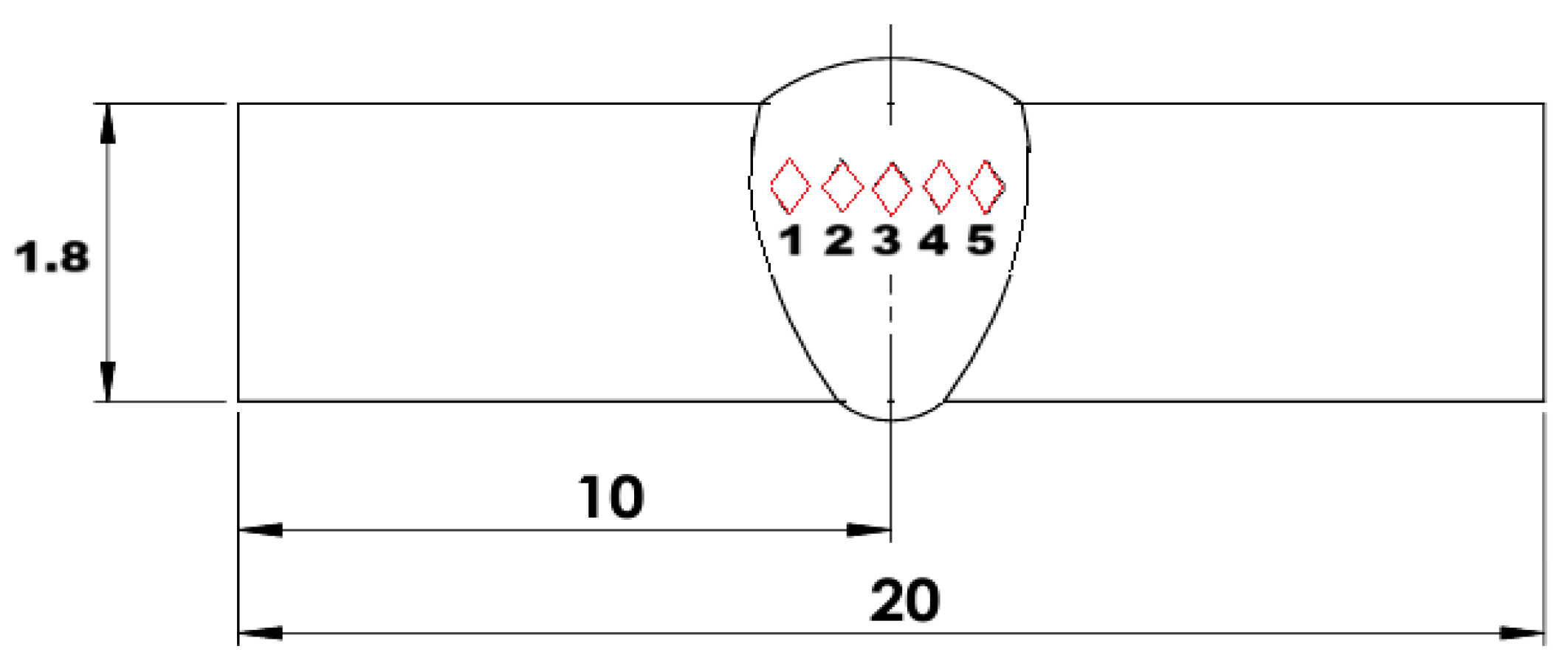
Vickers hardness tests were conducted using an HVS-50 digital hardness tester with a standard load of 10 kgf and a dwell time of 10 s, in accordance with the ASTM E-384-99 standard. Hardness measurements were performed along a horizontal line, with indentations approximately 0.5 mm apart. These hardness line measurements were positioned 1 mm below the weld surface, as illustrated in Figure 5. The hardness distribution was assessed for both IMAN-9 and E6013 welds to determine variations in mechanical properties across the weld region.
Figure 5.
Vickers hardness horizontal line test specimen according to ASTM. E-384-99 (dimensions in mm).
3. Results and Discussion
When performing welding on 1.8 mm thick low carbon steel AISI 1017 with a butt joint design and a current intensity of 40 A, the technological characteristics of welding using ESAB E6013 and IMAN-9 electrodes can be summarized as follows:
- The welding arc ignites easily and remains stable throughout the process.
- The electrode coating melts uniformly, producing minimal spatter.
- The slag produced during welding effectively guides the formation of a well-shaped weld bead.
- Upon visual inspection, the weld metal showed no imperfections, such as cracks or pores, regardless of whether an E6013 or IMAN-9 electrode was used.
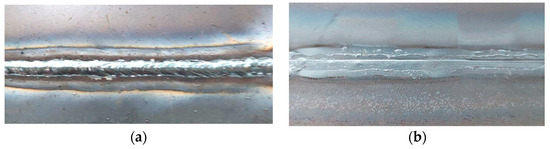
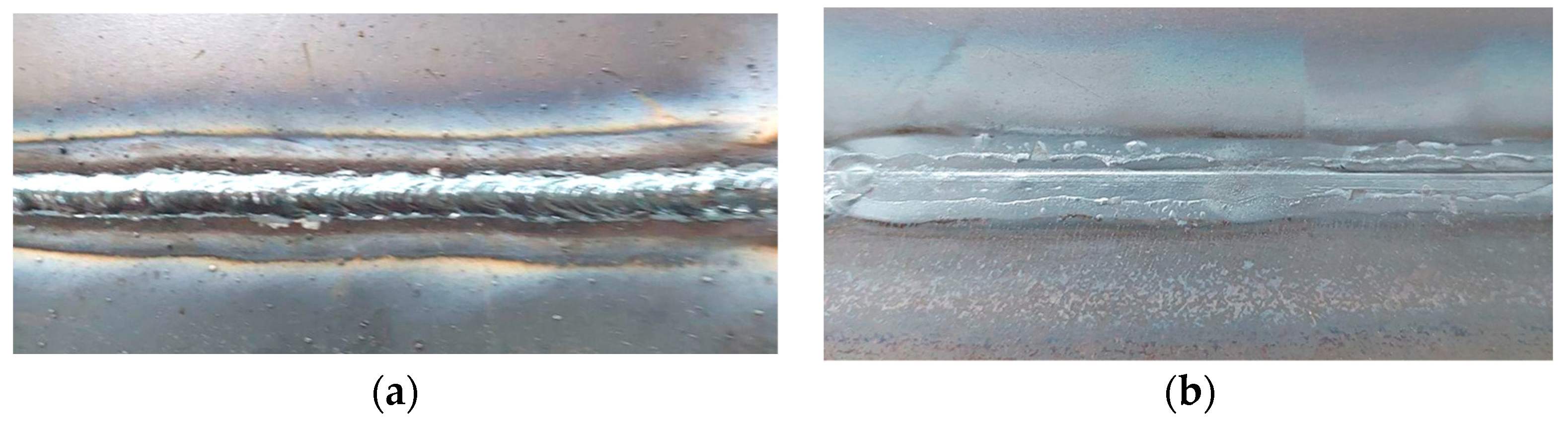
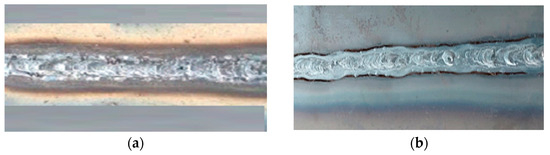
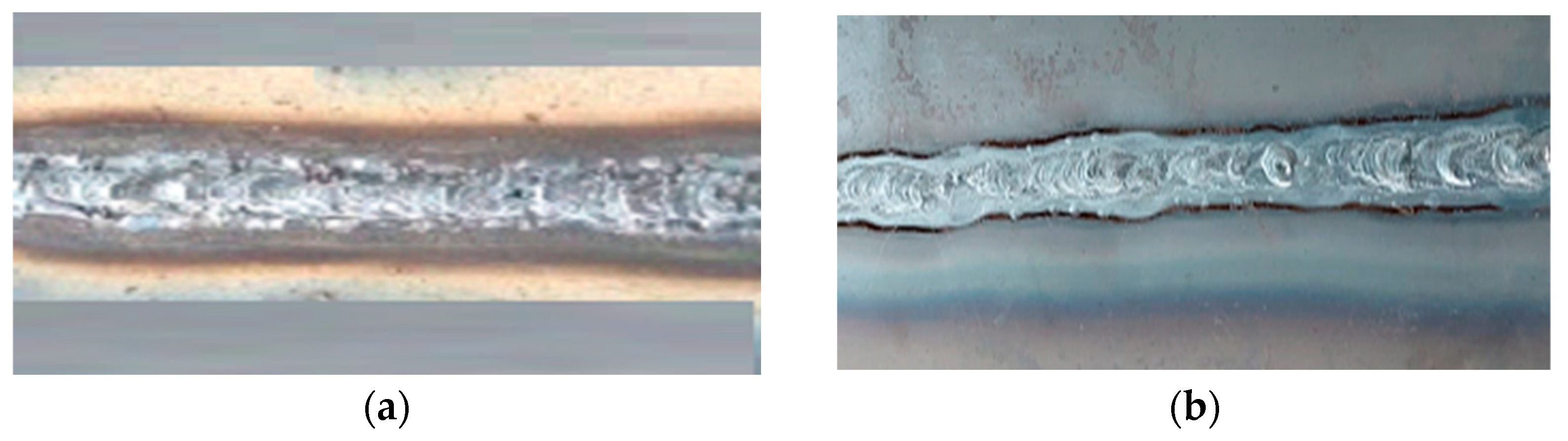
Figure 6 and Figure 7 present photographic evidence of welded joints, specifically showing both the welding side (Figure 6a and Figure 7a) and the penetration side (Figure 7b and Figure 8b). These joints were created using E6013 and IMAN-9 electrodes. Initial visual inspection revealed a smooth surface and consistent bead formation on the front side for welds produced with both electrodes. However, welds made with the E6013 electrode displayed a narrower width and a lighter surface finish compared to those made with the IMAN-9 electrode, suggesting superior wettability of the molten electrode metal and more effective deoxidation of the weld metal when using the IMAN-9 electrode.
Figure 6.
View of welded join performed with ESAB E6013 electrode from front side (a) and back side (b).
Figure 7.
View of welded join performed with IMAN-9 electrode from front side (a) and back side (b).
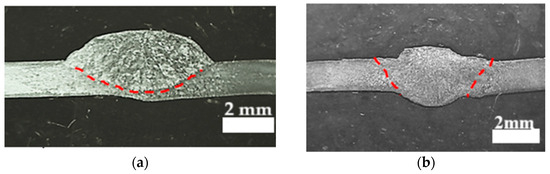
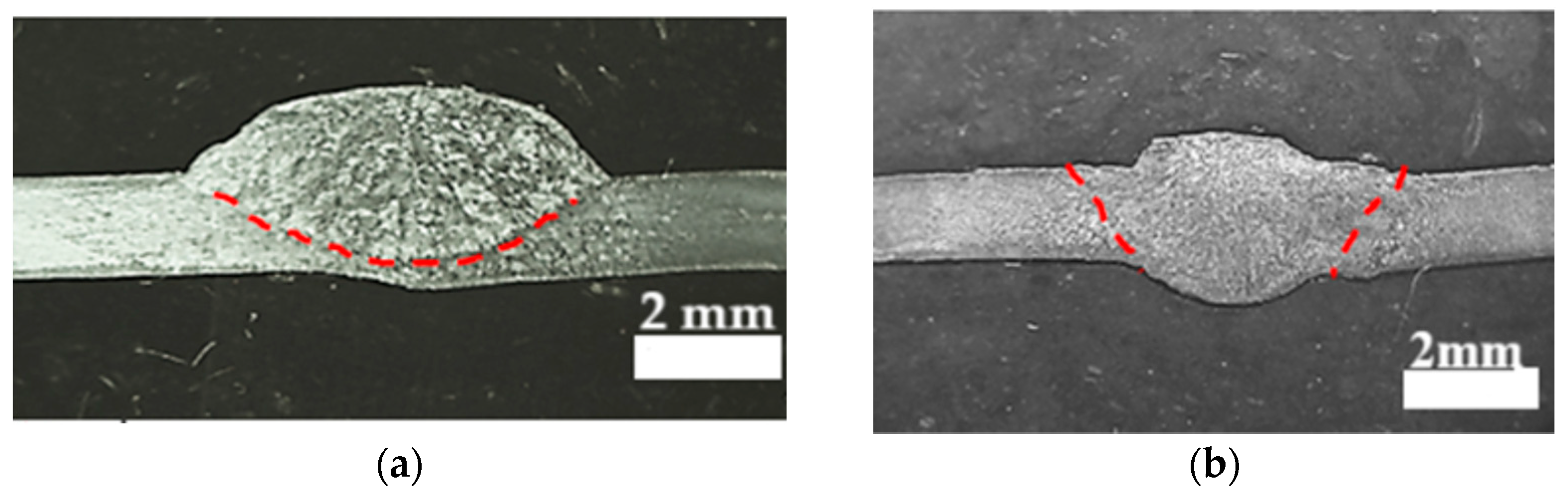
Figure 8.
Macrographs of weld beads performed with E 6013 electrode (a) and IMAN-9 electrode (b).
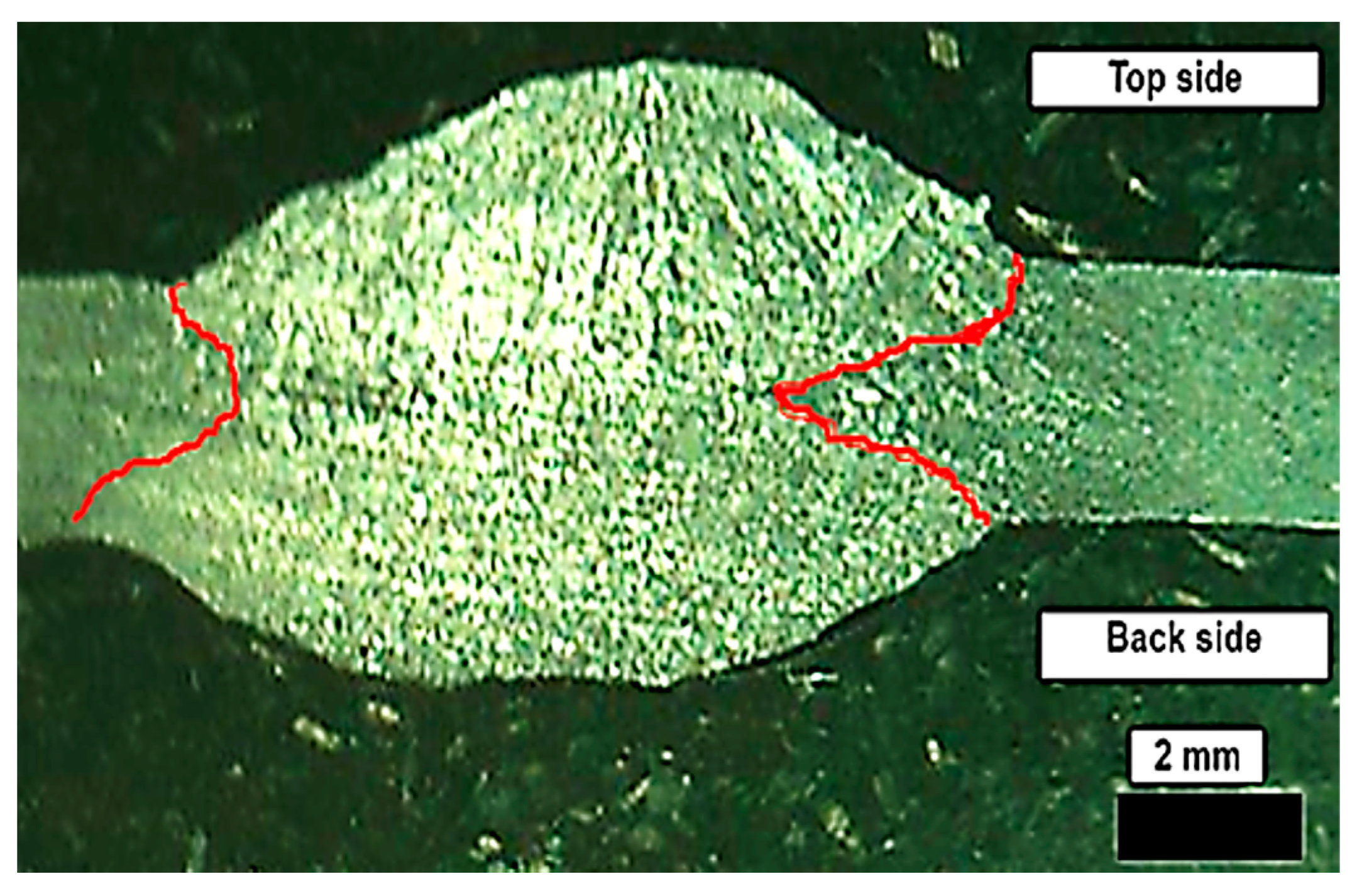
On the reverse side of the welded plates, IMAN-9 electrode welds exhibited a smooth surface and achieved full penetration. In contrast, welds made with the E6013 electrode showed incomplete penetration. The enhanced penetration capability of the IMAN-9 electrode relative to the ESAB E6013 electrode is further illustrated in the cross-sectional images of the weld seams in Figure 6.
During manual arc welding (MMA) of low-carbon steel AISI 1017 (thickness 1.8 mm) with the studied electrodes E6013 and IMAN-9, the following results were obtained: stable arc combustion, uniform melting of the coating without excessive spatter, correct formation of weld beads and the absence of visible defects (cracks, pores). (see Figure 6). The surface appearance of the weld line carried out with IMAN-9 electrode had a lighter surface (Figure 7). This indicates the superior deoxidation properties of the IMAN-9 electrode coating during welding.
Visual inspection of the welded joints from the face revealed uniform and high-quality bead formation by both electrodes. Figure 9 presents the cross-sectional macrographs of weld beads on 1.8 mm AISI 1017 low-carbon steel. Figure 8a shows the weld bead produced with an E6013 electrode of high-quality, uniform weld with partial penetration. The fusion zone is limited to the upper portion of the 1.8 mm plate. Figure 8b shows the weld bead performed with an IMAN-9 electrode complete joint penetration. The weld metal extends across the entire thickness of the base metal, confirming the high efficiency of the IMAN-9 electrode for thin-plate welding. The increased penetration ability of the IMAN-9 electrode, compared to the E6013 electrode, is presumably due to the presence of iron oxide-rich metallurgical waste in the welding electrode coating. Iron oxide in the electrode coating can affect gas ionization in the arc column, and consequently, arc stability and metal penetration. A high iron oxide content leads to an increase in ionizing particles in the arc, which contributes to its stabilization and, consequently, deeper metal penetration. Other oxides and their ratios, as well as the overall slag system, play a more complex role in weld formation. Furthermore, iron oxides affect the viscosity and melting point of the slag, which, in turn, regulates the rate of metal transfer and the depth of penetration. Also, when determining the optimal amount of process waste in the charge, the fluidity of the slag was taken into account, which should ensure the free formation of the weld pool and its protection, but not be too liquid, so as not to displace the molten metal.
Figure 9.
Macrographs of weld beads performed with E 6013 electrode.
Welding joints made using the IMAN-9 electrode achieved complete penetration in a single pass, unlike those made using the E6013 electrode, which exhibited incomplete penetration. Therefore, to ensure complete penetration in the E6013 welding joints, a back side weld bead was added (Figure 9). The mechanical properties of the welded joints were then compared.
Vickers hardness measurements of the weld metal, conducted horizontally along the welds. The results of microhardness measurements depicted in Table 5 show that weld made with the ESAB E6013 electrode exhibits significantly higher hardness than that of weld made with the IMAN-9 electrode and the as received AISI 1017 low carbon steel (see Table 6). The weld made with the IMAN-9 electrode showed a more moderate hardness reading.
Table 5.
Horizontal hardness measurement: 10 kgF.
Table 6.
Hardness measurement: 10 kgF.
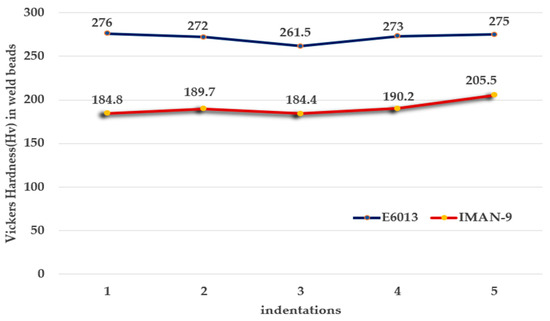
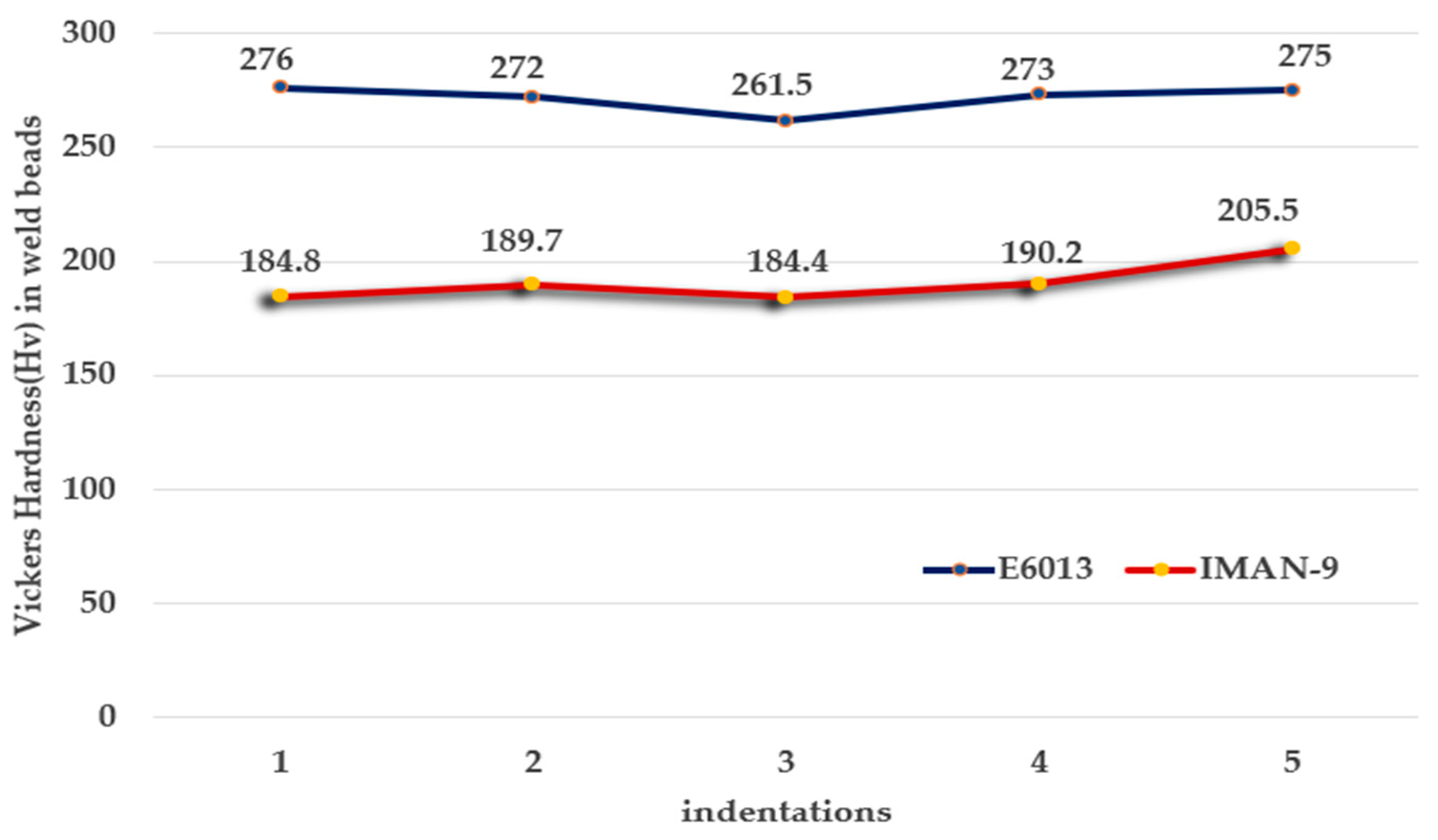
Figure 10 shows the hardness distribution over the five indentation points. Both electrodes have a relatively stable horizontal profile, which indicates a homogeneous chemical composition and a constant cooling rate along the weld. The E6013 curve maintains a high bar between 261.5 and 276 HV. The IMAN-9 curve shows a slightly larger deviation, with a noticeable upward trend at the final indentation point (205.5 HV), which may be due to local microstructural inhomogeneities. The significant difference between the two electrodes (an average of 269.83 HV for E6013 versus 190.92 HV for IMAN-9) suggests that the ESAB E6013 filler metal provides excellent wear resistance and structural rigidity. However, the higher hardness associated with E6013 may also mean lower ductility and higher susceptibility to brittle fracture compared to the more ductile profile manufactured by IMAN-9.
Figure 10.
Results of horizontal hardness (HV) of welded beads performed with: ESAB E6013 and IMAN-9 electrodes.
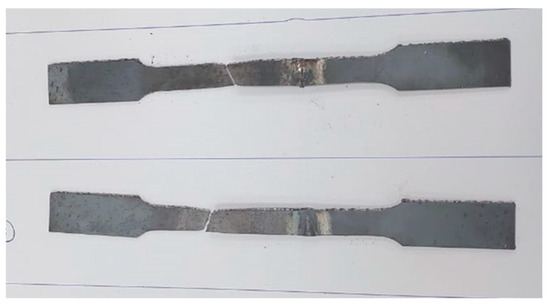
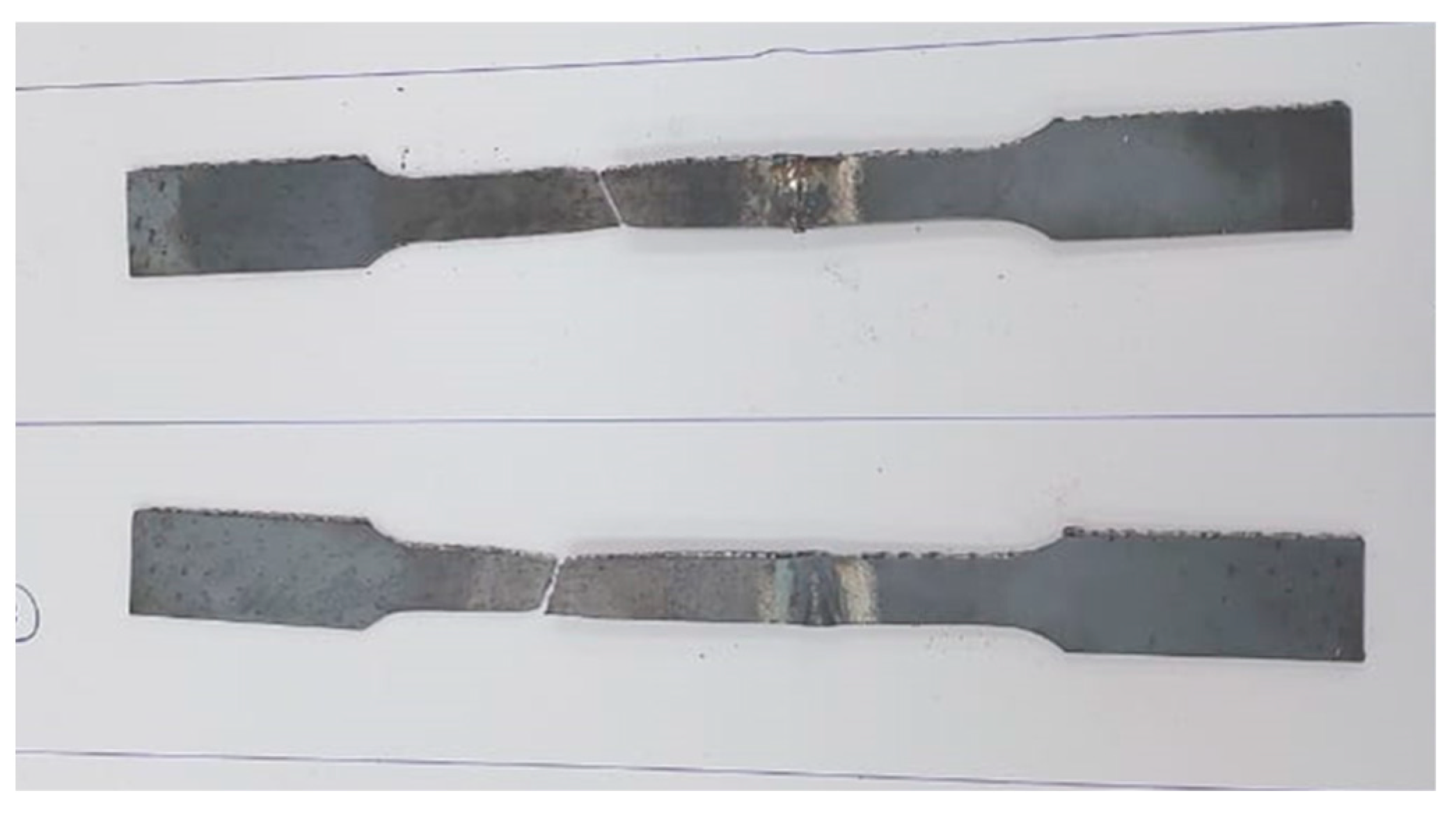
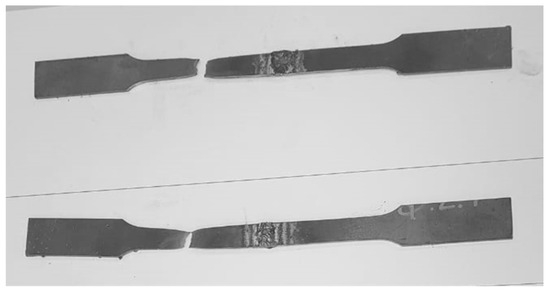
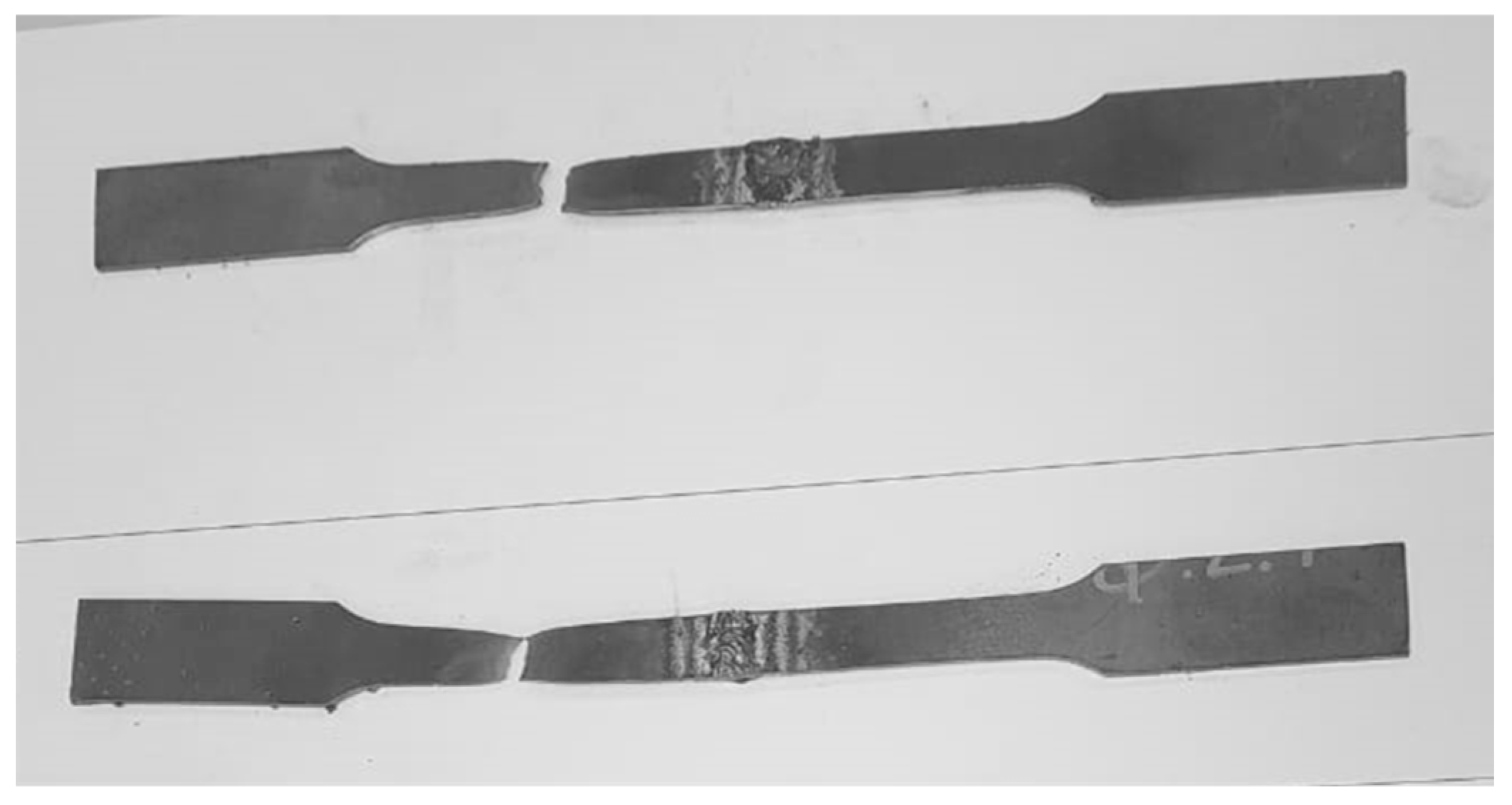
Figure 11 and Figure 12 show images of the specimens after tensile testing of welds made with E6013 and IMAN-9 welded steel. Tensile test results indicate that all welded specimens fractured in the base metal regardless of the welding electrode used.
Figure 11.
Tensile specimen for welds performed with E 6013 electrode after breaking.
Figure 12.
Tensile specimen for welds performed with IMAN-9 electrode after breaking.
Yield strength (YTS) is an important indicator of a material’s mechanical properties, characterizing the stress at which the material begins to deform plastically. In this case, Table 7 demonstrates the difference in yield strength between welded joints made by the E6013 and IMAN-9 electrodes, as well as the yield strength for as received AISI 1017 steel. The weld made by the IMAN-9 electrode exhibits lower average yield strength than that of the weld made by the E6013 electrode. A higher yield strength may indicate low ductility of the material, making it more brittle and prone to sudden fracture without significant deformation.
Table 7.
Tensile test strength, yield–YTS [MPa].
Tensile strength tests revealed that the welded joints obtained by welding with the IMAN-9 electrode exhibit tensile strength slightly lower than that of E6013 electrode (see Table 8). While the as received AISI 1017 steel presents tensile strength higher than that of the welded specimens.
Table 8.
Tensile test strength–UTS [MPa].
The tensile test results presented in Table 9 shows higher elongation (δ [%]) value for welded joint made with the IMAN-9 electrode than that of welded joint produced with ESAB E6013 electrode. These results confirm the higher ductility of welded joints made with the IMAN-9 electrode than those made with the ESAB E6013 electrode.
Table 9.
Elongation at break (in 88 mm) δ [%].
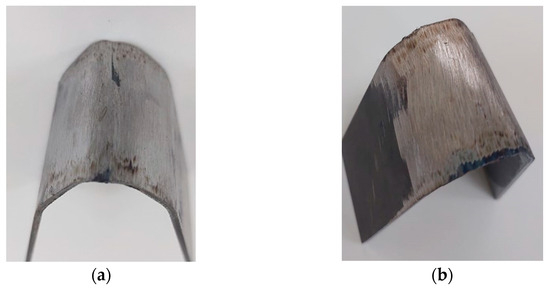
Additionally, the bending test was conducted according to standard using the guided-bend specimens in a test jig. The face bending test is carried out. The load is applied on the root side so the weld face will be in tension. The specimens were bent over in a U-shape using the universal tensile machine. The test evaluates the material’s ductility by checking for cracks or other surface defects after bending. The results of these tests showed that the welded samples made with the investigated welding electrodes E6013 and IMAN-9 were bent by 180° without destruction. The results indicate high bending angle values for both electrode types (Table 10 and Figure 13).
Table 10.
Bending test face test (load vs. extension).
Figure 13.
Welded samples of bending test performed with ESAB E6013 electrode (a) and IMAN-9 electrode (b).
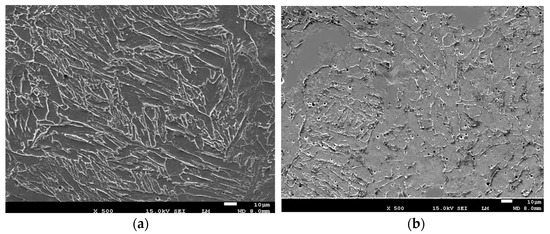
The microstructure of the weld metal produced by the ESAB E6013 electrode (Figure 14a) is characterized by larger and more elongated ferrite grains (light areas) and pearlite (dark bands). Clear grain boundaries and a more pronounced acicular structure of the ferrite are visible. In contrast, the microstructure of the weld obtained using the IMAN-9 electrode (Figure 14b) appears finer-grained and more uniform. The ferrite and pearlite grains are finer and less elongated compared to the ESAB E6013 electrode sample.
Figure 14.
Weld zone SEM image for specimen welded by ESAB E6013 electrode (a) and IMAN-9 electrode (b) (×500).
The improved mechanical properties of the welded joints obtained using IMAN-9 electrodes, compared to those using E6013 electrodes, can likely be attributed to the finer acicular ferrite microstructure of the weld metal and the uniform distribution of pearlite throughout the weld volume.
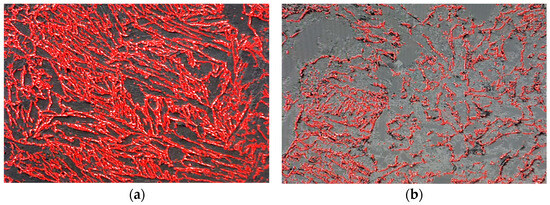
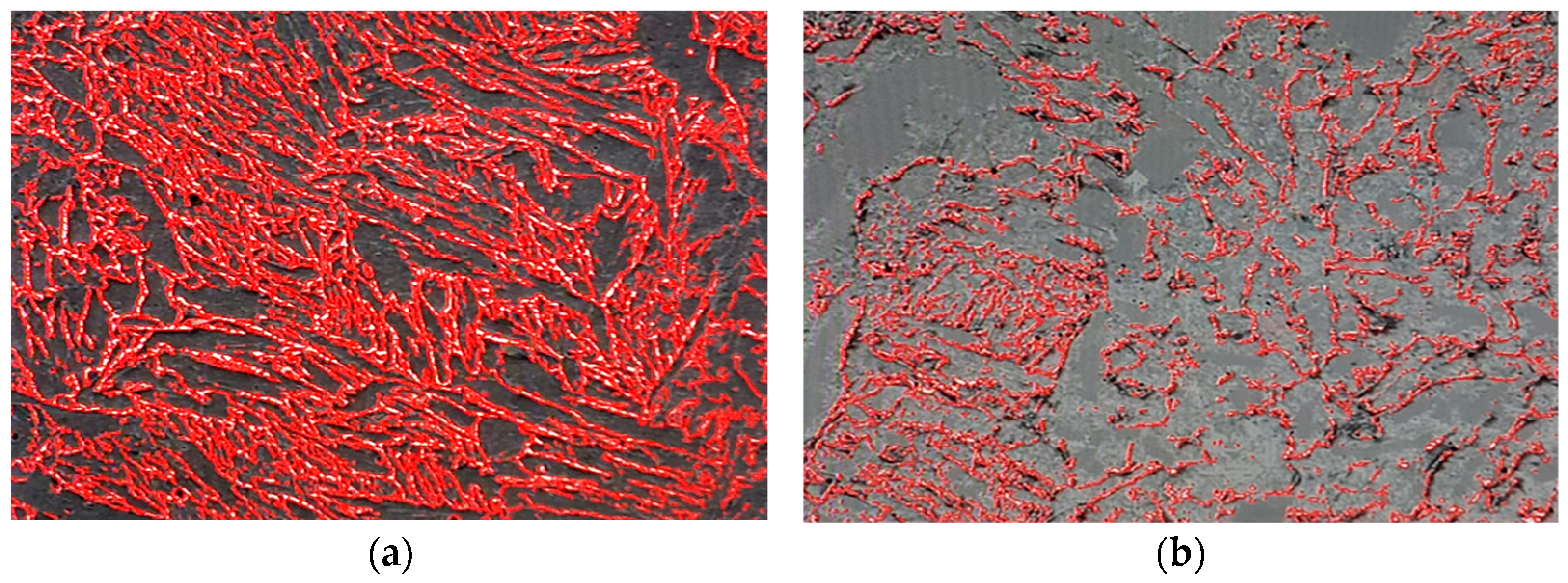
The images depicted in Figure 15 were performed by microscope from Microvision Instruments. The measure of the ferrite phase proportions and the average grain size through ASTM G indicator for samples welded with E6013 and IMAN-9 were carried out.
Figure 15.
Ferrite proportions and grain size measurements for welds carried out with E6013 electrode (a) and IMAN-9 electrode (b).
The results of measurements are reported in Table 11 show that ferrite proportion is up to 20.3% in the weld zone carried out with E6013 electrode and the grain size was ASTM G 18. However, when the weld with IMAN-9 electrode, the ferrite proportion decreases to 16.1%. Conversely, the grain was finer with ASTM G 19.
Table 11.
Ferrite proportions and grain size for welds performed with E6013 and IMAN-9 electrodes.
Thus, the main difference between the microstructures lies in the size and shape of the grains. Thus, the microstructure of the weld produced by the ESAB E6013 electrode has larger and elongated grains, while the microstructure produced with the IMAN-9 electrode exhibits smaller and more uniform grains.
The authors believe that using metallurgical process waste in welding electrode coating charge materials has economic and practical significance. Using these wastes will reduce the cost of the charge material by up to 30% by reducing the amount of expensive raw materials used. Furthermore, by increasing the arc penetration when welding with IMAN-9 electrodes compared to E6013 electrodes, this will result in energy savings and savings in welding electrode consumption, increasing labor productivity.
4. Conclusions
The present work is a comparative study of the morphology and mechanical properties of butt-welded joints between welds carried out with the developed electrodes using technological waste of metallurgical plants doped by 1% of PNFC brand IMAN-9 and the ESAB E6013. The results of this work are summarized as follows:
1. A comparative analysis of welded joints produced using the developed IMAN-9 electrodes and commercially available E6013 electrodes revealed that the IMAN-9 electrodes exhibit superior weld metal penetration, weld metal structure, and weld joint ductility. The strength characteristics of welded joints produced by the IMAN-9 electrodes are slightly lower than those produced by the ESAB E6013 electrodes.
2. The study found that the increased penetration capacity of the IMAN-9 electrode may be due to the presence of iron-oxide-rich metallurgical tailings in the electrode coating. Iron oxides in the electrode coating led to an increase in ionizing particles in the arc and affect arc stability and metal penetration.
3. It was found that the hardness of the weld metal produced by the IMAN-9 electrodes is lower than that of weld metal produced by the E6013 electrodes and higher than the hardness of the base metal.
4. It was found that the tensile strength of welded joints produced with IMAN-9 electrodes is slightly lower than that of welds produced with E6013 electrodes. In both cases, fracture of the specimens occurs in the base metal. Conversely, the relative elongation of welded joints produced by the IMAN-9 electrodes is higher than that of welded joints produced by the E6013 electrodes.
5. The study revealed that the microstructure of the weld metal produced by the IMAN-9 electrodes has a finer-grained and more homogeneous structure than that of the weld metal produced by the ESAB E6013 electrode. The overall structure appears denser, and the individual elements are less distinct.
6. The results obtained indicate that the use of metallurgical process waste in the charge for welding electrode coatings offers economic and practical advantages compared to the E6013 electrode, which is widely used. Thus, using IMAN-9 electrodes with metallurgical waste will reduce the cost of the charge by up to 30% by reducing the amount of expensive raw materials in the charge. Furthermore, due to the increased arc penetration, welding with IMAN-9 electrodes will result in energy savings, reduced welding electrode consumption, and increased labor productivity in the production of welded structures and products. Further research is needed to study the long-term performance and application of IMAN-9 electrodes under various welding conditions. The new electrode brand IMAN-9 was issued from waste metallurgical plants. Therefore, the reuse of metallurgical waste contributes to cost savings and protects the environment.
Author Contributions
Conceptualization, R.S. and K.T.; methodology, R.S. and K.T.; software, R.S. and K.T.; validation, K.T. and R.S.; formal analysis, R.S. and K.T.; investigation, K.T. and R.S.; resources, K.T. and R.S.; data curation, R.S. and K.T.; writing—original draft preparation, R.S. and K.T.; writing—review and editing, K.T. and R.S.; visualization, K.T. and R.S.; supervision, K.T. and R.S. All authors have read and agreed to the published version of the manuscript.
Funding
The authors extend their appreciation to Prince Sattam bin Abdulaziz University for funding this research work through the project number (PSAU/2025/01/36721).
Data Availability Statement
The original contributions presented in this study are included in the article. Further inquiries can be directed to the corresponding author.
Conflicts of Interest
The authors declare no conflicts of interest.
References
- Nawaz, K.W.; Chhibber, R. Physicochemical and thermophysical characterization of CaO–CaF2–SiO2 and CaO–TiO2–SiO2 based electrode coating for offshore welds. Ceram. Int. 2020, 46, 8601–8614. [Google Scholar] [CrossRef] [Scilit]
- Mahajan, S.; Chhibber, R. Investigations on dissimilar welding of P91/SS304L using Nickel-based electrodes. Mater. Manuf. Process 2020, 35, 1010–1023. [Google Scholar] [CrossRef] [Scilit]
- Kumar, V.; Chhibber, R. Experimental investigation on SMAW electrode coatings developed using CaO–SiO2–CaF2–SrO based coating system. Ceram. Int. 2022, 48, 28730–28738. [Google Scholar] [CrossRef] [Scilit]
- Sumardiyanto, D.; Susilowati, S.E. Effect of Welding Parameters on Mechanical Properties of Low Carbon Steel API 5L Shielded Metal Arc Welds. Am. J. Mater. Sci. 2019, 9, 15–21. [Google Scholar]
- Talabi, S.I.; Owolabi, O.B.; Adebisi, J.A.; Yahaya, T. Effect of welding variables on mechanical properties of low carbon steel welded join. Adv. Prod. Eng. Manag. 2014, 9, 181–186. [Google Scholar]
- Wang, Y.; Ma, Q.; Gao, Q.; Zhang, H.; Yu, L.; Li, H. Improvement of Mechanical Properties of G115 Steel Welded Joint by Adjusting Welding Current. J. Materi. Eng. Perform. 2023, 32, 9383–9395. [Google Scholar] [CrossRef] [Scilit]
- Afzal, M.S.; Wakeel, A.; Nasir, M.A.; Qazi, M.I.; Abas, M. Optimization of process parameters for shielded metal arc welding for ASTM A 572 grade 50. J. Eng. Res. 2025, 13, 1072–1088. [Google Scholar]
- Sarka, V.; Roman, S.; Adam, L.; Anezka, P.; Petr, S. Economic benefits of metallurgical waste processing. Metal 2018, 23–25, 2087–2092. [Google Scholar]
- Belousova, T.N.; Sorokina, L.A. Application of Industrial Wastes in the Production of Building Materials; Stroyizdat: Moscow, Russia, 1989. (In Russian) [Google Scholar]
- Singh, S.K.; Singh, R.K.; Haranadh, S.M.L. Utilization of industrial wastes in welding flux: A review. J. Mater. Cycles Waste Manag. 2015, 17, 253–266. [Google Scholar]
- Yuri, Z.D.; Elena, S.; Elizaveta, S.; Evgeniya, Z.; Monika, J.; Larisa, S.; Dmitry, C. Slag waste of metallurgical production. Energy Policy J. 2021, 24, 169–182. [Google Scholar] [CrossRef] [Scilit]
- Sitko, J. An attempt to use various metallurgical slags in the modification processes of casting alloys. Arch. Metall. Mater. 2021, 66, 1067–1074. [Google Scholar] [CrossRef] [Scilit]
- Mustafa, K.; Mehmet, E. Reusability of metallurgical slag waste in submerged arc welding powder for hard facing. Mater. Test. 2020, 62, 177–183. [Google Scholar] [CrossRef] [Scilit]
- Belousov, O.A.; Burtsev, A.V.; Kozyrev, V.M. Influence of Slag Additives on Weld Metal Properties. Weld. Prod. 2008, 10, 19–22. [Google Scholar]
- Makhnenko, V.I.; Popov, V.N.; Savenko, V.N. Physicochemical Principles of Fusion Welding; Naukova Dumka: Kiev, Ukraine, 1989. (In Russian) [Google Scholar]
- Singh, P.K.; Singh, R.K.; Haranadh, S.M.L. Influence of basic and acidic fluxes on weld metal properties. J. Mater. Eng. Perform. 2014, 23, 3980–3990. [Google Scholar]
- Rai, A.K.; Singh, S.P.; Singh, R.K. Effect of converter slag addition on weld metal microstructure and mechanical properties. Weld. J. 2018, 97, 188–196. [Google Scholar]
- Zhadan, V.V.; Shvab, V.V. Development of electrode coatings for hardfacing of wear-resistant parts. Mater. Sci. Eng. A 2010, 527, 7116–7122. [Google Scholar]
- Saini, S.; Singh, K. Utilisation of steel slag as welding flux and its chemical and thermal characterization. Mater. Sci. Technol. 2023, 39, 369–380. [Google Scholar] [CrossRef] [Scilit]
- Saini, S.; Singh, K. Recycling of steel slag as a flux for submerged arc welding and its effects on chemistry and performance of welds. Int. J. Adv. Manuf. Technol. 2021, 114, 1165–1177. [Google Scholar] [CrossRef] [Scilit]
- Chandel, S.S.; Singh, P.K.; Katiyar, P.K.; Randhawa, N.S. A Review on Environmental Concerns and Technological Innovations for the Valorization of Steel Industry Slag. Min. Metall. Explor. 2023, 40, 2059–2086. [Google Scholar] [CrossRef] [Scilit]
- Valery, K.; Viktor, G.; Viktor, Z.; Olga, K.; Maksim, R. The Use of Nanopowders of Refractory Compounds in Welding. In Proceedings of the 2024 IEEE 14th International Conference “Nanomaterials: Applications & Properties” (IEEE NAP-2024), Riga, Latvia, 8–13 September 2024. [Google Scholar]
- Nadeem, B.; Irshad, K.; Wail, F. Nanomaterials: A review of synthesis methods, properties, recent progress, and challenges. Mater. Adv. 2021, 2, 1821–1871. [Google Scholar] [CrossRef] [Scilit]
- Mishra, S.; Sharma, L.; Chhibber, R. Contact angle measurement for SMAW electrode coating fluxes: Effect of electrode coating flux compositions on different wetting parameters using statistical models. Int. J. Interact. Des. Manuf. 2025, 19, 5621–5640. [Google Scholar] [CrossRef] [Scilit]
- Shrimali, R.; Kumar, M.; Sharma, V.; Pandey, S.; Kumar, M.; Ranjan, R. Optimization of flux metal arc welding parameters for productivity and quality in dissimilar metal welding. Mater. Today Commun. 2026, 50, 114463. [Google Scholar] [CrossRef] [Scilit]
- Lostado-Lorza, R.; Ruiz-González, S.; Sabando-Fraile, C.; Corral-Bobadilla, M. A comprehensive investigation of the effects of welding parameters on thermal efficiency in SMAW processes using FEM. Energy Sources Part A Recovery Util. Environ. Eff. 2025, 47, 2520434. [Google Scholar] [CrossRef] [Scilit]
- Singh, R.K.; Singh, S.K.; Haranadh, S.M.L. Novel approaches for slag utilization in welding consumables. Int. J. Adv. Manuf. Technol. 2017, 88, 1523–1535. [Google Scholar]
- Saidov, R.M.; Rakhimov, R.K.H. Additive for Electrode Coating. Patent of the Republic of Uzbekistan for Invention No. UZ IAP 8275, 22 August 2022. [Google Scholar]
- Rustam, K.; Rakhimov, R.; Elena, V.K. Radiation Emitting Ceramic Materials and Devices Containing Same. U.S. Patent 5,350,927, 27 September 1994. [Google Scholar]
- Saidov, R.; Rakhimov, R.; Touileb, K. Comparative analysis of the efficiency of additives of nanostructured functional ceramics on the properties of welding electrodes. Crystals 2024, 14, 1082. [Google Scholar] [CrossRef] [Scilit]
- De Vries, R.C.; Roy, R.; Osborn, E.F. Phase Equilibria in the Systeme CaO-TiO2-SiO2. J. Am. Ceram. Soc. 1955, 38, 158–171. [Google Scholar]

Disclaimer/Publisher’s Note: The statements, opinions and data contained in all publications are solely those of the individual author(s) and contributor(s) and not of MDPI and/or the editor(s). MDPI and/or the editor(s) disclaim responsibility for any injury to people or property resulting from any ideas, methods, instructions or products referred to in the content. |
© 2026 by the authors. Licensee MDPI, Basel, Switzerland. This article is an open access article distributed under the terms and conditions of the Creative Commons Attribution (CC BY) license.