


Abstract
Perovskites provide a flexible structural platform for tailoring electronic, optical, ferroic, catalytic, and transport properties. Their performance depends on composition, octahedral connectivity, defects, microstructure, and interfaces, but the effects of these variables differ between oxide and halide systems. This review examines selected advances in these material families, with emphasis on the links between crystal chemistry and device behavior. It first introduces the ideal perovskite structure, the scope and limitations of geometric stability descriptors, and the distinction between compositional and structural classifications. It then discusses synthesis routes and representative applications in photovoltaics, light emission, radiation detection, gas sensing, electrocatalysis, and electrochemical energy storage. The review also discusses the trade-offs associated with compositional substitution, dimensional reduction, and defect control. Computational methods and machine learning are considered as complementary tools for exploring these relationships. Across the reviewed applications, improved performance in a laboratory test does not necessarily establish operational stability or scalability; meaningful comparisons require consistent measurement conditions and a clear distinction between materials, electrodes, and complete devices. The review identifies priorities for more reliable reporting and for integrating structural characterization, computational predictions, and experimental validation.
1. Introduction
Perovskites are a widely studied class of functional materials mainly due to their structures having a high capacity to accommodate diverse chemical compositions and physical properties, suitable for a wide range of technological applications [1,2]. The family takes its name from the mineral calcium titanate, CaTiO3, as described in 1839 [3]. Research now extends from oxide ceramics to halide semiconductors and layered derivatives, with applications ranging from capacitors and catalysts to solar cells, electroluminescence devices and radiation detectors. This breadth makes it useful to compare how composition and structure influence performance across different perovskite systems.
The properties associated with a perovskite chemical family are not shared by every member of the family. Depending on composition and structure, they include ferroelectricity, piezoelectricity, magnetic ordering, ionic conductivity, luminescence, and photovoltaic or catalytic activity [4,5,6]. Their common structural framework provides a basis for studying how chemical substitution and lattice distortions affect these responses [7]. BaTiO3 is an established dielectric and ferroelectric material used in capacitors and electromechanical devices [8,9]. SrTiO3 is an important model oxide and is also investigated in photocatalysis [10]. BiFeO3 combines ferroelectric and antiferromagnetic order, although exploiting its coupled responses requires control of defects, leakage, and microstructure [11]. Manganites such as La1 − xSrxMnO3 illustrate the sensitivity of electronic and magnetic behavior to composition, while LaCoO3, LaNiO3, and related oxides are studied in catalysis and solid oxide cells [12,13,14]. Metal halide perovskites, including MAPbI3, FAPbI3, and CsPbBr3, have attracted attention for their optical absorption, emission, and accessible processing routes [15,16,17,18]. These properties support applications in photovoltaics and optoelectronics, but do not remove the need to control recombination, ion migration, and degradation [18]. Lead-free compositions and double perovskites offer alternative chemistries; their environmental impact and stability must nevertheless be assessed individually rather than inferred from the absence of Pb [19,20].
Progress has been supported by advances in both synthesis and characterization [21,22]. Solid-state processing remains important for oxide ceramics, while solution and vapor deposition enable thin films, nanocrystals, and heterostructures [23,24,25]. Diffraction, microscopy, and spectroscopy can connect processing conditions to phase formation, local structure, defects, and interfacial behavior. Computational screening provides a complementary way to explore candidate compositions before synthesis [26,27]. Machine learning can extend this screening to larger datasets, provided that its predictions remain within a validated domain of applicability [28,29]. High-throughput calculations have also been used to examine thermal transport in oxide and fluoride perovskites [30].
The challenges differ substantially among material families. Many halide perovskites are sensitive to moisture, heat, illumination, or electrical bias, and their degradation may involve ion migration, phase segregation, and interfacial reactions. Oxide perovskites are often more robust thermally, but their performance can depend strongly on oxygen stoichiometry, grain boundaries, and processing route. Manufacturing and lifetime requirements also vary among ceramic capacitors, photovoltaic modules, and catalytic electrodes. Existing reviews cover broad applications as well as specific material classes and techniques [1,3,5]. The purpose of the present review is to focus on selected examples suitable for technological applications; to compare how structural and chemical modifications affect functional behavior and the evidence needed to substantiate those relationships.
The review addresses three questions: which structural or chemical variable is modified; what evidence connects that modification to the measured response; and what are the trade-off limits for practical and valuable applications. Oxide and halide perovskites are considered alongside layered and ordered derivatives, while anti-perovskites are included as a related platform for ionic transport. The discussion focuses on selected applications and computational approaches rather than attempting a complete account of every perovskite property. It closes by identifying common limitations in performance comparison, stability assessment, and the translation of predictions into experiments.
Unlike existing reviews that primarily focus on specific perovskite families, individual applications, or synthesis strategies, this review adopts a comparative, structure–property perspective to examine how compositional changes, structural dimensionality, and defect engineering influence functional performance across selected oxide and halide perovskites and related derivatives. Its objective is to critically evaluate the evidence linking these modifications to material and device behavior, identify the associated trade-offs and limitations, and highlight opportunities for integrating experimental characterization, computational methods, and machine learning to guide the development of more reliable functional materials.
2. Crystal Structure and Chemistry of Perovskite Materials
Perovskite chemistry allows substitution on several crystallographic sites, but chemical formula alone does not establish a perovskite structure. The ideal ABX3 framework contains corner-sharing BX6 octahedra, with A-site cations occupying the cavities between them. In oxide perovskites, X is O2−; in common metal halide perovskites, it is a halide anion. Substitution, ordering, and changes in connectivity generate a broader set of perovskite-derived materials, which should be distinguished from the ideal three-dimensional framework [31,32]. Dimensional engineering changes both the connectivity and the electronic environment [33]. Organic–inorganic hybrids add molecular degrees of freedom [34], whereas defects and substitution alter local bonding and charge compensation [35]. These features link crystal chemistry to optical anisotropy, chiral responses, and other functional behavior in selected systems [36,37].
2.1. Crystal Structure of the Ideal Perovskite
The ideal perovskite crystal adopts a cubic structure belonging to the Pmm space group. In this arrangement, the B-site cation occupies the center of an octahedron coordinated by six equivalent anions, while the larger A-site cation is surrounded by twelve anions within a cuboctahedral coordination environment [35]. Each BX6 octahedron shares its corners with neighboring octahedra, producing a continuous three-dimensional framework that extends throughout the crystal [36,37]. This interconnected octahedral network plays a central role in determining the physical properties of perovskites. Since adjacent octahedra are directly connected through shared anions, any variation in bond lengths or bond angles propagates throughout the crystal lattice [38]. Consequently, relatively small structural distortions often produce significant modifications in electronic conductivity, dielectric behavior, magnetic ordering, optical absorption, and ionic transport. In the ideal cubic perovskite structure, all B–X bond lengths are equivalent, and the B–X–B bond angles are 180°, reflecting the high symmetry of the crystal lattice. As illustrated in Figure 1, the structure consists of A-site cations occupying the cavities within a three-dimensional framework of corner-sharing BX6 octahedra, with B-site cations at the octahedral centres and X-site anions at the vertices [39].
Figure 1.
Schematic representation of the ideal cubic ABX3 perovskite structure, showing the three-dimensional framework of corner-sharing BX6 octahedra and the positions of the A-, B-, and X-site ions [39].
The ideal cubic structure is a reference rather than a universal description of real perovskites. Table 1 summarizes its main geometric features. Cation ordering, as demonstrated in NaLaZr2O6, introduces additional structural variables [40]. Octahedral distortions must also be distinguished from effects arising from interfaces or composite architectures, including plasmonic coupling [41,42]. Entropy engineering and coupled lattice–electronic responses illustrate why a geometric description alone cannot predict functionality [43,44].
Table 1.
Geometric characteristics of the ideal ABX3 perovskite framework [42,45].
2.2. Goldschmidt Tolerance Factor
The Goldschmidt tolerance factor, t, estimates the geometric compatibility of the constituent ionic radii in an ABX3 framework. It is commonly written as follows [46]:
where rA, rB, and rX represent the ionic radii of the A-site cation, B-site cation, and anion, respectively.
A value of t close to unity indicates approximate size matching for the ideal cubic geometry. Values below or above unity can indicate a tendency toward distortions or competing structures, but no universal interval uniquely determines a crystal system or space group. The choice of ionic radii, coordination number, and oxidation state must be stated; effective radii for molecular cations introduce additional uncertainty. Structural and functional changes also depend on electronic configuration and defect chemistry, as illustrated by substituted oxides and double perovskites [47,48]. Geometric screening should therefore be combined with crystallographic evidence and, where appropriate, energetic, mechanical, or dynamical stability calculations [49,50]. Table 2 summarizes these limitations qualitatively. The distinction is relevant when comparing inorganic solar absorbers, layered double perovskites, and other energy materials.
Table 2.
Qualitative use and limitations of geometric tolerance-factor analysis [45,51,52,53].
In addition to the Goldschmidt tolerance factor, the Bartel tolerance factor, τ, provides an alternative descriptor for evaluating the likelihood of perovskite formation. Bartel et al. [54] developed this descriptor using a data-driven analysis of chemical and structural parameters and reported improved classification of experimentally reported ABX3 compounds compared with an optimized Goldschmidt tolerance-factor criterion. The descriptor can therefore complement conventional geometric approaches when screening candidate compositions. Nevertheless, tolerance factors should not be interpreted as universal measures of thermodynamic stability, because phase competition, bonding, electronic effects, temperature, pressure, and synthesis conditions can also influence whether a perovskite structure forms.
2.3. Classification of Perovskite Materials
Perovskites can be classified along complementary axes: anion chemistry, the nature of the A-site species, cation ordering, and structural dimensionality. These categories overlap. A material may be a metal halide, an organic–inorganic hybrid, a layered structure, and a double perovskite at the same time. The following subsections use these labels to organize the discussion rather than to define mutually exclusive families. Perovskite-derived structures, including vacancy-ordered and layered compounds, should be described by their actual octahedral connectivity. Figure 2 illustrates representative three-dimensional and layered arrangements.
Figure 2.
Representative perovskite and perovskite-derived structures. (a) Ordered halide double perovskite with monovalent and trivalent B-site cations [55]. (b) Three-dimensional ABO3 perovskite framework [56]. (c) Perovskite, Dion–Jacobson, Ruddlesden–Popper, and Aurivillius structures, illustrating different arrangements of perovskite-like slabs and interlayers [57].
2.3.1. Oxide Perovskites
Oxide perovskites commonly have the nominal formula ABO3, although oxygen nonstoichiometry and substitution are often central to their behavior. Their relatively robust oxide frameworks support applications at temperatures that are inaccessible to many halide systems, including solid oxide cells [58]. A- and B-site chemistry can modify electronic and ionic transport, dielectric response, ferroelectricity, magnetism, and catalysis [59]. These properties remain composition- and condition-dependent: an oxide perovskite is not necessarily an insulator, a wide-band-gap semiconductor, or chemically stable in every environment, opening several application frameworks. Representative materials include BaTiO3, SrTiO3, BiFeO3, LaMnO3, LaCoO3, and LaNiO3 [5,60].
2.3.2. Metal Halide Perovskites
In metal halide perovskites, halide anions coordinate the B-site cations, while the A site may contain inorganic or organic species. Many lead-halide compositions combine strong optical absorption, tunable emission, and processing at relatively low temperatures. Their soft lattices also permit substantial structural fluctuations and ionic motion, which can influence both performance and degradation. MAPbI3, FAPbI3, CsPbBr3, CsPbI3, and their alloys are representative systems. Stability and defect tolerance must be evaluated for the specific composition, phase, and operating conditions rather than assumed for the whole family [61,62].
2.3.3. Hybrid Organic–Inorganic Perovskites
Hybrid organic–inorganic perovskites combine inorganic frameworks with organic molecular components, introducing structural and dynamic degrees of freedom that are generally absent from conventional oxide perovskites [63]. The organic cation can influence lattice dimensions, octahedral tilting, hydrogen bonding, dielectric response, and phase stability. These effects may modify the optical band gap, charge-carrier behavior, and response to temperature or illumination [64]. Three-dimensional hybrid halide perovskites are particularly important for optoelectronic applications, whereas layered structures provide additional opportunities to control dimensionality and environmental stability [65]. However, the influence of the organic component is composition-dependent, and improvements in one property may be accompanied by disadvantages in charge transport, moisture resistance, or operational stability.
2.3.4. Double Perovskites
B-site-ordered double perovskites are commonly written as A2BB′O6 for oxides or A2BB′X6 for halides. Ordering, antisite defects, and the valence states of B and B′ influence their properties [66]. The designation does not, by itself, imply very different properties like, for instance, low toxicity or a particular band-gap character. Cs2AgBiBr6 is a well-studied lead-free halide example, but its optical transitions and transport differ from those of conventional lead halide absorbers [67]. Oxide double perovskites span different electronic and magnetic behaviors. La2NiMnO6-based compositions have been investigated for dielectric tunability [68], while SrAgNiMnO6 provides an example of impedance and electrical-transport analysis [69].
Lead-free double perovskites provide an alternative approach to modifying the composition and electronic structure of halide perovskite materials. In a typical A2B(I)B(III)X6 structure, two different metal cations occupy an ordered arrangement of octahedral sites, replacing the single B-site cation found in the conventional ABX3 structure [70,71]. This ordering changes the electronic states and optical transitions of the material. Candidate compositions have been investigated for photodetection, light emission, and other optoelectronic applications. Nevertheless, their performance is not necessarily equivalent to that of lead-based halide perovskites: some compositions exhibit indirect band gaps, weak optical transitions, or limitations in charge transport [72]. Their suitability should therefore be assessed using composition-specific structural, optical, and device measurements rather than lead content alone.
2.3.5. Layered Perovskites
Layered perovskites consist of inorganic slabs separated by interlayers, and their properties depend on slab thickness, spacer chemistry, layer orientation, and interlayer bonding. Reduced dimensionality does not necessarily lead to improved performance [73,74]. In layered halide perovskites, two important structural families are Ruddlesden–Popper (RP) and Dion–Jacobson (DJ) phases, which differ in spacer charge and interlayer arrangement. Their general formulas can be expressed as S2An − 1BnX3n + 1 for RP phases and DAn−1BnX3n + 1 for DJ phases, where S is a monovalent organic spacer, D is a divalent organic spacer, A is a monovalent cation, B is a divalent cation, X is a halide anion, and n represents the number of inorganic octahedral layers within each perovskite slab. Although organic spacers can improve moisture resistance, they may also hinder charge transport perpendicular to the inorganic layers. Quantum confinement and exciton binding influence the optical properties of these materials, while film orientation and phase distribution are important for charge extraction and device performance [75,76]. These structural considerations complement compositional strategies for optimizing luminescence and solar-fuel applications [77,78]. The formulas presented here describe representative layered halide perovskites and do not encompass all layered oxides or other perovskite-derived structures. The broader scope of perovskite-related chemistry is further illustrated by ferroic oxides, narrow-band-gap halides, hybrid materials, and mixed-dimensional films [79,80,81,82,83,84].
Oxide, halide, and lead-free double perovskites offer different combinations of structural stability, electronic properties, and processing requirements [1,3]. Oxide perovskites generally exhibit good thermal and chemical stability and are attractive for applications such as dielectric components, catalysis, and gas sensing [3,6]. However, many oxide compositions have relatively wide band gaps, which can limit their use as the sole light-absorbing layer in photovoltaic devices [3]. Halide perovskites offer strong optical absorption, composition-dependent band gaps, and promising charge-carrier properties, making them attractive for photovoltaics, light emission, and photodetection [61,62]. Their limitations include sensitivity to environmental conditions and operational stress, while ion migration and phase segregation can affect the stability of compositions [20,85]. Lead-free double perovskites provide alternatives to lead-containing compositions, but their optical and electronic properties depend on their chemical composition, crystal structure, and defect chemistry [55,67,68]. However, the absence of lead alone is insufficient to establish that a material has low toxicity or a lower overall environmental impact; this requires assessment of its constituent elements and, ideally, its life cycle. Consequently, the suitability of each material family should be assessed in relation to its intended function, processing requirements, stability, and environmental considerations [1,3,20]. Table 3 summarizes the main classifications, their structural characteristics, potential advantages, key limitations, and representative examples.
Table 3.
Classification of perovskite materials by composition and structural features [86,87,88,89,90,91,92,93,94].
3. Synthesis Strategies of Perovskite Materials
Synthesis determines phase purity, stoichiometry, crystallinity, particle morphology, microstructure, and interfacial quality, all of which influence the functional properties of perovskite materials [22,31]. The appropriate route depends on the chemical composition and intended form, including powders, bulk ceramics, single crystals, or thin films. Conventional oxide perovskites are commonly prepared by solid-state reaction, sol–gel processing, co-precipitation, or hydrothermal and solvothermal methods. These routes may involve drying, precursor decomposition, calcination, and, for bulk ceramics, sintering at elevated temperatures to obtain the desired phase and microstructure.
Halide perovskites require a different approach because their precursor chemistry, crystallization behavior, and thermal stability differ from those of many oxide ceramics [59,80]. Their preparation commonly involves solution processing, antisolvent-assisted crystallization, sequential deposition, or vapor-based methods [95]. The solvent, precursor coordination, deposition rate, annealing conditions, and atmosphere can influence nucleation, film coverage, defect formation, and phase composition. Moisture and oxygen sensitivity, as well as possible thermal degradation, must be considered for susceptible compositions. Although some halide perovskites can be prepared as powders or nanocrystals, the processing conditions must be adapted to the composition. Therefore, oxide ceramic routes and halide processing methods should be compared according to their chemical compatibility, temperature requirements, product form, reproducibility, and environmental constraints [24,25,96,97].
3.1. Solid-State Method
Solid-state synthesis usually starts from mixed oxides, carbonates, or other suitable precursors [98]. Milling reduces diffusion distances, and calcination drives reaction and phase formation; reported processing temperatures depend on composition and commonly lie within a broad high-temperature range [99]. Repeated grinding and heating may be needed to reduce residual phases. The method is well suited to many bulk oxide ceramics, but phase purity and reproducibility require control of precursor mixing, atmosphere, temperature, and volatile components. Grain coarsening, energy consumption, and incomplete reaction are practical limitations.
Controlled heat treatment of SiO2–Na2O–Nb2O5 glass generated NaNbO3 surface crystals, with corresponding changes in dielectric behavior [100]. In B2O3–Na2O–Nb2O5 glass, crystallization of NaNbO3 altered the dielectric response [101], while LiNbO3 formation in SiO2–Li2O–Nb2O5 glass–ceramics affected conductivity and dielectric relaxation [102].
3.2. Sol–Gel Method
Sol–gel routes distribute precursor species within a gel or polymeric network before thermal conversion to the oxide [103]. Depending on the chemistry, network formation may involve alkoxide hydrolysis and condensation or complexation of metal salts. These routes should not be treated as chemically identical. Shorter diffusion distances can lower the temperature needed for phase formation and improve compositional mixing, but drying, organic removal, and calcination still affect porosity, agglomeration, and residual phases [104]. LiNbO3 powders prepared by the Pechini method crystallized at 450 °C, and their dielectric relaxation varied with the duration of the heat treatment [105]. In sol–gel, Sr substitution modified the structure and transport of La0.75Ba0.25−xSrxFeO3 [106].
3.3. Hydrothermal and Solvothermal Synthesis
Hydrothermal and solvothermal methods promote reaction or crystal growth in a sealed vessel using aqueous or nonaqueous media, respectively [107]. Temperature, pressure, mineralizers, solvent chemistry, and precursor ratios influence phase selection and morphology. These routes can produce controlled particles or crystals, but compatibility with the target composition must be established; conditions suitable for an oxide cannot be assumed suitable for a moisture-sensitive halide [108].
3.4. Co-Precipitation Method
Co-precipitation brings several precursor species into a solid phase through controlled solution chemistry [109]. The precipitate is then separated, washed, dried, and, where necessary, calcined. The main advantage is close mixing of the constituent species, but different solubilities and precipitation kinetics can produce compositional deviations. pH, addition order, aging, and washing therefore require control [110]. Figure 3 summarizes representative routes and highlights precursor formation, and final crystallization may occur in separate steps [111,112,113,114].
Figure 3.
Schematic representations of representative synthesis strategies for perovskite and related oxide materials: (a) solid-state reaction method for Ba2NiWO6 double perovskite [111], (b) step-by-step sol–gel synthesis route [112], (c) schematic illustration of the MgZrO3 synthesis route [113], and (d) schematic of the co-precipitation method [114].
3.5. Mechanochemical Synthesis and Ball Milling
Mechanochemical synthesis uses mechanical energy to promote chemical reactions between solid precursors [115]. In ball milling, repeated collisions between the milling media and the precursor powders improve mixing, reduce particle size, introduce defects, and may facilitate phase formation without requiring a solvent or prolonged high-temperature treatment. Depending on the composition and milling conditions, the desired phase may form during milling or require a subsequent annealing step [116]. Mechanochemical processing can therefore provide an alternative to conventional ceramic synthesis when reducing solvent use, processing time, or reaction temperature is important.
The outcome depends on the milling equipment, milling frequency or rotational speed, duration, ball-to-powder ratio, milling-media composition, atmosphere, and precursor properties. Vibrational ball milling is one configuration in which oscillatory motion produces repeated impacts and mixing. However, room-temperature or solvent-free processing should not be assumed to be universally applicable: some perovskite compositions require controlled atmospheres, additives, or post-milling heat treatment to achieve the desired phase purity and crystallinity. Potential limitations include contamination from the milling media, local heating, agglomeration, incomplete reaction, and energy consumption. To provide an overview of the synthesis strategies discussed above, Table 4 compares the fundamental principles, potential advantages, and main limitations of representative methods used to prepare perovskite materials.
Table 4.
Comparison of the principles, potential advantages, and limitations of representative synthesis and deposition methods for perovskite materials [95,98,99,103,104,107,108,109,110,115,116].
4. Selected Functional Applications of Perovskite Materials
Different applications impose different requirements on perovskite chemistry. Photovoltaics requires efficient charge generation and extraction, whereas light emission requires radiative recombination. Sensors exploit a measurable interaction with the environment, while stable electronic devices often need to suppress that same interaction. Catalytic and energy-storage electrodes introduce further requirements involving redox chemistry and mass transport. The examples below examine these differences and identify where structural modifications improve performance or create a competing limitation. Figure 4 summarizes representative applications [117].
Figure 4.
Representative applications of perovskite materials in photovoltaics, light-emitting and laser devices, photodetectors, sensors, memory devices, field-effect transistors, and other emerging technologies [117].
4.1. Perovskite Photovoltaic Devices
Research on perovskite photovoltaics has developed rapidly since early demonstrations in 2009 [118]. Many lead halide absorbers combine strong absorption with band gaps suitable for solar conversion and charge transport compatible with thin-film devices. These properties make them attractive, but efficiency depends on the complete device, including selective contacts, interfaces, thickness, and recombination losses. Absorber properties alone do not establish device performance.
In a perovskite solar cell, incident photons with sufficient energy are absorbed by the photoactive layer, generating electronic excitations that contribute to charge-carrier generation [119]. Electrons and holes must then be transported and extracted through appropriate contacts to produce an external current. Electron- and hole-selective transport layers are designed to facilitate extraction of the desired carrier while limiting interfacial recombination. Consequently, photovoltaic performance depends not only on the band gap and absorption coefficient of the absorber, but also on carrier mobility and lifetime, defect density, film morphology, contact energetics, interfacial chemistry, and optical losses. Recombination at defects or interfaces can reduce the open-circuit voltage and fill factor, while incomplete extraction can limit the short-circuit current [120]. Optimization therefore requires coordinated control of the absorber, transport layers, interfaces, and device architecture.
MAPbI3 helped establish the field through its accessible thin-film processing and band gap near 1.55 eV [121]. Formamidinium-rich absorbers and mixed-cation or mixed-halide compositions offer additional control over optical absorption and phase behavior [122]. Alloying can improve a selected property, but its effects depend on composition and conditions: mixed halides may also undergo light-induced segregation. Claims of improved stability should therefore identify the stress applied, test duration, and comparison material. An appropriate composition must balance band-gap requirements, phase stability, and interface compatibility. Focused on stability, de Morais et al. [17] show a remarkable result using MAPbI3-based perovskite solar cells, with a modification/passivation of the perovskite layer with salophen, with a final improvement in film stability operating under normal environment conditions (25 °C, ∼50% rh) for at least 30 days with efficiencies over 18%.
Interfacial and compositional engineering can help mitigate performance losses in wide-band-gap halide perovskites. For example, Park et al. [123] investigated trivalent metal chloride doping as a strategy for interfacial passivation and improved charge transfer in wide-bandgap perovskite solar cells. Their results illustrate how targeted chemical modification can influence device performance and the stability of mixed-halide compositions. Such strategies should nevertheless be assessed using both photovoltaic metrics and appropriate stability tests, because improvements in initial efficiency do not alone establish long-term operational durability.
All-inorganic compositions such as CsPbI3 and CsPb(I,Br)3 remove organic-cation decomposition pathways, but are not automatically stable against moisture, light, or phase transformation [124]. A central challenge is retaining the photoactive phase of CsPbI3 under the intended operating conditions [125]. Alloying, additives, dimensional control, and strain can alter phase stability, although the resulting optical and transport trade-offs must also be considered.
Lead-free double perovskites, including Cs2AgBiBr6, replace Pb with alternative combinations of cations [126]. Their different band structures and optical transitions can limit absorption and carrier collection relative to lead halide absorbers. Substitution and heterostructure design may address individual limitations, but predicted improvements should be distinguished from measured device efficiencies. The absence of Pb is a compositional advantage, not a complete assessment of environmental safety.
Oxide perovskites can also serve as transport or interfacial layers. Lu et al. [96] compared inkjet-printed TiO2, SrTiO3, and SnO2 electron-transport layers. Stanić et al. [127] combined experimental work on a BaTiO3-containing FAPbI3 device with numerical optimization; the reported experimental efficiency was 11%, while further improvements were modeled rather than experimentally demonstrated. Figure 5 shows the corresponding architectures and energy-level diagrams. Ahmad et al. [97] investigated sequential deposition of CsyFA1-yPbI3-xBrx, illustrating how processing and composition can be adjusted for wide-band-gap absorbers.
Figure 5.
Representative energy-level alignment and device architectures of oxide-perovskite-based perovskite solar cells: (a) mp-TiO2 and (b) mp-SrTiO3-based PSCs [96]; and (c) device layer structure and (d) energy-band diagram of a BaTiO3-containing PSC [127].
Alanazi. [128] used SCAPS-1D to examine Cs2AgBiBr6 solar-cell architectures and their response to changes in layer properties and illumination. Figure 6 summarizes these modeled results. Their value is in testing parameter sensitivity and identifying candidate designs; experimental validation is required before the calculated efficiencies can be interpreted as achievable device performance.
Figure 6.
Numerical analysis of a lead-free Cs2AgBiBr6 double-perovskite solar cell: (a) device architecture of the ITO/SnO2/Cs2AgBiBr6/Spiro-OMeTAD/Au structure, (b) corresponding energy-band alignment, and the simulated dependence of photovoltaic parameters on light intensity for (c) the initial single-electron-transport-layer (ETL) device and (d) the optimized double-ETL device [128].
Dong et al. [129] investigated electron-transport-layer-free RP devices based on (BA)2(MA)3Pb4I13. Modification of FTO with PEIE improved the contact energetics, yielding an average efficiency of 12.7% and a best-device value of 13.0% in the reported study. Figure 7 presents the architecture, morphology, and energy-level alignment. The diagram places the FTO Fermi level at approximately −4.72 eV before and −4.08 eV after modification relative to vacuum; these correspond to work-function magnitudes of approximately 4.72 and 4.08 eV. The example illustrates interface engineering, but comparisons of lifetime still require the actual storage or operating conditions.
Figure 7.
Characteristics of the electron-transport-layer-free Ruddlesden–Popper two-dimensional perovskite solar cells: (a) schematic device architecture, (b) cross-sectional scanning electron microscopy image, (c) schematic energy-level alignment of the functional layers, and (d) chemical structure of PEIE [129].
4.2. Perovskite Light-Emitting Diodes
Perovskite light-emitting diodes use electrical injection and radiative recombination within a perovskite-containing emissive layer. Their performance depends on charge balance, non-radiative losses, and optical outcoupling, as well as the intrinsic emission spectrum [130]. High photoluminescence quantum yield is useful but does not alone determine electroluminescent efficiency. Electrically driven PeLEDs should also be distinguished from conventional LEDs that use perovskite phosphors for color conversion.
Hybrid halide materials support several optical functions, including polarization-sensitive photodetection and electroluminescence [131]. For lighting, morphology and interface quality influence charge injection and radiative losses. Compositional mixing and passivation can improve individual device characteristics, but operational stability must be assessed under specified current or luminance. Figure 8 summarizes the roles of device architecture, optical management, and degradation pathways in PeLED operation [132].
Figure 8.
Fundamental operating principles, device architectures, and stability considerations of perovskite light-emitting diodes: (a) major factors affecting PeLED operational lifetime and corresponding strategies for improving device stability, (b) schematic illustration of the charge-injection and radiative-recombination mechanism, and device architectures of (c) bottom-emitting, (d) top-emitting, and (e) transparent PeLEDs [132].
CsPbX3 nanocrystals offer composition-dependent emission across much of the visible spectrum [133]. Green-emitting CsPbBr3 can provide narrow emission and is also used in color-conversion structures, including glass composites [134]. Blue emission remains challenging because wide-band-gap compositions and confined structures can introduce additional transport and stability constraints. Reduced dimensionality changes exciton confinement and energy transfer, but does not automatically suppress every non-radiative pathway [135]. In RP and DJ films, the distribution of slab thicknesses and the meaning of the reported average n-value require care [136].
Li et al. [137] introduced pentafluorophenyl diphenylphosphinate (FDPP) during film formation to modify crystallization and passivate undercoordinated sites in quasi-2D PeLEDs. The devices used an ITO/PEDOT:PSS/perovskite/TmPyPB/LiF/Al architecture (Figure 9a,b). Emission remained near 524 nm, with a full width at half maximum of approximately 25 nm. The optimized device reached a reported maximum luminance of about 24,230 cd m−2 and an external quantum efficiency of 21.06%. Figure 9f shows improved retention of emission relative to the control at an initial luminance of 500 cd m−2 over the measured time window. This establishes a relative improvement in that experiment, not a technology-level lifetime. The result illustrates the coupled effects of film formation and interfacial or defect passivation.
Figure 9.
Device structure, electroluminescence characteristics, efficiency, and operational stability of FDPP-treated quasi-two-dimensional perovskite light-emitting diodes: (a) schematic device architecture, (b) cross-sectional scanning electron microscopy image, (c) electroluminescence spectra, (d) current density–voltage–luminance characteristics, (e) external quantum efficiency as a function of luminance, and (f) operational lifetime at an initial luminance of 500 cd m−2 [137].
Padhiar et al. [138] used ZrBr4-mediated phase engineering to modify CsPbBr3-based nanocrystals for white-light emission. The perovskite component was combined with complementary emitters in a white-light device, so its role should be distinguished from direct electrical injection into a perovskite emissive layer. Figure 10 summarizes spectra, temperature-dependent behavior, and a 50 h operating test. The reported device combined a luminous efficacy of approximately 158 lm W−1 with a color-rendering index near 98 and chromaticity coordinates around (0.35, 0.32). These measurements illustrate the performance of the assembled light source; they should not be compared directly with PeLED external quantum efficiency or treated as evidence of long-term service life.
Figure 10.
Characteristics of the ZrBr4-engineered CsPbBr3-based white-light device: (a) emission spectra at different driving currents; (b) temperature-dependent spectra; (c) thermal images; (d) spectra during a 50 h operating test at 100 mA; (e) luminous-output and color-rendering metrics over time; and (f) chromaticity diagram and device photograph [138].
4.3. Photodetectors and X-Ray Detectors
Halide perovskites have been investigated as photoconductors, photodiodes, phototransistors, and radiation detectors [139] for many years. Relevant properties include absorption, carrier mobility and lifetime, resistivity, and ionic transport. Their relative importance depends on the detector architecture and the radiation spectrum. Layered structures can increase resistivity or limit ion migration, but anisotropic transport may restrict charge collection. Single crystals reduce grain-boundary contributions, whereas polycrystalline films can offer more accessible large-area fabrication [140].
Bismuth-containing materials offer lead-free routes to radiation detection. Their stoichiometry and connectivity should be specified: compounds such as Cs3Bi2I9 are perovskite-related structures and should not be assumed to possess the three-dimensional ABX3 framework. Bismuth halides also exhibit resistive switching in memristors, illustrating their varied electrical response under bias [141]. In a related radiation application, Zhao et al. [142] investigated mixed FA/Cs lead-bromide single crystals for gamma-ray spectroscopy, linking crystal-growth control to reduced defect density and improved charge collection. Across these systems, sensitivity must be interpreted alongside field, thickness, noise, response time, and measurement conditions.
Li et al. [143] reported a layered (F-PEA)2PbI4 single-crystal X-ray detector stabilized through interactions involving the fluorinated organic spacers. The material exhibited a reported bulk resistivity of 1.36 × 10¹² Ω cm, and the device used Au/perovskite/C60/BCP/Cr contacts (Figure 11). Under the reported 120 keVp X-ray conditions, the sensitivity was 3402 μC Gy−1 cm−2, and the lowest detectable dose rate was 23 nGy s−1, with both dose quantities expressed for air. The peak-energy notation describes the source conditions and should not be read as monochromatic 120 keV irradiation. The study connects spacer chemistry to resistivity and ionic stability, but comparison with other detectors also requires the applied field, spectral conditions, and noise criterion.
Figure 11.
Characteristics of the layered (F-PEA)2PbI4 single-crystal detector: (a) architecture; (b) calculated attenuation coefficients; (c) current-density response versus dose rate; (d) response after different storage periods; and (e) transient photocurrent following pulsed optical excitation [143].
Lédée et al. [144] deposited PEA2PbBr4 microcrystalline films directly on patterned flexible substrates. The reported detector response extended to irradiation with a tube operated at 150 kVp. The study reported a sensitivity of approximately 806 μC Gy−1 cm−2 and a detection limit near 42 nGy s−1 under its measurement conditions. Figure 12 includes dose–response, bias, aging, and bending measurements. The results illustrate the feasibility of flexible layered-perovskite detectors. They do not establish a direct performance ranking against the single-crystal device above because geometry, field, irradiation, and noise evaluation may differ.
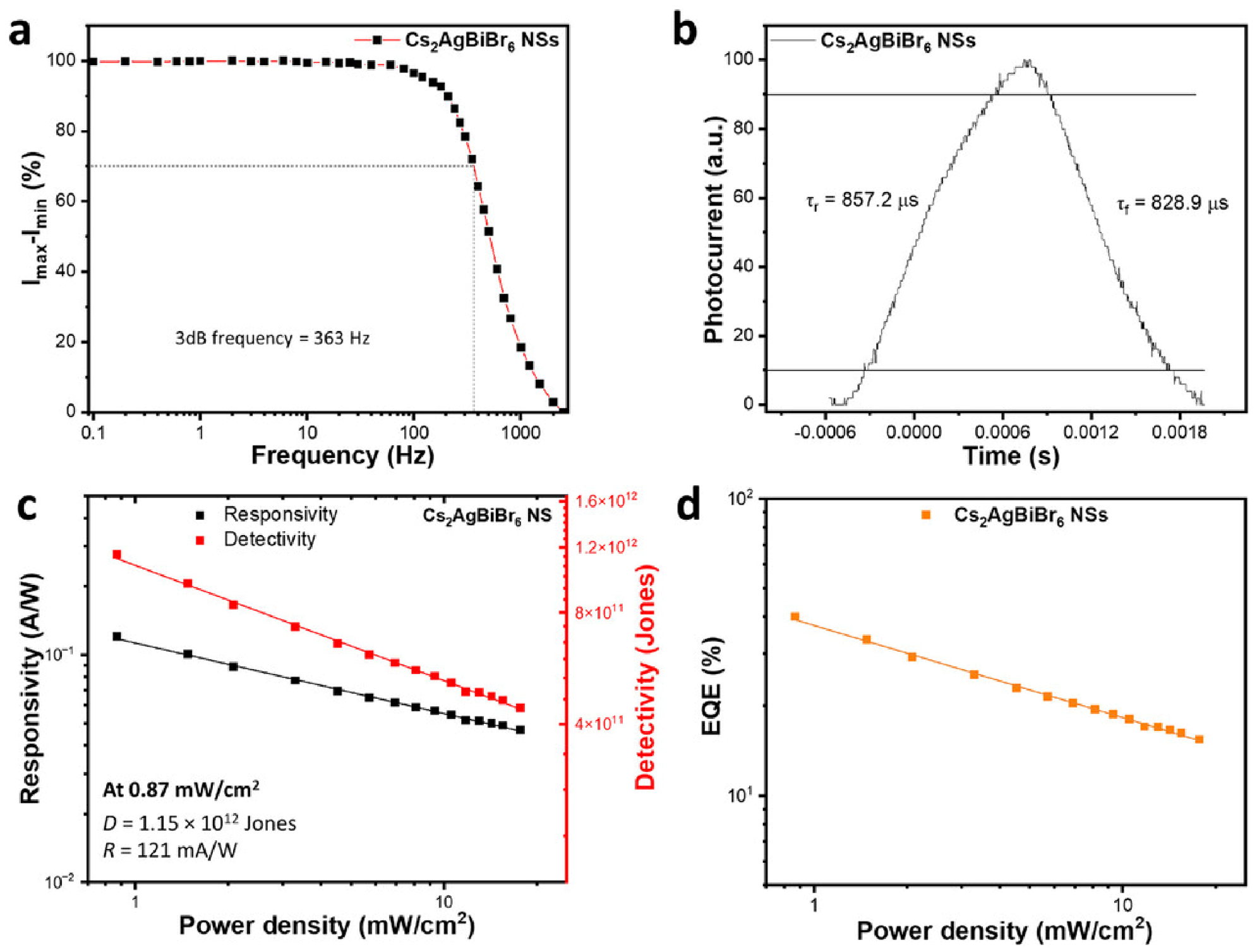
Kyesmen et al. [145] prepared colloidal Cs2AgBiBr6 nanosheets for photodetection. Their quasi-2D morphology should be distinguished from the spacer-separated layered structures discussed above. The device showed a reported on/off ratio up to 2.39 × 10⁴, a 3 dB bandwidth of 363 Hz, and rise and fall times of 857 and 829 μs. Reported responsivity and detectivity reached approximately 0.12 A W−1 and 1.15 × 10¹² Jones under the study conditions (Figure 13). Photocurrent was retained after 80 days of storage, while structural characteristics were reported after more than 200 days. These are storage-stability observations rather than equivalent periods of continuous operation. Detectivity comparisons also require noise measurement or estimation methods.
Figure 12.
Flexible PEA2PbBr4 detector: (a) attenuation comparison; (b) response under 150 kVp irradiation; (c,d) dose-dependent response and sensitivity; (e) signal-to-noise ratio; (f) bias dependence; (g) response after aging; and (h) response under bending [144].
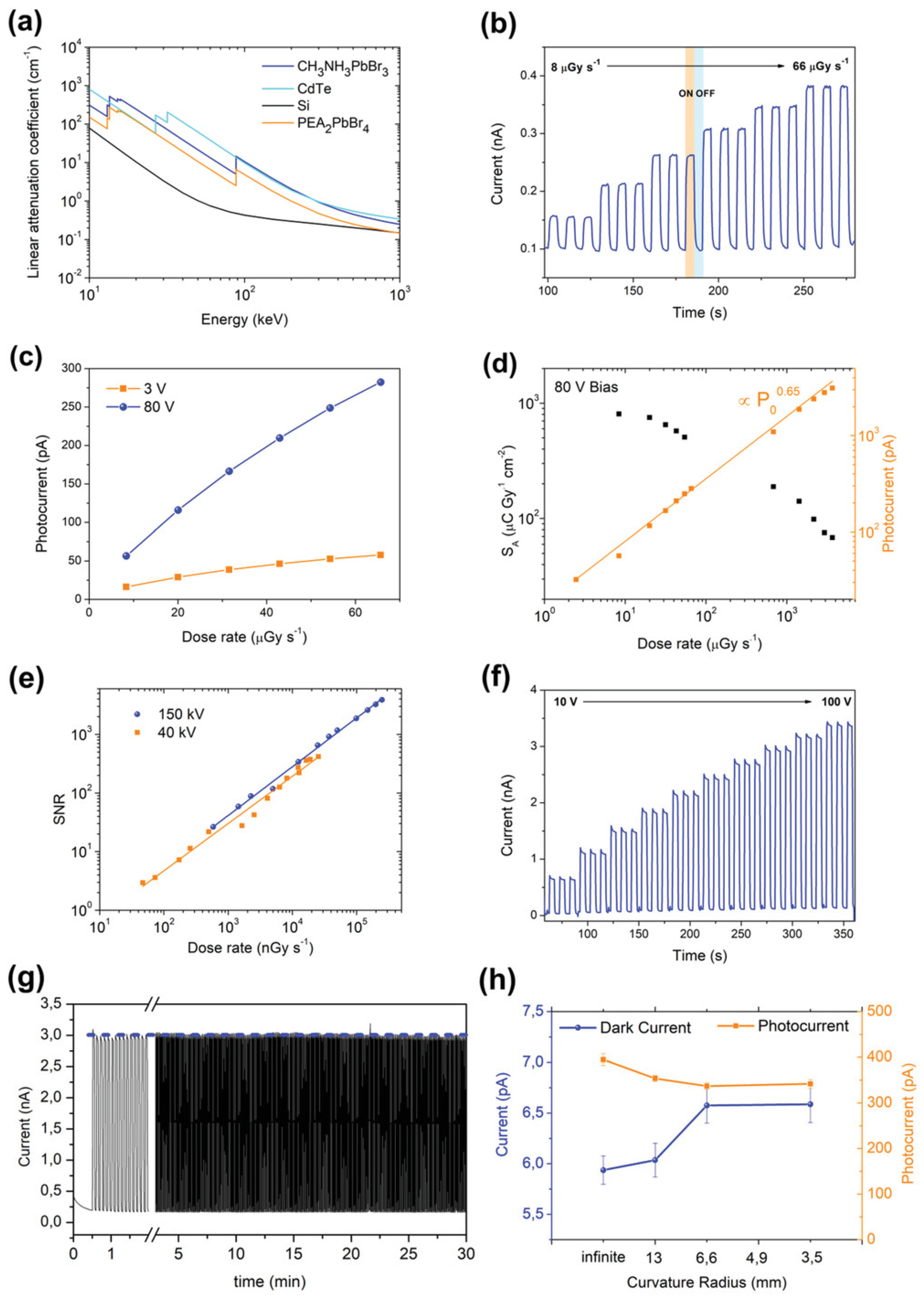
Figure 13.
Cs2AgBiBr6 nanosheet photodetector: (a) frequency response; (b) rise and fall times; (c) responsivity and detectivity versus incident power density; and (d) external quantum efficiency [145].
4.4. Sensors
Perovskite sensors exploit changes in electrical or optical response caused by adsorption or other external stimuli. Composition, defects, morphology, and interfaces influence the magnitude and reversibility of these changes. Gas-sensing studies cover both oxides and halides, but reported responses are not directly comparable unless the response definition, gas concentration, temperature, humidity, and exposure protocol are specified [146]. Selectivity and long-term drift are as important as the largest response measured under optimized conditions. Simultaneously, the chemical affinity with some analytes of interest opens infinite possibilities, as the perovskite-based active material can be tailored for applications.
Oxide gas sensors commonly link surface adsorption and redox chemistry to changes in electrical resistance [147]. The details depend on the oxide, its carrier type, the gas, and the operating temperature. Substitution and nanostructuring can modify both electronic transport and accessible surface sites. Humidity and interfering gases must be included in the assessment; studies of humidity sensors, for example, may aim to suppress CO2 interference rather than detect CO2 itself [148].
Duan et al. [149] examined Co substitution in LaFeO3 for CO2 sensing. This illustrates how B-site modification can change the response of a given oxide, but the mechanism should be supported by surface and electronic evidence rather than attributed to doping alone. Wider comparisons of perovskite VOC sensors must also account for temperature, selectivity, and response definitions.
Metal halide sensors use adsorption-induced changes in conductivity, luminescence, or related signals [150]. Their environmental sensitivity can be useful for detection, but problematic for baseline stability. Dimensional and interface engineering must therefore preserve access to the target gas while limiting irreversible reactions or unwanted humidity response. Neuromorphic sensing introduces a further design requirement: persistent electrical changes may be useful for memory but undesirable for a reversible concentration sensor.
Li et al. [151] studied Cs2AgBiCl6 for room-temperature H2S sensing. Figure 14 shows responses at low-ppb concentrations, a wider concentration series, selectivity tests, and repeated exposure cycles. Measurements down to 5 ppb demonstrate response at that tested concentration; a formal detection limit additionally requires stated noise or a statistical criterion. It supports further investigation of lead-free double perovskites for gas sensing, while humidity dependence, response definition, and long-term reversibility remain essential to comparison with other sensors.
Figure 14.
H2S sensing characteristics of the lead-free Cs2AgBiCl6 double-perovskite sensor: (a) low-concentration sensing response, (b) real-time response under progressively increasing H2S concentrations, (c) response and recovery characteristics, (d) current–voltage behavior at different H2S concentrations, (e) comparative gas selectivity, and (f) repeatability of the sensor response during cyclic exposure to H2S [151].
Ye et al. [152] investigated dimensional reduction from Cs2AgBiBr6 to hybrid double perovskites containing alkylammonium spacers, including (BA)4AgBiBr8, (HA) 4AgBiBr8, and (OA)4AgBiBr8. The organic interlayers were associated with improved resistance to ambient exposure. The work reported a 20-ppb CO detection limit for (BA)4AgBiBr8 and retention of sensing capability after more than 270 days in ambient air. This links spacer chemistry to environmental resistance but does not imply continuous operation for 270 days. Figure 15 summarizes the strategy. The key trade-off is maintaining a reversible gas interaction while reducing unwanted environmental degradation.
Figure 15.
Conceptual representation of the dimensional reduction of three-dimensional Cs2AgBiBr6 into alkylamine-based two-dimensional hybrid double perovskites and their application in long-term stable CO sensing [152].
Shen et al. [153] prepared Mo-doped LaFeO3 by a sol–gel route for triethylamine (TEA) sensing. At 140 °C, the optimized 4% Mo composition gave a reported response near 70 to 100 ppm TEA, approximately eleven times the pristine-material response. This numerical response must be read using the definition adopted in the original study. Figure 16 shows temperature dependence, repeated cycles, and concentration-dependent behavior from 2 to 100 ppm; the reported fit had a coefficient of determination R2 = 0.99736. The example demonstrates compositional optimization under defined test conditions. A high fitted R2 alone does not establish a detection limit, selectivity in mixtures, or accuracy outside the calibration range.
Figure 16.
Gas-sensing characteristics of Mo-modified LaFeO3 toward triethylamine: (a) dependence of sensor response on operating temperature, (b) repeatability during successive TEA exposure cycles, (c) dynamic response and recovery at different TEA concentrations, and (d) concentration-dependent response with corresponding linear fitting [153].
Despite these exceptional outputs in perovskite-based sensors, there are still some drawbacks to overcome: the sensors drift with time, the possibility of building useful capacitance sensors and, naturally, both recovery and lifetimes. Moreover, the issues related to absorption/adsorption of analytes in sensor active material need to be fully understood before moving to technological applications. Nevertheless, the examples mentioned above (and in their references) point to an interesting future in this field.
4.5. Electrocatalysis
Perovskite electrocatalysts allow composition and defect chemistry to be varied over a broad range. Changes in cation valence, surface composition, oxygen stoichiometry, and morphology can affect activity, but the active surface under reaction conditions may differ from the initial bulk structure [154]. Xu et al. [155] studied LaxCo0.4Fe0.6O3 − δ supported on nickel–iron foam, with x = 1.0, 0.9, and 0.8. The x = 0.9 sample required a reported HER (Hydrogen Evolution Reaction) overpotential of 160.5 mV at 10 mA cm−2, compared with 190.5 and 174.9 mV for the other two compositions. These are comparisons within the reported electrode preparation and measurement protocol.
The same study reported a Tafel slope of 80.8 mV dec−1 and a charge-transfer resistance of 2.81 Ω for the optimized electrode. Its double-layer capacitance was 78.1 mF cm−2. This capacitance is an indirect indicator of an electrochemically accessible interface; conversion to ECSA requires an appropriate specific-capacitance assumption. La deficiency was associated with changes in defect chemistry and surface response, but charge compensation need not occur solely through oxygen vacancies. Figure 17 also includes cycling and time-dependent tests. These support stability over the reported window, while practical durability requires sustained operation, gas-efficiency measurements, and separation of catalyst and support contributions.
Figure 17.
HER electrocatalytic characteristics of La-deficient LaxCoFe/NFF perovskite catalysts: (a) polarization curves, (b) Tafel plots, (c) comparison with previously reported perovskite electrocatalysts, (d) electrochemical impedance spectra, (e) double-layer capacitance, (f) long-term HER stability, and (g–i) comparative catalytic-performance parameters of the investigated LaCoFe/NFF catalysts [155].
Wu et al. [156] used electrospinning and calcination to prepare La0.2Sr0.8Cu0.4Co0.6O3-δ nanofibers. Within the reported series, the material calcined at 650 °C showed the lowest OER (Oxygen Evolution Reaction) overpotential, 209 mV at 10 mA cm−2. Calcination can affect phase formation, surface area, conductivity, and residual species simultaneously, so the improvement should not be assigned to morphology alone.
The optimized nanofibers had a reported Tafel slope of 48.7 mV dec−1 and double-layer capacitance of 1.48 mF cm−2. Figure 18 compares the polarization curves, capacitance measurements, cycling response, and impedance. The limited change after 5000 voltammetry cycles indicates resistance to that cycling protocol; it is not equivalent to a long-duration industrial operating test. Meaningful comparison with other catalysts requires matching electrolyte concentration, loading, area normalization, reference scale, and iR correction [156].
Figure 18.
OER characterization of LSCC nanofibers prepared at different calcination temperatures: (a) polarization curves; (b) overpotential at 10 mA cm−2; (c) Tafel plots; (d) double-layer capacitance analysis; (e) polarization before and after 5000 cycles; and (f) impedance spectra [156].
Zhong et al. [157] examined La1.6Sr0.4MnCoO6 as an ORR (Oxygen Reduction Reaction)/OER catalyst for zinc–air batteries. Substitution and B-site chemistry can alter oxygen stoichiometry, cation valence, and the surface under polarization. Figure 19 compares this composition with related oxides and benchmark catalysts. Such within-study comparisons are useful, if differences in loading, accessible area, and electrode preparation are considered.
Figure 19.
ORR/OER characterization of La1.6Sr0.4MnCoO6 and comparison materials: (a) ORR curves; (b) electron-transfer number and peroxide yield; (c) iR-corrected OER curves; (d) Tafel plots; (e) combined ORR/OER response; and (f) O 1s XPS spectra of surface oxygen-containing species [157].
The reported ORR behavior was consistent with a pathway close to four-electron reduction, while OER analysis gave a Tafel slope near 72 mV dec−1. Using an ORR half-wave potential near 0.63 V and an OER potential near 1.73 V at 10 mA cm−2 gives a bifunctional gap of approximately 1.10 V under the stated protocol. That value should be assessed against the benchmarks shown in Figure 19 rather than described as intrinsically small. The O 1s spectra indicate differences in surface oxygen-containing species, but peak fitting alone does not uniquely identify or quantify oxygen vacancies. Defect assignments require complementary evidence and consideration of adsorbates, hydroxyls, and surface reconstruction.
4.6. Energy Storage
Perovskite-based electrodes are studied for capacitors and batteries primarily since substitution, defects, and morphology can modify transport and redox behavior [158]. Comparisons must distinguish single-electrode tests from two-electrode cells and distinguish capacitance from capacity. Ghosh et al. [159] investigated nominal Bi0.05Ca0.95SnO3 (BCSO) and reported a symmetric cell with a specific capacity near 73.3 mAh g−1 at 0.5 A g−1 and about 94% retention after 2000 cycles. The nominal composition describes the substituted material; its charge-compensation mechanism requires experimental evidence. The authors attributed improved behavior to changes in charge transfer and electronic response.
The study also reported a maximum energy density near 88 Wh kg−1 at a power density of 2.10 kW kg−1 [159]. These values must be interpreted using the original voltage window, calculation method, and mass basis; they should not be treated as packaged-device metrics. Figure 20 presents electrode-level measurements, including CV, discharge profiles, and capacitance analysis. Reported electrode values were approximately 193 F g−1 at 5 mV s−1 and 162.8 F g−1 at 1 A g−1, with about 95% retention after 2000 cycles. These differ in metric and test configuration from the symmetric-cell capacity. Nonlinear discharge and redox features indicate Faradaic contributions, but do not by themselves establish pseudocapacitive kinetics or exclude battery-type storage.
Figure 20.
BCSO electrode measurements: (A) cyclic voltammetry; (B) galvanostatic charge–discharge; (C) specific capacitance derived from CV and discharge measurements; and (D) capacitance retention and coulombic efficiency during cycling [159].
Chatterjee et al. [160] studied Cs3Bi2Cl9 and Cs3Bi2Br9, which belong to a perovskite-related halide family rather than the ideal ABX3 network. The chloride composition gave a reported specific capacitance near 1617 F g−1 at 2 mV s−1, compared with approximately 613 F g−1 for the bromide under the same protocol. The proposed storage mechanism involved Bi redox chemistry and interaction with hydroxide species. Establishing whether the initial halide phase remains the active phase requires structural and chemical evidence after or during cycling. An asymmetric Cs3Bi2Cl9/activated-carbon cell with PVA–KOH gel electrolyte was also demonstrated.
Figure 21 summarizes the assembled-cell measurements. The study reported an energy density near 27 Wh kg−1 at a power density of 689 W kg−1 and approximately 80% capacitance retention after 5000 cycles [160]. The electrode value of 1617 F g−1 and the cell energy density should not be treated as directly interchangeable measures. Interpretation requires the voltage window, active-mass convention, charge balance between electrodes, and treatment of Faradaic discharge. A laboratory two-electrode demonstration is an important step beyond a single-electrode test, but it does not establish commercial viability.
Figure 21.
(a) Photograph of the fabricated asymmetric supercapacitor; (b) cyclic voltammetry curves at different scan rates; (c) galvanostatic charge–discharge profiles at different current densities; (d) specific capacitance at different current densities; (e) Ragone plot showing the energy- and power-density characteristics; and (f) cycling stability and coulombic efficiency over 5000 charge–discharge cycles [160].
Baskoro et al. [161] investigated three-dimensional and layered hybrid halides as lithium-ion battery anodes. The study reported improved cycling after chlorine incorporation in a three-dimensional composition, including testing over 1000 cycles at 500 mA g−1. Layered lead-chloride compositions with different organic ammonium spacers were also examined, with reported capacities exceeding 1000 mAh g−1 at 100 mA g−1. Figure 22 summarizes cyclic voltammetry, capacity, rate, and cycling measurements. These values should be evaluated against the initial coulombic efficiency, reversible capacity, active-mass basis, and possible conversion or interfacial storage processes. High capacity alone does not demonstrate preservation of the initial perovskite framework.
Figure 22.
(a) cyclic voltammetry curves, (b) capacity profiles, (c) rate performance, and (d) long-term cycling stability [161].
In addition, in supercapacitors, perovskite-related oxides may contribute to charge storage through surface or near-surface redox reactions, while their electrical conductivity and accessible surface area influence rate performance [162]. In batteries, selected compositions are investigated as electrode materials or functional components where ion insertion, conversion, or redox reactions can contribute to capacity [163]. These applications impose different requirements: supercapacitors typically emphasize rapid charge–discharge, power capability, and cycle life, whereas batteries require a favorable balance of capacity, energy density, rate capability, and long-term cycling stability. Important limitations for perovskite-based electrodes can include low intrinsic conductivity in some compositions, limited accessible active sites, volume or structural changes during cycling, dissolution or degradation in the electrolyte, and synthesis costs. Comparisons should therefore report the electrode composition and loading, electrolyte, current or scan-rate conditions, capacity or capacitance calculation method, and cycling protocol. Measurements from a three-electrode configuration should also be distinguished from full-device results, because the latter more directly reflect practical energy and power performance. Taken together, these application-specific examples demonstrate that perovskite performance depends on composition, processing, structure, interfaces, and measurement conditions. Table 5 summarizes representative studies across the six application areas, distinguishing experimental results from simulations and highlighting the principal performance metrics and limitations.
Table 5.
Representative perovskite and perovskite-related materials for selected functional applications: composition, modification strategy, reported performance, and principal limitations.
The comparison highlights the importance of evaluating performance alongside stability, testing conditions, and device-level validation. Photovoltaic efficiency should be considered alongside operational stability and scalability; detector sensitivity alongside noise and response speed; and sensor response alongside selectivity, reversibility, and baseline drift. Similarly, electrocatalytic activity and energy-storage performance require clearly defined testing protocols and, where possible, validation at the complete-device level.
5. Computational Materials Design and Machine Learning
Computational methods help relate perovskite chemistry to structure, electronic behavior, defects, and transport. Machine learning can extend this analysis to larger compositional spaces by learning from calculated or measured data [164]. The approaches are complementary: calculations provide model-dependent physical information, while statistical models enable rapid predictions within their validated domain [28,29]. Figure 23 summarizes an iterative workflow linking candidate selection, prediction, synthesis, and measurement.
Figure 23.
Computational design and machine-learning workflow for the discovery and optimization of perovskite materials.
5.1. Computational Methods for Perovskite Materials
First-principles and atomistic methods can examine structural and transport questions that are difficult to isolate experimentally [55]. DFT is used to compare candidate structures, electronic states, and defect configurations, with examples ranging from oxide work functions to mixed-halide electronic properties and lithium-containing compositions [165]. Studies of multiferroics and substituted oxides further illustrate links between lattice distortions and electronic or ferroic response [166]. The results depend on the chosen functional, structural model, magnetic configuration, and treatment of defects; they should not be described as uniformly accurate across all perovskites. Besides the traditional use of DFT to get suitable information on electronic structure, the extension to sensors becomes of particular interest, as it would be possible to study about change/affinity among active film and different molecular analyses. Therefore, sensor improvement becomes achievable in specific applications, such as in the biofields.
Huang et al. [167] combined DFT and ab initio molecular dynamics (AIMD) to examine Li-ion transport in the anti-perovskite Li3OBr0.5Cl0.5 under strain and doping. Antiperovskites are structurally related materials with a different arrangement of ionic species and should be distinguished from the ABX3 cation framework introduced earlier. Figure 24 presents temperature-dependent diffusion and Arrhenius analysis. Extrapolated room-temperature transport is a prediction that depends on the simulated temperature range, sampling, and assumed transport regime; it is not a direct room-temperature measurement.
Figure 24.
Temperature-dependent Li-ion diffusion in Li3OBr0.5Cl0.5 anti-perovskite obtained from AIMD simulations and Arrhenius analysis [167].
Calculations on hybrid and inorganic halides address phase energetics, interfaces, electronic structure, and the effects of external conditions [168]. Spin–orbit coupling can be important for heavy-element systems, and conventional exchange-correlation approximations may give inaccurate band gaps. Hybrid functionals and quasiparticle methods can improve selected electronic predictions, while treatment of optical excitations requires additional assumptions or methods. Mechanical, dynamical, and thermodynamic stability are distinct criteria: a favorable formation energy alone does not establish stability against all competing phases or under-development operation.
Molecular dynamics follows atomic motion within an assumed interaction model. It can probe diffusion, structural fluctuations, and degradation pathways, but its conclusions depend on the force field or electronic-structure method and on accessible length and time scales. Reactive simulations of CsPbI3 have examined the effects of field and temperature on surface behavior [169]. Simulations of multicomponent oxides have explored how disorder and vacancies affect oxygen transport. Such trends should be evaluated within the modeled compositions and conditions rather than generalized to every high-entropy perovskite.
Monte Carlo methods sample configurations within a specified statistical model. They can be used for magnetic ordering, cation arrangements, and disorder, as illustrated by studies of PrFeO3 [170]. Their physical interpretation depends on the Hamiltonian, parameters, and sampling method. DFT, molecular dynamics, and Monte Carlo therefore address different levels of the problem; combining them is useful when the transfer of assumptions and parameters is made explicit.
5.2. Machine Learning for Perovskite Materials
Machine learning relates descriptors to target properties and can reduce the number of expensive calculations needed to explore a composition space. Shibata et al. [171] used tailored descriptors for predicting band gaps in perovskite-type oxides, illustrating the value of chemically meaningful inputs. Prediction accuracy and interpretability should nevertheless be assessed separately: a descriptor associated with a prediction is not automatically a causal mechanism. Validation on compositions distinct from the training set is needed to assess transferability.
Fatima et al. [172] developed models using 1185 computationally characterized halide compositions to predict energetic and electronic properties and used SHAP analysis to examine feature contributions. Ni et al. [173] combined DFT and ML for A2BX6-type inorganic materials, using 546 calculated data points and reporting R2 values of 0.92 and 0.93 for band gap and formation energy. The models were then applied to 3276 candidate compositions and used to identify a smaller set for further assessment. Figure 25 shows prediction plots for four models. The scores describe performance under the original validation procedure; they do not independently demonstrate experimental synthesizability or out-of-domain accuracy.
Figure 25.
Comparative performance of four machine-learning models for band-gap prediction: (a) XGBoost, (b) Random Forest, (c) Support Vector Machine, and (d) AdaBoost [173].
DFT-derived labels inherit the limitations of the underlying calculations, and ML inherits both those limitations and dataset bias. Reliable assessment therefore requires the train/test strategy, absolute error metrics, uncertainty estimates, and an independent validation route.
Further studies have used ML to screen lead-free double perovskites and all-inorganic candidates for photovoltaic applications [174,175]. Screening should report on the candidate space, rejection criteria, and validation of selected predictions. Many screened formulas are not themselves evidence of discovery; the relevant outcome is a validated improvement in a material or device.
Defect prediction offers another use of ML, but defect charge state, chemical potentials, and structural environment must be represented consistently. Models that omit these variables may confuse composition trends with changes in calculation conditions. Active learning can prioritize new calculations or experiments where uncertainty is high, if uncertainty is calibrated and the selection process remains physically constrained.
5.3. Critical Assessment and Future Opportunities
The main limitation of data-driven discovery is often the dataset rather than the algorithm. Experimental records may omit unsuccessful syntheses, while computational datasets can mix different approximations or structural assumptions. Models trained on these records can learn biases that are difficult to detect from a single score. More reliable studies should document data provenance, avoid near-duplicate compositions across training and test sets, and assess performance using both absolute errors and chemically separated tests.
Interpretability is useful when it generates a hypothesis that can be tested independently. Feature-importance or SHAP plots describe how a model uses its inputs; they do not establish a microscopic mechanism. Transfer to new chemical families is a separate challenge, particularly for disordered, layered, or multicomponent systems. External tests and uncertainty estimates should therefore accompany claims of generalization, and predicted candidates should be evaluated against phase stability and feasible synthesis conditions.
Physics-informed models and closed-loop experimentation can reduce some of these limitations, but they require explicit constraints and well-defined validation targets. A practical loop should connect a prediction to a synthesis attempt, structural characterization, and a measurement under specified conditions, then use both successful and unsuccessful outcomes to update the model. The goal is not only faster screening but a more reliable link between predicted chemistry and reproducible function.
As a point of interest, different ML cores are nowadays available, and the choice of the best possible one is always a trade-off between the final purpose and the dataset characteristics (and data extension/features). With the huge increase in perovskite-based research and publications, creating a reasonable dataset that can be used in any of the available ML methods will not be an issue. Therefore, it is expected that these methods will gain extreme relevance in the future.
6. Environmental Sustainability and End-of-Life Considerations
Environmental sustainability is an important consideration in the development of perovskite materials, particularly when laboratory-scale performance is used to motivate future technological applications. For lead-containing halide perovskites, the potential release of lead during material degradation, device damage, or disposal requires appropriate encapsulation, collection, recycling, and end-of-life management [176]. Encapsulation can reduce exposure under certain conditions, but its effectiveness must be evaluated under realistic ageing, mechanical damage, and environmental scenarios. Recycling strategies should aim to recover valuable components while limiting the release of hazardous substances.
Lead-free compositions may reduce one important environmental concern, but they should not automatically be considered environmentally benign. Their sustainability also depends on the toxicity and availability of constituent elements, precursor synthesis, solvent use, processing temperatures, manufacturing yield, device lifetime, and the energy required for material recovery. Some oxide perovskites offer high thermal and chemical stability, but high-temperature synthesis or sintering may increase processing-energy requirements. Conversely, lower-temperature solution processing can reduce some manufacturing demands but may involve hazardous solvents or require careful control of waste streams [177,178].
A meaningful sustainability assessment should therefore consider the entire material and device life cycle, including raw-material extraction, precursor preparation, manufacturing, operational durability, repair or replacement, and end-of-life treatment. Comparisons between candidate materials should use clearly stated system boundaries and should distinguish experimentally measured environmental performance from qualitative expectations. Improving efficiency is important, but it should be considered alongside lifetime, resource use, process safety, recyclability, and the prevention of harmful releases.
7. Challenges and Future Perspectives
The reviewed studies show that performance gains arise from different combinations of composition, dimensionality, defects, and interfaces. Their transfer between applications is limited by competing requirements. Halide optoelectronic devices generally need to suppress non-radiative recombination and unwanted ionic motion, whereas sensors rely on an accessible and reversible interaction with the environment. Catalysts and storage electrodes require redox activity while retaining a useful structure or forming a stable active phase. Oxides are already used in established technologies, so commercialization should not be presented as an unresolved challenge for the entire perovskite family. The more specific question is which emerging compositions or architectures can meet their intended lifetime and manufacturing requirements.
Stability reporting is a common weakness. Storage in air, cycling, and continuous biased operation probe different processes and should not be combined into a single lifetime claim. Future comparisons should report temperature, atmosphere, illumination or current, geometry, encapsulation, and the criterion used for failure or retention. Scalable processing also requires more than reproducing a small-area result: yield, uniformity, precursor control, and batch variability matter. Environmental assessment should address the full composition, solvent and energy inputs, exposure pathways, and end-of-life handling. Lead-free chemistry alone is not sufficient evidence of sustainability.
Three priorities follow from these limitations. First, compare structural strategies using measurements that distinguish bulk, surface, and interfacial effects. Second, connect performance metrics to the relevant operating conditions and device configuration. Third, validate computationally selected materials experimentally and report negative outcomes as well as successful ones. These steps would make it easier to identify which improvements are transferable, which depend on a narrow processing window, and which require a different device design.
In addition, the challenges facing perovskite materials differ according to their composition, structure, and intended application. For oxide perovskites, important considerations include the temperature and energy required for synthesis, control of oxygen stoichiometry, phase purity, grain-boundary effects, and the relationship between defect chemistry and long-term performance. Some oxide systems require high-temperature processing, and their functional properties may be sensitive to atmosphere and thermal history. For metal halide perovskites, major concerns include sensitivity to moisture, heat, illumination, and electrical bias; ion migration and phase segregation in some compositions; interface degradation; and the environmental implications of lead-containing materials. Solution processing can enable relatively low-temperature film fabrication, but reproducible crystallization, uniform coverage, and scalable manufacturing remain important challenges.
For lead-free double perovskites, the avoidance of lead does not automatically guarantee high performance or environmental sustainability. Some compositions exhibit indirect band gaps, limited absorption in the visible region, or less favorable charge-carrier transport than leading lead-halide absorbers. Cation ordering, defects, and phase stability can also influence their functional properties. Further optimization is needed to establish which compositions can deliver a useful balance of stability, electronic performance, processability, and cost. Across all families, comparisons should be based on well-defined measurement conditions and should distinguish intrinsic material properties from electrode or device performance. Future progress will depend on reproducible synthesis, clear reporting of uncertainties, long-term testing under relevant operating conditions, and careful assessment of manufacturing and end-of-life requirements.
8. Conclusions
Perovskite materials provide a versatile platform for developing functional materials because their composition, crystal structure, defects, and interfaces can be modified to tailor their properties. This review has examined selected oxide and halide perovskites and related derivatives, highlighting the relationships between crystal chemistry, synthesis, and applications in photovoltaics, light emission, radiation detection, sensing, electrocatalysis, and electrochemical energy storage. The comparison shows that the properties required for a particular application depend strongly on the material family and device configuration. Halide perovskites are attractive for optoelectronic applications because of their optical absorption and tunable electronic properties, whereas oxide perovskites offer useful combinations of thermal stability, dielectric behavior, catalytic activity, and adjustable defect chemistry. Hybrid organic–inorganic and lead-free double perovskites introduce further opportunities for compositional and structural design, although their performance and stability must be evaluated individually.
Synthesis conditions, phase purity, microstructure, defects, and interfaces play important roles in determining functional behavior. Computational approaches can support the interpretation and screening of candidate materials, but their predictions require careful assessment of methodological limitations and, where possible, experimental validation. Similarly, performance improvements observed in individual laboratory tests should not automatically be interpreted as evidence of long-term stability, scalability, or commercial readiness. Future progress will require reproducible synthesis, comprehensive structural and functional characterization, transparent reporting of measurement conditions, and more systematic evaluation of operational lifetime and environmental impact. Comparisons should distinguish intrinsic material properties from the behavior of complete devices and should consider processing requirements, resource use, and end-of-life management. Integrating crystal-chemical understanding with experimental validation and application-specific engineering will be essential for translating promising perovskite materials into reliable technologies.
Author Contributions
Conceptualization, K.I.N., L.P. and M.P.F.G.; methodology, K.I.N. and L.P.; investigation, K.I.N.; writing—original draft preparation, K.I.N.; writing—review and editing, K.I.N., L.P. and M.P.F.G.; supervision, L.P. and M.P.F.G. All authors have read and agreed to the published version of the manuscript.
Funding
This research received no external funding.
Data Availability Statement
No new data were created or analyzed in this study. Data sharing is not applicable.
Acknowledgments
During the preparation of this manuscript, the authors used ChatGPT (OpenAI, GPT-5.6) for the purposes of language refinement, proofreading, and improving the clarity and presentation of the manuscript. The authors have reviewed and edited the output and take full responsibility for the content of this publication.
Conflicts of Interest
The authors declare no conflicts of interest.
References
- Zhang, L.; Mei, L.; Wang, K.; Lv, Y.; Zhang, S.; Lian, Y.; Ding, L. Advances in the application of perovskite materials. Nano-Micro Lett. 2023, 15, 177. [Google Scholar] [CrossRef] [Scilit] [PubMed]
- Olasoji, A.J.; Park, J.K.; Lee, H.J.; Song, Y.; Lee, D.S.; Im, S.H. Metal halide perovskites: A platform for next-generation multifunctional devices. Adv. Ind. Eng. Chem. 2025, 1, 12. [Google Scholar] [CrossRef] [Scilit]
- Yin, W.J.; Weng, B.; Ge, J.; Sun, Q.; Li, Z.; Yan, Y. Oxide perovskites, double perovskites and derivatives for electrocatalysis, photocatalysis, and photovoltaics. Energy Environ. Sci. 2019, 12, 442–462. [Google Scholar] [CrossRef] [Scilit]
- Sun, X.; Sun, S.; Wang, T.; Huang, X.; Wang, N.; Zhou, L.; Hao, H. Perovskite as a promising candidate for treating typical contaminants in medical wastewater: Synthesis, progress, and mechanism. Langmuir 2025, 41, 13726–13750. [Google Scholar] [CrossRef] [Scilit] [PubMed]
- Thakur, P.; Sharma, N.; Pathak, D.; Sharma, P.; Kishore, K.; Dhar, S.; Lal, M. State-of-art review on smart perovskite materials: Properties and applications. Emerg. Mater. 2024, 7, 667–694. [Google Scholar] [CrossRef] [Scilit]
- Žužić, A.; Ressler, A.; Macan, J. Perovskite oxides as active materials in novel alternatives to well-known technologies: A review. Ceram. Int. 2022, 48, 27240–27261. [Google Scholar] [CrossRef] [Scilit]
- Samhi, M.A.; Mirza, S.H.; Yousuf, M.W.; Knani, S.; Parveen, A. Systematic computational investigation of pressure-driven innovations in the physical characteristics of LaGaO3 perovskite oxide for next-generation solar cells: A DFT and SCAPS-1D study. J. Mater. Sci. 2025, 60, 17679–17708. [Google Scholar] [CrossRef] [Scilit]
- Li, Z.; Yu, J.; Hao, S.; Janolin, P.E. Enhancing properties of lead-free ferroelectric BaTiO3 through doping. J. Eur. Ceram. Soc. 2022, 42, 4693–4701. [Google Scholar] [CrossRef] [Scilit]
- Jain, A.; Wang, Y.G.; Shi, L.N. Recent developments in BaTiO3 based lead-free materials for energy storage applications. J. Alloys Compd. 2022, 928, 167066. [Google Scholar] [CrossRef] [Scilit]
- Jakhar, V.; Kumar, A.; Sharma, A.; Dhanka, S.; Kumar, M.; Kumar, N.; Singh, J. Photocatalytic and thermal characterization of SrTiO3 doped with MgO nanoparticles for advanced insulation applications. Silicon 2026, 18, 1–20. [Google Scholar] [CrossRef] [Scilit]
- Muneeswaran, M.; Gopiraman, M.; Dhanabalan, S.S.; Giridharan, N.V.; Akbari-Fakhrabadi, A. Multiferroic properties of rare earth-doped BiFeO3 and their spintronic applications. In Metal and Metal Oxides for Energy and Electronics; Springer International Publishing: Cham, Switzerland, 2020; pp. 375–395. [Google Scholar]
- Vitayaya, O.; Zul Nehan, P.Z.; Munazat, D.R.; Manawan, M.T.; Kurniawan, B. Magnetoresistance (MR) properties of magnetic materials. RSC Adv. 2024, 14, 18617–18645. [Google Scholar] [CrossRef] [Scilit] [PubMed]
- Samreen, A.; Ali, M.S.; Huzaifa, M.; Ali, N.; Hassan, B.; Ullah, F.; Arifin, N.A. Advancements in perovskite-based cathode materials for solid oxide fuel cells: A comprehensive review. Chem. Rec. 2024, 24, e202300247. [Google Scholar] [CrossRef] [Scilit] [PubMed]
- Yao, J.; Gao, D.; Dong, Y.; Ran, J. High efficiency electrocatalyst of LaNiO3@ LaCoO3 nanoparticles on oxygen-evolution reaction. FlatChem 2022, 33, 100371. [Google Scholar] [CrossRef] [Scilit]
- Cetin, C.; Chen, P.; Hao, M.; He, D.; Bai, Y.; Lyu, M.; Wang, L. Inorganic p-type semiconductors as hole conductor building blocks for robust perovskite solar cells. Adv. Sustain. Syst. 2018, 2, 1800032. [Google Scholar] [CrossRef] [Scilit]
- Xu, W.; Yao, X.; Wu, H.; Zhu, T.; Gong, X. The compositional engineering of organic–inorganic hybrid perovskites for high-performance perovskite solar cells. Emerg. Mater. 2020, 3, 727–750. [Google Scholar] [CrossRef] [Scilit]
- de Morais, A.; Silva, F.N.; Ormonde, H.R.; Ramos, R.J.; Moraes, E.S.; Melo, B.M.G.; Pereira, L.; Nogueira, A.F.; de Freitas, J.N.; Germino, J.C.; et al. Can chelatogenic molecules enhance the stability of air-processed MAPbI3 perovskite solar cells? A case study of salophen. J. Mater. Chem. A. 2025, 13, 33175–33187. [Google Scholar] [CrossRef] [Scilit]
- de Holanda, M.S.; de Araújo, F.L.; Marchezi, P.E.; Bonato, L.G.; de Melo, E.C.; Torresi, R.M.; Nogueira, A.F.; Pereira, L.; Germino, J.C. Metal-organic complex interfaces enabling triplet-state modulation and defect passivation in perovskite solar cells. Mater. Today Commun. 2026, 54, 115723. [Google Scholar] [CrossRef] [Scilit]
- Jang, W.J.; Park, P.J.; Ong, W.J.; Kim, S.Y. Stable and eco-friendly inorganic lead-free perovskite solar cells: Structural, electronic, and defect engineering. Commun. Mater. 2026, 7, 110. [Google Scholar] [CrossRef] [Scilit]
- Ju, M.G.; Chen, M.; Zhou, Y.; Dai, J.; Ma, L.; Padture, N.P.; Zeng, X.C. Toward eco-friendly and stable perovskite materials for photovoltaics. Joule 2018, 2, 1231–1241. [Google Scholar] [CrossRef] [Scilit]
- Tao, S.; Jiang, L.; Liu, L.; Chen, H.; Tang, J.; Qian, C.; Wang, K. Dimensionality-mixed phases facilitate chirality transfer and spin–orbit coupling for chiral perovskite red spin-LEDs. ACS Nano 2026, 20, 10570–10581. [Google Scholar] [CrossRef] [Scilit] [PubMed]
- Wang, S.; Yousefi Amin, A.A.; Wu, L.; Cao, M.; Zhang, Q.; Ameri, T. Perovskite nanocrystals: Synthesis, stability, and optoelectronic applications. Small Struct. 2021, 2, 2000124. [Google Scholar] [CrossRef] [Scilit]
- Xia, W.; Pei, Z.; Leng, K.; Zhu, X. Research progress in rare earth-doped perovskite manganite oxide nanostructures. Nanoscale Res. Lett. 2020, 15, 9. [Google Scholar] [CrossRef] [Scilit] [PubMed]
- Zardetto, V.; Williams, B.L.; Perrotta, A.; Di Giacomo, F.; Verheijen, M.A.; Andriessen, R.; Creatore, M. Atomic layer deposition for perovskite solar cells: Research status, opportunities and challenges. Sustain. Energy Fuels. 2017, 1, 30–55. [Google Scholar] [CrossRef] [Scilit]
- Zanoni, K.P.; Kralj, S.; Chin, X.Y.; Bruno, A.; Bolink, H.J.; Morales-Masis, M. Vapor deposited metal halide perovskites for photovoltaics: Methods, challenges and prospects. Chem. Rev. 2026, 126, 5260–5315. [Google Scholar] [CrossRef] [Scilit] [PubMed]
- Wang, Y.; Du, Z.; Chen, Y.; Qiu, Y.; Yan, D.; Hou, B. Accelerating perovskite solar cell development through high-throughput technologies: Computational simulation, automated experimentation, and intelligent integration. Battery Energy 2026, 5, e70127. [Google Scholar] [CrossRef] [Scilit]
- Ikot, I.J.; Louis, H.; Chukwu, U.G.; Ashishie, P.B.; Magu, T.O.; Agwamba, E.C.; Adeyinka, A.S. Electronic, optical, phonon properties, elastic, and the hydrogen storage density of CsXBr3 (X: Be, Mg, Ca) perovskites: Ab-initio calculations and molecular dynamic (MD) simulation. J. Phys. Chem. Solids. 2023, 183, 111636. [Google Scholar] [CrossRef] [Scilit]
- Tao, Q.; Xu, P.; Li, M.; Lu, W. Machine learning for perovskite materials design and discovery. npj Comput. Mater. 2021, 7, 23. [Google Scholar] [CrossRef] [Scilit]
- Wang, S.; Liu, C.; Hao, W.; Zhuang, Y.; Zhu, X.; Wang, L.; Zhao, Q. From formability to bandgap: Machine learning accelerates the discovery and application of perovskite materials. ACS Nano 2025, 19, 29049–29072. [Google Scholar] [CrossRef] [Scilit] [PubMed]
- Van Roekeghem, A.; Carrete, J.; Oses, C.; Curtarolo, S.; Mingo, N. High-Throughput Computation of Thermal Conductivity of High-Temperature Solid Phases: The Case of Oxide and Fluoride Perovskites. Phys. Rev. X. 2016, 6, 041061. [Google Scholar] [CrossRef] [Scilit]
- Shi, M.; Li, R.; Li, C. Halide perovskites for light emission and artificial photosynthesis: Opportunities, challenges, and perspectives. EcoMat 2021, 3, e12074. [Google Scholar] [CrossRef] [Scilit]
- Lin, Y.; Zhang, F. The rise of perovskitoid for photoelectric device: From preparation to applications. ChemSusChem 2026, 19, e202502738. [Google Scholar] [CrossRef] [Scilit] [PubMed]
- Duan, J.; Li, J.; Divitini, G.; Cortecchia, D.; Yuan, F.; You, J.; Xi, J. 2D hybrid perovskites: From static and dynamic structures to potential applications. Adv. Mater. 2024, 36, 2403455. [Google Scholar] [CrossRef] [Scilit] [PubMed]
- Liu, Y.; Yuan, S.; Zheng, H.; Wu, M.; Zhang, S.; Lan, J.; Fan, J. Structurally dimensional engineering in perovskite photovoltaics. Adv. Energy Mater. 2023, 13, 2300188. [Google Scholar] [CrossRef] [Scilit]
- Bian, L.; Cao, F.; Li, L. Performance improvement of lead-based halide perovskites through B-site ion-doping strategies. Small 2023, 19, 2302700. [Google Scholar] [CrossRef] [Scilit] [PubMed]
- Zheng, Y.Y.; Wang, H.B.; Wang, S.; Yue, P.Y.; Long, G.K.; Wang, C. Linearly polarized photodetectors based on low-dimensional perovskites: Theory, material, and device. Rare Met. 2025, 44, 6839–6864. [Google Scholar] [CrossRef] [Scilit]
- Liu, Q.; Ren, H.; Wei, Q.; Li, M. Multifunctional chiral halide perovskites: Advancing chiro-optics, chiro-optoelectronics, and spintronics. Adv. Sci. 2025, 12, e09155. [Google Scholar] [CrossRef] [Scilit] [PubMed]
- McNulty, J.A.; Lightfoot, P. Structural chemistry of layered lead halide perovskites containing single octahedral layers. IUCrJ 2021, 8, 485–513. [Google Scholar] [CrossRef] [Scilit] [PubMed]
- Yang, X.; Zhou, K.; Li, R.; Yang, J.; Zheng, F.; Song, S. A Study on the Mechanical Properties of Perovskite Films Based on Molecular Dynamics Simulation. Coatings 2026, 16, 212. [Google Scholar] [CrossRef] [Scilit]
- Wang, J.; Akamatsu, H.; Zhang, Y.; Kawasaki, T.; Ohno, S.; Fujita, K.; Hayashi, K. Thermally controlled A-site cation ordering and coupled polarity in double perovskite NaLaZr2O6. Inorg. Chem. 2025, 64, 1340–1351. [Google Scholar] [CrossRef] [Scilit] [PubMed]
- Aïssa, B.; Ali, A.; El-Mellouhi, F. Oxide and organic–inorganic halide perovskites with plasmonics for optoelectronic and energy applications: A contributive review. Catalysts 2021, 11, 1057. [Google Scholar] [CrossRef] [Scilit]
- Wang, Y.; Wang, Y.; Doherty, T.A.; Stranks, S.D.; Gao, F.; Yang, D. Octahedral units in halide perovskites. Nat. Rev. Chem. 2025, 9, 261–277. [Google Scholar] [CrossRef] [Scilit] [PubMed]
- Huang, C.; Tang, Z.; Dou, Y.; Sun, L.; Li, Q.; Huo, L.; Zhao, H. Entropy engineering to modulate oxygen adsorption of bi-functional perovskite-type catalysts toward intermediate-temperature solid oxide cells. Chem. Eng. J. 2025, 516, 164249. [Google Scholar] [CrossRef] [Scilit]
- Ye, J.; Jiang, T.; Zhang, H.; Zhang, Y.; Qiu, W. Combined effects of bandwidth and lattice disorder on ultrafast electron–lattice–spin coupling in perovskite manganite thin films tuned by the A-site ionic radius. J. Mater. Chem. A. 2026, 14, 34951–34962. [Google Scholar] [CrossRef] [Scilit]
- Cao, J.; Li, S.; Zheng, J.; Keremane, K.; Jin, B.; Hu, X.; Priya, S.; Wu, C.; Wang, K. Structural properties of perovskite. In Perovskite Optoelectronic Devices; Pradhan, B., Ed.; Engineering Materials; Springer: Cham, Switzerland, 2024. [Google Scholar] [CrossRef] [Scilit]
- Feng, W.; Zhao, R.; Wang, X.; Xing, B.; Zhang, Y.; He, X.; Zhang, L. Global instability index as a crystallographic stability descriptor of halide and chalcogenide perovskites. J. Energy Chem. 2022, 70, 1–8. [Google Scholar] [CrossRef] [Scilit]
- Qamar, F.; Khan, S. Study of structural, optical, electrical, and multiferroic properties of Cu ions doped NdFeO3 nanomaterials. Appl. Phys. A. 2026, 132, 213. [Google Scholar] [CrossRef] [Scilit]
- Karim, M.A.; Saha, A.; Hossain, M.J.; Kabir, M.S.; Faruk, M.O.; Khatun, M.A.; Roy, D.C. Role of oxygen vacancies on the structural, electronic, optical, and photocatalytic properties of Ba2CeMO6 (M = Bi, Sb) double perovskites: A DFT study. Sci. Rep. 2026, 16, 11973. [Google Scholar] [CrossRef] [Scilit] [PubMed]
- Chauhan, P.; Kumar, S.; Kumari, N.; Sharma, V.; Kaur, G.A.; Shandilya, M. Sustainable energy approaches using perovskite materials: A comprehensive review of energy applications. Emerg. Mater. 2025, 8, 5449–5488. [Google Scholar] [CrossRef] [Scilit]
- Yang, R.; Yang, D.; Liu, S.F. High-performance all-inorganic cesium halide perovskite solar cells. Chem. Rev. 2026, 126, 1408–1469. [Google Scholar] [CrossRef] [Scilit] [PubMed]
- Talapatra, A.; Uberuaga, B.P.; Stanek, C.R.; Pilania, G. A machine learning approach for the prediction of formability and thermodynamic stability of single and double perovskite oxides. Chem. Mater. 2021, 33, 845–858. [Google Scholar] [CrossRef] [Scilit]
- Touati, S.; Benghia, A.; Hebboul, Z.; Lefkaier, I.K.; Kanoun, M.B.; Goumri-Said, S. Predictive machine learning approaches for perovskites properties using their chemical formula: Towards the discovery of stable solar cells materials. Neural Comput. Appl. 2024, 36, 16319–16329. [Google Scholar] [CrossRef] [Scilit]
- Jaafreh, R.; Sharan, A.; Sajjad, M.; Singh, N.; Hamad, K. A machine learning-assisted approach to a rapid and reliable screening for mechanically stable perovskite-based materials. Adv. Funct. Mater. 2023, 33, 2210374. [Google Scholar] [CrossRef] [Scilit]
- Bartel, C.J.; Sutton, C.; Goldsmith, B.R.; Ouyang, R.; Musgrave, C.B.; Ghiringhelli, L.M.; Scheffler, M. New tolerance factor to predict the stability of perovskite oxides and halides. Sci. Adv. 2019, 5, eaav0693. [Google Scholar] [CrossRef] [Scilit] [PubMed]
- Obada, D.O.; Akinpelu, S.B.; Abolade, S.A.; Okafor, E.; Ukpong, A.M.; Kumar, R.S.; Akande, A. Lead-free double perovskites: A review of the structural, optoelectronic, mechanical, and thermoelectric properties derived from first-principles calculations, and materials design applicable for pedagogical purposes. Crystals 2024, 14, 86. [Google Scholar] [CrossRef] [Scilit]
- Jiang, S.P. Solid-state electrochemistry and solid oxide fuel cells: Status and future prospects. Electrochem. Energy Rev. 2022, 5, 21. [Google Scholar] [CrossRef] [Scilit]
- Kuchi, C.; Kalla, R.M.N.; Kumar, Y.A.; Al-Sehemi, A.G.; Ravindran, E.; Chilaka, S.K. 2D layered perovskites: Stability, tunability, and their role in next-generation solar energy conversion. J. Mater. Sci. 2026, 61, 3577–3615. [Google Scholar] [CrossRef] [Scilit]
- Nazish, Y.; Sabahat, S. Fuel flexibility and performance enhancement in solid oxide fuel cells: A review of anode material innovations. J. Power Sources. 2026, 690, 240848. [Google Scholar] [CrossRef] [Scilit]
- Khirade, P.P.; Raut, A.V. Synthesis, structure, physical properties and applications. In Recent Advances in Multifunctional Perovskite Materials; Sharma, P., Kumar, A., Eds.; BoD—Books on Demand: Norderstedt, Germany, 2022; p. 3. [Google Scholar]
- Assirey, E.A.R. Perovskite synthesis, properties and their related biochemical and industrial application. Saudi Pharm. J. 2019, 27, 817–829. [Google Scholar] [CrossRef] [Scilit] [PubMed]
- Dong, H.; Ran, C.; Gao, W.; Li, M.; Xia, Y.; Huang, W. Metal halide perovskite for next-generation optoelectronics: Progresses and prospects. eLight 2023, 3, 3. [Google Scholar] [CrossRef] [Scilit]
- Wei, Q.; Ghasemi, M.; Wang, R.; Wang, C.; Wang, J.; Zhou, W.; Wen, X. Metal halide perovskite alloy: Fundamental, optoelectronic properties and applications. Adv. Photonics Res. 2023, 4, 2200236. [Google Scholar] [CrossRef] [Scilit]
- Zhang, T.; Xu, K.; Li, J.; He, L.; Fu, D.W.; Ye, Q.; Xiong, R.G. Ferroelectric hybrid organic–inorganic perovskites and their structural and functional diversity. Natl. Sci. Rev. 2023, 10, nwac240. [Google Scholar] [CrossRef] [Scilit] [PubMed]
- Krishnamurthy, S.; Pandey, P.; Kaur, J.; Chakraborty, S.; Nayak, P.K.; Sadhanala, A.; Ogale, S. Organic–inorganic hybrid and inorganic halide perovskites: Structural and chemical engineering, interfaces and optoelectronic properties. J. Phys. D. Appl. Phys. 2021, 54, 133002. [Google Scholar] [CrossRef] [Scilit]
- Yuan, Y.; Zuo, P.; Li, F.; Wang, G.; Zhang, K.; Tian, H.; Liu, S. Advances in laser processing technologies for 2D materials and perovskite-based flexible electronics. Adv. Eng. Mater. 2025, 27, 2501441. [Google Scholar] [CrossRef] [Scilit]
- Pareja-Rivera, C.; Zugasti-Fernández, D.; Olalde-Velasco, P.; Solis-Ibarra, D. Halide double perovskites. In Halide Perovskite Semiconductors: Structures, Characterization, Properties, and Phenomena; Wiley-VCH: Weinheim, Germany, 2024; pp. 115–145. [Google Scholar]
- Yang, X.; Wang, W.; Ran, R.; Zhou, W.; Shao, Z. Recent advances in Cs2AgBiBr6 based halide double perovskites as lead-free and inorganic light absorbers for perovskite solar cells. Energy Fuels 2020, 34, 10513–10528. [Google Scholar] [CrossRef] [Scilit]
- Nassar, K.I.; Rammeh, N.; Teixeira, S.S.; Graça, M.P.F. Effect of Pr substitution in the A site on the structural, dielectric and magnetic properties of double perovskite La2NiMnO6. Appl. Phys. A 2022, 128, 373. [Google Scholar] [CrossRef] [Scilit]
- Iben Nassar, K.; Slimi, M.; Rammeh, N.; Teixeira, S.S.; Graça, M.P.F. Impedance spectroscopic analysis and electrical properties in SrAgNiMnO6 double perovskite ceramic. J. Mater. Sci. Mater. Electron. 2022, 33, 20134–20143. [Google Scholar] [CrossRef] [Scilit]
- Ghasemi, M.; Hao, M.; Xiao, M.; Chen, P.; He, D.; Zhang, Y.; Wen, X. Lead-free metal-halide double perovskites: From optoelectronic properties to applications. Nanophotonics 2021, 10, 2181–2219. [Google Scholar] [CrossRef] [Scilit]
- Tailor, N.K.; Listorti, A.; Colella, S.; Satapathi, S. Lead-free halide double perovskites: Fundamentals, challenges, and photovoltaics applications. Adv. Mater. Technol. 2023, 8, 2200442. [Google Scholar] [CrossRef] [Scilit]
- Zuo, T.; Qi, F.; Yam, C.; Meng, L. Lead-free all-inorganic halide double perovskite materials for optoelectronic applications: Progress, performance and design. Phys. Chem. Chem. Phys. 2022, 24, 26948–26961. [Google Scholar] [CrossRef] [Scilit] [PubMed]
- Jouneghaninaseri, A.; Zhang, S.; Tu, Q.; Liu, J. Molecular engineering in layered metal halide hybrid perovskites for tunable thermal conductivity, elastic modulus, and beyond. MRS Commun. 2025, 15, 1307–1322. [Google Scholar] [CrossRef] [Scilit]
- Negi, A.; Yan, L.; Yang, C.; Yu, Y.; Kim, D.; Mukherjee, S.; Liu, J. Anomalous correlation between thermal conductivity and elastic modulus in two-dimensional hybrid metal halide perovskites. ACS Nano 2024, 18, 14218–14230. [Google Scholar] [CrossRef] [Scilit] [PubMed]
- Hanmandlu, C.; Singh, A.; Boopathi, K.M.; Lai, C.S.; Chu, C.W. Layered perovskite materials: Key solutions for highly efficient and stable perovskite solar cells. Rep. Prog. Phys. 2020, 83, 086502. [Google Scholar] [CrossRef] [Scilit] [PubMed]
- Kutsarov, D.I.; Rezaee, E.; Lambert, J.; Stroud, W.T.; Panagiotopoulos, A.; Silva, S.R.P. Progress in flexible perovskite solar cells: Paving the way for scalable manufacturing. Adv. Mater. Technol. 2025, 10, 2401834. [Google Scholar] [CrossRef] [Scilit]
- Altalbawy, F.M.; Saleh, E.A.M.; Moharam, M.M.; Seed, F.F.; Ballal, S.; Singh, A.; Messa, S. Advanced luminescence engineering of inorganic halide perovskite quantum dots: Stability enhancement, lead-free design, and optoelectronic applications. Luminescence 2026, 41, e70424. [Google Scholar] [CrossRef] [Scilit] [PubMed]
- Peng, S.; Yang, Z.; Sun, M.; Yu, L.; Li, Y. Stabilizing metal halide perovskites for solar fuel production: Challenges, solutions, and future prospects. Adv. Mater. 2023, 35, 2304711. [Google Scholar] [CrossRef] [Scilit] [PubMed]
- Khan, H.; Mehtab, A.; Ahmad, T. Rare earth-based multiferroic perovskites and applications. In Nanotechnology: A Quick Guide to Materials and Technologies; Bentham Science Publishers: Sharjah, United Arab Emirates, 2024; pp. 296–334. [Google Scholar]
- Zou, Y.; Yu, W.; Qu, B.; Chen, Z.; Wei, M.; Xiao, L. Ambient fabrication of perovskites for photovoltaics. Nat. Rev. Mater. 2025, 10, 400–402. [Google Scholar] [CrossRef] [Scilit]
- Si, T.; Qiu, H.; Yuan, L.; Han, C. Leveraging metal sites in doped metal halide perovskites for enhanced photocatalysis: Fundamentals and applications. Nanoscale 2025, 17, 18446–18476. [Google Scholar] [CrossRef] [Scilit] [PubMed]
- Zhou, K.; Qi, B.; Liu, Z.; Wang, X.; Sun, Y.; Zhang, L. Advanced organic–inorganic hybrid materials for optoelectronic applications. Adv. Funct. Mater. 2024, 34, 2411671. [Google Scholar] [CrossRef] [Scilit]
- Volonakis, G.; Haghighirad, A.A.; Snaith, H.J.; Giustino, F. Route to Stable Lead-Free Double Perovskites with the Electronic Structure of CH3NH3PbI3: A Case for Mixed-Cation [Cs/CH3NH3/CH(NH2) 2]2InBiBr6. J. Phys. Chem. Lett. 2017, 8, 3917–3924. [Google Scholar] [CrossRef] [Scilit] [PubMed]
- Hu, F.; Lou, Y.H.; Wang, Z.K. Functional 2D phases in mixed dimensional perovskite photovoltaics. Adv. Funct. Mater. 2023, 33, 2304848. [Google Scholar] [CrossRef] [Scilit]
- Yu, Y.; Tang, Y.; Wang, B.; Zhang, K.; Tang, J.X.; Li, Y.Q. Red perovskite light-emitting diodes: Recent advances and perspectives. Laser Photonics Rev. 2023, 17, 2200608. [Google Scholar] [CrossRef] [Scilit]
- Li, W.; Sunarso, J.; Yang, Y.; Chen, Y.; Ge, C.; Wang, W.; Zhou, W. Strategies for improving oxygen ionic conducting in perovskite oxides and their practical applications. Energy Rev. 2024, 3, 100085. [Google Scholar] [CrossRef] [Scilit]
- Gau, D.L.; Ramírez, D.; Riveros, G.; Díaz, P.; Verdugo, J.; Núñez, G.; Lizama, S.; Lazo, P.; Dalchiele, E.A.; Marotti, R.E. Excitonic origin of the optical properties of CsPbBr3. Opt. Mater. 2024, 157, 116316. [Google Scholar] [CrossRef] [Scilit]
- McGovern, L.; Futscher, M.H.; Muscarella, L.A.; Ehrler, B. Understanding the stability of MAPbBr3 versus MAPbI3: Suppression of methylammonium migration and reduction of halide migration. J. Phys. Chem. Lett. 2020, 11, 7127–7132. [Google Scholar] [CrossRef] [Scilit] [PubMed]
- Escorihuela-Sayalero, C.; Sanuy, A.; Pardo, L.C.; Cazorla, C. Orientational disorder and molecular correlations in hybrid organic–inorganic perovskites: From fundamental insights to technological applications. ACS Appl. Mater. Interfaces. 2025, 17, 1428–1440. [Google Scholar] [CrossRef] [Scilit] [PubMed]
- Ullah, S.; AlQarni, N.; Khan, F.; Sher Khan, J.; Alkudaisi, N.A.; Al-Rasheidi, M. Investigation of lead-free Cs2AgBiBr6 double perovskites for application in solar cells. Phys. B Condens. Matter. 2025, 707, 417174. [Google Scholar] [CrossRef] [Scilit]
- Iben Nassar, K.; Rammeh, N.; Teixeira, S.S.; Graça, M.P.F. Physical properties, complex impedance, and electrical conductivity of double perovskite LaBa0.5Ag0.5FeMnO6. J. Electron. Mater. 2022, 51, 370–377. [Google Scholar] [CrossRef] [Scilit]
- Qu, M.; Ding, X.; Shen, Z.; Cui, M.; Oropeza, F.E.; Gorni, G.; Zhang, K.H. Tailoring the electronic structures of the La2NiMnO6 double perovskite as efficient bifunctional oxygen electrocatalysis. Chem. Mater. 2021, 33, 2062–2071. [Google Scholar] [CrossRef] [Scilit]
- Nassar, K.I.; Slimi, M.; Rammeh, N.; Bouhamed, A.; Njeh, A.; Kanoun, O. Investigation of AC electrical conductivity and dielectric properties of BiBaFeZnO6 double perovskite oxides. J. Mater. Sci. Mater. Electron. 2021, 32, 24050–24057. [Google Scholar] [CrossRef] [Scilit]
- Yadav, A.; Ahmad, S. Single crystal ruddlesden–popper and dion–jacobson metal halide perovskites for visible light photodetectors: Present status and future perspectives. ACS Appl. Mater. Interfaces. 2024, 16, 43134–43155. [Google Scholar] [CrossRef] [Scilit] [PubMed]
- Peng, X.; Lai, Z.; Shao, H.; Shen, Y.; Meng, Y.; Ho, J.C. Halide perovskite nanostructures: Processing methods and optoelectronics applications. npj Nanophotonics 2025, 2, 42. [Google Scholar] [CrossRef] [Scilit]
- Lu, D.; Zhang, W.; Kloo, L.; Belova, L. Inkjet-printed electron transport layers for perovskite solar cells. Materials 2021, 14, 7525. [Google Scholar] [CrossRef] [Scilit] [PubMed]
- Ahmad, M.; Shahzad, N.; Tariq, M.A.; Sattar, A.; Pugliese, D. Investigating the sequential deposition route for mixed cation mixed halide wide bandgap perovskite absorber layer. Energies 2021, 14, 8401. [Google Scholar] [CrossRef] [Scilit]
- AbdulKareem, S.K.; Ajeel, S.A. Effect of annealing temperatures on the structural and crystalline properties of CaTiO3 powder synthesized via conventional solid-state method. Mater. Today Proc. 2021, 42, 2674–2679. [Google Scholar] [CrossRef] [Scilit]
- Jaén, J.A.; Higuera, F.; Gil, O.; Chung, E.; Caballero-Manrique, G. Synthesis and characterisation of perovskite-type LaFeO3 using solid-state reaction assisted by low-energy ball milling. Interactions 2026, 247, 97. [Google Scholar] [CrossRef] [Scilit]
- Graça, M.P.F.; da Silva, M.F.; Sombra, A.S.B.; Valente, M.A. Electric and dielectric properties of a SiO2–Na2O–Nb2O5 glass subject to a controlled heat-treatment process. Phys. B Condens. Matter. 2007, 396, 62–69. [Google Scholar] [CrossRef] [Scilit]
- Graça, M.P.F.; da Silva, M.F.; Valente, M.A. NaNbO3 crystals dispersed in a B2O3 glass matrix–Structural characteristics versus electrical and dielectrical properties. Solid State Sci. 2009, 11, 570–577. [Google Scholar] [CrossRef] [Scilit]
- Graça, M.P.F.; da Silva, M.F.; Sombra, A.S.B.; Valente, M.A. Electrical characterization of SiO2: LiNbO3 glass and glass–ceramics using dc conductivity, TSDC measurements and dielectric spectroscopy. J. Non-Cryst. Solids. 2007, 353, 4390–4394. [Google Scholar] [CrossRef] [Scilit]
- Shen, Y.; Worth, J.D.; Hall, S.R. Comparison of acid-and base-catalysed sol–gel synthesis for the in situ crystallisation of a perovskite. Soft Matter 2025, 21, 7476–7486. [Google Scholar] [CrossRef] [Scilit] [PubMed]
- Noronha Ferreira Ribeiro, S.; Elzubair Eltom, A.; Marçal, R.L.S.B.; Navarro Da Rocha, D.; Cationi Hirata, M.; Domingos Mariano, E.; Prado Da Silva, M.H. Bioactive potassium and sodium niobate (K0.5Na0.5NbO3 synthesized by solid-state reaction and sol–gel methods. Int. J. Appl. Ceram. Technol. 2024, 21, 1408–1424. [Google Scholar] [CrossRef] [Scilit]
- Graça, M.P.F.; Prezas, P.R.; Costa, M.M.; Valente, M.A. Structural and dielectric characterization of LiNbO3 nano-size powders obtained by Pechini method. J. Sol.-Gel Sci. Technol. 2012, 64, 78–85. [Google Scholar] [CrossRef] [Scilit]
- Abdallah, F.B.; Benali, A.; Azizi, S.; Triki, M.; Dhahri, E.; Graça, M.P.F.; Valente, M.A. Strontium-substituted La0. 75Ba0.25−xSrxFeO3 (x = 0.05, 0.10 and 0.15) perovskite: Dielectric and electrical studies. J. Mater. Sci. Mater. Electron. 2019, 30, 8457–8470. [Google Scholar] [CrossRef] [Scilit]
- Walton, R.I. Perovskite oxides prepared by hydrothermal and solvothermal synthesis: A review of crystallisation, chemistry, and compositions. Chem. Eur. J. 2020, 26, 9041–9069. [Google Scholar] [CrossRef] [Scilit] [PubMed]
- Kayalvizhi, T.; Sathya, A.; Preethi Meher, K.R.S. Hydrothermal synthesis of perovskite CsPbBr3: Spotlight on the role of stoichiometry in phase formation mechanism. J. Electron. Mater. 2022, 51, 3466–3475. [Google Scholar] [CrossRef] [Scilit]
- Nguyen, H.H.; Nguyen, T.T.T.; Mittova, V.O.; Tomina, E.V.; Vu, A.T.N.; Nguyen, A.T. Structural, thermal, optical, and magnetic behavior of the nanosized perovskite-like GdFeO3 synthesized by modified co-precipitation method. J. Mater. Sci. Mater. Electron. 2025, 36, 710. [Google Scholar] [CrossRef] [Scilit]
- Abbas, Y.; Kiani, H.F.; Anis-ur-Rehman, M. Investigation of high-temperature transport mechanism and dielectric properties of RE-double-doped perovskite cobaltite using co-precipitation technique. J. Mol. Struct. 2024, 1305, 137710. [Google Scholar] [CrossRef] [Scilit]
- Ramay, S.M.; Aldosary, M.H.; Mustafa, G.M.; Saba, S.; Atiq, S.; Aftab, S.; Ebdah, M.A. Exploring relaxation phenomenon in Cu-substituted Ba2NiWO6 double perovskites. Crystals 2023, 13, 625. [Google Scholar] [CrossRef] [Scilit]
- Navas, D.; Fuentes, S.; Castro-Alvarez, A.; Chavez-Angel, E. Review on sol-gel synthesis of perovskite and oxide nanomaterials. Gels 2021, 7, 275. [Google Scholar] [CrossRef] [Scilit] [PubMed]
- Alsukaibi, A.K.; Chen, T.W.; Chen, S.M.; Khan, M.W.A.; Sherwani, S.; Almutair, K.; Velmurugan, M. Solvothermal synthesis of perovskite-like magnesium zirconate assisted by deep eutectic solvent for electrochemical detection of dopamine. Catalysts 2026, 16, 389. [Google Scholar] [CrossRef] [Scilit]
- Vu, T.H.Q.; Bondzior, B.; Stefańska, D.; Miniajluk, N.; Dereń, P.J. Synthesis, structure, morphology, and luminescent properties of Ba2MgWO6: Eu3+ double perovskite obtained by a novel co-precipitation method. Materials 2020, 13, 1614. [Google Scholar] [CrossRef] [Scilit] [PubMed]
- Manchón-Gordón, A.F.; Ipus, J.J.; Kowalczyk, M.; Blázquez, J.S.; Pérez-Maqueda, L.A. Mechanochemical synthesis and thermal stability of Ca-doped high-entropy La (Co, Cu, Fe, Mn, Ni)O3-δ perovskites. J. Solid State Chem. 2026, 358, 125921. [Google Scholar] [CrossRef] [Scilit]
- Protesescu, L.; Yakunin, S.; Nazarenko, O.; Dirin, D.N.; Kovalenko, M.V. Low-cost synthesis of highly luminescent colloidal lead halide perovskite nanocrystals by wet ball milling. ACS Appl. Nano Mater. 2018, 1, 1300–1308. [Google Scholar] [CrossRef] [Scilit] [PubMed]
- Cheng, M.; Jiang, J.; Yan, C.; Lin, Y.; Mortazavi, M.; Kaul, A.B.; Jiang, Q. Progress and application of halide perovskite materials for solar cells and light emitting devices. Nanomaterials 2024, 14, 391. [Google Scholar] [CrossRef] [Scilit] [PubMed]
- Zhou, D.; Zhou, T.; Tian, Y.; Zhu, X.; Tu, Y. Perovskite-based solar cells: Materials, methods, and future perspectives. J. Nano mater. 2018, 2018, 8148072. [Google Scholar] [CrossRef] [Scilit]
- Brenner, T.M.; Egger, D.A.; Kronik, L.; Hodes, G.; Cahen, D. Hybrid organic–inorganic perovskites: Low-cost semiconductors with intriguing charge-transport properties. Nat. Rev. Mater. 2016, 1, 15007. [Google Scholar] [CrossRef] [Scilit]
- Stranks, S.D.; Nayak, P.K.; Zhang, W.; Stergiopoulos, T.; Snaith, H.J. Formation of thin films of organic–inorganic perovskites for high-efficiency solar cells. Angew. Chem. Int. Ed. 2015, 54, 3240–3248. [Google Scholar] [CrossRef] [Scilit] [PubMed]
- Basumatary, P.; Agarwal, P. Two-step fabrication of MAPbI3 perovskite thin films with improved stability. Bull. Mater. Sci. 2019, 42, 268. [Google Scholar] [CrossRef] [Scilit]
- Tuo, P.; Li, L.; Wang, X.; Chen, J.; Zhong, Z.; Xu, B.; Dai, F.Z. Spontaneous hybrid nano-domain behavior of the organic–inorganic hybrid perovskites. Adv. Funct. Mater. 2023, 33, 2301663. [Google Scholar] [CrossRef] [Scilit]
- Park, Y.; Nishikubo, R.; Pylnev, M.; Shimomura, R.; Saeki, A. Trivalent metal chloride doping for interfacial passivation and enhanced charge transfer in wide bandgap perovskite solar cells. ACS Appl. Energy Mater. 2024, 7, 11818–11826. [Google Scholar] [CrossRef] [Scilit]
- Ullah, S.; Wang, J.; Yang, P.; Liu, L.; Li, Y.; Yang, S.E.; Chen, Y. All-inorganic CsPbI2Br perovskite solar cells: Recent developments and challenges. Energy Technol. 2021, 9, 2100691. [Google Scholar] [CrossRef] [Scilit]
- Manser, J.S.; Christians, J.A.; Kamat, P.V. Intriguing Optoelectronic Properties of Metal Halide Perovskites. Chem. Rev. 2016, 116, 12956–13008. [Google Scholar] [CrossRef] [Scilit] [PubMed]
- Chen, H.; Zhang, C.R.; Liu, Z.J.; Gong, J.J.; Wang, W.; Wu, Y.Z.; Chen, H.S. Vacancy defects on optoelectronic properties of double perovskite Cs2AgBiBr6. Mater. Sci. Semicond. Process. 2021, 123, 105541. [Google Scholar] [CrossRef] [Scilit]
- Stanić, D.; Kojić, V.; Bohač, M.; Čižmar, T.; Juraić, K.; Rath, T.; Gajović, A. Simulation and optimization of FAPbI3 perovskite solar cells with a BaTiO3 layer for efficiency enhancement. Materials 2022, 15, 7310. [Google Scholar] [CrossRef] [Scilit] [PubMed]
- Alanazi, T.I. Design and device numerical analysis of lead-free Cs2AgBiBr6 double perovskite solar cell. Crystals 2023, 13, 267. [Google Scholar] [CrossRef] [Scilit]
- Dong, N.; Zhou, H.; Wang, L.; Liu, Z. Electron transport layer-free Ruddlesden–Popper two-dimensional perovskite solar cells enabled by tuning the work function of fluorine-doped tin oxide electrodes. Crystals 2022, 12, 1090. [Google Scholar] [CrossRef] [Scilit]
- Zhang, M. Sustainable Design of Perovskite Light-Emitting Technologies. Doctoral Dissertation, Linköping University, Linköping, Sweden, 2025. [Google Scholar]
- Xiong, Z.; Gao, C.; Wang, Z.; Ma, X.; Xiong, Z.; Chen, P. White PeLED Employing a Mixed Emission Layer Composed of a Small Organic Molecule and an Organic–Inorganic Hybrid Perovskite. Chin. Sci. Bull. 2017, 62, 2780–2787. [Google Scholar] [CrossRef] [Scilit][Green Version]
- Xiao, P.; Yu, Y.; Cheng, J.; Chen, Y.; Yuan, S.; Chen, J.; Yuan, J.; Liu, B. Advances in perovskite light-emitting diodes possessing improved lifetime. Nanomaterials 2021, 11, 103. [Google Scholar] [CrossRef] [Scilit] [PubMed]
- Ananthakumar, S.; Kumar, J.R.; Babu, S.M. Cesium lead halide (CsPbX3, X = Cl, Br, I) perovskite quantum dots—Synthesis, properties, and applications: A review of their present status. J. Photonics Energy 2016, 6, 042001. [Google Scholar] [CrossRef] [Scilit]
- Lai, J.; Chen, J.; Zhang, J.; Lin, J.; Zhou, Z.; Wang, S.; Chen, D. Ultra-Pure 531 nm Green-Emitting CsPbBr3@ Glass With a High Quantum Efficiency for Rec. 2020 Backlit Display. Laser Photonics Rev. 2026, 20, e03020. [Google Scholar] [CrossRef] [Scilit]
- Zhu, P.; Zhu, J. Low-dimensional metal halide perovskites and related optoelectronic applications. InfoMat 2020, 2, 341–378. [Google Scholar] [CrossRef] [Scilit]
- Cresp, M.; Liu, M.; Rager, M.N.; Zheng, D.; Pauporté, T. 2D Ruddlesden-Popper versus 2D Dion-Jacobson Perovskites: Of the Importance of Determining the “True” Average n-Value of Annealed Layers. Adv. Funct. Mater. 2025, 35, 2413671. [Google Scholar] [CrossRef] [Scilit]
- Li, P.; Wei, C.; Dong, H.; Zhan, Z.; Zhu, Y.; Hua, J.; Zhang, G.; Chen, C.; Chai, Y.; Wang, J.; et al. Efficient quasi-two-dimensional perovskite light-emitting diodes achieved through the passivation of multi-fluorine phosphate molecules. Micromachines 2024, 15, 799. [Google Scholar] [CrossRef] [Scilit] [PubMed]
- Padhiar, M.A.; Ji, Y.; Wang, J.; Khan, N.Z.; Xiong, M.; Wang, S. ZrBr4-mediated phase engineering in CsPbBr3 for enhanced operational stability of white-light-emitting diodes. Nanomaterials 2025, 15, 674. [Google Scholar] [CrossRef] [Scilit] [PubMed]
- Gu, Y.; Zhang, X.; Li, Z.; Fang, X. Chiral metal halides toward circularly polarized photodetectors. Adv. Mater. 2026, 38, e08016. [Google Scholar] [CrossRef] [Scilit] [PubMed]
- Basiricò, L.; Ciavatti, A.; Fraboni, B. Solution-grown organic and perovskite X-ray detectors: A new paradigm for the direct detection of ionizing radiation. Adv. Mater. Technol. 2021, 6, 2000475. [Google Scholar] [CrossRef] [Scilit]
- Kim, S.Y.; Rivera-Sierra, G.; Mengesha, B.S.; Iniguez, B.; Bisquert, J. Lead-free bismuth halide perovskite memristors: Low-voltage switching and physical modeling of resistive hysteresis. Adv. Mater. Technol. 2026, 11, e02152. [Google Scholar] [CrossRef] [Scilit]
- Zhao, L.; Zhou, Y.; Shi, Z.; Ni, Z.; Wang, M.; Liu, Y.; Huang, J. High-yield growth of FACsPbBr3 single crystals with low defect density from mixed solvents for gamma-ray spectroscopy. Nat. Photonics 2023, 17, 315–323. [Google Scholar] [CrossRef] [Scilit]
- Li, H.; Song, J.; Pan, W.; Xu, D.; Zhu, W.A.; Wei, H.; Yang, B. Sensitive and stable 2D perovskite single-crystal X-ray detectors enabled by a supramolecular anchor. Adv. Mater. 2020, 32, 2003790. [Google Scholar] [CrossRef] [Scilit] [PubMed]
- Lédée, F.; Ciavatti, A.; Verdi, M.; Basiricò, L.; Fraboni, B. Ultra-stable and robust response to X-rays in 2D layered perovskite micro-crystalline films directly deposited on flexible substrate. Adv. Opt. Mater. 2022, 10, 2101145. [Google Scholar] [CrossRef] [Scilit]
- Kyesmen, P.I.; Klein, E.; Malani S, B.; Lesyuk, R.; Klinke, C. Colloidal Quasi-2D Cs2AgBiBr6 Double Perovskite Nanosheets: Synthesis and Application as High-Performance Photodetectors. Small 2026, 22, e13500. [Google Scholar] [CrossRef] [Scilit] [PubMed]
- Wei, C.; Guo, Z.; Wang, H.; Zhang, S.; Hao, D.; Huang, J. Recent progress of gas sensors based on perovskites. Mater. Horiz. 2025, 12, 317–342. [Google Scholar] [CrossRef] [Scilit] [PubMed]
- Patil, S.S.; Babar, B.M.; Nadargi, D.Y.; Shaikh, F.I.; Nadargi, J.D.; Sankapal, B.R.; Mulla, I.S.; Tamboli, M.S.; Truong, N.T.N.; Suryavanshi, S.S. La-Fe-O perovskite based gas sensors: Recent advances and future challenges. ACS Omega 2024, 9, 29994–30014. [Google Scholar] [CrossRef] [Scilit] [PubMed]
- Qian, Y.; Zou, J.; Jiang, X.; Wang, J.; Zhou, J.; Cheng, C.; Zhang, X.; He, W.; Jin, Q.; Jian, J. Improving CO2 resistance in high-temperature humidity sensors using LaFeO3 sensing electrodes. Sens. Actuators B Chem. 2025, 431, 137423. [Google Scholar] [CrossRef] [Scilit]
- Duan, X.; Jiang, Y.; Liu, B.; Duan, Z.; Zhang, Y.; Yuan, Z.; Tai, H. Enhancing the carbon dioxide sensing performance of LaFeO3 by Co doping. Sens. Actuators B Chem. 2024, 402, 135136. [Google Scholar] [CrossRef] [Scilit]
- Zhou, K.; Tang, L.; Zhu, C.; Tang, J.; Su, H.; Luo, L.; Chen, L.; Zeng, D. Recent advances in structure design and application of metal halide perovskite-based gas sensor. ACS Sens. 2024, 9, 4425–4449. [Google Scholar] [CrossRef] [Scilit] [PubMed]
- Li, M.; Ye, W.; Ruan, J.; Ren, Q.; Dong, S.; Chen, D.; Li, N.; Xu, Q.; Li, H.; Lu, J. Lead-free halide double perovskite Cs2AgBiCl6 for H2S trace detection at room temperature. ACS Sens. 2025, 10, 2224–2233. [Google Scholar] [CrossRef] [Scilit] [PubMed]
- Ye, W.; Lin, H.Z.; Li, M.; Jiang, L.; Chen, D.; Lu, J.M. Dimensional reduction in Cs2AgBiBr6 enables long-term stable perovskite-based gas sensing. Nat. Commun. 2025, 16, 4820. [Google Scholar] [CrossRef] [Scilit] [PubMed]
- Shen, C.; Liang, H.; Zhao, Z.; Guo, S.; Chen, Y.; Tan, Z.; Song, X.-Z.; Wang, X. Mo-doped LaFeO3 gas sensors with enhanced sensing performance for triethylamine gas. Sensors 2024, 24, 4851. [Google Scholar] [CrossRef] [Scilit] [PubMed]
- Fu, K.; Chen, W.; Jiang, F.; Chen, X.; Liu, J. Research progress of perovskite-based bifunctional oxygen electrocatalyst in alkaline conditions. Molecules 2023, 28, 7114. [Google Scholar] [CrossRef] [Scilit] [PubMed]
- Xu, X.; Guo, K.; Yu, X. Controllable La deficiency engineering within perovskite oxides for enhanced overall water splitting. Molecules 2024, 29, 1342. [Google Scholar] [CrossRef] [Scilit] [PubMed]
- Wu, D.; Chen, Y.; Bai, Y.; Zhu, C.; Zhang, M. One-Dimensional La0.2Sr0.8Cu0.4Co0.6O3-δ Nanostructures for Efficient Oxygen Evolution Reaction. Nanomaterials 2023, 14, 64. [Google Scholar] [CrossRef] [Scilit] [PubMed]
- Zhong, Y.; Xu, X.; Su, C.; Tadé, M.O.; Shao, Z. Promoting Bifunctional Oxygen Catalyst Activity of Double-Perovskite-Type Cubic Nanocrystallites for Aqueous and Quasi-Solid-State Rechargeable Zinc-Air Batteries. Catalysts 2023, 13, 1332. [Google Scholar] [CrossRef] [Scilit]
- Choi, Y.; Han, S.; Park, B.I.; Xu, Z.; Huang, Q.; Bae, S.; Kim, J.S.; Kim, S.O.; Meng, Y.; Kim, S.-I.; et al. Perovskite Nanocomposites: Synthesis, Properties, and Applications from Renewable Energy to Optoelectronics. Nano Converg. 2024, 11, 36. [Google Scholar] [CrossRef] [Scilit] [PubMed]
- Ghosh, S.K.; Kumari, P.; Alfred, M.L.; Morema, C.N.M.; Saha, C.; Singh, H.; Mallick, K. Bismuth Induced Charge Transfer Strategy for Boosting the Electrochemical Performances of Bi3+ Doped CaSnO3 Perovskite for Symmetric Supercapacitor. Emergent Mater. 2025, 8, 4163–4186. [Google Scholar] [CrossRef] [Scilit]
- Chatterjee, A.; Das, S.; Pal, P.; Maiti, S.; Paul, T.; Ghosh, M.; Chattopadhyay, K.K. Unveiling the Electrochemical Supercapacitor Dynamics in Lead-Free Cs3Bi2X9 (Cl/Br) Perovskite: Impact of Halogen Alteration. J. Energy Storage. 2025, 119, 116299. [Google Scholar] [CrossRef] [Scilit]
- Baskoro, F.; Chiang, P.C.; Tran, T.T.B.; Wong, H.Q.; Sumboja, A.; Nie, W.; Tsai, H.; Yen, H. 2D and 3D Organic/Inorganic Hybrid Perovskites for Electrochemical Energy Storage Applications. J. Mater. Chem. A. 2026, 14, 8002–8013. [Google Scholar] [CrossRef] [Scilit]
- Zahra, T.; Bashir, S.; Pershaanaa, M.; Prasankumar, T.; Hina, M.; Ramesh, S.; Ramesh, K. Perovskite oxides for energy storage: A review on synthesis, properties and supercapacitor performance. J. Energy Storage. 2025, 120, 116434. [Google Scholar] [CrossRef] [Scilit]
- Yang, H.; Wang, W.; Wang, Y.; Hu, L.; Yang, S.; Jiao, S. Research progress and prospect of perovskite and anti-perovskite solid electrolytes for sodium solid-state batteries. Adv. Mater. 2025, 37, 2500031. [Google Scholar] [CrossRef] [Scilit] [PubMed]
- Ramprasad, R.; Batra, R.; Pilania, G.; Mannodi-Kanakkithodi, A.; Kim, C. Machine Learning in Materials Informatics: Recent Applications and Prospects. npj Comput. Mater. 2017, 3, 54. [Google Scholar] [CrossRef] [Scilit]
- Jacobs, R.; Booske, J.; Morgan, D. Understanding and Controlling the Work Function of Perovskite Oxides Using Density Functional Theory. Adv. Funct. Mater. 2016, 26, 5471–5482. [Google Scholar] [CrossRef] [Scilit]
- Salman, W.; Fan, H.; Wang, W. Strategic B-Site Doping in BiFeO3: A DFT-Driven Approach for Enhanced Piezoelectric Performance. Mater. Sci. Eng. B. 2026, 324, 118986. [Google Scholar] [CrossRef] [Scilit]
- Huang, G.; Yan, Y.; Zhang, L.; Dong, Y. Impact of Strain and Doping on Li-Ion Transport in Li3OBr0.5Cl0.5 Anti-Perovskite Solid Lithium-Ion Electrolytes: Insights from DFT and AIMD Calculations. Mater. Chem. Phys. 2025, 332, 130202. [Google Scholar] [CrossRef] [Scilit]
- Srivastava, A.P.; Pandey, B.K. Pressure-driven lattice stiffening and thermodynamic stability in hybrid lead halide perovskites: A unified DFT–EOS–machine learning study. Int. J. Mod. Phys. B. 2026, 40, 2650228. [Google Scholar] [CrossRef] [Scilit]
- Kumar, S.; Sahu, R.K. External Electric Field Induced Atomic Charge Migration and Surface Degradation of CsPbI3: A Reactive Molecular Dynamics Simulation Based Study. Mater. Chem. Phys. 2025, 333, 130350. [Google Scholar] [CrossRef] [Scilit]
- Benyoussef, S.; Jabar, A.; Idrissi, S.; Tahiri, N.; Bahmad, L. The Structural, Electronic, Optical, Thermoelectric, and Magnetic Properties of the Perovskite PrFeO3: DFT and Monte Carlo Simulations. J. Mol. Model. 2024, 30, 325. [Google Scholar] [CrossRef] [Scilit] [PubMed]
- Shibata, K.; Garcia-Escobar, F.; Tashiro, T.; Takahashi, L.; Takahashi, K. Designing and Synthesizing Perovskites with Targeted Bandgaps via Tailored Descriptors. Chem. Sci. 2025, 16, 16703–16711. [Google Scholar] [CrossRef] [Scilit] [PubMed]
- Fatima, Q.; Zhang, H.; Ahmad, U.; Haidry, A.A. A Machine Learning Framework for Screening and Band Gap Prediction of Stable Cubic Halide Perovskites for Energy Applications. J. Power Sources. 2026, 679, 240165. [Google Scholar] [CrossRef] [Scilit]
- Ni, H.; Han, Y.; Zhang, Y.; Yang, X.; Shen, Y. Synergistic Machine Learning and DFT-Driven High-Throughput Screening Strategy for A2BX6-Type Inorganic Perovskite Photovoltaic Materials. Sol. Energy Mater. Sol. Cells. 2026, 297, 114141. [Google Scholar] [CrossRef] [Scilit]
- Wang, J.; Wang, Y.; Liu, X.; Wang, X. Prediction and Screening of Lead-Free Double Perovskite Photovoltaic Materials Based on Machine Learning. Molecules 2025, 30, 2378. [Google Scholar] [CrossRef] [Scilit] [PubMed]
- Guo, C.; Guo, K.; Deng, Z.; Zhang, H.; Li, K.; Liu, Z.; Xie, B.; Mao, P.; Tan, C.K.I.; Yao, K.; et al. Machine learning-accelerated screening of all-inorganic perovskites for tandem solar cells. Mater. Today Energy. 2026, 55, 102179. [Google Scholar] [CrossRef] [Scilit]
- Goetz, K.P.; Taylor, A.D.; Hofstetter, Y.J.; Vaynzof, Y. Sustainability in perovskite solar cells. ACS Appl. Mater. Interfaces. 2021, 13, 1–17. [Google Scholar] [CrossRef] [Scilit] [PubMed]
- Kiskira, K. Sustainable Innovation in Perovskite Solar Modules: Life Cycle Assessment and End-of-Life Management for Commercial Viability. Energies 2026, 19, 3320. [Google Scholar] [CrossRef] [Scilit]
- Thakur, A.; Raj, M.; Deupa, M.; Surapaneni, R.; Gupta, S.; Goel, N. Review and perspectives of perovskite solar cells: Toward environmentally sustainable and efficient photovoltaics. Energy Fuels 2025, 39, 24012–24044. [Google Scholar] [CrossRef] [Scilit]
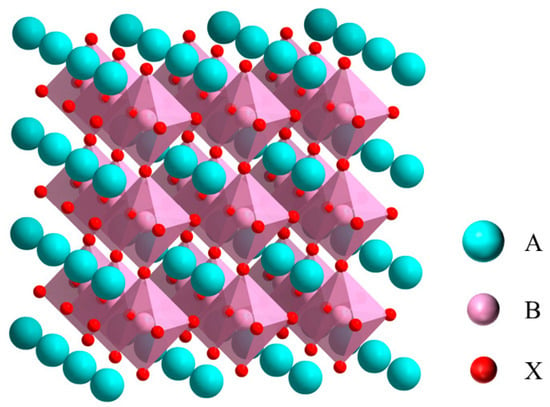
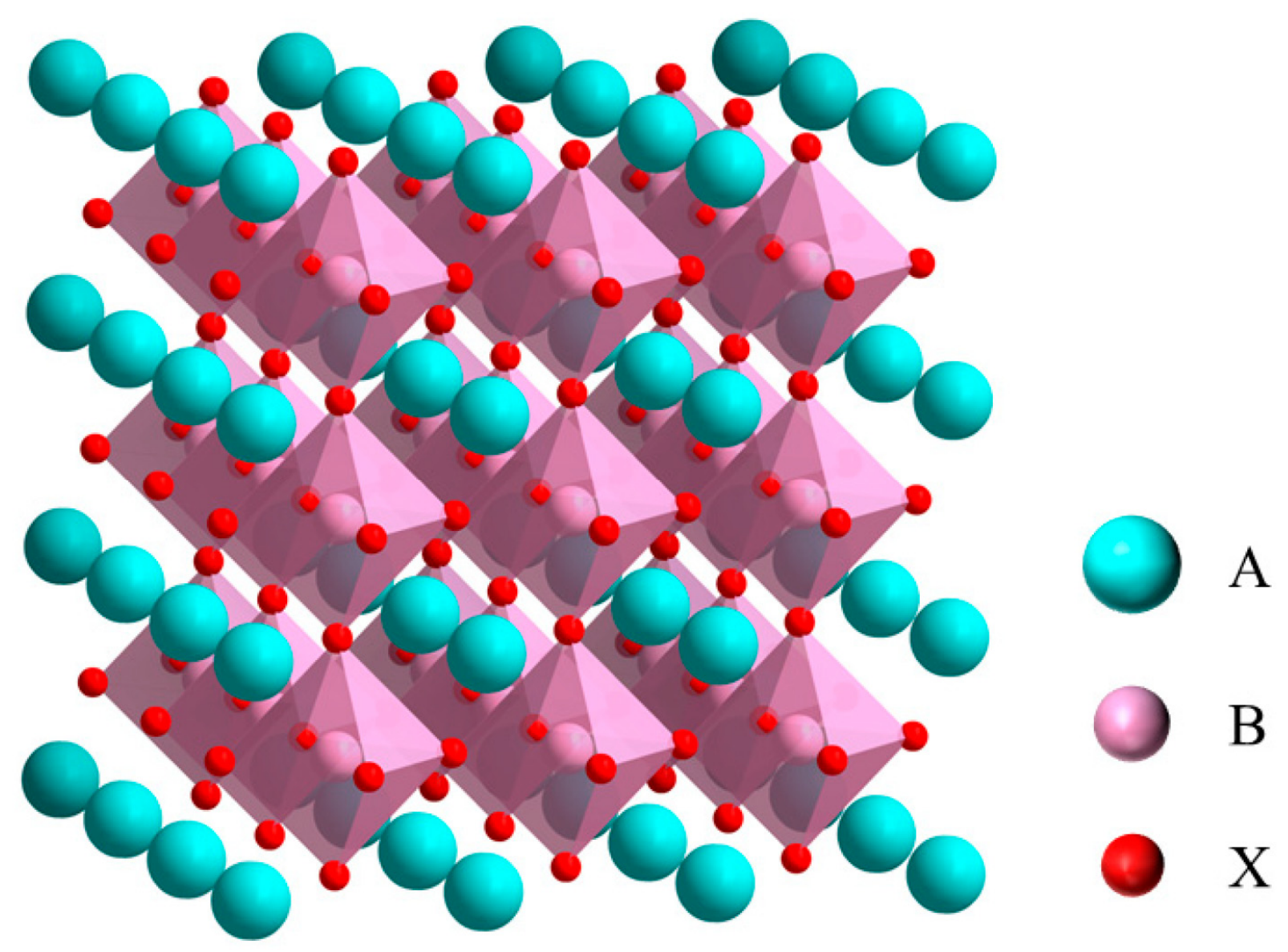
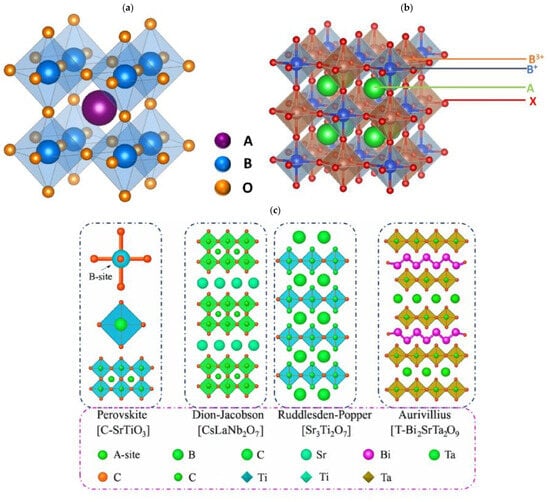
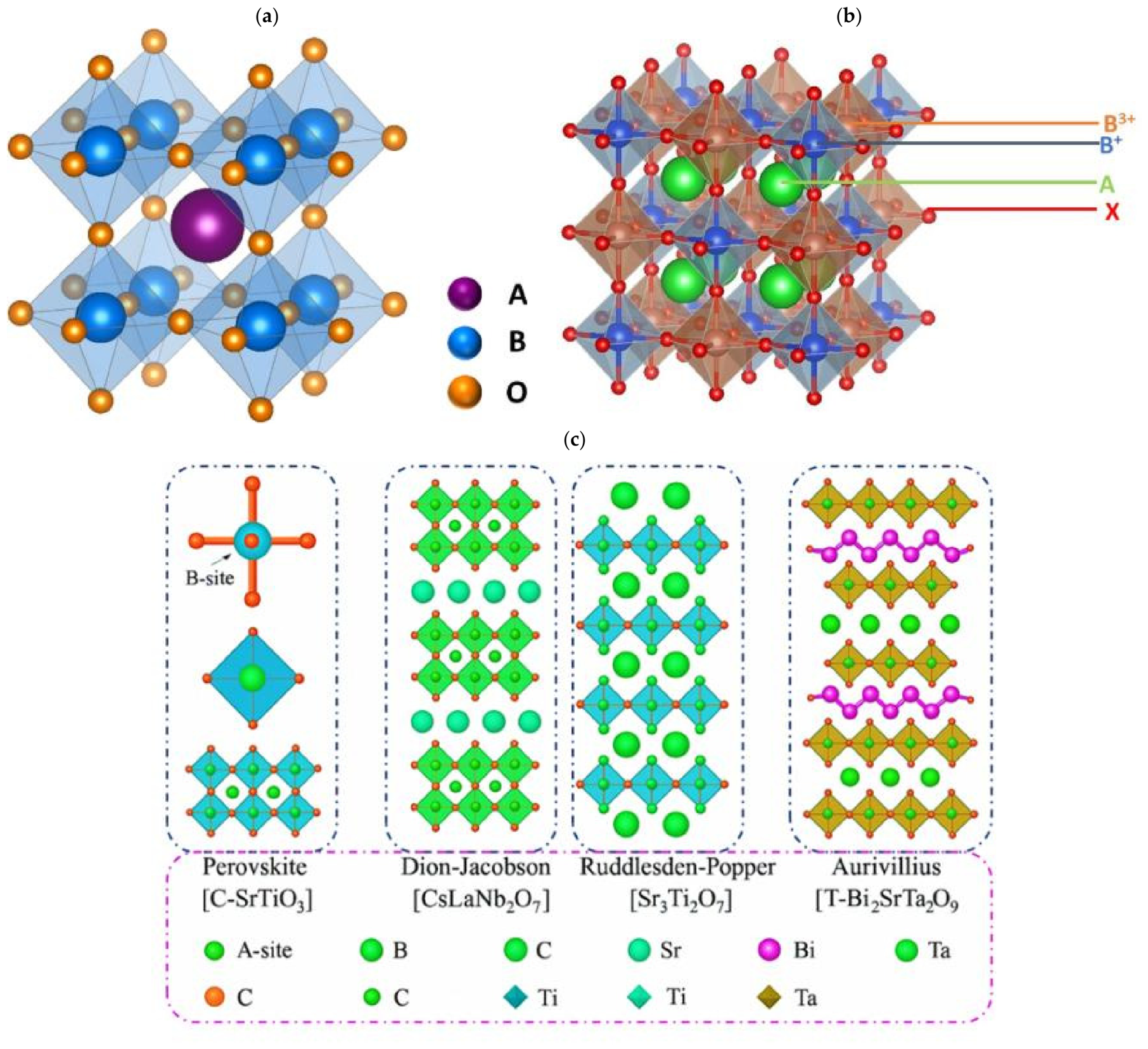
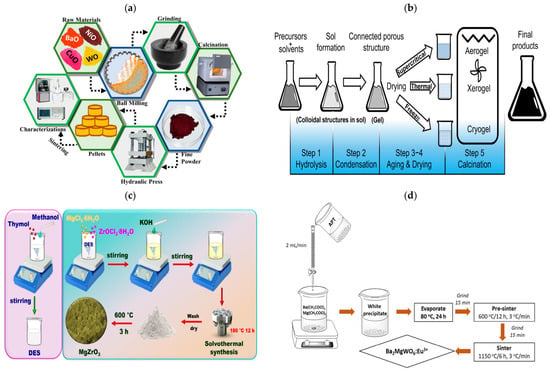
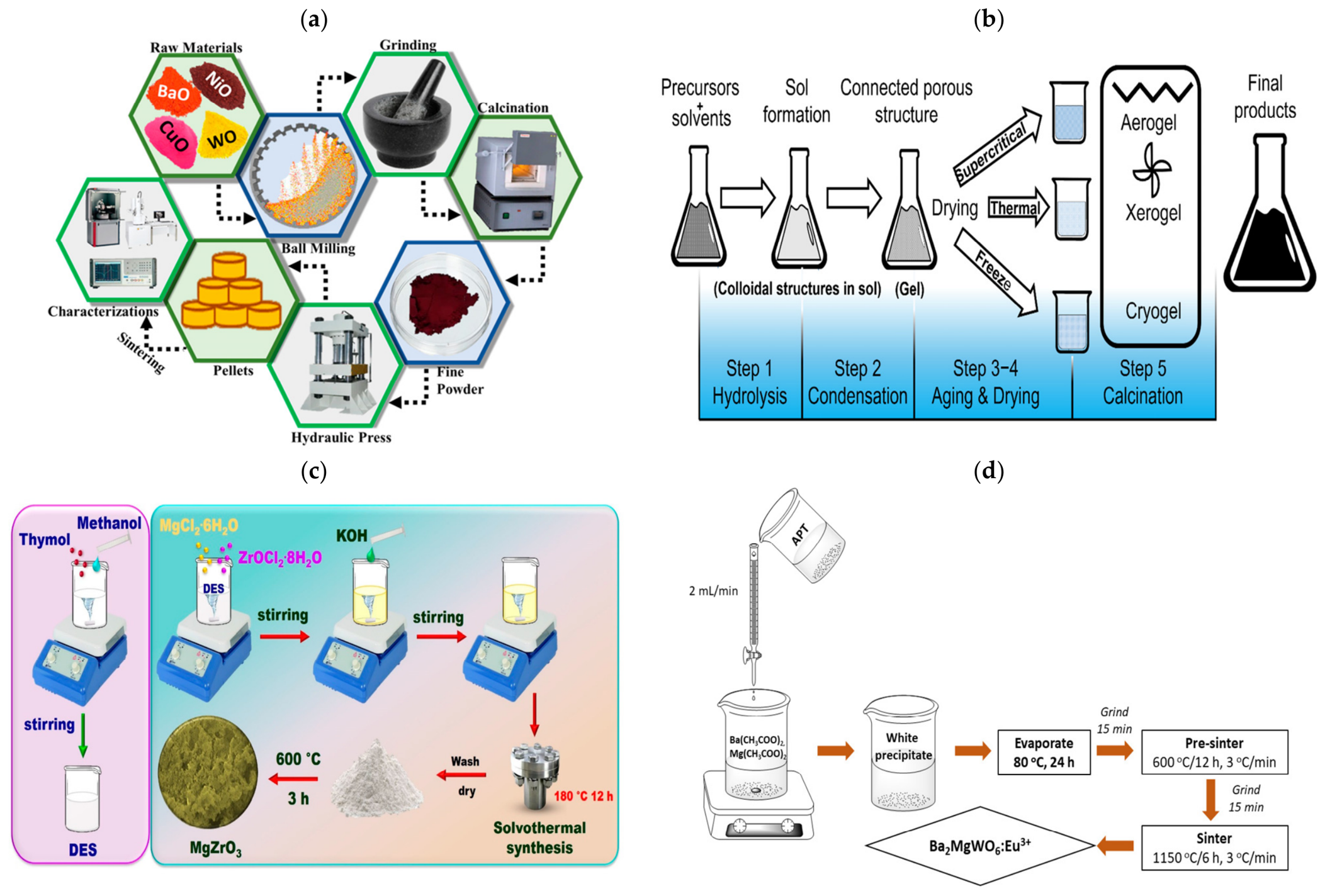
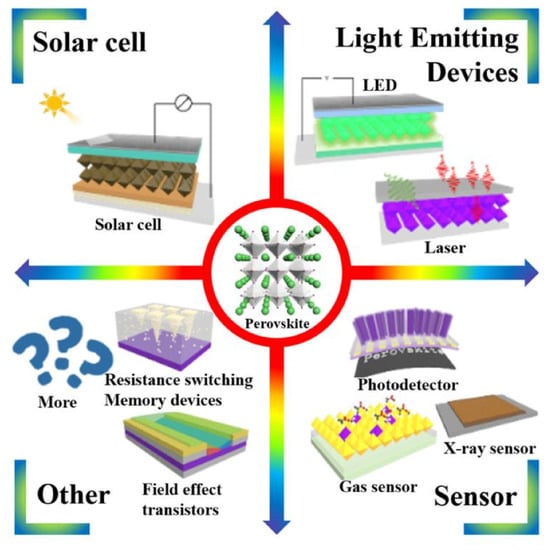
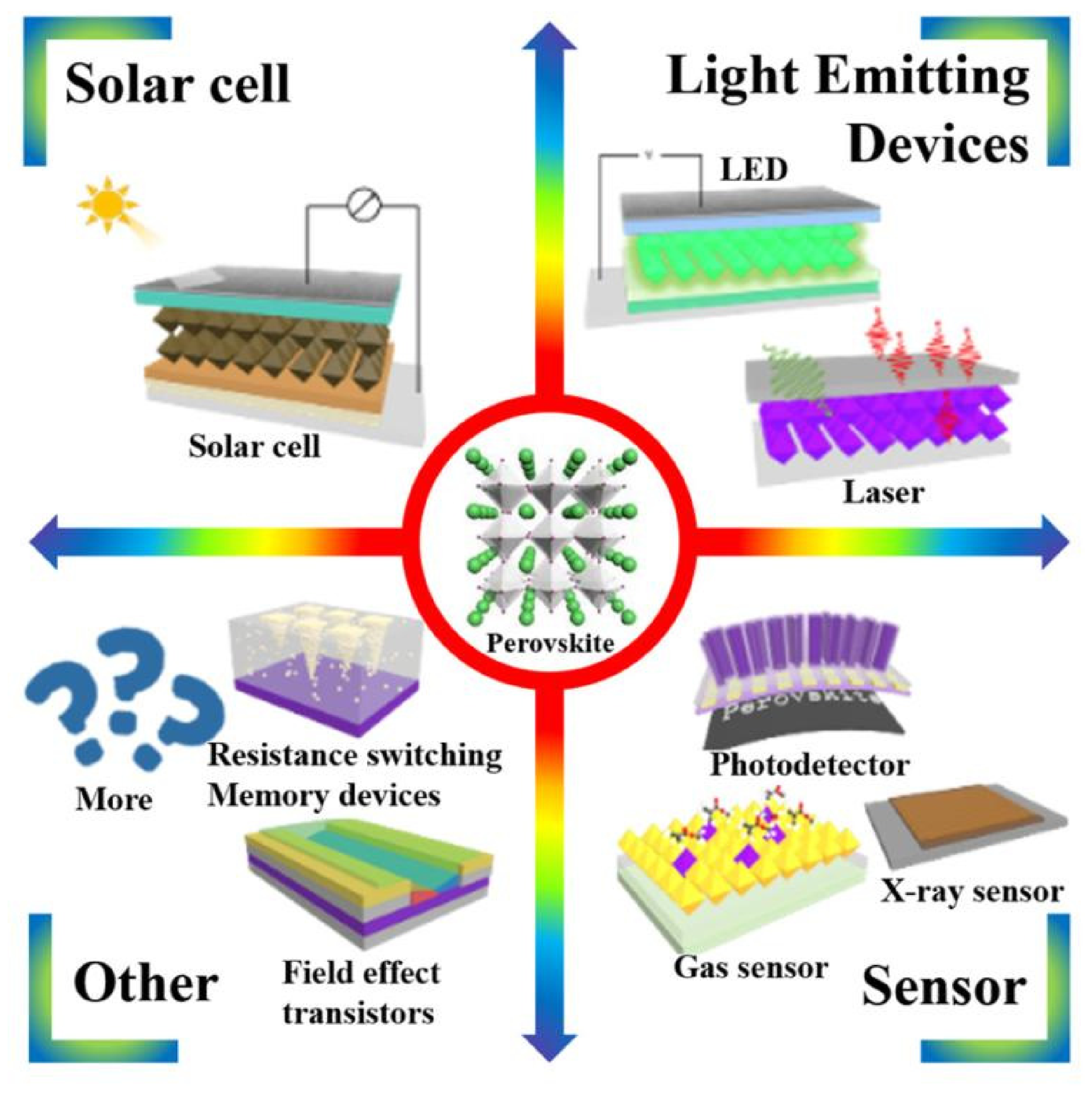
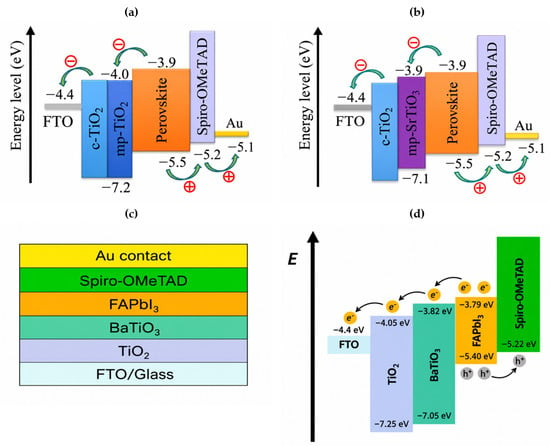
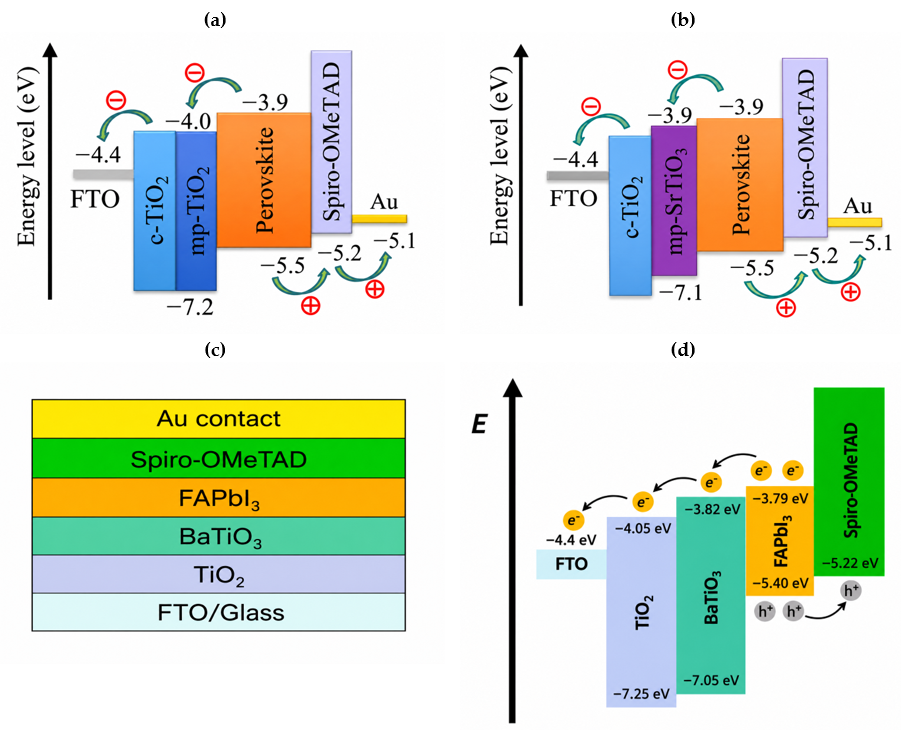
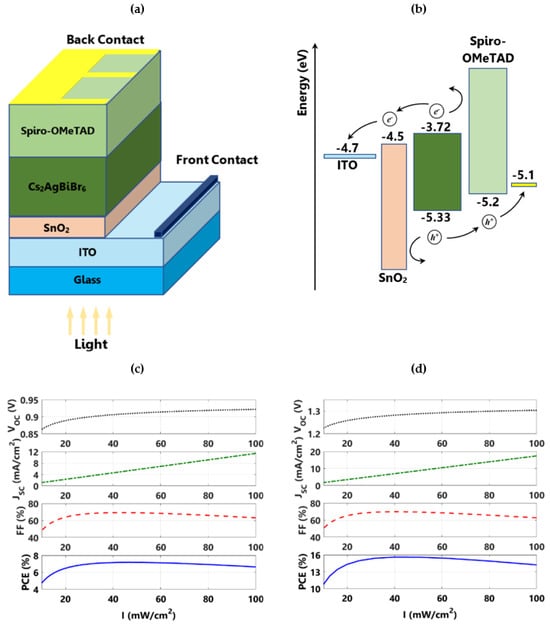
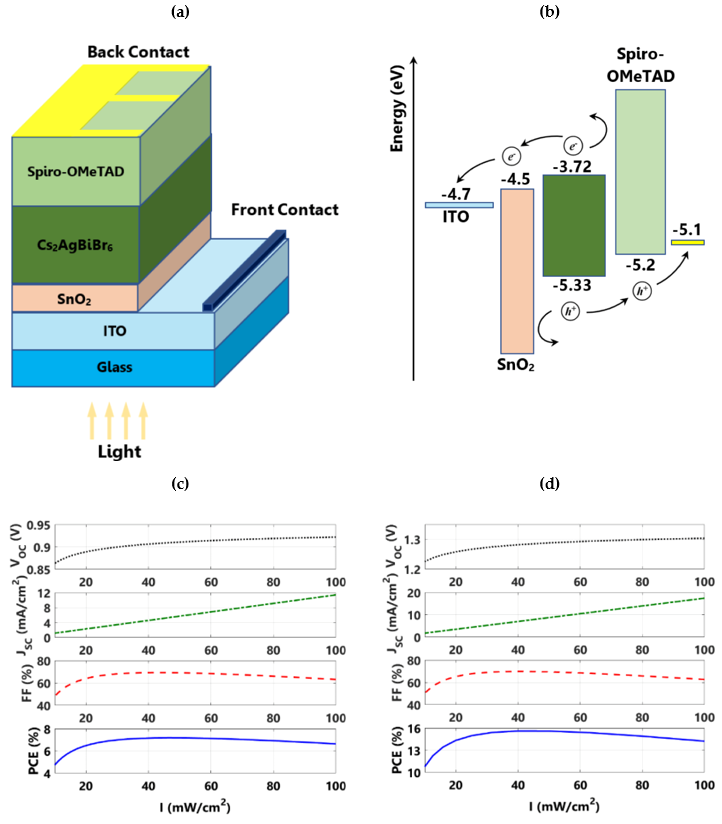
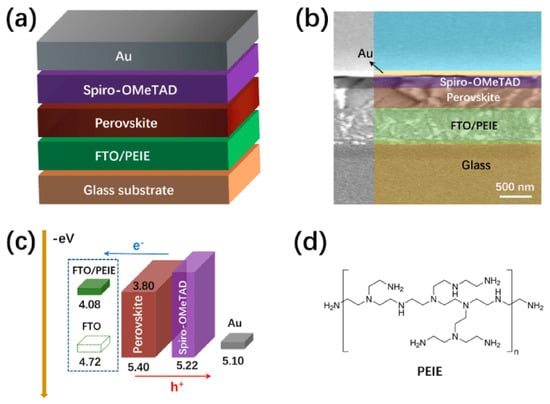
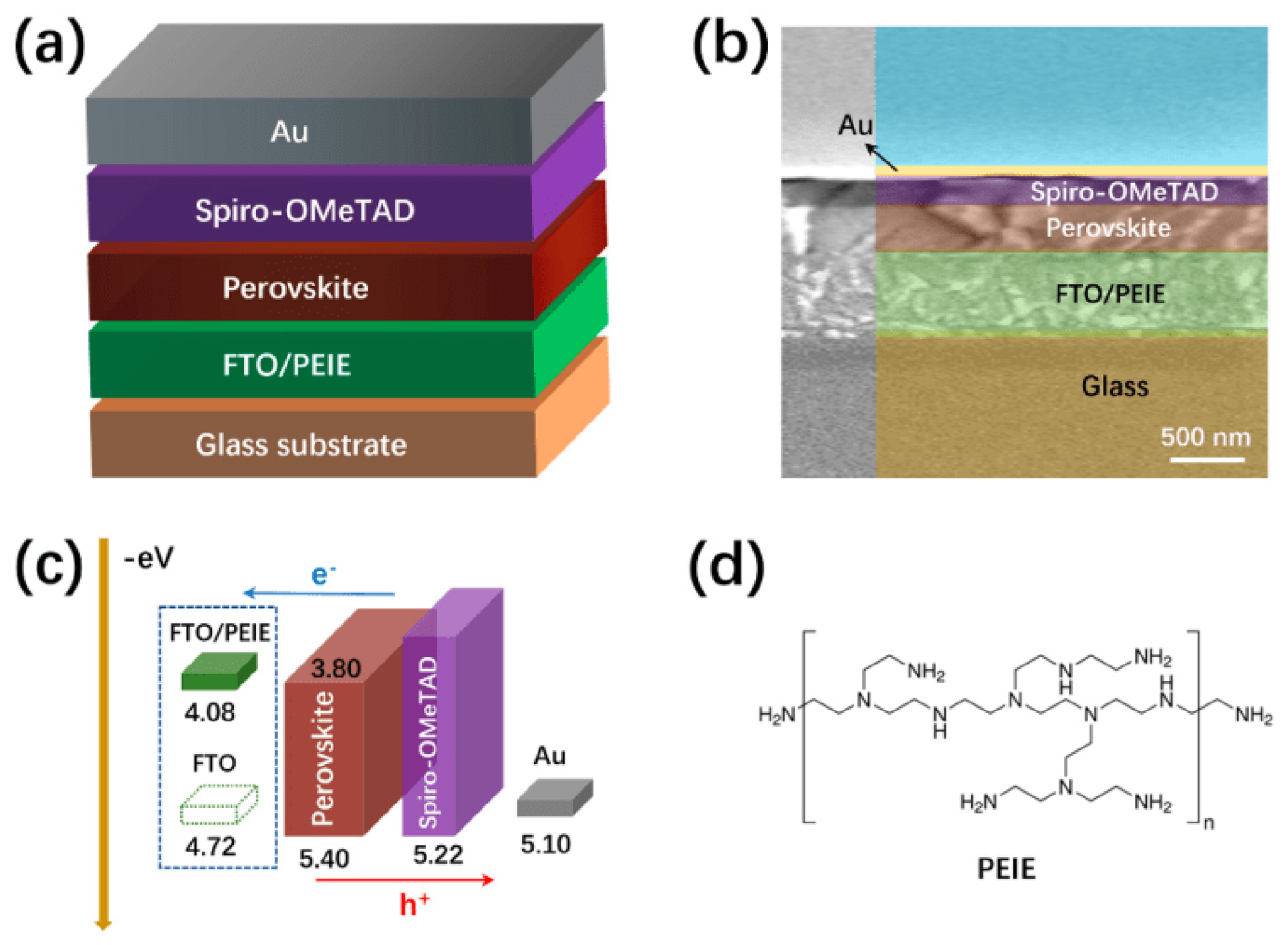
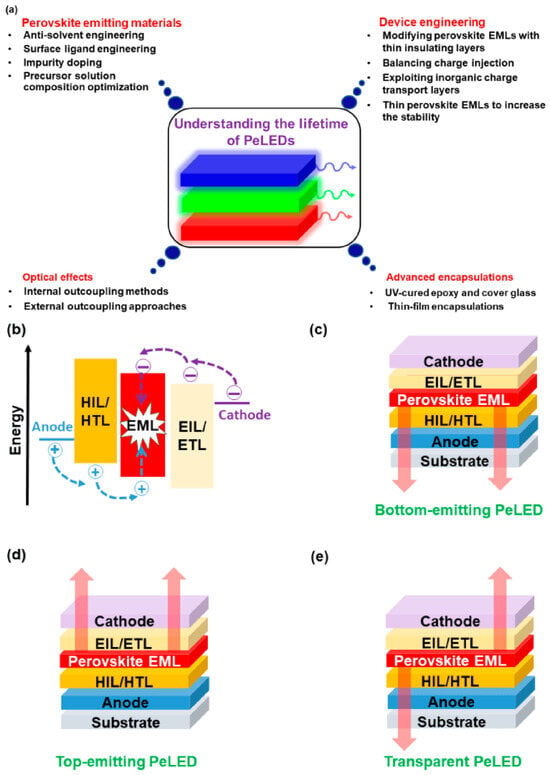
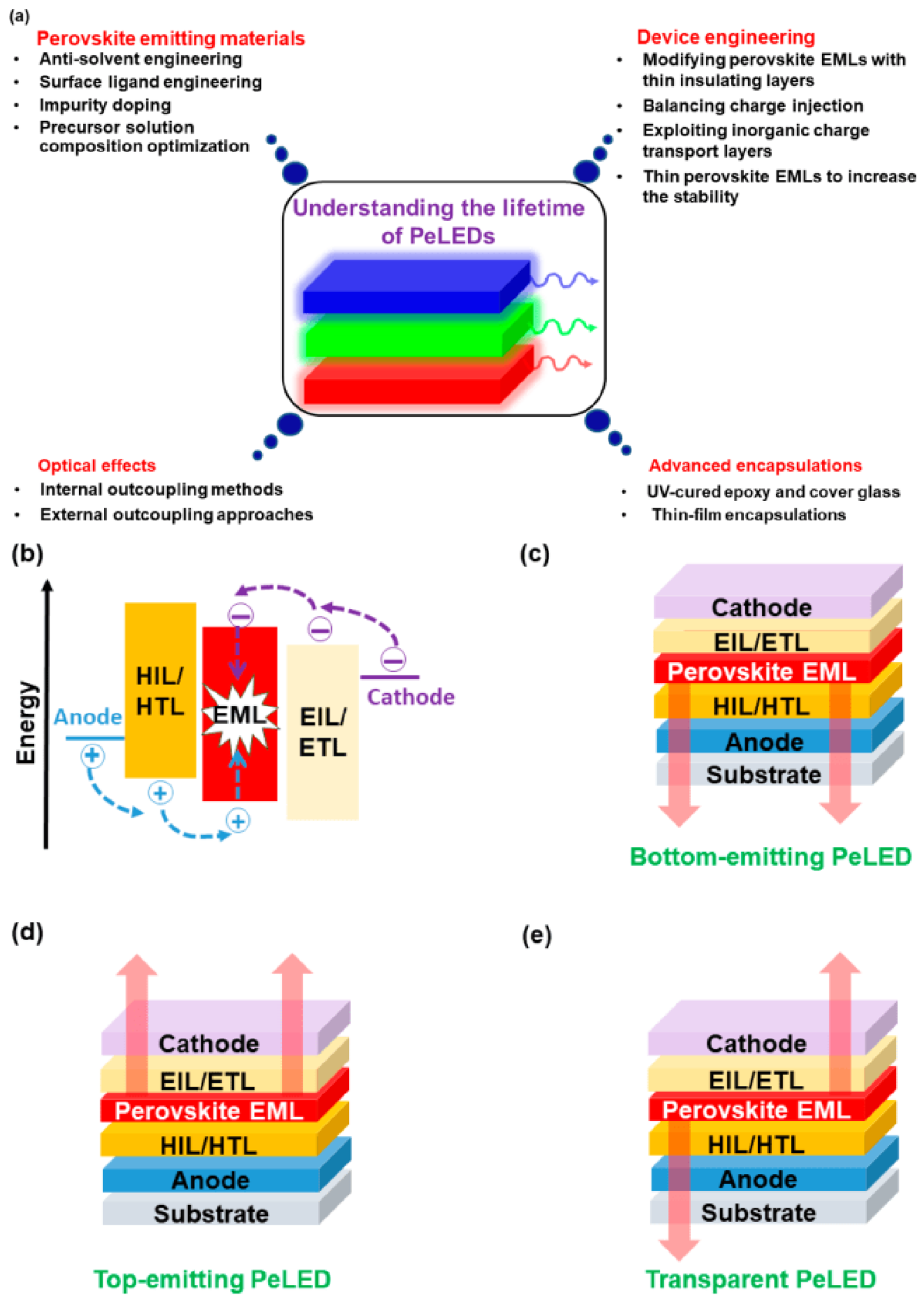
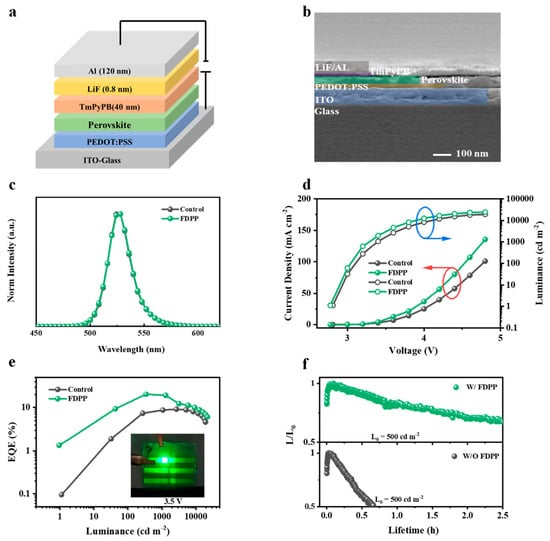
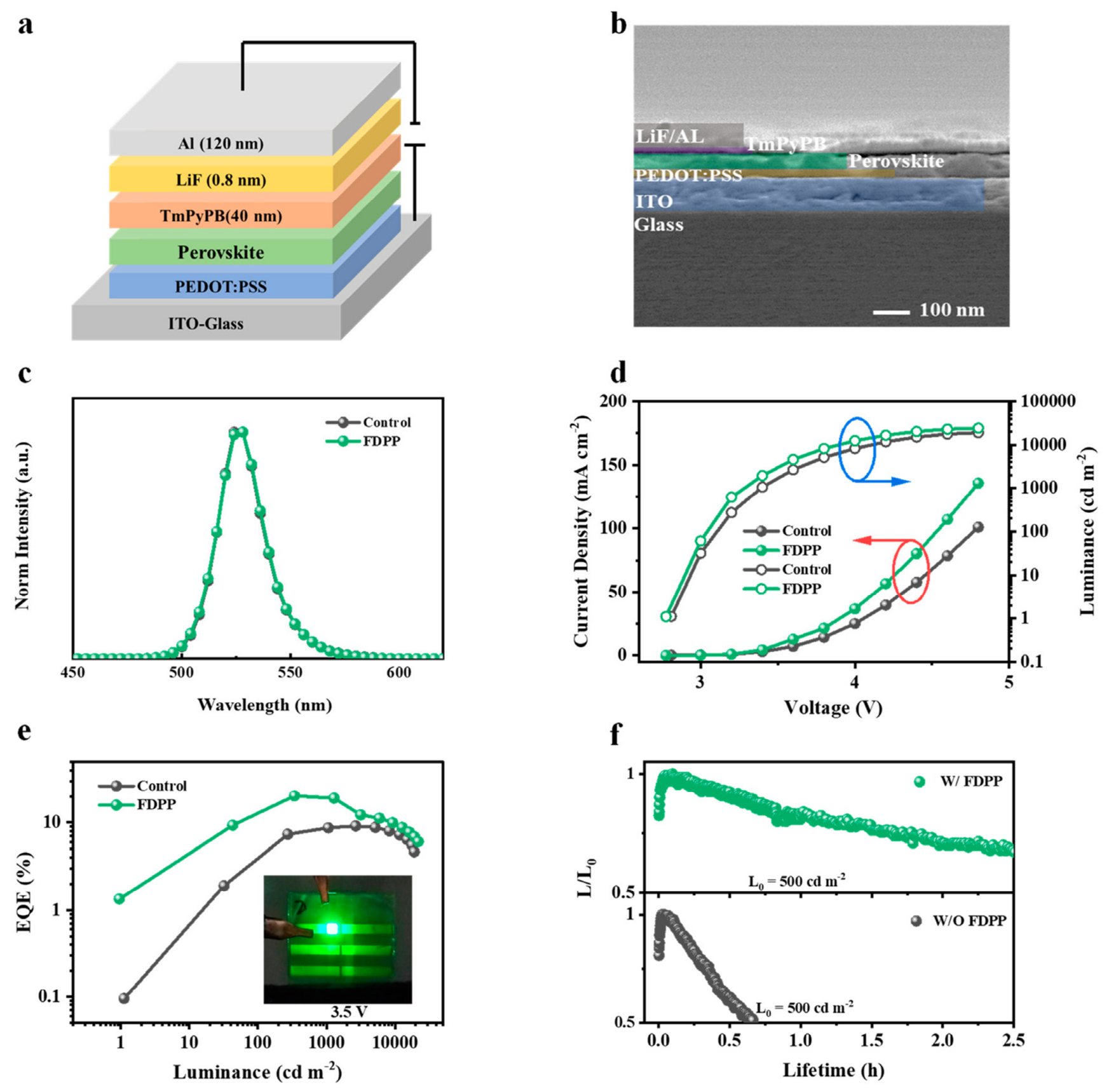
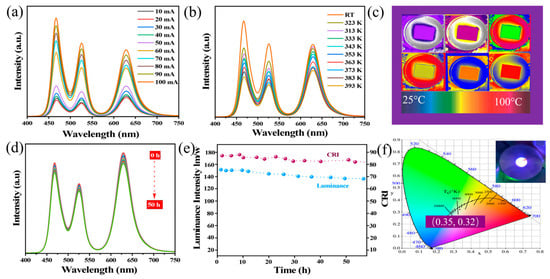
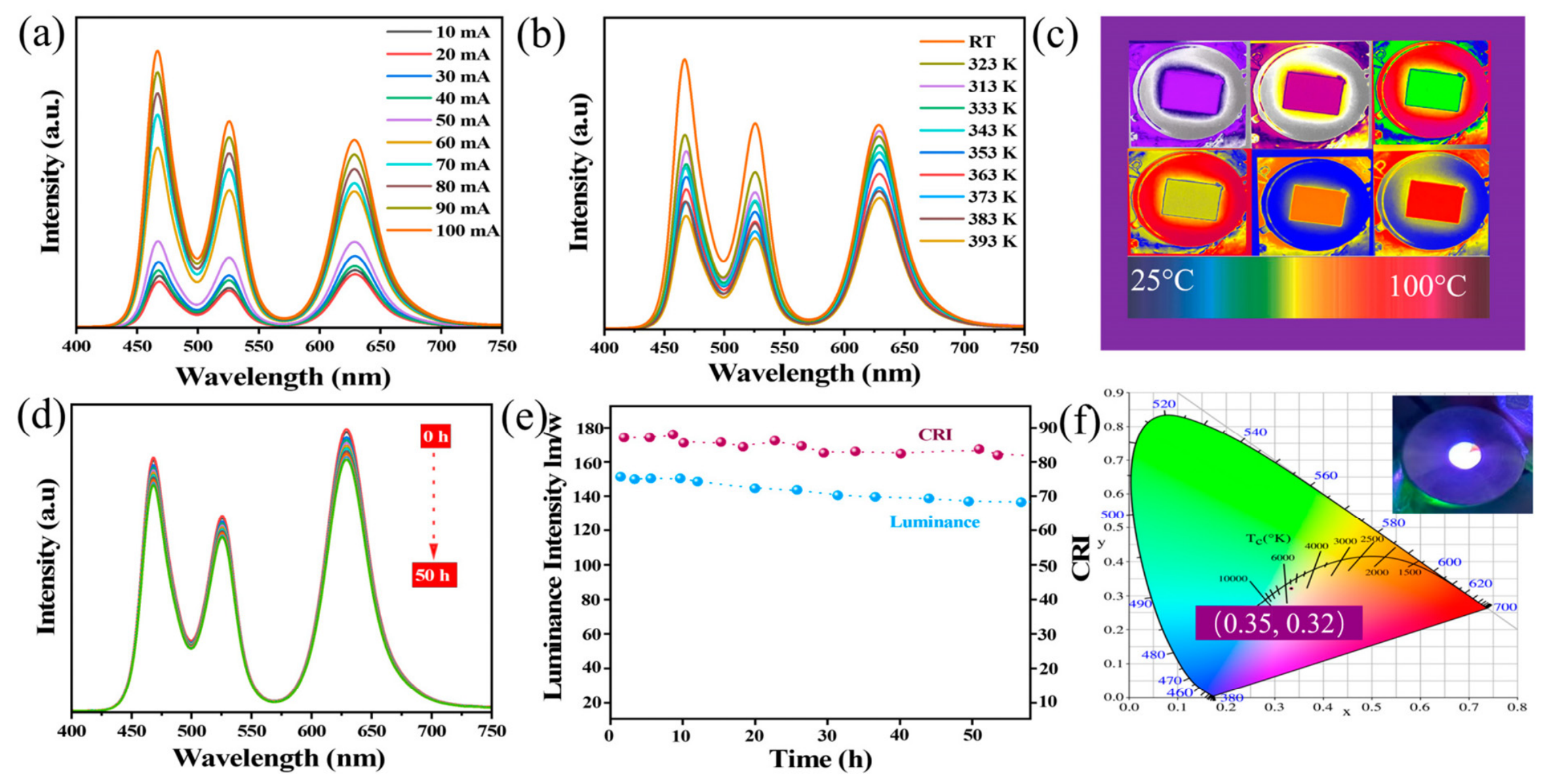
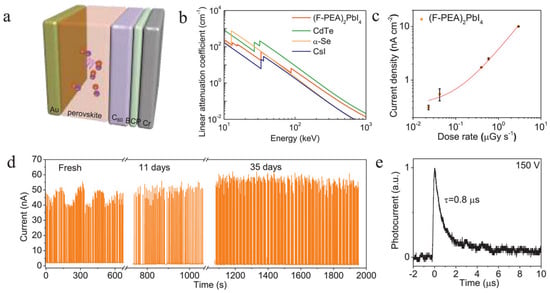
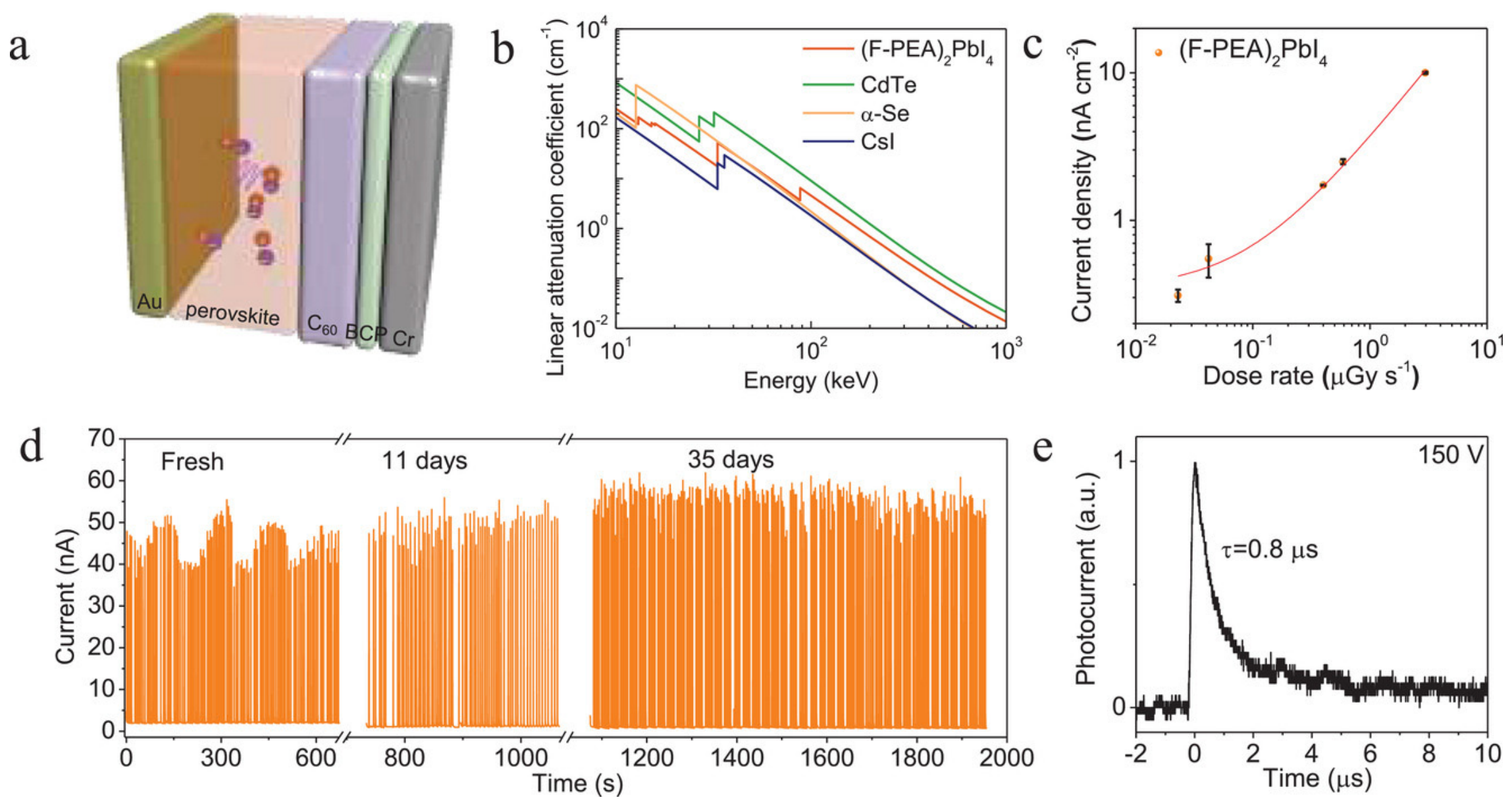
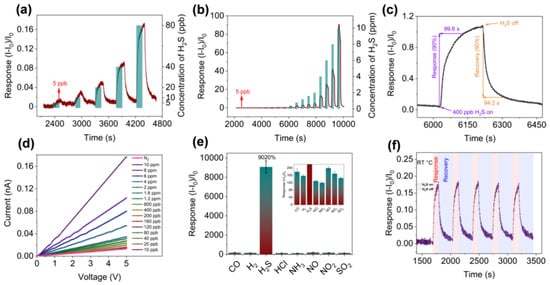
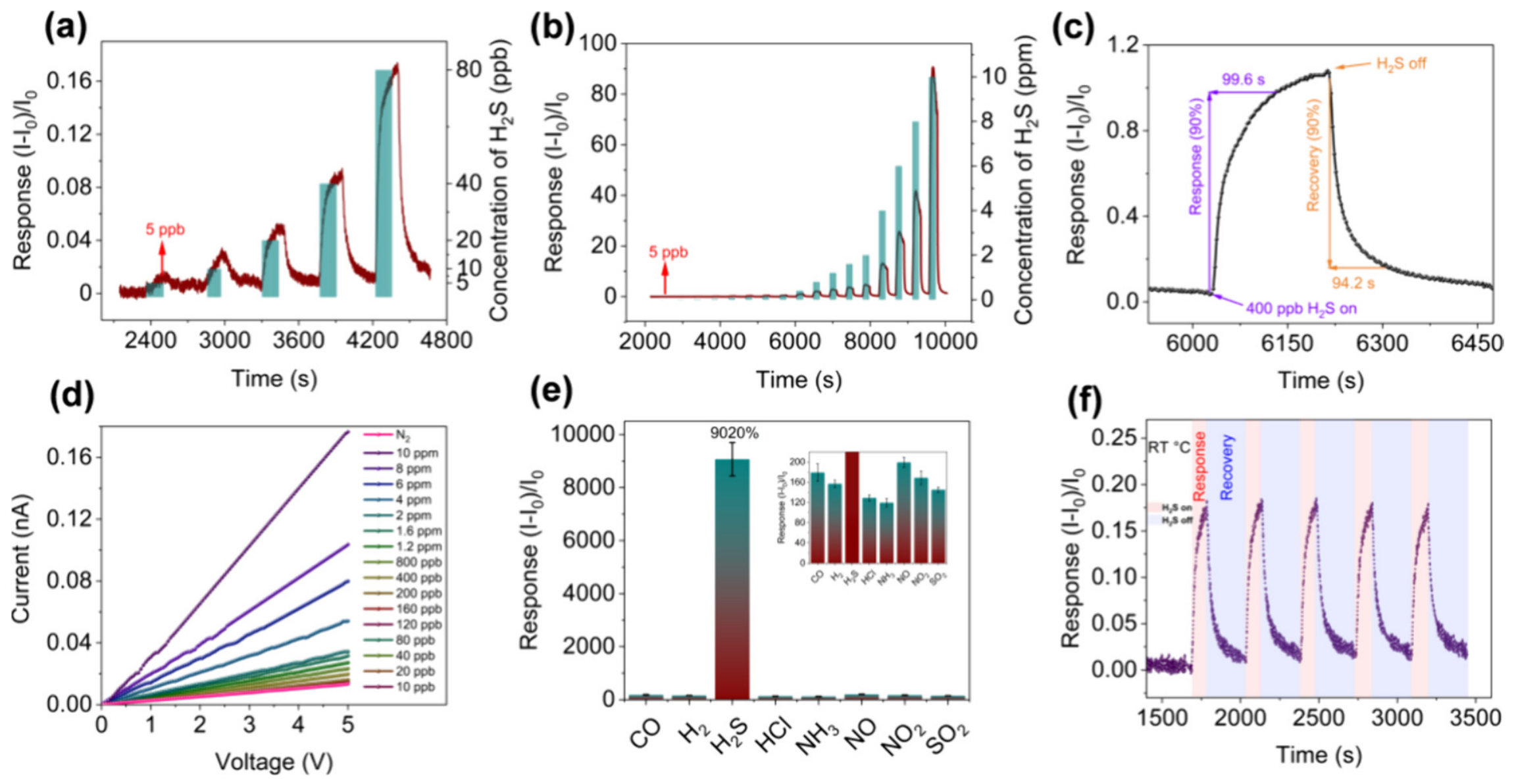
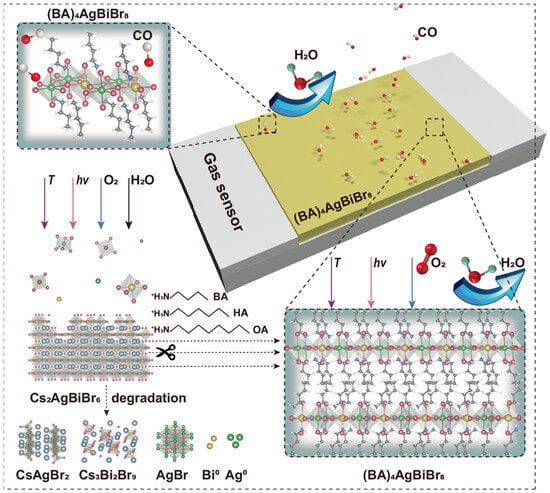
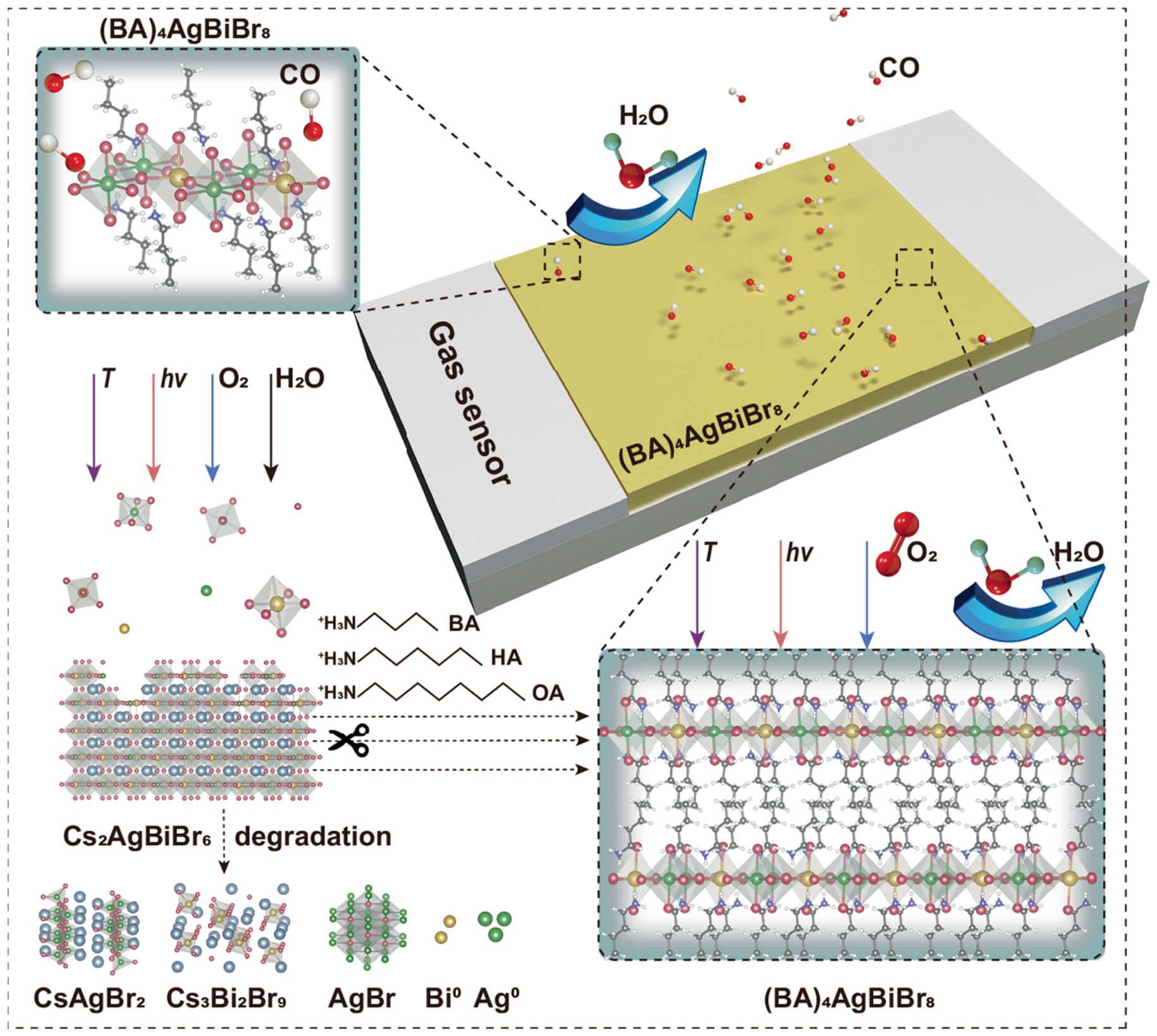
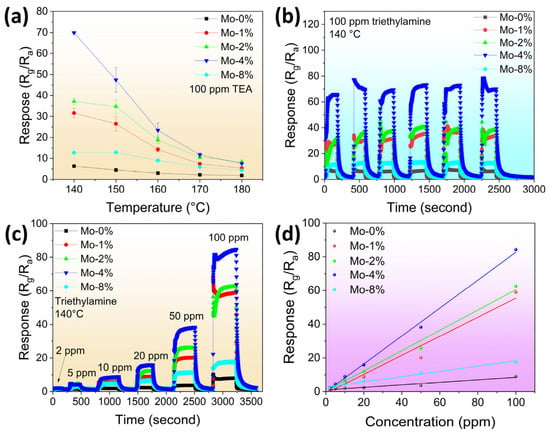
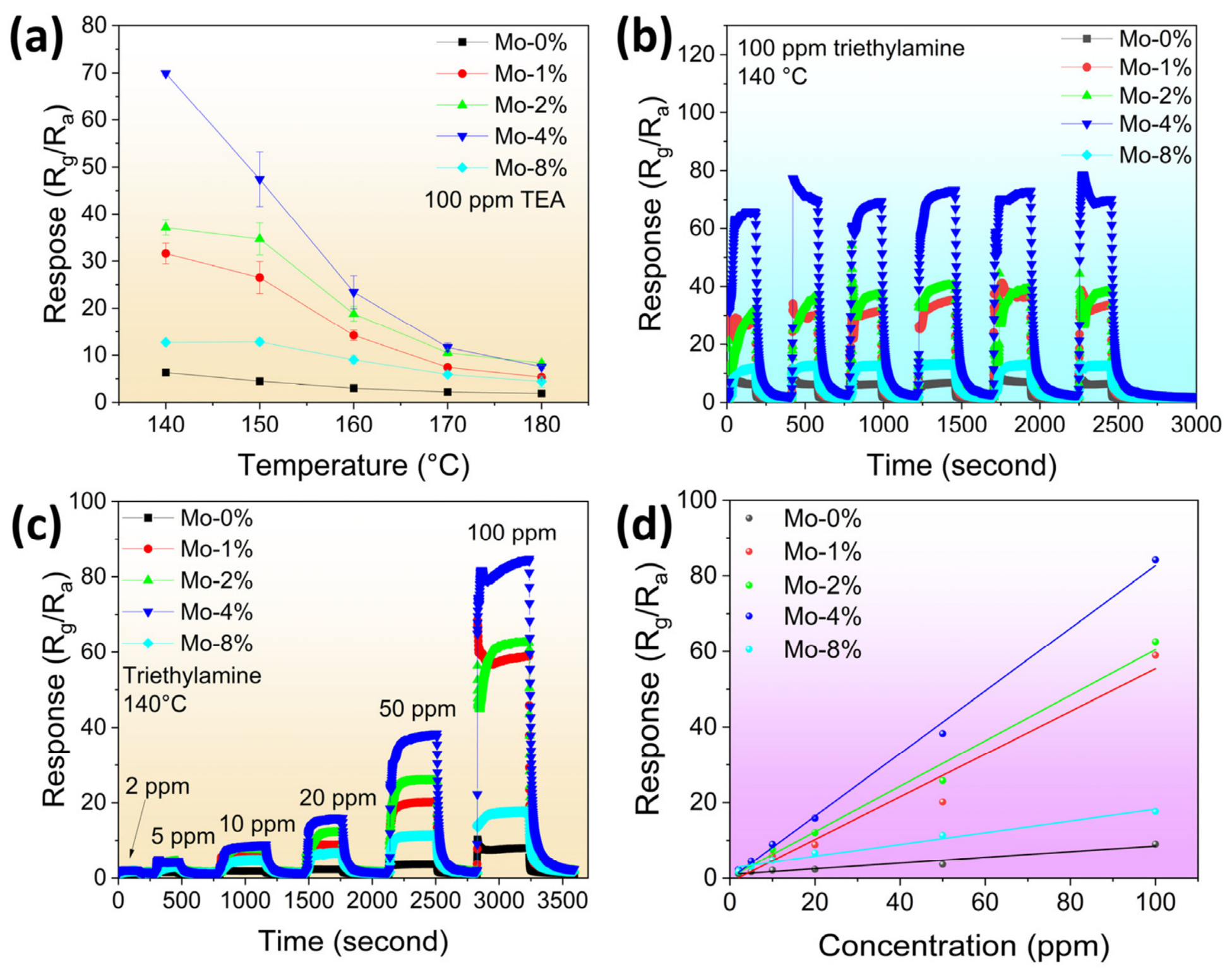
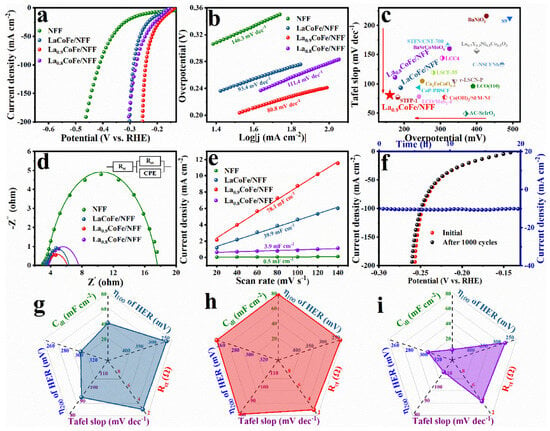
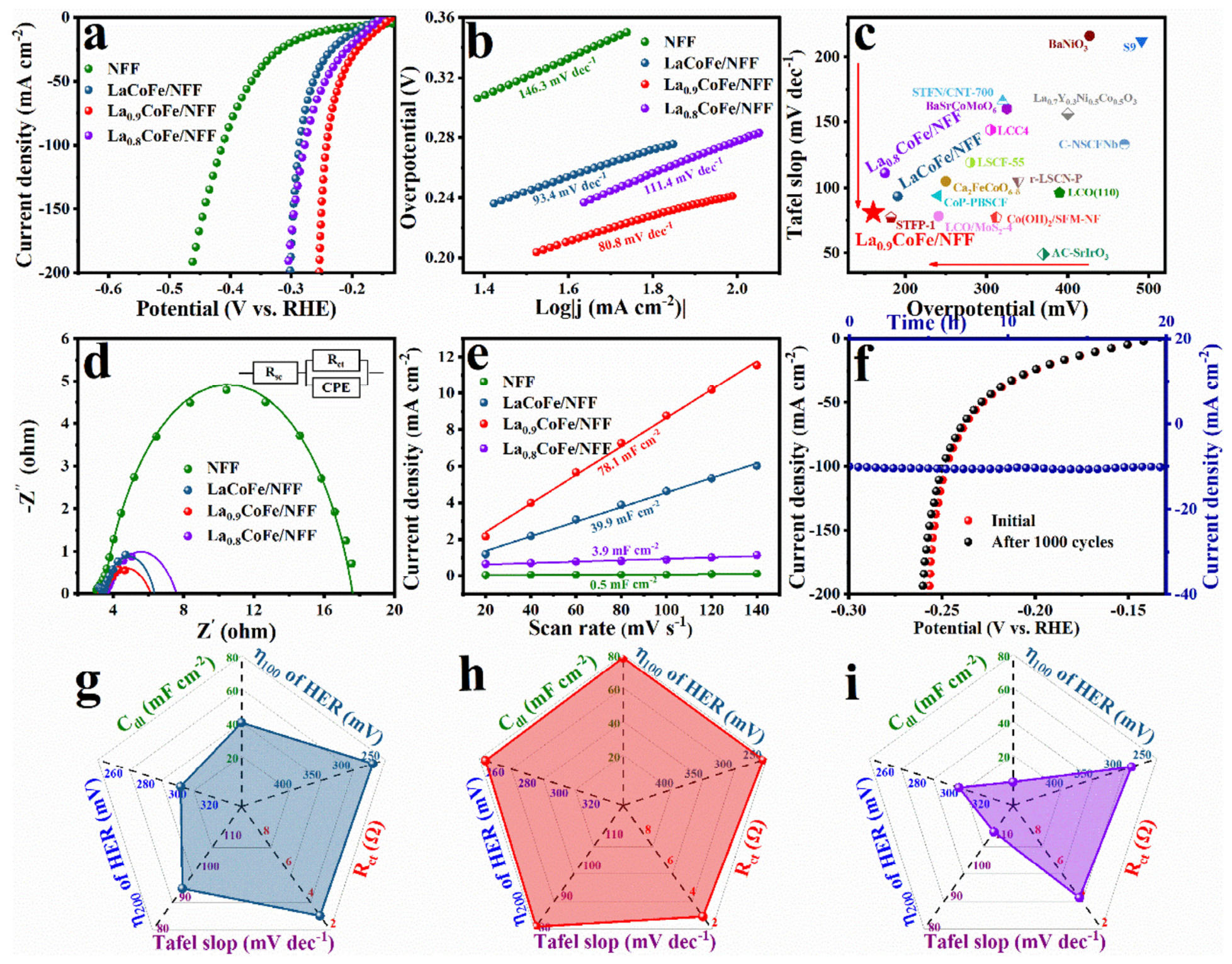
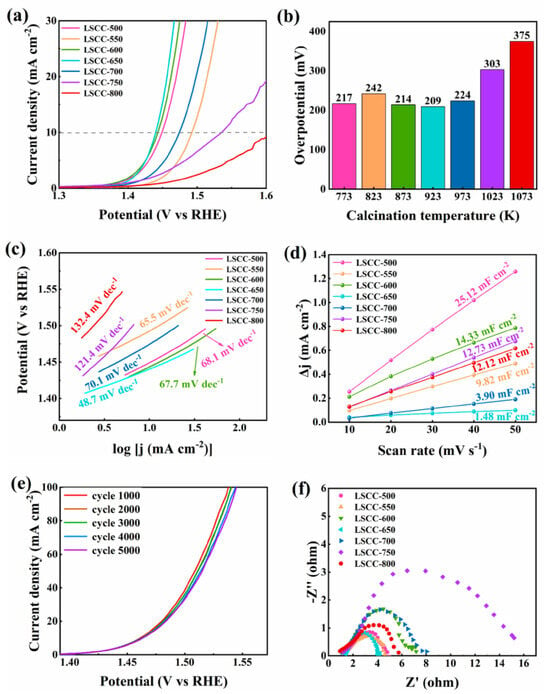
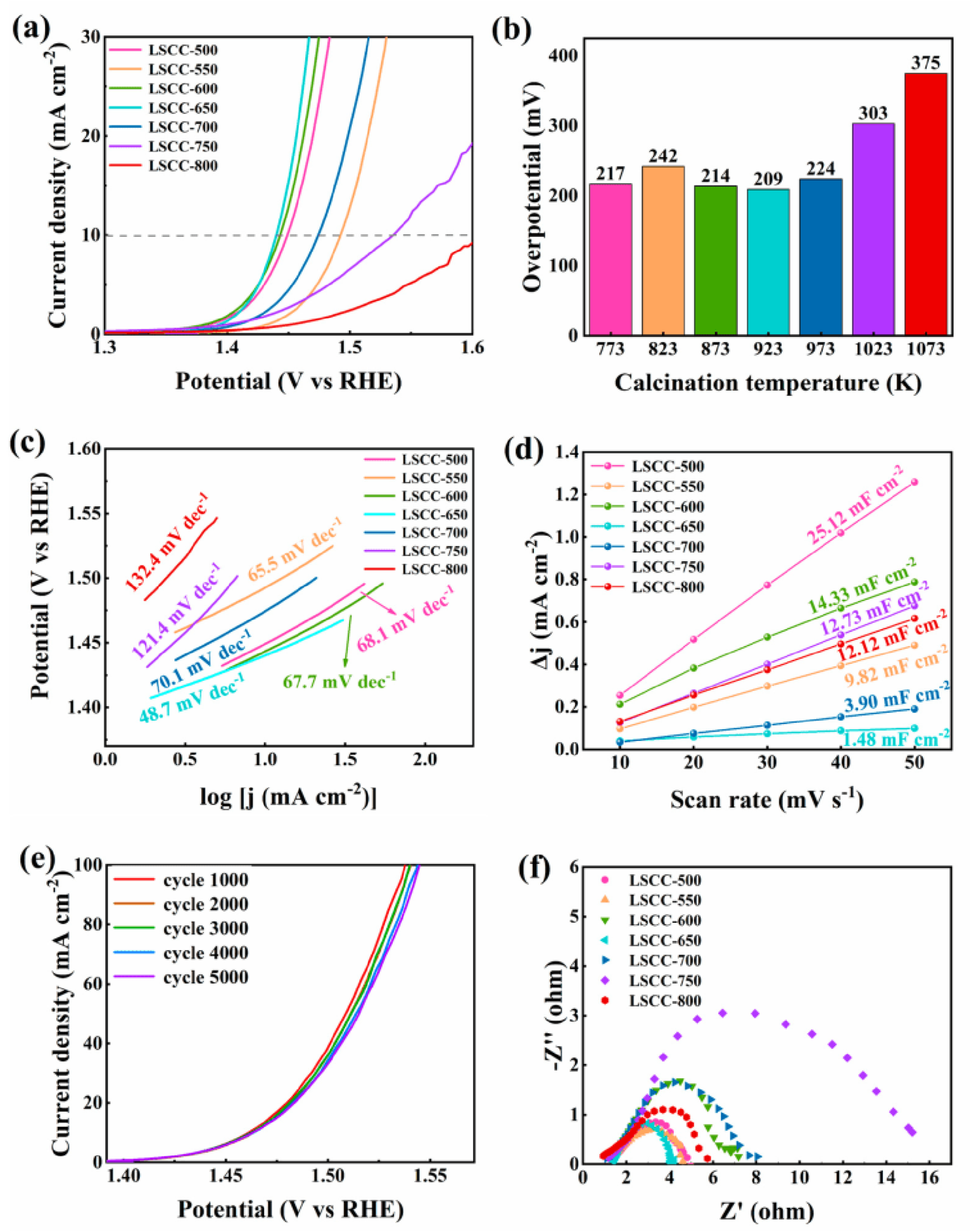
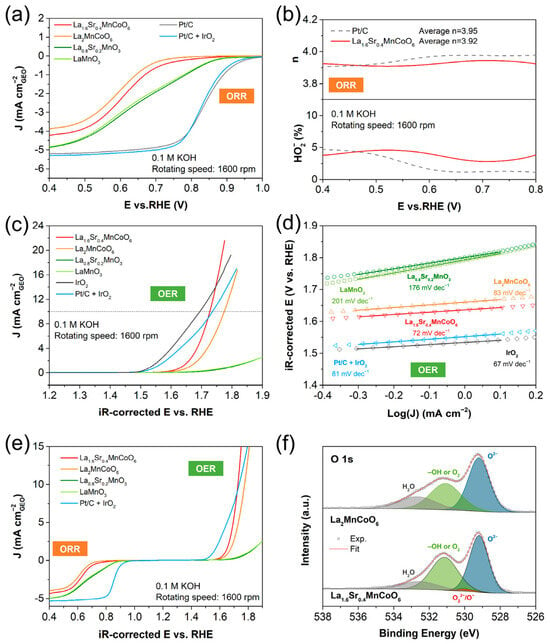
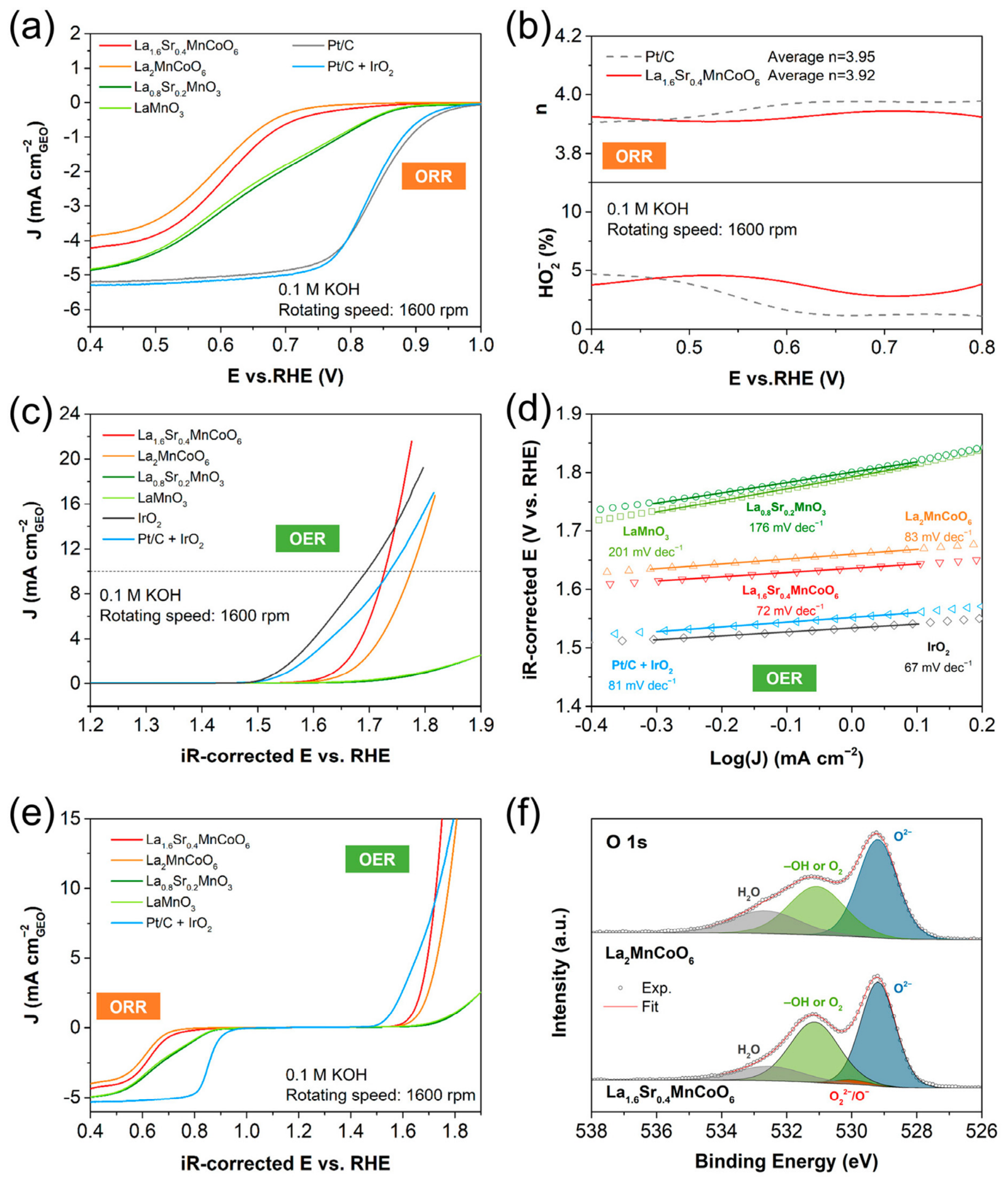
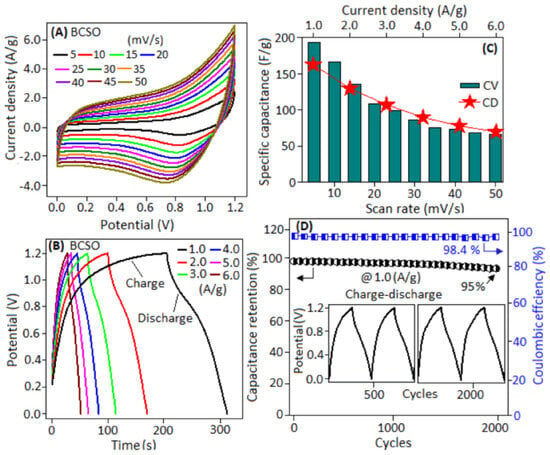
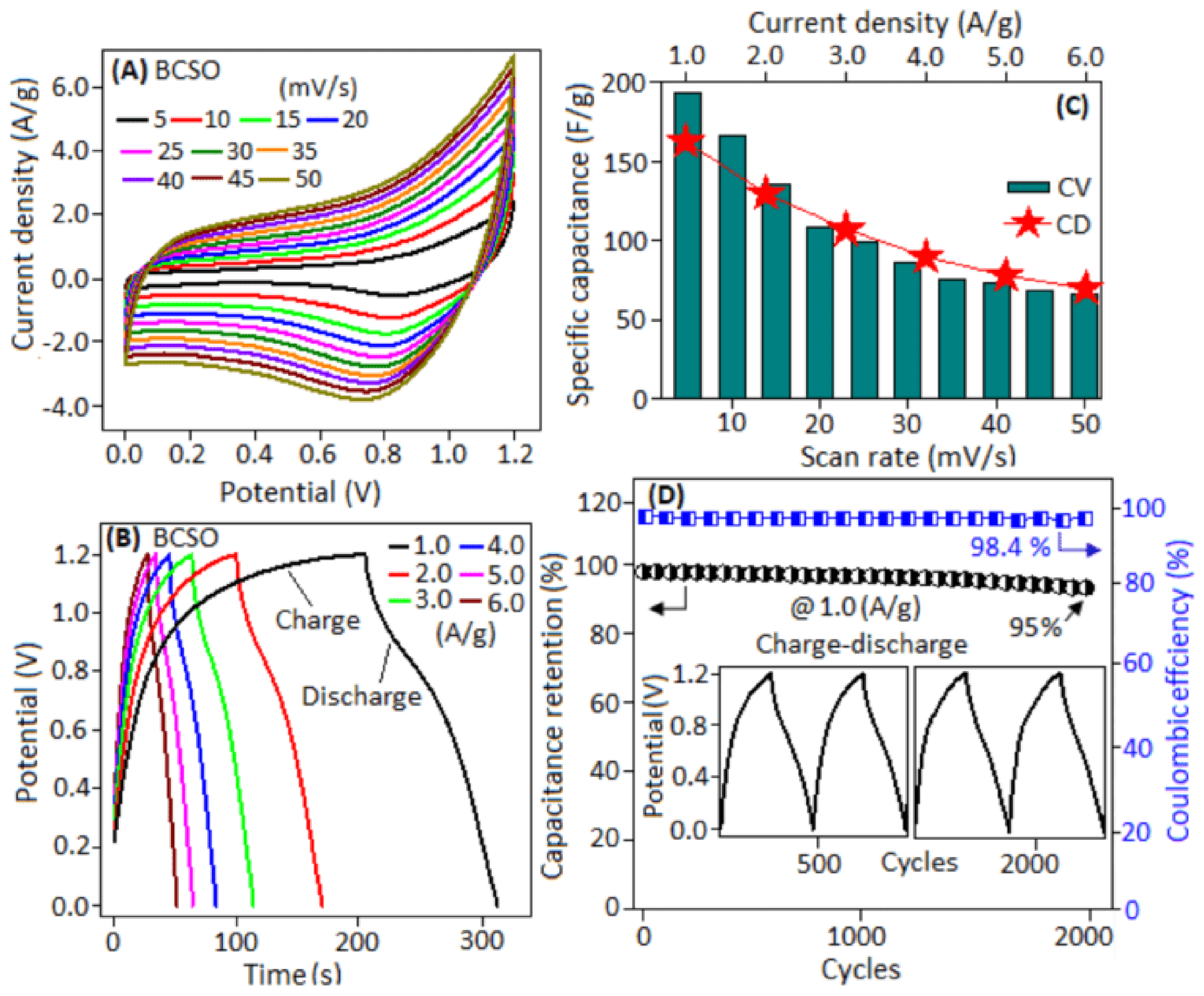
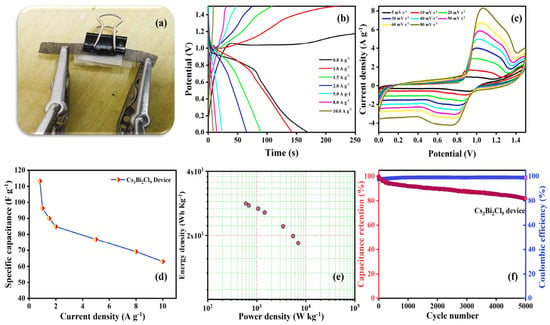
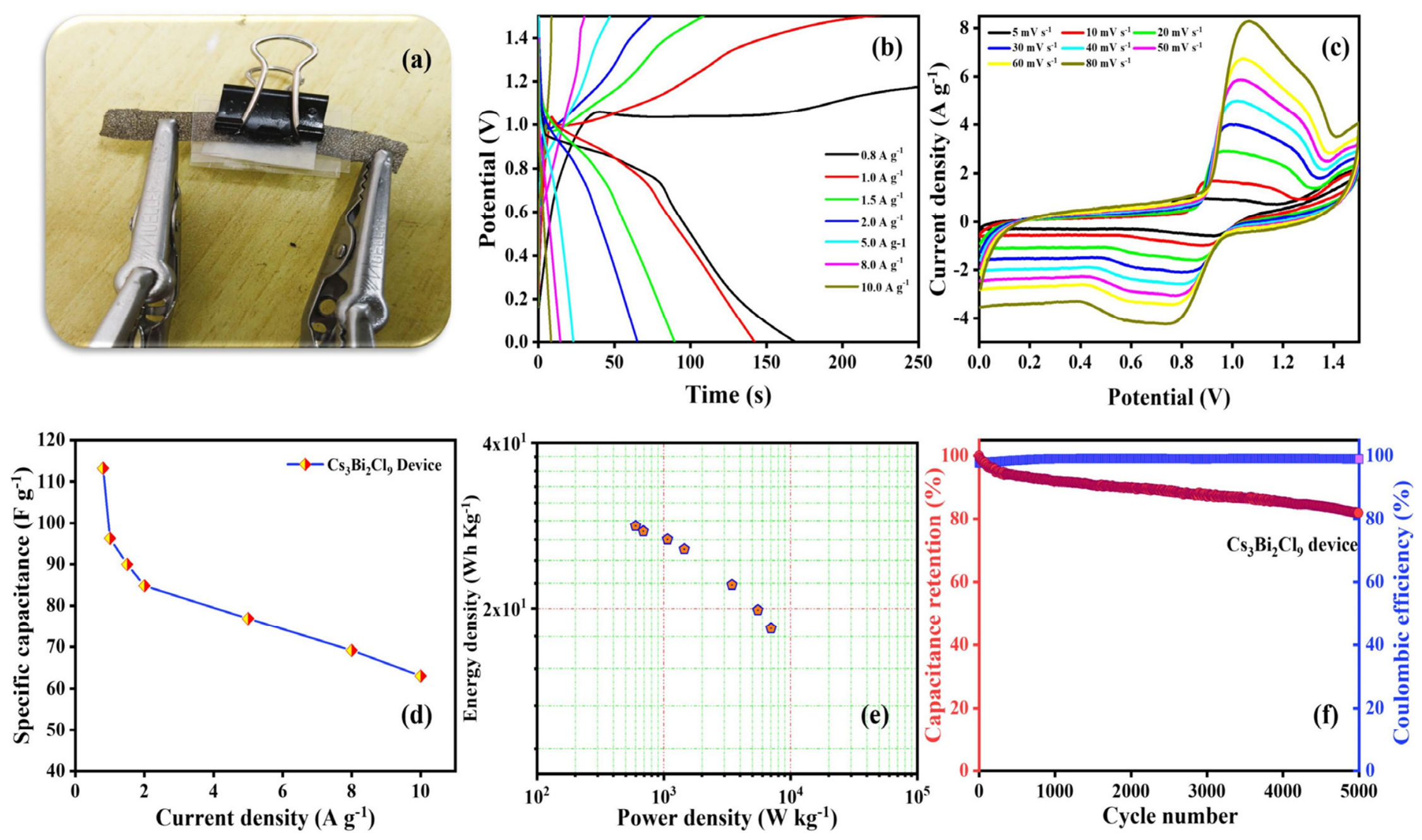
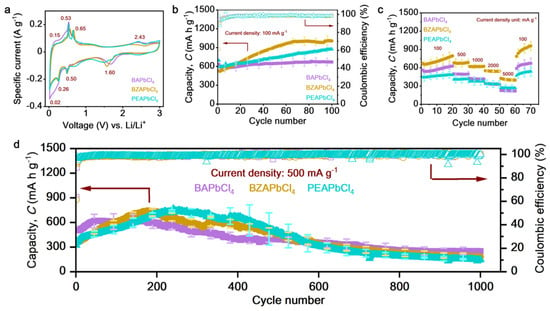
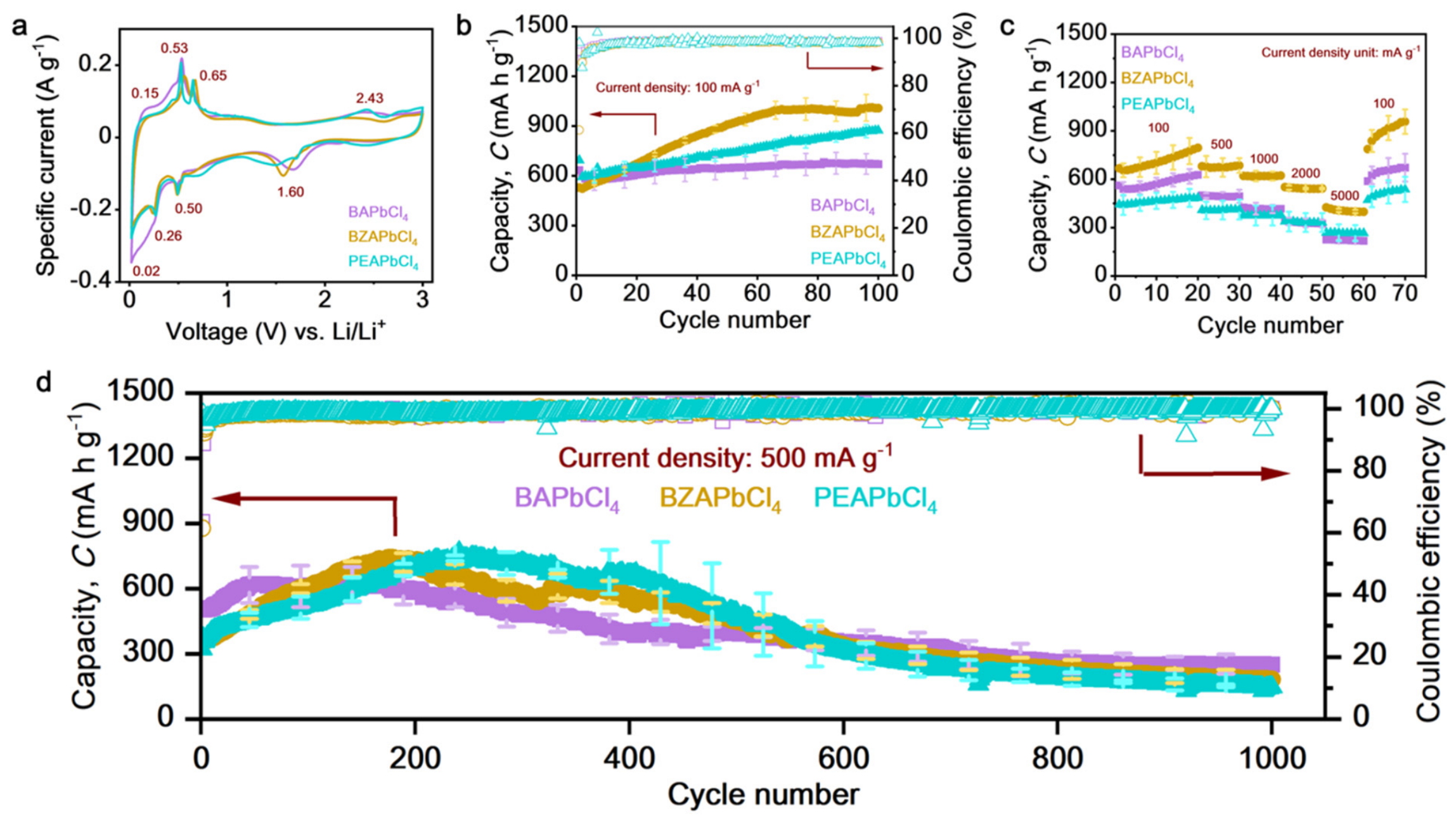


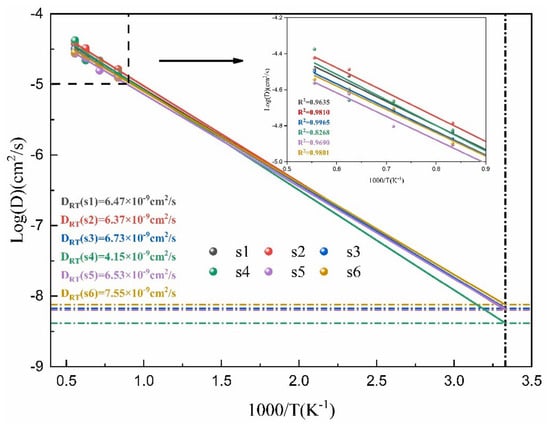
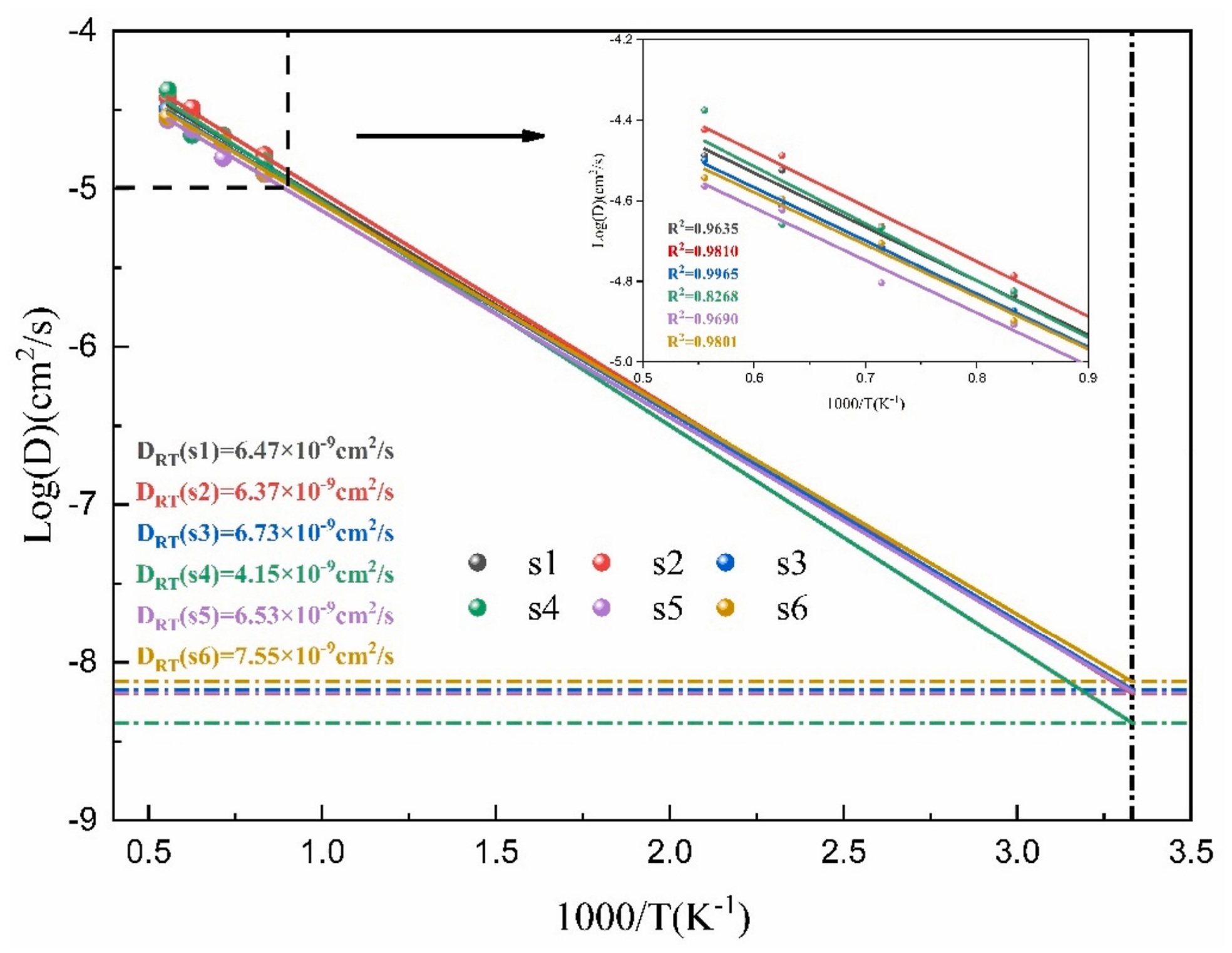
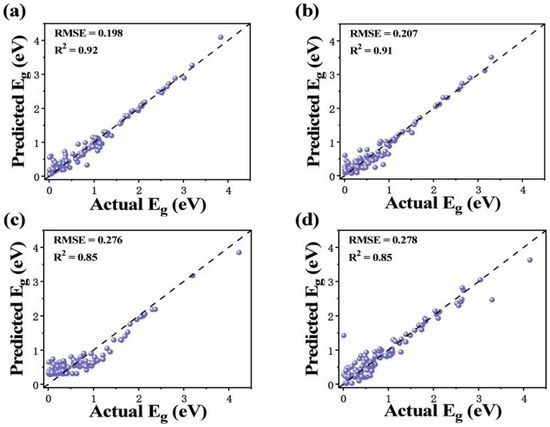
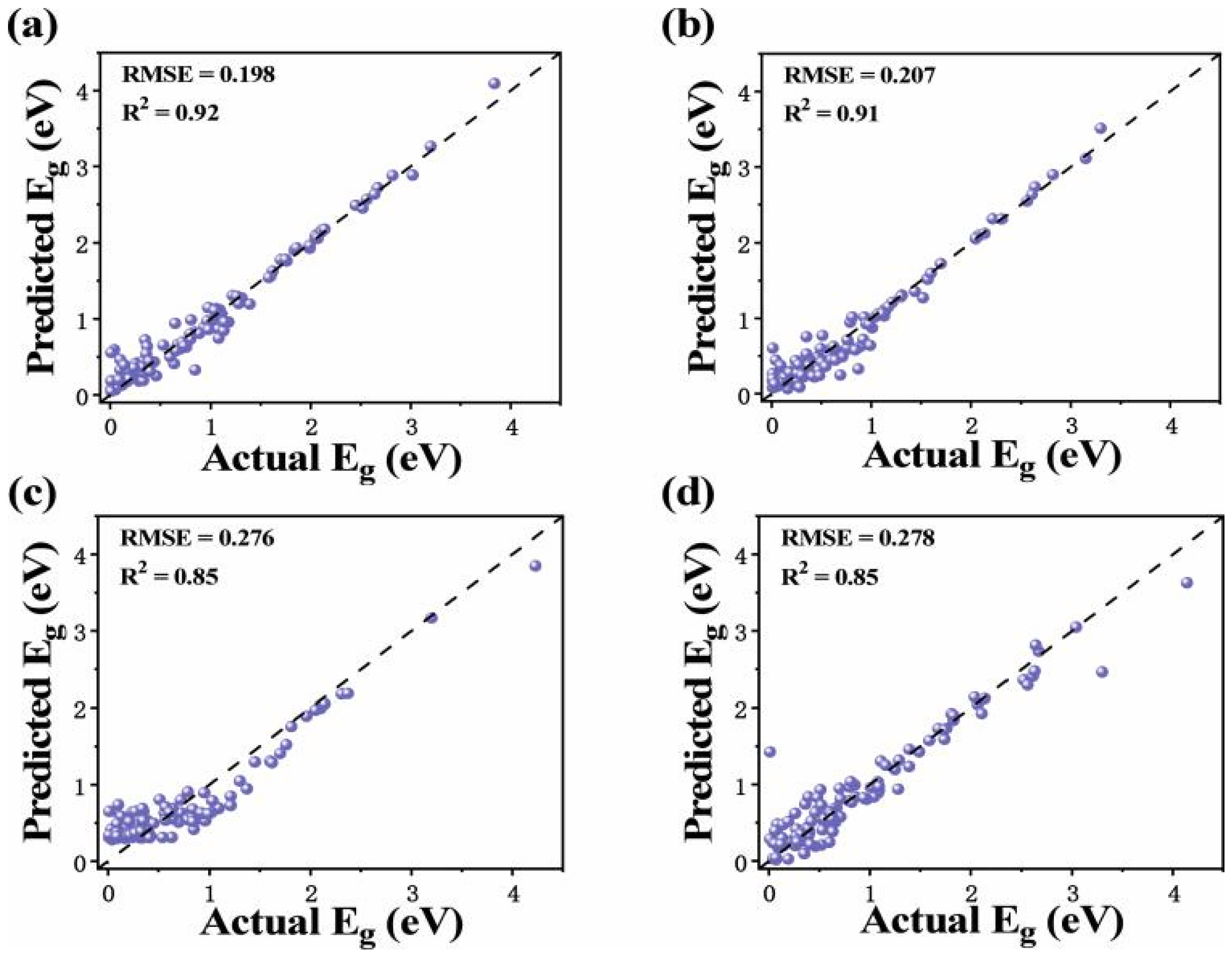

Disclaimer/Publisher’s Note: The statements, opinions and data contained in all publications are solely those of the individual author(s) and contributor(s) and not of MDPI and/or the editor(s). MDPI and/or the editor(s) disclaim responsibility for any injury to people or property resulting from any ideas, methods, instructions or products referred to in the content. |
© 2026 by the authors. Licensee MDPI, Basel, Switzerland. This article is an open access article distributed under the terms and conditions of the Creative Commons Attribution (CC BY) license.