
Article

Study of Microstructure Regulation and In Situ Tensile Performance of Ni-Al Films

1
State Key Laboratory of Advanced Processing and Recycling of Nonferrous Metals, Lanzhou University of Technology, Lanzhou 730050, China
2
Gansu Key Laboratory of Solar Power System Engineering, Jiuquan Vocational and Technical College, Jiuquan 735000, China
*
Authors to whom correspondence should be addressed.
Crystals 2023, 13(2), 225; https://doi.org/10.3390/cryst13020225
Submission received: 27 December 2022 / Revised: 15 January 2023 / Accepted: 20 January 2023 / Published: 25 January 2023
(This article belongs to the Special Issue Crystals Dislocation 2022)

Abstract

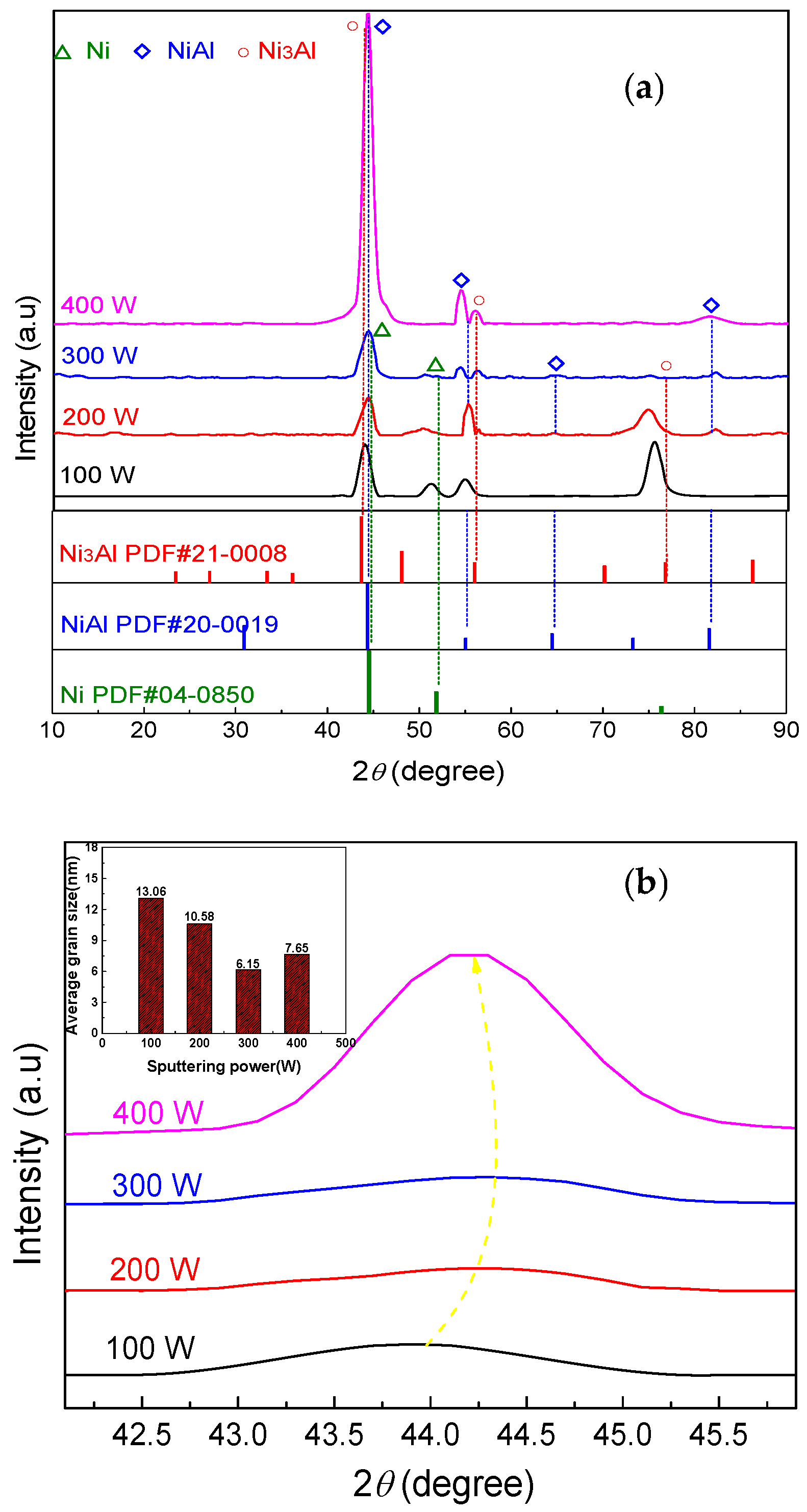
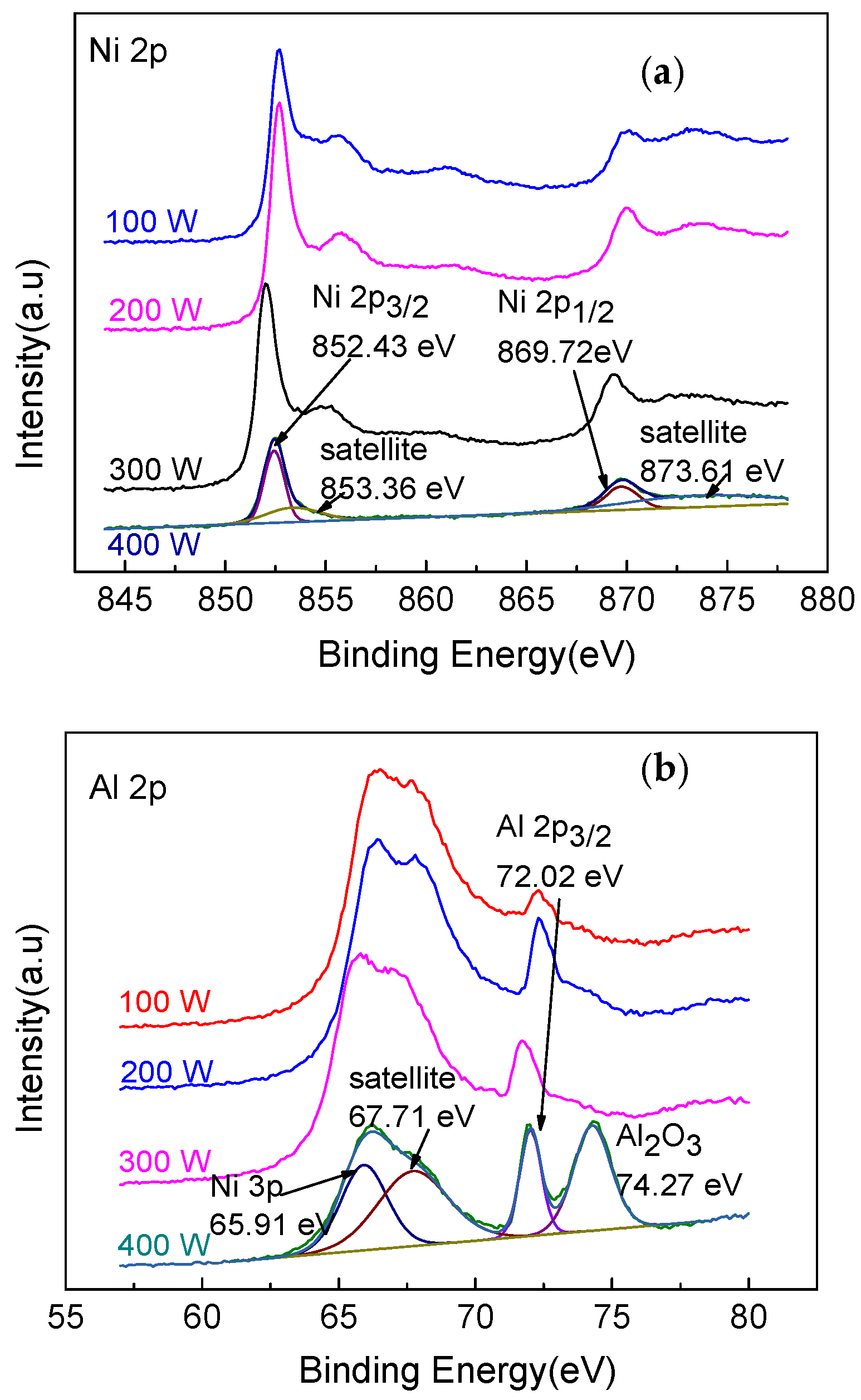
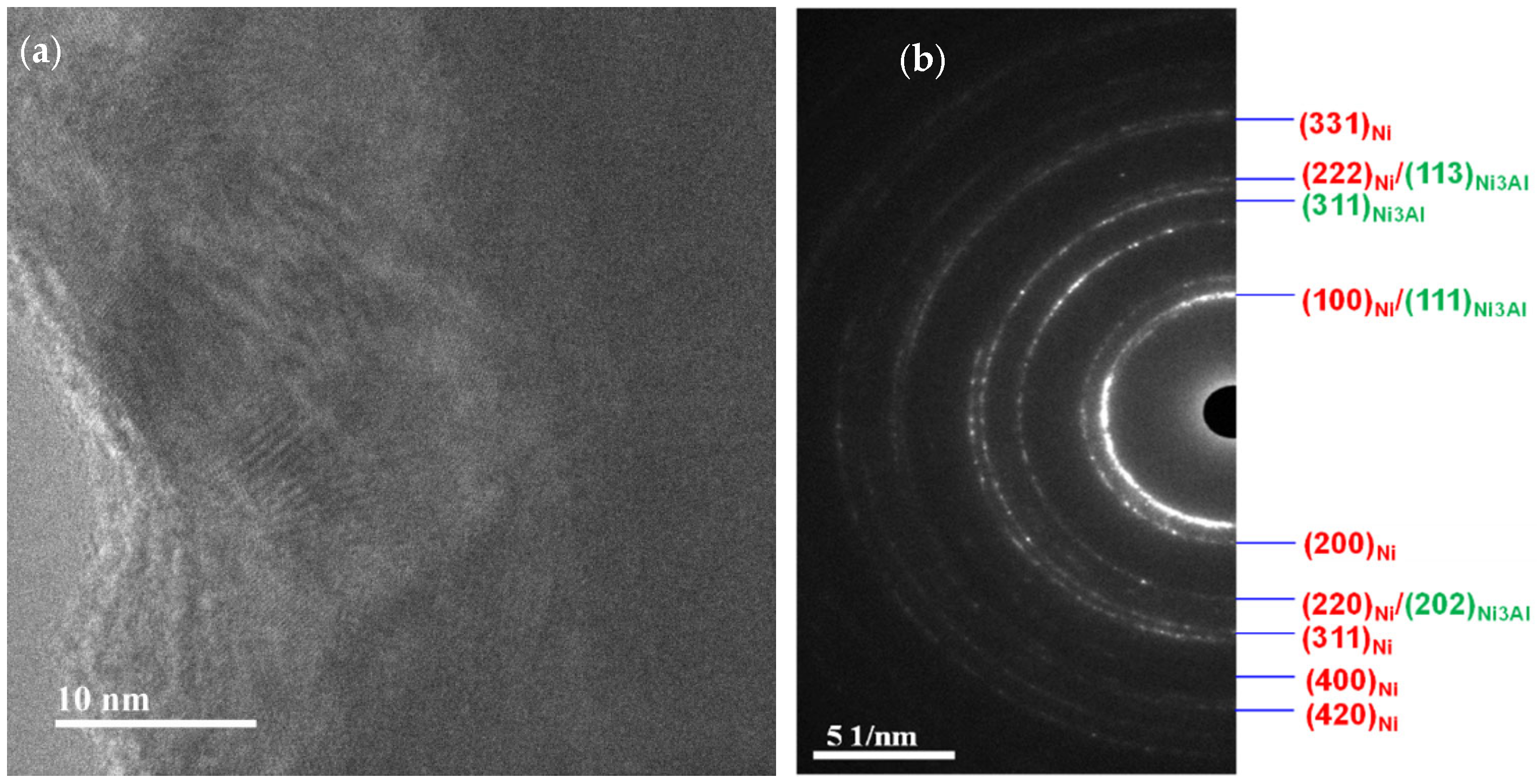
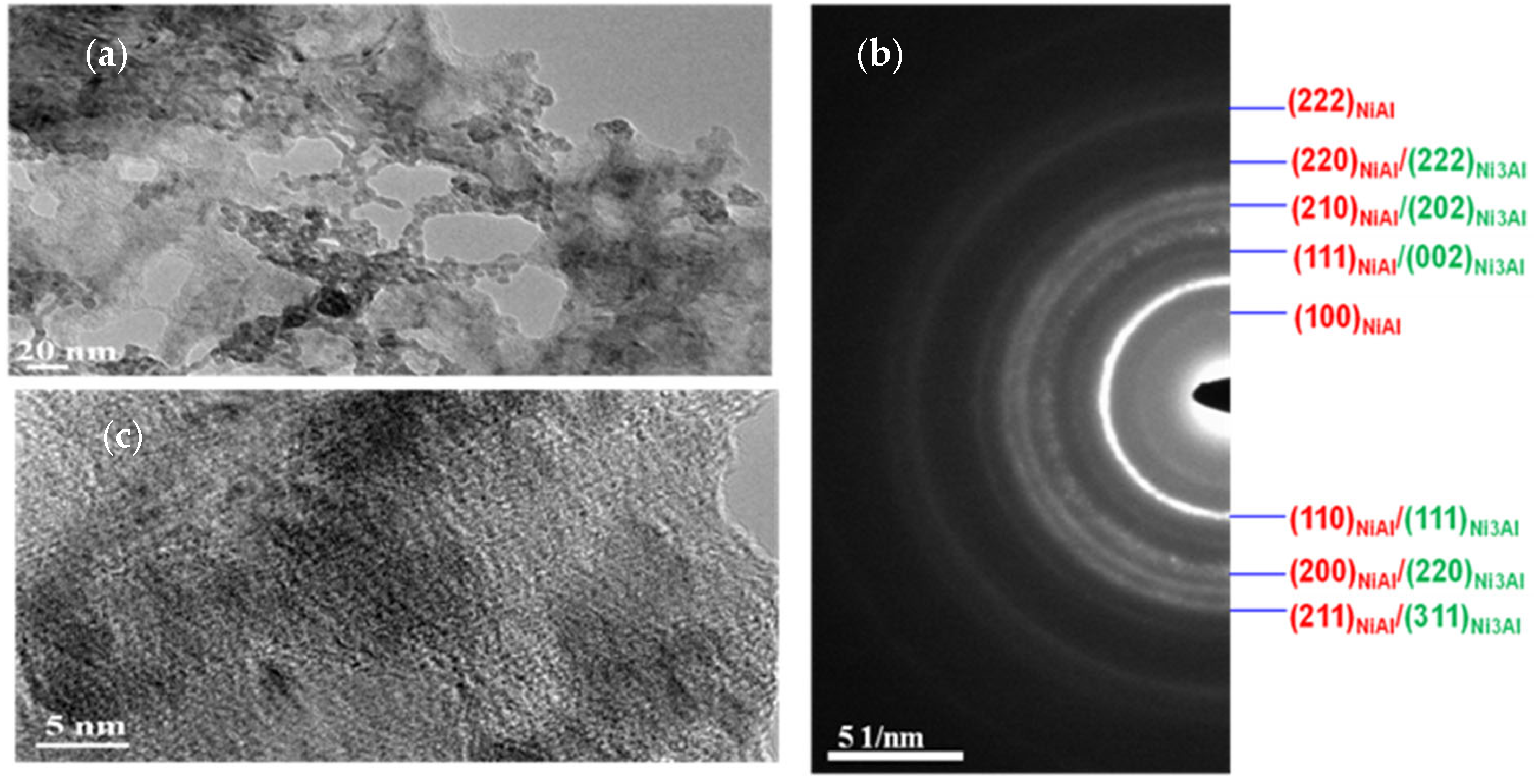
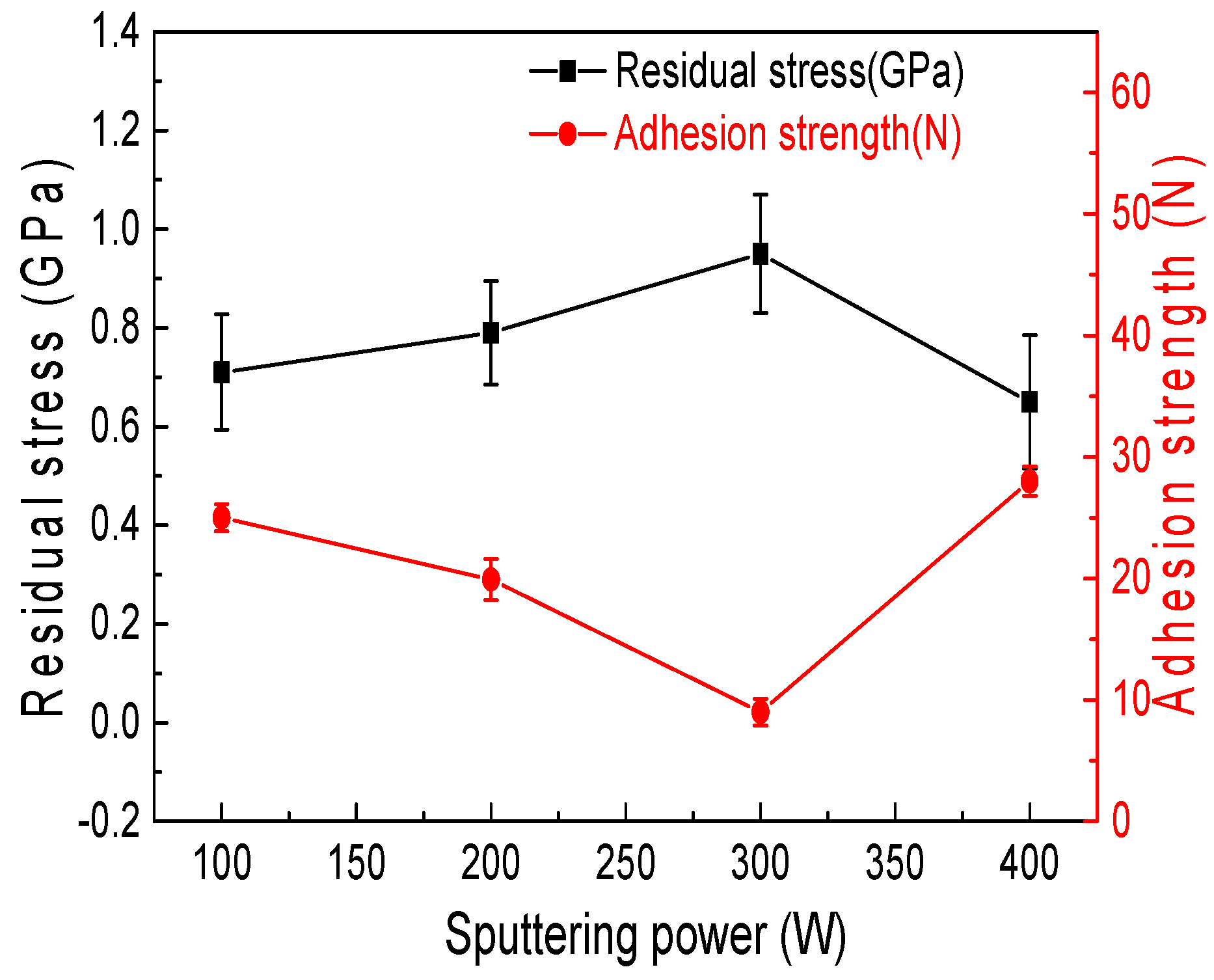
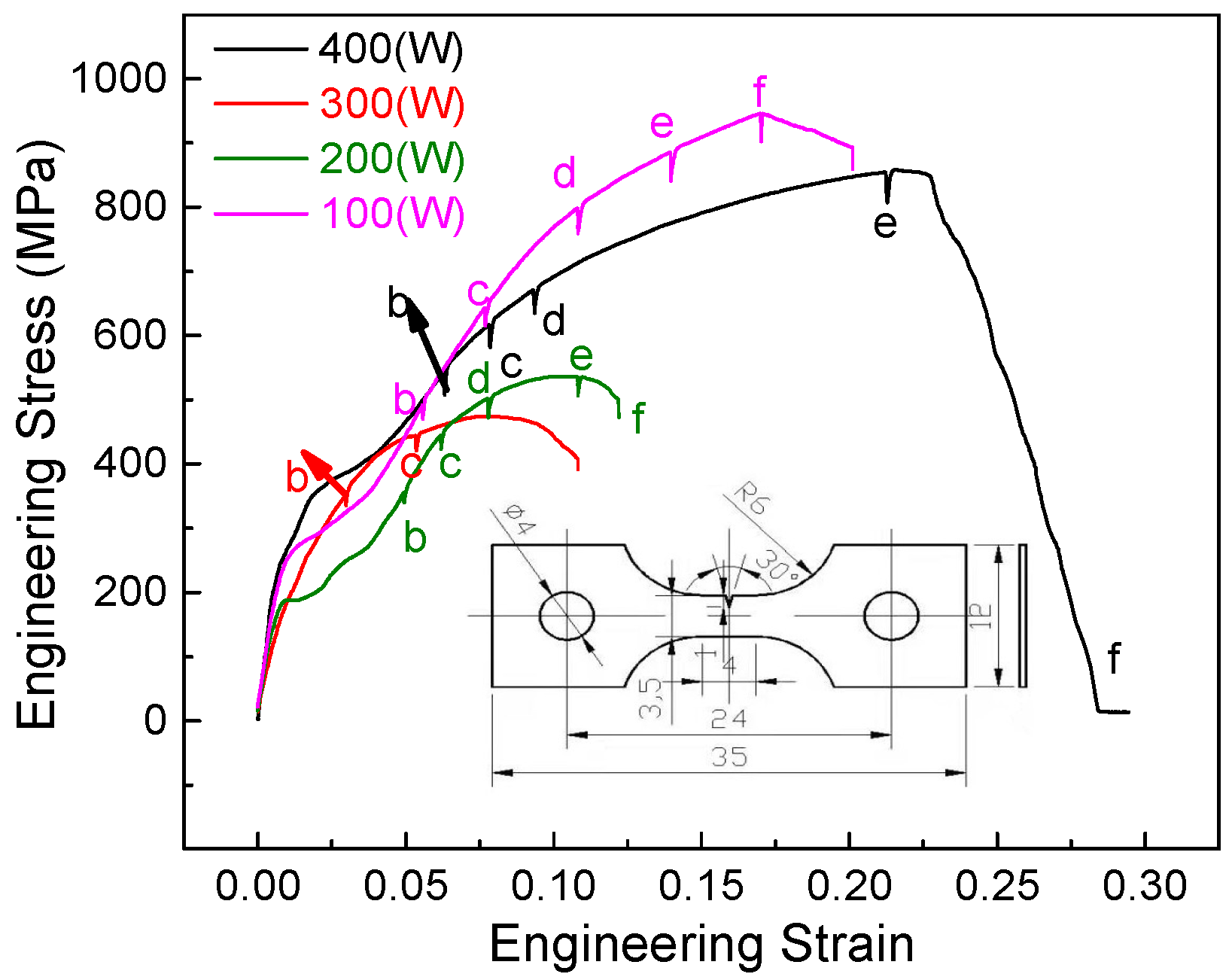
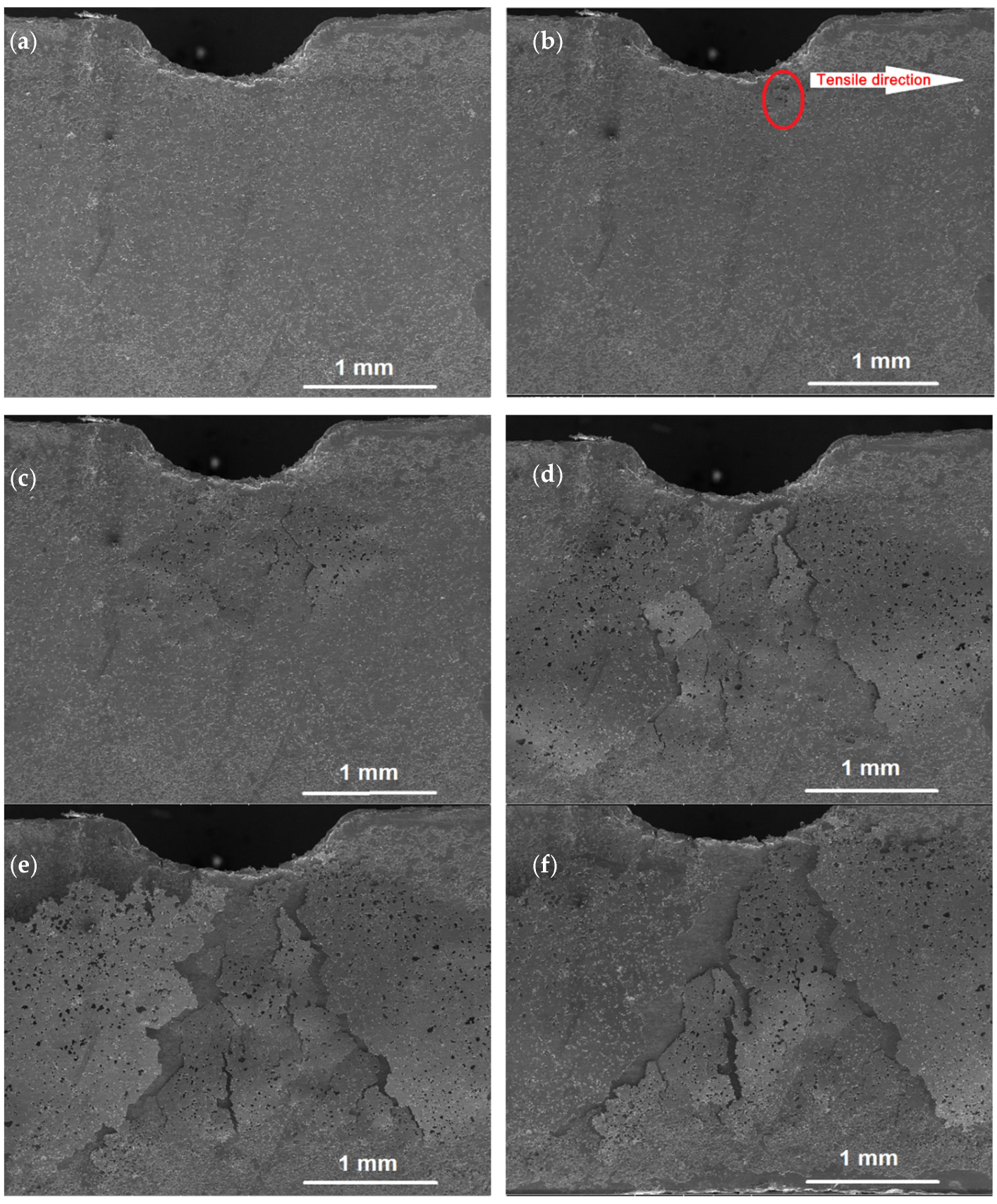
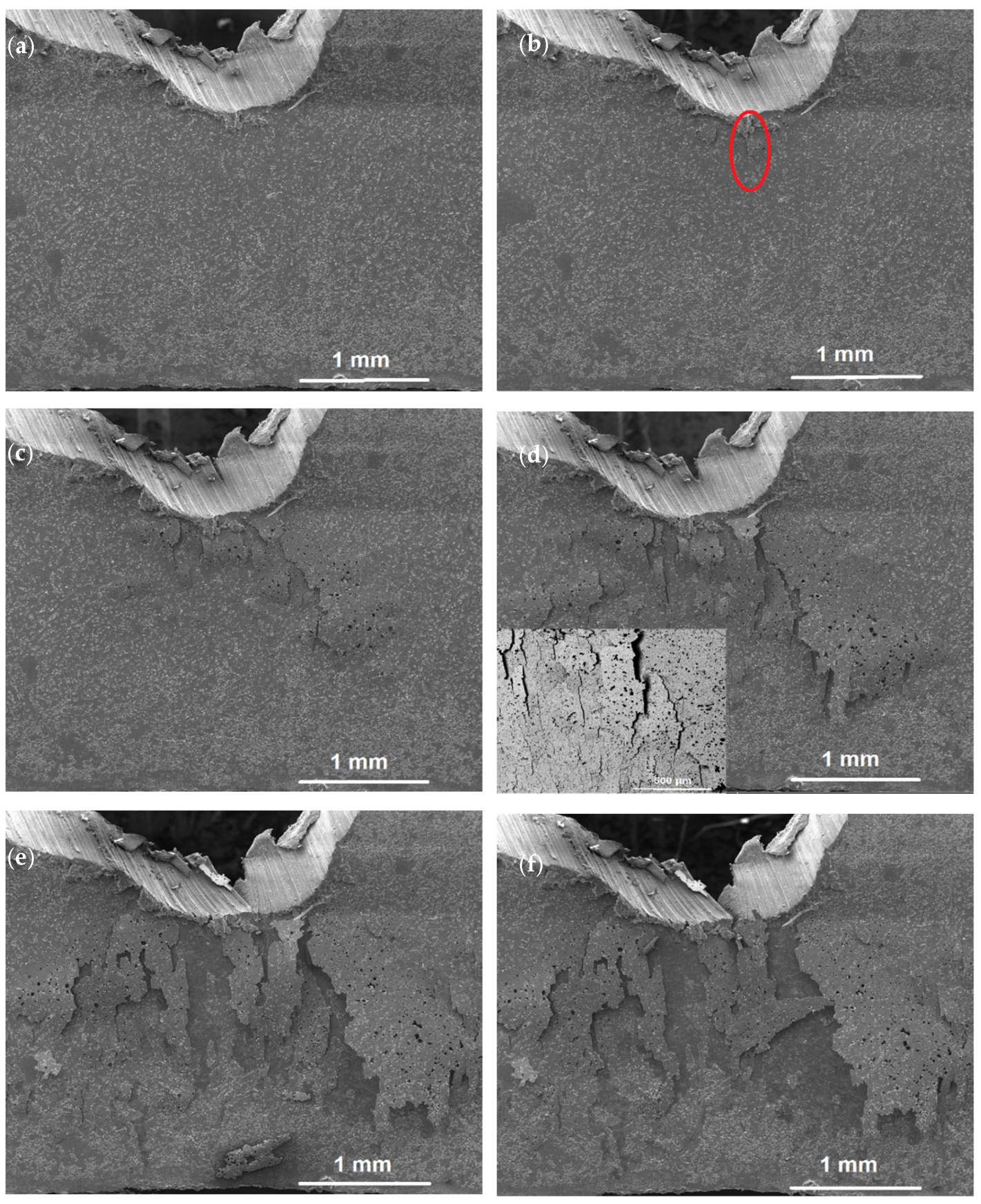
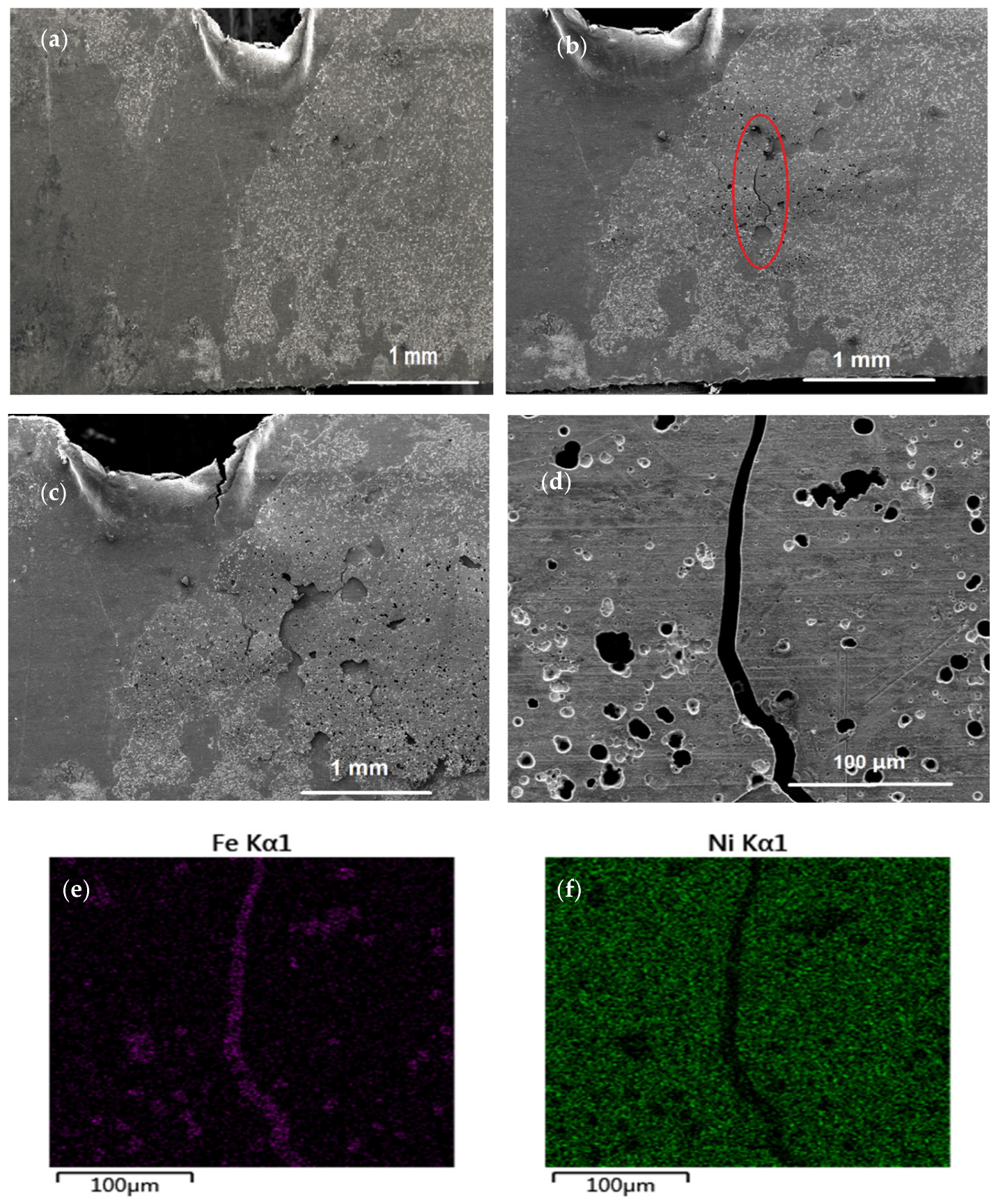
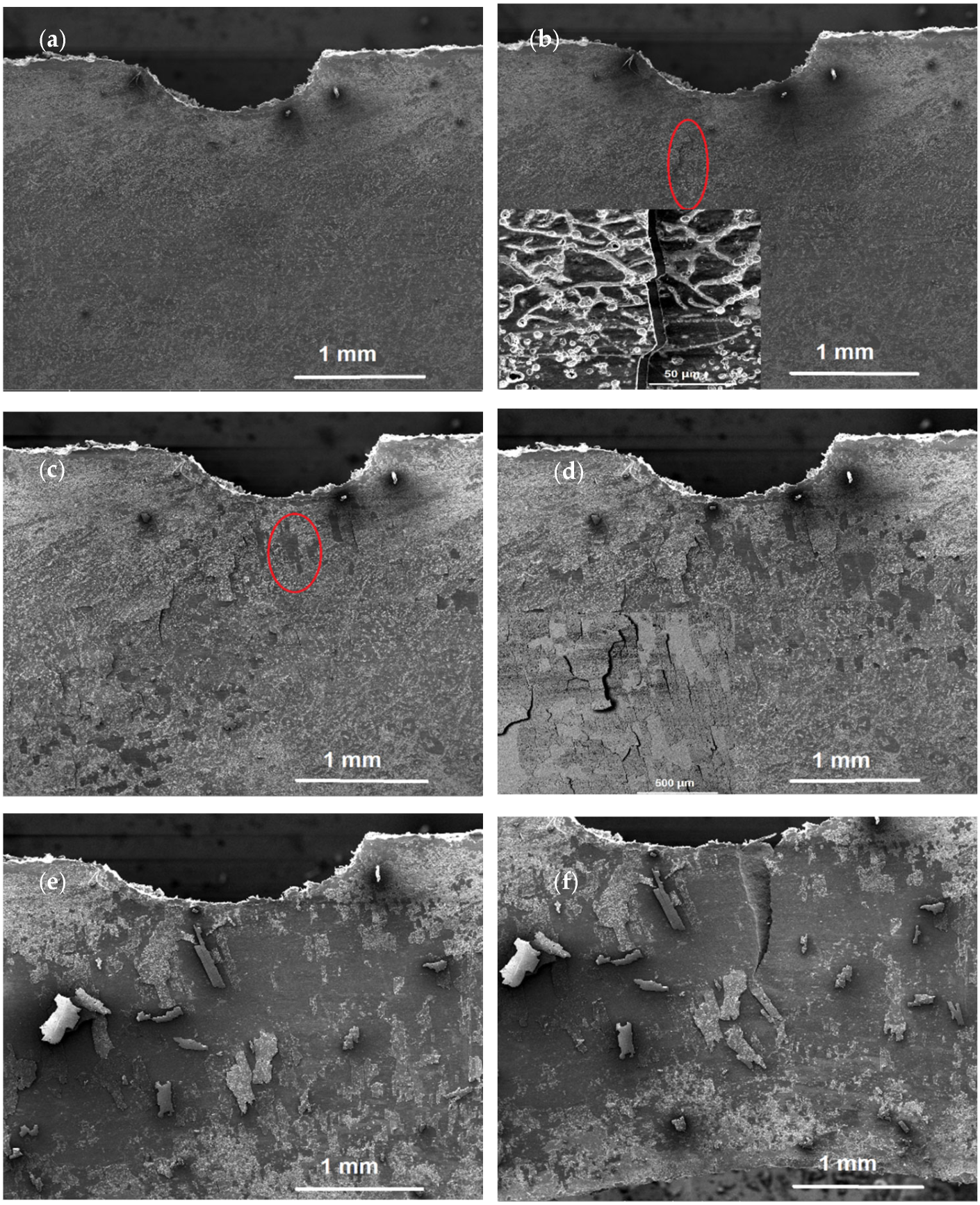
In this paper, Ni-Al films were prepared using magnetron sputtering technology. The microstructure of the films and the relationship between the residual stress and the adhesion strength were studied. More importantly, the mechanical strength–ductility properties of Ni-Al films were evaluated by in situ tensile testing. The results showed that the film mainly consisted of Ni3Al phase and Ni-based solid solution at the low power of Al target. The phase transition occurred, and the NiAl phase appeared when the Al sputtering power was increased. The complex structure, with the coexistence of Ni-based solid solution, Ni3Al, and NiAl phases, possessed increased residual stress and reduced adhesion strength. Meanwhile, the crack was easily penetrated through the inside and outside of the film, falling off during in situ tensile testing. While the small residual stress and large adhesion strength were obtained, only Ni3Al and NiAl coexisted, and the film fell off with difficulty. When the Al sputtering power was 400 W, the film showed the largest adhesion strength and the smallest residual stress. The best comprehensive performance was achieved with a tensile strength of 854 MPa and a yield strength of 90 MPa. The Al content of the film was up to 23.03 at.%, which was beneficial to the application and performance improvement of the film in molten salt corrosion resistance.
Keywords: Ni-Al film; in situ tensile; adhesion strength; residual stress Ni-Al film; in situ tensile; adhesion strength; residual stress