


Abstract
CO2 hydrogenation to methanol is a key route for carbon recycling within the carbon capture, utilization, and storage (CCUS) framework. Cu-based catalysts are widely employed because of their low cost and high methanol selectivity, yet monometallic Cu suffers from sintering, limited CO2 activation, and competing reverse water-gas shift (RWGS) reactions. This review systematically summarizes recent advances in Cu-based bimetallic catalysts, categorized as Cu-p-block, Cu-noble metal, Cu-transition metal, and Cu-rare-earth metal systems. Throughout this review, the term “bimetallic catalysts” broadly refers to Cu-based systems containing a second metallic element, which may be present as a metallic alloy, an intermetallic compound, an atomically dispersed promoter species, or an oxide promoter or support component that forms Cu-M or Cu-MOx interfacial structures. Experimental findings and density functional theory calculations are integrated to clarify how second metals regulate electronic structures, interfacial sites, oxygen vacancies, and hydrogen activation, thereby governing the competition between the formate pathway and RWGS. The dynamic evolution of active sites and the concentration-dependent role of reaction-generated water are also discussed. Finally, current challenges in machine learning-assisted catalyst development are assessed, and future directions involving operando characterization, hydrophobic interface engineering, reactor-level water management, and interpretable data-driven catalyst design are proposed to guide catalyst optimization and practical implementation.
1. Introduction
The increasing concentration of atmospheric CO2 has intensified concerns over global warming and carbon emissions [1,2]. In response, many countries have set carbon-neutrality targets, which has accelerated the development of carbon capture and utilization technologies [3]. Among the available routes, CO2 hydrogenation to methanol has attracted particular attention. Methanol is an important chemical feedstock and can also serve as an energy carrier and hydrogen-storage medium [4]. Its established production and utilization infrastructure further supports the practical potential of this process [5,6]. From a thermodynamic perspective, methanol formation is favored at low temperatures and high pressures because the reaction is exothermic [7]. In practice, however, the high stability of the CO2 molecule makes its activation difficult, especially at relatively low temperatures [8].
Catalysts are therefore required to lower the kinetic barriers and promote CO2 conversion under suitable reaction conditions. Cu-based catalysts are widely used for methanol synthesis because Cu is relatively inexpensive and generally provides high methanol selectivity [9]. Cu can also be combined with different supports and promoters, allowing its dispersion, electronic state, and surface properties to be adjusted [10,11]. Nevertheless, pure Cu catalysts have several shortcomings. Cu particles tend to migrate and agglomerate during high-temperature treatment or long-term reaction, resulting in a loss of active surface area [12]. Metallic Cu alone also has a limited ability to adsorb and activate CO2, and its catalytic performance often depends on interactions with the support or additional promoters [13]. These limitations have encouraged the development of multicomponent Cu-based catalysts.
Introducing a second metal (M) is one of the most common approaches used to improve Cu catalysts. The added metal may change the electronic environment of Cu, create new interfacial sites, enhance H2 dissociation, or modify the adsorption of CO2 and reaction intermediates. Zn, Pd, and Co are typical examples that have been investigated in Cu-based systems [2,14,15]. In Cu-Zn catalysts, for instance, changes in the electronic structure and the formation of Cu-Zn-related interfaces can strengthen CO2 adsorption and stabilize key intermediates. Similar effects may also arise through alloy formation, intermetallic phases, hydrogen spillover, or interactions between metallic and oxide components. These changes can influence the balance between methanol formation and the reverse water-gas shift reaction, thereby affecting both activity and selectivity [14,16].
The catalytic behavior of Cu-based bimetallic materials is not determined only by the identity of the second metal. Its loading, dispersion, oxidation state, spatial distribution, and interaction with the support are also important [17,18]. Even catalysts containing the same two metals may show different performance when their preparation methods or pretreatment conditions are changed. Moreover, the catalyst structure observed before reaction may differ from that formed under working conditions. Surface segregation, oxidation, reduction, and interface reconstruction can all occur during CO2 hydrogenation. These changes make it difficult to identify the real active sites and to establish general relationships between catalyst structure and performance.
Recent developments in in situ characterization, theoretical calculations, and data analysis have provided new ways to address these questions. Spectroscopic and microscopic techniques can be used to follow changes in metal valence, surface intermediates, oxygen vacancies, and Cu-M interfaces during reaction. Density functional theory calculations help compare possible adsorption configurations and reaction pathways, while machine-learning methods are increasingly being explored for performance prediction and catalyst screening. Together, these advances are enabling a more detailed understanding of the structure-activity relationships in Cu-based bimetallic catalysts. Nevertheless, the available studies remain concentrated on a limited number of catalyst systems, and conclusions obtained for one Cu-M combination cannot always be readily extended to another. This limitation highlights the need for a systematic framework that can compare different Cu-M systems on a common basis.
Although numerous reviews have explored CO2 hydrogenation to methanol, such a systematic comparison is still lacking. Most previous reviews are confined to the specific controversy over Cu/ZnO active sites [19], or provide a general overview of active site types in Cu-based catalysts without systematically classifying them according to the second metal element [20]. Existing reviews on bimetallic catalysts mostly focus on alloy phase engineering, while general Cu-based reviews, despite touching upon active sites such as Cu+/Cu0 species, Cu-oxide interfaces, Cu surface defects, and Cu-M alloys, lack a critical comparison of the structure-activity relationships among different Cu-M systems [20]. To the best of our knowledge, no existing review has explicitly classified Cu-based bimetallic catalysts into p-block, noble-metal, transition-metal, and rare-earth-metal families within a single framework, nor provided a clear definition of “bimetallic”. To establish such a framework, this review adopts the following operational definition: classically, a bimetallic catalyst refers to two metals coexisting and synergizing through geometric/electronic effects; however, in the context of CO2 hydrogenation, the second metal often exists as a reducible oxide promoter or atomically dispersed species, forming Cu-M or Cu-MOx interfacial active sites with Cu [20]. Therefore, a Cu-based bimetallic catalyst refers to a system in which a second metal is intentionally introduced and participates in the catalytic process by (i) forming a Cu-M alloy or intermetallic phase, (ii) constructing a Cu-MOx interfacial structure, or (iii) serving as an atomically dispersed promoter that modifies the local electronic or interfacial environment of Cu. In oxide-containing systems, the second metal may additionally regulate defect chemistry, including the formation and stabilization of oxygen vacancies that contribute to CO2 activation [20]. Under this definition, Cu-ZrO2 and Cu-CeO2 are legitimately classified as bimetallic catalysts, because methanol synthesis selectivity does not depend solely on metallic Cu sites or surface oxides, but rather on the extent of metal-oxide interaction [21], and the Cu-ZrO2 interface has been confirmed as the key driver for the selective hydrogenation of CO2 to methanol [10,21]. Similarly, strong Cu-CeO2 interactions can alter the nature and coverage of surface intermediates and thereby favor methanol formation, although the catalytic stability of Cu-CeO2 may be compromised under water-rich reaction conditions [22]. On the basis of this definition and classification, this review moves beyond a simple compilation of individual studies by providing a critical horizontal comparison across different Cu-M families. Specifically, it extracts general relationships among the identity of the second metal, interfacial structure, reaction pathway, and methanol selectivity, while identifying the characteristic activity trends and limitations of each family.
Accordingly, this review is organized around this unified definition and classification framework. Common preparation methods and the main reaction pathways are first introduced. The reported catalysts are then discussed according to the type of second metal, including p-block, noble, transition, and rare-earth metals. Attention is given to catalyst structure, catalytic performance, interfacial interactions, and the role of the second metal in CO2 activation, H2 dissociation, intermediate conversion, and catalyst stability. To complement this structure-activity analysis, studies involving artificial intelligence, including database construction, performance prediction, reaction-pathway analysis, and high-throughput screening, are also reviewed. Finally, unresolved issues related to dynamic active sites, reaction-generated water, catalyst deactivation, and model interpretability are discussed, with the aim of identifying future directions for the rational design and data-driven discovery of Cu-based bimetallic catalysts.
2. Overview of Preparation Methods for Copper-Based Bimetallic Catalysts
2.1. Impregnation Method
Impregnation is one of the most commonly used methods for preparing supported catalysts, with incipient-wetness impregnation being the most widely adopted form. In this procedure, a precursor solution with a volume close to the pore volume of the support is introduced so that the solution can enter the pores and deposit the metal species on the internal and external surfaces. Because the support is synthesized beforehand, impregnation generally causes only limited changes to its original pore structure and crystal morphology. The method also provides high precursor utilization, involves relatively simple operation, and is suitable for large-scale catalyst preparation. However, the final metal dispersion depends strongly on the surface properties and pore structure of the support, as well as on the drying and calcination conditions. Tada et al. [23] prepared the CuO/ZrO2 catalyst by impregnating amorphous ZrO2 (aZ) with an aqueous solution of Cu(NO3)2·3H2O, followed by drying at 110 °C overnight and calcination at T (110 < T < 800 °C) for 5 h. This example highlights that, although impregnation is operationally simple, the subsequent calcination temperature is crucial for regulating the dispersion and interaction of Cu species with ZrO2, which ultimately affects the catalytic performance.
2.2. Co-Precipitation Method
Co-precipitation is a conventional liquid-phase method commonly used to prepare multicomponent metal oxide catalysts, including Cu-Zn-Al-Zr systems. Metal ions are precipitated simultaneously from a mixed precursor solution by controlling the precipitation conditions. The resulting precipitate usually contains the different components in close contact, which favors uniform metal distribution and strong interactions among the catalyst components after calcination and reduction. Co-precipitation can also produce materials with relatively high surface areas and developed pore structures. Its main limitation is the sensitivity of the final catalyst structure to precipitation, aging, washing, and thermal-treatment conditions. Chang et al. [24] prepared a series of Cu/ZnO and CuO/ZrO2 catalysts with different Cu contents by co-precipitation. A mixed nitrate precursor solution was dissolved in ethanol, followed by the addition of excess oxalic acid to induce precipitation. After calcination, particles with sizes of 40–60 mesh were selected for catalytic testing. Fulham et al. [25] used a similar method to synthesize CuO-ZnO, CuO-ZrO2, and CuO-CeO2 catalysts. Comparison of the three oxide-containing systems showed that ZrO2 provided higher methanol selectivity than CeO2 and the other supports examined, indicating its suitability for Cu-based catalysts in CO2 hydrogenation to methanol.
2.3. Deposition-Precipitation Method
In the deposition-precipitation method, the active metal precursor is precipitated directly onto the surface of a preformed support. Unlike co-precipitation, in which several components precipitate simultaneously from the same solution, deposition-precipitation retains the basic structure of the support while introducing the active component onto its surface. The method can improve metal dispersion and allows the metal-support interaction to be adjusted through the precipitation conditions. Its effectiveness, however, depends strongly on the surface charge, hydroxyl density, and pore structure of the support. For example, Din et al. [2] prepared zeolite-supported Cu-Co bimetallic catalysts through a green deposition–precipitation route and examined the effect of different Cu/Co weight ratios on low-temperature CO2 hydrogenation to methanol. The preparation strategy enabled Cu and Co species to be deposited on the zeolite support while maintaining contact between the two metals and the support. Changes in the Cu/Co ratio influenced the dispersion of the active components and their interactions with the zeolite, leading to differences in catalytic performance.
2.4. Sol–Gel Method
The sol–gel method is suitable for preparing catalysts with uniform component distributions, relatively high surface areas, and tunable pore structures. Metal alkoxides or inorganic salts first undergo hydrolysis and condensation to form a sol, which subsequently develops into a gel. Drying and thermal treatment of the gel then produce the final catalyst. Because the metal precursors are mixed at the solution stage, the method can provide closer contact among different components than conventional solid-state synthesis. Nevertheless, the preparation procedure is relatively time-consuming and often requires considerable amounts of solvent and organic complexing agents. Shi et al. [26] prepared Cu/ZnO catalysts through a sol–gel self-combustion method using citric acid as a chelating agent. In one treatment route, the dried gel was heated under Ar at 523–723 K, where self-combustion promoted the reduction of Cu2+ to metallic Cu without an additional H2 reduction step. In the other route, the gel was reduced under H2 at elevated temperature. The highest activity was obtained at a metal-to-citric-acid molar ratio of 1:0.8, and the activity followed the variation in metallic Cu surface area. However, the methanol selectivity of the self-combustion-derived catalyst was lower than that of the catalyst reduced only under H2. Paris et al. [27] employed an aerosol-assisted sol–gel method to prepare Cu/SiO2 catalysts. Copper salts were introduced directly into the precursor solution, producing well-dispersed Cu species within an open mesoporous structure. The resulting catalyst showed an activity approximately one order of magnitude higher than that of a sample prepared by conventional impregnation, although its methanol selectivity remained relatively low.
2.5. Solid-State Grinding Method
Solid-state grinding has received increasing attention as a simple and solvent-saving method for preparing Cu-based multicomponent catalysts, particularly systems containing rare-earth oxides such as CeO2. In this approach, hydrated metal salts are ground together with organic ligands, hydroxides, or other solid reagents. Mechanical mixing and solid-state complexation produce a homogeneous precursor, which is subsequently calcined to form mixed oxides, metal complexes, or supported metal species. The method avoids the large volumes of solvent used in conventional wet-chemical synthesis and therefore reduces liquid waste. However, the uniformity of the final material is closely related to the grinding intensity, grinding time, and homogeneity of the precursor mixture. Han et al. [28] mixed copper, cerium, and zirconium nitrates with oxalic acid and ground the mixture at room temperature until a homogeneous viscous precursor was obtained. After calcination, a series of Cu-Ce1−xZrxO2 catalysts with x values of 0, 0.2, 0.5, 0.8, and 1 were produced. In these materials, Zr4+ was incorporated into the CeO2 lattice, leading to the formation of a Ce-Zr solid solution. This example demonstrates that solid-state grinding can achieve intimate multicomponent mixing while avoiding the extensive use of solvents required in conventional solution-based synthesis.
In summary, the preparation method strongly affects the dispersion and chemical state of the active components, the pore structure of the support, and the interaction between Cu and the second component. Impregnation is simple, economical, and suitable for preserving the original support structure, but it may provide less uniform metal distributions. Deposition-precipitation offers better control over surface deposition and metal-support interactions, although its outcome is sensitive to the surface properties of the support. Co-precipitation and sol–gel methods favor close mixing of different components and the formation of highly dispersed multicomponent structures, but both involve more preparation steps and stricter control of synthesis conditions. Solid-state grinding provides a low-solvent alternative, although sufficient mixing is required to avoid uneven composition and particle aggregation. The main characteristics, advantages, and limitations of these preparation methods are compared in Table 1.
Table 1.
Comparison of the advantages and limitations of representative preparation methods for Cu-based bimetallic catalysts.
3. Common Reaction Pathways for CO2 Hydrogenation to Methanol over Cu-Based Bimetallic Catalysts
CO2 hydrogenation to methanol is an exothermic reaction and is therefore thermodynamically favored at low temperatures and high pressures. However, the high stability of the CO2 molecule leads to considerable kinetic barriers for its adsorption and activation. Raising the reaction temperature can accelerate CO2 conversion, but it also promotes the reverse water-gas shift (RWGS) reaction, resulting in increased CO formation and decreased methanol selectivity. The two competing reactions can be expressed as follows [24]:
CO2 + 3H2 → CH3OH + H2O, △H (298 K) = −49.5 kJ/mol
CO2 + H2 → CO + H2O, △H (298 K) = +41.2 kJ/mol
CO2 hydrogenation to methanol involves several consecutive surface processes rather than a single elementary step. These processes include CO2 adsorption and activation, H2 dissociation, stepwise hydrogenation of carbon-containing intermediates, and the desorption of methanol and water. On Cu-based catalysts, the individual steps may occur on metallic Cu sites, oxide sites, or at the interfaces between Cu and other catalyst components. The addition of a second metal further changes the electronic structure and geometric arrangement of these sites, thereby affecting the adsorption and conversion of reactants and intermediates.
Although the detailed reaction mechanism remains under discussion, the formate pathway and the RWGS-mediated CO pathway are the two routes most commonly proposed for methanol formation. Direct CO2 dissociation and bicarbonate-related pathways have also been reported, but they are generally considered less favorable on conventional Cu/ZnO-based catalysts under typical methanol synthesis conditions. The relative contribution of each route depends on the catalyst composition, interfacial structure, reaction temperature, pressure, and surface coverage of reaction intermediates.
In the formate pathway, H2 first dissociates to generate adsorbed H species, while CO2 is adsorbed and activated into a bent configuration. The activated CO2 then reacts with surface H atoms to form formate species (HCOO*). Subsequent hydrogenation produces oxygen-containing intermediates, which are gradually converted into methoxy species and finally methanol. For Cu/ZnO-based catalysts, this pathway is generally favored under relatively low-temperature and high-pressure conditions. A representative formate-mediated pathway is shown in Figure 1. Density functional theory (DFT) calculations have shown that the formate pathway on Cu/ZnO can be kinetically more favorable than the RWGS-mediated pathway at low temperatures [29]. Under these conditions, the formation and further hydrogenation of HCOO* contribute directly to methanol production. At higher temperatures or lower pressures, however, the RWGS reaction becomes increasingly competitive. CO2 is then more readily converted into CO, leading to higher CO selectivity and lower methanol selectivity. The balance between these two pathways is therefore an important factor in determining the catalytic performance of Cu-based systems.
Figure 1.
Proposed formate-mediated pathway for CO2 hydrogenation to methanol.
The introduction of a second metal can shift this balance by changing the electronic properties of Cu and creating new interfacial sites. Depending on its chemical nature and oxidation state, the second metal may strengthen CO2 adsorption, promote H2 dissociation, stabilize formate intermediates, or alter the adsorption strength of CO. It can also modify the acid-base properties of the catalyst surface. The effect of the second metal is also closely related to its loading, dispersion, oxidation state, and interaction with Cu and the support. Even catalysts with the same elemental composition may follow different reaction pathways when their interfacial structures or pretreatment conditions differ. Therefore, identifying the actual active sites under reaction conditions is essential for understanding the catalytic mechanism. The overall process, including reactant adsorption, activation, stepwise hydrogenation, and product desorption, is summarized schematically in Figure 2.
Figure 2.
Schematic illustration of the adsorption, activation, hydrogenation, and desorption steps involved in CO2 hydrogenation to methanol.
Control of Cu-M interfacial structures is therefore central to promoting methanol formation while suppressing RWGS. A better understanding of how different second metals influence CO2 activation, H2 dissociation, intermediate stability, and pathway selection can provide a basis for designing Cu-based bimetallic catalysts with improved activity, selectivity, and stability.
4. Cu-p-Block Based Bimetallic Catalysts
The introduction of p-block elements can substantially alter the electronic structure, interfacial environment, defect chemistry, and reaction pathways of Cu-based catalysts. Elements such as Al, In, Ga, Ge, and Zn exert distinct promotional effects depending on their oxidation states and interactions with Cu. In many of these systems, the added element is present primarily as an oxide, intermetallic phase, or surface modifier rather than as a second metallic component.
4.1. Cu-Al Bimetallic Catalysts
In Cu-Al systems, Al is generally present as Al2O3 rather than as metallic Al. The catalytic properties of these materials are therefore governed mainly by Cu-Al2O3 interactions, the coordination environment of surface Al species, and the density of hydroxyl groups. These factors influence Cu dispersion and the formation and hydrogenation of surface formate intermediates.
Zuo et al. [30] employed DFT calculations to investigate the reaction pathways of CO and CO2 hydrogenation on Cu/γ-Al2O3 in liquid paraffin. They clarified that the CO2 hydrogenation pathway (rate-determining step barrier of 1.10 eV) is kinetically superior to the CO pathway (1.37 eV), theoretically revealing that methanol is primarily generated via the CO2 route, highlighting the intrinsic activity differences arising from the choice of reaction pathway. Additionally, Song et al. [31] synthesized an Al2O3 support rich in coordinatively unsaturated Al3+ defects using the evaporation-induced self-assembly (EISA) method. After loading Cu via impregnation and subjecting the catalyst to hydration treatment to modulate the surface hydroxyl density, they found that the hydrated Cu/Al2O3-1W catalyst exhibited a significant increase in CO2 conversion from 14.4% to 25.8% (Figure 3a), with a methanol turnover frequency (TOF) reaching 0.012 s−1 (Figure 3b). In situ diffuse reflectance infrared Fourier transform spectroscopy (DRIFTS) and HD isotope exchange experiments revealed that terminal hydroxyl groups (T-OH) serve as active sites directly participating in the formation of formate (HCOO) intermediates, with Aliv-T-OH and Alvi-T-OH promoting the formation of Al-b-HCOO and Al-m-HCOO, respectively.
Figure 3.
(a) Product space-time yields and CO2 conversion over CuAl-xW catalysts; (b) methanol turnover frequency and Cu dispersion of representative CuAl-xW catalysts [31].
Zhou et al. [32] similarly employed the co-precipitation method, introducing sucrose, glucose, and fructose as carbon sources during preparation, followed by calcination at 400 °C to obtain carbon-doped Cu/Al2O3. The catalyst demonstrated a methanol yield of 12% and selectivity of 91% for the sucrose-doped sample. Carbon doping enhanced copper dispersion and preferentially exposed the Cu(111) crystal plane, while the enriched surface hydroxyl groups facilitated the conversion of ethyl formate intermediate to methanol. Yan et al. [33] also prepared three catalysts, Cu/Al2O3, Cu/ZnO, and Cu/SiO2, using the co-precipitation method, and systematically investigated the effect of the byproduct H2O on CO2 hydrogenation to methanol. They found that H2O inhibits the conversion of monodentate carbonate (m-CO32−) to bidentate formate (b-HCOO*) at low temperatures (190–230 °C) but promotes this conversion at high temperatures (230–290 °C), thereby exhibiting opposite effects on methanol selectivity. This finding provides insights into the temperature dependence of product distribution under realistic reaction conditions.
4.2. Cu-In Bimetallic Catalysts
Cu-In catalysts have attracted increasing attention because In2O3 contains oxygen vacancies that can adsorb and activate CO2, whereas Cu-containing species promote H2 dissociation. Their combination therefore creates bifunctional interfaces where activated hydrogen and carbon-containing intermediates can react efficiently. Depending on the preparation and reduction conditions, Cu may remain as highly dispersed clusters on In2O3 or form Cu-In intermetallic phases, leading to different reaction pathways and catalytic behavior.
Zou et al. [34] prepared a Cu/In2O3 catalyst with a Cu loading of 3.9 wt% using the deposition-precipitation method, and applied it to CO2 hydrogenation to methanol. Compared with the unpromoted In2O3, the introduction of Cu significantly improved both CO2 conversion and methanol space-time yield (STY), which increased from 0.055 to 0.100 gmethanol·gcat−1·h−1 at 250 °C as shown in Figure 4a, the apparent activation energy decreased significantly from 107.23 to 46.92 kJ/mol (Figure 4b); and the catalyst retained 87% of its initial activity after a 50-h stability test. X-ray diffraction (XRD) and transmission electron microscopy (TEM) characterization revealed that Cu species were highly dispersed on the In2O3 surface. Hydrogen temperature-programmed reduction (H2-TPR) results indicated that the introduction of Cu promoted H2 activation, and the activated H atoms facilitated the formation of oxygen vacancies on the In2O3 surface through a hydrogen spillover effect. Combined with DFT calculations, the authors found that Cu/In2O3 follows the CO hydrogenation pathway rather than the formate pathway observed on pure In2O3. The interface between Cu clusters and defective In2O3 was identified as the active site for CO2 activation, with a CO2 adsorption energy of −1.09 eV, substantially more negative than the value of −0.12 eV on metallic Cu, indicating much stronger CO2 adsorption. Moreover, an increase in Cu cluster size leads to the formation of weak CO adsorption sites, which provides a theoretical explanation for the decline in methanol selectivity at high temperatures.
Figure 4.
(a) Methanol space-time yield as a function of reaction temperature and (b) Arrhenius plots used to determine the apparent activation energies for CO2 conversion over In2O3 and Cu/In2O3 catalysts [34].
Shi et al. [35] prepared CuO-In2O3 precursors with varying Cu:In molar ratios using the co-precipitation method. After calcination at 500 °C and reduction at 350 °C, Cu-In intermetallic compound catalysts were obtained. XRD characterization revealed that when the Cu:In molar ratio did not exceed 1:2, the reduced catalysts contained coexisting Cu11In9 intermetallic compounds and In2O3 phases. X-ray photoelectron spectroscopy (XPS) and CO2 temperature-programmed desorption (CO2-TPD) results indicated that the Cu:In (1:2) catalyst exhibited the highest Cu specific surface area (14.3 m2·g−1) and surface oxygen vacancy concentration (41.3%), and the CH3OH space-time yield showed a good linear correlation with the oxygen vacancy concentration (R2 = 0.880). Under the reaction conditions of 260 °C, 3.0 MPa, and a gas hourly space velocity (GHSV) of 7500 mL−1·gcat−1·h−1, the CO2 conversion reached 10.3%, the methanol selectivity was 86.2%, and the space-time yield was 5.95 mmol·h−1·gcat−1. The authors proposed that the Cu11In9 intermetallic compound and the oxygen vacancies on the In2O3 surface constitute two distinct types of active sites with different functionalities. The synergistic effect at their interface promotes both the dissociative activation of H2 on Cu11In9 and the adsorption-conversion of CO2 at oxygen vacancies, and the presence of the Cu11In9-In2O3 interface effectively reduces the reaction activation energy barrier, Shi et al. [36] also synthesized a porous hollow-sphere CuIn bimetallic catalyst with a diameter of approximately 600–650 nm in a single step using synchronous spray pyrolysis; this unique morphology facilitates reactant diffusion and transport. XRD and XPS results demonstrate that the Cu:In (1:2) catalyst exhibits the highest specific surface area (55.46 m2·g−1), pore volume (0.23 cm3·g−1), and the highest oxygen vacancy content (37.5%). Under reaction conditions of 290 °C, 3.0 MPa, and a GHSV of 15,000 mL·gcat−1·h−1, the CO2 conversion reached 11.5%, methanol selectivity was 86.0%, and the space-time yield was 13.25 mmol·h−1·gcat−1. Based on previous studies, the authors proposed that two key intermediates, HCOO and COOH, may exist in the reaction pathway. CO2 adsorbed on oxygen vacancies can either undergo stepwise hydrogenation via the HCOO pathway to CH3OH or follow the RWGS pathway to produce CO. The presence of the Cu11In9-In2O3 interface effectively promotes the hydrogenation of HCOO* while suppressing CO formation, thereby ensuring high methanol selectivity.
4.3. Cu-Ga Bimetallic Catalysts
Ga can modify the electronic structure of Cu, alter the stability of surface intermediates, and change the preferred pathway for CO2 hydrogenation. Its promotional effect, however, depends strongly on Ga loading and oxidation state. At low concentrations, dispersed Ga-containing species can create favorable Cu-GaOx interfacial sites, whereas excessive Ga may cover the Cu surface and restrict access to active sites.
Attada et al. [37] investigated the promotional role of Ga using DFT calculations, in situ DRIFTS, and mean-field microkinetic simulations. On pristine Cu(111), CO2 hydrogenation was predicted to proceed mainly through the carboxyl pathway, with a maximum energy barrier of 1.10 eV. On the Ga-modified Cu(111) surface, the preferred route shifted to the formate pathway, and the maximum barrier decreased to 0.73 eV. This change was attributed to the stabilization of the partially hydrogenated formate intermediate H2COO*, which lowered the kinetic barrier for subsequent hydrogenation steps. In situ DRIFTS measurements supported the theoretical predictions by showing that Ga incorporation promoted the formation of methoxy species. Methoxy is an important intermediate in the final stages of methanol formation and can also participate in dimethyl ether production. The microkinetic simulations further indicated that the formate pathway remained dominant over Ga-modified Cu throughout the investigated temperature range. In contrast, the preferred route over unmodified Cu shifted toward the carboxyl pathway as the temperature increased. These results suggest that Ga not only lowers the reaction barrier but also stabilizes the formate-mediated mechanism under a broader range of operating conditions.
The concentration-dependent role of Ga was examined in greater detail by Alfke et al. [38], who prepared SiO2-supported Cu1−xGaxOγ nanoparticles through surface organometallic chemistry. The catalysts were synthesized by co-grafting [Ga2(OiBu)6] and [Cu4(OiBu)4] precursors onto SiO2, followed by reduction in H2 at 500 °C, yielding nanoparticles with diameters of approximately 3–6 nm. Catalytic measurements revealed a volcano-shaped dependence of the methanol formation rate on the Ga molar fraction (xGa), as shown in Figure 5. At relatively low Ga contents (xGa < 0.13–0.18), Ga promoted methanol formation, and extrapolation to differential conversion conditions indicated an optimum xGa of approximately 0.09, corresponding to a methanol formation rate of 1.32 g·gCu−1·h−1. When the Ga content exceeded this range, the promotional effect was gradually replaced by inhibition, and the methanol formation rate decreased below that of unmodified Cu. In situ X-ray absorption spectroscopy (In situ XAS) further revealed distinct redox behavior of GaOx species at low and high Ga loadings. In the active Cu0.93Ga0.07/SiO2 catalyst, the Ga (III) fraction reversibly varied between approximately 18% and 33% under CO2 hydrogenation conditions, indicating a dynamic redox cycle of GaOx. In contrast, GaOx in the less active Cu0.77Ga0.23/SiO2 catalyst underwent largely irreversible oxidation: approximately 38% of Ga remained in the Ga (III) state after activation, and this fraction increased to 49% upon exposure to the CO2/H2 reaction mixture. In situ infrared spectroscopy detected methoxy intermediates on the Ga-promoted catalyst, whereas neither formate nor methoxy species were observed on the Ga-rich catalyst. The loss of activity at high Ga loading was therefore attributed to the formation of an excessive GaOx overlayer that encapsulated the Cu nanoparticles, restricted reactant access to the Cu surface, and reduced the number of accessible interfacial active sites.
Figure 5.
Intrinsic formation rates of methanol and CO as a function of the Ga molar fraction (xGa) in Cu1−xGaxOy nanoparticles [38].
The structure of Ga-modified Cu surfaces under reaction-relevant conditions was further examined by Zhong et al. [39], using a Cu (001) single-crystal model. Ga was deposited by physical vapor deposition, and the resulting surface was characterized by scanning tunneling microscopy, Auger electron spectroscopy, temperature-programmed desorption, and near-ambient-pressure XPS. Under ultrahigh-vacuum conditions, Ga mixed with Cu and formed a surface alloy. Even in the presence of trace oxygen, however, Ga was rapidly oxidized and reorganized into two-dimensional GaOx islands on the Cu surface. The GaOx structures remained stable under 0.00018 MPa (0.18 mbar) H2 and under a CO2/H2 atmosphere at 700 K, with no clear evidence of reduction to metallic Ga. This observation indicates that the surface structure present during CO2 hydrogenation may differ substantially from the metallic Cu-Ga alloy commonly used in theoretical models. Under realistic conditions, the catalytically relevant structure is more likely to consist of GaOx domains in contact with metallic Cu, forming a GaOx/Cu interface.
Overall, Ga promotion is governed by a balance between electronic modification and surface coverage. At suitable loadings, Ga-containing species stabilize formate-derived intermediates, lower the barriers for methanol formation, and create dynamic GaOx/Cu interfaces. Excessive Ga, however, forms oxidized overlayers that cover Cu sites and suppress intermediate formation. These findings also highlight the need to connect calculations based on idealized Cu-Ga alloy surfaces with the oxidized GaOx/Cu structures that develop under working conditions.
4.4. Cu-Ge Bimetallic Catalysts
Compared with other Cu-based bimetallic systems, Cu-Ge catalysts have received very limited attention in CO2 hydrogenation to methanol. Most available studies remain theoretical, and direct experimental evidence for the promotional role of Ge is still scarce. Ge is a p-block element adjacent to Ga in the periodic table and may modify the electron density of Cu sites through electronic interactions. However, its influence on catalyst structure, reaction pathways, and methanol selectivity has not yet been systematically established. Zhou et al. [40] constructed a model of the Cu(111) crystal surface modified with single-atom Ge and employed DFT calculations to examine the effects of Ge as an additive on CO2 hydrogenation and the regulatory mechanism of hydrogenation to methanol production. DFT calculations demonstrate that the electron-donating effect of a single Ge atom enhances the electron cloud density of its adjacent Cu atom, thereby promoting CO2 adsorption. The adsorption energy on the Ge-Cu(111) surface is approximately 1.5 times that of a pure Cu(111) surface and about 2.4 times that of a Pd-cluster-modified Cu(111) surface, while reducing the activation energy of the rate-limiting step in the RWGS pathway by approximately 20 kJ/mol. Further studies revealed that the adsorption energy of the HCOO intermediate on the Ge-Cu(111) surface is about 273 kJ/mol higher than on the Cu(111) surface, rendering the HCOO pathway kinetically unfavorable due to significantly elevated activation energy at the rate-limiting step, thereby suppressing byproduct formation. Meanwhile, under the combined effects of electronic regulation by individual Ge atoms and interaction with water molecules, three novel RWGS pathways exclusively producing methanol were identified (Figure 6), markedly enhancing methanol selectivity; this finding remains theoretical and requires experimental validation.
Figure 6.
Potential energy landscape of three new methanol RWGS pathways [40].
4.5. Cu-Zn Bimetallic Catalysts
Cu-ZnO is the most extensively studied Cu-based catalyst system for CO2 hydrogenation to methanol. Its catalytic behavior is closely associated with the interaction between Cu and Zn-containing species, but the identity of the active sites remains under debate. Depending on catalyst composition, preparation method, pretreatment, and reaction conditions, Zn may be present as metallic Zn, ZnO, partially reduced ZnOx, or Zn incorporated into the Cu surface. These species can alter Cu dispersion, interfacial structure, oxygen-vacancy concentration, and the adsorption of reaction intermediates. Consequently, current studies increasingly regard Cu-ZnO as a dynamically evolving catalytic system rather than a material containing one fixed type of active site.
4.5.1. Controversies Regarding the Catalytic Active Sites
The active sites responsible for methanol formation over Cu-ZnO catalysts have long been assigned to several different structures, including Cu-Zn alloys, Zn-doped Cu surfaces, Cu-ZnO interfaces, and combinations of these sites. The coexistence and dynamic interconversion of Zn species under reaction conditions make it difficult to establish a single active-site model. Evidence obtained from model catalysts, supported nanoparticles, surface-sensitive characterization, and theoretical calculations has gradually clarified the different roles played by these structures. Early work by Fujitani et al. [41], using XPS to analyze the surface of the Zn/Cu(111) model catalyst after reaction, revealed that when zinc coverage was below 0.15, formate species directly bound to zinc; however, at coverage levels exceeding 0.15, zinc was oxidized to ZnOx. Based on these findings, it was proposed that Zn promotes methanol synthesis by stabilizing the formate intermediate. Building on this, Jiang et al. [42] prepared Cu@ZnO catalysts with varying ZnO contents using a deposition-precipitation method and found that the CO generation rate strongly depends on Cu particle size: low-coordination sites on small Cu particles favor *COOH formation and C–O bond cleavage due to stronger H–Cu and C–Cu bonds, while Cu-ZnO interface sites are the primary contributors to methanol formation; electron transfer from ZnO to Cu enhances the Lewis acidity of ZnO and stabilizes the formate intermediate. Complementarily, Shi et al. [43] synthesized Cu catalysts supported on ZnO nanorods via microwave-assisted synthesis and demonstrated that rod-shaped ZnO exhibits better dispersion of Cu species and enhanced Cu-ZnO interactions compared to commercial ZnO; electron paramagnetic resonance (EPR) and XPS confirmed direct electron transfer from ZnO to Cu and oxygen vacancy formation, with the methanol TOF of CuZn-R being approximately 10 times that of the reference sample. Chen et al. [44] employed sophisticated model catalyst design to distinguish between directly contacted Cu-ZnO interfaces and ZnOx-decorated Cu nanoparticle-ZnO interfaces induced by strong metal-support interaction (SMSI). It was found that under high pressure, the latter played a dominant role in both methanol and CO formation (accounting for 66.0% and 80.8%, respectively at 5 MPa), but the CO generation rate increased more rapidly, revealing the fundamental reason for the limited methanol selectivity of the Cu/ZnO-based catalyst. To achieve higher precision in active site identification, Li et al. [45] developed a ZnO/c-Cu inverse catalyst by controlling the size of cubic Cu nanocrystals and ZnO loading amounts, correlating catalytic performance with the density of different Cu sites and confirming that the ZnO-Cu(I)-Cu interface is the active site for both methanol synthesis and RWGS reactions. This interfacial site more closely resembles a Cu defect site than a Cu terrace site. Xiong et al. [46] further investigated the activity differences in the ZnO-Cu interface across various Cu crystal planes ((111), (100), (110)), finding that the ZnO-Cu(110) interface exhibited the highest activity for methanol synthesis (with an apparent activation energy of only 25.3 kJ/mol), while the ZnO-Cu(100) interface showed the greatest activity for RWGS. Qi et al. [47] eliminated carrier interference using carrier-free porous hollow nanospheres and systematically compared five active sites using a unified DFT calculation approach, confirming that the Cu-ZnO interface is primarily responsible for CO2 dissociation to CO, while Zn-doped Cu sites serve as the primary sites for CO hydrogenation. These studies demonstrate that the active sites of the Cu-ZnO catalyst do not follow a single model but constitute a complex system involving coordinated interactions among the Cu-ZnO interface, Zn-doped Cu sites, and low-coordination Cu step sites, with the contribution weights of each active site varying significantly under different reaction conditions and catalyst structures.
4.5.2. Regulation at the Nanoscale
The performance of Cu-ZnO catalysts is highly sensitive to particle size, morphology, interfacial contact, and the local confinement environment. Nanoscale regulation can increase the exposed Cu-ZnO interfacial area, suppress Cu sintering, and modify the electronic state of both Cu and Zn species. However, decreasing particle size alone is not sufficient; the stability and chemical nature of the resulting interface must also be considered. Kanomata et al. [48] used copper silicate as the copper source, encapsulated it within a hydrophobic Silicalite-1 molecular sieve, and obtained Cu particles approximately 2.4 nm in size through hydrothermal synthesis and hydrogen reduction. By impregnating ZnO and reducing it, they formed a Cu-ZnO interface; the resulting ZnO/Cu@S-1 (Cu7Zn3) exhibited a methanol space-time yield exceeding 1200 mg·gCu−1·h−1. This encapsulation structure effectively suppresses Cu thermal aggregation, while the Cu-ZnO interface serves as the active center for methanol formation. Hu et al. [49] employed a crystal-to-crystal transformation strategy to pyrolyze mixed Cu/Zn basic carbonate into mesoporous ZnO nanosheets, which were subsequently reduced by hydrogen under pore confinement to yield ultrafine Cu particles (Cu@mZnO) with a diameter of 2.5 nm. At 246 °C and atmospheric pressure, the methanol formation rate reached 1.13 mol·h−1·kgcat−1, which is 25 °C lower than the peak temperature of industrial Cu-Zn-Al oxides. This enhanced low-temperature activity is attributed to the strong metal-support interaction, which results in a significantly higher metallic Zn/Zn2+ ratio compared to the control sample, thereby promoting CO2 activation. Garcia et al. [50] systematically compared various Cu-Zn nanomaterials and found that the methanol yield of the Cu/ZnO bimetallic system was significantly higher than that of monometallic systems. When porous supports such as molecular sieves or activated carbon were introduced, the catalytic efficiency increased to four times that of the support-free system, with Cu/ZnO/molecular sieve showing the best performance; however, addition of polyvinylpyrrolidone (PVP) as a capping agent modifier induced aggregation in the bimetallic catalyst, thereby reducing activity. Kordus et al. [51] investigated morphological effects by comparing ZnO-modified Cu catalysts derived from Cu2O nanocubes, which preferentially exposed Cu (100) facets, with those prepared from spherical Cu particles. The nanocube-derived catalyst exhibited a higher methanol yield. Although particle rounding and sintering occurred during the reaction, in situ spectroscopic measurements and DFT calculations showed that the ZnO-covered Cu (100) surface provided a lower activation barrier for formate conversion and a higher density of Cu-ZnO interfacial sites.
4.5.3. Carbon Materials as Supports
Carbon materials are attractive supports for Cu-ZnO catalysts because of their high surface areas, adjustable pore structures, and tunable surface chemistry. Their confinement effect can limit Cu particle growth, while oxygen- or nitrogen-containing surface groups can anchor metal species and alter reactant adsorption. The performance of carbon-supported Cu-ZnO catalysts nevertheless depends strongly on the origin, porosity, and surface functionality of the carbon material. Vali et al. [52] employed waste biomass biochar as a support to prepare Cu/ZnO@BC via co-precipitation-deposition method, achieving a methanol space-time yield of 496.5 mg·g−1 for the optimal catalyst (2–25% Cu/ZnO@BC, Cu/Zn = 2:1) at 260 °C and 1 mg·gCu−1·h−1. With a selectivity of 71% and stability exceeding 45 h, this performance is attributed to the abundant Cu-Zn interface sites provided by the oxygen vacancies in biochar and the ultrafine particles of approximately 5 nm, which significantly enhance CO2 and H2 adsorption and activation. Xie et al. [53] prepared an activated carbon-supported CCZ-AE-ox catalyst using the ammonia evaporation method at 270 °C and 2.5 MPa under CO2 hydrogenation conditions, the CO2 conversion reached 9.39%, methanol selectivity was 45.58%, and the high specific surface area of the activated carbon (680.5 m2·g−1) effectively disperses metal particles, particularly Cu+/Cu0. The synergistic effect with ZnO provides a critical active center for methanol synthesis. Peng et al. [54] prepared nitrogen-doped graphene-supported Cu-ZnO (Cu-ZnO@CN) via pyrolysis of chitosan; DFT calculations demonstrated that pyridinic nitrogen sites exhibit the strongest anchoring effect on Cu-ZnO nanoparticles (binding energy: −5.70 eV), inhibiting aggregation. The optimal catalyst achieved a CO2 conversion of 23% and methanol selectivity of 21% at 300 °C and 4 MPa. Mechanistic studies revealed that the formate (HCOO) pathway was dominant, with the hydrogenation of HCOO* to HCOOH* (energy barrier: 2.12 eV) serving as the rate-determining step.
4.5.4. Dual Role of Water in Cu-ZnO Catalysts
Water is formed stoichiometrically during CO2 hydrogenation to methanol and can affect both reaction kinetics and catalyst stability. Its influence is not uniformly detrimental. A small amount of water may facilitate proton transfer and lower the barriers of hydrogenation steps, whereas excessive water can oxidize Cu, block active sites, promote particle restructuring, or accelerate catalyst deactivation. The effect of water therefore depends on its local concentration, reaction temperature, catalyst structure, and the nature of the active intermediates.
Wang et al. [55] hydrophobically modified Cu/ZnO prepared via solid-phase grinding using stearic acid. The optimal Cu/Zn-2 mM catalyst achieved a methanol selectivity of 78.8% at 200 °C and 7.0 MPa, with a space-time yield (STY) of 87.17 g·kg−1·h−1 and stable performance for up to 100 h. This stability is attributed to the hydrophobic layer, which facilitates water desorption while enhancing H2 adsorption and inhibiting Cu sintering. A different strategy was reported by Wu et al. [56] who deliberately introduced a small amount of water into the feed over a Cu1/ZnO single-atom catalyst. At 170 °C and 3.0 MPa, adding 0.11 vol% water increased CO2 conversion from 1.0% to 4.9% and methanol selectivity from 93.5% to 99.1%, as shown in Figure 7a. Theoretical calculations indicated that water acted as a proton shuttle. It reduced the hydrogenation barrier of COOH* from 1.34 to 0.26 eV and lowered the barrier for CH2O* hydrogenation from 2.00 to 0.25 eV, thereby accelerating the key hydrogen-transfer steps shown in Figure 7b. These results show that water management should not be limited to complete water removal. Hydrophobic surface modification can prevent excessive water accumulation and protect Cu species, whereas controlled addition of trace water can promote proton transfer and accelerate methanol-forming steps. The most suitable strategy depends on the catalyst structure and reaction conditions. Future work should therefore focus on determining the optimum local water coverage rather than treating water solely as an inhibitor.
Figure 7.
(a) The catalyst regeneration reaction process after water vapor introduction; (b) The energy barrier for the CO2 reaction in the presence of water [56].
4.6. Interfacial Synergy in Cu-p-Block Based Catalysts
Studies on Cu-p-block bimetallic catalysts reveal that the interfacial synergistic effect is not a singular promotional mechanism but can be deconstructed into five distinct yet interrelated dimensions: electronic effect, geometric effect, oxygen vacancy effect, hydrogen spillover effect, and adsorption effect.
The electronic effect primarily manifests as the modulation of the local electron cloud density around Cu active centers by the promoter metal through electron donation or withdrawal, thereby influencing the adsorption strength of reactants and the stability of key intermediates. In the Cu-Zn system, electron transfer from ZnO to Cu has been directly confirmed by EPR and XPS; this transfer process enhances the Lewis acidity of ZnO, effectively stabilizing formate intermediates [42,43]. Further inverse catalyst design has more definitively identified the ZnO-Cu(I)-Cu interface as the common active site for both methanol synthesis and RWGS reaction, with an electronic structure distinct from that of Cu terrace and step sites [45]. Overall, the core of the electronic effect lies in altering the chemical potential of active centers via interfacial charge transfer, thereby steering the preference of reaction pathways.
The geometric effect focuses on the regulation of Cu particle size, dispersion, exposed crystal facets, and macroscopic morphology by the promoter—factors that determine the coordination environment of active sites and the accessibility of reactants. In the Cu–Al system, carbon doping improves Cu dispersion through steric hindrance and preferentially exposes the Cu(111) facet [32]. In the Cu–In system, the Cu:In (1:2) catalyst exhibits the highest Cu specific surface area (14.3 m2·g−1) [35], while the porous hollow-sphere structure (diameter ca. 600–650 nm) further improves reactant diffusion and transport [36]. The Cu–Zn system provides a more systematic elucidation of the geometric effect: low-coordinated step sites on small Cu particles, owing to stronger H–Cu and C–Cu bonds, favor *COOH formation [42]; interfacial activity varies significantly among different facets—the ZnO–Cu{110} interface is the most active for methanol synthesis (apparent activation energy only 25.3 kJ/mol), whereas the ZnO–Cu{100} interface favors the RWGS reaction [46]; Cu2O nanocubes with preferentially exposed Cu(100) surfaces exhibit a lower energy barrier for formate intermediate conversion [51]. Moreover, confining Cu particle sizes to 2.4–2.5 nm via zeolite confinement [48] or crystal-to-crystal transformation strategies [49] effectively suppresses thermal agglomeration and preserves abundant interfacial sites. The essence of the geometric effect is to increase both the number and quality of effective active sites through spatial architecture optimization.
The oxygen vacancy effect is the most prominent synergistic mechanism in the Cu–In system. Oxygen vacancies on the In2O3 surface serve as specific sites for CO2 adsorption and activation, and their concentration shows a good linear correlation with methanol space-time yield (R2 = 0.880) [35]. DFT calculations indicate that the adsorption energy of CO2 at the interface between Cu clusters and defective In2O3 is as high as –1.09 eV, much higher than the –0.12 eV on metallic Cu surfaces, theoretically demonstrating the decisive role of oxygen vacancies in CO2 activation [34]. The Cu:In (1:2) catalyst possesses the highest surface oxygen vacancy content (37.5%). CO2 adsorbed at oxygen vacancies can be hydrogenated to CH3OH via the HCOO pathway or converted to CO via the RWGS pathway, while the Cu11In9–In2O3 interface effectively suppresses the CO formation pathway [36]. In addition, in the Cu–Zn/biochar system, oxygen vacancies on the biochar support itself also significantly promote CO2 and H2 adsorption and activation [52]. The core contribution of the oxygen vacancy effect is to provide preferential anchoring sites for CO2 molecules, lowering the initial energy barrier for C=O bond cleavage or hydrogenation.
The hydrogen spillover effect concerns the migration behavior of hydrogen atoms after H2 activation and their modification of oxide surfaces. In the Cu–In system, the introduction of Cu significantly promotes the dissociative activation of H2, and the activated H atoms migrate to the In2O3 surface via hydrogen spillover, directly participating in the generation of oxygen vacancies [34]; the interfacial synergy between the Cu11In9 intermetallic compound and In2O3 further reinforces this process—H2 dissociates on Cu11In9, and hydrogen atoms spill over to oxygen vacancies on In2O3 to complete subsequent hydrogenation reactions [35]. It should be noted that the hydrogen spillover effect is usually accompanied by the oxygen vacancy effect: hydrogen spillover supplies surface active hydrogen species, while oxygen vacancies are responsible for CO2 adsorption and activation; their spatial proximity is a key prerequisite for the efficient operation of interfacial synergy.
The adsorption effect addresses how interfacial structures alter the energy landscape of reaction pathways from the perspective of adsorption configurations and strengths of reactants/intermediates. In the Cu-Al system, DFT calculations have theoretically confirmed that the CO2 hydrogenation pathway (rate-determining step barrier 1.10 eV) is kinetically superior to the CO pathway (1.37 eV), and methanol is primarily generated via the CO2 pathway [30]; terminal hydroxyl groups on the surface act as active sites directly participating in the formation of formate (HCOO) intermediates, with different coordination types of hydroxyl groups promoting the formation of different formate conformations [31]. In the Cu-Ga system, the introduction of Ga shifts the reaction pathway from the carboxyl (COOH) pathway (highest barrier 1.10 eV) to the formate (HCOO) pathway (highest barrier 0.73 eV), fundamentally due to the stabilization of the H2COO intermediate by Ga [37]. Comparative DFT studies in the Cu-Zn system further theoretically confirm that the Cu/ZnO interface is primarily responsible for CO2 dissociation to CO, while Zn-doped Cu sites are the main sites for CO hydrogenation, indicating a clear division of adsorption functions between the two [47]. Of particular interest, water molecules can act as hydrogen bridges, reducing the hydrogenation barrier of COOH from 1.34 eV to 0.26 eV and that of CH2O* from 2.00 eV to 0.25 eV—a finding at the adsorption-effect level that provides a microscopic explanation for the dual role of water [56].
4.7. Summary
In summary, the Cu-p-block bimetallic catalyst systems surveyed in this section reveal that different p-block elements exhibit markedly different promoting effects on the performance of Cu-based catalysts for CO2 hydrogenation to methanol, which are closely related to their electronic structures, oxygen affinities, and modes of interaction with Cu. Overall, the Cu-Zn system has been most thoroughly and systematically investigated; the understanding of active sites has gradually evolved from early controversial single-site models toward a consensus of multi-site synergy, and excellent catalytic performance has been achieved through nanoscale regulation and carbon-material loading strategies. The Cu-In system, leveraging the specific activation capability of oxygen vacancies on the In2O3 surface toward CO2 and the synergistic effect of the Cu11In9–In2O3 interface, exhibits relatively high methanol selectivity and stability. The Cu-Ga system benefits from the electronic modulation of Ga, which redirects the reaction pathway from the carboxyl route to the formate route, although the Ga loading has a strict promotion–poisoning threshold. In the Cu–Al system, surface hydroxyl groups serve as active sites directly participating in formate intermediate formation, revealing the regulatory role of support surface chemistry in reaction pathways. The Cu-Ge system, however, remains at the theoretical prediction stage; Ge promoters enhance CO2 adsorption through electron donation and give rise to multiple new RWGS-derived pathways for selective methanol production, yet experimental verification is still lacking. For a visual comparison of the catalytic performance of each system, Table 2 summarizes the key performance parameters of representative catalysts.
Table 2.
Comparison of representative catalytic performance of Cu-p-block bimetallic catalysts for CO2 hydrogenation to methanol.
5. Cu-Noble Metal Based Bimetallic Catalysts
Noble metals can markedly alter the catalytic behavior of Cu through alloy formation, interfacial electronic interactions, and improved H2 activation. Depending on the metal identity, composition, and support, noble-metal addition may regulate the oxidation state of Cu, modify the adsorption strength of CO2-derived intermediates, and shift the balance between methanol synthesis and the RWGS reaction. However, their promotional effects are often strongly dependent on loading and spatial distribution, while high material cost remains a major obstacle to large-scale application. Rational design therefore requires maximizing interfacial synergy while minimizing noble-metal consumption.
5.1. Research Progress in Various Copper-Noble Metal Catalysts Systems
Cu has been combined with several noble metals, including Au, Pd, Pt, and Ru, to improve the activity, selectivity, and stability of CO2 hydrogenation catalysts. These metals perform different functions: Au mainly regulates the electronic structure and surface segregation of Cu, Pd and Pt facilitate H2 dissociation and hydrogen transfer, and Ru can enhance CO2 activation but may also promote excessive hydrogenation or RWGS. In addition to the intrinsic properties of the two metals, catalyst performance is governed by alloy structure, particle size, oxidation state, and metal-support interactions. The following sections summarize the structure-activity relationships and reaction mechanisms reported for representative Cu-noble metal systems.
5.1.1. Cu-Au Bimetallic Catalysts
The Cu-Au bimetallic system can significantly enhance the catalytic performance of CO2 hydrogenation to methanol through the electronic synergistic effect between Au and Cu. Mosrati et al. [57] reported a ZnO-supported CuAu nanoalloy catalyst (Cu93Au7/ZnO, Cu/Au molar ratio = 93/7) for CO2 hydrogenation to methanol in low-temperature aqueous media, prepared by colloidal co-reduction. Catalytic performance evaluation showed that as the Cu93Au7 loading increased from 1 wt% to 10 wt% under aqueous conditions at 200 °C and 5 MPa, CO2 conversion increased from 0.1% to 3.4%, with methanol selectivity maintained at 100%. Ambient-pressure XPS analysis revealed that during CO2 hydrogenation, the CuAu nanoalloy undergoes structural reconstruction: Cu preferentially segregates to the alloy nanoparticle surface in the metallic state (Cu0), while Au acquires a slight negative charge and migrates into the subsurface region. This unique surface segregation enriches the alloy surface with metallic Cu, providing abundant active sites for H2 activation and CO2 hydrogenation. Although this work achieved extremely high methanol selectivity, CO2 conversion remained low (3.4%), and the high cost of Au limits its industrial application. To enhance reaction activity while maintaining selectivity, Zou et al. [58] turned to In2O3 supports with abundant oxygen vacancies. They prepared the In2O3-supported Cu-Au bimetallic catalyst (1Au-4Cu/In2O3) using the deposition-precipitation method. At 250 °C, 5 MPa, and a GHSV of 21,000 cm3·h−1·gcat−1, the catalyst achieved a methanol selectivity of 85% and a space-time yield of 0.260 gMeOH·gcat−1·h−1, outperforming the single-metal 4Cu/In2O3 and 1Au/In2O3 catalysts by 73% and 65%, respectively. Mechanistic studies revealed that an electronic metal-support interaction (EMSI) exists between the oxygen-deficient In2O3 support and the Au-Cu bimetallic clusters, rendering both Au and Cu clusters positively charged (Auδ+ and Cuδ+). The presence of Cuδ+ stabilizes and optimizes the oxygen vacancy content on the In2O3 surface, thereby enhancing the positive charge on the Au clusters. DFT calculations, in conjunction with XPS experimental results, showed that this effect lowers the H2 dissociation energy barrier from 0.94 eV to 0.12 eV, while also enhancing CO adsorption, steering the reaction along the CO hydrogenation pathway and synergistically promoting methanol formation. Introducing a ZnO-based system via surface Cu segregation achieves high selectivity at low temperatures, albeit with limited conversion [57]; whereas utilizing the reducibility of In2O3 through the oxygen vacancy-mediated EMSI effect significantly enhances methanol yield [58]. The complementarity of these two approaches identifies two viable strategies for optimizing Cu-Au bimetallic catalysts: modulating alloy surface segregation and constructing metal-support electronic interactions, thereby maximizing catalytic performance.
5.1.2. Cu-Ag Bimetallic Catalysts
The Cu-Ag bimetallic system primarily leverages the promoting effect of Ag in hydrogenation reactions, enhancing the performance of CO2 hydrogenation to methanol through metal-metal chemical interactions between Ag and Cu. Alotaibi et al. [59] prepared zeolite-based Cu-Ag bimetallic catalysts with different Cu-Ag weight ratios (1:9, 2:8, 4:6, and 1:1) using the impregnation method. Activity studies showed that increasing Ag content enhances the methanol synthesis rate but reduces selectivity. XPS analysis revealed significant metal-metal chemical interactions between Ag and Cu, with the maximum binding energy shift observed for the catalyst with a Ag:Cu ratio of 4:6, which exhibited the highest methanol synthesis rate (72 g·kgcat−1·h−1). This study confirmed the correlation between strong Cu-Ag interactions and high catalyst activity, although the zeolite support contributed only minimally to the reaction mechanism. To further elucidate the nature of Ag-Cu bimetallic synergy, Tada et al. [60] prepared ZrO2-supported Ag/CuO-ZrO2 catalysts using the co-precipitation-impregnation method. Ag5/CuZr-1 denotes 5 wt% Ag loaded onto a CuZr-1 support, where CuZr-1 is CuO-ZrO2 prepared by co-precipitation at pH 8.0. The study found that Ag addition promotes the formation of a Cu-Ag alloy and alters the H2 activation mode: on the fully reduced Ag/CuO-ZrO2 catalyst, H2 adsorbs non-dissociatively, whereas on pure Cu or pure Ag surfaces, it adsorbs dissociatively. This alloy-induced change in H2 activation mode creates new active sites, effectively enhancing the methanol yield (7.5 mL·h−1·gcat−1) compared to single-metal Cu/ZrO2 (6.9 mL·h−1·gcat−1) and Ag/ZrO2 (2.2 mL·h−1·gcat−1). Furthermore, XPS revealed that Ag+ and partially reduced Zr species (Zrq+) can coexist in air, and the Zrq+ content shows a positive correlation with the Ag+ content, suggesting that CuO plays a significant role in stabilizing these species.
Comparing these two studies, the former reveals the regulatory effect of the Cu-Ag ratio on metal-metal chemical interactions, while the latter elucidates how Cu-Ag alloying changes the H2 activation mode to create new active sites. Together, they provide a basis for the rational design of Cu-Ag bimetallic catalysts from the perspectives of composition regulation and active site reconstruction.
5.1.3. Cu-Pd Bimetallic Catalysts
In the study of Cu-noble metal bimetallic systems, the Cu-Pd system has emerged as one of the most extensively investigated systems due to its exceptional ability to preserve C–O bonds during methanol synthesis and its effectiveness in suppressing the RWGS side reaction [16,61].
Jiang et al. [61] prepared SiO2-supported Pd-Cu bimetallic catalysts by co-impregnation and systematically investigated the effect of the Pd/(Pd + Cu) atomic ratio. When the atomic ratio was in the range of 0.25–0.34, CH3OH formation activity was significantly enhanced. XRD and scanning transmission electron microscopy-energy dispersive X-ray spectroscopy (STEM-EDS) confirmed the coexistence of PdCu and PdCu3 alloy phases within this optimal composition range, with very few unalloyed metal phases. H2-TPD analysis revealed that the optimal catalyst exhibited a large number of weakly adsorbed hydrogen species at temperatures below 500 K. Building on this, Jiang et al. [62] further examined the effect of the H2/CO2 ratio and found that the bimetallic promotion effect persisted even under substoichiometric conditions (H2/CO2 = 1). In situ DRIFTS experiments confirmed that formate is the predominant surface species, with its coverage correlating with the Pd/(Pd + Cu) atomic ratio. In subsequent work, Jiang et al. [15] quantified the alloy content by XRD semi-quantitative analysis and found that the degree of methanol promotion exhibits a volcano-shaped relationship with the total content of PdCu and PdCu3 alloys. DFT calculations revealed that under the optimal composition (surface Pd/(Pd + Cu) = 0.33), unique Pd-Pd-Pd triangular sites form on the surface, which effectively stabilize bent CO2 molecules and promote the formation of formate intermediates. While these studies experimentally established the optimal Pd/Cu composition range, the differences in reaction pathways among the alloy phases within this range ultimately arise from the atomic-scale surface structure, which necessitates systematic theoretical analysis. To address this, Nie et al. [16] performed DFT calculations to compare the stepped PdCu(111) surface with the flat PdCu3(111) surface. The results showed that the stepped PdCu(111) surface exhibits significantly stronger CO2 and H2 adsorption and activation capabilities, making the formate pathway the optimal route for methanol production. More importantly, theoretical calculations revealed that a small amount of water can substantially lower the energy barriers for O-H bond formation and C-OH bond cleavage via the “H-shuttle” mechanism (e.g., reducing the barrier for HCOO hydrogenation to HCOOH from 1.28 eV to 0.58 eV), thereby increasing the TOF of methanol synthesis by approximately 3000-fold and demonstrating water’s self-promoting effect in Pd-Cu bimetallic catalysis (Figure 8). Liu et al. [63] focused on the PdCu3(111) surface and compared the formate, carboxylate, and RWGS + CO hydrogenation pathways using DFT. They found that the formate pathway is unfavorable due to its high activation energy (1.84 eV), whereas the carboxylate and RWGS pathways have similar rate-determining step barriers (~1.40 eV). Comparing the DFT studies of Nie and Liu, the former investigated the stepped PdCu(111) surface (Pd-terminated) and identified the formate pathway as optimal, while the latter studied the flat, Cu-rich PdCu3(111) surface and found the formate pathway to be kinetically prohibitive. This discrepancy indicates that the degree of Pd surface exposure in PdCu alloys is a critical structural factor determining the reaction pathway.
Figure 8.
Energy profile of the formate pathway for CO2 hydrogenation to methanol on the PdCu (111) surface under aqueous conditions. The dashed line represents the effective barrier for the overall reaction. The involvement of water reduces the energy barrier for HCOO* hydrogenation to HCOOH* from 1.28 eV (anhydrous) to 0.58 eV, and reduces the overall effective barrier from 1.64 eV (under anhydrous conditions) to 1.07 eV, via the “H−shuttle” mechanism [16].
In contrast to the post-synthetic theoretical interpretation described above, deliberate atomic-scale construction of well-defined structures during synthesis is essential for directly validating structure-property relationships. However, conventional wet-chemical methods face challenges in precisely control atomic-scale mixing and interfacial configurations of bimetallic components. To overcome this limitation, Smith et al. [64] employed a solvent-free magnetron sputtering-based surface atomic assembly approach to achieve precisely controlled deposition of PdCu bimetallic particles on ZnO. The study revealed that the metal deposition sequence critically determines catalyst structure: Pd preferentially forms strong bonds with ZnO, resulting in smaller particles when deposited first; during co-deposition of Pd and Cu (c-PdCu), the two metals uniformly mix at the atomic level, forming highly alloyed nanoparticles. This co-deposited catalyst achieved a methanol production rate of 8.2 mol·h−1·molmetal−1 at 270 °C and 2 MPa, the highest reported value for PdCu systems to date. STEM-EDS confirmed that Cu effectively suppresses Zn incorporation into PdCu particles, thereby avoiding PdZn alloy-induced methanation. Regarding the support effect, Choi et al. [65] found that CeO2-supported Pd-Cu catalysts, Pd is highly dispersed and interacts strongly with CeO2 via SMSI; Pd addition promotes Cu dispersion and surface Cu enrichment, while partially reducing Ce4+ to Ce3+ and increasing oxygen vacancy concentration, thereby enhancing CO2 conversion and methanol yield. Maqbool et al. [66] compared CuPd nanoparticles supported on ZnO and graphene, finding that at low metal loadings (<5 wt%), CH4 is the main product, whereas at high Cu content (90 wt%), the reaction favors methanol formation, demonstrating that the Cu/Pd ratio critically determines product selectivity. Smith et al. [64] further confirmed that the optimally composed Pd0.50Cu0.50 catalyst produces almost no CH4. Collectively, these studies show that the optimization strategy for Cu-Pd bimetallic catalysts has evolved from simply “finding the optimal Pd/Cu ratio” to a multi-dimensional synergistic approach encompassing “atomic-scale structural control” and “support interface engineering”.
5.1.4. Cu-Pt Bimetallic Catalysts
Research on Cu-Pt catalysts for CO2 hydrogenation has mainly focused on theoretical activity descriptors and Pt-induced regulation of metal-support interactions. Qin et al. [67] conducted systematic DFT-based theoretical calculations to investigate the linear scaling relationships of adsorption energies among various reaction intermediates for pure Cu, Au-Cu, Ni-Cu, Pt-Cu, Pd-Cu, and Zn-Cu models. By summing the adsorption energies of CHO and CH3OH, they developed a CHO&CH3OH double-intermediate descriptor that enables rapid prediction of the thermodynamic properties at each stage of methanol synthesis. This theoretical tool provides methodological support for high-throughput screening of various copper-based bimetallic catalysts, including Cu-Pt systems, though its predictions require experimental validation. The promotional role of Pt was experimentally investigated by Liang et al. [68], who prepared Cu-Pt catalysts supported on TiO2 nanosheets with preferentially exposed {001} facets through a co-reduction method. XRD, XPS, EPR, and CO2-TPD analyses showed that Pt addition strengthened the interaction between the metal nanoparticles and the TiO2 support. This enhanced interaction helped stabilize the Cu particle size and promoted the formation of oxygen vacancies and Ti3+ defects, thereby increasing the number of potentially active sites at the metal-support interface. The improved catalyst properties were therefore attributed not only to direct Pt-Cu interactions but also to Pt-mediated reconstruction of the Cu-TiO2 interfacial environment.
Overall, the available studies suggest that Pt can regulate Cu-based catalysts through both electronic interactions and support-defect engineering. DFT-derived descriptors provide a basis for identifying promising Cu-Pt compositions, while experimental results highlight the importance of Pt-enhanced metal-support interactions and defect-rich interfaces. Nevertheless, the current evidence remains limited, and further studies are needed to correlate Pt loading, alloy structure, interfacial defects, and catalytic performance under operating conditions.
5.1.5. Other Cu-Noble Metal Catalysts: Cu-Rh and Cu-Ir
Research on the Cu-Rh bimetallic system primarily focuses on the synergistic effect of Rh and Cu in regulating CO2 hydrogenation product selectivity, with ethanol being the predominant product and methanol selectivity remaining relatively low. Zhang et al. [69] constructed a Cu-TiO2 support with highly dispersed Cu species via a Cu ion-exchange strategy, thereby enhancing the “metal intimacy” between Rh and Cu. Compared with the conventional co-impregnated Cu-Rh/TiO2 catalyst, the Cu-Rh/TiO2 catalyst exhibits enhanced Cu-Rh intimacy, which modulates the surface electronic structure, strengthens CO adsorption and dissociation on Rh0 sites, and improves hydrogenation activity on Cu0 sites, promoting the dissociation and hydrogenation of CO species to form CHx intermediates, which subsequently undergo C–C coupling to produce ethanol. Zhang et al. [70] added Cu or Co to Rh catalysts supported on TiO2 nanorods and found that Cu promotes partial hydrogenation to alcohols (methanol and ethanol), whereas Co induces deep hydrogenation to alkanes. In situ DRIFTS combined with H2/D2 isotope exchange experiments revealed that both surface-adsorbed CO and formate are key reaction intermediates, and that the CO adsorption strength modulated by the second metal is critical for controlling the reaction pathway and product yield.
Research on the Cu-Ir system primarily stems from theoretical calculations, utilizing DFT simulations to investigate the effects of Ir doping on the catalytic performance of Cu surfaces. Liu et al. [71] employed DFT calculations to study the adsorption properties and reaction pathways of CO2 hydrogenation to methanol over Ir-doped Cu surfaces with varying Ir doping ratios. DFT calculations predict that the single-layer Ir-doped (IrMLCu(111)) surface is the most favorable, although experimental validation is still required.
All the aforementioned systems employ DFT calculations as the primary research tool to investigate the mechanistic effects of noble metal doping, specifically how it modulates the electronic structure of Cu-based catalysts, the adsorption energies of key intermediates, and the reaction pathways [67,69,71]. Among them, the Cu-Rh system has been relatively extensively studied experimentally, though its products are predominantly ethanol rather than methanol [69,70], demonstrating the potential of bimetallic synergy in tuning product selectivity. In contrast, the Cu-Ir system remains entirely at the theoretical stage [71], with no experimental validation to date. The developmental gap between the two systems is evident: the former has progressed to in-depth studies of catalytic mechanisms and selectivity control, while the latter is still in the exploratory phase of rational catalyst design. From an optimization perspective, the Cu-Rh system requires stronger atomic interactions between Rh and Cu, which may be achieved through approaches such as ion exchange. For Cu-Ir catalysts, further development depends on addressing practical limitations, particularly the high cost of Ir and its tendency to sinter.
5.2. Common Mechanisms and Structure-Activity Relationships
The performance of Cu-noble metal catalysts is governed by several closely related factors, including electronic interactions between the two metals, the geometric arrangement of surface atoms, H2 activation, adsorption of reaction intermediates, and metal-support interactions. Noble-metal addition can redistribute charge within Cu-containing nanoparticles, generate specific atomic ensembles, and modify the oxidation state and defect structure of the support. These changes determine the preferred adsorption configurations of CO2 and H2 and influence the competition among methanol formation, RWGS, and deeper hydrogenation pathways.
5.2.1. Electronic Effects: Regulation of the Electronic Structure of Cu by Noble Metals
Charge redistribution between Cu and noble metals is a key origin of their catalytic synergy. Differences in electronic properties, together with interactions with the support, can alter the electron density and oxidation states of both metals. These changes affect H2 dissociation, CO2 activation, and the adsorption strengths of CO, formate, methoxy, and other surface intermediates. Importantly, the direction and extent of charge transfer are not determined solely by the identities of the two metals but also depend on alloy composition, surface reconstruction, and the electronic properties of the support.
In ZnO-supported CuAu nanoalloys, Cu segregates to the alloy surface in the metallic state (Cu0), while Au acquires a weak negative charge and migrates into the subsurface region [57]. In the In2O3-supported Cu-Au system, electrons transfer from the Cu-Au bimetallic clusters to the oxygen-deficient In2O3 support, rendering both Au and Cu positively charged (Auδ+ and Cuδ+) [58]. This charge state change makes H2 more prone to dissociation and enhances CO adsorption.
Electronic interactions are also important in Cu-Ag catalysts. XPS measurements revealed correlated shifts in the core-level binding energies of Cu and Ag, indicating substantial charge redistribution and chemical interaction between the two metals [59]. Ag addition also promoted Cu-Ag alloy formation and was reported to modify the adsorption and activation behavior of H2 [60]. The resulting changes in surface electronic structure can influence both hydrogen availability and the hydrogenation of adsorbed carbon-containing intermediates.
In Cu-Pd systems, Cu affects both the electronic state and the local atomic arrangement of Pd. In co-deposited CuPd catalysts, Cu enhanced CO2 adsorption, suppressed Zn incorporation into the CuPd phase, and adjusted the interaction between Pd and reaction intermediates [64]. At the optimal Pd/(Pd + Cu) ratio, Pd-Pd-Pd triangular ensembles are formed, representing a characteristic electronic effect. As discussed in Section 5.1.3, these sites are proposed to stabilize key reaction intermediates and thereby promote methanol formation [15], as illustrated in Figure 9.
Figure 9.
Transition state structures and parameters of HCOO* formation at different Pd/(Pd + Cu) atomic ratios on the Pd-Cu bimetallic catalyst [15].
For Cu-Pt/TiO2 catalysts, the electronic effect of Pt extends beyond direct Cu-Pt interactions and also involves the oxide support. Pt addition strengthened the metal-support interaction and promoted charge redistribution among TiO2, Pt, and Cu [68]. The resulting changes in the electronic state of Cu were accompanied by a lower reduction temperature of CuO. At the same time, Pt-enhanced metal-support interactions promoted the formation of oxygen vacancies and Ti3+ defects, increasing the number of electronically modified sites at the metal-oxide interface.
A similar effect of close metal proximity was observed for Cu-Rh/TiO2 catalysts prepared through Cu ion exchange. The intimate contact between Rh and highly dispersed Cu species induced electron transfer from Rh to Cu, stabilized Rh0 and Rh+ species, and increased the proportion of Cu0 [69]. This electronic redistribution influenced CO adsorption and dissociation on Rh sites and hydrogenation on Cu sites, thereby changing the balance between methanol formation and C–C coupling toward higher alcohols.
For Cu-Ir systems, evidence remains primarily theoretical. DFT calculations showed that the Ir content strongly affected H2 dissociation and the energy barrier of the rate-determining step [71]. Among the investigated structures, the monolayer Ir-modified Cu(111) surface, IrMLCu(111), showed the most favorable energetics. These results suggest that controlled Ir incorporation may optimize the electronic structure of Cu and lower key reaction barriers, although experimental confirmation is still required.
Taken together, noble metals regulate Cu through support-dependent charge transfer, alloy-induced electronic modification, and the formation of specific surface ensembles. The same noble metal may adopt different charge states on different supports, leading to substantially different adsorption and reaction behavior. Establishing reliable structure-activity relationships therefore requires operando characterization capable of tracking the dynamic electronic states of both metals under realistic reaction conditions.
5.2.2. Effects of Alloying on H2 and CO2 Adsorption and Activation
The incorporation of noble metals can substantially alter the adsorption and activation of H2 and CO2 on Cu-based catalysts. Noble metals, particularly Pd and Pt, are highly effective for H2 dissociation, while alloying with Cu can regulate the adsorption strength and surface mobility of the resulting hydrogen species. In Cu-Pd catalysts, H2-TPD measurements showed that the sample with a Pd/(Pd + Cu) ratio of 0.34 contained a large population of weakly adsorbed hydrogen species below 500 K [61]. Such moderately bound hydrogen species can participate readily in the stepwise hydrogenation of CO2-derived intermediates without excessively occupying the catalyst surface. In Cu-Ag catalysts, Ag-Cu alloy formation was reported to enhance H2 adsorption and alter its adsorption behavior from predominantly dissociative to non-dissociative adsorption [60], indicating that alloying can change not only the amount of adsorbed hydrogen but also its surface state.
CO2 adsorption and activation generally occur at bimetallic surfaces or metal-oxide interfaces, as discussed in Section 5.1.3, the stepped PdCu(111) surface exhibits significantly stronger adsorption and activation capabilities for CO2 and H2 than the flat PdCu3(111) surface [16], highlighting the crucial role of low-coordination interfacial sites in reactant activation. In Cu-Au/In2O3 catalysts, oxygen vacancies on In2O3 serve as the principal sites for CO2 adsorption, while positively charged Cu-Au clusters further promote its activation through electronic metal-support interactions [58]. Similarly, CO2-TPD measurements indicated that Pt addition increased the number of moderately basic sites at the Cu-Pt/TiO2 interface, thereby improving CO2 adsorption [68]. These results show that noble-metal alloying regulates H2 activation mainly through the metallic component, whereas CO2 activation is often enhanced by defect-rich metal-oxide interfaces.
5.2.3. Active Site Model: Bimetal-Oxide Interface
Many Cu-noble metal catalysts operate through a bifunctional mechanism in which different components perform complementary roles. Noble-metal or bimetallic sites generally facilitate H2 dissociation, while Cu sites, oxygen vacancies, or basic sites on the oxide support adsorb and activate CO2. Hydrogen atoms generated on the metallic phase may subsequently migrate to neighboring interfacial sites through hydrogen spillover, where they react with adsorbed CO2-derived intermediates. Methanol formation therefore often occurs at the perimeter between the bimetallic nanoparticles and the oxide support rather than exclusively on either component.
In Cu-Au/ZnO catalysts, reaction-induced Cu segregation produces a Cu-rich surface near the CuAu-ZnO interface, providing sites for H2 activation, while ZnO contributes sites for CO2 adsorption [57]. For Cu-Au/In2O3, the electronic interaction between oxygen-deficient In2O3 and the Cu-Au clusters regulates the charge states of both metals and stabilizes oxygen vacancies, resulting in enhanced H2 dissociation and CO2 activation [58]. In Cu-Pt/TiO2 catalysts, Pt strengthens the interaction between Cu and TiO2 and promotes the formation of oxygen vacancies and Ti3+ defects, which act as CO2 adsorption and activation sites [68]. In the Ag-CuO/ZrO2 system, Ag+ species coexist with partially reduced Zrq+ species, while CuO stabilizes these interfacial states; their cooperative interaction creates an active environment for reactant adsorption and conversion [60]. These examples indicate that the active site should not be described as an isolated metal atom or a single alloy surface. Instead, catalytic performance arises from the spatial proximity of H2-activating metallic sites and CO2-activating oxide sites. The density, accessibility, and electronic structure of the bimetal-oxide perimeter are therefore central parameters governing methanol formation.
5.2.4. Regulatory Role of the Cu0/Cu+ Ratio
The oxidation-state distribution of Cu is another important factor affecting methanol synthesis. Cu0 sites are commonly associated with H2 dissociation and hydrogen transfer, whereas Cu+ species can strengthen the adsorption of oxygen-containing intermediates such as formate and methoxy. A suitable balance between Cu0 and Cu+ may therefore facilitate both hydrogen activation and the sequential conversion of CO2-derived intermediates. Noble-metal addition can modify this balance through alloying, charge transfer, and changes in metal-support interactions.
In Cu-Au/ZnO nanoalloys, Cu segregated toward the particle surface under reaction conditions and remained predominantly in the metallic Cu0 state, generating abundant sites for H2 activation [57]. In Cu-Ag/zeolite catalysts, XPS analysis indicated that Cu was mainly present as Cu0 together with a small amount of Cu2+, and Ag addition altered the relative distribution of Cu oxidation states [59]. In Cu-Rh/TiO2 catalysts, close Cu-Rh contact promoted electron transfer from Rh to Cu and increased the proportion of Cu0 species, thereby enhancing the hydrogenation of adsorbed CO intermediates [69].
Although Cu0 and Cu+ are often assigned different catalytic functions, their roles cannot be separated completely because the oxidation state of Cu may change dynamically during reaction. The optimal Cu0/Cu+ ratio is also dependent on the support, noble-metal identity, and dominant reaction pathway. Operando characterization is therefore needed to determine how the Cu oxidation state evolves under working conditions and how this evolution influences methanol selectivity.
5.2.5. Promoting Effects of Water
Although water is a byproduct of CO2 hydrogenation to methanol, a small amount can promote key proton-transfer steps and accelerate methanol formation. DFT calculations for Cu-Pd catalysts showed that water can act as a proton shuttle, lowering the barriers for O–H bond formation and C–OH bond cleavage. For example, the barrier for hydrogenation of HCOO* to HCOOH* decreased from 1.28 to 0.58 eV in the presence of water, resulting in an estimated increase in the methanol turnover frequency by approximately three orders of magnitude. Consistent with the theoretical results, introducing 0.03 mol% water vapor markedly improved the methanol selectivity of the Pd-Cu (0.50) catalyst [16].
The beneficial effect of water is nevertheless concentration-dependent. Excessive water may promote secondary reactions, including methanol reforming to CO, and may also compete with reactants and intermediates for adsorption sites. The local water concentration and the residence time of methanol on the catalyst surface must therefore be carefully controlled. Adjusting operating parameters such as space velocity provides a practical means of limiting secondary conversion while retaining the kinetic advantages of water-assisted proton transfer [72].
5.2.6. Support Effects
The support plays an important role in determining the structure and catalytic behavior of Cu-noble metal catalysts. Reducible oxides such as TiO2, CeO2, In2O3, and ZrO2 can interact strongly with bimetallic nanoparticles through electronic or structural metal-support interactions. These interactions modify the charge states of the metals, promote the formation of oxygen vacancies, and create interfacial sites for CO2 adsorption and activation.
For Cu-Au/In2O3 catalysts, oxygen vacancies induce a strong electronic metal-support interaction between the Cu-Au clusters and In2O3, thereby facilitating H2 dissociation and CO2 conversion [58]. In Cu-Pt catalysts supported on TiO2 (001) nanosheets, Pt strengthens the metal-support interaction and promotes the formation of Ti3+ species and oxygen vacancies at the interface [68]. Similarly, in Cu-Pd/CeO2 catalysts, Pd addition facilitates the reduction of Ce4+ to Ce3+, increasing the oxygen-vacancy concentration and enhancing the redox properties of the support [65]. In contrast, relatively inert supports such as SiO2 contribute less directly to CO2 activation. The catalytic performance of SiO2-supported systems therefore depends mainly on the intrinsic properties of the bimetallic nanoparticles, including alloy composition, particle size, and surface atomic arrangement [61]. Accordingly, support selection should be considered an integral part of catalyst design rather than merely a means of dispersing the active metals. Reducible oxides are particularly advantageous when interfacial charge transfer and oxygen vacancies are required, whereas inert supports are useful for isolating and evaluating the intrinsic behavior of the bimetallic phase.
5.2.7. Interfacial Synergy in Cu-Noble Metal Based Catalysts
In summary, the interfacial synergy in Cu-noble metal bimetallic catalysts can be broadly understood in terms of five interconnected effects: electronic, geometric, oxygen-vacancy, hydrogen-spillover, and adsorption effects.
Electronic effects arise from charge transfer and electronic redistribution between Cu and the noble metal. For example, Au and Pt can induce a positively charged state of Cu. Such electronic interactions modify the electronic structure of active sites and the adsorption energies of key intermediates, thereby influencing reaction pathways and product selectivity.
Geometric effects result from atomic rearrangement associated with alloy formation or interfacial reconstruction. A representative example is the formation of Pd-Pd-Pd triangular ensembles in PdCu alloys. These structural changes alter the coordination environment and spatial arrangement of active sites, which can affect the adsorption and activation of reactants.
Oxygen-vacancy effects are particularly important when reducible oxide supports are involved, as exemplified by Cu-Au/In2O3. Oxygen vacancies provide sites for CO2 adsorption and activation, while their concentration and stability can be regulated through interactions among Cu, the noble metal, and the oxide support.
Hydrogen-spillover effects originate from efficient H2 dissociation on noble metals such as Pt and Pd. The resulting hydrogen species can migrate to neighboring Cu sites or oxide surfaces, facilitating the hydrogenation of adsorbed intermediates beyond the immediate noble metal sites.
Adsorption effects describe changes in the adsorption strength and configuration of CO2, CO, and key intermediates such as HCOO and HCOOH. Appropriate regulation of these adsorption properties is essential for balancing intermediate stabilization, further hydrogenation, and product desorption.
These effects usually coexist, although their relative importance varies with the noble metal, support, alloy structure, and reaction conditions. In Cu-Au/In2O3, electronic interactions and oxygen vacancies jointly promote CO2 activation [58]. In Cu-Pd/SiO2, Pd-Pd-Pd triangular ensembles identified by DFT calculations, together with weakly adsorbed hydrogen species detected by H2-TPD, are proposed to promote methanol formation [15]. In Cu-Pt/TiO2, Pt facilitates H2 dissociation and simultaneously modifies the electronic state of Cu, highlighting the combined contributions of hydrogen spillover and electronic effects [68]. Therefore, the catalytic behavior of Cu-noble metal systems should be understood as the result of multiple interfacial effects acting cooperatively rather than through a single promotional mechanism.
5.3. Performance Comparison
The electronegativity trends of noble metals are directly correlated with their catalytic performance. The electronegativity order of noble metals is approximately Au (2.54) > Pt/Rh (2.28) > Pd/Ir (2.20) > Ag (1.93). Within this sequence, the highly electronegative Au and Pt tend to accept electrons from Cu, imparting a positive charge to Cu (Cuδ+), which stabilizes the formate intermediate and enhances methanol selectivity [58,68]; whereas Ag, with its lower electronegativity, tends to donate electrons to Cu, promoting H2 dissociation but potentially reducing methanol selectivity [59]. This electronegativity principle provides crucial insights into the promotion mechanisms of different noble metals.
A comprehensive comparison of various copper-noble metal bimetallic systems reveals that the Cu-Au system exhibits the highest methanol selectivity (approaching 100%), but with relatively low CO2 conversion (3–4%). Under optimized composition, the Cu-Pd system achieves moderate selectivity (~34%) and high activity (STY reaching 0.31 μmol·g−1·s−1), offering balanced overall performance. The Cu-Ag system shows low selectivity (~50%) but benefits from the low cost of Ag. The Cu-Pt system has a selectivity of approximately 36%, but Pt is expensive. The Cu-Rh system produces almost no methanol and is mainly used for ethanol synthesis, while the Cu-Ir system lacks experimental data.
From a reaction condition perspective, each system exhibits an optimal noble metal/Cu atomic ratio; deviation from this optimum significantly reduces both activity and selectivity. Furthermore, support selection is critical: reducible oxides can generate oxygen vacancies via EMSI/SMSI effects, markedly enhancing performance, whereas inert supports rely primarily on the intrinsic activity of the bimetallic alloy.
Regarding by-product control, Cu in the Cu-Pd system effectively inhibits Zn incorporation, preventing PdZn alloy-induced CH4 formation. In the Cu-Rh system, Cu addition promotes alcohol formation over alkanes. Under optimized conditions, the Cu-Ag and Cu-Au systems produce almost no CH4, with CO being the main by-product.
In terms of practical application potential, the Cu-Au system is suitable for low-temperature, high-selectivity scenarios with moderate conversion requirements; for example, it can be combined with CO2 capture in a tandem process for efficient in situ methanol synthesis. The Cu-Pd system is more suitable for high-pressure, high-yield industrial applications, but requires optimization of the Pd/Cu ratio to balance cost and performance. The Cu-Ag system offers the lowest cost and is suitable for processes with low selectivity requirements. The Cu-Pt and Cu-Rh systems are currently mainly used for mechanistic studies due to the high cost of noble metals and the non-methanol nature of their products. To provide a clearer comparison of catalytic performance among these systems, key performance parameters of representative copper-noble metal bimetallic catalysts are summarized in Table 3.
Table 3.
Catalytic performance of representative Cu-noble metal bimetallic catalysts for CO2 hydrogenation to methanol.
6. Cu-Transition Metal Based Bimetallic Catalysts
Transition metals can modify Cu-based catalysts through alloy formation, interfacial electronic interactions, defect generation, and regulation of adsorbate binding. Depending on the identity and chemical state of the second metal, these effects may improve H2 dissociation, strengthen CO2 adsorption, stabilize key intermediates, or alter the balance between the formate and RWGS-mediated pathways. Because many transition-metal components are present as oxides or isolated promoter species rather than metallic phases, the catalytic behavior of these systems is often governed by Cu-M or Cu-MOx interfaces rather than by conventional bimetallic alloy surfaces.
6.1. Cu-Zr Bimetallic Catalysts
In Cu-Zr catalysts, the dispersion and chemical state of Zr species, together with their interfacial contact with Cu, are decisive factors governing CO2 activation and methanol formation. Zr may be present as atomically dispersed sites, subnanometric ZrOx species, or ZrO2 nanoparticles. These structures exhibit different coordination environments and consequently favor different reaction intermediates and pathways. Therefore, Cu-Zr catalysts are more accurately described as Cu catalysts modified with Zr-containing species rather than as conventional metallic Cu-Zr alloys.
Yang et al. [17] prepared single-site Zr-modified Cu/SiO2 catalysts by the FSP method (Figure 10). SiO2 serves merely as an inert support and does not directly participate in the catalytic reaction; the actual catalytic roles are played by the metal components Cu and Zr. In situ XAS revealed that under reaction conditions, Zr exists as atomically dispersed single sites, forming a Cu-Zr1 interface with Cu particles. At this interface, CO2 is activated via a Cu-C-O-Zr coordination mode to form a carboxylate (HOCO) intermediate, which subsequently decomposes to CO and is then sequentially hydrogenated to methanol; the overall reaction follows the “RWGS + CO-hydrogenation” pathway. In contrast, when Zr exists as ZrO2 nanoparticles, CO2 is activated via a Zr-O-C-O-Zr coordination mode to form a formate (HCOO) intermediate, following a single formate pathway. DFT calculations show that the C–O bond cleavage barrier in the HOCO* pathway at the Cu-Zr interface is lower than the hydrogenation barrier of the conventional HCOO* pathway, thus providing a more efficient kinetic route (Figure 11).
Figure 10.
Schematic illustration of Cu-5Zr/SiO2 catalysts prepared by the SFSP and DFSP methods [17].
Figure 11.
Relative energies of transition states (TS) for hydrogenation over Model 1 (Cu/Zr1-Si) and Model 2 (Cu/ZrO2-Si), corresponding to the HCOO* and HOCO* intermediates in the RWGS + CO-hydrogenation pathway and the formate pathway, respectively. The term “inaccessible” in the figure indicates that the corresponding reaction step has a prohibitively high energy barrier (e.g., > 2.0 eV) and is therefore kinetically unfeasible under typical reaction conditions (e.g., 240 °C, 3.0 MPa). Cu: orange; Zr: green; Si: blue; O: red; C: black; H: gray [17].
Compared with monometallic Cu catalysts, the introduction of Zr species into the Cu-Zr binary catalyst significantly enhances CO2 chemisorption by providing surface oxygen vacancies, thereby improving CO2 conversion. More importantly, the atomically dispersed Zr single sites open a parallel reaction channel from HOCO*→CO→CH3OH, alleviating the kinetic limitation of HCOO* hydrogenation in the traditional formate pathway. In terms of selectivity, the moderately basic surface of ZrOx helps stabilize formate intermediates, suppresses the RWGS side reaction to CO, and thus maintains high methanol selectivity.
To optimize the performance of the Cu-Zr binary system, existing strategies mainly focus on the following aspects. First, precise control of the Zr dispersion state is essential. High-temperature quenching methods such as FSP can anchor Zr as single sites around Cu particles; low Zr content favors single-site Zr formation, whereas high Zr content tends to generate ZrO2 nanoparticles. The proportions of single-site Zr and ZrO2 nanoparticles can be tuned by adjusting the Zr loading [17]. Second, optimizing the Cu-Zr interfacial contact is critical. Co-precipitation or FSP methods can promote nanoscale mixing of Cu and Zr components, enhance their mutual interaction, and thus increase the number of active sites at the Cu-ZrOx interface.
Collectively, Cu-Zr catalysts illustrate how the atomic dispersion of a promoter can alter the mechanism of CO2 hydrogenation. Isolated Zr sites favor a HOCO*-mediated RWGS-CO hydrogenation route, whereas ZrO2 nanoparticles promote methanol formation through formate intermediates. Controlling the Zr loading, dispersion, and Cu-Zr interfacial structure is thus central to optimizing activity and methanol selectivity.
6.2. Cu-Ni Bimetallic Catalysts
Ni possesses excellent H2 dissociation capability. However, monometallic Ni catalysts tend to deeply hydrogenate intermediates to CH4. Alloying Ni with Cu to form a Cu-Ni binary catalyst can suppress CH4 formation through the alloy’s electronic and ensemble effects, while maintaining high CO2 conversion activity [18,73].
Reddy et al. [73] prepared CuxNi1−X binary alloy nanoparticles using the hydrothermal method. In situ ambient-pressure XPS and in situ DRIFTS analysis revealed that under a CO2 hydrogenation atmosphere, Cu atoms migrate from the particle interior to the surface, gradually transforming the initial Cu@Ni core–shell structure into a uniform Cu-Ni alloy surface. This alloy surface facilitates CO desorption, shifting the product distribution from CH4 toward CO; at the Cu0.5Ni0.5 composition, the catalyst exhibits high CO2 conversion and CO selectivity (Figure 12).
Figure 12.
Temperature dependence of (a) CO2 conversion and (b) CO selectivity over reference Cu, reference Ni, and CuxNi1−x catalysts, where x represents the molar fraction of Cu. Reaction conditions: 0.5 MPa, total flow rate 100 mL·min−1, CO2:H2:N2 = 22:66:12 [73].
Feng et al. [18] prepared a series of Cu-Ni binary catalysts via the deposition-precipitation method and investigated the effect of the Cu/Ni ratio on product distribution. The results showed that Cu addition shifts the product of Ni-based catalysts from CH4 toward CO. In situ characterization revealed that Cu-Ni alloy formation generates a significant number of strongly adsorbed *CO species at the interface, which inhibits further hydrogenation and thus results in CO selectivity. Alharthi et al. [74] examined Cu-Ni binary alloy catalysts with varying Cu/Ni molar ratios and found that the methanol synthesis rate increases significantly with higher Cu/Ni ratios; at a Cu/Ni ratio of 2, the methanol synthesis rate reached 475 g·kg−1·h−1, significantly outperforming monometallic Cu catalysts. DFT calculations by Austin et al. [75] confirmed that CO2 adsorption and activation on Cu-Ni alloy nanoparticles depend on surface Ni sites, where Ni atoms transfer charge to CO2 molecules, inducing a transition from a linear to a bent conformation and elongating the C–O bond, thereby promoting CO2 activation.
Compared with monometallic Cu catalysts, the introduction of Ni into Cu-Ni binary catalysts significantly enhances H2 dissociation capability, which promotes the hydrogenation step at Cu sites via the hydrogen spillover effect, thereby significantly improving CO2 conversion. Furthermore, by adjusting the Cu/Ni ratio, the product distribution can be tuned over a certain range, shifting from CH4 toward CO and further toward methanol synthesis at high Cu/Ni ratios, enabling selective production of the target product. Additionally, the formation of the Cu-Ni alloy phase helps suppress Cu particle sintering during the reaction, preserving the catalyst’s active surface area. However, it should be noted that at high Ni concentrations, the main product is CH4; at moderate Ni content, CO is the main product. Therefore, high methanol selectivity can only be achieved by precisely optimizing the Cu/Ni ratio [18,73,74].
Optimization strategies for the Cu-Ni binary system include: (1) precise control of the Cu/Ni ratio, a molar ratio of 2 yields optimal methanol synthesis performance, while a ratio of 1 achieves the highest CO selectivity; (2) selection of preparation methods, co-precipitation or hydrothermal methods yield more uniform Cu-Ni alloy nanoparticles; (3) control of surface segregation behavior under reaction conditions, which can be tuned by optimizing reduction pretreatment and reaction temperature, thereby altering the surface Cu/Ni atomic ratio and enhancing catalytic performance [18,73,74].
Overall, Cu-Ni catalysts provide a clear example of composition-dependent selectivity control. Ni supplies sites for H2 dissociation and CO2 activation, whereas Cu suppresses excessive methanation by diluting Ni ensembles and weakening the adsorption of carbon-containing intermediates. Maintaining isolated or highly dispersed Ni sites within a Cu-rich surface is therefore a promising strategy for enhancing methanol formation while limiting CH4 and CO production.
6.3. Cu-Fe Bimetallic Catalysts
Fe-based catalysts are capable of C–C coupling during CO2 hydrogenation and can produce C2+ hydrocarbons through Fischer-Tropsch-type chain-growth pathways. Consequently, most Cu-Fe studies have focused on olefin and higher-hydrocarbon synthesis rather than methanol production. The addition of Cu can promote Fe reduction, modify the adsorption of H2 and CO2, and alter the distribution of Fe-containing phases. Product selectivity is therefore strongly dependent on the Cu/Fe ratio, surface composition, and evolution of Fe oxides, metallic Fe, and iron carbides under reaction conditions.
Wang et al. [76] systematically investigated the synergistic effects of Cu-Fe binary catalysts, containing only Fe and Cu as metal components, in CO2 hydrogenation to olefins. H2-TPR and X-ray absorption fine structure (XAFS) characterization confirmed that Cu addition significantly promotes the reduction of Fe oxides, forming metallic Fe and Cu-Fe alloy phases in the reduced catalyst. Compared with monometallic Fe catalysts, Cu incorporation simultaneously enhances the catalyst surface capacity for medium- and strong-affinity species toward H2 and CO2, thereby improving CO2 conversion and C2+ hydrocarbon selectivity. In situ DRIFTS studies revealed that CO2 hydrogenation over the Cu-Fe binary catalyst involves both an indirect pathway via CO as an intermediate and a direct pathway for the formation of higher hydrocarbons. Although methanol was not the principal product, these findings demonstrate that Cu regulates Fe reducibility, reactant co-adsorption, and the formation of chain-growth-active phases.
Nie et al. [77] performed systematic DFT calculations on CO2 adsorption, activation, and initial hydrogenation on Fe-Cu bimetallic surfaces. Using the Fe (100) surface as the substrate, they examined the effects of different Cu coverages on the reaction pathway. The results demonstrate that CO2 adsorption strength decreases monotonically with increasing surface Cu coverage; when the surface Cu coverage is below 2/9 of a monolayer, CO2 dissociation to CO* is the dominant pathway; when the Cu coverage exceeds 4/9 of a monolayer, the dominant pathway shifts to CO2 hydrogenation to the HCOO* intermediate (Figure 13). This theoretical prediction reveals the dependence of the reaction pathway on surface composition for Cu-Fe binary catalysts.
Figure 13.
Activation barriers for CO, HCOO, and COOH* species on Fe-Cu bimetallic surfaces as a function of surface Cu coverage (0, 2/9, 4/9, 7/9, and 1 ML). The asterisk (*) denotes surface-adsorbed species. The gray shaded areas highlight the critical coverage ranges of 2/9 ML and 4/9 ML, which represent the transition point where the dominant reaction pathway for CO2 conversion shifts from dissociation (forming CO at ≤2/9 ML Cu) to hydrogenation (forming HCOO* at ≥4/9 ML Cu), as identified by Nie et al. [77].
Liu et al. [1] investigated Cu-promoted Fe-based catalysts for CO2 hydrogenation and found that the Cu-Fe interaction strength significantly influences the carbon number distribution and olefin selectivity of hydrocarbon products. Wang et al. [78] studied the Cu-Fe binary catalyst under non-thermal plasma-assisted conditions, where Cu7Fe3 achieved a CO2 conversion of 12.1% and methanol selectivity of 9.6%, outperforming monometallic Cu catalysts. In situ DRIFTS characterization revealed a FeOx-based formate pathway dominated by oxygen vacancies (Figure 14).
Figure 14.
Reaction mechanism of CO2 hydrogenation to methanol over Cu-Fe catalysts [78]. The asterisk (*) denotes surface-adsorbed species (e.g., HCOO, CH3O*, and other intermediates), indicating that these species are adsorbed on the catalyst active sites. The pathway proceeds via an oxygen vacancy-dominated formate route, where oxygen vacancies in FeOx strengthen CO2 chemisorption and induce polarization of the C=O bond.
Compared with monometallic Cu catalysts, FeOx oxygen vacancies in Fe-Cu binary catalysts effectively adsorb and activate CO2, addressing a key limitation of monometallic copper, while the Fe component endows the catalyst with C–C coupling capability, expanding the product range to C2+ hydrocarbons [76,78]. DFT calculations have demonstrated that surface Cu coverage significantly influences the reaction pathway, providing a theoretical basis for selective catalyst design [77]. When methanol is the target product, a high Cu/Fe ratio is required to suppress C–C coupling; when olefins are desired, a moderate Cu/Fe ratio can be used to balance CO2 activation and chain growth.
Optimization strategies for the Cu-Fe binary system include the following aspects. First, precise control of the Cu/Fe ratio is essential. Based on DFT calculations, adjusting this ratio enables regulation of surface Cu coverage, thereby switching between CO2 dissociation and the HCOO* hydrogenation pathway [76,77]. Second, the addition of alkali metal promoters (e.g., K) can significantly enhance CO2 adsorption while moderately inhibiting H2 adsorption, thereby increasing the CO2/H2 adsorption ratio and improving olefin selectivity [76]. Third, external field-assisted techniques, such as non-thermal plasma, can activate CO2 at lower temperatures, reducing the dependence on high-temperature catalyst activity [78]. Finally, optimizing the active phase composition is important; Fe can form various phases (FeO, Fe3O4, and Fe5C2) under reaction conditions, and their relative proportions can be tuned by adjusting the reduction conditions.
Taken together, Cu-Fe catalysts offer considerable flexibility in product control but remain less intrinsically selective for methanol than many other Cu-based systems. Cu promotes Fe reduction and moderates the strong hydrogenation and C–C coupling tendencies of Fe, whereas Fe-containing species enhance CO2 activation. For methanol synthesis, the main challenge is to stabilize Cu-rich interfaces containing dispersed FeOx species or isolated Fe sites while avoiding extensive formation of metallic Fe and iron carbides. Conversely, when olefins are targeted, compositions and pretreatment conditions that favor CO formation, carburization, and chain growth are more appropriate.
6.4. Cu-Co Bimetallic Catalysts
Co is highly active for H2 activation and can promote CO dissociation and hydrogenation. However, monometallic Co catalysts often favor deep hydrogenation, leading to CH4 or other hydrocarbons rather than methanol. Incorporating Cu can moderate the strong adsorption and hydrogenation ability of Co, while Co-containing oxide species provide additional sites for CO2 adsorption and activation. The catalytic behavior of Cu-Co systems is therefore governed by the balance among Cu-Co alloy formation, CoOx oxygen vacancies, interfacial charge transfer, and the relative proportions of Cu- and Co-rich surface sites [79].
Jin et al. [79] prepared a Cu-Co binary catalyst via the deposition-precipitation method. They demonstrated that Cu exhibits excellent H2 dissociation capability, significantly lowers the reduction temperature of CoO to metallic Co, and promotes Cu-Co alloy formation. XPS and H2-TPR characterization revealed significant electron migration from Cu to Co. This electronic effect effectively suppresses excessive CO dissociation while promoting the formation of additional oxygen vacancies on the catalyst surface. Under conditions of 300 °C and 5 MPa, the Cu-Co bimetallic catalyst achieved a CO2 conversion of 10.2% and methanol selectivity of 72%, significantly outperforming monometallic supported catalysts, particularly Cu-based catalysts for CO2 hydrogenation, which show a conversion of approximately 8%, while monometallic Co catalysts exhibit methanol selectivity below 60%. Mechanistically, the higher number of oxygen vacancies on the bimetallic catalyst surface enhances CO2 adsorption, and the optimized electronic structure at the Cu-Co interface facilitates the conversion of the formate intermediate HCOO* to CH3OH. Din et al. [2] prepared a carbon-supported Cu-Co bimetallic catalyst using a green precipitation method. Experimental results showed that Cu introduction lowered the reduction temperature of CoO and promoted Cu-Co alloy formation, with catalyst activity significantly surpassing that of monometallic catalysts. From a mechanistic perspective, the Cu-Co binary system exhibits a pronounced synergistic catalytic effect: CoOx surface oxygen vacancies are primarily responsible for CO2 adsorption and initial activation; Cu0 sites provide efficient H2 dissociation; and the Cu-Co interface serves as an optimal active site for the conversion of reaction intermediates. Meanwhile, electron transfer from Cu to Co shifts the Co d-band center to a lower energy, weakens the excessively strong adsorption of CO on Co sites, and thereby suppresses its further hydrogenation to CH4 [79].
Compared with monometallic Cu catalysts, the Cu-Co binary catalyst utilizes CoOx oxygen vacancies to enhance CO2 adsorption and activation, leading to a significant improvement in conversion. Moreover, Cu introduction lowers the reduction temperature of Co oxides, enabling catalyst activation under milder conditions. Cu-Co alloying also effectively suppresses deep hydrogenation of CO through electronic effects, markedly improving methanol selectivity [2,79]. Similar to the Cu-Ni catalytic system, Cu-Co binary catalysts exhibit a trade-off between activity and selectivity: higher Co content improves conversion but may induce side reactions, while higher Cu content enhances methanol selectivity but may limit conversion.
The optimization of Cu-Co binary catalytic systems can be approached from multiple perspectives. First, rational adjustment of the Cu/Co ratio can effectively balance catalytic activity and selectivity [2,79]. Second, environmentally benign synthesis routes, such as green precipitation methods, can produce highly dispersed nanomaterials with smaller particle sizes under mild conditions, while reducing the environmental risks associated with conventional chemical reduction processes [2]. Additionally, controlling the degree of alloy formation is equally critical; by modifying reduction parameters, the phase structure of the Cu-Co alloy can be precisely tuned while improving the oxidation state distribution of cobalt, further enhancing the material’s catalytic performance.
Taken together, Cu-Co catalysts derive their activity from the cooperative action of Cu0 sites, CoOx oxygen vacancies, and electronically modified Cu-Co interfaces. Cu promotes H2 activation and moderates the strong CO-binding and methanation tendency of Co, whereas Co-containing oxide species improve CO2 adsorption and activation. Stabilizing Cu-rich interfaces adjacent to dispersed CoOx sites, while avoiding large metallic Co ensembles, is therefore a promising strategy for improving methanol selectivity.
6.5. Cu-Mn Bimetallic Catalysts
Mn is a multifunctional promoter in Cu-based catalysts. It can improve Cu dispersion, regulate surface acid-base properties, generate oxygen-deficient sites, and enhance structural stability. Mn is generally present as MnOx rather than as metallic Mn; therefore, the catalytic behavior of these materials is mainly associated with Cu-MnOx interfacial structures rather than conventional Cu-Mn alloys [80].
Koh et al. [80] systematically compared the performance of Cu/SBA-15 binary catalysts promoted by various transition metals (Cr, Mn, Fe, Co, Ni) in CO2 hydrogenation to methanol. Under mild conditions of 180 °C and 4.0 MPa, the Mn-promoted Cu-Mn binary catalyst exhibited the most outstanding overall performance: CO2 conversion reached 10.5%, methanol selectivity was as high as 98.6%, and methanol yield was 10.4%, all significantly superior to those of the monometallic Cu/SBA-15 catalyst. Characterization results showed that Mn introduction effectively reduces Cu grain size and enhances the interaction between Cu and MnOx species.
Different from the pure CO2 hydrogenation to methanol system that is the main focus of this review, Yang et al. [81] employed a co-precipitation method to prepare a Cu-MnOx bimetallic catalyst containing only Cu and Mn as metal components, which was used for low-temperature liquid-phase methanol synthesis from syngas (CO/CO2/H2). XRD, H2-TPR, and CO-TPD characterization demonstrated that the precipitation pH and calcination temperature during preparation significantly influence the dispersion, reduction behavior, and CO adsorption capacity of CuO in the Cu-MnOx catalyst. The catalyst prepared at a precipitation pH of 7 and calcined at 450 °C exhibited the best catalytic performance. This behavior was attributed to a favorable CuO-MnOx interaction that promoted high CuO dispersion and moderate reducibility. The corresponding CO conversion and product selectivities obtained using syngas as the feed are summarized in Table 4 and Table 5. Studies have shown that the synergistic effect between CuO and MnOx is key to achieving efficient methanol synthesis over the Cu-MnOx catalyst.
Table 4.
Effect of precipitation pH on the catalytic performance of Cu-MnOx catalysts [81].
Table 5.
Effect of calcination temperature on the catalytic performance of Cu-MnOx catalysts [81].
From a mechanistic perspective, the catalytic cycle of the Cu-Mn binary system can be summarized as follows: CO2 molecules are adsorbed and activated at oxygen vacancies or basic sites on the MnOx surface to form HCOO intermediates; Cu0 sites dissociate H2, and the generated H species migrate to the Cu-MnOx interface via spillover, where HCOO undergoes sequential hydrogenation to ultimately form CH3OH. The variable oxidation states of Mn (Mn2+, Mn3+, and Mn4+) provide redox flexibility, helping to maintain an appropriate Cu0/Cu+ ratio at the active Cu sites and thereby facilitating the formate-mediated pathway [80].
Compared with monometallic Cu catalysts, the most prominent feature of the Cu-Mn binary catalyst is the significant improvement in methanol selectivity. On monometallic Cu catalysts, methanol formation competes with the RWGS reaction, leading to CO production. In contrast, the abundant basic sites on MnOx favor the formate-mediated pathway, suppress CO formation, and enable methanol selectivity above 98%. Regarding active component stability, Mn effectively suppresses the migration and aggregation of Cu particles through strong interactions with Cu. In terms of CO2 activation, MnOx oxygen vacancies and basic sites significantly enhance CO2 chemisorption, resulting in CO2 conversion efficiency superior to that of monometallic Cu. Moreover, the Cu-Mn binary catalyst exhibits excellent catalytic performance even at lower temperatures (e.g., 180 °C) [80].
Optimization strategies for the Cu-Mn binary system include the following aspects. First, precise regulation of the Cu/Mn ratio is critical; insufficient Mn content fails to fully leverage its structural and electronic modulation effects, while excessive Mn can cover Cu active sites and compromise hydrogenation performance [80]. Second, optimization of the co-precipitation process can produce structurally uniform Cu-Mn composite oxides with intimate interactions between Cu and Mn species [81]. Meticulous control of process parameters such as precipitation pH and calcination temperature directly influences CuO dispersion and reduction behavior, enabling effective performance tuning [81]. Finally, refining the reduction pretreatment protocol by adjusting reduction temperature and duration allows precise control over the valence state distribution of both metals, significantly improving methanol selectivity and yield.
Collectively, Cu-MnOx catalysts combine the H2 activation ability of Cu with the CO2 adsorption, redox, and structural functions of MnOx. Their high methanol selectivity is associated with enhanced formate formation, suppression of RWGS, and stabilization of dispersed Cu species. Further operando studies are needed to determine how Mn oxidation states, oxygen vacancies, and the Cu0/Cu+ ratio evolve under reaction conditions and to identify the interfacial structure responsible for the exceptionally high methanol selectivity.
6.6. Cu-Cr Bimetallic Catalysts
Cr has received considerably less attention than Mn, Zr, or other transition-metal promoters in Cu-based catalysts. Available studies suggest that its main contribution lies in improving Cu dispersion and structural stability rather than generating a highly active metallic Cu-Cr alloy. Because Cr is generally present as CrOx species under preparation and reaction conditions, these materials are more appropriately described as Cr-modified Cu catalysts or Cu-CrOx interfacial systems [82].
The promotional effect of Cr has been demonstrated in the indirect conversion of CO2 to methanol through carbonate hydrogenation [82]. Compared with the monometallic Cu/SiO2 catalyst, the Cu-Cr binary catalyst exhibited higher methanol yield and longer catalytic life. Characterization analysis revealed that the promoting effect of Cr was primarily achieved through the following mechanisms: CrOx species form a modified layer on the Cu surface, which inhibits the sintering of Cu nanoparticles under reaction conditions through geometric isolation effects; Cr3+ sites can function as Lewis acid sites, promoting C–O bond activation by adsorbing the O atom in carbonate groups; and the introduction of Cr modulates the surface acidity/basicity of the catalyst, optimizing both reactant adsorption and product desorption. Koh et al. [80] incorporated Cr into a systematic comparative study of transition metal-promoted Cu-based binary catalysts. Under conditions of 180 °C and 4.0 MPa, the Cr-promoted Cu-Cr binary catalyst exhibited enhanced activity compared with monometallic Cu catalysts, though its overall performance was inferior to that of Mn-promoted catalysts. This indicates that while the promoting effect of Cr is less pronounced than Mn, it still improves the performance of monometallic Cu catalysts to some extent. From a mechanistic perspective, research on the Cu-Cr binary system remains insufficient. Current understanding suggests that the interaction between CrOx species and Cu may be weaker than that of MnOx or ZrOx with Cu, which may explain the relatively limited promotional effect. Additionally, Cr exhibits multiple oxidation states (Cr3+/Cr6+); the highly oxidizing nature of Cr6+ requires precise control of the Cr valence state under the reducing atmosphere of CO2 hydrogenation to avoid adverse effects on Cu active sites [80].
Compared with monometallic Cu catalysts, the catalytic performance of Cu-Cr bimetallic catalysts is enhanced, with the primary advantage lying in structural stability. Monometallic Cu catalysts exhibit relatively poor structural stability; under high-temperature reduction and reaction conditions, the particles are prone to agglomeration and sintering, directly leading to a reduction in active surface area and rapid decline in catalytic efficiency. The introduction of CrOx components utilizes geometric isolation effects to restrict the migration and aggregation of Cu particles, effectively suppressing sintering and extending the catalyst’s service life [82]. Additionally, Cr addition improves the dispersion of active components, promoting uniform distribution of Cu precursors on the support surface and enabling the formation of more uniformly dispersed Cu nanoparticles after reduction [80]. Cr can also improve methanol selectivity. For example, in carbonate hydrogenation systems, Cr suppresses byproduct formation and promotes methanol production [82]. However, this system has limitations: in CO2 hydrogenation to methanol, the performance improvement of the Cu-Cr catalyst is modest compared with well-established Cu-based binary systems such as Cu-Mn and Cu-Zr, with limited enhancements in both conversion and selectivity, indicating overall suboptimal catalytic performance [80,82].
Optimization strategies for Cu-Cr binary catalytic systems primarily include the following approaches. First, precisely controlling the Cr loading is critical: excessively low Cr content significantly compromises structural stability, while excessive Cr not only covers Cu active sites but also generates numerous acidic sites that trigger side reactions such as methanol dehydration, ultimately reducing the target product yield [80]. Second, careful control of the Cr oxidation state through optimization of the preparation conditions and pretreatment parameters, including the reduction temperature and reaction atmosphere, can suppress the formation of excessive high-valent Cr species and help preserve accessible Cu active sites [80,82]. Third, advancing mechanistic studies through cutting-edge techniques such as in situ XPS and DRIFTS enables comprehensive characterization of Cu-Cr interface structures and activity distribution, elucidates reaction mechanisms, and provides robust theoretical foundations for catalyst design and performance enhancement.
Taken together, Cr primarily improves Cu-based catalysts by suppressing Cu sintering, regulating surface acid-base properties, and providing Lewis-acidic Cr3+ sites. Its direct contribution to methanol-forming pathways appears less substantial than that of MnOx or ZrOx, and the available evidence for direct CO2 hydrogenation remains limited. Precise regulation of Cr loading, oxidation state, and Cu-CrOx interfacial contact is therefore essential for achieving further performance improvements.
6.7. Summary
A comprehensive review of the research findings on the aforementioned six Cu-based bimetallic catalysts clearly demonstrates that introducing a second metal component into monometallic Cu catalysts can effectively address their performance limitations through diverse metal synergistic effects.
Among these, ZrOx, MnOx, and CoOx can provide sufficient oxygen vacancies and basic active sites on the catalyst surface, enhancing CO2 adsorption and activation. Ni and Co components effectively enhance the catalyst’s hydrogen dissociation efficiency and strengthen the hydrogen spillover effect within the system; Ni, Co, and Fe can form alloys with Cu, altering the position of Cu’s d-band center through electronic modulation to optimize the adsorption strength of reaction intermediates and improve catalytic kinetics; Cr components provide geometric isolation to prevent Cu particle migration and aggregation, effectively addressing the high-temperature sintering issue in Cu-based catalysts [82]; Mn components enhance structural stability and redox cycling performance via strong interactions with Cu and their variable oxidation states [80,81]. Different Cu-based catalytic systems modified with second metals exhibit distinct performance advantages tailored to specific catalytic requirements. Mn-modified Cu catalysts demonstrate exceptional benefits, achieving methanol selectivity exceeding 98% while significantly improving structural stability; Zr components enable the construction of dual reaction pathways through single-site modification, providing an important model for understanding the reaction mechanism of CO2 hydrogenation to methanol [17]; Ni- and Co-modified systems can significantly enhance CO2 conversion, though the composition ratio critically impacts product selectivity, necessitating precise control of process parameters to maintain excellent methanol selectivity; Fe-modified Cu catalysts enable C-C coupling reactions, overcoming the limitation of single methanol products and enabling the production of olefins and higher hydrocarbons; the core modification effect of Cr lies in optimizing the catalyst’s microstructure and enhancing overall structural stability.
From a catalytic optimization perspective, precisely regulating the ratio between Cu and the second metal is pivotal for balancing hydrogenation activity and methanol selectivity. Additionally, improving preparation methods to modify the Cu-M interface microstructure and adjusting pretreatment parameters to optimize metal valence distribution represent key strategies for enhancing performance in all Cu-based bimetallic catalytic systems [61].
To provide a clearer comparison of Cu-transition-metal-based catalysts, the key performance parameters of representative systems are summarized in Table 6. The Cu-Zr catalyst exhibits a relatively high methanol STY of approximately 0.45 g·gcat−1·h−1 under the reported conditions [17]. Cu-Ni shows a CO2 conversion of approximately 8%, but CO is the primary product, indicating that Ni promotion does not necessarily favor methanol formation [18]. The Cu-Fe catalyst reaches a CO2 conversion of 12.1%, while its methanol selectivity remains relatively low at 9.6% [78]. In comparison, Cu-Co achieves a CO2 conversion of 10.2% with a methanol selectivity of 72%, showing a more favorable balance between activity and selectivity [79]. Cu-Mn exhibits a similar CO2 conversion of 10.5% but a markedly higher methanol selectivity of 98.6%, highlighting its strong ability to direct CO2 hydrogenation toward methanol [80]. Because these catalysts were evaluated under different reaction conditions, the data should not be interpreted as a direct performance ranking. Instead, Table 6 illustrates the distinct effects of different transition metals on catalytic activity and product selectivity.
Table 6.
Catalytic performance of representative Cu-transition metal based catalysts for CO2 hydrogenation to methanol.
Beyond these differences in catalytic performance, the distinct roles of transition metals can be further understood by examining the mechanisms responsible for interfacial synergy. These contributions can be broadly classified into five categories, including electronic, geometric, oxygen-vacancy, hydrogen-spillover, and adsorption effects.
6.7.1. Interfacial Synergy in Cu-Transition Metal Based Catalysts
Electronic effects refer to charge redistribution between Cu and the second metal or support, which alters the d-band center of Cu and modifies the binding strength of reaction intermediates. These effects are particularly pronounced in Cu-Co and Cu-Ni systems. In Cu-Co catalysts, electron transfer from Cu to Co shifts the Co d-band center to a lower energy, weakening CO adsorption and suppressing its further hydrogenation to CH4 [79]. In Cu-Ni alloys, the electronic perturbation induced by alloying modulates the adsorption energy of *CO species, shifting product selectivity from methanation toward CO or methanol formation [18,73].
Geometric effects arise from the spatial arrangement of active atoms at the bimetallic surface, including dilution of active ensembles and creation of specific atomic configurations. For Cu-Ni catalysts, the dilution of contiguous Ni sites by Cu atoms suppresses the formation of multi-site ensembles required for C–O bond cleavage and deep hydrogenation, thereby inhibiting CH4 production [73]. In Cu-Fe systems, variations in surface Cu coverage (as low as 2/9 monolayer vs. exceeding 4/9 monolayer) dictate whether CO2 dissociation or HCOO* hydrogenation dominates the reaction pathway [77].
Oxygen-vacancy effects are critical for CO2 adsorption and activation, as oxygen vacancies serve as Lewis basic sites that stabilize bent CO2 configurations and lower the barrier for C–O bond formation. In Cu-Zr catalysts with atomically dispersed Zr single sites, the Cu-C-O-Zr coordination mode at the interface facilitates CO2 activation through a HOCO* intermediate [17]. In Cu-Mn and Cu-Co systems, MnOx and CoOx oxygen vacancies act as primary CO2 adsorption sites, enhancing conversion while stabilizing formate intermediates [79,80].
Hydrogen-spillover effects involve the dissociation of H2 on Cu0 or metallic sites and subsequent migration of activated H species to adjacent oxide or interfacial sites, where they participate in the hydrogenation of surface intermediates. In Cu-Zr catalysts, Cu sites provide H2 dissociation functionality, while the Cu-Zr1 interface facilitates the hydrogenation of HOCO* to CO and subsequently to methanol [17]. In Cu-Ni and Cu-Co bimetallic systems, the enhanced H2 dissociation capability of Ni or Co, combined with the hydrogen-spillover effect, promotes the hydrogenation steps at Cu sites, significantly improving overall CO2 conversion [73].
Adsorption effects encompass the modification of binding energies for reactants (CO2, H2), intermediates (HCOO, HOCO, CO, CH3O), and products (CH3OH, CO, H2O) on the catalyst surface, which collectively determine reaction kinetics and selectivity. CrOx modification provides Lewis acidic Cr3+ sites that promote C–O bond activation in carbonate hydrogenation [82]. In Cu-Mn catalysts, the abundant basic sites on MnOx favor the formate-mediated pathway by stabilizing HCOO* intermediates while suppressing the RWGS route to CO [80]. The adsorption strength of CO on Cu-Fe surfaces, which is strongly dependent on Cu coverage, dictates whether the reaction proceeds via CO dissociation or formate hydrogenation [77].
Importantly, these five effects are not mutually exclusive but operate cooperatively at the Cu-M or Cu-MOx interface. For example, in Cu-Co catalysts, electronic modification (Co d-band shift) and oxygen-vacancy effects (CoOx sites) work synergistically with hydrogen spillover (Cu0 sites) to achieve enhanced CO2 conversion and methanol selectivity [79]. Similarly, in Cu-Ni systems, geometric dilution of Ni ensembles and electronic perturbation of the alloy surface collectively suppress methanation while maintaining high H2 activation capability [73]. A clear mechanistic understanding of how these effects interact and which dominates in a given system is essential for the rational design of high-performance Cu-based bimetallic catalysts.
6.7.2. Distinction Between Experimental Evidence and Theoretical Predictions
Throughout this section, experimental observations and computational predictions are presented together to provide a comprehensive mechanistic understanding of Cu-transition-metal catalysts. While both contribute valuable insights, they differ fundamentally in their level of certainty and should be clearly distinguished. Experimentally validated conclusions are those supported by direct characterization under reaction or near-reaction conditions. In Cu-Zr catalysts, in situ XAS has confirmed that atomically dispersed Zr single sites form Cu-Zr1 interfaces with Cu particles under working conditions [17]. In Cu-Co catalysts, in situ DRIFTS and H2-TPR have revealed the dynamic coexistence of CoOx and Cu0 species at the interface, with Cu0 facilitating H2 dissociation and CoOx providing oxygen vacancies for CO2 activation [79]. In Cu-Ni catalysts, in situ ambient-pressure XPS has demonstrated that Cu atoms migrate from the particle interior to the surface under CO2 hydrogenation atmosphere [73]. In Cu-Fe catalysts under non-thermal plasma conditions, operando DRIFTS has identified a FeOx-based formate pathway [78]. These conclusions are grounded in direct experimental evidence obtained under realistic conditions. In contrast, theoretical predictions derived from DFT calculations or microkinetic simulations provide mechanistic hypotheses that require further experimental validation. For instance, DFT calculations have suggested that CO2 activation on Fe-Cu surfaces is highly dependent on surface Cu coverage [77], that CO2 adsorption on Cu-Ni alloy nanoparticles depends on surface Ni sites [75], and that the Cu-Zr interface with atomically dispersed Zr single sites offers a kinetically favorable pathway for CO2 conversion [17]. These computational predictions offer valuable mechanistic guidance for catalyst design, but should be regarded as plausible pathways rather than established conclusions until corroborated by operando spectroscopic evidence. Future studies integrating theoretical predictions with in situ characterization will be essential for establishing reliable structure-activity relationships.
Based on existing research, future studies on Cu-based bimetallic catalysts should focus on three priorities: constructing stable Cu-M interface structures at the atomic level; monitoring the dynamic evolution of active sites during reactions in real time using in situ characterization techniques; and developing cost-effective, highly stable novel catalyst preparation processes.
7. Cu-Rare Earth Based Catalysts
Rare-earth elements are generally introduced into Cu-based catalysts as oxide promoters, support components, or structural modifiers rather than as metallic alloying elements. Their promotional effects arise mainly from changes in Cu dispersion, metal-support interaction, surface acid-base properties, redox behavior, and oxygen-vacancy concentration. Among the rare-earth elements investigated for CO2 hydrogenation to methanol, La and Ce have received the greatest attention because La-containing oxides provide basic and stabilizing surface sites, whereas CeO2 offers reversible Ce3+/Ce4+ redox chemistry and mobile oxygen vacancies. These properties can enhance CO2 adsorption and activation, regulate the Cu0/Cu+ distribution, and suppress Cu sintering under reaction conditions.
7.1. Lanthanide Promoters
Lanthanide elements such as La and Ce, together with their corresponding oxides, are widely used as promoters or support components in Cu-based catalysts for CO2 hydrogenation to methanol [83]. Although these rare-earth species generally exhibit limited intrinsic activity for methanol synthesis, even relatively small amounts can substantially modify the structure and chemical properties of Cu-containing catalysts.
Their promotional effects are associated with several related functions. Rare-earth oxides can improve the dispersion of Cu species, alter the particle size and surface structure of Cu, and strengthen the interaction between Cu and the support. They can also regulate the acid-base properties of the catalyst surface and increase the concentration of oxygen vacancies, thereby enhancing CO2 adsorption and activation. In addition, rare-earth species may influence the electronic state of Cu and help maintain a suitable balance between Cu0 and Cu+ sites.
Structural stabilization represents another important contribution. Rare-earth oxides can restrict the migration and aggregation of Cu nanoparticles during reduction and reaction, thereby suppressing sintering and preserving the accessible Cu surface. Their ability to adsorb and enrich CO2 near the active interface may further improve the local reactant concentration and facilitate the formation of oxygen-containing intermediates. The final catalytic effect nevertheless depends on the identity, loading, dispersion, and oxidation state of the rare-earth component.
7.2. Promotion Effects of La
La is an important promoter for Cu-based methanol-synthesis catalysts because it can regulate both interfacial structure and surface acid–base properties. La-containing species strengthen the interaction between Cu and the support and inhibit the migration and sintering of Cu nanoparticles at elevated temperatures [84]. This stabilizing effect helps maintain Cu dispersion and contributes to improved catalyst durability.
La2O3 is a basic oxide and can increase the number and strength of basic surface sites. These sites enhance CO2 adsorption and facilitate the formation of carbonate, bicarbonate, and formate-derived intermediates. By regulating surface acidity and basicity, La modification may also suppress pathways leading to CO and improve methanol selectivity [85]. The promotional effect is therefore not limited to structural stabilization but also involves modification of the surface reaction environment.
La addition can further affect the electronic and coordination states of Cu species. Stronger Cu-LaOx interactions may alter the reducibility of Cu oxides and regulate the Cu0/Cu+ ratio under reaction conditions. Because Cu0 and Cu+ are often associated with hydrogen activation and stabilization of oxygen-containing intermediates, respectively, control of their relative proportions can improve the balance between CO2 activation and subsequent hydrogenation. The effect of La is strongly dependent on its loading. An appropriate amount can improve Cu dispersion and increase the number of interfacial sites, whereas excessive La may dilute the active Cu phase, block accessible Cu sites, or generate strongly basic domains that stabilize carbonate species too strongly. Optimizing La content and dispersion is therefore essential for maximizing its promotional effect.
7.3. Promotion Effect of Ce
Ce is distinguished from many other rare-earth promoters by the reversible Ce3+/Ce4+ redox couple and the high oxygen-storage capacity of CeO2. The continuous interconversion between Ce3+ and Ce4+ facilitates the formation, migration, and replenishment of oxygen vacancies. These vacancies serve as adsorption and activation sites for CO2 and can promote the transformation of linear CO2 into more reactive bent or carbonate-like configurations [86]. The oxygen-vacancy concentration of CeO2 is closely related to its reduction state and interaction with Cu. Cu addition can promote partial reduction of Ce4+ to Ce3+, while CeO2 can stabilize highly dispersed Cu species and modify their electronic structure. The resulting Cu-CeO2 interface provides neighboring sites for H2 activation and CO2 adsorption, facilitating hydrogen transfer to adsorbed carbon-containing intermediates.
CeO2 can also anchor Cu nanoparticles and limit their aggregation during thermal treatment and reaction. Strong Cu-CeO2 interactions help maintain a high interfacial density and may prevent excessive reduction or restructuring of Cu species. When CeO2 is combined with other oxygen-vacancy-rich components, the resulting interfaces may further enhance CO2 activation while maintaining methanol selectivity and catalyst stability [87]. However, oxygen vacancies do not invariably improve methanol formation. Excessively reduced CeO2 or overly strong C–O bond activation may promote CO formation through RWGS. Catalytic performance therefore depends on maintaining a suitable balance among oxygen-vacancy concentration, Cu oxidation state, and interfacial hydrogenation capacity.
7.4. Interfacial Synergy in Cu-Rare Earth Based Catalysts
Rare-earth modification regulates Cu-based catalysts through several interconnected interfacial effects. In La- and Ce-containing systems, the main contributions can be broadly described in terms of electronic, geometric, oxygen-vacancy, hydrogen-spillover, and adsorption effects.
Electronic effects arise from charge redistribution between Cu and rare-earth-containing species, which can modify the electronic state of Cu and the surface Cu0/Cu+ ratio. These changes influence CO2 activation and the adsorption of reaction intermediates, thereby affecting methanol formation [13].
Geometric effects are mainly associated with improved Cu dispersion, stronger metal-support interactions, and stabilization of Cu nanoparticles. In La-modified Cu/ZnO/Al2O3 (CZA) catalysts, hydrothermal treatment combined with La addition increased the specific surface area from 66.9 to 100.3 m2·g−1 and the Cu dispersion from 9.47% to 24.8% [13]. Such structural regulation increases the density of accessible interfacial sites and suppresses Cu sintering during reduction and reaction, contributing to improved catalyst stability [13,87].
Oxygen-vacancy effects are particularly important in Ce-containing systems. The reversible Ce3+/Ce4+ redox cycle facilitates the formation of oxygen vacancies, which provide favorable sites for CO2 adsorption and activation [88,89]. La modification can also influence defect formation indirectly by altering the local structure and interaction between Cu and the oxide components.
Hydrogen-spillover effects involve the migration of activated hydrogen from Cu sites to neighboring oxide surfaces. In Cu-CeO2 systems, the excess H2 consumption observed by H2-TPR has been associated with hydrogen migration from Cu to CeO2 [87]. This process promotes the reduction of Ce4+ to Ce3+, facilitates oxygen-vacancy formation, and supplies reactive hydrogen species for the hydrogenation of CO2-derived intermediates [87,90].
Adsorption effects originate largely from changes in surface basicity and interfacial structure induced by rare-earth components. These changes regulate the adsorption and conversion of key intermediates such as HCOO* and CH3O*. In-situ DRIFTS measurements showed enhanced formation and conversion of HCOO* species over La-modified CZA catalysts [13], while Ce-containing catalysts exhibited increased CO2 adsorption at medium-strength basic sites [87]. These adsorption characteristics can favor methanol-forming pathways over competing reactions.
Overall, these effects are strongly coupled rather than acting independently. Electronic regulation and geometric stabilization determine the nature and accessibility of interfacial sites, while oxygen vacancies facilitate CO2 activation and hydrogen spillover promotes subsequent hydrogenation. Changes in surface adsorption further influence intermediate conversion and product selectivity. Their combined contributions therefore determine the activity, selectivity, and stability of rare-earth-modified Cu-based catalysts for CO2 hydrogenation to methanol.
7.5. Preparation of the Cu-La Catalyst
Cu-La catalysts can be prepared by conventional co-precipitation, which allows Cu and La species to be mixed at the precursor level. Zhang et al. [13] proposed a method for preparing lanthanum-doped Cu-based catalysts using the conventional co-precipitation technique. By precisely controlling the precursor ratios and precipitation conditions, high dispersion of both active components and additives can be achieved. Specifically, copper nitrate and lanthanum nitrate are dissolved and mixed according to a specified doping ratio (e.g., La/Cu molar ratio of 5%), then slowly added to a sodium carbonate solution under water-bath heating and magnetic stirring to adjust the pH, followed by standing, washing, drying, and calcination to obtain the lanthanum-doped Cu-based catalyst.
In contrast, to leverage the pore confinement effect and surface modification properties of mesoporous materials, Chen et al. [91] reported a preparation method employing a two-step impregnation approach. First, SBA-15 was mixed with a lanthanum nitrate solution; after ultrasonic treatment and static aging, the moisture was removed, and La species were pre-introduced into the mesoporous channels. Subsequently, the Cu component was loaded via conventional impregnation, followed by calcination at 700 °C under air to obtain the SBA-15-based catalysts. This stepwise loading strategy enables precise control over the spatial distribution of La and Cu on the mesoporous support surface, thereby establishing a catalytic system with specific metal-support interactions.
7.6. Preparation of the Cu-Ce Catalyst
Cu-Ce catalysts can be prepared using various methods, including co-precipitation, impregnation, and sol–gel techniques [87]. Among these, co-precipitation is widely adopted for constructing Cu-CeO2 interfaces with abundant oxygen vacancies that are critical for CO2 hydrogenation to methanol [87], while flame spray pyrolysis enables the synthesis of Cu-Ce solid solutions with high Cu loading (>30%) and enhanced Cu+ surface concentration [92]. However, current preparation methods still have several limitations, including complex, time- and energy-intensive procedures; differences in the precipitation behavior of individual ions, which can lead to compositional and structural heterogeneity; and multiple post-treatment steps, such as filtration, drying, and calcination, which may promote particle aggregation and sintering and thereby impair catalytic performance. Due to these constraints, the Cu content in catalysts is typically restricted to below 10%. Jiang et al. [92] developed a flame spray pyrolysis method for preparing solid solution catalysts with varying Cu/Ce ratios. They dissolved cerium nitrate and copper nitrate at different Cu/Ce molar ratios (1:9, 2:8, 3:7, 4:6) in ethanol to prepare precursor solutions with a total metal concentration of 0.5 mol/L (denoted as Cu-10, Cu-20, Cu-30, and Cu-40), while also preparing an ethanol solution of cerium nitrate alone at the same concentration. After atomization, the mixture was reacted in an air-diffused flame to yield the target catalyst, which was subsequently collected on glass fiber membranes using a vacuum pump.
7.7. Catalytic Performance and Structure-Activity Relationships
CO2 conversion, methanol selectivity, and methanol space-time yield are the principal metrics used to evaluate catalysts for CO2 hydrogenation to methanol [85]. Copper-based catalysts have become the most widely researched and preferred catalytic system in this field due to their relatively low cost and high selectivity for methanol synthesis, particularly the CZA system, which is currently the most widely used CO2 hydrogenation to methanol catalyst system in industrial applications [93]. The addition of rare-earth additives further enhances catalytic performance. Among rare-earth-modified Cu-based catalytic systems, Cu-Ce-based catalysts demonstrate outstanding catalytic potential, with reactions typically proceeding efficiently at 200–300 °C and 3 MPa [94]. Their key advantage lies in their high methanol selectivity of approximately 70%; however, further optimization of reaction conditions is still required to suppress the formation of by-products such as CO. In studies on modifying conventional industrial CZA catalysts, La doping has increasingly proven to be an effective approach for improving catalytic performance. Hydrothermally treated La-doped CZA catalysts can promote Cu coordination, forming a highly dense active interface that facilitates CO2 conversion; simultaneously, La doping enables precise regulation of the surface Cu0/Cu+ ratio [13], further enhancing methanol selectivity and significantly improving the catalytic performance of the modified La-CZA catalyst. This markedly increases the methanol space-time yield, providing a concrete and feasible approach for optimizing Cu-based catalytic systems.
For a systematic comparison of rare-earth-modified Cu-based catalysts, Table 7 summarizes the main structural features and limitations of three representative systems, namely La-CZA, Cu-LaOx/SBA-15, and Cu-Ce solid-solution catalysts. La-CZA benefits from high-density Cu-ZnO1−x interfaces and regulation of the Cu0/Cu+ ratio by La, although particle agglomeration and uneven phase composition remain concerns. In Cu-LaOx/SBA-15, pre-location of La species within the mesopores enables tailored metal-support interactions, but the relatively complex preparation procedure and possible collapse of the SBA-15 pore structure may limit its practical application. Cu-Ce solid-solution catalysts provide nanoscale mixing, relatively high Cu loading, and abundant oxygen vacancies, which are favorable for CO2 activation, although their preparation requires specialized equipment and a relatively narrow operating window. These systems illustrate different strategies for improving Cu dispersion, interfacial structure, and defect chemistry, while also highlighting the trade-offs between catalytic structure and preparation complexity.
Table 7.
Comparison of advantages and disadvantages of rare-earth-modified Cu-based catalysts for CO2 hydrogenation to methanol.
To illustrate the proposed reaction process more clearly, Figure 15 schematically shows CO2 adsorption, activation, and stepwise hydrogenation on the catalyst surface. CO2 is preferentially activated at interfacial sites associated with Cu species and oxygen vacancies, followed by the formation of surface HCO3*, HCOO*, and OCH3* intermediates. Activated hydrogen species participate in the subsequent hydrogenation steps, ultimately leading to CH3OH formation. The schematic also highlights the different accessibility of reaction pathways on the catalyst surface, emphasizing the importance of interfacial active sites and oxygen vacancies in facilitating CO2 activation and methanol formation.
Figure 15.
Reaction mechanism model for CO2 hydrogenation to methanol on the catalyst surface.
Overall, La and Ce improve Cu-based catalysts through different but complementary mechanisms. La primarily enhances structural stability, surface basicity, and Cu dispersion, whereas Ce contributes reversible redox behavior and mobile oxygen vacancies. Their promotional effects depend strongly on loading, preparation method, and interfacial structure. Further progress requires operando identification of the active Cu-rare-earth oxide interfaces and quantitative correlation of Cu oxidation state, oxygen-vacancy concentration, and surface intermediate coverage with methanol formation rates.
8. Emerging Applications of Artificial Intelligence in Cu-Based Bimetallic Catalysts for CO2 Hydrogenation to Methanol
Artificial intelligence (AI) and machine learning are increasingly being applied to Cu-based bimetallic catalysts for CO2 hydrogenation to methanol. Current studies generally follow four interconnected stages: dataset construction using experimental and theoretical results, selection of catalyst and reaction descriptors, data preprocessing to reduce redundancy and feature collinearity, and model training for performance prediction, catalyst screening, active-site identification, and reaction-network analysis. These approaches can complement conventional experiments and first-principles calculations by rapidly identifying influential parameters and narrowing the range of catalyst compositions and reaction conditions requiring detailed investigation.
Bhardwaj et al. [95] developed a data-driven framework for predicting and optimizing the performance of Cu-based bimetallic catalysts. A dataset containing 227 experimental records was compiled, with reaction temperature, pressure, space velocity, Brunauer–Emmett–Teller surface area, Cu particle size, and metal dispersion selected as input descriptors. CO2 conversion, methanol selectivity, CO selectivity, and methanol space-time yield were used as the target variables. An additional set of 30 experimental results obtained using an independently prepared Cu-based bimetallic catalyst served as an external validation dataset. Principal component analysis was applied to reduce feature collinearity and assist in the identification of anomalous data. Three regression methods, Bayesian-regularized artificial neural networks, Gaussian process regression, and support vector machines with a second-order polynomial kernel, were subsequently compared. Among them, the Bayesian-regularized neural network provided the highest predictive accuracy. Garson sensitivity analysis further identified metal dispersion and reaction pressure as the most influential parameters in the compiled dataset. The trained model was then used to predict the performance of previously untested Cu-based bimetallic catalysts and to guide the selection of synthesis variables and reaction conditions. An iterative optimization strategy incorporating low-methanol-yield samples was also developed to broaden the applicable activity range of the model. This approach reduced unnecessary synthesis and testing while providing a quantitative assessment of how individual catalyst and operating parameters affected catalytic performance.
Machine learning has also been used to accelerate the theoretical screening of bimetallic structures. Stottko et al. [96] investigated Cu-Ni clusters using atomic geometric descriptors and a hybrid energy-prediction framework. Ensemble methods, including random forest models, together with kernel ridge regression, were employed to estimate cluster energies and the adsorption energies of reaction intermediates for different atomic arrangements. Configurations predicted to be unstable or catalytically unfavorable could therefore be excluded before more computationally demanding DFT calculations were performed. This workflow substantially reduced the number of structures requiring first-principles evaluation and provided an efficient prescreening strategy for Cu-Ni clusters with complex composition-dependent geometries.
Beyond performance prediction and structural screening, AI-assisted methods have been introduced to explore reaction mechanisms. Shi et al. [97] developed an automated reaction-pathway search framework combining artificial intelligence, first-principles calculations, and microkinetic modeling for CO and CO2 hydrogenation. The calculations identified Cu (211) step sites as important catalytic centers in Cu-Zn systems and showed that low Zn coverages had only a limited influence on activity, whereas high Zn coverages blocked or poisoned the active step sites. Two kinetically distinct methanol-formation pathways were identified: CO2 hydrogenation through formate intermediates and CO hydrogenation through formyl intermediates. The resulting microkinetic analysis clarified the relative contributions of CO and CO2 in mixed feeds and connected Zn coverage with pathway selection and catalytic activity. This reaction-network approach addresses an important limitation of conventional mechanistic calculations, in which possible elementary steps and surface structures are usually selected manually. Automated pathway exploration can evaluate a broader reaction network, identify kinetically relevant intermediates and transition states, and connect microscopic reaction mechanisms with catalyst composition. Such mechanistic information can then be used to guide the selection of Zn coverage, Cu surface structure, and other catalyst parameters rather than relying solely on statistical correlations between input descriptors and catalytic performance.
Taken together, current studies demonstrate three principal applications of artificial intelligence in Cu-based bimetallic catalysis. Data-driven regression models can predict conversion, selectivity, and methanol productivity; machine-learning potentials and adsorption-energy models can prescreen large numbers of atomic configurations; and automated pathway-search algorithms can clarify active sites and reaction mechanisms. These tools can reduce experimental trial-and-error, lower computational cost, and support more targeted catalyst optimization.
Several limitations nevertheless remain. Existing datasets are relatively small and are dominated by extensively studied systems such as Cu-Zn and Cu-Ni, whereas reliable experimental and theoretical data for many other Cu-M combinations are scarce. Differences in catalyst preparation, reactor configuration, analytical procedures, and performance definitions also reduce data consistency and limit model transferability. In particular, the limited representation of low-activity and low-methanol-yield catalysts can introduce substantial prediction bias and restrict the applicability of trained models across the full performance range.
Model interpretability is another major challenge. Many machine-learning algorithms can provide accurate predictions without revealing the physical origin of the predicted activity. Such black-box models are less useful for distinguishing the effects of alloy composition, interfacial structure, oxidation state, particle size, and support properties at the atomic level. Future studies should therefore combine interpretable descriptors with uncertainty quantification, physically informed machine learning, and operando characterization. Standardized and openly accessible datasets containing both successful and unsuccessful catalyst formulations will also be essential for improving model robustness and generalization.
Although AI-assisted studies of Cu-based bimetallic catalysts remain at an early stage, their integration with automated experimentation, high-throughput DFT calculations, microkinetic modeling, and in situ or operando characterization offers a promising route toward catalyst design based on both predictive accuracy and mechanistic understanding.
9. Conclusions and Prospects
This review establishes a systematic framework for understanding Cu-based bimetallic catalysts for CO2 hydrogenation to methanol. Regarding catalyst preparation, co-precipitation is particularly effective for achieving homogeneous multicomponent mixing and constructing intimate Cu-M interfaces, whereas solid-state grinding offers advantages in process simplicity, solvent reduction, and environmental compatibility. Reaction-mechanism studies show that methanol formation generally proceeds through either a formate-mediated pathway or an RWGS-derived CO hydrogenation route, with their relative contributions depending on catalyst composition, interfacial structure, temperature, pressure, and surface coverage. Water also exhibits a strongly catalyst- and concentration-dependent effect. Trace amounts can facilitate proton transfer and accelerate key hydrogenation steps, whereas excessive water may oxidize active species, block adsorption sites, promote methanol reforming, and accelerate catalyst deactivation.
The catalyst systems discussed in this review are classified into four categories: Cu-based catalysts modified with p-block elements, noble metals, transition metals, and rare-earth elements. Across these systems, the second component regulates catalytic behavior through several recurring mechanisms, including composition-dependent promotion thresholds, charge redistribution driven by metal-metal and metal-support interactions, stabilization of oxygen vacancies, formation of bifunctional interfaces, and modification of the dominant reaction pathway. AI-assisted methods have also begun to support catalytic performance prediction, atomic-structure screening, and automated reaction-pathway exploration. The following sections summarize the key insights and future directions: a cross-comparison of the four Cu-M families is provided, analyzing the distinct roles of different promoter categories and their transferable design rules, with a particular focus on clarifying how the intrinsic properties of the second metal influence the reaction pathway, methanol selectivity, productivity, and catalyst stability. Building on this framework, the resolution of dynamic structure-activity relationships under working conditions is discussed, the precise regulation of the local water environment is addressed, and the deeper integration of artificial intelligence with catalyst research is explored.
9.1. Distinct Roles of Different Promoter Categories and Transferable Design Rules
To establish transferable design principles, it is necessary to understand how the intrinsic properties of the second metal regulate reaction pathways, methanol selectivity, productivity, and catalyst stability across the four Cu-M families. CO2 hydrogenation to methanol generally requires complementary sites for H2 and CO2 activation. Their cooperation depends strongly on interfacial proximity, hydrogen transfer, electronic interactions, and the ability of the second component to stabilize key intermediates. A cross-comparison of the four Cu-M families reveals several general trends.
The catalytic role of the second metal is closely related to its electronic properties, redox behavior, oxygen-vacancy formation capability, and ability to activate H2. In p-block and noble-metal-containing systems, alloy formation or Cu-MOx interfacial interactions can modify the electronic structure of Cu and regulate the adsorption of CO2-derived intermediates, often favoring methanol-forming pathways. Transition-metal and rare-earth oxides more commonly contribute through defect generation, redox cycling, surface acid-base properties, and interfacial hydrogen transfer. In these systems, appropriate oxygen-vacancy concentrations and Cu0/Cu+ distributions are important for balancing CO2 activation with subsequent hydrogenation. Productivity is strongly dependent on promoter loading and interfacial contact. Insufficient promotion limits the density of active interfaces, whereas excessive loading may cover Cu sites, alter adsorption behavior, or enhance competing reactions. Catalyst stability is likewise governed by the dynamic response of the second component under reaction conditions. Oxidation, surface segregation, reconstruction, sintering, carbonate accumulation, and exposure to reaction-generated water can all alter the structure and function of Cu-M interfaces.
These comparisons suggest three general design principles. First, the second metal should create an interfacial environment that provides sufficient CO2 activation while maintaining suitable adsorption and hydrogenation of key intermediates. Second, promoter loading and spatial distribution should be optimized to maximize effective Cu-M interfacial contact without blocking accessible Cu sites or promoting undesired reactions. Third, stable catalysts should incorporate components capable of maintaining their interfacial structure and redox function under water-containing reaction conditions, together with appropriate strategies for controlling local water accumulation. These principles provide a framework for moving from empirical catalyst optimization toward a more rational design of Cu-based bimetallic catalysts.
9.2. Resolving Dynamic Structure-Activity Relationships
Current understanding of Cu-M catalysts still relies heavily on ex situ characterization performed before or after reaction. Such measurements provide valuable structural information but cannot fully capture the continuous reconstruction of active sites under realistic operating conditions. Bimetallic surfaces may undergo segregation, oxidation, reduction, alloying, dealloying, and support-induced encapsulation. As a result, the catalyst structure observed before reaction may differ substantially from the active state responsible for methanol formation.
Model studies have shown that nominally metallic bimetallic surfaces can be oxidatively reconstructed under CO2/H2 atmospheres to form stable metal-oxide interfacial structures. The persistent controversy regarding the active sites of Cu-ZnO catalysts similarly arises from the dynamic migration of Zn-containing species toward Cu surfaces, together with changes in the Cu0/Cu+ distribution and Zn oxidation state. Active-site assignments based only on fresh or spent catalysts may therefore lead to incomplete or misleading mechanistic interpretations.
Future studies should combine precise synthesis with in situ and operando characterization. Surface organometallic chemistry, atomic layer deposition, controlled colloidal synthesis, and magnetron co-sputtering can be used to prepare well-defined alloys, intermetallic compounds, isolated promoter sites, and model interfaces. Direct comparisons between ordered intermetallic phases and compositionally similar disordered alloys would help distinguish electronic effects from geometric ensemble effects and clarify their influence on adsorption, reaction pathways, and sintering resistance. Operando X-ray absorption spectroscopy, near-ambient-pressure XPS, DRIFTS, Raman spectroscopy, environmental transmission electron microscopy, and synchrotron-based diffraction should be combined to monitor metal segregation, oxidation-state changes, interfacial reconstruction, oxygen-vacancy evolution, and adsorbed intermediates during reaction. Correlating these structural changes with time-resolved catalytic performance will be essential for identifying the actual active states and establishing reliable dynamic structure–activity relationships.
9.3. Precise Regulation of the Local Water Environment
Water is an unavoidable product of CO2 hydrogenation to methanol, but its effect cannot be described simply as promotional or inhibitory. At low local coverages, water can act as a proton-transfer mediator and lower the barriers of elementary steps involving O–H bond formation and C–O(H) bond cleavage. In several Cu-based systems, controlled introduction of trace water has improved CO2 conversion, methanol selectivity, or turnover frequency. However, excessive water can compete with CO2 and reaction intermediates for adsorption sites, oxidize Cu species, restructure active interfaces, and promote methanol reforming or catalyst sintering.
Current water-control strategies mainly rely on introducing water into the feed, adjusting gas hourly space velocity, or modifying the bulk reaction conditions. These approaches regulate the average water concentration but do not necessarily control the local water coverage at the active interface. Because different Cu-M catalysts exhibit different hydrophilicity, adsorption strength, pore structures, and water-activation capabilities, the optimum water concentration is expected to vary considerably among catalyst systems.
Hydrophobic interface engineering provides a promising route for controlling the local water environment. Organic surface modifiers, hydrophobic zeolites, carbon coatings, and pore-confined structures can accelerate water desorption and prevent excessive accumulation near active sites. The degree of hydrophobicity must nevertheless be carefully optimized because overly hydrophobic surfaces may also hinder CO2 adsorption or hydrogen transfer.
Quantitative operando measurements are required to connect water coverage with catalytic performance. Infrared spectroscopy, Raman spectroscopy, isotope-labeling experiments, transient kinetic analysis, and modulation-excitation methods could be used to distinguish adsorbed water, hydroxyl groups, and water-assisted intermediates. Such measurements would help determine catalyst-specific water-coverage windows in which proton-transfer promotion is maximized without inducing oxidation, surface blockage, or secondary reactions.
9.4. Deeper Integration of Artificial Intelligence with Catalyst Research
Artificial intelligence has shown potential for predicting catalytic performance, screening bimetallic structures, and exploring complex reaction networks. However, the available datasets remain small, heterogeneous, and strongly biased toward extensively studied systems such as Cu-Zn and Cu-Ni. Data for less common Cu-M combinations are limited, and low-activity catalysts are often underrepresented. These limitations reduce model generalization and can produce substantial prediction errors outside the range of the training dataset.
Data inconsistency is another major obstacle. Reported catalytic results are obtained using different reactor configurations, pretreatment procedures, feed compositions, pressure ranges, performance definitions, and normalization methods. Catalyst descriptors such as particle size, dispersion, oxidation state, oxygen-vacancy concentration, and interfacial density are also measured using different techniques. Standardized reporting protocols and openly accessible databases containing both high-performing and unsuccessful catalyst formulations are therefore essential.
Future AI-assisted catalyst design should move beyond black-box prediction. Physically meaningful descriptors, including electronegativity, adsorption energies, d-band position, Cu0/Cu+ ratio, oxygen-vacancy concentration, particle size, interfacial density, and support reducibility, should be incorporated into interpretable machine-learning frameworks. Uncertainty quantification should accompany all predictions so that the reliability and applicable domain of each model can be clearly assessed. Multimodal databases integrating catalyst composition, synthesis conditions, structural characterization, reaction conditions, catalytic performance, DFT results, and operando spectroscopic data would provide a stronger basis for model development. Active-learning strategies could then establish closed-loop workflows involving high-throughput computation, targeted synthesis, automated testing, and iterative model updating. Such workflows would direct experiments toward the most informative composition and parameter regions rather than simply screening large numbers of randomly selected samples. AI should also be coupled with automated reaction-network exploration and microkinetic modeling. This integration can connect macroscopic catalytic performance with elementary reaction steps, identify kinetically relevant intermediates, and distinguish correlations from mechanistically meaningful descriptors. Progress in this area will require close collaboration among catalysis researchers, computational chemists, data scientists, and automation specialists.
In conclusion, Cu-based bimetallic catalysts are progressing from empirical composition optimization toward the rational design of dynamic, multifunctional interfaces. Further advances will depend on identifying active structures under operating conditions, controlling the local reaction environment, particularly water coverage, and developing interpretable data-driven methods grounded in experimentally validated mechanisms. Addressing these challenges could improve catalyst activity, methanol selectivity, stability, and material efficiency, thereby strengthening the scientific and technological basis for sustainable CO2 conversion and carbon-resource recycling.
Author Contributions
Conceptualization, W.Z., Z.W., X.W. and H.L.; Data curation, W.Z., Z.W., X.W. and H.L.; Writing—original draft preparation, W.Z., Z.W., X.W., H.L., B.Z. and H.C.; Writing—review and editing, W.Z., Z.W., X.W. and H.L.; Visualization, W.Z., Z.W., X.W., H.L. and Y.L.; Funding acquisition, B.G. All authors have read and agreed to the published version of the manuscript.
Funding
This research was funded by the National Natural Science Foundation of China (22362030 and 22202173), Yunnan Fundamental Research Projects (202601CK070005), and the Yunnan Revitalization Talents Support Plan (XDYC-QNRC-2022-0656).
Data Availability Statement
No new data were created or analyzed in this study. Data sharing is not applicable to this article.
Conflicts of Interest
The authors declare no conflicts of interest.
References
- Liu, J.; Zhang, A.; Jiang, X.; Liu, M.; Sun, Y.; Song, C.; Guo, X. Selective CO2 Hydrogenation to Hydrocarbons on Cu-Promoted Fe-Based Catalysts: Dependence on Cu-Fe Interaction. ACS Sustain. Chem. Eng. 2018, 6, 10182–10190. [Google Scholar] [CrossRef] [Scilit]
- Din, I.U.; Alotaibi, M.A.; Alharthi, A.I.; Al-Shalwi, M.N.; Alshehri, F. Green synthesis approach for preparing zeolite based Co-Cu bimetallic catalysts for low temperature CO2 hydrogenation to methanol. Fuel 2022, 330, 125643. [Google Scholar] [CrossRef] [Scilit]
- Yuan, J.; Song, X.; Yang, X.; Yang, C.; Wang, Y.; Deng, G.; Wang, Z.; Gao, J. Indoor carbon dioxide capture technologies: A review. Environ. Chem. Lett. 2023, 21, 2559–2581. [Google Scholar] [CrossRef] [Scilit]
- Li, J.; Yang, Y.; Guan, S.; Zhang, C.; Zhu, X.; Ye, D.; Li, J.; Liao, Q. Triply periodic minimal surface structured micro-reactor for efficient methanol steam reforming hydrogen production. Fuel 2026, 419, 138832. [Google Scholar] [CrossRef] [Scilit]
- Schwiderowski, P.; Ruland, H.; Muhler, M. Current developments in CO2 hydrogenation towards methanol: A review related to industrial application. Curr. Opin. Green Sustain. Chem. 2022, 38, 100688. [Google Scholar] [CrossRef] [Scilit]
- Yao, X.; Li, Y.; Guo, Z.; Yu, X.; Wang, X.; Tu, S.-T. Powering base stations with green methanol derived from distributed renewable energy. Int. J. Hydrogen Energy 2025, 99, 504–516. [Google Scholar] [CrossRef] [Scilit]
- Saeidi, S.; Najari, S.; Hessel, V.; Wilson, K.; Keil, F.J.; Concepción, P.; Suib, S.L.; Rodrigues, A.E. Recent advances in CO2 hydrogenation to value-added products—Current challenges and future directions. Prog. Energy Combust. Sci. 2021, 85, 100905. [Google Scholar] [CrossRef] [Scilit]
- Wang, P.; Zhang, H.; Wang, S.; Li, J. Controlling H2 adsorption of Cu/ZnO/Al2O3/MgO with enhancing the performance of CO2 hydrogenation to methanol at low temperature. J. Alloys Compd. 2023, 966, 171577. [Google Scholar] [CrossRef] [Scilit]
- Li, H.; Yang, L.; Chi, Z.; Zhang, Y.; Li, X.; He, Y.; Reina, T.R.; Xiao, W. CO2 Hydrogenation to Methanol Over Cu/ZnO/Al2O3 Catalyst: Kinetic Modeling Based on Either Single- or Dual-Active Site Mechanism. Catal. Lett. 2022, 152, 3110–3124. [Google Scholar] [CrossRef] [Scilit]
- Comas-Vives, A.; Copéret, C. Nature and Dynamics of Active Sites in Cu-Based Catalysts for the CO2 Hydrogenation to Methanol. Acc. Chem. Res. 2026, 59, 27–39. [Google Scholar] [CrossRef] [Scilit] [PubMed]
- Liu, X.; Wang, H.; Lu, J. Recent progress in understanding the nature of active sites for methanol synthesis over Cu/ZnO catalysts. J. Catal. 2024, 436, 115561. [Google Scholar] [CrossRef] [Scilit]
- Zhang, X.; Wang, M.; Chen, Z.; Xiao, P.; Webley, P.; Zhai, Y. Preparation, characterization and catalytic performance of Cu nanowire catalyst for CO2 hydrogenation. J. Cent. South Univ. 2018, 25, 691–700. [Google Scholar] [CrossRef] [Scilit]
- Zhang, W.; Zhao, Z.; Gang, Y.; An, X.; Gao, L.; Bao, S.; Ren, X.; Wang, J.; Yan, J.; Zhang, H. La-Doped Cu/ZnO/Al2O3 Catalysts with Cu-Zn Coordination: Boosting CO2 Hydrogenation to Methanol via High-Density Cu-ZnO1-x Interfaces and Cu0/Cu+ Regulation. ACS Sustain Chem. Eng. 2026, 14, 1558–1569. [Google Scholar]
- Zhong, J.W.; Huang, Y.Q.; Yang, X.F.; Wu, Z.L.; Liang, B.L.; Zhang, T. State of the art and perspectives in heterogeneous catalysis of CO2 hydrogenation to methanol. Chem. Soc. Rev. 2020, 49, 1385–1413. [Google Scholar] [CrossRef] [Scilit] [PubMed]
- Jiang, X.; Nie, X.; Wang, X.; Wang, H.; Koizumi, N.; Chen, Y.; Guo, X.; Song, C. Origin of Pd-Cu bimetallic effect for synergetic promotion of methanol formation from CO2 hydrogenation. J. Catal. 2019, 369, 21–32. [Google Scholar] [CrossRef] [Scilit]
- Nie, X.; Jiang, X.; Wang, H.; Luo, W.; Janik, M.J.; Chen, Y.; Guo, X.; Song, C. Mechanistic Understanding of Alloy Effect and Water Promotion for Pd-Cu Bimetallic Catalysts in CO2 Hydrogenation to Methanol. ACS Catal. 2018, 8, 4873–4892. [Google Scholar] [CrossRef] [Scilit]
- Yang, M.; Yu, J.; Zimina, A.; Sarma, B.B.; Grunwaldt, J.; Zada, H.; Wang, L.; Sun, J. Unlocking a Dual-Channel Pathway in CO2 Hydrogenation to Methanol over Single-Site Zirconium on Amorphous Silica. Angew. Chem. Int. Ed. 2024, 63, e202312292. [Google Scholar] [CrossRef] [Scilit] [PubMed]
- Feng, Y.; Shen, L.; Zhang, W.; Yuan, X.; Zhu, M.; Xu, J. Elucidating the structure-activity relationship of the bimetallic Ni-Cu catalysts for CO2 hydrogenation. J. CO2 Util. 2024, 80, 102683. [Google Scholar] [CrossRef] [Scilit]
- Stangeland, K.; Li, H.; Yu, Z. CO2 hydrogenation to methanol: The structure–activity relationships of different catalyst systems. Energy Ecol. Environ. 2020, 5, 272–285. [Google Scholar] [CrossRef] [Scilit]
- Liang, H.C.; Zhang, G.H.; Li, Z.Y.; Zhang, Y.C.; Fu, P. Catalytic hydrogenation of CO2 to methanol over Cu-based catalysts: Active sites profiling and regulation strategy as well as reaction pathway exploration. Fuel Process. Technol. 2023, 252, 107995. [Google Scholar] [CrossRef] [Scilit]
- Chang, X.; Han, X.; Pan, Y.; Hao, Z.; Chen, J.; Li, M.; Lv, J.; Ma, X. Insight into the Role of Cu–ZrO2 Interaction in Methanol Synthesis from CO2 Hydrogenation. Ind. Eng. Chem. Res. 2022, 61, 6872–6883. [Google Scholar] [CrossRef] [Scilit]
- Zhu, J.; Su, Y.; Chai, J.; Muravev, V.; Kosinov, N.; Hensen, E.J.M. Mechanism and Nature of Active Sites for Methanol Synthesis from CO/CO2 on Cu/CeO2. ACS Catal. 2020, 10, 11532–11544. [Google Scholar] [CrossRef] [Scilit]
- Tada, S.; Kayamori, S.; Honma, T.; Kamei, H.; Nariyuki, A.; Kon, K.; Toyao, T.; Shimizu, K.; Satokawa, S. Design of Interfacial Sites between Cu and Amorphous ZrO2 Dedicated to CO2 -to-Methanol Hydrogenation. ACS Catal. 2018, 8, 7809–7819. [Google Scholar] [CrossRef] [Scilit]
- Chang, X.; Zi, X.; Li, J.; Liu, F.; Han, X.; Chen, J.; Hao, Z.; Zhang, H.; Zhang, Z.; Gao, P.; et al. An Insight into Synergistic Metal-Oxide Interaction in CO2 Hydrogenation to Methanol over Cu/ZnO/ZrO2. Catalysts 2023, 13, 1337. [Google Scholar] [CrossRef] [Scilit]
- Fulham, G.J.; Wu, X.; Liu, W.; Marek, E.J. Mechanistic insights into the role of zinc oxide, zirconia and ceria supports in Cu-based catalysts for CO2 hydrogenation to methanol. Chem. Eng. J. 2024, 480, 147732. [Google Scholar] [CrossRef] [Scilit]
- Shi, L.; Tao, K.; Yang, R.Q.; Meng, F.Z.; Xing, C.; Tsubaki, N. Study on the preparation of Cu/ZnO catalyst by sol-gel auto-combustion method and its application for low-temperature methanol synthesis. Appl. Catal. A Gen. 2011, 401, 46–55. [Google Scholar] [CrossRef] [Scilit]
- Paris, C.; Karelovic, A.; Manrique, R.; Le Bras, S.; Devred, F.; Vykoukal, V.; Styskalik, A.; Eloy, P.; Debecker, D.P. CO2 Hydrogenation to Methanol with Ga- and Zn-Doped Mesoporous Cu/SiO2 Catalysts Prepared by the Aerosol-Assisted Sol-Gel Process. ChemSusChem 2020, 13, 6409–6417. [Google Scholar] [CrossRef] [Scilit] [PubMed]
- Han, J.; Yu, J.; Xue, Z.; Wu, G.; Mao, D. Highly efficient CO2 hydrogenation to methanol over Cu-Ce1-xZrxO2 catalysts prepared by an eco-friendly and facile solid-phase grinding method. Renew. Energy 2024, 222, 119951. [Google Scholar] [CrossRef] [Scilit]
- Zhou, H.; Zhu, J.; Jin, H.; Li, Y.; Wang, B.; Huang, S.; Lin, W.; Li, Y.; Chen, W.; Zhang, Y. Interfacial synergistic catalysis of Cun single-cluster catalysts anchored on α-Al2O3 (0001) for promoting hydrogenation of CO2 to methanol. Mol. Catal. 2023, 551, 113646. [Google Scholar] [CrossRef] [Scilit]
- Zuo, Z.J.; Wang, L.; Han, P.D.; Huang, W. Methanol synthesis by CO and CO2 hydrogenation on Cu/γ-Al2O3 surface in liquid paraffin solution. Appl. Surf. Sci. 2014, 290, 398–404. [Google Scholar] [CrossRef] [Scilit]
- Song, X.; Yang, C.; Li, X.; Wang, Z.; Pei, C.; Zhao, Z.; Gong, J. On the Role of Hydroxyl Groups on Cu/Al2O3 in CO2 Hydrogenation. ACS Catal. 2022, 12, 14162–14172. [Google Scholar] [CrossRef] [Scilit]
- Zhou, G.P.; Huang, H.; Yang, B.; Zhou, X.; Jiang, H.Y.; Zhang, D.; Zhang, W.L.; Xie, S.Q. Rational design of carbon-doped copper catalysts for efficient captured CO2 hydrogenation to methanol. Int. J. Hydrogen Energy 2025, 133, 337–349. [Google Scholar] [CrossRef] [Scilit]
- Yan, Z.; Wang, Y.; Wang, X.; Xu, C.; Zhang, W.; Ban, H.; Li, C. Unraveling the Role of H2O on Cu-Based Catalyst in CO2 Hydrogenation to Methanol. Catal. Lett. 2023, 153, 1046–1056. [Google Scholar] [CrossRef] [Scilit]
- Zou, R.; Shen, C.; Sun, K.; Ma, X.; Li, Z.; Li, M.; Liu, C. CO2 hydrogenation to methanol over the copper promoted In2O3 catalyst. J. Energy Chem. 2024, 93, 135–145. [Google Scholar] [CrossRef] [Scilit]
- Shi, Z.; Pan, M.; Wei, X.; Wu, D. Cu-In intermetallic compounds as highly active catalysts for CH3OH formation from CO2 hydrogenation. Int. J. Energy Res. 2022, 46, 1285–1298. [Google Scholar] [CrossRef] [Scilit]
- Shi, Z.; Wu, X.; Zhao, L.; Qiu, A.; Ge, N.; Tang, C.; Wei, X.; Chu, L.; Li, X.; Xiang, M. Porous hollow structured CuIn bimetallic catalysts for CO2 hydrogenation to methanol. J. Alloys Compd. 2025, 1027, 180643. [Google Scholar] [CrossRef] [Scilit]
- Attada, Y.; Lezcano, G.; Velisoju, V.K.; Trueba, D.; Kulkarni, S.R.; Almofleh, A.; Aljama, H.; Castano, P. Mechanistic and kinetic effects of Ga on a Cu catalyst for CO2 hydrogenation to methanol. J. CO2 Util. 2025, 96, 103086. [Google Scholar] [CrossRef] [Scilit]
- Alfke, J.L.; Tejeda-Serrano, M.; Phadke, S.; Tereshchenko, A.; Gani, T.Z.H.; Rochlitz, L.; Zhang, S.B.X.Y.; Lin, L.; Copéret, C.; Safonova, O.V. Boundary Conditions for Promotion versus Poisoning in Copper-Gallium-Based CO2-to-Methanol Hydrogenation Catalysts. ACS Catal. 2024, 14, 9166–9175. [Google Scholar] [CrossRef] [Scilit]
- Zhong, J.; Shaikhutdinov, S.; Roldan Cuenya, B. Structural Evolution of Ga-Cu Model Catalysts for CO2 Hydrogenation Reactions. J. Phys. Chem. C 2021, 125, 1361–1367. [Google Scholar] [CrossRef] [Scilit] [PubMed]
- Zhou, W.W.; Wei, X.Y.; Xu, M.Y.; Fan, F.; Chen, Z.P.; Kang, J.; Zhang, L.; Zhou, A.N. Theoretical investigation on the mechanism of CO2 hydrogenation to methanol over single atom Ge promoter doped Cu(111) surface. Chin. J. Inorg. Chem. 2023, 39, 1261–1274. [Google Scholar]
- Fujitani, T. Enhancement of the Catalytic Performance and Active Site Clarification of Cu/ZnO Based Catalysts for Methanol Synthesis by CO2 Hydrogenation. J. Jpn. Pet. Inst. 2020, 63, 43–51. [Google Scholar] [CrossRef] [Scilit]
- Jiang, F.; Yang, Y.; Wang, L.; Li, Y.; Fang, Z.; Xu, Y.; Liu, B.; Liu, X. Dependence of copper particle size and interface on methanol and CO formation in CO2 hydrogenation over Cu@ZnO catalysts. Catal. Sci. Technol. 2022, 12, 551–564. [Google Scholar] [CrossRef] [Scilit]
- Shi, G.; Chen, Q.; Zhang, Q.; Cai, W.; Li, Z.; Zhai, S.; Yu, H.; Tan, F.; Wang, Y. Morphology effect of ZnO support on the performance of Cu toward methanol production from CO2 hydrogenation. J. Saudi Chem. Soc. 2020, 24, 42–51. [Google Scholar] [CrossRef] [Scilit]
- Chen, Z.; Wen, J.; Zeng, Y.; Li, M.; Tian, Y.; Yang, F.; Li, M.M.; Chen, P.; Huang, H.; Ye, D.; et al. The origin of the mediocre methanol selectivity of Cu/ZnO-based catalysts for methanol synthesis from CO2 hydrogenation. Appl. Catal. B Environ. 2024, 340, 123192. [Google Scholar] [CrossRef] [Scilit]
- Li, J.; Wang, D.; Xiong, W.; Ding, J.; Huang, W. Interfacial Site Density Engineering of ZnO/Cu Cube Inverse Catalysts for CO2 Hydrogenation Reactions. ACS Catal. 2024, 14, 17413–17420. [Google Scholar] [CrossRef] [Scilit]
- Xiong, W.; Wu, Z.; Chen, X.; Ding, J.; Ye, A.; Zhang, W.; Huang, W. Active copper structures in ZnO-Cu interfacial catalysis: CO2 hydrogenation to methanol and reverse water-gas shift reactions. Sci. China Chem. 2024, 67, 715–723. [Google Scholar] [CrossRef] [Scilit]
- Qi, S.; Liu, X.; Zhu, R.; Xue, D.; Liu, X.; Sun, L. Causation of catalytic activity of Cu-ZnO for CO2 hydrogenation to methanol. Chem. Eng. J. 2022, 430, 132784. [Google Scholar] [CrossRef] [Scilit]
- Kanomata, R.; Awano, K.; Fujitsuka, H.; Kimura, K.; Yasuda, S.; Simancas, R.; Bekhti, S.; Wakihara, T.; Yokoi, T.; Tago, T. Development of Silicalite-1 encapsulated Cu-ZnO catalysts for methanol synthesis by CO2 hydrogenation. Chem. Eng. J. 2024, 485, 149896. [Google Scholar] [CrossRef] [Scilit]
- Hu, M.; Lu, X.; Zhu, C.; Yang, T.; Tan, H.; Jin, L.; Kerns, P.; Meng, M.; Suib, S.L.; Gao, P.; et al. Ultrasmall Cu Nanoparticles Supported on Crystalline, Mesoporous ZnO for Selective CO2 Hydrogenation. ChemCatChem 2024, 16, e202301077. [Google Scholar] [CrossRef] [Scilit]
- García, A.C.; Moral-Vico, J.; Abo Markeb, A.; Sánchez, A. Conversion of Carbon Dioxide into Methanol Using Cu-Zn Nanostructured Materials as Catalysts. Nanomaterials 2022, 12, 999. [Google Scholar] [CrossRef] [Scilit] [PubMed]
- Kordus, D.; Jelic, J.; Lopez Luna, M.; Divins, N.J.; Timoshenko, J.; Chee, S.W.; Rettenmaier, C.; Kr Hnert, J.; Kühl, S.; Trunschke, A.; et al. Shape-Dependent CO2 Hydrogenation to Methanol over Cu2O Nanocubes Supported on ZnO. J. Am. Chem. Soc. 2023, 145, 3016–3030. [Google Scholar] [CrossRef] [Scilit] [PubMed]
- Vali, S.A.; Moral-Vico, J.; Sánchez, A. Biochar-supported highly dispersed ultrasmall Cu/ZnO nanoparticles as a highly efficient novel catalyst for CO2 hydrogenation to methanol. Biofuel Res. J. 2025, 12, 2398–2411. [Google Scholar] [CrossRef] [Scilit]
- Xie, Z.; Hei, J.; Li, C.; Yin, X.; Wu, F.; Cheng, L.; Meng, S. Constructing carbon supported copper-based catalysts for efficient CO2 hydrogenation to methanol. RSC Adv. 2023, 13, 14554–14564. [Google Scholar] [CrossRef] [Scilit] [PubMed]
- Peng, L.; Jurca, B.; Garcia-Baldovi, A.; Tian, L.; Sastre, G.; Primo, A.; Parvulescu, V.; Dhakshinamoorthy, A.; Garcia, H. Nanometric Cu-ZnO Particles Supported on N-Doped Graphitic Carbon as Catalysts for the Selective CO2 Hydrogenation to Methanol. Nanomaterials 2024, 14, 476. [Google Scholar] [CrossRef] [Scilit] [PubMed]
- Wang, F.; Chen, F.; Guo, X.; He, Y.; Gao, W.; Yasuda, S.; Yang, G.; Tsubaki, N. Enhanced performance and stability of Cu/ZnO catalyst by hydrophobic treatment for low-temperature methanol synthesis from CO2. Catal. Today 2024, 425, 114344. [Google Scholar] [CrossRef] [Scilit]
- Wu, W.; Wang, Y.; Luo, L.; Wang, M.; Li, Z.; Chen, Y.; Wang, Z.; Chai, J.; Cen, Z.; Shi, Y.; et al. CO2 Hydrogenation over Copper/ZnO Single-Atom Catalysts: Water-Promoted Transient Synthesis of Methanol. Angew. Chem. Int. Ed. 2022, 61, e202213024. [Google Scholar] [CrossRef] [Scilit] [PubMed]
- Mosrati, J.; Ishida, T.; Mac, H.; Al-Yusufi, M.; Honma, T.; Parliniska-Wojtan, M.; Kobayashi, Y.; Klyushin, A.; Murayama, T.; Abdel-Mageed, A.M. Low-Temperature Hydrogenation of CO2 to Methanol in Water on ZnO-Supported CuAu Nanoalloys. Angew. Chem. Int. Ed. 2023, 62, e202311340. [Google Scholar] [CrossRef] [Scilit] [PubMed]
- Zou, R.; Liu, M.; Wu, L.; Shen, C.; Li, Z.; Ma, X.; Li, M.; Liu, C. Oxygen vacancy induced metal-support interaction in the Au-Cu promoted In2O3 catalyst for enhanced CO2 hydrogenation to methanol. J. Energy Chem. 2026, 113, 852–863. [Google Scholar] [CrossRef] [Scilit]
- Alotaibi, M.A.; Din, I.U.; Alharthi, A.I.; Bakht, M.A.; Centi, G.; Shaharun, M.S.; Naeem, A. Green methanol synthesis by catalytic CO2 hydrogenation, deciphering the role of metal-metal interaction. Sustain Chem. Pharm. 2021, 21, 100420. [Google Scholar] [CrossRef] [Scilit]
- Tada, S.; Watanabe, F.; Kiyota, K.; Shimoda, N.; Hayashi, R.; Takahashi, M.; Nariyuki, A.; Igarashi, A.; Satokawa, S. Ag addition to CuO-ZrO2 catalysts promotes methanol synthesis via CO2 hydrogenation. J. Catal. 2017, 351, 107–118. [Google Scholar] [CrossRef] [Scilit]
- Jiang, X.; Koizumi, N.; Guo, X.; Song, C. Bimetallic Pd-Cu catalysts for selective CO2 hydrogenation to methanol. Appl. Catal. B Environ. Energy 2015, 170–171, 173–185. [Google Scholar] [CrossRef] [Scilit]
- Jiang, X.; Wang, X.; Nie, X.; Koizumi, N.; Guo, X.; Song, C. CO2 hydrogenation to methanol on Pd-Cu bimetallic catalysts: H2/CO2 ratio dependence and surface species. Catal. Today 2018, 316, 62–70. [Google Scholar] [CrossRef] [Scilit]
- Liu, L.; Yao, H.; Jiang, Z.; Fang, T. Theoretical study of methanol synthesis from CO2 hydrogenation on PdCu3(111) surface. Appl. Surf. Sci. 2018, 451, 333–345. [Google Scholar] [CrossRef] [Scilit]
- Smith, L.R.; Kohlrausch, E.C.; Aggett, K.J.; Samperi, M.; Ghaderzadeh, S.; Weilhard, A.; Norman, L.T.; Gow, I.E.; Chen, Y.; Bonura, G.; et al. Atom-by-atom assembly reveals structure-performance control in PdCu catalysts for CO2 hydrogenation to methanol. Chem. Sci. 2025, 16, 22554–22564. [Google Scholar] [CrossRef] [Scilit] [PubMed]
- Choi, E.J.; Lee, Y.H.; Lee, D.-W.; Moon, D.-J.; Lee, K.-Y. Hydrogenation of CO2 to methanol over Pd-Cu/CeO2 catalysts. Mol. Catal. 2017, 434, 146–153. [Google Scholar] [CrossRef] [Scilit]
- Maqbool, Q.; Dobrezberger, K.; Stropp, J.; Huber, M.; Kontrus, K.; Aspalter, A.; Neuhauser, J.; Schachinger, T.; Löffler, S.; Rupprechter, G. Bimetallic CuPd nanoparticles supported on ZnO or graphene for CO2 and CO conversion to methane and methanol. RSC Sustain 2024, 2, 3276–3288. [Google Scholar] [CrossRef] [Scilit] [PubMed]
- Qin, H.; Zhang, H.; Wu, K.; Wang, X.; Fan, W. A systematic theoretical study of CO2 hydrogenation towards methanol on Cu-based bimetallic catalysts: Role of the CHO&CH3OH descriptor in thermodynamic analysis. Phys. Chem. Chem. Phys. 2024, 26, 19088–19104. [Google Scholar] [CrossRef] [Scilit] [PubMed]
- Liang, L.; Zhang, Y.D.; Wen, J.J.; Ye, D.Q.; Chen, L.M. Study on Pt-Cu/TiO2{001} nanosheets for CO2 hydrogenation to methanol. Acta Sci. Circumstantiae 2020, 40, 2408–2416. [Google Scholar]
- Zhang, W.; Zhang, J.; Kou, Z.; Zeng, F.; Chen, H. Importance of metal intimacy in tuning CO2 hydrogenation selectivity over Cu-exchanged TiO2-supported Rh catalysts via enhanced CO intermediate interaction. Catal. Sci. Technol. 2025, 15, 6805–6816. [Google Scholar] [CrossRef] [Scilit]
- Zhang, J.; Shao, Y.; Zeng, F.; Chen, H. Tuning the CO2 hydrogenation activity and selectivity of TiO2 nanorods supported Rh catalyst via secondary-metals addition. AICHE J. 2024, 70, e18543. [Google Scholar] [CrossRef] [Scilit]
- Liu, L.; Wang, C.; Xue, F.; Li, J.; Zhang, H.; Lu, S.; Su, X.; Cao, B.; Huo, W.; Fang, T. DFT investigation of CO2 hydrogenation to methanol over Ir-doped Cu surface. Mol. Catal. 2022, 528, 112460. [Google Scholar] [CrossRef] [Scilit]
- Pan, H.; Ma, B.; Zhou, L.; Hu, Y.; Shakouri, M.; Guo, Y.; Liu, X.; Wang, Y. Highly Efficient CuPd0.1/γ-Al2O3 Catalyst with Isolated Pd Species for CO2 Hydrogenation to Methanol. ACS Sustain. Chem. Eng. 2023, 11, 7489–7499. [Google Scholar] [CrossRef] [Scilit]
- Reddy, K.P.; Kim, D.; Hong, S.; Kim, K.; Ryoo, R.; Park, J.Y. Tuning CO2 Hydrogenation Selectivity through Reaction-Driven Restructuring on Cu-Ni Bimetal Catalysts. ACS Appl. Mater. Interfaces 2023, 15, 9373–9381. [Google Scholar] [CrossRef] [Scilit] [PubMed]
- Alharthi, A.I.; Din, I.U.; Alotaibi, M.A. Effect of the Cu/Ni Ratio on the Activity of Zeolite Based Cu-Ni Bimetallic Catalysts for CO2 Hydrogenation to Methanol. Russ. J. Phys. Chem. A 2020, 94, 2563–2568. [Google Scholar] [CrossRef] [Scilit]
- Austin, N.; Butina, B.; Mpourmpakis, G. CO2 activation on bimetallic CuNi nanoparticles. Prog. Nat. Sci. Mater. Int. 2016, 26, 487–492. [Google Scholar] [CrossRef] [Scilit]
- Wang, W.; Wang, X.; Zhang, G.; Wang, K.; Zhang, F.; Yan, T.; Miller, J.T.; Guo, X.; Song, C. CO2 Hydrogenation to Olefin-Rich Hydrocarbons Over Fe-Cu Bimetallic Catalysts: An Investigation of Fe-Cu Interaction and Surface Species. Front Chem. Eng. 2021, 3, 708014. [Google Scholar] [CrossRef] [Scilit]
- Nie, X.; Wang, H.; Janik, M.J.; Guo, X.; Song, C. Computational Investigation of Fe-Cu Bimetallic Catalysts for CO2 Hydrogenation. J. Phys. Chem. C 2016, 120, 9364–9373. [Google Scholar] [CrossRef] [Scilit]
- Wang, M.; Zhang, S.; Meng, C.; Han, F. “Vacancy-Driven CO2 -To-Methanol”─Interface Synergy Effects of Cu-Fe/HZSM-5 Catalysts under Nonthermal Plasma. Ind. Eng. Chem. Res. 2026, 65, 1091–1101. [Google Scholar] [CrossRef] [Scilit]
- Jin, Z.; Wang, L.; Guo, J.; Li, Z.; Liu, Z.; Wang, Z. Cu-Co/In2O3 Bimetallic Catalysts for Improved Methanol Synthesis: Synergistic Effect in CO2 Hydrogenation. Energy Fuels 2025, 39, 1262–1270. [Google Scholar] [CrossRef] [Scilit]
- Koh, M.K.; Md Zain, M.; Mohamed, A.R. Exploring transition metal (Cr, Mn, Fe, Co, Ni) promoted copper-catalyst for carbon dioxide hydrogenation to methanol. AIP Conf. Proc. 2019, 2124, 020006. [Google Scholar] [CrossRef] [Scilit]
- Yang, G.; Chen, Y.; Li, C.Z.; Chen, T.; Wang, G.Y. Effect of preparation conditions on catalytic performance of Cu-MnOx for low-temperature liquid-phase methanol synthesis. J. Mol. Catal. 2015, 29, 143–151. [Google Scholar]
- Li, H.; Cui, Y.; Liu, Y.; Dai, W. Promotional Effect of Cr on Cu/SiO2 Catalyst for the Production of Methanol from Carbonate Hydrogenation. Acta Chim. Sin. 2019, 77, 371. [Google Scholar] [CrossRef] [Scilit]
- Saw, S.K.; Datta, S.; Chavan, P.D.; Gupta, P.K.; Kumari, S.; Sahu, G.; Chauhan, V. Significance and influence of various promoters on Cu-based catalyst for synthesizing methanol from syngas: A critical review. J. Chem. Technol. Biotechnol. 2023, 98, 1083–1102. [Google Scholar] [CrossRef] [Scilit]
- Zuo, J.; Chen, K.; Zheng, J.; Ye, L.; Yuan, Y. Enhanced CO2 hydrogenation to methanol over La oxide-modified Cu nanoparticles socketed on Cu phyllosilicate nanotubes. J. CO2 Util. 2021, 52, 101699. [Google Scholar] [CrossRef] [Scilit]
- Ye, R.; Ma, L.; Mao, J.; Wang, X.; Hong, X.; Gallo, A.; Ma, Y.; Luo, W.; Wang, B.; Zhang, R.; et al. A Ce-CuZn catalyst with abundant Cu/Zn-O(V)-Ce active sites for CO2 hydrogenation to methanol. Nat. Commun. 2024, 15, 2159. [Google Scholar] [CrossRef] [Scilit] [PubMed]
- Zheng, T.; Li, W.; Li, C.; An, S.; Jiang, Y.; Yuan, L. Single-step methane to methanol over lanthanum cerium oxide: The crucial role of surface reactive oxygen and carbonate species. Mol. Catal. 2023, 551, 113623. [Google Scholar] [CrossRef] [Scilit]
- Singh, R.; Pandey, V.; Pant, K.K. Promotional Role of Oxygen Vacancy Defects and Cu-Ce Interfacial Sites on the Activity of Cu/CeO2 Catalyst for CO2 Hydrogenation to Methanol. ChemCatChem 2022, 14, e202201053. [Google Scholar] [CrossRef] [Scilit]
- Yang, J.; Zhang, J.; Yang, J.; Song, Y.; Yan, W.; Liu, S.; Wang, Q.; Xiao, F.; Gao, T.; Zhao, N. La-Promoted conversion of reaction intermediates over H3BTC-modified ZrOX/Cu catalysts for methanol synthesis from CO2 hydrogenation. Adv. Funct. Mater. 2026, 36, e30826. [Google Scholar]
- Nie, M.; Cui, A.; Wu, M.; Guo, T.; Guo, Q. CuO/LaCeOx catalysts with enhanced metal–support interactions for CO2 methanolization. J. CO2 Util. 2023, 75, 102579. [Google Scholar] [CrossRef] [Scilit]
- Hu, J.T.; Cai, Y.F.; Xie, J.H.; Hou, D.S.; Yu, L.; Deng, D.H. Selectivity control in CO2 hydrogenation to one-carbon products. Chem 2024, 10, 1084–1117. [Google Scholar] [CrossRef] [Scilit]
- Chen, K.; Fang, H.; Wu, S.; Liu, X.; Zheng, J.; Zhou, S.; Duan, X.; Zhuang, Y.; Chi Edman Tsang, S.; Yuan, Y. CO2 hydrogenation to methanol over Cu catalysts supported on La-modified SBA-15: The crucial role of Cu-LaOx interfaces. Appl. Catal. B Environ. 2019, 251, 119–129. [Google Scholar] [CrossRef] [Scilit]
- Jiang, J.; Yang, H.; Jiang, H.; Hu, Y.; Li, C. Boosting catalytic activity of Cu-Ce solid solution catalysts by flame spray pyrolysis with high Cu+ concentration and oxygen vacancies. Chem. Eng. J. 2023, 471, 144439. [Google Scholar] [CrossRef] [Scilit]
- Liu, Y.; Cui, L.; Liu, C.; Huang, L.; Cao, F. Enhanced CO2 hydrogenation to methanol over Cu-ZnO-Al2O3 catalyst modified with zirconium: Experimental and theoretical insights. Chem. Eng. J. 2025, 511, 162221. [Google Scholar] [CrossRef] [Scilit]
- Han, J.; Wang, L.; Yu, J.; Fan, M.H.; Mao, D.S. CO2 hydrogenation to methanol over Cu-CeO2-ZrO2 catalysts: The significant effect of metal-support interaction. Fuel 2025, 381, 133262. [Google Scholar] [CrossRef] [Scilit]
- Bhardwaj, A.; Ahluwalia, A.S.; Pant, K.K.; Upadhyayula, S. A principal component analysis assisted machine learning modeling and validation of methanol formation over Cu-based catalysts in direct CO2 hydrogenation. Sep. Purif. Technol. 2023, 324, 124576. [Google Scholar] [CrossRef] [Scilit]
- Stottko, R.; Dziadyk-Stopyra, E.; Szyja, B.M. Can Machine Learning Predict the Reaction Paths in Catalytic CO2 Reduction on Small Cu/Ni Clusters? Catalysts 2023, 13, 1470. [Google Scholar] [CrossRef] [Scilit]
- Shi, Y.; Kang, P.; Shang, C.; Liu, Z. Methanol Synthesis from CO2/CO Mixture on Cu-Zn Catalysts from Microkinetics-Guided Machine Learning Pathway Search. J. Am. Chem. Soc. 2022, 144, 13401–13414. [Google Scholar] [CrossRef] [Scilit] [PubMed]
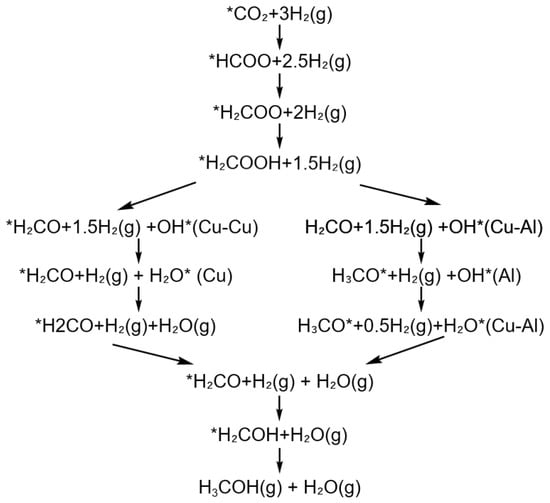
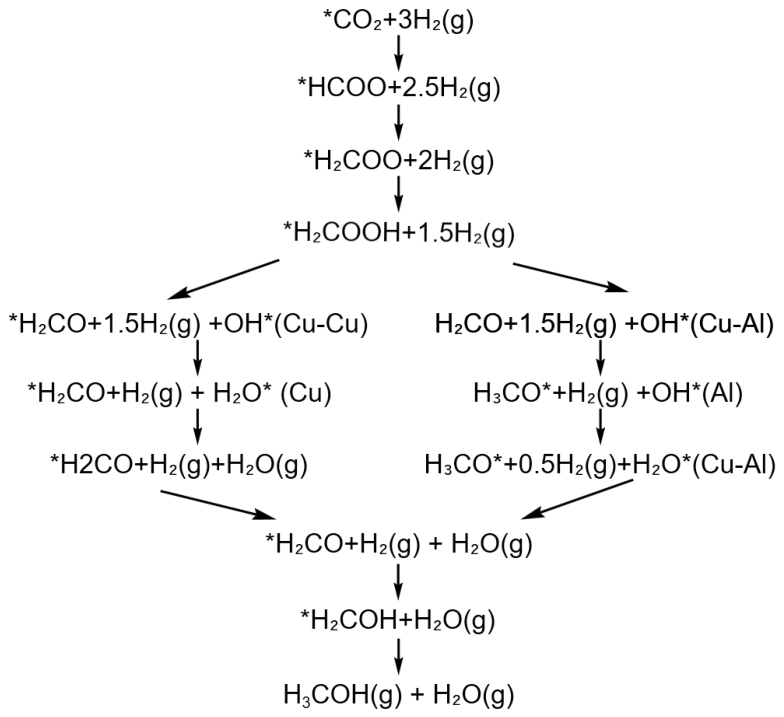
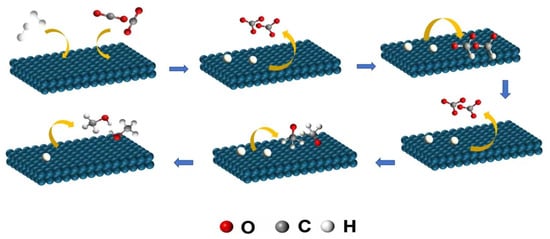
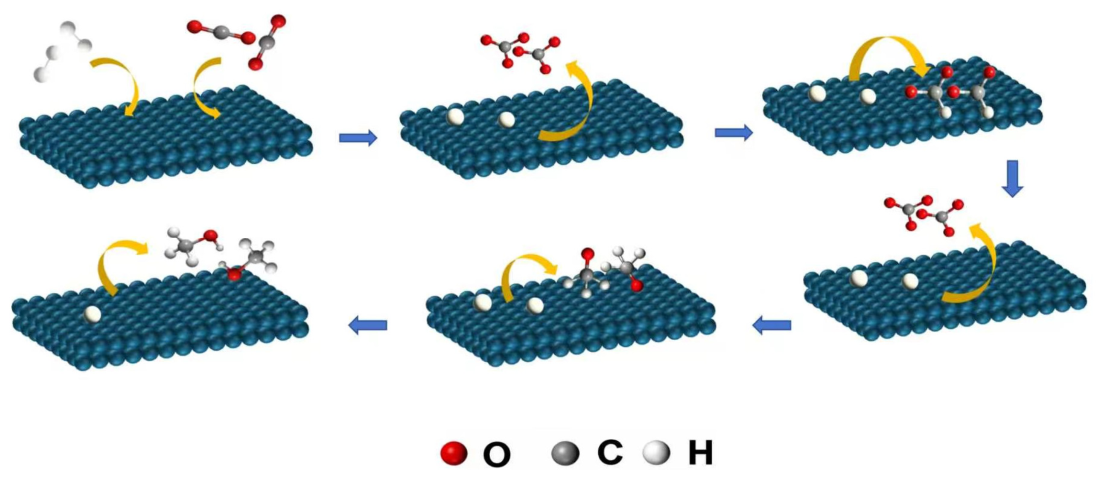
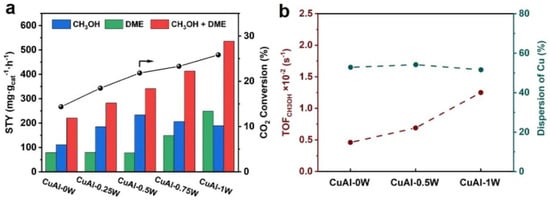
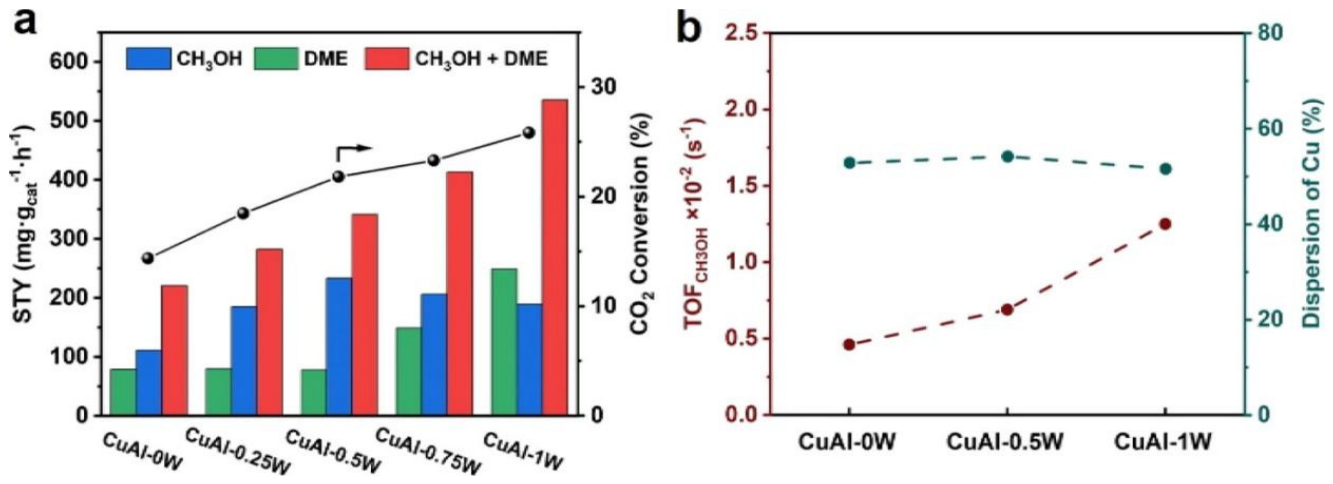
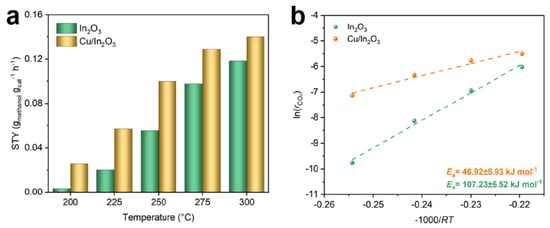
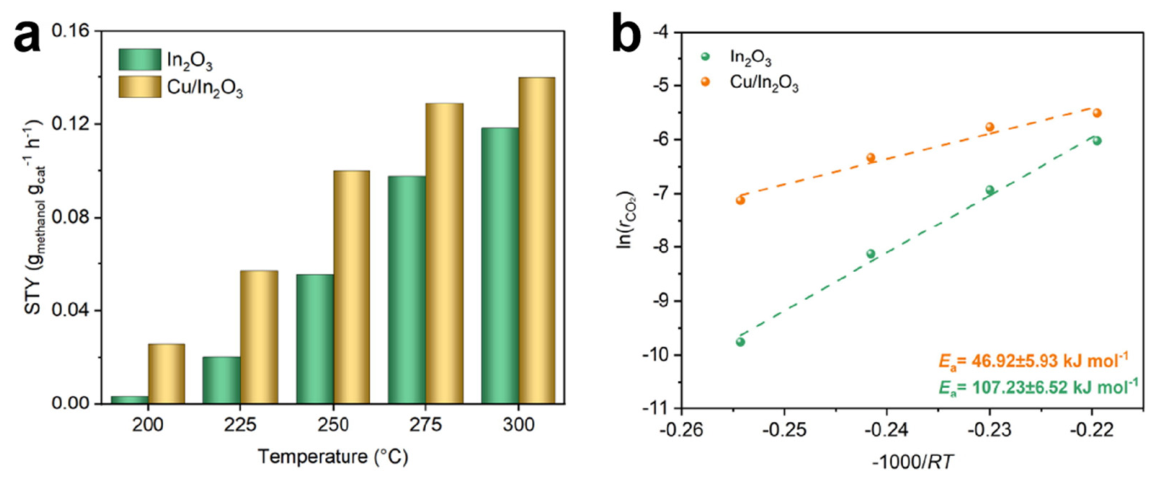
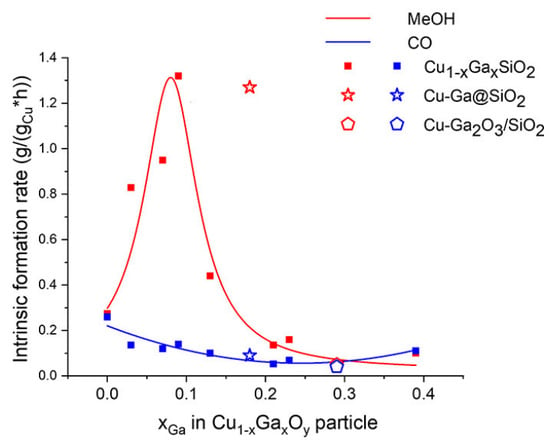
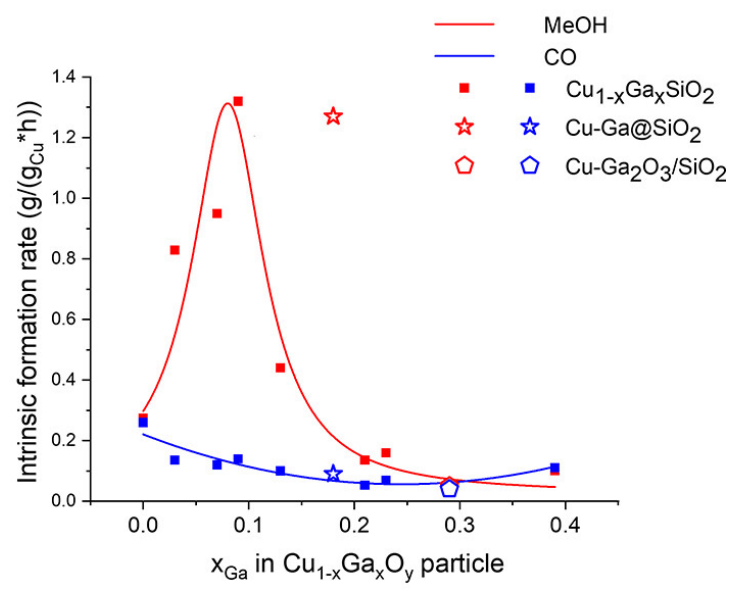
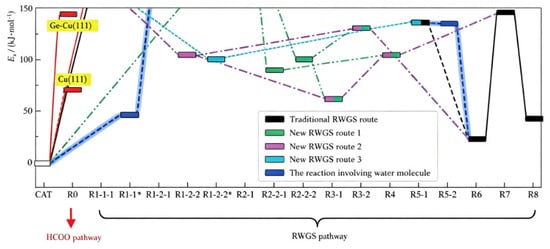
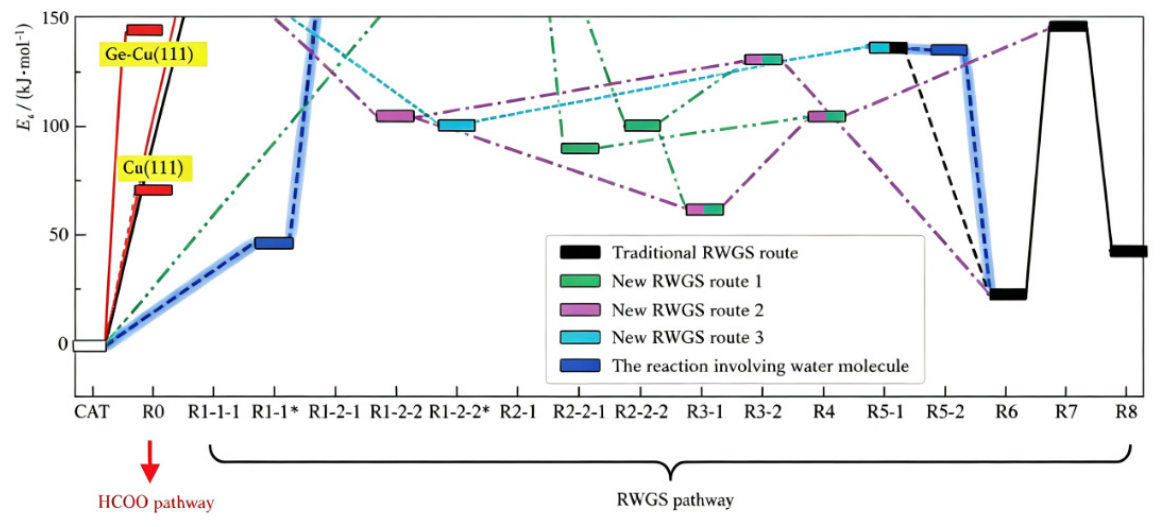
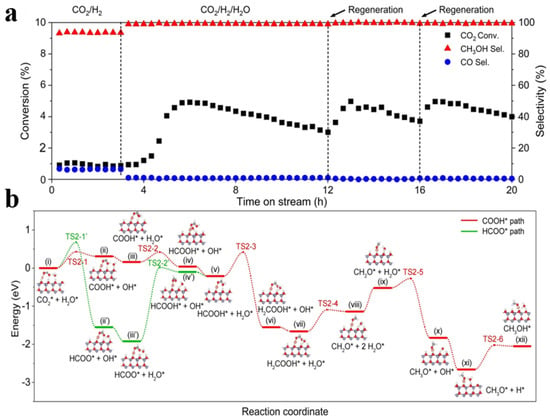
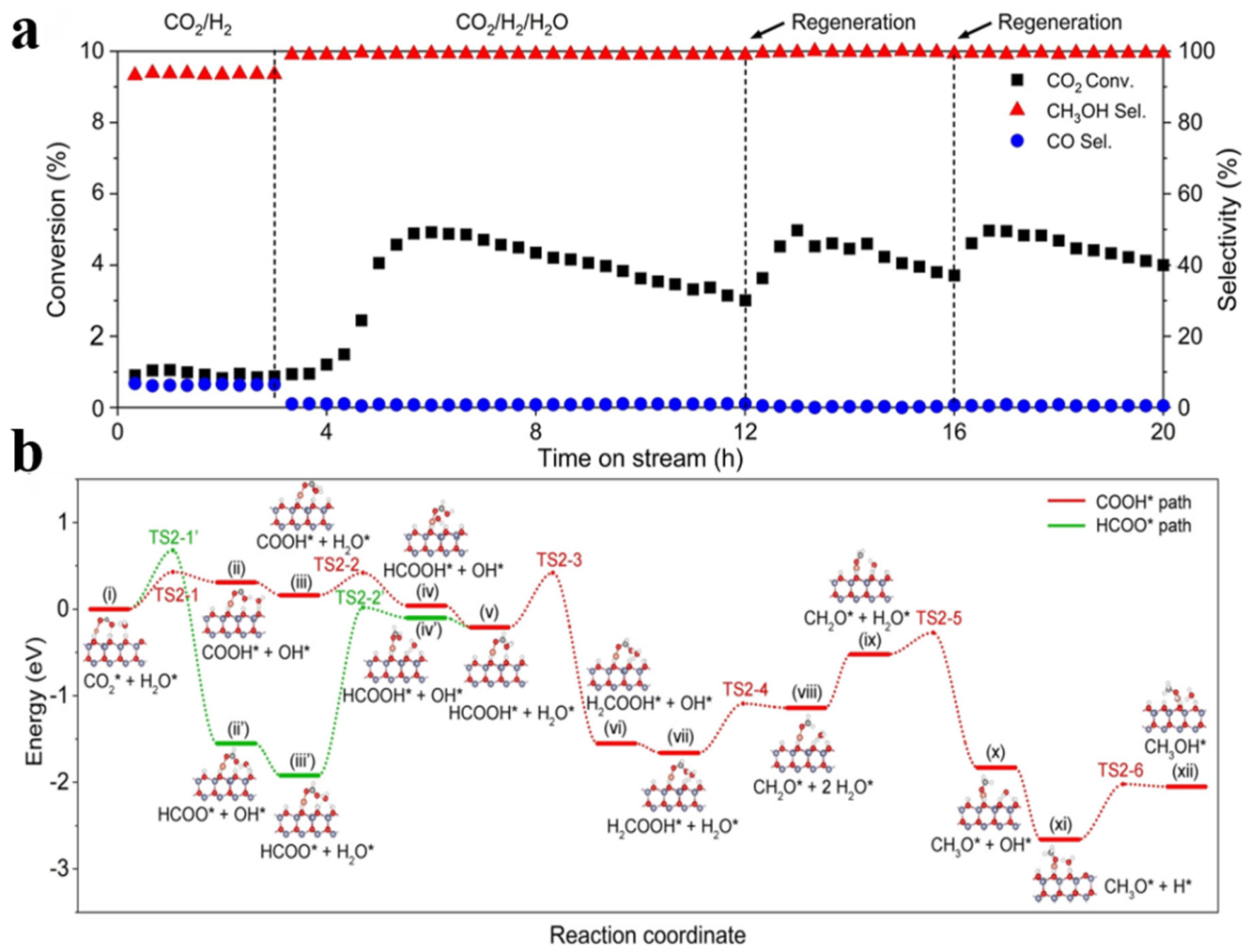
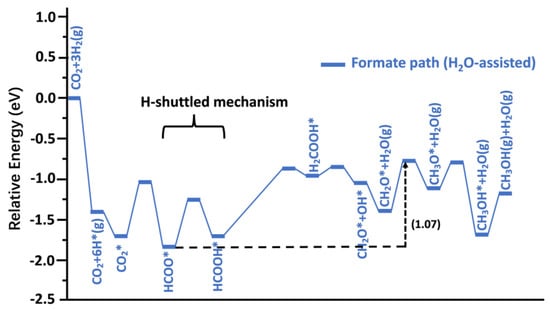
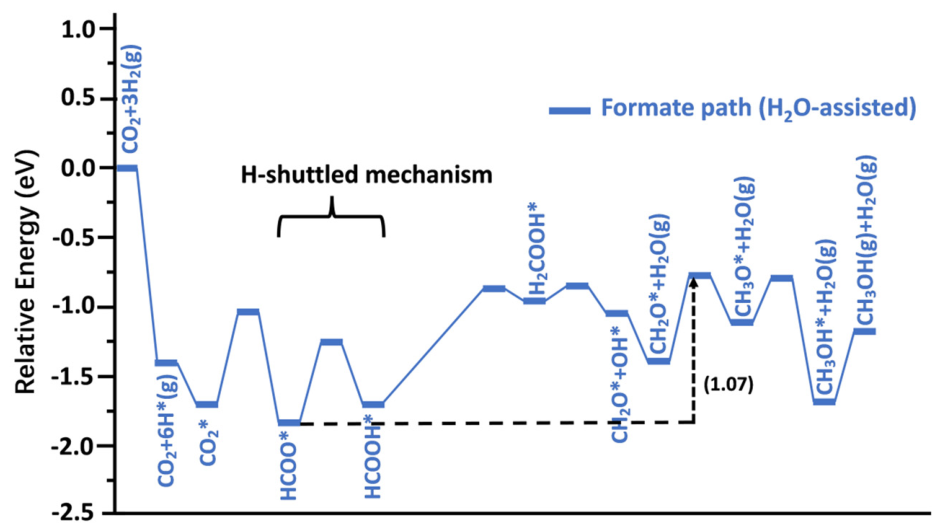
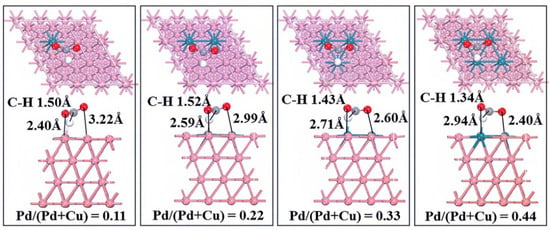
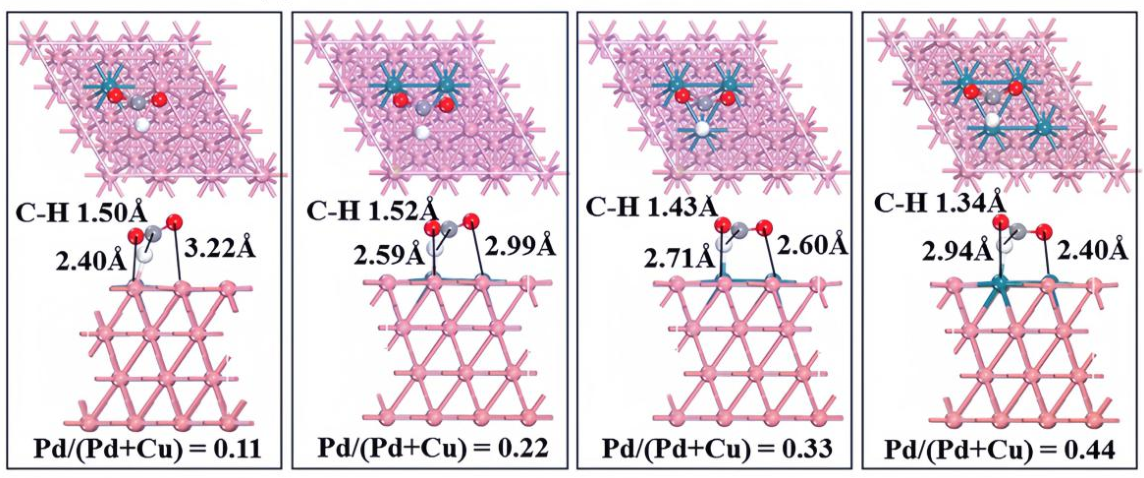
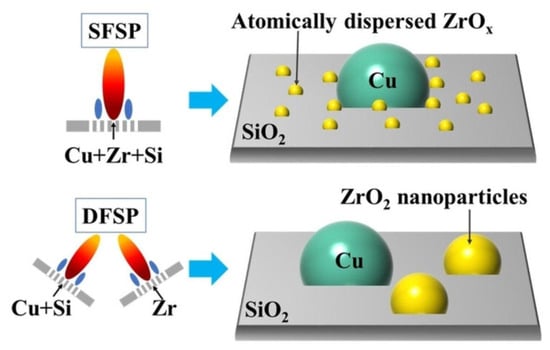
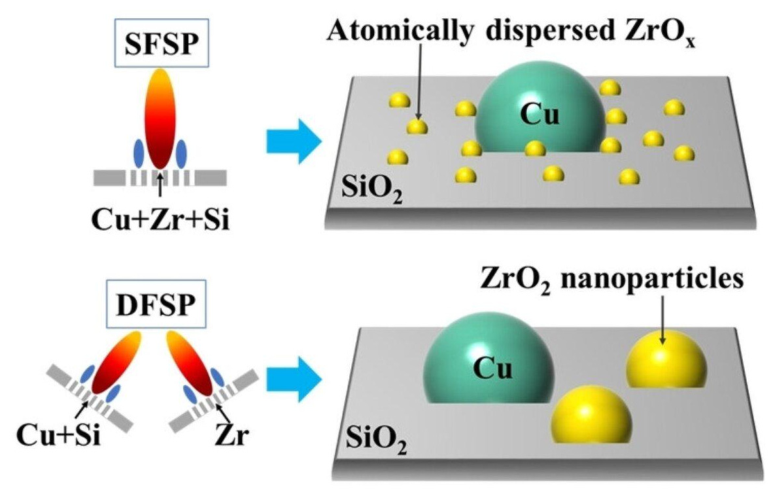
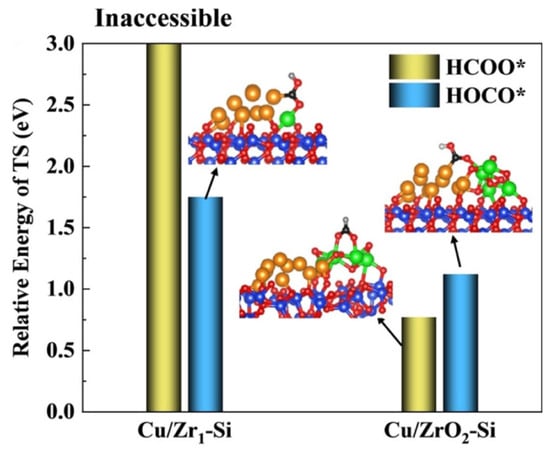
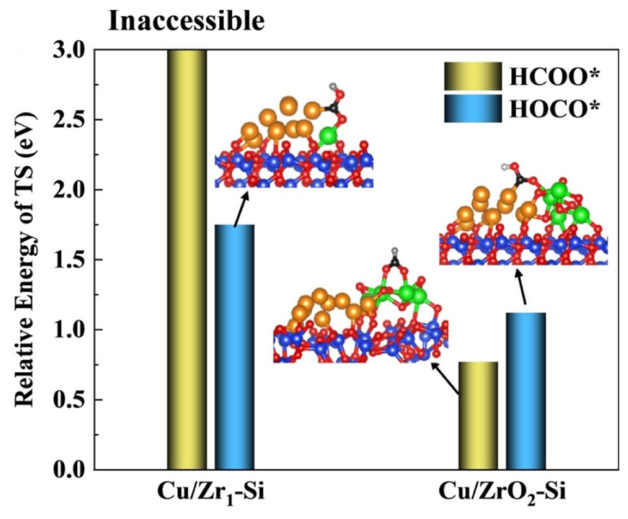
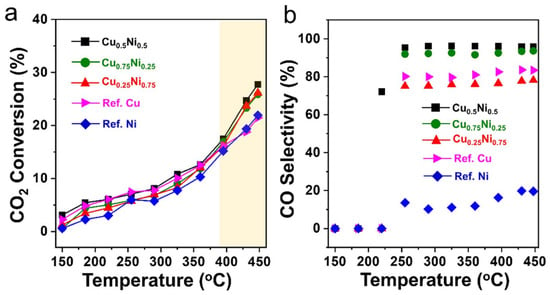
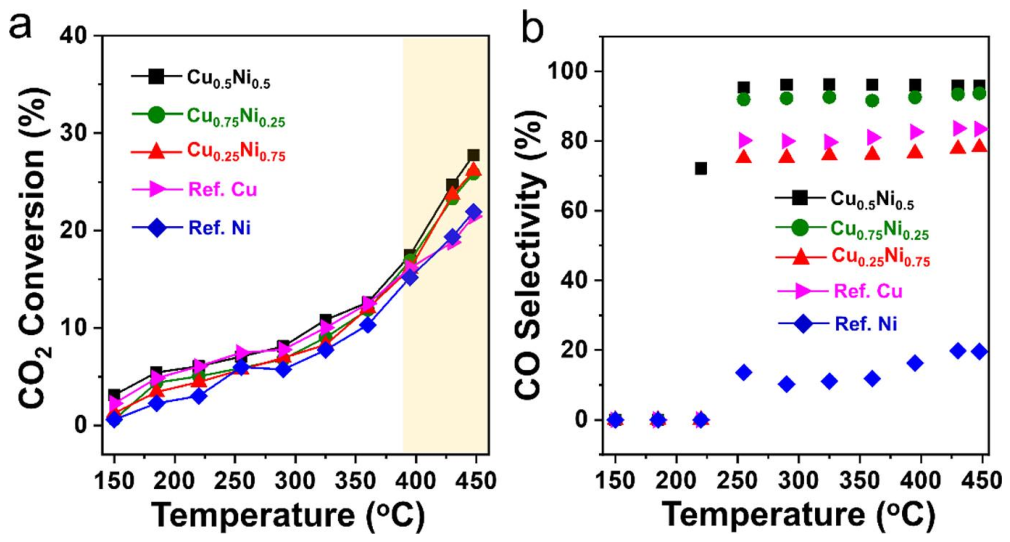
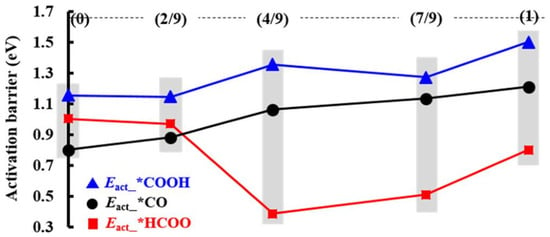
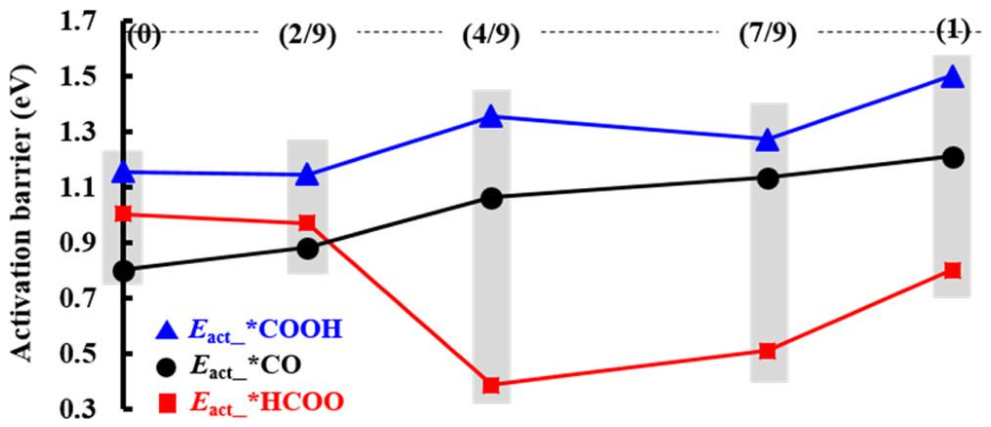
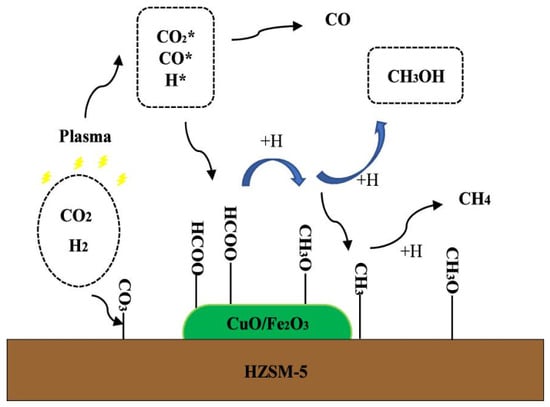
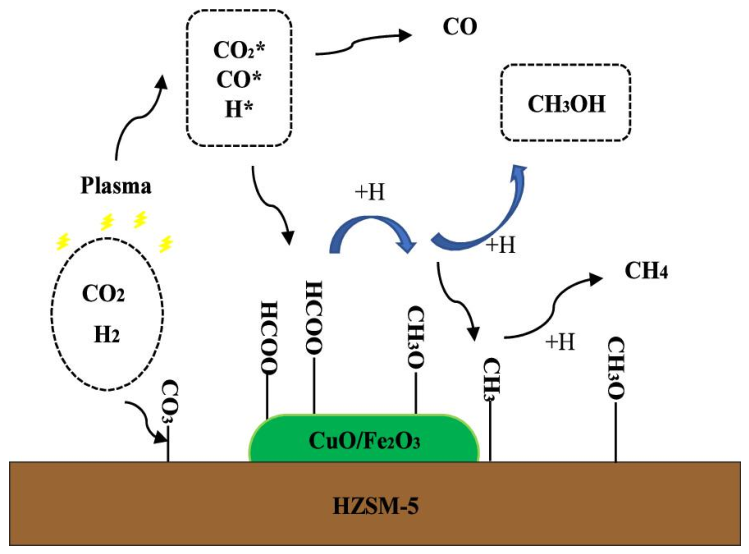
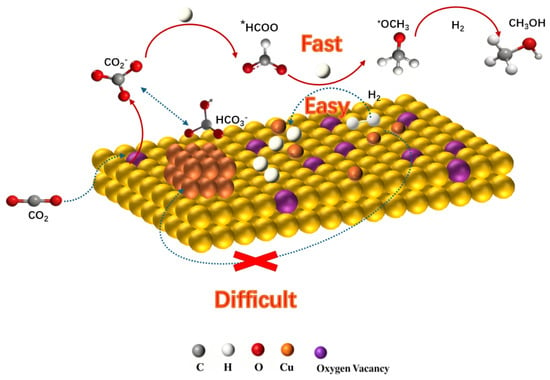
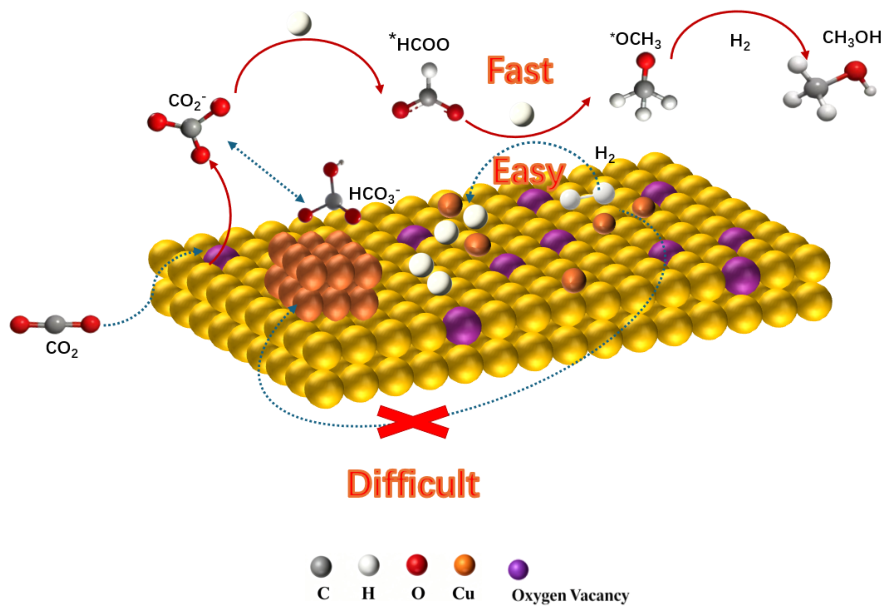

Disclaimer/Publisher’s Note: The statements, opinions and data contained in all publications are solely those of the individual author(s) and contributor(s) and not of MDPI and/or the editor(s). MDPI and/or the editor(s) disclaim responsibility for any injury to people or property resulting from any ideas, methods, instructions or products referred to in the content. |
© 2026 by the authors. Licensee MDPI, Basel, Switzerland. This article is an open access article distributed under the terms and conditions of the Creative Commons Attribution (CC BY) license.