


Abstract
Energy-efficient microwave technologies for the synthesis of zeolites and zeolite-like materials are considered. The use of microwave radiation in the process of material synthesis has a number of advantages, but also some disadvantages in comparison with the traditional hydrothermal synthesis method. The advantages and disadvantages of microwave synthesis of zeolites and zeolite-like materials are presented in the review. The use of microwave synthesis makes it possible to significantly reduce synthesis time, reduce energy costs, and obtain particles with a narrow distribution, usually in the nanoscale range (50–500 nm). The groups of zeolites considered include LTA, BEA, MOR, MFI, MEL, FAU, F, P, T, FER, ANA, MTT, ZSM–22, ZSM-48, SOD, SSZ-11, SSZ-13, SSZ-51, SSZ-54, and others. Among the zeolite-like materials synthesized using microwave radiation, mesoporous silicates MCM-41, SBA-15, alumophosphates, and metallaluminophosphates (AlPO-5, AlPO-11, AlPO-18, SAPO-5, SAPO-11, SAPO-34, SAPO-35) are considered. The proposed methods (microwave processing) significantly expand the range of methods for synthesizing new materials. These methods can reduce the synthesis temperature and affect the structure of the resulting materials. The proposed methods increase the likelihood of obtaining new nanomaterials and hybrid materials, as well as improving the properties of existing ones.
1. Introduction
Research in recent decades has shown that microwave radiation can significantly reduce the synthesis time of many materials, particularly zeolites. A recently published review [1] provides data on the synthesis of various zeolites and membranes and their use in catalysis, gas capture, and biomedicine.
Microwaves are located between infrared radiation and radio waves in the electromagnetic spectrum. The typical frequency of microwave radiation is 915 ± 15 and 2450 ± 15 MHz [2]. The frequency of 2450 MHz is more preferable due to the fact that energy absorption by water is maximal at this frequency, and magnetrons at this frequency are more widely used in manufactured equipment [3]. The mechanism of energy transfer due to microwaves is radically different from conventional heating, which gives a unique advantage over conventional synthesis of zeolites. Energy transfer occurs due to the interaction of dielectric molecules with microwaves. Dielectric heating occurs when the dipoles of polar molecules perform an inversion relative to an alternating electric field. The alternating magnetic field causes the molecules of the dipole to oscillate; their movement is inhibited by intermolecular interactions. The induced energy dissipates in the form of heat, resulting in a uniform heat distribution compared to conventional heating. Microwave irradiation may result in an increase in the boiling point of a solvent. This is called “overheating”, caused by delayed vapor formation during microwave radiation. Although microwave non-thermal effects have been proposed, many studies attribute these observations primarily to rapid localized heating and superheating phenomena. The inhibition of nucleation can be overcome by stirring the reaction mixture [4]. Also, as a result of microwave irradiation, there is a greater decrease in the activation energy compared to conventional heating, which may be due to the increased mobility of atoms in the crystal lattice [5]. Microwave irradiation can also affect nonpolar molecules by adding microwave-susceptible molecules. These molecules effectively absorb microwaves, then transfer the absorbed energy in the form of thermal molecules, which weakly absorb microwaves [6,7].
Synthesis of zeolites is usually performed under hydrothermal conditions under pressure and takes from about 30 h to 10 days. Therefore, the application of zeolites is hampered by their slow synthesis, and the attempts to decrease the duration of the synthesis using microwave activation of the process would be a breakthrough in zeolite chemistry. This review is aimed at summarizing the publications related to the synthesis of diverse zeolites under microwave conditions. The discussion of the microwave-assisted synthesis of zeolites will start from MFI, BEA, MOR, and other more widely studied zeolite structures to complete the analysis with mesoporous zeolite-like materials and aluminophosphates, including their silicon and metal-substituted analogs. It should be noted that microwave-assisted zeolite synthesis may proceed via inter-zeolite transformation; the examples of such transformations will be considered in this review as well.
2. Zeolites with MFI Structure (ZSM-5, Silicalite-1)
The first patent for the hydrothermal-microwave synthesis of zeolite ZSM-5 was obtained in 1988 by Mobil [8]. Thus, it was shown [9] that the aging of the mixture under the action of microwave radiation for 1 h made it possible to obtain ZSM-5 zeolite after 3 days of crystallization without impurity phases. The absence of the stage of aging at 20 °C or 60 °C for 20 h led to the formation of a completely amorphous structure (with the same 3 days of crystallization). Due to the microwave treatment of the gel [10], it was possible to reduce the crystallization time under hydrothermal conditions from 36 to 18 h, and a 100% degree of crystallinity was achieved.
Isomorphously substituted Ti-ZSM-5 materials in comparison with Al-ZSM-5 zeolites were synthesized using microwave radiation [11]. The synthesis time of Ti-ZSM-5 and Al-ZSM-5 zeolites was 2.5–8 h at 170 °C.
Zeolite ZSM-5 was also synthesized by hydrothermal and hydrothermal-microwave methods from cupola slag [12] at temperatures of 130–200 °C. The rate of ZSM-5 crystal formation increased 4-fold at 150 °C during hydrothermal-microwave synthesis compared with the hydrothermal method. At the same time, as a result of hydrothermal synthesis, it was possible to obtain crystals with a diameter of 3 microns, whereas under microwave synthesis conditions, the crystal diameter was reduced to 0.3 microns.
The review [13] describes the syntheses of various microporous materials, including ZSM-5, by the hydrothermal-microwave method. It is noted that ZSM-5 zeolites can be obtained using various approaches: without the use of an organic template, in a highly alkaline medium, with the addition of fluorides, and using nanoscale seed crystals.
The success of the microwave synthesis of hierarchical and composite materials based on ZSM-5 zeolite should be noted. The authors managed to obtain a hierarchical ZSM-5 zeolite containing nanoscale particles at 130 °C with crystallization for 3 h without using an additional template [14]. The mesopore size was about 20 nm. It is clearly shown (Figure 1) that the use of microwave heating significantly influences the porous structure of ZSM-5 zeolite as opposed to oil bath heating.
Figure 1.
Values of micropore and mesopore volumes of ZSM-5 zeolite obtained by microwave heating (a) and oil bath heating (b) at 3 h and 12 h, respectively. Redrawn on the basis of the data from Ref. [14].
Hierarchical ZSM-5 zeolites were synthesized by desilication under the influence of microwaves [15] or by crystallization of a gel containing various amounts of carbon as a MW-absorbing material under microwave exposure [16].
Composite materials containing, in addition to ZSM-5 zeolite, an MCM-41 phase (mesoporous silica) were successfully synthesized [17]. Initially, ZSM-5 zeolite was synthesized by crystallization under hydrothermal synthesis conditions at 175 °C for two days. Then, the ZSM-5/MCM-41 composite was synthesized by preparing an alkaline solution containing cetyltrimethylammonium bromide and adding ZSM-5 zeolite to it. Crystallization was carried out under the influence of microwaves for 40 min at 175 °C. The synthesized materials had a micro-mesoporous structure and a developed mesopore surface.
Another example of the synthesis of a composite material is the ZSM-5/SiC composite, which is widely used in processes with a pronounced exothermic effect, particularly in the conversion of methanol to propylene [18,19,20]. The authors [21] synthesized the ZSM-5/SiC composite material using microwave activation. The material was silicon carbide coated with ZSM-5 zeolite particles. The authors were able to obtain the highest specific surface area (52 m2/g) for the material synthesized at 150 °C for 4 h.
It should be noted that one of the authors of this review (A.A. Karavaev) has successfully developed a new method for the synthesis of ZSM-5/MCM-41 [22] and ZSM-5/SiC [23] composites using microwave radiation. The synthesis of ZSM-5/MCM-41 was carried out by the bitemplate hydrothermal-microwave method, and crystallization was carried out at 190 °C without destroying the MCM-41 phase. The ZSM-5/SiC composite (Figure 2) was synthesized in one stage directly in a proton form, which allows it to be used as a catalyst for acid–base catalysis without additional conversion to the proton form by ion exchange.
Figure 2.
SEM image of ZSM-5/SiC synthesized by the bi-template hydrothermal-microwave method, crystallization was carried out at 190 °C [23].
The use of microwave treatment of the initial mixture is an extremely effective approach to the production of nanoscale zeolites. According to [24], the use of microwave processing makes it possible to accelerate both the nucleation stage and the crystallization stage in the synthesis of nanoscale silicalite-1 crystals.
The microwave synthesis of nanoscale silicalite-1 crystals was described [25], and the effect of the chemical composition of the initial sols, the exposure time of the sol, and the conditions of hydrothermal synthesis on the properties of the obtained nanocrystals were studied. In the case of single-stage crystallization, a gel aging time of 24 h, microwave power of 400 W at 180 °C, and crystallization times of 30 and 60 min, silicalite-1 aggregates ranging in size from 1 to 2.5 microns were obtained. During two-stage crystallization (a temperature of 80 °C, a crystallization time of 90 min, microwave power of 250 W at the first stage of crystallization), a decrease in the temperature from 180 °C to 120 °C at the second stage of crystallization (a time of 60 min and a power of 400 W) led to a decrease in the particle size of silicalite-1 from 210 nm to 60 nm. The authors found that during two-stage crystallization (a temperature of 80 °C, a time of 90 min, and a power of 250 W at the first stage of crystallization), a low concentration of tetra-n-propylammonium hydroxide in the reaction mixture (a temperature of 120 °C, a time of 60 min, and a power of 400 W) at the second stage of crystallization leads to the formation of nanoscale particles of silicalite-1, while high concentrations of tetra-n-propylammonium hydroxide in the reaction mixture (a temperature of 180 °C, a time of 60 min, and 400 W of power) at the second stage of crystallization leads to the formation of silicalite-1 particles up to 5 microns in size.
The review [26] presents the results of studies on the synthesis of various nanoscale zeolites, including ZSM-5, by the hydrothermal-microwave method. It has been shown that when nanozeolites crystallize in systems with low alkalinity (including ZSM-5), an increase in alkalinity and a decrease in the water content accelerate the process of nucleation and thereby lead to a decrease in the crystal size. An aqueous solution containing TEOS, tetra-n-propylammonium hydroxide, and aluminum isopropoxide was used to synthesize nanoscale ZSM-5 materials. The resulting gel was aged for 48 h at room temperature with continuous stirring. Nanoscale zeolites ZSM-5 were then synthesized by two-stage crystallization: the first stage is carried out at 80 °C for 90 min, the second is performed at varying temperatures—120 °C, 140 °C, and 180 °C, and times of 20, 30, 40, 50, 60, or 80 min. The authors do not provide data on the calcination of synthesized zeolites in order to remove the template. Therefore, the presented results may relate to the samples containing the template. The authors were able to obtain ZSM-5 zeolite and silicalite-1 crystals ranging in size from 80 to 300 nm, depending on the synthesis conditions. The authors noted that an increase in temperature and/or time at the second stage of synthesis led to an increase in the crystal size. It was found that an increase in the alkalinity of the reaction mixture (an increase in the concentration of the template) resulted in a decrease in the size of ZSM-5 zeolite crystals from 320 nm to 170 nm. An increase in the water content led to an increase in the size of ZSM-5 zeolite crystals from 170 nm to 300 nm. A decrease in the silica-to-alumina molar ratio in the reaction mixture caused an increase in the size of ZSM-5 zeolite crystals from 220 to 300 nm.
The authors [27] succeeded in synthesizing ZSM-5 zeolites, which are aggregates of so-called “nanosheets”, by crystallization under the influence of microwaves and using polyhexamethylene biguanide hydrochloride as a second template. The synthesized samples had a micro-mesoporous structure, where the volume of mesopores reached 0.55–0.77 cm3/g.
The authors of the review are successfully working on the development of new methods for the synthesis of nanosized ZSM-5 zeolites (Figure 3), the particle size of which is 30–80 nm [28].
Figure 3.
TEM image of nanosized ZSM-5 synthesized in [28].
The influence of the silica-to-alumina ratio on the morphology, textural, and acidic properties of nanosized ZSM-5 zeolites has been established [29]. The possibility of synthesizing hierarchical ZSM-5 zeolite (Figure 4) under microwave radiation using glucose as a second template is shown for the first time: the mesopore volume was 0.5 cm3/g [30].
Figure 4.
TEM image of hierarchical ZSM-5 zeolite obtained in [30].
Recently, the work on the synthesis of zeolites using wastes containing silicon and aluminum has been extremely relevant. Blast furnace slag was used as a source of silicon and aluminum for the synthesis of ZSM-5 zeolite under microwave conditions [31]. At 180 °C and a crystallization time of 13 h, ZSM-5 zeolite with a relative degree of crystallinity of 52% was obtained.
3. Zeolites with FAU Structure (Zeolites Y and X)
Another important type of zeolite that is widely used in oil refining and petrochemistry is zeolite Y [32,33,34]. The effect of temperature and crystallization time on the properties of zeolite Y [35] synthesized under the influence of microwaves was studied in detail. At 150 °C and with a crystallization time of 30 min, the authors were able to obtain zeolite Y with a specific surface area of 645 m2/g.
Spent clay [36] was used as a source of silicon and aluminum, using microwave treatment for 4–6 min at one of the synthesis stages. Using three different types of spent clay, the authors were able to produce zeolite Y with a specific surface area of 440–485 m2/g after 6 min of microwave treatment (Figure 5).
Figure 5.
Total pore volume of zeolite Y obtained from different clays using microwave irradiation at 4 min and 6 min, respectively. Redrawn on the basis of data from Ref. [36].
The extraction of silicon dioxide from dried kogon grass was carried out with a solution of hydrochloric acid; the resulting silicon dioxide is used for the synthesis of zeolite Y under the influence of microwaves by the hydrothermal method [37]. Crystallization was carried out at 100 °C for 24 h by the hydrothermal method and for 2 h by the microwave method. The authors have shown that in the case of hydrothermal synthesis, impurities of NaP zeolite are formed, and in the case of microwave synthesis, phase-pure zeolite Y is formed.
Materials based on zeolite Y with a micro-mesoporous structure attract special attention from researchers due to improved access of raw material molecules to active centers, facilitated diffusion of raw materials, and products in zeolite channels [38,39].
The possibility of synthesizing a Y/SBA-15 composite under the influence of microwaves is shown [40]. According to the authors, this material combines all the advantages of the microporous structure of zeolite Y and the mesoporous structure of SBA-15 and can be used in the catalytic cracking of polyolefins.
The synthesis of a hierarchical zeolite Y using polydiallylmethylammonium chloride as a template was described [41]. The crystallization stage was carried out at 90 °C for three hours with pre-aging of the gel for 24 h. The authors found that the combined use of microwave radiation and a polymer as a second template led to the formation of inter- and intracrystalline mesoporosity.
Microwave treatment of zeolite Y with a 0.2 M solution of ethylenediaminetetraacetic acid was carried out [42]. The treatment was carried out under the influence of microwaves at different temperatures (50 °C or 100 °C) for 1 min or 30 min. All synthesized materials had a hysteresis loop, which confirmed the presence of a micro-mesoporous structure.
Dimethyloctadecyl [3-(trimethoxysilyl)propyl]ammonium chloride was used as an additional template [43] for the formation of a hierarchical structure of zeolite Y. Crystallization was carried out under the influence of microwave radiation at 100 °C for 6 h. The specific surface area of hierarchical zeolite Y was 810–825 m2/g, and the volume of mesopores was 0.19–0.28 cm3/g.
Zeolite X is widely used as a sorbent [44,45]. The synthesis of nanosized zeolite X particles [46] under the influence of microwaves was carried out. The microemulsion was prepared by mixing the aqueous part and the oil part. The aqueous part was prepared by mixing silica sol, aluminum sulfate, and sodium hydroxide in distilled water. The organic part was prepared by mixing pentanol-2, cyclohexane, and Triton X-100. The aqueous and organic parts were mixed in various ratios, after which they were aged at room temperature for 24 h. Crystallization was carried out for 60 min. As a result, X zeolites with a particle size of 18–60 nm were obtained.
4. Zeolites with BEA Structure
Another important zeolite for industrial applications is BEA zeolite, which is widely used in various acid–base catalysis processes [47,48,49]. The successful synthesis of nanosized particles of BEA zeolite [50] using microwaves was carried out. To synthesize nanoscale BEA particles, the amino acid L-lysine was added to the initial gel. Crystallization was carried out at 180 °C for three hours. As a result, nanosized particles of BEA zeolite with a size of about 50 nm, a total pore volume of 0.58 cm3/g, and a mesopore volume of 0.27 cm3/g were obtained. The amino acid L-lysine was also used for the two-stage synthesis of nanosized zeolite particles of BEA zeolite [51]. Crystallization was carried out in two stages: at 80–100 °C for 4 h under the influence of microwaves, then crystallization under hydrothermal conditions at 140 °C for 6–10 h. The authors managed to produce particles with a size of 28–100 nm. The possibility of synthesizing nanosized particles of BEA zeolite [52]—which are assembled into aggregates of 400–500 nm in size—under the influence of microwave radiation was demonstrated. The crystallization stage was carried out at 170 °C for 4 h.
The authors carried out microwave treatment of BEA zeolite [53] with a 0.1 M ethylenediaminetetraacetic acid solution. The microwave treatment was carried out for 1 min at 100 °C. This treatment resulted in an increase in the wetting angle and, as a result, an improvement in the hydrophobic properties of BEA zeolite.
BEA zeolite was dealuminated with a 6 M hydrochloric acid solution under the influence of microwaves [54]. The microwave treatment was carried out for 5 and 15 min at 100 °C. The use of microwaves contributes to a faster dealumination process compared to dealumination by conventional heating. In addition, dealuminated BEA zeolites synthesized using microwaves showed a higher catalytic activity in the isomerization of styrene oxide compared to dealuminated BEA zeolites obtained by conventional heating.
5. Zeolites with MTT Structure (ZSM-23) and TON Structure (ZSM-22)
Zeolites with ZSM-23 and ZSM-22 structures are one-dimensional zeolites that are widely used in processes such as hydroisomerization [55,56,57], lignin processing [58], isomerization [59,60], and the conversion of methanol to hydrocarbons [61].
Microwave synthesis of ZSM-22 zeolite was studied [62]. The crystallization stage was carried out at 160 °C in the range of 0.5–24 h; the crystalline phases were observed at 18 and 24 h of crystallization. The particle size of zeolite ZSM-22 was 400–500 nm; this sample was synthesized within 18 h.
The synthesis of ZSM-22 zeolites with different particle sizes was carried out [63]. The crystallization stage was performed at 180 °C for 12 h in the presence of additional solvents (ethanol, propanol-2, glycerin, and ethylene glycol) under microwave irradiation. By varying the ethanol content (Figure 6), the particle size of the synthesized ZSM-22 zeolites varied from less than 100 nm (without ethanol) to 1000 nm.
Figure 6.
Effect of EtOH/Al on the crystal size of ZSM-22. Redrawn on the basis of data from Ref. [63].
The synthesis of ZSM-23 zeolite in a microwave reactor was carried out in [64]. The effect of the crystallization time under the influence of microwaves (12, 18, and 24 h), the effect of seed crystals in the amount of 1% by weight, as well as the effect of desilication under the influence of microwaves on the crystallinity and porosity of zeolite ZSM-23 were studied. Microwave synthesis produced crystals of a uniform size with a smaller aspect ratio and fewer phase impurities. The introduction of seed crystals reduced the synthesis time to 6 h. Desilication under microwaves allowed the authors to increase the total volume of pores.
6. Zeolite with MOR Structure
Mordenite is another industrially produced zeolite that finds wide application in the processes of disproportionation, trans-alkylation, methylamine synthesis, and hydroisomerization [65]. The microwave synthesis of mordenite [66] under the influence of microwave radiation was studied. The crystallization stage was carried out at 180 °C for 6–18 h with constant stirring. The authors managed to synthesize phase-pure mordenite crystals without seed crystals and without the use of structure-forming additives in 12 h. The introduction of two different structure-forming additives, o-phenyldiamine and tetraethylammonium hydroxide, reduced the crystallization time to 6 h.
Phase-pure mordenite crystals were obtained under conditions of hydrothermal synthesis under the influence of microwaves at 190 °C for 6 h [67], while at 190 °C for 72 h, it was not possible to obtain phase-pure mordenite crystals during conventional hydrothermal synthesis. Desilication of mordenite under microwave exposure [68] made it possible to obtain a micro-mesoporous structure while maintaining a high degree of crystallinity. Desilication was performed with a 0.2 M sodium hydroxide solution at 85 °C for 5, 15, or 30 min.
7. Zeolite with FER Structure (Ferrierite)
The application areas of FER zeolites are not as extensive as those of the zeolites discussed earlier. However, this zeolite is a component of an industrial catalyst for the isomerization of n-butene to isobutene [69], and catalysts based on FER zeolite also demonstrate high activity in the decomposition of nitrous oxide (N2O) and the hydrogenation of CO2 to produce dimethyl ether [70,71].
Zeolite with a ferrierite structure was obtained using a microwave-hydrothermal method for the first time relatively recently [72]. The authors demonstrated the production of FER zeolite without an organic structuring agent within a few hours. In addition to the influence of the synthesis time (1–9 h), this work studied the influence of the synthesis temperature (170–200 °C) and the amount of seed crystals added (15–25 wt.%). It was found that at a temperature of 200 °C and with the addition of 25 wt.% of seeds, high-quality FER zeolite can be obtained in less than 3 h. At the same time, by changing the particle size of the initial zeolite used as a seed, the author managed to obtain FER zeolite crystals in the range of 0.4–3.0 μm (Figure 7).
Figure 7.
SEM images of FER zeolites obtained by MW synthesis (a) without an organic template [72] and (b) with an organic template (ethylenediamine). Reproduced with permission from Ref. [73].
In turn, the authors of this review managed to synthesize FER zeolite using a microwave-hydrothermal method with an organic structure-directing compound, ethylenediamine [73]. When using ethylenediamine, FER zeolite can be obtained in 6–12 h at 190 °C. At the same time, an increase in the crystallization time contributes to an increase in zeolite crystallinity, a decrease in the external surface area, and a rise in the ratio of the volume of micropores to the total volume of pores (Vμ/VΣ), as well as an increase in the quantity of Brønsted acid sites (BAS). The use of an organic template in microwave synthesis resulted in larger zeolite crystals than in microwave synthesis without an organic template (Figure 7). In the case of template-free MW synthesis, the size of the crystals obtained was influenced by the size of the seed particles, resulting in rectangular-like particles with a length of 0.4 to 3.0 μm. In template MW synthesis, a regularity was observed: with an increase in the synthesis time from 6 to 12 h, the average length of FER particles increased from 2.5 to 7.0 μm.
In addition to studying the effect of the microwave treatment time on the properties of the produced FER zeolites, studies [74,75,76] compared the properties (both physicochemical and catalytic) of samples obtained by microwave-hydrothermal and other synthesis methods.
The possibility of obtaining fine FER zeolite crystals under microwave heating conditions at a low temperature (130 °C) was demonstrated in [77]. The scheme of this process is shown in Figure 8. To form the FER structure, in addition to pyrrolidine, which is the structure-directing agent in this synthesis, seed crystals were added to the initial gel. The main focus was on studying the effect of the microwave heating time on the physicochemical properties of the obtained zeolites. The FER sample prepared by 6 h microwave synthesis had the best set of physicochemical characteristics: SBET = 406 m2/g, Vmic = 0.15 cm3/g, total acidity = 934 μmol/g, and the FER crystals were distinct fine structures.
Figure 8.
Scheme for microwave-assisted preparation of fine FER materials. Reproduced with permission from Ref. [77].
8. Other Zeolites (CHA, T, F, EU-1, DDR, P, Phillipsite, ZSM-48, SSZ-13, SSZ-51, SSZ-54, ZSM-11, LTA)
Potassium-containing zeolites with a chabazite structure were synthesized using the reverse-micelle method with microwave heating (a temperature of 120 °C, a processing time of 1–12 h, and a stirrer speed of 300 rpm) [78]. Reverse micelles act as confined space reactors, and microwave irradiation provides rapid, uniform, and preferential heating of the aqueous phase in which zeolites are synthesized. The potassium precursor in this work was ash from biomass combustion with a potassium concentration of 25.8 wt.%, and sodium bis(2-ethylhexyl) sulfosuccinate was used as a surfactant.
A study of the effect of coal fly ash grinding on the rate of formation of zeolite with a phillipsite structure under microwave heating was presented in [79]. It was found that the grinding process increases the rate of phillipsite formation at the early stage of hydrothermal treatment, as it promotes the dissolution of aluminum and silicate ions from coal fly ash and increases the rate of formation of the aluminosilicate gel precursor. On the other hand, pre-grinding before hydrothermal treatment and prolonged grinding during hydrothermal treatment promote the formation of hydroxysodalite rather than phillipsite.
Microporous sodalite zeolite can be easily synthesized by mixing, grinding, and heating a solid mixture of natural clay (diatomite) and pseudoboehmite without a solvent in a microwave oven [80]. The use of microwave heating for the synthesis of DDR zeolite (160 °C, organic structure-directing compounds—1-adamantane amine and ethylenediamine) significantly reduced the crystallization time from 25 to 3 days without the use of seed crystals and from 3 days to 6 h with the use of seed crystals. At the same time, the crystal size decreased from 8 μm to 2 μm without the use of seed crystals and from 2 μm to 700 nm with the use of seed crystals, respectively [81]. However, the use of 1-adamantane amine and tetraethylammonium hydroxide (TEAOH) allows DDR zeolite to be obtained in just 30 min without seed crystals, which is the fastest synthesis to date [82]. 1-Adamantane amine serves as a template for DDR zeolite, while TEAOH acts as a mineralizing agent, pH regulator, and phase-selective agent. The presence of TEAOH suppressed the formation of other phases, allowing synthesis to be carried out at high temperatures (200–220 °C).
Microwave synthesis allows Na-P1 zeolite to be obtained from various precursors of silicate and aluminum oxide. For example, Na-P1 zeolite can be obtained from coal fly ash [83,84]. At the same time, the authors of the paper [83] claim that microwave heating should be applied at an early stage of synthesis to enhance the zeolitization of coal fly ash. Zeolite with a GIS structure (also known as Na-P1 zeolite) can be obtained from alumatrane and silatrane using a sol-gel process and microwave technology [85]. In this case, crystallization at 110 °C for 3 h leads to the formation of GIS zeolite, and at 113 °C for 8 h leads to the formation of analcime (ANA). It has been established that heating aluminosilicate gel in microwave conditions can lead to the formation of products other than those formed under hydrothermal conditions. Crystalline phase-pure NaP can be obtained by microwave heating from gel compositions that usually lead to the formation of MCM-22 during thermal heating [86]. Under the influence of microwave radiation at a temperature of 140 °C for 5 h, no formation of MCM-22 from the initial gel was observed, while zeolite NaP with insignificant amounts of mordenite and analcime formed by inter-zeolite transformation was detected in the products. Optimization of the gel alkalinity and reduction of the synthesis time to 3 h made it possible to produce highly crystalline NaP without any impurity phases. Zeolite Na-P1 can also be prepared by crystallizing NaY gel under microwave irradiation via the inter-zeolite transformation [87]. A temperature of 150 °C and a MW crystallization time of 1 h are the optimal conditions for obtaining pure crystalline NaP. Meanwhile, crystallization of such a gel under hydrothermal conditions leads to the formation of NaY zeolite.
With rapid microwave synthesis, zeolite A (LTA) can be obtained from both traditional aluminum and silicon precursors (sodium aluminum oxide, sodium metasilicate, Ludox, etc.) and alternative ones (coal fly ash, metakaolin, alumatrane, silatrane, etc.). Thus, zeolite NaA can be obtained from Ludox and NaAlO2 precursors in 15 min at a microwave oven power of 100 W [88] and from sodium aluminum oxide and sodium metasilicate in 105–135 s at a temperature of 100 °C [89]. The precursors alumatrane and silatrane can also be used to successfully obtain zeolite A using the sol–gel-microwave method at a temperature of 110 °C for 5–180 min [90]. According to the authors, the formation of organo-inorganic micelles contributes to the formation of crystals, which indicates better crystallization of zeolite A. The concentration of alkali and the amount of water also affect the microwave heating time and the morphology of the particles of the resulting zeolite. The use of calcined kaolin (metakaolin) as a precursor for the synthesis of zeolite A was considered in [91]. The mechanism for obtaining zeolite A included the sequential stages of dissolution of metakaolin in alkali, formation of a sodium aluminosilicate gel, rearrangement of the reagents inside the gel to form nuclei, crystallization, and growth of zeolite A particles. The resulting gel was subjected to brief heating in a microwave oven (for 2 min at 85 °C), kept at room temperature for 20 h, and then crystallized under microwave irradiation at 85 °C for 2 h. The use of microwave irradiation minimized the formation of undesirable phases in the product compared to the hydrothermal method. This assumption was also confirmed in [92], where zeolite A was derived from metakaolinite (dehydroxylated kaolinite) at a temperature of 70–80 °C for 1–8 h with the addition of a seed material (1–4%) to the initial gel. A significant reduction in the crystallization time and an increase in the rate of zeolite A formation were observed when microwaves were used, and the crystals obtained were purer and better developed compared to those formed by conventional heating. Pure LTA zeolites can be synthesized from coal fly ash using a combined microwave and ultrasound activation method in situ [93]. The combined use of microwave and ultrasound treatment (at 100 °C for 60 min and atmospheric pressure) showed greater efficiency in dissolving aluminum and silicon from coal fly ash compared to the method of activation by microwaves or ultrasound alone. This method is suitable for obtaining high-purity zeolite, as evidenced by the almost complete absence of iron in the final product (the Fe2O3 content in the coal fly ash used in this work was approximately 12 wt.%).
Aging is a necessary step for the successful rapid synthesis of NaA zeolite under microwave exposure [94]. During aging, mixing occurs at the molecular level, which allows the formation of nuclei necessary for the crystallization of NaA. In hydrothermal synthesis, aging is not required, since mixing and nucleation can occur during heating. With sufficient aging of the synthetic mixture, NaA synthesis can be carried out in 1 min at 120 °C by microwave heating, resulting in small crystals with a relatively uniform distribution of crystal sizes (0.1–0.3 μm).
Nanocrystals of zeolite A (with particle sizes of 40–80 nm) were obtained by microwave heating in a reverse microemulsion (water in oil) [95]. The authors suggested that the reverse microemulsion acts as a spatially confined nanoreactor, and microwaves provide rapid, uniform, and preferential heating of only the aqueous phase in which zeolite crystals are formed. Heating was carried out to 75 °C in 2 min, followed by holding at 75 °C for a controlled time (5–150 min) without stirring.
LTA zeolite was also successfully synthesized using microwave heating in a flow system (a suspension feed rate of 1 mL/min and a reaction tube temperature during microwave irradiation maintained at 140 °C) [96]. In this method, only the organic-free mother slurry is heated, which passes through a flow-type microwave reactor system for several minutes. The synthesized LTA particles were well-crystallized crystals with a diameter in the range of 300–600 nm, with each particle consisting of fine crystalline grains that exhibited a mesoporous structure.
The synthesis of zeolite T [97,98] was studied using microwave radiation. The use of microwave radiation [97] reduced the synthesis time of zeolite T to 20 h compared to hydrothermal synthesis (120 h). It took 9 h to synthesize a zeolite T membrane using microwaves [98] (8 h of crystallization in a muffle furnace at 100 °C and 1 h in a microwave oven at 140 °C), while conventional synthesis of a zeolite T membrane took 30 h at 100 °C.
ZSM-11 zeolite was successfully synthesized using microwave radiation [99]. The authors found that using microwave radiation at 150 °C for 24 h reduces the crystallization time in a conventional furnace to three days, compared to the usual synthesis time of 14 days.
The synthesis of EU-1 zeolite was performed under the influence of microwaves with a different silica-to-alumina molar ratio at 190 °C for 12 h [100]. It was shown that at Si/Al = 200, two phases are formed in the initial gel during the crystallization process: the EU-1 zeolite phase and the ZSM-48 zeolite phase via inter-zeolite transformation.
Zeolites SSZ-13 [101] and SSZ-51 [102] were synthesized under microwave radiation. The authors [101] were able to obtain the most crystallized SSZ-13 zeolite under microwave irradiation at 190 °C for one hour, with a particle size of less than 50 nm, while conventional synthesis yielded the most crystallized SSZ-13 zeolite at 190 °C for six hours, with a particle size of approximately 600 nm. In [102], the authors were able to obtain SSZ-51 zeolite using a microwave method for 20 h at 180 °C, which significantly reduces the synthesis time compared to hydrothermal synthesis (48 h). Additionally, the authors compared SSZ-51 zeolite samples synthesized at 180 °C for 20 h using microwave and conventional methods. It turned out that the microwave method allows for the production of SSZ-51 zeolite with a specific surface area of 722 m2/g, while the conventional method produced a sample of SSZ-51 zeolite with a specific surface area of 422 m2/g.
The literature data indicate successful syntheses of zeolite F (EDI structure) [103,104]. Rice husk ash has been successfully used as a source of silicon for the synthesis of nanosized zeolite with the EDI structure [103] under microwave irradiation at 100 °C for 0.75–10 min without the use of an organic template. Alumatrane and silatrane were used as sources of aluminum and silicon [104] for microwave synthesis of EDI zeolite at 90 °C for 60 min.
9. Ordered Mesoporous Silicate Materials (MCM, SBA)
Since the synthesis of MCM-41 by Mobil, ordered mesoporous silicate materials have attracted considerable interest as a mesoporous alternative to zeolites [105,106]. They are characterized by an adjustable pore size, a relatively large specific surface area, a large pore volume, etc. [107]. Mesoporous silicate materials (pure-silica and metal-modified) have also been prepared using microwave irradiation. The main experimental data and conditions of microwave synthesis, as well as some properties of ordered mesoporous materials, are summarized in Table 1.
High-quality hexagonal mesoporous materials MCM-41 with good thermal stability were obtained for the first time using a microwave method within ~80 min at a temperature of about 150 °C [108]. In this case, C16H33NMe3Cl and C16H33NMe3OH were used as surfactants.
The mesoporous material MCM-41 was prepared in a very short crystallization time using a microwave method with the use of ethylene glycol in the reaction mixture [109]. The synthesis was carried out in two steps: first at 100–150 °C for 1–30 min at different microwave powers for crystal nucleation, and then at 100 °C for 30 min at a microwave power of 60 W for crystallization. It has been shown that adding a small amount of ethylene glycol to the initial gel improves crystallinity, promotes the formation of uniform particle shapes, and reduces the particle size of MCM-41 obtained by the MW method. At the same time, the optimum ethylene glycol to water molar ratio is 0.01–0.05.
MCM-41 samples were synthesized by microwave hydrothermal synthesis using cetyltrimethylammonium bromide (CTAB) as a template [110]. The optimum synthesis parameters are: CTAB:SiO2 = 0.3, NaOH:SiO2 = 1.0, a temperature of 100 °C (a heating rate of 5 °C/min), and an exposure time of 90 min.
Ordered mesoporous silica material MCM-41 was synthesized using microwave technology [111]. The optimal conditions for obtaining MCM-41 were a microwave treatment time of 15 min, a microwave temperature of 100 °C, and a microwave power of 200 W. Under these conditions, MCM-41 with a narrow particle size distribution, an average diameter of 50 nm, and SBET of 1210 m2/g was prepared.
Microwave exposure also made it possible to produce metal-doped MCM-41. For example, a series of nanosized alkali-free aluminosilicate mesoporous molecular sieves A1-MCM-41 was produced using microwave hydrothermal treatment lasting from 5 to 120 min Ref. [112]. The resulting materials have a high surface area (600–1000 m2/g), pore volume (~1.0–2.0 cm3/g), narrow pore size distribution, and nanoparticle size ranging from 20 to 100 nm. The preparation of chromium-substituted mesoporous materials Cr-MCM-41 and Cr-MCM-48 by microwave heating is presented in the work [113]. The chromium content in the obtained products was ~2.0 wt. %. The yield and quality of mesoporous materials substituted with chromium obtained by hydrothermal and microwave methods are comparable.
Mesoporous molecular sieves Zr-MCM-41 [114], Ce-MCM-41 [115], Ni-MCM-41 [116], and Co-MCM-41 [117] were successfully synthesized using microwave irradiation according to a similar procedure. A solution of sodium silicate and a solution of a metal precursor (see Table 1 for details) were mixed, then a template cetyltrimethylammonium bromide was added. The pH of the mixed solution was adjusted to 11 by adding sulfuric acid (5 mol/L) dropwise. The resulting suspension was poured into a 250 mL round-bottom flask, which was then placed in a microwave oven with a reverse reflux condenser and heated at a boiling temperature for 2.5 h under continuous microwave irradiation at a power of 220 W. As a result, it was found that the properties of the molecular sieves obtained are influenced by the amount of metal introduced and the calcination temperature of the materials prepared after synthesis. As the metal content in the samples increased and the calcination temperature rose, the surface area and pore volume of the obtained Me-MCM-41 gradually decreased, and the mesoporous structure became less ordered.
A comparison of the properties of metal-containing (where the metal is Co, Ni, and Cu) mesoporous molecular sieves MCM-41 obtained by microwave irradiation was made [118]. With the same amount of metal introduced into the mesoporous molecular sieve, the specific surface area of the Co-MCM-41 mesoporous molecular sieve is the largest among all synthesized mesoporous molecular sieves, and the specific surface area of the Ni-MCM-41 mesoporous molecular sieve is greater than that of the Cu-MCM-41 mesoporous molecular sieve.
Another type of ordered mesoporous material, SBA-15, was also synthesized using the MW method. Thus, mesoporous silicate SBA-15 was produced using temperature-programmed microwave synthesis (TPMS) in an unprecedented temperature range from 40 to 200 °C [119]. This method allows the temperature and time to be programmed at any stage of synthesis. It has been shown that, when used correctly, microwave radiation cannot only significantly reduce the synthesis time of ordered mesoporous materials, but also, in combination with temperature programming, produce well-ordered materials with a high degree of framework consolidation and very good thermal stability. In most studies on the synthesis of SBA-15 using the MW method, reagents typical for the preparation of this material were used: poly(ethylene glycol)–block–poly(propylene glycol)–block–poly(ethylene glycol) (Pluronic P-123), tetraethylorthosilicate, HCl, and distilled water [119,120,121].
SBA-15 was prepared by MW treatment using various surfactants (so-called “pore expanders”) such as mesitylene (TMB), naphthalene (NPT), and poly(propylene glycol) (PPG) [122]. When PPG and TMB are used as surfactants, a slight decrease in the volume of micropores is observed. This is accompanied by an increase in the volume and diameter of mesopores, as well as a slight decrease in the surface area. On the other hand, when NPT is used as a surfactant, no significant differences are observed compared to SBA-15 obtained without a surfactant. At the same time, according to the authors, the use of PPG is promising, since it is a “green molecular expander”.
Mesoporous Zr-SBA-15 with different Si/Zr molar ratios was successfully synthesized under microwave hydrothermal treatment conditions at 100 °C for 2 h [123]. The authors concluded that a ratio Si/Zr = 20 is optimal, since the Zr-SBA-15 sample with this ratio had the best characteristics.
Cubic mesoporous silica materials SBA-16 with rhombododecahedral or decaoctahedral shapes were synthesized using a microwave synthesis method for 2 h with sodium silicate as a silica source and triblock copolymer F127 as a structure-directing agent [124]. The authors showed that the mixing time of the initial mixture and the synthesis temperature determine the structure of the product, while the synthesis time affects the size and morphology of the particles. Thus, the optimal conditions for obtaining highly crystalline SBA-16 of the rhombododecahedral shape (Figure 9) were established: mixing time—30 min, microwave irradiation—120 min at 100 °C.
Figure 9.
SEM images of as-synthesized mesostructured materials SBA-16 synthesized with different stirring times: (a) S0/M60, (b) S30/M30, (c) S30/M60, and (d) S30/M120. Reproduced with permission from Ref. [124].
Fe-substituted mesoporous silica SBA-16 with highly ordered cubic phase structures was successfully synthesized under mild acidic conditions using microwaves [125]. In particular, Fe-SBA-16 obtained at pH = 2 had a clear cubic morphology.
The study [126] describes a microwave-hydrothermal method for producing a mesoporous MCM-48 material. Despite some structural disorder, a mesoporous material with an intersecting channel system was obtained. Further refinement of the method is required to obtain a uniform and high-quality product.
Table 1.
Conditions of microwave synthesis and some characteristics of ordered mesoporous materials.
Pure and highly crystalline MCM-22 materials with a wide range of SiO2/Al2O3 ratios were successfully synthesized using a microwave aging procedure with colloidal silica or TEOS as the silicon source [127]. Both increasing the microwave aging time and raising the microwave aging temperature can increase the nucleation rate and reduce the crystallization time, as well as decrease the size of the resulting MCM-22 particles.
10. Aluminophosphates, Silicoaluminophosphates, and Metalloaluminophosphates (AlPO4-n, SAPO-n, and MeAlPO4-n)
Aluminophosphates (AlPO4-n) and silicoaluminophosphates (SAPO-n) are important representatives of a class of crystalline materials with molecular sieve properties. Their unique characteristics, including moderate acidity and high thermal stability, allow them to be used in various areas of the chemical and petrochemical industries as adsorbents, catalysts, membranes, etc. [128,129,130]. The main experimental data and conditions for the microwave synthesis of AlPO4-n and SAPO-n molecular sieves are summarized in Table 2.
10.1. Aluminophosphates and Silicoaluminophosphates with AFI Structure (AlPO4-5 and SAPO-5)
The synthesis of AlPO4-5 molecular sieves using microwave heating was first presented in [131]. The authors noted that the composition of the reaction mixture has a significant effect on crystallization, as well as on the size of the crystals formed. The AlPO4-5 particles obtained by microwave heating were smaller than those synthesized by the traditional hydrothermal method. Nanosized AlPO4-5 particles can be synthesized at the following ratios of starting reagents (TEA)2O/Al2O3 = 0.7–1.1 and P2O5/Al2O3 = 1.1.
Pure AlPO4-5 was synthesized using a microwave heating method [132]. The influence of the pH value of the initial gel on the size distribution of AlPO4-5 crystals was demonstrated. An increase in pH from 4.0 to 7.0 contributed to a decrease in the average crystal size and a narrower particle size distribution (Figure 10). The reaction time also affects the morphology of the crystals: at the initial stage of synthesis (MW synthesis time 10 min), disc-shaped crystals were observed, while a further increase in the crystallization time (up to 30 min) contributed to the crystal growth (along the c-axis) and the formation of a hexagonal rod-like shape.
Figure 10.
SEM images of AlPO4-5 crystals obtained from the gels with different pH values: pH = 7.0 (a); pH = 6.0 (b); pH = 5.0 (c); (d) pH = 4.0. The bar shows the resolution in microns. Reproduced with permission from Ref. [132].
Colloidally stable nanosized AlPO4-5 crystals (approximately 300 nm) were synthesized using a microwave hydrothermal method with 1-ethyl-2,3-dimethylimidazolium hydroxide, [edmim]OH, as a template [133]. Under the influence of microwave radiation, colloidal AlPO4-5 nanocrystals with a high degree of crystallinity and porosity were obtained. The MW-AlPO4-5 crystals had a hexagonal prism shape, while the HT-AlPO4-5 crystals prepared by conventional thermal heating had a hexagonal plate shape.
The molecular sieve AlPO4-5 with AFI topology was successfully synthesized by microwave irradiation in the absence of solvents [134]. Activated carbon, used as a reaction medium for the synthesis of AlPO4-5 molecular sieves, was preliminarily treated with nitric acid before use. Activated carbon, TEAB, aluminum source, phosphoric acid, hydrofluoric acid, and deionized water (a small amount if necessary) were ground in a mortar or ball mill, then mixed in a microwave reaction system and subjected to crystallization under certain conditions. As a result, it was shown that activated carbon (pre-treated) in combination with the organic template TEAB can be successfully used for the synthesis of a micro-mesoporous molecular sieve with AFI topology under microwave heating conditions without a solvent (water).
Alumotrane was successfully used to obtain homogeneous mesoporous AlPO4-5 by microwave irradiation [135]. The results showed that mesoporous AlPO4-5 zeolite has a uniform rod-like structure with a surface area of approximately 120–180 m2/g. High crystallinity with a narrow distribution of crystal sizes was achieved at a high content of the structure-directing agent (molar ratio of TEA/Al2O3 = 3.5). An increase in the TEA concentration led to the formation of a larger number of nuclei responsible for faster nucleation and subsequent crystallization of AlPO4-5 particles. However, a further increase in the TEA concentration may contribute to the formation of the CHA (AlPO4-34) phase, which competes with the AFI phase when using this template. The presence of fluoride ions slowed down the nucleation and growth of crystals, which led to an increase in their size. The use of a lower reaction temperature to obtain high-quality crystalline material can be compensated for by increasing the reaction time.
A study of the morphology of AlPO4-5 and SAPO-5 samples prepared by microwave synthesis is discussed in [136]. It was shown that AlPO4-5 crystals had an exclusively hexagonal shape (rods or discs), while larger SAPO-5 crystals were predominantly partially spherical in shape. The authors believe that the introduction of a silicon source could have led to a smaller number of crystallization nuclei, which contributed to the enlargement of crystals, or that two parallel processes occurred: the dissolution of small crystals and the growth of larger crystals.
The AFI topology molecular sieve (SAPO-5) was synthesized under microwave irradiation in various conditions, including pH and Si/Al ratio [137]. In an acidic medium, silica accelerates crystallization, while in an alkaline medium, silica inhibits crystallization, resulting in the formation of lamellar hexagonal crystals. It is important to note that SAPO-5 lamellar hexagonal crystals can be obtained from alkaline gel in a very narrow range of parameters. Meanwhile, under acidic conditions, AFI molecular sieves can be obtained from gels with a wide Si/Al ratio.
The selective formation of SAPO-5 and SAPO-34 molecular sieves under microwave exposure is discussed in Refs. [138,139]. These phases can be obtained from a single gel using triethylamine and N,N,N’,N’-tetraethylethylenediamine as a template. Therefore, to obtain the SAPO-5 molecular sieve, it is necessary to minimize the synthesis time and pH or template concentration, since an increase in these synthesis parameters can cause the formation of the SAPO-5 phase, which is formed at the initial stages of crystallization, but the SAPO-5 phase can be transformed later on into the SAPO-34 phase. According to the authors, this phase selectivity is probably due to the relative stability of these phases under reaction conditions.
The mesoporous molecular sieve SAPO-5 was obtained by an ionothermal method under microwave treatment using a eutectic mixture (based on pentaerythritol and choline chloride) as the reaction mixture [140]. Studies have shown that quinoline acts as a structure-directing agent.
10.2. Aluminophosphates and Silicoaluminophosphates with AEL Structure (AlPO4-11 and SAPO-11)
A rapid synthesis of AlPO4-11 using microwave hydrothermal heating is presented in [141]. It has been shown that this method allows phase-pure AlPO4-11 to be obtained from boehmite at a temperature of ~150 °C for 2.5 h without preliminary treatment of the initial gel. At the same time, in order to obtain phase-pure AlPO4-11 by conventional heating, the initial gel must be kept at a temperature of 90 °C for 24 h before crystallization.
AlPO4-11 molecular sieves with different crystal morphologies were successfully synthesized by microwave irradiation using diisopropylamine as a template [142]. By adjusting the crystallization time, the authors succeeded in changing the morphology of the AlPO4-11 molecular sieves from a sphere to a clump and then to a faggot. Additionally, when the concentration of hydrofluoric acid increased, the morphology of the AlPO4-11 molecular sieves gradually changed from spherical to rod-like.
The influence of the temperature and synthesis time, as well as the source of Si in microwave and hydrothermal synthesis of SAPO-11 has been studied [143]. It was found that samples with an AEL structure can be obtained within a few minutes at a lower temperature (170 °C) using MW heating than with conventional heating (24 h at 200 °C). MW heating allows the production of nanosized SAPO-11 particles, but the nature of the Si source used has a noticeable effect on the morphology and, in particular, on the acidity of SAPO-11. In this work, according to the authors, the use of three different Si sources (AS-40, TEOS, and A380) yields different SAPO-11 precursor solutions, which leads to the production of final materials with different physicochemical properties, in particular, with different particle sizes and different quantities of Brønsted acid sites.
Phase-pure and highly crystalline SAPO-11 molecular sieves were successfully synthesized by microwave exposure [144]. A comparison of the properties of SAPO-11 samples obtained by two different methods—microwave and hydrothermal—showed that the method used for synthesis affects the morphology and size of the crystals obtained, but does not affect the textural properties of the samples. The polycrystalline agglomerates obtained by the hydrothermal method have a size of approximately 2 μm, and the nanosized crystals that make up these agglomerates have a size of 10–20 nm. Meanwhile, for samples obtained by the microwave method, these values are 4–6 μm and ≥100 nm, respectively.
SAPO-11 was successfully synthesized by dry gelation under the influence of microwave radiation (120–180 °C for 2 h) [145]. The method used in this study is environmentally friendly, as it saves energy and time and reduces the amount of wastewater compared to the hydrothermal method. The scheme for the synthesis of SAPO-11 using this method is shown in Figure 11.
Figure 11.
Scheme of SAPO-11 synthesis by dry gelation under microwave irradiation. Reproduced with permission from Ref. [145].
Table 2.
Conditions of microwave synthesis of SAPO-n and AlPO4-n.
Aluminophosphate and silicoaluminophosphate molecular sieves with the AEL-type structure were obtained by microwave ionothermal synthesis in [146]. The combination of microwave heating and the ionothermal method allows zeolites to be synthesized at a low pressure in a short period of time. Thus, in this work, molecular sieves with an AEL structure were obtained at a temperature of 150 °C in 2–60 min using the ionic liquid ethyl-3-methylimidazolium bromide ([emim]Br). As a result, it was shown that complete crystallization during hydrothermal synthesis required several hours, with the yield of the solid product decreasing with increasing time, while during microwave ionothermal synthesis, the crystallization of the molecular sieve was completed within tens of minutes, and the yield of the solid product increased during the studied crystallization time.
The study [147] examines microwave aging of the gel for 40 min at 40, 60, and 90 °C prior to SAPO-11 synthesis. It was shown that a higher aging temperature under microwave exposure enhances silicon dissolution, since the activated water molecules can easily attack Si-O bonds at high temperatures.
10.3. Aluminophosphates and Silicoaluminophosphates with AEI Structure (AlPO4-18 and SAPO-18)
AlPO4-18 nanocrystals can be obtained using microwave energy at a temperature of 130 °C for 5–60 min, according to [148]. According to the results presented, the crystallization process was completed after 30 min, and a further increase of the crystallization time to 60 min did not lead to any changes in the size, morphology, and yield of the final crystalline product. This method was found to produce plate-like nanosized AlPO-18 particles with an average size of 265 × 6 × 85 nm.
The unreacted suspension remaining after hydrothermal synthesis of AlPO4-18 can be reused for the synthesis of AlPO4-18 and SAPO-18 using the microwave synthesis method [149]. The remaining unreacted material after hydrothermal synthesis was first centrifuged, then partially evaporated (60 °C, 4 days) to obtain a viscous suspension. The composition of this mixture was studied using ICP-OES, and the necessary amounts of Al, P, TEAOH, and water sources were replenished in the subsequent synthesis; if the goal was to obtain SAPO-18, then an Si source was additionally added at the last stage. The use of microwave irradiation made it possible to obtain nano-sized AlPO4-18 and SAPO-18 crystals (less than 300 nm) and significantly reduced the synthesis time. This technique reduces energy consumption and minimizes the amount of harmful wastes (phosphoric acid and organic templates).
10.4. Silicoaluminophosphates with CHA Structure (SAPO-34)
The use of microwave energy allows nano-sized SAPO-34 particles to be obtained in a short period of time [150]. Comparison of different methods of synthesis of this material is presented in Table 3.
The best template for synthesizing uniform SAPO-34 under microwave conditions is tetraethylammonium hydroxide (TEAOH), since the use of other templates leads to the formation of the AFI phase (SAPO-5) [151]. Harsh crystallization conditions (an elevated temperature and a prolonged time) promote the formation of the CHA phase, while at low temperatures and short synthesis times, the AFI phase is formed (increasing the temperature or time leads to the replacement of the AFI phase with the more thermodynamically stable CHA phase). The use of TEAOH as a template allows high-quality SAPO-34 to be obtained in a short period of time (5 min) at a high temperature (210 °C) with a relatively high yield (60%) under microwave irradiation. SAPO-34 can also be obtained without an organic template using microwave-assisted hydrothermal synthesis [152].
Rapid and abundant nucleation is the predominant process occurring during microwave heating, which leads to an increase in the reaction rate for the production of SAPO-34 [153]. However, applying too high a microwave power level can lead to the formation of the SAPO-5 phase (high power → rapid temperature increase → preferential growth of the AFI phase). These two publications [152,153] present examples of microwave-assisted zeolite synthesis by inter-zeolite transformation (SAPO-34 into SAPO-5).
The use of microwave irradiation leads to a significant change in the shape and size of SAPO-34 crystals compared to conventional heating [154]. Thermal treatment of the initial gel yielded rhombohedral crystals measuring 200–300 nm; microwave treatment resulted in plate-like crystals several tenths of a nanometer thick.
Table 3.
Conditions of microwave synthesis of SAPO-34.
The study [155] presents the synthesis of the silicoaluminophosphate molecular sieve SAPO-34 under the influence of microwave radiation. The influence of the silica source, water content, crystallization time, and aging time on the morphology of SAPO-34 particles has been demonstrated. When colloidal silica is used as the silica source, leaf-like SAPO-34 crystals of nano-size are obtained. The use of TEOS as a silicon oxide source promotes the formation of uniform SAPO-34 crystals with a size of approximately 100 nm, and the morphology of the crystals varies from uniform nanoparticles (~100 nm) to microspheres (~1.5 μm) depending on the water content in the initial gel. Aging of the initial gel also affects the morphology of SAPO-34 crystals. Longer aging (36–60 h) resulted in smaller crystals (60–80 nm). The morphology of SAPO-34 molecular sieve crystals obtained by microwave synthesis was also studied in [156]. Pure SAPO-34 with uniform spherical particles 20 nm in diameter was obtained after crystallization at 165 °C for 0.75 h under microwave conditions using TEAOH as a template. Increasing the temperature to 220 °C and extending the crystallization time to 2 h resulted in the formation of SAPO-34 nanosheets with a BET surface area of 593 m2/g.
SAPO-34, which has a unique microporous–mesoporous hierarchical pore structure, was obtained by microwave heating using two templates: TEAOH and TPOAC ([3-(trimethoxysilyl)propyl]octadecyldimethyl-ammonium chloride) [157]. The SAPO-34 crystals prepared using this method were smaller than the samples obtained by synthesis using only TEAOH as a template. In addition, to obtain mesoporous SAPO-34, the addition of various amounts of carbon black to the reaction gel during microwave synthesis was investigated [158]. It was determined that the addition of carbon black resulted in an increase in the fraction of mesopores in the obtained materials from 0.19 cm3/g (0% of carbon black) to 0.46 cm3/g (60% of carbon black).
Microwave hydrothermal synthesis was also used to synthesize SAPO-34 nanosheets with increased acid site density [159]. Various changes in the composition of the gels significantly affected the morphology and distribution of silica in the synthesized particles. First, a higher template concentration reduced the particle size and simultaneously increased the Si/Al ratio and silica content. Second, when more phosphoric acid was added to the gel, the particles became smaller and crystallized better. Slow addition of acid increased the homogeneity of the gel, resulting in smaller nanoplates and slower formation of silica islands. Third, at higher silica concentrations, the plate-like morphology was maintained with an increase in the Si/Al ratio. During this study, the highest acid center density for SAPO-34 nanoplates was achieved—3.48 mmol/g—which is much higher than the values described in other sources.
In ref. [160], a SAPO-34/SiC composite material was grown using microwave treatment. The microwave irradiation time, the number of coating cycles, and the pretreatment of the SiC support with a zeolite precursor and template solution were studied to optimize the growth and coating of SAPO-34 crystals on the surface of a SiC foam. Pretreatment of the foam with the template promoted the formation of SAPO-34 crystals on the foam itself, rather than in the gel volume with subsequent deposition on the foam, which was confirmed by various tests. The silicon layer on the SiC surface participated in the formation of SAPO-34, which resulted in a high mechanical strength of the composite. Complete coverage of the foam with SAPO-34 crystals (cubic crystals 7 μm in size) was achieved after three application cycles (one cycle: 6 h at 180 °C).
SAPO-34/ZSM-5 and ZSM-5/SAPO-34 composites were successfully synthesized using a microwave method [161]. A study of the morphology of the SAPO-34/ZSM-5 composite showed that relatively large cubic SAPO-34 crystals are covered with numerous smaller hexagonal columnar ZSM-5 crystals. However, isolated ZSM-5 and SAPO-34 crystals exist in the ZSM-5/SAPO-34 composite, which is explained by the insufficient surface area of the nanosized ZSM-5 crystals for attaching the microscale SAPO-34 crystals.
10.5. Metalloaluminophosphates (MeAlPO4-n)
Cu-containing AlPO4-5 and SAPO-5 were prepared by the MW-assisted method [136]. The synthesis of materials was carried out in two steps. In the first stage, the gels were rapidly heated from room temperature to 175–180 °C at a microwave power of 600 W and held for 2 min. In the second stage, the power and temperature were reduced to 300 W and 100 °C, respectively, and the gels remained under these conditions for 3 h. CO adsorption studies showed that, with equal copper contents in both samples, most of the Cu2+ ions were not incorporated into the CuSAPO-5 lattice compared to CuAlPO4-5.
Microwave synthesis of chromium-substituted aluminophosphate [Cr]APO-5 (AFI) using co-templates (such as acetic acid, ethylene glycol, or malonic acid) is presented in [162]. The authors believe that acetic acid, in addition to triethylamine used in the traditional synthesis of AlPO-5, influences the stable incorporation of chromium into the AFI framework. The amount of framework chromium species increases with increasing acetic acid concentration in the synthesis gel, which can be achieved by increasing the acetic acid concentration or decreasing the water content. In general, the chromium content in [Cr]APO-5 samples obtained by microwave synthesis was slightly higher than in the samples obtained by hydrothermal crystallization of the same synthesis gel.
Hierarchical FeAlPO-5 molecular sieves were synthesized using a microwave ionothermal method [163,164]. The eutectic mixture used as a solvent was obtained by mixing succinic acid, choline chloride, and tetraethylammonium bromide in a mortar. The resulting FeAlPO-5 samples had both intercrystalline and intracrystalline mesopores. The larger intergranular mesopores were formed due to the intergranular void space between columnar crystals and nanoparticles. The reduction in the size of the intragranular mesopores is associated with the removal of organic substances from the FeAlPO-5 molecular sieve lattice. The Fe-LEV molecular sieve was also obtained by a microwave ionothermal method using a small amount of the eutectic mixture (succinic acid + choline chloride + tetraethylammonium bromide) [165]. Reducing the amount of the eutectic mixture by approximately five times compared to the synthesis of FeAlPO-5 allows us to obtain a Fe-LEV molecular sieve. It has also been shown that the P2O5/Al2O3 ratio, the amount of mineralizer (HF), and the iron source, as well as the crystallization temperature, affect the production of this molecular sieve. The use of a eutectic mixture consisting of succinic acid and choline chloride in combination with pyridine made it possible to obtain a FeAlPO-16 molecular sieve [166].
Mn-containing catalysts, namely MnAPSO-34 [167], MnAPO-5, MnAPO-44, and MnAPSO-44 [168], with the addition of seed crystals, were obtained using the “one-pot” method under microwave conditions. The obtained MnAPO/APSO-44 samples contained up to 11 wt.% of MnO, MnAPO-5 up to 3 wt.% of MnO, and MnAPSO-34 contained up to 5 mol% of Mn (calculated value).
Relatively unstable CoAPO molecular sieves (Co-VFI and Co-AFI) with large pores can be obtained mainly by microwave synthesis due to rapid crystallization under the action of microwaves [169]. On the contrary, more stable CoAPO molecular sieves with AFI and AEI structures with relatively small pores are obtained from the same reagent gel by conventional hydrothermal synthesis with a long crystallization time.
MgAPO-31 molecular sieves with a different magnesium content were synthesized using microwave irradiation [170]. Rapid and instantaneous MW-heating facilitates the depolymerization of components in the reaction gel and allows us to obtain more nuclei in a relatively short period of time, which accelerates the crystallization of molecular sieves and reduces the synthesis time from 48 h (with thermal heating) to 2 h. It has been confirmed that Mg(II) heteroatoms isomorphously replace atoms in the AlPO4-31 structure with a suitable gel composition. The samples obtained by hydrothermal and microwave methods had varying degrees of crystallinity, crystal size, acidity, and catalytic activity.
11. General Remarks, Advantages, and Disadvantages of the Microwave Method of Zeolite Synthesis
The advantages and disadvantages of the microwave method of synthesis are presented in Table 4. The main advantage of microwave heating is the fast transfer of energy via radiation rather than heat transfer or convection. This guarantees fast penetration of energy into the bulk of materials that are transparent to microwave radiation, that is, instantaneous heating. The most advantageous effects caused by the appearance of temperature gradients and the existence of non-equilibrium conditions can be found when a reaction medium consists of several phases with different microwave radiation absorption coefficients. The microwave radiation makes it possible to decrease the reaction duration and decrease energy consumption. The above examples of zeolite synthesis provide multiple examples of the reduction of the time of synthesis from days to minutes. Numerous data show that, under microwave heating conditions, higher reaction rates are observed than in thermally activated processes, and the rates of nucleation and crystal growth increase in the zeolite synthesis processes. The major mechanism of microwave heating due to the presence of water, alcohols, and other polar, mostly oxygen- or nitrogen-containing compounds in the reaction medium, is dielectric polarization.
Table 4.
Advantages and disadvantages of the use of microwave radiation in the synthesis of zeolites and zeolite-like materials compared with conventional thermal heating.
Of particular interest is the possibility of the synthesis of known or new zeolites and zeolite-like structures via the mechanism of inter-zeolite transformations. The examples of such inter-zeolite transformations have already been considered in this review: hydroxysodalite and phillipsite; gismondine and analcime; NaP, mordenite and analcime; Na-P1 and NaY; EU-1 and ZSM-48; SAPO-34 and SAPO-5. In these studies, the inter-zeolite transformations proceeded when a liquid reaction mixture was used as a starting raw material. One more example is the transformation of the preformed solid zeolite under the microwave conditions [171]. Microwave heating of FAU zeolite in an alkaline solution results in its controllable transformation into EDI-, MER-, LTJ-, CAN-, or ANA-type zeolites. The use of microwaves significantly accelerates the transformation. It is noteworthy that the conventional synthesis time for the conversion of FAU into MER, ANA, and EDI structures ranges from 6 h to 4 days. The use of mechanochemical treatment in combination with conventional synthesis makes it possible to reduce the duration to 2 h [172]. Microwave heating further facilitates the synthesis and inter-zeolite transformations, and the synthesis time is just 10–15 min. Microwave heating significantly accelerates the inter-zeolite conversion due to selective volumetric heating and enhanced dissolution–recrystallization kinetics.
12. Scalability, Reactor Design, and Industrial Adoption
Obviously, production of zeolites on the scale (hundreds of tons) required by oil processing (cracking, isomerization, alkylation, dewaxing, and other processes) and downstream treatment with production of basic and fine organic chemical products cannot be discussed at this stage of the development of the microwave equipment. However, some niche applications of zeolite-based materials (sensors, composites of diversified use, etc.) may be satisfied with the scale provided by the microwave method, taking into account the reduction of the synthesis time from days (in some cases up to 100 days) to a few minutes, which may be economically viable. This is especially important and can be realized for the synthesis of metal–organic frameworks or similar hybrid nanomaterials, which may be used in drug delivery, sensors, non-linear optics, and other areas. Microwave synthesis of MOFs is, however, the topic of our next review.
It should be noted that the examples presented in this review can already provide evidence for zeolite synthesis within just 1–5 min, for instance, in Refs. [36,94,133,152]. This time of residence of a reaction mixture in the microwave zone makes it possible to arrange a continuous (flow) process of the microwave-assisted synthesis already at the present state of the development of the microwave reactors and equipment. In this scheme, if we could keep 10 g of the zeolitic mass (precursors) in the microwave zone for 1 min, then we would arrive at the daily production of about 14 kg, which is quite attractive from the point of view of the practical application of the microwave technology and the mass production of specific zeolites.
The reactor design may vary from multi-mode reactors of different scales to resonator-type mono-mode setups. The frequency of the microwave irradiation can also be tuned in a range of 0.9–10 GHz to find an optimum.
13. Perspectives and Future Outlook
The future directions of research and implementation of microwave technology for the synthesis of zeolites and zeolite-like materials, in our opinion, should/may include the following topics:
- Improvement of the methodology of microwave-assisted synthesis of diverse zeolites and zeolite-like materials. To date, the microwave synthesis of about 20 well-known structures of zeolites has been documented. The database of the International Zeolite Association includes 264 zeolite structures. Therefore, less than 10% of them were synthesized by the microwave method. Also, optimization of the syntheses is needed to find conditions for the formation of particles with a controllable size (nanometer or micron range) and a narrow particle size distribution.
- Microwave-assisted syntheses of Metal–Organic Frameworks (MOF), Covalent Organic Frameworks (COF), Hydrogen-bonded Organic Frameworks (HOF), and Zeolite Imidazolate Frameworks (ZIF), which are the closest relatives of zeolites, next to AlPOs, SAPOs, and MeAPOs, as well as mesoporous materials like MCM and SBA. There are a number of publications related to the synthesis of these frameworks, including our papers, but there is still a good deal of research and optimization to be done. Microwave synthesis of MOFs is, however, the topic of our next review.
- Microwave-assisted syntheses of composites of zeolites and zeolite-like materials with carbon, polymer, or oxide materials, or like mixed-matrix membranes. This area is definitely underexplored.
- The use of ionic liquids in the microwave-assisted syntheses of zeolites and zeolite-like materials, as well as their composites. Ionic liquids provide a wider temperature range of stability compared to water or organic solvents and demonstrate very high dielectric loss tangents reaching 4–6, i.e., much higher than that of water (0.123). So, we should expect very interesting effects in the case of the use of ionic liquids for zeolite synthesis.
- The upscaling of the microwave synthesis of zeolites.
- Continuous process of zeolite synthesis. This point has already been discussed in the previous section.
- The use of MW-absorbing templates (carbides, carbon dots, silicon quantum dots, etc.). Such materials are available in the nanometer range of sizes. This approach may create new zeolite structures, including mesoporous and hierarchical materials.
- Production of metastable phases (new zeolites). This is possible under non-equilibrium conditions of microwave synthesis.
- More intensive study of inter-zeolite transformations, both at the gel formation stage and with the use of pre-synthesized zeolites as starting materials.
- Microwave-assisted syntheses of hierarchical zeolites.
- Microwave-assisted syntheses of intergrown zeolites.
- Evaluation of the effect of the microwave frequency on the morphology, particle size, and kinetics of the zeolite synthesis. Today, all the experiments are performed using a 2.45 GHz working frequency, which is not optimal. Even in the case of the use of water as a single solvent, the optimal frequency is definitely different in the case of non-aqueous solutions, especially those based on ionic liquids. We performed microwave studies using setups with different frequencies: 2.45, 4.0, and 6.0 GHz. In general, the efficiency of microwave heating in resonator-type reactors is proportional to the square of the frequency [173].
14. Conclusions
The use of microwave radiation at various stages of synthesis of zeolites and zeolite-like materials (aging, crystallization, and post-processing) makes it possible to synthesize zeolites with different structures as efficiently as possible, as well as nanoscale zeolites, hierarchical zeolites, and composite materials. Microwave-assisted synthesis provides fine control of the morphology and size of zeolite particles ranging from 10 to 20 nm to a few microns, and is beneficial for a very narrow particle size distribution. It is noteworthy that particles of the nanometer size are required for sensors and membranes, whereas large particles may be more useful for catalytic and adsorption applications. The use of microwave radiation is extremely effective for the development of zeolite chemistry and for the creation and development of new materials with improved properties compared to traditional approaches.
Author Contributions
Conceptualization, L.K.; formal analysis, A.K. and A.M.; writing—original draft preparation, L.K., A.K. and A.M.; writing—review and editing, L.K.; supervision, L.K.; project administration, L.K.; funding acquisition, L.K. All authors have read and agreed to the published version of the manuscript.
Funding
We are grateful for financial support from the Russian Science Foundation (grant no. 23-73-30007).
Data Availability Statement
Data may be available upon request.
Conflicts of Interest
The authors declare no conflicts of interest.
References
- Zeng, X.; Hu, X.; Song, H.; Xia, G.; Shen, Z.-Y.; Yu, R.; Moskovits, M. Microwave synthesis of zeolites and their related applications. Micropor. Mesopor. Mater. 2021, 323, 111262. [Google Scholar] [CrossRef] [Scilit]
- Bukhari, S.S.; Behin, J.; Kazemian, H.; Rohani, S. Conversion of coal fly ash to zeolite utilizing microwave and ultrasound energies: A review. Fuel 2015, 140, 250–266. [Google Scholar] [CrossRef] [Scilit]
- Li, Y.; Yang, W. Microwave synthesis of zeolite membranes: A review. J. Membr. Sci. 2008, 316, 3–17. [Google Scholar] [CrossRef] [Scilit]
- Perreux, L.; Loupy, A. A tentative rationalization of microwave effects in organic synthesis according to the reaction medium, and mechanistic considerations. Tetrahedron 2001, 57, 9199–9223. [Google Scholar] [CrossRef] [Scilit]
- Binner, J.G.P.; Hassine, N.A.; Cross, T.E. The possible role of the pre-exponential factor in explaining the increased reaction rates observed during the microwave synthesis of titanium carbide. J. Mater. Sci. 1995, 30, 5389–5393. [Google Scholar] [CrossRef] [Scilit]
- Glasnov, T.N.; Kappe, C.O. Microwave-assisted synthesis under continuous-flow conditions. Macromol. Rapid Commun. 2007, 28, 395–410. [Google Scholar] [CrossRef] [Scilit]
- Leadbeater, N.E.; Torenius, H.M. A study of the ionic liquid mediated microwave heating of organic solvents. J. Org. Chem. 2002, 67, 3145–3148. [Google Scholar] [CrossRef] [Scilit] [PubMed]
- Chu, P.; Dwyer, F.G.; Vartuli, X. Crystallization Method Employing Microwave Radiation. US Patent №4778666, 18 October 1988. [Google Scholar]
- Jun, J.W.; Imteaz, A.; Kim, C.U.; Jeong, K.E.; Jeong, S.Y.; Jhung, S.H. Synthesis of ZSM-5 zeolites using hexamethylene imine as a template: Effect of microwave aging. Catal. Today 2014, 232, 108–113. [Google Scholar] [CrossRef] [Scilit]
- Somani, O.G.; Choudhari, A.L.; Rao, B.S.; Mirajkar, S.P. Enhancement of crystallization rate by microwave radiation: Synthesis of ZSM-5. Mater. Chem. Phys. 2003, 82, 538–545. [Google Scholar] [CrossRef] [Scilit]
- Zhao, J.P.; Cundy, C.; Dwyer, J. Synthesis of zeolites in a microwave heating environment. Stud. Surf. Sci. Catal. 1997, 105, 181–187. [Google Scholar]
- Anuwattana, R.; Balkus, K.J., Jr.; Asavapisit, S.; Khummongkol, P. Conventional and microwave hydrothermal synthesis of zeolite ZSM-5 from the cupola slag. Micropor. Mesopor. Mater. 2008, 111, 260–266. [Google Scholar] [CrossRef] [Scilit]
- Cundy, C.S. Microwave techniques in the synthesis and modification of zeolite catalysts. A review. Collect. Czech. Chem. Commun. 1998, 63, 1699–1723. [Google Scholar] [CrossRef] [Scilit]
- Fukasawa, T.; Otsuka, K.; Murakami, T.; Ishigami, T.; Fukui, K. Synthesis of zeolites with hierarchical porous structures using a microwave heating method. Colloid Interf. Sci. Commun. 2021, 42, 100430. [Google Scholar] [CrossRef] [Scilit]
- Hasan, Z.; Jun, J.W.; Kim, C.-U.; Jeong, K.-E.; Jeong, S.-Y.; Jhung, S.H. Desilication of ZSM-5 zeolites for mesoporosity development using microwave irradiation. Mater. Res. Bull. 2014, 61, 469–474. [Google Scholar] [CrossRef] [Scilit]
- Koo, J.-B.; Jiang, N.; Saravanamurugan, S.; Bejblová, M.; Musilová, Z.; Čejka, J.; Park, S.-E. Direct synthesis of carbon-templating mesoporous ZSM-5 using microwave heating. J. Catal. 2010, 276, 327–334. [Google Scholar] [CrossRef] [Scilit]
- Wang, W.; Zhang, F.; Chang, P.; Luo, X.; Miao, K.; Feng, G. One-step microwave synthesis of micron-sized ZSM-5/MCM-41 hierarchical porous materials for phenol hydroxyl alkylation. Inorg. Chem. Commun. 2022, 143, 109738. [Google Scholar] [CrossRef] [Scilit]
- Jiao, Y.; Yang, X.; Jiang, C.; Tian, C.; Yang, Z.; Zhang, J. Hierarchical ZSM-5/SiC nano-whisker/SiC foam composites: Preparation and application in MTP reactions. J. Catal. 2015, 332, 70–76. [Google Scholar] [CrossRef] [Scilit]
- Jiao, Y.; Jiang, C.; Yang, Z.; Zhang, J. Controllable synthesis of ZSM-5 coatings on SiC foam support for MTP application. Micropor. Mesopor. Mater. 2012, 162, 152–158. [Google Scholar] [CrossRef] [Scilit]
- Ivanova, S.; Louis, B.; Madani, B.; Tessonnier, J.P.; Ledoux, M.J.; Pham-Huu, C. ZSM-5 Coatings on β-SiC Monoliths: Possible new structured catalyst for the methanol-to-olefins Process. J. Phys. Chem. C 2007, 111, 4368–4374. [Google Scholar] [CrossRef] [Scilit]
- Ou, X.; Xu, S.; Warnett, J.M.; Holmes, S.M.; Zaheer, A.; Garforth, A.A.; Williams, M.A.; Jia, Y.; Fan, X. Creating hierarchies promptly: Microwave-accelerated synthesis of ZSM-5 zeolites on microcellular silicon carbide (SiC) foams. Chem. Eng. J. 2017, 312, 1–9. [Google Scholar] [CrossRef] [Scilit]
- Dedov, A.G.; Loktev, A.S.; Karavaev, A.A.; Baranchikov, A.E.; Ivanov, V.K.; Tyumenova, S.I.; Moiseev, I.I. A new route to MFI/MCM41 micro-mesoporous composite. Dokl. Chem. 2016, 468, 179–182. [Google Scholar] [CrossRef] [Scilit]
- Dedov, A.G.; Karavaev, A.A.; Loktev, A.S.; Mitinenko, A.S.; Cherednichenko, K.A.; Moiseev, I.I. A new method for synthesis of a HMFI/SiC composite. Mater. Lett. 2021, 290, 129497. [Google Scholar] [CrossRef] [Scilit]
- Jhung, S.H.; Jin, T.; Hwang, Y.K.; Chang, J.-S. Microwave effect in the fast synthesis of microporous materials: Which stage between nucleation and crystal growth is accelerated by microwave irradiation? Chem.-Eur. J. 2007, 13, 4410–4417. [Google Scholar] [CrossRef] [Scilit]
- Motuzas, J.; Julbe, A.; Noble, R.D.; Guizard, C.; Bersnevicius, Z.J.; Cot, D. Rapid synthesis of silicalite-1 seeds by microwave assisted hydrothermal treatment. Micropor. Mesopor. Mater. 2005, 80, 73–83. [Google Scholar] [CrossRef] [Scilit]
- Hu, Y.; Liu, C.; Zhang, Y.; Ren, N.; Tang, Y. Microwave-assisted hydrothermal synthesis of nanozeolites with controllable size. Micropor. Mesopor. Mater. 2009, 119, 306–314. [Google Scholar] [CrossRef] [Scilit]
- Su, X.; Liu, B.; Feng, C.; Wu, W. Rapid and low-cost synthesis of ZSM-5 zeolite nanosheet assemblies for conversion of methanol to gasoline. Micropor. Mesopor. Mater. 2022, 344, 112215. [Google Scholar] [CrossRef] [Scilit]
- Dedov, A.G.; Karavaev, A.A.; Loktev, A.S.; Vagapova, M.N.; Cherednichenko, K.A.; Maslakov, K.I.; Sadovnikov, A.A.; Molchanov, S.P. A novel method for a nanosized ZSM-5 (MFI) zeolite synthesis in proton form. Mendeleev Commun. 2024, 34, 433–435. [Google Scholar] [CrossRef] [Scilit]
- Karavaev, A.A.; Cherednichenko, K.A.; Koroleva, E.R.; Panin, A.A.; Kustov, L.M. Synthesis of nanosized HZSM-5 zeolite under microwave irradiation: Effect of the Si/Al ratio on the morphology, textural and acidic properties. Mendeleev Commun. 2025, 35, 566–568. [Google Scholar] [CrossRef] [Scilit]
- Karavaev, A.A.; Kapustin, G.I.; Cherednichenko, K.A.; Kustov, L.M. A novel method for the synthesis of hierarchical ZSM-5 zeolite in proton form. Mendeleev Commun. 2026, 36, 98–100. [Google Scholar] [CrossRef] [Scilit]
- Nyembe, N.; Isa, Y.M. Microwave-assisted synthesis of ZSM-5 from blast furnace slag. Curr. Res. Green Sustain. Chem. 2025, 10, 100455. [Google Scholar] [CrossRef] [Scilit]
- Cui, Q.; Wang, S.; Qiang, W.; Mu, L.; Yu, G.; Zhang, T.; Zhou, Y. Synthesis and characterization of Zr incorporated small crystal size Y zeolite supported NiW catalysts for hydrocracking of vacuum gas oil. Fuel 2019, 237, 597–605. [Google Scholar] [CrossRef] [Scilit]
- Heuchel, M.; Dörr, C.; Boldushevskii, R.; Lang, S.; Klemm, E.; Traa, Y. The influence of porosity and active sites of zeolites Y and beta on the co-cracking of n-decane and 2-ethylphenol. Appl. Catal., A 2018, 553, 91–106. [Google Scholar] [CrossRef] [Scilit]
- Zhang, R.; Xu, S.; Raja, D.; Khusni, N.B.; Liu, J.; Zhang, J.; Abdulridha, S.; Xiang, H.; Jiang, S.; Guan, Y.; et al. On the effect of mesoporosity of FAU Y zeolites in the liquid-phase catalysis. Micropor. Mesopor. Mater. 2019, 278, 297–306. [Google Scholar] [CrossRef] [Scilit]
- Le, T.; Wang, Q.; Pan, B.; Ravindra, A.V.; Ju, S.; Peng, J. Process regulation of microwave intensified synthesis of Y-type zeolite. Micropor. Mesopor. Mater. 2019, 284, 476–485. [Google Scholar] [CrossRef] [Scilit]
- Abdalqadir, M.; Gomari, S.R.; Hughes, D. Novel synthesis and application of zeolite-Y from waste clay for efficient CO capture and water purification. Colloids Surf. A 2025, 704, 135640. [Google Scholar] [CrossRef] [Scilit]
- Bunmai, K.; Osakoo, N.; Deekamwong, K.; Rongchapo, W.; Keawkumay, C.; Chanlek, N.; Prayoonpokarach, S.; Wittayakun, J. Extraction of silica from cogon grass and utilization for synthesis of zeolite NaY by conventional and microwave-assisted hydrothermal methods. J. Taiwan Inst. Chem. Eng. 2018, 83, 152–158. [Google Scholar] [CrossRef] [Scilit]
- Feng, A.; Yu, Y.; Mi, L.; Cao, Y.; Yu, Y.; Song, L. Synthesis and characterization of hierarchical Y zeolites using NH4HF2 as dealumination agent. Micropor. Mesopor. Mater. 2019, 280, 211–218. [Google Scholar] [CrossRef] [Scilit]
- Cheng, J.; Zhang, Z.; Zhang, X.; Liu, J.; Zhou, J.; Cen, K. Hydrodeoxygenation and hydrocracking of microalgae biodiesel to produce jet biofuel over H3PW12O40-Ni/hierarchical mesoporous zeolite Y catalyst. Fuel 2019, 245, 384–391. [Google Scholar] [CrossRef] [Scilit]
- Wu, W.; Shi, C.; Xue, B.; Yuting, B. Microwave radiation hydrothermal synthesis and characterization of micro- and mesoporous composite molecular sieve Y/SBA-15. Arab. J. Chem. 2017, 10, 2773–2777. [Google Scholar] [CrossRef] [Scilit]
- Maghsoodlu, M.; Anbi, M.; Koohsaryan, E. Ultrafast synthesis of hierarchical zeolite FAU by microwave heating. J. Ultrafine Grained Nanostruct. Mater. 2020, 53, 127–134. [Google Scholar]
- Abdulridha, S.; Jiao, Y.; Xu, S.; Zhang, R.; Garforth, A.A.; Fan, X. Mesoporous zeolitic materials (MZMs) derived from zeolite Y using a microwave method for catalysis. Front. Chem. 2020, 8, 482. [Google Scholar] [CrossRef] [Scilit] [PubMed]
- Lv, P.; Yan, L.; Liu, Y.; Wang, M.; Bao, W.; Li, F. Catalytic Upgrading of Coal Pyrolysis Gaseous Tar over Hierarchical Y-Type Zeolites Synthesized Using a Microwave Hydrothermal Method. Ind. Eng. Chem. Res. 2019, 58, 21817–21826. [Google Scholar] [CrossRef] [Scilit]
- Czarna, D.; Baran, P.; Kunecki, P.; Panek, R.; Zmuda, R.; Wdowin, M. Synthetic zeolites as potential sorbents of mercury from wastewater occurring during wet FGD processes of flue gas. J. Clean. Prod. 2018, 172, 2636–2645. [Google Scholar] [CrossRef] [Scilit]
- Yang, T.; Han, C.; Liu, H.; Yang, L.; Liu, D.; Tang, J.; Luo, Y. Synthesis of Na-X zeolite from low aluminum coal fly ash: Characterization and high efficient As(V) removal. Adv. Powder Technol. 2019, 30, 199–206. [Google Scholar] [CrossRef] [Scilit]
- Chengn, Z.; Han, S.; Sun, W.; Qin, Q. Microwave-assisted synthesis of nanosized FAU-type zeolite in water-in-oil microemulsion. Mater. Lett. 2013, 95, 193–196. [Google Scholar] [CrossRef] [Scilit]
- Nasser, G.A.; Ahmed, M.H.M.; Firdaus, M.A.; Sanhoob, M.A.; Bakare, I.A.; Al-Shafei, E.N.; Al-Bahar, M.Z.; Al-Jishi, A.N.; Yamani, Z.H.; Choi, K.-H.; et al. Nano BEA zeolite catalysts for the selective catalytic cracking of n-dodecane to light olefins. RSC Adv. 2021, 11, 7904. [Google Scholar] [CrossRef] [Scilit] [PubMed]
- Nasser, G.A.; Bakare, A.I.; Sanhoob, M.A.; Kopyscinski, J. CO2 methanation over BEA zeolite catalysts: Effect of MgO and in-situ Ni incorporation. Catal. Toda. 2026, 462, 115572. [Google Scholar] [CrossRef] [Scilit]
- Albuquerque, E.M.; Coelho, T.L.; Fraga, M.A. Valorization of sugarcane hemicellulose hydrolysate to green chemicals over BEA zeolites. Catal. Commun. 2024, 187, 106904. [Google Scholar] [CrossRef] [Scilit]
- Ma, H.; Gao, H.; Jin, H.; Li, K.; Wen, D. High-pressure catalytic dehydration of ethanol to ethylene over microwave-synthesized nanocrystalline zeolite β. Mater. Today Chem. 2025, 46, 102775. [Google Scholar] [CrossRef] [Scilit]
- Ma, Z.; Deng, H.; Li, L.; Zhang, Q.; Chen, G.; Sun, C.; He, H.; Yu, J. Fluoride-free and seed-free microwave-assisted hydrothermal synthesis of nanosized high-silica Beta zeolites for effective VOCs adsorption. Chem. Sci. 2023, 14, 2131–2138. [Google Scholar] [CrossRef] [Scilit]
- You, H.-S.; Jin, H.; Mo, Y.-H.; Park, S.-E. CO2 adsorption behavior of microwave synthesized zeolite beta. Mater. Lett. 2013, 108, 106–109. [Google Scholar] [CrossRef] [Scilit]
- Qie, Z.; Ji, Z.; Xiang, H.; Zhang, X.; Alhelali, A.; Lan, L.; Alhassawi, H.; Zhao, G.; Ou, X.; Fan, X. Microwave-assisted post treatment to make hydrophobic zeolite Beta for aromatics adsorption in aqueous systems. Sep. Purif. Technol. 2023, 320, 124148. [Google Scholar] [CrossRef] [Scilit]
- González, M.D.; Cesteros, Y.; Salagre, P. Comparison of dealumination of zeolites beta, mordenite and ZSM-5 by treatment with acid under microwave irradiation. Micropor. Mesopor. Mater. 2011, 144, 162–170. [Google Scholar] [CrossRef] [Scilit]
- Romero, D.; Rohling, R.; Meng, L.; Rigutto, M.; Hensen, E.J.M. Shape selectivity in linear paraffins hydroconversion in 10-membered-ring pore zeolites. J. Catal. 2021, 394, 284–298. [Google Scholar] [CrossRef] [Scilit]
- Xiang, J.; Zhang, W.; Wang, Y.; Lu, H.; Wang, Y.; Zheng, J.; Ma, J.; Li, R. Modulating isomers distribution of n-dodecane hydroisomerization by mordenite-ZSM-22 composite zeolite. Fuel Proc. Technol. 2024, 264, 108140. [Google Scholar] [CrossRef] [Scilit]
- Feng, Z.; Wang, W.; Wang, Y.; Bai, X.; Su, X.; Yang, L.; Wu, W. Hydroisomerization of n-decane over the Pd/ZSM-22 bifunctional catalysts: The effects of dynamic and static crystallization to the zeolite. Micropor. Mesopor. Mater. 2019, 274, 1–8. [Google Scholar] [CrossRef] [Scilit]
- Mankar, A.R.; Ahmad, E.; Pant, K.K. Insights into reductive depolymerization of Kraft lignin to produce aromatics in the presence of Pt/HZSM-23 catalyst. Mater. Sci. Energy Technol. 2021, 4, 341–348. [Google Scholar] [CrossRef] [Scilit]
- Chen, Z.; Liu, S.; Wang, H.; Ning, Q.; Zhang, H.; Yun, Y.; Ren, J.; Li, Y.-W. Synthesis and characterization of bundle-shaped ZSM-22 zeolite via the oriented fusion of nanorods and its enhanced isomerization performance. J. Catal. 2018, 361, 177–185. [Google Scholar] [CrossRef] [Scilit]
- Wu, Q.; Wang, X.; Meng, X.; Yang, C.; Liu, Y.; Jin, Y.; Yang, Q.; Xiao, F.-S. Organotemplate-free, seed-directed, and rapid synthesis of Al-rich zeolite MTT with improved catalytic performance in isomerization of m-xylene. Micropor. Mesopor. Mater. 2014, 186, 106–112. [Google Scholar] [CrossRef] [Scilit]
- Dyballa, M.; Obenaus, U.; Rosenberger, M.; Fischer, A.; Jakob, H.; Klemm, E.; Hunger, M. Post-synthetic improvement of H-ZSM-22 zeolites for the methanol to-olefin conversion. Micropor. Mesopor. Mater. 2016, 233, 26–30. [Google Scholar] [CrossRef] [Scilit]
- Muraza, O.; Abdul-lateef, A.; Tago, T.; Nandiyanto, A.B.D.; Konno, H.; Nakasaka, Y.; Yamani, Z.H.; Masuda, T. Microwave-assisted hydrothermal synthesis of submicron ZSM-22 zeolites and their applications in light olefin production. Micropor. Mesopor. Mater. 2015, 206, 136–143. [Google Scholar] [CrossRef] [Scilit]
- Jamil, A.K.; Muraza, O.; Al-Amer, A.M. Microwave-assisted solvothermal synthesis of ZSM-22 zeolite with controllable crystal lengths. Particuology 2016, 24, 138–141. [Google Scholar] [CrossRef] [Scilit]
- Muraza, O.; Bakare, I.A.; Tago, T.; Konno, H.; Abdul-lateef, A.; Al-Amer, A.M.; Yamani, Z.H.; Masuda, T. Controlled and rapid growth of MTT zeolite crystals with low-aspect-ratio in a microwave reactor. Chem. Eng. J. 2013, 226, 367–376. [Google Scholar] [CrossRef] [Scilit]
- Narayanan, S.; Tamizhdurai, P.; Mangesh, V.L.; Ragupathi, C.; Santhanakrishnand, P.; Ramesh, A. Recent advances in the synthesis and applications of mordenite zeolite– review. RSC Adv. 2021, 11, 250–267. [Google Scholar] [CrossRef] [Scilit]
- Khalil, U.; Muraza, O. Microwave-assisted hydrothermal synthesis of mordenite zeolite: Optimization of synthesis parameters. Micropor. Mesopor. Mater. 2016, 232, 211–217. [Google Scholar] [CrossRef] [Scilit]
- Li, G.; Hou, H.-M.; Lin, R.-S. Rapid synthesis of mordenite crystals by microwave heating. Solid State Sci. 2011, 13, 662–664. [Google Scholar] [CrossRef] [Scilit]
- Paixão, V.; Monteiro, R.; Andrade, M.; Fernandes, A.; Rocha, J.; Carvalho, A.P.; Martins, A. Desilication of MOR zeolite: Conventional versus microwave assisted heating. Appl. Catal. A 2011, 402, 59–68. [Google Scholar] [CrossRef] [Scilit]
- Pellet, R.J.; Casey, D.G.; Huang, H.M.; Kessler, R.V.; Kuhlman, E.J.; Oyoung, C.L.; Sawicki, R.A.; Ugolini, J.R. Isomerization of n-butene to isobutene by ferrierite and modified ferrierite catalysts. J. Catal. 1995, 157, 423–435. [Google Scholar] [CrossRef] [Scilit]
- Xu, H.; Zhu, J.; Zhu, L.; Zhou, E.; Shen, C. Advances in the synthesis of ferrierite zeolite. Molecules 2020, 25, 3722. [Google Scholar] [CrossRef] [Scilit] [PubMed]
- Bonilla, A.; Baudouin, D.; Pérez-Ramírez, J. Desilication of ferrierite zeolite for porosity generation and improved effectiveness in polyethylene pyrolysis. J. Catal. 2009, 265, 170–180. [Google Scholar] [CrossRef] [Scilit]
- Wei, P.; Zhu, X.; Wang, Y.; Chu, W.; Xie, S.; Yang, Z.; Liu, X.; Li, X.; Xu, L. Rapid synthesis of ferrierite zeolite through microwave assisted organic template free route. Micropor. Mesopor. Mater. 2019, 279, 220–227. [Google Scholar] [CrossRef] [Scilit]
- Makova, A.S.; Timofeeva, M.N.; Tkachenko, O.P.; Panchenko, V.N.; Leonov, A.V.; Kapustin, G.I.; Davshan, N.A.; Kalmykov, K.B.; Kustov, A.L.; Ter-Akopyan, M.N.; et al. Effect of microwave irradiation on the synthesis of zeolite with ferrierite structure: Study of acid and catalytic properties. Colloids Surf. A 2024, 703, 135321. [Google Scholar] [CrossRef] [Scilit]
- Makova, A.S.; Kustov, A.L.; Davshan, N.A.; Mishin, I.V.; Kalmykov, K.B.; Shesterkina, A.A.; Kustov, L.M. Synthesis of ferrierite-type zeolite by microwave method using ethylenediamine as an organic structure-directing agent. Mendeleev Commun. 2023, 33, 528–530. [Google Scholar] [CrossRef] [Scilit]
- Makova, A.; Tkachenko, O.; Kapustin, G.; Leonov, A.; Kalmykov, K.; Pribytkov, P.; Kustov, A.; Ter-Akopyan, M.; Kustov, L. Influence of the ferrierite zeolite synthesis method on physicochemical and catalytic characteristics in the N2O decomposition reaction. Arab. J. Sci. Eng. 2025. [Google Scholar] [CrossRef] [Scilit]
- Makova, A.S.; Chesnokova, A.V.; Kustov, A.L.; Leonov, A.V.; Pribytkov, P.V.; Plenkin, D.S.; Ter-Akopyan, M.N.; Kustov, L.M. Decomposition of N2O on different iron-containing catalysts. Mendeleev Commun. 2025, 35, 234–236. [Google Scholar] [CrossRef] [Scilit]
- Ferreira Young, A.; Nothaft Romano, P.; Aurélio Suller Garcia, M.; Alexandre Gomes Aranda, D.; Monnerat Araújo Ribeiro de Almeida, J. Microwave-enhanced preparation of finned-FER zeolites and their application in the skeletal isomerization of FAME. Fuel 2024, 373, 132331. [Google Scholar] [CrossRef] [Scilit]
- Fukasawa, T.; Horigome, A.; Karisma, A.D.; Ishigami, T.; Fukui, K. Synthesis of potassium-type zeolites by the reverse-micelle method with microwave heating. Colloids Surf. A 2018, 555, 532–538. [Google Scholar] [CrossRef] [Scilit]
- Fukasawa, T.; Karisma, A.D.; Shibata, D.; Huang, A.-N.; Fukui, K. Synthesis of zeolite from coal fly ash by microwave hydrothermal treatment with pulverization process. Adv. Powder Technol. 2017, 28, 798–804. [Google Scholar] [CrossRef] [Scilit]
- Zeng, S.; Wang, R.; Zhang, Z.; Qiu, S. Solventless green synthesis of sodalite zeolite using diatomite as silica source by a microwave heating technique. Inorg. Chem. Commun. 2016, 70, 168–171. [Google Scholar] [CrossRef] [Scilit]
- Zhang, J.; Li, M.; Lin, Y.; Liu, C.; Liu, X.; Bai, L.; Hu, D.; Zeng, G.; Zhang, Y.; Wei, W.; et al. Synthesis and characterization of all-silica DDR zeolite by microwave heating. Micropor. Mesopor. Mater. 2016, 219, 103–111. [Google Scholar] [CrossRef] [Scilit]
- Bai, L.; Nan, G.; Wang, Y.; Hu, D.; Zeng, G.; Zhang, Y.; Li, M.; Wei, W.; Sun, Y. Ultrafast microwave synthesis of all-silica DDR zeolite. Micropor. Mesopor. Mater. 2016, 228, 54–58. [Google Scholar] [CrossRef] [Scilit]
- Inada, M.; Tsujimoto, H.; Eguchi, Y.; Enomoto, N.; Hojo, J. Microwave-assisted zeolite synthesis from coal fly ash in hydrothermal process. Fuel 2005, 84, 1482–1486. [Google Scholar] [CrossRef] [Scilit]
- Zhou, Q.; Jiang, X.; Qiu, Q.; Zhao, Y.; Long, L. Synthesis of high-quality NaP1 zeolite from municipal solid waste incineration fly ash by microwave-assisted hydrothermal method and its adsorption capacity. Sci. Total Environ. 2023, 855, 158741. [Google Scholar] [CrossRef] [Scilit]
- Sathupunya, M.; Gulari, E.; Wongkasemjit, S. ANA and GIS zeolite synthesis directly from alumatrane and silatrane by sol-gel process and microwave technique. J. Eur. Ceram. Soc. 2002, 22, 2305–2314. [Google Scholar] [CrossRef] [Scilit]
- Zubowa, H.-L.; Kosslick, H.; Müller, D.; Richter, M.; Wilde, L.; Fricke, R. Crystallization of phase-pure zeolite NaP from MCM-22-type gel compositions under microwave radiation. Micropor. Mesopor. Mater. 2008, 109, 542–548. [Google Scholar] [CrossRef] [Scilit]
- Bunmai, K.; Osakoo, N.; Deekamwong, K.; Kosri, C.; Khemthong, P.; Wittayakun, J. Fast synthesis of zeolite NaP by crystallizing the NaY gel under microwave irradiation. Mater. Lett. 2020, 272, 127845. [Google Scholar] [CrossRef] [Scilit]
- Sapawe, N.; Jalil, A.A.; Triwahyono, S.; Shah, M.I.A.; Jusoh, R.; Salleh, N.F.M.; Hameed, B.H.; Karim, A.H. Cost-effective microwave rapid synthesis of zeolite NaA for removal of methylene blue. Chem. Eng. J. 2013, 229, 388–398. [Google Scholar] [CrossRef] [Scilit]
- Brar, T.; France, P.; Smirniotis, P.G. Control of crystal size and distribution of zeolite A. Ind. Eng. Chem. Res. 2001, 40, 1133–1139. [Google Scholar] [CrossRef] [Scilit]
- Baklouti, S.; Romdhane, M.R.B.; Boufi, S.; Pagnoux, C.; Chartier, T.; Baumard, J.F. Effect of copolymer dispersant structure on the properties of alumina suspensions. J. Eur. Ceram. Soc. 2003, 23, 905–911. [Google Scholar] [CrossRef] [Scilit]
- Chandrasekhar, S.; Pramada, P.N. Microwave assisted synthesis of zeolite A from metakaolin. Micropor. Mesopor. Mater. 2008, 108, 152–161. [Google Scholar] [CrossRef] [Scilit]
- Youssef, H.; Ibrahim, D.; Komarneni, S. Microwave-assisted versus conventional synthesis of zeolite A from metakaolinite. Micropor. Mesopor. Mater. 2008, 115, 527–534. [Google Scholar] [CrossRef] [Scilit]
- Chen, W.; Song, G.; Lin, Y.; Qiao, J.; Wu, T.; Yi, X.; Kawi, S. Synthesis and catalytic performance of Linde-Type A zeolite (LTA) from coal fly ash utilizing microwave and ultrasound collaborative activation method. Catal. Today 2022, 397–399, 407–418. [Google Scholar] [CrossRef] [Scilit]
- Slangen, P.M.; Jansen, J.C.; Van Bekkum, H. The effect of ageing on the microwave synthesis of zeolite NaA. Micropor. Mater. 1997, 9, 259–265. [Google Scholar] [CrossRef] [Scilit]
- Chen, Z.; Li, S.; Yan, Y. Synthesis of template-free zeolite nanocrystals by reverse microemulsion−microwave method. Chem. Mater. 2005, 17, 2262–2266. [Google Scholar] [CrossRef] [Scilit]
- Nagase, T.; Miyakawa, M.; Nishioka, M. Template-free mesoporous LTA zeolite synthesized using microwave heating in the flow system. Micropor. Mesopor. Mater. 2020, 306, 110375. [Google Scholar] [CrossRef] [Scilit]
- Zhou, R.; Zhong, S.; Lin, X.; Xu, N. Synthesis of zeolite T by microwave and conventional heating. Micropor. Mesopor. Mater. 2009, 124, 117–122. [Google Scholar] [CrossRef] [Scilit]
- Zhou, H.; Li, Y.; Zhu, G.; Liu, J.; Yang, W. Microwave-assisted hydrothermal synthesis of a&b-oriented zeolite T membranes and their pervaporation properties. Sep. Purif. Technol. 2009, 65, 164–172. [Google Scholar]
- Jury, F.A.; Polaert, I.; Lionel Estel, L.; Pierella, L.B. Enhancement of synthesis of ZSM-11 zeolite by microwave irradiation. Micropor. Mesopor. Mater. 2014, 198, 22–28. [Google Scholar] [CrossRef] [Scilit]
- Ahmed, M.H.M.; Muraza, O.; Miyake, K.; Hirota, Y.; Nishiyama, N. Orchestrating fluoride effect, secondary growth and microwave irradiation in the synthesis of EU-1/ZSM-48 intergrowth crystals for the conversion of dimethyl ether to olefins. Micropor. Mesopor. Mater. 2018, 267, 115–123. [Google Scholar] [CrossRef] [Scilit]
- Khan, N.A.; Yoo, D.K.; Lee, S.; Kim, T.-W.; Kim, C.-U.; Jhung, S.H. Microwave-assisted rapid synthesis of nanosized SSZ-13 zeolites for effective conversion of ethylene to propylene. J. Ind. Eng. Chem. 2023, 121, 242–248. [Google Scholar] [CrossRef] [Scilit]
- Pai, S.M.; Newalkar, B.L.; Choudary, N.V. Microwave-hydrothermal synthesis and characterization of silico-aluminophosphate molecular sieve: SSZ-51. Micropor. Mesopor. Mater. 2008, 112, 357–367. [Google Scholar] [CrossRef] [Scilit]
- Wong, S.-F.; Deekomwong, K.; Wittayakun, J.; Ling, T.C.; Muraza, O.; Adam, F.; Ng, E.-P. Crystal growth study of K-F nanozeolite and its catalytic behavior in Aldol condensation of benzaldehyde and heptanal enhanced by microwave heating. Mater. Chem. Phys. 2017, 196, 295–301. [Google Scholar] [CrossRef] [Scilit]
- Sathupunya, M.; Gulari, E.; Wongkasemjit, S. Microwave preparation of Li-zeolite directly from alumatrane and silatrane. Mater. Chem. Phys. 2004, 83, 89–95. [Google Scholar] [CrossRef] [Scilit]
- Beck, J.S.; Vartuli, J.C.; Roth, W.J.; Leonowicz, M.E.; Kresge, C.T.; Schmitt, K.D.; Chu, C.T.W.; Olson, D.H.; Sheppard, E.W.; McCullen, S.B.; et al. A new family of mesoporous molecular sieves prepared with liquid crystal templates. J. Am. Chem. Soc. 1992, 114, 10834–10843. [Google Scholar] [CrossRef] [Scilit]
- Zhao, J.; Yan, W. Microwave-assisted inorganic syntheses. In Modern Inorganic Synthetic Chemistry; Xu, R., Pang, W., Huo, Q., Eds.; Elsevier: Amsterdam, The Netherlands, 2011; pp. 173–195. [Google Scholar]
- Cao, Y.; Wei, H.; Xia, Z. Advances in microwave assisted synthesis of ordered mesoporous materials. Trans. Nonferrous Met. Soc. China 2009, 19, 656–664. [Google Scholar] [CrossRef] [Scilit]
- Wu, C.-G.; Bein, T. Microwave synthesis of molecular sieve MCM-41. Chem. Commun. 1996, 8, 925–926. [Google Scholar] [CrossRef] [Scilit]
- Park, S.-E.; Kim, D.S.; Chang, J.-S.; Kim, W.Y. Synthesis of MCM-41 using microwave heating with ethylene glycol. Catal. Today 1998, 44, 301–308. [Google Scholar] [CrossRef] [Scilit]
- Deekamwong, K.; Kaiyasuan, C.; Jitcharoen, J.; Wittayakun, J. Influence of gel composition and microwave-assisted hydrothermal time in MCM-41 synthesis. Mater. Chem. Phys. 2017, 201, 384–390. [Google Scholar] [CrossRef] [Scilit]
- Cheng, S.-Y.; Liu, Y.-Z.; Qi, G.-S. Microwave synthesis of MCM-41 and its application in CO2 absorption by nanofluids. J. Nanomater. 2020, 2020, 6187656. [Google Scholar] [CrossRef] [Scilit]
- Cheng, C.F.; Cheng, H.H.; Wu, L.L.; Cheng, B.W. Synthesis and characterization of nanoscale aluminosilicate mesoporous materials by microwave irradiation. Stud. Surf. Sci. Catal. 2005, 156, 113–118. [Google Scholar]
- Laha, S.C.; Gläser, R. Characterization and Catalytic Performance of [Cr]MCM-41 and [Cr]MCM-48 prepared by either classical or microwave heating. Micropor. Mesopor. Mater. 2007, 99, 159–166. [Google Scholar] [CrossRef] [Scilit]
- Jiang, T.S.; Zhou, X.P.; Li, Y.H.; Zhao, Q.; Yin, H.B. Characterization of Zr-based MCM-41 mesoporous molecular sieves obtained by microwave irradiation or hydrothermal method. Inorg. Mater. 2011, 47, 296–302. [Google Scholar] [CrossRef] [Scilit]
- Zhao, Q.; Wang, Q.; Tang, Y.; Jiang, T.; Li, C.; Yin, H. Characterization and synthesis of Ce-incorporated mesoporous molecular sieves under microwave irradiation condition. Korean J. Chem. Eng. 2010, 27, 1310–1315. [Google Scholar] [CrossRef] [Scilit]
- Jiang, T.; Tang, Y.; Zhao, Q.; Yin, H. Effect of Ni-doping on the pore structure of pure silica MCM-41 mesoporous molecular sieve under microwave irradiation. Colloids Surf. A 2008, 315, 299–303. [Google Scholar] [CrossRef] [Scilit]
- Jiang, T.; Shen, W.; Zhao, Q.; Li, M.; Chu, J.; Yin, H. Characterization of CoMCM-41 mesoporous molecular sieves obtained by the microwave irradiation method. J. Solid State Chem. 2008, 181, 2298–2305. [Google Scholar] [CrossRef] [Scilit]
- Jiang, T.; Zhao, Q.; Chen, K.; Tang, Y.; Yu, L.; Yin, H. Synthesis and characterization of Co (Ni or Cu)-MCM-41 mesoporous molecular sieves with different amount of metal obtained by using microwave irradiation method. Appl. Surf. Sci. 2008, 254, 2575–2580. [Google Scholar] [CrossRef] [Scilit]
- Celer, E.B.; Jaroniec, M. Temperature-programmed microwave-assisted synthesis of SBA-15 ordered mesoporous silica. J. Am. Chem. Soc. 2006, 128, 14408–14414. [Google Scholar] [CrossRef] [Scilit]
- Han, S.-C.; Jiang, N.; Sujandi; Burri, D.R.; Choi, K.-M.; Lee, S.; Park, S.-E. Microwave synthesis of SBA-15 mesoporous silica material for beneficial effect on the hydrothermal stability. Stud. Surf. Sci. Catal. 2007, 165, 25–28. [Google Scholar]
- Lakhi, K.S.; Cha, W.S.; Choy, J.-H.; Al-Ejji, M.; Abdullah, A.M.; Al-Enizi, A.M.; Vinu, A. synthesis of mesoporous carbons with controlled morphology and pore diameters from SBA-15 prepared through the microwave-assisted process and their CO2 adsorption capacity. Micropor. Mesopor. Mater. 2016, 233, 44–52. [Google Scholar] [CrossRef] [Scilit]
- Bordoni, A.V.; Lombardo, M.V.; Wolosiuk, A. Rapid pore expansion of mesoporous silica-based materials using microwave irradiation and pore swelling agents. Mater. Chem. Phys. 2021, 274, 125185. [Google Scholar] [CrossRef] [Scilit]
- Newalkar, B.L.; Olanrewaju, J.; Komarneni, S. Microwave-hydrothermal synthesis and characterization of zirconium substituted SBA-15 mesoporous silica. J. Phys. Chem. B 2001, 105, 8356–8360. [Google Scholar] [CrossRef] [Scilit]
- Hwang, Y.K.; Chang, J.-S.; Kwon, Y.-U.; Park, S.-E. Microwave synthesis of cubic mesoporous silica SBA-16. Micropor. Mesopor. Mater. 2004, 68, 21–27. [Google Scholar] [CrossRef] [Scilit]
- Han, D.-S.; Sujandi; Koo, J.-B.; Park, S.-E. Microwave synthesis of Fe-SBA-16 mesoporous silica and Friedel-Crafts type reaction. Stud. Surf. Sci. Catal. 2007, 165, 659–662. [Google Scholar]
- Bandyopadhyay, M.; Gies, H. Synthesis of MCM-48 by microwave-hydrothermal process. Comptes Rendus Chim. 2005, 8, 621–626. [Google Scholar] [CrossRef] [Scilit]
- Wu, Y.; Ren, X.; Wang, J. Effect of microwave-assisted aging on the static hydrothermal synthesis of zeolite MCM-22. Micropor. Mesopor. Mater. 2008, 116, 386–393. [Google Scholar] [CrossRef] [Scilit]
- Shalmani, F.M.; Askari, S.; Halladj, R. Microwave synthesis of SAPO molecular sieves. Rev. Chem. Eng. 2013, 29, 99–122. [Google Scholar] [CrossRef] [Scilit]
- Askari, S.; Bashardoust Siahmard, A.; Halladj, R.; Miar Alipour, S. Different techniques and their effective parameters in nano SAPO-34 synthesis: A Review. Powder Technol. 2016, 301, 268–287. [Google Scholar] [CrossRef] [Scilit]
- Zhang, X.; Yang, M.; Tian, P.; Liu, Z. Progress in seed-assisted synthesis of (silico)aluminophosphate molecular sieves. Chem. Res. Chin. Univ. 2022, 38, 1–8. [Google Scholar] [CrossRef] [Scilit]
- Fang, M.; Du, H.; Xu, W.; Meng, X.; Pang, W. Microwave preparation of molecular sieve AlPO4-5 with nanometer sizes. Micropor. Mater. 1997, 9, 59–61. [Google Scholar] [CrossRef] [Scilit]
- Kodaira, T.; Miyazawa, K.; Ikeda, T.; Kiyozumi, Y. Synthesis of AlPO4-5 powder by microwave heating: Influence of starting gel pH and reaction time. Micropor. Mesopor. Mater. 1999, 29, 329–337. [Google Scholar] [CrossRef] [Scilit]
- Ng, E.-P.; Tat-Lun Ng, D.; Awala, H.; Wong, K.-L.; Mintova, S. Microwave synthesis of colloidal stable AlPO-5 nanocrystals with high water adsorption capacity and unique morphology. Mater. Lett. 2014, 132, 126–129. [Google Scholar] [CrossRef] [Scilit]
- Zhao, X.; Zhao, J.; Wen, J.; Li, A.; Li, G.; Wang, X. Microwave synthesis of AFI-type aluminophosphate molecular sieve under solvent-free conditions. Micropor. Mesopor. Mater. 2015, 213, 192–196. [Google Scholar] [CrossRef] [Scilit]
- Utchariyajit, K.; Wongkasemjit, S. Structural aspects of mesoporous AlPO4-5 (AFI) zeotype using microwave radiation and alumatrane precursor. Micropor. Mesopor. Mater. 2008, 114, 175–184. [Google Scholar] [CrossRef] [Scilit]
- Dang, T.T.H.; Zubowa, H.-L.; Bentrup, U.; Richter, M.; Martin, A. Microwave-assisted synthesis and characterization of Cu-containing AlPO4-5 and SAPO-5. Micropor. Mesopor. Mater. 2009, 123, 209–220. [Google Scholar] [CrossRef] [Scilit]
- Jhung, S.H.; Chang, J.-S.; Kim, D.S.; Park, S.-E. Effects of silica on the synthesis of AFI molecular sieve in acid and base conditions under microwave irradiation. Micropor. Mesopor. Mater. 2004, 71, 135–142. [Google Scholar] [CrossRef] [Scilit]
- Yoon, J.W.; Jhung, S.H.; Kim, Y.H.; Park, S.-E.; Changa, J.-S.C. Selective crystallization of SAPO-5 and SAPO-34 molecular sieves in alkaline condition: Effect of heating method. Bull. Korean Chem. Soc. 2005, 26, 558–562. [Google Scholar] [CrossRef] [Scilit]
- Jhung, S.H.; Chang, J.-S.; Hwang, J.S.; Park, S.-E. Selective formation of SAPO-5 and SAPO-34 molecular sieves with microwave irradiation and hydrothermal heating. Micropor. Mesopor. Mater. 2003, 64, 33–39. [Google Scholar] [CrossRef] [Scilit]
- Zhao, X.; Wang, H.; Kang, C.; Sun, Z.; Li, G.; Wang, X. Ionothermal synthesis of mesoporous SAPO-5 molecular sieves by microwave heating and using eutectic solvent as structure-directing agent. Micropor. Mesopor. Mater. 2012, 151, 501–505. [Google Scholar] [CrossRef] [Scilit]
- Park, M.; Komarneni, S. Rapid Synthesis of AlPO4-11 and Cloverite by microwave hydrothermal processing. Micropor. Mesopor. Mater. 1998, 20, 39–44. [Google Scholar] [CrossRef] [Scilit]
- Chen, Y.; Luo, X.; Chang, P.; Geng, S. Crystal morphology control of AlPO4-11 molecular sieves by microwave irradiation. Mater. Chem. Phys. 2009, 113, 899–904. [Google Scholar] [CrossRef] [Scilit]
- Bértolo, R.; Silva, J.M.; Ribeiro, M.F.; Martins, A.; Fernandes, A. Microwave synthesis of SAPO-11 materials for long chain n-alkanes hydroisomerization: Effect of physical parameters and chemical gel composition. Appl. Catal. A 2017, 542, 28–37. [Google Scholar] [CrossRef] [Scilit]
- Liu, M.; Wu, W.; Kikhtyanin, O.V.; Xiao, L.; Toktarev, A.V.; Wang, G.; Zhao, A.; Smirnova, M.Y.; Echevsky, G.V. Alkylation of naphthalene with methanol over SAPO-11 molecular sieve synthesized by different crystallization methods. Micropor. Mesopor. Mater. 2013, 181, 132–140. [Google Scholar] [CrossRef] [Scilit]
- Liu, Y.; Zheng, D.; Yu, H.; Liu, X.; Yu, S.; Wang, X.; Li, L.; Pang, J.; Liu, X.; Yan, Z. Rapid and green synthesis of SAPO-11 for deoxygenation of stearic acid to produce bio-diesel fractions. Micropor. Mesopor. Mater. 2020, 303, 110280. [Google Scholar] [CrossRef] [Scilit]
- Xu, Y.; Tian, Z.; Wang, S.; Hu, Y.; Wang, L.; Wang, B.; Ma, Y.; Hou, L.; Yu, J.; Lin, L. Microwave-enhanced ionothermal synthesis of aluminophosphate molecular sieves. Angew. Chem., Int. Ed. 2006, 45, 3965–3970. [Google Scholar] [CrossRef] [Scilit]
- Liu, Y.; Xu, L.; Lv, Y.; Liu, X. Regulating acidity, porosity, and morphology of hierarchical SAPO-11 zeolite by aging treatment. J. Colloid Interf. Sci. 2016, 479, 55–63. [Google Scholar] [CrossRef] [Scilit]
- van Heyden, H.; Mintova, S.; Bein, T. AlPO-18 nanocrystals synthesized under microwave irradiation. J. Mater. Chem. 2006, 16, 514–518. [Google Scholar] [CrossRef] [Scilit]
- Ng, E.-P.; Awala, H.; Komaty, S.; Mintova, S. Microwave-green synthesis of AlPO-n and SAPO-n (n = 5 and 18) nanosized crystals and their assembly in layers. Micropor. Mesopor. Mater. 2019, 280, 256–263. [Google Scholar] [CrossRef] [Scilit]
- van Heyden, H.; Mintova, S.; Bein, T. Nanosized SAPO-34 synthesized from colloidal solutions. Chem. Mater. 2008, 20, 2956–2963. [Google Scholar] [CrossRef] [Scilit]
- Jun, J.-W.; Lee, J.-S.; Seok, H.-Y.; Chang, J.-S.; Hwang, J.-S.; Jhung, S.-H. A facile synthesis of SAPO-34 molecular sieves with microwave irradiation in wide reaction conditions. Bull. Korean Chem. Soc. 2011, 32, 1957–1964. [Google Scholar] [CrossRef] [Scilit]
- Nasser, G.A.; Muraza, O.; Nishitoba, T.; Malaibari, Z.; Yamani, Z.H.; Al-Shammari, T.K.; Yokoi, T. Microwave-assisted hydrothermal synthesis of CHA zeolite for methanol-to-olefins reaction. Ind. Eng. Chem. Res. 2019, 58, 60–68. [Google Scholar] [CrossRef] [Scilit]
- Shalmani, F.M.; Halladj, R.; Askari, S. Effect of contributing factors on microwave-assisted hydrothermal synthesis of Nanosized SAPO-34 Molecular Sieves. Powder Technol. 2012, 221, 395–402. [Google Scholar] [CrossRef] [Scilit]
- Álvaro-Muñoz, T.; Sastre, E.; Márquez-Álvarez, C. Microwave-assisted synthesis of plate-like SAPO-34 nanocrystals with increased catalyst lifetime in the methanol-to-olefin reaction. Catal. Sci. Technol. 2014, 4, 4330–4339. [Google Scholar] [CrossRef] [Scilit]
- Lin, S.; Li, J.; Sharma, R.P.; Yu, J.; Xu, R. Fabrication of SAPO-34 crystals with different morphologies by microwave heating. Top. Catal. 2010, 53, 1304–1310. [Google Scholar] [CrossRef] [Scilit]
- Wu, L.; Liu, Z.; Qiu, M.; Yang, C.; Xia, L.; Liu, X.; Sun, Y. Morphology control of SAPO-34 by microwave synthesis and their performance in the methanol to olefins reaction. React. Kinet., Mech. Catal. 2014, 111, 319–334. [Google Scholar] [CrossRef] [Scilit]
- Yang, S.-T.; Kim, J.-Y.; Chae, H.-J.; Kim, M.; Jeong, S.-Y.; Ahn, W.-S. Microwave synthesis of mesoporous SAPO-34 with a hierarchical pore structure. Mater. Res. Bull. 2012, 47, 3888–3892. [Google Scholar] [CrossRef] [Scilit]
- Jun, J.W.; Jeon, J.; Kim, C.-U.; Jeong, K.-E.; Jeong, S.-Y.; Jhung, S.H. Synthesis of mesoporous SAPO-34 molecular sieves and their applications in dehydration of butanols and ethanol. J. Nanosci. Nanotechnol. 2013, 13, 2782–2788. [Google Scholar] [CrossRef] [Scilit]
- Alam, S.F.; Kim, M.-Z.; Rehman, A.u.; Arepalli, D.; Sharma, P.; Cho, C.H. Synthesis of SAPO-34 nanoplates with high Si/Al ratio and improved acid site density. Nanomaterials 2021, 11, 3198. [Google Scholar] [CrossRef] [Scilit]
- Elamin, M.M.; Muraza, O.; Malaibari, Z.; Ba, H.; Nhut, J.-M.; Pham-Huu, C. Microwave assisted growth of SAPO-34 on β-SiC foams for methanol dehydration to dimethyl ether. Chem. Eng. J. 2015, 274, 113–122. [Google Scholar] [CrossRef] [Scilit]
- Liu, F.; Wang, X.; Xu, F.; Lin, Q.; Pan, H.; Wu, H.; Cao, J. Fabrication and characterization of composites comprising (CHA)SAPO-34 with (MFI)ZSM-5 topologies and their catalytic performances on MTO reaction. Micropor. Mesopor. Mater. 2017, 252, 197–206. [Google Scholar] [CrossRef] [Scilit]
- Laha, S.C.; Kamalakar, G.; Gläser, R. Microwave-assisted synthesis of [Cr]APO-5. Micropor. Mesopor. Mater. 2006, 90, 45–52. [Google Scholar] [CrossRef] [Scilit]
- Zhao, X.; Chen, J.; Sun, Z.; Li, A.; Li, G.; Wang, X. Formation mechanism and catalytic application of hierarchical structured FeAlPO-5 molecular sieve by microwave-assisted ionothermal synthesis. Micropor. Mesopor. Mater. 2013, 182, 8–15. [Google Scholar] [CrossRef] [Scilit]
- Zhao, X.; Wang, H.; Dong, B.; Sun, Z.; Li, G.; Wang, X. Facile synthesis of FeAlPO-5 molecular sieve in eutectic mixture via a microwave-assisted process. Micropor. Mesopor. Mater. 2012, 151, 56–63. [Google Scholar] [CrossRef] [Scilit]
- Zhao, X.; Duan, W.; Wang, Q.; Ji, D.; Zhao, Y.; Li, G. Microwave-assisted ionothermal synthesis of Fe-LEV molecular sieve with high iron content in low-dosage of eutectic mixture. Micropor. Mesopor. Mater. 2019, 275, 253–262. [Google Scholar] [CrossRef] [Scilit]
- Zhao, X.; Kang, C.; Wang, H.; Luo, C.; Li, G.; Wang, X. Ionothermal synthesis of FeAlPO-16 molecular sieve by microwave irradiation in eutectic mixture. J. Por. Mater. 2011, 18, 615–621. [Google Scholar] [CrossRef] [Scilit]
- Eslami, A.A.; Haghighi, M.; Sadeghpour, P. Short Time Microwave/seed-assisted synthesis and physicochemical characterization of nanostructured MnAPSO-34 catalyst used in methanol conversion to light olefins. Powder Technol. 2017, 310, 187–200. [Google Scholar] [CrossRef] [Scilit]
- Lohse, U.; Brückner, A.; Schreier, E.; Bertram, R.; Jänchen, J.; Fricke, R. Microwave synthesis of MnAPO/MnAPSO-44 and MnAPO-5- stability of Mn2+ ions on framework positions. Micropor. Mater. 1996, 7, 139–149. [Google Scholar] [CrossRef] [Scilit]
- Jhung, S.H.; Jin, T.; Kim, Y.H.; Chang, J.-S. Phase-selective crystallization of cobalt-incorporated aluminophosphate molecular sieves with large pore by microwave irradiation. Micropor. Mesopor. Mater. 2008, 109, 58–65. [Google Scholar] [CrossRef] [Scilit]
- Zhang, J.; Wu, H.; Zhao, A.; Bai, X.; Kikhtyanin, O.V.; Wu, W.; Xiao, L.; Su, X.; Zhang, R. Synthesis of MgAPO-31 nanocrystals via different heating methods and their catalytic performance in the hydroisomerization of n-decane. J. Por. Mater. 2017, 24, 437–442. [Google Scholar] [CrossRef] [Scilit]
- Ferdov, S.; Gonsalves, R. Microwave-assisted interzeolite transformations. Dalton Trans. 2025, 54, 7621–7626. [Google Scholar] [CrossRef] [Scilit] [PubMed]
- Jakupec, N.; Ardila-Fierro, K.-J.; Martinez, V.; Halasz, I.; Volavšek, J.; Algara-Siller, G.; Etter, M.; Valtchev, V.; Užarević, K.; Palčić, A. Mechanochemically Induced OSDA-Free Interzeolite Conversion. ACS Sustain. Chem. Eng. 2024, 12, 5220–5228. [Google Scholar]
- Horikoshi, S.; Serpone, N. (Eds.) Microwaves in Catalysis: Methodology and Applications, 1st ed.; John Wiley & Sons: Hoboken, NJ, USA, 2016; 454p. [Google Scholar]
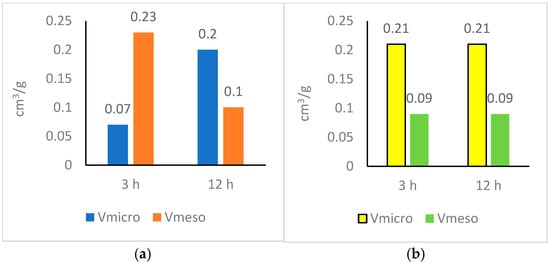
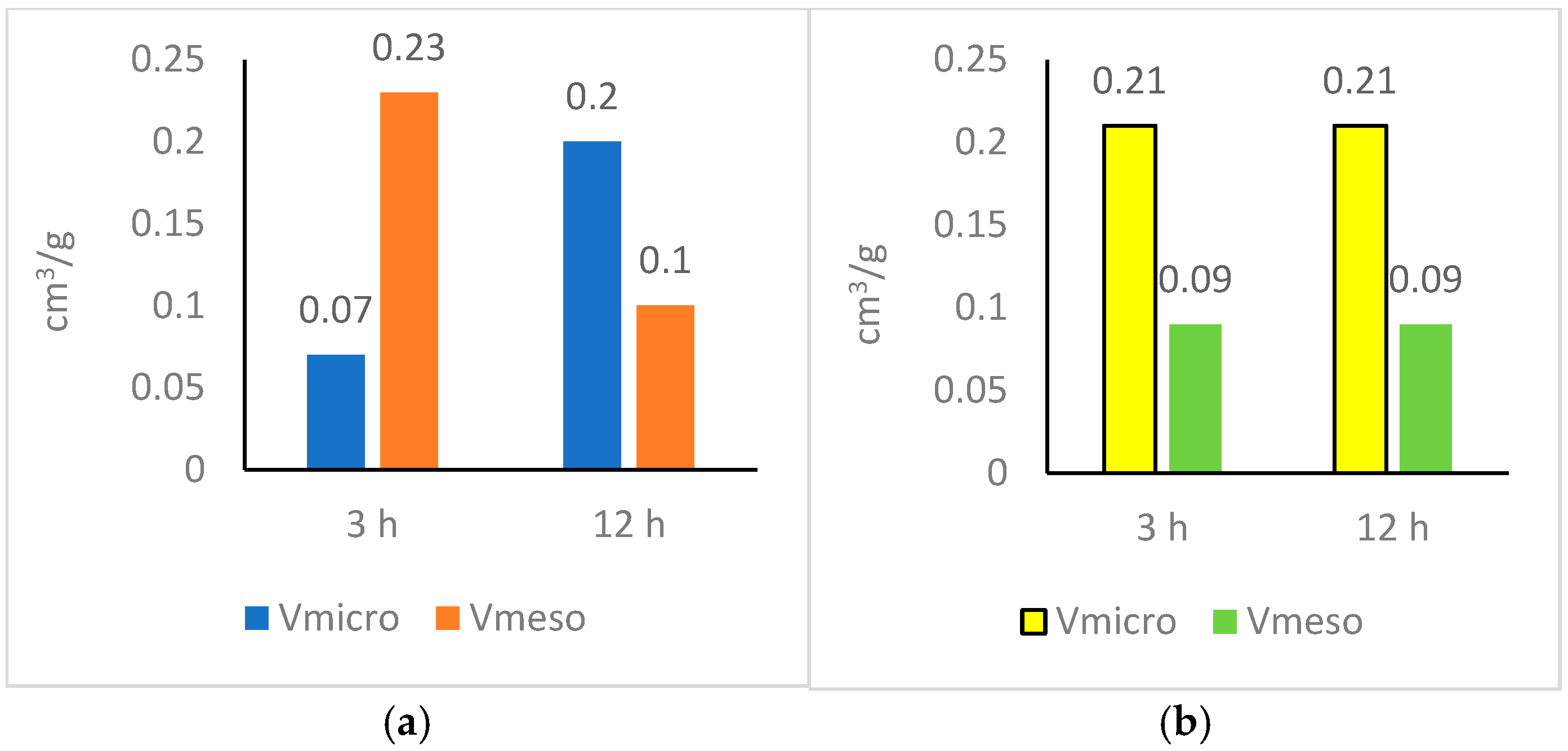
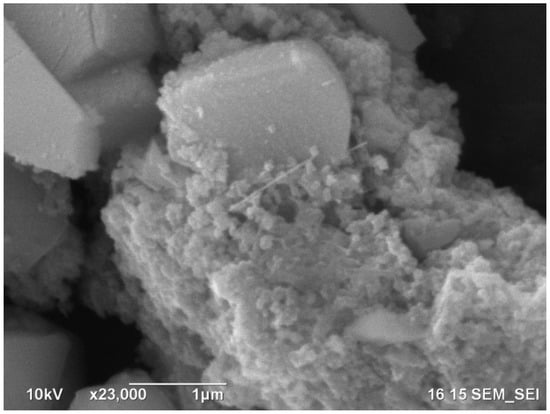
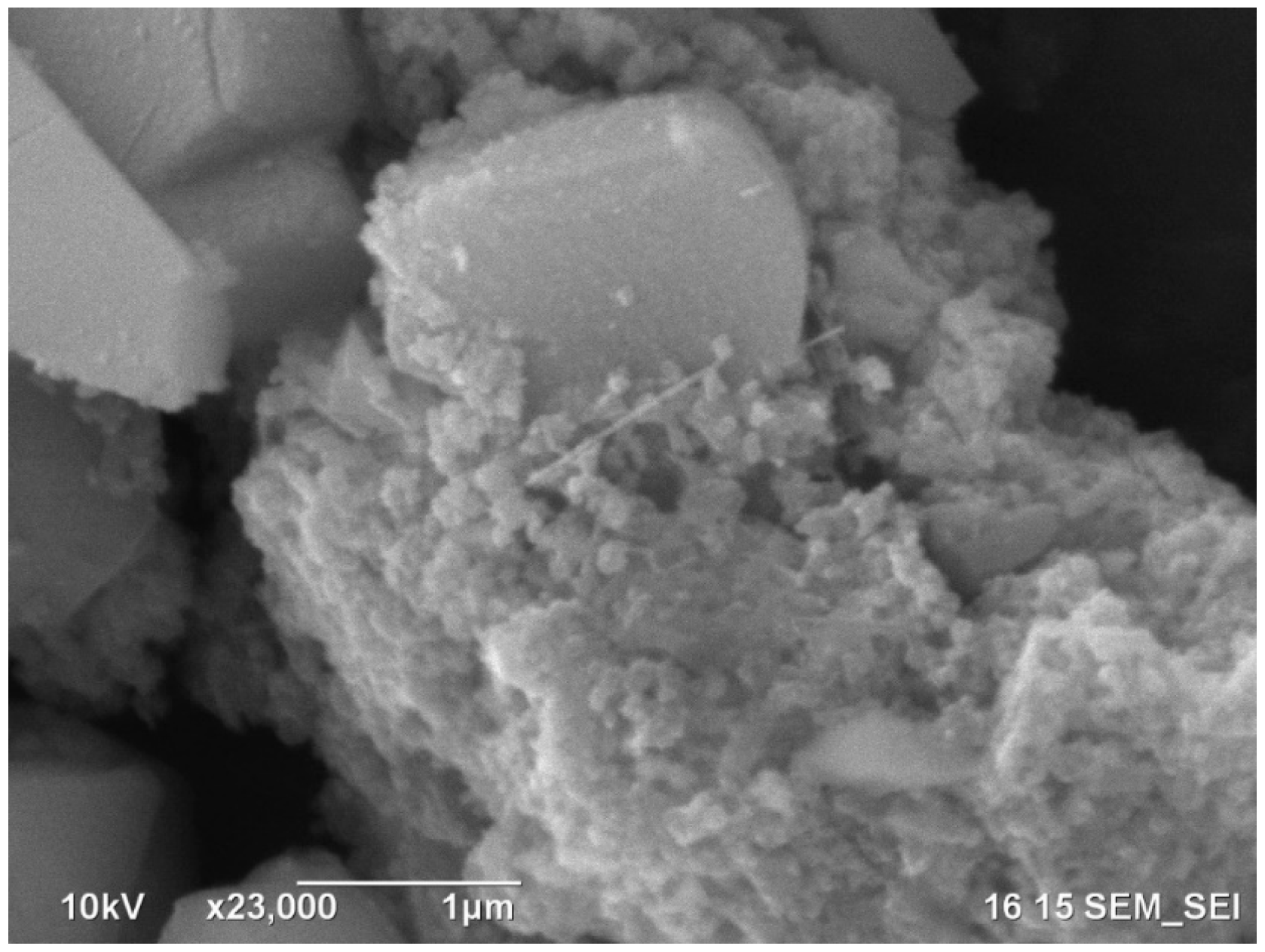
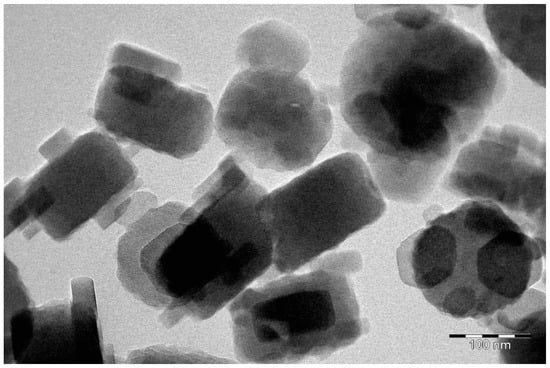
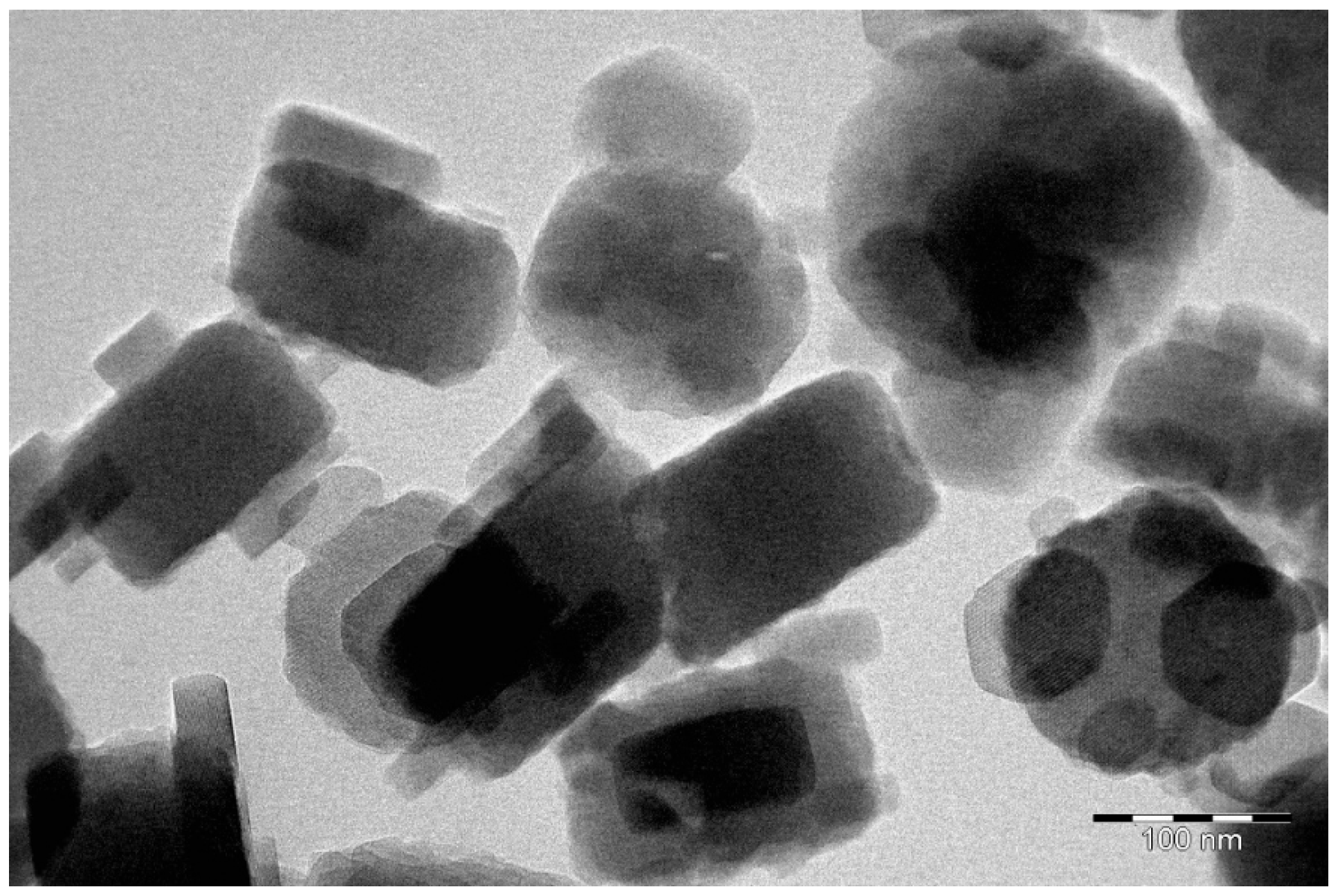
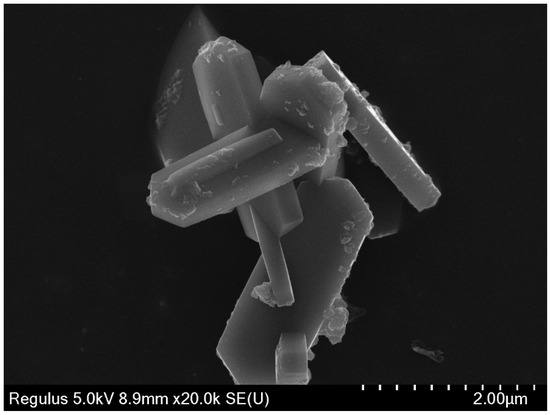
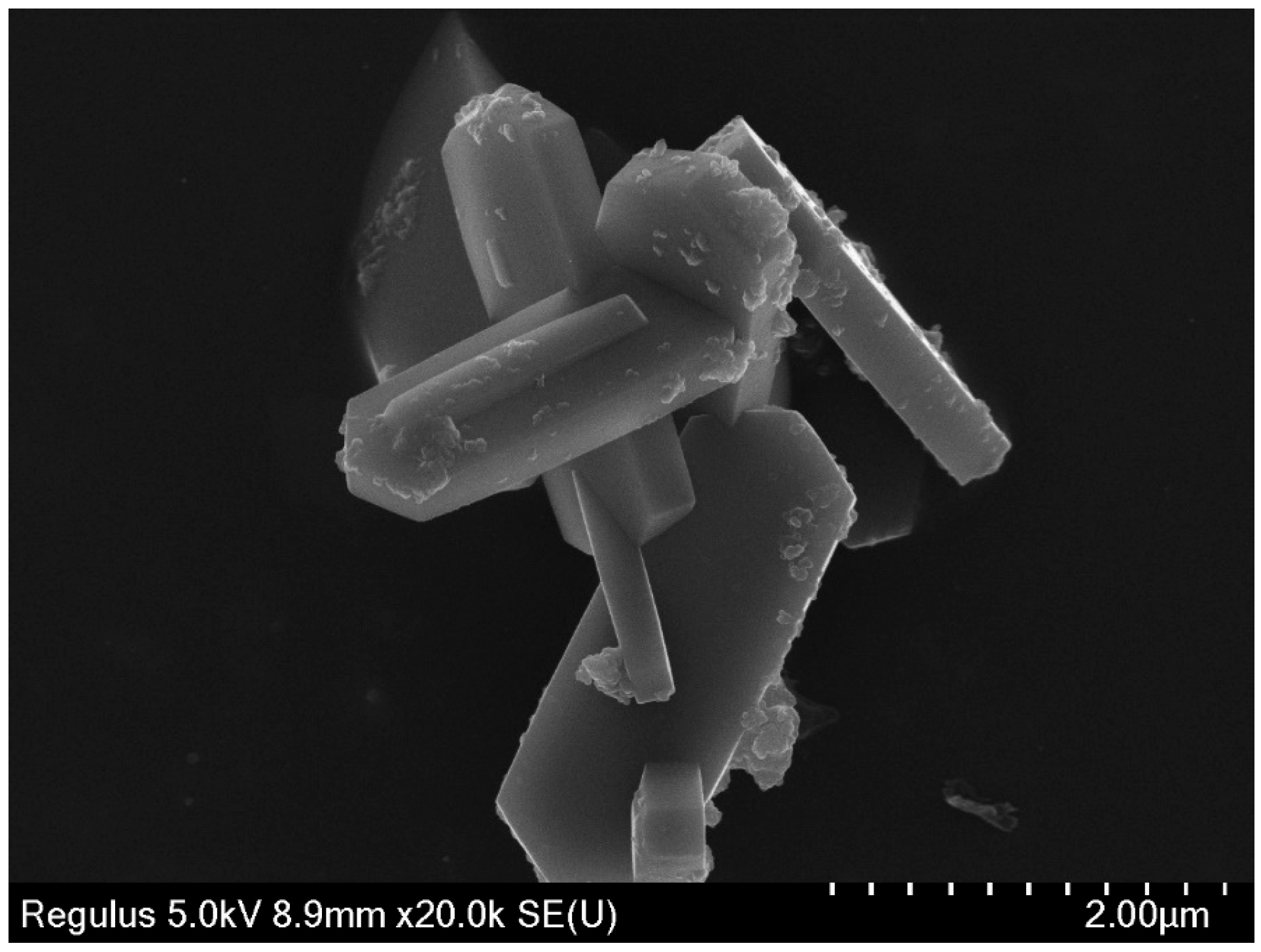
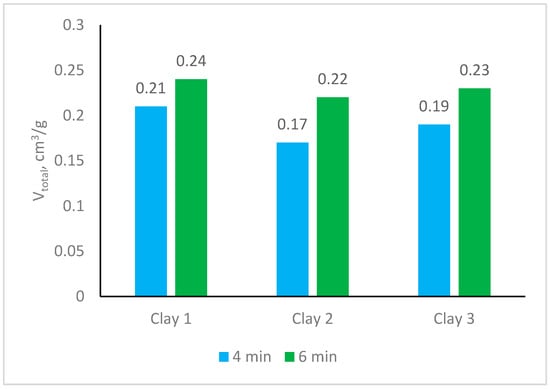
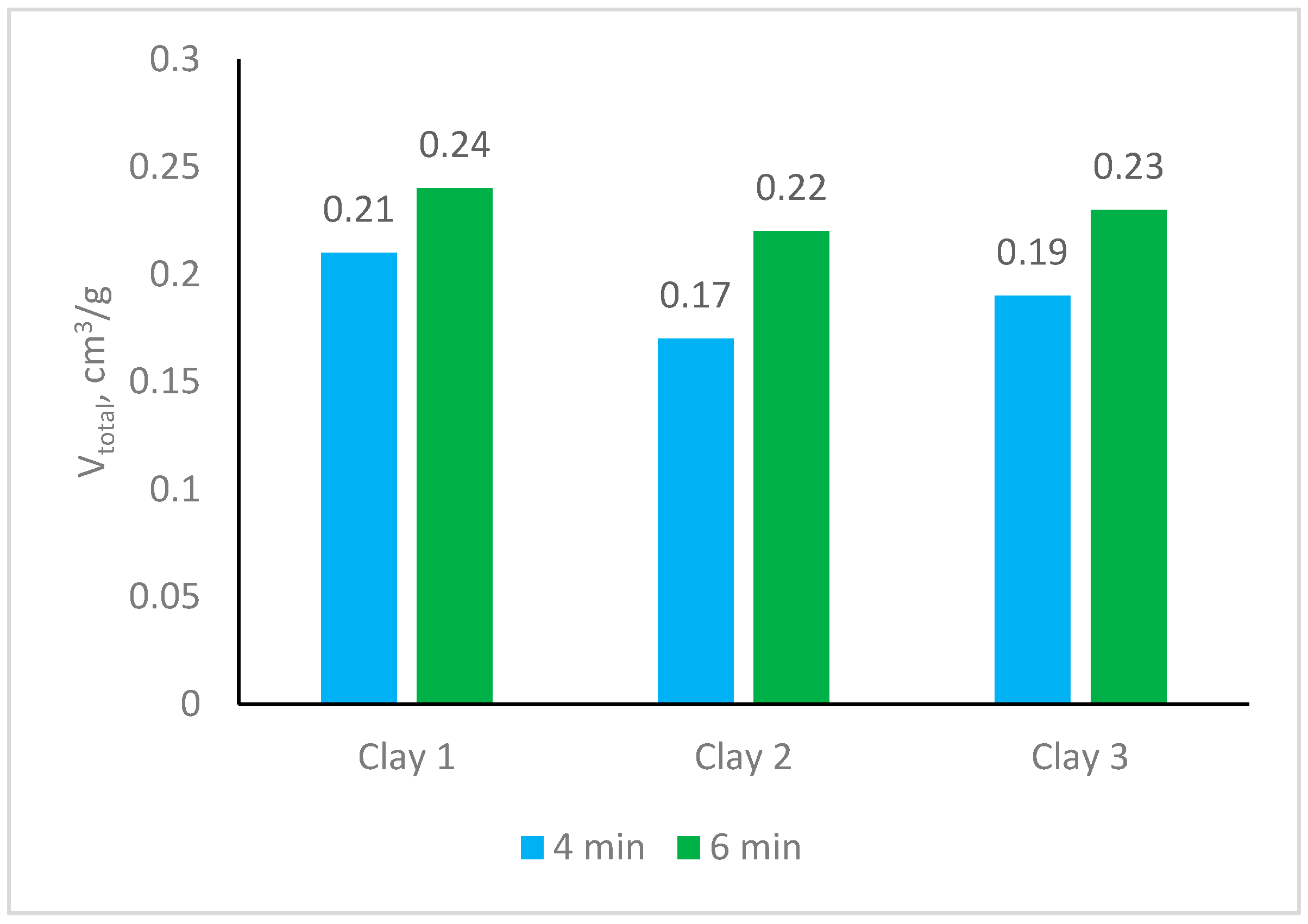
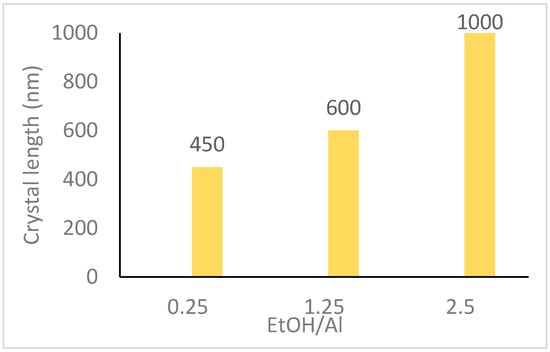
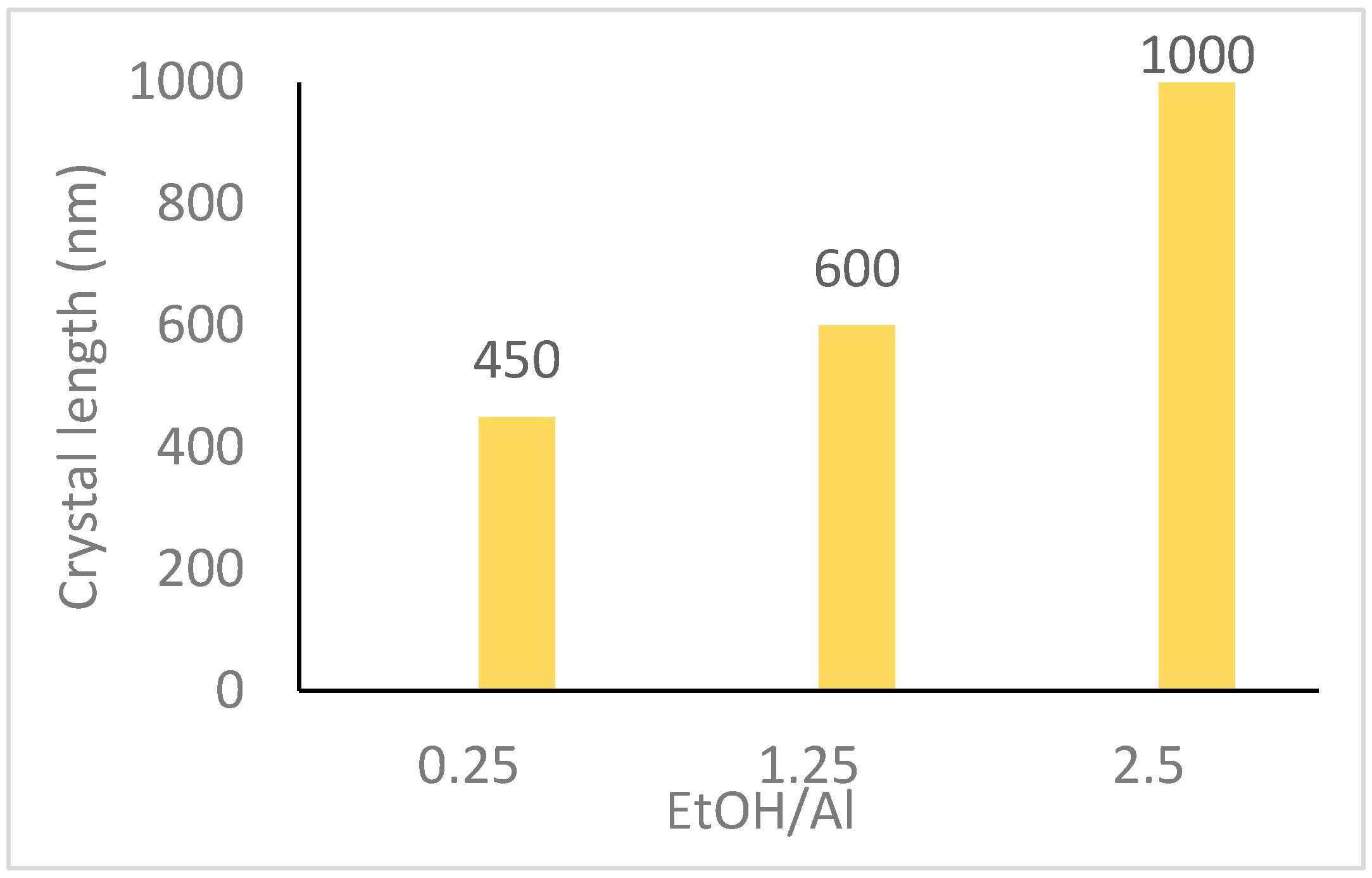
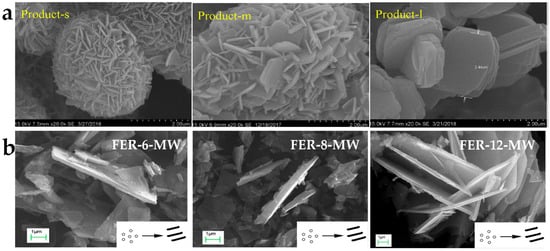
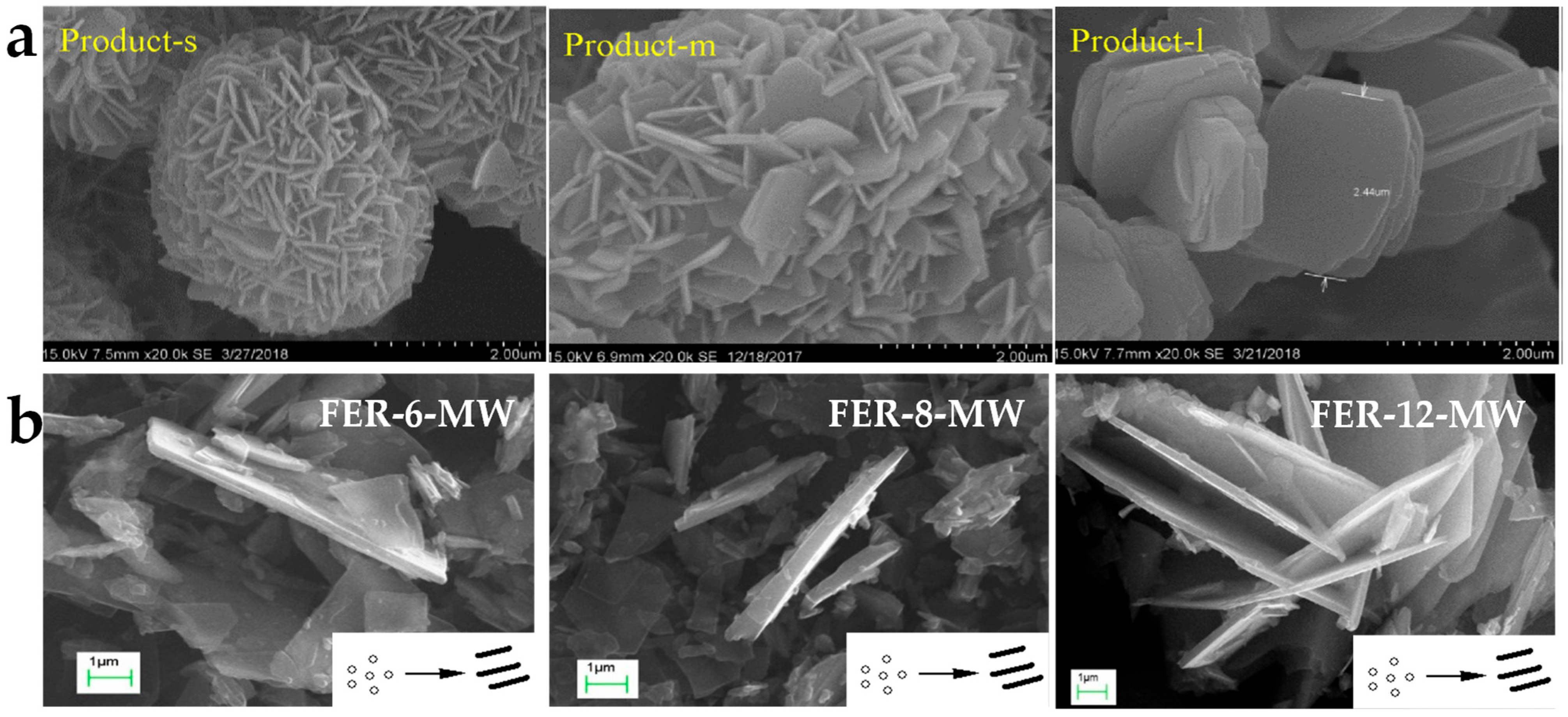
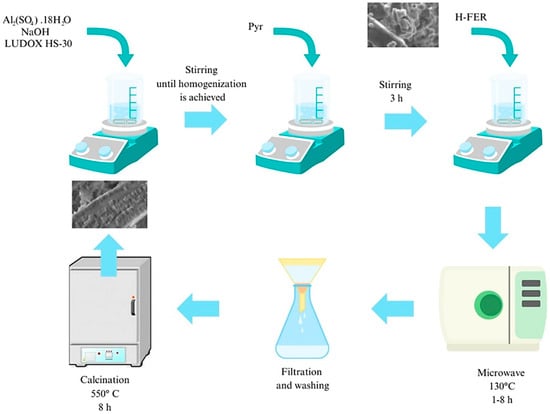
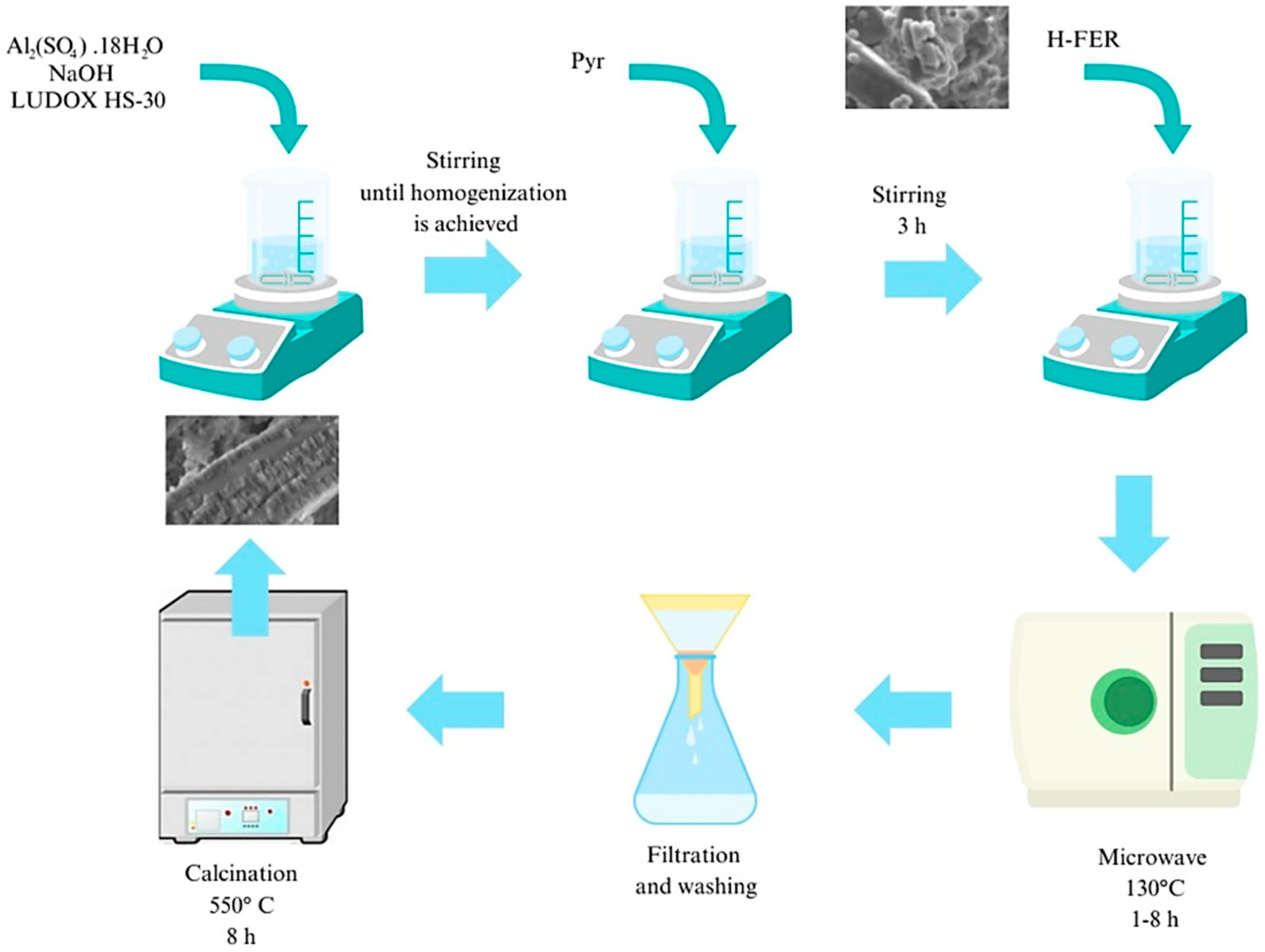
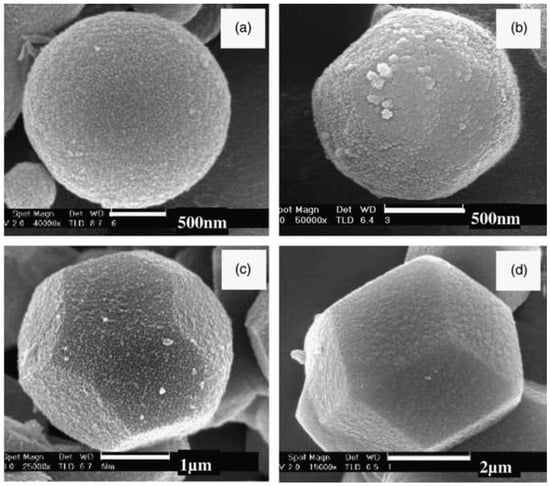
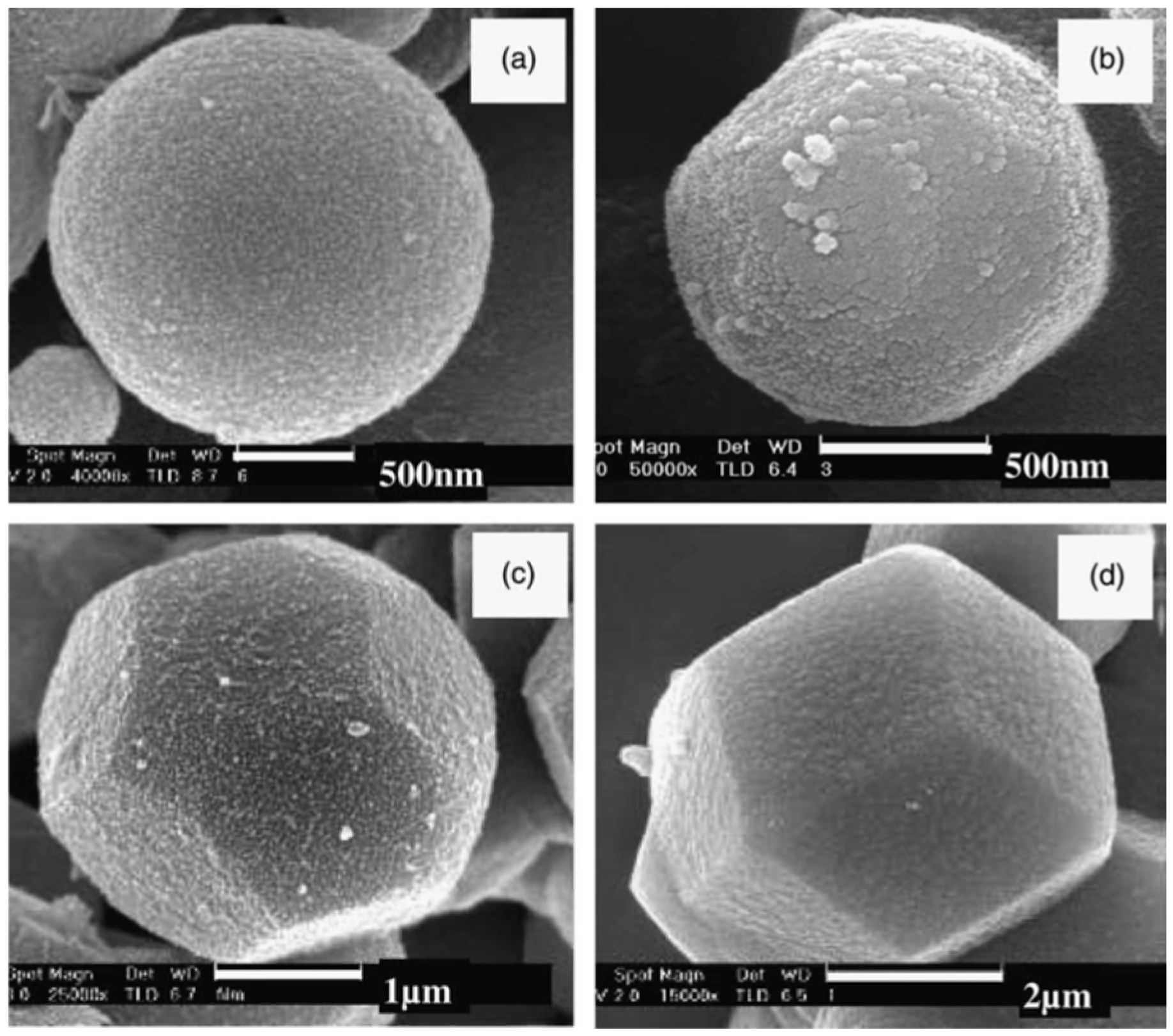
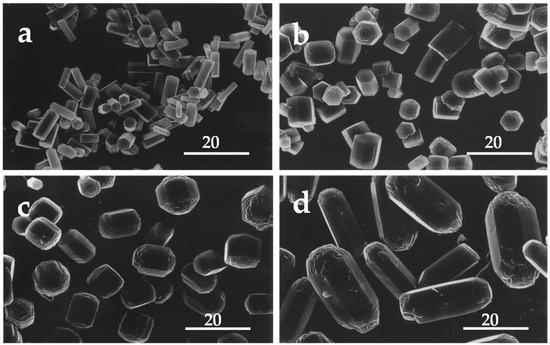
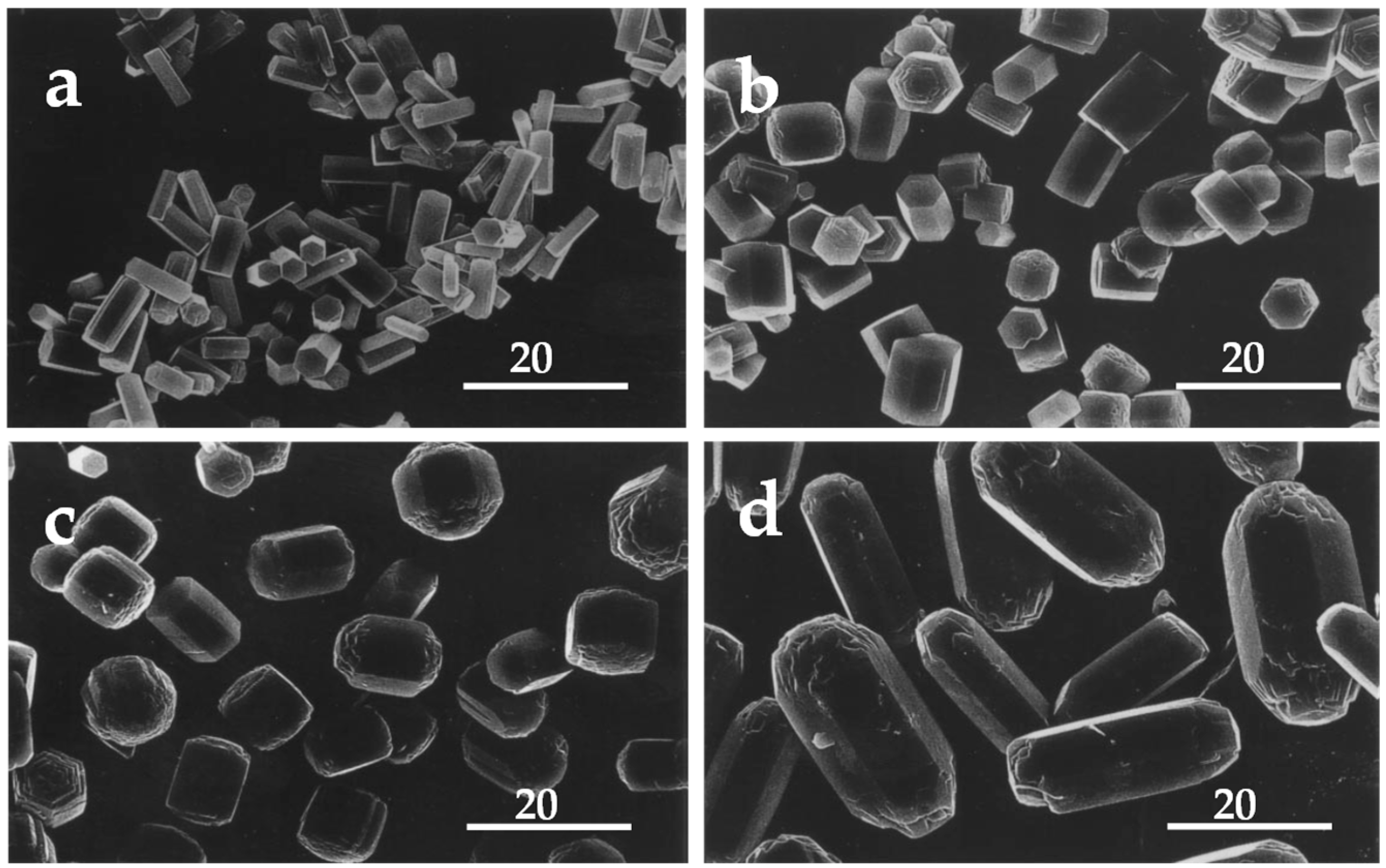
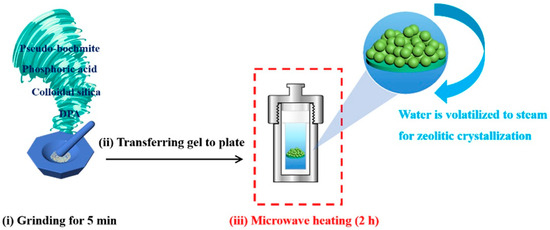
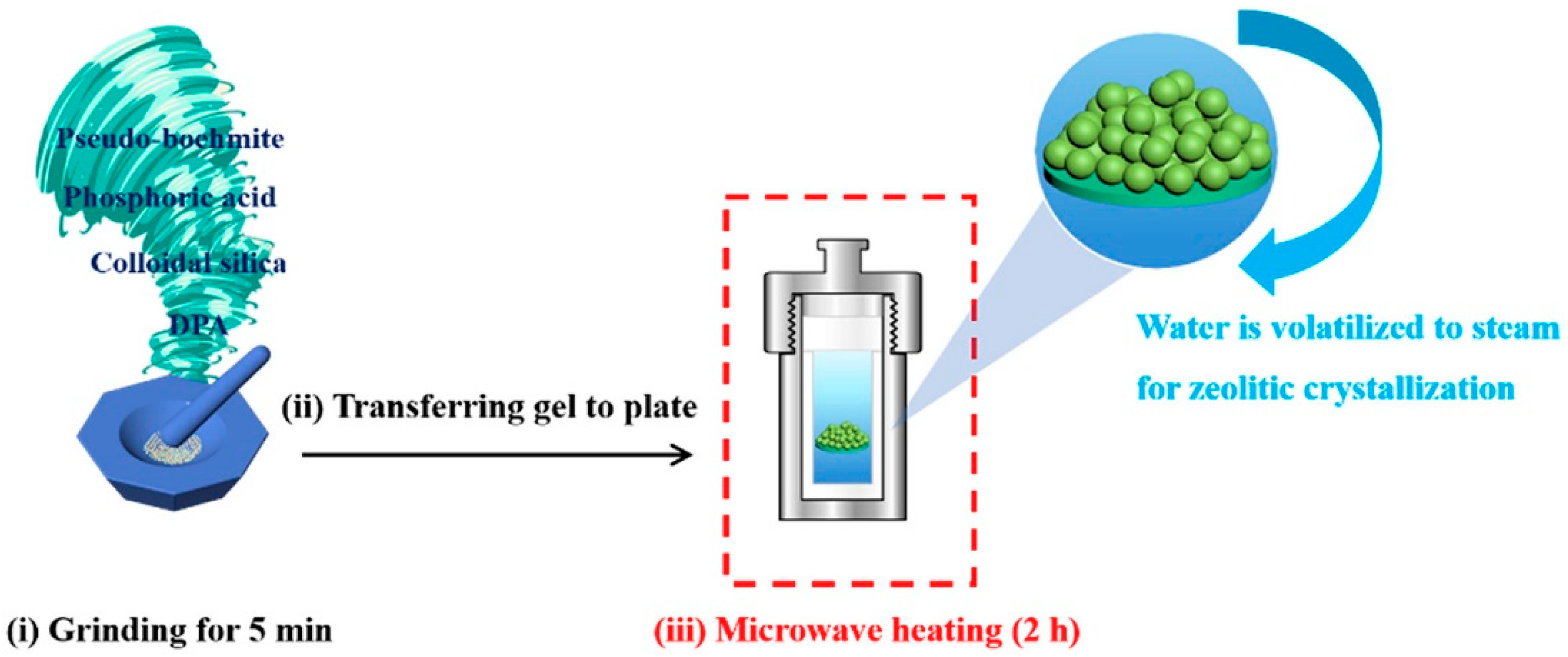

Disclaimer/Publisher’s Note: The statements, opinions and data contained in all publications are solely those of the individual author(s) and contributor(s) and not of MDPI and/or the editor(s). MDPI and/or the editor(s) disclaim responsibility for any injury to people or property resulting from any ideas, methods, instructions or products referred to in the content. |
© 2026 by the authors. Licensee MDPI, Basel, Switzerland. This article is an open access article distributed under the terms and conditions of the Creative Commons Attribution (CC BY) license.