


Abstract
Efficient valorization of recalcitrant lignocellulosic biomass to platform chemicals and biofuels is needed for the transition to a circular bioeconomy. Conventional biorefineries are based on decoupled multi-step processes with energy penalties, interstage product loss, and product inhibition. Integrated chemo-enzymatic one-pot cascades constitute a paradigm shift in process intensification by combining biocatalytic selectivity with the fast kinetics of heterogeneous chemical catalysis. However, practical implementation is limited by compatibility bottlenecks such as different optimal temperatures, pH, solvent toxicity, and mutual deactivation of catalysts. This review critically examines recent advances in bridging these incompatible interfaces. We discuss catalyst design strategies centered on spatial compartmentalization within metal–organic frameworks (MOFs), mesoporous silica, magnetic nanocomposites, and Pickering emulsions. Furthermore, we examine solvent engineering using deep eutectic solvents and ionic liquids alongside continuous flow microfluidic and membrane bioreactors that overcome mass transfer limitations and product inhibition. Comparative benchmarking of synthetic routes for carbohydrate dehydration/hydrogenation and lignin oxidative depolymerization/funneling in terms of catalytic configurations, reaction modes and process performance is presented. Finally, techno-economic analyses and life cycle assessments indicate a potential 25–40% reduction in capital expenditure and over 70% net greenhouse gas savings. Future directions emphasize computational enzyme design and scalable flow reactor engineering to enable industrial translation.
1. Introduction and Current Biorefinery Paradigms
1.1. The Lignocellulosic Imperative and the Net-Zero Transition
Lignocellulosic biomass, which is obtained from agricultural waste residues and plants waste, is considered a major source of renewable carbon on Earth with an expected annual global production of more than 180 billion metric tonnes [1,2]. The conversion of this complex biopolymer matrix into fuels, chemicals, and building blocks is a viable option [3,4,5]. Lignocellulose is mainly comprised of cellulose (35–50%), hemicellulose (20–35%), and lignin (15–30%) in addition to minor fractions of extractives and inorganic ash [6]. The intrinsic structural complexity and chemical heterogeneity of these components make them extremely recalcitrant to deconstruction, which is a fundamental engineering challenge for biorefineries [7,8].
The conventional biorefinery is predicated on a sequential, multi-step processing paradigm [9]. Biomass is normally subjected to physicochemical pretreatment (e.g., dilute acid, organosolv, or steam explosion) to break the lignocellulosic matrix and expose the carbohydrates [10]. This is followed by enzymatic hydrolysis where cellulase and hemicellulase cocktails convert exposed polysaccharides to monomeric hexose and pentose sugars [11]. These sugars are then converted to bioethanol or organic acids by microbial fermentation [12], or separate heterogeneous chemical catalysts are used to convert sugar streams at elevated temperatures and pressures to furans such as 5-hydroxymethylfurfural (5-HMF) and furfural or sugar alcohols such as sorbitol and xylitol [13,14]. Simultaneously, the separated lignin stream is typically combusted to generate low-value heat and power, but modern biorefinery concepts are increasingly aimed at the chemical valorization of lignin to aromatic monomers and polymers [15,16].
1.2. Limitations of Decoupled Multi-Step Processing
- Interstage Product Loss and Dilution: Washing, filtration, and neutralization between pretreatment, enzymatic hydrolysis, and chemical conversion lead to considerable product degradation, dilution, and yield loss [17].
- Strong Product Inhibition: The accumulation of monomeric sugars (e.g., cellobiose and glucose) during enzymatic hydrolysis puts a strong feedback inhibition on cellulase activity, hindering reaction kinetics and requiring high enzyme loadings [18].
- Sub-optimal Utilization of Lignin: Harsh pretreatment conditions often cause irreversible lignin condensation, leading to the formation of highly cross-linked, unreactive dark polymers that are resistant to efficient catalytic upgrading [19].
1.3. Concept and Advantages of Chemo-Enzymatic Cascades
To overcome the restrictions of multi-step processing, process intensification strategies have focused on integrating biocatalytic and chemical steps in single, one-pot cascade systems [20]. Chemo-enzymatic cascades combine the unique selectivity, mild reaction conditions, and green credentials of biocatalysts (enzymes or whole cells) with the high turnover rates, broad substrate scope, and fast kinetics of inorganic chemical catalysts (solid acids, supported metals, or organocatalysts) (Figure 1) [21,22].
Figure 1.
Paradigm shift from decoupled multi-step biorefining to integrated chemo-enzymatic cascade conversion. The authors used Gemini (Imagen) for the purpose of refining this conceptual schematic figure. The following prompt was used: “Generate a scientific infographic comparing decoupled multi-step processing (conventional) of raw lignocellulose showing sequential physicochemical pretreatment, washing and separation, enzymatic hydrolysis, purification, and chemical catalysis alongside accumulated losses (water use, energy penalties, product loss, inhibitor build-up, and humin formation) with integrated chemo-enzymatic cascade (intensified) processing of pretreated biomass in a one-pot unified reactor combining a protected biocatalyst and chemical catalyst to lower CAPEX/OPEX costs, minimize water and energy footprints, and maximize the product yield of final products.”
Chemo-enzymatic cascades enable the simultaneous or sequential execution of multiple reaction steps in one pot, without the requirement of isolating intermediates, thus providing transformative operational advantages [23]:
- Optimum pH, Temperature, and Inactivation: In order to maintain the enzyme activity, optimal pH and temperature are important. The deviations from the perfect working conditions of the enzyme may lead to reduced efficiency or denaturation [24]. For the good efficiency of the enzyme, solvents, reactive materials, or impurities that can bind to the enzyme’s active site may cause inactivation of the enzyme [25].
- Atom and Energy Efficiency: Significant reductions in capital expenditure (CAPEX), operational cost (OPEX), process mass intensity (PMI), and the overall carbon footprint can occur with the elimination of the intermediate separation, purification, and solvent exchange steps [26].
- Access to Novel Reaction Pathways: The combination of enzymatic transformations (e.g., high selectivity oxidation or stereospecific carbon–carbon bond formation) and chemical transformations (e.g., fast hydrodeoxygenation or acid-catalyzed dehydration) opens direct chemical pathways that cannot be achieved with single-catalyst systems [27]. Table 1 presents a comparative analysis of integrated chemo-enzymatic cascades and traditional decoupled biorefineries.
Table 1.
Comparative evaluation of traditional decoupled biorefineries versus integrated chemo-enzymatic cascades (note: process mass intensity [PMI] is defined as the total mass of materials, including water and solvents, consumed per unit mass of final product isolated).
2. Fundamentally Incompatible Interfaces and Compatibility Bottlenecks
The theoretical advantages of one-pot chemo-enzymatic cascades are compelling, but practical implementation is hindered by large physical and chemical incompatibilities between enzymatic and chemical catalytic regimes [33]. Transformation of these distinct catalytic regimes into a functional, highly active single-vessel process requires the resolution of four major operational trade-offs [34,35,36,37,38].
2.1. Operational Environment Mismatches
Enzymes display a vital role due to their catalytic activity in response to the physiological environment and precise conditions [39]. Most industrial cellulases have depicted maximum activity from 55 to 95 °C at 3.0–9.0 pH with an optimum value of 4.6 [40]. It was observed that hemicellulases were less active as compared to xylanasewith pH optima between 5.0 and 6.5 at 50 °C [41]. Usually, when exposed to high temperatures, an irreversible thermal denaturation occurs that causes the unfolding of the tertiary structures of proteins and total loss of the catalytic activity [42,43]. Conversely, heterogeneous chemical catalysts like sulfated zirconia, noble metals supported on carriers (Pt, Pd/Al2O3), and metal oxides need much more severe reaction conditions [44,45]. Acid-catalyzed dehydration of hexoses to 5-HMF and hydrodeoxygenation of lignin-derived phenols typically require high temperatures and strongly acidic or basic conditions [46].
2.2. Solvent and Medium Incompatibilities
Biocatalysts require high water activity to preserve the hydration shell essential for active site conformation and flexible catalytic dynamics [47], but water significantly disturbs the interaction between catalyst and substrate, affecting many chemical transformations [48]. For example, water is a strong competitive inhibitor and nucleophile in acid-catalyzed dehydration reactions [49]. Various solvents, such as organic, ionic, and aqueous solvents, were applied for HMF production. However, for the good synthesis of HMF, many solvents/chemocatalysts are not compatible with biocatalysts or cannot be removed effectively from the reaction mixture. For example, dimethyl sulfoxide (DMSO) proved to be an effective solvent for HMF synthesis, but the solvent is hard to remove from the final products due to its high boiling point and excellent miscibility with other solvents [50]. However, high concentrations of organic solvents strip away water molecules that are essential to the enzyme surface, disrupt hydrophobic interactions that stabilize the protein core, and rapidly inactivate the enzyme [51].
2.3. Chemical Cross-Deactivation and Poisoning
The blend of different catalytic methods offers numerous benefits, especially in the synthesis of the organic compounds. Integrating metallic or acidic chemocatalysts with biocatalysts in a single vessel often leads to mutual inactivation [52]. It was observed inhibition due to the polar molecules was observed when the reaction is being carried out in an organic environment, which ultimately reduced the activity of speed. Similarly, oligomers deposition causes the same issues, and there is no access of the of organic substrate for is unable to access the enzymatic sites. The metal impurities in the reactor also lead to the metal-induced desulphonation desulfonation, which is also the main reason for the lowing of the activity of the catalyst [53].
Furanic derivatives such as 5-hydroxymethylfurfural and furfural are well-known potent inhibitors of fermentative bacteria and yeasts employed in downstream biofuel production and are prime target products of carbohydrate dehydration. High concentrations of furan strongly inhibit the viability and metabolic flux of microbial cells, which is a major bottleneck in integrated whole-cell bioprocesses [54,55]. During biomass processing, these electrophilic furans accumulate and generate reactive oxygen species (ROS), induce membrane peroxidation, and selectively inactivate key glycolytic enzymes [56]. To alleviate toxicity caused by the product, the recent cascade designs have concentrated on the integration of adaptive laboratory evolution, metabolic engineering of solvent tolerant microbial strains, and real-time in situ product removal (ISPR) using membrane pervaporation or hydrophobic resin extraction [56,57].
2.4. Mass Transfer and Phase Separation Resistance
Biorefinery processes utilize lignocellulosic biomass to produce value-added chemicals and functional materials. Due to the abundance and cheaper nature of the source, the major challenge lies in obtaining high selectivity of the demanded compounds at an economic level [58]. The dilute operation generates large process volumes and low-concentration product streams, which weaken the relevance of successful conversion results for industrial biorefinery design [59]. As free water decreases, lignocellulosic slurries become more viscous and more heterogeneous, with fiber entanglement, yield stress, and localized non-uniformity [60]. These changes make mixing more difficult, restrict heat and mass transfer, and reduce the uniformity of reagent, enzyme, substrate, and microorganism distribution [61]. The hydrothermal process can enhance the separation of valuable products, but it is not possible in a majority of cases due to economic viability and numerous challenges. Therefore, further development is needed to increase separation efficiency and solvent recyclability [62].
3. Advanced Catalyst Design and Protection Strategies
The catalyst speeds up the transformation and is regenerated at the end of the reaction. It works by lowering the activation energy and performing reactions at lower temperatures or pressures, thus improving economic and ecological sustainability [63]. However, on the industrial scale, chemical and mechanical stability are also very important during the reaction. The catalysts are being used in different shapes, including as extrudates, spheres, tablets, and granules. They are optimized for compatibility to get desired requirements and applications [64].
3.1. Enzyme Immobilization and Nanostructured Support Design
In the immobilization process, the enzyme is loaded on a porous solid support. Classical immobilization protocols rely on amino acids at the enzyme surface that react with a derivatized carrier or with other enzyme molecules. The enzyme may interact with other molecules that are not of interest to industrialists; thus, there is no control of the reactivity or the orientation. Conventional enzyme immobilization techniques comprise carrier-bound as well as carrier-free methods [65]. Immobilizing enzymes on nanoporous material is considered a good technique to increase the effectiveness of biotransformation on an industrial scale. This technique results in amplified enzyme stability, activity, and reusability over traditional enzymatic processes [66].
- Mesoporous Silica Nanoparticles (MSNs): Engineered pore size MSNs (e.g., SBA-15, MCM-41) provide very high surface areas and tunable pore sizes for the immobilization of enzymes within protective silica cages [67]. Mesoporous silica nanomaterials give a biocompatible stage for a wider range of applications. They have proven to be promising supports for enzyme immobilization to obtain higher activity for large-scale application [68].
- Magnetic Core–Shell Nanocomposites: Magnetic nanoparticles (Fe3O4) encapsulated in functionalized polymer or silica shells provide recoverable biocatalytic platforms [69]. For instance, de Alcântara et al. [70] demonstrated that immobilizing a crude enzymatic cocktail onto functionalized Fe3O4 magnetic nanoparticles achieved a 36.3% immobilization yield while retaining 60%, 85%, and 74% of the native activities of -galactosidase, -xylosidase and -glucosidase, respectively, alongside enhanced thermal stability at 40 °C and pH 4.5.
3.2. Spatial Compartmentalization in MOFs and Porous Materials
Metal–organic frameworks are porous crystalline substances composed of metal nodes and organic linkers and have revolutionized enzyme protection using biomimetic mineralization and de novo encapsulation [71,72]. During the synthesis process, enzymes can be sealed in MOF cages (e.g., ZIF-8, MIL-101), thus encasing the protein in protective crystalline structures [73]. Researchers have synthesized a series of stable metal–organic frameworks with mesoporous cages to catch single molecules for enzyme encapsulation. They depicted smaller Km values than free enzymes while retaining the comparable catalytic efficiency with stability under harsh conditions [74]. MOF biocomposites are extensive and speedily emerging toward their application in various fields including biotechnology. Many MOF–enzyme composites have depicted excellent results in several features when compared to free enzymes [75,76]. In some cases, intermediates are not in equilibrium between enzymatic steps at bulk solution, permitting higher activity [77]. Figure 2 illustrates how sensitive biocatalysts can be caged within crystalline MOFs alongside heterogeneous chemical catalyst sites, preventing direct toxic exposure and deactivation while enabling efficient substrate channeling. The physical mass transfer limitation of macromolecular substrates is one of the most important factors for MOF-encapsulated biocatalysis [78,79]. Intact, insoluble biopolymers, such as crystalline cellulose and hemicellulose, exceed the molecular dimensions of the intrinsic micropore apertures of typical MOF frameworks (e.g., ZIF-8) and thus cannot directly physically contact deeply encapsulated hydrolytic enzymes [71,75].
Figure 2.
Biocatalysts encapsulated in MOFs and chemo-enzymatic cascade catalysis at the single-particle level. Crystalline MOF cages protect enzymes against thermal (>80 °C) and solvent-induced denaturation (Left). Biocatalytic and chemical sites are spatially compartmentalized on the nanometer scale, which enables efficient substrate channeling without direct contact or mutual catalyst deactivation (Right). The authors used Gemini (Imagen) for the purpose of refining this conceptual schematic figure. The following prompt was used: “Generate a scientific schematic showing MOF encapsulation of a fragile free enzyme (via biomimetic mineralization or de novo synthesis) into a crystalline MOF cage made of metal nodes and organic linkers to prevent unfolding under denaturing conditions (>80 °C, organic solvents, toxic chemicals) and provide thermal stability and solvent compatibility along with single-particle chemo-enzymatic cascade catalysis with nanometer-scale compartmentalization and rapid substrate channeling of Substrate A to Intermediate B to Product C between the encapsulated enzyme and chemical catalyst sites with no direct contact.”
Consequently, effective substrate–enzyme interactions in MOF-based cascades proceed via three distinct structural mechanisms:
- Primary Solubilization and Intermediate Diffusion: Free or surface-bound enzymes cleave raw lignocellulose to soluble oligosaccharides, cellobiose, and monomeric sugars [80,81]. The solubilized intermediates diffuse rapidly through the MOF pore networks and undergo subsequent secondary transformations by internal encapsulated enzymes [80,82].
- Hierarchical Pore Engineering: It was observed that many MOFs have depicted permanent porosity and high potential. Defective engineering or sacrificial templating leads to hierarchical mesopores (2–50 nm) and macropores (greater than 50 nm) that open up pore entrances, leading to significant improvements in intra-crystalline mass transport for larger soluble oligomers [81,83].
- Asymmetric Surface Immobilization: Primary depolymerizing enzymes are covalently anchored onto the external crystalline surface of MOF composites to access macromolecular biomass, while sensitive chemical or secondary biocatalytic sites remain encapsulated inside the protective interior cages [84]. Although MOF-encapsulated enzymes have these structural advantages, there are significant scale-up challenges for practical application. At present, the synthesis of organic linkers and precursor salts is expensive, and the crystallization protocols are multi-step, which limits the feasibility of large-scale production. In addition, inorganic ashes, residual organic acids, and polyphenolic degradation products are present in crude lignocellulosic hydrolysates, and these substances can compete with the metal nodes or block porous channels, leading to structural framework degradation and a reduction in the catalytic lifespan of continuous industrial operation [85,86].
3.3. Biphasic and Pickering Emulsion Catalytic Systems
Pickering emulsions, where solid nanoparticles at the liquid–liquid interface stabilize emulsions, provide an elegant way to compartmentalize incompatible reaction steps using interfacial engineering [87]. Emulsification of a water phase with enzymes and an organic phase with a chemical catalyst that is insoluble in water is a typical biphasic chemo-enzymatic Pickering system [88]. Amphiphilic nanoparticles (e.g., functionalized silica, cellulose nanocrystals, or hybrids of carbon nanotubes) can assemble at the oil–water interface, stabilizing droplets and working as solid catalytic carriers [89]. Figure 3 depicts an oil-in-water Pickering emulsion droplet stabilized by interfacial nanoparticles. This visually explains how enzymatic conversion occurs in the aqueous core while intermediate products partition into the surrounding organic phase for chemical catalysis.
Figure 3.
A biphasic Pickering emulsion system enabling integrated chemo-enzymatic cascade catalysis. The authors used Gemini (Imagen) for the purpose of refining this conceptual schematic figure. The following prompt was used: “Generate a scientific schematic diagram of a ‘Pickering emulsion biphasic system’ showing an ‘aqueous droplet’ stabilized by a shell of ‘stabilizing solid nanoparticles’ suspended in an ‘organic phase (oil)’. Illustrate ‘substrate entry’ into the droplet for ‘STEP 1: Enzymatic conversion (in water core)’ where an ‘enzyme’ converts ‘substrate’ into ‘intermediate product’, followed by ‘rapid mass transfer’ across the interface into the organic phase for ‘STEP 2: Chemical catalysis (in organic phase)’ mediated by a ‘chemical catalyst (in organic phase)’ to yield the ‘desired product’ (‘EXIT’).”
4. Chemo-Enzymatic Pathways for Carbohydrate Upgrading
Hemicellulose is the most isolated molecule from the cell walls of lignocellulosic biomass. It can be hydrolyzed into pentoses, followed by dehydration to furan-2-carbaldehyde (furfural). After hydrolysis, subsequent dehydration yielded small molecules (Bronsted or Lewis acids) [90]. Similar transformations can be achieved in chemo-enzymatic cascades without the isolation of intermediates [21].
4.1. Direct Cellulose-to-5-HMF and Levulinic Acid Cascades
5-Hydroxymethylfurfural is a versatile platform chemical designated by the U.S. Department of Energy as a top bio-based building block and is a precursor for 2,5-furandicarboxylic acid (FDCA), 2,5-dimethylfuran (DMF) and levulinic acid [46,91]. The conventional route includes acid hydrolysis of cellulose into glucose, isomerization of glucose into fructose, and subsequent triple dehydration of fructose to 5-HMF [92]. The conversion of cellulose into 5-HMF with good yield using a sequential enzyme cascade technique was achieved in an aqueous system [93]. Motagamwala et al. (2019) studied one-pot conversion of glucose to HMF in an acetone/water system that yielded HMF in small quantities [94]. A variety of chemocatalysts could be applied for the isomerization of glucose, such as alkali, alkaline metals, hydrotalcites, metal oxides, zeolite, sulfonic acid functionalized resins, and zeotype materials [95]. 5-Hydroxymethylfurfural is a suitable alternative platform chemical (or monomer precursor) that can be produced from fructose and glucose. The ability to synthesize HMF directly from cellulase would remove a main barrier to the growth of a viable HMF platform. The feed is rapidly depolymerized using a single-step catalytic process, and the resulting glucose is converted to HMF under mild conditions [96].
4.2. Hemicellulose-to-Furfural and Polyol Upgrading Pathways
Endo-xylanases and β-xylosidases readily depolymerize hemicellulose, which is mainly composed of xylan polymers, to xylose monomers [97]. The feasibility of chemo-enzymatically transforming biomass-derived xylose to furfuryl alcohol was achieved using a chemocatalyst [98]. The two processes are successfully combined in a one-pot manner to transform the xylose-rich hydrolysate to furfural. The one-pot chemo-enzymatic approach is significantly beneficial for obtaining valuable products from renewable biomass resources [99]. In biphasic water/organic systems (such as water/MIBK or water/MTHF), the combination of xylose hydrolysis and solid acid dehydration allows in situ extraction of furfural into the organic phase immediately after its formation [100,101].
4.3. Tandem Conversions to Fine Chemicals, Polyols, and Bio-Nylon Precursors
There is extraordinary advancement over the last five years in the synthesis of value-added products and fuels from renewable biomass using chemo-enzymatic cascades. The production of high-value chemicals, such as furanics and aromatics, from monomers along with depolymerization of polysaccharides, such as heterogeneous lignin, has been achieved with this technique [102]. For example, enzymatic hydrolysis and chemocatalytic hydrogenation in combination directly convert cellulose to sorbitol and iso-sorbide, which are important monomers for bio-based polycarbonate resins [103]. Chemo-enzymatic synthesis is known as a potential strategy for the effective diversification of complex natural products by integrating the selectivity of a biocatalyst with the flexibility of synthetic chemistry. Due to unparalleled regioselectivity and stereoselectivity of enzymatic conversion and the reaction multiplicity of contemporary organic chemistry, chemo-enzymatic tools hold huge potential for streamlining bioactive compounds [36,104].
5. Chemo-Enzymatic Pathways for Lignin Depolymerization and Valorization
Lignin is the main source of aromatic biopolymers on this globe. It is a huge and underutilized reserve in biorefinery processes [105,106]. This is in contrast to carbohydrates that have been utilized for valorization for decades. Lignin’s basic heterogeneity, engrained in different plant species and various tissues, and its dependency on separation are challenges for biorefinery design [107]. Valorization of lignocellulose-derived lignin can provide an alternative way for the synthesis of phenolics. In conventional pulp production, lignin extraction leads to a permanently changed complex structure that makes it difficult to produce definite depolymerization products [108]. Lignin is the most recalcitrant component of biomass, but it is also the most promising renewable source of aromatic platform chemicals [109].
5.1. Enzymatic Oxidative Cleavage Coupled with Chemical Upgrading
Fungal oxidative enzymes such as laccases, lignin peroxidases (LiP), and manganese peroxidases (MnP) are responsible for biological breakdown of lignin [110]. Laccases are known to oxidize phenoxy and Cα-hydroxyl groups of lignin subunits with selectivity in the presence of synthetic or natural mediators (e.g., ABTS, HBT), resulting in oxygenated functional groups [111]. In integrated chemo-enzymatic lignin biorefineries, laccase-mediator systems (LMSs) carry out an initial mild depolymerization, transforming macromolecular lignin into oxygenated aromatic oligomers and phenolic monomers [112,113]. The complete reaction path for the aqueous-phase hydrodeoxygenation of phenol to cyclohexane occurs with metal-catalyzed hydrogenation of the aromatic ring followed by acid-catalyzed dehydration of cyclohexanol to cycloalkene. These conversions can be carried out on Pd/C, Pt/C, Ru/C, and Rh/C in the presence of phosphoric acid, with a high yield and good turnover frequency [114].
5.2. Selective Funneling of Heterogeneous Lignin Streams
A major challenge in lignin valorization is the generation of complex, multi-component monomer mixtures that are very difficult and expensive to separate [115]. For the valorization of several bio-based feedstocks, the combination of catalytic systems with biocatalysis in chemo-enzymatic cascades has good potential. However, the expansion of such combined catalytic systems is often inadequate due to catalyst mismatch. Therefore, the inclusion of fresh catalytic ideas in chemo-enzymatic valorization is currently receiving pronounced attention [116]. Chemical depolymerization or mild enzymatic oxidation of raw lignin yields a mixture of vanillin, syringaldehyde, p-coumaric acid, and ferulic acid [117]. The microbial valorization of lignin is used to produce compounds through funneling of lignin-derived aromatic compounds, such as vanillic acid, p-hydroxybenzoic acid, and ferulic acid chiefly using demethylation and hydroxylation [118].
5.3. Production of Functional Bio-Based Aromatics and Polymers
Chemo-enzymatic funneled streams are ideal feedstocks for high-value specialty materials [119]. Cis,cis-Muconic acid from chemo-enzymatic lignin funneled routes can be readily hydrogenated over Pt/C catalysts to adipic acid [120]. Similarly, lignin-derived cis,cis-muconic acid can be isomerized into trans-muconic acid for terephthalic acid synthesis [121]. Currently, lignin has been used for the various materials, such as composites, hydrogels, thermosets and thermoplastics. Epoxy resins are prepared from bio-based polymers instead of petroleum-based polymers. Lignin-based thermosetting materials such as phenol/formaldehyde resins, polyurethanes, epoxy, and thiol-vinyl resins are gaining interest [122].
6. Process Intensification and Reactor Scale-Up Engineering
For the scale-up of chemo-enzymatic cascades from bench to industry, advanced reactor engineering that can address kinetic mismatches, continuous operation, and catalyst recovery is necessary [123].
6.1. Continuous Flow Microfluidic and Packed-Bed Bioreactors
Continuous flow microfluidic reactors are widely used to intensify biocatalytic processes through improved mass transfer, heat exchange, reaction control, and screening capability [124,125]. Microfluidic immobilized enzyme reactors benefit from large surface-to-volume ratios, which support high enzyme loading and efficient catalyst–substrate contact [126,127]. Compared with batch systems, continuous microfluidic reactors offer easier control of temperature, pressure, pH, and residence time, which helps reduce unwanted by-products [126]. Immobilization is central to flow biocatalysis because it improves enzyme stability, cost efficiency, and reusability in continuous reactors [127,128]. Packed-bed reactors remain the most common lab-scale flow bioreactor configuration because of their simplicity and compatibility with immobilized beads or monolithic supports [129]. A major limitation of packed-bed reactors at large scale is the pressure drop, which tends to increase as reactor dimensions grow. Wall-immobilized miniaturized reactors reduce backpressure and can improve mixing, but they often face lower enzyme-loading capacity than beds [129]. Conventional packed-bed systems can suffer from mass- and heat transfer limitations, which is one reason microstructured reactors are attractive alternatives [127].
Packed-bed bioreactors are fixed-bed systems in which the immobilized catalyst remains static while the substrate flows through, approximating plug flow behavior. Because shear is lower in packed-bed reactors than in continuous stirred tank reactors, these systems can better preserve biocatalyst stability [130]. Packed-bed reactors can be advantageous when product inhibition is important because products are continuously displaced from the catalyst zone [130,131]. Comparative reactor studies showed that packed-bed modules can achieve higher productivity than simple wall-coated channels, with reported space–time yields around 100 versus less than 10 for surface coatings. In that same comparison, densely packed all-enzyme hydrogels exceeded space–time yields of 450 and operated for more than six days, highlighting how catalyst packing density strongly affects reactor productivity. A key weakness of many packed-bed systems is that much of the reactor volume can be occupied by non-catalytic carrier material, limiting volumetric efficiency [132]. Recent work has extended packed-bed design using 3D-printed microporous scaffolds and tailored polymer microenvironments to improve enzyme activity, affinity, and stability [133]. Microfluidic whole-cell bioreactors can also be designed as hydrogel-coated parallel systems, where validated transport reaction models help optimize flow rate, channel height, and gel thickness. For fumaric acid hydration to L-malic acid in such a microbioreactor, the model predicted equilibrium conversion at the highest inlet concentration with a 200 μm liquid height, 400 μm gel layers, and 30 min residence time [134].
Microfluidic systems are especially useful for cascade reactions because they permit compartmentalization and spatiotemporal control of substrates and catalysts under continuous flow [135,136]. The protocell flow reactors improved the activity and stability of encapsulated enzymes and bacterial cells under deleterious operating conditions compared with non-encapsulated controls [135]. Microfluidic reactor platforms can also be used to engineer stable catalytic biofilms, with hydrodynamically structured biofilms remaining active and structurally stable for several days under continuous flow [137]. Microfluidic immobilized-enzyme reactors can also simplify metabolite synthesis by avoiding complex downstream separation and minimizing inhibition through continuous product removal [131]. Scaling of microfluidic systems usually relies on parallelization or scale-out, rather than simple enlargement of a single device [127,131]. Figure 4 illustrates continuous multi-zone microfluidic configurations that resolve thermal and catalytic incompatibilities by physically segmenting immobilized enzyme biocatalysis (~40 °C) and solid-acid chemocatalysis (~150 °C) into dedicated, sequential temperature zones connected via an analytical checkpoint and an integrated pervaporation membrane module.
Figure 4.
Continuous flow multi-zone microfluidic bioreactor. The authors used Gemini (Imagen) for the purpose of refining this conceptual schematic figure. The following prompt was used: “Generate a scientific schematic diagram of a ‘continuous flow multi-zone microfluidic bioreactor’ with flow controllers, temperature units, and online analytics. Illustrate a ‘lignocellulosic slurry’ flowing through ‘Zone 1: ~40 °C’ containing ‘immobilized enzymes’ (with MOF shells and CNC supports), followed by an analytical checkpoint and co-reactant feed into ‘Zone 2: ~150 °C’ containing ‘solid acid catalysts’. Conclude with a ‘membrane module (ISPR)’ for pervaporation product removal and waste/solvent recovery streams.”
6.2. Membrane Bioreactors and In Situ Product Removal (ISPR)
Membrane bioreactors support process intensification by combining reaction and separation, which can reduce energy demand and equipment size relative to conventional setups [138,139,140]. In lignocellulosic hydrolysis, product inhibition by glucose and cellobiose is a central bottleneck. Reactor design therefore benefits from continuous and semicontinuous product removal [140,141]. For cellulose hydrolysis, MBRs are used specifically to retain enzymes while permeating small sugars, which reduces enzyme loss and sustains longer operation. Selective product permeation in MBRs can push hydrolysis forward by relieving inhibition and simplifying downstream purification of low-molecular-weight products [141,142]. Integrated membrane cascades can compartmentalize enzymes and tailor residence times when sequential reactions have different kinetic or fluid dynamic requirements [143]. Membranes can also serve as immobilization and compartmentalization platforms, improving enzyme reuse and often stability, which directly addresses catalyst design constraints in cascades [138,142,143]. ISPR is more broadly used to keep inhibitory products at low concentrations during cultivation, which often extends the production phase and can raise productivity [144]. ISPR technologies span liquid–liquid, solid–liquid, and gas–liquid modes, including adsorption, extraction, reactive extraction, electrodialysis, gas stripping, crystallization, and distillation [30,144]. Key compatibility bottlenecks remain membrane fouling, enzyme leakage or deactivation, diffusional limits, and mismatched residence times across cascade steps [145,146,147].
6.3. Spatial Separation Versus One-Pot Homogeneous Blends
One-pot homogeneous chemo-enzymatic cascades reduce purification steps, solvent use, and waste, which is why they remain attractive for biomass valorization [148,149]. Their main weakness is that enzymes and chemocatalysts often require different solvents, temperatures, pH windows, and cofactors, so direct mixing frequently lowers activity or causes deactivation [28,150]. This incompatibility is the central design constraint in integrated cascades for lignocellulose valorization, where chemical pretreatment, catalytic upgrading, and biocatalysis rarely share one natural operating window [151,152,153].
Even in broader biomass processing, mixing acid, metal, and enzyme functions in one pot risks enzyme deactivation or neutralization of acidic sites, so site choice and catalyst arrangement are critical [154].
- Mutual inactivation is repeatedly identified as a core failure mode of homogeneous blends [148,155].
- Disfavored kinetics can also limit cascades even when catalysts survive the same medium [130].
- For industrial integration, the issue is not only chemistry but also the need to choose low-energy hand-over points between steps [152].
Spatial separation is the main strategy used to let incompatible catalysts run concurrently without isolating intermediates [28,130,156]. The underlying principle is to create different microenvironments around each catalyst while keeping diffusion paths short enough for cascade transfer [28,148,157]. Platforms include biphasic systems, emulsions, membranes, MOFs, whole cells, and continuous flow reactors, each balancing isolation against transport [28,130,157]. One-pot homogeneous blends still work when catalyst compatibility is intrinsically high or when the sequence is designed so one step tolerates carryover from the other [35,156]. They are especially appealing when the main benefit is rapid translation from intermediate to product without separate unit operations [152]. However, when direct blending fails, engineered co-immobilization or nanoreactors often outperform simple physical mixtures by keeping catalysts close but not randomly dispersed [155,158].
7. Techno-Economic (TEA) and Life Cycle Assessment (LCA)
7.1. Comparative Economic Metrics
Techno-economic analyses of lignocellulosic biorefineries identify enzyme costs as a persistent economic burden [159]. In a lignin-first biorefinery model, capital intensive reactors and solvent recovery drove costs, whereas catalyst cost and lifetime had little effect. However, catalyst costs are expected to matter more as other costs decrease [29]. Enzyme immobilization and recycling are the two main strategies for reducing cellulase consumption. However, immobilized cellulase has rarely been tested on real lignocellulosic feedstocks [159]. One-pot chemo-enzymatic cascades avoid intermediate purification and therefore reduce operation time, waste, and process costs, but compatibility between chemo- and biocatalyst remains a key challenge [160].
Techno-economic analyses (TEAs) evaluate biorefinery feasibility by calculating the minimum selling price (MSP, USD/kg), which is the break-even price needed to cover capital expenditure and operating expenditure. In conventional decoupled biorefineries, production costs are heavily impacted by both enzyme loading and reactor capital. For instance, in poplar bioconversion to glacial acetic acid, an enzyme loading of 20 mg/g cellulose contributed USD 5.22/kg to the operating cost [161], while in a lignin-first reductive catalytic fractionation (RCF) biorefinery, the RCF area accounted for USD 0.93/kg of the lignin MSP (with reactor capital contributing USD 0.57/kg) [29]. Early-stage TEA modeling of joint fermentative–catalytic bioprocessing (assuming a 100 m3 base reactor cost of USD 12,000 and a 2% catalyst loss per cycle) demonstrates that combining reaction steps into a single vessel or coupled flow setup eliminates intermediate purification units, substantially lowering both CAPEX and MSP [21,162]. Furthermore, because cellobiose accumulation inhibits cellulase activity and increases enzyme operating costs, engineering high-activity -glucosidases is critical to relieving feedback inhibition [163].
7.2. Carbon Footprint, Energy Efficiency, and E-Factor Analysis
Enzyme-based processes can reduce energy, water, and raw material utilization relative to conventional routes as shown by life cycle assessments of industrial enzymes [32]. For specific synthesis, an enzymatic ibuprofen route reduced the impacts across the assessed categories, with a decrease in size depending on recycling efficiency [164]. Combining reaction steps in cascades avoids separating and purifying intermediates, which reduces waste [31]. In situ product removal in biphasic media can help cascades work by extracting a reactive product before it is over-reduced; however, incompatibility between steps can limit the yield [160]. Net greenhouse gas benefits depend on the energy supply and solvent recovery in one biorefinery model. Solvent recovery dominated the heat demand of the process and its global warming potential which can be mitigated by lowering solvent loading [29].
7.3. Scale-Up Bottlenecks and Industrial Translation Constraints
Despite promising laboratory and modeling results, reactor scale-up, mixing, process integration, and economic performance remain major technical barriers for commercial deployment [165]:
- High Substrate Solids Loading: While operating at high biomass loadings (>15–20% w/w or w/v) is essential to improve product concentrations and process economics compared to dilute feedstocks (e.g., 5% w/w), high solids loadings cause extreme slurry viscosity. This leads to mixing failure, irregular enzyme circulation, heat and mass transfer dead zones, and mechanical shear degradation of immobilized enzymes [166].
- Catalyst Fouling and Deactivation: Biomass-derived inorganic contaminants (such as alkali and alkaline earth metals), residual lignin, and soluble humins can deposit on catalyst surfaces, block pores, or poison both heterogeneous catalytic sites and enzyme active sites during long-term continuous operation [86].
- Solvent Loss and Recovery Costs: Solvent selection strongly affects the energy and environmental performance of cascade processes. Although solvent recycling reduces waste and solvent consumption, the energy-intensive recovery of high-boiling organic or deep eutectic solvents requires additional separation steps at large scales, which can negate the overall sustainability benefits of cascade processing [167,168].
8. Quantitative Benchmarking and Comparative Evaluation
To evaluate the practical performance of chemo-enzymatic cascades across carbohydrate and lignin valorization pathways, representative peer-reviewed studies are summarized in Table 2. Rather than relying on isolated catalytic steps, these systems integrate enzymatic selectivity with heterogeneous or homogeneous chemical catalysis using one-pot sequential operations, deep eutectic solvent (DES) media, spatial compartmentalization, or biological funneling coupled with downstream chemocatalysis.
Table 2.
Representative chemo-enzymatic cascades for carbohydrate and lignin valorization.
9. Conclusions and Future Research Directions
Chemo-enzymatic cascade reactions are powerful process intensification strategies to convert recalcitrant lignocellulosic biomass into sustainable biofuels, platform chemicals, and bio-based materials. Integrated cascades combine the high selectivity of biocatalysts with the rapid kinetics of chemical catalysts to avoid costly intermediate separations, alleviate feedback inhibition, and significantly reduce energy, water, and capital footprints.
Future research should focus on five priority areas to speed the transfer of chemo-enzymatic technology from academic labs to industrial commercialization:
- De Novo Enzyme Engineering for Extreme Conditions: Directed evolution, machine learning, and computational enzyme design should be used to engineer ultra-thermostable and solvent tolerant enzymes for direct use with organic solvents, DESs, and high temperatures (>80 °C).
- Advanced Compartmentalized Materials: Multifunctional scalable nanocomposites, e.g., hierarchical MOF-polymer architectures and smart Pickering emulsifiers, should be designed for absolute protection against chemical poisoning and ultrafast mass transport.
- Scale-up of Continuous Flow and Micro-Reactors: Spatial multi-zone flow arrangements should be adapted to modular industrial skid units for high-solid slurries without clogging or mechanical shearing of biocatalysts.
- Closed-loop Solvent and Catalyst Recovery: Low-energy, high-efficiency solvent recovery networks and robust magnetic/physical separation platforms should be developed to achieve full recyclability of catalysts over hundreds of operational hours.
- Integrated TEA/LCA-Guided Research: Rigorous techno-economic and life cycle analysis should be incorporated at the early stages of catalyst research to ensure that lab-scale advances translate to economically feasible and truly carbon-negative biorefinery processes.
Crucially, these research priorities should not be pursued in isolation since successful industrial translation requires the synergistic co-design of advanced catalyst materials and reactor engineering. Custom engineering tailored protective supports (e.g., MOFs or Pickering emulsions) to withstand specific physical shear regimes, pressure drops, and hydrodynamic flow fields found in multi-zone microfluidic or packed-bed reactors is required, with material robustness and continuous flow intensification being the joint drivers of economic viability.
Author Contributions
Conceptualization, M.F., A.R., and M.A.R.; methodology, M.F., A.R., G.M., M.A., Z.K., and M.A.R.; validation, M.F. and G.M.; investigation, G.M. and M.A.; resources, M.F., A.R., and M.A.R.; writing—original draft preparation, M.F., Z.K., and M.A.R.; writing—review and editing, M.F., A.R., G.M., M.A., Z.K., and M.A.R.; visualization, M.F., A.R., and G.M.; funding, M.F.; project administration, M.F. and M.A.R.; All authors have read and agreed to the published version of the manuscript.
Funding
This work was supported by the Deanship of Scientific Research, Vice Presidency for Graduate Studies and Scientific Research, King Faisal University, Saudi Arabia [Grant No. KFU266233].
Data Availability Statement
No new data were created or analyzed in this study.
Acknowledgments
The authors used the generative AI tool Gemini 3.1 Pro and Imagen for advanced linguistic and graphical refinement. However, the authors did not use AI assisted tools to prepare the main text of the manuscript. The authors have thoroughly reviewed the final version and accept full responsibility for the content of this publication.
Conflicts of Interest
The authors declare no conflicts of interest.
References
- Bytyqi, H.; Mujdeci, G.N.; Ekici, E.; Ozturk, A.B.; Madenli, E.C.; Kumar, G. Review of lignocellulosic bio-chemical production: Current challenges, advances, and future perspectives. Energy Nexus 2025, 20, 100543. [Google Scholar] [CrossRef] [Scilit]
- Akshaya, R.; Meenakshy, N.; Karthikeyan, M.; Pugalendhi, R.; Sathish, S.; Prabu, D. Integrated multi-feedstock lignocellulosic biorefineries for sustainable biodiesel production: A techno-economic and environmental review. Next Chem. Eng. 2026, 3, 100074. [Google Scholar] [CrossRef] [Scilit]
- Ragauskas, A.J.; Williams, C.K.; Davison, B.H.; Britovsek, G.; Cairney, J.; Eckert, C.A.; Frederick, W.J., Jr.; Hallett, J.P.; Leak, D.J.; Liotta, C.L. The path forward for biofuels and biomaterials. Science 2006, 311, 484–489. [Google Scholar] [CrossRef] [Scilit] [PubMed]
- Chu, S.; Majumdar, A. Opportunities and challenges for a sustainable energy future. Nature 2012, 488, 294–303. [Google Scholar] [CrossRef] [Scilit] [PubMed]
- Drishya, P.K.; Reddy, M.V.; Mohanakrishna, G.; Sarkar, O.; Isha; Rohit, M.; Patel, A.; Chang, Y.-C. Advances in microbial and plant-based biopolymers: Synthesis and applications in next-generation materials. Macromol 2025, 5, 21. [Google Scholar] [CrossRef] [Scilit]
- Kumar, A.; Kumar, J.; Bhaskar, T. Utilization of lignin: A sustainable and eco-friendly approach. J. Energy Inst. 2020, 93, 235–271. [Google Scholar] [CrossRef] [Scilit]
- Ni, W.; Zhang, Z.; Qin, J.; Wu, J.; Shi, X.; Lai, C.; Yong, Q.; Zhang, D. Reactivity-Oriented Pretreatment: In-situ Lignin Modification for Integrated Biorefineries. Green Chem. 2026, 28, 13798–13820. [Google Scholar] [CrossRef] [Scilit]
- Jiao, H.; Al-Tohamy, R.; Alsharbaty, M.H.M.; Sun, J.; Xiong, M.; Schagerl, M.; Ali, S.S. Harnessing plant lignin for sustainable materials and chemicals: Integrating biosynthesis, structural diversity, and circular bioeconomy perspectives. Front. Plant Sci. 2026, 17, 1730538. [Google Scholar] [CrossRef] [Scilit] [PubMed]
- Ahmed, A.; Yassir, M. The biorefinery paradigm: Technologies, feedstocks, and retrofitting for future sustainable energy. Energies 2025, 18, 5919. [Google Scholar] [CrossRef] [Scilit]
- Mosier, N.; Wyman, C.; Dale, B.; Elander, R.; Lee, Y.; Holtzapple, M.; Ladisch, M. Features of promising technologies for pretreatment of lignocellulosic biomass. Bioresour. Technol. 2005, 96, 673–686. [Google Scholar] [CrossRef] [Scilit] [PubMed]
- Lynd, L.R.; Weimer, P.J.; Van Zyl, W.H.; Pretorius, I.S. Microbial cellulose utilization: Fundamentals and biotechnology. Microbiol. Mol. Biol. Rev. 2002, 66, 506–577. [Google Scholar] [CrossRef] [Scilit] [PubMed]
- Hahn-Hägerdal, B.; Galbe, M.; Gorwa-Grauslund, M.-F.; Lidén, G.; Zacchi, G. Bio-ethanol—The fuel of tomorrow from the residues of today. Trends Biotechnol. 2006, 24, 549–556. [Google Scholar] [CrossRef] [Scilit] [PubMed]
- Corma, A.; Iborra, S.; Velty, A. Chemical routes for the transformation of biomass into chemicals. Chem. Rev. 2007, 107, 2411–2502. [Google Scholar] [CrossRef] [Scilit] [PubMed]
- Gallezot, P. Conversion of biomass to selected chemical products. Chem. Soc. Rev. 2012, 41, 1538–1558. [Google Scholar] [CrossRef] [Scilit] [PubMed]
- Ragauskas, A.J.; Beckham, G.T.; Biddy, M.J.; Chandra, R.; Chen, F.; Davis, M.F.; Davison, B.H.; Dixon, R.A.; Gilna, P.; Keller, M. Lignin valorization: Improving lignin processing in the biorefinery. Science 2014, 344, 1246843. [Google Scholar] [CrossRef] [Scilit] [PubMed]
- Zakzeski, J.; Bruijnincx, P.C.; Jongerius, A.L.; Weckhuysen, B.M. The catalytic valorization of lignin for the production of renewable chemicals. Chem. Rev. 2010, 110, 3552–3599. [Google Scholar] [CrossRef] [Scilit] [PubMed]
- Pal, S.; Joy, S.; Trimukhe, K.D.; Kumbhar, P.S.; Varma, A.J.; Padmanabhan, S. Pretreatment and enzymatic process modification strategies to improve efficiency of sugar production from sugarcane bagasse. 3 Biotech 2016, 6, 126. [Google Scholar] [CrossRef] [Scilit] [PubMed]
- Hsieh, C.-w.C.; Cannella, D.; Jørgensen, H.; Felby, C.; Thygesen, L.G. Cellulase inhibition by high concentrations of monosaccharides. J. Agric. Food Chem. 2014, 62, 3800–3805. [Google Scholar] [CrossRef] [Scilit] [PubMed]
- Gong, Z.; Shuai, L. Lignin condensation, an unsolved mystery. Trends Chem. 2023, 5, 163–166. [Google Scholar] [CrossRef] [Scilit]
- Rudroff, F.; Mihovilovic, M.D.; Gröger, H.; Snajdrova, R.; Iding, H.; Bornscheuer, U.T. Opportunities and challenges for combining chemo- and biocatalysis. Nat. Catal. 2018, 1, 12–22. [Google Scholar] [CrossRef] [Scilit]
- Losada-Garcia, N.; Cabrera, Z.; Urrutia, P.; Garcia-Sanz, C.; Andreu, A.; Palomo, J.M. Recent advances in enzymatic and chemoenzymatic cascade processes. Catalysts 2020, 10, 1258. [Google Scholar] [CrossRef] [Scilit]
- Wu, S.; Zhou, Y.; Gerngross, D.; Jeschek, M.; Ward, T.R. Chemo-enzymatic cascades to produce cycloalkenes from bio-based resources. Nat. Commun. 2019, 10, 5060. [Google Scholar] [CrossRef] [Scilit] [PubMed]
- Ricca, E.; Brucher, B.; Schrittwieser, J.H. Multi-enzymatic cascade reactions: Overview and perspectives. Adv. Synth. Catal. 2011, 353, 2239–2262. [Google Scholar] [CrossRef] [Scilit]
- Cavalcante, F.T.; Cavalcante, A.L.; de Sousa, I.G.; Neto, F.S.; dos Santos, J.C. Current status and future perspectives of supports and protocols for enzyme immobilization. Catalysts 2021, 11, 1222. [Google Scholar] [CrossRef] [Scilit]
- Farhan, M.; Hasani, I.W.; Khafaga, D.S.; Ragab, W.M.; Ahmed Kazi, R.N.; Aatif, M.; Muteeb, G.; Fahim, Y.A. Enzymes as catalysts in industrial biocatalysis: Advances in engineering, applications, and sustainable integration. Catalysts 2025, 15, 891. [Google Scholar] [CrossRef] [Scilit]
- Rogers, L.; Jensen, K.F. Continuous manufacturing—The Green Chemistry promise? Green Chem. 2019, 21, 3481–3498. [Google Scholar] [CrossRef] [Scilit]
- Zhang, Y.; Huber, G.W.; Guo, Z. Hydrogen-bond catalysis in biomass valorization. Chem 2025, 11, 102364. [Google Scholar] [CrossRef] [Scilit]
- Lehocký, M. Recent Advances in Cellulose Depolymerization: Mechanistic Insights, Catalytic Innovations, and Scalable Pathways for Biomass Valorization. Polymers 2026, 18, 1565. [Google Scholar] [CrossRef] [Scilit] [PubMed]
- Bartling, A.W.; Stone, M.L.; Hanes, R.J.; Bhatt, A.; Zhang, Y.; Biddy, M.J.; Davis, R.; Kruger, J.S.; Thornburg, N.E.; Luterbacher, J.S. Techno-economic analysis and life cycle assessment of a biorefinery utilizing reductive catalytic fractionation. Energy Environ. Sci. 2021, 14, 4147–4168. [Google Scholar] [CrossRef] [Scilit] [PubMed]
- Dafoe, J.T.; Daugulis, A.J. In situ product removal in fermentation systems: Improved process performance and rational extractant selection. Biotechnol. Lett. 2014, 36, 443–460. [Google Scholar] [CrossRef] [Scilit] [PubMed]
- Sheldon, R.A. The E factor at 30: A passion for pollution prevention. Green Chem. 2023, 25, 1704–1728. [Google Scholar] [CrossRef] [Scilit]
- Jegannathan, K.R.; Nielsen, P.H. Environmental assessment of enzyme use in industrial production—A literature review. J. Clean. Prod. 2013, 42, 228–240. [Google Scholar] [CrossRef] [Scilit]
- Gao, X.; Lu, R.; Zhou, Y.; Lin, L.; Ji, X.-J. One-Pot Multi-Enzyme Cascade Synthesis of Bifunctional Compounds from Vegetable Oils. Synth. Biol. Eng. 2024, 2, 10004. [Google Scholar] [CrossRef] [Scilit]
- Gao, Y.; Cheng, J.; Liu, X.; Sun, Z. Recent progress in single atom catalysts for biomass conversion. Microstructures 2025, 5, 2025017. [Google Scholar] [CrossRef] [Scilit]
- Denard, C.A.; Hartwig, J.F.; Zhao, H. Multistep one-pot reactions combining biocatalysts and chemical catalysts for asymmetric synthesis. ACS Catal. 2013, 3, 2856–2864. [Google Scholar] [CrossRef] [Scilit]
- Wang, Y.; Zhao, H. Tandem reactions combining biocatalysts and chemical catalysts for asymmetric synthesis. Catalysts 2016, 6, 194. [Google Scholar] [CrossRef] [Scilit]
- Gröger, H.; Gallou, F.; Lipshutz, B.H. Where chemocatalysis meets biocatalysis: In water. Chem. Rev. 2023, 123, 5262–5296. [Google Scholar] [CrossRef] [Scilit] [PubMed]
- Kracher, D.; Kourist, R. Recent developments in compartmentalization of chemoenzymatic cascade reactions. Curr. Opin. Green Sustain. Chem. 2021, 32, 100538. [Google Scholar] [CrossRef] [Scilit]
- Berti, I.R.; Islan, G.A.; Castro, G.R. Enzymes and biopolymers. The opportunity for the smart design of molecular delivery systems. Bioresour. Technol. 2021, 322, 124546. [Google Scholar] [CrossRef] [Scilit] [PubMed]
- Finore, I.; Leone, L.; Gioiello, A.; Romano, I.; Cangemi, S.; Mazzei, P.; Piccolo, A.; Cattaneo, A.; Nicolaus, B.; Kambourova, M. Compost-derived thermophilic microorganisms producing glycoside hydrolase activities as new potential biocatalysts for sustainable processes. Chem. Biol. Technol. Agric. 2023, 10, 9. [Google Scholar] [CrossRef] [Scilit]
- Singh, S.; Pillay, B.; Dilsook, V.; Prior, B. Production and properties of hemicellulases by a Thermomyces lanuginosus strain. J. Appl. Microbiol. 2000, 88, 975–982. [Google Scholar] [CrossRef] [Scilit] [PubMed]
- Sulyman, A.O.; Igunnu, A.; Malomo, S. Isolation, purification and characterization of cellulase produced by Aspergillus niger cultured on Arachis hypogaea shells. Heliyon 2020, 6, e05668. [Google Scholar] [CrossRef] [Scilit] [PubMed]
- Singh, K.; Shandilya, M.; Kundu, S.; Kayastha, A.M. Heat, acid and chemically induced unfolding pathways, conformational stability and structure-function relationship in wheat α-amylase. PLoS ONE 2015, 10, e0129203. [Google Scholar] [CrossRef] [Scilit] [PubMed]
- Zhang, Q.; Wang, J.; Zhang, X.; Deng, T.; Zhang, Y.; Ma, P. Metal oxide-based heterogeneous acid catalysts for sustainable biodiesel synthesis: Recent advances and key challenges. RSC Adv. 2025, 15, 31683–31705. [Google Scholar] [CrossRef] [Scilit] [PubMed]
- Ma, Z.; Zaera, F. Heterogeneous Catalysis by Metals; John Wiley & Sons, Ltd.: Chichester, UK, 2006; Volume 30, pp. 27–38. [Google Scholar]
- Arabi, N.; Babaei, S.; Qi, J.; Arvelli, S.; Zhao, J. A review of 5-hydroxymethylfurfural production from fructose using heterogeneous catalysts. Biomass Futures 2025, 1, 100009. [Google Scholar] [CrossRef] [Scilit]
- Rezaei, K.; Jenab, E.; Temelli, F. Effects of water on enzyme performance with an emphasis on the reactions in supercritical fluids. Crit. Rev. Biotechnol. 2007, 27, 183–195. [Google Scholar] [CrossRef] [Scilit] [PubMed]
- Kitanosono, T.; Masuda, K.; Xu, P.; Kobayashi, S. Catalytic organic reactions in water toward sustainable society. Chem. Rev. 2018, 118, 679–746. [Google Scholar] [CrossRef] [Scilit] [PubMed]
- Valivety, R.H.; Halling, P.J.; Macrae, A.R. Water as a competitive inhibitor of lipase-catalysed esterification in organic media. Biotechnol. Lett. 1993, 15, 1133–1138. [Google Scholar] [CrossRef] [Scilit]
- Wu, Q.; Zong, M.-H.; Li, N. Enzyme-Friendly Solvent for One-Pot Chemobiocatalytic Valorization of Fructose into Valuable Furanics Via 5-Hydroxymethylfurfural. ACS Sustain. Chem. Eng. 2024, 12, 17869–17877. [Google Scholar] [CrossRef] [Scilit]
- Herbst, D.; Peper, S.; Niemeyer, B. Enzyme catalysis in organic solvents: Influence of water content, solvent composition and temperature on Candida rugosa lipase catalyzed transesterification. J. Biotechnol. 2012, 162, 398–403. [Google Scholar] [CrossRef] [Scilit] [PubMed]
- González-Granda, S.; Escot, L.; Lavandera, I.; Gotor-Fernández, V. Chemoenzymatic cascades combining biocatalysis and transition metal catalysis for asymmetric synthesis. Angew. Chem. Int. Ed. 2023, 62, e202217713. [Google Scholar] [CrossRef] [Scilit] [PubMed]
- Kamal, S. Catalyst deactivation of cation-exchange resin in c ross-aldol condensation of acetaldehyde to methyl pentenone. Flavour Fragr. J. 2023, 38, 312–325. [Google Scholar] [CrossRef] [Scilit]
- Golysheva, A.N.; Belousova, T.S.; Lantsova, E.A.; Arlyapov, V.A.; Karlinskii, B.Y.; Ananikov, V.P. Biodegradation of Furanic aldehydes by a bacterial consortium: Toward sustainable biofuel production and industrial wastewater detoxification. J. Hazard. Mater. Adv. 2026, 21, 101026. [Google Scholar] [CrossRef] [Scilit]
- Rabah, M.; Ali, L.; Al-Kwradi, M.; Altarawneh, M. Biochar-Mediated Detoxification of Biofuel-Derived Toxins: A Pathway-Specific Approach Toward Closed-Loop Biorefineries. J. Environ. Chem. Eng. 2026, 14, 123701. [Google Scholar] [CrossRef] [Scilit]
- Jilani, S.B.; Olson, D.G. Mechanism of furfural toxicity and metabolic strategies to engineer tolerance in microbial strains. Microb. Cell Factories 2023, 22, 221. [Google Scholar] [CrossRef] [Scilit] [PubMed]
- Outram, V.; Lalander, C.A.; Lee, J.G.; Davies, E.T.; Harvey, A.P. Applied in situ product recovery in ABE fermentation. Biotechnol. Prog. 2017, 33, 563–579. [Google Scholar] [CrossRef] [Scilit] [PubMed]
- Kamdem Tamo, A.; Doench, I.; Deffo, G.; Zambou Jiokeng, S.L.; Doungmo, G.; Fotsop, C.G.; Tonleu Temgoua, R.C.; Montembault, A.; Serghei, A.; Njanja, E. Lignocellulosic biomass and its main structural polymers as sustainable materials for (bio) sensing applications. J. Mater. Chem. A 2025, 13, 24185–24253. [Google Scholar] [CrossRef] [Scilit]
- Niu, Y.; Zhong, Y.; Han, T.; Lee, C.K.; Leh, C.P. High-Solids Lignocellulosic Biorefineries: Review and Perspectives on Energy, Water, Mixing, and Process Integration. Energy Fuels 2026, 40, 20266–20285. [Google Scholar] [CrossRef] [Scilit]
- Wang, Y.; Qiao, H.; Tao, Y.; Ma, Z.; Zheng, Z.; Ouyang, J. Addressing two major limitations in high-solids enzymatic hydrolysis by an ordered polyethylene glycol pre-incubated strategy: Rheological properties and lignin adsorption for enzyme. Bioresour. Technol. 2023, 390, 129895. [Google Scholar] [CrossRef] [Scilit] [PubMed]
- Liu, Q.; Sun, C.; Madadi, M.; Zhang, E.; Xia, A.; Samimi, A.; Sun, F. Elucidation of mixed surfactants reducing mass transfer resistance during high-solids enzymatic hydrolysis from lignocellulosic biomass. Chem. Eng. J. 2025, 507, 160332. [Google Scholar] [CrossRef] [Scilit]
- Zhang, Y.; Sayem, A.; Katahira, R.; Chen, X.; Ullah, A.; Shi, J. Phase-selective fractionation of lignocellulosic biomass using a lignin-based hydrophobic deep eutectic solvent biphasic system. Green Chem. 2026, 28, 12612–12626. [Google Scholar] [CrossRef] [Scilit]
- Isahak, W.N.R.W.; Al-Amiery, A. Catalysts driving efficiency and innovation in thermal reactions: A comprehensive review. Green Technol. Sustain. 2024, 2, 100078. [Google Scholar] [CrossRef] [Scilit]
- Alkadhem, A.M.; Perez-Botella, E.; Pietsch-Braune, S.; Mohamed, H.O.; Grande, C.A.; Heinrich, S.; Castaño, P. Engineering catalysts at the multiscale: Past, present, and future of catalyst manufacturing and shaping processes. ChemCatChem 2026, 18, e01109. [Google Scholar] [CrossRef] [Scilit]
- Robescu, M.S.; Bavaro, T. A comprehensive guide to enzyme immobilization: All you need to know. Molecules 2025, 30, 939. [Google Scholar] [CrossRef] [Scilit] [PubMed]
- Singh, R.V.; Singh, B.; Kumar, A.; Sambyal, K.; Karuppanan, K.K.; Lee, J.-K. Enzyme immobilization on nanomaterials and their applications. Materials 2025, 18, 4106. [Google Scholar] [CrossRef] [Scilit] [PubMed]
- Mohidem, N.A.; Mohamad, M.; Rashid, M.U.; Norizan, M.N.; Hamzah, F.; Mat, H.b. Recent advances in enzyme immobilisation strategies: An overview of techniques and composite carriers. J. Compos. Sci. 2023, 7, 488. [Google Scholar] [CrossRef] [Scilit]
- Popat, A.; Hartono, S.B.; Stahr, F.; Liu, J.; Qiao, S.Z.; Qing Lu, G. Mesoporous silica nanoparticles for bioadsorption, enzyme immobilisation, and delivery carriers. Nanoscale 2011, 3, 2801–2818. [Google Scholar] [CrossRef] [Scilit] [PubMed]
- Khonina, T.y.G.; Demin, A.M.; Tishin, D.S.; Germov, A.Y.; Uimin, M.A.; Mekhaev, A.V.; Minin, A.S.; Karabanalov, M.S.; Mysik, A.A.; Bogdanova, E.A. Magnetic nanocomposite materials based on Fe3O4 nanoparticles with iron and silica glycerolates shell: Synthesis and characterization. Int. J. Mol. Sci. 2023, 24, 12178. [Google Scholar] [CrossRef] [Scilit] [PubMed]
- de Alcântara, A.M.; Piazzi, G.M.; Sales, E.G.; do Nascimento, I.P.; Ladeira Ázar, R.I.; Guimarães, V.M.; de Almeida, M.N. Magnetic nanoparticle-immobilized enzymes for efficient raffinose-oligosaccharide hydrolysis. Biocatal. Biotransform. 2025, 43, 448–459. [Google Scholar]
- Liang, K.; Ricco, R.; Doherty, C.M.; Styles, M.J.; Bell, S.; Kirby, N.; Mudie, S.; Haylock, D.; Hill, A.J.; Doonan, C.J. Biomimetic mineralization of metal-organic frameworks as protective coatings for biomacromolecules. Nat. Commun. 2015, 6, 7240. [Google Scholar] [CrossRef] [Scilit] [PubMed]
- Lyu, F.; Zhang, Y.; Zare, R.N.; Ge, J.; Liu, Z. One-pot synthesis of protein-embedded metal–organic frameworks with enhanced biological activities. Nano Lett. 2014, 14, 5761–5765. [Google Scholar] [CrossRef] [Scilit] [PubMed]
- Huang, S.; Chen, G.; Ouyang, G. Confining enzymes in porous organic frameworks: From synthetic strategy and characterization to healthcare applications. Chem. Soc. Rev. 2022, 51, 6824–6863. [Google Scholar] [CrossRef] [Scilit] [PubMed]
- Feng, D.; Liu, T.-F.; Su, J.; Bosch, M.; Wei, Z.; Wan, W.; Yuan, D.; Chen, Y.-P.; Wang, X.; Wang, K. Stable metal-organic frameworks containing single-molecule traps for enzyme encapsulation. Nat. Commun. 2015, 6, 5979. [Google Scholar] [CrossRef] [Scilit] [PubMed]
- Lian, X.; Fang, Y.; Joseph, E.; Wang, Q.; Li, J.; Banerjee, S.; Lollar, C.; Wang, X.; Zhou, H.-C. Enzyme–MOF (metal–organic framework) composites. Chem. Soc. Rev. 2017, 46, 3386–3401. [Google Scholar] [CrossRef] [Scilit] [PubMed]
- Doonan, C.; Riccò, R.; Liang, K.; Bradshaw, D.; Falcaro, P. Metal–organic frameworks at the biointerface: Synthetic strategies and applications. Acc. Chem. Res. 2017, 50, 1423–1432. [Google Scholar] [CrossRef] [Scilit] [PubMed]
- Wheeldon, I.; Minteer, S.D.; Banta, S.; Barton, S.C.; Atanassov, P.; Sigman, M. Substrate channelling as an approach to cascade reactions. Nat. Chem. 2016, 8, 299–309. [Google Scholar] [CrossRef] [Scilit] [PubMed]
- Silva, A.R.; Alexandre, J.Y.; Souza, J.E.; Neto, J.G.L.; de Sousa Júnior, P.G.; Rocha, M.V.; Dos Santos, J.C. The chemistry and applications of metal–organic frameworks (MOFs) as industrial enzyme immobilization systems. Molecules 2022, 27, 4529. [Google Scholar] [CrossRef] [Scilit] [PubMed]
- Weng, Y.; Chen, R.; Hui, Y.; Chen, D.; Zhao, C.-X. Boosting enzyme activity in enzyme metal–organic framework composites. Chem Bio Eng. 2024, 1, 99. [Google Scholar] [CrossRef] [Scilit] [PubMed]
- Jiao, R.; Pang, Y.; Yang, D.; Li, Z.; Lou, H. Boosting Hydrolysis of Cellulose at High Temperature by β-Glucosidase Induced Metal–Organic Framework In-Situ Co-Precipitation Encapsulation. ChemSusChem 2022, 15, e202201354. [Google Scholar] [CrossRef] [Scilit] [PubMed]
- Sulman, A.M.; Matveeva, V.G.; Bronstein, L.M. Cellulase immobilization on nanostructured supports for biomass waste processing. Nanomaterials 2022, 12, 3796. [Google Scholar] [CrossRef] [Scilit] [PubMed]
- Fernando, D.; Mathesh, M.; Cai, J.; Yang, W. In situ immobilization of multi-enzymes for enhanced substrate channeling of enzyme cascade reactions: A nanoarchitectonics approach by directed metal–organic frameworks. Langmuir 2023, 39, 7979–7985. [Google Scholar] [CrossRef] [Scilit] [PubMed]
- Feng, L.; Wang, K.-Y.; Lv, X.-L.; Yan, T.-H.; Zhou, H.-C. Hierarchically porous metal–organic frameworks: Synthetic strategies and applications. Natl. Sci. Rev. 2020, 7, 1743–1758. [Google Scholar] [CrossRef] [Scilit] [PubMed]
- Tao, J.; Song, S.; Qu, C. Recent progress on conversion of lignocellulosic biomass by MOF-immobilized enzyme. Polymers 2024, 16, 1010. [Google Scholar] [CrossRef] [Scilit] [PubMed]
- Azbell, T.J.; Pitt, T.A.; Jerozal, R.T.; Mandel, R.M.; Milner, P.J. Simplifying the synthesis of metal-organic frameworks. Acc. Mater. Res. 2023, 4, 867. [Google Scholar] [CrossRef] [Scilit] [PubMed]
- Lin, F.; Xu, M.; Ramasamy, K.K.; Li, Z.; Klinger, J.L.; Schaidle, J.A.; Wang, H. Catalyst deactivation and its mitigation during catalytic conversions of biomass. ACS Catal. 2022, 12, 13555–13599. [Google Scholar] [CrossRef] [Scilit]
- Binks, B.P. Particles as surfactants—Similarities and differences. Curr. Opin. Colloid Interface Sci. 2002, 7, 21–41. [Google Scholar] [CrossRef] [Scilit]
- Yin, C.; Chen, X.; Zhang, H.; Xue, Y.; Dong, H.; Mao, X. Pickering emulsion biocatalysis: Bridging interfacial design with enzymatic reactions. Biotechnol. Adv. 2024, 72, 108338. [Google Scholar] [CrossRef] [Scilit] [PubMed]
- Capron, I.; Cathala, B. Surfactant-free high internal phase emulsions stabilized by cellulose nanocrystals. Biomacromolecules 2013, 14, 291–296. [Google Scholar] [CrossRef] [Scilit] [PubMed]
- Vojtová, I.; Leinweber, P.; Weidlich, T. Small Molecules Effective for Conversion of Lignocellulosic Biomass to Furfural and Its Derivatives. Catalysts 2024, 14, 791. [Google Scholar] [CrossRef] [Scilit]
- Ameen, M.; Manaf, A.S.A.; Mostapha, M.; Mohamed, M.; Lee, S.P.; Hui, T.S.; Rashidi, N.A.; Aslam, N.; Chiang, K.; Daeneke, T. An outlook and prospective on emergent technologies for 5-hydroxymethylfurfural synthesis-a renewable fuel additive. Energy Convers. Manag. X 2025, 27, 101097. [Google Scholar] [CrossRef] [Scilit]
- Wang, W.; Sun, J.; Liu, J.; Zheng, Z.; Sun, Y.; Liu, Y.; Xia, Q.; Tong, Z.; Yu, H. Highly efficient hydrolysis of cellulose to high-concentration glucose using synergistic Brønsted/Lewis acid catalysis system under mild conditions. Bioresour. Technol. 2026, 464, 135861. [Google Scholar] [CrossRef] [Scilit] [PubMed]
- Lee, Y.C.; Dutta, S.; Wu, K.C.W. Integrated, cascading enzyme-/chemocatalytic cellulose conversion using catalysts based on mesoporous silica nanoparticles. ChemSusChem 2014, 7, 3241–3246. [Google Scholar] [CrossRef] [Scilit] [PubMed]
- Motagamwala, A.H.; Huang, K.; Maravelias, C.T.; Dumesic, J.A. Solvent system for effective near-term production of hydroxymethylfurfural (HMF) with potential for long-term process improvement. Energy Environ. Sci. 2019, 12, 2212–2222. [Google Scholar] [CrossRef] [Scilit]
- You, L.; Liu, T.; Liu, D.; Zhao, X. Efficient conversion of glucose to 5-hydroxymethylfurfural by synergetic catalysis of enzymes and chemical catalysts towards potential large-scale continuous operation. Chem. Eng. J. 2023, 459, 141552. [Google Scholar] [CrossRef] [Scilit]
- Su, Y.; Brown, H.M.; Huang, X.; Zhou, X.-d.; Amonette, J.E.; Zhang, Z.C. Single-step conversion of cellulose to 5-hydroxymethylfurfural (HMF), a versatile platform chemical. Appl. Catal. A Gen. 2009, 361, 117–122. [Google Scholar] [CrossRef] [Scilit]
- Polizeli, M.d.L.d.M.; Rizzatti, A.; Monti, R.; Terenzi, H.F.; Jorge, J.A.; Amorim, D.d.S. Xylanases from fungi: Properties and industrial applications. Appl. Microbiol. Biotechnol. 2005, 67, 577–591. [Google Scholar] [CrossRef] [Scilit] [PubMed]
- Liang, J.; Ji, L.; He, J.; Tang, S.; He, Y. Chemoenzymatic conversion of biomass-derived D-Xylose to furfuryl alcohol with corn stalk-based solid acid catalyst and reductase biocatalyst in a deep eutectic solvent–water system. Processes 2022, 10, 113. [Google Scholar] [CrossRef] [Scilit]
- He, Y.; Ding, Y.; Ma, C.; Di, J.; Jiang, C.; Li, A. One-pot conversion of biomass-derived xylose to furfuralcohol by a chemo-enzymatic sequential acid-catalyzed dehydration and bioreduction. Green Chem. 2017, 19, 3844–3850. [Google Scholar] [CrossRef] [Scilit]
- Sun, S.; Cao, X.; Li, H.; Zhu, Y.; Li, Y.; Jiang, W.; Wang, Y.; Sun, S. Simultaneous and efficient production of furfural and subsequent glucose in MTHF/H2O biphasic system via parameter regulation. Polymers 2020, 12, 557. [Google Scholar] [CrossRef] [Scilit] [PubMed]
- Soukup-Carne, D.; Hillman, B.; Parlett, C.M.; Fan, X.; Esteban, J. Dehydration of xylose to furfural in a biphasic system: Catalyst selection and kinetic modelling discrimination. React. Chem. Eng. 2025, 10, 839–855. [Google Scholar] [CrossRef] [Scilit]
- Lu, G.-H.; Li, N. Recent progress in sustainable biomass valorization via chemoenzymatic catalysis. Green Chem. 2026, 28, 6060–6094. [Google Scholar] [CrossRef] [Scilit]
- Fukuoka, A.; Dhepe, P.L. Catalytic conversion of cellulose into sugar alcohols. Angew. Chem. Int. Ed. 2006, 45, 5161–5163. [Google Scholar] [CrossRef] [Scilit] [PubMed]
- Prakinee, K.; Schlautmann, L.; Slotman, C.; Kiefer, A.F. Recent advances in the strategic use of multiple enzymatic transformations in the total synthesis of natural products. Nat. Prod. Rep. 2026, 43, 1776–1786. [Google Scholar] [CrossRef] [Scilit] [PubMed]
- Cao, Y.; Chen, S.S.; Zhang, S.; Ok, Y.S.; Matsagar, B.M.; Wu, K.C.-W.; Tsang, D.C. Advances in lignin valorization towards bio-based chemicals and fuels: Lignin biorefinery. Bioresour. Technol. 2019, 291, 121878. [Google Scholar] [CrossRef] [Scilit] [PubMed]
- Patel, R.; Dhar, P.; Babaei-Ghazvini, A.; Dafchahi, M.N.; Acharya, B. Transforming lignin into renewable fuels, chemicals, and materials: A review. Bioresour. Technol. Rep. 2023, 22, 101463. [Google Scholar] [CrossRef] [Scilit]
- Ntunka, M.G.; Vallabh, S.T. Advances in integrated lignin valorization pathways for sustainable biorefineries. Molecules 2026, 31, 380. [Google Scholar] [CrossRef] [Scilit] [PubMed]
- Terholsen, H.; Meyer, J.R.; Zhang, Z.; Deuss, P.J.; Bornscheuer, U.T. Chemoenzymatic Cascade Reaction for the Valorization of the Lignin Depolymerization Product G−C2-Dioxolane Phenol. ChemSusChem 2023, 16, e202300168. [Google Scholar] [CrossRef] [Scilit] [PubMed]
- Sun, Z.; Fridrich, B.; De Santi, A.; Elangovan, S.; Barta, K. Bright side of lignin depolymerization: Toward new platform chemicals. Chem. Rev. 2018, 118, 614. [Google Scholar] [CrossRef] [Scilit] [PubMed]
- Bugg, T.D.; Ahmad, M.; Hardiman, E.M.; Rahmanpour, R. Pathways for degradation of lignin in bacteria and fungi. Nat. Prod. Rep. 2011, 28, 1883–1896. [Google Scholar] [CrossRef] [Scilit] [PubMed]
- Cañas, A.I.; Camarero, S. Laccases and their natural mediators: Biotechnological tools for sustainable eco-friendly processes. Biotechnol. Adv. 2010, 28, 694–705. [Google Scholar] [CrossRef] [Scilit] [PubMed]
- Zhou, M.; Fakayode, O.A.; Ren, M.; Li, H.; Liang, J.; Yagoub, A.E.A.; Fan, Z.; Zhou, C. Laccase-catalyzed lignin depolymerization in deep eutectic solvents: Challenges and prospects. Bioresour. Bioprocess. 2023, 10, 21. [Google Scholar] [CrossRef] [Scilit] [PubMed]
- Khan, S.; Rauber, D.; Wang, L.; Veerabagu, U.; Kay, C.W.; Xu, C.; Shanmugam, S.; Kikas, T. Lignin depolymerization from softwood biomass using integrated protic ionic liquid–enzyme pretreatment. RSC Sustain. 2025, 3, 4466–4477. [Google Scholar] [CrossRef] [Scilit]
- Zhao, C.; Kou, Y.; Lemonidou, A.A.; Li, X.; Lercher, J.A. Highly selective catalytic conversion of phenolic bio-oil to alkanes. Angew. Chem. 2009, 121, 4047–4050. [Google Scholar] [CrossRef] [Scilit]
- Beckham, G.T.; Johnson, C.W.; Karp, E.M.; Salvachúa, D.; Vardon, D.R. Opportunities and challenges in biological lignin valorization. Curr. Opin. Biotechnol. 2016, 42, 40–53. [Google Scholar] [CrossRef] [Scilit] [PubMed]
- Terholsen, H.; Schmidt, S. Cell-free chemoenzymatic cascades with bio-based molecules. Curr. Opin. Biotechnol. 2024, 85, 103058. [Google Scholar] [CrossRef] [Scilit] [PubMed]
- Gan, M.J.; Niu, Y.Q.; Qu, X.J.; Zhou, C.H. Lignin to value-added chemicals and advanced materials: Extraction, degradation, and functionalization. Green Chem. 2022, 24, 7705–7750. [Google Scholar] [CrossRef] [Scilit]
- Kamaraj, Y.; Ali, S.; Sivasamy, S.; Dar, M.A.; Le, G.; Rani, A.; Kumaresan, V.; Ahmad, N.; Zhu, D. Microbial Lignin Valorization to Protocatechuic Acid and Catechol: Biofunneling Pathways and Metabolic Engineering Strategies. Biomolecules 2026, 16, 979. [Google Scholar] [CrossRef] [Scilit] [PubMed]
- Annunziata, F.; Letizia Contente, M.; Betti, D.; Pinna, C.; Molinari, F.; Tamborini, L.; Pinto, A. Efficient chemo-enzymatic flow synthesis of high value amides and esters. Catalysts 2020, 10, 939. [Google Scholar] [CrossRef] [Scilit]
- Vardon, D.R.; Franden, M.A.; Johnson, C.W.; Karp, E.M.; Guarnieri, M.T.; Linger, J.G.; Salm, M.J.; Strathmann, T.J.; Beckham, G.T. Adipic acid production from lignin. Energy Environ. Sci. 2015, 8, 617–628. [Google Scholar] [CrossRef] [Scilit]
- Liu, C.; Juvonen, V.; Meriläinen, E.; Efimova, E.; Luo, J.; Salmela, M.; Santala, S.; Santala, V. Cis, cis-muconic acid production from lignin related molecules by Acinetobacter baylyi ADP1. Microb. Cell Factories 2025, 24, 150. [Google Scholar] [CrossRef] [Scilit] [PubMed]
- Zou, S.-L.; Xiao, L.-P.; Li, X.-Y.; Yin, W.-Z.; Sun, R.-C. Lignin-based composites with enhanced mechanical properties by acetone fractionation and epoxidation modification. Iscience 2023, 26, 106187. [Google Scholar] [CrossRef] [Scilit] [PubMed]
- Wu, S.; Bornscheuer, U.T. A chemoenzymatic cascade with the potential to feed the world and allow humans to live in space. Eng. Microbiol. 2022, 2, 100006. [Google Scholar] [CrossRef] [Scilit] [PubMed]
- Cardoso Marques, M.P.; Lorente-Arevalo, A.; Bolivar, J.M. Biocatalysis in continuous-flow microfluidic reactors. In Microfluidics in Biotechnology; Springer: Berlin/Heidelberg, Germany, 2021; pp. 211–246. [Google Scholar]
- Žnidaršič-Plazl, P. The promises and the challenges of biotransformations in microflow. Biotechnol. J. 2019, 14, 1800580. [Google Scholar] [CrossRef] [Scilit] [PubMed]
- Zhu, Y.; Chen, Q.; Shao, L.; Jia, Y.; Zhang, X. Microfluidic immobilized enzyme reactors for continuous biocatalysis. React. Chem. Eng. 2019, 5, 9–32. [Google Scholar] [CrossRef] [Scilit]
- Hajba, L.; Guttman, A. Continuous-flow biochemical reactors: Biocatalysis, bioconversion, and bioanalytical applications utilizing immobilized microfluidic enzyme reactors. J. Flow Chem. 2016, 6, 8–12. [Google Scholar] [CrossRef] [Scilit]
- Regueiro, C.L.F.; Padrosa, D.R.; Paradisi, F. Biocatalysis in packed-bed reactors: Immobilization as an enabling technology. Comptes Rendus. Chim. 2025, 28, 349–359. [Google Scholar] [CrossRef] [Scilit]
- Michaud, M.; Nonglaton, G.; Anxionnaz-Minvielle, Z. Wall-immobilized biocatalyst vs. packed bed in miniaturized continuous reactors: Performances and scale-up. ChemBioChem 2024, 25, e202400086. [Google Scholar] [CrossRef] [Scilit] [PubMed]
- Liu, X.-J.; Ma, B.-D.; Wu, X.-M.; Xu, Y. Highly efficient biosynthesis of nicotinic acid by immobilized whole cells of E. coli expressing nitrilase in semi-continuous packed-bed bioreactor. Catalysts 2023, 13, 371. [Google Scholar] [CrossRef] [Scilit]
- Doyle, B.; Madden, L.A.; Pamme, N.; Jones, H.S. Immobilised-enzyme microreactors for the identification and synthesis of conjugated drug metabolites. RSC Adv. 2023, 13, 27696–27704. [Google Scholar] [CrossRef] [Scilit] [PubMed]
- Peschke, T.; Bitterwolf, P.; Hansen, S.; Gasmi, J.; Rabe, K.S.; Niemeyer, C.M. Self-immobilizing biocatalysts maximize space–time yields in flow reactors. Catalysts 2019, 9, 164. [Google Scholar] [CrossRef] [Scilit]
- Dong, J.; Zhang, X.; Cheng, F.; Zhang, L.; Tang, H.; Li, C.; Cheng, G. Hierarchically engineered enzyme-packed bed reactor via 3D scaffold design and zwitterionic microenvironment for sustainable continuous catalysis. Bioresour. Technol. 2025, 431, 132587. [Google Scholar] [CrossRef] [Scilit] [PubMed]
- Menegatti, T.; Plazl, I.; Žnidaršič-Plazl, P. Model-based design of continuous biotransformation in a microscale bioreactor with yeast cells immobilized in a hydrogel film. Chem. Eng. J. 2024, 483, 149317. [Google Scholar] [CrossRef] [Scilit]
- Ma, H.; Liu, X.; Nobbs, A.H.; Mishra, A.; Patil, A.J.; Mann, S. Protocell flow reactors for enzyme and whole-cell mediated biocatalysis. Adv. Mater. 2024, 36, 2404607. [Google Scholar] [CrossRef] [Scilit] [PubMed]
- Koball, A.; Obst, F.; Gaitzsch, J.; Voit, B.; Appelhans, D. Boosting Microfluidic Enzymatic Cascade Reactions with pH-Responsive Polymersomes by Spatio–Chemical Activity Control. Small Methods 2024, 8, 2400282. [Google Scholar] [CrossRef] [Scilit] [PubMed]
- Gliemann, S.; Walkowsky, L.M.B.; Mager, D.; Domínguez, C.M.; Rabe, K.S.; Niemeyer, C.M. Scalable Flow Reactors for Stable Biofilm Formation and Continuous Whole-Cell Catalysis. Small 2026, 22, e73391. [Google Scholar] [CrossRef] [Scilit] [PubMed]
- Chakraborty, S.; Rusli, H.; Nath, A.; Sikder, J.; Bhattacharjee, C.; Curcio, S.; Drioli, E. Immobilized biocatalytic process development and potential application in membrane separation: A review. Crit. Rev. Biotechnol. 2016, 36, 43–58. [Google Scholar] [CrossRef] [Scilit] [PubMed]
- Zhang, Z.; Gao, L.; Boes, A.; Bajer, B.; Stotz, J.; Apitius, L.; Jakob, F.; Schneider, E.S.; Sperling, E.; Held, M. An enzymatic continuous-flow reactor based on a pore-size matching nano-and isoporous block copolymer membrane. Nat. Commun. 2024, 15, 3308. [Google Scholar] [CrossRef] [Scilit] [PubMed]
- Mazzei, R.; Gebreyohannes, A.Y.; Papaioannou, E.; Nunes, S.P.; Vankelecom, I.F.; Giorno, L. Enzyme catalysis coupled with artificial membranes towards process intensification in biorefinery—A review. Bioresour. Technol. 2021, 335, 125248. [Google Scholar] [CrossRef] [Scilit] [PubMed]
- Al-Mardeai, S.; Elnajjar, E.; Hashaikeh, R.; Kruczek, B.; Van der Bruggen, B.; Al-Zuhair, S. Membrane bioreactors: A promising approach to enhanced enzymatic hydrolysis of cellulose. Catalysts 2022, 12, 1121. [Google Scholar] [CrossRef] [Scilit]
- Cen, Y.K.; Liu, Y.X.; Xue, Y.P.; Zheng, Y.G. Immobilization of enzymes in/on membranes and their applications. Adv. Synth. Catal. 2019, 361, 5500–5515. [Google Scholar] [CrossRef] [Scilit]
- Mazzei, R.; Bazzarelli, F.; Terholsen, H.; Nardi, M.; Piacentini, E.; Procopio, A.; Bornscheuer, U.T.; Giorno, L. Triple enzymatic cascade reaction to produce hydroxytyrosol acetate from olive leaves using integrated membrane bioreactors. ChemSusChem 2025, 18, e202401707. [Google Scholar] [CrossRef] [Scilit] [PubMed]
- Saur, K.M.; Grebe, L.A.; Wilke, L.; Roweda, F.; Ergezinger, P.; Kiefel, R.; Magnus, J.B.; Jupke, A. In situ product removal via reactive extraction in itaconic acid fermentation with Ustilago cynodontis: KM Saur et al. Biotechnol. Biofuels Bioprod. 2026, 19, 33. [Google Scholar] [PubMed]
- Padhan, B.; Ray, M.; Patel, M.; Patel, R. Production and bioconversion efficiency of enzyme membrane bioreactors in the synthesis of valuable products. Membranes 2023, 13, 673. [Google Scholar] [CrossRef] [Scilit] [PubMed]
- Zdarta, J.; Meyer, A.S.; Jesionowski, T.; Pinelo, M. Multi-faceted strategy based on enzyme immobilization with reactant adsorption and membrane technology for biocatalytic removal of pollutants: A critical review. Biotechnol. Adv. 2019, 37, 107401. [Google Scholar] [CrossRef] [Scilit] [PubMed]
- Su, Z.; Jankowska, K.; Sigurdardóttir, S.B.; Zhang, W.A.; Kaiser, A.; Luo, J.; Pinelo, M. Design of a novel multi-layer enzyme membrane reactor for low-fouling, tailored production of oligodextran. Chem. Eng. Sci. 2024, 283, 119367. [Google Scholar] [CrossRef] [Scilit]
- Schmidt, S.; Castiglione, K.; Kourist, R. Overcoming the incompatibility challenge in chemoenzymatic and multi-catalytic cascade reactions. Chem. A Eur. J. 2018, 24, 1755–1768. [Google Scholar] [CrossRef] [Scilit] [PubMed]
- Gröger, H. Chapter 15: Emerging fields in one-pot multi-step synthesis with combined chemo-and bio-catalysts: Sequential-and domino-type process concepts as well as compartmentation strategies. In Modern Biocatalysis: Advances Towards Synthetic Biological Systems; Royal Society of Chemistry: Cambridge, UK, 2018. [Google Scholar]
- Zhao, K.; Tan, L.-X.; Gao, N.; Sun, J.-K. Ionic organic cage as a versatile platform for immobilizing chemical and enzymatic sites for chemoenzymatic catalysis. Nat. Commun. 2025, 16, 5698. [Google Scholar] [CrossRef] [Scilit] [PubMed]
- Liu, Y.; Liu, P.; Gao, S.; Wang, Z.; Luan, P.; Gonzalez-Sabin, J.; Jiang, Y. Construction of chemoenzymatic cascade reactions for bridging chemocatalysis and Biocatalysis: Principles, strategies and prospective. Chem. Eng. J. 2021, 420, 127659. [Google Scholar] [CrossRef] [Scilit]
- Klos, N.; Osterthun, O.; Mengers, H.G.; Lanzerath, P.; Graf von Westarp, W.; Lim, G.; Gausmann, M.; Küsters-Spöring, J.-D.; Wiesenthal, J.; Guntermann, N. Concatenating microbial, enzymatic, and organometallic catalysis for integrated conversion of renewable carbon sources. JACS Au 2024, 4, 4546–4570. [Google Scholar] [CrossRef] [Scilit] [PubMed]
- Liu, Y.; Gao, S.; Liu, P.; Kong, W.; Liu, J.; Jiang, Y. Integration of chemo-and bio-catalysis to intensify bioprocesses. Phys. Sci. Rev. 2024, 9, 1435–1459. [Google Scholar] [CrossRef] [Scilit]
- Bronstein, L.M.; Matveeva, V.G. Multifunctional catalysts for cascade reactions in biomass processing. Nanomaterials 2024, 14, 1937. [Google Scholar] [CrossRef] [Scilit] [PubMed]
- Chen, T.; Lu, Y.; Xiong, X.; Xu, Z. Co-immobilization of enzymes and chemocatalysts for one-pot chemoenzymatic cascades: Scaffold engineering toward more efficient catalysis. Chem Catal. 2024, 4, 100894. [Google Scholar] [CrossRef] [Scilit]
- Gröger, H. Design and development of chemoenzymatic cascades. In Enzyme Cascade Design and Modelling; Springer: Berlin/Heidelberg, Germany, 2021; pp. 65–89. [Google Scholar]
- Ke, J.; Wan, L.; Chen, M.; Lv, Y.; Zhu, Y.; Zhang, W.; Mu, W. Spatial engineering for biocatalytic cascade control through biomolecular compartmentalization. Biotechnol. Adv. 2025, 87, 108786. [Google Scholar] [CrossRef] [Scilit] [PubMed]
- Zhao, Y.; Ji, X.; Jin, N.; Li, K.; Niu, Y.; Chen, C.; Fan, Y.; Huo, F.; Zhang, W. Bridging Catalytic Worlds: A Coassembly Platform for Unified Chemoenzymatic Cascades. ACS Nano 2026, 20, 25420–25429. [Google Scholar] [CrossRef] [Scilit] [PubMed]
- Gomes, D.; Cunha, J.; Zanuso, E.; Teixeira, J.; Domingues, L. Strategies towards reduction of cellulases consumption: Debottlenecking the economics of lignocellulosics valorization processes. Polysaccharides 2021, 2, 287–310. [Google Scholar] [CrossRef] [Scilit]
- Carceller-Carceller, J.M.; Arias, K.S.; Climent Olmedo, M.J.; Iborra Chornet, S.; Corma Canós, A. One-pot chemo-and photo-enzymatic linear cascade processes. Chem. Soc. Rev. 2024, 53, 7875–7938. [Google Scholar] [CrossRef] [Scilit] [PubMed]
- Morales-Vera, R.; Crawford, J.; Dou, C.; Bura, R.; Gustafson, R. Techno-economic analysis of producing glacial acetic acid from poplar biomass via bioconversion. Molecules 2020, 25, 4328. [Google Scholar] [CrossRef] [Scilit] [PubMed]
- Viswanathan, M.B.; Raman, D.R.; Rosentrater, K.A.; Shanks, B.H. A technoeconomic platform for early-stage process design and cost estimation of Joint fermentative—catalytic bioprocessing. Processes 2020, 8, 229. [Google Scholar] [CrossRef] [Scilit]
- Yang, N.; Liu, A.; Lu, H.; Yang, X.; Wu, X.; Cao, L.; Jiang, S.; Xie, W. Rational design on the β-glucosidase Ks5A7 reveals a hidden site for improved enzymatic performance. Food Biosci. 2025, 68, 106691. [Google Scholar] [CrossRef] [Scilit]
- Grimaldi, F.; Tran, N.N.; Sarafraz, M.; Lettieri, P.; Morales-Gonzalez, O.M.; Hessel, V. Life cycle assessment of an enzymatic ibuprofen production process with automatic recycling and purification. ACS Sustain. Chem. Eng. 2021, 9, 13135–13150. [Google Scholar] [CrossRef] [Scilit]
- Woodley, J.M. A Perspective on Process Design and Scale-Up for Biocatalysis. ChemCatChem 2025, 17, e00794. [Google Scholar] [CrossRef] [Scilit]
- Santos, D.; Siqueira, J.G.W.; da Silva, M.G.L.; Donato, M.; da Silva, G.; Pratto, B.; Albuquerque, A.A.; Dutra, E.D.; Sonego, J.L.S. Enzymatic hydrolysis of lignocellulosic biomass: Structural features, process aspects, kinetics, and computational tools. Biomass 2026, 6, 13. [Google Scholar] [CrossRef] [Scilit]
- Gazis, T.A.; Wuyts, J.; Moutsiou, A.; Volpin, G.; Ford, M.J.; Teixeira, R.I.; Wheelhouse, K.M.; Natho, P.; Žnidaršič-Plazl, P.; Jost, S. Towards greener-by-design fine chemicals. Part 1: Synthetic frontiers. Chem. Soc. Rev. 2026, 55, 619–674. [Google Scholar] [CrossRef] [Scilit] [PubMed]
- Barba, F.C.; Rodríguez-Jasso, R.M.; Sukumaran, R.K.; Ruiz, H.A. High-solids loading processing for an integrated lignocellulosic biorefinery: Effects of transport phenomena and rheology—A review. Bioresour. Technol. 2022, 351, 127044. [Google Scholar] [CrossRef] [Scilit] [PubMed]
- Balboa, C.; Schrebler, R.A.; Lienqueo, M.E.; Guajardo, N. Effect of operational variables on the yield of chemoenzymatic oxidation of 2, 5-furandicarboxaldehyde to 2, 5-furandicarboxylic acid in fed-batch and continuous packed-bed millibioreactor. Processes 2022, 10, 2095. [Google Scholar]
- Linger, J.G.; Vardon, D.R.; Guarnieri, M.T.; Karp, E.M.; Hunsinger, G.B.; Franden, M.A.; Johnson, C.W.; Chupka, G.; Strathmann, T.J.; Pienkos, P.T. Lignin valorization through integrated biological funneling and chemical catalysis. Proc. Natl. Acad. Sci. USA 2014, 111, 12013–12018. [Google Scholar] [CrossRef] [Scilit] [PubMed]
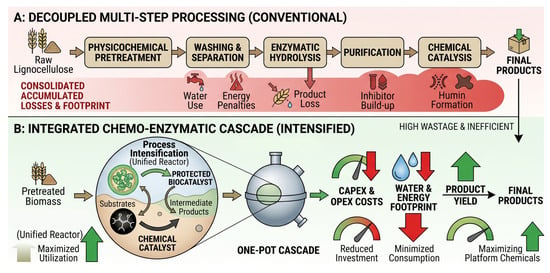
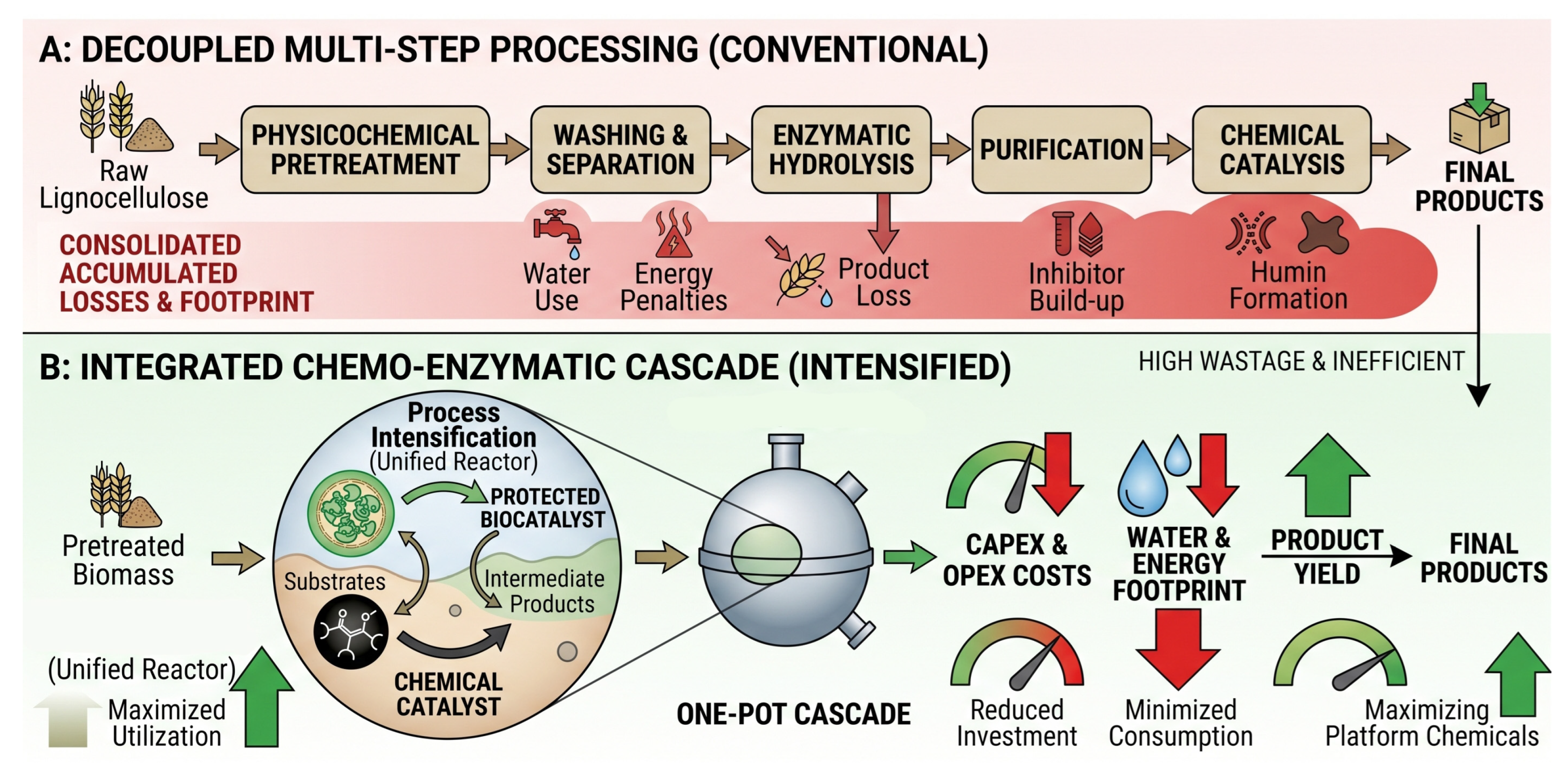
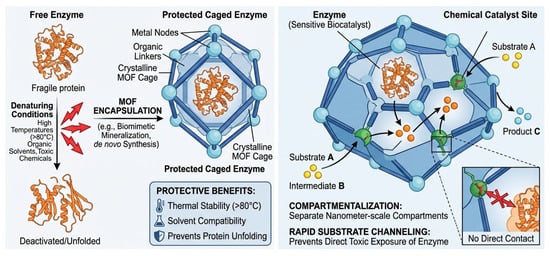
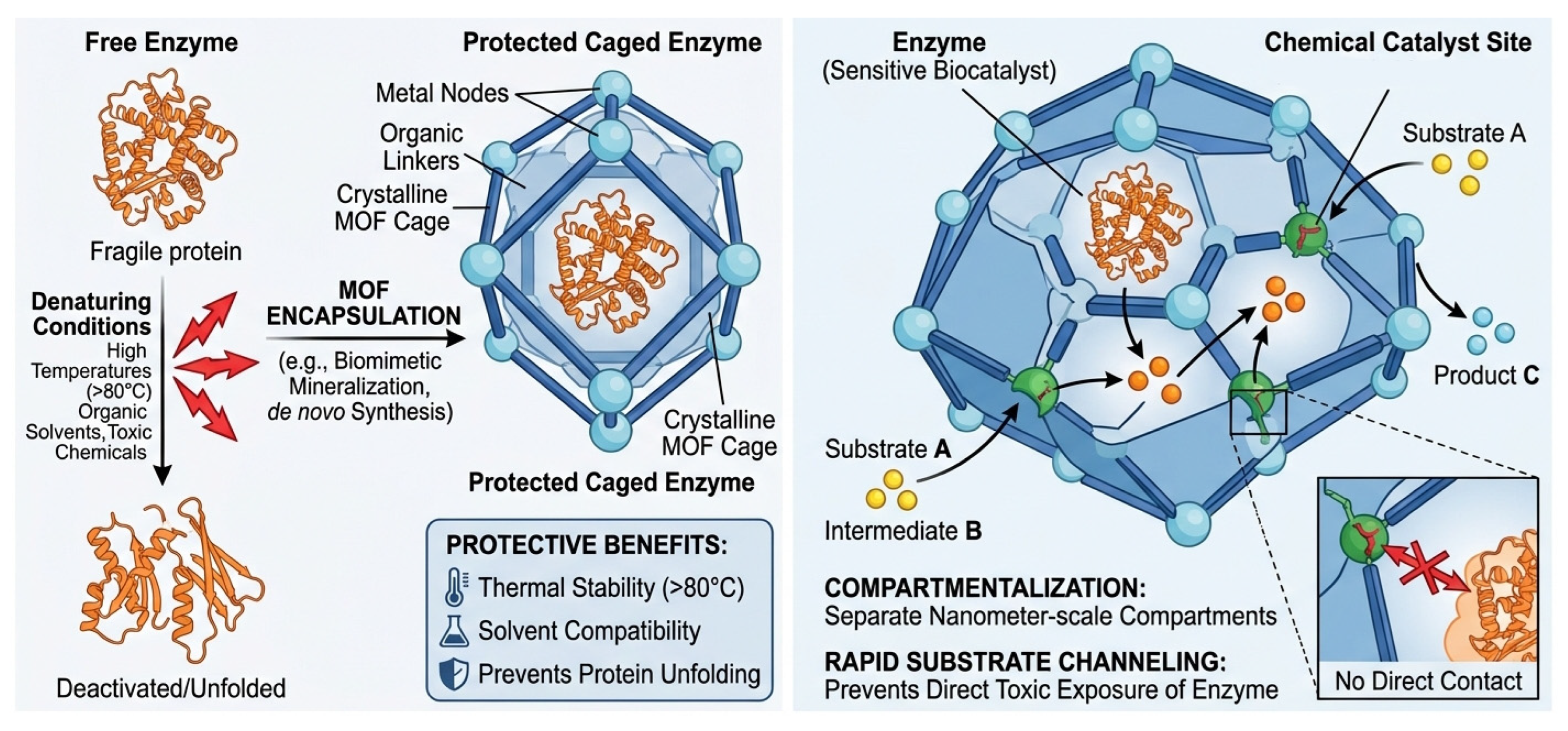
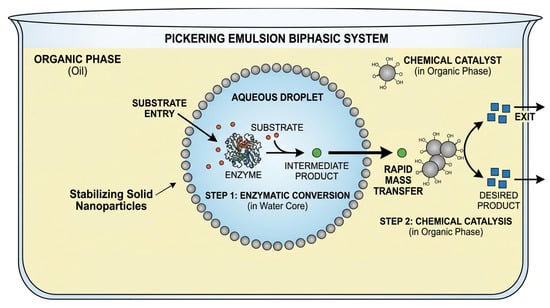
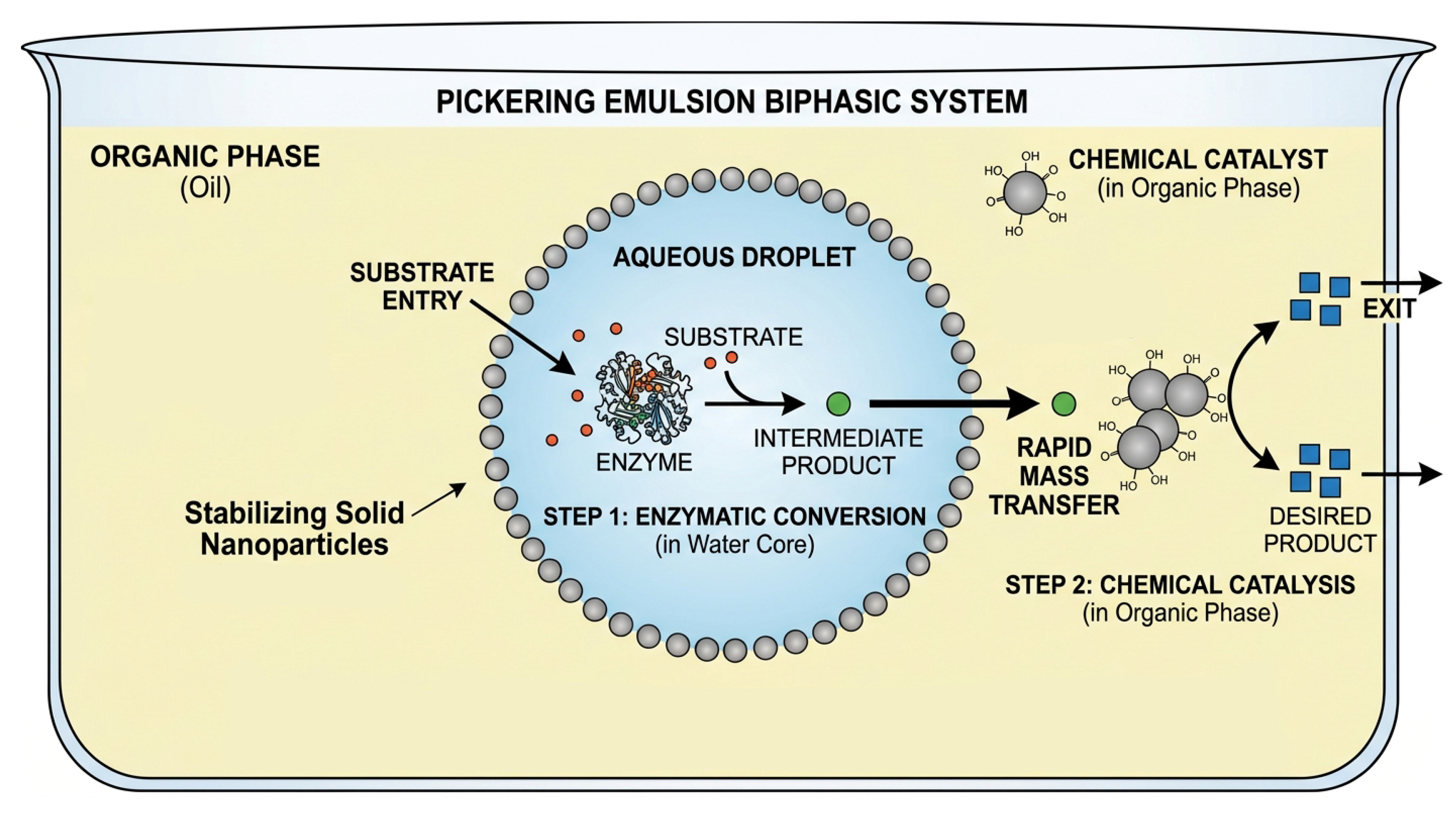
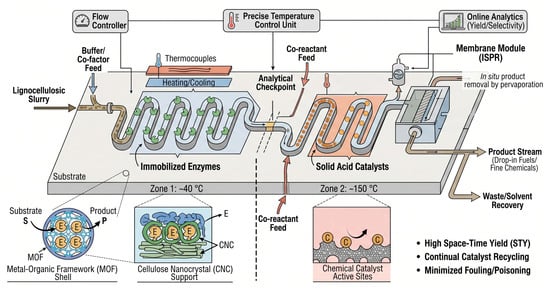
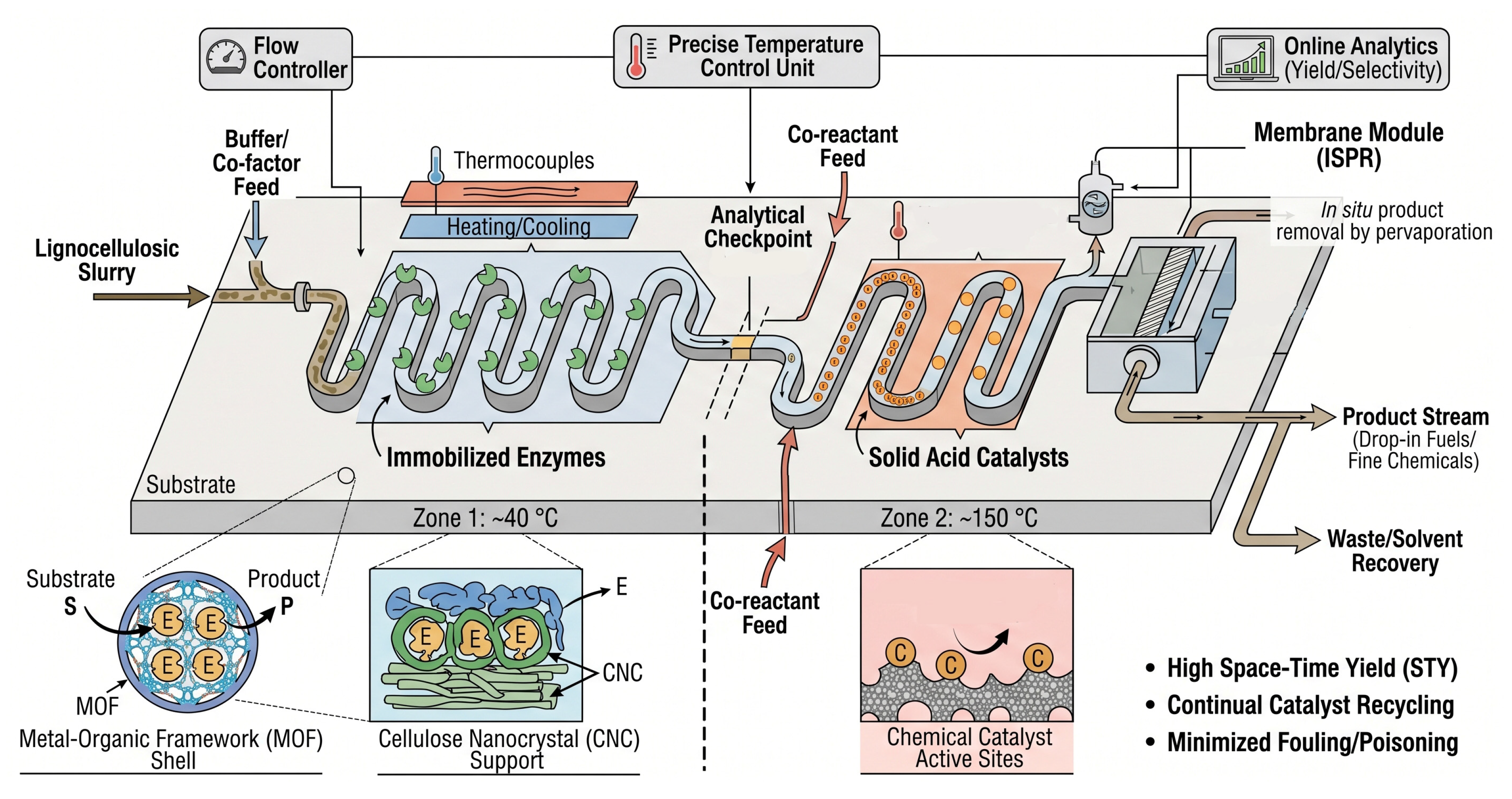

Disclaimer/Publisher’s Note: The statements, opinions and data contained in all publications are solely those of the individual author(s) and contributor(s) and not of MDPI and/or the editor(s). MDPI and/or the editor(s) disclaim responsibility for any injury to people or property resulting from any ideas, methods, instructions or products referred to in the content. |
© 2026 by the authors. Licensee MDPI, Basel, Switzerland. This article is an open access article distributed under the terms and conditions of the Creative Commons Attribution (CC BY) license.