


Abstract
High-energy-density liquid fuels are critical energy materials for aerospace, advanced military equipment, and high-power propulsion systems. They offer notable advantages, including high energy density and controllable combustion characteristics. Their performance optimization and technological innovation are essential for enhancing the endurance, propulsion efficiency, and overall performance of power systems. This review focuses on polycyclic hydrocarbon fuels, high-energy ionic liquid fuels, nanofluid fuels, biomass-based fuels, and caged compound fuels. It comprehensively summarizes recent advances in these fuels. Polycyclic hydrocarbon fuels have achieved efficient synthesis processes by leveraging biomass valorization and green catalysis. High-energy ionic liquid fuels are classified into cyanamide-, borohydride-, azide-, and phosphine-based types. They achieve millisecond-scale hypergolic ignition through cation-anion structural regulation, making them important alternatives to hydrazine propellants. Nanofluid fuels modified by nanoparticle doping effectively balance enhanced energy density with optimized combustion efficiency. Biomass-based fuels, owing to their renewable and low-carbon characteristics, exhibit sustainable application prospects, with key performance metrics gradually approaching those of conventional petroleum-based fuels. Caged compound fuels possess high energy density and thermal stability due to their unique highly strained molecular structures. This review compares the synthesis routes, performance characteristics, and existing technical barriers of these fuels. It highlights the mechanisms and current applications of bifunctional catalysis, solid acid/ionic liquid catalysis, noble metal-supported catalysis, and plasma modification in fuel synthesis, catalyst regulation, and fuel activation. It also analyzes common scientific challenges, including poor catalyst-fuel compatibility, low coupling efficiency in multi-step reactions, and difficulty in scaling up laboratory processes. Finally, it outlines future directions for new green catalytic processes, multi-fuel blending, and continuous synthesis. This review aims to provide theoretical references and technical support for the molecular design, performance enhancement, and scalable preparation of high-energy-density liquid fuels.
1. Introduction
High-energy-density liquid fuels (HED liquid fuels) are defined as liquid chemical fuels with densities exceeding 0.85 g/mL and superior energy storage performance. Compared with conventional liquid fuels, they combine high density, high volumetric heating value, high specific impulse, and a low freezing point [1]. These fuels have been widely used in aerospace, military engineering, the energy sector, and other fields, with representative applications including rocket propellants, ballistic missiles, hypersonic weapons, and emergency power generation systems. The energy output efficiency of power systems is closely associated with fuel properties. Among these properties, fuel density and volumetric combustion heating value are two key indicators and are positively correlated; specifically, volumetric heating value increases with increasing fuel density [2]. For an aircraft with a fixed fuel tank volume, the specific heating value of the fuel remains nearly constant, whereas a higher fuel density provides a larger volumetric heating value and stronger thrust output. Under a fixed thrust requirement, a higher fuel density reduces the required tank volume and thus improves the space utilization of the aircraft [3,4].
High-energy-density liquid fuels can be classified into five major categories: polycyclic hydrocarbon fuels, nanofluid fuels, energetic ionic liquid fuels, biomass-derived high-density fuels, and cage hydrocarbon fuels. Polycyclic hydrocarbon fuels, represented by RJ-4, RJ-5, and JP-10, are widely used in aerospace propulsion systems owing to their high density and high heating value, but they suffer from heavy reliance on petrochemical feedstocks and high synthesis costs. Nanofluid fuels, prepared by suspending nanoparticles in liquid fuels, can effectively enhance energy density and combustion efficiency but are limited by poor particle dispersion and hazardous byproducts formed during combustion. Energetic ionic liquid fuels, represented by 1,3-dimethylimidazolium, dimethylammonium nitrate, and ethylammonium nitrate, exhibit excellent thermal stability, low sensitivity, and hypergolic reactivity with specific oxidants, showing considerable promise for green liquid propellants and novel high-energy materials [5,6]. Biomass-derived high-energy-density liquid fuels are produced through chemical or biological conversion of agricultural and forestry biomass, such as straw and bark. Owing to their renewable feedstocks, carbon-neutral nature, and safe storage and transportation, these fuels can replace traditional fossil fuels in aerospace, military, and high-power equipment [7]. Cage hydrocarbon fuels, including cubane, quadricyclane, and adamantane derivatives, possess high energy density and favorable thermal stability because of their distinctive spatial structures and chemical bonding characteristics, making them important candidates for next-generation high-energy-density liquid fuels [8]. Different fuel systems offer distinct advantages and limitations. In practical equipment applications, a trade-off is often required among energy output, low-temperature flowability, storage safety, production cost, and environmental compatibility. No single fuel can readily satisfy all these criteria simultaneously. Consequently, balanced overall performance relies on innovations in synthesis processes, optimization of catalytic systems, and blending/modification strategies.
This review summarizes the synthesis routes and performance characteristics of the five fuel categories discussed above. Particular emphasis is placed on mainstream synthesis and modification technologies, including bifunctional catalysts, solid acids, ionic liquids, noble metal-supported catalysts, and plasma modification. The mechanisms by which various catalytic and modification systems enhance fuel energy density, optimize combustion performance, and improve environmental adaptability are further elucidated. Bifunctional catalysts, relying on the synergy between acid sites and metal sites, efficiently couple multi-step reactions such as alkylation and hydrodeoxygenation, thereby substantially improving fuel synthesis efficiency. Owing to their tunable acidity, solid acids and ionic liquids exhibit high selectivity in reactions such as isomerization and cycloaddition. Noble metal-supported catalysts markedly enhance catalytic activity and stability in reactions such as hydrogenation and hydrogenolysis. In parallel, plasma modification has emerged as a prominent research focus. It can directly act on fuel molecules to induce mild cracking and preactivation, while also facilitating low-temperature catalyst preparation and surface modification. Such treatment improves the dispersion of active metal species and modulates zeolite acidity, offering new strategies to address poor nanoparticle dispersion and catalyst deactivation caused by carbon deposition. Through a systematic review of the advantages and existing challenges of these catalytic and modification technologies in high-energy liquid fuel preparation, this review identifies the current bottlenecks in the development of high-energy-density liquid fuels. These bottlenecks primarily include poor compatibility between catalytic systems and different fuel systems, low coupling efficiency of multi-step reaction pathways, and the limited scalability of laboratory processes. These insights provide theoretical references and technical support for the efficient, green, and scalable preparation of high-energy-density liquid fuels.
2. Research Progress of Polycyclic Hydrocarbon Fuels
Polycyclic hydrocarbon fuels are the most mature and widely applied class of HED liquid fuels. Their typical representatives include dimethyltetrahydrodicyclopentadiene mixtures (RJ-4), fully hydrogenated norbornadiene dimers (RJ-5), and exo-tetrahydrodicyclopentadiene (JP-10). Owing to their high density and high heating value, these fuels have become mainstream propellants for aerospace propulsion systems. Current research is mainly focused on two directions. The first is to replace fossil feedstocks with biomass to enable green and continuous synthesis. The second is to optimize catalyst structures to improve reaction efficiency and selectivity toward target products.
2.1. RJ-4 Fuel
RJ-4, also known as tetrahydrodimethyldicyclopentadiene (TH-dimer), has a density of 0.92–0.93 g/mL and a volumetric heating value of 39.0 MJ/L. It was the earliest high-energy-density fuel developed in the United States and consists of a mixture of two isomers (endo-bridge and exo-norbornane) obtained by hydrogenation of dimethyldicyclopentadiene (Figure 1). Although its relatively high freezing point (−46 °C) limits its standalone application in aerospace, RJ-4 can be blended with other fuels to improve overall fuel performance [9].
Figure 1.
Traditional synthesis route of RJ-4 [9].
The traditional petrochemical-based synthetic route of RJ-4 has reached maturity, while biomass-based synthetic routes have become a hot research topic in recent years to realize renewable raw material supply. Nie et al. [10] converted lignocellulose-derived 5-methylfurfural (5-MF) into 2,5-hexanedione (HD) over a Ni2P/HZSM-5 bifunctional catalyst in a water–dichloromethane biphasic solvent system at 140 °C and 3 MPa H2 for 20 h. This step achieved 99% 5-MF conversion and an HD yield of up to 79%. Subsequently, 3-methyl-2-cyclopenten-1-one (MCO) was selectively reduced to 3-methylcyclopent-2-en-1-ol (MCP) using NaBH4/CeCl3·7H2O in methanol at room temperature, affording MCP in 98.5% yield. In a solvent-free system, hierarchical HZSM-5 catalyzed the dehydration–condensation of MCP at 25 °C for 72 h to form the dimer DMCPD, with complete substrate conversion and a DMCPD yield of 98.0%. Hydrogenation of the resulting DMCPD over Ni2P gave RJ-4 in 99% yield (Figure 2). The overall yield from 5-MF was 68.4%. A research team led by Ning Li at the Dalian Institute of Chemical Physics, Chinese Academy of Sciences, developed a cellulose-based process for synthesizing RJ-4 via methylcyclopentadiene [11]. In this process, cellulose was first converted to 3-methyl-2-cyclopenten-1-one. This intermediate then underwent hydrodeoxygenation (HDO) to produce methylcyclopentadiene. The resulting methylcyclopentadiene was subsequently dimerized to dimethyldicyclopentadiene, which was finally hydrogenated to afford RJ-4. Meylemans et al. [12] employed linalool as the starting material. Under solvent-free conditions, Ru-catalyzed intramolecular cyclization at room temperature for 45 min afforded 1-methylcyclopent-2-enol and isobutylene. Subsequent dehydration over an AlPO4/MgSO4 composite catalyst at 60 °C for 5 h gave methylcyclopentadiene in 78% isolated yield. The resulting methylcyclopentadiene was then subjected to Diels–Alder dimerization, hydrogenation, and AlCl3-catalyzed isomerization to produce RJ-4 (Figure 3). This approach provides a greener synthetic route to RJ-4.
Figure 2.
5-MF is used as the raw material to synthesize RJ-4 [10].
Figure 3.
Preparation of high-density fuel RJ-4 from linalool [12].
2.2. RJ-5 Fuel
RJ-5, also known as the fully hydrogenated norbornadiene dimer, was developed by the U.S. Naval Research Laboratory in the 1950s. It is mainly used in propulsion systems for high-performance rockets and missiles. Its density typically ranges from 1.0 to 1.1 g/cm3, and its volumetric combustion heating value reaches 44.9 MJ/L. This value is considerably higher than that of RJ-4 [13]. Moreover, RJ-5 exhibits excellent thermal stability and retains good chemical stability at elevated temperatures. RJ-5 is synthesized from norbornadiene (NBD). In the presence of 15 wt% Ru/C, NBD undergoes a [2+4] cycloaddition reaction. Subsequent hydrogenation and isomerization yield the fully hydrogenated norbornene dimer (Figure 4) [14]. However, RJ-5 suffers from relatively high viscosity and a high freezing point (>0 °C). It solidifies immediately upon supercooling, which can cause fuel system shutdown. Therefore, RJ-5 is usually blended with other fuels to form mixed fuels such as RJ-5A, RJ-6, and SI-80 [3]. Such blending improves the overall fuel performance. In addition, the synthesis of RJ-5 employs an expensive Rh catalyst, which increases its production cost.
Figure 4.
Synthesis of RJ-5 from norbornadiene [14].
2.3. JP-10 Fuel
JP-10 (Jet propulsion fuel-10) is a high-energy-density fuel developed in the United States in the 1970s. It belongs to the class of polycyclic alkanes, with exo-tetrahydrodicyclopentadiene (exo-THDCPD) as its principal component. Owing to its high density (0.936 g/cm3), low freezing point (−79 °C), and high volumetric heating value (39.41 MJ/L), JP-10 has been widely used in military aviation, missile propulsion, and other fields [15].
The traditional synthetic route uses petroleum-derived dicyclopentadiene (DCPD) as the feedstock. DCPD is hydrogenated to form endo-tetrahydrodicyclopentadiene (endo-THDCPD), which then undergoes isomerization, separation, and purification to afford low-freezing-point exo-THDCPD (Figure 5). Despite its process maturity, this route has several limitations. The feedstock supply is limited, with only 10–20 g of DCPD available per ton of coal tar. The production cost is high (approximately 7091 USD/t). In addition, isomerization selectivity is low, and the acidic catalysts used (e.g., AlCl3 and H2SO4) are non-recyclable and generate large volumes of wastewater. These issues result in environmental pollution and resource waste [16]. Accordingly, current research priorities are to improve isomerization selectivity and efficiency while achieving green and continuous production. Systematic investigations have therefore been conducted from the perspectives of catalyst design and process innovation.
Figure 5.
Traditional synthetic routes of JP-10 fuel [16].
Early studies mainly employed Lewis acid catalysts, such as AlCl3 and BF3. These catalysts initiate carbocation rearrangement, converting the skeletal structure from the endo form to exo-THDCPD, which is less sterically hindered and thermodynamically more stable. The final product is obtained through deprotonation or hydride transfer [17]. For example, Xiong et al. [18] used anhydrous AlCl3 as the catalyst. Under 3 wt% catalyst loading at 80 °C for 100 min, they achieved a conversion of up to 94.7% and a selectivity of 97.4%. However, such catalysts readily hydrolyze to form strongly corrosive acids. They also impose stringent requirements on equipment materials. After being miscible with the reaction system, they require water washing and alkaline separation. This process generates large amounts of acidic wastewater and limits their further application [19]. To address these issues, Hang et al. [20] developed an acidity-tunable chloroaluminate ionic liquid (IL) catalyst, BMIC/AlCl3. By tuning the AlCl3 content to optimize Lewis acidity, they achieved 98.9% conversion of endo-THDCPD and 100% selectivity to the target exo-THDCPD under mild conditions at 50 °C with an AlCl3 mole fraction of 65%. The catalyst also exhibited good recycling stability.
To meet the demands of continuous processing and catalyst stability, Wang et al. [21] developed an innovative integrated continuous-flow hydrogenation–isomerization process. The team successfully prepared a 15 wt% Ni/γ-Al2O3 hydrogenation catalyst and a Ni/Hβ isomerization catalyst by impregnation. In a fixed-bed reactor, they achieved direct and efficient conversion of DCPD to exo-THDCPD. The exo-THDCPD selectivity reached 70%, and stable operation was maintained for over 200 h. Compared with the conventional two-step process, this integrated continuous-flow process offers notable advantages. It simplifies the operation, improves economic efficiency, and avoids the use of strongly acidic catalysts, thus embodying the principles of green chemistry. Wang et al. [22] constructed an efficient Pt/REY catalyst system. Under optimized conditions of 150 °C and 0.5 MPa H2 in a fixed-bed reactor, the conversion of endo-THDCPD reached 94%, and the selectivity toward the target product exo-THDCPD reached 94.7%. In a 120 h continuous reaction test, the Pt/REY catalyst exhibited excellent stability without obvious deactivation. Studies indicate that the synergistic effect between the Pt active species and H2 plays a key role in the catalytic process. Pt sites not only effectively activate H2 molecules but also promptly hydrogenate coke precursors formed during the reaction into saturated hydrocarbons and facilitate their desorption. This markedly suppresses coke formation and provides an important safeguard for the long-term stable operation of the catalyst.
In addition, Jayapradha et al. [23] successfully developed a TiO2/SO4/Ba (10 wt%)/Se (15 wt%) catalyst system through an innovative design. Under optimized reaction conditions (200 °C, 2 MPa), this catalyst exhibited outstanding catalytic performance, achieving 96% conversion of endo-THDCPD, 98% selectivity toward exo-THDCPD, and a target product yield of up to 94%. This provides a new route for the efficient synthesis of HED liquid fuels.
In recent years, advances in biomass conversion technologies have stimulated research on alternative biomass-based feedstocks. These new routes can reduce costs and mitigate environmental impact. For example, Li et al. [24] proposed two synthetic routes using furfuryl alcohol as the feedstock (Figure 6). Route 1 is a six-step tandem reaction. Furfuryl alcohol first undergoes CaO-mediated aqueous-phase rearrangement, Raney Ni hydrogenation, and H-USY zeolite dehydration to produce cyclopentadiene (CPD). After feedstock recycling, the carbon yield of this step reaches 93.8%. CPD then undergoes uncatalyzed dimerization at 393 K to form DCPD. The resulting DCPD is subjected to two-step hydrogenation at room temperature under 4 MPa H2 to give endo-THDCPD. Finally, isomerization over La-Y zeolite at 433 K affords exo-THDCPD, with a total carbon yield of 96.1%. Route 2 is a four-step process. Its initial furfuryl alcohol rearrangement is identical to that in Route 1. Subsequently, hydroxycyclopent-2-enone undergoes an uncatalyzed crossed Diels–Alder reaction with DCPD. The resulting adduct is then hydrodeoxygenated over a Ru/C–H-USY dual-catalyst system and isomerized over La-Y zeolite to give the target product. This route involves fewer steps and can reduce separation energy consumption and equipment costs. However, it suffers from poor controllability of reaction selectivity and the high cost of the bifunctional catalyst. On this basis, Zhang et al. [21] improved the reaction conditions of Route 1. They integrated the dehydration, Diels–Alder reaction, and hydrogenation steps without intermediate separation. This effectively reduces energy consumption and cost. It provides a feasible route for the industrial production of bio-based JP-10. It also helps reduce dependence on fossil energy and lower carbon emissions.
Figure 6.
Synthesis strategies of biomass-derived JP-10 fuel from furfuryl alcohol [24].
2.4. Modification Strategies for Polycyclic Hydrocarbon Fuels
Non-thermal plasma (NTP) contains abundant high-energy electrons, ions, and excited radical species. Its electron temperature can reach 104–105 K, while the gas temperature remains close to room temperature. This enables chemical bond activation and rearrangement under mild conditions, which are difficult to achieve by conventional thermal catalysis [25]. In recent years, the application of plasma technology in high-energy-density fuels has mainly followed two routes. The first is direct interaction with fuel molecules to improve combustion and cracking performance through cracking/reforming [26,27]. The second is the modification and preparation of catalysts during synthesis. By tuning acidity, metal dispersion, and surface structure [28,29], this route enhances DCPD hydrogenation and endo-THDCPD isomerization efficiency.
Radio-Frequency plasma (RF plasma) technology uses a radio-frequency electromagnetic field to excite gases and generate plasma. It enables material synthesis and modification by exploiting the unique properties of plasma. Among these applications, the cracking of JP-10 using RF plasma is one of the most representative studies. Jiao et al. [26] employed a low-power, low-pressure RF plasma apparatus coupled with online quadrupole mass spectrometry. They investigated the cracking behavior of JP-10 at RF powers ranging from 3 to 30 W. By measuring ion intensities and correcting them with ionization cross-section data, they quantitatively determined the relative number densities of parent JP-10 molecules (m/z = 136) and major decomposition products as a function of RF power. As RF power increased, the JP-10 molecular density decreased continuously. In contrast, the densities of cracking products such as H2 increased monotonically. These results indicate that high-energy electrons effectively cleave C-C bonds in the molecular skeleton through inelastic collisions with JP-10 molecules. This work provides the first experimental evidence that low-power non-equilibrium plasma can achieve efficient cracking of JP-10 near room temperature. It thus offers a direct basis for plasma-assisted ignition and combustion.
In addition to gas-phase plasma cracking, electric-field-assisted catalytic reforming is another important strategy for tuning JP-10 performance. Gray et al. [30] designed a coaxial capacitor reactor and applied short-pulse, high-frequency electric fields (200 ns pulses, 3.0 kV, 50 kHz) to a perovskite catalyst with socketed Ni nanoparticles. Under conditions that suppressed bulk plasma formation, they investigated the steam reforming of JP-10. The applied electric field significantly reduced the reaction temperature and markedly increased the hydrogen production rate. It also extended the catalyst lifetime. Thermodynamic analysis showed that key reforming performance indicators—JP-10 conversion, water conversion, hydrogen yield, and hydrogen production rate—exhibited a strong linear dependence on field strength and electric field direction. The electric-field-enhanced catalytic effect demonstrated in this work provides an important design concept for the plasma–catalysis synergistic modification of JP-10.
The metal dispersion and hydrogenation selectivity of hydrogenation catalysts, together with the acid properties of isomerization catalysts (e.g., acid strength, acid amount, and Brønsted-to-Lewis (B/L) acid ratio), directly govern the product yield and energy consumption of JP-10 production. The application of plasma technology in catalyst preparation and modification offers a non-conventional route for precisely tuning these properties.
The isomerization of endo-THDCPD to exo-THDCPD is a typical acid-catalyzed reaction. Y zeolites (HY and USY) are considered the most promising heterogeneous isomerization catalysts owing to their large supercage structures and suitable acid strength. For plasma surface modification of Y zeolites, Furukawa et al. [31] treated HY zeolite with CF4 radio-frequency plasma. EDS analysis detected 9.93 at.% fluorine and 7.91 at.% carbon introduced onto the treated zeolite surface. IR spectroscopy confirmed that Si-OH groups on the micropore surface were replaced by -CFn and -F groups. Ethanol adsorption experiments revealed a marked enhancement in zeolite hydrophobicity. This surface fluorination modification can regulate the hydrophilic-hydrophobic environment within the zeolite channels. For isomerization systems containing polar byproducts or susceptible to coke-induced catalyst deactivation, this strategy may prolong catalyst lifetime by suppressing the adsorption of polar oxygenates and reducing the formation of coke precursors.
DCPD hydrogenation to endo-THDCPD is a typical heterogeneous hydrogenation reaction. Pd/C, Pt/Al2O3, and Ni/SiO2 are commonly used catalysts. Conventional impregnation requires high-temperature calcination and reduction, which readily causes metal particle agglomeration and a broad particle size distribution. Low-temperature plasma reduction can reduce and disperse metal precursors at relatively low temperatures. The resulting catalysts feature smaller particle sizes, more uniform dispersion, and stronger metal-support interactions. They exhibit superior activity to conventional calcination-reduction catalysts in reactions such as CO oxidation, CO2 hydrogenation, and VOC degradation [32]. To date, no dedicated study has reported the direct preparation of DCPD hydrogenation catalysts by plasma methods. However, DCPD hydrogenation is similar to benzene and naphthalene hydrogenation in terms of reaction mechanism and catalyst requirements. Therefore, introducing this strategy into DCPD hydrogenation systems is highly feasible. It may achieve complete DCPD hydrogenation at a lower metal loading. It may also suppress over-hydrogenation and deep cracking side reactions.
Currently, the application of plasma-assisted modification in JP-10 and related high-energy-density fuels presents a landscape in which the fuel side has an established foundation, while the catalysis side is still emerging. On the fuel side, the low-power RF plasma cracking of JP-10 reported by Jiao et al. [26] is the most systematic study. It has confirmed that non-thermal plasma can efficiently crack JP-10 molecules near room temperature. On the catalysis side, plasma-based regulation of zeolite acidity and plasma reduction for preparing highly dispersed metal catalysts have been validated in other catalytic systems. However, these strategies have not yet been systematically extended to dedicated catalyst systems for JP-10 production via DCPD hydrogenation-isomerization.
Future research should prioritize the following directions. First, plasma-based acidity regulation should be introduced into the modification of Y-type and β-type zeolites. This strategy can precisely tune the Brønsted/Lewis acid ratio and acid strength distribution. It may enable the simultaneous attainment of high conversion and high selectivity in endo-THDCPD isomerization. Second, plasma-assisted reduction should be developed to prepare highly dispersed Ni/Pt/Pd hydrogenation catalysts. This approach can lower metal loading while improving the selectivity toward complete DCPD hydrogenation. Third, an in situ synergistic system integrating plasma and bifunctional catalysts should be constructed. Such a system could enable a novel one-step plasma-assisted hydroisomerization process for DCPD. These efforts are expected to provide new technical pathways for the efficient and green synthesis of JP-10 and related high-energy-density fuels, such as RJ-4 and RJ-5.
3. Research Progress on High-Energy Ionic Liquid Fuels
High-energy ionic liquid fuels are a novel class of energetic materials that combine high energy density with the unique physicochemical properties of ionic liquids. They typically consist of energetic cations and energetic anions. These fuels offer prominent advantages, including good thermal stability, low vapor pressure, tunable sensitivity, and hypergolic ignition with specific oxidants. They are therefore regarded as promising green alternatives to conventional hydrazine-based propellants [33]. Their cationic frameworks have expanded from early imidazolium and triazolium structures to ammonium, phosphonium, and other types. Their anions include cyanamide, borohydride, azide, and phosphorus hydride species. Different cation–anion combinations can significantly regulate fuel density, viscosity, thermal stability, and hypergolic performance [34]. In recent years, the demand for high-energy, safe, and environmentally friendly fuels in aerospace propulsion systems has become increasingly urgent. Consequently, research on high-energy ionic liquid fuels has advanced considerably.
3.1. Cyanamide-Based Ionic Liquid Fuels
Cyanamide-based ionic liquids have become the most extensively studied class of high-energy ionic liquids. This is because the dicyanamide anion ([DCA]−, N(CN)2−) combines low viscosity, high nitrogen content, and hypergolic ignition upon contact with oxidants [35]. The terminal nitrogen atoms in [DCA]− possess strong nucleophilicity and reactivity, which form the structural basis of its hypergolic performance. Introducing a nitro group into this anion affords the nitrocyanamide anion, further enhancing energy density and hypergolic activity. The choice of cationic framework strongly modulates fuel properties. Cationic frameworks have evolved from early imidazolium cations (e.g., [EMIm]+, [BMIm]+, and [AMIm]+) to bicyclic ammonium cations, strained-ring-functionalized cations, guanidinium cations, and bio-renewable cations [34]. Notably, incorporating polycyclic structures into cations can markedly increase density. The density of the 1-methyl-1-azabicyclo [2.2.2]octane dicyanamide salt reaches 1.20 g/cm3, while that of the 1-propargyl-1,4-diazabicyclo [2.2.2]octane dicyanamide salt reaches 1.25 g/cm3. These values are significantly higher than that of the corresponding monocyclic imidazolium dicyanamide salt (1.07 g/cm3) [33,35]. Table 1 summarizes key performance parameters, such as density, viscosity, ignition delay time, and specific impulse, for typical cyanamide-based ionic liquid fuels when combined with different oxidants.
Table 1.
Comparison of dicyanamide-based ionic liquid fuels.
Cyanamide-based ionic liquids are primarily prepared via metathesis reactions. Traditional routes employ expensive silver dicyanamide (AgDCA) as a reactant, resulting in high costs [44]. In recent years, a low-cost synthetic route using sodium dicyanamide (NaDCA) instead of silver salts has been developed. Metathesis of 1-propenyl-3-methylimidazolium chloride with NaDCA in acetonitrile affords high-purity [AMIm]N(CN)2. This approach reduces raw material costs by 95.47% compared with the traditional route, thereby eliminating a major economic barrier to the scalable production of these fuels [45].
Although dicyanamide-based ionic liquid fuels exhibit excellent performance, their engineering application still faces multiple technical challenges. The most severe issue is the side reaction leading to melamine formation. Chingin et al. found by electrospray mass spectrometry that DCA− reacts with HNO3 to form solid precipitates composed mainly of melamine and its oligomers [46]. Approximately 25% of the dicyanamide ionic liquid is converted into such precipitates during ignition. Brotton et al. further confirmed by acoustic levitation experiments that about 37% of [MAT][DCA] is converted into a stable solid foam [47]. These precipitates severely limit the energy release efficiency of the fuel. They also cause clogging and performance degradation during long-term engine operation. In addition, some ionic liquids still exhibit relatively high viscosities, up to several hundred cP, which impairs atomization and transport efficiency [48]. When DCA− is paired with nitrogen-containing cations, polymerization degradation may occur under prolonged thermal exposure. Their long-term thermal stability is lower than that predicted by short-term TGA tests [49]. Moreover, the synthesis cost of some specialty cations remains high [50].
Future research should elucidate the hypergolic reaction mechanism in depth. In situ characterization and quantum chemical calculations should be used to refine theoretical models and suppress the formation of melamine-type byproducts [46]. Cationic structural design and blending strategies should be combined to balance density, viscosity, and ignition delay. Continuous and low-cost synthesis processes should be developed. The long-term thermal stability and compatibility with engine materials should be systematically evaluated. Furthermore, bio-renewable cation feedstocks should be expanded. These efforts will promote the transition of dicyanamide-based ionic liquid fuels from laboratory research to engineering applications.
3.2. Borohydride-Based Ionic Liquid Fuels
Borohydride-based high-energy ionic liquids are a class of ionic liquid fuel systems in which borohydride groups (B-H bonds) serve as the core high-energy structural units. Compared with cyanamide- and azide-based hypergolic ionic liquids, borohydride-based systems generally exhibit lower viscosity, shorter ignition delay times, and lower synthesis costs. They are therefore considered one of the most promising green fuels for replacing hydrazine-based propellants [51]. Depending on the location of the B-H structural unit within the ionic liquid, these fuels can be classified into three major types: anionic, cationic, and zwitterionic, as shown in Figure 7 [52]. Table 2 summarizes key performance parameters of various borohydride ionic liquid fuels, including density, viscosity, thermal decomposition temperature, and ignition delay time.
Figure 7.
Classification and general structures of boron-containing energetic ionic liquids [52].
Table 2.
Comparison of borohydride-based ionic liquid fuels.
Anionic borohydride-based ionic liquids are currently the most extensively studied borohydride system. Their development has centered on gradually improving chemical stability while maintaining high ignition activity. Li et al. [53] first introduced simple borohydride anions (BH4−) into imidazolium ionic liquids. The resulting 1-allyl-3-methylimidazolium borohydride exhibited an ignition delay time of only 2 ms upon contact with WFNA. However, the instability of pure BH4- in water limited its application. To improve hydrolytic stability, Zhang et al. [60] developed cyano-substituted borohydride systems, such as [BH3CN]− and [BH2(CN)2]−. By introducing electron-withdrawing cyano groups onto the B-H framework, they significantly enhanced chemical stability while maintaining an ultrashort ignition delay. On this basis, Li et al. [59] further combined nitrogen-rich tetrazole rings with borohydride frameworks to design a cyanotetrazolyl borohydride anion (CTB). Unlike conventional cyano-substituted borohydrides, CTB directly incorporates a tetrazole ring into the borohydride structure. The resulting series of ionic liquids (HIL-67 to HIL-74) exhibit viscosities below 20 mPa/s and densities generally above 1.1 g/cm3. Their minimum ignition delay time upon contact with WFNA reaches 1.4 ms, demonstrating excellent overall performance. Unlike the small-molecule borohydride anions described above, closo-borane cluster anions (B10H102−, B12H122−) possess cage-like closed structures and extremely high thermal stability. Rao and Muralidharan [61] synthesized a series of paired salts of nitrogen-containing cations (guanidinium, aminotetrazolium, hydrazinium, etc.) with closo-dodecaborane via metathesis reactions. Among them, dihydrazinium dodecaborate has an onset thermal decomposition temperature of about 235 °C. It loses about 32% of its weight at 330 °C, corresponding to decomposition of the nitrogen-rich cation moiety. This reveals a combustion mechanism involving stepwise gas-phase oxidation of B–H bonds.
Cationic systems transfer boron from the anionic side to the cationic side. This design pairs boron-containing cations with conventional energetic anions, thereby enabling the borohydride group to contribute to the overall energy content. Early work focused on imidazolium dihydroboronium ionic liquids. Fei et al. [62] synthesized a series of imidazolium dihydroboronium ionic liquids with different hydrocarbyl side chains using trimethylamine borane as the starting material. These ionic liquids exhibited decomposition temperatures above 150 °C, confirming the feasibility of this cationic design. On this basis, Li et al. [63] further developed a bis(imidazole) dihydroboronium cation, [BH2(Im)2]+, in which two imidazole rings are bridged to a single boron atom. After pairing with anions such as dicyanamide and nitrate, the resulting ionic liquids achieved density-specific impulses of 305.4–357.8 s/g/cm3, outperforming conventional UDMH. Introducing different alkyl chains and unsaturated functional groups onto the imidazole rings can further regulate the melting point, viscosity, and ignition delay of these ionic liquids.
Zwitterionic borohydride systems connect amine donors and borane acceptors directly through covalent bonds, forming intramolecularly coordinated inner salt structures. This strategy is designed to overcome the solid state of pure borane at room temperature. In 2014, Li et al. [53] proposed a “borane/ionic liquid solution” strategy. They dissolved solid borane adducts, such as ammonia borane and hydrazine borane, in low-viscosity ionic liquids. This approach produced fuel formulations combining liquid fluidity with ultrahigh ignition activity. The resulting HIL-1 and HIL-2 exhibited phase transition temperatures below −60 °C, densities of 0.91 and 0.90 g/cm3, and thermal decomposition temperatures of 99.9 and 93.3 °C, respectively. Their ignition delay times upon contact with WFNA reached as short as 2 ms. Building on amine boranes, researchers further incorporated imidazole-based energetic groups into borane adducts. This led to novel systems such as alkylimidazole boranes and 1,3-dialkylimidazole boranes. Li et al. [64] synthesized a 1-methylimidazole borane/tetrazole blended system. All blended samples exhibited ignition delay times below 50 ms. The ignition performance improved further with increasing tetrazole content. These compounds integrate the nitrogen-containing framework of the imidazole ring and the active B–H bonds of borane within a single molecule. This integration confers higher thermal stability and improved compatibility with common oxidants.
Although borohydride-based ionic liquids have achieved ignition performance comparable to or even exceeding that of hydrazine-based propellants, their engineering application still faces three major bottlenecks. First, their viscosities are generally high. For most systems, room-temperature viscosities range from tens to over a thousand mPa·s, far exceeding that of hydrazine (~0.9 cP). Second, their hydrolytic stability is insufficient. B–H bonds react slowly with airborne moisture, compromising long-term storage. Third, their synthesis costs remain high. Multi-step synthetic routes for borohydride reagents and cations drive up production costs. Future research should focus on optimizing fuel fluidity by blending with low-viscosity inert solvents [64], introducing hydrophobic groups onto the borohydride framework to improve hydrolytic stability, and synthesizing renewable borohydride-based fuels from bio-based feedstocks to further reduce the environmental footprint. Liang et al. [52] noted that for boron-based energetic ionic liquids as sustainable propellants for green space propulsion, research on their structure–property relationships is shifting from empirical trial-and-error toward rational molecular design.
3.3. Azide-Based Ionic Liquid Fuels
Azide-based ionic liquids are a class of energetic ionic liquids in which the azide group (–N3) acts as the core functional moiety. The azide group can either exist as part of the anion (e.g., N3−) or be covalently incorporated into the cationic framework, forming azide-functionalized cations [65]. Azide groups are characterized by high nitrogen content, high enthalpy of formation, and high reactivity. According to the mode of azide incorporation, azide-based ionic liquids can be divided into two categories. The first consists of ionic liquids containing azide anions, in which N3− is paired with cations such as imidazolium, pyrrolidinium, ammonium, and phosphonium through ionic bonds. Representative systems include 1,3-dibutylimidazolium azide ([BBIm][N3]) [66] and [P444E3][N3] and [MIME3][N3] containing triethylene glycol-based flexible cations [67]. The second consists of ionic liquids based on azide-functionalized cations. In these systems, azide groups are covalently attached to the cationic framework via alkyl or ether chains and paired with fuel-rich anions such as dicyanamide (DCA−) or nitrocyanamide. Representative systems include 1-(2-azidoethyl)-1-methylpyrrolidinium dicyanamide (IL-3b) [65] and N,N-dimethyl-2-azidoethylamine-based ionic liquids ([Rdmaz][N(CN)2]) [68]. Table 3 compares key performance parameters of typical azide-based ionic liquid fuels, including viscosity, thermal decomposition temperature, ignition delay time, and density-specific impulse.
Azide-based ionic liquids are typically prepared by a two-step method combining metathesis and azidation reactions. First, an ionic liquid intermediate containing a leaving-group anion is synthesized. An azide group is then introduced via nucleophilic substitution using an azidation reagent such as NaN3. For azide-functionalized cation-based ionic liquids, a cation precursor bearing an azide group is first prepared. This precursor subsequently undergoes ion exchange with the target anion. In recent years, incorporating flexible triethylene glycol segments into the cationic structure has effectively reduced the viscosity and glass transition temperature of these ionic liquids. It has also improved polymer solubility. These features confer dual functionality on azide ionic liquids, enabling their use as both hypergolic fuels and green azidation reagents. Li Xiaoyu et al. reported a safe, green, and efficient method for synthesizing azide polymers using novel azide ionic liquids [67]. This work expands the application of azide ionic liquids from propellants to energetic polymer synthesis.
In terms of performance advantages, azide-based ionic liquids exhibit high density, short ignition delay, and excellent volumetric performance. Wang et al. designed and synthesized azide-functionalized cation-based ionic liquids with densities ranging from 1.11 to 1.29 g/cm3. Their density-specific impulses, predicted by Gaussian 09 calculations, ranged from 289.9 to 344.9 s/g/cm3. These values are significantly higher than that of UDMH (~264 s/g/cm3) [65]. Among these compounds, IL-3b, namely 1-(2-azidoethyl)-1-methylpyrrolidinium dicyanamide, exhibited the best overall performance. It showed the lowest viscosity (30.9 mPa·s), a wide liquid range (−70 to 205 °C), the shortest ignition delay (only 7 ms upon contact with 100% HNO3), and an excellent density-specific impulse (302.5 s/g/cm3). It is therefore considered a promising candidate for bipropellant formulations [65].
Ionic liquids containing azide anions also exhibit good thermal stability. [BBIm][N3] has a glass transition temperature of −61 °C and an onset decomposition temperature of 311 °C. Its decomposition proceeds in a single stage with 100% mass loss. The Arrhenius activation energy determined by isoconversional kinetic methods (TAS, it-KAS, and VYA/CE) is 154 kJ/mol. This value is higher than that of its precursor (140 kJ/mol), indicating that azidation modification effectively enhances thermal stability [69]. The decomposition temperatures of four azide-functionalized ammonium ionic liquids ([Rdmaz][N(CN)2], R = ethyl, n-butyl, n-hexyl, and n-octyl) ranged from 241 to 242 °C and were nearly independent of alkyl chain length. Their glass transition temperatures were −102, −92, −89, and −91 °C, respectively. These results indicate that alkyl chain length primarily regulates low-temperature physical properties while exerting little effect on thermal decomposition temperature [70].
Regarding combustion mechanisms, the hypergolic reactivity of azide-based ionic liquids arises from rapid exothermic reactions that occur upon contact between azide groups and strong oxidizers. It should be noted that not all azide-anion-containing ionic liquids exhibit hypergolic behavior upon contact with conventional oxidants. Compared with dicyanamide-based ionic liquids containing the same cations, azide-anion ionic liquids show pronounced reactivity but do not necessarily undergo hypergolic ignition. This indicates intrinsic differences in the hypergolic mechanisms between azide- and cyanamide-based ionic liquids [69]. Nogamida et al. used the quantum chemical artificial force induced reaction (AFIR) method to systematically compare the reaction pathways of [N(CN)2]− and [BH2(CN)2]− anions with HNO3. Although the two anions are structurally similar, their reaction pathways after hydrogen-bonded complex formation differ significantly. In the [N(CN)2]− system, nucleophilic attack by NO3− was observed, whereas this process was not observed in the [BH2(CN)2]− system. These differences were rationally explained by natural resonance theory, indicating that anion charge distribution is a key factor governing the hypergolic reaction pathway [68]. In addition, Chambreau et al. reported through FTIR spectroscopic studies that the release of HN3 was detected when azide-based ionic liquids reacted with nitric acid. This further confirms the intrinsic differences from cyanamide-based systems in terms of reaction intermediates and pathways [69].
Although azide-based ionic liquids exhibit excellent performance, their engineering application still faces multiple challenges. First, the high sensitivity and potential explosion hazard of azide groups impose stringent requirements on synthesis, storage, and transportation safety. Ionic liquids containing azide anions risk decomposition or even explosion under dry or heated conditions [71]. Second, some systems exhibit relatively high viscosity, which impairs atomization and transport efficiency. Reducing viscosity while maintaining high density remains a core challenge in structural design [65]. In addition, long-term compatibility with oxidants and corrosion behavior toward engine materials have not been systematically evaluated. Moreover, the high toxicity of azidation reagents such as NaN3 increases costs for safety protection and waste disposal, limiting scalable production. Notably, azide ionic liquids also show potential in the field of energetic plasticizers. Recent reviews indicate that azidation and nitration are the primary routes for energizing plasticizers. Polycyclopropylated ionic liquids synthesized via CuAAC click chemistry, using renewable bio-based fatty acid esters as feedstocks, offer new avenues for sustainable raw material sources [72].
Future research should prioritize the following directions. First, cationic structural design should be used to synergistically optimize the balance among density, viscosity, and ignition delay. Second, quantum chemical calculations combined with in situ spectroscopy should be employed to elucidate hypergolic reaction mechanisms. Third, long-term thermal stability, material compatibility, and storage safety should be systematically assessed. Fourth, the application of green azidation reagents should be expanded. Finally, continuous and low-cost synthesis processes should be developed to advance azide-based ionic liquids from laboratory research to engineering applications.
3.4. Phosphorus Hydride-Based Ionic Liquid Fuels
Phosphorus hydride-based energetic ionic liquids are an emerging class of systems developed in recent years. They aim to overcome the trade-off among ignition rate, hydrolytic stability, and synthesis economy in hypergolic ionic fuels. Conventional nitrogen-containing anions, typically represented by dicyanamide [N(CN)2]−, are relatively stable in air and water. However, their ignition delay times upon contact with white fuming nitric acid (WFNA) are generally on the order of 50 ms. This falls short of the millisecond-level ignition required for liquid bipropellants [73]. In contrast, boron hydride-rich anions such as [BH4]− and [BH3CN]− can shorten ignition delays to several milliseconds. Nevertheless, their B–H bonds are strongly reducing and generally render them highly water-sensitive. Moreover, their anion exchange steps often require expensive silver salts, which limits both synthesis cost and scalability [73]. To address this dilemma, researchers have proposed incorporating phosphorus atoms into the anionic framework as bridging ligands. These ligands anchor the hydrogen-rich [BH3] reducing units. This design allows the anions to retain the strong reducing power of B–H bonds while improving their stability toward water and heat through P–B or P–O coordination [74,75].
Table 3.
Comparison of boranophosphate-based ionic liquid fuels.
Zhang et al. [73] used commercially available phosphorus trichloride and sodium borohydride as starting materials. They first prepared the sodium salt of the bis(borane)phosphinate anion [H2B(H)P(O)BH3]− ([PB]−). Anion exchange with five types of cations—quaternary ammonium, imidazolium, DBN, guanidinium, and triaminocyclopropenium—then afforded ten new ionic compounds. Single-crystal diffraction confirmed for the first time that the [PB]− anion adopts a V-shaped configuration. The B–P–B bond angle is approximately 121.7°, and the P–B bond length is approximately 1.93 Å. These structural data verify the design in which a phosphorus atom bridges two [BH3] units. These liquid salts exhibited extremely short ignition delays upon contact with WFNA. The allyl-substituted DBN cation salt ignited in only 1.0 ms, and most other systems ignited within 1.1–5.8 ms. These values were the shortest among water-stable ionic liquids reported at that time. Their densities ranged from 0.89 to 0.98 g/cm3, all higher than that of UDMH (0.79 g/cm3). The lowest viscosity was 16.9 mPa·s, and the highest thermal decomposition temperature reached 214 °C.
Of particular note is the hydrolytic stability of these anions. For example, when the 1-ethyl-3-allylimidazolium [PB]− salt was dissolved in neutral D2O and kept at room temperature for one month, 1H NMR showed no obvious degradation of the anion. Density functional theory (DFT) calculations further indicated that the energy barrier of the rate-determining step for hydrolysis was as high as 69.9 kcal/mol. This value is much higher than the ~30 kcal/mol threshold commonly associated with room-temperature reactions, consistent with the experimental results. This “phosphorus-stabilized boron” design is relatively rare among boron hydride-rich hypergolic ionic liquids. It demonstrates that coordination by phosphorus atoms can indeed improve chemical stability without significantly sacrificing ignition performance.
Building on this design, Liu et al. [75] further developed borophosphate anions from commercially available phosphate esters. In this system, [BH3] units were incorporated into a phosphate backbone. The resulting B–O–P coordination suppresses the hydrolytic activity of borohydride species. These ionic liquids exhibit a liquid range exceeding 220 °C, densities of 1.00–1.10 g/cm3, and good hydrolytic stability. Their ignition delays upon contact with WFNA range from 2.3 to 9.7 ms. More importantly, they can be directly prepared from inexpensive, readily available phosphate esters in high yields. This avoids tedious steps such as silver salt metathesis. As a result, this system offers clear advantages over the [PB]− system in terms of synthesis economy and scalability. It thus provides a more viable route for the practical application of phosphorus hydride-based fuels. Table 3 summarizes the density, viscosity, thermal decomposition temperature, and ignition delay of [PB]− salts and borophosphate-based phosphorus hydride ionic liquids.
3.5. Modification Strategies for High-Energy Ionic Liquid Fuels
NTP can generate reactive radicals through electron impact at temperatures well below pyrolysis temperatures. It is therefore an effective strategy for promoting the ignition and decomposition of energetic materials [76,77]. For cyanamide-, borohydride-, azide-, and phosphorus hydride-based high-energy-density compounds, plasma can directly interact with fuel molecules to induce preactivation, decomposition, or unconventional polymerization [78,79]. It can also serve as a low-temperature post-treatment to modify propellant decomposition catalysts, thereby modulating active metal dispersion and metal–support interactions [80,81].
The high enthalpy of formation of azide compounds originates from their high intramolecular contents of N–N and C–N bonds. Their decomposition products are dominated by high-purity N2. This makes them important anionic components of green high-energy ionic liquids. In studies on discharge plasma interacting with azide systems, Song et al. [78] irradiated potassium azide (KN3) with nanosecond-pulsed spark plasma using liquid nitrogen as the medium. This produced a K2N6 polymeric nitrogen phase composed of planar N6 six-membered rings. Raman and Fourier-transform infrared spectroscopies confirmed that this phase has P6/mmm crystallographic symmetry. Mechanistic analysis indicated that the conversion of N3− to N62− mainly arises from direct plasma-chemical reactions initiated by plasma-emitted species. In contrast, crystal structure rearrangement is associated with the photochemical effects of ultraviolet radiation from the plasma. This work achieved azide polymerization in a condensed-phase, low-temperature environment, which is difficult to accomplish via conventional thermal pathways. It provides direct experimental evidence for the discharge synthesis of high-energy polynitrogen materials.
Plasma chemistry of phosphorus hydrides has been studied for a relatively long time. However, its main driving force has come from doping and etching processes involving phosphine (PH3) in the semiconductor industry, rather than from propellant applications. Blazejowski et al. [79] reported the breakdown behavior of PH3 in a focused CO2 laser beam. Energy absorption and decomposition changed abruptly at a threshold, accompanied by visible luminescence. The products were gas-phase H2 and solid PHx deposits. This threshold behavior was attributed to electron avalanche breakdown driven by inverse bremsstrahlung absorption. Bruno et al. [82] combined mass spectrometry and optical emission spectroscopy in a radio-frequency glow discharge. They simultaneously characterized the decomposition of PH3 and its reverse process, namely the ablation and reconstruction of red phosphorus in hydrogen plasma. The PH3 formation rate determined by actinometry showed a linear relationship with the hydrogen atom number density. These results established a reversible decomposition–synthesis equilibrium for phosphorus hydride species in discharge environments. However, these studies were focused on thin-film deposition processes. Their extension to ignition regulation in high-energy phosphorus hydride liquid fuels still requires further investigation.
Although ADN (ammonium dinitramide)- and HAN (hydroxylammonium nitrate)-based propellants do not belong to the hydrogen-containing fuel systems discussed above, they represent the most active research direction for the direct application of plasma to high-energy liquids, with the most comprehensive optical diagnostics. Wang et al. [83] used high-speed imaging and optical emission spectroscopy to characterize the transition of ADN-based propellant vapor from abnormal glow to filamentary discharge in a parallel-plate discharge. They identified characteristic radicals such as OH, NH, CH, CN, N2+, and C2. This confirmed that preheated vapor can improve ignition success by enriching radical species. Pan et al. [84] further verified the regulation of flame jets by power and gas flow under microwave plasma conditions. Together, these studies established a research framework linking discharge parameters, electron temperature and density, characteristic radicals, and ignition behavior.
At present, research on plasma technology in high-energy liquid fuels is focused mainly on ignition. For ADN/HAN-based systems, a complete research paradigm linking discharge parameters to radical diagnostics has been established. On the fuel side, phosphorus hydride compounds have the most thoroughly characterized discharge decomposition mechanisms. For azide compounds, only a single case of pulsed spark polymerization in liquid nitrogen has been reported. Direct discharge studies on borohydride and cyanamide liquid fuels have not yet been conducted. Future research can advance in two directions. First, optical emission spectroscopy and mass spectrometry should be used as diagnostic tools to fill the gaps in decomposition products of borohydride and cyanamide liquids under dielectric barrier discharge (DBD) and nanosecond-pulsed discharge. The electron-impact response behavior of the four fuel classes should then be compared under a unified diagnostic framework. Second, low-temperature plasma reduction should be introduced into the preparation of propellant decomposition catalysts. Its gains over conventional calcination routes in metal dispersion and low-temperature activity should be systematically evaluated.
4. Research Progress on Nanofluid Fuels
Conventional fuels are increasingly constrained by their energy density, combustion efficiency, and environmental performance. Such constraints render them inadequate for modern industrial requirements. To address this challenge, researchers have turned to emerging nanotechnology and integrated it into fuel research, opening new avenues for the energy sector [85]. Nanofluid fuels are stable suspensions formed by dispersing nanoparticles (NPs) in conventional liquid fuels [86]. Typical NPs include metals, metal oxides, and carbon-based materials. Conventional liquid fuels include diesel, aviation kerosene, and biofuels. This unique fuel system combines the advantageous properties of nanomaterials with the fundamental attributes of conventional fuels.
4.1. Metal Nanofluid Fuels
Metal nanofluid propellants are an emerging class of high-energy-density fuels. They exhibit considerable potential for aerospace propulsion, owing to their unique nanoscale effects and superior combustion performance. The most extensively studied metal NPs include magnesium (Mg), aluminum (Al), and boron (B) nanoparticles [87]. Combustion of metal nanofluids plays a pivotal role in optimizing energy release, guiding material design, and enhancing thermal efficiency.
Yetter et al. [88] reviewed the combustion characteristics and application principles of metal NPs, including Al, B, Mg, and Ti. Compared with micron-sized metal powders, nanometals exhibit a larger specific surface area and lower melting and ignition temperatures. Their combustion modes are governed by the metal boiling point and the volatility of oxidation products. Two controlling mechanisms have been identified: gas-phase diffusion control and surface reaction control. Among these metals, nano-Al is the most widely used. It can markedly improve the combustion performance of propellants, gel fuels, and nanofluids. Reducing particle size effectively shortens ignition delay and reduces the tendency toward agglomeration. Therefore, nano-Al is an ideal metallic nanoadditive for high-energy fuel systems.
Ao et al. [89] incorporated boron nanoparticles (B NPs) of different particle sizes into aviation kerosene as high-energy metal additives to prepare B-based nanofluids. The effects of particle size, loading, and surfactant on ignition and combustion characteristics were systematically investigated. Owing to their high volumetric and gravimetric energy densities, B NPs enhance the thermal conductivity and radiative absorption of the fuel. This shortens the ignition delay and intensifies the droplet micro-explosion effect. At a low loading of 2.5%, the combustion-promoting effect was optimal, whereas particle size had only a minor influence on the burning rate. The results showed that 700 nm B NPs exhibited the best exothermic oxidation performance. Boron nanoparticles that are too small tend to suppress reactivity because of a thickened surface oxide layer. Excessively large particles cause delayed combustion reactions. Therefore, medium-sized B NPs provide superior overall combustion performance.
Zhao et al. [90] prepared ethanol-based nanofluids using a hybrid of two metal NPs, nano-Al and nano-Ni. They investigated the ignition characteristics and underlying microscopic mechanisms. Nano-Al has a high energy density and can enhance the combustion performance of ethanol. However, its susceptibility to oxidation and agglomeration limits its application. The introduction of nano-Ni provides excellent catalytic activity. Increasing the Ni NP loading significantly shortens the ignition delay of the fuel. The results indicate that the nano-Ni surface forms stable chemisorption with ethanol molecules via electron transfer. This reduces the activation energy for ethanol decomposition and governs the stepwise dissociation pathway of ethanol. Nano-Ni thereby produces a synergistic combustion-promoting effect with nano-Al. These findings provide a theoretical basis for modifying high-energy fuels with hybrid metal NPs.
Javed et al. [91] prepared nanofluids by dispersing nano-Al particles in n-heptane. They investigated the autoignition and combustion characteristics of droplets at elevated temperatures. The nano-Al loading played a dual role in regulating ignition delay. Low loadings promoted combustion, whereas high loadings suppressed low-temperature ignition. In addition, the addition of nano-Al triggered intense micro-explosions in the droplets, causing them to deviate from classical combustion behavior. This phenomenon accelerated the high-temperature vaporization rate and reduced both the agglomeration and residual accumulation of Al particles. Consequently, the fuel combustion performance was effectively enhanced.
4.2. Metal Oxide Nanofluid Fuels
In chemistry, metal oxides act as oxygen carriers and are applied in chemical looping combustion and thermite reactions. They also constitute essential components of redox couples in solar thermochemical fuel production [92]. The most extensively studied metal oxides include CeO2 [93], Fe3O4 [94], MnO2 [95], and Al2O3 [96].
Dhinesh et al. [93] synthesized CeO2 with an average particle size of 15.21 nm via a sol–gel combustion method. Using Span 80 as a surfactant, they prepared a Nerium oleander bio-oil nanoemulsion fuel. At a CeO2 dosage of 30 ppm, catalytic oxidation optimized fuel atomization and micro-explosive combustion. This improved brake thermal efficiency and reduced fuel consumption. It also markedly decreased engine emissions of HC, CO, NOx, and smoke. Notably, the fuel can be directly applied to compression-ignition engines without structural modification.
Kuma et al. [94] prepared Fe3O4 magnetic nanofluids with an average particle size of approximately 30 nm. Citric acid was employed as a surfactant to achieve stable dispersion. The nanofluids were then blended into a B20 Pongamia pinnata biodiesel blend and tested in a diesel engine. The results showed that an appropriate Fe3O4 dosage optimized the physicochemical properties of the fuel, shortened the ignition delay, and improved atomization and micro-explosive combustion. At a loading of 1 vol%, the brake thermal efficiency was significantly enhanced. Fuel consumption, smoke, and HC and CO emissions were effectively reduced, while NOx formation was suppressed. Moreover, the nanoparticles could be recovered by magnetic capture from the exhaust, thereby reducing the risk of environmental release.
Keskin et al. [95] synthesized two metal oxide-based fuel additives, MnO2 and MgO, using rosin acid as the reaction medium. These additives were blended into diesel at concentrations of 8 μmol/L and 16 μmol/L, respectively, and evaluated in full-load diesel engine tests. Both additives reduced the viscosity, flash point, and pour point of diesel, thereby improving its low-temperature flowability. Their catalytic action shortened the ignition delay and promoted complete combustion. The fuel consumption rate was reduced by up to 4.16%, while CO and smoke emissions decreased by 16.35% and 29.82%, respectively. However, NOx emissions increased slightly owing to the elevated in-cylinder combustion temperature. Neither additive had a significant effect on CO2 emissions. Overall, MnO2 exhibited superior modification performance compared with MgO.
Yang et al. [96] selected four nanoparticles (NPs)—Al2O3, TiO2, Fe3O4, and CuO—and blended them into Jatropha biodiesel at 20 ppm to prepare nanofluid fuels. They systematically investigated the effects of these additives on soot formation and soot microstructure during combustion. Owing to their high specific surface area and catalytic oxidation activity, the metal oxides refined the size of polycyclic aromatic hydrocarbon (PAH) precursors and reduced the mean soot particle size. They also increased the interlayer spacing of carbon layers and enhanced structural disorder. These effects markedly promoted soot oxidative decomposition and suppressed particulate matter formation. The emission-reduction performance of the four additives followed the order CuO > Fe3O4 > TiO2 > Al2O3. Among them, CuO exhibited the strongest catalytic oxygen supply and activation capability, thereby improving biodiesel combustion completeness and reducing soot emissions.
4.3. Carbon-Based Nanofluid Fuels
In recent years, carbon-based nanofluid fuels have attracted increasing attention. The addition of graphite nanomaterials at hundreds of ppm has been shown to reduce harmful emissions and fuel consumption rates in internal combustion engines [97,98]. Given their superior thermal and optical properties, carbon nanomaterials are considered effective and safe fuel additives [98].
Vellaiyan [99] employed carbon nanotubes as a representative carbon-based nano-additive. The nanotubes were blended at 100 ppm into neat diesel, soybean biodiesel, and their blends. A systematic investigation was then performed to assess diesel engine combustion, performance, and emission characteristics. The results indicated that carbon nanotubes improved the physicochemical properties of the fuels. Specifically, they increased the cetane number and flash point, promoted fuel atomization and mixture formation, effectively shortened ignition delay, and optimized in-cylinder pressure and heat release patterns. At the engine performance level, carbon nanotubes reduced fuel consumption and exhaust temperature while improving energy utilization efficiency. In terms of emissions, they markedly reduced HC, CO, and smoke emissions. They also effectively mitigated the NOx increase caused by biodiesel combustion, with only a minor increase in CO2 emissions. These results confirm that carbon nanotubes can act as an excellent fuel-modifying additive. They comprehensively optimize the overall operating characteristics of diesel engines.
EL-Seesy et al. [97] selected three representative carbon-based nanomaterials: graphene oxide, graphene nanoplatelets, and multi-walled carbon nanotubes. These additives were blended at appropriate loadings into a jatropha methyl ester–n-butanol blended fuel for diesel engine tests. Owing to their high thermal conductivity and large specific surface area, the three carbon-based nano-additives significantly improved the fuel physicochemical properties, shortened the ignition delay, and optimized the in-cylinder pressure and heat release behavior. They also effectively enhanced thermal efficiency and reduced fuel consumption. Furthermore, through catalytic oxidation, they markedly reduced NOx, CO, and unburned hydrocarbon emissions. Consequently, they exhibited excellent combined combustion-enhancing and emission-reducing effects in bioalcohol-blended fuels.
Sandeep et al. [100] blended carbon nanotubes (CNTs) as a carbon-based nano-additive at 50 ppm into a B20 biodiesel blend derived from Honge oil methyl ester. The fuel was evaluated in diesel engine performance and emission tests. CNT addition significantly improved fuel atomization and catalytic combustion, thereby increasing brake thermal efficiency and reducing fuel consumption. It also reduced HC and CO emissions. However, CNTs raised the in-cylinder combustion temperature, resulting in a slight increase in NOx emissions.
Singh et al. [101] selected two types of carbon-based nanoparticles (NPs), acetylene black and multi-walled carbon nanotubes (MWCNTs), and blended them into Bakken crude oil to prepare nanofluid fuels. They investigated the droplet ignition and flame combustion characteristics. The results showed that carbon-based nanomaterials enhanced the thermal conductivity and radiative absorption of the fuel, thereby significantly accelerating the burning rate. However, they also prolonged the ignition delay and reduced the flame separation ratio. Excessive loading suppressed droplet micro-explosion intensity and extended the combustion duration. Between the two additives, acetylene black exhibited a more pronounced effect on modulating combustion characteristics.
Owing to their ultrasmall size (typically 1–100 nm) and high specific surface area, nanoparticles (NPs) facilitate fuel–oxygen contact, thereby accelerating reaction kinetics and enhancing combustion efficiency [102,103]. They can also shorten the ignition delay, enabling more energy to be released within a short period and increasing power output [104]. Certain NPs, such as CeO2 and Al2O3, can serve as catalysts, reducing emissions of soot particles, nitrogen oxides (NOx), and other gaseous pollutants. In addition, NPs improve the thermal conductivity and heat capacity of fuels, thereby optimizing energy release [105]. When dispersed in a base fuel, NPs can markedly modify multiple physicochemical properties of the fuel. Notably, different NPs exert distinct effects on fuel modification, as shown in Table 4.
Table 4.
Modification effects of different nanoparticles on fuels.
4.4. Modification of Nanofluid Fuels
Current research on nanofluid fuel combustion remains constrained by dispersion stability. Metallic, nonmetallic, and metal oxide NPs have been employed as modifiers and catalysts for liquid fuels. To maintain adequate dispersion stability, these NPs must be kept at very low concentrations, typically at the ppm level. However, the pronounced density mismatch between NPs and the surrounding liquid renders agglomeration and sedimentation highly favorable at high concentrations. This ultimately leads to deposit formation and destabilizes nanofluid fuels [3]. The stability of particles in a suspension is governed by the balance between interparticle repulsion and attraction. Long-chain surfactant molecules can adsorb onto particle surfaces to form an adsorption layer. The overlap of these surfactant layers generates repulsive forces that counteract ubiquitous van der Waals attractions, thereby preserving stability. Therefore, surface modification is crucial for preparing stable nanofluid fuels [107].
With regard to the controllable preparation and modification of nanoparticles, radio-frequency plasma (RF plasma) technology has emerged as a research hotspot owing to its high efficiency, controllability, and environmental friendliness. Compared with conventional preparation methods, such as sol–gel, impregnation, and precipitation methods, RF plasma technology offers significant advantages in the preparation of nanocatalysts [16]. The high-energy plasma environment enables rapid decomposition of precursors, such as metal salt vapors and organometallic compounds. Meanwhile, by adjusting the RF power and gas flow rate, the nucleation and growth rates of particles can be precisely controlled, thereby yielding nanocatalysts (Figure 8) [107]. In addition, reactive species in the plasma can suppress the agglomeration of NPs, allowing active components such as metals and metal oxides to be uniformly dispersed on the support surface [112]. Furthermore, plasma treatment generates oxygen vacancies and unsaturated bonds, which increase the number of active sites on the catalyst. Notably, this technique requires neither organic solvents nor high-temperature calcination, as the reaction can be completed entirely in the gas phase [113,114]. Chang et al. [115] employed a modified plasma arc nanoparticle synthesis system to prepare Al2O3 nanofluids with high suspension stability. The resulting nanofluids exhibited a zeta potential of up to 40 mV, which remained above 30 mV after 180 days of standing. When blended with 92-octane unleaded gasoline for calorific value tests, smaller Al2O3 particles improved combustion efficiency. Optimal combustion performance was achieved at a weight concentration of 3%. Zhou [116] successfully synthesized boron (B) super-doped silicon (Si) NPs, phosphorus (P) super-doped Si NPs, and B NPs using a self-designed cold plasma system. In terms of material properties, both B and P super-doping promoted the oxidation of Si NPs. Regarding alkali etching resistance, both dopants inhibited the alkali etching of Si NPs, with B-doped particles remaining essentially unetched. Although the prepared NPs were not dispersed into fuel in this study, plasma modification effectively improved their properties, thereby enhancing their combustion performance.
Figure 8.
Mechanism diagram of catalyst preparation by RF plasma technology [117].
Compared with RF plasma, ultrasound and microwaves play different roles in nanofluid fuels. Ultrasonic sonochemistry has been used to directly synthesize reactive mixed metal nanopowders containing Ti, Al, and B. Their combustion characteristics were evaluated in premixed methane/air dust flames and n-decane spray flames, respectively. The results showed that their air stability and energy density were superior to those of nano-aluminum [112]. Ultrasound is also widely used for dispersion stabilization of nanofluid fuels. For TiO2/Jet A-1, ultrasonic treatment at 40 kHz for 1 h achieved good dispersion without surfactant addition. No phase separation or sedimentation occurred within 1 h [118]. The Al/JP-10/OA system has also been systematically examined for the effect of ultrasonication time on stability [119]. Microwave irradiation, by contrast, is primarily used for nanoparticle synthesis or nanoemulsion formation. Nikam et al. synthesized CuO nanoparticles via microwave-assisted continuous-flow synthesis with a yield of 5 g/h. They dispersed the nanoparticles in ethylene glycol and measured the thermal conductivity, which increased by up to approximately 9% [120]. Microwave irradiation can also form Solketal nano/microemulsions in ultra-low-sulfur diesel for use as combustion improvers. Moreover, it can improve the dispersion of TiO2 and ZnO in mineral oil-based nanofluids and affect their dielectric properties. Overall, ultrasound and microwaves complement RF plasma in sonochemical synthesis, dispersion stabilization, and nanoemulsion formation. These techniques offer new strategies for modifying nanofluids.
Chemical reduction and surface modification are also applied to nanofluid fuels. Xiu et al. [106] prepared 2–8 nm Pt and Pd nanoparticles by chemical reduction and dispersed them in JP-10 fuel to form stable suspensions. The results showed that Pt and Pd nanoparticles had negligible effects on the viscosity and density of JP-10. They effectively enhanced the ignition and combustion performance of the fuel. Compared with pure JP-10, JP-10 containing 100 ppm Pt nanoparticles exhibited a 54% reduction in apparent activation energy. For JP-10 fuel dispersed with 100 ppm Pd nanoparticles, the activation energy decreased by 76%. The 100 ppm Pd nanoparticle/JP-10 fuel exhibited the highest heat of combustion at α > 1.8, reaching 43.5 MJ/kg. This finding provides a reference for developing more cost-effective metal-based nanoparticles. Xiu et al. [121] performed theoretical specific impulse calculations for nanofluid fuels in rocket engines and demonstrated that Al is highly effective in increasing volumetric specific impulse and density. Meanwhile, the researchers developed a surface modification method and tested several ligands with similar long nonpolar carbon chains but different polar groups. Comparative results showed that oleic acid was the most effective in stabilizing nano-Al particles in the fuel, thereby improving the dispersion stability of the NPs. Oleic acid attaches to the surface of Al NPs via Al-O-C bonds through interactions with Al atoms. This forms an amorphous organic layer approximately 4 nm thick on the particle surface. The layer inhibits contact and agglomeration among nanoparticles, enabling their stable dispersion in the fuel. At a loading of 30 wt% Al NPs, the density and volumetric energy of JP-10 increased by 20% and 10%, respectively, without impairing the free flow of the fuel. Combustion tests showed that the combustion efficiency of Al NPs exceeded 95%. Adding 16 wt% Al NPs enhanced the density specific impulse by 15%.
Zhao et al. [108] prepared Mg-based nanofluid fuel via a one-step method. Under a 90% CO2/10% O2 atmosphere, they investigated the effects of Mg content (wt%), particle size (μm), and oleic acid content on droplet ignition and combustion characteristics. The nanofluid fuel containing Mg particles of 68 μm exhibited the highest heat release efficiency. The ignition delay time of the Mg (5%)/kerosene nanofluid fuel was 0.045 s, only half that of kerosene. After oleic acid addition, the Mg/oleic acid/kerosene nanofluid fuel achieved the optimal burning rate of 0.632 mm2/s. Du et al. [122] prepared B/JP-10 nanofluid fuel containing boron particles via a two-step method. Tween-85 and Span-65 were used as surfactants. Surface tension was measured by the Pt plate method at 10–90 °C. The Tween-85-modified fuel system exhibited better thermal stability of surface tension. Its long-chain lipophilic groups attract and aggregate with JP-10 molecules, while the opposite ends of the molecules repel one another. This increases the interfacial molecular spacing and reduces the attraction between JP-10 molecules in the bulk liquid and the free surface region, thereby lowering the surface tension of the fuel system. Adding boron nanoparticles increased the surface tension. As the boron nanoparticle size increased, the surface tension decreased. As the temperature increased, the surface tension also decreased. At 10–60 °C, the surface tension was linearly correlated with temperature. These findings provide a basis for the atomization theory of high-energy nanofluid fuels.
Therefore, the uniform dispersion of NPs in high-energy-density fuel systems can significantly affect multiple key properties of the fuel. Physically, it alters parameters such as density, viscosity, and surface tension, thereby optimizing atomization and evaporation characteristics. Chemically, it reduces the activation energy of the fuel and enhances its reactivity. Collectively, these effects substantially improve combustion performance, enabling greater energy release and markedly higher efficiency.
5. Research Progress of Biomass-Derived High-Energy-Density Liquid Fuels
Compared with conventional fossil fuels, biomass energy is renewable, less polluting, and widely distributed [7]. Currently, technologies for converting biomass into fuels such as biogasoline, biodiesel, and biojet fuel have become increasingly mature (Figure 9) [123]. The CO2 released during combustion of biomass-based high-energy-density liquid fuels originates from CO2 absorbed by plants during growth. This results in lower net carbon emissions than petroleum-based high-energy-density fuels. Therefore, advancing the development of biomass-based high-energy-density fuels is of great significance for reducing reliance on fossil fuels, improving the energy structure, lowering net carbon emissions, and promoting sustainable development. Currently, terpenoids and lignocellulose are the primary feedstocks for producing such fuels [9,124].
Figure 9.
Approaches for biomass conversion to biofuels [123].
5.1. Terpenoid High-Energy-Density Fuels
Terpenoids are a class of natural organic compounds widely distributed in plants, fungi, and certain animals. They are composed of isoprene units and represent one of the important feedstocks for biomass-based high-energy-density fuels [124]. Terpenoids exhibit diverse structures. Components such as α-pinene and β-pinene in turpentine can undergo dimerization over heterogeneous catalysts, and their hydrogenated products can serve as high-density fuels. Studies have shown that the dimerization of α-pinene and β-pinene is accompanied by isomerization. The resulting isomers, camphene and limonene, can further undergo dimerization. After subsequent hydrogenation, fuels with high density (0.91–0.94 g/mL) and high calorific value (41.91–42.12 MJ/kg) are obtained (Table 5) [125,126]. In addition, limonene and its dimers can be used as fuel additives. Blending limonene with diesel effectively reduces the cloud point and viscosity of the blended fuel.
Table 5.
Properties of dimer fuel from terpenoid compounds [125,126].
In the conversion of terpenoids into fuels, catalyst selection and optimization play a critical role in reaction efficiency and product performance. Cho et al. [127] employed an SO42−/SnO2 solid superacid catalyst to catalyze the partial coupling of α-pinene for producing a low-viscosity, high-density fuel. After calcination at 550 °C, the maximum dimer yield reached 49.6% when α-pinene was reacted at 120 °C for 4 h. Although the dimer yield was below 50%, the mixture of products and α-pinene isomers reduced the low-temperature viscosity, thereby meeting fuel transportation requirements. Cho et al. [128] subsequently investigated the SnCl4 molten salt hydrate (SnCl4·5H2O)-catalyzed conversion of α-pinene into high-density fuel (Figure 10 and Figure 11). Compared with the SO42−/SnO2 catalyst, SnCl4·5H2O achieved complete conversion of α-pinene at 90 °C within 1 h. The contents of dimeric and trimeric products increased markedly with increasing temperature. At 110 °C, the dimer content reached 60.9%, while the trimer content reached 15.4%. In this study, Cho et al. constructed a catalytic cycle for the SnCl4·5H2O-catalyzed synthesis of limonene and dimeric hydrocarbons from α-pinene. On the basis of bornyl chloride and oxidized dimer formation, they proposed that tuning the catalyst ligand structure could reduce heteroatom-containing byproducts. This strategy would further improve catalyst selectivity and dimer yield.
Figure 10.
A plausible catalytic cycle of SnCl4·5H2O (A) proposed for the synthesis of limonene (2) and dimeric hydrocarbons (C20H32) from α-pinene(1) [128].
Figure 11.
A plausible mechanism of catalyst (A) decomposition suggested based on the production of bornyl chloride (3, left circle) and oxygen-containing dimeric products (C20H32O, right circle) [128].
Liu et al. [129] successfully synthesized cyclopropanated pinane via the cyclopropanation of pinene. The researchers systematically optimized reaction conditions, including reaction time and solvent. The resulting cyclopropanated α-pinane and β-pinane exhibited excellent fuel properties. Their densities were 0.90 and 0.91 g/mL, respectively. Their specific impulses reached 330.58 and 330.39 s, respectively. Their volumetric specific impulses exceeded those of the traditional fuel RP-1 and cyclopropanated myrcene [130]. In addition, the fuel showed outstanding low-temperature performance, with a freezing point below −65 °C and good low-temperature fluidity. In terms of combustion performance, the ignition delay times were shortened by 56% and 63% relative to JP-10, respectively, indicating a faster burning rate.
Yang et al. [131] hydrothermally synthesized three mesoporous H-ZSM-5 catalysts (H-ZSM-5(A-C)) by precisely tuning the mesoporous structure with different templates (TPABr, CTAB, and TPAOH). Among them, H-ZSM-5(B), prepared with CTAB/TPABr as the template, exhibited the best catalytic performance for α-pinene dimerization. During the reaction, α-pinene first isomerized to monoterpenes such as limonene and camphene. These intermediates subsequently underwent dimerization to form the main high-energy-density product C20H32 and a small amount of trimer (C30H48). Under solvent-free conditions at 120 °C, H-ZSM-5(B) achieved 100% conversion of α-pinene, with a selectivity of 89.6% after 2 h. This catalyst effectively suppressed byproduct formation, outperforming homogeneous catalysts such as SnCl4·5H2O. Moreover, H-ZSM-5(B) exhibited excellent cycling stability, maintaining 100% α-pinene conversion and over 83% dimer selectivity after five consecutive runs.
Xu et al. [132] prepared a series of HPW/SBA-15 catalysts by impregnating SBA-15 mesoporous molecular sieves with varying loadings of phosphotungstic acid (HPW). These catalysts were then applied to the dimerization of β-pinene. The 60 wt% HPW/SBA-15 catalyst exhibited excellent catalytic performance, achieving a dimer yield of 69.9% within 3 h. This yield was significantly higher than that obtained with the 20 wt% loading catalyst (26% dimer yield). The dimer product was subsequently hydrogenated over 2 wt% Pt/C. The resulting hydrogenated dimer fuel had a density of 0.927 g/mL and a volumetric heat of combustion of 39.15 MJ/L, which approaches that of JP-10. Owing to its relatively high viscosity (116 mPa/s), this product is suitable as a fuel additive for blending with other aviation fuels.
5.2. Lignin-Derived High-Energy-Density Fuels
Lignin and its derivatives possess unique molecular structures. They are rich in aromatic rings and functional groups, providing a potential feedstock basis for the preparation of high-energy-density fuels [124]. Through a series of chemical techniques, such as depolymerization, modification, alkylation, aldol condensation, and hydrodeoxygenation (HDO), lignin can be converted into high-energy-density fuels with specific structures and properties. Consequently, numerous research teams have conducted in-depth investigations in this field. They have achieved a series of research advances in reaction pathways, catalyst design, and process optimization [133].
Wang et al. [134] successfully converted vanillin and cyclopentanone into the high-density fuel additive 1,3-bis(cyclohexylmethyl)cyclohexane via a two-step route involving aldol condensation and hydrodeoxygenation (HDO). The total carbon yield reached 79.5%, and the product exhibited density and low-temperature performance comparable to JP-10, making it a promising alternative for aerospace fuels. Huang et al. [135] designed a two-step strategy in which lignin-derived phenolic compounds (e.g., phenol and guaiacol) and furan compounds (e.g., furfural and 5-hydroxymethylfurfural) were first coupled and then subjected to HDO to produce the high-energy-density fuel additive dicyclohexylalkanes. This synthetic route begins with base-mediated C-C coupling of phenolic and furan compounds to form furan-phenyl precursors. These precursors then undergo hydrodeoxygenation (HDO) over an Ir–ReOx/SiO2 catalyst. At an Ir loading of 4 wt% and a Re/Ir molar ratio of 2, the catalyst exhibits high selectivity and stability. It affords a total hydrocarbon yield of 90% while avoiding C-C bond cleavage and side reactions. This work represents the first integration of furan compounds with phenolic compounds, enabling high-value utilization of all lignin components.
Shen et al. [136] synthesized high-density bicyclic alkane fuels from guaiacol via aqueous-phase hydroalkylation. In a Pd/C + Hβ catalytic system, guaiacol conversion reached 96.3%, with an alkylation product selectivity of 71.4%. The team further extended this approach to other phenols and simulated lignin oil. The resulting fuels exhibited high density, high calorific value, and a low freezing point. This work provides a new route for synthesizing high-density fuels through hydroalkylation of complex phenols and lignin oil. Yu et al. [137] developed a catalytic transfer hydrogenolysis method for lignin using isopropanol as the hydrogen donor and Ni/Nb2O5 as the catalyst. This approach efficiently depolymerizes lignin into high-value dimers and trimers. Under conditions of 330 °C and 8 h, 10 wt% Ni/Nb2O5 exhibited excellent catalytic performance. Of the resulting products, 41% fell within the boiling range of commercial jet fuel, while 56.9% were suitable for diesel applications.
Conversion of biomass into high-energy-density fuels generally requires carbon-increasing reactions, such as alkylation and condensation coupling, as well as hydrodeoxygenation (HDO). The overall process cost is relatively high. Shen et al. [138] employed a bifunctional Pt/Hβ catalyst to integrate the alkylation of phenol and cyclohexanol (Figure 12) with HDO in a one-step process. This produced high-energy-density polycyclic alkane fuels. The alkylation stage was conducted under a N2 atmosphere. Cyclohexanol was dehydrated at acidic sites to form cyclohexene. Subsequent protonation generated cyclohexyl carbocations. These carbocations can react with phenol and cyclohexene, respectively, yielding bicyclic intermediates such as cyclohexylphenol. A small fraction of these intermediates is further converted into tricyclic products. Owing to steric hindrance, the yield of tricyclic compounds is lower. These intermediates undergo hydrodeoxygenation over platinum, ultimately yielding bicyclic and polycyclic alkanes. The research team found that the larger pore size and suitable acidity of Hβ facilitate higher reaction rates and increased formation of polycyclic compounds. At an alkali treatment concentration of 0.2 mol/L and a metal loading of 0.2 wt%, phenol conversion exceeded 83%, and the yield of bicyclic and tricyclic products reached 83.42%. Moreover, this catalyst is also applicable to other derivatives, providing a new synthetic route for the direct synthesis of high-energy-density fuels from lignin oil and other biomolecules.
Figure 12.
Network of the alkylation reaction between phenol and cyclohexanol [138].
Liu et al. [139] established a solvent-free, one-step catalytic conversion route using lignin-derived phenol and benzyl alcohol as feedstocks. This route enables the efficient synthesis of perhydrofluorene and dimethylhexylmethane as high-density fuel components. The strategy combines environmental benignity with high efficiency. A layered nanostructured niobium phosphate catalyst was successfully prepared. It exhibits high crystallinity, a large specific surface area, excellent acidity, and good hydrothermal stability. The resulting fuel blend had a density of 0.964 g/cm3 and a freezing point below −35 °C. This study achieved tandem integration of alkylation and HDO for the first time. It overcame the limitations of intermediate separation and solvent use in conventional processes. This approach significantly simplified the process while substantially reducing energy consumption and waste emissions. This breakthrough opens a new technological pathway for the sustainable development of biomass fuels.
Terpenoids can be transformed into high-energy-density fuels via dimerization and hydrogenation. Their derivatives can further enhance the overall fuel performance. Lignin and its derivatives can be converted into high-energy-density fuels through depolymerization, hydrodeoxygenation (HDO), and related reactions. Some resulting products exhibit key properties comparable to or even exceeding those of conventional fossil fuels. These advances provide viable pathways for reducing fossil fuel consumption and advancing carbon neutrality. They also facilitate the industrial application of biomass-based high-density fuels.
5.3. Modification of Biomass-Based Liquid Fuels
In biomass fuel conversion, plasma technology can be classified into thermal plasma and non-thermal plasma (NTP) according to thermodynamic equilibrium state [80,140]. The two types differ markedly in the reaction stages involved and the temperature windows. Thermal plasma is generated by DC arcs, steam plasma torches, and similar sources, with gas temperatures above 2500–3500 K. It is mainly used for one-step gasification of biomass or bio-oil to produce syngas [141,142,143]. NTP is generated by dielectric barrier discharge, corona discharge, glow discharge, and cold plasma jets. It features a high electron temperature but a near-room-temperature gas temperature. NTP undertakes two tasks: mild hydrodeoxygenation and catalyst surface engineering [80,144,145].
Thermal plasma gasification rapidly pyrolyzes biomass into syngas dominated by H2 and CO, owing to its extremely high enthalpy density. This syngas can subsequently be converted into liquid fuels via Fischer-Tropsch synthesis. Guénadou et al. [141] examined thermal plasma reforming of bio-oil in the GALACSY project at CEA Cadarache. Both thermodynamic and experimental results indicate that a reaction temperature of approximately 2500 K or above is required. Under such conditions, an H2 yield of about 50% and a total CO + H2 yield of about 95% can be achieved. Meanwhile, the formation of tar and soot particles is suppressed. Hlina et al. [142] employed a 100–110 kW hybrid stabilized DC arc plasma torch with Ar/water vapor as the working gas. They treated spruce sawdust, wood pellets, waste plastics, and pyrolysis oil. The resulting syngas contained approximately 90% H2 and CO combined, with a very low tar content. Grigaitienė et al. [143] developed a 25–45 kW steam DC plasma torch. Its nozzle exit jet reached temperatures of 2600–3500 K and velocities of 200–310 m/s. When the reactor temperature was maintained above 2300 K and the steam flow rate at 132 L/min, biomass was sufficiently converted to syngas.
Regarding the hydrodeoxygenation of lignin-derived phenols, Taghvaei et al. [144] employed guaiacol as a model molecule. They used a needle-to-plate DBD reactor under 12 kV, a discharge length of 20 cm, and an argon atmosphere, without adding an external catalyst or hydrogen. The plasma decomposed intramolecular methoxy and methyl radicals, which supplied hydrogen in situ. The guaiacol conversion reached 81%, with a deoxygenation degree of 52%. Phenol was formed with high selectivity via a direct demethoxylation pathway, avoiding the side reaction of initial demethylation to catechol. Because the process operated at low temperature and atmospheric pressure, the aromatic ring was not hydrogenated. After parameter optimization, the energy consumption was reduced by approximately 33%. Their subsequent work on 4-methylanisole confirmed the generality of this strategy without an external hydrogen source across different phenolic ether substrates [146]. Duong et al. [147] treated guaiacol in an atmospheric-pressure cold plasma. Without a catalyst, approximately 82% conversion was achieved within 3–4 s. The products were catechol, phenol, benzene, and toluene. Upon introducing Co/SiO2 into the plasma zone, phenol selectivity increased to 44%, while hydrogen consumption decreased to approximately 315 L/kg. This indicates a synergistic effect between the plasma and the supported metal. At the lignin pretreatment stage, atmospheric-pressure low-temperature plasma cleaved β-O-4 aryl ether bonds. The relative β-O-4 content in corn stover and poplar lignin decreased from 65.1/100AR and 72.5/100AR to 58.7/100AR and 63.8/100AR, respectively. DFT calculations identified the Cβ-O bond (dissociation free energy, 50.5 kcal/mol) as the preferential cleavage site [148]. Pulsed discharge treatment of Japanese cedar lignin solution induced repolymerization alongside depolymerization. GPC and MALDI-TOF revealed bidirectional reaction characteristics [149]. In liquid fuel hydrogenation, catalyst-free dielectric barrier discharge (DBD) plasma was applied to treat palm oil fatty acid methyl esters at room temperature under 100 W and an 80% H2/Ar atmosphere for 5 h. The conversions of C18:2 and C18:3 reached 47.4% and 100%, respectively. The iodine value decreased from 50.2 to 43.5, and the oxidative stability time was extended from 12.8 h to 20 h. No trans fatty acids were formed [150]. Upon introducing Raney-Ni, the polyunsaturated fraction of soybean biodiesel decreased by 57.04%. The selectivity toward monounsaturated products reached 77.75%, following pseudo-first-order kinetics [151].
Non-thermal plasma can decompose and reduce metal precursors at relatively low temperatures through short, high-energy treatment. The resulting catalysts feature small particle sizes, uniform dispersion, and strong metal-support interactions [80,152]. In biomass systems, Primo et al. [145] used H2 plasma irradiation to reduce graphene oxide. Through etching-generated carbon vacancies, hydrogenation and acid sites were simultaneously created on the carbon support. In the 1-octene reaction, both hydrogenation and skeletal isomerization were observed, indicating bifunctional catalyst-like behavior. Liu et al. [140] further developed a hydrogen-free plasma route for the room-temperature electron reduction of noble metal ions. High-energy electrons directly replaced chemical reducing agents and H2. This approach renders supported catalysts compatible with heat-sensitive supports such as MOFs, COFs, and porous carbon. It also enables template removal at low temperature without sintering.
In addition, local microdischarges and hot spots induced by microwave fields on microwave-absorbing catalysts such as activated carbon and ZSM-5 have been exploited for biomass pyrolysis upgrading. Zhang et al. [153] coupled microwave-induced cellulose pyrolysis with a downstream ZSM-5 catalytic bed. At 500 °C and a weight hourly space velocity (WHSV) of 0.067 h−1, the aromatics selectivity reached 96.6%. The highest selectivity toward gasoline-range aromatics was 48.56%, and H2 accounted for approximately 40 vol% of the gas-phase products.
At temperatures above 2500 K, thermal plasma gasifies biomass in a single step to produce hydrogen-rich syngas. This syngas can then be indirectly converted into liquid fuels via Fischer-Tropsch synthesis. Non-thermal plasma, in contrast, operates at ambient temperature and pressure. It enables hydrodeoxygenation of lignin-derived phenols without an external hydrogen source, selective hydrogenation of biodiesel, and surface engineering of supported catalysts. However, existing studies have mainly focused on monophenolic model compounds such as guaiacol. Real lignin depolymerization oils and terpenoid feedstocks remain poorly investigated. In addition, the synergistic mechanism between plasma and catalysts still lacks in situ spectroscopic evidence. Looking ahead, non-thermal plasma (NTP) offers clear opportunities for synthesizing terpenoid-based high-energy-density fuels. NTP surface engineering can be leveraged to construct highly dispersed bifunctional sites. Its in situ generation of active hydrogen may enable terpene hydroisomerization and dimerization without high-pressure external hydrogen. Concurrent in situ mechanistic diagnostics and energy efficiency assessments will be essential for translating this technology to real biomass fuel systems.
6. Research Progress of Cage Hydrocarbon Fuels
High-energy-density caged compounds are a class of highly strained polycyclic alkanes. They combine relatively high density with a high carbon-to-hydrogen ratio. Their geometric structures, including bond lengths and bond angles, deviate from those of typical hydrocarbons, thereby introducing strain into the molecules. Once any bond in the molecule breaks, the entire molecule fragments, giving rise to a higher volumetric heat of combustion [154,155]. High-density fuels based on caged compounds mainly include cubane, quadricyclane, and adamantane. Their fuel properties are summarized in Table 6.
Table 6.
Properties of some high-density caged fuels [154,155].
6.1. Quadricyclane Fuel
Quadricyclane (QC) is a polycyclic alkane composed of two three-membered rings, one four-membered ring, and one five-membered ring. It is mainly synthesized from norbornadiene (NBD) via a photosensitized, photoinduced intramolecular [2+2] cycloaddition. QC is widely employed in solar energy conversion and storage [155].
Zou et al. [156] successfully prepared M-Ti-MCM-41 photocatalysts (M = V, Fe, Cr) via hydrothermal synthesis. These catalysts promoted the photoisomerization of NBD to QC. At low metal loadings, V and Fe were well dispersed within the Si-O framework. In contrast, Cr was difficult to incorporate into the framework and tended to disrupt the structure. The coordination state and dispersion of the metals were found to govern their activity. This study further elucidated the regulatory mechanism of the local metal structure on photocatalytic activity. Pan et al. [157] synthesized QC from NBD through a [2+2] cycloaddition in the presence of 4,4′-bis(diethylamino)benzophenone as a photosensitizer. Using a 1 kW xenon lamp to simulate sunlight, a purity of 99.0% and a yield of 96.2% were achieved after 24 h. Moreover, the addition of boron nanoparticles (B NPs) markedly shortened the ignition delay time. Ye et al. [158] conducted systematic shock tube experiments and kinetic simulations to investigate the autoignition characteristics of quadricyclane (QC) under various conditions. The results demonstrated that increasing pressure and fuel concentration markedly enhanced the fuel-oxygen reactivity. The ignition delay time was shortened by more than 55%. At 1 MPa, QC exhibited an extremely short ignition delay time. This finding provides an important basis for its application in aerospace propulsion systems. In addition, the research team revealed the high-temperature combustion mechanism of QC through detailed reaction pathway analysis. QC first undergoes ring-opening isomerization to form norbornadiene (NBD). NBD subsequently decomposes into small molecules such as dicyclopentadiene (DCPD) and acetylene via a retro-Diels–Alder reaction. This reaction pathway releases a large amount of heat, providing a theoretical basis for the rapid ignition of QC.
6.2. Cubane and Its Derivative Fuels
Cubane was first synthesized by Eaton and Cole in 1964 [159]. It is a highly symmetric caged hydrocarbon with a cubic molecular structure. Each of its eight vertex carbon atoms is bonded to a hydrogen atom, endowing cubane with a high energy density. To improve its solubility and combustion performance, researchers often derivatize cubane by introducing various functional groups (e.g., methyl, ethyl, and nitro groups) onto its carbon atoms [160].
Lal et al. [161] successfully synthesized a series of 1,4-disubstituted cubane derivatives through molecular design. The substituents encompass non-explosive groups (e.g., methyl and cyano), typical explosive groups (e.g., nitro and azido), and nitrogen-rich heterocycles (e.g., tetrazole and oxadiazole). Theoretical calculations revealed that cubane derivatives bearing nitro, azido, and trinitromethane groups exhibit superior energetic properties. Their key parameters, including enthalpy of formation and density, are significantly better than those of the conventional fuel RP-1. Notably, when employed as additives or binders in solid propellants, these cubane derivatives show specific impulse and density specific impulse markedly superior to those of conventional materials such as HTPB. In particular, cubane derivatives containing nitrogen-rich heterocycles (e.g., tetrazole and oxadiazole) not only possess outstanding energetic properties but also maintain good thermal and chemical stability. This provides guidance for the synthesis of high-energy-density liquid fuels.
6.3. Adamantane and Its Derivative Fuels
Adamantane (tricyclo [3.3.1.13.7]decane) is a highly symmetric polycyclic caged hydrocarbon with a cyclic tetrahedral framework. Its constituent units adopt prototypical, undistorted chair conformations and exhibit no angular or ring strain. This unique structure endows adamantane with a high density (1.07 g/cm3) and good thermal stability [162,163]. Its synthesis mainly relies on the catalytic isomerization of endo-THDCPD. Strong acid catalysts, such as solid superacids and ionic liquids (ILs), are typically employed to drive rearrangement to the adamantane framework. Wu et al. [162] were the first to employ a solid acid catalyst for adamantane synthesis. Using γ-Al2O3 as the support, they prepared an AlCl3/γ-Al2O3 solid acid catalyst via a two-step method. The results showed that the conversion of bridged tricyclodecane reached 100%, with an adamantane selectivity of 17.7%. To improve adamantane selectivity, Hang et al. [164] synthesized adamantane via exo-THDCPD isomerization using chloroaluminate ionic liquids as catalysts. Under mild conditions at 70 °C for 6 h, the adamantane yield and selectivity reached 21.9% and 66%, respectively. In subsequent studies, to enhance overall fuel performance, researchers developed various high-energy derivatives through chemical modification. Their basic properties are summarized in Table 7.
Table 7.
Basic properties of adamantane derivatives.
Owing to their rigid caged structures and stable chemical bonds, adamantane derivatives generally exhibit good thermal stability. At elevated temperatures, they maintain structural integrity and resist decomposition, polymerization, and other chemical reactions. This excellent thermal stability satisfies the stringent high-temperature requirements for aerospace fuels [165].
Xie et al. [166] developed an efficient solvent-free AlCl3 catalytic system. It enabled the synthesis of dimethyladamantane via skeletal rearrangement of dimethyltricyclodecane. A high yield of 88.7% was achieved under mild conditions at 60 °C. Subsequently, the team used AlBr3 to catalyze the regioselective alkylation of 1,3-dimethyladamantane. This produced 1,3,5-trimethyladamantane and 1,3,5,7-tetramethyladamantane in yields of 60% and 80%, respectively. Oxidative stability tests showed that the stability of methyl-substituted adamantanes depends on the number and position of methyl substituents. Specifically, a greater number of methyl groups substituted at tertiary carbons on the adamantane skeleton corresponds to higher oxidative stability. The results indicated that 1,3,5,7-tetramethyladamantane exhibits excellent oxidative stability. It can therefore serve as an additive to enhance fuel antioxidant performance [167]. In subsequent studies, 1-ethyladamantane and 1-n-propyladamantane were synthesized via Grignard coupling reactions. Compared with JP-10, these high-density alkyladamantanes exhibit superior combustion performance and higher oxidative stability [168]. Studies have shown that altering the alkyl moiety of adamantane can tune fuel properties. Xie et al. [171] synthesized asymmetric 1-cyclopentyladamantane with high density and a low freezing point via AlCl3-catalyzed alkylation of adamantane with cyclopentene, achieving a yield of up to 75.7%. Experimental tests demonstrated that 1-cyclopentyladamantane outperforms the high-energy-density fuel JP-10 in both density and combustion performance. Moreover, blending it with JP-10 significantly enhances fuel performance.
In addition to the aforementioned adamantane-based caged derivatives, quadricyclane, cubane, and their derivatives also possess unique caged structures and highly strained characteristics. These features confer energy densities and combustion performance markedly superior to those of conventional hydrocarbon fuels. Important breakthroughs have been achieved for quadricyclane in photocatalytic synthesis and combustion mechanisms [156]. Cubane derivatives have attained a balance between energetic properties and stability through functional group modification [164]. Adamantane derivatives have successfully reconciled the trade-off between high density and low-temperature performance via strategies such as alkylation [167]. These findings not only deepen the understanding of structure-property relationships in caged fuels but also provide important theoretical foundations and technical support for the molecular design of next-generation high-energy fuels. They hold broad application prospects in aerospace propulsion. Future research must further address synthesis cost, scale-up production, and compatibility with other propulsion components. Efforts can be directed toward precise molecular design, green and efficient synthesis, fundamental combustion mechanisms, and engineering application adaptation. Molecular structures can be tailored through alkylation and cyclopropanation to develop novel caged fuels suitable for wide temperature ranges [167]. Green synthesis processes such as solvent-free catalysis and continuous flow reactions should be advanced to enable low-cost, scalable production of high-energy-density liquid fuels [172]. Second, the regulatory mechanisms by which caged frameworks affect combustion and thermal stability should be systematically elucidated to refine structure-property-combustion theoretical models [154]. In addition, blending strategies between caged fuels and conventional propellants should be optimized to overcome challenges in storage, compatibility, and engine engineering adaptation [161,173].
6.4. Modification of Caged-Compound Fuels
Non-thermal plasma (NTP) generates reactive radicals, excited species, and gas-phase ions through high-energy electron collisions at temperatures far below those required for pyrolysis. This makes NTP an important tool for the mild activation of energetic molecules and the green preparation of catalysts [80,174]. For caged high-density hydrocarbons such as quadricyclane, cubane, adamantane, and their alkyl derivatives, plasma can act directly on the caged molecules to induce structural transformation, surface functionalization, or carbon skeleton growth. It can also serve as a low-temperature preparation method for modifying acidic molecular sieves and supported noble metal bifunctional catalysts used in skeletal rearrangement and hydroisomerization.
Among the three representative classes of caged molecules, only a few reports have addressed the surface modification of adamantane and its higher diamondoid homologues. Poncin-Epaillard et al. [175] treated hexamantane with CF4/Ar microwave plasma. The evolution of F atoms and CF/CF2 radicals in the gas phase was detected by emission spectroscopy and threshold ionization mass spectrometry. Surface fluorination was observed to markedly reduce surface energy, whereas surface roughness changed only under strong discharge conditions. Hody et al. [176] achieved controllable etching and functionalization of hexamantane in an O2-N2 microwave post-discharge at 333 K without UV/VUV irradiation. The etching rate reached up to 10 mg/(s·m2). They proposed that O(3P) atoms initiate radical chain reactions via hydrogen abstraction as the initial step. O2 plays a key role in peroxide group formation and hydrocarbon chain scission.
Although plasma modification has not yet been applied to catalysts for caged-compound synthesis, related methodologies have been validated on zeolite-supported metal catalysts. These approaches can therefore serve as references for future studies. For supported noble metal–zeolite catalysts, Liu et al. [174] systematically developed a preparation route combining glow discharge plasma treatment with thermal calcination. Cheng et al. [177] further proposed criteria for determining whether supported metals can be directly reduced by plasma. In bifunctional hydroisomerization, which shares the same catalytic logic as skeletal rearrangement of caged hydrocarbons, Lin et al. [178] prepared Pd/ZSM-12 via in situ glow discharge plasma reduction. This markedly improved the iso-alkane yield in n-hexadecane hydroisomerization. The enhancement originated from plasma reduction, which optimized the metal-to-acid site ratio and exposed more highly active Pd crystal facets. At the atomic-scale construction level, Geerts et al. [179] employed plasma-enhanced atomic layer deposition (PEALD) to precisely construct Ga acid sites and Pt metal sites on an all-silica zeolite. In a review, Ye et al. [80] summarized the effects of non-thermal plasma on catalysts into four dimensions: active-site dispersion control, electronic property tuning, metal-support interaction enhancement, and surface morphology engineering. These methodological advances provide transferable technical pathways and characterization frameworks for applying plasma technology to the preparation and modification of catalysts for caged-compound synthesis.
7. Summary and Outlook
This review systematically summarizes the synthesis strategies, performance advantages, and technical bottlenecks of five classes of high-energy-density liquid fuels. These include polycyclic hydrocarbon fuels, energetic ionic liquid fuels, nanofluid fuels, biomass-derived fuels, and caged compound fuels. Polycyclic hydrocarbon fuels are the most technologically mature, but they rely on petroleum-derived feedstocks. Conventional strong-acid processes suffer from equipment corrosion and wastewater generation. Biomass-based alternative routes, ionic liquid/solid acid catalysis, and continuous hydrogenation–isomerization processes offer promising pathways toward greener production. Energetic ionic liquid fuels can achieve millisecond-scale hypergolic ignition through rational cation–anion structural design. Their density-specific impulse is superior to that of unsymmetrical dimethylhydrazine (UDMH). However, their practical application remains constrained by melamine-type precipitation, insufficient hydrolytic stability, high viscosity, and safety concerns.
Future research should advance through the synergistic integration of green catalysis, molecular design, fuel formulation, continuous manufacturing, and mechanistic understanding. Specifically, plasma-assisted catalysis, visible-light photocatalysis, and recyclable solid acid/ionic liquid systems should be developed to replace concentrated acid and high-temperature, high-pressure processes. Cation–anion engineering, nanoparticle interfacial modification, and multi-component fuel blending should be employed to balance energy density, low-temperature fluidity, storage safety, and cost. Breakthroughs in one-pot tandem and continuous-flow processes, including alkylation–hydrodeoxygenation and hydrogenation–isomerization, are essential for scaling up biomass-based and caged fuels. In situ characterization combined with theoretical calculations should be used to elucidate hypergolic ignition, plasma–catalyst synergy, and the combustion mechanisms of caged skeletons. Through such multi-technology synergy, high-energy-density liquid fuels are expected to evolve toward high performance, green and low-carbon characteristics, storage stability, and economic viability. This will provide sustainable liquid fuel support for next-generation aerospace and defense propulsion systems.
Author Contributions
Conceptualization, C.Z., Q.L. and X.L.; software, L.S. and Y.L.; validation, T.Z., J.M. and Z.J.; investigation, L.S.; writing—original draft preparation, L.S. and Y.L.; writing—review and editing, C.Z., Q.L. and X.L.; supervision, C.Z., Q.L.; project administration, C.Z.; funding acquisition, C.Z. All authors have read and agreed to the published version of the manuscript.
Funding
This work was supported by Beijing Natural Science Foundation (No. 2254098).
Data Availability Statement
The original contributions presented in this study are included in the article. Further inquiries can be directed to the corresponding author(s).
Conflicts of Interest
The authors declare no conflict of interest.
References
- Zou, J.-J.; Zhang, X.-W.; Li, W.; Mi, Z.-T. Progress on the synthesis and application of high-density liquid hydrocarbon fuels. Chin. J. Energ. Mater. 2007, 15, 411–415. [Google Scholar]
- Wang, S.; Cui, Z.; Yu, C.; Tan, T. Computational assessment of the molecular structure and properties for high energy density fuel. J. Phys. Chem. A 2020, 124, 6660–6666. [Google Scholar] [CrossRef] [Scilit] [PubMed]
- Zhang, X.; Pan, L.; Wang, L.; Zou, J.-J. Review on synthesis and properties of high-energy-density liquid fuels: Hydrocarbons, nanofluids and energetic ionic liquids. Chem. Eng. Sci. 2018, 180, 95–125. [Google Scholar] [CrossRef] [Scilit]
- Nie, J.; Jia, T.; Pan, L.; Zhang, X.; Zou, J.-J. Development of High-Energy-Density Liquid Aerospace Fuel: A Perspective. Trans. Tianjin Univ. 2022, 28, 1–5. [Google Scholar] [CrossRef] [Scilit]
- Kwok, Q.; Lavoie, J.; Turcotte, R.; Singh, S. Hazards Characterization of Energetic Ionic Liquids. In Proceedings of the 45th North American Thermal Analysis Society Conference (NATAS 2018), Philadelphia, PA, USA, 6–9 August 2018; NATAS: Louisville, KY, USA, 2018; p. 33. [Google Scholar]
- Dong, L.-L.; He, L.; Liu, H.-Y.; Tao, G.-H.; Nie, F.-D.; Huang, M.; Hu, C.-W. Nitrogen-Rich Energetic Ionic Liquids Based on the N,NBis(1H-tetrazol-5-yl)amine Anion—Syntheses, Structures, and Properties. Eur. J. Inorg. Chem. 2013, 2013, 5009–5019. [Google Scholar] [CrossRef] [Scilit]
- Chongya, K.; Fangfang, T.; Yizhuo, W.; Hong, W.; Zhanchao, L. Synthesis of Multi-Cyclic Hydrocarbon High-Density Aviation Fuels from Biomass. Prog. Chem. 2024, 36, 448–462. [Google Scholar]
- Zou, J.J.; Guo, C.; Zhang, X.W.; Wang, L.; Mi, Z. High-Density Liquid Hydrocarbon Fuels for Aerospace Propulsion: Synthesis and Application. J. Propuls. Technol. 2014, 35, 1419–1425. [Google Scholar]
- Liu, N.; Shi, C.X.; Pan, L.; Zhang, X.; Zou, J.-J. Progress on using biomass derivatives to replace petroleum forsynthesis of high-density fuels. J. Fuel Chem. Technol. 2021, 49, 1780–1790. [Google Scholar]
- Nie, G.; Shi, C.; Dai, Y.; Liu, Y.; Liu, Y.; Ma, C.; Liu, Q.; Pan, L.; Zhang, X.; Zou, J.-J. Producing methylcyclopentadiene dimer and trimer based high-performance jet fuels using 5-methyl furfural. Green Chem. 2020, 22, 7765–7768. [Google Scholar] [CrossRef] [Scilit]
- Yu, Z.; Zou, Z.; Wang, R.; Li, G.; Wang, A.; Cong, Y.; Zhang, T.; Li, N. Synthesis of Cyclopentadiene and Methylcyclopentadiene with Xylose or Extracted Hemicellulose. Angew. Chem. Int. Ed. 2023, 62, e202300008. [Google Scholar] [CrossRef] [Scilit] [PubMed]
- Meylemans, H.A.; Quintana, R.L.; Goldsmith, B.R.; Harvey, B.G. Solvent-Free Conversion of Linalool to Methylcyclopentadiene Dimers: A Route to Renewable High-Density Fuels. ChemSusChem 2011, 4, 465–469. [Google Scholar] [CrossRef] [Scilit] [PubMed]
- Jiao, Y.; Feng, L.L.; Zhu, Y.L.; Xiong, C.J. Review of American military jet fuels development. J. Rocket Propuls. 2008, 34, 30–35. [Google Scholar]
- Chung, H.S.; Chen, C.S.H.; Kremer, R.A.; Boulton, J.R.; Burdette, G.W. Recent Developments in High-Energy Density Liquid Hydrocarbon Fuels. Energy Fuels 1999, 13, 641–649. [Google Scholar] [CrossRef] [Scilit]
- Akhtar, M.N.; Akhter, F.; Ahmed, J.; Pinjaro, M.A. Enhancing combustion characteristics using JP-8 and JP-10 fuel mixture with different equivalence ratios: Numerical and simulative study. Chem. Pap. 2023, 77, 5455–5471. [Google Scholar] [CrossRef] [Scilit]
- Yu, R.; Liu, X.L.; Shi, C.X.; Pan, L.; Zhang, X.W.; Zou, J.J. Review on Green Synthesis of High⁃Energy⁃Density Hydrocarbon Fuel. Chin. J. Energ. Mater. 2022, 30, 1167–1176. [Google Scholar]
- Hao, M.L.; Wu, W.T.; Qi, S.T.; Yang, B.L.; Yang, J.M.; Zhang, W.; Lv, J. Kinetic study of the isomerization for endotetrahydrodicyclopentadiene over AlCl3 catalyst. In Proceedings of the 2011 Second International Conference on Mechanic Automation and Control Engineering, Inner Mongolia, China, 15–17 July 2011; IEEE: New York, NY, USA, 2011; pp. 2279–2282. [Google Scholar]
- Xiong, Z.Q.; Mi, Z.T.; Zhang, X.W.; Xing, E.H. Development of synthesized high-density hydrocarbon fuels. Prog. Chem. 2005, 17, 359–367. [Google Scholar]
- Chao, C.M.L.; Wang, X.T.; Zhang, F. Design of efficient mesoporous Lewis acid polymer catalysts and their application in green synthesis of fine chemicals. In Proceedings of the 2017 National Polymer Academic Papers Conference, Chengdu, Sichuan, China, 10–14 October 2017; Chinese Chemical Society: Beijing, China, 2017; p. 1. [Google Scholar]
- Huang, M.-Y.; Wu, J.-C.; Shieu, F.-S.; Lin, J.-J. Preparation of high energy fuel JP-10 by acidity-adjustable chloroaluminate ionic liquid catalyst. Fuel 2011, 90, 1012–1017. [Google Scholar] [CrossRef] [Scilit]
- Zhang, X.; Li, G.; Yu, H.; Xing, L.; Wang, A.; Wang, W.; Zhao, Z.; Li, N. Integration of bio-JP-10 synthetic route from furfuryl alcohol. Catal. Today 2025, 443, 114987. [Google Scholar] [CrossRef] [Scilit]
- Wang, W.-K.; Fu, Z.-L.; Jia, D.-D.; Wang, C.-Q.; Zhao, J.; Xing, E.-H.; Luo, Y.-B.; Tao, Z.-P.; Shu, X.-T. Catalytic behaviors of different zeolites loaded with platinum for continuous-flow hydroisomerization of endo-tetrahydrodicyclopentadiene. Chem. Pap. 2022, 76, 4323–4331. [Google Scholar] [CrossRef] [Scilit]
- Jayapradha, P.; Tamizhdurai, P.; Kavitha, C.; Mangesh, V.L.; Abubakker, A.; Jayakumar, S.; Saravanan, P.; Yadav, K.K.; Alreshidi, M.A.; Alshehery, S.; et al. Continuous processing of JP-10 production: Hydroisomerization of endo-tetrahydrodicyclopentadiene to exo-tetrahydrodicyclopentadiene using a novel bimetal catalyst of Ba/Se supported on TiO2/SO4. J. Saudi Chem. Soc. 2024, 28, 101951. [Google Scholar] [CrossRef] [Scilit]
- Li, G.; Hou, B.; Wang, A.; Xin, X.; Cong, Y.; Wang, X.; Li, N.; Zhang, T. Making JP-10 superfuel affordable with a lignocellulosic platform compound. Angew. Chem. Int. Ed. 2019, 58, 12154–12158. [Google Scholar] [CrossRef] [Scilit] [PubMed]
- Chen, H.L.; Lee, H.M.; Chen, S.H.; Chao, Y.; Chang, M.B. Review of plasma catalysis on hydrocarbon reforming for hydrogen production—Interaction, integration, and prospects. Appl. Catal. B Environ. 2008, 85, 1–9. [Google Scholar] [CrossRef] [Scilit]
- Jiao, C.Q.; Ganguly, B.N.; Garscadden, A. Mass spectrometry study of decomposition of exo-tetrahydrodicyclopentadiene by low-power, low-pressure rf plasma. J. Appl. Phys. 2009, 105, 033305. [Google Scholar] [CrossRef] [Scilit]
- Khan, A.; Ali, S.S.; Chodimella, V.P.; Farooqui, S.A.; Anand, M.; Sinha, A.K. Catalytic Conversion of Dicyclopentadiene into High Energy Density Fuel: A Brief Review. Ind. Eng. Chem. Res. 2021, 60, 1977–1988. [Google Scholar] [CrossRef] [Scilit]
- Yu, K.; Liu, C.; Xia, Q.; Zou, J.; Balder, E. Applications of Low Temperature Plasma in Catalysis. Prog. Chem. 2002, 14, 456–461. [Google Scholar]
- Benrabbah, R.; Cavaniol, C.; Liu, H.; Ognier, S.; Cavadias, S.; Gálvez, M.E.; Da Costa, P. Plasma DBD activated ceria-zirconia-promoted Ni-catalysts for plasma catalytic CO2 hydrogenation at low temperature. Catal. Commun. 2017, 89, 73–76. [Google Scholar] [CrossRef] [Scilit]
- Gray, J.T.; Burnett, D.; Sundheim, M.D.; Izzo, J.R., Jr.; Ha, S. Steam Reforming of Tetrahydrodicyclopentadiene over Socketed Nickel Perovskite Catalysts with an Applied Electric Field. Energy Technol. 2020, 8, 2000172. [Google Scholar] [CrossRef] [Scilit]
- Furukawa, K.; Tian, S.R.; Yamauchi, H.; Yamazaki, S.; Ijiri, H.; Ariga, K.; Muraoka, K. Characterization of H–Y zeolite modified by a radio-frequency CF4 plasma. Chem. Phys. Lett. 2000, 318, 22–26. [Google Scholar] [CrossRef] [Scilit]
- Wang, W.; Chen, J.-G.; Song, L.-P.; Liu, Z.-T.; Liu, Z.-W.; Lu, J.; Xiao, J.; Hao, Z. One-step, continuous-flow, highly catalytic hydrogenation–isomerization of dicyclopentadiene to exo-tetrahydrodicyclopentadiene over Ni-supported catalysts for the production of high-energy-density fuel. Energy Fuels 2013, 27, 6339–6347. [Google Scholar] [CrossRef] [Scilit]
- Yuan, Y.; Zhang, Y.; Liu, L.; Jiao, N.; Dong, K.; Zhang, S. Bicyclic ammonium ionic liquids as dense hypergolic fuels. RSC Adv. 2017, 7, 21592–21599. [Google Scholar] [CrossRef] [Scilit]
- Schneider, S.; Hawkins, T.; Ahmed, Y.; Deplazes, S.; Mills, J. Ionic liquid fuels for chemical propulsion. In Ionic Liquids: Science and Applications; Visser, A.E., Bridges, N.J., Rogers, R.D., Eds.; American Chemical Society: Washington, DC, USA, 2012. [Google Scholar]
- Liu, Y.; Guo, Y.; Fei, L.-H.; Mai, Z.-M.; Tang, C.-L.; Wang, Z.; Wu, Y.-T.; Huang, Z.-H. Experimental study on hypergolic ignition and non-ignition for dicyanamide-based ionic liquids at low impact velocity conditions. Energ. Mater. Front. 2021, 2, 241–248. [Google Scholar] [CrossRef] [Scilit]
- Li, J.; Weng, X.; Tang, C.; Zhang, Q.; Fan, W.; Huang, Z. The ignition process measurements and performance evaluations for hypergolic ionic liquid fuels: [EMIm][DCA] and [BMIm][DCA]. Fuel 2018, 215, 612–618. [Google Scholar] [CrossRef] [Scilit]
- Wu, Y.; Fei, L.; Kong, X.; Wang, Z.; Tang, C.; Huang, Z. Hypergolic ignition characteristics andpropulsion performance of imidazolium dicyanamide ionic liquids blended with furfuryl alcohol. CIESC J. 2024, 75, 2017–2025. [Google Scholar]
- Schneider, S.; Hawkins, T.; Rosander, M.; Vaghjiani, G.; Chambreau, S.; Drake, G. Ionic liquids as hypergolic fuels. Energy Fuels 2008, 22, 2871–2872. [Google Scholar] [CrossRef] [Scilit]
- Sun, C.; Tang, S. Guanidinium dicyanamide-based nitrogen-rich energetic salts as additives of hypergolic ionic liquids. Energy Fuels 2020, 34, 15068–15071. [Google Scholar] [CrossRef] [Scilit]
- Wang, Z.; Wang, B.; Guo, Y.; Jin, Y.; Fei, L.; Huang, S.; Zhang, W.; Tang, C.; Zhang, Q. From heart drug to propellant fuels: Designing nitroglycerin-ionic liquid composite as green high-energy hypergolic fluids. Combust. Flame 2021, 233, 111597. [Google Scholar] [CrossRef] [Scilit]
- Yang, M.; Liu, C.; Tang, C.; Huang, Z. Hypergolic ignition behaviors of 1-ethyl-3-methylimidazolium dicyanamide/nitromethane blends reacting with white fuming nitric acid. Proc. Combust. Inst. 2025, 41, 105973. [Google Scholar] [CrossRef] [Scilit]
- Jiang, J.; Fei, L.; Song, Y.; Huang, Z.; Tang, C. Hypergolic ignition behaviors and propulsive performance of a mixture of [amim][dca] with methanol, ethanol, and n-propanol reacting with white fuming nitric acid. ACS Omega 2025, 10, 16548–16558. [Google Scholar] [CrossRef] [Scilit] [PubMed]
- Bhosale, V.K.; Kulkarni, P.S. Hypergolic behavior of pyridinium salts containing cyanoborohydride and dicyanamide anions with oxidizer RFNA, propellants, explosives. Pyrotechnics 2016, 41, 1013–1019. [Google Scholar] [CrossRef] [Scilit]
- Thomas, A.E.; Chambreau, S.D.; Redeker, N.D.; Esparza, A.A.; Shafirovich, E.; Ribbeck, T.; Sprenger, J.A.P.; Finze, M.; Vaghjiani, G.L. Thermal decomposition and hypergolic reaction of a dicyanoborohydride ionic liquid. J. Phys. Chem. A 2020, 124, 864–874. [Google Scholar] [CrossRef] [Scilit] [PubMed]
- Guo, X.; Liang, D.; Hao, Y.; Xiong, F.; Huang, Y.; Lin, R.; Xiao, R. Low-cost synthesis, hypergolicity and combustion characteristics of 1-allyl-3-methylimidazolium dicyanamide/triethylamine-borane complex blend fuels. FirePhysChem 2026, in press. [Google Scholar] [CrossRef] [Scilit]
- Chingin, K.; Perry, R.H.; Chambreau, S.D.; Vaghjiani, G.L.; Zare, R.N. Generation of Melamine Polymer Condensates upon Hypergolic Ignition of Dicyanamide Ionic Liquids. Angew. Chem. Int. Ed. 2011, 50, 8634–8637. [Google Scholar] [CrossRef] [Scilit] [PubMed]
- Brotton, S.J.; Kaiser, R.I. Spectroscopic Study on the Polymer Condensates Formed via Pyrolysis of Levitated Droplets of Dicyanamide-Containing Ionic Liquids. J. Phys. Chem. A 2019, 123, 1153–1167. [Google Scholar] [CrossRef] [Scilit] [PubMed]
- Sun, C.; Tang, S.; Zhang, X. Role of Cation Structures for Energetic Performance of Hypergolic Ionic Liquids. Energy Fuels 2017, 31, 10055–10059. [Google Scholar] [CrossRef] [Scilit]
- Jedlicka, S.S.; McKenzie, J.L.; Leavesley, S.J.; Little, K.M.; Webster, T.J.; Robinson, J.P.; Nivens, D.E.; Rickus, J.L. Sol-gel derived materials as substrates for neuronal differentiation: Effects of surface features and protein conformation. J. Mater. Chem. 2006, 16, 3221–3230. [Google Scholar] [CrossRef] [Scilit]
- Choi, Y.; Han, G.; Kim, K.T. Combustion dynamics of axially-staged lean-premixed H2/CH4/air flames. Proc. Combust. Inst. 2025, 41, 105877. [Google Scholar] [CrossRef] [Scilit]
- Liyan, F.U.; Bingjing, J.I.; Bangbang, W.A. Review on Boronium-Anion-Based Hypergolic Ionic Liquids. Chin. J. Energ. Mater. 2022, 30, 1165–1176. [Google Scholar]
- Liang, D.; Guo, X.; Shen, D.; Chen, B.; Liu, J.; Luo, K.H. Boron containing energetic ionic liquids: Sustainable propellants for green aerospace propulsion. Renew. Sustain. Energy Rev. 2026, 226, 116453. [Google Scholar] [CrossRef] [Scilit]
- Li, S.; Gao, H. Shreeve, Borohydride Ionic Liquids and borane/ionic-liquid solutions as hypergolic fuels with superior low ignition-delay times. Angew. Chem. Int. Ed. 2014, 53, 2969–2972. [Google Scholar] [CrossRef] [Scilit] [PubMed]
- Liang, L.; Zhong, Y.; Xu, Y.; Lei, G.; Chen, J.; Huang, H.; Li, Z.; Zhang, J.; Zhang, T. Cyanoborohydride (CBH)-based hypergolic coordination compounds for versatile fuels. Chem. Eng. J. 2021, 426, 131866. [Google Scholar] [CrossRef] [Scilit]
- Bhosale, V.K.; Jeong, J.; Choi, J.; Churchill, D.G.; Lee, Y.; Kwon, S. Additive-promoted hypergolic ignition of ionic liquid with hydrogen peroxide. Combust. Flame 2020, 214, 426–436. [Google Scholar] [CrossRef] [Scilit]
- Pialat, A.; Kitos, A.A.; Witkowski, T.G.; Cook, C.; Wang, S.; Hu, A.; Murugesu, M. Achieving short ignition delay and high specific impulse with cyanoborohydride-based hypergolic ionic liquids. New J. Chem. 2022, 46, 21212–21220. [Google Scholar] [CrossRef] [Scilit]
- Li, Z.; Zhong, Y.; Liang, L.; Feng, Y.; Zhang, J.; Zhang, T.; Zhang, Y. Hypergolic coordination compounds as modifiers for ionic liquid propulsion. Chem. Eng. J. 2021, 423, 130187. [Google Scholar] [CrossRef] [Scilit]
- Liu, T.; Qi, X.; Huang, S.; Jiang, L.; Li, J.; Tang, C.; Zhang, Q. Exploiting hydrophobic borohydride-rich ionic liquids as faster-igniting rocket fuels. Chem. Commun. 2016, 52, 2031–2034. [Google Scholar] [CrossRef] [Scilit] [PubMed]
- Li, X.; Huo, H.; Li, H.; Nie, F.; Yin, H.; Chen, F.-X. Cyanotetrazolylborohydride (CTB) anion-based ionic liquids with low viscosity and high energy capacity as ultrafast-igniting hypergolic fuels. Chem. Commun. 2017, 53, 8300–8303. [Google Scholar] [CrossRef] [Scilit] [PubMed]
- Zhang, Q.; Yin, P.; Zhang, J. Shreeve, Cyanoborohydride-Based Ionic Liquids as Green Aerospace Bipropellant Fuels. Chem. A Eur. J. 2014, 20, 6909–6914. [Google Scholar] [CrossRef] [Scilit] [PubMed]
- Rao, M.H.; Muralidharan, K. Closo-Dodecaborate (B12H12)2−salts with nitrogen based cations and their energetic properties. Polyhedron 2016, 115, 105–110. [Google Scholar] [CrossRef] [Scilit]
- Fei, T.; Cai, H.W.; Li, Z.M.; Liu, L.; Zhang, Y.Q. Characterization and Properties of Bis(imidazole) dihydroboronium Hypergolic Ionic Liquids. Chin. J. Energ. Mater. 2015, 23, 952–958. [Google Scholar]
- Li, X.; Zhang, Y.; Li, H.; Ding, J.; Wan, H.; Guan, G. Synthesis of asymmetric [bis(imidazolyl)-BH2]+-cation-based ionic liquids as potential rocket fuels. RSC Adv. 2021, 11, 38040–38046. [Google Scholar] [CrossRef] [Scilit] [PubMed]
- Li, X.; Wu, J.; Fang, F.; Li, H.; Wang, L.; Wan, H.; Guan, G. Preparation of the 1-Methylimidazole Borane/Tetrazole system for hypergolic fuels. Molecules 2022, 27, 4466. [Google Scholar] [CrossRef] [Scilit] [PubMed]
- Wang, Z.; Pan, G.; Wang, B.; Zhang, L.; Zhao, W.; Ma, X.; Zhang, J.; Zhang, J. Synthesis and properties of azide-functionalized ionic liquids as attractive hypergolic fuels. Chem. An. Asian J. 2019, 14, 2122–2128. [Google Scholar] [CrossRef] [Scilit] [PubMed]
- Matmat, N.; Abdelaziz, A.; Trache, D.; Sabrina, A.; Tarchoun, A.F.; Boukeciat, H.; Thakur, S.; Pang, W.; Klapötke, T.M. Synthesis and characterization of a 1,3-dibutylimidazolium azide([BBIm][N3]): A promising green energetic ionic liquid. Def. Technol. 2024, 38, 1–15. [Google Scholar] [CrossRef] [Scilit]
- Zhang, C.; Shao, M.; Wu, D.; Li, Z.; Zhao, M.; Zhang, X.; Zhai, B.; Luo, Y.; Li, X. Azide ionic liquids for safe, green, and highly-efficient azidation reactions to produce azide polymers. Angew. Chem. Int. Ed. 2023, 62, e202314052. [Google Scholar] [CrossRef] [Scilit] [PubMed]
- Tiantian, L.G.S. Synthesis and physicochemical properties of four azidoammonium-based ionic liquids. Chin. J. Energ. Mater. 2014, 22, 136–140. [Google Scholar]
- Brotton, S.J.; Lucas, M.; Jensen, T.N.; Anderson, S.L.; Kaiser, R.I. Spectroscopic study on the intermediates and reaction rates in the oxidation of levitated droplets of energetic ionic liquids by nitrogen dioxide. J. Phys. Chem. A 2018, 122, 7351–7377. [Google Scholar] [CrossRef] [Scilit] [PubMed]
- Nogamida, M.; Kuroki, N.; Mori, H. Effect of anion electronic state on the hypergolic ionic liquids’ reaction pathways. J. Combust. Soc. Jpn. 2024, 66, 217. [Google Scholar]
- LaFrance, R.J.; Manning, H.W.; Vaughan, K. Open-chain nitrogen compounds. 7. Synthesis and high-resolution nuclear magnetic reasonance spectroscopy of 3-(arylazo)-1,3-oxazolidines and 3-(arylazo)tetrahydro-1,3-oxazines. J. Org. Chem. 1985, 50, 2229–2232. [Google Scholar] [CrossRef] [Scilit]
- Butch, C.M.; O’Brien, R.A.; Jerdo, R.A.; Davis, J.H., Jr.; Zeller, M.; Rabideau, B.D.; Hillesheim, P.C.; Mirjafari, A. Polycyclopropanated lipid-inspired ionic liquids as high energy-density fuel candidates. ACS Sustain. Chem. Eng. 2026, 14, 4596–4607. [Google Scholar] [CrossRef] [Scilit] [PubMed]
- Zhang, Q. Shreeve, Ionic liquid propellants: Future fuels for space propulsion. Chem. A Eur. J. 2013, 19, 15446–15451. [Google Scholar] [CrossRef] [Scilit] [PubMed]
- Zhang, W.; Qi, X.; Huang, S.; Li, J.; Tang, C.; Li, J.; Zhang, Q. Bis(borano)hypophosphite-based ionic liquids as ultrafast-igniting hypergolic fuels. J. Mater. Chem. A 2016, 4, 8978–8982. [Google Scholar] [CrossRef] [Scilit]
- Liu, T.; Qi, X.; Wang, B.; Jin, Y.; Yan, C.; Wang, Y.; Zhang, Q. Rational design and facile synthesis of boranophosphate ionic liquids as hypergolic rocket fuels. Chem. A Eur. J. 2018, 24, 10201–10207. [Google Scholar] [CrossRef] [Scilit] [PubMed]
- Catiolica, R.J.; Klein, N. Plasma ignition of liquid propellant. Combust. Sci. Technol. 1987, 56, 139–148. [Google Scholar] [CrossRef] [Scilit]
- Katulka, G.L.; White, K.J.; Oberle, W.F.; Kaste, P.; Pesce-Rodriguez, R.; Leadore, M. Experimental characterization of plasma effects on energetic materials for electrothermal-chemical launch applications. IEEE Trans. Magn. 1999, 35, 197–200. [Google Scholar] [CrossRef] [Scilit]
- Song, Z.; Fridman, A.; Dobrynin, D. Polymerization of potassium azide in liquid nitrogen using nanosecond-pulsed spark plasma. Materials 2024, 17, 4787. [Google Scholar] [CrossRef] [Scilit] [PubMed]
- Blazejowski, J.; Lampe, F.W. Behavior of phosphine in a focused CO2 laser beam. J. Appl. Phys. 1986, 59, 2283–2292. [Google Scholar] [CrossRef] [Scilit]
- Ye, Z.; Zhao, L.; Nikiforov, A.; Giraudon, J.-M.; Chen, Y.; Wang, J.; Tu, X. A review of the advances in catalyst modification using nonthermal plasma: Process, Mechanism and Applications. Adv. Colloid Interface Sci. 2022, 308, 102755. [Google Scholar] [CrossRef] [Scilit] [PubMed]
- Liu, C.-J.; Vissokov, G.P.; Jang, B.W.L. Catalyst preparation using plasma technologies. Catal. Today 2002, 72, 173–184. [Google Scholar] [CrossRef] [Scilit]
- Bruno, G.; Losurdo, M.; Capezzuto, P. Study of the phosphine plasma decomposition and its formation by ablation of red phosphorus in hydrogen plasma. J. Vac. Sci. Technol. A 1995, 13, 349–358. [Google Scholar] [CrossRef] [Scilit]
- Wang, F.; Zhang, S.; Yu, X. Investigation on plasma enhanced decomposition of ammonium dinitramide (ADN) based propellant with optical diagnosis. Spectrochim. Acta Part B At. Spectrosc. 2023, 200, 106589. [Google Scholar] [CrossRef] [Scilit]
- Pan, S.; Zhao, C.; Zhang, D.; Hou, Y.; Su, G.; Liu, X.; Yu, Y.; Shen, J. Effect of Microwave power and gas flow rate on the combustion characteristics of the ADN-based Liquid Propellant. Materials 2023, 16, 147. [Google Scholar] [CrossRef] [Scilit] [PubMed]
- Kumar, S.; Dinesha, P.; Ajay, C.M.; Kabbur, P. Combined effect of oxygenated liquid and metal oxide nanoparticle fuel additives on the combustion characteristics of a biodiesel engine operated with higher blend percentages. Energy 2020, 197, 117194. [Google Scholar] [CrossRef] [Scilit]
- Wang, S.; Fang, J.; Wu, J.; Yang, X. Synthesis and research progress of high energy density fuel. Contemp. Chem. Ind. 2022, 51, 691–696, 702. [Google Scholar]
- Hassan, T.; Rahman, M.M.; Rabbi, M.S.; Rahman, M.A.; Meraz, R.M. Recent advancement in the application of metal based nanoadditive in diesel/biodiesel fueled compression ignition engine: A comprehensive review on nanofluid preparation and stability, fuel property, combustion, performance, and emission characteristics. Environ. Prog. Sustain. Energy 2022, 42, e13976. [Google Scholar] [CrossRef] [Scilit]
- Yetter, R.A.; Risha, G.A.; Son, S.F. Metal particle combustion and nanotechnology. Proc. Combust. Inst. 2009, 32, 1819–1838. [Google Scholar] [CrossRef] [Scilit]
- Ao, W.; Fan, Z.; Gao, Y.; Wang, Y.; Liu, P.; Li, L.K. Ignition and combustion characteristics of boron-based nanofluid fuel. Combust. Flame 2023, 254, 112831. [Google Scholar] [CrossRef] [Scilit]
- Zhao, X.; Zhu, B.; Sun, Y.; Mao, Z.; Zhu, L.; Ma, K.; Chen, J.; Liu, J. Revealing the effect of Ni NPs on the ignition characteristics of Al/ethanol nanofluid fuel: Experimental and DFT insights. Appl. Surf. Sci. 2023, 610, 155508. [Google Scholar] [CrossRef] [Scilit]
- Javed, I.; Baek, S.W.; Waheed, K. Autoignition and combustion characteristics of heptane droplets with the addition of aluminium nanoparticles at elevated temperatures. Combust. Flame 2015, 162, 191–206. [Google Scholar] [CrossRef] [Scilit]
- Jian, G.Q.; Zhou, L.; Piekiel, N.W.; Zachariah, M.R. Low effective activation energies for oxygen release from metal oxides: Evidence for mass-transfer limits at high heating rates. Chemphyschem 2014, 15, 1666–1672. [Google Scholar] [CrossRef] [Scilit] [PubMed]
- Dhinesh, B.; Annamalai, M. A study on performance, combustion and emission behaviour of diesel engine powered by novel nano nerium oleander biofuel. J. Clean. Prod. 2018, 196, 74–83. [Google Scholar] [CrossRef] [Scilit]
- Kumar, S.; Dinesha, P.; Bran, I. Influence of nanoparticles on the performance and emission characteristics of a biodiesel fuelled engine: An experimental analysis. Energy 2017, 140, 98–105. [Google Scholar] [CrossRef] [Scilit]
- Keskin, A.; Gürü, M.; Altiparmak, D. Influence of metallic based fuel additives on performance and exhaust emissions of diesel engine. Energy Convers. Manag. 2011, 52, 60–65. [Google Scholar] [CrossRef] [Scilit]
- Yang, Y.; Ma, M.H.; Zhou, L.; Wang, W.C.; Li, F.S. Study on the effect of soot generation from metal oxide/biodiesel nanofluid fuel combustion. Renew. Energy 2025, 243, 122498. [Google Scholar] [CrossRef] [Scilit]
- El-Seesy, A.I.; Hassan, H. Investigation of the effect of adding graphene oxide, graphene nanoplatelet, and multiwalled carbon nanotube additives with n-butanol-Jatropha methyl ester on a diesel engine performance. Renew. Energy 2019, 132, 558–574. [Google Scholar] [CrossRef] [Scilit]
- Ghamari, M.; Ratner, A. Combustion characteristics of colloidal droplets of jet fuel and carbon based nanoparticles. Fuel 2017, 188, 182–189. [Google Scholar] [CrossRef] [Scilit]
- Vellaiyan, S. Enhancement in combustion, performance, and emission characteristics of a diesel engine fueled with diesel, biodiesel, and its blends by using nanoadditive. Environ. Sci. Pollut. Res. 2019, 26, 9561–9573. [Google Scholar] [CrossRef] [Scilit] [PubMed]
- Srinivasan, S.K.; Kuppusamy, R.; Krishnan, P. Effect of nanoparticle-blended biodiesel mixtures on diesel engine performance, emission, and combustion characteristics. Environ. Sci. Pollut. Res. Int. 2021, 28, 39210–39226. [Google Scholar] [CrossRef] [Scilit] [PubMed]
- Singh, G.; Esmaeilpour, M.; Ratner, A. Effect of carbon-based nanoparticles on the ignition, combustion and flame characteristics of crude oil droplets. Energy 2020, 197, 117227. [Google Scholar] [CrossRef] [Scilit]
- Gad, M.S.; Ağbulut, Ü.; Afzal, A.; Panchal, H.; Jayaraj, S.; Qasem, N.A.A.; El-Shafay, A.S. A comprehensive review on the usage of the nano-sized particles along with diesel/biofuel blends and their impacts on engine behaviors. Fuel 2023, 339, 127364. [Google Scholar] [CrossRef] [Scilit]
- Gao, Y.; Xu, X.X.; Zhao, Z.L.; Zhou, S.; Liu, P.J.; Ao, W. Research progress of improving nanofluid fuel performance. J. Exp. Fluid Mech. 2024, 38, 1–16. [Google Scholar] [CrossRef]
- Ding, H.M.; Zhuo, C.F.; Chen, H.T.; Tai, J.H. Numerical study on ignition transient process of solid rocket motor based on ignition particle. Trans. Beijing Inst. Technol. 2023, 40, 818–825. [Google Scholar]
- Liu, G.; Yu, R.; Liu, D. Progress in combustion characteristics of nanofluid fuels. J. Nanjing Univ. Sci. Technol. 2023, 47, 435–445. [Google Scholar]
- Zhi, X.; Zhang, X.; Wang, L.; Xu, S.; Zou, J.J. Ignition and Combustion Performances of High-Energy-Density Jet Fuels Catalyzed by Pt and Pd Nanoparticles. Energy Fuels 2018, 32, 2163–2169. [Google Scholar] [CrossRef] [Scilit]
- Pan, L.; Wang, F.; Wang, L.; Zhang, X.; Zou, J.J. Al-nanoparticle-containing nanofluid fuel: Synthesis, stability, properties, and propulsion performance. Ind. Eng. Chem. Res. 2016, 55, 2738–2745. [Google Scholar] [CrossRef] [Scilit]
- Zhao, Z.; Chen, J.; Yang, Z.; Zhao, C.; Wei, Y.; Wang, W.; Qiao, H.; Ao, W. Ignition and combustion characteristics of magnesium-based nanofluid fuel. Acta Astronaut. 2024, 223, 234–241. [Google Scholar] [CrossRef] [Scilit]
- Singh, G.; Lopes, E.; Hentges, N.; Becker, D.; Ratner, A. Experimental Investigation of the Settling Characteristics of Carbon and Metal Oxide Nanofuels. J. Nanofluids 2019, 8, 1654–1660. [Google Scholar] [CrossRef] [Scilit]
- Kannaiyan, K.; Sadr, R. The effects of alumina nanoparticles as fuel additives on the spray characteristics of gas-to-liquid jet fuels. Exp. Therm. Fluid Sci. 2017, 87, 93–103. [Google Scholar] [CrossRef] [Scilit]
- Du, M.; Li, G. Preparation of silane-capped boron nanoparticles with enhanced dispersibility in hydrocarbon fuels. Fuel 2017, 194, 75–82. [Google Scholar] [CrossRef] [Scilit]
- Zhu, C.; Xu, W.; Shi, L.; Zheng, Y.; Tian, B.; Chen, X.; Chen, L.; Guo, F.; Zhu, W. Microscopic mechanisms and reaction engineering applications of low-temperature plasma catalysis technology. CBRN Def. 2025, 4, 11–26. [Google Scholar]
- Nazarov, A.N.; Gomeniuk, Y.V.; Kennedy, N.; Glotov, V.I.; Okholin, P.N.; Long, B.; Nazarova, T.M.; Duffy, R. RF plasma monolayer doping of Si nanowires. In Proceedings of the 2019 IEEE 9th International Conference Nanomaterials: Applications & Properties (NAP), Odesa, Ukraine, 15–20 September 2019; IEEE: New York, NY, USA, 2020; pp. 01SSI04-01–01SSI04-04. [Google Scholar]
- Su, F.M.; Zhang, D.; Liang, F. Progress in preparation and modification of nano-catalytic materials by low-temperature plasma. Chin. J. Appl. Chem. 2019, 36, 882–891. [Google Scholar]
- Li, Z.; Di, L.-B.; Yu, F.; Zhang, X.-L. Research progress of metal catalysts enhanced synthesized by cold plasma. Acta Phys. Sin. 2018, 67, 215202. [Google Scholar] [CrossRef] [Scilit]
- Chang, H.; Chang, Y.-C. Fabrication of Al2O3 nanofluid by a plasma arc nanoparticles synthesis system. J. Mater. Process. Technol. 2008, 207, 193–199. [Google Scholar] [CrossRef] [Scilit]
- Shu, Z. Silicon and Boron Nanoparticles Synthesized by Non-Thermal Plasma. Master’s Thesis, Zhejiang University, Hangzhou, China, 2013. [Google Scholar]
- Weismiller, M.R.; Huba, Z.J.; Tuttle, S.G.; Epshteyn, A.; Fisher, B.T. Combustion characteristics of high energy Ti–Al–B nanopowders in a decane spray flame. Combust. Flame 2017, 176, 361–369. [Google Scholar] [CrossRef] [Scilit]
- Cican, G.; Gülüm, M.; Dumitru, A.; Lupsor, S.; Osman, S. Transient operational behaviour and performance characteristics of a micro turbojet engine fuelled with titanium dioxide-doped Jet A-1 fuel. Fuel 2027, 429, 140755. [Google Scholar] [CrossRef] [Scilit]
- Yang, Q. Optimization and Regulation of Evaporation and Combustion Performance of Aluminum/Kerosene Nanofluid Fuel. Master’s Thesis, Hangzhou Dianzi University, Hangzhou, China, 2023. [Google Scholar]
- Nikam, A.V.; Dadwal, A.H. Scalable microwave-assisted continuous flow synthesis of CuO nanoparticles and their thermal conductivity applications as nanofluids. Adv. Powder Technol. 2019, 30, 13–17. [Google Scholar] [CrossRef] [Scilit]
- Du, L.; Liu, J.; Li, Z.; Yang, W. Measurement and analysis of surface tension of B/JP-10 high-energy nanofluid fuels for enhanced heat transfer in combustion. J. Therm. Anal. Calorim. 2023, 148, 3851–3859. [Google Scholar] [CrossRef] [Scilit]
- Yan, C. Study on the Efficient Catalytic Conversion of Lignocellulosic Biomass to Furan-Based Energy Chemicals. Ph.D. Thesis, Jiangsu University, Zhenjiang, China, 2022. [Google Scholar]
- Wang, Z. Catalytic Preparation and Properties of Turpentine-Based Biomass High Density Fuels. Ph.D. Thesis, Qingdao University of Science and Technology, Qingdao, China, 2017. [Google Scholar]
- Zou, J.J.; Chang, N.; Zhang, X.; Wang, L. Isomerization and dimerization of pinene using Al-Incorporated MCM-41 mesoporous materials. ChemCatChem 2012, 4, 1289–1297. [Google Scholar] [CrossRef] [Scilit]
- Meylemans, H.; Quintana, A.; Harvey, L. Efficient conversion of pure and mixed terpene feedstocks to high density fuels. Fuel 2012, 97, 560–568. [Google Scholar] [CrossRef] [Scilit]
- Cho, S.-M.; Hong, C.-Y.; Park, S.-Y.; Lee, D.-S.; Choi, J.-H.; Koo, B.; Choi, I.-G. Application of sulfated tin (IV) oxide solid superacid catalyst to partial coupling reaction of α-pinene to produce less viscous high-density fuel. Energies 2019, 12, 1905. [Google Scholar] [CrossRef] [Scilit]
- Cho, S.-M.; Choi, J.-H.; Kim, J.-H.; Koo, B.; Choi, I.-G. Catalytic conversion of α-pinene to high-density fuel candidates over stannic chloride molten salt hydrates. Appl. Sci. 2020, 10, 7517. [Google Scholar] [CrossRef] [Scilit]
- Liu, Y.; Shi, C.; Pan, L.; Zhang, X.; Zou, J.-J. Synthesis and performance of cyclopropanated pinanes with high density and high specific impulse. Fuel 2022, 307, 121906. [Google Scholar] [CrossRef] [Scilit]
- Woodroffe, J.-D.; Lupton, D.V.; Garrison, M.D.; Nagel, E.M.; Siirila, M.J.; Harvey, B.G. Synthesis and fuel properties of high-energy density cyclopropanated monoterpenes. Fuel Process. Technol. 2021, 222, 106952. [Google Scholar] [CrossRef] [Scilit]
- Yang, C.; Liu, Y.; Hu, Y.; Wang, P.; Yang, Y.; Chen, S.; Wang, Z.; Li, X. Highly efficient synthesis of high-density biofuels from biomass-derived α-pinene catalyzed by mesoporous H-ZSM-5. Catal. Commun. 2024, 187, 106881. [Google Scholar] [CrossRef] [Scilit]
- Xu, J.; Zhu, P.; Liu, X.; Hou, Y.; Yang, X.; Shan, S.; Ma, Y.; Pan, D.; Dong, B.; Guo, Z. Preparation of high-density fuel through dimerization of β-pinene. Chem. Eng. Technol. 2020, 43, 2259–2265. [Google Scholar] [CrossRef] [Scilit]
- Chen, S.; Tian, L.; Wang, H.; Zhu, W. Research progress on lignin catalytic reductive conversion into liquid fuels. J. Chin. Agric. Univ. 2025, 30, 16–27. [Google Scholar]
- Wang, W.; An, L.; Qian, C.; Li, Y.; Li, M.; Shao, X.; Ji, X.; Li, Z. Synthesis of renewable high-density fuel with vanillin and cyclopentanone derived from hemicellulose. Molecules 2023, 28, 5029. [Google Scholar] [CrossRef] [Scilit] [PubMed]
- Huang, S.; Luo, X.; Li, J.; Liu, S.; Shuai, L. Selective production of bicyclic alkanes as high-density fuel additives by coupling lignocellulose-derived furanics and phenolics. Green Chem. 2024, 26, 4043–4050. [Google Scholar] [CrossRef] [Scilit]
- Shen, Z.; Liu, C.; Wang, T.; Shi, C.; Pan, L.; Huang, Z.; Zhang, X.; Zou, J.-J. Aqueous hydroalkylation of phenols for synthesis of high-density bicyclic alkane fuels. Chem. Eng. Sci. 2025, 305, 121176. [Google Scholar] [CrossRef] [Scilit]
- Yu, S.; Xu, P.; Luo, Z. Catalytic depolymerization and hydrodeoxygenation of lignin to high-density fuel precursors using Ni/Nb2O5 catalyst. Ind. Crops Prod. 2024, 222, 119632. [Google Scholar] [CrossRef] [Scilit]
- Shen, Z.; Zhang, G.; Shi, C.; Qu, J.; Pan, L.; Huang, Z.; Zhang, X.; Zou, J.-J. Bifunctional Pt/Hβ catalyzed alkylation and hydrodeoxygenation of phenol and cyclohexanol in one-pot to synthesize high-density fuels. Fuel 2023, 334, 126634. [Google Scholar] [CrossRef] [Scilit]
- Liu, D.; Niu, X.; Guo, Z.; Zhang, K.; Jiang, N.; Qin, Y.; Zhao, W.; Zhang, X.; Wang, Q. One-pot solvent-free sequential synthesis of high-density polycycloalkanes fuels from lignin-derivatives over laminated NbOPO4 catalyst. Fuel 2024, 360, 130570. [Google Scholar] [CrossRef] [Scilit]
- Liu, C.; Li, M.; Wang, J.; Zhou, X.; Guo, Q.; Yan, J.; Li, Y. Plasma methods for preparing green catalysts: Current status and perspective. Chin. J. Catal. 2016, 37, 340–348. [Google Scholar] [CrossRef] [Scilit]
- Guénadou, D.; Lorcet, H.; Peybernès, J.; Catoire, L.; Osmont, A.; Gökalp, I. Plasma thermal conversion of bio-oil for hydrogen production. Int. J. Energy Res. 2012, 36, 409–414. [Google Scholar] [CrossRef] [Scilit]
- Hlina, M.; Hrabovsky, M.; Kavka, T.; Konrad, M. Production of high quality syngas from argon/water plasma gasification of biomass and waste. Waste Manag. 2014, 34, 63–66. [Google Scholar] [CrossRef] [Scilit] [PubMed]
- Grigaitienė, V.; Snapkauskienė, V.; Valatkevičius, P.; Tamošiūnas, A.; Valinčius, V. Water vapor plasma technology for biomass conversion to synthetic gas. Catal. Today 2011, 167, 135–140. [Google Scholar] [CrossRef] [Scilit]
- Taghvaei, H.; Rahimpour, M.R. Plasma upgrading of guaiacol as lignin pyrolytic-oil model compound through a combination of hydrogen production and hydrodeoxygenation reaction. J. Anal. Appl. Pyrolysis 2018, 135, 422–430. [Google Scholar] [CrossRef] [Scilit]
- Primo, A.; Franconetti, A.; Magureanu, M.; Mandache, N.B.; Bucur, C.; Rizescu, C.; Cojocaru, B.; Parvulescu, V.I.; Garcia, H. Engineering active sites on reduced graphene oxide by hydrogen plasma irradiation: Mimicking bifunctional metal/supported catalysts in hydrogenation reactions. Green Chem. 2018, 20, 2611–2623. [Google Scholar] [CrossRef] [Scilit]
- Mosallanejad, A.; Taghvaei, H.; Mirsoleimani-Azizi, S.M.; Mohammadi, A.; Rahimpour, M.R. Plasma upgrading of 4methylanisole: A novel approach for hydrodeoxygenation of bio oil without using a hydrogen source. Chem. Eng. Res. Des. 2017, 121, 113–124. [Google Scholar] [CrossRef] [Scilit]
- Duong, L.T.; Phan, A.N. Intensification of hydrodeoxygenation of liquid derived from pyrolysis: Guaiacol as model compound. Chem. Eng. J. 2020, 402, 125793. [Google Scholar] [CrossRef] [Scilit]
- Cao, Y.; Tang, M.; Yang, P.; Chen, M.; Wang, S.; Hua, H.; Chen, W.; Zhou, X. Atmospheric low-temperature plasma-induced changes in the structure of the lignin macromolecule: An experimental and theoretical investigation. J. Agric. Food Chem. 2020, 68, 451–460. [Google Scholar] [CrossRef] [Scilit] [PubMed]
- Diono, W.; Ibuki, T.; Machmudah, S.; Kanda, H.; Bito, M.; Zhao, Y.; Goto, M. Pulsed Discharge Plasma over the Surface of an Aqueous Solution to Induce Lignin Decomposition. Arab. J. Sci. Eng. 2022, 47, 5923–5934. [Google Scholar] [CrossRef] [Scilit]
- Kongprawes, G.; Wongsawaeng, D.; Ngaosuwan, K.; Kiatkittipong, W.; Assabumrungrat, S. Low-temperature and atmospheric pressure plasma for palm biodiesel hydrogenation. Sci. Rep. 2021, 11, 14224. [Google Scholar] [CrossRef] [Scilit] [PubMed]
- Zhao, W.; Hua, C.; Zhang, X.; Qi, X.; Tanongkiat, K.; Wang, J. Study of selective hydrogenation of biodiesel in a DBD plasma reactor. Plasma Sci. Technol. 2021, 23, 095506. [Google Scholar] [CrossRef] [Scilit]
- Zhao, Q.; Bu, D.; Li, Z.; Zhang, X.; Di, L. Cold Plasma preparation of Pd/graphene catalyst for reduction of p-nitrophenol. Nanomaterials 2021, 11, 1341. [Google Scholar] [CrossRef] [Scilit] [PubMed]
- Zhang, X.; Lei, H.; Wang, L.; Zhu, L.; Wei, Y.; Liu, Y.; Yadavalli, G.; Yan, D. Renewable gasoline-range aromatics and hydrogen-enriched fuel gas from biomass via catalytic microwave-induced pyrolysis. Green Chem. 2015, 17, 4029–4036. [Google Scholar] [CrossRef] [Scilit]
- Pan, L.; Zou, J.J.; Wang, L.; Zhang, X.W. Study on synthesis of quadricyclane and its hypergolic property. Chin. J. Energ. Mater. 2015, 23, 959–963. [Google Scholar]
- Jing, L.; Li, J.; Shi, D.; Zhang, Q. Research progress on caged hydrocarbon fuels. In Proceedings of the 5th National Conference on Chemical Propellants; Chinese Chemical Society: Dalian, China, 2011; pp. 6–9. [Google Scholar]
- Zou, J.-J.; Liu, Y.; Pan, L.; Wang, L.; Zhang, X. Photocatalytic isomerization of norbornadiene to quadricyclane over metal (V, Fe and Cr)-incorporated Ti–MCM-41. Appl. Catal. B Environ. 2010, 95, 439–445. [Google Scholar] [CrossRef] [Scilit]
- Pan, L.; Feng, R.; Peng, H.; Feng, X.T.; Zou, J.J.; Wang, L.; Zhang, X. A solar-energy-derived strained hydrocarbon as an energetic hypergolic fuel. RSC Adv. 2014, 4, 50998–51001. [Google Scholar] [CrossRef] [Scilit]
- Ye, Y.; Cai, J.; Tang, W.; Li, Y.; Li, D.; Li, X.; Xu, M.; Zhang, C.; Zou, J.; Yue, C. An experimental and kinetic study of quadricyclane autoignition at high temperatures. Combust. Flame 2025, 271, 113813. [Google Scholar] [CrossRef] [Scilit]
- Eaton, P.E.; Cole, T.W. Cubane, The cubane system. J. Am. Chem. Soc. 1964, 86, 3157–3158. [Google Scholar] [CrossRef] [Scilit]
- Liu, F.; Wang, L.; Shang, B.; Wang, W. Research progress in synthesis and blending of high-density hydrocarbon fuels. Chem. Propellants Polym. Mater. 2012, 10, 35–42. [Google Scholar]
- Lal, S.; Bhattacharjee, A.; Chowdhury, A.; Kumbhakarna, N.; Namboothiri, I.N.N. Approaches to 1,4-disubstituted cubane derivatives as energetic materials: Design, theoretical studies and synthesis. Chem. An. Asian J. 2022, 17, e202200489. [Google Scholar] [CrossRef] [Scilit] [PubMed]
- Wu, L.; Ji, M.; He, M.; Cai, T. Synthesis of adamantane catalyzed by an active immobilized aluminium chloride catalyst. Chin. J. Catal. 2007, 28, 585–587. [Google Scholar] [CrossRef] [Scilit]
- Jiao, Z.; Fu, Z.; Zhu, Z.; Wang, W.; Zhao, J.; Tao, Z. Progress in synthesis of adamantane. Chem. Ind. Eng. Prog. 2019, 38, 209–215. [Google Scholar]
- Huang, M.-Y.; Wu, J.-C.; Shieu, F.S.; Lin, J.-J. Isomerization of exo-tetrahydrodicyclopentadiene to adamantane using an acidity-adjustable chloroaluminate ionic liquid. Catal. Commun. 2009, 10, 1747–1751. [Google Scholar] [CrossRef] [Scilit]
- Wang, H.; Zhou, Y.; Cao, J.; Zhang, B.; Tian, Y.; Liu, G. Effect of methyl substituent on adamantane pyrolysis at atmospheric and high pressure: A combined experimental and theoretical study. J. Anal. Appl. Pyrolysis 2024, 177, 106299. [Google Scholar] [CrossRef] [Scilit]
- Xie, J.; Jia, T.; Gong, S.; Liu, N.; Nie, G.; Pan, L.; Zhang, X.; Zou, J.-J. Synthesis and thermal stability of dimethyl adamantanes as high-density and high-thermal-stability fuels. Fuel 2020, 260, 116424. [Google Scholar] [CrossRef] [Scilit]
- Xie, J.; Liu, Y.; Jia, T.; Pan, L.; Fang, Y.; Shi, C.; Nie, G.; Zhang, X.; Zou, J.-J. Regioselective synthesis of methyl-substituted adamantanes for promoting oxidation stability of high-density fuels. Energy Fuels 2020, 34, 4516–4524. [Google Scholar] [CrossRef] [Scilit]
- Xie, J.; Shi, C.; Zhao, Y.; Pan, L.; Zhang, X.; Zou, J.-J. Synthesis and comprehensive fuel properties of mono-substituted alkyl adamantanes for advanced aerospace propulsion. Fuel Process. Technol. 2021, 218, 106842. [Google Scholar] [CrossRef] [Scilit]
- Harvey, B.G.; Harrison, K.W.; Davis, M.C.; Chafin, A.P.; Baca, J.; Merriman, W.W. Molecular design and characterization of high-cetane alkyl diamondoid fuels. Energy Fuels 2016, 30, 10171–10178. [Google Scholar] [CrossRef] [Scilit]
- Xie, J.; Zhang, X.; Xie, J.; Xu, J.; Pan, L.; Zou, J.-J. Acid-catalyzed rearrangement of tetrahydrotricyclopentadiene for synthesis of high density alkyl-diamondoid fuel. Fuel 2019, 239, 652–658. [Google Scholar] [CrossRef] [Scilit]
- Xie, J.; Zhang, H.; Jia, T.; Xie, J.; Zou, J.-J. Synthesis and fuel properties of high-density and low-freezing-point asymmetric cycloalkyl adamantane. Fuel Process. Technol. 2023, 244, 107707. [Google Scholar] [CrossRef] [Scilit]
- Wang, W.-T.; Cony, Y.; Wang, X.-D.; Zhang, T. Synthesis of Quadricyclane. Chin. J. Energ. Mater. 2014, 22, 141–143. [Google Scholar]
- Xing, Y.; Fang, W.J.; Li, D.; Guo, Y.S.; Lin, R.S. Density, viscosity, and vapor pressure for binary mixtures of tricyclo 5.2.1.02.6 decane and diethyl carbonate. J. Chem. Eng. Data 2009, 54, 1865–1870. [Google Scholar] [CrossRef] [Scilit]
- Liu, C.-J.; Zou, J.; Yu, K.; Cheng, D.; Han, Y.; Zhan, J.; Ratanatawanate, C.; Jang, B.W.L. Plasma application for more environmentally friendly catalyst preparation. Pure Appl. Chem. 2006, 78, 1227–1238. [Google Scholar] [CrossRef] [Scilit]
- Poncin-Epaillard, F.; Wang, W.; Ausserré, D.; Scharzenbach, W.; Derouard, J.; Sadeghi, N. Surface modification of hexatriacontane by CF4 plasmas studied by optical emission and threshold ionization mass spectrometries. Eur. Phys. J. Appl. Phys. 1998, 4, 181–191. [Google Scholar] [CrossRef] [Scilit] [PubMed]
- Hody, V.; Belmonte, T.; Pintassilgo, C.D.; Poncin-Epaillard, F.; Czerwiec, T.; Henrion, G.; Segui, Y.; Loureiro, J. Modification of Hexatriacontane by O2–N2 Microwave Post-Discharges. Plasma Chem. Plasma Process. 2006, 26, 251–266. [Google Scholar] [CrossRef] [Scilit]
- Cheng, D.-G. Plasma Decomposition and Reduction in Supported Metal Catalyst Preparation. Catal. Surv. Asia 2008, 12, 145–151. [Google Scholar] [CrossRef] [Scilit]
- Lin, H.; Wang, W.; Kikhtyanin, O.V.; Kubicka, D.; Feng, Z.; Guo, C.; Bai, X.; Xiao, L.; Wu, W. Highly effective Pd/ZSM-12 bifunctional catalysts by in-situ glow discharge plasma reduction: The effect of metal function on the catalytic performance for n-hexadecane hydroisomerization. J. Taiwan Inst. Chem. Eng. 2022, 134, 104303. [Google Scholar] [CrossRef] [Scilit]
- Geerts, L.; Ramachandran, R.K.; Dendooven, J.; Radhakrishnan, S.; Seo, J.W.; Detavernier, C.; Martens, J.; Sree, S.P. Creation of gallium acid and platinum metal sites in bifunctional zeolite hydroisomerization and hydrocracking catalysts by atomic layer deposition. Catal. Sci. Technol. 2020, 10, 1778–1788. [Google Scholar] [CrossRef] [Scilit]


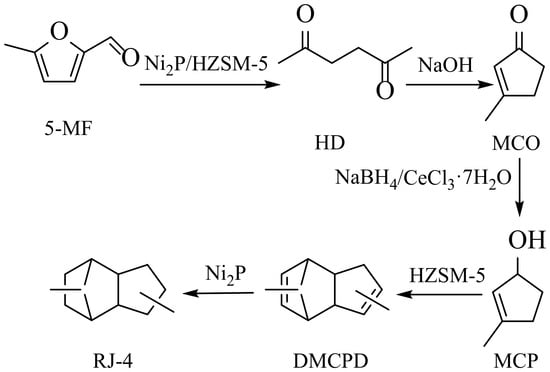
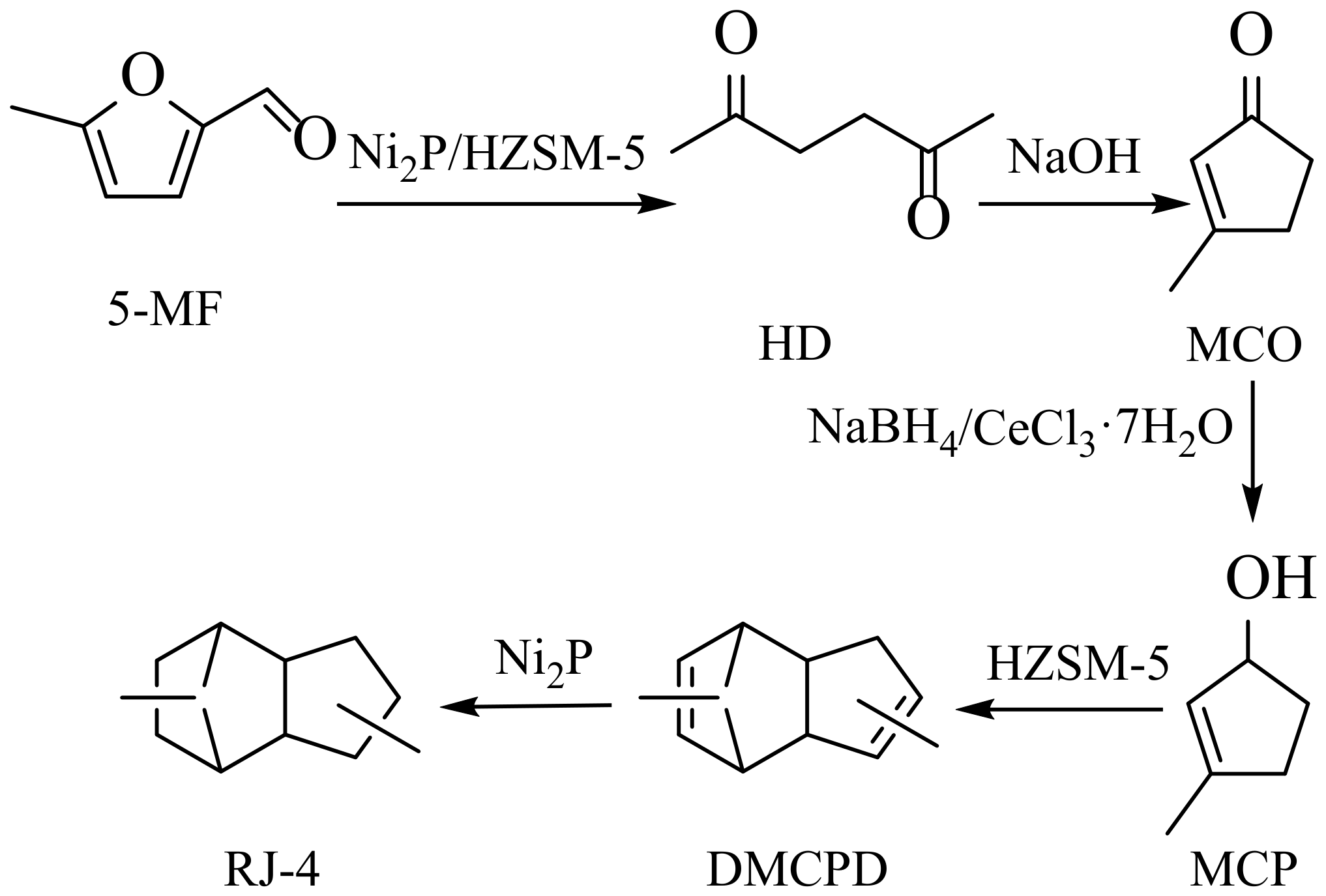
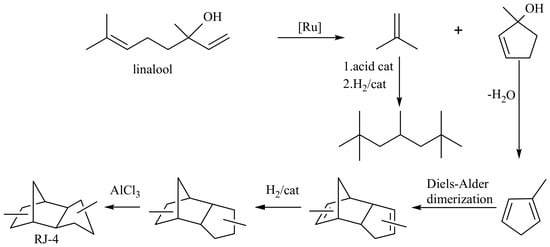
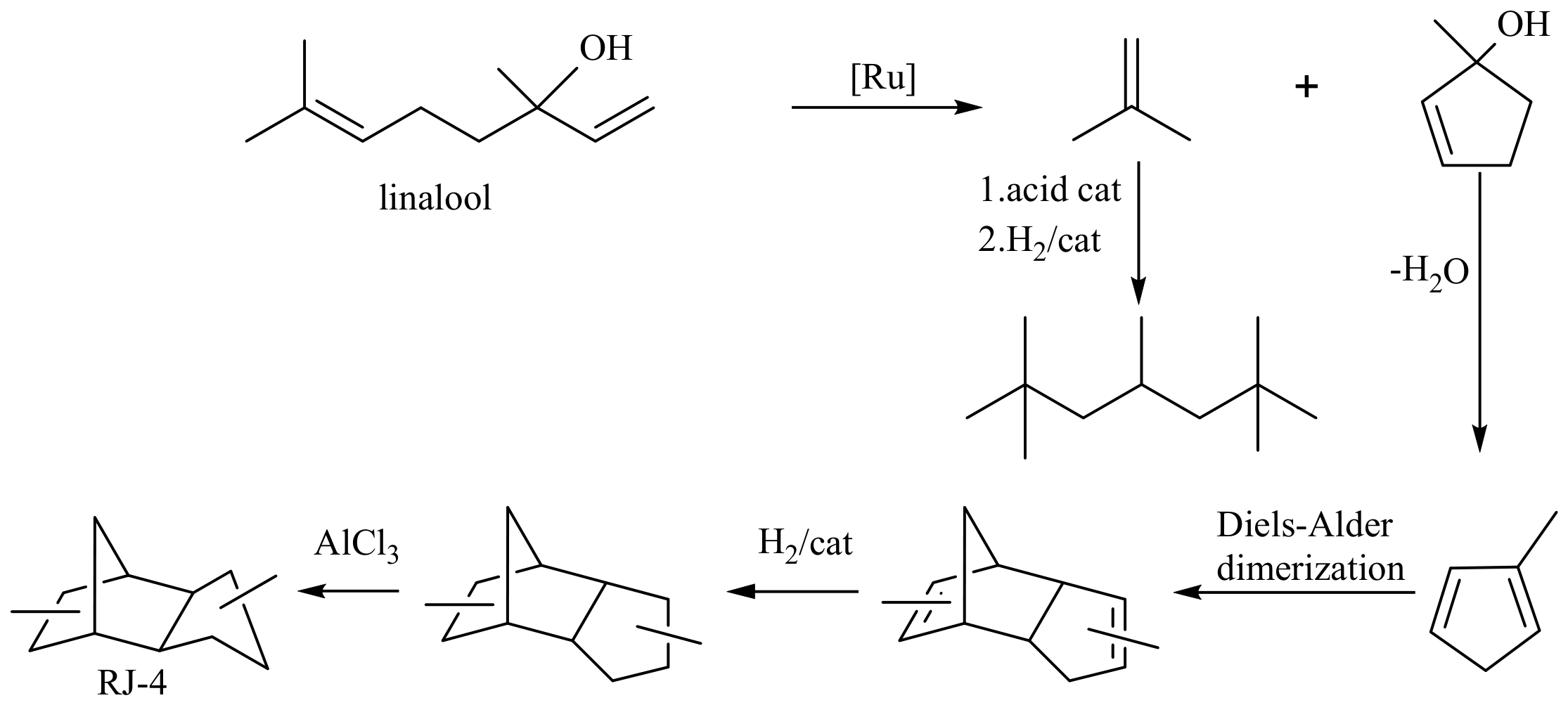
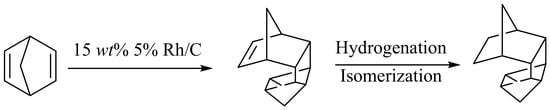
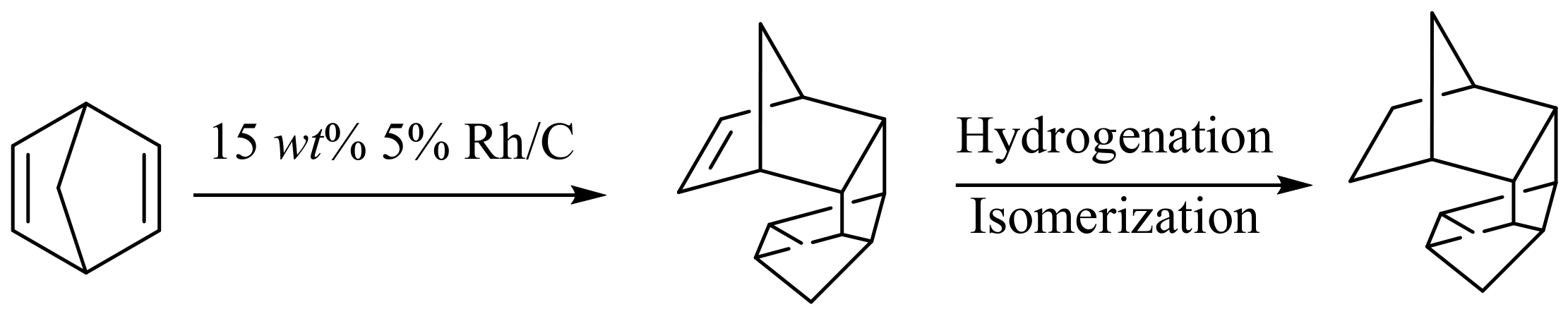


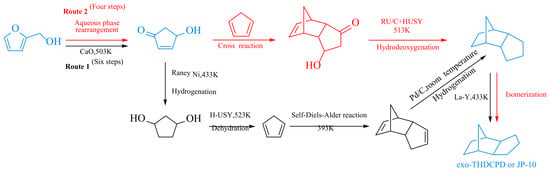
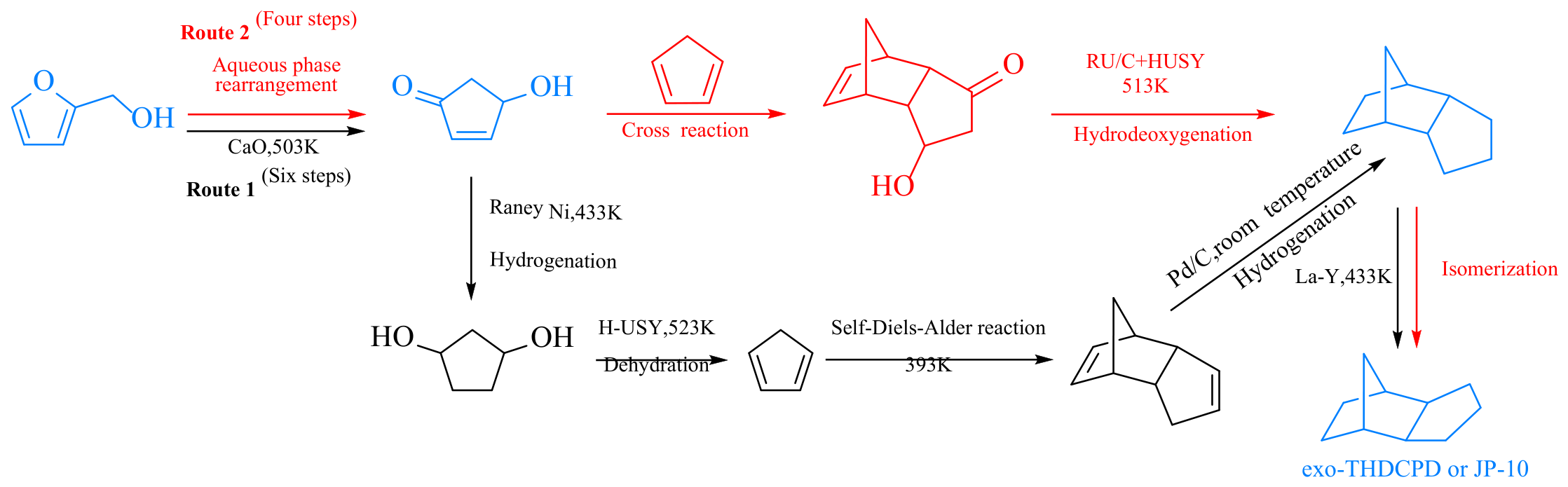
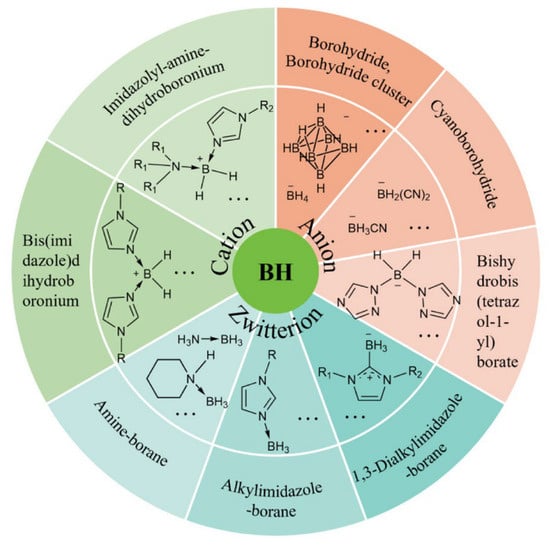
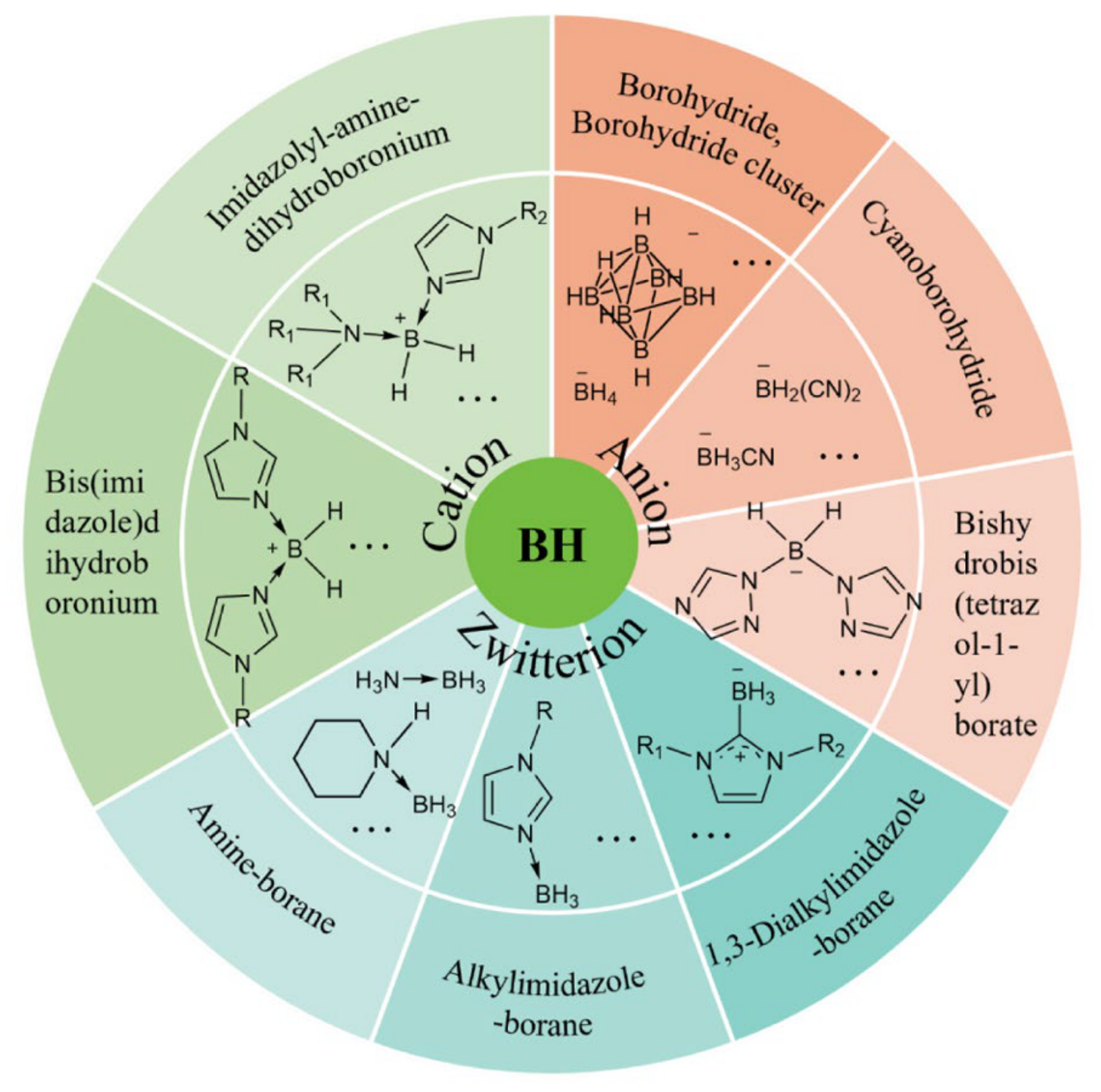
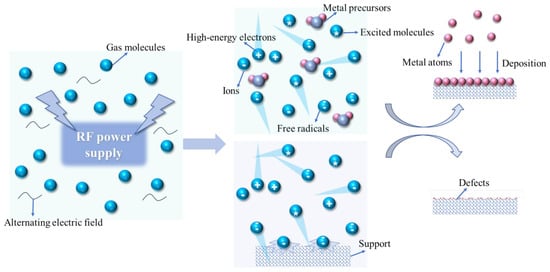
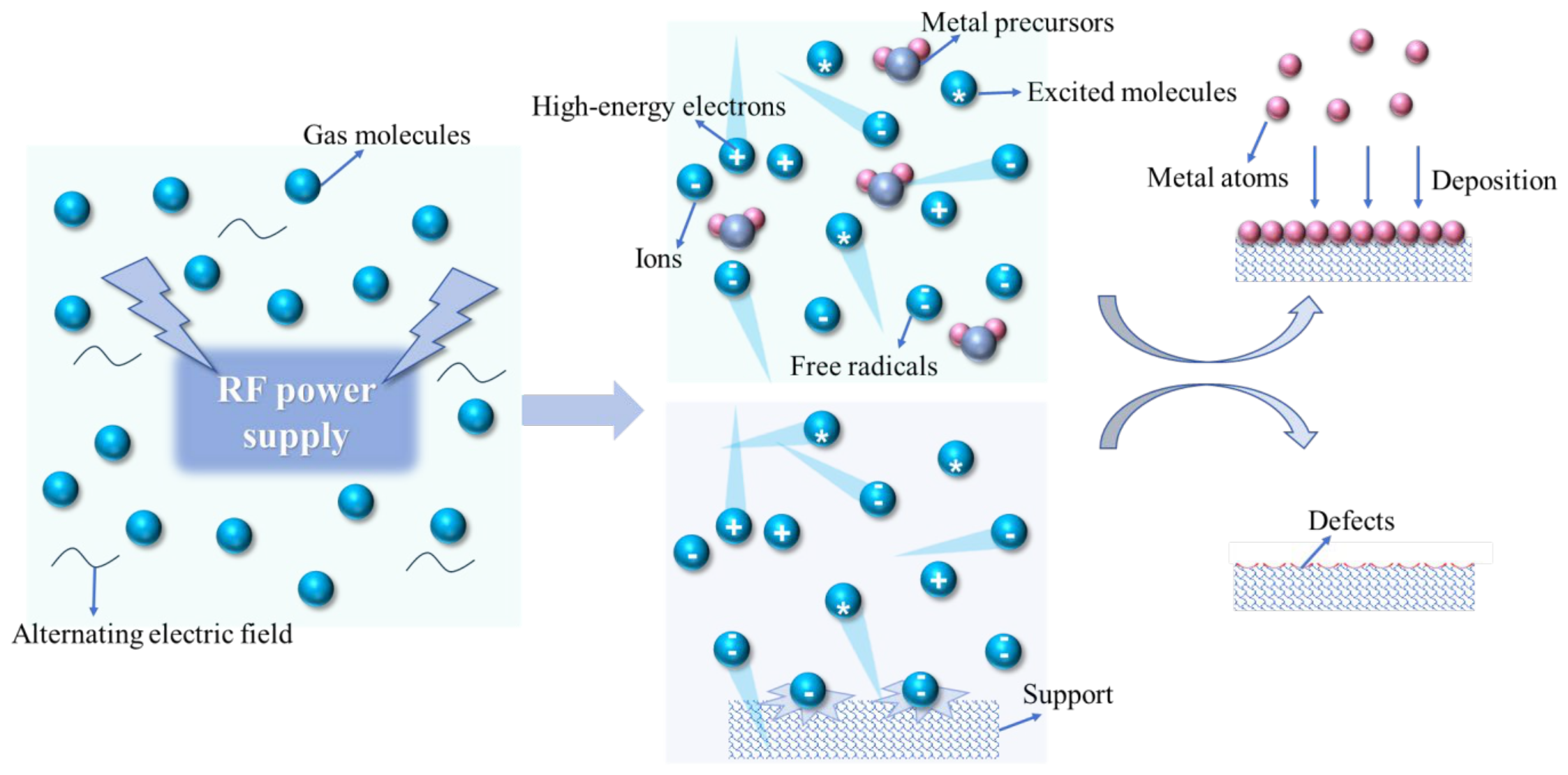
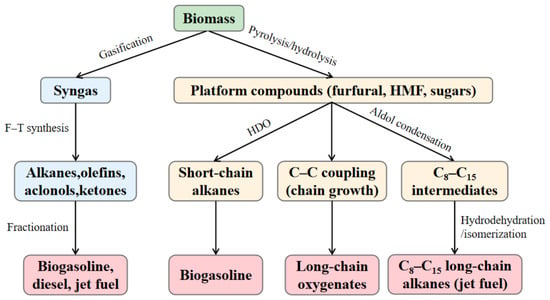
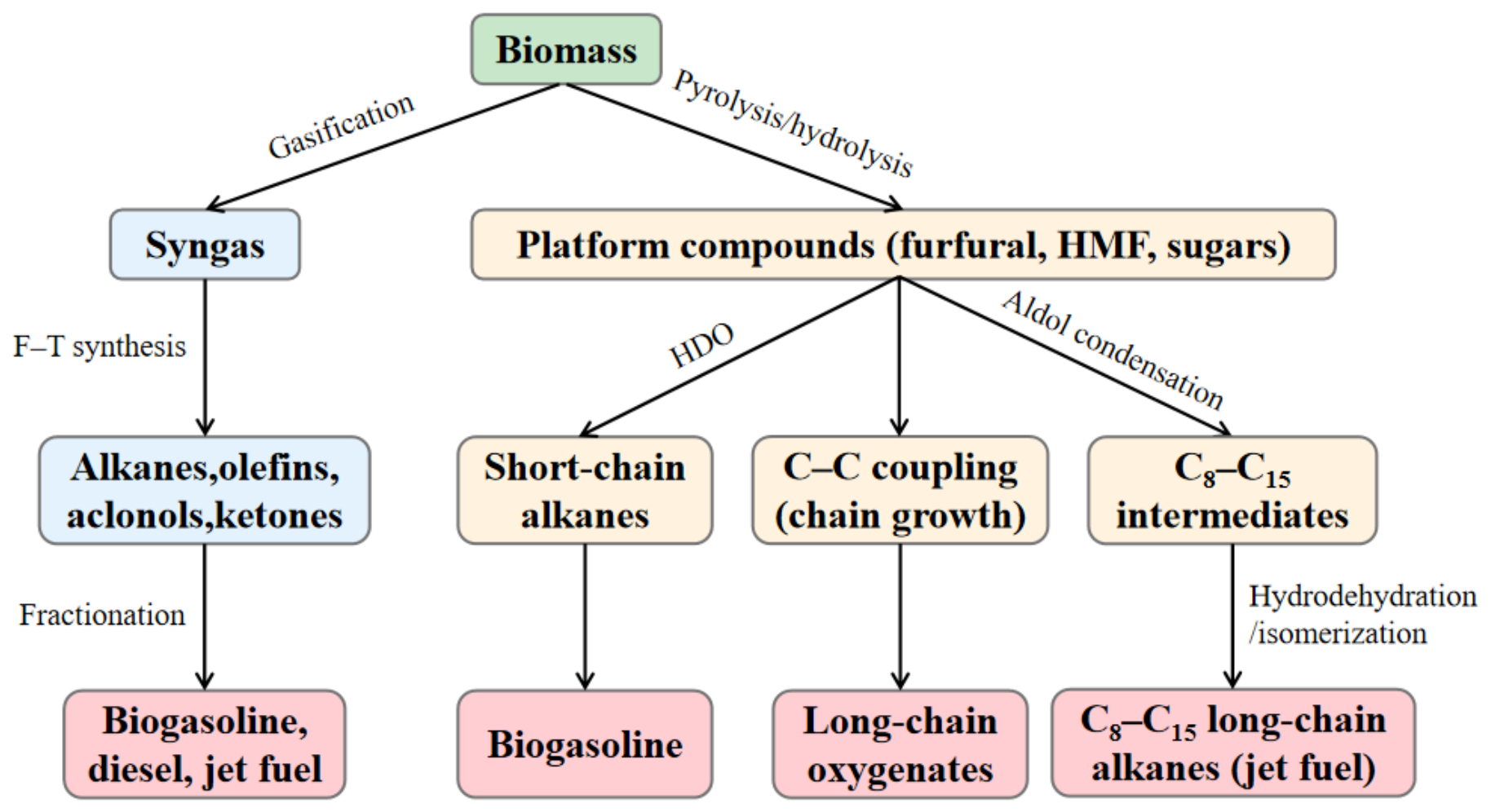
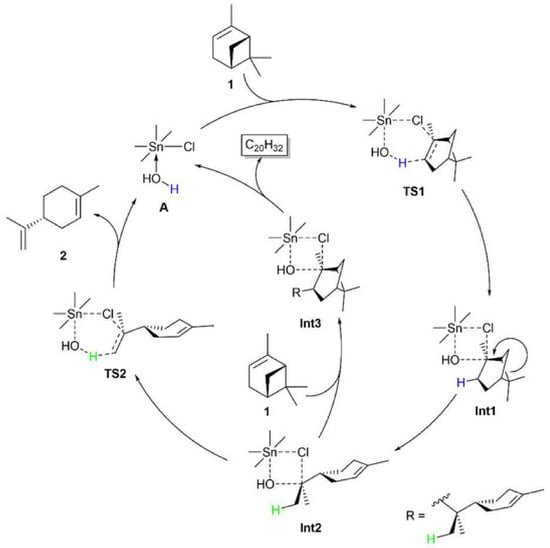
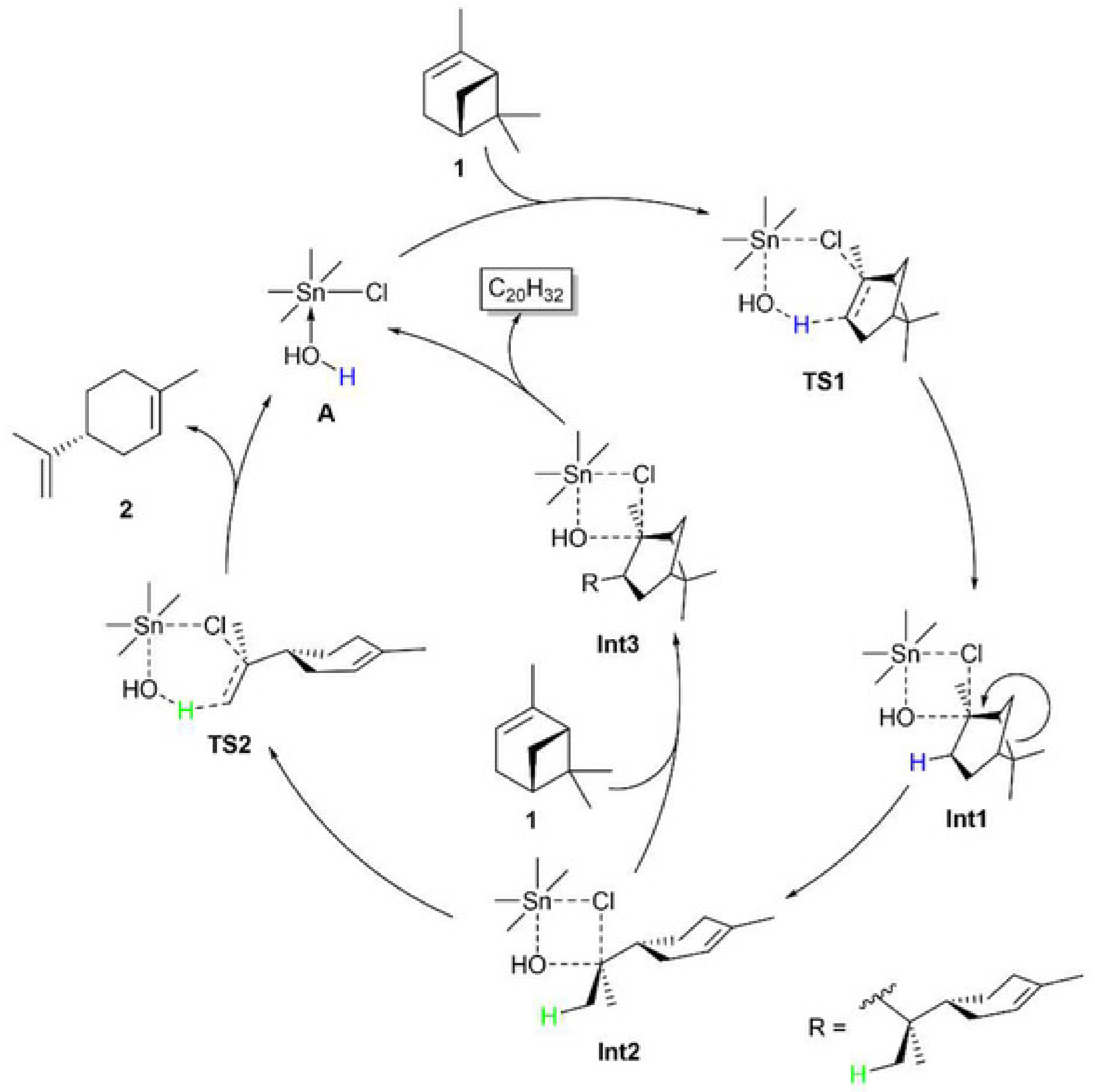
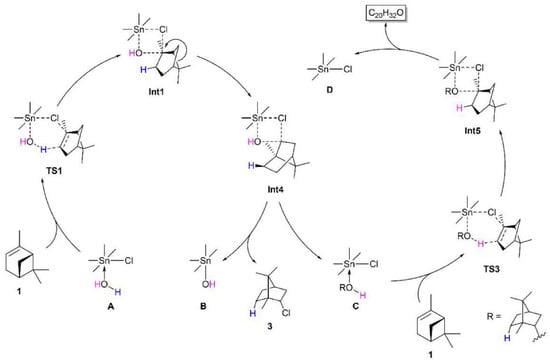
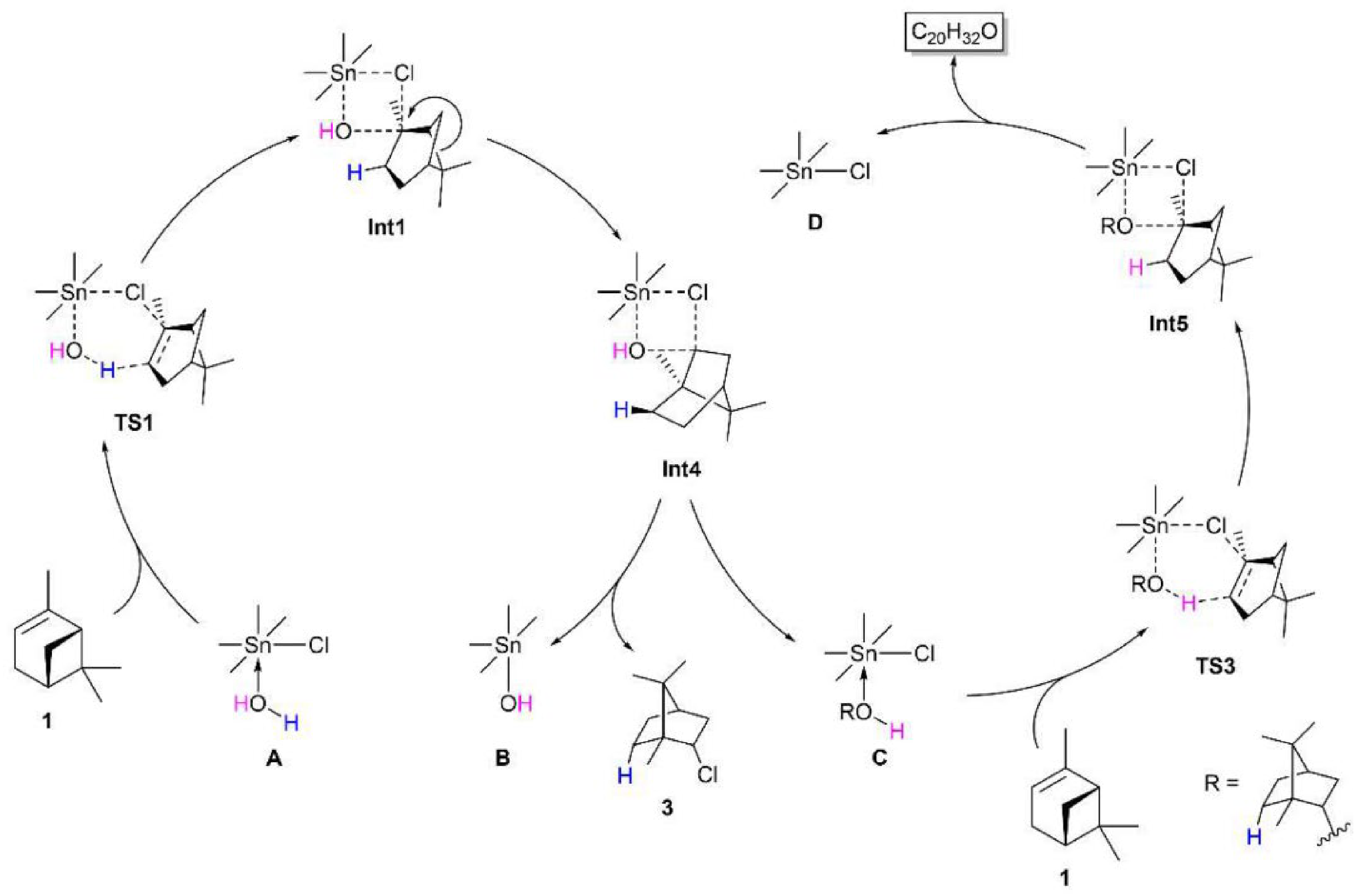
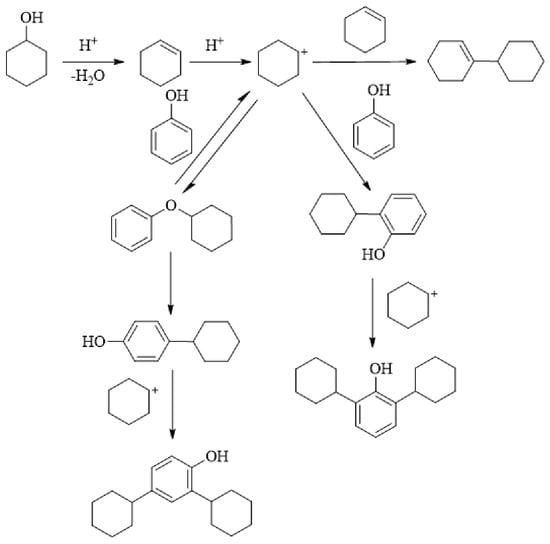
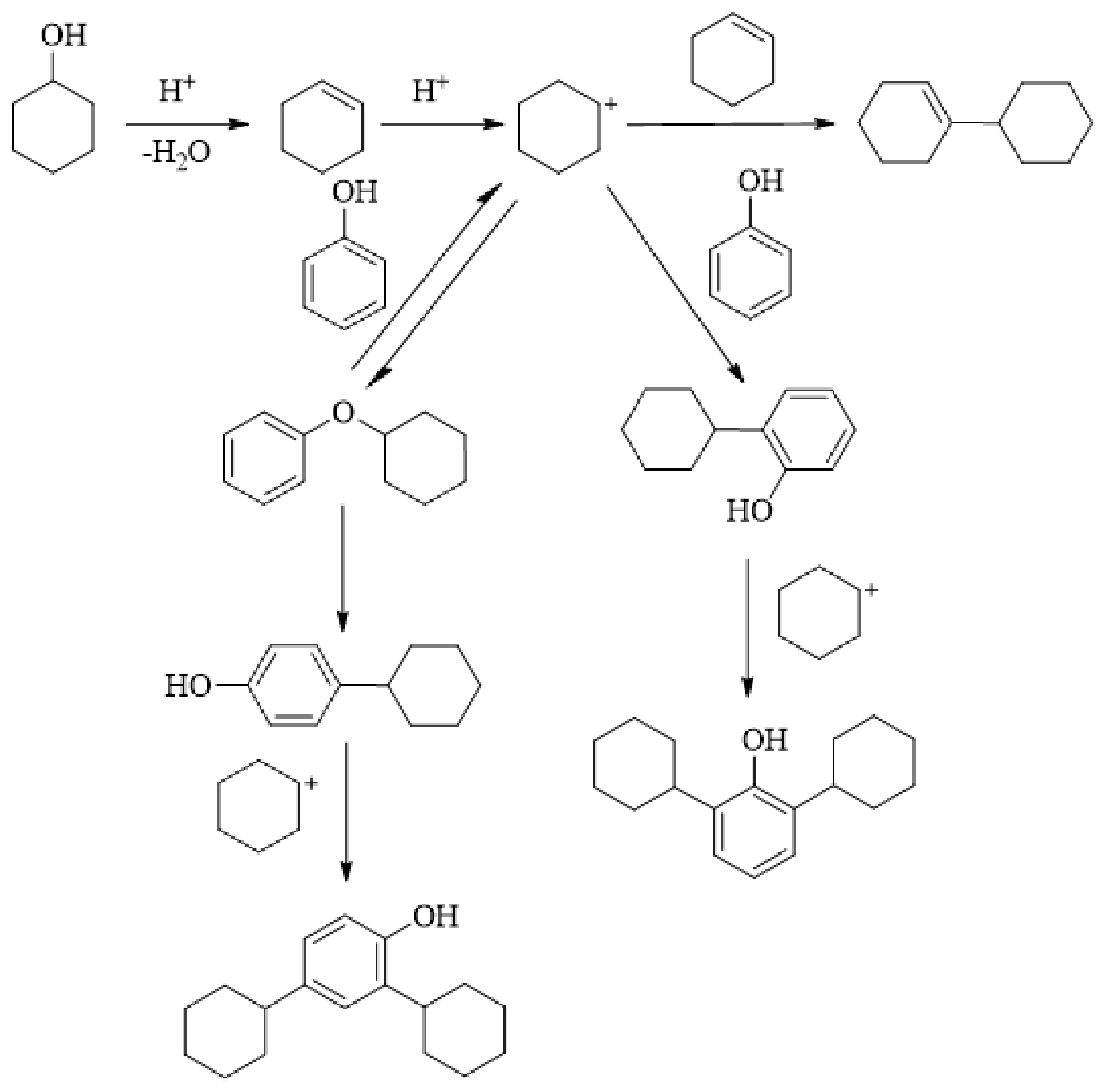



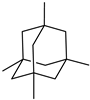
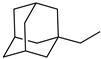
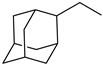
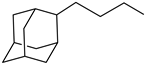
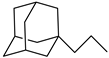
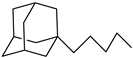
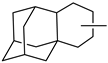
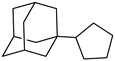
Disclaimer/Publisher’s Note: The statements, opinions and data contained in all publications are solely those of the individual author(s) and contributor(s) and not of MDPI and/or the editor(s). MDPI and/or the editor(s) disclaim responsibility for any injury to people or property resulting from any ideas, methods, instructions or products referred to in the content. |
© 2026 by the authors. Licensee MDPI, Basel, Switzerland. This article is an open access article distributed under the terms and conditions of the Creative Commons Attribution (CC BY) license.