


Abstract
This study explores how integrating digital technologies into STEM-based physics instruction can transform learning outcomes for adult learners in Greek Second Chance Schools, which provide educational opportunities for adults over 18 who have not completed compulsory education. In a comparative design, participants were divided into two groups: the experimental group experienced an innovative STEM approach, combining educational robotics, mobile sensing, and 3D printing within the Biological Sciences Curriculum Study (BSCS) 5E Instructional Model; the control group received enriched lecture-based instruction. Learning gains were measured using a rigorously developed, psychometrically validated multiple-choice physics test administered before and after the intervention. Results reveal that adults exposed to technology-enhanced STEM lessons achieved statistically significant improvements, outperforming their peers in the lecture-based group, who showed no measurable progress. Notably, these gains were consistent across gender and age. The findings highlight the transformative potential of digital technologies and learner-centered STEM pedagogies in alternative education settings, offering new directions for adult education and lifelong learning.
1. Introduction
In Greece, approximately 20% of adults have not progressed beyond primary education, resulting in limited formal qualifications [1]. This widespread issue, seen throughout Europe, has far-reaching implications for employment prospects, social integration, and the overall fabric of society. To tackle these challenges, the European Commission launched Second Chance Schools (SCSs) within its Lifelong Learning framework [2]. Since their inception in Greece in 1997, SCSs have been dedicated to supporting adults who missed out on the full nine years of compulsory schooling, offering pathways to gain essential skills and a credential equivalent to the Greek Lower Secondary School diploma [3].
Scientific Literacy constitutes a core component of the SCS curriculum, fostering learners’ capacity to comprehend, evaluate, and engage in discourse on science-related issues. It emphasizes the application of scientific knowledge and reasoning to personal and societal contexts, while also cultivating the ability to recognize both the beneficial and adverse impacts of science and technology on society and to construct well-reasoned arguments regarding ways to promote or mitigate such outcomes [4]. In educational practice, scientific literacy is typically delivered through traditional lecture-based methods, with dialogic and inquiry-based strategies rarely utilized [5,6]. Meanwhile, STEM education is broadly acknowledged for its role in promoting critical thinking and problem-solving skills [7], which are increasingly important as individuals face complex global challenges that require informed decision-making and civic participation [8].
Instructional methods substantially influence the quality of learning outcomes [9]. Since lecture-based instruction has known limitations [10] and adult learners have specific learning requirements [11], there is increasing interest in learner-centered and experiential approaches such as STEM. These approaches are consistent with current directions in physics education and principles of adult learning. Recent research also highlights that teachers’ preparation is important for adopting STEM practices, noting that their attitudes, sense of value, and readiness to make changes influence the successful use of new teaching methods [12].
Experiential STEM education, which emphasizes hands-on engagement with tools, materials, and real-world scenarios, promotes both deeper conceptual understanding and practical skills [13]. This approach supports learners’ holistic development, addressing cognitive, procedural, and attitudinal domains [14]. Despite its many advantages, STEM education remains underutilized in adult learning environments, particularly within SCSs. Recent research indicates that resources such as makerspaces and external 3D-printing services can broaden access to modern technologies and support practical, hands-on STEM activities for a wide range of learners, including adults in alternative educational programs [15].
While the advantages of STEM education and its positive impact on learning outcomes have been well documented across different educational levels, its implementation in adult learning environments, especially in SCSs, has received limited attention. Most existing studies focus on traditional student populations or formal educational environments, resulting in a significant gap in understanding how technology-enhanced STEM approaches influence marginalized adults returning to education later in life. To date, there is a lack of empirical research examining the effects of technology-enhanced STEM physics instruction on learning outcomes within this distinctive context, highlighting the need for the present investigation.
To address this critical gap, the present study investigates how integrating digital technologies into STEM-based physics instruction impacts learning outcomes for adult learners in SCSs. By directly comparing a technology-enhanced STEM approach with traditional lecture-based teaching, this research sheds light on the effectiveness of innovative, learner-centered methodologies within alternative education settings. Special emphasis is placed on the experiences of socially and educationally marginalized adults, a group often overlooked in prior STEM education research. Through this comparative analysis, the study aims to provide new insights into how digital tools and active learning strategies can support meaningful educational advancement for adults re-engaging with formal education.
1.1. Lecture-Based Learning: Definition, Advantages, Disadvantages and Structure
Lecture-Based Learning (LBL) refers to a traditional instructional approach in which teaching is predominantly delivered through verbal exposition by the instructor to a group of learners. Interaction is typically limited to occasional questions, brief discussions, or the use of visual aids and demonstrations to illustrate key concepts. This method largely excludes participatory or experiential components such as group collaboration, practical exercises, role-playing, or skills-oriented activities. Moreover, assessments within the LBL framework generally prioritize the evaluation of content knowledge rather than the cultivation of applied competencies or higher-order skills [10].
A wide range of studies have investigated how students perform in physics when taught through conventional lecture-based instruction compared with approaches that place greater emphasis on student participation and active involvement. The results consistently show that lecture-based instruction leads to lower learning outcomes, demonstrating reduced conceptual understanding and engagement relative to alternative, active learning strategies [16,17]. Conversely, LBL, when accompanied by self-explanatory animations and demonstrations, structured learning, routine and discipline, familiarity with the exam format, and more direct interaction between lecturer and student, has been found to foster individual study habits and facilitate the development of a broad theoretical understanding of physics concepts [18].
Although lecturing continues to be the most common teaching approach, it has several instructional drawbacks, including variability in students’ attention and note-taking abilities, as well as the rapid loss of information from memory. Furthermore, LBL tends to reinforce passive modes of learning. While lectures are often regarded as efficient and convenient, their inherent passivity and limited potential for knowledge transfer highlight the importance of adopting instructional approaches that promote active engagement and deeper cognitive processing [10]. Therefore, lecturing is generally not recommended in adult educational contexts, where, in accordance with the principles of andragogy, participatory and inquiry-based approaches are advocated [19]
Lecture-based learning retains certain pedagogical value under specific conditions, as presented in Figure 1 [10].
Figure 1.
Situations in which lecturing is preferable.
In LBL, instruction is typically structured into four stages: (a) orientation, during which the teacher attempts to stimulate students’ interest through questioning; (b) introduction of new knowledge, where the lesson content is presented with the aid of appropriate examples; (c) application of new knowledge, through problem-solving and exercises; and (d) evaluation of new knowledge, which, usually conducted through questioning, is largely confined to assessing declarative knowledge (recall) and seldom addresses critical thinking [20].
The organization of instruction is achieved through lesson plans and is identified by students as a key characteristic of effective teaching. Consequently, the lesson plan constitutes a foundational element of the educational process and plays a critical role in shaping learning experiences. A lesson plan is a systematic written representation of the instructional sequence, specifying what is to be learned, by which method, and at what time and place, as well as how student learning will be assessed; it also serves as a guide for the teacher’s pedagogical actions. Depending on whether the plan pertains to instruction over an entire academic year or a single lesson, different forms of lesson plans are developed [21].
Despite the recognized importance of lesson plans for effective instruction, research shows that preservice teachers often struggle to create plans that are both structured and pedagogically coherent [22,23,24,25]. These difficulties are commonly linked to limited pedagogical knowledge, lack of collaborative opportunities, and insufficient reflective practice [26], as well as time constraints and the inherent complexity of lesson design [27]. Additionally, a persistent gap between theoretical coursework and practical application [25], along with perceptions of lesson planning as a routine or bureaucratic task [28,29], particularly in resource-constrained contexts, further hinders quality planning [30].
Nevertheless, lesson plans, irrespective of the instructional approach employed, are essential for the effective implementation of a lesson, require experience to develop, and prove to be valuable for teachers in multiple respects.
1.2. STEM Education
1.2.1. STEM Education: Definition, Benefits, and Necessity
STEM is an acronym derived from Science, Technology, Engineering, and Mathematics [31]. The conceptualization of STEM is inherently complex and contingent upon the epistemological and practical standpoint adopted by different stakeholders. Consequently, definitions of STEM vary considerably between educational institutions and organizations oriented toward workforce development and career readiness [32]. STEM education has been interpreted through multiple lenses, reflecting diverse perspectives on its definition, scope, and optimal modes of implementation [33].
In a systematic literature review encompassing 17 studies, Hasanah identified four predominant conceptualizations of STEM education, STEM as a discipline, as instruction, as a field, and as a career, which can be situated within three broader domains: the school, the university, and the career context. The school domain primarily concerns the disciplinary and instructional dimensions of STEM, focusing on the promotion of active learning through STEM-based education. In 16 out of the 17 studies examined, STEM education was conceptualized primarily as a discipline. This conceptualization stems from the way STEM is implemented in educational settings, requiring the integration of two or more subject domains, namely science, technology, engineering, and mathematics. Consequently, defining STEM as a discipline constitutes a foundational perspective within STEM education, as most initiatives in the field are grounded in these four core subject areas [34]. Moreover, these disciplines should be approached as an interconnected and integrated whole rather than as isolated fields of study [35].
Additionally, the conceptualization of STEM as instruction reflects a pedagogical shift from traditional teacher-centered models toward more active, learner-centered approaches [34]. Within this framework, effective STEM pedagogy integrates a range of instructional strategies, such as inquiry-based learning, cooperative learning, student-directed exploration, and experiential, hands-on activities [36]. These methods involve learners directly in problem-solving activities that rely on scientific and mathematical ideas, include aspects of engineering design, and make use of suitable technological tools [37]. Technology occupies a pivotal position within STEM education, serving not only as an instructional aid but also as a mediating link between theoretical understanding and practical application, thereby providing experiential contexts that enhance learners’ comprehension and internalization of STEM concepts [38,39,40,41,42,43].
In the context of this study, the analysis is confined to the school domain, encompassing STEM as both a disciplinary framework and a mode of instruction. A growing body of literature provides compelling evidence for the effectiveness and versatility of the STEM approach and its implementation in physics education. Numerous studies emphasize its positive impact on learners’ creativity, critical thinking, problem-solving abilities and computational thinking [35,44,45], and that STEM emphasizes the practical use of knowledge in real-world situations. In addition, STEM-based teaching encourages learners to work together and communicate effectively, which are essential skills for success in complex and multidisciplinary settings [38]. Additionally, the integration of project-based learning (PjBL) within STEM curricula has been shown to significantly enhance students’ self-efficacy [46]. Generally, STEM education supports their development across cognitive, procedural, and attitudinal domains [14].
The theoretical basis of STEM education is closely connected to contemporary physics teaching approaches that are informed by constructivist principles, which view learning as an active, experiential process. Constructivist theory posits that learners bring prior conceptions to the learning environment, which must be acknowledged, challenged, and reconstructed through collaborative exploration, hands-on experimentation, and guided inquiry [47]. Within this paradigm, the role of the teacher shifts from delivering information to guiding learners as they build their own understanding through experience and interaction with others [48]. When considered alongside the core principles of adult education, such as self-directed learning, relevance, and experiential engagement, constructivism emerges as an especially suitable pedagogical framework for adult STEM learning, a claim further reinforced by the existing literature [48,49].
The importance of STEM education at the individual level has grown considerably, particularly in response to global challenges such as climate change, energy policy, public health, medicine, and data security. To make informed choices, participate in elections, and contribute meaningfully to public discussions on complex issues, individuals need a strong base of STEM-related knowledge and skills [8]. Studies show that STEM learning promotes critical thinking and logical reasoning [7], which are essential components of active citizenship. Furthermore, providing high-quality STEM education to people of all ages is vital for fostering a scientifically informed society that can take part in democratic decision-making about future developments [8,50,51]. Ensuring that marginalized groups also have opportunities to engage in STEM learning is equally important for promoting fair access to education. Overall, STEM competencies extend beyond technical careers and represent transferable abilities that offer clear advantages for all members of society [7].
In this context, incorporating STEM methodology into the scientific literacy curriculum of SCSs holds significant potential for positive change, as it aligns with key principles of adult learning by promoting education that is relevant, experiential, and based on active participation.
1.2.2. The Structure of a STEM Lesson
As already mentioned, the theoretical underpinnings of STEM education closely correspond to contemporary physics teaching approaches informed by constructivism, therefore the structure of a STEM lesson should follow constructivist principles. Given that constructivist learning places strong emphasis on social interaction, instruction is typically organized through collaborative group work [52].
Although teaching based on constructivist principles does not follow a strictly linear trajectory, it generally encompasses several key phases. The first phase involves orienting students, during which the teacher seeks to activate their interest by drawing upon familiar, everyday contexts. This is followed by the elicitation of students’ pre-existing ideas, achieved through group formation and intra-group discussion, after which each group articulates its own response. In the third phase, new knowledge is introduced, and the teacher assumes a guiding and mediating role between scientific knowledge and learners’ conceptions. At this stage, student groups engage in scientific inquiry activities, often through experimentation designed to test their initial hypotheses. This process may lead either to cognitive conflict or to the enrichment of their prior conceptions. In some cases, students express and refine their ideas through structured discussion, resulting in conceptual change, conceptual reconstruction, or conceptual enrichment, while also becoming increasingly familiar with scientific reasoning and scientific discourse. The fourth phase entails the application of newly developed ideas, typically through problem-solving or the explanation of analogous phenomena. Finally, the review or metacognitive phase allows students to reflect on their cognitive progression, the transformations in their understanding, and any difficulties encountered throughout the learning process [47].
Explicitly underpinned by constructivist learning theory is the Biological Sciences Curriculum Study (BSCS) 5Es Instructional Model [53,54] that offers an effective approach to implement STEM-oriented instruction and has been derived from the Science Curriculum Improvement Study (SCIS) Learning Cycle originally proposed by Atkin and Karplus in 1962 [54]. The Learning Cycle provides a structured pedagogical framework that introduces the purpose and relevance of new content through real-life contexts, actively engages students, and links classroom knowledge to authentic scientific and engineering practices. Although it constitutes a continuous instructional process, it is commonly presented through five interconnected phases as presented in Figure 2. Each phase builds on the previous one, creating a coherent and sequential learning progression that may extend beyond a single class period [55].
Figure 2.
The 5E Learning Cycle Model.
The integration of STEM within the BSCS 5Es Instructional Model has been widely examined in the literature, with findings consistently demonstrating improved conceptual understanding, enhanced problem-solving skills, and increased creativity in physics education [56,57,58,59]. Similar benefits have been reported in chemistry contexts, where studies have documented gains in learning outcomes as well as notable enhancement in students’ creativity and their views on the nature of science [60,61].
1.3. Bloom’s Taxonomy
Benjamin S. Bloom and his associates introduced the Taxonomy of Educational Objectives in the 1950s as a systematic framework for classifying the learning outcomes students are expected to gain from instruction. Their work culminated in the publication of “Taxonomy of Educational Objectives: Handbook I—Cognitive Domain” [62], known as the original Taxonomy [63]. Bloom’s original framework consists of three main domains: cognitive, affective, and psychomotor. The cognitive domain includes objectives related to recalling and recognizing knowledge, as well as developing intellectual abilities and cognitive skills. The affective domain focuses on objectives involving changes in attitudes, interests, and values, along with the development of appreciation and emotional responses. The psychomotor domain refers to objectives involving physical manipulation and motor skills [62].
The original Bloom’s Taxonomy established clearly defined categories within the cognitive domain, consisting of six hierarchical levels: Knowledge, Comprehension, Application, Analysis, Synthesis, and Evaluation [64]. Except for Application, each category included several subcategories, arranged from simple to complex and concrete to abstract, reflecting the assumption that mastery of lower levels was a prerequisite for higher ones. The taxonomy was most often used to classify curricular objectives and test items, revealing the extent to which assessments addressed various levels of cognitive complexity [63].
1.4. Aims of the Study
By investigating the impact of STEM instruction on adults re-engaging with formal education through the SCS system, this study aims to contribute new insights to the field of adult education. The main research problem addressed in this study is as follows: To what extent does the teaching method influence physics learning outcomes of adult learners within the context of Second Chance Schools?
Building on this focus, the study formulates the following research questions:
- Are there significant differences in the physics learning outcomes of adult learners in SCSs before and after each instructional intervention?
- Does the instructional method influence the physics learning outcomes of adult learners in SCSs?
- Do male and female adult learners in SCSs differ in their physics learning outcomes?
- Are there differences in physics learning outcomes among adult learners in SCSs based on age?
2. Research Design and Methodology
2.1. Design of the Research Framework
This mixed-methods study aims to compare the effectiveness of two instructional approaches in fostering scientific literacy and, more specifically, in enhancing adult learners’ understanding of physics concepts within SCS. The research was conducted in Attica, involving two SCS located in the municipalities of Agioi Anargyroi and Peristeri. The study design integrated both quantitative and qualitative data, examining lecture-based instruction and a STEM-oriented approach incorporating educational robotics.
In this study, the participant sample comprised 39 individuals in the experimental group (22 men and 17 women) and 35 in the control group (7 men and 28 women). Learners were already organized into seven existing classes; four of these were randomly assigned to the experimental group, while the remaining three formed the control group. This structure reflects a quasi-experimental design, which is widely used in educational research due to practical limitations that prevent the random allocation of students, especially when participants are already placed in established classes [64,65]. At the beginning of the study, both groups completed a physics knowledge test and then received instruction on selected physics topics. The control group was taught using an enriched lecture-based approach, whereas the experimental group took part in STEM-focused lessons that incorporated educational robotics.
The intervention was carried out over four months. After the instructional period ended, both groups completed the physics knowledge test again in order to address the research questions previously outlined. Regarding the qualitative data mentioned above, only for the learners of the experimental group, semi-structured interviews were carried out by the principal researcher, who also implemented the instructional intervention. Interviews took place within the school setting and were audio-recorded with a maximum duration of 20 min for each interview. A full description of the wider research project falls outside the scope of this article; therefore, the current analysis focuses specifically on the effect of the two instructional approaches on adult learners’ understanding of physics concepts. Figure 3 presents the experimental structure of the study.
Figure 3.
The experimental design of the research.
It is widely recognized that pedagogical experiments are susceptible to multiple threats to internal validity. For example, external events occurring outside the school context may influence participants’ knowledge outcomes, and maturation effects may also be observed over time. In addition, due to regression to the mean, observed scores may tend to move toward the average regardless of the intervention’s true impact. Moreover, dissemination of information about experimental procedures may give rise to motivational threats, such as compensatory rivalry or resentful demoralization, whereby the control group may exhibit disengagement and reduced effort. Finally, there is always the possibility of testing effects, in that participants may recall items from the cognitive test, thereby influencing post-test performance.
Accordingly, we implemented several procedural controls to reduce these risks. To minimize the influence of external factors on participants’ learning outcomes, we implemented standardized instructional activities and ensured that all participants were enrolled in the same year of study. In addition, we excluded from the outset one class at the SCSs that consisted exclusively of illiterate Roma learners who faced substantial reading and writing difficulties and thus represented an extreme case. These participants were still at the initial stage of literacy acquisition.
To reduce the risk of compensatory rivalry and related motivational threats, the control group was clearly informed that the STEM-based physics activities would also be offered to them after the four-month study period. This was intended to minimize perceptions of unfairness or unequal treatment. It was also made explicit from the beginning that assignment of classes to the experimental and control conditions was entirely random.
Finally, we administered the same cognitive test before and after the intervention to avoid introducing additional validity threats associated with using non-equivalent test forms. A reasonable interval between the two administrations, identical for both groups, was maintained to reduce the likelihood of recall-based responding.
Prior to conducting the study, all requisite approvals were secured from the appropriate institutional authorities, and written informed consent was obtained from all participating individuals. Participation was open to all learners enrolled in the two aforementioned SCSs, although we excluded from the outset one class at the SCSs that consisted exclusively of illiterate Roma learners who faced substantial reading and writing difficulties and thus represented an extreme case, which may, therefore, undermine the internal validity of the experimental design. The questionnaire datasets contained no missing responses; however, attrition (sample mortality) was observed, as six learners, two in the control group and four in the experimental group, did not complete the instructional intervention due to discontinuation of attendance. In addition, initial non-participation occurred, as not all eligible learners consented to participate at the outset. To ensure implementation fidelity and consistency across sessions, all instructional sessions followed standardized lesson plans, were delivered by the same instructor, covered identical content, and maintained the same duration. This standardization minimized variability in delivery, supported comparability across sessions and helped reduce the potential for confirmation bias.
2.2. Instructional Design of Lecture-Based and STEM-Oriented Teaching
The principal researcher, a trained physics educator with considerable background in adult learning and specialized studies in STEM pedagogy and educational robotics, directed the instructional intervention. Both the experimental and control groups worked with the same physics curriculum to ensure consistency in content, learning goals, and assessment procedures. The curriculum addressed key physics topics such as sound, friction, buoyancy, heat, and light.
To maintain methodological consistency, a single instructional plan was used, outlining the sequence of topics, session length (about 90 min per week for 13 weeks), and expected learning outcomes. In the experimental group, participants worked in small teams and took part in sessions that combined conceptual instruction with hands-on activities using robotics and digital technologies. Each session included 45–60 min of practical engagement, such as assembling, programming, and solving problems related to the physics topics. These sessions were coordinated with the lecture-based lessons to minimize differences in instruction and control for external factors.
2.2.1. Lecture-Based Instruction
Following predetermined lesson plans in which learning objectives were aligned with Bloom’s taxonomy, and the instructional media, timeline, and assessment methods were clearly defined, lessons were delivered on the concepts of sound, friction, buoyancy, heat, and light. The instruction was supplemented with interactive simulations from PhET Colorado to enrich the lecture-based approach [66], as illustrated in Figure 4.
Figure 4.
Screenshots from PhET Colorado Simulations Exploring Buoyancy.
2.2.2. STEM-Oriented Lessons
During the experimental sessions, learners actively participated in the educational process through hands-on experiments, collaborative problem-solving, and inquiry-based activities, rather than simply receiving information passively. The intervention was designed around key principles of adult education, emphasizing practical relevance, learner autonomy and experiential learning. Activities were closely linked to real-life situations to ensure they were meaningful and applicable for adult learners. Participants were encouraged to make decisions during projects, supporting the development of self-directed learning skills. Working in small groups also promoted social interaction and peer learning, both of which are important in adult education.
The STEM content was delivered using the BSCS 5Es Instructional Model and covered the topics of sound, friction, buoyancy, heat, and light, in alignment with the lecture-based curriculum. A summary of the experiments and their connection to STEM disciplines is outlined in Table 1.
Table 1.
Overview of STEM activities and the relationship with STEM disciplines.
The experimental activities were designed to highlight the central role of digital technologies in STEM physics education. Learners utilized smartphones equipped with the Phyphox application for real-time data collection and analysis, enabling precise measurements through tools such as the acoustic stopwatch, sonar, and inclination modules. The LEGO® Education SPIKE™ Prime Set 45678, paired with the LEGO® Education SPIKE software (version 3.4.5), facilitated hands-on robotics construction and programming, allowing participants to explore physics concepts through interactive, technology-driven experimentation. Additionally, a 3D-printed boat [67] and a variety of everyday materials were incorporated to support practical investigations, further enhancing the integration of digital tools within the experimental framework.
The initial experimental activity focused on exploring and understanding the physical concept of sound, with illustrative examples shown in Figure 5.
Figure 5.
Snapshots Demonstrating Distance Measurement Using Sonar in the Phyphox App (Version 1.2.0).
The second activity in the experiment was designed to help learners develop a hands-on understanding of the concept of friction. Figure 6 and Figure 7 illustrate snapshots of the experimental activities.
Figure 6.
Snapshots from hands-on activities exploring friction.
Figure 7.
Visual programming of the cart.
The third activity in the experiment focused on exploring and understanding the physical concepts of buoyancy and flotation, as presented in Figure 8.
Figure 8.
Experimental setup for demonstrating buoyancy and flotation using a 3D-printed model.
The fourth activity in the experiment examined the concept of heat and Figure 9 presents representative images from this activity.
Figure 9.
Stages of the solar oven construction process.
The fifth activity in the experiment focused on exploring and understanding the physical concept of light. Figure 10 and Figure 11 illustrate snapshots of the experimental activities.
Figure 10.
Snapshots from the optics experiments.
Figure 11.
Snapshot illustrating the measurement of a material’s refractive index.
2.3. Multiple Choice Question Test and Item Analysis
2.3.1. Multiple Choice Question Test
Multiple-choice question (MCQ) tests represent one of the most extensively utilized assessment instruments across various educational contexts [68], including science education [69]. MCQ tests offer several advantages, such as objectivity in scoring and the capacity to evaluate a broad range of content, therefore reducing random guessing by students [64]. Moreover, the use of automated computer scoring is feasible, which enables the assessment of large cohorts of candidates and eliminates inter-examiner variability in grading. Additionally, MCQ tests facilitate detailed feedback on candidate performance across different content domains since they can evaluate a broad range of content [70], serve as diagnostic tools for identifying students’ strengths and weaknesses, and provide valuable feedback to educators regarding the effectiveness of their instructional practices [71]. In the context of physics education, MCQ tests have proven effective in detecting specific conceptual and procedural difficulties, including misconceptions, challenges in graph interpretation, and quantitative weaknesses such as difficulties in performing calculations using formulas [69]. MCQ tests are particularly well-suited for summative assessment, and, when properly constructed, they can assess a wide spectrum of cognitive processes, from basic recall to higher-order reasoning [72]. Ultimately, the effectiveness and validity of MCQ assessments are contingent not only upon the quality of the items but also upon contextual variables such as administration conditions, timing, and instructional clarity [73].
Despite their widespread use, multiple-choice questions (MCQs) tests have been subject to extensive criticism due to their inherent limitations. The development of high-quality MCQs presents significant challenges, as poorly constructed items may inadvertently provide cues that facilitate guessing rather than genuine knowledge demonstration. Inadequately designed questions tend to assess only recognition and factual recall, without effectively engaging higher-order cognitive processes such as problem-solving and critical thinking [72]. Furthermore, the construction of valid and reliable MCQs often requires multiple iterations. Beyond the challenge of generating plausible distractors, item writers must avoid a range of common pitfalls, including grammatical and logical cues, the use of absolute terms, longer correct options, and repeated wording, all of which can either reveal the correct answer or introduce unnecessary complexity. Unnecessary complexity commonly arises from negatively worded stems, the inclusion of “all/none of the above” options, overly lengthy or complex phrasing, and the use of vague or imprecise terminology [70].
At this point, another important issue needs to be addressed and concerns the optimal number of response options in an MCQ test. Multiple-choice questions (MCQs) consist of a stem and a set of alternative response options. Among these options, one represents the correct answer, while the remaining alternatives serve as distractors. Although the stem forms a crucial component of an MCQ, the quality of the options is equally significant. Regardless of how well the stem is constructed, the presence of even one poorly designed option can compromise the validity of the entire item. Therefore, the development of well-formulated and balanced options is essential for ensuring the overall quality and reliability of MCQs [74]. A substantial body of research has examined the effect of the number of response options on test quality, addressing this issue from multiple theoretical and empirical perspectives [68]. Textbook authors and test designers have traditionally recommended four or five options per question [75], and historically, most MCQs have been constructed following this convention. However, recent theoretical analyses and empirical investigations suggest that three-option MCQs are equally effective and may, in fact, represent the optimal format for achieving both measurement efficiency and psychometric soundness [74].
Developing plausible distractors is widely recognized as the most challenging aspect of constructing multiple-choice questions (MCQs) [76]. In crafting effective items, distractors must not only function appropriately but should also be grounded in common misconceptions related to the correct answer. When the number of response options is reduced to three, the use of two distractors per item offers several practical advantages: (a) decreased item development time, (b) shorter test booklets, (c) lower printing costs, (d) reduced administration time, and (e) the possibility of including a greater number of items within the same testing period, thereby enhancing content coverage and improving test reliability [75]. Furthermore, adopting a three-option format minimizes the potential for item-writing flaws [76]. Empirical findings indicate that the psychometric properties of three-option tests do not differ significantly from those of four- or five-option formats [76,77]. Moreover, a recent meta-analysis demonstrated that the three-option structure reduces item difficulty while increasing item discrimination and reliability [77]. Finally, prior literature confirms that many distractors in traditional MCQs tend to be implausible and rarely selected, highlighting the efficiency and validity of the three-option design [75].
Conversely, research findings indicate that increasing the number of response options in multiple-choice questions (MCQs) tends to make the assessment more demanding. Empirical evidence suggests that the four-option format exhibits distinct fairness characteristics, balancing challenge and equity in test performance. In contrast, the three-option format is associated with simplicity and reduced competitiveness, making it particularly appropriate for individuals with lower ability levels, as it can help sustain their motivation and encourage maximum effort during assessment [68].
Finally, the choice of how many response alternatives to include in a test is context-dependent, shaped by both the goals of the assessment and the abilities of the target audience.
2.3.2. Item Analysis
Despite the widespread application of MCQ tests, researchers have continuously investigated their effectiveness and reliability as an assessment method [73]. The evaluation of MCQs is commonly conducted through item analysis grounded in Classical Test Theory (CTT). CTT also referred to as true-score theory, posits that every individual possesses a true score (), the score that would be obtained in the absence of measurement error. The true score of an individual refers to the average of their observed scores over an unlimited series of independent test administrations. In practice, only the observed score (X) is available, which is expressed using the following formula:
where E represents the random error component [78]. Within the CTT framework, standard psychometric indicators include the difficulty index (DIF), discrimination index (DI), and distractor effectiveness (DE) [79]. Moreover, CTT-based measures, such as Cronbach’s alpha and the Kuder–Richardson reliability coefficients, are traditionally employed to estimate the internal consistency of MCQ-based assessments, that is, their overall test reliability [80].
Difficulty Index (DIF)
This index refers to the percentage of students who answered the question correctly and is calculated using the following formula:
where is the number of students who answered correctly to the test item and is the total number of the students. The index ranges from 0 to 1 and the higher the value of the index, the easier the item [81]. The criteria for classification of the DIF index are the following: indicates that the item is too difficult, represents an acceptable difficulty, and if , the item is too easy [73].
Discrimination Index ()
This index shows how effectively an item distinguishes between high-achieving and low-achieving students, and it is calculated using the following procedure. The test papers are scored and ranked in descending order of achievement. Based on their total scores, the participants are divided into three performance groups: high, medium, and low achievers. The top and bottom 27% of the participants are assigned to the high- and low-performance groups (A and C), respectively, while the remaining 46% comprise the medium-performance group (B). After computing how many students in the high and low groups answered each item correctly, the index is then obtained using the following formula:
where is the number of the students of the high-achieving group who responded correctly, is the number of the students of the low-achieving group who responded correctly, and is the number of the students of the high-achieving group (which is equal to the number of the students of the low-achieving group) [64]. The index ranges from −1 to +1 and if , the item is considered very good and able to discriminate high-achievers from low-achievers [64,81]. Additionally, if the item is considered good [82] and it depends on the purpose of the test whether the item will be retained or discarded [64].
Distractor Effectiveness (DE)
In multiple-choice testing, a distractor refers to an incorrect response option included to assess the examinee’s ability to discriminate between correct and incorrect alternatives. Distractors are generally classified as functional or non-functional. A non-functional distractor (NFD) is defined as an incorrect option selected by fewer than 5% of respondents, indicating that it fails to attract sufficient attention. Conversely, a functional distractor (FD) is an incorrect alternative chosen by 5% or more of the participants. To calculate the percentage of the students who choose a specific distractor, we use the following formula:
For any given item, the DE index ranges between 0 and 100%, determined by the number of NFDs it contains. A DE value of 100% signifies that the item has no NFDs [83].
Reliability
To evaluate the reliability of the physics test, the Kuder–Richardson Formula 20 (KR20) was computed, as it is widely regarded as the most suitable reliability index for assessments comprising dichotomously scored items [81]. In such tests, each response is coded as 1 for a correct answer and 0 for an incorrect one. The KR20 index is calculated using the following formula:
where is the number of items, Σ indicates to sum, is the percentage of students who answered correctly, is the percentage of students who answered incorrectly (q = 1 − p) and the variance of participants’ total scores. Additionally, the formula for calculating σ2 is the following:
where Σ indicates to sum, is the score of each student, is the mean score of the students’ scores and N is the number of students [64]. If falls within the range of 0.3–0.7, it is considered moderate; if , it is considered highly reliable [73].
Another way to evaluate the quality of an assessment is to calculate the Standard Error of Measurement (SEM) using the following formula:
where is the standard deviation of the mean score for all students.
The Standard Error of Measurement () quantifies the extent to which an individual’s obtained score (the actual score achieved on the test) would fluctuate if the same test was administered repeatedly. It reflects how closely those scores are expected to cluster around the individual’s “true” score. Because no assessment instrument can perfectly capture a person’s true ability, the true score remains inherently unobservable. The SEM therefore indicates the probability that an examinee’s true score lies within a specific range of scores and is directly related to the test’s reliability. In general, a larger SEM indicates lower test reliability and reduced precision in the measurements and scores obtained. Interpretations of an examinee’s obtained score are expressed through confidence intervals, which specify the range of scores likely to contain the examinee’s true score. The width of this interval depends on the desired level of confidence and a higher level of confidence results in a broader interval. Commonly used confidence levels are 68%, 90%, and 95%, corresponding to the probability that a person’s true score will fall within these intervals 68%, 90%, or 95% of the time, respectively. In psychoeducational evaluations, the 68% confidence interval is typically the one reported [84].
To calculate the interval that is expected to contain an individual’s true score with roughly 68% confidence, the following formula is used:
where is the obtained score [85].
2.4. Design of the Physics Test
To evaluate the students’ knowledge in Physics, a Multiple-Choice Question (MCQ) test with additional open-ended items was created. In the initial version the assessment instrument comprised eighteen multiple-choice items, four multiple-choice items requiring justification of the selected response and three open-ended, short-response items. A pilot study involving 35 participants at the SCS of Korydallos in Attica was conducted in November 2024 to detect potential conceptual and cognitive difficulties in the test items. Indeed, the initial version of the test underwent a series of revisions, specifically as follows: the requirement for response justification in the four multiple-choice items was omitted, the wording of the item stems was shortened to enhance clarity, six items were excluded due to exhibiting extreme difficulty indices, either excessively high or low, and the overall linguistic complexity of the instrument was reduced to ensure greater comprehensibility. In the final version, the assessment instrument comprised eighteen multiple-choice items, each offering three response alternatives with a single correct option, and one open-ended, short-response item. Each correct response was awarded one point. The open-ended item was scored dichotomously, receiving one point only if the response included predetermined key terms, and zero points otherwise. Partial credit was not awarded for responses considered partially accurate. The final version of the questionnaire, with the correct answers, is provided in Appendix A.
The construction of the test was grounded in a synthesis of authoritative instructional resources, including Hewitt’s Conceptual Physics, the Greek Physics textbooks for students at the last two years of Middle School and the first year of General High School, Reynolds’ Complete Physics for Cambridge Secondary 1 Workbook, and a selection of representative assessment items retrieved from the PhysPort database [86,87,88,89,90,91,92], as presented in Table 2. Items drawn from English-language resources underwent translation into Greek and culturally adapted in accordance with established guidelines [93]. Forward and backward translation, expert review, and pilot testing were conducted to confirm linguistic correctness and conceptual alignment.
Table 2.
The structural framework of the Physics test.
To examine appropriateness of the test, five expert evaluators were engaged to respond to all items. Among them, three are university faculty members specializing in Physics, while the remaining two are secondary education Physics teachers. The evaluators’ responses exhibited complete agreement, indicating a high level of consistency in their judgments. In addition, the experts were requested to classify each item in accordance with Bloom’s taxonomy of cognitive skills, with the resulting categorization presented in Table 3.
Table 3.
Categorization of the test items according to Bloom’s taxonomy of cognitive skills.
2.5. Results of Item Analysis
To strengthen the reliability of the study’s results, preliminary analyses were conducted to examine the suitability of the physics test before conducting the main data analysis. To determine the extent to which the test questions (items) are considered appropriate, the difficulty index, discrimination index, distractor effectiveness, and overall reliability of the test were calculated.
2.5.1. Difficulty Index (DIF), Discrimination Index (DI), Distractor Effectiveness (DE)
The results of the DIF index, the DI index and DE index for all 19 items of the physics test are presented in Table 4. For the calculation of DI Index, in the present study, the high- and low-performance groups each included 20 students, and the medium group included 34 students.
Table 4.
Difficulty and discrimination indexes and distractor effectiveness for all items of physics test.
All items display acceptable difficulty levels, as none are characterized as excessively difficult (DIF < 0.30) or overly easy (DIF > 0.70) [73]. Moreover, the items demonstrate satisfactory to strong discrimination indices (DI) [64,81,82], and no non-functioning distractors (NFDs) were identified among the response alternatives [83]. All the above demonstrate the test’s appropriateness for its intended purpose.
2.5.2. Reliability
In our study, , which is considered moderate since it falls within the range of 0.3–0.7 and is close to 0.7, a value regarded as highly reliable [73]. Additionally, and as a result , which means that given the student’s obtained score of X, there are two out of three chances that the individual’s true score falls between X − 1.85 and X + 1.85 [85].
2.6. Demographic Profile of Participants
The study was carried out from January to May 2025 at the Second Chance Schools located in Agioi Anargyroi and Peristeri in Attica, Greece. The sample consisted of 74 adult learners: 29 men and 45 women. All participants had completed only primary education and had not met the requirement of nine years of compulsory schooling established in Greece. Their ages ranged from 18 to 92 years, with approximately one third (36.5%) aged 30–45. Regarding employment, 35.1% were unemployed or retired, while 41.9% worked in the private sector, predominantly in manual occupations. Detailed demographic information is provided in Table 5.
Table 5.
Demographic characteristics.
3. Results
3.1. Within-Group Analysis
Within the experimental group (N = 39), the comparison of physics performance before and after the intervention was carried out by creating a new variable that captured the difference between each participant’s post-test and pre-test scores for every item. Since the resulting difference scores did not meet the assumption of normality (p = 0.038), the non-parametric Wilcoxon Signed-Rank Test was employed. The mean score for the experimental group increased from 10.13 (SD = 3.50) before the intervention to 11.54 (SD = 3.33) after the intervention, and this difference was statistically significant (Z = –2.51, p = 0.012) with a moderate positive effect (r = 0.40). For the control group (N = 35), the mean score slightly decreased from 10.37 (SD = 2.59) before the intervention to 10.09 (SD = 2.32) after the intervention, and this change was not statistically significant, with small effect size (p = 0.422, Cohens’ d = 0.14) as analyzed below. These results are visually depicted as bar charts in Figure 12.
Figure 12.
Comparison of physics learning outcomes before and after intervention for experimental and control group.
To examine gender differences, the normality of the mean difference scores (post–pre) was assessed separately for male and female participants. Because the distributions were non-normal (p < 0.05), the Mann–Whitney U test was selected as the appropriate method. The findings showed no statistically significant variation in improvement between genders. Summary statistics, including the mean and standard deviation for each group, are shown in Table 6.
Table 6.
Mean score differences and standard deviations by gender (experimental group).
Particularly, although men (M = 1.73, SD = 3.07) demonstrated slightly greater improvement than women (M = 1.00, SD = 3.12), the results were not statistically significant with a small effect size (U = 158.50, Z = –0.81, p = 0.417, r = 0.13). This suggests that gender did not significantly influence the effectiveness of the STEM-based intervention on students’ physics performance.
Regarding age, the normality of the mean score differences (post–pre) was tested across the four age groups (<30, 30–45, 46–55, and >55 years) Because the data satisfied the normality assumption (p > 0.05), a one-way ANOVA was conducted to examine whether performance gains differed among the age categories. The analysis showed that there were no statistically significant differences among age groups. Descriptive statistics of the difference mean scores by age are presented in Table 7. Although younger participants exhibited greater improvement compared to older participants (M = 2.00, SD = 2.80 and M = 2.15, SD = 3.87 vs. M = 0.22, SD = 2.54 and M = 0.20, SD = 1.64), these differences were not statistically significant with small effect size, F(3, 35) = 1.12, p = 0.356, η2 = 0.09. This indicates that the STEM-based intervention produced comparable effects across all age groups.
Table 7.
Mean scores and standard deviations by age (experimental group).
For the control group (N = 35), students’ performance in Physics before and after the intervention was compared by first computing a new variable representing the difference between post-test and pre-test scores for each participant and each item. Since the resulting difference scores meet the assumption of normality (p = 0.11), the Paired Samples t-test was employed. As presented in Figure 12, the control group did not demonstrate any improvement (MPRE = 10.37 and MPOST = 10.09); on the contrary, it exhibited a slight decrease in performance, which, however, did not reach statistical significance (p = 0.422) with small effect size (Cohens’ d = 0.14). Results indicate that the control group showed no detectable improvement after the lecture-based instruction Because no statistically significant differences were observed between the pre- and post-tests, no additional analyses by gender or age were carried out for the control group.
3.2. Comparative Analysis of the Two Groups
In the first step of the analysis, the Physics pre-test scores of the experimental and control groups were compared to verify baseline equivalence. The normality assumption was not violated in either group (p > 0.05); therefore, an Independent Samples t-test was conducted. Results indicated that the small difference in mean scores presented in Figure 12 (MEXP = 10.13 and MCON = 10.37) was not statistically significant and corresponded to a small effect size (p = 0.733, Cohen’s d = 0.08). This indicates that both groups were comparable in their initial level of physics knowledge before the intervention. Therefore, any differences observed between the experimental and control groups are not the result of prior inequalities between the groups.
To compare learning outcomes between the two groups before and after the intervention, a new variable was created by calculating the difference between each participant’s post-test and pre-test scores for every item. Because the distribution of this difference variable in the experimental group was non-normal (p = 0.038), the Mann–Whitney U test was used. Table 8 indicates that the difference in mean values of the new variable between the experimental and control groups (M = 1.41 and M = −0.29) was statistically significant, reflecting a small to moderate effect size (U = 476.00, Z = −2.25, p = 0.024, r = 0.26).
Table 8.
Mean scores and standard deviations for physics test, for both experimental and control group.
Because no statistically significant pre- to post-intervention differences were found for the control group, no additional analyses were carried out for group × gender or group × age interactions.
4. Discussion
This research constitutes the first empirical examination of how two instructional approaches influence physics learning outcomes among adult learners in Greek SCS. The results indicate that the STEM-based instructional method resulted in statistically significant improvements in learners’ post-intervention performance, while the lecture-based group showed no measurable gains. These findings align with earlier studies showing STEM instruction implemented within the BSCS 5E framework enhances learning outcomes [56,57,58,59]. The lack of improvement in the control group, which was taught through lecture-based instruction, is in line with established critiques of traditional, passive teaching methods [10] and their documented shortcomings within adult education settings [19]. Although lecture-based instruction incorporating animations, demonstrations, and increased teacher–student interaction can support study habits and provide a general theoretical understanding of physics concepts [18], such effects were not observed in our study.
Regarding the second research question “Does the teaching method affect the learning outcomes of adult learners in SCSs in the subject of Physics?” results of the between group calculations indicate that both groups demonstrated equivalent initial levels of physics knowledge before instructional intervention. Moreover, the experimental group achieved statistically significant improvement relative to the control group. This outcome aligns with previous research on effective physics instruction, which indicates that lecture-based teaching results in lower learning outcomes than alternative pedagogical methods [16,17,94]. The initial equivalence in knowledge between the two groups confirms that the gains observed in the experimental group are not due to pre-existing differences but stem from the instructional approach used.
The implications of these results extend beyond the immediate context of SCSs. Integrating STEM pedagogies that incorporate technology, such as 3D printing, into alternative and remedial education settings can enhance educational equity, promote self-efficacy, and support the reintegration of marginalized adults into formal education and the workforce [95]. Additionally, the study addresses a notable gap in the literature. To date, no research has examined the influence of STEM-based pedagogies on adults’ Physics learning outcomes in such a distinct and underrepresented educational context. The results also carry important practical implications: for educators and policymakers, the positive effects of STEM instruction suggest that these methods can be successfully adopted in marginalized educational settings. This is particularly important given the growing acknowledgement that STEM competencies are vital for both personal and professional development.
The results of this study show clearly that the instructional method chosen plays a key role in shaping learning outcomes in adult education settings. The observed gains in the STEM group support the hypothesis that technology integration and active, learner-centered approaches are more effective than traditional lectures for adult learners, who benefit from experiential and relevant learning experiences. Notably, the absence of significant differences in learning outcomes by gender suggests that the benefits of STEM-based instruction are broadly applicable across diverse adult populations, echoing findings from prior studies [96,97]. Likewise, the absence of significant differences in learning outcomes by age echoes findings from prior studies, although it should be mentioned that the variable of age has generally been investigated within a relatively narrow age range, specifically among students at the lower and upper secondary levels [98,99]. Although some studies suggest that older adults tend to achieve lower scores on science knowledge assessments compared to younger individuals [100], few investigations have examined age-related differences across as wide an age range as included in our sample.
However, certain limitations should be acknowledged. The use of a small convenience sample limits the generalizability of the findings, particularly regarding potential gender or age effects, where larger sample sizes are necessary to draw broader conclusions. This limitation reflects the practical challenges of conducting research in SCSs, where the available participant population is inherently constrained. Future studies should therefore involve a larger and more geographically diverse sample of adult learners. Additionally, future research would benefit from administering a retention test after a sufficiently long interval (e.g., 6 or 9 months) to examine whether the knowledge gains observed in the experimental group are maintained over time. Such evidence could yield important insights into the longer-term benefits of STEM-based instruction. Future research should also investigate the long-term effects of STEM interventions on adults’ career development and lifelong learning, as well as identify which components, such as robotics, 3D printing, or collaborative projects, are most effective. Such insights would be valuable for shaping educational policy and practice.
The STEM-based intervention in this study put constructivist and adult learning principles into action. Learners actively constructed knowledge through hands-on robotics activities and inquiry-based tasks, rather than passively receiving information. These experiences helped participants connect new physics concepts to their prior knowledge and real-world situations, deepening their understanding. The instructor’s role shifted from delivering content to facilitating exploration and problem-solving, reflecting a constructivist approach. The design also incorporated key aspects of adult education by focusing on relevance and autonomy: robotics projects were linked to everyday life, and learners were encouraged to make decisions during activities, supporting self-directed learning. Group work further promoted social interaction and peer learning, both important for adult education. By combining these theoretical foundations, the STEM approach created an engaging, learner-centered environment that built confidence in applying scientific knowledge.
Beyond theoretical insights, these findings have important practical implications. Implementing STEM-based initiatives in adult education, particularly in resource-constrained settings, requires cost-effective strategies. Affordable robotics kits and open-source tools can help minimize financial barriers and have been adopted successfully in varied educational contexts [101,102]. The use of shared makerspaces or mobile STEM laboratories can further enhance the efficient use of existing facilities. Flexible teacher-training models, delivered online or in blended formats, allow educators to develop necessary skills without substantial time or cost burdens. Furthermore, partnerships with universities, non-governmental organizations (NGOs), and industry can expand access to equipment and specialized knowledge, supporting the sustainability and fairness of STEM initiatives.
5. Conclusions
This study offers new evidence on the role of digital technologies in STEM physics instruction for adult learners within Greek SCSs. By directly comparing a technology-enhanced STEM approach with traditional lecture-based teaching, the research addresses a significant gap in the adult education literature. The findings reveal that integrating digital tools and hands-on STEM activities leads to measurable improvements in physics learning outcomes for adults re-engaging with formal education, while conventional lecture-based methods show no such benefit.
Importantly, the study demonstrates that these positive effects are consistent across gender and age groups, underscoring the broad applicability of digital STEM interventions in diverse adult populations. The results highlight the transformative potential of technology-supported, learner-centered methodologies in marginalized educational settings, where access to innovative teaching practices can make a substantial difference.
While the sample size and convenience-based selection may limit the extent to which the findings can be generalized, the results nonetheless provide valuable insights into technology-enhanced STEM instruction for adult learners. Future research could build on these findings by including larger and more geographically diverse samples. Additional studies may also investigate qualitatively the underlying factors that contribute to differences in physics learning outcomes using STEM education among adult learners.
This research provides new evidence that technology-enhanced STEM instruction can significantly improve physics learning for adults in alternative education settings. By embedding digital tools and hands-on activities into the curriculum of SCSs, the study demonstrates how active, collaborative learning environments can foster both engagement and scientific understanding among adult learners. The approach moves beyond traditional teaching by prioritizing real-world relevance, teamwork, and learner autonomy.
For educators, these findings suggest the value of shifting toward experiential, student-driven methods that build confidence and practical skills. Professional development programs should be designed to help instructors integrate digital technologies and innovative STEM practices into adult education, ensuring lessons are tailored to the diverse needs of this population.
From a broader perspective, expanding access to technology-enhanced STEM education in under-resourced communities requires strategic investment. Policymakers should consider supporting the creation of makerspaces, providing affordable digital tools, and encouraging partnerships with universities, industry, and non-profit organizations. Such initiatives can help bridge gaps in opportunity and prepare adult learners for evolving workforce demands.
Future investigations should aim to include larger and more varied samples to better understand how context influences outcomes. Qualitative research, such as interviews or focus groups, could uncover the specific factors that help or hinder adult engagement with STEM subjects. Additionally, long-term studies are needed to assess how participation in technology-enhanced STEM programs affects career progression, lifelong learning, and social inclusion. Exploring which elements like robotics, collaborative projects, or digital fabrication, most effectively support adult learners will further inform best practices in the field.
In summary, integrating digital technologies into STEM physics instruction offers promising pathways for adult learners in SCSs and similar settings. By adopting these recommendations, educators and policymakers can help ensure that all adults have the opportunity to develop essential STEM competencies for personal growth and professional advancement.
Author Contributions
Conceptualization, D.R. and P.Z.; methodology, D.R. and P.Z.; validation, D.R. and P.Z.; investigation, D.R. and D.V.; data curation, D.R.; writing—original draft preparation, D.R. and P.Z.; writing—review and editing, D.R., D.V. and P.Z.; supervision, D.V. and P.Z. All authors have read and agreed to the published version of the manuscript.
Funding
This research received no external funding.
Institutional Review Board Statement
The Research Ethics Committee (R.E.C.) of the University of West Attica (UNIWA), during its 29th meeting held on 25 October 2024, reviewed the research protocol titled “Implementing Educational Robotics and STEM Approaches in Physics Education at Second Chance Schools” (Protocol No. 98762-29/10/2024). The Committee approved the protocol, confirming that it adheres to established ethical standards and institutional guidelines governing academic research. The study does not involve any experimentation on human subjects or the collection of personal data. All participants will be fully informed about the purpose and procedures of the study and will provide their voluntary, informed consent.
Informed Consent Statement
Informed consent was obtained from all subjects involved in the study.
Data Availability Statement
The data presented in this study are available on request from the corresponding author.
Conflicts of Interest
The authors declare no conflicts of interest.
Abbreviations
The following abbreviations are used in this manuscript:
| SCS | Second Chance School |
| BSCS | Biological Sciences Curriculum Study |
| MCQ | Multiple Choice Question |
| LBL | Lecture-Based Learning |
| STEM | Science, Technology, Engineering, Mathematics |
| SCIS | Science Curriculum Improvement Study |
| CTT | Classical Test Theory |
| NFD | Non-functional distractor |
| FD | Functional distractor |
| NGO | Non-governmental organization |
Appendix A. The Multiple-Choice Physics Test
SOU1: A storm began quite far from us. Which of the following statements is correct?
A. We will first see the lightning and then hear the thunder.
B. We will first hear the thunder and then see the lightning.
C. We will see the lightning and hear the thunder at the same time.
SOU2: John and Maria are standing 100 m apart and shout the word “YES” at the same time. John shouts louder, but Maria’s voice is higher. Which of the following statements is correct?
A. Maria will hear John first.
B. John will hear Maria first.
C. They will hear each other at the same time.
SOU3: A sonar device sends ultrasonic waves to locate a shipwreck. The waves travel at a speed of 1500 m per second, hit the wreck, and return to the device. How deep is the shipwreck if the time between sending and receiving the signal is 2 s?
A. 750 m
B. 1500 m
C. 3000 m
FR4: We give a small push to a book on a desk. The book moves for a short time and then stops. Which force makes it stop?
A. The force from our hand, which was applied for a moment and then stopped.
B. The force of friction that develops between the book and the desk.
C. The weight of the book.
FR5: We place a 2-kg object on a surface and slowly lift one end of the surface to create a slope. At some point, the object begins to slide.
We perform the experiment twice: in the first case, the surface is wooden, and in the second, it is covered with sandpaper. Which of the following statements is correct?
A. On the wooden surface, the object starts to slide when the lifted end of the surface is not raised very high.
B. On the sandpaper-covered surface, the object starts to slide when the lifted end of the surface is not raised very high.
C. On both surfaces, the object starts to slide from the same height
FR6: A chest is moving to the right. Friction develops between the chest and the floor. Which of the following statements is correct?
A. Friction is smaller when the chest is empty.
B. Friction is smaller when the chest is full.
C. Friction doesn’t depend on how heavy the chest is
FR7: A body slides on the floor to the right. Friction develops between the body and the floor. Which of the following statements is correct?
A. Friction is greater when the body rests on its larger side.
B. Friction is greater when the body rests on its smaller side.
C. In both cases, friction is the same, because it does not depend on which side of the body is in contact with the floor.
LI8: When light travels through a material (e.g., air, water, or glass), it propagates
A. In a straight line
B. In a random curved line
C. In a circle
LI9: When light passes from one material to another (e.g., from air to glass or from water to air), then
A. Its speed remains constant
B. Its speed becomes zero
C. Its speed increases or decreases, depending on the materials
LI10: When light passes obliquely from one material to another (e.g., from air to glass or from water to air), then
A. It continues to move in the same straight line.
B. It changes direction but still moves in a straight line.
C. It changes direction and then moves along a curved line.
LI11: When we look from outside the water and from the side at an object that is inside the water, then
A. We see it higher than it actually is.
B. We see it lower than it actually is.
C. We see it in its actual position.
HE12: We boil some eggs and place them in a bowl of cold water to cool down. Which of the following statements do you agree with?
A. Temperature is transferred from the hot eggs to the cold water.
B. Cold is transferred from the cold water to the hot eggs.
C. Energy (heat) is transferred from the hot eggs to the cold water
HE13: We use a radiator to heat a room. The warm air
A. Moves forward
B. Moves downward
C. Moves upward
HE14: We leave a metal spoon inside a pot of boiling water. After a while, when we touch the spoon, it feels hot. In this case, heat is transferred by
A. Radiation
B. Conduction
C. Convection
HE15: Why is the upper surface of the solar water heater painted black?
BUO16: When we lift an object from the bottom of the sea, it seems
A. Heavier than it actually is
B. Lighter than it actually is
C. Just as heavy as if we lifted it from the floor
BUO17: The force that helps us float is called
A. Weight
B. Friction
C. Buoyancy
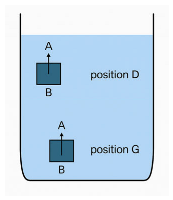
BUO18: A body is completely submerged in water. In the diagram, the buoyancy is shown as A and the weight of the body as B. In which position is the buoyancy on the body greater?
A. In position D, because it is higher
B. In position G, because it is deeper
C. It is the same in both positions
BUO19: We immerse the same object first in oil and then in glycerin. The buoyancy on the object
A. Depends on the quantity of the liquid
B. Is the same in both cases
C. Is different, because it depends on the type of liquid
References
- Hellenic Statistical Authority. Demographic Characteristics/2021. B05. Population-Housing Census 2021. Permanent Population by Sex, Education Level and Citizenship (Greece, Outside Greece). Available online: https://www.statistics.gr/el/statistics/publication/SAM03/ (accessed on 8 May 2025).
- European Commission. White Paper on Education and Training. Teaching and Learning Towards the Learning Society. Available online: https://op.europa.eu/en/publication-detail/-/publication/d0a8aa7a-5311-4eee-904c-98fa541108d8/language-en (accessed on 8 May 2025).
- Second Chance Schools. Available online: www.sde.inedivim.gr (accessed on 11 September 2025).
- Halkia, K. Scientific Literacy: Literacy in Science and Technology. In Curriculum Standards for Second Chance Schools, 2nd ed.; Vekris, L., Chontolidou, E., Eds.; Ministry of Education and Religious Affairs: Athens, Greece, 2010; pp. 165–182. (In Greek) [Google Scholar]
- Tzampazi, A.; Seroglou, F. Teaching Science in Second Chance Schools: Two case studies inspired by philosophy and history of science. In Proceedings of the 1st European Regional IHPST Conference, Flensburg, Germany, 22–25 September 2019. [Google Scholar]
- ScienceLit Project. Scientific Dialogic Gatherings Methodology. 2018. Available online: https://sciencelit.splet.arnes.si/files/2018/11/Metodology.pdf (accessed on 8 May 2025).
- Marrero, M.E.; Gunning, A.; Germain-Williams, T. What is STEM education? Glob. Educ. Rev. 2014, 1, 1–6. [Google Scholar]
- Zarestky, J.; Vilen, L. Adult STEM Education for Democratic Participation. Adult Learn. 2023, 34, 157–167. [Google Scholar] [CrossRef] [Scilit]
- Assem, H.D.; Nartey, L.; Appiah, E.; Aidoo, J.K. A Review of Students’ Academic Performance in Physics: Attitude, Instructional Methods, Misconceptions and Teachers Qualification. Eur. J. Educ. Pedagog. 2023, 4, 84–92. [Google Scholar] [CrossRef] [Scilit]
- Bullock, D. Lecture-Driven Instruction. NSPI J. 1980, 19, 15–30. [Google Scholar] [CrossRef] [Scilit]
- Tsiboukli, A.; Phillips, Ν. Introduction in adult education. In Training of Adult Educators; Kokkos, A., Koutrouba, K., Eds.; Ministry of Education, Lifelong Learning and Religious Affairs, General Secretariat for Lifelong Learning, Institute for Continuing Adult Education (I.D.EK.E.): Athens, Greece, 2010; pp. 1–68. (In Greek) [Google Scholar]
- Wu, P.; Yang, L.; Hu, X.; Li, B.; Liu, Q.; Wang, Y.; Huang, J. How K12 Teachers’ Readiness Influences Their Intention to Implement STEM Education: Exploratory Study Based on Decomposed Theory of Planned Behavior. Appl. Sci. 2022, 12, 11989. [Google Scholar] [CrossRef] [Scilit]
- Martín-Cudero, D.; Guede-Cid, R.; Tolmos, P.; Cid-Cid, A.I. Development of a Mathematical Experience from a STEM and Sustainable Development Approach for Primary Education Pre-Service Teachers. Educ. Sci. 2024, 14, 495. [Google Scholar] [CrossRef] [Scilit]
- Martín-Páez, T.; Aguilera, D.; Perales-Palacios, F.J.; Vílchez-González, J.M. What are we talking about when we talk about STEM education? A review of literature. Sci. Educ. 2019, 103, 799–822. [Google Scholar] [CrossRef] [Scilit]
- Kantaros, A.; Diegel, O.; Piromalis, D.; Tsaramirsis, G.; Khadidos, A.O.; Khan, F.Q.; Jan, S. 3D printing: Making an innovative technology widely accessible through makerspaces and outsourced services. Mater. Today Proc. 2022, 49, 2712–2723. [Google Scholar] [CrossRef] [Scilit]
- Korff, J.; Archibeque, B.; Gomez, K.A.; Heckendorf, T.; Mckagan, S.B.; Sayre, E.C.; Schenk, E.; Shepherd, C.; Sorell, L. Secondary Analysis of Teaching Methods in Introductory Physics: A 50k-Student Study. Am. J. Phys. 2016, 84, 969–974. [Google Scholar] [CrossRef] [Scilit]
- Eshetu, F.; Gebeyehu, D.; Alemu, M. Effects of Cooperative Learning Method on Secondary School Students’ Physics Achievement. Int. J. Multidiscip. Curr. Res. 2017, 5, 669–676. [Google Scholar]
- Marcinauskas, L.; Iljinas, A.; Cyviene˙, J.; Stankus, V. Problem-Based Learning versus Traditional Learning in Physics Education for Engineering Program Students. Educ. Sci. 2024, 14, 154. [Google Scholar] [CrossRef] [Scilit]
- Knowles, M.S. The Modern Practice of Adult Education: From Pedagogy to Andragogy; Cambridge Books: Cambridge, UK, 1970. [Google Scholar]
- Kariotoglou, P. Pedagogical Content Knowledge in Natural Sciences; Graphima: Thessaloniki, Greece, 2006. (In Greek) [Google Scholar]
- Farhang, Q.; Hashemi, S.S.A.; Ghorianfar, S.M. Lesson Plan and Its Importance in Teaching Process. Int. J. Curr. Sci. Res. Rev. 2023, 6, 5901–5913. [Google Scholar] [CrossRef] [Scilit]
- Ramirez, I.A.L. Teaching preparedness of pre-service teachers: Perception to practice. Int. J. Stud. Educ. Sci. 2020, 1, 15–35. [Google Scholar]
- Enama, P.R.B. Student teachers’ competence in lesson planning during microteaching. J. Teach. Educ. Educ. 2021, 10, 341–368. [Google Scholar]
- Koberstein-Schwarz, M.; Meisert, A. Facilitating preservice biology teacher development through material-based lesson planning. Educ. Sci. 2024, 14, 42. [Google Scholar] [CrossRef] [Scilit]
- Sόral, S. An examination of pre-service teachers’ competencies in lesson planning. J. Educ. Train. Stud. 2019, 7, 1–13. [Google Scholar] [CrossRef] [Scilit]
- Canalita, E.E.; Jugar, R. Development and Evaluation of a Collaborative Lesson Planning Model for Science Teacher Internships. Int. J. Learn. Teach. Educ. Res. 2025, 24, 588–608. [Google Scholar] [CrossRef] [Scilit]
- Dacanay, C.G.; Otida, A.G.; Panganduyon, C.; Arcilla, F.J. Challenges experienced by the student teachers of Philippine College Foundation during their practice teaching. SMCC High. Educ. Res. J. 2019, 6, 188–196. [Google Scholar] [CrossRef] [Scilit]
- Crispin, G.A. Who are lesson plans really for? NASSP Bull. 1991, 75, 112–114. [Google Scholar] [CrossRef] [Scilit]
- Glatthorn, A.A. Teacher Planning: A Foundation for Effective Instruction. NASSP Bull. 1993, 77, 1–7. [Google Scholar] [CrossRef] [Scilit]
- Valdez, P.N.; Lapinid, M.R.C.; Chua, V.C.G. Agency at work: A metaphor analysis of lesson planning among English language teachers in the Philippines. TEFLIN J. 2024, 35, 352–369. [Google Scholar] [CrossRef] [Scilit]
- Sanders, M. STEM, STEM education. STEMmania. Technol. Teach. 2009, 68, 20–26. [Google Scholar]
- Koonce, D.A.; Zhou, J.; Anderson, C.D.; Hening, D.A.; Conley, V.M. What Is STEM, American Society for Engineering Education. 2011. Available online: https://peer.asee.org/what-is-stem (accessed on 15 May 2025).
- White, D.W. What is STEM education and why is it important? Fla. Assoc. Teach. Educ. J. 2014, 1, 1–8. [Google Scholar]
- Hasanah, U. Key definitions of STEM education: Literature review. Interdiscip. J. Environ. Sci. Educ. 2020, 16, e2217. [Google Scholar] [CrossRef] [Scilit]
- Kubat, U.; Guray, E. To STEM or not to STEM? That is not the question. Cypriot J. Educ. Sci. 2018, 13, 388–399. [Google Scholar] [CrossRef] [Scilit]
- McDonald, C.V. STEM education: A review of the contribution of the disciplines of science, technology, engineering, and mathematics. Sci. Educ. Int. 2016, 27, 530–569. [Google Scholar]
- Smith, J.; Karr-Kidwell, P.J. The Interdisciplinary Curriculum: A Literature Review and a Manual for Administrators and Teachers; No. ED443172; ERIC: New York, NY, USA, 2000. [Google Scholar]
- Joseph, O.B.; Uzondu, N.C. Curriculums development for interdisciplinary STEM education: A review of models and approaches. Int. J. Appl. Res. Soc. Sci. 2024, 6, 1575–1592. [Google Scholar] [CrossRef] [Scilit]
- Chatzopoulos, A.; Papoutsidakis, M.; Kalogiannakis, M.; Psycharis, S. Innovative Robot for Educational Robotics and STEM. In Intelligent Tutoring Systems. ITS 2020; Kumar, V., Troussas, C., Eds.; Lecture Notes in Computer Science; Springer: Cham, Switzerland, 2020; Volume 12149. [Google Scholar] [CrossRef] [Scilit]
- Katsanis, I.A.; Moulianitis, V.C. An Architecture for Safe Child–Robot Interactions in Autism Interventions. Robotics 2021, 10, 20. [Google Scholar] [CrossRef] [Scilit]
- Chatzopoulos, A.; Kalogiannakis, M.; Papadakis, S.; Papoutsidakis, M. A Novel, Modular Robot for Educational Robotics Developed Using Action Research Evaluated on Technology Acceptance Model. Educ. Sci. 2022, 12, 274. [Google Scholar] [CrossRef] [Scilit]
- Mamatnabiyev, Z.; Chronis, C.; Varlamis, I.; Himeur, Y.; Zhaparov, M. A Holistic Approach to Use Educational Robots for Supporting Computer Science Courses. Computers 2024, 13, 102. [Google Scholar] [CrossRef] [Scilit]
- Bounou, A.; Tselios, N.; Kaliampos, G.; Lavidas, K.; Papadakis, S. Criteria for Evaluating Digital Technology Used to Support Computational Thinking via Inquiry Learning—The Case of Two Educational Software Applications for Mathematics and Physics. Computers 2025, 14, 90. [Google Scholar] [CrossRef] [Scilit]
- Tytler, R. STEM Education for the Twenty-First Century. In Integrated Approaches to STEM Education. Advances in STEM Education; Anderson, J., Li, Y., Eds.; Springer: Cham, Switzerland, 2020; pp. 21–43. [Google Scholar] [CrossRef] [Scilit]
- Chatzopoulos, A.; Kalogiannakis, M.; Papoutsidakis, M.; Psycharis, S.; Papachristos, D. Measuring the impact on student’s computational thinking skills through STEM and educational robotics project implementation. In Advances in Early Childhood and K-12 Education; IGI Global: Hershey, PA, USA, 2020; pp. 238–288. [Google Scholar]
- Samsudin, M.A.; Jamali, S.M.; Zain, A.N.M.; Ale Ebrahim, N. The Effect of STEM Project Based Learning on Self-Efficacy among High-School Physics Students. J. Turk. Sci. Educ. 2020, 17, 94–108. [Google Scholar] [CrossRef] [Scilit]
- Driver, R.; Oldham, V. A constructivist approach to curriculum development in science. Stud. Sci. Educ. 1986, 13, 105–122. [Google Scholar] [CrossRef] [Scilit]
- Chuang, S. The applications of constructivist learning theory and social learning theory on adult continuous development. Perform. Improv. 2021, 60, 6–14. [Google Scholar] [CrossRef] [Scilit]
- Khadimally, S. Role of the Social Constructivist Theory, Andragogy, and Computer-Mediated Instruction (CMI) in Adult ESL Learning and Teaching Environments: How Students Transform into Self-Directed Learners through Mobile Technologies. In Research Anthology on Adult Education and the Development of Lifelong Learners; Information resources Management Association, Ed.; IGI Global: Hershey, PA, USA, 2021; pp. 195–221. [Google Scholar] [CrossRef] [Scilit]
- Anelli, C. Scientific Literacy: What Is It, Are We Teaching It, and Does It Matter? Am. Entomol. 2011, 57, 235–244. [Google Scholar] [CrossRef] [Scilit]
- Leoste, J.; Jõgi, L.; Õun, T.; Pastor, L.; San Martín López, J.; Grauberg, I. Perceptions about the Future of Integrating Emerging Technologies into Higher Education—The Case of Robotics with Artificial Intelligence. Computers 2021, 10, 110. [Google Scholar] [CrossRef] [Scilit]
- Halkia, K. Teaching the Physical Sciences: Theoretical Issues, Reflections, and Proposals, 8th ed.; Athens Pataki: Athens, Greece, 2021. (In Greek) [Google Scholar]
- Duran, L.B.; Duran, E. The 5E instructional model: A learning cycle approach for inquiry-based science teaching. Sci. Educ. Rev. 2004, 3, 49–58. [Google Scholar]
- Bybee, R.W. Guest Editorial: The BSCS 5E Instructional Model: Personal Reflections and Contemporary Implications. Sci. Child. 2014, 51, 10–13. [Google Scholar] [CrossRef] [Scilit]
- Dass, P. Teaching STEM Effectively with the Learning Cycle Approach. K-12 STEM Educ. 2015, 1, 5–12. [Google Scholar] [CrossRef] [Scilit]
- Kaniawati, D.; Kaniawati, I.; Suwarma, R.I. Implementation of STEM Education in Learning Cycle 5E to Improve Concept Understanding on Direct Current Concept. In Proceedings of the 2016 International Conference on Mathematics and Science Education, Malang, Indonesia, 29–30 August 2017. [Google Scholar] [CrossRef] [Scilit]
- Ayida, L.P.; Abdurrahman, A.; Wicaksono, B.A.; Herlina, K. Implementation of the 5E Model Integrated STEM-EDP to Enhance High School Students’ Creative Problem-Solving Ability. J. Pendidik. Fis. Dan Teknol. 2025, 11, 171–179. [Google Scholar] [CrossRef] [Scilit]
- Shahbazloo, F.; Mirzaie, R.A. Investigating the effect of 5E-based STEM education in solar energy context on creativity and academic achievement of female Junior high School students. Think. Ski. Creat. 2023, 49, 101336. [Google Scholar] [CrossRef] [Scilit]
- Nguyen, L.C.; Ngọ, N.V.; Hung, M.V. Teaching STEM using the 5E model approach: Assessing problem-solving skills of middle school students. Int. J. Innov. Res. Sci. Stud. 2025, 8, 1573–1582. [Google Scholar] [CrossRef] [Scilit]
- Ceylan, S.; Ozdilek, Z. Improving a Sample Lesson Plan for Secondary Science Courses within the STEM Education. Procedia Soc. Behav. Sci. 2015, 177, 223–228. [Google Scholar] [CrossRef] [Scilit]
- Eroğlu, S.; Bektaş, O. The effect of 5E-based STEM education on academic achievement, scientific creativity, and views on the nature of science. Learn. Individ. Differ. 2022, 98, 102181. [Google Scholar] [CrossRef] [Scilit]
- Bloom, B.S.; Engelhart, M.B.; Furst, E.J.; Hill, W.H.; Krathwohl, D.R. Taxonomy of Educational Objectives. The Classification of Educational Goals. Handbook 1: Cognitive Domain; Longmans Green: New York, NY, USA, 1956. [Google Scholar]
- Krathwohl, D.R. A Revision of Bloom’s Taxonomy: An Overview. Theory Into Pract. 2002, 41, 212–218. [Google Scholar] [CrossRef] [Scilit]
- Papanastasiou, E.; Papanastasiou, K. Methodology of Educational Research; Self-Published: Nicosia, Greece, 2016. [Google Scholar]
- Creswell, J. Educational Research. Planning, Conducting and Evaluating Quantitative and Qualitative Research, 2nd ed.; Iwn: Athens, Greece, 2011. [Google Scholar]
- Phet.colorado. Available online: https://phet.colorado.edu/sims/html/buoyancy-basics/latest/buoyancy-basics_all.html (accessed on 20 December 2025).
- Radiopoulou, D.; Kantaros, A.; Ganetsos, T.; Zacharia, P. 3D Printing as a Multimodal STEM Learning Technology: A Survey Study in Second Chance Schools. Multimodal Technol. Interact. 2025, 9, 87. [Google Scholar] [CrossRef] [Scilit]
- Anunpattana, P.; Khalid, M.N.A.; Iida, H. Objectivity and subjectivity in variation of multiple choice questions: Linking the theoretical concepts using motion in mind. IEEE Access 2023, 11, 35371–35397. [Google Scholar] [CrossRef] [Scilit]
- Siddiqui, S. Categorized and correlated multiple-choice questions: A tool for assessing comprehensive physics knowledge of students. Educ. Sci. 2022, 12, 575. [Google Scholar] [CrossRef] [Scilit]
- Coughlin, P.A.; Featherstone, C.R. How to Write a High Quality Multiple Choice Question (MCQ): A Guide for Clinicians. Eur. J. Vasc. Endovasc. Surg. 2017, 54, 654–658. [Google Scholar] [CrossRef] [Scilit]
- Christian, D.S.; Prajapati, A.C.; Rana, B.M.; Dave, V.R. Evaluation of multiple choice questions using item analysis tool: A study from a medical institute of Ahmedabad, Gujarat. Int. J. Community Med. Public Health 2017, 4, 1876–1881. [Google Scholar] [CrossRef] [Scilit]
- Sideris, G.A.; Singh, A.; Catanzano, T. Writing high-quality multiple-choice questions. In Image-Based Teaching; Catanzano, T., Ed.; Springer: Cham, Switzerland, 2022; pp. 123–146. [Google Scholar] [CrossRef] [Scilit]
- Bhaw, N.; Kriek, J.; Rampho, G. The Use of Multiple-choice Questions as an Assessment Tool in First-year University Physics Modules. J. Educ. Pract. 2024, 16, 66–77. [Google Scholar]
- Nwadinigwe, P.I.; Naibi, L. The Number of Options in a Multiple-Choice Test Item and the Psychometric Characteristics. J. Educ. Pract. 2013, 4, 189–196. [Google Scholar]
- Haladyna, T.M.; Downing, S.M. How Many Options is Enough for a Multiple-Choice Test Item? Educ. Psychol. Meas. 1993, 53, 999–1010. [Google Scholar] [CrossRef] [Scilit]
- Vyas, R.; Supe, A. Multiple choice questions: A literature review on the optimal number of options. Natl. Med. J. India 2008, 21, 130–133. [Google Scholar] [PubMed]
- Rodriguez, M.C. Three Options Are Optimal for Multiple-Choice Items: A Meta-Analysis of 80 Years of Research. Educ. Meas. Issues Pract. 2005, 24, 3–13. [Google Scholar] [CrossRef] [Scilit]
- Cappelleri, J.C.; Lundy, J.J.; Hays, R.D. Overview of Classical Test Theory and Item Response Theory for the Quantitative Assessment of Items in Developing Patient-Reported Outcomes Measures. Clin. Ther. 2014, 36, 648–662. [Google Scholar] [CrossRef] [Scilit] [PubMed]
- Kumar, A.P.; Nayak, A.; Shenoy, M.K.; Goyal, S.; Chaitanya. A novel approach to generate distractors for Multiple Choice Questions. Expert Syst. Appl. 2023, 225, 120022. [Google Scholar] [CrossRef] [Scilit]
- Kumar, D.; Jaipurkar, R.; Shekhar, A.; Sikri, G.; Srinivas, V. Item analysis of multiple choice questions: A quality assurance test for an assessment tool. Med. J. Armed Forces India 2021, 77, S85–S89. [Google Scholar] [CrossRef] [Scilit]
- Ntumi, S.; Agbenyo, S.; Bulala, T. Estimating the Psychometric Properties (Item Difficulty, Discrimination and Reliability Indices) of Test Items Using Kuder- Richardson Approach (KR- 20). Shanlax Int. J. Educ. 2023, 11, 18–28. [Google Scholar] [CrossRef] [Scilit]
- El-Uri, F.I.; Malas, N. Analysis of use of a single best answer format in an undergraduate medical examination. Qatar Med. J. 2013, 2013, 3–6. [Google Scholar] [CrossRef] [Scilit]
- Sharma, L.R. Analysis of Difficulty Index, Discrimination Index and Distractor Efficiency of Multiple Choice Questions of Speech Sounds of English. Int. Res. J. MMC 2021, 2, 15–28. [Google Scholar] [CrossRef] [Scilit]
- Florida Department of Education. Standard Error of Measurement (SEm); Technical Assistance Paper No. 309159. Available online: https://www.fldoe.org/core/fileparse.php/7567/urlt/y1996-7.pdf (accessed on 20 December 2025).
- Harvill, L.M. Standard error of measurement. Educ. Meas. Issues Pract. 1991, 10, 33–41. [Google Scholar] [CrossRef] [Scilit]
- Hewitt, P.G. Conceptual Physics: Mechanics, Heat and Sound, 3rd ed.; University of Crete Press: Heraklion, Greece, 2008. (In Greek) [Google Scholar]
- Antoniou, N.; Dimitriadis, P.; Kampouris, K.; Papamichalis, K.; Papatsimpa, L. Physics: Second Class of Middle School, 4th ed.; Ministry of Education Religious Affairs and Sports: Athens, Greece, 2010. (In Greek) [Google Scholar]
- Antoniou, N.; Dimitriadis, P.; Kampouris, K.; Papamichalis, K.; Papatsimpa, L. Physics: Third Class of Middle School, 4th ed.; Ministry of Education Religious Affairs and Sports: Athens, Greece, 2010. (In Greek) [Google Scholar]
- Vlachos, I.; Kokkotas, P.; Grammatikakis, I.; Peristeropoulos, P.E.; Karapanayiotis, B.; Timotheou, G.B. Physics: First Class of General High School; Ministry of Education Religious Affairs and Sports: Athens, Greece, 2014. (In Greek) [Google Scholar]
- Reynolds, H. Complete Physics for Cambridge Secondary 1 Workbook; Oxford University Press: Oxford, UK, 2013. [Google Scholar]
- Physport: Supporting Physics Teaching with Research-Based Resources. Available online: https://www.physport.org/assessments/assessment.cfm?A=WDT (accessed on 31 October 2025).
- Physport: Supporting Physics Teaching with Research-Based Resources. Available online: https://www.physport.org/assessments/assessment.cfm?A=TCE (accessed on 31 October 2025).
- Hall, D.A.; Zaragoza Domingo, S.; Hamdache, L.Z.; Manchaiah, V.; Thammaiah, S.; Evans, C.; Wong, L.L.N. A good practice guide for translating and adapting hearing-related questionnaires for different languages and cultures. Int. J. Audiol. 2018, 57, 161–175. [Google Scholar] [CrossRef] [Scilit]
- Maruši´c, M.; Sliško, J. Influence of Three Different Methods of Teaching Physics on the Gain in Students’ Development of Reasoning. Int. J. Sci. Educ. 2012, 34, 301–326. [Google Scholar] [CrossRef] [Scilit]
- Radiopoulou, D.; Karagiannidis, C.; Zacharia, P. Technology-Enhanced STEM Physics Instruction: Self-Efficacy of Adult Learners in Second Chance Schools. Appl. Sci. 2025, 15, 13019. [Google Scholar] [CrossRef] [Scilit]
- Dew, M.; Perry, J.; Ford, L.; Bassichis, W.; Erukhimova, T. Gendered performance differences in introductory physics: A study from a large land-grant university. Phys. Rev. Phys. Educ. Res. 2021, 17, 010106. [Google Scholar] [CrossRef] [Scilit]
- Jia, C.; Yang, T.; Qian, Y.; Wu, X. The Gender Differences in Science Achievement, Interest, Habit, and Creativity: A national representative evidence from China. Sci. Educ. Int. 2020, 31, 195–202. [Google Scholar] [CrossRef] [Scilit]
- Ibok, E.; Ntibi, J. Students’ demographic factors and their academic achievement in Mathematics and Physics in Calabar Metropolis of Cross River State, Nigeria. J. Couns. Psychol. 2021, 4, 121–130. [Google Scholar]
- Wambugu, L.; Emeke, A.E. Age-Related Differences in Academic Performance of Undergraduate Science Courses at the University of Nairobi, Kenya. Int. J. Innov. Res. Dev. 2019, 8, 208–213. [Google Scholar] [CrossRef] [Scilit]
- Von Doetinchem de Rande, S.; Von Doetinchem, P.; Mantsch, P. Expand STEM education for older adults. Phys. Today 2023, 76, 12. [Google Scholar] [CrossRef] [Scilit]
- Chatzopoulos, A.; Kantaros, A.; Zacharia, P.; Ganetsos, T.; Papoutsidakis, M. A 3D-Printed, Open-Source, Low-Cost Drone Platform for Mechatronics and STEM Education in an Academic Context. Drones 2025, 9, 797. [Google Scholar] [CrossRef] [Scilit]
- Katsanis, I.A.; Moulianitis, V.C.; Panagiotarakos, D.T. Design, Development, and a Pilot Study of a Low-Cost Robot for Child–Robot Interaction in Autism Interventions. Multimodal Technol. Interact. 2022, 6, 43. [Google Scholar] [CrossRef] [Scilit]
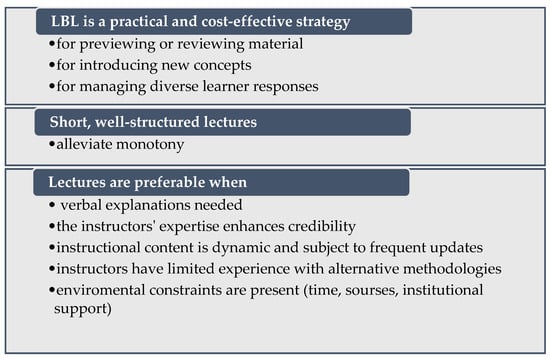
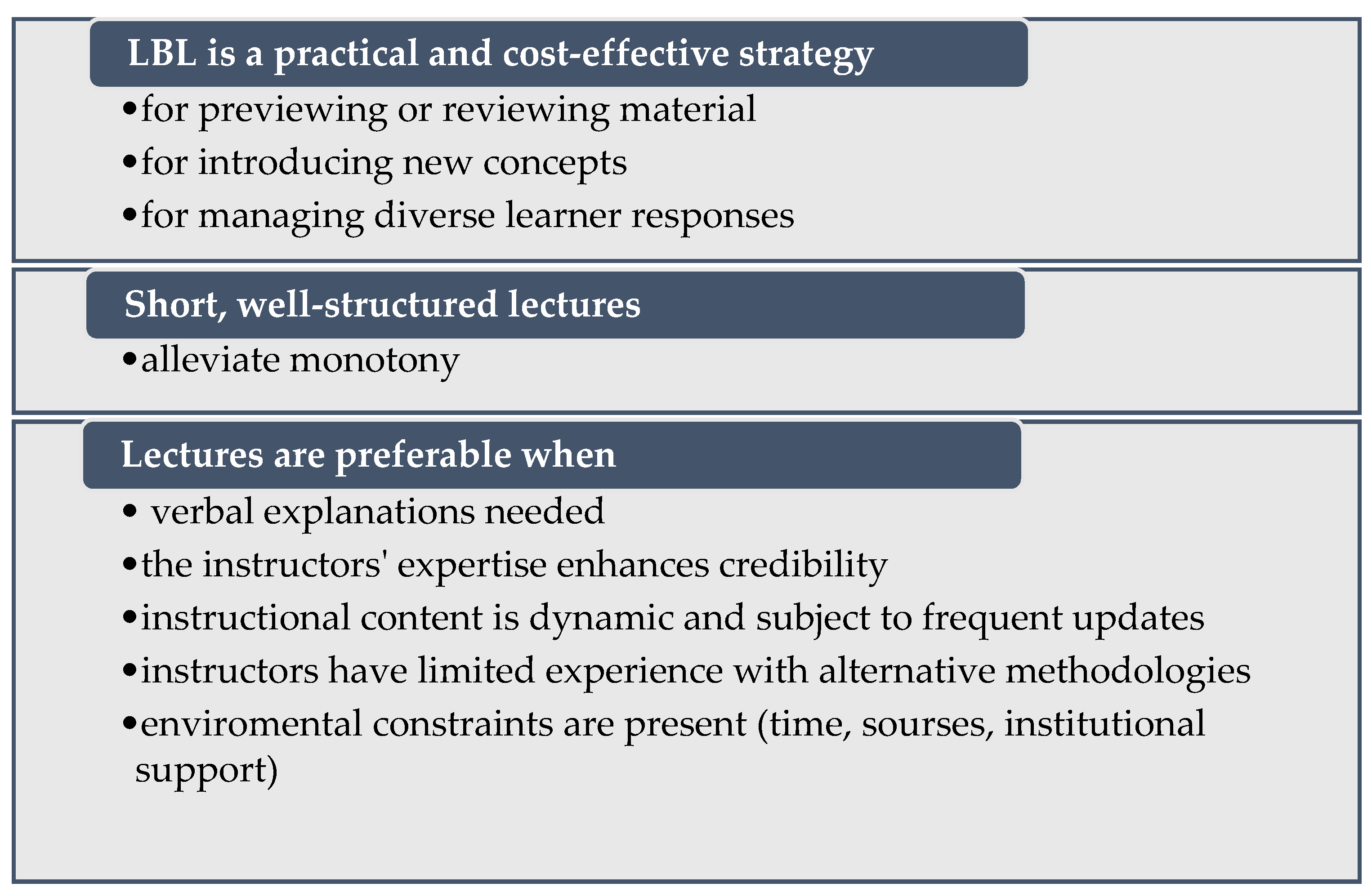
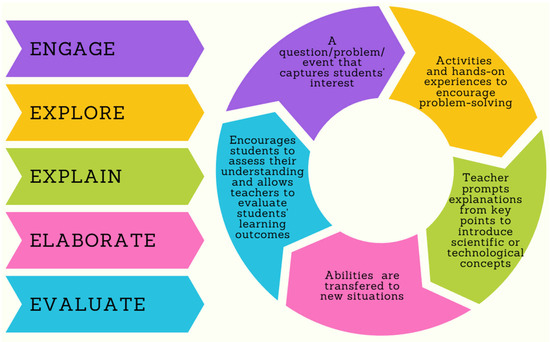
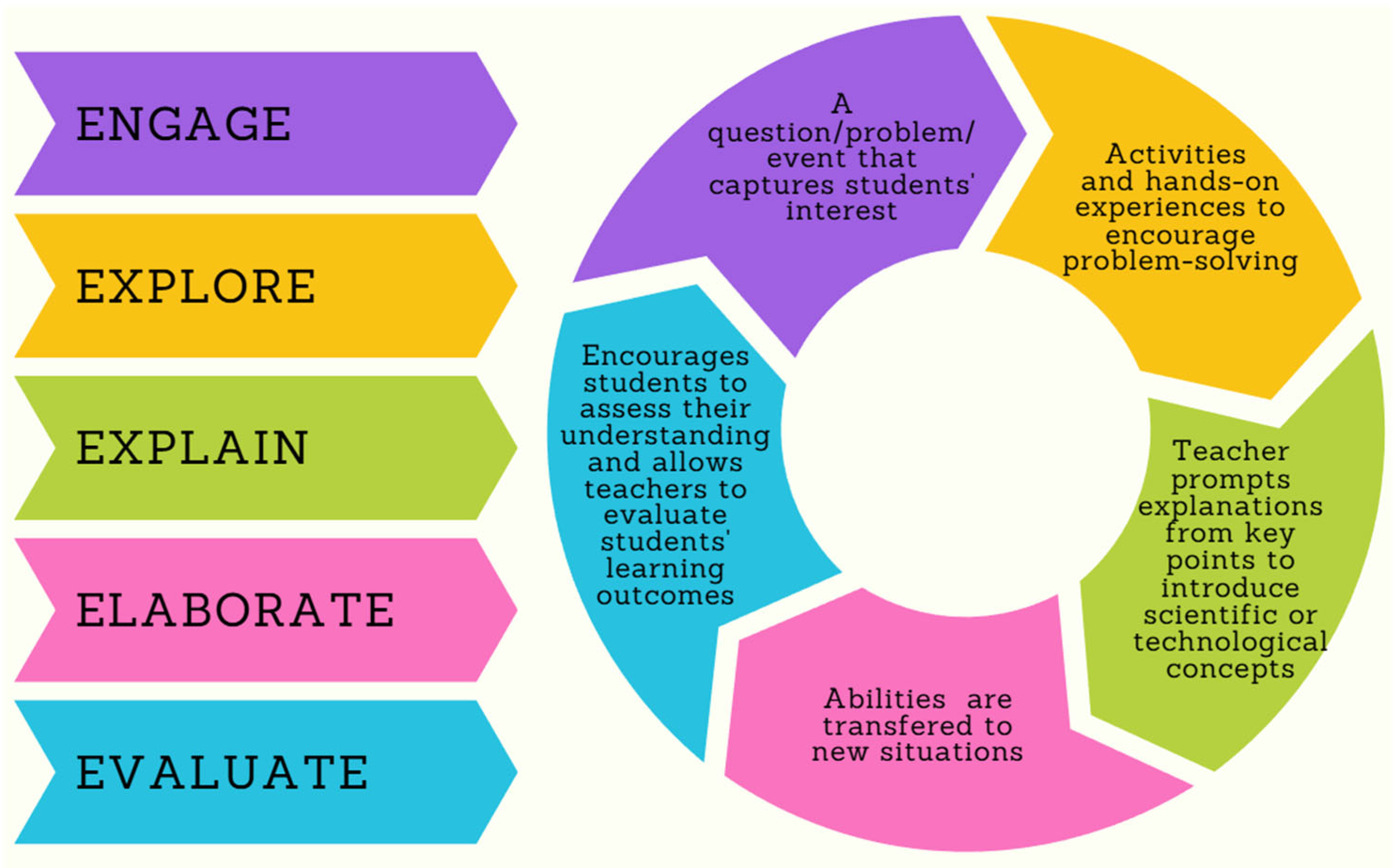
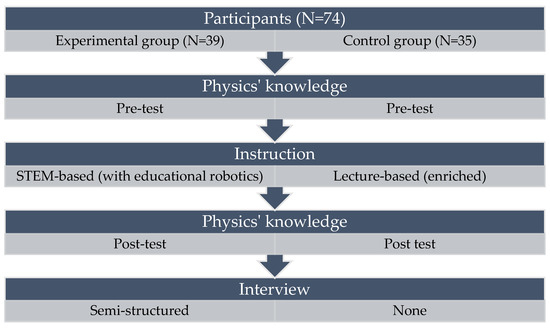
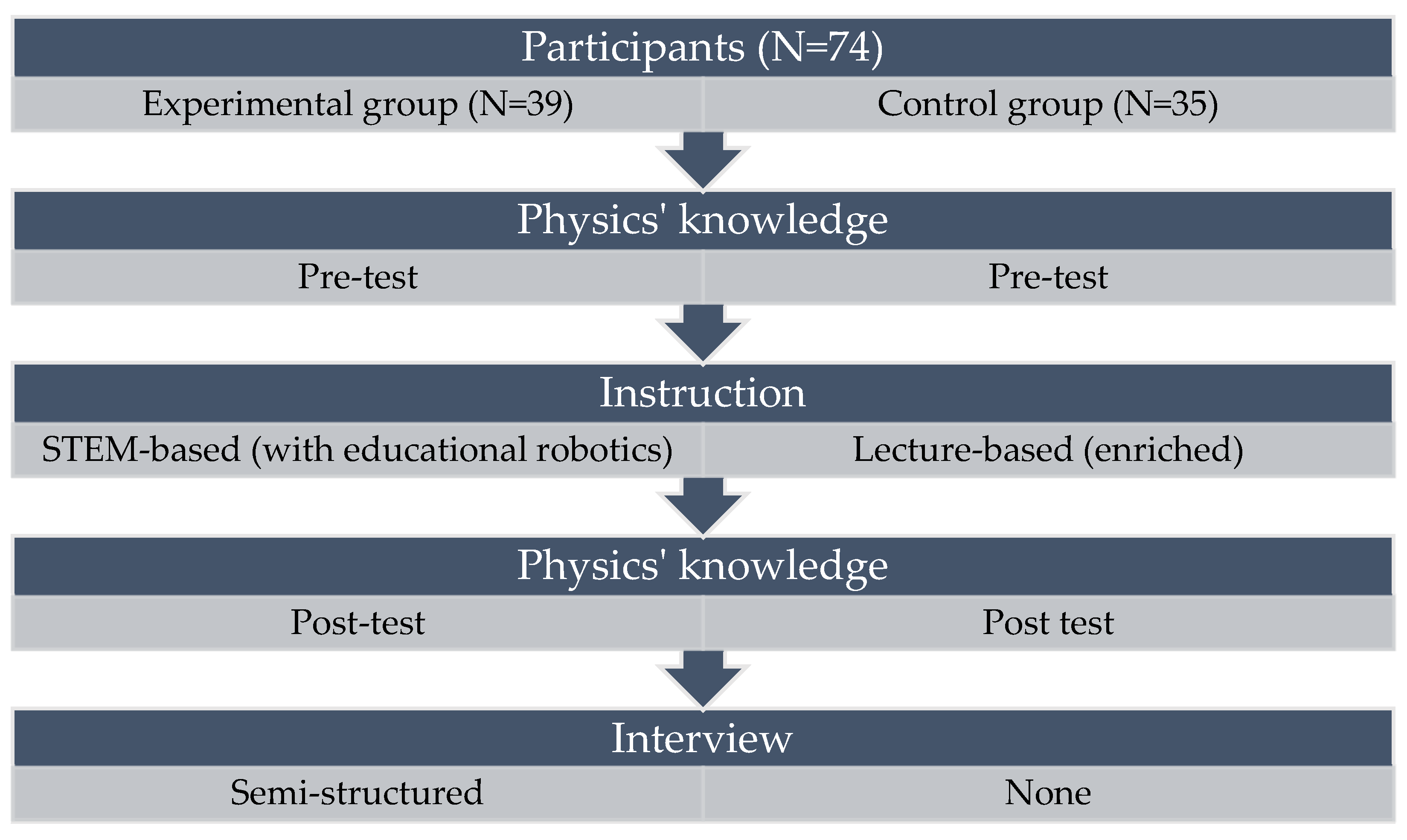
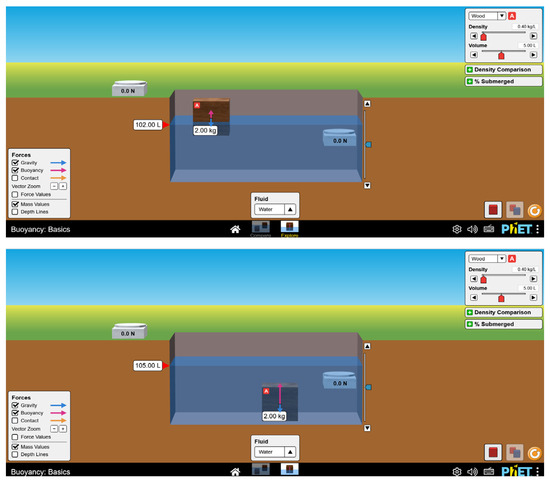
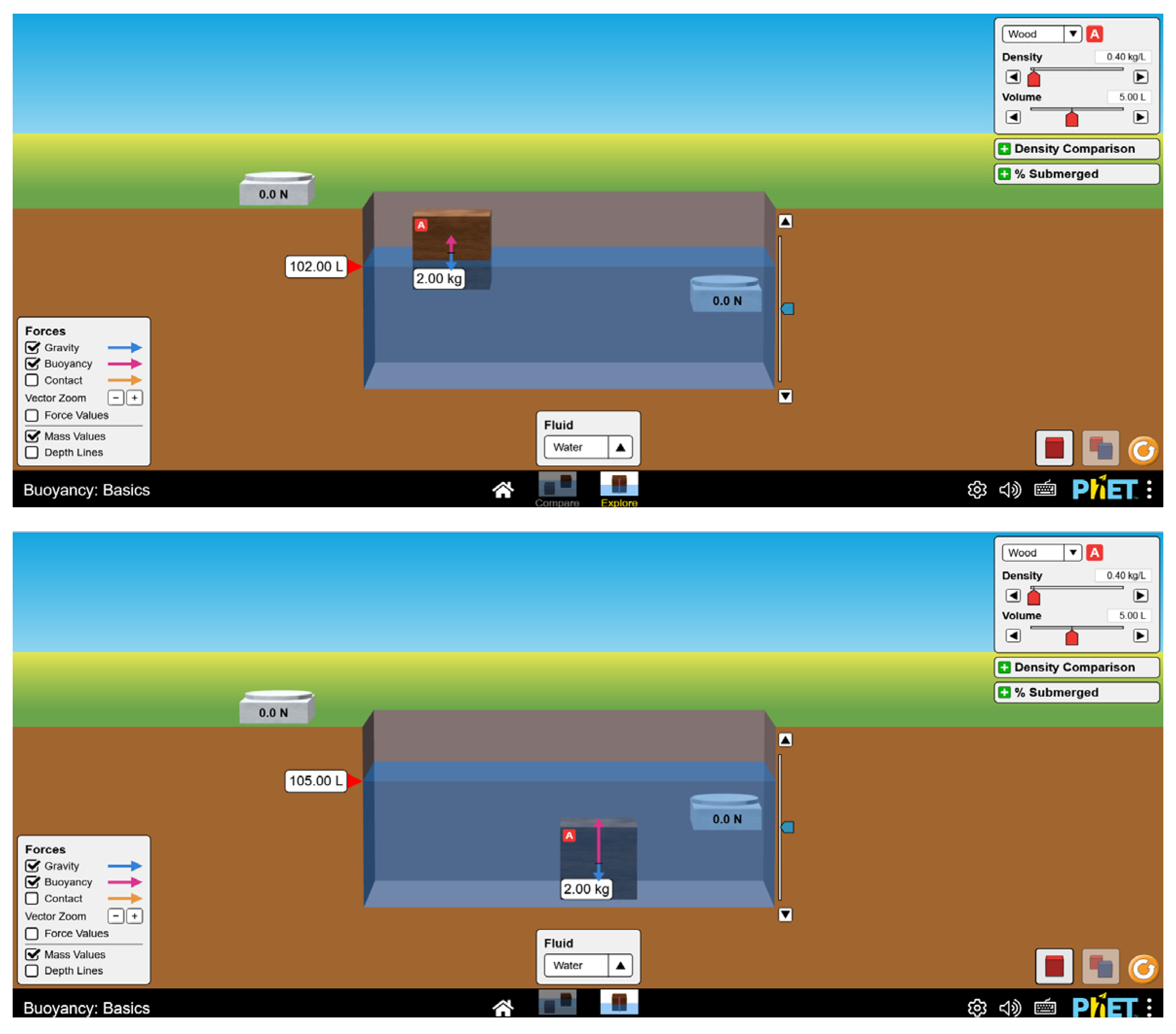
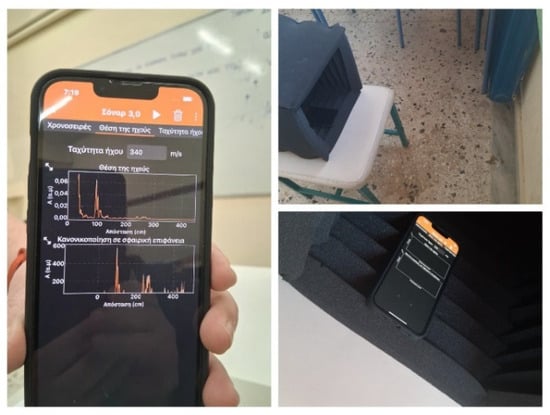
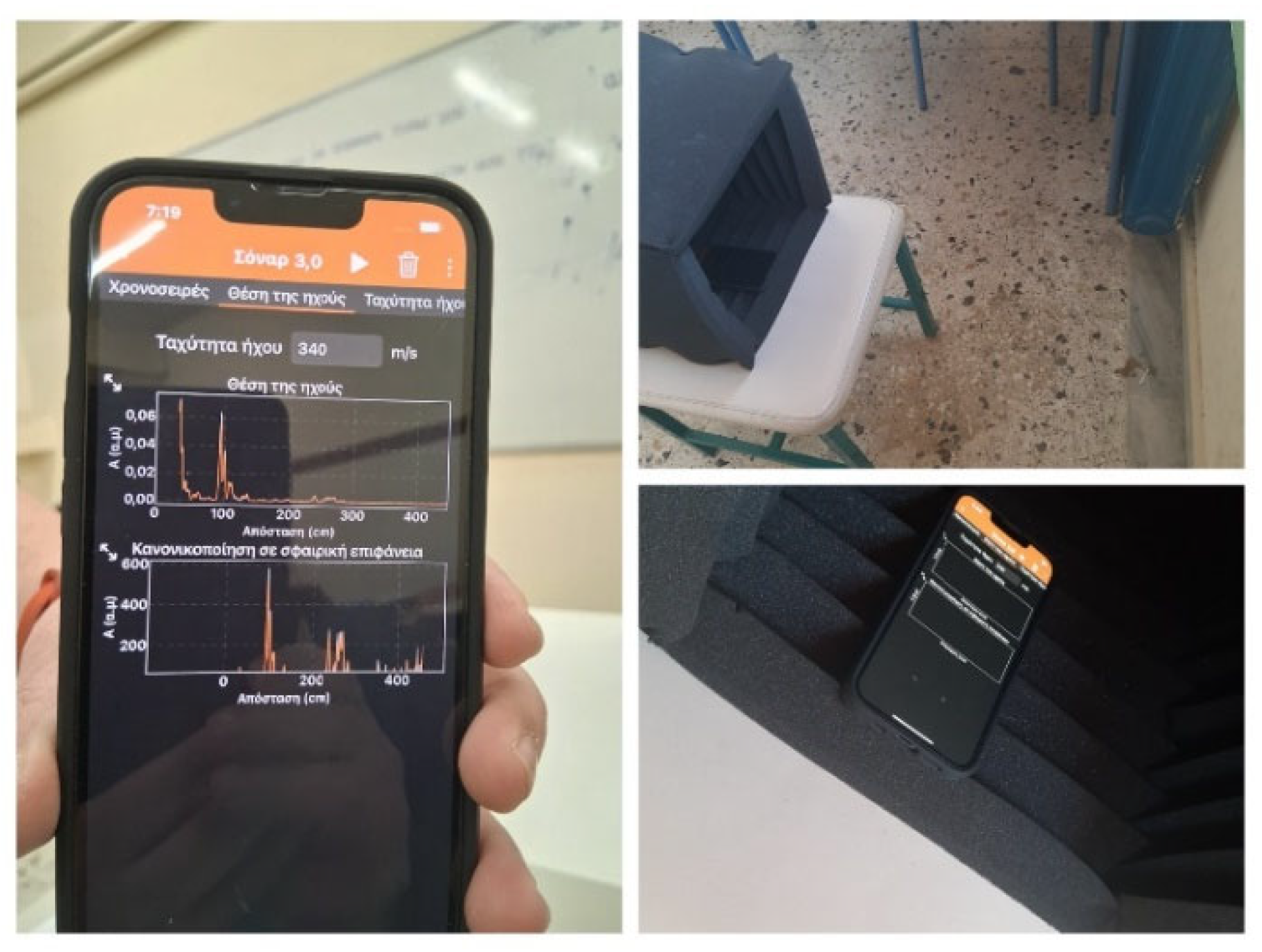
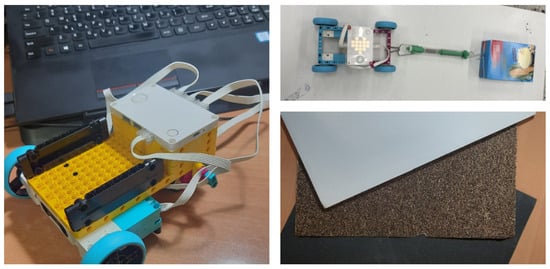
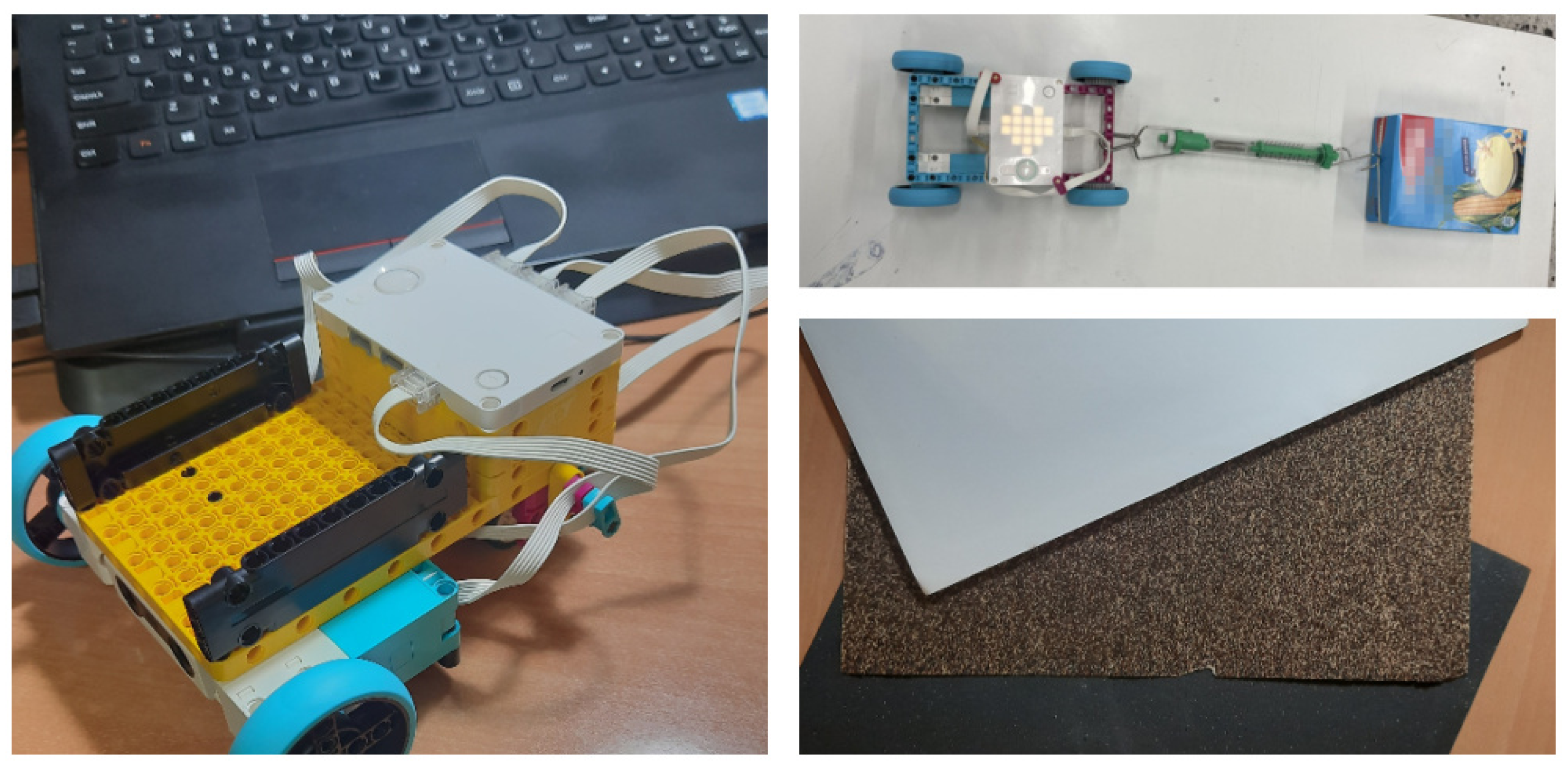
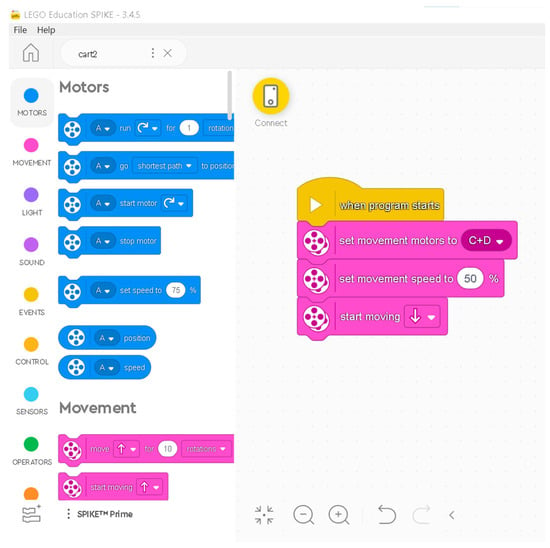
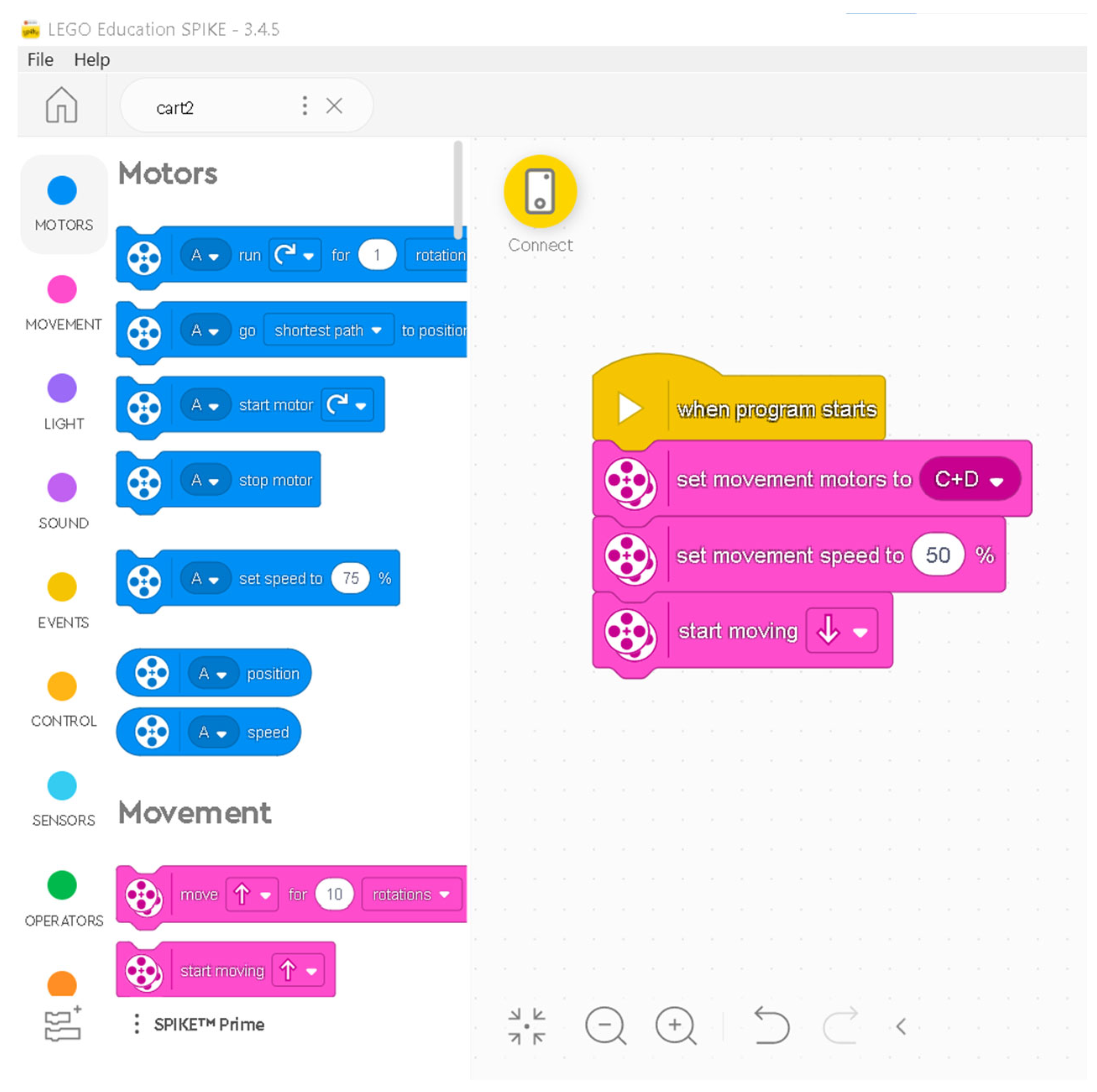
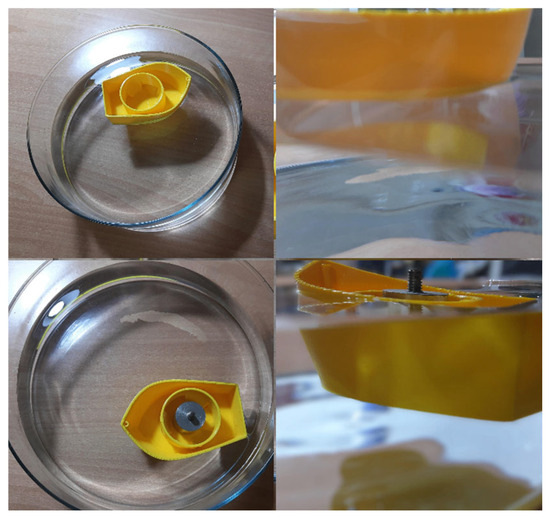
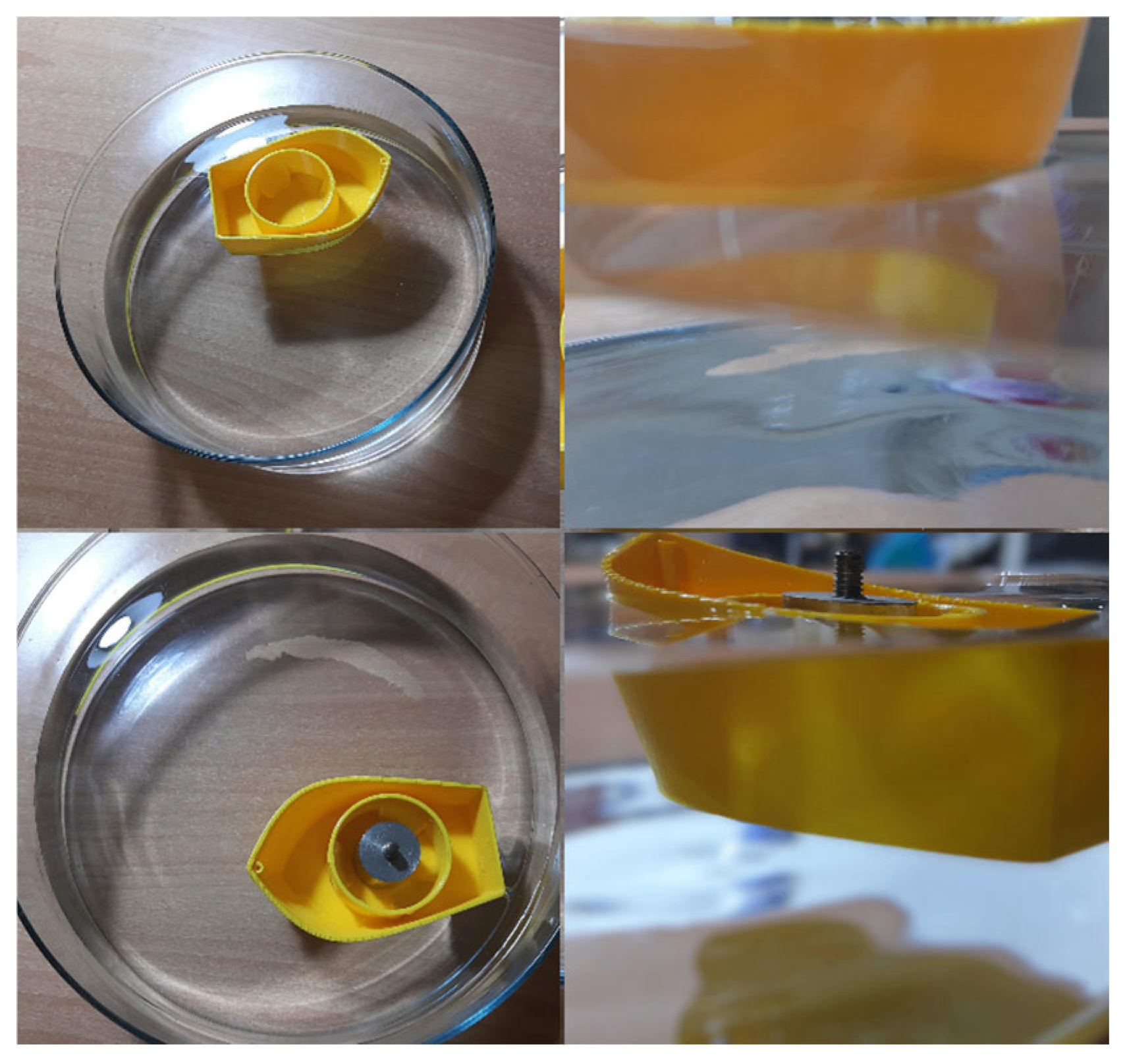
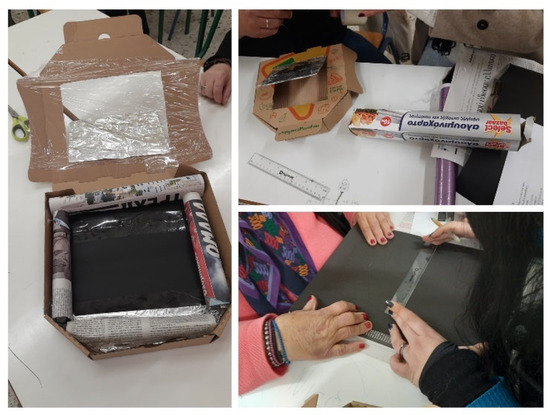
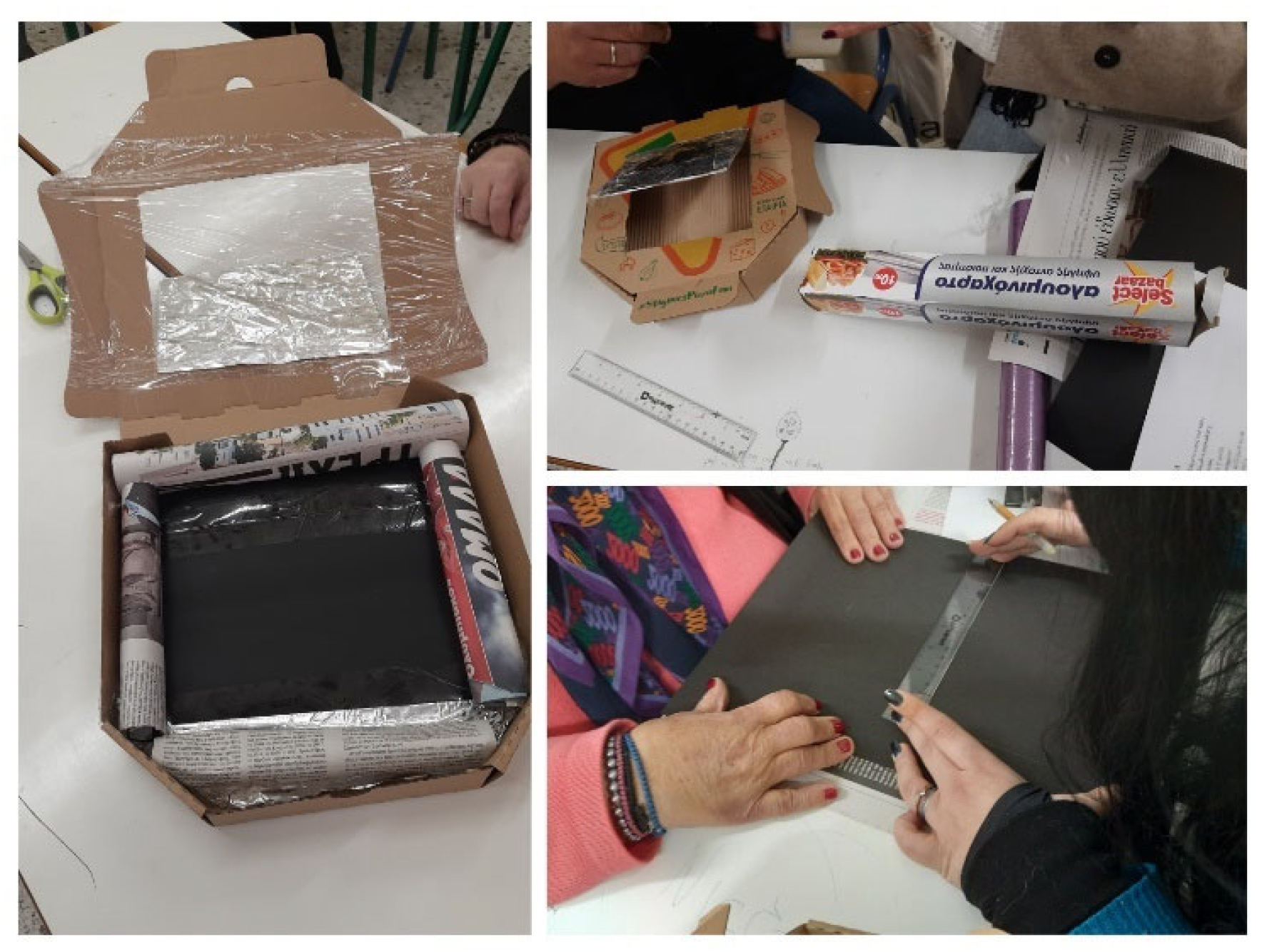
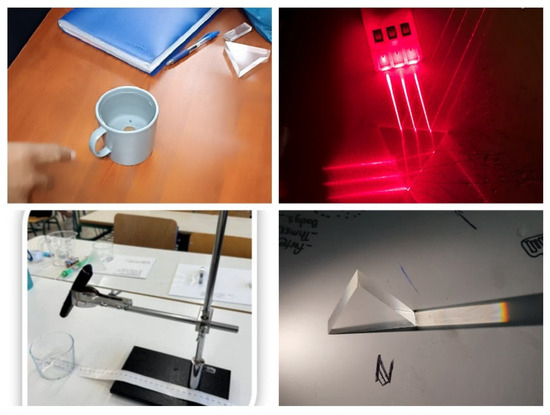
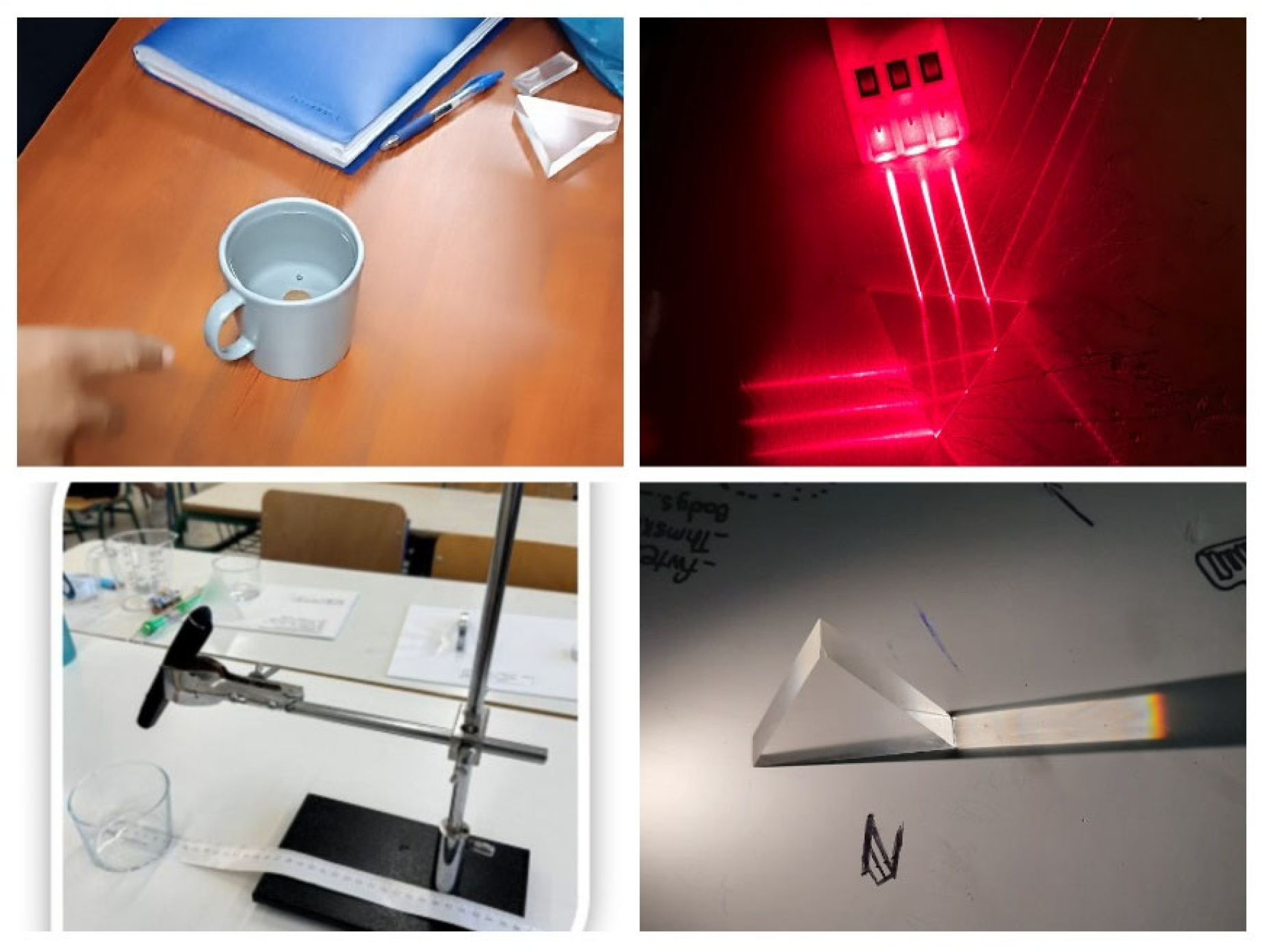
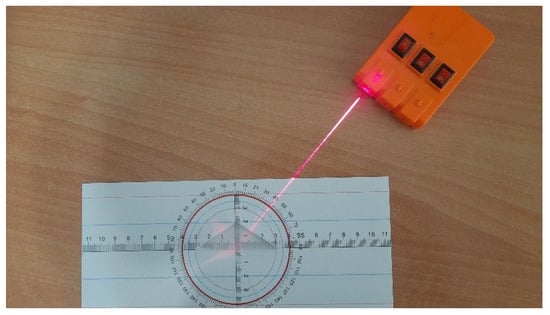
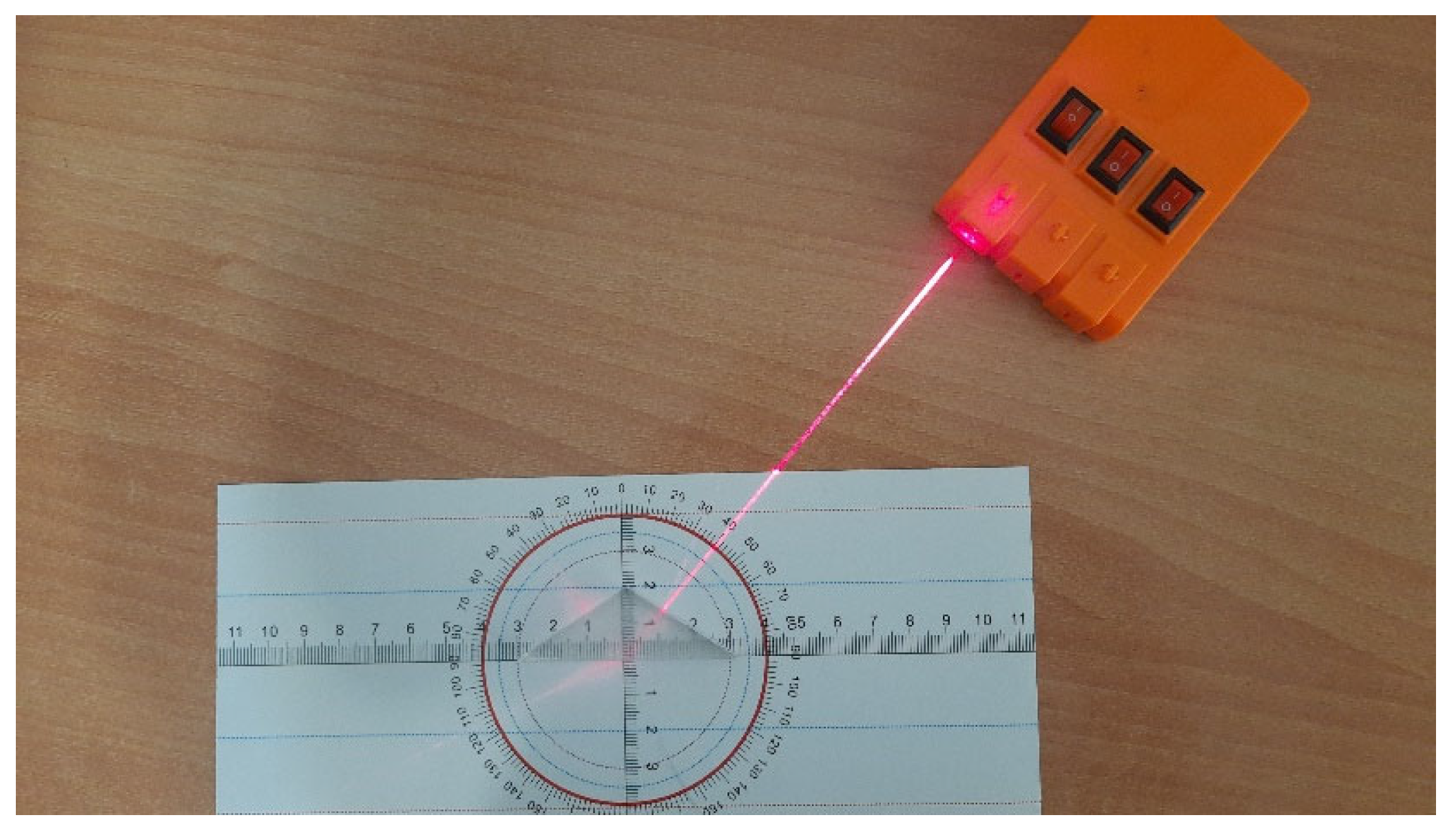
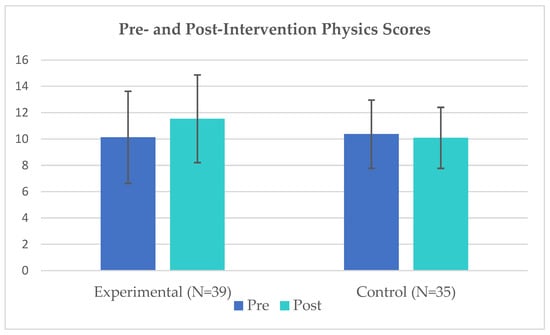
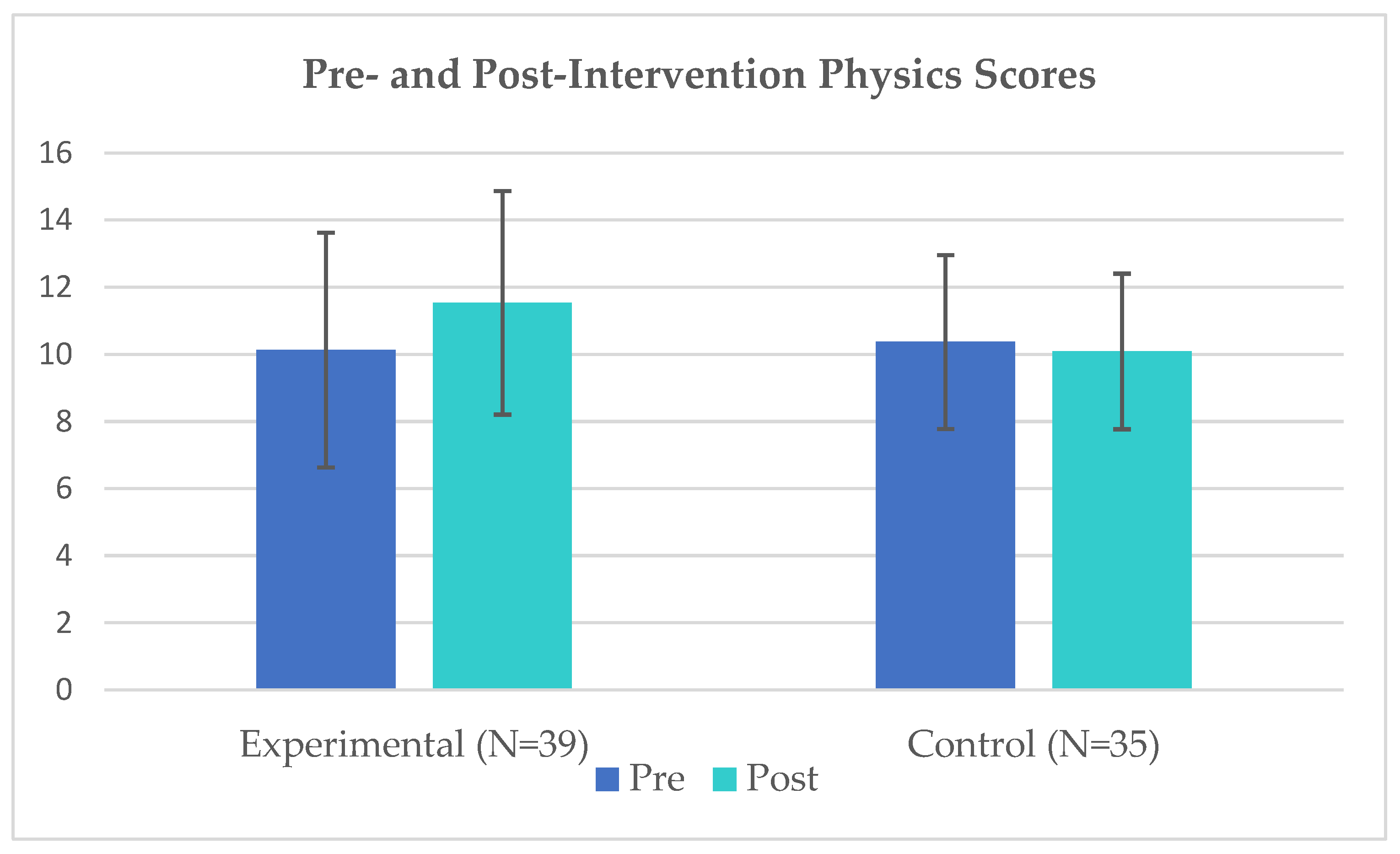

Disclaimer/Publisher’s Note: The statements, opinions and data contained in all publications are solely those of the individual author(s) and contributor(s) and not of MDPI and/or the editor(s). MDPI and/or the editor(s) disclaim responsibility for any injury to people or property resulting from any ideas, methods, instructions or products referred to in the content. |
© 2026 by the authors. Licensee MDPI, Basel, Switzerland. This article is an open access article distributed under the terms and conditions of the Creative Commons Attribution (CC BY) license.