A Systematic Review of Cutaneous Involvement in Metastatic Bone Sarcomas: Insights from 102 Reported Cases


First Department of Dermatology and Venereology, Aristotle University of Thessaloniki, 54643 Thessaloniki, Greece
*
Author to whom correspondence should be addressed.
Cancers 2026, 18(3), 437; https://doi.org/10.3390/cancers18030437
Submission received: 31 December 2025
/
Revised: 21 January 2026
/
Accepted: 23 January 2026
/
Published: 29 January 2026
(This article belongs to the Special Issue Cutaneous Metastases: State-of-the-Art Research and Management)
Simple Summary
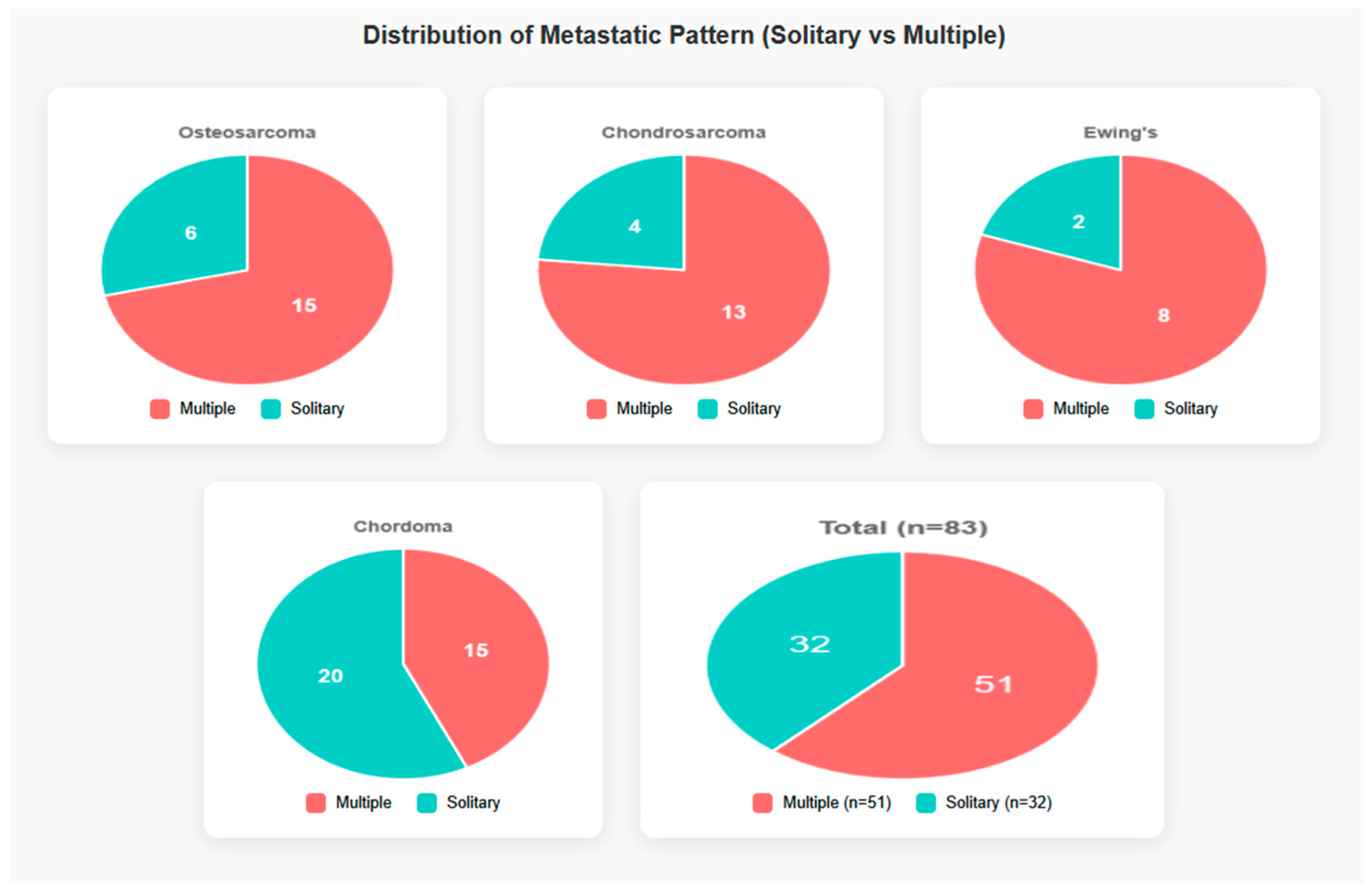
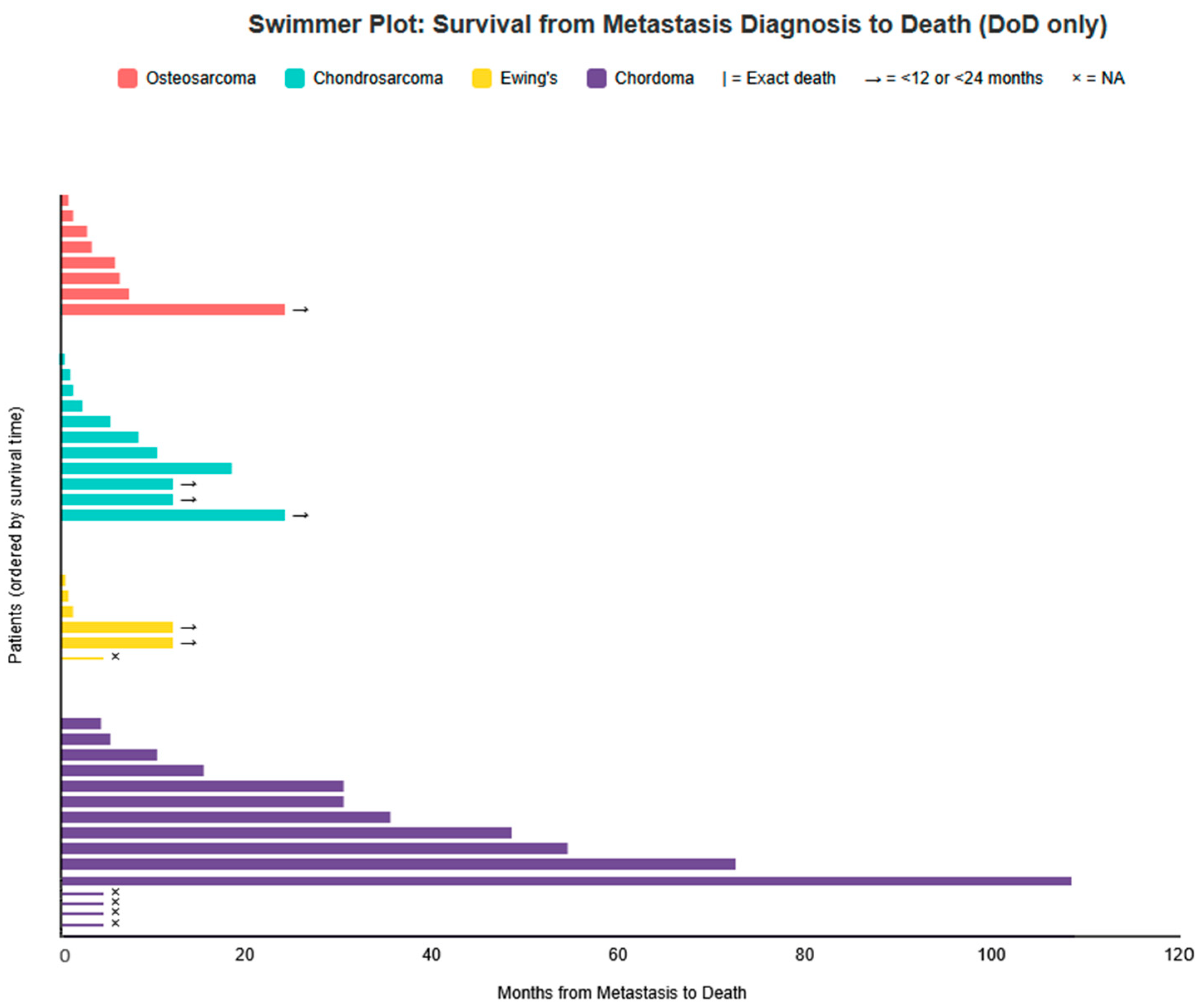
Cutaneous metastases from primary bone sarcomas are very rare and not well understood, often leading to diagnostic delays or misinterpretation. This review analyzes over 100 reported cases to describe their clinical patterns, including location, timing, appearance, and outcomes across different sarcoma types. We found distinct behaviors: osteosarcoma and Ewing sarcoma typically show skin involvement as part of widespread disease with poor prognosis, while chordoma more often has skin-only or skin-dominant metastases with slower progression and occasional long-term survival. These findings highlight the need for greater awareness among clinicians to recognize unusual skin lesions in bone sarcoma patients, potentially enabling earlier diagnosis and better management.
Abstract
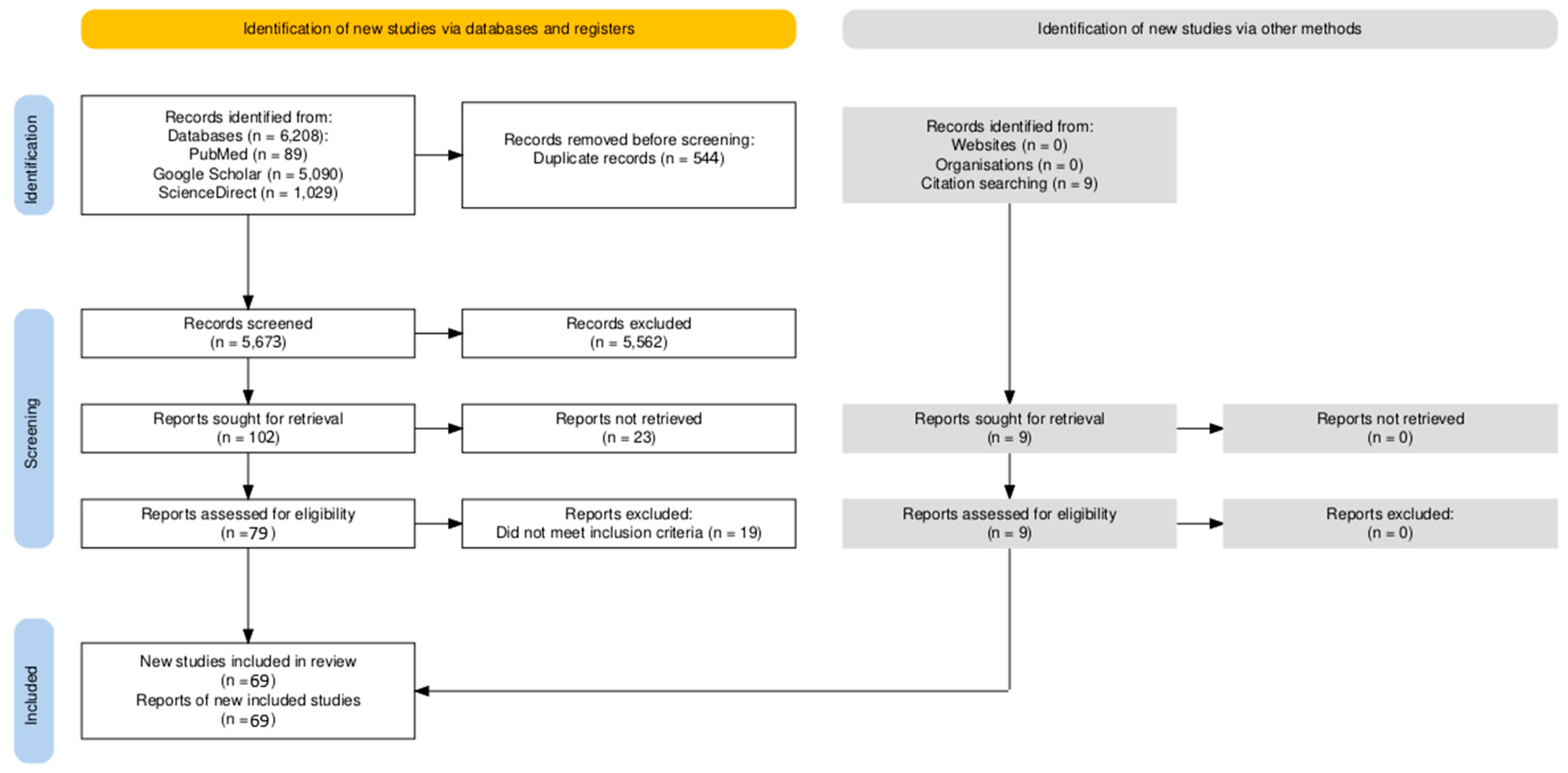
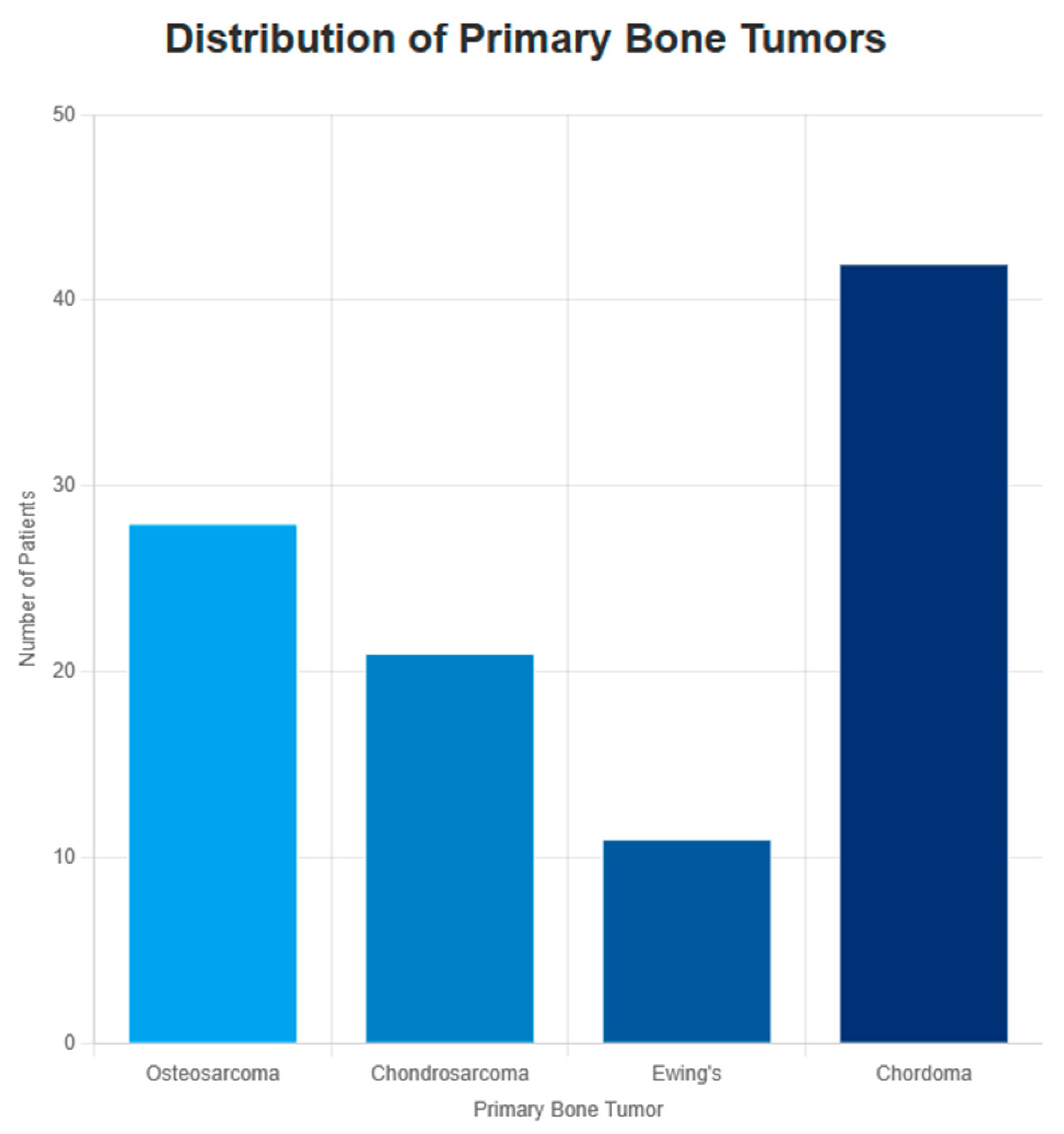
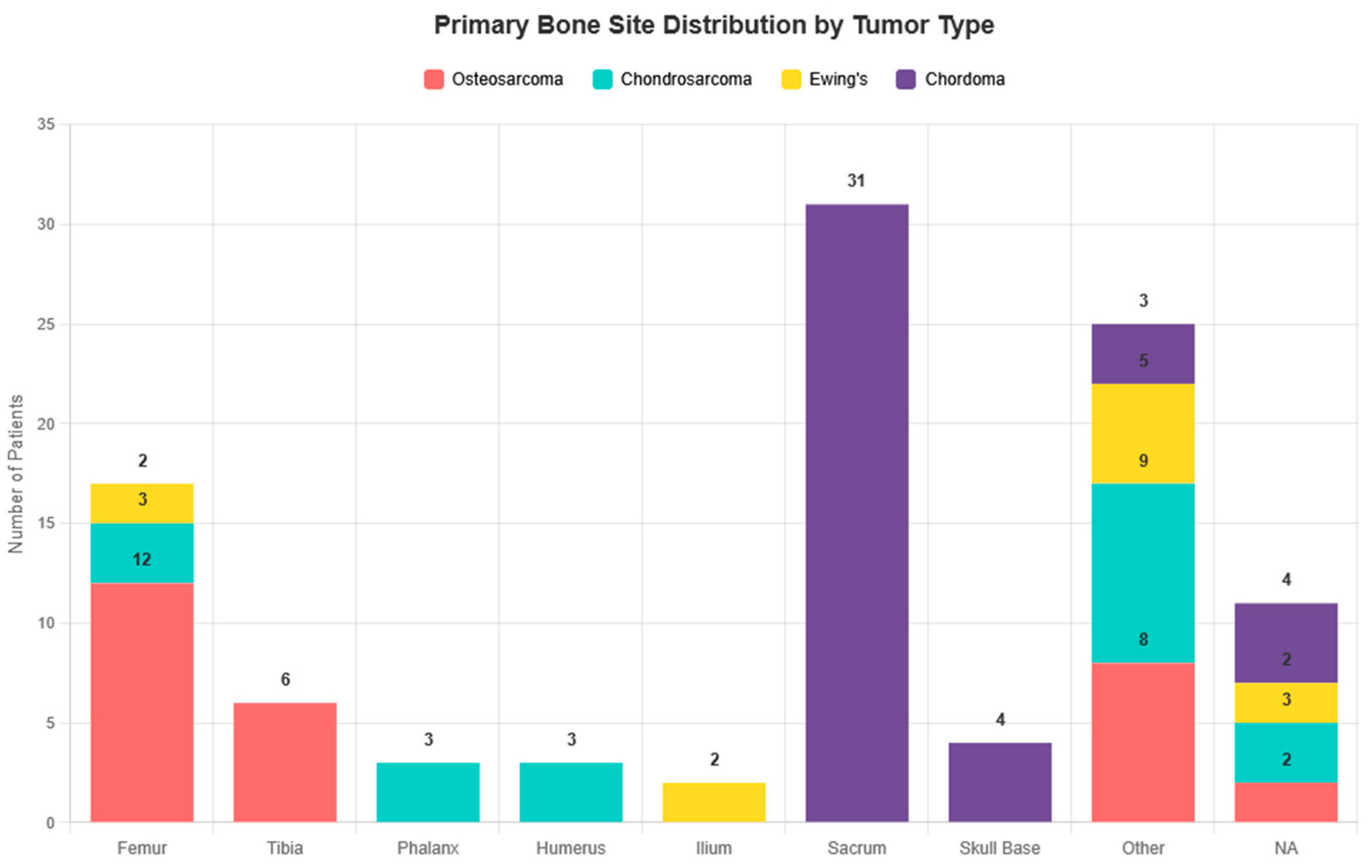
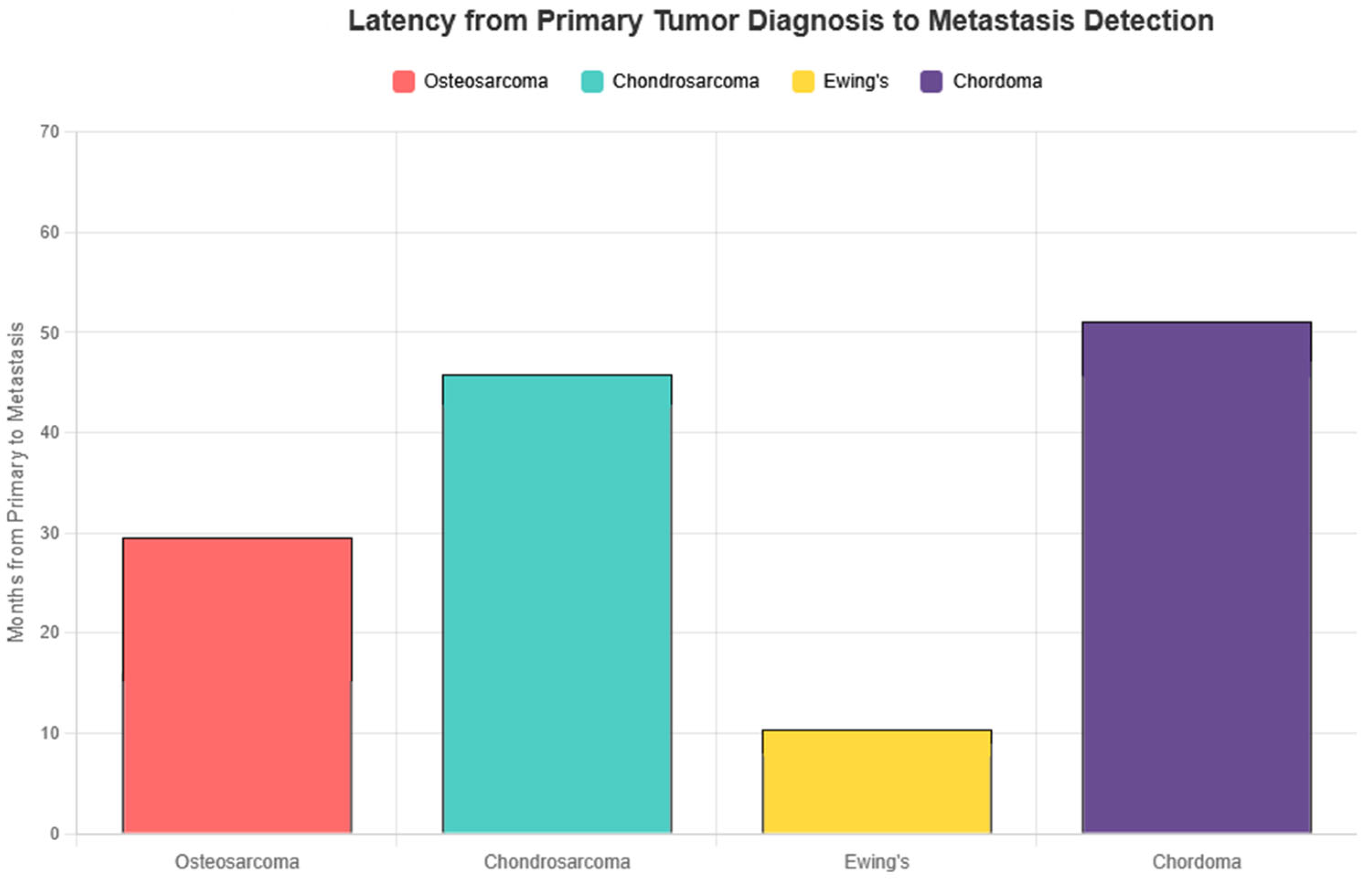
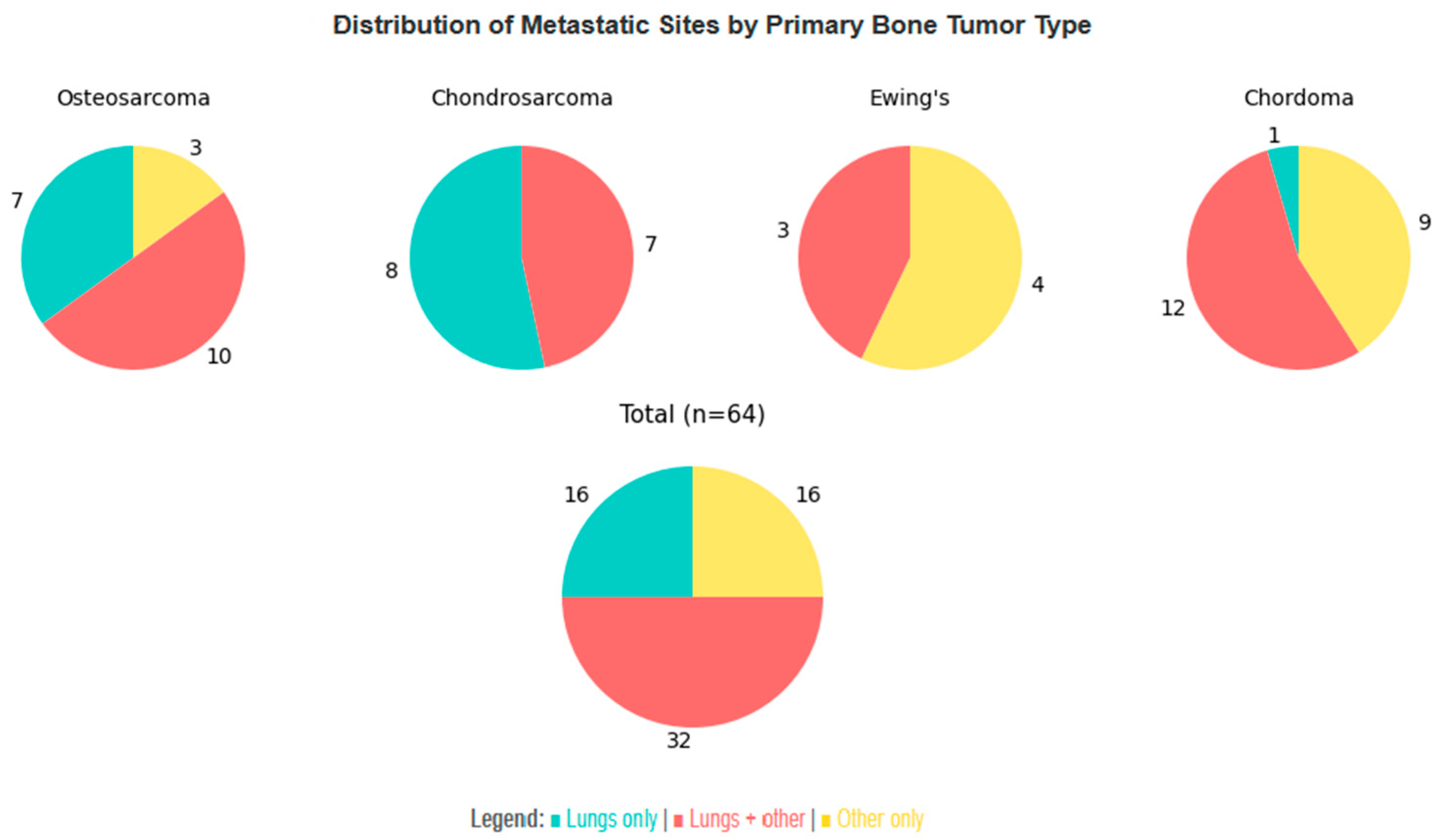
Background/Objectives: Cutaneous metastases from primary bone sarcomas are exceedingly rare and poorly characterized, often posing diagnostic challenges due to their atypical presentation. This systematic review aimed to describe the clinical patterns, temporal relationships, and prognostic implications of cutaneous metastases across major bone sarcoma histologies. Methods: A comprehensive literature search was conducted to identify all reported cases of cutaneous metastases from osteosarcoma, chondrosarcoma, Ewing sarcoma, and chordoma. Data on patient demographics, primary tumor site, cutaneous lesion characteristics, latency periods, synchronous metastases, morphology, and clinical outcome were extracted and analyzed descriptively. Results: 102 cases were identified, with chordoma representing the most frequent histology. Cutaneous metastases showed histology-specific patterns: osteosarcoma and Ewing sarcoma typically presented with multiple lesions in the context of widespread systemic disease and poor prognosis, whereas chordoma more often exhibited solitary or skin-dominant metastases with longer latency and occasional favorable outcomes, including complete responses after local treatment. Conclusions: Cutaneous metastases in bone sarcomas display heterogeneous behavior, with chordoma demonstrating a more indolent and potentially manageable pattern compared to other histologies. Increased clinical awareness is essential to avoid diagnostic delays and optimize management.
Keywords:
bone sarcoma; cutaneous metastasis; osteosarcoma; chondrosarcoma; Ewing sarcoma; chordoma