


Simple Summary
Cancer remains a major global health challenge; however, survival improves substantially when the disease is detected early. Urine represents an attractive diagnostic biofluid because it can be collected easily, non-invasively, and repeatedly. This scoping review evaluated published studies investigating urinary biomarkers for the early detection of multiple cancer types. Urine was found to contain diverse biomarker classes, including metabolites, proteins, DNA and RNA, which can distinguish cancer patients from those without disease. Several urinary biomarkers demonstrated promising diagnostic performance; however, most studies were conducted in relatively small cohorts and exhibited considerable heterogeneity in study design, populations, and analytical approaches. While the current evidence supports the potential of urine-based biomarkers as a convenient and patient-friendly approach for cancer detection, further large-scale, prospective, and well-designed validation studies are needed before these biomarkers can be considered for routine clinical implementation.
Abstract
Cancer remains a major global health challenge and a leading cause of mortality worldwide. As incidence continues to rise, early detection remains one of the most effective strategies for improving survival and reducing disease burden. Urine is an attractive source of biomarkers due to its non-invasive collection, ease of repeated sampling, and rich molecular composition. This scoping review evaluates the current landscape of urinary biomarkers for the early detection of cancer and their potential for clinical translation. A detailed literature search was conducted using PubMed, Embase, and Web of Science to identify studies investigating urinary biomarkers for cancer detection. Biomarkers were categorised by analyte class, and diagnostic performance, validation status, and clinical applicability were assessed. Urinary biomarkers demonstrated diagnostic potential across multiple malignancies, including lung, breast, pancreatic, hepatobiliary, colorectal, renal and ovarian cancers, while several urinary assays are already clinically available for bladder and prostate cancers. Promising diagnostic accuracy was reported for multiple biomarker classes, particularly multimarker panels integrating metabolites, proteins, nucleic acids, and epigenetic signatures. However, most studies were exploratory, involving small cohorts, methodological heterogeneity, and limited independent validation. Urinary biomarkers represent a promising and rapidly evolving approach to non-invasive cancer detection. Despite encouraging diagnostic performance, few candidates have progressed to clinical implementation. Large prospective multicentre studies, rigorous validation, and assay standardisation are essential to establish urinary biomarkers as reliable tools for cancer screening, early diagnosis, and risk stratification.
1. Introduction
1.1. Importance of Early Detection
Cancer remains one of the greatest global health challenges, with nearly 20 million new cases diagnosed annually worldwide, a figure projected to exceed 35 million by 2050. The disease is responsible for almost 10 million deaths each year, making it the second leading cause of mortality globally [1]. Despite significant advances in prevention, diagnosis, and treatment across multiple tumour types, cancer incidence continues to rise, not only among ageing populations but also increasingly in adults younger than 50 years [2,3]. There is substantial evidence that earlier diagnosis improves patient outcomes and survival, underscoring the need for effective strategies that enable cancer detection at a stage when curative intervention remains possible. In addition, earlier diagnosis not only increases the likelihood of successful treatment but also has the potential to reduce healthcare costs associated with advanced disease management [4].
The impact of stage at diagnosis is particularly evident in cancers that typically present with late-stage and/or non-specific symptoms, such as pancreatic and lung cancer. Because these malignancies are often diagnosed after regional or metastatic spread has occurred, most patients become ineligible for curative treatment, resulting in poor overall 5-year survival rates [5]. A similar relationship between stage and outcome is observed in ovarian cancer, where 5-year survival exceeds 70–95% when the disease is detected at an early, localised stage but decreases dramatically to 10–40% following advanced-stage diagnosis [6]. These marked differences in survival emphasise that earlier detection can provide a critical window for therapeutic intervention before extensive disease progression occurs.
Consequently, there is an urgent need for reliable biomarkers capable of detecting cancer before symptom onset and independently of clinical presentation. Such biomarkers could facilitate a shift towards earlier-stage diagnosis, increasing the proportion of patients eligible for curative treatment and ultimately improving survival outcomes [7].
1.2. Biological Rationale and Advantages of Urine as a Biofluid for Cancer Detection
Unlike tissue biopsies, which provide a snapshot of a specific tumour region, liquid biopsy biomarkers can capture molecular alterations occurring across the entire tumour landscape, thereby offering a more comprehensive representation of tumour heterogeneity [8]. To date, most liquid biopsy studies have focused on blood-based biomarkers; however, urine represents an attractive, completely non-invasive alternative. Although urinalysis has been used in clinical practice for centuries [9] its potential as a source of cancer biomarkers has only recently gained significant attention.
Compared with blood collection and tissue sampling, urine collection is simple, rapid, non-invasive, and readily amenable to self-collection in a home setting. In addition, repeated sampling is straightforward, facilitating longitudinal monitoring, and large sample volumes can be obtained when required. Importantly, as a waste product, urine is not subject to the same tight homeostatic regulation as blood. As a result, early molecular changes associated with cancer development may be masked in the circulation but could become concentrated and more readily detectable in urine [10].
Urine contains a diverse range of analytes with biomarker potential. These biomarkers may originate from circulating blood components released by tumour cells through apoptosis, necrosis, or active secretion and subsequently cleared through renal filtration. Alternatively, they may arise from direct shedding, secretion, or excretion by tumour cells within the urogenital tract [11]. As a result, urinary biomarker alterations are not restricted to genitourinary malignancies but have also been reported across a wide range of non-urological cancers. Biomarker classes identified in urine include microRNAs (miRNAs), circulating tumour DNA (ctDNA), extracellular vesicles (EVs), proteins, and metabolites [12,13,14]. Importantly, recent mechanistic evidence from Kawaguchi et al. demonstrated active glomerular transcytosis of circulating tumour-derived small extracellular vesicles into urine, strengthening the biological rationale for urine-based liquid biopsy [15]. These characteristics highlight urine as a versatile and highly promising biofluid for cancer detection. The studies reviewed here demonstrate the breadth of urinary biomarker applications across multiple tumour types and underscore their potential role in improving early cancer detection.
2. Methods
For this scoping review, PubMed, Embase, and Web of Science were searched for studies investigating urinary biomarkers for the early detection of 11 common cancer types (lung, breast, gastric, hepatocellular, cholangiocarcinoma, pancreatic, colorectal, renal, ovarian, ampullary and duodenal), published between January 2019 and February 2025. The selected time frame was chosen to capture the most recent developments in this rapidly evolving field, while maintaining sufficient overlap with previous reviews to assess the consistency and completeness of the search strategy. Although earlier literature was initially considered, many studies were limited by small sample sizes, methodological shortcomings and inconsistent reporting. Consequently, the review focused on more contemporary research which enabled a more robust assessment of clinically relevant urinary biomarkers while also capturing previously identified candidates that have subsequently undergone further validation.
Consistent with the methodology for a scoping review, a protocol was not prospectively registered or published. No formal assessment of methodological quality or risk of bias was conducted for the included studies. The PRISMA-ScR checklist can be found in the Supplementary Table S1.
Searches were conducted using combinations of the following keywords and Medical Subject Headings (MeSH) terms: (urine) OR (urin*) AND (biomarker) OR (marker) OR (non-invasive) OR (noninvasive) AND (detection) OR (early detection) OR (diagnosis) OR (early diagnosis) OR (diagnos*) AND (tumour) OR (tumor) OR (adenocarcinoma) OR (cancer) OR (carcinoma) OR (neoplasm) AND (cancer type). Searches were limited to English-language publications and human studies. Studies were excluded if they did not utilise urine samples, involved non-human models, were unrelated to cancer, or did not report diagnostic performance measures, including area under the receiver operating characteristic curve (AUC), sensitivity (SN), and specificity (SP). However, studies reporting at least one of these parameters and providing comprehensive biomarker evaluation were considered for inclusion. Titles and abstracts were screened for relevance, and non-eligible publications were excluded. Reviews, case studies, conference abstracts, and publications describing established clinical practice or treatment guidelines were also excluded. The remaining articles underwent full-text evaluation, and eligibility was confirmed according to the predefined inclusion and exclusion criteria. Duplicate records were subsequently identified and removed. To render the review more comprehensive, backward citation searching of eligible articles and relevant review papers was also performed. This process identified a small number of further studies that were not captured by the initial database searches and were therefore included in the final analysis. The overall study selection process is summarised in Figure 1.
Figure 1.
PRISMA flow diagram outlining the methodology of the review.
Bladder and prostate cancers were considered separately because they were found to have an extensive literature base, including several urinary biomarker assays that are already used in clinical practice. An alternate search was completed for these two pathologies, compiling a list of already available urinary tests.
3. Results
The literature search identified over 10,000 papers describing novel urinary biomarkers for the detection of 11 cancers, of which 156 publications were deemed eligible (Figure 1 and Figure 2). The distribution of records across the three databases is presented in Table 1. The search for Ampullary and Duodenal cancers retrieved 20 and 1425 records respectively; however, none fulfilled the predefined eligibility criteria and were therefore excluded from the output summary in Figure 2.
Figure 2.
Total number of search results (output) across all databases, and the final number of selected relevant publications for nine different cancer types. Created in BioRender. Kurotova, E. (2026) https://BioRender.com/600vvcp.
Table 1.
Summary of database output and relevant papers by database.
As illustrated in Figure 2 and Table 1, the literature search yielded a substantial number of records despite the use of comprehensive search strategies and specific MeSH terms. The highest numbers of records were identified for lung (n = 3108), renal (n = 1225), breast (n = 1024) and hepatocellular (n = 1017) cancers. Unexpectedly, many of the retrieved publications investigated plasma biomarkers rather than urinary biomarkers, notwithstanding the use of urine-focused search criteria. Furthermore, a large proportion of studies did not report clinically relevant diagnostic performance measures, including SN, SP and AUC, as they were often preliminary investigations conducted in relatively small cohorts. Similarly, the majority of the 156 relevant studies predominantly used healthy controls, with only 52 specifying the use of benign controls (33%). There was limited discussion of the presence and the potential impact of comorbidities on urinary biomarker performance. The use of validation cohorts was also limited to only 37 papers (24%).
Across the studies considered, methods of urine collection and processing differed vastly. It is not possible to report any findings pertaining to the normalisation of urine samples within our literature search, as this information is not readily available. Many papers do not disclose this information; therefore, it is unclear whether urine normalisation did not take place or whether it was not specified in the text. Storage conditions were described more frequently, with most studies storing urine samples at −80 °C.
A number of different analytes were identified in the selected publications. The most commonly found are shown in Figure 3, and can be classed into four categories: Metabolites, Proteins, miRNA and DNA.
Figure 3.
Distribution of the four most common analyte groups across nine cancers.
Metabolites, including volatile organic compounds (VOCs), were most frequently studied across all nine cancers, being reported in 68 manuscripts, thus contributing to over 40% of the results. The majority of these studies described various metabolites in different combinations to establish potential panels for cancer detection; however, most findings were preliminary. Notably, among the 68 metabolite studies, only 25 papers (37%) specified the use of benign controls, while only 14 papers (21%) included a validation cohort in their experiments. Proteins were also commonly studied (42 papers, 27%), both individually and as panels. Additionally, miRNAs were described in 26 papers (17%), and DNA in 10 papers (6%), seven of which reported on DNA methylation markers. A small number of additional analytes were also identified, such as steroids in breast cancer and metal elements in pancreatic cancer [16,17].
Detailed findings of the analytes found in each cancer type included in Table 1 are described in the following sections.
3.1. Lung Cancer
Lung cancer remains the leading cause of cancer-related mortality worldwide. Approximately 75% of patients are diagnosed with advanced-stage disease (stage III/IV), and despite substantial advances in treatment, outcomes remain poor [18]. In the UK, patients diagnosed with stage IV disease have a 1-year survival rate of only 15–19%, compared with 81–85% for those diagnosed at stage I [19]. Currently, low-dose computed tomography (LDCT) is the only approved detection modality, highlighting the need for accurate, non-invasive biomarkers for early detection and risk stratification [20].
Several classes of urinary biomarkers have shown promise for lung cancer detection (Table 2), including metabolites, proteins, cfDNA methylation markers, extracellular vesicles (EVs), and VOCs. Metabolomic signatures identified by gas chromatography and UPLC-MS achieved AUCs of up to 0.88 [21], while individual metabolites such as O-aminohippuric acid and 4-methoxyphenylacetic acid (4MPLA) demonstrated high diagnostic accuracy (AUCs 0.837–0.85; SN up to 82.1%; SP up to 88.2%) [22,23]. A further study of 10 metabolites by Jia et al. showed promising AUCs of 0.94 in the training set when comparing LC and benign controls (pneumonia samples). In the test set, the same value (0.94) was obtained when comparing LC to both healthy and benign samples [24].
Urinary EV biomarkers showed particularly strong performance, with AUCs reaching 0.96 [25]. The combination of urinary HE4 and CEA showed an increased sensitivity when distinguishing LC from healthy controls (combined, 95%; HE4, 72.38% and CEA, 60.65%); however, this was not the case with specificity, which showed a decrease in the combined panel (combined, 75.7%; HE4, 94% and CEA, 86%) [26].
Similarly, urinary cfDNA methylation markers (CDO1, SOX17, TAC1, and HOXA9), protein biomarkers (PLG, FGG, and MDH2), and mutation-based assays, including LINE1 and EGFR, demonstrated encouraging diagnostic and molecular profiling potential [27,28,29,30,31]. VOC-based signatures (AUC 0.91; SN 85%; SP 90%) and exosomal markers such as WASL, STK10, and WNK1 further expand the range of promising urinary biomarkers [32,33]. Collectively, these studies support the feasibility of urine-based testing for lung cancer detection; however, large multicentre validation studies are needed before their clinical implementation.
Table 2.
Urinary biomarkers in lung cancer (LC).
3.2. Breast Cancer
Breast cancer (BC) is one of the most common malignancies worldwide and the most frequently diagnosed cancer in the UK, accounting for 58,756 new cases in 2022 [37]. Although mammography is an established screening tool, its performance is reduced in women with dense breast tissue, and participation remains suboptimal due to barriers such as appointment inconvenience and fear of, or prior experience with, pain [38,39]. Consequently, there is considerable interest in developing non-invasive alternatives or complementary approaches for early detection, and urine is a viable biospecimen for this purpose.
The search identified 25 studies investigating urinary biomarkers for BC detection (Table 3). Notably, three studies evaluated the N-Nose detection platform, which uses the nematode Caenorhabditis elegans (C. elegans) and is widely adopted in Japan. The assay demonstrated promising diagnostic performance, with SNs ranging between 73.4% and 98% [40,41,42,43]. Further VOC studies such as the one from Kure et al., reported that urinary 2-propanol and 2-butanone complemented existing detection methods, achieving high SN and SP in both training (93.3% and 83.3%) and validation (84.0% and 90.5%) cohorts [44]. The 10-fold cross-validation of the statistically significant panel of VOCs showed an AUC of 0.88, compared to 0.97 in the discovery set [45].
A multi-platform volatile and non-volatile metabolite signature identified using HILIC-MS, RPLC-MS, and GC-HRMS achieved a SN of 86.4% and SP of 89.2%, although further validation in larger cohorts is required before clinical translation [46]. In fact, most metabolite studies remain in the discovery phase, and are limited by relatively small sample sizes, and often use healthy rather than benign controls, potentially inflating reported diagnostic performance. Nevertheless, the growing body of evidence highlights the significant potential of urinary biomarkers as a convenient and non-invasive approach for breast cancer detection, warranting further validation in large, independent cohorts.
Table 3.
Urinary biomarkers in breast cancer (BC).
3.3. Gastric Cancer
Gastric cancer (GC) remains a major global health burden, with almost 1 million new cases diagnosed in 2022, accounting for 4.8% of all cancers, and approximately 660,000 deaths, representing 6.8% of all cancer-related mortality worldwide. GC is currently the fifth most frequently diagnosed cancer and the fifth leading cause of cancer death globally [1,64]. The disease is particularly prevalent in East Asia, especially in China, Japan, and South Korea, where more than 70% of cases are attributable to chronic Helicobacter pylori infection. Although age-standardised incidence rates have declined in several countries over recent decades, the absolute number of new GC cases is projected to rise due to population growth and increasing life expectancy [1,64].
The implementation of organised screening programmes has demonstrated the substantial impact of early detection on GC outcomes. Nationwide radiographic and endoscopic screening programmes in Japan and the Republic of Korea have resulted in a shift towards diagnosis at earlier stages and improved patient survival [65,66]. Similarly, regional endoscopic screening initiatives in China have shown promising results and are increasingly being expanded into broader population-based programmes [67,68]. These efforts have contributed to significant improvements in the stage distribution and survival of GC patients, further underscoring the clinical value of early detection strategies [69].
Current risk stratification approaches largely rely on H. pylori testing and serum pepsinogen measurements; however, additional non-invasive biomarkers are needed to improve identification of individuals at greatest risk and to facilitate more effective screening programmes. In this context, urine represents a particularly attractive biofluid. Our literature search identified several promising urinary biomarkers across different molecular classes that may complement existing risk-stratification strategies and support earlier detection of disease (Table 4). Among miRNA-based approaches, a urinary panel comprising miR-6807-5p, miR-6856-5p and H. pylori status achieved an AUC of 0.89, with 76.9% SN and 88.9% [70]. Protein biomarkers have also shown encouraging results, particularly a panel incorporating TFF1, ADAM12 or BARD1 together with H. pylori status, which achieved AUCs of 0.86–0.89 and SN exceeding 90% for stage I GC [71]. However, the strongest performance has been reported for urinary metabolomic signatures. A panel of β-(Pyrazol-1-yl)-L-alanine, D-serine and D-isoleucine, combined with age, achieved an AUC of 0.977 in distinguishing GC patients from healthy controls [72]. Similarly, a urinary metabolite signature comprising lactic acid, 1-methylnicotinamide, glutamine, myo-inositol and 3-indoxylsulfate yielded AUCs of 0.952 and 0.961 in training and validation cohorts, respectively [73]. Notably, an NMR-based metabolomic panel of nine metabolites demonstrated 93.9% SN and 94.1% SP, highlighting the potential of urine metabolomics for early GC detection [74]. Collectively, these findings suggest that urinary metabolite panels currently represent the most promising non-invasive biomarkers for GC, although large prospective validation studies are still required before clinical implementation.
Table 4.
Urinary biomarkers in gastric cancer (GC).
3.4. Hepatocellular Carcinoma
Liver cancer remains a major global health burden, with approximately 865,000 new cases and 758,000 deaths worldwide in 2022, making it one of the leading causes of cancer mortality globally [1]. Hepatocellular carcinoma (HCC) accounts for 75–85% of liver cancers and occurs most frequently in East and Southeast Asia and parts of Africa. In the UK, around 6200 people are diagnosed annually, with incidence increasing by approximately 50% over the past decade. Five-year survival remains poor (∼13%), largely owing to late diagnosis [81].
The major risk factors for HCC are chronic hepatitis B virus (HBV) and hepatitis C virus (HCV) infection, together with cirrhosis, although metabolic dysfunction-associated steatotic liver disease (MASLD), non-alcoholic steatohepatitis (NASH), and excessive alcohol consumption are becoming increasingly important contributors with viral hepatitis prevention and treatment improvement [1,82,83,84]. Early detection is critical, as 5-year survival can increase from approximately 18% to 60–70% when tumours are diagnosed at a curable stage [85]. Although surveillance with 6-monthly imaging reduces HCC mortality and increases detection of early-stage disease, implementation remains suboptimal [86,87,88]. Furthermore, the only routinely used biomarker, serum alpha-fetoprotein (AFP), has limited sensitivity, particularly for early-stage disease [89], highlighting the need for improved non-invasive surveillance tools.
Several urinary biomarker studies have shown promise (Table 5). Among metabolomics approaches, a large study of 581 samples demonstrated that matrix-assisted metabolic phenotyping could distinguish healthy controls, high-risk individuals and HCC patients with AUCs exceeding 0.95 in both discovery and validation cohorts, representing the strongest performance reported to date [90]. Other promising biomarkers include urinary NGAL, which differentiated HCC from cirrhosis with 90% SN and 87.5% SP, increasing to 95% SN and 100% SP when combined with serum AFP [91]. Urinary miR-93-5p, measured by RT-qPCR, identified HBV-related HCC with 87.5% SN and 95.4% SP [92]. In addition, a urinary ctDNA panel comprising TP53 249T mutation and methylated RASSF1A and GSTP1, combined with AFP, achieved an AUC of 0.91, with 79.6% SN for all-stage disease and 92% SN for stage 0 HCC [93]. Collectively, these studies highlight the considerable potential of urinary biomarkers for HCC surveillance and early detection, although prospective validation in large at-risk populations remains essential.
Table 5.
Urinary biomarkers in hepatocellular carcinoma (HCC).
3.5. Cholangiocarcinoma
Cholangiocarcinoma (CCA) is a relatively uncommon cancer, arising from the biliary epithelium, and accounts for approximately 15% of primary liver malignancies [103,104,105]. It is a highly aggressive malignancy with reported overall 5-year survival ranging from 7–20% [103,106], declining substantially with advancing stage. The global incidence and mortality of CCA vary considerably, with the highest rates reported in Southeast Asia (85-1.2 cases per 100,000) largely due to the high prevalence of liver fluke infections, namely Opisthorchis viverrini (O. viverrini) [107,108,109], compared to 3.4-0.3 cases per 100,000 in Western countries [110,111]. Anatomically, CCA is classified into intrahepatic (iCCA) and extrahepatic (eCCA) subtypes [110].
Diagnosis currently relies on a combination of biochemical tests, imaging modalities and, ultimately, histopathological confirmation. However, because early-stage disease is frequently asymptomatic, approximately ~70% of patients are diagnosed at an advanced stage [110,112]. Imaging techniques, including ultrasound, computed tomography (CT), magnetic resonance imaging (MRI) and magnetic resonance cholangiopancreatography (MRCP), play a central role in diagnosis but have limited accuracy, particularly for early disease. The serum biomarkers carbohydrate antigen 19-9 (CA19-9), cancer antigen 125 (CA-125) and carcinoembryonic antigen (CEA) are commonly used to support diagnosis, although none possess sufficient SN or SP to serve as a standalone diagnostic tool, and tissue biopsy remains necessary for definitive confirmation [109]. Consequently, there is a pressing need for improved non-invasive diagnostic approaches.
Although the literature on urinary biomarkers for CCA remains limited, the available studies suggest that urine-based analyses may have value for both diagnosis and risk stratification (Table 6). Urinary metabolic profiling has demonstrated the ability to distinguish iCCA from controls and to enhance diagnostic performance when combined with CA19.9 [113]. In regions endemic for O. viverrini, urinary biomarkers reflecting oxidative stress or parasitic antigen burden have also shown the potential for identifying individuals at increased risk of CCA and for monitoring treatment response [114]. The key limitations of these studies include small cohort sizes, limited subtype stratification, and absence of longitudinal or early-disease studies to assess clinical relevance.
Table 6.
Urinary biomarkers in cholangiocarcinoma (CCA).
3.6. Pancreatic Cancer
Pancreatic ductal adenocarcinoma (PDAC) is among the most lethal malignancies, with approximately 510,500 new cases and 467,000 deaths worldwide in 2022 [1]. In the UK, around 10,800 new cases are diagnosed annually, and PDAC accounts for approximately 6% of all cancer deaths [116]. Five-year survival remains poor, at around 10% in the UK and 12% in the US [116,117], largely because the disease is typically asymptomatic at early stages. More than 80% of patients present with locally advanced or metastatic disease, and almost half are diagnosed following emergency presentation. Since surgical resection remains the only potentially curative treatment, early diagnosis is critical; patients with small, localised tumours can achieve 5-year survival rates exceeding 60% [118,119].
Currently, there are no validated biomarkers for the early detection of PDAC in clinical use. The only clinically approved biomarker, CA19-9, is used primarily for disease monitoring because of its insufficient SN and SP for diagnosis [120,121]. Since our previous review of liquid biopsy biomarkers for PDAC [122], relatively limited progress has been made in the development of urinary biomarkers (Table 7).
The most advanced urinary biomarker test is a three-protein panel comprising REG1B, LYVE1 and TFF1, originally identified by Radon et al. [123] and subsequently validated in 590 urine samples [124]. Combined into the PancRISK algorithm, the panel stratifies individuals into average- and elevated-risk groups [125]. Importantly, when combined with serum CA19-9, these biomarkers were capable of identifying PDAC up to two years before clinical diagnosis [126]. Several subsequent studies have applied machine-learning approaches to the same dataset, further supporting the robustness of this biomarker panel [127,128,129,130]. Among urinary miRNA studies, the most comprehensive was reported by Baba et al. [131]. Using RNA sequencing, the authors identified a signature comprising 26 upregulated and 19 downregulated miRNAs and validated it in two independent cohorts enriched for stage I/IIA disease. The biomarker panel achieved an AUC of 0.963, with 77.8% SN and 95.7% SP. VOCs have also attracted interest. Six studies used the N-NOSE platform, which exploits the odour-sensing capability of Caenorhabditis elegans. In the largest study, Kobayashi et al. [132] distinguished 104 PDAC cases from 95 controls with 84.6% SN and 60.0% SP. Notably, the assay detected stage 0–I PDAC and correlated more strongly with early-stage than advanced disease. Collectively, these findings suggest that urinary protein and miRNA biomarkers are the most advanced candidates for PDAC early detection, although large prospective validation studies remain necessary before clinical implementation.
Table 7.
Urinary biomarkers in pancreatic ductal adenocarcinoma (PDAC).
3.7. Colorectal Cancer
Colorectal cancer (CRC) is the second leading cause of cancer-related mortality worldwide, with more than 1.9 million new cases and over 930,000 deaths reported in 2020. The World Health Organization (WHO) estimates that the global burden will continue to rise, reaching approximately 3.2 million new cases and 1.6 million deaths annually by 2040 [145]. Although the relative 5-year survival rate across all stages is around 65.4%, it is significantly higher (91.3%) for patients diagnosed early [146]. Current screening programmes based on faecal immunochemical testing (FIT) and faecal occult blood testing (FOBT) are effective but suffer from suboptimal uptake and compliance [147,148]. The development of urinary biomarkers could potentially provide a more acceptable alternative to stool-based tests and therefore improve participation in population screening programmes.
Recent studies have highlighted the potential of urinary biomarkers as non-invasive tools for CRC detection, encompassing metabolites, proteins and nucleic acids (Table 8). Among these, metabolomic profiling has shown particularly encouraging results. Panels incorporating metabolites such as diacetylspermine and kynurenine achieved good diagnostic performance (AUC 0.864; SN and SP approximately 80%), while urinary D-amino acid profiles demonstrated exceptionally high accuracy (AUC 0.998; SN 98.3%; SP 96.8%) [149,150,151]. Additional metabolomic studies employing nuclear magnetic resonance (NMR) spectroscopy and liquid chromatography-tandem mass spectrometry (LC-MS/MS) identified markers including taurine, hippurate and glutamate, reporting AUCs ranging from 0.823 to 0.877 and SN of up to 96% [151,152]. Urinary protein biomarkers have also demonstrated promising diagnostic potential. Dipeptidase 1 (uDPEP1) and trefoil factor 1 (uTFF1) were among the most promising candidates, particularly for early-stage disease detection, achieving AUC values of up to 0.956 and SN of up to 93.8% [153]. Similarly, urinary nucleic acid biomarkers have shown encouraging performance. DNA methylation markers, including SEPT9 and SDC2, together with RNA-based markers such as miR-129-1-3p and miR-566, achieved AUCs ranging from 0.78 to 0.868, with reported SN between 70% and 99.9% [154,155]. VOC-based approaches represent another rapidly developing area. Urinary VOC signatures analysed using gas chromatography-mass spectrometry (GC-MS) or ion mobility spectrometry demonstrated high diagnostic accuracy, with AUCs reaching 0.98 [156,157,158]. However, distinguishing advanced adenomas from healthy controls remains challenging. Emerging technologies have further expanded the field. Surface-enhanced Raman spectroscopy (SERS) and modular detection platforms targeting matrix metalloproteinases (MMPs) achieved excellent diagnostic performance, with AUCs ranging from 0.959 to 0.977 and SN and SP all above 80% [159,160].
Table 8.
Urinary biomarkers in colorectal cancer (CRC).
Collectively, these findings demonstrate the considerable promise of urinary biomarkers for CRC detection, particularly when incorporated into multi-marker panels. While several approaches already show excellent diagnostic performance, most studies remain limited by cohort size and a lack of independent validation.
3.8. Renal Cell Carcinoma
Kidney cancer is the 14th most common cancer worldwide, with 434,419 new cases and 155,702 deaths reported in 2022 [1]. In the UK, approximately 13,900 new cases are diagnosed annually, representing a 47% increase over the past decade [165]. Renal cell carcinoma (RCC) accounts for around 90% of adult kidney cancers, with rising incidence partly attributable to increased incidental detection through imaging [166]. Despite this, 20–30% of patients present with advanced or metastatic disease, where 5-year survival falls from 70–90% in localised disease to below 10% [167,168]. Early RCC is typically asymptomatic, and fewer than 30% of cases are diagnosed based on symptoms alone [169]. Current diagnosis relies on imaging, supported by blood tests and increasingly by renal mass biopsy, although false-negative results remain a limitation. There are currently no clinically approved biomarkers for early RCC detection [167,168,169]. Given its direct contact with the renal epithelium, urine represents an ideal non-invasive source of tumour-derived biomarkers. Our search identified 41 studies evaluating urinary biomarkers for RCC, which could be broadly grouped into microRNAs, metabolites, proteins, and DNA methylation markers (Table 9).
Small non-coding RNAs were investigated in 11 studies; of these seven were microRNAs [170,171,172,173,174,175,176,177,178,179,180], although no clear diagnostic candidate emerged. Most studies were small, with five including fewer than 30 RCC cases. One notable finding was urinary exosomal miR-30c-5p, which showed differential expression in clear-cell RCC (ccRCC) compared with healthy controls (AUC 0.82, SN 68.6%, SP 100%) and was linked to tumour inhibition through targeting heat-shock protein 5 (HSP5) [177]. Metabolomic approaches appeared the most consistently promising [181,182,183,184,185,186,187,188,189,190,191,192]. Liu et al. [186] identified a nine-metabolite urinary signature using LC-MS that distinguished RCC from controls with an AUC of 0.808 (84.8% SN, 83.8% SP). These findings were supported by subsequent studies [188,189,192]. Combining LC-MS and NMR, Bifarin et al. [184] reported a seven-metabolite panel with an AUC of 0.98, SN of 94%, and SP of 85%. Urinary VOCs were evaluated in four studies [193,194,195,196]. The largest study by Holbrook et al. [194], included 233 RCC cases and identified a 24-VOC model with excellent diagnostic performance (AUC 0.94, 86% SN, 92% SP). Nine studies assessed urinary proteins [197,198,199,200,201,202,203,204,205]. Phosphoproteomic analysis of extracellular vesicles demonstrated encouraging performance (AUC 0.96 and 0.92) in small cohorts [199]. However, previously proposed markers, including AQP1 and PLIN2 [206,207,208], showed inconsistent results in later validation studies [197,202]. A recent review highlighted substantial methodological heterogeneity and limited evidence for their clinical utility [209]. Finally, four studies evaluated urinary DNA methylation markers [210,211,212,213], but small cohorts and limited validation preclude firm conclusions. Overall, urinary metabolomic and VOC-based approaches currently appear the most promising for RCC early detection, although large prospective validation studies are required before clinical implementation.
Table 9.
Urinary biomarkers in renal cancer (RCC).
3.9. Ovarian Cancer
Ovarian Cancer (OC) is the leading gynaecological malignancy in the UK and accounts for more deaths than all other gynaecological malignancies combined. Approximately two thirds of women in the UK are diagnosed when the disease is at an advanced stage and approximately 27% present via emergency services [215]. Worldwide, OC remains the gynaecological cancer with the highest mortality [37]. The poor prognosis is largely attributable to late diagnosis, as early symptoms are often vague and non-specific. Currently, CA125 is the most widely used biomarker to support diagnosis; however, it is elevated in only around 50% of early-stage cases and lacks SP, being increased in several other malignancies and benign conditions. Its limited SN and SP, particularly for early detection, remain major clinical challenges [6,216,217,218].
Our search identified a range of urinary biomarkers with potential diagnostic utility for OC (Table 10). Interestingly, although CA125 is most commonly assessed in blood, several studies have also explored its measurement in urine. Of the 10 ovarian cancer studies included in this review, six focused on urinary protein biomarkers, three of which evaluated urinary CA125. When assessed alone, urinary CA125 demonstrated limited diagnostic performance [219]. However, when combined with other biomarkers, particularly urinary HE4 and osteopontin (OP), its performance improved and was broadly comparable to serum CA125, although these studies were limited by relatively small cohorts and, in some cases, wide confidence intervals [220,221]. Notably, a plasmonic gold chip assay incorporating urinary CA125, HE4 and OP achieved SN and SP of 90.2% and 80.3%, respectively [220].
Investigations concerning metabolomic profiling were also among the results and generally demonstrated favourable diagnostic performance, with good SN and SP estimates. L-pyroglutamic acid, turanose, glycine, L-threonine, and L-tyrosine were identified by Eroglu et al. as important in distinguishing tumour from benign disease, while ten metabolite panels were found to have an AUC of 0.887 for distinguishing cancer from benign disease. Importantly, these studies often included both healthy and benign disease controls, strengthening the clinical relevance of their findings. However, cohort sizes remained relatively small, limiting confidence in the general application of the results [222,223].
Although no urinary biomarker has yet reached clinical practice for the detection of ovarian cancer, the breadth of research identified in this review provides a strong foundation for future development, but larger prospective studies and independent validation cohorts are required before these approaches can be translated into clinically applicable diagnostic tests.
3.10. Ampullary and Duodenal Cancers
The search for urinary biomarkers of ampullary cancer identified only one publication each in PubMed and Web of Science, and 19 publications in Embase. Following detailed screening, none of these met the predefined inclusion criteria. Similarly, no studies relevant to urinary biomarkers for duodenal cancer fulfilled the inclusion criteria, despite the large number of records retrieved during the initial search (148 from PubMed, 1265 from Embase, and 12 from Web of Science). This absence of eligible studies likely reflects the rarity of these malignancies and consequently, the limited research efforts devoted to developing non-invasive diagnostic approaches for their early detection utilising urine specimens.
Table 10.
Urinary biomarkers in ovarian cancer (OC).
3.11. Existing Technologies (Bladder and Prostate Cancers)
Bladder (BCa) and prostate (PCa) cancers were excluded from the detailed literature search because several urine-based assays for their detection and clinical management have already achieved clinical translation and are commercially available and/or routinely used in clinical practice. Therefore, only a brief overview of these malignancies is provided, together with a summary of currently available urine-based tests in Table 11.
Table 11.
Approved Urine-Based Tests for Bladder and Prostate Cancers.
Bladder cancer is one of the most common urological malignancies, ranking among the ten most frequently diagnosed cancers worldwide, with over 613,000 new cases reported in 2022 [1]. In the UK, around 10,900 new cases are diagnosed annually [229]. Owing to its high recurrence rate and the requirement for lifelong surveillance, considerable effort has been devoted to the development of non-invasive urinary biomarkers to complement cystoscopy. Several urine-based assays have been approved by the U.S. Food and Drug Administration (FDA), including UroVysion FISH, which detects chromosomal abnormalities involving chromosomes 3, 7, and 17, as well as deletion of the 9p21 locus; NMP22 BladderChek and BTA stat/TRAK, which measure tumour-associated proteins; and uCyt+, which detects tumour-associated cell surface antigens. More recently, molecular assays have expanded the diagnostic landscape, including Cxbladder, a urinary mRNA expression panel; AssureMDx, which combines FGFR3, TERT and HRAS mutation analysis with DNA methylation markers; Xpert Bladder Cancer Monitor, a five-gene mRNA assay; UroMuTERT, which detects TERT promoter mutations; and Bladder EpiCheck, a 15-marker DNA methylation panel. These tests have demonstrated utility in the non-invasive detection and surveillance of bladder cancer and support a more personalised approach to patient management [230,231].
Prostate cancer is the second most commonly diagnosed cancer in men worldwide, with approximately 1.47 million new cases and 397,000 deaths reported in 2022, making it the fifth leading cause of cancer-related mortality among men globally [232]. In the UK, it is the most frequently diagnosed male malignancy, accounting for approximately 55,000 new cases and more than 12,000 deaths annually [233]. Despite its high incidence, over half of screen-detected, early-stage tumours are considered indolent and unlikely to cause clinical harm during a patient’s lifetime [234,235], presenting a major challenge for population-based screening programmes. The widespread adoption of prostate-specific antigen (PSA) testing in the early 1990s substantially increased the detection of asymptomatic disease but also led to considerable overdiagnosis and overtreatment, with estimates suggesting that 20–50% of screen-detected cancers may represent overdiagnosis [234,236]. These limitations have highlighted the need for biomarkers that can more accurately distinguish clinically insignificant disease from aggressive, clinically significant prostate cancer (csPCa).
Several urine-based assays have been developed to address this unmet need. SelectMDx combines the urinary expression of HOXC6 and DLX1 mRNA with clinical risk factors to predict the presence of csPCa, achieving reported negative predictive values of 82–95% for high-grade disease [237,238]. ExoDx Prostate IntelliScore (EPI) quantifies exosomal RNA biomarkers (PCA3, ERG, and SPDEF) without requiring a digital rectal examination and has demonstrated an AUC of approximately 0.77 for the detection of Grade Group ≥ 2 cancer at initial biopsy [239]. The FDA-approved PCA3 (PROGENSA) assay is used to support repeat-biopsy decision-making in men with elevated PSA levels and a previous negative biopsy, with reported AUC values ranging from 0.68 to 0.87 [240,241]. More recently, MyProstateScore 2.0 (MPS2), which incorporates TMPRSS2:ERG fusion gene, PCA3 and PSA, demonstrated approximately 97% SN for ruling out Grade Group ≥ 2 prostate cancer in validation cohorts [242].
Collectively, these assays exemplify the transition towards more precise, biology-driven risk stratification in prostate cancer. By improving the identification of clinically significant disease while reducing unnecessary biopsies and the detection of indolent tumours, urinary biomarkers have the potential to support more personalised and effective prostate cancer management.
4. Discussion
Here, we reviewed studies reporting the discovery and validation of urinary biomarkers for the early detection of multiple cancer types, with the aim of assessing both the progress made and the challenges that remain in this field.
One such challenge became evident during the literature search. Although our search strategy retrieved a large number of publications, only a small proportion met the predefined inclusion criteria. This highlights the issues associated with literature retrieval in rapidly expanding research fields, even when employing comprehensive search strategies that combine MeSH terms with free-text keywords. Despite filtering by publication date, language, study type, and topic, many retrieved articles remained irrelevant to the objectives of this review. Of the 10,512 records identified across the three databases, only approximately 1.5% were ultimately eligible for inclusion. This finding is consistent with the observations of Leblanc et al., who reported that combining MeSH terms with free-text keywords increases the number of studies requiring screening but may improve the identification of relevant publications compared with the use of MeSH terms alone [243]. While this approach inevitably increases the literature search burden, it is reassuring that it enhances the sensitivity of the search and thus reduces the likelihood of missing eligible studies.
Notably, clear differences were observed among the databases searched. Embase yielded substantially more records than either PubMed or Web of Science, reflecting differences in indexing practices, database coverage, and search algorithms. However, the higher volume of retrieved records did not necessarily translate into a proportionally greater number of eligible studies. These findings emphasise the difficulties of developing search strategies that are both sensitive and specific, as well as the importance of searching multiple databases when conducting comprehensive literature reviews.
The recent advances in artificial intelligence (AI) and machine learning have the potential to improve the prioritisation and screening of publications from increasingly large literature datasets. Their impact on accurate selection and potential introduction of selection bias, however, remains an area of ongoing evaluation. Consequently, this scoping review employed conventional manual screening to ensure transparent and consistent application of the predefined inclusion and exclusion criteria across different cancer and analyte types. Importantly, although the majority of the retrieved records were excluded, the overall volume of publications identified demonstrates the growing research interest in urinary biomarkers and highlights the rapid development of this field.
This increase in research output has unfortunately not been matched by equivalent progress towards clinical implementation. While a substantial number of publications were reviewed, clinical readiness of most urinary biomarkers remains limited. Key diagnostic performance measures, including AUC, SN and SP were inconsistently reported, while PPV and NPV were available in only a minority of studies. Another common limitation was the use of relatively small patient cohorts, precluding the incorporation of separate training and validation sets that are needed to minimise overfitting and provide reliable estimates of diagnostic performance. A further challenge observed across several studies was the frequent use of healthy controls rather than clinically relevant benign disease controls, which may overestimate the reported SNs and SPs, and does not reflect the real-world diagnostic setting, where the key challenge is distinguishing cancer from benign conditions with similar clinical presentations. This limitation may also contribute, at least in part, to some of the exceptionally high AUC values reported in the reviewed literature.
Therefore, at present, much of the published literature remains exploratory with reported biomarkers being at the discovery stage and insufficiently validated for clinical application. Overall, these findings highlight the need for larger, well-designed validation studies that use both clinically relevant controls and comprehensive reporting of diagnostic performance metrics.
Translating promising urinary biomarkers into clinical practice remains challenging because, despite its many advantages, urine is subject to several biological and technical limitations. Standardisation of pre-analytical variables, including collection methods (e.g., first-void versus mid-stream urine) and timing of collection, sample processing, and storage conditions, remains a major unmet need and continues to contribute to variability between studies [244,245]. Notably, since the comprehensive systematic review of preanalytical parameters and applied methodologies in urine biomarker research by Jordaens et al. [13], there has been limited improvement in the reporting of these parameters.
Additional challenge, particularly evident in metabolomics studies, the most frequently represented biomarker class in this review, was analytical variability, which can substantially influence biomarker discovery and performance estimates. Although several studies reported the use of internal standards, quality-control samples and quality-assurance procedures, their implementation and reporting were inconsistent. Information regarding analytical drift monitoring, batch-effect correction, and metabolite identification criteria was often limited or absent, making it difficult to assess reproducibility across studies. Inadequate reporting and a lack of standardisation of data normalisation methods thus remain prevalent, despite being previously highlighted as a key limitation by Nam et al. [246].
Urinary biomarker measurements may also be influenced by physiological and environmental factors such as age, sex, diet, hydration status, medication use, and comorbidities including diabetes, hypertension, and urinary tract infections, highlighting the need for future studies to incorporate comprehensive clinical and demographic data, together with appropriate statistical adjustment for potential confounders. In addition, changes in renal function can affect biomarker concentration, excretion, and stability, necessitating careful consideration of kidney disease during biomarker development and validation. Certain analytes, particularly circulating tumour DNA (ctDNA) and microRNAs (miRNAs), may be present at lower concentrations in urine than in blood or organ-proximal fluids, posing additional challenges for early cancer detection where tumour burden is low. To address these issues and improve reproducibility across studies, a welcome recent development is the proposed MUMIE (Minimal Urine Methods in Experiments) framework, which aims to standardise urine collection, processing, and reporting practices [247].
Nevertheless, accumulating evidence supports the biological relevance of urinary biomarkers. Zhang et al. demonstrated that urinary DNA profiles could be matched to corresponding tumour tissue, confirming that urine contains tumour-derived molecular information [248]. Together with ongoing advances in assay sensitivity, sample processing, and biomarker validation, these findings reinforce the considerable potential of urine as a biofluid for future cancer early detection strategies.
The Future
As demonstrated in this review, despite the aforementioned challenges, urine-based liquid biopsy has considerable potential to transform cancer detection and diagnosis. Given the biological complexity and heterogeneity of cancer, it is unlikely that a single biomarker or sample type will provide sufficient diagnostic accuracy across all settings. Instead, future diagnostic strategies are likely to rely on multi-analyte and multimodal approaches [249,250]. As these approaches are likely to increase testing costs, health economic analyses will be required to determine whether improved diagnostic performance offsets the additional expenditure. Being non-invasive, inexpensive, and easily repeatable, the incorporation of urine testing into existing diagnostic pathways may be particularly advantageous. Urinary biomarkers may be especially valuable as a first-line triage tool, identifying individuals who would benefit from further investigations while reducing unnecessary testing in low-risk populations, and could help reduce the need for more invasive procedures or costly radiological examinations in selected patient groups.
Of note, many of the studies excluded from this review, due to the focus on diagnosis, also highlighted the broader utility of urinary biomarkers—beyond early detection, urine-based assays show promise for disease monitoring, prediction of recurrence, assessment of prognosis, and evaluation of treatment response.
Perhaps one of the most exciting future applications of urinary biomarkers is their potential to enable home-based and community-based cancer testing. Because urine can be collected non-invasively without the need for a clinical visit, it lends itself to remote screening and longitudinal monitoring. Advances in biosensors, point-of-care diagnostics, and lateral flow technologies are increasingly supporting rapid, user-friendly testing outside traditional healthcare settings [251].
Such approaches could improve participation in cancer screening programmes by reducing the inconvenience and invasiveness associated with current screening methods, while expanding access to early detection and personalised disease monitoring. The growing emphasis on accessible, patient-centred diagnostics and the integration of liquid biopsy technologies into screening pathways further support this vision for the future.
Recent technological developments further support this vision. Smart toilet systems capable of automatically collecting and analysing urine are now being actively developed, creating opportunities for continuous, passive health monitoring without requiring any change in user behaviour. These platforms integrate urine sampling with sensors, imaging, and digital health technologies, potentially enabling early disease detection, longitudinal monitoring, and seamless integration into future precision medicine pathways [252]. AI is likely to play an increasingly important role in this evolving landscape. AI-driven algorithms could assist with the interpretation of complex multi-analyte data, integration of results from multiple biofluids, and generation of personalised risk assessments. When combined with home-based testing platforms, AI-enabled systems may allow real-time result interpretation, monitoring of longitudinal trends, and rapid communication with healthcare providers. However, successful implementation will require careful attention to regulatory oversight, data security, patient privacy, and management of false-positive results.
Finally, large-scale initiatives such as the World Urine Project aim to systematically characterise the urinary biomarker landscape across health and disease through international collaboration and the development of shared data resources [253]. By generating comprehensive reference datasets and promoting standardised research approaches, such initiatives will provide a critical foundation for biomarker discovery, validation, and clinical translation, thereby accelerating the future development of urine-based diagnostics [253].
5. Conclusions
In summary, the evidence reviewed here highlights the considerable potential of urinary biomarkers to transform cancer detection and management. Although important challenges, including the need for greater standardisation of pre-analytical and analytical procedures, robust validation in large prospective cohorts, and demonstration of clinical utility across diverse populations remain, advances in biomarker discovery, multi-omics technologies, AI and home-based testing are rapidly accelerating progress towards future clinical translation. With further validation and standardisation, urine-based diagnostics may become an important component of precision oncology, enabling earlier detection, and ultimately better patient outcomes.
Supplementary Materials
The following supporting information can be downloaded at: https://www.mdpi.com/article/10.3390/cancers18203328/s1, Table S1: Preferred Reporting Items for Systematic reviews and Meta-Analyses extension for Scoping Reviews (PRISMA-ScR) Checklist.
Author Contributions
Conceptualisation, T.C.-J.; methodology, E.K., J.S., L.P.V., E.B., R.B., S.D. and T.C.-J.; investigation, E.K., J.S., L.P.V., E.B., R.B., S.D. and T.C.-J.; writing—original draft preparation, E.K., J.S., L.P.V., E.B., S.D. and T.C.-J.; writing—review and editing E.K., J.S., L.P.V., E.B., S.D. and T.C.-J.; visualisation, E.K., J.S., L.P.V., E.B., S.D. and T.C.-J.; supervision, Y.-J.L. and T.C.-J. All authors have read and agreed to the published version of the manuscript.
Funding
This research received no external funding.
Data Availability Statement
The original data presented in the study are openly available in the manuscript. These data were derived from the following resources available in the public domain: Embase https://www.embase.com/search/quick (accessed on 9 October 2026), PubMed https://pubmed.ncbi.nlm.nih.gov/ (accessed on 9 October 2026) and Web of Science https://www.webofscience.com/wos/woscc/smart-search (accessed on 9 October 2026).
Conflicts of Interest
The authors declare no conflicts of interest.
Abbreviations
The following abbreviations are used in this manuscript: Platforms and methods
| AuNPET | gold nanoparticle enhanced target |
| AC | Affinity chromatography |
| ATR-FTIR | Attenuated Total Reflectance Fourier Transform Infrared Spectroscopy |
| BS-qPCR | bisulfite quantitative PCR |
| CE-MS/MS | capillary electrophoresis mass spectrometry |
| cfMeDIP-seq | cell-free methylated DNA immunoprecipitation and high-throughput sequencing |
| CMIA | chemiluminescent micro particle immunoassay |
| DIA-MS | Data-independent acquisition-mass spectrometry |
| 1D SDS-PAGE | 1-dimensional Sodium dodecyl-sulfate polyacrylamide gel electrophoresis |
| ECLIA | electro chemiluminescent immunoassay |
| ELISA | enzyme-linked immunosorbent assay |
| FAIMS | field asymmetric waveform ion mobility spectrometry |
| GC | gas chromatography |
| GC-HRMS | gas chromatography-high resolution mass spectrometry |
| GC-IMS | gas chromatography–ion mobility spectrometry |
| GC-TOF-MS/MS | gas chromatography–time-of-flight mass spectrometry |
| HILIC-MS/MS | hydrophilic interaction liquid chromatography-tandem mass spectrometry |
| 1H-NMR | proton nuclear magnetic resonance |
| HPPI-TOFMS | high-pressure photon ionization time-of-flight mass spectrometry |
| HPLC | high-performance liquid chromatography |
| HS-SPME-GC-MS | headspace solid-phase microextraction coupled with gas chromatography-mass spectrometry |
| iTRAQ | Isobaric Tags for Relative and Absolute Quantitation |
| LC-MS/MS | liquid chromatography-tandem mass spectrometry |
| LC-MS | liquid chromatography mass spectrometry |
| LC-QTRAP-MS/MS | liquid chromatography—hybrid triple quadrupole linear ion trap mass spectrometry |
| LDI-MS | laser desorption/ionization mass spectrometry |
| MALDI-TOF MS | Matrix-Assisted Laser Desorption/Ionization Time-of-Flight Mass Spectrometry |
| MS | mass spectrometry |
| NELDI MS | nanoparticle-enhanced laser desorption ionization mass spectrometry |
| NMR | nuclear magnetic resonance |
| N-NOSE | Nematode Nose |
| Q-ICP-MS | Inductively Coupled Plasma-Mass Spectrometer |
| qMSP | quantitative methylation-specific PCR |
| qRT-PCR | quantitative reverse transcription PCR |
| RIA | radioimmunoassay |
| RPLC | Reverse-Phase liquid chromatography |
| SALDI MS | surface-assisted laser desorption/ionization mass spectrometry |
| SBSE-TD-GC/MS | stir-bar sorptive extraction coupled with thermal desorption gas chromatography/mass spectrometry |
| SERS | surface-enhanced Raman spectroscopy |
| SIFT-MS | Selected Ion Flow Tube Mass Spectrometry |
| SPME | solid-phase microextraction |
| SPRi | surface plasmon resonance imaging |
| UHPLC-MS | ultra-high-performance liquid chromatography-tandem mass spectrometry |
| UPLC-Q-TOF-MS | ultra-performance liquid chromatography quadrupole time-of-flight mass spectrometry |
| UPLC-MS | ultra-performance liquid chromatography-mass spectrometry |
References
- Bray, F.; Laversanne, M.; Sung, H.; Ferlay, J.; Siegel, R.L.; Soerjomataram, I.; Jemal, A. Global cancer statistics 2022: GLOBOCAN estimates of incidence and mortality worldwide for 36 cancers in 185 countries. CA Cancer J. Clin. 2024, 74, 229–263. [Google Scholar] [CrossRef] [Scilit] [PubMed]
- Andre, F.; Rassy, E.; Achutti-Duso, B.; Boileve, A.; Smolenschi, C.; Delaloge, S.; Barlesi, F. The rising tides of cancers among young adults. ESMO Open 2025, 10, 105553. [Google Scholar] [CrossRef] [Scilit] [PubMed]
- Ugai, T.; Sasamoto, N.; Lee, H.Y.; Ando, M.; Song, M.; Tamimi, R.M.; Kawachi, I.; Campbell, P.T.; Giovannucci, E.L.; Weiderpass, E.; et al. Is early-onset cancer an emerging global epidemic? Current evidence and future implications. Nat. Rev. Clin. Oncol. 2022, 19, 656–673. [Google Scholar] [CrossRef] [Scilit] [PubMed]
- Pearson, C.; Jones, D.A.; Baily, G.; Cherry, R.; Gray, E.; Hiom, S.; Rous, B.; Spencer, K.; Jose, S. Influence of stage at cancer diagnosis on NHS hospital care costs in England: A national, retrospective, population-based cohort study using individual patient-level data. Lancet Oncol. 2026, 27, 361–371. [Google Scholar] [CrossRef] [Scilit] [PubMed]
- Mannucci, A.; Goel, A. Advances in pancreatic cancer early diagnosis, prevention, and treatment: The past, the present, and the future. CA Cancer J. Clin. 2026, 76, e70035. [Google Scholar] [CrossRef] [Scilit] [PubMed]
- Caruso, G.; Weroha, S.J.; Cliby, W. Ovarian cancer: A review. JAMA 2025, 334, 1278–1291. [Google Scholar] [CrossRef] [Scilit] [PubMed]
- Crosby, D.; Bhatia, S.; Brindle, K.M.; Coussens, L.M.; Dive, C.; Emberton, M.; Esener, S.; Fitzgerald, R.C.; Gambhir, S.S.; Kuhn, P.; et al. Early detection of cancer. Science 2022, 375, eaay9040. [Google Scholar] [CrossRef] [Scilit] [PubMed]
- Caputo, V.; Ciardiello, F.; Corte, C.M.D.; Martini, G.; Troiani, T.; Napolitano, S. Diagnostic value of liquid biopsy in the era of precision medicine: 10 years of clinical evidence in cancer. Explor. Target. Antitumor Ther. 2023, 4, 102–138. [Google Scholar] [CrossRef] [Scilit] [PubMed]
- Crnogorac-Jurcevic, T. A brief history of urine examination—From ancient uroscopy to 21st century urinomics. Adv. Biomark. Sci. Technol. 2024, 6, 83–90. [Google Scholar] [CrossRef] [Scilit]
- Gao, Y. Urine is not a human waste but a medical treasure. In Urine; Springer: Singapore, 2019; Chapter 1; pp. 3–8. [Google Scholar]
- Pan, W.; Xing, J.; Chen, X.; Xue, R.; Xu, G.; Li, S.; Yi, H.; Jin, B.; Wan, X.; Sang, X.; et al. Urinary biomarkers in cancer detection: Explorations, advancements, challenges, and future directions. Int. J. Surg. 2026, 112, 4762–4788. [Google Scholar] [CrossRef] [Scilit] [PubMed]
- Hrušková, H.; Voráčová, I.; Řemínek, R.; Foret, F. Current applications of capillary electrophoresis-mass spectrometry for the analysis of biologically important analytes in urine (2017 to mid-2021): A review. J. Sep. Sci. 2022, 45, 305–324. [Google Scholar] [CrossRef] [Scilit] [PubMed]
- Jordaens, S.; Zwaenepoel, K.; Tjalma, W.; Deben, C.; Beyers, K.; Vankerckhoven, V.; Pauwels, P.; Vorsters, A. Urine biomarkers in cancer detection: A systematic review of preanalytical parameters and applied methods. Int. J. Cancer 2023, 152, 2186–2205. [Google Scholar] [CrossRef] [Scilit] [PubMed]
- Su, Y.H.; Wang, M.; Brenner, D.E.; Ng, A.; Melkonyan, H.; Umansky, S.; Syngal, S.; Block, T.M. Human urine contains small, 150 to 250 nucleotide-sized, soluble DNA derived from the circulation and may be useful in the detection of colorectal cancer. J. Mol. Diagn. 2004, 6, 101–107. [Google Scholar] [CrossRef] [Scilit] [PubMed]
- Kawaguchi, S.; Ajiri, T.; Mitsuya, R.; Tsuchiya, R.; Kunitake, K.; Tanaka, Y.; Yokoyama, T.; Sato, K.; Sato, Y.; Zhu, Z.; et al. Glomerular routing of tumor-derived extracellular vesicles substantiates urinary biopsy. Sci. Adv. 2026, 12, eaeb0555. [Google Scholar] [CrossRef] [Scilit] [PubMed]
- Alladio, E.; Trapani, F.; Castellino, L.; Massano, M.; Di Corcia, D.; Salomone, A.; Berrino, E.; Ponzone, R.; Marchio, C.; Sapino, A.; et al. Enhancing breast cancer screening with urinary biomarkers and random forest supervised classification: A comprehensive investigation. J. Pharm. Biomed. Anal. 2024, 244, 116113. [Google Scholar] [CrossRef] [Scilit] [PubMed]
- Schilling, K.; Larner, F.; Saad, A.; Roberts, R.; Kocher, H.M.; Blyuss, O.; Halliday, A.N.; Crnogorac-Jurcevic, T. Urine metallomics signature as an indicator of pancreatic cancer. Metallomics 2020, 12, 752–757. [Google Scholar] [CrossRef] [Scilit] [PubMed]
- Blandin Knight, S.; Crosbie, P.A.; Balata, H.; Chudziak, J.; Hussell, T.; Dive, C. Progress and prospects of early detection in lung cancer. Open Biol. 2017, 7, 170070. [Google Scholar] [CrossRef] [Scilit] [PubMed]
- Bannister, N.; Broggio, J. Cancer Survival by Stage at Diagnosis for England (Experimental Statistics): Adults Diagnosed 2012, 2013 and 2014 and Followed Up to 2015; Office for National Statistics: Newport, South Wales, 2016. [Google Scholar]
- Zhang, J.; Park, M.D.; Pandya, T.; Shum, E.; Wu, J.; Heeke, S.; Salehi-Rad, R.; Marron, T.U.; Wei, Z.; Li, H.; et al. Innovative approaches for lung cancer screening and interception. Nat. Rev. Clin. Oncol. 2026, 23, 374–389. [Google Scholar] [CrossRef] [Scilit] [PubMed]
- Xu, X.; Zeng, C.; Qing, B.; He, Y.; Song, G.; Wang, J.; Yu, S.; Zhang, T.; Wei, Q.; Liu, L.; et al. Development of a urine-based metabolomics approach for multi-cancer screening and tumor origin prediction. Front. Immunol. 2024, 15, 1449103. [Google Scholar] [CrossRef] [Scilit] [PubMed]
- Funai, K.; Honzawa, K.; Suzuki, M.; Momiki, S.; Asai, K.; Kasamatsu, N.; Kawase, A.; Shinke, T.; Okada, H.; Nishizawa, S.; et al. Urinary fluorescent metabolite O-aminohippuric acid is a useful biomarker for lung cancer detection. Metabolomics 2020, 16, 101. [Google Scholar] [CrossRef] [Scilit] [PubMed]
- Bedard, E.L.R.; Abraham, A.G.; Joy, A.A.; Ghosh, S.; Wang, X.; Lim, A.; Shao, D.; Loebenberg, R.; Roa, W.H. A novel composite biomarker panel for detection of early stage non-small cell lung cancer. Clin. Investig. Med. 2021, 44, E15–E24. [Google Scholar] [CrossRef] [Scilit] [PubMed]
- Jia, K.; Wang, Y.; Jiang, L.; Lai, M.; Liu, W.; Wang, L.; Liu, H.; Cao, X.; Li, Y.; Nie, Z. Urine metabolic profiling for rapid lung cancer screening: A strategy combining rh-doped srtio(3)-assisted laser desorption/ionization mass spectrometry and machine learning. ACS Appl. Mater. Interfaces 2024, 16, 12302–12309. [Google Scholar] [CrossRef] [Scilit] [PubMed]
- Yang, Q.; Luo, J.; Xu, H.; Huang, L.; Zhu, X.; Li, H.; Yang, R.; Peng, B.; Sun, D.; Zhu, Q.; et al. Metabolomic investigation of urinary extracellular vesicles for early detection and screening of lung cancer. J. Nanobiotechnol. 2023, 21, 153. [Google Scholar] [CrossRef] [Scilit] [PubMed]
- Zhang, L.; Zhuang, J.; Pang, Y.; Song, Y.; Li, X.; Liu, K.; Li, S.; Sun, T. The evaluation of urinary he4, cea, progrp, cyfra 21-1 and nse in the diagnosis of lung cancer. Ann. Clin. Lab. Sci. 2024, 54, 845–855. [Google Scholar] [PubMed]
- Liu, B.; Ricarte Filho, J.; Mallisetty, A.; Villani, C.; Kottorou, A.; Rodgers, K.; Chen, C.; Ito, T.; Holmes, K.; Gastala, N.; et al. Detection of promoter DNA methylation in urine and plasma aids the detection of non-small cell lung cancer. Clin. Cancer Res. 2020, 26, 4339–4348. [Google Scholar] [CrossRef] [Scilit] [PubMed]
- Ma, Y.C.; Tian, P.F.; Chen, Z.P.; Yue, D.S.; Liu, C.C.; Li, C.G.; Chen, C.; Zhang, H.; Liu, H.L.; Zhang, Z.F.; et al. Urinary malate dehydrogenase 2 is a new biomarker for early detection of non-small-cell lung cancer. Cancer Sci. 2021, 112, 2349–2360. [Google Scholar] [CrossRef] [Scilit] [PubMed]
- Ren, S.; Ren, X.D.; Guo, L.F.; Qu, X.M.; Shang, M.Y.; Dai, X.T.; Huang, Q. Urine cell-free DNA as a promising biomarker for early detection of non-small cell lung cancer. J. Clin. Lab. Anal. 2020, 34, e23321. [Google Scholar] [CrossRef] [Scilit] [PubMed]
- Wever, B.M.M.; Bach, S.; Tibbesma, M.; Ter Braak, T.J.; Wajon, D.; Dickhoff, C.; Lissenberg-Witte, B.I.; Hulbert, A.; Kazemier, G.; Bahce, I.; et al. Detection of non-metastatic non-small-cell lung cancer in urine by methylation-specific PCR analysis: A feasibility study. Lung Cancer 2022, 170, 156–164. [Google Scholar] [CrossRef] [Scilit] [PubMed]
- Zhang, W.; Gao, Z.; Zeng, G.; Xie, H.; Liu, J.; Liu, N.; Wang, G. Clinical significance of urinary plasminogen and fibrinogen gamma chain as novel potential diagnostic markers for non-small-cell lung cancer. Clin. Chim. Acta 2020, 502, 55–65. [Google Scholar] [CrossRef] [Scilit] [PubMed]
- Gasparri, R.; Capuano, R.; Guaglio, A.; Caminiti, V.; Canini, F.; Catini, A.; Sedda, G.; Paolesse, R.; Di Natale, C.; Spaggiari, L. Volatolomic urinary profile analysis for diagnosis of the early stage of lung cancer. J. Breath Res. 2022, 16, 046008. [Google Scholar] [CrossRef] [Scilit] [PubMed]
- Jin, S.; Liu, T.; Wang, W.; Li, T.; Liu, Z.; Zhang, M. Lymphocyte migration regulation related proteins in urine exosomes may serve as a potential biomarker for lung cancer diagnosis. BMC Cancer 2023, 23, 1125. [Google Scholar] [CrossRef] [Scilit] [PubMed]
- Dalal, B.; Tada, T.; Patel, D.P.; Pine, S.R.; Khan, M.; Oike, T.; Kanke, Y.; Parker, A.L.; Haznadar, M.; Toulabi, L.; et al. Urinary metabolite diagnostic and prognostic liquid biopsy biomarkers of lung cancer in nonsmokers and tobacco smokers. Clin. Cancer Res. 2024, 30, 3592–3602. [Google Scholar] [CrossRef] [Scilit] [PubMed]
- Wang, W.; Wang, S.; Zhang, M. Evaluation of kininogen 1, osteopontin and alpha-1-antitrypsin in plasma, bronchoalveolar lavage fluid and urine for lung squamous cell carcinoma diagnosis. Oncol. Lett. 2020, 19, 2785–2792. [Google Scholar] [CrossRef] [Scilit] [PubMed]
- Lv, P.; Liu, Z.; Xu, B.; Tang, C.; Li, X.; Qin, H.; Yang, S.; Gao, H.; He, K.; Liu, X. Exploratory study on application of maldi-tof-ms to detect serum and urine peptides related to small cell lung carcinoma. Mol. Med. Rep. 2020, 21, 51–60. [Google Scholar] [CrossRef] [Scilit] [PubMed]
- Ferlay, J.; Ervik, M.; Lam, F.; Laversanne, M.; Colombet, M.; Mery, L.; Piñeros, M.; Znaor, A.; Soerjomataram, I.; Bray, F. Global Cancer Observatory: Cancer Today; International Agency for Research on Cancer: Lyon, France, 2024; Available online: https://gco.iarc.who.int/today (accessed on 8 December 2025).
- Covington, M.F. Maximizing breast cancer detection through screening: A comparative analysis of imaging-based approaches. Clin. Breast Cancer 2025, 25, 117–121.e1. [Google Scholar] [CrossRef] [Scilit] [PubMed]
- Hutton, G.; Li, S.J.; Quaife, S.L.; Brentnall, A.; Cookson, J.; Jenkins, J.; Hudson, S.; Webb, S.; O’Sullivan, E.; Duffy, S.W.; et al. Understanding barriers to breast screening: An online survey of non-attenders as part of a service evaluation in the breast screening programme in England. BMC Public Health 2025, 25, 2509. [Google Scholar] [CrossRef] [Scilit] [PubMed]
- Hatakeyama, H.; Morishita, M.; Alshammari, A.H.; Ungkulpasvich, U.; Yamaguchi, J.; Hirotsu, T.; di Luccio, E. A non-invasive screening method using Caenorhabditis elegans for early detection of multiple cancer types: A prospective clinical study. Biochem. Biophys. Rep. 2024, 39, 101778. [Google Scholar] [CrossRef] [Scilit] [PubMed]
- Inaba, S.; Shimozono, N.; Yabuki, H.; Enomoto, M.; Morishita, M.; Hirotsu, T.; di Luccio, E. Accuracy evaluation of the C. elegans cancer test (N-NOSE) using a new combined method. Cancer Treat. Res. Commun. 2021, 27, 100370. [Google Scholar] [CrossRef] [Scilit] [PubMed]
- Kaiglova, A.; Hockickova, P.; Bardyova, Z.; Rehakova, R.; Melnikov, K.; Kucharikova, S. The chemotactic response of Caenorhabditis elegans represents a promising tool for the early detection of cancer. Discov. Oncol. 2024, 15, 817. [Google Scholar] [CrossRef] [Scilit] [PubMed]
- Lanza, E.; Di Rocco, M.; Schwartz, S.; Caprini, D.; Milanetti, E.; Ferrarese, G.; Lonardo, M.T.; Pannone, L.; Ruocco, G.; Martinelli, S.; et al. C. elegans-based chemosensation strategy for the early detection of cancer metabolites in urine samples. Sci. Rep. 2021, 11, 17133. [Google Scholar] [CrossRef] [Scilit] [PubMed]
- Kure, S.; Satoi, S.; Kitayama, T.; Nagase, Y.; Nakano, N.; Yamada, M.; Uchiyama, N.; Miyashita, S.; Iida, S.; Takei, H.; et al. A prediction model using 2-propanol and 2-butanone in urine distinguishes breast cancer. Sci. Rep. 2021, 11, 19801. [Google Scholar] [CrossRef] [Scilit] [PubMed]
- Yang, M.; Jiang, J.; Hua, L.; Jiang, D.; Wang, Y.; Li, D.; Wang, R.; Zhang, X.; Li, H. Rapid detection of volatile organic metabolites in urine by high-pressure photoionization mass spectrometry for breast cancer screening: A pilot study. Metabolites 2023, 13, 870. [Google Scholar] [CrossRef] [Scilit] [PubMed]
- Li, X.; Wen, X.; Luo, Z.; Wang, X.; Zhang, Y.; Wei, J.; Tian, Y.; Ling, R.; Duan, Y. Simultaneous detection of volatile and non-volatile metabolites in urine using uplc-q-exactive orbitrap-ms and hs-spme/gc-hrms: A promising strategy for improving the breast cancer diagnosis accuracy. Talanta 2025, 291, 127812. [Google Scholar] [CrossRef] [Scilit] [PubMed]
- Lin, X.; Wang, L.; Lin, H.; Lin, D.; Lin, J.; Liu, X.; Qiu, S.; Xu, Y.; Chen, G.; Feng, S. A novel urine analysis technique combining affinity chromatography with Au nanoparticle based surface enhanced Raman spectroscopy for potential applications in non-invasive cancer screening. J. Biophotonics 2019, 12, e201800327. [Google Scholar] [CrossRef] [Scilit] [PubMed]
- Hemalatha, V.; Roupal, S.; Nagasubramanian, V.; Dev, B.; Rajendran, S.D. Activated leukocyte cell adhesion molecule/CD166 as a non-invasive biomarker in women with breast cancer. Clin. Epidemiol. Glob. Health 2025, 33, 101974. [Google Scholar] [CrossRef] [Scilit]
- Silva, C.L.; Perestrelo, R.; Capelinha, F.; Tomas, H.; Camara, J.S. An integrative approach based on GC-qMS and NMR metabolomics data as a comprehensive strategy to search potential breast cancer biomarkers. Metabolomics 2021, 17, 72. [Google Scholar] [CrossRef] [Scilit] [PubMed]
- Eniu, D.T.; Chiorean, A.R.; Socaciu, A.I.; Staicu, A.; Rachieriu, C.; Goidescu, I.; Buiga, R.; Eniu, D.; Socaciu, C.; Chira, R. Blood and urine biomarkers in invasive ductal breast cancer: Mass spectrometry applied to identify metabolic alterations. J. Mol. Struct. 2022, 1247, 131369. [Google Scholar] [CrossRef] [Scilit]
- Zhang, X.; Hu, Y.; Hong, X.; Wang, M.; Fang, Z.; Cao, X.; Jiang, K.; Guo, C. Determination of adenosine and its modifications in urine and plasma from breast cancer patients by hydrophilic interaction liquid chromatography-tandem mass spectrometry. J. Chromatogr. B Anal. Technol. Biomed. Life Sci. 2022, 1209, 123428. [Google Scholar] [CrossRef] [Scilit] [PubMed]
- Li, X.; Wen, X.; Luo, Z.; Tian, Y.; Qian, C.; Zhang, J.; Ling, R.; Duan, Y. Development of a headspace-solid phase microextraction gas chromatography-high resolution mass spectrometry method for analyzing volatile organic compounds in urine: Application in breast cancer biomarker discovery. Clin. Chim. Acta 2023, 540, 117236. [Google Scholar] [CrossRef] [Scilit] [PubMed]
- Huang, H.; Wan, J.; Ao, X.; Qu, S.; Jia, M.; Zhao, K.; Liang, J.; Zen, K.; Liang, H. ECM1 and ANXA1 in urinary extracellular vesicles serve as biomarkers for breast cancer. Front. Oncol. 2024, 14, 1408492. [Google Scholar] [CrossRef] [Scilit] [PubMed]
- Silva, C.L.; Perestrelo, R.; Silva, P.; Tomas, H.; Camara, J.S. Implementing a central composite design for the optimization of solid phase microextraction to establish the urinary volatomic expression: A first approach for breast cancer. Metabolomics 2019, 15, 64. [Google Scholar] [CrossRef] [Scilit] [PubMed]
- Lin, X.; Wu, Q.; Lin, J.; Liu, X.; Jia, X.; Peng, M.; Lin, D.; Qiu, S.; Feng, S. Label-free liquid biopsy based on urine analysis using surface-enhanced Raman spectroscopy for noninvasive gastric and breast cancer detection. J. Raman Spectrosc. 2020, 51, 2245–2254. [Google Scholar] [CrossRef] [Scilit]
- Li, H.; Qin, Q.; Shi, X.; He, J.; Xu, G. Modified metabolites mapping by liquid chromatography-high resolution mass spectrometry using full scan/all ion fragmentation/neutral loss acquisition. J. Chromatogr. A 2019, 1583, 80–87. [Google Scholar] [CrossRef] [Scilit] [PubMed]
- Ando, W.; Kikuchi, K.; Uematsu, T.; Yokomori, H.; Takaki, T.; Sogabe, M.; Kohgo, Y.; Otori, K.; Ishikawa, S.; Okazaki, I. Novel breast cancer screening: Combined expression of miR-21 and MMP-1 in urinary exosomes detects 95% of breast cancer without metastasis. Sci. Rep. 2019, 9, 13595. [Google Scholar] [CrossRef] [Scilit] [PubMed]
- Maurer, J.; Rubner, M.; Kuo, C.C.; Klein, B.; Franzen, J.; Wittenborn, J.; Kupec, T.; Najjari, L.; Fasching, P.; Stickeler, E. Random forest algorithm identifies miRNA signatures for breast cancer detection and classification from patient urine samples. Ther. Adv. Med. Oncol. 2024, 16, 17588359241299563. [Google Scholar] [CrossRef] [Scilit] [PubMed]
- Fang, Z.; Hu, Y.; Hong, X.; Zhang, X.; Pan, T.; Pan, C.; Zheng, S.; Guo, C. Simultaneous determination of methylated nucleosides by hilic-ms/ms revealed their alterations in urine from breast cancer patients. Metabolites 2022, 12, 973. [Google Scholar] [CrossRef] [Scilit] [PubMed]
- Zahran, F.; Rashed, R.; Omran, M.; Darwish, H.; Belal, A. Study on urinary candidate metabolome for the early detection of breast cancer. Indian J. Clin. Biochem. 2021, 36, 319–329. [Google Scholar] [CrossRef] [Scilit] [PubMed]
- Silva, C.L.; Olival, A.; Perestrelo, R.; Silva, P.; Tomas, H.; Camara, J.S. Untargeted urinary (1)h nmr-based metabolomic pattern as a potential platform in breast cancer detection. Metabolites 2019, 9, 269. [Google Scholar] [CrossRef] [Scilit] [PubMed]
- Hirschfeld, M.; Rucker, G.; Weiss, D.; Berner, K.; Ritter, A.; Jager, M.; Erbes, T. Urinary exosomal micrornas as potential non-invasive biomarkers in breast cancer detection. Mol. Diagn. Ther. 2020, 24, 215–232. [Google Scholar] [CrossRef] [Scilit] [PubMed]
- Sousa, P.; Camacho, I.; Câmara, J.S.; Perestrelo, R. Urinary proteomic/peptidomic biosignature of breast cancer patients using 1d sds-page combined with matrix-assisted laser desorption/ionization-time of flight mass spectrometry. Separations 2023, 10, 291. [Google Scholar] [CrossRef] [Scilit]
- Inoue, M. Epidemiology of gastric cancer-changing trends and global disparities. Cancers 2024, 16, 2948. [Google Scholar] [CrossRef] [Scilit] [PubMed]
- Lee, Y.Y.; Oh, D.K.; Choi, K.S.; Jung, K.W.; Lee, H.Y.; Jun, J.K. The current status of gastric cancer screening in Korea: Report on the national cancer screening programme, 2009. Asian Pac. J. Cancer Prev. 2011, 12, 3495–3500. [Google Scholar] [PubMed]
- Hamashima, C. Benefits and harms of endoscopic screening for gastric cancer. World J. Gastroenterol. 2016, 22, 6385–6392. [Google Scholar] [CrossRef] [Scilit] [PubMed]
- Wang, Y.; Liu, Z.; Li, W.; Zhang, Y.; Pan, K. Gastric cancer in China: Epidemiology, risk factors, and screening. Chin. J. Cancer Res. 2025, 37, 937–948. [Google Scholar] [CrossRef] [Scilit] [PubMed]
- Xia, C.; Basu, P.; Kramer, B.S.; Li, H.; Qu, C.; Yu, X.Q.; Canfell, K.; Qiao, Y.; Armstrong, B.K.; Chen, W. Cancer screening in China: A steep road from evidence to implementation. Lancet Public Health 2023, 8, e996–e1005. [Google Scholar] [CrossRef] [Scilit] [PubMed]
- Cai, M.; Xia, R.; Wang, Z.; Zhang, R.; Xu, W. National prevention programs and their effects on gastric cancer Incidence and mortality in East Asian countries. Cancer Biol. Med. 2025, 22, 488–495. [Google Scholar] [CrossRef] [Scilit] [PubMed]
- Iwasaki, H.; Shimura, T.; Yamada, T.; Okuda, Y.; Natsume, M.; Kitagawa, M.; Horike, S.I.; Kataoka, H. A novel urinary microRNA biomarker panel for detecting gastric cancer. J. Gastroenterol. 2019, 54, 1061–1069. [Google Scholar] [CrossRef] [Scilit] [PubMed]
- Shimura, T.; Dayde, D.; Wang, H.; Okuda, Y.; Iwasaki, H.; Ebi, M.; Kitagawa, M.; Yamada, T.; Yamada, T.; Hanash, S.M.; et al. Novel urinary protein biomarker panel for early diagnosis of gastric cancer. Br. J. Cancer 2020, 123, 1656–1664. [Google Scholar] [CrossRef] [Scilit] [PubMed]
- Huang, R.; Shen, K.; He, Q.; Hu, Y.; Sun, C.; Guo, C.; Pan, Y. Metabolic profiling of urinary chiral amino-containing biomarkers for gastric cancer using a sensitive chiral chlorine-labeled probe by hplc-ms/ms. J. Proteome Res. 2021, 20, 3952–3962. [Google Scholar] [CrossRef] [Scilit] [PubMed]
- Shu, Z.B.; Ding, D.Y.; Li, Y.C. Potential urinary metabolite markers for diagnosing gastric cancer. Int. J. Clin. Exp. Pathol. 2017, 10, 6743–6750. [Google Scholar]
- Kwon, H.N.; Lee, H.; Park, J.W.; Kim, Y.H.; Park, S.; Kim, J.J. Screening for early gastric cancer using a noninvasive urine metabolomics approach. Cancers 2020, 12, 2904. [Google Scholar] [CrossRef] [Scilit] [PubMed]
- Chen, Q.; Hu, Y.; Fang, Z.; Ye, M.; Li, J.; Zhang, S.; Yuan, Y.; Guo, C. Elevated levels of oxidative nucleic acid modification markers in urine from gastric cancer patients: Quantitative analysis by ultra performance liquid chromatography-tandem mass spectrometry. Front. Chem. 2020, 8, 606495. [Google Scholar] [CrossRef] [Scilit] [PubMed]
- Kusumoto, H.; Tashiro, K.; Shimaoka, S.; Tsukasa, K.; Baba, Y.; Furukawa, S.; Furukawa, J.; Niihara, T.; Hirotsu, T.; Uozumi, T. Efficiency of gastrointestinal cancer detection by nematode-nose (n-nose). In Vivo 2020, 34, 73–80. [Google Scholar] [CrossRef] [Scilit] [PubMed]
- Lyu, J.; Li, H.; Yin, D.; Zhao, M.; Sun, Q.; Guo, M. Analysis of eight bile acids in urine of gastric cancer patients based on covalent organic framework enrichment coupled with liquid chromatography-tandem mass spectrometry. J. Chromatogr. A 2021, 1653, 462422. [Google Scholar] [CrossRef] [Scilit] [PubMed]
- Park, J.Y.; Kang, C.S.; Seo, H.C.; Shin, J.C.; Kym, S.M.; Park, Y.S.; Shin, T.S.; Kim, J.G.; Kim, Y.K. Bacteria-derived extracellular vesicles in urine as a novel biomarker for gastric cancer: Integration of liquid biopsy and metagenome analysis. Cancers 2021, 13, 4687. [Google Scholar] [CrossRef] [Scilit]
- Fan, H.; Li, X.; Li, Z.W.; Zheng, N.R.; Cao, L.H.; Liu, Z.C.; Liu, M.W.; Li, K.; Wu, W.H.; Li, Z.X.; et al. Urine proteomic signatures predicting the progression from premalignancy to malignant gastric cancer. EBioMedicine 2022, 86, 104340. [Google Scholar] [CrossRef] [Scilit] [PubMed]
- Joshi, N.; Bhat, F.; Bellad, A.; Sathe, G.; Jain, A.; Chavan, S.; Sirdeshmukh, R.; Pandey, A. Urinary proteomics for discovery of gastric cancer biomarkers to enable precision clinical oncology. OMICS A J. Integr. Biol. 2023, 27, 361–371. [Google Scholar] [CrossRef] [Scilit] [PubMed]
- Cancer Research UK. Liver Cancer Statistics. Available online: https://www.cancerresearchuk.org/health-professional/cancer-statistics/statistics-by-cancer-type/liver-cancer (accessed on 15 December 2025).
- Kanwal, F.; Kramer, J.R.; Mapakshi, S.; Natarajan, Y.; Chayanupatkul, M.; Richardson, P.A.; Li, L.; Desiderio, R.; Thrift, A.P.; Asch, S.M.; et al. Risk of hepatocellular cancer in patients with non-alcoholic fatty liver disease. Gastroenterology 2018, 155, 1828–1837 e1822. [Google Scholar] [CrossRef] [Scilit] [PubMed]
- Rumgay, H.; Ferlay, J.; de Martel, C.; Georges, D.; Ibrahim, A.S.; Zheng, R.; Wei, W.; Lemmens, V.; Soerjomataram, I. Global, regional and national burden of primary liver cancer by subtype. Eur. J. Cancer 2022, 161, 108–118. [Google Scholar] [CrossRef] [Scilit] [PubMed]
- Singal, A.G.; Lampertico, P.; Nahon, P. Epidemiology and surveillance for hepatocellular carcinoma: New trends. J. Hepatol. 2020, 72, 250–261. [Google Scholar] [CrossRef] [Scilit]
- Llovet, J.M.; Zucman-Rossi, J.; Pikarsky, E.; Sangro, B.; Schwartz, M.; Sherman, M.; Gores, G. Hepatocellular carcinoma. Nat. Rev. Dis. Primers 2016, 2, 16018. [Google Scholar] [CrossRef] [Scilit] [PubMed]
- Choi, D.T.; Kum, H.C.; Park, S.; Ohsfeldt, R.L.; Shen, Y.; Parikh, N.D.; Singal, A.G. Hepatocellular carcinoma screening is associated with increased survival of patients with cirrhosis. Clin. Gastroenterol. Hepatol. 2019, 17, 976–987.e4. [Google Scholar] [CrossRef] [Scilit] [PubMed]
- Mittal, S.; Kanwal, F.; Ying, J.; Chung, R.; Sada, Y.H.; Temple, S.; Davila, J.A.; El-Serag, H.B. Effectiveness of surveillance for hepatocellular carcinoma in clinical practice: A United States cohort. J. Hepatol. 2016, 65, 1148–1154. [Google Scholar] [CrossRef] [Scilit] [PubMed]
- Moon, A.M.; Weiss, N.S.; Beste, L.A.; Su, F.; Ho, S.B.; Jin, G.Y.; Lowy, E.; Berry, K.; Ioannou, G.N. No association between screening for hepatocellular carcinoma and reduced cancer-related mortality in patients with cirrhosis. Gastroenterology 2018, 155, 1128–1139 e1126. [Google Scholar] [CrossRef] [Scilit] [PubMed]
- Kanwal, F.; Singal, A.G. Surveillance for hepatocellular carcinoma: Current best practice and future direction. Gastroenterology 2019, 157, 54–64. [Google Scholar] [CrossRef] [Scilit]
- Shi, F.; Ning, L.; Sun, N.; Yao, Q.; Deng, C. Multiscale structured trimetal oxide heterojunctions for urinary metabolic phenotype-dependent screening of early and small hepatocellular carcinoma. Small Methods 2024, 8, e2301634. [Google Scholar] [CrossRef] [Scilit] [PubMed]
- Abdelsameea, E.; Nada, A.; Omar, N.; Saleh, S.M.; Naguib, M.; El-Ezawy, H.E.M.; Bakry, L.; Elsabaawy, M. Urine neutrophil gelatinase-associated lipocalin a possible diagnostic marker for egyptian hepatocellular carcinoma patients. Asian Pac. J. Cancer Prev. 2020, 21, 2259–2264. [Google Scholar] [CrossRef] [Scilit]
- Zhou, G.; Zeng, Y.; Luo, Y.; Guo, S.; Bao, L.; Zhang, Q. Urine miR-93-5p is a promising biomarker for early detection of HBV-related hepatocellular carcinoma. Eur. J. Surg. Oncol. 2022, 48, 95–102. [Google Scholar] [CrossRef] [Scilit]
- Kim, A.K.; Hamilton, J.P.; Lin, S.Y.; Chang, T.T.; Hann, H.W.; Hu, C.T.; Lou, Y.; Lin, Y.J.; Gade, T.P.; Park, G.; et al. Urine DNA biomarkers for hepatocellular carcinoma screening. Br. J. Cancer 2022, 126, 1432–1438. [Google Scholar] [CrossRef] [Scilit] [PubMed]
- Zhan, Z.; Guan, Y.; Mew, K.; Zeng, W.; Peng, M.; Hu, P.; Yang, Y.; Lu, Y.; Ren, H. Urine α-fetoprotein and orosomucoid 1 as biomarkers of hepatitis B virus-associated hepatocellular carcinoma. Am. J. Physiol. Gastrointest. Liver Physiol. 2020, 318, G305–G312. [Google Scholar] [CrossRef] [Scilit] [PubMed]
- Zhao, Y.; Li, Y.; Liu, W.; Xing, S.; Wang, D.; Chen, J.; Sun, L.; Mu, J.; Liu, W.; Xing, B.; et al. Identification of noninvasive diagnostic biomarkers for hepatocellular carcinoma by urinary proteomics. J. Proteom. 2020, 225, 103780. [Google Scholar] [CrossRef] [Scilit] [PubMed]
- Bannaga, A.; Metzger, J.; Voigtlander, T.; Pejchinovski, M.; Frantzi, M.; Book, T.; James, S.; Gopalakrishnan, K.; Mischak, H.; Manns, M.P.; et al. Pathophysiological Implications of Urinary Peptides in Hepatocellular Carcinoma. Cancers 2021, 13, 3786. [Google Scholar] [CrossRef] [Scilit]
- Bannaga, A.S.; Kvasnik, F.; Persaud, K.; Arasaradnam, R.P. Differentiating cancer types using a urine test for volatile organic compounds. J. Breath Res. 2020, 15, 017102. [Google Scholar] [CrossRef] [Scilit] [PubMed]
- Bannaga, A.S.; Tyagi, H.; Daulton, E.; Covington, J.A.; Arasaradnam, R.P. Exploratory study using urinary volatile organic compounds for the detection of hepatocellular carcinoma. Molecules 2021, 26, 2447. [Google Scholar] [CrossRef] [Scilit] [PubMed]
- Cho, E.J.; Kim, B.; Yu, S.J.; Hong, S.K.; Choi, Y.; Yi, N.J.; Lee, K.W.; Suh, K.S.; Yoon, J.H.; Park, T. Urinary microbiome-based metagenomic signature for the noninvasive diagnosis of hepatocellular carcinoma. Br. J. Cancer 2024, 130, 970–975. [Google Scholar] [CrossRef] [Scilit] [PubMed]
- Dawuti, W.; Zheng, X.; Liu, H.; Zhao, H.; Dou, J.; Sun, L.; Chu, J.; Lin, R.; Lu, G. Urine surface-enhanced Raman spectroscopy combined with SVM algorithm for rapid diagnosis of liver cirrhosis and hepatocellular carcinoma. Photodiagn. Photodyn. Ther. 2022, 38, 102811. [Google Scholar] [CrossRef] [Scilit] [PubMed]
- Dou, J.; Dawuti, W.; Zheng, X.; Zhang, R.; Zhou, J.; Lin, R.; Lu, G. Urine fluorescence spectroscopy combined with machine learning for screening of hepatocellular carcinoma and liver cirrhosis. Photodiagn. Photodyn. Ther. 2022, 40, 103102. [Google Scholar] [CrossRef] [Scilit] [PubMed]
- Xie, Z.; Gan, G.; Zhou, G.; Zhang, J.; Ling, J.; Zhang, J.; Zeng, Y. Urinary circular rna panels to detect hbv-related hepatocellular carcinoma: A multicenter, large-scale, case-control study. J. Natl. Compr. Canc Netw. 2024, 23, e247058. [Google Scholar] [CrossRef] [Scilit]
- Banales, J.M.; Marin, J.J.G.; Lamarca, A.; Rodrigues, P.M.; Khan, S.A.; Roberts, L.R.; Cardinale, V.; Carpino, G.; Andersen, J.B.; Braconi, C.; et al. Cholangiocarcinoma 2020: The next horizon in mechanisms and management. Nat. Rev. Gastroenterol. Hepatol. 2020, 17, 557–588. [Google Scholar] [CrossRef] [Scilit] [PubMed]
- Qiu, C.; Xiang, Y.K.; Da, X.B.; Zhang, H.L.; Kong, X.Y.; Hou, N.Z.; Zhang, C.; Tian, F.Z.; Yang, Y.L. Phospholipase A2 enzymes PLA2G2A and PLA2G12B as potential diagnostic and prognostic biomarkers in cholangiocarcinoma. World J. Gastrointest. Surg. 2024, 16, 289–306. [Google Scholar] [CrossRef] [Scilit]
- Lapitz, A.; Arbelaiz, A.; O’Rourke, C.J.; Lavin, J.L.; Casta, A.; Ibarra, C.; Jimeno, J.P.; Santos-Laso, A.; Izquierdo-Sanchez, L.; Krawczyk, M.; et al. Patients with cholangiocarcinoma present specific rna profiles in serum and urine extracellular vesicles mirroring the tumor expression: Novel liquid biopsy biomarkers for disease diagnosis. Cells 2020, 9, 721. [Google Scholar] [CrossRef] [Scilit] [PubMed]
- Tataru, D.; Khan, S.A.; Hill, R.; Morement, H.; Wong, K.; Paley, L.; Toledano, M.B. Cholangiocarcinoma across England: Temporal changes in incidence, survival and routes to diagnosis by region and level of socioeconomic deprivation. JHEP Rep. 2024, 6, 100983. [Google Scholar] [CrossRef] [Scilit] [PubMed]
- Songserm, N.; Woradet, S.; Kankarn, W.; Pintakham, K.; Vanhnivongkham, P.; Uyen, N.T.T.; Cuu, N.C.; Cua, L.N.; Sripa, B.; Ali, A. Cholangiocarcinoma protective factors in Greater Mekong Subregion: Critical issues for joint planning to sustainably solve regional public health problems. PLoS ONE 2022, 17, e0262589. [Google Scholar] [CrossRef] [Scilit]
- Sithithaworn, P.; Andrews, R.H.; Nguyen, V.D.; Wongsaroj, T.; Sinuon, M.; Odermatt, P.; Nawa, Y.; Liang, S.; Brindley, P.J.; Sripa, B. The current status of opisthorchiasis and clonorchiasis in the Mekong Basin. Parasitol. Int. 2012, 61, 10–16. [Google Scholar] [CrossRef] [Scilit] [PubMed]
- Alsaleh, M.; Leftley, Z.; Barbera, T.A.; Sithithaworn, P.; Khuntikeo, N.; Loilome, W.; Yongvanit, P.; Cox, I.J.; Chamodol, N.; Syms, R.R.; et al. Cholangiocarcinoma: A guide for the nonspecialist. Int. J. Gen. Med. 2019, 12, 13–23. [Google Scholar] [CrossRef] [Scilit] [PubMed]
- Qurashi, M.; Vithayathil, M.; Khan, S.A. Epidemiology of cholangiocarcinoma. Eur. J. Surg. Oncol. 2025, 51, 107064. [Google Scholar] [CrossRef] [Scilit] [PubMed]
- Khan, S.A.; Tavolari, S.; Brandi, G. Cholangiocarcinoma: Epidemiology and risk factors. Liver Int. 2019, 39, 19–31. [Google Scholar] [CrossRef] [Scilit]
- Ioffe, D.; Phull, P.; Dotan, E. Optimal management of patients with advanced or metastatic cholangiocarcinoma: An evidence-based review. Cancer Manag. Res. 2021, 13, 8085–8098. [Google Scholar] [CrossRef] [Scilit] [PubMed]
- Haznadar, M.; Diehl, C.M.; Parker, A.L.; Krausz, K.W.; Bowman, E.D.; Rabibhadana, S.; Forgues, M.; Bhudhisawasdi, V.; Gonzalez, F.J.; Mahidol, C.; et al. Urinary metabolites diagnostic and prognostic of intrahepatic cholangiocarcinoma. Cancer Epidemiol. Biomark. Prev. 2019, 28, 1704–1711. [Google Scholar] [CrossRef] [Scilit] [PubMed]
- Worasith, C.; Sithithaworn, J.; Wongphutorn, P.; Homwong, C.; Khongsukwiwat, K.; Techasen, A.; Kopolrat, K.Y.; Loilome, W.; Namwat, N.; Thinkamrop, B.; et al. Accuracy of a new rapid diagnostic test for urinary antigen detection and assessment of drug treatment in opisthorchiasis. Infect. Dis. Poverty 2023, 12, 102. [Google Scholar] [CrossRef] [Scilit] [PubMed]
- Wangboon, C.; Worasith, C.; Thanan, R.; Eamudomkarn, C.; Techasen, A.; Sithithaworn, J.; Loilome, W.; Chamadol, N.; Pinlaor, S.; Jumnainsong, A.; et al. Evaluation of a short term effect of praziquantel treatment in opisthorchiasis-induced hepatobiliary inflammation by urinary 8-oxodG. Acta Trop. 2019, 189, 124–128. [Google Scholar] [CrossRef] [Scilit] [PubMed]
- Cancer Research UK. Pancreatic Cancer Statistics. Available online: https://www.cancerresearchuk.org/health-professional/cancer-statistics/statistics-by-cancer-type/pancreatic-cancer (accessed on 12 December 2025).
- Siegel, R.L.; Miller, K.D.; Wagle, N.S.; Jemal, A. Cancer statistics, 2023. CA Cancer J. Clin. 2023, 73, 17–48. [Google Scholar] [CrossRef] [Scilit] [PubMed]
- Huang, L.; Jansen, L.; Balavarca, Y.; Molina-Montes, E.; Babaei, M.; van der Geest, L.; Lemmens, V.; Van Eycken, L.; De Schutter, H.; Johannesen, T.B.; et al. Resection of pancreatic cancer in Europe and USA: An international large-scale study highlighting large variations. Gut 2019, 68, 130–139. [Google Scholar] [CrossRef] [Scilit] [PubMed]
- Shimizu, Y.; Yasui, K.; Matsueda, K.; Yanagisawa, A.; Yamao, K. Small carcinoma of the pancreas is curable: New computed tomography finding, pathological study and postoperative results from a single institute. J. Gastroenterol. Hepatol. 2005, 20, 1591–1594. [Google Scholar] [CrossRef] [Scilit] [PubMed]
- Humphris, J.L.; Chang, D.K.; Johns, A.L.; Scarlett, C.J.; Pajic, M.; Jones, M.D.; Colvin, E.K.; Nagrial, A.; Chin, V.T.; Chantrill, L.A.; et al. The prognostic and predictive value of serum CA19.9 in pancreatic cancer. Ann. Oncol. 2012, 23, 1713–1722. [Google Scholar] [CrossRef] [Scilit] [PubMed]
- Ballehaninna, U.K.; Chamberlain, R.S. The clinical utility of serum CA 19-9 in the diagnosis, prognosis and management of pancreatic adenocarcinoma: An evidence based appraisal. J. Gastrointest. Oncol. 2012, 3, 105–119. [Google Scholar] [CrossRef] [Scilit] [PubMed]
- Brezgyte, G.; Shah, V.; Jach, D.; Crnogorac-Jurcevic, T. Non-invasive biomarkers for earlier detection of pancreatic cancer-a comprehensive review. Cancers 2021, 13, 2722. [Google Scholar] [CrossRef] [Scilit] [PubMed]
- Radon, T.P.; Massat, N.J.; Jones, R.; Alrawashdeh, W.; Dumartin, L.; Ennis, D.; Duffy, S.W.; Kocher, H.M.; Pereira, S.P.; Guarner, L.; et al. Identification of a three-biomarker panel in urine for early detection of pancreatic adenocarcinoma. Clin. Cancer Res. 2015, 21, 3512–3521. [Google Scholar] [CrossRef] [Scilit] [PubMed]
- Debernardi, S.; O’Brien, H.; Algahmdi, A.S.; Malats, N.; Stewart, G.D.; Pljesa-Ercegovac, M.; Costello, E.; Greenhalf, W.; Saad, A.; Roberts, R.; et al. A combination of urinary biomarker panel and PancRISK score for earlier detection of pancreatic cancer: A case-control study. PLoS Med. 2020, 17, e1003489. [Google Scholar] [CrossRef] [Scilit] [PubMed]
- Blyuss, O.; Zaikin, A.; Cherepanova, V.; Munblit, D.; Kiseleva, E.M.; Prytomanova, O.M.; Duffy, S.W.; Crnogorac-Jurcevic, T. Development of PancRISK, a urine biomarker-based risk score for stratified screening of pancreatic cancer patients. Br. J. Cancer 2020, 122, 692–696. [Google Scholar] [CrossRef] [Scilit] [PubMed]
- Debernardi, S.; Blyuss, O.; Rycyk, D.; Srivastava, K.; Jeon, C.Y.; Cai, H.; Cai, Q.; Shu, X.O.; Crnogorac-Jurcevic, T. Urine biomarkers enable pancreatic cancer detection up to 2 years before diagnosis. Int. J. Cancer 2023, 152, 769–780. [Google Scholar] [CrossRef] [Scilit] [PubMed]
- Acer, I.; Bulucu, F.O.; Içer, S.; Latifoglu, F. Early diagnosis of pancreatic cancer by machine learning methods using urine biomarker combinations. Turk. J. Electr. Eng. Comput. Sci. 2023, 31, 112–125. [Google Scholar] [CrossRef] [Scilit]
- Dodda, K.; Muneeswari, D.G. Pancreatic cancer detection through hyperparameter tuning and ensemble methods. Int. J. Adv. Comput. Sci. 2023, 14, 528–536. [Google Scholar] [CrossRef] [Scilit]
- Karar, M.E.; El-Fishawy, N.; Radad, M. Automated classification of urine biomarkers to diagnose pancreatic cancer using 1-D convolutional neural networks. J. Biol. Eng. 2023, 17, 28. [Google Scholar] [CrossRef] [Scilit] [PubMed]
- Samir, S.; El-Ashry, M.; Soliman, W.; Hassan, M. Urinary biomarkers analysis as a diagnostic tool for early detection of pancreatic adenocarcinoma: Molecular quantification approach. Comput. Biol. Chem. 2024, 112, 108171. [Google Scholar] [CrossRef] [Scilit] [PubMed]
- Baba, S.; Kawasaki, T.; Hirano, S.; Nakamura, T.; Asano, T.; Okazaki, R.; Yoshida, K.; Kawase, T.; Kurahara, H.; Oi, H.; et al. A noninvasive urinary microRNA-based assay for the detection of pancreatic cancer from early to late stages: A case control study. EClinicalMedicine 2024, 78, 102936. [Google Scholar] [CrossRef] [Scilit] [PubMed]
- Kobayashi, M.; Fujita, A.; Ogawa, T.; Tanisaka, Y.; Mizuide, M.; Kondo, N.; Imaizumi, Y.; Hirotsu, T.; Ryozawa, S. Caenorhabditis elegans as a diagnostic aid for pancreatic cancer. Pancreas 2021, 50, 673–678. [Google Scholar] [CrossRef] [Scilit] [PubMed]
- Ali, N.; Debernardi, S.; Kurotova, E.; Tajbakhsh, J.; Gupta, N.K.; Pandol, S.J.; Wilson, P.; Pereira, S.P.; Greenhalf, B.; Blyuss, O.; et al. Evaluation of urinary C-reactive protein as an early detection biomarker for pancreatic ductal adenocarcinoma. Front. Oncol. 2024, 14, 1450326. [Google Scholar] [CrossRef] [Scilit] [PubMed]
- Mitsunaga, S.; Okumura, N.; Takei, T.; Takao, T.; Tsubouchi, H.; Nakata, K.; Nakamura, M.; Kitahata, Y.; Motobayashi, H.; Ikeda, M.; et al. Identification of a urinary CD276 fragment for detecting resectable pancreatic cancer using a C-terminal proteomics strategy. Sci. Rep. 2024, 14, 14207. [Google Scholar] [CrossRef] [Scilit] [PubMed]
- Ishige, F.; Hoshino, I.; Iwatate, Y.; Chiba, S.; Arimitsu, H.; Yanagibashi, H.; Nagase, H.; Takayama, W. MIR1246 in body fluids as a biomarker for pancreatic cancer. Sci. Rep. 2020, 10, 8723. [Google Scholar] [CrossRef] [Scilit] [PubMed]
- Yoshizawa, N.; Sugimoto, K.; Tameda, M.; Inagaki, Y.; Ikejiri, M.; Inoue, H.; Usui, M.; Ito, M.; Takei, Y. miR-3940-5p/miR-8069 ratio in urine exosomes is a novel diagnostic biomarker for pancreatic ductal adenocarcinoma. Oncol. Lett. 2020, 19, 2677–2684. [Google Scholar] [CrossRef] [Scilit] [PubMed]
- Imamura, T.; Komatsu, S.; Nishibeppu, K.; Kiuchi, J.; Ohashi, T.; Konishi, H.; Shiozaki, A.; Yamamoto, Y.; Moriumura, R.; Ikoma, H.; et al. Urinary microRNA-210-3p as a novel and non-invasive biomarker for the detection of pancreatic cancer, including intraductal papillary mucinous carcinoma. BMC Cancer 2024, 24, 907. [Google Scholar] [CrossRef] [Scilit] [PubMed]
- Nissinen, S.I.; Roine, A.; Hokkinen, L.; Karjalainen, M.; Venalainen, M.; Helminen, H.; Niemi, R.; Lehtimaki, T.; Rantanen, T.; Oksala, N. Detection of pancreatic cancer by urine volatile organic compound analysis. Anticancer Res. 2019, 39, 73–79. [Google Scholar] [CrossRef] [Scilit] [PubMed]
- Nissinen, S.I.; Venalainen, M.; Kumpulainen, P.; Roine, A.; Hakkinen, M.R.; Vepsalainen, J.; Oksala, N.; Rantanen, T. Discrimination between pancreatic cancer, pancreatitis and healthy controls using urinary polyamine panel. Cancer Control 2021, 28, 10732748211039762. [Google Scholar] [CrossRef] [Scilit] [PubMed]
- Daulton, E.; Wicaksono, A.N.; Tiele, A.; Kocher, H.M.; Debernardi, S.; Crnogorac-Jurcevic, T.; Covington, J.A. Volatile organic compounds (VOCs) for the non-invasive detection of pancreatic cancer from urine. Talanta 2021, 221, 121604. [Google Scholar] [CrossRef] [Scilit] [PubMed]
- Asai, A.; Konno, M.; Ozaki, M.; Kawamoto, K.; Chijimatsu, R.; Kondo, N.; Hirotsu, T.; Ishii, H. Scent test using Caenorhabditis elegans to screen for early-stage pancreatic cancer. Oncotarget 2021, 12, 1687–1696. [Google Scholar] [CrossRef] [Scilit] [PubMed]
- Navaneethan, U.; Spencer, C.; Zhu, X.; Vargo, J.J.; Grove, D.; Dweik, R.A. Volatile organic compounds in bile can distinguish pancreatic cancer from chronic pancreatitis: A prospective observational study. Endoscopy 2021, 53, 732–736. [Google Scholar] [CrossRef] [Scilit] [PubMed]
- Sahni, S.; Pandya, A.R.; Hadden, W.J.; Nahm, C.B.; Maloney, S.; Cook, V.; Toft, J.A.; Wilkinson-White, L.; Gill, A.J.; Samra, J.S.; et al. A unique urinary metabolomic signature for the detection of pancreatic ductal adenocarcinoma. Int. J. Cancer 2021, 148, 1508–1518. [Google Scholar] [CrossRef] [Scilit] [PubMed]
- Tanaka-Okamoto, M.; Hanzawa, K.; Yamamoto, T.; Michida, T.; Ikezawa, K.; Ohkawa, K.; Nishino, K.; Yokota, T.; Maeda, M.; Yoshida, K.I.; et al. Combination of urinary free-glycan markers for the diagnosis of various malignant tumors. Sci. Rep. 2025, 15, 10109. [Google Scholar] [CrossRef] [Scilit] [PubMed]
- Morgan, E.; Arnold, M.; Gini, A.; Lorenzoni, V.; Cabasag, C.J.; Laversanne, M.; Vignat, J.; Ferlay, J.; Murphy, N.; Bray, F. Global burden of colorectal cancer in 2020 and 2040: Incidence and mortality estimates from GLOBOCAN. Gut 2023, 72, 338–344. [Google Scholar] [CrossRef] [Scilit] [PubMed]
- National Cancer Institute. Cancer Stat Facts: Colorectal Cancer. Available online: https://seer.cancer.gov/statfacts/html/colorect.html (accessed on 20 August 2026).
- Mannucci, A.; Goel, A. Stool and blood biomarkers for colorectal cancer management: An update on screening and disease monitoring. Mol. Cancer 2024, 23, 259. [Google Scholar] [CrossRef] [Scilit] [PubMed]
- Agatsuma, N.; Utsumi, T.; Nishikawa, Y.; Horimatsu, T.; Seta, T.; Yamashita, Y.; Tanaka, Y.; Inoue, T.; Nakanishi, Y.; Shimizu, T.; et al. Stage at diagnosis of colorectal cancer through diagnostic route: Who should be screened? World J. Gastroenterol. 2024, 30, 1368–1376. [Google Scholar] [CrossRef] [Scilit] [PubMed]
- Deng, L.; Ismond, K.; Liu, Z.; Constable, J.; Wang, H.; Alatise, O.I.; Weiser, M.R.; Kingham, T.P.; Chang, D. Urinary metabolomics to identify a unique biomarker panel for detecting colorectal cancer: A multicenter study. Cancer Epidemiol. Biomark. Prev. 2019, 28, 1283–1291. [Google Scholar] [CrossRef] [Scilit] [PubMed]
- Deng, W.; Ye, C.; Wang, W.; Huang, R.; Guo, C.; Pan, Y.; Sun, C. LC-MS analysis of chiral amino acids in human urine reveals D-amino acids as potential biomarkers for colorectal cancer. J. Chromatogr. B Anal. Technol. Biomed. Life Sci. 2024, 1245, 124270. [Google Scholar] [CrossRef] [Scilit] [PubMed]
- Zhang, L.; Zheng, J.; Ismond, K.P.; MacKay, S.; LeVatte, M.; Constable, J.; Isaac Alatise, O.; Peter Kingham, T.; Wishart, D.S. Identification of urinary biomarkers of colorectal cancer: Towards the development of a colorectal screening test in limited resource settings. Cancer Biomark. 2023, 36, 17–30. [Google Scholar] [CrossRef] [Scilit] [PubMed]
- Kim, E.R.; Kwon, H.N.; Nam, H.; Kim, J.J.; Park, S.; Kim, Y.H. Urine-NMR metabolomics for screening of advanced colorectal adenoma and early stage colorectal cancer. Sci. Rep. 2019, 9, 4786. [Google Scholar] [CrossRef] [Scilit] [PubMed]
- Okuda, Y.; Shimura, T.; Abe, Y.; Iwasaki, H.; Nishigaki, R.; Fukusada, S.; Sugimura, N.; Kitagawa, M.; Yamada, T.; Taguchi, A.; et al. Urinary dipeptidase 1 and trefoil factor 1 are promising biomarkers for early diagnosis of colorectal cancer. J. Gastroenterol. 2024, 59, 572–585. [Google Scholar] [CrossRef] [Scilit] [PubMed]
- Bach, S.; Paulis, I.; Sluiter, N.R.; Tibbesma, M.; Martin, I.; van de Wiel, M.A.; Tuynman, J.B.; Bahce, I.; Kazemier, G.; Steenbergen, R.D.M. Detection of colorectal cancer in urine using DNA methylation analysis. Sci. Rep. 2021, 11, 2363. [Google Scholar] [CrossRef] [Scilit] [PubMed]
- Iwasaki, H.; Shimura, T.; Kitagawa, M.; Yamada, T.; Nishigaki, R.; Fukusada, S.; Okuda, Y.; Katano, T.; Horike, S.I.; Kataoka, H. A novel urinary mirna biomarker for early detection of colorectal cancer. Cancers 2022, 14, 461. [Google Scholar] [CrossRef] [Scilit] [PubMed]
- Boulind, C.E.; Gould, O.; de Lacy Costello, B.; Allison, J.; White, P.; Ewings, P.; Wicaksono, A.N.; Curtis, N.J.; Pullyblank, A.; Jayne, D.; et al. Urinary volatile organic compound testing in fast-track patients with suspected colorectal cancer. Cancers 2022, 14, 2127. [Google Scholar] [CrossRef] [Scilit] [PubMed]
- McFarlane, M.; Millard, A.; Hall, H.; Savage, R.; Constantinidou, C.; Arasaradnam, R.; Nwokolo, C. Urinary volatile organic compounds and faecal microbiome profiles in colorectal cancer. Colorectal Dis. 2019, 21, 1259–1269. [Google Scholar] [CrossRef] [Scilit] [PubMed]
- Mozdiak, E.; Wicaksono, A.N.; Covington, J.A.; Arasaradnam, R.P. Colorectal cancer and adenoma screening using urinary volatile organic compound (VOC) detection: Early results from a single-centre bowel screening population (UK BCSP). Tech. Coloproctol. 2019, 23, 343–351. [Google Scholar] [CrossRef] [Scilit] [PubMed]
- Lin, J.; Huang, Z.; Lin, X.; Wu, Q.; Quan, K.; Cheng, Y.; Zheng, M.; Xu, J.; Dai, Y.; Qiu, H.; et al. Rapid and label-free urine test based on surface-enhanced Raman spectroscopy for the non-invasive detection of colorectal cancer at different stages. Biomed. Opt. Express 2020, 11, 7109–7119. [Google Scholar] [CrossRef] [Scilit] [PubMed]
- Peng, L.; Zhang, X.; Zhang, M.L.; Jiang, T.; Zhang, P.J. Diagnostic value of matrix metalloproteinases 2, 7 and 9 in urine for early detection of colorectal cancer. World J. Gastrointest. Surg. 2023, 15, 931–939. [Google Scholar] [CrossRef] [Scilit] [PubMed]
- Sun, Y.; Guo, Z.; Liu, X.; Yang, L.; Jing, Z.; Cai, M.; Zheng, Z.; Shao, C.; Zhang, Y.; Sun, H.; et al. Noninvasive urinary protein signatures associated with colorectal cancer diagnosis and metastasis. Nat. Commun. 2022, 13, 2757. [Google Scholar] [CrossRef] [Scilit] [PubMed]
- Shimura, T.; Iwasaki, H.; Kitagawa, M.; Ebi, M.; Yamada, T.; Yamada, T.; Katano, T.; Nisie, H.; Okamoto, Y.; Ozeki, K.; et al. Urinary cysteine-rich protein 61 and trefoil factor 3 as diagnostic biomarkers for colorectal cancer. Transl. Oncol. 2019, 12, 539–544. [Google Scholar] [CrossRef] [Scilit] [PubMed]
- Ning, W.; Qiao, N.; Zhang, X.; Pei, D.; Wang, W. Metabolic profiling analysis for clinical urine of colorectal cancer. Asia Pac. J. Clin. Oncol. 2021, 17, 403–413. [Google Scholar] [CrossRef] [Scilit] [PubMed]
- Guo, C.; Chen, Q.; Chen, J.; Yu, J.; Hu, Y.; Zhang, S.; Zheng, S. 8-Hydroxyguanosine as a possible RNA oxidative modification marker in urine from colorectal cancer patients: Evaluation by ultra performance liquid chromatography-tandem mass spectrometry. J. Chromatogr. B Anal. Technol. Biomed. Life Sci. 2020, 1136, 121931. [Google Scholar] [CrossRef] [Scilit] [PubMed]
- Scelo, G.; Larose, T.L. Epidemiology and risk factors for kidney cancer. J. Clin. Oncol. 2018, 36, 3574–3581. [Google Scholar] [CrossRef] [Scilit] [PubMed]
- Cancer Research UK. Kidney Cancer Statistics. Available online: https://www.cancerresearchuk.org/health-professional/cancer-statistics/statistics-by-cancer-type/kidney-cancer (accessed on 15 December 2025).
- Humphrey, P.A.; Moch, H.; Cubilla, A.L.; Ulbright, T.M.; Reuter, V.E. The 2016 who classification of tumours of the urinary system and male genital organs-part b: Prostate and bladder tumours. Eur. Urol. 2016, 70, 106–119. [Google Scholar] [CrossRef] [Scilit] [PubMed]
- Vasudev, N.S.; Wilson, M.; Stewart, G.D.; Adeyoju, A.; Cartledge, J.; Kimuli, M.; Datta, S.; Hanbury, D.; Hrouda, D.; Oades, G.; et al. Challenges of early renal cancer detection: Symptom patterns and incidental diagnosis rate in a multicentre prospective UK cohort of patients presenting with suspected renal cancer. BMJ Open 2020, 10, e035938. [Google Scholar] [CrossRef] [Scilit] [PubMed]
- Bukavina, L.; Bensalah, K.; Bray, F.; Carlo, M.; Challacombe, B.; Karam, J.A.; Kassouf, W.; Mitchell, T.; Montironi, R.; O’Brien, T.; et al. Epidemiology of renal cell carcinoma: 2022 update. Eur. Urol. 2022, 82, 529–542. [Google Scholar] [CrossRef] [Scilit] [PubMed]
- Bustos, M.A.; Gottlieb, J.; Choe, J.; Suyeon, R.; Lin, S.Y.; Allen, W.M.; Krasne, D.L.; Wilson, T.G.; Hoon, D.S.B.; Linehan, J.A. Diagnostic mirna signatures in paired tumor, plasma, and urine specimens from renal cell carcinoma patients. Clin. Chem. 2024, 70, 261–272. [Google Scholar] [CrossRef] [Scilit] [PubMed]
- Cochetti, G.; Cari, L.; Maula, V.; Cagnani, R.; Paladini, A.; Del Zingaro, M.; Nocentini, G.; Mearini, E. Validation in an independent cohort of mir-122, mir-1271, and mir-15b as urinary biomarkers for the potential early diagnosis of clear cell renal cell carcinoma. Cancers 2022, 14, 1112. [Google Scholar] [CrossRef] [Scilit] [PubMed]
- Cochetti, G.; Cari, L.; Nocentini, G.; Maula, V.; Suvieri, C.; Cagnani, R.; Rossi De Vermandois, J.A.; Mearini, E. Detection of urinary miRNAs for diagnosis of clear cell renal cell carcinoma. Sci. Rep. 2020, 10, 21290. [Google Scholar] [CrossRef] [Scilit] [PubMed]
- Grutzmann, K.; Salomo, K.; Kruger, A.; Lohse-Fischer, A.; Erdmann, K.; Seifert, M.; Baretton, G.; Aust, D.; William, D.; Schrock, E.; et al. Identification of novel snoRNA-based biomarkers for clear cell renal cell carcinoma from urine-derived extracellular vesicles. Biol. Direct 2024, 19, 38. [Google Scholar] [CrossRef] [Scilit] [PubMed]
- Oto, J.; Herranz, R.; Plana, E.; Sanchez-Gonzalez, J.V.; Perez-Ardavin, J.; Hervas, D.; Fernandez-Pardo, A.; Cana, F.; Vera-Donoso, C.D.; Martinez-Sarmiento, M.; et al. Identification of mir-20a-5p as robust normalizer for urine microrna studies in renal cell carcinoma and a profile of dysregulated micrornas. Int. J. Mol. Sci. 2021, 22, 7913. [Google Scholar] [CrossRef] [Scilit] [PubMed]
- Peter, M.R.; Zhao, F.; Jeyapala, R.; Kamdar, S.; Xu, W.; Hawkins, C.; Evans, A.J.; Fleshner, N.E.; Finelli, A.; Bapat, B. Investigating urinary circular rna biomarkers for improved detection of renal cell carcinoma. Front. Oncol. 2021, 11, 814228. [Google Scholar] [CrossRef] [Scilit] [PubMed]
- Shang, X.; Song, X.; Wang, K.; Yu, M.; Ding, S.; Dong, X.; Xie, L.; Song, X. SNORD63 and SNORD96A as the non-invasive diagnostic biomarkers for clear cell renal cell carcinoma. Cancer Cell Int. 2021, 21, 56. [Google Scholar] [CrossRef] [Scilit] [PubMed]
- Song, S.; Long, M.; Yu, G.; Cheng, Y.; Yang, Q.; Liu, J.; Wang, Y.; Sheng, J.; Wang, L.; Wang, Z.; et al. Urinary exosome miR-30c-5p as a biomarker of clear cell renal cell carcinoma that inhibits progression by targeting HSPA5. J. Cell Mol. Med. 2019, 23, 6755–6765. [Google Scholar] [CrossRef] [Scilit] [PubMed]
- Wang, C.; Ding, M.; Zhu, Y.-Y.; Hu, J.; Zhang, C.; Lu, X.; Ge, J.; Wang, J.-J.; Zhang, C. Circulating miR-200a is a novel molecular biomarker for early-stage renal cell carcinoma. ExRNA 2019, 1, 25. [Google Scholar] [CrossRef] [Scilit]
- Zhang, Y.; Shang, X.; Yu, M.; Bi, Z.; Wang, K.; Zhang, Q.; Xie, L.; Song, X.; Song, X. A three-snoRNA signature: SNORD15A, SNORD35B and SNORD60 as novel biomarker for renal cell carcinoma. Cancer Cell Int. 2023, 23, 136. [Google Scholar] [CrossRef] [Scilit] [PubMed]
- Zhang, Y.; Zhu, Y.Y.; Chen, Y.; Zhang, L.; Wang, R.; Ding, X.; Zhang, H.; Zhang, C.Y.; Zhang, C.; Gu, W.J.; et al. Urinary-derived extracellular vesicle microRNAs as non-invasive diagnostic biomarkers for early-stage renal cell carcinoma. Clin. Chim. Acta 2024, 552, 117672. [Google Scholar] [CrossRef] [Scilit] [PubMed]
- Arendowski, A.; Ossolinski, K.; Niziol, J.; Ruman, T. Screening of urinary renal cancer metabolic biomarkers with gold nanoparticles-assisted laser desorption/ionization mass spectrometry. Anal. Sci. 2020, 36, 1521–1525. [Google Scholar] [CrossRef] [Scilit] [PubMed]
- Arendowski, A.; Ossolinski, K.; Ossolinska, A.; Ossolinski, T.; Niziol, J.; Ruman, T. Serum and urine analysis with gold nanoparticle-assisted laser desorption/ionization mass spectrometry for renal cell carcinoma metabolic biomarkers discovery. Adv. Med. Sci. 2021, 66, 326–335. [Google Scholar] [CrossRef] [Scilit] [PubMed]
- Bifarin, O.O.; Gaul, D.A.; Sah, S.; Arnold, R.S.; Ogan, K.; Master, V.A.; Roberts, D.L.; Bergquist, S.H.; Petros, J.A.; Edison, A.S.; et al. Urine-based metabolomics and machine learning reveals metabolites associated with renal cell carcinoma stage. Cancers 2021, 13, 6253. [Google Scholar] [CrossRef] [Scilit] [PubMed]
- Bifarin, O.O.; Gaul, D.A.; Sah, S.; Arnold, R.S.; Ogan, K.; Master, V.A.; Roberts, D.L.; Bergquist, S.H.; Petros, J.A.; Fernandez, F.M.; et al. Machine learning-enabled renal cell carcinoma status prediction using multiplatform urine-based metabolomics. J. Proteome Res. 2021, 20, 3629–3641. [Google Scholar] [CrossRef] [Scilit] [PubMed]
- Jirasko, R.; Idkowiak, J.; Wolrab, D.; Kvasnicka, A.; Friedecky, D.; Polanski, K.; Studentova, H.; Student, V.; Melichar, B.; Holcapek, M. Altered plasma, urine, and tissue profiles of sulfatides and sphingomyelins in patients with renal cell carcinoma. Cancers 2022, 14, 4622. [Google Scholar] [CrossRef] [Scilit] [PubMed]
- Liu, X.; Zhang, M.; Liu, X.; Sun, H.; Guo, Z.; Tang, X.; Wang, Z.; Li, J.; Li, H.; Sun, W.; et al. Urine metabolomics for renal cell carcinoma (RCC) prediction: Tryptophan metabolism as an important pathway in RCC. Front. Oncol. 2019, 9, 663. [Google Scholar] [CrossRef] [Scilit] [PubMed]
- Niziol, J.; Ossolinski, K.; Tripet, B.P.; Copie, V.; Arendowski, A.; Ruman, T. Nuclear magnetic resonance and surface-assisted laser desorption/ionization mass spectrometry-based metabolome profiling of urine samples from kidney cancer patients. J. Pharm. Biomed. Anal. 2021, 193, 113752. [Google Scholar] [CrossRef] [Scilit] [PubMed]
- Oto, J.; Herranz, R.; Verger, P.; Roca, M.; Plana, E.; Miralles, M.; Martinez-Sarmiento, M.; Vera-Donoso, C.D.; Medina, P. Validation of urine p-cresol glucuronide as renal cell carcinoma non-invasive biomarker. J. Proteom. 2025, 311, 105357. [Google Scholar] [CrossRef] [Scilit] [PubMed]
- Sato, T.; Kawasaki, Y.; Maekawa, M.; Takasaki, S.; Shimada, S.; Morozumi, K.; Sato, M.; Kawamorita, N.; Yamashita, S.; Mitsuzuka, K.; et al. Accurate quantification of urinary metabolites for predictive models manifest clinicopathology of renal cell carcinoma. Cancer Sci. 2020, 111, 2570–2578. [Google Scholar] [CrossRef] [Scilit] [PubMed]
- Wang, Z.; Liu, X.; Liu, X.; Sun, H.; Guo, Z.; Zheng, G.; Zhang, Y.; Sun, W. UPLC-MS based urine untargeted metabolomic analyses to differentiate bladder cancer from renal cell carcinoma. BMC Cancer 2019, 19, 1195. [Google Scholar] [CrossRef] [Scilit] [PubMed]
- Xu, X.; Fang, Y.; Wang, Q.; Zhai, S.; Liu, W.; Liu, W.; Wang, R.; Deng, Q.; Zhang, J.; Gu, J.; et al. Serum and urine metabolic fingerprints characterize renal cell carcinoma for classification, early diagnosis, and prognosis. Adv. Sci. 2024, 11, e2401919. [Google Scholar] [CrossRef] [Scilit] [PubMed]
- Zhang, M.; Liu, X.; Liu, X.; Li, H.; Sun, W.; Zhang, Y. A pilot investigation of a urinary metabolic biomarker discovery in renal cell carcinoma. Int. Urol. Nephrol. 2020, 52, 437–446. [Google Scholar] [CrossRef] [Scilit] [PubMed]
- Costantini, M.; Filianoti, A.; Anceschi, U.; Bove, A.M.; Brassetti, A.; Ferriero, M.; Mastroianni, R.; Misuraca, L.; Tuderti, G.; Ciliberto, G.; et al. Human urinary volatilome analysis in renal cancer by electronic nose. Biosensors 2023, 13, 427. [Google Scholar] [CrossRef] [Scilit] [PubMed]
- Holbrook, K.L.; Quaye, G.E.; Noriega Landa, E.; Su, X.; Gao, Q.; Williams, H.; Young, R.; Badmos, S.; Habib, A.; Chacon, A.A.; et al. Detection and validation of organic metabolites in urine for clear cell renal cell carcinoma diagnosis. Metabolites 2024, 14, 546. [Google Scholar] [CrossRef] [Scilit] [PubMed]
- Murdocca, M.; Torino, F.; Pucci, S.; Costantini, M.; Capuano, R.; Greggi, C.; Polidoro, C.; Somma, G.; Pasqualetti, V.; Ketchanji Mougang, Y.; et al. Urine lox-1 and volatilome as promising tools towards the early detection of renal cancer. Cancers 2021, 13, 4213. [Google Scholar] [CrossRef] [Scilit] [PubMed]
- Pinto, J.; Amaro, F.; Lima, A.R.; Carvalho-Maia, C.; Jeronimo, C.; Henrique, R.; Bastos, M.L.; Carvalho, M.; Guedes de Pinho, P. Urinary volatilomics unveils a candidate biomarker panel for noninvasive detection of clear cell renal cell carcinoma. J. Proteome Res. 2021, 20, 3068–3077. [Google Scholar] [CrossRef] [Scilit] [PubMed]
- Cheriyan, A.; Nellickal, A.J.; John, N.T.; Jeyaseelan, L.; Kumar, S.; Devasia, A.; Kekre, N. Diagnostic accuracy of urinary aquaporin-1 as a biomarker for renal cell carcinoma. Indian. J. Urol. 2021, 37, 59–64. [Google Scholar] [CrossRef] [Scilit] [PubMed]
- Guszcz, T.; Sankiewicz, A.; Galek, L.; Chilinska-Kopko, E.; Hermanowicz, A.; Gorodkiewicz, E. Application of surface plasmon resonance imaging biosensors for determination of fibronectin, laminin-5, and type IV collagen in plasma, urine, and tissue of renal cell carcinoma. Sensors 2024, 24, 6371. [Google Scholar] [CrossRef] [Scilit] [PubMed]
- Hadisurya, M.; Lee, Z.C.; Luo, Z.; Zhang, G.; Ding, Y.; Zhang, H.; Iliuk, A.B.; Pili, R.; Boris, R.S.; Tao, W.A. Data-independent acquisition phosphoproteomics of urinary extracellular vesicles enables renal cell carcinoma grade differentiation. Mol. Cell Proteom. 2023, 22, 100536. [Google Scholar] [CrossRef] [Scilit] [PubMed]
- Kandil, N.S.; Ghazala, R.A.; El Sharkawy, R.M.; Youssif, T.A.; Noha Abouseda, N. Evaluation of protein profiling in a cohort of egyptian population with renal cell carcinoma and benign kidney neoplasms. Asian Pac. J. Cancer Prev. 2019, 20, 2145–2152. [Google Scholar] [CrossRef] [Scilit] [PubMed]
- Liu, X.; Zhang, M.; Shao, C.; Sun, H.; Zhang, B.; Guo, Z.; Sun, J.; Qi, F.; Zhang, Y.; Niu, H.; et al. Blood- and urine-based liquid biopsy for early-stage cancer investigation: Taken clear renal cell carcinoma as a model. Mol. Cell Proteom. 2023, 22, 100603. [Google Scholar] [CrossRef] [Scilit] [PubMed]
- Roshan, R.K.; Singh, U.S. A hospital-based assessment of the diagnostic accuracy of urinary aquaporin-1 (uaqp-1), for renal cell carcinoma. Int. J. Curr. Pharm. Rev. Res. 2024, 16, 591–595. [Google Scholar]
- Shlyapnikov, Y.M.; Malakhova, E.A.; Potoldykova, N.V.; Svetocheva, Y.A.; Vinarov, A.Z.; Zinchenko, D.V.; Zernii, E.Y.; Zamyatnin, A.A., Jr.; Shlyapnikova, E.A. Non-invasive diagnostics of renal cell carcinoma using ultrasensitive immunodetection of cancer-retina antigens. Biochemistry 2022, 87, 658–666. [Google Scholar] [CrossRef] [Scilit] [PubMed]
- Sun, J.; Chang, J.; Guo, Z.; Sun, H.; Xu, J.; Liu, X.; Sun, W. Proteomics analysis of renal cell line caki-2 with afmid overexpression and potential biomarker discovery in urine. J. Proteome Res. 2024, 23, 4495–4507. [Google Scholar] [CrossRef] [Scilit] [PubMed]
- Yang, Y.; Pang, Q.; Hua, M.; Huangfu, Z.; Yan, R.; Liu, W.; Zhang, W.; Shi, X.; Xu, Y.; Shi, J. Excavation of diagnostic biomarkers and construction of prognostic model for clear cell renal cell carcinoma based on urine proteomics. Front. Oncol. 2023, 13, 1170567. [Google Scholar] [CrossRef] [Scilit] [PubMed]
- Morrissey, J.J.; Mellnick, V.M.; Luo, J.; Siegel, M.J.; Figenshau, R.S.; Bhayani, S.; Kharasch, E.D. Evaluation of urine aquaporin-1 and perilipin-2 concentrations as biomarkers to screen for renal cell carcinoma: A prospective cohort study. JAMA Oncol. 2015, 1, 204–212. [Google Scholar] [CrossRef] [Scilit] [PubMed]
- Hu, R.; Gupta, R.; Wang, Z.; Wang, C.; Sun, H.; Singamaneni, S.; Kharasch, E.D.; Morrissey, J.J. Bioplasmonic paper-based assay for perilipin-2 non-invasively detects renal cancer. Kidney Int. 2019, 96, 1417–1421. [Google Scholar] [CrossRef] [Scilit] [PubMed]
- Morrissey, J.J.; Kharasch, E.D. The specificity of urinary aquaporin 1 and perilipin 2 to screen for renal cell carcinoma. J. Urol. 2013, 189, 1913–1920. [Google Scholar] [CrossRef] [Scilit] [PubMed]
- Kelly, J.F.; Samarska, I.V.; Ramaekers, B.; Marcelissen, T.; van Roermund, J.G.; Aarts, M.J.B.; Kerkhofs, T.; Hermans, T.; van Osch, F.; de Meyer, T.; et al. Renal cell carcinoma detection: A systematic review in diagnostic urinary biomarkers. BMC Cancer 2025, 25, 1672. [Google Scholar] [CrossRef] [Scilit] [PubMed]
- Kubiliute, R.; Zukauskaite, K.; Zalimas, A.; Ulys, A.; Sabaliauskaite, R.; Bakavicius, A.; Zelvys, A.; Jankevicius, F.; Jarmalaite, S. Clinical significance of novel DNA methylation biomarkers for renal clear cell carcinoma. J. Cancer Res. Clin. Oncol. 2022, 148, 361–375. [Google Scholar] [CrossRef] [Scilit] [PubMed]
- Nuzzo, P.V.; Berchuck, J.E.; Korthauer, K.; Spisak, S.; Nassar, A.H.; Abou Alaiwi, S.; Chakravarthy, A.; Shen, S.Y.; Bakouny, Z.; Boccardo, F.; et al. Detection of renal cell carcinoma using plasma and urine cell-free DNA methylomes. Nat. Med. 2020, 26, 1041–1043. [Google Scholar] [CrossRef] [Scilit] [PubMed]
- Outeiro-Pinho, G.; Barros-Silva, D.; Aznar, E.; Sousa, A.I.; Vieira-Coimbra, M.; Oliveira, J.; Goncalves, C.S.; Costa, B.M.; Junker, K.; Henrique, R.; et al. MicroRNA-30a-5p(me): A novel diagnostic and prognostic biomarker for clear cell renal cell carcinoma in tissue and urine samples. J. Exp. Clin. Cancer Res. 2020, 39, 98. [Google Scholar] [CrossRef] [Scilit] [PubMed]
- Zalimas, A.; Kubiliute, R.; Zukauskaite, K.; Sabaliauskaite, R.; Trakymas, M.; Letautiene, S.; Kaubriene, E.M.; Usinskiene, J.; Ulys, A.; Jarmalaite, S. Urine molecular biomarkers for detection and follow-up of small renal masses. Int. J. Mol. Sci. 2022, 23, 16110. [Google Scholar] [CrossRef] [Scilit] [PubMed]
- Maekawa, M.; Sato, T.; Kanno, C.; Sakamoto, I.; Kawasaki, Y.; Ito, A.; Mano, N. Wide-targeted semi-quantitative analysis of acidic glycosphingolipids in cell lines and urine to develop potential screening biomarkers for renal cell carcinoma. Int. J. Mol. Sci. 2024, 25, 4098. [Google Scholar] [CrossRef] [Scilit] [PubMed]
- Cancer, T.O. Key Facts and Figures. Available online: https://targetovariancancer.org.uk/about-us/media-centre/key-facts-and-figures (accessed on 30 January 2026).
- Stewart, C.; Ralyea, C.; Lockwood, S. Ovarian cancer: An integrated review. Semin. Oncol. Nurs. 2019, 35, 151–156. [Google Scholar] [CrossRef] [Scilit] [PubMed]
- Barber, V. Ovarian cancer red flags: Help prevent delayed diagnosis. Br. J. Nurs. 2024, 33, S16–S19. [Google Scholar] [CrossRef] [Scilit] [PubMed]
- Ritter, A.; Hirschfeld, M.; Berner, K.; Jaeger, M.; Grundner-Culemann, F.; Schlosser, P.; Asberger, J.; Weiss, D.; Noethling, C.; Mayer, S.; et al. Discovery of potential serum and urine-based microRNA as minimally-invasive biomarkers for breast and gynecological cancer. Cancer Biomark. 2020, 27, 225–242. [Google Scholar] [CrossRef] [Scilit] [PubMed]
- Giamougiannis, P.; Morais, C.L.M.; Rodriguez, B.; Wood, N.J.; Martin-Hirsch, P.L.; Martin, F.L. Detection of ovarian cancer (± neo-adjuvant chemotherapy effects) via ATR-FTIR spectroscopy: Comparative analysis of blood and urine biofluids in a large patient cohort. Anal. Bioanal. Chem. 2021, 413, 5095–5107. [Google Scholar] [CrossRef] [Scilit] [PubMed]
- Chen, M.; Liao, T.; Zeng, L.; Zeng, Z.; Yang, Q.; Wang, G. Plasmonic gold chip for multiplexed detection of ovarian cancer biomarker in urine. Chem. Res. Chin. Univ. 2022, 38, 935–940. [Google Scholar] [CrossRef] [Scilit]
- Barr, C.E.; Njoku, K.; Owens, G.L.; Crosbie, E.J. Urine ca125 and he4 for the detection of ovarian cancer in symptomatic women. Cancers 2023, 15, 1256. [Google Scholar] [CrossRef] [Scilit] [PubMed]
- Eroglu, E.C.; Kucukgoz Gulec, U.; Vardar, M.A.; Paydas, S. GC-MS based metabolite fingerprinting of serous ovarian carcinoma and benign ovarian tumor. Eur. J. Mass Spectrom. 2022, 28, 12–24. [Google Scholar] [CrossRef] [Scilit] [PubMed]
- Liu, X.; Liu, G.; Chen, L.; Liu, F.; Zhang, X.; Liu, D.; Liu, X.; Cheng, X.; Liu, L. Untargeted metabolomic characterization of ovarian tumors. Cancers 2020, 12, 3642. [Google Scholar] [CrossRef] [Scilit] [PubMed]
- Stockley, J.; Akhand, R.; Kennedy, A.; Nyberg, C.; Crosbie, E.J.; Edmondson, R.J. Detection of MCM5 as a novel non-invasive aid for the diagnosis of endometrial and ovarian tumours. BMC Cancer 2020, 20, 1000. [Google Scholar] [CrossRef] [Scilit] [PubMed]
- Ni, M.; Zhou, J.; Zhu, Z.; Yuan, J.; Gong, W.; Zhu, J.; Zheng, Z.; Zhao, H. A novel classifier based on urinary proteomics for distinguishing between benign and malignant ovarian tumors. Front. Cell Dev. Biol. 2021, 9, 712196. [Google Scholar] [CrossRef] [Scilit] [PubMed]
- Angioli, R.; Santonico, M.; Pennazza, G.; Montera, R.; Luvero, D.; Gatti, A.; Zompanti, A.; Finamore, P.; Incalzi, R.A. Use of sensor array analysis to detect ovarian cancer through breath, urine, and blood: A case-control study. Diagnostics 2024, 14, 561. [Google Scholar] [CrossRef] [Scilit] [PubMed]
- Lee, S.W.; Lee, H.Y.; Bang, H.J.; Song, H.J.; Kong, S.W.; Kim, Y.M. An improved prediction model for ovarian cancer using urinary biomarkers and a novel validation strategy. Int. J. Mol. Sci. 2019, 20, 4938. [Google Scholar] [CrossRef] [Scilit] [PubMed]
- Matsukawa, T.; Mizutani, S.; Matsumoto, K.; Kato, Y.; Yoshihara, M.; Kajiyama, H.; Shibata, K. Placental leucine aminopeptidase as a potential specific urine biomarker for invasive ovarian cancer. J. Clin. Med. 2021, 11, 222. [Google Scholar] [CrossRef] [Scilit] [PubMed]
- Cancer Research UK. Bladder Cancer Statistics. Available online: https://www.cancerresearchuk.org/health-professional/cancer-statistics/statistics-by-cancer-type/bladder-cancer (accessed on 21 August 2026).
- Babjuk, M.; Burger, M.; Capoun, O.; Cohen, D.; Comperat, E.M.; Dominguez Escrig, J.L.; Gontero, P.; Liedberg, F.; Masson-Lecomte, A.; Mostafid, A.H.; et al. European association of urology guidelines on non-muscle-invasive bladder cancer (ta, t1, and carcinoma in situ). Eur. Urol. 2022, 81, 75–94. [Google Scholar] [CrossRef] [Scilit] [PubMed]
- Kamat, A.M.; Hegarty, P.K.; Gee, J.R.; Clark, P.E.; Svatek, R.S.; Hegarty, N.; Shariat, S.F.; Xylinas, E.; Schmitz-Drager, B.J.; Lotan, Y.; et al. ICUD-EAU International Consultation on Bladder Cancer 2012: Screening, diagnosis, and molecular markers. Eur. Urol. 2013, 63, 4–15. [Google Scholar] [CrossRef] [Scilit] [PubMed]
- Wang, L.; Lu, B.; He, M.; Wang, Y.; Wang, Z.; Du, L. Prostate cancer incidence and mortality: Global status and temporal trends in 89 countries from 2000 to 2019. Front. Public Health 2022, 10, 811044. [Google Scholar] [CrossRef] [Scilit] [PubMed]
- Ferlay, J.; Colombet, M.; Soerjomataram, I.; Parkin, D.M.; Pineros, M.; Znaor, A.; Bray, F. Cancer statistics for the year 2020: An overview. Int. J. Cancer 2021, 149, 778–789. [Google Scholar] [CrossRef] [Scilit] [PubMed]
- Wolf, A.M.; Wender, R.C.; Etzioni, R.B.; Thompson, I.M.; D’Amico, A.V.; Volk, R.J.; Brooks, D.D.; Dash, C.; Guessous, I.; Andrews, K.; et al. American Cancer Society guideline for the early detection of prostate cancer: Update 2010. CA Cancer J. Clin. 2010, 60, 70–98. [Google Scholar] [CrossRef] [Scilit] [PubMed]
- Siegel, R.L.; Miller, K.D.; Jemal, A. Cancer statistics, 2018. CA Cancer J. Clin. 2018, 68, 7–30. [Google Scholar] [CrossRef] [Scilit] [PubMed]
- Cancer Research UK. Prostate Cancer Statistics. Available online: https://www.cancerresearchuk.org/health-professional/cancer-statistics/statistics-by-cancer-type/prostate-cancer (accessed on 1 September 2024).
- Draisma, G.; Boer, R.; Otto, S.J.; van der Cruijsen, I.W.; Damhuis, R.A.; Schroder, F.H.; de Koning, H.J. Lead times and overdetection due to prostate-specific antigen screening: Estimates from the European Randomized Study of Screening for Prostate Cancer. J. Natl. Cancer Inst. 2003, 95, 868–878. [Google Scholar] [CrossRef] [Scilit] [PubMed]
- McKay, R.R.; Feng, F.Y.; Wang, A.Y.; Wallis, C.J.D.; Moses, K.A. Recent advances in the management of high-risk localized prostate cancer: Local therapy, systemic therapy, and biomarkers to guide treatment decisions. Am. Soc. Clin. Oncol. Educ. Book. 2020, 40, 1–12. [Google Scholar] [CrossRef] [Scilit] [PubMed]
- Hurley, P.; Dhir, A.; Gao, Y.; Drabik, B.; Lim, K.; Curry, J.; Womble, P.R.; Linsell, S.M.; Brachulis, A.; Sexton, D.W.; et al. A statewide intervention improves appropriate imaging in localized prostate cancer. J. Urol. 2017, 197, 1222–1228. [Google Scholar] [CrossRef] [Scilit] [PubMed]
- Mottet, N.; van den Bergh, R.C.N.; Briers, E.; Van den Broeck, T.; Cumberbatch, M.G.; De Santis, M.; Fanti, S.; Fossati, N.; Gandaglia, G.; Gillessen, S.; et al. EAU-EANM-ESTRO-ESUR-SIOG guidelines on prostate cancer-2020 update. Part 1: Screening, diagnosis, and local treatment with curative intent. Eur. Urol. 2021, 79, 243–262. [Google Scholar] [CrossRef] [Scilit] [PubMed]
- Liss, M.A.; Leach, R.J.; Sanda, M.G.; Semmes, O.J. Prostate cancer biomarker development: National cancer institute’s early detection research network prostate cancer collaborative group review. Cancer Epidemiol. Biomark. Prev. 2020, 29, 2454–2462. [Google Scholar] [CrossRef] [Scilit] [PubMed]
- Van Poppel, H.; Roobol, M.J.; Chapple, C.R.; Catto, J.W.F.; N’Dow, J.; Sonksen, J.; Stenzl, A.; Wirth, M. Prostate-specific antigen testing as part of a risk-adapted early detection strategy for prostate cancer: European association of urology position and recommendations for 2021. Eur. Urol. 2021, 80, 703–711. [Google Scholar] [CrossRef] [Scilit] [PubMed]
- Leblanc, V.; Hamroun, A.; Bentegeac, R.; Le Guellec, B.; Lenain, R.; Chazard, E. Added value of medical subject headings terms in search strategies of systematic reviews: Comparative study. J. Med. Internet Res. 2024, 26, e53781. [Google Scholar] [CrossRef] [Scilit] [PubMed]
- Berstad, P.; Schult, A.L.; Hoff, G.; Ursin, G.; Randel, K.R. Inequalities in colorectal cancer screening uptake. Tidsskr. Nor. Laegeforen 2023, 143. [Google Scholar] [CrossRef] [Scilit] [PubMed]
- Pernille, H.; Lars, B.; Marjukka, M.; Volkert, S.; Anne, H. Sampling of urine for diagnosing urinary tract infection in general practice—First-void or mid-stream urine? Scand. J. Prim. Health Care 2019, 37, 113–119. [Google Scholar] [CrossRef] [Scilit] [PubMed]
- Nam, S.L.; Mata, A.P.; Dias, R.P.; Harynuk, J.J. Towards standardization of data normalization strategies to improve urinary metabolomics studies by gcxgc-tofms. Metabolites 2020, 10, 376. [Google Scholar] [CrossRef] [Scilit] [PubMed]
- Ward, D.G.; Bryan, R.T.; Chaudhuri, A.A.; Hadfield, J.; Perez-Boza, J.; Steenbergen, R.D.M.; Vega, D.M.; Whiting, J.; Wyatt, A.W.; Dyrskjot, L. Unlocking the potential of urine-based liquid biopsy through improved reporting and standardization. Nat. Rev. Cancer 2026, 26, 79–80. [Google Scholar] [CrossRef] [Scilit] [PubMed]
- Zhang, H.; He, B.; Cui, J.; Zhao, M.; Zhang, Z. Comparison of circulating DNA from plasma and urine for EGFR mutations in NSCLC patients. Cancer Biomark. 2018, 23, 427–436. [Google Scholar] [CrossRef] [Scilit] [PubMed]
- Zhu, H.; Li, Z.; Xie, K.; Kassim, S.H.; Cao, C.; Huang, K.; Lu, Z.; Ma, C.; Li, Y.; Jiang, K.; et al. Liquid biopsy in early screening of cancers: Emerging technologies and new prospects. Biomedicines 2026, 14, 158. [Google Scholar] [CrossRef] [Scilit] [PubMed]
- Wan, J.C.M.; Sasieni, P.; Rosenfeld, N. Promises and pitfalls of multi-cancer early detection using liquid biopsy tests. Nat. Rev. Clin. Oncol. 2025, 22, 566–580. [Google Scholar] [CrossRef] [Scilit] [PubMed]
- Kinyua, D.M.; Memeu, D.M.; Mugo Mwenda, C.N.; Ventura, B.D.; Velotta, R. Advancements and applications of lateral flow assays (LFAs): A comprehensive review. Sensors 2025, 25, 5414. [Google Scholar] [CrossRef] [Scilit] [PubMed]
- Park, S.M.; Won, D.D.; Lee, B.J.; Escobedo, D.; Esteva, A.; Aalipour, A.; Ge, T.J.; Kim, J.H.; Suh, S.; Choi, E.H.; et al. A mountable toilet system for personalized health monitoring via the analysis of excreta. Nat. Biomed. Eng. 2020, 4, 624–635. [Google Scholar] [CrossRef] [Scilit] [PubMed]
- Gao, Y.; Crnogorac-Jurcevic, T.; Budnik, B. World urine project. Adv. Biomark. Sci. Technol. 2024, 6, 226. [Google Scholar] [CrossRef] [Scilit]
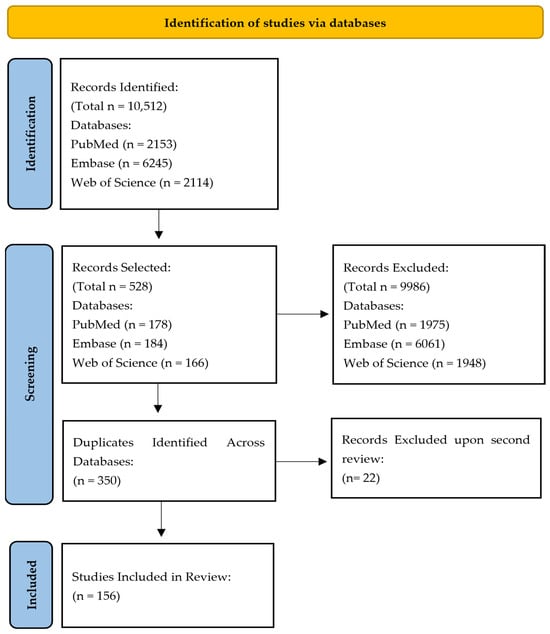
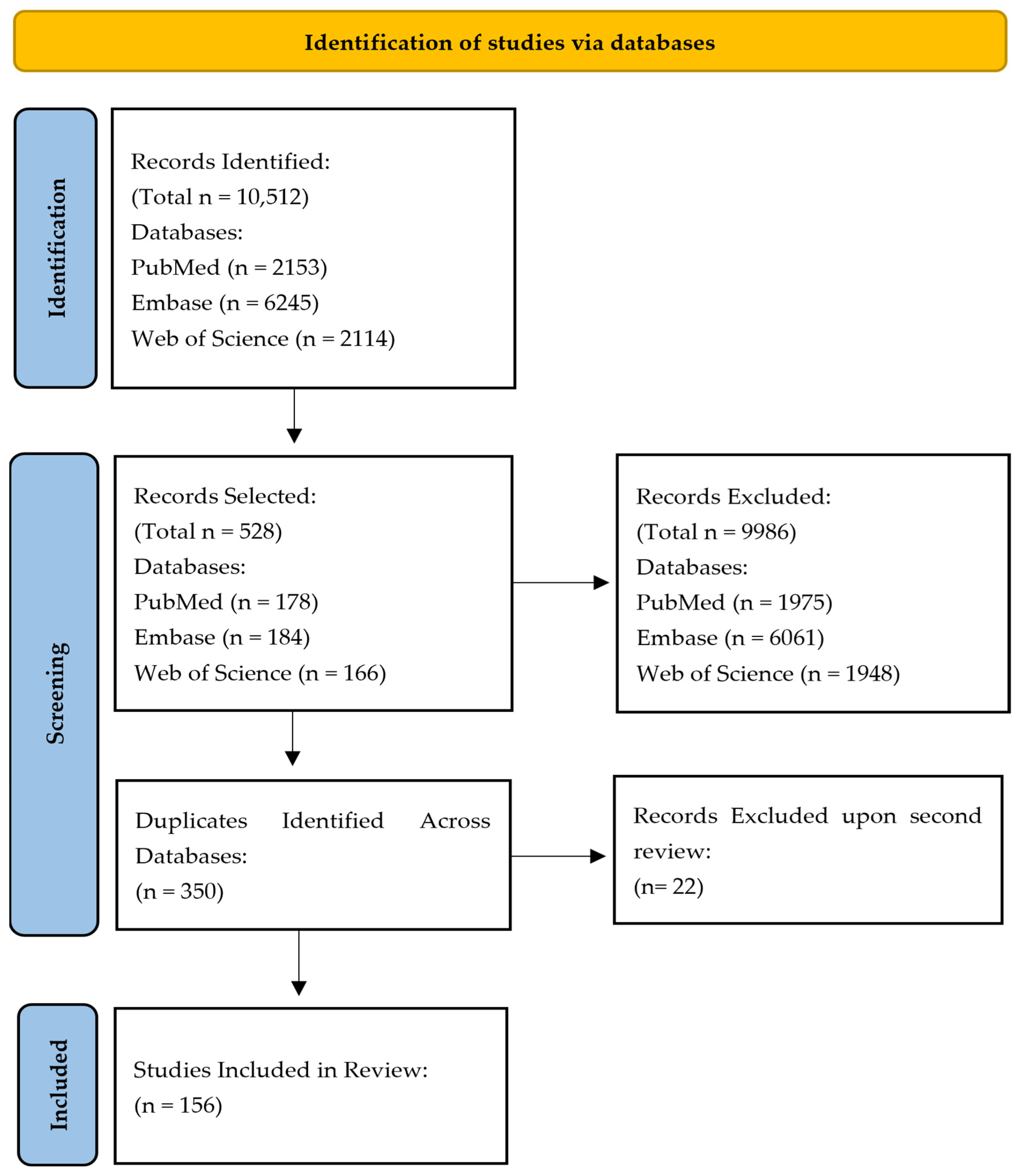
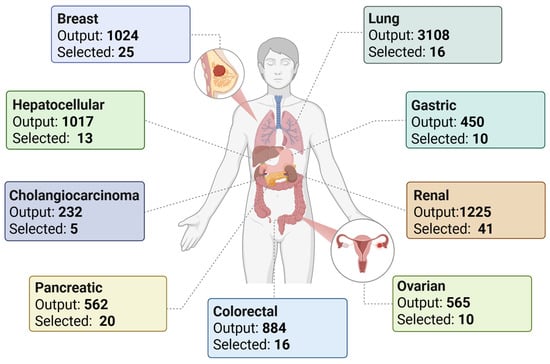
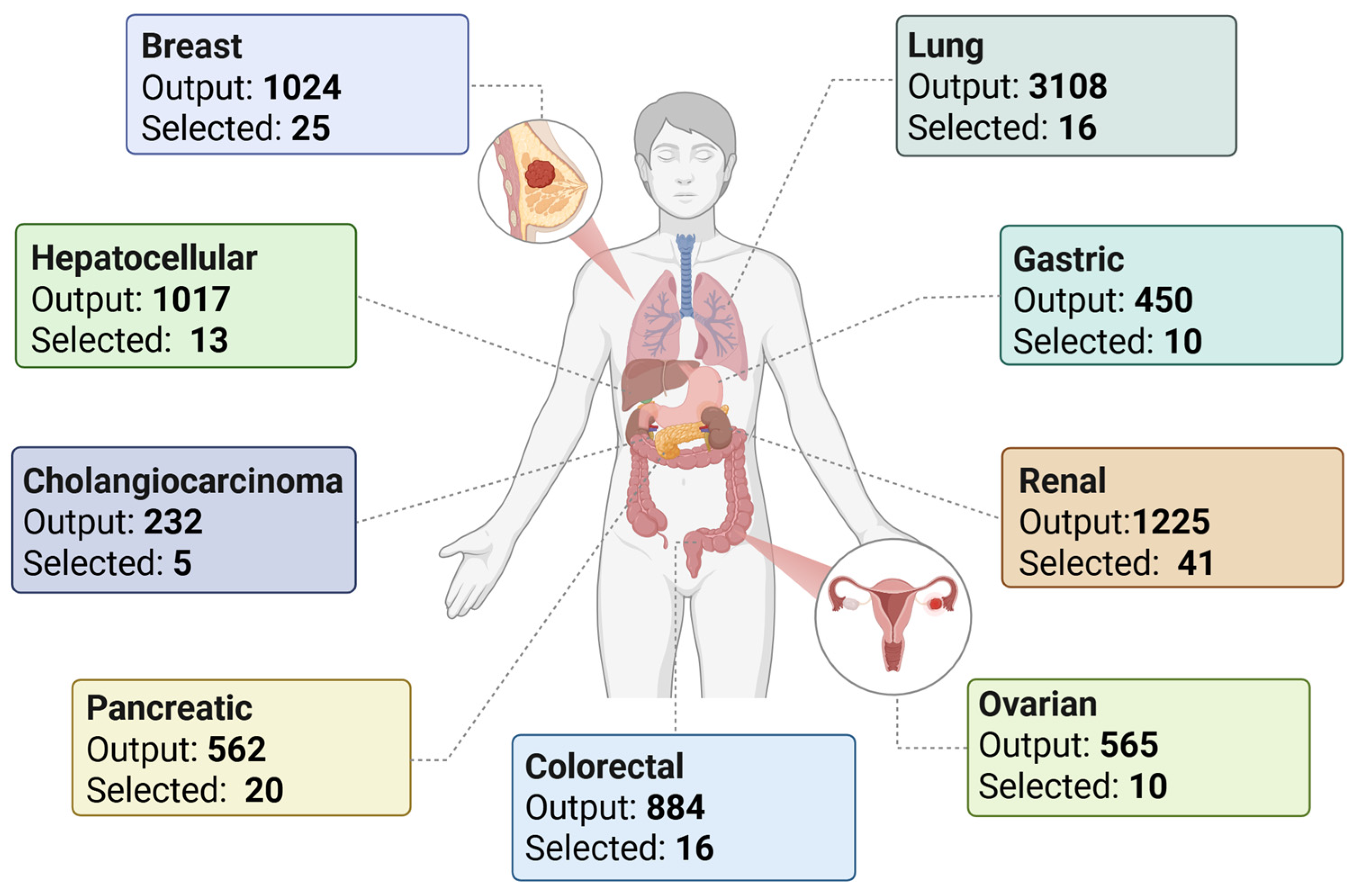
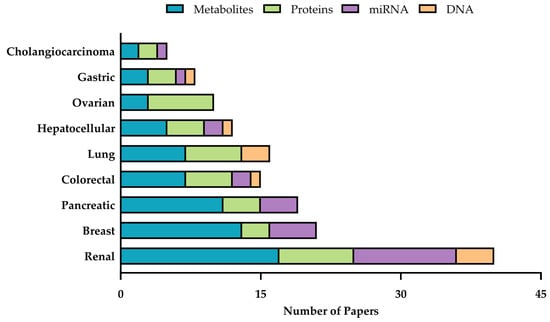

Disclaimer/Publisher’s Note: The statements, opinions and data contained in all publications are solely those of the individual author(s) and contributor(s) and not of MDPI and/or the editor(s). MDPI and/or the editor(s) disclaim responsibility for any injury to people or property resulting from any ideas, methods, instructions or products referred to in the content. |
© 2026 by the authors. Licensee MDPI, Basel, Switzerland. This article is an open access article distributed under the terms and conditions of the Creative Commons Attribution (CC BY) license.