


Simple Summary
The effects of β-glucans, triterpenes and nucleoside analogs of edible and/or medicinal mushrooms with results from clinical trials investigating these effects in diabetes, breast-, prostate-, lung- and colorectal cancer patients have been summarized in this review. The findings confirm benefits in taking higher than 3 g mushroom powder daily (or equivalent extracts) to improve metabolic parameters in diabetic patients. Quality of life benefits were supported in all four cancer types across the clinical trials. Additionally, significantly improved survival times were found in marker- or subgroup-specific breast cancer patients, and also in patients diagnosed with lung and prostate cancers. Although further randomized clinical trials are still required to evaluate optimal dosage and long-term mechanisms of actions in humans, the results of this review support that edible and medicinal mushrooms can serve as valuable tools in preventive and/or in complementary therapies beside the conventional medical treatments of diabetes and cancer.
Abstract
There is a growing interest in preventive and complementary therapies to support health, increase the effectiveness of conventional medical treatments, and improve quality of life (QoL). This review summarizes the effects of β-glucans, triterpenes and nucleoside analogs of edible and/or medicinal mushrooms with results of clinical trials that investigated these effects in diabetes, breast-, prostate-, lung- and colorectal cancer patients. The results support that these components effectively alleviate symptoms and improve quality of life of these patients. Higher than 3 g of mushrooms, or equivalent extracts, per day are able to diminish metabolic parameters associated with diabetes, i.e., hyperglycemia, hyperlipidemia, and inflammation. The found survival benefit of mushrooms in breast cancer patients was subgroup- or marker-specific. Additionally, their immunomodulatory effects were more complex—different immunological parameters could be either activated or suppressed by different amounts. Data are limited for prostate cancer patients to date, but lentinan intake may increase the survival time of these patients. The survival of lung cancer patients is significantly improved with the use of beta-glucan as complementary therapy. However, its immunomodulatory role was not confirmed. The application of these mushroom components in patients with colorectal cancer may improve QoL. However, survival benefits are inconsistent across different clinical trials of these patients. In summary, although further randomized clinical trials are still required to evaluate optimal dosage and long-term mechanisms of actions in humans, edible and medicinal mushrooms may serve as valuable tools in preventive or in complementary therapies beside the conventional medical treatments of diabetes and cancer.
1. Introduction
Fungi constitute an independent kingdom in taxonomy, distinct from both plants and animals. Fungi have been utilized for thousands of years not only as food source but also as therapeutic agents [1,2]. An example of this is Monascus purpureus, commonly known as fermented red yeast rice; it has been an integral part of traditional Chinese culinary practices for over a thousand years. It has primarily been used to flavor, color, and preserve foods such as rice, tofu, and meats. At the same time, it has also been used in Traditional Chinese Medicine (TCM) to support digestion, improve blood circulation and resolve blood “stasis” [3].
Traditionally, edible mushrooms are primarily appreciated for their rich nutritional profile, especially because of their protein, dietary fiber and vitamin content. Although edible mushrooms, traditionally, are not counted as medicinal mushrooms, they also contain important bioactive compounds, including polysaccharides (i.e., β-glucans), phenolic compounds, sterols, and antioxidants [4]. Bioactive compounds are defined as either essential or non-essential molecules (e.g., vitamins or polyphenols) that occur in nature as part of the food chain and exert measurable effects of human health [5].
The bioactive compounds of those mushrooms which are consumed generally as food are present at lower concentrations than in the so-called “medicinal mushrooms”. It means medicinal mushroom species, whether collected in the wild or cultivated (selected and standardized) to be primarily used as food supplement, that contain higher concentrations and/or a broader spectrum of bioactive compounds [6,7,8]. For instance, Pleurotus ostreatus (Oyster mushroom), whether cultivated or foraged, contains bioactive compounds such as β-glucans and ergothioneine; however, their levels are lower compared to those medicinal species like Ganoderma lucidum and Lentinula edodes either cultivated or found in nature [9,10]. Nonetheless, edible mushrooms consumed as food similarly and significantly contribute to the maintenance of health and support physiological processes. Additionally, preparations derived from whole mushrooms, due to the more complex profiles of bioactive compounds, have more favorable physiological effects than single extracts (e.g., aqueous-, alcoholic-, or glycerol-based extractions). However, in case of certain fungi species, such as Penicillium notatum, only the extract is applied [6,11].
Although the term “medicinal mushroom” is applied mainly to macroscopic fungi such as Ganoderma lucidum, Lentinula edodes and Grifolia frondosa [7], bioactive compounds of microscopic species or other taxonomic categories (i.e., penicillin—Penicilium notatum, monacolin K—Monascus purpureus) may also play important role in medicine and the development of functional foods [12].
Thus, in this manuscript we use the term “medicinal mushroom” in a broader meaning, which is not related to the taxonomic category, but rather to the meaning of their use in “medicinal application”—since these contain compounds and/or secondary metabolites in high concentrations or in a broad spectrum, which may have positive effects on human health [7,13].
2. Nutritional Value of the Main Active Ingredients of Edible and Medicinal Mushrooms
Among the most abundant bioactive compounds of edible and medicinal mushrooms are polysaccharides, particularly β-glucans, which account for 10–50% of the dry matter content [13]. The second most prominent group of compounds are proteins, which typically comprise 10–40% of the dry matter content. Interestingly, many mushroom species contain complete amino acid profiles [4]. The fiber content can reach 20–30%, which beneficial for the gut microbiota [9]. Although mushrooms have relatively low fat content (2–8%), they are typically abundant in unsaturated fatty acids [14]. Triterpenes in mushrooms occur in a lower concentration than polysaccharides or proteins, typically account for 1–5% of the dry matter. Triterpenes are secondary metabolites of fungi with a lanostane-type 30-carbon atoms length structure [15]. In Ganoderma species (e.g., Ganoderma lucidum, G. tsugae) the amounts of these compounds are significantly lower than in other medicinal mushrooms. However, due to their strong anti-inflammatory and cytotoxic effects, these components are important in the physiological effects of these species [16,17]. Moreover, mushrooms provide essential vitamins (e.g., B-complex, D2) and trace elements (e.g., selenium, copper, zinc) in a highly bioavailable form [4,9,16].
3. The Ecological Adaptation of Fungi Is Reflected in Their Active Ingredient Composition
Fungi are a diverse group of organisms with a wide range of morphological and ecological characteristics, and their widespread occurrence show the ability to adapt to extreme and unique ecological conditions [18,19]. They may occur on soil, tree bark, decaying wood, forest undergrowth, or on roots either above or below the ground (e.g., Wolfiporia extensa, Tuber macrosporum). Fungal growth and the accumulation of bioactive compounds are strongly modulated by environmental factors such as light intensity, relative humidity, soil composition, temperature, and the substrate of the growth (substrate: the soil or artificial cultivation media in controlled production of mushrooms).
A striking example of a specialized ecological adaptation is provided by entomopathogenic fungi—i.e., species of the Cordyceps genus—which parasitize insects or other arthropods. These proliferate within their host’s body and grow on the host after its death. Bioactive metabolites produced by Cordyceps species, including cordycepin, cordycepic acid, cordymin, β-glucans, and mannoglucans, facilitate the survival of fungi by evading the host’s immune system and efficient nutrient uptake from the host. The biosynthesis of these compounds are the results of highly specialized life cycles and adaptation to host-associated stress conditions [20,21]. The example of the aforementioned fungal genus clearly illustrates how the ecological role and environmental adaptation of fungi are closely linked to the quality of their bioactive compounds and their therapeutic use [22,23].
Numerous studies have demonstrated that individuals of the same fungal species, when cultivated or grown wild under different ecological conditions, may represent significant variations in their polysaccharide, triterpene, or antioxidant content—which influence their physiological effects [4,16]. Nowadays, medicinal mushrooms are primarily cultivated to ensure their standardized bioactive composition—an essential requirement for their targeted application.
4. Major Bioactive Compounds of Edible and Medicinal Mushrooms—Chemical Structures, and Their Effects
Several bioactive compounds of edible and medicinal mushrooms have been known and investigated to date (Supplementary S1). Of these, polysaccharides, triterpenes, and nucleosides seem to be the most important in the prevention and treatment of diabetes and cancer.
4.1. Polysaccharides/β-Glucans
The polysaccharide β-glucans are primarily composed of/1 → 3/-β-D-glucose units, which may have side chains attached via/1 → 4/or/1 → 6/cross-linking [24]. In mushrooms, the/1 → 3/- and/1 → 6/- bindings dominate, while in oat and barley the/1 → 3/- and/1 → 4/are mainly presented [25]. Both compositions have important roles in the biological processes, which has been known for a long time [26,27]. Mushroom polysaccharides, particularly β-glucans, are important due to their immunomodulatory and antidiabetic effects [23,28,29]. This aforementioned structure is crucial in the activation of the immune system, whereas other types of glucans do not possess this feature or possess it only to a limited extent. This specific three-dimensional conformation enables these molecules to bind to pattern recognition receptors (PRRs) with high affinity. The β-1,3- and β-1,6-bonded glucans primarily bind to dectin-1, complement receptor 3 (CR3), and toll-like receptor 2/6 (TLR2/6) located on the surface of monocytes, macrophages, dendritic cells, and neutrophil granulocytes (Figure 1) [30,31].
Figure 1.
Effects mediated by the pattern recognition receptors (PRRs) of the immune system [30].
Lentinan, a β-glucan polysaccharide compound derived from Lentinula edodes, is a clinically studied immunostimulant that is used in cancer therapy in Japan [32]. β-glucans also be used as complementary therapy in the alleviation of side effects of chemotherapy in cancer patients [13,33].
4.1.1. Immunomodulation
Activation and suppression: β-glucan-type polysaccharides mediate immunomodulation primarily through the activation of innate immune effectors such as natural killer (NK) cells and macrophages [34]. These molecules may decrease the levels of pro-inflammatory cytokines (i.e., TNF-α, IL-6) and inhibit the NFκB signaling pathway [35], but due to infection, they increase these to support the body’s defenses [22]. They modulate the immune response by either stimulation or suppression, depending on the current physiological state of the organism [10,36]. In chronic inflammation β-glucans may have anti-inflammatory effects by attenuating excessive cytokine responses, thus playing a balancing role rather than acting solely as stimulators [37].
Signaling pathway: Dectin-1-mediated signaling is activated through the Syk–CARD9–NF-κB pathway, which modulates the innate immune response [38]. It stimulates the production of cytokines (e.g., IL-6, TNF-α, IL-12) against pathogens—including pathogen fungi—complement activation, enhances phagocytosis, and at the same time may support anti-inflammatory response, preventing septic shock [39].
Immune cell type specific actions: β-glucans stimulate the activity of phagocytic cells, promote antigen presentation, and thereby facilitate the induction of the adaptive immune response [37,40]. CR3-mediated activation enhances the cytotoxic functions of natural killer cells, leading to increased anti-tumor and antiviral activity [40]. β-glucans can induce a Th1/Th17-dominant response by dendritic cell, leading more effective immune response against intracellular pathogens and tumor cells [28].
Gut microbiome modulation: β-glucans have prebiotic effects by promoting the proliferation of health-supporting bacteria (e.g., Bifidobacterium spp., Lactobacillus spp.), which stimulate the production of epithelial tight junction proteins, thereby reducing intestinal permeability and consequent endotoxemia [41,42].
4.1.2. Antidiabetic Effect
Digestible and non-digestible polysaccharides of mushrooms, improving insulin sensitivity and reducing blood glucose level, may contribute to the management of diabetes [43,44]. The effects of the components of edible and medicinal mushroom in the prevention of insulin resistance and subsequent diabetes have been detailed in our previous review [1]. Here below we just briefly list some findings with references—further details can be found in the original article.
Delayed glucose absorption: β-glucans, acting as soluble dietary fibers, form viscous gels in the intestine, thereby slowing down glucose absorption, attenuating postprandial hyperglycemia, and attenuating insulin response [1,45]. β-glucans and other polysaccharides in certain mushrooms can inhibit the activity of α-glucosidase and α-amylase; this action results in delayed glucose absorption and reduced glycemic response [46,47].
Improved insulin sensitivity: β-glucans reduce TNF-α and IL-6 cytokine levels, increase the fasting serum insulin level, reactivate the insulin signaling, and increase AMPK enzyme activity, which plays a pivotal role in glucose homeostasis [48,49,50,51]. Their anti-inflammatory effects may attenuate chronic low-grade inflammation, which represents one of the main causes of insulin resistance [34,35,36].
β-cells protection and regeneration: β-glucans derived from Lentinula edodes, Ganoderma lucidum, and Grifola frondosa have been shown to reduce oxidative stress in the pancreatic islets of Langerhans and protect these cells from apoptosis, while also supporting their insulin secretion [44].
4.2. Triterpenes
Triterpenes possess a lanostane-type structure (Supplementary S2). They have multiple functional groups, which contribute to their effects [15,52]. Due to their lipophilic nature, these triterpenes are often extracted by specific and uncommon methods, which preserves the bioactive forms of these compounds [53,54].
Triterpenoids, especially from Ganoderma lucidum, had been shown to possess anti-inflammatory, hepatoprotective and anticancer effects [16]. Through their anti-inflammatory, antioxidant properties, the inhibition of enzymes and production of advanced glycation end products, through the enhancement of GLUT-4, GLP-1, adiponectin, insulin receptor substrate (IRS) and the PI3K/Akt signaling pathway expression, glucose uptake, glycogen synthesis, and thus insulin sensitivity, and triterpenes support metabolic homeostasis in a complex way [55,56]. Its cytotoxic and apoptotic ability in human cancer cell lines (including hepatic, colorectal, and breast carcinomas) are described, which are mediated partly through the activation of mitochondrial caspases [17].
The trametenolic acid isolated—among others—from Inonotus obliquus has anti-inflammatory and anti-tumor capacity [57,58]. It protects kidney function by reducing inflammation and oxidative stress via the Nrf2/HO-1 and NF-κB signaling pathways [59]. Ganoderic acids and lucidenic acids from Ganoderma species may contribute to the regulation of glucose metabolism as well [60]. Several triterpenoids isolated from Wolfiporia cocos have been shown to enhance glucose uptake and reduce blood glucose levels [61]. In preclinical studies, diabetic-model animals treated with the triterpene fraction of Antrodia cinnamomea significantly reduced blood glucose levels, and enhanced insulin signaling and sensitivity were detected [56]. Hericium erinaceus contains the neurotropic compounds hericenones and erinacines, of which erinacines are triterpenoids. These promote neuronal regeneration and are therefore considered promising in the complementary treatment of neurodegenerative disorders such as Alzheimer’s disease (AD) [62]. Recent findings suggested that AD may represent a brain-specific form of diabetes (type 3 diabetes) [63].
Triterpenes, together with β-glucans and nucleoside analogs, have significant anti-tumor effects (Figure 2) [17,22,64,65,66].
Figure 2.
Anti-tumor effects of triterpenes, β-glucans and nucleoside analogs isolated from medicinal mushrooms [17,22,64,65,66]. Blue arrow: activating, Red arrow with line head: inhibiting, Black arrow: showing a process.
4.3. Nucleoside Analogs (Nucleic Acid Base-, Nucleoside-, or Nucleotide-Variants)
Nucleoside analogs are widely used as antimicrobial, anti-tumor, cardioprotective agents because of their immunomodulatory properties and positive effects on cardiovasculature [23,36]. They have long been known, and are, approved and applied drugs in cancer treatments [67,68]. Nucleosides and their analogs found in medicinal mushrooms (i.e., adenosine, cordycepin, clitocine, inosine—cordycepin and clitocine are adenosine analogs; Supplementary S3) originated from the catabolism of nucleic acids. However, similar to those originated in another way or from other sources, these also show a wide variety of pharmacological effects, which support health, disease prevention and treatments [68,69,70]. Cordycepin (3′-dezoxyadenosine) has anticancer potential and has been shown to enhance microcirculation—thus improving tissue perfusion and protecting myocardium [71].
4.3.1. Antimicrobial Effects
Cordycepin showed moderate anti-HCV effects and augmented the effect of interferon and ribavirin therapy in HCV RNA-producing cells [72]. Moreover, clitocine from the edible mushroom Clitocybe inversa—similar to those of bacterial origin, i.e., oxetanocin A (Bacillus megaterium), spicamycin (Streptomyces alanosinicus) and anicemycin (Streptomyces thermoviolaceus)—also have antiviral, and additionally, antibacterial effects [69].
4.3.2. Anti-Tumor Effects
The multi-compound or complete extracts of Cordyceps spp. demonstrated anti-tumor effects on several cell lines and in vivo tumor models [73]. It inhibits the synthesis of RNA [72], and may shut down translation through AMPK activation, which inhibits mTOR signaling [71]. Moreover, it induces both the extrinsic and intrinsic apoptotic pathways and inhibits the proliferation, growth and the development of metastasis [71,72]. The effects of adenosine on tumor growth and on the tumor microenvironment are complex: they are tumor- and immune cell-dependent. They can play both stimulatory and inhibitory roles depending on the cell type and the different adenosine receptors [74]. Clitocine, similarly, has significant anti-tumor effects [69].
4.3.3. Cardioprotective, Cardiovascular Effects
Adenosine is an effective agent in chronic heart failure [70,75]. Cordycepin inhibits collagen-induced platelet aggregation via reduction in Ca2+ and thromboxane A2, and elevation of intracellular cAMP and cGMP level [71]. Nucleosides and nucleobases in Ganoderma lucidum also can inhibit platelet aggregation and reduce the elevated serum aldolase levels [70].
4.3.4. Immunomodulatory Effects
Adenosine and cordycepin can activate NK cells and the phagocytic function of macrophages [22]. They affect almost all the cell types of the immune system and also have significant impacts on cytokine production [73].
5. β-Glucans, Triterpenes and Nucleoside Analogs as Complementary Therapy in Type 2 Diabetes and Cancer—Summary of the Results Reported in Clinical Trials
In this review we collected the accessible clinical trials/human studies that investigated mushroom components β-glucans, triterpenes, and nucleoside analogs as complementary therapies in diabetes and four cancer types (breast, prostate, lung and colorectal cancers) from the scientific database of PubMed. Searching terms were: “(cancers) AND (clinical trials) AND (medicinal mushrooms)”, “(cancers) AND (clinical trials) AND (beta glucans)”, and “(diabetes) AND (clinical trials) AND (mushrooms)”. Of the 254 articles 13 were related to breast cancers, four to prostate cancers, nine to lung cancers, and 18 to colorectal cancers, and nine were related to T2DM.
In relation to impaired glucose tolerance (IGT) or type 2 diabetes (T2DM), nine manuscripts that investigated the effects of edible or medicinal mushrooms were found (Supplementary S4). Three of them applied mushroom extracts (high molecular weight polysaccharide fractions which are mainly glucans/β-glucans, or low molecular weight extracts which are primarily terpenoids, polyphenols and small peptides) and the others applied mushroom powders as complementary therapy.
Patients with IGT had significantly increased GLP-1 and a significantly decreased non-esterified free fatty acids (NEFAs) amount after a Pleurotus ostreatus-enriched meal in a randomized controlled crossover study [45]. Most of the study found significantly improved metabolic parameters in T2DM patients such as decreased fasting and/or postprandial glucose levels and increased postprandial insulin levels [76,77], significantly decreased HbA1c levels [77,78], significantly improved lipid profile [78,79,80], significantly increased adiponectin levels, significantly decreased homeostatic model assessment of insulin resistance (HOMA-IR) index [81,82], significantly increased oxygen radical absorbance capacity and significantly decreased advanced glycation end products (AGEs) [82]. A double-blinded, randomized controlled study found significantly improved quality of life (QoL) in T2DM patients who consumed oyster mushroom biscuits together with diet and exercise as complementary therapies [78]. However, one article, a systematic review and meta-analysis of randomized controlled clinical trials, has not found significant changes either in plasma glucose, nor in blood pressure or triglycerides [83]. The difference may have resulted from that the clinical trials in this systematic review applied 1.4–3 g mushroom powder per day, while all the others mentioned above used mushroom or mushroom extracts per day in a higher amount (9.2–100 g/day)—except one (with 1.5 g/day but this was an extract). One study investigated the safety of the polysaccharide extract of Ganoderma lucidum (Ganopoly) and found that it was well tolerated [77].
In human studies and/or clinical trials discussing the effects of edible or medicinal mushroom powder or extracts on the four main cancer types we found 13 articles for breast, four for prostate, nine for lung cancers, and 18 for colorectal cancers which had at least accessible abstracts (Table 1, Table 2 and Table 3).
Of the 13 breast cancer studies (Table 1), three examined and found significantly improved QoL, and two of these found decreased symptoms after mushroom/or extract intake [84,85,86]. One of the 13 papers studying the safety of Lentinula edodes mycelia extract (L.E.M.) found no adverse events attributable to L.E.M. [85]. Similarly, lentinan (LNT, β-glucans extracted from Lentinula edodes) injection has been shown to be safe as complementary therapy after surgery [87]. Another study, a phase I/II trial found that Maitake polysaccharide extract over a 3-week period was well tolerated and no dose-limiting toxicity was seen up to 10 mg/kg per day [88].
Six studies investigated the immunomodulatory effects of β-glucan or polysaccharide extracts [85,87,88,89,90,91]. Two of them found significantly increased number of certain immune cells, i.e., monocytes [90], T helper and B cells [91] after the complementary treatments. Two found significantly increased activation of immune system, i.e., significantly increased NK cell activity with significantly decreased level of immunosuppressive acidic protein (IAP) [85], and significantly increased CD95 (death-receptor, mediator of phagocytosis-induced cell death) and CD45RA (an indicator of cellular activation) expressions on monocytes [90]. A double-blind placebo controlled randomized clinical trial reported significantly increased serum level of IL-4 in intervention vs. placebo group. Additionally, significant and opposite change was observed in the serum level of IL-12 between the two groups: IL-12 increased in the intervention group while it decreased in the placebo group after intervention [89]. Another clinical trial recorded significantly decreased levels of plasma soluble IL-2 receptor (sIL-2R), which is a clinical marker of immune system activation [91]. Additionally, LNT injection after adrenalectomy and oophorectomy (Ax + Ox) in patients with recurrence breast cancer induced tumor atrophy and intense infiltration of T, B cells and macrophages into stroma around the tumor [87]. Although the results described above suggest a clear immune system-activating effect of mushroom extracts, a phase I/II dose-escalation clinical trial suggested a non-linear, more hyperbolic relationship for most immunological variables. It means not a maximum dose but more an optimal dose may exist which varies for different immunological parameters—thus the same dose may activate certain parameters while inhibiting others [88]. The authors suggest that because these natural components produce more complex effects than expected, cancer patients should be made aware of the fact that these can both enhance and suppress the immune system [88].
Five studies investigated the effects of β-glucan or polysaccharide extracts on survival in breast cancer patients. One of them found significant life span prolongation in LNT groups vs. the control after application of LNT as supportive therapy [92]. A randomized clinical trial (RCT) reported significantly increased 5-year relapse-free survival in ER+ patients treated with a combination therapy of tamoxifen (TAM) with polysaccharide-K, krestin (PSK), compared to the TAM-only group. In this study, the survival of ER- patients was not improved by immunomodulatory adjuvant therapy of PSK [93]. However, in another RCT where a subgroup analysis was applied, significantly increased overall survival was found in node-negative, ER-negative Stage IIA (T2N1) breast cancer patients after combination therapy with PSK [94]. Similar to the aforementioned two studies, generally, without subgroup analysis, there was no difference in survival between the FEMP (5-FU, cyclophosphamide, mitomycin C, prednisolone) and FEMP + PSK groups in a randomized controlled clinical trial of breast cancer patients [95]. However, in a more stratified clinical trial, breast cancer patients with the presence of HLA antigen B40+ had significantly better 5- and 10-year disease-free survival (DFS) than B40− patients in the FEMP + PSK group. Additionally, there was no significant difference in DFS between B40+ vs. B40- in the FEMP-only group [96].
Table 1.
Clinical trials applying edible/medicinal mushrooms or their extracts at breast and prostate cancer patients. Randomized clinical trial (RCT), quality of life (QoL), global health status (GHS), immunosuppressive acidic protein (IAP), white blood cell (WBC), lentinan (LNT), adrenalectomy + oophorectomy (Ax + Ox), polysaccharide-K or Krestin (PSK), mitomycin C (MMC), disease-free survival (DFS), overall survival (OS), prostate specific antigen (PSA).
Four studies investigated the effects of edible or medicinal mushroom powder or extracts on prostate cancers (Table 1) [97,98,99,100]. A phase I, open-labeled, non-randomized, dose-escalation clinical trial investigated safety and found no dose-limiting toxicity of white button mushroom powder [97]. Three studies evaluated PSA changes, and only one reported stabile prostate specific antigen (PSA) levels in >50% of patients [99]—the others found worse results [97,98]. One studying immunological functions showed significantly higher baseline IL-15 levels in responders and significantly decreased level of MDSCs (CD33+HLA-DR) at week 13 compared to the time of enrolment of prostate cancer patients [97]. One study found significantly increased 5-year survival in the lentinan group vs. the control in prostate cancer patients [100].
One of the nine lung cancer articles (Table 2), a meta-analysis (of 17 randomized clinical trials) reported significantly improved QoL in a combination therapy with lentinan (RR = 1.48 (95% CI: 1.27–1.72; p < 0.00001) compared to chemotherapy alone [101]. This meta-analysis found lower incidence and degree of adverse reactions in combination therapy than in cisplatin thoracic injection alone. Similarly, in a double-blind, placebo-controlled, randomized study, significantly less patients were withdrawn from the study because of disease progression in PSP group than in placebo (5.9 and 23.5%, respectively; p = 0.04; OR 4.00) [102]. BTH1677, an 1,3–1,6 beta-glucan extract from Saccharomyces cerevisiae, was well tolerated in a randomized, open-labeled, multicenter, phase II clinical trial [103], similarly to another beta-glucan product, which was used in a self-initiated, single-arm, phase II clinical trial [104]. An open-label clinical study investigating immune function found marked interindividual variability and no significant overall changes [105]. While in a double-blind, placebo-controlled, randomized study, PSP significantly increased IgG and IgM (p = 0.02 and 0.04) [102]. The efficacy of combination therapy with lentinan was significantly higher (RR = 1.34 (95% CI: 1.21–1.48; p < 0.0007) than cisplatin alone, as calculated by the meta-analysis [101]. BTH1677 significantly increased overall response rate vs. the control (ORR investigator: 47.8% vs. 23.1%, p = 0.0468; however, the ORR central: 36.6% vs. 23.1%, p = 0.2895). Additionally, the presence of anti-beta-glucan antibody (ABA) significantly increased the median overall survival (OS) in lung cancer patients (OS ABA- vs. ABA+: HR 0.48 [95% CI: 0.24, 0.95]; p = 0.0327) [103]. It was reported that beta-glucan can reverse resistance to anti-PD-1/PD-L1 inhibitors [106], therefore in a single arm phase II clinical trial, non-small cell lung cancer patients who have previously failed anti-PD-1 therapy received beta-glucan, Envafolimab and Endostar. The overall response rate (ORR) was 21.7%, the median overall survival was 9.8 months (95% CI: 7.2–12.4), the median progression-free survival (mPFS) was 4.3 months (95% CI: 2.0–6.6), and mPFS of PD-L1+ vs. PD-L1- patients were 6.3 vs. 2.3 months (p = 0.002). Favorable response was associated with increased CD40-L and EGF levels while resistance was associated with increased CASP-8, ARG1, MMP12, CD28, and CXCL5 levels [104]. Three other studies similarly found significantly increased survival rates after combination therapy with PSK compared to controls [107,108,109]. Moreover, a pooled analysis of 38 clinical trials reported significantly increased ORR lentinan + chemotherapy vs. chemotherapy alone (56.9% vs. 43.3%; p < 0.001), where the pooled RR was 0.79 (95% CI: 0.74–0.85) [32].
Table 2.
Clinical trials applying edible/medicinal mushrooms or their extracts at lung cancer patients. Randomized clinical trial (RCT), risk ratio (RR), overall response rate (ORR), disease control rate (DCR), median progression-free survival (mPFS), overall survival (OS), polysaccharide peptide (PSP), anti-beta-glucan antibody (ABA), median survival time (MST), polysaccharide-K or Krestin (PSK).
Of the 18 studies investigating the effects of mushroom or mushroom extracts in colorectal cancer patients (Table 3), one studied the effects on QoL and showed improvement after a complementary treatment with Agaricus sylvaticus fungus (30 mg/kg/day) for 6 months [110]. One investigating the safety of beta-glucan found no grade 4 toxicity, no treatment-related deaths, and adverse event-related patient discontinuation [111].
Two articles examined changes in metabolic parameters; both were based on the same randomized double-blind, placebo-controlled clinical study of Agaricus sylvaticus fungus (30 mg/kg/day) for 6 months [112,113]. The first found significantly decreased plasma glucose (p = 0.02), total cholesterol (p = 0.01), creatinine (p = 0.05), aspartate aminotransferase (p = 0.05), alanine aminotransferase (p = 0.04), IgA (p = 0.0001), IgM (p = 0.02), systolic blood pressure (p = 0.0001) and diastolic blood pressure (p = 0.0001) [112]. Similarly, the second recorded significantly reduced fasting plasma glucose level in the Agaricus sylvaticus group after six months (p = 0.01), while significantly increased levels were found in the placebo group after both three and six months (p = 0.03 and p = 0.01, respectively) [113].
Four studies investigated hematological and immune parameters [114,115,116,117]. The randomized double-blind, placebo-controlled clinical study of Agaricus sylvaticus fungus (30 mg/kg/day) showed significant increase in hemoglobin (p = 0.0001), hematocrit (p = 0.0001), erythrocytes (p = 0.01), mean cell volume (p = 0.01), mean cell hemoglobin (p = 0.0001), mean cell hemoglobin concentration (p = 0.0001), neutrophil levels (p = 0.0001), and significant decrease in platelet count (p = 0.03)—which remained within normal levels—in the A. sylvaticus group after treatment for 6 months [114]. In the randomized controlled study of the intake of 3.0 g PSK orally before surgery for the short-term (<14 days), significantly increased peripheral blood lymphocyte (PBL) and significantly decreased CD9+11b+ suppressor T cells in regional node lymphocyte (RNL) in pre- vs. post-comparison. Moreover, applying for long-term (≥14 days) PSK significantly increased cytotoxicity against myelogenous leukemia and gastric cell lines, and the levels of CD16+ cell proportion and CD4+Leu8− helper T cells in RNL [114]. According to the authors, the immunological effects of PKS depend on the duration, not its frequency of administration, and are suggestive of modulation of suppressor cells in regional lymph nodes [114]. A clinical trial found significant reduction in serum sIL-2R (p < 0.05) and IL-10 production after 2 months of PSK complementary treatment with chemotherapy (p < 0.05) [117]. In contrast, a non-randomized open-labeled clinical trial applying Ganoderma lucidum (5.4 g/day) orally for 12 weeks, with equal or more than 4 weeks of interval between prior chemotherapy or radiotherapy, found no statistically significant differences between the pre- vs. post-treatment values of immune functions [115].
A total of 11 clinical trials have been conducted to investigate the efficacy and survival rates of edible/medicinal mushrooms or their extracts in patients with colon cancer. Two of these found significant life span prolongation after lentinan (LNT) treatment in combination with chemotherapy (p < 0.01 and p < 0.05) [92,118]. Five of the eight trials applying PKS in combination with chemotherapy found significantly increased survivals (DFR and/or OS) in PKS group vs. placebo/chemotherapy alone either in the whole or in the subgroup of enrolled patients [119,120,121,122,123]. The other three found no significant differences between the compared groups, similarly to that applied imprime PGG [111,124,125,126].
Table 3.
Clinical trials applying edible/medicinal mushrooms or their extracts at colorectal cancer patients. Randomized clinical trial (RCT), quality of life (QoL), overall response rate (ORR), polysaccharide-K or Krestin (PSK), lentinan (LNT), overall survival (OS), disease-free survival (DFS).
In summary, the applied amount of mushrooms and mushroom extracts in the found clinical trials were as follows: breast cancers < 6 g of powder, <3 g of extract; prostate cancers < 14 g of powder, <5 g of extract; lung cancers < 5.4 g of extract; colorectal cancers < 5.4 g of powder, <3 g of extract. The mushrooms and mushroom extracts were found to be well tolerated but mild side effects may occur.
In patients diagnosed with T2DM the found clinical trials are consistent in that higher than 3 g mushroom, mushroom powder or mushroom extract per day can improve metabolic parameters.
Mushrooms and their extracts in breast cancer patients are similarly well tolerated and also can improve QoL. It can modulate immune function in breast cancer patients; however, it is supposed to have optimal doses which differently modulate the distinct immunological parameters—thus the same dose may activate certain parameters while inhibiting others. Therefore, because these natural components produce more complex effects than expected, cancer patients should be made aware of the fact that these can both enhance and suppress the immune system. The positive effects of mushroom/mushroom extracts on survival in breast cancer patients is more likely subgroup- or marker-specific based on the found clinical trials. Thus, further and more stratified studies are needed to confirm which population of breast cancer patients can benefit from the regular intake of a certain mushroom/extract for their improved survival.
The number of clinical trials with prostate cancer patients in relation to this field is limited to date. The only one randomized and multicenter study investigating survival found beneficial effect of lentinan intake on survival. The other three open-label clinical trials investigating PSA response found no benefit from mushroom powder or extract intake.
In lung cancer patients mushroom extracts significantly improved the QoL. The found clinical trials (with fairly large sample size) were consistent in that beta-glucan administration as complementary therapy can improve survival in lung cancer patients. These results were found both in the cases of specific markers and stage differentiation, but also in general without subgroup analysis. The immunomodulatory role was not confirmed by only one study which investigated this in lung cancer patients; however, this was an open-label study with small sample size.
Based on the result of the clinical trials, using mushroom components may improve QoL in colorectal cancer patients. Immunomodulatory effects—as suggested—depend more on duration rather than the frequency of administration of mushroom or its extracts. The results regarding the survival of colorectal cancer patients are inconsistent, considering that some of the trials with similar study type and comparable sample size found significant improvement in survival time after mushroom or mushroom extract administration while others did not.
A limitation of this review is that there were no sufficient types and/or amount of data to run meta-analysis for quantifying the effects of complementary treatments and publication bias; the outcomes and the set-up of the treatments also differed significantly in most cases. As a general conclusion, trials with lung cancer patients had the biggest sample size, and most of the studies were randomized clinical trials in all the four cancer types, which increases the scientific reliability of these results.
Additionally, to date, there is no FDA approval for mushroom-extracted beta-glucans, triterpenes, or nucleotide analogs for diabetes or cancer treatment. Although cordycepin from Cordyceps spp. has promising in vitro anticancer activity, it has limited bioavailability due to rapid in vivo deamination by circulating enzymes, poor uptake into cells and dependency from adenosine kinases for its activation. However, a modified version of this, the ProTide NUC-7738, was in a First-In-Human Phase I Clinical Trial in 2021 [127].
6. Conclusions
Edible and medicinal mushrooms contain a wide range of bioactive compounds—including polysaccharides (β-glucans), triterpenes, sterols, phenolic compounds, nucleosides, and enzyme inhibitors—that can modulate metabolic pathways, immune functions, and cellular defense mechanisms in multi-level processes. According to the scientific literature, these compounds have immunomodulatory, anti-inflammatory, antioxidant, insulin-sensitizing, and anti-tumor effects, which establish their application as preventive and complementary therapies in diabetes and cancer.
The collected clinical trials in this review highlighted the benefits of edible/medicinal mushroom or their extracts in QoL and survival in T2DM, breast, lung and colorectal cancer patients. The immunomodulatory properties of these natural ingredients show more complex effects than expected based on results of clinical studies, thus cancer patients should be made aware of the fact that these can both enhance and suppress the immune system. The results suggest that these ingredients are well tolerated even by cancer patients treated with chemotherapy. Although the number of clinical studies are increasing, further human trials are required to clarify optimal dosage and long-term mechanisms of action using similar treatment modalities and study settings to ensure reliable comparisons. However, the results are encouraging in that edible and medicinal mushrooms can be used as preventive and complementary therapies, especially with regard to metabolic and oncological diseases.
Supplementary Materials
The following supporting information can be downloaded at: https://www.mdpi.com/article/10.3390/cancers18142294/s1, Supplementary S1. Main mushroom species, their bioactive compounds, and associated biological effects. (Ref.: references). Supplementary S2. Triterpenes. A. lanostane-type structure. B. Trametenolic acid. C. Ganoderic acid. Supplementary S3. Nucleoside analogues. A. Adenosine, B. Cordycepin, C. Clitocine. Supplementary S4. Clinical trials applying edible/medicinal mushrooms or their extracts at patients diagnosed with impaired glucose tolerance or type 2 diabetes. References [22,23,45,52,57,58,59,64,65,66,71,72,74,75,76,77,78,79,80,81,82,83,128,129,130,131,132,133,134,135,136,137,138,139,140,141,142,143,144] are referring to Supplementary Materials.
Author Contributions
M.P.B.—writing draft and doing corrections, data collection and table preparation; L.S.-S.—review manuscript; I.T.—review manuscript; Z.N.—design, visualization, correction of the draft and data tables, reframing, finalization. All authors have read and agreed to the published version of the manuscript.
Funding
There was no funding related to this study.
Institutional Review Board Statement
Not applicable.
Informed Consent Statement
Not applicable.
Data Availability Statement
Not applicable.
Conflicts of Interest
The authors declare no conflicts of interest.
Abbreviations
The following abbreviations are used in this manuscript:
| AMPK | AMP activated protein kinase |
| Aβ | amyloid-β |
| ABA | anti-beta-glucan antibody |
| CK | creatinine kinase |
| COPD | chronic obstructive pulmonary disease |
| CR3 | complement receptor 3 |
| DCR | disease control rate |
| DFS | disease-free survival |
| GHS | global health status |
| GPx | glutathione peroxidase |
| GSH | glutathione |
| IAP | immunosuppressive acidic protein |
| IGT | impaired glucose tolerance |
| IL-6 | interleukin 6 |
| IRS | insulin receptor substrate |
| LNT | lentinan |
| MDSCs | myeloid-derived suppressor cells |
| MMC | mitomycin C |
| mPFS | median progression-free survival |
| MST | median survival time |
| NEFAs | non-esterified free fatty acids |
| NF-κB | nuclear factor kappa B |
| NGF | nerve growth factor |
| NK | natural killer cells |
| ORR | overall response rate |
| OS | overall survival |
| PRR | pattern recognition receptors |
| PSA | prostate specific antigen |
| PSK | polysaccharide-K, Krestin |
| PSP | polysaccharide peptide |
| QoL | quality of life |
| RCT | randomized clinical trial |
| RR | risk ratio |
| SOD | superoxide-dismutase |
| T2DM | type 2 diabetes |
| TCM | Traditional Chinese Medicine |
| TLR2/6 | toll-like receptor 2/6 |
| TNF-α | tumor necrosis factor alpha |
| WBC | white blood cell |
References
- Nemeth, Z.; Paulinne Bukovics, M.; Sumegi, L.D.; Sturm, G.; Takacs, I.; Simon-Szabo, L. The Importance of Edible Medicinal Mushrooms and Their Potential Use as Therapeutic Agents Against Insulin Resistance. Int. J. Mol. Sci. 2025, 26, 827. [Google Scholar] [CrossRef] [Scilit] [PubMed]
- Das, A.; Chen, C.M.; Mu, S.C.; Yang, S.H.; Ju, Y.M.; Li, S.C. Medicinal Components in Edible Mushrooms on Diabetes Mellitus Treatment. Pharmaceutics 2022, 14, 436. [Google Scholar] [CrossRef] [Scilit] [PubMed]
- Ma, J.; Li, Y.; Ye, Q.; Li, J.; Hua, Y.; Ju, D.; Zhang, D.; Cooper, R.; Chang, M. Constituents of red yeast rice, a traditional Chinese food and medicine. J. Agric. Food Chem. 2000, 48, 5220–5225. [Google Scholar] [CrossRef] [Scilit] [PubMed]
- Heleno, S.A.; Ferreira, R.C.; Antonio, A.L.; Queiroz, M.-J.R.P.; Barros, L.; Ferreira, I.C.F.R. Nutritional value, bioactive compounds and antioxidant properties of three edible mushrooms from Poland. Food Biosci. 2015, 11, 48–55. [Google Scholar] [CrossRef] [Scilit]
- Biesalski, H.K.; Dragsted, L.O.; Elmadfa, I.; Grossklaus, R.; Muller, M.; Schrenk, D.; Walter, P.; Weber, P. Bioactive compounds: Definition and assessment of activity. Nutrition 2009, 25, 1202–1205. [Google Scholar] [CrossRef] [Scilit] [PubMed]
- Wasser, S.P. Medicinal mushroom science: Current perspectives, advances, evidences, and challenges. BioMed J. 2014, 37, 345–356. [Google Scholar] [CrossRef] [Scilit] [PubMed]
- Lindequist, U.; Niedermeyer, T.H.; Julich, W.D. The pharmacological potential of mushrooms. Evid. Based Complement Altern. Med. 2005, 2, 285–299. [Google Scholar] [CrossRef] [Scilit] [PubMed]
- Hobbs, C. Medicinal Mushrooms: An Exploration of Tradition, Healing & Culture, 3rd ed.; Botanica Press: Santa Cruz, CA, USA, 1995. [Google Scholar]
- Manzi, P.; Gambelli, L.; Marconi, S.; Vivanti, V.; Pizzoferrato, L. Nutrients in edible mushrooms: An inter-species comparative study. Food Chem. 1999, 65, 477–482. [Google Scholar] [CrossRef] [Scilit]
- Zhang, H.; Zhang, J.; Liu, Y.; Tang, C. Recent Advances in the Preparation, Structure, and Biological Activities of beta-Glucan from Ganoderma Species: A Review. Foods 2023, 12, 2975. [Google Scholar] [CrossRef] [Scilit] [PubMed]
- Demain, A.L.; Sanchez, S. Microbial drug discovery: 80 years of progress. J. Antibiot. 2009, 62, 5–16. [Google Scholar] [CrossRef] [Scilit] [PubMed]
- Liu, S.; Xu, Y.; Xie, J.; Hu, J.; Wang, Y.; Zhang, J.; Lee, M.S.; Hu, H.; Ang, L.; Ji, Z. The pharmacology and mechanism of action of Monascus purpureus Went: A scoping review. Front Pharmacol. 2025, 16, 1600460. [Google Scholar] [CrossRef] [Scilit] [PubMed]
- Wasser, S.P. Medicinal mushrooms as a source of antitumor and immunomodulating polysaccharides. Appl. Microbiol. Biotechnol. 2002, 60, 258–274. [Google Scholar] [CrossRef] [Scilit] [PubMed]
- Kalac, P. A review of chemical composition and nutritional value of wild-growing and cultivated mushrooms. J. Sci. Food Agric. 2013, 93, 209–218. [Google Scholar] [CrossRef] [Scilit] [PubMed]
- Mabou, F.D.; Yossa, I.B.N. TERPENES: Structural classification and biological activities. IOSR J. Pharm. Biol. Sci. 2021, 16, 25–40. [Google Scholar]
- Zhou, X.; Lin, J.; Yin, Y.; Zhao, J.; Sun, X.; Tang, K. Ganodermataceae: Natural products and their related pharmacological functions. Am. J. Chin. Med. 2007, 35, 559–574. [Google Scholar] [CrossRef] [Scilit] [PubMed]
- Wu, G.S.; Guo, J.J.; Bao, J.L.; Li, X.W.; Chen, X.P.; Lu, J.J.; Wang, Y.T. Anti-cancer properties of triterpenoids isolated from Ganoderma lucidum-a review. Expert Opin. Investig. Drugs 2013, 22, 981–992. [Google Scholar] [CrossRef] [Scilit] [PubMed]
- Pal, M.; Misra, K. Chapter 6-Cordyceps sp.: The Precious Mushroom for High-Altitude Maladies. In Management of High Altitude Pathophysiology; Misra, K., Sharma, P., Bhardwaj, A., Eds.; Academic Press: Cambridge, MA, USA, 2018; pp. 93–114. [Google Scholar]
- Hobbs, C. Medicinal Mushrooms: An Exploration of Tradition, Healing, and Culture; Book Publishing Company: Summertown, TN, USA, 2002. [Google Scholar]
- Tang, C.; Fan, Y.; Wang, T.; Wang, J.; Xiao, M.; He, M.; Chang, X.; Li, Y.; Li, X. Integrated Amino Acid Profiling and 4D-DIA Proteomics Reveal Protein Quality Divergence and Metabolic Adaptation in Cordyceps Species. J. Fungi 2025, 11, 365. [Google Scholar] [CrossRef] [Scilit] [PubMed]
- Zhang, M.; Sun, X.; Miao, Y.; Li, M.; Huang, L. Cordyceps cicadae and Cordyceps gunnii have closer species correlation with Cordyceps sinensis: From the perspective of metabonomic and MaxEnt models. Sci. Rep. 2022, 12, 20469. [Google Scholar] [CrossRef] [Scilit] [PubMed]
- Das, G.; Shin, H.S.; Leyva-Gomez, G.; Prado-Audelo, M.L.D.; Cortes, H.; Singh, Y.D.; Panda, M.K.; Mishra, A.P.; Nigam, M.; Saklani, S.; et al. Cordyceps spp.: A Review on Its Immune-Stimulatory and Other Biological Potentials. Front Pharmacol. 2020, 11, 602364. [Google Scholar] [CrossRef] [Scilit] [PubMed]
- Tuli, H.S.; Sandhu, S.S.; Sharma, A.K. Pharmacological and therapeutic potential of Cordyceps with special reference to Cordycepin. 3 Biotech. 2014, 4, 1–12. [Google Scholar] [CrossRef] [Scilit] [PubMed]
- Nakashima, A.; Yamada, K.; Iwata, O.; Sugimoto, R.; Atsuji, K.; Ogawa, T.; Ishibashi-Ohgo, N.; Suzuki, K. β-Glucan in foods and its physiological functions. J. Nutr. Sci. Vitaminol. 2018, 64, 8–17. [Google Scholar] [CrossRef] [Scilit] [PubMed]
- Peltzer, M.; Delgado, J.F.; Salvay, A.G.; Wagner, J.R. β-Glucan, a promising polysaccharide for bio-based films developments for food contact materials and medical applications. Curr. Org. Chem. 2018, 22, 1249–1254. [Google Scholar] [CrossRef] [Scilit]
- Vasconcelos, A.F.; Monteiro, N.K.; Dekker, R.F.; Barbosa, A.M.; Carbonero, E.R.; Silveira, J.L.; Sassaki, G.L.; da Silva, R.; de Lourdes Corradi da Silva, M. Three exopolysaccharides of the beta-(1-->6)-D-glucan type and a beta-(1-->3;1-->6)-D-glucan produced by strains of Botryosphaeria rhodina isolated from rotting tropical fruit. Carbohydr. Res. 2008, 343, 2481–2485. [Google Scholar] [CrossRef] [Scilit] [PubMed]
- Vetvicka, V.; Vetvickova, J. β (1-3)-D-glucan affects adipogenesis, wound healing and inflammation. Orient. Pharm. Exp. Med. 2011, 11, 169–175. [Google Scholar] [CrossRef] [Scilit]
- Chen, J.; Seviour, R. Medicinal importance of fungal beta-(1-->3), (1-->6)-glucans. Mycol. Res. 2007, 111, 635–652. [Google Scholar] [CrossRef] [Scilit] [PubMed]
- Zhou, X.; Gong, Z.; Su, Y.; Lin, J.; Tang, K. Cordyceps fungi: Natural products, pharmacological functions and developmental products. J. Pharm. Pharmacol. 2009, 61, 279–291. [Google Scholar] [CrossRef] [Scilit] [PubMed]
- Brown, G.D.; Gordon, S. Immune recognition of fungal beta-glucans. Cell Microbiol. 2005, 7, 471–479. [Google Scholar] [CrossRef] [Scilit] [PubMed]
- Brown, G.D.; Gordon, S. Immune recognition. A new receptor for beta-glucans. Nature 2001, 413, 36–37. [Google Scholar] [CrossRef] [Scilit] [PubMed]
- Zhang, Y.; Zhang, M.; Jiang, Y.; Li, X.; He, Y.; Zeng, P.; Guo, Z.; Chang, Y.; Luo, H.; Liu, Y.; et al. Lentinan as an immunotherapeutic for treating lung cancer: A review of 12 years clinical studies in China. J. Cancer Res. Clin. Oncol. 2018, 144, 2177–2186. [Google Scholar] [CrossRef] [Scilit] [PubMed]
- Roupas, P.; Keogh, J.; Noakes, M.; Margetts, C.; Taylor, P. The role of edible mushrooms in health: Evaluation of the evidence. J. Funct. Foods 2012, 4, 687–709. [Google Scholar] [CrossRef] [Scilit]
- Lull, C.; Wichers, H.J.; Savelkoul, H.F. Antiinflammatory and immunomodulating properties of fungal metabolites. Mediat. Inflamm. 2005, 2005, 63–80. [Google Scholar] [CrossRef] [Scilit] [PubMed]
- Shi, D.; Xu, X.; Wang, J.; Bu, T.; Sun, P.; Yang, K.; Cai, M. Synergistic anti-inflammatory effects of Ganoderma lucidum polysaccharide and ganoderic acid A on LPS-induced RAW264.7 cells by inhibition of TLR4/NF-kappaB activation. Int. J. Biol. Macromol. 2025, 309, 143074. [Google Scholar] [CrossRef] [Scilit] [PubMed]
- Zhao, S.; Gao, Q.; Rong, C.; Wang, S.; Zhao, Z.; Liu, Y.; Xu, J. Immunomodulatory Effects of Edible and Medicinal Mushrooms and Their Bioactive Immunoregulatory Products. J. Fungi 2020, 6, 269. [Google Scholar] [CrossRef] [Scilit] [PubMed]
- Goodridge, H.S.; Wolf, A.J.; Underhill, D.M. Beta-glucan recognition by the innate immune system. Immunol. Rev. 2009, 230, 38–50. [Google Scholar] [CrossRef] [Scilit] [PubMed]
- Marakalala, M.J.; Kerrigan, A.M.; Brown, G.D. Dectin-1: A role in antifungal defense and consequences of genetic polymorphisms in humans. Mamm. Genome 2011, 22, 55–65. [Google Scholar] [CrossRef] [Scilit] [PubMed]
- Akramienė, D.; Kondrotas, A.; Didžiapetrienė, J.; Kėvelaitis, E. Effects of ß-glucans on the immune system. Medicina 2007, 43, 597. [Google Scholar] [CrossRef] [PubMed]
- Vetvicka, V.; Thornton, B.P.; Ross, G.D. Soluble beta-glucan polysaccharide binding to the lectin site of neutrophil or natural killer cell complement receptor type 3 (CD11b/CD18) generates a primed state of the receptor capable of mediating cytotoxicity of iC3b-opsonized target cells. J. Clin. Invest 1996, 98, 50–61. [Google Scholar] [CrossRef] [Scilit] [PubMed]
- Singh, R.P.; Bhardwaj, A. Beta-glucans: A potential source for maintaining gut microbiota and the immune system. Front Nutr. 2023, 10, 1143682. [Google Scholar] [CrossRef] [Scilit] [PubMed]
- Zhong, X.; Wang, G.; Li, F.; Fang, S.; Zhou, S.; Ishiwata, A.; Tonevitsky, A.G.; Shkurnikov, M.; Cai, H.; Ding, F. Immunomodulatory Effect and Biological Significance of beta-Glucans. Pharmaceutics 2023, 15, 1615. [Google Scholar] [CrossRef] [Scilit] [PubMed]
- Aramabasic Jovanovic, J.; Mihailovic, M.; Uskokovic, A.; Grdovic, N.; Dinic, S.; Vidakovic, M. The Effects of Major Mushroom Bioactive Compounds on Mechanisms That Control Blood Glucose Level. J. Fungi 2021, 7, 58. [Google Scholar] [CrossRef] [Scilit] [PubMed]
- Arunachalam, K.; Sreeja, P.S.; Yang, X. The Antioxidant Properties of Mushroom Polysaccharides can Potentially Mitigate Oxidative Stress, Beta-Cell Dysfunction and Insulin Resistance. Front Pharmacol. 2022, 13, 874474. [Google Scholar] [CrossRef] [Scilit] [PubMed]
- Dicks, L.; Jakobs, L.; Sari, M.; Hambitzer, R.; Ludwig, N.; Simon, M.C.; Stehle, P.; Stoffel-Wagner, B.; Helfrich, H.P.; Ahlborn, J.; et al. Fortifying a meal with oyster mushroom powder beneficially affects postprandial glucagon-like peptide-1, non-esterified free fatty acids and hunger sensation in adults with impaired glucose tolerance: A double-blind randomized controlled crossover trial. Eur. J. Nutr. 2022, 61, 687–701. [Google Scholar] [CrossRef] [Scilit] [PubMed]
- Zhang, J.; Meng, G.; Zhang, C.; Lin, L.; Xu, N.; Liu, M.; Cui, F.; Jia, L. The antioxidative effects of acidic-, alkalic-, and enzymatic-extractable mycelium zinc polysaccharides by Pleurotus djamor on liver and kidney of streptozocin-induced diabetic mice. BMC Complement Altern. Med. 2015, 15, 440. [Google Scholar] [CrossRef] [Scilit] [PubMed]
- Abdullah, N.R.; Mohd Nasir, M.H.; Azizan, N.H.; Wan-Mohtar, W.; Sharif, F. Bioreactor-grown exo- and endo-beta-glucan from Malaysian Ganoderma lucidum: An in vitro and in vivo study for potential antidiabetic treatment. Front Bioeng. Biotechnol. 2022, 10, 960320. [Google Scholar] [CrossRef] [Scilit] [PubMed]
- Teng, J.F.; Lee, C.H.; Hsu, T.H.; Lo, H.C. Potential activities and mechanisms of extracellular polysaccharopeptides from fermented Trametes versicolor on regulating glucose homeostasis in insulin-resistant HepG2 cells. PLoS ONE 2018, 13, e0201131. [Google Scholar] [CrossRef] [Scilit] [PubMed]
- Thyagarajan-Sahu, A.; Lane, B.; Sliva, D. ReishiMax, mushroom based dietary supplement, inhibits adipocyte differentiation, stimulates glucose uptake and activates AMPK. BMC Complement Altern. Med. 2011, 11, 74. [Google Scholar] [CrossRef] [Scilit] [PubMed]
- Asrafuzzaman, M.; Rahman, M.M.; Mandal, M.; Marjuque, M.; Bhowmik, A.; Rokeya, B.; Hassan, Z.; Faruque, M.O. Oyster mushroom functions as an anti-hyperglycaemic through phosphorylation of AMPK and increased expression of GLUT4 in type 2 diabetic model rats. J. Taibah Univ. Med. Sci. 2018, 13, 465–471. [Google Scholar] [CrossRef] [Scilit] [PubMed]
- Xiao, C.; Jiao, C.; Xie, Y.; Ye, L.; Li, Q.; Wu, Q. Grifola frondosa GF5000 improves insulin resistance by modulation the composition of gut microbiota in diabetic rats. J. Funct. Foods 2021, 77, 104313. [Google Scholar] [CrossRef] [Scilit]
- Galappaththi, M.C.A.; Patabendige, N.M.; Premarathne, B.M.; Hapuarachchi, K.K.; Tibpromma, S.; Dai, D.Q.; Suwannarach, N.; Rapior, S.; Karunarathna, S.C. A Review of Ganoderma Triterpenoids and Their Bioactivities. Biomolecules 2022, 13, 24. [Google Scholar] [CrossRef] [Scilit] [PubMed]
- de Melo, M.M.R.; Domingues, R.M.A.; Silvestre, A.J.D.; Silva, C.M. Extraction and purification of triterpenoids using supercritical fluids: From lab to exploitation. Mini-Rev. Org. Chem. 2014, 11, 362–381. [Google Scholar] [CrossRef] [Scilit]
- Sabaragamuwa, R.; Perera, C.O. Total Triterpenes, Polyphenols, Flavonoids, and Antioxidant Activity of Bioactive Phytochemicals of Centella asiatica by Different Extraction Techniques. Foods 2023, 12, 3972. [Google Scholar] [CrossRef] [Scilit] [PubMed]
- Putta, S.; Yarla, N.S.; Kilari, E.K.; Surekha, C.; Aliev, G.; Divakara, M.B.; Santosh, M.S.; Ramu, R.; Zameer, F.; Mn, N.P.; et al. Therapeutic Potentials of Triterpenes in Diabetes and its Associated Complications. Curr. Top. Med. Chem. 2016, 16, 2532–2542. [Google Scholar] [CrossRef] [Scilit] [PubMed]
- Chung, Y.C.; Tzeng, C.Y.; Chen, Y.I.; Chang, S.W.; Hsu, T.H.; Ho, W.J.; Kuo, Y.H.; Hung, P.H.; Chang, S.L. Improving insulin resistance with Antrodia cinnamomea mycelium powder to induce a hypoglycemic effect in dexamethasone-induced insulin-resistant rats. Mol. Med. Rep. 2018, 17, 3260–3266. [Google Scholar] [CrossRef] [Scilit] [PubMed]
- Lee, M.G.; Kwon, Y.S.; Nam, K.S.; Kim, S.Y.; Hwang, I.H.; Kim, S.; Jang, H. Chaga mushroom extract induces autophagy via the AMPK-mTOR signaling pathway in breast cancer cells. J. Ethnopharmacol. 2021, 274, 114081. [Google Scholar] [CrossRef] [Scilit] [PubMed]
- Ma, L.; Chen, H.; Dong, P.; Lu, X. Anti-inflammatory and anticancer activities of extracts and compounds from the mushroom Inonotus obliquus. Food Chem. 2013, 139, 503–508. [Google Scholar] [CrossRef] [Scilit] [PubMed]
- Duan, Q.; Tian, L.; Feng, J.; Ping, X.; Li, L.; Yaigoub, H.; Li, R.; Li, Y. Trametenolic Acid Ameliorates the Progression of Diabetic Nephropathy in db/db Mice via Nrf2/HO-1 and NF-kappaB-Mediated Pathways. J. Immunol. Res. 2022, 2022, 6151847. [Google Scholar] [CrossRef] [Scilit] [PubMed]
- Randeni, N.; Luo, J.; Xu, B. Unveiling the Molecular Mechanisms of Natural Triterpenoids From Mushrooms Against Type 2 Diabetes: A Critical Review. Phytother Res. 2025, 39, 3466–3485. [Google Scholar] [CrossRef] [Scilit] [PubMed]
- Chen, B.; Zhang, J.; Han, J.; Zhao, R.; Bao, L.; Huang, Y.; Liu, H. Lanostane Triterpenoids with Glucose-Uptake-Stimulatory Activity from Peels of the Cultivated Edible Mushroom Wolfiporia cocos. J. Agric. Food Chem. 2019, 67, 7348–7364. [Google Scholar] [CrossRef] [Scilit] [PubMed]
- Li, I.C.; Lee, L.Y.; Tzeng, T.T.; Chen, W.P.; Chen, Y.P.; Shiao, Y.J.; Chen, C.C. Neurohealth Properties of Hericium erinaceus Mycelia Enriched with Erinacines. Behav. Neurol. 2018, 2018, 5802634. [Google Scholar] [CrossRef] [Scilit] [PubMed]
- Michailidis, M.; Moraitou, D.; Tata, D.A.; Kalinderi, K.; Papamitsou, T.; Papaliagkas, V. Alzheimer’s Disease as Type 3 Diabetes: Common Pathophysiological Mechanisms between Alzheimer’s Disease and Type 2 Diabetes. Int. J. Mol. Sci. 2022, 23, 2687. [Google Scholar] [CrossRef] [Scilit] [PubMed]
- Ahmad, M.F. Ganoderma lucidum: Persuasive biologically active constituents and their health endorsement. BioMed Pharmacother. 2018, 107, 507–519. [Google Scholar] [CrossRef] [Scilit] [PubMed]
- Hetland, G.; Tangen, J.M.; Mahmood, F.; Mirlashari, M.R.; Nissen-Meyer, L.S.H.; Nentwich, I.; Therkelsen, S.P.; Tjonnfjord, G.E.; Johnson, E. Antitumor, Anti-Inflammatory and Antiallergic Effects of Agaricus blazei Mushroom Extract and the Related Medicinal Basidiomycetes Mushrooms, Hericium erinaceus and Grifola frondosa: A Review of Preclinical and Clinical Studies. Nutrients 2020, 12, 1339. [Google Scholar] [CrossRef] [Scilit] [PubMed]
- Bryant, J.M.; Bouchard, M.; Haque, A. Anticancer Activity of Ganoderic Acid DM: Current Status and Future Perspective. J. Clin. Cell Immunol. 2017, 8, 535. [Google Scholar] [CrossRef] [PubMed]
- Jordheim, L.P.; Durantel, D.; Zoulim, F.; Dumontet, C. Advances in the development of nucleoside and nucleotide analogues for cancer and viral diseases. Nat. Rev. Drug Discov. 2013, 12, 447–464. [Google Scholar] [CrossRef] [Scilit] [PubMed]
- Wang, P.; Cheng, T.; Pan, J. Nucleoside Analogs: A Review of Its Source and Separation Processes. Molecules 2023, 28, 7043. [Google Scholar] [CrossRef] [Scilit] [PubMed]
- Bailly, C. Anticancer properties and mechanism of action of the fungal nucleoside clitocine and its derivatives. Eur. J. Med. Chem. Rep. 2024, 10, 100123. [Google Scholar] [CrossRef] [Scilit]
- Yuan, J.-P.; Zhao, S.-Y.; Wang, J.-H.; Kuang, H.-C.; Liu, X. Distribution of nucleosides and nucleobases in edible fungi. J. Agric. Food Chem. 2008, 56, 809–815. [Google Scholar] [CrossRef] [Scilit] [PubMed]
- Tuli, H.S.; Sharma, A.K.; Sandhu, S.S.; Kashyap, D. Cordycepin: A bioactive metabolite with therapeutic potential. Life Sci. 2013, 93, 863–869. [Google Scholar] [CrossRef] [Scilit] [PubMed]
- De Clercq, E. Curious (old and new) antiviral nucleoside analogues with intriguing therapeutic potential. Curr. Med. Chem. 2015, 22, 3866–3880. [Google Scholar] [CrossRef] [Scilit] [PubMed]
- Lin, B.Q.; Li, S.P. Cordyceps as an herbal drug. In Herbal Medicine: Biomolecular and Clinical Aspects, 2nd ed.; CRC Press: Boca Raton, FL, USA, 2011; pp. 73–105. [Google Scholar]
- Han, Y.; Dong, C.; Hu, M.; Wang, X.; Wang, G. Unlocking the adenosine receptor mechanism of the tumour immune microenvironment. Front Immunol. 2024, 15, 1434118. [Google Scholar] [CrossRef] [Scilit] [PubMed]
- Holliday, J.; Cleaver, M.P. Medicinal value of the caterpillar fungi species of the genus Cordyceps (Fr.) Link (Ascomycetes). A review. Int. J. Med. Mushrooms 2008, 10, 219–234. [Google Scholar] [CrossRef] [Scilit]
- Jayasuriya, W.J.; Wanigatunge, C.A.; Fernando, G.H.; Abeytunga, D.T.; Suresh, T.S. Hypoglycaemic activity of culinary Pleurotus ostreatus and P. cystidiosus mushrooms in healthy volunteers and type 2 diabetic patients on diet control and the possible mechanisms of action. Phytother Res. 2015, 29, 303–309. [Google Scholar] [CrossRef] [Scilit] [PubMed]
- Gao, Y.; Lan, J.; Dai, X.; Ye, J.; Zhou, S. A phase I/II study of Ling Zhi mushroom Ganoderma lucidum (W. Curt.: Fr.) Lloyd (Aphyllophoromycetideae) extract in patients with type II diabetes mellitus. Int. J. Med. Mushrooms 2004, 6, 8–40. [Google Scholar] [CrossRef] [Scilit]
- Agrawal, R.; Chopra, A.; Lavekar, G.; Padhi, M.; Srikanth, N.; Ota, S.; Jain, S. Effect of oyster mushroom on glycemia, lipid profile and quality of life in type 2 diabetic patients. Aust. J. Med. Herbal. 2010, 22, 50–54. [Google Scholar]
- Hashemi Yusefabad, H.; Hosseini, S.A.; Zakerkish, M.; Cheraghian, B.; Alipour, M. The effects of hot air-dried white button mushroom powder on glycemic indices, lipid profile, inflammatory biomarkers and total antioxidant capacity in patients with type-2 diabetes mellitus: A randomized controlled trial. J. Res. Med. Sci. 2022, 27, 49. [Google Scholar] [CrossRef] [Scilit] [PubMed]
- Harada, E.; Morizono, T.; Kanno, T.; Saito, M.; Kawagishi, H. Medicinal Mushroom, Grifola gargal (Agaricomycetes), Lowers Triglyceride in Animal Models of Obesity and Diabetes and in Adults with Prediabetes. Int. J. Med. Mushrooms 2020, 22, 79–91. [Google Scholar] [CrossRef] [Scilit] [PubMed]
- Hsu, C.H.; Liao, Y.L.; Lin, S.C.; Hwang, K.C.; Chou, P. The mushroom Agaricus Blazei Murill in combination with metformin and gliclazide improves insulin resistance in type 2 diabetes: A randomized, double-blinded, and placebo-controlled clinical trial. J. Altern. Complement Med. 2007, 13, 97–102. [Google Scholar] [CrossRef] [Scilit] [PubMed]
- Calvo, M.S.; Mehrotra, A.; Beelman, R.B.; Nadkarni, G.; Wang, L.; Cai, W.; Goh, B.C.; Kalaras, M.D.; Uribarri, J. A Retrospective Study in Adults with Metabolic Syndrome: Diabetic Risk Factor Response to Daily Consumption of Agaricus bisporus (White Button Mushrooms). Plant Foods Hum. Nutr. 2016, 71, 245–251. [Google Scholar] [CrossRef] [Scilit] [PubMed]
- Klupp, N.L.; Chang, D.; Hawke, F.; Kiat, H.; Cao, H.; Grant, S.J.; Bensoussan, A. Ganoderma lucidum mushroom for the treatment of cardiovascular risk factors. Cochrane Database Syst. Rev. 2015, 2015, CD007259. [Google Scholar] [CrossRef] [Scilit] [PubMed]
- Ostadrahimi, A.; Esfahani, A.; Asghari Jafarabadi, M.; Eivazi Ziaei, J.; Movassaghpourakbari, A.; Farrin, N. Effect of Beta-glucan on quality of life in women with breast cancer undergoing chemotherapy: A randomized double-blind placebo-controlled clinical trial. Adv. Pharm. Bull. 2014, 4, 471–477. [Google Scholar] [CrossRef] [Scilit] [PubMed]
- Yamaguchi, Y.; Miyahara, E.; Hihara, J. Efficacy and safety of orally administered Lentinula edodes mycelia extract for patients undergoing cancer chemotherapy: A pilot study. Am. J. Chin. Med. 2011, 39, 451–459. [Google Scholar] [CrossRef] [Scilit] [PubMed]
- Valadares, F.; Garbi Novaes, M.R.; Canete, R. Effect of Agaricus sylvaticus supplementation on nutritional status and adverse events of chemotherapy of breast cancer: A randomized, placebo-controlled, double-blind clinical trial. Indian J. Pharmacol. 2013, 45, 217–222. [Google Scholar] [CrossRef] [Scilit] [PubMed]
- Kosaka, A.; Kuzuoka, M.; Yamafuji, K.; Imaizumi, A.; Hattori, Y.; Yamashita, A. Synergistic action of lentinan (LNT) with endocrine therapy of breast cancer in rats and humans. Gan Kagaku Ryoho 1987, 14, 516–522. [Google Scholar]
- Deng, G.; Lin, H.; Seidman, A.; Fornier, M.; D’Andrea, G.; Wesa, K.; Yeung, S.; Cunningham-Rundles, S.; Vickers, A.J.; Cassileth, B. A phase I/II trial of a polysaccharide extract from Grifola frondosa (Maitake mushroom) in breast cancer patients: Immunological effects. J. Cancer Res. Clin. Oncol. 2009, 135, 1215–1221. [Google Scholar] [CrossRef] [Scilit] [PubMed]
- Ostadrahimi, A.; Ziaei, J.E.; Esfahani, A.; Jafarabadi, M.A.; Movassaghpourakbari, A.; Farrin, N. Effect of beta-glucan on white blood cell counts and serum levels of IL-4 and IL-12 in women with breast cancer undergoing chemotherapy: A randomized double-blind placebo-controlled clinical trial. Asian Pac. J. Cancer Prev. 2014, 15, 5733–5739. [Google Scholar] [CrossRef] [Scilit] [PubMed]
- Demir, G.; Klein, H.O.; Mandel-Molinas, N.; Tuzuner, N. Beta-glucan induces proliferation and activation of monocytes in peripheral blood of patients with advanced breast cancer. Int. Immunopharmacol. 2007, 7, 113–116. [Google Scholar] [CrossRef] [Scilit] [PubMed]
- Wong, C.K.; Bao, Y.X.; Wong, E.L.; Leung, P.C.; Fung, K.P.; Lam, C.W. Immunomodulatory activities of Yunzhi and Danshen in post-treatment breast cancer patients. Am. J. Chin. Med. 2005, 33, 381–395. [Google Scholar] [CrossRef] [Scilit] [PubMed]
- Taguchi, T. Effects of lentinan in advanced or recurrent cases of gastric, colorectal, and breast cancer. Gan Kagaku Ryoho 1983, 10, 387–393. [Google Scholar]
- Morimoto, T.; Ogawa, M.; Orita, K.; Sugimachi, K.; Toge, T.; Dohi, K.; Nomura, Y.; Monden, Y.; Ogawa, N. Postoperative adjuvant randomised trial comparing chemoendocrine therapy, chemotherapy and immunotherapy for patients with stage II breast cancer: 5-year results from the Nishinihon Cooperative Study Group of Adjuvant Chemoendocrine Therapy for Breast Cancer (ACETBC) of Japan. Eur. J. Cancer 1996, 32, 235–242. [Google Scholar] [CrossRef] [Scilit] [PubMed]
- Toi, M.; Hattori, T.; Akagi, M.; Inokuchi, K.; Orita, K.; Sugimachi, K.; Dohi, K.; Nomura, Y.; Monden, Y.; Hamada, Y.; et al. Randomized adjuvant trial to evaluate the addition of tamoxifen and PSK to chemotherapy in patients with primary breast cancer. 5-Year results from the Nishi-Nippon Group of the Adjuvant Chemoendocrine Therapy for Breast Cancer Organization. Cancer 1992, 70, 2475–2483. [Google Scholar] [CrossRef] [Scilit]
- Iino, Y.; Yokoe, T.; Maemura, M.; Horiguchi, J.; Takei, H.; Ohwada, S.; Morishita, Y. Immunochemotherapies versus chemotherapy as adjuvant treatment after curative resection of operable breast cancer. Anticancer Res. 1995, 15, 2907–2911. [Google Scholar] [PubMed]
- Yokoe, T.; Iino, Y.; Takei, H.; Horiguchi, J.; Koibuchi, Y.; Maemura, M.; Ohwada, S.; Morishita, Y. HLA antigen as predictive index for the outcome of breast cancer patients with adjuvant immunochemotherapy with PSK. Anticancer Res. 1997, 17, 2815–2818. [Google Scholar] [PubMed]
- Twardowski, P.; Kanaya, N.; Frankel, P.; Synold, T.; Ruel, C.; Pal, S.K.; Junqueira, M.; Prajapati, M.; Moore, T.; Tryon, P.; et al. A phase I trial of mushroom powder in patients with biochemically recurrent prostate cancer: Roles of cytokines and myeloid-derived suppressor cells for Agaricus bisporus-induced prostate-specific antigen responses. Cancer 2015, 121, 2942–2950. [Google Scholar] [CrossRef] [Scilit] [PubMed]
- Sumiyoshi, Y.; Hashine, K.; Kakehi, Y.; Yoshimura, K.; Satou, T.; Kuruma, H.; Namiki, S.; Shinohara, N. Dietary administration of mushroom mycelium extracts in patients with early stage prostate cancers managed expectantly: A phase II study. Jpn. J. Clin. Oncol. 2010, 40, 967–972. [Google Scholar] [CrossRef] [Scilit] [PubMed]
- DeVere White, R.W.; Hackman, R.M.; Soares, S.E.; Beckett, L.A.; Sun, B. Effects of a mushroom mycelium extract on the treatment of prostate cancer. Urology 2002, 60, 640–644. [Google Scholar] [CrossRef] [Scilit] [PubMed]
- Tari, K.; Satake, I.; Nakagomi, K.; Ozawa, K.; Oowada, F.; Higashi, Y.; Negishi, T.; Yamada, T.; Saito, H.; Yoshida, K. Effect of lentinan for advanced prostate carcinoma. Hinyokika Kiyo 1994, 40, 119–123. [Google Scholar] [PubMed]
- Zhao, C.; Yan, H.; Pang, W.; Wu, T.; Kong, X.; Li, X.; Liu, H.; Zhao, L.; Liang, F.; Jia, Y. Lentinan combined with cisplatin for the treatment of non-small cell lung cancer. Medicine 2021, 100, e25220. [Google Scholar] [CrossRef] [Scilit] [PubMed]
- Tsang, K.W.; Lam, C.L.; Yan, C.; Mak, J.C.; Ooi, G.C.; Ho, J.C.; Lam, B.; Man, R.; Sham, J.S.; Lam, W.K. Coriolus versicolor polysaccharide peptide slows progression of advanced non-small cell lung cancer. Respir. Med. 2003, 97, 618–624. [Google Scholar] [CrossRef] [Scilit] [PubMed]
- Thomas, M.; Sadjadian, P.; Kollmeier, J.; Lowe, J.; Mattson, P.; Trout, J.R.; Gargano, M.; Patchen, M.L.; Walsh, R.; Beliveau, M.; et al. A randomized, open-label, multicenter, phase II study evaluating the efficacy and safety of BTH1677 (1,3-1,6 beta glucan; Imprime PGG) in combination with cetuximab and chemotherapy in patients with advanced non-small cell lung cancer. Invest New Drugs 2017, 35, 345–358. [Google Scholar] [CrossRef] [Scilit] [PubMed]
- Geng, Q.; Lu, Y.; Li, D.; Qin, L.; Qi, C.; Pu, X.; Zhuang, Y.; Zhu, Y.; Zha, Q.; Wang, G.; et al. Beta-glucan combined with Envafolimab and Endostar as immune rechallenge for metastatic non-small cell lung cancer. BMC Immunol. 2024, 25, 60. [Google Scholar] [CrossRef] [Scilit] [PubMed]
- Gao, Y.; Tang, W.; Dai, X.; Gao, H.; Chen, G.; Ye, J.; Chan, E.; Koh, H.L.; Li, X.; Zhou, S. Effects of water-soluble Ganoderma lucidum polysaccharides on the immune functions of patients with advanced lung cancer. J. Med. Food 2005, 8, 159–168. [Google Scholar] [CrossRef] [Scilit] [PubMed]
- Wang, M.; Bai, Y.; Pei, J.; Li, D.; Pu, X.; Zhu, W.; Xia, L.; Qi, C.; Jiang, H.; Ning, Y. Beta-Glucan Combined With PD-1/PD-L1 Checkpoint Blockade for Immunotherapy in Patients With Advanced Cancer. Front Pharmacol. 2022, 13, 887457. [Google Scholar] [CrossRef] [Scilit] [PubMed]
- Hayakawa, K.; Mitsuhashi, N.; Saito, Y.; Nakayama, Y.; Furuta, M.; Nakamoto, S.; Kawashima, M.; Niibe, H. Effect of Krestin as adjuvant treatment following radical radiotherapy in non-small cell lung cancer patients. Cancer Detect Prev. 1997, 21, 71–77. [Google Scholar] [PubMed]
- Nishiwaki, Y.; Furuse, K.; Fukuoka, M.; Ota, M.; Niitani, H.; Asakawa, M.; Nakai, H.; Sakai, S.; Ogawa, N. A randomized controlled study of PSK combined immuno-chemotherapy for adenocarcinoma of the lung. The Advanced Lung Cancer Immuno-chemotherapy Study Group. Gan Kagaku Ryoho 1990, 17, 131–136. [Google Scholar]
- Ikeda, T.; Sakai, T.; Suito, T.; Kosaki, G. Evaluation of postoperative immunochemotherapy in lung cancer. Gan Kagaku Ryoho 1986, 13, 1044–1049. [Google Scholar]
- Costa Fortes, R.; Lacorte Recova, V.; Lima Melo, A.; Carvalho Garbi Novaes, M.R. Life quality of postsurgical patients with colorectal cancer after supplemented diet with agaricus sylvaticus fungus. Nutr. Hosp. 2010, 25, 586–596. [Google Scholar] [CrossRef] [Scilit] [PubMed]
- Segal, N.H.; Gada, P.; Senzer, N.; Gargano, M.A.; Patchen, M.L.; Saltz, L.B. A Phase II Efficacy and Safety, Open-Label, Multicenter Study of Imprime PGG Injection in Combination With Cetuximab in Patients With Stage IV KRAS-Mutant Colorectal Cancer. Clin. Colorectal Cancer 2016, 15, 222–227. [Google Scholar] [CrossRef] [Scilit] [PubMed]
- Costa Fortes, R.; Carvalho Garbi Novaes, M.R. The effects of Agaricus sylvaticus fungi dietary supplementation on the metabolism and blood pressure of patients with colorectal cancer during post surgical phase. Nutr. Hosp. 2011, 26, 176–186. [Google Scholar] [PubMed]
- Fortes, R.C.; Recova, V.L.; Melo, A.L.; Novaes, M.R. Effects of dietary supplementation with medicinal fungus in fasting glycemia levels of patients with colorectal cancer: A randomized, double-blind, placebo-controlled clinical study. Nutr. Hosp. 2008, 23, 591–598. [Google Scholar] [PubMed]
- Fortes, R.C.; Novaes, M.R.; Recova, V.L.; Melo, A.L. Immunological, hematological, and glycemia effects of dietary supplementation with Agaricus sylvaticus on patients’ colorectal cancer. Exp. Biol. Med. 2009, 234, 53–62. [Google Scholar] [CrossRef] [Scilit] [PubMed]
- Chen, X.; Hu, Z.P.; Yang, X.X.; Huang, M.; Gao, Y.; Tang, W.; Chan, S.Y.; Dai, X.; Ye, J.; Ho, P.C.; et al. Monitoring of immune responses to a herbal immuno-modulator in patients with advanced colorectal cancer. Int. Immunopharmacol. 2006, 6, 499–508. [Google Scholar] [CrossRef] [Scilit] [PubMed]
- Nio, Y.; Tsubono, M.; Tseng, C.C.; Morimoto, H.; Kawabata, K.; Masai, Y.; Shiraishi, T.; Imai, S.; Ohgaki, K.; Tobe, T. Immunomodulation by orally administered protein-bound polysaccharide PSK in patients with gastrointestinal cancer. Biotherapy 1992, 4, 117–128. [Google Scholar] [CrossRef] [Scilit] [PubMed]
- Shibata, M.; Nezu, T.; Kanou, H.; Nagata, Y.; Kimura, T.; Takekawa, M.; Ando, K.; Fukuzawa, M. Immunomodulatory effects of low dose cis-Diaminedichloroplatinum (cisplatin) combined with UFT and PSK in patients with advanced colorectal cancer. Cancer Invest 2002, 20, 166–173. [Google Scholar] [CrossRef] [Scilit] [PubMed]
- Wakui, A.; Kasai, M.; Konno, K.; Abe, R.; Kanamaru, R.; Takahashi, K.; Nakai, Y.; Yoshida, Y.; Koie, H.; Masuda, H.; et al. Randomized study of lentinan on patients with advanced gastric and colorectal cancer. Tohoku Lentinan Study Group. Gan Kagaku Ryoho 1986, 13, 1050–1059. [Google Scholar]
- Ohwada, S.; Ikeya, T.; Yokomori, T.; Kusaba, T.; Roppongi, T.; Takahashi, T.; Nakamura, S.; Kakinuma, S.; Iwazaki, S.; Ishikawa, H.; et al. Adjuvant immunochemotherapy with oral Tegafur/Uracil plus PSK in patients with stage II or III colorectal cancer: A randomised controlled study. Br. J. Cancer 2004, 90, 1003–1010. [Google Scholar] [CrossRef] [Scilit] [PubMed]
- Takahashi, Y.; Mai, M.; Nakazato, H. Preoperative CEA and PPD values as prognostic factors for immunochemotherapy using PSK and 5-FU. Anticancer Res. 2005, 25, 1377–1384. [Google Scholar] [PubMed]
- Torisu, M.; Hayashi, Y.; Ishimitsu, T.; Fujimura, T.; Iwasaki, K.; Katano, M.; Yamamoto, H.; Kimura, Y.; Takesue, M.; Kondo, M.; et al. Significant prolongation of disease-free period gained by oral polysaccharide K (PSK) administration after curative surgical operation of colorectal cancer. Cancer Immunol. Immunother. 1990, 31, 261–268. [Google Scholar] [CrossRef] [Scilit] [PubMed]
- Mitomi, T.; Tsuchiya, S.; Iijima, N.; Aso, K.; Suzuki, K.; Nishiyama, K.; Amano, T.; Takahashi, T.; Murayama, N.; Oka, H.; et al. Randomized, controlled study on adjuvant immunochemotherapy with PSK in curatively resected colorectal cancer. The Cooperative Study Group of Surgical Adjuvant Immunochemotherapy for Cancer of Colon and Rectum (Kanagawa). Dis. Colon Rectum 1992, 35, 123–130. [Google Scholar] [CrossRef] [Scilit] [PubMed]
- Totsuka, O.; Kawate, S.; Hirai, K.; Ogawa, H.; Toya, H.; Yoshinari, D.; Sunose, Y.; Takeyoshi, I. Subset analysis of preoperative lymphocyte ratio in stage II or III colorectal cancer patients treated with oral tegafur-uracil and protein-bound polysaccharide K. Gan Kagaku Ryoho 2013, 40, 2525–2528. [Google Scholar]
- Takashima, S.; Kinami, Y.; Miyazaki, I. Clinical effect of postoperative adjuvant immunochemotherapy with the FT-207 suppository and PSK in colorectal cancer patients. Colorectal Cancer Chemotherapy Group in Hokuriku. Gan Kagaku Ryoho 1988, 15, 2229–2236. [Google Scholar]
- Miyake, Y.; Nishimura, J.; Kato, T.; Ikeda, M.; Tsujie, M.; Hata, T.; Takemasa, I.; Mizushima, T.; Yamamoto, H.; Sekimoto, M.; et al. Phase III trial comparing UFT + PSK to UFT + LV in stage IIB, III colorectal cancer (MCSGO-CCTG). Surg. Today 2018, 48, 66–72. [Google Scholar] [CrossRef] [Scilit] [PubMed]
- Ogawa, H.; Shiraishi, T.; Okada, T.; Miyamae, Y.; Motegi, Y.; Shirabe, K.; Saeki, H. Adjuvant Chemotherapy With UFT/LV Versus UFT/LV Plus PSK in Stage II/III Colorectal Cancer. Anticancer Res. 2024, 44, 805–814. [Google Scholar] [CrossRef] [Scilit] [PubMed]
- Schwenzer, H.; De Zan, E.; Elshani, M.; van Stiphout, R.; Kudsy, M.; Morris, J.; Ferrari, V.; Um, I.H.; Chettle, J.; Kazmi, F.; et al. The Novel Nucleoside Analogue ProTide NUC-7738 Overcomes Cancer Resistance Mechanisms In Vitro and in a First-In-Human Phase I Clinical Trial. Clin. Cancer Res. 2021, 27, 6500–6513. [Google Scholar] [CrossRef] [Scilit] [PubMed]
- Zeng, P.; Guo, Z.; Zeng, X.; Hao, C.; Zhang, Y.; Zhang, M.; Liu, Y.; Li, H.; Li, J.; Zhang, L. Chemical, biochemical, preclinical and clinical studies of Ganoderma lucidum polysaccharide as an approved drug for treating myopathy and other diseases in China. J. Cell Mol. Med. 2018, 22, 3278–3297. [Google Scholar] [CrossRef] [Scilit] [PubMed]
- Wu, J.Y.; Siu, K.C.; Geng, P. Bioactive Ingredients and Medicinal Values of Grifola frondosa (Maitake). Foods 2021, 10, 95. [Google Scholar] [CrossRef] [Scilit] [PubMed]
- Konno, S.; Aynehchi, S.; Dolin, D.J.; Schwartz, A.M.; Choudhury, M.S.; Tazaki, H. Anticancer and hypoglycemic effects of polysaccharides in edible and medicinal Maitake mushroom [Grifola frondosa (Dicks.: Fr.) SF Gray]. Int. J. Med. Mushrooms 2002, 4, 11. [Google Scholar] [CrossRef] [Scilit]
- Bugajewski, M.; Angerhoefer, N.; Paczek, L.; Kaleta, B. Lentinula edodes as a Source of Bioactive Compounds with Therapeutical Potential in Intestinal Inflammation and Colorectal Cancer. Int. J. Mol. Sci. 2025, 26, 3320. [Google Scholar] [CrossRef] [Scilit] [PubMed]
- Torkelson, C.J.; Sweet, E.; Martzen, M.R.; Sasagawa, M.; Wenner, C.A.; Gay, J.; Putiri, A.; Standish, L.J. Phase 1 Clinical Trial of Trametes versicolor in Women with Breast Cancer. ISRN Oncol. 2012, 2012, 251632. [Google Scholar] [CrossRef] [Scilit] [PubMed]
- He, Z.; Lin, J.; He, Y.; Liu, S. Polysaccharide-Peptide from Trametes versicolor: The Potential Medicine for Colorectal Cancer Treatment. Biomedicines 2022, 10, 2841. [Google Scholar] [CrossRef] [Scilit] [PubMed]
- Ashour, A.; Amen, Y.; Allam, A.; Kudo, T.; Nagata, M.; Ohnuki, K.; Shimizu, K. New isoindolinones from the fruiting bodies of the fungus Hericium erinaceus. Phytochem. Lett. 2019, 32, 10–14. [Google Scholar] [CrossRef] [Scilit]
- Tsai-Teng, T.; Chin-Chu, C.; Li-Ya, L.; Wan-Ping, C.; Chung-Kuang, L.; Chien-Chang, S.; Chi-Ying, H.F.; Chien-Chih, C.; Shiao, Y.J. Erinacine A-enriched Hericium erinaceus mycelium ameliorates Alzheimer’s disease-related pathologies in APPswe/PS1dE9 transgenic mice. J. BioMed Sci. 2016, 23, 49. [Google Scholar] [CrossRef] [Scilit] [PubMed]
- Wang, J.; Wu, J.; Yamaguchi, R.; Nagai, K.; Liu, C.; Choi, J.H.; Hirai, H.; Xie, X.; Kobayashi, S.; Kawagishi, H. Uncovering Hericenones from the Fruiting Bodies of Hericium erinaceus through Interdisciplinary Collaboration. J. Nat. Prod. 2025, 88, 80–85. [Google Scholar] [CrossRef] [Scilit] [PubMed]
- Huang, K.; El-Seedi, H.R.; Xu, B. Critical review on chemical compositions and health-promoting effects of mushroom Agaricus blazei Murill. Curr. Res. Food Sci. 2022, 5, 2190–2203. [Google Scholar] [CrossRef] [Scilit] [PubMed]
- Al-Dbass, A.M.; Al-Daihan, S.K.; Bhat, R.S. Agaricus blazei Murill as an efficient hepatoprotective and antioxidant agent against CCl4-induced liver injury in rats. Saudi J. Biol. Sci. 2012, 19, 303–309. [Google Scholar] [CrossRef] [Scilit] [PubMed]
- Tangen, J.M.; Tierens, A.; Caers, J.; Binsfeld, M.; Olstad, O.K.; Troseid, A.M.; Wang, J.; Tjonnfjord, G.E.; Hetland, G. Immunomodulatory effects of the Agaricus blazei Murrill-based mushroom extract AndoSan in patients with multiple myeloma undergoing high dose chemotherapy and autologous stem cell transplantation: A randomized, double blinded clinical study. BioMed Res. Int. 2015, 2015, 718539. [Google Scholar] [CrossRef] [Scilit] [PubMed]
- Yu, Y.; Liu, T.; Wang, Y.; Liu, L.; He, X.; Li, J.; Martin, F.M.; Peng, W.; Tan, H. Comparative analyses of Pleurotus pulmonarius mitochondrial genomes reveal two major lineages of mini oyster mushroom cultivars. Comput Struct. Biotechnol. J. 2024, 23, 905–917. [Google Scholar] [CrossRef] [Scilit] [PubMed]
- Lavi, I.; Levinson, D.; Peri, I.; Tekoah, Y.; Hadar, Y.; Schwartz, B. Chemical characterization, antiproliferative and antiadhesive properties of polysaccharides extracted from Pleurotus pulmonarius mycelium and fruiting bodies. Appl. Microbiol. Biotechnol. 2010, 85, 1977–1990. [Google Scholar] [CrossRef] [Scilit] [PubMed]
- Liu, G.K.; Yang, T.X.; Wang, J.R. Polysaccharides from Polyporus umbellatus: A review on their extraction, modification, structure, and bioactivities. Int. J. Biol. Macromol. 2021, 189, 124–134. [Google Scholar] [CrossRef] [Scilit] [PubMed]
- Bandara, A.; Rapior, S.; Bhat, D.J.; Kakumyan, P.; Chamyuang, S.; Xu, J.; Hyde, K. Polyporus umbellatus, an Edible-Medicinal Cultivated Mushroom with Multiple Developed Health-Care Products as Food, Medicine and Cosmetics: A Review. Cryptogam. Mycol. 2015, 36, 3–42. [Google Scholar] [CrossRef] [Scilit]
- Boison, D.; Yegutkin, G.G. Adenosine Metabolism: Emerging Concepts for Cancer Therapy. Cancer Cell 2019, 36, 582–596. [Google Scholar] [CrossRef] [Scilit] [PubMed]
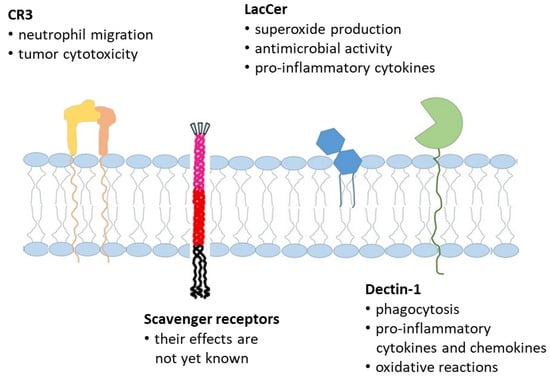
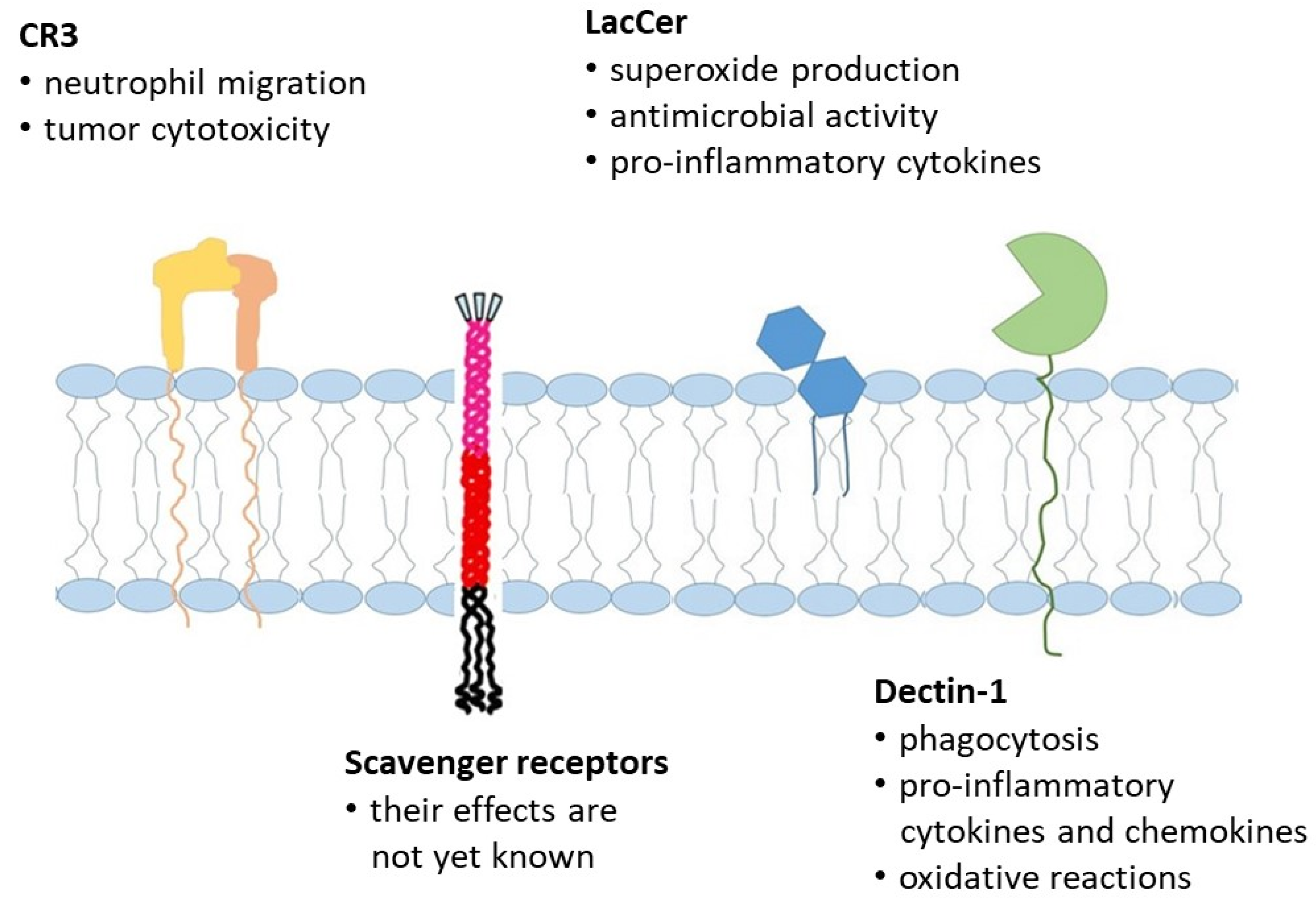
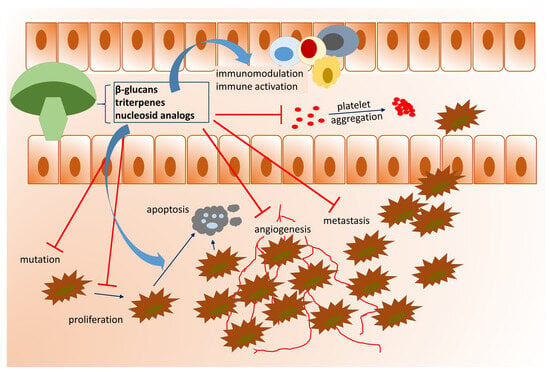
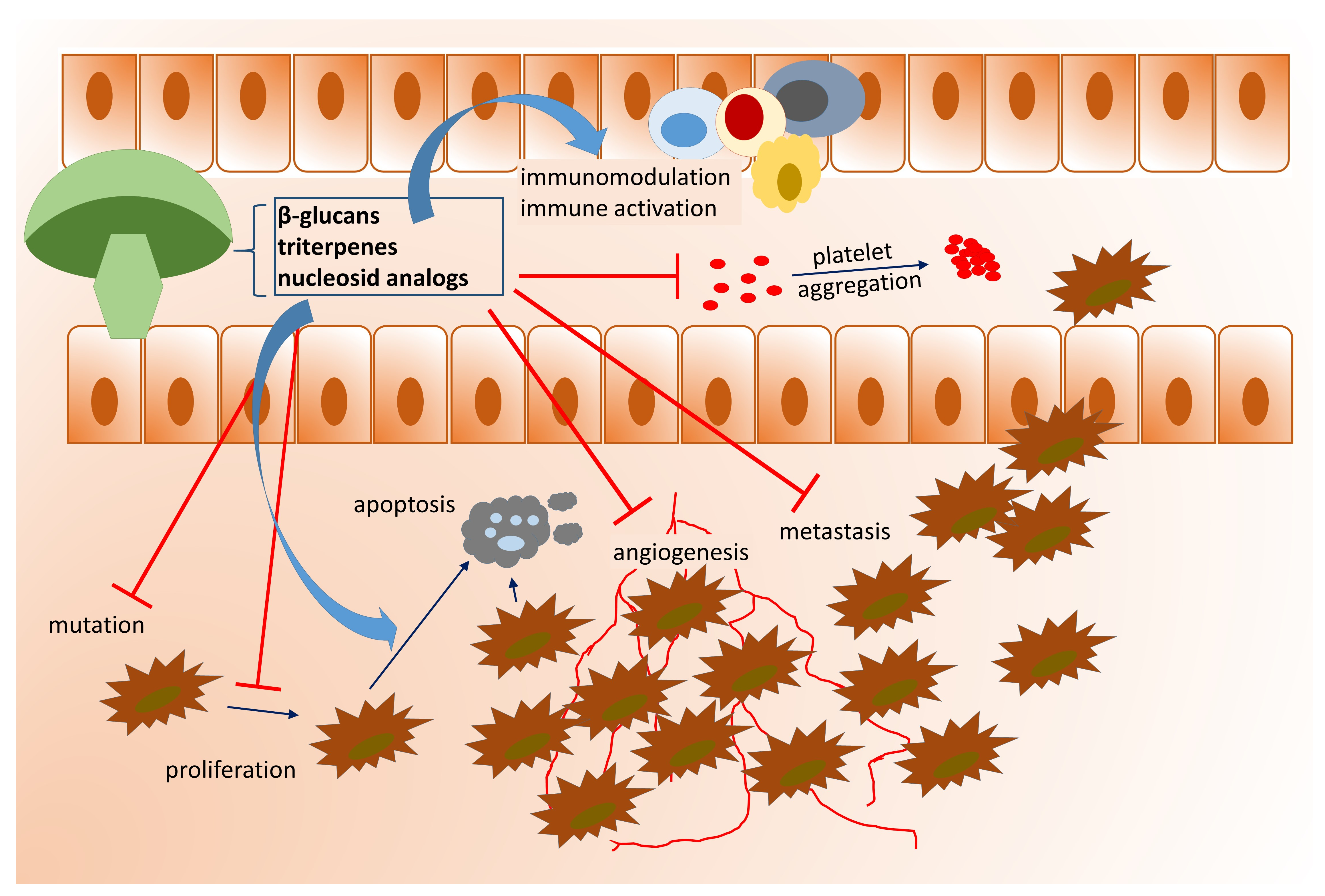
Disclaimer/Publisher’s Note: The statements, opinions and data contained in all publications are solely those of the individual author(s) and contributor(s) and not of MDPI and/or the editor(s). MDPI and/or the editor(s) disclaim responsibility for any injury to people or property resulting from any ideas, methods, instructions or products referred to in the content. |
© 2026 by the authors. Licensee MDPI, Basel, Switzerland. This article is an open access article distributed under the terms and conditions of the Creative Commons Attribution (CC BY) license.