Article

In Vitro Toxicokinetics and Phase I Biotransformation of the Mycotoxin Penitrem A in Dogs


1
Toxinology Research Group, Norwegian Veterinary Institute, Ullevålsveien 68, 0454 Oslo, Norway
2
Department of Bioanalysis, Faculty of Pharmaceutical Sciences, Ghent University, Ottergemsesteenweg 460, 9000 Gent, Belgium
*
Author to whom correspondence should be addressed.
Toxins 2020, 12(5), 293; https://doi.org/10.3390/toxins12050293

Submission received: 25 February 2020 / Revised: 22 April 2020 / Accepted: 29 April 2020 / Published: 4 May 2020
(This article belongs to the Section Mycotoxins)

Abstract

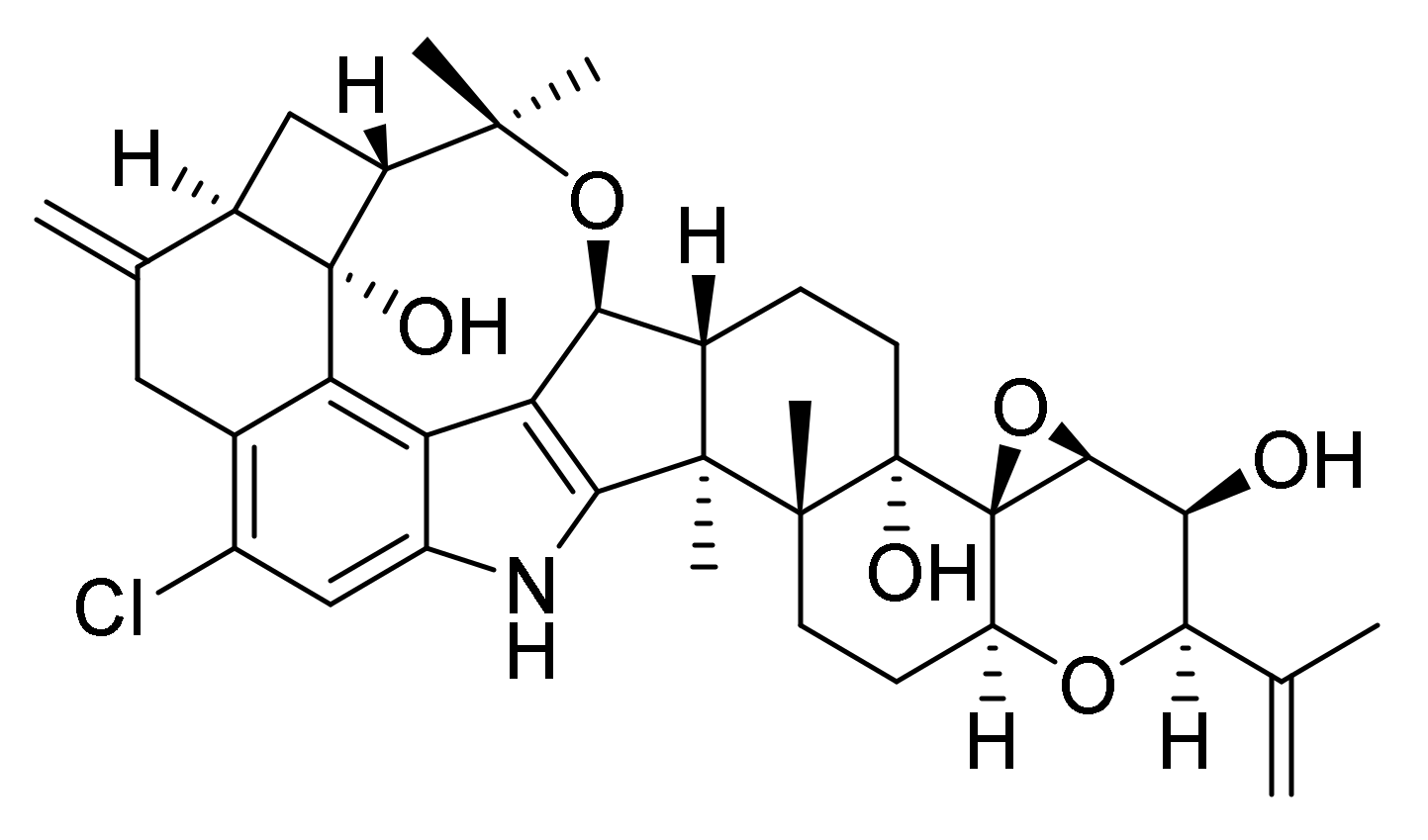
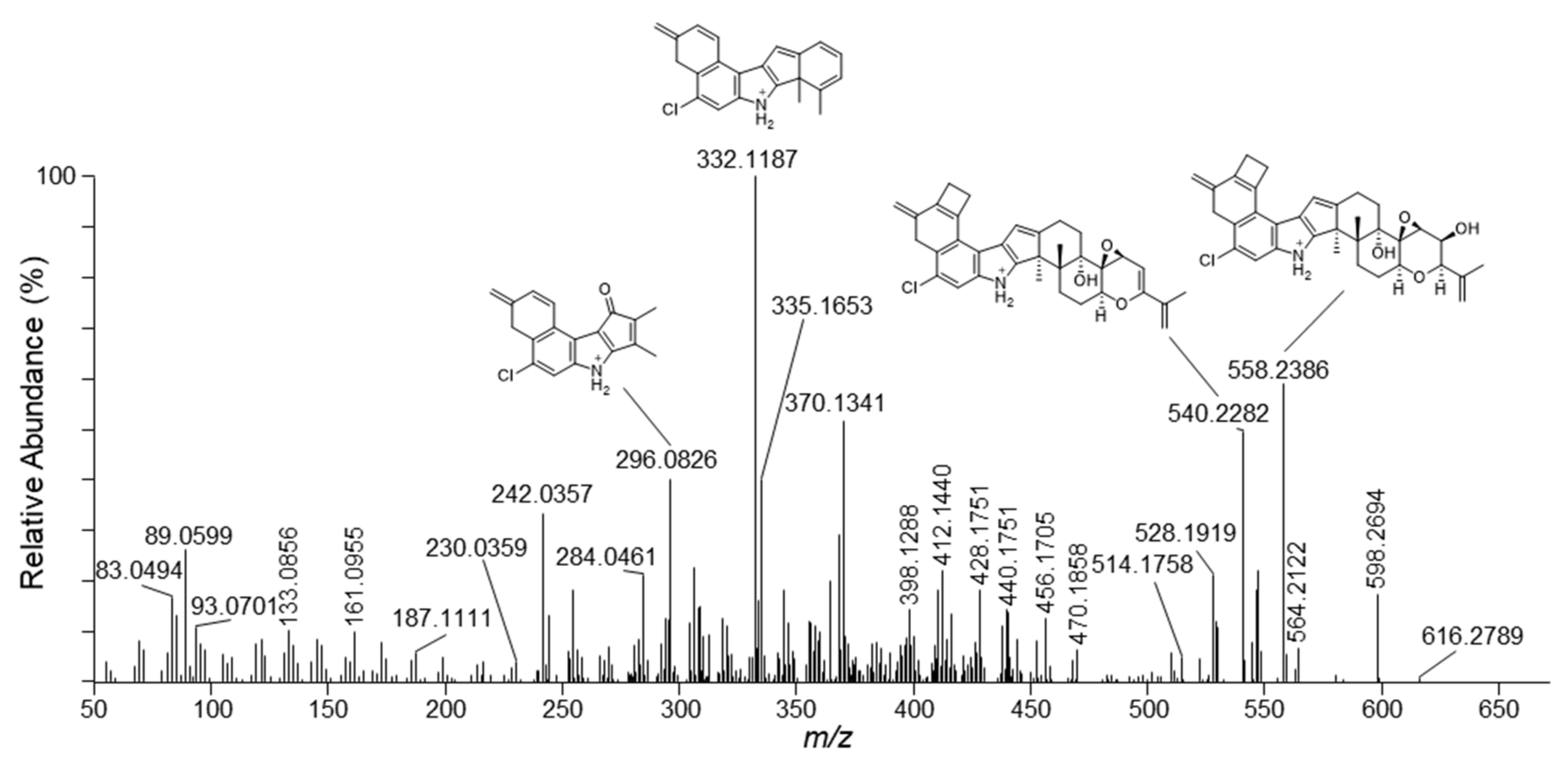
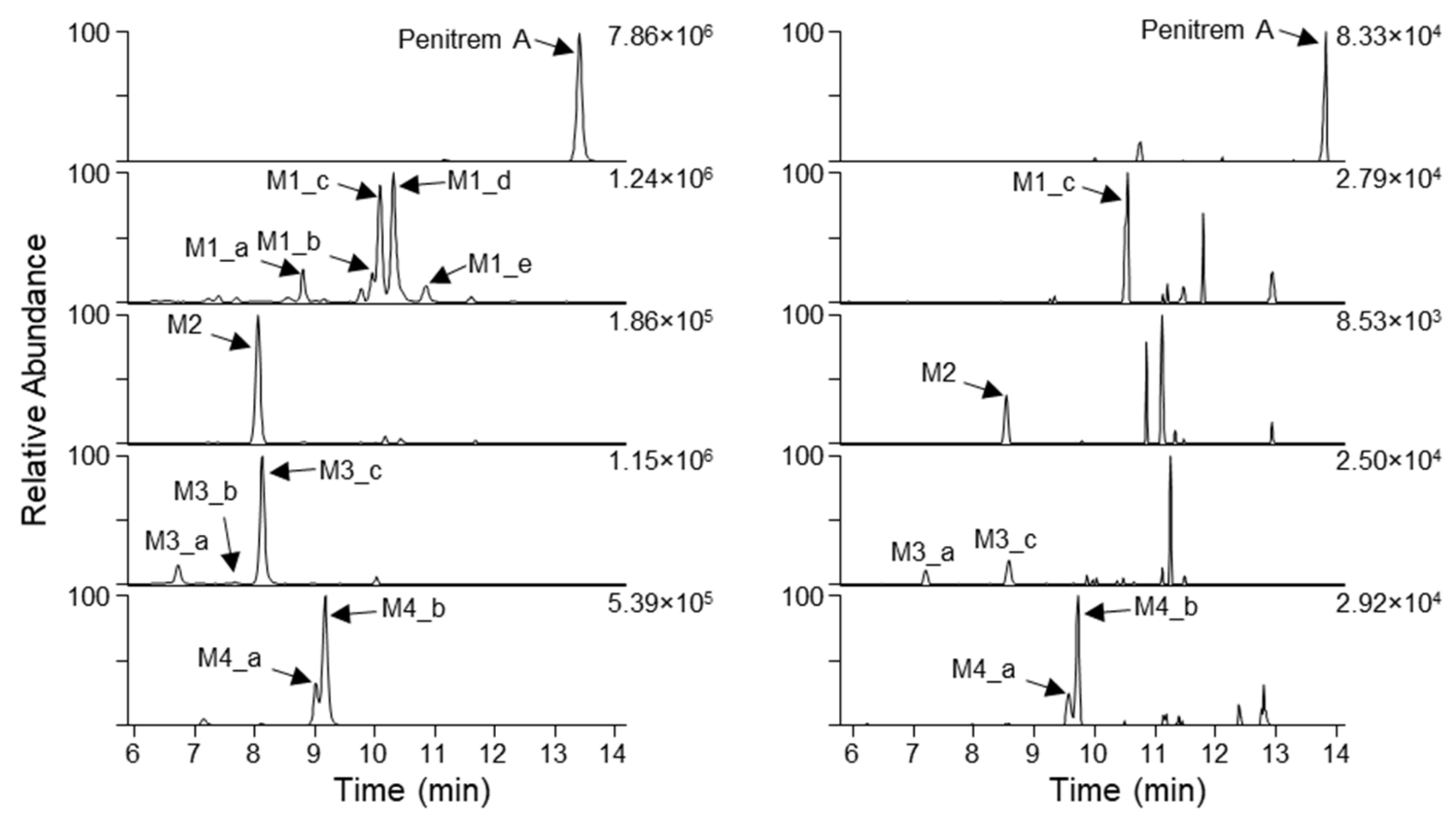
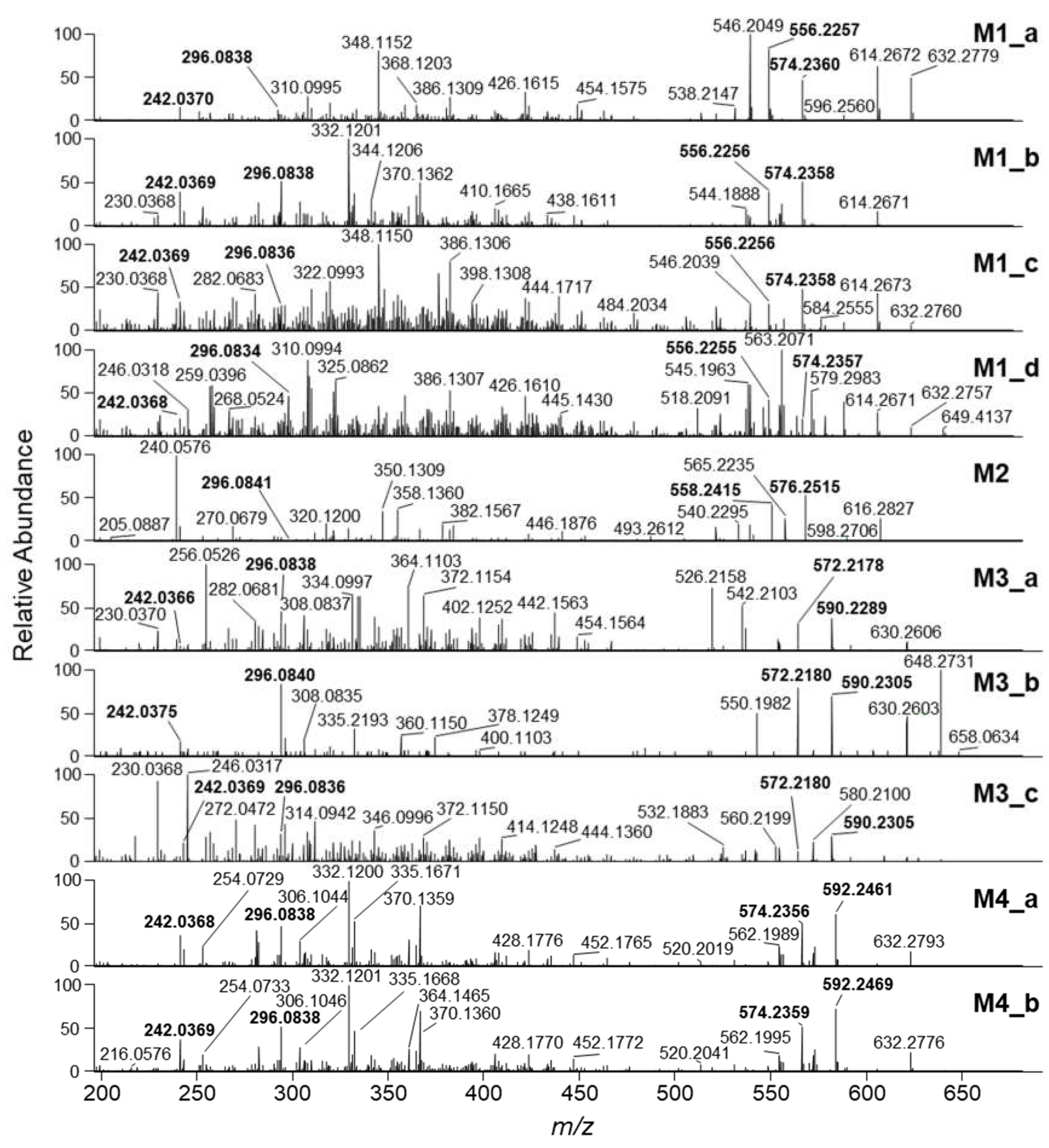
The tremorgenic mycotoxin penitrem A is produced by Penicillium species as a secondary metabolite on moldy food and feed. Dogs are sometimes exposed to penitrem A by consumption of spoiled food waste or fallen fruit. The lipophilic toxin crosses the blood-brain barrier and targets neuroreceptors and neurotransmitter release mechanisms in the central and peripheral nervous systems. Typical symptoms of penitrem A intoxication are periodical or continuous tremors, which can be passing, persistent or lethal, depending on the absorbed dose. There is presently no information on the biotransformation and toxicokinetics of penitrem A in dogs. The aim of the present study was therefore to identify potential metabolites of the toxin by performing in vitro biotransformation assays in dog liver microsomes. Analyses by liquid chromatography coupled to high-resolution mass spectrometry led to the provisional identification of eleven penitrem A phase I metabolites, which were tentatively characterized as various oxidation products. Furthermore, elimination parameters determined in in vitro assays run under linear kinetics were used for in vitro-to-in vivo extrapolation of the toxicokinetic data, predicting a maximal bioavailability of more than 50%. The metabolite profile detected in the in vitro assays was similar to that observed in the plasma of an intoxicated dog, confirming the predictive capability of the in vitro approach.
Keywords: dogs; in vitro; liver microsomes; metabolite identification; penitrem A; poisoning; toxicokinetics dogs; in vitro; liver microsomes; metabolite identification; penitrem A; poisoning; toxicokinetics