


Abstract
Background/Objectives: Dietary antioxidants are frequently utilized by breast cancer (BC) patients to mitigate treatment-related toxicities and enhance quality of life. However, their clinical efficacy remains highly controversial due to conflicting epidemiological and clinical data. This review aims to critically evaluate the molecular mechanisms, clinical outcomes, and translational challenges of antioxidant supplementation in BC management. Methods: A comprehensive evaluation of current literature—encompassing observational cohorts, randomized controlled trials, and mechanistic in vitro/in vivo models—was conducted. The analysis focused on the pharmacological interactions of diverse bioactive compounds (polyphenols, vitamins, carotenoids) with BC progression and standard antineoplastic regimens. Results: Current evidence demonstrates a paradoxical, double-edged role of antioxidants in oncology. While specific interventions (e.g., Coenzyme Q10, melatonin) effectively ameliorate treatment-induced toxicities without compromising therapeutic efficacy, the concurrent administration of antioxidants during cytotoxic chemotherapy can inadvertently neutralize essential reactive oxygen species (ROS), correlating with increased disease recurrence and mortality. Furthermore, clinical translation is severely hindered by the intrinsic hydrophobicity of natural compounds, the lack of whole-food matrix standardization, and dose-dependent hepatotoxicity. Emerging targeted delivery systems, such as lipid nanoformulations, show significant potential in overcoming these pharmacokinetic barriers. Conclusions: The therapeutic viability of antioxidant supplementation in BC is not universal; it is heavily dictated by intrinsic tumor biology, specific treatment modalities, and chronopharmacology. These findings underscore a critical biological imperative to transition from generalized dietary guidelines toward a rigorous paradigm of precision nutritional oncology, strictly avoiding concurrent antioxidant supplementation during active oxidative therapies.
1. Introduction
Currently, cancer represents one of the most significant public health challenges worldwide. It remains a leading cause of mortality, and its incidence is projected to rise due to population aging and the adoption of western lifestyles characterized by sedentary behavior, tobacco consumption, and poor dietary habits. Consequently, there has been growing interest in scientific research examining the relationship between dietary factors and cancer prevention [1,2]. In this context, an important approach is to analyze the role of antioxidants, particularly those derived from foods and dietary supplements, to establish effective strategies for the treatment and prevention of various types of cancer [1,3,4,5].
The World Health Organization (WHO) and the United Nations recognize breast cancer (BC) as the most prevalent malignancy worldwide. It accounts for approximately 2.3 million newly diagnosed cases annually, representing 11.6% of all cancer incidence [6,7,8]. Notably, BC is recognized as the second-leading cause of brain metastases, with the cerebellum alone accounting for 33% of such secondary occurrences [9]. Current literature suggests that the rising epidemiological burden of BC is heavily driven by modifiable risk factors. These include behavioral variables such as alcohol consumption, highly processed diets, physical inactivity, and obesity, as well as pharmacological factors like hormone replacement therapy and oral contraceptives. Therefore, in contrast to malignancies primarily driven by inherited genetic mutations, the increasing incidence of BC is strongly associated with these environmental and lifestyle factors [1,4,10,11,12,13].
Based on molecular and histological profiles, BC is broadly classified into three main subtypes: (i) hormone receptor-positive (HR+), which expresses estrogen (ER+) and/or progesterone (PR+) receptors; (ii) human epidermal growth factor receptor 2-positive (HER2+); and (iii) triple-negative breast cancer (TNBC), characterized by the lack of ER, PR, and HER2 expression (ER−/PR−/HER2−) [14,15]. Furthermore, TNBC is recognized as a highly heterogeneous disease that can be further subclassified into six distinct molecular subtypes: (a) basal-like 1 (BL1), (b) basal-like 2 (BL2), (c) immunomodulatory (IM), (d) mesenchymal (M), (e) mesenchymal stem-like (MSL), and (f) luminal androgen receptor (LAR) [15]. This profound heterogeneity significantly complicates clinical management and treatment protocols. Consequently, therapeutic strategies must be specifically tailored to the unique molecular and histological profile of the patient’s tumor [8,12].
The primary therapeutic modality for BC is surgical resection, frequently complemented by adjuvant chemotherapy and/or radiotherapy. For early-stage BC, clinical decision-making is largely guided by hormone receptor (ER/PR) and HER2 status, alongside tumor size and lymph node involvement. Conversely, in advanced or metastatic disease, the standard of care shifts to systemic approaches, encompassing chemotherapy, endocrine therapy, and targeted immunotherapy [4,12]. Chemotherapeutic treatments include various antimetabolites (agents that interact with DNA), hormones, and antitubulin agents [12,16,17]. The clinical efficacy of chemotherapy is severely compromised by the development of chemoresistance—an intrinsic or acquired ability of cancer cells to evade therapeutic agents—which frequently leads to clinical relapse. Additionally, the non-specific nature of these drugs results in off-target cytotoxicity to healthy tissues, ultimately impairing the patient’s overall quality of life [16,18].
Recently, researchers have investigated the use of nutritional supplements and antioxidants as adjunctive strategies in BC treatment. These interventions aim to optimize therapeutic efficacy, alleviate therapy-induced toxicities, and ultimately improve long-term overall survival [1,2,3,5,19,20,21]. Nevertheless, it is crucial to note that the current clinical application of these products relies predominantly on empirical evidence. For instance, preliminary data suggest that these compounds may mitigate treatment-induced adverse effects, including fatigue, nausea, mucositis, and anemia [18]. On the other hand, the importance of these biological sources is highlighted by the fact that 83% of chemotherapeutic agents approved by the Food and Drug Administration (FDA) are derived from natural products [10]. In this regard, medicinal mushrooms have emerged as a promising resource in integrative oncology, acting as biological response modifiers capable of enhancing immune function and potentially reducing chemo-induced myelosuppression [22]. Consequently, while existing literature supports the potential benefits of these supplements, robust, large-scale clinical trials are strictly required to definitively validate their efficacy and safety profiles in oncology patients.
Therefore, the main purpose of this systematic review is to evaluate the current clinical evidence regarding the impact of nutritional supplements on BC treatment outcomes. Additionally, this study aims to elucidate the underlying molecular mechanisms through which these compounds modulate breast tumor biology.
2. Method
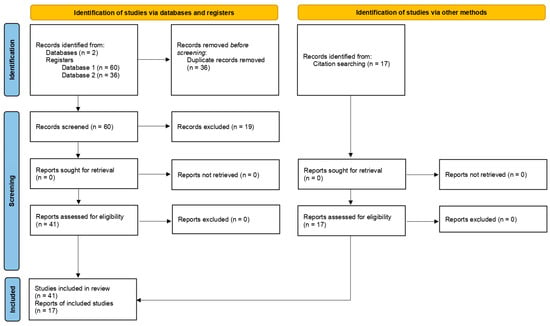
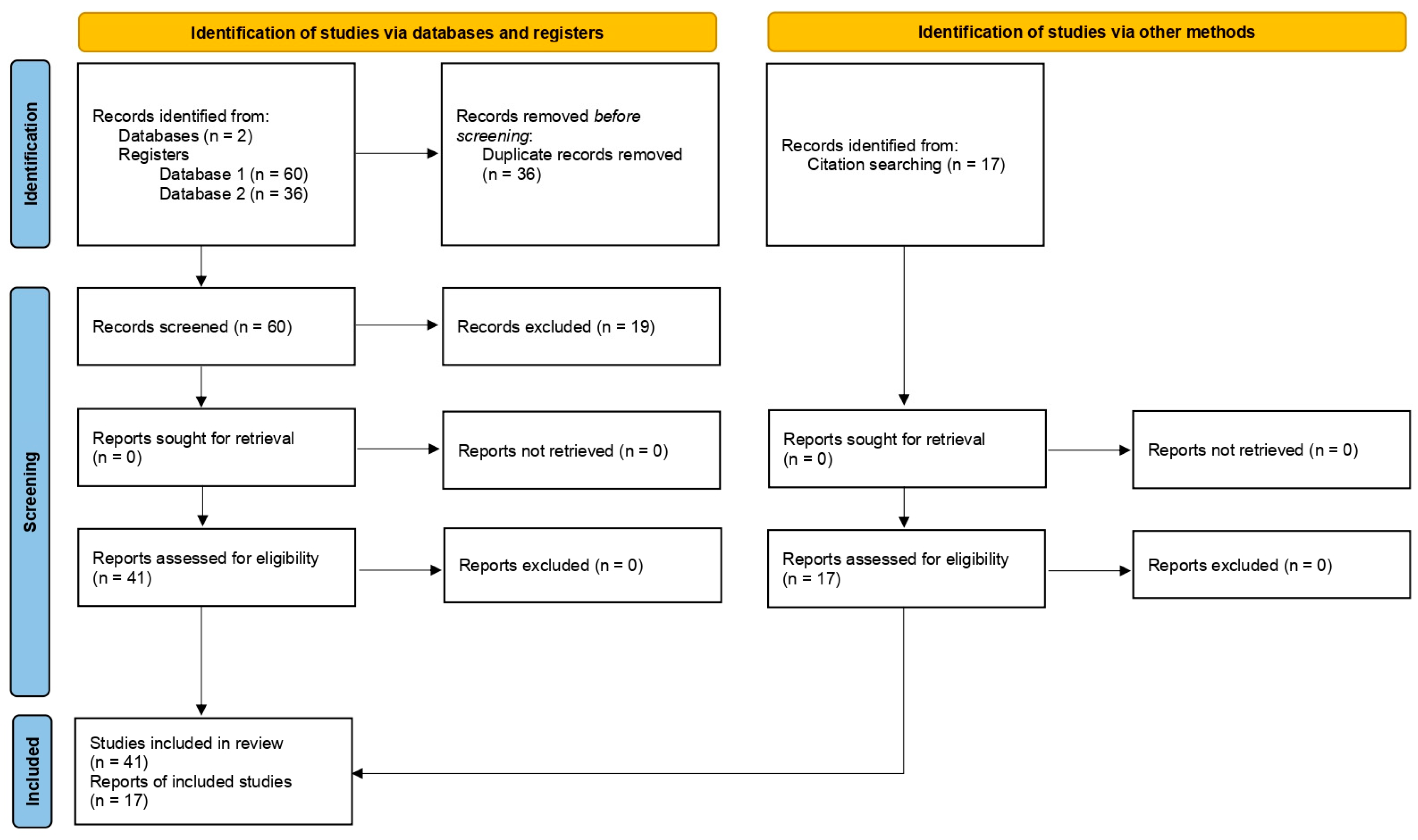
Following the PRISMA protocol, an advanced search was conducted in PubMed and Cochrane Library using the following MeSH terms: (‘Breast Neoplasms’[Mesh] AND ‘Antioxidants’[Mesh]). The search was restricted to studies published between 2015 and 2026, identifying a total of 96 articles. In the initial review, 7 researchers identified 36 duplicate articles across both platforms and removed them. To ensure the quality of the evidence, the researchers performed a three-step screening process. First, the Newcastle-Ottawa Scale (NewCastle/Ottawa, NSW/ON, Australia/Canada) was applied; however, due to the nature of this instrument, it could not be applied to all identified articles. To complement the first tool, the AMSTAR 2 (Ottawa, ON, Canada) tool was additionally employed, as it also evaluates the methodological quality of review articles. Finally, for those results where neither scale was applicable, a qualitative review of methodological characteristics was conducted to ensure the inclusion of only high-quality studies. Subsequently, a content review was performed to verify alignment with the research question; through this process, 19 articles were excluded for not being directly related to the study objective.
The initial sample consisted of 41 articles that met the pre-established content review standards (Figure 1). Subsequently, a manual search (backward citation tracking) of the reference lists of these 41 articles was conducted to identify additional relevant studies not captured in the original database search. From this secondary review, 10 additional articles were included in the final selection.
Figure 1.
Flow diagram representing the study selection and categorization process for the search results of Breast Neoplasms and Antioxidants [23]. This work is licensed under CC BY 4.0. To view a copy of this license, visit https://creativecommons.org/licenses/by/4.0/.
To facilitate the analysis of this work, we chose to divide the findings from the 58 final articles into two major sections: the first addresses the molecular mechanisms of all antioxidant molecules recorded during the literature review; the second section summarizes the clinical findings reported for the antioxidant nutrients utilized across the various research articles.
3. Anticancer Mechanisms of Action of Nutritional Supplements and the Oxidative Stress Dilemma
BC progression and therapeutic response are intrinsically linked to the cellular redox state. Conventional oncological treatments primarily rely on cytotoxicity mediated by the excessive generation of reactive oxygen species (ROS) to eliminate neoplastic cells. In parallel, emerging therapeutic strategies increasingly incorporate nutritional supplements aimed at protecting healthy cells from the damage induced by antitumor agents, thereby reducing adverse effects in BC patients. However, this dual role of supplements creates a complex therapeutic scenario, as conventional treatments, particularly radiotherapy and certain chemotherapeutic agents, such as anthracyclines and alkylating agents, depend on the induction of lethal oxidative damage to tumor DNA and lipid membranes [19,24,25]. Whereas compounds such as Coenzyme Q10 (CoQ10), vitamins C and E, curcumin, quercetin, and sulforaphane possess an intrinsic capacity to neutralize these ROS [26,27]. In this way, nutritional supplements exert anticancer effects through a complex network of molecular mechanisms that interfere with all stages of carcinogenesis, from initiation to metastasis [25,27].
To evaluate the potential role of nutritional supplements in the oncological context, it is essential to understand the diverse biological mechanisms through which they may influence cancer cells. These mechanisms range from the direct neutralization of oxidative stress to the modulation of the tumor microenvironment and key cellular signaling pathways that regulate proliferation, programmed cell death, and tumor-associated inflammatory responses. The main mechanisms identified are described below (Table 1).
Table 1.
Antioxidant compounds and their dietary sources and activities.
The primary mechanisms to consider involve antioxidant vitamin supplements (AVS), including vitamins C, D, and E, as well as carotenoids (e.g., lycopene) and polyphenols, which directly scavenge ROS to protect genomic DNA from oxidative mutations [25]. Furthermore, compounds such as quercetin activate nuclear factor erythroid 2-related factor 2 (Nrf2), a master transcriptional regulator that upregulates endogenous antioxidant enzymes, including superoxide dismutase (SOD) and catalase [1,8,19]. Conversely, in high doses, vitamin C can exhibit pro-oxidant activity by generating hydrogen peroxide. This accumulation overwhelms the limited antioxidant defenses of cancer cells, thereby inducing selective cytotoxicity without compromising healthy tissues [19,25].
Evasion of programmed cell death is a fundamental hallmark of cancer; however, targeted nutritional interventions can counteract this by reactivating apoptotic pathways [12,19,24]. For instance, supplements such as melatonin, resveratrol, and epigallocatechin gallate (EGCG) disrupt the balance between pro-apoptotic (Bax, Bak) and anti-apoptotic (Bcl-2) proteins. This modulation induces mitochondrial cytochrome c release, which subsequently activates the caspase cascade and promotes apoptotic cell death [12,30,31]. Furthermore, compounds such as vitamin E and melatonin have been reported to upregulate death receptor expression (e.g., Fas/FasL and TNF-related apoptosis-inducing ligand (TRAIL), thereby increasing tumor cell sensitivity to extrinsic apoptotic signaling pathways [4,25,45]. Similarly, selenium promotes apoptosis through the targeted generation of superoxide radicals followed by mitochondrial membrane potential loss [3].
Another critical mechanism exerted by nutritional supplements is their capacity to arrest uncontrolled cancer cell proliferation by targeting key cell cycle checkpoints [4,19]. For instance, phytochemicals such as genistein, kaempferol, and quercetin effectively downregulate the expression of cyclins (e.g., cyclins D1 and E) while simultaneously upregulating cyclin-dependent kinase (CDK) inhibitors, including p21, p27, and the tumor suppressor p53 [4,12]. Many supplements, such as resveratrol, quercetin, curcumin, and melatonin, block the PI3K/Akt/mTOR pathway, which is essential for growth and drug resistance [4,12,28,31].
In advanced disease stages, targeting angiogenesis and metastatic dissemination becomes a priority therapeutic objective [24,30]. Bioactive compounds such as melatonin, EGCG, and myricetin potently downregulate the expression of vascular endothelial growth factor (VEGF) and hypoxia-inducible factor 1-alpha (HIF-1α), thereby restricting tumor neovascularization and depriving the tumor of essential nutrients [12,19,24]. Additionally, polyphenols inhibit matrix metalloproteinases (specifically MMP-2 and MMP-9) enzymes responsible for extracellular matrix degradation, a prerequisite for tumor cell invasion and migration [28,30,34]. Furthermore, these supplements effectively suppress the epithelial–mesenchymal transition, a critical fundamental process driving the metastatic cascade [3,10,29].
Bioactive compounds such as sulforaphane and EGCG act as potent epigenetic modulators by inhibiting DNA methyltransferases (DNMTs) and histone deacetylases (HDACs), thereby reactivating transcriptionally silenced tumor suppressor genes [5,13,28,34]. Concurrently, polyphenols bolster the antitumor immune response by promoting the activation of cytotoxic T lymphocytes and Natural Killer (NK) cells. Furthermore, they attenuate the infiltration of immunosuppressive cells and facilitate the repolarization of tumor-associated macrophages (TAMs) toward an antitumoral phenotype [28].
In hormone receptor-positive malignancies, phytoestrogens such as the isoflavone genistein competitively bind to estrogen receptors, effectively dampening hormone-driven proliferative signaling [28,29]. Additionally, supplements like resveratrol and hesperidin disrupt tumor bioenergetics by inhibiting aromatase activity and impeding glucose uptake, thereby compromising the altered energy metabolism characteristic of cancer cells [12,41].
Ultimately, bacterial dysbiosis within both the gut and local breast tissue microbiomes represents a critical driver in breast cancer pathogenesis, orchestrated through a complex network of hormonal, metabolic, and immunological mechanisms [1]. Systemically, alterations in the estrobolome—the specific subset of gut microbiota responsible for estrogen metabolism and regulation—lead to elevated circulating estrogen levels, presenting a pronounced risk factor during menopause [46]. Locally, the depletion of commensal breast microbiota, particularly within the Lactobacillaceae family (e.g., L. vini and L. paracasei), fosters a pro-tumorigenic microenvironment [47]. This vulnerability is further exacerbated by the compromised biotransformation of dietary polyphenols (e.g., EGCG) into bioactive, antineoplastic metabolites—a highly specialized metabolic conversion strictly dependent on enzymatic activity from specific genera such as Bifidobacterium or Clostridium [37]. Consequently, dysbiosis significantly impairs local and systemic immune surveillance [1]. Reversing this microbial imbalance via targeted probiotic interventions, such as Lactobacillus acidophilus supplementation, holds substantial therapeutic promise for enhancing antitumor immune responses and promoting apoptosis in malignant cell [1,48]. This phenomenon is related to the gut microbiome’s ability to metabolize estrogens and the loss of immunological homeostasis; in this context, the use of probiotics (such as some Lactobacillus species and kefir) emerges as a promising therapeutic strategy due to their systemic immunomodulatory effects [1,21]. Mechanistically, these beneficial microbes confer active protection by stimulating effector populations, namely cytotoxic T lymphocytes and NK cells. Furthermore, they actively reshape the tumor microenvironment by driving the repolarization of tumor-associated macrophages from a pro-oncogenic M2 state toward a tumoricidal M1 phenotype [1,21,28].
4. Clinical Evidence for Dietary Interventions and Nutritional Supplementation in Breast Cancer Management
Nutritional management in breast cancer (BC) has definitively transcended the traditional palliative care paradigm, evolving into an advanced framework of nutritional pharmacodynamics. Current clinical evidence underscores that the therapeutic efficacy of bioactive compounds is not a static phenomenon; rather, it is critically governed by the precise intervention window or chronobiology relative to the administration of cytotoxic and biologic treatment protocols [1,27]. Under this premise, dietary supplementation must be conceptualized as an active modulator of the tumor microenvironment, capable of fundamentally altering the architecture of therapeutic response. While the elucidated biological mechanisms of various dietary supplements strongly suggest potential antitumor efficacy [12,24], the true clinical relevance of these bioactive compounds is ultimately contingent upon robust evidence derived from human studies, specifically prospective cohorts, randomized controlled trials, and meta-analyses. In recent years, numerous systematic reviews have investigated the association between nutritional supplementation and key clinical endpoints in BC patients, encompassing overall survival, disease-free survival, recurrence rates, and quality of life [4,26,27,32]. Current consensus from these comprehensive evaluations indicates a critical dichotomy: although specific micronutrients and phytochemicals may confer measurable benefits regarding life quality, mitigation of systemic inflammation, and reduction in therapy-induced toxicity, definitive evidence supporting their direct impact on long-term survival or tumor recurrence remains largely inconsistent. To address this paradigm, the following section provides a critical analysis of the clinical findings identified in our systematic review regarding the efficacy of nutritional supplements as an adjunct to standard BC treatment.
Regarding supplements exhibiting potent antioxidant properties, such as the AVS, clinical investigations have frequently evaluated multivitamin formulations. The pooled analysis indicated that AVS supplementation did not significantly compromise overall survival (HR = 0.92; 95% CI: 0.82–1.03). This is particularly critical when considering the redox antagonism observed during active cytotoxic therapy. In this context, landmark data derived from the SWOG S0221 cooperative group trial have established that concurrent antioxidant use—specifically Vitamins A, C, E, carotenoids, and Coenzyme Q10—during anthracycline- and taxane-based regimens significantly elevates the hazard of disease recurrence by 41% (HR = 1.41; 95% CI: 0.98–2.04) and overall mortality by 40% (HR = 1.40; 95% CI: 0.90–2.18) [49]. However, the authors highlighted an intriguing temporal heterogeneity within the data: whereas earlier studies suggested a potential survival benefit, more recent trials reported poorer prognostic outcomes among AVS users. A plausible explanation for this discrepancy involves unmeasured confounding variables in contemporary cohorts; specifically, patients opting for supplementation might exhibit suboptimal adherence to standard-of-care oncological therapies, ultimately leading to compromised survival outcomes [27].
On the other hand, the analysis of individual vitamins reveals a heterogeneous landscape, with effects varying considerably from one compound to another, both in terms of overall survival and disease recurrence. In the case of vitamin C, a meta-analysis of cohort studies that evaluated vitamin C intake after diagnosis found that its consumption was significantly associated with better overall survival (HR = 0.84, 95% CI: 0.76–0.93). However, most of the evidence comes from observational studies, so direct causality remains difficult to establish. On the other hand, the use of vitamin D has been widely investigated due to its role in regulating cell proliferation, differentiation, and apoptosis in breast tissues. Several observational studies have found that higher serum levels of vitamin D are associated with a significant reduction in mortality, estimated at approximately 42% in certain meta-analyses. However, randomized controlled clinical trials have not consistently demonstrated a protective effect of vitamin D on cancer prevention or prognosis, suggesting that elevated vitamin D levels may partially reflect better overall health status or healthier lifestyle factors rather than a direct causal relationship [1,32]. The integration of prognostic biomarkers allows for a rigorous personalization of nutritional interventions, where Vitamin D positions itself as a critical determinant; 25-hydroxyvitamin D levels ≥ 30 ng/mL after diagnosis are associated with a 42% reduction in specific mortality (HR = 0.58) [3]. Furthermore, antioxidant compounds may interfere with the ROS-mediated cytotoxic mechanisms by which chemotherapy eliminates tumor cells, potentially reducing treatment efficacy and even increasing toxicity (p < 0.01; p < 0.05). In contrast, in the post-diagnostic setting, interventions such as vitamin C supplementation have shown a markedly different effect, being consistently associated with reduced overall toxicity and improved survival outcomes (p < 0.01) [49].
The evidence regarding vitamin E is less conclusive. The available meta-analyses have not identified a significant association between vitamin E supplementation and overall survival in BC patients (HR = 0.94, 95% CI: 0.79–1.13). Nevertheless, some studies and reviews have suggested that certain forms of vitamin E, particularly tocotrienols and specific tocopherols, could exert relevant biological effects on tumor progression, including inhibition of cell proliferation, modulation of signaling pathways, and antiinflammatory effects. Despite these promising findings, the clinical evidence is not yet sufficient to establish clear therapeutic recommendations [10,27].
Overall, the available evidence suggests that the impact of antioxidant vitamins on BC survival is highly heterogeneous and appears to depend on the specific compound, the clinical context, and the timing of supplementation. While certain micronutrients, such as vitamin C, have shown favorable associations in observational cohort studies, others, including vitamin E, have demonstrated neutral effects on survival outcomes. Furthermore, the clinical utility of vitamin D remains highly debated due to persistent discrepancies between observational data and randomized controlled trials [1,27,32,49]. Therefore, well-designed prospective randomized controlled trials are needed to definitively clarify the prognostic role of vitamin supplementation in BC.
Transitioning to phytochemicals, the clinical impact of carotenoids on BC is multifaceted and appears highly contingent upon the intrinsic tumor subtype and HR status. These findings underscore the critical importance of considering tumor biological heterogeneity when evaluating the efficacy of micronutrients. Epidemiological evidence indicates that carotenoid lipophilic antioxidants abundant in fruits and vegetables may influence mammary carcinogenesis through the attenuation of oxidative stress, the modulation of intracellular signaling pathways, and the induction of apoptosis [24,28].
A comprehensive re-evaluation of a pooled analysis comprising 18 prospective cohort studies assessing circulating carotenoid concentrations revealed subtype-specific heterogeneity. Notably, all five primary carotenoids evaluated—α-carotene, β-carotene, lycopene, lutein, and zeaxanthin—consistently demonstrated protective associations against ER− breast malignancies. Specifically, elevated serum lycopene levels correlated with a significant reduction in overall BC risk (RR = 0.86). This risk attenuation is likely mediated by lycopene’s potent antioxidant capacity, coupled with its ability to downregulate proinflammatory and proliferative pathways [32,50]. Moving beyond the scope of direct cytotoxicity, emerging evidence underscores the critical role of the gut-breast axis and the modulation of the estrobolome via high-density dietary fiber interventions (≥25 g/day). This nutritional strategy is significantly associated with a reduction in circulating estrogen fractions, a fundamental determinant in the prognostic trajectory of estrogen receptor-positive (Luminal A and B) phenotypes [17,40,51]. Upon transitioning to the post-adjuvant survivorship phase, the role of micronutrients is redefined toward the restoration of systemic homeostasis and the mitigation of residual toxicity. The LACE cohort (n = 2264) demonstrated that high carotenoid intake, initiated strictly after the cessation of primary therapy, reduces the risk of recurrence by 33% (HR = 0.67; 95% CI: 0.50–0.91) [52], while the MARIE study suggests that this post-diagnosis supplementation improves overall survival by mitigating non-oncological mortality (HR = 0.73). This benefit is predominantly attributed to the protection of healthy parenchyma against the persistent adverse sequelae of conventional therapeutics.
However, some results indicate a possible differential effect depending on the tumor’s hormonal profile. β-carotene has been associated with a slight increase in the risk of hormone receptor-positive BC, including ER+ and ER+/PR+ tumors, with approximate effect sizes of 1037 and 1034, respectively. This finding suggests that the biological effects may be influenced by the hormonal context of the tumor. A proposed hypothesis is that, in ER+ tumors, β-carotene could interact with estrogen-dependent signaling pathways or influence cellular redox balance, favoring a tumor microenvironment that promotes cell proliferation. In contrast, in ER-tumors, where hormonal pathways do not play a dominant role, the antioxidant and antiproliferative properties of carotenoids could predominate, contributing to a protective effect [24,28].
These findings show that the effects of carotenoids are not uniform and can vary depending on the molecular subtype of BC, circulating concentrations of the compounds, and interactions with specific metabolic and hormonal pathways. Consequently, the available evidence supports the need for a more personalized and subtype-stratified approach when evaluating the role of carotenoids in BC prevention and prognosis.
Beyond vitamins and carotenoids, other dietary compounds and bioactive supplements have also been associated with the risk of recurrence, tumor progression, and BC development. These compounds include polyphenols, probiotics, specific micronutrients, and plant-derived metabolites that can act through antioxidant, antiinflammatory, immunomodulatory, or epigenetic mechanisms.
For example, green tea is one of the most studied dietary sources of polyphenols, particularly catechins like EGCG. Epidemiological studies and systematic reviews have suggested that its consumption can be associated with a reduced risk of BC recurrence, with a pooled relative risk estimate of 0.73. Proposed mechanisms include the inhibition of cell proliferation, induction of apoptosis, and modulation of signaling pathways related to tumor growth and angiogenesis [28,34].
Furthermore, the gut microbiome exerts a profound regulatory influence on the therapeutic efficacy of anti-PD-L1 immune checkpoint inhibitors, particularly in the context of TNBC. In this aggressive subtype, polyphenol-driven enhancement of microbial diversity optimizes the recruitment of tumor-infiltrating lymphocytes, thereby significantly improving pathological complete response rates [16,36,53]. Furthermore, marine-derived omega-3 polyunsaturated fatty acids (PUFAs) predominantly sourced from fatty fish have been extensively linked to potent anti-inflammatory and signal-modulating properties. Current observational data indicate that elevated dietary intake of these PUFAs is associated with a clinically significant 30% reduction in overall BC risk (RR ≈ 0.70). Omega-3 fatty acids show potential in the sensitization of HER2+ tumors and in the reduction in systemic inflammation measured by high-sensitivity CRP. Mechanistically, it is hypothesized that these long-chain lipids actively alter cellular membrane architecture (e.g., lipid raft microdomains), modulate intracellular signal transduction, and shift eicosanoid metabolism toward pro-resolving inflammatory mediators, collectively fostering a robust antitumoral environment [32,42].
In parallel with lipid-based interventions, experimental evidence has highlighted the therapeutic potential of fermented matrices, such as kefir extracts (p < 0.05). These microbial consortia have been shown to effectively inhibit the proliferation of estrogen-dependent malignant cells, likely through the synergistic action of fermentation-derived metabolites, bioactive exopolysaccharides, and milk-derived functional peptides. Moreover, comprehensive recent reviews underscore their capacity to reshape the gut microbiome ecosystem, prime the host’s systemic immune response, and dampen chronic inflammation, crucial indirect pathways that confer protection against tumor initiation and subsequent progression [1,21].
Moreover, a wide array of plant-derived phenolic compounds remains under intense investigation for their chemopreventive and therapeutic utility in breast oncology. Prominent molecules within this class—including the stilbene resveratrol and flavanols such as quercetin exhibit profound pleiotropic antineoplastic effects in experimental models, characterized by the robust induction of apoptosis, suppression of cellular proliferation, and attenuation of inflammatory cascades. Importantly, current systematic reviews posit that these phytochemicals function as pivotal epigenetic and immunological regulators, directly modulating the transcriptional landscape governing mammary carcinogenesis [4,28,30,31].
Furthermore, selenium has shown potential in modulating oxidative stress and regulating antioxidant enzymes involved in cellular defense, particularly in aggressive subtypes like TNBC. Finally, the maintenance of optimal selenium levels acts as a modulator in patients with TNBC, where its deficiency is closely linked to phenotypes of greater biological aggressiveness and metastatic progression [3]. For its part, CoQ10 has been studied for its role in mitochondrial function and protection against oxidative damage, in addition to its possible contribution to reducing adverse effects associated with oncological treatment [3,26]. Notably, the administration of CoQ10 alongside vitamin E derivatives has proven highly efficacious in mitigating anthracycline-induced cardiotoxicity. Moreover, combinatorial interventions involving CoQ10, specific carotenoids, and PUFAs have been reported to significantly alleviate cancer-related chronic fatigue (p < 0.05). Likewise, the polyphenol resveratrol has gained attention for its ability to attenuate the mental decline that occurs after chemotherapy, commonly called chemobrain (p < 0.05) [20,26,39]. Within this supportive care framework, targeted supplementation governed by strict dosing protocols has emerged as an efficacious strategy for managing dose-limiting toxicities. Specifically, Coenzyme Q10 (100–200 mg/day) prevents the decline in left ventricular ejection fraction (LVEF) induced by anthracycline and anti-HER2 regimens; silymarin (140 mg, three times a day) demonstrates a validated hepatoprotective effect by significantly lowering serum transaminases during doxorubicin administration; and resveratrol (500–1000 mg/day) mitigates the neuroinflammation underlying chemotherapy-induced cognitive impairment (chemobrain), thereby optimizing executive function following cytotoxic exposure.
In parallel, robust experimental models and clinical reviews highlight melatonin as a potent adjuvant agent endowed with pleiotropic oncostatic properties. These include the resynchronization of circadian rhythms, the downregulation of estrogen-dependent signaling cascades, and the potentiation of host immunosurveillance. Crucially, exogenous melatonin supplementation is postulated to significantly enhance patient tolerance to systemic antineoplastic therapies while actively buffering their associated adverse profiles [12,41].
Beyond their theoretical impact on long-term survival and recurrence, the clinical utility of bioactive supplements is increasingly defined by their capacity to manage treatment-related adverse events encompassing debilitating fatigue, systemic inflammation, cardiotoxicity, and therapy-induced metabolic dysregulation. While contemporary reviews suggest that targeted nutritional interventions can profoundly improve overall quality of life and therapeutic adherence, definitive confirmation of their direct efficacy on hard oncological endpoints still necessitates rigorous validation via large-scale randomized controlled trials [32,42].
Ultimately, when evaluating nutrient delivery systems, current evidence strongly supports the superiority of whole-food matrices over isolated pharmacological supplementation. Comprehensive dietary paradigms, notably the Mediterranean Diet and other polyphenol-dense regimens, consistently outperform singular supplements in elevating systemic total antioxidant capacity (p < 0.002) [5,38]. This phenomenon underscores the concept of “food synergy,” suggesting that obtaining diverse dietary antioxidants through a comprehensively balanced diet provides a safer, more highly effective strategy for buffering oncological toxicities.
As delineated in Table 2, specific dietary antioxidants must transcend the label of mere “supplements” and be repositioned as strategic therapeutic adjuvants. Current data consistently affirm that, when implemented under stringent clinical surveillance and administered within the optimal therapeutic window, these bioactive interventions effectively mitigate end-organ toxicity and maximize the tolerability of standard oncological regimens.
Table 2.
Clinical Interventions for Symptom Management and Mitigation of Oncology Treatment-Related Toxicities.
5. Discussion and Conclusions
Despite promising evidence for certain compounds, translating these findings into standard clinical practice faces significant obstacles, mainly due to the duality of their effects. Factors such as the low bioavailability of bioactive compounds and the marked heterogeneity of both the disease and the patients complicate the formulation of universal recommendations.
Bioavailability refers to the proportion of an administered compound that reaches systemic circulation and is available to exert a biological effect. This is one of the biggest obstacles for many promising phytochemicals. Curcumin is a paradigmatic example: despite demonstrating potent anticancer effects in laboratory studies (in vitro), its clinical utility is severely limited by its very low bioavailability when administered orally. Likewise, compounds like EGCG (from green tea) face low stability, limited intestinal absorption, and rapid metabolism, which reduces their effective concentration at the tumor site [34,37].
To overcome the limitations associated with poor bioavailability, current research is focused on developing innovative strategies to enhance the absorption, stability, and targeted delivery of these compounds, including combination therapies and nanoformulation-based delivery systems. The co-administration of certain compounds can drastically improve the absorption of others. For example, the bioavailability of curcumin improves significantly when combined with piperine, the active compound in black pepper. However, the use of vitamin B12 and iron during chemotherapy is significantly associated with worse disease-free survival and overall survival [49].
On the other hand, pharmaceutical technology offers promising solutions. The use of nanomaterials allows for the controlled administration of drugs with adjustable size, surface charge, and morphology [59]. Nanoparticles improve the bioavailability, stability, and solubility of antioxidants, as well as their localization in tumor cells [60]. Furthermore, they act as efficient delivery vehicles for antioxidants, improving their activity and overall efficacy [61].
Furthermore, the use of ligands or antibodies on these particles improves efficacy and reduces unwanted effects [62]. For example, curcumin nanoformulations, which encapsulate the compound in nanometric particles, have demonstrated a significant reduction in tumor volume in animal models, overcoming the limitations of commercial curcumin [1].
Conversely, quercetin, a polyphenol characterized by a broad spectrum of biological activities including antioxidant, antiviral, antidiabetic, antifungal, cardioprotective, and anticancer effects [30], exhibits limited clinical applicability due to its poor solubility and low bioavailability. Consequently, various strategies, including structural modification and nano- or microemulsion-based delivery systems, have been proposed to enhance its bioavailability and improve its therapeutic potential [4,29].
Another important challenge is related to the intrinsic variability of food-derived compounds. For instance, kefir has demonstrated considerable potential to inhibit tumor cell proliferation and induce apoptosis; however, its antioxidant capacity varies significantly depending on the composition of the microbial consortium, the type of milk used, and fermentation time. Such variability complicates the establishment of standardized therapeutic doses [21]. Furthermore, toxicity represents an additional concern, as natural compounds are not necessarily harmless and high doses may lead to adverse effects. For example, concentrated green tea extracts have been associated with elevated liver enzyme levels in some postmenopausal women [36].
It is necessary to consider that the efficacy of a supplement is not universal; it depends on a complex interaction of multiple factors, which demands a more personalized approach [32]. The clinical impact of micronutrient supplementation is strongly influenced by intrinsic tumor biology. The behavior of carotenoids serves as a quintessential paradigm: while they confer protective effects against ER− malignancies, they are potentially deleterious in the context of ER+ tumors [63]. Furthermore, the timing of supplementation is important since there is a critical difference between the use of antioxidants during chemotherapy, which is controversial and potentially harmful [49], and post-treatment supplementation, which is generally unassociated with adverse survival outcomes [27]. Finally, discrepancies in study design severely confound the current literature. While prospective observational cohorts frequently report favorable associations, they are fundamentally incapable of establishing causality. Conversely, randomized controlled trials often yield equivocal or null results—as prominently observed in vitamin D trials for cancer chemoprevention—highlighting the profound methodological complexities of proving causal relationships in nutritional epidemiology [43].
Moreover, converging clinical and observational evidence highlights that the timing or chronobiology of supplementation is a critical determinant of clinical outcomes. The administration of antioxidants concurrent with chemotherapy or radiotherapy has brought out profound clinical concern. The underlying rationale is that exogenous antioxidants may inadvertently neutralize the oxidative stress deliberately induced by cytotoxic treatments, which constitutes the primary mechanism of action for tumor cell eradication in these modalities. Consequently, landmark investigations involving BC cohorts undergoing active chemotherapy have demonstrated that concurrent antioxidant supplementation is significantly associated with an elevated hazard of disease recurrence and overall mortality, in comparison with patients who did not receive supplementation during active treatment [49].
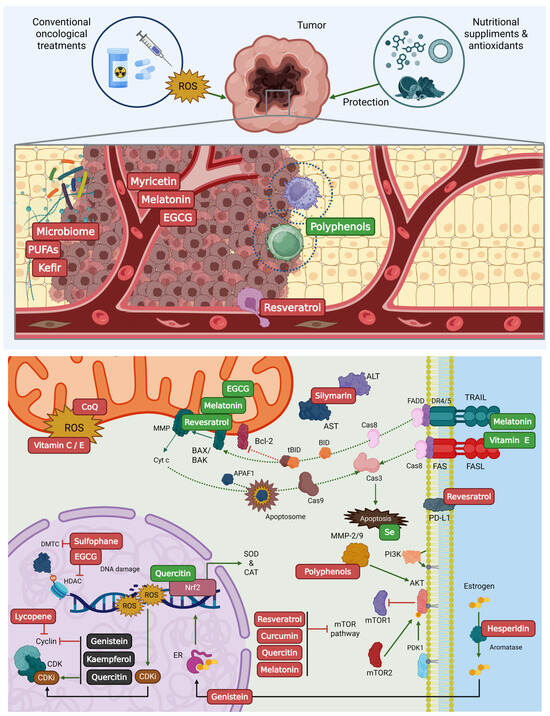
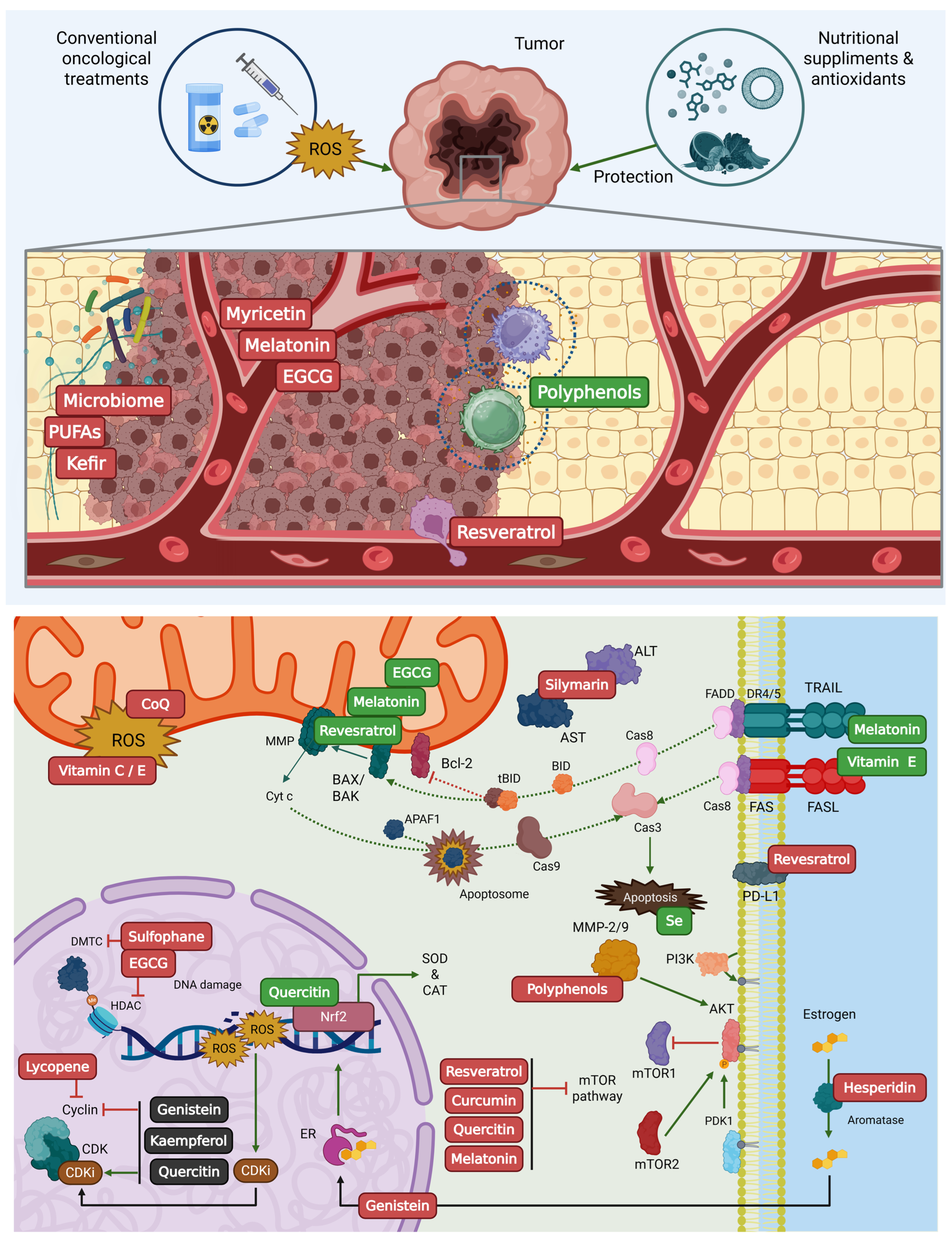
Considering these complexities, rigorous future investigations are mandated to surmount current translational hurdles and fully harness the adjuvant potential of dietary antioxidants in breast oncology. The observed variability in clinical outcomes is not merely a methodological artifact but a fundamental biological imperative that necessitates a definitive shift from generalized dietary guidelines toward a rigorous paradigm of precision nutritional oncology. Currently, the landscape of evidence is frequently compromised by pervasive methodological limitations, including underpowered sample sizes, highly variable dosing regimens and supplementation durations, and a failure to adequately control for critical confounding variables such as baseline dietary patterns, lifestyle factors, and concurrent allopathic treatments [1,32]. As a result of this work, we made a graphic resume in the Figure 2.
Figure 2.
Mechanism of action of nutritional supplements in the physiology of cancer cells. Intercellular effects (upper panel): Polyphenols trigger the activation of cytotoxic T lymphocytes and Natural Killer (NK) cells, as denoted by the circle encompassing these cell populations. Moreover, the microbiome, PUFAs, and kefir confer active protection by stimulating the immune response and reshaping the tumor microenvironment. In addition, melatonin, epigallocatechin gallate (EGCG), and myricetin potently restrict tumor neovascularization, while resveratrol inhibits the proliferation and metastasis of cancer cells. Intracellular effects (lower panel): Coenzyme Q and vitamins C and E neutralize reactive oxygen species (ROS) due to their intrinsic antioxidant capacity. Melatonin, resveratrol, and EGCG regulate the balance between pro-apoptotic (Bax, Bak, Cytc) and anti-apoptotic (Bcl-2) proteins. Silymarin reduces hepatic transaminases (AST, ALT). Furthermore, vitamin E and melatonin upregulate the expression of Fas/FasL and the TNF-related apoptosis-inducing ligand (TRAIL) by activating executioner caspases, such as Cas3. Selenium promotes apoptosis through the targeted generation of superoxide radicals. Polyphenols inhibit matrix metalloproteinases, and resveratrol downregulates Programmed Death Ligand 1 (PD-L1) expression. Resveratrol, quercetin, curcumin, and melatonin block the PI3K/Akt/mTOR pathway. Hesperidin disrupts tumor bioenergetics by inhibiting aromatase activity. Genistein competitively binds to estrogen receptors, dampening hormone-driven proliferative signaling. Sulforaphane and EGCG act as histone deacetylase (HDAC) and DNA methyltransferase (DNMT) inhibitors. Quercetin activates nuclear factor erythroid 2-related factor 2 (Nrf2), a master transcriptional regulator that upregulates endogenous antioxidant enzymes, including superoxide dismutase (SOD) and catalase. Genistein, kaempferol, and quercetin downregulate the expression of cyclins while upregulating cyclin-dependent kinase (CDK) inhibitors. Lycopene also acts as a cyclin inhibitor. Further information and abbreviations can be found in the text.
Author Contributions
D.M.-M., funding acquisition; D.U.-R., D.M.-M., H.V.-M., conceptualization; D.U.-R., K.D.L.-M., L.F.C.-P., M.V.-C., D.M.-M., M.M.V.-L. and H.V.-M., writing—original draft preparation; D.U.-R., K.D.L.-M., L.F.C.-P., M.V.-C., D.M.-M., M.M.V.-L. and H.V.-M., writing—review; D.U.-R., editing. All authors have read and agreed to the published version of the manuscript.
Funding
This research was funded by the Research Division of the Medical School-UNAM grant to D.M.-M.
Institutional Review Board Statement
Ethical review and approval were waived for this study due to the fact that this work is a systematic review; as such, no animals or humans were manipulated, and it relied solely on previously published data from scientific literature.
Informed Consent Statement
Not applicable.
Data Availability Statement
No new data were created or analyzed in this study. Data sharing is not applicable to this article.
Conflicts of Interest
The authors declare no conflicts of interest.
Abbreviations
The following abbreviations are used in this manuscript:
| BC | Breast Cancer |
| WHO | World Health Organization |
| HR | Hormone Receptor |
| ER | Estrogen Receptor |
| PR | Progesterone Receptor |
| HER2 | Human epidermal growth factor receptor 2 |
| TNBC | Triple-negative breast cancer |
| BL-1 | Basal-like 1 |
| BL-2 | Basal-like 2 |
| IM | Immunomodulatory |
| M | Mesenchymal |
| MSL | Mesenchymal stem cell-like |
| LAR | Luminal androgen receptor |
| FDA | Food and Drug Administration |
| AVS | Antioxidant vitamin supplements |
| ROS | Reactive Oxygen Species |
| CoQ10 | Coenzyme Q10 |
| PD-L1 | Programmed Death Ligand 1 |
| EGCG | Epigallocatechin-3-gallate |
| TERT | Telomerase Reverse Transcriptase |
| HDAC | Histone deacetylases |
| Nrf2 | Nuclear factor erythroid 2-related factor 2 |
| SOD | Superoxide Dismutase |
| TRAIL | TNF-related apoptosis-inducing ligand |
| CDK | Cyclin-Dependent kinase |
| VEGF | Vascular endothelial growth factor |
| HIF-1α | hypoxia-inducible factor 1-alpha |
| MMP | Matrix metalloproteinases |
| DNMTs | DNA methyltransferases |
| NK | Natural Killer |
| TAMs | Tumor-associated macrophages |
| DNMTs | DNA methyltransferase |
| PUFAs | Polyunsaturated fatty acids |
| AST | Aspartate Aminotransferase |
| ALT | Alanine Aminotransferase |
References
- Mokbel, K.; Mokbel, K. Harnessing Micronutrient Power: Vitamins, Antioxidants and Probiotics in Breast Cancer Prevention. Anticancer Res. 2024, 44, 2287–2295. [Google Scholar] [CrossRef] [Scilit]
- Shah, S.; Laouali, N.; Mahamat-Saleh, Y.; Biessy, C.; Nicolas, G.; Rinaldi, S.; Zamora-Ros, R.; Papadimitriou, N.; Morales-Berstein, F.; Dahm, C.C.; et al. Plant-Based Dietary Patterns and Breast Cancer Risk in the European Prospective Investigation into Cancer and Nutrition (EPIC) Study. Eur. J. Epidemiol. 2025, 40, 947–958. [Google Scholar] [CrossRef] [Scilit] [PubMed]
- Sidira, D.; Siafaka, A.; Chrysikos, D.; Papadopoulos, G.; Stratopoulos, E.; Filippou, D. Selenium and Triple Negative Breast Cancer. Acta Medica Acad. 2024, 53, 155. [Google Scholar] [CrossRef] [Scilit] [PubMed]
- Wendlocha, D.; Krzykawski, K.; Mielczarek-Palacz, A.; Kubina, R. Selected Flavonols in Breast and Gynecological Cancer: A Systematic Review. Nutrients 2023, 15, 2938. [Google Scholar] [CrossRef] [Scilit] [PubMed]
- Braakhuis, A.; Campion, P.; Bishop, K. Reducing Breast Cancer Recurrence: The Role of Dietary Polyphenolics. Nutrients 2016, 8, 547. [Google Scholar] [CrossRef] [Scilit]
- Bray, F.; Laversanne, M.; Sung, H.; Ferlay, J.; Siegel, R.L.; Soerjomataram, I.; Jemal, A. Global Cancer Statistics 2022: GLOBOCAN Estimates of Incidence and Mortality Worldwide for 36 Cancers in 185 Countries. CA Cancer J. Clin. 2024, 74, 229–263. [Google Scholar] [CrossRef] [Scilit]
- Cancer (IARC), T.I.A. for R. on Global Cancer Observatory. Available online: https://gco.iarc.fr/ (accessed on 26 March 2026).
- Vilchis-Landeros, M.M.; Vázquez-Meza, H.; Vázquez-Carrada, M.; Uribe-Ramírez, D.; Matuz-Mares, D. Antioxidant Enzymes and Their Potential Use in Breast Cancer Treatment. Int. J. Mol. Sci. 2024, 25, 5675. [Google Scholar] [CrossRef] [Scilit]
- De Luca, F.; Roda, E.; Ratto, D.; Desiderio, A.; Venuti, M.T.; Ramieri, M.; Bottone, M.G.; Savino, E.; Rossi, P. Fighting Secondary Triple-Negative Breast Cancer in Cerebellum: A Powerful Aid from a Medicinal Mushrooms Blend. Biomed. Pharmacother. 2023, 159, 114262. [Google Scholar] [CrossRef] [Scilit]
- Nava-Tapia, D.A.; Román-Justo, N.Y.; Cuenca-Rojo, A.; Guerrero-Rivera, L.G.; Patrón-Guerrero, A.; Poblete-Cruz, R.I.; Zacapala-Gómez, A.E.; Sotelo-Leyva, C.; Navarro-Tito, N.; Mendoza-Catalán, M.A. Exploring the Potential of Tocopherols: Mechanisms of Action and Perspectives in the Prevention and Treatment of Breast Cancer. Med. Oncol. 2024, 41, 208. [Google Scholar] [CrossRef] [Scilit]
- Lewandowska, A.; Rudzki, M.; Rudzki, S.; Lewandowski, T.; Laskowska, B. Environmental Risk Factors for Cancer—Review Paper. Ann. Agric. Environ. Med. 2019, 26, 1–7. [Google Scholar] [CrossRef] [Scilit]
- Sadoughi, F.; Dana, P.M.; Asemi, Z.; Shafabakhash, R.; Mohammadi, S.; Heidar, Z.; Mirzamoradi, M.; Targhazeh, N.; Mirzaei, H. Molecular and Cellular Mechanisms of Melatonin in Breast Cancer. Biochimie 2022, 202, 26–33. [Google Scholar] [CrossRef] [Scilit] [PubMed]
- Li, S.; Wu, H.; Chen, M.; Tollefsbol, T.O. Paternal Combined Botanicals Contribute to the Prevention of Estrogen Receptor–Negative Mammary Cancer in Transgenic Mice. J. Nutr. 2023, 153, 1959–1973. [Google Scholar] [CrossRef] [Scilit] [PubMed]
- Liedtke, C.; Mazouni, C.; Hess, K.R.; André, F.; Tordai, A.; Mejia, J.A.; Symmans, W.F.; Gonzalez-Angulo, A.M.; Hennessy, B.; Green, M.; et al. Response to Neoadjuvant Therapy and Long-Term Survival in Patients With Triple-Negative Breast Cancer. J. Clin. Oncol. 2008, 26, 1275–1281. [Google Scholar] [CrossRef] [Scilit] [PubMed]
- Lehmann, B.D.; Bauer, J.A.; Chen, X.; Sanders, M.E.; Chakravarthy, A.B.; Shyr, Y.; Pietenpol, J.A. Identification of Human Triple-Negative Breast Cancer Subtypes and Preclinical Models for Selection of Targeted Therapies. J. Clin. Investig. 2011, 121, 2750–2767. [Google Scholar] [CrossRef] [Scilit]
- Newton, E.E.; Mueller, L.E.; Treadwell, S.M.; Morris, C.A.; Machado, H.L. Molecular Targets of Triple-Negative Breast Cancer: Where Do We Stand? Cancers 2022, 14, 482. [Google Scholar] [CrossRef] [Scilit]
- Nussbaumer, S.; Bonnabry, P.; Veuthey, J.-L.; Fleury-Souverain, S. Analysis of Anticancer Drugs: A Review. Talanta 2011, 85, 2265–2289. [Google Scholar] [CrossRef] [Scilit]
- Majrashi, T.A.; Alshehri, S.A.; Alsayari, A.; Muhsinah, A.B.; Alrouji, M.; Alshahrani, A.M.; Shamsi, A.; Atiya, A. Insight into the Biological Roles and Mechanisms of Phytochemicals in Different Types of Cancer: Targeting Cancer Therapeutics. Nutrients 2023, 15, 1704. [Google Scholar] [CrossRef] [Scilit]
- Hecht, F.; Pessoa, C.F.; Gentile, L.B.; Rosenthal, D.; Carvalho, D.P.; Fortunato, R.S. The Role of Oxidative Stress on Breast Cancer Development and Therapy. Tumor Biol. 2016, 37, 4281–4291. [Google Scholar] [CrossRef] [Scilit]
- Singh, A.K.; Yu, X. Tissue-Specific Carcinogens as Soil to Seed BRCA1/2-Mutant Hereditary Cancers. Trends Cancer 2020, 6, 559–568. [Google Scholar] [CrossRef] [Scilit]
- Sharifi, M.; Moridnia, A.; Mortazavi, D.; Salehi, M.; Bagheri, M.; Sheikhi, A. Kefir: A Powerful Probiotics with Anticancer Properties. Med. Oncol. 2017, 34, 183. [Google Scholar] [CrossRef] [Scilit]
- De Luca, F.; Roda, E.; Rossi, P.; Bottone, M.G. Medicinal Mushrooms in Metastatic Breast Cancer: What Is Their Therapeutic Potential as Adjuvant in Clinical Settings? Curr. Issues Mol. Biol. 2024, 46, 7577–7591. [Google Scholar] [CrossRef] [Scilit] [PubMed]
- Page, M.J.; McKenzie, J.E.; Bossuyt, P.M.; Boutron, I.; Hoffmann, T.C.; Mulrow, C.D.; Shamseer, L.; Tetzlaff, J.M.; Akl, E.A.; Brennan, S.E.; et al. The PRISMA 2020 Statement: An Updated Guideline for Reporting Systematic Reviews. BMJ 2021, 372, n71. [Google Scholar] [CrossRef] [Scilit] [PubMed]
- Forcados, G.E.; James, D.B.; Sallau, A.B.; Muhammad, A.; Mabeta, P. Oxidative Stress and Carcinogenesis: Potential of Phytochemicals in Breast Cancer Therapy. Nutr. Cancer 2017, 69, 365–374. [Google Scholar] [CrossRef] [Scilit] [PubMed]
- Herdiana, Y.; Sriwidodo, S.; Sofian, F.F.; Wilar, G.; Diantini, A. Nanoparticle-Based Antioxidants in Stress Signaling and Programmed Cell Death in Breast Cancer Treatment. Molecules 2023, 28, 5305. [Google Scholar] [CrossRef] [Scilit]
- Tafazoli, A. Coenzyme Q10 in Breast Cancer Care. Future Oncol. 2017, 13, 1035–1041. [Google Scholar] [CrossRef] [Scilit]
- Li, Y.; Lin, Q.; Lu, X.; Li, W. Post-Diagnosis Use of Antioxidant Vitamin Supplements and Breast Cancer Prognosis: A Systematic Review and Meta-Analysis. Clin. Breast Cancer 2021, 21, 477–485. [Google Scholar] [CrossRef] [Scilit]
- Eren, E.; Das, J.; Tollefsbol, T.O. Polyphenols as Immunomodulators and Epigenetic Modulators: An Analysis of Their Role in the Treatment and Prevention of Breast Cancer. Nutrients 2024, 16, 4143. [Google Scholar] [CrossRef] [Scilit]
- Sindhu, R.K.; Verma, R.; Salgotra, T.; Rahman, M.H.; Shah, M.; Akter, R.; Murad, W.; Mubin, S.; Bibi, P.; Qusti, S.; et al. Impacting the Remedial Potential of Nano Delivery-Based Flavonoids for Breast Cancer Treatment. Molecules 2021, 26, 5163. [Google Scholar] [CrossRef] [Scilit]
- Ezzati, M.; Yousefi, B.; Velaei, K.; Safa, A. A Review on Anti-Cancer Properties of Quercetin in Breast Cancer. Life Sci. 2020, 248, 117463. [Google Scholar] [CrossRef] [Scilit]
- Bartolacci, C.; Andreani, C.; Amici, A.; Marchini, C. Walking a Tightrope: A Perspective of Resveratrol Effects on Breast Cancer. Curr. Protein Pept. Sci. 2018, 19, 311–322. [Google Scholar] [CrossRef] [Scilit]
- Scafuri, L.; Buonerba, C.; Strianese, O.; De Azambuja, E.; Palleschi, M.; Riccio, V.; Marotta, V.; Scocca, C.; Riccio, G.; Errico, C.; et al. Impact of Dietary Supplements on Clinical Outcomes and Quality of Life in Patients with Breast Cancer: A Systematic Review. Nutrients 2025, 17, 981. [Google Scholar] [CrossRef] [Scilit]
- Samavat, H.; Ursin, G.; Emory, T.H.; Lee, E.; Wang, R.; Torkelson, C.J.; Dostal, A.M.; Swenson, K.; Le, C.T.; Yang, C.S.; et al. A Randomized Controlled Trial of Green Tea Extract Supplementation and Mammographic Density in Postmenopausal Women at Increased Risk of Breast Cancer. Cancer Prev. Res. 2017, 10, 710–718. [Google Scholar] [CrossRef] [Scilit] [PubMed]
- Xiang, L.-P.; Wang, A.; Ye, J.-H.; Zheng, X.-Q.; Polito, C.; Lu, J.-L.; Li, Q.-S.; Liang, Y.-R. Suppressive Effects of Tea Catechins on Breast Cancer. Nutrients 2016, 8, 458. [Google Scholar] [CrossRef] [Scilit] [PubMed]
- Zhao, H.; Zhu, W.; Jia, L.; Sun, X.; Chen, G.; Zhao, X.; Li, X.; Meng, X.; Kong, L.; Xing, L.; et al. Phase I Study of Topical Epigallocatechin-3-Gallate (EGCG) in Patients with Breast Cancer Receiving Adjuvant Radiotherapy. Br. J. Radiol. 2016, 89, 20150665. [Google Scholar] [CrossRef] [Scilit] [PubMed]
- Yu, Z.; Samavat, H.; Dostal, A.M.; Wang, R.; Torkelson, C.J.; Yang, C.S.; Butler, L.M.; Kensler, T.W.; Wu, A.H.; Kurzer, M.S.; et al. Effect of Green Tea Supplements on Liver Enzyme Elevation: Results from a Randomized Intervention Study in the United States. Cancer Prev. Res. 2017, 10, 571–579. [Google Scholar] [CrossRef] [Scilit]
- Markowska, A.; Antoszczak, M.; Markowska, J.; Huczyński, A. Role of Epigallocatechin Gallate in Selected Malignant Neoplasms in Women. Nutrients 2025, 17, 212. [Google Scholar] [CrossRef] [Scilit]
- Diallo, A.; Deschasaux, M.; Partula, V.; Latino-Martel, P.; Srour, B.; Hercberg, S.; Galan, P.; Fassier, P.; Guéraud, F.; Pierre, F.H.; et al. Dietary Iron Intake and Breast Cancer Risk: Modulation by an Antioxidant Supplementation. Oncotarget 2016, 7, 79008–79016. [Google Scholar] [CrossRef] [Scilit]
- Skouroliakou, M.; Grosomanidis, D.; Massara, P.; Kostara, C.; Papandreou, P.; Ntountaniotis, D.; Xepapadakis, G. Serum Antioxidant Capacity, Biochemical Profile and Body Composition of Breast Cancer Survivors in a Randomized Mediterranean Dietary Intervention Study. Eur. J. Nutr. 2018, 57, 2133–2145. [Google Scholar] [CrossRef] [Scilit]
- Zick, S.M.; Colacino, J.; Cornellier, M.; Khabir, T.; Surnow, K.; Djuric, Z. Fatigue Reduction Diet in Breast Cancer Survivors: A Pilot Randomized Clinical Trial. Breast Cancer Res. Treat. 2017, 161, 299–310. [Google Scholar] [CrossRef] [Scilit]
- Hosseinzadeh, A.; Alinaghian, N.; Sheibani, M.; Seirafianpour, F.; Naeini, A.J.; Mehrzadi, S. Melatonin: Current Evidence on Protective and Therapeutic Roles in Gynecological Diseases. Life Sci. 2024, 344, 122557. [Google Scholar] [CrossRef] [Scilit]
- Stephenson, E.; Mclaughlin, M.; Bray, J.W.; Saxton, J.M.; Vince, R.V. Nutrition Modulation of Cardiotoxicity in Breast Cancer: A Scoping Review. Nutrients 2024, 16, 3777. [Google Scholar] [CrossRef] [Scilit]
- Mohseni, H.; Amani, R.; Hosseini, S.A.; Ekrami, A.; Ahmadzadeh, A.; Latifi, S.M. Genetic Variations in VDR Could Modulate the Efficacy of Vitamin D3 Supplementation on Inflammatory Markers and Total Antioxidant Capacity among Breast Cancer Women: A Randomized Double Blind Controlled Trial. Asian Pac. J. Cancer Prev. 2019, 20, 2065–2072. [Google Scholar] [CrossRef] [Scilit]
- Fatemi Shandiz, A.; Karimi, G.; Dayyani, M.; Hosseini, S.; Elyasi, S. Evaluation of Oral Silymarin Formulation Efficacy in Prevention of Doxorubicin Induced Hepatotoxicity in Patients with Non-Metastatic Breast Cancer. J. Oncol. Pharm. Pract. 2025, 31, 965–976. [Google Scholar] [CrossRef] [Scilit] [PubMed]
- Farnoosh, G.; Saeedi-Boroujeni, A.; Jalali, A.; Keikhaei, B.; Mahmoudian-Sani, M.-R. Polymorphisms in Genes Involved in Breast Cancer Among Iranian Patients. Pers. Med. 2021, 18, 153–169. [Google Scholar] [CrossRef] [Scilit] [PubMed]
- Summer, M.; Sajjad, A.; Ali, S.; Hussain, T. Exploring the Underlying Correlation between Microbiota, Immune System, Hormones, and Inflammation with Breast Cancer and the Role of Probiotics, Prebiotics and Postbiotics. Arch. Microbiol. 2024, 206, 145. [Google Scholar] [CrossRef] [Scilit] [PubMed]
- German, R.; Marino, N.; Hemmerich, C.; Podicheti, R.; Rusch, D.B.; Stiemsma, L.T.; Gao, H.; Xuei, X.; Rockey, P.; Storniolo, A.M. Exploring Breast Tissue Microbial Composition and the Association with Breast Cancer Risk Factors. Breast Cancer Res. 2023, 25, 82. [Google Scholar] [CrossRef] [Scilit]
- Thu, M.S.; Ondee, T.; Nopsopon, T.; Farzana, I.A.K.; Fothergill, J.L.; Hirankarn, N.; Campbell, B.J.; Pongpirul, K. Correction: Thu et al. Effect of Probiotics in Breast Cancer: A Systematic Review and Meta-Analysis. Biology 2023, 12, 280. Biology 2025, 14, 991. [Google Scholar] [CrossRef] [Scilit]
- Ambrosone, C.B.; Zirpoli, G.R.; Hutson, A.D.; McCann, W.E.; McCann, S.E.; Barlow, W.E.; Kelly, K.M.; Cannioto, R.; Sucheston-Campbell, L.E.; Hershman, D.L.; et al. Dietary Supplement Use During Chemotherapy and Survival Outcomes of Patients with Breast Cancer Enrolled in a Cooperative Group Clinical Trial (SWOG S0221). J. Clin. Oncol. 2020, 38, 804–814. [Google Scholar] [CrossRef] [Scilit]
- Reitz, L.K.; Baptista, S.D.L.; Santos, E.D.S.; Hinnig, P.F.; Rockenbach, G.; Vieira, F.G.K.; De Assis, M.A.A.; Da Silva, E.L.; Boaventura, B.C.B.; Pietro, P.F.D. Diet Quality Is Associated with Serum Antioxidant Capacity in Women with Breast Cancer: A Cross Sectional Study. Nutrients 2020, 13, 115. [Google Scholar] [CrossRef] [Scilit]
- Guo, C.-H.; Hsia, S.; Chung, C.-H.; Lin, Y.-C.; Shih, M.-Y.; Chen, P.-C.; Peng, C.-L.; Henning, S.M.; Hsu, G.-S.W.; Li, Z. Nutritional Supplements in Combination with Chemotherapy or Targeted Therapy Reduces Tumor Progression in Mice Bearing Triple-Negative Breast Cancer. J. Nutr. Biochem. 2021, 87, 108504. [Google Scholar] [CrossRef] [Scilit]
- Greenlee, H.; Kwan, M.L.; Kushi, L.H.; Song, J.; Castillo, A.; Weltzien, E.; Quesenberry, C.P.; Caan, B.J. Antioxidant Supplement Use after Breast Cancer Diagnosis and Mortality in the Life After Cancer Epidemiology (LACE) Cohort. Cancer 2012, 118, 2048–2058. [Google Scholar] [CrossRef] [Scilit]
- Hu, W.; Lyu, X.; Xu, H.; Guo, X.; Zhu, H.; Pan, H.; Wang, L.; Yang, H.; Gong, F. Intragastric Safflower Yellow Alleviates HFD Induced Metabolic Dysfunction-Associated Fatty Liver Disease in Mice through Regulating Gut Microbiota and Liver Endoplasmic Reticulum Stress. Nutrients 2023, 15, 2954. [Google Scholar] [CrossRef] [Scilit] [PubMed]
- Kumar, N.B. The Promise of Nutrient-Derived Bioactive Compounds and Dietary Components to Ameliorate Symptoms of Chemotherapy-Related Cognitive Impairment in Breast Cancer Survivors. Curr. Treat. Options Oncol. 2021, 22, 67. [Google Scholar] [CrossRef] [Scilit] [PubMed]
- Shi, D.-D.; Dong, C.M.; Ho, L.C.; Lam, C.T.W.; Zhou, X.-D.; Wu, E.X.; Zhou, Z.-J.; Wang, X.-M.; Zhang, Z.-J. Resveratrol, a Natural Polyphenol, Prevents Chemotherapy-Induced Cognitive Impairment: Involvement of Cytokine Modulation and Neuroprotection. Neurobiol. Dis. 2018, 114, 164–173. [Google Scholar] [CrossRef] [Scilit] [PubMed]
- Al-Hammadi, N.; AlSabri, E.; Kudhair, A.H.; Qassam, H.; Hadi, N.R. Coq10 for Preventing Cardiotoxicity in Breast Cancer Patients Treated with Trastuzumab. J. Med. Life 2023, 16, 1188–1193. [Google Scholar] [CrossRef] [Scilit]
- Otles, S.; Cagindi, O. Kefir: A Probiotic Dairy-Composition, Nutritional and Therapeutic Aspects. Pak. J. Nutr. 2003, 2, 54–59. [Google Scholar] [CrossRef] [Scilit]
- Liu, H.; Lee, J.I.; Ahn, T.-G. Effect of Quercetin on the Anti-Tumor Activity of Cisplatin in EMT6 Breast Tumor-Bearing Mice. Obstet. Gynecol. Sci. 2019, 62, 242. [Google Scholar] [CrossRef] [Scilit]
- Mitchell, M.J.; Billingsley, M.M.; Haley, R.M.; Wechsler, M.E.; Peppas, N.A.; Langer, R. Engineering Precision Nanoparticles for Drug Delivery. Nat. Rev. Drug Discov. 2021, 20, 101–124. [Google Scholar] [CrossRef] [Scilit]
- Yang, B.; Dong, Y.; Wang, F.; Zhang, Y. Nanoformulations to Enhance the Bioavailability and Physiological Functions of Polyphenols. Molecules 2020, 25, 4613. [Google Scholar] [CrossRef] [Scilit]
- Khalil, I.; Yehye, W.A.; Etxeberria, A.E.; Alhadi, A.A.; Dezfooli, S.M.; Julkapli, N.B.M.; Basirun, W.J.; Seyfoddin, A. Nanoantioxidants: Recent Trends in Antioxidant Delivery Applications. Antioxidants 2019, 9, 24. [Google Scholar] [CrossRef] [Scilit]
- Priya, S.; Desai, V.M.; Singhvi, G. Surface Modification of Lipid-Based Nanocarriers: A Potential Approach to Enhance Targeted Drug Delivery. ACS Omega 2023, 8, 74–86. [Google Scholar] [CrossRef] [Scilit]
- Bae, J.-M. Reinterpretation of the Results of a Pooled Analysis of Dietary Carotenoid Intake and Breast Cancer Risk by Using the Interval Collapsing Method. Epidemiol. Health 2016, 38, e2016024. [Google Scholar] [CrossRef] [Scilit]

Disclaimer/Publisher’s Note: The statements, opinions and data contained in all publications are solely those of the individual author(s) and contributor(s) and not of MDPI and/or the editor(s). MDPI and/or the editor(s) disclaim responsibility for any injury to people or property resulting from any ideas, methods, instructions or products referred to in the content. |
© 2026 by the authors. Licensee MDPI, Basel, Switzerland. This article is an open access article distributed under the terms and conditions of the Creative Commons Attribution (CC BY) license.