


Highlights
What are the main findings?
- A lightweight spatial–frequency adaptive detector, termed Spatial–Frequency detection network (SFD-Net), is proposed for small-object detection in images.
- By combining frequency-preserving feature extraction with scale-specific feature routing, SFD-Net achieves a favorable accuracy–efficiency trade-off across multiple aerial datasets.
- On the SIMD dataset, SFD-Net reaches 82.2% mAP@0.5 with only 3.4 M parameters and 8.3 GFLOPs.
What are the implications of the main findings?
- The proposed design improves robustness to dense layouts and object scale variation in aerial image detection.
- Its compact model size and low computational cost make it suitable for deployment on resource-constrained edge platforms in UAV and remote sensing applications.
Abstract
Small-object detection in remote sensing imagery faces two specific challenges that existing lightweight detectors fail to address jointly: the irreversible loss of high-frequency boundary cues during repeated downsampling, and feature smearing between neighboring instances caused by uniform multi-scale fusion. This paper presents SFD-Net, a spatial–frequency adaptive network designed to explicitly address these two limitations for aerial imagery. A backbone network and a spatial–frequency adaptive neck are used in the proposed model. Wavelet-based downsampling is applied in the backbone to reduce aliasing while preserving high-frequency information. The direction-sensitive aggregation is incorporated to better capture oriented structural patterns. In the neck, asymmetric and scale-dependent feature routing is introduced to enhance shallow boundary cues, improve instance separation in crowded regions, and limit interference from deep semantic features. Experiments on the VisDrone-DET2019, UAVDT, SIMD, and NWPU VHR-10 datasets demonstrate that SFD-Net achieves a favorable balance between detection accuracy and computational cost. In particular, on the SIMD dataset, SFD-Net achieves 82.2% mAP@0.5 and 66.7% mAP@0.5:0.95 with only 3.4 M parameters and 8.3 GFLOPs. These results indicate that the proposed method is an effective and parameter-efficient solution for remote sensing small-object detection, especially in resource-constrained deployment scenarios.
1. Introduction
With the rapid development of artificial intelligence and the increasing availability of satellite and unmanned aerial vehicle (UAV) platforms, remote sensing imagery has become an important data source for a wide range of applications, such as military reconnaissance [1], precision agriculture [2], traffic management [3], forest fires monitoring [4], and search-and-rescue operations [5]. Among these tasks, object detection has received extensive attention. However, compared with natural-image benchmarks, small-object detection in remote sensing imagery remains considerably more challenging. In practical UAV optical scenes, targets are often captured from medium or long distances and therefore occupy only a few pixels, while cluttered backgrounds, dense object layouts, and large-scale variations further reduce their visibility and separability [6]. In practice, weak structural cues are often lost during feature extraction, making small objects more difficult to localize and increasing the likelihood that they will be missed.
A number of studies have focused on improving small-object detection for UAV and remote sensing imagery. Current work mainly addresses this problem through lightweight network design, context modeling, and spatial–frequency enhancement. DCS-YOLOv8 combines dynamic convolution with attention mechanisms to strengthen global representation while retaining efficient downsampling [7]. CSFPR-RTDETR uses a cross-domain framework to model spatial and frequency interactions and reduce false alarms in cluttered UAV scenes [8]. αS-YOLO improves small-target localization through efficient cross-convolution and global context attention while keeping the model compact [9]. SME-DETR addresses scale variation with a scale-aware multi-domain design and reports improved retention of edge and texture cues [10]. Related work also studies the role of contextual information. CSIPN incorporates surrounding cues through a contextual-semantic interactive perception mechanism [11]. Other methods prioritize deployment efficiency. YOLO-Tiny reduces the model complexity of aerial imagery, while SDU-RTDETR enhances fine-grained feature extraction through the use of cross-stage part design.
While these methods help improve detection performance, the balance between accuracy and efficiency remains to be addressed. Improving small-target detection capabilities typically requires increasing architectural complexity, raising the frequency of feature interactions, or employing higher-resolution feature representations. However, these options generally increase latency and memory usage, thus limiting their deployment on resource-constrained edge devices.
Another difficulty in aerial detection comes from crowded scenes, where repeated downsampling and feature fusion can blur the distinction between neighboring instances. In difficult benchmarks such as VisDrone-DET2019, DIOR, and DOTA [12,13,14], targets are often densely distributed and embedded in highly complex backgrounds. Under these conditions, overly global receptive-field modeling and homogeneous multi-scale aggregation may introduce feature smearing, weaken object boundaries, and reduce inter-instance separability [15,16,17]. Moreover, conventional downsampling operations tend to discard high-frequency details that are crucial for tiny-object representation [18,19], while uniform feature pyramid processing does not fully account for the different roles of shallow and deep features. These observations suggest that an effective detector for remote sensing small objects should not only remain lightweight, but also preserve informative spatial–frequency details and perform scale-specific feature routing throughout the network.
Existing methods typically address small-object detection through independent improvements in frequency modeling, multi-scale fusion, or lightweight design. However, these components are often loosely integrated, which limits their effectiveness in dense small-object scenarios where feature interference, detail loss, and scale variation coexist.
Despite the rapid progress of lightweight object detectors, achieving a desirable balance among detection accuracy, model size, and real-time performance in dense remote sensing scenarios remains challenging. Lightweight architectures such as MobileNet [20] offer low computational cost and high inference speed, yet often suffer from degraded detection accuracy due to limited feature representation capacity. Similarly, mainstream YOLO variants, including YOLOv5n [21], YOLOv8n [22], and YOLOv12n [23], achieve remarkable real-time performance but rely heavily on conventional stride-based downsampling, which tends to discard high-frequency structural cues that are critical for tiny object detection.This issue becomes more pronounced in dense aerial scenes, where applying the same fusion strategy across all feature scales tends to blur boundaries between closely spaced targets and weaken the detector’s ability to handle objects of varying sizes. Meanwhile, transformer-based lightweight models such as RT-DETR-R18 improve global context modeling and detection accuracy, but their self-attention mechanisms introduce additional computational overhead, making it difficult to maintain strict real-time performance on resource-constrained platforms. These limitations highlight the need for a lightweight detection paradigm that can preserve high-frequency details while enabling scale-specific feature modeling for dense scenes.
To address this limitation, we propose a unified spatial–frequency decoupling framework, which explicitly coordinates feature extraction, routing, and fusion across different scales and frequency domains. The main contributions of the paper are as follows:
- A unified spatial–frequency decoupling framework for dense small-object detection. We propose a lightweight yet effective framework that jointly models frequency-preserving feature extraction, scale-aware feature routing, and density-aware instance separation. Unlike prior works that treat these components independently, our design enables coordinated optimization across spatial and frequency domains, which is particularly beneficial for dense small-object scenarios in remote sensing imagery.
- A high-fidelity backbone for consistent spatial–frequency feature extraction. We design a lightweight backbone that integrates WTDown anti-aliasing wavelet downsampling, orientation-sensitive aggregation (OSA), and LarKBlock-based large-kernel context modeling. This design preserves informative high-frequency responses during downsampling and strengthens structure-aware representations for small objects.
- A unified spatial–frequency adaptive neck with scale-specific routing. We propose an asymmetric neck, termed unified spatial–frequency adaptive neck (USFA), which departs from uniform multi-scale fusion. It performs scale-aware routing by enhancing shallow boundary cues, aligning intermediate features, and suppressing clutter in deep semantic features, thereby improving feature separability in dense scenes.
- An anti-smearing design for dense-scene perception. To reduce feature interference between neighboring instances, we introduce an adaptive temperature-scaled edge-thresholding mechanism in the high-frequency routing branch. This design improves instance separability and recall for densely distributed small objects with minimal computational overhead.
Extensive experiments on VisDrone-DET2019, UAVDT, SIMD, and NWPU VHR-10 [12,24,25,26] demonstrate that a good balance was achieved between detection accuracy and computational efficiency by SFD-Net. In particular, the proposed method maintains a lightweight complexity of only 3.4 M parameters and 8.3 GFLOPs while achieving competitive performance across multiple challenging remote sensing benchmarks. These results suggest that SFD-Net provides a viable approach to small-object detection in aerial deployment scenarios with limited computational resources.
The remaining of the paper is as follows. It reviews related work and provides the background of the study in Section 2. It describes the main components of SFD-Net in Section 3. It presents the experimental results, including comparative evaluations, ablation studies, and qualitative visualizations, in Section 4. It discusses the main findings and limitations of the proposed method in Section 5, and it concludes the paper in Section 6.
2. Related Work
2.1. Multi-Scale Feature Fusion
Multi-scale feature fusion is a key component of small-object detection, and a substantial body of work has explored increasingly sophisticated pyramid architectures to address the loss of fine-grained spatial details caused by repeated downsampling. Early designs such as FPN [27] established the paradigm of combining low-level high-resolution features with high-level semantic features, and subsequent work refined this idea through richer connectivity patterns: PANet [28] added a bottom-up augmentation path to shorten information flow, BiFPN [29] introduced learnable bidirectional aggregation, and Balanced FPN [30] improved pyramid consistency via global integration before redistribution. More recently, task-oriented extensions have further tailored multi-scale fusion to UAV imagery: Song et al. [31] modeled cross-scale correlations through multi-scale hybrid attention to enhance small-object representation, while Shang et al. [32] combined frequency-domain attention and cross-layer fusion to handle complex imaging conditions.
Despite this progress, a common limitation persists across these approaches: most pyramid fusion paradigms apply homogeneous operations uniformly across all feature scales, without accounting for the fundamentally different roles that shallow and deep features play. Shallow features carry rich boundary and texture cues suited for small-object localization, whereas deep features encode the broader semantic context more appropriate for suppressing background clutter. Treating them identically in the fusion process can amplify cross-instance interference and blur boundary responses in densely packed scenes. This observation points to an underexplored direction: scale-specific, asymmetric feature routing that tailors the fusion strategy to the distinct spatial–frequency characteristics of each pyramid level, which is the principle adopted in the USFA neck of SFD-Net.
2.2. Frequency Domain Characterization and Downsampling Mechanism
A parallel line of research has recognized that standard strided convolution and max-pooling operations act as uncontrolled low-pass filters, discarding high-frequency structural cues that are critical for detecting small targets with only a few pixels of extent. To counter this, recent methods have introduced frequency-aware components at various stages of the network. At the downsampling stage, FGARNet [33] combines bidirectional frequency filtering with wavelet-based rectifying downsampling, which enhances frequency-domain saliency while mitigating aliasing. HWANet [34] replaces strided convolutions with Haar wavelet transforms to preserve structural information and reduce detail loss. WDS-YOLO [35] introduces wavelet-transform convolutions to decompose frequency components and strengthen high-frequency textures, supporting the retention of tiny-target cues in deeper layers. Beyond downsampling, frequency-domain information has also been used to refine intermediate feature representations: Freq-DETR [36] introduces frequency-aware transformer design to enhance real-time small-object detection in unmanned aerial vehicle imagery; Li et al. [37] introduced the Haar wavelet transform into convolutional networks to effectively preserve high-frequency structural details while downsampling, preventing the loss of small-object cues; Zhao et al. [38] constructed a spatial–frequency cooperative module in MSF-DETR to jointly capture spatial and frequency-domain features.
Taken together, these studies confirm that frequency preservation is beneficial across multiple stages of a detection pipeline. However, they also reveal a key unresolved question: where to introduce frequency components and how to coordinate them across network stages remain open design choices, with different works placing frequency operations in the backbone, the neck, or both, without a unified rationale. In dense small-object scenarios, this fragmentation is particularly limiting, since detail loss, feature smearing, and scale variation coexist and interact. SFD-Net addresses this gap by proposing a jointly designed spatial–frequency framework, where wavelet-based feature preservation in the backbone and asymmetric frequency routing in the neck are coordinated rather than treated as independent modules.
2.3. Attention Mechanisms
Attention mechanisms represent a third strategy for improving small-object detection, enabling selective emphasis on target-relevant features while suppressing background interference. Channel–spatial attention designs such as CBAM [39] have become widely adopted building blocks, and subsequent work has tailored attention to more specific challenges: Fu and Hsiang [40] integrated deformable convolution with entropy-guided dynamic weighting to balance local details and global semantics, Wang et al. [41] proposed a two-dimensional line-scan attention to model dense pairwise dependencies without the spatial inconsistency of sequence flattening, Yuan et al. [42] introduced intra-group multi-scale fusion attention for UAV remote sensing imagery, and LASER [43] mitigated gradient weakening caused by softmax to enhance training signal quality.
While these methods demonstrate consistent gains in contextual reasoning and feature discrimination, they share a structural limitation: most attention designs operate within the spatial or channel domain and do not explicitly account for the preservation of frequency-sensitive structural details. In dense aerial scenes, where high-frequency boundary cues are weak and easily masked by background responses, spatial or channel reweighting alone is insufficient to recover the fine-grained information lost during downsampling. Furthermore, adding attention blocks increases computational overhead, which is problematic for lightweight detectors targeting edge deployment. These observations motivate the design choices in SFD-Net, which favors lightweight structural aggregation through directional strip pooling and scale-specific frequency routing over general-purpose attention modules, thereby preserving discriminative cues with minimal additional cost.
3. Materials and Methods
3.1. Materials
The SFD-Net is evaluated on four public datasets, namely VisDrone-DET2019 [12], UAVDT [24], SIMD [25], and NWPU VHR-10 [26], to assess its effectiveness in small-object detection and its robustness against complex background clutter. The selected datasets encompass low-altitude UAV perspectives and high-altitude satellite imagery. This composition evaluates the spatial–frequency decoupling architecture across distinct observational scales.
3.1.1. VisDrone-DET2019 Dataset
VisDrone-DET2019 is a benchmark dataset for object detection in UAV imagery. The images include notable scale variation and occlusions, with many small targets such as pedestrians and vehicles in crowded scenes. The dataset contains 8599 high-resolution images with annotations in 10 categories. The official split is used in this study, with 6471 images for training, 548 for validation, and 1610 for testing.
3.1.2. UAVDT Dataset
UAVDT is designed for object detection in urban traffic scenes captured by UAV platforms. The dataset contains small and densely distributed targets across different flight altitudes and viewpoints. Although it is released as video sequences with around 80,000 frames, this study follows the standard static-image setting for detection. Under this setting, the dataset includes 23,207 training images and 15,069 testing images, with annotations for three vehicle categories.
3.1.3. SIMD Dataset
SIMD is used in this work to evaluate performance on extremely small and densely distributed vehicles in satellite imagery. Unlike low-altitude UAV data, it is collected from near-vertical satellite views, so objects often appear in arbitrary orientations and may be visually similar to the surrounding pavement. The dataset contains 5000 high-resolution images with annotations for multiple vehicle categories. Following the standard setting, the dataset is split into 80% of the images for training and 20% of images for testing.
3.1.4. NWPU VHR-10 Dataset
The NWPU VHR-10 dataset is a classic very-high-resolution (VHR) optical remote sensing benchmark. It contains 800 images, including 650 images containing targets and 150 background images, annotated with 10 geospatial object classes. Due to its relatively smaller scale but representative remote sensing characteristics, we employ this dataset for ablation studies to isolate and analyze the individual contributions of WTDown, OSA, and USFA. Following a reproducible protocol, we randomly split the 650 positive images into 20% for testing and the others for training, and fix the random seed to 42 to ensure consistent data partitioning.
3.1.5. Data Availability
All datasets used in this work are publicly available benchmarks and can be obtained from their official distribution channels. No accession numbers are required, and there are no restrictions on their use for academic research.
3.2. Methods
3.2.1. Overall Architecture of SFD-Net
The detection of small objects in remote sensing imagery is often hindered by the degradation of high-frequency cues, feature smearing in densely populated scenes, and interference from cluttered backgrounds. To overcome these challenges, we develop a spatial–frequency collaborative detector termed SFD-Net. Unlike conventional detectors that rely primarily on spatial-domain topological modifications, SFD-Net is guided by two principles: source fidelity and asymmetric, scale-specific processing.
As illustrated in Figure 1, SFD-Net consists of two main components. First, the high-fidelity pre-conditioning backbone replaces conventional downsampling and pooling operations that may discard fine details. It stacks WTDown anti-aliasing wavelet downsampling, orientation-sensitive aggregation(OSA), and a LarKBlock large-kernel context base to produce informative multi-scale features. Second, the unified spatial–frequency adaptive neck, denoted as USFA, departs from homogeneous pyramid fusion by introducing asymmetric spatial–frequency routing tailored to different feature scales. This design aims to preserve shallow-layer edge cues, maintain mid-level instance separability in dense layouts, and suppress clutter in deep semantic features before multi-scale fusion.
Figure 1.
Overall architecture of the proposed SFD-Net. The framework comprises a wavelet-enhanced backbone for high-frequency feature preservation during downsampling and an asymmetric decoupled unified space–frequency adaptive neck for scale-differentiated feature fusion and background suppression.
The rationale for this specific integration is grounded in a functional decomposition of the core challenges in dense small-object detection. Each module targets a distinct failure mode that the others cannot address alone. WTDown addresses information loss during spatial resolution reduction by explicitly retaining both low-frequency and high-frequency subbands through an invertible wavelet decomposition, which standard strided convolutions and max-pooling cannot recover once discarded [44,45]. However, preserving high-frequency responses indiscriminately also retains background texture noise, which motivates OSA: by applying directional strip pooling along horizontal and vertical axes, OSA selectively amplifies structurally coherent edge responses while suppressing isotropic background clutter, providing the structured prior that WTDown alone cannot offer. LarKBlock then addresses a complementary limitation: while WTDown and OSA operate at local scales, small objects in dense aerial scenes also benefit from broader contextual support to disambiguate target instances from similar-looking background patches. LarKBlock expands the effective receptive field at the deepest stage using large-kernel depthwise separable convolutions, avoiding the hard selection of max-pooling while providing long-range semantic context. Finally, USFA addresses the limitation that even well-conditioned backbone features suffer from inter-scale feature interference when fused homogeneously across pyramid levels. By routing shallow features through high-frequency gradient gating, intermediate features through anti-smearing threshold gating, and deep features through frequency-domain clutter suppression, USFA ensures that each scale contributes its most discriminative information to the final multi-scale representation. This asymmetric routing cannot be replaced by a uniform attention module, since the spatial–frequency characteristics of shallow and deep features differ fundamentally. These four modules form a functionally complementary pipeline in which WTDown retains fine-grained subband information that would otherwise be lost during downsampling, OSA strengthens directional structural priors to distinguish object contours from background clutter, LarKBlock expands semantic context at the deepest stage to support instance disambiguation, and USFA coordinates cross-scale feature routing to ensure that each pyramid level contributes its most discriminative information to the final representation.
In deep convolutional networks, strided convolutions and max-pooling can be interpreted as low-pass filtering followed by subsampling, which may attenuate weak edge gradients that are critical for tiny objects. To preserve fine-grained structure during resolution reduction, SFD-Net introduces the WTdown module. As illustrated in Figure 2, this module performs a channel-wise 2D Discrete Wavelet Transform using a Haar basis to explicitly retain both low- and high-frequency subbands.
Figure 2.
Detailed architecture of the WTdown module. The input feature map undergoes a 2D Discrete Wavelet Transform to explicitly decouple it into four distinct subbands encompassing high and low frequencies, which are subsequently concatenated and refined through a point-wise convolution.
Given an input feature map , WTdown applies the Haar DWT independently to each channel . For a neighborhood, the sampled values are , , , and . The orthonormal subband decomposition is defined as follows:
Here, represents the main low-frequency structure, whereas , , and represent high-frequency details in the horizontal, vertical, and diagonal directions. In the module architecture, these four subbands are concatenated along the channel dimension and then projected through a convolution:
The DWT is an invertible transformation that preserves high-frequency subbands in an explicit form. The subsequent point-wise convolution performs lightweight channel remapping, which reduces computational cost and maintains feature compatibility with downstream blocks. In this work, the Haar wavelet is adopted because its simple, non-overlapping decomposition pattern is naturally compatible with the stride-2 downsampling scheme commonly used in convolutional networks. Compared with higher-order discrete wavelets such as Daubechies and Symlets, the Haar transform involves a simpler filter structure and can be implemented using only addition and subtraction operations, thereby preserving high-frequency information with very limited additional overhead.
We acknowledge that this design choice involves a trade-off. Higher-order wavelets such as Daubechies-4 and Symlets offer smoother basis functions with overlapping support, which in principle capture more continuous frequency transitions and may better represent gradually varying textures. However, for the types of small objects that appear in UAV and satellite imagery, such as compact vehicles and pedestrians occupying only a few pixels, the dominant structural cues are abrupt intensity discontinuities at object boundaries rather than smooth spectral gradients [18,37]. In this regime, the Haar wavelet’s piecewise-constant basis is well matched to the local step-edge responses that characterize these targets, and its non-overlapping decomposition avoids the inter-pixel leakage introduced by longer filter supports. While higher-order wavelets with overlapping windows can improve frequency resolution for larger and more textured objects, their additional filter length introduces boundary artifacts at the small spatial scales characteristic of UAV-captured targets, and their increased computational cost conflicts with the lightweight deployment objective of SFD-Net. Furthermore, oriented structural patterns such as vehicle boundaries and road edges in aerial imagery are effectively decomposed by the Haar transform’s horizontal (), vertical (), and diagonal () subbands, which directly correspond to the directional edge responses that OSA subsequently exploits. Empirically, the Haar-based WTDown module preserves sufficient high-frequency boundary information for downstream structural aggregation while remaining compatible with the integer arithmetic required for efficient edge deployment.
3.2.2. High-Fidelity Pre-Conditioning Backbone
After wavelet-based downsampling preserves subband information across stages, the backbone must further aggregate features within each scale while avoiding excessive mixing of cluttered background patterns. We therefore design two structure-aware components.
As illustrated in Figure 3, OSA is deployed in the P3 and P4 stages to enhance directional structural priors for elongated objects such as roads and bridges. It employs 1D strip pooling to obtain horizontal and vertical projections. For channel c,
These 1D descriptors are encoded by 1D convolutions and broadcast back to 2D to form a spatial attention map:
where ⊕ denotes broadcast addition and is the Sigmoid function.
Figure 3.
Detailed architecture of the orientation-sensitive aggregation (OSA) module. It employs horizontal and vertical strip pooling to generate a spatial attention map, which is then element-wise multiplied with the input features to enhance directional structural priors.
To maintain fast inference, multi-branch Conv–BN structures used during training can be reparameterized into a single convolution at inference. For a Conv with weights W and bias b followed by BN, the fused parameters are
Once each branch is absorbed, the parallel kernels are zero-padded to a common spatial extent and summed into a single unified kernel, which is valid since convolution is a linear operation. This reparameterization is a weight-equivalence transformation that eliminates branch-level memory overhead and reduces the number of kernel operations at inference without altering representational capacity or parameter count, making it particularly suitable for latency-sensitive edge deployment on resource-constrained UAV platforms.
LarKBlock is deployed at the deepest backbone stage, the P5 stage. Instead of max-pooling-based pyramid aggregation, LarKBlock uses large-kernel depthwise separable convolutions to expand the effective receptive field with controlled cost. This replacement avoids the hard selection effect of max-pooling and tends to preserve more consistent structural responses, providing a cleaner semantic feature basis for the subsequent neck.
3.2.3. USFA: Unified Spatial–Frequency Adaptive Neck
Multi-scale fusion is essential for handling extreme scale variations, yet homogeneous fusion operators may blur densely packed instances across scales. USFA introduces asymmetric, scale-specific routing for P3, P4, and P5, followed by standard lateral fusion to produce , as illustrated in Figure 4.
Figure 4.
Architecture of the unified spatial–frequency adaptive (USFA) module. It employs asymmetric routing: high-frequency gradient gating at P3, anti-smearing threshold gating at P4, and frequency-domain clutter suppression at P5, followed by a scale-aware lateral fusion to produce the final refined multi-scale features.
High-frequency gradient gating at P3 enhances tiny-object boundaries in shallow features by computing gradient magnitude using Sobel filters implemented as fixed depthwise convolutions:
A lightweight gate is then generated to sharpen shallow features:
P4 anti-smearing edge-threshold gating suppresses cross-instance mixing in dense layouts by applying a temperature-scaled threshold gate. The scalar activation map is defined as . The gate and the resulting feature are
where is a learnable threshold and is a positive temperature parameter. In practice, can be learned and constrained by softplus, or annealed during training, making the gate progressively sharper and improving instance separability in dense regions.
P5 frequency-domain clutter suppression transforms to the frequency domain and attenuates high-frequency components via a learnable mask :
The filtered spatial feature is recovered by inverse FFT:
The frequency-domain clutter suppression is deliberately applied only at P5 rather than at all pyramid levels for the following reason. P5 encodes the deepest semantic features with the largest receptive field, where background clutter manifests primarily as spurious high-frequency responses mixed into semantic embeddings. At shallower levels, P3 and P4 already benefit from gradient-based boundary gating and anti-smearing threshold gating respectively, which are more appropriate for their spatial–frequency characteristics. Applying FFT-based suppression at P3 or P4 would risk attenuating the fine-grained boundary cues that are essential for small-object localization at those scales, and would introduce additional computational overhead without corresponding benefit.
Here, acts as a frequency gate that suppresses clutter while retaining semantic structure. Finally, we perform scale-aware lateral fusion to aggregate these refined features, obtaining the final multi-scale neck outputs for the detection head.
4. Results
4.1. Experimental Setup and Implementation Details
4.1.1. Experimental Environment
All experiments were performed on a workstation running Ubuntu 20.04 LTS. The system was equipped with a 16-core Intel Xeon Gold 6430 CPU, 120 GB of memory, and a single NVIDIA GeForce RTX 4090 GPU with 24 GB of VRAM. This hardware configuration was sufficient for training and inference with high-resolution feature maps and frequency-domain operations. The implementation was based on Python 3.8, PyTorch 1.11.0, and CUDA 11.3.
4.1.2. Training Protocol and Hyperparameters
SFD-Net is built on YOLOv8n as the baseline architecture. For a fair comparison, both YOLOv8n and SFD-Net were trained from scratch using the same hyperparameter settings. The models were trained for 200 epochs with a batch size of 16, and all input images were resized and padded to . During training, the standard data augmentation strategies used in the YOLOv8 pipeline, including Mosaic, MixUp, and random perspective transformation, were retained. Model optimization was performed using the AdamW optimizer.
4.1.3. Evaluation Metrics
The detection performance is evaluated using standard object-detection metrics, including precision (P), recall (R), mAP at an IoU threshold of 0.5 (mAP@0.5), and COCO-style mAP averaged over IoU thresholds from 0.5 to 0.95 (mAP@0.5:0.95). In addition, the number of parameters (Params) and GFLOPs are reported to characterize computational cost and model compactness. Unless otherwise specified, GFLOPs are calculated at an input resolution of .
4.2. Comparative Experiments
We compare SFD-Net with a broad set of representative detectors on the widely used VisDrone-DET2019 dataset to assess its effectiveness for lightweight aerial object detection. As reported in Table 1, SFD-Net achieves competitive performance among compact detectors while maintaining a lightweight architecture. With only 3.4 M parameters and 8.3 GFLOPs, SFD-Net attains an mAP@0.5 of 36.2% and an mAP@0.5:0.95 of 22.3%, together with a precision of 46.0% and a recall of 35.6%.
Table 1.
Performance comparison on the VisDrone-DET 2019 dataset [12].
Compared with recent lightweight variants in the YOLO series, SFD-Net achieves better performance on this benchmark. In terms of mean average precision at an intersection over union threshold of 0.5, it exceeds YOLOv5n, YOLOv6n, YOLOv8n, YOLOv9-t, YOLOv10n, YOLOv11n, and YOLOv12n by 4.0, 5.8, 3.5, 4.4, 4.1, 3.1, and 3.9 percentage points, respectively. It also achieves the highest mean average precision over the intersection over union range of 0.5 to 0.95 among the lightweight models considered. These results indicate that the proposed method improves detection performance under both the conventional evaluation threshold and stricter localization criteria.
The combination of densely packed tiny objects and cluttered urban backgrounds helps explain the above observations on VisDrone. In such scenes, repeated downsampling in lightweight detectors tends to attenuate fine structural details, and coarse cross-level fusion can further mix responses from neighboring instances with background noise, making targets harder to disentangle. SFD-Net is designed with these issues in mind: its early layers preserve more high-frequency texture and edge cues, while the asymmetric neck uses scale-aware routing to reduce redundant information introduced by cross-scale interactions and to alleviate interference among closely spaced objects. These design choices are consistent with the observed improvements in both precision and recall.
Although some heavier detectors achieve higher absolute mAP@0.5 on VisDrone, they do so at substantially greater computational and parameter costs. For example, Faster R-CNN and RetinaNet require more than 200 GFLOPs and over 40 M parameters, whereas SFD-Net uses only 8.3 GFLOPs and 3.4 M parameters while remaining competitive in detection quality. Compared with RT-DETR, SFD-Net improves mAP@0.5 by 3.9 percentage points while using far fewer parameters and lower computational cost. These comparisons suggest that improving spatial–frequency fidelity is an effective way to enhance dense aerial small-object detection without relying on heavy model scaling.
It is worth noting that YOLC achieves a higher absolute mAP@0.5 of 52.3%, but this result is obtained with a much heavier 64.1-M-parameter architecture. From the perspective of edge-oriented deployment, the proposed method offers a more practical accuracy–efficiency trade-off. Overall, the VisDrone results demonstrate that SFD-Net is particularly effective in scenarios where preserving weak object structures and separating densely packed targets are both critical.
The SIMD dataset further evaluates robustness under large-scale object variations and complex aerial imaging conditions. As shown in Table 2 and Figure 5, the proposed method achieves the strongest overall performance among the compared lightweight detectors. In particular, SFD-Net obtains a precision of 78.2%, a recall of 81.4%, an mAP@0.5 of 82.2%, and an mAP@0.5:0.95 of 66.7%, while remaining compact with only 3.4 M parameters and 8.3 GFLOPs.
Table 2.
Performance comparison with representative models on the SIMD dataset [25].
Figure 5.
Accuracy–efficiency trade-off on the SIMD dataset. The x-axis denotes the number of parameters, the y-axis denotes mAP@0.5, and the bubble size represents the GFLOPs of each model. SFD-Net achieves a favorable accuracy–efficiency trade-off while maintaining a compact model size and low computational cost among the compared detectors.
Compared with recent lightweight YOLO baselines, SFD-Net achieves higher detection performance. Relative to YOLOv8n, YOLOv9-t, YOLOv10n, YOLOv11n, and YOLOv12n, it improves mAP@0.5 by 2.6, 1.8, 2.9, 1.6, and 1.3 percentage points, respectively, under a similar computational budget. YOLC reports slightly higher mAP, while SFD-Net uses substantially fewer parameters, which favors deployment in resource-constrained settings.
Precision and recall further illustrate the behavior of SFD-Net. Its precision is not the highest among the compared methods, whereas its recall is the highest. This indicates that the model reduces missed detections for targets that are difficult to capture in complex UAV scenes. In aerial monitoring, missed detections of small vehicles or distant objects can be more critical than a modest increase in false positives. The recall gain is consistent with the backbone design, which retains high-frequency cues that are often weakened by aggressive downsampling.
YOLC achieves a slightly higher mAP@0.5 of 83.5%, but the margin is only 1.3 percentage points. At the same time, YOLC uses 64.1 M parameters, which is nearly nineteen times that of SFD-Net. This result shows that SFD-Net attains competitive accuracy without relying on a heavy model. As shown in Figure 5, it provides a good balance between detection performance and model complexity.
The results on SIMD show that the proposed detector adapts well to aerial scenes with substantial scale variation. They also indicate that combining high-frequency preservation with asymmetric multi-scale fusion is beneficial when object appearance changes markedly across spatial resolutions.
The UAVDT results are reported in Table 3. This dataset consists of challenging aerial traffic scenes captured from UAV viewpoints. On this benchmark, SFD-Net achieves 34.4% precision, 32.3% recall, 30.1% mAP@0.5, and 18.9% mAP@0.5:0.95 with 3.4 M parameters and 8.3 GFLOPs. These results indicate that the proposed model provides a balanced trade-off between detection accuracy and computational cost under UAV-view conditions.
Table 3.
Performance comparison on the UAVDT dataset [24].
SFD-Net provides quantitative gains over lightweight YOLO architectures under comparable computational constraints. It increases mAP@0.5 by 2.6, 1.8, 2.9, 1.6, and 1.3 percentage points relative to YOLOv8n, YOLOv9-t, YOLOv10n, YOLOv11n, as well as YOLOv12n. YOLC reports higher absolute mAP scores. SFD-Net requires fewer parameters, satisfying the hardware limits of resource-constrained deployment environments.
The precision and recall metrics delineate the operational focus of the proposed network. SFD-Net yields the highest recall across the evaluated methods alongside moderate precision levels. This distribution reflects a structural bias toward retaining ambiguous targets in UAV imagery. Aerial monitoring applications routinely prioritize minimizing target omissions over restricting false positives. The elevated recall corresponds directly to the backbone architecture, preserving high-frequency responses frequently degraded during standard spatial reduction.
The difference between the UAVDT and SIMD results is also meaningful. UAVDT is a more difficult benchmark because it contains stronger viewpoint variation, motion blur, occlusion, and more complex interference between road regions and target objects. Under these conditions, detection becomes more challenging for all compared methods. Even so, SFD-Net still achieves the highest mAP@0.5 among the lightweight detectors and remains competitive in mAP@0.5:0.95. This shows that the proposed frequency-aware and scale-specific design is not limited to a single aerial dataset, but can adapt to more challenging UAV-view scenes.
The UAVDT results further show that SFD-Net maintains a good balance between model compactness and detection quality. Its higher recall, competitive localization performance, and relatively low model complexity make it well suited to deployment on resource-constrained aerial platforms.
According to Table 4, the results show that the proposed method achieves superior overall performance compared with most baseline models. In terms of precision, the proposed method reaches 0.792, which is higher than YOLOv8n and MSFFNet, although slightly lower than CM-YOLO and MCA-YOLO. For recall, the proposed method achieves the highest value of 0.814 among all methods, demonstrating a clear advantage in capturing more target instances. Regarding overall detection performance, the proposed method obtains the best results on both mAP at IoU 0.5 and mAP at IoU 0.5 to 0.95, reaching 0.842 and 0.687 respectively, indicating strong robustness across different IoU thresholds. Compared with MSFFNet, the proposed method achieves better efficiency with significantly lower computational cost while maintaining higher accuracy. In addition, the model remains lightweight with only 3.4 million parameters and 8.3 GFLOPs, which is comparable to YOLOv8n and much lower than other complex models such as CFFDNet and CM-YOLO. Overall, the proposed method achieves a favorable balance between detection accuracy and computational efficiency, making it more suitable for practical applications.
Table 4.
Performance comparison with lightweight models on the SIMD dataset. Bold values indicate the best results.
Table 5 presents the comparison results on the SODA-D dataset. SFD-Net achieves the best performance among all lightweight methods, with 54.2% mAP@0.5 and 26.1% mAP@0.5:0.95, outperforming YOLOv8n, YOLOv11n, and YOLOv12n by 5.7, 4.7, and 3.4 percentage points in mAP@0.5, respectively, under comparable computational cost. Notably, SFD-Net also surpasses RT-DETR by 5.1 percentage points while requiring only 14% of its GFLOPs and 17% of its parameters, demonstrating that the proposed spatial–frequency decoupling design generalizes beyond aerial imagery and maintains a superior accuracy–efficiency trade-off under dense small-object detection scenarios with resource-constrained computational budgets.
Table 5.
Performance comparison on the SODA-D dataset. Bold values indicate the best results.
According to Table 6, the proposed method achieves a strong balance between detection accuracy and inference efficiency across a wide range of detectors. Compared with traditional methods such as Faster R-CNN, RetinaNet, and CenterNet, it achieves higher overall accuracy while significantly improving inference speed, and although YOLC obtains the highest detection performance, its extremely low speed of only 7.7 FPS severely limits its real-time applicability. Among lightweight detectors, the proposed method achieves an AP of 0.223, outperforming all compared YOLO-based variants including YOLOv5n, YOLOv6n, YOLOv8n, YOLOv9t, YOLOv10n, YOLOv11n, and YOLOv12n, while also attaining the highest APsmall of 0.130 among all compared methods and a competitive APlarge of 0.482 that substantially exceeds all YOLO-based counterparts, demonstrating clear advantages in handling targets across different scales in dense aerial scenes. Meanwhile, the model maintains a real-time inference speed of 102.5 FPS, which reflects a modest reduction compared with the YOLOv8n baseline attributable to the additional frequency-domain operations in USFA, yet remains well within the real-time threshold and competitive among lightweight detectors, making it well suited for real-time UAV-based object detection tasks.
Table 6.
Performance comparison on the VisDrone dataset.
4.3. Ablation Analysis
We further conduct ablation experiments on the NWPU VHR-10 dataset to examine the contribution of each proposed module and their combined effect. As reported in Table 7, the YOLOv8n baseline achieves an mAP@0.5 of 0.874 with 3.0 M parameters and 8.1 GFLOPs.
Table 7.
Ablation study of the proposed modules on the NWPU VHR-10 dataset [26]. Bold values indicate the best results.
When WTDown is introduced alone, mAP@0.5 decreases slightly from 0.874 to 0.863. This result does not contradict the design motivation of the module. WTDown preserves richer high-frequency information during downsampling, but without additional structural guidance, the backbone cannot effectively distinguish object-related edges from cluttered background textures. As a result, the preserved high-frequency responses contain not only useful boundary information but also irrelevant noise, which weakens localization quality and recall to some extent.
After adding the OSA module, the detection performance not only recovers but also exceeds the baseline, with mAP@0.5 increasing to 0.885. This result shows that directional structural modeling becomes important once high-frequency information is preserved. Through one-dimensional strip pooling, OSA captures directional spatial priors and strengthens the representation of edge-dominant structures that commonly appear in remote sensing imagery. This helps the network focus more on true object contours while reducing interference from the background. At the same time, the computational overhead remains small, with only a 0.3 GFLOP increase.
When LarKBlock is further introduced at the deepest P5 stage, mAP@0.5 rises to 0.897 and mAP@0.5:0.95 reaches 0.555. This suggests that enlarging the effective receptive field is still helpful, as long as the process does not destroy useful frequency information. The large-kernel depthwise convolution improves long-range context modeling and provides broader semantic support, which helps distinguish difficult samples in aerial imagery. In addition, replacing conventional max-pooling reduces abrupt information loss and helps maintain the consistency of spatial–frequency representations across backbone stages.
We also evaluate the USFA neck independently by replacing the standard homogeneous feature pyramid with the proposed asymmetric routing strategy. This change reduces the parameter count from 3.0 M to 2.7 M and lowers the computational cost from 8.1 GFLOPs to 7.4 GFLOPs, while still improving mAP@0.5 to 0.892. This result shows that better multi-scale fusion does not necessarily depend on a heavier neck. Instead, assigning different processing roles to features at different scales can reduce redundant feature propagation and make better use of discriminative information. In this case, the performance gain comes from a more suitable fusion strategy rather than from added complexity.
The complete SFD-Net, which combines WTDown, OSA, LarKBlock, and USFA, achieves the best performance, with an mAP@0.5 of 0.906 and an mAP@0.5:0.95 of 0.562. Compared with the baseline, this corresponds to gains of 3.2 percentage points in mAP@0.5 and 1.4 percentage points in mAP@0.5:0.95. At the same time, the final model remains lightweight, with only 3.4 M parameters and 8.3 GFLOPs. These results indicate that the proposed modules work well together. WTDown retains local details for subsequent OSA directional modeling, whereas LarKBlock expands semantic context and USFA modulates cross-scale feature distributions. The integration of these modules establishes a spatial–frequency detection architecture.
The backbone-only configuration with WTDown, OSA, and LarKBlock has 3.7 M parameters and 9.0 GFLOPs. After introducing USFA, the final model is reduced to 3.4 M parameters and 8.3 GFLOPs, while detection performance is further improved. This indicates that USFA does more than feature fusion. It also plays an important role in controlling model complexity and improving the use of backbone features within a compact architecture. This is particularly important in edge deployment, where accuracy and computational cost both matter.
Additional ablation experiments are conducted on the VisDrone dataset to further examine the generalization capability of the proposed method under dense and complex scenarios. As shown in Table 8, the results follow a consistent trend with those observed on NWPU VHR-10. The use of WTDown alone leads to a slight decrease in performance, with mAP50 dropping from 0.327 to 0.325, indicating that directly preserving high-frequency information may introduce additional noise without proper structural guidance.
Table 8.
Ablation study on the VisDrone dataset.Bold values indicate the best results.
After integrating the backbone components, including OSA and LarKBlock, the detection performance improves significantly to 0.356 mAP50. This demonstrates that structure-aware feature aggregation is essential for effectively utilizing the preserved high-frequency information.
The USFA neck also contributes positively when applied independently, achieving 0.351 mAP50 while reducing computational cost. This confirms that scale-aware feature routing is beneficial for handling dense object distributions. The complete model achieves the best performance, reaching 0.362 mAP50 and 0.223 mAP50–95. This result indicates that the proposed components complement each other and jointly enhance detection performance.
These observations further support that the spatial–frequency decoupling framework provides a robust and effective solution for dense small-object detection across different datasets.
The ablation results lead to two main points. Preserving frequency information by itself is not enough, because the network still needs mechanisms that can emphasize useful structural cues and suppress irrelevant responses. At the same time, adaptive feature routing in the neck improves not only accuracy but also efficiency. These results are consistent with the overall design of SFD-Net for remote sensing small-object detection.
These results also help clarify why this specific combination is preferred over alternative module designs. A frequency-preserving downsampler alone (WTDown only) degrades performance relative to the baseline, confirming that raw high-frequency retention without structural guidance is counterproductive. Replacing OSA with a standard channel attention module would lose the directional prior that is particularly important for elongated aerial objects such as vehicles and roads. Substituting LarKBlock with additional WTDown stages would increase frequency retention but reduce semantic context, harming performance on larger objects and dense backgrounds. Similarly, replacing USFA with a standard FPN or a uniform attention-based neck would eliminate the scale-specific routing that reduces inter-scale feature interference. The ablation results in Table 6 and Table 7 confirm that each module contributes positively only in combination with the others: the full model consistently outperforms all partial configurations, and the performance gap is larger than the sum of individual contributions, suggesting synergistic rather than merely additive interactions among the four components.
4.4. Qualitative Visualization
Figure 6 presents the predictions of 14 compared detectors together with the ground-truth annotations on a particularly challenging scene from the VisDrone-DET2019 dataset, providing an intuitive comparison of detection quality. This scene exhibits severe scale variation, where numerous tiny objects, such as pedestrians and non-motorized vehicles, are densely distributed in shadowed regions. These challenging areas are highlighted by the red zoomed-in boxes.
Figure 6.
Qualitative detection results on a challenging scene from the VisDrone-DET 2019 dataset. The red bounding boxes highlight zoomed-in regions characterized by dense, minute objects and shadow interference. Compared to other lightweight models and heavy-duty detectors, our proposed SFD-Net effectively suppresses background noise and accurately distinguishes densely packed instances, significantly reducing missed detections and feature smearing. Recall scores within these highlighted sub-regions are as follows: RetinaNet: 31.25%, MobileNet: 37.50%, Faster R-CNN: 43.75%, CenterNet: 43.75%, YOLOv5n: 43.75%, YOLOv6n: 50.00%, RT-DETR: 56.25%, YOLOv8n: 56.25%, YOLOv9t: 62.50%, YOLOv10n: 62.50%, YOLOv11n: 68.75%, YOLOv12n: 75.00%, YOLC: 93.75%, and Ours (SFD-Net): 89.5%, demonstrating the quantitative advantage of SFD-Net in separating densely packed instances that other methods tend to miss.
As shown in the enlarged views, classical detectors such as RetinaNet and Faster R-CNN are less effective at accurately localizing these extremely small objects. Meanwhile, conventional lightweight detectors, including MobileNet and the YOLOv5n–YOLOv12n series, also show evident missed detections. This issue is especially pronounced in dense small-object regions, where repeated spatial downsampling tends to blur adjacent instances and weaken discriminative local details.
SFD-Net generates discrete bounding boxes that correspond to the true distribution of objects within densely clustered regions. Compared with detectors that require more parameters, such as YOLC and RT-DETR, SFD-Net achieves comparable visual quality with only 3.4 million parameters. The WTDown module preserves high-frequency details during feature extraction. The USFA module improves feature recognition in densely clustered regions.
4.4.1. Visualization on the SIMD Dataset
Figure 7 shows the detection results in dense aerial scenes on the SIMD dataset, and compares them with YOLOv8n, YOLOv11n, YOLOv12n, and YOLC. In street scenes, the lightweight YOLO baseline model exhibits missed detections and significant bounding box overlap when vehicles are densely distributed. This means that the YOLO baseline struggles to distinguish vehicle instances in crowded scenes. The bounding boxes around individual vehicles are clearer in SFD-Net, with less overlap between adjacent objects. In plaza scenes, cluttered background patterns trigger additional spurious responses from YOLOv11n and YOLOv12n, while SFD-Net produces clearer localization results and reduces false positives caused by the background. In summary, these detection results demonstrate that SFD-Net can reduce missed detections in crowded areas and suppress false positives against complex backgrounds, while maintaining qualitative performance comparable to larger YOLC models.
Figure 7.
Detection results on the SIMD dataset. The figure presents the input image and the predictions of YOLOv8n, YOLOv11n, YOLOv12n, YOLC, and SFD-Net. In these examples, SFD-Net is more effective at detecting in dense regions than the lightweight YOLO baselines. Recall scores within the highlighted sub-regions are as follows: YOLOv11n: 63.6%, YOLOv8n: 68.7%, Ours (SFD-Net): 81.8%, and YOLC: 86.4%. Notably, YOLOv8n suffers a significant recall drop due to low-contrast background interference, while SFD-Net maintains robust detection performance in these challenging dense regions, approaching the accuracy of the much heavier YOLC model with substantially fewer parameters.
4.4.2. Visualization on the UAVDT Dataset
Figure 8 shows the results on the UAVDT dataset, which contains UAV-view images with varying environments and large-scale changes. We compared SFD-Net with the YOLOv8n baseline model under typical conditions.
Figure 8.
The detection results are shown on the UAVDT dataset. In comparison, SFD-Net performs better than the YOLOV8n on the UAVDT dataset. Recall scores within the highlighted sub-regions are as follows: YOLOv8n: 64.6%, and Ours (SFD-Net): 83.3%, demonstrating the advantage of SFD-Net in maintaining robust detection performance for small vehicles under UAV-view conditions with strong viewpoint variation and cluttered backgrounds.
In high-altitude images, vehicles appear within a few pixels. YOLOv8n missed some distant targets, while SFD-Net detected more of these small targets. At congested intersections, due to the small spacing between vehicles and cluttered backgrounds, YOLOv8n’s detections are often incomplete; SFD-Net generates more separated bounding boxes, reducing missed targets. Under strong nighttime lighting conditions, the baseline model is prone to more false positives, while SFD-Net generates clearer outputs and detects more vehicles. Overall, SFD-Net demonstrates more stable qualitative performance on UAVDT in small objects, dense scenes, and low-light scenarios.
5. Discussion
5.1. Mechanistic Interpretation and Paradigm Comparison of Core Findings
Our experiments show that existing lightweight baseline detectors often exhibit similar performance degradation on datasets with pronounced scale variation and dense object distributions. Although feature pyramid designs aim to improve small-object detection through multi-scale fusion, treating all feature levels in the same manner can amplify interference from nearby instances and cluttered backgrounds. This tends to blur boundary cues and consequently harms localization accuracy.
SFD-Net addresses this issue by strengthening structure preservation during early feature extraction and introducing a scale-aware feature fusion strategy. In the backbone, the WTDown module reduces the loss of contour and edge cues caused by downsampling, allowing shallow features to retain richer geometric details. Building on this, the USFA module processes features differently according to their scale characteristics: shallow features anchor boundary cues, intermediate features facilitate separation of closely adjacent instances, and deep features provide broader semantic context to suppress background responses. Working together, these components preserve object structure more effectively and alleviate feature entanglement among densely packed neighboring targets.
5.2. Revisiting Receptive Field Design: Theoretical and Practical Implications
Simply enlarging the receptive field is not always beneficial for detection in densely populated remote sensing imagery. When features are aggregated over a large spatial extent, responses from neighboring objects and surrounding background patterns are more likely to be blended, which weakens boundary cues and increases mutual interference. This issue is particularly apparent in crowded regions containing small objects, where accurate recognition depends on preserving local structural details.
The performance gains of SFD-Net are achieved not by continuously expanding the receptive field, but by retaining informative local details at early stages and integrating contextual information more selectively at later stages. The architecture emphasizes structure preservation in shallow layers and controlled, selective fusion in deeper layers, supporting instance discrimination without a substantial increase in computation. Under deployment settings with limited memory and compute, large-scale context aggregation is not always practical. On VisDrone, UAVDT, and SIMD, SFD-Net maintains stable effectiveness under dense scenes and scale variation while remaining lightweight.
5.3. Limitations and Future Research Directions
Despite its favorable performance on multiple visible-light remote sensing datasets, SFD-Net still has several limitations that merit further investigation. In terms of detection effectiveness, while SFD-Net achieves competitive accuracy among lightweight detectors, its absolute performance remains below heavier models such as YOLC. The observed precision–recall trade-off reflects a structural bias toward higher recall at the cost of moderate precision, and the relatively lower mAP@0.5 on UAVDT suggests that the current design is less effective under strong viewpoint variation and motion blur, where stable edge responses required by OSA and USFA-H may be disrupted. Regarding robustness, the high-frequency cues preserved by WTDown and exploited by OSA may become unreliable under challenging acquisition conditions such as nighttime illumination, heavy fog, or severe motion blur, where gradient-based gating may respond to illumination artifacts rather than true object boundaries. In terms of generalization, the current evaluation is limited to visible-light imagery. The spatial–frequency routing strategy may not transfer well to cross-modal settings such as infrared or SAR imagery, where texture gradients are weak or structurally different, and the fixed asymmetric routing in USFA does not adapt dynamically to varying input statistics across datasets.
Future work can be pursued in two directions. One is modality-aware dynamic routing, in which the network adaptively adjusts spatial- and frequency-domain processing according to the statistical properties of the input features, such as spectral distribution, density, or uncertainty. This may improve generalization across visible-light, infrared, and other sensing modalities. The second direction is to extend the current wavelet-based fidelity-preserving design into the temporal domain. Incorporating temporal consistency into UAV video streams and jointly designing the framework with multi-object tracking may further improve robustness in continuous-frame scenarios.
6. Conclusions
In this paper, we address the challenges of drastic scale variation and dense object clustering in remote sensing imagery by proposing SFD-Net, a parameter-efficient spatial–frequency adaptive detector. To reduce early-stage information loss, SFD-Net introduces anti-aliasing wavelet downsampling together with direction-sensitive feature aggregation in the backbone, enabling better preservation of fine-grained high-frequency structures during resolution reduction and improving the representation of slender objects and densely distributed instances. In addition, we depart from conventional uniform multi-scale fusion and design an asymmetric unified spatial–frequency adaptive neck, termed USFA, which performs scale-specific routing for more selective feature propagation and more effective background suppression. To further alleviate feature adhesion and instance confusion in crowded scenes, we incorporate an anti-smearing perception strategy that improves boundary separability and recall stability for dense small objects.
Extensive experiments on multiple challenging remote sensing benchmarks demonstrate that SFD-Net achieves competitive detection accuracy with low computational and parameter overhead. In particular, the proposed method shows favorable performance in dense small-object scenarios, where preserving instance separability is especially important. Overall, this work provides an effective solution to feature aliasing and smearing in complex aerial imagery from the perspective of joint spatial–frequency modeling and scale-adaptive decoupled fusion. It also offers a practical end-to-end detection framework for resource-constrained edge deployment on UAV and other aerial platforms.
Author Contributions
Conceptualization, Z.Z. and P.L.; Methodology, Z.Z.; Software, Z.Z.; Validation, Z.Z., J.L. and P.L.; Formal analysis, Z.Z.; Survey, Z.Z.; Resources, P.L.; Data preparation, Z.Z. and J.L.; Writing—Preparation of original drafts, Z.Z.; Writing—Review and editing, J.L. and P.L.; Visualization, Z.Z.; Monitoring, P.L.; Project management, Z.Z.; Funding acquisition, Z.Z. and J.L. All authors have read and agreed to the published version of the manuscript.
Funding
This research received no external funding.
Data Availability Statement
The data used in this study are publicly available datasets, namely NWPU VHR-10 (https://www.kaggle.com/datasets/larbisck/nwpu-vhr-10 (accessed on 14 March 2026)), UAVDT (https://datasetninja.com/uavdt (accessed on 14 March 2026)), VisDrone (https://github.com/VisDrone/VisDrone-Dataset (accessed on 14 March 2026)), SIMD (https://github.com/ihians/simd (accessed on 14 March 2026)), and SODA-D (https://shaunyuan22.github.io/SODA (accessed on 8 April 2026)).
Conflicts of Interest
The authors declare no conflicts of interest.
References
- Qin, P.; Cai, Y.; Liu, J.; Fan, P.; Sun, M. Multilayer feature extraction network for military ship detection from high-resolution optical remote sensing images. IEEE J. Sel. Top. Appl. Earth Obs. Remote Sens. 2021, 14, 11058–11069. [Google Scholar] [CrossRef] [Scilit]
- Reedha, R.; Dericquebourg, E.; Canals, R.; Hafiane, A. Transformer neural network for weed and crop classification of high resolution UAV images. Remote Sens. 2022, 14, 592. [Google Scholar] [CrossRef] [Scilit]
- Gagliardi, V.; Tosti, F.; Bianchini Ciampoli, L.; Battagliere, M.L.; D’Amato, L.; Alani, A.M.; Benedetto, A. Satellite remote sensing and non-destructive testing methods for transport infrastructure monitoring: Advances, challenges and perspectives. Remote Sens. 2023, 15, 418. [Google Scholar] [CrossRef] [Scilit]
- Nithesh, C.; Shakthi, T.; Sumathi, G.; Achyuta, S.M.; Thomas, N.S.; Mohanty, A.; Padavala, M. RSA based Forest fire spread detection using Drones and Image Processing. In Proceedings of the 2022 IEEE 3rd Global Conference for Advancement in Technology (GCAT); IEEE: New York, NY, USA, 2022; pp. 1–4. [Google Scholar]
- Mishra, B.; Garg, D.; Narang, P.; Mishra, V. Drone-surveillance for search and rescue in natural disaster. Comput. Commun. 2020, 156, 1–10. [Google Scholar] [CrossRef] [Scilit]
- Cheng, G.; Yuan, X.; Yao, X.; Yan, K.; Zeng, Q.; Xie, X.; Han, J. Towards large-scale small object detection: Survey and benchmarks. IEEE Trans. Pattern Anal. Mach. Intell. 2023, 45, 13467–13488. [Google Scholar] [CrossRef] [Scilit] [PubMed]
- Zhao, X.; Yang, Z.; Zhao, H. DCS-YOLOv8: A Lightweight Context-Aware Network for Small Object Detection in UAV Remote Sensing Imagery. Remote Sens. 2025, 17, 2989. [Google Scholar] [CrossRef] [Scilit]
- Hu, L.; Yuan, J.; Cheng, B.; Xu, Q. CSFPR-RTDETR: Real-Time Small Object Detection Network for UAV Images Based on Cross-Spatial-Frequency Domain and Position Relation. IEEE Trans. Geosci. Remote Sens. 2025, 63, 5638219. [Google Scholar] [CrossRef] [Scilit]
- Hou, W.; Wu, H.; Wu, D.; Shen, Y.; Liu, Z.; Zhang, L.; Li, J. Small Object Detection Method for UAV Remote Sensing Images Based on αs-YOLO. IEEE J. Sel. Top. Appl. Earth Obs. Remote Sens. 2025, 18, 8984–8994. [Google Scholar] [CrossRef] [Scilit]
- Li, J.; Shi, Y.; Hong, Q.; Jia, Y. A Scale-Aware Multidomain DETR for Small Object Detection in UAV Remote Sensing Imagery. IEEE Trans. Geosci. Remote Sens. 2025, 63, 4421520. [Google Scholar] [CrossRef] [Scilit]
- Hu, J.; Pang, T.; Peng, B.; Shi, Y.; Li, T. A small object detection model for drone images based on multi-attention fusion network. Image Vis. Comput. 2025, 155, 105436. [Google Scholar] [CrossRef] [Scilit]
- Du, D.; Zhu, P.; Wen, L.; Bian, X.; Lin, H.; Hu, Q.; Peng, T.; Zheng, J.; Wang, X.; Zhang, Y.; et al. VisDrone-DET2019: The vision meets drone object detection in image challenge results. In Proceedings of the IEEE/CVF International Conference on Computer Vision Workshops, Seoul, Republic of Korea, 27–28 October 2019. [Google Scholar]
- Li, K.; Wan, G.; Cheng, G.; Meng, L.; Han, J. Object detection in optical remote sensing images: A survey and a new benchmark. ISPRS J. Photogramm. Remote Sens. 2020, 159, 296–307. [Google Scholar] [CrossRef] [Scilit]
- Xia, G.S.; Bai, X.; Ding, J.; Zhu, Z.; Belongie, S.; Luo, J.; Datcu, M.; Pelillo, M.; Zhang, L. DOTA: A large-scale dataset for object detection in aerial images. In Proceedings of the IEEE Conference on Computer Vision and Pattern Recognition, Salt Lake City, UT, USA, 18–22 June 2018; pp. 3974–3983. [Google Scholar]
- Liu, S.; Huang, D.; Wang, Y. Learning spatial fusion for single-shot object detection. arXiv 2019, arXiv:1911.09516. [Google Scholar] [CrossRef] [Scilit]
- Shi, Z.; Hu, J.; Ren, J.; Ye, H.; Yuan, X.; Ouyang, Y.; He, J.; Ji, B.; Guo, J. HS-FPN: High frequency and spatial perception FPN for tiny object detection. In Proceedings of the 39th Annual AAAI Conference on Artificial Intelligence, Philadelphia, PA, USA, 25 February–4 March 2025; Volume 39, pp. 6896–6904. [Google Scholar]
- Chen, Y.; Zhu, X.; Li, Y.; Wei, Y.; Ye, L. Enhanced semantic feature pyramid network for small object detection. Signal Process. Image Commun. 2023, 113, 116919. [Google Scholar] [CrossRef] [Scilit]
- Zhang, R. Making convolutional networks shift-invariant again. In Proceedings of the 36th International Conference on Machine Learning; PMLR: Cambridge, MA, USA, 2019; Volume 97, pp. 7324–7334. [Google Scholar]
- Chen, L.; Gu, L.; Fu, Y. When semantic segmentation meets frequency aliasing. arXiv 2024, arXiv:2403.09065. [Google Scholar] [CrossRef] [Scilit]
- Howard, A.G.; Zhu, M.; Chen, B.; Kalenichenko, D.; Wang, W.; Weyand, T.; Andreetto, M.; Adam, H. Mobilenets: Efficient convolutional neural networks for mobile vision applications. arXiv 2017, arXiv:1704.04861. [Google Scholar] [CrossRef] [Scilit]
- Jocher, G. Ultralytics YOLOv5, Version 7.0. 2020. Software. Available online: https://github.com/ultralytics/yolov5 (accessed on 2 April 2026).
- Jocher, G.; Chaurasia, A.; Qiu, J. Ultralytics YOLOv8, Version 8.0.0. 2023. Software. Available online: https://github.com/ultralytics/ultralytics (accessed on 2 April 2026).
- Tian, Y.; Ye, Q.; Doermann, D. Yolov12: Attention-centric real-time object detectors. arXiv 2025, arXiv:2502.12524. [Google Scholar]
- Du, D.; Qi, Y.; Yu, H.; Yang, Y.; Duan, K.; Li, G.; Zhang, W.; Huang, Q.; Tian, Q. The unmanned aerial vehicle benchmark: Object detection and tracking. In Proceedings of the European Conference on Computer Vision (ECCV), Munich, Germany, 8–14 September 2018; pp. 370–386. [Google Scholar]
- Haroon, M.; Shahzad, M.; Fraz, M.M. Multisized object detection using spaceborne optical imagery. IEEE J. Sel. Top. Appl. Earth Obs. Remote Sens. 2020, 13, 3032–3046. [Google Scholar] [CrossRef] [Scilit]
- Cheng, G.; Han, J.; Zhou, P.; Guo, L. Multi-class geospatial object detection and geographic image classification based on collection of part detectors. ISPRS J. Photogramm. Remote Sens. 2014, 98, 119–132. [Google Scholar] [CrossRef] [Scilit]
- Lin, T.Y.; Dollár, P.; Girshick, R.; He, K.; Hariharan, B.; Belongie, S. Feature pyramid networks for object detection. In Proceedings of the IEEE Conference on Computer Vision and Pattern Recognition, Honolulu, HI, USA, 21–26 July 2017; pp. 2117–2125. [Google Scholar]
- Liu, S.; Qi, L.; Qin, H.; Shi, J.; Jia, J. Path aggregation network for instance segmentation. In Proceedings of the IEEE Conference on Computer Vision and Pattern Recognition, Salt Lake City, UT, USA, 18–22 June 2018; pp. 8759–8768. [Google Scholar]
- Tan, M.; Pang, R.; Le, Q.V. Efficientdet: Scalable and efficient object detection. In Proceedings of the IEEE/CVF Conference on Computer Vision and Pattern Recognition, Seattle, WA, USA, 13–19 June 2020; pp. 10781–10790. [Google Scholar]
- Pang, J.; Chen, K.; Shi, J.; Feng, H.; Ouyang, W.; Lin, D. Libra r-cnn: Towards balanced learning for object detection. In Proceedings of the IEEE/CVF Conference on Computer Vision and Pattern Recognition, Long Beach, CA, USA, 15–20 June 2019; pp. 821–830. [Google Scholar]
- Song, G.; Du, H.; Zhang, X.; Bao, F.; Zhang, Y. Small object detection in unmanned aerial vehicle images using multi-scale hybrid attention. Eng. Appl. Artif. Intell. 2024, 128, 107455. [Google Scholar] [CrossRef] [Scilit]
- Shang, L.; Qiao, Y.; Lei, H.; Wu, Z.; Yang, W. WSADet: A wavelet scale-aware UAV object detector for complex conditions. Pattern Recognit. 2026, 174, 112965. [Google Scholar] [CrossRef] [Scilit]
- Peng, S.; Liao, Y.; Tong, Y.; Wang, Z.; Yang, H. Infrared Small Target Detection with Frequency Guidance and Aliasing Rectification. IEEE Trans. Geosci. Remote Sens. 2026, 64, 5001612. [Google Scholar] [CrossRef] [Scilit]
- Jin, B.; Yin, F.; Cai, W.; Li, H.; Zhu, H.; Huang, W.; Wu, Q.; Chen, H.; Sun, Z. HWANet: A Haar Wavelet-based Attention Network for remote sensing object detection. PLoS ONE 2025, 20, e0330759. [Google Scholar] [CrossRef] [Scilit] [PubMed]
- Wang, K.; Wang, Z.; Wu, Q.; Xu, J.; He, C. WDS-YOLO: A small object detection algorithm based on YOLOv8s. In Proceedings of the Third International Conference on Remote Sensing, Mapping, and Geographic Information Systems (RSMG 2025); SPIE: Bellingham, WA, USA, 2025; Volume 13791, pp. 373–380. [Google Scholar]
- Chen, J.; Liu, N.; Sun, H.; Wang, Y. Freq-DETR: Frequency-aware transformer for real-time small object detection in unmanned aerial vehicle imagery. Expert Syst. Appl. 2025, 298, 129710. [Google Scholar] [CrossRef] [Scilit]
- Li, Q.; Shen, L.; Guo, S.; Lai, Z. Wavelet integrated CNNs for noise-robust image classification. In Proceedings of the IEEE/CVF Conference on Computer Vision and Pattern Recognition, Seattle, WA, USA, 13–19 June 2020; pp. 7245–7254. [Google Scholar]
- Zhao, H.; Han, S.; Geng, J.; Han, Y.; Jia, S.; Li, K. MSF-DETR: A small target detection algorithm for sonar images based on spatial-frequency domain collaborative feature fusion. PLoS ONE 2025, 20, e0336468. [Google Scholar] [CrossRef] [Scilit] [PubMed]
- Woo, S.; Park, J.; Lee, J.Y.; Kweon, I.S. Cbam: Convolutional block attention module. In Proceedings of the European Conference on Computer Vision (ECCV), Munich, Germany, 8–14 September 2018; pp. 3–19. [Google Scholar]
- Fu, H.; Hsiang, H.C. Comprehensive Attention Mechanism: A New Attention Mechanism Integrating Global Information and Local Details. In Proceedings of the 2025 10th International Conference on Cloud Computing and Big Data Analytics (ICCCBDA); IEEE: New York, NY, USA, 2025; pp. 380–383. [Google Scholar]
- Wang, H.; Byeon, W.; Xu, J.; Gu, J.; Cheung, K.C.; Wang, X.; Han, K.; Kautz, J.; Liu, S. Parallel sequence modeling via generalized spatial propagation network. In Proceedings of the Computer Vision and Pattern Recognition Conference, Nashville, TN, USA, 23–26 September 2025; pp. 4473–4483. [Google Scholar]
- Yuan, Z.; Gong, J.; Guo, B.; Wang, C.; Liao, N.; Song, J.; Wu, Q. Small object detection in uav remote sensing images based on intra-group multi-scale fusion attention and adaptive weighted feature fusion mechanism. Remote Sens. 2024, 16, 4265. [Google Scholar] [CrossRef] [Scilit]
- Duvvuri, S.S.; Dhillon, I.S. LASER: Attention with Exponential Transformation. In Proceedings of the International Conference on Machine Learning; PMLR: Cambridge, MA, USA, 2025; pp. 14902–14917. [Google Scholar]
- Chen, Y.; Fan, H.; Xu, B.; Yan, Z.; Kalantidis, Y.; Rohrbach, M.; Yan, S.; Feng, J. Drop an octave: Reducing spatial redundancy in convolutional neural networks with octave convolution. In Proceedings of the IEEE/CVF International Conference on Computer Vision, Seoul, Republic of Korea, 27–28 October 2019; pp. 3435–3444. [Google Scholar]
- Ma, J.; Wang, H.; Wang, T.; Li, H.; Xiao, R. SAILDet: Wavelet-Preserved Lightweight One-Stage Detector for Tiny Objects in Remote Sensing. IEEE Geosci. Remote Sens. Lett. 2025, 23, 6000205. [Google Scholar] [CrossRef] [Scilit]
- Ren, S.; He, K.; Girshick, R.; Sun, J. Faster r-cnn: Towards real-time object detection with region proposal networks. Adv. Neural Inf. Process. Syst. 2015, 28. [Google Scholar] [CrossRef] [Scilit]
- Lin, T.Y.; Goyal, P.; Girshick, R.; He, K.; Dollár, P. Focal loss for dense object detection. In Proceedings of the IEEE international Conference on Computer Vision, Venice, Italy, 22–29 October 2017; pp. 2980–2988. [Google Scholar]
- Zhou, X.; Wang, D.; Krähenbühl, P. Objects as points. arXiv 2019, arXiv:1904.07850. [Google Scholar]
- Zhao, Y.; Lv, W.; Xu, S.; Wei, J.; Wang, G.; Dang, Q.; Liu, Y.; Chen, J. Detrs beat yolos on real-time object detection. In Proceedings of the IEEE/CVF Conference on Computer Vision and Pattern Recognition, Seattle, WA, USA, 16–22 June 2024; pp. 16965–16974. [Google Scholar]
- Liu, C.; Gao, G.; Huang, Z.; Hu, Z.; Liu, Q.; Wang, Y. Yolc: You only look clusters for tiny object detection in aerial images. IEEE Trans. Intell. Transp. Syst. 2024, 25, 13863–13875. [Google Scholar] [CrossRef] [Scilit]
- Li, C.; Li, L.; Jiang, H.; Weng, K.; Geng, Y.; Li, L.; Ke, Z.; Li, Q.; Cheng, M.; Nie, W.; et al. YOLOv6: A single-stage object detection framework for industrial applications. arXiv 2022, arXiv:2209.02976. [Google Scholar] [CrossRef] [Scilit]
- Wang, C.Y.; Yeh, I.H.; Mark Liao, H.Y. Yolov9: Learning what you want to learn using programmable gradient information. In Proceedings of the European Conference on Computer Vision; Springer: Berlin/Heidelberg, Germany, 2024; pp. 1–21. [Google Scholar]
- Wang, A.; Chen, H.; Liu, L.; Chen, K.; Lin, Z.; Han, J.; Ding, G. Yolov10: Real-time end-to-end object detection. Adv. Neural Inf. Process. Syst. 2024, 37, 107984–108011. [Google Scholar]
- Jocher, G.; Qiu, J. Ultralytics YOLO11, Version 11.0.0. 2024. Software. Available online: https://github.com/ultralytics/ultralytics (accessed on 2 April 2026).
- Zong, H.; Wang, C.; Wang, H.; Cheng, X.; Gao, S.; Yan, Y. MSFFNet: Multiscale Feature Fusion Network for Small Target Detection in Remote Sensing Images. CAAI Trans. Intell. Technol. 2026. Epub ahead of printing. [Google Scholar] [CrossRef] [Scilit]
- Hu, J.; Li, Y.; Zhi, X.; Shi, T.; Zhang, W. Complementarity-Aware Feature Fusion for Aircraft Detection via Unpaired Opt2SAR Image Translation. IEEE Trans. Geosci. Remote Sens. 2025, 63, 5628019. [Google Scholar] [CrossRef] [Scilit]
- Hu, J.; Wei, Y.; Chen, W.; Zhi, X.; Zhang, W. CM-YOLO: Typical object detection method in remote sensing cloud and mist scene images. Remote Sens. 2025, 17, 125. [Google Scholar] [CrossRef] [Scilit]
- Qiang, H.; Hao, W.; Xie, M.; Tang, Q.; Shi, H.; Zhao, Y.; Han, X. SCM-YOLO for lightweight small object detection in remote sensing images. Remote Sens. 2025, 17, 249. [Google Scholar] [CrossRef] [Scilit]
- Sun, C.; Zhang, S.; Qu, P.; Wu, X.; Feng, P.; Tao, Z.; Zhang, J.; Wang, Y. MCA-YOLOV5-Light: A faster, stronger and lighter algorithm for helmet-wearing detection. Appl. Sci. 2022, 12, 9697. [Google Scholar] [CrossRef] [Scilit]
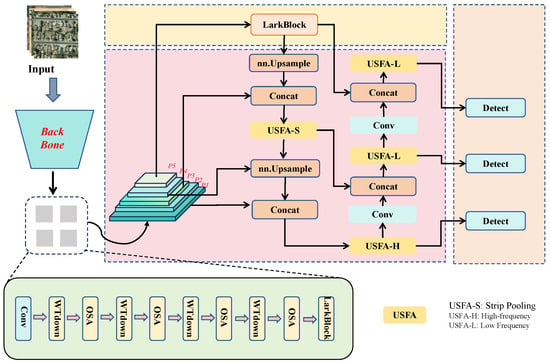
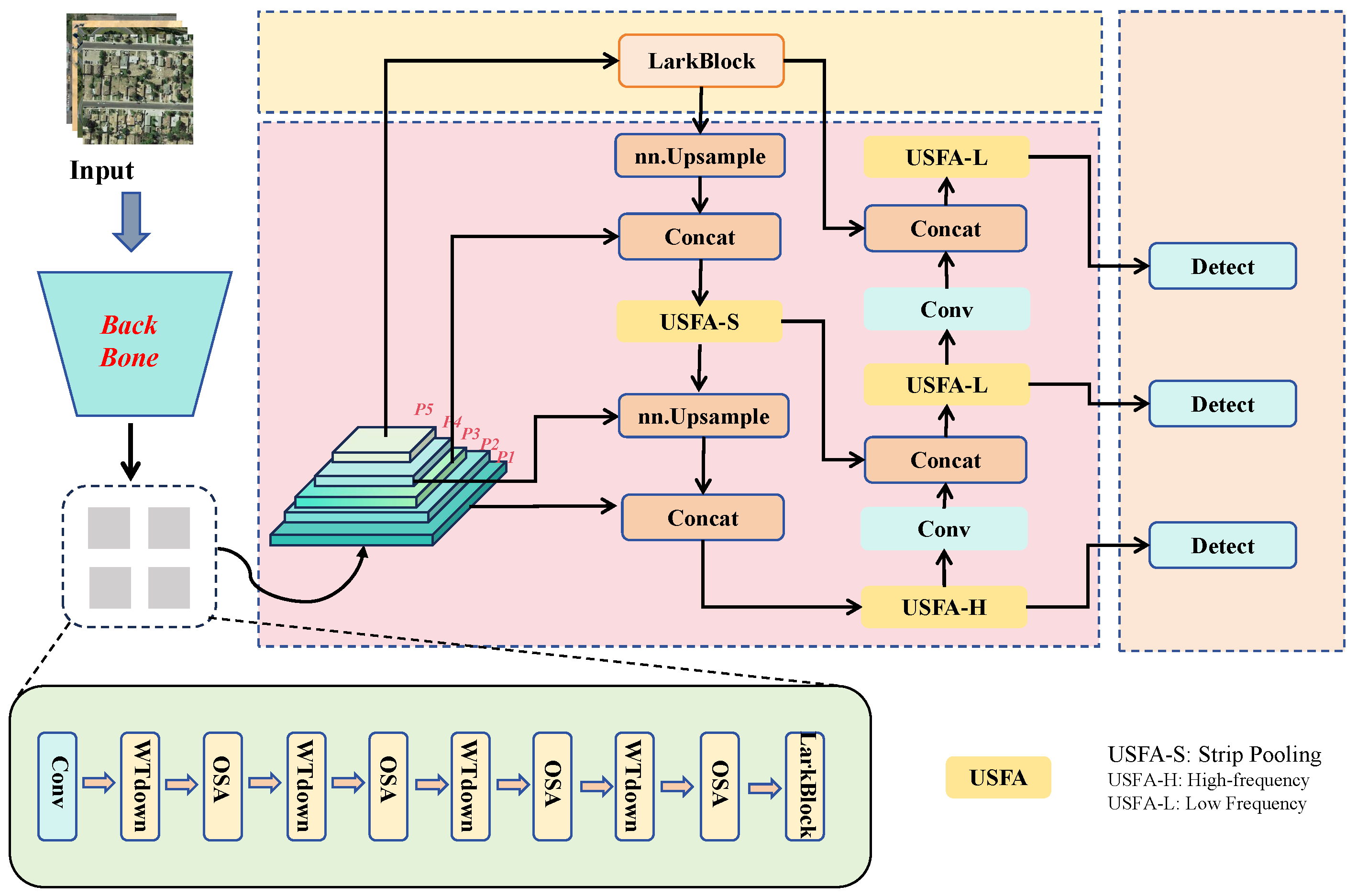
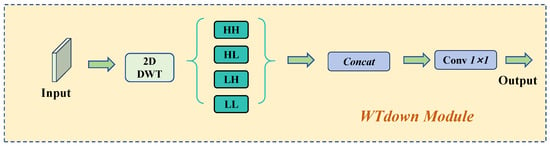
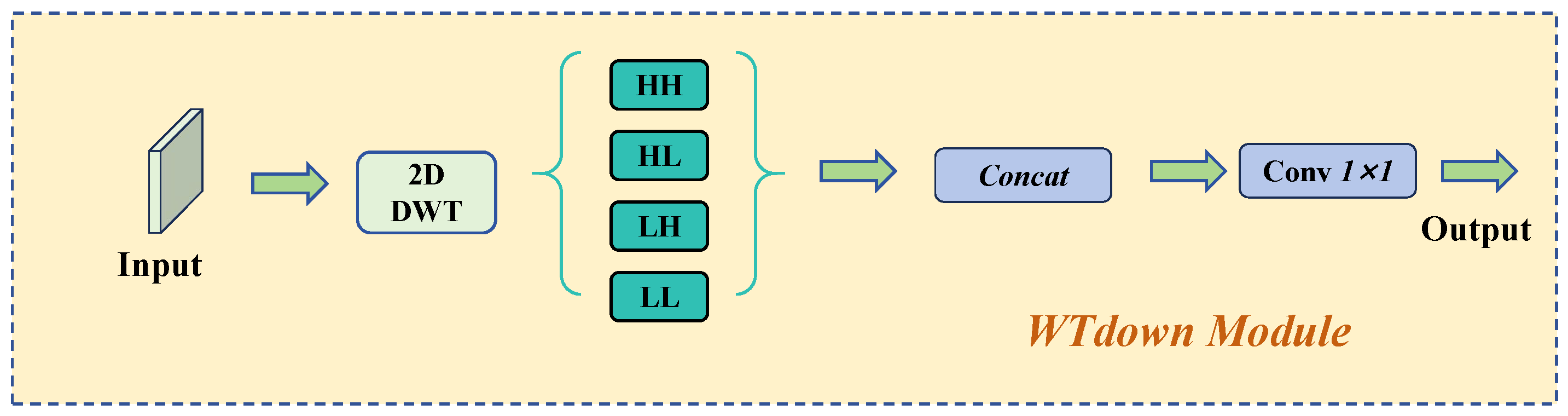
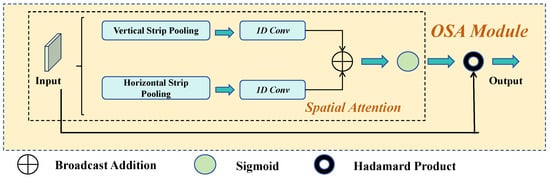
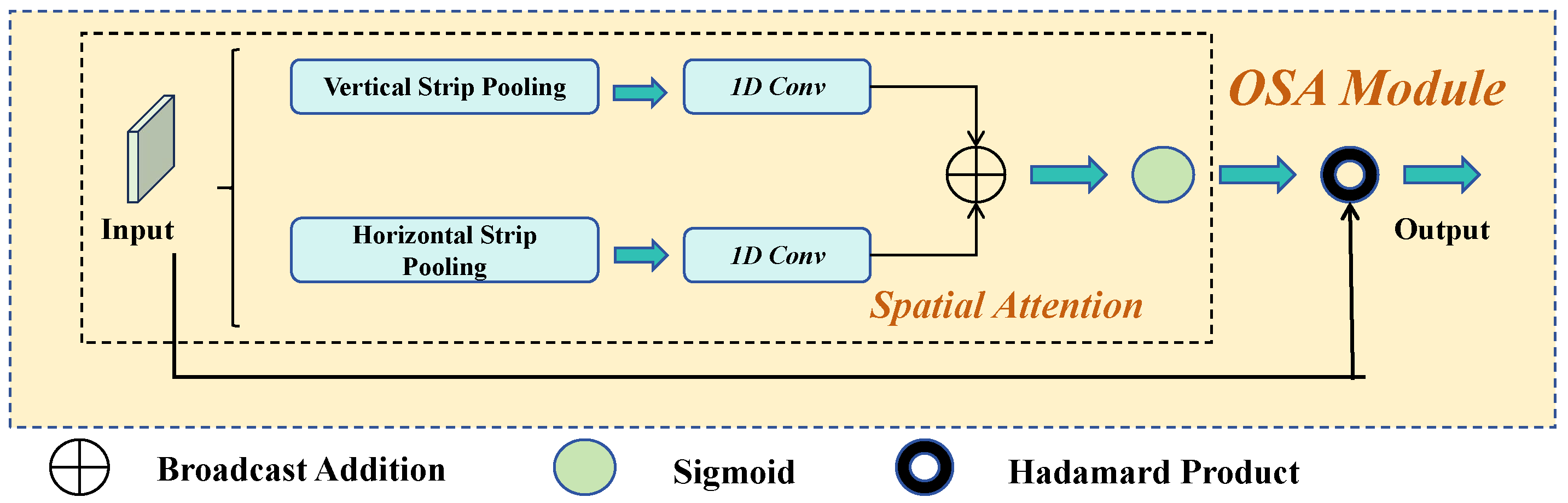
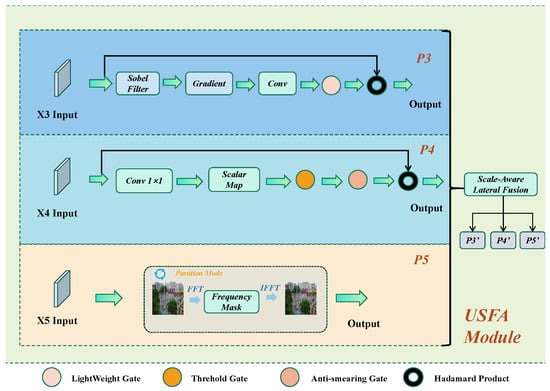
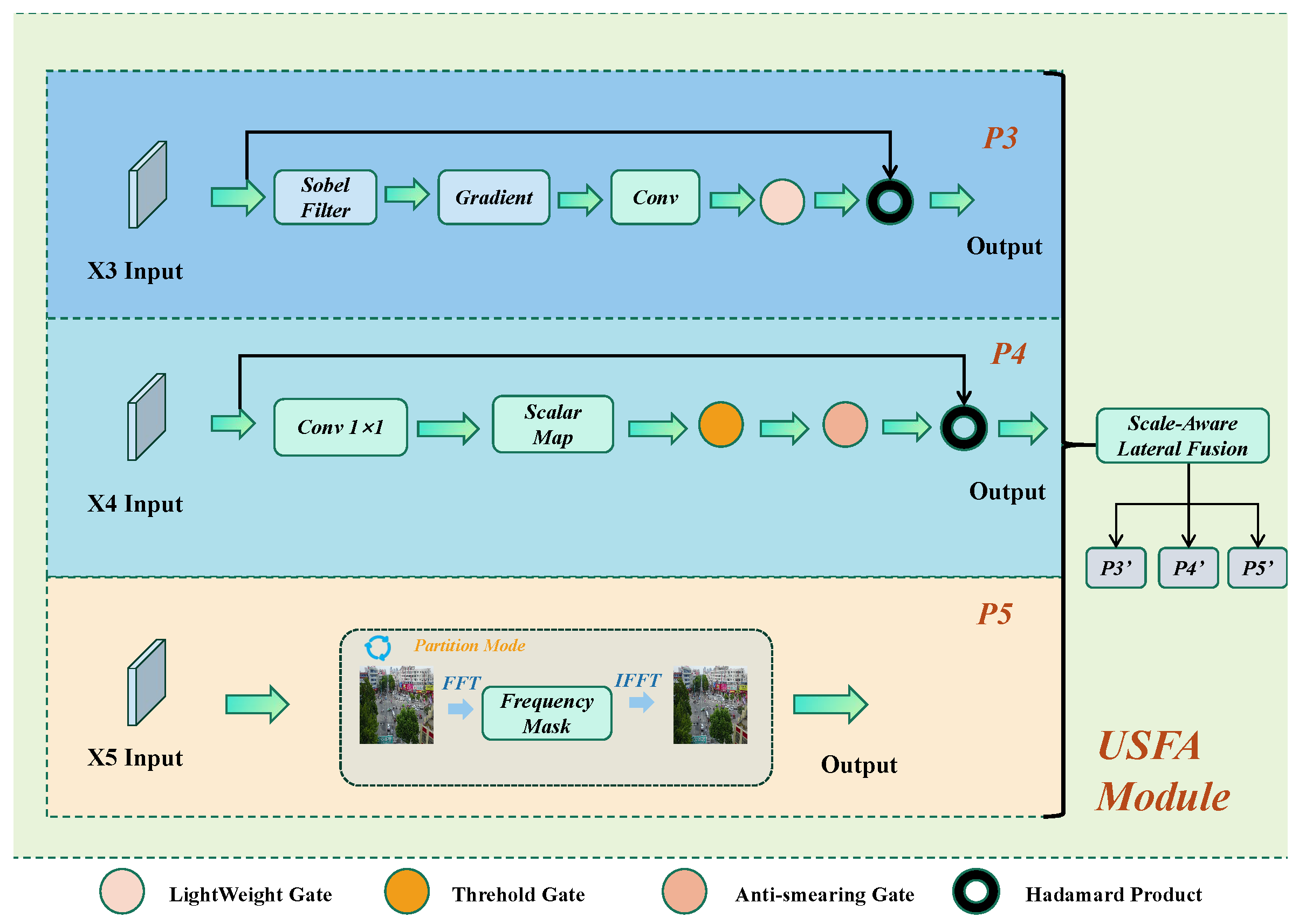
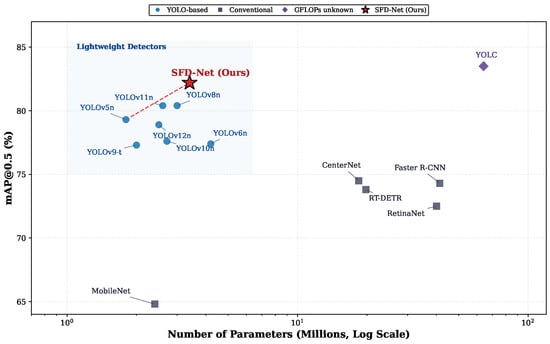
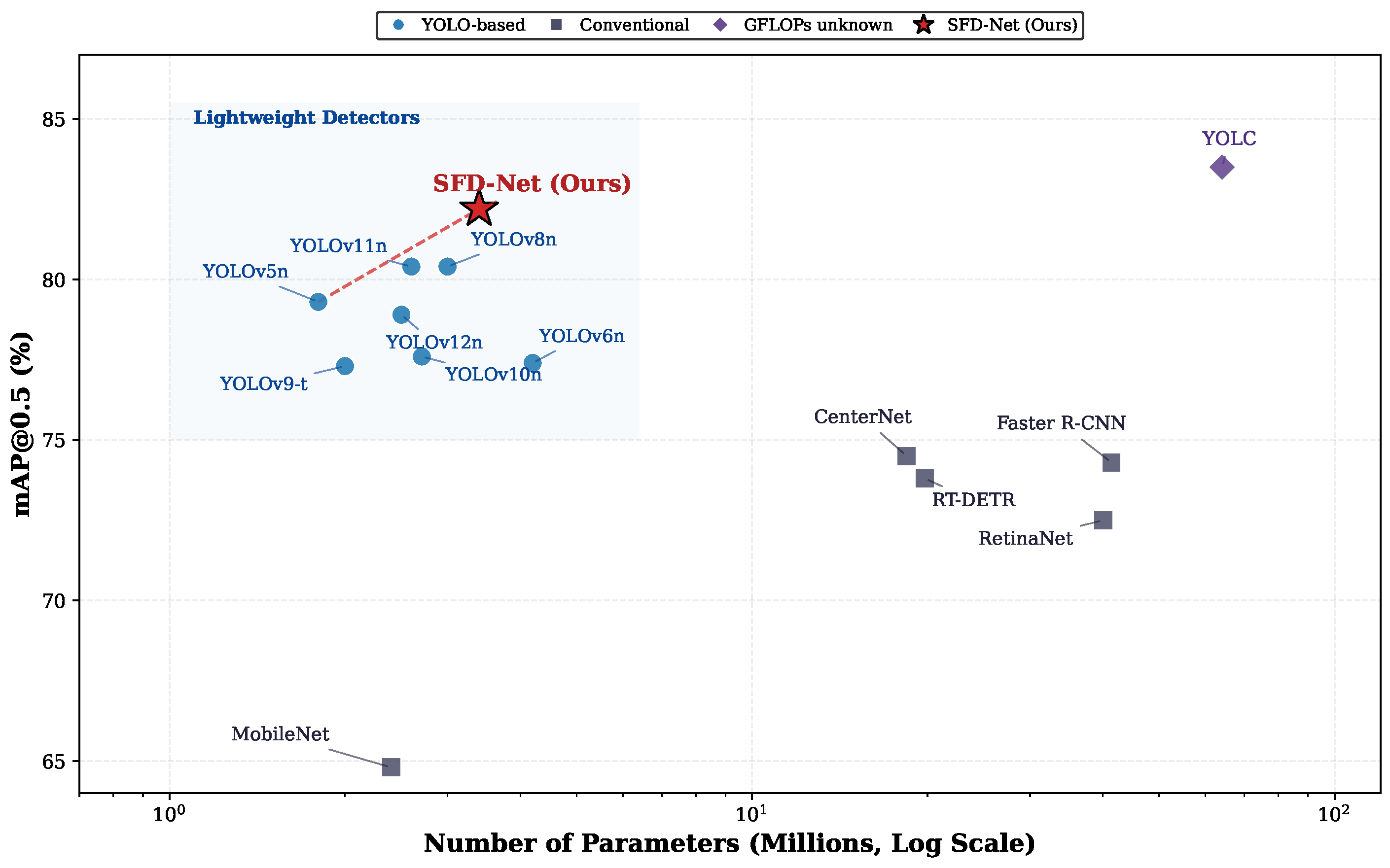
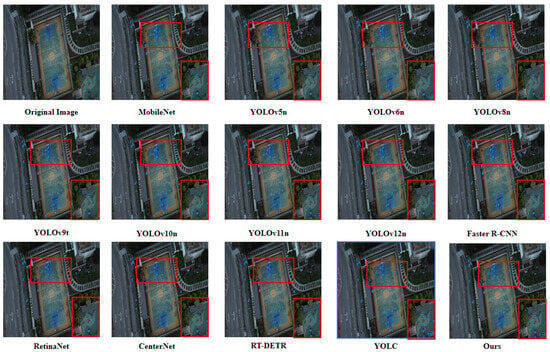
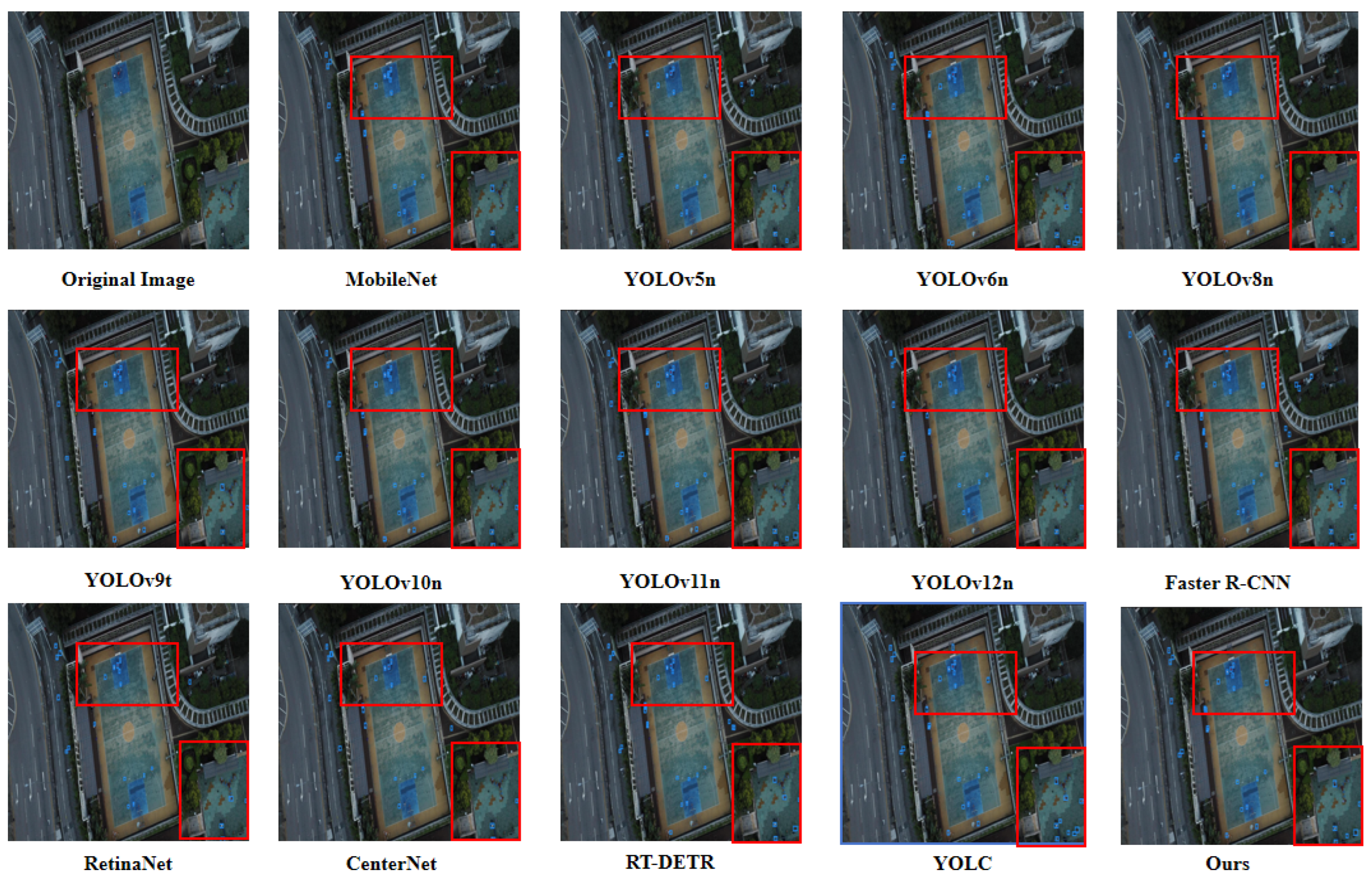
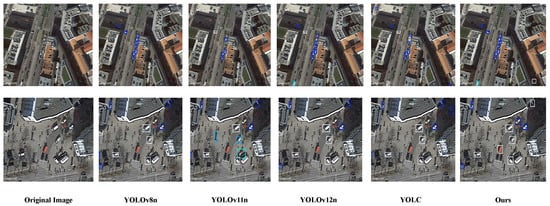
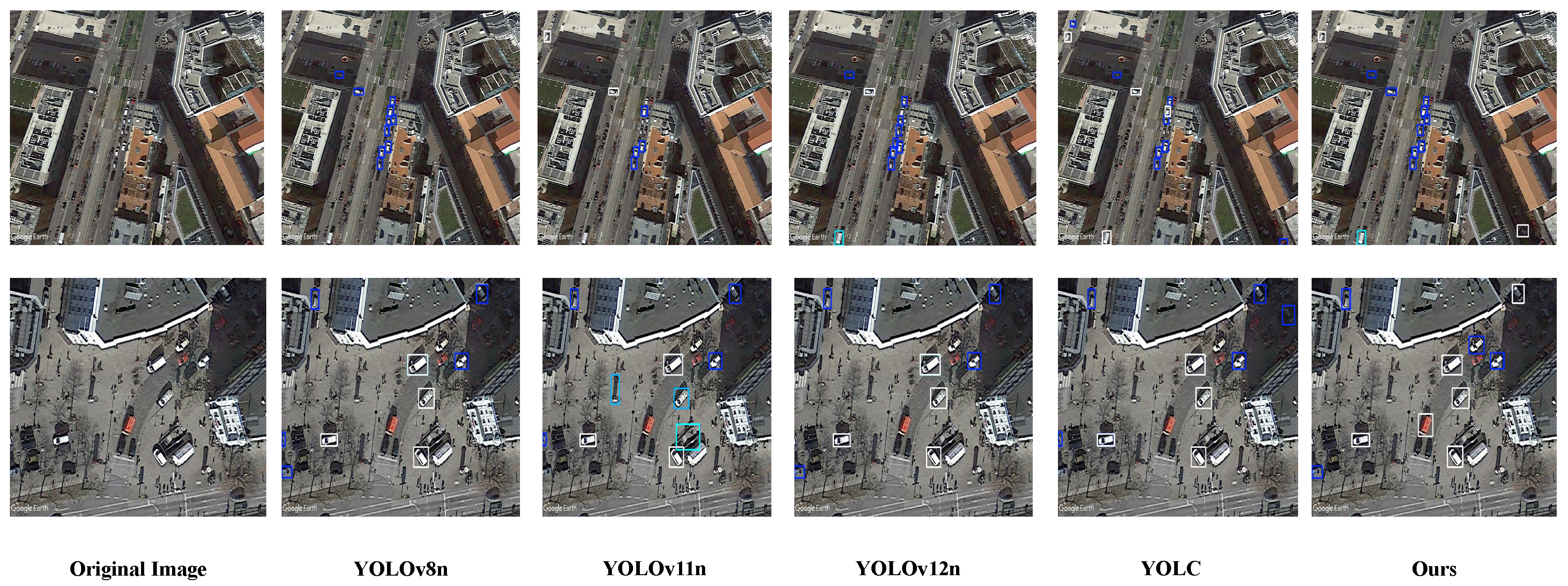
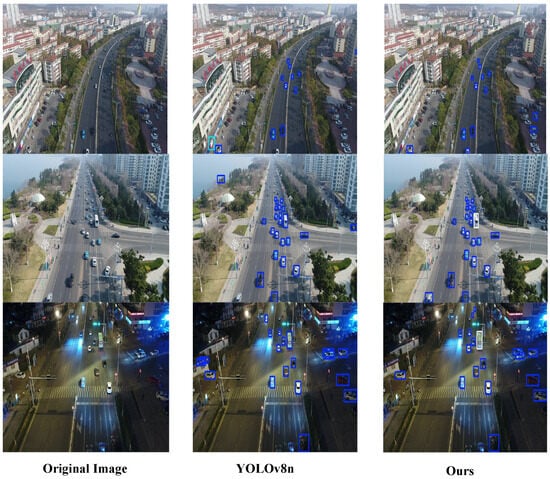
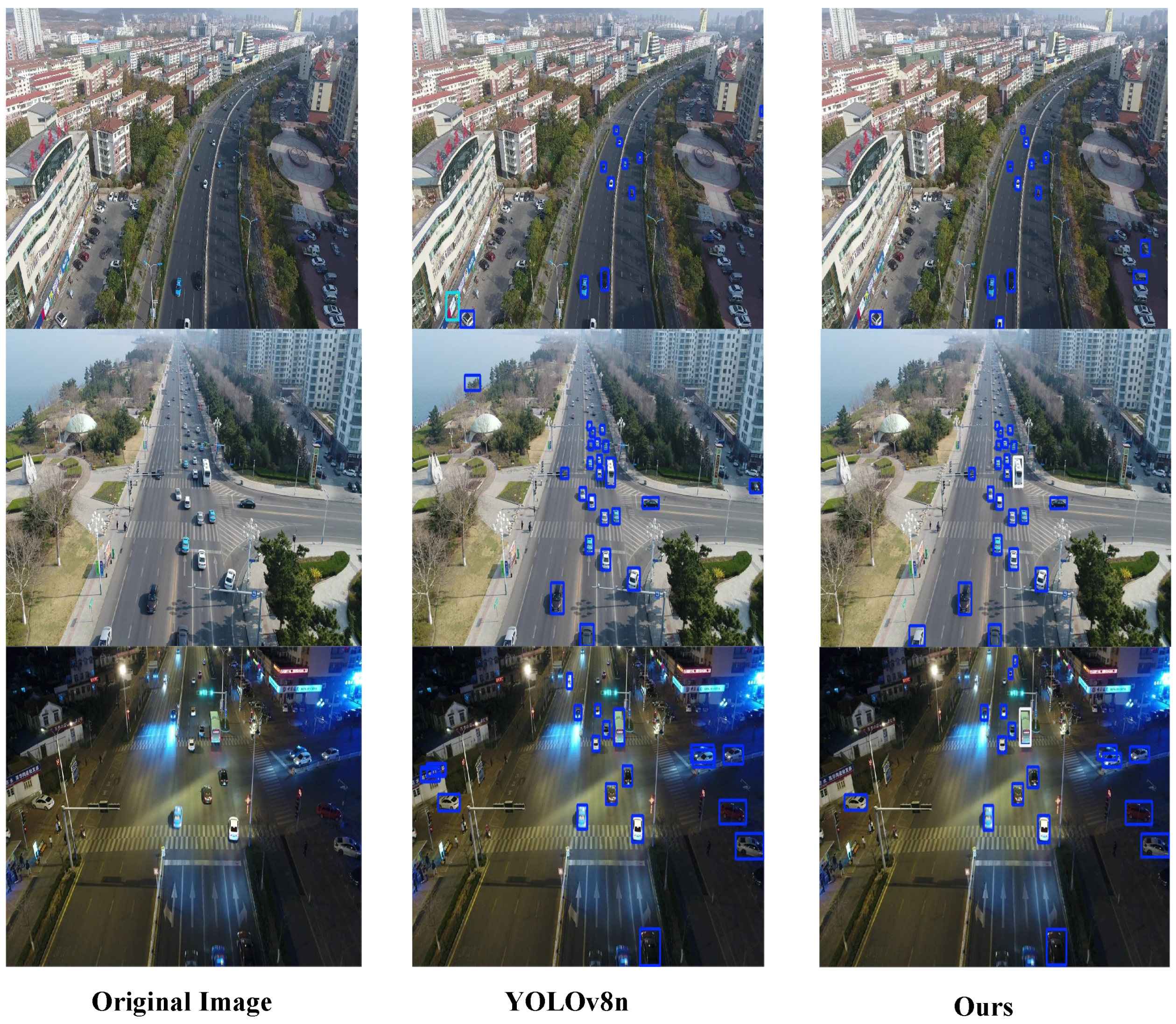

Disclaimer/Publisher’s Note: The statements, opinions and data contained in all publications are solely those of the individual author(s) and contributor(s) and not of MDPI and/or the editor(s). MDPI and/or the editor(s) disclaim responsibility for any injury to people or property resulting from any ideas, methods, instructions or products referred to in the content. |
© 2026 by the authors. Licensee MDPI, Basel, Switzerland. This article is an open access article distributed under the terms and conditions of the Creative Commons Attribution (CC BY) license.