


Highlights
What are the main findings?
- Constructing a Rock Mass Fracture Detection Framework Based on an Improved Deep Convolutional Neural Network Model.
- Utilizing UAV-based Close-Range Photogrammetry Combined with the HSfM-MVS Algorithm to Build High-Precision Digital Models.
What are the implications of the main findings?
- Providing a Reference for Feature Fusion and Noise Suppression in Target Segmentation Under Complex Backgrounds.
- The Proposed Method Enables a Non-Contact Approach for Rock Mass Fracture Detection.
Abstract
Fractures as critical discontinuous structural planes in rock masses, directly govern their stability and serve as the core controlling factor in rock mechanics engineering. Existing deep learning models for fracture extraction face persistent challenges, including imbalanced integration of deep and shallow features, limited suppression of background noise, inadequate multi-scale feature representation, and large parameter sizes—making it difficult to strike a balance between detection accuracy and deployment efficiency. Focusing on the Wanshanshan quarry in Yunnan, this study first constructs a high-precision digital model using close-range photogrammetry and 3D real-scene reconstruction. A lightweight yet high-accuracy intelligent detection method, termed MSEM-Deeplabv3+, is then proposed for rock mass fracture extraction. The model adopts lightweight MobileNetV2 as the backbone network, incorporating inverted residual modules and depthwise separable convolutions, resulting in a parameter size of only 6.02 MB and FLOPs of 30.170 G—substantially reducing computational overhead. Furthermore, the proposed MAGF (Multi-Scale Attention Gated Fusion) and SCSA (Spatial-Channel Synergistic Attention) modules are integrated to enhance the representation of fracture details and semantic consistency while effectively suppressing multi-source and multi-scale background interference. Experimental results demonstrate that the proposed model achieves an mPA of 89.69%, mIoU of 83.71%, F1-Score of 90.41%, and Kappa coefficient of 80.81%, outperforming the classic Deeplabv3+ model by 5.81%, 6.18%, 4.53%, and 9.2%, respectively. It also significantly surpasses benchmark models such as U-Net and HRNet. The method accurately captures fine and continuous fracture details, preserves the spatial distribution of long-range continuous fractures, and maintains robust performance on the CFD cross-scene dataset, showcasing strong adaptability and generalization capability. This approach effectively mitigates the risks associated with manual high-altitude inspections and provides a lightweight, high-precision, non-contact intelligent solution for fracture detection in high-steep rock slopes.
1. Introduction
Joints are discontinuous fracture surfaces within rock masses that have undergone no significant displacement, and their formation is governed by multiple geological processes. The geometric and mechanical characteristics of these fractures, along with their spatial arrangement, directly affect the strength, deformation behavior, and overall stability of the rock mass, making them a fundamental controlling factor in rock mechanics and engineering practice [1,2,3,4,5]. Traditional approaches for measuring rock fractures predominantly depend on manual surveys, typically employing tools such as rulers and compasses. Common techniques include window sampling [6] and scanline surveys [7]. Although these methods offer a certain degree of accuracy, they are often inefficient, highly subjective, and challenging to implement in hazardous or inaccessible environments.
In recent years, Unmanned Aerial Vehicle (UAV) photogrammetry has emerged as a non-contact solution for investigating high and steep rock slopes, offering advantages such as high efficiency, low cost, and strong environmental adaptability [8,9]. By acquiring high-overlap imagery and applying Structure from Motion (SfM) and Multi-View Stereo (MVS) algorithms, high-precision 3D digital models can be reconstructed that clearly and comprehensively capture the surface morphology and structural features of rock masses, thereby providing a robust foundation for digital interpretation and analysis [10]. Notably, nap-of-the-object photogrammetry offers several core advantages: millimeter-level resolution data acquisition, strong adaptability to complex terrain, non-contact operation ensuring both safety and efficiency, and high fidelity in reproducing geometric and textural details. This approach effectively minimizes shadow occlusion and texture distortion, enabling accurate reconstruction of the surface morphology of rock slopes [11,12].
In the field of intelligent fracture detection, traditional digital image processing techniques such as Canny edge detection and the Hough transform have been employed for fracture identification [13,14,15], alongside various machine learning approaches [16]. However, these methods are sensitive to noise and illumination variations, often rely on empirically determined thresholds, and exhibit performance heavily dependent on data distribution and local geological conditions, leading to limited robustness in complex backgrounds. Building on digital models derived from nap-of-the-object photogrammetry, researchers have advanced intelligent fracture detection. For instance, Wang et al. [17] integrated Delaunay triangulation with an improved region-growing algorithm to achieve automated fracture identification, while Zhao et al. [18] extracted linear fracture features using an adaptive shape algorithm to accomplish the same goal. These studies validate the utility of nap-of-the-object photogrammetry-based digital models for intelligent fracture detection and provide valuable technical support for structural analysis in complex geological settings.
With the advancement of computer vision, deep learning has demonstrated notable advantages in automatic feature extraction, offering enhanced representational capacity and adaptability compared to traditional handcrafted feature-based methods. This progress opens new avenues for intelligent fracture detection in rock masses, particularly when integrated with digital models derived from nap-of-the-object photogrammetry. Among various deep learning paradigms, Convolutional Neural Networks (CNNs) have excelled in visual detection tasks due to their strengths in modeling local features and constructing hierarchical representations. To date, several representative CNN architectures have been developed, including Fully Convolutional Networks (FCN) [19], the DeepLab series [20,21,22], U-Net [23], PSPNet [24], and HRNet [25]. These models have significantly advanced image semantic segmentation and introduced new technical pathways for the intelligent identification of complex geological fractures. Semantic segmentation [26,27], in particular, enables pixel-level classification, allowing precise delineation of fracture targets from background regions, and has increasingly become a research focus in fracture extraction. Unlike object detection methods [28,29,30], which rely on bounding box or keypoint annotations, semantic segmentation directly outputs complete fracture contours and spatial distributions, rendering it more suitable for analyzing fracture networks characterized by irregular geometries and high continuity requirements.
In recent years, numerous scholars have proposed various network architectures tailored to fracture segmentation tasks. For instance, Chen et al. [31] introduced FraSegNet, a model that integrates skeleton extraction with chain code approximation to enable end-to-end automatic extraction of fracture trace maps from tunnel faces. Yuan et al. [32] adopted the DeepLabv3+ framework with MobileNetV2 as a lightweight backbone for feature encoding, significantly improving the robustness of fracture recognition in coal mine roadways under challenging conditions such as low illumination and metal mesh interference. Lee et al. [33] systematically compared the performance of U-Net and DeepLabv3+ for fracture segmentation on rock surfaces, demonstrating from both qualitative and quantitative perspectives the clear superiority of deep learning models on flat and uneven terrains. Furthermore, Li et al. [34] proposed CRFSegNet, which employs MetaFormer as the backbone and incorporates a multi-scale feature fusion module to enhance the extraction of fine fracture details and global contextual cues, achieving higher segmentation accuracy in complex fracture images. Overall, deep learning-based semantic segmentation methods have advanced rock fracture extraction technology by leveraging end-to-end learning and hierarchical feature fusion, thereby improving both the accuracy and efficiency of fracture detection and offering a robust technical foundation for subsequent research and practical applications.
To clarify the position of this study within existing deep learning-based fracture detection research, we systematically compare the proposed MSEM-Deeplabv3+ method with mainstream technical approaches. Among existing methods, although some studies employ lightweight backbones such as MobileNetV2, they often lack specific optimization for the thin and narrow characteristics of rock fractures, and traditional models also suffer from imbalanced feature fusion structures. Furthermore, most existing models only introduce attention modules with a single dimension (such as CBAM or SE) to suppress noise, making it difficult to effectively handle the complex multi-source and multi-scale interferences in rock mass images. In contrast, the MAGF dynamic gating fusion mechanism designed in this study breaks through the limitations of traditional fixed-ratio fusion, making it more adaptable to the complex correlations between shallow and deep features in rock fractures. Additionally, the introduced SCSA spatial-channel synergistic attention, through dual mechanisms of localization and calibration, effectively suppresses background noise such as shadows and textures, enhancing the model’s discriminative ability and robustness. The above comparison indicates that existing deep learning methods still have individual shortcomings in lightweight deployment, complex feature adaptation, noise suppression, and generalization capability. In contrast, this study systematically enhances the model’s comprehensive performance in the task through collaborative design involving backbone network adaptation, feature fusion innovation, and noise suppression.
Despite these advances, deep learning-based intelligent fracture detection still faces core challenges, including insufficient multi-scale feature representation, limited suppression of complex background noise, excessive model parameter sizes, and difficulty balancing fine edge details with semantic segmentation accuracy. To address these issues, this paper proposes a Multi-Scale Attention Gated Fusion (MAGF) module to enhance fracture detail representation and semantic consistency, while introducing an SCSA module to suppress background interference and improve feature discriminability. By constructing the MSEM-Deeplabv3+ network for intelligent rock fracture extraction, this study aims to achieve high-precision, automated detection of fractures in high and steep slope rock masses. Furthermore, cross-scene experiments on the independent CFD fracture dataset are conducted to validate the generalization capability and stability of the proposed method.
2. Test Area Data Collection and Real-Scene 3D Modeling
2.1. Test Area
The study area is located at the two-stage slope of the Wandongshan mining site in Xiyi Town, Heqing County, Dali Bai Autonomous Prefecture, northwestern Yunnan Province, China. Geographically, it lies in the southeastern part of Xiyi Town (coordinates: 100°5′30″E–100°21′0″E, 26°7′30″N–26°18′00″N). Heqing County is situated in northwestern Yunnan and the northern part of Dali Prefecture, with a topography characterized by higher elevations in the northwest and lower elevations in the southeast. The highest point is Ma’er Mountain in the west, reaching an elevation of 3958 m, while the lowest point is Huangluolang in Longkaikou Town within the Jinsha River basin, at just 1162 m, forming a dramatic vertical relief. Climatically, Heqing County lies in a transitional zone between the southern subtropical and cold temperate zones, featuring a plateau monsoon climate with distinct dry and wet seasons. The wet season extends from May to October, accounting for over 85% of the annual precipitation. Climatic conditions vary significantly with elevation, exhibiting a pronounced temperature gradient. The annual average temperature is approximately 14.2 °C, with a mild and pleasant climate year-round, and annual precipitation averages around 947.9 mm. These unique climatic factors contribute to the region’s rich and diverse ecological environment. The location of the test area is shown in Figure 1a,b, which illustrate the geographical location of the study area, a real view of the mining site, and the digital orthophoto maps (DOM) of the high-steep slopes Q1 and Q2.
Figure 1.
Study Area Description: (a) Geographical location of the study area; (b) Wandong Mountain mining pit; (c) DOM of the high and steep slope Q1 facade; (d) DOM of the high and steep slope Q2 facade.
The Wandongshan mining site is situated within the Beiya gold–polymetallic ore concentration area, as illustrated in Figure 2. This figure reveals the geological background of rock mass fracture development in the study area from three aspects: regional structure, fault distribution, and mining area geology, providing support for the geological rationality analysis of fracture extraction results. Tectonically, the study area lies on the western margin of the Yangtze Block, wedged between three major regional faults—the Jinsha River–Red River Fault, the Binchuan–Chenghai Fault, and the Lijiang–Muli Fault, as shown in Figure 2b. It forms part of the core zone of the Heqing–Xiangyun alkaline-rich porphyry belt. Prolonged tectonic compression and extension have led to intense rock fragmentation and densely developed fault structures, establishing a tectonic setting conducive to widespread fracture formation. According to geological data summarized in Figure 2c, the main strata exposed around the study area include: Quaternary (Q) deposits, consisting of sand, gravel, clay, and gray to gray-white limestone breccia layers; the Sanying Formation (N2s), composed of gravel-bearing sandy clay, fine sand, and sandy gravel layers; the Middle Triassic Beiya Formation, which serves as the predominant stratum and is subdivided into five lithologic members (T2b1~T2b5) based on rock characteristics—including light-gray layered, gray to dark-gray medium- to thick-bedded pseudo-brecciated argillaceous limestone; light-gray to gray medium- to thick-bedded argillaceous limestone; dark-gray to gray-black calcarenite; and gray to gray-white dolomitic limestone; the Lower Triassic Qingtianbao Formation (T1q), comprising yellowish-green to dark gray-green feldspathic sandstone; and the Upper Permian Emeishan Formation (Pe), consisting of gray-green to dark green basalt.
Figure 2.
(a) Tectonic Framework of the Western Margin of the Yangtze Craton (b) Fault Distribution Map of the Beiya Gold-Polymetallic Ore Concentration Area (c) Geological Map of the Beiya Gold-Polymetallic Mining District; 1—Open-pit mining area of the Wandongshan ore section, 2—Syncline and anticline, 3—Fault, 4—Skarn, 5—Magmatic rock (quartz syenite porphyry and lamprophyre), 6—Sanying Formation, 7—Fracture zone, 8—Emeishan Formation basalt, 9—Quaternary clay, 10—Qingtianbao Formation, 11—First member of the Beiya Formation, 12—Fourth member of the Beiya Formation, 13—Third member of the Beiya Formation, 14—Second member of the Beiya Formation, 15—Fifth member of the Beiya Formation.
2.2. Data Acquisition
This study focuses on two high and steep rock slopes at the Wandongshan mining site in Yunnan Province, designated as Q1 and Q2 in Figure 1. Data acquisition was performed using UAV-based nap-of-the-object photogrammetry, a technique that targets the vertical surfaces of objects and enables comprehensive imaging of natural terrain features such as steep slopes. A DJI Mavic 3 Pro UAV equipped with a DJI M3E camera was employed, featuring a sensor size of 17.42 mm and a focal length of 12.35 mm. The core technical specifications of the UAV and camera are summarized in Table 1, ensuring the reliability of the data acquisition process. To accommodate the topographic characteristics of the study area, two sets of facade flight routes were designed, as illustrated in the schematic diagram in Figure 3. This flight configuration ensured data integrity and high image resolution, providing a high-quality foundation for subsequent 3D modeling. A total of 253 high-resolution images were captured through close-range photography, each with a frame size of 5280 × 3956 pixels. This approach effectively mitigates issues commonly associated with traditional oblique photography, such as shadow occlusion and texture distortion, thereby delivering highly complete and high-fidelity image data that meet the rigorous requirements for intelligent fracture detection in rock masses.
Table 1.
UAV and camera-related parameters.
Figure 3.
Schematic diagram of UAV vertical flight route, (a) Location of the Q1 slope, (b) Schematic diagram of vertical flight, (c) Photos of the Q1 slope collected during UAV vertical flight, (d) Front view of photos collected during UAV vertical flight.
2.3. Real-Scene 3D Modeling
Structure from Motion (SfM) is a technique that reconstructs three-dimensional scene structure and estimates camera poses from a sequence of two-dimensional images [35]. In this study, the Hybrid SfM (HSfM) algorithm [36] is applied to process the high-resolution UAV imagery. The reconstruction pipeline begins with global rotation estimation, followed by incremental center estimation, enabling the initial generation of sparse point clouds. Global rotation averaging mitigates the risk of scene drift, while incremental center estimation enhances robustness to noisy data. A regional network model based on aerial triangulation is subsequently established. Since triangulation accuracy directly influences the quality of the final model, it is carefully evaluated. According to the generated quality report, the average reprojection error is 0.43 pixels, and the average ground resolution is 4.38 mm/pixel. Finally, dense reconstruction is performed using the Multi-View Stereo (MVS) algorithm [37,38], resulting in the generation of a realistic 3D model, dense image matching (DIM) point clouds, and a digital orthophoto map (DOM).
The digital model reconstructed from images acquired via nap-of-the-object photogrammetry using the HSfM algorithm exhibits a clear and detailed representation of rock masses. In contrast to models derived from traditional oblique photogrammetry—which typically achieve only centimeter-level accuracy—the high-resolution model produced by nap-of-the-object photogrammetry demonstrates superior texture fidelity and geometric precision, accurately capturing the morphological and textural characteristics of the real scene. Figure 4 presents a comparative visualization: (a) shows the 3D point cloud model generated in this study, (b) depicts the digital model obtained via conventional UAV oblique photogrammetry, and (c) displays the model constructed using nap-of-the-object photogrammetry. This comparison intuitively highlights the advantages of the proposed method in terms of geometric accuracy and texture restoration. By effectively mitigating occlusion and geometric distortion, nap-of-the-object photogrammetry yields a model with enhanced clarity and completeness, significantly improving both geometric fidelity and textural authenticity. These results validate the effectiveness of this approach for high-fidelity 3D real-scene reconstruction and establish a reliable data foundation for subsequent intelligent fracture detection and interpretation.
Figure 4.
Digital models and model comparison: (a) Digital 3D point cloud model; (b) Digital model established by UAV oblique photogrammetry; (c) Digital model established by close-range photogrammetry.
3. Methods
3.1. MSEM-Deeplabv3+ Network
To address the key challenges in intelligent rock mass fracture detection—namely, the imbalanced fusion of shallow details and deep semantics, significant background noise interference, and the difficulty of balancing accuracy with computational efficiency—this study proposes an improved fracture detection network based on the DeepLabv3+ architecture. DeepLabv3+ employs an encoder–decoder structure that leverages deep convolutional networks and the Atrous Spatial Pyramid Pooling (ASPP) module to extract multi-scale contextual features, while the decoder integrates shallow and deep information to achieve fine-grained segmentation. Although this architecture demonstrates strong feature representation and boundary delineation capabilities in semantic segmentation tasks, its direct application to rock mass fracture detection reveals notable limitations: downsampling operations often lead to the loss of fine fracture details, resulting in missed detections of micro-fractures, and the extracted fracture boundaries tend to be jagged and discontinuous.
To overcome these issues, this paper constructs an MSEM-Deeplabv3+ intelligent detection network tailored for rock mass fractures, with its overall architecture illustrated in Figure 5. The key improvements are as follows: (1) Lightweight backbone: MobileNetV2 is adopted as the encoder, incorporating inverted residual modules and depthwise separable convolutions to significantly reduce the parameter count and computational cost while maintaining robust feature extraction capability. (2) Multi-scale Attention Gated Fusion (MAGF) module: This module dynamically balances shallow and deep features via a gating mechanism, enhancing fracture detail representation and semantic consistency to mitigate the problem of micro-fracture omission. (3) Spatial-Channel Synergistic Attention (SCSA) module: By sequentially integrating spatial prior extraction and channel-wise feature calibration, this module effectively suppresses multi-source and multi-scale background noise, improves the discriminability of fracture features, and enhances edge segmentation accuracy. (4) Enhanced upsampling: The original upsampling process is replaced with an EUCB module (as shown in Figure 5) to further optimize feature restoration fidelity.
Figure 5.
Structural Diagram of the MSEM-Deeplabv3+ Network Structure.
Compared to existing DeepLabv3+ variants, the core contribution of this work lies not in the mere stacking of modules, but in a customized design that explicitly targets the unique characteristics of rock mass fractures. Conventional improvements to DeepLabv3+ typically focus on general-purpose feature fusion or attention mechanisms, such as introducing a single attention block or simply replacing the backbone, without addressing the specific challenges posed by fractures—namely, their narrow and discontinuous morphology, complex background interference, and imbalanced shallow–deep feature representation. Moreover, many attention-based segmentation models employ fixed-weight fusion strategies that are ill-suited to the spatially complex distribution of fractures. Through the synergistic design of the MAGF and SCSA modules, combined with a task-adapted lightweight backbone, this study achieves a threefold advancement: dynamic balancing of shallow and deep features, precise suppression of background noise, and feasibility for lightweight deployment. By integrating spatial–channel synergistic attention with multi-scale gated fusion and applying it to rock mass fracture semantic segmentation, the proposed method effectively resolves the core pain points of missed detection, false positives, and deployment difficulties that persist in traditional improved models.
3.1.1. Backbone: MobileNetV2
The original DeepLabv3+ framework employs Xception as its backbone network. Although Xception offers strong feature extraction capabilities, its large parameter size and high computational complexity pose challenges for deployment in resource-constrained environments [39]. To address this limitation, this study introduces MobileNetV2 as a lightweight alternative backbone, aiming to substantially reduce the model’s computational cost and storage requirements while retaining efficient feature representation. The architectural parameters of the MobileNetV2 network are summarized in Table 2, which details the layer-wise configuration—including input size, operation type, and expansion factor—to support model implementation. In the table, t denotes the expansion factor, c the number of output channels, n the number of repetitions, and s the stride.
Table 2.
Parameters of the MobileNetV2 network.
Building on MobileNetV1, MobileNetV2 introduces several notable architectural advancements. It adopts a fully convolutional structure, allowing it to accommodate inputs of varying sizes, and integrates inverted residual blocks along with linear bottleneck layers [40]. These innovations not only reduce the parameter count and computational overhead but also improve convergence speed and training stability [41]. Within each inverted residual block, the channel dimensionality is first expanded via 1 × 1 convolutions to enhance the nonlinear representational capacity of the features. This is followed by 3 × 3 depthwise separable convolutions for efficient spatial feature extraction. Finally, linear 1 × 1 convolutions project the features back into a low-dimensional space, thereby preventing information loss commonly induced by nonlinear activation functions [42]. MobileNetV2 further employs ReLU6 as the activation function [43], which ensures greater numerical stability in low-precision environments and strengthens model robustness under such conditions. The network also introduces tunable hyperparameters—namely, width multipliers and resolution scaling factors—that enable flexible adjustment of the trade-off between accuracy and computational efficiency. For these reasons, MobileNetV2 is selected as the backbone network in this study. It substantially reduces model parameters and computational complexity while preserving high semantic segmentation accuracy, thereby enhancing the model’s practicality and deployment feasibility in resource-constrained scenarios. The architecture of MobileNetV2 is illustrated in Figure 6.
Figure 6.
Architecture of the MobileNetV2 backbone network with inverted residual modules and depthwise separable convolutions.
3.1.2. MAGF Module
To address the challenges of imbalanced fusion between shallow detail features and deep semantic representations, as well as significant background noise interference in intelligent rock fracture detection, this paper proposes a Multi-scale Attention Gated Fusion (MAGF) module tailored for the DeepLabv3+ architecture. The structure of the MAGF module is illustrated in Figure 7. Its design is motivated by the specific demands of fracture detection: fine and narrow fracture details in shallow layers are easily lost during downsampling; deep semantic features often struggle to precisely localize fracture distributions; and the low grayscale contrast between fractures and the rock background exacerbates the imbalance in feature fusion. Conventional fixed-ratio fusion strategies, commonly used in general semantic segmentation models, are insufficient to address these issues. To overcome these limitations, the MAGF module operates through two complementary mechanisms—hierarchical attention enhancement and dynamic gated fusion—enabling multi-dimensional feature interaction and adaptive weighting for precise fracture modeling. Drawing inspiration from the CBAM module [44], MAGF sequentially applies Channel Attention (CA) and Spatial Attention (SA), as shown in Figure 7a,b. Channel attention enhances the response of weak fracture-related features such as edges and textures, while spatial attention strengthens fracture region localization by modeling pixel-level correlations. This serial attention structure enables the model to focus on critical visual cues of fractures amidst complex rock backgrounds. Subsequently, a Gated Multimodal Unit (GMU) [45], depicted in Figure 7c, generates a dynamic gating parameter α that adaptively adjusts the fusion ratio between high-level and low-level features based on the input context. This alleviates the information imbalance inherent in fixed-weight fusion strategies and significantly improves the extraction accuracy of fracture edge continuity and regional connectivity.
Figure 7.
Structure Diagram of the MAGF Module (a) Channel Attention Module (CA) (b) Spatial Attention Module (SA) (c) Gated Multimodal Unit (GMU).
The performance gains introduced by MAGF stem from its multi-scale feature complementarity and nonlinear dynamic fusion. Specifically, the low-level feature branch incorporates an Enhancement Block (EBlock) and a Channel Gate (CGate). The EBlock strengthens fracture texture details through 3 × 3 convolution and batch normalization (BN), followed by 1 × 1 convolution for dimensionality reduction and channel-wise information aggregation. The CGate, combining average pooling and Sigmoid activation, suppresses noisy low-level features and filters informative cues. High-level and low-level features are then nonlinearly fused using a combination of tanh activation and Sigmoid-based dynamic gating, realized through element-wise multiplication and addition. This approach adaptively uncovers correlation patterns between features based on the complex morphology of fractures, ensuring that the fused representation retains both fine-grained textures and clear semantic boundaries.
In terms of structural implementation, the high-resolution feature map from the third inverted residual block of MobileNetV2 serves as the low-level feature . After passing through a 1 × 1 convolution, it yields a feature , which maintains 1/4 of the input image resolution and is rich in spatial details such as fracture edges and textures. Meanwhile, the features extracted by MobileNetV2 are processed by the Atrous Spatial Pyramid Pooling (ASPP) module and subsequently upsampled to match the size of , forming the high-level feature . First, and undergo element-wise subtraction to generate a feature difference map, which is then enhanced sequentially by the CA and SA modules to produce the refined semantic feature . Second, is processed in parallel by a 1 × 1 convolution, the EBlock, and the CGate to obtain basic detail features, enhanced detail features, and gating weights, respectively. These three components are fused via element-wise multiplication and addition to generate . Finally, the GMU mechanism dynamically integrates and . After concatenation, a Sigmoid function generates the dynamic gating parameter , which weights the tanh-activated and to produce the final fused feature .
By integrating hierarchical attention with dynamic gated fusion, the MAGF module achieves multi-dimensional (channel–space) enhancement of fracture features and adaptive fusion of high- and low-level information. Compared to conventional concatenation or element-wise summation, this module flexibly adjusts the contribution of shallow details and deep semantics according to the complex morphology of fractures, effectively mitigating information imbalance. In summary, the MAGF module significantly improves the extraction accuracy of fracture edge integrity and regional connectivity, demonstrating its strong suitability for rock fracture detection tasks.
In this module, the number of neurons in the hidden layer of the Channel Attention (CA) multilayer perceptron (MLP) is set to one-quarter of the number of input channels, with ReLU serving as the activation function. The convolutional kernel size in the Spatial Attention (SA) module is fixed at 7 × 7. All weight parameters—including those in the CA and SA modules, as well as the GMU control weights , , and , are initialized using the He normal distribution, while bias terms are initialized to zero. The operational relationships and corresponding mathematical formulations are provided below [44,45]:
In Equations (1)–(4), σ denotes the sigmoid activation function; W0 and W1 are the learned weights of the MLP; represents the descriptor obtained via average pooling; denotes a convolution with a kernel size of 7 × 7; and represent the feature maps obtained through average pooling and max pooling, respectively; α is the dynamic gating parameter; θ denotes the parameters to be learned; [·,·] is the concatenation operator; and is the fused feature.
3.1.3. SCSA Module
To address the challenge of multi-source and multi-scale background noise in rock mass fracture detection, this paper introduces the SCSA (Spatial and Channel Synergistic Attention) module [46]. By harnessing the complementary strengths of spatial and channel attention, this module enables efficient feature extraction and refinement through multi-semantic guidance and semantic difference mitigation. Images used for fracture detection are often affected by diverse noise sources—such as shadow occlusion, surrounding rock texture interference, and uneven illumination—which exhibit multi-scale distribution characteristics, ranging from fine-grained shadows to large-scale textural patterns. Conventional attention mechanisms that operate on a single dimension are insufficient to simultaneously suppress such heterogeneous noise. In contrast, the SCSA module integrates spatial and channel attention synergistically, enhancing feature representation and robustness in multi-scale noisy environments, thereby improving detection accuracy and generalization.
The SCSA module adopts a serial architecture comprising “spatial prior extraction” followed by “channel feature calibration,” realized through two sub-modules: Shared Multi-Semantic Spatial Attention (SMSA) and Progressive Channel Self-Attention (PCSA). As illustrated in Figure 8, this lightweight and plug-and-play design enables efficient integration into existing networks. Specifically, SMSA performs dimensional decoupling on the input feature map (where is batch size, the number of channels, height, and width). Global average pooling is applied along the height and width directions, compressing the 2D spatial features into two 1D sequence structures: and . This decoupling establishes the foundation for capturing spatial dependencies along different orientations. To model diverse spatial distributions and contextual relationships, SMSA further partitions the features uniformly along the channel dimension into four independent sub-features, each with identical dimensions and a channel count of . To efficiently capture the unique semantic spatial structure within each sub-feature, SMSA employs depthwise shared 1D convolutions with kernel sizes of 3, 5, 7, and 9 on the four sub-features. After normalization and Sigmoid activation, spatial attention maps are generated to highlight key regions and provide spatial priors. This design captures multi-scale noise patterns through receptive fields of varying sizes, offering precise spatial guidance for subsequent channel calibration. The 1D convolutions on different sub-features and dimensions (H and W) adopt a weight-sharing strategy, which not only implicitly models dependencies between height and width dimensions—learning a more consistent feature representation—but also effectively controls the parameter count, preserving the module’s lightweight nature. Building on the output of SMSA, the PCSA module first adopts a progressive compression strategy by downsampling the spatial resolution of the feature map (from to ) via average pooling. Subsequently, PCSA performs linear projection along the channel dimension on the compressed features to obtain Query (), Key (), and Value (), where . The attention computation result is then normalized using a Sigmoid function and multiplied with the SMSA output to complete channel-wise feature refinement, effectively mitigating multi-semantic discrepancies and correcting feature confusion induced by noise interference.
Figure 8.
Structure Diagram of the SCSA Module.
Through the synergistic interaction of spatial and channel attention, the SCSA module achieves coordinated suppression of multi-source and multi-scale noise specific to rock masses, significantly enhancing feature discriminability and model generalization. Moreover, the lightweight and plug-and-play nature of the SCSA module allows it to operate seamlessly alongside the MAGF module without incurring high computational cost. This makes it well-suited for on-site deployment and complex feature extraction in high-steep slope fracture detection—an advantage over general-purpose attention mechanisms that lack such targeted adaptability.
3.2. Evaluation Metrics
To evaluate the accuracy of the improved network model in fracture extraction, this study uses the following semantic segmentation evaluation metrics to effectively assess classification performance. The selected evaluation metrics include mean Pixel Accuracy (mPA), mean Intersection over Union (mIoU), Precision (P), Recall (R), and the comprehensive evaluation metric (F1-Score), totaling five indicators as the model evaluation criteria. The calculation formulas are as follows:
In Equations (5) and (6), r represents the number of categories, denotes the objects of category i that are correctly classified, and denotes the objects predicted as category i but whose ground truth is category j, N represents the total number of samples.
In Equations (7)–(10), TP represents the number of pixels correctly predicted as change information; FP represents the number of pixels predicted as change information but actually belonging to unchanged information; FN represents the number of pixels predicted as unchanged information but actually belonging to change information; and TN represents the number of pixels correctly detected as unchanged information. Here, P corresponds to Equation (8) and R corresponds to Equation (9). The F1-Score ranges from 0 to 1, with values closer to 1 indicating enhanced model performance.
4. Results
4.1. Model Training Configuration
During model training, the Adam optimizer was employed to ensure stable and efficient parameter optimization. The weight decay coefficient was set to 0, and momentum was set to 0.9. The initial learning rate was configured as 1 × 10⁻⁵ and dynamically adjusted using the Cosine Annealing decay schedule to balance convergence speed with model accuracy. Training was conducted over 100 epochs, comprising 50 epochs of frozen training followed by 50 epochs of unfrozen training. The batch size was maintained at 4 throughout both phases. The cross-entropy loss function was adopted for model evaluation. To select the optimal model weights for testing, checkpoints were saved every 5 epochs, and the best-performing weight file was retained based on validation performance. These parameter settings helped prevent overfitting while ensuring stable learning and strong generalization capability. The experiments were conducted on a 64-bit Windows 11 system equipped with a 12th Gen Intel(R) Core(TM) i7-12700F CPU and an NVIDIA GeForce RTX 3060 GPU with 12 GB of VRAM. The model was implemented using Python 3.12 and the PyTorch 2.6.0 deep learning framework, with support from Python libraries including OpenCV and GDAL.
4.2. Dataset Creation and Processing
The construction of the dataset involved two main steps: spatial data cropping and label generation. High-resolution image data were acquired using UAV-based close-range photogrammetry, with acquisition parameters consistent with those described in Section 2.2. A DJI Mavic 3 Pro UAV equipped with a DJI M3E camera (sensor size: 17.42 mm, focal length: 12.35 mm) was used to capture images with a frame size of 5280 × 3956 pixels. The digital model reconstructed using the HSfM algorithm achieved an average ground resolution of 4.38 mm/pixel. From this model, two digital orthophoto maps (DOM) of the study area were generated. The image data from these two areas were uniformly cropped into standardized sample units of 256 × 256 pixels, resulting in a rock fracture dataset comprising 146 sample units. Fracture annotation followed a binarization labeling scheme. Visible main fracture veins and branch fractures in the images were designated as fracture areas, with pixel values set to 1. Non-fracture areas—such as rock matrix, minor shadows, and surrounding rock textures—were assigned a pixel value of 0. Annotation required that fracture contours closely align with actual edges, ensuring continuity without artificial breaks. The labeling process was performed using the professional annotation software LabelMe 5.6.0. Strict geological authenticity verification was conducted throughout the labeling procedure. Geological engineers with field survey experience independently reviewed and validated all sample annotations, focusing on whether the geometric morphology, spatial distribution, and connectivity of the fractures were consistent with the geological context of the study area. This ensured the geological plausibility of the annotation results. Finally, the annotation files were converted into PNG format, maintaining a one-to-one correspondence with the original images. Each image containing fractures was annotated and binarized accordingly. A schematic representation of the sample units is provided in Figure 9.
Figure 9.
Translation of the diagram of the crack sample dataset.
The dataset processing workflow comprised two main stages: data augmentation and dataset partitioning. First, to enhance the diversity and size of the initial 146 cropped sample units, multiple geometric transformations were applied. These included random rotations of 90°, 180°, and 270°, as well as horizontal and vertical mirror flipping, as illustrated in Figure 10. Combined with the original samples, this augmentation expanded the dataset to a total of 876 samples, forming the complete experimental dataset. To ensure model generalization and the objectivity of performance evaluation, a random stratified sampling strategy was adopted. The 876 augmented samples were divided into training, validation, and test sets in an 8:1:1 ratio, preserving consistent distribution characteristics across all subsets. Specifically, the training set comprised 700 images, used for iterative parameter optimization. The validation set contained 88 images, employed for hyperparameter tuning, early stopping decisions, and selecting optimal model weights during training. The test set also consisted of 88 images, which were kept entirely independent from the training process and used solely for the final evaluation of fracture extraction performance, thereby ensuring the reliability and impartiality of the assessment.
Figure 10.
Examples of image augmentation: (a) Original sample, (b) 90° rotation, (c) 180° rotation, (d) 270° rotation, (e) Horizontal mirror flip, (f) Vertical mirror flip.
4.3. Ablation Study and Model Parameter Comparison
To systematically evaluate the effectiveness of the proposed improvements to the MSEM-Deeplabv3+ network, six ablation experiments were designed on the fracture dataset. These experiments investigated three backbone networks—Xception, ResNet50, and MobileNetV2—to assess the individual contributions and combined optimization effects of the MAGF multi-scale attention gated fusion module and the SCSA spatial-channel synergistic attention module. The experiments were structured as two progressive ablation studies, one focusing on backbone network comparison and the other on module effectiveness validation. All experiments were conducted under a unified dataset, training configuration, and evaluation metric system to ensure objectivity, reliability, and reproducibility. The evaluation metrics included mean Pixel Accuracy (mPA), mean Intersection over Union (mIoU), Precision (P), Recall (R), F1-Score, and the Kappa coefficient.
Three widely used backbone networks in semantic segmentation—Xception, ResNet50, and MobileNetV2—were selected to compare their performance in rock fracture extraction, aiming to identify a lightweight yet high-precision backbone suitable for this task. The experimental results are presented in Table 3. As shown, the three backbones exhibited significant differences in parameter count and computational complexity. Xception had a parameter size of 54.71 MB and FLOPs of 83.475 G; ResNet50 had 32.96 MB parameters (21.76 MB fewer than Xception) and FLOPs of 49.376 G, substantially lower than Xception; MobileNetV2 had only 5.82 MB parameters, approximately one-tenth of Xception and FLOPs less than one-third of Xception’s. In terms of model lightweighting, MobileNetV2 outperformed the others.
Table 3.
Ablation experimental results of DeepLabv3+ models with different backbone networks.
Regarding segmentation performance, Xception achieved an mPA of 79.22%, mIoU of 74.25%, and F1-Score of 83.53% on the crack dataset. After replacing the backbone with ResNet50, all metrics declined. However, when MobileNetV2 was adopted, mPA increased to 83.19%—an improvement of 3.97% over Xception and 7.55% over ResNet50; mIoU reached 76.96%, improving by 2.71% and 6.52%, respectively; the F1-Score reached 85.49%, improving by 1.96% and 5.25%; and the Kappa coefficient reached 71.61%, representing increases of 5.50% and 16.68% over Xception and ResNet50, respectively. These results demonstrate that MobileNetV2 achieves the best segmentation accuracy while maintaining the lowest parameter count and computational cost.
Figure 11 illustrates the dynamic changes in loss and mean Intersection over Union (mIoU) during the training of the DeepLabv3+ ablation experiments. As shown in Figure 11a, the loss values for Xception and ResNet50 decrease rapidly within the first 10 epochs, followed by a gradual decline that stabilizes around the 60th epoch. In contrast, MobileNetV2 also exhibits a sharp initial drop but experiences a brief plateau between the 10th and 20th epochs, indicating greater training stability and effective resistance to overfitting. Figure 11b presents the mIoU curves over the course of training. Xception and ResNet50 display notable fluctuations in the early stage, reflecting less stable initial performance, though both gradually recover and improve as training progresses. By comparison, the mIoU curve for MobileNetV2 rises more steeply at the beginning, converges faster, and exhibits smaller overall fluctuations, consistently outperforming the other two backbones. These results confirm that, in the context of intelligent crack detection, the structural design and learning capacity of the backbone network critically influence feature extraction efficiency and segmentation accuracy. The proposed network, which adopts MobileNetV2 as its backbone, achieves rapid convergence while maintaining high segmentation accuracy and stability, demonstrating its effectiveness and practicality on the crack dataset. This finding provides empirical support for selecting task-appropriate backbone networks to enhance model learning and generalization.
Figure 11.
Analysis of Training Metrics Variation in Deeplabv3+ Models with Different Backbone Networks. (a) Training loss curve; (b) Training mIoU curve.
A comprehensive analysis of performance and efficiency reveals that MobileNetV2, through its innovative integration of inverted residual modules and depthwise separable convolutions, substantially reduces computational cost and parameter count while retaining the ability to extract subtle features such as crack edges and fine textures. This achieves a dual advantage of lightweight design and high precision. Accordingly, MobileNetV2 was selected as the backbone network for MSEM-Deeplabv3+.
Building on the selection of MobileNetV2 as the optimal backbone network, four comparative experiments were designed by progressively integrating the MAGF and SCSA modules: (1) Baseline (MobileNetV2 + DeepLabv3+), (2) Baseline + MAGF, (3) Baseline + SCSA, and (4) Baseline + MAGF + SCSA. These experiments aimed to quantify the individual contributions and synergistic optimization effects of each core module. The experimental results are presented in Table 4, which systematically evaluates the independent and combined impacts of the MAGF and SCSA modules through a progressive ablation study, thereby validating the effectiveness of the proposed module designs.
Table 4.
Ablation experimental results of modules.
As shown in Table 4, the introduction of the MAGF module alone led to substantial improvements in core performance metrics: mPA increased to 87.50%, a gain of 3.62% over the baseline, mIoU reached 80.65%, an increase of 3.12%, and the F1-Score rose to 88.22%, an improvement of 2.34%. These gains are attributed to the MAGF module’s hierarchical channel–spatial attention combined with a dynamic gating fusion mechanism. Channel attention enhances the response of critical features such as crack edges and textures, spatial attention accurately localizes crack regions, and the dynamic gating parameter α adaptively balances the fusion of shallow and deep features based on input semantic complexity. This effectively mitigates issues prevalent in the baseline model, such as missed detection of fine cracks and discontinuous crack boundaries caused by imbalanced feature fusion. In terms of computational cost, adding the MAGF module increased the parameter count by only 0.19 M and FLOPs by 3.681 G, preserving the model’s lightweight nature.
With the SCSA module alone, the model’s robustness against interference and feature discriminability were markedly enhanced: mPA rose from 83.88% to 87.68% (a 3.80% increase), mIoU from 77.53% to 80.35% (a 2.82% increase), and F1-Score from 85.88% to 87.91% (a 2.03% increase). The SCSA module employs a serial architecture comprising spatial prior extraction and channel feature calibration. The Shared Multi-Semantic Spatial Attention (SMSA) captures multi-scale noise patterns, while the Progressive Channel-wise Self-Attention (PCSA) corrects feature confusion induced by noise, significantly reducing false detections in complex backgrounds. The module added only 0.10 M parameters and 1.097G FLOPs, imposing a negligible impact on deployment feasibility.
When the MAGF and SCSA modules were integrated synergistically, the model achieved a leap in performance: mPA reached 89.69%, mIoU 83.71%, and F1-Score 90.41%, representing improvements of 5.81%, 6.18%, and 4.53% over the baseline, respectively. The Kappa coefficient reached 80.81%, a substantial increase of 9.2%, indicating a significant enhancement in classification consistency. Despite these gains, the parameter count remained at only 6.02 M (an increase of just 0.20 M) and FLOPs at 30.170 G (an increase of 3.682 G), demonstrating that the proposed MSEM-Deeplabv3+ network retains its lightweight characteristics even with both modules operating in tandem.
As illustrated in Figure 11, the combined MAGF and SCSA modules yielded the fastest convergence and lowest loss throughout training. The mIoU curve exhibited a steep upward trend in the early stages and ultimately stabilized at the highest level, confirming the strong compatibility of the proposed architecture with the crack dataset. The synergistic effect stems from the functional complementarity of the two modules: MAGF enhances and refines crack features, addressing the issue of insufficient feature extraction; SCSA suppresses background noise, tackling the challenge of weak anti-interference capability. Together, they form an integrated optimization of feature enhancement and noise suppression. Both modules are lightweight and highly compatible with the MobileNetV2 backbone, enabling a triple breakthrough in accuracy, robustness, and efficiency.
The two progressive ablation studies validate that the MobileNetV2 backbone provides an efficient feature extraction foundation, achieving an optimal balance between lightweight design and precision. The MAGF module strengthens crack detail representation and semantic consistency through dynamic gated fusion, while the SCSA module enhances feature discriminability and noise resilience via spatial–channel synergistic attention. Their combined effect enables the model to achieve state-of-the-art performance in rock mass crack extraction tasks.
4.4. Comparative Experiment and Results Analysis
To validate the effectiveness and comprehensive performance of the MSEM-Deeplabv3+ network model proposed in this paper for the rock fracture extraction task, several classic semantic segmentation networks—U-Net, U-Net++, FCN, PSPNet, LR-ASPP, DeepLabv3, HRNet, and DeepLabv3+—were selected as comparison models for a comprehensive performance comparison experiment with the proposed MSEM-Deeplabv3+ network model. A comprehensive evaluation was conducted on the fracture dataset from two dimensions: quantitative indicators of fracture extraction results, as shown in Table 5, and qualitative effects, as shown in Figure 12 and Figure 13. The evaluation focused on the accuracy, completeness, and anti-interference capability of intelligent fracture detection.
Table 5.
Comparison of evaluation metrics for different semantic segmentation networks.
Figure 12.
Translation of Crack Extraction Results from Different Semantic Segmentation Networks.
Figure 13.
Extraction results from the MSEM-Deeplabv3+ network model.
The quantitative evaluation results of different semantic segmentation networks are presented in Table 5, which compares the core performance metrics of MSEM-Deeplabv3+ with eight classic models, clearly demonstrating the superiority of the proposed approach. Across all six evaluation indicators—mPA, mIoU, Precision, Recall, F1-Score, and Kappa coefficient—MSEM-Deeplabv3+ achieved the highest values, indicating its outstanding capability in identifying both background and complex fractures. Specifically, the proposed model attained an mPA of 89.69%, representing improvements of 5.81% over the baseline DeepLabv3+ (83.88%) and 4.14% over HRNet (85.55%). As a core metric in semantic segmentation, mIoU reached 83.71%, surpassing DeepLabv3+ by 6.18% (77.53%) and HRNet by 4.27% (79.44%), directly reflecting the model’s enhanced accuracy in delineating fracture regions. Precision, Recall, and F1-Score reached 91.15%, 89.69%, and 90.41%, respectively, with F1-Score improving by 4.53% over DeepLabv3+ and 3.06% over HRNet, underscoring the model’s balanced performance in both precision and recall. In comparison, U-Net and U-Net++, which rely on the VGG backbone, exhibited relatively large parameter counts (43.93 M and 175.21 M, respectively) and limited feature extraction capabilities, resulting in lower overall metrics—mPA of 65.48% and 70.41%, and mIoU of 62.22% and 66.71%, respectively. FCN, with a ResNet50 backbone and a parameter count of 134.73 M, achieved an mPA of 80.46% but a markedly lower mIoU of 69.05%, indicating insufficient precision in fracture localization. PSPNet, despite incorporating a pyramid pooling module, was constrained by the basic feature extraction capacity of MobileNetV2, leading to weak capture of fine fractures and an mPA of only 66.47%. LR-ASPP, based on MobileNetV3 with 12.29 M parameters, achieved an mPA of 82.84% and an mIoU of 74.84%, yet did not outperform the DeepLab family. DeepLabv3 with ResNet50 achieved an mPA of 83.02% and mIoU of 76.68%, slightly lower than DeepLabv3+ with MobileNetV2. HRNet, leveraging multi-scale feature fusion, achieved an mPA of 85.55% and mIoU of 79.44%, ranking second only to the proposed model and slightly outperforming the DeepLabv3+ baseline. However, HRNet’s parameter count reached 29.88 M—five times that of the DeepLabv3+ baseline—resulting in lower computational efficiency. In contrast, MSEM-Deeplabv3+ retains the lightweight advantage of MobileNetV2 with only 6.02 M parameters, and through the synergistic optimization of the MAGF and SCSA modules, achieves substantial gains across all metrics, validating the effectiveness of the proposed improvements.
The Kappa coefficient, which measures the consistency between model predictions and ground truth, further confirms the robustness of MSEM-Deeplabv3+. The model achieved a Kappa coefficient of 80.81%, representing improvements of 9.20% over DeepLabv3+ and 6.22% over HRNet, indicating the highest classification consistency with actual fracture distributions. HRNet followed with a Kappa coefficient of 74.59%, reflecting its strong feature extraction capability. In contrast, models such as U-Net and PSPNet yielded Kappa coefficients below 60%, highlighting their susceptibility to false positives and missed detections. These results demonstrate that the synergistic integration of the MAGF and SCSA modules significantly enhances the stability and reliability of fracture classification in MSEM-Deeplabv3+.
The qualitative results of fracture extraction by different models are presented in Figure 12, which visualizes the performance of various models on six representative rock mass samples (A1~A6). These samples encompass diverse and challenging scenarios, including large-scale continuous fractures, fine discontinuous fractures, fractures with grayscale similar to the background, and regions affected by shadow interference. In the figure, GT denotes the ground truth labels, and Image shows the original input images.
Among all models, MSEM-Deeplabv3+ demonstrated the most accurate and robust segmentation performance. In contrast, U-Net and U-Net++ exhibited significant omission, particularly in fine fracture regions such as A3 and A4. Moreover, in areas where fracture grayscale closely resembled the rock mass (e.g., A2), their segmentation boundaries were blurred, failing to clearly distinguish fractures from the background. FCN showed insufficient completeness in extracting long continuous fractures in A1 and A2, with noticeable discontinuities. Additionally, in shadowed regions (A5 and A6), FCN produced severe false detections, misclassifying shadows as fractures, indicating weak robustness to interference. PSPNet managed to identify some large-scale fractures but struggled to capture fine textural details across A1, A3, A4, A5, and A6, resulting in high omission rates and an inability to extract narrow or complex fractures effectively. LR-ASPP exhibited inadequate edge reconstruction for fractures with complex morphologies: in A4 and A6, fracture edges appeared jagged and distorted, and detail processing at bifurcations was poor. DeepLabv3 and DeepLabv3+ achieved better results than the aforementioned models but still exhibited local defects. DeepLabv3 showed omissions of fine fractures in A3 and A5. Although DeepLabv3+ reduced such omissions, its fracture boundaries in A4 were slightly distorted, and some long-distance fractures appeared discontinuous. HRNet produced results similar to DeepLabv3+, with similar issues of discontinuity in long fractures and failure to identify fine regions in A4; while its performance in A5 surpassed DeepLabv3+, it was less effective in capturing fine, narrow fractures in A3.
In summary, MSEM-Deeplabv3+ delivered the most accurate extraction results. It not only fully preserved the spatial continuity of long-distance fractures in A1 and A2 but also precisely captured fine, discontinuous fracture details in A3~A6. The segmentation boundaries were smooth and closely aligned with actual fracture contours. Moreover, background noise suppression was particularly effective in shadowed regions (A5 and A6), with no obvious false detections. These results validate that the MAGF module, through its dynamic gating mechanism, effectively resolves the imbalance in deep–shallow feature fusion and enhances the representation of fracture edges and fine textures. Meanwhile, the SCSA module, via spatial–channel attention synergy, robustly suppresses background interference from the rock mass, significantly improving feature discriminability.
To further quantitatively assess the classification performance of the proposed model, six representative rock mass samples (A1~A6) were selected for evaluation. The extraction results of MSEM-Deeplabv3+ were analyzed from both visual and confusion matrix perspectives, as illustrated in Figure 13. In the confusion matrix examples, red denotes false positives, blue indicates false negatives, and green represents correctly extracted regions. Qualitative analysis reveals that the model achieves excellent extraction accuracy for large-scale, low-branching macroscopic fractures in samples A1 and A2, with false positives confined to minor edge regions and no obvious false negatives. For more complex samples (A3–A6), characterized by increased fracture density and branching, the model exhibits occasional false negatives at bifurcation points; nevertheless, overall recognition performance remains robust. Quantitative results from the confusion matrices indicate that the average extraction accuracy across samples is approximately 81%. However, as fracture networks become denser and individual fractures narrower, the probabilities of missed and false detections increase slightly. Overall, MSEM-Deeplabv3+ exhibits errors only in extremely fine or occluded fracture regions, significantly outperforming all comparison models. This demonstrates its strong capability in capturing subtle fracture features and confirms that the introduced MAGF and SCSA modules effectively mine both global context and local details. The experimental results validate the effectiveness of the proposed MSEM-Deeplabv3+ model for rock fracture extraction, achieving superior performance in both quantitative metrics and qualitative visualization. This provides a reliable technical solution for the efficient and accurate extraction of fractures in high and steep rock slopes.
4.5. Applicability Analysis of the MSEM-Deeplabv3+ Model
To systematically evaluate the robustness and cross-scenario transferability of the proposed MSEM-Deeplabv3+ model—and to address the limitation of relying solely on a single study area dataset—an independent fracture dataset, CFD, was introduced. This dataset shares no overlap with the self-constructed dataset used in this study and contains diverse fracture types, offering strong scene independence and variability, making it well-suited for assessing cross-scenario generalization. The CFD dataset was retained in its original binary annotation format, with fracture pixels set to 1 and non-fracture pixels set to 0. After removing blurry and incompletely annotated samples, 354 valid images were obtained and split into training, validation, and test sets in an 8:1:1 ratio to ensure that test results genuinely reflect the model’s cross-scenario adaptability. The training configuration followed the same settings described in Section 4.1. Evaluation continued to employ the six core metrics—mean Pixel Accuracy (mPA), mean Intersection over Union (mIoU), Precision (P), Recall (R), F1-Score, and Kappa coefficient—with the addition of computation time as an indicator of model efficiency. The performance of MSEM-Deeplabv3+ was compared against four classic networks—U-Net, FCN, HRNet, and DeepLabv3+—on the CFD dataset to quantitatively assess the generalization stability of the proposed model.
The experimental results on the CFD fracture dataset are presented in Table 6. This table displays the performance of each model on the CFD cross-scene dataset, which is used to validate the cross-scene generalization capability of the MSEM-Deeplabv3+ model. MSEM-Deeplabv3+ achieved an mIoU of 76.96%, an F1-Score of 85.28%, and a Kappa coefficient of 70.37%, all of which represent the highest values among the compared models. Its mPA reached 83.03%. In comparison, the baseline DeepLabv3+ model attained an mIoU of 74.68%, an F1-Score of 83.36%, a Kappa coefficient of 66.53%, and an mPA of 81.15%. The proposed model thus improved these core metrics by 2.28%, 1.92%, 3.84%, and 1.88%, respectively. Although HRNet achieved the highest single metric—an mPA of 87.36%—it suffered from a low Precision of 79.60%. On the CFD dataset, HRNet yielded an mIoU of 74.34%, an F1-Score of 83.31%, and a Kappa coefficient of 66.04%, all closely aligned with the performance of DeepLabv3+. However, HRNet exhibited a large parameter count and a computation time of 2818.2 s, which was less efficient than DeepLabv3+’s 2016.0 s. U-Net and FCN achieved mIoU values around 70% on the CFD dataset, with Kappa coefficients both below 60%, and their computation times were substantially longer, particularly U-Net, which required 17,065.1 s. MSEM-Deeplabv3+ completed the task in 2506.1 s, representing only a modest increase in computational overhead relative to DeepLabv3+.
Table 6.
Comparison of evaluation metrics for different networks on CFD datasets.
In summary, MSEM-Deeplabv3+ demonstrated the best overall cross-scenario performance, achieving the highest accuracy with only a marginal increase in computation time. These results indicate that the synergistic design of the MAGF and SCSA modules remains effective for feature enhancement and noise suppression even in unfamiliar fracture environments. The model exhibits strong cross-scenario generalization capability while maintaining a favorable balance between accuracy and inference efficiency.
To further qualitatively assess the cross-scenario generalization capability of the proposed model, five representative samples (B1~B5) were selected from the CFD fracture dataset. The fracture extraction results of different models are visually compared in Figure 14, where GT denotes the ground truth, Image shows the original input, and B1~B5 correspond to the selected typical samples.
Figure 14.
Fracture extraction results of different models on CFD datasets.
The extraction results from the U-Net exhibit noticeable omissions and discontinuities. For samples B3 and B4, fractures with grayscale values close to the background are poorly extracted, with limited distinguishability. In B2 and B5, fractures appear fragmented, lacking regional continuity. Although extraction for B1 is relatively better, subtle omissions remain along fracture edges. FCN primarily suffers from insufficient fracture completeness and connectivity, with discontinuities evident in B1, B2, B4, and B5; however, its performance on B3 is comparatively effective. HRNet outperforms both U-Net and FCN, successfully identifying most fractures. Nevertheless, some discontinuities persist in B3 and B4, and in B1 and B5, minor false detections occur where background regions are mistakenly classified as fractures. DeepLabv3+ produces relatively complete extraction results, with only minor local omissions and occasional connectivity issues.
In contrast, MSEM-Deeplabv3+ accurately captures fine and narrow fracture branches. Apart from minor omissions in the complex reticular fractures of B4, no significant missed detections are observed in the other samples. The model effectively suppresses interference from non-fracture textures and shadows, exhibiting no obvious false detections. It achieves the best overall fracture identification and extraction performance, faithfully restoring the spatial distribution and connectivity of fractures. MSEM-Deeplabv3+ consistently distinguishes fractures from background, whereas other models exhibit varying degrees of segmentation distortion.
These results demonstrate that MSEM-Deeplabv3+ possesses stronger adaptability to fractures across diverse scenarios, maintaining optimal performance on an independent dataset. This validates the effectiveness of the synergistic optimization of the MAGF and SCSA modules in intelligent fracture detection and confirms that their design does not rely on site-specific fracture characteristics, thereby exhibiting a certain degree of universality.
4.6. Overview
This study systematically validates the effectiveness and technical soundness of the MSEM-Deeplabv3+ network for rock fracture extraction in high and steep slopes. Backbone ablation experiments demonstrate that adopting MobileNetV2 achieves superior comprehensive performance with a low parameter count, striking an optimal balance between accuracy and efficiency. Its training process exhibits stable loss convergence and minimal fluctuation in the mIoU curve, confirming the suitability of the lightweight design for efficient fracture feature extraction.
MSEM-Deeplabv3+ addresses the limitations of traditional models through the introduction of MAGF and SCSA modules. The dynamic gating mechanism of the MAGF module balances shallow and deep features, enhances fracture edge integrity and regional connectivity, and effectively mitigates the loss of fine fracture details observed in DeepLabv3+. The SCSA module, through spatial–channel attention synergy, precisely suppresses rock background noise and shadow interference, improves feature discriminability, and reduces false detection rates. The synergistic interaction of these two modules enables the model to achieve leading performance across all metrics in multi-model comparisons on the fracture dataset presented in this paper. Specifically, mPA, mIoU, F1-Score, and Kappa coefficient reach 89.69%, 83.71%, 90.41%, and 80.81%, respectively—representing improvements of 5.81%, 6.18%, 4.53%, and 9.20% over the baseline DeepLabv3+. The model maintains a parameter count of 6.02 MB and FLOPs of 30.170 G, reflecting only a modest increase relative to the baseline, thereby achieving a favorable balance between accuracy and efficiency. Comparative analysis confirms that all quantitative metrics significantly outperform those of classic networks such as U-Net and HRNet.
Qualitative analysis reveals that MSEM-Deeplabv3+ adapts well to the complex geological environments of high and steep slopes. It excels in extracting large-scale continuous fractures, capturing fine details of intermittent fractures, delineating boundaries in regions where grayscale closely resembles the background, and suppressing noise in shadowed areas—all demonstrating performance superior to classic models. Confusion matrix validation indicates that the model achieves an average extraction accuracy of 81% for typical samples, with only minor omissions occurring at extremely narrow fracture bifurcations or occluded regions. Experiments on the CFD fracture dataset further show that MSEM-Deeplabv3+ possesses strong generalization capability, maintaining optimal performance across different datasets and exhibiting a certain degree of universality.
In summary, MSEM-Deeplabv3+ integrates a lightweight backbone network, multi-scale attention gated fusion, and spatial–channel synergistic attention mechanisms. This integrated approach significantly enhances the robustness and accuracy of fracture recognition in complex geological contexts while ensuring model practicality. It provides a reliable technical solution for the digital interpretation of rock fractures in high and steep slopes, effectively mitigating the safety risks associated with manual high-altitude fieldwork.
5. Discussion
This study addresses the challenges of irregular fracture morphology, strong background noise, and imbalanced feature fusion in rock mass fracture extraction by proposing the MSEM-Deeplabv3+ model. MobileNetV2 is adopted as the lightweight backbone network, leveraging inverted residual modules and depthwise separable convolutions to substantially reduce parameters while enabling efficient feature extraction. A Multi-scale Attention Gated Fusion (MAGF) module is designed, integrating channel–spatial hierarchical attention with a dynamic gating mechanism to adaptively fuse shallow and deep features, thereby resolving feature imbalance and enhancing fracture edge integrity and regional connectivity. Furthermore, a Spatial–Channel Synergistic Attention (SCSA) module is introduced to collaboratively suppress background noise, strengthen feature discriminability, and reduce false detections in complex geological environments.
While the traditional DeepLabv3+ employs the Xception backbone—offering strong feature extraction capability—its parameter count of 54.71 MB and computational complexity of 83.475 G FLOPs hinder deployment on UAV-embedded devices for field investigations of high and steep slopes. A core improvement of this study is the adoption of MobileNetV2 as a lightweight backbone. Its innovative design of inverted residual blocks and depthwise separable convolutions significantly reduces computational overhead while maintaining high compatibility with fracture extraction tasks. Specifically, MobileNetV2 achieves a balance between lightweight architecture and high accuracy through three structural optimizations: (1) depthwise separable convolutions decompose standard convolutions into depthwise and pointwise operations, reducing parameters to 5.82 MB and FLOPs to 26.488 G—less than one-third of Xception—substantially lowering computational costs; (2) the linear bottleneck design effectively prevents information loss during feature compression, preserving weak features such as fracture edges and fine textures; (3) the ReLU6 activation function exhibits superior numerical stability in low-precision operations, ensuring robust performance in embedded computing environments. Ablation experiments confirm that with MobileNetV2 as the backbone, the model achieves an mPA of 83.88% and an mIoU of 77.53%, representing improvements of 4.66% and 3.28% over Xception, and 8.24% and 7.09% over ResNet50, respectively. These results demonstrate that the lightweight enhancement does not compromise accuracy but rather achieves a synergistic gain in efficiency and performance through structural adaptation. Although prior studies, such as that by Yuan et al. [32], have introduced MobileNetV2 into DeepLabv3+ for fracture detection in coal mine roadways, they typically performed a simple backbone replacement without optimizing hyperparameters or enhancing features for the millimeter-scale, narrow characteristics of rock fractures in high and steep slopes. In contrast, this study integrates the MAGF module’s detail enhancement mechanism to compensate for the lightweight backbone’s limitations in capturing weak features, achieving dual improvements in both lightweight design and high accuracy. This constitutes a key distinction from existing improved lightweight DeepLabv3+ models.
To address the issues of detail loss and semantic inconsistency caused by fixed-weight fusion of shallow and deep features in traditional semantic segmentation models, this study designs the MAGF module. Its core innovation lies in a two-stage mechanism of “channel–spatial hierarchical attention + dynamic gating adaptive fusion,” overcoming the static limitations of conventional fusion methods. The three-level progressive design of the MAGF module achieves precise feature optimization: first, the Channel Attention (CA) module performs channel-wise weighting of key features such as fracture edges and textures, enhancing target feature responses while suppressing irrelevant background interference; second, the Spatial Attention (SA) module models pixel correlations to precisely localize fracture spatial regions, improving feature resolution; third, the Gated Multimodal Unit (GMU) generates dynamic gating parameters α that adaptively adjust the fusion ratio of high- and low-level features based on input semantic complexity, achieving a dynamic balance between detail and semantic features. Additionally, the Enhancement Block (EBlock) and Channel Gate (CGate) strengthen detail representation through 3 × 3 convolutions and batch normalization, while adaptive noise filtering via average pooling and Sigmoid activation further improves feature quality. Most existing attention-based improved DeepLabv3+ models employ single attention modules such as CBAM or SE for static feature weighting, which cannot adaptively adjust the proportion of shallow and deep features based on the semantic complexity of rock fractures. In contrast, the MAGF module is a customized solution specifically designed for the weak detail features of rock fractures and the high coupling of semantic features with the background, distinguishing it from attention fusion mechanisms used in general semantic segmentation. Experimental results show that, compared to issues identified by Lee et al. [33]—such as poor fracture connectivity in U-Net and thickened segmentation in DeepLabv3+—the MAGF module effectively balances shallow and deep features through its dynamic gating mechanism, significantly enhancing fracture edge integrity and semantic consistency. The innovative design of this module provides a new technical approach for accurately extracting multi-scale fractures in complex geological scenarios, and its hierarchical attention and dynamic fusion concepts offer valuable insights for feature fusion optimization in similar semantic segmentation tasks.
Common issues in high and steep slope rock images—such as shadow occlusion, surrounding rock texture interference, and uneven illumination—often lead to false or missed detections in traditional models. This study introduces the SCSA module, which employs a serial architecture of “spatial prior extraction–channel feature calibration” to construct a technical pathway for collaboratively suppressing background noise. Its core advantage lies in exploiting the complementary effects of spatial and channel attention to achieve precise noise suppression. The two-level synergistic mechanism of the SCSA module includes: first, the Shared Multi-Semantic Spatial Attention (SMSA), which decouples the input feature map into four sub-features and uses depthwise separable 1D convolutions with receptive fields of 3, 5, 7, and 9 to capture multi-scale spatial information simultaneously, generating a spatial attention map that adapts to noise regions of different scales (e.g., small shadows, large surrounding rock textures); second, the Progressive Channel-wise Self-Attention (PCSA), which preserves spatial priors through progressive downsampling and models channel dependencies using a single-head self-attention mechanism to calibrate feature confusion caused by noise interference, thereby enhancing the channel discriminability of fracture features. Experimental results show that the F1-Score for fracture extraction reaches 90.41%, effectively restoring details of long-distance continuous fractures and fine intermittent fractures, with significant background noise suppression. Compared to the FraSegNet model proposed by Chen et al. [31], which struggles with capturing fine fractures and relies on chain code approximation thresholds, the SCSA module strengthens weak fracture signals and effectively suppresses rock background noise through the synergistic effects of multi-receptive-field spatial attention and channel self-attention, avoiding fitting distortions and significantly improving model robustness in complex scenarios. This collaborative suppression mechanism overcomes the limitations of single-dimensional attention modules, forming a dual noise suppression capability of “localization–calibration,” providing a new solution for target extraction tasks in highly interfering environments.
The integration of the MAGF and SCSA modules is not a simple superposition but a synergistic adaptation grounded in the overall task theory of rock fracture detection. The core requirements of rock fracture detection can be summarized as “accurately capturing narrow, intermittent fractures—effectively suppressing multi-source, multi-scale background noise—while maintaining model lightweight deployment.” The MAGF module addresses the imbalance between shallow and deep features in narrow fractures, while the SCSA module targets noise suppression. Together, they form a synergistic mechanism for feature enhancement and noise suppression. Moreover, both modules are lightweight by design and highly compatible with the lightweight characteristics of the MobileNetV2 backbone. The resulting network has a parameter count of 6.02 MB and FLOPs of 30.170 G, reflecting only a modest increase while remaining lightweight, thereby meeting the practical requirements for non-contact, on-site deployment of rock fracture detection on high and steep slopes. From a general semantic segmentation perspective, the simultaneous synergy of these two mechanisms may not be necessary. However, the complex geological environment and unique characteristics of rock fracture detection necessitate the integration of MAGF and SCSA to achieve effective extraction of fracture features and precise suppression of background noise. This is the core theoretical rationale for their integration and the key distinction from integrated general semantic segmentation modules.
The high-precision fracture information extracted by the MSEM-Deeplabv3+ model provides critical data support for slope stability assessment in the Wandongshan mining area. By identifying dominant fracture sets on the high-steep slopes Q1 and Q2, the model delineated potential slip risk zones, offering a quantitative basis for optimizing slope reinforcement strategies. This approach demonstrates significant practical value in rock mass characterization, stability analysis, and engineering geological applications. In terms of rock mass characterization, accurately extracted fracture parameters—such as orientation, dip angle, density, and connectivity—provide quantitative support for fracture grading and identification of dominant structural planes, contributing to a clearer understanding of the tectonic control mechanisms underlying rock mass fragmentation. Regarding stability analysis, detailed fracture distribution data enable the construction of more realistic mechanical models of rock masses, allowing precise quantification of the weakening effects of fractures on rock strength and facilitating the identification of potential slip surfaces. This provides essential data for instability warnings in high-steep slopes and open-pit mines, thereby enhancing the scientific basis for disaster risk assessment. In engineering geological practice—such as in mining sites and road cuttings—the fracture extraction results can guide engineering design optimization, including precise positioning of bolt supports and rational delineation of grouting reinforcement zones, thereby reducing construction costs while mitigating engineering disaster risks. Moreover, the non-contact detection method completely eliminates the safety risks associated with manual inspections at height, significantly improving both the efficiency and safety of surveys in high-risk areas. By enabling a transition from qualitative description to quantitative precision in rock fracture detection, this study not only provides a direct basis for optimizing slope reinforcement strategies in the Wandongshan mining site but also offers a valuable reference for rock engineering projects under similar geological conditions. Through correlation analysis between fracture development characteristics and regional tectonic settings, it provides an efficient and precise technical approach for regional engineering geological investigations.
The proposed MSEM-Deeplabv3+ model demonstrates promising results in intelligent rock fracture extraction but still has certain limitations. First, the missed detection rate slightly increases for extremely narrow fractures, primarily because such fracture features are weak and easily masked by background noise. Second, the model relies solely on 2D DOM images for segmentation and does not fully utilize the spatial geometric information from 3D point clouds, limiting its ability to identify intersecting fractures. Third, in areas with high fracture density, occasional misconnections occur, affecting fracture trace continuity. Future improvements will focus on three directions: (1) constructing a dataset containing more samples of extremely narrow fractures and using generative adversarial networks (GANs) to synthesize fine fracture samples to enhance the model’s ability to capture weak features; (2) fusing 2D image texture information with 3D point cloud depth information to build a multimodal feature fusion network, leveraging spatial geometric constraints from point clouds to optimize fracture segmentation results; (3) refining the dynamic gating mechanism of the MAGF module by introducing adaptive parameters based on fracture density to dynamically adjust feature fusion weights according to local fracture density, reducing misconnections in high-density fracture areas.
In summary, through core improvements such as lightweight backbone network adaptation, innovative feature fusion mechanisms, and collaborative noise suppression strategies, the MSEM-Deeplabv3+ model proposed in this study effectively overcomes the limitations of traditional methods, achieving high-precision, non-contact intelligent detection of rock fractures in high and steep slopes.
6. Conclusions
This study employs UAV-based close-range photogrammetry to acquire high-resolution images and constructs digital models using the HSfM-MVS method. To address key challenges in fracture extraction from high and steep rock slopes—namely, imbalanced fusion of shallow details and deep semantics, significant background noise interference, and the trade-off between accuracy and efficiency—a semantic segmentation model termed MSEM-Deeplabv3+ is proposed for intelligent rock fracture detection.
(1) The digital model reconstructed via close-range photogrammetry and the HSfM-MVS method reliably captures the fine morphology and textural features of high and steep rock slopes, providing a high-quality data foundation for refined fracture identification.
(2) The proposed model adopts lightweight MobileNetV2 as the backbone feature extraction network, integrates the MAGF module, and incorporates the SCSA module. It balances shallow and deep features through a dynamic gating mechanism and suppresses background noise via spatial–channel synergistic attention. Comparative experiments with multiple models demonstrate that MSEM-Deeplabv3+ achieves state-of-the-art performance, with mPA, mIoU, F1-Score, and Kappa coefficient reaching 89.69%, 83.71%, 90.41%, and 80.81%, respectively. These represent improvements of 5.81%, 6.18%, 4.53%, and 9.20% over the baseline DeepLabv3+ model. Moreover, the model maintains a parameter count of 6.02 MB and FLOPs of 30.170 G, reflecting only a modest increase and thereby achieving an effective balance between accuracy and efficiency.
(3) In qualitative visual comparisons, MSEM-Deeplabv3+ exhibits superior detail capture and boundary preservation relative to traditional models, yielding more refined results and accurately identifying fine, intermittent fracture structures. These findings confirm that the integration of MAGF and SCSA modules offers clear theoretical adaptability for rock fracture detection. The MAGF module is specifically designed to address the narrow, intermittent nature of fractures and the imbalance between shallow and deep features, while the SCSA module targets the multi-source, multi-scale background noise prevalent in rock fracture environments. Their synergistic action enhances fracture feature representation and suppresses rock noise, making the model more suitable for rock fracture detection tasks than general-purpose semantic segmentation modules.
(4) When evaluated on the independent CFD fracture dataset, MSEM-Deeplabv3+ maintained optimal performance in mIoU, F1-Score, and Kappa coefficient compared to networks such as HRNet and U-Net, indicating that the proposed network generalizes effectively across different datasets. This demonstrates that the design of the MAGF and SCSA modules does not rely on site-specific fracture characteristics and exhibits a certain degree of universality.
In summary, the proposed MSEM-Deeplabv3+ model effectively addresses the challenge of extracting fractures from high and steep slope facades, mitigates the safety risks associated with manual high-altitude fieldwork through non-contact measurement, and achieves intelligent rock fracture extraction. Although the method yields promising overall results, its accuracy in extracting extremely narrow and fine fractures remains limited. Future work will focus on constructing a dataset containing more samples of such fractures and incorporating generative adversarial networks (GANs) to synthesize fine fracture samples, thereby enhancing the model’s ability to capture subtle features.
Author Contributions
Conceptualization, C.Z. and S.G.; methodology, C.Z.; validation, W.L., C.M. and Y.L.; writing—original draft preparation, C.Z.; writing—review and editing, S.G. and X.Y.; supervision, S.G. and X.Y.; funding acquisition, S.G. All authors have read and agreed to the published version of the manuscript.
Funding
This research was carried out with financial support from the National Natural Science Foundation of China (grant NO. 62266026) and the Deep Earth Probe and Mineral Resources Exploration–National Science and Technology Major Project 2024ZD1001405.
Data Availability Statement
Data will be made available on request of authors.
Conflicts of Interest
The authors declare no conflicts of interest.
References
- Sun, S.; Sun, H.; Wang, Y.; Wei, J.; Liu, J.; Kanungo, D.P. Effect of the combination characteristics of rock structural plane on the stability of a rock-mass slope. Bull. Eng. Geol. Environ. 2014, 73, 987–995. [Google Scholar] [CrossRef] [Scilit]
- Zhou, M.; Chen, J.; Huang, H.; Zhang, D.; Zhao, S.; Shadabfar, M. Multi-source data driven method for assessing the rock mass quality of a NATM tunnel face via hybrid ensemble learning models. Int. J. Rock Mech. Min. Sci. 2021, 147, 104914. [Google Scholar] [CrossRef] [Scilit]
- Li, Y.; Yuan, L.; Zhang, Q. Brittle rock mass failure in deep tunnels: The role of infilled structural plane with varying dip angles. Int. J. Rock Mech. Min. Sci. 2024, 176, 105721. [Google Scholar] [CrossRef] [Scilit]
- Zhang, X.; Guo, Z.; Liu, C. Characterization of Horizontal Fractures in Shale Gas Reservoirs Using a Rock-Physics-Based Method Integrated With SA-PSO Algorithm and CNN. IEEE Trans. Geosci. Remote Sens. 2024, 62, 5930414. [Google Scholar] [CrossRef] [Scilit]
- Yan, T.; Liu, Y.; Zhang, Z.; Wang, H. Fracture Structure Detection Based on U-Net With Angle Domain Fracture Scattering Imaging. IEEE Trans. Geosci. Remote Sens. 2024, 62, 4504510. [Google Scholar] [CrossRef] [Scilit]
- Zhang, L.; Einstein, H.H. Estimating the mean trace length of rock discontinuities. Rock Mech. Rock Eng. 1998, 31, 217–235. [Google Scholar] [CrossRef] [Scilit]
- Priest, S.D.; Hudson, J.A. Estimation of discontinuity spacing and trace length using scanline surveys. Int. J. Rock Mech. Min. Sci. Geomech. Abstr. 1981, 18, 183–197. [Google Scholar] [CrossRef] [Scilit]
- Riquelme, A.J.; Abellán, A.; Tomás, R. Discontinuity spacing analysis in rock masses using 3D point clouds. Eng. Geol. 2015, 195, 185–195. [Google Scholar] [CrossRef] [Scilit]
- Chesley, J.T.; Leier, A.L.; White, S.; Torres, R. Using unmanned aerial vehicles and structure-from-motion photogrammetry to characterize sedimentary outcrops: An example from the Morrison Formation, Utah, USA. Sediment. Geol. 2017, 354, 1–8. [Google Scholar] [CrossRef] [Scilit]
- Vaccher, V.; Hastewell, L.; Devoto, S.; Corradetti, A.; Mantovani, M.; Korbar, T.; Furlani, S. The application of UAV-derived SfM-MVS photogrammetry for the investigation of storm wave boulder deposits on a small rocky island in the semi-enclosed Northern Adriatic Sea. Geomat. Nat. Hazards Risk 2024, 15, 2295817. [Google Scholar] [CrossRef] [Scilit]
- Song, S.; Zhao, M.; Zhang, W.; Wang, F.; Chen, J.; Li, Y. Research on fine collection and interpretation methods of discontinuities on high-steep rock slopes based on UAV multi-angle nap-of-the-object photogrammetry. Bull. Eng. Geol. Environ. 2024, 83, 142. [Google Scholar] [CrossRef] [Scilit]
- Wang, W.; Zhao, W.; Chai, B.; Du, J.; Tang, L.; Yi, X. Discontinuity interpretation and identification of potential rockfalls for high-steep slopes based on UAV nap-of-the-object photogrammetry. Comput. Geosci. 2022, 166, 105191. [Google Scholar] [CrossRef] [Scilit]
- Yang, S.; Liu, S.; Zhang, N.; Li, G.; Zhang, J. A fully automatic-image-based approach to quantifying the geological strength index of underground rock mass. Int. J. Rock Mech. Min. Sci. 2021, 140, 104585. [Google Scholar] [CrossRef] [Scilit]
- Ballard, D.H. Generalizing the Hough transform to detect arbitrary shapes. Pattern Recognit. 1981, 13, 111–122. [Google Scholar] [CrossRef] [Scilit]
- Leng, B.; Yang, H.; Hou, G.; Lyamin, A. Rock mass trace line identification incorporated with grouping algorithm at tunnel faces. Tunn. Undergr. Space Technol. 2021, 110, 103810. [Google Scholar] [CrossRef] [Scilit]
- Lu, G.; Zeng, L.; Liu, G.; Chen, X.; Ostadhassan, M.; Du, X.; Chen, Y. Subsurface Natural Fracture Identification Using an Integrated Ensemble Learning Method. IEEE Trans. Geosci. Remote Sens. 2025, 63, 4700716. [Google Scholar] [CrossRef] [Scilit]
- Wang, S.; Zhang, W.; Zhao, X.; Sun, Q.; Dong, W. Automatic identification and interpretation of discontinuities of rock slope from a 3D point cloud based on UAV nap-of-the-object photogrammetry. Int. J. Rock Mech. Min. Sci. 2024, 178, 105774. [Google Scholar] [CrossRef] [Scilit]
- Zhao, M.; Song, S.; Wang, F.; Zhu, C.; Liu, D.; Wang, S. A method to interpret fracture aperture of rock slope using adaptive shape and unmanned aerial vehicle multi-angle nap-of-the-object photogrammetry. J. Rock Mech. Geotech. Eng. 2024, 16, 924–941. [Google Scholar] [CrossRef] [Scilit]
- Long, J.; Shelhamer, E.; Darrell, T. Fully convolutional networks for semantic segmentation. In Proceedings of the IEEE Conference on Computer Vision and Pattern Recognition, Boston, MA, USA, 7–12 June 2015; pp. 3431–3440. [Google Scholar]
- Chen, L.-C.; Papandreou, G.; Schroff, F.; Adam, H. Rethinking atrous convolution for semantic image segmentation. arXiv 2017, arXiv:1706.05587. [Google Scholar] [CrossRef] [Scilit]
- Chen, L.-C.; Zhu, Y.; Papandreou, G.; Schroff, F.; Adam, H. Encoder-decoder with atrous separable convolution for semantic image segmentation. In Proceedings of the European Conference on Computer Vision (ECCV), Munich, Germany, 8–14 September 2018; pp. 801–818. [Google Scholar]
- Chen, L.C.; Papandreou, G.; Kokkinos, I.; Murphy, K.; Yuille, A.L. DeepLab: Semantic Image Segmentation with Deep Convolutional Nets, Atrous Convolution, and Fully Connected CRFs. IEEE Trans. Pattern Anal. Mach. Intell. 2018, 40, 834–848. [Google Scholar] [CrossRef] [Scilit]
- Ronneberger, O.; Fischer, P.; Brox, T. U-Net: Convolutional Networks for Biomedical Image Segmentation. In Proceedings of the Medical Image Computing and Computer-Assisted Intervention—MICCAI 2015, Munich, Germany, 5–9 October 2015; pp. 234–241. [Google Scholar]
- Zhao, H.; Shi, J.; Qi, X.; Wang, X.; Jia, J. Pyramid scene parsing network. In Proceedings of the IEEE Conference on Computer Vision and Pattern Recognition, Honolulu, HI, USA, 21–26 July 2017; pp. 2881–2890. [Google Scholar]
- Wang, J.; Sun, K.; Cheng, T.; Jiang, B.; Deng, C.; Zhao, Y.; Liu, D.; Mu, Y.; Tan, M.; Wang, X.; et al. Deep High-Resolution Representation Learning for Visual Recognition. IEEE Trans. Pattern Anal. Mach. Intell. 2021, 43, 3349–3364. [Google Scholar] [CrossRef] [Scilit]
- Huang, L.; Jiang, B.; Lv, S.; Liu, Y.; Fu, Y. Deep-Learning-Based Semantic Segmentation of Remote Sensing Images: A Survey. IEEE J. Sel. Top. Appl. Earth Obs. Remote Sens. 2024, 17, 8370–8396. [Google Scholar] [CrossRef] [Scilit]
- Liu, C.; Sun, Y.; Xu, Y.; Sun, Z.; Zhang, X.; Lei, L.; Kuang, G. A Review of Optical and SAR Image Deep Feature Fusion in Semantic Segmentation. IEEE J. Sel. Top. Appl. Earth Obs. Remote Sens. 2024, 17, 12910–12930. [Google Scholar] [CrossRef] [Scilit]
- Ye, G.; Qu, J.; Tao, J.; Dai, W.; Mao, Y.; Jin, Q. Autonomous surface crack identification of concrete structures based on the YOLOv7 algorithm. J. Build. Eng. 2023, 73, 106688. [Google Scholar] [CrossRef] [Scilit]
- Li, J.; Tian, Y.; Chen, J.; Wang, H. Rock Crack Recognition Technology Based on Deep Learning. Sensors 2023, 23, 5421. [Google Scholar] [CrossRef] [Scilit]
- Ma, X.; Li, Y.; Yang, Z.; Li, S.; Li, Y. Lightweight network for millimeter-level concrete crack detection with dense feature connection and dual attention. J. Build. Eng. 2024, 94, 109821. [Google Scholar] [CrossRef] [Scilit]
- Chen, J.; Zhou, M.; Huang, H.; Zhang, D.; Peng, Z. Automated extraction and evaluation of fracture trace maps from rock tunnel face images via deep learning. Int. J. Rock Mech. Min. Sci. 2021, 142, 104745. [Google Scholar] [CrossRef] [Scilit]
- Yuan, Y.; Zhang, N.; Han, C.; Liang, D. Automated identification of fissure trace in mining roadway via deep learning. J. Rock Mech. Geotech. Eng. 2023, 15, 2039–2052. [Google Scholar] [CrossRef] [Scilit]
- Lee, Y.-K.; Kim, J.; Choi, C.-S.; Song, J.-J. Semi-automatic calculation of joint trace length from digital images based on deep learning and data structuring techniques. Int. J. Rock Mech. Min. Sci. 2022, 149, 104981. [Google Scholar] [CrossRef] [Scilit]
- Li, M.; Chen, M.; Lu, W.; Yan, P.; Tan, Z. Automatic extraction and quantitative analysis of characteristics from complex fractures on rock surfaces via deep learning. Int. J. Rock Mech. Min. Sci. 2025, 187, 106038. [Google Scholar] [CrossRef] [Scilit]
- Özyeşil, O.; Voroninski, V.; Basri, R.; Singer, A. A survey of structure from motion. Acta Numer. 2017, 26, 305–364. [Google Scholar] [CrossRef] [Scilit]
- Cui, H.; Gao, X.; Shen, S.; Hu, Z. HSfM: Hybrid structure-from-motion. In Proceedings of the IEEE Conference on Computer Vision and Pattern Recognition, Honolulu, HI, USA, 21–26 July 2017; pp. 1212–1221. [Google Scholar]
- Stathopoulou, E.K.; Remondino, F. A survey on conventional and learning-based methods for multi-view stereo. Photogramm. Rec. 2023, 38, 374–407. [Google Scholar] [CrossRef] [Scilit]
- Xu, Q.; Kong, W.; Tao, W.; Pollefeys, M. Multi-Scale Geometric Consistency Guided and Planar Prior Assisted Multi-View Stereo. IEEE Trans. Pattern Anal. Mach. Intell. 2023, 45, 4945–4963. [Google Scholar] [CrossRef] [Scilit]
- Wang, Y.; Yang, L.; Liu, X.; Yan, P.J.S.r. An improved semantic segmentation algorithm for high-resolution remote sensing images based on DeepLabv3+. Sci. Rep. 2024, 14, 9716. [Google Scholar] [CrossRef] [Scilit]
- Sandler, M.; Howard, A.; Zhu, M.; Zhmoginov, A.; Chen, L.-C. Mobilenetv2: Inverted residuals and linear bottlenecks. In Proceedings of the IEEE Conference on Computer Vision and Pattern Recognition, Salt Lake City, UT, USA, 18–23 June 2018; pp. 4510–4520. [Google Scholar]
- Zhang, Y.; Wang, H.; Liu, J.; Zhao, X.; Lu, Y.; Qu, T.; Tian, H.; Su, J.; Luo, D.; Yang, Y. A Lightweight Winter Wheat Planting Area Extraction Model Based on Improved DeepLabv3+ and CBAM. Remote Sens. 2023, 15, 4156. [Google Scholar] [CrossRef] [Scilit]
- Howard, A.G.; Zhu, M.; Chen, B.; Kalenichenko, D.; Wang, W.; Weyand, T.; Andreetto, M.; Adam, H. Mobilenets: Efficient convolutional neural networks for mobile vision applications. arXiv 2017, arXiv:1704.04861. [Google Scholar] [CrossRef] [Scilit]
- Wang, Y.; Li, S.; Lin, Y.; Wang, M. Lightweight Deep Neural Network Method for Water Body Extraction from High-Resolution Remote Sensing Images with Multisensors. Sensors 2021, 21, 7397. [Google Scholar] [CrossRef] [Scilit] [PubMed]
- Woo, S.; Park, J.; Lee, J.-Y.; Kweon, I.S. Cbam: Convolutional block attention module. In Proceedings of the European Conference on Computer Vision (ECCV), Munich, Germany, 8–14 September 2018; pp. 3–19. [Google Scholar]
- Arevalo, J.; Solorio, T.; Montes-y-Gómez, M.; González, F.A. Gated multimodal units for information fusion. arXiv 2017, arXiv:1702.01992. [Google Scholar] [CrossRef] [Scilit]
- Si, Y.; Xu, H.; Zhu, X.; Zhang, W.; Dong, Y.; Chen, Y.; Li, H.J.N. SCSA: Exploring the synergistic effects between spatial and channel attention. Neurocomputing 2025, 634, 129866. [Google Scholar] [CrossRef] [Scilit]
- Marques, A.; Racolte, G.; De Souza, E.M.; Domingos, H.V.; Horota, R.K.; Motta, J.G.; Zanotta, D.C.; Cazarin, C.L.; Gonzaga, L.; Veronez, M.R. Deep learning application for fracture segmentation over outcrop images from UAV-based digital photogrammetry. In Proceedings of the IEEE International Geoscience and Remote Sensing Symposium IGARSS, Brussels, Belgium, 11–16 July 2021; pp. 4692–4695. [Google Scholar]
- Zhou, Z.; Rahman Siddiquee, M.M.; Tajbakhsh, N.; Liang, J. Unet++: A nested u-net architecture for medical image segmentation. In Proceedings of the International Workshop on Deep Learning in Medical Image Analysis, Granada, Spain, 20 September 2018; pp. 3–11. [Google Scholar]
- Zhou, Z.; Yu, J.; Gao, J.; Cai, X.; Wang, Z. Rapid rock mass classification framework using machine learning and semantic segmentation for underground mining. Eng. Appl. Artif. Intell. 2025, 159, 111530. [Google Scholar] [CrossRef] [Scilit]
- Shi, Z.; Jin, N.; Chen, D.; Ai, D. A comparison study of semantic segmentation networks for crack detection in construction materials. Constr. Build. Mater. 2024, 414, 134950. [Google Scholar] [CrossRef] [Scilit]
- Howard, A.; Sandler, M.; Chu, G.; Chen, L.-C.; Chen, B.; Tan, M.; Wang, W.; Zhu, Y.; Pang, R.; Vasudevan, V. Searching for mobilenetv3. In Proceedings of the IEEE/CVF International Conference on Computer Vision, Seoul, Republic of Korea, 27 October–2 November 2019; pp. 1314–1324. [Google Scholar]
- Han, X.; Zheng, J.; Chen, L.; Chen, Q.; Huang, X.J.S.H.M. Semantic segmentation model for concrete cracks based on parallel Swin-CNNs framework. Struct. Health Monit. 2024, 23, 3731–3747. [Google Scholar] [CrossRef] [Scilit]
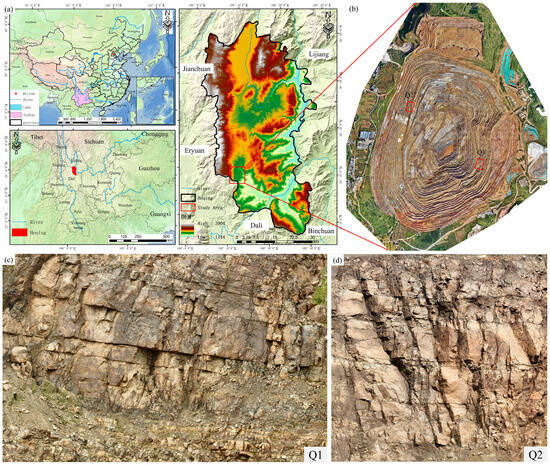
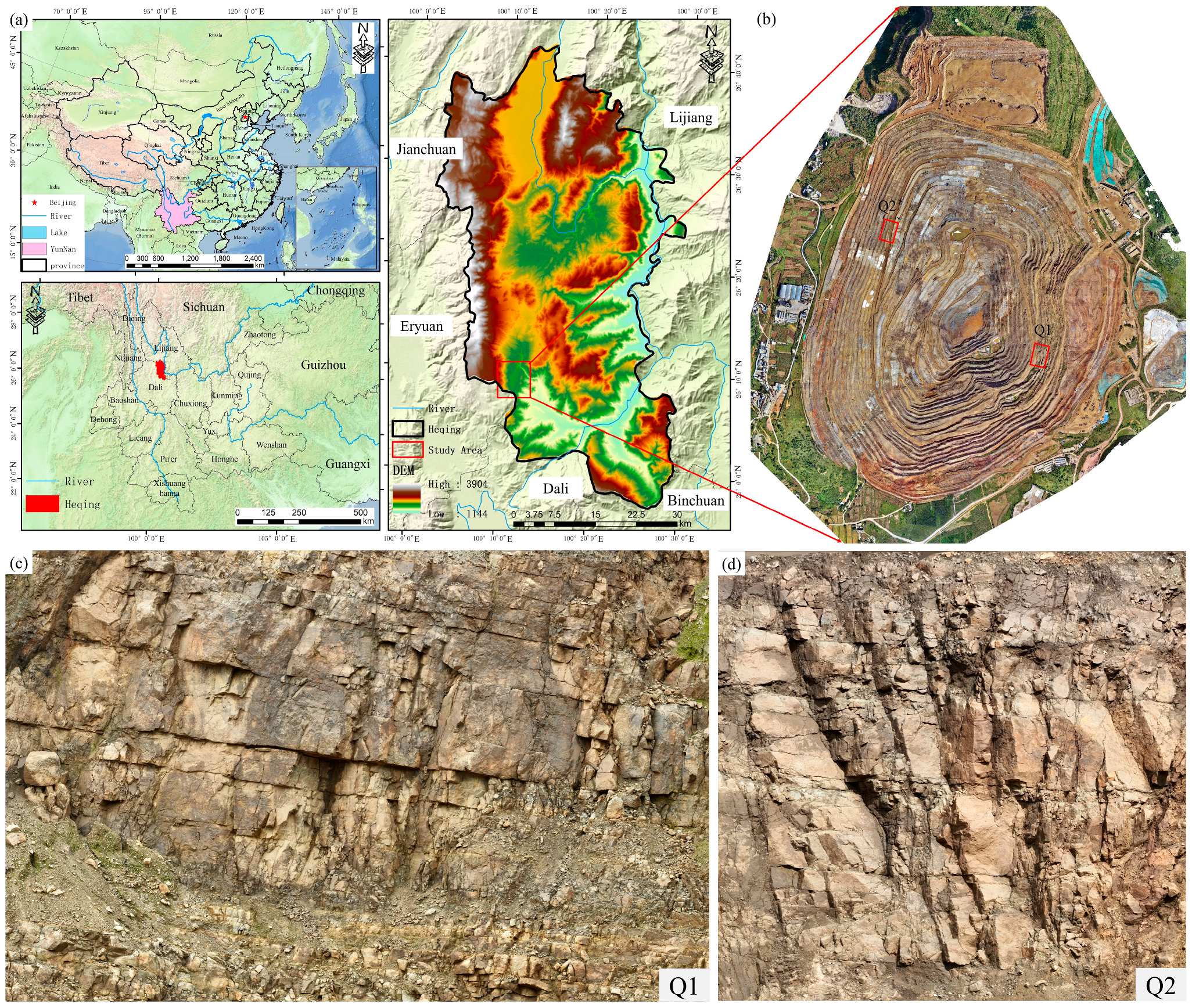
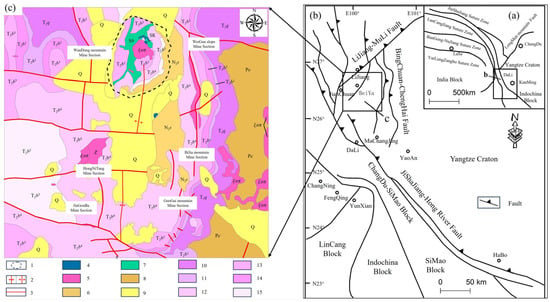
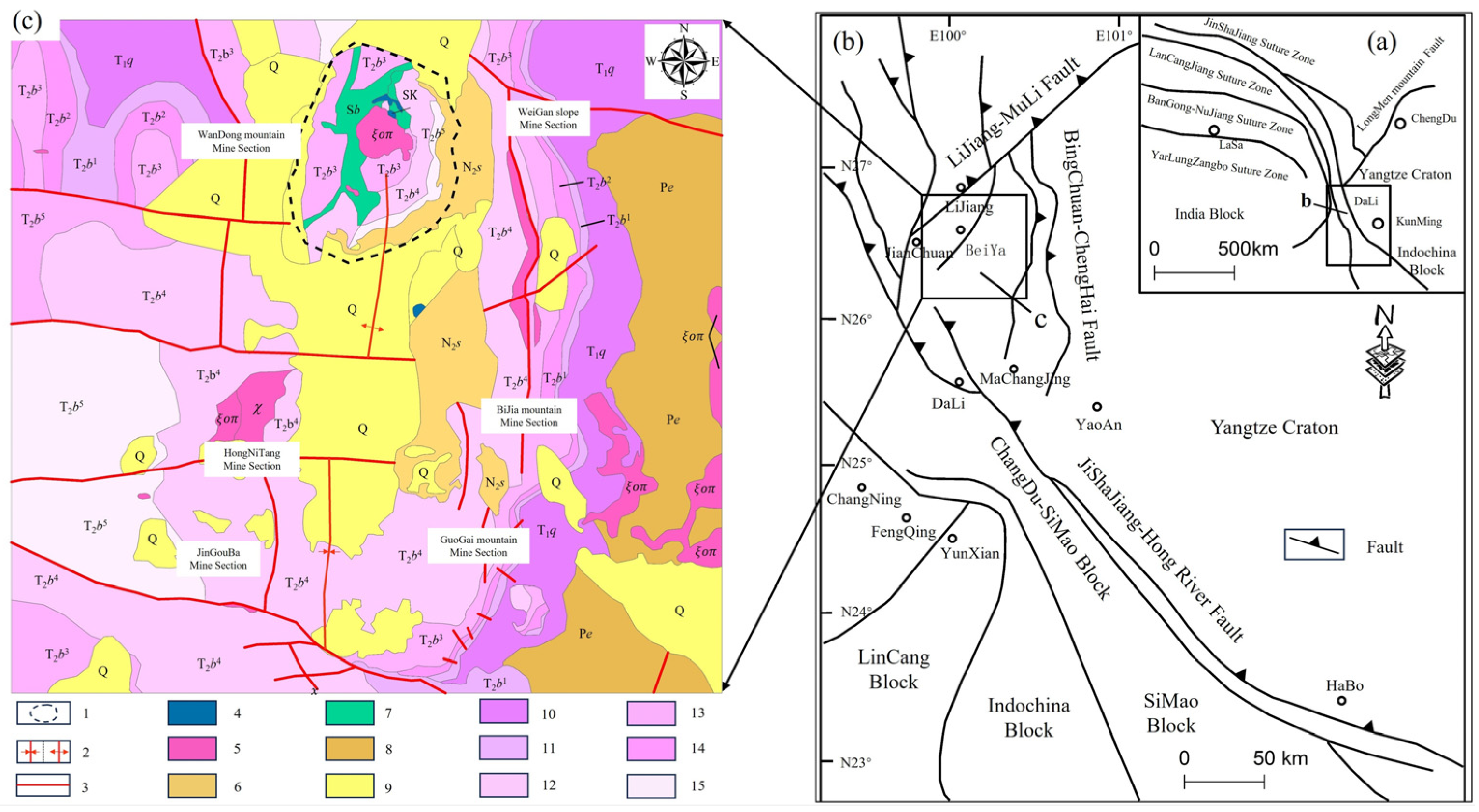
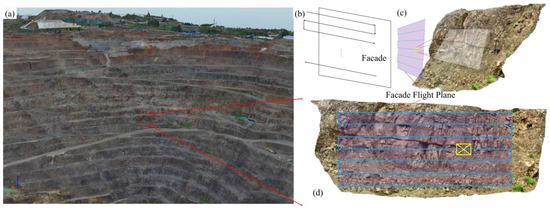
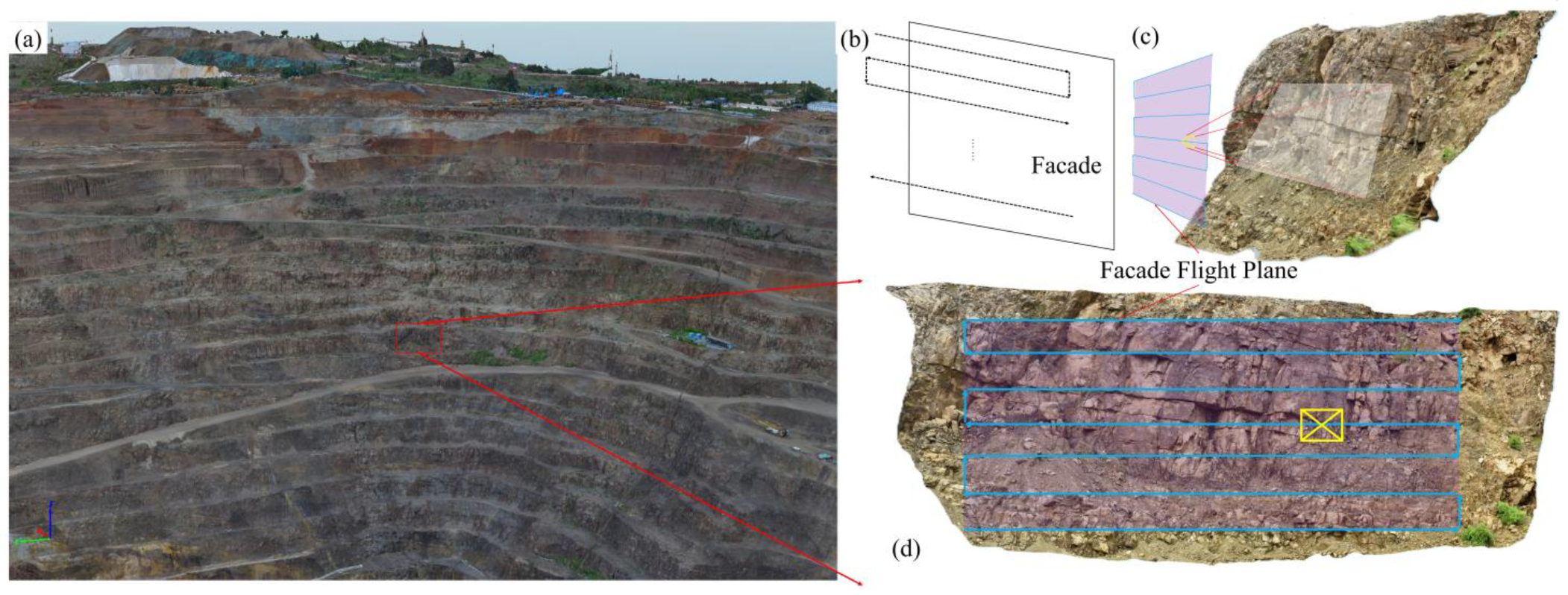
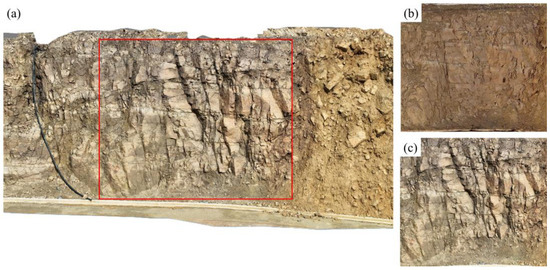
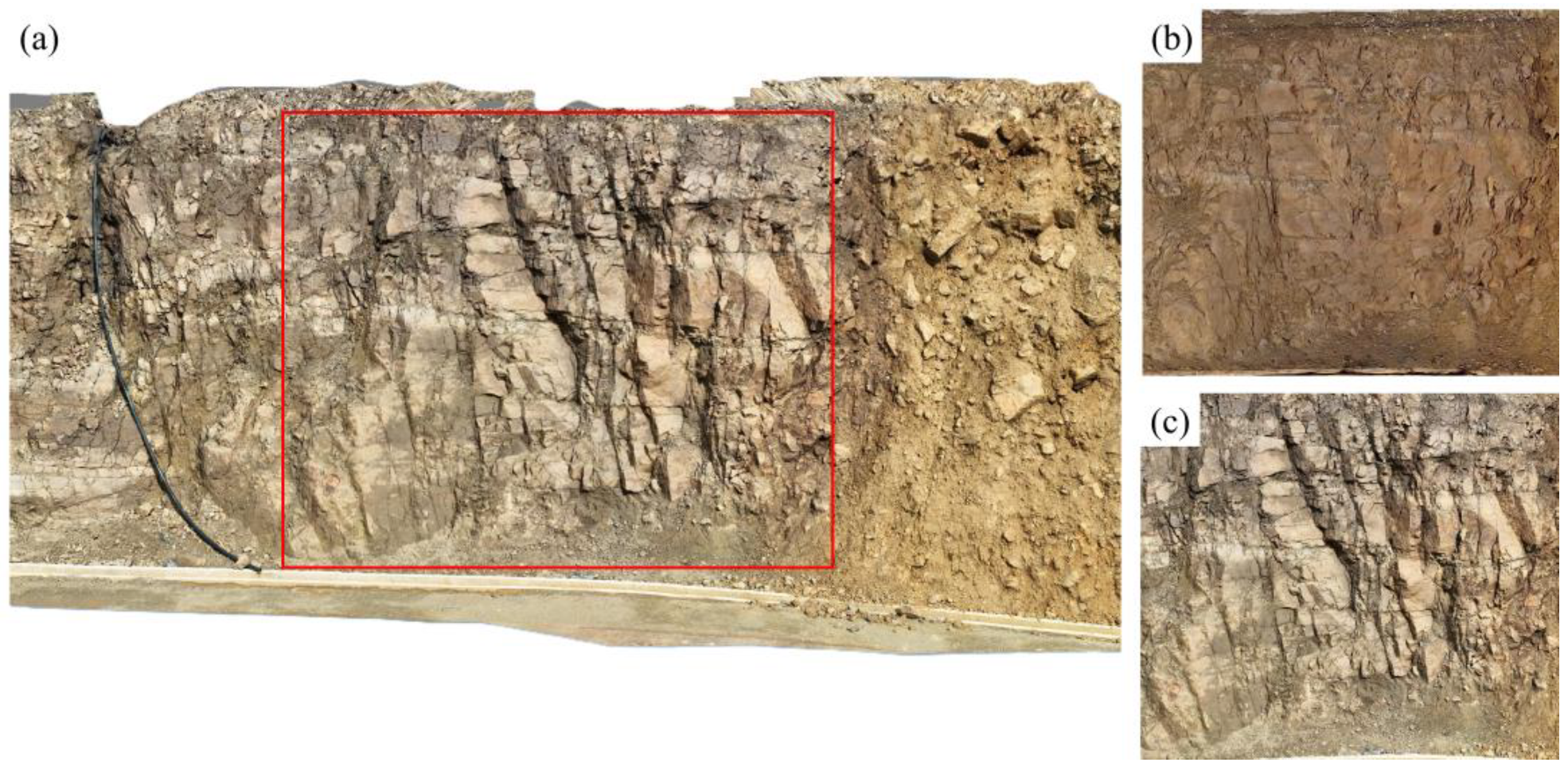
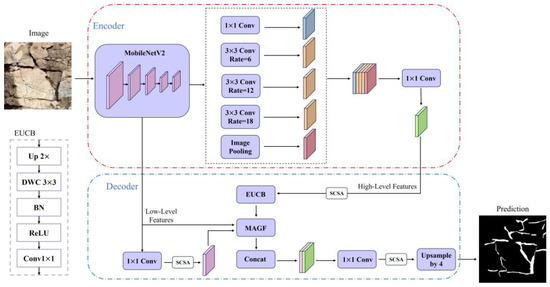
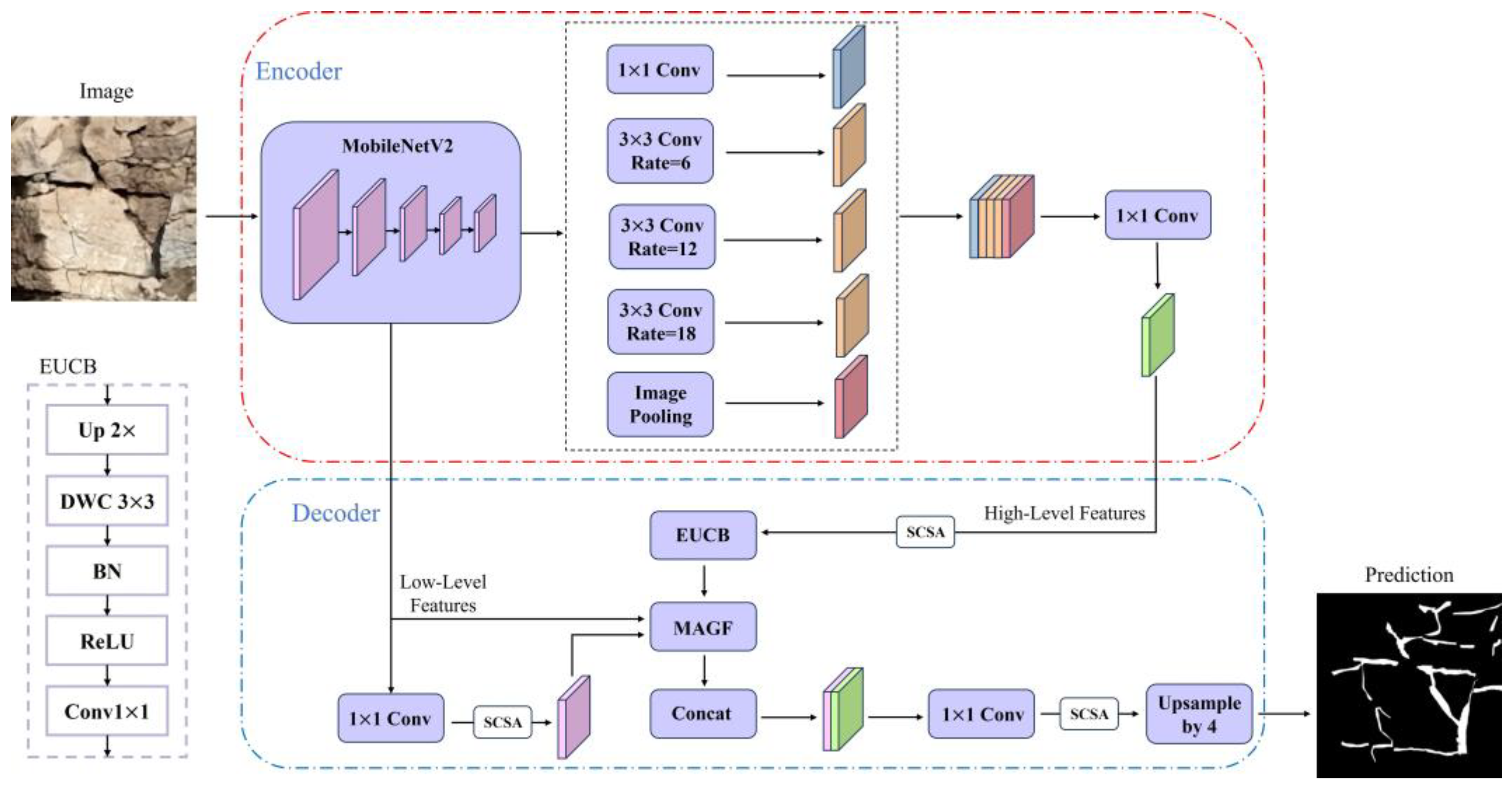
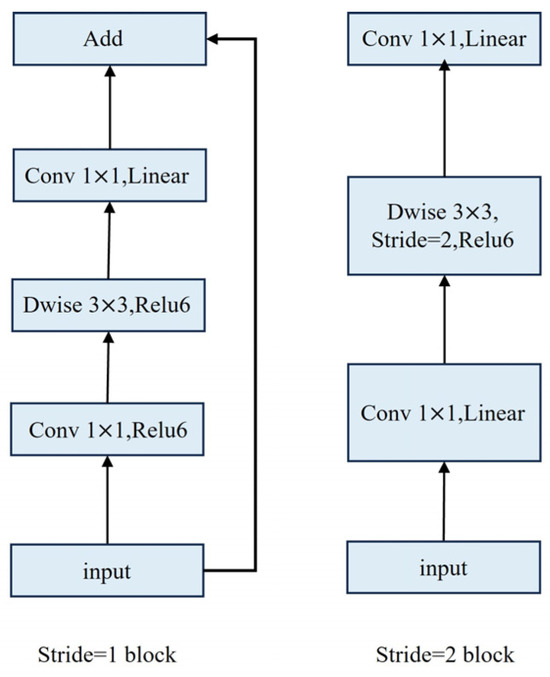
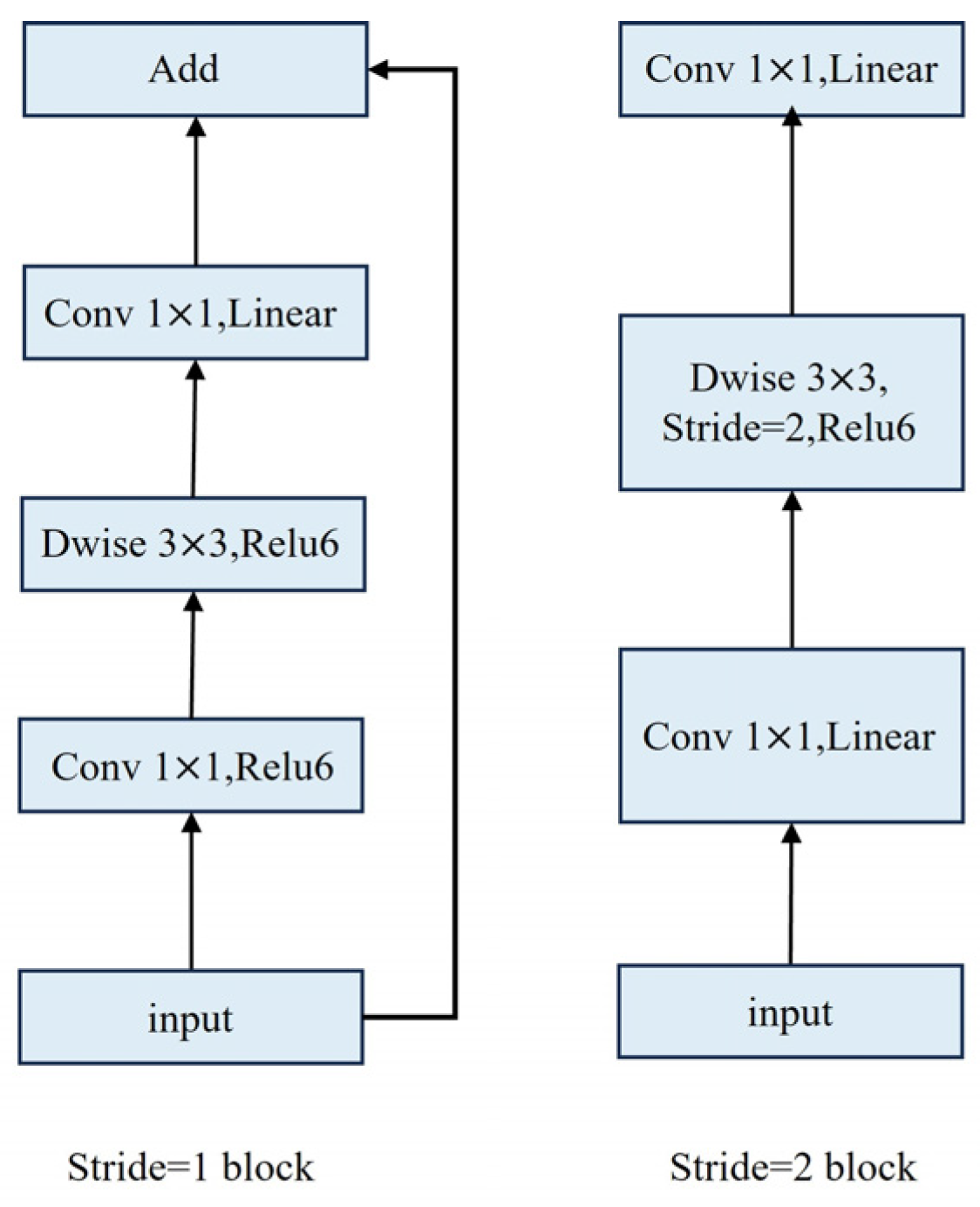
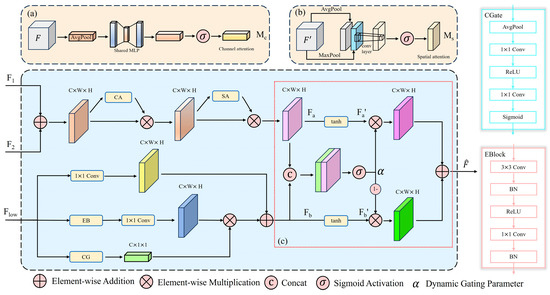
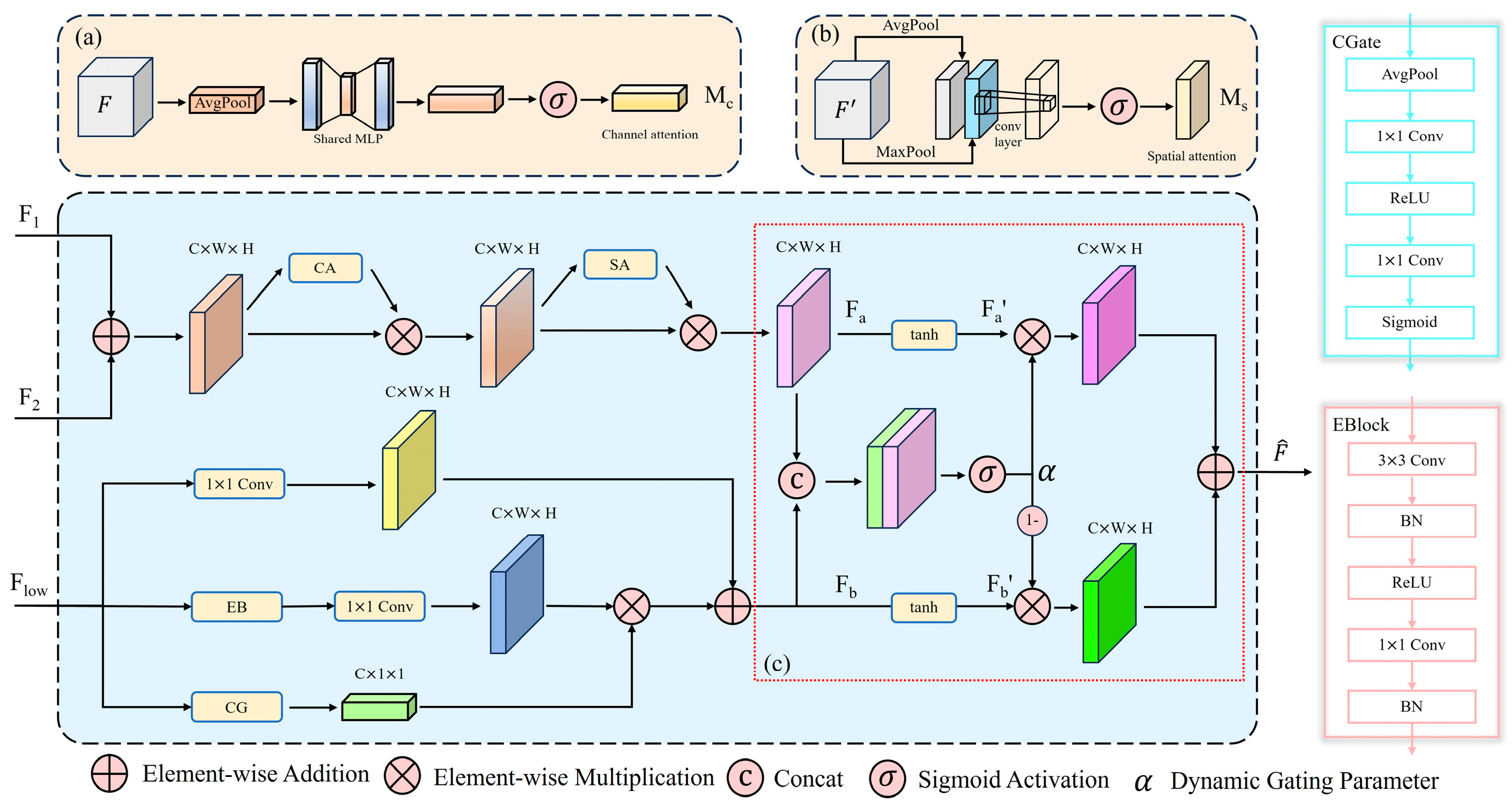
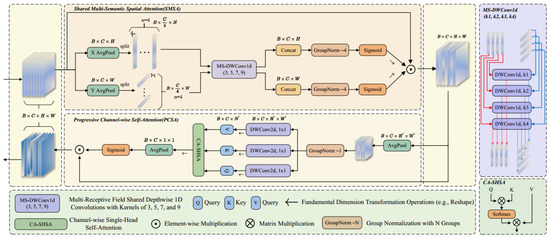
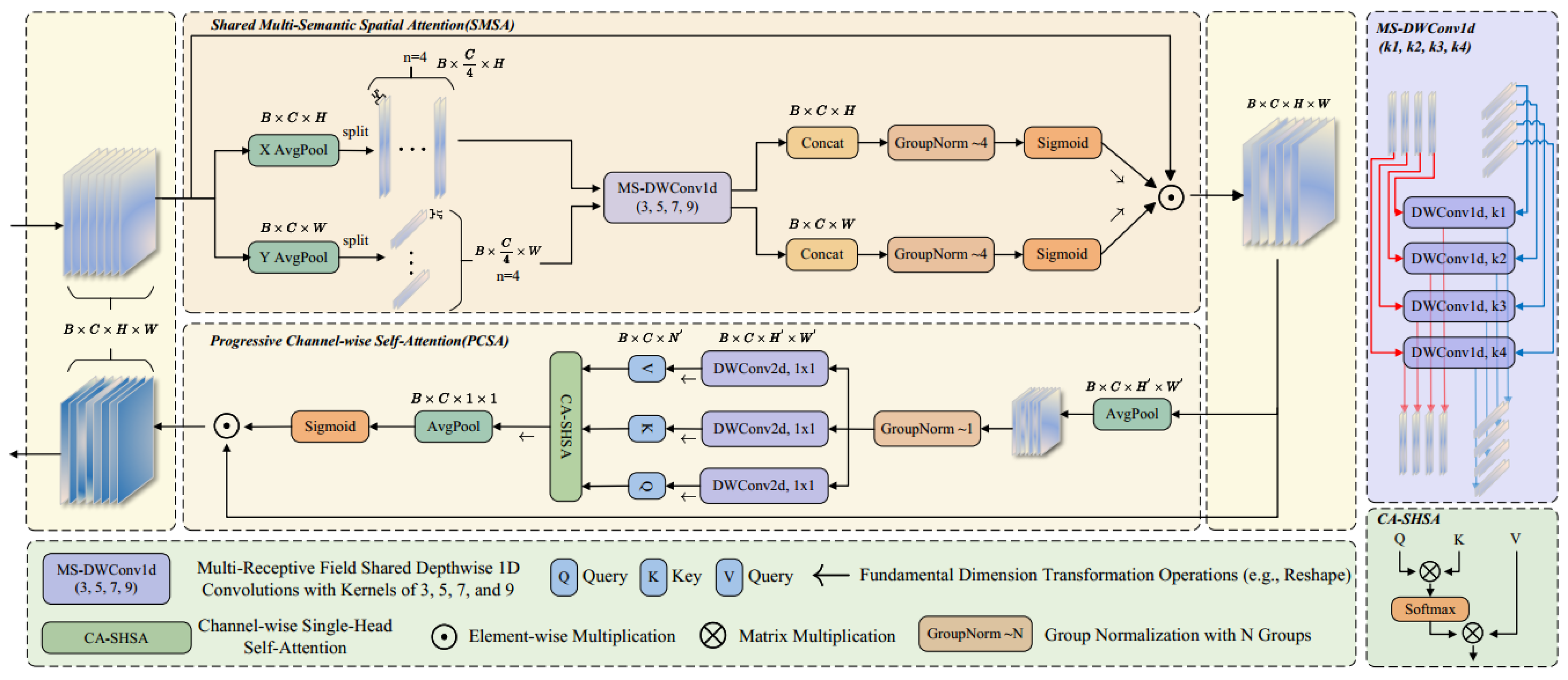
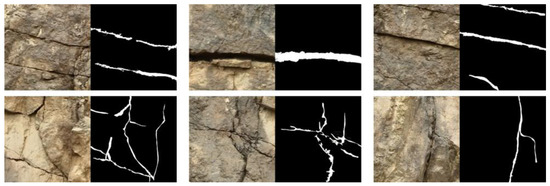
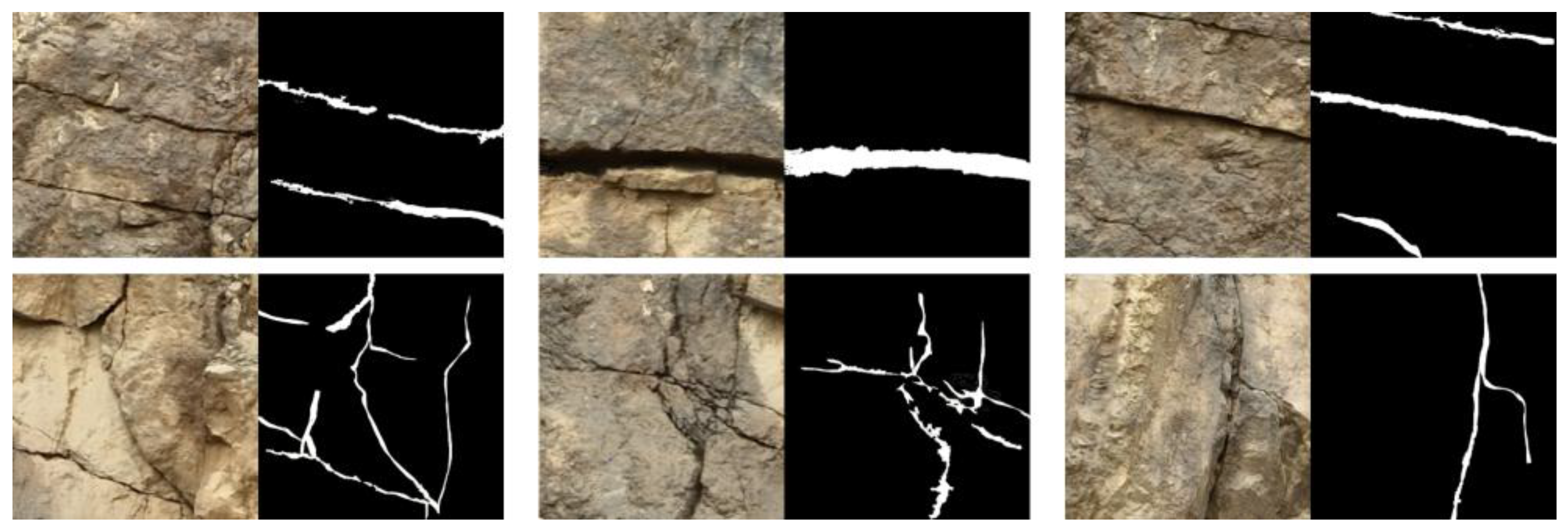


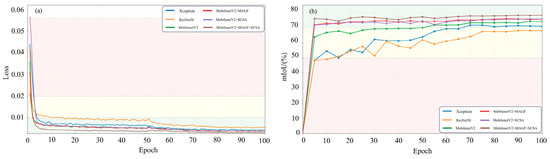
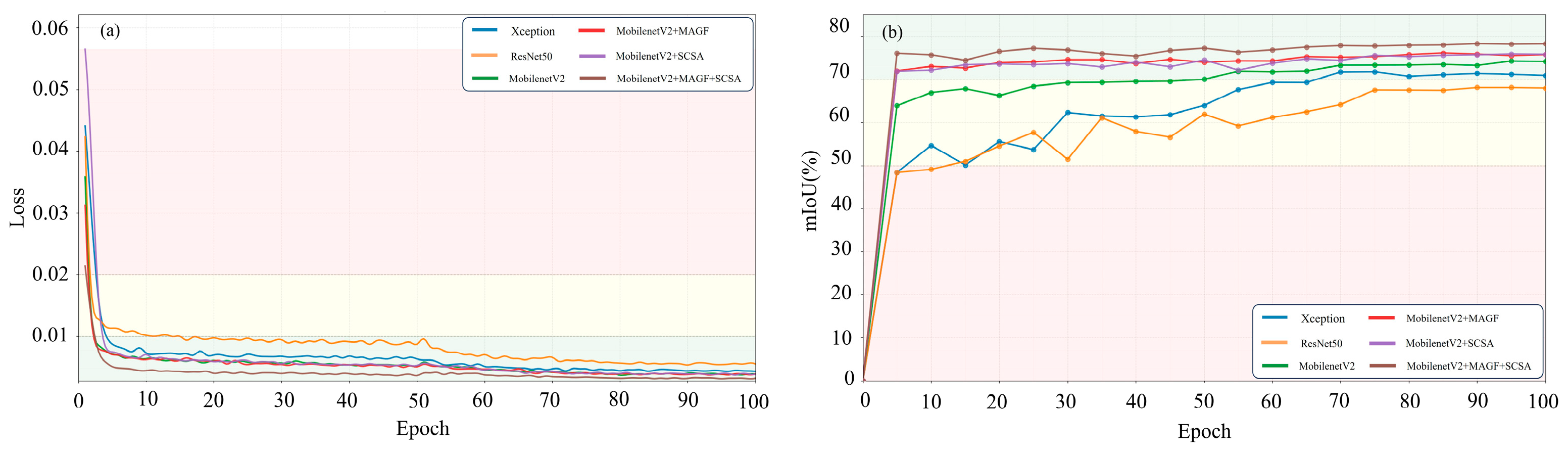
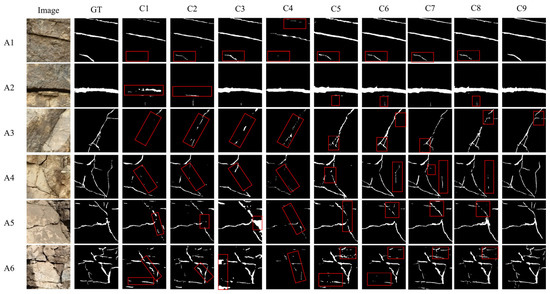
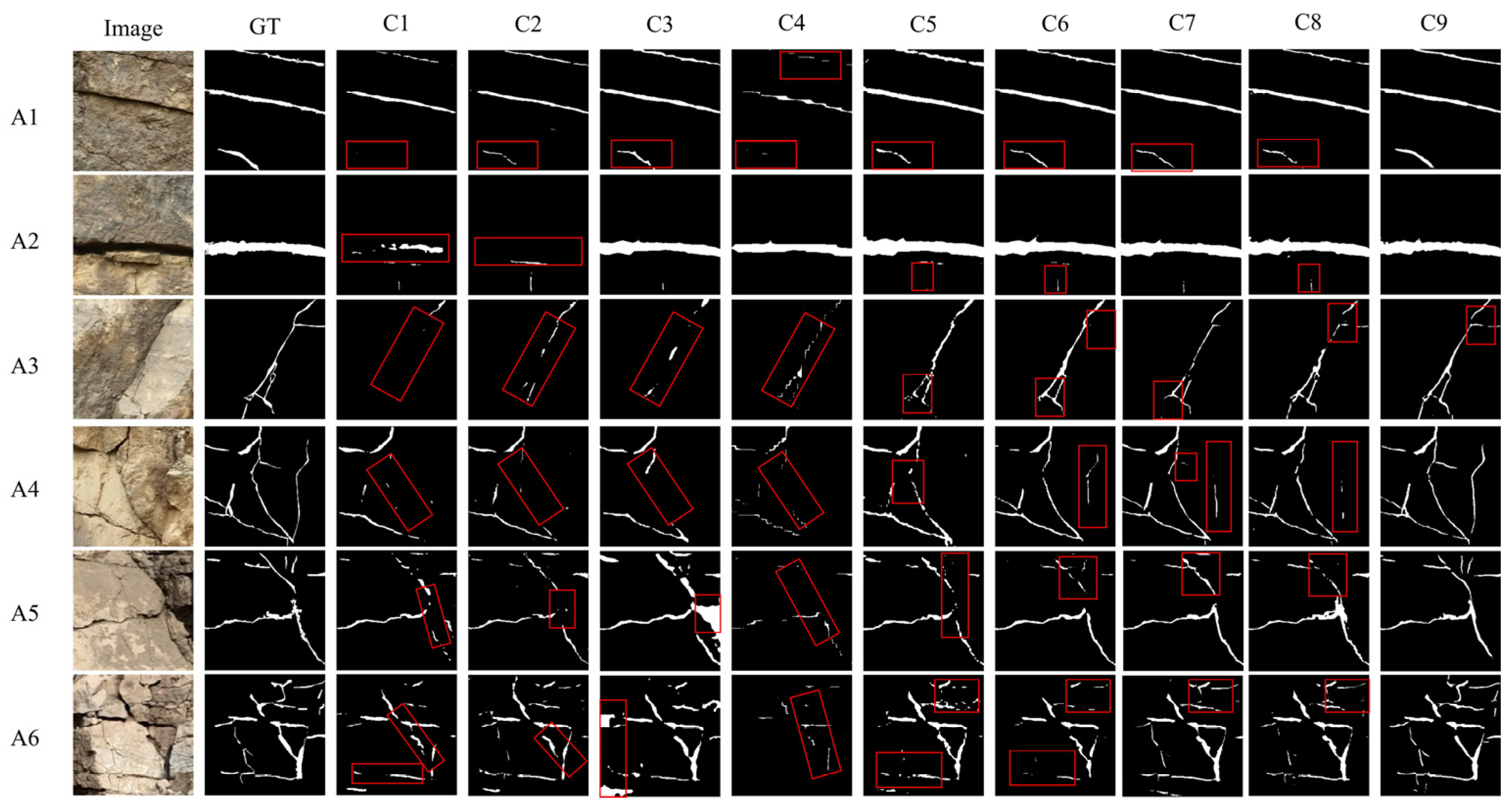
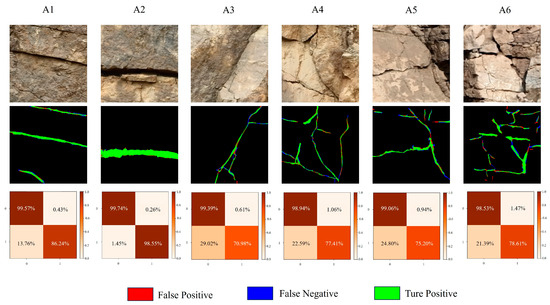
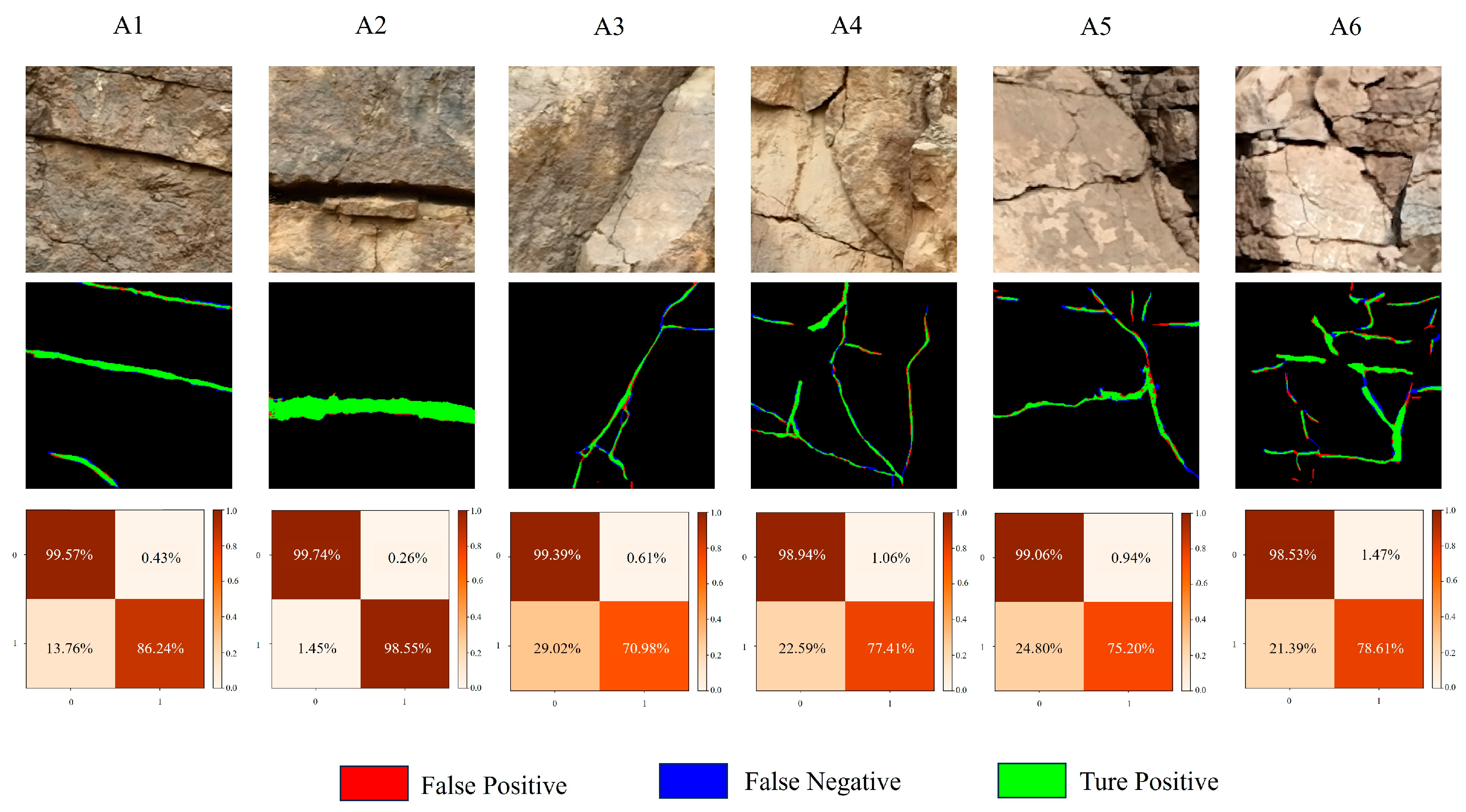
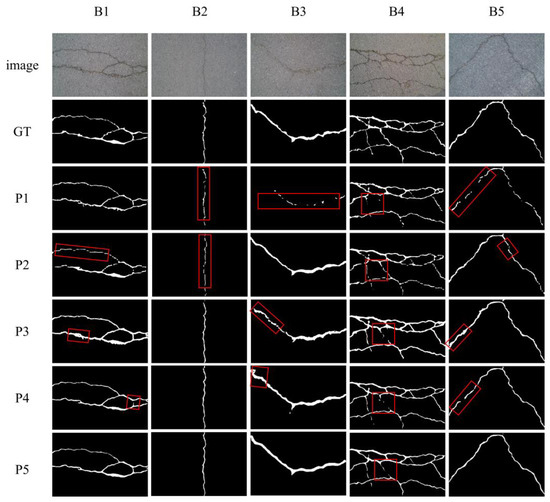
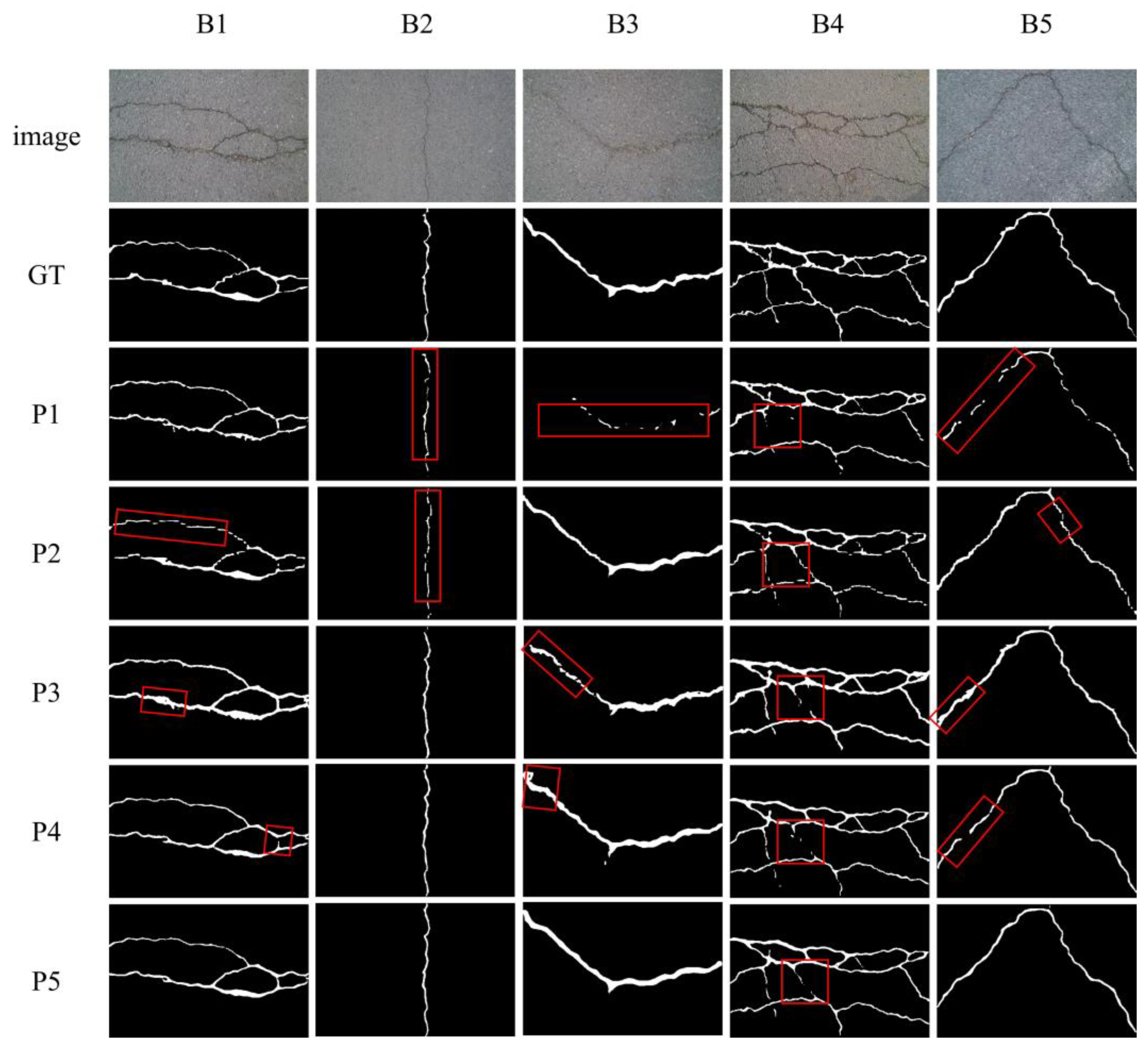

Disclaimer/Publisher’s Note: The statements, opinions and data contained in all publications are solely those of the individual author(s) and contributor(s) and not of MDPI and/or the editor(s). MDPI and/or the editor(s) disclaim responsibility for any injury to people or property resulting from any ideas, methods, instructions or products referred to in the content. |
© 2026 by the authors. Licensee MDPI, Basel, Switzerland. This article is an open access article distributed under the terms and conditions of the Creative Commons Attribution (CC BY) license.