Article

Effect of the Urbanization of Wetlands on Microclimate: A Case Study of Xixi Wetland, Hangzhou, China

1
School of Geographical Sciences, Southwest University, Chongqing 400715, China
2
College of Economics and Management, Southwest University, Chongqing 400715, China
3
Ocean College, Zhejiang University, Hangzhou 310058, China
*
Author to whom correspondence should be addressed.
Sustainability 2016, 8(9), 885; https://doi.org/10.3390/su8090885
Submission received: 3 July 2016 / Revised: 28 August 2016 / Accepted: 29 August 2016 / Published: 5 September 2016
(This article belongs to the Section Environmental Sustainability and Applications)

Abstract

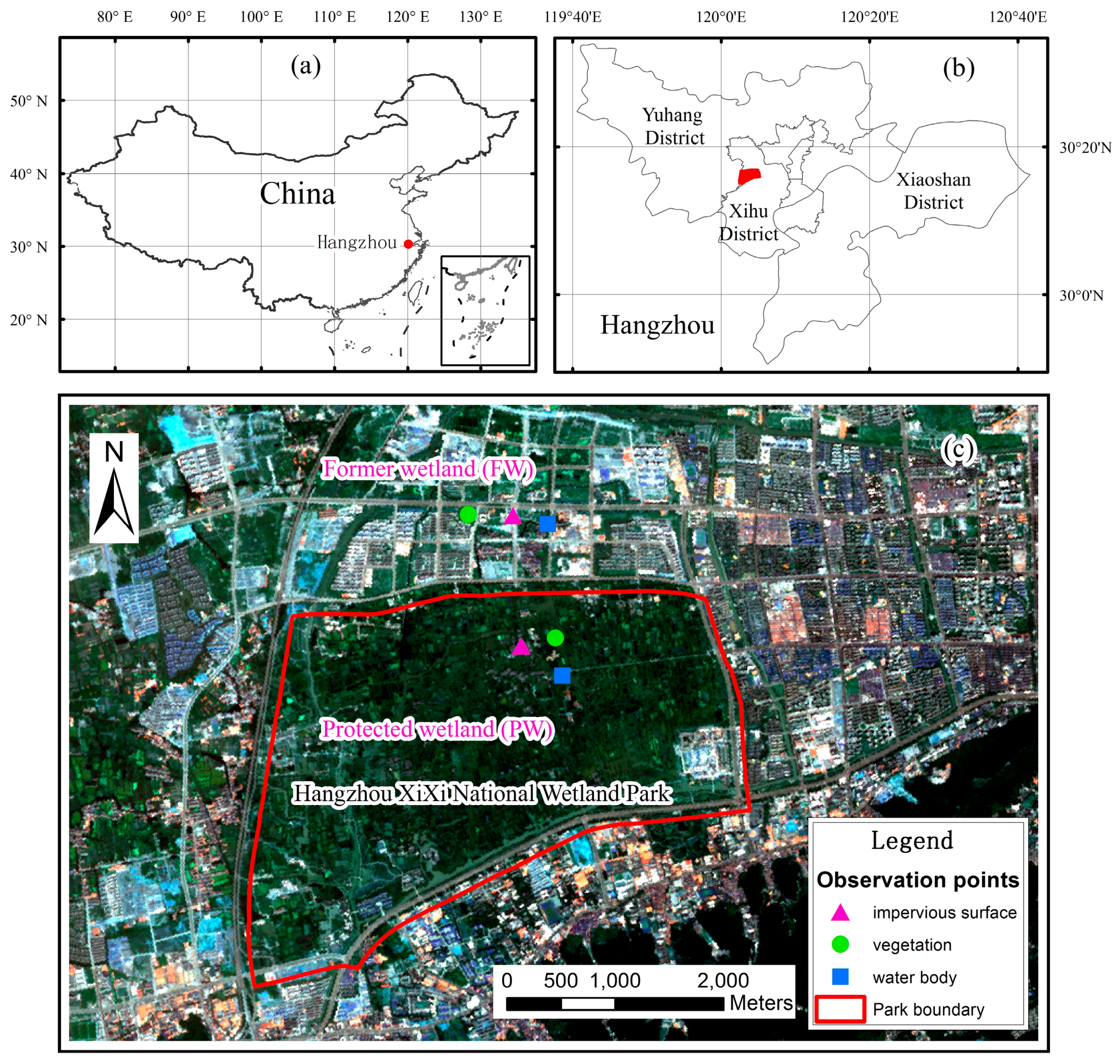
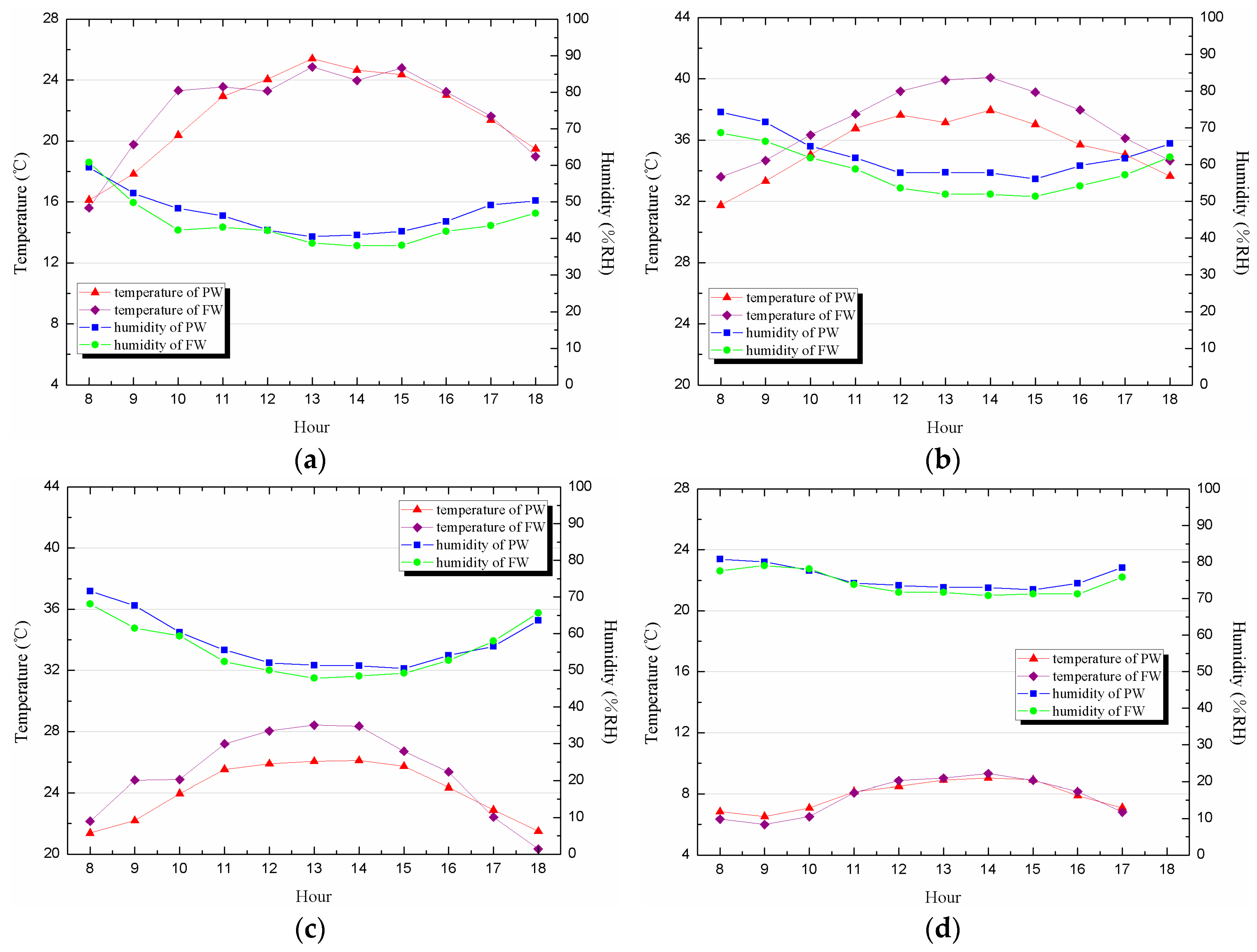
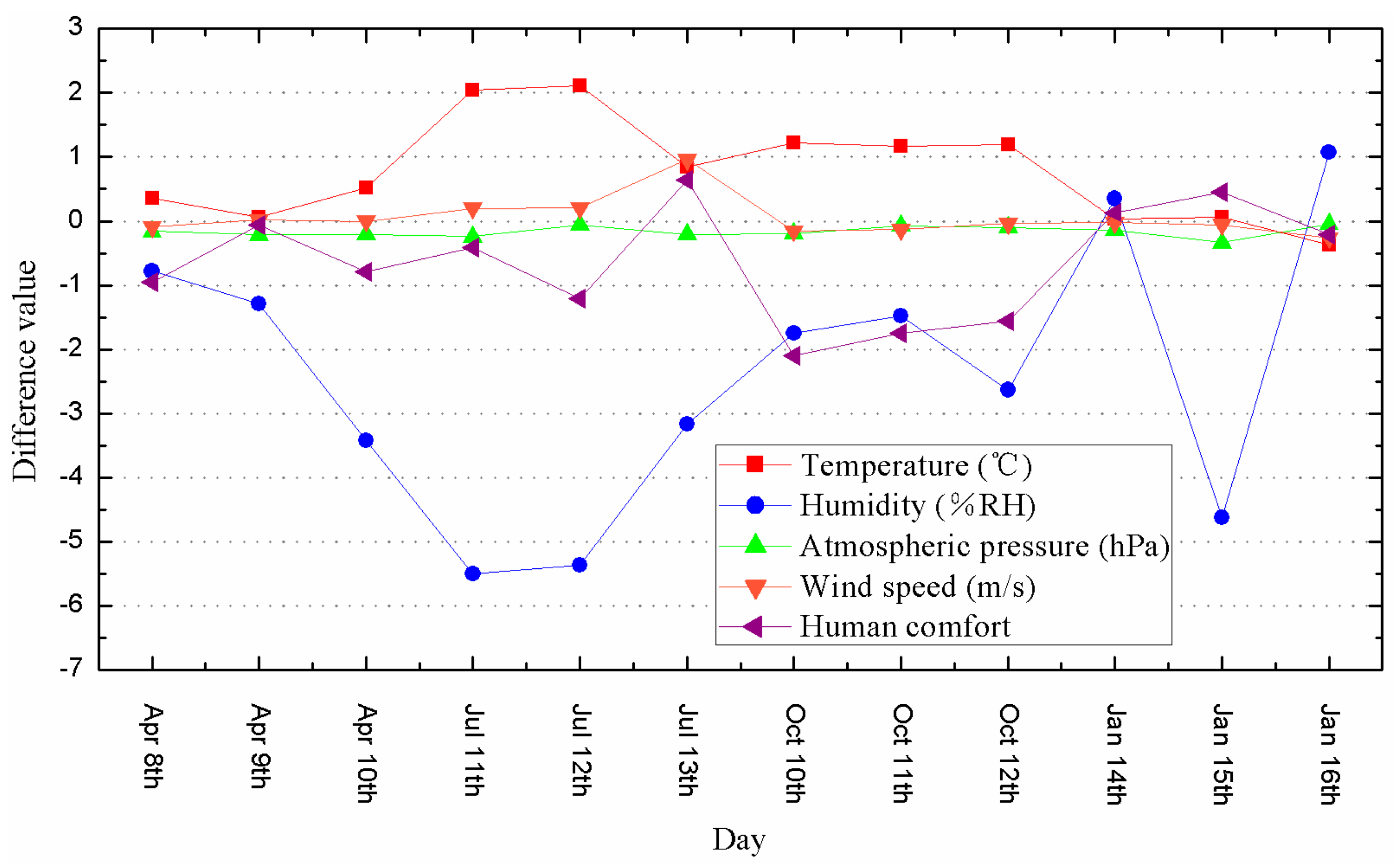
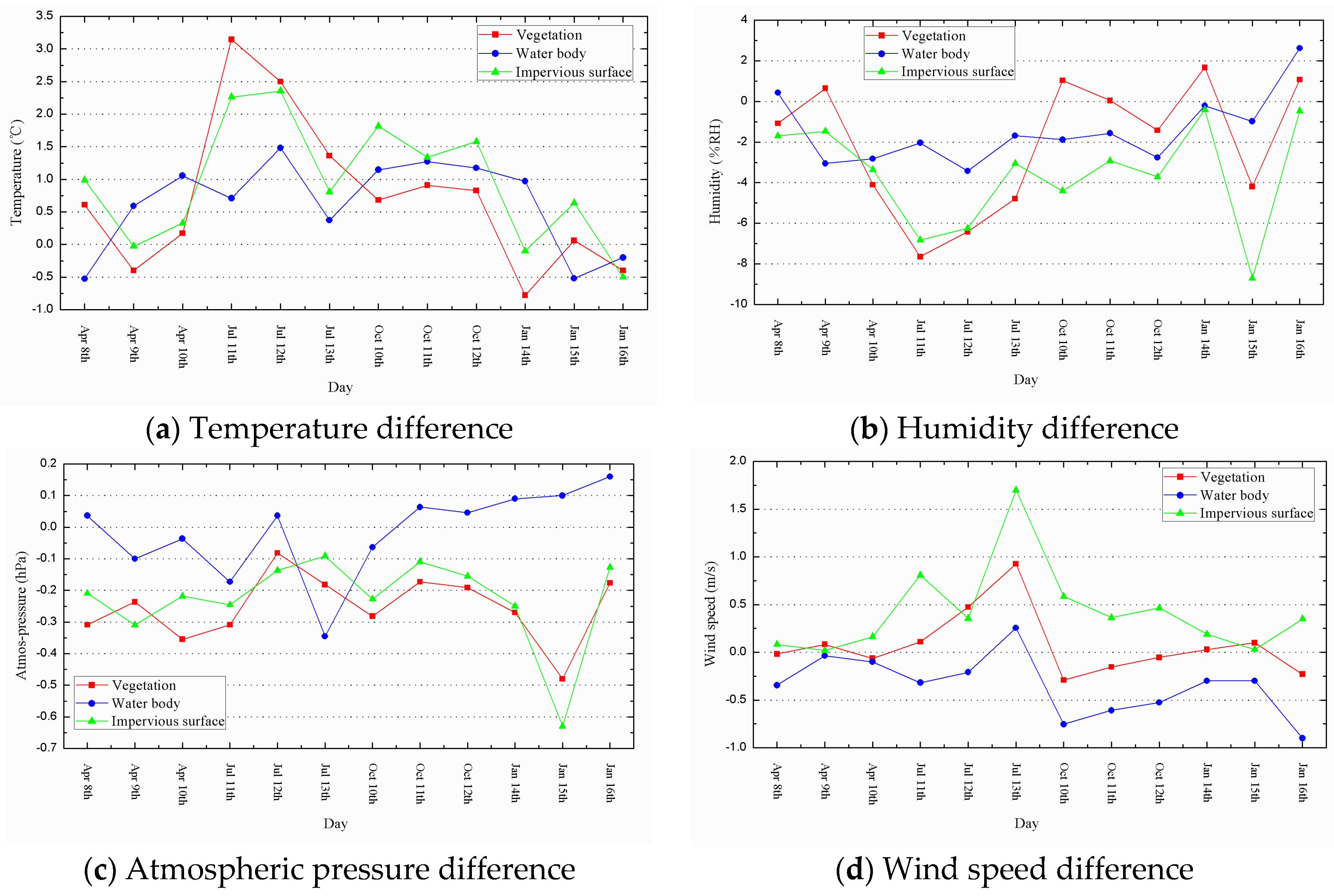
Urbanization affects the microclimate and forms a unique urban climate environment. To deepen the understanding on the microclimate regulation function of an urban wetland, this study analyzed the influence of a suburb wetland’s urbanization process on the local climate through contrast observations of the protected wetland area and the former wetland area in Xixi wetland. Results show that the urbanization of suburb wetlands has an impact on the local microclimate and decreases human comfort, and that wetlands can effectively regulate the microclimate. The fragmentation of urban wetlands caused by urban sprawl decreases their microclimate regulation function, a decrease that is particularly evident in summer. Additionally, wetlands stabilize the microclimate in all seasons. For every land cover type in wetlands, vegetation has a better stabilizing effect on temperature, whereas a water body has a better stabilizing effect on wind speed and humidity. Meteorological conditions also affect the microclimate regulation function of wetlands. Temperature, humidity, atmospheric pressure, and wind speed influence the cooling function of urban wetlands, while solar radiation modifies the humidifying function of urban wetlands.
Keywords: urbanization; urban wetland; microclimate; Hangzhou; China urbanization; urban wetland; microclimate; Hangzhou; China