


Abstract
Digital commerce ecosystems increasingly depend on the alignment between social media advertising formats and digital payment systems, yet existing research has examined these mechanisms in isolation, overlooking their combined influence on consumer behaviour, conversion, and long-term value creation. This study addresses that gap by developing an integrative conceptual framework that examines how advertising formats and payment infrastructures jointly shape sustainable digital monetisation within an Environmental, Social, and Governance (ESG) framework. Methodologically, the study adopts a structured narrative literature review of interdisciplinary peer-reviewed studies and selected high-quality institutional reports, drawn from Scopus, Web of Science Core Collection, and Google Scholar, covering publications from 2015 to April 2026. A four-stage PRISMA-adapted selection protocol was applied to ensure transparency, replicability, and analytical rigour across the review process. The findings demonstrate that advertising formats including native advertising, influencer marketing, user-generated content, short-form video, live streaming, and augmented reality drive consumer attention and purchase intention, while payment systems encompassing digital wallets, BNPL services, and in-platform checkout shape transactional trust and friction. Conversion and customer lifetime value emerge as joint outcomes of this interaction, mediated by consumer trust and transaction friction. The study further identifies key sustainability tensions related to digital carbon footprints from data-intensive formats, financial vulnerability associated with frictionless credit tools, and governance concerns surrounding transparency, privacy, and platform power concentration. The study contributes an integrative conceptual model linking advertising formats, payment systems, consumer behaviour, and ESG dimensions within a unified framework, supported by six theoretically grounded hypotheses (H1–H6) to guide future empirical research in sustainable digital commerce.
1. Introduction
1.1. Background and Rationale
Digital platforms now mediate large-scale daily interactions between users, brands, and markets, fundamentally reshaping relationships between consumers and firms, transaction processes, and mechanisms of value creation in digital environments [1]. Social media advertising has become a major component of contemporary digital commerce, while the rapid expansion of platform-based monetisation has intensified concerns related to data custodianship, algorithmic accountability, and the environmental implications of data-intensive infrastructures [2]. Existing research has generally examined advertising effectiveness and digital payment adoption as separate phenomena, focusing either on consumer engagement and purchase intention in social media advertising [3] or on payment convenience and transaction efficiency in digital purchasing environments [4]. As a result, limited attention has been given to how advertising formats and payment systems interact to shape sustainable monetisation outcomes [5]. This paper addresses that gap by integrating social media advertising models, including native advertising, influencer marketing, user-generated content, short-form video, live streaming, and augmented reality with digital payment systems such as cards, digital wallets, buy-now-pay-later services, cryptocurrencies, and in-platform checkout within an Environmental, Social, and Governance (ESG) framework. In doing so, the study positions the interaction between advertising and payment infrastructures at the centre of sustainable digital commerce [6].
Recent studies highlight that the effectiveness of social media advertising is increasingly shaped by artificial intelligence and personalization technologies, which enhance targeting accuracy and user engagement [7]. These systems also influence consumer decision-making processes and raise concerns related to transparency and data privacy [2].
Consumers’ responses to social media advertising are driven by attitudinal and trust-related factors, as attitudes toward advertising influence purchase intention [8]. Engagement mechanisms further strengthen consumer trust [9], while electronic word of mouth reinforces behavioural outcomes in digital environments [10]. Influencer credibility also plays a key role in shaping consumer trust and purchase decisions [11].
Digital payment systems, in turn, facilitate the conversion of intention into actual behaviour by improving transaction convenience and user confidence [12]. Payment innovations such as buy-now-pay-later services further increase purchasing frequency by reducing financial barriers [4].
Social media has evolved into a global ecosystem that transcends geopolitical, cultural, and economic boundaries, enabling new forms of communication, social interaction, and digital commerce [13] Previous research has shown that social platforms have significantly transformed advertising practices and digital consumer behaviour, while also expanding new monetisation opportunities within platform-based markets [14]. This transformation has further intensified as social media has become central to contemporary patterns of consumer engagement, commercial exchange, and online influence [15].
Despite this growing body of scholarship, several important research gaps remain. First, much of the existing literature examines advertising effectiveness, monetisation strategies, or user engagement as separate dimensions, providing only limited insight into how these mechanisms interact within broader digital business models [16]. Similarly, empirical work on social media advertising often prioritises behavioural outcomes such as engagement or purchase intention without sufficiently integrating transactional and monetisation processes [17].
Second, although scholarship on digital marketing and sustainable purchase behaviour is expanding, ethical, social, and sustainability concerns remain insufficiently integrated into analyses of platform monetisation and advertising optimisation [18]. This limitation is particularly important given that technological change increasingly shapes social behaviour and digital consumption in ways that raise questions about responsibility, governance, and sustainability [19].
Third, emerging formats such as influencer marketing, social commerce, and augmented reality advertising have attracted growing academic attention [20]. However, their long-term implications for consumer trust, digital responsibility, and sustainable development remain underexplored, particularly when considered in relation to monetisation systems and platform governance [18]. In addition, recent evidence suggests that the interaction between digital payment systems and social media marketing plays an important role in shaping purchase decisions, yet this interaction has not been adequately theorised within sustainability-oriented digital commerce research [21].
Against this background, the present study offers a comprehensive analysis of advertising and monetisation models in social media ecosystems, with particular attention to their economic, social, and sustainability implications. Specifically, it examines major advertising formats, including native advertising, influencer marketing, short-form video, and user-generated content, while also analysing key platform monetisation mechanisms such as advertising revenue, subscription models, affiliate systems, and blockchain-based solutions [22]. Through this integrative perspective, the study assesses how these mechanisms relate to privacy, data governance, and the development of more responsible digital economies within an ESG-oriented framework [16].
Four regions, including Europe, East Asia, MENA, and Latin America, were chosen on three grounds: (1) dissimilar payment infrastructure profiles (card-dominant Europe, super-app East Asia, COD-prevalent MENA, mobile money-based Latin America); (2) dissimilar ESG regulatory environments (GDPR, the cybersecurity law in China); and (3) the existence of pertinent literature to compare the regions. North America was not considered as a major focus since the available literature is over-representative of this market, and the research seeks to fill the underrepresented regional scenarios.
1.2. Contributions and Relevance to Sustainability
This study adopts a holistic perspective by examining advertising and monetisation as interdependent mechanisms shaping sustainability in social media ecosystems. Existing research has often addressed these dimensions separately, focusing either on advertising effectiveness and consumer engagement [23] or on digital marketing adoption and platform-based monetisation [24], leaving limited attention to how their interaction influences the sustainability of digital economies. By situating this analysis within the broader context of sustainable digital transformation, the study connects business innovation with consumer empowerment and wider digital market development [1].
The relevance of this research spans economic, social, and environmental dimensions [25]. Economically, the rapid expansion of digital advertising and platform-based monetisation creates significant opportunities for market growth and revenue diversification, while simultaneously introducing challenges related to market saturation, rising advertising costs, and consumer fatigue that threaten the long-term sustainability of digital business models [21]. Understanding how advertising and monetisation strategies can support balanced and resilient digital markets, therefore, has become increasingly critical [22].
Socially, social media platforms have become influential spaces for public discourse, consumer interaction, and identity formation. Responsible advertising practices, including privacy protection, transparent data use, and ethical targeting, are essential for sustaining consumer trust and social accountability [23]. Digital marketing communication now operates within global marketplaces where transparency, fairness, and user protection have become central concerns [1], while the growing use of data-driven advertising systems raises further questions about consumer autonomy and participation in digital environments [26].
Environmentally, digital platforms rely on energy-intensive infrastructures, including data centres, continuous content delivery systems, and computationally demanding advertising formats. This study contributes to emerging debates by examining how advertising and monetisation practices may either intensify digital inefficiencies or support more sustainable forms of digital commerce through better alignment between technological design and responsible governance [18].
The study contributes to the literature by developing an integrated framework linking advertising models, monetisation strategies, and sustainability considerations within social media ecosystems, offering practical value for businesses and policymakers seeking to balance profitability with ethical data practices and longer-term digital resilience. By connecting these dynamics to SDG 8, SDG 9, and SDG 12, the study underscores the broader societal relevance of sustainable digital commerce. Recent research confirms that consumer engagement and trust significantly influence digital advertising success [9], payment convenience and security enhance purchase behaviour [12], artificial intelligence optimises advertising performance and consumer satisfaction [27], and ESG principles are increasingly essential to digital marketing and monetisation strategies [28].
1.3. Research Objectives and Research Questions
This study aims to: (1) conceptually integrate social media advertising formats and digital payment mechanisms within an ESG lens to explain sustainable digital monetisation; (2) identify the mechanisms through which advertising formats shape consumer attention, trust, and purchase intent, and how payment systems reduce friction and influence conversion; (3) examine the sustainability implications of advertising–payment alignment, including privacy, transparency, inclusion, and digital carbon footprint considerations; and (4) propose a structured conceptual framework with testable propositions (H1–H6) connecting advertising models, payment rails, consumer behaviour, and ESG.
Accordingly, the study addresses four research questions: how social media advertising formats and digital payment systems can be conceptually integrated to explain sustainable monetisation outcomes (RQ1); through which mechanisms advertising formats influence consumer trust and payment systems shape transactional confidence (RQ2); what ESG-related risks and opportunities emerge at the intersection of advertising and digital payments (RQ3); and what conceptual propositions can guide future empirical research in ESG-oriented digital commerce (RQ4).
This study contributes to the sustainability and digital marketing literature by developing an integrated conceptual perspective that examines advertising and payment systems as interdependent mechanisms jointly influencing consumer trust, transactional confidence, and long-term value creation. By embedding this interaction within an ESG perspective, the research extends sustainability discussions from firm-level responsibility to platform-level and ecosystem-level accountability. Recent studies support this integrative perspective by confirming that consumer trust and behavioural outcomes are shaped by the interaction between advertising strategies and technological infrastructures [9], that payment system design critically influences transaction confidence [12], and that ESG principles are increasingly essential to sustainable digital commerce frameworks [28].
1.4. ESG as the Integrative Lens: Theoretical Rationale
ESG governance provides the conceptual lens through which the interaction between advertising formats and payment systems can be understood. First, environmental governance shapes the sustainability of digital commerce by encouraging the mitigation of energy-intensive advertising formats, such as augmented reality (AR) and high-definition live streaming, through more efficient digital infrastructures. Second, social governance influences whether financial tools such as Buy Now Pay Later (BNPL), particularly when combined with impulse-driven formats like live commerce, contribute to financial inclusion or create risks of consumer over-indebtedness. Third, regulatory governance frameworks, including data protection and payment regulations (e.g., GDPR and PSD2), determine the legal conditions under which advertising–payment integrations operate across regional markets [29]. Taken together, these mechanisms highlight that ESG principles function not as external constraints but as structural conditions shaping which advertising–payment configurations can produce sustainable conversion outcomes [25].
Recent research highlights that sustainability challenges in digital ecosystems are closely linked to consumer behaviour, platform governance, and technological infrastructure design [6]. In particular, the environmental impact of data-intensive advertising and the social implications of digital financial tools have become central concerns in contemporary digital marketing research [30].
1.5. Theoretical Foundation
This study draws on four complementary theoretical perspectives to explain how advertising formats and payment systems jointly shape consumer behaviour and sustainable digital monetisation outcomes. First, the Technology Acceptance Model (TAM) explains how consumers evaluate digital payment systems through ease of use, convenience, and usefulness [24]. In digital commerce, this is especially relevant because payment usability and low-friction checkouts are closely linked to smoother transactions and stronger conversion potential [4,12].
Second, trust-based perspectives emphasise that trust is a core mechanism linking digital interaction to behavioural outcomes under conditions of uncertainty [23]. In social media environments, trust is shaped by authenticity, credibility, and engagement quality [31]. In payment environments, it is reinforced by reliability, security, and reduced perceived risk [32]. This perspective supports H1, H4, and H5.
Third, platform theory explains how engagement, persuasion, and transaction completion increasingly occur within the same socio-technical environment [1]. In social commerce, advertising models and payment systems are therefore structurally interconnected rather than separate mechanisms [33]. This perspective helps explain the relationships proposed in H2, H3, and H6.
Finally, stakeholder theory provides the broader ESG-oriented foundation of the study by framing digital monetisation as a system that must balance economic performance with transparency, inclusion, and long-term responsibility [30]. From this viewpoint, sustainable digital commerce depends not only on persuasive advertising and efficient payment systems, but also on how platforms govern data, trust, and accountability [6].
Taken together, these perspectives support the study’s central argument that advertising models and payment systems operate as interdependent mechanisms in digital commerce ecosystems. Advertising formats shape engagement and purchase intention [3], whereas payment systems shape trust, transaction friction, and completion efficiency [34]. Their alignment ultimately influences conversion outcomes and customer lifetime value within ESG-oriented digital ecosystems [27].
2. Literature Review and Conceptual Background
2.1. Social Media Advertising in Digital Commerce
Social media platforms such as Facebook, Instagram, TikTok, and LinkedIn have emerged as central environments for digital marketing and consumer interaction, enabling highly interactive and personalised advertising ecosystems in which user attention is increasingly translated into commercial value [29]. Recent studies confirm that social media advertising continues to play a significant role in shaping consumer engagement, trust, and purchase intention, particularly in highly interactive and personalised digital environments [9], while advances in artificial intelligence have further enhanced advertising effectiveness through more precise targeting and content personalisation [7].
Native Advertising. Native advertising integrates promotional content within users’ social feeds in a format that resembles organic posts, reducing advertising resistance and enhancing engagement by aligning with platform aesthetics [7]. Consumer attitudes toward social media advertising significantly influence engagement and purchase intention, particularly when content is perceived as relevant and trustworthy [8], while transparency and visual appeal further shape user responses [8]. Nevertheless, the native advertising literature remains incongruent on whether disclosure labels build or diminish trust, and existing studies rely more on self-reported recall measures than on behavioural conversion data [35,36]. Emerging evidence further confirms that trust-related mechanisms, including transparency and credibility, remain critical in determining native advertising effectiveness in environments characterised by increasing consumer scepticism [10].
Influencer Marketing. Influencer collaborations have become one of the fastest-growing advertising formats, with influencers serving as intermediaries between consumer trust and purchase intentions [37]. Recent studies confirm that influencer marketing plays a critical role in shaping consumer trust and purchase intention, particularly among younger audiences [38], while empirical evidence demonstrates that influencer credibility significantly enhances behavioural intentions when authenticity and content relevance are perceived as high [11]. However, most influencer marketing research is cross-sectional and category-biased toward beauty and fashion, neglecting B2B, financial services, and health sectors [39]. More critically, while 68% of consumers report trusting influencer recommendations, actual conversion rates remain between 3% and 7%, indicating a substantial intention–behaviour gap that is systematically overstated in the existing literature [40]. Recent research confirms that actual conversion outcomes remain dependent on trust consistency and contextual factors such as platform design and transaction mechanisms [22].
User-Generated Content (UGC). UGC campaigns engage consumers through reviews, posts, and interactive challenges, contributing to authenticity, community belonging, and electronic word-of-mouth (eWOM) that powerfully influences sustainable purchase intention [20]. Empirical studies demonstrate that eWOM significantly influences consumer trust and behavioural outcomes, making it a key mechanism in digital marketing effectiveness [10], while recent research confirms that UGC effectiveness is contingent on trust, transparency, and content credibility [6]. Nevertheless, the UGC literature has seldom addressed content moderation failures or the legal ambiguities surrounding brand ownership of user-generated content, both of which negatively impact the sustainability of UGC-based monetisation [41].
Short-Form Video Advertising. The surge of video-based platforms is driving a new era in advertising, with short-form video significantly enhancing consumer engagement and attention, particularly among younger audiences [3]. However, while younger consumers show stronger click-through rates on short-form content, conversion into actual purchases remains limited due to post-click experience quality [1]. Empirical evidence confirms that conversion outcomes remain dependent on trust-related factors within the digital purchase journey [9]. A critical gap in the existing literature is the absence of studies quantifying the carbon footprint per conversion of video campaigns compared to static advertisements, despite the substantially higher data centre energy demands of video formats. This study addresses this through its ESG framework [30].
Live Streaming Advertising. Live commerce embeds advertising within live streaming, enabling real-time interaction, product demonstration, and instant purchasing, with trust built through direct participation, reducing consumer hesitation [21]. Recent studies confirm that live-streamed commerce enhances consumer trust and engagement through real-time interaction and social presence, positively influencing purchase intention [38]. However, emerging research suggests that such formats may intensify impulsive purchasing behaviour and increase consumer pressure, particularly when combined with frictionless payment mechanisms [42]. Critically, existing research is concentrated in East Asian markets, limiting generalisability to MENA, Latin America, and European markets, where trust infrastructure and payment behaviours vary widely [34].
Augmented Reality (AR) Advertising. AR advertising enables consumers to virtually trial products before purchasing, reducing uncertainty and improving product evaluation [41]. Empirical evidence confirms that immersive advertising formats positively influence consumer attitudes and behavioural intentions by increasing perceived interactivity and realism [8], while AR also decreases product return rates by enabling virtual trial experiences [23]. However, AR adoption faces obstacles, including technological investment requirements and unequal device access, which can exacerbate digital divides and raise social sustainability concerns [43]. The AR advertising literature exhibits a technological optimism bias, consistently reporting engagement increases while underreporting energy usage and access barriers that disproportionately affect lower-income consumers, a digital equity problem insufficiently addressed in current ESG discourse [30].
Subscription-Based and Diversified Monetisation Models. As advertising fatigue intensifies, platforms increasingly diversify revenue streams through premium subscriptions offering ad-free experiences [3]. However, longitudinal evidence on whether reduced advertising exposure translates into higher consumer wellbeing or merely transfers monetisation costs to lower-income users remains absent [22], raising concerns about social equity and stratified digital experiences across income groups [43]. Beyond subscriptions, platforms employ diversified monetisation strategies including affiliate marketing, virtual goods, microtransactions, and blockchain-based systems. Affiliate marketing, particularly when combined with influencer credibility, significantly enhances consumer engagement and purchase intention [11], while blockchain-based monetisation introduces decentralised mechanisms supporting transparency, traceability, and improved governance in environments where trust in traditional financial infrastructures is limited [30].
Social Commerce. Social commerce erodes the distinction between socialising and shopping by integrating transactional features directly within social media platforms [41]. Seamless digital payment integration positively influences consumer trust, reduces perceived transaction risk, and increases conversion rates [4], while trust in payment security and the cultural acceptance of digital transactions is fundamental to adoption across Middle Eastern and Asian markets [44]. This relationship is particularly evident in emerging markets, where social commerce effectiveness depends on the reliability and accessibility of digital payment systems [34]. Nevertheless, the governance risks of platform-controlled checkout, including concentration of transactional data, restricted brand access to customer lifetime value, and monopolistic tendencies, remain insufficiently studied [6].
Linking Advertising Models to Sustainability
Social media advertising models raise important sustainability considerations across economic, social, and environmental dimensions. Economically, they enable scalable monetisation strategies supporting digital market growth but require regulatory oversight to prevent excessive advertising costs and unfair competition [3], with AI-driven optimisation enhancing economic efficiency while necessitating governance mechanisms to ensure fair competition and transparency [45]. Socially, formats such as influencer marketing and UGC promote participation and engagement while raising concerns related to privacy, misinformation, and manipulative targeting [14], with consumer trust emerging as a critical factor in sustaining engagement in algorithmically driven environments [10]. Environmentally, data-intensive formats, including video streaming and augmented reality, increase digital energy consumption and carbon footprints, highlighting the urgent need for sustainable data infrastructures [20,28].
Regional disparities in data monetisation markets further underscore the need for culturally and institutionally adaptive strategies. As illustrated in Figure 1, North America and the Asia-Pacific region maintain sustained dominance in data monetisation growth, reflecting differences in digital infrastructure maturity, platform penetration, and regulatory environments [46]. In emerging markets, limited financial infrastructure and varying levels of digital trust require alternative payment models and locally adapted advertising approaches to sustain engagement and conversion [34], confirming that regional heterogeneity necessitates region-specific alignment between advertising formats and payment systems rather than globally standardised strategies [6].
Figure 1.
Data monetisation market size by region (2018–2030).
Despite these advancements, several limitations persist in the existing literature. First, many studies rely on cross-sectional surveys measuring self-reported purchase intentions rather than actual transactional behaviour, potentially overestimating advertising effectiveness [46,47]. Second, most research evaluates advertising performance within individual platforms without accounting for multi-platform consumer journeys, limiting attribution model accuracy [41,48]. Third, sustainability considerations remain underexplored, with limited attention to advertising fatigue, declining organic engagement, and the environmental impact of data-intensive formats [28]. Addressing these gaps, this study adopts an ESG-based framework to examine the broader sustainability implications of digital advertising models, integrating economic, social, and environmental factors to enable a more comprehensive understanding of how these dimensions jointly influence long-term value creation and platform sustainability [6].
2.2. Digital Payment Systems and Purchasing Models
Digital payment systems have transformed monetisation within social media ecosystems by enabling faster, more seamless transactions and reducing barriers between user engagement and purchase completion [49]. While credit and debit cards remain widely used due to their global acceptance and established financial infrastructure [50], digital wallets and intermediary platforms such as PayPal have expanded adoption by offering faster transactions, mobile integration, and enhanced security, collectively reducing transaction friction and increasing consumer willingness to complete purchases [33]. Integrated purchasing tools such as Instagram Checkout and TikTok Shop further streamline the consumer journey by enabling direct in-app purchases, with simplified payment interfaces and fewer transactional steps shown to significantly increase conversion rates and reduce cart abandonment [4]. Recent studies confirm that digital payment systems play a critical role in transforming consumer engagement into actual purchase behaviour by reducing transactional barriers and increasing perceived convenience in digital commerce environments [51].
Technological innovations continue to strengthen payment infrastructures by enhancing security, efficiency, and system reliability. Artificial intelligence supports fraud detection and risk assessment through real-time data analysis and pattern recognition, reducing transaction risks and improving system trust [52], while empirical evidence confirms that AI-driven payment systems enhance transaction efficiency through personalised risk assessment mechanisms [27]. Blockchain-based systems introduce decentralised and transparent peer-to-peer transactions, enhancing traceability and reducing reliance on intermediaries, although regulatory challenges and scalability concerns remain significant barriers to widespread adoption [53]. These decentralised systems are increasingly associated with enhanced governance mechanisms, particularly in environments where trust in traditional financial infrastructures is limited [30].
Trust, privacy, and security remain central determinants of payment adoption, as consumers are more likely to engage in digital transactions when they perceive systems as safe and reliable [54]. Security technologies, including encryption and authentication mechanisms, play a critical role in reducing perceived risk and protecting user data [47], while transparent data practices and responsible governance reinforce consumer confidence by ensuring that personal and financial information are managed ethically [33]. Recent research confirms that payment trust significantly influences consumer purchase intention and behavioural outcomes, particularly in digital environments characterised by high uncertainty and perceived risk [32].
Payment structures such as Buy Now Pay Later (BNPL) lower short-term financial barriers, though emerging evidence indicates that such models may also encourage impulsive purchasing behaviour and increase financial risk among consumers, raising important concerns from a sustainability and governance perspective [4]. Payment preferences further vary across regions, reflecting differences in infrastructure, regulation, and cultural trust in digital finance [33], as confirmed by cross-regional studies highlighting structural differences in financial infrastructures and user trust [34].
Table 1 provides a preliminary comparative overview of key digital payment systems across dimensions of ease of use, security, fees, global acceptance, and behavioural effects, with a detailed ESG and sustainability analysis presented in Section 5.1 [4,30,34].
Table 1.
Comparative Matrix of Social Media Advertising Models.
From a sustainability perspective, digital payment ecosystems should align with the triple bottom line by improving economic efficiency through reduced transaction costs and lower cart abandonment rates [59], contributing to social inclusion by expanding financial access for underbanked populations in emerging markets [34], and supporting environmental sustainability through energy-efficient infrastructures such as proof-of-stake blockchain systems [30]. From an ESG perspective, the effectiveness of digital payment systems depends not only on efficiency and accessibility but also on transparency, ethical governance, and consumer data protection, all of which are essential for sustaining consumer trust and enabling long-term value creation [6]. Recent research further confirms that transparent and secure payment systems significantly influence digital purchasing behaviour and conversion outcomes by reducing perceived risk and improving transaction reliability [32].
2.3. Sustainability and ESG in Digital Commerce
Considerations have become increasingly central to digital commerce research, particularly as the rapid expansion of advertising and monetisation practices raises important economic, social, and environmental concerns. Economically, digital advertising ecosystems create significant opportunities for market growth and revenue diversification, while simultaneously introducing challenges related to market saturation, rising advertising costs, and consumer fatigue that threaten the long-term sustainability of digital business models [21]. AI-driven optimisation can enhance economic efficiency in digital advertising while requiring effective governance mechanisms to ensure fair competition and transparency [45].
Socially, the growing reliance on influencer marketing, user-generated content, and algorithmic targeting highlights the importance of transparency, ethical communication, and consumer trust for sustainable engagement [60]. Consumer trust and perceived authenticity have been identified as key determinants of consumer response in digital environments [10], while data-driven advertising systems raise concerns about consumer autonomy, privacy, and participation in platform-based ecosystems [2]. Responsible advertising practices, including privacy protection, transparent data use, and ethical targeting, are therefore essential for sustaining consumer trust and social accountability in global digital marketplaces [23]. In addition, the growing use of financial tools such as BNPL raises concerns about consumer over-indebtedness and financial vulnerability, particularly among lower-income user groups [61], while unequal access to premium digital services may contribute to stratified digital experiences that reinforce existing socioeconomic inequalities [43].
Environmentally, data-intensive advertising formats, including video streaming, live commerce, and augmented reality, contribute significantly to digital energy consumption and carbon footprints, reinforcing the urgent need for sustainable digital infrastructures [20,28]. Recent studies emphasise that digital ecosystems must address environmental impacts associated with data processing and content delivery systems, with blockchain-based payment infrastructures offering potential pathways toward reduced environmental impact when combined with renewable energy and responsible data policies [30].
Integrating ESG principles into digital advertising and monetisation strategies has been shown to strengthen consumer trust, support sustainable consumption behaviours, and enhance regulatory compliance [6]. By connecting advertising and payment practices to wider sustainability agendas, including SDG 8 (decent work and economic growth), SDG 9 (industry, innovation, and infrastructure), and SDG 12 (responsible consumption and production), this study underscores the broader societal relevance of ESG-oriented digital commerce frameworks. Sustainable monetisation strategies that integrate ethical governance, technological efficiency, and consumer trust are therefore increasingly recognised as critical drivers of long-term value creation in digital ecosystems [6].
2.4. Research Gaps
The literature review reveals four critical gaps that motivate this study’s research questions.
Gap 1: Fragmented Treatment of Advertising and Payment Systems. Existing research has largely examined advertising effectiveness and payment adoption as separate phenomena [9,62], with limited attention given to how advertising formats interact with payment infrastructures to jointly influence conversion outcomes and monetisation efficiency [41]. This fragmentation restricts a comprehensive understanding of integrated monetisation mechanisms and overlooks the interdependence between attention generation and transaction execution, representing a fundamental limitation in current digital commerce scholarship.
Gap 2: Limited ESG Integration in Digital Commerce Research. While sustainability research has addressed consumer behaviour and digital ethics [28], recent studies emphasise governance and trust dimensions without fully linking them to operational advertising and payment processes [6]. The environmental impact of data-intensive advertising formats such as AR and HD video streaming, and the social implications of algorithmic targeting, remain underexplored in relation to behavioural outcomes [43], leaving the relationship between digital advertising practices and sustainable consumption behaviour insufficiently integrated.
Gap 3: Absence of Cross-Regional Comparative Perspectives. Most studies focus on single-market contexts, limiting generalisability and overlooking how cultural, regulatory, and infrastructural differences shape the alignment between advertising strategies and payment systems across regions [12,34]. This gap is particularly significant given the substantial heterogeneity in payment infrastructure profiles, consumer trust levels, and ESG regulatory environments across Europe, East Asia, MENA, and Latin America.
Gap 4: Lack of Integrative Conceptual Models. Existing studies examine advertising effectiveness, consumer engagement, or payment adoption independently [3,63], without integrating advertising models, payment systems, behavioural mediators such as trust and friction, and sustainability outcomes within a unified analytical framework. As a result, the interaction between advertising and payment systems and its impact on customer lifetime value remains insufficiently theorised.
Three additional unresolved tensions carry important sustainability implications. First, BNPL and payment convenience enhance purchasing accessibility while simultaneously increasing financial vulnerability among consumers [64]. Second, AI-driven advertising significantly shapes consumer behaviour through predictive analytics and algorithmic targeting, raising concerns related to data privacy and behavioural manipulation [2,27]. Third, digital advertising ecosystems and financial technologies are increasingly linked to sustainability challenges, including environmental impact and governance transparency in relation to data processing and infrastructure energy consumption [65].
2.5. Conceptual Framework and Hypotheses
This study proposes an integrative conceptual framework linking advertising models, payment systems, and sustainability outcomes through two key mediating variables: consumer trust and transaction friction. Advertising models influence consumer attention, engagement, and trust formation through credibility signals and interactive content formats [9], with recent evidence confirming that platform interactivity further amplifies these engagement effects across digital environments [3]. Payment systems, in turn, shape transaction efficiency and perceived risk [12], directly influencing conversion likelihood in friction-sensitive digital environments where purchasing convenience is a primary determinant of behavioural outcomes [63]. These mechanisms jointly determine conversion outcomes and customer lifetime value, particularly within AI-driven ecosystems where behavioural responses are increasingly shaped by algorithmic systems and predictive analytics [2], as has been further confirmed by recent studies on long-term purchasing behaviour in personalised digital environments [63]. The framework further incorporates ESG dimensions economic efficiency, social inclusion, environmental impact, and governance transparency as moderating conditions shaping the relationship between advertising–payment integration and sustainable digital performance [28], with governance transparency and ethical data practices identified as particularly critical enablers of long-term platform legitimacy [6], and environmental sustainability increasingly linked to infrastructure design and energy consumption in data-intensive digital ecosystems [30].
H1:
Advertising models positively influence consumer trust in digital commerce environments, particularly through engagement and perceived credibility of content [9], with interactive formats further enhancing trust formation by increasing perceived authenticity and relational closeness between brands and consumers [10].
H2:
Advertising models significantly affect perceived transaction friction through user experience design and content format [3], with structural alignment between advertising content and platform design shown to further reduce cognitive barriers at the point of purchase [41].
H3:
Payment systems negatively influence transaction friction, thereby increasing conversion efficiency and purchasing frequency in streamlined digital environments [64], a relationship further confirmed by cross-regional studies demonstrating that payment accessibility significantly shapes transaction adoption across diverse market contexts [34].
H4:
Payment system transparency and perceived reliability positively influence consumer trust through risk reduction and trust signalling mechanisms [12], with ethical governance practices and regulatory compliance identified as reinforcing conditions that strengthen consumer confidence in digital payment environments [6].
H5:
Consumer trust positively affects conversion rates and customer lifetime value (CLV), particularly in AI-driven personalised environments where trust enhances long-term engagement [2], as confirmed by recent behavioural studies demonstrating that sustained trust significantly predicts repeat purchasing and platform loyalty [27].
H6:
Transaction friction negatively affects conversion outcomes in social commerce environments, reducing purchase completion and engagement levels in multi-step or complex payment processes [4], with additional evidence linking elevated friction to increased abandonment rates and reduced long-term platform interaction [65].
Taken together, these hypotheses reflect the study’s central argument that advertising models and payment systems operate as interdependent mechanisms in digital commerce ecosystems. Their alignment, mediated by consumer trust and transaction friction, ultimately determines sustainable conversion outcomes and long-term customer value within ESG-oriented digital environments [6].
3. Methodology
3.1. Research Design
This study adopts a narrative literature review approach rather than a systematic review for three main reasons. First, the primary objective is theoretical integration and conceptual development rather than effect size estimation, as research addressing the intersection of digital advertising models, payment infrastructures, and ESG sustainability remains highly fragmented across disciplines and is characterised by heterogeneous research designs and outcome variables [66], with recent methodological research emphasising the limitations of quantitative synthesis in such complex multidisciplinary contexts [6]. Second, the phenomenon under investigation is evolving rapidly, with digital commerce witnessing the emergence of advanced advertising formats and innovative payment mechanisms since 2020 [65], creating a structural gap between industry practice and scholarly evidence that narrative reviews are better positioned to address [27]. Third, the study requires interdisciplinary synthesis across consumer behaviour, information systems, digital marketing, financial technology, and sustainability studies, each employing distinct theoretical frameworks that make direct quantitative comparison challenging [67], with narrative reviews providing the methodological flexibility necessary to integrate these diverse paradigms into a unified analytical perspective [6].
3.2. Literature Selection and Review Procedure
Building on this methodological foundation, the study develops an integrative conceptual model and testable hypotheses (H1–H6) derived from the literature synthesis. The narrative review enables identification of key relational mechanisms linking advertising models and payment systems to consumer behavioural outcomes, particularly through the mediating roles of trust and transaction friction [66]. Recent empirical research demonstrates that AI-driven personalisation, influencer-based advertising, and platform-specific engagement strategies significantly shape consumer decision-making and conversion outcomes [62], while complementary studies highlight the role of payment system design in reducing transaction friction and facilitating smoother transitions from intention to purchase [51]. Digital payment systems have further been shown to influence purchasing frequency, perceived convenience, and consumer satisfaction [59], with additional research emphasising their contribution to trust formation and behavioural continuity in online transactions [12]. These mechanisms are increasingly embedded within ESG-oriented digital ecosystems, where transparency, data governance, and sustainable infrastructure play a critical role in maintaining long-term platform credibility and supporting sustainable digital value creation [6].
To enhance methodological transparency, this narrative review followed a four-stage selection protocol inspired by systematic review principles while retaining the flexibility of conceptual synthesis, as illustrated in Figure 2.
Figure 2.
PRISMA-adapted flow diagram of the literature selection process. Source: Authors’ elaboration based on the reviewed literature.
3.2.1. Stage 1: Database Search and Initial Retrieval
The search period covered publications from 2015 to April 2026 to ensure inclusion of the most recent developments in digital advertising technologies, AI-driven consumer behaviour, and digital payment infrastructures. Scopus, Web of Science Core Collection, and Google Scholar were selected based on their comprehensive interdisciplinary coverage and ability to capture both high-impact publications and emerging scholarly outputs [67], with recent methodological research supporting multi-database strategies to minimise publication bias in complex digital ecosystem studies [6]. Three thematic clusters structured the search strategy: advertising formats, encompassing social media advertising, native advertising, influencer marketing, user-generated content, short-form video, live streaming, and augmented reality; payment mechanisms, including digital payments, mobile wallets, BNPL, in-app checkout, and blockchain payments; and sustainability constructs, covering ESG, consumer trust, privacy, financial inclusion, and digital carbon footprint. Clusters were combined using Boolean operators following the established best practices in interdisciplinary systematic search strategies [6], yielding 1847 records across all databases.
3.2.2. Stage 2: Screening and Eligibility Assessment
The screening process followed a PRISMA-adapted approach to ensure transparency, replicability, and methodological rigour while maintaining the flexibility required for narrative synthesis [67], with the adaptation reflecting the study’s conceptual focus complemented by interpretive synthesis methods as recommended in recent review-based research frameworks [62].
Inclusion criteria comprised peer-reviewed journal articles or high-quality institutional reports published between 2015 and April 2026, with a focus on social media advertising, digital payments, or their interaction, and inclusion of sustainability, ESG, governance, or consumer behaviour dimensions, restricted to English-language publications. Exclusion criteria eliminated non-peer-reviewed conference proceedings, purely technical infrastructure studies without behavioural or governance relevance, traditional non-digital advertising studies, and duplicate records.
Title and abstract screening reduced the dataset from 1847 to 312 articles. Full-text evaluation further refined the sample to 127 sources with direct conceptual and empirical relevance to the research objectives, ensuring that retained studies contributed meaningfully to the theoretical development of the advertising–payment–ESG framework proposed in this study. Of these 127 sources, 69 are directly cited in the manuscript, as they provided the most precise empirical and theoretical support for the arguments developed. The remaining sources informed the broader thematic synthesis and conceptual mapping without being individually cited, ensuring that the literature selection process remains fully transparent and replicable.
3.2.3. Stage 3: Supplementary Sources and Data Validation
Backward and forward citation tracking identified an additional 23 peer-reviewed studies not captured in the initial database search. In addition, 18 industry and institutional reports were included based on four quality criteria: source credibility, methodological transparency, recency covering 2020 to 2026, and thematic relevance [27]. These reports provide real-time insights into rapidly evolving digital commerce practices in areas such as platform monetisation, live commerce, and AI-driven advertising, where academic research frequently lags behind industry developments, with recent studies confirming that integrating practitioner-based evidence enhances the validity and timeliness of conceptual models in fast-changing technological environments [34]. To ensure analytical rigour, peer-reviewed sources were prioritised in cases of discrepancy, while industry data were used selectively to capture the most recent developments not yet reflected in scholarly publications.
3.2.4. Stage 4: Final Corpus and Analytical Procedure
The final review corpus was constructed through the multi-stage process of database searches, citation tracking, and selective inclusion of industry reports, with included materials informing the thematic coding and conceptual development of the study [6]. Thematic synthesis was conducted through iterative coding, with studies first categorised according to advertising formats and payment mechanisms, followed by cross-coding across ESG dimensions encompassing economic, social, environmental, and governance considerations. This analytical approach enabled the identification of recurring conceptual patterns linking advertising strategies, payment infrastructures, and sustainability outcomes, particularly in AI-mediated digital environments [30].
The results of this synthesis informed the development of the study’s conceptual framework and hypotheses (H1–H6). Specifically, the coding process facilitated the identification of key constructs, advertising models, payment systems, consumer trust, and transaction friction and clarified their interrelationships within an ESG-oriented analytical structure. Recent empirical studies further support the integration of AI-driven advertising, behavioural analytics, and digital payment adoption in explaining sustainable monetisation outcomes in digital ecosystems [27], confirming the conceptual coherence and empirical grounding of the proposed framework.
3.3. Data Extraction and Thematic Synthesis
Although this study adopts a narrative review approach, several procedures were implemented to enhance methodological rigour and transparency. Triangulation was applied by integrating peer-reviewed academic studies with high-quality industry and institutional reports, an approach widely recognised for improving analytical robustness in interdisciplinary research contexts [6], strengthening both the theoretical depth and practical relevance in rapidly evolving digital environments [6]. All database search strategies, inclusion criteria, and selection decisions were explicitly documented to enhance transparency and reproducibility, while the coding framework was iteratively refined as thematic patterns emerged, enabling a structured and consistent analytical process. Such iterative coding approaches are increasingly recommended in contemporary digital research to capture complex interactions between technology, consumer behaviour, and governance systems [27].
Studies were organised thematically across three primary domains: advertising format effectiveness and consumer engagement, digital payment adoption and transaction behaviour, and ESG sustainability considerations in digital commerce. Cross-domain patterns were subsequently identified to clarify the mediating roles of consumer trust and transaction friction within the advertising–payment nexus. Preference was given to recent empirical studies with robust datasets when evaluating advertising and payment mechanisms, thereby improving the validity and contemporary relevance of the findings [52], and ensuring that the conceptual framework reflects the most current empirical evidence available in the literature.
3.4. Rigour, Transparency, and Limitations
The methodological rigour of this study is supported through three principal procedures. First, triangulation across peer-reviewed studies and institutional reports strengthens analytical robustness in interdisciplinary research contexts [19], with governance transparency and ethical data practices identified as reinforcing conditions that enhance the credibility of the review findings [6]. Second, explicit documentation of all search strategies, inclusion criteria, and selection decisions ensures transparency and supports partial reproducibility of the review process. Third, iterative refinement of the coding framework enabled a structured and consistent analytical approach, as recommended in contemporary digital research addressing complex technology–behaviour–governance interactions [62].
Despite these procedures, several limitations remain. Narrative literature reviews are inherently less reproducible than systematic reviews due to the interpretive nature of study selection and thematic synthesis. The heterogeneity of research designs across included studies further limits statistical comparability. The restriction to English-language publications may result in the underrepresentation of research from rapidly growing digital markets, particularly in MENA and Latin America. Furthermore, while grey literature inclusion enhances the timeliness of the review, such sources may not consistently provide the methodological transparency associated with peer-reviewed research [21], and their selective use was therefore carefully managed to minimise potential bias.
3.5. Summary of the Methodological Approach
The narrative review approach provides a structured and integrative framework for analysing the intersection of social media advertising, digital payment systems, and sustainability considerations. By organising evidence across ESG dimensions, the study demonstrates how advertising models interact with payment infrastructures to influence consumer trust, transaction friction, and monetisation outcomes. This analytical structure underpins the development of the conceptual framework and hypotheses (H1–H6), ensuring alignment between the literature synthesis, methodological design, and theoretical contribution to sustainable digital commerce research [6].
4. Findings from the Narrative Review: Advertising Models
This section analyses social media advertising models and their associated outcomes through an ESG lens, where environmental impact, social equity, and governance transparency are treated as core evaluative dimensions rather than secondary considerations. The findings demonstrate that advertising effectiveness is not only determined by engagement metrics, but also by how these models align with trust formation, user experience, and sustainable digital practices [6], with recent studies further confirming that trust-based advertising environments and transparent platform practices significantly enhance consumer engagement and behavioural responses in digital ecosystems [62].
4.1. Native Advertising
Native advertising reduces user resistance and enhances message processing by aligning promotional content with platform design and user expectations [1], improving cognitive fluency and reducing perceived intrusiveness in ways that contribute to higher engagement levels. Algorithmic targeting further strengthens its effectiveness by improving relevance and engagement outcomes, with recent research confirming that AI-driven targeting significantly enhances advertising performance and user interaction in digital environments [62].
However, insufficient disclosure or weak contextual alignment may undermine trust and increase bounce rates [58], with empirical studies confirming that perceived deception or lack of transparency negatively affects credibility and long-term engagement outcomes [30]. From an ESG perspective, native advertising is economically efficient due to reduced wasted impressions and lower data intensity compared to other formats. Nevertheless, limited transparency in disclosure practices raises governance concerns related to consumer protection, particularly in environments where regulatory enforcement remains inconsistent [6].
4.2. Influencer Marketing
Influencer marketing leverages parasocial relationships, where endorsements are perceived as authentic and credible, significantly shaping consumer attitudes and purchase intentions [44]. Recent studies emphasise that influencer credibility, emotional engagement, and algorithmic amplification play central roles in shaping consumers’ responses in digital environments [55], while emerging research confirms that authenticity and trustworthiness in influencer communication significantly enhance behavioural intention and conversion outcomes [40]. A critical structural limitation within this model is the intention–behaviour gap. While 68% of consumers report trusting influencer recommendations, actual conversion rates remain between 3% and 7%, indicating that engagement metrics systematically overstate advertising effectiveness [40]. Recent research confirms that actual conversion outcomes remain dependent on trust consistency and contextual factors such as platform design and transaction mechanisms [9], highlighting that high engagement does not automatically translate into purchase completion without supportive payment infrastructures. Most influencer marketing research is cross-sectional and category-biased toward the beauty and fashion sectors, neglecting B2B, financial services, and health domains [39], limiting generalisability across broader digital commerce contexts. Furthermore, misalignment between influencer identity and brand values generates reputational risks and weakens long-term brand equity, with studies confirming that perceived inauthenticity reduces trust and negatively impacts consumer loyalty [27]. From a governance perspective, undisclosed sponsorships and opaque promotional practices remain key ESG challenges, reinforcing the need for transparency and regulatory oversight [30].
4.3. User-Generated Content (UGC)
UGC transforms consumers into active participants in content creation, facilitating the diffusion of brand-related messages across peer networks [26]. This model enhances perceived authenticity and strengthens trust, contributing to improved engagement and conversion outcomes [52], with emerging research confirming that electronic word-of-mouth significantly influences consumer decision-making and behavioural intention in digital environments [10]. Recent studies further highlight that participatory content ecosystems increase user involvement and strengthen relational trust between brands and consumers, particularly in social commerce contexts [34]. By involving consumers as stakeholders, UGC enables brands to deepen relationships and extend reach beyond paid advertising channels, generating community-level credibility that is difficult to replicate through conventional formats. From a sustainability perspective, UGC supports social inclusion and participatory communication. However, weak moderation mechanisms and unclear content ownership structures create governance risks, including misinformation, intellectual property violations, and brand safety concerns [30]. Poor governance and weak moderation can undermine consumer confidence and reduce the sustainability of UGC-based strategies [6].
4.4. Video and Short-Form Advertising
Short-form video advertising, driven by algorithmic amplification of engagement signals, has become a dominant format for capturing user attention in digital environments [47], with recent research highlighting that AI-driven optimisation and personalised content delivery significantly enhance engagement and viewing behaviour [45]. Platforms such as TikTok and Instagram Reels demonstrate strong performance in terms of awareness generation and initial engagement [22], with studies confirming that short-form content stimulates rapid attention capture and emotional engagement, particularly among younger audiences in mobile-first environments [27].
However, their effectiveness in supporting complex decision-making remains limited due to the compressed nature of content, as conversion into actual purchases depends heavily on post-click experience quality and trust-related factors within the digital purchase journey [9]. This gap between engagement and conversion represents a fundamental limitation of the format that existing literature has not fully resolved.
From an environmental perspective, video-based advertising represents a high-energy format due to intensive data processing and streaming requirements. Recent sustainability research highlights that digital video consumption contributes significantly to data-related carbon emissions, emphasising the need for efficiency metrics such as carbon-per-conversion indicators [6]. This environmental dimension remains critically underexplored in the existing advertising literature, representing a gap that this study addresses through its ESG framework.
4.5. Live Streaming and Social Commerce
Live streaming integrates real-time interaction mechanisms such as chat, polls, and time-limited offers, increasing social presence and urgency in purchase decisions [56], with this format associated with high conversion rates, particularly in impulse-driven purchasing contexts [57]. Recent studies demonstrate that real-time interaction and social presence significantly enhance perceived trust and purchasing intention in live commerce environments [34], while in-platform storefronts such as Instagram Checkout and TikTok Shop further reduce transaction steps between product discovery and purchase completion, improving conversion rates and enabling more accurate attribution of advertising performance [22].
However, the integration of live streaming with frictionless payment systems, especially BNPL, increases purchasing frequency while simultaneously raising concerns regarding consumers’ financial sustainability [40]. Continuous streaming further contributes to higher energy consumption, while real-time moderation challenges raise governance concerns related to content control, misinformation, and consumer protection [30].
From a governance perspective, social commerce integration centralises consumer data within platform ecosystems, limiting brands’ access to customer lifetime value insights and reinforcing dependence on platform-controlled algorithms and fee structures [58]. Empirical research highlights that data centralisation increases platform power asymmetry and restricts strategic autonomy for brands [30], creating structural imbalances in data ownership and market power that raise concerns related to transparency, competition, and digital monopolisation [6]. Critically, existing research on live commerce is concentrated in East Asian markets, limiting generalisability to MENA, Latin America, and European contexts where trust infrastructure and payment behaviours vary widely [34].
4.6. Augmented Reality (AR) Advertising
Augmented reality enables immersive try-before-you-buy experiences, reducing uncertainty and increasing purchase confidence [20], while also contributing to reduced product return rates that support both economic and environmental sustainability. Recent research confirms that AR-enhanced experiences significantly improve decision confidence and reduce perceived risk in digital purchasing environments [27], with empirical evidence further indicating that immersive advertising formats positively influence consumer attitudes and behavioural intentions by increasing perceived interactivity and realism [8].
However, AR technologies require high computational resources, increasing their environmental footprint and raising sustainability concerns that are systematically underreported in the existing literature [6]. Furthermore, unequal access to advanced devices introduces social equity concerns, reinforcing digital inequality issues and creating a digital equity problem insufficiently addressed in current ESG discourse [43]. Recent research confirms that unequal access to advanced technologies may reinforce existing inequalities in digital participation, raising important concerns related to inclusivity and social sustainability [43].
These findings highlight a fundamental trade-off between technological innovation and inclusive sustainability in resource-intensive digital ecosystems. The AR advertising literature exhibits a technological optimism bias, consistently reporting engagement increases while underreporting energy usage and access barriers that disproportionately affect lower-income consumers, a gap that this study’s ESG framework directly addresses [30].
4.7. Subscription-Based Models
Subscription-based models such as YouTube Premium and LinkedIn Premium represent a strategic shift toward diversified revenue streams that reduce dependence on volatile advertising markets [58], enhancing user experience by reducing advertising clutter and offering predictable pricing structures. Recent studies indicate that subscription-based ecosystems improve user satisfaction and long-term engagement by enhancing perceived value and platform reliability [27], while from a governance perspective, these models improve transparency and user autonomy relative to advertising-dependent alternatives.
However, research also shows that such models may contribute to unequal digital experiences, reinforcing a two-tier system between paying and non-paying users that raises social sustainability concerns [28]. Access inequality further limits inclusivity within digital ecosystems, particularly in emerging markets where affordability constraints restrict participation in premium digital services [6]. The absence of longitudinal evidence on whether reduced advertising exposure translates into higher consumer wellbeing or merely transfers monetisation costs to lower-income users represents a critical gap in the existing literature [22].
4.8. Synthesis of Advertising-Related Findings
Structural Limitations. Intense platform competition drives an increase in the cost-per-mille (CPM), reducing accessibility for small- and medium-sized enterprises [26], with rising advertising costs disproportionately affecting smaller firms in highly concentrated digital markets [27]. These cost dynamics further shape platform dependency, competitive dynamics, and long-term monetisation strategies, as illustrated in Figure 3 [6].
Figure 3.
Consequences of Advertising Cost. Source: Authors’ elaboration based on the reviewed literature.
Strengths of Advertising–Payment Integration. The integration between advertising models and payment infrastructures generates several economic and experiential advantages. Algorithmic targeting reduces wasted impressions and improves campaign efficiency, contributing to higher return on investment [40], with AI-driven targeting significantly enhancing precision marketing and resource allocation efficiency [27]. Frictionless payment mechanisms, including in-app checkout and digital wallets, reduce cart abandonment and enhance conversion rates [33], while simplified payment interfaces decrease transaction friction and improve user experience [4]. Engagement-driven formats such as influencer marketing and UGC extend brand reach and strengthen community-level interaction [44], with participatory content ecosystems significantly enhancing trust in peer-driven communication environments [34]. Immersive formats such as AR and live streaming increase purchase confidence and reduce product return rates [56], while subscription-based services contribute to revenue diversification by reducing reliance on volatile advertising auctions [67].
Structural Limitations. Despite these advantages, several structural limitations constrain sustainability. Intense platform competition drives increases in the cost-per-mille (CPM), reducing accessibility for small- and medium-sized enterprises [26], with rising advertising costs disproportionately affecting smaller firms in highly concentrated digital markets [27]. Trust is further undermined by influencer malpractice, particularly undisclosed sponsorships, and weak moderation of UGC environments [44], with transparency violations negatively affecting consumer trust and long-term engagement [30]. Resource-intensive formats such as AR and live streaming require high production and technological investment, limiting scalability for smaller firms [34], while platform-based social commerce centralises pricing power and restricts brand access to critical consumer data [6].
Sustainability Implications. The sustainability implications of advertising models span all three ESG dimensions. Economically, diversified monetisation strategies reduce dependence on single revenue streams and enhance financial resilience [58], though rising advertising costs and platform concentration may limit market accessibility for smaller participants [27]. Socially, ethical targeting practices, transparent influencer disclosure, and responsible data governance are essential for protecting consumer trust and preventing manipulative digital practices [14], with weak regulatory enforcement and platform self-regulation insufficient to address emerging risks related to privacy, misinformation, and consumer vulnerability [11]. Environmentally, data-intensive formats, including HD video streaming, live commerce, and AR, significantly increase energy consumption and digital carbon footprints [20], requiring the adoption of sustainable technological solutions, including adaptive bitrate streaming, energy-efficient data infrastructures, and renewable energy integration [30].
Table 1 systematically organises these findings across key advertising models, linking each to ESG dimensions and enabling comparative evaluation that strengthens analytical consistency, methodological transparency, and replicability across the study’s analytical framework.
5. Integrated Findings and Conceptual Synthesis
5.1. Comparative Analysis of Payment Systems
Payment systems are analysed not merely as transactional tools but as ESG infrastructures shaped by design decisions related to security, transparency, accessibility, and energy consumption, playing a central role in determining whether digital commerce ecosystems are economically inclusive, socially equitable, and environmentally sustainable [6]. Digital payments have evolved from traditional card-based systems to mobile wallets, BNPL services, and blockchain-enabled solutions, reflecting broader technological and behavioural shifts driven by mobile integration, platform economies, and AI-driven financial technologies (Table 2) [27].
Table 2.
Comparative Analysis of Digital Payment Systems in Social Commerce.
Trust, convenience, and regional infrastructure emerge as key determinants of adoption. Credit and debit cards remain globally dominant due to institutional reliability and established financial frameworks [1], while digital wallets increasingly reduce friction and improve transaction efficiency [33], with recent studies confirming that mobile wallets significantly enhance user experience by simplifying authentication and enabling seamless platform-based commerce integration [4]. BNPL services reshape consumer behaviour by lowering immediate financial constraints, though recent research highlights risk of over-consumption and financial vulnerability, with BNPL adoption strongly associated with behavioural impulsivity and reduced financial planning [34]. Cryptocurrencies illustrate the growing relevance of decentralised financial ecosystems, with blockchain-based systems enhancing transparency and traceability while introducing challenges related to regulatory uncertainty and energy consumption [30], with energy-efficient proof-of-stake mechanisms offering more sustainable alternatives [6].
5.2. AI and Blockchain in Payments
Artificial intelligence is increasingly embedded in payment infrastructures, particularly in fraud detection, risk assessment, and transaction optimisation. Machine learning models analyse behavioural and transactional data in real time, enhancing security and reducing false transaction declines [52], with recent studies confirming that AI-based fraud detection significantly improves accuracy and reduces operational risks in high-frequency transaction contexts [27]. AI also enables adaptive payment systems that personalise payment methods based on user behaviour, with personalised payment recommendations shown to reduce cognitive effort and enhance transaction completion rates [4]. Recent research further indicates that explainable AI frameworks play a critical role in enhancing user confidence by reducing perceived algorithmic opacity and increasing accountability in financial decision-making [30].
Blockchain technologies support decentralised transactions and peer-to-peer payments, enhancing transparency and reducing reliance on intermediaries [23], while stablecoins facilitate cross-border transactions at lower cost [53]. However, regulatory fragmentation, compliance challenges, and user-level risks such as private key management remain critical barriers to widespread adoption [30]. The environmental impact of blockchain varies significantly by design, with energy-intensive proof-of-work systems raising sustainability concerns, whereas proof-of-stake mechanisms offer more environmentally aligned alternatives [6].
5.3. Trust, Privacy, and Security
Trust remains a central determinant of payment adoption, shaped by perceived control, security mechanisms, and institutional guarantees [52], with users evaluating payment systems based on authentication processes, fraud protection, and dispute-resolution mechanisms. Recent research confirms that perceived security and transparency significantly influence user trust and adoption intentions in platform-based ecosystems [27], while platforms increasingly implement multi-factor authentication, tokenisation, minimal data retention, and transparent fee disclosure to reduce perceived risk and strengthen user confidence [4].
Recent studies further emphasise that trust in digitally mediated payment systems is strongly influenced by perceptions of data transparency and ethical governance practices [51], with responsible data governance frameworks playing a critical role in sustaining long-term trust and platform credibility [30]. Data privacy concerns and algorithmic profiling increasingly influence trust formation in AI-driven payment ecosystems [2], highlighting that technical security mechanisms alone are insufficient without accompanying governance transparency. From a sustainability perspective, ethical data governance supports social trust and consumer protection, while secure payment systems reduce dispute-related inefficiencies and computational waste, contributing to more sustainable digital ecosystems [6].
5.4. Cross-Cultural Differences
Payment adoption varies significantly across regions due to structural differences in financial infrastructure, regulatory environments, and cultural trust dynamics, confirming that no single payment strategy can be universally applied across diverse digital commerce ecosystems [34].
In East Asia, particularly China, South Korea, and Japan, mobile wallets and super-app ecosystems such as WeChat Pay and Alipay dominate social commerce environments. This dominance is driven by exceptionally high levels of digital integration, platform centralisation, and consumer familiarity with fully digital transaction flows [27]. Live commerce adoption in this region is further advanced than anywhere else globally, with seamless BNPL integration embedded directly within streaming platforms, enabling one-click purchasing during real-time product demonstrations [4]. However, the concentration of transactional data within platform-controlled ecosystems raises significant governance concerns related to data ownership and competitive fairness [30].
In Europe, regulatory frameworks fundamentally shape payment behaviour. The Payment Services Directive 2 (PSD2) mandates strong customer authentication and promotes open banking competition, while the General Data Protection Regulation (GDPR) governs data use in advertising and payment personalisation [29]. These regulatory conditions create a more transparent, but also more friction-intensive payment environment compared to East Asia, with consumers accustomed to multi-factor authentication processes that may increase checkout abandonment rates in social commerce contexts [34]. Card-based payments remain dominant, though mobile wallet adoption is growing rapidly in Western European markets.
In MENA, persistent trust gaps between consumers and digital financial systems sustain the coexistence of card payments and cash-on-delivery as preferred transaction methods [15]. Cultural norms around financial trust, combined with variable digital infrastructure quality across the region, mean that social commerce effectiveness depends heavily on offering multiple payment options rather than exclusively digital solutions [44]. Emerging regulatory frameworks in Gulf Cooperation Council markets are gradually formalising digital payment governance, creating conditions for accelerated adoption, particularly as younger demographics demonstrate higher digital payment acceptance [34].
In Latin America, mobile money systems and digital wallet solutions such as Mercado Pago and Nubank are driving financial inclusion among previously underbanked populations, positioning the region as a rapidly emerging digital commerce market [15]. However, significant infrastructure disparities between urban and rural areas, combined with currency volatility and limited formal banking penetration, continue to constrain uniform adoption of social commerce payment systems [34]. BNPL adoption is growing in the region but raises particular concern regarding consumer over-indebtedness in contexts where financial literacy remains uneven [4].
These regional variations collectively demonstrate that advertising–payment alignment must be calibrated to local infrastructure, regulatory, and cultural conditions rather than imposed through globally standardised strategies [6]. Platform operators and brands entering cross-regional markets must develop contextually adaptive payment architectures that account for trust norms, regulatory compliance requirements, and infrastructure constraints specific to each market [34].
5.5. Toward Sustainable Digital Payment Ecosystems
Sustainable digital payment ecosystems can be understood across four ESG dimensions. Economically, efficient systems reduce transaction waste and enhance revenue stability, with optimised payment infrastructures shown to improve operational efficiency and reduce transaction failure rates [6]. Socially, inclusive payment options, including BNPL and digital wallets, support financial access, though recent evidence highlights risks of over-indebtedness in digital credit environments [4], with financial inclusion requiring balance against responsible lending practices to prevent consumer vulnerability [34]. Environmentally, optimised infrastructures and renewable-powered blockchain systems reduce the ecological footprint of digital transactions, with energy-efficient digital infrastructures significantly reducing carbon intensity in payment systems [6]. From a governance perspective, transparent fee structures, fair dispute resolution, and responsible data stewardship are essential for maintaining trust and regulatory compliance [1], with governance transparency significantly enhancing platform legitimacy and long-term user trust [30]. These findings collectively demonstrate that advertising and payment systems operate as interconnected mechanisms within the consumer journey, forming the basis of the conceptual framework proposed in Figure 4 [27].
Figure 4.
Conceptual Framework. Source: Authors’ elaboration based on the reviewed literature.
5.6. Advertising as the Front-End Driver of Attention and Intent
Social media advertising formats, including native advertising, influencer marketing, UGC, short-form video, live streaming, and AR, function as primary drivers of consumer attention and engagement [31], operating through mechanisms such as contextual relevance, emotional engagement, and parasocial interaction that reduce psychological resistance and stimulate purchase intention [16]. Recent studies confirm that consumer engagement and trust are significantly shaped by interactive and personalised advertising content in AI-driven and platform-based ecosystems [9], with personalised and immersive formats enhancing emotional connection and behavioural intention [3].
However, advertising-induced intention translates into actual conversion only when supported by low-friction and trustworthy payment systems. Urgency mechanisms in live-stream commerce significantly increase purchase intention, yet conversion depends on the availability of seamless and integrated checkout processes [4], with empirical findings confirming that transaction convenience and payment integration play a decisive role in converting engagement into actual purchase behaviour [41]. This interdependence between advertising effectiveness and payment system quality represents the central analytical insight underpinning the study’s integrative framework.
5.7. Payment Systems as the Midstream Moderator
Payment systems act as a critical moderating layer between advertising exposure and purchase conversion [31], with transaction processes involving multiple steps, redirects, or complex authentication increasing friction, whereas digital wallets and in-platform checkout solutions enhance transaction efficiency and consumer willingness to complete purchases [21]. Empirical research confirms that payment convenience and system usability significantly influence consumer adoption and purchasing frequency [12], with streamlined payment interfaces shown to reduce cognitive load and improve user experience [4].
Trust signals including encryption, perceived security, and platform reliability further strengthen consumer confidence [47], while data privacy concerns and algorithmic profiling increasingly influence trust formation in AI-driven payment ecosystems [2], with transparency and explainability in digital financial systems identified as critical for sustaining long-term trust and platform credibility [27]. Cultural and regional factors further shape payment adoption patterns, reinforcing the importance of contextualised digital commerce strategies, as differences in infrastructure, regulation, and cultural trust significantly affect payment preferences across global markets [34].
5.8. Conversion as a Joint Outcome
Conversion outcomes in social commerce emerge from the interaction between advertising effectiveness and payment convenience [42], with advertising formats generating high engagement such as influencer campaigns and short-form video achieving stronger conversion outcomes when combined with frictionless payment mechanisms [17]. Recent research demonstrates that integrated advertising–payment ecosystems significantly improve conversion efficiency by reducing transaction barriers and enhancing user experience [41], while immersive technologies such as AR enhance purchase confidence and reduce perceived risk contingent upon the availability of trusted and familiar payment options [20].
Conversely, conversion rates decline when consumers experience uncertainty related to data usage, payment security, or platform governance [6], highlighting that conversion is not a purely behavioural outcome but a function of trust–friction dynamics within integrated digital ecosystems where technological, psychological, and governance factors interact simultaneously [30]. This finding has important implications for practitioners, as optimising advertising engagement without addressing payment system quality and governance transparency is insufficient to maximise conversion performance in social commerce environments.
5.9. Customer Lifetime Value (CLV) as the Downstream Metric
Customer lifetime value represents a sustainability-oriented metric that extends beyond short-term conversion and reflects long-term consumer relationships, with seamless and trustworthy payment experiences reinforcing advertising effectiveness and encouraging repeat purchases and platform loyalty [21]. Recent research confirms that AI-driven personalisation and engagement strategies play a critical role in strengthening long-term consumer relationships and behavioural intention [27], with personalised customer journeys and consistent user experiences significantly enhancing retention and long-term value creation [34].
Conversely, hidden costs, unclear payment structures, or trust violations weaken retention and reduce long-term value creation, while subscription models, loyalty programmes, and integrated payment incentives contribute to strengthening retention loops and enhancing CLV in platform-based digital ecosystems [6].
5.10. Sustainability Implications of the Framework
The integrative framework highlights sustainability implications across all ESG dimensions. Economically, efficient targeting and frictionless payment systems reduce transaction waste and enhance revenue resilience, though rising platform concentration may limit market accessibility for smaller participants [27]. Socially, ethical advertising practices, transparent disclosures, and privacy-sensitive payment systems strengthen consumer trust and promote responsible digital participation [6], with ethical governance and responsible data practices essential for maintaining user trust and reducing risks associated with digital manipulation and misinformation [30]. Environmentally, data-intensive advertising infrastructures and processing systems contribute significantly to energy consumption and carbon emissions [30], with energy-efficient digital infrastructures and optimised data processing shown to significantly reduce environmental impact [6].
These findings collectively indicate that sustainable digital monetisation depends on aligning technological innovation with governance frameworks and environmental responsibility, and that the advertising–payment nexus cannot be evaluated through economic performance metrics alone without simultaneously accounting for social equity, environmental efficiency, and governance transparency [6].
5.11. Conceptual Model
The conceptual model illustrated in Figure 4 integrates the study’s findings by demonstrating how advertising inputs generate awareness and engagement, subsequently mediated by payment systems that influence transaction friction and consumer trust, with these mechanisms jointly determining consumer outcomes including immediate conversion and long-term customer lifetime value [9], in alignment with recent digital commerce studies emphasising the interdependence between marketing stimuli and transaction infrastructures [4].
Advertising Inputs (Awareness and Engagement Layer). Six major advertising formats, native advertising, influencer marketing, UGC, short-form video, live streaming, AR, and social commerce integrations, were selected based on their psychological engagement mechanisms and empirical relevance [3]. These formats operate within the logic of the attention economy and are reinforced by parasocial interaction and immersive experiences that enhance perceived authenticity and strengthen consumer engagement in platform-based ecosystems [11], with immersive formats such as short-form video and live streaming intensifying user interaction and experiential engagement [41].
Mediating Layer (Friction and Trust via Payments). Perceived transaction security and payment convenience emerge as critical mediators. Payment systems, including digital wallets, BNPL services, and in-platform checkout mechanisms, reduce transaction complexity and enhance efficiency [4], while AI-driven personalisation improves user experience and increases behavioural intention by aligning payment processes with consumer preferences [27]. Conversely, complex authentication procedures increase perceived risk and abandonment rates, with trust signals including encryption, buyer protection, and transparent communication reinforcing consumer confidence consistent with trust-based models in digital commerce [9,12].
The integrative framework (Figure 4) operationalises advertising inputs, payment-mediated mechanisms, and sustainability-governed outcomes based on theoretical and empirical criteria.
Outcomes (Conversion and CLV). Conversion represents immediate transactional success while CLV captures long-term relationship sustainability. Engaging advertising formats significantly influence purchase intention [48], while seamless payment experiences enhance transaction completion and customer satisfaction [27]. A lack of transparency or high transaction friction negatively affects both immediate conversion and long-term consumer loyalty, confirming that outcomes are shaped by the combined effects of engagement intensity and transactional efficiency.
Sustainability Overlay (ESG Dimensions). The ESG layer shapes the entire model across economic efficiency, social trust, environmental impact, and governance transparency [6]. Data-intensive formats contribute to increased digital carbon footprints [6], while inclusive payment systems enhance financial inclusion and participation in digital economies [68]. Governance factors, including disclosure practices, data protection regulations, and ethical technology use, are critical for maintaining long-term platform legitimacy and user trust.
Model Integration and Theoretical Linkage. The model consolidates the hypothesised relationships by demonstrating how advertising formats and payment systems interact through the dual mechanisms of consumer trust and transaction friction, providing conceptual support for H1–H6 by linking marketing stimuli to behavioural and economic outcomes through clearly defined mediating processes [4,9]. Trust operates as the key enabler of conversion and long-term customer value [12], while transaction friction acts as the principal constraint weakening advertising-induced intention [33]. By embedding these relationships within an ESG-oriented framework, the model extends prior literature and addresses fragmentation in existing research, offering a unified explanation of how advertising–payment alignment contributes to both immediate conversion outcomes and long-term sustainability in digital commerce ecosystems [6,68].
6. Discussion
6.1. Sustainability Implications Across ESG Dimensions
The findings demonstrate that the interaction between social media advertising and digital payment systems produces multidimensional sustainability implications extending beyond traditional performance metrics. Rather than operating as isolated mechanisms, advertising and payment infrastructures jointly shape environmental, social, and governance outcomes within digital commerce ecosystems [65].
From an environmental perspective, the increasing reliance on data-intensive advertising formats, particularly video, live streaming, and augmented reality, significantly increases computational demand and energy consumption, with prior research highlighting the growing contribution of digital infrastructures to carbon emissions in high-bandwidth environments [28]. This effect is further amplified by automated financial systems, where high-frequency transactions increase processing loads and energy use [30]. Mitigation strategies such as adaptive streaming technologies, lightweight advertising design, and renewable-powered cloud infrastructures are therefore essential to reduce environmental impact in digital commerce.
From a social perspective, the findings reveal a dual dynamic between empowerment and risk. Advertising formats such as influencer marketing and UGC enhance participatory communication and democratise content production [3], while simultaneously introducing risks related to misinformation, manipulation, and consumer vulnerability in algorithm-driven environments. Financial technologies reinforce this duality: while BNPL systems expand financial accessibility and support consumption flexibility, they also increase purchasing frequency and may contribute to financial overextension [4], highlighting a critical tension between inclusion and financial sustainability where increased accessibility may simultaneously generate new forms of consumer risk.
From a governance perspective, the findings emphasise that trust sustainability depends on transparency, accountability, and regulatory compliance. Disclosure practices in influencer marketing play a key role in maintaining authenticity and preventing deceptive persuasion [11], while consumer protection frameworks and transparent payment processes enhance perceived security and strengthen trust in digital transactions [12]. Data governance policies related to data ownership, algorithmic transparency, and privacy protection are essential for maintaining long-term platform legitimacy, with the increasing dominance of in-platform checkout systems raising concerns about market concentration and power asymmetry that reinforce the need for stronger regulatory oversight [6].
Quantifying Sustainability Impacts in Digital Advertising Ecosystems
Beyond the qualitative identification of ESG implications, emerging research is beginning to establish measurable indicators of sustainability impact within digital advertising and payment ecosystems, providing a more concrete foundation for evaluating the environmental and social costs of digital commerce practices.
From an environmental standpoint, data-intensive advertising formats generate substantially higher energy demands than static alternatives. Video streaming and live commerce formats require continuous server processing, content delivery network bandwidth, and device-level rendering that collectively contribute to rising digital carbon emissions [30]. Recent sustainability research indicates that the carbon intensity of high-definition video advertising significantly exceeds that of static display formats, yet existing advertising performance metrics, including cost-per-click, click-through rate, and return on ad spend, fail to account for energy consumption per conversion [6]. This measurement gap represents both a governance failure and a missed opportunity for advertisers seeking to align campaign strategies with environmental responsibility targets. The adoption of carbon-per-conversion as a supplementary performance metric would enable advertisers to evaluate the full environmental cost of engagement-driven formats such as AR and live streaming, supporting more informed decisions about format selection within ESG-oriented digital commerce strategies [28].
Augmented reality advertising, while offering significant economic benefits through reduced product return rates and increased purchase confidence [20], carries a disproportionately high computational footprint relative to its conversion outcomes in markets where device access is unequal. The social sustainability cost of AR adoption, measured through digital exclusion rates among lower-income consumer segments, remains systematically absent from current advertising effectiveness evaluations, representing a critical gap in responsible digital marketing practice [43].
From a social sustainability perspective, the expansion of BNPL services across digital commerce ecosystems presents a measurable tension between financial inclusion and consumer vulnerability. While BNPL enhances purchasing accessibility for consumers with limited upfront capital, empirical evidence indicates that its integration with impulse-driven advertising formats, particularly live streaming and short-form video, significantly increases unplanned expenditure and debt accumulation among younger and lower-income demographics [4]. The absence of standardised consumer debt disclosure requirements within in-platform payment systems represents a governance gap that regulators across Europe, MENA, and Latin America are only beginning to address [44].
From a governance perspective, the concentration of advertising and payment data within dominant platform ecosystems creates structural accountability risks that extend beyond individual consumer harm. Platform-controlled checkout systems restrict brand access to transaction-level consumer data, limiting independent verification of advertising attribution and reinforcing informational asymmetries between platforms and advertisers [6]. The development of standardised ESG reporting frameworks for digital advertising ecosystems encompassing digital carbon disclosures, financial vulnerability metrics, and data governance transparency indicators represents an essential next step toward accountable and sustainable digital commerce practice [30]. By connecting these measurement imperatives to the United Nations Sustainable Development Goals, particularly SDG 12 on responsible consumption and SDG 13 on climate action, this study positions sustainability metrics not as optional enhancements but as structural requirements for long-term platform legitimacy and digital market resilience [6].
6.2. Discussion in Relation to Existing Literature
The findings both confirm and extend the existing literature by integrating advertising effectiveness, payment systems, and sustainability considerations within a unified analytical framework [31]. Consistent with prior research, social media advertising significantly influences consumer engagement and purchase intention by enhancing visibility, interaction, and emotional connection [3]. However, this study advances the literature by demonstrating that advertising effectiveness alone is insufficient to explain conversion outcomes; instead, conversion emerges from the interaction between engagement mechanisms and payment system efficiency [31].
This finding aligns with recent studies showing that digital payment systems, particularly mobile wallets and BNPL services, enhance transaction convenience and increase purchasing frequency [4], with additional research confirming that accessible and efficient payment infrastructures play a central role in shaping consumer adoption in digital environments [34]. Nevertheless, this study identifies a critical sustainability paradox: while convenience drives behavioural adoption, it may simultaneously reduce cost awareness and increase financial risk [31].
Furthermore, while previous research emphasises the role of influencer marketing in building consumer trust [11], this study extends this perspective by integrating governance and transparency as structural conditions for sustaining trust over time [65], consistent with emerging research linking digital trust to ethical practices, data governance, and platform accountability [6]. Overall, the study contributes to the literature by moving beyond fragmented approaches and offering an integrated explanation of how advertising, payments, and sustainability interact within digital ecosystems, addressing the theoretical gaps identified across existing research streams.
6.3. Linking Findings to the Conceptual Model (H1–H6)
The findings provide strong theoretical and empirical support for the proposed conceptual model across all six hypothesised relationships.
H1 and H5 (Trust mechanism): The results confirm that advertising formats significantly influence consumer trust, which in turn drives both conversion and long-term customer value, particularly evident in influencer marketing and UGC environments where perceived authenticity enhances behavioural intention and trust formation [9]. AI-driven personalisation further strengthens this effect by aligning content with user expectations and preferences [27], confirming trust as the central enabling mechanism linking advertising engagement to sustainable conversion outcomes.
H2 and H6 (Friction mechanism): The findings demonstrate that transaction friction plays a critical role in shaping conversion outcomes. Complex checkout processes and unfamiliar payment systems increase perceived effort and reduce purchase completion rates [4], supporting the negative relationship between friction and conversion identified in prior research on digital consumer behaviour and confirming friction as the principal constraint weakening advertising-induced purchase intention.
H3 and H4 (Payment system effects): The results confirm that payment systems exert a dual influence on both trust and friction. Seamless and secure payment infrastructures enhance transaction efficiency while simultaneously increasing perceived security and confidence [12], whereas poorly designed systems increase uncertainty and weaken engagement outcomes. Collectively, these findings validate the model by demonstrating that advertising and payment systems function as interdependent mechanisms jointly shaping consumer behaviour and sustainability outcomes [69].
6.4. Addressing the Research Questions
The study provides structured and evidence-based answers to the four research questions guiding this inquiry.
RQ1 establishes that advertising and payment systems operate as integrated mechanisms rather than independent strategies, with their alignment determining both conversion outcomes and long-term sustainability in digital commerce ecosystems.
RQ2 demonstrates that consumer behaviour is mediated by two key mechanisms: trust, reflecting psychological confidence in advertising authenticity and payment security, and transaction friction, representing functional ease at the point of purchase, with these mechanisms jointly determining purchase decisions and customer lifetime value.
RQ3 identifies the principal ESG risks as environmental impacts associated with data-intensive digital infrastructures, financial risks linked to BNPL adoption and consumer over-indebtedness, and governance challenges related to data ownership, algorithmic transparency, and platform power concentration.
RQ4 confirms that the proposed hypotheses (H1–H6) provide a structured and theoretically grounded framework capable of guiding future empirical validation and informing strategic implementation in ESG-oriented digital commerce environments.
6.5. Global and Regional Implications
The findings highlight that digital commerce ecosystems are fundamentally context-dependent, with advertising effectiveness and payment system performance varying significantly across regions in ways that have direct implications for how the advertising–payment–ESG framework should be applied in practice.
In East Asia, the advanced integration of advertising and payment systems within super-app environments represents the most mature realisation of the advertising–payment alignment proposed in this study’s framework. The convergence of live streaming, social commerce, and embedded payment infrastructure has produced high conversion efficiency, yet simultaneously raises the most acute governance concerns regarding data centralisation, consumer financial vulnerability through BNPL integration, and platform monopolisation [30]. Regulatory responses in China, including the cybersecurity law and antitrust interventions targeting dominant platforms, reflect growing recognition that platform power concentration requires structural governance intervention [34].
In Europe, the regulatory architecture provides the strongest formal foundation for ESG-aligned digital commerce, with GDPR and PSD2 establishing baseline standards for data protection, payment transparency, and competitive fairness [29]. However, the friction introduced by strong customer authentication requirements may reduce conversion efficiency in social commerce contexts, highlighting a tension between regulatory compliance and seamless consumer experience that practitioners must navigate carefully. European markets, therefore, represent an environment where governance transparency is well-supported institutionally, but where advertising–payment alignment requires careful optimisation to minimise checkout abandonment [6].
In MENA, the primary challenge is building foundational digital trust to support the transition from cash-based to digital payment behaviours. Advertising formats that emphasise transparency, social proof, and peer recommendation, particularly UGC and influencer marketing grounded in local cultural authenticity, are likely to be more effective than formats relying on impulsive purchasing mechanisms [44]. Payment strategies in this region must prioritise multiple payment options and clear buyer protection guarantees to reduce perceived transaction risk among consumers with historically low digital financial trust [34].
In Latin America, the most significant opportunity lies in leveraging mobile-first payment solutions to extend social commerce participation to previously excluded populations, aligning digital commerce development with SDG 8 and SDG 10 objectives related to decent work, economic growth, and reduced inequalities [15]. However, this opportunity must be balanced against the risk of BNPL-driven over-indebtedness among financially vulnerable consumers, requiring regulatory frameworks that ensure responsible lending practices accompany the expansion of digital credit tools [4].
Across all four regions, the findings reinforce that the conceptual framework proposed in this study requires regional calibration to remain analytically and practically valid. The mediating roles of consumer trust and transaction friction operate through different mechanisms depending on regional infrastructure maturity, regulatory conditions, and cultural trust norms, suggesting that future empirical validation of H1–H6 should employ multi-regional designs to capture these contextual variations [27,34].
6.6. Managerial and Policy Implications
From a managerial perspective, the findings highlight the need for an integrated strategic approach aligning advertising strategies with payment infrastructures [35]. Organisations should prioritise the design of seamless consumer journeys that connect engagement and transaction processes, as the gap between advertising-induced intent and actual conversion is primarily determined by payment system quality and governance transparency rather than advertising effectiveness alone.
Key managerial priorities include aligning advertising formats with frictionless and trusted payment systems to maximise conversion efficiency; expanding performance metrics beyond short-term indicators such as click-through rates to incorporate trust scores and customer lifetime value; investing in trust-building mechanisms including data transparency, privacy protection, and ethical disclosure practices; and designing integrated end-to-end digital experiences that minimise friction across the full consumer journey. Organisations operating across multiple regions should further develop localised payment strategies that reflect cultural trust norms and infrastructure constraints [34].
From a policy perspective, regulatory frameworks must address the convergence between advertising and financial technologies. This includes standardising influencer disclosure practices to ensure transparency and prevent deceptive persuasion [11]; regulating BNPL systems to mitigate consumer financial risk and over-indebtedness [4]; integrating digital carbon metrics into ESG reporting frameworks to address the environmental impact of data-intensive advertising formats [30]; and strengthening data protection and platform accountability regulations to prevent market concentration and protect consumer autonomy [6].
6.7. Strengths and Limitations
This study contributes to the literature by developing an integrative framework that links digital advertising, payment systems, and sustainability within a unified analytical model. By combining behavioural, technological, and governance perspectives, the study provides a comprehensive understanding of digital commerce dynamics that addresses the theoretical fragmentation identified across existing research streams. The ESG-oriented approach further extends sustainability discussions from firm-level responsibility to platform-level and ecosystem-level accountability, offering both academic and practical contributions to sustainable digital commerce scholarship.
However, as a conceptual and narrative analysis, the study does not provide direct empirical validation of the proposed relationships [35], representing the principal limitation of the research. The reliance on narrative synthesis introduces inherent subjectivity in study selection and thematic coding, while the focus on English-language sources may underrepresent regional perspectives from non-Western digital markets. The inclusion of industry reports, although enhancing practical relevance and timeliness, may introduce short-term market bias. Furthermore, the rapidly evolving nature of digital advertising and payment technologies means that some findings may require updating as new empirical evidence emerges. Future research should therefore employ quantitative methods, cross-regional datasets, and structural equation modelling to empirically validate causal relationships and improve the generalisability of the proposed model [67].
7. Future Research Directions
The findings open several important avenues for future research aimed at empirically validating and extending the proposed conceptual framework across diverse contexts and methodological approaches.
7.1. Empirical Testing of the Advertising–Payment Nexus
Future research should adopt experimental and quasi-experimental designs to examine the causal interaction between advertising formats and payment mechanisms, manipulating variables such as influencer marketing, short-form video, and AR alongside digital wallets and BNPL to generate causal evidence of their combined effects on consumer trust and conversion [4,21].
7.2. Format–Payment Congruence and Interaction Effects
Future studies should investigate format–payment congruence by examining whether aligned combinations of advertising formats and payment systems generate stronger behavioural outcomes than mismatched configurations, with immersive formats hypothesised to perform better when paired with seamless in-platform payment systems that minimise cognitive load [20,41].
7.3. Transparency, Privacy, and Customer Lifetime Value (CLV)
Longitudinal research is needed to explore how transparency mechanisms, including privacy dashboards, fee disclosures, and consent management systems, influence long-term value creation, with emerging research confirming that data governance significantly enhances perceived trust and reduces uncertainty in digital environments [6], and future studies examining effects on CLV, complaint behaviour, and retention patterns [15].
7.4. Cross-Cultural and Regional Comparisons
Future research should employ multi-country comparative designs to analyse how cultural norms, regulatory environments, and technological infrastructures shape digital commerce ecosystems, with studies on emerging markets demonstrating that payment adoption varies significantly depending on trust levels, infrastructure maturity, and regulatory support [16,34].
7.5. ESG Metrics for Digital Commerce
There is a growing need to develop standardised ESG metrics specifically tailored to digital advertising–payment ecosystems, with future studies proposing measurable indicators related to digital carbon footprints, accessibility of financial technologies, transparency practices, and platform accountability, as existing sustainability frameworks often fail to capture the unique characteristics of digital infrastructures [30].
7.6. Role of AI and Blockchain Technologies
Future studies should further examine AI applications, including fraud detection, personalisation, and predictive analytics that enhance efficiency and user experience in digital environments [2], alongside blockchain technologies offering transparency and decentralisation in financial transactions, while balancing technological innovation against environmental concerns associated with high-energy blockchain implementations [30].
7.7. Emerging Models: Live Commerce and AR-Based Experiences
Future research on live commerce and AR-based advertising should integrate behavioural and physiological data through techniques such as eye-tracking, emotional analytics, and biometric analysis to provide deeper insights into user engagement, cognitive load, and decision-making processes, with recent studies confirming that immersive environments significantly influence attention allocation and purchase behaviour [20].
7.8. Platform Dependence vs. Brand Autonomy
Future research should examine strategic trade-offs between platform dependence and brand autonomy, with platform economics and regulatory impact analysis explaining how dominant platforms influence market dynamics and long-term sustainability [36], as understanding these dynamics is essential for developing balanced strategies combining platform efficiency with organisational independence and data ownership.
7.9. Summary of Future Research
Future studies should move beyond descriptive approaches toward causal, comparative, and cross-cultural designs, integrating experimental, longitudinal, and mixed-method approaches to empirically validate the proposed framework and contribute to the development of sustainable, trust-based digital commerce ecosystems.
8. Limitations
This study adopts a narrative review approach that prioritises conceptual integration over statistical generalisation, which limits causal inference and empirical generalisability [67]. While this approach enables comprehensive synthesis of the interdisciplinary literature spanning advertising models, payment infrastructures, and ESG dimensions, it does not provide direct empirical validation of the proposed relationships, representing the study’s principal methodological constraint.
The inclusion of industry reports enhances practical relevance and timeliness but may introduce short-term market bias, as practitioner sources do not consistently provide the methodological transparency associated with peer-reviewed research. The focus on English-language sources may further limit representation of regional perspectives, particularly from non-Western digital markets in MENA, Latin America, and Southeast Asia, where distinct payment behaviours and advertising dynamics may yield different findings.
Additionally, the rapidly evolving nature of digital advertising technologies and payment systems means that some findings may require updating as new empirical evidence emerges. The proposed framework should therefore be interpreted as a theoretical and heuristic model, with future research employing panel data analysis, field experiments, and cross-country comparative designs to validate causal relationships, improve generalisability, and extend the model’s applicability across diverse digital commerce contexts [35].
9. Conclusions
This study advances the literature on sustainable digital commerce by demonstrating that social media advertising and digital payment systems operate as interdependent mechanisms rather than isolated processes, with their alignment playing a critical role in shaping both conversion outcomes and customer lifetime value within ESG-oriented digital ecosystems.
The findings reveal that these relationships are mediated by two principal mechanisms: consumer trust, which enhances behavioural intention and long-term engagement, and transaction friction, which constrains conversion efficiency and purchase completion. These mechanisms are further moderated by governance transparency, regional payment norms, and sustainability considerations across environmental, social, and governance dimensions.
The proposed conceptual framework, supported by six testable hypotheses (H1–H6), provides a structured model for understanding how digital advertising and payment ecosystems jointly influence consumer behaviour and long-term value creation. By integrating behavioural mechanisms with ESG principles, the study contributes to both academic research and managerial practice, offering a comprehensive foundation for designing more transparent, efficient, and sustainable digital commerce systems in increasingly complex platform-based environments [6].
Author Contributions
Conceptualization, F.S. and R.A.; methodology, F.S. and R.A.; literature review and analysis, F.S., R.A., L.H. and K.A.; writing—original draft preparation, F.S.; writing—review and editing, R.A., L.H. and K.A.; supervision, R.A. All authors have read and agreed to the published version of the manuscript.
Funding
This research received no external funding.
Institutional Review Board Statement
Not applicable.
Informed Consent Statement
Not applicable.
Data Availability Statement
No new data were created or analyzed in this study. Data sharing is not applicable to this article.
Conflicts of Interest
The authors declare no conflicts of interest.
References
- Shankar, V.; Grewal, D.; Sunder, S.; Fossen, B.; Peters, K.; Agarwal, A. Digital Marketing Communication in Global Marketplaces: A Review of Extant Research, Future Directions, and Potential Approaches. Int. J. Res. Mark. 2022, 39, 541–565. [Google Scholar] [CrossRef] [Scilit]
- Ribeiro, A.; Rivero, A.J.L.; Abrantes, J.L. The Impact of Artificial Intelligence on Consumer Behavior towards Brands: A Systematic Review. Electron. Commer. Res. 2025. [Google Scholar] [CrossRef] [Scilit]
- Dankwa, D.D. Social Media Advertising and Consumer Decision-Making: The Mediating Role of Consumer Engagement. Int. J. Internet Mark. Advert. 2021, 15, 29–53. [Google Scholar] [CrossRef] [Scilit]
- Samit, D. Impact of UPI-Based Digital Transactions on Consumer Behaviour in India. Int. J. Soc. Sci. Econ. Res. 2025, 10, 6624–6640. [Google Scholar] [CrossRef] [Scilit]
- Suryani, T. Information Technology in Digital Learning and Marketing; Academic Press: Jakarta, Indonesia, 2021. [Google Scholar]
- Sharma, G.; Sahai, V.; Das, U.C.; Pandey, K.A.; Mishra, S.K.; Sharma, S. Digital Advertising Strategies for Sustainable Brands: A Comparative Analysis of Social Media and E-Commerce Platforms. Lex Localis 2025, 23, 2205–2224. [Google Scholar] [CrossRef] [Scilit]
- Beyari, H.; Hashem, T. The Role of Artificial Intelligence in Personalizing Social Media Marketing Strategies for Enhanced Customer Experience. Behav. Sci. 2025, 15, 700. [Google Scholar] [CrossRef] [Scilit]
- Deng, M.; Yang, Y.; Sun, B. Research on the Purchase Intention of Social Commerce Consumers in Video Streams: Dual Pathways of Affection and Rationality. Behav. Sci. 2024, 14, 738. [Google Scholar] [CrossRef] [Scilit] [PubMed]
- Kadarisman, K.; Karunia, E.; Syahran, S.; Juliana, A.; Azis, M.I.; Marsha, D. Advertising on Social Media Influences Purchase Intent: The Role of Mediating Consumer Engagement and Brand Trust. Paradoks J. Ilmu Ekon. 2026, 9, 101–112. [Google Scholar] [CrossRef] [Scilit]
- Saputra, M.R.; Yuliana, L. Social Media Advertising and Electronic Word of Mouth as Determinants of Consumer Trust in the Pertamina Brand. J. Manaj. Dan Kewirausahaan 2026, 11, 271–285. [Google Scholar] [CrossRef] [Scilit]
- Ashwini, S.; Murugan, K. Influencer’s Marketing and Its Effect on Purchase Intention. Int. J. Res. Dev. Manag. Rev. 2025, 14. [Google Scholar] [CrossRef] [Scilit]
- Upadhay, O.; Bhavsar, W.; Jani, S. Consumer Adoption of UPI-Based Digital Payments: An Analysis of Usage Patterns and Satisfaction. Int. J. Sci. Res. Eng. Manag. 2026, 10, 3. [Google Scholar] [CrossRef] [Scilit]
- Bhattacharya, M.; Pal, S. (Eds.) AI and Effectiveness of Digital Advertising Ecosystems, 1st ed.; Ananda Prakashan: Kolkata, India, 2026. [Google Scholar]
- Deng, L. The Impact of Social Media Advertising on Consumers’ Purchasing Decisions. SHS Web Conf. 2025, 215, 01012. [Google Scholar] [CrossRef] [Scilit]
- Ayesha, N. The Impact of Social Media on Consumer Behaviour: Trends, Challenges, and Opportunities. ShodhKosh J. Vis. Perform. Arts 2024, 5, 129–140. [Google Scholar] [CrossRef] [Scilit]
- Alshammari, A.F. Impact of Digital Marketing and E-Payments on Saudi Online Startup Consumers. Amazon. Investig. 2024, 13, 39–58. [Google Scholar] [CrossRef] [Scilit]
- Sahu, K.K.; Keshariya, S.S. Effectiveness of Social Media Advertising on Consumer Engagement. Int. Sci. J. Eng. Manag. 2025, 4, 1–12. [Google Scholar] [CrossRef] [Scilit]
- Tiwari, S.K.; Haque, M.A.; Kirmani, M.D.; Kumar, S. How Social Media Advertising Influences Sustainable Purchase Intentions in the Digital Age. Discov. Sustain. 2025, 6, 889. [Google Scholar] [CrossRef] [Scilit]
- Berondo, R.G. The Role of Technology in Shaping Social Behavior: A Systematic Literature Review. Glob. Eng. Solut. Rev. 2025, 1, 1–20. [Google Scholar] [CrossRef] [Scilit]
- Jayawardena, N.S.; Thaichon, P.; Quach, S.; Razzaq, A.; Behl, A. The Persuasion Effects of VR and AR Video Advertisements: A Conceptual Review. J. Bus. Res. 2023, 160, 113739. [Google Scholar] [CrossRef] [Scilit]
- Widya Apriandi, D.; Najmudin, N.; Karnowati, N.B.; Prakoso, F.A. How Digital Payment and Social Media Marketing Affect Purchase Decisions of SME Customers in Indonesia. Int. J. Sci. Technol. Manag. 2023, 4, 768–777. [Google Scholar] [CrossRef] [Scilit]
- Pandey, L.K.; Singh, R.; Singh, A. Adopting Social Media Payment Platforms: A Systematic Literature Review and Future Research Agenda. Acad. Mark. Stud. J. 2025, 29, 1–20. [Google Scholar]
- Hwang, Y.; Jeong, S.H. This Is a Sponsored Blog Post, but All Opinions Are My Own: The Effects of Sponsorship Disclosure on Responses to Sponsored Blog Posts. Comput. Hum. Behav. 2019, 95, 1–9. [Google Scholar] [CrossRef] [Scilit]
- Ahmad, N.; Rasheed, H.M.W. Tourism and Hospitality SMEs and Digital Marketing: What Factors Influence Their Attitude and Intention to Use from the Perspective of BRT, TAM and IRT. J. Hosp. Tour. Insights 2025, 8, 1546–1563. [Google Scholar] [CrossRef] [Scilit]
- Kotler, P.; Kartajaya, H.; Setiawan, I. Marketing 5.0: Technology for Humanity; Wiley: Hoboken, NJ, USA, 2021. [Google Scholar]
- Wurfel, M.; Han, Q.; Kaiser, M. Online Advertising Revenue Forecasting: An Interpretable Deep Learning Approach. In 2021 IEEE International Conference on Big Data; IEEE: Piscataway, NJ, USA, 2021; pp. 1980–1989. [Google Scholar] [CrossRef] [Scilit]
- Mallika, A.; Siyad, P.K. The Impact of AI-Driven Personalization on Consumer Purchase Intentions. Int. J. Integr. Res. Pract. 2025, 1, 101–109. [Google Scholar] [CrossRef] [Scilit]
- Štofejová, L.; Kráľ, Š.; Fedorko, R.; Bačík, R.; Tomášová, M. Sustainability and Consumer Behavior in Electronic Commerce. Sustainability 2023, 15, 15902. [Google Scholar] [CrossRef] [Scilit]
- Miller, D. Social Media Advertising and Consumer Psychology; Sage: London, UK, 2023. [Google Scholar]
- Dragomirescu, O.-A.; Grigore, G.E.; Bologa, A.-R. The Nexus Between Digital Finance, Automation, Environmental, Social, and Governance (ESG) Objectives: Evidence Based on a Bibliometric Analysis. Information 2026, 17, 132. [Google Scholar] [CrossRef] [Scilit]
- Hosain, M.S.; Mamun, A.M.A. The Nexus Between Social Media Advertising and Customers’ Purchase Intention with the Mediating Role of Customers’ Brand Consciousness: Evidence from Three South Asian Countries. Bus. Anal. J. 2023, 44, 84–105. [Google Scholar] [CrossRef] [Scilit]
- Gargun, V. The Impact of Digital Marketing on Consumer Loyalty in Small Businesses. Am. J. Ind. Bus. Manag. 2025, 15, 1317–1326. [Google Scholar] [CrossRef]
- Fortune Business Insights. Social Commerce Market Size, Share & COVID-19 Impact Analysis, by Business Model and Regional Forecast, 2022–2029; Fortune Business Insights: Pune, India, 2022. [Google Scholar]
- Emini, A.; Budić, H.; Volarević, H. Consumer Trust and Adoption of Digital Payment Systems in Emerging Markets. Bus. Syst. Res. 2026, 17, 1–18. [Google Scholar] [CrossRef] [Scilit]
- Giri, U.; Sharma, A.; Thomas, R.; Chavan, G.; Biswas, P.C. Impact of Consumer Buying Behaviour on FMCG Products through Digital Marketing. In Empowering Inclusive Innovation: Shaping Sustainable Business Ecosystems; Koppa, K., Shah, M.D., Appadoo, S., Eds.; Routledge: London, UK, 2026; pp. 1–8. [Google Scholar] [CrossRef] [Scilit]
- Polaris Market Research. Global Data Monetization Market Size Report, 2022–2030; Polaris Market Research: New York, NY, USA, 2023. [Google Scholar]
- Ngonmang, B.; Viennet, E.; Tchuente, M.; Sèdes, F.; Brunie, L. Monetization and Services on a Real Online Social Network Using Social Network Analysis. In IEEE ICDMW; IEEE: Piscataway, NJ, USA, 2013; pp. 185–193. [Google Scholar] [CrossRef] [Scilit]
- Maurya, S.; Gupta, A.; Roy, C.K. Role of Social Media Influencers in Shaping Consumer Buying Behaviour in Digital Marketplace. Educ. Adm. Theory Pract. 2024, 30, 16008–16014. [Google Scholar] [CrossRef] [Scilit]
- Wang, J. Impact of Social Media Advertising on Customer Behavior. Interdiscip. Humanit. Commun. Stud. 2025, 1. [Google Scholar] [CrossRef] [Scilit]
- Gregurec, I.; Vranešević, T.; Dobrinić, D. The Importance of Database Marketing in Social Network Advertising. Int. J. Manag. Cases 2011, 13, 165–172. [Google Scholar] [CrossRef] [Scilit]
- Ranta, R.S.; Sharma, T.; Sharma, A. Revealing the Potential of Social Media Advertising: A Critical Examination of Its Effect on User Attitudes and Purchase Intentions. Int. J. Latest Technol. Eng. Manag. Appl. Sci. 2025, 14, 806–814. [Google Scholar] [CrossRef] [Scilit]
- Tang, Z. Scarcity Appeals in Advertising: Psychological and Social Mechanisms of Consumer Buying Behaviour. SHS Web Conf. 2026, 228, 03003. [Google Scholar] [CrossRef] [Scilit]
- Iurasova, O.; Tabassum, I. Impact of Consumer Behaviour Factors on Sustainable Online Purchasing Decisions. Balt. J. Econ. Stud. 2026, 12, 1–11. [Google Scholar] [CrossRef] [Scilit]
- DIEC. Digital Economy in the Gulf: Payments, Platforms, and Consumer Trust; Digital Innovation and Economy Council: Dubai, United Arab Emirates, 2025. [Google Scholar]
- Seng, J.K.P.; Ang, K.L.-M.; Peter, E.; Mmonyi, A. Artificial Intelligence (AI) and Machine Learning for Multimedia and Edge Information Processing. Electronics 2022, 11, 2239. [Google Scholar] [CrossRef] [Scilit]
- Wolny, R.; Kol, J.; Stolecka-Makowska, A.; Szojda, G. Digital Consumer Behavior in Poland and Its Environmental Impact Within the Framework of Sustainability. Sustainability 2025, 17, 4691. [Google Scholar] [CrossRef] [Scilit]
- Gomez-Arias, J.T.; Genin, A. Creating an Effective YouTube Channel: The Role of Affiliate Marketing and Consumer Engagement. J. Bus. Res. 2009, 62, 1466–1473. [Google Scholar]
- Kannan, A.; Kurach, K.; Ravi, S.; Kaufmann, T.; Tomkins, A.; Miklos, B.; Ramavajjala, V. Smart Reply: Automated Response Suggestion for Email. In KDD ’16; ACM: New York, NY, USA, 2016; pp. 955–964. [Google Scholar] [CrossRef] [Scilit]
- Migkos, S.P.; Giannakopoulos, N.T.; Sakas, D.P. Impact of Influencer Marketing on Consumer Behavior and Online Shopping Preferences. J. Theor. Appl. Electron. Commer. Res. 2025, 20, 111. [Google Scholar] [CrossRef] [Scilit]
- Rosário, A.; Dias, J. Marketing Strategies on Social Media Platforms. Int. J. E-Bus. Res. 2023, 19, 1–25. [Google Scholar] [CrossRef] [Scilit]
- Woodcock, J.; Johnson, M.R. Live Streamers on Twitch.tv as Social Media Influencers: Chances and Challenges for Strategic Communication. In Social Media Influencers in Strategic Communication; Routledge: London, UK, 2021; pp. 88–102. [Google Scholar]
- Artz, B.; Kitcheos, S. Virtual Goods and Microtransactions in Online Communities: Revenue Models and Consumer Behavior. J. Virtual Econ. 2016, 5, 23–41. [Google Scholar]
- Arksey, H.; O’Malley, L. Scoping Studies: Towards a Methodological Framework. Int. J. Soc. Res. Methodol. 2005, 8, 19–32. [Google Scholar] [CrossRef] [Scilit]
- Kuscu, R.A.; Cicekcisoy, Y.; Bozoklu, U. Electronic Payment Systems in Electronic Commerce. In Tools and Techniques for Implementing International E-Trading Tactics for Competitive Advantage; Meral, Y., Ed.; IGI Global: Hershey, PA, USA, 2020; pp. 114–139. [Google Scholar] [CrossRef] [Scilit]
- Soni, T.; Vinod; Verma, D. Algorithmic Emotion and Influencer Imagery: A Multimodal Visual Media Analysis of Consumer Perception in Social Media Advertising. ShodhKosh J. Vis. Perform. Arts 2026, 7, 455. [Google Scholar] [CrossRef] [Scilit]
- Lee, D.; Hosanagar, K.; Nair, H.S. Advertising Content and Consumer Engagement on Social Media: Evidence from Facebook. Manag. Sci. 2018, 64, 5105–5131. [Google Scholar] [CrossRef] [Scilit]
- Kanuri, V.K.; Pattabhiramaiah, A. Scarcity-Driven Monetization of Digital Content. Front. Res. Metr. Anal. 2022, 7, 995202. [Google Scholar] [CrossRef] [Scilit]
- Mäntymäki, M.; Islam, A.N.; Benbasat, I. What Drives Subscribing to Premium in Freemium Services? Inf. Syst. J. 2020, 30, 295–333. [Google Scholar] [CrossRef] [Scilit]
- Goanta, C.; Bertaglia, T.C. Digital Influencers, Monetization Models and Platforms as Transactional Spaces. Braz. Creat. Ind. J. 2023, 3, 242–259. [Google Scholar] [CrossRef] [Scilit]
- Iqbal, A.; Fatima, M.N.; Farooq, Q.S. Exposure to Social Media Advertisements Regarding Cosmetics and Purchasing Behaviour of Women. Glob. Soc. Sci. Rev. 2023, 8, 311–323. [Google Scholar] [CrossRef] [Scilit]
- Yovanto, J.; Dewi, R.P.; Fitriani, S.; Wardani, L.C.; Haq, Z.D.; Alfarizky, R.A.; Afrizafany, R.; Fatharani, I.; Permatasari, I.; Mulyadi, O.P.; et al. Digital Promotion Strategy: Utilization of Digital Advertising, Endorsements, and Social Media Campaigns at JNC Cookies. Multidiscip. Indones. Cent. J. 2026, 3, 1. [Google Scholar] [CrossRef] [Scilit]
- Barathidasan, N.; Jenifer, A. Effectiveness of Social Media Advertising on Consumer Purchase Intentions in Chennai City. Int. J. Sci. Res. Eng. Manag. 2026, 10, 1–9. [Google Scholar] [CrossRef] [Scilit]
- Rita, P.; Guerreiro, J.; Ramos, R.; Caetano, R.G. The Role of Microtransactions in Impulse Buying and Purchase Intention in the Video Game Market. Entertain. Comput. 2024, 50, 100693. [Google Scholar] [CrossRef] [Scilit]
- Chillingworth, A. Social Media Monetization Report: Creator Profitability Rankings; Creator Economy Insights: London, UK, 2023. [Google Scholar]
- Motta, A.R.; Muralikumaran, C.; Kalaiarasi, V.; Vigneshkumar, M.; Bajaj, V. Impact of Social Media Advertising on Consumer Buying Behavior: An Empirical Study. J. Propuls. Technol. 2023, 44, 7747–7754. [Google Scholar] [CrossRef] [Scilit]
- Levac, D.; Colquhoun, H.; O’Brien, K.K. Scoping Studies: Advancing the Methodology. Implement. Sci. 2010, 5, 69. [Google Scholar] [CrossRef] [Scilit]
- Snyder, H. Literature Review as a Research Methodology: An Overview and Guidelines. J. Bus. Res. 2019, 104, 333–339. [Google Scholar] [CrossRef] [Scilit]
- Chaffey, D.; Ellis-Chadwick, F. Digital Marketing: Strategy, Implementation and Practice, 8th ed.; Pearson: Harlow, UK, 2022. [Google Scholar]
- El-Zoghby, N.; Elsamadicy, A.; Negm, E. Measuring the Impact of Social Media Advertising Content on Consumers’ Purchasing Intention towards Health and Beauty Products Online. Alex. J. Adm. Sci. 2021, 58, 159–192. [Google Scholar] [CrossRef] [Scilit]
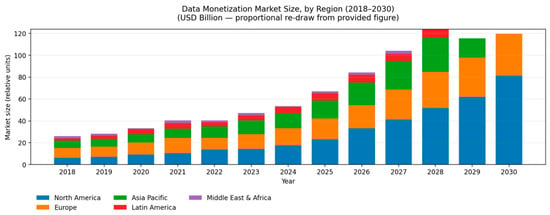
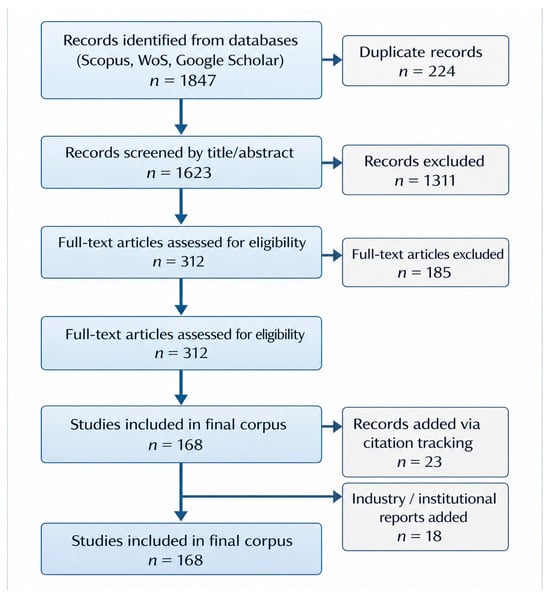
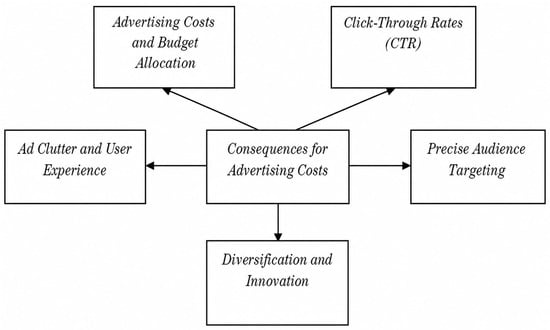
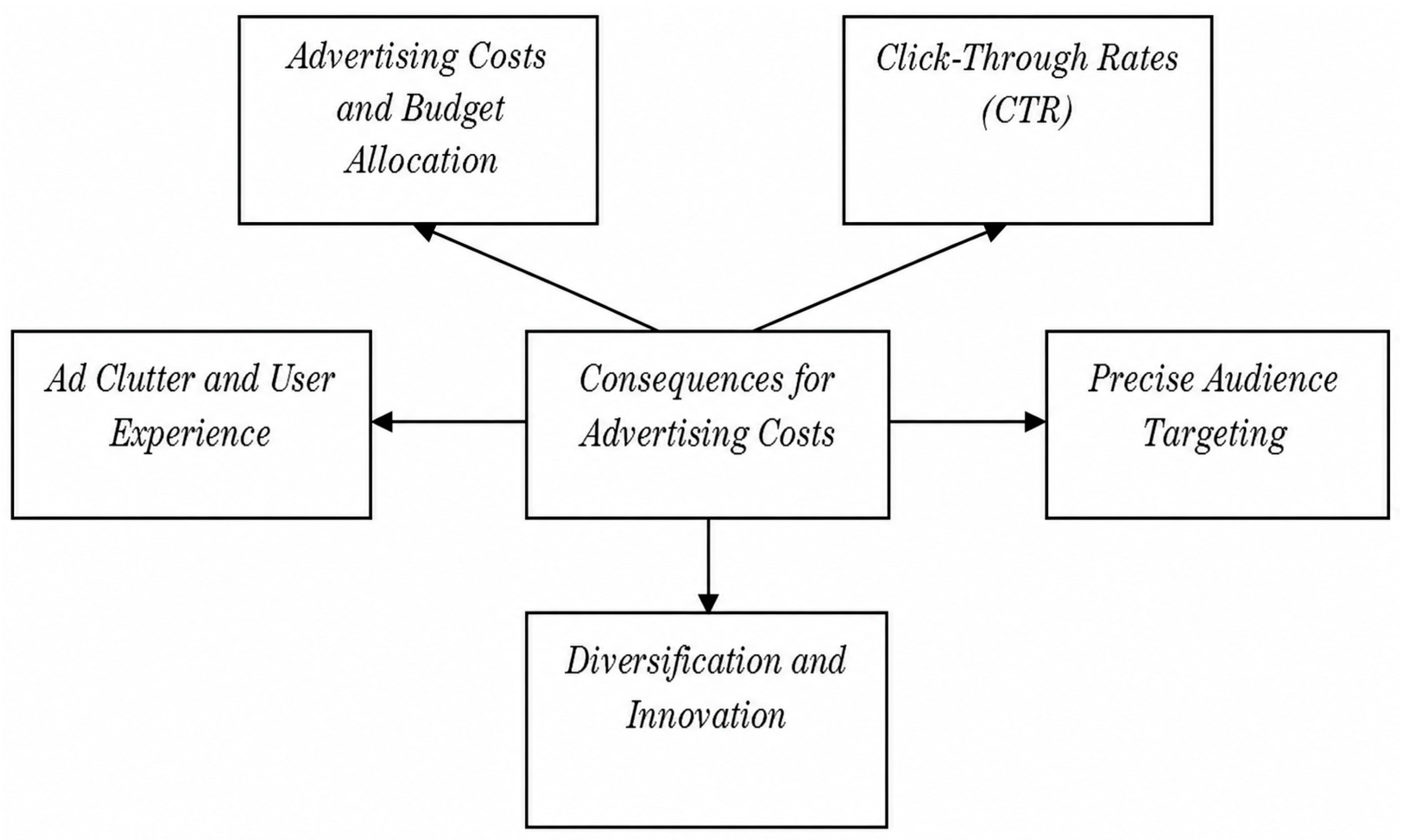
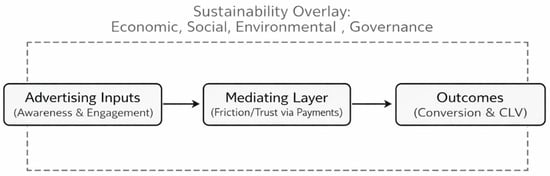
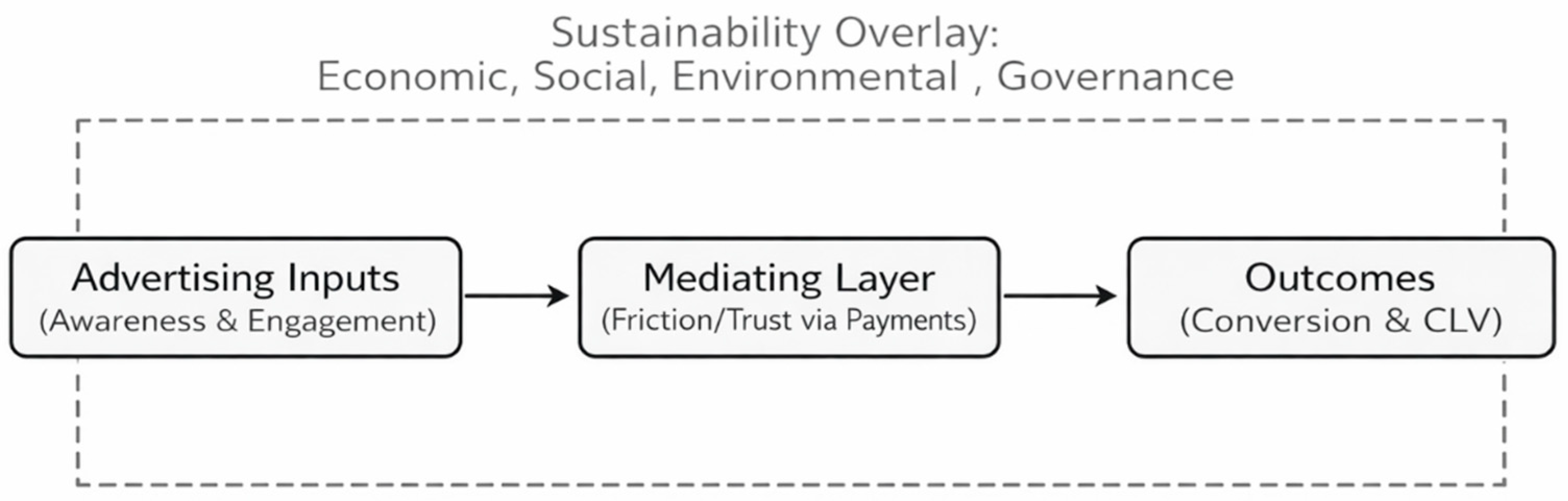

Disclaimer/Publisher’s Note: The statements, opinions and data contained in all publications are solely those of the individual author(s) and contributor(s) and not of MDPI and/or the editor(s). MDPI and/or the editor(s) disclaim responsibility for any injury to people or property resulting from any ideas, methods, instructions or products referred to in the content. |
© 2026 by the authors. Licensee MDPI, Basel, Switzerland. This article is an open access article distributed under the terms and conditions of the Creative Commons Attribution (CC BY) license.