


Abstract
In the context of the increasing digitalization of urban cultural heritage communication, public acceptance, identification, and dissemination of symbolic cultural heritage content exhibit pronounced structural differences across sustainability levels. Taking Xuzhou—a national historical and cultural city in China—as the empirical context, this study conceptualizes cultural heritage as symbolic carriers of cultural meaning and constructs a sustainability-stratified analytical framework. By integrating the Theory of Planned Behavior (TPB) and Cultural Identity (CI) theory, and incorporating Perceived Sustainability of Cultural Heritage (PSC) and Digital Interactive Media Participation (DMP), the study develops a comprehensive model of public communication acceptance mechanisms. Based on 931 valid questionnaires collected from local residents and visitors, exploratory and confirmatory factor analyses, structural equation modeling (SEM), and permutation-based multi-group analysis (MGA) are employed to examine both overall behavioral pathways and cross-group structural heterogeneity across symbolic heritage contexts with different sustainability tiers. The results indicate that: (1) PSC significantly influences communication intention through attitude, subjective norms, and perceived behavioral control, with cultural identity playing a central mediating role; (2) digital interactive media participation primarily functions as a contextual enabler, significantly moderating the relationship between perceived behavioral control and communication intention; and (3) substantial structural differences exist across sustainability tiers, with medium-sustainability symbolic contexts demonstrating the strongest psychological activation effects in attitude formation, identity internalization, and intention conversion. Theoretically, this study extends the integrative application of TPB and cultural identity theory by embedding sustainability perception as an upstream cognitive trigger and repositioning cultural identity as a mediating mechanism within symbolic heritage communication processes. Methodologically, it establishes a systematic “sustainability evaluation–stratified modeling–multi-group comparison” analytical framework. Practically, the findings provide empirical guidance for differentiated communication strategies and digital media interventions tailored to symbolic cultural heritage systems.
1. Introduction
The preservation and dissemination of urban cultural heritage are increasingly recognized as critical strategies for promoting cultural sustainability and strengthening city brand identity [1]. While cultural heritage communication has attracted substantial attention [2], prior studies have often emphasized practical issues of tourism promotion or visual presentation, leaving limited focus on the symbolic and psychological mechanisms underlying public acceptance [3]. Sustainable communication of heritage requires more than effective media design; it demands a deeper understanding of psychological structures—including cognition, attitudes, and identity—that drive behavioral intentions in symbolic cultural contexts [4].
Despite progress in digital heritage research, several gaps remain. First, most studies neglect the heterogeneous characteristics and sustainability values of different heritage types, overlooking how these variations influence communication adaptability at the level of cultural meaning and symbolic interpretation [5]. Second, existing analyses frequently adopt descriptive approaches and lack systematic modeling of public acceptance pathways [6]. Third, theoretical integration is insufficient: although the Theory of Planned Behavior (TPB) and Cultural Identity (CI) Theory have been widely applied in social psychology and tourism, their combined potential in explaining symbolic heritage communication processes has rarely been explored [7].
To address these gaps, this study develops a sustainability-stratified analytical framework. Specifically, it integrates TPB [8] and CI theory [9] to model the mechanisms of public acceptance of digital interactive media in urban heritage communication. Xuzhou, a nationally recognized historical and cultural city in China with diverse heritage resources [10], serves as the empirical context. Building on prior sustainability evaluations of its heritage sites, this study applies multi-group Structural Equation Modeling (SEM) to examine how perceived sustainability, cultural identity, and digital media participation interact to shape communication intentions.
This study makes two main contributions. Theoretically, it extends the application of TPB and CI theory into the domain of digital heritage communication by embedding perceived sustainability as a novel antecedent and demonstrating their complementary explanatory power in shaping public acceptance. This integration provides a unified framework that addresses the current gap where TPB and CI have typically been applied in isolation. Practically, the study offers evidence-based insights for tailoring dissemination strategies across symbolic cultural heritage contexts with different sustainability levels, thereby supporting both cultural preservation and urban communication practices.
To facilitate a clearer understanding of the research framework, the remainder of this paper is organized as follows. Section 2 reviews the relevant literature and theoretical foundations. Section 3 introduces the sustainability stratification of cultural heritage sites. Section 4 presents the research model and empirical analysis. Section 5 examines structural differences through multi-group analysis. Finally, Section 6 discusses theoretical and practical implications.
Building on the above literature gaps, this study formulates the following research questions:
RQ1: How does perceived sustainability of cultural heritage (PSC) shape public communication intention (IW) through TPB components (ATT, SN, and PBC) in symbolic heritage contexts?
RQ2: To what extent does cultural identity (CI) mediate this process?
RQ3: Does digital interactive media participation (DMP) moderate communication intention?
RQ4: Do these mechanisms differ across symbolic heritage sustainability tiers?
2. Literature Review
2.1. Communication and Public Acceptance of Cultural Heritage
In recent years, the dissemination of cultural heritage is no longer merely a process of cultural cognition reproduction; it now serves as a key pathway to promote multiple societal goals, including social identity formation, tourism consumption, and digital governance [11]. This broadening of functions highlights the strategic importance of heritage communication, yet also raises questions about how to balance these diverse goals without diluting the cultural core.
From the perspective of cultural heritage tourism, Liamruk et al. (2025) highlighted that engaging contemporary audiences with intangible heritage requires innovative approaches that incorporate interactivity, technology, and gamification to sustain relevance and promote long-term cultural preservation [12]. Similarly, Wang et al. (2023) proposed the concept of Cultural Inheritance-Based Innovation (CIBI), advocating for a unified approach that integrates cultural authenticity, creative dissemination, and dynamic display to balance the tension between tourism attractiveness and cultural conservation [13]. While these studies underscore the importance of balancing preservation with tourism, they remain largely descriptive and do not provide systematic models of how such factors influence public acceptance.
The dissemination of cultural heritage has also increasingly shifted toward digital interactive media platforms [14]. Bibliometric analysis by Lian and Xie (2024) showed that research on Digital Cultural Heritage (DCH) is now dominated by studies of virtual reality (VR), augmented reality (AR), and interactive digital technologies, which are believed to enhance immersion [15]. Alsaleh (2024) highlights that technological advancement acts as both a catalyst for cultural preservation and transformation, reshaping identities, traditions, and community practices in diverse contexts [16]. Although these studies confirm the technical potential of digital tools, they generally stop short of analyzing how digital participation interacts with theoretical constructs such as attitudes, perceived control, or cultural identity. This gap suggests the need for a framework that integrates digital media research with public acceptance theories.
From the perspective of public acceptance mechanisms, prior research highlights the roles of perceived experience, cultural identity, emotional connection, and interactivity [17]. For example, Fu et al. (2023) found that environmental accessibility, educational opportunities, and well-designed settings influenced perceptions and behavioral intentions in tea culture tourism, mediated by emotional value and cultural identity [18]. Jiang et al. (2024) combined experience economy theory with the Stimulus–Organism–Response (SOR) model to explain continuous usage intentions in virtual tourism environments [19]. These findings demonstrate that identity and emotional value are important mediators, yet the models remain fragmented and lack integration with sustainability considerations. Few studies have systematically examined how psychological mechanisms interact with heritage heterogeneity and sustainability performance in shaping acceptance.
Despite these advances, several limitations remain in the existing literature. First, technological and psychological perspectives are often examined in parallel rather than within an integrated analytical framework. Second, limited attention has been paid to the sustainability heterogeneity of heritage sites and its potential influence on communication mechanisms. Third, few studies have systematically incorporated identity-based and behavior-based theories into a unified model of public acceptance. Addressing these gaps, the present study develops a sustainability-stratified model that combines TPB and Cultural Identity Theory to explain digital media acceptance in urban heritage communication.
2.2. Theoretical Foundations: TPB, Cultural Identity, and Digital Media Participation
This section introduces the theoretical foundations underpinning this study, including the Theory of Planned Behavior (TPB), Cultural Identity Theory (CI), and digital interactive media participation.
This study constructs a behavioral model of urban cultural heritage communication based on the Theory of Planned Behavior (TPB) and Cultural Identity Theory (CI), while incorporating digital interactive media participation as an extended variable [20]. TPB emphasizes the influence of attitude, subjective norms, and perceived behavioral control (PBC) on behavioral intention, and has been widely applied in fields such as tourism, environmental behavior, and social communication [21]. Its “attitude–intention” path provides a robust explanatory framework for modeling tourist behaviors related to cultural heritage dissemination [22]. While the Theory of Planned Behavior provides a robust framework for predicting behavioral intentions through attitude, subjective norms, and perceived behavioral control, it has been criticized for insufficiently capturing identity-driven motivations, particularly in culturally embedded behaviors. In the context of cultural heritage communication, dissemination activities often serve not only as rational behavioral decisions but also as symbolic expressions of cultural belonging. Cultural Identity Theory addresses this limitation by explaining how individuals internalize cultural symbols and translate identity alignment into communicative engagement. Therefore, the integration of TPB and Cultural Identity Theory has been suggested in prior studies as a promising approach to capturing both rational decision-making processes and identity-driven motivations.
Cultural Identity Theory focuses on individuals’ sense of belonging and identity within specific cultural contexts, offering strong explanatory power for understanding public engagement with cultural symbols, visual identity, and brand preference [23,24]. In particular, cultural identity has been shown to mediate the relationship between cultural experiences and dissemination willingness, supporting its integration into heritage communication models [25,26]. Yet, CI theory has seldom been integrated into digital heritage communication models, despite its potential to explain how identity formation translates digital interaction into dissemination behaviors.
Furthermore, as digital technologies such as AR, VR, and social media increasingly shape user engagement, digital interactive media participation has emerged as a critical factor in cultural dissemination [27]. Buragohain et al. (2025) show that metaverse-based applications of VR and AR for temple heritage not only preserve architectural and spiritual details but also provide immersive, interactive experiences that deepen cultural understanding and broaden accessibility for global audiences [28]. Likewise, Beato Bergua et al. (2025) demonstrate that VR applications in volcanic heritage landscapes can support conservation while enhancing public awareness and accessibility, offering a sustainable way to experience fragile natural environments [29]. Nevertheless, existing work has largely examined these effects descriptively, without embedding digital participation into established behavioral theories to test its moderating role.
Alternative theoretical frameworks such as the Technology Acceptance Model (TAM) and the Unified Theory of Acceptance and Use of Technology (UTAUT) have been widely applied to explain technology adoption behaviors. However, these frameworks primarily focus on perceived usefulness and ease of use in technological contexts. In contrast, the present study investigates the communication behavior of cultural heritage content rather than the adoption of a specific technological system. Therefore, TPB provides a more suitable behavioral framework, while Cultural Identity Theory captures the symbolic and identity-based motivations underlying heritage communication. Moreover, heritage communication behavior is inherently value-oriented and culturally embedded, which requires theoretical constructs capable of capturing symbolic meaning and identity formation, aspects that are not central to technology adoption models such as TAM or UTAUT.
Taken together, these theoretical perspectives suggest the potential for an integrated framework that combines behavioral decision mechanisms and identity-based motivations, particularly in the context of digital cultural heritage communication.
Based on the above theoretical perspectives, this study conceptualizes public participation in cultural heritage communication as a cognition–identity–behavior process. Within this process, perceived sustainability functions as a cognitive antecedent, shaping attitudes and perceived behavioral control; cultural identity operates as a value-based internalization mechanism linking cognition to intention; and digital media participation serves as a contextual condition that facilitates the conversion of psychological readiness into communication behavior.
This integrated framework provides a coherent theoretical basis for explaining how multiple psychological and contextual factors jointly shape public communication intention, rather than treating them as independent predictors.
3. Stratification of Cultural Heritage Sustainability and Grouping Criteria for Public Communication
Definition of Research Scope and Selection of Historical Cultural Symbols
This study takes Xuzhou, a historic city in China, as the empirical context and selects ten representative historical cultural symbols as the analytical objects. This definition is consistent with our previously published study, which evaluated the performance and sustainability of Xuzhou’s historical cultural symbols in the context of city brand design using Grey System Theory and the Fuzzy Evaluation Method. In that study, the ten selected items were explicitly conceptualized as urban cultural symbols, and the expert evaluation, public feedback, and case-based assessment were all conducted around their symbolic performance in visual appeal, cultural heritage, brand recognizability, public acceptance, and sustainability.
Accordingly, the present study does not treat these items as strictly defined heritage protection units or as direct proxies for the most popular tourism destinations in Xuzhou. Rather, they are understood as symbolic cultural heritage elements that carry historical meaning in public communication contexts. Some of these symbols correspond to specific heritage sites or cultural landscapes, whereas others refer to broader cultural themes, historical memories, or symbolic traditions, such as Xiang Yu Culture, Peng Zu Culture, and Han Dynasty Stone Reliefs. From this perspective, the listed items should be interpreted as symbolic carriers of urban cultural meaning, rather than as homogeneous site-based samples.
The sustainability stratification adopted in this study was derived from the composite results reported in Zhao et al. (2024), where the ten historical cultural symbols were assessed through an AHP–GST–FCE framework and subsequently ranked according to their overall performance [30]. On this basis, the present study uses the prior evaluation results not to reproduce real-world popularity rankings, but to construct high-, medium-, and low-sustainability symbolic contexts for subsequent comparative analysis. In other words, the grouped objects in this study function as symbolic stimuli under different sustainability conditions.
This distinction is important. In real urban contexts, the public visibility of cultural heritage is often influenced by tourism intensity, policy support, media exposure, and marketization. Therefore, the real-world prominence of a symbol may not fully coincide with its evaluated sustainability performance in a design-oriented assessment framework. Rather than regarding this discrepancy as a methodological defect, the present study treats it as a meaningful boundary condition for mechanism research. The purpose of this study is not to determine which heritage resources are the most famous in Xuzhou, but to examine how public acceptance and communication intention are activated when people encounter historical cultural symbols with different levels of perceived sustainability in digital communication environments.
Based on the previous evaluation results, the ten historical cultural symbols were grouped into high-, medium-, and low-sustainability tiers, which provide the contextual basis for the subsequent multi-group structural equation modeling. Therefore, the sustainability tiers used in this study should be understood as analytical categories of symbolic heritage communication, rather than strict classifications of heritage importance, tourism popularity, or administrative protection level. The grouping outcomes are presented in Table 1.
Table 1.
Stratification of Historical Cultural heritage Symbols by Sustainability Tier.
4. Model Construction and Measurement Model Validation
4.1. Theoretical Model Construction and Research Hypotheses
Existing studies adopting the Theory of Planned Behavior (TPB) have primarily treated cultural communication as a homogeneous behavioral process, assuming that attitude (ATT), subjective norm (SN), and perceived behavioral control (PBC) exert direct influences on intention regardless of contextual heterogeneity [31]. However, recent heritage communication studies indicate that heritage sites vary substantially in sustainability performance and symbolic vitality, which may reshape how behavioral constructs are activated across different cultural settings [32]. Similarly, Cultural Identity (CI) theory has typically been positioned as a post-experiential outcome rather than an active mediator that restructures behavioral pathways in digital cultural environments [33]. To address these conceptual gaps, this study integrates Perceived Sustainability of Cultural Heritage PSC as a contextual cognitive antecedent and introduces sustainability stratification as a comparative lens to test whether conventional TPB mechanisms remain stable across differentiated heritage types. Digital Media Participation (DMP) is incorporated as a contextual moderator to capture the technology-mediated amplification effect observed in emerging digital heritage platforms such as AR, VR, and interactive tourism interfaces. Unlike prior studies that treat digital media as a direct determinant of engagement, this study conceptualizes digital media participation as a context-dependent enabling condition. Rather than independently driving communication intention, DMP primarily facilitates the conversion of psychological readiness—particularly perceived behavioral capability—into actual dissemination behavior. This distinction allows the model to differentiate between motivational mechanisms and action-enabling conditions in digital heritage communication.
To move beyond model application toward theoretical advancement, we formally conceptualize our specification as an Extended TPB–CI Framework under sustainability-stratified digital heritage contexts, rather than a direct combination of TPB and cultural identity theory. In this framework, PSC is elevated from a contextual perception to a cognitive antecedent that reconfigures motivational pathways, CI is repositioned from a behavioral outcome to a mediating mechanism, and DMP is framed as a technology-induced pathway reallocator. Furthermore, sustainability stratification is treated as a boundary-testing device to challenge the structural invariance assumption of traditional TPB models by examining whether ATT, SN, PBC, and CI operate differently across high-, medium-, and low-sustainability heritage tiers.
The overall theoretical model is illustrated in Figure 1. Figure 1 presents the extended theoretical framework that bridges cognition PSC, identity formation CI, and behavioral activation IW under stratified cultural sustainability conditions, departing from traditional single-layer TPB applications. Accordingly, Figure 1 does not simply visualize a procedural model, but represents a boundary-tested extension of TPB whereby sustainability-driven heterogeneity and identity mediation are embedded as structural innovations rather than contextual modifications.
Figure 1.
Theoretical model assumptions. Solid arrows indicate hypothesized direct relationships, while dashed arrows represent moderating effects.
- Effects of Perceived Sustainability on Behavioral ConstructsExisting TPB-based cultural communication studies have predominantly used generic heritage perception or destination image as cognitive predictors [34]. However, these variables mainly capture short-term evaluative judgments related to tourism attractiveness and immediate experiential benefits. They are therefore limited in explaining how individuals perceive the long-term communicative vitality and sustainable development potential of cultural heritage. To address this limitation, the present study introduces the construct of Perceived Sustainability of Cultural Heritage (PSC). Unlike commonly used constructs such as perceived value, authenticity, or destination image, PSC reflects individuals’ perceptions of the long-term vitality, communicative adaptability, and revitalization potential of heritage resources. Rather than focusing on immediate experiential benefits, PSC emphasizes whether cultural heritage is perceived as capable of sustaining cultural meaning, public relevance, and communicative influence over time [35]. In this sense, PSC captures a forward-looking cognitive evaluation related to cultural continuity and sustainable communication potential. Such sustainability-oriented perceptions may further stimulate identity-related meaning-making and shape individuals’ attitudes and behavioral intentions toward heritage communication. Therefore, the following hypotheses are proposed:
H1.
PSC has a significant positive effect on ATT.
H2.
PSC has a significant positive effect on SN.
H3.
PSC has a significant positive effect on PBC.
H4.
PSC has a significant positive effect on CI.
- 2.
- Direct Effects of TPB Components on IWTPB applications posit a direct and stable influence of ATT, SN, and PBC on behavioral intention across tourism, environmental and cultural participation contexts [36]. However, heritage communication—particularly in digital media environments—differs from conventional behavioral domains in that the act of “communication” is not merely utilitarian but identity-expressive and culturally performative [37]. This raises the theoretical question of whether the three TPB predictors continue to exert direct effects on IW with the same strength and stability when heritage is mediated by digital and symbolic dissemination channels. To empirically test the robustness of the TPB structure in this digitally mediated cultural context, we propose the following hypotheses:
H5.
ATT positively influences IW.
H6.
SN positively influences IW.
H7.
PBC positively influences IW.
- 3.
- Mediating Role of Cultural IdentityIn most TPB-based cultural behavior studies, identity-related variables are positioned as downstream emotional outcomes that emerge after intention or behavior has already been formed [38]. However, CI theory argues that identity formation is not merely a byproduct of cultural participation but can serve as a psychological catalyst that precedes and reconfigures intention formation, especially in heritage-related symbolic practices where communication itself constitutes a form of identity expression [39]. This suggests a potential shift in theoretical positioning—from treating identity as an endpoint to treating it as an active mediator within the cognition–intention pathway. To examine whether identity functions as a central bridging mechanism rather than a terminal affective outcome in digital heritage communication, the following mediation hypotheses are proposed:
H8.
CI mediates the relationship between PSC and IW.
H9.
CI mediates the relationship between ATT and IW.
H10.
CI mediates the relationship between SN and IW.
H11.
CI mediates the relationship between PBC and IW.
- 4.
- Moderating Role of Digital Media ParticipationTPB frameworks implicitly assume a neutral communication environment where intention formation follows a stable cognitive sequence [40]. However, the rise in digital heritage interfaces—such as AR-enhanced exhibitions, short-video-based cultural narratives, and interactive tourism apps—has introduced a technology-mediated layer that may amplify or redistribute psychological influences [41]. In such environments, communication is no longer a purely cognitive act but a digitally performed identity practice, where individuals with high digital media participation DMP may convert perceived ability or identity alignment into communicative behavior more efficiently through algorithmic exposure, social feedback loops, and symbolic visibility mechanisms. In this study, Digital Interactive Media Participation (DMP) is conceptualized not as a direct motivational driver, but as a contextual affordance mechanism within symbolic cultural heritage communication. Drawing on affordance theory, digital media environments provide action possibilities that enable individuals to translate internal psychological readiness—such as perceived capability and attitudinal engagement—into communicative behavior. Accordingly, DMP is positioned as a conditional enabler that facilitates the conversion of perception into action, rather than as a primary source of motivation. This conceptualization allows the model to distinguish between motivational constructs (e.g., ATT, CI, PBC) and contextual activation conditions (e.g., DMP), thereby improving the theoretical clarity of the extended TPB–CI framework. To test whether digital participation functions as a contextual amplifier that reconfigures TPB and identity pathways—rather than merely acting as an external condition—we propose the following moderation hypotheses:
H12.
DMP positively moderates the path between CI and IW.
H13.
DMP moderates the path between PBC and IW.
- 5.
- Multi-Group Hypotheses for Sustainability TiersConventional TPB applications assume that behavioral mechanisms remain structurally consistent across cultural contexts, with ATT, SN, PBC, and CI influencing intention in a relatively stable manner [42]. However, cultural heritage sites differ significantly in sustainability performance, narrative vividness, and symbolic expressiveness, which may alter the psychological activation process leading to communication. Recent cultural semiotics research suggests that when heritage exhibits strong symbolic regeneration capacity (high sustainability tier), identity may activate more intuitively, whereas low-performing heritage may rely more on cognitive reinforcement or digital facilitation to stimulate intention [43]. To move beyond traditional TPB’s assumption of structural invariance and explicitly test whether sustainability heterogeneity introduces differentiated psychological pathways, this study performs a stratified multi-group analysis. Accordingly, we hypothesize:
H14.
The effect of PSC on ATT and IW differs significantly across cultural heritage groups with varying sustainability levels.
H15.
The mediating strength of CI differs significantly across heritage tiers.
4.2. Measurement Instruments and Variable Design
The questionnaire was designed based on the core pathway of “Cognition–Identity–Communication Intention” and measured using a five-point Likert scale. From a conceptual perspective, the model integrates constructs derived from the Theory of Planned Behavior (TPB) and Cultural Identity Theory. Specifically, attitude (ATT), subjective norms (SN), and perceived behavioral control (PBC) represent key components of behavioral intention formation under TPB, while cultural identity (CI) captures individuals’ sense of belonging and value alignment with cultural heritage. From an operational perspective, all constructs were measured using multi-item reflective scales adapted from established literature and refined to fit the context of cultural heritage communication.
Perceived sustainability (PSC) is defined as individuals’ subjective evaluation of the long-term communicative value, revitalization potential, and intergenerational cultural influence of heritage resources. Although its conceptual foundation is informed by the sustainability evaluation framework established in the author’s previous research—based on Grey System Theory and the Fuzzy Evaluation Method—PSC in the present study is operationalized as a perception-based psychological construct, rather than an objective evaluation index. To ensure content validity, the PSC measurement items were developed by translating key dimensions of heritage sustainability into perceptual statements suitable for questionnaire measurement. The initial item pool was reviewed by domain experts to ensure clarity and conceptual relevance. The final scale includes three reflective items capturing perceived long-term communication value, revitalization potential, and intergenerational cultural influence of heritage resources. Although PSC is a newly conceptualized construct, the scale demonstrates satisfactory reliability and convergent validity in the confirmatory factor analysis results reported in Section 4.5, supporting its empirical adequacy. Building on these evaluation results, PSC was conceptualized to capture public perceptions of the long-term communicative adaptability and revitalization potential of cultural heritage. The PSC construct was measured using three items designed to capture respondents’ perceptions of the long-term sustainability and communicative vitality of cultural heritage. Example items include: (1) “This cultural heritage has long-term communication value,” (2) “This heritage site has strong potential for future revitalization and cultural dissemination,” and (3) “The cultural significance of this heritage can continue to influence future generations.”
Communication intention (IW) is derived from the behavioral intention construct in TPB and reflects individuals’ willingness to engage in the dissemination of cultural heritage content. In this study, IW is further contextualized by incorporating identity-driven participation logic from Cultural Identity Theory, capturing both rational behavioral intention and symbolic engagement motivation. Digital media participation (DMP) is defined as the extent to which individuals engage with digital platforms in the context of cultural heritage communication. It reflects a behavioral tendency toward interacting with digital heritage media environments, rather than a specific technological usage behavior. The measurement items cover multiple forms of digital interaction, including social media browsing, short-video viewing, online discussions, and immersive experiences such as virtual exhibitions or VR/AR applications. Rather than distinguishing between passive and immersive engagement modes, this study conceptualizes DMP as an integrative construct capturing the frequency and breadth of participation in the digital communication ecosystem of cultural heritage.
Finally, because the measurement items were derived from well-established theoretical constructs, the factor structure was specified a priori. Therefore, confirmatory factor analysis (CFA) was employed to evaluate the measurement model. The model specification strictly followed the theoretical construct structure, and no post hoc modifications were introduced. Table 2 presents the detailed measurement items and construct structure. See Table 2 for a summary of variable constructs and corresponding measurement items.
Table 2.
Latent Variables and Measurement Item Descriptions.
Group Assignment Based on Heritage Sustainability Stratification. The grouping variable used in the multi-group analysis does not represent inherent respondent characteristics but rather reflects the sustainability level of the cultural heritage site evaluated in the questionnaire. Prior to the survey, a sustainability assessment of representative cultural heritage sites in Xuzhou was conducted using Grey System Theory and the Fuzzy Comprehensive Evaluation Method, as reported in the authors’ previous research. Based on the resulting composite scores, heritage sites were classified into three sustainability tiers: high, medium, and low.
During the questionnaire survey, respondents were asked to evaluate their perceptions and communication intentions with respect to specific heritage sites included in the questionnaire. Each response was therefore associated with the sustainability tier of the evaluated heritage stimulus rather than the respondent’s personal characteristics. Accordingly, the multi-group analysis compares structural mechanisms across different heritage sustainability contexts rather than across different respondent populations. This design allows the study to examine whether psychological mechanisms of communication acceptance vary depending on the sustainability performance of the heritage context being evaluated.
To ensure adequate coverage of respondents with diverse backgrounds, the sampling procedure combined both offline and online channels. Offline surveys were administered through local travel agencies to reach tourists, as well as in public spaces to recruit Xuzhou residents. In parallel, online questionnaires were distributed via social media platforms to broaden participation. This mixed-mode sampling strategy was designed to increase sample heterogeneity rather than achieve strict probabilistic representativeness. The relatively balanced group sizes reflect the stratified inclusion of heritage sites across the three sustainability tiers in the questionnaire design.
4.3. Descriptive Statistics and Normality Test
A total of 931 valid questionnaires were collected for this study. Based on sustainability evaluation scores, respondents were classified into three groups for subsequent analysis, including High (n = 312, 34%), Medium (n = 300, 32%), and Low (n = 319, 34%). As shown in Table 3, in terms of gender, 43% of the respondents were male (n = 401) and 57% were female (n = 530). Regarding age, the majority of participants were aged 19–29 years (51%), followed by those aged 30–39 years (17%), 50 years and above (13%), 40–49 years (11%), and 18 years and below (9%). With respect to educational background, 46% of respondents held an undergraduate degree, 29% had a graduate-level education, and 25% had a high school education or below. In terms of residence status, 66% of the respondents were local residents of Xuzhou, while the remaining 34% were visitors from outside Xuzhou.
Table 3.
Demographic characteristics of survey participants.
To further examine the distribution of key variables across the overall sample, descriptive statistical analyses were conducted for PSC, ATT, SN, PBC, CI, IW, and DMP. As shown in Table 4, the mean values of these variables ranged from 3.108 (IW) to 3.153 (PSC), indicating a moderate level of agreement among respondents across the measured dimensions. Regarding variability, the standard deviation values ranged from 1.032 (DMP) to 1.152 (ATT), reflecting a moderate dispersion of responses. Overall, the observed means and standard deviations suggest that the data were appropriately distributed, providing a sound basis for subsequent structural equation modeling (SEM) analysis.
Table 4.
Descriptive statistics of key variables.
To assess whether the data met the statistical assumptions relevant for structural equation modeling, skewness and kurtosis statistics were examined for all measurement items. As shown in Table 5, the absolute values of skewness ranged from 0.076 to 0.200, while the absolute values of kurtosis ranged from 0.904 to 1.322. All values were well within commonly accepted thresholds for univariate normality. Normality diagnostics were reported primarily for transparency. We assessed univariate normality (skewness and kurtosis) to justify the use of MLE in the CB-SEM/CFA stage. The results indicated acceptable departures from normality for most indicators, supporting the application of MLE for CFA. Notably, the subsequent PLS-SEM estimation does not require strict distributional assumptions; therefore, the normality check was conducted primarily for the CB-SEM component rather than as a prerequisite for the PLS-SEM structural analysis.
Table 5.
Descriptive Statistics of Measurement Items.
All skewness and kurtosis values were well within the commonly accepted thresholds for normality (|skewness| < 3 and |kurtosis| < 10), and also satisfied the more conservative criterion of |1.5| suggested in the SEM literature. Although a few items (e.g., PSC1 and ATT1) exhibited relatively higher negative kurtosis values, none exceeded the recommended limits.
Overall, these results indicate that the measurement data can be regarded as approximately normally distributed, thereby supporting the use of Maximum Likelihood Estimation (MLE) in subsequent structural equation modeling analyses.
4.4. Common Method Bias Assessment
Because the data for all constructs were collected using a single questionnaire administered at one time point, potential common method bias (CMB) was assessed using two complementary procedures.
First, Harman’s single-factor test was conducted through an exploratory factor analysis of all measurement items. The results showed that the first unrotated factor accounted for 32.6% of the total variance, which is below the commonly recommended threshold of 50%. This suggests that common method variance is unlikely to pose a serious threat to the validity of the results.
Second, following recent recommendations for variance-based SEM, a full collinearity assessment was conducted using variance inflation factors (VIF). The VIF values for all constructs ranged between 1.000 and 1.223, which are well below the conservative threshold of 3.3 suggested for detecting common method bias. These results further indicate that common method bias is unlikely to substantially influence the estimated relationships in the model.
Together, these results suggest that common method variance does not represent a significant concern in this study.
4.5. Confirmatory Factor Analysis
4.5.1. Model Fit Evaluation
The measurement model was evaluated using maximum likelihood estimation. Model fit was assessed using commonly recommended indices including CMIN/DF, RMSEA, CFI, and TLI. The measurement model was estimated using maximum likelihood estimation (MLE), which is appropriate when the sample size is large and the data approximate multivariate normality. The recommended threshold values and the corresponding empirical results are presented in Table 6.
Table 6.
Goodness-of-fit indices for the measurement model.
As shown in Table 6, the CMIN/DF value was 3.591, which falls within the acceptable range, indicating a reasonable balance between model fit and parsimony. The RMSEA value was 0.053, suggesting a good level of approximate fit. In addition, the values of IFI, TLI, and CFI were all 0.940, exceeding the commonly accepted threshold of 0.90 and indicating a satisfactory incremental fit of the model.
Overall, these fit indices indicate that the measurement model demonstrates an acceptable to good fit with the observed data, supporting the adequacy of the proposed factor structure. Based on these results, further analyses of the structural relationships among latent variables were subsequently conducted.
4.5.2. Reliability and Convergent Validity Analysis
As presented in Table 7, Cronbach’s α values ranged from 0.812 to 0.873, Dijkstra–Henseler’s rho_A ranged from 0.815 to 0.877, and composite reliability (CR) ranged from 0.889 to 0.908, all exceeding the recommended minimum threshold of 0.70. Furthermore, all AVE values exceeded the recommended threshold of 0.50, ranging from 0.663 to 0.747, indicating satisfactory convergent validity.
Table 7.
Reliability and validity evaluation of the measurement model.
Overall, the results of the reliability and convergent validity analyses indicate that the measurement model exhibits satisfactory internal consistency and adequate convergent validity, thereby supporting its suitability for subsequent structural model analysis.
4.5.3. Discriminant Validity Assessment
Discriminant validity was assessed using the Heterotrait–Monotrait Ratio (HTMT) criterion. All HTMT values were below the recommended threshold of 0.85, indicating adequate discriminant validity across constructs [44]. As reported in Table 8, all HTMT values were well below the recommended threshold of 0.85, indicating adequate discriminant validity across constructs. The highest HTMT value was 0.445, observed between SN and PBC, which remained within acceptable limits.
Table 8.
Heterotrait–Monotrait Ratio (HTMT).
Overall, the relatively low HTMT values suggest that the latent variables are empirically distinct and that the measurement items capture conceptually differentiated constructs. In particular, the HTMT values involving DMP and other constructs (e.g., CI and PBC) were consistently low, supporting the conceptual separability of the digital media perception dimension within the proposed framework.
Taken together, the results provide empirical support for the discriminant validity of the measurement model, indicating that the construct definitions in the extended TPB–CI framework are psychometrically sound. This confirms that the inclusion and positioning of constructs such as PSC, CI, and DMP are methodologically justified and not the result of arbitrary model specification, thereby providing a reliable basis for subsequent structural model analysis.
4.6. Structural Model Evaluation
This study adopted a two-stage SEM strategy. First, covariance-based SEM (CB-SEM) with maximum likelihood estimation was employed to validate the measurement model through confirmatory factor analysis (CFA). CB-SEM was selected at this stage because it provides well-established global goodness-of-fit indices (e.g., CMIN/DF, RMSEA, CFI, and TLI), which are widely used for evaluating measurement model adequacy.
In the second stage, the structural relationships were estimated using partial least squares SEM (PLS-SEM) implemented in SmartPLS. PLS-SEM was chosen because the study aims to explain variance in behavioral intention and to examine mediation, moderation, and cross-group structural differences under sustainability stratification. In addition, SmartPLS provides robust resampling-based procedures, including bootstrapping and permutation-based multi-group analysis (MGA), which are particularly suitable for testing structural heterogeneity across sustainability tiers.
It should be noted that CB-SEM and PLS-SEM rely on different estimation principles and evaluation criteria. Therefore, the CFA fit indices reported for the measurement model (e.g., RMSEA, CFI) are used solely for measurement validation, while the structural relationships and group comparisons are evaluated using PLS-SEM criteria such as path coefficients, explained variance (R2), and effect sizes. These estimates are not intended to be directly compared across the two SEM approaches. The standardized path coefficients and explained variances are presented in Figure 2.
Figure 2.
Structural model path diagram. Solid arrows indicate structural paths, whereas dashed arrows represent moderating effects.
(1) Path Coefficient Analysis
The results indicate that ATT exerted a significant positive effect on CI (β = 0.301), suggesting that a more favorable cultural attitude strengthens individuals’ identification with urban cultural heritage. In turn, CI had a significant positive effect on IW (β = 0.157), indicating that cultural identity functions as an important psychological mechanism linking internal perceptions to communication intention.
In addition, PBC showed significant positive effects on both CI (β = 0.216) and IW (β = 0.203), revealing a dual-path influence whereby perceived capability simultaneously enhances cultural identification and communication intention. By contrast, SN exerted a modest positive effect on CI (β = 0.150), while its direct effect on IW was not statistically significant, suggesting that social pressure plays a limited role in directly motivating word-of-mouth communication in this context.
Overall, these findings indicate that individuals’ willingness to disseminate urban cultural heritage is primarily driven by internalized cultural identity and perceived behavioral control, rather than by external normative pressure.
(2) Indirect and Total Effects
With respect to indirect effects, ATT influenced IW through CI (β = 0.047), while PBC and SN exhibited smaller indirect effects on IW via CI (β = 0.034 and β = 0.024, respectively), confirming the mediating role of cultural identity across multiple perceptual pathways.
In terms of total effects, ATT and PBC exerted total effects of 0.104 and 0.237 on IW, respectively, indicating that both constructs contribute meaningfully to public communication intention toward cultural heritage, with PBC showing the strongest overall influence.
(3) Explanatory Power (R2)
The explanatory power of the model was assessed using R2 values for key endogenous constructs. As shown in Figure 2, CI (R2 = 0.240) and IW (R2 = 0.187) exhibited moderate levels of explained variance, while ATT (R2 = 0.102) and PBC (R2 = 0.058) showed relatively lower explanatory power. These results suggest that the model provides reasonable explanatory capacity, particularly for cultural identity and communication intention.
Although SN and DMP did not exhibit substantial R2 values, both constructs maintained active structural paths within the model and may be regarded as context-dependent or weak explanatory variables. Future studies may further examine their stability and influence through refined measurement or expanded sampling.
From a comparative perspective, a classical TPB-only specification, in which ATT, SN, and PBC directly predict IW, was conceptually referenced. Relative to this baseline, the extended TPB–CI framework offers broader explanatory coverage by repositioning CI as a central psychological mechanism, introducing PSC as a sustainability-oriented antecedent, and incorporating DMP as a technology-related contextual factor, thereby clarifying why CI and PBC emerge as primary drivers of IW in the present model.
(4) Effect Size (f2) Evaluation
The effect size analysis revealed that ATT and PBC demonstrated medium effect sizes with respect to IW, indicating meaningful substantive impacts on communication intention. CI also exhibited a notable effect size, reinforcing its theoretical role as a key mediating construct. In contrast, the effect sizes associated with other paths were relatively small, suggesting weaker incremental contributions.
(5) Model Quality Assessment
Model quality was further evaluated using global fit and collinearity diagnostics. The standardized root mean square residual (SRMR) value was 0.063, which is below the recommended threshold of 0.08, indicating a satisfactory overall model fit. In addition, all variance inflation factor (VIF) values were below 3, suggesting the absence of serious multicollinearity issues and confirming the statistical adequacy of the structural model.
In summary, the structural equation model demonstrates acceptable model fit, theoretically coherent path relationships, and moderate explanatory power. ATT, PBC, and CI play central roles in shaping public intentions to disseminate urban cultural heritage, with CI functioning not only as a direct predictor but also as a key mediating mechanism. Although certain constructs, such as DMP, did not exhibit strong direct effects, their inclusion contributes supplementary explanatory value within the extended theoretical framework. Overall, the findings underscore the importance of cultural identity and perceived capability as primary drivers of heritage communication behavior, while normative pressure and digital media factors play more limited roles.
5. Structural Path Analysis and Group Difference Mechanism Exploration
5.1. Multi-Group Comparative Analysis Based on Sustainability Levels
To further investigate structural heterogeneity in the acceptance mechanisms of cultural heritage communication across different sustainability levels, a permutation-based Multi-Group Analysis (MGA) was conducted using SmartPLS. Path coefficients were compared among three groups classified as high-, medium-, and low-performance according to sustainability evaluation scores.
Before conducting the MGA, measurement invariance across the three groups was assessed using the MICOM (Measurement Invariance of Composite Models) procedure, which is recommended for multi-group comparisons in PLS-SEM. Establishing measurement invariance ensures that the constructs are interpreted consistently across groups and that cross-group comparisons of structural relationships are methodologically valid.
First, configural invariance was established by specifying identical measurement models across the three sustainability groups, including the same indicator sets, model structure, data treatment procedures, and PLS algorithm settings. In addition, key measurement quality criteria—such as discriminant validity (HTMT), overall model fit (SRMR), and multicollinearity diagnostics (VIF)—were confirmed to meet recommended thresholds across all groups, indicating that the measurement models were consistently specified.
Second, compositional invariance was evaluated through permutation tests for pairwise group comparisons (high vs. medium, high vs. low, and medium vs. low). The results indicate that most constructs satisfied the compositional invariance criterion, although a small number of constructs showed significant differences across certain group comparisons. These results, therefore, support partial compositional invariance.
Third, the equality of composite means and variances was tested to determine whether full measurement invariance could be established. The results of the MICOM procedure are reported in Table 9. While equality of means and variances was not fully satisfied for several constructs, the MICOM framework indicates that establishing configural invariance together with partial compositional invariance is sufficient to allow meaningful cross-group comparisons in PLS-SEM.
Table 9.
Measurement invariance assessment (MICOM Step 2).
Accordingly, partial measurement invariance was established across the three sustainability groups, providing a valid basis for subsequent permutation-based MGA and the comparison of structural path coefficients.
Following the confirmation of measurement invariance, permutation-based MGA was performed to examine potential structural differences among the high-, medium-, and low-sustainability groups. This analysis allows the identification of heterogeneous relationships among perceived sustainability, TPB constructs, cultural identity, digital media participation, and communication intention across different sustainability contexts.
(1) High- vs. Medium-Performance Group Comparison
As shown in Table 10, several statistically significant differences emerged between the high- and medium-performance groups. First, the path from ATT to PBC was significantly stronger in the medium-performance group (p < 0.001), indicating that positive cultural attitudes were more effectively translated into perceived behavioral capability under medium sustainability conditions.
Table 10.
Permutation-based MGA results across sustainability tiers.
Second, the path CI → Intention to IW was also significantly stronger in the medium-performance group (p = 0.012), suggesting that cultural identity was more readily transformed into communication intention in this context.
In addition, a significant group difference was observed for the SN → CI path (p = 0.031), implying that social normative influence played a more prominent role in shaping cultural identity in the medium-performance group than in the high-performance group.
No other paths exhibited statistically significant differences between these two groups.
(2) High- vs. Low-Performance Group Comparison
In contrast, most structural paths did not exhibit statistically significant differences between the high- and low-performance groups. Notably, the interaction effect of DMP × CI → IW did not reach the conventional significance threshold (p = 0.066). Although this value suggests a marginal trend, the difference cannot be interpreted as statistically significant. Future studies may further examine whether digital media engagement conditions the relationship between cultural identity and communication intention under different sustainability contexts. It should be noted that only paths reaching the conventional significance threshold (p < 0.05) were interpreted as statistically significant, while comparisons with p-values between 0.05 and 0.10 were treated as suggestive trends rather than confirmatory evidence.
Although this interaction did not reach conventional significance thresholds, it suggests that digital participation may condition the extent to which cultural identity translates into communication intention, particularly in contexts characterized by weaker sustainability performance. This boundary effect warrants further investigation in future studies.
All other direct and interaction paths between the high- and low-performance groups were not statistically significant.
(3) Medium- vs. Low-Performance Group Comparison
Comparisons between the medium- and low-performance groups revealed several pronounced differences. The path from ATT to PBC was significantly stronger in the medium-performance group (p < 0.001), indicating that cultural attitudes were more effectively converted into perceived behavioral capability under medium sustainability conditions.
Similarly, the CI → IW path showed a significant group difference (p = 0.015), suggesting that cultural identity exerted a stronger motivational effect on communication intention in the medium-performance group than in the low-performance group.
In addition, the path from PSC to ATT was significantly stronger in the medium-performance group (p < 0.001), indicating that sustainability-related perceptions more strongly shaped cultural attitudes in this tier. Collectively, these results suggest that medium-performance heritage contexts are more effective in activating attitudinal, identity-based, and control-related psychological mechanisms compared with low-performance contexts.
(4) Visual Comparison of Structural Activation Patterns
To facilitate interpretation of asymmetric activation patterns across sustainability tiers, Figure 3 presents a radar plot comparing standardized path coefficients. Statistical significance and permutation-based MGA results are reported in Table 10. The visualization shows that the medium-performance group exhibits the most expansive and balanced structural activation pattern across multiple psychological pathways, whereas the high- and low-performance groups display more constrained configurations.
Figure 3.
Radar visualization of path coefficient profiles across sustainability tiers.
This visual evidence complements the MGA results and reinforces the interpretation of sustainability stratification as a boundary-testing mechanism within the Extended TPB–CI framework, rather than as a simple contextual classification.
Overall, the MGA results demonstrate that the sustainability level of cultural heritage significantly conditions the structural pathways underlying public communication acceptance. Medium-performance heritage contexts consistently exhibited stronger psychological activation across several key paths—particularly those linking ATT, CI, PBC, and IW. This pattern is consistent with an inverted-U mechanism suggested in prior psychological research, where moderate levels of familiarity/novelty and identity distinctiveness can maximize engagement and behavioral activation.
Although Digital Media Participation did not show widespread direct group differences, its weakly significant interaction with cultural identity in the high–low comparison suggests that digital engagement may play a context-dependent moderating role. These findings deepen the understanding of how sustainability stratification reshapes the internal logic of communication acceptance mechanisms and provide empirical support for differentiated communication strategies and targeted media interventions across heritage performance levels.
5.2. Mediating Role of Cultural Identity and Moderating Effect of Digital Interactive Media Participation
To examine the underlying mechanisms of the proposed model, bootstrapping analysis was conducted using 5000 resamples with a two-tailed test and 95% confidence intervals to assess the significance of mediation and moderation effects. The results of the path coefficient estimations are reported in Table 11.
Table 11.
Bootstrapping results for mediation and moderation effects.
(1) Mediation Effects
The results indicate that both ATT and PBC exerted significant indirect effects on IW through CI. Specifically, ATT significantly influenced CI (β = 0.301, p < 0.001), which in turn positively affected IW (β = 0.157, p < 0.001). Similarly, PBC showed a significant effect on CI (β = 0.216, p < 0.001), followed by a direct positive effect on IW (β = 0.203, p < 0.001).
These findings confirm the mediating role of cultural identity in the process through which attitudinal and control-related perceptions are transformed into communication intention, supporting a “perception/control → identity → intention” mechanism within the extended framework.
(2) Moderation Effects
Regarding moderation effects, the interaction term DMP × PBC → IW was found to be statistically significant (β = 0.088, p = 0.008), indicating that digital media participation strengthens the positive relationship between PBC and IW. This suggests that individuals who are more actively engaged with digital media are better able to translate their perceived capability into actual intention to disseminate cultural heritage information.
In contrast, the interaction effect DMP × CI → IW was not statistically significant (β = −0.005, p = 0.874), indicating that the influence of cultural identity on communication intention remains relatively stable regardless of individuals’ levels of digital media participation. This result implies that cultural identity functions as a more deeply internalized psychological construct, which is less susceptible to situational amplification through media engagement alone.
(3) Integrated Mechanism Interpretation
Taken together, these mediation and moderation results provide empirical support for the Extended TPB–CI framework. Rather than treating cultural identity as a terminal outcome, the model positions CI as a central mediating mechanism that links perceptual and control-related antecedents to IW. At the same time, DMP operates as a conditional facilitator, selectively enhancing the transformation of perceived behavioral control into intention, without directly reshaping identity-based motivation.
In summary, the findings demonstrate that cultural identity plays a pivotal mediating role in shaping public intentions to disseminate cultural heritage, while digital media participation selectively amplifies the effect of perceived behavioral control on intention. These results clarify the differentiated psychological functions of identity and media engagement within digital heritage communication and provide a robust empirical basis for designing identity-centered communication strategies and capability-oriented digital interventions.
6. Discussion
The findings of this study provide empirical answers to the research questions proposed in the Introduction. By integrating the Theory of Planned Behavior (TPB), Cultural Identity theory, and perceived sustainability within a sustainability-stratified framework, the results clarify how sustainability-oriented cognition, identity mechanisms, and digital participation jointly shape public communication intentions toward symbolic urban cultural heritage.
Regarding RQ1, the results identify PSC as an upstream cognitive trigger that significantly strengthens ATT symbolic heritage communication (PSC → ATT, β = 0.319, p < 0.001). An important pathway of intention formation operates through an attitudinal–capability route: ATT further promotes PBC (ATT → PBC, β = 0.241, p < 0.001), while PBC directly increases IW (PBC → IW, β = 0.203, p < 0.001). These patterns suggest that PSC primarily operates by enhancing attitudinal readiness, which then facilitates the conversion of perceived capability into dissemination willingness.
With respect to RQ2, cultural identity (CI) plays a central mediating role in translating cognitive and control-related perceptions into communication intention. The mediation analysis indicates that ATT and PBC both significantly enhance CI, which in turn positively predicts IW (CI → IW, β = 0.157, p < 0.001). In addition, subjective norms (SN) primarily influence the intention mechanism via identity formation (SN → CI, β = 0.150, p < 0.001), reinforcing the interpretation that external social influence functions more as an identity-shaping force than as a direct driver of dissemination willingness.
For RQ3, the findings show that digital media participation (DMP) functions as a conditional facilitator rather than a uniform amplifier. Digital media participation (DMP) is better understood as a contextual affordance rather than a direct motivational driver. The findings suggest that DMP does not independently generate communication intention but functions as an enabling condition that strengthens the translation of perceived behavioral capability into action. This pattern indicates that digital media environments primarily facilitate action-oriented activation processes, rather than identity-based motivation. In symbolic cultural heritage communication, individuals’ willingness to disseminate content depends more strongly on internalized cultural identity and cognitive evaluation, while digital participation enhances the likelihood that such readiness is converted into actual communicative intention. Specifically, the moderation test confirms that DMP significantly strengthens the PBC → IW relationship (DMP × PBC → IW, β = 0.088, p = 0.008), whereas the interaction effect on CI is not significant (DMP × CI → IW, p = 0.874). In addition, the relatively limited moderating effects of digital media participation (DMP) observed in several structural paths warrant further interpretation. One possible explanation is that cultural identity operates as a more stable and deeply internalized psychological driver, which exerts a stronger and more consistent influence on communication intention than context-dependent digital engagement. By contrast, digital media participation primarily functions as an enabling condition or communication channel rather than a core motivational source. Its effects tend to become significant only when individuals already possess sufficient perceived behavioral capability, as reflected in the significant moderation on the PBC → IW pathway. This suggests that while digital media can facilitate the translation of capability into action, it may not independently generate intention in the absence of underlying cognitive or identity-based drivers. This further suggests that digital media participation operates as a contextual affordance within symbolic communication environments.
Finally, RQ4 is addressed through the permutation-based multi-group analysis across sustainability tiers. The results reveal structural heterogeneity, with the medium-sustainability tier showing stronger activation on several key pathways, including PSC → ATT, ATT → PBC, and CI → IW, compared with the high- and low-sustainability tiers. The stronger psychological activation observed in medium-sustainability symbolic heritage contexts warrants further interpretation. One possible explanation is that such contexts represent a balanced state between familiarity and novelty. Compared with high-sustainability heritage, which is often highly institutionalized and widely recognized, medium-sustainability heritage retains a degree of openness and interpretive flexibility. This allows individuals to actively construct meaning and engage more deeply with the cultural content, thereby strengthening attitudinal and identity-based pathways. In contrast, low-sustainability heritage may lack sufficient symbolic visibility and narrative accessibility to trigger identity internalization, resulting in weaker cognitive and motivational activation.
Therefore, medium-sustainability symbolic contexts may provide an optimal condition in which cultural meaning is both accessible and expandable, enabling stronger interaction among cognition, identity, and perceived behavioral capability, and ultimately leading to higher communication intention.
Moreover, the group difference on SN → CI (high vs. medium) further suggests that normative influence may become more salient for identity internalization under medium-sustainability contexts. It should be noted that the results reflect public perception and communication intention toward symbolic cultural heritage, rather than expert-based evaluations of intrinsic heritage value. Collectively, these findings indicate that sustainability stratification functions as an important contextual condition shaping how attitudes, identity, and perceived capability are converted into communication intention.
Having addressed the research questions through the interpretation of the empirical results, the subsequent discussion extends the analysis to the broader contributions and implications of the study. The following subsections therefore examine the theoretical contributions, methodological advancements, practical implications for heritage communication strategies, and the limitations and future research directions.
6.1. Theoretical Contributions
(1) Repositioning Perceived Sustainability as an Upstream Psychological Driver
This study contributes to symbolic heritage communication research by identifying PSC as an upstream psychological driver that shapes public communication intention through cognitive and identity-based pathways. The empirical results indicate that sustainability-oriented perceptions significantly strengthen cultural ATT, which subsequently influences both CI and IW through attitudinal and perceived capability mechanisms.
It should be noted that the design-oriented evaluation results reported in our previous study reflect expert-based assessments of cultural symbols, whereas the present research focuses on the psychological mechanisms shaping public communication intention in real communication contexts. In other words, while the earlier study primarily evaluated the design and sustainability potential of cultural heritage symbols, the current research investigates how public perception, identity formation, and digital participation jointly influence communication intention.
The findings highlight that sustainability perception is not merely an evaluative judgment about heritage protection but also functions as a cognitive foundation that activates downstream psychological processes related to identity formation and behavioral intention.
(2) Integrating Cultural Identity into the TPB Framework
A second theoretical contribution lies in the integration of cultural identity into the TPB. The results show that ATT and PBC significantly influence communication intention both directly and indirectly through CI, while SN primarily affects intention via identity formation.
These findings suggest that in cultural symbolic heritage communication contexts, internalized identity salience may play a more influential motivational role than external normative pressure. Rather than altering the core TPB structure, the inclusion of cultural identity enriches the model by capturing the value-based psychological processes through which attitudes and perceived capability translate into communicative behavior.
(3) Differentiating Stable Identity Mechanisms from Media-Contingent Activation Pathways
The study further contributes to theory by clarifying the distinct psychological roles of cultural identity and digital media participation. While CI consistently mediates the effects of ATT and PBC on IW, DMP does not directly activate identity-based motivation. Instead, DMP selectively moderates the PBC → IW pathway, strengthening the conversion of perceived capability into communicative intention.
This asymmetric moderation pattern highlights an important theoretical distinction: cultural identity operates as a relatively stable, deeply internalized construct, whereas digital media participation functions as a situational amplifier of action readiness, particularly when individuals already perceive themselves as capable of engaging in dissemination behavior [45,46]. By empirically separating identity stabilization from media-enabled activation, this study refines existing digital heritage theories that often conflate media exposure with identity construction.
(4) Explained Variance of Communication Intention
It should be noted that the explained variance for IW in the structural model is relatively modest (R2 = 0.187). While this indicates that the proposed framework captures a meaningful portion of the psychological drivers of heritage communication intention, a substantial proportion of variance remains unexplained. This result is not unexpected given the complexity of communication behavior in symbolic cultural heritage contexts, which may also be influenced by factors beyond the scope of the present model. For instance, prior familiarity with the heritage symbol or cultural representation, emotional arousal during heritage experiences, individual personality traits, habitual social media use, and levels of cultural literacy may also shape individuals’ willingness to disseminate heritage-related information. These additional predictors may complement the sustainability–identity–capability framework proposed in this study and could be incorporated into future research to further enhance explanatory power. The findings suggest a non-linear relationship rather than a simple linear increase in communication intention.
(5) Revealing Sustainability-Stratified Heterogeneity in Communication Mechanisms
Beyond single-group modeling, this study introduces sustainability stratification as a boundary-testing device to uncover structural heterogeneity in symbolic heritage communication mechanisms. The multi-group analysis demonstrates that medium-performance symbolic heritage contexts exhibit the most active and balanced psychological pathways, particularly in translating attitudes and identity into communication intention. High- and low-performance contexts, by contrast, display more constrained or uneven activation patterns [47,48]. This pattern can be conceptualized as a “psychological activation window,” in which different sustainability levels correspond to distinct activation thresholds of cognition, identity, and behavioral intention.
This finding contributes theoretically by suggesting the existence of a “psychological activation window” in heritage sustainability, where communication mechanisms are most responsive to attitudinal, identity-based, and control-related stimuli. Rather than assuming linear benefits of higher sustainability performance, the results highlight non-uniform motivational dynamics across sustainability tiers, offering a more nuanced understanding of how heritage value is internalized and disseminated by the public.
(6) Mechanism Explanation for the Medium-Sustainability Activation Window
The finding that medium-sustainability symbolic heritage contexts exhibit the strongest psychological activation suggests a non-linear, inverted-U relationship rather than a simple “more sustainability → stronger intention” pattern. We conceptualize this pattern as a psychological activation window, in which heritage resources are sufficiently meaningful to support identity alignment, yet not so socially saturated that attitudes and identity are already fully crystallized.
For high-sustainability symbolic heritage contexts, strong public recognition and institutionalized narratives may generate a ceiling effect: attitudes and identity toward dissemination are already stable and widely shared, leaving limited room for additional cognitive–identity activation to further increase communication intention.
In contrast, low-sustainability symbolic heritage contexts may lack sufficient symbolic salience and narrative accessibility to stimulate identity internalization. Under such conditions, weaker attitudinal engagement and limited identity resonance reduce the likelihood that cognitive evaluations translate into communication intention.
Medium-sustainability heritage contexts may therefore represent an optimal balance between familiarity and novelty. Drawing on the psychology of moderate novelty, heritage that is neither overly familiar nor entirely unfamiliar tends to stimulate deeper cognitive engagement and evaluative elaboration. Moreover, consistent with optimal distinctiveness theory, such contexts provide meaningful cultural belonging while remaining sufficiently distinctive to invite individual participation and symbolic endorsement.
Together, these mechanisms suggest that medium-sustainability contexts function as a “sweet spot” where cognition, identity, and perceived capability are most responsive and most likely to translate into communication intention. Future research may further test this inverted-U mechanism by incorporating perceived familiarity or identity distinctiveness as additional explanatory variables.
(7) Advancing Digital Heritage Research beyond Technology-Centered Paradigms
Finally, this study contributes to the digital symbolic heritage communication literature by shifting the analytical focus from technological deployment to behavioral mechanism modeling. While prior studies have emphasized VR storytelling, 3D digitization, or platform design, they have often underexplored the psychological pathways through which sustainability perceptions, identity formation, and digital participation jointly shape dissemination intention.
By embedding perceived sustainability into an Extended TPB–CI framework and empirically validating identity-mediated and conditionally moderated pathways, this research offers a behaviorally grounded, sustainability-informed theoretical lens. This approach not only broadens TPB’s applicability beyond tourism or environmental behavior but also deepens cultural identity theory by demonstrating its mediating function in digitally mediated heritage contexts. Collectively, the findings clarify how cognition, identity, and digital engagement interact to structure public communication willingness in stratified urban heritage environments.
6.2. Methodological Contributions
From a methodological perspective, this study contributes by applying an integrated analytical strategy that combines mediation analysis, moderation testing, and permutation-based multi-group analysis (MGA) within a unified PLS-SEM framework. This approach enables the simultaneous examination of psychological mechanisms, conditional media effects, and sustainability-stratified structural heterogeneity in symbolic cultural heritage communication.
Rather than treating digital participation as a uniformly amplifying factor, the model tests path-specific moderating effects, revealing that digital media participation primarily strengthens the translation of perceived behavioral capability into communication intention. This result demonstrates the methodological value of distinguishing between stable psychological constructs (e.g., cultural identity) and context-sensitive action-oriented perceptions (e.g., perceived behavioral control) when modeling technology-mediated behavioral processes.
In addition, the permutation-based MGA allows the study to identify structural differences across sustainability tiers, providing empirical evidence that psychological activation mechanisms vary across high-, medium-, and low-sustainability symbolic heritage contexts. This multi-group design extends conventional TPB-based modeling by introducing sustainability stratification as a boundary-testing strategy for behavioral models in cultural heritage research.
Overall, the analytical configuration demonstrates how extended behavioral frameworks can incorporate digital participation without unnecessarily inflating model complexity. By examining mediation, moderation, and group-specific effects within a single structural model, the study provides a replicable methodological approach for future research investigating technology-enabled symbolic cultural communication mechanisms.
Future studies may further extend this approach by integrating longitudinal data, experimental designs, or immersive digital contexts (e.g., VR/AR symbolic heritage experiences) to test how technological affordances reshape psychological activation pathways over time.
6.3. Practical Implications
The multi-group analysis (MGA) results provide actionable guidance for designing differentiated symbolic cultural heritage communication strategies aligned with sustainability performance levels. Rather than applying uniform dissemination approaches, the findings suggest that communication effectiveness depends on matching intervention strategies with the dominant psychological mechanisms within each symbolic heritage context.
(1) High-Sustainability Contexts: Consolidating Identity-Driven Communication
For high-sustainability symbolic heritage contexts, where the cognition–identity–intention pathway is already well established, communication strategies should prioritize symbolic consolidation and identity reinforcement rather than basic awareness building. In this context, advanced digital branding and immersive dissemination formats—such as VR-enhanced exhibitions, cross-media narrative systems, and curated short-form storytelling—can effectively strengthen identity-based motivation and accelerate the transformation of recognition into voluntary communication behavior.
From a strategic perspective, these sites benefit most from deepening meaning rather than expanding reach, using digital media to amplify symbolic coherence and narrative continuity. Such approaches align with the model’s finding that cultural identity operates as a stable, self-sustaining driver of communication intention in high-performing contexts.
(2) Medium-Sustainability Contexts: Activating the Cognition-to-Action Transition
For medium-sustainability symbolic heritage contexts, which demonstrated the highest psychological activation potential—particularly in translating cultural identity into communication intention—practical strategies should focus on lowering action thresholds and enhancing participatory affordances. Although identity formation is relatively strong in this group, the ATT → PBC pathway remains comparatively weaker, indicating a gap between appreciation and perceived ability to act.
Accordingly, interactive digital interpretation, community-based engagement mechanisms, and participatory media campaigns (e.g., co-creation platforms, user-generated content initiatives, or social interaction features) are especially effective. These interventions help transform cognitive appreciation and identity salience into perceived behavioral control, thereby unlocking dissemination willingness. From a resource-allocation perspective, this tier is highly responsive to targeted digital investment and platform-based activation, offering strong return potential for communication-oriented interventions.
(3) Low-Sustainability Contexts: Building Identity Foundations through Knowledge-Oriented Communication
For low-sustainability symbolic heritage contexts, where both cultural identity activation and communication intention remain structurally constrained, communication strategies should emphasize long-term identity cultivation rather than short-term mobilization. Given the weak CI-based pathways observed in the model, immediate dissemination incentives are less effective.
Instead, educational outreach, digital archiving, micro-documentary formats, and knowledge-oriented dissemination should be prioritized. By employing narrative reframing and educational engagement—such as AR-assisted storytelling, online exhibitions, or academically informed popular content—these sites can gradually strengthen latent cultural identity and reconstruct meaning relevance for the public. Over time, reframing heritage elements into contemporary symbolic and experiential formats can bridge the gap between historical significance and public resonance, laying the groundwork for future communication activation.
(4) Implications for Digital Media Strategy Design
Across all sustainability tiers, the findings underscore that digital media participation functions as a conditional enabler rather than a universal catalyst within symbolic communication environments. Digital tools are most effective when they enhance perceived capability to act, particularly in medium- and low-sustainability contexts, rather than attempting to directly reshape identity. Practitioners should therefore design digital interventions that emphasize actionability, visibility, and ease of sharing, aligning media affordances with users’ perceived control rather than relying solely on identity appeals.
Overall, the practical implications of this study highlight the necessity of mechanism-aligned, sustainability-sensitive communication strategies. By tailoring digital and narrative interventions to the psychological structure of each sustainability tier, policymakers, designers, and heritage managers can more effectively mobilize public participation, optimize communication resources, and foster sustainable symbolic cultural heritage dissemination.
6.4. Limitations and Recommendations
Although this study provides a systematic examination of public acceptance mechanisms in cultural symbolic heritage communication within historical cities, several limitations should be acknowledged, which also point to promising directions for future research.
(1) Sample Scope and Generalizability
First, this study adopted Xuzhou as a representative case city. While Xuzhou possesses rich and distinctive cultural heritage resources and offers a suitable context for examining sustainability-stratified communication mechanisms, the findings are inevitably shaped by its specific historical, geographical, and cultural conditions. As a result, the generalizability of the conclusions may be constrained.
Future studies are encouraged to expand the sampling scope to include multiple historical cities with different symbolic heritage systems, governance structures, and levels of digital infrastructure. Comparative analyses across cities or regions would allow researchers to test the robustness of the Extended TPB–CI framework and further validate sustainability stratification as a transferable analytical lens.
In addition, it should be noted that this study adopts a symbol-based analytical approach, in which historical cultural symbols are treated as analytical stimuli rather than direct representations of real-world heritage popularity or tourism prominence. While this design enables the examination of psychological mechanisms under controlled symbolic conditions, it may limit the direct generalizability of the findings to real-world heritage management or policy-driven communication contexts. Therefore, caution is required when interpreting the results in relation to actual heritage site influence or public visibility.
(2) Model Specification and Measurement Constraints.
Second, although the proposed model integrates the TPB with CI in a theoretically coherent manner, it does not exhaust all potentially relevant psychological and contextual variables. Factors such as emotional arousal, cultural literacy, prior experience with cultural heritage symbols, or aesthetic engagement were not included in the current specification. These factors may also account for additional variance in communication intention beyond the variables included in the current model. These variables may enrich explanatory power and offer deeper insight into affective or experiential dimensions of symbolic heritage communication.
In addition, while demographic characteristics (e.g., age, education) were collected, they were not explicitly modeled as moderators or grouping variables. This decision was made to preserve model parsimony and SEM stability, and to maintain a clear focus on sustainability stratification as the primary boundary-testing logic. Nevertheless, future research may employ demographic-based multi-group SEM to explore whether identity salience and communication intention vary across population segments, thereby extending the framework’s explanatory boundaries.
Moreover, the reliance on self-reported Likert-scale measures may introduce common method bias or social desirability effects. Methodological triangulation—such as combining survey data with qualitative interviews, behavioral tracking, experimental designs, or immersive VR/AR-based tasks—would strengthen construct validity and provide more robust causal inference.
Furthermore, because the measurement model was validated using a single dataset, future studies may further strengthen measurement validation through independent sample replication or cross-validation procedures.
(3) Analytical Depth and Technological Scope.
Third, although this study examined mediation and moderation effects, more complex structural mechanisms—such as chained mediation or multiple conditional interactions—were not fully explored. Future studies may adopt multilevel structural equation modeling (MSEM) or configurational approaches (e.g., fsQCA) to capture nonlinear and combinatory pathways in symbolic heritage communication behavior. It should also be noted that, due to the cross-sectional design of the data, the mediation relationships identified in this study reflect theoretically inferred pathways rather than strictly causal effects. Although the model is grounded in established behavioral theories (e.g., TPB and Cultural Identity Theory), alternative causal structures cannot be entirely ruled out. Future studies employing longitudinal or multi-wave data are needed to further validate the causal ordering and dynamic interactions among the proposed constructs.
Furthermore, while DMP was confirmed as a conditional facilitator within the model, the study did not differentiate between specific technological modalities. Future research could explicitly integrate emerging technologies, such as AIGC-supported content generation, VR/AR-based immersive experiences, or interactive museum systems, to experimentally test how different digital affordances reshape cognition, identity formation, and dissemination intention along the “Technology–Communication–Cognition” chain.
Finally, extending the proposed framework to cross-cultural contexts would allow researchers to examine whether the identity-mediated and sustainability-conditioned mechanisms identified in this study hold beyond the Chinese cultural setting, thereby enhancing the international relevance of the findings.
7. Conclusions
This study systematically examined the mechanisms underlying public acceptance and dissemination of symbolic urban cultural heritage from a sustainability-oriented perspective. By integrating perceived sustainability, cultural identity, and digital media participation into an extended behavioral framework, the research provides a coherent explanation of how cognition, identity formation, and perceived capability jointly shape communication intention in historical city contexts.
First, the findings demonstrate that public intention to disseminate symbolic cultural heritage content is jointly driven by cultural identity, perceived behavioral control, and attitudinal evaluation, with cultural identity playing a central mediating role. Rather than functioning as a peripheral emotional outcome, cultural identity acts as a key psychological mechanism through which sustainability-oriented perceptions and individual evaluations are translated into communicative intention. At the same time, digital media participation selectively amplifies capability-driven pathways, strengthening the conversion of perceived control into intention without directly reshaping identity-based motivation.
Second, the results reveal that heritage sustainability level conditions the internal structure of communication mechanisms. Multi-group analysis indicates clear structural differences across high-, medium-, and low-sustainability symbolic heritage contexts, particularly along the ATT → PBC, CI → IW, and PSC → ATT pathways. These differences highlight that public communication acceptance does not follow a uniform logic, but instead varies according to sustainability performance, underscoring the necessity of stratified and mechanism-aligned dissemination strategies.
Third, the proposed model demonstrates methodological robustness and conceptual clarity. Through a rigorous analytical process—including data screening, exploratory and confirmatory factor analysis, measurement validation, structural modeling, mediation and moderation testing, and multi-group comparison—the reliability, validity, and theoretical coherence of the framework were systematically verified. Although the explained variance for communication intention is relatively modest, the observed effect sizes and significant structural relationships support the model’s suitability as a theory-driven rather than prediction-maximizing specification, providing a reliable methodological reference for future symbolic cultural heritage communication research.
Finally, this study offers integrated theoretical and practical value. Theoretically, it extends existing TPB- and identity-based approaches by embedding sustainability perception into behavioral modeling and by repositioning cultural identity as a mediating mechanism rather than a terminal outcome. Practically, the findings inform the design of differentiated communication strategies tailored to sustainability tiers and highlight the conditional role of digital media in facilitating public engagement and symbolic cultural dissemination.
In sum, by modeling symbolic cultural heritage communication as a Cognition–Identity–Behavior process conditioned by sustainability and digital participation, this study advances a balanced framework that bridges theoretical depth and real-world applicability. While the empirical analysis was grounded in the case of Xuzhou, the analytical logic and methodological configuration offer a replicable and adaptable paradigm for other historical and cultural cities seeking to understand and optimize public communication mechanisms for sustainable symbolic heritage dissemination.
Author Contributions
J.Z.: Conceptualization, Methodology, Validation, Investigation, Resources, Data curation, Writing—original draft preparation, Writing—review & editing, and Supervision. Z.H.: Methodology, Formal analysis, Investigation, Writing—original draft preparation, and Visualization. L.X.: Data collection and partial data analysis. All authors have read and agreed to the published version of the manuscript.
Funding
This research received no external funding.
Institutional Review Board Statement
The study was conducted in accordance with the Declaration of Helsinki and approved by the Institutional Review Board of Hanyang University. The research involved an anonymous online questionnaire survey and was reviewed as a minimal-risk study, with full protection of participants’ rights and privacy (Approval Date: 5 April 2025).
Informed Consent Statement
Informed consent was obtained from all participants involved in the study. Prior to completing the online questionnaire, participants were informed about the purpose of the study, the voluntary nature of participation, and their right to withdraw at any time.
Data Availability Statement
The data presented in this study are not publicly available due to ethical and privacy considerations, but are available from the corresponding author upon reasonable request.
Conflicts of Interest
The authors declare no conflicts of interest.
Abbreviations
The following abbreviations are used in this manuscript:
| PSC | Perceived Sustainability of Cultural Heritage |
| ATT | Attitude |
| SN | Subjective Norm |
| PBC | Perceived Behavioral Control |
| CI | Cultural Identity |
| IW | Communication intention |
| DMP | Digital Interactive Media Participation |
References
- Lan, T.; Zheng, Z.; Tian, D.; Zhang, R.; Law, R.; Zhang, M. Resident–tourist value co-creation in the intangible cultural heritage tourism context: The role of residents’ perception of tourism development and emotional solidarity. Sustainability 2021, 13, 1369. [Google Scholar] [CrossRef] [Scilit]
- Cao, Y.; Qu, X.; Chen, X. Metaverse application, flow experience, and Gen-Zers’ participation intention of intangible cultural heritage communication. Data Sci. Manag. 2024, 7, 144–153. [Google Scholar] [CrossRef] [Scilit]
- Wang, B.; Dai, L.; Liao, B. System Architecture Design of a Multimedia Platform to Increase Awareness of Cultural Heritage: A Case Study of Sustainable Cultural Heritage. Sustainability 2023, 15, 2504. [Google Scholar] [CrossRef] [Scilit]
- Mazzetto, S. Integrating emerging technologies with digital twins for heritage building conservation: An interdisciplinary approach with expert insights and bibliometric analysis. Heritage 2024, 7, 6432–6479. [Google Scholar] [CrossRef] [Scilit]
- Ertaş Beşir, Ş.; Çelebi Karakök, M.E. Determination of conservation–reuse parameters for industrial heritage sustainability and a decision-making model proposal. Sustainability 2023, 15, 6796. [Google Scholar] [CrossRef] [Scilit]
- Nappi, M.L.; Buono, M.; Chivăran, C.; Giusto, R.M. Models and tools for the digital organisation of knowledge: Accessible and adaptive narratives for cultural heritage. Herit. Sci. 2024, 12, 112. [Google Scholar] [CrossRef] [Scilit]
- Geçikli, R.M.; Turan, O.; Lachytová, L.; Dağlı, E.; Kasalak, M.A.; Uğur, S.B.; Guven, Y. Cultural heritage tourism and sustainability: A bibliometric analysis. Sustainability 2023, 16, 6424. [Google Scholar] [CrossRef] [Scilit]
- Xie, J.; Li, H.; Furuya, K.; Chen, J.; Luo, S. Participatory intention and behavior in green cultural heritage conservation: An application of the extended theory of planned behavior. Herit. Sci. 2021, 12, 299. [Google Scholar] [CrossRef] [Scilit]
- Fu, Y.; Luo, J.M. An empirical study on cultural identity measurement and its influence mechanism among heritage tourists. Front. Psychol. 2023, 13, 1032672. [Google Scholar] [CrossRef] [Scilit]
- Lin, Y.; Luo, P. A study on the implicit structure of historical environment in urban space of Xuzhou. Sustainability 2022, 14, 6837. [Google Scholar] [CrossRef] [Scilit]
- Geng, Y.; Zhu, H.; Zhu, R. Coupling coordination between cultural heritage protection and tourism development: The case of China. Sustainability 2022, 14, 15421. [Google Scholar] [CrossRef] [Scilit]
- Liamruk, P.; Onwong, N.; Amornrat, K.; Arayapipatkul, A.; Sipiyaruk, K. Development and evaluation of an augmented reality serious game to enhance 21st century skills in cultural tourism. Sci. Rep. 2025, 15, 13492. [Google Scholar] [CrossRef] [Scilit]
- Wang, M.Y.; Li, Y.Q.; Ruan, W.Q.; Zhang, S.N.; Li, R. Cultural inheritance-based innovation at heritage tourism destinations: Conceptualization, structural dimensions and scale development. J. Hosp. Tour. Manag. 2023, 55, 118–130. [Google Scholar] [CrossRef] [Scilit]
- Buragohain, D.; Meng, Y.; Deng, C.; Li, Q.; Chaudhary, S. Digitalizing cultural heritage through metaverse applications: Challenges, opportunities, and strategies. Herit. Sci. 2024, 12, 1–16. [Google Scholar] [CrossRef] [Scilit]
- Lian, Y.; Xie, J. The evolution of digital cultural heritage research: Identifying key trends, hotspots, and challenges through bibliometric analysis. Sustainability 2024, 16, 7125. [Google Scholar] [CrossRef] [Scilit]
- Alsaleh, A. The impact of technological advancement on culture and society. Sci. Rep. 2024, 14, 32140. [Google Scholar] [CrossRef] [Scilit] [PubMed]
- Kang, X.; Li, X.Z.; Chen, C.C. An acceptance model of digital education in intangible cultural heritage based on cultural awareness. Digit. Creat. 2023, 34, 331–346. [Google Scholar] [CrossRef] [Scilit]
- Fu, L.; Xiong, C.; Xu, M. Influential factors affecting tea tourists’ behavioral intention in cultural ecosystem services: An affordance perspective. Sustainability 2023, 15, 15503. [Google Scholar] [CrossRef] [Scilit]
- Jiang, S.; Zhang, Z.; Xu, H.; Pan, Y. What influences users’ continuous behavioral intention in cultural heritage virtual tourism: Integrating experience economy theory and stimulus–organism–response (SOR) model. Sustainability 2024, 16, 10231. [Google Scholar] [CrossRef] [Scilit]
- Luong, T.B.; Nguyen, D.T.A. Examining social media influence’s role in the TPB model for young Vietnamese visiting green hotels. J. Ecotourism 2025, 24, 20–42. [Google Scholar] [CrossRef] [Scilit]
- Wang, L.; Li, X.; Wang, D.; Zhu, J. Influence of social media fitness influencers’ credibility on users’ physical activity intentions. Digit. Health 2024, 10, 20552076241302016. [Google Scholar] [CrossRef] [Scilit]
- Zhang, J.; Yang, X.; Xia, M.; Lu, D. Guidance experiments on residents’ participation in decision-making activities related to urban settlement regeneration in China. Humanit. Soc. Sci. Commun. 2024, 11, 873. [Google Scholar] [CrossRef] [Scilit]
- Arnett, R.D. Uniting through difference: Rich cultural-identity expression as a conduit to inclusion. Organ. Sci. 2023, 34, 1887–1913. [Google Scholar] [CrossRef] [Scilit]
- Zhao, W.; Lee, S. Determining factors of cultural city brand equity: From the perspective of a city’s integration with residents. J. Asian Archit. Build. Eng. 2024, 24, 5961–5980. [Google Scholar] [CrossRef] [Scilit]
- Deng, Y.; Zhang, X.; Zhang, B.; Zhang, B.; Qin, J. From digital museuming to on-site visiting: The mediation of cultural identity and perceived value. Front. Psychol. 2023, 14, 1111917. [Google Scholar] [CrossRef] [Scilit]
- Simonetti, A.; Bigne, E.; Navas, L.F.R. Consumer brand choice in the metaverse: Exploring personal and social factors. Technol. Forecast. Soc. Change 2025, 213, 124033. [Google Scholar] [CrossRef] [Scilit]
- Xia, Y.; Deng, Y.; Tao, X.; Zhang, S.; Wang, C. Digital art exhibitions and psychological well-being in Chinese generation Z: An analysis based on the SOR framework. Humanit. Soc. Sci. Commun. 2024, 11, 266. [Google Scholar] [CrossRef] [Scilit]
- Buragohain, D.; Buragohain, D.; Meng, Y.; Deng, C.; Chaudhary, S. A metaverse-based digital preservation of temple architecture and heritage. Sci. Rep. 2025, 15, 15484. [Google Scholar] [CrossRef] [Scilit]
- Beato Bergua, S.; Rodríguez Pérez, C.; Herrera Arenas, D.; Alfonso, J.L.M.; Piedrabuena, M.Á.P. Volcanic landscape, natural heritage management and virtual reality in the Jacomar volcano. Sci. Rep. 2025, 15, 24900. [Google Scholar] [CrossRef] [Scilit] [PubMed]
- Zhao, J.; Bao, Q.; Wei, K.; Jung, E. Evaluation of the performance and sustainability of historical cultural symbols in Xuzhou’s city brand based on grey system theory and fuzzy evaluation method. Sustainability 2024, 16, 10528. [Google Scholar] [CrossRef] [Scilit]
- Sajjad, M.; Bhatti, A.; Hill, B.; Al-Omari, B. Using the theory of planned behavior to predict factors influencing fast-food consumption among college students. BMC Public Health 2023, 23, 987. [Google Scholar] [CrossRef] [Scilit] [PubMed]
- Cho, K.Y.; Kusumo, C.M.L.; Tan, K.K.H.; Rasoolimanesh, S.M. A systematic review of indicators for sustainability of urban heritage sites. Archnet-IJAR Int. J. Archit. Res. 2023, 17, 203–220. [Google Scholar] [CrossRef] [Scilit]
- Liu, L.; Zhao, H. Research on consumers’ purchase intention of cultural and creative products—Metaphor design based on traditional cultural symbols. PLoS ONE 2024, 19, e0301678. [Google Scholar] [CrossRef] [Scilit]
- Wu, G.M.; Chen, S.R.; Xu, Y.H. Generativity and inheritance: Understanding Generation Z’s intention to participate in cultural heritage tourism. J. Herit. Tour. 2023, 18, 465–482. [Google Scholar] [CrossRef] [Scilit]
- Hansen, T.; Olk, S.; Thomsen, T.U. A meta-analysis of sustainable tourist behavioral intention and the moderating effects of national culture. J. Sustain. Tour. 2024, 32, 883–903. [Google Scholar] [CrossRef] [Scilit]
- Lin, Z.; Rasoolimanesh, S.M. Influencing factors on the intention of sharing heritage tourism experience in social media. J. Hosp. Tour. Technol. 2023, 14, 675–700. [Google Scholar] [CrossRef] [Scilit]
- Javed, M.K.; Tahir, M.S.; Capaldo, A.; Ahmad, J.; Wasaya, A.; Ahmed, A.U.; Chani, M.I. Shaping sustainable tourism: The influence of norms and social media rumors on tourist behavior. Environ. Dev. Sustain. 2025, 1–21. [Google Scholar] [CrossRef] [Scilit]
- Zhang, G.; Chen, X.; Law, R.; Zhang, M. Sustainability of heritage tourism: A structural perspective from cultural identity and consumption intention. Sustainability 2020, 12, 9199. [Google Scholar] [CrossRef] [Scilit]
- Dini, M.; Curina, I.; Francioni, B.; Hegner, S.; Cioppi, M. Tourists’ satisfaction and sense of belonging in adopting responsible behaviors: The role of on-site and social media involvement in cultural tourism. TQM J. 2023, 35, 388–410. [Google Scholar] [CrossRef] [Scilit]
- Sun, W. Toward a theory of ethical consumer intention formation: Re-extending the theory of planned behavior. AMS Rev. 2020, 10, 260–278. [Google Scholar] [CrossRef] [Scilit]
- Jia, W.; Li, H.; Jiang, M.; Wu, L. Melting the psychological boundary: How interactive and sensory affordance influence users’ adoption of digital heritage service. Sustainability 2023, 15, 4117. [Google Scholar] [CrossRef] [Scilit]
- La Barbera, F.; Ajzen, I. Control interactions in the theory of planned behavior: Rethinking the role of subjective norm. Eur. J. Psychol. 2020, 16, 401. [Google Scholar] [CrossRef] [Scilit]
- Wang, Z.; Meng, J. Dialogues with cultural heritage via museum digitalisation: Developing a model of visitors’ cognitive identity, technological agent, cultural symbolism, and public engagement. Mus. Manag. Curatorship 2024, 39, 810–833. [Google Scholar] [CrossRef] [Scilit]
- Ringle, C.M.; Sarstedt, M.; Sinkovics, N.; Sinkovics, R.R. A perspective on using partial least squares structural equation modelling in data articles. Data Brief. 2023, 48, 109074. [Google Scholar] [CrossRef] [Scilit]
- Yao, M. The study of the effects of digital media applications in cross-cultural communication in the construction of cultural identity. Acta Psychol. 2025, 258, 105247. [Google Scholar] [CrossRef] [Scilit] [PubMed]
- Brizi, A.; Rabinovich, A.; Lewis, C. Psychological outcomes of local heritage engagement: Participation in community archaeological excavations increases well-being, self-efficacy, and perceived community support. J. Appl. Soc. Psychol. 2023, 53, 850–861. [Google Scholar] [CrossRef] [Scilit]
- Xing, Y.; Xiao, Y.; Luo, Y. Integrating restoration and interactive exploration to enhance cultural heritage through VR storytelling. Sci. Rep. 2024, 14, 21194. [Google Scholar] [CrossRef] [Scilit]
- Cai, Z.; Fang, C.; Zhang, Q.; Chen, F. Joint development of cultural heritage protection and tourism: The case of Mount Lushan cultural landscape heritage site. Herit. Sci. 2021, 9, 86. [Google Scholar] [CrossRef] [Scilit]
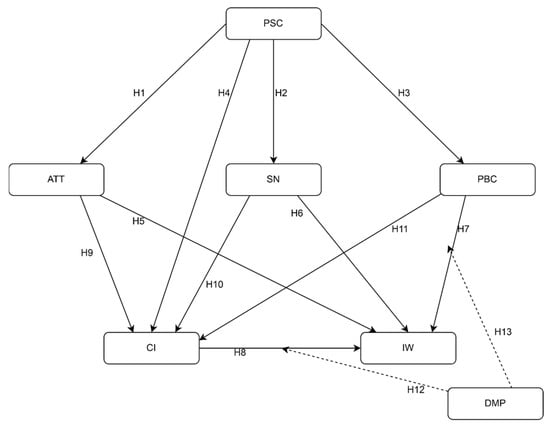
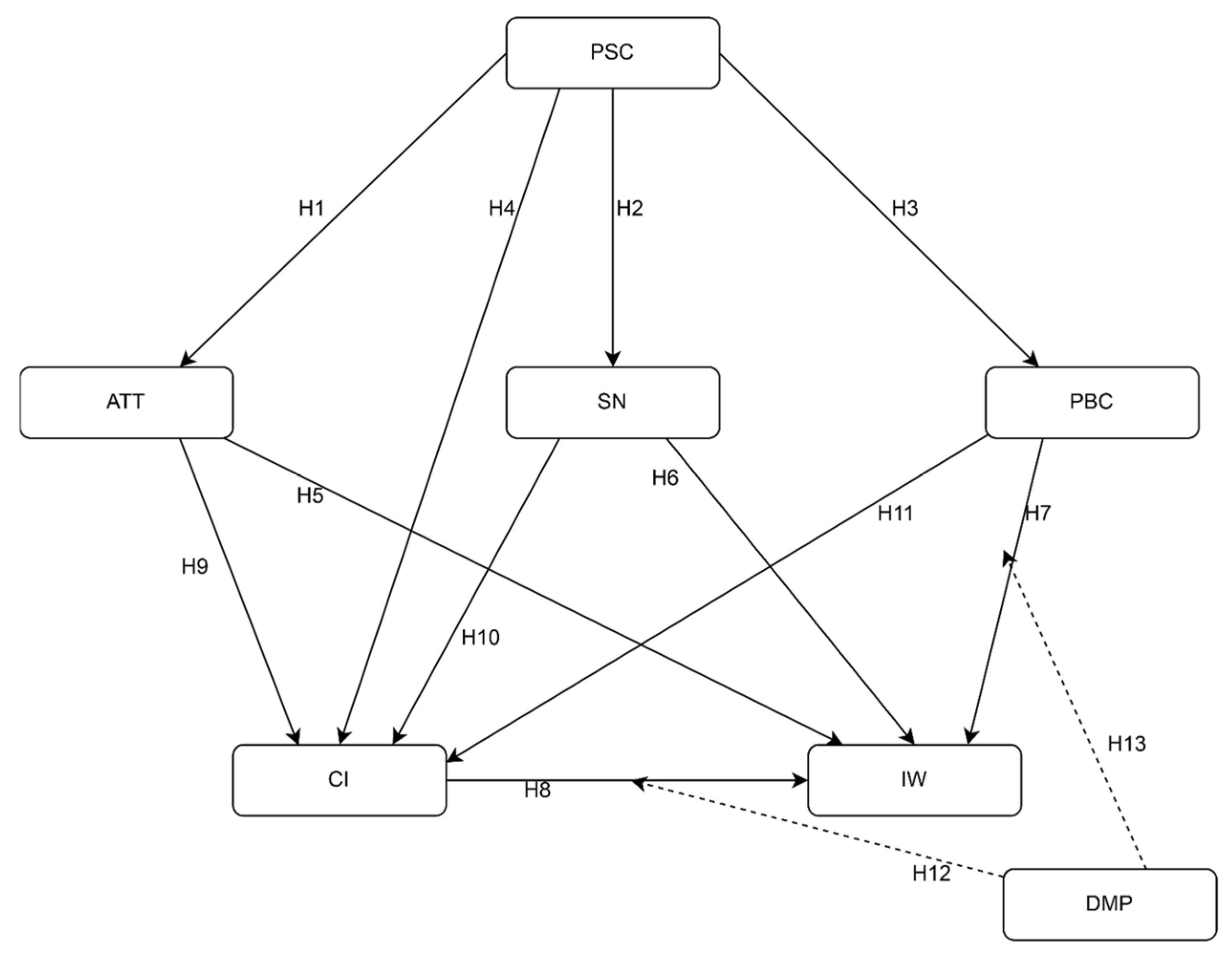
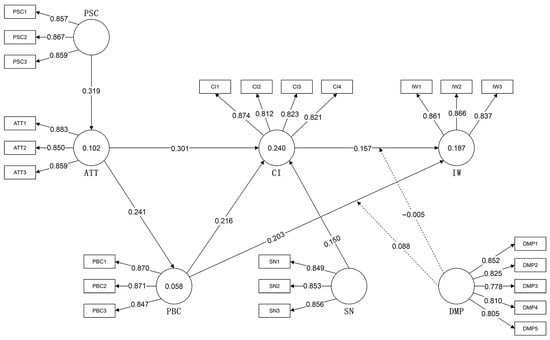
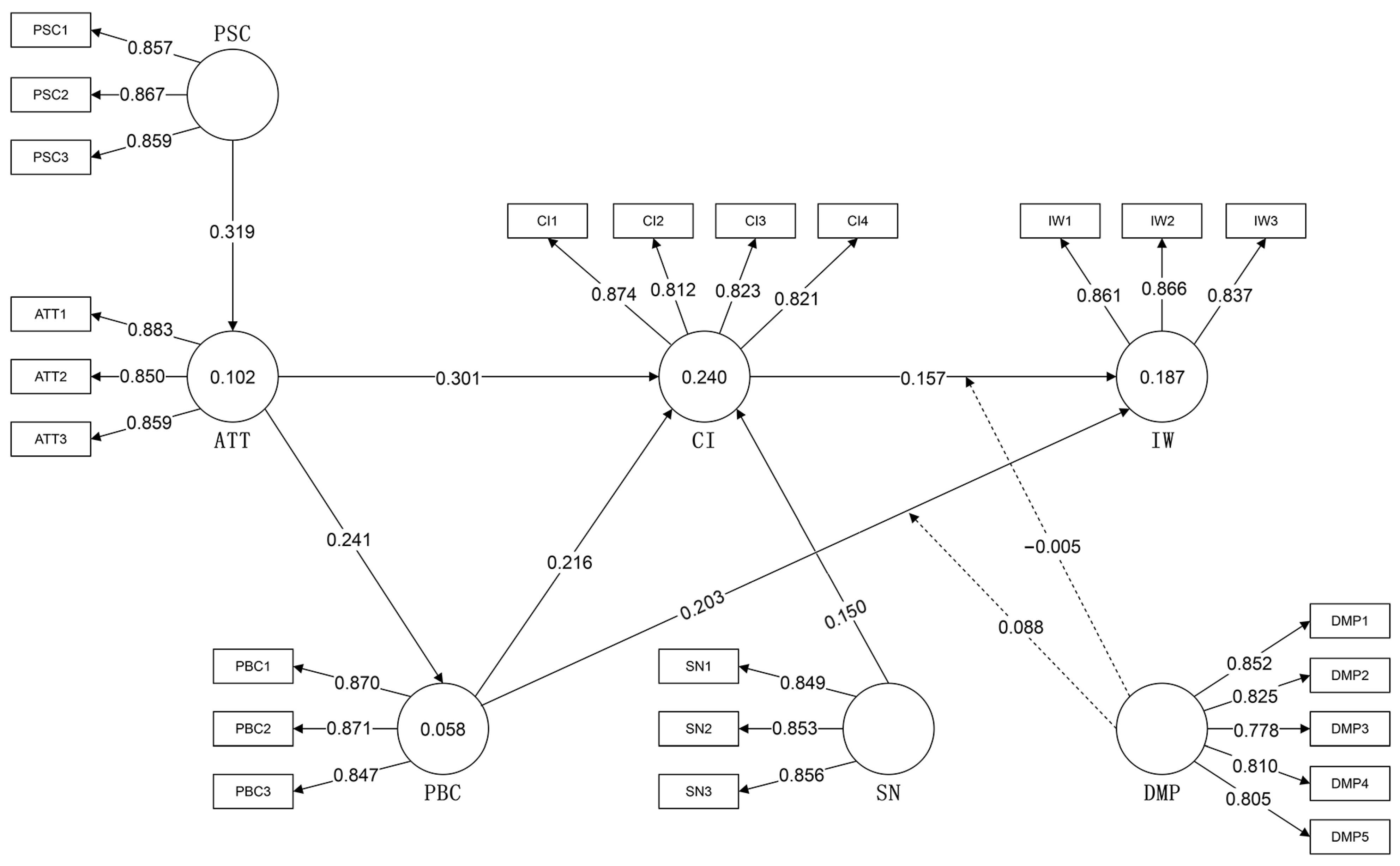
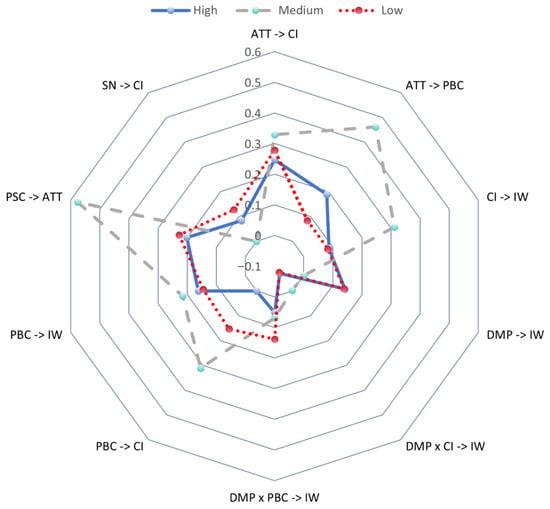
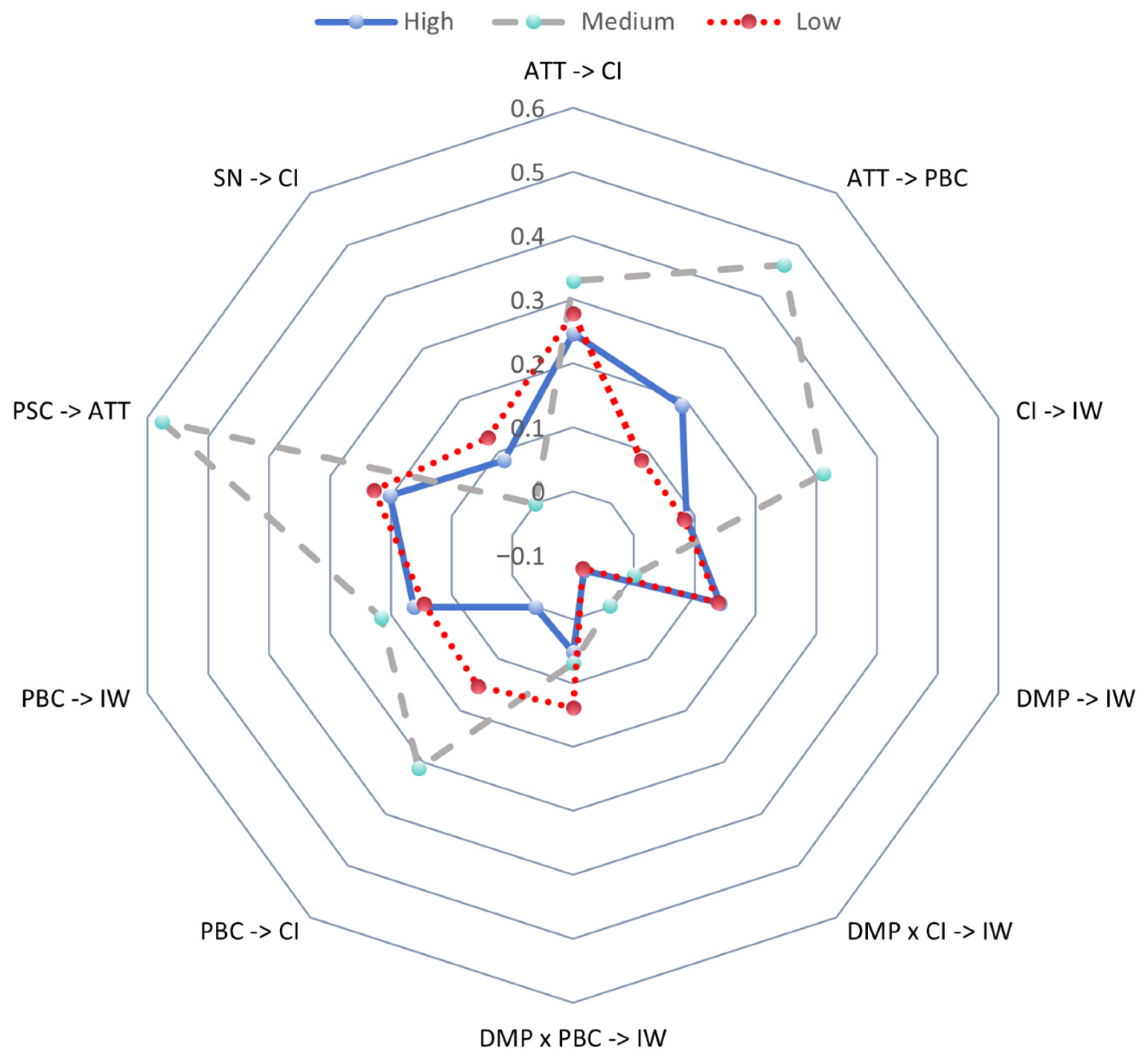

Disclaimer/Publisher’s Note: The statements, opinions and data contained in all publications are solely those of the individual author(s) and contributor(s) and not of MDPI and/or the editor(s). MDPI and/or the editor(s) disclaim responsibility for any injury to people or property resulting from any ideas, methods, instructions or products referred to in the content. |
© 2026 by the authors. Licensee MDPI, Basel, Switzerland. This article is an open access article distributed under the terms and conditions of the Creative Commons Attribution (CC BY) license.