


Abstract
As sportswear becomes everyday attire, brands are increasingly investing in Environmental, Social, and Governance (ESG) initiatives. However, the psychological mechanisms linking these multidimensional efforts to consumer behavior remain insufficiently integrated in the existing literature and have rarely been tested simultaneously within a unified framework, particularly regarding the transition from green brand loyalty to green brand evangelism. This study addresses this gap by disaggregating perceived ESG initiatives into three distinct dimensions and modeling dual behavioral outcomes (green brand loyalty and green brand evangelism), while also examining the moderating role of self-green brand congruity. By integrating Stimulus-Organism-Response (SOR) and Self-Congruity Theories, data from 308 Chinese consumers were analyzed using PLS-SEM by SmartPLS 4.1. Results indicate that all three perceived ESG dimensions significantly enhance green brand attachment, with environmental initiatives exerting the strongest effect. Green brand attachment serves as a key mediator linking perceived ESG stimuli to behavioral responses, and green brand loyalty is found to be positively associated with brand evangelism. Furthermore, self-green brand congruity plays a moderating role in the relationship between ESG perceptions and green brand attachment, suggesting that identity alignment amplifies the impact of sustainability cues. These findings provide actionable strategies for managers to leverage perceived ESG and identity-based marketing to transform loyal consumers into vocal brand advocates.
1. Introduction
In recent decades, climate change, biodiversity loss, and persistent social inequalities have elevated expectations for corporate Environmental, Social, and Governance (ESG) commitments [1]. The United Nations Sustainable Development Goals (SDGs) and the Paris Climate Accord have reinforced this global imperative, urging firms to adopt sustainability practices that contribute to long-term ecological and social well-being. The global sustainability agenda has shifted from the periphery to the core of business strategy, with investors and governments increasingly relying on ESG performance as an indicator of corporate resilience [2,3,4]. At the consumer level, growing awareness of corporate responsibility has fundamentally reshaped the relationship between brands and consumers. The fundamental premise that corporate social actions yield positive market outcomes has long been established, as engaging in social responsibility significantly enhances customer satisfaction and overall market value [5]. Sustainability expectations increasingly influence purchasing decisions, particularly among younger consumers who actively seek brands with strong perceived ESG initiatives [6].
As the world’s second-largest economy and a major carbon emitter, China provides a compelling context for this shift. Driven by national “dual-carbon” targets (peaking emissions by 2030 and carbon neutrality by 2060), regulatory bodies have tightened sustainability reporting requirements in China, including the China Securities Regulatory Commission’s guidelines for ESG disclosure and the Shanghai and Shenzhen Stock Exchanges’ requirements for enhanced sustainability reporting. Parallel to these policy mandates, consumer values are rapidly evolving. Recent reports indicate that approximately 80% of Chinese consumers consider sustainability when making purchases, and over 60% are willing to switch brands based on corporate sustainability practices [7]. This alignment of top-down policy and bottom-up consumer demand makes perceived ESG a critical driver of long-term brand trust and loyalty in China [8].
The booming sport industry clearly reflects this trend, where sportswear has transcended athletic functions to become everyday apparel, even integrating into settings previously considered formal. The Chinese sportswear market generated revenue of USD 29,811.8 million in 2024 and is expected to reach USD 52,598.7 million by 2030. This is shaped by younger, environmentally aware consumers whose brand choices are increasingly influenced by perceptions of ESG initiatives [9]. Leading global sportswear brands and domestic Chinese brands are heavily investing in ESG initiatives to meet both government mandates and consumer expectations. For example, Nike, Adidas, and Puma have adopted practices such as recycled polyester, the use of renewable energy, and transparent labor standards [6]. In China, domestic brands such as Anta have announced carbon reduction initiatives and invested in eco-friendly materials, while Li-Ning emphasizes supply chain transparency and corporate governance reforms [10].
Beyond its significant economic scale, the sportswear industry provides a compelling theoretical context for examining sustainability-driven consumer behavior. Unlike purely functional commodities, sportswear has evolved into a “lifestyle” category characterized by high consumer involvement and strong symbolic value. From a theoretical perspective, sportswear serves as a primary medium for identity signaling, allowing consumers to communicate their health-conscious, active, and prosocial values to their social circles. Consequently, ESG initiatives in this sector are not perceived merely as corporate obligations but as critical value signals that resonate with the consumer’s self-concept [11,12]. This symbolic nature makes sportswear an ideal setting to explore how identity-based mechanisms, such as self-brand congruity and brand attachment, are associated with the transition of corporate sustainability efforts into proactive advocacy behaviors like brand evangelism [13,14,15]. Given this background, understanding how consumers perceive the multidimensional ESG initiatives of sportswear brands becomes crucial.
Consequently, the definition of a “green brand” has broadened. Traditionally, a green brand is defined as one that integrates environmentally sustainable practices into its operations and value propositions, such as eco-friendly materials, energy efficiency, and pollution reduction [16]. However, Grubor and Milovanov broadened this perspective and argue that “green” can be considered synonymous with “sustainable”, encompassing not only ecological concerns but also equitable and economic dimensions [17]. Therefore, under this framework, a brand’s ‘greenness’ is no longer a mono-dimensional ecological claim but a multi-dimensional construct anchored in Environmental, Social, and Governance performance. Furthermore, corporate ESG performance is often evaluated through objective secondary data; this study focuses on perceived ESG initiatives from the consumer’s perspective. Drawing on Signaling Theory, this study argues that perceived ESG initiatives serve as high-order cognitive signals. It is not the objective ESG metrics, but rather the consumers’ subjective interpretations of these signals that predict their psychological and behavioral responses.
Despite the growing importance of ESG, significant gaps remain in understanding its precise impact on consumer behavior. First, prior research has largely focused on how ESG initiatives affect firm valuation or financial performance [18,19,20], paying relatively limited attention to the micro-level consumer perspective. In the consumer domain, studies typically examine cognitive outcomes like purchase intention and brand image [21,22]. Thereby overlooking the intricate internal processing of the consumers as “organisms”. However, few studies have explored how externally perceived ESG stimuli are internalized to form deeper emotional bonds, such as green brand attachment. Second, previous studies tend to treat ESG as a single and unidimensional construct, which obscures the distinct psychological associations of its environmental, social, and governance dimensions. Third, prior studies provide a limited view of behavioral outcomes by focusing on single responses. To gain a more comprehensive understanding of how green brand attachment translates into behavioral actions, this study simultaneously models green brand loyalty and green brand evangelism as dual behavioral responses. Finally, the boundary conditions shaping these psychological processes remain insufficiently integrated. While self-congruity is widely recognized as a critical driver of consumer-brand relationships [23,24], little is known about how self-green brand congruity moderates the relationship between perceived ESG initiatives and green brand attachment, particularly within the context of the Chinese market.
To bridge these gaps, this study integrates Stimulus-Organism-Response (SOR) Theory and Self-Congruity Theory. This study examines the perceived ESG initiatives into three specific dimensions as external stimuli that elicit an organismic emotional response in the form of green brand attachment, subsequently leading to behavioral responses of green brand loyalty and green brand evangelism. Green brand attachment serves as a central mediating mechanism through which perceived ESG signals are translated into consumer behavior. Furthermore, Self-Congruity Theory enriches this study by highlighting the role of self-green brand congruity as a boundary condition: when consumers perceive strong alignment between their green self-identity and a brand’s ESG image, perceived ESG cues are more likely to elicit stronger emotional attachment and subsequent behaviors. By testing this moderation and mediation framework, the study responds to calls for a more nuanced understanding of ESG’s role in consumer psychology and behavior in the Chinese sportswear industry.
This study proposes and tests a comprehensive model based on the SOR framework. Specifically, this study aims to answer the following four research questions:
RQ1: Do the three dimensions of perceived ESG (environmental, social, and governance) initiatives have differential associations with green brand attachment in the Chinese sportswear industry?
RQ2: Does green brand attachment mediate the relationship between these perceived ESG initiatives and consumer behavioral responses (green brand loyalty and green brand evangelism)?
RQ3: To what extent does self-green brand congruity moderate the link between perceived ESG initiatives and green brand attachment?
RQ4: What is the relationship between green brand loyalty and green brand evangelism in the context of sustainable consumption?
The remainder of this paper is organized as follows: Section 2 reviews the literature and develops the research hypotheses. Section 3 details the research design, data collection and methodology. Section 4 presents the empirical results and structural model evaluations. Section 5 discusses the theoretical and managerial implications, concludes the study, and outlines limitations and future research directions.
2. Literature Review and Hypotheses Development
2.1. Stimulus-Organism-Response Theory and Self-Congruity Theory
This study integrates the SOR Theory [25] and Self-Congruity Theory [26] to construct a comprehensive framework of linking perceived ESG initiatives to consumer behavior. While originally rooted in environmental psychology, the SOR Theory posits that perceived environmental stimuli trigger internal affective and cognitive reactions within an organism, which subsequently lead to behavioral responses. In marketing and consumer behavior research, this framework has been widely employed to understand how marketing cues and brand actions shape consumer perceptions, emotions, and behaviors [27,28]. In consumer behavior, “stimuli” represent the external informational cues that capture attention and shape perceptions. In the context of this research, a brand’s multidimensional perceived ESG initiatives (environmental, social, and governance) function as higher-order strategic stimuli, signaling the firm’s ethical commitment and institutional authenticity to the market. The “organism” denotes the internal psychological transformation where external cues are evaluated and internalized. This study conceptualizes this organismic state as green brand attachment, reflecting a deep emotional bond, psychological resonance, and affective trust from perceived ESG stimuli. Furthermore, the “response” represents the final component, referring to behavioral outcomes, which are operationalized as green brand loyalty and green brand evangelism in this study [29,30].
To complement the process-oriented SOR Theory, this study incorporates Self-Congruity Theory to identify the psychological boundary conditions of these relationships [26]. Self-congruity refers to the degree of perceived psychological match between a consumer’s self-concept and a brand’s image. When this alignment is high, consumers experience stronger emotional connections and greater satisfaction with the brand, as it reinforces their self-identity and personal values. Importantly, the effectiveness of perceived ESG stimuli in eliciting organismic emotional responses is not universal; rather, it is contingent upon the degree of alignment between the brand’s sustainability values and the consumer’s green self-identity. In this study, self-green brand congruity captures the perceived alignment between an individual’s sustainable self-identity and the brand’s ESG image, and enhances the impact of perceived ESG cues on emotional attachment [23,31]. This congruence not only amplifies affective responses but also strengthens behavioral outcomes such as loyalty and advocacy, as consumers perceive supporting such brands as an extension of their self-expression [32,33]. However, although the Halo Effect suggests that an overall positive brand image may shape ESG perceptions, recent studies in the sportswear sector indicate that sustainability initiatives often serve as primary antecedents that build brand equity from the ground up, rather than mere outcomes of existing brand strength. To mitigate potential reverse causality, this study focuses on consumers with recent purchase experience, ensuring that ESG perceptions are grounded in actual brand interactions.
By integrating SOR Theory and Self-Congruity Theory, this study offers a dual-theoretical lens: SOR Theory elucidates the process mechanism, explaining how perceived ESG initiatives as external stimuli elicit emotional and behavioral responses, while Self-Congruity Theory specifies the boundary conditions, indicating when and for whom perceived ESG initiatives most effectively generate consumer attachment and subsequent behavioral outcomes, particularly within the evolving landscape of sustainable consumption.
2.2. The Relationship Between Perceived ESG Initiatives on Green Brand Attachment
Within the SOR Theory, perceived ESG initiatives function as external stimuli that trigger consumers’ cognitive and affective appraisals, thereby shaping the organismic state of green brand attachment [24,29]. Brand attachment is defined as the enduring emotional bond between consumers and brands, reflecting affection, passion, and a sense of connection [34,35,36]. Unlike brand attitude, which is primarily evaluative, attachment is affective in nature and predictive of long-term behaviors such as loyalty, advocacy, and resilience to negative information [37]. ESG is conceptualized as a multidimensional framework that evaluates a corporation’s collective commitment to sustainable development and ethical practices, extending beyond traditional financial metrics. Specifically, it encompasses a firm’s ecological impact (E), its commitment to stakeholder well-being and social equity (S), and the transparency and accountability of its institutional leadership (G) [38]. While corporate ESG performance is widely evaluated by institutional rating agencies, significant divergence often exists among these objective ESG ratings due to varying methodologies and metrics [39]. Given this “aggregate confusion” in objective assessments, exploring how consumers subjectively perceive and interpret these ESG signals becomes particularly critical for understanding their subsequent market behaviors. In the context of consumer behavior, objective metrics may not directly translate into consumer responses. Instead, this study focuses on perceived ESG signaling, as the consumer’s subjective belief formation is the primary driver of emotional resonance. Therefore, this study, by conceptualizing ESG as a perceived stimulus, captures the “psychological reality” that influences brand attachment, regardless of the underlying objective rating divergence. Past studies also show that perceived ESG performance enhances brand reputation and perceived authenticity, which in turn strengthen emotional attachment and brand love [21,29,40,41]. Rastogi et al. further demonstrate that perceived ESG engagement significantly improves emotional brand responses among consumers in the fashion apparel sector [11]. Consequently, ESG initiatives should be viewed not merely as compliance metrics but as emotional catalysts that deepen consumer–brand relational engagement [40,42].
The three dimensions of ESG foster attachment through distinct psychological pathways. Environmental initiatives, which include carbon reduction, resource conservation, appeal to consumers’ ecological value and moral consciousness. According to Signaling Theory, when a brand invests in high-cost environmental practices, it communicates a reliable value system that transcends short-term profit motives [43]. For environmentally conscious consumers, these initiatives reduce perceived value incongruence, fostering a sense of “oneness” with the brand. As consumers perceive the brand as a partner in protecting the planet, the relationship evolves from a functional transaction to an emotional connection, thereby enhancing green brand attachment [44,45,46].
For social initiatives, brands engaging in community development, equitable labor policies, and social inclusion signal benevolence and human concern which address the “human” element of the brand [33,47]. Consumers prefer to associate with organizations that exhibit “brand warmth” and prosocial integrity. When a brand actively contributes to social welfare, it enhances the consumer’s social self-esteem through association [48]. This sense of pride and shared communal values creates a deep-seated emotional resonance. By positioning itself as a responsible citizen, the brand triggers affective responses in consumers that strengthen their emotional dependency and attachment [8].
Moreover, governance initiatives often perceived as internal corporate mechanisms, including board diversity, financial transparency, and ethical leadership, are critical in establishing brand integrity [38,49]. Robust governance is fundamentally linked to ethical shareholder dynamics, where institutional voting power plays a pivotal role in ensuring that firms “act responsibly” and align with long-term stakeholder interests [50]. In an era of rampant “greenwashing,” robust governance signals to consumers that the brand’s sustainability efforts are not mere marketing but are rooted in institutional accountability. This perceived psychological safety and reliability reduce skepticism, allowing consumers to feel secure in their emotional investment. When consumers trust that a brand is governed ethically, they are more likely to develop a stable and resilient emotional attachment [51,52]. Accordingly, the following hypotheses are proposed:
H1a.
Perceived environmental initiative is positively associated with green brand attachment.
H1b.
Perceived social initiative is positively associated with green brand attachment.
H1c.
Perceived governance initiative is positively associated with green brand attachment.
2.3. The Relationship Between Green Brand Attachment on Green Brand Loyalty and Green Brand Evangelism
In this study, green brand attachment serves as the key organismic state that translates external perceived ESG stimuli into behavioral responses. Green brand attachment is an enduring emotional bond encompassing affection, passion, and a sense of connection that integrates the brand into the consumer’s self-green concept [36]. Unlike transactional metrics such as satisfaction, attachment represents a deep psychological connection that is predictive of resilience to negative information and long-term behavioral commitment [34,37].
In the context of sustainable branding, this emotional organism triggers a dual-response mechanism: green brand loyalty and green brand evangelism. Green brand attachment first dictates green brand loyalty, characterized by a consumer’s repeated purchase intention and a sustained preference for brands with robust ESG initiatives with resistance to competitors [16,53,54,55]. Consumers who develop strong attachment to a sustainable brand often perceive a value congruence between their own ecological beliefs and the brand’s mission [56,57]. This emotional investment creates a psychological anchor, motivating consumers to remain loyal even when faced with price fluctuations or alternative offers [29,58]. Empirical research confirms that attachment acts as a foundational mechanism, mediating the relationship between ESG perception and loyalty behaviors [59].
Beyond individual retention, strong attachment catalyzes green brand evangelism, a more proactive behavior involving voluntary advocacy and the defense of the brand [60,61]. While loyalty reflects personal retention, evangelism signals an outward-oriented commitment where consumers actively share positive experiences and persuade others to support the brand [62,63,64]. Supported by Social Identity Theory, attached consumers often view themselves as members of a community of environmentally conscious individuals. Consequently, they champion the brand not just to support the company, but as a symbolic expression of their own green identity [65,66]. Although skepticism toward greenwashing can potentially weaken this effect [67,68], this intense emotional bonding is associated with lower skepticism and higher tendency to protect the brand’s reputation against criticism.
Therefore, green brand attachment functions as a critical emotional bridge linking sustainability perceptions to behavioral outcomes. Attached consumers are not only committed to repeated purchases but also motivated to promote and defend sustainable brands, turning their emotional connection into loyalty and advocacy. Accordingly, the following hypotheses are proposed:
H2.
Green brand attachment is positively associated with green brand loyalty.
H3.
Green brand attachment is positively associated with green brand evangelism.
2.4. The Effect of Green Brand Loyalty on Green Brand Evangelism
To clarify the conceptual boundaries, it is essential to distinguish between green brand loyalty and green brand evangelism. In this study, loyalty is conceptualized as an attitudinal and intentional state, representing the consumer’s psychological commitment to repurchase the brand and their resistance to switching [16]. Green brand loyalty reflects consumers’ sustained behavioral commitment to brands with sustainable practices. Loyal consumers not only continue to purchase the same brand but also develop a deeper psychological attachment rooted in trust and shared sustainability values [54]. In contrast, evangelism represents a proactive behavioral outcome that goes beyond mere loyalty. While a loyal consumer may consistently repurchase, an ‘evangelist’ actively engages in proactive advocacy, including persuading others and defending the brand against criticism. Thus, loyalty acts as the psychological foundation, while evangelism is its behavioral manifestation in a social context. Over time, this consistent loyalty can evolve into more proactive advocacy behaviors, namely green brand evangelism, whereby consumers voluntarily promote, recommend, and defend brands that align with their ecological and ethical ideals [60,69].
The transition from loyalty to evangelism can be understood through Self-Congruity Theory, which posits that consumers engage in behaviors consistent with their self-concept [26]. When loyalty to a sustainable brand resonates with consumers’ self-identity as sustainability-conscious individuals, it transforms into a form of identity expression. Consequently, green brand evangelism emerges as an external manifestation of internal green brand loyalty, allowing consumers to communicate their ecological values and reinforce their moral self-image within their social circles [33,70]. Loyal consumers perceive advocacy not as an obligation but as a means of affirming their identity and reinforcing their sense of belonging to a sustainable community [32]. This process reflects the progression from green brand loyalty to green brand evangelism.
Extant empirical evidence supports this behavioral linkage. Research by Hartmann et al. demonstrates that environmentally conscious loyalty enhances both purchasing and advocacy intentions [71]. Panda et al. find that consumers with strong green purchase and brand loyalty toward eco-friendly brands are more likely to engage in positive brand evangelism [33]. Similarly, Nguyen et al. report that loyal consumers’ advocacy behaviors stem from identity alignment and emotional commitment [32]. Green brand loyalty, grounded in shared sustainability value, promotes active brand recommendation and evangelism [63]. Collectively, these findings suggest that loyalty serves as a behavioral foundation upon which evangelism emerges, with identity congruence acting as the underlying psychological mechanism. However, when consumers perceive inconsistencies between a brand’s ESG claims and its actual practices, loyalty may fail to translate into advocacy and may even lead to dissonance and withdrawal [60,68]. Thus, green brand loyal consumers are more likely to evolve into green brand evangelists when their ongoing commitment aligns with their eco-conscious self-concept. Loyalty provides the behavioral basis for evangelism, while self-congruity transforms this commitment into identity-driven advocacy. Accordingly, the following hypothesis is proposed:
H4.
Green brand loyalty is positively associated with green brand evangelism.
2.5. The Mediating Role of Green Brand Attachment
Perceived ESG initiatives influence complex consumer behaviors through an affective process. Green brand attachment functions as this emotional bridge, whereby consumers’ cognitive perceptions of a brand’s responsibility are transformed into deep-seated psychological connections [28,72]. This sequence reflects how sustainability cues are internalized by consumers and transformed into lasting relational and behavioral outcomes [29].
Theoretical and empirical evidence suggests that brand attachment is a critical mechanism underlying this behavioral transformation. ESG initiatives act as affective signals that communicate a brand’s authenticity and moral integrity [40]. When consumers perceive a brand as performing strongly across ESG dimensions, they experience emotional resonance that evolves into an enduring bond, thereby fostering a sense of psychological closeness to the brand [72,73]. In the context of sustainability, this emotional “organism” serves as a robust predictor of behavioral resilience. For instance, Clément et al. report that perceptions of ESG authenticity foster attachment, which subsequently influences consumer loyalty and brand support [74]. Panda et al. emphasize that sustainability awareness evokes positive affect and enhances consumer altruism, ultimately leading to green brand loyalty and green brand evangelism [33]. Similarly, Yuan et al. show that sustainability practices strengthen emotional responses that function as antecedents to loyalty [75]. Collectively, these findings highlight that attachment is a key emotional mechanism linking sustainability cues with both loyal and evangelistic behaviors.
Furthermore, although perceived ESG is often conceptualized holistically, evidence suggests that its three dimensions may exert distinct effects on consumers’ responses [13]. Environmental initiatives, such as eco-friendly products or carbon reduction efforts, tend to evoke pride and moral satisfaction, thereby reinforcing attachment that drives sustainable consumption [33]. Social initiatives, including fair labor practices and community involvement, foster warmth and relational trust, enhancing consumers’ willingness to commit to and advocate for the brand [7]. Governance initiatives, through transparency and accountability, provide assurances of credibility that strengthen consumers’ emotional investment [76]. These differentiated pathways underscore the role of attachment as a universal yet dimension-sensitive mediating mechanism. Therefore, based on the above reasoning, this study proposes that green brand attachment mediates the relationships between perceived ESG initiatives and consumer behavioral responses:
H5a.
Green brand attachment mediates the relationship between perceived environmental initiatives and green brand loyalty.
H5b.
Green brand attachment mediates the relationship between perceived social initiatives and green brand loyalty.
H5c.
Green brand attachment mediates the relationship between perceived governance initiatives and green brand loyalty.
H6a.
Green brand attachment mediates the relationship between perceived environmental initiatives and green brand evangelism.
H6b.
Green brand attachment mediates the relationship between perceived social initiatives and green brand evangelism.
H6c.
Green brand attachment mediates the relationship between perceived governance initiatives and green brand evangelism.
2.6. The Moderating Role of Self-Green Brand Congruity
Self-green brand congruity refers to the degree of alignment between a consumer’s self-perceived environmental identity and a brand’s green image [31]. Rooted in Self-Congruity Theory [26], the concept posits that consumers prefer brands whose personalities, values, and symbolic meanings are consistent with their own self-concept. When consumers perceive such congruence, they experience emotional satisfaction and psychological comfort, as the brand serves as an extension or reflection of their identity [23]. High self-green brand congruity implies that a brand’s sustainability initiatives reinforce consumers’ self-perceptions as environmentally and socially responsible individuals, whereas low congruity suggests a lack of personal relevance, thereby weakening the effectiveness of perceived ESG influences. Therefore, the congruence between the self and brand image enhances positive affect and strengthens the relationships between consumer and brand.
Specifically, environmentally conscious consumers who perceive a strong match between their self-image and a brand’s environmental practices are more likely to experience pride and emotional closeness [73,77]. Similarly, social initiatives reflecting fairness, empathy, and inclusivity resonate with consumers who value social equality, thereby fostering warmth and trust [78]. Governance initiatives that emphasize transparency and ethical integrity appeal to consumers who identify as responsible and principled, enhancing perceived brand authenticity and psychological security [52,60]. Moreover, empirical evidence supports the moderating role of self-green brand congruity in these relationships [79]. In addition, Sehgal et al. demonstrated that self-green brand congruity strengthens the relationship between green brand anthropomorphism, green brand warmth and brand repurchase intention [80]. These findings suggest that self-green brand congruity not only amplifies emotional responses but also facilitates the internalization of ESG-related meanings into the consumer’s self-concept, thereby reinforcing green brand attachment.
Therefore, perceived ESG initiatives are more likely to foster green brand attachment when they resonate with consumers’ self-identity as environmentally and socially responsible individuals. Based on these arguments, this study posits that self-green brand congruity moderates the relationship between perceived ESG initiatives and green brand attachment:
H7a.
Self-green brand congruity positively moderates the relationship between perceived environmental initiatives and green brand attachment.
H7b.
Self-green brand congruity positively moderates the relationship between perceived social initiatives and green brand attachment.
H7c.
Self-green brand congruity positively moderates the relationship between perceived governance initiatives and green brand attachment.
2.7. Research Framework
The preceding review integrates sustainability, branding, and consumer behavior literature to conceptualize how perceived ESG initiatives shape emotional and behavioral outcomes. Therefore, drawing on SOR Theory, this study positions perceived ESG initiatives as external stimuli that influence consumers’ organismic responses in the form of green brand attachment, which is subsequently associated with green brand loyalty and green brand evangelism. Self-Congruity Theory further enriches this framework by introducing self-green brand congruity as a boundary condition that moderates the effectiveness of ESG initiatives in eliciting green brand attachment. The research framework of this study is shown in Figure 1.
Figure 1.
The Research Framework.
3. Methodology
3.1. Sample and Data Collection
This study employed a quantitative cross-sectional survey design to examine the relationships between perceived ESG initiatives and consumer behavioral responses based on SOR Theory. The target population comprises adult Chinese consumers (≥18 years old) who had purchased products from a sportswear brand that communicates ESG initiatives within the past 12 months. Restricting participation to adults is consistent with ethical research practice and ensures that respondents possess the cognitive ability to evaluate ESG-related information and provide informed consent [81]. The 12-month purchase window ensures recent, first-hand consumption experience, which is essential for eliciting meaningful evaluations of perceived ESG and subsequent behavioral responses [65]. The sampling procedure followed a judgmental sampling strategy, deliberately recruiting individuals who satisfied the inclusion criteria and were therefore able to inform the study’s research questions [82]. A minimum sample size of 138 was determined using G*Power 3.1 (effect size f2 = 0.15, α = 0.05, power = 0.95). Content validity and face validity were assessed prior to the main survey to ensure measurement quality. For content validity, four experts evaluated the measurement items. For face validity, ten target respondents participated in a pilot pretest to assess clarity, logical flow, and content relevance. In addition, this study implemented a back-translation procedure to ensure linguistic equivalence and reported the results of a pilot study (N = 40) conducted prior to the main data collection to refine the questionnaire.
Data were collected using Wenjuanxing platform, a widely used online survey platform in China that supports secure administration via web links and QR codes, enabling broad demographic coverage across urban and rural areas [83]. The questionnaire was originally developed in English and subsequently translated into Chinese, ensuring consistency with market-facing communications in the focal category. Several procedural steps were implemented prior to the main survey. First, a cover letter was provided to outline the research purpose, explain the background and definition of ESG, and present examples of sportswear brands actively engaging in ESG initiatives. This information was intended to ensure that participants had a clear understanding of the ESG concept, thereby enhancing response validity. Second, screening questions were employed to enforce eligibility based on three criteria: (i) Chinese nationality; (ii) aged 18 years or older; and (iii) having purchased a sportswear brand with active ESG initiatives within the past 12 months. Only eligible respondents were permitted to proceed. Following the methodology of Mansoor and Paul [30], eligible participants were then asked to identify the specific sportswear brand associated with their most recent purchase. All subsequent items in the questionnaire were anchored to this focal brand. The main survey collected measured the three dimensions of perceived ESG initiatives, green brand attachment, green brand loyalty, green brand evangelism, and self-green brand congruity, along with demographic characteristics and consumer behavior profiles.
To minimize priming effects and social desirability bias, the survey instructions were framed neutrally, focusing on general brand perceptions rather than explicitly emphasizing the ethical superiority of ESG initiatives. Furthermore, the sequence of measurement items was randomized across participants to control for potential order effects. To prevent missing data, the survey employed a forced-response, sequential submission design. Participants were informed that their participation was voluntary, their responses would remain confidential, and they could withdraw at any time. The study was conducted in accordance with the principles of the Declaration of Helsinki. Data collection followed a voluntary participation principal approach without monetary incentives to reduce the likelihood of attracting “professional” survey respondents and to ensure intrinsic motivation. To ensure data quality, a multi-step screening procedure was conducted. Initially, the dataset was manually screened for patterned responses and extremely short completion times. Subsequently, statistical techniques were applied to identify and remove outliers. Univariate outliers were detected using Z-score cut-off of ±3.29, while multivariate outliers were identified using Mahalanobis distance. Following established guidelines for structural equation modeling, cases exceeding the critical Chi-square value (χ2) at p < 0.001 were removed. After removing four outliers, a total of 308 valid responses remained for the final analysis, ensuring the robustness and suitability of the data for PLS-SEM analysis.
The demographic characteristics of the final sample are presented in Table 1. In terms of gender, the distribution was relatively balanced, with 53.7% female and 46.3% male participants. The age distribution was concentrated among younger cohorts, with 47% aged 18–30 and 11.4% aged 31–40. This profile indicates a sample largely composed of Generation Z and Millennials, who are key drivers of sustainable consumption in the Chinese sportswear market. Regarding educational attainment, the sample was highly educated, with 91.3% holding an undergraduate degree or higher, suggesting a strong level of awareness regarding sustainability and ESG concepts. In terms of monthly income, the largest segment (31.5%) reported earnings above 7000 CNY, indicating a middle-income consumer group with substantial purchasing power for premium sustainable products.
Table 1.
Social Demographic Characteristics of Respondents.
3.2. Measures
All constructs in this study were measured using multi-item scales adapted from validated studies, with wording adjusted to the perceived ESG and sportswear context. Specifically, perceived ESG initiatives were adapted from Tripopsakul and Puriwat [42]. Importantly, these items capture consumers’ perceived ESG performance rather than objective ESG metrics. For instance, the perceived governance dimension measures consumers’ recognition of the brand’s transparency, ethical standards, and accountability, which are the ‘outward’ signals of internal corporate governance. Moreover, green brand attachment from Wu and Lin [84], green brand loyalty and green brand evangelism from Lin et al. [53] and Guiao and Lacap [65], moderating variables were adapted from Sehgal et al. [80]. All items were rated on a five-point Likert scale (1 = strongly disagree, 5 = strongly agree). The measurements of the constructs in this study are shown in Table A1.
4. Evaluation of Model and Structure
4.1. Assessment of Measurement Model
This study employed PLS-SEM to assess the measurement models, ensuring that each construct was appropriately evaluated. Because the data for all constructs were collected from the same respondents via self-reported questionnaires at a single point in time, common method bias (CMB) could potentially inflate the structural relationships. To address this concern, this study followed the procedural and statistical remedies recommended by past research [85]. Specifically, Harman’s single-factor test was employed. The exploratory factor analysis of all self-reported items revealed that the first principal component accounted for 30.537% of the total variance. To further ensure robustness against CMB, this study conducted a full collinearity VIF test [86]. All VIF values were below the 3.3 threshold (ranging from 1.541 to 3.238). Since this value is well below the 50% threshold, common method bias does not pose a significant threat to the validity of the findings in this study. Consistent with variance-based SEM best practice in this study, the reflective measurement model was examined for internal consistency reliability, convergent validity, and discriminant validity [87]. As shown in Table 2, all indicator loadings exceeded 0.70. Internal consistency was confirmed with Cronbach’s α and Composite Reliability (CR) values above 0.70. The Average Variance Extracted (AVE) for all constructs surpassed 0.50, supporting convergent validity [88]. Discriminant validity was established via the Fornell–Larcker criterion (Table 3), cross-loading and HTMT ratios (Table 4), confirming that discriminant validity has been successfully established.
Table 2.
Internal Consistency Reliability and Convergent Validity Results.
Table 3.
Discriminant validity—Fornell–Larcker criterion.
Table 4.
Discriminant validity—Heterotrait-Monotrait ratio (HTMT).
The measurement results demonstrate adequate indicator reliability, strong internal consistency, and satisfactory convergent and discriminant validity across all constructs in this study. The scale performance provides a solid foundation for testing the structural relationships among perceived ESG initiatives, green brand attachment, green brand loyalty, green brand evangelism and self-green brand loyalty in Section 4.2. Figure 2 illustrates the measurement model developed and results for this study.
Figure 2.
The Measurement Model.
4.2. Assessment of Structural Model
Having established the reliability and validity of the measurement model, this study proceeded to assess the structural model. First, collinearity issues were ruled out, as all inner Variance Inflation Factor (VIF) values were below the threshold of 3.3. Next, the structural relationships were examined using path coefficients (β), t-values, and effect sizes (f2).
The results of the hypothesis testing are summarized in Table 5. All proposed hypotheses were supported. Specifically, perceived ESG initiatives exert a significant and positive influence on green brand attachment (H1a–c). Among the three dimensions, environmental initiatives were associated with the strongest relationship (β = 0.311, t = 6.149, p < 0.001), followed by governance (β = 0.247, t = 4.882, p < 0.001) and social initiatives (β = 0.227, t = 4.917, p < 0.001).
Table 5.
Results of the structural model.
Consistent with the SOR Theory, green brand attachment is significantly positively associated with green brand loyalty (H2: β = 0.274, t = 4.046, p < 0.001) and green brand evangelism (H3: β = 0.292, t = 4.558, p < 0.001). Furthermore, green brand loyalty was found to positively influence green brand evangelism (H4: β = 0.184, t = 3.203, p = 0.001).
In terms of explanatory power, the model explains a substantial amount of variance in the endogenous constructs and the results are shown in Table 6. The R2 values for green brand attachment (0.473), green brand loyalty (0.311), and green brand evangelism (0.424) indicate moderate explanatory power. Additionally, the predictive relevance (Q2) values for all endogenous constructs are well above zero (0.481, 0.410, and 0.349), confirming the model’s strong predictive validity.
Table 6.
Predictive relevance and R-squared.
4.3. Model Mediation Analysis
To test whether green brand attachment mediates the associations between perceived ESG dimensions and consumer behavioral responses, we estimated specific indirect paths using 5000 bootstrap resamples. Table 7 provides a comprehensive report of the direct, indirect, and total effects, along with the Variance Accounted For (VAF) used to determine the mediation magnitude. As illustrated, all six specific indirect effects are positive and statistically significant, with 95% bias-corrected confidence intervals excluding zero. The largest mediated share (VAF = 48.00%) was observed in the relationship between perceived environmental initiatives and green brand evangelism (H6a), suggesting that ecological signals relate to advocacy primarily through the strengthening of GBA. Conversely, the smallest mediated share (VAF = 26.80%) occurred in the path from perceived governance to green brand loyalty (H5c), indicating a relatively stronger direct component for governance in predicting personal retention. Since all VAF values fall within the 0.2 to 0.8 range, green brand attachment is confirmed to have a partial mediating role. Overall, these findings support H5(a,b,c) and H6(a,b,c) aligning with the SOR framework wherein perceived ESG acts as the stimulus (S), GBA serves as the organismic state (O), and loyalty and evangelism represent the behavioral responses (R).
Table 7.
Results of Mediation Hypotheses Testing.
Moreover, to evaluate the overall model fit, the Standardized Root Mean Square Residual (SRMR) was examined. The model yielded an SRMR value of 0.05, satisfying the criterion of <0.08. This suggests that the structural model has adequate explanatory power and fits the empirical data well.
4.4. Moderation Analysis
To test whether self-green brand congruity strengthens the relationships between perceived ESG and green brand attachment, this study estimated latent interaction terms. Table 8 shows the results and indicates that all three interactions are positive and significant, with confidence intervals excluding 0. Self-green brand congruity has positively significant moderate effect on the relationships between environmental initiatives (β = 0.163, STDEV = 0.053, t = 3.081, p = 0.001, f2 = 0.034), social initiatives (β = 0.162, STDEV = 0.062, t = 2.605, p = 0.005, f2 = 0.029), governance initiatives (β = 0.142, STDEV = 0.059, t = 2.416, p = 0.008, f2 = 0.046) and green brand attachment. When consumers perceive stronger fit between their green self-identity and the brand’s ESG image, environmental, social, and governance signals are more emotionally engaging and evoke stronger green brand attachment. Given that green brand attachment subsequently influences green brand loyalty and green brand evangelism in the structural model, these results imply stronger indirect effects of perceived ESG on green brand loyalty and green brand evangelism at higher levels of self-green brand congruity.
Table 8.
Results of Moderation Hypotheses Testing.
To further clarify the nature of these interaction effects, a simple slope analysis was performed (Figure 3). The plots illustrate that the positive relationship between all three perceived ESG dimensions (Environmental, Social, and Governance) and green brand attachment is significantly amplified when consumers possess high levels of self-green brand congruity. Specifically, the slopes for the high SGBC group are markedly steeper than those for the low SGBC group. This visual evidence confirms that the emotional resonance elicited by corporate sustainability cues is fundamentally contingent upon the alignment between the brand’s ESG image and the consumer’s green self-identity. Furthermore, these results provide a robust foundation for the presence of moderated mediation, as the first stage of the mediation process is significantly conditioned by individual identity markers.
Figure 3.
The Simple Slope Plots illustrating the Moderating Effect of Self-green Brand Congruity.
Overall, the PLS-SEM results support the proposed SOR mechanism whereby perceived ESG initiatives act as stimuli that enhance green brand attachment (organism), which in turn drives green brand loyalty and green brand evangelism (responses). Mediation tests confirm green brand attachment as a key emotional conduit, while moderation tests indicate that self-green brand congruity moderates the effect of the relationships between perceived ESG initiatives and green brand attachment, delineating an important boundary condition for the effectiveness of ESG communications.
5. Conclusions and Implication
5.1. Conclusions
Contextualized within the Chinese sportswear market, this study integrates the SOR Theory with Self-Congruity Theory to explore how corporate ESG initiatives translate into durable consumer behaviors. This study confirms that perceived ESG initiatives operate as multidimensional strategic stimuli, with each dimension exerting a distinct impact. The empirical results demonstrate that environmental, social, and governance initiatives are all significantly linked to green brand attachment, subsequently associated with green brand loyalty and green brand evangelism. These results indicated that ESG is not merely a corporate compliance metric but a strategic emotional asset that fosters deep relationships between brand and consumer [72]. Notably, environmental initiatives exert the strongest driving force, followed by governance and social initiatives. Although this study did not explicitly hypothesize the relative salience of the three ESG dimensions, the findings indicate that the perceived environmental dimension exerts a stronger effect on attachment than social or governance aspects. This aligns with the tangibility of green initiatives in the sportswear industry, where sustainable materials are more easily recognized by consumers than abstract corporate governance structures.
Regarding generational nuances suggested by the sample distribution, the results provide insight into the evolving values of Generation Z compared with older cohorts. For younger consumers, the strong association between environmental initiatives and green brand attachment likely reflects their perception of sustainability as a core component of their social identity. Generation Z consumers are more likely to exhibit green skepticism, making the governance dimension expressed through transparency and ethical standards a critical credibility signal that influences their commitment to a brand. Therefore, this hierarchy suggests that Chinese sportswear consumers are particularly responsive to tangible ecological actions, such as the use of recycled materials. Meanwhile, amid frequent “greenwashing” controversies, robust corporate governance has become a vital prerequisite for building consumers’ psychological safety and trust infrastructure [89]. The high levels of transparency can increase green brand attachment and build consumer behavior [90].
However, the effectiveness of these multidimensional stimuli is fundamentally contingent upon an internal psychological translation process, wherein green brand attachment functions as an indispensable emotional hub. The findings confirm that green brand attachment partially mediates the relationships between the three perceived ESG dimensions and the dual behavioral responses. This implies that sustainability practices alone are insufficient to drive behavior unless they first succeed in evoking a warm and affectionate connection with the consumer. This finding supports the view of attachment as an “emotional bridge” that converts cognitive perceptions into tangible behavioral commitment [40]. Green brand attachment, as a core organismic state, bridges the intention-behavior gap, ensuring that corporate ESG investments translate into tangible market returns only when consumers view the brand’s green attributes as aligned with their self-concept.
Catalyzed by this deep-seated emotional connection, consumer behavioral responses exhibit a dynamic escalation from passive commitment to active advocacy. By simultaneously modeling green brand loyalty and green brand evangelism, this study confirms the dual driving effect of attachment on both outcomes, as well as the positive impact of green brand loyalty on green brand evangelism. The finding advances previous literature that often treats behavioral outcomes as one-dimensional constructs. The results suggest that brand loyalty primarily manifests as inward-oriented personal retention, for example, resisting competitors, whereas brand evangelism represents an outward-oriented social diffusion [63,91]. This indicates that consumer engagement with sustainable brands is not static; it evolves from a commitment to repurchase into a proactive willingness to advocate and defend the brand, creating a virtuous cycle of value cocreation. Drawing on Social Identity Theory, highly attached and loyal consumers tend to use the brand as a symbolic expression of their “green moral identity,” spontaneously defending and recommending the brand to others [33,60]. Thus, the long-term value of a brand lies in cultivating consumers from mere buyers into active co-creators.
While this emotion-driven behavioral pathway provides a robust theoretical baseline, its effectiveness is further conditioned by individual identity factors. Specifically, self-green brand congruity establishes a key boundary condition for the effectiveness of ESG marketing. The findings validate the applicability of Self-Congruity Theory in sustainable contexts [33,80], demonstrating that self-green brand congruity significantly amplifies the impact of perceived ESG initiatives on green brand attachment. The resonance of ESG signals is therefore highly dependent on value alignment between the consumer and the brand. Moreover, for older consumers in the sample, the impact of perceived ESG appears to be more closely associated with functional trust. While younger consumers seek identity congruity through perceived ESG, older consumers may interpret strong governance practices as a signal of long-term brand reliability. This divergence suggests that while environmental salience represents a “lifestyle-driven expectation” for General Z, governance functions as a universal “trust anchor” that bridges generational differences in the sportswear market. Therefore, when consumers possess a strong environmental self-identity aligned with the brand image, the emotional resonance generated by ESG initiatives is significantly amplified. Conversely, without such identity alignment, even substantial ESG investments may fail to generate strong emotional responses, highlighting the critical importance of audience segmentation in green marketing.
5.2. Theoretical Implication
This study reconceptualizes the relationship between corporate sustainability and consumer psychology by integrating the Stimulus-Organism-Response Theory and Self-Congruity theory. The findings extend existing literature in several nuanced directions:
A primary contribution lies in deconstructing ESG as a multidimensional stimulus and revealing its internal hierarchy within identity-relevant consumption contexts. Moving beyond the conventional view of ESG as a monolithic corporate attribute, this research uncovers the relative salience of its individual dimensions in the sportswear context. Specifically, the pronounced impact of environmental and governance initiatives suggests that for consumers whose identities are tied to active lifestyles and product performance, ecological tangibility and corporate integrity serve as the most potent emotional anchors. The effectiveness of ESG initiatives is therefore contingent upon the extent to which each dimension aligns with the brand’s functional and symbolic value propositions.
Furthermore, this study elevates the role of corporate governance from an internal regulatory mechanism to a higher-order authenticity filter. While environmental and social initiatives provide the substantive content of the brand’s sustainability narrative, governance structures, such as transparent reporting and third-party verification, provide the credibility necessary for those signals to be accepted. In this sense, governance acts as a foundational prerequisite for environmental and social dimensions, reducing information asymmetry and ensuring that sustainability claims are interpreted as authentic organizational commitments rather than symbolic or performative marketing efforts.
At the core of this process, the study clarifies the psychological transition from cognitive perception to affective attachment. By establishing green brand attachment as a pivotal mediating mechanism, the findings demonstrate that perceived ESG initiatives do not directly drive behavior but must first be internalized as an emotional bond. This emotional mechanism is further conditioned by the boundary effect of self-green brand congruity. The moderating role of congruity indicates that the SOR process is most effective when the brand’s green image aligns with the consumer’s environmental self-concept. This integration extends Self-Congruity Theory by demonstrating that sustainability functions not only as an ethical consideration but also as a self-definitional resource through which consumers construct and reinforce their identities.
Finally, this research extends the response phase of the SOR Theory by conceptualizing green brand evangelism as a proactive and identity-expressive form of consumer behavior. While prior studies often focus on purchase intention or passive Word-of-Mouth (WOM), this study positions evangelism as a higher-order behavioral outcome. Specifically, when consumers develop strong attachment reinforced by identity alignment, their behavior evolves from informational recommendation to value-driven advocacy. Unlike traditional WOM, green brand evangelism involves both promotional and defensive behaviors, whereby consumers actively recommend the brand and protect it from criticism. This conceptualization advances consumer–brand relationship theory by identifying evangelism as a culminating stage of engagement, demonstrating how perceived ESG initiatives can transform passive consumers into active advocates and co-creators of brand value.
5.3. Managerial Implication
The findings offer critical strategic insights for brand managers in the sportswear industry, suggesting that ESG initiatives should be managed not merely as regulatory compliance but as strategic emotional assets associated with green brand attachment. To effectively leverage these findings, managers should focus on the following three areas:
5.3.1. Prioritizing Strategic ESG Assets and Implementing Managerial Safeguards
Specifically, given that environmental and governance initiatives are significant predictors of green brand attachment, practitioners should prioritize visible ecological actions and transparent ethical leadership. For sportswear brands, this involves active investment in tangible green innovations, such as integrating recycled ocean plastics into footwear or launching carbon-neutral activewear lines, as well as ensuring supply chain transparency regarding fair labor practices.
However, to transform these initiatives into emotional assets, brands must implement robust managerial safeguards to mitigate greenwashing skepticism and enhance the perceived authenticity of governance signals. This includes seeking reputable third-party certifications to provide objective validation of sustainability claims. Furthermore, adhering to international reporting frameworks such as the Global Reporting Initiative (GRI) or the Sustainability Accounting Standards Board (SASB) ensures that governance signals are perceived as systematic and credible rather than merely symbolic. By establishing this foundation of trust through transparent metrics, brands can more effectively convert sustainability commitments into consumer trust and loyalty.
5.3.2. Leveraging Identity-Based Marketing Through Self-Brand Congruity
Furthermore, managers should leverage identity-based marketing to capitalize on the moderating role of self-green brand congruity. Sports consumers often integrate their athletic lifestyles with their personal values; therefore, marketing communications should frame sustainable consumption as a natural extension of the consumer’s identity. By promoting narratives such as “a healthy body requires a healthy planet,” sportswear brands can resonate more strongly with eco-conscious athletes and fitness enthusiasts. This alignment amplifies the emotional impact of ESG initiatives, positioning the brand as a symbolic partner in the consumer’s pursuit of a sustainable lifestyle.
5.3.3. Cultivating Engagement Platforms for Brand Evangelism
Finally, recognizing that green brand attachment acts as a catalyst for both green brand loyalty and green brand evangelism, brands should develop engagement platforms that empower loyal customers to transition into active advocates. Sportswear brands are uniquely positioned to leverage this through fitness communities and digital ecosystems. By establishing eco-conscious running clubs, integrating sustainability challenges into branded fitness applications, or launching digital ambassador programs, brands can activate their customer base. Such initiatives transform consumer communities into self-sustaining advocacy networks, effectively converting emotional attachment into voluntary green brand evangelism.
5.3.4. Linking Behavioral Outcomes to Economic Value and Financial Resilience
Ultimately, managers should recognize that fostering attachment and evangelism contributes to a robust demand-side economic mechanism that enhances firm value. High levels of brand evangelism function as an organic, low-cost marketing channel, significantly reducing Customer Acquisition Costs (CAC) and improving marketing efficiency. Furthermore, strong emotional attachment enhances pricing power and reduces consumer price sensitivity, enabling firms to maintain healthier profit margins even in competitive or volatile markets.
By aligning these behavioral outcomes with the framework of Luo and Bhattacharya, sportswear firms can treat ESG-driven loyalty as an intangible asset that stabilizes future cash flows and reduces idiosyncratic risk [5]. Thus, ESG initiatives should be communicated to stakeholders not merely as ethical expenditures but as strategic drivers of long-term market value and financial resilience.
6. Limitations and Future Research Directions
While this study offers robust insights into the emotional and behavioral consequences of perceived ESG initiatives, several limitations warrant consideration for future research. First, a primary methodological limitation lies in the distinction between perceived ESG initiatives and objective firm-level ESG performance. This study focused on consumer subjective belief formation, which, as Berg et al. noted, can diverge significantly from objective ESG ratings due to “aggregate confusion” among measurement frameworks [39]. Future research could enhance external validity by linking self-reported consumer perceptions with objective ESG disclosure proxies or third-party ratings, thereby examining the potential perception–reality gap. Additionally, this study relies on cross-sectional survey data, which limits the ability to draw definitive causal inferences. Future research would benefit from longitudinal designs or experimental approaches to rigorously validate the causal progression from ESG stimuli to green brand attachment and subsequent behavioral outcomes.
Second, although this study focuses on the sportswear market in China, the demographic composition of the sample introduces a specific boundary condition. The data reveal a notable concentration of Generation Z and younger Millennials. While this cohort represents a key driver of sustainable consumption, their sensitivity to ESG signals may differ from that of older generations. Future studies should conduct cross-generational comparative analyses to examine whether governance signals or environmental tangibility exert similar effects across age groups. Furthermore, extending this research to other industries—such as luxury goods or fast-moving consumer goods—and to different cultural contexts would help assess the generalizability and robustness of the proposed framework.
From a theoretical perspective, future research could expand the current framework by examining the potentially detrimental role of perceived greenwashing. Given the complexity of ESG communication, perceived greenwashing may act as a trust-eroding mechanism that disrupts the transition from brand loyalty to brand evangelism. Incorporating constructs such as green skepticism or consumer cynicism as moderating variables would provide a more nuanced understanding of the conditions under which ESG signals fail to generate positive outcomes. Moreover, future studies could explore alternative psychological mediators beyond green brand attachment, such as green brand trust, perceived authenticity, or moral elevation, to offer a more comprehensive view of the consumer’s internal organismic processes. Finally, as brand evangelism increasingly unfolds within digital ecosystems, investigating how social media dynamics and online community engagement amplify or distort ESG-related advocacy represents a promising avenue for future research in the digital context.
Author Contributions
Conceptualization, T.S. and P.-C.T.; methodology, T.S. and P.-C.T.; software validation, T.S. and P.-C.T.; formal analysis, investigation, resources, data curation, and writing—original draft preparation, T.S.; project administration, T.S. and P.-C.T. All authors have read and agreed to the published version of the manuscript.
Funding
This research was funded by Science Research Project of Hebei Education Department (QN2025783).
Institutional Review Board Statement
The study was conducted in accordance with the Declaration of Helsinki, and approved by the Institutional Review Board of Baoding University. All subjects were informed about the study, and participation was fully on a voluntary basis. Participants were assured of the confidentiality and anonymity of the information associated with the surveys.
Informed Consent Statement
Informed consent was obtained from all subjects involved in the study.
Data Availability Statement
The datasets generated and analyzed during the current study are available from the corresponding author on reasonable request.
Conflicts of Interest
The authors declare that they have no conflicts of interest.
Correction Statement
This article has been republished with a minor correction to the Funding statement. This change does not affect the scientific content of the article.
Appendix A
Table A1.
The measurements of the constructs.
References
- Stewart, R. Towards a better understanding of ESG ratings. J. Sustain. Financ. Invest. 2025, 15, 624–643. [Google Scholar] [CrossRef] [Scilit]
- Khanchel, I.; Lassoued, N. ESG Disclosure and the Cost of Capital: Is There a Ratcheting Effect over Time? Sustainability 2022, 14, 9237. [Google Scholar] [CrossRef] [Scilit]
- Lah, N.B.C.; Singh, K.S.D.; Alshdaifat, S.M.; Hanaysha, J.R. Embedding ESG practices into corporate strategy: A pathway to brand loyalty through consumer brand identification in the cosmetics industry. Discov. Sustain. 2025, 6, 462. [Google Scholar] [CrossRef] [Scilit]
- Liu, Z.; Chen, L.; Jiang, H.; Yan, Z.; Li, T. Corporate innovation and ESG performance: The role of government subsidies. J. Clean. Prod. 2025, 498, 145209. [Google Scholar] [CrossRef] [Scilit]
- Luo, X.; Bhattacharya, C.B. Corporate Social Responsibility, Customer Satisfaction, and Market Value. J. Mark. 2006, 70, 1–18. [Google Scholar] [CrossRef] [Scilit]
- Puriwat, W.; Tripopsakul, S. Sustainability matters: Unravelling the power of ESG in fostering brand love and loyalty across generations and product involvements. Sustainability 2023, 15, 11578. [Google Scholar] [CrossRef] [Scilit]
- McKinsey & Company. China’s Green Consumers: How Brands Can Win; McKinsey & Company: New York, NY, USA, 2023; Available online: https://www.mckinsey.com (accessed on 8 March 2026).
- Qasim, S.; Tayyab, W. Emotion in Action: A Thematic Study of How Build Loyalty through Emotional Marketing. Asian Bull. Big Data Manag. 2025, 5, 126–143. [Google Scholar] [CrossRef] [Scilit]
- Grand View Research. China Activewear Market Size & Outlook, 2025–2030; Grand View Research: San Francisco, CA, USA, 2025; Available online: https://www.grandviewresearch.com/horizon/outlook/activewear-market/china (accessed on 8 March 2026).
- Li, M.; Zhao, L. Exploring Global Fashion Sustainability Practices through Dictionary-Based Text Mining. Cloth. Text. Res. J. 2023, 41, 175–190. [Google Scholar] [CrossRef] [Scilit]
- Rastogi, N.; Singh, J.; Tyagi, S.; Ahmad, V.; Kumar, R.; Singh, R.; Sharma, A.; Priyadarshi, N.; Twala, B. Building Trust through ESG: A Study on Consumer Behaviour in Sustainable Fashion. F1000Research 2025, 14, 97. [Google Scholar] [CrossRef] [Scilit]
- Singh, S.; Verma, R.; Fatima, A.; Kumar, M. Building Brand Reputation and Fostering Customer Loyalty through ESG Practices: A Strategic Imperative for Competitive Advantage. In ESG Frameworks for Sustainable Business Practices; IGI Global: Hershey, PA, USA, 2024; pp. 281–309. [Google Scholar] [CrossRef] [Scilit]
- Koh, H.-K.; Burnasheva, R.; Suh, Y.G. Perceived ESG (Environmental, Social, Governance) and Consumers’ Responses: The Mediating Role of Brand Credibility, Brand Image, and Perceived Quality. Sustainability 2022, 14, 4515. [Google Scholar] [CrossRef] [Scilit]
- Li, Y.; Chen, X. Can Corporate ESG Practices Promote Consumers’ Purchase Intention of Green Food? The Mediating Role of Brand Trust. Front. Sustain. Food Syst. 2025, 9, 1622653. [Google Scholar] [CrossRef] [Scilit]
- Su, T.; Zhang, Q.; Zhang, L.; Teo, P.-C. Assessing the Effect of Environment, Social and Governance on Brand Attachment and Brand Loyalty: A Conceptual Paper. In Proceedings of the Economics and Finance Conferences, Venice, Italy, 12–14 June 2024. [Google Scholar]
- Chen, Y. Towards Green Loyalty: Driving from Green Perceived Value, Green Satisfaction, and Green Trust. Sustain. Dev. 2010, 21, 294–308. [Google Scholar] [CrossRef] [Scilit]
- Grubor, A.; Milovanov, O. Brand Strategies in the Era of Sustainability. Interdiscip. Descr. Complex Syst. 2017, 15, 78–88. [Google Scholar] [CrossRef] [Scilit]
- Lestari, N.D.; Wahyuni, N.; Meldona, M. The Impact of ESG Performance on Firm Value with Moderation of Corporate Sustainable Growth Rate (Study on JII Indexed Companies for the 2021–2023 Period). J. Ilm. Ekon. Islam 2024, 10, 3109–3118. [Google Scholar]
- Makridou, G.; Doumpos, M.; Lemonakis, C. Relationship between ESG and Corporate Financial Performance in the Energy Sector: Empirical Evidence from European Companies. Int. J. Energy Sect. Manag. 2024, 18, 873–895. [Google Scholar] [CrossRef] [Scilit]
- Sharma, U.; Gupta, A.; Gupta, S.K. The pertinence of incorporating ESG ratings to make investment decisions: A quantitative analysis using machine learning. J. Sustain. Financ. Invest. 2024, 14, 184–198. [Google Scholar] [CrossRef] [Scilit]
- Eom, H.R.; Kim, H.A.; Kim, H.Y.; Gim, G.Y. The Impact of ESG Activities in Midsize Manufacturing Companies on Purchase Intentions: Focusing on the Mediating Roles of Corporate Reputation, Brand Image, and Perceived Quality. In Proceedings of the IEEE/ACIS International Conference on Big Data, Cloud Computing, and Data Science Engineering, Ho Chi Minh City, Vietnam, 14–16 December 2023; Springer Nature: Cham, Switzerland, 2024. [Google Scholar] [CrossRef] [Scilit]
- Puriwat, W.; Tripopsakul, S. Unveiling the Power of ESG: How It Shapes Brand Image and Fuels Purchase Intentions—An Empirical Exploration. HighTech Innov. J. 2022, 3, 472–482. [Google Scholar] [CrossRef] [Scilit]
- Malär, L.; Krohmer, H.; Hoyer, W.D.; Nyffenegger, B. Emotional Brand Attachment and Brand Personality: The Relative Importance of the Actual and the Ideal Self. J. Mark. 2011, 75, 35–52. [Google Scholar] [CrossRef] [Scilit]
- Sirgy, M.J. Using Self-Congruity and Ideal Congruity to Predict Purchase Motivation. J. Bus. Res. 1985, 13, 195–206. [Google Scholar] [CrossRef] [Scilit]
- Russell, J.A.; Mehrabian, A. Distinguishing Anger and Anxiety in Terms of Emotional Response Factors. J. Consult. Clin. Psychol. 1974, 42, 79–84. [Google Scholar] [CrossRef] [Scilit] [PubMed]
- Sirgy, M.J. Self-Concept in Consumer Behavior: A Critical Review. J. Consum. Res. 1982, 9, 287–300. [Google Scholar] [CrossRef] [Scilit]
- Eroglu, S.A.; Machleit, K.A.; Davis, L.M. Empirical Testing of a Model of Online Store Atmospherics and Shopper Responses. Psychol. Mark. 2003, 20, 139–150. [Google Scholar] [CrossRef] [Scilit]
- Robert, D.; John, R. Store Atmosphere: An Environmental Psychology Approach. J. Retail. 1982, 58, 34–57. [Google Scholar]
- Kolling, C.; Ribeiro, J.L.D. Leveraging product labels for sustainable consumption: Circular economy, corporate so-cial responsibility, and ESG messaging on consumers’ purchase decisions. Corp. Soc. Responsib. Environ. Manag. 2025, 32, 5713–5733. [Google Scholar] [CrossRef] [Scilit]
- Mansoor, M.; Paul, J. Mass Prestige, Brand Happiness and Brand Evangelism among Consumers. J. Bus. Res. 2022, 144, 484–496. [Google Scholar] [CrossRef] [Scilit]
- Rabbanee, F.K.; Roy, R.; Spence, M.T. Factors Affecting Consumer Engagement on Online Social Networks: Self-Congruity, Brand Attachment, and Self-Extension Tendency. Eur. J. Mark. 2020, 54, 1407–1431. [Google Scholar] [CrossRef] [Scilit]
- Nguyen, P.-H.; Nguyen, D.N.; Nguyen, L.A.T. Quantitative Insights into Green Purchase Intentions: The Interplay of Health Consciousness, Altruism, and Sustainability. Cogent Bus. Manag. 2023, 10, 2253616. [Google Scholar] [CrossRef] [Scilit]
- Panda, T.K.; Kumar, A.; Jakhar, S.; Luthra, S.; Garza-Reyes, J.A.; Kazancoglu, I.; Nayak, S.S. Social and Environmental Sustainability Model on Consumers’ Altruism, Green Purchase Intention, Green Brand Loyalty and Evangelism. J. Clean. Prod. 2020, 243, 118575. [Google Scholar] [CrossRef] [Scilit]
- Shimul, A.S. Brand Attachment: A Review and Future Research. J. Brand Manag. 2022, 29, 400–419. [Google Scholar] [CrossRef] [Scilit]
- Choi, C.-J.; Xu, J.; Min, D.-G. Investigating the Influence Process on Consumer’s Active Engagement through Emotional Brand Attachment and Brand Love. Asia Pac. J. Mark. Logist. 2024, 36, 3061–3080. [Google Scholar] [CrossRef] [Scilit]
- Park, C.W.; MacInnis, D.J.; Priester, J.; Eisingerich, A.B.; Iacobucci, D. Brand Attachment and Brand Attitude Strength: Conceptual and Empirical Differentiation of Two Critical Brand Equity Drivers. J. Mark. 2010, 74, 1–17. [Google Scholar] [CrossRef] [Scilit]
- Japutra, A.; Ekinci, Y.; Simkin, L. Positive and Negative Behaviours Resulting from Brand Attachment: The Moderating Effects of Attachment Styles. Eur. J. Mark. 2018, 52, 1185–1202. [Google Scholar] [CrossRef] [Scilit]
- Gillan, S.L.; Koch, A.; Starks, L.T. Firms and Social Responsibility: A Review of ESG and CSR Research in Corporate Finance. J. Corp. Financ. 2021, 66, 101889. [Google Scholar] [CrossRef] [Scilit]
- Berg, F.; Kölbel, J.F.; Rigobon, R. Aggregate Confusion: The Divergence of ESG Ratings. Rev. Financ. 2022, 26, 1315–1344. [Google Scholar] [CrossRef] [Scilit]
- Bae, G.-K.; Lee, S.-M.; Luan, B.-K. The Impact of ESG on Brand Trust and Word of Mouth in Food and Beverage Companies: Focusing on Jeju Island Tourists. Sustainability 2023, 15, 2348. [Google Scholar] [CrossRef] [Scilit]
- Wang, N.; Pan, H.; Feng, Y.; Du, S. How do ESG practices create value for businesses? Research review and prospects. Sustain. Account. Manag. Policy J. 2024, 15, 1155–1177. [Google Scholar] [CrossRef] [Scilit]
- Tripopsakul, S.; Puriwat, W. Understanding the Impact of ESG on Brand Trust and Customer Engagement. J. Hum. Earth Future 2022, 3, 430–440. [Google Scholar] [CrossRef] [Scilit]
- Connelly, B.L.; Certo, S.T.; Ireland, R.D.; Reutzel, C.R. Signaling theory: A review and assessment. J. Manag. 2011, 37, 39–67. [Google Scholar] [CrossRef] [Scilit]
- Leonidou, L.C.; Leonidou, C.N.; Kvasova, O. Antecedents and Outcomes of Consumer Environmentally Friendly Attitudes and Behaviour. J. Mark. Manag. 2010, 26, 1319–1344. [Google Scholar] [CrossRef] [Scilit]
- Tosun, P.; Tavşan, N. The Impact of Perceived Corporate Social Responsibility on Consumer Happiness and Brand Admiration. Manag. Decis. 2023, 62, 665–684. [Google Scholar] [CrossRef] [Scilit]
- Yan, L.; Keh, H.T.; Murray, K.B. Feeling the Values: How Pride and Awe Differentially Enhance Consumers’ Sustainable Behavioral Intentions. J. Acad. Mark. Sci. 2024, 52, 75–96. [Google Scholar] [CrossRef] [Scilit]
- Freeman, R.E.; Dmytriyev, S. Corporate Social Responsibility and Stakeholder Theory: Learning from Each Other. Symphonya. Emerg. Issues Manag. 2017, 1, 7–15. [Google Scholar] [CrossRef] [Scilit]
- Lee, J.; Lee, Y. The Interactions of CSR, Self-Congruity and Purchase Intention among Chinese Consumers. Australas. Mark. J. 2021, 23, 19–26. [Google Scholar] [CrossRef] [Scilit]
- Lin, J.; Lobo, A.; Leckie, C. The Role of Benefits and Transparency in Shaping Consumers’ Green Perceived Value, Self-Brand Connection and Brand Loyalty. J. Retail. Consum. Serv. 2017, 35, 133–141. [Google Scholar] [CrossRef] [Scilit]
- Dressler, E.; Mugerman, Y. Doing the right thing? The voting power effect and institutional shareholder voting. J. Bus. Ethics 2023, 183, 1089–1112. [Google Scholar] [CrossRef] [Scilit] [PubMed]
- Holloway, S. Unveiling Customer Perceptions: A Qualitative Study on the Role of Supply Chain Transparency in Brand Trust. 2024. Available online: https://www.preprints.org/manuscript/202406.1124 (accessed on 8 March 2026).
- Wu, L.; Liu, Z. The Influence of Green Marketing on Brand Trust: The Mediation Role of Brand Image and the Moderation Effect of Greenwash. Discrete Dyn. Nat. Soc. 2022, 2022, 6392172. [Google Scholar] [CrossRef] [Scilit]
- Lin, J.; Zhou, Z.; Leckie, C. Green Brand Communication, Brand Prominence and Self–Brand Connection. J. Prod. Brand Manag. 2020, 30, 1148–1161. [Google Scholar] [CrossRef] [Scilit]
- Noh, Y.; Kim, M.J.; Kim, D.-Y. The Effect of Brand Lovemark on Reusable Cups in Coffee Shops: Machine Use Intention, Willingness to Pay a Deposit, and Green Brand Loyalty. Sustainability 2024, 16, 1113. [Google Scholar] [CrossRef] [Scilit]
- Zhang, N.; Guo, M.; Bu, X.; Jin, C. Understanding Green Loyalty: A Literature Review Based on Bibliometric-Content Analysis. Heliyon 2023, 9, e18029. [Google Scholar] [CrossRef] [Scilit]
- Bidmon, S. How Does Attachment Style Influence the Brand Attachment–Brand Trust and Brand Loyalty Chain in Adolescents? Int. J. Advert. 2017, 36, 164–189. [Google Scholar] [CrossRef] [Scilit]
- Boateng, H.; Kosiba, J.P.; Adam, D.R.; Ofori, K.S.; Okoe, A.F. Examining Brand Loyalty from an Attachment Theory Perspective. Mark. Intell. Plan. 2020, 38, 479–494. [Google Scholar] [CrossRef] [Scilit]
- Huo, C.; Hameed, J.; Zhang, M.; Bin Mohd Ali, A.F.; Nik Hashim, N.A.A. Modeling the Impact of Corporate Social Responsibility on Sustainable Purchase Intentions: Insights into Brand Trust and Brand Loyalty. Econ. Res.-Ekon. Istraživanja 2022, 35, 4710–4739. [Google Scholar] [CrossRef] [Scilit]
- Li, J.; Hu, L.; Basheer, M.F. Linking Green Perceived Value and Green Brand Loyalty: A Mediated Moderation Analysis of Green Brand Attachment, Green Self-Image Congruity, and Green Conspicuous Consumption. Environ. Dev. Sustain. 2024, 26, 25569–25587. [Google Scholar] [CrossRef] [Scilit]
- Xue, X.; Tian, P. Beyond ESG: Unpacking brand loyalty through the emotional mechanisms lenses of attachment and love—A hierarchical regression study of Alibaba in China. Int. J. Econ. Sci. 2025, 14, 259–273. [Google Scholar] [CrossRef] [Scilit]
- Becerra, E.P.; Badrinarayanan, V. The Influence of Brand Trust and Brand Identification on Brand Evangelism. J. Prod. Brand Manag. 2013, 22, 371–383. [Google Scholar] [CrossRef] [Scilit]
- Ahmadi, A.; Ataei, A. Emotional Attachment: A Bridge between Brand Reputation and Brand Advocacy. Asia-Pac. J. Bus. Adm. 2024, 16, 1–20. [Google Scholar] [CrossRef] [Scilit]
- Sohaib, M.; Wang, Y.; Iqbal, K.; Han, H. Nature-Based Solutions, Mental Health, Well-Being, Price Fairness, Attitude, Loyalty, and Evangelism for Green Brands in the Hotel Context. Int. J. Hosp. Manag. 2022, 101, 103126. [Google Scholar] [CrossRef] [Scilit]
- Suo, L.; Huang, Y. Brand Authenticity and Consumers’ Willingness to Recommend by Word-of-Mouth: The Mediating Effect of Brand Attachment. J. Community Dev. Res. (Humanit. Soc. Sci.) 2023, 16, 73–90. [Google Scholar] [CrossRef]
- Guiao, B.G.M.; Lacap, J.P.G. Effects of Environmental Sustainability Awareness and Altruism on Green Purchase Intention and Brand Evangelism. Asian J. Bus. Res. 2022, 12, 45–62. [Google Scholar] [CrossRef] [Scilit]
- Hogg, M.A. Social identity theory. In Understanding Peace and Conflict Through Social Identity Theory; McKeown, S., Haji, R., Ferguson, N., Eds.; Springer: Cham, Switzerland, 2016; pp. 3–17. [Google Scholar] [CrossRef] [Scilit]
- Promalessy, R.; Handriana, T. How Does Greenwashing Affect Green Word of Mouth through Green Skepticism? Empirical Research for Fast Fashion Business. Cogent Bus. Manag. 2024, 11, 2389467. [Google Scholar] [CrossRef] [Scilit]
- Zervoudi, E.K.; Moschos, N.; Christopoulos, A.G. From the Corporate Social Responsibility (CSR) and the Environmental, Social and Governance (ESG) Criteria to the Greenwashing Phenomenon: A Comprehensive Literature Review About the Causes, Consequences and Solutions of the Phenomenon with Specific Case Studies. Sustainability 2025, 17, 2222. [Google Scholar] [CrossRef] [Scilit]
- Bastos, W.; Moore, S.G. Making word-of-mouth impactful: Why consumers react more to WOM about experiential than material purchases. J. Bus. Res. 2021, 130, 110–123. [Google Scholar] [CrossRef] [Scilit]
- Papista, E.; Chrysochou, P.; Krystallis, A.; Dimitriadis, S. Types of Value and Cost in Consumer–Green Brands Relationship and Loyalty Behaviour. J. Consum. Behav. 2018, 17, e101–e113. [Google Scholar] [CrossRef] [Scilit]
- Hartmann, P.; Apaolaza Ibáñez, V.; Forcada Sainz, F.J. Green Branding Effects on Attitude: Functional versus Emotional Positioning Strategies. Mark. Intell. Plan. 2005, 23, 9–29. [Google Scholar] [CrossRef] [Scilit]
- Lee, H.J.; Rhee, T.-H. How Does Corporate ESG Management Affect Consumers’ Brand Choice? Sustainability 2023, 15, 6795. [Google Scholar] [CrossRef] [Scilit]
- Sim, M.; Kim, H. Measurement Validation of a Consumer-Driven Environmental, Social, and Governance (ESG) Index for the Airline Industry. J. Sustain. Tour. 2024, 33, 474–499. [Google Scholar] [CrossRef] [Scilit]
- Clément, A.; Robinot, É.; Trespeuch, L. The Use of ESG Scores in Academic Literature: A Systematic Literature Review. J. Enterpr. Communities 2023, 19, 92–110. [Google Scholar] [CrossRef] [Scilit]
- Yuan, J.; Shahzad, M.F.; Waheed, A.; Wang, W. Sustainable Development in Brand Loyalty: Exploring the Dynamics of Corporate Social Responsibility, Customer Attitudes, and Emotional Contagion. Corp. Soc. Responsib. Environ. Manag. 2024, 31, 1042–1051. [Google Scholar] [CrossRef] [Scilit]
- Oh, H.J.; Lee, B.; Ma, H.H.; Jang, D.; Park, S. A Preliminary Study for Developing Perceived ESG Scale to Measure Public Perception toward Organizations’ ESG Performance. Public Relat. Rev. 2024, 50, 102398. [Google Scholar] [CrossRef] [Scilit]
- Rahman, R.A.; Alsayegh, M.F. Determinants of Corporate Environment, Social and Governance (ESG) Reporting among Asian Firms. J. Risk Financ. Manag. 2021, 14, 167. [Google Scholar] [CrossRef] [Scilit]
- Cao, Y. ESG, Brand Trust and Brand Loyalty. Commun. Humanit. Res. 2023, 22, 183–189. [Google Scholar] [CrossRef] [Scilit]
- Confente, I.; Scarpi, D.; Russo, I. Marketing a New Generation of Bio-Plastics Products for a Circular Economy: The Role of Green Self-Identity, Self-Congruity, and Perceived Value. J. Bus. Res. 2020, 112, 431–439. [Google Scholar] [CrossRef] [Scilit]
- Sehgal, N.; Jham, V.; Malhotra, G. Does Green Brand Anthropomorphism Influence Repurchase Intention? Understanding the Impact of Brand Warmth, Psychological Ownership, and Self-Brand Congruity. J. Retail. Consum. Serv. 2023, 75, 103546. [Google Scholar] [CrossRef] [Scilit]
- Sheng, G.; Xie, F.; Gong, S.; Pan, H. The Role of Cultural Values in Green Purchasing Intention: Empirical Evidence from Chinese Consumers. Int. J. Consum. Stud. 2019, 43, 315–326. [Google Scholar] [CrossRef] [Scilit]
- Sekaran, U.; Bougie, R. Research Methods for Business: A Skill Building Approach, 7th ed.; John Wiley & Sons: Chichester, UK, 2016. [Google Scholar]
- Kuo, W. China Market Research Tool. Medium, 2018. Available online: https://williamkuo1988.medium.com/china-market-research-tool-e612d559b649 (accessed on 8 March 2026).
- Wu, S.-I.; Lin, H.-F. The Correlation of CSR and Consumer Behavior: A Study of Convenience Store. Int. J. Mark. Stud. 2014, 6, 66–78. [Google Scholar] [CrossRef] [Scilit]
- Podsakoff, P.M.; MacKenzie, S.B.; Lee, J.-Y.; Podsakoff, N.P. Common method biases in behavioral research: A critical review of the literature and recommended remedies. J. Appl. Psychol. 2003, 88, 879–903. [Google Scholar] [CrossRef] [Scilit]
- Kock, N. Common Method Bias in PLS-SEM: A Full Collinearity Assessment Approach. Int. J. e-Collab. 2015, 11, 1–10. [Google Scholar] [CrossRef] [Scilit]
- Hair, J.F.; Risher, J.J.; Sarstedt, M.; Ringle, C.M. When to Use and How to Report the Results of PLS-SEM. Eur. Bus. Rev. 2019, 31, 2–24. [Google Scholar] [CrossRef] [Scilit]
- Hair, J.F.; Ringle, C.M.; Sarstedt, M. PLS-SEM: Indeed a Silver Bullet. J. Mark. Theory Pract. 2014, 19, 139–152. [Google Scholar] [CrossRef] [Scilit]
- Montecchi, M.; Plangger, K.; West, D.; de Ruyter, K. Perceived Brand Transparency: A Conceptualization and Measurement Scale. Psychol. Mark. 2024, 41, 2274–2297. [Google Scholar] [CrossRef] [Scilit]
- Heinberg, M.; Liu, Y.; Huang, X.; Eisingerich, A.B. A Bad Job of Doing Good: Does Corporate Transparency on a Country and Company Level Moderate Corporate Social Responsibility Effectiveness? J. Int. Mark. 2021, 29, 45–61. [Google Scholar] [CrossRef] [Scilit]
- Farooghi, R.; Qasim, S.; Shaikh, D.H. Exploring the Impact of Green Satisfaction, Consumer Willingness to Pay, and Green Loyalty on Green Brand Evangelism. NICE Res. J. 2024, 17, 58–71. [Google Scholar] [CrossRef] [Scilit]
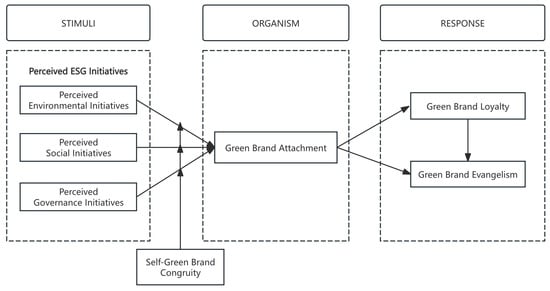
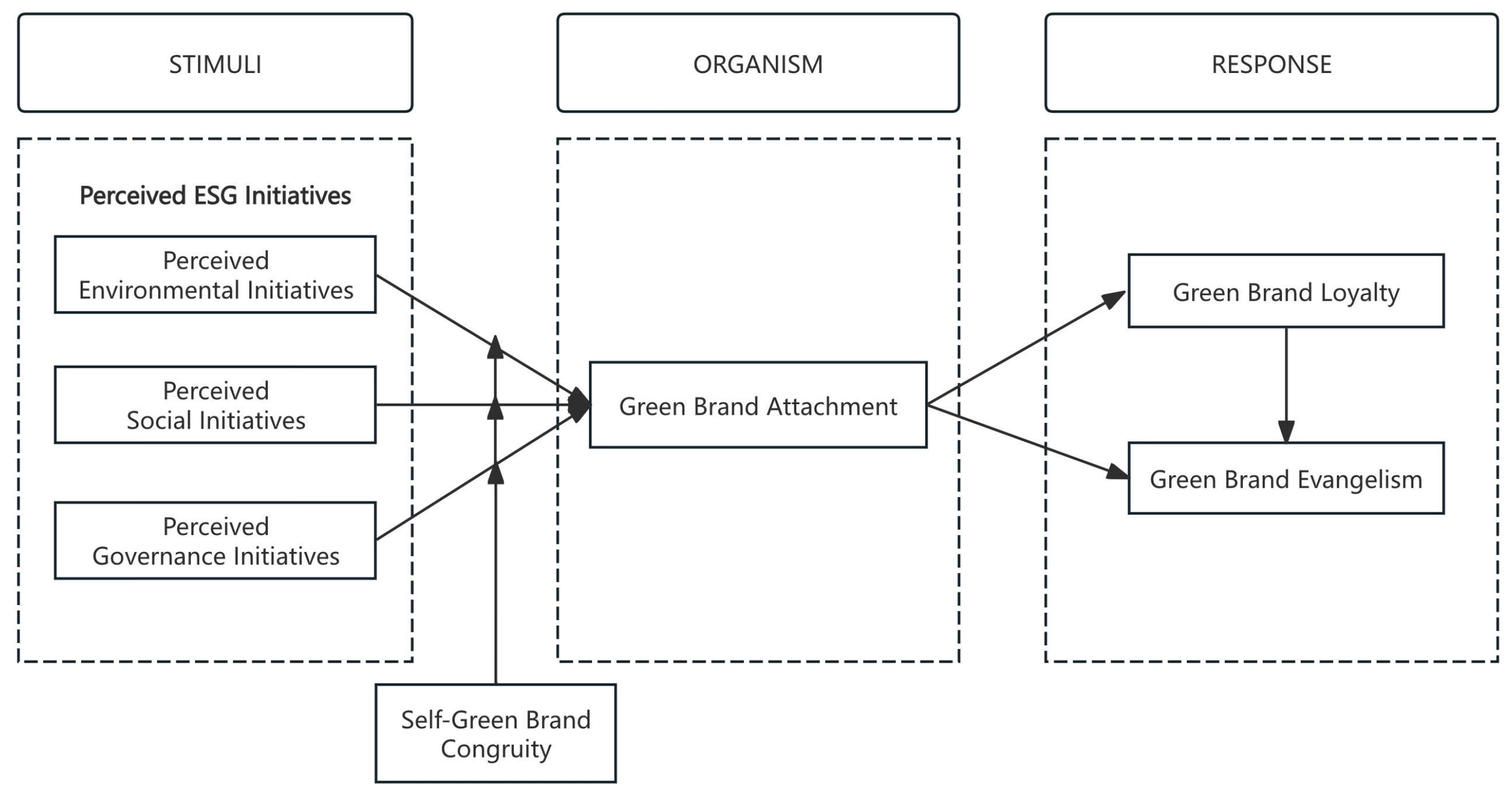


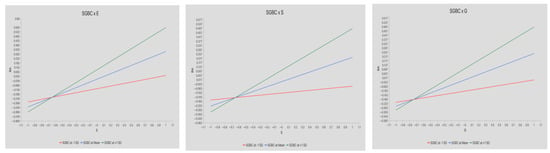
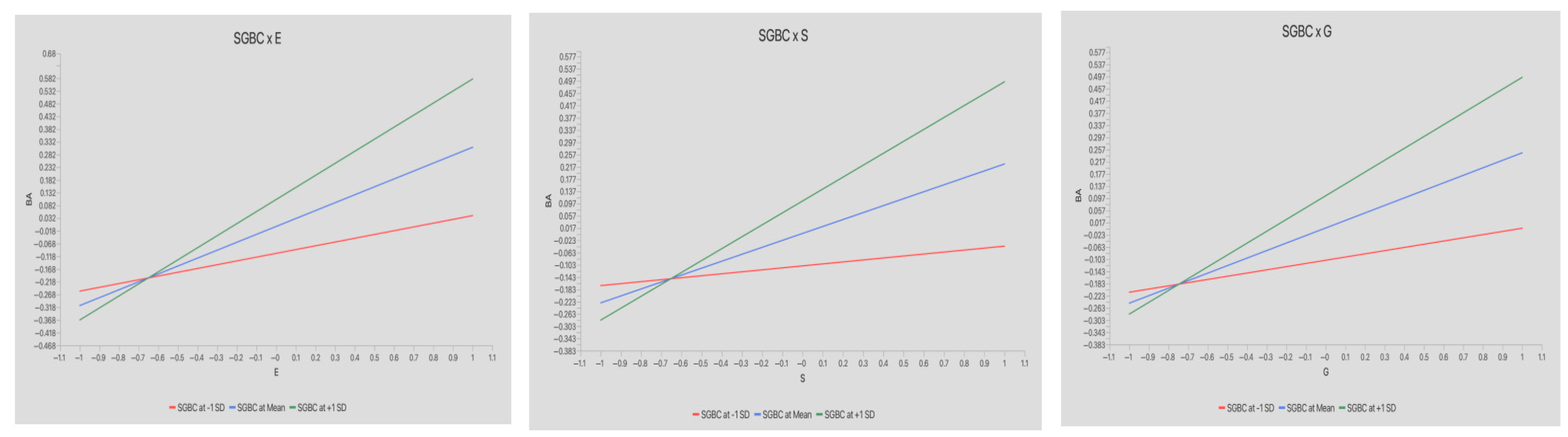

Disclaimer/Publisher’s Note: The statements, opinions and data contained in all publications are solely those of the individual author(s) and contributor(s) and not of MDPI and/or the editor(s). MDPI and/or the editor(s) disclaim responsibility for any injury to people or property resulting from any ideas, methods, instructions or products referred to in the content. |
© 2026 by the authors. Licensee MDPI, Basel, Switzerland. This article is an open access article distributed under the terms and conditions of the Creative Commons Attribution (CC BY) license.