


Abstract
The scope of actual pro-environmental initiatives, programs, interventions, and campaigns is limited. Therefore, spillover effects from these activities to other domains of economy, the private sphere, and society are crucial to achieve a transformation of society towards sustainability. Starting from the known literature and using Google Scholar as a platform for searching additional studies, this explorative, traditional narrative review analyses behavioural spillover effects, where either one behaviour influences the likelihood of another behaviour, or an intervention shows an impact on an environmentally significant behaviour, which it did not primarily address. In the scientific literature, spillover is classified by direction (environmentally positive versus negative), involved behaviours (similar or cross-behavioural), timing (short or long term), context (e.g., work to private life), and social scope (personal, interpersonal, intra- and inter-organisational, intergroup, or international). Positive spillover can result from cognitive dissonance reduction, consistent self-perception, pro-environmental values, norms, self-identity, action-based learning, and habit formation. Negative spillover emerges through rebound effects, moral licensing, and psychological reactance. Stronger spillover is observed between similar behaviours, while cross-domain spillover is generally weaker. According to previous research, a facilitated participatory approach with strong pro-environmental orientation appears recommendable for practitioners to foster the value change required for effective and sustained positive spillover.
1. Introduction
This explorative, traditional narrative review investigates research on spillover effects concerning environmentally significant behaviours. It analyses existing definitions of spillover and shows the different types, levels, and directions of spillover and possible mechanisms underlying them. It aims to derive recommendations for fostering positive, pro-environmental spillover based on the findings of previous studies, using air travel reduction as illustrative example. However, since the body of research on spillover regarding air travel behaviour is limited, examples from other mobility related behaviours and various further environmental behaviour domains are likewise considered.
Spillover effects are crucial to achieve sustainable development goals as they can take place on an individual, organisational, and societal level. For example, on the individual level, transformation theories describe how early adopters boost the diffusion of novel pro-environmental behaviours or technologies to late adopters, a process that could be conceptualized as spillovers from early innovative behaviour changes that trigger behaviours changes of other persons [1,2]. Such spillover is crucial since early adopters alone do not make up the critical mass required for a green transformation. In a similar vein, pro-ecological interventions, programmes, or projects achieving environmentally positive behaviour change can trigger further positive behaviour changes that they did not specifically address [3,4] or create positive spillover by triggering the intended behaviour changes indirectly in regions or target groups they did not address [5]. Pro-environmental projects or programmes are typically restricted in their scope so that an encompassing green societal transformation requires substantial spillover to other behavioural domains, persons, groups, organisation, or regions that were not primarily addressed. Therefore, an encompassing understanding of spillover effects and their underlying mechanisms is important. The current review therefore aims at an improved understanding of spillover effects to derive recommendation on how to promote positive and avoid negative spillover.
Reducing air travel is a particularly important example of a topical domain where spillover effects are needed in order to achieve reductions in business and leisure travel. Air travel has become a dominant mode of transport in both business and leisure contexts, with significant implications for global greenhouse gas (GHG) emissions. According to Klöwer et al. [6], the contribution from aviation to the observed anthropogenic global warming up to date was around 4% at the time of their publication in 2021, even though aviation was “only” responsible for 2.4% of average global annual emissions of CO2. This reflects that aviation contributes to the warming not only through CO2 but also other emissions and contrails. Even under ambitious mitigation scenarios, emissions from aviation are expected to rise further [7]. While technological options such as sustainable aviation fuels, carbon removal technologies, and improved aircraft efficiency are under development, they are unlikely to scale up fast enough to meet near-to-mid-term emission reduction targets [7,8,9,10]. Carbon offsetting, though widely used, is limited in effectiveness and credibility. Sufficiency strategies, especially flying less, are therefore essential [11]. A recent study estimated that demand reduction alone could reduce emissions by up to 60% by 2050 compared to a business-as-usual trajectory [7].
The frequency and purpose of air travel vary substantially between business and leisure. Business flights represent around 10–15% of total passenger flights globally, but they contribute disproportionately to emissions due to a higher share of long-haul travel and premium seating, both of which are significantly more emission-intensive per passenger-kilometre [7]. Leisure travel accounts for the majority of flights and is typically more difficult to influence directly. It is shaped by private preferences, household decision-making, and social norms-factors that are difficult to influence within regulatory or institutional frameworks. Moreover, a small group of frequent flyers, often active in both business and leisure contexts, is responsible for a disproportionately large share of total aviation emissions [12].
Given the urgency to reduce aviation emissions and the difficulty of directly limiting leisure travel, business flights present a pragmatic starting point. They are not only institutionally controllable but also offer a potential spillover effect: reducing business air travel might influence leisure travel patterns by changing individual norms and public narratives around flying. Contextual spillover may occur between work and private spheres (e.g., through discussions between co-workers and within families or among friends) and also involves public domains (e.g., media framing of flight reductions as examples for taking leadership in sustainability).
In the air-traffic domain, as well as in many other domains (such as e.g., recycling, food consumption, energy use and production) where environmentally friendly behavioural decisions are required, spillover effects originating from specific individual behaviours, as well as policies and projects, are central to a fundamental reorientation of society towards sustainability. Research on spillover is crucial for a possible social and ecological transformation of society and is therefore the focus of this narrative review.
2. Central Aims, Structure, and Goals of the Explorative Review
This review aims to provide a descriptive overview and synthesis on definitions, classifications, and mechanisms of spillover. However, it also aims beyond these descriptive aims by pointing to possibilities for further developments on the theoretical and conceptual level, as well as, if possible, to derive some recommendations for practitioners. It is an explorative review, so the identification of research gaps was a primary goal, rather than aiming to address some previously known research gaps.
After a presentation of the basic methodological proceeding in the literature search (Section 3), existing definitions of “spillover” are reviewed as a reasonable fundamental starting point (Section 4). Based on the definition(s), historic examples of social–psychological spillover phenomena that were, at the time, not treated within the conceptual frame of “spillover.” were identified and discussed (Section 5). Classificatory approaches distinguishing different types of spillover are addressed in Section 6. Thereafter, Section 7 looks into the mechanisms presumed to be underlying positive and negative spillover. The strength of spillover effects and corresponding moderating factors according to meta-analyses are discussed in Section 8, and thereafter, in Section 9, corresponding recommendations for practitioners are derived. In Section 10 the findings of the previous sections are discussed in an integrative, qualitative way, considering also the limitations of a traditional, narrative review that lacks the systematic rigor of meta-analyses and more systematic scoping reviews. Finally, in Section 10, a conclusion and outlook on future research needs is given.
By following this structure, this explorative narrative review aims to extend the knowledge of previous reviews, overview articles, and meta-analyses on the topic of environmentally relevant behavioural spillover by contributing insights, mainly in the following regards:
- The identification of psychological studies on the “Foot in the door” technique and habit formation as examples of spillover effects that were not conceptualized within this frame at the time.
- A comprehensive overview of the different types of spillover building on previews reviews, as well as of the various possible mechanisms underlying both positive and negative spillover.
- A clarification of the role of interventions as a possible route towards spillover.
- The integration of the concepts of rebound effects and (negative) behavioural spillover, treating them as related rather than competing phenomena.
- The discussion of justifications (with moral licensing as a special case) and psychological reactance in the context of negative spillover phenomena, and of the conditions under which interventions may accordingly backfire as basis for recommendations practitioners.
In addition, the review summarizes research on the strength of spillover and corresponding moderating variables, and links these to recommendations for practice in order to increase positive and reduce negative spillover from pro-environmental interventions.
3. Method: Proceeding of the Explorative Traditional Narrative Review
There exists a broad range of reviewing methods [13]. The three main types are narrative reviews (also denoted as classical or traditional reviews), systematic reviews, and meta-analyses [14]. According to Demiris et al. [14], traditional narrative reviews have:
- “No structured protocol for search and no interpretation or assessment of quality of individual studies
- The Synthesis of finding is narrative only
- And they are not replicable” ([14] p. 30, b)
Such traditional narrative reviews have been frequently and broadly applied in science, and they are still of value in today [15,16,17]. This classical review method does usually not use thoroughly defined and documented literature search protocols. Though the transparency and replicability of the literature search is thus limited, they still achieve transparency regarding the considered literature sources and the scientific bases of each text passage through the references provided in the text and reference list. Moreover, their lack of transparency regarding the detailed literature search process is the natural consequence of a main advantage of traditional reviews, namely that they also incorporate the relevant studies, concepts, and theories the author knows before searching for new literature. Traditional reviews thus rely to a great extent on the expertise of the author, on creative ideas, subjective understanding, and evaluative judgement. The literature search process is often intuitive and relies heavily on the author’s epistemic interest and judgment. It is therefore, to a considerable extent, subjective, but it still has the potential to provide valuable insights. Hence, according to Dijkers [15], for some “purposes, systematic reviews are better; for others, a narrative review is more suitable” (p. 423).
An explorative traditional review is suitable to achieve a general overview of a topic and identify some related definitions, concepts, and issues to derive ideas for the further development of a scientific topic, as well as to derive preliminary recommendations for practitioners. However, the insights gained by any explorative study, including the one presented here, should be regarded cautiously because resulting hypotheses need to be confirmed by future confirmatory studies based on systematic literature reviews, experiments, and meta-analyses. A future systematic scoping review would therefore be desirable in order to deepen and confirm the findings of this traditional narrative review.
Due to the type of review, no exact search protocol was accomplished in this explorative traditional review. However, it can be stated that, apart from relevant studies, concepts, and theories known previously to the authors, the literature considered in this narrative review was primarily searched for in Google Scholar. The main goals, analytical proceeding, and examples of search strings that were used in the different subsections of this traditional narrative review are presented in Table 1. The selection of search terms was based on the aim to identify articles that may enlarge the understanding of spillover phenomena. Articles that raised the interest of the authors based on the title and abstract were scrutinized in depth. From the scrutinized articles, those entailing contributions that seemed useful and added insights to this review were included in the text and reference list. Furthermore, in line with an exploratory approach, studying the articles found through the search engine often led to further articles via their references, so also some form of snowball sampling of literature was applied.
Table 1.
Main goals, analytic procedures, and examples of search strings used to identify additional (previously unknown) literature in the different sections of this review.
It needs to be acknowledged that the number of references considered in this study is small compared to the number of studies that have been conducted on spillover effects. However, various previous reviews and systematic meta-analyses were included, and each of them has considered many studies. So, it seems plausible to assume that many central studies in the field were identified and considered in this traditional narrative review. Still, the literature search underlying this review could not be exhaustive, and additional relevant studies not identified by the authors may exist.
The author’s literature search excluded articles that used the term “spillover” only occasionally, as well as articles that used the term in relation to non-psychological (or non-behavioural) phenomena, such as, for example, in physical (e.g., hydrology) or epidemiologic studies. Regarding behavioural studies, preferably those with topical relevance for sustainability and environmentally significant behaviours were included. The main focus was on the psychological and social psychological level of behavioural spillover phenomena. However, some studies on economic or regional development spillover were also included in the review, as behavioural spillover on the level of individuals can amount to macro-level phenomena addressed by these economic or developmental studies.
4. Definitions of ‘Spillover’
In general language, a “spillover” is “commonly understood as something that flows out of or spreads beyond its containment” [18] (p. 409). In social and environmental psychology, spillover means that the performance of a behaviour can exert an influence on the probability of subsequent actions. According to Nilsson et al. [19], spillover effects entail “that engaging in one behaviour affects the probability of engagement or disengaging in a second behaviour” (p. 573). Consistent with this, Reimers et al. [20] explain that spillover effects are operative when “a consumer’s initial behaviour positively or negatively influences the probability of their subsequent behaviour” (p. 3). Similarly, Behn et al. [21] define environmental spillover as “the phenomenon where engaging in one environmental behaviour influences the likelihood of engaging in another environmental behaviour” (p. 3665).
However, according to a review by Kumar et al. [22], there also exists a second type of definitions, where “behavioural spillovers are understood as the effect of an intervention (rather than the primary behaviour) on subsequent behaviours not targeted by the intervention (Truelove et al., 2014 [23]; Henn et al., 2020 [24])” [22] (p. 777). Kumar et al. [22] thus identified “two overlapping, yet distinct definitions of behavioural spillovers based on whether the initial causal factor is an intervention or the primary behaviour itself” (p. 777).
Figure 1 illustrates two spillover paths from an organizational intervention to private behaviours, which correspond to these two distinct types of definitions. The first path, A1–A2, assumes that behavioural spillover from an organizational intervention is taking place in a process requiring two steps. In a first step, the organizational intervention changes organizational behaviour, and thereafter, this behaviour change can spill over, for example, to a positive environmental behaviour in private life. For example, an organizational incentive could encourage an employee to use the train instead of flying to a business meeting, and the positive experience made by the train travel may subsequently inspire this employee to also take the train (instead of flying) when visiting a friend thereafter.
Figure 1.
Two different paths by which organizational interventions’ spillover can generate spillover to private sphere environmental behaviours. The spillover can occur via changes of organizational environmental behaviour (path A1–A2) or directly from the intervention to private sphere behaviour (path B).
However, it is also possible that an organizational intervention—involving, for example, pro-environmental communication arguing for flying less—creates a direct spillover and influences the private traveling behaviour of employees, who do not actually change their organizational travel behaviour due to the intervention. The corresponding spillover path B can, for example, be mediated by changes of values, norms, knowledge, and attitudes of organization members due to the intervention [21,25]. For example, employees who never take business flights, because their workplace is always at their home base, may acquire pro-environmental attitudes and, hence, refrain from taking the plane for their future holiday travels because of the flight reduction arguments communicated by the company.
Accordingly, an integrative definition could be that a spillover can consist of (i) influences of an intervention on the probability of behaviours that are not primarily targeted by the intervention and/or (ii) the influence of a spontaneous (naturally occurring) behaviour or a behaviour triggered by an intervention on the probability of subsequent behaviour.
To consider both spillover paths from an organizational intervention to private behaviour appears important since “failure to account for all possible spillovers not only leaves out valuable information on dynamic interactions across domains but also results in biased estimates and misdirected policy recommendations” [22], p. 774. Spillover processes caused by either naturally occurring behaviours [26] or by behaviour changes following an intervention are in the foreground of many studies [21,24,27].
Organizational interventions as such can also influence private behaviour and, hence, generate contextual spillover via communication, learning, attitude change, or normative processes, independent of the organizational behaviour change they achieve [23,24]. For example, Elf et al. [3] could show that an intervention applying a wide range of behaviour change techniques achieved positive environmental behaviour change not only for behaviours “strongly linked to the project (reducing food waste, purchasing labelled products) but also for behaviours that were not addressed in the intervention (walking or cycling instead of using a car)” (p. 6), indicating a spillover effect from the intervention as such on non-targeted behaviours. However, in the same study, “correlations were computed between all behaviour change scores”, which resulted in higher and more “significant correlations in the experimental group [addressed by the intervention] than in the control group, suggesting that behaviour changes for one behaviour were more likely to be associated with behaviour change for another behaviour in the experimental group” (p. 6). This indicates, in turn, that behaviour changes triggered by the experimental intervention showed spillover in the form of triggering further behaviour changes. Accordingly, the study provided support for both paths shown in Figure 1. The two spillover definition types identified by Kumar et al. [22] complement each other as both paths can operate in parallel and contribute to the total spillover. Therefore, it seems important for the design of interventions to apply an encompassing understanding of spillover, which acknowledges and accepts both types of definitions.
5. Empirical Roots of ‘Spillover’
A historic social psychological study on the so-called “Foot in the door” technique [28] provided an example of very strong spillover effects that occurred after an intervention that triggered a primary behaviour change. The development of this social psychological technique was not explicitly linked to the term and concept of “spillover” at the time. However, the described effects of the technique fit both types of definitions of spillover that were presented in the previous section.
The “Foot in the door” technique asks target persons to perform a first behaviour involving a small favour in order to increase the probability that he or she performs a second, much larger behavioural favour. In the classical experiment by Freedman and Frazer [28], Californian households were asked to sign a petition in favour of defensive driving (experimental condition 1) or place a small card stating, “Be a safe driver!” in the window or car (experimental condition 2). Two weeks later, the participants of both experimental conditions, as well as an equally large group of previously unsolicited participants (control condition), were asked if they would place a large billboard reading “Drive Carefully!” in their front yard. The share of positive responses in the “petition group” was about 48%, in the “Be a safe driver!” card condition 76%, and in the control group, about 20%. This means that a spillover effect from the behaviour to sign a petition on the behaviour to place a large billboard in the garden increased the frequency of the latter behaviour by 140% (in relative terms). The preceding behaviour of placing a small “Be a Safe Driver!” card increased the frequency by 280%. A recent meta-analysis of spillover between Positive Environmental Behaviours by Maki et al. [27] identified stronger spillover between similar behaviours than between different behaviours. So eventually, the particular strong spillover from placing a card in the car window may have been facilitated by the strong similarity of this first behaviour to placing a billboard with a similar message in the front yard thereafter.
The large positive spillover obtained through the “Foot in the door” technique is usually explained by avoidance of cognitive dissonance and/or facilitation of a consistent self-perception based on the Theory of Cognitive Dissonance by Festinger [29] and/or the Self-Perception Theory by Bem [30]. According to the latter theory, we infer our attitudes to a considerable extent from our behaviours, while the former theory assumes “that perceived inconsistencies between behaviours and attitudes produce negative emotions (dissonance), which people try to reduce by changing their behaviours and/or their attitudes and self-perceptions” [18] (p. 409). Thus, recognizing that oneself has just signed a petition for save driving strengthens the attitudes in favour of driving carefully, thus promoting the readiness to take striking action for this goal.
A further account for potentially very large spillover effects from the performance of earlier behaviours on subsequent (similar or identical) ones is provided by research on the development and effects of “habits” [31,32,33,34]. The concept of habit refers to the frequent, partly automatic repetition of the same or highly similar behaviours at different points in time. The establishment of a habit thus makes the subsequent performance of the habitual behaviour more probable. The development of habits thus aligns well with the definition of a spillover from past to future behaviour, but as is true for the “Foot in the door” technique, habit formation was initially not investigated with explicit reference to the concept of “spillover.”
According to Gardner et al. [35], habits are “behavioural patterns learned through context-dependent repetition: repeated performance in unvarying settings reinforces context-behaviour associations such that, subsequently, encountering the context is sufficient to automatically cue the habitual response” (p. 175). According to Wood and Neal [34], habits, are “learned dispositions to repeat past responses” (p. 843).
Ajzen [36] did not include habits as an explanatory variable in his highly influential Theory of Planned Behaviour. Still, Ajzen acknowledged that under stable surrounding conditions, “past behaviour is the best predictor of future behaviour” [36], p. 202 and that possibly “repeated performance of a behaviour results in the establishment of a habit; behaviour at a later time then occurs at least in part habitually, without the mediation of attitudes, subjective norms, perceptions of control, or intentions” (p. 203). Indeed, Friedrichsmeier et al. [37] list various studies that have “shown that including measures of habit or past behaviour improves the overall model fit” (p. 1) when applying the Theory of Planned Behaviour or similar models, such as the Norm Activation Model [38].
Habit formation may explain why spillover between identical behaviour from the past to the future is more common than spillover from one type of positive environmental behaviour to a different type of behaviour [39].
Many specific positive environmental behaviours show considerable consistency over time and can be considered habits. For example, habits are considered to play a large role for mobility behaviour as transportation choices have quite high consistency over time [40,41,42,43]. For example, in a study by Thøgersen and Ölander [26], the choice of environmentally friendly modes of transport (bike, bus, or train) at the time of a first survey explained 75% to 92% of variance in the use of these transportation means 1 year later. Consistent with this, habitual car use has been identified as an obstacle to switching to other transportation modes in interventions aiming at pro-environmental changes of mobility behaviour [44,45].
According to Aarts et al. [46], habits can distort the use of information regarding transportation choices in favour of the habitual mode of transport. Habits can explain substantial spillover effects when it comes to the performance of the same behaviour at different times or in different contexts. However, based on habit formation, only a small spillover can be expected, from a specific positive environmental behaviour to a different positive environmental behaviour [26,42]. The generalizability of habits from one type of behaviour to another is limited [47]. According to Friedrichsmeier et al. [37], some scholars perceive habits as a “strongly situation-specific behavioural response, which is learned by frequent enactment of the same behaviour in a confined context” (p. 2), whereas others assume that “habits are effective across a wide range of situations, possibly across travel mode choice situations in general, or the idea that habitual behaviour can also be learned from socialization” (p. 2). The former definition suggests that habits are nearly exclusively effective in promoting spillover to exactly the same behaviour in the future, whereas the latter definition is less restrictive.
It should be noted that the selection of the “Foot in the door” technique (perhaps many) and habit formation as examples of early research on spillover, which were not discussed within this frame at the beginning, was based on the prior knowledge of the authors. The search for such examples was not exhaustive, as the latter would require a systematic literature search covering all existing social or environmental psychological phenomena, and to scrutinize the whole multitude in relation to spillover. Thus, more examples of long-known social–psychological phenomena may exist that could be reconsidered within the frame of “spillover.”
One possible candidate for such further phenomena could be the “Door in the face” technique developed by Cialdini et al. [48]. This technique works inversely to the “Foot in the door” technique: In the “Door in the face” technique, firstly, a large favour is requested, which is so large that performing it is usually rejected, and thereafter, a small favour is asked. The study by Cialdini et al. [48] showed that after a large initial request that was rejected, the small favour is, on average, accomplished more often compared to a condition where people are asked directly (without prior intervention) to do the small favour. This example is also of a basic theoretical interest for environmentally significant behaviour and spillover. At first sight, one may assume that this phenomenon has nothing to do with spillover, since the first behaviour (i.e., fulfilling the large favour) is not performed. However, rejecting a favour may itself also be considered a significant behaviour that can be performed. So, from this latter perspective, the phenomena investigated under the “Door in the face” technique may indeed also be considered as associated with spillover.
Spillover effects between similar and dissimilar behaviours within and between contexts are two factors that have been distinguished by the classification schemes of spillover addressed in the next section.
The motivation to reduce cognitive dissonance and the formation of habits are two of the possible mechanisms creating spillover that are summarized in the section thereafter.
6. Classification Schemes of Spillover
6.1. Positive Versus Negative Spillover
A fundamental classifying aspect of behavioural spillover is that they can be either positive or negative. When considering environmentally relevant behaviours, the corresponding direction of a spillover can be determined based on its consequences for sustainability or the achievement of goals of a corresponding campaign, intervention or program (e.g., promoting ecologically friendly products, recycling, healthy diets, reduction of emissions). According to Nilsson et al. [19], a “positive spillover effect predicts that interventions targeting one specific behaviour have the capacity to promote non-targeted and/or future pro-environmental behaviours. However, the negative spillover effect predicts that engaging in a first pro-environmental behaviour will prevent or decrease a second pro-environmental behaviour” (p. 573). This means that a positive environmental behaviour, increasing the probability of subsequent positive environmental behaviours, entails a positive spillover. On the contrary, a negative spillover means that a positive environmental behaviour increases the probability of subsequent negative environmental behaviours or decreases the probability of subsequent positive environmental behaviours. These latter processes are usually discussed in the context of rebound effects or moral licensing [19,20].
6.2. Cross-Behavioural, Temporal, and Contextual Spillover
An additional classification approach distinguishes between (1) behavioural, (2) temporal, and (3) contextual spillover [19,21]. A corresponding overview is provided in Table 2. The distinction is reasonable as spillover effects may “affect another behaviour, the same behaviour in the future, or the same behaviour in another context.” [19], p. 575. Since any spillover is behavioural in the sense of being related to behaviour, this study will use the terms (1) cross-behavioural, (2) temporal, and (3) contextual spillover to distinguish these possibilities.
Table 2.
Three basic types of spillover effects: (1) cross-behavioural within the same or a different topical domain, (2) temporal, and (3) contextual spillover.
Furthermore, when considering cross-behavioural spillover, it needs to be considered that a different subsequent behaviour B, influenced by a previous behaviour A, may be more or less similar and/or dissimilar to the preceding behaviour A. Thus, we provide two examples of different behaviours with rather high similarity (1.1) and low similarity (1.2) in Table 2. The similarity of a behaviour A to a subsequent behaviour B is a crucial factor determining the strength of possible spillover from A to B [49]. According to a meta-analysis of spillover effects by Maki et al. [27], positive spillover from a positive environmental behaviour to other behaviours can be identified primarily in relation to similar positive environmental behaviours. The similarity between two behaviours is difficult to assess. One aspect of similarity of positive environmental behaviours is whether two behaviours are located within the same topical domain (e.g., mobility); another aspect is whether they have similar goals (e.g., transport from A to B, emission reduction, health).
The second type (2), temporal spillover, takes place between one behaviour and the identical behaviour (or a highly similar one) in the future. Here, the time distance between behaviour A and the possible behaviour A at a later time plays an important role. In this regard, Behn et al. [21] distinguished immediate spillover (within hours, minutes, or right after the initial behaviour) from short-term spillover (emerging within days, weeks, months), whilst long-term spillover manifests itself after more than 3 months or longer. As is true for behavioural consistency and stability of habits, a temporal spillover tends to be larger if the time distance Δt between behaviour A at time t and options for behaviour A at time t + Δt is not too large.
Examples of contextual spillover (3) have been investigated in studies on spillover from business life to private life [50,51,52,53,54,55]. For example, contextual spillover from organizational business flight reduction measures to private flights seems of interest. Here, spillover of an intervention inducing behaviour change on a similar behaviour in a different context can be investigated.
6.3. Personal, Interpersonal, Organizational, Cross-Cultural, and International Spillover
Another classification of spillover can be accomplished based on the distinct sets of persons or social systems (e.g., organizations, groups, nations etc.) that are influenced by these effects.
The main body of research on spillover effects focuses on the effects of a first behaviour of a certain person and on the subsequent behaviour of the same person. The spillover effects prevailing in the literature are accordingly (intra)personal as they are considered to influence only the acting person.
In addition to such (intra)personal behavioural spillover, interpersonal spillover [56,57] is also possible. The behaviour of a person X can also influence the behaviour of persons Y, Z, etc. Such effects have been previously investigated, for example, under the perspective of the Social Cognitive Theory by Bandura [58]. A consumer’s behaviour can accordingly also positively or negatively influence the probability of the subsequent behaviour of others, for example, by functioning as a role model. To also consider such interpersonal spillover in the context of flight reduction appears crucial as “social innovation and (ecological) change can be attained through social influence processes” [59] (p. 367). A green transformation of society and, for example, its predominant mobility pattern is only possible through multi-level, socio-cultural processes promoting the diffusion of innovation and change of social practices [60,61,62].
To broaden the scope of spillover research and also investigate interpersonal spillover is in line with a review by Nash et al. [61], claiming that “behavioural models could be improved by shifting focus from individual actions toward more expansive and contextual behavioural perspectives” (p. 2). For this purpose, the review “incorporates a social practice perspective to behavioural spillover” and explores “the potential of social norms for encouraging behavioural spillover, which has been relatively neglected in the literature” (p. 3).
Research addressing these interpersonal influences, which may also constitute environmentally relevant spillover, investigates social psychological processes such as conformity, imitation, learning from role models, and the formation of social norms. Such interpersonal spillover effects are highly relevant for the transformation of predominant social practices and diffusion of innovation. A green transformation of organisations and society therefore needs to consider interpersonal behavioural spillover in addition to personal spillover. In the context of organizational learning, spillover across organisations is likewise possible and highly important, as intervention programs implemented in certain organizations can potentially trigger similar programs in other organizations. Accordingly, researchers have also investigated inter-organizational spillover [63]. Apart from inter-organizational spillover, intra-organizational spillover is likewise possible, if, for example, a certain company department changing its operations serves as a model influencing other subsections of the company. There is some overlap, as personal spillover can take place from business to leisure and vice versa, and also within and across organizations. Spillover can also occur within or between societal groups or political entities (societal spillover).
Table 3 shows a corresponding classification of agents that can be the recipients or be affected by spillover effects. The table also takes into account that apart from spillover between organizations, spillover between further social aggregates such as groups, communities, or states are, likewise, possible. Recent studies accordingly also focused on international spillover in favour of sustainable development [64,65].
Table 3.
Three types of spillover effects can be distinguished with respect to the affected people or social systems: (1) Personal, (2) Interpersonal, (3) Organizations and their members in an (i) intra- and/or (ii) inter-organizational context.
6.4. Limitations and Further Possible Classification Schemes
The search for existing classification schemes in the literature was not exhaustive, so further classification schemes of behavioural spillover may possibly be found during a more extensive and systematic search. Moreover, the focus was on classification schemes distinguishing different types of behavioural spillover. One may also distinguish such behavioural spillover from related phenomena such as motivational, emotional, or also economic, financial, information, and knowledge spillover that are likewise connected to behaviours but shall not be covered in this explorative review.
Finally, the classification systems, which we have investigated, reported, and partially integrated, are social and epistemic constructs that were developed by humans, mainly scientists, so that they may not be objectively characterised as true or false. Still, they may be more or less appropriate or inappropriate. The value of the classification schemes mainly depends on their (possible) usefulness to further advance the scientific research on behavioural spillover and its application by practitioners.
7. Mechanisms Underlying Spillover Effects
A multitude of theories and corresponding mechanisms (or causal chains) underlying spillover effects have been proposed and substantiated by previous research. These mechanisms may be separated quite consistently into those underlying positive spillover and negative spillover. Both types of spillover need to be taken into account when designing effective pro-environmental interventions.
This section starts with an overview of the main mechanisms for positive spillover, thereafter considering negative spillover mechanisms and rebound effects, and, finally, addressing implications for the design of interventions.
It should be borne in mind, however, that descriptions of mechanisms inherently involve a causal perspective and language. Some studies on the mechanisms described in the following are, however, of a correlational nature. Furthermore, considering experimental studies, no systematic comparison could be made between average effect sizes connected to the different mechanisms within the present framework. The strength of the different possible causal relationships described in the following can therefore not be determined and compared within this review, which, accordingly, needs to be considered conceptual in this regard.
7.1. Mechanisms Underlying Positive Spillover
7.1.1. Reduction of Cognitive Dissonance
The most prominent theory explaining positive spillover is the Theory of Cognitive Dissonance by Festinger [29]. This theory claims that people aim for consistency between their values, norms, cognitions, self-perceptions, and actions. As a consequence, there exists a motivational and cognitive tendency in humans to reduce or avoid behavioural contradictions and discrepancies. Therefore, positive spillover effects ensuring consistency between a first behaviour and a subsequent behaviour may be expected on the basis of the Theory of Cognitive Dissonance [19]. A mediating mechanism is, for example, that the attractiveness of an alternative often increases after it has been chosen [66] to avoid cognitive dissonance between actions and evaluations. As a consequence, the consistent, repeated selection of the identical alternative has an increased probability.
According to the Theory of Cognitive Dissonance, someone who chooses to abstain from business flights for environmental reasons may subsequently also abstain from leisure flights in private life because this avoids a discrepancy between his or her environmental values and the subsequent behaviour. The reduction of cognitive dissonance can take place through behavioural consistency between different behaviours (behavioural spillover), between the same behaviours in different contexts (contextual spillover, e.g., business to private life as in the example), as well as between a behaviour and subsequent instances of the same behaviour (temporal spillover).
However, behaviour changes that are externally enforced are associated with smaller value changes and spillover effects, or corresponding changes may be lacking fully or even go in a negative direction [67]. Business flights are often reduced as part of cost-saving measures. For example, budget constraints can be associated with fewer flights being approved within an organisation. Such external restrictions, in particular, when not linked to pro-environmental concerns, may be associated with smaller changes in private attitudes in a direction favouring the reduction of private flights for environmental aims.
7.1.2. Self-Perception of Positive Environmental Behaviours
Further theoretical mechanisms of positive spillover operating in the direction of consistency between past and future behaviour are explained by the Theory of Self-Perception by Bem [30]. According to the Theory of Self-Perception, people construct their behavioural values and norms and self-identity on the basis of perceptions and cognitions about their own behaviour. The performance and, hence, perception of the own environmentally friendly behaviour may accordingly be associated with the formation of pro-environmental attitudes and a green or pro-environmental self-identity. The latter constructs may create environmental spillover as described in the following subsection.
7.1.3. Pro-Environmental Attitudes, Values, Norms, and Self-Identity
Research on the prominent psychological constructs of pro-environmental values [68,69], self-identity [70], attitudes [43], and pro-environmental social and personal norms [38,71] shows the strong positive influence of these concepts on a broad range of environmental behaviours. These constructs can therefore possibly function as effective mediators of spillover.
There is considerable overlap between these concepts and, therefore, each of them has only a limited amount of unique explanatory power. Nevertheless, it is possible to distinguish them. According to Van der Werff et al. [68], “there is a conceptual difference between values and self-identity: values are general and abstract principles that you strive for in life, while self-identity reflects how you see yourself” (p. 56). Still, “values may form important ingredients of a person’s self-concept and thus contribute to a person’s sense of identity” [72] (p. 434). Green self-identity and pro-environmental values are accordingly interrelated.
Both pro-environmental self-identity and values are in turn closely connected to positive attitudes, as it can be assumed that “a person’s self-identity would be reflected in that person’s beliefs, values, and attitudes” [73] (p. 390). A distinguishing aspect between attitudes and values is that the latter are more fundamental (i.e., psychologically more deeply rooted) and central to the identity of a person. Environmental values are underlying environmental identities and can be associated with positive attitudes towards a broad range of pro-environmental behaviours [74].
Green self-identity and values are more stable over time and more difficult to change than attitudes [75]. For example, the attitude of a person towards going by bike to work may change from a sunny day to a day with rainy weather. However, the self-identity of seeing oneself as an environmentally friendly bicyclist, and the underlying value of protecting the environment by avoiding emissions, are stable with respect to weather conditions.
The distinction between pro-environmental attitudes and behavioural norms is also important. Personal norms refer to behaviours that an individual approves or disapproves and considers morally and socially appropriate and acceptable for themselves [38,76]. Personal norms and attitudes overlap considerably, as someone who has a positive attitude towards a certain pro-environmental behaviour also tends to favour corresponding behavioural norms, and both, consequently, effectively promote positive environmental behaviour [77,78,79].
Personal norms need, however, to be distinguished from social norms, and the latter can be further differentiated into injunctive (or prescriptive) and descriptive social norms [80,81,82]:
- −
- Personal norms define the behaviour, which someone expects from herself or himself, respectively.
- −
- Injunctive social norms (sometimes also denoted as prescriptive social norms) define what others in the social environment approve or disapprove of.
- −
- Descriptive social norms refer to the actual behaviour of others in the social environment.
So, injunctive norms define the socially approved behaviour, whereas descriptive norms describe the behaviour that is actually performed. Descriptive norms and prescriptive norms are consistent with each other, as long as people actually behave as it is socially expected of them. However, think for example of an Anti-littering sign reading “Keep the environment clean. Do not litter!” placed in the middle of a lawn severely polluted by littering. Here, the sign defines the injunctive social norm not to litter, whereas the pollution on the lawn shows that some people actually litter their waste (observable, descriptive norm). So here, injunctive and descriptive norms deviate from each other.
Injunctive and descriptive social norms may influence and shape personal norms. This may take place in an educational setting where social norms are communicated to pupils or students, or also at the workplace. Various studies have shown that injunctive pro-environmental norms of and within an organization, as well as positive environmental behaviours of co-workers (forming descriptive social norms), may influence members of an organization to adopt pro-environmental personal norms and corresponding pro-environmental behaviour [78,81,82]. Thus, pro-environmental organisational environments and social norms may trigger spillover to the personal private life of employees by influencing their personal norms.
Further psychological concepts, which overlap to a large extent with each other, as well as with the concepts of pro-environmental attitudes, identity, and values, are environmental awareness [83], environmental consciousness [84], and environmental concern [85,86]. The three latter constructs attracted considerable research interest and may accordingly promote a broad range of positive environmental behaviours. Hence, they may also be mediators of positive environmental spillover. The three concepts may be distinguished as “awareness” points to the relationship between internal and external aspects, whereas “consciousness” primarily refers to an internal, mental process, or state. The term “concern” implies that one is involved, affected, and/or worried about the environment. So, the meanings of these terms have slightly different nuances.
In sum, it may be stated that positive environmental attitudes, values, awareness, consciousness, concern, norms, and self-identity are associated with spillover, as all these constructs are operative not only in relation to one specific behaviour but to a broad range of possible environmental behaviours [70,87]. Positive spillover effects are therefore likely if the pro-environmental values and corresponding environmental attitudes (or environmental concern, norms, awareness or consciousness, and green self-identities) are promoted by appropriate interventions [21]. According to Thøgersen & Crompton [88], an “appeal to environmental imperatives is more likely to lead to spillover into other pro-environmental behaviours than an appeal to financial self-interest or social status” (p. 141).
7.1.4. Action-Based Learning, Perceived Self-Efficacy, and the Formation of Habits
Further processes that can generate positive spillover involve action-based learning [89,90], perceived self-efficacy [91], and the formation of habits [92]. Action-based learning approaches assume that the (successful) performance of a pro-environmental action may increase corresponding action competencies, knowledge, perceived self-efficacy regarding the ability to perform the action, and corresponding positive attitudes based on positive feedback, experiences, and emotions [91,93]. The successful performance of an action is thus associated with an increased probability of the performance of the same behaviour in the future, and hence behavioural consistency. The resulting possible repetition of a behaviour may ultimately be associated with the formation of a habit connected to considerable behavioural stability and consistency over time. Accordingly, action-based learning and habit formation involve similar processes that may generate positive temporal and contextual spillover, and cross-behavioural spillover to similar or related behaviours by promoting behavioural consistency over time and varying contexts [28,92]. For example, people may form general habits promoting the consistent use of certain modes of transport in varying situational contexts [43,46].
In the mobility sector, the promotion of positive environmental spillover through habits, therefore, usually requires breaking existing habits and building new, environmentally friendly habits. In many domains of business life, flying has become a habit. To change this, a new habit of “not flying”, respectively of e.g., conducting meetings online or going by train, needs to be established. For the purpose of changing habits, specific psychological models and practical approaches have been developed.
According to Jackson [94], in the context of habits “behavioural change involves the ‘unfreezing’ of existing behavioural patterns and the discursive elaboration of new and preferable alternatives, before these become the basis of new behavioural patterns” (p. 114). To achieve this, Dahlstrand and Biel [95] recommend a four-step process. First, a person needs to recognize that the negative old habit needs to be changed. Second, the person needs to consider and try out alternative actions. Third, the person evaluates the new alternative action, and fourth and final, if the evaluation of the new behaviour is positive, it can become established as a new positive habit.
In the mobility domain, practical approaches aiming to make people try out alternative modes of transportation include incentives, offering free tickets and even the organization of competitions (e.g., bike-to-work). Small actions and incentives can pay off in the long term, if e.g., a free train ticket might, after a positive evaluation or experience, encourage someone to shift from driving or flying short distances.
7.2. Mechanisms Underlying Negative Spillover
A broad range of mechanisms can underlie or cause negative spillover. The most prominent mechanisms have been investigated under the term rebound effects and in studies of moral licensing, which may also be denoted as a mental rebound effect.
7.2.1. Negative Spillover Effects and Rebound Effects
Reimers et al. [20] defined rebound effects as the “gap between consumers’ actual greenhouse gas emission savings and the emission savings that they could potentially realize using energy saving alternatives or through more sufficient consumption” (p. 3). A negative spillover means that a certain positive environmental behaviour A (e.g., saving emissions by going by bike instead of by car to the fitness studio) increases the probability or frequency of a subsequent environmentally harmful environmental behaviour B (e.g., traveling by car to work the next morning, which is causing emissions). Such a negative spillover can cause or contribute to a rebound effect as defined above. So, ultimately, negative behavioural spillover and rebound effects are closely related to each other as the former can cause the latter. The two concepts are thus overlapping to a considerable extent. It is therefore not surprising that the concepts of rebound effects and negative spillover effects are not consistently distinguished and sometimes even used interchangeably in the literature [19,20,23,61,96].
According to the definition above by Reimers et al. [20], the focus of the term “rebound effect” is rather on the size or measurement of secondary negative outcomes connected to an intervention measure or a positive environmental behaviour. On the contrary, analyses of negative spillover have a strong focus on the psychological, economic, and logical or consequential mechanisms that influence secondary behaviours that run against the sustainability aim of an intervention or the initial positive environmental behaviour. However, studies on rebound effects are not solely interested in their environmental outcomes as suggested by the definition of Reimers et al. [20], but instead also investigate the underlying mechanisms and processes [97,98,99].
According to Berkhout et al. [100], typical rebound effects are caused by energy-efficient and environmentally friendly technologies and/or corresponding energy-, economically, and time-efficient positive environmental behaviours, which are good for the environment and, at the same time, are saving money and/or time. These savings are relative to time or financial gains available for increased spending on traveling or consumption.
For example, using a fuel-efficient car may reduce travel costs, and the resulting financial savings may lead to increased spending for additional energy-consuming activities (finance-based rebound effect). In a similar vein, using an energy-efficient (and fast) train (e.g., 200 km/h) instead of traveling by car (e.g., 100 km/h) may save travel time; this additional free time might be used for (high) energy-consuming activities, reducing or eliminating the efficiency gains (time-based rebound effect).
So rebound effects may be regarded as specific, technology-related examples of negative spillover. However, many studies on rebound effects also cover so-called mental rebound effects caused, for example, by moral licensing [101]. Accordingly, psychologically mediated negative spillover is not excluded from the literature on rebound effects. Therefore, both concepts will be used in an overlapping and, to some extent, interchangeable manner in this review. This proceeding also seems reasonable in order to not exclude studies and findings, and corresponding recommendations for measures to reduce business flights, solely on the basis of the terminology they use. In sum, this review agrees with the viewpoint of Nash et al. [61] that “while some approaches argue that rebound effects differ from behavioural spillover (e.g., Dolan & Galizzi, 2015 [102]), we view them as related phenomena, as parallel processes where macro-level economic changes can manifest at the individual level, through decreases in the cost of a behaviour (direct rebound) and increased disposable income (indirect rebound) affecting individual decisions on energy and resource consumption” (p. 10).
7.2.2. Under Certain Conditions, Rebound Effects Can Generate Positive Spillover!
The literature on rebound effects has a clear focus on negative secondary consequences of efficient (fast and economic), environmentally friendly technologies and behaviours. However, some ecologically positive behavioural decisions and/or technology choices may in fact lead to higher costs and time losses compared to environmentally unfriendly alternatives. Choosing the train instead of taking a plane for short and medium distance travels could be such a costly positive environmental behaviour, as flights are often faster and cheaper [11,103]. Accordingly, positive rebound effects could occur since train travellers may have less money and time they can use for emission-causing consumption and activities compared to people traveling by plane. Such possible positive spillover, which may also be considered positive rebound effects, need to be taken into account when designing a project aiming at the reduction of business flights and a corresponding contextual spillover to leisure flights. Such possible non-psychological time- or finance-based rebound effects also need to be considered in the context of measures reducing business flights.
7.2.3. Justifications as a Psychological Mechanism Causing Negative Spillover
A prominent psychological mechanism that can trigger such negative spillover effects is moral licencing [20]. For example, if people feel that they have “done their bit” for reducing flights, because they abstain from business flights, they may feel to have the right (be licensed) to do more leisure flights (e.g., compared to people that do not change their business travel behaviour).
Moral licensing is presumably the most prominent and relevant psychological mechanism underlying negative spillover effects on the consumer level [104,105,106,107]. It entails that people perceiving their behaviour as environmentally friendly feel the moral right (moral license) to perform some environmentally less or unfriendly behaviours in other domains or even in the same context (self-licencing). Wikipedia [108] gives the following examples: “Savings through more efficient technologies can lead to additional consumption through moral licensing (mental rebound effect). A Japanese study found that drivers who perceived themselves to have bought an eco-friendly car drove a good 1.6 times more kilometres in the 1st year after buying it than with their previous non-ecological car. Some of the potential savings are therefore offset by higher consumption. Similarly, households can leave energy-saving light bulbs burning for longer than conventional light bulbs and still believe they are doing something for the environment,” translated from German Wikipedia “Moralische Lizenzierung” [108].
Moral licensing can be considered a special case of the more general concept of justifications. Justifications for environmentally harmful behaviours may inhibit the behavioural effectiveness of positive environmental attitudes and behavioural norms, even after they have been internalized [11,109,110,111]. Justifications can also produce negative behavioural spillover in terms of habits of environmentally negative behaviour. According to the Model of Justified Environmental Behaviour [11,76,109,110,111,112], a posteriori justification formed after a negative environmental behaviour (rationalizations) can serve as a priori justification (neutralisations) for similar negative behaviours in the future and thus stabilize negative behaviour over time [113]. So, for example, the arguments (e.g., time-pressure, need for recreation) someone constructs to rationalize and excuse why he or she flew overseas during the holidays last year to protect from self-blame and being blamed by others may be used as a priori justification to fly again overseas during the holidays this year.
7.2.4. Reactance as Psychological Mechanisms Causing Negative Spillover
Another psychological mechanism that can create a mental rebound effect, reducing the effectiveness of pro-environmental interventions, is psychological reactance [4,114,115]. According to the Reactance Theory by Brehm [116,117], people strive for behavioural autonomy and freedom. Thus, for example, the restriction of options for employees to select their travel mode autonomously (e.g., a no-flight policy for certain distances or a carbon cap) may possibly trigger reactance motivation opposing such restrictions. A possible consequence could be that employees protest against a corporation’s policies, dislike or even undermine them, or fly despite respective regulations. Reactance motivation may also lead to behavioural compensation for the experienced restrictions by having more leisure flights.
7.3. Limitations and Possible Further Mechanisms Underlying Spillover
The literature search for mechanisms that may underlie positive and negative behavioural spillover started from the previous knowledge of the authors and was not exhaustive. Therefore, further possible mechanisms may have been discussed in the literature and may possibly be found by a more extensive and systematic search. However, a systematic search using only combinations of various applicable search terms with the term “spillover” may easily overlook possible mechanisms of behavioural spillover that were not investigated under this umbrella. So, more neutral search strings such as “antecedents of behaviour change” may also be worth trying out to identify possible spillover mechanisms that have not yet been denoted this way in previous research.
Finally, a limitation of the spillover mechanisms presented above is that they mainly focus on personal spillover. Possible mechanisms that may specifically explain interpersonal and inter-organizational behavioural spillover will therefore be addressed briefly in the final subsection of the discussion, focusing on limitations of this study and needs for future research.
8. Analyses of Spillover Strength and Moderating Factors
Quantifying spillover effects is challenging—various study designs, measures, and levels of analysis have been used for this purpose in previous studies [21,27,118]. For example, spillovers from spontaneous behaviours can be distinguished from those caused by interventions that actively aim to trigger or change a certain behaviour and, in addition, have the potential to produce spillover. According to Kumar et al. [22], there is “a critical gap in the literature regarding the distinction between spillover effects caused by interventions as distinct from those caused by primary behaviours” (p. 773).
An example for the analysis of non-interventional spillover is the study by Thøgersen and Ölander [26], which found that the use of an environmentally friendly mode of transport at the time of a survey explained up to 92% of the variance of the corresponding behaviour 1 year later. Analyses, which do not involve any experimental or practical interventions, are, however, often rather correlational and can therefore not be interpreted as real spillover in a strict causal sense [25]. To speak of a causal spillover would require that going by bike to work in year 1 causes a person to also go to work by bike in year 2. However, lacking a driver’s licence or lacking ownership or access to a car, and poor access to public transport near home, may be the reason for going by bike in both years. So, strictly speaking, only a high correlation was observed here, and not a real causal spillover from one behaviour to a future behaviour.
An example of a concrete intervention producing a behavioural spillover is the experiment on the “Foot in the door” technique by Freedman and Frazer [28]. Here, in the control, only 20% of households agreed to place a large “Drive Carefully!” billboard in their front yard, whereas after an intervention asking for the placement of a small “Be a safe driver!”card, 76% of households agreed to place the large billboard. In this example, the absolute percentage point difference, resulting from the spillover effect, was (76–20% = 56%), and in relative terms, it even corresponded to an increase by 280% (Δ%/baseline % = 56%/20% = 2.8). This experiment indicates how strong and influential spillover effects may eventually be if corresponding behaviour change techniques are designed effectively.
Instead of percentage differences, meta-analyses primarily rely on effect size measures in order to aggregate large number of studies and calculate the strength, which certain interventions or influential factors have produced on average in these studies. A common effect size measure is Cohen’s d, which is basically defined as the difference between two means (e.g., of the spillover condition minus the no-spillover condition) divided by the standard deviation of the underlying data.
According to a meta-analysis on spillover effects of pro-environmental behaviours by Maki et al. [27], the average effect size of observed spillover in 25 studies was only slightly positive (Cohen’s d = 0.17) with respect to behavioural intentions and even slightly negative with respect to actually measured secondary environmental behaviours (d = −0.03). A similar, more recent meta-analysis by Geiger et al. [118] obtained similar results with a small positive effect size for behavioural intentions (d = 0.15), and a negligible average effect size for environmental behaviours (d = 0.01). So, average spillover effects on actual behaviour are negligible in aggregate according to these studies. The negligible spillover effects found by Maki et al. [27] and Geiger et al. [118] can be explained by the fact that some of their reviewed studies showed positive and some negative spillover.
However, one factor that moderated the size of the spillover was the similarity between the investigated behaviours. For intentions regarding similar pro-environmental behaviours, a clearly positive effect size of d = 0.74 was calculated by Maki et al. [27].
When considering contextual spillover, in addition to similarities between the considered behaviours, the characteristics, interrelationships, similarities, and differences between the two considered contexts may influence the size and potential of spillover. A study by Nik Ramli and Naja [53] found that pro-environmental behaviours at work explained on average 14% of the variance in a set of different pro-environmental behaviours at home.
In sum, it needs to be acknowledged that many of the determining factors for the size of spillover are not yet known. However, studies indicate that interventions that have been designed in a participatory approach and with a strong orientation towards environmental values can trigger stronger spillover than top-down interventions focusing purely on costs and incentives for behaviour change [30,36].
However, the literature search process of this explorative review was not exhaustive. Considering additional studies in a more extensive and systematic review, or based on a future large-scale meta-analysis, could perhaps reveal more information on the influential factors determining the size and direction of spillover.
9. Promoting Contextual Spillover from Work to Private Life
There are many different behavioural contexts from which, and to which, spillover can occur. Examples are spillover from educational settings to private or professional settings or spillover from private behaviour at home to behaviour as tourists in foreign countries [119]. This section focuses on spillover between work and private life, as these attracted considerable research interest in the environmental behaviour domain. Based on the spillover mechanisms and findings of meta-analyses considering moderating effects of spillover strength described in the two previous sections, we derived some recommendations for promoting spillover in the following two subsections. However, these exemplary examples of possible recommendations need to be confirmed and supplemented by additional insights based on further, more systematic studies.
9.1. Improving Organizational Culture, Norms, Values, and Environmental Management
According to Gadeikienė et al. [120], the workplace is “an inducing source, which can stimulate or draw-back sustainable behaviour both at workplace and in private life” (p. 142). For many years, studies have investigated the relationship between the values and norms of companies and their employees, and the resulting connections between behaviours at the workplace and in private life [121,122,123]. In corresponding research, not only spillover between behaviours, but also spillover of knowledge, skill, moods, values, attitudes, and behavioural norms have been investigated [81,124]. According to Poelmans et al. [125], a value spillover takes place “if the values lived out at work spill over to home” (p. 144). A corresponding pro-environmental value change within an organization can thus mediate and enhance corresponding positive behavioural spillover from work to private life.
Consistent with this, Jaich et al. [81] identified a spillover from injunctive and descriptive organizational social norms on private sphere positive environmental behaviours of employees at home. Accordingly, pro-environmental corporate management practices can set an injunctive norm for pro-environmental behaviour within the company as they imply that a company approves of environmental protection. Consistent with this assumption, many studies “revealed that organizational engagement in environmental protection positively affects employees’ positive environmental behaviour at work [126,127,128,129]” [88] (p. 520). The positive environmental behaviour of colleagues at work may, in turn, set a descriptive social norm of pro-environmental behaviour within a company. The resulting positive descriptive social norms and injunctive pro-environmental norms may be internalized by employees and enhance sustainable behaviours at home. In the two studies reported by Jaich et al. [81], perceived positive environmental behaviour of colleagues at work (descriptive organizational social norm) accounted for 11% and 57%, respectively, of the variance of self-reported positive environmental behaviours of the study participants at home.
Various studies report a corresponding positive spillover of environmental behaviours from work to private life and vice versa [50,130]. For example, Tudor et al. [55] found “employees who practised recycling activities at home also being more likely to practise a similar behaviour at work” (p. 409). Andersson et al. [50] found a positive spillover to private sphere behaviour after an environmental management system promoting waste separation was introduced at the workplace. In a similar vein, Littleford et al. [52] reported a contextual positive spillover from energy-saving behaviours between work settings and home settings.
Some organizational factors, and, in particular, aspects of the organization–employee relationship have been found to moderate the size of spillover from company to work. A study by Paillé et al. [131] found that support of superiors for environmental protection, perceived self-efficacy of workers on their job, and a positive emotional commitment of the employees to the organization increase positive spillover from intervention programs in an organization to private life. A positive identification of employees with their company or organization also increased positive spill-over from an organizational intervention to private life, according to a study by Rashid and Mohammad [53].
Furthermore, various studies showed that interventions promoting positive environmental attitudes, environmental concern, and a green-self-identity of employees can increase spillover to a broad range of positive environmental behaviours [21]. Pro-environmental interventions in the company should therefore be oriented explicitly toward environmental goals and emphasize their importance. Organizational interventions that are designed and communicated with some orientation towards environmental education to promote environmental attitudes of the employees may thus foster positive spillover to the private sphere. In addition, a non-authoritative, participative development of organizational interventions in collaboration between management, employees, and scientists can be helpful to increase intrinsic motivation of the staff and prevent reactance. The emphasis of interventions on the intrinsic motivation to protect the environment is important to prevent moral licensing and hence to promote positive and avoid negative spillover.
Accordingly, it is important for promoting positive spillover of interventions to “create an organizational culture which fosters consistent pro-environmental norms across organizational levels (e.g., leadership, co-workers) and practices (e.g., communication, policies)” [82], p. 4. Hence, organizational activities should consistently signal injunctive and descriptive pro-environmental norms through environmental policies, management practices, operations, and supportive statements.
9.2. Participatory Design of Interventions
In some cases, behaviours that occur spontaneously produce positive or negative spillover effects. However, in many cases, interventions (e.g., environmental education programs, policy changes, prohibitions, incentives) trigger behavioural changes and create possible spillover effects [23,24,132]. In the context of pro-environmental interventions, behavioural spillovers can be “understood as the effect of an intervention (rather than the primary behaviour) on subsequent behaviours not targeted by the intervention” [22], p. 777. Accordingly, pro-environmental interventions should be designed in ways that promote positive and avoid negative spillover. To understand and consider spillover effects of interventions, it is crucial to comprehensively evaluate their overall effects on environmental behaviours and the environment.
To prevent negative spillover due to reactance, pro-environmental interventions, such as, for example, flight-reduction programs in companies can be developed in line with the Self Determination Theory [133]. This theory assumes, and corresponding research has shown, that people want to act autonomously and proceed to be self-efficient within the context of positive social relationships [134]. According to this theory, intrinsic motivations for environmental interventions and behaviours can be increased if people have autonomy, perceive themselves as competent, and experience respect and positive feedback from others in social relationships in the context of learning and decision-making processes. Participatory processes, in which problems are defined, framed, and approached collectively in democratic, cooperative processes where all participants are acting and communicating on equal footing, can thus promote positive and avoid negative spillover [135]. Participatory environmental planning and actions can lead to intrinsic and social motivation gains promoting pro-environmental attitudes and values, and the development of green self-identities possibly resulting in further positive spillovers that can promote positive environmental behaviours [136]. If scientists are involved in the development of interventions, the corresponding planning and design processes can be regarded as transdisciplinary collective problem-solving processes involving mutual learning between science and society. Such mutual learning processes can be implemented, for example, in transdisciplinary living labs.
According to Sabherwal and Sparkman [82], institutions should encourage “participation in climate-relevant decisions to make citizens [employees] feel empowered and build trust between stakeholders” and “instil a sense of working together with others to reduce feelings of social pressure and enhance motivation to act” (p. 4). Measures for reducing business flights or aiming at other pro-environmental aims will be supported more thoroughly and create more spillover if they are co-developed by the involved persons, respectively, representatives of all affected groups.
10. Discussion
10.1. Qualitative Interpretation and Synthesis of Main Findings
A pro-ecological reorientation of society is needed to safeguard biodiversity and achieve sustainable socio-economic development in line with sustainable development goals [137,138,139]. Pro-environmental policies, programs, initiatives, campaigns, projects, and individual behaviours can better contribute to such a pro-ecological transformation if they achieve effects beyond their own scope by creating spillover reaching out to further individuals, social entities, the broader public, and internationally, and to various sustainability domains. Gaining a better understanding of spillover processes is therefore crucial to sustainable development.
The direction and expected quantities of spillover strongly depend on the exact design of an intervention and on the behaviours and contexts that are investigated [21,22,27]. Interventions therefore need to be designed and implemented carefully in order to produce positive spillover and avoid negative spillover processes.
In experiments on the “Foot in the door” technique, the first behaviour(s) were intentionally designed to achieve a large spillover on the subsequent behaviour (even though the concept of “spillover” was not mentioned and the effect was conceptualized in terms of behavioural consistency and avoidance of cognitive dissonance), and a strong positive spillover was achieved. On the contrary, some meta-analyses [27,118] report near-zero average spillover effects on actual behaviour as some of the included studies obtained positive and some negative average spillover effects. One reason for this could be that these meta-analyses did not only include studies employing interventions designed to maximize spillover but also included studies where naturally occurring spillover was investigated. However, even in studies employing behaviour change interventions, there is no guarantee that these interventions produce exclusively positive spillover in all participants. Some aspects of an intervention may facilitate positive spillover, whereas other aspects of it may produce negative spillover, and the degree of both processes may vary between participants. So, an averaging out of positive and negative spillover in meta-analyses does not only take place between studies (as reported in the results of a meta-analysis), but also between the participants within the single studies that were included.
Pro-environmental behavioural interventions, provided, for example, in the context of (experimental) environmental education, communication, and campaigns, may achieve positive spillover if they promote positive environmental attitudes, behavioural norms, and habits. However, interventions can also backfire as, for example, reactance and justifications can inhibit the behavioural effects of interventions [109,110,111]. Reactance can prevent the internalization of promoted behavioural norms and trigger reactant negative behaviours. Justifications can inhibit the behavioural effectiveness of pro-environmental behaviour norms even after they are basically accepted and have been internalized by a person [11,109,110,111,112,113]. Justifications can also produce negative behavioural spillover.
Accordingly, interventions aiming at the promotion of positive environmental behaviour and corresponding positive spillover should prevent the elicitation of reactance as well as of justifications for environmentally negative behaviours.
To prevent reactance, environmental interventions should not be commanding, prohibitive, or authoritative, but rather approach people in polite ways and, for example, ask them for help in protecting the environment and in the achievement of certain sustainability goals [140,141,142,143,144]. Justifications for negative environmental behaviours could be actively discounted as part of environmental interventions to prevent corresponding negative spillover.
However, if an intervention is effectively designed in a motivating way, preventing reactance and discounting key relevant justifications in a specific area of conduct, and hence successfully promoting the targeted positive environmental behaviour, this may result in moral licensing effects facilitating negative behaviours among the persons in the target group.
So, justifications taking the form of moral licensing may contribute to an averaging out of positive and negative spillover as observed in meta-analyses of spillover effects [27,118]. Therefore, interventions should not only discount prominent justifications for misconduct, considering the principally targeted behaviours, but also discount moral licensing justifications that justify negative environmental behaviour in an area by achieved environmental benefits through other behaviours or behaviour changes.
It could be straightforwardly communicated that good prior deeds (e.g., flight avoidance) must not serve as a licence for compensatory negative environmental behaviour but instead should motivate the actor to an even more consequent realization of pro-environmental behaviours in the future. However, to be successful, such an appeal to environmental idealism may depend on a pre-existing strong pro-environmental orientation of the target group, as pro-environmental attitudes can play a moderating role for moral licensing effects [145].
In the context of organizational measures to reduce business flights, positive/negative spillover effects mean that business flight-reduction measures decrease/increase flights in the private sphere. Therefore, when considering the overall impact of organizational flight-reduction measures, one needs to consider that the total environmental impact of an intervention includes both its primary effects and the positive (or potentially negative) spillover. Therefore, spillover effects need to be taken into account appropriately but should not be overvalued compared to the primary goals. A quantification of the effects of an intervention needs to consider (i) primarily targeted behaviours, (ii) positive spillover, and (iii) negative spillover in an accumulative way and must not concentrate solely on one of these aspects.
For example, a strict authoritarian limitation of business flights within an organization may be very effective within the organization (in spite of elicited reactance) because of organizational command and control mechanisms but may possibly create no positive spillover, or eventually even negative spillover into private life based on reactance and compensation. On the contrary, a purely voluntary intervention approach backed by pro-environmental arguments may prove rather ineffective to reduce business flights within an organization due to time constraints and performance pressure, but may produce positive spillover as (some) employees reduce their leisure flights as consequence of the pro-environmental communication. A focus on both primary effects and spillover effects is required for the design of optimal interventions.
A further point that needs consideration is that changes of private flight patterns of employees may also trigger connected changes of the flight patterns of family members. Such secondary spillover from organizational behaviour to private behaviour of organisation members reaching further away to the behaviours of their family members at home, and possibly their friends outside work, have been barely addressed in the spillover literature but merit attention in future research and implementation.
Although psychological mechanisms and the potential of positive spillover are important, they are not the only mechanism how to foster climate-friendly behaviour, such as reduced air travel. Changes in societal and organisational framework conditions, with rules and regulations, are also needed [146]. These transactional measures are important, but without also addressing the underlying norms and values, they might be limited in effect and time. With a change in norms and values, individuals and organisations might question the need to fly and choose alternative, more climate-friendly modes of transport.
10.2. Limitations of This Study and Need for Future Research
It needs to be considered that this review used an explorative, traditional narrative review approach, which lacks the rigor of a systematic literature review or meta-analyses employing exact literature search algorithms. This represents a significant limitation of this study, as narrative reviews are less objective than systematic reviews and lack transparency and replicability. A future scoping review applying a systematic, quantitative content analysis of previous studies on environmental behaviour spillover would be desirable to confirm the preliminary insights of this narrative review. This study needs to be considered as explorative, and therefore the findings must be considered as preliminary and require further confirmatory studies for their validation. Still, important insights were found. Explorative studies, such as the one presented here, represent a good basis for the development of search protocols that can be used in future systematic studies. For example, as a consequence of this research, a future systematic scoping review on psychological spillover effects could also search directly for studies on the “Foot in the door” technique, which could otherwise be overlooked if the term “spillover” is lacking in corresponding articles. A search for additional social psychological phenomena that may entail spillover effects and have not been framed using the term so far is likewise recommended for a future review. Classical, traditional narrative reviews have some limitations, but, in particular, in an explorative context, where the knowledge to predefine the adequate search protocols is lacking, this may prove helpful to generate knowledge and concepts that may be useful for future studies that can validate or improve them.
A related limitation of the section on spillover mechanisms is that it mainly focuses on processes explaining personal spillover and barely addresses mechanisms accounting for interpersonal spillover. Corresponding social psychological studies on phenomena, such as learning from models [147] or bellwether effects [148], and similar momentum effects in opinion formation and behavioural decision making in groups [149,150] rarely mention the spillover concept. Still, the imitation of a behaviour model exactly coincides with the phenomenon of an interpersonal spillover, as the behaviour A of a model increases the probability of a similar behaviour A in observers according to corresponding studies [58]. Likewise, in bellwether or momentum effects in groups, the opinion change of a person may increase the probability of a similar opinion change in other persons in the same direction, corresponding to an interpersonal opinion spillover that is likely to alter corresponding behavioural decisions.
Mechanisms for spillover between groups, organizations, and larger-scale social entities such as nations or cultural regions likewise have not been specifically addressed in this review. A challenge for a future, more encompassing review would accordingly be to investigate the spillover mechanisms on the interpersonal level, as well as those taking place between larger-scale social aggregates in depth. An integrated framework of spillover on these different levels of social aggregation requires an in-depth acknowledgement of the theories that have been developed in the respective disciplinary scientific fields—sometimes without explicit reference to the term “spillover”. Under this condition, an integration of behavioural, organizational, and societal change and influence models allowing the multilevel analysis of pro-sustainability transformations and their requirements within the frame of spillover may be fruitful. However, possible interactions between different spillover mechanisms operative on the same, as well as on different levels of social aggregation, are difficult to investigate, so that the development of a corresponding integrative framework seems challenging.
11. Conclusions and Outlook
Environmentally relevant spillover can be categorised by direction (positive/negative), behavioural relationship (cross-behavioural, temporal, contextual), and social scale (personal, organisational, societal). As highlighted in this review, understanding the mechanisms behind spillover is essential for designing interventions that maximize positive spillover while minimizing unintended negative spillover effects. This is true for projects aiming at a reduction of flight emissions, as well as in other topical domains in need of a pro-sustainability transformation.
For example, reducing greenhouse gas emissions from flights is critical for achieving net-zero targets, with spillover effects playing a significant role in the overall impact of potential mitigation strategies. Notably, different types of spillover are important for air travel reduction, including personal spillover from business to leisure flights, intra-organisational spillover, i.e., between different people within the same organisation (for example, through change of norms and role models), and inter-organizational spillover, i.e., between different organisations to enable scaling up effects.
Conducting projects aiming to reduce flights within organisations, and to promote and measure positive spillover from work to private life, would be timely and important for filling corresponding research gaps and supporting mobility transformations. The insights of this review can prove helpful to design and set up such projects, where organisations aim to transform current organisational practices towards new pathways for more sustainable international business and exchange relations. The design of such projects requires, among others, further research about how specific participatory approaches can foster positive and avoid negative spillover in organizational flight reduction projects.
Finally, this explorative review may also prove helpful to inspire the development of an encompassing framework for future research on personal spillover, interpersonal spillover, and organizational spillover and their underlying mechanisms, and for the integrative consideration of changes on these different levels of social aggregation in relation to the promotion of sustainable development.
Author Contributions
R.H. and S.G. wrote parts of the manuscript, and both reviewed the whole manuscript. All authors have read and agreed to the published version of the manuscript.
Funding
This study was funded by the cantons of Basel-Stadt and Geneva and the city of Zurich, Switzerland.
Institutional Review Board Statement
Not applicable.
Informed Consent Statement
Not applicable.
Data Availability Statement
No new data were created.
Acknowledgments
We would like to thank Michael Stauffacher and Heini Wernli (both at ETH Zurich) for their valuable comments on a previous draft of this review. We thank the three anonymous Reviewers for their valuable inputs.
Conflicts of Interest
The author Susann Görlinger is the founder of the non-profit company iilo GmbH, Zurich. The other author declares no conflicts of interest.
References
- Nygrén, N.A.; Kontio, P.; Lyytimäki, J.; Varho, V.; Tapio, P. Early adopters boosting the diffusion of sustainable small-scale energy solutions. Renew. Sustain. Energy Rev. 2015, 46, 79–87. [Google Scholar] [CrossRef] [Scilit]
- Fouad, M.M.; Kanarachos, S.; Allam, M. Perceptions of consumers towards smart and sustainable energy market services: The role of early adopters. Renew. Energy 2022, 187, 14–33. [Google Scholar] [CrossRef] [Scilit]
- Elf, P.; Gatersleben, B.; Christie, I. Facilitating positive spillover effects: New insights from a mixed-methods approach exploring factors enabling people to live more sustainable lifestyles. Front. Psychol. 2019, 9, 2699. [Google Scholar] [CrossRef] [Scilit]
- Toussard, L.; Meyer, T. Autonomous communication with normative information facilitates positive spillover: Promoting pro-environmental behaviors in a local setting. J. Soc. Psychol. 2025, 165, 353–373. [Google Scholar] [CrossRef] [Scilit] [PubMed]
- Agovino, M.; Casaccia, M.; Crociata, A.; Sacco, P.L. European Regional Development Fund and pro-environmental behaviour. The case of Italian separate waste collection. Socio-Econ. Plan. Sci. 2019, 65, 36–50. [Google Scholar] [CrossRef] [Scilit]
- Klöwer, M.; Allen, M.R.; Lee, D.S.; Proud, S.R.; Gallagher, L.; Skowron, A. Quantifying aviation’s contribution to global warming. Environ. Res. Lett. 2021, 16, 104027. [Google Scholar] [CrossRef] [Scilit]
- Bergero, C.; Gosnell, G.; Gielen, D.; Kang, S.; Bazilian, M.; Davis, S.J. Pathways to net-zero emissions from aviation. Nat. Sustain. 2023, 6, 404–414. [Google Scholar] [CrossRef] [Scilit]
- Ho, D.T. Carbon dioxide removal is not a current climate solution—We need to change the narrative. Nature 2023, 616, 9. [Google Scholar] [CrossRef] [Scilit]
- Martulli, A.; Brandt, K.; Allroggen, F.; Malina, R. The potential scale-up of sustainable aviation fuels production capacity to meet global and EU policy targets. Nat. Commun. 2025, 16, 11619. [Google Scholar] [CrossRef] [Scilit]
- Sacchi, R.; Becattini, V.; Gabrielli, P.; Cox, B.; Dirnaichner, A.; Bauer, C.; Mazzotti, M. How to make climate-neutral aviation fly. Nat. Commun. 2023, 14, 3989. [Google Scholar] [CrossRef] [Scilit]
- Hansmann, R.; Binder, C.R. Reducing personal air-travel: Restrictions, options and the role of justifications. Transp. Res. Part D Transp. Environ. 2021, 96, 102859. [Google Scholar] [CrossRef] [Scilit]
- Gössling, S.; Hanna, P.; Higham, J.; Cohen, S.; Hopkins, D. Can we fly less? Evaluating the ‘necessity’ of air travel. J. Air Transp. Manag. 2019, 81, 101722. [Google Scholar] [CrossRef] [Scilit]
- Grant, M.J.; Booth, A. A typology of reviews: An analysis of 14 review types and associated methodologies. Health Inf. Libr. J. 2009, 26, 91–108. [Google Scholar] [CrossRef] [Scilit]
- Demiris, G.; Oliver, D.P.; Washington, K.T. (Eds.) Defining and analyzing the problem. In Behavioral Intervention Research in Hospice and Palliative Care: Building an Evidence Base; Academic Press: Cambridge, MA, USA, 2019. [Google Scholar]
- Dijkers, M.P.J.M. The Task Force on Systematic Reviews and Guidelines: The value of “traditional” reviews in the era of systematic reviewing. Am. J. Phys. Med. Rehabil. 2009, 88, 423–430. [Google Scholar] [CrossRef] [Scilit]
- Jesson, J.; Lacey, F.M.; Matheson, L. Doing Your Literature Review: Traditional and Systematic Techniques; SAGE Publications Ltd.: London, UK, 2011. [Google Scholar]
- Li, S.; Wang, H. Traditional literature review and research synthesis. In The Palgrave Handbook of Applied Linguistics Research Methodology; Phakiti, A., De Costa, P., Plonsky, L., Starfield, S., Eds.; Palgrave Macmillan: London, UK, 2018; pp. 123–144. [Google Scholar]
- Mørk, T.; Bech-Larsen, T.; Grunert, K.G.; Tsalis, G. Determinants of citizen acceptance of environmental policy regulating consumption in public settings: Organic food in public institutions. J. Clean. Prod. 2017, 148, 407–414. [Google Scholar] [CrossRef] [Scilit]
- Nilsson, A.; Bergquist, M.; Schultz, W.P. Spillover effects in environmental behaviors, across time and context: A review and research agenda. Environ. Educ. Res. 2016, 23, 573–589. [Google Scholar] [CrossRef] [Scilit]
- Reimers, H.; Lasarov, W.; Hoffmann, S. Moral-psychological mechanisms of rebound effects from a consumer-centered perspective: A conceptualization and research directions. Front. Psychol. 2022, 13, 886384. [Google Scholar] [CrossRef] [Scilit] [PubMed]
- Behn, O.; Wichmann, J.; Leyer, M.; Schilling, A. Spillover effects in environmental behaviors: A scoping review about its antecedents, behaviors, and consequences. Curr. Psychol. 2025, 44, 3665–3689. [Google Scholar] [CrossRef] [Scilit]
- Kumar, P.; Caggiano, H.; Cuite, C.; Felder, F.A.; Shwom, R. Analyzing spillovers from food, energy and water conservation behaviors using insights from systems perspective. Behav. Public Policy 2023, 7, 773–807. [Google Scholar] [CrossRef] [Scilit]
- Truelove, H.B.; Carrico, A.R.; Weber, E.U.; Raimi, K.T.; Vandenbergh, M.P. Positive and negative spillover of pro-environmental behavior: An integrative review and theoretical framework. Glob. Environ. Change 2014, 29, 127–138. [Google Scholar] [CrossRef] [Scilit]
- Henn, L.; Otto, S.; Kaiser, F.G. Positive spillover: The result of attitude change. J. Environ. Psychol. 2020, 69, 101429. [Google Scholar] [CrossRef] [Scilit]
- Carrico, A.R. Climate change, behavior, and the possibility of spillover effects: Recent advances and future directions. Curr. Opin. Behav. Sci. 2021, 42, 76–82. [Google Scholar] [CrossRef] [Scilit]
- Thøgersen, J.; Ölander, F. Spillover of environment-friendly consumer behaviour. J. Environ. Psychol. 2003, 23, 225–236. [Google Scholar] [CrossRef] [Scilit]
- Maki, A.; Carrico, A.R.; Raimi, K.T.; Truelove, H.B.; Araujo, B.; Yeung, K.L. Meta-analysis of pro-environmental behaviour spillover. Nat. Sustain. 2019, 2, 307–315. [Google Scholar] [CrossRef] [Scilit]
- Freedman, J.L.; Frazer, S.C. Compliance without pressure: The foot-in-the-door technique. J. Pers. Soc. Psychol. 1966, 4, 195–202. [Google Scholar] [CrossRef] [Scilit]
- Festinger, L. A Theory of Cognitive Dissonance; Row, Patterson and Company: Evanston, IL, USA, 1957. [Google Scholar]
- Bem, D.J. Self-perception theory. In Advances in Experimental Social Psychology; Berkowitz, I., Ed.; Academic Press: New York, NY, USA, 1972; Volume 6, pp. 1–62. [Google Scholar]
- De Houwer, J. On how definitions of habits can complicate habit research. Front. Psychol. 2019, 10, 2642. [Google Scholar] [CrossRef] [Scilit] [PubMed]
- Klöckner, C.A. A comprehensive model of the psychology of environmental behaviour—A meta-analysis. Glob. Environ. Change 2013, 23, 1028–1038. [Google Scholar] [CrossRef] [Scilit]
- Linder, N.; Giusti, M.; Samuelsson, K.; Barthel, S. Pro-environmental habits: An underexplored research agenda in sustainability science. Ambio 2022, 51, 546–556. [Google Scholar] [CrossRef] [Scilit]
- Wood, W.; Neal, D.T. The habitual consumer. J. Consum. Psychol. 2009, 19, 579–592. [Google Scholar] [CrossRef] [Scilit]
- Gardner, B.; de Bruijn, G.J.; Lally, P. A systematic review and meta-analysis of applications of the self-report habit index to nutrition and physical activity behaviours. Ann. Behav. Med. 2011, 42, 174–187. [Google Scholar] [CrossRef] [Scilit]
- Ajzen, I. The theory of planned behavior. Organ. Behav. Hum. Decis. Process. 1991, 50, 179–211. [Google Scholar] [CrossRef] [Scilit]
- Friedrichsmeier, T.; Matthies, E.; Klöckner, C.A. Explaining stability in travel mode choice: An empirical comparison of two concepts of habit. Transp. Res. Part F Traffic Psychol. Behav. 2013, 16, 1–13. [Google Scholar] [CrossRef] [Scilit]
- Schwartz, S.H.; Howard, J.A. A normative decision-making model of altruism. In Altruism and Helping Behaviour; Rushton, J.P., Sorrentino, R.M., Eds.; Lawerence Erlbaum: Hillsdale, NJ, USA, 1981; pp. 189–211. [Google Scholar]
- Puntiroli, M.; Moussaoui, L.S.; Bezençon, V. Are consumers consistent in their sustainable behaviours? A longitudinal study on consistency and spillover. J. Bus. Res. 2022, 144, 322–335. [Google Scholar] [CrossRef] [Scilit]
- Gärling, T.; Boe, O.; Fujii, S. Empirical tests of a model of determinants of script based driving choice. Transp. Res. Part F Traffic Psychol. Behav. 2001, 4, 89–102. [Google Scholar] [CrossRef] [Scilit]
- Havlíčková, D.; Zámečník, P. Considering habit in research on travel mode choice: A literature review with a two-level methodology. Trans. Transp. Sci. 2020, 11, 18–32. [Google Scholar] [CrossRef] [Scilit]
- Thøgersen, J. Understanding repetitive travel mode choices in a stable context: A panel study approach. Transp. Res. Part A Policy Pract. 2006, 40, 621–638. [Google Scholar] [CrossRef] [Scilit]
- Verplanken, B.; Aarts, H.; Knippenberg, A.V.; Knippenberg, C.V. Attitude versus general habit: Antecedents of travel mode choice. J. Appl. Soc. Psychol. 1994, 24, 285–300. [Google Scholar] [CrossRef] [Scilit]
- Aarts, H.; Verplanken, B.; Knippenberg, A.V. Predicting behavior from actions in the past: Repeated decision making or a matter of habit? J. Appl. Soc. Psychol. 1998, 28, 1355–1374. [Google Scholar] [CrossRef] [Scilit]
- Møller, B.; Thøgersen, J. Car use habits: An obstacle to the use of public transportation? In Road Pricing, the Economy and the Environment; Jensen-Butler, C., Sloth, B., Larsen, M.M., Madsen, B., Nielsen, O.A., Eds.; Springer: Berlin/Heidelberg, Germany, 2008; pp. 301–313. [Google Scholar]
- Aarts, H.; Verplanken, B.; Knippenberg, A.V. Habit and information use in travel mode choices. Acta Psychol. 1997, 96, 1–14. [Google Scholar] [CrossRef] [Scilit]
- Heijs, W.J.M. Household energy consumption. In User Behavior and Technology Development; Verbeek, P.P., Slob, A., Eds.; Springer: Dordrecht, The Netherlands, 2006; Volume 20. [Google Scholar] [CrossRef] [Scilit]
- Cialdini, R.B.; Vincent, J.E.; Lewis, S.K.; Catalan, J.; Wheeler, D.; Darby, B.L. Reciprocal concessions procedure for inducing compliance: The door-in-the-face technique. J. Pers. Soc. Psychol. 1975, 31, 206–215. [Google Scholar] [CrossRef] [Scilit]
- Dreijerink, L.; Handgraaf, M.; Antonides, G. Does perceived similarity of pro-environmental behaviors lead to behavioral spillover? Front. Behav. Econ. 2023, 2, 1226590. [Google Scholar] [CrossRef] [Scilit]
- Andersson, M.; Eriksson, O.; Von Borgstede, C. The Effects of Environmental Management Systems on Source Separation in the Work and Home Settings. Sustainability 2012, 4, 1292–1308. [Google Scholar] [CrossRef] [Scilit]
- Lee, Y.; De Young, R.; Marans, R.W. Factors Influencing Individual Recycling Behavior in Office Settings: A Study of Office Workers in Taiwan. Environ. Behav. 1995, 27, 380–403. [Google Scholar] [CrossRef] [Scilit]
- Littleford, C.; Ryley, T.J.; Firth, S.K. Context, Control and the Spillover of Energy Use Behaviours between Office and Home Settings. J. Environ. Psychol. 2014, 40, 157–166. [Google Scholar] [CrossRef] [Scilit]
- Rashid, N.R.N.; Mohammad, N. Spill over of environmentally friendly behaviour phenomenon: The mediating effect of employee organizational identification. OIDA Int. J. Sustain. Dev. 2011, 2, 29–42. [Google Scholar]
- Rashid, N.R.N.; Mohammad, N. A Discussion of Underlying Theories Explaining the Spillover of Environmental Friendly Behavior Phenomenon. Soc. Behav. Sci. 2012, 50, 1061–1072. [Google Scholar] [CrossRef] [Scilit]
- Tudor, T.; Barr, S.; Gilg, A. A tale of two locational settings: Is there a link between pro-environmental behavior at work and at home? Local Environ. 2007, 12, 409–421. [Google Scholar] [CrossRef] [Scilit]
- Nash, N.; Whitmarsh, L.; Capstick, S.; Thøgersen, J.; Gouveia, V.; Araújo, R.d.C.R.; Harder, M.K.; Wang, X.; Liu, Y. Reflecting on behavioral spillover in context: How do behavioral motivations and awareness catalyze other environmentally responsible actions in Brazil, China, and Denmark? Front. Psychol. 2019, 10, 788. [Google Scholar] [CrossRef] [Scilit] [PubMed]
- Sorrell, S.; Gatersleben, B.; Druckman, A. The limits of energy sufficiency: A review of the evidence for rebound effects and negative spillovers from behavioural change. Energy Res. Soc. Sci. 2020, 64, 101439. [Google Scholar] [CrossRef] [Scilit]
- Bandura, A. Social Foundations of Thought and Action: A Social Cognitive Theory; Prentice Hall: Englewood Cliffs, NJ, USA, 1986. [Google Scholar]
- Hansmann, R.; Scholz, R.W.; Francke, C.-J.A.C.; Weymann, M. Enhancing environmental awareness: Ecological and economic effects of food consumption. Simul. Gaming 2005, 36, 364–382. [Google Scholar] [CrossRef] [Scilit]
- Keller, M.; Sahakian, M.; Hirt, L.F. Connecting the multi-level-perspective and social practice approach for sustainable transitions. Environ. Innov. Soc. Transit. 2022, 44, 14–28. [Google Scholar]
- Nash, N.; Whitmarsh, L.; Capstick, S.; Hargreaves, T.; Poortinga, W.; Thomas, G.; Sautkina, E.; Xenias, D. Climate-relevant behavioral spillover and the potential contribution of social practice theory. WIREs Clim. Change 2017, 8, e481. [Google Scholar] [CrossRef] [Scilit]
- Svennevik, E.M. Practices in transitions: Review, reflections, and research directions for a Practice Innovation System PIS approach. Environ. Innov. Soc. Trans. 2022, 44, 163–184. [Google Scholar] [CrossRef] [Scilit]
- Shi, W.; Wajda, D.; Aguilera, R.V. Interorganizational spillover: A review and a proposal for future research. J. Manag. 2022, 48, 185–210. [Google Scholar] [CrossRef] [Scilit]
- Kanojia, S.; Kapoor, N.; Chhabra, M.; Sethi, P. Regional disparities and international spillover in achieving the sustainable development goals (SDGs) across the globe. Discov. Sustain. 2025, 6, 993. [Google Scholar] [CrossRef] [Scilit]
- Li, D.; Sun, X.; Li, T. Promoting global sustainable development: Spatial spillover effects of higher education on economic and ecological sustainability. Discov. Sustain. 2025, 6, 266. [Google Scholar] [CrossRef] [Scilit]
- Regan, D.T.; Kilduff, M. Optimism about Elections: Dissonance Reduction at the Ballot Box. Political Psychol. 1988, 9, 101–107. [Google Scholar] [CrossRef] [Scilit]
- Festinger, L.; Carlsmith, J.M. Cognitive consequences of forced compliance. J. Abnorm. Soc. Psychol. 1959, 58, 203–210. [Google Scholar] [CrossRef] [Scilit]
- Van der Werff, E.; Steg, L.; Keizer, K. The value of environmental self-identity: The relationship between biospheric values, environmental self-identity and environmental preferences, intentions and behaviour. J. Environ. Psychol. 2013, 34, 55–63. [Google Scholar] [CrossRef] [Scilit]
- Van der Werff, E.; Steg, L.; Keizer, K. I Am What I Am, by Looking Past the Present: The Influence of Biospheric Values and Past Behavior on Environmental Self-identity. Environ. Behav. 2014, 46, 626–657. [Google Scholar] [CrossRef] [Scilit]
- Eby, B.; Carrico, A.R.; Truelove, H.B. The influence of environmental identity labeling on the uptake of pro-environmental behaviors. Clim. Change 2019, 155, 563–580. [Google Scholar] [CrossRef] [Scilit]
- Van der Werff, E.; Steg, L. The psychology of participation and interest in smart energy systems: Comparing the value-belief-norm theory and the value-identity-personal norm model. Energy Res. Soc. Sci. 2016, 22, 107–114. [Google Scholar] [CrossRef] [Scilit]
- Verplanken, B.; Holland, R.W. Motivated decision making: Effects of activation and self-centrality of values on choices and behavior. J. Pers. Soc. Psychol. 2002, 82, 434–447. [Google Scholar] [CrossRef]
- Sparks, P.; Shepherd, R. Self-identity and the theory of planned behavior: Assessing the role of identification with “green consumerism”. Soc. Psychol. Q. 1992, 55, 388–399. [Google Scholar] [CrossRef] [Scilit]
- Schultz, P.W.; Zelezny, L. Values as predictors of environmental attitudes: Evidence for consistency across 14 countries. J. Environ. Psychol. 1999, 19, 255–265. [Google Scholar] [CrossRef] [Scilit]
- Gatersleben, B.; Murtagh, N.; Abrahamse, W. Values, identity and pro-environmental behaviour. Contemp. Soc. Sci. 2014, 9, 374–392. [Google Scholar] [CrossRef] [Scilit]
- Schwartz, S.H. Normative influences on altruism. In Advances in Experimental Social Psychology; Berkowitz, I., Ed.; Academic Press: New York, NY, USA, 1977; Volume 10, pp. 221–279. [Google Scholar]
- Goldman, D.; Hansmann, R.; Činčera, J.; Radović, V.; Telešienė, A.; Balžekienė, A.; Vávra, J. Education for environmental citizenship and responsible environmental behavior. In Conceptualizing Environmental Citizenship for 21st Century Education; Hadjichambis, A.C., Reis, P., Paraskeva-Hadjichambi, D., Činčera, J., Pauw, J.B.-D., Gericke, N., Knippels, M.-C., Eds.; Springer Nature: Cham, Switzerland, 2020; pp. 115–137. [Google Scholar] [CrossRef] [Scilit]
- Mouro, C.; Duarte, A.P. Organisational climate and pro-environmental behaviours at work: The mediating role of personal norms. Front. Psychol. 2021, 12, 635739. [Google Scholar] [CrossRef] [Scilit] [PubMed]
- Stern, P.C. New environmental theories: Toward a coherent theory of environmentally significant behavior. J. Soc. Issues 2000, 56, 407–424. [Google Scholar] [CrossRef] [Scilit]
- Cialdini, R.B.; Reno, R.R.; Kallgren, C.A. A focus theory of normative conduct. Recycling the concept of norms to reduce littering in public places. J. Pers. Soc. Psychol. 1990, 58, 1015–1026. [Google Scholar] [CrossRef]
- Jaich, H.; Jastram, S.M.; Blind, K. Spillover of social norms at work on employees’ self-reported private sphere pro-environmental behaviour: A mixed method investigation. Schmalenbach J. Bus. Res. 2023, 75, 519–547. [Google Scholar] [CrossRef] [Scilit]
- Sabherwal, A.; Sparkman, G. A review of consistency in climate action: The role of social interactions and institutions in cultivating positive behavioral spillover. Curr. Opin. Behav. Sci. 2025, 61, 101475. [Google Scholar] [CrossRef] [Scilit]
- Vasiljevic-Shikaleska, A.; Trpovski, G.; Gjozinska, B. Environmental awareness and of pro-environmental consumer behavior. J. Sustain. Dev. 2018, 8, 4–17. [Google Scholar]
- Sharma, K.; Bansal, M. Environmental consciousness, its antecedents and behavioural outcomes. J. Indian Bus. Res. 2013, 5, 198–214. [Google Scholar] [CrossRef] [Scilit]
- Best, H.; Mayerl, J. Values, beliefs, attitudes: An empirical study on the structure of environmental concern and recycling participation. Soc. Sci. Q. 2013, 94, 691–714. [Google Scholar] [CrossRef] [Scilit]
- Nilsson, M.; Küller, R. Travel behaviour and environmental concern. Transp. Res. Part D Transp. Environ. 2000, 5, 211–234. [Google Scholar]
- Brügger, A.; Höchli, B. The role of attitude strength in behavioral spillover: Attitude matters-but not necessarily as a moderator. Front. Psychol. 2019, 10, 1018. [Google Scholar] [CrossRef] [Scilit]
- Thøgersen, J.; Crompton, T. Simple and painless? The limitations of spillover in environmental campaigning. J. Consum. Policy 2009, 32, 141–163. [Google Scholar] [CrossRef] [Scilit]
- Thøgersen, J. Spillover Processes in the Development of a Sustainable Consumption Pattern. J. Econ. Psychol. 1999, 20, 53–81. [Google Scholar] [CrossRef] [Scilit]
- Thøgersen, J.; Noblet, C. Does Green Consumerism Increase the Acceptance of Wind Power? Energy Policy 2012, 51, 854–862. [Google Scholar] [CrossRef] [Scilit]
- Lanzini, P.; Thøgersen, J. Behavioural spillover in the environmental domain: An intervention study. J. Environ. Psychol. 2014, 40, 381–390. [Google Scholar] [CrossRef] [Scilit]
- Zhou, J.; Liu, Q.; Mao, R.; Yu, X. Habit spillovers or induced awareness: Willingness to pay for eco-labels of rice in China. Food Policy 2017, 71, 62–73. [Google Scholar] [CrossRef] [Scilit]
- Lauren, N.; Fielding, K.S.; Smith, L.; Louis, W.R. You did, so you can and you will: Self-efficacy as a mediator of spillover from easy to more difficult pro-environmental behaviour. J. Environ. Psychol. 2016, 48, 191–199. [Google Scholar] [CrossRef] [Scilit]
- Jackson, T. Motivating Sustainable Consumption: A Review of Evidence on Consumer Behaviour and Behavioural Change (A Report to the Sustainable Development Research Network); University of Surrey, Centre for Environmental Strategy: Surrey, UK, 2005. [Google Scholar]
- Dahlstrand, U.; Biel, A. Pro-environmental habits: Propensity levels in behavioural change. J. Appl. Soc. Psychol. 1997, 27, 588–601. [Google Scholar] [CrossRef] [Scilit]
- Galizzi, M.M.; Whitmarsh, L. How to measure behavioral spillovers: A methodological review and checklist. Front. Psychol. 2019, 10, 342. [Google Scholar] [CrossRef] [Scilit] [PubMed]
- Hertwich, E.G. Consumption and the rebound effect: An industrial ecology perspective. J. Ind. Ecol. 2005, 9, 85–98. [Google Scholar] [CrossRef] [Scilit]
- Font Vivanco, D.; Freire-González, J.; Galvin, R.; Santarius, T.; Walnum, H.J.; Makov, T.; Sala, S. Rebound effect and sustainability science: A review. J. Ind. Ecol. 2022, 26, 1543–1563. [Google Scholar] [CrossRef] [Scilit]
- Ribera Jemio, P.; Merino-Saum, A.; Hansmann, R.; Binder, C.R. Is the Sharing Economy a sustainable mode of consumption? An empirical case study of sharing of household goods and environmental rebound effects in a university context. Clean. Responsible Consum. 2024, 14, 100210. [Google Scholar] [CrossRef] [Scilit]
- Berkhout, P.H.; Muskens, J.C.; Velthuijsen, J.W. Defining the rebound effect. Energy Policy 2000, 28, 425–432. [Google Scholar] [CrossRef] [Scilit]
- Van der Loo, I.G.; Pigosso, D.C. Explaining the rebound effects of sustainable design: A behavioural perspective. Proc. Des. Soc. 2024, 4, 1497–1506. [Google Scholar] [CrossRef] [Scilit]
- Dolan, P.; Galizzi, M.M. Like ripples on a pond: Behavioral spillovers and their implications for research and policy. J. Econ. Psychol. 2015, 47, 1–16. [Google Scholar] [CrossRef] [Scilit]
- Garcia-Sierra, M.; Van Den Bergh, J.C.; Miralles-Guasch, C. Behavioural economics, travel behaviour and environmental-transport policy. Transp. Res. Part D Transp. Environ. 2015, 41, 288–305. [Google Scholar] [CrossRef] [Scilit]
- De Witt Huberts, J.C.; Evers, C.; De Ridder, D.T. License to sin: Self-licensing as a mechanism underlying hedonic consumption. Eur. J. Soc. Psychol. 2012, 42, 490–496. [Google Scholar] [CrossRef] [Scilit]
- Merritt, A.C.; Effron, D.A.; Monin, B. Moral self-licensing: When being good frees us to be bad. Soc. Personal. Psychol. Compass 2010, 4, 344–357. [Google Scholar] [CrossRef] [Scilit]
- Mullen, E.; Monin, B. Consistency versus licensing effects of past moral behavior. Annu. Rev. Psychol. 2016, 67, 363–385. [Google Scholar] [CrossRef] [Scilit]
- Sheeran, P.; Webb, T.L. The Intention–Behavior Gap. Soc. Personal. Psychol. Compass 2016, 10, 503–518. [Google Scholar] [CrossRef] [Scilit]
- Wikipedia. “Moralische Lizenzierung”. 2025. Available online: https://de.wikipedia.org/wiki/Moralische_Lizenzierung (accessed on 29 June 2025). (In German)
- Hansmann, R.; Steimer, N. Linking an integrative behavior model to elements of environmental campaigns: An analysis of face-to-face communication and posters against littering. Sustainability 2015, 7, 6937–6956. [Google Scholar]
- Hansmann, R.; Steimer, N. Subjective reasons for littering: A self-serving attribution bias as justification process in an environmental behaviour model. Environ. Res. Eng. Manag. 2017, 73, 8–19. [Google Scholar] [CrossRef] [Scilit]
- Hansmann, R.; Binder, C.R. Determinants of different types of positive environmental behaviors: An analysis of public and private sphere actions. Sustainability 2020, 12, 8547. [Google Scholar] [CrossRef] [Scilit]
- Soini Coe, E.; Coe, R. Agroecological transitions in the mind. Elem. Sci. Anthr. 2023, 11, 00026. [Google Scholar] [CrossRef] [Scilit]
- Matza, D.; Sykes, G. Techniques of neutralization: A theory of delinquency. Am. Sociol. Rev. 1957, 22, 664–670. [Google Scholar] [CrossRef] [Scilit]
- Kavvouris, C.; Chrysochou, P.; Thøgersen, J. “Be Careful What You Say”: The role of psychological reactance on the impact of pro-environmental normative appeals. J. Bus. Res. 2020, 113, 257–265. [Google Scholar] [CrossRef] [Scilit]
- Yan, Z.; Arpan, L.M.; Clayton, R.B. Assessing the role of self-efficacy in reducing psychological reactance to guilt appeals promoting sustainable behaviors. Sustainability 2024, 16, 7777. [Google Scholar] [CrossRef] [Scilit]
- Brehm, J.W. A Theory of Psychological Reactance; Academic Press: New York, NY, USA, 1966. [Google Scholar]
- Brehm, J.W. Responses to Loss of Freedom. A Theory of Psychological Reactance; General Learning Press: Morristown, NJ, USA, 1972. [Google Scholar]
- Geiger, S.J.; Brick, C.; Nalborczyk, L.; Bosshard, A.; Jostmann, N.B. More green than gray? Toward a sustainable overview of environmental spillover effects: A bayesian meta-analysis. J. Environ. Psychol. 2021, 78, 101694. [Google Scholar] [CrossRef] [Scilit]
- Xu, F.; Huang, L.; Whitmarsh, L. Home and away: Cross-contextual consistency in tourists’ pro-environmental behavior. J. Sustain. Tour. 2020, 28, 1443–1459. [Google Scholar]
- Gadeikienė, A.; Dovalienė, A.; Grase, A.; Banytė, J. Sustainable consumption behaviour spill-over from workplace to private life: Conceptual framework. Pol. J. Manag. Stud. 2019, 19, 142–154. [Google Scholar] [CrossRef] [Scilit]
- Diskienė, D.; Goštautas, V. A fit between individual and organizational values and its implications for employees’ job satisfaction and performance. Ekonomika 2013, 92, 93–107. [Google Scholar] [CrossRef] [Scilit]
- Gelle-Jimenez, M.H.; Jimenez, F.C. Understanding congruence of values: A phenomenographic data analysis. Int. J. Res. Bus. Soc. Sci. 2024, 13, 377–385. [Google Scholar] [CrossRef] [Scilit]
- Near, J.P.; Rice, R.W.; Hunt, R.G. The relationship between work and nonwork domains: A review of empirical research. Acad. Manag. Rev. 1980, 5, 415–429. [Google Scholar]
- Edwards, J.R.; Rothbard, N.P. Mechanisms linking work and family: Clarifying the relationship between work and family constructs. Acad. Manag. Rev. 2000, 25, 178–199. [Google Scholar]
- Poelmans, S.; Stepanova, O.; Masuda, A. Positive spillover between personal and professional life: Definitions, antecedents, consequences, and strategies. In Handbook of Work-Family Integration; Korabik, K., Lero, D.S., Whitehead, D.L., Eds.; Elsevier: San Diego, CA, USA, 2008; pp. 141–156. [Google Scholar]
- Rasmus, C.A.; Steger, U. The roles of supervisory support behaviors and environmental policy in employee “ecoinitiatives” at leading-edge companies. Acad. Manag. J. 2000, 43, 605–626. [Google Scholar]
- Paillé, P.; Raineri, N. Linking perceived corporate environmental policies and employees eco-initiatives: The influence of perceived organizational support and psychological contract breach. J. Bus. Res. 2015, 68, 2404–2411. [Google Scholar] [CrossRef] [Scilit]
- Raineri, N.; Paillé, P. Linking corporate policy and supervisory support with environmental citizenship behaviors: The role of employee environmental beliefs and commitment. J. Bus. Ethics 2016, 137, 129–148. [Google Scholar] [CrossRef] [Scilit]
- Fanghella, V.; D’Adda, G.; Tavoni, M. Evaluating the impact of technological renovation and competition on energy consumption in the workplace. J. Environ. Econ. Manag. 2022, 114, 102662. [Google Scholar] [CrossRef] [Scilit]
- Klade, M.; Mert, W.; Seebacher, U.; Schultz, I. Sustainable behaviour at work and in private life: The contribution of enterprises. Int. J. Innov. Sustain. Dev. 2013, 7, 321–332. [Google Scholar] [CrossRef] [Scilit]
- Paillé, P.; Raineri, N.; Boiral, O. Environmental behavior on and off the job: A configurational approach. J. Bus. Ethics 2019, 158, 253–268. [Google Scholar] [CrossRef] [Scilit]
- Xu, L.; Zhang, X.; Ling, M. Pro-environmental spillover under environmental appeals and monetary incentives: Evidence from an intervention study on household waste separation. J. Environ. Psychol. 2018, 60, 27–33. [Google Scholar] [CrossRef] [Scilit]
- Ryan, R.M.; Deci, E.L. Self-Determination theory and the facilitation of intrinsic motivation, social development, and well-being. Am. Psychol. 2000, 55, 68–78. [Google Scholar] [CrossRef] [PubMed]
- Deci, E.L.; Ryan, R.M. The “what” and “why” of goal pursuits: Human needs and the self-determination of behavior. Psychol. Inq. 2000, 11, 227–268. [Google Scholar] [CrossRef] [Scilit]
- Stauffacher, M.; Walter, A.; Lang, D.; Wiek, A.; Scholz, R.W. Learning to research environmental problems from a functional social-cultural constructivism perspective: The transdisciplinary case study approach. Int. J. Sustain. High. Educ. 2006, 7, 252–275. [Google Scholar] [CrossRef] [Scilit]
- Hansmann, R. Sustainability learning: An introduction to the concept and its motivational aspects. Sustainability 2010, 2, 2873–2897. [Google Scholar] [CrossRef] [Scilit]
- Genois-Lefrançois, P.; Lefèvre, T.; Elzein, H.; Cheriet, M. Sustainable innovation as a driver for socio-ecological transition. Environ. Sci. Proc. 2022, 15, 29. [Google Scholar]
- Zhang, X.; Xu, F. Environmental Regulation and Spatial Spillover Effect of Green Technology Innovation: An Empirical Study on the Spatial Durbin Model. Sustainability 2023, 15, 14133. [Google Scholar] [CrossRef] [Scilit]
- Ali, S.M.; Appolloni, A.; Cavallaro, F.; D’Adamo, I.; Di Vaio, A.; Ferella, F.; Gastaldi, M.; Ikram, M.; Kumar, N.M.; Martin, M.A.; et al. Development Goals towards Sustainability. Sustainability 2023, 15, 9443. [Google Scholar] [CrossRef] [Scilit]
- Chaudhary, A.H.; Polonsky, M.J.; McClaren, N. Littering behaviour: A systematic review. Int. J. Consum. Stud. 2021, 45, 478–510. [Google Scholar] [CrossRef] [Scilit]
- Reich, J.W.; Robertson, J.L. Reactance and norm appeal in anti-littering messages. J. Appl. Soc. Psychol. 1979, 9, 91–101. [Google Scholar] [CrossRef] [Scilit]
- Durdan, C.A.; Reeder, G.D.; Hecht, P.R. Litter in a university cafeteria: Demographic data and the use of prompts as an interventionstrategy. Environ. Behav. 1985, 17, 387–404. [Google Scholar] [CrossRef] [Scilit]
- Hinsch, C.; Tang, Y.; Lund, D.J. Compulsion and reactance: Why do some green consumers fail to follow through with planned environmental behaviors? Psychol. Mark. 2021, 38, 2209–2226. [Google Scholar] [CrossRef] [Scilit]
- Zhuang, J.; Richards, A. When is injunctive norms messaging counterproductive? Exploring the effect of language variation in social norms messaging on psychological reactance. Health Commun. 2026, 41, 336–348. [Google Scholar] [CrossRef] [Scilit]
- Gholamzadehmir, M.; Sparks, P.; Farsides, T. Moral licensing, moral cleansing and pro-environmental behaviour: The moderating role of pro-environmental attitudes. J. Environ. Psychol. 2019, 65, 101334. [Google Scholar] [CrossRef] [Scilit]
- Görlinger, S.; Merrem, C.; Jungmann, M.; Aeschbach, N. An evidence-based approach to accelerate flight reduction in academia. npj Clim. Action 2023, 2, 41. [Google Scholar] [CrossRef] [Scilit]
- Graham, P.; Arshad-Ayaz, A. Learned unsustainability: Bandura’s Bobo doll revisited. J. Educ. Sustain. Dev. 2016, 10, 262–273. [Google Scholar] [CrossRef] [Scilit]
- Hastie, R.; Penrod, S.; Pennington, N. Inside the Jury; Harvard University Press: Cambridge, MA, USA, 1983. [Google Scholar]
- Kerr, N.L.; MacCoun, R.J.; Hansen, C.H.; Hymes, J.A. Gaining and losing social support: Momentum in decision making groups. J. Exp. Soc. Psychol. 1987, 23, 119–145. [Google Scholar] [CrossRef] [Scilit]
- Hansmann, R.; Crott, H.W.; Scholz, R.W. Momentum Effects in Discussions on Intellective Tasks: Comparing Informed and Non-Informed Groups. Swiss J. Psychol. 2007, 66, 17–31. [Google Scholar] [CrossRef] [Scilit]
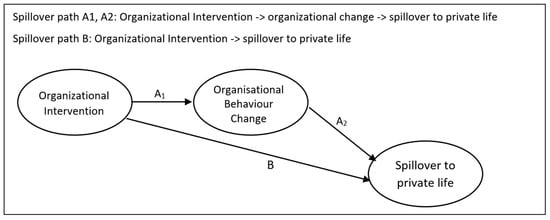
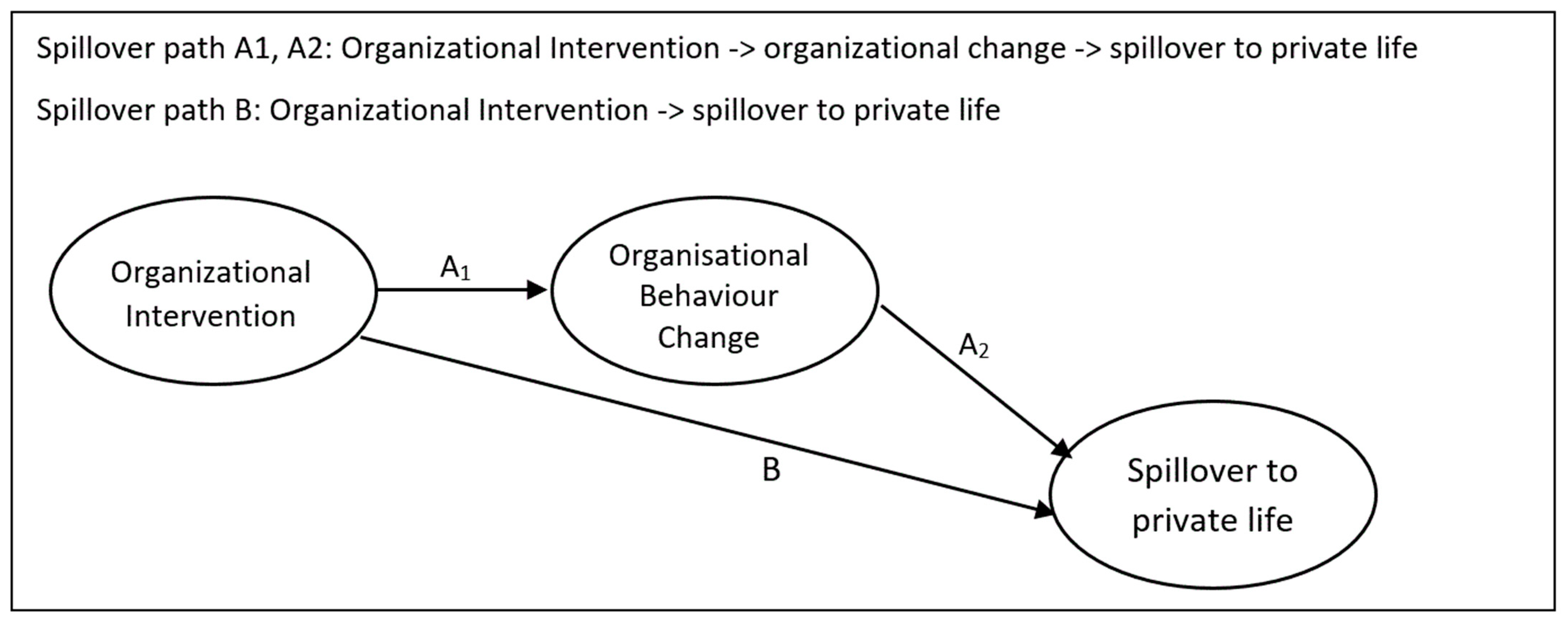

Disclaimer/Publisher’s Note: The statements, opinions and data contained in all publications are solely those of the individual author(s) and contributor(s) and not of MDPI and/or the editor(s). MDPI and/or the editor(s) disclaim responsibility for any injury to people or property resulting from any ideas, methods, instructions or products referred to in the content. |
© 2026 by the authors. Licensee MDPI, Basel, Switzerland. This article is an open access article distributed under the terms and conditions of the Creative Commons Attribution (CC BY) license.