


Abstract
Many business schools have set strategic objectives to integrate sustainability in their curricula; however, there is limited evidence of effective curriculum change initiatives, including organizational change approaches that could inform effective strategy design and implementation. This paper examines how a business school sought to embed sustainability content in undergraduate business education, and how it navigated contested understandings of sustainability and multiple orientations to teaching sustainability, including ESG, Corporate Social Responsibility (CSR), Sustainable Development Goals (SDGs), Social-ecological Systems, and Social Innovation. Using qualitative documentary curriculum data, a curriculum mapping methodology is presented to quantitatively assess year-on-year changes in sustainability content at curriculum, discipline, and orientation levels. Findings show that sustainability integration increased over the period studied, albeit unevenly across the curriculum, with integration driven by educators of various instructor types and sustainability orientations. The discussion highlights factors that likely supported progress, including the School’s approach to change and the strategy’s explicit recognition of multiple sustainability orientations. The study presents a practical methodology that senior managers seeking to integrate sustainability in higher education can use to track curriculum change progress, drivers, and orientations. It also offers guidance on how to advance sustainability integration in organizational contexts characterized by different sustainability orientations.
1. Business Schools
Business schools, it is said, are “ground zero for shaping leaders in and off this world” [1]. As providers of education to managers, senior executives, and students, business schools have a vital role to play in preparing current and future leaders to address sustainability problems [2,3,4,5]. Supported by United Nations (UN) initiatives such as the Principles for Responsible Management Education (PRME), many business schools have launched strategic initiatives to integrate sustainability into their curricula [6,7]. This momentum has been associated, in part, with the growing sustainability challenges facing organizational leaders [8], rising demand from students for training in sustainability values, knowledge and skills [6], and the requirements of accreditation bodies and ranking agencies [9]. As a result, business schools are under increased pressure to widen and deepen their curriculum on sustainability [9], not only to add sustainability but also to rethink how sustainability is interpreted, embedded, and sustained across the curriculum [10].
At the same time, business schools have been strongly criticized for lacking a robust commitment to sustainability teaching; for instance, for adhering to values and principles in business education that contravene basic core teachings of sustainability [11], for promoting the “greenwashing” of business curricula [12,13,14], and for playing “a key role in the reproduction of unsustainability” [15]. Most critiques point to a deeply ingrained culture of teaching efficiency, profit maximization, and growth-at-all-costs, suggesting the challenge is not simply pedagogical but organizational, involving entrenched norms, priorities, and institutional routines that are difficult to shift [16]. Some scholars argue that transformation of this type “takes an inordinate amount of time to change” [17,18,19]. However, since prior research has predominantly focused on the design of individual courses and programs [20], rather than on the organizational processes through which broader curriculum change is achieved [21], there is limited empirical evidence on how curriculum integration progresses over time, which actors contribute to change, and what organizational conditions appear to support or constrain change.
Drawing on theories of organizational change [3,17,21,22,23,24,25], this paper examines a strategic initiative to integrate sustainability in an undergraduate business curriculum at the authors’ own institution in a context that was characterized by contestation among educators adhering to different understandings of sustainability and sustainability orientations in business education. Prior to the establishment of the initiative, educators motivated by Socio-ecological Systems developed and proposed a comprehensive radical curriculum overhaul based on socio-ecological business values, principles, and knowledge, that was resisted and ultimately rejected by senior management. We examine the initiative subsequently established, which, we show, focused on integrating sustainability in the existing curriculum (incremental change), through educators’ voluntary integration activities (bottom-up), that explicitly acknowledged different sustainability orientations in teaching, including Socio-ecological Systems, Corporate Social Responsibility, and ESG (inclusive). Specifically, the research details the methodology used to raise educators’ awareness of and commitment to teach sustainability, which adopted an evidence-based participative approach including curriculum mapping and the use of forums with educators to drive change [25]. In doing so, the paper highlights strengths and limitations of the inclusive change initiative, offering practical guidance to other business schools and departments seeking to make progress in similarly contested contexts.
2. Integrating Sustainability in Business School Curricula
A key area of strategic concern highlighted for managers seeking to integrate sustainability in business school curricula that can significantly shape the effectiveness of curriculum change initiatives is whether the initiative should follow an incremental or radical approach to curriculum change [22,25]. This debate is not about whether sustainability should be included in management education, but rather how it should be interpreted, taught, and institutionally embedded. At one end of the spectrum are those approaches focused on reforming business to reduce harm and improve societal and environmental outcomes, such as ESG/Sustainable Finance, and Sustainable Development Goals (SDGs) [26,27]; at the other end are approaches that question growth, capitalism and managerialism, such as ecological or civic approaches to management education [11,19,28]. These differences matter because sustainability is not a singular or uncontested concept in business education [29], and efforts to embed it in curricula may depend on how institutions navigate plurality, competing educational priorities, and what kinds of change educators are willing to support.
2.1. An Organizational Change Perspective
From an organizational change perspective, radical change processes tend to involve a comprehensive overhaul of existing curricula, requiring a strategic approach to managing disruptive change and the imposition of new paradigms [22,25]. In practice, radical curriculum transformation often lacks senior management support [30], and encounters strong institutional resistance [25]. While several scholars have proposed radical alternatives for business curricula [11,19,28], the organizational processes through which such change can occur receive little attention, and change management is typically overlooked [22]. On the other hand, incremental change processes that involve educators making a series of gradual advancements and adaptations over time to curricula can avoid triggering institutional resistance that tends to accompany more radical approaches, when supported by a strategic approach to change management and faculty development [22,25]. In an incremental approach, sustainability is typically added to existing programs and curricula [10], by incorporating new “course elements,” such as guest lectures, exercises, assignments, or new (often elective) business sustainability courses [20,30,31,32].
Questions remain on whether incremental integration of this kind is sufficient for triggering transformative change in business school education. Some prominent scholars have argued that a significant and sustained transformation can be achieved through a series of accumulating gradual incremental changes to curricula that shift mindsets, theories, and norms within business schools [22]. Focusing on the role of management educators, Shapiro Beigh [17] calls on educators to seize on opportunities to transform their teaching towards sustainability, to invert the norms of business school curricula, and trigger bottom-up transformation in business school education. However in practice, educators can display a wide range of proclivities for, openness to, and involvement with sustainability initiatives and activities, termed “sustainability orientations” [33]. Educators’ individual sustainability orientations may be shaped by their values, perspectives (e.g., prosocial, pro-environmental), attitudes, and behaviors, including academic training, practitioner knowledge, and disciplinary orientations [33,34,35]. In addition, it is unclear how individual sustainability orientations combine to influence organizational change, which can be governed by internal elements and external pressures [33,36].
In business schools, multiple orientations to sustainability education exist ranging from Socio-ecological Systems (SESs) [37] to Corporate Social Responsibility (CSR) [38], Sustainable Development Goals (SDGs) [27], Environmental Social Governance (ESG) [10,29], and Social Innovation (SI) [39]. While these orientations are sometimes used interchangeably with sustainability, they are rooted in different conceptualizations of sustainability, philosophical, and disciplinary traditions [27,37,38]. In reality, they sometimes jockey and compete for the curriculum change agenda, such as pushing it towards pro-ecological, prosocial, or pro-environmental directions, posing challenges for the effectiveness of integration initiatives, including narrow perspectives, prescriptive approaches, and contestation [29,40], radicalism and inertia [22], duplication of content [3], and conceptual and methodological confusion for students and educators with long-term implications for instruction, integration, and student and societal outcomes [38]. On the other hand, the integration of different perspectives and academic and practical knowledge in curricula is widely seen as crucial for addressing sustainability challenges [41,42,43], raising the question of how such diversity can be best leveraged in business school sustainability education for the benefit of instructors, students, and society.
2.2. Contribution to the Literature
Although curriculum mapping methodologies exist to quantitatively assess sustainability content in formal curriculums in business school education and in higher education (see, for example, refs. [44,45,46,47,48]), a gap in the literature exists in relation to detailing a comprehensive approach to assessing progress that recognizes different sustainability orientations. Consequently, we lack a clear picture of the sources of sustainability integration progress, and drivers [44]. This paper adds to the literature by presenting a detailed performance indicator that uses documented module content to comprehensively assess year-on-year curriculum changes stemming from content integration that indicates diverse sustainability orientations across the curriculum, its disciplines, and educators.
Applying this curriculum mapping methodology to module descriptions, learning objectives, lecture content, and required readings for all undergraduate (UG) modules at Trinity Business School (TBS) over two academic years (2022–2023 and 2023–2024), we present evidence that multiple sustainability orientations were present in the curriculum in the baseline year (2022–2023) and that the initiative supported a strengthening of sustainability content and different sustainability orientations in the 2023–2024 curriculum. In addition, it offers empirical indications that an inclusive, multi-orientation strategy can mobilize educators across instructor and orientation types to expand and embed sustainability content in the curriculum. In this case, modules with sustainability content increased by 11 percentage points at the curriculum level—these findings align with PRME’s call to embed sustainability in curricula rather than relying on standalone courses [41].
Prior research has tended to emphasize the role of individual educators [17], faculty members [20], and single, or pairs of, orientations in transforming business education, such as SESs [11], SI [39], SDGs [27], or SI and SESs [37]. By mapping curriculum changes and orientations to modules and educators, the study presented in this paper shows that progress on integration was driven by the integration activities of educators from a range of sustainability orientations (SESs, ESG, SDGs, CSR) and instructor statuses (faculty, adjuncts, new hires). Specifically, our findings highlight the importance for sustainability integration of adjunct staff and new hires with expertise in particular orientations. We show that integration on the extensive margin (i.e., in modules without sustainability in the base year) was driven in large part by the activities of adjunct staff and new hires (faculty and adjunct) with SDGs expertise, whereas the strengthening of sustainability content in modules that already taught sustainability in the base year (the intensive margin) was largely driven by faculty and adjunct staff with expertise in ESG and SESs.
Managers still lack evidence-based tools to make informed decisions about integrating sustainability in curricula [44,45]. As business schools and higher education institutions increasingly seek to integrate sustainability in teaching to better prepare students to tackle sustainability challenges [3,20,23,24,44], examples of best practice mapping tools should be shared to assist in assessing baselines, identifying gaps, establishing priorities, and allocating resources to improve sustainability integration and advance curriculum change [45,49]. By presenting year-on-year changes, the methodology developed in this paper offers a systematic and transparent approach for documenting and comparing patterns of curriculum change over time, allowing managers that seek to integrate sustainability content in their curricula to use documented curriculum data (module descriptors) to track progress, drivers, and orientations at curriculum, discipline, and educator levels towards strategic goals. While questions remain on the extent to which changes in documented content translate into enacted teaching practice [44] and student learning outcomes [20], the existence of prior mapping approaches [44,45,46,47,48] suggests that curriculum mapping is transferable at the level of methodological design; however, its operationalization is context-sensitive to the strategy and how sustainability is framed, the curriculum framework and disciplinary structure, and documented data available [45].
The remainder of the paper is structured as follows: Section 3 presents background to the initiative and the initiative’s approach to curriculum change. Section 4 describes the mapping exercise and forum process. Section 5 describes the mapping methodology to assess progress in sustainability integration, including data collection and analysis methods. Section 6 presents findings on sustainability integration in the curriculum, educators’ contributions to curriculum change, and sustainability orientations. Section 7 discusses strengths and limitations of the initiative. Section 8 highlights certain limitations of the study and points to avenues for future research.
3. Curriculum Initiative to Integrate Sustainability
In this section, we first outline the business school curriculum selected for this study and the main sustainability orientations present in business education. We then present the initiative’s strategic goal and characterize its approach to curriculum change regarding the process of change, the nature and scope of sustainability integration that it promoted, and the mode for governing change. In the next section, we detail the strategic interventions undertaken to manage the change process and motivate educators to further progress on integration and curriculum change.
3.1. Sustainability Orientations in a Business Curriculum
The business curriculum selected for this study comprises the core curriculum of the Global Business degree program and the business-related curriculum of several other combined honors programs with social sciences, law, languages and computer science, representing approximately 1700 students enrolled across all programs and years. The programs followed a traditional four-year bachelor’s degree structure, with students typically undertaking 60 European Credit Transfers System (ECTS) credits per annum. In 2022–2023, the baseline year for the study, the curriculum consisted of 56 modules organized into nine disciplinary streams: finance, accounting, organizations and strategy, business and society, innovation and entrepreneurship, organizational management and ICT, international business, and skills development.
As a business curriculum structured around traditional disciplines, the study offers an important case for considering the integration of sustainability in conventional business education. Table 1 summarizes some of the main orientations to teaching sustainability in business school education. Although these orientations overlap in some respects, they differ in underlying assumptions, pedagogical emphases, and problem definition [29,38,50]. Acknowledging these similarities and differences is important because curriculum integration is shaped not only by whether sustainability is taught, but also by how it is taught, and by how it is conceptualized and framed within different disciplines.
Table 1.
Key sustainability orientations in business school education.
Among educators, sustainability and its integration were contested concepts [29]. Contestation arose between those who embraced the embedding of sustainability, those who were more skeptical of the approach, and those educators committed to different interpretations of what sustainability should mean in a business school curriculum. One area of contestation concerned the educators’ conceptualization of sustainability. Some educators used the term interchangeably with sustainable development, others associated it with environmental sustainability, while others understood it more specifically in terms of ecological sustainability or climate mitigation. A second area of contestation concerned which sustainability orientations should be prioritized and included in the curriculum. Different sustainability orientations were present, with several educators oriented towards SESs and SI, and some, albeit fewer, educators motivated by approaches such as ESG, CSR, and SDGs. These differences mattered because they shaped both the content that educators considered legitimate and the degree of support for forms of curriculum change.
3.2. Approach to Change
In May 2022, motivated by external business pressures as well as increasing staff and student demand, a new School strategy was published with the aim of addressing social, environmental, and ethical challenges facing humanity, titled “Transforming Business for Good” [60]. As part of the new strategy, the School set the objective to “revise our curriculum to embed responsible leadership, eco-sustainability, ESG and diversity into the learning outcomes and hence content across our programmes” [60]. Within this strategic agenda, integrating sustainability content into the UG curriculum emerged as a key institutional objective (The background to this initiative is more fully described in [61], in particular, university- and national-level strategies to embed Education for Sustainable Development (ESD) in higher education in Ireland and at Trinity College Dublin).
Drawing on the organizational change literature, we provide a brief characterization of the curriculum initiative, highlighting key features of the change initiative that are important for evaluating its strengths and limitations (Table 2). First, the initiative was incremental rather than radical, since integration occurred within existing programs and traditional disciplinary streams rather than through a complete redesign of the curriculum or the creation of new programs. Second, the strategy was primarily content-focused, placing emphasis on the incorporation of sustainability into module content rather than the development of sustainability competencies, as advocated for in the parts of the ESD literature [62,63,64,65]. (The School’s strategy at the undergraduate level also included an objective to develop students’ competencies to take action for sustainability (see ref. [61]). In this paper, we focus on the strategy related to content integration and teaching about sustainability (TSD). TSD has been referred to by prominent scholars of sustainability integration in business school curricula as the “cornerstone” of ESD (see ref. [44])).
Table 2.
Characterization of strategic initiative’s approach to curriculum change.
Third, the strategy initiative was bottom-up in its mode of implementation. Although the strategy provided a mandate for change, instructors retained a strong degree of discretion over whether and how sustainability content was incorporated. There were no mandatory guidelines prescribed for educators regarding the approach to take to sustainability integration. Consequently, progress depended on the commitment of program managers and educators, resulting in the potential for considerable variation in how sustainability could be integrated across the curriculum. Fourth, the strategy was inclusive, explicitly recognizing several approaches to teaching about sustainability, including CSR, ESG and SESs, rather than prescribing or co-creating a single definition. This was important because this strategic initiative unfolded in a pluralistic context with sustainability a contested concept [29,66]. As the data analysis shows, different sustainability orientations were present, including educators oriented towards ESG, CSR, SDGs, SESs, and SI. Fifth, the initiative was evidence-based and emergent rather than planned and fully pre-specified, developing iteratively through curriculum mapping, staff forums, staff engagement, and ongoing dialogue about how and where sustainability could be meaningfully integrated across the curriculum [25,45,66].
This combination of curriculum mapping, participative engagement, and inclusive understanding of the approach to embedding sustainability provided the foundation for the change initiative examined in this paper. It also shaped the analytical approach adopted in our study, since the research seeks to assess not only whether sustainability content increased over time, but also how different orientations contributed to this process.
4. Strategic Interventions to Support Curriculum Change
To support implementation of the School’s strategic objective, senior management undertook a series of interventions to assess the extent of sustainability content in the UG curriculum, and to support its further development (Table 3). In this section, we briefly describe the interventions focused on curriculum mapping and a forum with educators.
4.1. Curriculum Mapping
The mapping of sustainability content in the formal curriculum was identified as a strategic priority for the business school and supported by the School’s senior management. The curriculum mapping benefited from the substantial support of senior managers, including from the Dean, the School’s Accreditations Manager, and the Director of Undergraduate Teaching and Learning (DUTL). The project was led by a member of faculty in consultation with the DUTL, the undergraduate committee, and the Undergraduate Office. The mapping exercise was beneficial to two distinct internal groups—senior management and module leaders—because it provided an evidence base for monitoring progress towards the School’s strategic objectives while also identifying module- and discipline-level gaps and opportunities for educator-led integration of sustainability content, as well as strategic decisions regarding resource allocations across the curriculum.
The project team reviewed the sustainability content of the UG business curriculum in two stages. First, an in-depth qualitative content analysis of undergraduate business module outlines was conducted to determine the extent of sustainability content across the formal documented curriculum. The aim of the first baseline curriculum review was to provide a picture of the state of the 2022–2023 UG offering in relation to sustainability and to develop recommendations on ways to strengthen the level of sustainability in the UG curriculum for the subsequent academic year 2023–2024. A second follow-up curriculum review was conducted at the end of the 2023–2024 academic year to assess progress towards the School’s objective, and to compare changes over time at module and discipline levels across the curriculum.
4.2. Forum with Educators
To support module leaders in developing their module content and outlines for the 2023–2024 academic year, the DUTL identified the need to strengthen awareness and understanding among the teaching community about sustainability and the School’s strategic objective for the undergraduate curriculum, to identify gaps and opportunities to successfully embed sustainability in the curriculum. The project team planned a half-day workshop to assist with embedding sustainability more effectively across the curriculum. Educators involved in UG teaching were invited to participate at the end of the academic term 2022–2023 and prior to submission of module outlines for 2023–2024 (see Table 3). The workshop aimed to present the findings of the baseline review, stimulate discussion of different understandings of sustainability, and support educators in identifying ways to incorporate sustainability content into their modules. It also provided a forum for collective reflection on the School’s strategic objectives, and discussion of the practical challenges of embedding sustainability within disciplinary teaching. A community of practice approach was adopted, and educators were provided with copies of the curriculum mapping by disciplinary stream and invited to consider how sustainability could be incorporated in their modules and disciplines, which also afforded an opportunity to educators to verify the accuracy of the mapping in terms of enacted teaching practice in the baseline year.
Participation in the workshop formed part of the School’s approach to supporting bottom-up curriculum change, encouraging instructors to interpret the School’s strategic objectives in ways that were relevant to their disciplinary and pedagogical contexts. The approach was intended to provide guidance and inspiration to UG module leaders by sharing good practice and offering opportunities to learn about the latest developments as well as opportunities to network with other lecturing staff. Central to this approach was ensuring that educators led the curriculum change rather than imposing a mandated approach or framework of sustainability education integration, to create greater buy-in and support for the initiative, helping to sustain and enhance relational aspects of the curriculum change initiative.
Table 3.
Timeline of initiative to integrate sustainability in the undergraduate curriculum.
5. Research Design
Using a case-study design, we present an ex post evaluation of the curriculum change initiative at Trinity Business School (TBS), using a systematic approach for documenting, comparing and interpreting patterns of curriculum change over time (Figure 1). The objectives of the research were to:
Figure 1.
Research design for the study.
- Assess whether progress was made within the formal curriculum toward the School’s objective of embedding sustainability by documenting the state of the UG curriculum in 2023–2024 and comparing it with the 2022–2023 baseline;
- Explore the factors driving curriculum change at the individual level, such as instructor contributions; disciplinary level, such as the role of sustainability champions, i.e., designated individuals who advocate for or uphold a high standard of sustainability integration in a particular discipline; and organizational level, including new hiring;
- Examine the diversity of sustainability orientations in the curriculum, and to track whether it increased or decreased over the period of the study.
A case-study design was appropriate because it enabled an in-depth examination of how sustainability integration unfolded within a bounded institutional setting, while also allowing attention to be paid to variation across disciplines, educators, and forms of curriculum content.
- Data collection: Using module descriptors obtained from the Undergraduate Office at TBS to collect formal curriculum data for all UG modules in the two academic years. In addition, contextual information was collected on disciplinary streams, instructor status, and staff changes for the study period.
- Data analysis: Investigating module-level curriculum data for evidence of sustainability and orientation content, by manually applying content analysis using iteratively developed dictionaries.
- Dimensions analyzed: Based on the research aims, evaluations were conducted at three levels—curriculum, discipline, and orientation—using descriptive statistics to visualize findings in three dimensions. First, to understand the distribution of content at the three levels for each year; second, to evaluate year-on-year changes at each level; and third, to connect changes to educators within the curriculum (“module leaders”) and plausible drivers at disciplinary and organizational levels.
For each module, curriculum data were analyzed from four categories of the formal curriculum: module descriptions, module learning objectives, lecture schedule (session descriptions) and recommended (core) readings. These categories were selected because data were consistently available in module outline documents, and they captured distinct dimensions of the formal curriculum (Table 4). First, module descriptions refer to short introductory paragraphs that describe the substantive focus of the module. These descriptions often appear publicly on websites and in brochures, and it is a first point of call for prospective students and other interested external audiences, where core sustainability and orientation content can be mentioned. Second, embedding sustainability content in module learning objectives is important for ensuring that students are assessed on sustainability. Third, descriptions of lectures provide insight into the topics taught in the classroom. Finally, course readings are a useful indicator of the knowledge base on which the course draws. A lack of core readings grounded in the sustainability literature suggests that sustainability is being referenced only superficially rather than being substantively embedded in the curriculum.
5.1. Data Collection
A list of UG business modules for the academic years 2022–2023 and 2023–2024 was obtained from the Undergraduate Office. These outlines, which were publicly available on the School’s website, were provided by the UG Business administrator and downloaded into a common folder. Several module leaders and program directors were also approached directly to ensure that as many relevant outlines as possible were collected. In total, 56 and 57 modules were delivered in 2022–2023 and 2023–2024 respectively, and outlines were obtained for all of them. Using a framework previously developed by the Undergraduate Committee, each outline document was assigned to one of the School’s nine business disciplinary streams. Data were collected from each module outline for the four curriculum categories presented in Table 4 and compiled in spreadsheets that listed each module and the available information in each category.
Table 4.
Curriculum categories analyzed.
Supplementary data on module leaders, which was also publicly available on the School’s website, were obtained from the Undergraduate Office. This data included a list of instructor names, their contact emails, and instructor status for all modules in the curriculum in both academic years. Instructors were classified into two status categories as per the School’s classification system, faculty and adjunct teaching staff, which referred to educators employed on full- or part-time contracts, respectively. By comparing module leaders across years and the School’s public listing of faculty and adjunct staff, two further categories were added for our analysis, new faculty hires and new adjunct hires.
5.2. Data Analysis
The search for sustainability content in each of the four curriculum categories was conducted using a dictionary of sustainability-related terms. In order to capture diverse perspectives on what sustainability encompasses and the pathways through which it may be pursued, this dictionary was developed in an iterative way, starting with its synonyms, e.g., sustainable development, sustainable, etc., and then expanded to include sustainability terms based on their occurrence in curriculum data. The full list of terms used for the assessment can be found in Appendix A. The search for content was done manually, which enabled us to remove false positives in the text; for example, terms referring to the business environment were not selected.
The data analysis proceeded in four parts. First, using this dictionary, content analysis was applied to each module outline. Specifically, we assessed the presence or absence of sustainability-related content in each of the four curriculum categories. Second, for each discipline, we counted the number of modules in that discipline with sustainability content in each of the four categories. Third, findings were summarized at discipline and curriculum levels for each year using descriptive statistics and presented in the form of bar charts to assist with visualizing year-on-year changes. Fourth, using educator data, observed curriculum changes were connected to educators and presented in bar charts to visualize changes in sustainability integration by instructor status.
In a similar way, we characterized orientations to teaching sustainability using a predetermined list of orientations commonly found in business sustainability education (see Table 1). A dictionary of orientation terms was also developed in an iterative way, starting with well-recognized labels for each orientation, such as Environmental, Social, and Governance = ESG, Sustainable Development Goals = SDGs, Social Innovation = social enterprise, Corporate Social Responsibility = CSR, and Socio-ecological Systems = ecological, with terms added based on the occurrence of orientation-related content in curriculum data. Since orientations often share terminology, e.g., sustainability, the development of this dictionary focused on selecting those terms that helped to distinguish sustainability orientations present in the curriculum. For instance, the SES orientation tends to use distinctive words such as ecology or degrowth, whereas the ESG orientation typically uses terms such as environmental accounting or integrated reporting, not typically found in SESs. The full list of terms used in the analysis can be found in Appendix B.
Using this dictionary, content analysis was applied to each module that mentioned sustainability, i.e., the sustainability-related curriculum, and the analysis proceeded in four parts. First, when a module mentioned an orientation-related term in one of the four curriculum categories, the module was linked to the respective orientation. We then counted the number of modules that were linked to the orientation to assess the prevalence of the orientation at the curriculum level. To measure intensity, we calculated the total number of lecture descriptions that mentioned sustainability for all modules with the orientation. Secondly, for each discipline, if a module in that discipline mentioned an orientation-related term, the discipline was linked to that orientation and the prevalence of discipline-level orientations indicated by counting the number of distinct orientations that were linked to the discipline. Thirdly, using educator data, the sustainability orientation of each module was mapped to an educator and their instructor status under the assumption that if a module displayed a particular orientation, then the educator who taught that module likely adhered to this orientation. TBS has a strong tradition of research-led teaching, and faculty directors generally seek to align module allocations with educators’ areas of research or professional expertise. In the context of this study, this alignment supported the inference of educators’ sustainability orientation from module content. In addition, the forum provided an opportunity to interact with educators and learn about colleagues’ orientation in teaching. Fourthly, findings were summarized using descriptive statistics for each academic year and presented in bar charts to visualize sustainability orientations at curriculum, discipline and educator levels, and to compare year-on-year changes in orientations.
6. Findings
This section presents the findings of the curriculum mapping exercise in three parts. First, we examine changes in sustainability integration at the curriculum level and across disciplinary streams between the academic years 2022–2023 and 2023–2024. Second, we explore how different educator profiles—including core, adjunct, and newly hired faculty—were associated with changes in sustainability integration. Third, we analyze the presence of sustainability orientations in the curriculum, highlighting the prevalence and strength of different orientations at curriculum, discipline, and instructor levels.
6.1. Sustainability Integration
6.1.1. Curriculum-Level Changes
As shown in Figure 2, there was a notable increase in the number of modules with sustainability content. In 2023–2024, 54% of modules included at least some sustainability content, compared to 43% in 2022–2023, representing an 11 percentage point increase at the curriculum level. However, the extent of integration varied across curriculum categories. In 2023–2024, sustainability content was present in 30% of module descriptions, 35% of learning objectives, and 39% of lecture descriptions. The largest year-on-year increase is observed in module descriptions, followed by lecture descriptions and learning objectives. This pattern suggests that sustainability was increasingly incorporated into the delivery and framing of modules; however, it was not consistently embedded in the formal articulation of learning objectives. Despite a modest improvement, the level of sustainability content embedded in course readings remained low. Only 14% of modules included general readings with sustainability content. This pattern suggests that, although sustainability content was gaining visibility in module documentation, deeper engagement with sustainability scholarship through core readings remained limited.
Figure 2.
Modules with sustainability content by curriculum category.
6.1.2. Discipline-Level Changes
At the discipline level, Figure 3 shows that consistent with the baseline academic year, some disciplinary streams embedded sustainability more extensively than others in 2023–2024. Most disciplines show a modest increase in the proportion of modules including sustainability content. The greatest improvement occurred in the Finance stream, where the proportion increased from 12.5% (one out of eight modules) in 2022–2023 to 50% in 2023–2024. Across most streams, except for Business and Society, this progress was driven by the addition of sustainability content into existing modules rather than by the introduction of new sustainability-oriented modules. Taken together, Figure 2 and Figure 3 indicate that progress on integrating sustainability content occurred across the curriculum as a whole and within several disciplinary streams, but that integration remained uneven and discipline-specific rather than uniformly distributed across the curriculum.
Figure 3.
Modules with sustainability content in at least one curriculum category by discipline.
6.1.3. Consistency of Integration
Among modules that embedded sustainability, the presence of sustainability content varied across curriculum categories, as shown in Figure 4. Three categories of integration in modules were observed. First, some modules embedded sustainability content in most curriculum categories analyzed. In 2022–2023, three modules mentioned sustainability content in all four categories, and in three other modules, sustainability content appeared in three of the four categories. Meanwhile, in 2023–2024, this pattern became more common (four modules had content in all four categories, and in seven modules it appeared in three categories), indicating a modest improvement in the coherence of sustainability integration in the curriculum. A second group of modules embedded sustainability content in lecture descriptions, but not in module learning objectives. In 2023–2024 (2022–2023), ten (eight) modules incorporated sustainability in at least one lecture, but this was not reflected in the learning objectives. This pattern suggests that sustainability teaching was sometimes present in practice but remained under-specified in formal curriculum documentation. A third category of modules embedded sustainability content in learning objectives but not in lectures. In 2023–2024 (2022–2023), eight (seven) modules included sustainability terms in at least one module learning objective but not in the lecture descriptions, suggesting that sustainability content was being taught but it was not clearly visible in the module outlines.
Figure 4.
Modules with sustainability content by discipline and curriculum category in 2023–2024 (top) and 2022–2023 (bottom).
These patterns show the inconsistency of sustainability integration across the documented curriculum categories. While some modules demonstrated strong alignment between descriptions, objectives, lectures, and readings, others showed only partial integration. Figure 4 therefore highlights an important distinction between the presence of sustainability content and the coherence with which that content was embedded across the curriculum.
6.2. Drivers of Change: Educators
This subsection examines the contribution of educators with different instructor statuses to sustainability integration and curriculum change, distinguishing between change on intensive and extensive margins. The intensive margin refers to those modules that already had sustainability content in their curricula in the baseline year (2022–2023). Changes on the intensive margin indicate an intensification or deepening of sustainability integration within the sustainability-related curriculum. By contrast, the extensive margin refers to modules that had no sustainability content in the baseline year. Changes on the extensive margin therefore indicate an extensification or broadening of the sustainability-related curriculum.
6.2.1. Changes in the Intensive Margin by Instructor Status
On the intensive margin, as shown in Figure 5 (Top), progress on integrating sustainability was driven by the integration activities of existing faculty and adjunct staff, whose contributions varied across disciplinary streams. Whereas faculty integrated additional sustainability content in the Organization and People, and Strategy and Marketing streams, adjuncts contributed additional content to the Accounting and Operations Management streams. Both categories of educators contributed to deepening sustainability integration in the Innovation and Entrepreneurship stream. Figure 5 (middle and bottom) shows the sources of additional sustainability content in 2023–2024 across disciplines and instructor status by curriculum category. While the figures reveal a broadly similar pattern of integration by instructors for most disciplines, they clearly show that adjunct staff integrated a greater amount of additional content in Innovation and Entrepreneurship.
Figure 5.
Changes in sustainability integration on the intensive margin by discipline and instructor type (top), by discipline and curriculum category (middle), and by instructor type and curriculum category (bottom), compared to 2022–2023. Note the vertical axes labeled number of measures for all modules on the intensive margin, the total number of module descriptions, learning objectives, lecture descriptions and general readings respectively that included sustainability content in 2023–2024 and which had no sustainability content in the respective category in 2022–2023 by discipline (middle) and by instructor status (bottom).
6.2.2. Changes to the Extensive Margin by Instructor Status
On the extensive margin, Figure 6 (top) reveals that progress on sustainability integration was driven by educators of all instructor types, indicating that the broadening of sustainability integration in the curriculum was not associated with a single category of educator, but rather reflected the combined contributions of a diverse set of instructors. For instance, Figure 6 (middle and bottom) illustrates sources of sustainability integration across disciplinary streams and instructor types. A faculty hire introduced sustainability content into a new elective module in the Business and Society stream, while both a faculty hire and an adjunct staff member introduced sustainability into mandatory modules in the Skills Development stream.
Figure 6.
Changes in sustainability integration on the extensive margin by discipline and instructor type (top), by discipline and curriculum category (middle), and by instructor type and curriculum category (bottom), compared to 2022–2023. Note the vertical axes labeled number of measures for all modules on the extensive margin, the total number of module descriptions, learning objectives, lecture descriptions and general readings respectively that included sustainability content in 2023–2024 by discipline (middle) and by instructor status (bottom).
In the Finance stream, the marked increase in sustainability integration in modules was driven at the individual level by a combination of contributors: an existing member of faculty that incorporated sustainability content into an existing module after assuming responsibility for it; an existing adjunct staff member that integrated sustainability content into their module following attendance at the UG forum; and a new adjunct staff member who embedded sustainability into an existing module that they were brought in to teach. In contrast to other streams, a disciplinary sustainability champion was designated for the Finance stream who actively advocated for a strengthening of sustainability in this stream in 2023–2024 to address the low level of integration in Finance in the base year. This pattern suggests that the expansion of sustainability integration in Finance on the extensive margin was shaped by both institutional initiative and staff-level engagement.
Taken together, these findings indicate that curriculum change on the extensive margin was more distributed across educator types than change on the intensive margin. Whereas the deepening of sustainability content within already engaged modules was driven mainly by existing staff, the spread of sustainability content into non-integrated modules reflected the combined influence of existing staff and the introduction of new educators.
6.3. Sustainability Orientations in the Sustainability-Related Curriculum
This subsection presents findings on the prevalence and intensity of sustainability orientations in the sustainability-related curriculum. We measure prevalence by the number of modules for which orientation-related terms appeared in at least one of the module’s four curriculum categories, whereas intensity is measured by the total number of lectures that taught sustainability (i.e., the amount of lecture descriptions with sustainability content), for all modules with that orientation. Findings on sustainability orientations by instructor status are then presented, by assuming that educators adhered to the orientation found in the module that they taught. Except for one lecturer, educators (i.e., modules) in the curriculum did not integrate different orientations.
6.3.1. Curriculum-Level Orientations
Figure 7 shows that the full range of sustainability orientations analyzed in this paper were present in the sustainability-related curriculum in both academic years. Comparing the bar charts in Figure 7, a relatively strong prevalence of SESs, ESG, CSR, and SI is evident in the 2022–2023 and 2023–2024 curriculums. The orientation mapping thus revealed that the curriculum did not treat sustainability as a single, uniform concept; rather, it was articulated through multiple, sometimes overlapping, orientations, reflecting different disciplinary traditions and problem framings. In fact, sustainability integration over the period tended to increase the prevalence of different orientations, i.e., compared to the baseline year, the change in the number of modules with each orientation in 2023–2024, indicated in brackets, was ESG (+1), CSR (+1), SDGs (+3), SESs (0), and SI (−1). In particular, whereas the SDGs appeared in only one module in 2022–2023, SDG content was inserted into an additional three modules in 2023–2024.
Figure 7.
Sustainability orientations in the sustainability-related curriculum in 2023–2024 (top) and 2022–2023 (bottom).
The intensity with which orientations were taught in the sustainability-related curriculum varied considerably across orientations. By comparing the bar charts in Figure 7, it is evident that sustainability integration was dominated by an SES orientation, which appeared in 17 lectures in 2022–2023 and 24 lectures in 2023–2024, representing respectively 47% and 41% of total lecture descriptions with sustainability content in each academic year and a growth rate of 42% over the period. On the other hand, ESG and CSR were taught in six and seven lectures in 2022–2023 and seven and eight lectures in 2023–2024 respectively, showing more moderate intensity and growth over the period. While SI was taught in four lectures in 2022–2023, it declined to three lectures in 2023–2024. Notably, the SDGs increased from one lecture in 2022–2023 to 14 lectures in 2023–24, a 13-fold increase over the period.
6.3.2. Discipline-Level Orientations
In addition, as shown in Figure 8, the prevalence of sustainability orientations varied across disciplines with most disciplinary streams exhibiting a mix of orientations. Compared to the baseline year (Figure 8, bottom), sustainability integration increased the number of disciplines displaying a mix of orientations from four in 2022–2023 to six in 2023–2024 (Figure 8, top). In the Business and Society stream, evidence of SDGs, CSR, and SI orientations was detected in both academic years. Similarly, in the Innovation and Entrepreneurship stream, we found evidence of modules with SESs and SI, whereas in Organization and People and International Business, content from SESs and CSR was identified. In the baseline year, three streams relied on only one orientation (these were Finance, Accounting, and Operations Management and ICT). In Finance and Accounting, the main approach detected was ESG with a focus on environmental issues and climate change, whereas in the Operations Management stream, it was CSR. Compared to the baseline year, sustainability integration in 2023–2024 added the SDG orientation to the Finance stream and CSR orientation to Strategy and Marketing. It is notable that whereas no sustainability orientation was found in the Skills Development Stream in 2022–2023, we found evidence that SDG content with a focus on the Inner Development Goals had been incorporated in this stream in 2023–2024.
Figure 8.
Sustainability orientations by discipline in the 2023–2024 (top) and 2022–2023 curriculum (bottom).
6.3.3. Educator-Level Orientations
In this study, educators consistently adhered to a single sustainability orientation and different orientations were embedded in different lecturers. Figure 9 shows the number of educators by instructor type that displayed each orientation and the amount of sustainability-related lectures that they taught in 2023–2024. Firstly, as shown in Figure 9 (top), the high prevalence and diversity of sustainability orientations among faculty educators likely contributed to the atmosphere of contestation in the period prior to the initiative. For example, the number of faculty staff identified across each orientation (in brackets) was ESG (4), CSR (3), SDGs (1), SESs (2), and SI (1). Second, it is also evident from this bar chart that the strengthening of certain orientations, such as the SDGs, was associated with new hires and adjunct staff that embedded those orientations. Third, regarding intensity, Figure 9 (bottom) reveals that most lecturers that taught an ecological approach were adjunct staff (three out of five staff). Similarly, sustainability integration from a CSR orientation relied mostly on adjunct staff. Whereas ESG content was primarily taught by existing faculty members and sustainability integration from SDGs and SI orientations relied in almost equal measure on faculty and adjunct staff. For four modules and lectures, we could not classify the content supplied in their outlines. Many of these occurred in the Strategy and Marketing and Operations Management and ICT streams. Some of these modules (though not all) exhibited a low level of sustainability content (e.g., the term sustainability appeared in a lecture or learning objective but not elsewhere) making it difficult to classify them to a specific orientation.
Figure 9.
Sustainability orientations by instructor type in modules (top) and lecture descriptions (bottom) in 2023–2024.
In summary, the curriculum mapping reveals measurable progress in integrating sustainability into the undergraduate business curriculum, both in terms of the proportion of modules with sustainability content and the emergence of modules with sustainability content and multiple conceptual approaches. However, integration remained uneven across curriculum categories, disciplines, and instructors. Sustainability content was more frequently embedded in lecture descriptions than in learning objectives, and progress was stronger in some streams, e.g., Finance, and orientations, e.g., SDGs, than in others. Additionally, sustainability integration in lecture content was for most orientations concentrated among adjunct staff and new hires.
7. Discussion
Increasingly, the integration of sustainability in business school education is understood not merely as a matter of curriculum change, but as a multi-dimensional process of organizational and institutional change, involving strategy, resources, stakeholder engagement, and faculty development [16,21,67]. This study shows that a structured, bottom-up, participatory curriculum change initiative can be associated with meaningful progress to strengthen sustainability integration in a business school curriculum, particularly in a context characterized by contestation among educators adhering to different sustainability orientations [29]. Using a novel curriculum mapping methodology, the analysis detected multiple sustainability orientations in the sustainability-related curriculum, rather than a single, uniform conception of sustainability. By developing a metric to assess and study year-on-year curriculum change, the study provides a fine-grained account of the extent, direction, and likely drivers of sustainability integration across the curriculum, while also illuminating how strategy design helped to shape these trajectories of change.
The study corroborates prior research that has adopted an organizational lens and which has highlighted the importance of curriculum mapping and participatory approaches in driving progress on integration in incremental change initiatives [25]. Our findings showed that in the period immediately following the implementation of the initiative (Table 3), measurable progress in the visibility of sustainability occurred across the formal curriculum for the curriculum categories analyzed (Figure 2) and for most of the curriculum’s disciplinary streams (Figure 3). This is an important finding because it suggests that structured curriculum change interventions can generate observable change within a relatively short timeframe, even in institutional settings where sustainability is interpreted and enacted through pedagogical choices in different ways. Combined with educator data, the analysis further showed that sustainability integration was connected to educators from a range of instructor statuses (Figure 4 and Figure 5) and sustainability orientations (Figure 8).
In particular, we argue that the observed changes in sustainability integration can be plausibly linked to key features of the incremental change initiative (Table 2)—specifically, the explicit recognition of different approaches to teaching sustainability (i.e., the initiative’s inclusiveness of different sustainability orientations). Rather than competing for the agenda for curriculum change, as can happen in initiatives aimed at radical curriculum change based on a single orientation [22], the strategy’s inclusiveness of orientations provided a mandate for sustainability integration to multiple sustainability orientations, thereby motivating educators from different orientations to contribute to sustainability integration in their curricula. This interpretation is consistent with international survey evidence indicating that the SDGs can catalyze collaboration within universities, and at the same time progress in revising formal curricula can remain uneven [68].
While causation cannot be established from these patterns in the context of a single case study without experimental data, the evidence suggests that the initiative created conditions conducive to broader engagement with sustainability integration. Firstly, a key contextual factor supporting this interpretation was the alignment of the organizational change approach with TBS’s decentralized culture. TBS is a relatively decentralized business school, and its undergraduate curriculum encompasses a wide diversity of programs and disciplines, each shaped by distinct orientations and pressures. Secondly, regular consultation with the undergraduate committee during the design and development of both the curriculum mapping process and the forum program, appeared to reduce resistance and increase buy-in among program managers. Thirdly, the short and clearly defined timeline of the initiative (Table 3) facilitated a structured and focused engagement with educators orientated toward integration in the subsequent academic year, limiting the risk of extraneous variables in explaining the increase in sustainability content. Notably, eight of the twelve educators that integrated new sustainability content in 2023–2024 attended the forum. These educators came from different orientations (ESG, SESs, SDGs) and disciplinary streams (Finance, Organizations and People, Strategy and Marketing, Business and Society, International Business, and Skills Development), suggesting that the forum functioned as an enabling mechanism for sustainability integration across a broad range of disciplines rather than reinforcing a single orientation.
Wicked problems theory offers a useful lens through which to interpret the study’s main finding regarding the importance of inclusive strategy for sustainability integration in the context of contestation [69,70,71]. Sustainability integration in business school education has been described as a wicked problem, in that the integration of sustainability in the curriculum often lacks an agreed problem definition and solution [72]. Where multiple sustainability orientations are present, both the framing of the issue and the preferred responses and solutions can differ significantly across educators. For example, some educators may emphasize pro-environmental, pro-ecological, or prosocial definitions of sustainability, promote approaches based on “inserting sustainability” or “questioning more fundamental assumptions” [50], and privilege rational–technical, organizational–managerial, or institutional–governance responses [27]. From this perspective, the initiative’s emphasis on inclusive participation, communication, and incremental experimentation appears well suited to addressing documented barriers to change in higher education institutions, including disciplinary silos, bureaucratic procedures, and limited incentives for participation [73].
In many respects, the strategy bore the hallmarks of a “clumsy solution”; that is, an approach that created multiple entry points, pathways, and solutions-oriented directions, which it supported through evidence-based, multi-stakeholder dialogue focused on empowering stakeholders and action agendas, rather than top-down planning and compliance exercises [27]. Such approaches are recognized as an appropriate, and more effective, response to wicked problems, where actors hold divergent understandings of both the problem and its possible solutions [27,74,75]. In this case, the inclusion of educators with different sustainability orientations, together with the avoidance of a singular mandated solution, such as radical curriculum overhaul based on single orientations, appears to have reduced the risk of alienating educators motivated by different commitments. Instead, the initiative facilitated integration efforts by a broader range of educators and sustainability orientations and avoided triggering institutional resistance mechanisms [22,25], thereby enabling a strengthening of sustainability integration in the curriculum.
Compared to the view of business school curriculums as monolithic bastions of free-market principles, our study indicates that a more nuanced, complex, and pluralistic reality can prevail within business school education. While our findings are drawn from a single case, they suggest that pluralism in the form of multiple orientations to teaching sustainability may be a characteristic of sustainability integration in business school education (Figure 7) because of different educators adhering to different sustainability orientations (Figure 9). Furthermore, the study suggests that initiatives to strengthen sustainability integration can enhance pluralism in business curricula, when supported by a strategic approach to change management that is inclusive of multiple sustainability orientations and a range of instructor types and expertise. For instance, as shown in Figure 8, the strengthening of the SDG approach in the curriculum was driven by the hiring of new teaching staff (faculty and adjunct) and an existing adjunct staff member with SDG expertise. Similarly, the deepening of ESG and SESs within the curriculum was facilitated by existing faculty and adjunct staff whose modules reflected these orientations. Furthermore, the study suggests that curriculum pluralism can be leveraged intentionally by recruiting and supporting educators with expertise in specific orientations.
At the same time, the study highlights several limitations associated with inclusive incremental change initiatives. First, progress on sustainability integration was modest and unevenly distributed across curriculum categories (Figure 2), suggesting partial rather than comprehensive integration. Sustainability was incorporated more strongly in some disciplinary streams than in others, indicating that broader and deeper organizational and institutional changes are required to better advance sustainability integration and in a more uniform way (Figure 3). For instance, low levels of sustainability integration in Accounting across both academic years reflected the requirements of professional bodies’ standards for accreditation, which at the time had introduced few sustainability-related requirements. In addition, the variation in sustainability content across curriculum categories revealed in Figure 4 suggests that sustainability integration could be strengthened by addressing instances of partial integration and encouraging a more systematic approach to integrating sustainability in the formal curriculum. Perhaps most strikingly, the level of sustainability embedded in course readings was notably low, with only 14% of modules including general readings with sustainability content—equivalent to eight modules of 57. This points to the need for stronger engagement by educators with sustainability education, as well as greater institutional support to help educators integrate sustainability more effectively in their teaching.
Although the progress observed in 2023–2024 was modest, the initiative’s emphasis on incremental and inclusive change may have paved the way for future developments. Subsequent phases of the initiative’s implementation at TBS included the introduction of a compulsory first-year ESD module, additional core and elective business sustainability modules, and the recruitment of several faculty members with specializations in sustainability, including sustainable finance, sustainable supply chains, natural capital accounting, and nature-positive business. More recently, a proposal for a new joint honors program in business and nature was developed in collaboration with the department of botany. While these developments lie beyond the period studied here and cannot be attributed directly to the initiative with certainty, they are notable because they address several gaps identified in the curriculum mapping presented in this paper. Seen in this light, the change initiative may have helped reduce resistance to more ambitious curriculum changes and eased contestation among competing sustainability orientations, thereby creating conditions for the gradual accumulation of improvements and, eventually, for more transformative change.
8. Limitations and Future Research
The case study was based on School-specific curriculum data collected from the Undergraduate Office at TBS. A curriculum mapping methodology was presented to track progress on sustainability integration in the context of the School’s strategy to embed sustainability content in its undergraduate curriculum. Observed curriculum changes were mapped to educators and sustainability orientations. Drawing on theories of organizational change, we plausibly attributed progress to key features of the School’s strategic approach to change, in particular, its inclusiveness of orientations. However, the study has certain limitations that point to several directions for future research. Firstly, the mapping accuracy is limited by whether module outlines provide comprehensive information on module content. Thus, sustainability and orientation content in enacted teaching practice may have been excluded, because this was not evidenced in module outlines. Future research on mapping methodologies could seek to expand the validation exercise undertaken during the forum and incorporate module content beyond outlines and interview data with educators and students to address potential discrepancies. Similarly, in other institutional contexts, where teaching allocations may weakly align with educators’ expertise, discrepancies between educator and module orientations could arise, potentially weakening the effectiveness of strategic initiatives to integrate sustainability in teaching and associated student learning outcomes. Secondly, the study focused on a specific phase of the initiative—its early-stage implementation over two academic years—and future studies would benefit from more longitudinal analyses of strategies for curriculum change, changes therein, and the reasons thereof, as well as an evaluation of the changes on transforming curricula.
Thirdly, concerning the dimensions analyzed, future research could adopt a more holistic perspective on organizational change, beyond objective-setting, curriculum mapping, forums and educators’ sustainability orientations, by studying a broader range of systemic challenges and solutions, including institutional capacity building, systemic thinking and leadership [16], multi-stakeholder engagement and partnerships [67], mindset change [21], faculty development [76], and pedagogical developments [50]. Finally, the study focused on the integration of sustainability content, whereas future curriculum studies could seek to analyze the sustainability topics taught [44], and to assess the effectiveness of initiatives to develop students’ sustainability competencies [61,62,63,64,65,77,78].
9. Conclusions
In this paper, we described a curriculum change initiative to integrate sustainability in undergraduate business education that combined a curriculum mapping technique and participatory process to motivate faculty to embed sustainability within their module content and outlines. We characterized the initiative as a content-focused, bottom-up, inclusive, incremental change approach to sustainability integration based on its reliance on instructors’ personal commitment to sustainability, its focus on teaching about sustainability, and its inclusion of multiple sustainability orientations. We presented a mapping methodology to comprehensively assess the year-on-year changes in sustainability content across formal curriculum categories within modules, disciplinary streams and at the curriculum level that was sensitive to different orientations to sustainability. It assisted in tracking progress on sustainability content integration, educators’ contributions to curriculum change, and sustainability orientations in the curriculum. The methodology developed in this study is applicable to similar initiatives to integrate sustainability in curricula in other business schools and university departments, provided curriculum data can be collected on modules and educators [45]. We argued that the mapping methodology design is transferable to other higher education institutions, because the core procedures of collecting curriculum documents and analyzing patterns across units and time periods does not depend on organizational features of the School. However, its application and operationalization are context-specific—such as the availability of documentation, the School’s strategy, and the local meanings attached to sustainability related terminology. Institutions seeking to use the methodology would likely need to adapt the coding framework, orientation categories, and document selection criteria to their disciplinary, governance, and cultural context. Our study, therefore, offers a transferable methodological template for analyzing documented curriculum change, while recognizing that replication across institutions would require contextual calibration.
Although sustainability orientations and the degree of contestation about sustainability, and its integration, may differ considerably across university and departmental contexts, the strategic guidance provided adds to prior research’s emphasis on organizational change management, curriculum mapping, and participatory approaches [25] and transforming business curricula through a dynamic process of accumulation [22]. The study should therefore be useful to senior managers seeking to integrate sustainability in their curricula, especially in contexts characterized by multiple sustainability orientations and contestation over curriculum change.
Author Contributions
Conceptualization, D.H. and M.J.S.; methodology, D.H.; validation, D.H. and M.J.S.; formal analysis, D.H.; investigation, D.H. and M.J.S.; data curation, D.H.; writing—original draft preparation, D.H. and M.J.S.; writing—review and editing, D.H. and M.J.S.; visualization, D.H.; project administration, D.H.; funding acquisition, D.H. All authors have read and agreed to the published version of the manuscript.
Funding
This research received no external funding.
Institutional Review Board Statement
Not applicable.
Informed Consent Statement
Not applicable.
Data Availability Statement
No new data were created or analyzed in this study. Data sharing is not applicable to this article.
Acknowledgments
We wish to thank two anonymous reviewers for their valuable comments and suggestions.
Conflicts of Interest
The authors declare no conflicts of interest.
Abbreviations
The following abbreviations are used in this manuscript:
| ESD | Education for Sustainable Development |
| TSD | Teaching about Sustainable Development |
| UN | United Nations |
| PRME | Principles of Responsible Management |
| TCD | Trinity College Dublin |
| TBS | Trinity Business School |
| UG | Undergraduate |
| DUTL | Director of Undergraduate Teaching and Learning |
| ESG | Environmental, Social, Governance |
| CSR | Corporate Social Responsibility |
| SDGs | Sustainable Development Goals |
| SESs | Socio-ecological Systems |
| SI | Social Innovation |
Appendix A
Dictionary of sustainability terms: Environmental sustainability; sustainable finance; sustainable investing; environmental and social externalities; environmental degradation; mispricing of externalities; sustainable consumption; sustainable finance; ESG considerations; global sustainability challenges; sustainable development objectives; sustainability; environmental accounting; environmental cost management; ESG accounting; climate change; ESG reporting; integrated reporting; sustainability reporting; IFRS; ecological approaches; climate literacy; environment; ecology; sustainable development; UN sustainable development goals; international integrated reporting council; sustainable business; SDGs; 2030 agenda for sustainable development; sustainable enterprise; sustainable future; social and/or environmental benefits; social and environmental issues; climate action; social and environmental challenges; unsustainable consumption; climate crisis; social, environmental and public health problems; social and environmental costs; environment; climate crisis; greenwashing; ecological crisis; sustainability marketing; demarketing and degrowth; anti-consumption; slow consumption; planetary considerations; changing needs of the planet; social, economic, environmental consequences; ecological innovation; environment interconnected; planetary boundaries; ecologically aware; ecological context; ecological knowledge; ecological tipping points; sustainable innovation; nature-based solutions; climate and systems innovation; adaptation; climate finance; C40; green; design for planet; regenerative; donut economics; climate and society; limits to growth; sustainable innovation; doughnut economics; sustainable impact; climate justice and just transition; social innovation and just transition; Irish just transition program; just transition; sustainable operations management; circular economy; biodiversity loss; planetary systems; biodiversity literacy; de-growth; indigenous cyclical modeling and sustainability; natural capital; political ecology; natural environment; interacting systems of nature; environmental lens; environmental change; climate stress; sustainable fashion; decarbonization; inner development goals; IDGs.
Appendix B
Table A1.
Dictionary of sustainability orientations terms.
References
- Brenner, N. Seeing Shadows: Unveiling Assumptions Underlying Management Education. In Transforming Business Education for a Sustainable Future: Stories from Pioneers, 1st ed.; Irwin, L., Rimanoczy, I., Fritz, M., Weichert, J., Eds.; Routledge: Abingdon, UK, 2023. [Google Scholar]
- Alday, S.; Bird, A.; Dilyard, J.; Panina, D.; Zhao, S. Preparing Leaders to Tackle Grand Challenges. J. Manag. Educ. 2024. Available online: https://journals.sagepub.com/page/jme/si-preparing-leaders-to-tackle-grand-challenges (accessed on 20 March 2026).
- Shantz, A.; Sayer, M.; Byrne, J.; Dempsey-Brench, K. Grand challenges and the MBA. J. Manag. Educ. 2023, 47, 292–323. [Google Scholar] [CrossRef] [Scilit]
- UN PRME. PRME—Principles for Responsible Management Education. 2016. Available online: https://www.unprme.org/ (accessed on 1 March 2026).
- Cornelius, N.; Wallace, J.; Tassabehji, R. An analysis of corporate social responsibility, corporate identity and ethics teaching in business schools. J. Bus. Ethics 2007, 76, 117–135. [Google Scholar] [CrossRef] [Scilit]
- Hoffman, A.J. The next phase of business sustainability. Stanf. Soc. Innov. Rev. 2018, 16, 34–39. [Google Scholar] [CrossRef] [Scilit]
- Godemann, J.; Haertle, J.; Herzig, C.; Moon, J. United Nations supported principles for responsible management education: Purpose, progress and prospects. J. Clean. Prod. 2014, 62, 16–23. [Google Scholar] [CrossRef] [Scilit]
- Lukomnik, J.; Kwon, S.; Welsh, H. State of integrated and sustainability reporting 2018. In Harvard Law School Forum on Corporate Governance and Financial Regulation; Harvard Law School Forum: Cambridge, MA, USA, 2018. [Google Scholar]
- Storey, M.; Killian, S.; O’Regan, P. Responsible management education: Mapping the field in the context of the SDGs. Int. J. Manag. Educ. 2017, 15, 93–103. [Google Scholar] [CrossRef] [Scilit]
- Hindley, A. Understanding the Gap between University Ambitions to Teach and Deliver Climate Change Education. Sustainability 2022, 14, 13823. [Google Scholar] [CrossRef] [Scilit]
- Colombo, L.A.; Moser, C.; Muehlfeld, K.; Joy, S. Sowing the seeds of change: Calling for a social–ecological approach to management learning and education. Acad. Manag. Learn. Educ. 2024, 23, 207–213. [Google Scholar] [CrossRef] [Scilit]
- Snelson-Powell, A.C.; Grosvold, J.; Millington, A.I. Organizational hypocrisy in business schools with sustainability commitments: The drivers of talk-action inconsistency. J. Bus. Res. 2020, 114, 408–420. [Google Scholar] [CrossRef] [Scilit]
- Snelson-Powell, A.; Grosvold, J.; Millington, A. Business school legitimacy and the challenge of sustainability: A fuzzy set analysis of institutional decoupling. Acad. Manag. Learn. Educ. 2016, 15, 703–723. [Google Scholar] [CrossRef] [Scilit]
- Louw, J. “Paradigm change” or no real change at all? A critical reading of the U.N. principles for responsible management education. J. Manag. Educ. 2015, 39, 184–208. [Google Scholar] [CrossRef] [Scilit]
- McGeown, C.; Barry, J. Agents of (un) sustainability: Democratising universities for the planetary crisis. Front. Sustain. 2023, 4, 1166642. [Google Scholar] [CrossRef] [Scilit]
- Painter-Morland, M.; Sabet, E.; Molthan-Hill, P. Beyond the Curriculum: Integrating Sustainability into Business Schools. J. Bus. Ethics 2016, 139, 737–754. [Google Scholar] [CrossRef] [Scilit]
- Shapiro Beigh, J.N. Provoking Sustainability: The Evolving Role of Management Educators. J. Manag. Educ. 2025, 49, 530–559. [Google Scholar] [CrossRef] [Scilit]
- Maloni, M.J.; Palmer, T.B.; Cohen, M.; Gligor, D.M.; Grout, J.R.; Myers, R. Decoupling responsible management education: Do business schools walk their talk? Int. J. Manag. Educ. 2021, 19, 100456. [Google Scholar] [CrossRef] [Scilit]
- Colombo, L.A. Civilize the business school: For a civic management education. Acad. Manag. Learn. Educ. 2023, 22, 132–149. [Google Scholar] [CrossRef] [Scilit]
- Arevalo, J.A.; Mitchell, S.F.; Rands, G.; Starik, M. Guest editors’ introduction to the special issue: Sustainability in management education. J. Manag. Educ. 2020, 44, 683–698. [Google Scholar] [CrossRef] [Scilit]
- Beamond, M.T.; Schmitz, M.; Cordova, M.; Ilieva, M.V.; Zhao, S.; Panina, D. Sustainability in business education: A systematic review and future research agenda. Crit. Perspect. Int. Bus. 2024, 22, 56–83. [Google Scholar] [CrossRef] [Scilit]
- Hope, A.; Molthan-Hill, P. We All Have Climate Solutions: Embracing Evolution Over Revolution in Management Education. J. Manag. Educ. 2025, 50, 201–229. [Google Scholar] [CrossRef] [Scilit]
- André, R. Teaching to save the planet: The challenges ahead for instructors, business schools, and universities. J. Manag. Educ. 2024, 49, 385–418. [Google Scholar] [CrossRef] [Scilit]
- Shantz, A.; Sayer, M.J.; Byrne, J.; Dempsey-Brench, K.; Kavanagh, S. In the eye of the storm: Turbulent times and the MBA. Acad. Manag. Proc. 2021, 2021, 12905. [Google Scholar] [CrossRef] [Scilit]
- Benn, S.; Dunphy, D. Action research as an approach to integrating sustainability into MBA programs: An exploratory study. J. Manag. Educ. 2009, 33, 276–295. [Google Scholar] [CrossRef] [Scilit]
- Schoenmaker, D.; Schramade, W. Principles of Sustainable Finance; Oxford University Press: Oxford, UK, 2018. [Google Scholar]
- Van Tulder, R.; van Mil, E. Principles of Sustainable Business: Frameworks for Corporate Action on the SDGs; Routledge: Abingdon, UK, 2022. [Google Scholar]
- Laasch, O. Radicalizing managers’ climate education: Getting beyond the bull**** fairy tale of eternal economic growth. J. Manag. Educ. 2024, 48, 110–140. [Google Scholar] [CrossRef] [Scilit]
- Macagno, T.; Nguyen-Quoc, A.; Jarvis, S.P. Nurturing sustainability changemakers through transformative learning using design thinking: Evidence from an exploratory qualitative study. Sustainability 2024, 16, 1243. [Google Scholar] [CrossRef] [Scilit]
- Irwin, L.; Rimanoczy, I.; Fritz, M.; Weichert, J. (Eds.) Transforming Business Education for a Sustainable Future: Stories from Pioneers, 1st ed.; Routledge: Abingdon, UK, 2023. [Google Scholar]
- Schippers, M.; van Tulder, R.; Louwerse, M.M.; Panas, D.C. Engaging students with sustainable development goals: A performative educational toolkit with virtual reality simulations. Letters to the future and an SDG strategy assignment. SSRN 2025. [Google Scholar] [CrossRef] [Scilit]
- Horan, D.; Lahie, L.J.; Sayer, M.J. How undergraduate students collaborate to address societal Grand Challenges: Evidence from a group assessment module on business and the Sustainable Development Goals. Int. J. Manag. Educ. 2025, 23, 101260. [Google Scholar] [CrossRef] [Scilit]
- Tardin, M.G.; Perin, M.G.; Simões, C.; Braga, L.D. Organizational sustainability orientation: A review. Org. Environ. 2024, 37, 298–324. [Google Scholar] [CrossRef] [Scilit]
- Wagner, M. Ventures for the public good and entrepreneurial intentions: An empirical analysis of sustainability orientation as a determining factor. J. Small Bus. Entrep. 2012, 25, 519–531. [Google Scholar] [CrossRef] [Scilit]
- Kuckertz, A.; Wagner, M. The influence of sustainability orientation on entrepreneurial intentions—Investigating the role of business experience. J. Bus. Ventur. 2010, 25, 524–539. [Google Scholar] [CrossRef] [Scilit]
- Roxas, B.; Coetzer, A. Institutional environment, managerial attitudes and environmental sustainability orientation of small firms. J. Bus. Ethics 2012, 111, 461–476. [Google Scholar] [CrossRef] [Scilit]
- Colombo, L.A. Transforming Management Education: Insights from Social-Ecological Systems and Social Innovation Research. J. Manag. Stud. 2024. [Google Scholar] [CrossRef] [Scilit]
- Urdan, M.S.; Luoma, P. Designing effective sustainability assignments: How and why definitions of sustainability impact assignments and learning outcomes. J. Manag. Educ. 2020, 44, 794–821. [Google Scholar] [CrossRef] [Scilit]
- Alvarenga, M.; Aguiar Dutra, A.R.; Fernandez, F.; Thomé, R.L.; Junges, I.; Nunes, N.; Guerra, J. Proposal for a model integrating sustainability and social innovation in higher education institutions. Int. J. Sustain. High. Educ. 2024, 25, 728–743. [Google Scholar] [CrossRef] [Scilit]
- Seatter, C.S.; Ceulemans, K. Teaching Sustainability in Higher Education: Pedagogical Styles that Make a Difference. Can. J. High. Educ. 2017, 47, 47–70. [Google Scholar] [CrossRef] [Scilit]
- Annan-Diab, F.; Molinari, C. Interdisciplinarity: Practical approach to advancing education for sustainability and for the Sustainable Development Goals. Int. J. Manag. Educ. 2017, 15, 73–83. [Google Scholar] [CrossRef] [Scilit]
- Kioupi, V.; Voulvoulis, N. Education for Sustainable Development: A Systemic Framework for Connecting the SDGs to Educational Outcomes. Sustainability 2019, 11, 6104. [Google Scholar] [CrossRef] [Scilit]
- Carew, A.L.; Mitchell, C.A. Teaching sustainability as a contested concept: Capitalizing on variation in engineering educators’ conceptions of environmental, social and economic sustainability. J. Clean. Prod. 2008, 16, 105–115. [Google Scholar] [CrossRef] [Scilit]
- Gomes, S.F.; Jorge, S.; Eugénio, T. Teaching sustainable development in business sciences degrees: Evidence from Portugal. Sustain. Account. Manag. Policy J. 2020, 12, 611–634. [Google Scholar] [CrossRef] [Scilit]
- Chang, Y.C.; Lien, H.L. Mapping course sustainability by embedding the SDGS inventory into the university curriculum: A case study from national university of Kaohsiung in Taiwan. Sustainability 2020, 12, 4274. [Google Scholar] [CrossRef] [Scilit]
- Thiemt, B.; Kelly, C.; Campbell, N.; Cullinane, S.-J. Report: Teaching the Climate and Biodiversity Crisis in the Trinity Undergraduate Curriculum. 2022; Unpublished work.
- Lerczak, A.; Hunt, T. Education for Sustainable Development: A Curriculum Review of the University of Chester’s Undergraduate Single Honours Programmes; University of Chester: Chester, UK, 2016. [Google Scholar]
- Caeiro, S.; Leal Filho, W.; Jabbour, C.; Azeiteiro, U. Sustainability Assessment Tools in Higher Education Institutions: Mapping Trends and Good Practices Around the World; Springer International Publishing: Cham, Switzerland, 2013. [Google Scholar]
- O’dOnoghue, J.; Bolger, P.; Kirrane, M.J.; Barimo, J.F.; Byrne, A.; Dunphy, N.P.; Edwards, C.; Godsmark, C.N.; Hogan, D.; Loftus, S.; et al. A novel and comprehensive approach to mapping university research onto the United Nations Sustainable Development Goals (SDGs)–the case of University College Cork, Ireland. Int. J. Sustain. High. Educ. 2025, 26, 55–71. [Google Scholar] [CrossRef] [Scilit]
- Mailhot, C.; Lachapelle, M.D. Teaching management in the context of Grand Challenges: A pragmatist approach. Manag. Learn. 2024, 55, 167–191. [Google Scholar] [CrossRef] [Scilit]
- Brundtland, G.H.; Khalid, M.; Agnelli, S.; Al-Athel, S.A.; Chidzero, B.J.N.Y.; Fadika, L.M.; Singh, N. Our Common Future; World Commission on Environment and Development: Geneva, Switzerland, 1987. [Google Scholar]
- Raworth, K. A Safe and Just Space for Humanity: Can We Live Within the Doughnut? Oxfam: Oxford, UK, 2012. [Google Scholar]
- Sachs, J.D. The Age of Sustainable Development; Columbia University Press: New York, NY, USA, 2015. [Google Scholar]
- United Nations. Transforming our World: The 2030 Agenda for Sustainable Development. In Outcome Document for the United Nations Summit to Adopt the Post 2015 Development Agenda; United Nations: New York, NY, USA, 2015. [Google Scholar]
- Cannon, S.M.; Donnelly-Cox, G.; Hazenberg, R.; Gordon, C.M.; Hughes, J. Teaching social innovation through place-based learning: Facilitating perspective sharing in co-creating social value. Manag. Learn. 2026. [Google Scholar] [CrossRef] [Scilit]
- Alden Rivers, B.; Armellini, A.; Maxwell, R.; Allen, S.; Durkin, C. Social innovation education: Towards a framework for learning design. High. Educ. Ski. Work. Learn. 2015, 5, 383–400. [Google Scholar] [CrossRef] [Scilit]
- Elmes, M.B.; Jiusto, S.; Whiteman, G.; Hersh, R.; Guthey, G.T. Teaching social entrepreneurship and innovation from the perspective of place and place making. Acad. Manag. Learn. Educ. 2012, 11, 533–554. [Google Scholar] [CrossRef] [Scilit]
- Berkes, F.; Folke, C. (Eds.) Linking Social and Ecological Systems for Resilience and Sustainability. In Linking Social and Ecological Systems: Management Practices and Social Mechanisms for Building Resilience; Cambridge University Press: Cambridge, UK, 1998. [Google Scholar]
- Marcus, J.; Kurucz, E.C.; Colbert, B.A. Conceptions of the business-society-nature interface: Implications for management scholarship. Bus. Soc. 2010, 49, 402–438. [Google Scholar] [CrossRef] [Scilit]
- Trinity Business School. Transforming Business for Good: Strategy Horizon 2030; School Strategy; Trinity College Dublin: Dublin, UK, 2022. [Google Scholar]
- Horan, D.; Sayer, M.J.; Lahie, L.J. Preparing leaders to partner effectively for SDG transformations. 2026; under review.
- UNESCO. Education for Sustainable Development—A Roadmap; UNESCO: Paris, France, 2020.
- UNESCO. Education for Sustainable Development Goals—Learning Objectives; UNESCO: Paris, France, 2017.
- Brundiers, K.; Barth, M.; Cebrián, G.; Cohen, M.; Diaz, L.; Doucette-Remington, S.; Dripps, W.; Habron, G.; Harré, N.; Jarchow, M.; et al. Key competencies in sustainability in higher education—Toward an agreed-upon reference framework. Sustain. Sci. 2021, 16, 13–29. [Google Scholar] [CrossRef] [Scilit]
- Wiek, A.; Withycombe, L.; Redman, C.; Mills, S.B. Moving Forward on Competence in Sustainability Research and ProblemSolving. Environ. Sci. Policy Sustain. Dev. 2011, 53, 3–13. [Google Scholar] [CrossRef] [Scilit]
- Denis, J.L.; Langley, A.; Rouleau, L. Strategizing in pluralistic contexts: Rethinking theoretical frames. Hum. Relat. 2007, 60, 179–215. [Google Scholar] [CrossRef] [Scilit]
- Lähteenkorva, M. Institutionalizing sustainability: The role of multiple logics in b corp course integration. J. Bus. Ethics 2024, 199, 481–494. [Google Scholar] [CrossRef] [Scilit]
- Leal Filho, W.; Salvia, A.L.; Eustachio, J.H.P.P. An overview of the engagement of higher education institutions in the implementation of the UN Sustainable Development Goals. J. Clean. Prod. 2023, 386, 135694. [Google Scholar] [CrossRef] [Scilit]
- Crowley, K.; Head, B.W. The Enduring Challenge of Wicked Problems: Revisiting Rittel and Webber. Policy Sci. 2017, 50, 539–547. [Google Scholar] [CrossRef] [Scilit]
- Buchanan, R. Wicked problems in design thinking. Des. Issues 1992, 8, 5–21. [Google Scholar] [CrossRef] [Scilit]
- Rittel, H.W.J.; Webber, M.M. Dilemmas in a General Theory of Planning. Policy Sci. 1973, 4, 155–169. [Google Scholar] [CrossRef] [Scilit]
- Earle, A.G.; Leyva-de la Hiz, D.I. The wicked problem of teaching about wicked problems: Design thinking and emerging technologies in sustainability education. Manag. Learn. 2021, 52, 581–603. [Google Scholar] [CrossRef] [Scilit]
- Blanco-Portela, N.; Benayas, J.; Pertierra, L.R.; Lozano, R. Towards the integration of sustainability in Higher Education Institutions: A review of drivers of and barriers to organisational change and their comparison against those found of companies. J. Clean. Prod. 2017, 166, 563–578. [Google Scholar] [CrossRef] [Scilit]
- Hartmann, T. Wicked problems and clumsy solutions: Planning as expectation management. Plan. Theory 2012, 11, 242–256. [Google Scholar] [CrossRef] [Scilit]
- Grint, K. Wicked Problems and Clumsy Solutions: The Role of Leadership. Clin. Lead. 2008, 1, 54–68. [Google Scholar]
- Sayer, M.J.; Horan, D.; Lahie, L.J. Preparing Faculty to Teach Grand Challenges: The Intersection of Pedagogical Experience and Reflexivity, a Public Narrative Theory Approach. J. Manag. Educ. 2025, 10525629251403200. [Google Scholar] [CrossRef] [Scilit]
- Lozano, R.; Barreiro-Gen, M.; Lozano, F.J.; Sammalisto, K. Teaching sustainability in European higher education institutions: Assessing the connections between competences and pedagogical approaches. Sustainability 2019, 11, 1602. [Google Scholar] [CrossRef] [Scilit]
- Lozano, R.; Merrill, M.Y.; Sammalisto, K.; Ceulemans, K.; Lozano, F.J. Connecting Competences and Pedagogical Approaches for Sustainable Development in Higher Education: A Literature Review and Framework Proposal. Sustainability 2017, 9, 1889. [Google Scholar] [CrossRef] [Scilit]
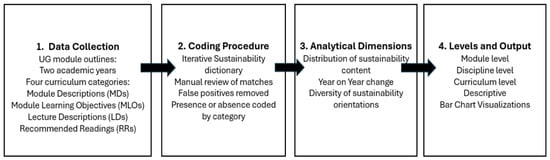
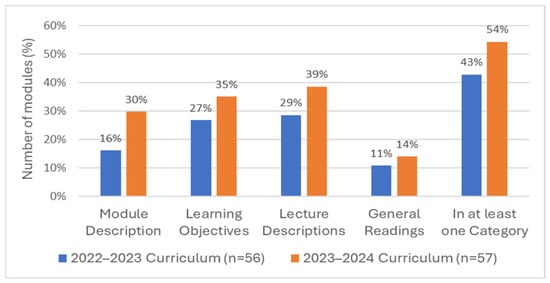
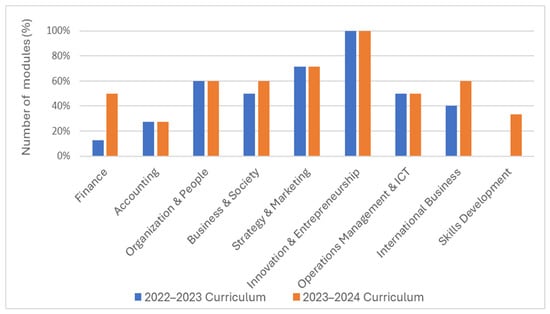
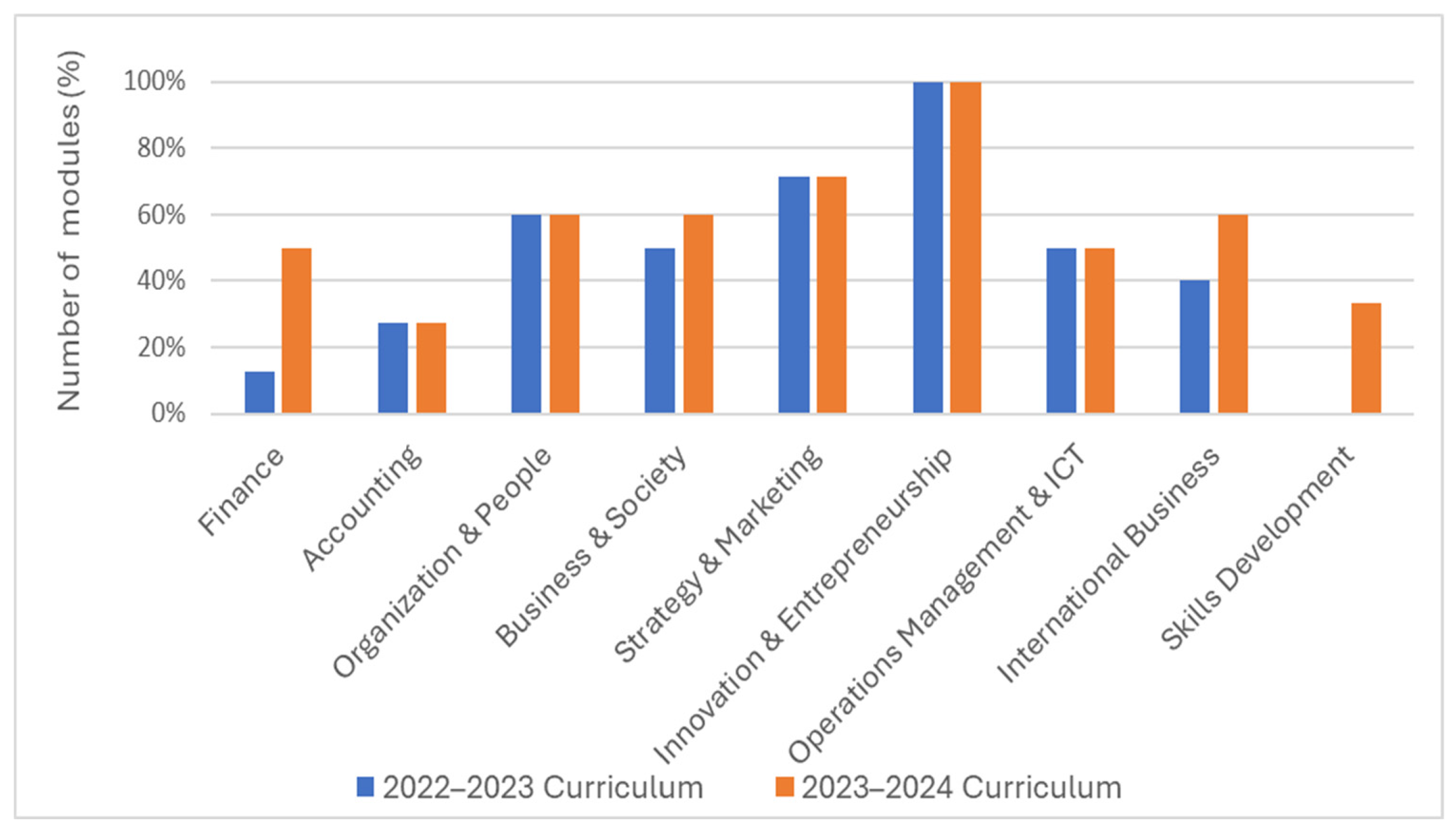
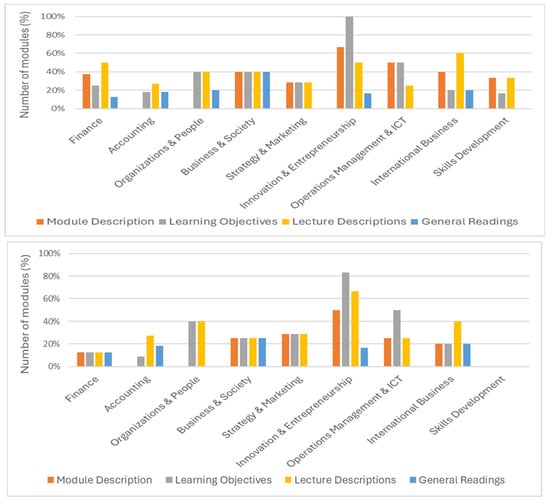
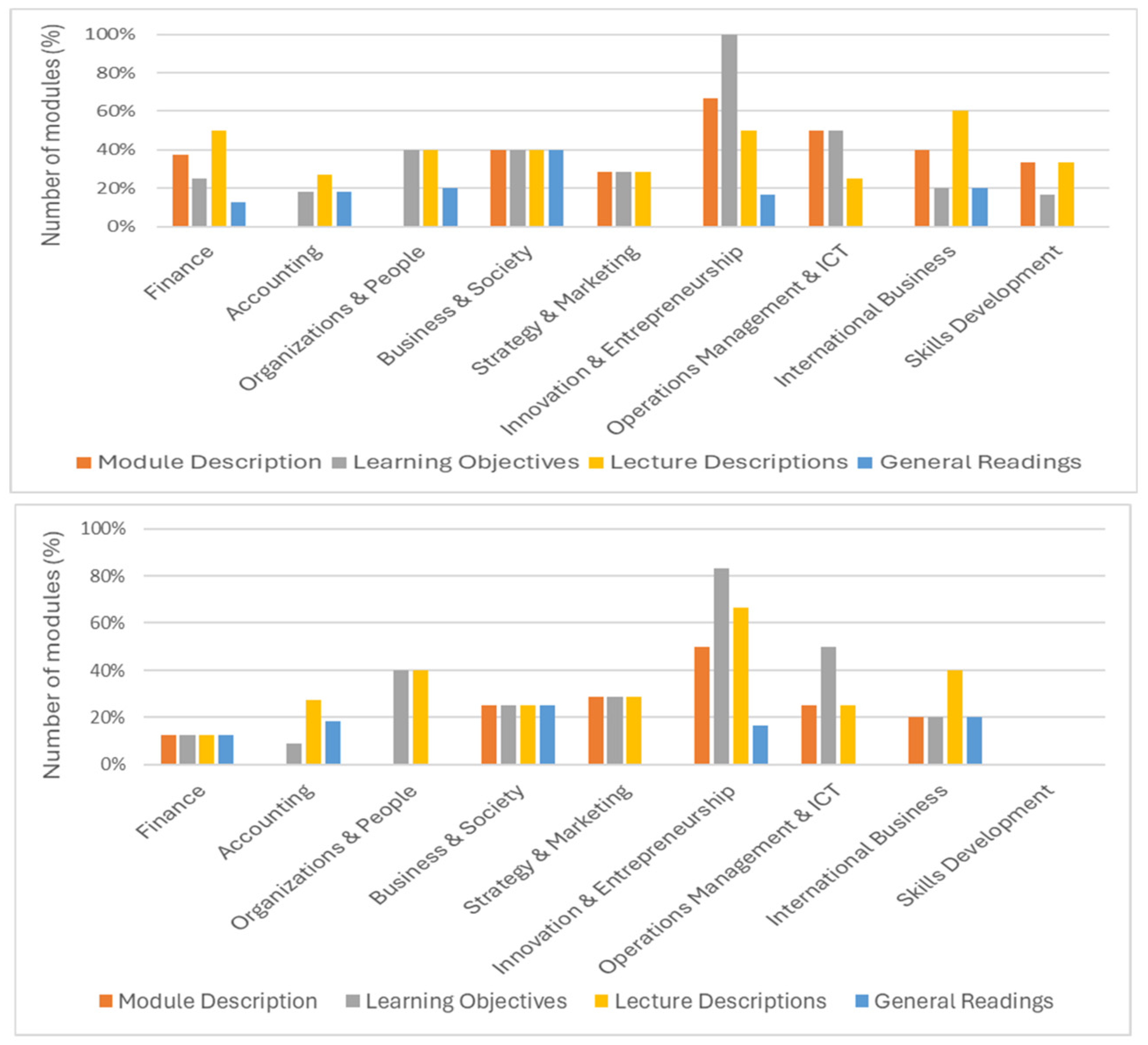
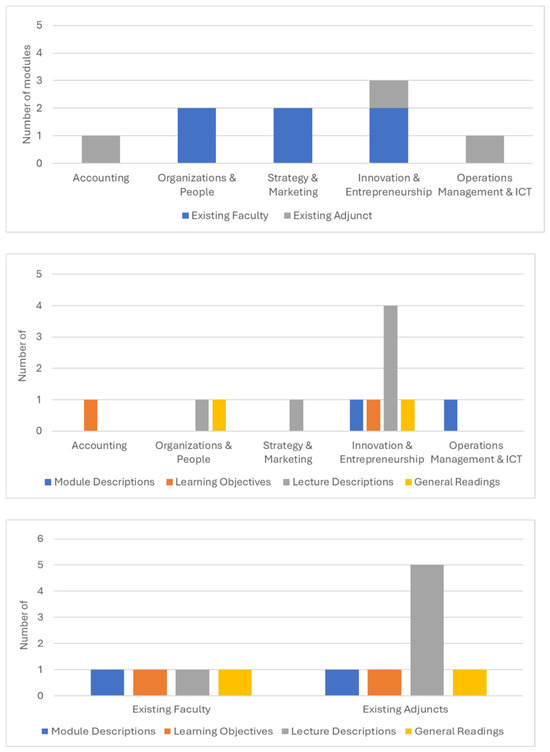
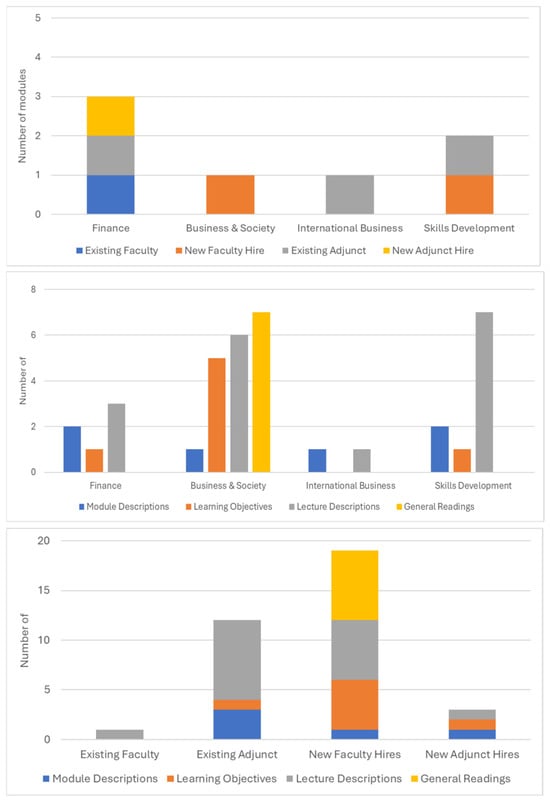
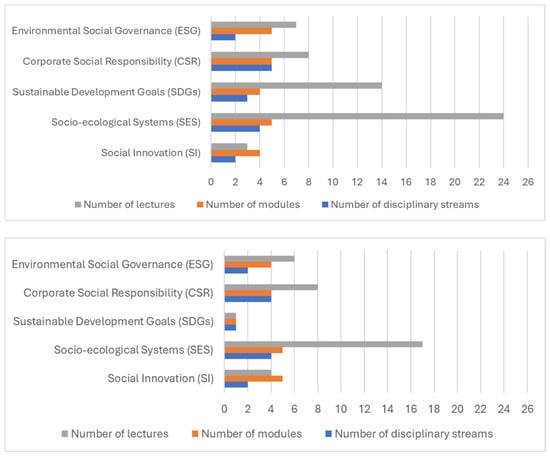
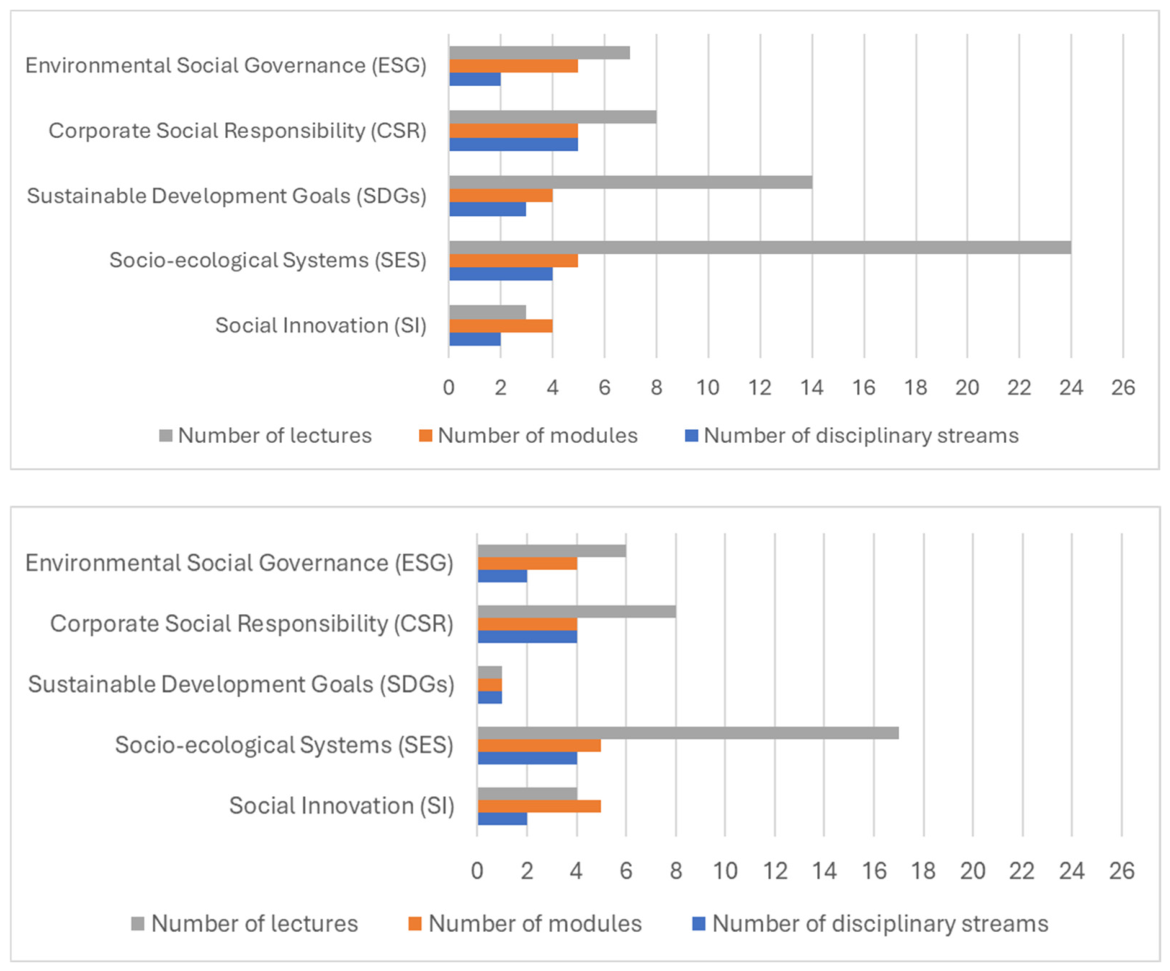
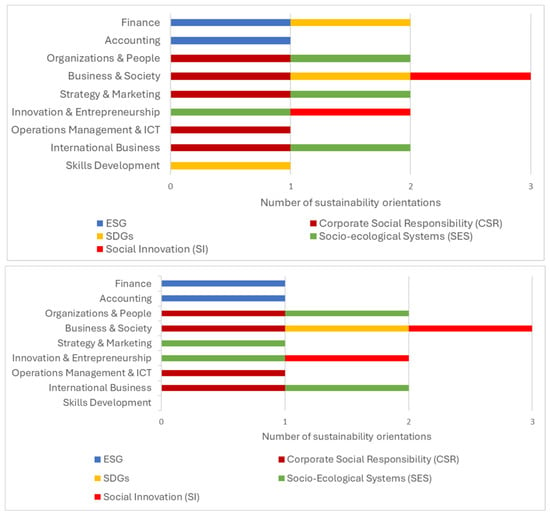
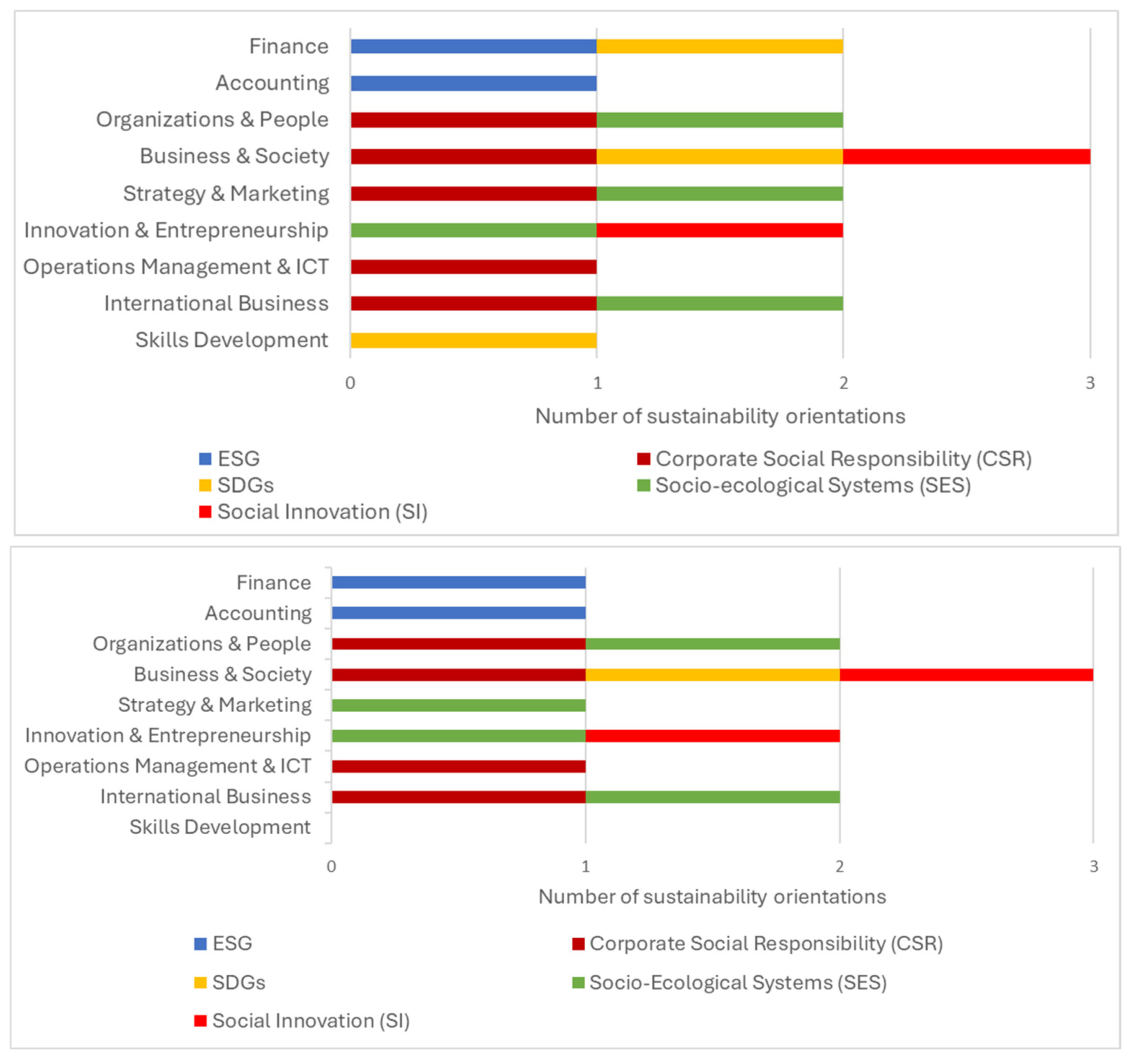
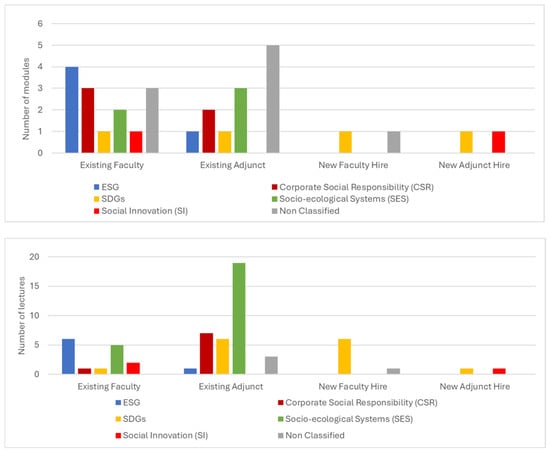
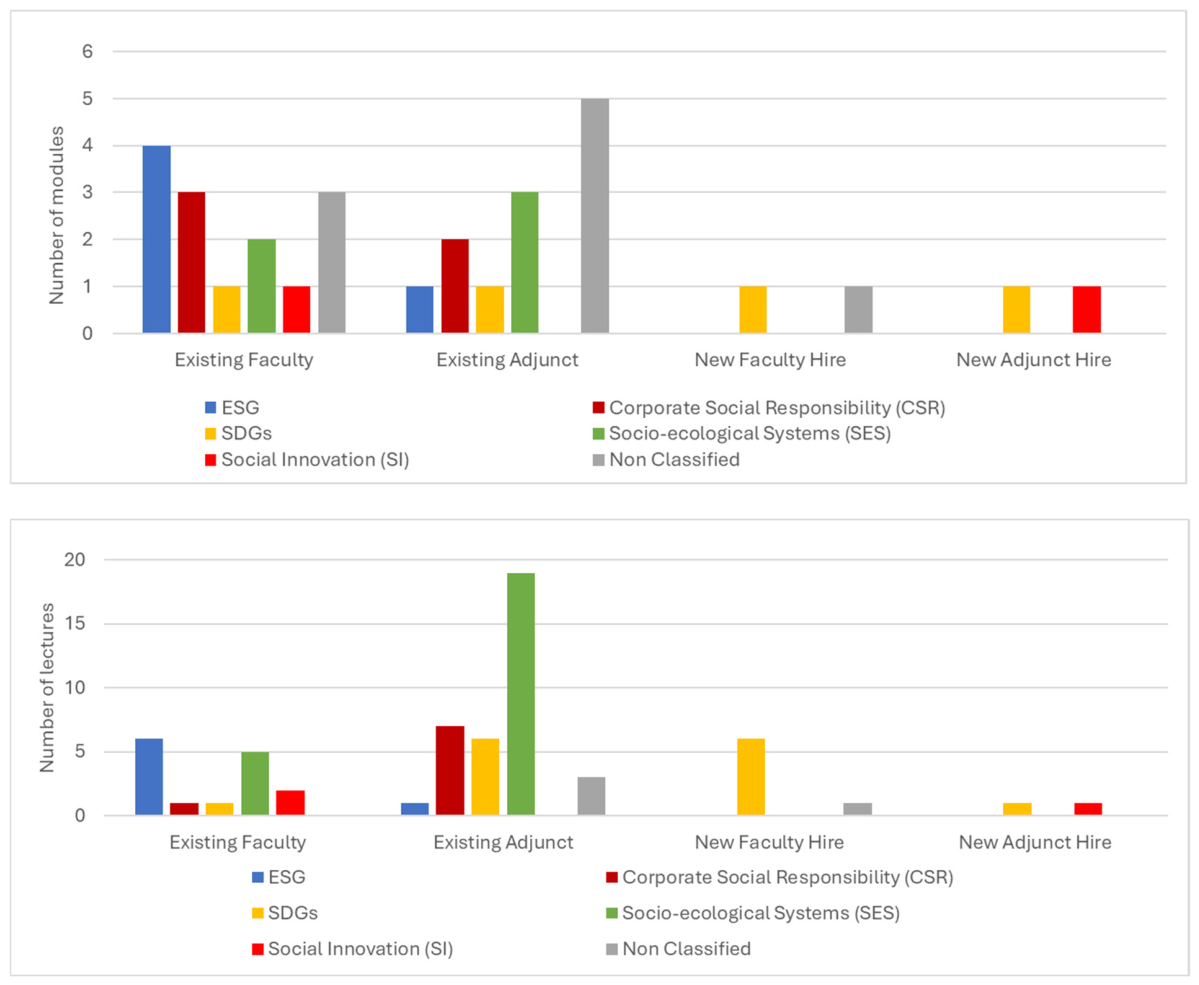

Disclaimer/Publisher’s Note: The statements, opinions and data contained in all publications are solely those of the individual author(s) and contributor(s) and not of MDPI and/or the editor(s). MDPI and/or the editor(s) disclaim responsibility for any injury to people or property resulting from any ideas, methods, instructions or products referred to in the content. |
© 2026 by the authors. Licensee MDPI, Basel, Switzerland. This article is an open access article distributed under the terms and conditions of the Creative Commons Attribution (CC BY) license.