


Abstract
South Africa’s food system reflects a growing imbalance between nutritionally rich indigenous foods and the increasing dominance of commercially processed alternatives. Despite well documented health, cultural, and environmental benefits, indigenous leafy vegetables and edible insects remain marginal within formal markets and everyday diets. This systematic review synthesised 141 empirical and theoretical studies to examine how household attitudes, consumption behaviours, and market structures interact to shape the role of indigenous foods in South Africa. The review identifies a consistent pattern in which positive perceptions of indigenous foods do not translate into regular consumption. Rural households continue to utilise these foods as part of seasonal and livelihood strategies, while uptake in urban areas remains uneven and context specific. Emerging interest among certain consumer segments highlights potential for product diversification and market development, particularly where indigenous foods are adapted to align with modern preferences. However, this potential is constrained by weak value chain integration, limited standardisation, and the absence of reliable consumption data. These structural limitations restrict both market participation and consumer access, reinforcing the peripheral position of indigenous foods within the broader food system. The findings suggest improving availability, strengthening markets, and enhancing positioning critical for inclusion of indigenous foods in diets.
1. Introduction
Indigenous foods (IFs) and traditional diets are increasingly recognised as critical to promoting sustainable food systems, improving nutrition, and preventing non-communicable diseases (NCDs). In Africa, native crops offer substantial nutritional, environmental, economic, and cultural benefits. Nevertheless, their value is often overlooked, and the indigenous knowledge systems that sustain them are subject to ongoing erosion [1,2]. While global dietary models such as the Mediterranean and Dietary Approaches to Stop Hypertension (DASH) diets demonstrate the health benefits of minimally processed, plant-based foods [3], similar principles are inherently embedded within African indigenous food systems. These systems not only support balanced nutrition but also conserve biodiversity, reinforce cultural heritage, and enhance resilience to environmental and economic shocks [4].
South Africa (SA) presents a paradox: national food sufficiency coexists with persistent household food and nutrition insecurity [5,6]. As of 2023, 11.8% of households reported reducing dietary diversity due to financial constraints, with rural households disproportionately affected [7]. Over half of rural residents (58%) lack reliable access to nutrient-dense foods [8]. While rural areas are often characterised as food-insecure, they remain important custodians of indigenous food resources that can support dietary diversity and reduce reliance on purchased foods [9,10].
However, according to Kesa et al. [11], these foods are frequently stigmatised as “poverty foods,” a perception rooted in the country’s socio-historical context. Colonial and apartheid-era policies systematically marginalised indigenous agricultural systems while promoting Western crops, diets, and market structures as symbols of progress and modernity [6,12]. As a result, indigenous foods became associated with rurality, economic hardship, and lower social status, particularly among younger and urban populations [13]. These perceptions have been reinforced by post-apartheid food environments characterised by the expansion of formal retail systems, aggressive marketing of processed foods, and shifting aspirations linked to urbanisation and income mobility [14]. Consequently, changes in indigenous food consumption reflect broader socio-historical and structural processes rather than simple shifts in preference or availability.
Since 1994, SA has undergone a rapid nutrition transition characterised by a shift from traditional diets to more Westernised eating patterns. This transition is evident across both rural and urban contexts, with increased consumption of energy-dense foods, added sugars, animal-source products, and fats, alongside declining vegetable intake [15,16]. The resulting dietary patterns have contributed to a dual burden of malnutrition, where undernutrition coexists with rising levels of obesity and diet-related NCDs [17]. These changes are driven by a combination of urbanisation, income dynamics, technological change, and evolving food environments [18].
Consumer attitudes towards indigenous foods are shaped by a combination of health awareness, accessibility, affordability, and changing knowledge systems. While awareness of their nutritional benefits is increasing, particularly among older populations, their integration into mainstream diets remains limited [13,19]. This suggests that multiple factors interact to influence food choices, extending beyond individual preferences to include broader social and structural conditions.
Despite a growing body of literature, existing studies often examine these dimensions in isolation, focusing either on consumer perceptions or on value chain and market constraints. There is limited synthesis that connects consumption patterns with the socio-cultural and economic factors that shape them across different contexts. As a result, the interaction between consumer behaviour and food system structures remains insufficiently understood.
This systematic literature review addresses this gap by examining consumer attitudes and behaviours towards indigenous foods in South Africa, with a focus on three analytical dimensions: (i) patterns of consumption across rural and urban contexts, (ii) socio-cultural and economic drivers shaping consumer perceptions and food choices, and (iii) structural and market constraints affecting the integration of indigenous foods into formal value chains. By synthesising these dimensions, the review aims to provide a clearer understanding of how consumer behaviour interacts with broader food system dynamics, and how this shapes the position of indigenous foods within South Africa’s evolving dietary landscape.
2. Theoretical Framework
This study adopts Maslow’s Hierarchy of Needs (see Figure 1) to interpret household attitudes and consumption patterns relating to indigenous foods in South Africa [20]. While originally developed within psychology, Maslow’s framework has been widely applied in consumer behaviour and food choice studies to explain how consumption decisions are shaped by layered motivations, ranging from basic subsistence to socio-cultural and aspirational drivers [21,22,23]. In food systems research, it is particularly useful for understanding how dietary choices are not determined solely by availability or price, but also by broader social and psychological factors, including identity, status, and values. Within the context of South Africa’s post-1994 dietary transition, the framework provides an analytical lens for examining how material conditions and socio-cultural influences interact to shape food-related behaviour.
Figure 1.
Maslow’s Hierarchy of Needs Source: Factoryjoe, [24]. A colorful depiction of Maslow’s Hierarchy of needs. Licensed under Creative Commons Attribution-Share Alike 3.0 Unported (CC BY-SA 3.0). Available at: https://commons.wikimedia.org/wiki/File:Mazlow%27s_Hierarchy_of_Needs.svg (Accessed on 3 April 2026).
Maslow’s Hierarchy of Needs is used in this study as a conceptual framework to organise and interpret different dimensions of consumer behaviour. At the foundational level, physiological needs relate directly to food as a requirement for biological survival and nutritional adequacy [25]. Indigenous leafy vegetables and edible insects can contribute to nutrient intake, particularly in contexts where access to diverse foods is constrained [26]. In situations where dietary diversity is limited, such foods may also support micronutrient intake and seasonal food availability [27].
Safety needs, which encompass economic security and stability [20], extend this perspective to include considerations of access, affordability, and reliability within food systems. Indigenous foods may play a role within livelihood strategies and informal food systems, contributing to household resilience and reducing dependence on formal markets [28]. Evidence also points to their contribution to socio-economic outcomes in certain contexts [29], as well as their continued presence within local dietary practices [30]. At the same time, perceptions of food safety and quality can vary, particularly where formal and informal food systems coexist [31].
Belongingness and social affiliation highlight the role of food in shaping identity, cultural continuity, and social relationships [32]. Food choices are often embedded within shared practices and intergenerational knowledge systems [33,34], and may be reinforced through communal preparation and consumption [35]. Broader socio-economic processes, including urbanisation and westernisation, can influence how foods are socially perceived and valued [36]. Esteem needs, relating to status and social recognition, provide a lens for understanding the symbolic dimensions of food consumption. Certain food choices may be associated with social positioning, lifestyle, and perceptions of modernity [21,37]. At the same time, changing consumer preferences may reflect evolving values attached to health, authenticity, or sustainability [11].
At the apex of the hierarchy, self-actualisation relates to the alignment of consumption with personal values and long-term aspirations [38]. In this context, food choices may be influenced by considerations such as health consciousness, environmental sustainability, and ethical consumption [11,39].
In this study, Maslow’s hierarchy is applied as a heuristic framework to categorise and interpret evidence on consumer behaviour across four broad dimensions: subsistence (physiological), economic (safety), socio-cultural (belonging), and aspirational (esteem and self-actualisation). The framework is used to structure the analysis of findings presented in subsequent sections, rather than as a rigid or deterministic model. While it provides a useful lens for integrating multiple drivers of food choice, it is recognised that these drivers are context-specific and may not operate in a strictly hierarchical manner within complex and evolving food systems.
3. Methodology
A systematic review was conducted following the Preferred Reporting Items for Systematic Reviews and Meta-Analyses (PRISMA) to ensure a transparent, rigorous, and reproducible synthesis of empirical and theoretical literature on South African household consumer attitudes and behaviours toward healthy and indigenous diets [40]. PRISMA provides a structured framework for identifying, screening, and selecting studies, reducing the risk of selection bias and improving the clarity of the review process [41]. It also enables explicit reporting of search strategies, inclusion and exclusion criteria, and study selection procedures, ensuring reproducibility and critical evaluation.
Given the interdisciplinary nature of the topic, spanning nutrition, agriculture, and consumer behaviour, a systematic approach supported the organisation and synthesis of diverse evidence. A narrative synthesis was adopted due to methodological heterogeneity across studies, which limited the feasibility of quantitative comparison [42]. The selected timeframe (1994–2025) aligns with the post-apartheid food policy era, allowing for a historically grounded analysis of dietary transitions and evolving perceptions of indigenous foods [40].
Peer-reviewed articles, theses, conference papers, and reputable grey literature were retrieved from major international and regional databases, including Scopus, Web of Science, AGRICOLA, and relevant institutional repositories, using structured Boolean search strategies. The search strategy was developed iteratively to optimise both sensitivity and specificity, with adjustments made to reflect each database’s indexing system. A standardised Boolean search string was constructed around three principal concept domains: geographic location, consumer behaviour, and dietary descriptors.
The final core search string was structured as follows: ((“South Africa” OR “RSA”) AND (“consumer attitude” OR “consumer perception” OR “consumer behaviour” OR “food choice” OR “dietary behaviour” OR “food consumption pattern”) AND (“healthy diet” OR nutrition OR “indigenous food” OR “traditional food” OR “local food” OR “African leafy vegetable” OR “indigenous vegetable”)).
Synonymous terms within each concept domain were combined using “OR,” while the three domains were linked using “AND” to ensure that retrieved records addressed all core elements of the review. Truncation and phrase searching were applied to capture variations in terminology and preserve phrase integrity. Variations of key terms were further captured through database-specific indexing tools to maximise retrieval while maintaining conceptual alignment with the study objectives. The included studies were grouped into themes and are presented in Table 1.
Table 1.
Themes, publication years, and the sum of studies included in the review.
Searches were limited to English-language publications from 1994 (excluding foundational theoretical and legislative sources published earlier) to 2025. Reference lists of included studies were hand-searched to identify additional relevant articles. Studies were eligible if they focused on South African consumers and examined dietary attitudes, perceptions, motivations, or behaviours related to healthy or indigenous foods. Production-only studies, purely agronomic investigations, clinical trials without behavioural components, and studies where South Africa was a minor comparative case were excluded. Two reviewers independently screened titles and abstracts (n = 1298 records after duplicate removal), followed by full-text assessment of 253 articles. Inter-reviewer agreement was monitored through regular comparison of screening decisions, with discrepancies resolved through discussion and consensus. A total of 141 studies met the inclusion criteria and were included in the narrative synthesis. The selection process was documented using a PRISMA flow diagram (Figure 2).
Figure 2.
The data search, eligibility criteria, inclusion and exclusion criteria flow chart.
Data were extracted using a standardised template capturing bibliographic details, study design, population characteristics, theoretical framework, key findings, and reported limitations. Given the diversity of qualitative, quantitative, and mixed-methods studies, findings were synthesised using a narrative thematic approach. The interpretation of consumer behaviour was guided by the conceptual framework outlined in Section 2, enabling a structured analysis of multiple drivers of food choice.
Study quality was appraised using the Mixed Methods Appraisal Tool (MMAT, 2018 version), with an example provided in Table 2 to ensure consistent evaluation across diverse study designs [43]. Each article was assessed according to criteria relevant to its methodological category, including clarity of research questions, appropriateness of sampling strategies, rigour of data collection and analysis, and coherence between findings and conclusions. Studies were not excluded based on quality alone; however, appraisal outcomes informed the weighting and interpretation of evidence.
Table 2.
Summary of studies included and appraised using the MMAT 2018 appraisal tool.
As the review relied exclusively on published and publicly accessible data, ethical approval was not required. Cultural sensitivity and contextual awareness were maintained throughout the analysis, particularly in the interpretation of findings related to indigenous food practices and socio-historical inequalities in the South African food system.
4. Results
4.1. South African Trends
4.1.1. Drivers of Dietary Transition in South Africa
Between 1995 and 2025, the literature consistently portrays South Africa’s dietary transition as a systemic shift embedded in broader socio-economic and structural transformations rather than isolated changes in individual preferences [44,45,46]. Across studies, there is strong agreement that the expansion of formal retail systems and the proliferation of agro-food industries have collectively driven increased consumption of processed and ultra-processed foods [47,48]. This convergence of evidence suggests a clear pattern: dietary change is closely aligned with the restructuring of food environments that prioritise convenience, affordability, and shelf stability.
A recurring theme across the reviewed literature is that urbanisation, income constraints, and Westernisation operate as mutually reinforcing drivers of this transition. Most studies agree that urbanisation reduces access to locally sourced or self-produced foods, while lower-income households tend to prioritise cheaper, energy-dense options [49,50,51]. Westernisation, in turn, is consistently framed not only as a cultural phenomenon but also as a market-driven process that shapes aspirations and normalises consumption patterns. Taken together, these findings point to a shared conclusion in the literature: the marginalisation of indigenous foods is largely structurally induced rather than purely preference-driven [52,53].
However, a notable tension emerges in relation to consumer attitudes toward indigenous foods. While several studies report a growing post-2010 awareness and renewed interest in indigenous foods driven by health and sustainability concerns [11,54], this is not consistently reflected in actual consumption behaviour. This divergence between attitudinal support and behavioural change is one of the most consistent patterns in the literature, indicating that demand-side interest is constrained by persistent supply-side limitations such as weak value chains and limited market availability [54,55]. This gap is important because it suggests that awareness alone is insufficient to drive dietary transformation.
At the same time, the dominance of ultra-processed foods is widely documented as a defining feature of the current food system [56]. Across studies, indigenous foods are repeatedly shown to occupy a marginal and often informal position within the food economy. What is particularly striking is the convergence of findings that link this marginalisation to inefficiencies in distribution, product development, and market integration. In other words, the literature consistently points to a structural bottleneck: even where demand exists, the system is not yet configured to support widespread supply and accessibility of indigenous foods [16,57].
4.1.2. Health and Nutrition Implications of Consumption Shifts
The declining consumption of indigenous leafy vegetables (ILVs), particularly among younger and urban populations, reflects a deeper nutritional trade-off embedded within South Africa’s dietary transition [58]. While foods such as Amaranthus and Cleome gynandra are well established as dense sources of iron, calcium, provitamin A carotenoids, and dietary fibre, their reduced presence in everyday diets signals a shift away from nutrient-rich diversity toward caloric adequacy driven by convenience and cost [59]. This substitution effect is critical as ILVs are displaced by energy-dense, nutrient-poor alternatives, overall energy intake may remain stable or even increase, yet the nutritional quality of diets deteriorates. The result is not overt hunger, but a more insidious form of malnutrition (hidden hunger), where micronutrient deficiencies persist beneath apparent caloric sufficiency [60,61,62].
The structural embedding of ultra-processed foods within urban and peri-urban food environments further reinforces this nutritional shift. Diets increasingly characterised by refined carbohydrates, added sugars, saturated fats, and sodium are not only widely accessible but often economically rational for time-constrained households [63]. The consequence is a convergence between dietary westernisation and the epidemiological rise of non-communicable diseases such as obesity, hypertension, and type 2 diabetes [64]. Importantly, this pattern is no longer confined to affluent groups as it cuts across socio-economic strata, suggesting that the underlying drivers are systemic rather than individual. In this sense, the displacement of traditional foods does more than alter nutrient intake; it reshapes eating behaviours toward convenience, reduced dietary diversity, and long-term cardiometabolic risk [44,65,66].
At the same time, the erosion of intergenerational knowledge systems introduces a less visible but equally significant constraint on dietary resilience [37]. Indigenous foods were historically embedded within seasonal cycles and local agroecological knowledge, offering households a form of nutritional buffering during periods of economic or environmental stress [12]. As younger generations lose familiarity with these practices, diets become less adaptable and more dependent on formalised food systems. This narrowing of dietary repertoires reduces households’ capacity to respond to shocks such as food price volatility or supply disruptions, effectively weakening culturally rooted coping mechanisms [67,68].
A similar tension is evident in the case of edible insects such as mopane worms. Despite their high-quality protein, essential amino acids, and micronutrient density, their role in contemporary diets remains constrained by social perceptions, particularly in urban contexts where neophobia and stigma shape food acceptance [69]. This suggests that nutritional value alone is insufficient to drive consumption; cultural legitimacy and product positioning are equally decisive. Emerging processing approaches that incorporate insect protein into more familiar formats, such as flours or snack products, illustrate how traditional resources might be reconfigured to align with modern consumption patterns without forfeiting their nutritional advantages [70,71,72].
Notwithstanding these constraints, the growing interest among health-conscious consumers in indigenous foods introduces a potential point of inflexion [73]. This shift is less about nostalgia and more about a functional re-evaluation of food, where attributes such as nutrient density, naturalness, and sustainability gain prominence. However, the persistence of structural barriers such as limited availability, weak value chains, and inconsistent market integration, means that this emerging demand has yet to translate into widespread dietary change. Taken together, these dynamics point to a complex nutritional transition in which the decline of traditional food systems and the rise of chronic disease are mutually reinforcing, underscoring the need for deliberate strategies that reconnect indigenous foods with both markets and modern dietary practices [74].
4.2. Consumer Attitude and Behaviour Towards Edible Insects in South Africa
4.2.1. Rural and Urban Acceptance of Indigenous Food and Cultural Links
The trajectory of mopane worm (Imbrasia/Gonimbrasia belina) consumption in South Africa reflects a consistent interaction between cultural familiarity, market evolution, and consumer perception, rather than a simple rural–urban divide [75]. Historically, their widespread use in rural areas, particularly within the Mopane belt, was underpinned by embedded knowledge systems and livelihood functions [76]. Harvesting, processing, and local trade were not only nutritionally significant but also socially normalised, reinforcing high levels of acceptance through repeated exposure and cultural continuity [77,78].
As commercialisation expanded from the late 1990s into the 2000s, particularly through women-led trading networks, mopane worms began to enter urban and cross-border markets [79]. However, this market expansion did not translate into equivalent shifts in consumer acceptance. Instead, a divergence emerged while rural demand remained stable due to cultural embeddedness, urban consumption was constrained by symbolic associations that positioned edible insects as “rural” or “traditional,” limiting their appeal within more modernised food environments [72]. At the same time, concerns around overharvesting introduced an additional layer of complexity, signalling that increased supply did not necessarily align with sustainable resource management [77,78,80].
By the 2010s, this divergence became more analytically clear, with acceptance patterns shaped by two primary and opposing drivers. On one hand, familiarity, cultural identity, and habitual consumption sustained high acceptance in rural contexts. On the other hand, urban resistance was largely driven by food neophobia, negative sensory expectations, and social stigma [81]. Importantly, studies [82,83,84] from this period suggests that these barriers were not fixed as acceptance increased when insects were transformed into less recognisable forms, such as flours or processed snacks, and when their nutritional and environmental benefits were made explicit. This indicates that product form and information framing function as critical mediators between underlying attitudes and actual consumption behaviour [83,85,86,87].
Into the 2020s, innovations in processing, packaging, and product development have further shifted the landscape, improving the visibility of mopane worms within formal and semi-formal markets [69]. Yet, the persistence of lower acceptance for whole insects compared to ingredient-based products highlights the continued importance of sensory and psychological factors in shaping food choices. Taken together, acceptance is best understood as the outcome of interacting drivers: cultural familiarity and livelihood integration supporting uptake, while stigma, product form, and regulatory gaps continue to constrain broader mainstream adoption [88,89].
4.2.2. Regulatory and Market Constraints
The expansion of edible insects into formal food systems in South Africa is constrained by a combination of regulatory, economic, and supply chain barriers that interact to limit large-scale commercialisation [90].
From a regulatory perspective, the primary constraint is the lack of insect-specific governance frameworks. Although insect consumption is historically embedded in several communities, existing legislation governing food safety, livestock production, and agricultural commodities was designed around conventional animal and plant systems, leaving edible insects only indirectly addressed [91,92,93,94]. This creates ambiguity around compliance requirements, particularly regarding production standards, hygiene protocols, labelling, and quality assurance. The situation is further complicated by institutional fragmentation, as regulatory responsibilities are distributed across multiple departments responsible for agriculture, health, trade, and environmental management. In practice, this lack of coordination increases transaction costs for firms, delays product approvals, and discourages investment in insect-based food products [72,95]. As a result, many enterprises remain confined to informal or niche markets despite growing interest in the sector [96].
In economic terms, market development is constrained by both demand and supply-side factors. On the demand side, consumer uncertainty about food safety and quality, particularly in urban markets, limits willingness to adopt insect-based products, especially when sourced from informal channels [82]. On the supply side, the lack of standardisation and certification systems reduces producers’ ability to access higher-value formal retail markets. This creates a feedback loop in which limited market access discourages investment in scaling production and processing capabilities. Consequently, even where there is emerging consumer interest, particularly in processed or value-added products, the absence of enabling market structures constrains the translation of this interest into sustained demand [97,98,99].
Supply chain limitations further reinforce these constraints. Edible insects in South Africa are still predominantly sourced through seasonal wild harvesting rather than controlled or semi-intensive production systems [83]. This reliance on natural populations introduces significant variability in supply volume, quality, and temporal availability, making it difficult to meet the consistency requirements of formal retailers and food processors. In addition, value chains remain largely informal, with limited infrastructure for aggregation, storage, processing, and distribution. These structural gaps not only affect product reliability but also hinder traceability and quality assurance, which are critical for formal market integration [96].
Taken together, these dimensions are mutually reinforcing rather than independent. Regulatory ambiguity limits standardisation, which in turn constrains supply chain development and market confidence, while weak supply chains further complicate regulatory compliance and quality assurance [100]. The literature therefore suggests that unlocking the commercial potential of edible insects requires coordinated interventions across all three domains, including clarifying regulatory frameworks, strengthening market incentives, and investing in more stable and formalised supply systems [101,102,103].
4.2.3. Product Innovation and Processing Effects on Acceptance
Product innovation and processing technologies play a significant role in shaping consumer acceptance of edible insects, particularly among populations with limited familiarity with entomophagy [104]. While whole insects are widely consumed and culturally accepted in many rural communities, urban consumers often demonstrate hesitation when insects are presented in their visible form [105,106]. This reluctance is frequently associated with psychological factors such as food neophobia, unfamiliarity, and perceptions that insects are inconsistent with contemporary dietary norms [107].
Processing techniques have proven effective in reducing these barriers by transforming insects into more familiar food formats [108]. When insects are milled into powders or incorporated as ingredients within composite foods, the visual cues that typically trigger aversion are removed. As a result, consumers are more likely to evaluate the products based on taste, nutritional value, or convenience rather than on the presence of whole insects [109]. This approach allows insects to function as protein-rich ingredients in commonly consumed foods such as baked goods, snack products, and fortified flours [110].
Processing also contributes to improvements in product quality, shelf life, and consistency [111]. Methods such as drying, milling, roasting, and seasoning enable insect products to be stabilised and packaged in ways that align with modern food distribution systems. These processing steps not only extend storage duration but also enhance flavour, texture, and convenience, all of which influence consumer acceptance and purchasing behaviour. Standardised processing further supports compliance with food safety requirements, which is essential for integrating insect-based products into formal retail markets [97].
In addition to technological innovation, product presentation and information play an important role in shaping consumer perceptions. When insect-based foods are positioned as nutritious, environmentally sustainable, and high-protein alternatives, consumers tend to respond more positively [98]. Marketing strategies that highlight these functional benefits can shift the narrative away from novelty or cultural stigma and instead frame insect consumption within broader discussions of sustainable diets and alternative protein sources.
Despite these developments, the diversity of commercially available insect-based products remains relatively limited [99]. Many products still rely on traditional preparation methods, and opportunities for developing new food formats have not yet been fully explored [112]. Expanding product innovation through research, food technology, and market experimentation may therefore play an important role in broadening consumer acceptance and supporting the gradual integration of edible insects into modern food systems.
4.3. Consumer Trends in the Consumption of Indigenous Leafy Vegetables
A review of national dietary surveys and agricultural statistics in South Africa highlights a critical evidence gap in relation to indigenous leafy vegetables (ILVs). No longitudinal, quantitative datasets currently exist that specifically measure ILV consumption [113,114,115,116]. Major national instruments, including the National Food Consumption Surveys, the South African National Health and Nutrition Examination Survey (SANHANES), and food balance sheets, aggregate vegetables into broad categories without distinguishing ILVs from other leafy greens [117,118,119]. This aggregation limits the ability to generate precise estimates of ILV intake, track changes over time, or compare consumption patterns across population groups. As a result, any interpretation of trends relies on indirect or proxy evidence, which introduces uncertainty into conclusions about the scale and direction of change.
In the absence of nationally representative quantitative data, much of the existing understanding is derived from qualitative and small-scale empirical studies. These include ethnographic accounts, community-based surveys, and case studies that provide context-specific insights into ILV use [11,13,120,121]. While such evidence is valuable for capturing cultural practices and local dietary patterns, it does not provide statistically generalisable measures of consumption. Therefore, statements regarding historical prevalence or change should be interpreted as indicative rather than definitive.
Within this qualitative evidence base, there is consistent reporting that ILVs such as Amaranthus spp., Corchorus olitorius, Cleome gynandra, and Citrullus lanatus formed a regular component of diets in many rural households during the mid-1990s, particularly in subsistence-oriented settings [114,122,123]. However, these findings are largely derived from localised studies and should not be interpreted as nationally representative consumption levels.
Similarly, reports of a decline in ILV consumption from the late 1990s through the 2000s are primarily based on observed shifts within specific communities, with multiple studies noting reduced use among younger generations and in urbanising contexts [124,125,126]. Although these patterns are recurrent across different study sites, the absence of standardised quantitative measures means that the magnitude and uniformity of this decline cannot be empirically verified at the national scale.
More recent literature from the 2010s onwards points to a degree of renewed interest in ILVs, often linked to health awareness, food security initiatives, and niche market development [37,127,128]. Importantly, this resurgence is better understood as an emerging trend identified in targeted studies rather than as evidence of a measurable increase in population-wide consumption. The available data suggest that interest may be growing in specific contexts, but there is insufficient quantitative evidence to confirm whether this translates into sustained or widespread dietary change.
Taken together, the literature points to a plausible trajectory of decline followed by partial re-engagement with ILVs, but this pattern remains inferential. The lack of disaggregated, longitudinal data constrains the ability to draw firm conclusions, underscoring the need for more systematic dietary measurement that explicitly captures indigenous food consumption within national monitoring frameworks.
4.4. Cross-Study Synthesis of Patterns and Divergences
Across the reviewed literature, a consistent pattern emerges: South Africa’s dietary transition is widely understood as a structurally driven process rather than a collection of isolated individual choices. Studies collectively highlight the combined influence of urbanisation, market consolidation, and socio-economic pressures in shaping food access and consumption patterns [44,45,46,47,48,50,51]. Taken together, these works point to a convergence around the idea that food environments, rather than preferences alone, are the primary drivers of dietary change.
A second clear pattern is the alignment between the declining role of indigenous foods and the increasing dominance of ultra-processed products. The literature consistently frames this as a substitution process, where nutrient-dense traditional foods are progressively replaced by energy-dense alternatives [16,49,56]. This consistency across studies reinforces the conclusion that the current food system structure favours processed foods, contributing to the marginalisation of indigenous food sources.
At the same time, a notable and recurring divergence emerges between increased awareness of indigenous foods and actual consumption behaviour. Several studies report growing interest in indigenous and nutrient-rich foods driven by health and sustainability considerations [11,54,73], yet this has not translated into proportional dietary change. This gap between awareness and practice is consistently attributed to structural constraints, including limited availability, weak value chains, and insufficient market integration [54,55,57]. The persistence of this pattern across studies suggests that demand-side shifts alone are insufficient to drive meaningful dietary transformation.
A similar pattern of convergence and divergence is evident in the literature on edible insects. While studies consistently identify cultural familiarity as a key driver of acceptance, particularly in rural areas [75,76,77,78], they also agree that urban consumers often exhibit resistance due to neophobia and stigma [81]. However, a shared finding across multiple studies is that these barriers are not fixed, as acceptance improves when insects are processed into less recognisable forms or when their nutritional and environmental benefits are emphasised [82,83,84,85,86,87]. This indicates a general consensus that product form and information framing act as critical mediators between attitudes and behaviour.
Despite this general agreement, the literature differs in how it prioritises constraints. Some studies emphasise cultural and psychological factors [81,83], while others focus more on structural and institutional barriers such as regulatory ambiguity and supply chain limitations [90,91,92,93,94,95,96]. Nevertheless, these perspectives converge on the broader conclusion that these constraints are interconnected and mutually reinforcing, rather than independent challenges [100,101,102,103].
Another important area of synthesis relates to the evidence base on indigenous leafy vegetables (ILVs). Across studies, there is consistent agreement that nationally representative, disaggregated quantitative data on ILV consumption is lacking [113,114,115,116,117,118,119]. As a result, much of the existing understanding relies on qualitative and small-scale empirical studies [11,13,120,121,122,123]. These studies consistently suggest historical use, followed by a decline in consumption [124,125,126], and more recently, a renewed but uneven interest [37,127,128]. However, the literature also agrees that these patterns cannot be empirically validated at a national level due to data limitations, making them indicative rather than definitive trends.
Taken together, the literature presents a broadly coherent but multi-dimensional picture. There is strong agreement that dietary transitions in South Africa are structurally driven, that indigenous foods have become marginalised, and that ultra-processed foods dominate the modern diet [44,45,46,47,48,56]. At the same time, the literature reveals important divergences in how studies interpret the relative influence of cultural, economic, and institutional factors, as well as in the extent to which increased awareness is translating into actual consumption. These consistencies and tensions highlight the complexity of the dietary transition and reinforce the need for integrated interventions that address both structural constraints and consumer-level factors.
5. Discussion
5.1. Discussion of South African Food Consumption Trends
The observed dietary patterns in South Africa are better understood as the outcome of competing food system logics rather than a linear transition. On one hand, the expansion of industrialised food systems has normalised the consumption of ultra-processed foods through price competitiveness, distribution efficiency, and marketing intensity, consistent with broader global nutrition transitions [129,130]. On the other hand, indigenous food systems persist in parallel, though increasingly constrained by limited integration into formal markets [131]. This dual structure helps explain why dietary change appears uneven across socio-economic and geographic contexts.
A key insight emerging across studies is that food choice is less a reflection of static preference and more a response to shifting opportunity structures. While affordability is frequently cited as a driver of processed food consumption, evidence also indicates that relative prices are shaped by economies of scale, supply chain efficiencies, and retail dominance, which systematically favour processed foods over fresh or indigenous alternatives [132]. In this sense, dietary westernisation is not simply demand-driven but structurally reinforced.
The notion of revalorisation of indigenous foods requires more careful interpretation. Rather than signalling a broad-based dietary shift, current evidence suggests that revalorisation is occurring selectively within niche consumer segments, particularly among urban, educated populations [133]. This process is driven by a reframing of indigenous foods from subsistence commodities to lifestyle products associated with health, sustainability, and cultural identity. However, this reframing remains fragile because it is not yet supported by consistent supply systems or price competitiveness [11]. As a result, revalorisation operates more as a symbolic shift in perception than as a material transformation of consumption patterns.
This tension highlights an important contradiction. Indigenous foods are increasingly recognised for their value, yet they remain structurally marginal within dominant food environments. Without addressing underlying asymmetries in market access, distribution, and product development, the current trajectory is unlikely to shift in a meaningful way.
5.2. Consumer Attitudes and Behaviour Towards Edible Insects
The literature on edible insects reveals a more nuanced pattern of acceptance than a simple rural–urban dichotomy. Acceptance appears to be shaped by the interaction between exposure, product form, and social signalling. In rural contexts, repeated exposure and embedded cultural practices reduce perceived risk and normalise consumption [72,134]. In contrast, urban consumers evaluate insects within a different reference framework, where food choices are closely linked to identity and social perception [135].
Across studies, a consistent pattern emerges in which acceptance increases when the sensory and symbolic characteristics of insects are modified. This suggests that resistance is not inherently linked to the product itself but to how it is perceived and presented. Processing therefore alters the cognitive framing of the food, allowing it to be evaluated on functional attributes such as taste and nutrition rather than cultural associations [136].
Another important insight is that information alone has limited influence unless it aligns with product experience. While nutritional and environmental messaging can improve stated willingness to consume insects, actual adoption depends on whether products meet expectations related to taste, convenience, and familiarity [90,136]. This gap between stated acceptance and behavioural uptake highlights the need for integrated strategies that combine product development with consumer education.
Regulatory uncertainty further complicates this landscape. Evidence suggests that unclear standards do not only affect producers but also influence consumer trust. In contexts where food safety is associated with formal certification, the absence of clear regulatory frameworks can reinforce perceptions of risk, even when products are nutritionally sound [90,96]. This indicates that regulation plays both an economic and behavioural role in shaping market development.
Taken together, mopane worms emerge as both a culturally embedded food and a potential entry point for developing a sustainable insect-based industry in South Africa, provided that consumer concerns, regulatory frameworks, and market structures are addressed simultaneously [83].
5.3. Indigenous Leafy Vegetables Consumption in South Africa
The literature on indigenous leafy vegetables (ILVs) presents a fragmented but internally consistent narrative that requires careful interpretation. The absence of quantitative data does not simply limit measurement but shapes the types of conclusions that can be drawn. Much of the evidence is derived from context-specific studies, which capture local dynamics but do not necessarily reflect broader national patterns [137,138]. This creates a situation where widely cited trends, such as decline or resurgence, are better understood as recurring observations rather than empirically verified trajectories.
Across studies, the reported decline in ILV consumption is often linked to changing food environments, particularly the increasing availability of commercially produced foods associated with the nutrition transition [63]. However, a closer reading suggests that this decline is not uniform. In some contexts, ILVs have not disappeared but have shifted from staple components of diets to supplementary or seasonal foods, indicating transformation rather than complete displacement [37,139].
The reported resurgence of interest in ILVs also requires critical interpretation. Evidence suggests that this resurgence is uneven and often mediated by external interventions, such as nutrition programmes, research initiatives, or niche-market development [58,115]. In many cases, increased awareness does not translate into sustained consumption due to persistent barriers related to access, preparation knowledge, and convenience [11,140]. This highlights a recurring gap between knowledge and practice.
A further point emerging from the literature is that ILVs are embedded within broader, changing socio-cultural systems. The erosion of intergenerational knowledge affects not only consumption but also production, preparation, and preservation practices [37]. As these knowledge systems weaken, the functional role of ILVs within diets becomes more difficult to sustain, even where interest exists.
Taken together, the evidence suggests that overlapping processes of marginalisation, adaptation, and selective re-engagement shape ILV consumption. However, the lack of systematic data limits the ability to distinguish between short-term fluctuations and long-term structural change, underscoring the need for more robust monitoring frameworks.
5.4. Synthesis of the Reviewed Literature
When considered collectively, the reviewed literature points to a consistent, system-level explanation of dietary outcomes in South Africa, where consumption patterns are shaped not by isolated behavioural decisions but by the interaction between food environments, value chain structures, and consumer perceptions, with evidence indicating that although positive attitudes toward indigenous foods are increasingly evident [11,54,73], these attitudes are not consistently translated into actual consumption [11,141], thereby reinforcing the central synthesis that attitudinal change alone is insufficient in the absence of structural transformation. A key dynamic emerging across the studies is the alignment between food system organisation and consumption behaviour, as modern food environments are characterised by expanded retail systems and the dominance of processed and ultra-processed foods, which largely determine what is accessible and affordable and, therefore, consumed [16,47,48,56]. In contrast, indigenous foods remain weakly integrated into formal supply chains, limiting their visibility and availability despite their recognised nutritional and cultural value [16,49,57], which helps explain the persistent bias toward processed foods even in contexts of growing awareness of healthier alternatives.
Within this system, the hierarchy of constraints consistently positions affordability, convenience, and accessibility as primary determinants of food choice [51,63], aligning with lower-order needs where immediate survival and practicality take precedence over considerations such as health, sustainability, or cultural identity, a pattern further reinforced by evidence that ultra-processed foods are often more economically and logistically accessible, thereby entrenching their dominance in everyday diets [63,64]. In contrast, indigenous foods typically require additional preparation, knowledge, or access, limiting their routine incorporation. At the same time, the literature reveals a reinforcing feedback loop in which limited demand for indigenous foods reduces incentives for investment in production, processing, and distribution, while weak supply further constrains availability and exposure, thereby suppressing demand [54,55,97,98], suggesting that marginalisation is not incidental but a self-reinforcing outcome of interacting system constraints.
Cultural dynamics further complicate this relationship, as cultural familiarity supports indigenous food consumption in certain contexts, particularly in rural areas [75,76,77,78], yet these foods may also be associated with lower social status or traditional identity in urban settings [81,135], indicating that culture functions simultaneously as a driver and a constraint, a pattern that is also evident in edible insects, where familiarity enhances acceptance but stigma and neophobia limit broader adoption [81,82,83,85], although these barriers are not fixed, since changes in product form and presentation can significantly improve acceptance [82,83,84,85,86,87,108,109]. In parallel, innovation and transformation offer partial pathways for mediating these constraints, as processing technologies can enhance convenience, shelf life, and familiarity, enabling indigenous and insect-based foods to be repositioned within modern consumption contexts [70,71,72,108,111]. However, their effectiveness remains contingent on enabling conditions such as supportive regulatory frameworks and stable market systems [90,95,96].
The literature also reflects a dual process in which indigenous foods are simultaneously marginalised and selectively re-engaged in new forms [37,127,128], representing a non-linear transition that is uneven and often confined to niche markets or specific population groups [133]. At the same time, a critical limitation across all sections is the lack of disaggregated, longitudinal data on indigenous food consumption [113,114,115,116,117,118,119], which constrains the ability to measure trends robustly and weakens conclusions about the scale and direction of dietary change, leaving much of the current understanding reliant on converging evidence from qualitative and small-scale studies [11,13,120,121,122,123]. In synthesis, the reviewed literature presents a coherent yet complex system in which structural constraints, consumer behaviour, and cultural dynamics interact to shape dietary outcomes, with indigenous foods remaining marginal not due to a single factor but because of broader system misalignments across production, markets, and consumption [16,54,57,100,101,102,103], thereby indicating that meaningful dietary transformation will require coordinated interventions that simultaneously strengthen supply systems, improve accessibility, and align consumer perceptions with the realities of modern food environments.
5.5. Implications for Food Systems, Policy and Research
The evidence points to the need for more targeted and context-specific interventions that address structural constraints within the food system. Improving the availability of indigenous foods requires deliberate integration into existing distribution networks rather than reliance on parallel informal systems. Linking smallholder producers to local retail outlets, school feeding programmes, and municipal fresh produce markets could create more stable demand channels while increasing consumer exposure [9,10].
From a policy standpoint, more explicit inclusion of indigenous foods within national strategies is required. One practical intervention would be to incorporate indigenous crops into public procurement systems, particularly school nutrition programmes, thereby supporting both production and consumption [8]. In addition, investment in seed systems and extension services tailored to indigenous crops would address upstream production constraints that currently limit supply consistency [94].
Regulatory reform is particularly relevant for edible insects. The development of clear, context-appropriate standards for production, processing, and marketing would reduce producers’ uncertainty and improve consumer confidence [90]. Importantly, such frameworks should be designed to accommodate small-scale producers to avoid exclusion from formal markets.
From a research perspective, the most critical gap remains the lack of disaggregated consumption data. Integrating indigenous foods into national dietary surveys would provide a stronger empirical basis for monitoring trends and evaluating interventions [137]. In parallel, more longitudinal and experimental research is needed to assess how changes in availability, pricing, and product form influence actual consumption behaviour.
Finally, consumer-oriented interventions should prioritise experiential exposure rather than information alone. School-based programmes, community demonstrations, and product sampling initiatives may help normalise indigenous foods, particularly among younger and urban populations. When combined with improvements in product convenience and availability, such approaches are more likely to translate awareness into sustained dietary change.
5.6. Study Limitations
A key limitation of this review is the absence of longitudinal, disaggregated quantitative data on indigenous food consumption, particularly for indigenous leafy vegetables. This limitation does not only constrain measurement but also affects the robustness and interpretive strength of the conclusions drawn. In the absence of nationally representative datasets, the analysis relies heavily on qualitative and context-specific studies, which, while rich in detail, introduce a degree of uncertainty regarding the generalisability of observed trends. For instance, commonly cited patterns such as the decline or partial resurgence of indigenous foods cannot be verified in terms of magnitude, rate of change, or population-wide distribution.
This has two important implications. First, the conclusions should be interpreted as indicative of directional shifts rather than precise national trends. Second, there is a risk of overgeneralising localised findings to broader contexts, particularly in a country characterised by significant socio-economic and geographic diversity. At the same time, the consistency of observations across multiple independent studies does lend a degree of credibility to the identified patterns. The limitation, therefore, lies less in whether change has occurred and more in the inability to quantify its scale and distribution with confidence.
Addressing this gap requires deliberate integration of indigenous food categories into national dietary monitoring systems. Without such data, policy and intervention design will continue to rely on partial evidence, which may limit effectiveness and targeting.
6. Conclusions and Recommendations
This study synthesised evidence on consumer attitudes and behaviours towards indigenous foods in South Africa from 1994 to 2025, with particular attention to indigenous leafy vegetables and edible insects. The findings indicate that South Africa has undergone a sustained dietary transition characterised by increasing consumption of processed and ultra-processed foods alongside a decline in traditional and indigenous food consumption. Although indigenous foods remain embedded in rural diets and cultural practices, their integration into mainstream and urban food systems is still limited and inconsistent.
The review shows that indigenous foods are widely recognised for their nutritional value, contribution to dietary diversity, and potential to enhance food security and climate resilience. However, these benefits have not translated into widespread or sustained consumption. Persistent barriers include negative social perceptions, generational loss of food knowledge, weak and fragmented value chains, limited product innovation, and insufficient policy and regulatory support. While a renewed interest has emerged among health-conscious urban consumers since the 2010s, this remains niche and often depends on processing, modern packaging, and health-oriented positioning.
A key contribution of this review lies in its integrated analysis of consumer behaviour, socio-cultural dynamics, and structural market constraints within a single framework. By synthesising evidence across rural and urban contexts, the study moves beyond fragmented accounts of indigenous food consumption and provides a more comprehensive understanding of how consumer perceptions interact with value chain limitations to shape dietary patterns. This integrated perspective offers clearer insight into the mechanisms driving both the marginalisation and emerging revalorisation of indigenous foods within South Africa’s evolving food system.
At the same time, the review highlights important limitations within the existing evidence base. In particular, the lack of comprehensive and disaggregated national data on indigenous food consumption, especially for indigenous leafy vegetables, constrains the ability to quantify trends, assess nutritional contributions, and design targeted interventions. Variability in study designs and geographic coverage further limits the comparability and generalisability of findings.
Based on these insights, several recommendations are proposed. National dietary surveys and food consumption databases should explicitly include indigenous foods as distinct categories to strengthen the evidence base for policy and planning. Greater investment is required to develop indigenous food value chains, including seed systems, production support, post-harvest handling, processing, and market access, to improve consistency in supply and product quality. Public awareness and education initiatives should promote the nutritional, cultural, and environmental value of indigenous foods while addressing negative perceptions, particularly among younger and urban populations. Support for small enterprises and agri-food innovators is needed to encourage the development of products that align with contemporary consumer preferences without compromising cultural integrity. In addition, more coherent and enabling policy frameworks are required to integrate indigenous foods into national food and nutrition strategies, including the development of appropriate regulatory guidelines for sectors such as edible insects. Finally, community-based approaches that strengthen intergenerational knowledge transfer should be supported to preserve traditional practices related to the cultivation, preparation, and preservation of indigenous foods.
In conclusion, indigenous foods hold significant potential to contribute to healthier, more sustainable, and culturally grounded food systems in South Africa. This review advances the literature by providing a more integrated understanding of the interplay between consumer behaviour and food system structures, while also highlighting critical data and policy gaps. Realising this potential will require coordinated efforts across research, policy, and practice to move beyond recognition of benefits towards their consistent and meaningful inclusion in everyday diets.
Author Contributions
Conceptualization, S.Z. and M.T.M.; methodology, M.T.M.; validation, G.T.M. and S.Z.; formal analysis, M.T.M. and G.T.M.; investigation, G.T.M.; data curation, G.T.M., M.T.M. and S.Z.; writing—original draft preparation, M.T.M. and G.T.M.; writing—review and editing, M.T.M. and G.T.M.; visualization, M.T.M. and G.T.M.; supervision, S.Z.; project administration, S.Z.; funding acquisition, S.Z. All authors have read and agreed to the published version of the manuscript.
Funding
This study was funded through the Government of the Republic of South Africa, National Department of Agriculture, Project 133, Centre of Excellence on Indigenous Food Systems, grant number VIM012403000047.
Institutional Review Board Statement
Not applicable.
Informed Consent Statement
Not applicable.
Data Availability Statement
No new data were created or analyzed in this study.
Acknowledgments
During the preparation of this manuscript, the author(s) used ChatGPT (GPT-5 mini) for idea generation, conceptualisation, and verification of facts; Grammarly (Edu version, ver. 14.1286.0) for grammar and language editing; and QuillBot (free version, ver. 4.75.0) for paraphrasing and professionalisation of language. The authors have carefully reviewed and edited all outputs and take full responsibility for the content of this publication.
Conflicts of Interest
The authors declare no conflicts of interest.
Abbreviations
The following abbreviations are used in this manuscript:
| IFs | Indigenous Foods |
| DASH | Dietary Approaches to Stop Hypertension |
| ILVs | Indigenous Leafy Vegetables |
| NCDs | Non-Communicable Diseases |
| SA | South Africa |
| PRISMA | Preferred Reporting Items for Systematic Reviews and Meta-Analyses |
| SANHNES | South African National Health and Nutrition Examination Survey |
| NFCS | National Food Consumption Survey |
| DSTI | Department of Science, Technology and Innovation |
| WRC | Water Research Commission |
| MMAT | Mixed Methods Appraisal Tool |
References
- Akinola, R.; Pereira, L.M.; Mabhaudhi, T.; De Bruin, F.M.; Rusch, L. A review of indigenous food crops in Africa and the implications for more sustainable and healthy food systems. Sustainability 2020, 12, 3493. [Google Scholar] [CrossRef] [Scilit]
- Kuhnlein, H.; Eme, P.; Larrinoa, Y.D. Indigenous food systems: Contributions to sustainable food systems and sustainable diets. In Sustainable Diets: Linking Nutrition and Food Systems; CABI: Wallingford, UK, 2019; pp. 64–78. [Google Scholar]
- Cena, H.; Calder, P.C. Defining a healthy diet: Evidence for the role of contemporary dietary patterns in health and disease. Nutrients 2020, 12, 334. [Google Scholar] [CrossRef] [Scilit]
- Sarkar, D.; Walker-Swaney, J.; Shetty, K. Food diversity and indigenous food systems to combat diet-linked chronic diseases. Curr. Dev. Nutr. 2020, 4, 3–11. [Google Scholar] [CrossRef] [Scilit] [PubMed]
- Sambo, T.A.; Oguttu, J.W.; Mbombo-Dweba, T.P. Analysis of the dietary diversity status of agricultural households in the Nkomazi Local Municipality, South Africa. Agric. Food Secur. 2022, 11, 46. [Google Scholar] [CrossRef] [Scilit]
- Schönfeldt, H.C.; Hall, N.; Pretorius, B. Nutrition-sensitive agricultural development for food security in Africa: A case study of South Africa. In International Development; IntechOpen: London, UK, 2017. [Google Scholar]
- Maluluke, R. General Household Survey 2023; Statistics South Africa: Pretoria, South Africa, 2023. Available online: https://www.statssa.gov.za/publications/P0318/GHS%202023%20Presentation.pdf (accessed on 3 March 2026).
- Govender, L.; Pillay, K.; Siwela, M.; Modi, A.; Mabhaudhi, T. Food and nutrition insecurity in selected rural communities of KwaZulu-Natal, South Africa—Linking human nutrition and agriculture. Int. J. Environ. Res. Public Health 2017, 14, 17. [Google Scholar] [CrossRef] [Scilit] [PubMed]
- Mbhenyane, X.G. Indigenous foods and their contribution to nutrient requirements. S. Afr. J. Clin. Nutr. 2017, 30, 5–7. [Google Scholar]
- Nengovhela, R.; Taruvinga, A.; Mushunje, A. Determinants of indigenous fruits consumption frequency among rural households: Evidence from Mutale Local Municipality, South Africa. J. Adv. Agric. Technol. 2018, 5, 227–231. [Google Scholar] [CrossRef] [Scilit]
- Kesa, H.; Tchuenchieu Kamgain, A.D.; Kwazi Zuma, M.; Mbhenyane, X. Knowledge, perception and consumption of indigenous foods in Gauteng region, South Africa. Int. J. Environ. Res. Public Health 2023, 20, 6961. [Google Scholar] [CrossRef] [Scilit]
- Masekoameng, M.R.; Molotja, M.C. The role of indigenous foods and indigenous knowledge systems for rural households’ food security in Sekhukhune District, Limpopo Province, South Africa. J. Consum. Sci. 2019, 47, 34–48. Available online: https://hdl.handle.net/10520/EJC-20f53394be (accessed on 1 April 2026).
- Cloete, P.C.; Idsardi, E.F. Consumption of indigenous and traditional food crops: Perceptions and realities from South Africa. Agroecol. Sustain. Food Syst. 2013, 37, 902–914. [Google Scholar] [CrossRef] [Scilit]
- Van der Merwe, J.D.; Cloete, P.C.; Van der Hoeven, M. Promoting food security through indigenous and traditional food crops. Agroecol. Sustain. Food Syst. 2016, 40, 830–847. [Google Scholar] [CrossRef] [Scilit]
- Wentzel-Viljoen, E.; Lee, S.; Laubscher, R.; Vorster, H.H. Accelerated nutrition transition in the North West Province of South Africa: Results from the Prospective Urban and Rural Epidemiology (PURE-NWP-SA) cohort study, 2005 to 2010. Public Health Nutr. 2018, 21, 2630–2641. [Google Scholar] [CrossRef] [Scilit] [PubMed]
- Ronquest-Ross, L.C.; Vink, N.; Sigge, G.O. Food consumption changes in South Africa since 1994. S. Afr. J. Sci. 2015, 111, 1–12. [Google Scholar] [CrossRef] [Scilit]
- Tydeman-Edwards, R.; Van Rooyen, F.C.; Walsh, C.M. Obesity, undernutrition and the double burden of malnutrition in the urban and rural southern Free State, South Africa. Heliyon 2018, 4, e00983. [Google Scholar] [CrossRef] [Scilit] [PubMed]
- Mbogori, T.; Mucherah, W. Nutrition transition in Africa: Consequences and opportunities. Glob. J. Transform. Educ. 2019, 1, 5–10. [Google Scholar] [CrossRef] [Scilit]
- Kasimba, S.; Covic, N.; Motswagole, B.; Cockeran, M.; Claasen, N. Street vending of traditional and indigenous food and the potential contribution to household income, food security and dietary diversity: The case of Gaborone, Botswana. Agroecol. Sustain. Food Syst. 2022, 46, 181–199. [Google Scholar] [CrossRef] [Scilit]
- Defta, N.; Barbu, A.; Ion, V.A.; Vidu, L.; Peț, E.; Cune, L.C.; Bădulescu, L.A. Socio-Demographic Correlates of Basic Food Needs: A Maslow’s Hierarchy Analysis. Foods 2025, 15, 57. [Google Scholar] [CrossRef] [Scilit] [PubMed]
- Li, S. The Value and Challenges of Maslow Hierarchy of Needs in Contemporary Consumer Behavior Analysis. J. Educ. Humanit. Soc. Sci. 2025, 60, 224–230. [Google Scholar] [CrossRef] [Scilit]
- Harris, P. Maslow, Abraham (1908–1970) and hierarchy of needs. In The Palgrave Encyclopedia of Interest Groups, Lobbying and Public Affairs; Springer International Publishing: Cham, Switzerland, 2022; pp. 886–888. [Google Scholar]
- Van Lenthe, F.J.; Jansen, T.; Kamphuis, C.B. Understanding socio-economic inequalities in food choice behaviour: Can Maslow’s pyramid help? Br. J. Nutr. 2015, 113, 1139–1147. [Google Scholar] [CrossRef] [Scilit] [PubMed]
- Factoryjoe. A Colorful Depiction of Maslow’s Hierarchy of Needs. Licensed Under Creative Commons Attribution-Share Alike 3.0 Unported (CC BY-SA 3.0). Available online: https://commons.wikimedia.org/wiki/File:Mazlow%27s_Hierarchy_of_Needs.svg (accessed on 3 April 2026).
- Bauer, K.L.; Johnson-Koenke, R.; Fort, M.P. What Is Social Connection in the Context of Human Need: An Interdisciplinary Literature Review. Int. J. Environ. Res. Public Health 2025, 22, 363. [Google Scholar] [CrossRef] [Scilit] [PubMed]
- Mungofa, N.; Sibanyoni, J.J.; Mashau, M.E.; Beswa, D. Prospective role of indigenous leafy vegetables as functional food ingredients. Molecules 2022, 27, 7995. [Google Scholar] [CrossRef] [Scilit] [PubMed]
- Shembe, P.S.; Ngobese, N.Z.; Siwela, M.; Kolanisi, U. The Potential Repositioning of South African Underutilised Plants for Food and Nutrition Security: A Scoping Review. Heliyon 2023, 9, e17232. [Google Scholar] [CrossRef] [Scilit]
- Galani, Y.J.H.; Orfila, C.; Gong, Y.Y. A Review of Micronutrient Deficiencies and Analysis of Maize Contribution to Nutrient Requirements of Women and Children in Eastern and Southern Africa. Crit. Rev. Food Sci. Nutr. 2022, 62, 1568–1591. [Google Scholar] [CrossRef] [Scilit]
- Qwabe, Q.N.; Munialo, S.; Swanepoel, F. The role of underutilized indigenous and traditional food crops in enhancing rural livelihoods and food security in South Africa. Front. Sustain. Food Syst. 2025, 9, 1605773. [Google Scholar] [CrossRef] [Scilit]
- Kruger, A.; Matenge, S.T.P.; Van der Merwe, M.D.; De Beer, H. Utilisation of indigenous plant foods in urban and rural communities. Indilinga Afr. J. Indig. Knowl. Syst. 2011, 10, 17–37. Available online: http://hdl.handle.net/10394/7505 (accessed on 3 April 2026).
- Mena, B.; Lemus, E.P.; Guity-Zapata, N. Consumer Perception of Food Safety and Quality in Latin America and the Caribbean. In Consumer Perceptions and Food; Springer Nature: Singapore, 2024; pp. 473–488. [Google Scholar]
- Tian, X.; Zhang, R.; Wang, Z.; Kang, X.; Yang, Z. Exploring Community-Supported Agriculture through Maslow’s Hierarchy: A Systematic Review of Research Themes and Trends. Agriculture 2024, 14, 1568. [Google Scholar] [CrossRef] [Scilit]
- Brown, L.J.; Mannell, J.; Washington, L.; Khaula, S.; Gibbs, A. “Something we can all share”: Exploring the social significance of food insecurity for young people in KwaZulu-Natal, South Africa. PLoS Glob. Public Health 2024, 4, e0003137. [Google Scholar] [CrossRef] [Scilit]
- Cidro, J.; Adekunle, B.; Peters, E.; Martens, T. Beyond Food Security: Understanding Access to Cultural Food for Urban Indigenous People in Winnipeg as Indigenous Food Sovereignty. Can. J. Urban Res. 2015, 24, 24–43. [Google Scholar] [CrossRef] [Scilit]
- Giorbelidze, M.; Barikdar, L.R.; Shen, H. Community-Driven Food Networks as Vehicles of Rural Social Innovation. Soc. Entrep. Rev. 2025, 2, 104–118. [Google Scholar] [CrossRef] [Scilit]
- Jayasinghe, S.; Byrne, N.M.; Hills, A.P. Cultural Influences on Dietary Choices. Prog. Cardiovasc. Dis. 2025, 90, 22–26. [Google Scholar] [CrossRef] [Scilit] [PubMed]
- Imathiu, S. Neglected and underutilized cultivated crops with respect to indigenous African leafy vegetables for food and nutrition security. J. Food Secur. 2021, 9, 115–125. [Google Scholar] [CrossRef] [Scilit]
- Ward, D.; Lasen, M. An Overview of Needs Theories Behind Consumerism; MPRA Paper No. 13090; University Library of Munich: Munich, Germany, 2009; Available online: https://mpra.ub.uni-muenchen.de/13090/1/MPRA_paper_13090.pdf (accessed on 11 March 2026).
- Chukwurah, G.O.; Okeke, F.O.; Isimah, M.O.; Enoguanbhor, E.C.; Awe, F.C.; Nnaemeka-Okeke, R.C.; Guo, S.; Nwafor, I.V.; Okeke, C.A. Cultural Influence of Local Food Heritage on Sustainable Development. World 2025, 6, 10. [Google Scholar] [CrossRef] [Scilit]
- Page, M.J.; McKenzie, J.E.; Bossuyt, P.M.; Boutron, I.; Hoffmann, T.C.; Mulrow, C.D.; Shamseer, L.; Tetzlaff, J.M.; Akl, E.A.; Brennan, S.E.; et al. The PRISMA 2020 statement: An updated guideline for reporting systematic reviews. BMJ 2021, 372, n71. [Google Scholar] [CrossRef] [Scilit] [PubMed]
- Rethlefsen, M.L.; Kirtley, S.; Waffenschmidt, S.; Ayala, A.P.; Moher, D.; Page, M.J.; Koffel, J.B. PRISMA-S: An extension to the PRISMA statement for reporting literature searches in systematic reviews. Syst. Rev. 2021, 10, 39. [Google Scholar] [CrossRef] [Scilit] [PubMed]
- De Cassai, A.; Dost, B.; Tulgar, S.; Boscolo, A. Methodological standards for conducting high-quality systematic reviews. Biology 2025, 14, 973. [Google Scholar] [CrossRef] [Scilit] [PubMed]
- Hong, Q.N.; Pluye, P.; Fàbregues, S.; Bartlett, G.; Boardman, F.; Cargo, M.; Dagenais, P.; Gagnon, M.-P.; Griffiths, F.; Nicolau, B.; et al. Mixed Methods Appraisal Tool (MMAT), Version 2018: User Guide; McGill University: Montréal, QC, Canada, 2018; Available online: http://mixedmethodsappraisaltoolpublic.pbworks.com/w/file/fetch/127916259/MMAT_2018_criteria%C3%A2%E2%82%AC%20manual_2018%C3%A2%E2%82%AC%2008%C3%A2%E2%82%AC%2001_ENG.pdf (accessed on 11 March 2026).
- Mgweba, L. Policy Options to Transform Food Systems for Affordable Healthy Diets in South Africa. Ph.D. Thesis, University of Pretoria, Pretoria, South Africa, 2024. Available online: https://doi.org/10.25403/UPresearchdata.27916734.v1 (accessed on 6 March 2026).
- Rossouw, J.J.; van der Merwe, M.; Vermeulen, H. Assessment of Food Intake Methodologies in South Africa to Assist Food Security Intervention and Policy Formulation. Ph.D. Thesis, Stellenbosch University, Stellenbosch, South Africa, 2025. Available online: https://scholar.sun.ac.za/items/6dea5a04-bb3d-4072-9544-c5caed5d8a32 (accessed on 31 March 2026).
- Ronquest-Ross, L.C.; Sigge, G.O. An Analysis of the South African Food and Beverage Industry Efforts Since 1994 in Responding to Major Shifts in Food Consumption and Mapping of the Potential Future Applications of Science and Technology Advances to Provide Safe, Affordable and Nutritious Foods. Ph.D. Thesis, Stellenbosch University, Stellenbosch, South Africa, 2023. Available online: https://scholar.sun.ac.za/server/api/core/bitstreams/9b5943d9-e046-4e16-94d2-d96ff476c502/content (accessed on 31 March 2026).
- Moyo, B.H.; Thow, A.M.T. Fulfilling the right to food for South Africa: Justice, security, sovereignty and the politics of malnutrition. World Nutr. 2020, 11, 112–152. [Google Scholar] [CrossRef] [Scilit]
- Alfonsi, R.M.; Naidoo, M.; Gasparatos, A. Stakeholder perspectives for information and communication technologies (ICTs) for sustainable food systems in South Africa: Challenges, opportunities and a proposed ICT framework. Environ. Dev. Sustain. 2025, 27, 27281–27314. [Google Scholar] [CrossRef] [Scilit]
- Vorster, H.H.; Badham, J.B.; Venter, C.S. An introduction to the revised food-based dietary guidelines for South Africa. S. Afr. J. Clin. Nutr. 2013, 26, S1–S164. [Google Scholar]
- Coetzer, J.; Breedeveld, R. From heritage to health: The many meanings of food in South Africa. In Geographies of Food: Global Visions of Healthy and Unhealthy Food; Springer Nature: Cham, Switzerland, 2024; pp. 137–161. [Google Scholar] [CrossRef] [Scilit]
- Frank, T.; Ng, S.W.; Lowery, C.M.; Thow, A.M.; Swart, E.C. Dietary intake of low-income adults in South Africa: Ultra-processed food consumption a cause for concern. Public Health Nutr. 2024, 27, e41. [Google Scholar] [CrossRef] [Scilit] [PubMed]
- Department of Science, Technology, and Innovation. Promoting Indigenous Foods Could Improve Food Security in Southern Africa. 2023. Available online: https://www.dsti.gov.za/index.php/media-room/latest-news/3951-promoting-indigenous-foods-could-improve-food-security-in-southern-africa (accessed on 25 August 2025).
- Masuku, M.M.; Bhengu, A.S. The value of indigenous foods in improving food security in the Emaphephetheni rural setting. Indilinga Afr. J. Indig. Knowl. Syst. 2021, 20, 13–23. [Google Scholar]
- Ntlanga, S.; Jiba, P.; Christian, M.; Mdoda, L. Assessing awareness and perceptions towards the existence of indigenous foods in Port St Johns of the Eastern Cape, South Africa. S. Afr. J. Agric. Ext. 2023, 51, 115–134. [Google Scholar] [CrossRef] [Scilit]
- Kesa, H.; Tchuenchieu Kamgain, A.D.; Zuma, M.K.; Mbhenyane, X. Availability and accessibility of indigenous foods in Gauteng region, South Africa. Front. Sustain. Food Syst. 2024, 8, 1385230. [Google Scholar] [CrossRef] [Scilit]
- Mkhize, X.; Cele, T. Market shocks, climate vulnerability, and income loss in informal indigenous food systems: Evidence from street vendors in Durban, South Africa. Front. Nutr. 2025, 12, 1621204. [Google Scholar] [CrossRef] [Scilit]
- Ronquest-Ross, L.C.; Sigge, G.O. South Africa’s food system: An industry perspective on past, present and future applications of science and technology. S. Afr. J. Sci. 2024, 120, 1–6. [Google Scholar] [CrossRef] [Scilit]
- Mayekiso, A. Exploring the determinants of indigenous leafy vegetables utilization as a development strategy for enhancing food and nutrition security in Alfred Nzo district, South Africa. Afr. J. Food Agric. Nutr. Dev. 2024, 25, 26707–26724. [Google Scholar] [CrossRef] [Scilit]
- Lugumira, R.; Tafiire, H.; Vancoillie, F.; Ssepuuya, G.; Van Loey, A. Nutrient and phytochemical composition of nine African leafy vegetables: A comparative study. Foods 2025, 14, 1304. [Google Scholar] [CrossRef] [Scilit]
- Moyo, M.; Aremu, A.O. Nutritional, phytochemical and diverse health-promoting qualities of Cleome gynandra. Crit. Rev. Food Sci. Nutr. 2022, 62, 3535–3552. [Google Scholar] [CrossRef] [Scilit] [PubMed]
- Vogliano, C.; Raneri, J.E.; Coad, J.; Tutua, S.; Wham, C.; Lachat, C.; Burlingame, B. Dietary agrobiodiversity for improved nutrition and health outcomes within a transitioning indigenous Solomon Island food system. Food Secur. 2021, 13, 819–847. [Google Scholar] [CrossRef] [Scilit]
- Dargenio, V.N.; Sgarro, N.; La Grasta, G.; Begucci, M.; Castellaneta, S.P.; Dargenio, C.; Paulucci, L.; Francavilla, R.; Cristofori, F. Hidden hunger in pediatric obesity: Redefining malnutrition through macronutrient quality and micronutrient deficiency. Nutrients 2025, 17, 3601. [Google Scholar] [CrossRef] [Scilit]
- Pheiffer, C.F.; McGarvey, S.T.; Ginsburg, C.; Harawa, S.; White, M.J. Dietary patterns and their socio-demographic correlates in the context of migration and urbanisation demonstrate nutrition transitions in South Africa. Glob. Public Health 2024, 19, 2375541. [Google Scholar] [CrossRef] [Scilit]
- Godbharle, S. Food Away from Home and the Risk of Non-Communicable Diseases Among Young Professionals in India and South Africa. Master’s Thesis, University of Johannesburg, Johannesburg, South Africa, 2024. Available online: https://hdl.handle.net/10210/515386 (accessed on 11 March 2026).
- Ahmad, R.; Akter, F.; Haque, M. Diet and nutrition for non-communicable diseases in low- and middle-income countries. Front. Nutr. 2023, 10, 1179640. [Google Scholar] [CrossRef] [Scilit]
- Sigudu, T.T.; Mkhatshwa, T.N.; Monyeki, K.D.; Matshipi, M. Prevalence and predictors of overweight and obesity among young adults in Lephalale between 2021 and 2023, Limpopo Province, South Africa. J. Public Health Afr. 2026, 17, 1383. [Google Scholar] [CrossRef] [Scilit]
- Anokye, K. Tastes of extinction: Conserving Ghana’s edible biodiversity for nutrition, culture, and climate resilience in Africa. Socio Ecol. Pract. Res. 2025, 7, 519–536. [Google Scholar] [CrossRef] [Scilit]
- Kennedy, G.; Wang, Z.; Maundu, P.; Hunter, D. The role of traditional knowledge and food biodiversity to transform modern food systems. Trends Food Sci. Technol. 2022, 130, 32–41. [Google Scholar] [CrossRef] [Scilit]
- Sinthumule, N.I. Livelihood benefits from commercialisation of mopane worms (Imbrasia belina) in the Mopani District Municipality, Limpopo Province of South Africa. J. Bulg. Geogr. Soc. 2025, 52, 115–136. [Google Scholar] [CrossRef] [Scilit]
- Mnisi, C.M.; Oyeagu, C.E.; Ruzvidzo, O. Mopane worm (Gonimbrasia belina Westwood) meal as a potential protein source for sustainable quail production: A review. Sustainability 2022, 14, 5511. [Google Scholar] [CrossRef] [Scilit]
- Ogwu, M.C. Entomophagy through a cultural lens: Traditions, barriers, and opportunities. In Edible Insects: Nutritional Benefits, Culinary Innovations and Sustainability; Springer Nature: Cham, Switzerland, 2025; pp. 325–344. [Google Scholar]
- Zitha, N.B.; Senyolo, G.M.; Netshifhefhez, S.R. Household decisions on the consumption of edible termites in the Vhembe District of South Africa. J. Agribus. Rural Dev. 2024, 72, 218–224. [Google Scholar] [CrossRef] [Scilit]
- Kamgain, A.D.T.; Kesa, H. Awareness and consumption of indigenous foods for health benefits in Gauteng, South Africa. World Nutr. 2025, 16, 37–46. [Google Scholar] [CrossRef] [Scilit]
- Rahmatov, M.; Lazarte, C.E. Role of neglected plant foods in achieving dietary diversity, zero hunger and good health. In Neglected Plant Foods of South Asia: Exploring and Valorizing Nature to Feed Hunger; Springer International Publishing: Cham, Switzerland, 2023; pp. 29–49. [Google Scholar]
- Makhubele, L.; Dunbar, A.; Chirwa, P.W. Perceived abundance and cultural-economic use-value of tree species in the Mopane woodlands, Mopani District, South Africa. Sustainability 2025, 18, 387. [Google Scholar] [CrossRef] [Scilit]
- Makhado, R.; Potgieter, M.; Timberlake, J.; Gumbo, D. A review of the significance of mopane products to rural people’s livelihoods in southern Africa. Trans. R. Soc. S. Afr. 2014, 69, 117–122. [Google Scholar] [CrossRef] [Scilit]
- Ghazoul, J. (Ed.) Mopane Woodlands and the Mopane Worm: Enhancing Rural Livelihoods and Resource Sustainability; Final Technical Report, DFID Project Reference No. R7822; Forestry Research Programme, UK Government: London, UK, 2006. Available online: https://assets.publishing.service.gov.uk/media/57a08c42e5274a31e00010da/R7822-FTR.pdf (accessed on 26 August 2025).
- Hlongwane, Z.T.; Slotow, R.; Munyai, T.C. Nutritional composition of edible insects consumed in Africa: A systematic review. Nutrients 2020, 12, 2786. [Google Scholar] [CrossRef] [Scilit]
- Dzhanngi, T.E.; Madima, T.; Makhanikhe, J. Challenges in harvesting mopane worms in conservation areas: Perceptions from Vhembe District Municipality. Int. J. Res. Bus. Soc. Sci. 2025, 14, 344–351. [Google Scholar] [CrossRef] [Scilit]
- Obopile, M.; Seeletso, T.G. Eat or not eat: An analysis of the status of entomophagy in Botswana. Food Secur. 2013, 5, 817–824. [Google Scholar] [CrossRef] [Scilit]
- McEwan, C.; Daya, S.; Hughes, A. Food, memory, and changing framings of sustainable consumption in Johannesburg. Crit. Afr. Stud. 2025, 17, 119–137. [Google Scholar] [CrossRef] [Scilit]
- Begho, T. Edible insects as sustainable protein in Sub-Saharan Africa: A review of consumption, preferences and expansion opportunities. Br. Food J. 2025. ahead-of-print. [Google Scholar] [CrossRef] [Scilit]
- Selaledi, L.; Hassan, Z.; Manyelo, T.G.; Mabelebele, M. Insects’ production, consumption, policy, and sustainability: What have we learned from indigenous knowledge systems? Insects 2021, 12, 432. [Google Scholar] [CrossRef] [Scilit]
- Hansell, M.; Melker, M.J.; Olsson, V.; Wendin, K.; Pohl, M.; Adebo, O.A.; Dlamini, N.R. Obstacles and opportunities: An investigation of the acceptance of insect-based foods among young South Africans. Future Foods 2026, 13, 100977. [Google Scholar] [CrossRef] [Scilit]
- Ruby, M.B.; Rozin, P.; Chan, C. Determinants of willingness to eat insects in the USA and India. J. Insects Food Feed 2015, 1, 215–226. [Google Scholar] [CrossRef] [Scilit]
- van Huis, A. Insects as food and feed, a new emerging agricultural sector: A review. J. Insects Food Feed 2020, 6, 27–44. [Google Scholar] [CrossRef] [Scilit]
- Lombardi, A.; Vecchio, R.; Borrello, M.; Caracciolo, F.; Cembalo, L. Willingness to pay for insect-based food: The role of information and carrier. Food Qual. Prefer. 2019, 72, 177–187. [Google Scholar] [CrossRef] [Scilit]
- van Huis, A.; Oonincx, D.G. The environmental sustainability of insects as food and feed: A review. Agron. Sustain. Dev. 2017, 37, 43. [Google Scholar] [CrossRef] [Scilit]
- Lähteenmäki-Uutela, A.; Grmelová, N.; Hénault-Ethier, L.; Deschamps, M.H.; Vandenberg, G.W.; Zhao, A.; Zhang, Y.; Yang, B.; Nemane, V. Insects as food and feed: Laws of the European Union, United States, Canada, Mexico, Australia, and China. Eur. Food Feed Law Rev. 2017, 12, 22–36. [Google Scholar]
- Musundire, R.; Ngonyama, D.; Chemura, A.; Ngadze, R.T.; Jackson, J.; Matanda, M.J.; Tarakini, T.; Langton, M.; Chiwona-Karltun, L. Stewardship of wild and farmed edible insects as food and feed in Sub-Saharan Africa: A perspective. Front. Vet. Sci. 2021, 8, 601386. [Google Scholar] [CrossRef] [Scilit]
- Department of Health, Republic of South Africa. Foodstuffs, Cosmetics and Disinfectants Act, 1972 (Act No. 54 of 1972): Regulations Governing General Hygiene Requirements for Food Premises, the Transport of Food and Related Matters; Government Notice No. R364; Government Gazette No. 38746. Government Printing Works: Pretoria, South Africa, 2015. Available online: https://www.gov.za/sites/default/files/gcis_document/201504/38746rg10424gon364.pdf (accessed on 7 March 2026).
- Department of Agriculture, Land Reform and Rural Development, Republic of South Africa. Animal Production Legislation. Available online: https://www.nda.gov.za/index.php/component/content/article/346-animal-production-legislation?catid=19andItemid=437 (accessed on 7 March 2026).
- Republic of South Africa. Agricultural Product Standards Act, 1990 (Act No. 119 of 1990); Government Printers: Pretoria, South Africa, 1990. Available online: https://www.gov.za/sites/default/files/gcis_document/201503/act-119-1990.pdf (accessed on 7 March 2026).
- Mabhaudhi, T.; Chibarabada, T.P.; Chimonyo, V.G.P.; Murugani, V.G.; Pereira, L.M.; Sobratee, N.; Govender, L.; Slotow, R.; Modi, A.T. Mainstreaming underutilized indigenous and traditional crops into food systems: A South African perspective. Sustainability 2018, 11, 172. [Google Scholar] [CrossRef] [Scilit]
- Mphaga, K.V.; Moyo, D.; Rathebe, P.C. Unlocking food safety: A comprehensive review of South Africa’s food control and safety landscape from an environmental health perspective. BMC Public Health 2024, 24, 2040. [Google Scholar] [CrossRef] [Scilit]
- Hlongwane, Z.T.; Slotow, R.; Munyai, T.C. Indigenous knowledge about consumption of edible insects in South Africa. Insects 2020, 12, 22. [Google Scholar] [CrossRef] [Scilit]
- Kumar, P.; Ogwu, M.C. Regulatory frameworks and challenges for edible insects: Pathways to mainstream adoption. In Edible Insects: Nutritional Benefits, Culinary Innovations and Sustainability; Springer Nature: Cham, Switzerland, 2025; pp. 165–188. [Google Scholar]
- Velasco Vizcaíno, F.; Pohlmann, A. Unpalatable solutions: Consumer resistance towards insect-based foods is moderated by uncertainty avoidance. Psychol. Mark. 2025, 42, 615–633. [Google Scholar] [CrossRef] [Scilit]
- Ogwu, M.C. Market trends and business opportunities in edible insects. In Edible Insects: Nutritional Benefits, Culinary Innovations and Sustainability; Springer Nature: Cham, Switzerland, 2025; pp. 189–214. [Google Scholar]
- Kancs, D. Uncertainty of supply chains: Risk and ambiguity. World Econ. 2024, 47, 2009–2033. [Google Scholar] [CrossRef] [Scilit]
- Lategan, A. An Assessment of the Potential of Edible Insect Consumption in Reducing Human Nutritional Deficiencies in South Africa While Considering Food and Nutrition Security Aspects. Doctoral Dissertation, Stellenbosch University, Stellenbosch, South Africa, 2019. Available online: http://hdl.handle.net/10019.1/106070 (accessed on 9 March 2026).
- Siddiqui, S.A.; Aidoo, O.F.; Ghisletta, M.; Osei-Owusu, J.; Saraswati, Y.R.; Bhardwaj, K.; Khalid, W.; Fernando, I.; Golik, A.B.; Nagdalian, A.A.; et al. African edible insects as human food—A comprehensive review. J. Insects Food Feed 2023, 10, 51–78. [Google Scholar] [CrossRef] [Scilit]
- Weru, J.; Chege, P.; Wanjoya, A.; Kinyuru, J. Comparison of healthfulness of conventional meats and edible insects in Sub-Saharan Africa using three nutrient profiling models. Bull. Natl. Res. Cent. 2022, 46, 43. [Google Scholar] [CrossRef] [Scilit]
- Jain, P.; Mahato, D.K.; Pandey, S.; Kamle, M.; Kumar, P. Insects and Other Animal Sources as Functional Food. In Handbook of Functional Foods; Academic Press: Cambridge, MA, USA, 2026; pp. 243–260. [Google Scholar] [CrossRef] [Scilit]
- Alhujaili, A.; Nocella, G.; Macready, A. Insects as food: Consumers’ acceptance and marketing. Foods 2023, 12, 886. [Google Scholar] [CrossRef] [Scilit]
- Olivadese, M.; Dindo, M.L. Edible insects: A historical and cultural perspective on entomophagy with a focus on Western societies. Insects 2023, 14, 690. [Google Scholar] [CrossRef] [Scilit]
- Hallin, F. Consumer Associations and Preferences Surrounding Insects as Food: A Descriptive Study of South Africa and Sweden. Bachelor’s Thesis, Kristianstad University, Kristianstad, Sweden, 2020. Available online: https://urn.kb.se/resolve?urn=urn:nbn:se:hkr:diva-21298 (accessed on 9 March 2026).
- Conway, A.; Jaiswal, S.; Jaiswal, A.K. The potential of edible insects as a safe, palatable, and sustainable food source in the European Union. Foods 2024, 13, 387. [Google Scholar] [CrossRef] [Scilit]
- Ribeiro, J.C.; Pintado, M.E.; Cunha, L.M. Consumption of edible insects and insect-based foods: A systematic review of sensory properties and evoked emotional response. Compr. Rev. Food Sci. Food Saf. 2024, 23, e13247. [Google Scholar] [CrossRef] [Scilit]
- Florenca, S.G.; Guine, R.P.; Goncalves, F.J.; Barroca, M.J.; Ferreira, M.; Costa, C.A.; Correia, P.M.; Cardoso, A.P.; Campos, S.; Anjos, O.; et al. The motivations for consumption of edible insects: A systematic review. Foods 2022, 11, 3643. [Google Scholar] [CrossRef] [Scilit]
- Akullo, J.O.; Egonyu, J.P.; Ng’ang’a, J.; Kiiru, S.; Mmari, M.; Ndiritu, A.; Maimba, Z.W.; Salano, F.M.; Kinyuru, J. Post-harvest handling, processing and value addition of edible insects as a sustainable food resource in Africa: A review. Int. J. Trop. Insect Sci. 2025, 45, 21–41. [Google Scholar] [CrossRef] [Scilit]
- Veldkamp, T.; Meijer, N.; Alleweldt, F.; Deruytter, D.; Van Campenhout, L.; Gasco, L.; Roos, N.; Smetana, S.; Fernandes, A.; Van der Fels-Klerx, H.J. Overcoming technical and market barriers to enable sustainable large-scale production and consumption of insect proteins in Europe: A SUSINCHAIN perspective. Insects 2022, 13, 281. [Google Scholar] [CrossRef] [Scilit]
- Kozlu, A.; Ngasakul, N.; Klojdová, I.; Baigts-Allende, D.K. Edible insect-processing techniques: A strategy to develop nutritional food products and novelty food analogs. Eur. Food Res. Technol. 2024, 250, 1253–1267. [Google Scholar] [CrossRef] [Scilit]
- Chetty, J.M. Dietary Analysis of South African Indigenous Vegetables and Traditional Foods: Assumptions Made by Nutritionists and the Impact on Public Health Outcomes. Master’s Thesis, University of Cape Town, Cape Town, South Africa, 2013. Available online: https://open.uct.ac.za/handle/11427/6094 (accessed on 26 December 2025).
- Oelofse, A.; van Averbeke, W. Nutritional Value and Water Use of African Leafy Vegetables for Improved Livelihoods; Water Research Commission: Pretoria, South Africa, 2012; Report No. TT 535/12; Available online: https://www.wrc.org.za/wp-content/uploads/mdocs/TT%20535-12.pdf (accessed on 26 December 2025).
- Ngidi, M.S.C.; Zulu, S.S.; Ojo, T.O.; Hlatshwayo, S.I. Effect of consumers’ acceptance of indigenous leafy vegetables and their contribution to household food security. Sustainability 2023, 15, 4755. [Google Scholar] [CrossRef] [Scilit]
- Mpolokeng, T.G.; Mokgau, K.; Nko, K.I.; Asong, J.A.; Struwig, M.; Aremu, A.O. Ethnobotanical uses of traditional African vegetables among three selected villages of Madibeng Local Municipality, South Africa. Genet. Resour. Crop Evol. 2025, 72, 6337–6347. [Google Scholar] [CrossRef] [Scilit]
- Van Rensburg, W.J.; Van Averbeke, W.; Slabbert, R.; Faber, M.; Van Jaarsveld, P.; Van Heerden, I.; Wenhold, F.; Oelofse, A. African leafy vegetables in South Africa. Water SA 2007, 33, 317–326. [Google Scholar] [CrossRef] [Scilit]
- Labadarios, D.; Steyn, N.P.; Maunder, E.; MacIntyre, U.; Gericke, G.; Swart, R.; Huskisson, J.; Dannhauser, A.; Vorster, H.H.; Nesamvuni, A.E.; et al. The National Food Consumption Survey (NFCS): South Africa, 1999. Public Health Nutr. 2005, 8, 533–543. [Google Scholar] [CrossRef] [Scilit]
- Nxusani, Z.N.; Zuma, M.K.; Mbhenyane, X.G. A systematic review of indigenous food plant usage in Southern Africa. Sustainability 2023, 15, 8799. [Google Scholar] [CrossRef] [Scilit]
- Johnson, T.; Zuma, M.; Govender, L.; Koen, N.; Mbhenyane, X. Knowledge of health benefits, availability, accessibility and consumption of indigenous foods by urban adults in the Cape Metropole, South Africa. PLoS ONE 2025, 20, e0333306. [Google Scholar] [CrossRef] [Scilit]
- Pholoma, S.B.; Haki, G.; Malambane, G.; Tshwenyane, S.; Adjetey, J. Corchorus olitorius: A promising medicinal plant in Southern Africa and effects of growing conditions on its bioactive compounds—A review. J. Biosci. Med. 2024, 12, 255–274. [Google Scholar]
- Njeme, C.; Goduka, N.I.; George, G. Indigenous leafy vegetables (imifino, morogo, muhuro) in South Africa: A rich and unexplored source of nutrients and antioxidants. Afr. J. Biotechnol. 2014, 13, 1933–1942. [Google Scholar] [CrossRef] [Scilit]
- Shackleton, C.; Paumgarten, F.; Mthembu, T.; Ernst, L.; Pasquini, M.; Pichop, G. Production of and trade in African indigenous vegetables in the urban and peri-urban areas of Durban, South Africa. Dev. S. Afr. 2010, 27, 291–308. [Google Scholar] [CrossRef] [Scilit]
- Pasquini, M.W.; Assogba-Komlan, F.; Vorster, I.; Shackleton, C.M.; Abukutsa-Onyango, M.O. The production of African indigenous vegetables in urban and peri-urban agriculture: A comparative analysis of case studies from Benin, Kenya and South Africa. In African Indigenous Vegetables in Urban Agriculture; Routledge: London, UK, 2009; pp. 177–223. [Google Scholar]
- Van Rensburg, W.J.; Van Zijl, J.J.B.; Vorster, I.; Lötter, S. The importance of traditional leafy vegetables in South Africa. Afr. J. Food Agric. Nutr. Dev. 2007, 7, 1–13. [Google Scholar]
- Mahlangu, S.A.; Belete, A.; Hlongwane, J.J.; Luvhengo, U.; Mazibuko, N. Identifying potential markets for African leafy vegetables: Case study of farming households in Limpopo Province, South Africa. Int. J. Agron. 2020, 2020, 8819295. [Google Scholar] [CrossRef] [Scilit]
- Maseko, I.; Mabhaudhi, T.; Tesfay, S.; Araya, H.T.; Fezzehazion, M.; Plooy, C.P.D. African leafy vegetables: A review of status, production and utilization in South Africa. Sustainability 2017, 10, 16. [Google Scholar] [CrossRef] [Scilit]
- Steyn, N.P.; Temple, N.J. Evidence to support a food-based dietary guideline on sugar consumption in South Africa. BMC Public Health 2012, 12, 502. [Google Scholar] [CrossRef] [Scilit]
- Shisana, O.; Labadarios, D.; Rehle, T.; Simbayi, L.; Zuma, K.; Dhansay, A.; Reddy, P.; Parker, W.; Hoosain, E.; Naidoo, P.; et al. South African National Health and Nutrition Examination Survey (SANHANES-1); HSRC Press: Cape Town, South Africa, 2014. [Google Scholar]
- Trott, N.; Mulrennan, M.E. “Part of who we are…”: A review of the literature addressing the sociocultural role of traditional foods in food security for Indigenous people in northern Canada. Societies 2024, 14, 34. [Google Scholar] [CrossRef] [Scilit]
- Kamgain, A.D.T.; Onyenweaku, E.; Kesa, H. Modern vs traditional indigenous diet preference in Gauteng region, South Africa: A public health concern? Heliyon 2024, 10, e32055. [Google Scholar] [CrossRef] [Scilit]
- Kumar, G.S.; Kulkarni, M.; Rathi, N. Evolving food choices among the urban Indian middle-class: A qualitative study. Front. Nutr. 2022, 9, 844413. [Google Scholar] [CrossRef] [Scilit]
- Chidozie Ogwu, M.; Chibueze Izah, S. Edible insects: Cultural heritage and a global solution for food security. In Edible Insects: Nutritional Benefits, Culinary Innovations and Sustainability; Springer Nature: Cham, Switzerland, 2025; pp. 1–20. [Google Scholar] [CrossRef] [Scilit]
- Kröger, T.; Dupont, J.; Büsing, L.; Fiebelkorn, F. Acceptance of insect-based food products in western societies: A systematic review. Front. Nutr. 2022, 8, 759885. [Google Scholar] [CrossRef] [Scilit]
- Okaiyeto, S.A.; Yu, S.H.; Deng, L.Z.; Wang, Q.H.; Sutar, P.P.; Wang, H.; Zhao, J.H.; Mujumdar, A.S.; Ni, J.B.; Lv, W.; et al. How to enhance the acceptability of insect food—A review. Food Front. 2024, 5, 311–328. [Google Scholar] [CrossRef] [Scilit]
- Pereira, L.; Drimie, S. Governance arrangements for the future food system: Addressing complexity in South Africa. Environ. Sci. Policy Sustain. Dev. 2016, 58, 18–31. [Google Scholar] [CrossRef] [Scilit]
- Termeer, C.J.; Drimie, S.; Ingram, J.; Pereira, L.; Whittingham, M.J. A diagnostic framework for food system governance arrangements: The case of South Africa. NJAS Wagen. J. Life Sci. 2018, 84, 85–93. [Google Scholar] [CrossRef] [Scilit]
- Qwabe, Q.N.; Pittaway, T. Exploring the role of indigenous vegetables in rural livelihoods: Perceptions from the Ntuze community. S. Afr. J. Agric. Ext. 2022, 50, 142–154. [Google Scholar] [CrossRef] [Scilit]
- Mudau, F.N.; Chimonyo, V.G.P.; Modi, A.T.; Mabhaudhi, T. Neglected and underutilised crops: A systematic review of their potential as food and herbal medicinal crops in South Africa. Front. Pharmacol. 2022, 12, 809866. [Google Scholar] [CrossRef] [Scilit]
- Ndlovu, J.; Nyathi, D.; Moyo, X.; Ngwenya, D.M.; Phiri, K. Mopane worms (Imbrasia belina) value chain: Experiences of rural women on the impact of climate change and environmental sustainability in Mangwe District. Gender Behav. 2024, 22, 22509–22521. [Google Scholar]
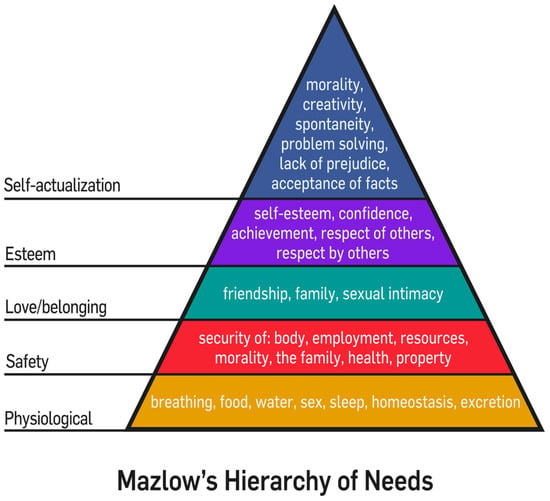
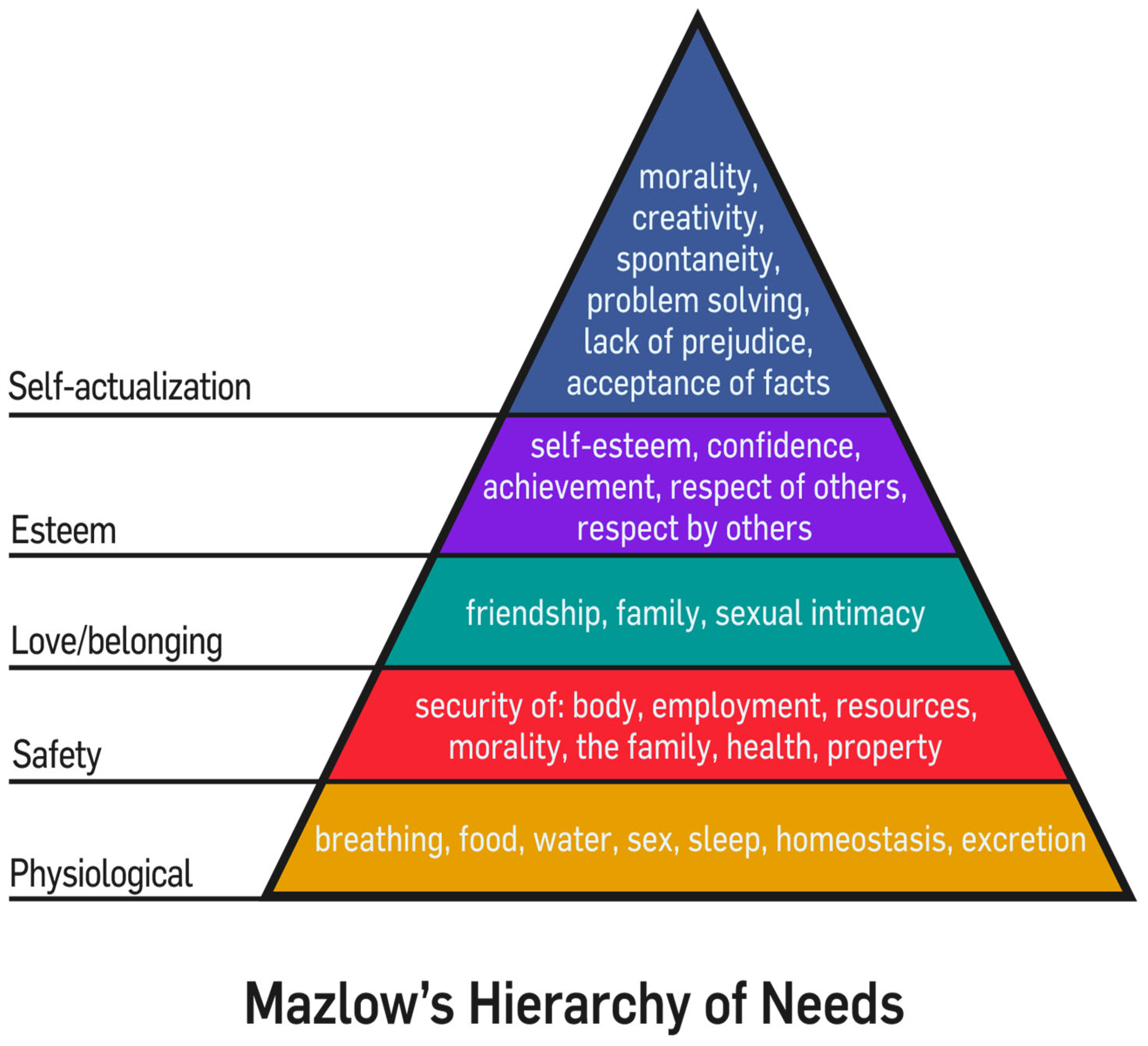
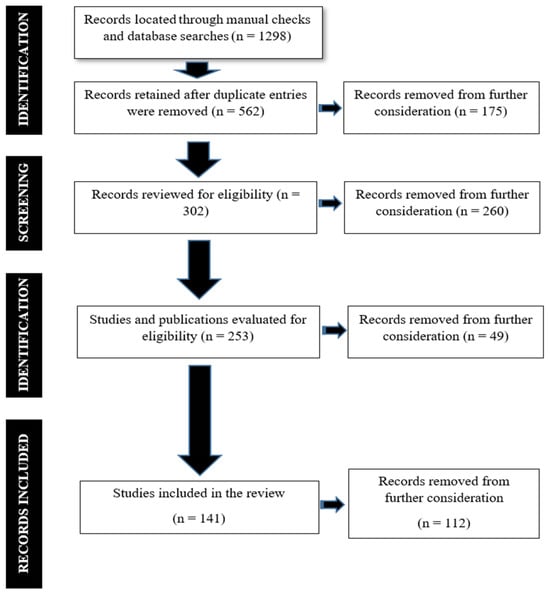
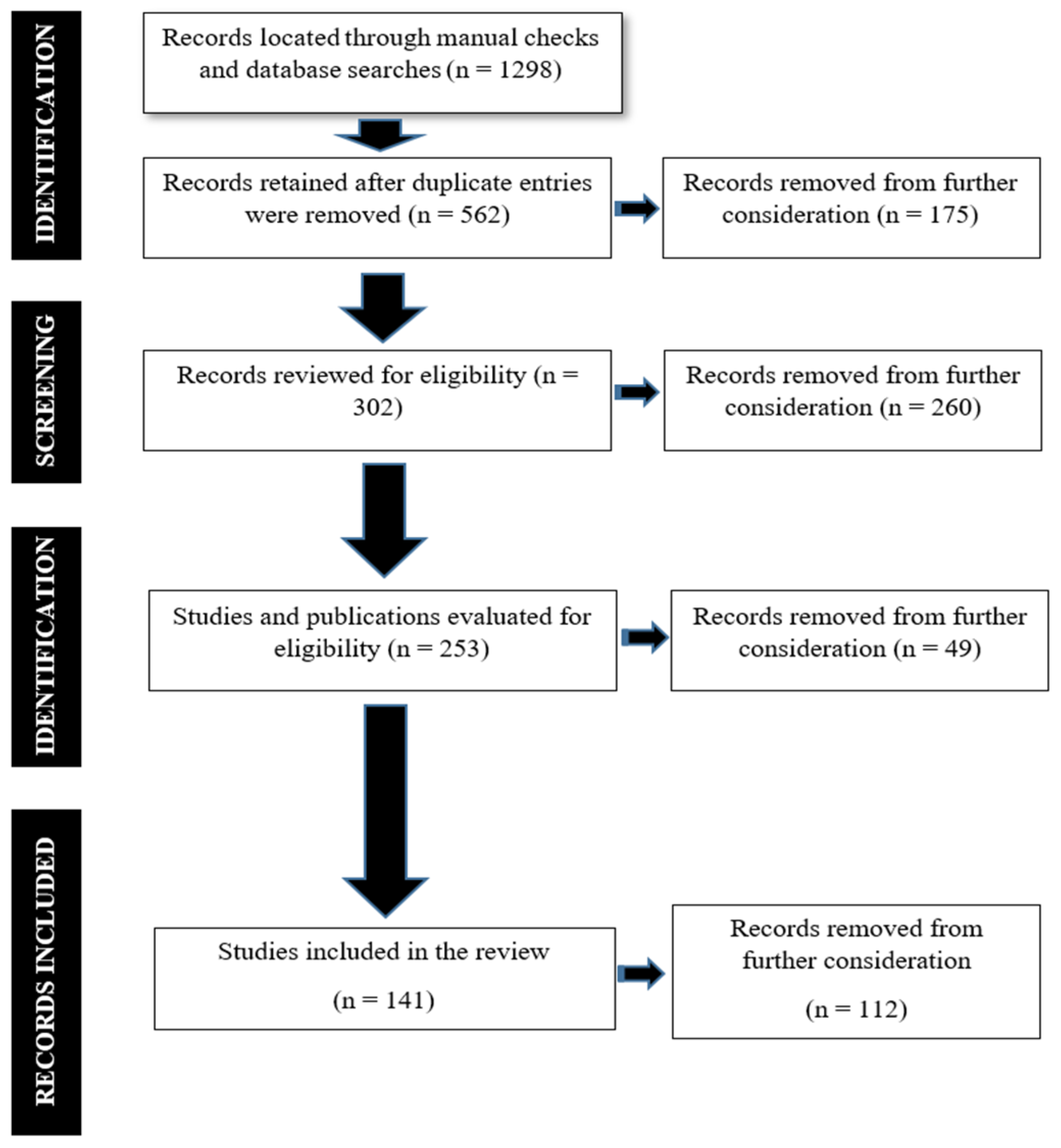

Disclaimer/Publisher’s Note: The statements, opinions and data contained in all publications are solely those of the individual author(s) and contributor(s) and not of MDPI and/or the editor(s). MDPI and/or the editor(s) disclaim responsibility for any injury to people or property resulting from any ideas, methods, instructions or products referred to in the content. |
© 2026 by the authors. Licensee MDPI, Basel, Switzerland. This article is an open access article distributed under the terms and conditions of the Creative Commons Attribution (CC BY) license.