


Abstract
Urban residents require space-efficient interventions to mitigate chronic stress. While indoor digital nature shows promise, the precise impact of interactive design parameters remains unclear. This study investigated how interactive feedback intensity (none, slow, fast) and color hue (neutral, warm, cool) influence psychological and physiological restoration. Following negative emotion induction, healthy participants engaged in within-subject conditions evaluated via multimodal assessments, including EEG, HRV, and subjective scales (PANAS, PRS, SAM/PAD). Results identified interactive feedback intensity as the primary driver of restoration. Specifically, fast feedback improved positive affect by up to 20.4% and reduced negative affect by 20.8% compared to passive self-restoration. Neurologically, interactive engagement was associated with elevated EEG alpha-band activity by up to 97.8% relative to standing controls, a pattern consistent with cortical relaxation. Furthermore, while physical interaction was uniformly associated with physiological indices broadly consistent with recovery, color hue significantly moderated subjective outcomes. Neutral and warm hues generated significantly higher overall perceived restorativeness (M = 73.18 and M = 70.14, respectively) than the self-restoration control (M = 61.26). Notably, neutral tones were uniquely associated with modest changes in HRV time-domain indices suggestive of parasympathetic autonomic modulation. These findings provide actionable, empirically validated guidelines for deploying responsive digital interventions to support mental well-being in dense urban interiors.
1. Introduction
1.1. Background: Restorative Needs in Dense Urban Interiors
Promoting both physical and mental health is increasingly recognized as central to sustainable urban development. The World Health Organization (WHO) highlights health as a key benchmark for evaluating the sustainability of urban policies, and mental health has been explicitly incorporated into the Sustainable Development Goals (SDGs) [1,2]. In this broader context, recent systematic reviews emphasize that integrating sustainability into urban planning requires cohesive and multidimensional frameworks to mitigate various urban vulnerabilities and environmental stressors [3]. In high-density cities, residents are frequently exposed to environmental and social stressors such as overcrowding, pollution, and social isolation, which can aggravate psychological burdens and diminish well-being [4,5,6]. Accordingly, improving the quality of urban environments, including indoor public and semi-public spaces, has become an important pathway toward enhancing urban sustainability and residents’ quality of life.
A growing body of research indicates that typical urban settings are often insufficiently restorative, whereas exposure to natural environments or the integration of natural elements within cities can support stress relief and attention recovery [7,8,9,10,11]. In indoor contexts, access to nature through window views has also been shown to improve perceived comfort, suggesting that even indirect contact with nature may contribute to restorative experiences [12]. While greening and landscaping are widely considered cost-effective measures for upgrading environmental quality [13], restorative outcomes are not confined to strictly “natural” settings; well-designed urban spaces and historic built environments can also elicit restorative benefits [14,15]. However, recent evaluations of urban spaces highlight that to maximize these benefits, built environments must bridge the gap between their existing spatial identity and the modern community’s needs by fostering a cohesive and inclusive spatial experience [16]. Together, these findings underscore the need for scalable, space-efficient interventions that can seamlessly adapt to various architectural contexts and enhance restorative experiences in dense urban indoor and public environments.
1.2. Approach: Screen-Based Interactive Digital Multimedia
Advances in digital technology have expanded the concept of “virtual nature”, with growing evidence indicating that nature-inspired digital experiences can significantly reduce stress and improve mood [17,18,19]. Beyond direct exposure to real nature, studies on biophilic design and nature representations show that symbolic or abstract natural cues, such as organic patterns, water-related imagery, and non-rhythmic sensory stimuli, can promote psychological restoration in indoor environments [20,21,22,23,24,25]. These insights have led to the development of digital multimedia installations and multisensory environments aimed at reducing negative emotions, enhancing positive feelings, and encouraging engagement in settings such as healthcare and senior care facilities [26,27,28,29,30,31,32].
For urban indoor applications, screen-based interactive media—such as large-display or projection systems—offer a compelling alternative to immersive virtual reality (VR) interventions. A growing body of research has utilized VR for digital nature exposure, citing its capacity for high-fidelity immersive environments [11,17]. However, VR interventions frequently rely on passive 360-degree viewing and utilize head-mounted displays that completely isolate users from their physical and social surroundings. Furthermore, VR can inadvertently induce cybersickness or physical discomfort due to sensory-motor conflict [33]. Screen-based systems circumvent these deployment barriers while maintaining the user’s spatial awareness. Crucially, rather than relying solely on visual isolation, screen-based interactive multimedia leverages embodied agency. Previous research indicates that interactive media, particularly when providing high feedback intensity, can enhance emotional and restorative outcomes compared to passive viewing. Interaction increases user agency, physical engagement, and a sense of “soft fascination”, which may correlate with restorative attributes such as compatibility and being away [30,31,32]. However, much of the existing research on digital interventions remains fragmented, with a heavy reliance on self-report data and limited exploration of how specific design features—such as feedback intensity and color hue—affect restorative and affective responses. Therefore, there is a need for controlled studies that combine subjective assessments with objective physiological indicators to explore these effects more rigorously.
1.3. Theoretical Framework and Rationale for Key Design Variables
Research on restorative environments commonly draws on Stress Reduction Theory (SRT) and Attention Restoration Theory (ART). SRT explains why nature-related cues can reduce stress responses and improve affect, whereas ART specifies how an environment supports recovery from directed attention fatigue through four experiential attributes—being away, fascination, coherence, and compatibility [34,35,36]. In this study, ART is used as the primary framework to translate “restorativeness” into measurable dimensions (via PRS), while SRT provides complementary support for expected mood- and stress-related changes.
To operationalize these theories in screen-based interactive digital multimedia, we adopt a design-to-mechanism logic: restorative outcomes should depend not only on what nature-inspired content is presented but also on how users can interact with it. Specifically, interactive systems differ in the strength and immediacy of action–response coupling, which shapes perceived agency and engagement. Stronger and more timely coupling is expected to increase compatibility (the environment supports users’ intended actions) and facilitate being away (psychological distance from stressors) by sustaining embodied involvement; it may also enhance attentional engagement akin to “soft fascination” [37,38,39]. Therefore, interactive feedback intensity is selected as the first controllable design variable.
In addition, even when content and interactivity are held constant, color hue can systematically alter affective appraisal and arousal, thereby modulating the emotional tone of the experience [40]. Hue may thus influence restoration indirectly—through mood improvement (consistent with SRT) and through ART-related experiential qualities such as fascination and being away. Accordingly, color hue is selected as the second controllable variable. Together, these two variables—feedback intensity and hue—provide theoretically grounded and practically manipulable parameters for testing how specific design features of interactive media contribute to restoration and mood regulation in indoor environments.
1.4. Study Contributions
While prior research has established the restorative potential of digital nature, most studies have heavily focused on passive visual exposure (e.g., static images, videos) [7,9] or highly encapsulating immersive technologies (e.g., VR headsets) that isolate the user from their environment [11,33]. Consequently, the specific mechanisms through which active interactivity drives restoration in shared, non-immersive spaces remain largely treated as a “black box.” Furthermore, existing literature frequently relies on self-reported data, lacking robust physiological validation [9]. This gap presents a critical opportunity to formalize a reproducible, evidence-based paradigm for interactive restorative environments in dense urban settings. To advance knowledge beyond these prior studies and clearly distinguish the benefits of interactive agency from passive VR immersion, this research makes three distinct contributions to the fields of restorative environments and sustainable urban well-being:
- Mechanistic Unpacking of Interactivity (Theoretical Advancement): We move beyond merely demonstrating that digital interventions “work” to isolating how they work. By experimentally manipulating interactive feedback intensity (no feedback [NF], slow feedback [SF], and fast feedback [FF]) and color hue (neutral color [NC], warm color [WC], and cool color [CC]), we empirically unpack the specific design parameters that trigger restorative responses. This clarifies the action–response mechanisms that facilitate psychological detachment and mood regulation under controlled conditions.
- Multimodal Validation (Methodological Advancement): We overcome the limitations of subjective bias prevalent in previous environmental psychology studies [9] by providing synchronized, multimodal evidence. By integrating continuous physiological indicators (EEG and HRV) with subjective measures (PRS, PANAS, SAM/PAD), we establish a more rigorous, objective neurophysiological basis for the restorative potential of screen-based interactive multimedia.
- Scalable Spatial Application (Practical Advancement): Unlike resource-intensive and isolating immersive VR setups, we position screen-based interactive multimedia as a novel, space-efficient, and socially inclusive restorative paradigm. Crucially, by clearly defining and testing standardized interaction parameters (specific feedback speeds and chromatic palettes), we provide highly reproducible design guidelines. This allows other researchers and practitioners to seamlessly replicate these setups and adapt them for diverse urban public or semi-public spaces, motivating inclusive content design for users with spatial or mobility limitations [26,27,28,30,31].
- Building on these theoretical and methodological advancements, this study addresses two specific research questions. RQ1 examines whether interactive feedback intensity (NF/SF/FF) enhances perceived restorativeness and mood regulation relative to self-restoration in the same indoor setting. RQ2 examines whether color hue (NC/WC/CC) moderates the benefits of interactive media under comparable interaction conditions.
2. Materials and Methods
2.1. Participants and Ethics
2.1.1. Participant Selection and Characteristics
A total of 101 healthy undergraduate students (age range: 21–25 years; M = 22.3, SD = 0.79; 41 males, 60 females) were recruited from the College of Architecture and Urban Planning. All participants were screened using the Hamilton Depression Scale (HAM-D) to ensure the absence of clinical depressive symptoms. This specific demographic was selected due to their familiarity with digital multimedia and its potential applications in urban environments.
Data points with technical issues (e.g., sensor detachment, incomplete questionnaires, or external interference) were excluded from the final analysis. The final validated sample sizes for each experimental phase were as follows:
- Pilot study (Pre-experiment): N = 22 (17 females; age: M = 21.59, SD = 0.96), with specific measures including PANAS (n = 16), EEG (n = 20), HRV (n = 13), PRS (n = 22), and SAM (n = 20).
- Feedback intensity experiment: N = 32 (16 females; age: M = 22.50, SD = 0.62), including PANAS (n = 28), EEG (n = 32), HRV (n = 26), PRS (n = 30), and SAM (n = 31).
- Color hue experiment: N = 47 (28 females; age: M = 22.49, SD = 0.62), including PANAS (n = 37), EEG (n = 47), HRV (n = 40), PRS (n = 43), and SAM (n = 37).
The homogeneity of the sample (architecture undergraduates, aged 21–25) was acknowledged as a limitation of the current study. However, within the scope of this study, this demographic consistency also served as a form of implicit statistical control: by recruiting participants with comparable technological familiarity and educational backgrounds, baseline variance attributable to digital literacy or technology acceptance was minimized, allowing the observed effects to be more confidently attributed to the experimental manipulations (feedback intensity and color hue). Future studies should replicate these findings with more diverse samples to establish broader generalizability.
2.1.2. Research Ethics and Informed Consent
The study was conducted in accordance with the Declaration of Helsinki. Prior to participation, all individuals were briefed on the study objectives, experimental procedures, potential risks, and data privacy protocols. Written informed consent was obtained from all participants, who were explicitly informed of their right to withdraw from the study at any time without penalty.
2.2. Experimental Setting and Apparatus
The experiment was conducted in a dedicated laboratory at the Beijing University of Civil Engineering and Architecture. To ensure a private and focused environment, the physical space was partitioned into three distinct functional areas:
- Preparation area: Equipped with tables for participants to fill out questionnaires and set up physiological testing devices.
- Manipulation area: A separate space where the researcher controlled the experiment and operated the computer to minimize distractions.
- Experimental area: This area featured a 100-inch screen displaying the interactive animations via a Changhong 100C7UG laser projector (Sichuan Changhong Electric Co., Ltd., Mianyang, China). A Kinect V2 motion capture system (Microsoft Corporation, Redmond, WA, USA) was placed below the screen to track participants’ movements in real-time within the interactive recognition area, which measured 1200 mm × 2000 mm and was located 1200 mm away from the screen. Behind this zone, a seating area was provided for participants to watch emotion-inducing videos.
The layout of the lab is shown in Figure 1.
Figure 1.
Experimental environment and spatial layout. (a) Photograph of the physical setting, showing the large-format projection screen, the Kinect V2 motion capture sensor, and the designated interaction zone marked on the floor. (b) Axonometric schematic illustrating the laboratory’s division into three functional zones—preparation, manipulation, and experimental areas—along with the positioning of the physiological monitoring (EEG/HRV) and interactive equipment.
Apparatus Physiological monitoring utilized an Emotiv EPOC-Flex EEG cap (Emotiv Inc., San Francisco, CA, USA) to monitor the brain activity (EEG) of the participants and a Shimmer GSR+ device (Shimmer Research Ltd., Dublin, Ireland) to measure Heart Rate Variability (HRV), with two electrodes attached to participants’ fingers. This setup allowed for synchronized subjective (e.g., questionnaires, emotional ratings) and physiological (EEG, HRV) measurements throughout the experiment.
2.3. Stimuli and Conditions
The experiment included two categories of stimuli: (i) emotion-induction materials used to elicit negative affect (sadness or boredom) and (ii) screen-based interactive digital multimedia used as the restorative/affective intervention under different design conditions.
2.3.1. Emotion Induction Materials (Sadness and Boredom)
- Sadness induction (SE): Sadness was induced using emotional film clips (3–5 min), a commonly used laboratory method for eliciting discrete emotions and producing measurable physiological and subjective changes [41,42]. Based on film-clip database evidence and prior examples of sadness-eliciting content involving death or suicide-related narratives [43], four films were selected: The Pianist, Just Say Goodbye, Aftershock, and Manchester by the Sea. Clips were randomly selected from these materials during the relevant stages.
- Boredom induction (BE): Boredom was conceptualized as a negative, deactivating emotion often arising in achievement-related contexts when tasks are perceived as low-value, offer limited agency/choice, or are uninteresting [44,45,46]. To approximate such conditions, boredom was induced using online course/lecture clips. Because participants were from architecture-related disciplines, the videos were deliberately selected from less familiar specialized content in other disciplines (e.g., energy, mathematics, education, training), and some clips were not in the participants’ native language, to increase perceived low relevance and reduce intrinsic interest.
Across induction phases, EEG and HRV were recorded continuously, and PANAS and SAM were administered after viewing to assess the effectiveness of emotional arousal.
2.3.2. Interactive Digital Multimedia Conditions
Platform and interaction technology. The interactive content was developed using TouchDesigner (version 2021.15800) for real-time graphics generation and projection mapping. The system utilized a Kinect V2 motion capture sensor to track participant movements and trigger visual responses based on depth changes.
Content strategy (nature-inspired patterns). Interactive content incorporated natural elements or nature-like patterns. Fractal dimension control was used to regulate pattern generation, helping maintain consistency of animation content across experimental materials while varying interaction properties.
Experimental conditions. As summarized in Table 1, five interactive conditions were developed to test the effects of feedback intensity and color hue. Figure 2 provides representative screenshots of these conditions.
Table 1.
Descriptions and abbreviations of the experimental conditions for interactive digital multimedia across all phases.
Figure 2.
Screenshots of the interactive digital multimedia animation content: (a) Warm color interaction with fast feedback, (b) neutral color interaction with fast feedback, and (c) cool color interaction with slow feedback.
2.4. Study Design and Procedure
This study adopted an experimental design comprising three sequential parts: (i) a pre-experiment, (ii) a feedback intensity experiment, and (iii) a color hue experiment. All sessions were conducted in the same laboratory using a within-subject design within each experiment. Across all parts, participants were exposed to negative emotion induction (sadness or boredom), followed by either self-restoration in the same indoor setting or interaction with screen-based digital multimedia, while subjective and physiological responses were continuously recorded. The general experimental procedure is illustrated in Figure 3.
Figure 3.
General experimental procedure.
Pre-experiment (pilot and manipulation check)
The pre-experiment served two purposes: to verify the effectiveness of the emotion-induction materials (sadness-eliciting vs. boredom-eliciting videos) and to obtain initial evidence on the relative benefits of different types of interactive digital multimedia. At the beginning of each session, 5 min of baseline physiological data (EEG and HRV) were collected while participants rested quietly. Participants were then asked to sit still and watch a 3–5 min video selected at random from a set of films previously identified as inducing either boredom (online courses or lecture clips) or sadness (clips from The Pianist, Just Say Goodbye, Aftershock, or Manchester by the Sea). Immediately afterwards, they completed the PANAS and SAM scales (≈3 min) to assess changes in affect and emotional state.
In the next phase, participants viewed a 6 min block of interactive digital multimedia and were instructed to move freely within the interaction area to engage with the screen content. The animation content was randomly selected from three categories: music-multisensory interaction (MM), fast feedback interaction (FF), and slow feedback interaction (SF). Based on evidence that time spent in restorative settings often follows an inverted U-shaped relationship with restorative effectiveness, each 6 min block was composed of three different clips within the same interaction category, each played for 2 min to avoid overexposure to a single scene. Finally, participants again completed PANAS, SAM, and the Perceived Restorativeness Scale (PRS) (≈3 min) to evaluate post-interaction mood and perceived restoration. Each participant completed three full sessions of this pre-experiment, experiencing different combinations of emotion-induction videos (boredom- vs. sadness-eliciting) and the three interaction types (MM, FF, SF). Physiological indicators were recorded continuously throughout.
Main experiment 1: Feedback intensity (NF/SF/FF vs. self-restoration)
Findings from the pre-experiment indicated that sadness-inducing films produced stronger negative affect and lower pleasure than boredom-inducing materials and thus were more suitable for testing recovery effects. In the feedback intensity experiment, all emotion-induction phases therefore used only sad movie clips.
Each session began with 5 min of baseline physiological recording, followed by a blank control (self-restoration) condition. In this control condition, participants first sat still and watched a 3–5 min sadness-eliciting film clip randomly selected from the four movies mentioned above. They then completed PANAS and SAM (≈3 min). Next, instead of interacting with the screen, participants were instructed to stand and rest quietly within the interaction area for a fixed period, maintaining the same body posture as in the later interaction conditions to control for posture-related effects. Data from this standing rest period were treated as the self-restoration phase. At the end of the control session, participants completed PANAS, SAM, and PRS (≈3 min).
The experimental interaction conditions followed the same four-stage structure, but in the third phase, the standing rest was replaced by a 3 min block of interactive digital multimedia. Participants moved within the interaction area and received one of three feedback intensities: no feedback (NF), slow feedback (SF), or fast feedback (FF), depending on the condition. The order of NF, SF, and FF sessions was randomized across participants. Each participant completed the full sequence three times, viewing four different sadness-eliciting clips in total and experiencing all three feedback conditions. Physiological data were recorded continuously; to limit overall session length, PANAS assessments after some sadness-induction phases were omitted as needed while preserving the core before/after comparisons.
Main experiment 2: Color hue (NC/WC/CC under matched interaction)
The color hue experiment used a procedure parallel to the feedback intensity experiment but manipulated the hue of the interactive content rather than feedback strength. In this experiment, all interactive scenes employed the fast feedback interaction mode to keep feedback intensity constant while varying hue. Three categories of digital media animation were created: neutral color (NC; e.g., white, grey), warm color (WC; e.g., orange, red), and cool color (CC; e.g., blue, purple).
As in the feedback intensity experiment, each session began with 5 min of baseline recording, followed by sadness induction with a 3–5 min film clip and subsequent self-report (PANAS, SAM). Participants then either underwent a standing self-restoration period or interacted for a fixed duration with one of the three hue conditions (NC, WC, or CC) in the interactive recognition area. After each session, PANAS, SAM, and PRS were administered to assess post-condition mood and perceived restoration. Each participant experienced all three hue conditions in randomized order, with physiological indicators recorded throughout.
2.5. Measures and Data Analysis
2.5.1. Subjective Measures
Positive and Negative Affect Schedule (PANAS): PANAS assessed subjective mood via two subscales: Positive Affect (PA) and Negative Affect (NA). Each subscale contains 10 mood descriptors rated on a 5-point scale. PANAS is widely used and has been shown to be reliable and valid across clinical and healthy populations, with evidence of gender invariance [47,48].
Self-Assessment Manikin (SAM): SAM was used to measure participants’ subjective emotional state on three dimensions—pleasure, arousal, and dominance—each rated on a 9-point scale and represented by pictorial figures to reduce ambiguity due to language translation [49]. SAM scores were later used to derive PAD values.
Perceived Restorativeness Scale (PRS): PRS assessed perceived restorativeness based on the four ART characteristics. The instrument includes 26 items mapped to these dimensions, with prior work supporting its consistency [50]. A Chinese version was used, with four “readability” items removed; reliability and validity were examined to improve suitability for Chinese participants. Due to the item wording direction, some PRS items required reverse scoring before analysis.
2.5.2. Physiological Measures
EEG (alpha-band activity): EEG was collected using the Emotiv EPOC-Flex system (Emotiv Inc., San Francisco, CA, USA) with 32 non-invasive electrodes and a 1000 Hz sampling rate. Noise and artifacts were filtered using the default settings in Emotiv Pro, which also computes band power spectral density. EEG signals were processed using EEGLAB (version 2021.1) running on MATLAB R2021a and partitioned into standard frequency bands: delta (0–4 Hz), theta (4–8 Hz), alpha (8–14 Hz), beta (14–40 Hz), and gamma (≥40 Hz). Given prior evidence linking alpha activity with calm/relaxed states and with perceived restorativeness (PRS) [51], the primary EEG outcome for this study was alpha-band activity.
HRV (time-domain and frequency-domain indices): HRV was collected using Shimmer GSR+ with two non-invasive electrodes and a Bluetooth receiver (1000 Hz sampling rate). The host unit was fixed on the wrist of the non-dominant hand, and electrodes were attached to the middle joints of the index and middle fingers of the same hand. Signal filtering used default settings in Consensys PRO (version 1.6.0). Data were read with pandas (version 1.3.4), filtered via filter_signal1(), and heart rate was computed using get_heartrate(). HRV analysis used heartpy (version 1.2.7), extracting:
- Time-domain features: SDNN, RMSSD, SDSD [52].
- Frequency-domain features: Spectral components including LF, HF, and the LF/HF ratio [53,54]. Low HRV values have been associated with tension and higher values with relaxation and subjective well-being [55]. LF was interpreted as reflecting sympathetic activation and HF parasympathetic activation; increases in LF/HF were treated as indicating increased unfavorable emotions, such as tension [56].
2.5.3. Data Analysis and Statistical Approach
Distribution checks and test selection were conducted to determine the appropriate statistical methods for each measure:
- EEG alpha: EEG data were transformed using FFT, alpha-band values were extracted, and the Kolmogorov–Smirnov test was applied. Because alpha data across phases were non-normally distributed, nonparametric tests were used for comparisons.
- HRV: After processing, the Kolmogorov–Smirnov test was applied to secondary indices (time-domain: RMSSD, SDNN, SDSD; frequency-domain: LF/HF). These data were also non-normally distributed, so nonparametric tests were conducted.
- PRS: After reverse scoring where needed, PRS data were assessed for normality (Kolmogorov–Smirnov) and homogeneity of variance. Because assumptions were met, a one-way ANOVA was used for overall PRS comparisons, followed by t-tests or nonparametric tests for comparisons on the four restorative characteristics.
- PANAS: Analyses were initially evaluated following parametric test requirements (Kolmogorov–Smirnov and homogeneity of variance). When the assumption of normality was not met, nonparametric approaches were utilized for subsequent comparisons.
- SAM/PAD: PAD values were computed from SAM [49] and used to position states within emotion-space models, including mapping to a two-dimensional emotion model informed by Russell’s framework [57], to interpret the emotional states associated with different phases and interaction types.
To ensure statistical rigor and reporting transparency, all tests were evaluated with a pre-specified alpha level of 0.05. Exact p-values are reported for all statistical tests to three decimal places (e.g., p = 0.032), except when values fall below 0.001, which are reported as p < 0.001. For post hoc pairwise comparisons following significant omnibus tests, Bonferroni corrections were strictly applied to adjust p-values and control for Type I error inflation. Furthermore, to quantify the magnitude of the observed differences, standardized effect sizes are reported alongside significance tests (i.e., partial eta squared () for ANOVA and epsilon-squared (ε2) for nonparametric tests, and r for nonparametric post hoc pairwise comparisons). Where applicable, 95% Confidence Intervals (CIs) are also provided to indicate the precision of the estimated effects.
3. Results
3.1. Manipulation Check (Pre-Experiment)
Before evaluating specific restorative design parameters, the pre-experiment aimed to verify the efficacy of the emotion-induction stimuli and establish initial evidence for the restorative potential of interactive multimedia.
3.1.1. Validation of Negative Emotion Induction
To ensure subsequent comparisons of recovery were meaningful, we first verified that the selected media stimuli successfully elicited the target affective states. Converging subjective and physiological data confirmed a robust stress response. Descriptively, both sadness-eliciting (SE) and boredom-eliciting (BE) clips were associated with low positive affect (PA) and elevated negative affect (NA) (Table A1). SAM/PAD mapping illustrated a clear trajectory of emotional shift: during induction, participants’ states were located distinctly in the negative/deactivation quadrants (“bored” and “anxious”) (Figure 4 and Figure 5).
Figure 4.
Trajectory of emotional states in the 3D PAD space. The scatter plot illustrates the shift in participants’ emotional states from negative induction phases (red points: Sadness/Boredom, located in the −P/−A/−D “Anxious/Bored” quadrants) to interactive phases (blue points: Fast/Slow Feedback, Music, shifting toward the +P/+A/+D “Exuberant” quadrant). (Note: P = Pleasure, A = Arousal, D = Dominance).
Figure 5.
Emotional state transition on the 2D Circumplex Model. The gray arrow highlights the restorative shift from the negative/deactivation quadrant (Red: Sadness/Boredom) toward the positive/activation quadrant (Blue: Fast/Slow Feedback, Music), aligning with states of interest and excitement.
Crucially, this subjective distress was corroborated by autonomic physiological responses. A Kruskal–Wallis test revealed that frequency-domain HRV (LF/HF ratio) differed significantly across stages (H(5) = 25.618, p < 0.001, ε2 = 0.512). Pairwise comparisons (Dunn’s test with Bonferroni correction) showed the LF/HF ratio was significantly higher during the SE stage compared to Fast Feedback (FF) (p < 0.001, r = 0.834), Slow Feedback (SF) (p = 0.001, r = 0.775), Multimedia (MM) (p = 0.005, r = 0.707), and BE (p = 0.007, r = 0.688). This synchronization of heightened sympathetic activation and subjective distress confirms that the SE clips provided an effective, high-arousal negative baseline for testing subsequent restoration.
3.1.2. Multimodal Restorative Indicators from Interactive Engagement
Following emotion induction, interactive engagement was associated with significant psychological recovery and changes in cortical activity consistent with relaxation. Subjectively, a one-way ANOVA indicated significant differences in PA across stages (F(5, 174) = 4.195, p = 0.001, = 0.107). Post hoc comparisons with Bonferroni correction showed that PA significantly increased from SE (M = 19.31, 95% CI [15.71, 22.91]) to FF (M = 28.38, p = 0.001, 95% CI [23.71, 33.04]) and MM (p = 0.001). Similarly, NA showed significant stage effects (H(5) = 21.050, p = 0.001, ε2 = 0.178), with FF demonstrating the strongest impact by significantly reducing NA scores compared to SE (p = 0.002, r = 0.658). Descriptively, FF demonstrated the strongest impact by reducing NA scores by up to 37.1% and improving PA scores by up to 65.1% compared to the emotion induction phase (Figure 6).
Figure 6.
Box plots of PANAS scores in the pre-experiment: (a) PA, (b) NA. Circles (○) denote mild outliers. Blue = emotion induction phases; green = interactive intervention phases.
This affective recovery aligns closely with the Perceived Restorativeness Scale (PRS) outcomes (F(3, 84) = 3.776, p = 0.014, = 0.119). The restorative advantage of interactive modes was driven primarily by ‘Compatibility’ (F(3, 84) = 5.449, p = 0.002, = 0.163), where all interactive modes clearly outperformed passive self-restoration (FF: p = 0.005, 95% CI [1.00, 8.24]; SF: p = 0.012, 95% CI [0.64, 7.88]; MM: p = 0.010, 95% CI [0.73, 7.97]) and ‘Being away’ (H(3) = 11.482, p = 0.009, ε2 = 0.132), where FF scored significantly higher than self-restoration (p = 0.014, r = 0.459) (Figure 7). This suggests that the immediate contingencies provided by responsive systems effectively support user intentions and distract from internal stressors, fostering psychological detachment.
Figure 7.
Box plots of PRS dimensions in the pre-experiment: (a) Being away, (b) Fascination, (c) Coherence, (d) Compatibility, and (e) Total PRS. Circles (○) and asterisks (*) denote mild and extreme outliers, respectively. Gray = passive self-restoration (control); green = interactive intervention phases.
Importantly, these subjective psychological shifts corresponded with neurological responses. EEG alpha activity differed significantly across stages (H(5) = 30.465, p < 0.001, ε2 = 0.223). Alpha power during FF and SF was significantly higher than during the Baseline phase (FF: p = 0.001, r = 0.650; SF: p = 0.012, r = 0.530) and significantly higher under FF compared to the Sadness Induction phase (p = 0.006, r = 0.562). This indicates that interactive engagement was associated with reduced cortical arousal relative to stress induction and baseline states—a pattern consistent with, though not conclusive of, attentional relaxation (Figure 8).
Figure 8.
Box plot of EEG Alpha wave activity across pre-experiment phases. Circles (○) and asterisks (*) denote mild and extreme outliers, respectively. Gray = baseline; blue = emotion induction phases; green = interactive intervention phases.
However, time-domain HRV indices showed no statistically significant changes across stages (SDNN: H(5) = 2.113, p = 0.833, ε2 = 0.035; RMSSD: H(5) = 7.876, p = 0.163, ε2 = 0.133; SDSD: H(5) = 10.725, p = 0.057, ε2 = 0.192). This temporal divergence between EEG and HRV suggests that while interactive visual feedback appears to quickly captivate attention and alleviate perceived mental fatigue (as suggested by cortical alpha shifts and PRS spikes), there is insufficient evidence to claim it triggers deep parasympathetic autonomic recovery within the brief exposure timeframe (Figure 9).
Figure 9.
Box plots of HRV indices in the pre-experiment: (a) RMSSD, (b) SDNN, (c) LF/HF, (d) SDSD. Circles (○) and asterisks (*) denote mild and extreme outliers, respectively. Gray = baseline; blue = emotion induction phases; green = interactive intervention phases.
Overall, the manipulation check confirms that the selected materials effectively induced negative affect, establishing an appropriate baseline, and suggests that interactive engagement primarily supports subjective recovery and is associated with cortical activity patterns consistent with relaxation.
3.2. Main Experiment 1: Effects of Feedback Intensity (NF/SF/FF)
RQ1 investigated whether interactive feedback intensity (No Feedback [NF], Slow Feedback [SF], Fast Feedback [FF]) improves restoration and mood regulation compared with passive self-restoration (standing rest) and how these effects differ across feedback speeds.
3.2.1. Psychological Recovery and Perceived Restorativeness (Feedback Intensity)
Subjective assessments revealed a clear dose–response relationship driven by system responsiveness, where active feedback (FF and SF) distinctly outperformed non-responsive states. For positive affect (PA), a one-way ANOVA showed significant stage effects (F(5, 162) = 5.25, p < 0.001, = 0.140). Post hoc comparisons with Bonferroni correction indicated that only SF and FF generated significant improvements relative to the sadness induction phase (SF: p = 0.027, 95% CI [0.44, 10.47]; FF: p = 0.009, 95% CI [1.37, 11.40]). Descriptively, FF improved PA by up to 20.4% compared to passive self-restoration. Similarly, negative affect (NA) dropped significantly across stages (H(5) = 42.90, p < 0.001, ε2 = 0.234), with pairwise results confirming that FF significantly reduced NA compared to sadness induction (p < 0.001, r = 0.775) and achieved a 20.8% reduction relative to self-restoration (Table A2). This trajectory was corroborated by SAM/PAD mapping (Figure 10 and Figure 11), where FF and SF drove the most pronounced shifts from negative/deactivation states toward positive/activation quadrants (“relaxed” and “exuberant”).
Figure 10.
Trajectory of emotional states in the 3D PAD space. The scatter plot illustrates the shift in participants’ emotional states from the sadness induction phase (red points: specific sadness-eliciting clips, located in the negative Pleasure quadrants) and self-restoration (black point) to the interactive phases (blue points: No, Slow, and Fast Feedback, shifting toward the positive Pleasure quadrants such as “Relaxed” and “Exuberant”). (Note: P = Pleasure, A = Arousal, D = Dominance).
Figure 11.
Emotional state transition on the 2D Circumplex Model. The gray arrows highlight the restorative shift from the negative/deactivation quadrants (Red points: sadness induction clips; Black point: self-restoration) toward the positive/activation quadrants (Blue points: No, Slow, and Fast Feedback). Higher feedback intensities (Slow and Fast Feedback) demonstrate a more pronounced shift toward states of interest and positive activation.
This affective recovery is further contextualized by the Perceived Restorativeness Scale (PRS) outcomes, which reveal the mechanisms underlying these mood shifts (F(3, 116) = 10.894, p < 0.001, = 0.220). While even minimal interactivity (NF) increased feelings of ‘Being away’ (p = 0.001, 95% CI [1.12, 5.77]) and ‘Coherence’ (p = 0.002, 95% CI [0.80, 4.76]) compared to self-restoration, actual restorative ‘Compatibility’ required responsive feedback (F(3, 116) = 8.294, p < 0.001, = 0.177). Specifically, only FF (M = 15.06, p < 0.001, 95% CI [1.34, 6.14]) and SF (M = 15.17, p < 0.001, 95% CI [1.45, 6.24]) significantly outperformed self-restoration in Compatibility, whereas NF did not (p = 0.224) (Table A3, Figure 12). This synthesis suggests that responsive visual contingencies (SF/FF) actively reduce cognitive friction and provide a sense of agency that effectively distracts users from internal stressors, whereas non-responsive media (NF) fail to establish the necessary restorative “fit”.
Figure 12.
Box plots of Perceived Restorativeness Scale (PRS) dimensions in Main Experiment 1: (a) being away, (b) fascination, (c) coherence, (d) compatibility, and (e) overall PRS score. Circles (○) denote mild outliers. Gray = passive self-restoration (control); green = interactive feedback conditions.
3.2.2. Neurological and Autonomic Responses (Feedback Intensity)
Mirroring the subjective psychological shifts, physiological data suggested that responsive feedback is primarily associated with cortical activity changes consistent with relaxation, rather than deep autonomic recovery. EEG alpha activity differed significantly across stages (H(8) = 55.672, p < 0.001, ε2 = 0.171). Pairwise comparisons (Dunn’s test) showed that alpha power during both FF and SF was significantly higher than the Baseline period (FF: p = 0.002, r = 0.509; SF: p = 0.004, r = 0.486) and the Sadness Induction phase (FF: p = 0.005, r = 0.475; SF: p = 0.011, r = 0.452). Specifically, descriptive statistics indicated that the mean alpha power during the fast feedback condition (M = 9.06, SD = 7.22) was substantially higher than that of the passive self-restoration control (M = 4.58, SD = 3.75), representing a relative elevation of 97.8%. In contrast, NF showed limited alpha elevation that did not reach statistical significance (p > 0.05). This robust elevation in alpha waves under FF and SF is consistent with reduced cortical arousal relative to stress and baseline states, though this interpretation should be treated cautiously given the broad-spectrum nature of alpha-band activity (Figure 13).
Figure 13.
Box plot of EEG Alpha wave activity across the experimental phases in Main Experiment 1. Circles (○) and asterisks (*) denote mild and extreme outliers, respectively. Gray = baseline and self-restoration (control); blue = emotion induction phases; green = interactive feedback conditions.
However, autonomic responses measured via HRV showed no statistically significant differences across feedback conditions in either frequency-domain (LF/HF: H(8) = 8.678, p = 0.370, ε2 = 0.037) or time-domain indices (SDNN: H(8) = 6.686, p = 0.571, ε2 = 0.029; RMSSD: H(8) = 6.086, p = 0.638, ε2 = 0.026; SDSD: H(8) = 6.871, p = 0.551, ε2 = 0.029) (Figure 14). This temporal divergence between EEG and HRV suggests that while interactive engagement appears to quickly captivate attention and alleviate perceived mental fatigue (as suggested by cortical alpha shifts and elevated PRS compatibility), the current data do not support the claim that it triggers parasympathetic autonomic recovery within the brief 3 min exposure timeframe.
Figure 14.
Box plots of heart rate variability (HRV) indices across the experimental phases in Main Experiment 1: (a) RMSSD, (b) SDNN, (c) LF/HF, and (d) SDSD. Circles (○) and asterisks (*) denote mild and extreme outliers, respectively. Gray = baseline and self-restoration (control); blue = emotion induction phases; green = interactive feedback conditions.
In summary, converging subjective and physiological evidence suggests that responsive interactive feedback (SF and FF) is a primary contributor to restorative outcomes. Real-time visual responsiveness not only enhances perceived compatibility and positive affect but is also associated with cortical activity changes consistent with relaxation, whereas No Feedback (NF) offers limited advantages over passive self-restoration.
3.3. Main Experiment 2: Effects of Color Hue (NC/WC/CC)
RQ2 examined whether color hue moderates the restorative and mood-regulating benefits of screen-based interactive digital multimedia by comparing neutral (NC), warm (WC), and cool (CC) interaction conditions (with the interaction intensity held comparable).
3.3.1. Psychological Recovery and Perceived Restorativeness (Color Hue)
Subjective assessments revealed that while interaction generally reduces negative emotions, the specific color hue significantly moderates positive mood recovery and overall restorativeness. For positive affect (PA), a one-way ANOVA showed significant differences across stages (F(5, 201) = 5.45, p < 0.001, = 0.119). Post hoc comparisons indicated that NC and WC produced significantly higher PA than the self-restoration phase (NC: p = 0.001, 95% CI [1.65, 11.21]; WC: p = 0.012, 95% CI [0.69, 10.24]), whereas CC did not differ significantly from self-restoration (p = 0.810, 95% CI [−1.66, 7.90]). Conversely, negative affect (NA) differed significantly across stages (H(5) = 42.48, p < 0.001, ε2 = 0.206), but pairwise results indicated that all three hue interactions (NC/WC/CC) uniformly reduced NA relative to sadness induction clips (all adjusted p < 0.001, r > 0.53). Thus, hue did not clearly differentiate NA reduction beyond what was achieved by self-restoration under these conditions (Table A4).
This trajectory was corroborated by SAM/PAD mapping, illustrating a clear visual trajectory of mood recovery: emotional states shifted from the negative/deactivation quadrants during sadness induction toward the positive/activation quadrants (“relaxed” and “exuberant”) during the interaction phases. Notably, NC and WC drove more pronounced shifts toward these positive states compared to CC and self-restoration (Figure 15 and Figure 16).
Figure 15.
Trajectory of emotional states in the 3D PAD space across color hue conditions. The scatter plot illustrates the shift from sadness induction (red points) and self-restoration (black point) to the interactive phases (blue points: Neutral, Warm, and Cool Color), shifting toward the positive Pleasure quadrants.
Figure 16.
Emotional state transition on the 2D Circumplex Model. The gray arrows highlight the restorative shift toward the positive/activation quadrants, with Neutral Color and Warm Color demonstrating stronger restorative trajectories.
This affective recovery is further contextualized by the Perceived Restorativeness Scale (PRS) outcomes (F(3, 168) = 7.654, p < 0.001, = 0.120). Post hoc comparisons with Bonferroni correction showed that NC (M = 73.18, p < 0.001, 95% CI [5.02, 18.83]) and WC (M = 70.14, p = 0.004, 95% CI [1.98, 15.79]) were significantly higher in overall restorativeness than self-restoration (M = 61.26), while CC (M = 68.02) showed only a marginal difference (p = 0.058). Component-level patterns (Table A5, Figure 17) clarified that this advantage was driven primarily by ‘Being away’ (NC: p = 0.002; WC: p = 0.017) and ‘Fascination’ (NC: p = 0.001; WC: p = 0.068), rather than ‘Coherence’ (p = 0.493). All hues successfully provided ‘Compatibility’ (p < 0.01), replicating Experiment 1.
Figure 17.
Box plots of Perceived Restorativeness Scale (PRS) dimensions in Main Experiment 2: (a) being away, (b) fascination, (c) coherence, (d) compatibility, and (e) overall PRS score. Circles (○) denote mild outliers. Gray = passive self-restoration (control); green = color hue interaction conditions.
These findings suggest that while the act of interaction itself provides sufficient compatibility to reduce negative affect, neutral and warm hues offer the optimal visual comfort and moderate arousal needed to actively boost positive affect and capture fascination. In contrast, cool colors (CC), which inherently possess lower arousal properties, may inadvertently reinforce the low-energy state of sadness rather than providing the visual stimulation necessary to counteract it.
3.3.2. Neurological and Autonomic Responses (Color Hue)
Physiological data revealed a structural dissociation between cortical and autonomic recovery pathways across the different hues.
Neurologically, alpha activity differed significantly across stages (H(8) = 153.052, p < 0.001, ε2 = 0.353). Pairwise comparisons indicated that alpha power during all three hue interaction phases (NC, WC, CC) was significantly higher than the Baseline period (all p < 0.001, r > 0.81) and the self-restoration phase (all p < 0.001, r > 0.58). Importantly, no significant differences were found among NC, WC, and CC in alpha activity (all adj. p = 1.000, r < 0.10). This suggests that the physical mechanics of interactive engagement uniformly elevate alpha-band activity—a pattern consistent with reduced cortical arousal—regardless of the specific color hue presented (Figure 18).
Figure 18.
Box plot of EEG Alpha wave activity across the experimental phases in Main Experiment 2. Circles (○) and asterisks (*) denote mild and extreme outliers, respectively. Gray = baseline and self-restoration (control); blue = sadness induction phases; green = color hue interaction conditions.
However, autonomic responses measured via HRV demonstrated sensitivity to visual properties. A Kruskal–Wallis test revealed significant differences in time-domain HRV indices across stages (SDNN: H(8) = 25.426, p = 0.001, ε2 = 0.059; RMSSD: H(8) = 17.107, p = 0.029, ε2 = 0.031; SDSD: H(8) = 16.789, p = 0.032, ε2 = 0.030), while frequency-domain HRV (LF/HF) showed no significant changes (p = 0.217). Pairwise comparisons indicated that NC showed the clearest evidence of parasympathetic-associated autonomic modulation: NC was significantly higher than baseline in both SDNN (p = 0.002, r = 0.235) and RMSSD/SDSD (p = 0.042, r = 0.204). Neither WC nor CC reached significance when compared to the baseline period. Time-domain HRV indices for CC remained closer to self-restoration, implying weaker autonomic modulation (Figure 19).
Figure 19.
Box plots of heart rate variability (HRV) indices across the experimental phases in Main Experiment 2: (a) RMSSD, (b) SDNN, (c) LF/HF, and (d) SDSD. Circles (○) and asterisks (*) denote mild and extreme outliers, respectively. Gray = baseline and self-restoration (control); blue = sadness induction phases; green = color hue interaction conditions.
In summary, while the physical act of interaction is uniformly associated with elevated EEG alpha activity consistent with cortical relaxation across all conditions, color hue primarily modulates subjective appraisal and autonomic indices. Specifically, neutral tones (NC) and warm hues (WC) more effectively enhance positive affect and perceived restorativeness, with NC uniquely showing modest time-domain HRV changes suggestive of parasympathetic modulation compared to cool colors or passive self-restoration.
4. Discussion
4.1. Summary of Main Findings and Manipulation Check
This study investigated whether screen-based interactive digital multimedia featuring natural elements can facilitate emotional recovery and perceived restoration in an indoor setting. Crucially, we examined how these effects depend on interactive feedback intensity (RQ1: NF/SF/FF) and color hue (RQ2: NC/WC/CC).
A prerequisite for interpreting these outcomes was ensuring the emotion induction stage successfully generated a baseline stress state. Converging subjective (PANAS, PAD) and autonomic (LF/HF ratio) data confirmed that the sadness-eliciting materials effectively induced acute stress and deactivated affective states (“anxious/bored”). Notably, not all induction stimuli produced equivalent affective profiles—at least one clip (Manchester by the Sea) elicited responses more characteristic of boredom than sadness—underscoring the importance of pre-calibrating induction materials in future work. Against this baseline, our main findings demonstrate that interactive engagement—particularly when the system provides highly responsive feedback (FF) and utilizes neutral (NC) or warm (WC) visual hues—significantly facilitates subjective mood regulation and neurological changes consistent with cortical relaxation.
However, the multimodal data also revealed a structural dissociation between central nervous system (EEG) and autonomic nervous system (HRV) responses. The following sections provide an in-depth analysis of the mechanisms driving these outcomes, comparing them to existing theoretical frameworks and evaluating their real-world trade-offs and generalizability.
4.2. RQ1—Feedback Intensity Drives Restoration and Mood Regulation (NF/SF/FF)
RQ1 evaluated the restorative efficacy of interactive feedback intensity. Our findings demonstrated a clear dose–response relationship: Fast Feedback (FF) yielded the most robust subjective and neurological benefits, Slow Feedback (SF) was intermediate, and No Feedback (NF) offered limited advantages over passive self-restoration.
Analytically, the superiority of FF can be explained through the lens of Attention Restoration Theory (ART) and human–computer interaction (HCI) models of “agency”. Previous studies have shown that high system responsiveness reduces “cognitive friction” and enhances the user’s sense of control. In our study, this was explicitly reflected in the PRS outcomes. Importantly, non-responsive media (NF) was not entirely ineffective; it successfully provided basic psychological distance (‘Being away’) and structural clarity (‘Coherence’). However, actual restorative ‘Compatibility’—the crucial match between user intention and environmental response—strictly required responsive feedback (SF/FF). By translating physical movements into instantaneous visual contingencies, FF captivates “soft fascination” and effectively distracts users from internal rumination.
Neurologically, this cognitive shift corresponded with elevated EEG alpha activity during FF and SF, a pattern consistent with reduced cortical arousal, though the precise relationship between alpha-band changes and attentional relaxation warrants further investigation. However, the lack of significant time-domain HRV improvements across feedback conditions reveals a critical physiological trade-off that warrants deeper examination. This EEG–HRV divergence likely reflects fundamental differences in the temporal dynamics of central versus autonomic nervous system responses. EEG alpha-band activity responds rapidly to changes in attentional state and cognitive load, with phasic power changes detectable within seconds to minutes of stimulus onset [58,59]. In contrast, time-domain HRV indices reflect vagally mediated cardiac modulation operating on slower timescales: even RMSSD, the most short-term-sensitive metric (reliable from ~60 s under stationary conditions), requires physically quiescent states to manifest measurable parasympathetic shifts, whereas SDNN demands a minimum 5 min recording window [60,61]. Notably, even RMSSD showed no significant changes in our study, consistent with evidence that significant HRV recovery during nature exposure has typically required passive viewing of 5–10 min without physical exertion [7,62].
Two factors likely account for this null finding. First, the 3 min interaction window, while sufficient for rapid cortical shifts, was too brief for autonomic stabilization. Second, unlike passive nature exposure, interactive digital media requires active bodily movement (e.g., arm waving, stepping), which elevates sympathetic tone through motor activation and metabolic demand, potentially counteracting any emerging parasympathetic recovery signal. The resulting autonomic profile thus reflects a superposition of two opposing processes: interaction-driven cognitive relaxation pulling toward parasympathetic dominance and movement-driven sympathetic activation pulling in the opposite direction. This explains why EEG (indexing central cognitive state) and HRV (indexing peripheral autonomic state) dissociated in the present study.
Future studies should incorporate post-interaction resting periods (e.g., 5–10 min of quiet sitting) to determine whether autonomic recovery emerges once physical exertion ceases and include movement-matched control conditions to isolate the cognitive contribution of visual contingencies from the physiological effects of bodily movement.
4.3. RQ2—Hue Mainly Modulates Positive Affect and Perceived Restorativeness (NC/WC/CC)
RQ2 examined the moderating role of color hue. Interestingly, while the physical mechanics of interaction uniformly elevated EEG alpha across all hues, the visual palette primarily acted as a moderator for psychological appraisal and subtle autonomic modulation.
Traditional environmental psychology and color theory often associate cool colors (blue/green) with calming, restorative effects, while warm colors (red/orange) are linked to high arousal and stress. However, our findings partially diverge from this traditional consensus. In our study, Neutral (NC) and Warm (WC) colors significantly outperformed Cool Colors (CC) in restoring Positive Affect and Perceived Restorativeness. This apparent contradiction can be analytically explained by the nature of the stressor. Sadness is a low-arousal, deactivating emotion. Therefore, the inherently low-arousal properties of CC may have inadvertently reinforced the low-energy state of sadness. Conversely, NC and WC provided sufficient visual stimulation and arousal to actively “pull” participants out of their emotional slump. This arousal-matching interpretation is further supported by the PRS subscale data: NC uniquely improved both ‘Being away’ and ‘Fascination’—dimensions requiring sustained attentional engagement—whereas CC failed to reach significance on either, consistent with its insufficient arousal to support active psychological detachment.
Furthermore, Neutral Colors (NC) were uniquely associated with a modest but significant improvement in parasympathetic-associated modulation (time-domain HRV), though these effect sizes were small (ε2 = 0.031–0.059) and should be interpreted cautiously pending replication with longer exposure durations. A plausible explanation for NC’s unique autonomic advantage is a visual–cognitive trade-off: while warm colors provide the necessary arousal to boost subjective mood, they may be slightly too stimulating for optimal autonomic relaxation. Neutral tones (white/grey/silver) appear to strike the optimal balance—providing enough contrast for engaging interactivity without inducing sensory overload.
In summary, hue primarily tunes the ‘uplift’ component of the experience, while overall cortical activity patterns consistent with relaxation (EEG alpha elevation) remain robust across hues and are primarily associated with the act of interaction.
4.4. Comparison with Physical and Virtual Nature Interventions
To accurately position the restorative value of screen-based interactive digital multimedia, it is essential to contextualize our findings against established research on physical natural environments and virtual reality (VR) nature interventions.
Traditional studies on physical green spaces consistently report robust autonomic recovery, specifically rapid parasympathetic activation reflected in time-domain HRV improvements [7,10]. In contrast, our findings demonstrated EEG alpha elevation consistent with cortical relaxation but limited autonomic modulation within the brief exposure window. This divergence highlights a fundamental mechanistic difference: physical nature affords deep physiological rest through passive sensory immersion, whereas our interactive system is associated with patterns consistent with cognitive relaxation and affective uplift through active physical engagement. The physical exertion required to trigger on-screen feedback temporarily overrides or delays deep autonomic rest, illustrating a critical trade-off between active psychological agency and passive physiological relaxation.
Furthermore, while recent VR nature studies have demonstrated strong restorative outcomes through high-fidelity visual immersion [11,17,55], they frequently rely on passive 360-degree exposure and can inadvertently induce cybersickness or physical discomfort due to sensory-motor conflict [33]. Our screen-based interactive approach offers a distinct alternative. Although it lacks the fully encapsulated, head-mounted immersion of VR, it compensates by providing high visual-motor synchrony and interactive agency without isolating users from their physical surroundings. By directly mapping user movements to real-time visual contingencies, the system fosters a profound sense of ‘compatibility’ and ‘being away’ that passive digital exposure often struggles to achieve.
Ultimately, screen-based interactive multimedia occupies a unique niche within the restorative environment continuum. It bridges the gap between the profound physiological benefits of physical nature and the highly controlled nature of immersive VR, offering a more accessible, movement-friendly alternative for indoor stress regulation.
4.5. Real-World Implications, Trade-Offs, and Generalizability
4.5.1. Practical Implications and Trade-Offs for Sustainable Design
Our findings offer compelling real-world implications for sustainable urban design. As urban densification limits access to physical green spaces, screen-based interactive media presents a space-efficient, technology-enabled intervention for “micro-restoration” in public or semi-public interiors where physical nature is inaccessible [63]. Furthermore, this approach aligns with the need for multidimensional sustainable urban planning [3], fostering a more inclusive and cohesive restorative environment in high-stress, confined spaces such as transit hubs, hospital waiting rooms, or corporate breakrooms [15].
However, designers must navigate specific trade-offs. First, there is a trade-off between engagement and deep rest. If the goal is to combat mental fatigue and distract from acute negative moods, high-intensity interactive systems (FF) are optimal. If the goal is deep physical and autonomic rest, passive natural environments may still be superior. Second, there is a cost–space trade-off. While interactive walls require less physical footprint and maintenance than indoor plants or water features, they consume energy and risk contributing to “screen fatigue” if overused. Using neutral hues and ensuring smooth, latency-free feedback are crucial design choices to maximize benefit while minimizing sensory fatigue. Specifically, neutral hues (NC) are recommended as the default palette for stress-recovery contexts, given their consistent advantages across positive affect, perceived restorativeness, and time-domain HRV; warm hues (WC) may be preferred where mood activation is the primary goal.
4.5.2. Generalizability
The scope and generalizability of these outcomes must be interpreted within several contextual boundaries. First, the “arousal-matching” interpretation is likely specific to recovery from low-arousal deactivating emotions such as sadness. For high-arousal negative states (e.g., anxiety, acute stress), cool hues may instead prove advantageous by providing calming counter-regulation, and Fast Feedback may feel overstimulating rather than restorative. These findings therefore should not be generalized to all negative affective states without further testing.
Second, the restorative mechanism driven by “agency” and “compatibility” is likely robust across populations, as the human preference for responsive environments is deeply rooted. However, the specific preference for Fast Feedback and Warm/Neutral colors may vary by demographic. Our sample consisted exclusively of young adults (21–25 years) who were architecture and urban planning undergraduates. Their design familiarity and training in spatial design may have shaped their aesthetic appraisal and cognitive processing. Older adults, or individuals with sensory processing sensitivities, might find Fast Feedback overwhelming, potentially shifting the optimal balance toward Slow Feedback (SF) or cooler hues. Furthermore, color associations are known to vary cross-culturally; the relative advantage of NC and WC over CC observed in a Chinese university sample may not generalize to populations with different chromatic cultural associations.
Third, the findings were obtained in a controlled single-user laboratory setting and should be regarded as establishing mechanistic plausibility rather than guaranteed efficacy in real-world deployment. Applied contexts such as transit hubs or hospital waiting rooms involve social presence, ambient distractions, and unpredictable use durations, all of which may modulate restorative outcomes. Moreover, “restoration” in this study refers to short-term affective and cortical recovery within a brief post-stressor window and should not be interpreted as evidence that such interventions can substitute for physical nature exposure or clinical mental health treatment.
Future studies must test these parameters across broader age groups, cultural backgrounds, clinical populations (e.g., individuals with chronic anxiety), diverse stressor types, and real-world deployment contexts to map the population-level robustness of these design parameters.
4.5.3. Limitations
Several methodological limitations and potential confounding variables must be acknowledged when interpreting the results:
- Exposure Duration Discrepancies and Temporal Sensitivity: A notable discrepancy existed in the exposure durations between the pre-experiment (6 min) and the main experiments (3 min). While the 3 min window was selected for ecological validity and to prevent physical fatigue, these varying time windows may influence the comparability of certain time-dependent physiological metrics. Specifically, the 3 min exposure effectively captured rapid cortical shifts (EEG) but was likely insufficient for robust autonomic stabilization (HRV). As discussed in Section 4.2, EEG and HRV operate on fundamentally different temporal scales: alpha-band modulation responds within seconds to attentional shifts, whereas vagally mediated HRV indices require sustained low-arousal periods that the current protocol did not afford. This temporal mismatch represents a key methodological constraint that may have systematically underestimated the autonomic restorative potential of the interactive conditions. Future research should employ extended exposure durations (e.g., 10–15 min) and include dedicated post-interaction resting phases (e.g., 5–10 min of quiet sitting) to allow autonomic indices sufficient time to stabilize, thereby enabling a more complete assessment of the full physiological recovery trajectory.
- Confounding Variables of Movement and Content: Disentangling the cognitive benefits of interactive feedback from the physiological effects of the physical movement itself remains a challenge. The observed psychophysiological responses may partially reflect physical exertion rather than pure interaction. This confound is particularly relevant to the EEG–HRV divergence reported in this study: while cortical alpha elevation likely reflects cognitive-attentional processes relatively independent of gross motor activity, HRV indices are directly sensitive to the sympathetic activation accompanying physical movement. Without a movement-matched non-interactive control condition (e.g., participants performing identical physical gestures without on-screen visual feedback), the specific autonomic contribution of interactive visual contingencies cannot be fully isolated from that of bodily movement alone. Furthermore, separating the intrinsic impact of the multimedia visual content from the interactive mechanics is complex.
- Stimulus Variation: The emotion-induction clips varied in evocative quality and strength, potentially introducing stimulus-specific variance in baseline affect.
5. Conclusions
This study provides novel multimodal evidence that screen-based interactive digital multimedia can serve as a space-efficient restorative intervention to support psychological restoration, with converging subjective and cortical evidence, in high-density urban interiors. The primary novelty and added value of this research lie in bridging environmental psychology with human–computer interaction (HCI) to demonstrate that interactive agency—rather than mere passive exposure to digital nature—is the critical catalyst for psychological recovery. Furthermore, by utilizing a multimodal approach, this study uniquely uncovers a temporal structural dissociation between neurological and autonomic responses during brief digital media exposure. Moving beyond traditional self-reports, our findings indicate that interactive media is associated with rapid increases in EEG alpha-band activity—up to 97.8% relative to standing self-restoration—a pattern that may reflect cortical relaxation, although alternative interpretations of alpha-band modulation cannot be excluded.
Across experiments, interactive feedback intensity emerged as the primary driver of benefits. Fast feedback interaction (FF) most consistently improved restorative and affective outcomes, while slow feedback (SF) showed smaller or marginal improvements, and no feedback (NF) provided limited restorative value. These results highlight the added design value of real-time, responsive visual contingencies, which reduce cognitive friction and foster a sense of compatibility and ‘being away’ [64].
The color hue experiment revealed that while the physical act of interaction uniformly elevates EEG alpha waves regardless of color, the specific hue acts as a crucial moderator for psychological appraisal and subtle autonomic modulation. Neutral (NC) and warm (WC) hues more reliably enhanced positive affect and perceived restorativeness than cool hues (CC). This provides novel empirical support for an “arousal-matching” mechanism, suggesting that inherently low-arousal negative states (e.g., sadness) require the moderate visual stimulation of neutral and warm palettes to actively pull users out of emotional deactivation. This offers designers a strategic tool to fine-tune subjective recovery once interactivity is established.
Future research should extend exposure durations and incorporate movement control conditions to isolate the pure cognitive effects of visual contingencies and capture potential autonomic recovery. Replication across diverse demographic and cross-cultural groups and transition to real-world deployment contexts will be essential to establish population-level robustness and ecological validity.
Ultimately, this study identifies specific design parameters—high responsiveness and neutral/warm hues—that are associated with enhanced subjective restoration and cortical relaxation indicators, providing empirically informed guidelines for deploying scalable interventions that contribute to multidimensional sustainable urban planning and cohesive health-promoting environments.
Author Contributions
Conceptualization, S.H., Y.Z. and H.S.; methodology, H.S. and Y.Z.; software, H.S. and Y.Z.; validation, S.H., Y.Z. and H.Z.; formal analysis, H.S. and Y.Z.; investigation, Y.Z.; resources, S.H.; data curation, H.S.; writing—original draft preparation, H.S.; writing—review and editing, S.H., Y.Z. and H.Z.; visualization, H.S.; supervision, S.H. and H.Z.; project administration, S.H.; funding acquisition, S.H. All authors have read and agreed to the published version of the manuscript.
Funding
This research was sponsored by the Beijing Nova Program, grant number 20240484500.
Institutional Review Board Statement
The study was conducted in accordance with the Declaration of Helsinki and approved by the Ethics Committee of Beijing University of Civil Engineering and Architecture (project number is 21092002, approved on 20 September 2021).
Informed Consent Statement
Informed consent was obtained from all subjects involved in the study.
Data Availability Statement
The data presented in this study are available on request from the corresponding author. The data are not publicly available due to privacy and ethical restrictions.
Conflicts of Interest
Author Yisong Zhang is employed by the company CCCC Comprehensive Planning and Design Institute Co., Ltd. The remaining authors declare that the research was conducted in the absence of any commercial or financial relationships that could be construed as a potential conflict of interest.
Abbreviations
The following abbreviations are used in this manuscript:
| ART | Attention Restoration Theory |
| BE | Boredom-eliciting/Boredom induction |
| CC | Cool color interaction |
| EEG | Electroencephalography |
| FF | Fast feedback interaction |
| FFT | Fast Fourier Transform |
| HF | High frequency |
| HRV | Heart rate variability |
| LF | Low frequency |
| MM | Music-multisensory interaction |
| NA | Negative Affect |
| NC | Neutral color interaction |
| NF | No feedback interaction |
| PA | Positive Affect |
| PAD | Pleasure, arousal, dominance |
| PANAS | Positive and Negative Affect Schedule |
| PRS | Perceived Restorativeness Scale |
| RMSSD | Root mean square of successive differences |
| SAM | Self-Assessment Manikin |
| SDNN | Standard deviation of NN intervals |
| SDSD | Standard deviation of successive differences |
| SE | Sadness-eliciting/Sadness induction |
| SF | Slow feedback interaction |
| SRT | Stress Reduction Theory |
| VR | Virtual reality |
| WC | Warm color interaction |
Appendix A
The appendix provides detailed descriptive statistics (Means and Standard Deviations) for the subjective psychometric evaluations (PANAS and PRS) across the pre-experiment and main experiments. These data tables supplement the visual box plots and scatter plots presented in the main text to ensure complete data transparency without disrupting the reading flow.
Appendix A.1. Pre-Experiment (Manipulation Check)
Table A1.
Descriptive statistics of PANAS scores across pre-experiment phases (N = 16).
Appendix A.2. Main Experiment 1 (Feedback Intensity)
Table A2.
Descriptive statistics of PANAS scores across feedback intensity conditions (N = 28).
Table A3.
Descriptive statistics of Perceived Restorativeness Scale (PRS) scores across feedback intensity conditions (N = 30).
Appendix A.3. Main Experiment 2 (Color Hue)
Table A4.
Descriptive statistics of PANAS scores across color hue conditions (N = 43).
Table A5.
Descriptive statistics of Perceived Restorativeness Scale (PRS) scores across color hue conditions (N = 43).
References
- Alberti, M. Measuring Urban Sustainability. Environ. Impact Assess. Rev. 1996, 16, 381–424. [Google Scholar] [CrossRef] [Scilit]
- Votruba, N.; Thornicroft, G. The Importance of Mental Health in the Sustainable Development Goals. BJPsych Int. 2015, 12, 10–12. [Google Scholar] [CrossRef] [Scilit]
- Belkhiri, K.; Onescu, I.; Szitar-Sirbu, M.-A. Integrating Sustainability into Urban Planning: A Systematic Review of Policies Addressing Hazard Risks and Climate Change. Sustainability 2026, 18, 2068. [Google Scholar] [CrossRef] [Scilit]
- Castaño-Rosa, R.; Pelsmakers, S.; Järventausta, H.; Poutanen, J.; Tähtinen, L.; Rashidfarokhi, A.; Toivonen, S. Resilience in the Built Environment: Key Characteristics for Solutions to Multiple Crises. Sustain. Cities Soc. 2022, 87, 104259. [Google Scholar] [CrossRef] [Scilit]
- Godfrey, R.; Julien, M. Urbanisation and Health. Clin. Med. 2005, 5, 137–141. [Google Scholar] [CrossRef] [Scilit]
- Li, Z.; Ba, M.; Kang, J. Physiological Indicators and Subjective Restorativeness with Audio-Visual Interactions in Urban Soundscapes. Sustain. Cities Soc. 2021, 75, 103360. [Google Scholar] [CrossRef] [Scilit]
- Ulrich, R.S.; Simons, R.F.; Losito, B.D.; Fiorito, E.; Miles, M.A.; Zelson, M. Stress Recovery during Exposure to Natural and Urban Environments. J. Environ. Psychol. 1991, 11, 201–230. [Google Scholar] [CrossRef] [Scilit]
- Kahn, P.H. Developmental Psychology and the Biophilia Hypothesis: Children ’s Affiliation with Nature. Dev. Rev. 1997, 17, 1–61. [Google Scholar] [CrossRef] [Scilit]
- Ohly, H.; White, M.P.; Wheeler, B.W.; Bethel, A.; Ukoumunne, C.; Nikolaou, V.; Garside, R. Attention Restoration Theory: A Systematic Review of the Attention Restoration Potential of Exposure to Natural Environments. J. Toxicol. Environ. Health Part B 2016, 19, 305–343. [Google Scholar] [CrossRef] [Scilit]
- Shaffee, N.; Abd Shukor, S.F. The effect of natural settings on stress reduction. Alam Cipta 2018, 11, 25–33. [Google Scholar]
- Browning, M.H.E.M.; Mimnaugh, K.J.; van Riper, C.J.; Laurent, H.K.; LaValle, S.M. Can simulated nature support mental health? Comparing short, single-doses of 360-degree nature videos in virtual reality with the outdoors. Front. Psychol. 2020, 10, 2667. [Google Scholar] [CrossRef] [Scilit] [PubMed]
- Du, Y.; Li, N.; Zhou, L.; Yongga, A.; Jiang, Y.; He, Y. Impact of Natural Window Views on Perceptions of Indoor Environmental Quality: An Overground Experimental Study. Sustain. Cities Soc. 2022, 86, 104133. [Google Scholar] [CrossRef] [Scilit]
- Podhajska, E.; Drzeniecka-Osiadacz, A.; Halarewicz, A.; Grech, D.; Podhajski, B.; Zienowicz, M.; Bąbelewski, P.; Liszewski, M. Phytoremediation as an urban paradigm in promoting the health-potential of small green areas. Sustain. Cities Soc. 2023, 96, 104684. [Google Scholar] [CrossRef] [Scilit]
- Drăghici, C.; Onescu, I.; Tănase, I.; Povian, C.M. Towards a More Cohesive and Accessible City Centre: Bridging the Gap Between Historical Identity and Modern Community’s Needs—Case Study: Lugoj City, Romania. Heritage 2025, 8, 396. [Google Scholar] [CrossRef] [Scilit]
- Karmanov, D.; Hamel, R. Assessing the Restorative Potential of Contemporary Urban Environment(s): Beyond the Nature versus Urban Dichotomy. Landsc. Urban Plan. 2008, 86, 115–125. [Google Scholar] [CrossRef] [Scilit]
- Scopelliti, M.; Carrus, G.; Bonaiuto, M. Is It Really Nature That Restores People? A Comparison with Historical Sites with High Restorative Potential. Front. Psychol. 2019, 9, 2742. [Google Scholar] [CrossRef] [Scilit]
- Valtchanov, D.; Barton, K.R.; Ellard, C. Restorative effects of virtual nature settings. Cyberpsychol. Behav. Soc. Netw. 2010, 13, 503–512. [Google Scholar] [CrossRef] [Scilit]
- Roth, D.; Daniel, G. Physiological effectivity and user experience of immersive gait rehabilitation. In The 2019 IEEE Conference on Virtual Reality and 3D User Interfaces (VR); IEEE: New York, NY, USA, 2019; pp. 1421–1429. [Google Scholar] [CrossRef] [Scilit]
- Tanja-dijkstra, K.; Pahl, S.; White, M.P.; Auvray, M.; Stone, R.J.; Andrade, J.; May, J.; Mills, I.; Moles, D.R. The Soothing Sea: A Virtual Coastal Walk Can Reduce Experienced and Recollected Pain. Environ. Behav. 2018, 50, 599–625. [Google Scholar] [CrossRef] [Scilit]
- Wilson, E.O. Biophilia; Harvard University Press: Cambridge, MA, USA, 1984; ISBN 9780674074422. [Google Scholar]
- Kellert, S.R.; Calabrese, E.F. The Practice of Biophilic Design; Terrapin Bright LLC: New York, NY, USA, 2015. [Google Scholar]
- Felsten, G. Where to Take a Study Break on the College Campus: An Attention Restoration Theory Perspective. J. Environ. Psychol. 2009, 29, 160–167. [Google Scholar] [CrossRef] [Scilit]
- Abboushi, B.; Elzeyadi, I.; Taylor, R.; Sereno, M. Fractals in Architecture: The Visual Interest, Preference, and Mood Response to Projected Fractal Light Patterns in Interior Spaces. J. Environ. Psychol. 2019, 61, 57–70. [Google Scholar] [CrossRef] [Scilit]
- Myers, M.G. Visual Art as a Restorative, Placed-Based Biophilic Coping Mechanism in the Workplace: A Case Study. Master’s Thesis, Kent State University, Kent, OH, USA, 2020. [Google Scholar]
- Browning, W.; Ryan, C.; Clancy, J. 14 Patterns of Biophilic Design; Terrapin Bright Green, LLC: New York, NY, USA, 2014; pp. 1–60. [Google Scholar]
- Muñoz, J.E.; Cameirão, M.; Bermúdez i Badia, S.; Rubio Gouveia, E. Closing the Loop in Exergaming—Health Benefits of Biocybernetic Adaptation in Senior Adults. In Proceedings of the 2018 Annual Symposium on Computer-Human Interaction in Play; Association for Computing Machinery: New York, NY, USA, 2018; pp. 329–339. [Google Scholar] [CrossRef] [Scilit]
- Shikder, S.; Mourshed, M.; Price, A. Perspectives in Public Health Therapeutic Lighting Design for the Elderly: A Review. Perspect. Public Health 2012, 132, 282–291. [Google Scholar] [CrossRef] [Scilit]
- Chen, C.-K.; Tsai, T.-H.; Lin, Y.-C.; Lin, C.-C.; Hsu, S.-C.; Chung, C.-Y.; Pei, Y.-C.; Wong, A.M.K. Acceptance of different design exergames in elders. PLoS ONE 2018, 13, e0200185. [Google Scholar] [CrossRef] [Scilit] [PubMed]
- Žalys, V. Interactive multi-sensory environments for children with autism spectrum disorders. In LUMEN Proceedings; Clipa, O., Ed.; Editura Lumen: Iasi, Romania, 2021; Volume 16, pp. 568–587. [Google Scholar]
- Langford, T. Return to nature: How media art heals? In Proceedings of EVA London 2019, London, UK, 8–11 July 2019; BCS Learning and Development Ltd.: Swindon, UK, 2019; pp. 394–401. [Google Scholar] [CrossRef] [Scilit]
- Cavanagh, B.; Haracz, K.; Lawry, M.; James, C. It’s like Another World: The Perceived Beneficial Effects of an Artistically Designed Multisensory Environment. Med. Humanit. 2019, 45, 52–59. [Google Scholar] [CrossRef] [Scilit] [PubMed]
- Semertzidis, N.A.; Sargeant, B.; Dwyer, J.; Mueller, F.F.; Zambetta, F. Towards Understanding the Design of Positive Pre-Sleep through a Neurofeedback Artistic Experience. In Proceedings of the 2019 CHI Conference on Human Factors in Computing Systems; Association for Computing Machinery: New York, NY, USA, 2019; pp. 1–14. [Google Scholar] [CrossRef] [Scilit]
- Chang, E.; Kim, H.T.; Yoo, B. Virtual Reality Sickness: A Review of Causes and Measurements. Int. J. Hum. Comput. Interact. 2020, 36, 1658–1682. [Google Scholar] [CrossRef] [Scilit]
- Ulrich, R.S. Visual Landscapes and Psychological Weil-Being. Landsc. Res. 1979, 4, 17–23. [Google Scholar] [CrossRef] [Scilit]
- Kaplan, S. The Restorative Benefits of Nature: Toward an Integrative Framework. J. Environ. Psychol. 1995, 15, 169–182. [Google Scholar] [CrossRef] [Scilit]
- Kaplan, R.; Kaplan, S. The Experience of Nature: A Psychological Perspective; Cambridge University Press: Cambridge, UK, 1989. [Google Scholar]
- Limerick, H.; Hayden, R.; Beattie, D.; Georgiou, O.; Müller, J. User Engagement for Mid-Air Haptic Interactions with Digital Signage. In Proceedings of the 8th ACM International Symposium on Pervasive Displays; Association for Computing Machinery: New York, NY, USA, 2019. [Google Scholar] [CrossRef] [Scilit]
- Bryant, J.; Zillmann, D. Using Television to Alleviate Boredom and Stress: Selective Exposure as a Function of Induced Excitational States. J. Broadcast. 1984, 28, 1–20. [Google Scholar] [CrossRef] [Scilit]
- Brissette-Gendron, R.; Léger, P.M.; Courtemanche, F.; Chen, S.L.; Ouhnana, M.; Sénécal, S. The Response to Impactful Interactivity on Spectators’ Engagement in a Digital Game. Multimodal Technol. Interact. 2020, 4, 89. [Google Scholar] [CrossRef] [Scilit]
- Lankston, L.; Cusack, P.; Fremantle, C.; Isles, C. Visual Art in Hospitals: Case Studies and Review of the Evidence. J. R. Soc. Med. 2010, 103, 490–499. [Google Scholar] [CrossRef] [Scilit]
- Uhrig, M.K.; Trautmann, N.; Baumgärtner, U.; Treede, R.D.; Henrich, F.; Hiller, W.; Marschall, S. Emotion Elicitation: A Comparison of Pictures and Films. Front. Psychol. 2016, 7, 180. [Google Scholar] [CrossRef] [Scilit] [PubMed]
- Gross, J.J.; Levenson, R.W. Emotion Elicitation Using Films. Cogn. Emot. 1995, 9, 87–108. [Google Scholar] [CrossRef] [Scilit]
- Schaefer, A.; Nils, F.; Philippot, P.; Sanchez, X. Assessing the Effectiveness of a Large Database of Emotion-Eliciting Films: A New Tool for Emotion Researchers. Cogn. Emot. 2010, 24, 1153–1172. [Google Scholar] [CrossRef] [Scilit]
- Finkielsztein, M. Class-Related Academic Boredom among University Students: A Qualitative Research on Boredom Coping Strategies. J. Furth. High. Educ. 2020, 44, 1098–1113. [Google Scholar] [CrossRef] [Scilit]
- Goetz, T.; Frenzel, A.C.; Hall, N.C.; Nett, U.E.; Pekrun, R.; Lipnevich, A.A. Types of Boredom: An Experience Sampling Approach. Motiv. Emot. 2014, 38, 401–419. [Google Scholar] [CrossRef] [Scilit]
- Zawodniak, J.; Kruk, M.; Pawlak, M. Boredom as an Aversive Emotion Experienced by English Majors. Relc J. 2021, 54, 22–36. [Google Scholar] [CrossRef] [Scilit]
- Gamst, G.; Meyers, L.S.; Burke, H.M.; Guarino, A.J. Development and Validation of Brief Measures of Positive and Negative Affect: The PANAS Scales. Public Health Res. Methods 2017, 54, 379–409. [Google Scholar] [CrossRef] [Scilit]
- Crawford, J.R.; Henry, J.D. The Positive and Negative Affect Schedule (PANAS): Construct validity, measurement properties and normative data in a large non-clinical sample. Br. J. Clin. Psychol. 2004, 43, 245–265. [Google Scholar] [CrossRef] [Scilit] [PubMed]
- Morris, J.D. SAM: The Self-Assessment Manikin—An Efficient Cross-Cultural Measurement of Emotional Response. J. Advert. Res. 1995, 35, 63–68. [Google Scholar] [CrossRef] [Scilit]
- Hartig, T.; Kaiser, F.G.; Bowler, P.A. Further Development of a Measure of Perceived Environmental Restorativeness. In Institutet för Bostadsforskning; Uppsala University: Uppsala, Sweden, 1997; p. 23. [Google Scholar]
- Chang, C.Y.; Hammitt, W.E.; Chen, P.K.; Machnik, L.; Su, W.C. Psychophysiological Responses and Restorative Values of Natural Environments in Taiwan. Landsc. Urban Plan. 2008, 85, 79–84. [Google Scholar] [CrossRef] [Scilit]
- Kleiger, R.E.; Stein, P.K.; Bosner, M.S.; Rottman, J.N. Time domain measurements of heart rate variability. Cardiol. Clin. 1992, 10, 487–498. [Google Scholar] [CrossRef] [Scilit]
- Malliani, A.; Lombardi, F.; Pagani, M. Power spectrum analysis of heart rate variability: A tool to explore neural regulatory mechanisms. Br. Heart J. 1994, 71, 1. [Google Scholar] [CrossRef] [Scilit]
- Martinmäki, K.; Rusko, H.; Saalasti, S.; Kettunen, J. Ability of Short-Time Fourier Transform Method to Detect Transient Changes in Vagal Effects on Hearts: A Pharmacological Blocking Study. Am. J. Physiol.-Heart Circ. Physiol. 2006, 290, 2582–2589. [Google Scholar] [CrossRef] [Scilit]
- Liszio, S.; Masuch, M. Interactive Immersive Virtual Environments Cause Relaxation and Enhance Resistance to Acute Stress. Annu. Rev. CyberTherapy Telemed. 2019, 17, 65–71. [Google Scholar]
- Hjortskov, N.; Rissén, D.; Blangsted, A.K.; Fallentin, N.; Lundberg, U.; Søgaard, K. The Effect of Mental Stress on Heart Rate Variability and Blood Pressure during Computer Work. Eur. J. Appl. Physiol. 2004, 92, 84–89. [Google Scholar] [CrossRef] [Scilit]
- Mehrabian, A. Pleasure-Arousal-Dominance: A General Framework for Describing and Measuring Individual Differences in Temperament. Curr. Psychol. 1996, 14, 261–292. [Google Scholar] [CrossRef] [Scilit]
- Klimesch, W. EEG alpha and theta oscillations reflect cognitive and memory performance: A review and analysis. Brain Res. Rev. 1999, 29, 169–195. [Google Scholar] [CrossRef] [Scilit]
- Magosso, E.; De Crescenzio, F.; Ricci, G.; Piastra, S.; Ursino, M. EEG alpha power is modulated by attentional changes during cognitive tasks and virtual reality immersion. Comput. Intell. Neurosci. 2019, 2019, 7051079. [Google Scholar] [CrossRef] [Scilit] [PubMed]
- Task Force of the European Society of Cardiology and the North American Society of Pacing and Electrophysiology. Heart rate variability: Standards of measurement, physiological interpretation, and clinical use. Circulation 1996, 93, 1043–1065. [Google Scholar] [CrossRef] [Scilit]
- Shaffer, F.; Ginsberg, J.P. An overview of heart rate variability metrics and norms. Front. Public Health 2017, 5, 258. [Google Scholar] [CrossRef] [Scilit]
- Brown, D.K.; Barton, J.L.; Gladwell, V.F. Viewing nature scenes positively affects recovery of autonomic function following acute-mental stress. Environ. Sci. Technol. 2013, 47, 5562–5569. [Google Scholar] [CrossRef] [Scilit] [PubMed]
- Blasi, S.; Ganzaroli, A.; De Noni, I. Smartening Sustainable Development in Cities: Strengthening the Theoretical Linkage between Smart Cities and SDGs. Sustain. Cities Soc. 2022, 80, 103793. [Google Scholar] [CrossRef] [Scilit]
- Desmet, P.M.A.; Xue, H.; Fokkinga, S.F. The Same Person Is Never the Same: Introducing Mood-Stimulated Thought/Action Tendencies for User-Centered Design. She Ji J. Des. Econ. Innov. 2019, 5, 167–187. [Google Scholar] [CrossRef] [Scilit]
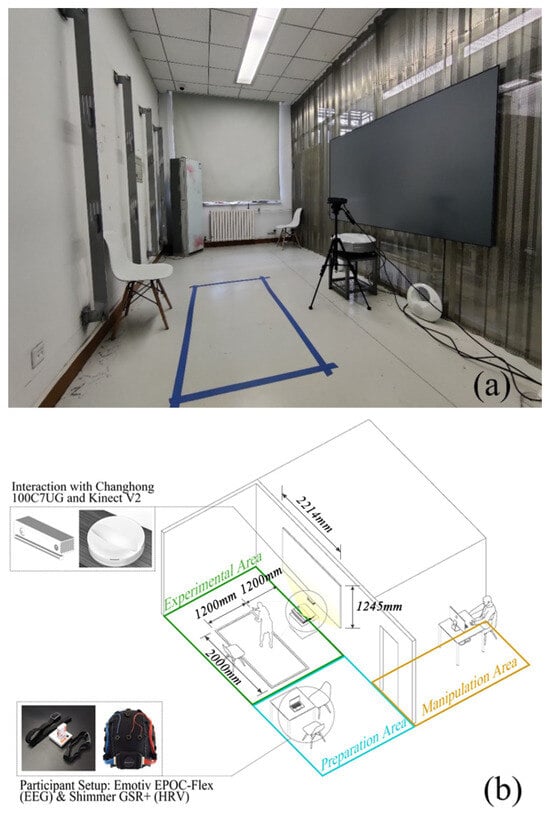
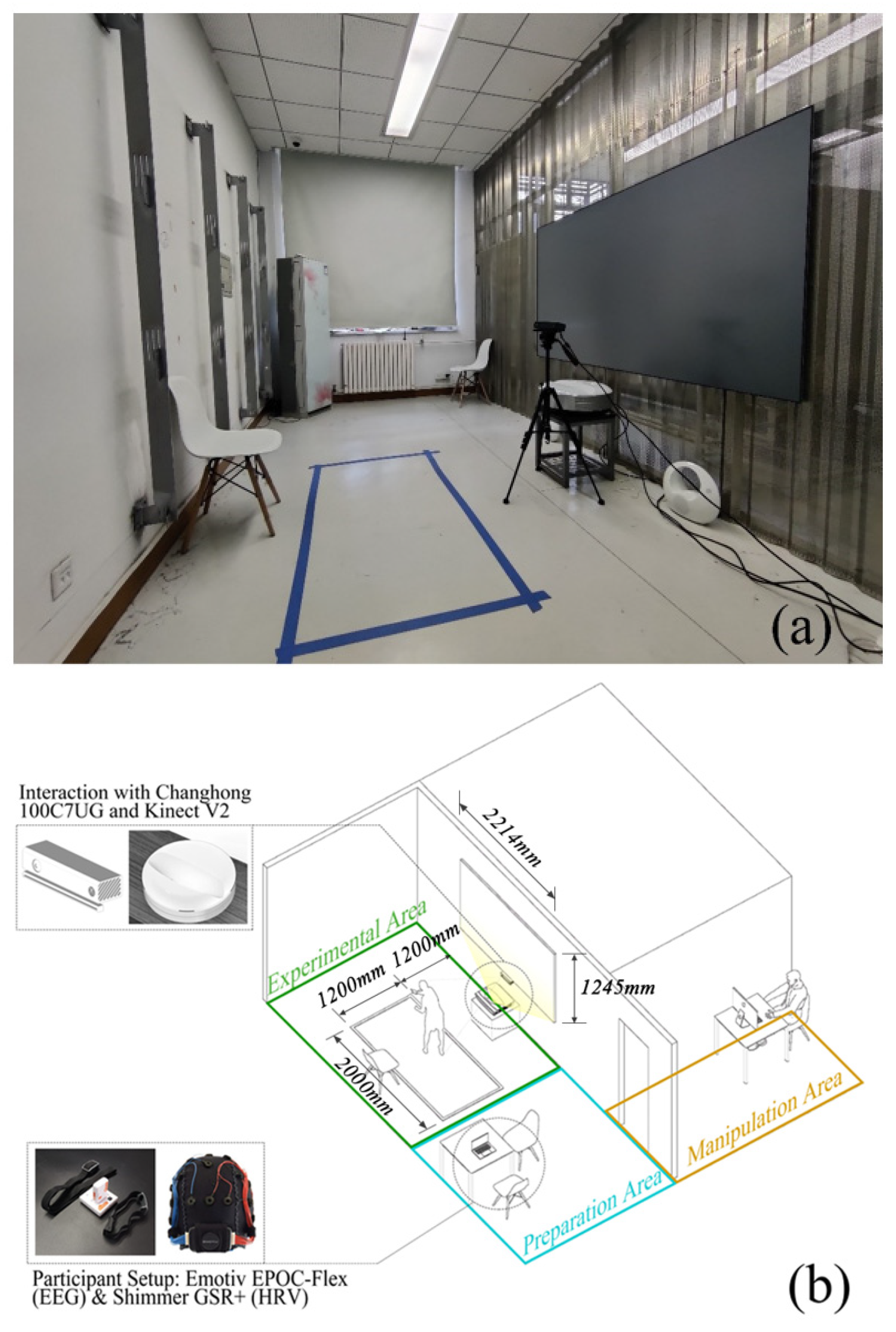
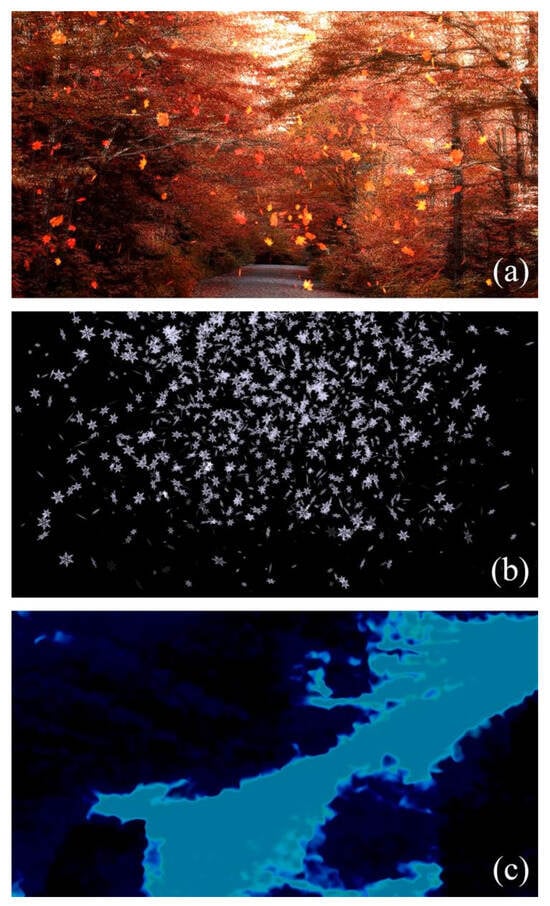
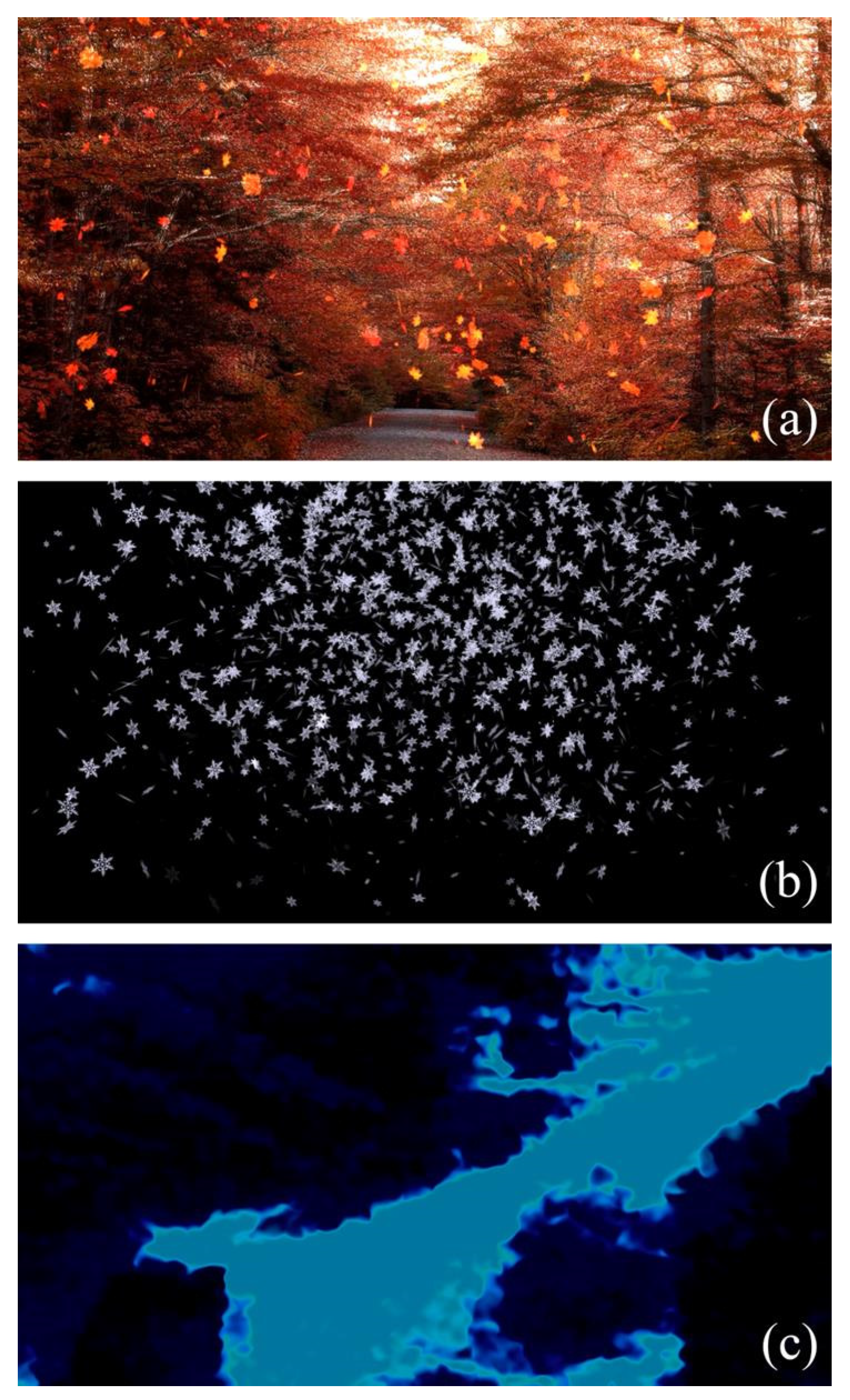


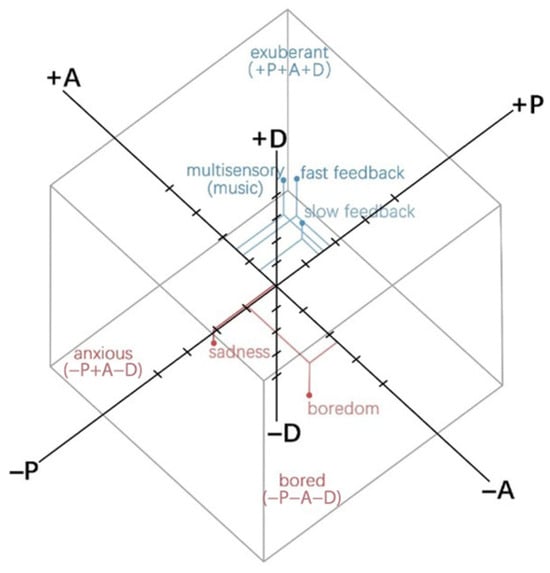
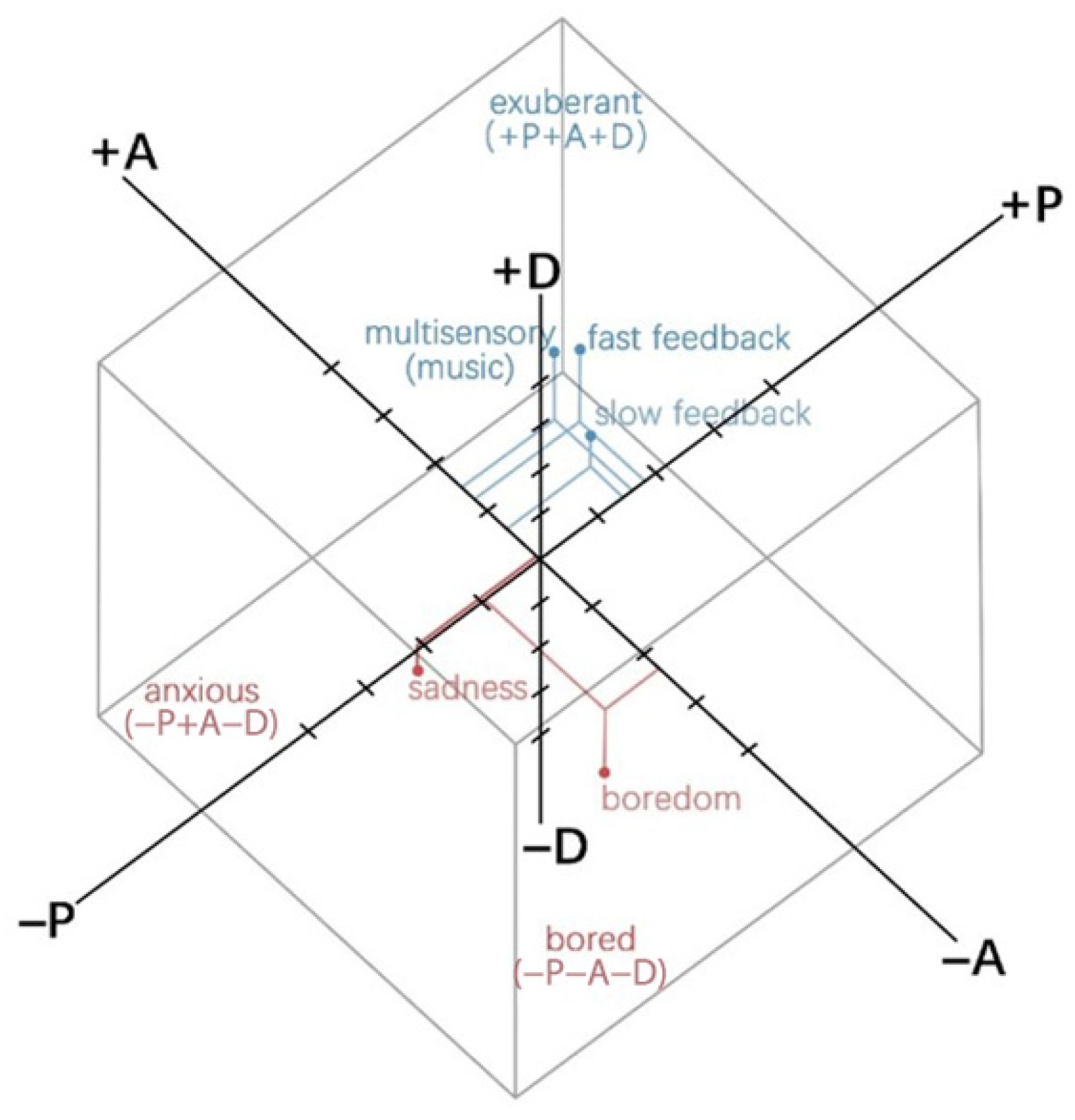
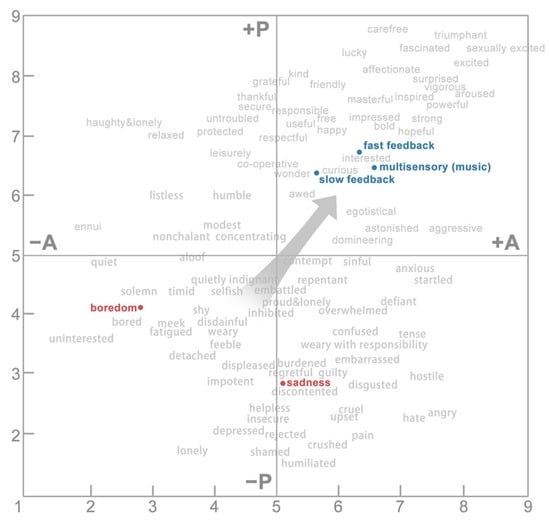
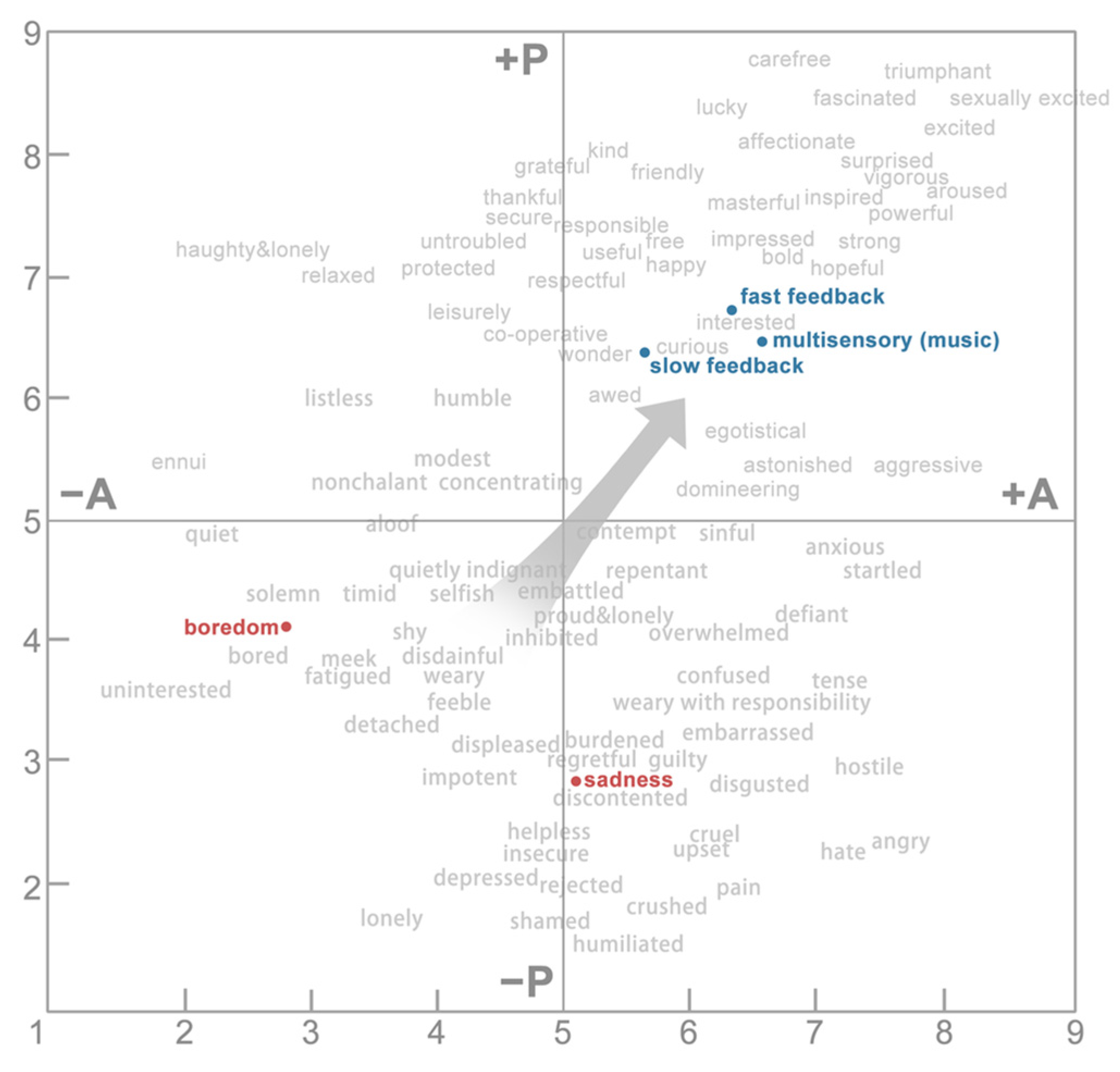
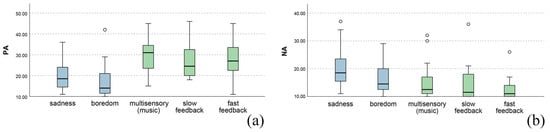
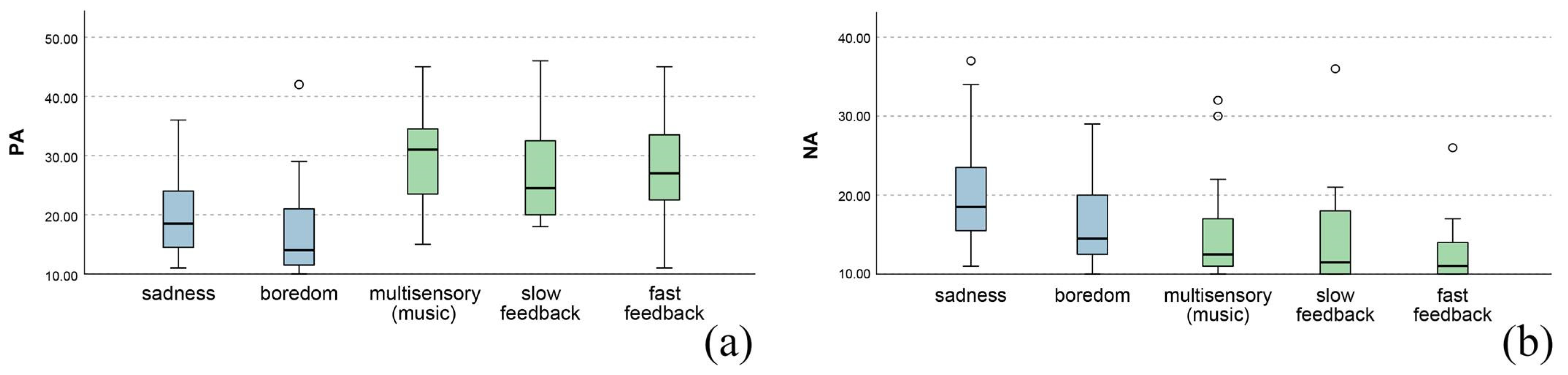
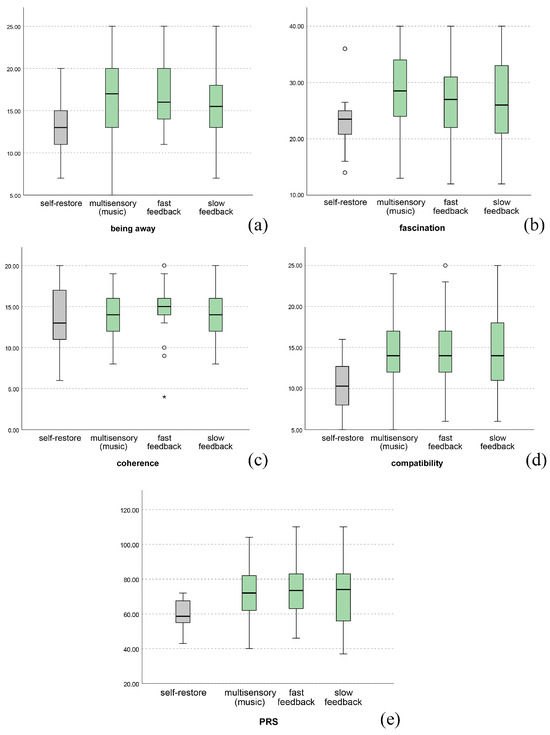
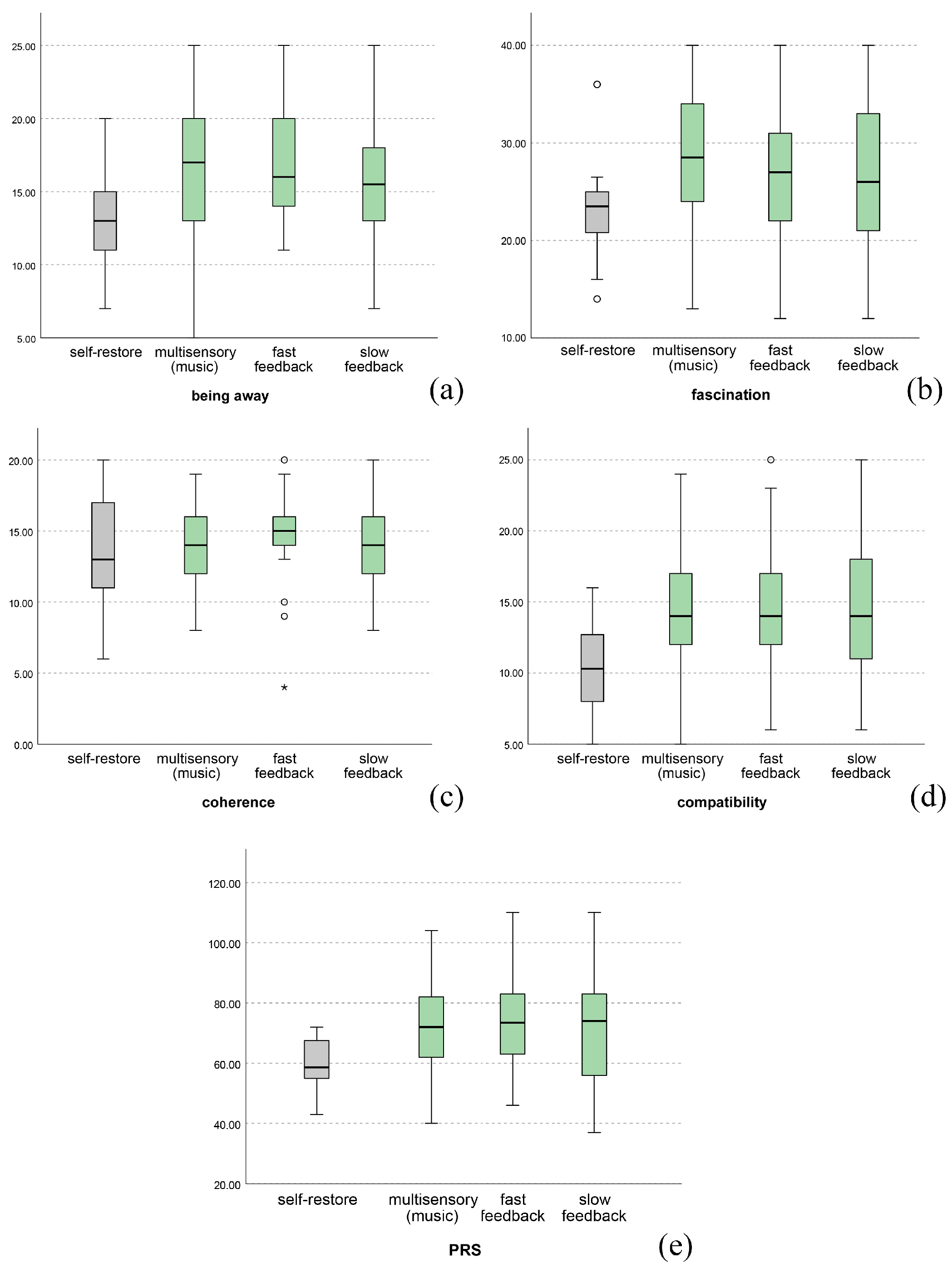
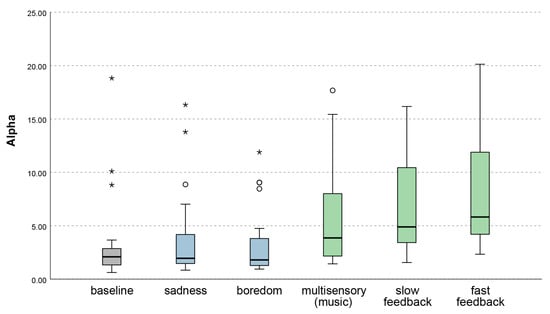
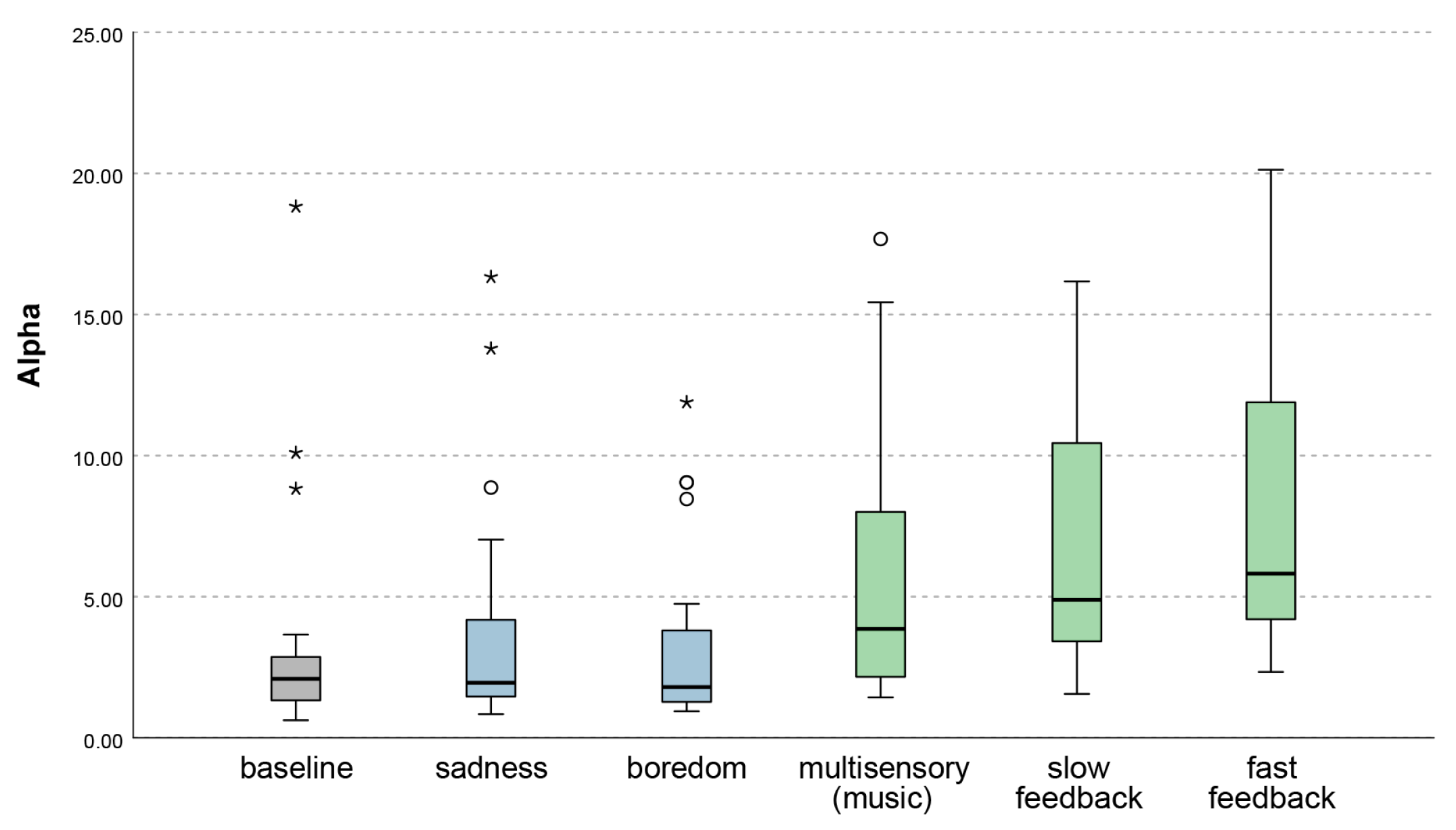
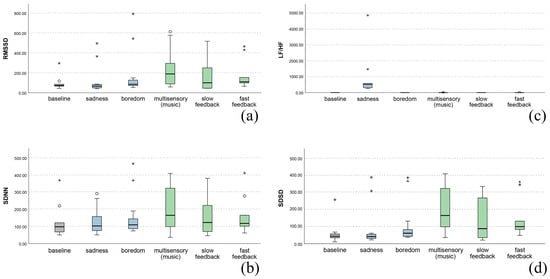
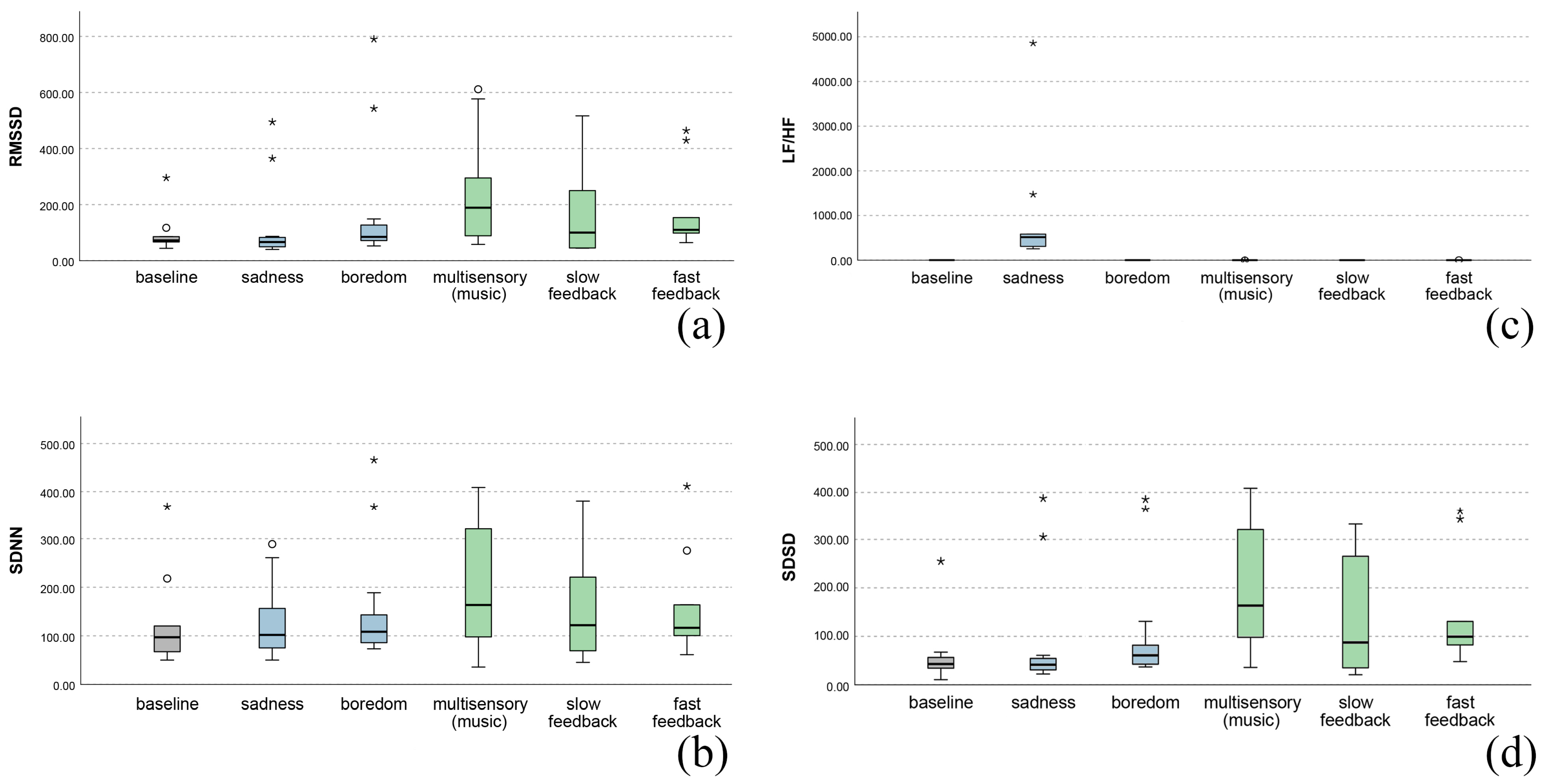
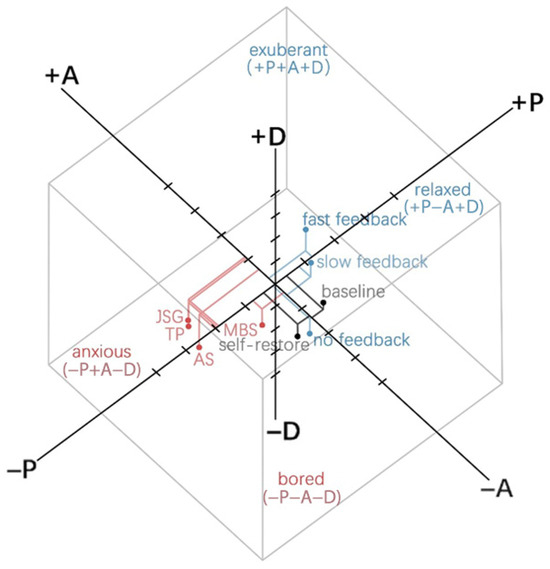
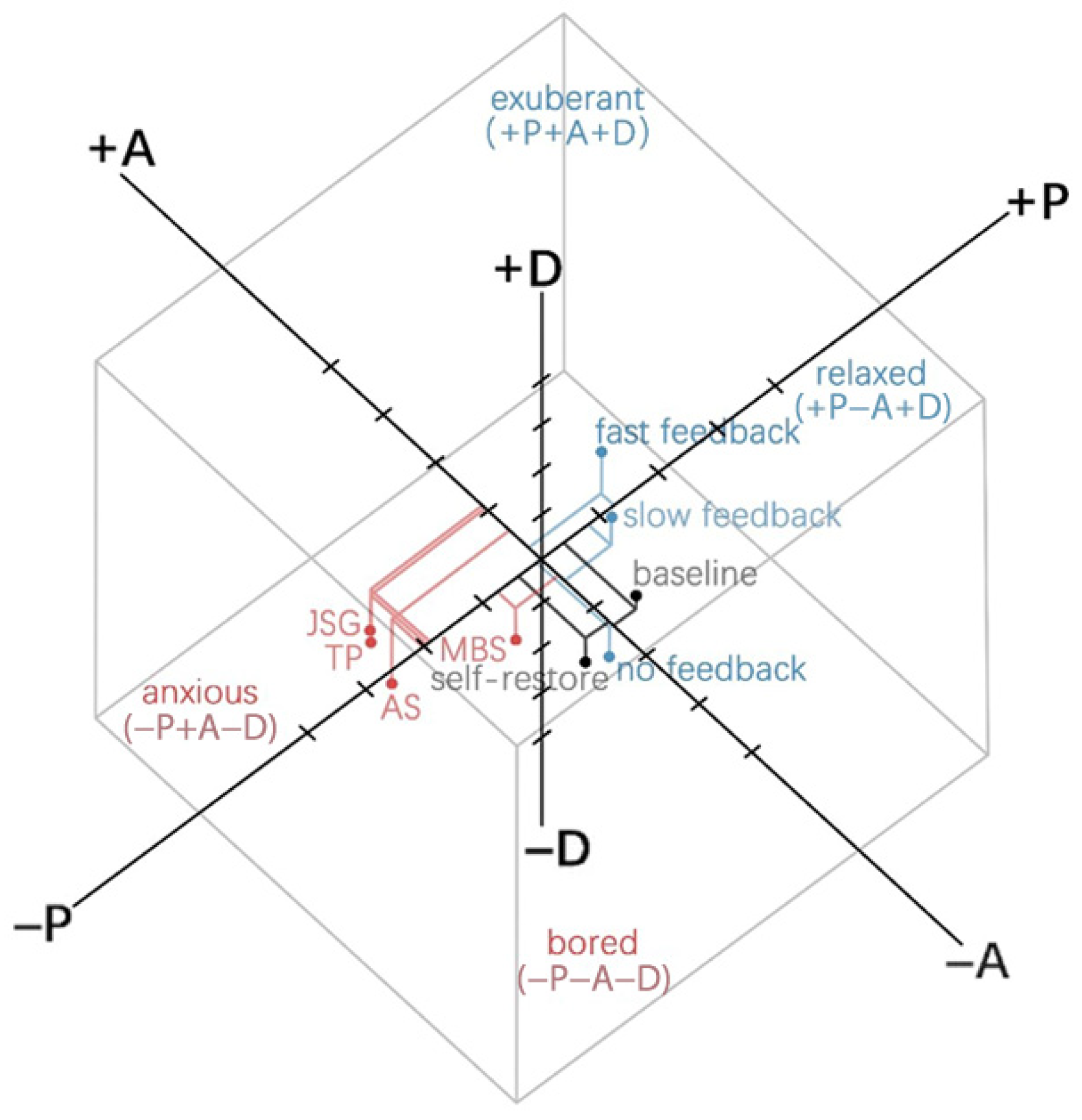
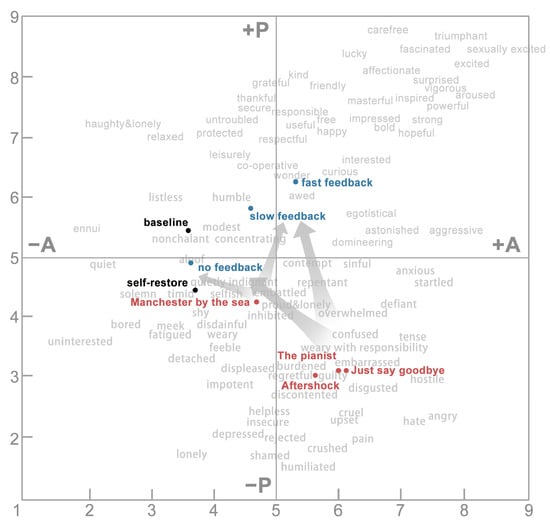
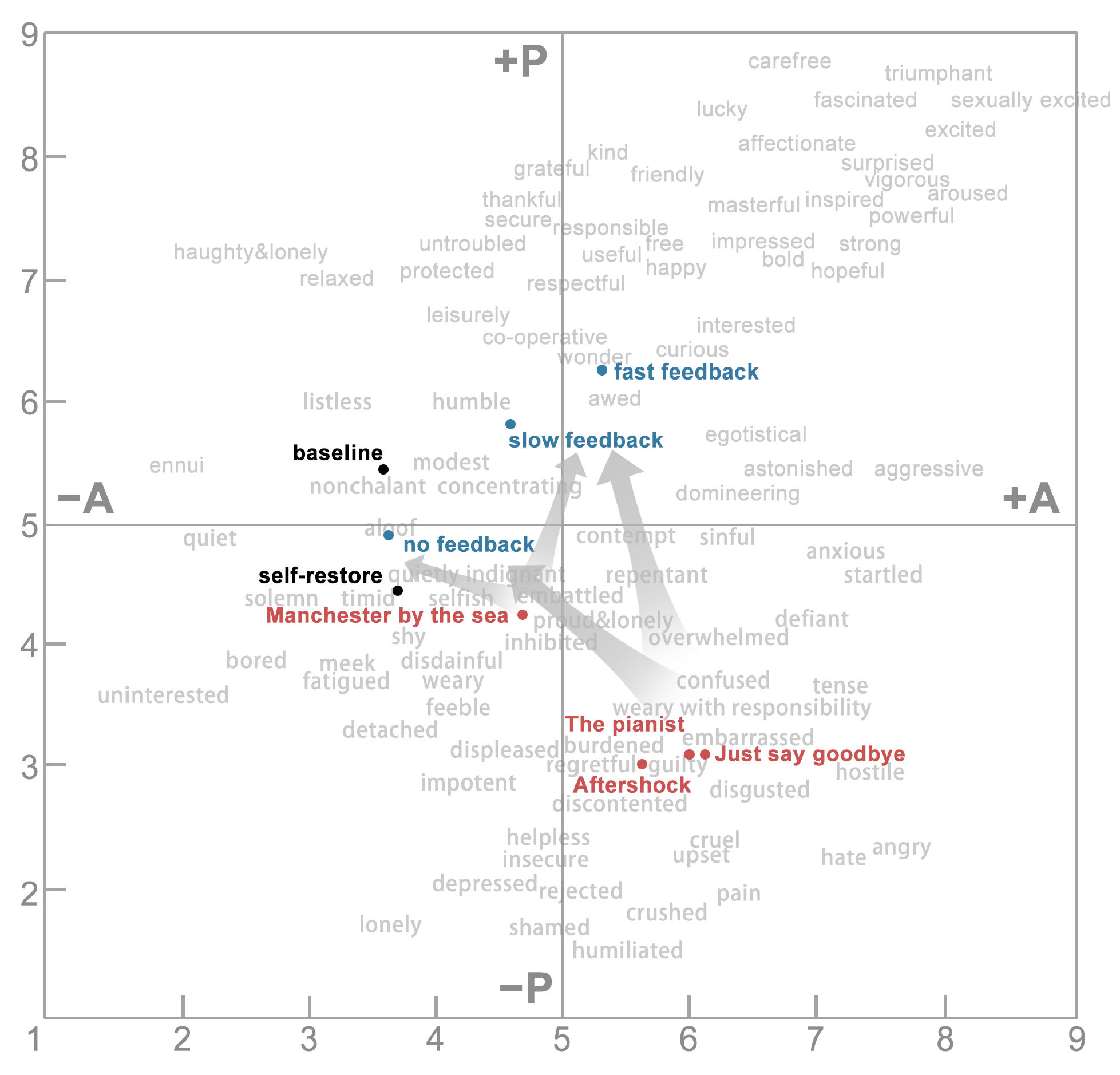
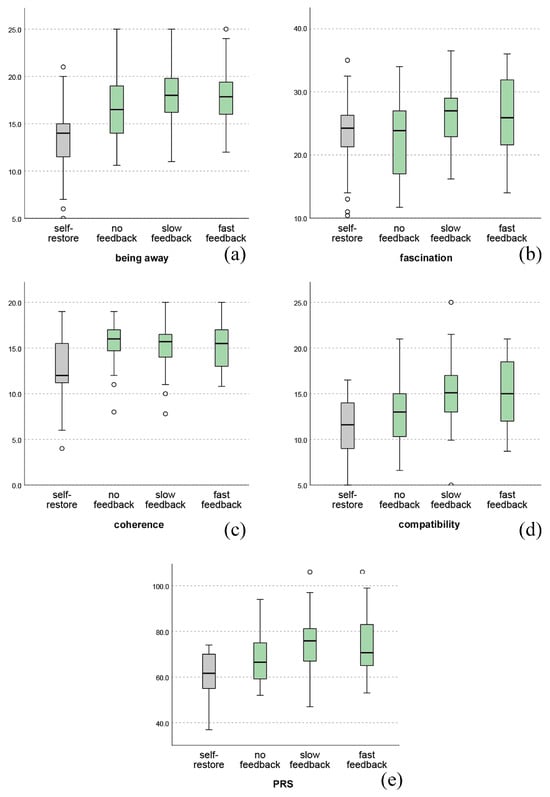
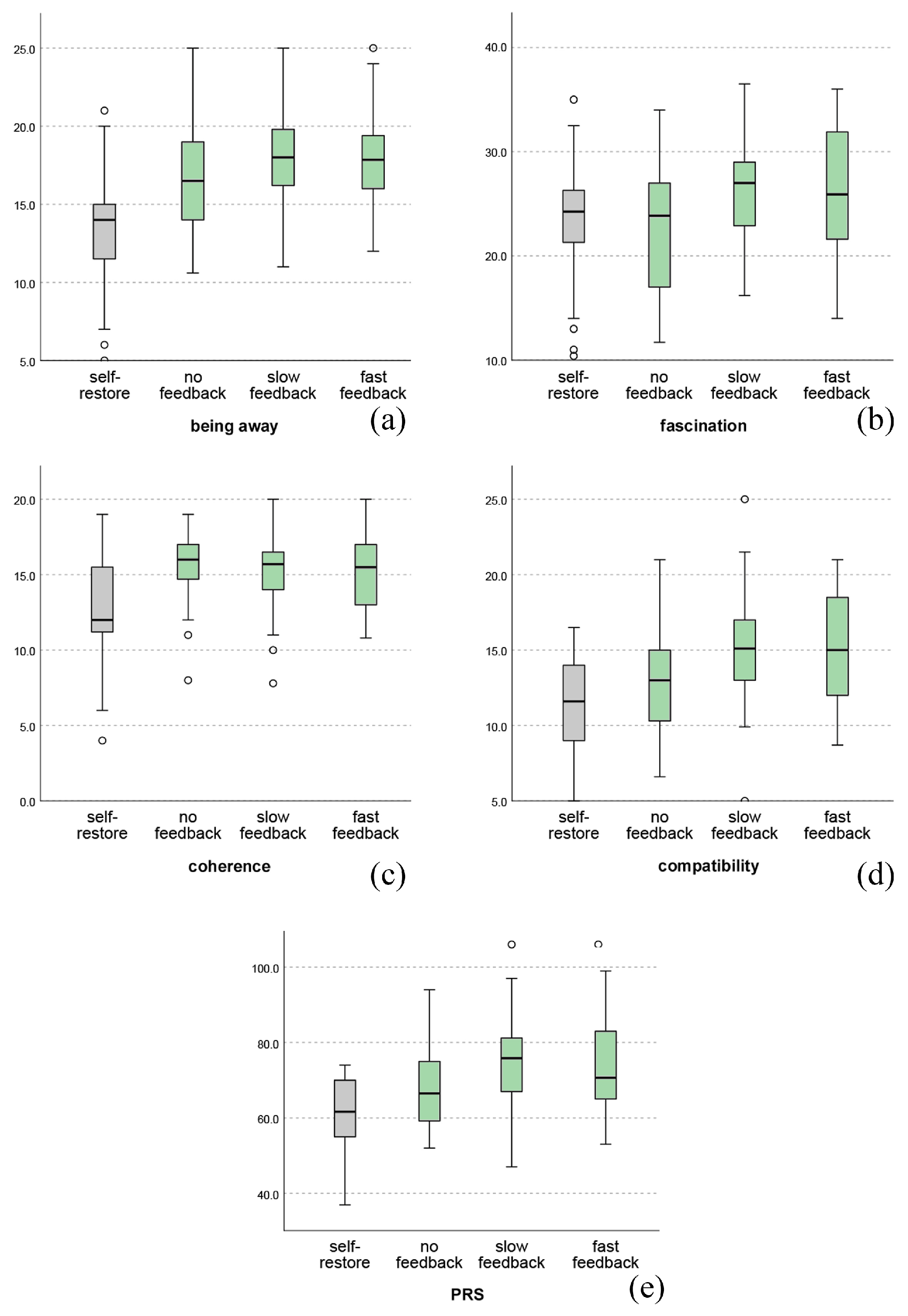
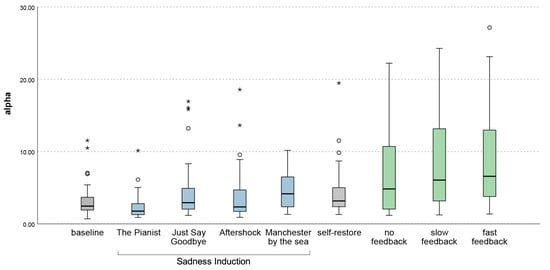
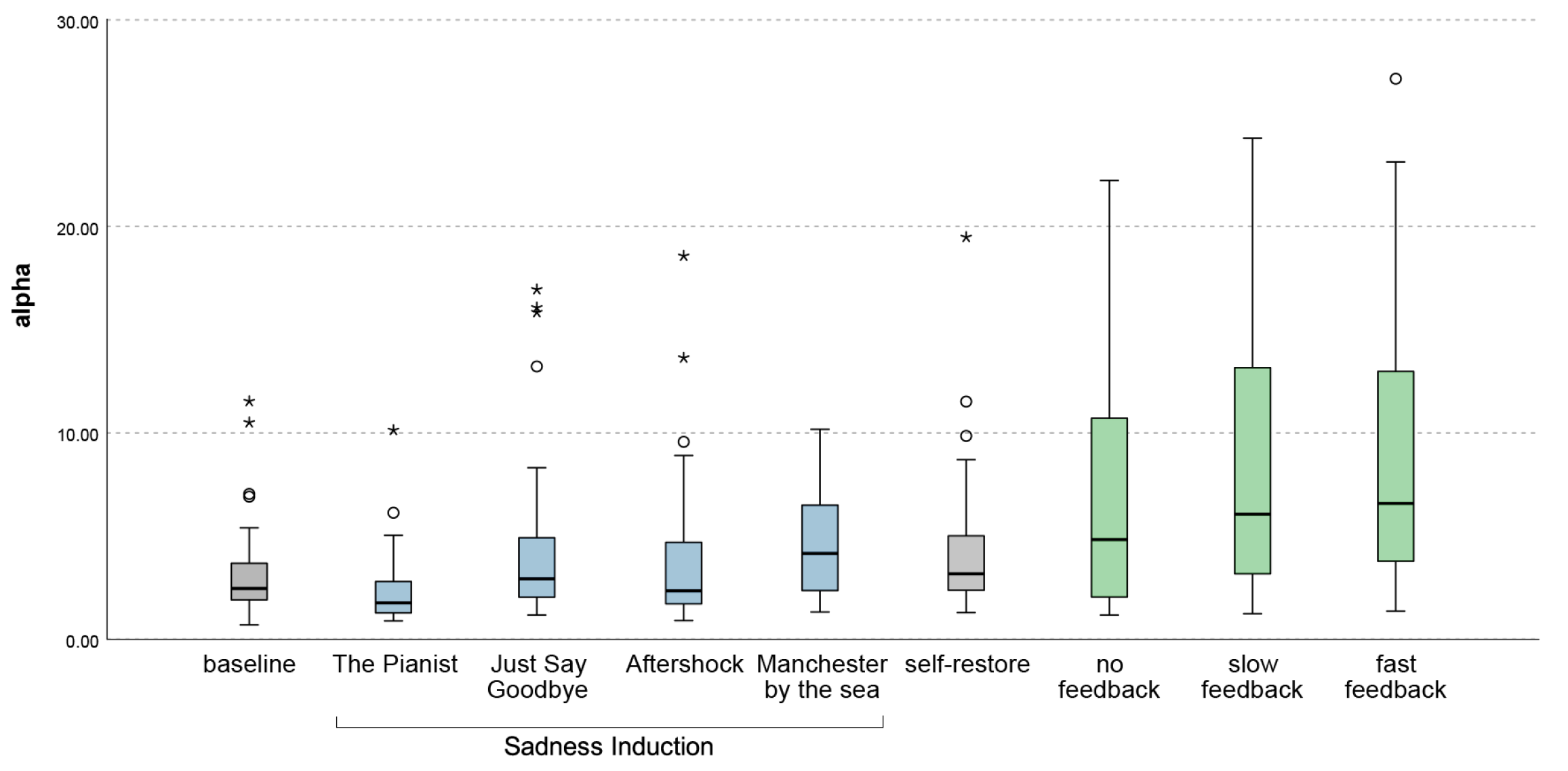
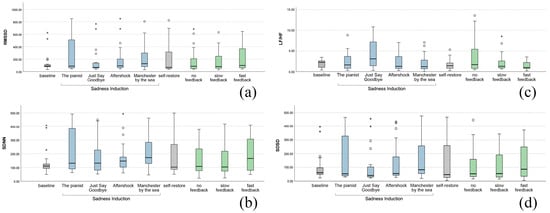
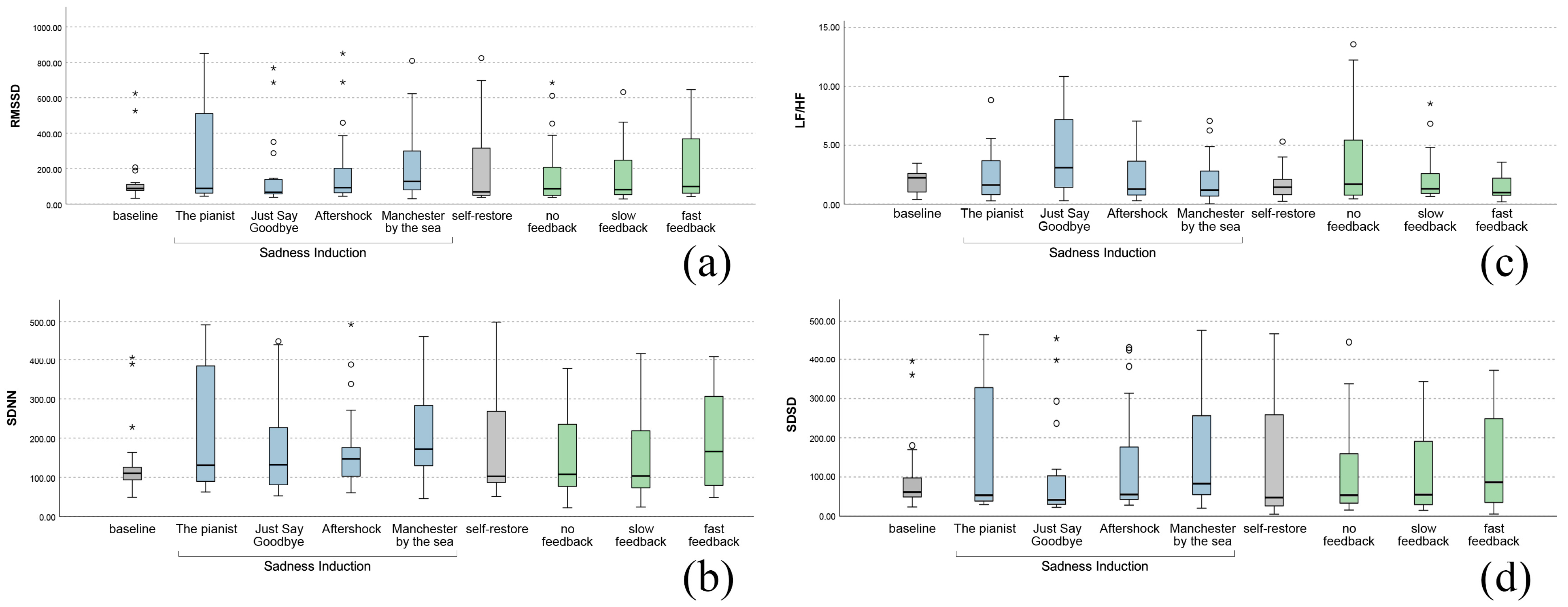
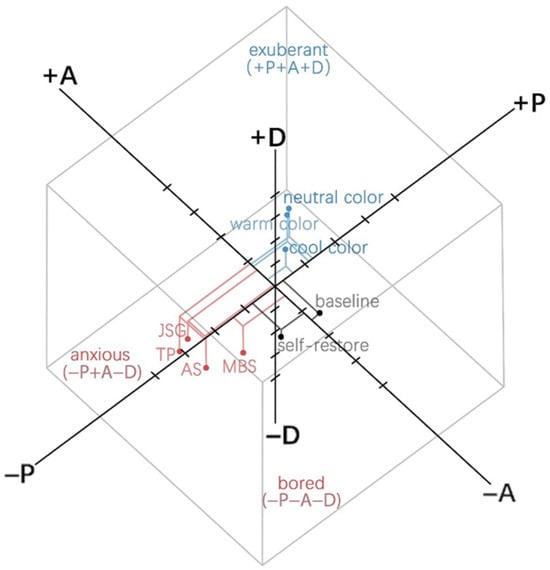
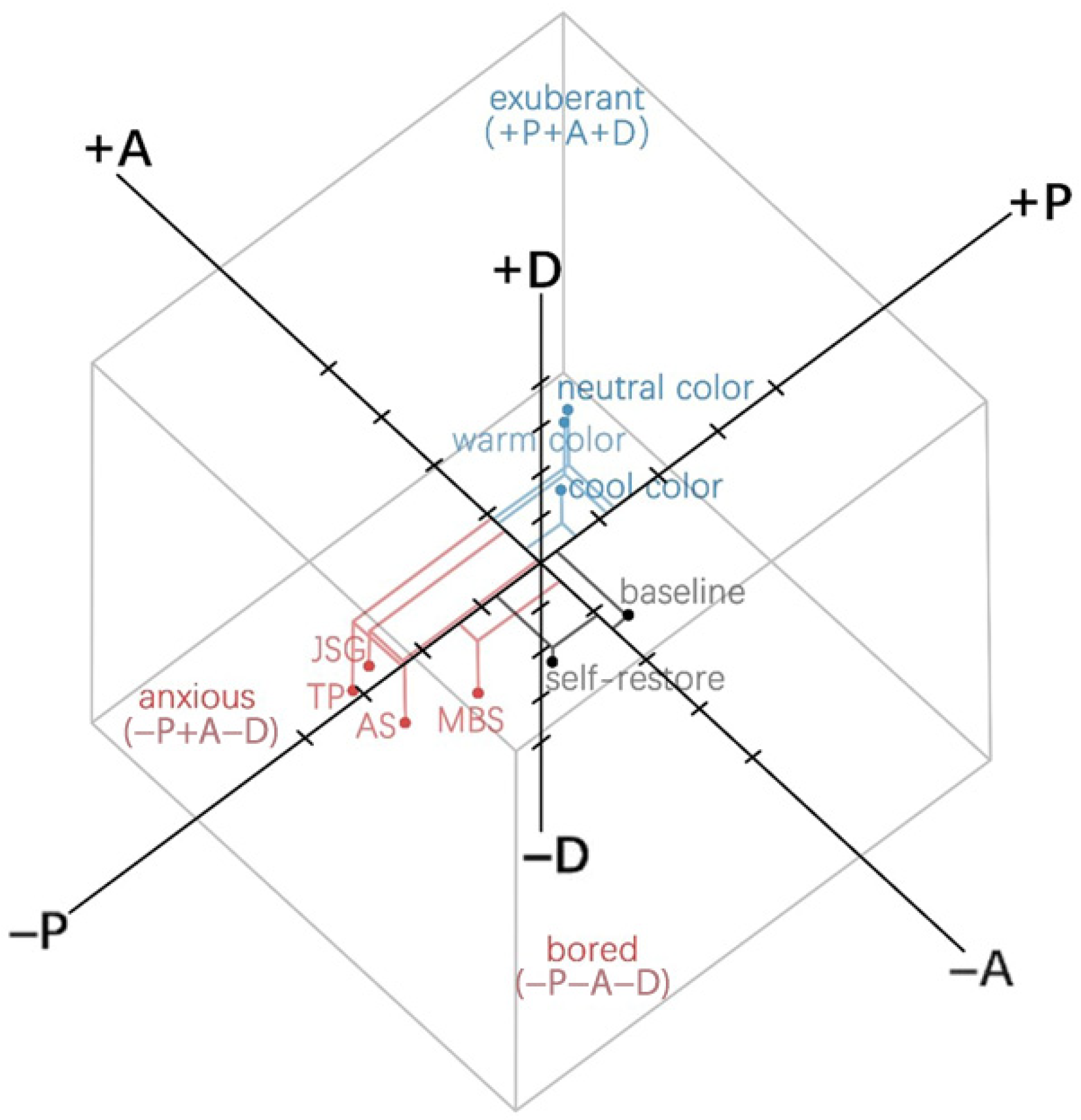
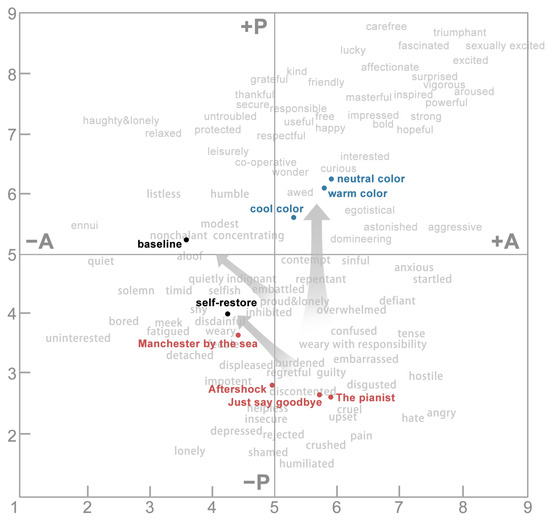
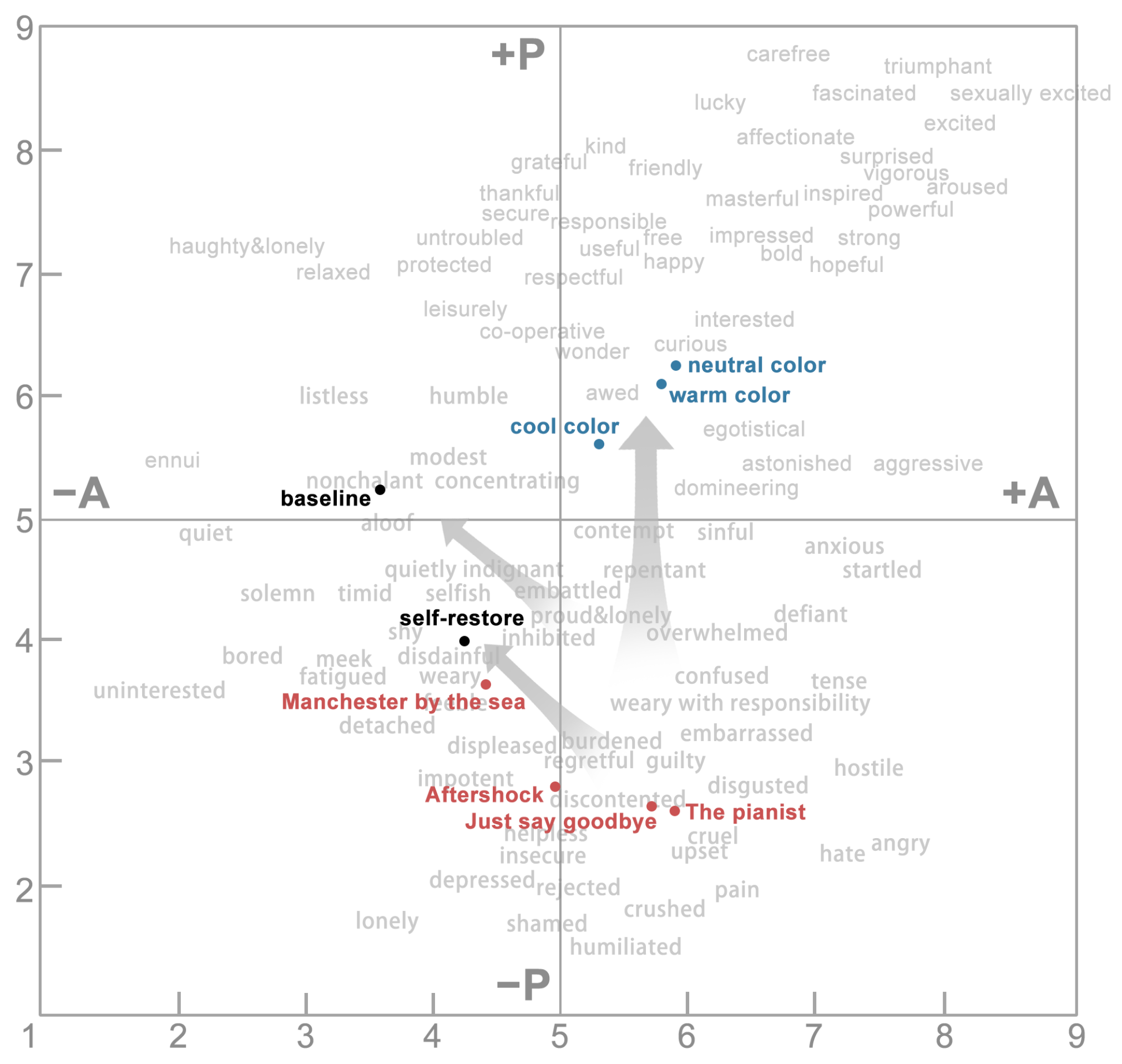
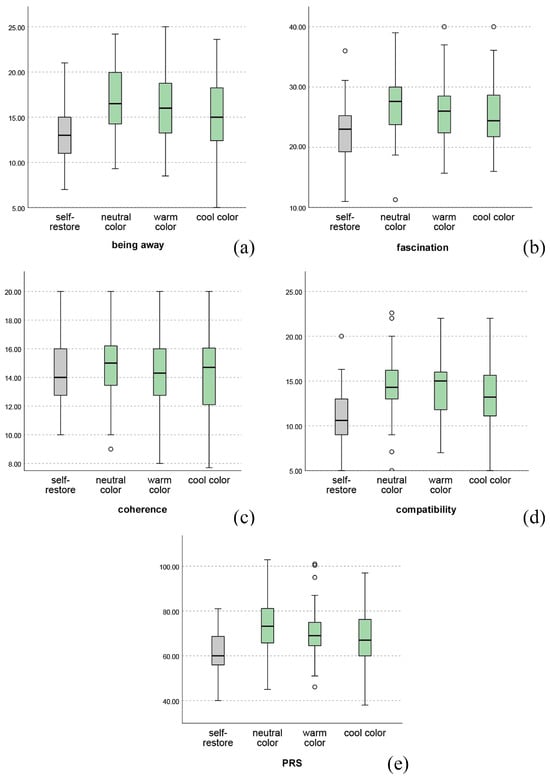
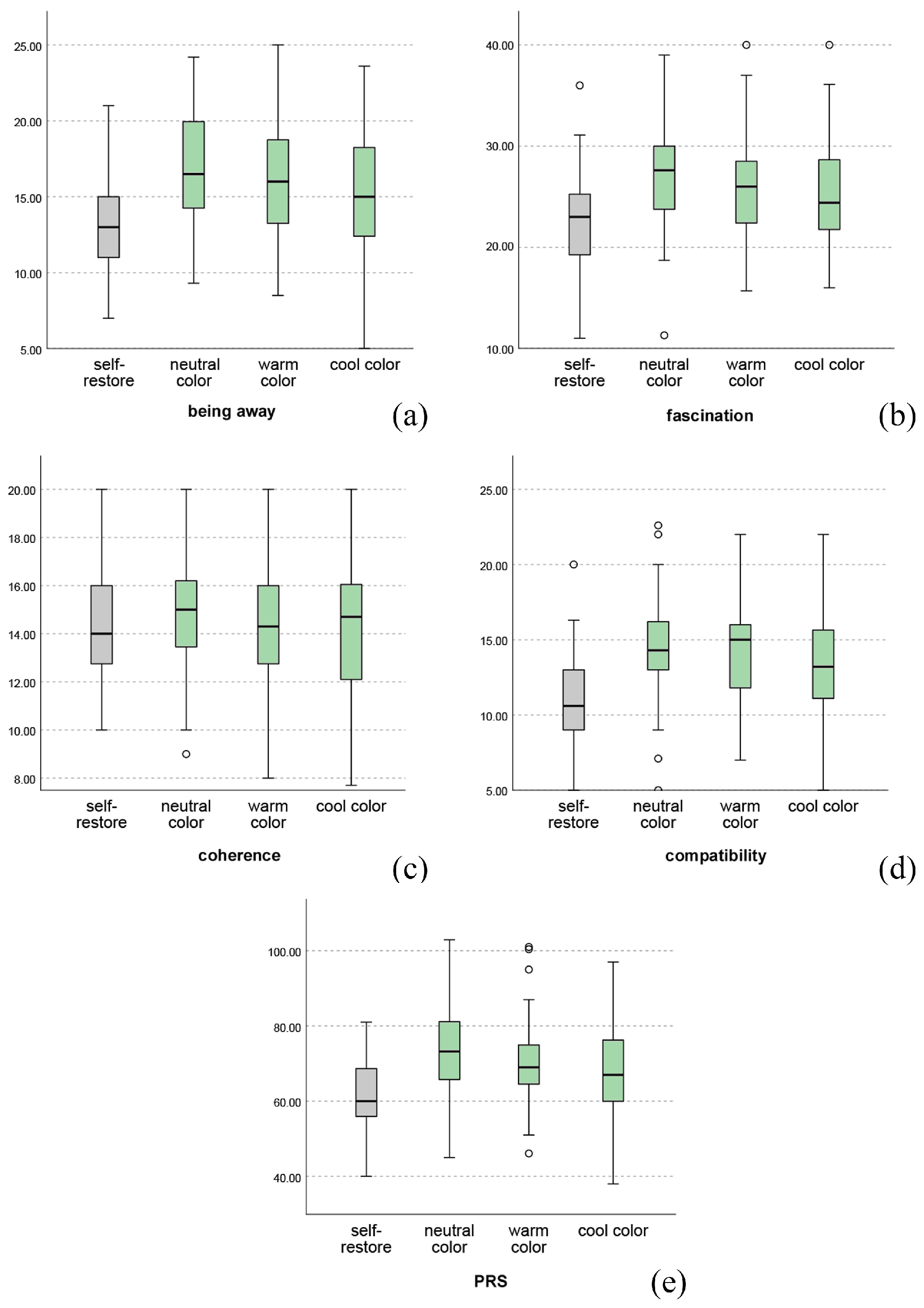
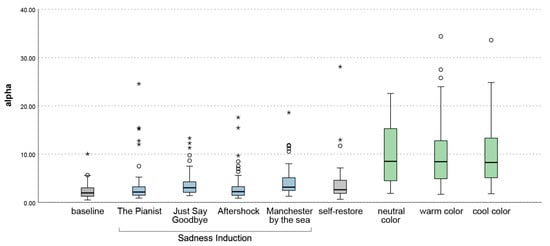
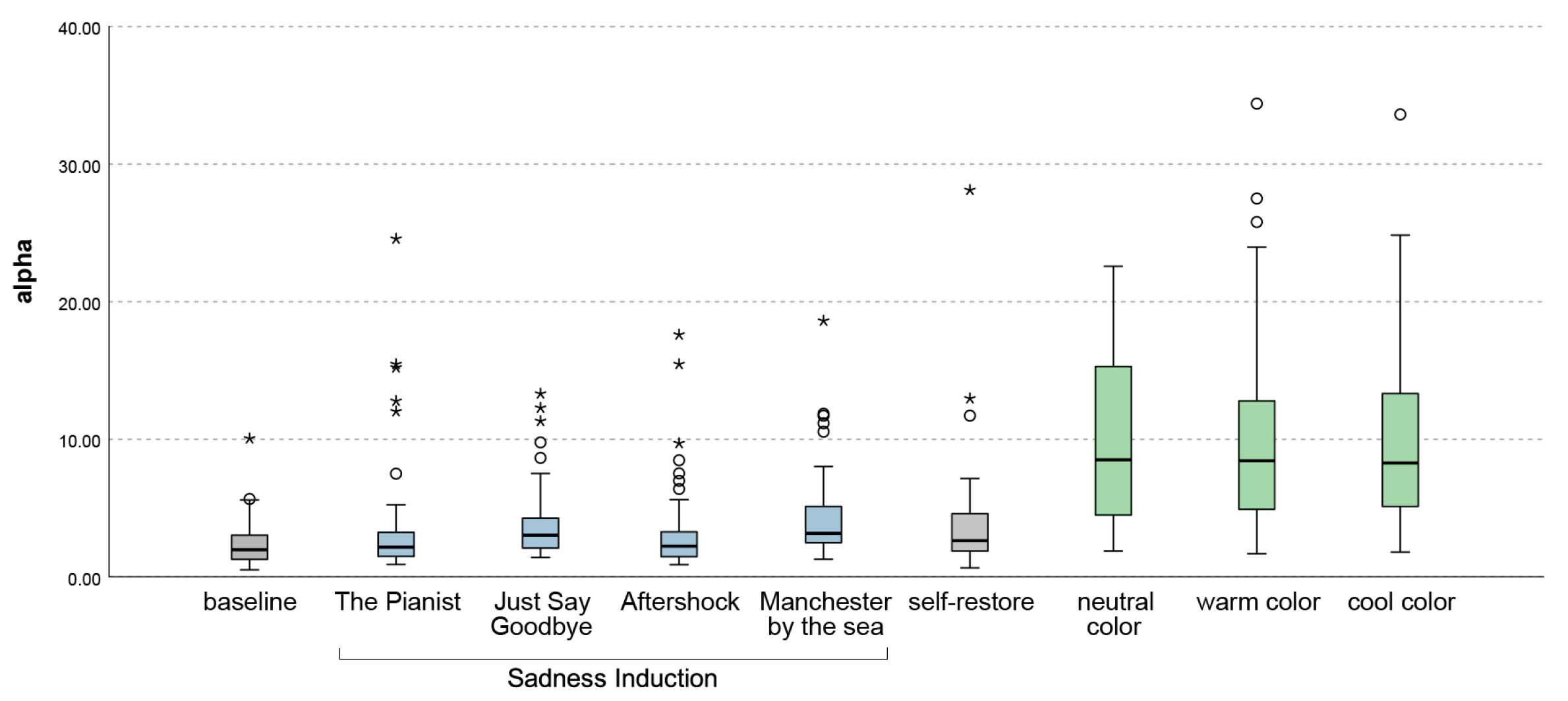
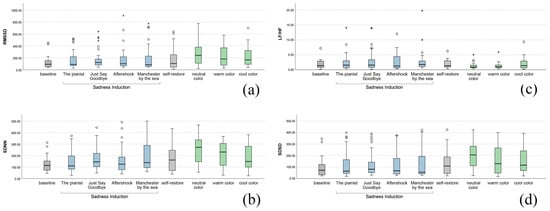
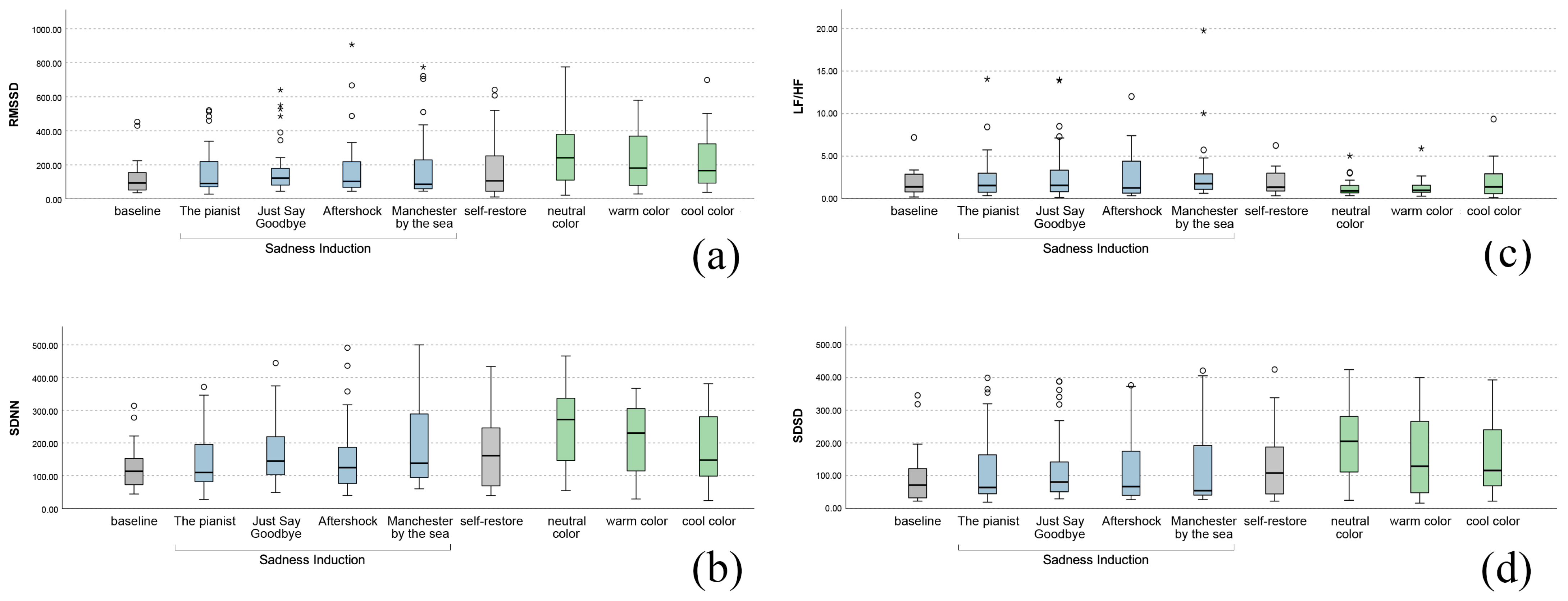

Disclaimer/Publisher’s Note: The statements, opinions and data contained in all publications are solely those of the individual author(s) and contributor(s) and not of MDPI and/or the editor(s). MDPI and/or the editor(s) disclaim responsibility for any injury to people or property resulting from any ideas, methods, instructions or products referred to in the content. |
© 2026 by the authors. Licensee MDPI, Basel, Switzerland. This article is an open access article distributed under the terms and conditions of the Creative Commons Attribution (CC BY) license.