


Abstract
Contemporary emergency systems operate at the intersection of climate volatility, digital interdependence, and cascading institutional disruptions. Despite growing research on resilience, adaptive governance, and digital transformation, these fields remain largely disconnected, leaving a theoretical gap in explaining how emergency systems perform under compound uncertainty. This integrative review synthesizes 32 peer-reviewed articles (post-2020) using structured narrative methodology and VOSviewer bibliometric analysis to map the field’s intellectual architecture and identify its structural gaps. The analysis reveals six thematic clusters organized around resilience as the central construct, yet characterized by three recurring disconnections: the weak integration between digital transformation and governance theory, the operational underdevelopment of polycentric governance frameworks, and the temporal separation between emergency response and climate adaptation. Drawing on this structural diagnosis, the study advances the Complex Adaptive Governance (CAG) model—a three-layer framework encompassing systemic architecture, adaptive mechanisms, and operational resilience—in which digital interoperability functions as a cross-cutting accelerator. The CAG model reconceptualizes resilience as a relational property of governance ecosystems, enhanced by digital interoperability, and offers design principles for climate-resilient emergency systems aligned with SDG 9, SDG 11, SDG 13, and SDG 16.
1. Introduction
Emergency systems are increasingly positioned at the intersection of climate volatility, digital transformation, and institutional fragility. Extreme weather events, pandemics, cyber disruptions, and cascading infrastructure failures are no longer isolated occurrences; they interact, amplify one another, and expose structural weaknesses in governance architectures. In this environment, resilience cannot be reduced to the capacity to “bounce back.” Sustainable resilience requires the ability to adapt, reorganize, and, when necessary, transform.
For societies pursuing climate resilience and sustainable development, emergency governance becomes a strategic pillar rather than a reactive function. Disaster risk management, climate adaptation, and digital transformation are converging domains. However, the integration of these domains remains uneven. While digital tools—such as real-time data platforms, predictive analytics, AI-assisted coordination, and interoperable databases—offer significant potential for anticipatory governance, their effectiveness depends on institutional design, collaborative capacity, and regulatory coherence.
Recent research underscores that systemic risk increasingly manifests through cascading and compound interactions across sectors [1]. Studies on creeping crises demonstrate that adaptability and cross-sectoral coordination are critical to long-term governance performance [2]. Empirical analyses of pandemic and disaster response highlight the importance of distributed authority, inter-organizational trust, and polycentric governance structures [3,4]. Simultaneously, work on digital resilience and interoperability stresses that technological innovation must be embedded within coherent governance frameworks to avoid fragmentation and digital vulnerability [5,6].
Despite these advances, the literature remains fragmented. Resilience is often treated as an outcome without sufficiently examining governance architecture. Digital transformation is frequently analyzed at the technological level, detached from institutional adaptation. Polycentric governance is normatively endorsed but not systematically operationalized in relation to digital interoperability and climate responsiveness. This fragmentation limits our understanding of how digitalisation, governance, and sustainability can be integrated into a coherent model capable of supporting climate-resilient emergency systems. While some scholars advocate for stronger centralized coordination to ensure accountability and coherence under crisis conditions [3], others argue that distributed polycentric architectures demonstrate superior adaptive performance at scale [7]—a tension the CAG model is specifically designed to address.
This study addresses that gap with a specific scope: the integration of digital interoperability into polycentric governance architectures for climate-responsive emergency systems. The analysis is delimited to peer-reviewed scholarship published after 2020, focusing on three intersecting domains—governance and complexity, digital transformation, and climate-responsive emergency management. The CAG model conceptualizes digitalization not as a technical upgrade but as a relational governance infrastructure that reshapes feedback loops and adaptive capacity.
Methodologically, the study employs a structured integrative review of 32 peer-reviewed articles published after 2020, combined with bibliometric co-occurrence network analysis using VOSviewer, enabling both thematic synthesis and structural mapping of the field. The guiding research question is: How can complex adaptive governance architectures, enhanced by digital interoperability, strengthen sustainable and climate-responsive emergency systems? In addressing this question, the article advances three contributions aligned with the thematic focus on digitalisation, governance, and innovation for sustainable societies.
First, it integrates Complex Adaptive Systems (CAS) theory with disaster risk governance and digital transformation literature, offering a unified explanatory lens.
Second, it operationalizes polycentric governance as a structural mechanism for sustainability transitions, enabling distributed intelligence, local experimentation, and multi-level coordination under climate stress.
Third, it reconceptualizes digital interoperability as a sustainability enabler that supports anticipatory decision-making, resource optimization, and cross-sector alignment—key dimensions for achieving SDG targets related to resilient infrastructure (SDG 9), sustainable cities (SDG 11), climate action (SDG 13), and institutional effectiveness (SDG 16).
The remainder of this article is structured as follows: Section 2 presents the theoretical foundations; Section 3 describes the methodology and PRISMA-compliant selection process; Section 4 and Section 5 present the bibliometric mapping and CAG model, respectively; Section 6 synthesizes narrative findings; and Section 7 and Section 8 discuss theoretical contributions and future research directions.
Unlike prior studies that examine resilience, governance, or digital transformation in isolation, this study explicitly focuses on their structural interdependencies. Existing research typically analyzes digital transformation at the technological or organizational level, without embedding it within governance architectures shaped by complexity. Similarly, polycentric governance is often treated as a normative institutional principle rather than as an operational mechanism integrated with digital interoperability and climate-responsive systems. This study addresses these gaps by proposing a structurally integrated framework grounded in the field’s observed disconnections.
2. Theoretical Foundations
2.1. Complexity and Polycentric Institutional Architectures
Emergency systems today operate in environments that resist simple cause-and-effect analysis. Hazards no longer arrive as isolated events—they cascade, overlap, and interact across sectors in ways that expose the structural limits of traditional governance models. Complex Adaptive Systems (CAS) theory provides a more suitable analytical lens for this reality. Rather than treating institutions as static entities that respond to external shocks, CAS conceptualizes governance as a living ecosystem of interdependent agents whose interactions generate emergent behavioral properties—including resilience—that cannot be engineered top-down or predicted from the attributes of any single component [1,8]. From this standpoint, resilience is not a pre-designed feature to be installed into emergency systems; it is an emergent outcome that arises—or fails to arise—from how the system’s components relate, communicate, and co-adapt under stress.
This perspective has a direct institutional implication: centralized governance architectures, however well-resourced, are structurally ill-suited to managing cascading complexity. They concentrate decision authority at nodes that become cognitive bottlenecks precisely when environmental demands are at their highest. Polycentric governance theory addresses this limitation by proposing institutional arrangements in which multiple formally independent decision centers operate within a shared framework, enabling distributed authority, local experimentation, and mutual adjustment across scales [3,7]. In emergency and disaster contexts, polycentric arrangements consistently demonstrate superior adaptive performance: they activate local knowledge faster, reduce systemic fragility through redundancy, and sustain operational continuity even when parts of the system fail [3]. Ukraine’s wartime decentralization and Germany’s federated COVID-19 response are recent empirical illustrations of how distributed authority generates institutional agility under extreme stress [3,7].
That said, polycentricity is not a governance ideal to be maximized without limits. When distribution outpaces coordination capacity, fragmentation emerges and the systemic benefits of distributed authority dissipate [9]. Effective CAS-informed governance therefore requires architecturally calibrated polycentricity—enough distributional diversity to activate local adaptive capacity, paired with structured inter-level coordination mechanisms that preserve systemic coherence. This calibration challenge sits at the core of the CAG model developed in this article. Foundational contributions by Ostrom on polycentric governance see refs. [3,7], Weick on organizational sensemaking, and Holling on adaptive cycles provide the theoretical bedrock upon which more recent literature builds—yet these debates between resilience-as-capacity and resilience-as-process, or between coordination efficiency and adaptive flexibility, remain incompletely resolved in the current corpus and are addressed directly in the model’s design propositions.
2.2. Adaptive Governance and Dynamic Operational Capacity
Structural diversity alone does not produce resilience. Polycentric institutional design creates the preconditions for adaptive capacity, but it is the dynamic governance processes operating within that structure that determine whether those preconditions are activated. Adaptive governance refers to governance arrangements that treat uncertainty, learning, and structural reconfiguration not as exceptional responses to crisis but as built-in operational features—a continuous orientation toward sensing, adjusting, and improving [1,2]. This stands in deliberate contrast to static planning models that treat preparedness as a completed state rather than an ongoing practice.
At the organizational level, adaptive governance depends critically on dynamic capabilities—the capacity to sense environmental changes, reconfigure institutional arrangements, and sustain operational effectiveness under shifting conditions [10]. In high-pressure emergency contexts, this translates into the ability to move fluidly between pre-planned protocols and real-time improvisation; to integrate new information into ongoing decision cycles; and to maintain inter-agency trust and collaborative momentum even under resource scarcity and time pressure. Research consistently shows that these capabilities are unevenly distributed: they tend to emerge in systems with dense collaborative networks, empowered mid-level leadership, and organizational cultures that treat learning from failure as a norm rather than a liability [11,12].
Distributed cognition extends this logic to the network level. In multi-organizational emergency ecosystems, situational awareness and problem-solving capacity are not located at central command nodes—they are embedded across actors, information channels, and institutional memory throughout the governance network [13,14]. Systems that structurally distribute cognitive work across cohesive networks demonstrate higher coordination speed, more efficient resource allocation, and greater capacity for rapid reconfiguration under deteriorating operational conditions. In this sense, adaptive governance is not simply a process design—it is a relational property of the system itself, one that requires deliberate cultivation through collaborative architecture rather than passive organizational arrangement.
2.3. Digital Infrastructure and Systemic Resilience
The third theoretical pillar concerns digital infrastructure as a structural enabler of both adaptive governance and systemic resilience. Digital transformation in emergency management encompasses the integration of real-time data platforms, interoperable information systems, AI-supported coordination tools, and predictive analytics into governance workflows [15,16]. These capabilities do not merely accelerate existing processes—they qualitatively extend the informational and analytical bandwidth of governance institutions, enabling anticipatory action and evidence-based resource allocation under conditions of evolving and compound risk.
Interoperability is the critical concept here, and it operates at multiple levels simultaneously. At the technical level, it concerns shared data standards and system compatibility. At the process level, it concerns aligned decision protocols across institutional boundaries. At the governance level, it concerns the normative and regulatory frameworks that enable organizations to trust, share, and act on each other’s information [5,6]. Systems lacking interoperability at any of these levels operate in informational silos—a structural vulnerability that amplifies coordination delays and reduces adaptive capacity precisely when it is most needed. Conversely, well-designed interoperable digital architectures enable anticipatory governance: the capacity to act on early warning signals before cascading effects materialize, which is a property of particular strategic value in climate-stressed emergency environments [15,17].
The relationship between digital transformation and resilience is, however, not automatic. The empirical record is consistent on this point: digital tools amplify adaptive capacity only when embedded within institutionally coherent frameworks supported by inter-organizational trust, clear data governance norms, and regulatory legitimacy [16,18]. Without these conditions, digital acceleration can introduce new vulnerabilities—coordination asymmetries from unequal data access, epistemic tensions between algorithmic outputs and situated local knowledge, and increased security exposure through system interdependence. Digital interoperability, therefore, is best understood as a necessary but insufficient condition for systemic resilience. It functions as an accelerator of adaptive governance capacity rather than a substitute for it—a theoretical positioning that directly shapes the architecture of the Complex Adaptive Governance model developed in the sections that follow.
3. Methodology
3.1. Structured Narrative Integrative Review
This systematic review employs a structured narrative integrative methodology as its primary analytical approach. This design is particularly well-suited to research domains where theoretical frameworks are still consolidating and where the goal is to synthesize heterogeneous evidence into a coherent conceptual model, rather than produce a meta-analytic aggregation of quantitative effect estimates [19]. The integrative design adopted here follows a structured protocol to ensure methodological rigor while preserving the interpretive flexibility necessary for model construction.
The literature search was conducted across two major academic databases: Web of Science (Clarivate) and Dimensions. The search strategy applied a combination of Boolean operators and controlled vocabulary terms organized around three thematic axes: (1) governance and complexity—including complex adaptive systems, polycentric governance, adaptive governance, and institutional resilience; (2) digital transformation and interoperability—including digital resilience, interoperability, big data analytics, and AI-enabled coordination; and (3) climate-responsive emergency management—including disaster risk governance, climate adaptation, disaster resilience, and emergency management. Search strings were iteratively refined to maximize conceptual coverage while minimizing thematic dispersion.
Eligibility criteria were applied systematically to all retrieved records. Inclusion required: (i) publication in a peer-reviewed journal; (ii) publication date after 2020, in order to capture the most recent scholarly developments in the field; (iii) full-text availability in English; and (iv) direct relevance to at least two of the three thematic axes identified above. Conference papers, book chapters, grey literature, and opinion pieces were excluded. After duplicate removal and title-abstract screening, a full-text eligibility assessment was conducted, yielding a final corpus of 32 articles. These articles constitute the analytical foundation of both the narrative synthesis (Section 6) and the bibliometric mapping (Section 3.2). The corpus size of 32 articles reflects the highly specific intersection of three thematic axes and the strict post-2020 publication criterion; this intentional delimitation prioritizes theoretical depth and conceptual coherence over broad coverage. The selection bias inherent in any systematic review is acknowledged and discussed in the Limitations section (Section 8.2). Researchers seeking broader empirical generalizability may expand the corpus by relaxing the temporal or linguistic eligibility criteria in future replications.
Although this systematic review employs a structured narrative integrative methodology rather than meta-analytic aggregation, the selection process fully aligns with PRISMA 2020 transparency and reporting principles [20,21]. The completed PRISMA 2020 checklist is provided as Supplementary Materials. The initial database search yielded 487 records from Web of Science and 312 records from Dimensions (total: 799 records). After automatic and manual duplicate removal (n = 143), 656 records underwent title-abstract screening. Of these, 589 were excluded based on thematic relevance and eligibility criteria. The remaining 67 articles were retrieved for full-text assessment, of which 35 were excluded due to insufficient alignment with at least two of the three thematic axes (governance and complexity, digital transformation, climate-responsive emergency management). The full categorization of excluded studies is provided in Table A1 (Appendix A). The final corpus of 32 articles forms the basis for both narrative synthesis and bibliometric mapping. The selection process is summarized in Figure 1.
Figure 1.
PRISMA 2020 flow diagram illustrating the literature identification, screening, eligibility assessment, and inclusion process.
3.2. Bibliometric Co-Occurrence Network Analysis (VOSviewer)
To complement the narrative synthesis and provide a structural map of the field, a bibliometric keyword co-occurrence network analysis was conducted using VOSviewer (version 1.6.20). Bibliometric co-occurrence analysis identifies patterns of conceptual association within a corpus by mapping how frequently keywords appear together across publications, thereby revealing the intellectual architecture of the field—its dominant themes, internal clusters, and structural gaps—with a degree of objectivity that purely narrative approaches cannot achieve alone [2,16].
The analysis was based on the keyword metadata of the 32 articles in the final corpus. Both author-assigned keywords and indexed terms were included to maximize terminological coverage. A minimum co-occurrence threshold of two was applied, resulting in the retention of 49 keyword nodes distributed across 6 thematic clusters. Node size reflects occurrence frequency within the corpus; edge thickness reflects co-occurrence strength between pairs of terms; and spatial proximity reflects the degree of conceptual association, with clusters positioned closer together indicating stronger inter-thematic linkages.
The resulting network map reveals a structurally layered field organized around resilience as the central construct—the most connected node in the entire network, with 35 co-occurrence links and a total link strength of 52. The complex adaptive systems node emerges as the second most connected theoretical node (26 links; total link strength: 43), confirming CAS as the dominant explanatory framework. Management, social network analysis, and crisis management function as secondary hubs bridging theoretical and operational domains. The digital cluster—anchored by big data analytics and systems—is the least internally dense of the six clusters, with average link weights significantly below those of the governance and CAS clusters. This structural peripherality of digital constructs relative to governance theory is itself a substantive finding, one that motivates the integrative architecture of the CAG model proposed in this study.
3.3. Thematic Synthesis and Model Construction
The third methodological component concerns the analytical procedure through which bibliometric and narrative findings were systematically translated into the CAG model. This inductive process—moving from structural gaps in the literature to model architecture—is detailed below to make explicit how each model component responds to a specific empirical finding, rather than being conceptually imposed from outside the data. This process unfolded in three sequential stages.
In the first stage, the 32 articles were read in full and subjected to thematic coding. Each article was coded for its primary theoretical orientation, governance level of analysis (macro-institutional, meso-organizational, or micro-operational), treatment of digital infrastructure, and engagement with climate adaptation or sustainability dimensions. This produced a structured thematic matrix that enabled systematic cross-article comparison and pattern identification.
In the second stage, thematic coding was cross-validated with the VOSviewer cluster structure. Each of the six bibliometric clusters was aligned with the thematic domains identified through coding, helping the team evaluate how well the conceptual co-occurrence patterns matched the theoretical framework. When differences arose between coding and bibliometric clustering, these discrepancies were considered analytically important—often highlighting emerging concepts not yet fully adopted in mainstream discussions or theoretical ideas appearing across different studies without sufficient cross-referencing.
In the third stage, the structural gaps identified through both coding and bibliometric analysis were used as design inputs for model construction. Rather than deducing the CAG model from a single theoretical tradition, the model was built inductively from the patterns of connection and disconnection observed in the literature map. The three-layer architecture of the model—systemic, adaptive, and operational—directly reflects the three primary axes of the review, while the positioning of digital interoperability as a cross-cutting accelerator responds to its bibliometric peripherality relative to governance and CAS constructs. This methodological transparency is intended to make the model’s structural logic explicit and, therefore, open to critical evaluation and empirical testing by future researchers.
No generative AI tools were used in the research design, data collection, analysis, or interpretation reported in this study.
3.4. Sensitivity Analysis: Temporal and Database Robustness
To assess the robustness of the literature search strategy and the post-2020 temporal delimitation, a sensitivity analysis was conducted by extending the search period to include 2019 and by independently replicating the search across both databases.
The extended search (2019–2026) was executed using the same thematic axes and Boolean operators applied in the primary review, across both Web of Science Core Collection and Dimensions. This step was designed as a robustness check rather than a full re-specification of the dataset.
The inclusion of 2019 resulted in 34 additional records meeting the eligibility criteria (WoS: 3; Dimensions: 31). A targeted title–abstract screening of these additional records indicates that they primarily address foundational theoretical constructs—including polycentric governance, complex adaptive systems, and community resilience—rather than the integrative, cross-domain configurations that characterize the post-2020 literature.
Importantly, none of the additional records introduced new thematic domains, altered the relational structure between governance, digital interoperability, and resilience, or challenged the six-cluster bibliometric architecture and the three structural gaps identified in the primary analysis.
These findings support two methodological conclusions. First, the post-2020 temporal delimitation does not exclude a substantively distinct body of literature, but rather focuses the analysis on the phase of conceptual and empirical integration accelerated by recent global disruptions. Second, the consistency of results across both Web of Science and Dimensions confirms the stability of the corpus selection protocol.
Overall, the sensitivity analysis demonstrates that the core findings of the study are robust to temporal relaxation and are not contingent upon the initial filtering criteria, thereby reinforcing the validity of the proposed Complex Adaptive Governance (CAG) framework.
The sensitivity analysis was conducted independently of the PRISMA-guided selection process and did not alter the composition of the primary corpus used for bibliometric and thematic analysis.
4. Structural Mapping of the Field
4.1. Network Architecture of the Literature
The bibliometric co-occurrence analysis yielded a network of 49 keyword nodes distributed across six thematic clusters, with a total of 352 co-occurrence links. The overall structure of the field is visualized in Figure 2, which illustrates the keyword co-occurrence network and the distribution of the main thematic clusters. The spatial organization of the network reflects both the intellectual maturity of individual domains and the density—or sparsity—of their connections to adjacent fields. What the map reveals is not a unified research community converging on shared problems, but rather a structurally layered field in which several well-developed clusters operate in partial isolation from one another. Understanding this architecture is essential for identifying where integrative theoretical work is most urgently needed.
Figure 2.
Bibliometric keyword co-occurrence network generated using VOSviewer 1.6.20 (n = 49 nodes, 352 links, 6 thematic clusters). Node size reflects occurrence frequency within the corpus; edge thickness reflects co-occurrence strength between keyword pairs; spatial proximity reflects conceptual association. Six distinct clusters are color-coded: Cluster 1 (red)—Adaptive Governance; Cluster 2 (green)—Disaster Governance and Resilience; Cluster 3 (blue)—Polycentric Governance; Cluster 4 (yellow)—Complex Adaptive Systems; Cluster 5 (purple)—Climate Adaptation; Cluster 6 (teal)—Digital Transformation.
Cluster 1—Adaptive Governance and Organizational Performance (red) constitutes the largest and most internally connected cluster in the network. It groups concepts including adaptive governance, emergency management, vulnerability, organization, performance, collaboration, networks, COVID-19, organizational effectiveness, digital resilience, and climate change adaptation. With emergency management registering 17 co-occurrence links and vulnerability reaching a total link strength of 24, this cluster captures the institutional and organizational dimensions of emergency governance. Its internal density reflects a relatively mature literature on how organizations respond to and recover from crises. Notably, digital resilience appears within this cluster rather than in the digital-focused cluster, suggesting that digital dimensions of governance are increasingly being framed as institutional rather than purely technological concerns—a pattern consistent with recent scholarship on digital transformation in public administration [15,17].
Cluster 2—Disaster Governance and Operational Resilience (green) is anchored by resilience—the single most connected node in the entire network, with 35 co-occurrence links and a total link strength of 52, occurring across 13 articles. This cluster also includes management (29 links; total link strength: 50), disaster management, disaster response, disaster preparedness, disaster governance, disaster resilience, communication, complex adaptive systems theory, local government, and public administration. The gravitational centrality of resilience within this cluster—and its position near the geometric center of the full network map—confirms it as the field’s primary organizing construct. This cluster bridges theoretical CAS frameworks with operational disaster governance, functioning as the connective tissue between abstract governance theory and empirical emergency management research.
Cluster 3—Polycentric Governance and Institutional Design (blue) groups crisis management (20 co-occurrence links), polycentric governance, polycentricity, governance, science, state, security, knowledge, health, and crisis. The co-location of polycentric governance and polycentricity with crisis management and state reflects a growing body of scholarship that examines distributed authority structures as institutional responses to complex crises [3,7,8]. However, the relatively low link weights of polycentric governance (8 links) and polycentricity (5 links) indicate that these constructs, while conceptually present in the literature, remain weakly connected to the dominant resilience and CAS clusters—a structural gap that carries direct implications for model development.
Cluster 4—Complex Adaptive Systems and Social Network Dynamics (yellow) is organized around complex adaptive systems (26 links; total link strength: 43; 8 occurrences)—the second most connected theoretical node in the network. This cluster also includes social network analysis (21 links), leadership (13 links), coordination (14 links), disaster (20 links), community resilience (13 links), and risk (17 links). The prominence of social network analysis alongside complex adaptive systems reflects a methodologically sophisticated strand of research that examines governance resilience through relational network properties—including brokerage roles, structural cohesion, and information diffusion dynamics [13,14]. The cluster’s central spatial position in the VOSviewer map, bridging the governance and digital domains, reinforces its role as a theoretical integrator within the field.
Cluster 5—Climate Adaptation and Governance Frameworks (purple) is the smallest cluster, grouping framework (17 links), climate change adaptation (10 links), natural hazards (11 links), and Hurricane Katrina (13 links). Despite its modest size, this cluster occupies a structurally significant position: its nodes connect to both the adaptive governance cluster and the CAS cluster, suggesting that climate adaptation concepts are beginning to bridge previously separate research communities. The average publication year of nodes in this cluster (ranging from May 2024 to 2025) confirms that climate-specific framing is a relatively recent development in this literature, reflecting the growing urgency of climate-responsive governance scholarship [1,19].
Cluster 6—Digital Transformation and Data-Driven Systems (teal) is the least internally dense cluster in the network, grouping big data analytics (5 links; average publication year: March 2023), disaster management, systems (5 links; average publication year: July 2024), and disaster resilience. The low link weights and recent publication dates of these nodes carry a dual significance. On one hand, they confirm that digital transformation is an emerging rather than established dimension of emergency governance research. On the other hand, the structural peripherality of this cluster relative to the governance and CAS domains reveals a persistent disconnection: digital tools are being studied and applied, but their theoretical integration into governance frameworks and CAS-informed resilience models remains incomplete.
4.2. Structural Fragmentation and Integrative Gaps
The network architecture described above reveals a field that is intellectually rich but structurally fragmented across three persistent axes of disconnection, each of which has direct implications for the design of integrative governance frameworks.
The first and most consequential gap concerns the weak integration between digital transformation and governance theory. Although digital resilience appears within the adaptive governance cluster (Cluster 1) and digital transformation nodes are grouped in Cluster 6, the cross-cluster linkage between these two domains is structurally thin. Big data analytics registers only 5 co-occurrence links—the lowest weight among any substantive node in the network—and its connections to polycentric governance, adaptive governance, and complex adaptive systems are largely absent from the map. This is not a trivial bibliometric observation: it reflects a genuine theoretical gap in how the field conceptualizes the relationship between digital infrastructure and governance architecture. Digital tools tend to be analyzed within their own technical or organizational contexts rather than embedded within the systemic governance frameworks that ultimately determine their effectiveness [5,6].
The second gap concerns the operational underdevelopment of polycentric governance concepts. Polycentric governance and polycentricity are present in Cluster 3 alongside crisis management and governance, yet their link weights (8 and 5, respectively) are among the lowest in the network for substantively important constructs. More significantly, these nodes have minimal direct co-occurrence connections with the CAS cluster (Cluster 4) or the digital cluster (Cluster 6). Polycentricity is widely endorsed as a normative governance ideal in the emergency management literature, but it is rarely operationalized in relation to digital interoperability or CAS-informed resilience mechanisms [3,8]. This gap between conceptual endorsement and operational specification represents one of the central design challenges the CAG model is constructed to address.
The third gap concerns the temporal and thematic separation between emergency response and climate adaptation. Cluster 5—the climate adaptation cluster—sits at the periphery of the network, with relatively weak connections to the core operational clusters anchored by resilience and management. The average publication years of climate-specific nodes (2024–2025) confirm that the integration of climate adaptation perspectives into emergency governance research is a recent and still incomplete process. Emergency response scholarship tends to focus on short-cycle operational continuity, while climate adaptation research operates on longer temporal horizons and different institutional logics. The absence of strong co-occurrence ties between these domains mirrors the institutional fragmentation that practitioners consistently report: parallel planning silos, misaligned timelines, and disconnected data architectures [1,6].
Taken together, these three structural gaps define the empirical frontier of the field and simultaneously constitute the design rationale for the Complex Adaptive Governance model. The CAG model does not simply add a new theoretical construct to an already crowded space; it is specifically constructed to bridge the disconnections that the bibliometric analysis has made structurally visible—connecting digital interoperability to governance architecture, operationalizing polycentric design in relation to adaptive mechanisms, and coupling emergency response capacity with long-term climate resilience.
5. The Complex Adaptive Governance (CAG) Model
5.1. Rationale for Model Development
The bibliometric network analysis presented in Section 4 revealed a research landscape that is intellectually rich but structurally fragmented across three persistent axes: the weak integration of digital transformation with governance theory, the operational underdevelopment of polycentric governance concepts, and the temporal disconnection between emergency response and climate adaptation.
These are not incidental gaps—they reflect deep theoretical tensions in how the field conceptualizes the relationship between institutional design, dynamic governance processes, and digital infrastructure. A coherent integrative model must therefore be built not from any single theoretical tradition, but from the connective logic of the field’s own disconnections.
This study proposes the Complex Adaptive Governance (CAG) Model as a response to that structural diagnosis. The model conceptualizes emergency systems as complex adaptive socio-technical ecosystems. These are dynamic configurations of institutional actors, governance processes, and digital infrastructures that interact and co-evolve, generating emergent system-level properties under conditions of cascading uncertainty and climate-driven disruption. Four integrative functions define the model’s architecture: (1) systemic structure, grounded in polycentric institutional design; (2) coordination mechanisms, capturing learning loops, leadership processes, and inter-agency dynamics; (3) operational resilience, expressed through measurable performance outcomes under stress; and (4) digital interoperability, functioning as a transversal accelerator across all three layers. These four dimensions do not operate sequentially—they interact simultaneously, and it is precisely the quality of their interaction that determines whether resilience materializes as a system-level property or remains fragmented across organizational silos [1,14].
The structural logic of the model is visualized in Figure 3.
Figure 3.
The Complex Adaptive Governance (CAG) Model. (Three interdependent governance layers—systemic architecture, adaptive mechanisms, and operational resilience—interact with digital interoperability, functioning as a cross-cutting accelerator. Their coordinated interaction generates three system-level properties: systemic robustness, governance plasticity, and transformative capacity. The outer boundary represents the complex adaptive emergency ecosystem; the bottom band reflects alignment with SDG 9, SDG 11, SDG 13, and SDG 16.)
5.2. Layer I—Systemic Architecture
The first layer of the CAG model concerns the structural configuration of emergency governance—the institutional design choices that determine how authority, resources, and decision-making capacity are distributed across the system. Drawing on CAS theory and polycentricity research, this layer assumes that resilience does not emerge from centralized command structures but from distributed decision centers capable of local adaptation, mutual adjustment, and structured interdependence [3,7].
The core constructs of this layer include polycentric governance, institutional redundancy, multilevel coordination, distributed authority, and public administration capacity. Each construct contributes a distinct structural function. Polycentric governance distributes decision authority across jurisdictional scales, reducing single points of failure and enabling local experimentation. Institutional redundancy ensures that critical functions are maintained even when individual system components are disrupted. Multilevel coordination preserves systemic coherence across the vertical and horizontal dimensions of governance, preventing the fragmentation that uncalibrated decentralization can produce. Public administration capacity anchors the system’s structural reliability by ensuring that institutional actors possess the technical competence, procedural clarity, and resource base required to function effectively under stress [22,23].
The structural logic of this layer is captured in the model’s first key proposition:
Key Proposition 1.
Resilience capacity increases as governance systems exhibit higher degrees of polycentric institutional design combined with structured inter-level coordination mechanisms.
5.3. Layer II—Adaptive Governance Mechanisms
Structural diversity creates the preconditions for resilience, but it does not activate them. The second layer of the CAG model addresses the dynamic governance processes through which institutional potential is converted into operational adaptive capacity. These are the relational and procedural dimensions of governance—the feedback loops, collaborative routines, and leadership practices that allow systems to sense changes in their environment, reorganize internal resources, and sustain coordinated action under uncertainty [2,24].
The core constructs of this layer are adaptive governance, leadership, collaboration networks, social network density, information flows, and learning mechanisms. Adaptive governance provides the normative and procedural orientation toward continuous adjustment rather than static planning. Leadership—particularly distributed and mid-level leadership—activates collaborative capacity and sustains organizational coherence under pressure [11]. Collaboration network density determines how quickly information travels across institutional boundaries and how effectively inter-organizational trust is maintained during crisis episodes. Information flows and learning mechanisms close the feedback loop between operational experience and institutional adaptation—enabling governance systems to improve not just during crises but between them [12,13].
Governance capacity, from a CAS perspective, is not a static organizational attribute. It is a generated outcome produced through the dynamic interaction of cross-sector collaboration, real-time feedback integration, knowledge co-production, and distributed leadership. Systems that invest only in structural design without cultivating these relational and processual dimensions will find that their institutional architecture remains inert under stress—capable of resilience in theory but unable to activate it in practice [2,10].
Key Proposition 2.
Adaptive governance mechanisms mediate the relationship between institutional design and operational resilience performance, translating structural potential into dynamic adaptive capacity.
5.4. Layer III—Operational Resilience
The third layer brings the model to the level of measurable outcomes. Operational resilience captures how governance architecture and adaptive mechanisms translate into concrete system performance under conditions of acute stress—the speed of response, the quality of inter-agency coordination, the efficiency of resource allocation, and the capacity to maintain continuity of critical functions while simultaneously adapting to evolving conditions [9,25].
The core constructs of this layer are disaster preparedness, disaster response, disaster risk reduction, organizational continuity, and crisis management effectiveness. Disaster preparedness reflects the system’s anticipatory orientation—the degree to which institutional actors have invested in readiness before crises materialize. Disaster response captures real-time coordination and resource deployment capacity. Disaster risk reduction situates emergency governance within longer-term structural risk management, bridging the temporal gap between reactive response and proactive prevention. Organizational continuity ensures that governance systems can maintain essential functions even as they absorb and adapt to disruptive shocks. Crisis management effectiveness integrates these dimensions into an overall assessment of how well the system performs against its core mandate under conditions of high uncertainty [1,4].
Critically, operational resilience in the CAG model is not conceptualized as a fixed performance threshold to be achieved and maintained. It is understood as a dynamic, context-dependent property—one that manifests differently depending on the nature of the shock, the configuration of the institutional architecture, and the quality of the adaptive mechanisms activated in response. This positions operational resilience as the model’s dependent outcome while simultaneously recognizing its recursive relationship with structural and adaptive dimensions: high operational performance generates institutional learning that feeds back into improved structural design and more refined adaptive processes [26,27].
Key Proposition 3.
Operational resilience performance is maximized when systemic architecture and adaptive governance mechanisms function coherently and recursively under conditions of uncertainty and cascading risk.
5.5. Digital Interoperability as a Cross-Cutting Accelerator
The fourth dimension of the CAG model differs in kind from the three layers described above. Rather than constituting a discrete governance level, digital interoperability functions as a cross-cutting accelerator—a transversal infrastructure that amplifies the capacity of each layer and strengthens the connections between them. It is embedded within the model rather than sitting above or below it, operating simultaneously at the structural, adaptive, and operational levels [5,6].
At the structural level, digital interoperability enables distributed governance architectures to function as genuinely integrated systems rather than loosely coupled networks. Shared data standards, interoperable platforms, and common information architectures allow polycentric decision centers to maintain systemic awareness even as they retain operational autonomy—a combination that is structurally difficult to sustain without digital infrastructure [15,17]. At the adaptive level, real-time data flows, predictive analytics, and AI-supported decision tools extend the informational bandwidth available to governance actors, enabling faster feedback processing, more accurate situational assessment, and more responsive coordination under evolving conditions [16,28]. At the operational level, interoperable digital systems reduce the transaction costs of inter-agency coordination, accelerate resource allocation decisions, and support continuity of operations even when traditional communication channels are disrupted [18,29].
The empirical record is consistent on one critical point, however: digital interoperability does not produce these effects automatically. Its amplifying function is conditional on institutional legitimacy, inter-organizational trust, and coherent data governance frameworks [5,6]. Where these conditions are absent, increased digital connectivity may generate coordination asymmetries, security vulnerabilities, or epistemic tensions rather than enhanced adaptive capacity. Digital interoperability is therefore best understood as a conditional accelerator—one whose amplifying potential is unlocked by institutional quality rather than by technological sophistication alone.
Key Proposition 4.
Digital interoperability amplifies adaptive governance capacity and accelerates system-level learning across all layers of the CAG model, but its amplifying effects are conditional on institutional coherence, trust, and data governance legitimacy.
5.6. System-Level Properties: Sustainable and Regenerative Performance
The CAG model’s primary purpose is explanatory: it demonstrates how coordinated governance interaction produces system-level outcomes that no single layer could generate in isolation.
In complexity theory terms, these are system-level properties—characteristics of the whole that arise from the dynamic interaction of its components and cannot be reduced to or predicted from the properties of any individual part [1,19].
The CAG model identifies three emergent system-level properties that define sustainable and climate-resilient emergency performance. The first is systemic robustness—the capacity to absorb acute shocks without catastrophic loss of function. Robustness emerges from the combination of institutional redundancy (Layer I), collaborative network density (Layer II), and operational preparedness (Layer III), amplified by the real-time situational awareness that digital interoperability enables. The second is governance plasticity—the capacity for dynamic reconfiguration in response to evolving threat conditions. Plasticity is generated through feedback-sensitive governance processes, distributed cognition, and learning mechanisms that allow institutional actors to reorganize rather than simply recover. The third is transformative capacity—the capacity for long-term structural renewal in response to fundamental shifts in the risk environment, including the chronic disruptions associated with climate change. Transformative capacity requires not just recovery or adaptation, but the deliberate redesign of governance architectures and digital infrastructures in light of accumulated learning [17,26].
Together, these three emergent properties constitute what this study terms sustainable and regenerative performance—a conception of emergency system effectiveness that extends beyond crisis-cycle continuity to encompass long-term institutional evolution, climate responsiveness, and the alignment of emergency governance with broader sustainability trajectories, including the SDG targets related to resilient infrastructure (SDG 9), sustainable cities (SDG 11), climate action (SDG 13), and effective institutions (SDG 16). It is this extended conception of performance—recursive, relational, and sustainability-oriented—that distinguishes the CAG model from conventional emergency governance frameworks and positions it as a contribution to complexity-informed governance scholarship for an era of accelerating climate uncertainty.
6. Results: Narrative Synthesis Anchored in the Literature
6.1. Structural Architecture: Polycentric and Distributed Governance
The bibliometric mapping and subsequent narrative synthesis consistently reveal that institutional architecture constitutes the foundational layer of resilience in emergency systems. Across diverse empirical contexts—ranging from wartime governance to pandemic response and post-earthquake recovery—polycentric and decentralized governance arrangements emerge as foundational enablers of institutional capacity rather than peripheral design preferences.
Evidence from wartime decentralization in Ukraine demonstrates how distributed authority facilitates rapid resource mobilization, local knowledge activation, and institutional experimentation under conditions of extreme stress [7]. Similarly, the German COVID-19 coordination model illustrates so-called “coordinated decentrality” that fosters adaptive flexibility while simultaneously providing institutional safeguards against authoritarian drift [3]. These findings are not geographically specific: research on the Whole-of-Government disaster response to the 2023 Morocco earthquake highlights that hybrid configurations—combining centralized strategic coordination with decentralized operational autonomy—enhance systemic coherence while preserving the flexibility needed for local adaptation [23]. In parallel, analysis of EU cyber crisis governance confirms that polycentric institutional design can sustain functional integrity even in highly complex public goods settings characterized by multi-jurisdictional interdependence [22].
Collectively, these findings substantiate the first layer of the CAG model: resilience capacity is structurally conditioned by distributed and polycentric institutional design. Centralized governance systems may achieve short-term efficiency, but they consistently underperform under the compound, nonlinear stress conditions that characterize contemporary emergency environments.
6.2. Adaptive Governance Mechanisms: Learning, Coordination, and Network Dynamics
Structure alone does not produce resilience. Beyond institutional architecture, the literature consistently demonstrates that dynamic governance processes—feedback integration, relational network density, and iterative learning mechanisms—mediate the relationship between institutional design and actual performance outcomes. These are the processes that convert structural potential into operational adaptive capacity.
Empirical analysis of creeping crises in German public administration shows that digitalization and organizational agility contribute to adaptability only when they are embedded within collaboration-oriented governance strategies rather than deployed as standalone technological solutions [2]. This finding aligns closely with social network research in disaster governance: the study of intersectional disaster risk governance networks in Dominica reveals that brokerage roles and network cohesion significantly influence information dissemination and collective action capacity, with trust structures functioning as critical mediating variables [13]. Where trust is weak, even well-designed information-sharing platforms fail to generate the coordination they were designed to enable.
Organizational-level evidence from healthcare systems in Cape Town illustrates that resilience unfolds as a continuous process rather than a static end-state—one nurtured through mid-level leadership practices and micro-governance adaptations embedded in everyday organizational life [11]. Complementary findings from a systematic review of healthcare system resilience across pandemic contexts confirm that adaptability, connectivity, and coordinated capacity building are the most recurrent resilience determinants across diverse institutional settings [12]. At the inter-organizational level, dynamic network analysis of emergency response during the 2022 Luding earthquake demonstrates that network robustness and forward adaptability are strongly associated with structural cohesion and distributed coordination among response actors [27]. These findings substantiate the second layer of the CAG model: governance mechanisms translate structural potential into activated, operational resilience.
6.3. Operational Resilience and Performance Outcomes
The third layer of the CAG model concerns measurable resilience outcomes—the concrete performance dimensions through which governance architecture and adaptive mechanisms become empirically visible. The literature consistently links coordinated governance structures and dynamic adaptive processes to enhanced operational continuity, resource efficiency, and crisis response effectiveness.
Research on municipal continuity planning in Japan confirms that self-organization and institutional redundancy significantly strengthen government preparedness and operational continuity during megadisasters—findings grounded explicitly in CAS theory [9]. At the organizational level, evidence from health facility emergency management in Uganda demonstrates that logistics capabilities mediate the relationship between organizational capacity and operational agility, functioning as a critical micro-level link between strategic preparedness and actual response performance [10]. The Integrated Maturity Model (IMM) study conducted across Chilean emergency management organizations demonstrates that coordinated stakeholder integration and policy alignment produce measurable and statistically significant improvements in response time and resource allocation efficiency [25]. At the macro-governance level, a network-based analysis of multi-country policy synergy during COVID-19 shows that alignment intensity, timing synchronization, and geographic scale collectively determine whether coordinated action mitigates or amplifies systemic risk escalation [4].
Together, these findings confirm that operational resilience—expressed through robustness, agility, and regenerative capacity—is not an intrinsic organizational property but a produced outcome arising from the coherent interaction of institutional architecture and governance mechanisms. This positions operational performance as simultaneously an outcome of the CAG model and a feedback input to its ongoing structural and adaptive evolution.
6.4. Digital Interoperability in Practice: Evidence from the Literature
A distinct but transversal pattern runs across the corpus: the role of digital infrastructures in amplifying, rather than replacing, governance-driven adaptive capacity. Studies on digital transformation in emergency management consistently show that data integration, interoperability, and real-time coordination enhance rather than substitute the human and institutional processes described in the preceding sections.
Research on digital resilience in governmental emergency systems following the 2024 Noto Peninsula earthquake highlights that digital transformation produces meaningful resilience improvements only when robustness, flexibility, and intelligence attributes are embedded within governance routines rather than layered onto them as technological upgrades [15]. Complementarily, the data-driven disaster management process (DMP) framework demonstrates that integrating Business Process Management with risk governance accelerates decision-making and optimizes resource allocation—but exclusively when governance, personnel, financial management, and collaborative capacity function in an integrated rather than siloed manner [5]. Big Data Analytics applications in disaster risk management further reveal that technological enablers improve prediction accuracy and coordination speed when supported by organizational readiness and cross-sector collaboration, but generate limited value in their absence [16]. Studies on digital urban disaster risk management in China reinforce this conditionality: technological innovation produces sustainable transformation only when embedded within institutional digital resilience frameworks designed for long-term adaptive capacity rather than short-term operational efficiency [28,29].
However, the literature also cautions against uncritical digital optimism. The smart disaster governance framework analysis demonstrates that digital integration without institutional legitimacy and established cross-sector trust can introduce new coordination vulnerabilities rather than resolving existing ones [30]. Across the corpus, the consistent finding is that digital interoperability does not substitute governance—it amplifies it. Within the CAG model, digital interoperability therefore functions as a transversal accelerator that strengthens the connections between institutional architecture, coordination mechanisms, and operational outcomes, provided that the institutional conditions for its effective deployment are in place.
6.5. Cross-Cutting Synthesis: Convergence and Persistent Tensions
The integrated evidence across the 32 studies reveals a field in which conceptual convergence and structural fragmentation coexist. On the convergence side, there is broad empirical consensus that resilience in emergency systems is not reducible to any single dimension—institutional design, digital technology, or organizational capacity—but emerges from their coordinated interaction. Polycentric architecture creates the structural foundation; adaptive governance processes activate it; operational performance expresses it; and digital interoperability amplifies it. This four-dimensional interaction constitutes the structural logic of the CAG model and is grounded in the empirical patterns observed consistently across the corpus.
At the same time, the literature exposes persistent tensions that the field has not yet resolved. First, digital acceleration frequently outpaces institutional trust, creating coordination asymmetries rather than genuine interoperability [5,13]. Second, polycentric governance is widely endorsed as a normative design ideal but rarely operationalized in relation to digital infrastructure or CAS-informed adaptive mechanisms, leaving a structural gap between institutional theory and operational practice [3,8]. Third, the temporal asymmetry between short-cycle emergency response and long-horizon climate adaptation creates parallel planning silos that undermine the systemic coherence that climate-resilient governance requires [1,6]. Fourth, CAS theory provides powerful explanatory leverage for understanding emergence and nonlinearity in governance systems, but its translation into measurable governance indicators and actionable design principles remains uneven across the literature [9,23,25]. Fifth, the reliability-resilience paradox reveals that improving individual organizational reliability does not automatically generate systemic network-level resilience—a finding that challenges the additive assumptions embedded in many conventional emergency governance frameworks [14]. Finally, epistemic hierarchies and knowledge asymmetries in multi-actor governance systems continue to constrain the adaptive potential of polycentric structures, particularly when command-and-control mentalities dominate inter-organizational coordination [8,11].
These tensions do not invalidate the CAG model—they define its operating conditions. The model does not eliminate these frictions; rather, it structures them into analytically manageable dimensions, providing a framework within which future empirical research can operationalize adaptive capacity under the specific conditions of climate-responsive emergency governance. The Section 7 that follows takes these tensions as its starting point for advancing theoretical contributions, governance implications, and design principles.
7. Discussion
7.1. Theoretical Contributions
This study advances the governance and resilience literature in three interconnected ways, each responding to a structural gap identified through the bibliometric mapping and narrative synthesis presented in the preceding sections.
The first contribution concerns the reconceptualization of resilience performance as a system-level relational property rather than an organizational attribute. Much of the existing emergency governance literature treats resilience as a capacity that organizations either possess or lack—a property to be measured, benchmarked, and improved through targeted interventions at the institutional level. The CAG model challenges this assumption directly. Drawing on CAS theory and the empirical patterns observed across the 32 reviewed studies, it conceptualizes resilience as an outcome that arises from the dynamic interaction of distributed governance structures, adaptive processes, and digital infrastructures—and which therefore cannot be engineered by improving any single component in isolation [1,14,19]. This reframing has significant methodological implications: it shifts the unit of analysis from individual organizations to governance ecosystems, and from static capacity assessments to dynamic process evaluations. It also reframes failure—when resilience does not emerge, the diagnostic focus should fall not on individual institutional deficiencies but on the quality of inter-layer interaction and the structural conditions that facilitate or inhibit it.
The second contribution concerns the integration of CAS theory with public administration and disaster governance scholarship. CAS theory has been present in the emergency management literature for over a decade, but its engagement with public administration research has remained largely superficial—invoked as a metaphor for complexity rather than deployed as an operational analytical framework [9,23]. The CAG model moves beyond metaphor by translating CAS principles—emergence, nonlinearity, distributed cognition, and feedback sensitivity—into concrete governance design propositions that connect institutional architecture (Layer I) with adaptive mechanisms (Layer II) and measurable operational outcomes (Layer III). In doing so, it bridges two studies that have largely evolved in parallel: the complexity science tradition, which explains how governance systems behave under conditions of uncertainty, and the public administration tradition, which specifies how they should be designed and managed [2,24]. The four key propositions embedded in the model offer testable hypotheses that can guide empirical research at this intersection, moving the field from conceptual convergence toward theoretical integration.
The third contribution concerns the transcendence of the centralization–decentralization dualism that has long structured debate in emergency governance scholarship. The empirical record consistently demonstrates that neither fully centralized nor fully decentralized governance architectures perform optimally under complex emergency conditions [3,7,23]. Centralized systems provide strategic coherence but generate cognitive bottlenecks and suppress local adaptive capacity. Decentralized systems activate local knowledge and reduce single points of failure but risk coordination fragmentation when inter-level alignment mechanisms are absent. The CAG model resolves this dualism not by proposing an optimal point on the centralization–decentralization spectrum, but by reframing the question entirely: the relevant design variable is not the degree of centralization but the quality of the structural coupling between distributed decision centers and coherent coordination mechanisms. Calibrated polycentricity—sufficient distributional diversity paired with structured inter-level feedback integration—is the design principle that the model advances as a theoretical alternative to the binary framing that has constrained the field.
7.2. Implications for Sustainable and Climate-Resilient Governance
The findings of this study carry substantive implications for governance theory and practice in the context of climate-driven sustainability transitions. Emergency systems are no longer peripheral infrastructure—they are increasingly central to how societies maintain developmental continuity under conditions of accelerating environmental instability. The CAG model’s relevance therefore extends beyond disaster management into the broader domain of sustainability governance.
Most directly, the model contributes to the SDG architecture by identifying the governance conditions under which resilient infrastructure (SDG 9), sustainable cities and communities (SDG 11), climate action (SDG 13), and effective institutions (SDG 16) can be simultaneously advanced rather than traded off against one another. The standard policy framing tends to treat these goals as parallel tracks—separate ministries, separate funding streams, separate accountability frameworks. The CAG model suggests that this institutional separation is itself a source of systemic fragility. When digital interoperability infrastructure is designed to serve only emergency response without integration into climate adaptation planning, it cannot function as the transversal accelerator the model describes. When polycentric governance arrangements are calibrated for disaster response but not for the longer temporal horizons of climate adaptation, they generate structural misalignment between preparedness cycles and vulnerability reduction trajectories [1,6]. Sustainable climate-resilient governance requires the deliberate architectural coupling of these domains—a task for which the CAG model’s three-layer structure provides an organizing framework. To illustrate the model’s applicability, consider the governance response to the 2023 Morocco earthquake [23].
The Whole-of-Government coordination demonstrated how polycentric distribution of operational authority (Layer I), supported by rapid inter-agency information flows (Layer II), translated into measurable improvements in resource allocation and response time (Layer III). Digital interoperability between national civil protection systems and local emergency units functioned as the cross-cutting accelerator enabling coordination across jurisdictional boundaries. While this example does not constitute formal model validation, it provides an illustrative grounding that demonstrates the model’s explanatory plausibility in a documented real-world context. Translating this illustrative logic into actionable governance design, the CAG model’s three-layer architecture maps directly onto concrete institutional decisions that policymakers can implement within existing frameworks: (1) For Layer I, this means establishing formal inter-jurisdictional coordination agreements that distribute operational authority across sub-national units while preserving system-wide coherence through structured protocols. (2) For Layer II, it means institutionalizing learning-after-action mechanisms and empowering mid-level emergency coordinators with real-time decision authority and access to interoperable data platforms. (3) For Layer III, it means developing nationally standardized resilience performance metrics—covering operational continuity, recovery speed, and adaptive reconfiguration capacity—that can be embedded in existing emergency management legal and regulatory frameworks.
The model also speaks directly to the challenge of digital governance in sustainability contexts. Digital transformation is frequently framed in policy discourse as a solution to governance deficits—a technological upgrade that will resolve coordination failures, accelerate decision-making, and enhance transparency. The evidence synthesized in this study consistently challenges this framing. Digital interoperability amplifies institutional capacity, but it cannot substitute for it [5,17]. Governance systems that invest in digital infrastructure without simultaneously strengthening the institutional architecture and adaptive mechanisms that make that infrastructure effective will find that their digital investments generate limited and fragile returns. The practical implication is clear: digital governance strategies for climate-resilient emergency systems must be co-designed with institutional reform rather than sequenced after it. Technology follows governance logic; it does not replace it [15,16].
7.3. Design Principles for Emergency Systems
Building on the CAG model’s theoretical architecture and the empirical evidence synthesized across the corpus, this section proposes five design principles for constructing emergency systems capable of sustainable and climate-responsive performance. These principles are not prescriptive blueprints—they are design-oriented heuristics that must be contextually adapted to specific institutional, geographic, and resource environments.
The first principle is structural distribution with coordination integrity. Emergency governance systems should be designed with distributed decision authority across jurisdictional and organizational scales, but this distribution must be paired with explicit inter-level coordination mechanisms—shared protocols, joint information architectures, and cross-organizational governance forums—that preserve systemic coherence without re-centralizing decision authority [3,7]. Polycentricity without coordination architecture generates fragmentation; coordination without distributional diversity generates brittleness. The design goal is their deliberate structural coupling.
The second principle is feedback-sensitive adaptive routines. Emergency systems should institutionalize continuous learning mechanisms that operate between crisis events rather than exclusively during them. This means building organizational routines for after-action review, cross-sector knowledge exchange, and systematic incorporation of operational feedback into governance design [2,11]. Learning capacity cannot be activated under pressure if it has not been cultivated in conditions of relative stability. Systems that treat adaptation as an emergency response rather than a governance routine will consistently underperform when conditions deteriorate rapidly.
The third principle is interoperability as a governance investment. Digital interoperability should be treated as a governance infrastructure requiring institutional investment—in data standards, in cross-organizational trust-building, in regulatory frameworks, and in the human capital needed to operate and maintain interoperable systems effectively [5,6]. This framing contrasts with the dominant policy tendency to treat interoperability as a technical procurement decision. Data systems that are technically compatible but institutionally disconnected do not produce shared situational awareness. The social and governance dimensions of interoperability are as consequential as its technical dimensions.
The fourth principle is the temporal coupling of emergency response and climate adaptation. Governance systems should be explicitly designed to operate across multiple temporal horizons simultaneously—maintaining rapid-cycle emergency response capacity while integrating long-horizon climate adaptation planning into the same institutional framework [1,19]. This requires deliberate institutional mechanisms for temporal bridging: scenario planning processes that connect crisis response protocols with vulnerability reduction trajectories, budget frameworks that allocate resources across response, recovery, and resilience-building simultaneously, and leadership roles explicitly tasked with maintaining cross-temporal coherence.
The fifth principle is epistemic inclusivity in governance design. Effective adaptive governance requires that diverse knowledge systems—including local and community-held knowledge, practitioner expertise, and scientific modeling—are structurally integrated into governance processes rather than hierarchically filtered through dominant institutional frameworks [6,8]. Knowledge asymmetries do not just affect equity—they degrade the quality of situational awareness and adaptive decision-making available to the system as a whole. Emergency governance systems that structurally privilege technical expertise over experiential and local knowledge will consistently miss the early signals, contextual nuances, and ground-level adaptations that high-quality adaptive responses require.
8. Conclusions
This systematic review set out to address a structural gap in the governance of complex emergencies: the absence of a coherent integrative framework capable of connecting institutional design, adaptive governance mechanisms, and digital infrastructure within a unified explanatory model oriented toward sustainable and climate-resilient performance. The Complex Adaptive Governance (CAG) model proposed here is a direct response to that gap—built inductively from the structural patterns and persistent disconnections identified through bibliometric co-occurrence mapping and narrative synthesis of 32 peer-reviewed studies published after 2020.
The model’s central argument is deceptively straightforward: resilience in emergency systems is not a property that organizations possess—it is an emergent outcome that governance ecosystems produce, or fail to produce, depending on the quality of interaction among their structural, adaptive, and digital dimensions. Polycentric institutional architecture creates the distributional conditions for adaptive capacity. Feedback-sensitive governance processes activate that capacity under stress. Operational performance expresses it in measurable outcomes. And digital interoperability amplifies the connections among all three layers—conditionally, selectively, and only when the institutional conditions that make its amplifying function possible are in place. It is the coherence of this four-dimensional interaction, rather than the strength of any individual component, that determines whether emergency systems sustain performance under conditions of cascading uncertainty and climate-driven disruption [1,14,19].
8.1. Theoretical Relevance for Digital Governance
The CAG model makes a specific and timely contribution to digital governance scholarship. As digital transformation accelerates across public sector institutions globally, governance frameworks that treat technology as a solution to institutional deficits are proliferating—often with disappointing results. The consistent finding across this study’s corpus is that digital tools amplify governance capacity; they do not create it [5,16,17]. Interoperability at the technical level without coherence at the institutional level produces coordination asymmetries rather than shared situational awareness. Predictive analytics without adaptive governance routines produce information without action. AI-supported decision tools without distributed cognition frameworks produce recommendations without uptake. The CAG model advances digital governance theory by repositioning digital interoperability not as a governance solution but as a governance accelerator—one whose full potential is unlocked by the institutional architecture and relational processes that surround it, not by its technical specifications alone [6,15].
This repositioning has direct implications for how sustainability-oriented digital governance strategies should be designed. Investment in digital infrastructure for climate-resilient emergency systems must be co-designed with institutional reform—particularly with the polycentric governance arrangements, trust-building processes, and epistemic inclusion mechanisms that determine whether digital investments translate into genuine adaptive capacity or remain technologically sophisticated but institutionally inert. In an era when digital transformation is increasingly framed as a prerequisite for sustainable development, the governance conditions that make digital transformation effective deserve at least as much analytical and policy attention as the technologies themselves.
8.2. Limitations
This study is not without limitations, and acknowledging them is part of the intellectual honesty that rigorous scholarship requires. First, the systematic review methodology employed in this study, which applies a structured narrative integrative approach while providing broad thematic coverage, does not support causal inference. The CAG model’s four key propositions are theoretically grounded and empirically motivated, but they have not been tested through primary data collection. The model should be understood as a conceptual framework and a set of testable hypotheses rather than a validated causal theory. Second, the corpus of 32 articles, while carefully selected, reflects the coverage biases of the databases consulted and the English language restriction. Studies from the Global South are likely underrepresented, which limits cultural and institutional generalizability. This is a substantive limitation: governance architectures in lower-income contexts, post-colonial institutional environments, or conflict-affected states may exhibit structural dynamics that the CAG model does not adequately capture. Future research should explicitly target bibliographic diversity by including non-English sources, regional databases, and grey literature from international development organizations operating in underrepresented regions. Third, the bibliometric co-occurrence analysis captures intellectual proximity as reflected in keyword co-occurrence, but it does not capture the full complexity of conceptual relationships within and across articles. Some important theoretical connections may not be visible at the keyword level.
8.3. Future Research Directions
These limitations point toward a productive agenda for future research. Most immediately, the CAG model’s four key propositions call for empirical validation through mixed-methods comparative case studies—examining emergency governance systems that differ in their levels of polycentric design, adaptive mechanism development, digital interoperability, and operational performance across comparable crisis contexts. Such studies would allow researchers to assess whether the model’s proposed relationships hold across institutional, geographic, and hazard-type variations, and to refine its structural parameters accordingly [19,25].
A second priority concerns the temporal dimension of the model. The study’s corpus is predominantly cross-sectional, capturing governance arrangements and resilience outcomes at a single point in time. Longitudinal research designs are needed to examine how CAG systems evolve over successive crisis events—how adaptive learning accumulates, how digital interoperability architectures mature, and how polycentric governance arrangements are reconfigured in response to institutional learning and changing risk environments [2,10]. Understanding these evolutionary dynamics is essential for developing governance strategies capable of long-term climate adaptation rather than merely repeated emergency response.
A third avenue concerns operationalizing the model’s system-level properties—systemic robustness, governance plasticity, and transformative capacity—as measurable indicators. Without reliable and valid measurement frameworks, the model’s theoretical contributions cannot be translated into governance evaluation tools that policymakers and emergency system designers can practically apply. Developing such frameworks, drawing on both quantitative network analysis and qualitative institutional assessment methods, represents a high-priority contribution that would significantly advance the practical utility of complexity-informed governance research [6,26].
Finally, exploring the intersection of digital governance and epistemic inclusivity in emergency systems deserves focused research. The conflict between algorithmic decision support and local knowledge systems—what Malik and Berg describe as the epistocratic risks in advanced governance structures—raises important questions about democratic legitimacy, fairness, and how adaptive capacity is shared across different social groups [8]. As digital interoperability becomes more vital for climate-resilient governance, it is essential that its design prioritizes epistemic diversity over reinforcing existing knowledge hierarchies. This is both a theoretical necessity and a practical challenge that the field must address without delay.
Emergency systems in the twenty-first century face a profound structural challenge: the risk environments they must govern are growing faster in complexity and interconnectedness than the governance architectures designed to manage them. The CAG model offers one analytically grounded pathway for closing that gap—not by simplifying the complexity, but by designing governance systems sophisticated enough to work with it.
Supplementary Materials
The following supporting information can be downloaded at: https://www.mdpi.com/article/10.3390/su18084029/s1, PRISMA 2020 Checklist, detailing the reporting and selection process of the systematic review.
Author Contributions
Conceptualization, A.B., C.-D.L. and H.R.B.; methodology, A.B., C.-D.L. and H.R.B.; formal analysis, C.-D.L., H.R.B. and M.B.; investigation, C.-D.L., H.R.B. and M.B.; resources, M.N. and R.I.; data curation, C.-D.L. and H.R.B.; writing—original draft preparation, C.-D.L., H.R.B. and M.B.; writing—review and editing, A.B., M.B., M.N. and R.I.; visualization, C.-D.L. and H.R.B.; supervision, A.B., M.N. and R.I.; project administration, A.B. All authors have read and agreed to the published version of the manuscript.
Funding
This research was funded by the European Union’s NextGenerationEU instrument through Romania’s National Recovery and Resilience Plan (PNRR), Pillar III-C9-2022-I8, managed by the Ministry of Research, Innovation and Digitalization, within the project “Accountable Governance and Responsible Innovation in Artificial Intelligence” (Contract No. 760047/23.05.2023; Code CF 158/15.11.2022). The article processing charge (APC) was also funded by this project.
Institutional Review Board Statement
Not applicable.
Informed Consent Statement
Not applicable.
Data Availability Statement
No new data were created or analyzed in this study. The bibliometric dataset was generated from publicly accessible records retrieved from Web of Science (Clarivate) and Dimensions databases. Data sharing is not applicable to this article.
Acknowledgments
The authors acknowledge the institutional support provided by the Doctoral School of the Bucharest University of Economic Studies and the Doctoral School of “1 Decembrie 1918” University of Alba Iulia in the development of this research.
Conflicts of Interest
The authors declare no conflicts of interest.
Abbreviations
| AI | Artificial Intelligence |
| CAG | Complex Adaptive Governance |
| CAS | Complex Adaptive Systems |
| COVID-19 | Coronavirus Disease 2019 |
| EU | European Union |
| IEEE | Institute of Electrical and Electronics Engineers |
| PRISMA | Preferred Reporting Items for Systematic Reviews and Meta-Analyses |
| SDG | Sustainable Development Goal |
| SDG 9 | Sustainable Development Goal 9—Industry, Innovation and Infrastructure |
| SDG 11 | Sustainable Development Goal 11—Sustainable Cities and Communities |
| SDG 13 | Sustainable Development Goal 13—Climate Action |
| SDG 16 | Sustainable Development Goal 16—Peace, Justice and Strong Institutions |
| UN | United Nations |
| VOSviewer | Visualization of Similarities Viewer |
| WoS | Web of Science |
Appendix A
Appendix A.1
Table A1.
Excluded studies—full categorization (n = 81).
Appendix A.2
Table A2.
Part 2: Full list of excluded studies with reasons.
References
- Pescaroli, G.; Guida, K.; Reynolds, J.; Pulwarty, R.; Linkov, I.; Alexander, D. Managing systemic risk in emergency management, organizational resilience and climate change adaptation. Disaster Prev. Manag. 2023, 32, 234–251. [Google Scholar] [CrossRef] [Scilit]
- Nolte, I.; Lindenmeier, J. Creeping crises and public administration: A time for adaptive governance strategies and cross-sectoral collaboration? Public Manag. Rev. 2024, 26, 3104–3125. [Google Scholar] [CrossRef] [Scilit]
- Behnke, N. Coping with turbulence and safeguarding against authoritarianism: Polycentric governance as a resilience resource. Politics Gov. 2024, 12, 8596. [Google Scholar] [CrossRef] [Scilit]
- Wei, J.; Ji, J.; Li, Y. The synergy effect of multi-country policy actions announced in reaction to global risk: A network structure perspective. Risk Anal. 2024, 44, 2089–2106. [Google Scholar] [CrossRef] [Scilit]
- Kim, S. Risk governance in complex disasters: Critical success factors for data-driven disaster management process. J. Homel. Secur. Emerg. Manag. 2026, 23, 1–30. [Google Scholar] [CrossRef] [Scilit]
- Schröter, K.; Schweizer, P.; Gräler, B.; Cumiskey, L.; Bharwani, S.; Parviainen, J.; Kropf, C.; Håkansson, V.; Drews, M.; Irvine, T.; et al. Fostering interoperability of data, models, communication, and governance for disaster resilience through transdisciplinary knowledge co-production. Nat. Hazards Earth Syst. Sci. 2025, 25, 3055–3073. [Google Scholar] [CrossRef] [Scilit]
- Keudel, O.; Huss, O. Polycentric governance in practice: The case of Ukraine’s decentralised crisis response during the Russo-Ukrainian war. J. Deliberative Democr. 2024, 39, 10–35. [Google Scholar] [CrossRef] [Scilit]
- Haraguchi, M. How can a municipal government continue operations during megadisasters? An analysis of preparedness using complex adaptive systems. Disaster Prev. Manag. 2020, 29, 779–792. [Google Scholar] [CrossRef] [Scilit]
- Malik, A.; Berg, J. Polycentric governance, epistocracy and the limits of policing knowledge in preparing for the climate crisis. Polic. Soc. 2024. advance online publication. [Google Scholar] [CrossRef] [Scilit]
- Mutebi, H.; Muhwezi, M.; Byarugaba, P.; Mayanja, S.; Aryatwijuka, W.; Munduru, S. Co-evolution, organizational capacity building, logistics capabilities and operational agility during health emergencies. Int. J. Emerg. Serv. 2024, 13, 232–258. [Google Scholar] [CrossRef] [Scilit]
- Gilson, L.; Elloker, S.; Lehmann, U.; Brady, L. Organizational change and everyday health system resilience: Lessons from Cape Town, South Africa. Soc. Sci. Med. 2020, 266, 113407. [Google Scholar] [CrossRef] [Scilit]
- Gupta, A.; Pandey, A.; Kaur, A.; Bansal, P. Resilience of healthcare systems and pandemics: A systematic literature review. Int. J. Behav. Healthc. Res. 2023, 9, 29–43. [Google Scholar] [CrossRef] [Scilit]
- Hill, L.; Pittman, J.; Armitage, D. Fostering effective intersectional disaster risk governance in Dominica: The role of social networks and trust in information dissemination. Int. J. Disaster Risk Reduct. 2025, 126, 105612. [Google Scholar] [CrossRef] [Scilit]
- Schulman, P. Problems and paradoxes of reliability and resilience in organizational networks. Saf. Sci. 2023, 167, 106279. [Google Scholar] [CrossRef] [Scilit]
- Kanbara, S.; Shaw, R.; Eguchi, K.; Das, S. Lessons from the 2024 Noto Peninsula earthquake: Need for digital transformation in disaster response. Prog. Disaster Sci. 2025, 25, 100400. [Google Scholar] [CrossRef] [Scilit]
- Abdalla, S.Z.S. Data-driven innovations in disaster risk management: Advancing resilience and sustainability through big data analytics. Prog. Disaster Sci. 2025, 27, 100451. [Google Scholar] [CrossRef] [Scilit]
- Park, M.; Choi, H. Bending, not breaking: Digital resilience as a pathway to transformative renewal. Technol. Soc. 2026, 84, 103138. [Google Scholar] [CrossRef] [Scilit]
- Maceika, A.; Bugajev, A.; Sostak, O. Enhancing organizational resilience: Sustainable development scenarios incorporating disaster impacts and AI tools. Sustainability 2024, 16, 11147. [Google Scholar] [CrossRef] [Scilit]
- Miller, T.; Le Dé, L.; Hore, K. The adaptive shift: Embracing complexity in disaster and emergency management. Int. J. Disaster Risk Reduct. 2025, 119, 105323. [Google Scholar] [CrossRef] [Scilit]
- Page, M.J.; McKenzie, J.E.; Bossuyt, P.M.; Boutron, I.; Hoffmann, T.C.; Mulrow, C.D.; Moher, D. The PRISMA 2020 statement: An updated guideline for reporting systematic reviews. BMJ 2021, 372, n71. [Google Scholar] [CrossRef] [Scilit] [PubMed]
- PRISMA 2020; Preferred Reporting Items for Systematic Reviews and Meta-Analyses; PRISMA Statement: Ottawa, ON, Canada, 2020.
- Kianpour, M.; Frantz, C. Analysis of institutional design of European Union cyber incident and crisis management as a complex public good. Regul. Gov. 2025, 19, 1037–1062. [Google Scholar] [CrossRef] [Scilit]
- Malhouni, Y.; Mabrouki, C. Whole-of-government approach in disaster management: Collaborative case study on the 2023 Morocco earthquake response. J. Humanit. Logist. Supply Chain Manag. 2025, 15, 414–444. [Google Scholar] [CrossRef] [Scilit]
- Guo, X.; Kapucu, N.; Huang, J. Examining resilience of disaster response system in response to COVID-19. Int. J. Disaster Risk Reduct. 2021, 59, 102239. [Google Scholar] [CrossRef] [Scilit]
- Gacitúa, R. IMM: An integrated maturity model for enhancing disaster resilience: A comparative analysis and framework proposal. Int. J. Disaster Risk Reduct. 2025, 129, 105781. [Google Scholar] [CrossRef] [Scilit]
- Ramezani, J.; Gomes, L.; Graça, P. Crisis response modes in collaborative business ecosystems: A mathematical framework from plasticity to antifragility. Mathematics 2025, 13, 2421. [Google Scholar] [CrossRef] [Scilit]
- Sun, F.; Zhou, J.; Hu, S.; Zhang, R.; Xing, H. Dynamically examining emergency response network resilience: A case study of a typical earthquake in China. Saf. Sci. 2025, 184, 106766. [Google Scholar] [CrossRef] [Scilit]
- Jin, S. Leveraging data-driven innovation and digital technologies for sustainable transformation in urban disaster risk management. In Proceedings of the 2024 IEEE International Conference on Big Data (BigData), Washington, DC, USA, 15–18 December 2024; IEEE: Piscataway, NJ, USA, 2024; pp. 8688–8690. [Google Scholar] [CrossRef] [Scilit]
- Zhang, Y.; Wang, F. Theoretical connotation and improvement path of government digital resilience: A case study based on the practice of urban emergency management digital transformation in China. In Proceedings of the 2024 11th International Conference on eDemocracy & eGovernment (ICEDEG), Athens, Greece, 17–19 April 2024; IEEE: Piscataway, NJ, USA, 2024; pp. 195–202. [Google Scholar] [CrossRef] [Scilit]
- Shahat, E.; Hyun, C.; Yeom, C. Conceptualizing smart disaster governance: An integrative conceptual framework. Sustainability 2020, 12, 9536. [Google Scholar] [CrossRef] [Scilit]
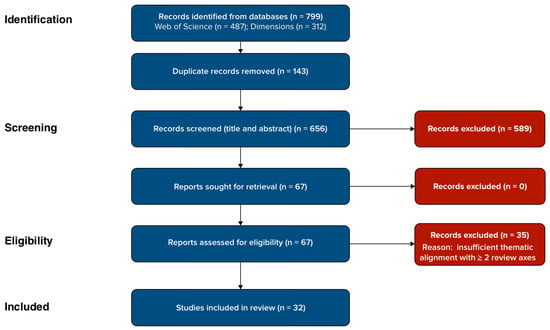
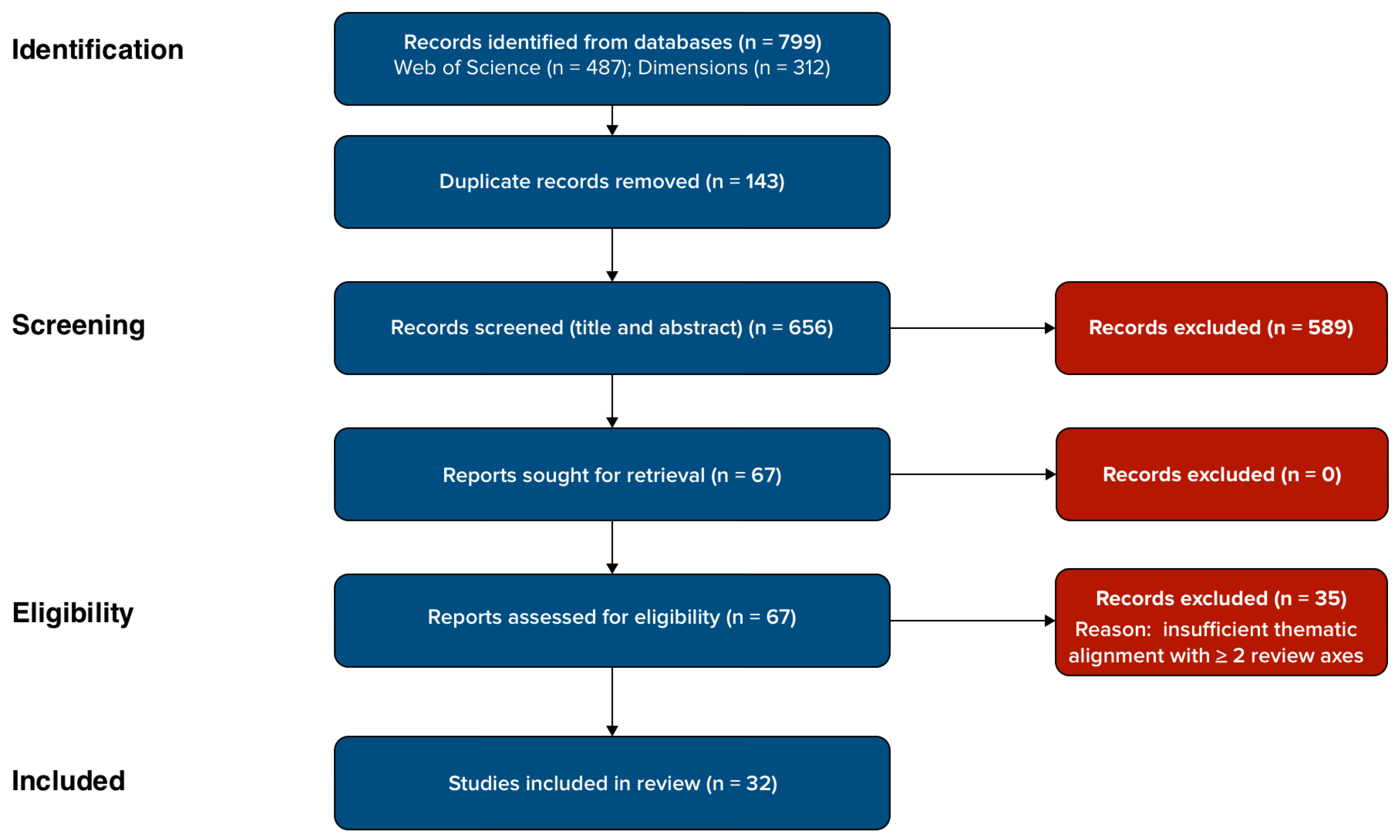
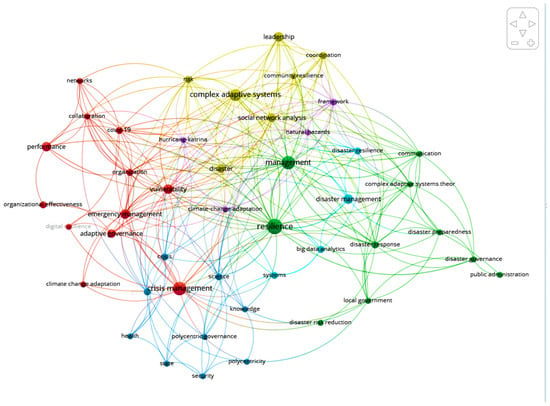
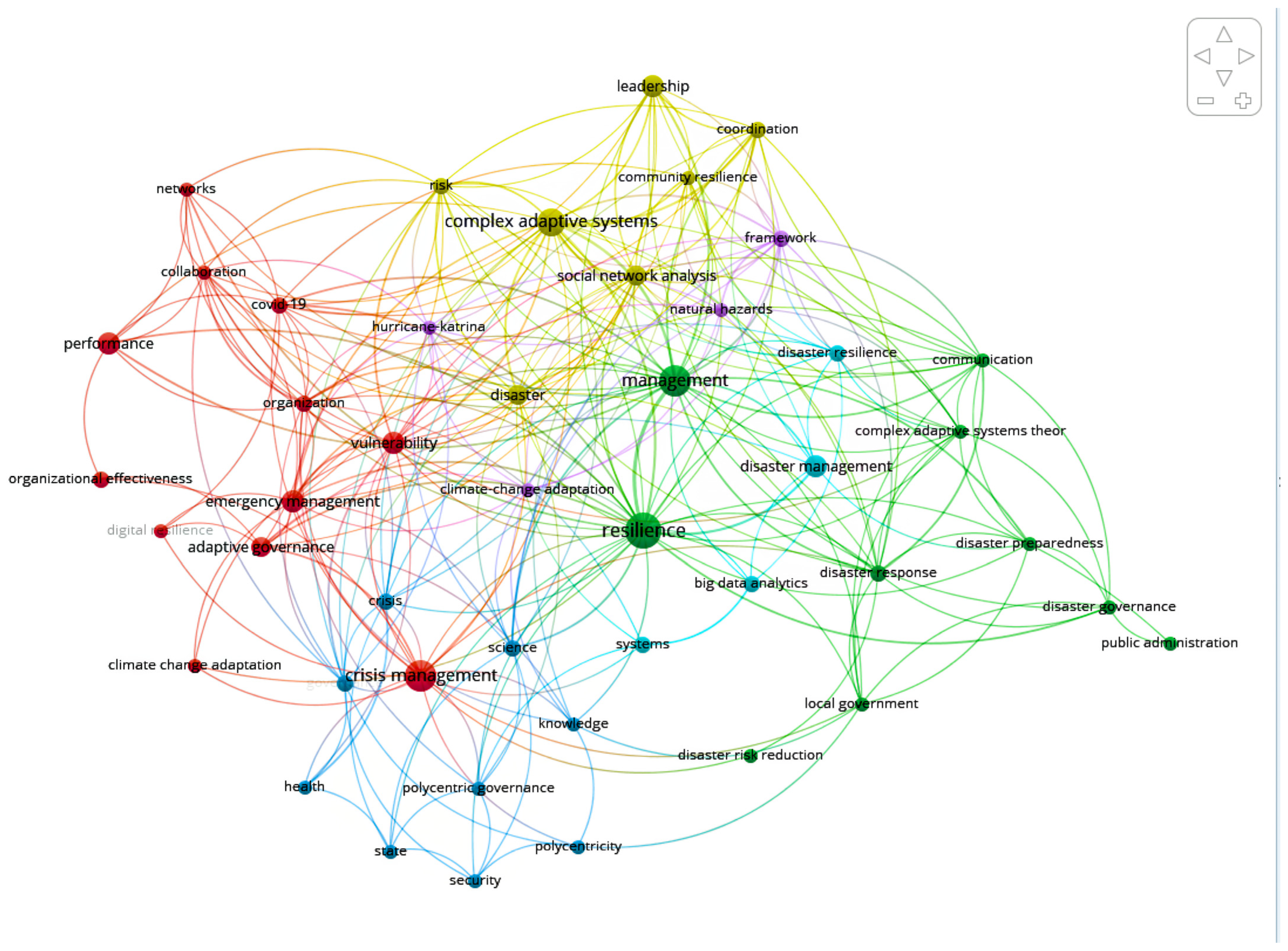
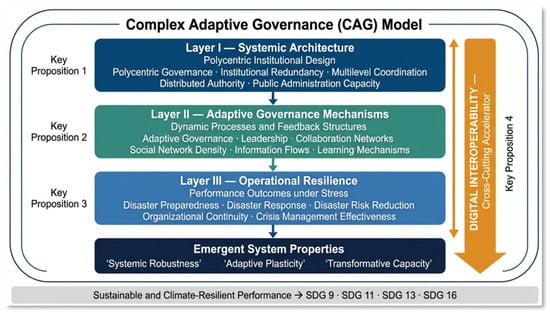
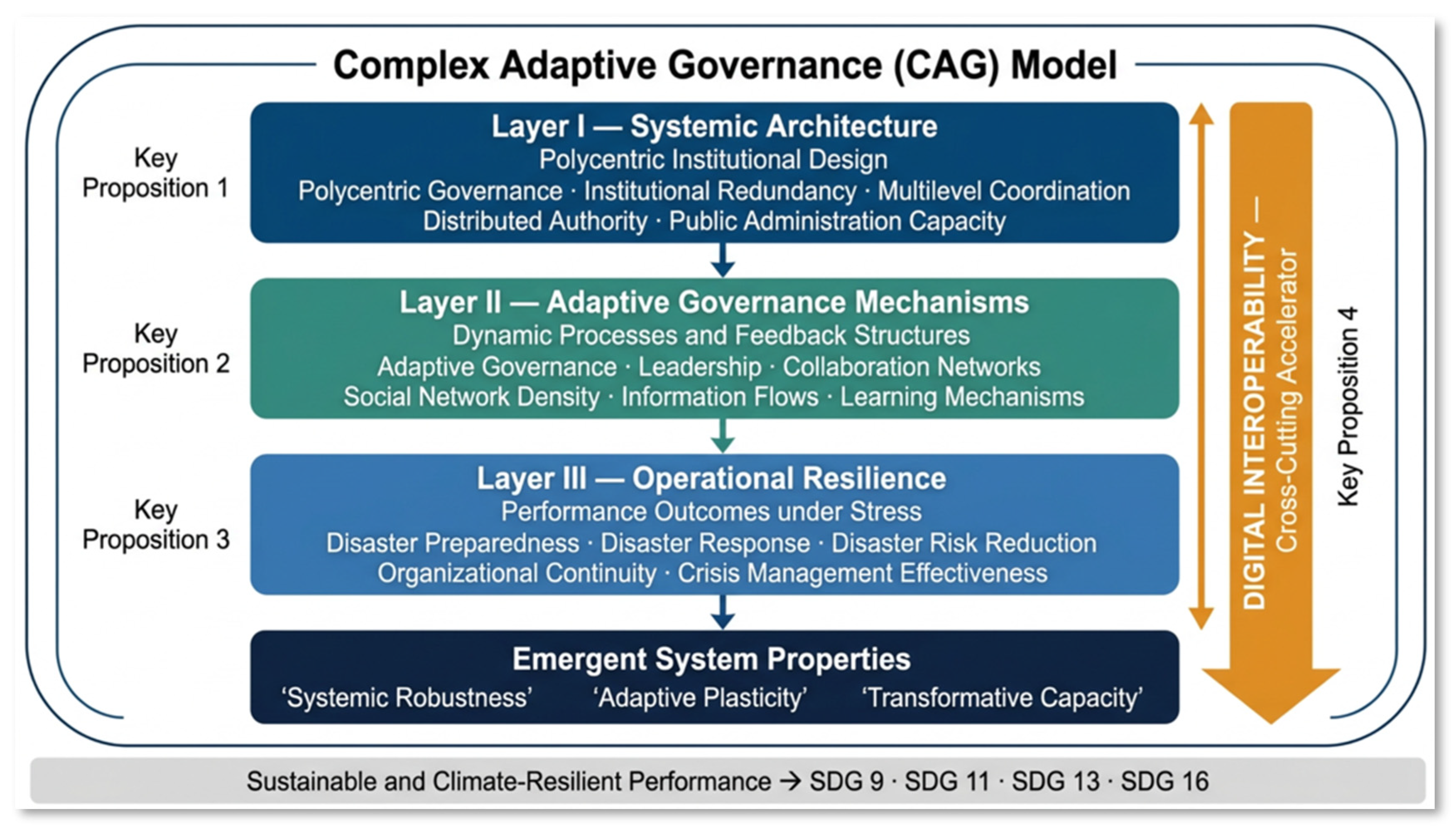
Disclaimer/Publisher’s Note: The statements, opinions and data contained in all publications are solely those of the individual author(s) and contributor(s) and not of MDPI and/or the editor(s). MDPI and/or the editor(s) disclaim responsibility for any injury to people or property resulting from any ideas, methods, instructions or products referred to in the content. |
© 2026 by the authors. Licensee MDPI, Basel, Switzerland. This article is an open access article distributed under the terms and conditions of the Creative Commons Attribution (CC BY) license.