


Abstract
Driven by global sustainable development and intelligent technological innovation, the geotechnical engineering industry is transforming toward the direction of “Intelligent technology + Low-carbon circulation + Ecological friendliness”, creating an urgent demand for interdisciplinary talents with corresponding professional capabilities and sustainable awareness. To address the deficiencies in traditional postgraduate education (e.g., disjointed knowledge systems, inadequate practice oriented to Sustainable Geotechnical Engineering (SGE), and superficial integration of Education for Sustainable Development (ESD), this study constructs a “Four-Dimensional and Four-Stage” integrated talent training model based on the Sustainable Development Goals (SDGs) of the United Nations. Taking “Intelligent Technology—Geotechnical Theory—SGE Scenarios—ESD Literacy” as its core framework and adopting a progressive path of “Basic Cognition—Collaborative Application—Innovative Development—Sustainable Transformation”, this model was piloted among 23 postgraduate students through the course titled “Intelligent Design and Construction of Geotechnical Engineering”. The results show that all the students obtained officially granted software copyrights, their core professional capabilities were significantly improved, 100% of them applied their research achievements to SGE-related practices, and their ESD literacy was notably enhanced. Breaking through the traditional “knowledge-practice” dualistic framework of engineering education, this model achieves the in-depth integration of professional training and sustainable awareness cultivation and thus provides a replicable paradigm for the ESD education of interdisciplinary postgraduate students in the intelligent age.
1. Introduction
The in-depth integration of cutting-edge intelligent technologies (e.g., digital twin [1], Artificial Intelligence (AI) [2], the Internet of Things (IoT) [3], and intelligent robots [4]) with geotechnical engineering has driven the transformation of this industry from an “experience-driven” mode to a “data + intelligence-driven” mode [5]. Meanwhile, the intensification of global climate change [6], the frequent occurrence of extreme climatic events [7,8], and the increasing demand for ecological protection [9] have driven the geotechnical engineering industry toward the development direction of “Low-Carbonization, Ecologicalization and Sustainability” [10]. SGE has thus become the core development direction of this field, whose core essence is to realize the coordinated sustainability of the entire life cycle of geotechnical engineering with the ecological environment and resource circulation systems. At the same time, the SDGs [11,12,13] explicitly put forward the goals of “ensuring inclusive and equitable quality education and promoting lifelong learning for all”, “promoting sustainable industrialization and technological innovation”, and “taking urgent action to address climate change and its impacts”, which are highly consistent with the core requirement of integrating the concept of sustainable development into the entire educational process. Both of them emphasize that engineering education should simultaneously enhance the capabilities of technological innovation and the awareness of sustainable development, which is precisely the core connotation of Education and Awareness of Sustainability (EAS).
Currently, recruitment in the geotechnical engineering industry has identified “the capabilities of intelligent technology development and application [14], the capabilities of SGE design and construction [15], and the awareness of engineering ecological responsibility and sustainable development [16,17]” as important potential evaluation indicators. However, traditional postgraduate talent training faces prominent problems of supply–demand mismatch and a clear gap with the goal of sustainable awareness cultivation. Firstly, its knowledge system lags behind the development of the industry. Traditional geotechnical engineering theories are largely disconnected from intelligent technologies and the concept of sustainable development, and lack systematic teaching content in the core SGE fields (e.g., ecological slope governance [18], low-carbon tunnel construction [19], and resource utilization of geotechnical waste [20]). Consequently, they fail to reflect the core requirement of ESD, namely “interdisciplinary knowledge integration [21] and awareness penetration [22]”. Secondly, practical teaching is fragmented or even inadequate, which mostly focuses on simple engineering simulation [23] using a single software or short-term on-site construction research, and lacks collaborative training in the integration of “Intelligent Technology + SGE Design and Construction”. This makes it difficult for students to develop the ability to solve complex geotechnical engineering problems, which is inconsistent with the ESD goal of fostering sustainable problem-solving capabilities and action awareness [24]. Thirdly, its mechanism for the transformation of research achievements is flawed. Students’ learning achievements are mostly limited to theoretical reports or reviews of cutting-edge research developments, which fail to be transformed into practical achievements serving the SGE industry. As a result, the ESD awareness cycle that drives the practice of sustainable actions cannot be established. Fourthly, ESD education is merely superficial in its implementation. The concept of sustainable development is mostly simply implanted as a conceptual element, and its integration with SGE professional knowledge, practical links, and achievement transformation is inadequate. This makes it difficult to foster students’ stable awareness of ecological responsibility and sustainable engineering ethics in depth [25,26,27], which is also a common challenge faced by the global EAS community.
Relevant explorations have been conducted in universities worldwide. Relying on the “Sustainable Engineering Education Initiative (SEEI)”, the European Union has integrated core SGE content and sustainable awareness cultivation into engineering curricula [28]. In the United States, PBL has been adopted to establish sustainable infrastructure design modules, aiming to enhance students’ global citizenship awareness [29]. At Chongqing University, machine learning and ecological protection cases have been incorporated into geotechnical engineering teaching to implicitly integrate SGE concepts [30]; East China University of Science and Technology has built a “green engineering” practice system through industry–education integration, so as to strengthen the cultivation of students’ low-carbon engineering literacy [31]. However, existing research and teaching practices still have significant deficiencies and fail to fully meet the core requirements of EAS. Firstly, the in-depth integration of ESD with SGE and intelligent geotechnical engineering education is inadequate, lacking the design of a systematic talent training model centered on “sustainable awareness cultivation”. Secondly, practical teaching has not formed a complete chain of “intelligent technology—SGE design—achievement transformation—awareness internalization”, which is disconnected from the ESD cultivation logic of “cognition—ability—action—awareness”. Thirdly, interdisciplinary integration is insufficient, with a lack of interdisciplinary integrated teaching of SGE with environmental engineering, computer science and engineering, materials science, and ecology, thus failing to meet the “interdisciplinary systematic thinking” required for sustainable awareness cultivation. Fourthly, the assessment and evaluation system for ESD literacy and awareness related to SGE is imperfect, making it difficult to quantify the cultivation effect.
Nevertheless, the aforementioned international and domestic practices still fail to meet the core demands of sustainable and intelligent geotechnical engineering education, and the underlying causes can be summarized as follows. First, the disciplinary logic of geotechnical engineering is seriously separated from the value logic of sustainable development. Traditional teaching still focuses on technical rationality, and sustainable concepts are mostly added as additional modules rather than being embedded into the entire life cycle of geological environment bearing, low-carbon construction, ecological protection, and resource utilization [10]. The professional system of SGE lacks support from a complete set of sustainability-oriented knowledge and methodologies. Second, the application of intelligent technology remains at the tool level rather than the problem-oriented decision-making level. The integration of digital twin, AI, and the IoT with geotechnical engineering is mostly limited to auxiliary simulation or data processing [1,2,3,4], failing to form an intelligent solution system for typical SGE scenarios such as low-carbon design, ecological restoration, and carbon emission reduction. Consequently, the training cannot support the intelligent and sustainable transformation of the industry. Third, the closed loop of “knowledge, practice, transformation, and awareness” is incomplete. Most programs only focus on knowledge teaching and simple engineering practice, lacking effective pathways to transform learning outcomes into industrial applications, technological innovations, and ecological values. As a result, sustainable awareness cannot be internalized through practical actions, making it difficult to form stable professional ethics and behavioral awareness. Fourth, the goals of talent training are inconsistent with the industrial demand for high-quality development. The current training model cannot fully respond to the dual demands of “intelligent-driven” and “low-carbon and ecological-oriented” in geotechnical engineering, and lacks systematic design for interdisciplinary integration, industry–education collaboration, and sustainable literacy assessment, thus failing to support the core requirements of EAS for sustainable development capabilities.
Global strategies represented by the SDGs [11,12,13] and international sustainable engineering education initiatives have provided important value orientations and methodological references for the construction of the talent training model in this study, and have jointly promoted the formation of a localized “Chinese solution” with strong applicability. The SDGs provide a value orientation, guiding the model to integrate quality education, industrial innovation, and climate action into the entire training process. Advanced international educational concepts such as PBL [29] and green engineering [31] offer methodological references, which have been localized and optimized in combination with China’s postgraduate education system. China’s major national strategies, such as ecological civilization and the “dual carbon” goal, determine the practical orientation of the model, which focuses on SGE and achievement transformation. In response to the common challenges of global EAS, this model forms a systematic, operable, and replicable talent training program with Chinese characteristics, realizing the integration of global strategic consensus and local engineering practice.
Therefore, centered on the ESD concept and closely aligned with the EAS training goals, this study constructs an integrated “four-dimension and four-stage” talent training model with sustainable transformation. Its core goals include: reconstructing the knowledge system to achieve the in-depth integration of intelligent technology, geotechnical theory, SGE scenarios, and ESD literacy, bridging the gap between traditional courses and industrial transformation as well as SDGs, and enhancing sustainable cognition; innovating practical mechanisms to improve students’ comprehensive capabilities in “intelligent technology application + SGE simulation design + achievement transformation” through phased training, laying a solid foundation for sustainable actions; establishing a sustainable transformation system to promote the conversion of learning outcomes into intellectual property rights and industrial applications with low-carbon and ecological values in the SGE field, and practicing sustainable actions; deepening the integration of ESD to cultivate students’ ecological responsibility awareness, sustainable engineering ethics, and global citizenship literacy, realizing the coordinated improvement of “professional competence” and “sustainable development responsibility”, and fulfilling the core goal of sustainable awareness cultivation.
1.1. Model and Methods
1.1.1. Construction of the “Four-Dimension and Four-Stage” Talent Training Model
The ESD concept, ability progressive training logic, and collaborative innovation mechanism are mutually supportive, as illustrated in Figure 1. Together, they provide a solid foundation for constructing the “four-dimension and four-stage” integrated talent training model for sustainable transformation, all of which are closely aligned with the core essence of EAS.
Figure 1.
Four-dimension and four-stage talent training model foundation.
The core of ESD lies in integrating sustainable development concepts into the entire educational process, emphasizing the unity of knowledge impartment, ability training, and value shaping. It also requires students to possess the three-dimensional capabilities of “understanding sustainable development issues, designing sustainable solutions, and practicing sustainable development actions” [32]. Its dual educational functions—promoting social sustainable development and human sustainable development—provide fundamental guidance for this study to establish a coordinated training system of “professional ability + SGE awareness”, which is highly consistent with the core goals of EAS.
Drawing on constructivist learning theory [33], ability progressive training holds that ability development should follow the progressive logic of “from basic to complex, from cognition to application, and from individual to collaborative”. Through hierarchical task design, it achieves the phased improvement of “basic ability—core ability—innovative ability—sustainable transformation ability”. This is highly consistent with the ESD sustainable awareness cultivation path of “cognition—ability—action—awareness”, providing methodological guidance for the design of the four-stage progressive path.
Collaborative innovation emphasizes the establishment of a university–enterprise industry collaborative network [34], integrating teaching resources, SGE practice scenarios, and transformation channels to realize the whole-chain collaboration of “teaching—practice—transformation—awareness cultivation”. This not only responds to the practical requirement of “needing multi-party collaboration to promote the implementation of sustainable awareness” in ESD application in practice but also ensures accurate alignment between talent training and the development needs of the SGE industry.
Four-Dimension Collaborative Framework
The four-dimensional core framework revolves around four key talent training links. Each dimension is relatively independent yet mutually collaborative, focusing on the dual goals of SGE talent training and sustainable awareness cultivation, deeply conforming to the requirements of the EAS field, and systematically solving the core issues of “what to teach, how to practice, how to evaluate, and how to cultivate”, as depicted in Figure 2.
Figure 2.
Four-dimension collaborative framework.
Knowledge Dimension (What to Teach): An interdisciplinary integrated knowledge system of “1 + 1 + S + E” is constructed to consolidate the foundation of sustainable cognition. Specifically, it includes “1 set of new intelligent technologies” (e.g., digital twin, AI, IoT) integrated with the concept of “technology empowering SGE”; “1 set of basic geotechnical theories” (e.g., surrounding rock stability, slope safety) to foster a rigorous and pragmatic craftsmanship spirit and provide theoretical support for SGE design; “S types of SGE scenarios” focusing on key SGE fields (e.g., ecological slope governance, low-carbon tunnel construction, geotechnical waste resource utilization), with typical local cases such as ecological slope governance in the Qinling Mountains of Shaanxi Province and low-carbon construction of Xi’an Metro selected to enhance the intuitive perception of sustainable scenarios; and “E types of ESD literacy integration points” (e.g., ecological responsibility, low-carbon awareness, sustainable ethics), where core SDG concepts are infiltrated through major SGE cases (e.g., ecological slope protection in the Heihe Reservoir Area and low-carbon foundation pit construction in Xi’an) to consolidate the foundation of sustainable cognition.
Practice Dimension (How to Practice): A practice system of “four-stage progression + ESD integration” is established to promote the transformation of sustainable awareness into practical actions. Stage 1 (Basic Cognition): Focus is placed on basic software operations and SGE concept enlightenment, such as Rhino 3D geological modeling and FLAC3D basic simulation, supplemented by the learning of SGE industry environmental evaluation standards and typical case introductions, integrating a down-to-earth learning attitude and the original aspiration for sustainable development. Stage 2 (Collaborative Application): Multi-software collaborative simulation and SGE case analysis are conducted (e.g., optimization of water conservancy ecological slope stability, foundation pit construction optimization and carbon emission accounting), and analysis reports including ecological protection suggestions are submitted, integrating awareness of “teamwork” and “ecological protection”. Stage 3 (Innovative Development): SGE-oriented engineering software is developed (e.g., slope safety and ecological restoration monitoring tools, foundation pit construction and earthwork allocation software), integrating awareness of “innovation and creation”, “intellectual property protection”, and “technology serving sustainability”. Stage 4 (Sustainable Transformation): The transformation of achievements into enterprise SGE-related technology applications is promoted, integrating the sense of responsibility of “science and technology serving sustainable development” to realize the conversion of sustainable awareness into practical actions.
Evaluation Dimension (How to Evaluate): A multi-dimensional evaluation system consisting of “30% process assessment + 40% ability assessment + 15% sustainable transformation assessment + 15% ESD literacy assessment” is constructed to strengthen the quantitative evaluation of sustainable awareness. Process assessment includes classroom participation, SGE basic assignments (e.g., basic material accounting exercises, ecological slope case analysis), and phased tests; ability assessment covers SGE case simulation, report writing, and program development; sustainable transformation assessment involves software copyright applications (focusing on SGE application scenarios) and achievement SGE application value reports; ESD literacy assessment revolves around SGE-related ecological responsibility, low-carbon awareness, and sustainable ethics, integrated into the first three assessments with a weight of 5% each. The overall evaluation adopts a three-party combination of “self-evaluation—peer evaluation—teacher evaluation”, solving the industry-wide problem of difficult quantification of sustainable awareness.
Cultivation Dimension (How to Cultivate): With the cultivation of ESD literacy and sustainable awareness as the main line, through a four-in-one model of “SGE case immersion, practice tempering, role model guidance, and mechanism guarantee”, ecological responsibility (e.g., ecological protection responsibility in geotechnical engineering construction), low-carbon awareness (e.g., carbon emission reduction awareness throughout the entire engineering life cycle), and sustainable ethics (e.g., engineering decision-making ethics with ecological priority) are integrated into the entire teaching process, realizing the synchronous advancement of professional ability training and SGE awareness shaping.
Four-Stage Progressive Framework
Following the ability progression logic of “cognition—application—innovation—transformation”, as shown in Figure 3, the four-stage progressive path runs through ESD literacy cultivation, SGE sustainable transformation, and sustainable awareness internalization. Each stage is progressive and interlocking, forming a complete talent training chain.
Figure 3.
Four-stage progressive framework.
Stage 1: Basic Cognition of SGE and ESD Awareness Enlightenment: The core goal is to consolidate SGE basics and establish sustainable awareness. Students are required to master core concepts of intelligent technologies, basic geotechnical theories, and basic software operations. Through thematic learning on “Sustainable Development and SGE” and the sharing of scientific research and patriotic stories of scientists in the SGE field (e.g., Qian Qihu), students develop industry identity and ecological responsibility awareness. In this stage, students need to complete three basic assignments (e.g., SGE geological model construction, simple material accounting, ecological slope case analysis) to ensure that the compliance rate of basic abilities and initial sustainable cognition reaches 100%.
Stage 2: Collaborative Application in SGE and ESD Ethical Cultivation: The core goal is to improve SGE collaborative design capabilities and strengthen sustainable ethics awareness. Working in groups of 2–3, students complete the full-process simulation of SGE cases (e.g., optimization of ecological slope stability, optimization of Xi’an Metro station foundation pit construction plan) and submit analysis reports including low-carbon optimization and ecological protection suggestions. Through thematic seminars on “ESD and SGE Ethics”, the principle of “life first and ecology first” is emphasized; through team collaboration, students develop a sense of responsibility, promoting the transformation of sustainable awareness into collaborative practice.
Stage 3: SGE-Oriented Innovative Development and ESD Integration: The core goal is to cultivate SGE innovative capabilities and deepen sustainable transformation awareness. Based on the achievements of the previous two stages, students develop SGE-oriented engineering applets (e.g., slope ecological restoration and safety monitoring tools, geotechnical waste resource utilization efficiency evaluation software) and complete software manual writing and code sorting. Through guidance on software copyright application, legal popularization education on intellectual property protection is carried out, promoting the deepening of sustainable awareness into innovative practice.
Stage 4: SGE Achievement Sustainable Transformation and ESD Application in Practice: The core goal is to promote the implementation of SGE achievements and consolidate sustainable action awareness. Students complete software copyright applications and achievement reports, and outstanding achievements are promoted to enter enterprise technical pilot applications. Achievement exhibitions on “ESD and SGE Innovative Achievement Application” are organized to encourage students to participate in SGE practical projects; for achievements with industrialization potential, connections are established with enterprises for commercial optimization, forming a complete theory-to-practice closed loop for sustainable development literacy and action.
1.1.2. Implementation Guarantee Mechanisms
Five guarantee mechanisms work synergistically to ensure the accurate implementation of the talent training model, as depicted in Figure 4, all focusing on the dual goals of SGE talent training and sustainable awareness cultivation.
Figure 4.
Implementation guarantee mechanisms.
ESD-Oriented Hierarchical Teaching Mechanism: Students are divided into basic and advanced levels based on the dual dimensions of “professional ability + ESD cognition”. The basic level strengthens programming and software foundations, supplemented by cognitive ESD activities (SGE industry introductory education and ecological protection case learning) to consolidate sustainable cognition; the advanced level focuses on SGE collaborative simulation and program innovative development and transformation, supplemented by competency-based ESD activities (SGE seminars, teamwork practice, SGE achievement transformation practice, etc.) to improve sustainable practical capabilities and consolidate sustainable responsibility awareness. A system of “online Q&A clinics + one-on-one tutoring” is established to ensure personalized teaching and narrow the gap in sustainable awareness cultivation and SGE simulation caused by differences in basic abilities.
Dynamically Optimized Feedback and Adjustment Mechanism: A closed-loop system of “real-time feedback—rapid response—continuous optimization” is constructed. Suggestions from students and SGE enterprise experts are collected through course groups, in-class feedback, special surveys, and seminars, focusing on the effect of sustainable awareness cultivation and the adaptability of SGE practice. General problems are resolved on the same day, while complex problems are discussed and optimized within one week. Two teaching effect evaluations are conducted, and course content and practical projects are dynamically adjusted in combination with SGE ability assessment and ESD literacy and sustainable awareness questionnaires, ensuring that the model always meets students’ needs and the development trends of the SGE industry.
Sustainability-Oriented Achievement Transformation Mechanism: A “three-stage guidance + university–enterprise collaboration” transformation system is established, focusing on SGE industry needs and the implementation of sustainable awareness. In the enlightenment stage, lectures on “Intellectual Property and SGE Transformation” are carried out to cultivate transformation awareness; in the technical stage, guidance on the preparation of application materials is provided, emphasizing the originality and SGE application value of achievements; in the implementation stage, assistance is offered in software copyright application and promotion of university–enterprise joint incubation. “SGE achievement transformation bases” are co-built with enterprises such as China State Construction Engineering Corporation, China National Coal Group Corporation, and China Railway Group Limited, focusing on technical needs such as low-carbon construction, ecological monitoring, and resource recycling to ensure that achievements meet the SGE development needs of enterprises and realize the transformation of learning achievements into sustainable actions.
Interdisciplinary Collaborative Resource Integration Mechanism: A dual-track resource library of “geotechnical engineering + ESD” is constructed to strengthen resource support for sustainable awareness cultivation. Twenty typical SGE cases (including geological survey data, design and construction plans, and ecological protection technologies) are sorted out, and ESD elements and sustainable awareness entry points are explored; cooperation is carried out with majors such as environmental engineering, computer science, materials science, and ecology to develop interdisciplinary teaching resources, helping students understand the complex relationship between environment, economy, and society in SGE and cultivate systematic thinking; an “ESD ideological and political resource library” including SGE cases, deeds of industry scientists, and SDG interpretations is built to enrich the carriers of sustainable awareness cultivation.
“Multi-Teacher and Multi-Ability” Teaching Team Mechanism: A teaching team composed of “professional teachers + SGE enterprise experts” is formed, with clear division of labor and a collaborative teaching system. Professional teachers are responsible for technical teaching, guidance on SGE achievement transformation, and the cultivation of sustainable concepts and awareness; enterprise experts provide real SGE needs and practical guidance, ensuring the in-depth integration of ESD education, SGE professional teaching, and industry needs, and avoiding the superficializing of sustainable awareness cultivation.
1.1.3. Teaching Pilot Design
Research Objects
A total of 23 newly enrolled postgraduates from the School of Civil Engineering and Architecture, from the spring semester of 2025, were selected as the research subjects. Among them, 15 majored in Geotechnical Engineering, five in Bridge and Tunnel Engineering, and three in Disaster Prevention and Reduction Engineering. Their undergraduate backgrounds were distributed as follows: Geotechnical/Civil Engineering (91%), Geological Engineering (4%), and other majors (5%). In terms of programming foundation, 13% were proficient, 43% had intermediate proficiency, 35% had weak foundation, and 9% had no foundation at all. The professional diversity and differences in basic abilities of the research subjects not only meet the actual needs of interdisciplinary talent training for SGE but also provide a realistic scenario for hierarchical teaching and differentiated cultivation of sustainable awareness.
Research Methods
A mixed research method, combining quantitative and qualitative analysis, was adopted to achieve complementary advantages. All core indicators focused on SGE-related capabilities and the effectiveness of sustainable awareness cultivation. Quantitative research quantified indicators such as knowledge mastery, ability improvement, ESD literacy, and teaching satisfaction through questionnaires and academic performance statistics. The quantitative analyses presented below are mainly based on authentic post-course questionnaire data. The questionnaire was designed with specific items to investigate students’ basic skills before the course and their learning outcomes after the course, and the results were analyzed based on real data provided by all course participants. Qualitative research deeply analyzed the formation path of students’ ESD literacy and sustainable awareness through semi-structured interviews (focusing on the internalization process of sustainable awareness), SGE achievement analysis, and classroom observation. For data processing, SPSS 27 was used for the statistical analysis of SGE core capabilities and sustainable awareness, ensuring the scientificity of the research conclusions. Notably, none of the students had received systematic learning or professional skill training related to the course content prior to this study; therefore, the learning effectiveness observed during the course can accurately reflect their actual mastery of the relevant knowledge and skills.
Course Implementation
The course “Intelligent Design and Construction of Geotechnical Engineering” was implemented in accordance with the “four-dimension and four-stage” model. The course content deeply integrates SGE modules and awareness cultivation links, with a total of 48 class hours (24 theoretical hours and 24 practical hours), and is supported by a dual-track resource library of “geotechnical engineering + ESD” (including an SGE case library and a software resource library). The course implementation strictly followed a four-stage progressive path: Stage 1 (16 theoretical hours) focused on the establishment of basic cognition of SGE and ESD enlightenment, covering the introduction to intelligence and SGE as well as the initial cultivation of sustainable awareness; Stage 2 (4 theoretical hours + 12 practical hours) involved software theory, basic operations, collaborative application, and ESD refinement, focusing on collaborative simulations of SGE cases and environmental protection analyses to strengthen awareness of sustainable ethics; Stage 3 (2 theoretical hours + 8 practical hours) promoted innovative development and in-depth ESD integration, with the core being Matlab R2024a-based SGE program development and the cultivation of awareness of sustainable transformation; Stage 4 (2 theoretical hours + 4 practical hours) realized sustainable transformation and ESD application in practice, focusing on promoting the implementation of SGE achievements and the consolidation of sustainable action awareness. Each stage was equipped with corresponding SGE activities and assessment links for sustainable awareness, ensuring the coordinated advancement of “teaching, practice, evaluation, and cultivation”.
2. Results
Based on the pilot teaching data, an analysis was conducted from four dimensions, namely knowledge mastery, core capabilities, achievement transformation, and teaching satisfaction, to comprehensively verify the implementation effect of the talent training model. Each dimension focuses on SGE-related indicators and the goal of cultivating sustainable awareness.
2.1. Significant Improvement in Knowledge Mastery
Knowledge mastery was evaluated using three indicators: “understanding of SGE integration logic, explanation of application mechanisms, and recognition of the knowledge system”, as shown in Figure 5. The results indicate that 35% of students could basically understand the integration logic of intelligent technologies and SGE (e.g., how AI optimizes support design and how digital twins support ecological slope monitoring), while 30% of students were able to independently explain the application mechanisms of AI, digital twins, robots, and other technologies in the SGE field. Additionally, 61% of students considered each component of the “1 + 1 + S + E” knowledge system to be important, noting that the system has strong relevance and can effectively support the solution of SGE-related problems. This finding demonstrates that the construction of the interdisciplinary knowledge system has effectively addressed the issues of “fragmented knowledge and disconnection from SGE needs” in traditional courses, realized the ESD educational goal of “interdisciplinary knowledge integration and sustainable cognition”, and laid a solid knowledge foundation for enhancing students’ sustainable awareness.
Figure 5.
Knowledge mastery level on intelligent technologies (a) and all content (b).
2.2. Comprehensive Development of Core Competencies
Focusing on three key dimensions—”simulation software application, SGE programming development, and complex problem-solving” (as illustrated in Figure 6)—all core competencies of students have been significantly improved, with the entire training process centered on SGE practice needs and the cultivation of sustainable action capabilities. Regarding applied skills in simulation software, students’ self-reported mastery levels after the course reached 78%, 83%, 78%, and 91% across the four essential tools: Rhino 8.26, FLAC3D 7.0, Geo-Studio 2024.2, and MATLAB R2024a. Among them, 61% of students reported that multi-software collaborative analysis was relatively easy and that they could proficiently master the collaborative application of two or more software programs in SGE scenarios (e.g., collaborative optimization of foundation pit construction and support schemes using FLAC 3D and Rhino). In course projects, 48% of students were able to conduct result analysis and summarization in simulation reports, and 13% of students put forward targeted SGE optimization suggestions in their reports, reflecting their ability to integrate intelligent technologies with SGE design. Regarding SGE programming development capabilities, 78% of students developed software with basic input–calculation–output functions, and 22% of students innovatively added core SGE modules (e.g., tunnel and surface deformation prediction, slope restoration and safety assessment), demonstrating their ability to integrate technological innovation with SGE orientation. In terms of complex problem-solving capabilities, 13% of students could independently complete the full-process simulation of SGE cases (e.g., optimization of slope excavation stability in ecologically sensitive areas), and 61% of students could solve SGE technical problems through multi-software collaboration. The significant improvement in students’ practical application capabilities verifies the effectiveness of the stepwise practice system and provides capability support for their sustainable actions.
Figure 6.
Core competencies level on simulation software (a), multi-software collaboration (b), and programming development (c).
2.3. Outstanding Effects of Sustainable Achievement Transformation
Sustainable achievement transformation was evaluated from three dimensions: “software copyright approval, extended application of achievements, and SGE value cognition” (as shown in Figure 7), with a focus on SGE field applications and the implementation of sustainable actions. The results show that all 23 students obtained at least one officially granted copyright (25 copyrights in total), of which 39% were comprehensive interdisciplinary works, and 61% focused on core SGE scenarios (22% on ecological slope monitoring, 17% on low-carbon tunnel construction, and 22% on characteristic foundation pits). The extended application rate of achievements reached 100%: 96% of students used their achievements as scientific research support, 48% applied them to SGE-related scientific research projects, 17% published relevant scientific research papers based on in-depth research, and 30% participated in SGE academic competitions. Furthermore, 78% of students believed that the transformed software copyright achievements were important proof of their innovation and transformation capabilities, 91% planned to use these achievements to participate in various awards, and 70% used them as highlights in job hunting. After optimization and upgrading, 25% of students’ achievements are expected to enter enterprise SGE technical pilot applications to promote industrialization. Notably, 100% of students established an awareness of intellectual property protection, and 96% attached importance to the SGE application value of their achievements. This result fully reflects the ultimate orientation of ESD—”promoting the practice of sustainable actions”—and realizes the effective transformation of learning achievements into SGE industrial value and sustainable actions.
Figure 7.
Achievement transformation level on the direction (a) and the expansion (b) of software copyright.
2.4. Teaching Satisfaction and Model Effectiveness Verification
Overall student satisfaction with the course reached 100% (as illustrated in Figure 8), of which 74% of participants were highly satisfied and 26% were satisfied, with no neutral or dissatisfied responses. Among the students, 48% believed that the close integration of “theory + practice” was the most prominent advantage of this teaching model, and 65% identified “theory + practice + transformation” as the most distinctive feature of the course. Additionally, 65% of students considered the combination of three types of typical engineering scenario case teaching with theoretical knowledge to be highly effective; 78% of students believed that the teaching method of “case introduction + interactive discussion + ESD integration” could quickly focus on key points and effectively stimulate thinking and expression; 65% of students reported that the teaching method of “demonstration + hands-on operation + Q&A” achieved excellent results in the basic software operation stage; and 74% of students were very satisfied with the SGE-oriented composite practice model of “independent hands-on operation + team collaborative research”. Students generally gave high evaluations of the implementation effect of each practical teaching link, with 78%, 74%, and 91% of students rating software operation, case simulation, and intelligent development as “very good”, respectively. All students (100%) believed that the new achievement assessment indicators could effectively guide them to pay attention to the value of achievement transformation, and all recognized the multi-dimensional assessment system. Among them, 91% of students believed that the assessment of basic practical assignments could most effectively evaluate their learning process and basic abilities, and 74% believed that programming development and software copyright application could effectively evaluate their comprehensive abilities. Furthermore, 91% of students considered the construction and display of the actual geotechnical engineering case library to be extremely helpful to the teaching effect, of which 74% indicated that the course resource library greatly assisted in solving practical problems, and 83% were very satisfied with the plan to update the teaching case library by 10~20% annually. Additionally, 70% of students believed that the multi-channel feedback mechanism had a significant effect on solving learning difficulties, and 87.0% preferred face-to-face in-class feedback during breaks. The hierarchical teaching mechanism effectively addressed the uneven cultivation effect caused by differences in students’ basic abilities: after training through pre-attachment courses (Matlab and geotechnical engineering programming basics), the compliance rate of SGE programming development capabilities among students without programming foundations reached more than 80%; through SGE cognitive pre-courses and interdisciplinary case learning, the cultivation gap between students with non-geotechnical undergraduate backgrounds and those with geotechnical majors was narrowed to within 15%. This fully reflects the inclusiveness and fairness of the model, which is consistent with the inclusive and equitable educational philosophy of EAS.
Figure 8.
Teaching model level on the satisfaction of curriculum and practice mode (a), the efficiency of teaching and feedback (b), the evaluation of comprehensive ability (c) and learning process (d), feedback modes (e), advantages (f), and characteristics (g) of the course.
2.5. Existing Problems
Based on feedback from the pilot practice, the model still has four urgent problems to be solved, all of which are related to the cultivation needs of EAS. Firstly, the quality of achievement transformation needs to be improved. Affected by factors such as insufficient technical reserves of students, inadequate docking with enterprise needs, and limited interdisciplinary technical support, the current achievements have deficiencies in functional integrity and commercial adaptability. As shown in Figure 9, 70% of students believe that deepening functions to improve software practicality is the key to promoting achievement transformation; 78.0% of students recognize software copyright application as a form of innovative achievement transformation and can implement it to enhance competitiveness, while the remaining 22% believe that software copyright-based achievement transformation is meaningful but the process is relatively complex. Additionally, 78.0% of students indicated that software copyright development has effectively cultivated their innovative thinking; 43.0% of students can complete software copyright application within 1 week, 39.0% need 1–2 weeks, and the rest require more time. Secondly, the effect of sustainable awareness cultivation is uneven. Differences in students’ basic abilities and majors lead to differentiated cultivation effects. Students without programming foundations and geotechnical knowledge reserves face technical bottlenecks in SGE software development, making it difficult for them to deeply participate in innovative development links, which results in insufficient internalization of sustainable awareness; this is inconsistent with the inclusive and equitable educational goal of EAS. Thirdly, the depth of interdisciplinary integration and achievement transformation is insufficient. Most software copyright achievements are simple small tools, with shortcomings in commercial adaptability and large-scale application; the cross-integration with environmental engineering and ecology is still superficial, lacking in-depth collaborative SGE teaching modules and practical projects, and fails to fully meet the interdisciplinary systematic thinking required for sustainable awareness cultivation. Fourthly, the assessment and collaboration mechanisms need to be improved. The evaluation criteria for some sustainable awareness indicators (e.g., global citizenship awareness) are not specific enough, and the observation points are unclear; in collaborative teaching, team teachers have insufficient natural connection between professional teaching and sustainable awareness cultivation.
Figure 9.
The directions (a), the application time (b), the innovative thinking promotion efficiency (c), and the innovative achievement recognition (d) of software copyright.
3. Discussion
This study is a follow-up research achievement derived from the pilot implementation of the postgraduate teaching reform project in Geotechnical Engineering at Xi’an University of Technology, aiming to further deepen the construction of the “four-dimension and four-stage” integrated talent training model for sustainable transformation. Breaking away from the traditional dualistic framework of “knowledge-practice” in engineering education, its core innovations and practical values are highly aligned with the requirements of EAS.
3.1. Model Innovations
This study takes the lead in constructing a talent training system that deeply integrates ESD with SGE and intelligent geotechnical engineering, with “sustainable awareness cultivation” as its core. Unlike the superficial implantation of ESD concepts in traditional models [35], this model embeds sustainable awareness cultivation throughout the entire process of knowledge reconstruction, practical training, achievement transformation, and evaluation feedback, forming a complete closed loop of “cognition-ability-action-awareness” and enriching the application paradigm of EAS in engineering postgraduate education. It establishes a complete chain of “intelligent technology-SGE scenarios-achievement transformation-awareness internalization”. Traditional teaching mostly focuses on the dual links of “knowledge learning-practical application” [36,37]. By taking typical SGE scenarios as carriers, this model realizes the whole-process progression from knowledge cognition to SGE innovative development, industrial transformation, and ultimately, to the solidification of sustainable awareness, thereby solving the disconnection between achievement transformation and sustainable awareness cultivation in traditional teaching.
Centered on the core links of talent cultivation, this study establishes a four-dimensional integrated framework that systematically addresses the critical challenges in teaching content, practical approaches, evaluation mechanisms, and comprehensive training modes. This framework simultaneously balances the development of professional competence oriented toward SGE and the cultivation of sustainability literacy, directly responding to the core demands of the EAS field. The proposed model integrates the strengths of PBL [29] and green engineering education [31], both of which are dominant paradigms in the reform of emerging engineering education and highly consistent with the SDGs. Compared with conventional models, the proposed framework exhibits distinct advantages in foundational knowledge acquisition and the transformation of innovative achievements. Specifically, the knowledge dimension integrates real-world SGE scenarios with ESD literacy; the practice dimension emphasizes collaborative application and full-cycle innovative practice; the evaluation dimension combines the assessment of sustainable transformation with the appraisal of environmental and social competence; and the cultivation dimension ensures systematic and whole-process implementation. These structural characteristics fully embody the inherent educational logic of PBL and green engineering education [38,39], effectively overcoming the deficiencies of existing research and teaching practices that fail to fully meet the core requirements of EAS.
The innovation and effectiveness of the model are further verified by empirical questionnaire survey data. The results show that 48% of students identified the in-depth integration of theory and practice as the most prominent advantage of the model, while 30% recognized achievement transformation as its core strength. In total, 65% of respondents regarded the integration of theory, practice, and transformation as the defining feature of the course, and 35% highlighted the generation of copyright-protected innovative achievements as another key highlight. Collectively, these findings confirm that achievement transformation, together with the cultivation of sustainable awareness, constitutes the most innovative highlights of the proposed talent cultivation model. This model thus provides a replicable and scalable paradigm for cultivating high-level engineering talents in the EAS domain.
3.2. Practical Values
The proposed model possesses significant practical and social value. First, it meets the dual demands of the industry by cultivating interdisciplinary talents equipped with both SGE capabilities and sustainable awareness—talents who possess both intelligent technology application competence and stable sustainability literacy [40]. This precisely matches the industry’s requirements for intelligent transformation and sustainable development, thereby supporting the high-quality development of the SGE sector. Second, it accelerates the value transformation of achievements: by converting learning outputs into intellectual property rights and industrial applications with ecological values, it facilitates industrial upgrading and the implementation of sustainable actions, provides green technical solutions for enterprises, and enhances students’ awareness of sustainable practices. Third, it contributes to the implementation of the SDGs, reflecting the educational responsibility of EAS. Through university–enterprise collaboration and interdisciplinary integration [41], it establishes a connection between education, industry, and SGE, promoting the implementation of global sustainable development initiatives in geotechnical engineering and highlighting the core role of higher education in sustainable development education.
3.3. Comparative Advantages
Compared with similar studies [42], the advantages of this study are mainly reflected in three aspects: first, in terms of ESD integration, it focuses more on sustainable awareness cultivation than green engineering education [31], deeply linking sustainable concepts with core SGE scenarios, technical needs, industrial applications, and awareness internalization—rather than mere conceptual implantation or the application of PBL [29]—thus truly implementing the dual core requirements of “education + awareness” in EAS. Second, interdisciplinary integration is more aligned with the needs of SGE and sustainable awareness cultivation; it integrates multi-disciplinary resources such as geotechnical engineering, computer science, environmental engineering, and materials science to specifically address interdisciplinary SGE problems and the systematic thinking required for sustainable awareness. Third, achievement transformation focuses more on SGE value and sustainable actions, ensuring that learning achievements directly serve the low-carbon and ecological transformation of the industry [43], while promoting the conversion of sustainable awareness into practical actions. This is more in line with the actual needs of the SGE industry and the localized practice of EAS.
Meanwhile, the model may have significant global adaptability. In the context of developing countries, its university–enterprise collaboration and achievement transformation mechanism can directly connect with the low-carbon needs in infrastructure construction [44], reducing the threshold for SGE technology implementation through the development of low-cost intelligent tools and the application of localized cases. In the context of developed countries, based on their mature sustainable development systems, it can further strengthen global citizenship awareness and cross-cultural collaborative innovation to adapt to the needs of aligning with international sustainable standards in the field of international engineering. The hierarchical teaching mechanism and dynamic feedback adjustment mechanism in the model can flexibly adapt to the differences in students’ foundations across different regions, providing a customized adaptation path within the Chinese plan for engineering education in the global EAS field.
The practical model demonstrates professional applicability, scalability, and promotability. While the four software packages used in the case study are standard computational and modeling tools in engineering education, their systematic integration and scenario-based deployment in this study are custom-designed to address the core requirements of geotechnical engineering graduate education and engineering sustainable development, rather than following conventional teaching practices. The software suite is scientifically configured with clear functional positioning and targeted professional applicability: Geo-Studio supports 2D geological modeling and basic simulation; Rhino enables efficient 3D complex modeling and generates mesh data for FLAC3D; and MATLAB facilitates algorithm development and interdisciplinary integration. This modular framework, which combines professional and general-purpose software, features clear functional divisions and can be flexibly adapted, expanded, or reconfigured according to teaching objectives and disciplinary needs, thus achieving high modular scalability. This structured software integration effectively supports the whole-chain cultivation of knowledge reconstruction, practical operation, interdisciplinary innovation, and achievement transformation, while enhancing the systematic training of intelligent technical competence and sustainable engineering literacy. Such a design highlights the strong practical orientation and engineering applicability of the proposed model. Although the individual tools are widely used across engineering faculties, their goal-driven, discipline-adapted, and educationally innovative integration in this research constitutes a unique and targeted implementation. Consequently, the model exhibits excellent universality, adjustability, and scalability for wide promotion to diverse engineering disciplines and institutions.
3.4. Optimization Measures
Guided by the core requirements of ESD and adhering to the laws of the EAS field, this plan focuses on four core objectives: the balanced improvement of sustainable awareness, the cultivation of systematic thinking, the implementation of interdisciplinary integration, and the refinement of assessment mechanisms [45]. It constructs a full-chain optimization system featuring “stratified training—interdisciplinary collaboration—practical transformation—long-term tracking” to address existing issues in talent training, such as uneven technical thresholds, superficial interdisciplinary integration, and ambiguous evaluation standards for sustainable awareness.
First, construct a “Dual-Dimensional Stratification + Precision Cultivation” system to consolidate the foundation of sustainable awareness. A phased training mechanism is established to address the capability differences among students with varying foundations. For students with weak foundations, preparatory courses on programming basics and SGE cognition are added [46,47]. Technical thresholds are reduced through case analysis and basic tool operation, while simultaneously instilling basic awareness of “synergy between engineering and ecology” [48]. For advanced-level students, in line with real enterprise SGE demand projects, practical tasks are designed with dual orientations of “commercial value + sustainable responsibility”. Project proposals are required to include core modules such as ecological protection and low-carbon emission reduction to enhance the practical application value and sustainability of outcomes. “SGE Sustainable Awareness Growth Files” are established for all students, focusing on recording interdisciplinary learning performance, capabilities in designing sustainable solutions in practical projects, and changes in ecological responsibility cognition. Regular reviews are conducted to adjust training strategies, ensuring the relevance and effectiveness of stratified cultivation.
Second, deepen “University-Enterprise Collaboration + Interdisciplinary Integration” [41] to cultivate systematic thinking and comprehensive capabilities. Centered on “breaking disciplinary barriers and strengthening practical implementation”, a multi-dimensional collaborative training model is constructed.
University–enterprise co-built incubation platform: Jointly establish “SGE Achievement Incubation Centers” with enterprises. Invite technical experts from enterprises to deeply participate in the optimization of students’ achievements, provide guidance on cutting-edge industry demands and technical standards, and promote the transformation of students’ designed software tools and engineering schemes into industrial applications.
Design of interdisciplinary curriculum modules: Integrate resources from geotechnical engineering, environmental engineering, materials science, ecology, and other disciplines to create three core modules. “Geotechnical + Environmental”: Combining environmental assessment logic, take the foundation pit construction of Xi’an Metro Station as a case to design a full-process training program of “construction plan optimization—carbon footprint accounting—ecological impact assessment”, enabling students to master methods for the synergistic optimization of engineering and the environment. “Geotechnical + Materials”: Focus on the resource utilization of geotechnical waste. Referring to the technical logic of green materials, set up practical tasks of “abandoned soil characteristic analysis—recycled aggregate ratio design—intelligent construction adaptability verification” [43]. With the geotechnical waste resource utilization project of Shaanxi Coal Mine by China National Coal Group Corporation as a supporting case, strengthen the cognitive connection between material performance and engineering sustainability. “Geotechnical + Ecological”: Centered on the Qinling ecological slope governance case, integrate knowledge of plant ecology and geomechanics to design teaching content of “vegetation selection—root-soil reinforcement mechanism simulation [49]—intelligent monitoring indicator optimization”, highlighting the collaborative logic between ecological protection and engineering safety.
Interdisciplinary teaching guarantee mechanism: Establish a regular meeting system for interdisciplinary teaching to synchronize teaching progress and clarify key points of sustainable awareness cultivation, avoiding superficial knowledge superposition. Define the responsibilities of teachers from various disciplines: environmental engineering teachers are responsible for guiding modules such as carbon emission accounting and ecological impact assessment, as well as reviewing the scientificity of ecological protection suggestions; materials and computer science teachers focus on guiding the development of geotechnical material performance optimization modules in software; ecology teachers participate in the explanation of basic cognitive cases and the evaluation of the ecological adaptability of achievements.
Third, improve the “ESD Literacy Assessment System” to enhance the accuracy of sustainable awareness evaluation. Formulate quantitative and operable evaluation standards [45] to realize a closed loop of “teaching—learning—assessment”. Among them, ecological responsibility awareness accounts for 40% of the weight, with observation points including: “≥3 ecological protection suggestions in case design are considered up to standard; scientifically sound suggestions are rated excellent; and willingness to actively participate in ecological protection practice is an additional bonus item”. Low-carbon innovation spirit accounts for 30% of the weight, with observation points including: “inclusion of original low-carbon modules in developed software is considered up to standard; feasible carbon emission reduction schemes are rated excellent”. SGE ethics accounts for 20% of the weight, with observation points including: “implementation of the principle of ecological priority in design schemes is considered up to standard; prioritizing ecological protection when there is a conflict between engineering benefits and ecological protection is rated excellent”. Global citizenship awareness accounts for 10% of the weight, with observation points including: “accurate explanation of ≥3 SDGs goal connections is considered up to standard; understanding of 2 or more international sustainable standards is rated excellent”. Meanwhile, establish a joint lesson preparation system for the teaching team, conduct collaborative teaching and research around sustainable awareness cultivation, continuously optimize teaching content and methods, ensure the in-depth integration of professional teaching and sustainable awareness cultivation, and make the evaluation standards truly serve the achievement of training objectives.
Fourth, to verify training effectiveness and continuously optimize the system, a 3-year follow-up database for graduates is established, covering pilot students of the 2025–2027 cohorts. Career development tracking: Monitor the employment proportion and work performance of students in SGE-related positions (such as low-carbon engineering design, ecological slope governance, and geotechnical resource recycling) to evaluate the matching degree between talent training and industry needs. Technology application tracking: Record the actual application frequency, optimization and iteration, and environmental–economic dual value of software tools and engineering schemes developed by students in the industry to verify the transformation effect of practical teaching. Awareness cultivation tracking: Through regular questionnaires and interviews, evaluate the solidification degree and behavioral transformation effect of students’ ecological responsibility awareness and sustainable engineering ethics in professional practice (such as the proportion of prioritizing eco-friendly schemes in actual work). The follow-up data will serve as the core basis for optimizing the talent training model, continuously improving the full-chain system of “teaching—practice—transformation—professional application”, and realizing the dynamic upgrading of SGE talent training.
4. Conclusions
Targeting the intelligent and sustainable transformation of geotechnical engineering and weaknesses in traditional postgraduate training, this study establishes a pilot “Four-Dimension and Four-Stage” training model for graduate students based on ESD and SDGs. Centered on key theoretical, technological, and practical dimensions, it breaks the conventional knowledge–practice framework of engineering education. A closed-loop training system integrating knowledge learning, ability improvement, and sustainable awareness cultivation is formed, realizing the deep integration of professional education and sustainability literacy development.
The validated training model delivers distinct advantages in practical teaching. Key highlights include a 100% achievement transformation rate for officially granted software copyrights, core SGE proficiency among around 61% of participants, a training gap limited to within 15% for non-geotechnical backgrounds, and over 80% SGE programming compliance for students without prior coding experience. These outcomes demonstrate strong practicality, inclusivity, and educational effectiveness in cultivating interdisciplinary talent with sustainable awareness.
This model provides a replicable and promotable practical paradigm for ESD education of interdisciplinary postgraduates in the intelligent era and has important theoretical and practical value for the reform of geotechnical engineering postgraduate education. In the future, we will further optimize the hierarchical training and achievement transformation mechanisms, deepen university–enterprise collaboration and interdisciplinary integration in SGE, and establish a 3-year graduate follow-up database to track the long-term effect of the model. Our goal is to cultivate more high-level interdisciplinary talents with both professional capabilities and sustainable awareness for the SGE industry, provide talent support for the high-quality development of China’s infrastructure and the realization of the “dual carbon” goal, and contribute Chinese wisdom and practical experience to global ESD in engineering and SDGs practice in geotechnical engineering.
Author Contributions
Conceptualization, Methodology, Resources, Funding Acquisition, G.L.; Formal Analysis, Investigation, Data Curation, Validation, Writing, G.L. and Y.B. All authors have read and agreed to the published version of the manuscript.
Funding
This research was funded by the Graduate Education and Teaching Reform Research and Quality Engineering Construction Project of Xi’an University of Technology, grant number YJG2025006.
Institutional Review Board Statement
Ethical review and approval were waived for this study by the institutional committee, in accordance with the Measures for the Ethics Review of Science and Technology (Trial) issued by the Ministry of Science and Technology (October 2023), as the study involves a general questionnaire survey that does not collect sensitive personal information, does not include any human intervention, and is conducted solely for teaching evaluation and improvement purposes.
Informed Consent Statement
Informed consent for participation was obtained from all subjects involved in the study.
Data Availability Statement
The data presented in this study are available on request from the corresponding author.
Conflicts of Interest
Author Guofeng Li was employed by the company Shaanxi Water Conservancy and Electric Power Survey and Design Institute (Group) Co., Ltd. The remaining author declares that the research was conducted in the absence of any commercial or financial relationships that could be construed as a potential conflict of interest.
Abbreviations
The following abbreviations are used in this manuscript:
| SGE | Sustainable Geotechnical Engineering |
| SDGs | United Nations Sustainable Development Goals |
| ESD | Education for Sustainable Development |
| EAS | Education and Awareness of Sustainability |
| AI | Artificial Intelligence |
| IoT | Internet of Things |
| SEEI | Sustainable Engineering Education Initiative |
| PBL | Project-Based Learning |
References
- Tan, W.; Wu, S.; Li, Y.; Guo, Q. Digital twins’ application for geotechnical engineering: A review of current status and future directions in China. Appl. Sci. 2025, 15, 8229. [Google Scholar] [CrossRef] [Scilit]
- Xu, H.; Zhang, N.; Yin, Z.; Njock, P.G.A. Geollm: A specialized large language model framework for intelligent geotechnical design. Comput. Geotech. 2025, 177, 106849. [Google Scholar] [CrossRef] [Scilit]
- Ma, Y.; Guo, G. Intelligent algorithm of geotechnical test data based on internet of things. Comput. Commun. 2020, 158, 32–38. [Google Scholar] [CrossRef] [Scilit]
- Zhang, N.; Fuentes, R. Horizontal penetration of a finite-length intruder in granular materials. Granul. Matter 2022, 24, 16. [Google Scholar] [CrossRef] [Scilit]
- Tusquellas, N.; Santiago, R.; Palau, R. Professional development analytics: A smart model for industry 5.0. Appl. Sci. 2025, 15, 2057. [Google Scholar] [CrossRef] [Scilit]
- Zahnow, R.; Yousefnia, A.; Hassankhani, M.; Cheshmehzangi, A. Climate change inequalities: A systematic review of disparities in access to mitigation and adaptation measures. Environ. Sci. Policy 2025, 165, 104021. [Google Scholar] [CrossRef] [Scilit]
- Chen, S.; Men, B.; Pang, J.; Bian, Z.; Wang, H. Historical and projected extreme climate changes in the upper yellow river basin, China. Sci. Rep. 2025, 15, 99650. [Google Scholar] [CrossRef] [Scilit]
- Liu, L.; Gou, X.; Wang, X.; Yang, M.; Qie, L.; Pang, G.; Wei, S.; Zhang, F.; Li, Y.; Wang, Q. Relationship between extreme climate and vegetation in arid and semi-arid mountains in China: A case study of the Qilian mountains. Agric. For. Meteorol. 2024, 348, 109938. [Google Scholar] [CrossRef] [Scilit]
- Xu, J.; Wu, X.; Qiao, W.; Wang, S.; Shu, S.; Zhao, D.; Chen, X. Life cycle carbon emission assessment for ecological protection slopes: Focus on construction and maintenance phases. J. Clean. Prod. 2025, 497, 145174. [Google Scholar] [CrossRef] [Scilit]
- Fragaszy, R.J.; Santamarina, J.C.; Amekudzi, A.; Assimaki, D.; Bachus, R.; Burns, S.E.; Cha, M.; Cho, G.C.; Cortes, D.D.; Dai, S. Sustainable development and energy geotechnology—Potential roles for geotechnical engineering. KSCE J. Civ. Eng. 2011, 15, 611–621. [Google Scholar] [CrossRef] [Scilit]
- Mishra, M.; Desul, S.; Santos, C.A.G.; Mishra, S.K.; Kamal, A.H.M.; Goswami, S.; Kalumba, A.M.; Biswal, R.; Silva, R.M.D.; Santos, C.A.C.D. A bibliometric analysis of sustainable development goals (sdgs): A review of progress, challenges, and opportunities. Environ. Dev. Sustain. 2024, 26, 11101–11143. [Google Scholar] [CrossRef] [Scilit]
- Allen, C.; Metternicht, G.; Wiedmann, T. Initial progress in implementing the Sustainable Development Goals (SDGs): A review of evidence from countries. Sustain. Sci. 2018, 13, 1453–1467. [Google Scholar] [CrossRef] [Scilit]
- Castro, G.D.R.; Fernandez, M.C.G.; Colsa, A.U. Unleashing the convergence amid digitalization and sustainability towards pursuing the sustainable development goals (sdgs): A holistic review. J. Clean. Prod. 2021, 280, 122204. [Google Scholar] [CrossRef] [Scilit]
- Xie, X.; Fang, X.; Liu, H.; Xing, X.; Liang, M.; Wu, G.; Chen, N. Development and application of a borehole stress meter in rocks surrounding the roadway, based on optical-fiber sensing technology. Front. Earth Sci. 2023, 10, 1122579. [Google Scholar] [CrossRef] [Scilit]
- Basu, D.; Misra, A.; Puppala, A.J. Sustainability and geotechnical engineering: Perspectives and review. Can. Geotech. J. 2015, 52, 96–113. [Google Scholar] [CrossRef] [Scilit]
- Glisson, M.; Engler, T. Briefing: Advancing sustainability practice in geotechnical design and construction. Proc. Inst. Civ. Eng.-Eng. Sustain. 2025, 178, 205–207. [Google Scholar] [CrossRef] [Scilit]
- von der Tann, L.; Basu, D.; Ritter, S.; Capellen, P.; Stordal, I. Sustainability in geotechnical engineering: What does it mean and why does that matter? Proc. Inst. Civ. Eng.-Eng. Sustain. 2023, 176, 247–259. [Google Scholar] [CrossRef] [Scilit]
- Liu, H.; Fan, L.; Luo, J.; Chang, Z. Synergistic optimization of mechanical strength and vegetative growth in ecological slope restoration materials through mix ratio design. Sci. Rep. 2025, 15, 5754. [Google Scholar] [CrossRef] [Scilit]
- Ma, T.; Gao, T.J. Research on risk management of subway tunnel construction combining catastrophe theory and low-carbon building concepts. Appl. Ecol. Environ. Res. 2025, 23, 175197. [Google Scholar] [CrossRef] [Scilit]
- Monteiro, L.S.V.E.; Bandarra, B.S.; Quina, M.J.; Coelho, P.A.L.F. A multidisciplinary evaluation of mixtures of municipal solid waste incineration bottom ash and mine tailings for sustainable geotechnical solutions. Constr. Build. Mater. 2024, 455, 139139. [Google Scholar] [CrossRef] [Scilit]
- Schlindwein, S. Breaking down disciplinary silos? In search of interdisciplinary integration in postgraduate agroecosystems research. Kybernetes 2025, 54, 6507–6518. [Google Scholar] [CrossRef] [Scilit]
- Chang, I.; Im, J.; Cho, G. Introduction of microbial biopolymers in soil treatment for future environmentally-friendly and sustainable geotechnical engineering. Sustainability 2016, 8, 251. [Google Scholar] [CrossRef] [Scilit]
- Zhou, H.; Xiao, M.; Chen, J. Analysis of a numerical simulation method of fully grouted and anti-seismic support bolts in underground geotechnical engineering. Comput. Geotech. 2016, 76, 61–74. [Google Scholar] [CrossRef] [Scilit]
- Fernando, A.R.R.; Tajan, G.P. Education for sustainable development (esd) through participatory research (pr): A systematic review. J. Clean. Prod. 2024, 482, 144237. [Google Scholar] [CrossRef] [Scilit]
- Fan, Z. Cultivation of college students’ awareness of environmental protection and employment education under the background of green ecological development. J. Environ. Prot. Ecol. 2022, 23, 2610–2617. [Google Scholar]
- Taebi, B.; Kastenberg, W. Teaching Engineering Ethics to PhD Students: A Berkeley-Delft Initiative Commentary on “Ethics Across the Curriculum: Prospects for Broader (and Deeper) Teaching and Learning in Research and Engineering Ethics”. Sci. Eng. Ethics 2019, 25, 1763–1770. [Google Scholar] [CrossRef] [Scilit]
- van den Hoven, J. Ethics and the UN Sustainable Development Goals: The case for comprehensive engineering Commentary on “Using Student Engagement to Relocate Ethics to the Core of the Engineering Curriculum”. Sci. Eng. Ethics 2019, 25, 1789–1797. [Google Scholar] [CrossRef] [Scilit]
- Li, B.Q.; Liu, S. European Union’s enlightenment and China’s path of education for sustainable development. Glob. Educ. 2024, 53, 121–134. [Google Scholar]
- Pastor, M.A.S.; Cervantes-Marreros, M.D.; Cubas-Perez, J.D.; Reategui-Apagueno, L.A.; Tito-Pezo, D.; Pina-Rimarachi, J.M.; Vasquez-Perez, C.A.; Correa-Vasquez, C.L.; Rios, J.A.S.; Pino, L.F.D. Project-based learning at universities: A sustainable approach to renewable energy in Latin America—A case study. Sustainability 2025, 17, 5492. [Google Scholar] [CrossRef] [Scilit]
- Zhang, W.G.; Chen, Z.X.; Ding, X.M.; Zhou, H.; Xiao, Y. Exploration on geotechnical engineering big data and machine learning blended course construction for graduate students. J. Archit. Educ. High. Learn. 2024, 33, 64–69. [Google Scholar]
- Huang, J.; Zhang, F.; Zhang, X.M.; Zhou, L.; Xin, Z.; Wang, H.F. Research on the practical path of green engineering education in universities-Taking East China University of Science and Technology as an example. High. Educ. Chem. Eng. 2021, 38, 17–23+62. [Google Scholar]
- Yue, W.; Li, W.J. Evolution logic and future trend of education for sustainable development—Analysis based on UNESCO series reports. Int. Comp. Educ. 2023, 45, 3–11+33. [Google Scholar]
- Saad, R.B.; Garcia, A.L.; Garcia, J.M.C. Mapping constructivist active learning for stem: Toward sustainable education. Sustainability 2025, 17, 6225. [Google Scholar] [CrossRef] [Scilit]
- Zhang, F.; Liu, G.; Wu, Y. Formation mechanism of knowledge stickiness in the collaborative innovation of industry-university-research. Teh. Vjesn. 2020, 27, 1452–1460. [Google Scholar]
- Ssosse, Q.; Wagner, J.; Hopper, C. Assessing the impact of esd: Methods, challenges, results. Sustainability 2021, 13, 2854. [Google Scholar] [CrossRef] [Scilit]
- Wang, P.; Chen, H.D.; Jia, H.J.; Shang, H.Q. Integrated Education and Teaching Mode of Engineering Fractured Rock Mechanics Laboratory Testing and PFC3D Computer Simulation Based on Conceive-Design-Implement-Operate. Comput. Appl. Eng. Educ. 2026, 34, e70133. [Google Scholar] [CrossRef] [Scilit]
- Garg, A.; Huang, Y.X.; He, H.; Huang, X.L.; Lin, P.; Kalra, K.; Mei, G.X.; Khandare, V.; Singh, L. Geotechnical engineering educational modules demonstrating measurement and regulation of soil moisture. Comput. Appl. Eng. Educ. 2022, 30, 973–985. [Google Scholar] [CrossRef] [Scilit]
- Guerra, A.; Jiang, D.; Du, X.Y.; Abou-Hayt, I.; Pineda, A.F.V. Examining engineering design students’ perceptions of agency for sustainability in a problem- and project-based learning (PBL) context-a Q methodology study. Int. J. Technol. Des. Educ. 2025, 35, 723–746. [Google Scholar] [CrossRef] [Scilit]
- Christ, J.A.; Heiderscheidt, J.L.; Pickenpaugh, M.Y.; Phelan, T.J.; Pocock, J.B.; Stanford, M.S.; Seely, G.E.; Suermann, P.C.; Twesme, T.M. Incorporating Sustainability and Green Engineering into a Constrained Civil Engineering Curriculum. J. Prof. Issues Eng. Educ. Pract. 2015, 141, C4014004. [Google Scholar] [CrossRef] [Scilit]
- Lu, R.Y.; Shi, F.T.; Sun, H.C. Research on the Evaluation of College Students’ Information Literacy Under the Background of Sustainable Development: A Case Study of Yancheng Institute of Technology. Sustainability 2025, 17, 9389. [Google Scholar] [CrossRef] [Scilit]
- Castro, A.; Diaz, B.; Aguilera, C.; Delgado, C. Using an Engineering Design Approach to Implement Interdisciplinary Integration of Sustainability, Energy, and Material Science: The Experience of Rural, Multigrade Elementary Schools. J. Chem. Educ. 2025, 102, 5059–5068. [Google Scholar] [CrossRef] [Scilit]
- Valentukeviciene, M.; Rynkun, G.; Miseviciute, V. Sustainable Development Approach in Environmental Engineering Study Programmes. Rocz. Ochr. Środ. 2019, 21, 69–84. [Google Scholar]
- Bai, Q.; Xin, Z.; Ma, H.Y.; Sun, W.H.; Liu, H.B.; Jiang, C.J. Graphite tailings powder driving the low-carbon transformation of ultra-high performance concrete (UHPC): Innovative pathways for solid waste resource utilization and synergistic mechanisms for performance enhancement. Constr. Build. Mater. 2025, 486, 141932. [Google Scholar] [CrossRef] [Scilit]
- Zhang, S.X.; Zhao, Y.H.; Fang, X.H.; Liu, Y.; Bai, W.H.; Ma, S.B. Advancing Low-Carbon Construction: A Systematic Literature Review of Carbon Emissions of Prefabricated Construction. Buildings 2025, 15, 3578. [Google Scholar] [CrossRef] [Scilit]
- Zhang, F.; Yang, H.X.; Li, S.B. A Multi-Project Evaluation of Engineering Students’ Performance for Online PBL: Taking the Sustainable Decision Analysis Course as an Example. Sustainability 2024, 16, 1389. [Google Scholar] [CrossRef] [Scilit]
- Chattopadhyay, S.; Malviya, R.; Amanta, A.S. Experimental and numerical investigation of fly ash and scrap tire derivatives for sustainable lightweight backfill applications in geotechnical engineering. Eur. J. Environ. Civ. Eng. 2025, 29, 3867–3888. [Google Scholar] [CrossRef] [Scilit]
- Diab, A.S.; Allam, A.A.; Rudayni, H.A.; Abdelfadil, K.M.; Arman, H.; Al Zoubi, W.; Abukhadra, M.R. Clay nanostructures in geotechnical engineering: A critical review of mechanisms, performance, and sustainable soil stabilization. Mater. Today Sustain. 2026, 33, 101284. [Google Scholar] [CrossRef] [Scilit]
- Sriraman, V.; Torres, A.; Ortiz, A.M. Teaching Sustainable Engineering and Industrial Ecology Using a Hybrid Problem-Project Based Learning Approach. J. Eng. Technol. 2017, 34, 8–15. [Google Scholar]
- Li, P.C.; Xiao, X.P.; Wu, L.Z.; Li, X.; Zhang, H.; Zhou, J.T. Study on the Shear Strength of Root-Soil Composite and Root Reinforcement Mechanism. Forests 2022, 13, 898. [Google Scholar] [CrossRef] [Scilit]
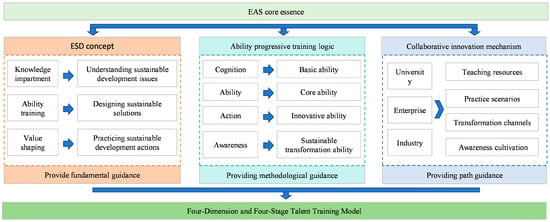
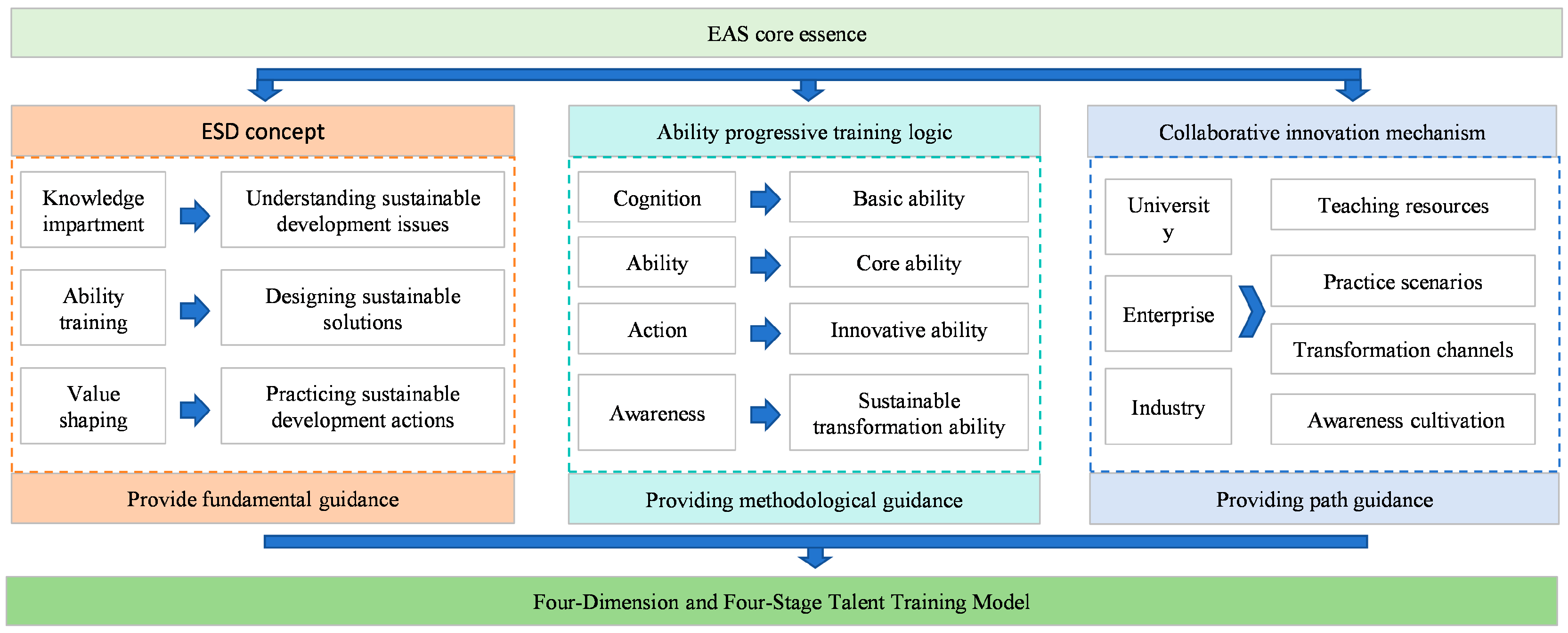
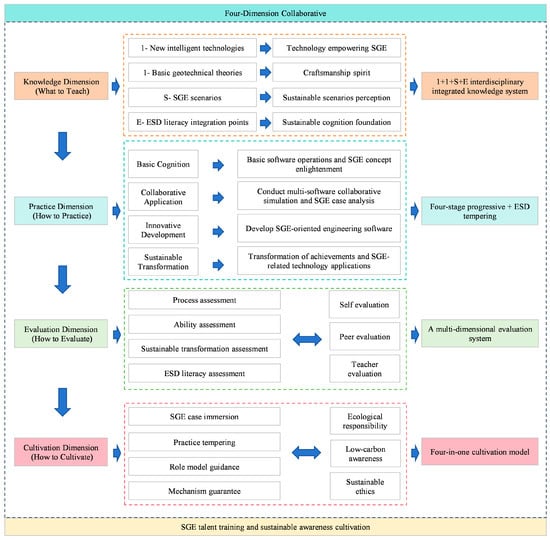
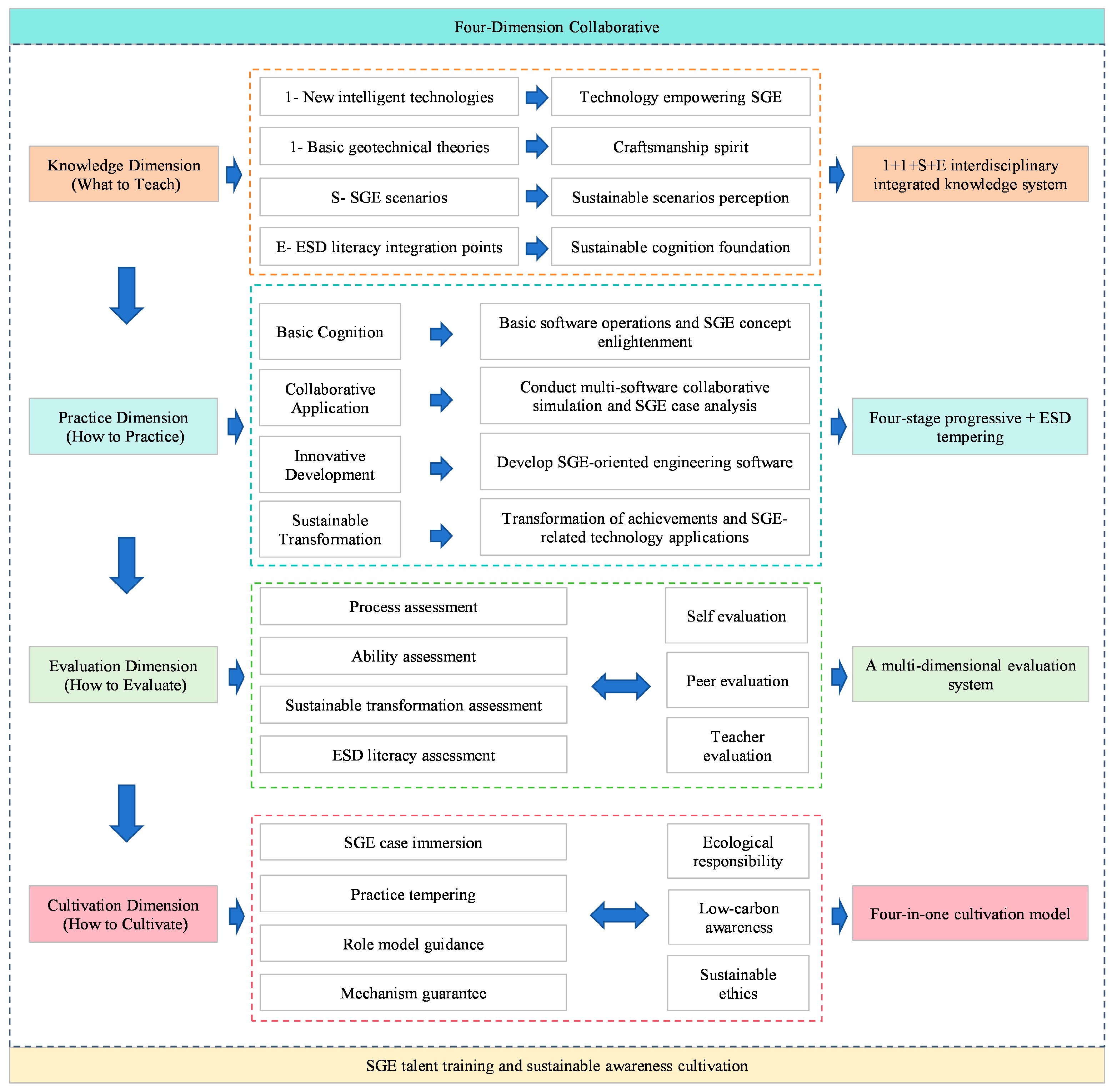
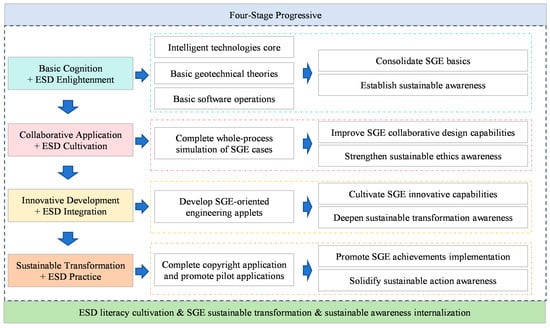
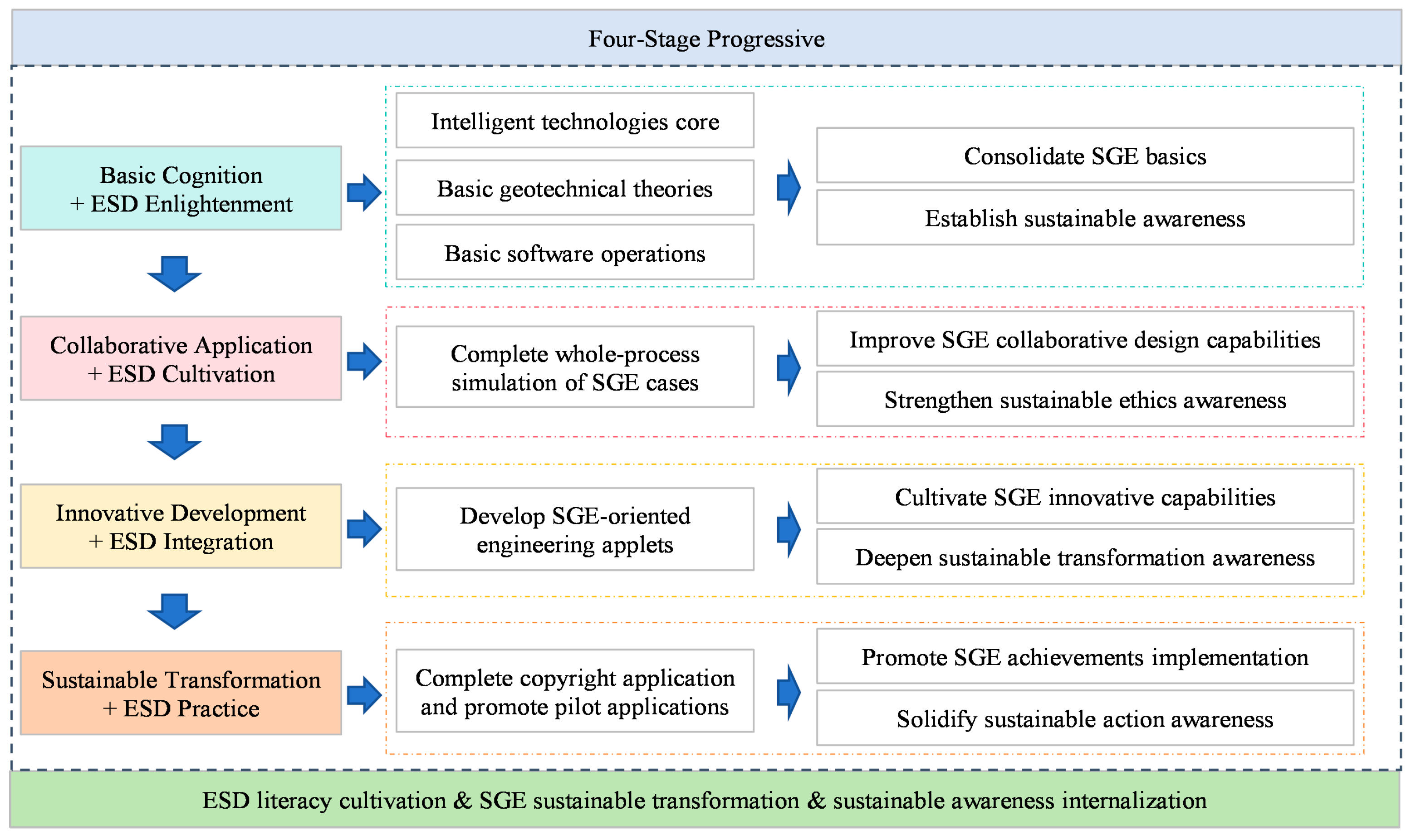
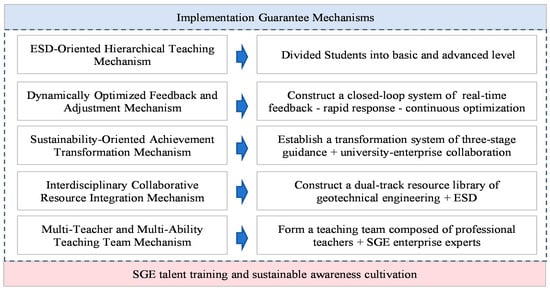
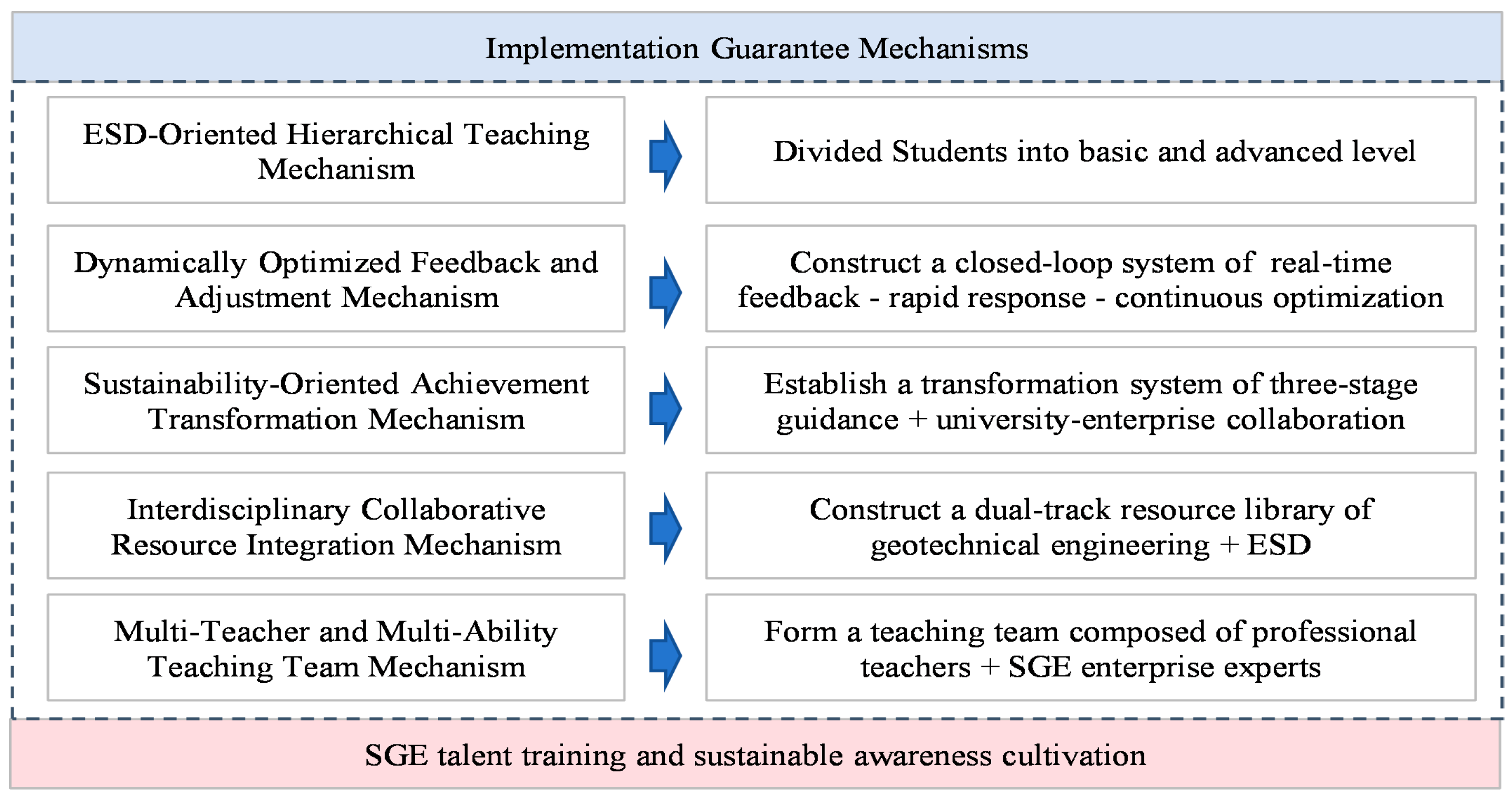
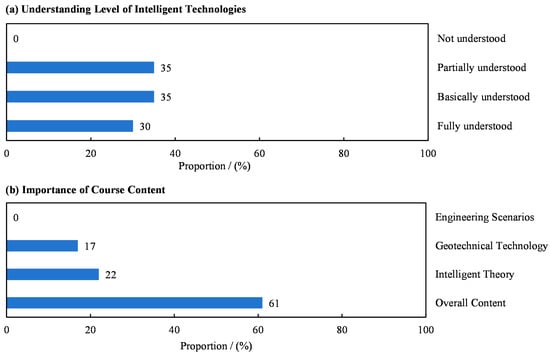
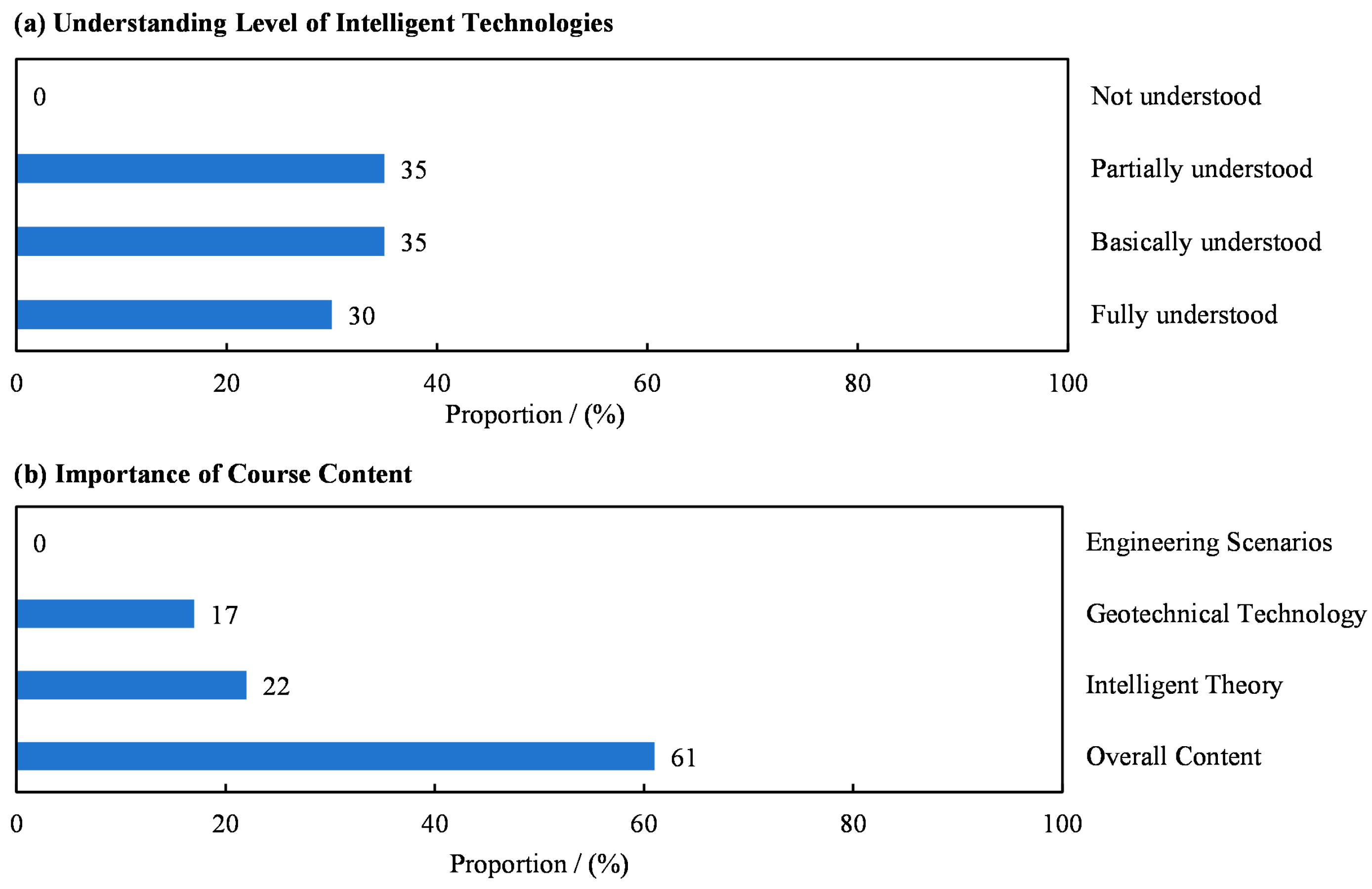
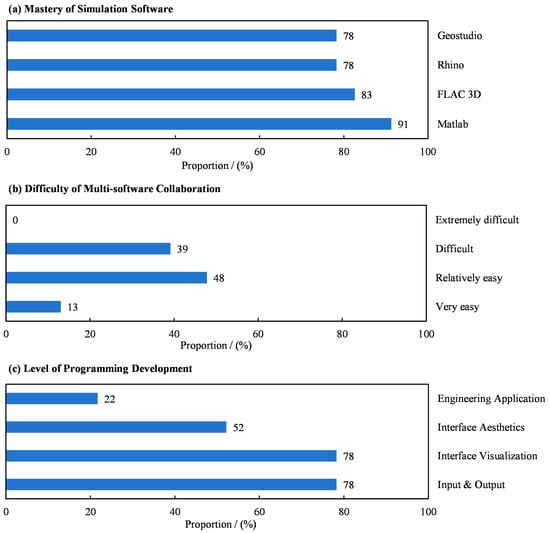
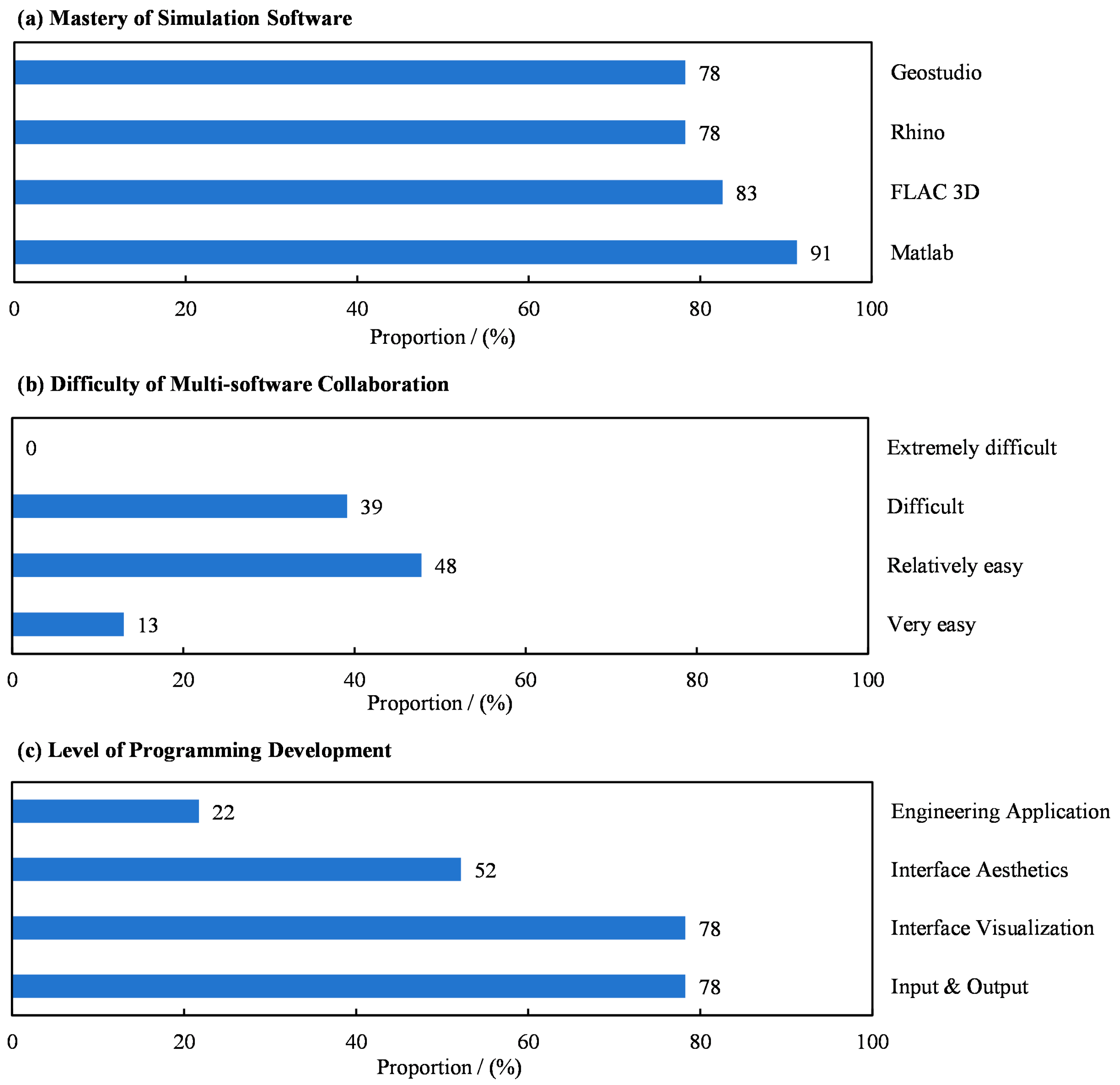
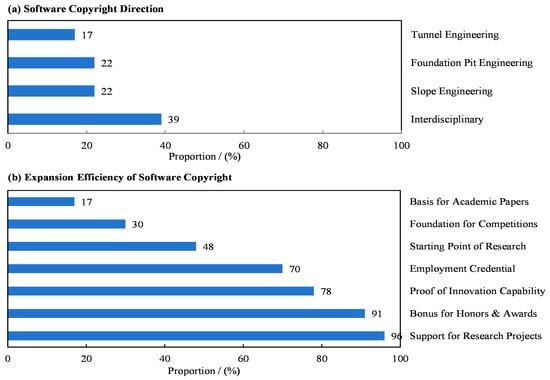
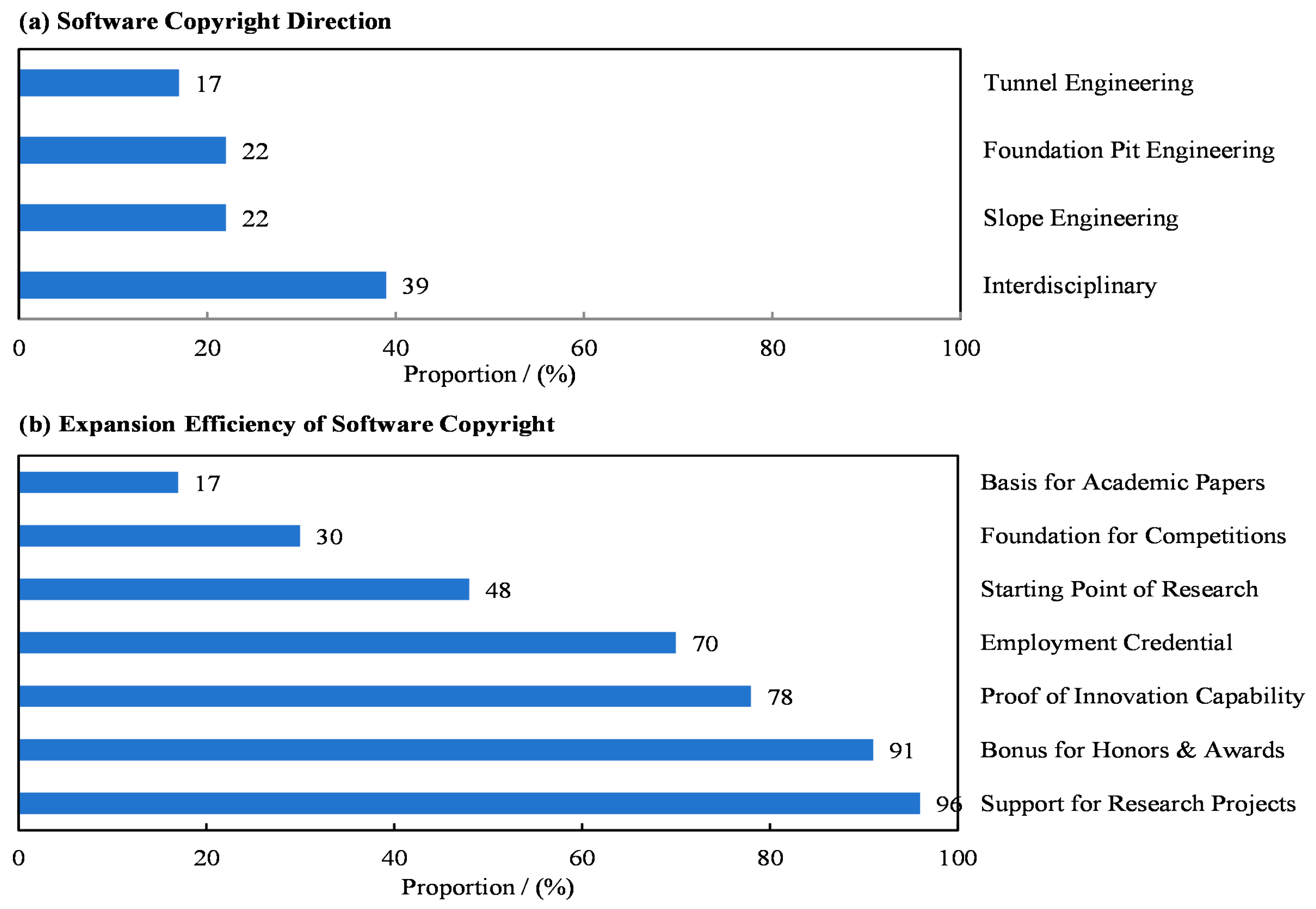
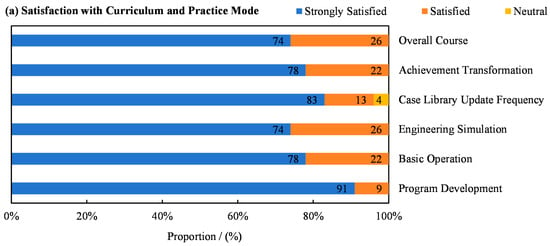
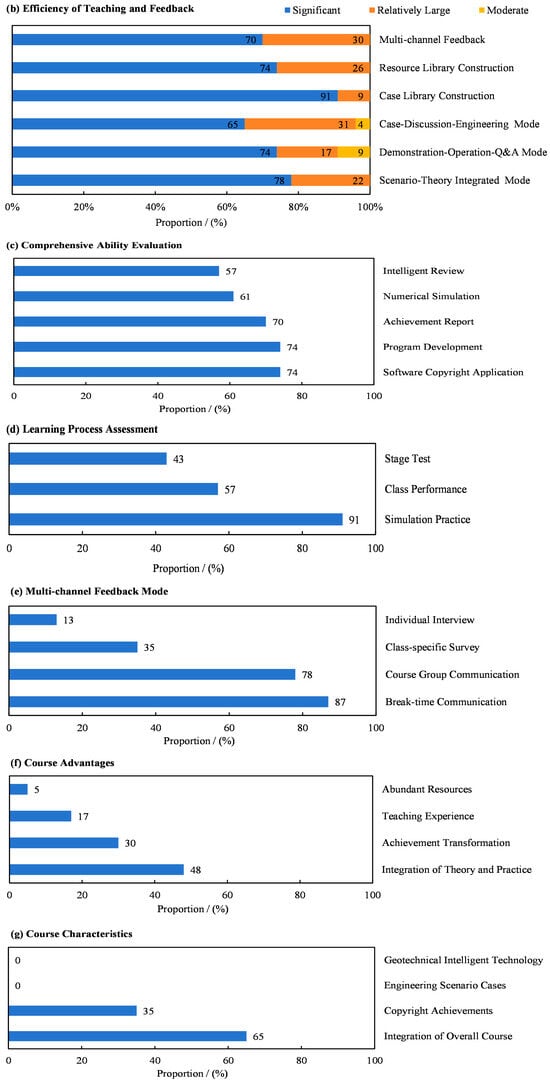
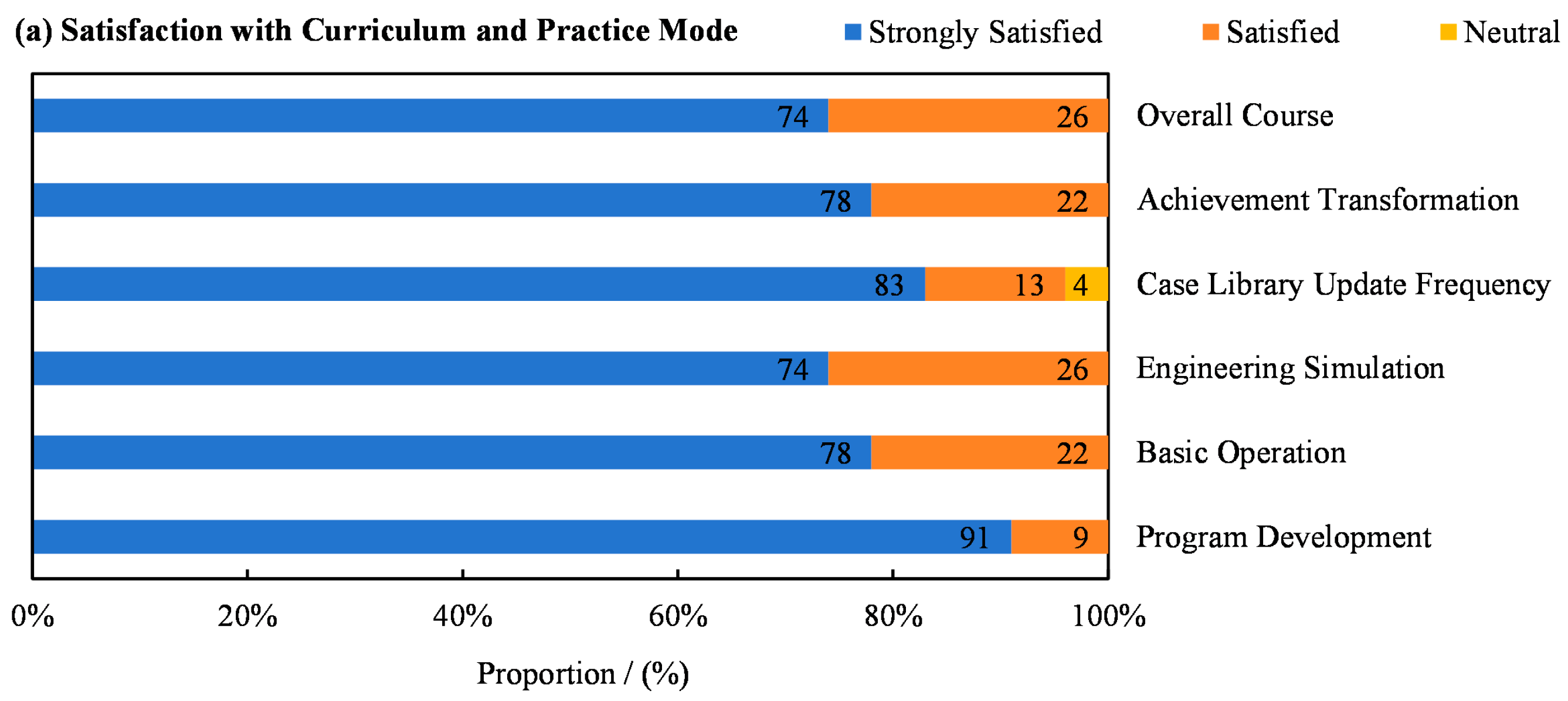
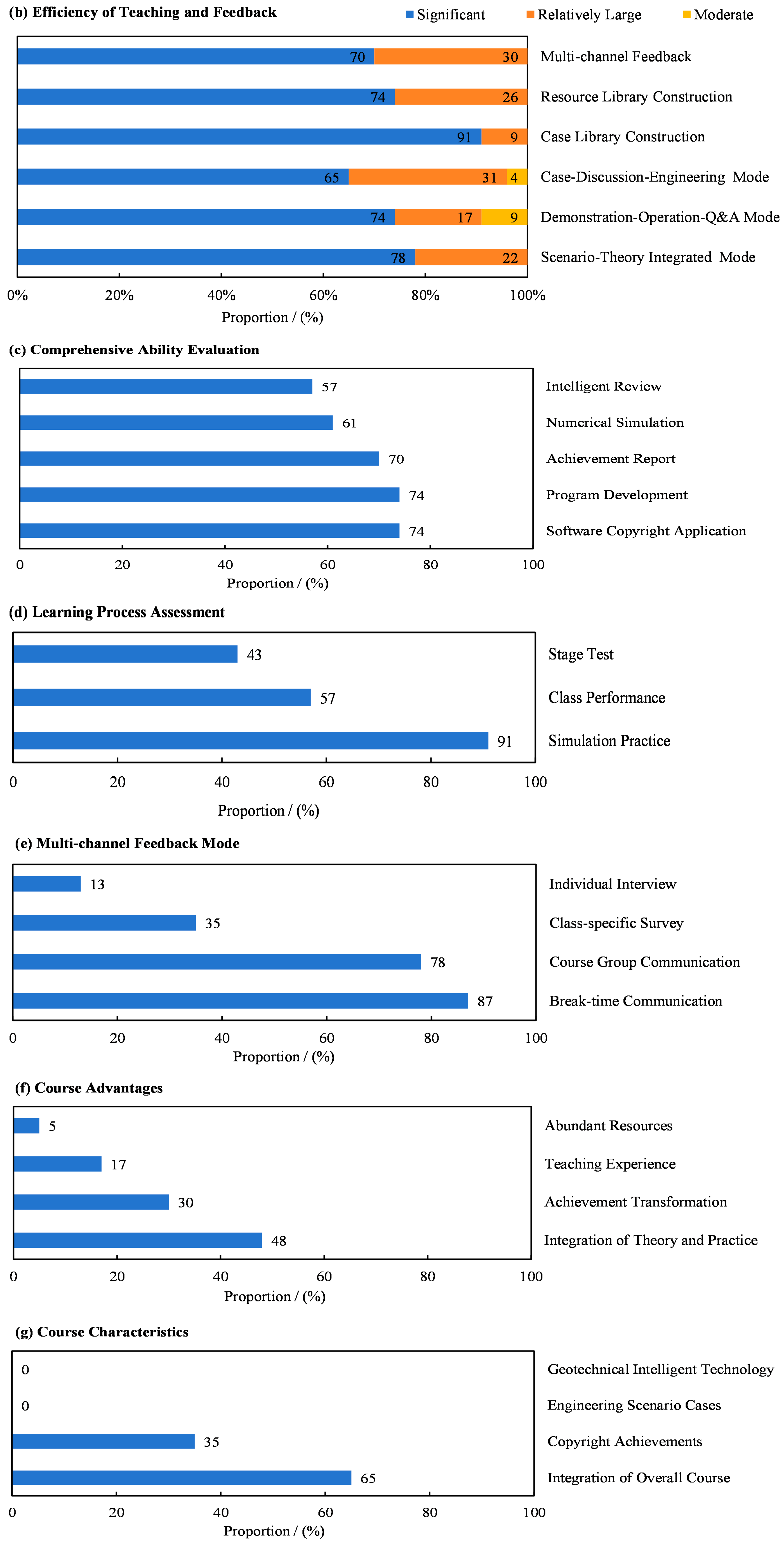
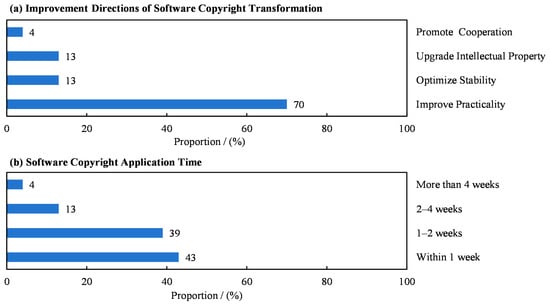
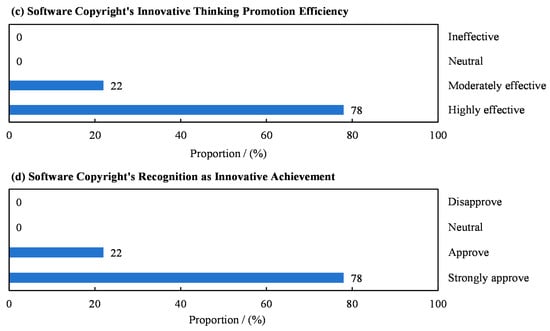
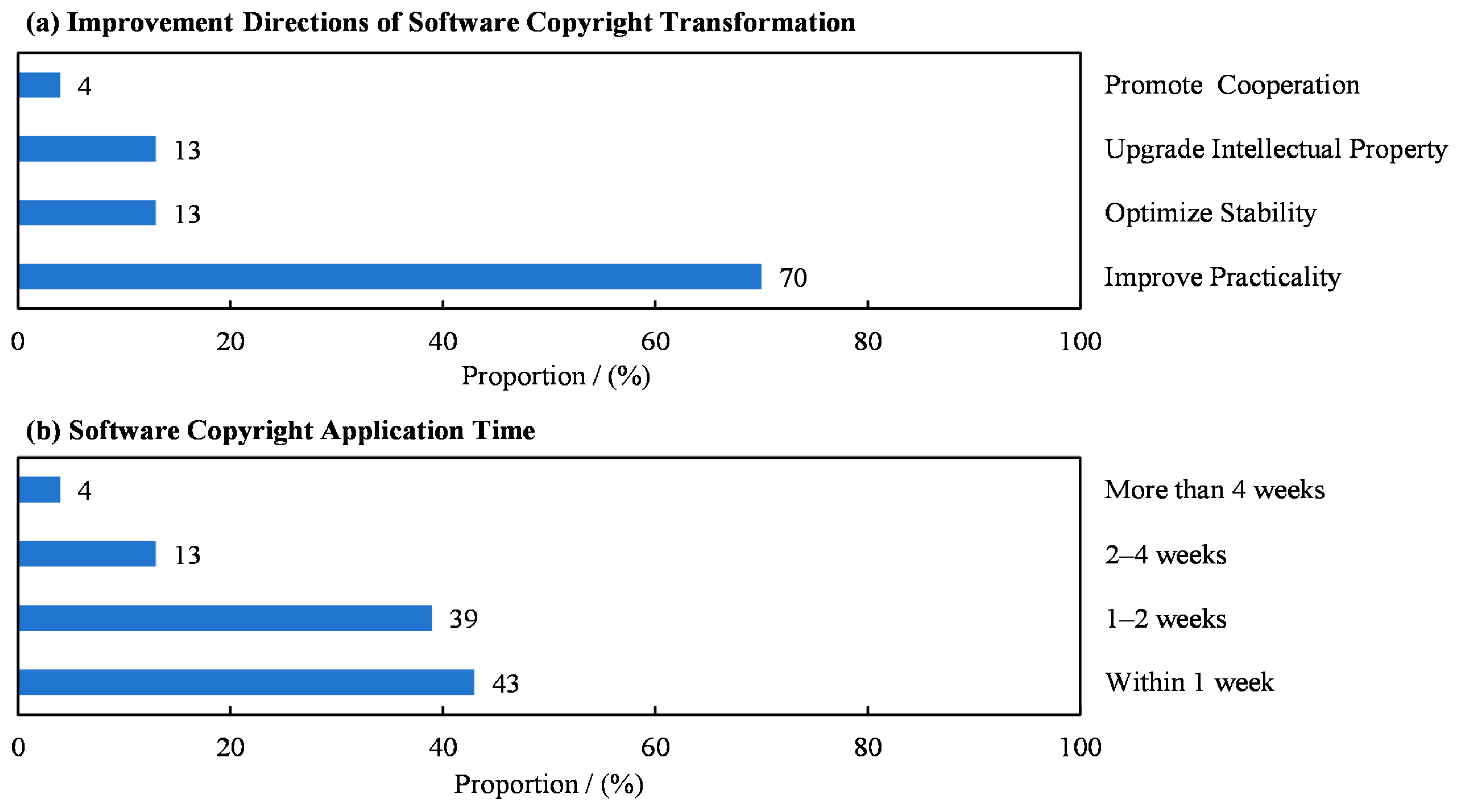
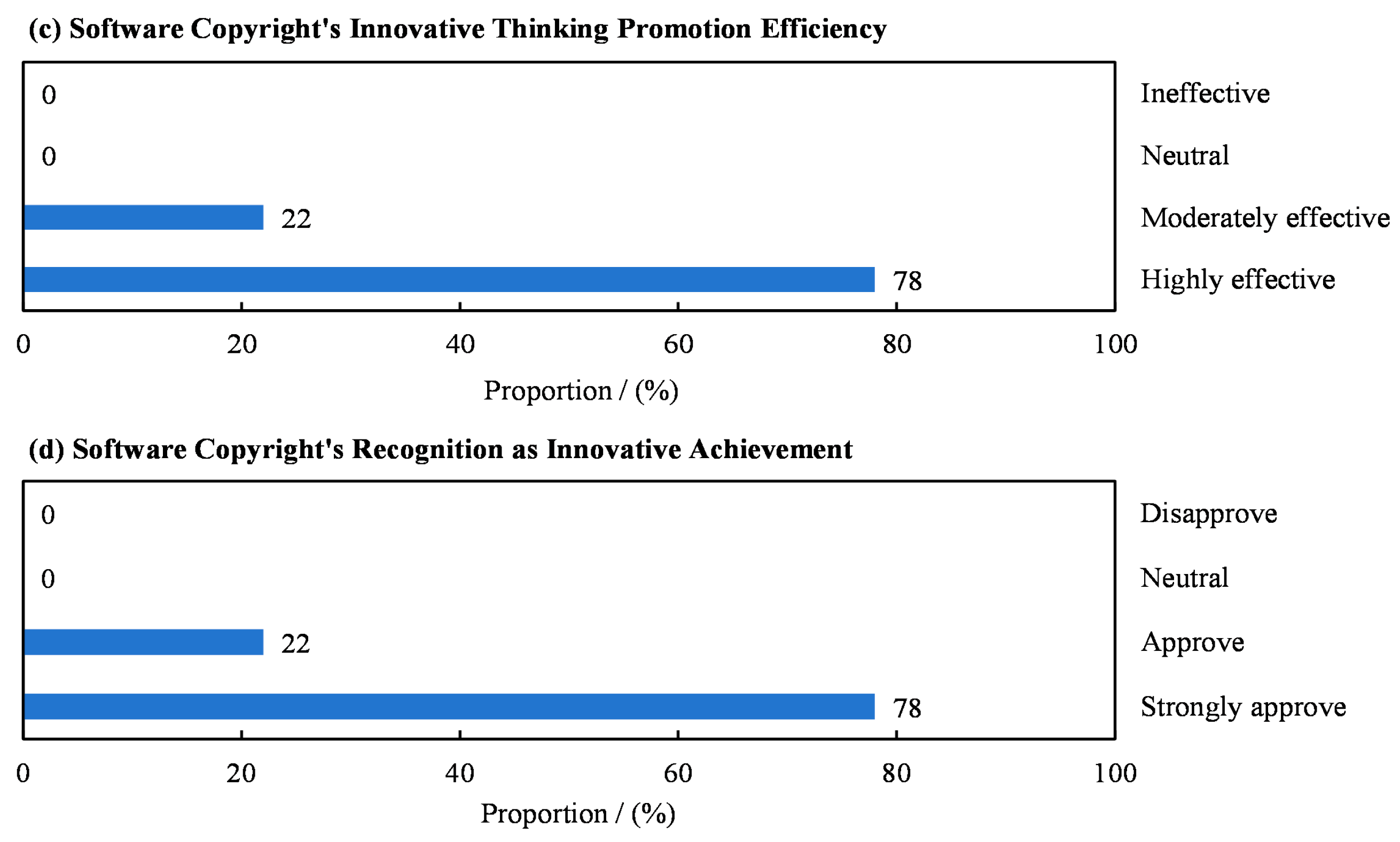
Disclaimer/Publisher’s Note: The statements, opinions and data contained in all publications are solely those of the individual author(s) and contributor(s) and not of MDPI and/or the editor(s). MDPI and/or the editor(s) disclaim responsibility for any injury to people or property resulting from any ideas, methods, instructions or products referred to in the content. |
© 2026 by the authors. Licensee MDPI, Basel, Switzerland. This article is an open access article distributed under the terms and conditions of the Creative Commons Attribution (CC BY) license.