


Abstract
Rural heritage villages in China face compounding pressures from heritagisation policies, tourism marketisation, and digital platform logics, which together threaten the cultural integrity of lineage-based communities. While existing scholarship has shifted from treating authenticity as a fixed property to viewing it as a negotiated construct, a critical gap persists: the literature does not explain how local actors operationally manage the simultaneous demands of external governance compliance and internal cultural continuity. Drawing on multi-sited ethnography conducted across ritual spaces, tourism settings, and digital platforms in Huizhou lineage villages (March–August 2025)—including over 30 h of in-depth interviews with 18 cultural practitioners and two years of online community ethnography (2023–2025) within Huizhou traditional village cultural liaison groups—this study examines the micro-level strategies through which communities respond to Authorized Heritage Discourse (AHD). The study introduces the concept of Versioned Governance: a community-enacted mechanism through which cultural authenticity is strategically differentiated into ritual, performative, and pedagogical versions. Through spatial partitioning, temporal staggering, and linguistic encoding, lineage groups create cultural buffer zones that mediate between sacred practice and public display without compromising ethical coherence. This framework reframes authenticity not as an essential property nor as mere negotiated perception, but as a processual and political achievement—continuously produced through the interplay of structural discipline and local agency. The findings contribute to critical heritage studies and offer practical implications for cultural land-use and heritage governance policy in non-Western rural contexts.
1. Introduction
Early on a winter morning, a small group of Wang clan members gathers not at the ancestral hall in Hongcun’s tourist zone but in a private home on the village’s quieter eastern edge. The incense is lit, the genealogical chants are performed, the ritual proceeds—without an audience, without documentation, and without the knowledge of the ticket booth that has been open since 8:00 a.m. at the Wang Ancestral Hall three hundred metres away. At the hall itself, the sacrificial altar is gone; in its place stand glass display cabinets and interpretive panels in four languages. By mid-morning the first tour group has filed through. The hall is, in the full sense of the word, a museum. Across the region the picture is differentiated: in Xucun, the Da Mu Shrine (大墓祠) retains ancestor tablets and a small-scale sacrificial observance on Qingming eve, maintained by a cohort of elders through personal commitment alone; in Shuyuan Village, the Bao lineage’s ancestral hall remains in active daily use. Three villages, three conditions—ritual spatially displaced from its ancestral hall yet continuing in private homes, fragile shrine-based survival, and organic lineage continuity—constituting a gradient of governance viability under escalating commercial pressure. This gradient, and the community strategies it has generated, is the central subject of this paper.
This scenario illustrates the central puzzle of this paper. The ontological security of vernacular heritage is under mounting pressure from the global rise of digital mediation and the simulation of place. Although China has implemented rural revitalisation measures aimed at enhancing cultural confidence [1], the micro-dynamics of heritage reproduction remain deeply complex. With increasing marketisation and digital penetration in rural areas, traditional village cultures are subject to distortion and symbolic hollowing [2]. The loss of ritual practices and the erosion of collective memory disrupt the endogenous logic of vernacular cultural transmission and create new challenges for the preservation of cultural authenticity [3]. These pressures are particularly acute in Huizhou, where lineage culture and ceremonial practice form the core of communal identity, making the continuation of authenticity an urgent concern [4]. Heritage villages here are caught between intensifying external demands—from Authorized Heritage Discourse (AHD), tourism commercialisation, and digital platform logics—and the internal imperative to preserve the ethical coherence of lineage culture.
Existing scholarship on cultural authenticity has made important advances, and can be broadly organised into three streams. The identity construction approach views authenticity as central to a sense of place and collective memory, understanding it as co-produced through lived experience and attachment [5,6]. The tourism interaction approach treats authenticity as a negotiated outcome emerging between tourists and host communities, highlighting how visitor practices reshape local cultural expression [7]. The governance approach emphasises the relationship between policy and community, examining how institutional frameworks can foster sustainable authenticity [8]. Together, these streams have contributed to a paradigm shift from viewing authenticity as a fixed object to conceiving it as a dynamic, relational phenomenon. Yet three significant limitations persist: existing methodologies are better suited to macro-structural analysis than to capturing the granular, on-the-ground dynamics of cultural practice; the agency and subjective experience of local practitioners remain insufficiently theorized [3]; and there is no systematic account of how tourism and digital logics together transform the internal processes through which cultural reproduction occurs as practices circulate across social domains [9]. In short, the literature has established what authenticity is, but has not explained how communities operationally manage its contradictions.
This paper addresses that gap through the concept of Versioned Governance: the practice by which local actors strategically differentiate cultural authenticity into distinct versions—ritual, performative, and pedagogical—matched to distinct audiences, spaces, and temporal windows. Rather than choosing between preservation and commodification, communities govern both by keeping them structurally apart. This is not passive accommodation but active boundary work: a form of micro-institutional agency that operates within the constraints of AHD while maintaining the ontological integrity of core cultural practices. Early objectivist approaches treated authenticity as a fixed material attribute, while constructivist and existentialist approaches reconceived it as a negotiated, relational phenomenon [10,11]. Versioned Governance advances beyond both: it explains the operational mechanisms through which communities produce authenticity as a continuous political achievement rather than discovering or negotiating it as a pre-existing condition.
Empirically, the study is grounded in multi-sited ethnography conducted across three Huizhou lineage villages in Anhui Province between March and August 2025. Huizhou is a strategically significant site: it contains a high density of UNESCO-listed and nationally protected heritage villages whose lineage culture—ancestral halls, genealogical rituals, craft traditions—faces acute marketisation and digital penetration. The region exemplifies how spatially driven performativity and symbolic hollowing can emerge through tourism development and digital mediation, making it an ideal context for examining how communities navigate the contradictions of heritage governance in contemporary China.
The paper makes three contributions. Theoretically, it advances the concept of Versioned Governance as a processual and political framework for understanding authenticity—moving beyond both objectivism and constructivism. Empirically, it provides fine-grained ethnographic evidence of the spatial, temporal, and linguistic mechanisms through which buffer zones are constructed and maintained. In terms of policy implications, the findings challenge heritage governance frameworks that privilege visibility and narratability, arguing instead that the right to selectively withhold aspects of culture from external exposure is a legitimate and necessary element of sustainable heritage land management. These insights are relevant not only to China but to lineage-based heritage communities across the Global South facing analogous governance pressures.
2. Literature Review and Conceptual Framework
2.1. From Fixed Object to Negotiated Process: The Evolution of Authenticity Studies
The concept of authenticity in heritage and tourism studies has undergone a significant paradigm shift. Early research, grounded in objectivist assumptions, treated authenticity as an intrinsic material property of heritage sites and artefacts—something that could be verified by experts against historical standards [12]. This perspective dominated conservation discourse and continues to inform official protection frameworks in many national contexts, including China’s AHD-aligned policies.
The constructivist turn, consolidated in the 1990s and 2000s, challenged this essentialism by demonstrating that authenticity is socially produced: it depends on who is doing the evaluating, under what conditions, and for what purposes [10,11] Wang’s [10] distinction between object-based and existential authenticity was particularly influential, redirecting attention from heritage objects to the subjective experiences of tourists and local communities. Subsequent empirical studies in heritage tourism confirmed that authenticity is co-created through the interaction between visitors, hosts, and sites, rather than residing in any one of them alone [13,14,15].
More recently, digital mediation has added a further layer of complexity. Zhang and Mohamad [16] argue that digital platforms have extended authenticity construction beyond physical space, enabling new forms of identity expression and cultural memory. However, Hoskins [17] and Chung et al. [18] caution that algorithmic logic risks fragmenting cultural meaning into decontextualised visual signs, accelerating what Cheng et al. [19] describe as aesthetic homogenisation. This scholarship establishes authenticity as dynamic and relational, but leaves a critical operational question unanswered: when communities face contradictory demands—from tourists seeking spectacle, officials enforcing AHD standards, and clan members guarding sacred practice—how do they manage all three simultaneously, in the same physical space, on the same day?
2.2. AHD, Power Asymmetry, and the Limits of Top-Down Heritage Governance
Smith’s [11] concept of Authorized Heritage Discourse identified a fundamental power asymmetry in heritage governance: professional, state, and expert discourses dominate the definition of what counts as heritage, typically privileging monumentality, materiality, and legibility to external audiences. This framing systematically marginalises the everyday practices, emotional attachments, and living rituals that communities themselves regard as the core of their cultural heritage. In China’s context, this dynamic is intensified by the integration of heritage certification (ICH listing, scenic area designation) with rural revitalisation policy, creating strong institutional incentives for communities to perform their culture in ways that are visible, narratable, and commercially viable [20,21].
The consequences are well-documented. Yuan et al. [20] demonstrate a systematic misalignment of authenticity priorities in Chengkan Village: professionals prioritise historical validity, tourists seek experiential and symbolic value, while residents focus on practical and existential meaning. Li and Qu [22] show that multi-stakeholder negotiation in urban and rural regeneration contexts tends to reduce cultural depth to aestheticised consumption. Mou et al. [23] document the emergence of ‘facade historicism’ in heritage towns—fabricated antiquity, veneer restoration, and standardised visual cues that signal heritage without sustaining it.
A significant gap in this critical literature is its limited attention to how local actors strategically respond, rather than merely resist or submit, when caught within power-asymmetric governance structures. Wang et al. [24] propose a pluralistic co-governance framework, but do not address irreconcilable conflicts of interest. Lansiwi et al. [25] advocate for community participation, but do not examine the tensions between endogenous community processes and administrative authority. The existing literature diagnoses the problem effectively but provides little analytical traction on the micro-level mechanisms through which communities maintain agency while operating within, rather than outside, the AHD system.
2.3. Digital Mediation and the Reconfiguration of Cultural Practice
Digital technologies occupy an ambivalent position in heritage governance scholarship. On one hand, digitisation—through archives, virtual tours, short-video platforms, and WeChat public accounts—offers new possibilities for cultural documentation, transmission, and community engagement [26,27]. Cheng et al. [19] demonstrate that digital heritage communication can enhance tourist behavioural intentions, while Li et al. [28] show that digital tools can support the identification and preservation of traditional village cultural landscape elements. From a systemic perspective, Elyadi [29] further argues that culturally embedded performance traditions—such as regional dance forms—carry layered identity functions that must be preserved in a coordinated manner if their underlying meaning is not to be reduced to spectacle, a challenge that is amplified, rather than resolved, by digital mediation.
On the other hand, platform logic introduces its own disciplinary pressures. Short-video platforms governed by algorithmic attention economies incentivise the compression of complex cultural practices into brief, visually striking fragments. Chung et al. [18] show how vocal performance traditions are adapted to meet algorithmic hooks at the expense of technical integrity. Mandolessi [30] warns that digital memory is vulnerable to decontextualisation and hyperreal substitution. The result is what this paper terms algorithmic colonisation of ritual time: the subordination of agrarian temporality, liturgical duration, and craft rhythm to platform scheduling and traffic optimisation.
It is important to clarify the analytical orientation of this paper with respect to digital mediation. The present study does not argue that digitisation is principally harmful to cultural heritage; the evidence base is clear that digital tools have substantially enhanced heritage documentation, enabled diaspora community engagement with ancestral practice, and created new forms of cultural pride among younger generations [16,26]. The study’s focus on the risks of platform logic reflects the specific governance challenges observed in the fieldwork—namely, the disciplinary pressures that algorithmic systems impose on the temporal, spatial, and sensory integrity of ritual practice—rather than a general scepticism about digital technology.
2.4. Analytical Framework: Structural Discipline, Agentic Adjustment, and Versioned Governance
Drawing on the foregoing review, this paper develops an analytical framework integrating three theoretical resources. First, Bourdieu’s [31] field theory provides a structural foundation: cultural capital does not transform freely across fields (lineage community, tourism market, digital platform) but encounters systematic barriers—valve mechanisms that regulate how ritual authority, tacit technical knowledge, narrative capital, and spatial order capital can be converted across different social domains. Table 1 maps these barriers systematically.
Table 1.
Contextualising the Three Field Sites: A Gradient of Heritage Governance Pressure.
Second, Scott’s [32] concept of ‘weapons of the weak’ informs the agency dimension. Rather than overt resistance, which is structurally foreclosed, communities employ everyday, cumulative, micro-institutional strategies to maintain cultural integrity. This paper extends Scott’s framework by demonstrating that these strategies in the heritage context are not merely defensive but generative: they create new institutional structures (the Cultural Buffer Zone) that enable conditional capital conversion on community terms.
Third, and centrally, the concept of Versioned Governance synthesises these structural and agentic dimensions into a single explanatory framework. Versioned Governance refers to the community-enacted practice of strategically differentiating cultural authenticity into distinct versions—ritual (for internal, sacred contexts), performative (for external, tourist-facing contexts), and pedagogical (for intergenerational transmission)—and governing the boundaries between them through spatial partitioning, temporal staggering, and linguistic encoding. This is not fragmentation or dilution, but a form of ontological politics: the active management of what counts as authentic, for whom, and under what conditions.
This framework advances beyond existing approaches in three respects. It explains the operational mechanisms of authenticity management, not just its outcomes. It treats local communities as institutional architects, not merely as respondents to external pressure. And it integrates spatial, temporal, digital, and linguistic dimensions of governance into a unified analytical structure, addressing the multi-scalar complexity of contemporary heritage practice.
3. Research Design
3.1. Multi-Sited Ethnography
This study adopts a multi-sited ethnographic approach [33] as its primary methodology. Multi-sited ethnography is particularly suited to the research problem because the phenomenon under investigation—Versioned Governance—is not located in a single site but distributed across physical, social, and digital spaces that together constitute the heritage field. The method combines systematic participant observation with in-depth interviews, enabling the capture of both the situational dynamics of cultural practice and the reflective accounts through which practitioners make sense of their own strategies.
Three Huizhou lineage villages were selected through purposive sampling, constituting a deliberate gradient of heritage governance pressure: (1) Hongcun (宏村, Yi County), a UNESCO World Heritage Site and nationally designated 5A scenic area, home to the Wang (汪) lineage—representing the extreme-commercialisation context, where annual tourist volumes exceed two million and the pressure of Authorized Heritage Discourse and tourism marketisation is most acute; (2) Xucun (许村, She County), a National Historical and Cultural Town and nationally protected heritage site, home to the Xu (许) lineage—representing the transitional context, where a substantial tourism industry coexists with active lineage self-governance and the community is actively constructing cultural buffer zones under accelerating commercialisation; and (3) Shuyuan Village (蜀源村, Huizhou District), a nationally listed traditional village home to the Bao (鲍) lineage, where tourism is primarily seasonal (centred on sunflower fields and rural photography) and the daily rhythms of lineage culture remain relatively undisturbed by capital and platform logic—representing the low-pressure context in which the pedagogical version is most naturally preserved. The three villages thus operationalise the study’s second selection criterion (systematically varying degrees of tourism development pressure) while holding constant the first criterion: all three are characterised by intact lineage organisational structures, functioning ancestral halls, and active clan associations rooted in the same Huizhou lineage cultural base. Importantly, the three villages are located in three distinct administrative districts (Yi County, She County, and Huizhou District), covering the core of historical Huizhou and ensuring that the findings are not artefacts of a single county-level policy environment (Figure 1). Fieldwork accessibility was supported by the research team’s Huizhou dialect proficiency and pre-established institutional relationships with local heritage authorities.
Figure 1.
Field sites in historical Huizhou, Anhui Province, and spatial structure of the Wang Ancestral Hall (Hongcun). Left: map of the three field sites and comparative reference village (Wentang Village). Right top: interior photograph of the Wang Ancestral Hall (汪氏宗祠), Hongcun (authors, 2025); plaques read 汪氏宗祠 (Wang Clan Ancestral Hall) on the left and 乐叙堂 (Hall of Joyful Gathering) on the right; the hall now functions as a ticketed tourist venue. Right bottom: schematic floor plan of a representative Huizhou ancestral hall illustrating the front–rear spatial division central to Section 4.1; Chinese room labels are fully translated by their English equivalents in the same cell (前厅 = Gate Hall; 祭堂 = Ritual Hall; 内室 = Inner Sanctum; 厢房 = Side Room; 廊 = Corridor; 神龛 = Spirit Shelf). Note: Base map generated in ArcGIS Pro 3.3 (Esri, Redlands, CA, USA); figure layout compiled in Microsoft PowerPoint (Microsoft Corporation, Redmond, WA, USA); photographs and floor plan by the authors.
3.2. Researcher Positionality and Reflexivity
As academics affiliated with local institutions and fluent in the Huizhou dialect, the research team occupied a semi-insider status. This was both an advantage and a source of reflexive tension. The ability to understand dialectal argot—including the insider codes analysed in Section 4—provided access to levels of cultural meaning that would be inaccessible to external researchers. Simultaneously, villagers initially positioned the team as potential regulators or external authorities, offering a performative version of culture aligned with official discourse.
To move beyond this frontstage presentation, the research team employed a strategy of de-expertisation: sustained informal presence, participation in everyday activities, and explicit distancing from institutional evaluation roles. Over the course of the fieldwork period, clan leaders and ICH inheritors gradually granted access to restricted ritual spaces and internal transmission sessions. This process was itself analytically instructive: the progressive relaxation of versioning behaviour as trust developed provided direct evidence of the intentional, strategic character of the versioning mechanisms described in Section 4.
The team remained acutely aware of the ethical implications of this access. Sensitive data—particularly information about internal temporalities, taboo rituals, and linguistic codes used for community self-protection—is handled with strict anonymity. Participants are identified by role and a pseudonymised title (e.g., ‘Mr. Zheng’, ‘Guide Ms. Chu’) rather than by name. All participants provided informed verbal consent for the use of their accounts in anonymised academic publication.
3.3. Data Collection
Physical fieldwork was conducted between March and August 2025. Participant observation covered ancestral hall ceremonies, tourism performance events, ICH certification exhibitions, craft transmission sessions, and informal daily interactions. Field notes were recorded daily and organised around three observational foci: spatial arrangements and access regulation; temporal scheduling and sequencing of cultural activities; and the linguistic and symbolic codes used in different interactional contexts—corresponding to the three mechanisms of Versioned Governance identified in the analysis.
A purposive sampling strategy was employed to select 18 key cultural practitioners for semi-structured in-depth interviews. The sample was designed to cover the full cultural reproduction chain: ICH inheritors (4), rural tour guides (5), local merchants (4), village cadres (3), and ordinary villagers (2). This distribution reflects the range of positions from which different versions of cultural authenticity are enacted and negotiated. Each participant engaged in one to two interviews, yielding over 30 h of recorded material. Core interview themes included: (1) how participants distinguish between different contexts in which cultural practices are performed; (2) the strategies they employ to manage boundaries between public and private cultural spaces; (3) their perceptions of external governance pressures from tourism operators, certification bodies, and digital platforms; and (4) their understandings of what constitutes authentic cultural transmission.
Digital ethnography was conducted over a two-year period (September 2023–August 2025). The primary digital field site was a WeChat-based cultural liaison group (文化特派员群) comprising village cultural commissioners, lineage representatives, local heritage officers, and craft inheritors across the Huizhou region. The lead researcher maintained a sustained observational presence in this group throughout the two-year period, enabling longitudinal tracking of community discourse on heritage governance, ritual scheduling, and responses to tourism and platform pressures. This extended online immersion provided the temporal depth necessary to distinguish recurrent governance patterns from episodic responses, and to identify the seasonal and festival-linked rhythms of versioning behaviour that structured much of the field evidence presented in Section 4. In parallel, the team tracked WeChat public accounts, community groups, and short-video platform content related to Huizhou culture. Data collection focused on three dimensions: resident and tourist narratives about cultural authenticity; official institutional discourse in heritage management communications; and the symbolic content and algorithmic distribution patterns of creative cultural products on digital platforms. All digital data was archived with metadata recording date, platform, and original context.
3.4. Data Analysis
Data analysis followed the interpretive logic of the extended case method [34], proceeding through iterative cycles of thick description and abductive inference rather than systematic coding procedures. In the first analytical pass, the research team reviewed field notes, interview transcripts, and digital ethnography records with the question: what are practitioners actually doing when they manage the boundaries between different contexts of cultural performance? This question was kept deliberately open. Three recurring practical themes emerged from extended engagement with the material—spatial regulation of access, temporal scheduling of practices, and linguistic encoding of cultural meaning—which proved both mutually distinct and mutually reinforcing across all three field sites. These themes were not predetermined categories but empirically grounded regularities, recognised through the kind of pattern recognition that sustained fieldwork enables.
In the second analytical pass, the interpretive focus shifted from the individual mechanisms to the question of their relationship: why do communities deploy all three simultaneously, and how do they function as an integrated governance strategy rather than a set of unrelated adaptive responses? The concept of Versioned Governance emerged at this stage as an abductive inference—consistent with the epistemology of ethnographic theory-building [35]—in which the theoretical construct is generated by the encounter between prior conceptual resources (field theory, weapons of the weak) and the empirical pattern at hand. Versioned Governance was not stated by any participant but was the most parsimonious account of what the researchers observed across all three field sites with systematic regularity. The robustness of this interpretation was tested through cross-site comparison and deliberate attention to disconfirming instances—cases where the versioning logic appeared to break down, be resisted, or produce unintended consequences—which are analysed as failure modes in Section 5.2.
The interpretive validity of the analysis was pursued through three ethnographic procedures. First, analytical triangulation: the same interpretive claim was assessed against three independent data streams (interview accounts, participant observation field notes, and digital ethnography material), and the Versioned Governance framework was accepted as robust only where all three streams consistently pointed in the same direction. Second, extended engagement: six months of physical fieldwork across three villages, embedded within a two-year programme of online community ethnography (2023–2025), provided the temporal depth necessary to distinguish stable community governance practices from situational or performance-oriented responses to the researchers’ presence. Third, peer debriefing: the interpretive framework was reviewed by two colleagues not involved in data collection, both of whom confirmed its internal coherence and grounding in the field evidence. Member checking was not conducted for restricted ritual content or linguistic code materials, in accordance with the anonymity and confidentiality commitments made to participants.
To make the analytical architecture transparent for readers, three thematic clusters that emerged from fieldwork can be mapped onto the overall structure of the findings. The first cluster—structural pressures on cultural practice—encompasses the range of external forces observed acting on lineage communities: the spatial and temporal logic of mass tourism (most acute in Hongcun), the certification and narratability requirements of Authorized Heritage Discourse, and the algorithmic attention economy of short-video platforms. The second cluster—community adaptive mechanisms—comprises the three strategies documented across field sites: spatial partitioning of ritual and performative zones, temporal staggering of internal versus external practice windows, and linguistic encoding of culturally sensitive boundaries. The third cluster—outcomes and tensions of versioning—captures both the productive achievements of the governance system (cultural continuity, intergenerational transmission, practitioner identity coherence) and its observed failure modes (coercive versioning, version collapse, digital version leakage). These three clusters map directly onto the three findings subsections (Section 4.1, Section 4.2 and Section 4.3) and onto the three constituent layers of the Pressure–Adaptation–Generation model presented in Figure 2.
Figure 2.
The ‘Pressure–Adaptation–Generation’ (PAG) Model of Cultural Authenticity Reproduction. Source: Authors’ conceptualisation based on fieldwork data. Site abbreviations: H = Hongcun; X = Xucun; S = Shuyuan Village.
4. Findings: The Three Versions of Authenticity
The following three sections present the empirical findings organised around the three versions that constitute Versioned Governance. Each version is defined by its primary audience, its spatial and temporal location, and the mechanisms through which it is protected from contamination by the other versions. The findings are presented in order of decreasing restriction: from the ritual version, most carefully guarded, to the performative version, most publicly accessible, to the pedagogical version, which mediates between internal preservation and controlled external transmission.
4.1. The Ritual Version: Spatial Partitioning and Temporal Sanctuary
The ritual version occupies the most contested position within the Versioned Governance framework. It comprises the core practices of lineage culture—ancestral sacrifice, genealogical chanting, taboo observance—whose value, in the community’s own understanding, lies in being performed correctly, not in being witnessed or displayed. Yet fieldwork revealed a more complex and troubling picture than a framework of successful governance would suggest: across the three field sites, the ritual version has not been uniformly protected but has undergone highly differentiated trajectories of displacement, compression, and residual survival. Understanding these trajectories is essential to appreciating both the necessity and the limits of Versioned Governance as an analytical concept.
The most dramatic instance of spatial displacement observed in the fieldwork was the Wang Ancestral Hall in Hongcun. Once the ceremonial centre of Wang lineage life, it has been fully incorporated into the 5A scenic area infrastructure: the sacrificial altar has been removed, replaced by interpretive display cabinets; incense burning is prohibited by fire safety regulations; and the hall operates on a ticketed visitor schedule from 8:00 a.m. to 5:30 p.m. daily. No ritual practice of any kind now takes place within the hall itself: sacrificial observances have not ceased but have relocated—to private homes and smaller clan gathering spaces—severed from their original architectural setting. As Mr. Cheng, a senior tour guide and Wang clan member, stated with evident resignation: ‘The hall belongs to the scenic area management company now. We can perform the genealogical narrative for tourists, we can point to where the altar stood. But the sacrificial procedures—those moved out years ago. They happen at home now, or in smaller gathering spaces, and only the old generation still insists on them.’ Similarly, the Xiao Zheng Shrine (孝徵祠) in Shuyuan Village, home to the Bao lineage, has been converted into the Shuyuan Village History Museum (蜀源村史馆), displaying village history and genealogical records, with no active ritual function. Spatial partitioning, in these cases, has not produced a protected “rear stage” for ritual practice within the ancestral hall; it has produced spatial displacement of ritual from its original architectural setting—the practices themselves continuing elsewhere, but no longer in the spaces that gave them their institutional authority.
Temporal displacement—the shifting of ritual practice to non-tourist hours or seasons—constitutes the second mechanism, though fieldwork revealed that it operates very differently across the three sites. Xucun presents the most complex and instructive case. The Guancha Di (观察第), Xucun’s principal historic building and formerly a significant site of clan assembly, has been converted into the Xucun Village History Museum (许村村史馆) and serves exclusively a display function. However, the Da Mu Shrine (大墓祠) has not been commercialised, and ancestor tablets remain in their original arrangement. It is here—not in the tourist-facing venues—that residual ritual practice survives. On the eve of Qingming and at the lunar new year, a reduced cohort of Xu clan elders convenes for small-scale sacrificial observances: unannounced, low-attendance, and largely invisible to the heritage management apparatus. Mr. Zheng, a clan elder, characterised the temporal logic of this survival: ‘A festival must occur at its proper time; otherwise, the deed is empty. Rituals do not serve the crowd; they follow heavenly time.’ The irony the fieldwork made visible is that the very invisibility that protects this residual practice—its smallness, its unlisted status, its deliberate avoidance of official heritage channels—is also what renders it fragile: when the current generation of elders can no longer maintain it, there is no institutional framework to ensure continuity.
The pressure to subordinate ritual time to market time is not merely structural but actively advocated by actors with commercial interests. Mr. Li, a local food merchant in Xucun, articulated this logic without equivocation: ‘Weekends are the busiest, and sales are higher, so moving the ritual increases attendance at the restaurant.’ The tension between what this paper terms ritual time and platform time is experienced not as an abstract theoretical conflict but as a lived, daily negotiation—one that the fieldwork evidence suggests communities are increasingly losing. The survival of any ritual practice at the Da Mu Shrine is maintained not through formalised clan governance mechanisms but through the personal commitment of a shrinking cohort of elders who treat temporal fidelity as a moral imperative rather than a negotiable preference. This is closer to what Scott [32] calls ‘weapons of the weak’ in its most literal sense: the quiet insistence of a residual practice that has no institutional protection and depends entirely on the continuity of individual belief.
Linguistic encoding provides a third mechanism of protection for the ritual version. The creative use of dialectal argot establishes cultural boundaries that are invisible to outsiders but fully legible to community insiders. Mr. Zheng provided one example: the phrase ‘the lamp head is lit’ (灯头点了, lit. ‘the lamp head is lit’, a Huizhou dialect expression with no equivalent in standard Mandarin) superficially reads as a comment about positioning, but functions within the lineage as a private signal to young members to observe ritual boundaries. These linguistic codes have been deliberately maintained and, in some cases, newly invented, as a response to the increasing presence of outsiders in village spaces. They represent a modern extension of what Scott terms ‘weapons of the weak’—but in this context, they are weapons of the institutionally constrained rather than the economically marginalised. Crucially, this linguistic mechanism is most robustly operative in Shuyuan Village, where tourist penetration is lightest; in Hongcun, where ancestral spaces have been entirely given over to tourism, the community no longer needs such codes because the spaces requiring protection have already been lost.
Comparative observation across the three study villages reveals that versioning mechanisms are differentially prioritised depending on the intensity and modality of external pressure—evidence of the framework’s structural adaptability. In Hongcun, where annual tourist volumes exceed two million, commercialisation pressure has produced the most complete spatial dislocation: the Wang Ancestral Hall operates as a fully ticketed tourist attraction, and ritual practice has relocated to private homes and non-commercialised clan spaces. There is no protected rear stage within the hall—the spatial dislocation is total. In Xucun, where commercial pressure is transitional, temporal staggering carries more weight: the Xu lineage maintains a written annual ritual calendar that places core ceremonial observances outside the tourist-peak window. In Shuyuan Village, where tourism development remains limited to seasonal flows, linguistic encoding is most elaborately developed: the Bao lineage dialect code system contains over thirty documented in-group boundary signals. As Ms. Bao, a cultural practitioner in Shuyuan Village, observed: ‘The tourists come for the sunflowers. The hall is ours.’ This cross-village pattern demonstrates that communities calibrate their primary buffering mechanism to site-specific pressure conditions rather than applying a uniform strategy.
This pattern of organic lineage continuity under low tourism pressure is not unique to Shuyuan Village. Comparable preservation of active in-hall ancestral rites has been documented in other low-commercialisation Huizhou settlements. Wentang Village (文堂村, Qimen County 祁门县, Huangshan Prefecture), home to the Cheng (程) lineage, offers a structurally analogous case: because the village has not been incorporated into any major tourism designation, its ancestral hall continues to function as the primary site of sacrificial observance, and intergenerational transmission of ritual knowledge proceeds through the hall itself rather than through displacement to private spaces. The contrast with Hongcun is instructive: the determining variable is not the scale or prestige of the lineage but the degree of commercialisation imposed on the ancestral hall. This cross-settlement corroboration strengthens the study’s central argument that Versioned Governance viability is structurally conditioned by commercialisation intensity, and that the Shuyuan Village case is representative of a broader low-pressure type rather than an exceptional outlier.
4.2. The Performative Version: Compression, Filtering, and Staged Authenticity
The performative version is designed for external audiences—tourists, evaluation bodies, media—and involves the strategic compression and filtering of cultural content into formats that are visible, legible, and commercially viable. Understanding the performative version requires recognising that it is not a degraded substitute for the ritual version but a deliberately constructed parallel reality, governed by its own internal logic and maintained with considerable craft.
Three techniques underpin the construction of the performative version, which fieldwork participants described with notable consistency. First, Temporal Compression: Complex family histories and genealogical practices are condensed into three-minute narratives for tourist consumption. Guide Ms. Chu explained: ‘To ensure tourists can digest it, I compress the story into a three-minute outline.’ This compression is not random; it involves deliberate selection of elements that are visually striking, emotionally accessible, and safe for public disclosure. Second, Spatial Stratification: The tourist circulation path is carefully designed to provide an experience of cultural depth without exposing sacred or sensitive spaces. The front hall of the ancestral hall—cleaned, lit, and furnished with interpretive panels—offers a version of the space that is simultaneously authentic in material terms (it is the real hall) and curated in experiential terms (it shows only what the community has decided to show). Third, Symbolic Filtering: Certain content—genealogical details that could identify specific family members, taboo practices, internal conflict histories—is systematically excluded from the performative version without explanation to visitors.
The craft transmission context reveals the performative version in its most structurally consequential form. Under the pressure of tourist scheduling, craftspeople are expected to demonstrate their techniques in compressed, visually accessible formats. A She inkstone dealer described the tension: ‘Some customers only care about appearance, and we can provide that quickly for shipping. Honing the blade using the traditional method would take a month.’ A black tea inheritor was even more explicit about the cognitive consequences of the performative version: ‘To simplify for visitors, we would compress sun-drying, rolling, and baking into one demonstration and comment on it together. Often, after doing this, I am confused myself—what is performance, and what is the true procedure at home?’
This testimony also invites a broader historical perspective that the present study’s synchronic ethnographic frame does not fully capture. The “authentic” Qimen black tea procedure that the inheritor risks forgetting is not itself immutable: documentary records from the Qing dynasty suggest that the sun-drying and rolling stages were substantially modified in the late nineteenth century in response to export market demands from Britain. What communities protect as a “ritual version” today is already the product of accumulated adaptation across generations. Versioned Governance, on this reading, is not the defence of a timeless original but the management of a living, historically constituted practice whose current form will itself be the object of future adaptation. This recognition does not weaken the framework; it underscores that the ethical coherence communities seek to maintain is a relational and processual achievement, not a fixed inheritance.
This testimony is analytically significant. It reveals that the boundary between the performative and ritual versions is not always perfectly maintained—that the performative version can bleed into practitioners’ internal understanding of their own practice. This is precisely the risk that Versioned Governance is designed to mitigate: the pedagogical version (Section 4.3) exists specifically to counteract this contamination effect by providing a protected context in which the full technical procedure can be performed, reflected upon, and transmitted.
The institutional context that produces and sustains the performative version involves a three-tiered governance structure: government (which sets visibility and narratability standards through certification and evaluation criteria), enterprises (which operationalise these standards through ticketing, scheduling, and scripting), and experts (whose professional discourse legitimises the performative version as ‘authentic heritage’). As Mr. Zheng observed: ‘They claim to pay us dividends, but the annual amount is minimal. We perform sacrifices, host guests, and organise performances, yet when it comes to distributing the proceeds, what we receive is negligible and goes largely unseen.’ This account illustrates what this paper terms institutional violence: the sustained disciplining of local practices through external standards and resource distribution mechanisms, enforced without direct coercion.
Crucially, practitioners respond to the performative version’s pressures with divergent rather than uniform strategies—a pattern that the fieldwork documented consistently across all three field sites, and which itself constitutes evidence that Versioned Governance functions as a collective institutional response to individual-level strategic heterogeneity. At one pole stands what the present analysis terms the ‘guardian’ orientation: practitioners who treat the internal craft or ritual standard as categorically prior to audience preference. The She inkstone inheritor (Xucun) articulated this clearly: ‘We do not change according to each person’s preferences; we change according to the essential nature of the thing. The client’s preferences have little to do with our creative work. How could I possibly have accommodated their interests when we had no contact with them at the time the craft was formed?’ At the other pole is the ‘adapter’ orientation: practitioners who explicitly subordinate craft time to platform logic as a condition of economic survival. The Huizhou cuisine merchant (Shuyuan Village) stated: ‘No trade is easy; the pressure now is enormous. You must develop according to social demand. Following only the old methods simply cannot be done—you know how dominant Douyin has become.’ The fact that practitioners sharing the same structural conditions make systematically different choices—rather than converging on a single adaptive response—explains why Versioned Governance must take institutional form: a purely individual improvisation cannot prevent guardians from sealing off culture entirely, nor adapters from dissolving it entirely. The versioning framework creates the intermediate space that neither orientation can generate alone.
4.3. The Pedagogical Version: Digital Archives and Intergenerational Transmission
The pedagogical version occupies a critical intermediate position in the Versioned Governance framework. It is more complete than the performative version—it includes technical detail, procedural integrity, and contextual meaning that are excluded from the tourist-facing presentation—but it is more selectively accessible than the ritual version. Its primary function is intergenerational cultural transmission: ensuring that the knowledge and practices that constitute the ritual version are reproducible across generations, even in a context where the conditions for their regular enactment are constrained by tourism scheduling and AHD compliance demands.
The most developed instance of the pedagogical version observed in the fieldwork was the Bao lineage’s digital archive system in Shuyuan Village. This system maintains three explicit tiers of documentation: a Ritual Version, recording complete traditional procedures; a Performative Version, capturing content approved for public demonstration; and a Pedagogical Version, used for internal training and transmission. The existence of this three-tier system is itself evidence of the intentional, institutionalised character of Versioned Governance: it is not an ad hoc response to immediate pressures but a deliberate governance architecture, developed and maintained by the lineage over several years.
The pedagogical version also operates in physical transmission spaces. Several lineages conduct internal instruction sessions—attended only by clan members and invited researchers after extended trust-building—in which the full technical procedures for crafts, rituals, and performance forms are demonstrated and practised without the time compression or symbolic filtering that characterise the performative version. These sessions serve multiple functions simultaneously: they transmit tacit technical knowledge; they reinforce the normative distinction between internal and external cultural performance; and they function as occasions for collective deliberation about how the versioning system itself should be maintained and adapted.
A further dimension of this section warrants explicit attention before addressing the digital governance risks. The transmission of intangible cultural heritage in pre-digital lineage communities engaged the full sensorium: craft apprentices learned through touch (the resistance of inkstone against the blade), smell (the fermentation of black tea leaves), taste (evaluating the astringency of the first infusion), and the embodied kinaesthetic rhythm of gesture alongside sound and vision. Digital archival formats—video, audio, annotated image—capture visual and auditory dimensions but are structurally incapable of transmitting olfactory, gustatory, and haptic knowledge that constitutes much of a practice’s technical depth. The Bao lineage’s three-tier archive in Shuyuan Village is therefore a necessary but insufficient condition for transmission: it guards against loss of procedural sequence and narrative framing but cannot substitute for the embodied master–apprentice relationship. This constraint is not unique to Huizhou; it is a structural limit of digitisation as a preservation strategy wherever tacit, multi-sensory knowledge is at stake.
The digital dimension of the pedagogical version is significant and double-edged. On one hand, digital archiving substantially increases the resilience of the ritual version by creating a documented record that is independent of any single practitioner’s memory or physical presence. On the other hand, digital archives create new risks of leakage: if pedagogical-tier content is stored on platforms subject to algorithmic distribution, it may reach unintended audiences. Several lineages have responded to this risk by maintaining their pedagogical archives on locally hosted servers or WeChat groups with controlled membership, rather than on public cloud platforms—a form of digital spatial partitioning that mirrors the physical front–rear hall division of the ritual version.
The findings from Section 4.1, Section 4.2 and Section 4.3 can now be integrated into a single analytical model. Figure 3 presents the ‘Pressure–Adaptation–Generation’ (PAG) mechanism model of cultural authenticity reproduction. The model is structured in three concentric layers. The outer layer represents the three domains of structural pressure: (i) tourism marketisation logic, operating through ticketing systems, scripting requirements, and evaluation criteria that privilege visibility and narratability; (ii) Authorized Heritage Discourse (AHD) and ICH certification regimes, which impose standardised legibility requirements on cultural practice; and (iii) digital platform algorithms, which incentivise temporal compression and aesthetic homogenisation independent of any human actor’s intentions. The middle layer represents the three adaptive mechanisms through which communities respond—spatial partitioning, temporal staggering, and linguistic encoding—each of which is most prominently activated in a different village context (Hongcun, Xucun, and Shuyuan Village respectively) depending on the dominant pressure modality. The inner core represents the productive outcome: ‘processual authenticity,’ a form of cultural integrity that is neither the unchanged essence imagined by objectivism nor the contingent consensus posited by constructivism, but a substantive achievement continuously regenerated through the versioning system (ritual version, performative version, pedagogical version). The model is iterative rather than cyclical: each new round of external pressure generates fresh adaptive demands, which in turn produce new institutional forms. The Bao lineage’s three-tier digital archive system in Shuyuan Village, for example, emerged as a second-order adaptation—a digital extension of the spatial and temporal partitioning mechanisms that had already been institutionalised at the physical level. The Wangmantian fish lantern case in Shuyuan Village illustrates the generation outcome: the iterative interaction of pressure and adaptation produced not a restoration of original practice nor a surrender to commercialisation, but a new institutional form in which young returnees take on the central ritual role while a research-and-learning programme provides an economic entry point for cultural transmission.
Figure 3.
The ‘Pressure–Adaptation–Generation’ (PAG) Model of Cultural Authenticity Reproduction.Solid arrows indicate the direction of structural pressure acting on community adaptive mechanisms; dashed arrows indicate iterative feedback between the three versions of authenticity (ritual, performative, and pedagogical) within the versioning system. The dashed outer boundary denotes the permeable interface between external governance forces and community adaptive responses. AHD = Authorized Heritage Discourse; ICH = Intangible Cultural Heritage.
5. Discussion
5.1. Versioned Governance and the Transformation of Cultural Capital
Table 2 maps the systematic barriers that impede cultural capital conversion across the lineage and tourism fields. Reading across the table reveals a structural pattern: in each row, the transformation from lineage-field to tourism-field capital involves a loss of depth—of process integrity, contextual meaning, and community agency. This is Bourdieu’s [31] field theory at work: valve mechanisms—scheduling systems, scripting requirements, ticketing structures, certification criteria—regulate which forms of capital can be converted, at what rate, and on whose terms.
Table 2.
Transformation Barriers of Cultural Capital in Multiple Fields.
Versioned Governance addresses this structural problem not by eliminating the valve mechanisms—which are beyond community control—but by creating an intermediate institutional space in which certain forms of capital can be maintained, reproduced, and selectively converted on community terms. The ritual version preserves capital in its most complete form; the performative version converts selectively for external audiences; the pedagogical version ensures the reproducibility of the ritual version across time. Together, the three versions constitute a Cultural Buffer Zone: a managed interface between the community’s cultural field and the external fields that make demands on it.
This analysis extends Bourdieu’s theory of capital transformation in a specific direction: it demonstrates that local actors can create intermediate structural spaces that enable conditional conversion of capital that would otherwise be locked within field boundaries. The assumption that commodification inevitably leads to cultural alienation is thus qualified: under conditions of Versioned Governance, commodification can be confined to the performative version while the ritual version remains structurally insulated. The degree of insulation is, of course, never complete—as the black tea inheritor’s testimony in Section 4.2 illustrates—but it is substantially greater than would be predicted by a straightforward application of field theory without the versioning mechanism.
5.2. Beyond Binary Thinking: Versioning as Ontological Politics
The limitations and potential risks of Versioned Governance also require systematic attention. Three failure modes were observed or reported across the fieldwork period. First, coercive versioning: when clan authorities or local governments impose version-switching rules without community deliberation, participation reverts to obligatory performance rather than voluntary cultural practice. The village cadre (Shuyuan Village) described this dynamic explicitly: compulsory attendance quotas at cultural events transformed what should have been willing cultural enactment into an administrative burden, eroding the very ethical coherence the versioning system was designed to protect. Second, version collapse: under sustained high-intensity tourism pressure, the boundary between the performative and ritual versions can erode, as the Qimen black tea inheritor’s testimony in Section 4.2 illustrates. When practitioners can no longer distinguish performance from practice, the ritual version loses its regenerative function. Third, digital version leakage: the inadvertent exposure of pedagogical or ritual content to algorithmic amplification—through a misclassified archive upload or a shared WeChat group whose membership controls have lapsed—can permanently compromise the exclusivity that gives restricted versions their protective function. Awareness of these failure modes is essential for heritage governance frameworks seeking to institutionalise Versioned Governance beyond its current organic, community-generated form.
A central theoretical contribution of this paper is the reconceptualisation of authenticity as a versioned political achievement rather than a binary choice between preservation and commodification. Conventional heritage governance frameworks, including both objectivist protection policy and constructivist negotiation models, presuppose that there is a single correct answer to the question of what counts as authentic—whether that answer is provided by expert evaluation (objectivism) or by stakeholder consensus (constructivism). Versioned Governance refuses this presupposition: it operates on the explicit recognition that different versions of authenticity are appropriate to different contexts, audiences, and purposes.
A further implication of this reframing concerns the role of tourists themselves within the Cultural Buffer Zone. The current model treats visitors primarily as a pressure to be managed; the performative version is designed for them, but they do not actively participate in the governance architecture. A more generative conception of the buffer zone would involve tourists not merely as audience but as reciprocal cultural actors through what may be termed tourist reciprocity: a governance design in which visitors are invited to share, in appropriately contextualised formats, the traditions, practices, and ancestral logics of their own communities of origin, transforming the encounter from asymmetric spectacle into mutual cultural recognition. This principle of tourist reciprocity is not merely aspirational; it is already embryonically present in cultural exchange programmes at living heritage sites in Japan and Taiwan, suggesting that scalable models exist and could be adapted to the Huizhou context. Such an approach—already embryonically present in some heritage tourism initiatives, such as cultural exchange programmes at living heritage sites in Japan and Taiwan—would transform the tourist encounter from extractive consumption to mutual cultural recognition. This would require substantial redesign of interpretive infrastructure and guide training, but it would also reinforce rather than undermine the ethical coherence of the versioning system by making the relational dimension of authenticity explicit: what is shared is not raw cultural content but a framework of mutual respect for the depth and particularity of communal practice.
This is what we term Ontological Politics: the active management of what counts as real, valid, or authentic in specific social contexts. The community does not claim that the performative version is fake or that the ritual version is the ‘real’ culture—both are genuine expressions of lineage identity, calibrated to different relational contexts. What is political is the maintenance of boundaries between them: the decisions about who gets access to which version, under what conditions, and with what safeguards. These are not trivial administrative decisions but acts of cultural sovereignty.
This framing has significant implications for how we understand the ‘weapons of the weak’ in heritage contexts. Scott’s [32] original concept referred to everyday forms of resistance—foot-dragging, feigned ignorance, small acts of non-compliance—by economically subordinate groups. Versioned Governance extends this concept in two directions. First, it is institutional rather than individual: the versioning system is collectively organised and normatively enforced through updated clan regulations, internal calendars, and digital archive governance. Second, it is generative rather than merely defensive: it does not just resist external pressure but creates new institutional forms—the Cultural Buffer Zone—that enable positive cultural reproduction under conditions of constraint.
The present study acknowledges that ethnographic evidence, however multi-sited and systematically triangulated, cannot alone establish the causal robustness of the Versioned Governance framework. To provide a basis for future mixed-methods validation, and to move the framework from conceptually generative toward empirically testable, we offer two falsifiable propositions derived from the field evidence and grounded in the indicators identified through the coding process. Proposition 1: Boundary control capacity positively predicts versioning maturity. Boundary control capacity is operationalisable through three indicators: (a) the spatial taboo compliance rate—the proportion of ritual cycles in which front–rear hall boundaries are observed without violation; (b) the adherence intensity of internal time slots—the degree to which the written annual ritual calendar is followed over tourist-peak scheduling; and (c) the density of active linguistic codes—the number of in-group dialect signals in current use. Versioning maturity is measured by the clarity of version differentiation and the rule transparency of version-switching. Sites showing high boundary capacity and high versioning maturity are predicted to exhibit lower rates of the ‘adapter’-type cognitive confusion documented in Section 4.2. Proposition 2: The governance effectiveness of digital archive systems is conditioned by coverage completeness. Specifically, only when an archive documents critical technique segments in procedural sequence and establishes a traceable provenance chain linking archived content to living practitioners does it significantly improve cross-field cultural capital conversion. Sites where digital archives are selective, decontextualised, or stored on externally governed platforms subject to algorithmic redistribution are predicted to show higher rates of pedagogical version erosion and practitioner identity fragmentation. Both propositions are directly testable through comparative survey research and systematic document analysis across Huizhou villages with varying tourism development profiles, a research design currently in preparation by the authors.
5.3. Digital Mediation as a Governance Challenge and Resource
The digital dimension of Versioned Governance warrants specific theoretical attention because it introduces dynamics that are qualitatively different from those operating in physical space. Platform algorithms—unlike tourism operators or certification bodies—do not negotiate with communities; they do not respond to clan regulations or internal scheduling systems. Their logic is purely attentional: content that generates engagement is amplified; content that does not is suppressed. This creates a structural pressure toward the performative version—toward the visually striking, emotionally accessible, and temporally compressed—that operates independently of any specific human actor’s intentions.
The community responses described in Section 4 represent adaptations to this pressure that preserve the logic of Versioned Governance in a digital environment. The use of locally hosted servers, controlled-membership WeChat groups, and platform-specific content strategies (offering performative content for public platforms while maintaining pedagogical content in restricted digital spaces) constitutes a form of digital spatial partitioning. The risk of what this paper terms digital version leakage—the algorithmic amplification of pedagogical or ritual content beyond its intended audience—is a new and specifically contemporary threat to the viability of the versioning system, and one that warrants sustained attention in future governance frameworks.
At the same time, the Bao lineage’s three-tier digital archive in Shuyuan Village demonstrates that digital technology can strengthen rather than undermine Versioned Governance when it is adopted on community terms. What distinguishes effective from counterproductive digital integration is not the technology itself but the governance architecture surrounding it: whether digital systems are designed to respect and enforce the boundaries between versions, or whether they are adopted in ways that inadvertently dissolve those boundaries. This distinction—between digital technology as a governance resource and digital technology as a governance risk—is absent from most current heritage digitisation discourse, which tends to treat digital archiving as inherently beneficial.
5.4. Policy Implications for Heritage Land-Use Governance
The findings carry direct implications for heritage governance policy, particularly for land-use management frameworks that govern the relationship between protected cultural sites and commercial tourism development. Current evaluation frameworks in China—and, more broadly, in UNESCO and ICOMOS-aligned heritage management—tend to privilege visibility and narratability as indicators of heritage vitality. A site that can demonstrate regular tourist flows, documented cultural performances, and digitally accessible content scores well on most standard indicators. Versioned Governance suggests that these indicators systematically undervalue, and may actively undermine, the most significant dimension of heritage sustainability: the capacity of communities to maintain internal cultural reproduction.
To operationalise these principles, three practical governance instruments are proposed, drawing on the field evidence from Hongcun, Xucun, and Shuyuan Village. First, a Versioned Heritage Management Plan (VHMP) template: a standardised but adaptable planning document requiring heritage site operators to explicitly designate spatial zones (public/semi-public/restricted), temporal windows (open/restricted/closed seasons), and content categories (narratable/conditional/non-disclosable) for each significant cultural practice. The Bao lineage’s three-tier digital archive system in Shuyuan Village offers a working prototype. Second, a Cultural Transmission Health Index (CTHI): a composite indicator measuring the robustness of the pedagogical version, comprising sub-indicators for intergenerational knowledge transmission rates (the proportion of youth cohort actively learning core ICH techniques), practitioner identity coherence (self-reported ability to distinguish between performance and internal practice), and archive coverage completeness (the proportion of critical technique segments with documented procedural chains). The CTHI would supplement the visibility-and-narratability indicators currently used in most heritage certification systems. Third, a digital content governance protocol for heritage communities: a standardised agreement between lineage organisations and short-video or social media platforms specifying content tiers, restricting algorithmic redistribution of pedagogical and ritual content beyond approved audiences, and establishing community right-of-withdrawal for misclassified uploads. These instruments are scalable beyond the Huizhou context and adaptable to lineage-based heritage communities in Southeast Asia, Southern Europe, and sub-Saharan Africa.
A governance framework attentive to the findings of this paper would incorporate at least three adjustments. First, it would recognise the community’s right to maintain restricted cultural spaces and temporal windows as a legitimate and necessary element of heritage management—not as a failure of access or transparency. Second, it would evaluate heritage vitality through indicators of internal transmission capacity (the robustness of the pedagogical version) as well as external display (the quality of the performative version). Third, it would develop specific protections for digital cultural content: governance instruments that support communities in maintaining version boundaries in digital environments, potentially including platform-specific content governance agreements and publicly funded locally hosted digital archive infrastructure.
These recommendations are relevant beyond the Huizhou context. Lineage-based heritage communities across China’s rural areas face structurally analogous pressures, as do kinship-based heritage communities in Southeast Asia, Southern Europe, and sub-Saharan Africa. The Versioned Governance framework offers a transferable analytical basis for developing governance instruments that respect the agency of heritage communities while facilitating the sustainable integration of cultural heritage into regional land-use and economic development strategies.
6. Conclusions
This paper has introduced the concept of Versioned Governance to explain how lineage communities in Huizhou, China, sustain cultural authenticity under the compounding pressures of AHD compliance, tourism marketisation, and digital platform logic. The central finding is that these communities do not choose between preservation and commodification but govern both simultaneously, through a micro-institutional system that differentiates cultural practice into three functionally distinct versions—ritual, performative, and pedagogical—and maintains boundaries between them through spatial partitioning, temporal staggering, and linguistic encoding.
Theoretically, the paper makes three contributions. It advances authenticity studies by reframing cultural authenticity as a processual and political achievement—not an essential property nor a negotiated perception, but a versioned ontological accomplishment produced through the interplay of structural discipline and local agency. It extends Bourdieu’s field theory by demonstrating that local actors can create intermediate structural spaces—Cultural Buffer Zones—that enable conditional cultural capital conversion beyond what field-level valve mechanisms would otherwise permit. And it reinterprets Scott’s ‘weapons of the weak’ as, in the heritage context, an institutionalised and generative strategy rather than a spontaneous individual response.
Empirically, the multi-sited ethnographic approach provided evidence of Versioned Governance operating consistently across three villages with different tourism development profiles, through mechanisms that are sufficiently standardised (written clan regulations (Wang clan in Hongcun, Xu clan in Xucun, Bao clan in Shuyuan Village), formal archive systems, named temporal calendars) to constitute an institutional form rather than an ad hoc adaptive response. The three-tier digital archive system of the Bao lineage in Shuyuan Village, in particular, demonstrates that Versioned Governance can be intentionally designed and formally maintained—a finding with significant implications for heritage governance policy.
In terms of policy, the paper argues that sustainable heritage land management must move beyond visibility and narratability as primary evaluation criteria. The right to selectively withhold aspects of culture from external exposure—to maintain a ritual version that is neither commodified nor publicly displayed—is a legitimate governance claim, not a deficit. Heritage policy frameworks that fail to recognise this right inadvertently incentivise the progressive erosion of the very cultural depth they are designed to protect.
Several limitations warrant candid acknowledgement. First, the study is ethnographic and geographically concentrated: the six-month fieldwork period, though spanning three villages with systematically contrasting tourism development profiles (Hongcun, Xucun, and Shuyuan Village), is modest by the standards of extended ethnographic immersion, and the findings’ transferability to other lineage-based heritage contexts—including minority-nationality villages in Southwest China, kinship-based heritage communities in Southeast Asia, and lineage settlements in Southern Europe—remains to be tested through comparative research. Within the Huizhou region itself, low-pressure settlements such as Wentang Village (文堂村, Qimen County 祁门县)—where active ancestral hall ritual practice has been maintained under minimal tourist development—offer proximate comparators for future research seeking to map the full gradient from organic continuity to commercial displacement across a larger sample of sites, and to test the viability threshold hypothesis with greater empirical precision. Second, the qualitative approach does not generate quantitative measures of versioning system health or maturity. The two falsifiable propositions offered in Section 5.2 are specifically designed to address this limitation by providing operationalisable indicators that can anchor future mixed-methods validation; at this stage, however, the framework remains generative and indicative rather than confirmatory. Third, the analysis does not adequately address the emerging challenge of generative AI and immersive digital environments, which introduce qualitatively new mechanisms of version boundary dissolution—including AI-generated synthetic heritage content that may bypass community governance entirely—that the field evidence collected in 2025 does not yet fully capture. Future research should examine how these frontier technologies reshape the conditions of possibility for version boundary maintenance.
Author Contributions
Conceptualization, Z.C. and Z.G.; methodology, Z.C. and Z.G.; formal analysis, Z.C., Q.Z. and Y.J.; investigation, Z.C., Q.Z. and Y.J.; resources, Z.C.; data curation, Q.Z. and Y.J.; writing—original draft preparation, Z.C. and Z.G.; writing—review and editing, Z.C., Q.Z., Y.J. and Z.G.; visualization, Q.Z. and Y.J.; supervision, Z.G.; project administration, Z.G.; funding acquisition, Z.C. and Z.G. All authors have read and agreed to the published version of the manuscript.
Funding
This research was funded by the Key Laboratory of Integration Effect of Anhui Regional Culture and Smart Tourism, grant number [WLSYS202409]; the Anhui Provincial Department of Education Youth Program for Humanities and Social Sciences, grant number [2025AHGXSK40003] and [2025AHGXSK40051]; and the “Greater Huangshan” Tourism Destination Development Research and Innovation Team, grant number [2023AH010054]. And the APC was funded by [2025AHGXSK40003].
Institutional Review Board Statement
The study was conducted in accordance with the Declaration of Helsinki, and the protocol was approved by the Ethics Committee of Huangshan University (HSU-TOUR-IRB-2025-003) on 2025-2-20.
Informed Consent Statement
Informed consent was obtained from all participants in this study.
Data Availability Statement
The raw qualitative data supporting the conclusions of this article will be made available by the authors on request. The data are not publicly available due to privacy and ethical restrictions. Given the sensitive nature of the lineage rituals, internal pedagogical practices, and the strict anonymity promised to the interview participants in the small rural communities studied, full interview transcripts and field notes cannot be shared publicly.
Conflicts of Interest
The authors declare no conflicts of interest.
References
- Peng, J. Research on the protection and development path of traditional villages from the perspective of cultural genes. Adv. Humanit. Mod. Educ. Res. 2025, 1, 11–21. [Google Scholar] [CrossRef] [Scilit]
- Wang, L.; Wang, Y.; Huang, W.; Han, J. Analysis methods for landscapes and features of traditional villages based on digital technology—The example of Puping Village in Zhangzhou. Land 2024, 13, 1539. [Google Scholar] [CrossRef] [Scilit]
- Li, J.; Wang, J.; Li, X. Heritage value assessment and landscape preservation of traditional Chinese villages based on the daily lives of local residents: A study of Tangfang Village in China and the UNESCO HUL approach. Land 2024, 13, 1535. [Google Scholar] [CrossRef] [Scilit]
- Tao, R.; Aoki, N.; Chen, P. Reappropriating the communal past: Lineage tradition revival as a way of constructing collective identity in Huizhou, China. Humanit. Soc. Sci. Commun. 2024, 11, 1–11. [Google Scholar] [CrossRef] [Scilit]
- Ning, W. Rethinking authenticity in tourism experience. In The Political Nature of Cultural Heritage and Tourism; Routledge: Oxford, UK, 2017; pp. 469–490. [Google Scholar]
- Di Giuseppantonio Di Franco, P.; Dolcetti, F.; Baraldo, M.; Dey, S. Can immersive technologies rebuild heritage and sense of place? Examining virtual reality’s role in fostering community resilience in post-disaster Italy. Int. J. Herit. Stud. 2025, 31, 956–977. [Google Scholar] [CrossRef] [Scilit]
- Halewood, C.; Hannam, K. Viking heritage tourism: Authenticity and commodification. Ann. Tour. Res. 2001, 28, 565–580. [Google Scholar] [CrossRef] [Scilit]
- Gil-Garcia, J.R.; Zhang, J.; Puron-Cid, G. Conceptualizing smartness in government: An integrative and multi-dimensional view. Gov. Inf. Q. 2016, 33, 524–534. [Google Scholar] [CrossRef] [Scilit]
- Lu, M.; Ren, Y.; Niu, Y.; Chang, M.; Xu, Y. Research on the digital development path of rural cultural industry under the background of rural revitalisation. Int. J. Glob. Econ. Manag. 2025, 6, 200–209. [Google Scholar]
- Wang, Y. Authenticity in tourism theory: A critical review. Ann. Tour. Res. 1999, 26, 349–370. [Google Scholar] [CrossRef] [Scilit]
- Smith, L. Uses of Heritage; Routledge: Oxford, UK, 2006. [Google Scholar]
- MacCannell, D. Staged authenticity: Arrangements of social space in tourist settings. Am. J. Sociol. 1973, 79, 589–603. [Google Scholar] [CrossRef] [Scilit]
- Atzeni, M.; Del Chiappa, G.; Mei Pung, J. Enhancing visit intention in heritage tourism: The role of object-based and existential authenticity in non-immersive virtual reality heritage experiences. Int. J. Tour. Res. 2022, 24, 240–255. [Google Scholar] [CrossRef] [Scilit]
- Zhou, G.; Chen, W.; Wu, Y. Research on the effect of authenticity on revisit intention in heritage tourism. Front. Psychol. 2022, 13, 883380. [Google Scholar] [CrossRef] [Scilit] [PubMed]
- Gardiner, S.; Vada, S.; Yang, E.C.L.; Khoo, C.; Le, T.H. Recreating history: The evolving negotiation of staged authenticity in tourism experiences. Tour. Manag. 2022, 91, 104515. [Google Scholar] [CrossRef] [Scilit]
- Zhang, Q.; Mohamad, D.B. Mapping identity dynamics in heritage tourism: A bibliometric and theoretical review. Cogent Soc. Sci. 2025, 11, 2598726. [Google Scholar] [CrossRef] [Scilit]
- Hoskins, A. Memory of the multitude: The end of collective memory. In Digital Memory Studies; Routledge: Oxford, UK, 2018; pp. 85–109. [Google Scholar]
- Chung, C.; Li, J.; Chung, N.; Shin, S. The impact of smartphone usage on domestic travelers’ existential authenticity and behavioral perception toward island destinations: A cross-country comparison of Hainan Island and Jeju Island. J. Destin. Mark. Manag. 2024, 31, 100846. [Google Scholar] [CrossRef] [Scilit]
- Cheng, B.; Han, W.; Xue, J.; Chen, T. “Double authenticity” in digital heritage communication: Examining the interaction effects of virtual cultural ambassadors on tourist behavioral intentions. Asia Pac. J. Tour. Res. 2025, 31, 413–433. [Google Scholar] [CrossRef] [Scilit]
- Yuan, C.; Kong, X.; Chen, P. The authentic experiences of tourists in Chinese traditional villages based on constructivism: A case study of Chengkan village. Tour. Crit. Pract. Theory 2024, 5, 2–20. [Google Scholar] [CrossRef] [Scilit]
- Huo, J.; Abd Jamil, A.; Yang, Z. Traditional cultural symbols in packaging design: A semiotic study on misinterpretation and commercialisation. Malays. J. Soc. Sci. Humanit. 2025, 10, e003340. [Google Scholar] [CrossRef] [Scilit]
- Li, S.; Qu, F. Preserving authenticity in urban regeneration: A framework for the new definition from the perspective of multi-subject stakeholders—A case study of Nantou in Shenzhen, China. Int. J. Environ. Res. Public Health 2022, 19, 9135. [Google Scholar] [CrossRef] [Scilit]
- Mou, L.; Cheng, L.; Wall, G. Place making, authenticity and behavioral intentions in a Chinese “ancient” town. Tour. Rev. 2024, 79, 1330–1360. [Google Scholar] [CrossRef] [Scilit]
- Wang, X.; Zhang, T.; Duan, L.; Liritzis, I.; Li, J. Spatial distribution characteristics and influencing factors of intangible cultural heritage in the Yellow River Basin. J. Cult. Herit. 2024, 66, 254–264. [Google Scholar] [CrossRef] [Scilit]
- Lansiwi, M.A.; Studyanto, A.B.; Gymnastiar, I.A.; Amin, F. Cultural heritage preservation through community engagement: A new paradigm for social sustainability. Indones. J. Stud. Humanit. Soc. Sci. Educ. 2024, 1, 50–59. [Google Scholar] [CrossRef] [Scilit]
- Ni, N. Artificial intelligence and the preservation of cultural heritage by transforming family traditions and belief systems. In Youth, Faith, and Artificial Intelligence; IGI Global Scientific Publishing: Hershey, PA, USA, 2026; 30p. [Google Scholar]
- Wang, J.; Zhao, S. Enhancing the preservation and exhibition of Yellow River cultural heritage through virtual reality: An integrated framework for digital archiving, virtual restoration, and immersive experience. Int. J. Knowl. Manag. 2025, 21, 1–19. [Google Scholar] [CrossRef] [Scilit]
- Li, R.; Zhang, Y.; Li, W.; Xu, X. Identification model of traditional village cultural landscape elements and its application from the perspective of living heritage—A case study of Chentian Village in Wuhan. Buildings 2024, 14, 3535. [Google Scholar] [CrossRef] [Scilit]
- Elyadi, M.N. Regional identity through dance: Ethnic symbolism in Piring and Bedhaya dance traditions. Asian Res. J. Arts Soc. Sci. 2025, 23, 1–11. [Google Scholar] [CrossRef] [Scilit]
- Mandolessi, S. Memory in the digital age. Open Res. Eur. 2024, 3, 123. [Google Scholar] [CrossRef] [Scilit]
- Bourdieu, P. Practical Reason: On the Theory of Action; Stanford University Press: Stanford, CA, USA, 1998. [Google Scholar]
- Scott, J.C. Weapons of the Weak: Everyday Forms of Peasant Resistance; Yale University Press: New Haven, CT, USA, 1985. [Google Scholar]
- Marcus, G.E. Ethnography in/of the world system: The emergence of multi-sited ethnography. Annu. Rev. Anthropol. 1995, 24, 95–117. [Google Scholar] [CrossRef]
- Burawoy, M. The extended case method. Sociol. Theory 1998, 16, 4–33. [Google Scholar] [CrossRef] [Scilit]
- Katz, J. From how to why: On luminous description and causal inference in ethnography (Part I). Ethnography 2001, 2, 443–473. [Google Scholar] [CrossRef]
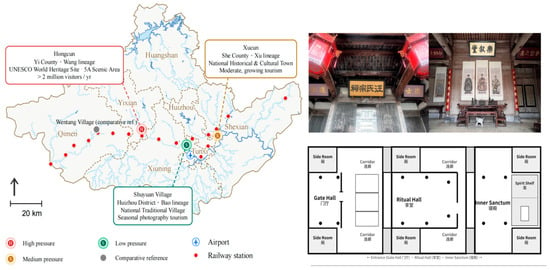
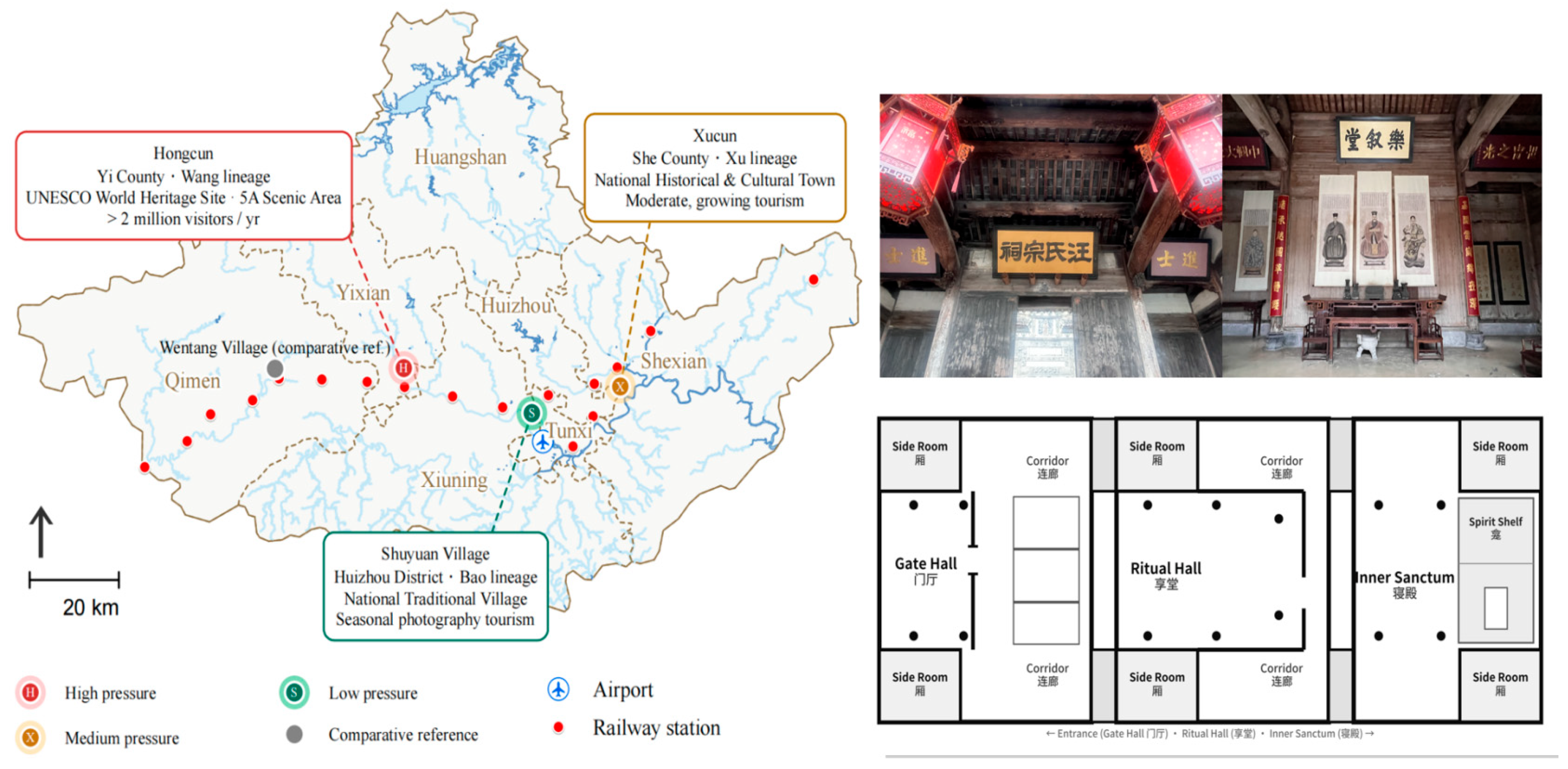
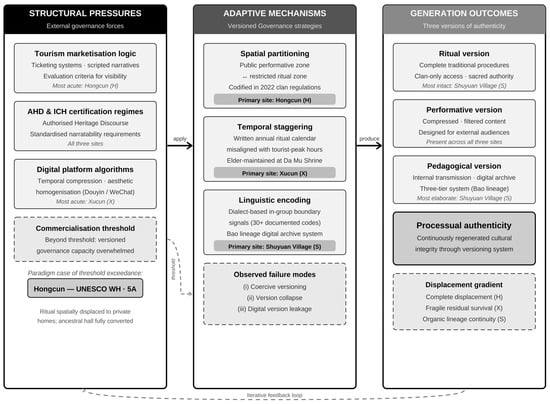
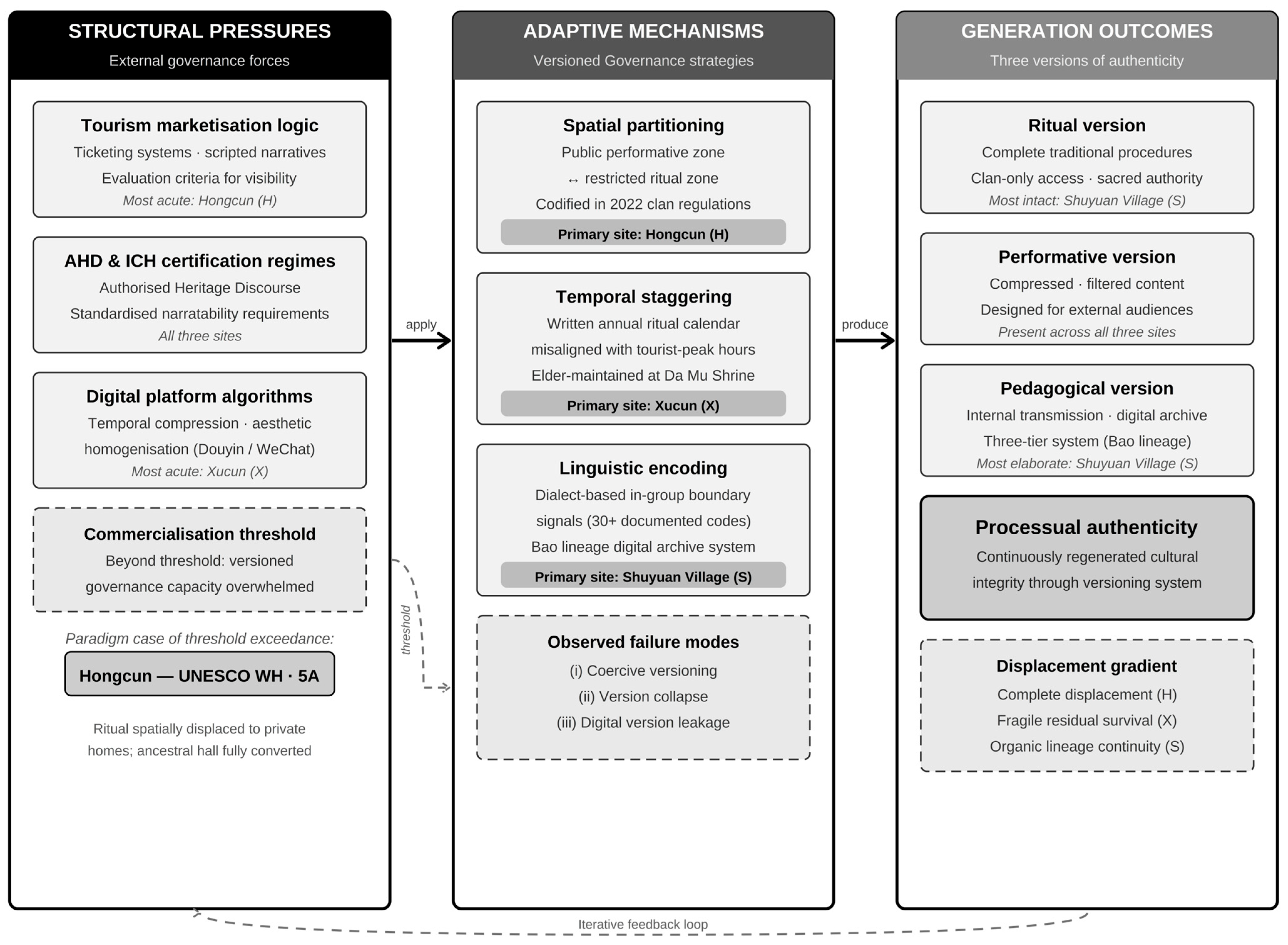
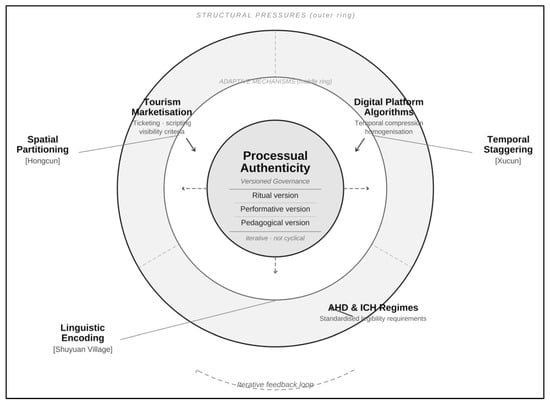
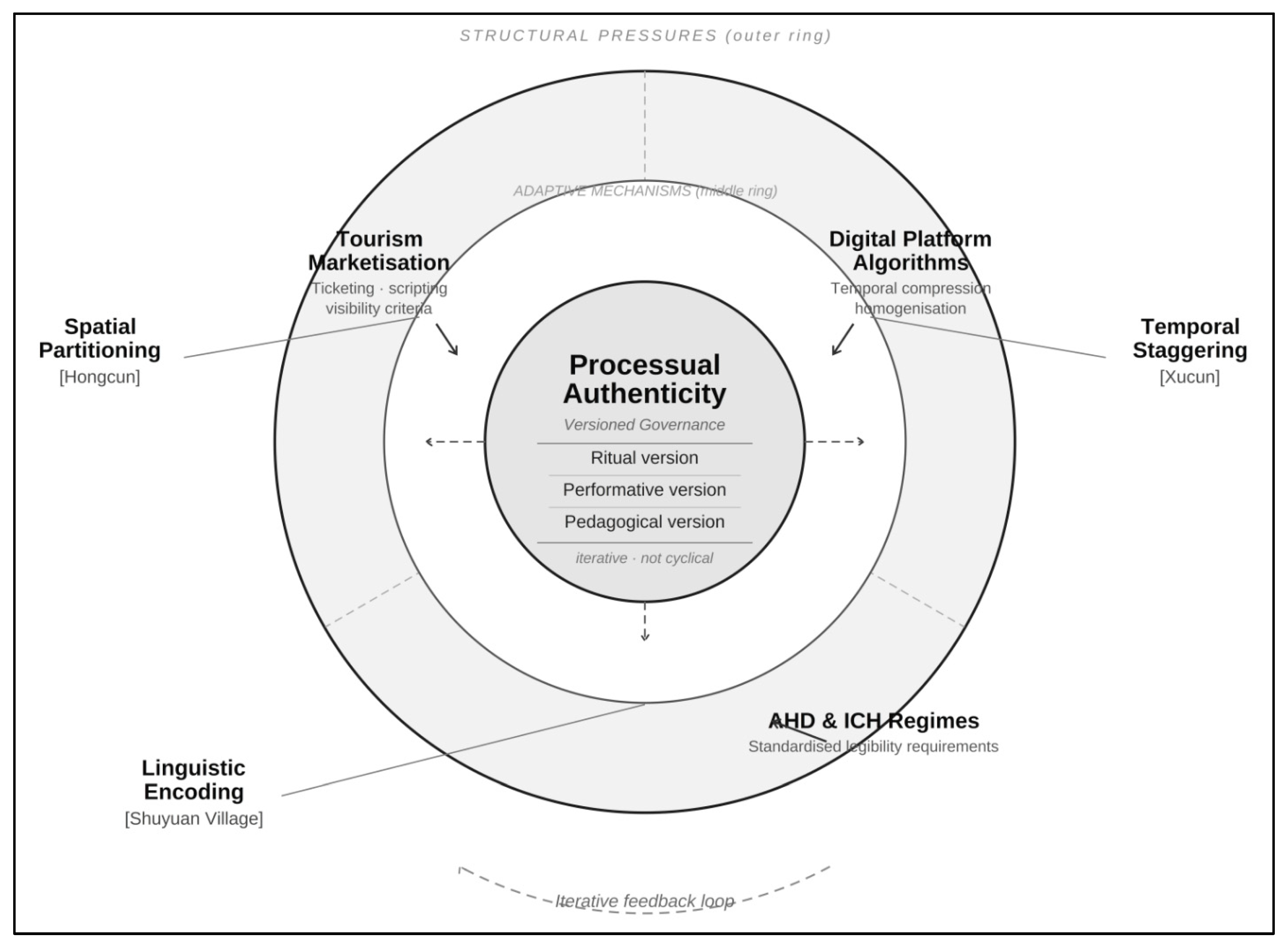

Disclaimer/Publisher’s Note: The statements, opinions and data contained in all publications are solely those of the individual author(s) and contributor(s) and not of MDPI and/or the editor(s). MDPI and/or the editor(s) disclaim responsibility for any injury to people or property resulting from any ideas, methods, instructions or products referred to in the content. |
© 2026 by the authors. Licensee MDPI, Basel, Switzerland. This article is an open access article distributed under the terms and conditions of the Creative Commons Attribution (CC BY) license.