


Abstract
The prehistoric and historic Greek populations have a long and glorious history and could teach us significant lessons relevant to water resources and their management. Most Greek civilizations lived in harmony with the environment, with a profound understanding of environmental sustainability. The Minoan era, considered as Pax Minoica (or Minoan peace), was a time when palaces and other living places did not have defensive walls; in that time, human rights and power without a military aristocracy developed. During that time, hydro-structures with a high degree of security, which remained in operation for millennia, were developed, most of them established in predominantly arid areas for reasons of security, protection, and public health. The study presents important elements of the development and progress of these technological achievements provided by ancient civilizations throughout the prehistoric to modern period, in the context of revealing and highlighting potential lessons to understand and address current critical issues in the management of water resources. Furthermore, the methodology used and the technological structural advancement of water works, their infrastructure durability, and early water law principles are considered. Many modern systems are designed for operational lifespans of 50–100 years, whereas several ancient Greek hydraulic structures remained functional for centuries by relying on renewable natural resources—reflecting a fundamentally different design philosophy centered on longevity and robustness. Thus, terms such as “sustainability” and “water security/safety”, first taught by ancient civilizations, need to be reconsidered and adopted again nowadays to inspire policies, strategies, and actions against the increasing challenges.
1. Introduction
Water resources have been fundamental to the development, organization, and sustainability of human societies throughout history. From early settlements to complex urban systems, the availability, management, and protection of water have shaped technological innovation, social structures, and environmental interactions. In this context, ancient Greek civilizations developed a wide range of hydro-technologies and water management practices, including water supply systems, drainage and sanitation networks, rainwater harvesting, and institutional frameworks for water governance. These systems were not only technically effective but also closely adapted to local environmental conditions and societal needs, offering valuable insights into long-term sustainability, resilience, and resource management.
Growth never ends, but some old principles remain surprisingly the same. Following key lessons from Greek philosophy still helps us make sense of the present and the future, thanks to the Minoans and thereafter Greek philosophers [1]. One first possible lesson is that “the history of water is equivalent to the history of the world”.
One main characteristic of Minoan civilization was described by Arthur Evans (1851–1941), a British archeologist who, at his own expense, uncovered and displayed the palace of Knossos, as follows: “The colorful wall paintings in the Minoan palaces reflect a life full of creativity, good taste and coexistence in harmony with the natural environment”.
One of the things that set the Minoan civilization apart from other ancient societies, as in comparison to the Mycenaeans that built “cyclopean” walls and other protective military works, was the lack of defensive walls around their cities and villages. Evans referred to the Minoan era as Pax Minoica, meaning Minoan peace [2]. Papit [3] reported that by studying Minoan settlements in the island of Crete, from the Early Minoan (ca 3200–2650 BC) to the Late Minoan period (ca 1400–1100 BC), a unifying pattern in urban planning is observed.
Early prehistoric technological achievements were further refined and developed during the 5th century BC, the Golden Age of Greece. The technological inventions attributed to the ancient Greeks encompass almost all aspects of social life, such as urban planning improvement, navigation technology, industry (such as metallurgy and ceramics), water supply and sanitation, and of course, innovation of science and arts [4]. These continued during historical times and in subsequent cultures [1]. During the Classical, Hellenistic, and Roman periods, hydro-technologies were further improved and the scale of water supply projects increased. Unfortunately, the great German philosopher Georg Wilhelm Friedrich Hegel (1770–1831) observed that, in reality “History teaches us only one thing, and that is that man has never learned anything from it”. The statement is a condensation of a passage from Hegel’s Lectures on the Philosophy of World History.
The aim of this paper is to critically review the development of hydro-technologies in the Greek world from prehistoric to modern times, with emphasis on water supply, sanitation, water management, and governance systems. The objective is to identify key technological and institutional principles—such as sustainability, resilience, and decentralized management—that may inform contemporary water resource management and climate adaptation strategies.
The scope of the review focuses on representative case studies selected based on their technological significance, historical documentation, and relevance to modern water challenges. The analysis primarily examines water-related infrastructure and practices, including aqueducts, cisterns, drainage systems, and legal frameworks, while non-water-related historical elements are considered only when directly linked to water use and management.
2. Methodology
This study presents a comprehensive review of the historical development of water technologies in Greece, from prehistoric times to the present, aiming to enhance the understanding of past practices, technological evolution, and their relevance to contemporary water management challenges.
The review follows a narrative approach, integrating information from historical, archeological, and engineering sources. The selection of the literature and case studies was based on their relevance to water-related infrastructure, technological innovation, and governance practices across different historical periods. In addition, available technical descriptions and, where applicable, in situ observations reported in the literature were considered and critically discussed.
The analysis is structured along three main dimensions: (a) technical aspects of water systems (e.g., aqueducts, cisterns, and drainage systems), (b) socio-political and institutional frameworks (e.g., laws, governance mechanisms, and water allocation practices), and (c) environmental and sustainability considerations (e.g., resilience, adaptation to climatic conditions, and long-term resource management).
The structure of the paper is as follows: Section 3 outlines current trends and challenges in water resource management; Section 4 presents the historical development of hydro-technologies; Section 5 discusses the main lessons learned for modern water management; and Section 6 presents the conclusion.
3. Understanding Current Trends and Challenges in Water Resource Management
Nowadays, protection and preservation of water resources is a prerequisite to support human health and welfare against various health, environmental and climate challenges. This section is devoted to current and future challenges in water resource management and technology arising from the growing population, environmental degradation and climatic variability. The governance of water scarcity-driven migration and conflicts, integrated water management in urban and agricultural water-reuse practices, desalination, and other technological insights into infrastructure, distribution, and monitoring of water use towards improved water-use efficiency are included to produce the current framework where historical achievements, knowledge and lessons in water management and technology are called to be considered.
3.1. Coping with Increasing Water Needs Due to the Growing Population and Climatic Variability
Water resource management is critically important nowadays, considering the population growth and consequent water scarcity in many climate-vulnerable areas of the planet [5], in which natural resources, ecosystems and humans are threatened. The United Nations World Water Development Report 2021 (Valuing Water, published by UNESCO on behalf of UN-Water) stated that by 2025, severe water stress will threaten more than four billion for at least one month on an annual basis. It also notes that while physical water scarcity exists, economic water scarcity, where lack of infrastructure prevents access to physically available water, affects another 1.6 billion people [6]. As temperatures are rising and more extreme events are expected [5], predictions may further worsen, suggesting more drastic changes in water needs by ecosystems [7,8] and humans, which could be addressed only by critical and efficient management of available resources [9]. It is also remarkable that an increase in megacities’ population is expected, along with the general population growth increase, making it more challenging for decision makers and scientists to achieve sustainable water management to fulfill current development goals. Apart from that, seasonal variations in water need due to human activities (e.g., population changes in hotspot areas, i.e., from tourism or immigration) could put further stress on specific areas, such as the Mediterranean basin.
3.2. Governance Framework, Integrated Water Management in Urban and Agricultural Areas, Water Conflicts and Diplomacy, and Governance for Water Scarcity-Driven Migration
Integrated Water Resource Management (IWRM) approaches have been proposed over the years, along with the exploitation of the new technological advancements in artificial intelligence (AI) and machine learning, which are currently leading the evolution in many domains of water management, and are very promising to support efficient water management by decision makers [10]. IWRM incorporates social–economic and ecological aspects of interest in a holistic approach, considering every possible water resource, relevant technology and management of potential water conflicts among users, for example, improved water storage, saving, and distribution policy and strategy, under challenging climatic and anthropogenic conditions and stressors. The establishment of quantity and quality criteria for the users, in such an approach, perhaps according to the “one water” concept, could be an option within IWRM to facilitate either potable or non-potable water management [11]. Moreover, nature-based solutions, such as the discussed ancient technological solutions, should be considered and adopted in potential extreme events of rain or drought to achieve efficient water storage, treatment, and saving [12]. The role of ecosystem services in the achievement of sustainable water resource development should be analyzed, promoted, and further exploited [13].
At the international level, water conflicts between countries and water diplomacy are critical to managing shared water resources to sustain fair water allocation [14,15]. On this scope, realistic and flexible decisions and governance strategies incorporating climate variability, environmental issues, and mutual benefits for the members involved are needed. Finally, temporary or permanent migration driven by urbanization, population increase, water resource depletion, water pollution, and water conflicts are expected to increase in the future, creating severe cross-border humanitarian challenges. Understanding of water–migration dynamics and critical drivers can facilitate the production of policies, measures and a national or wider framework [16].
3.3. Towards Increased Water-Reuse Practices, Desalination Technology, and the Use of Brackish Water
Water reuse has become an important alternative to increase water availability, particularly in areas with water shortage, like the Mediterranean region [17]. These practices are highly supported by national policies within the EU and elsewhere, and by the World Health Organization (WHO), and are fully compatible with the global transition to Circular Economy and adaptation to climatic change [18,19,20,21] as well as to the established sustainable development goals (SDGs) (e.g., Target 6.3, Clean Water and Sanitation or several other SDGs) [22]. Reuse of treated wastewater from Wastewater Treatment Plants (WWTPs) and other units for irrigation purposes, aquifer recharge, and rainwater harvesting are among the most promising and applied practices [23]. However, and despite existing restrictions [24] (EU, 2020/741), the safety of water reuse is still a challenge due to the presence of specific contaminants and pollutants in treated wastewater [25], such as pathogens, antibiotics and antibiotic resistance genes (ARGs), EDCs, and microplastics [26], which cannot be eliminated with current conventional technology and pose threats to biodiversity, ecosystem functioning, and humans. This suggests that, although many feasible options are available for dedicated reuse needs, wastewater treatment is still partly inefficient [27]. Use of brackish water and desalination are also options with increasing potential, particularly in climate-vulnerable areas with decreasing production cost thanks to recent technological improvements [28].
3.4. Technological Insights into Infrastructure, Distribution, and Monitoring of Water Use—Towards Improved Water-Use Efficiency
At the urban scale, water scarcity has been addressed so far by technological insights and infrastructures, incorporating strategies and measures in different domains of interest, such as adaptations in policy guidelines and initiatives, advanced technological planning, stakeholder engagement practices and motivations, technological insights in water control and monitoring, water-use-efficient practices and water reuse [29].
Another domain of water management challenges lies in agriculture, the main water consumer in many areas of the planet, in adapting to climate variability, meeting current and future water needs by crops, and supporting natural resource sustainability. To serve this scope, it is critical to increase water-use efficiency by cultivations and reduce water loss, which can be supported by several options, as above, including adoption of cost-effective technologies and methods in irrigation systems (i.e., smart, drip or deficit irrigation, new methods for estimating evapotranspiration (ET), such as eddy covariance towels, in situ monitoring of soil moisture and crop water needs, proper soil and crop management, e.g., mild soil tillage, mulching and crop residue retention) [30], as well as the introduction of native crops better adapted to local climatic conditions [31]. Apart from the above, issues arising from aging and leaking infrastructure ought to be addressed [32,33].
4. Historic Knowledge and Technological Achievements
4.1. From Prehistoric to Medieval Era (ca 10,000 BC–476 AD)
4.1.1. Prehistoric Time (ca 10,000–1100 BC)
The first prehistoric settlements in Greece were established in Crete, probably between about 10,000–8800 BC. From the beginning of the settlement of the first populations in Crete, in the so-called Pre-Pottery period (ca 6100–5700 BC), their first main concern was water. People gradually learned to domesticate wild cereals, a development that enabled the shift from nomadic hunting and gathering to settle farming. The earliest inhabitants of Crete—and later of mainland Greece—seem to have originated in the Levant, the eastern Mediterranean region that today encompasses Israel and the West Bank, Jordan, Syria, and parts of southern Turkey. Genetic evidence suggests that the Neolithic populations who introduced agriculture to Europe moved from the Levant to Anatolia, then reached Greece through Crete, and from there continued to Sicily and the wider European continent [34] (Figure 1). Since the settlement of the first populations in Crete, during the so-called Pre-Pottery period (ca 6100–5700 BC), the first main societal concern was water.
Figure 1.
The first Cretans arrived in Crete from the Levant [34].
- A.
- Minoan Era (ca 3200–1100 BC)
The Minoan civilization was built on the extensive cultivation of the olive tree (Olea europaea), which was domesticated on Crete around 3500 BC. They introduced the first Koroneiki olive tree in the area, an oil-making variety now dominant in Crete and all over southern Greece. The Minoans relied on natural Mediterranean rainfall (rainwater-fed agriculture) for their orchards and integrated water usage into the labor-intensive, often water-reliant process of oil production. The Azoria tree (Figure 2) located at an altitude of 252 m, 1 km south of the village of Kavousi in the prefecture of Lasithi, on the road to the homonymous archeological site, is considered to be the first known one. This tree, a Natural Monument, was grafted onto a wild rootstock, constituting the oldest example of grafting, probably in the entire world [35,36].
Figure 2.
The first prehistoric olive tree is located one kilometer south of the Kavousi village, in eastern Crete.
During the Middle Minoan period, advanced techniques were applied to water resource management, including various scientific developments in water resource exploitation, such as water networks, especially for residential use, the construction and use of surface water resource structures, development of baths and other hygiene and purification technologies, the construction and restoration of rainwater drainage systems, restoration of agricultural land, and irrigation projects. One of these notable achievements was water supply systems, which included characteristic hydraulic and architectural features in palaces and cities to ensure waste and rainwater drainage. Most Minoan buildings were characterized by advanced systems to supply water as well. There is also evidence showing wastewater reuse in agriculture for irrigation and fertilization purposes [1].
Minoans recognized the value of the natural environment and taught us the first basic agricultural practices. Minoan hydrologists were knowledgeable of the basic principles of water resources and environmental sciences long before their formalization in the modern era. Since prehistoric times, they chose to live in the drier areas, such as the southeastern Aegean and Crete, especially the eastern part: life in a dry climate was more comfortable, healthier and better protected. Ancient Greeks made the same choice with few exceptions [37]. One may ask if the scarcity of water influenced their cultural progress: perhaps this was one of the triggers of their spiritual, scientific and technological progress?
The Minoans were considered “A great power without a military aristocracy. A ‘palace’, which was not a royal residence and not even the King was glorified, a religion without grandeur, while women were equal to men and free” [38]. Even in the theocratic regime, matriarchy dominated; in the sacred treasuries of Knossos palace from the Neopalatial period (around 1600 BC), large and small Goddess of Snakes statues were found (Figure 3). The Goddesses of Snakes were probably a contribution to the development of the matriarchy.
Figure 3.
Large and small Goddess of Snakes (faience figurines).
During this time, there was enormous progress in the development of water resource management technologies. Archeological findings reveal the development in Crete, and elsewhere, of important technologies, such as water supply and sewage systems, rainwater collection and use, irrigation, groundwater use, water treatment, aqueducts and others [39,40], in parallel with other innovations related to architecture, environment and thalassocracy [41].
Water supply and sewage networks were particularly well developed (Figure 4). In the early 20th century, the writer and health scientist Angelo Mosso visited the villa of Agia Triada during a period of heavy rainfall and observed that the entire sewage system was functioning perfectly. Mosso [42] recorded the incident, stating, among other things, that “I doubt if there is another case of a rainwater drainage system that is functioning 4000 years after its construction.”
Figure 4.
Minoan water supply and sewage networks: (a) part of the water supply network of Knossos and (b) part of the central sewage network of Phaistos.
Furthermore, the American hygienist Harold Gray wrote ‘‘Archaeological researchers report that prehistoric people [Minoans and Indians] have come a long way towards a comfortable and healthy lifestyle, with a significant degree of beauty and luxury […]. And this was about 4000 years ago’’ [43]. Nowadays, the design and construction of a similar project with a maintenance and operation expectation of 40–50 years would be considered a success. Unfortunately, our history has been forgotten by educators and rulers. One cannot imagine what Greece would be without its glorious history, mainly from Minoan times!
The Minoan drainage system, particularly at the Knossos and Phaistos, is regarded as a 4000-year-old engineering marvel that remained functional long after its construction, due mainly to a combination of high-quality materials, sophisticated design, and, crucially, consistent maintenance. While it did not experience high-pressure conditions, its longevity was primarily due to intelligent engineering tailored to the natural landscape rather than simply low stress. The system was constructed using stone-built conduits and channels with sufficient diameter and slope to ensure effective flow, and sufficient diameter to reduce the risk of blockage and overflow.
Rainwater harvesting (RWH) systems were developed in Minoan Phaistos, on the island of Crete. The Phaistos hill rises about 100 m above the Messara Plain (Figure 5), offering a commanding view and a spectacular setting for the ancient Minoan palace. Its significant elevation makes the palace a prominent feature of the landscape, overlooking fertile plains and mountains [44], but poses challenges for water provision. At Phaistos, runoff water was harvested by flat paved surfaces and its purity preserved with the construction of coarse sandy filters prior to its storage in underground cisterns. This water was used for various cleaning tasks [44,45]. The main central courtyard of the Phaistos palace (Figure 5), used for water harvesting, measured around 1100 m2. It was constantly kept clean, and the harvested water was stored in cisterns located on the left side of it. One side shows cisterns of the RWH system. In these cisterns, sand filters were incorporated to clean the water before collecting it. This shows that Minoans, highly interested in living in dry and sanitary areas, were masters in the use of unconventional water resources.
Figure 5.
A major part of the courtyard in Phaistos which is mainly used for harvesting water, showing the basis of small water cisterns on one side (with permission of A. N. Angelakis).
In addition to RWH, other unconventional water resources were developed during the Minoan time, mainly wastewater treatment and reuse for irrigation and fertilization, and water desalination. Probably the first wastewater treatment and reuse project was developed in Phaistos too. The river Geropotamos (or Ieropotamos) crosses the north side of Phaistos hill, located in the northwestern part of Messara valley (Figure 6); wastewater was not discharged into the river but in the agricultural fields located in the southeastern areas. Wastewater received some form of physical treatment by flowing for about 1 km from underneath the central courtyard to the agricultural areas [46], thus achieving irrigation and fertilization of the fields.
Figure 6.
Phaistos hill and portion of Messara valley in which Geropotamos river flows.
Minoan civilization during the Protoalatical and Neopalatical periods (ca 1950–1450 BC) is considered a thalassocracy—a “rule of the sea”—due to its dominant naval, commercial, and cultural influence across the eastern Mediterranean Aegean. Although direct archeological evidence remains limited, seafaring for long periods into relatively small boats would have been an impossible feat without knowing the basic process of thermal desalination methods, i.e., turning seawater into freshwater by using heat to create steam (distillation) and then condensing it [46].
A civilization’s ability to flourish depends largely on its investment in large-scale technological infrastructures aimed at improving living conditions. By following this logic, societies can leverage scaling economies to manage the water–energy–food nexus. Such an organization requires (a) a division of labor, which gives rise to social stratification, and (b) population and economic growth, which in turn generate greater complexity. Together, these elements underscore the importance of social dynamics—arguably an even more decisive factor than environmental determinism. The interplay between these factors is intricate and warrants further investigation [47]. These characteristics were evident in Minoan society.
- B.
- Mycenaean Civilization (ca 1600–1100 BC)
Minoan water supply hydro-structures (aqueducts) were extended, especially regarding their scale, during the Mycenaean period. Myceneans constructed cisterns in the 13th century BC, as evidenced by excavations in Mycenae and Tiryns [1]. The cistern in Mycenae is accessed via steps leading down to a large rectangular reservoir deep beneath the citadel (Figure 7). A continuous supply of water was obtained by a system of pipes connected to the nearby Perseia fountain.
Figure 7.
Underground cistern in Mycenae.
4.1.2. Historical Times (ca 1100 BC–476 AD)
- A.
- Homer Era (ca 1100–750 BC)
This period is known as the “Dark Ages”. Significant changes occurred after ca 1100 BC, particularly regarding the various uses of pottery and iron, such as the manufacturing of weapons and utensils. There are no known water resource-relevant achievements; however, it is possible that experiences from the Minoan era were used as a ‘‘bridge’’ for other civilizations (e.g., Etruscan and the Egyptian) [48].
- B.
- Archaic, Classical, and Hellenistic Periods (ca 750–31 BC)
Mythology was the main belief until ca 600 BC; until the beginning of the historical period, goddesses were worshiped, such as Athena, Demeter, Artemis, Aphrodite, Hera and others; however, the female gender lagged significantly, in terms of its equal participation in scientific and philosophical activities, compared to the Minoan era.
Although in the historical development of ancient Greek culture (until the end of the Hellenistic period, ca 31 BC), scientific and philosophical views had developed, mythological views and symbolism remained popular diachronically, as an inspiration for the arts [49]. A typical example is that the Athenians preferred the wisdom of the goddess Athena to the abundance of water of Poseidon (Figure 8a). One more example is the labors of Hercules, which can be interpreted as symbolic representations of early water management and environmental control practices [50], as illustrated by the slaying of the Lernaean Hydra in the swampy marshes of Lerna [51], which is often viewed as a metaphor for draining and taming wetlands (Figure 8b).
Figure 8.
(a) The myth of the quarrel between Athena and Poseidon over Athens. (b) Guido Reni. Hercules vanquishing the Hydra of Lerma (ca 1620) [52].
In Archaic time, Athens and Piraeus were considered the first water source, which was excavated and represented both public and private projects. Due to the depth of groundwater, there was a variation in well depths, ranging from 2.5 to 37 m, with an average of 10 m. In following years, the number of wells increased, following the population increase [53]. Solon (ca 630–560 BC), the Athenian statesman and poet of the late VII and early VI century BC, introduced a law concerning the management of water from wells [54], as later described by Plutarch (47–127 AD) [55]:
“Since the country was not supplied with water by ever-flowing rivers, or lakes, or copious springs, but most of the inhabitants used wells which had been dug, he made a law that where there was a public well within a “hippikon,” a distance of four stadia (4 furlongs, 710 m), that should be used, but where the distance was greater than this, people must try to get water of their own; if, however, after digging to a depth of ten fathoms (18.3 m) on their own land, they could not get water, then they might take it from a neighbor’s well, filling a six choae (20 L) jar twice a day; for he thought it his duty to aid the needy, not to provision the idle”.
The Greek philosopher Thales of Miletus (ca 624/20–548/45 BC), the founder of the pre-Socratic Ionian School of natural philosophy in Miletus in ca 600 BC, introduced an axiom for water, presenting it as the basic substance of the world. He also tried to understand and interpret nature from a scientific and not a mythological perspective. He was recognized by Aristotle as the first Greek philosopher [56].
Thereafter, from ca 540 to 530 BC, the tyrant Peisistratus supplied Athens with water by transferring water from the Ymittos Mountain springs. A tunnel, at a 14 m depth, was constructed for this task. This tunnel still irrigates the National Garden since 1875. Solon, an Athenian statesman of the late Archaic era, is credited with revising the severe “Draconian Constitution.” Significantly, he addressed the critical issue of water scarcity by introducing a policy, recorded in later traditions (Plutarch, Solon 23.4), that ensured the limited water resources of Attica were shared among farmers who required them. His broader legislative efforts, documented by Aristotle (the Athenian Constitution), in addition to injury laws, also included specific regulations for the placement of private infrastructure like houses, ditches, and wells.
The construction of one of the major water resource projects in the island of Samos, the Eupaline or Amphistomous Tunnel (Ευπαλίνειο or αμφίστομον ΄Oρυγμα), started in ca 550 BC. This, described by Herodotus (ca 484-425/10 BC), is among one of the most important ancient engineering works [57], that remained in operation until modern times. The tunnel has an approximate length of 1036 m and was excavated simultaneously from both ends, meeting with remarkable accuracy at the center. Such precision implies an advanced understanding of geometry and surveying techniques for the period. The successful construction of the tunnel from both ends demonstrates a high level of geometric and engineering understanding. This reflects not only technical capability but also effective planning and execution, which are key elements in modern infrastructure design.
In 508–507 BC, Cleisthenes (ca 565/70–507 BC) replaced the traditional four tribes of Athens with 10 new tribes, named after corresponding legendary heroes. The defining feature of ancient Greece’s rise was the development of the city state (polis), a unique political entity marked by democratic governance, philosophical innovation, and lasting cultural achievements. The factors underpinning this development were multifaceted, including the physical fragmentation of the Greek landscape, which encouraged an independent and competitive spirit among the city states, and the successful utilization of maritime trade networks, which facilitated both economic vitality and the broad diffusion of culture [58].
Ancient Greeks appreciated seawater for its health benefits and its rich mineral content: in the Classical period, Hippocrates (ca 460–370 BC) first used the word “thalassotherapy”, recognizing the importance of seawater in human health [59]. Thalassotherapy offers multiple benefits for health and well-being, both physical and mental. He particularly recommended warm seawater baths, which offer real relaxation, help in cases of respiratory and dermatological problems, and are considered beneficial for people with musculoskeletal and rheumatic diseases, improving blood circulation and more [2].
In addition, Hippocrates conducted experiments with a water-filtering system to purify water (i.e., filtration and disinfection), as shown in Figure 9. Centuries later, based on Hippocrates’ invention, water filtration devices were developed. The first multiple filter was designed by the Italian Antonio Porzio in 1685, which included sedimentation and filtration through a sand bed.
Figure 9.
Hippocrates’ water-filtering system, named Hippocrates’ ‘’Sleeve’’ [4].
Aristotle (384–322 BC) is credited with initiating the scientific method within his Peripatetic school by integrating observation of the natural environment with physical activity. His instructional approach involved presenting students with a phenomenon and then framing a guiding question for the learning process. Students then conduct simple experiments, for example, observing the outcome of placing drops of different transparent liquids on their hands. Through this exercise, they noted that water drops evaporated considerably slower than alcohol or acetone drops and also tended to form more perfectly rounded shapes than the others. This created the desire to explore and understand the reason why phenomena occur, encouraging students to engage in collaborative investigations to learn what is now known as the chemistry of intermolecular forces. Later on, around 307 BC, Epicurus founded “the Garden” school in Athens, aiming to teach students to be self-sufficient by growing their own food. Due to its limited natural water supply, Athens historically faced resource constraints. During the 6th century BC, the construction of wells sometimes involved lining them with small-stone masonry. This technique later evolved, as by the beginning of the 4th century BC, durable shafts were commonly formed using stacked, circular terracotta drums [53].
Gortyna (or Gortyn, Gortys or Gortini, inhabitants: “Gortynioi”) was an ancient city and archeological site, first inhabited in Minoan time, in what is now Crete, 45 km south of Heraklion city, the capital of Crete and Cyrenaica during the Roman era. The inscription from the Gortyn Law Code (Inscriptiones Creticae IV 72, Column IX), dating 5th century BC [60], represents one of the earliest known regulations ensuring a minimum flow of water in a river, effectively a precursor to the modern concept of ecological flow: Θιοί· τô ποταμô αἴ κα κατὰ τὸ μέττον τὰν ῥοὰν θιθῆι ῥῆν κατὰ το Ϝὸν αυτô, θιθεμένōι ἄπατον ἤμην. Τὰν δὲ ῥοὰν λείπεν ὄττον κατέκει ἀ ἐπ’ ἀγορᾶι δέπυρα ἤ πλίον, μεῖον δὲ μὴ. (English translation: Gods. If someone directs the flow of the river to their own property, they are not punished. However, they must leave enough flow to cover the width of the bridge in the agora or more, but not less). In addition, the Gortyn Law Code (circa mid-5th century BCE) emphasizes a holistic management of society by legally integrating family structures, property rights, and social hierarchy into a single, cohesive framework. Its holistic approach is characterized by detailed regulation of private life—including marriage, divorce, and inheritance—to ensure stability, maintain the economic status of the family unit, and enforce social order.
The regulation allows individuals to divert river water for private use (e.g., irrigation) but mandates maintaining sufficient water flow to ensure the river’s functionality for the community, as measured by the width of the bridge in the agora (public square). This reflects an early understanding of balancing human needs with communal and environmental considerations.
Such legal frameworks demonstrate an early understanding of water as a shared resource requiring regulation and equitable distribution. Such institutional arrangements can be seen as precursors to modern water governance systems, including allocation policies and conflict resolution mechanisms. This perspective is also consistent with the theory of Karl August Wittfogel [61], who argued that the development of large-scale hydraulic infrastructure is closely linked to the organization of social and political structures. In this context, ancient Greek water laws reflect the interaction between technological systems and institutional frameworks, highlighting the importance of governance in the sustainable management of water resources.
- Roman Period (ca 31 BC–476 AD)
At the end of Hellenistic period, when Romans took power, the influence of their critical location in the Italian peninsula, and their capabilities in engineering technology and development in general was apparent. Romans established a democratic government, developed a well-organized and efficient administration, and facilitated expansion of their influence across the Mediterranean region; adapting and incorporating neighboring conquered populations also strengthened Roman culture [58].
Romans also developed advanced infrastructures such as roads and hydraulic infrastructure in Greece, improving the technologies of the Classical and Hellenistic periods: techniques were more or less identical but at increasing project sizes. Aqueducts for water supply were increased in Roman cities; several remained in operation for centuries. For example, the Hadrianic aqueduct was used for primary water supply to modern Athens until the 1920s, and some parts of it also until the 1950s [47,62]. The Hadrianic aqueduct is an underground project which extends over 20 km, with a carefully controlled gradient that allowed continuous gravity-driven flow (Figure 10a). The tunnel lies below the groundwater level, and the main volume of water conveyed is collected through a linear underground process known as υδρομάστευση (groundwater capture) [63]. It is also remarkable that ancient engineers were required to design such an aqueduct without direct visual access to the water. As noted by Koutsoyiannis [64], “most principles related to water technology and management were known to ancient Greeks.”. The long operational life of the Hadrianic aqueduct indicates that durability was a fundamental design consideration. Its underground construction reduced exposure to external damage and environmental degradation, contributing to its resilience. This approach aligns with modern strategies that emphasize protected infrastructure and long-term performance.
Figure 10.
(a) Athens ca 1 AD and Hadrian aqueduct; (b) a ceramic device for oil separation and extraction from late 1st century AD (from the Archeological Museum of Patras, Greece, Photo A.N. Angelakis).
In the age of Roman architect Marcus Vitruvius Pollio (1st century BC), water resources, wells, and dams are extensively discussed [1,39]. In parallel, other relevant technologies, like olive oil separation devices, were developed (Figure 10b).
In addition, in the early Roman time, the underground section (tunnel) of an aqueduct was built, carrying water from the Fountaina spring located on Vathis river, southern of Heraklion city, to the Roman Knossos [65]. The underground tunnel is approximately 1150 m long, i.e., 100 m longer than the similar Eupalinian tunnel on Samos Island.
4.2. Medieval and Early- and Mid-Modern Times (ca 476–1850 AD)
During the Middle Ages (ca 400–1400 AD), following Roman times, technological advancements in general and in water treatment and use, especially in water supply in the cities, lacked behind [66]. Water was of poor quality due to limited development of sewage and drainage systems, which forced authorities to transfer water from distant places [39].
Despite the technological stagnation of the Middle Ages, areas with dense populations were compelled to develop essential water infrastructure to meet their needs. A prime example is the Aqueduct of Constantinople, initiated in 373 AD and completed in 428 AD, stretching approximately 250 km, making it one of the longest aqueduct systems in the ancient world [67]. Its technological innovations included a sophisticated network of channels, tunnels, and bridges, such as the iconic Aqueduct of Valens, which ensured a steady water supply from distant, unpolluted sources to the city [68]. These systems typically relied on gravity flow, requiring precise gradient control over long distances, which reflects a high level of hydraulic understanding and engineering planning.
In pre-industrial societies, three different societal patterns for the exploitation of water were common:
- (a)
- A first pattern emerged where voluntary labor was organized annually to construct temporary irrigation or water supply systems, such as diverting streams or rivers [69,70]. These structures, vital for sustaining communities during dry summer periods, were typically destroyed by seasonal floods, requiring regular reconstruction to maintain agricultural and domestic water needs.
- (b)
- Another pattern was competition for resources in water-scarce regions, often leading to localized conflicts, particularly in arid regions like Mani. These “water wars” between towers of family settlements were driven by the critical need to secure water for survival, as communities fiercely protected access to their cisterns [71]. In Mani, such conflicts not only shaped social and territorial dynamics but also fostered a martial culture among the inhabitants. The experience gained from these resource-driven skirmishes honed the Maniots’ combat skills and strategic resilience, contributing significantly to their leading role in sparking the Greek Revolution against the Ottoman Empire in 1821.
- (c)
- A third approach emerged in island communities, where natural resources were exceptionally limited: practices of maximized efficiency and collective resource management were developed to ensure the sustainable utilization of every available asset. Since the prevailing water-supply technology relied on rainwater harvesting through cisterns, traditional settlements systematically exploited all built surfaces to channel and collect runoff. Streets and courtyards functioned as catchment areas for graywater, while rooftops were used for harvesting “blue” (potable) water.
Of particular interest is the fact that, depending on location and topography, a catchment surface did not necessarily belong to the owner of the corresponding cistern. Neighborhood property boundaries and the street layout in the traditional settlement of Trypiti (Milos Island) (shown in Figure 11a) are compared with catchment surfaces (Figure 11b): this shows that Cistern B (belonging to Property B in Figure 11a) collects graywater from the courtyard surface of Property A, that of Property B and from the path above the cistern. Cistern A (Figure 11b) collecting rooftop (blue) water, and Cistern B collecting gray waters are both shown in Figure 12.
Figure 11.
The property boundaries and the catchment surfaces of Trypiti on Milos Island: (a) the property boundaries and the street layout in a traditional settlement (36°44′12.84″Β, 24°25′45.98″A); (b) the location of Cistern A (blue water) and Cistern B (gray water) and the corresponding catchment area.
Cisterns varied in size depending on household or community needs, often incorporating plastered interiors to reduce seepage losses and maintain water quality. Their storage capacity was sufficient to buffer seasonal water availability differences. This connection between water scarcity and social cohesion and perceptions of the common property of resources versus localized warfare underscores how different approaches to environmental challenges influenced social organization and historical outcomes in pre-industrial Greece.
The widespread use of cisterns reflects a decentralized approach to water management, where storage and supply were distributed at the household or community level. This strategy enhanced resilience against water scarcity, a principle that is increasingly relevant in modern urban water management systems.
During the modern Greek period, language was characterized by diglossia, with local dialects co-existing with Archaic written forms. Similarly, during that time, existing water technologies (e.g., aqueducts, wells, cisterns, and others) were continuously practiced in several parts of our country. However, the sustainability of ancient hydro-technologies was not sufficiently maintained throughout the present time. In addition, inappropriate management of natural resources, along with anthropogenic and climate pressures of natural and agricultural ecosystems, threaten the environmental quality, agricultural productivity, and food security.
5. Lessons for Modern Water Resource Management
Lessons derived from ancient Greek civilizations highlight the importance of fundamental aspects of human societies and their interaction with the environment, including political stability, effective governance for the benefit of citizens, economic resilience and welfare, human rights, gender equality, and environmental protection. Within this context, key lessons from ancient Greek civilizations can be extracted, as follows:
- i.
- Protection of natural resources requires a deep understanding of the interactions between nature (natural resources) and humans: Ancient civilizations recognized the importance and value of water resources. Archeological evidence suggests that early civilizations, particularly the Minoans, established settlements in harmony with the environment, often in relatively dry but well-protected locations, where water resources were carefully managed and safeguarded [54]. This environmental integration reflects a broader understanding of the relationship between natural conditions and human habitation. However, technological development has not followed a linear trajectory. Many advanced water technologies originating from ancient engineering achievements were partially lost or neglected during subsequent historical periods, such as the so-called Dark Ages [48]. This indicates that technological progress is characterized by discontinuities and that future innovation is influenced not only by present conditions but also by the preservation and reinterpretation of past knowledge. Indeed, a considerable body of written material from ancient Greece, including detailed contracts related to hydraulic works, has survived, forming intellectual “bridges” between past and present practices [72].
- ii.
- The value of a regulatory framework for water resources: A protective regulatory framework that recognizes water as a shared and limited resource, as ancient Greek societies developed, is fundamental to protecting water resources. Legal instruments such as Solon’s laws in 6th-century BC Athens and the Gortyn Code in 5th-century BC Crete represent early examples of institutional mechanisms designed to manage water scarcity, allocate resources, and resolve conflicts. These systems treated water as a communal good rather than purely private property, establishing precedents that parallel modern concepts of transboundary water management and environmental flow allocation.
- iii.
- Long-term functionality and durability of infrastructure—Sustainability of hydraulic structures: An important lesson is the emphasis on long-term functionality and durability of infrastructure, as the ancient Greek did regarding the hydro-technologies. Indeed, several systems remained operational for centuries, reflecting design approaches that prioritized robustness, adaptability, and protection from environmental stresses. Sustainability was a defining characteristic of many ancient hydraulic structures. In contrast, contemporary engineering practice typically assumes a design life of approximately 40 to 50 years, often driven by economic considerations. The longevity of ancient systems suggests a fundamentally different design philosophy, where long-term performance and resilience were primary objectives. This is clearly illustrated by the enduring functionality of major infrastructures: Minoan drainage and sewerage systems in Crete remained in use until the early twentieth century, representing nearly four millennia of operation, while the Peisistratean aqueduct and the Hadrianic aqueduct in Athens continued to serve the city well into modern times. These systems relied on gravity-driven flow, maintaining precise gradients over long distances, and were often constructed as underground conduits to enhance protection and durability.
- iv.
- Protection of water infrastructure: Another important aspect concerns the security and protection of water infrastructure. In contrast to many modern systems, which are often exposed and vulnerable, ancient hydraulic works were frequently designed with defensive considerations in mind. Long-distance aqueducts were commonly constructed as subterranean tunnels, concealing both the water and the infrastructure from potential threats. This design philosophy underscores a broader principle that engineering solutions grounded in contextual awareness and risk mitigation can achieve exceptional levels of resilience and longevity.
- v.
- The value of decentralized water management—water reuse: In addition to large-scale infrastructure, decentralized water management played a crucial role in urban resilience [73]. Household cisterns in ancient Athens and Pireus [74] functioned as primary sources of water supply, particularly during periods of drought in the 5th and 4th centuries BC. These systems enhanced self-sufficiency, reduced vulnerability to supply disruptions, and contributed to sanitation and risk management. Similarly, the legal obligation imposed on citizens to construct and maintain rainwater cisterns reflects an advanced understanding of distributed water storage, system redundancy, and stormwater control. Such approaches remain highly relevant today, as modern urban systems increasingly explore decentralized solutions for water reuse, flood mitigation, and resource recovery, although their implementation, even in cities like Athens, remains limited [54].
- vi.
- Advances in water treatment, water quality and public health: These were also evident in ancient Greek practices, widely regarded as the founders of Western medicine, contributing significantly to the understanding of water quality and its health implications. The work of Hippocrates includes early descriptions of water treatment techniques, such as filtration through cloth (the so-called “Hippocratic sleeve”) and boiling for disinfection, as well as the therapeutic use of water, including thalassotherapy. These practices demonstrate an advanced awareness of the relationship between water quality and human health.
- vii.
- “Paideia” as the cornerstone of human activity and protection of natural resources: One of the most profound legacies of ancient Greek civilization is the concept of “paideia,” encompassing education, cultivation, and the development of responsible citizens. This concept extended beyond knowledge acquisition to include ethical, social, and environmental awareness, shaping attitudes toward natural resources and collective responsibility [75,76]. In this sense, “paideia” functioned as a foundational element linking technological development, governance, and environmental stewardship. Its relevance remains significant today, particularly in addressing contemporary challenges related to sustainability, and the protection of natural resources, where informed and responsible societal engagement is essential.
To further synthesize the main findings of this review and highlight the connection between ancient practices and modern water management principles, a comparative overview is presented in Table 1.
Table 1.
Comparative synthesis of ancient Greek hydro-technologies and their relevance to modern water management principles.
Moreover, a schematic illustration of water resource management evolution periods, discussed in this work, along with the main timely achievements and challenges, the main concepts such as “sustainability”, “water security”, “hydro-technology”, “water management”, and “policy”, and the importance of “paideia”, are represented in Figure 13.
Figure 13.
Periods for water resource management evolution, achievements, concepts and main challenges.
In conclusion, tight connections exist between ancient and current water resource management, derived from the strong, profound knowledge and deep understanding of the value of nature and human beings by the ancient civilizations. Early insights into hydro-technologies and sciences, along with nature and societal governances, allowed ancient civilizations to survive and live in harmony with the environment, flourish and expand, in many cases even under unfavorable climate conditions or against other challenges. Therefore, terms such as sustainability and safety/security should be attributed to those civilizations that first introduced and applied the relevant practices in real everyday life. Over the years, their contribution to the notion of technology/science as a means of natural resource sustainability has been well recognized, until nowadays, where further advances in science and technology have been achieved. However, despite these advances in many different sectors of human life, several challenges remain to be addressed in relation to water resources, due to the interaction of specific drivers and varied interests. Such essential drivers and factors, then and now, persist, including local available resources, management, governance, technological insights, climate and terrain characteristics, and population status, as presented in Table 2.
Table 2.
Connecting key water management factors from antiquity to modern times.
6. Epilog
In the ancient Hellenic world, the management of water resources was already framed as an exercise in sustainability: ensuring reliable supplies for contemporary society while preserving the resource base for posterity. Modern definitions of sustainable water management largely echo these principles, emphasizing stable yields, intergenerational equity, and system resilience. Consequently, the durable design philosophies and operational practices developed by ancient Greek engineers offer valuable insights for contemporary policy formulation and engineering decision-making. Systematic analysis of these historical hydraulic works can thus inform solutions to present-day challenges in water supply, sanitation, and urban flood management. Ultimately, the value of historical inquiry lies in its capacity to harness the accumulated technical knowledge and experiential wisdom of past civilizations for the benefit of current and future practice.
Although the above description of water resource technologies in ancient Greece does not provide a full picture and what could be learned, it serves the fact that such technologies have been around for about four thousand years, developed originally in Minoan Crete, transferred to the Mycenaeans and then to Archaic, Classical, and Hellenistic Greece. It could be concluded that current progress in hydro-technologies, and its adaptation to the environment, clearly shows an origin from past practices, and their security, maintenance, comfort, and sustainability, despite incurred improvements, are not a just entirely a recent development. In conclusion, ancient Greek history is always instructive and illuminating. The old Confucius (551–479 BC) statement—Study the past before planning anything for the future—is still entirely applicable.
The earliest systematic advances in urban water-supply technology emerged in Minoan Crete and were subsequently refined throughout the Hellenic world to a level of sophistication unmatched in any preceding civilization [54]. These innovations enabled the construction of remarkably ambitious hydraulic systems that paid little heed to conventional constraints of cost or engineering difficulty, thereby embodying the pinnacle of contemporary technical capability.
In Classical Athens, particularly during its democratic zenith, water-management strategies demonstrated a sophisticated adaptation to chronic resource scarcity. Building upon earlier tyrannical-era public works, the city evolved a predominantly decentralized model that integrated small-scale private infrastructure—cisterns and household wells—with institutional and regulatory measures, including Solon’s legislation and the office of the Fountain Superintendent. This hybrid framework achieved a noteworthy equilibrium between collective and individual responsibilities, ensuring long-term system resilience and equitable access. The enduring success of this approach anticipates contemporary advocacy for distributed, non-structural, and small-scale solutions in urban water governance [57].
In the early Roman period, an aqueduct carrying water from the Fountaina spring, located on Vathis river, to the Roman Knossos through an underground section (tunnel), approximately 1150 m long, i.e., 100 m longer than the similar Eupalinian tunnel on Samos Island, was built.
Archeological evidence from numerous other cities reveals comparable levels of hydraulic sophistication, addressing both functional and sanitary imperatives through technologies and management practices that remained unparalleled until the re-emergence of comprehensive urban water systems in Europe and North America during the late nineteenth century [77]. Consequently, modern progress in urban water engineering cannot be regarded as an exclusively recent achievement; rather, it rests on foundations laid in antiquity.
Domestic water provision in most Greek cities was remarkably advanced: virtually every residence possessed an independent supply, typically via rainwater cisterns or shallow wells, while certain settlements featured piped distribution directly to individual households. Engineering design prioritized both reliability and hygienic quality, recognizing the critical link between water purity and public health. Concurrently, purpose-built sewerage networks remove wastewater from inhabited areas, reflecting an integrated conception of urban sanitation.
The principal milestones in water treatment, consumption patterns, and hygienic practice within the Hellenic world have been chronologically outlined and analyzed in the present study. Many of the underlying concerns that drove these ancient innovations—above all, the imperative to deliver safe, esthetically acceptable water—remain strikingly pertinent. In antiquity, visual clarity served as the primary proxy for potable quality, spurring the development of basins for sedimentation as well as filtration media. Today, although the indicators of risk have shifted toward trace organic compounds and nanoparticles, the fundamental objective persists, now addressed through advanced selective membranes and resins.
Despite considerable technological progress, approximately two billion people—predominantly in developing regions—still lack reliable access to safe drinking water [78]. Goal 6 of the 2030 Agenda for Sustainable Development explicitly prioritizes universal and equitable access to water and sanitation, underscoring the continued global relevance of these challenges. The hydraulic achievements and institutional insights of the ancient Hellenic world thus offer a rich repository of transferable principles, capable of informing the design of resilient, equitable, and sustainable urban water systems for the twenty-first century and beyond. It should be considered that the most common causes of death in ancient times were related to the lack of effective healthcare and knowledge about diseases and especially pathogenic microorganisms. In an urban society without centralized water treatment and disinfection facilities, with insufficient medical knowledge and with water contaminated with bacteria, it was not surprising that life expectancy was quite low.
In conclusion, since prehistoric times, ancient civilizations that did not fail lived for the most part in harmony with nature and their environment: the Minoans coexisted in harmony with the natural environment, as referred to by Evans [46]. Ancient philosophers [e.g., Socrates (ca 470–399 BC), Plato (ca 427–347 BC), and Aristotle (384–322 BC)] are Greek household names for a reason: they created systems of thought and reasoning that still largely govern the way we think today. Their actions should be a warning to modern humans who continually try to defy nature. Thereafter, water technology continued development with philosophy and science in historical times. In the Hellenistic period, the technologies developed were more advanced, closer to the modern sense of scientific concepts and assumptions and with a better understanding of natural phenomena. The latter theoretical progress allowed significant technological progress, which however was soon interrupted and continued with further significant developments mainly after the Renaissance (ca 1527 AD). Thus, Hellenic history develops as a continuous didactic school mainly of water technology.
Author Contributions
A.N.A.: writing—original draft preparation, investigation, supervision, methodology; A.N.A., A.G.C., V.A.T. and G.-F.S.: investigation, writing—review and editing. All authors have read and agreed to the published version of the manuscript.
Funding
This research received no external funding.
Institutional Review Board Statement
Not applicable.
Informed Consent Statement
Not applicable.
Data Availability Statement
No new data were created, data sharing is not applicable.
Conflicts of Interest
The authors declare no conflicts of interest.
References
- Mays, L.W. A brief history of water filtration/sedimentation. Water Sci. Technol. Water Supply 2013, 13, 735–742. [Google Scholar] [CrossRef] [Scilit]
- Popkin, B.M.; D’Anci, K.E.; Rosenberg, I.H. Water, hydration, and health. Nutr. Rev. 2010, 68, 439–458. [Google Scholar] [CrossRef] [Scilit]
- Papit, J.L. Minoan Town Planning. Ph.D. Dissertation, Temple University, Philadelphia, PA, USA, 2013. Available online: https://scholarshare.temple.edu/handle/20.500.12613/2096 (accessed on 12 March 2025).
- Shuval, H. Wastewater Recycling and Reuse as a Water Resource for Mediterranean Countries. 2002. Available online: http://www.oieau.fr/rome/france/expert/theme_3/shuval.htm (accessed on 12 December 2025).
- Cramer, W.; Guiot, J.; Fader, M.; Garrabou, J.; Gattuso, J.-P.; Iglesias, A.; Lange, M.A.; Lionello, P.; Llasat, M.C.; Paz, S. Climate change and interconnected risks to sustainable development in the Mediterranean. Nat. Clim. Change 2018, 8, 972–980. [Google Scholar] [CrossRef] [Scilit]
- UNESCO. The United Nations World Water Development Report 2021: Valuing Water; Facts and Figures. UNESCO World Water Assessment Programme. 2021. Available online: https://unesdoc.unesco.org/ark:/48223/pf0000375751 (accessed on 7 April 2026).
- Gray, S.B.; Dermody, O.; Klein, S.P.; Locke, A.M.; McGrath, J.M.; Paul, R.E.; Rosenthal, D.M.; Ruiz-Vera, U.M.; Siebers, M.H.; Strellner, R. Intensifying drought eliminates the expected benefits of elevated carbon dioxide for soybean. Nat. Plants 2016, 2, 16132. [Google Scholar] [CrossRef] [Scilit]
- Hatfield, J.L.; Dold, C. Water-Use Efficiency: Advances and Challenges in a Changing Climate. Front. Plant Sci. 2019, 10, 103. [Google Scholar] [CrossRef] [Scilit]
- Rentschler, J.; Salhab, M. People in Harm’s Way. Flood Exposure Poverty in 189 Countries; World Bank Group, Climate Change Group & Global Facility for Disaster Reduction and Recovery: Washington, DC, USA, 2020. [Google Scholar]
- Krishnan, S.R.; Nallakaruppan, M.; Chengoden, R.; Koppu, S.; Iyapparaja, M.; Sadhasivam, J.; Sethuraman, S. Smart water resource management using Artificial Intelligence—A review. Sustainability 2022, 14, 13384. [Google Scholar] [CrossRef] [Scilit]
- Pokhrel, S.R.; Chhipi-Shrestha, G.; Hewage, K.; Sadiq, R. Sustainable, resilient, and reliable urban water systems: Making the case for a “one water” approach. Environ. Rev. 2022, 30, 10–29. [Google Scholar] [CrossRef] [Scilit]
- Ciampittiello, M.; Marchetto, A.; Boggero, A. Water resources management under climate change: A review. Sustainability 2024, 16, 3590. [Google Scholar] [CrossRef] [Scilit]
- Liu, S.; Crossman, N.D.; Nolan, M.; Ghirmay, H. Bringing ecosystem services into integrated water resources management. J. Environ. Manag. 2013, 129, 92–102. [Google Scholar] [CrossRef] [Scilit]
- Susskind, L.; Islam, S. Water diplomacy: Creating value and building trust in transboundary water negotiations. Sci. Dipl. 2012, 1, 1–7. [Google Scholar]
- Gleick, P.H.; Shimabuku, M. Water-related conflicts: Definitions, data, and trends from the water conflict chronology. Environ. Res. Lett. 2023, 18, 034022. [Google Scholar] [CrossRef] [Scilit]
- Xu, L.; Famiglietti, J.S. Global patterns of water-driven human migration. Wiley Interdiscip. Rev. Water 2023, 10, e1647. [Google Scholar] [CrossRef] [Scilit]
- Berti Suman, A.; García-Herrero, L.; Lavrnić, S.; Sole, M.C.; Toscano, A.; Vittuari, M. The advent of EU water reuse regulation in the Mediterranean region: Policy and legislative adaptation to address non-conventional water resources utilization in agriculture. Water Int. 2023, 48, 839–860. [Google Scholar] [CrossRef] [Scilit]
- EC-COM. European Commission. From the Commission to the European Parliament, the Council, the European Economic and Social Committee and the Committee of the Regions on the Implementation of the Circular Economy Action Plan (190 Final). 2019. Available online: https://environment.ec.europa.eu/strategy/circular-economy_en?prefLang=el (accessed on 7 April 2026).
- EC-COM. Communication from the Commission to the European Parliament, the Council, the European Economic and Social Committee and the Committee of the Regions a New Circular Economy Action Plan for a Cleaner and More Competitive Europe. 2020. Available online: https://eur-lex.europa.eu/legal-content/EN/TXT/?uri=celex:52020DC0098 (accessed on 7 April 2026).
- UN-WATER. United Nations—Water. Wastewater: The Untapped Resource; United Nations Educational, Scientific and Cultural Organization: Paris, France, 2017.
- Christou, A.; Beretsou, V.G.; Iakovides, I.C.; Karaolia, P.; Michael, C.; Benmarhnia, T.; Chefetz, B.; Donner, E.; Gawlik, B.M.; Lee, Y. Sustainable wastewater reuse for agriculture. Nat. Rev. Earth Environ. 2024, 5, 504–521. [Google Scholar] [CrossRef] [Scilit]
- Liu, Z.; Shi, W.; Gao, J.; Zhu, M.; Su, Z.; Xu, Y.; Ma, H.; Wang, H.; Ding, X. Benefits evaluation of reclaimed water utilization based on the United Nations sustainable development goals. Process Saf. Environ. Prot. 2025, 197, 107079. [Google Scholar] [CrossRef] [Scilit]
- Abd-Elaty, I.; Kuriqi, A.; Ahmed, A.; Ramadan, E.M. Enhanced groundwater availability through rainwater harvesting and managed aquifer recharge in arid regions. Appl. Water Sci. 2024, 14, 121. [Google Scholar] [CrossRef] [Scilit]
- EC-COM. European Commission. Proposal for a Regulation of the European Parliament and of the Council on on Minimum Requirements for Water Reuse (337 Final). 2018. Available online: https://eur-lex.europa.eu/legal-content/EN/TXT/?uri=celex:52018PC0337 (accessed on 7 April 2026).
- Capodaglio, A.G. Prospects of Novel Technologies for PFAS Destruction in Water and Wastewater. Appl. Sci. 2025, 15, 9311. [Google Scholar] [CrossRef] [Scilit]
- Arvaniti, O.S.; Dasenaki, M.E.; Asimakopoulos, A.G.; Maragou, N.C.; Samaras, V.G.; Antoniou, K.; Gatidou, G.; Mamais, D.; Noutsopoulos, C.; Frontistis, Z. Effectiveness of tertiary treatment processes in removing different classes of emerging contaminants from domestic wastewater. Front. Environ. Sci. Eng. 2022, 16, 148. [Google Scholar] [CrossRef] [Scilit]
- Sangamnere, R.; Misra, T.; Bherwani, H.; Kapley, A.; Kumar, R. A critical review of conventional and emerging wastewater treatment technologies. Sustain. Water Resour. Manag. 2023, 9, 58. [Google Scholar] [CrossRef] [Scilit]
- Amaral, K.D.; Navoni, J.A. Desalination in rural communities of the Brazilian semi-arid region: Potential use of brackish concentrate in local productive activities. Process Saf. Environ. Prot. 2023, 169, 61–70. [Google Scholar] [CrossRef] [Scilit]
- McGrane, S.J. Impacts of urbanisation on hydrological and water quality dynamics, and urban water management: A review. Hydrol. Sci. J. 2016, 61, 2295–2311. [Google Scholar] [CrossRef] [Scilit]
- Yadav, M.; Vashisht, B.; Jalota, S.; Jyolsna, T.; Singh, S.P.; Kumar, A.; Kumar, A.; Singh, G. Improving water efficiencies in rural agriculture for sustainability of water resources: A review. Water Resour. Manag. 2024, 38, 3505–3526. [Google Scholar] [CrossRef] [Scilit]
- Crouch, D.P. Water Management in Ancient Greek Cities; Oxford University Press: Oxford, UK, 1993. [Google Scholar]
- Mazouz, K.; Mansouri, R.; Dorbani, M. Impact of aging infrastructure on water pressure and quality: Guelma water network simulation. AQUA—Water Infrastruct. Ecosyst. Soc. 2024, jws2024070. [Google Scholar] [CrossRef] [Scilit]
- Farah, E.; Shahrour, I. Water leak detection: A comprehensive review of methods, challenges, and future directions. Water 2024, 16, 2975. [Google Scholar] [CrossRef] [Scilit]
- Paschou, P.; Drineas, P.; Yannaki, E.; Razou, A.; Kanaki, K.; Tsetsos, F.; Padmanabhuni, S.S.; Michalodimitrakis, M.; Renda, M.C.; Pavlovic, S. Maritime route of colonization of Europe. Proc. Natl. Acad. Sci. USA 2014, 111, 9211–9216. [Google Scholar] [CrossRef] [Scilit] [PubMed]
- Papageorgiou, Κ. Oι τρεις αρχαιότερες ελιές στην Ευρώπη (The Ancient Olive Trees in Europe). 2018. Available online: https://e-thessalia.gr/oi-treis-archaioteres-elies-stin-eyropi/ (accessed on 7 April 2026). (In Greek)
- Markantonakis, Μ.; Rammos, Χ. H αρχαία ελιά του Καβουσίου (Κρήτη), το αρχαιότερο δείγμα μπολιάσματος στον κόσμο. Χλωρίδα και βλάστηση (The Ancient Olive Tree of Kavousio (Crete), the Oldest Example of Grafting in the World. Flora and Vegetation). 2022. Available online: http://votaniki.gr/xlorida/mnimeiaka-dentra/i-elia-toy-azoria-kriti-to-archaiotero-deigma-mpoliasmatos-ston-kosmo/?fbclid=IwAR1-WZyIllZvR3FzsYT5WCzef8ErS2zASOmU855YP6XiHmCEMuehCmaY_1w (accessed on 7 April 2026). (In Greek)
- Krasilnikoff, J.; Angelakis, A.N. Water management and its judicial contexts in ancient Greece: A review from the earliest times to the Roman period. Water Policy 2019, 21, 245–258. [Google Scholar] [CrossRef] [Scilit]
- Muge, A.; Loukovikas, M. Chronicle 17: Minoan Cretan Thalassocracy, Periplus. 2013. Available online: https://peripluscd.wordpress.com/2013/03/04/chronicle-2-minoan-cretan-thalassocracy-2/ (accessed on 7 April 2026).
- Angelakis, A.; Voudouris, K.; Tchobanoglous, G. Evolution of water supplies in the Hellenic world focusing on water treatment and modern parallels. Water Supply 2020, 20, 773–786. [Google Scholar] [CrossRef] [Scilit]
- Golfinopoulos, A. The Diachronic Management of Waste in Antiquity in Greece; Hellenic Open University of Patras: Patras, Greece, 2016. [Google Scholar]
- Marinatos, S. Excavations of Thira VII (1973); Archaeological Society: Athens, Greece, 1976. [Google Scholar]
- Mosso, A. Escursioni nel Mediterraneo e gli Scavi di Creta; Treves: Milano, Italy, 1907. [Google Scholar]
- Gray, H.F. Sewerage in Ancient and Medieval Times. Sew. Work. J. 1940, 12, 939–946. [Google Scholar]
- Eslamian, S.; Eslamian, F. Handbook of Water Harvesting and Conservation: Case Studies and Application Examples; John Wiley & Sons: Hoboken, NJ, USA, 2021. [Google Scholar]
- Gorokhovich, Y.; Mays, L.; Ullmann, L. A survey of ancient Minoan water technologies. Water Sci. Technol. Water Supply 2011, 11, 388–399. [Google Scholar] [CrossRef] [Scilit]
- Kotsifakis, K.; Kourtis, I.; Feloni, E.; Baltas, E. Assessment of rain harvesting and RES desalination for meeting water needs in an island in Greece. In Proceedings of the Frontiers in Water-Energy-Nexus—Nature-Based Solutions Advanced Technologies and Best Practices for Environmental Sustainability: Proceedings of the 2nd WaterEnergyNEXUS Conference, Salerno, Italy, 13–16 November 2018; Springer: Cham, Switzerland, 2019; pp. 59–62. [Google Scholar]
- Sargentis, G.-F.; Defteraios, P.; Lagaros, N.D.; Mamassis, N. Values and Costs in History: A Case Study on Estimating the Cost of Hadrianic Aqueduct’s Construction. World 2022, 3, 260–286. [Google Scholar] [CrossRef] [Scilit]
- Angelakis, A.N.; De Feo, G.; Laureano, P.; Zourou, A. Minoan and Etruscan hydro-technologies. Water 2013, 5, 972–987. [Google Scholar] [CrossRef] [Scilit]
- Koutsoyiannis, D.; Mamassis, N. From mythology to science: The development of scientific hydrological concepts in the Greek antiquity and its relevance to modern hydrology. Hydrol. Earth Syst. Sci. Discuss. 2021, 2021, 1–55. [Google Scholar] [CrossRef] [Scilit]
- Strabo. Geography, Volume III: Books 6-7; Jones, H.L., Translator; Loeb Classical Library 182; Harvard University Press: Cambridge, MA, USA, 1924; Available online: https://www.loebclassics.com/view/LCL182/1924/volume.xml (accessed on 7 April 2026).
- Pausanias. Description of Greece 2.25-28 Argolis. Pseudo-Apollodorus. (1921). Bibliotheca (The Library) (J. G. Frazer, Trans.). 1921. Available online: https://www.theoi.com/Text/Pausanias2B.html (accessed on 7 April 2026).
- Reni, G. Hercules Vanquishing the Hydra of Lerma (ca 1620). 1620. Available online: https://commons.wikimedia.org/wiki/File:Guido_Reni_-_Hercules_Vanquishing_the_Hydra_of_Lerma_-_WGA19284.jpg (accessed on 7 April 2026).
- Lang, M.L. Waterworks in the Athenian Agora; ASCSA: Athens, Greece, 1968; Volume 11. [Google Scholar]
- Viollet, P.-L. Water Engineering in Ancient Civilizations: 5000 Years of History; CRC Press: Boca Raton, FL, USA, 2007. [Google Scholar]
- Plutarch, S. Plutarch, Solon, 23; Translation Adapted From Bernadotte Perrin. Available online: https://resources.warburg.sas.ac.uk/pdf/hkh185b2477820v8.pdf (accessed on 7 April 2026).
- Angelakis, A.N.; Krasilnikoff, J.; Tzanakakis, V.A. Evolution of water technologies and corresponding philosophy and sciences focusing on the Hellenic world through the millennia. Water 2022, 14, 3149. [Google Scholar] [CrossRef] [Scilit]
- Koutsoyiannis, D. Water resources technologies in ancient Greece. In Proceedings of the BEST Athens Summer Course, Athens, Greece, 5–21 July 2002. [Google Scholar] [CrossRef]
- Ahmad, I. The endurance and evolution of ancient civilizations: Insights for today’s challenges. J. Soc. Sci. Rev. 2023, 3, 21–32. [Google Scholar] [CrossRef] [Scilit]
- Cacciapuoti, S.; Luciano, M.A.; Megna, M.; Annunziata, M.C.; Napolitano, M.; Patruno, C.; Scala, E.; Colicchio, R.; Pagliuca, C.; Salvatore, P. The role of thermal water in chronic skin diseases management: A review of the literature. J. Clin. Med. 2020, 9, 3047. [Google Scholar] [CrossRef] [Scilit] [PubMed]
- Efstratiadis, A.; Tegos, A.; Varveris, A.; Koutsoyiannis, D. Assessment of environmental flows under limited data availability: Case study of the Acheloos River, Greece. Hydrol. Sci. J. 2014, 59, 731–750. [Google Scholar] [CrossRef] [Scilit]
- Wittfogel, K. Oriental Despotism; A Comparative Study of Total Power; Random House: New York, NY, USA, 1957; ISBN 978-0-394-74701-74709. [Google Scholar]
- Sargentis, G.-F.; Ioannidis, R.; Karakatsanis, G.; Sigourou, S.; Lagaros, N.D.; Koutsoyiannis, D. The development of the Athens water supply system and inferences for optimizing the scale of water infrastructures. Sustainability 2019, 11, 2657. [Google Scholar] [CrossRef] [Scilit]
- Tsiouri, C. Hydraulic Investigation of the Adrian Aqueduct. Master’s Thesis, Department of Water Resources and Environment, Shool of Civil Engineering, National Technical University of Athens, Athens, Greece, 2018. Available online: https://www.itia.ntua.gr/el/docinfo/1913/ (accessed on 25 January 2022).
- Koutsoyiannis, D. Water Technology and Management in Ancient Greece: Legacies and Lessons; National Technical University of Athens: Athens, Greece, 2007; Volume 20. [Google Scholar]
- Xanthoudides, S. Chandax: Iraklion; Alexiou Press: Irakion, Greece, 1927. (In Greek) [Google Scholar]
- Enzler, S.M. History of Water Treatment. 2018. Available online: http://www.lenntech.com/history-water-treatment.htm (accessed on 1 December 2023).
- Bono, P.; Crow, J.; Bayliss, R. The water supply of Constantinople: Archaeology and hydrogeology of an Early Medieval city. Environ. Geol. 2001, 40, 1325–1333. [Google Scholar] [CrossRef] [Scilit]
- Augoloupis Ioannis, S. Contribution to the Study and Evaluation of Hydraulic Works of the Early Byzantine Period in Macedonia. Ph.D. Thesis, Aristotle University of Thessaloniki, Thessaloniki, Greece, 2023. [Google Scholar]
- Sargentis, G.-F.; Mamassis, N.; Kitsou, O.; Koutsoyiannis, D. The role of technology in the water–energy–food nexus. A case study: Kerinthos, North Euboea, Greece. Front. Water 2024, 6, 1343344. [Google Scholar] [CrossRef] [Scilit]
- The Raised Channel. The Traditional Practice of Raised Irrigation Channel in Kyriakochori, Fthiotida (H παραδοσιακή πρακτική άρδευσης με σηκωμένο αυλάκι στο Κυριακοχώρι Φθιώτιδας)|2021. Available online: https://ayla.culture.gr/praktiki-ardeusis-sikwmeno-avlaki-fthiotida-2021/ (accessed on 7 April 2026).
- Iliopoulou, T.; Dimitriadis, P.; Siganou, A.; Markantonis, D.; Moraiti, K.; Nikolinakou, M.; Meletopoulos, I.T.; Mamassis, N.; Koutsoyiannis, D.; Sargentis, G.-F. Modern use of traditional rainwater harvesting practices: An assessment of cisterns’ water supply potential in west Mani, Greece. Heritage 2022, 5, 2944–2954. [Google Scholar] [CrossRef] [Scilit]
- Fivos Sargentis, G.; Ioannidis, R.; Kougkia, M.; Benekos, I.; Iliopoulou, T.; Dimitriadis, P.; Koukouvinos, A.; Dimitrakopoulou, D.; Mamassis, N.; Tsouni, A. Do floods attack cities or cities invade flood plains? Case study: Athens, Greece. In Proceedings of the International Conferences on Engineering and Applied Sciences Optimization; Springer: Cham, Switzerland, 2024; pp. 216–224. [Google Scholar]
- Boguniewicz-Zabłocka, J.; Capodaglio, A.G. Analysis of alternatives for sustainable stormwater management in small developments of Polish urban catchments. Sustainability 2020, 12, 10189. [Google Scholar] [CrossRef] [Scilit]
- Mamassis, N.; Chrysoulaki, S.; Bendermacher-Geroussis, E.; Evangelou, T.; Koutis, P.; Peppas, G.; Defteraios, P.; Zarkadoulas, N.; Koutsoyiannis, D.; Griva, E. Representing the operation and evolution of ancient Piraeus’ water supply system. Water Hist. 2022, 14, 123–144. [Google Scholar] [CrossRef] [Scilit]
- Morató, J.; Martín, J.L.; Sánchez, O.L. Ancient Hydro-Technologies as a Response to Climate and Food Emergencies: Use of Cultural Heritage to Rescue the Future. Blue Pap. 2025, 4, 82–90. [Google Scholar] [CrossRef] [Scilit]
- Rzayeva, U.; Huseynova, R. Corporate responsibility in the context of conflicting environmental and economic interests: Consequences of an imperfect legal environment. In Navigating Corporate Social Responsibility Through Leadership and Sustainable Entrepreneurship; IGI Global Scientific Publishing: Palmdale, PA, USA, 2025; pp. 27–56. [Google Scholar]
- Mays, L.W. Ancient Water Technologies; Springer: Dordrecht, The Netherlands; Heidelberg, Germany; London, UK; New York, NY, USA, 2010. [Google Scholar]
- Unicef. Progress on Drinking Water, Sanitation and Hygiene: 2017 Update and SDG Baselines; Unicef: New York, NY, USA, 2017. [Google Scholar]
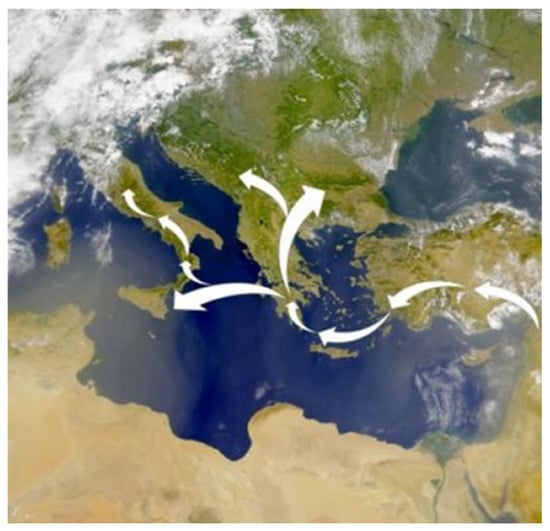
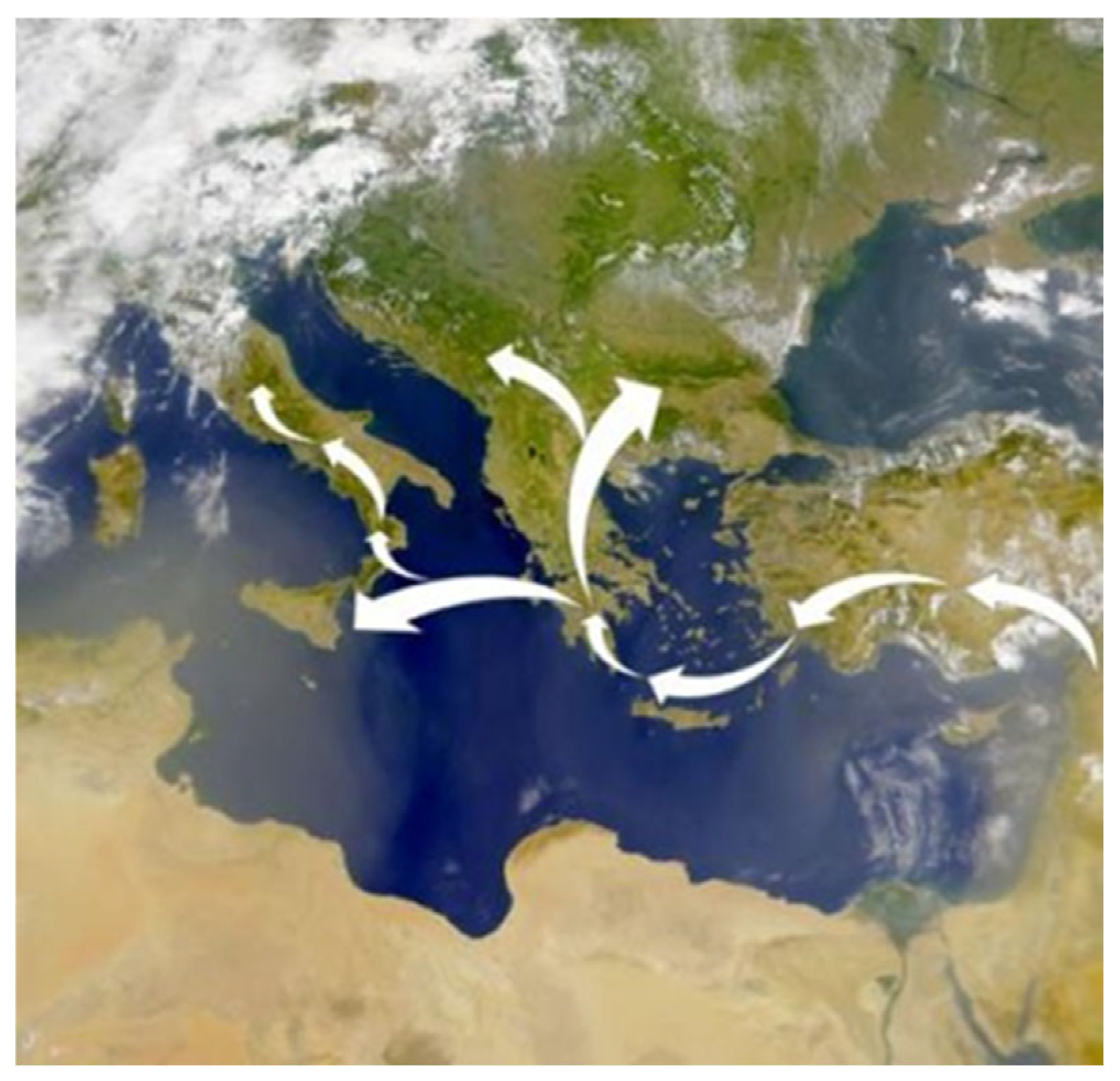
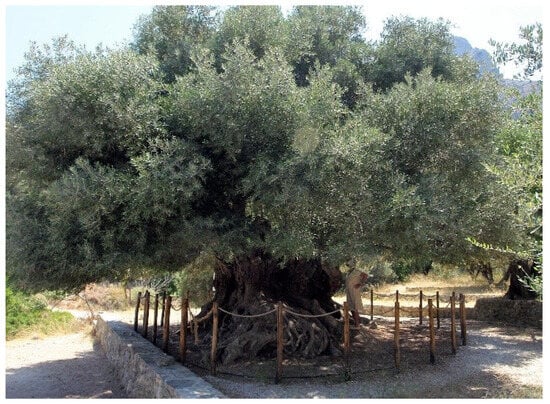
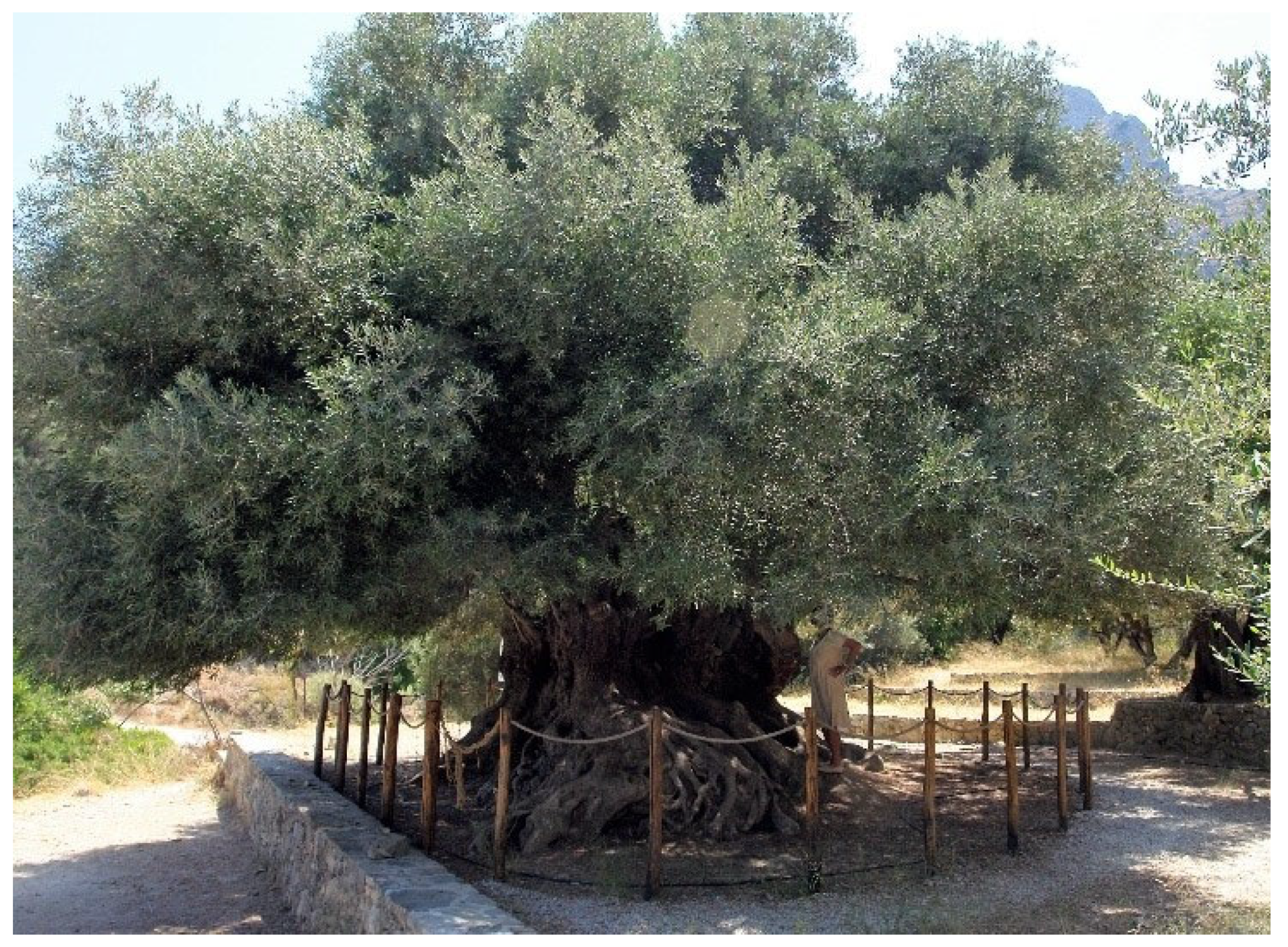
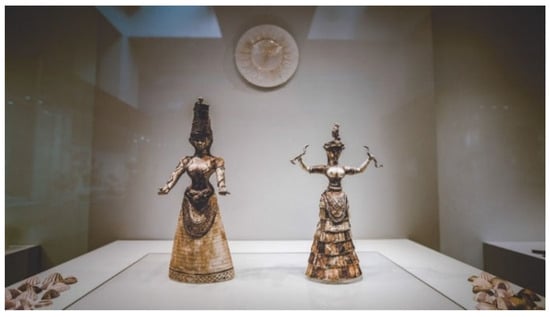
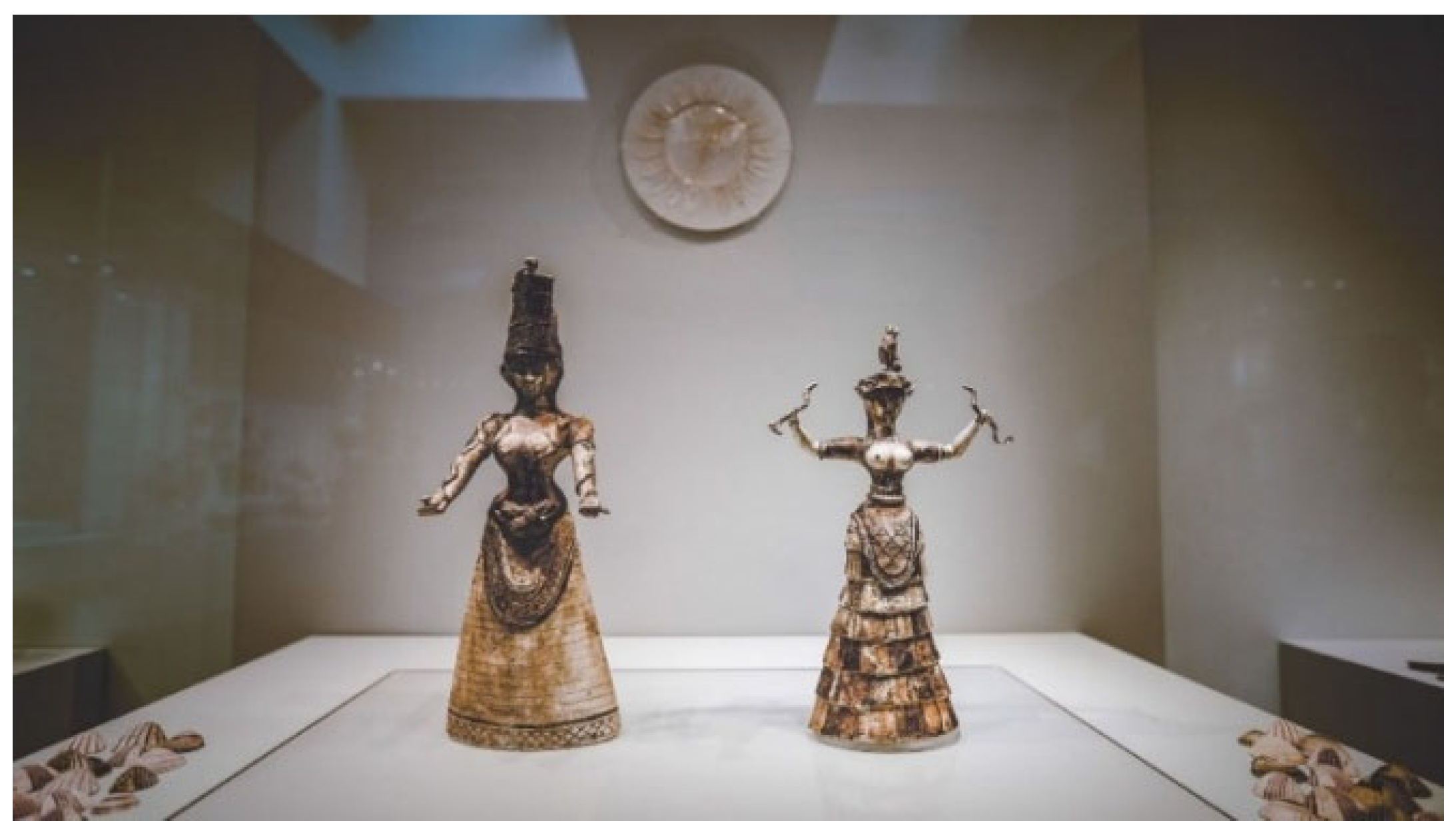
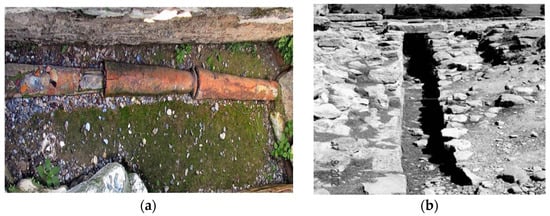
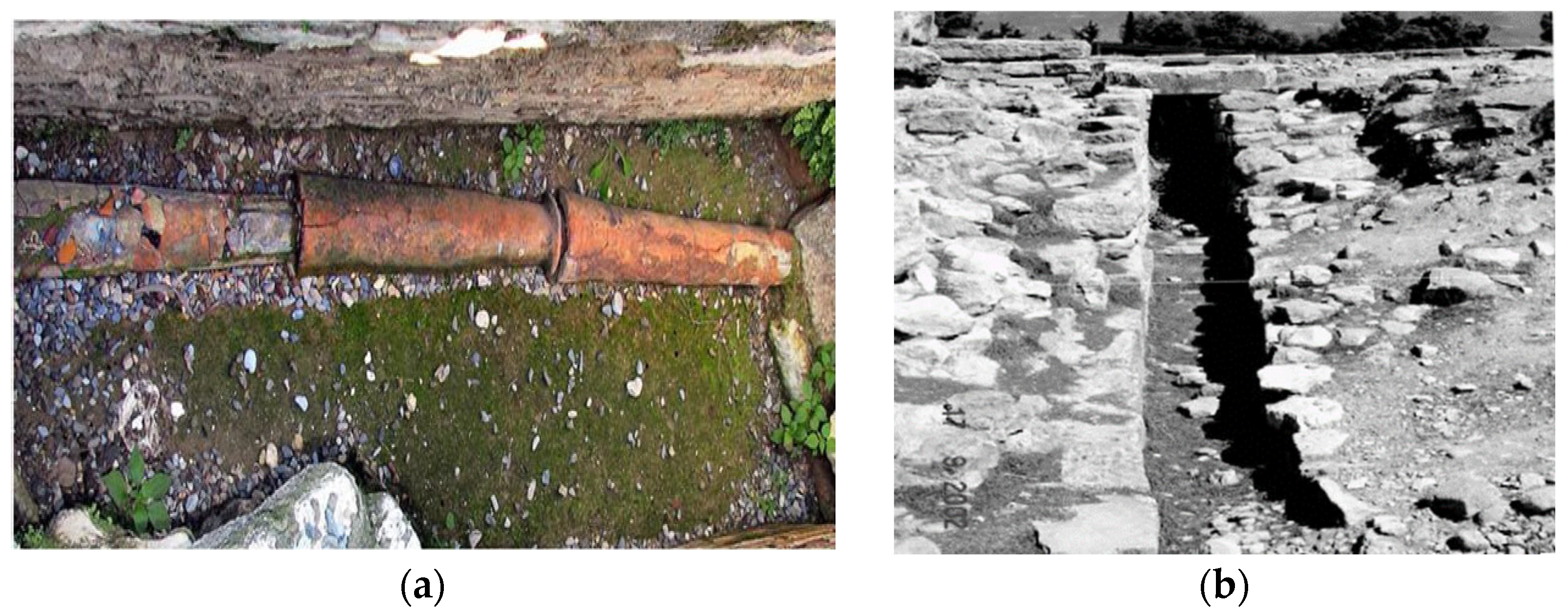
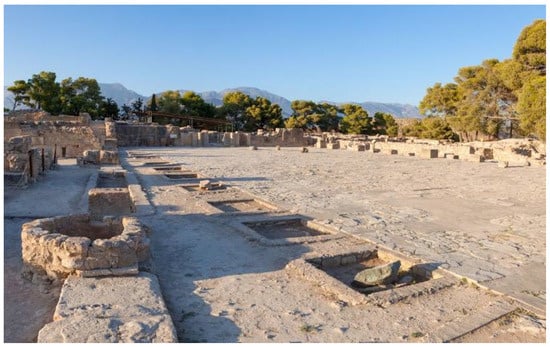
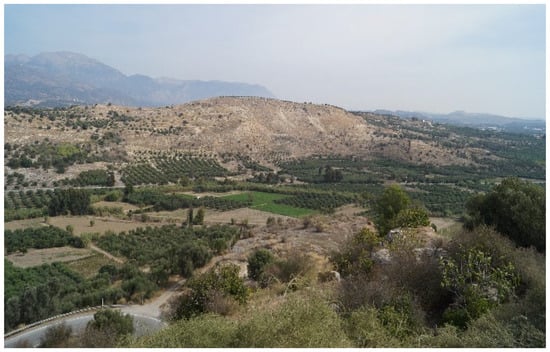
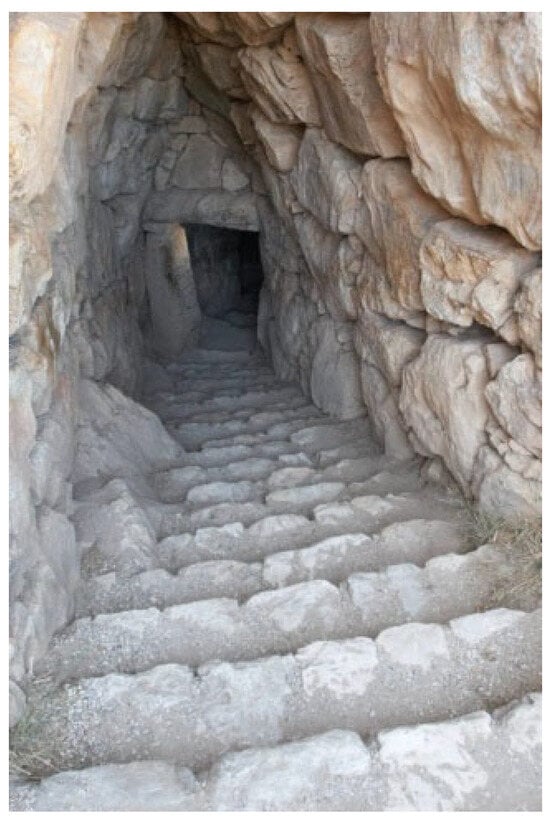
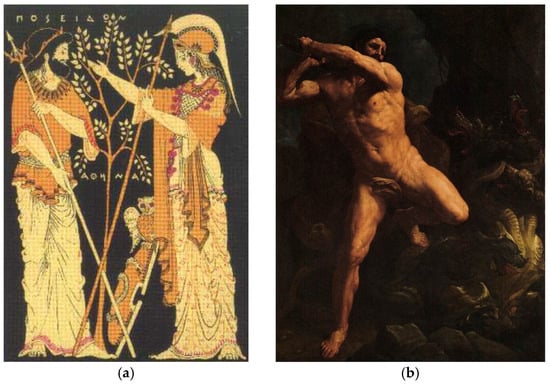
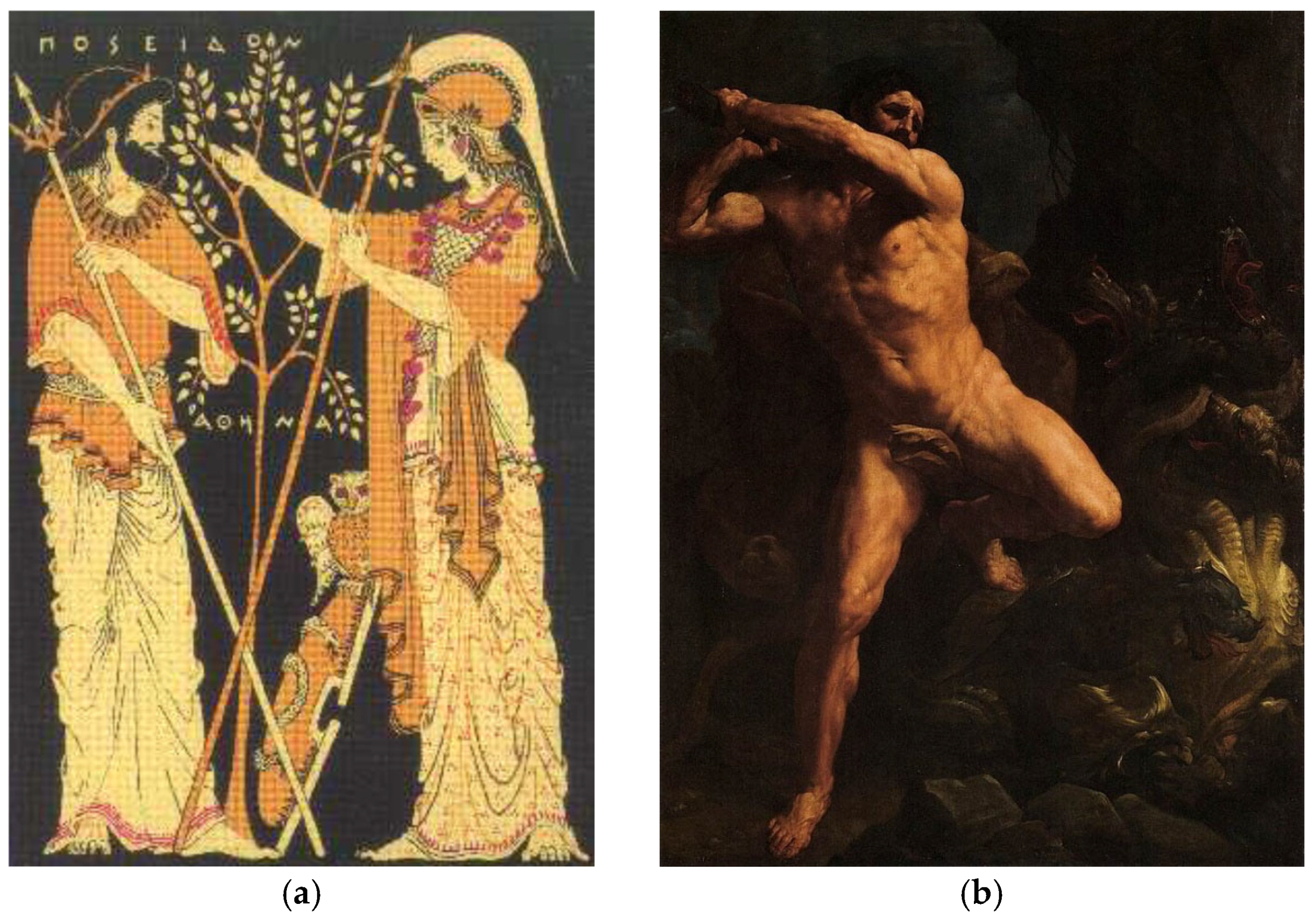
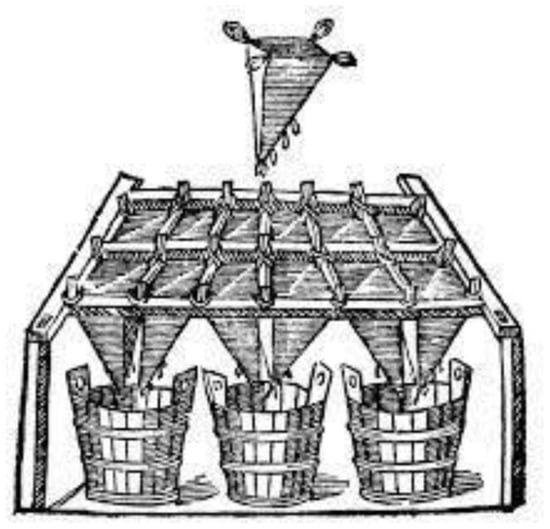
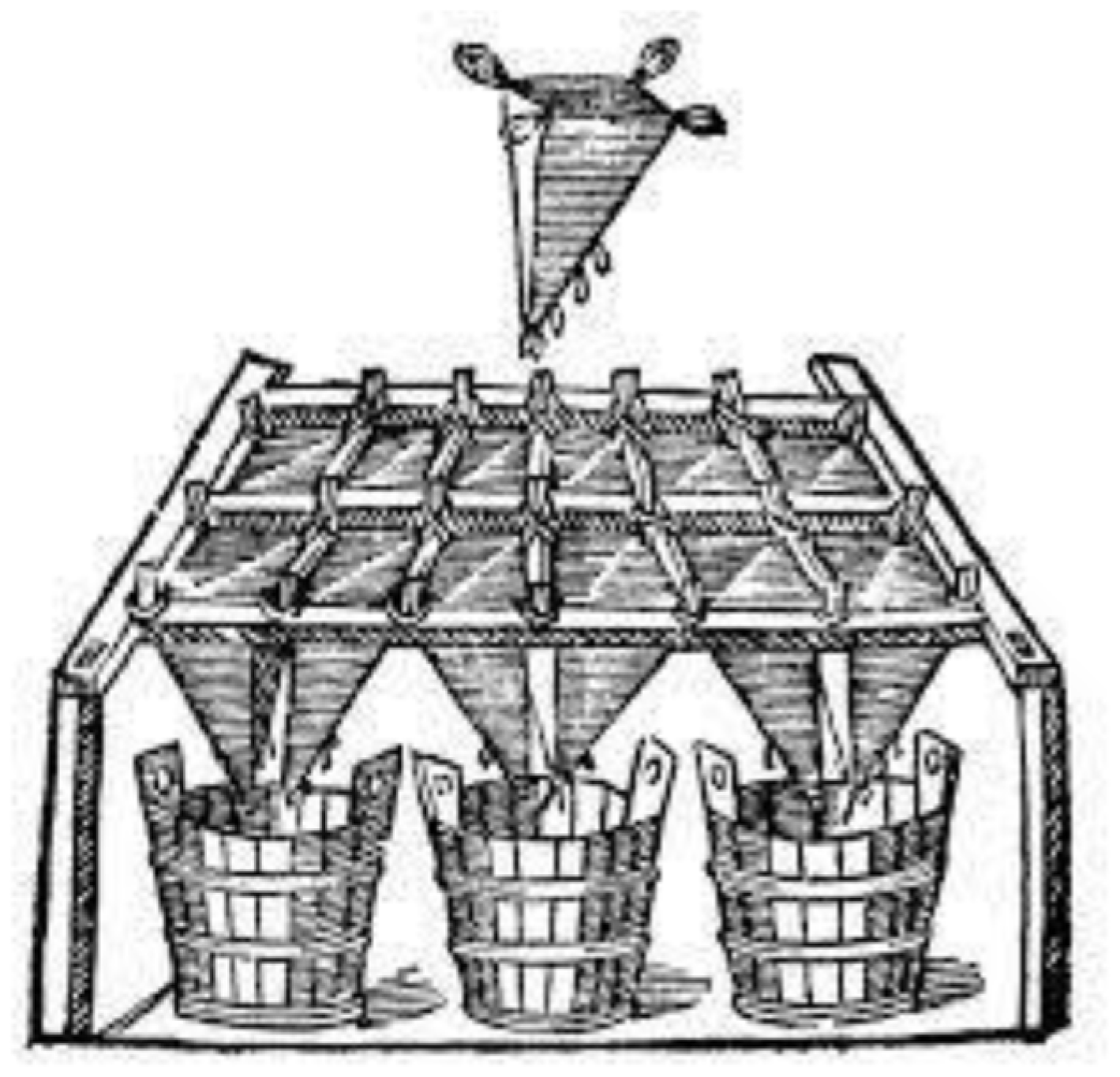
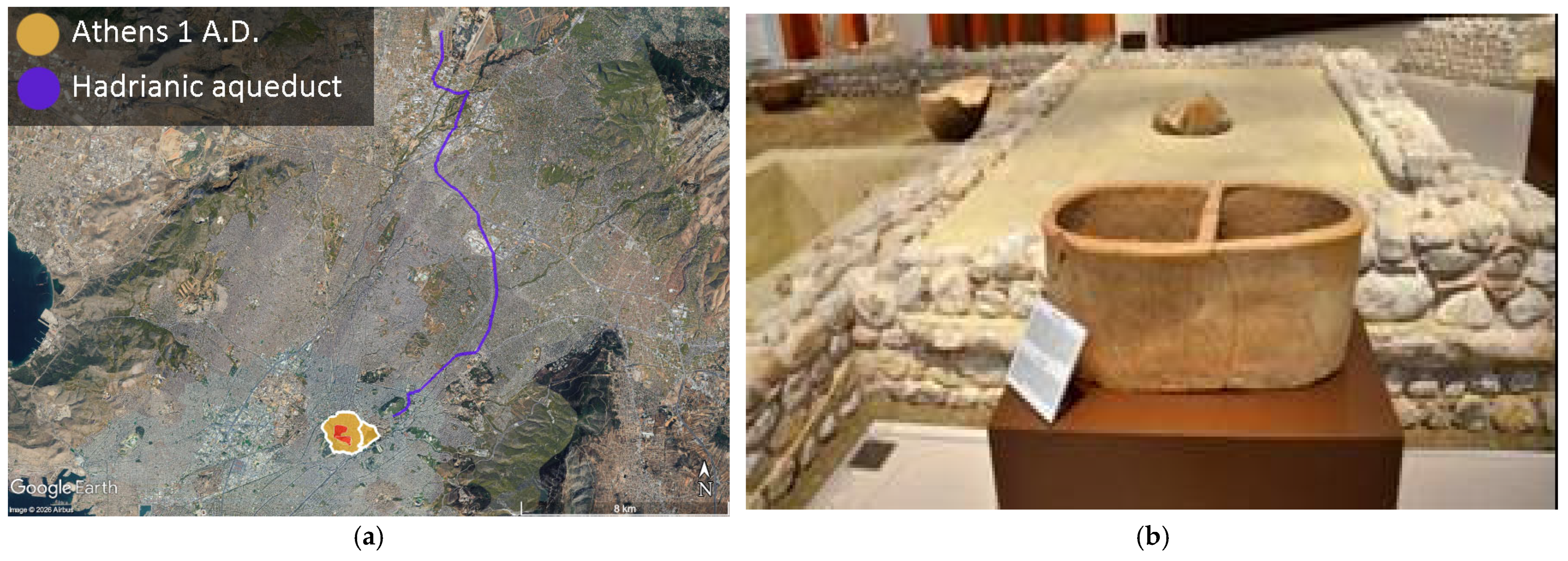
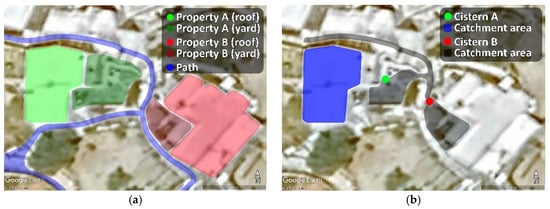
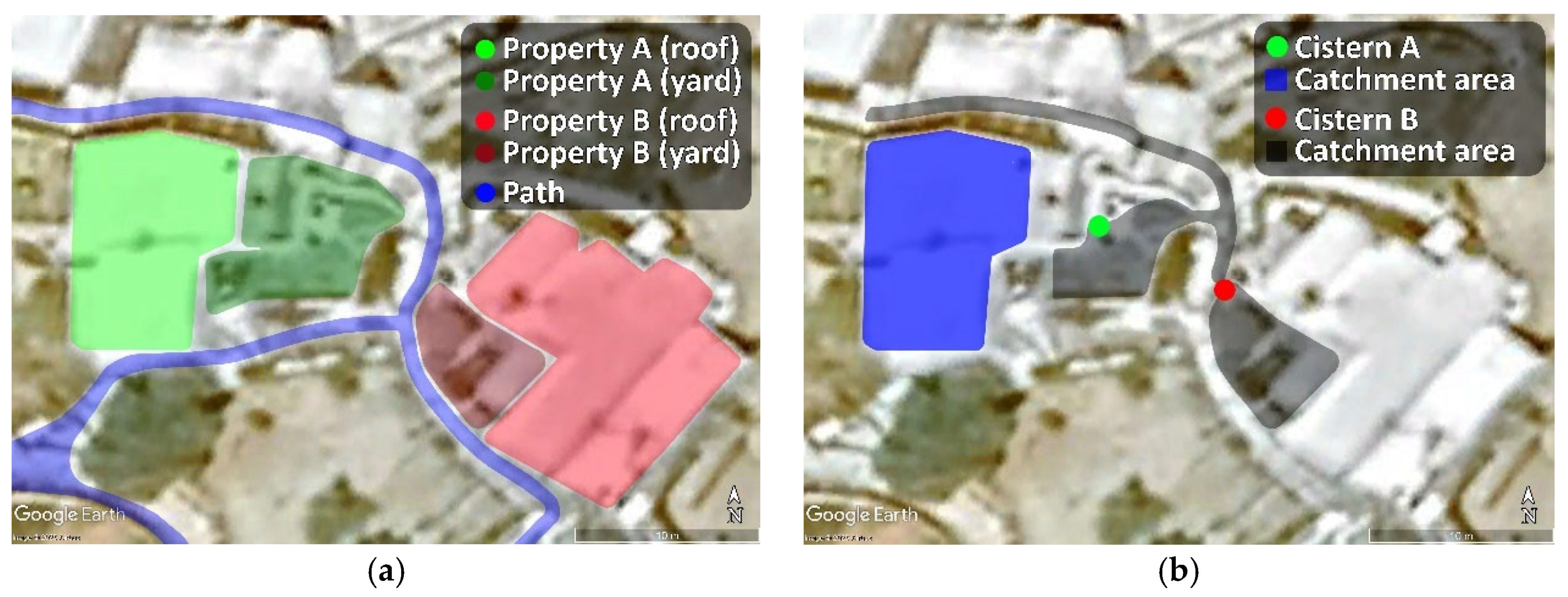
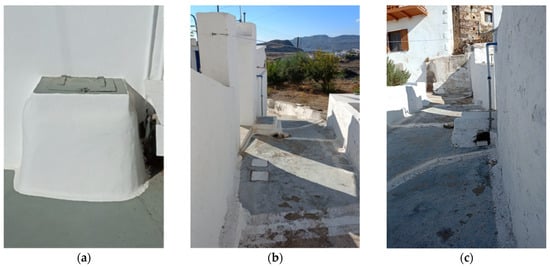
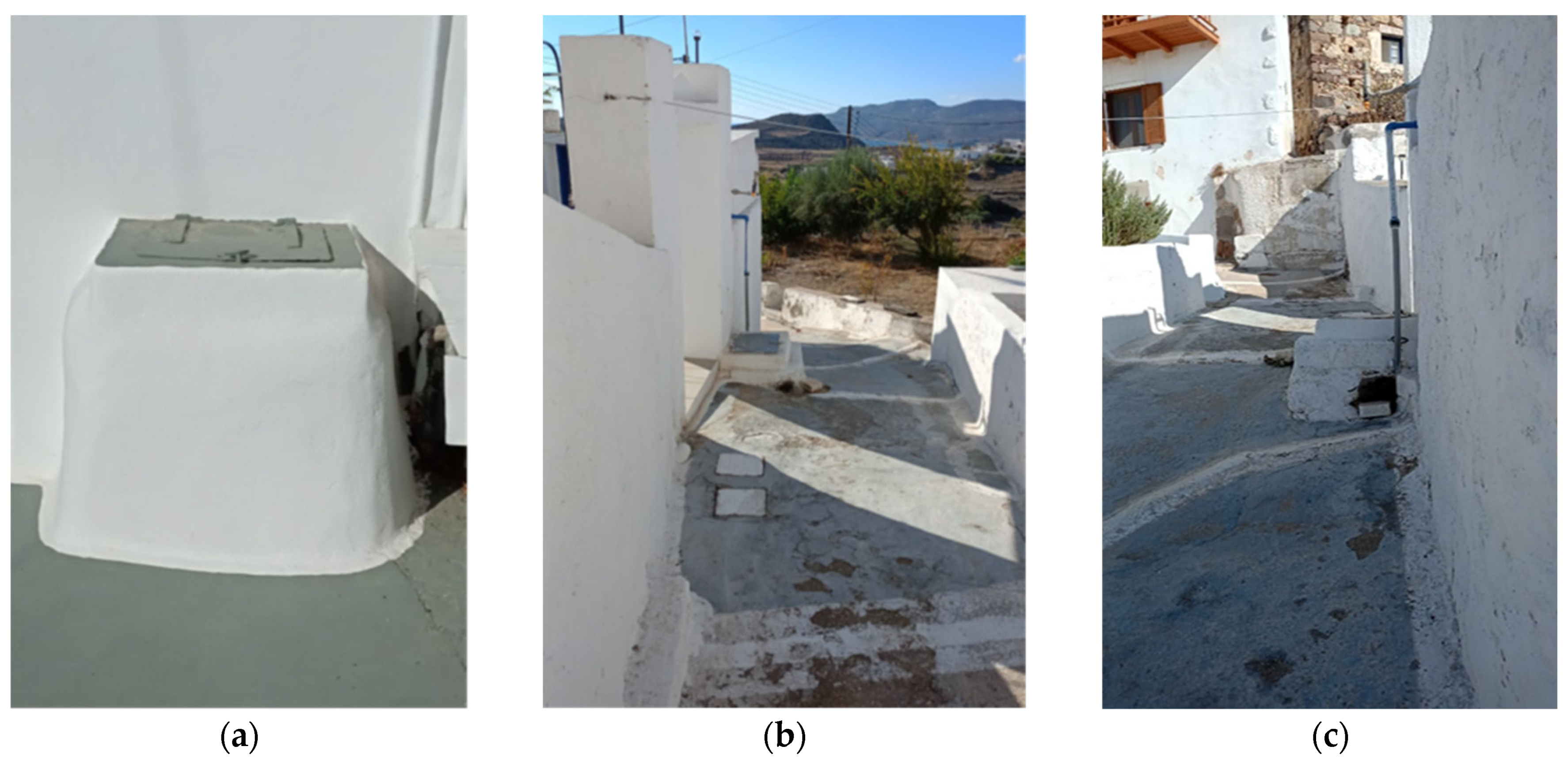
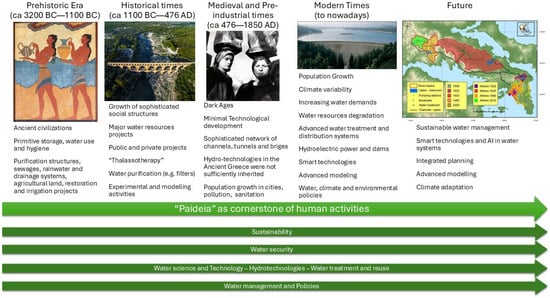
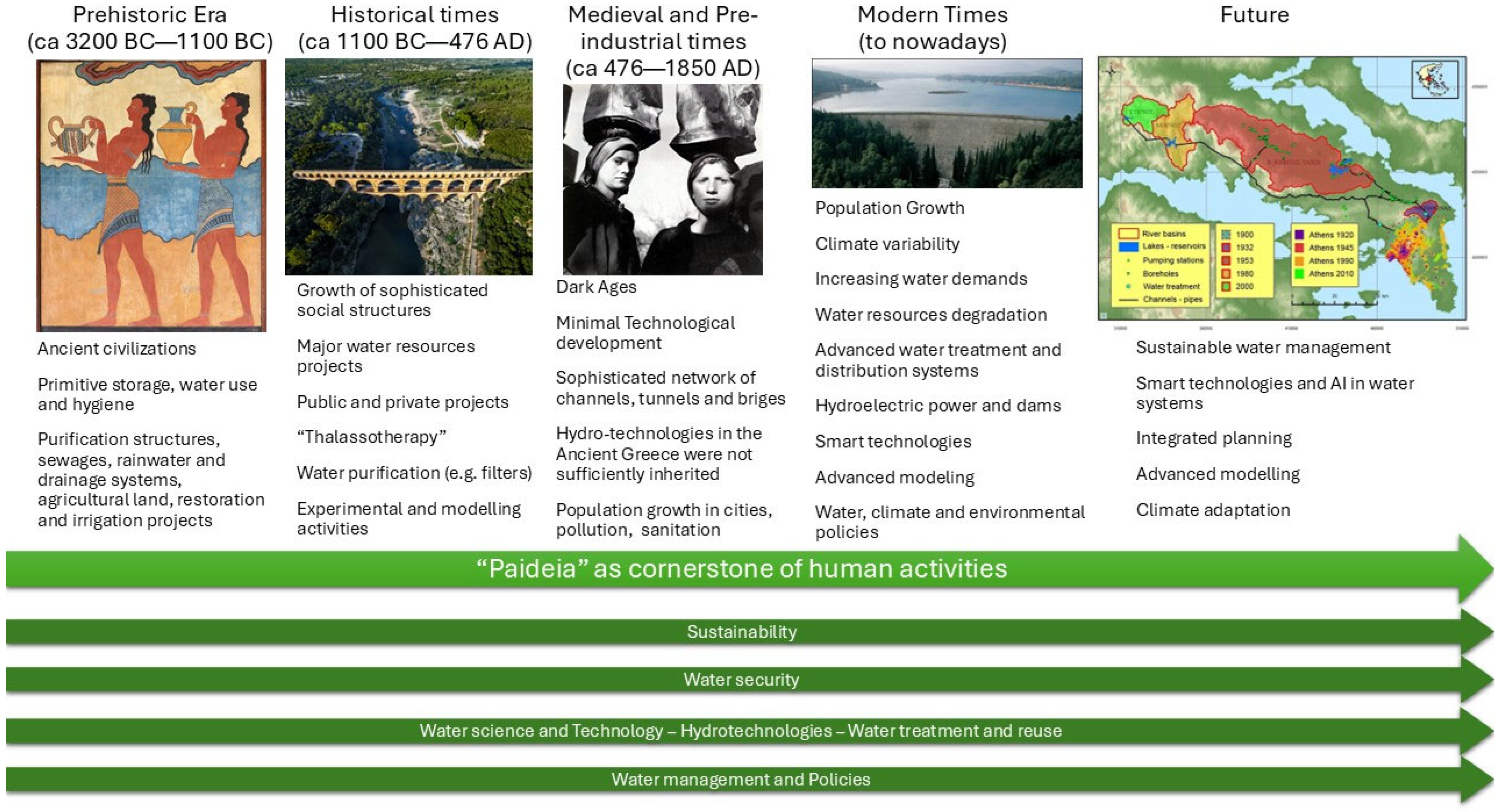

Disclaimer/Publisher’s Note: The statements, opinions and data contained in all publications are solely those of the individual author(s) and contributor(s) and not of MDPI and/or the editor(s). MDPI and/or the editor(s) disclaim responsibility for any injury to people or property resulting from any ideas, methods, instructions or products referred to in the content. |
© 2026 by the authors. Licensee MDPI, Basel, Switzerland. This article is an open access article distributed under the terms and conditions of the Creative Commons Attribution (CC BY) license.