


Abstract
The rapid adoption of immersive and adaptive digital technologies is redefining sustainability education, but the mechanisms by which these technologies support perceived sustainability outcomes remain unclear. This paper models the Digital Experiential Learning Ecosystem (DELE), including simulation, AR/VR, gamification, AI personalization, and collaborative digital platforms, as a higher-order construct. It discusses its role in Perceived Sustainability Outcomes through learning engagement. Basing the study on the Stimulus-Organism-Response framework, the study hypothesizes that the digital ecosystem design can be viewed as an environmental stimulus, engagement as the organismic processing state, and Perceived Sustainability Outcomes as the developmental response. The results, obtained using Partial Least Squares Structural Equation Modeling (PLS-SEM), indicate that DELE is positively associated with learning engagement and Perceived Sustainability Outcomes. Learning engagement is found to be the leading mechanism through which digital experiential environments are converted into perceived sustainability outcomes, but a smaller yet significant direct structural relationship also remains. These findings indicate that digital transformation within the education sector creates sustainable value not only through technological sophistication but also through carefully planned engagement-based learning environments that support systems thinking, applied problem-solving, and adaptive readiness to work in multifaceted environments. The research also advances the body of research on sustainability education by developing a model of digital learning as an integrated ecosystem and by explaining the psychological and structural processes of perceived sustainability outcomes.
1. Introduction
The convergence of immersive, interactive, and adaptive digital technologies is changing the modern educational systems at the system [1,2,3]. In the context of higher education and professional training, simulation-based learning, augmented and virtual reality (AR/VR), gamified educational frameworks, artificial intelligence (AI)-enabled personalization, and collaborative digital platforms are being incorporated into unified learning platforms more frequently than ever before [4,5]. Such a change represents moving away from content digitization toward designed experiential ecosystems. Instead of simply making instructional resources available online, higher education institutions are building interfaces that simulate realistic decision-making environments, provide adaptive feedback, model complex causal systems, and adjust task difficulty in real time [6]. In line with this technological revolution, Perceived Sustainability Outcomes has become a strategic educational focus. The modern socio-ecological challenges, such as climate adaptation, implementing a circular economy, optimizing resource use, and fostering ethical innovation, demand graduates who can think systemically, solve problems practically, self-learn, and adapt to changes in their professional environment [7,8]. The concept of sustainability education will thus require competence rather than superficial acquisition of knowledge [9]. Investments in immersive technologies have often been justified on the assumption that experiential digital space enhances higher-order abilities. But the processes by which digital experiential architectures affect Perceived Sustainability Outcomes remain poorly theorized [10].
Existing empirical research offers very useful though incomplete information on the educational settings that lead to immersive and adaptive digital technologies. Presence and short-term retention have been shown to improve in VR environments. Simulation-based systems can better externalize consequence chains and thereby enhance causal reasoning [11]; AI-based adaptive systems can reduce cognitive load through real-time calibration [12,13]; and gamified systems can increase engagement when aligned with instructional goals [13]. Although these findings indicate the potential of digital innovation, there are three fundamental limitations to theoretical and empirical progress. To begin with, research to date focuses on simulation, AR/VR, gamification, AI personalization, and collaborative platforms as individual instructional methods rather than as conceptually linked elements of a higher-order Digital Experiential Learning [14,15,16]. This fragmentation obscures systemic interactions between immersive visualization, adaptive calibration, interactive experimentation, and collaborative scaffolding and limits understanding of how integrated digital architectures influence cognitive and behavioral development. Second, engagement, motivation, or immediate performance outcomes remain the prevailing focus of empirical research [13,17].
In comparison, little attention has been given to Perceived Sustainability Outcomes, including systems thinking, applied problem-solving, initiative, and adaptive professional readiness [18,19,20]. Therefore, it remains unclear whether digital transformation is linked to enduring perceived sustainability outcomes or rather increases motivational states. Third, the explanatory processes between digital experiential environments and outcomes are insufficiently specified. Some studies do not clearly differentiate between the structural cognitive scaffolding relationship [21,22] and psychological activation processes [13], and do not explicitly model the relationships between the two within a well-structured theoretical framework such as the Stimulus–Organism–Response perspective. A theoretical explanation is incomplete without clarifying whether digital ecosystems are indirectly related to Perceived Sustainability Outcomes through learning engagement, directly through structural cognitive optimization, or through a combination of both. These limitations should be addressed to determine how integrated digital experiential architectures are translated into sustainability-focused outcomes rather than short-term experiential improvement.
This paper conceptualizes the Digital Experiential Learning Ecosystem (DELE) as a higher-order construct. Immersive visualization, adaptive calibration, interactive experimentation, and collaborative scaffolding together influence how learners allocate learning resources, create meaning, and regulate learning behavior. This second-order modeling logic is theoretically consistent with experiential learning, embodied cognition, distributed cognition, and cognitive load theory, which underline the role of the structured environment in shaping cognitive architecture.
To explain the mechanism pathways, this paper adopts the Stimulus–Organism–Response (S-O-R) model [23]. The structure within the framework of this study is that DELE is the environmental stimulus (S), Learning Engagement is the state of organismic processing (O), and Perceived Sustainability Outcomes are the response (R). Engagement refers to a long-lasting cognitive–behavioral investment in organized digital learning activities. It is analytically different from immersion or flow. Perceptual absorption is captured in immersion; the optimal alignment of challenge and skill is flow; and active task engagement is observed in the form of persistent and active use of resources, concentration, and participation. This difference is essential, as immersive exposure alone is not sufficient to ensure perceived sustainability outcomes. Students must cognitively process feedback, reflect on outcomes, and repeatedly plan and revise strategies. Simultaneously, digital ecosystems can have structural cognitive impacts irrespective of the intensity of motivation. Adaptive AI calibration optimizes the information rate and extraneous cognitive load. Simulation environments make causal systems external, facilitating systems reasoning. Immersive visualization enhances spatial and relational cognition. These characteristics imply that DELE can lead to Perceived Sustainability Outcomes indirectly through engagement and directly through structural cognitive scaffolding. In line with this, the tested partial mediation structure is in the proposed model.
In this research, Perceived Sustainability Outcomes are defined as the ability to think critically, develop applied problem-solving skills, learn independently, and remain adaptable to evolving professional requirements. This competence-based framing is consistent with current sustainability instructional paradigms that focus on practical competence rather than knowledge. When the digital ecosystem architecture is connected to competence formation, the study moves beyond the engagement-oriented assessment toward structural developmental analysis.
The following research questions guide this research:
RQ1:
Does the Digital Experiential Learning Ecosystem (DELE) positively influence Learning Engagement in sustainability-based education?
RQ2:
Does Learning Engagement improve Perceived Sustainability Outcomes?
RQ3:
Does Learning Engagement mediate the relationship between DELE and Perceived Sustainability Outcomes?
RQ4:
Does DELE have a direct structural impact on Perceived Sustainability Outcomes beyond engagement?
The study answers these questions, and in doing so, contributes as follows. In theory, it enhances sustainability education research by conceptualizing digital experiential environments as multi-level ecosystems rather than as detached technologies. It combines S-O-R logic and experiential and cognitive models to explain psychological and structural pathways. It uses Partial Least Squares Structural Equation Modeling (PLS-SEM) [24] to test both direct and mediated effects within a higher-order construct specification. Theoretically, it grounds digital learning research in perceived sustainability outcomes theory, offering a more critical evaluative perspective. Notably, the ecosystem-based design logic under analysis is not discipline-specific. Structural attributes, including adaptive calibration, immersive visualization, and consequence transparency, are effective at the cognitive architecture level but not at the subject-related content level, suggesting interdisciplinary applications in sustainability-oriented education.
2. Review of Literature and Hypothesis Development
2.1. Digital Experiential Learning Ecosystem as an Integrated Higher-Order Construct
The rapid convergence of immersive, adaptive, and interactive technologies has transformed digital learning from a set of isolated tools into integrated pedagogical systems. Instead of describing simulation, gamification, augmented and virtual reality (AR/VR), artificial intelligence (AI), personalization, and collaborative digital platforms as separate instructional interventions, the current study conceptualizes them as an integrated Digital Experiential Learning Ecosystem (DELE). This ecosystem indicates an organized arrangement of experiential affordances that cumulatively determine how learners engage with content, peers, and problem situations [14,15]. In terms of measurement, DELE is also a higher-order construct that consists of complementary dimensions (first order). Simulation offers directed decision conditions and the availability of consequences [21,25]. Gamification provides motivational scaffolding and goal-setting procedures [13,26]. AR and VR create the sense of immersive spatial presence and embodied interaction [18,22]. AI personalization is a real-time, dynamic adjustment of content difficulty and feedback [13,27]. Learners and technological artifacts share cognition through collaborative digital platforms [14,28]. These dimensions should not be seen as different manifestations of a single latent trait but rather as distinct yet mutually dependent experiential components. Therefore, PLS-SEM formative higher-order logic constructs DELE as a higher-order construct, comprising its dimensions. The learning principles used in the theoretical justification of DELE are based on experiential learning. Experiential Learning Theory assumes that learning is an iterative process that involves action, reflection, conceptualization, and experimentation [26,29]. This process is operationalized through digital ecosystems, which involve learners, positioning them in interaction and decision-making with demonstrable outcomes and the potential to be modified. Reflective cycle approaches in healthcare training using VR experiences, such as those shown to illustrate the use of VR in healthcare training, can be demonstrated through examples such as the typically repeated involvement in simulation scenarios, which enhance conceptual integration and reasoning for applications [26,30]. Embodied Cognition Theory also adds to the explanation of the cognitive advantages of immersive technologies. Environics sensorimotor interaction influences cognitive [14,27]. The AR and VR systems embed abstract ideas of sustainability and professionalism into the interaction space and strengthen mental representations and visualizations of the concept [22]. Experimental findings on individualized VR systems support better retention and mental functioning when cognitive interaction is based on embodied interaction [27]. Distributed Cognition Theory goes further and places learning as a distributed process amongst individuals, artifacts, and technology systems [14]. Personalization through AI, interactive dashboard, and group work externalize the processes of thinking [31]. With the help of such distributed architectures, DELE may improve learning efficiency and address the critical issues of algorithmic autonomy and transparency.
Notably, the synergizing of such affordances should be cognitively sensible. According to Cognitive Load Theory, immersive technologies can increase extraneous load when poorly designed [32]. Examples of AR environments are highly cognitively demanding, as students must process both physical and digital stimuli simultaneously [33]. Nevertheless, AI-based adaptive calibration has been established to lessen cognitive load by dynamically modifying task difficulty [13,27]. Thus, DELE-influenced practices rely on a harmonized intensity of experience and cognitive manageability rather than technological accretion. Collected, DELE is an environmental learning architecture based on the principles of experiences, embodied, and distributed cognition.
The second step is to describe the association of this architecture with learners’ internal states. Building on this theoretical foundation, the present study proposes a structural model in which the Digital Experiential Learning Ecosystem (DELE), conceptualized as a formative higher-order construct comprising simulation, gamification, AR/VR, AI personalization, and collaborative digital platforms, influences Perceived Sustainability Outcomes both directly and indirectly through learning engagement. In this framework, DELE represents the external experiential architecture, learning engagement reflects the internal cognitive–behavioral activation state of learners, and sustainability outcomes capture multidimensional perceived sustainability outcomes, including cognitive skills, applied problem-solving, initiative learning, and adaptive professional readiness. By modeling both direct and mediated pathways using PLS-SEM, the study empirically examines whether experiential digital affordances translate into sustainability-oriented competencies primarily through engagement mechanisms or whether ecosystem intensity independently contributes to outcome formation. This structural positioning allows the investigation of experiential learning processes within a sustainability outcomes framework rather than assuming deterministic technological effects, as shown in Figure 1.
Figure 1.
Framework of the Study.
2.2. Digital Experiential Learning Ecosystem and Learning Engagement
The conceptualization of learning engagement is based on a long-term cognitive, behavioral, and motivational investment in learning processes. Engagement must be differentiated from similar constructs. Immersion can be defined as a type of perceptual absorption in mediated environments, commonly referred to as VR [18,34,35]. Flow is an optimal state of challenge-skill fit that involves intense absorption. Engagement, on the other hand, is the ongoing effort, focus, and participation aimed at accomplishing tasks. Immersion and engagement are theoretically distinct, though immersion can lead to engagement, and vice versa. Increased engagement in immersive and adaptive learning environments has been consistently reported in empirical studies. The context of learning in the metaverse suggests that learners exhibit greater motivation and engagement than in conventional teaching [28]. Project-based learning using VR improves attentional persistence and classroom interaction in engineering [19,36]. VR Reflective-cycle strategies enhance presence and learning accomplishment [18,35]. Gamification systems based on AI also show substantial increases in engagement and decreases in cognitive load, enabled by real-time calibration [13,37]. These relationship are attributed to several mechanisms. First, immersive presence enhances environmental focus and attention [18,34,38]. Second, gamified progression structures and simulations compel learners to engage in simulation, which enhances agency and behavioral investment [15,21,39]. Third, adaptive personalization keeps the level of challenge at the optimal levels so that they do not become bored or frustrated [13,27,40]. Fourth, collaborative affordances improve social presence and mutual problem-solving activities [41].
Nevertheless, the connection between digital affordances and engagement is not necessarily positive. It has been shown that superficial gamification can perform poorly when the game mechanics conflict with the instructional goals [33,42]. Novelty is associated with temporary engagement, which then stabilizes [43,44]. Engagement, therefore, arises when the experiential design is in harmony with the cognitive intentions and motivational formations, rather than when technologies are merely implemented fearlessly. Based on these theoretical and empirical deliberations, it is projected that a combined digital experiential ecosystem will positively affect sustained learner engagement.
H1.
Digital Experiential Learning Ecosystem positively influences Learning Engagement.
2.3. Learning Engagement and Perceived Sustainability Outcomes
The conceptualization of perceived sustainability outcomes identified in this research is competence-oriented, encompassing critical thinking, applied problem-solving capacity, learning initiative, and adaptive professional preparedness. These dimensions represent the combined cognitive and behavioral abilities needed to respond to complex sustainability challenges at the workplace. The mechanism of engagement is an intermediate process between experiential exposure and perceived sustainability outcomes. Experience Learning Theory. It is based on the concept that active engagement in action reflection cycles organized strengthens conceptual integration and facilitates transfer [45,46]. Business learning through simulation promotes a sense of ownership in decision-making and causal reasoning [47]. VR reflective techniques improve the awareness of critical thinking and problem-solving [18,48]. Tutoring systems using XR enhance psychomotor competence and self-efficacy through sustained engagement [49,50]. These results indicate that a long-term interaction can focus cognitive resources on enhanced processing and synthesis. Notably, competence gains are not made in all types of engagement. Excitement without cognitive investment cannot lead to much learning [21,33,51]. There is evidence that outcome associations are stronger when engagement is seen as behavioral effort and cognitive concentration, rather than as positive, temporary enjoyment [15,28,52]. Therefore, engagement should be perceived as an active processing state rather than enthusiasm. Based on this, long-term engagement is likely to improve competencies associated with sustainability.
H2.
Learning Engagement positively influences Perceived Sustainability Outcomes.
2.4. The Mediating Role of Learning Engagement: An S–O–R Perspective
Digital Experiential Learning Ecosystems (DELE) explore how sustainability outcomes are developed under the influence of the Stimulus–Organism–Response (S-O-R) framework, which offers a theoretically consistent explanation of the relationship of digital experiences. In this rationale, DELE could be considered the environmental stimulus S, Learning Engagement the state of organismic internal processing O, and Perceived Sustainability Outcomes the behavioral response R. The major assumption of S-O-R theory is that perceived sustainability outcomes do not develop directly from environmental settings; instead, they tend to influence inner psychological states, which in turn determine learning outcomes. When implemented in immersive and adaptive digital spaces, simulation, AR/VR immersion, gamification, AI personalization, and collaborative platforms can change the circumstances in which learning takes place [53,54]. Nonetheless, critical thinking, applied problem-solving, and adaptive readiness are not necessarily generated after exposure to immersive technology [55]. Learners must make cognitive and behavioral investments in these experiences. Engagement, as the process of maintaining effort, focus, and active participation, is conceived as the process of internalizing environmental affordances and converting outcomes. Experiential Learning Theory supports the present mediational logic. Learning develops through repetitive action, reflection, and experimentation [18]. Reflective VR cycles indicate that perceived sustainability outcome gains emerge when learners actively participate in scenario analysis and strategic revision, rather than passively watching simulations [56]. Likewise, metaverse learning environments demonstrate that attendance is positively related to academic performance, which means that immersive exposure is an educationally valuable aspect when learners are kept cognitively engaged [57]. AI-centered VR systems enhance retention and cognitive achievement by maintaining engagement and adapting challenges to optimality [27,58], suggesting that engagement controls learners’ use of optimal instructional frameworks.
The mediating relationship of engagement can also be explained through Cognitive Load Theory. Simulation spaces enhance the complexity of information [59,60]. Such disengagement can divert cognitive resources to extraneous processing in case learners are not engaged. In comparison, engaged learners redirect working memory to germane processing, which facilitates schema building and conceptual assimilation. Therefore, engagement will help determine whether the structural benefits of DELE will be achieved in terms of significant cognitive gains. Engagement, immersion, and flow are concepts worth distinguishing. Immersion indicates the absorption of perception, flow indicates an ideal balance of challenge and skill, and engagement indicates a long-term investment in cognition and behavior. Although immersion can provoke engagement, and engagement can support flow, sustained engagement can help learners to process feedback, analyze consequences, and control strategy processes that are key to the development of sustainability outcomes. However, mediation is unlikely to be complete. Some of the structural attributes of the DELE, including adaptive calibration [27], visualization improvement [61], and consequence transparency in simulation [21], directly support cognitive processing that is independent of motivation intensity. The implications of these structural affordances are a partially mediated structure, in which engagement will convey a large part of DELE’s influence, but there will be some remaining direct effects. To this end, following the S-O-R theory and the principles of experiential learning, engagement will mediate the relationship between DELE and sustainability outcomes.
H3.
Learning Engagement mediates the relationship between Digital Experiential Learning Ecosystem and Perceived Sustainability Outcomes.
2.5. Direct Structural Effects of Digital Experiential Learning Ecosystem on Perceived Sustainability Outcomes
While the mediating role of learning engagement provides an important explanatory pathway linking digital experiential architectures to Perceived Sustainability Outcomes, limiting the explanatory model to motivational processes alone would understate the structural cognitive influence embedded within digital experiential learning ecosystems (DELE). Beyond increasing effort or attentional investment, DELE may directly reshape how learners encode, organize, and apply knowledge. This direct pathway is theoretically justified by cognitive architecture theories, representational alignment mechanisms, and decision-structure transparency embedded within immersive and adaptive systems.
First, personalized VR systems illustrate how structural calibration mechanisms enhance perceived sustainability outcomes independent of motivational intensity [62]. Dynamic adjustment algorithms that modify task difficulty, feedback timing, and informational complexity in real time optimize cognitive load distribution [63]. According to Cognitive Load Theory, learning is maximized when extraneous load is minimized and germane load—processing directly related to schema construction—is strengthened [64]. Personalized VR systems have demonstrated improvements in knowledge retention and mental performance precisely because they align task demands with learner readiness, thereby improving schema integration rather than merely increasing engagement [65]. This suggests that the structural architecture of adaptive systems directly enhances competence by optimizing information-processing efficiency. Even in the absence of elevated motivational states, learners benefit cognitively from calibrated instructional design. Second, adaptive AR guidance further illustrates how structural scaffolding influences the formation of perceived sustainability outcomes. Adaptive-association guidance systems in AR environments have been shown to enhance recall performance while simultaneously reducing mental effort [31,66]. These systems do not simply make learning more interesting; they alter the cognitive sequencing of information presentation. By adjusting prompts and cues based on performance patterns, adaptive AR restructures representational encoding pathways, strengthening memory consolidation. This relationship operates at the level of cognitive processing architecture rather than at the level of emotional investment. Thus, even when learner engagement remains constant, adaptive structural guidance improves recall efficiency and conceptual organization. Third, simulation-based learning environments provide another example of direct cognitive scaffolding. Simulation strengthens causal reasoning by rendering decision consequences visible and temporally traceable [21,67]. In traditional instruction, learners often encounter abstract theoretical principles detached from dynamic consequence systems. Simulation, by contrast, embeds learners within structured environments where decisions produce measurable outcomes. This consequence of visibility enhances systems thinking and causal inference. The cognitive benefit arises from structural alignment between action and feedback, not solely from increased engagement. The architecture of simulation itself promotes deeper reasoning by externalizing causal chains and enabling iterative refinement. Consequently, perceived sustainability outcomes may occur even when motivational differences are minimal, because the structural environment reorganizes reasoning patterns.
Similarly, immersive VR laboratories enhance visualization capacity and systems reasoning in applied contexts [22,68]. Spatial representation plays a critical role in complex sustainability challenges, which often involve interdependent variables and multi-layered systems. VR laboratories allow learners to manipulate representations of micro- and macro-level phenomena, strengthening their mental modeling capacity. Visualization improvement is not merely a function of emotional engagement but a representational restructuring process. Embodied Cognition Theory suggests that sensorimotor interaction enhances conceptual abstraction [14,27,69]. Thus, immersive spatial interaction can directly strengthen systems-level understanding, which constitutes a core component of perceived sustainability outcomes. Importantly, these structural effects align with representational fidelity principles. High-fidelity immersive environments [70], when pedagogically aligned, reduce abstraction gaps between theory and application [71]. The bridging of theoretical constructs with simulated practice strengthens transfer potential by embedding knowledge within context-rich frames. Transfer is more likely when learners encode information within structures that resemble real-world application contexts [22,72]. Therefore, the structural authenticity embedded within DELE may directly improve applied competence independent of motivational mediation.
Furthermore, distributed cognition perspectives reinforce this logic of direct relationships. Digital dashboards, adaptive prompts, collaborative virtual workspaces, and AI-generated analytics distribute cognitive scaffolding across technological systems [73]. These artifacts externalize complex reasoning processes, enabling learners to process information more effectively. When digital systems support reasoning by organizing data, highlighting anomalies, or sequencing tasks, competence growth may occur through enhanced cognitive structuring rather than heightened engagement. In this sense, DELE modifies the epistemic environment itself.
However, the presence of structural cognitive benefits does not imply unconditional effectiveness. Poorly aligned immersive environments may increase extraneous load and fragment cognitive processing [74]. Overly complex simulations may overwhelm novice learners, diminishing competence gains despite high technological sophistication. Thus, the direct relationship of DELE on Perceived Sustainability Outcomes depends on design coherence. Structural optimization must align with pedagogical objectives and learner readiness.
Additionally, the direct pathway is theoretically distinct from the engagement-mediated pathway. Engagement reflects effortful investment and sustained participation. Structural scaffolding, by contrast, modifies cognitive representation and information architecture. A learner may exhibit moderate engagement but still benefit from optimized cognitive structuring embedded within adaptive systems. Conversely, high engagement in poorly structured environments may not produce equivalent competence gains. Recognizing this distinction clarifies why partial mediation is theoretically appropriate: engagement transmits motivational energy, while structural architecture independently shapes cognitive processing. Perceived sustainability outcomes, as conceptualized in this study—encompassing critical thinking, applied problem-solving, initiative-driven learning, and adaptive readiness—require integrated cognitive capabilities. These capabilities depend on schema construction, systems reasoning, and contextual transfer. DELE’s structural affordances directly support these capabilities by enhancing visualization, calibrating complexity, externalizing causal relationships, and embedding knowledge within experiential frames [21,22,27,31].
Therefore, beyond motivational mechanisms, DELE is expected to exert a direct structural influence on Perceived Sustainability Outcomes.
H4.
Digital Experiential Learning Ecosystem positively influences Perceived Sustainability Outcomes.
2.6. Cross-Domain Generalization
Evidence supporting these relationships spans engineering [19], healthcare [18,75], business [21,76], and science education [26,33]. Although disciplinary content varies, the underlying cognitive mechanisms—immersion, adaptive calibration, decision-consequence visibility, and distributed scaffolding—are structurally consistent. Therefore, cross-domain generalization is defensible because DELE operates through universal learning processes rather than content-specific features.
3. Methods
3.1. Research Design
The research design adopted in this study was a quantitative cross-sectional design to test the structural relationships between Digital Experiential Learning Ecosystem (DELE), Learning Engagement, and perceived Sustainability Outcomes. It was conceptualized by the theory and corresponded to the Stimulus-Organism-Response (S-O-R) model, according to which DELE was the environmental stimulus, Learning Engagement was the organismic processing state, and Perceived Sustainability Outcomes was the developmental response. The survey-based research approach was chosen due to the nature of the constructs of interest, which are latent psychological and perceptual items, and because multi-item measures are necessary to produce reliable and valid results. The cross-sectional design was useful for obtaining data on a particular academic cohort over a specific period, allowing hypothesized structural relationships to be tested with minimal contextual variance. Given the hierarchical modeling framework of DELE and the mediation pathways of the conceptual model, Partial Least Squares Structural Equation Modeling (PLS-SEM) was used to analyze the data. The Digital Experiential Learning Ecosystem (DELE) is modeled as a higher-order construct, meaning that it represents a composite of multiple interrelated dimensions—simulation, AR/VR, gamification, AI personalization, and collaborative platforms—that jointly capture the overall experiential learning environment rather than functioning as independent elements. PLS-SEM is especially appropriate when higher-order constructs and indirect relationships are involved, as well as when predictive evaluation and theory extension are the research goals. This method enables the simultaneous assessment of measurement reliability, construct validity, and structural relationships, without the rigid conditions of multivariate normality.
3.2. Population and Sampling Criteria
The sample of the present study comprised students who are pursuing higher education degrees in Saudi Arabia, where immersive and adaptive digital learning technologies are actively implemented in academic programs. Saudi Arabia offers a topical empirical background due to ongoing digital transformation initiatives in higher education and the growing focus on sustainability-oriented learning outcomes. Simulation-based learning, the use of AR/VR for instruction, AI-based customization, the gamification of learning processes, and collaborative digital platforms have increasingly become part of structured coursework at universities in the Kingdom. The environment is an appropriate place to explore the relevance of integrated digital experiential ecosystems in the development of Perceived Sustainability Outcomes. To be institutionally and contextually diverse, data were gathered across five universities in various geographic areas of Saudi Arabia. This sample consisted of two state (government) universities and three private universities, thus offering diversity in institutional governance structures, technological levels of infrastructure, and methodologies. The institutions involved were selected to cover the western, central, southern, and eastern parts of the Kingdom, minimize potential regional bias, and enhance the contextual representativeness of the results. Inclusion of both public and private institutions was intended to increase generalizability across higher education settings in Saudi Arabia. The subjects had to fit certain inclusion criteria. To begin with, the respondents had to be enrolled in one of the sampled universities, either in a postgraduate or an undergraduate course. Second, they needed to have finished at least 1 academic course or structured unit that included immersive or adaptive digital learning technologies, such as simulation-based systems, AR/VR platforms, AI-supported or personalization platforms, gamified learning systems, or collaborative digital platforms. Third, participants had to be established as having exposure to sustainability-related content, projects, or applied problem-solving activities in digital learning settings. These criteria were used to ensure that answers were grounded in real-world interaction with digital ecosystems rather than in abstract views of technology. The initial aim of the study was to obtain approximately 1000 respondents to achieve sufficient statistical power and model stability. The data were screened, and incomplete and nonresponsive responses were removed, leaving a final usable sample of 823 valid responses. The obtained sample size exceeded the recommended sample size for structural equation modeling. In accordance with the common rule of thumb in behavioral research, a sufficient sample size can be estimated at 20 times the number of measurement items in the instrument. However, given the number of identified indicators used to measure the constructs in the current research, the end sample was significantly larger than the required minimum, thereby enabling effective estimation of higher-order constructs and mediation relationships in the context of PLS-SEM [77]. The sample size was validated using post hoc analysis [78] (Refer to Appendix B). The responses would be eliminated if participants stated they had no significant engagement with immersive digital learning devices, if questionnaires were not completed, or if the pattern of responses demonstrated a careless style of answering. Such screening processes were carried out to maintain analytical validity and ensure that the final dataset comprised students with sufficient exposure to digital experiential learning ecosystems in the Saudi higher education setting. The sampling strategy enhances the reliability, representativeness, and analytical strength of the study in the constantly changing Saudi school system by integrating institutional diversity, geographic spread, and a sufficiently powered sample size.
3.3. Data Collection Procedure
The data were gathered using an online, structured questionnaire distributed via academic channels. Participants were invited by stating the aim of the work, the voluntary nature of their participation, and the guarantee of confidentiality and anonymity. Informed consent had to be obtained before the survey was conducted. The personal interview questionnaire was administered during a stable academic period to minimize bias from external factors, such as examination pressure. The electronic format also guaranteed standardized presentation of items and enhanced accessibility. Reminder communications were disseminated to improve the response rates, and voluntary participation was maintained. Data collection was limited to a specific time frame to ensure context was not lost.
3.4. Instrument Development and Measurement
DELE was conceptualized as a higher-order construct because it represents a multidimensional ecosystem composed of interrelated digital learning components. Each first-order construct captures a distinct aspect of the learning environment and, together, forms the broader DELE structure. Accordingly, a reflective–formative specification was adopted, in which indicators reflect their respective lower-order constructs, which jointly form the higher-order DELE construct. In this framework, outer loadings represent the strength of the relationship between indicators and their respective constructs. At the same time, formative weights indicate the relative contribution of each dimension to the overall DELE construct. The higher-order construct was estimated using the two-stage approach, which is appropriate for reflective–formative hierarchical component models and reduces estimation complexity while preserving construct validity.
The survey instrument was designed on an established theoretical basis and modified to align with this study’s conceptual framework. A five-point Likert scale was used to measure all constructs, ranging from strong disagreement to strong agreement. This scale form was adopted to balance respondent clarity and the measurement’s sensitivity. The Digital Experiential Learning Ecosystem (DELE) was designed as a higher-order construct comprising five first-order dimensions: simulation, gamification, AR/VR immersion, AI personalization, and collaborative digital platforms. The dimensions included reflective measures, with several items assessing perceived realism, interactivity, adaptive feedback, and collaborative affordances. The higher-order structure was modeled to reflect the systemic interdependence of these experiential components rather than treating them as independent technological characteristics. The concept of Learning Engagement was operationalized as a persistent cognitive and behavioral commitment to the digital sustainability learning practices. The way of measuring was based on effort, concentration, persistence, and involvement, which differentiated engagement and affective immersion or experiential enjoyment. Perceived Sustainability Outcomes were characterized as a multidimensional developmental outcome encompassing systems thinking, practical problem-solving skills, self-directed learning, and adaptability to professional roles. The items measured respondents’ perceived capability to analyze complex sustainability issues, integrate knowledge from real-life situations, and adapt to changing environmental and professional requirements (see Appendix A). The questionnaire was reviewed in a pilot before full deployment to identify clarity, logical sequence, and consistency of the concepts. Minor revisions were made to improve readability without altering the meaning of the construct. This step involves examining the data to detect discrepancies or errors and standardizing it. The next stage is data Screening and preparation, where the data are screened for abnormalities or mistakes, such as standardization. After data collection, responses were screened to ensure quality and completeness. Questionnaires that were not filled out were excluded, and patterns of response were analyzed to determine whether there was straight-lining or consistent responding to questions. Observations with unrealistic completion times were excluded to minimize the risk of careless participation. Data patterns of missing data were considered to ensure that retained data were appropriate in structural modeling. The steps here made the further statistical analyses sound. Internal consistency reliability was also measured using Cronbach’s alpha, rhoA, and composite reliability to assess the consistency of the indicators. Average variance extracted (AVE) was used to test convergent validity and to determine whether constructs extracted an adequate amount of variance from their respective indicators. The Heterotrait–Monotrait ratio was also used to evaluate discriminant validity and establish empirical differentiation among constructs. Hierarchical component modeling procedures that are suitable for reflective-formative specifications were used to evaluate the higher-order construct. By doing this, it was possible to evaluate both the lower-order dimensions and their joint expression in the DELE construct. After validation of the measurement model, the structural model was examined to test the hypothesized relations. Collinearity diagnostics were also performed to ensure that predictor constructs did not exhibit undesirable multicollinearity. The significance of direct and indirect relationships in the model was tested using bootstrapping procedures. The mediating role of Learning Engagement was assessed by analyzing direct relationships between the DELE and Perceived Sustainability Outcomes, as well as indirect pathways through engagement. This process enabled the identification of partial mediation consistent with the theoretical framework. Model fit indices and predictive relevance measures were used to assess the structural model’s explanatory power and overall fitness. Refer to Supplementary Material for details.
3.5. Data Screening and Preparation
After data collection, responses were screened to maintain quality and completeness. Unsuccessful surveys were dropped, and the pattern of responses was checked for straight-lining or consistent responses to items. The observations with unrealistic completion times were also eliminated, and steps were taken to minimize the possibility of careless participation. Missing data patterns were also analyzed to verify that the retained responses were appropriate for modeling the structure. Such procedures have ensured the robustness of subsequent statistical analysis.
3.6. Measurement Model Assessment
Structural testing was followed by evaluation of the measurement model. Cronbach’s alpha, rho A, and composite reliability were used to assess internal consistency and ensure stability of the indicators. The analysis of convergent validity was performed using Average Variance Extracted (AVE) to ensure that the indicators captured the constructs. The Heterotrait–Monotrait ratio was used to assess discriminant validity and establish empirical specificity among constructs. The hierarchical component modeling procedures, which were suitable in reflective-formative specifications, were used in assessing the higher-order construct. The strategy allowed for evaluating the lower-order dimensions and how they are reflected in the aggregate construct of DELE.
3.7. Structural Model Evaluation
Once the measurement validity was established, the structural model was tested to test the hypothesized relationships. Collinearity diagnostics were conducted to verify that there was no problematic multicollinearity among the predictor constructs. Tests of the significance of direct and indirect relationships in the model were conducted using bootstrapping procedures. The mediating relationship of Learning Engagement was tested by examining direct and indirect paths between DELE and Perceived Sustainability Outcomes. The process allowed the finding of partial mediation in agreement with the theory. The indices of model fit and predictive relevance were discussed to determine the strength of the explanations and the overall appropriateness of the structural model.
3.8. Ethical Considerations
The research was conducted in accordance with the required ethical standards in the field of education. Participation was voluntary, informed consent was obtained before data collection, and anonymity was ensured throughout the research process. No personally identifiable data was collected, and all responses were used solely for academic purposes.
4. Data Analysis and Interpretation
4.1. Measurement of Model
The measurement model was used to ensure that all study variables—such as digital learning ecosystem, engagement, and perceived sustainability outcomes—were accurately and consistently captured. Reliability and validity tests confirmed that the survey items effectively represent their intended concepts and are clearly distinct from each other. This provides confidence that the subsequent analysis is based on sound and meaningful measurements.
The measurement model, as shown in Table 1, demonstrates satisfactory reliability. As shown in Table 1, the measurement model demonstrates good reliability and validity across all constructs. All constructs have a high internal consistency because the value of Cronbach’s alpha (0.70), rhoa (0.70), and composite reliability (0.70) is greater than the recommended value (0.70) of the coefficients. Learning Engagement has slightly lower alpha and rhoA values, but they remain within the acceptable range for exploratory and behavioral research. Convergent validity is also supported, as all Average Variance Extracted (AVE) values exceed the minimum of 0.50, indicating that each construct explains more than half of the variance in its indicators. Discriminant validity is also attained. The highest HTMT value is lower than the conservative value of 0.85, indicating that the construct is empirically different from the others. Though the Learning Engagement and Perceived Sustainability Outcomes demonstrate relatively higher HTMT values (0.604), they are quite reasonable, indicating sufficient separation of the construct. In general, the measurement model meets the requirements of reliability and convergent and discriminant validity, which is the main reason for concluding that the structural model analysis is sound. As shown in Appendix C, all outer loadings exceed the recommended threshold of 0.70, indicating satisfactory indicator reliability. The results confirm that all constructs demonstrate adequate reliability, with indicator loadings ranging from 0.722 to 0.896. These findings support the suitability of the measurement model for subsequent structural analysis.
Table 1.
Measurement Model Assessment (Reliability, Convergent, and Discriminant Validity).
The collinearity test in Table 2 shows no multicollinearity issues, as all VIFs fall within the range of 1.314 to 1.907, which is much lower than the recommended 3.3 (or even 5.0). This proves that there is no problematic overlap between the predictor constructs. The model fit indices indicate good overall fit. The SRMR value of 0.043 is below the acceptable level of 0.08, indicating that the model is well-fitting. The d ULS (0.872) and d G (0.266) are within acceptable thresholds, providing evidence of the model’s adequacy. The NFI value of 0.853 indicates a reasonable fit for PLS-SEM, especially in complex behavioral models. In terms of explanatory power, the model explains 7.5 percent of the variation in Learning Engagement (Adjusted R2 = 0.069), which is not strong. The model, on the other hand, accounts for 24.6% of the variance in the Perceived Sustainability Outcomes (Adjusted R2 = 0.240) and is indicated to have moderate explanatory strength. All in all, the structural model provides a good fit and acceptable predictive strength, especially for results related to sustainability.
Table 2.
Collinearity, Model Fit, and Structural Model Assessment.
The structural model was used to examine the relationships between the digital experiential learning ecosystem (DELE), learning engagement, and perceived sustainability outcomes. The results indicate that DELE is positively associated with engagement, which, in turn, is related to perceived sustainability outcomes, with engagement playing an indirect role consistent with mediation. Overall, the model explains a meaningful portion of variation in students’ perceived sustainability outcomes.
Table 3 presents the hypothesis testing for the study; the results indicate that H1 predicts that the Digital Experiential Learning Ecosystem positively influences Learning Engagement. The results confirm this relationship (β = 0.273, t = 9.185, p < 0.001, f2 = 0.081), indicating a significant but small effect. This suggests that simulation, AR/VR, gamification, AI personalization, and collaborative platforms meaningfully enhance student involvement, though factors beyond technology alone influence engagement. H2 proposed that Learning Engagement positively affects Perceived Sustainability Outcomes. This hypothesis is strongly supported (β = 0.430, t = 14.437, p < 0.001, f2 = 0.227). The medium effect size indicates that engagement is a substantial predictor of sustainable educational outcomes, including skill development, applied competence, inclusiveness, and problem-solving effectiveness. This finding reinforces the argument that sustainable education is achieved through active cognitive and behavioral participation rather than mere exposure to digital tools. H4 (direct effect) examined whether the Digital Experiential Learning Ecosystem directly influences Perceived Sustainability Outcomes. The results show a significant positive effect (β = 0.155, t = 4.935, p < 0.001, f2 = 0.029), although the effect size is small. This indicates that experiential digital environments contribute directly to sustainable outcomes, but their standalone relationship is limited. H3 tested the mediating effect of Learning Engagement in the relationship between the Digital Experiential Learning Ecosystem and Perceived Sustainability Outcomes. The indirect effect is significant (β = 0.118, t = 7.813, p < 0.001), confirming partial mediation. This means that a substantial portion of the ecosystem’s influence on Perceived Sustainability Outcomes operates through engagement.
Table 3.
Hypothesis Testing.
The findings demonstrate partial mediation, where both direct and indirect effects are significant. However, the stronger pathway is indirect (via engagement), highlighting that learning engagement is the primary mechanism by which digital experiential tools translate into sustainable educational value. In sustainability terms, this supports the theoretical argument that technological ecosystems do not automatically produce sustainable human capital outcomes. Instead, sustainability emerges when digital experiential environments stimulate meaningful engagement, thereby facilitating competence formation and long-term capability development.
The importance-performance analysis presented in Table 4 indicates that Learning Engagement is the strongest contributor to Perceived Sustainability Outcomes (β = 0.430), although its performance level is moderate (48.593). In a practical sense, it implies that institutions must concentrate on strategies that proactively enhance student engagement, i.e., interactive activities, reflective activities, problem-solving collaborative interactions, and systematic feedback, but not necessarily spend resources on broadening digital tools. Although the Digital Experiential Learning Ecosystem (β = 0.273; performance = 49.397) also contributes to sustaining results, its effect is quite small and is predominantly driven by engagement. Hence, it can be concluded that the sustainability of investments in simulations, AR/VR, gamification, and AI personalization will be significantly higher when purposefully designed to increase cognitive and behavioral engagement. In practice, policymakers and university administrators must move beyond technology purchases toward engagement-based instructional design so that digital systems are pedagogically oriented toward developing competence, inclusiveness, and long-term Perceived Sustainability Outcomes, perceived sustainability outcomes development, and alignment with sustainable education goals.
Table 4.
Importance–Performance Analysis (IPA) for Perceived Sustainability Outcomes.
4.2. Robustness Check
To assess the robustness of the findings, additional analyses were conducted by including university- and program-level controls in the structural model. The results remained consistent in terms of both significance and direction, indicating that the relationships among DELE, learning engagement, and perceived sustainability outcomes are stable across institutional and program-level variations.
5. Discussion
The findings indicate that the Digital Experiential Learning Ecosystem (DELE) significantly influences learning processes; however, its effect is neither automatic nor uniformly dominant. While immersive, adaptive, and interactive digital architectures are positively associated with learning engagement [13,15,18], their independent impact appears limited. This suggests that technological environments alone are insufficient to fully explain students’ psychological involvement, which is also shaped by pedagogical, contextual, and motivational factors [6,52,53]. These findings challenge deterministic perspectives on educational technology that assume strong, direct effects of digital tools on engagement [6]. A more critical interpretation suggests that DELE functions primarily as an enabling infrastructure rather than a direct determinant of engagement. Although components such as simulations, AR/VR environments, AI-driven personalization, gamification, and collaborative platforms create favorable conditions for interaction [14,31,37], they do not inherently guarantee sustained cognitive investment [33,42]. This supports prior arguments that engagement is fundamentally psychological rather than technological [51,52]. However, in contrast to studies reporting strong direct effects of immersive technologies on engagement, the present findings suggest that learner interpretation and contextual alignment may play a more decisive role [17]. The relationship between learning engagement and Perceived Sustainability Outcomes is the strongest observed pathway in the model. Perceived Sustainability Outcomes—comprising critical reasoning, problem-solving ability, independent learning orientation, and adaptive professional readiness [8,9]—requires deep cognitive processing and sustained effort [45,48]. The results reinforce the view that such competencies are unlikely to be passively acquired through exposure to digital tools alone, but instead develop through continuous involvement and reflective engagement [27,47]. This aligns with prior research emphasizing active learning processes, yet extends existing literature by empirically suggesting that engagement serves as a central mechanism through which digital experiences are translated into sustainability-related outcomes [15].
Importantly, the study identifies a partial mediation effect, indicating that while engagement plays a central role, DELE also exhibits a direct association with Perceived Sustainability Outcomes. This dual-path effect provides a more nuanced understanding of digital learning environments. On the one hand, the indirect pathway is consistent with the Stimulus–Organism–Response (S–O–R) framework, in which environmental stimuli influence outcomes through internal psychological states [23]. On the other hand, the presence of a direct effect suggests that certain structural features of digital ecosystems—such as simulation-based learning, immersive visualization, and adaptive information delivery—may support cognitive processing independently of engagement intensity [22,48,65]. This finding contrasts with studies that assume full mediation through engagement and instead highlights the coexistence of cognitive scaffolding and psychological activation mechanisms [32].
From a practical perspective, the importance–performance analysis further reinforces these insights. Learning engagement is of utmost importance in driving Perceived Sustainability Outcomes but shows only moderate performance. This gap suggests that current digital learning environments may not be fully optimized to activate student engagement. In contrast, DELE shows relatively stronger performance but lower direct importance, indicating that technological investments alone may not yield proportional educational benefits. These findings challenge prevailing assumptions in higher education that prioritize technological expansion over pedagogical refinement [26,45]. From a broader perspective, these findings also contribute to ongoing discussions on human capital formation and the effectiveness of educational investments. Specifically, the results suggest that investments in digital learning infrastructure may not automatically translate into enhanced decision-relevant competencies unless accompanied by engagement-oriented pedagogical strategies. This has important implications for higher education policy, particularly in the context of digital transformation initiatives, where resource allocation decisions should balance technological advancement with instructional design and student-centered learning approaches. At the same time, the findings should be interpreted with caution due to the study’s methodological constraints. The observed relationships may also be influenced by unobserved confounding factors, such as instructor and course quality, baseline student motivation and personality traits (e.g., conscientiousness), prior digital competencies, sustainability orientation, and institutional differences across programs and universities. These factors may simultaneously affect both exposure to digital learning environments and reported outcomes, limiting the ability to isolate independent effects.
The cross-sectional design limits causal inference, and reliance on self-reported measures may introduce common-method bias. Furthermore, the operationalization of constructs within a specific educational context may affect the generalizability of the results to other institutional or cultural settings. Future research could address these limitations by employing longitudinal designs, objective performance measures, and multi-context comparisons to capture better the dynamic and evolving nature of digital learning ecosystems. Overall, the findings suggest that sustainable educational value is not determined solely by the sophistication of digital technologies but by the extent to which these technologies are pedagogically structured to foster meaningful engagement. While prior research has emphasized the transformative potential of immersive technologies, this study offers a more balanced perspective, suggesting that engagement-driven design may be more critical than technology-driven adoption. Institutions should therefore shift their focus from expanding digital infrastructure to enhancing instructional strategies that promote active participation, reflection, and problem-solving within existing ecosystems [26,45].
Although the relationships identified in the model are statistically significant, their magnitudes should be interpreted as moderate rather than transformative. This suggests that while digital learning ecosystems contribute to perceived sustainability outcomes development, their practical impact depends on complementary pedagogical and contextual factors.
6. Conclusions
This paper discusses the role of an integrated Digital Experiential Learning Ecosystem in developing Perceived Sustainability Outcomes through learning engagement. It has been shown that immersive and adaptive digital architecture contributes to sustainability-oriented outcomes, but mostly through engagement-based processes. Engagement is revealed as the key mechanism that transforms digital structures into perceived sustainability outcomes. Meanwhile, digital ecosystems also have a direct structural link to scaffolding cognitive processing through visualization, simulation, and adaptive calibration. The presence of both a mediated and a direct pathway indicates that the formation of sustainability outcomes depends on psychological activation and structural design characteristics. The findings thus go beyond simplistic notions that the application of technology is directly related to sustainable educational development. Rather, they indicate that sustainability outcomes emerge when digital environments are designed to stimulate sustained engagement and when learners actively process and apply complex system dynamics.
6.1. Theoretical Implications
The study has theoretical importance because it confirms DELE’s conceptualization as a higher-order construct rather than a set of isolated tools. Approaching immersive technologies as an integrated ecosystem increases explanatory coherence and reflects how digital environments operate in practice. Second, the results strengthen the application of the Stimulus–Organism–Response model in sustainability education. Engagement functions as the dominant organismic mediator, demonstrating that psychological activation plays a critical role in translating environmental design into competence outcomes. Third, the partial mediation structure supports a dual-mechanism perspective. Digital ecosystems affect sustainability outcomes indirectly through engagement and directly through structural cognitive scaffolding. This perspective extends theoretical understanding beyond purely motivational explanations.
6.2. Practical Implications
In practice, the research indicates that institutional investment strategies should shift from technology acquisition alone to engagement-based instructional design. Immersive tools should not be introduced as separate innovations but should be pedagogically aligned with perceived sustainability outcomes. Educators should prioritize interactive experimentation, structured reflection, collaborative problem-solving, and adaptive feedback within digital platforms. These strategies enhance engagement, which in turn strengthens sustainability outcomes. For policymakers and university administrators, the results highlight that sustainable educational transformation depends not only on digital infrastructure but also on the intentional design of learning experiences that cultivate active cognitive participation. Digital ecosystems become sustainable only when they are pedagogically activated.
From a human capital perspective, the competencies examined in this study—such as critical reasoning, problem-solving ability, and adaptive readiness—are conceptually linked to decision quality and long-term performance outcomes. In line with research in economics and finance, in which outcome constructs are often evaluated by their impact on observable choices and welfare-relevant outcomes, these skills can be understood as foundational elements of decision-relevant human capital. However, the current study captures these outcomes through self-reported perceived development rather than observed behavior. Therefore, while the findings provide indicative evidence of the formation of outcomes, they do not directly demonstrate how such competencies translate into real-world decision outcomes. Future research should extend this work by incorporating behavioral and performance-based measures—such as decision tasks, course performance indicators, or real-world application outcomes—to more directly assess the link between sustainability outcomes and observable decision quality [79].
6.3. Limitations and Future Directions of Research
This study is subject to several limitations that should be considered when interpreting the findings. First, the cross-sectional, observational design limits the ability to establish causal relationships among the examined variables. The observed associations may reflect underlying relationships, but they do not confirm temporal ordering or directionality. In particular, the mediation results should be interpreted with caution, as the statistically significant indirect effects represent associational patterns consistent with mediation rather than evidence of underlying causal mechanisms [80].
Second, all constructs in this study—including predictors, mediators, and outcomes—were measured using self-reported data collected through a single instrument at a single point in time. This raises the possibility of common-method bias and shared-source variance, which may inflate the observed relationships. Moreover, the operationalization of sustainability outcomes is based on perceived improvement (e.g., enhanced critical thinking, problem-solving ability, and professional readiness), which may reflect respondents’ confidence, satisfaction, or optimism rather than actual competence in a behavioral or performance-based sense [81]. Prior research has shown that subjective survey responses may systematically diverge from objective behavior [81], and therefore, the findings should be interpreted as reflecting perceived rather than objectively verified competence.
Additionally, the context-specific nature of the sample may limit the generalizability of the findings across different institutional or cultural settings. Since all constructs were measured using self-reported data collected at a single point in time, the results may be subject to common method bias, which can inflate observed relationships due to shared method variance arising from the measurement context and respondents’ tendencies to answer consistently [82].
Building on these limitations, future research should adopt more rigorous and multi-method research designs. Longitudinal studies with temporal sequencing allow researchers to capture better the dynamic evolution of learning processes and outcomes. Furthermore, incorporating objective or behavioral measures—such as performance-based assessments, course outcomes, rubric-based evaluations, or platform usage data—would strengthen the validity of outcome measurement and enable more robust conclusions. Quasi-experimental approaches (e.g., staggered implementation of digital learning systems) and experimental designs involving controlled interventions would further enhance the ability to examine the relationships identified in this study. Such approaches would contribute to a more comprehensive and reliable understanding of how digital learning ecosystems relate to educational outcomes.
Although the sample includes multiple universities, the analysis does not explicitly model institutional or program-level fixed effects. Differences in course design, instructional quality, and institutional resources may influence both exposure to digital learning environments and reported outcomes. Future research should incorporate such controls to isolate within-context relationships better.
Supplementary Materials
The following supporting information can be downloaded at: https://www.mdpi.com/article/10.3390/su18083738/s1, Data have been uploaded as a supplementary file. Supplementary data available on the following link: https://drive.google.com/file/d/1lnZab9N0_m5eNHfuzOSEa2vwA8Rd7i4T/view?usp=drive_link (accessed on 2 April 2026).
Author Contributions
Conceptualization, K.M., Y.G. and T.H.; methodology, Y.G. and T.H.; software, Y.G.; validation, K.M., T.H. and M.S.M.; formal analysis, Y.G. and T.H.; investigation, K.M. and M.S.M.; resources, M.S.M.; data curation, Y.G.; writing—original draft preparation, T.H. and Y.G.; writing—review and editing, K.M. and M.S.M.; visualization, Y.G.; supervision, K.M.; project administration, T.H.; funding acquisition, M.S.M. All authors have read and agreed to the published version of the manuscript.
Funding
This work was supported by the Deanship of Scientific Research, the Vice Presidency for Graduate Studies and Scientific Research, King Faisal University, Saudi Arabia, under the project number KFU261424.
Institutional Review Board Statement
The study was conducted in accordance with the Declaration of Helsinki and approved by the Department of Accounting and Finance Ethics Review Committee, College of Business, Jazan University (protocol code JU-CB-MIS-ERC-2025-0016 and date of approval 10 September 2025).
Informed Consent Statement
Participation in this study was voluntary. Respondents were informed about the purpose of the research, assured of anonymity and confidentiality, and provided their informed consent before completing the survey.
Data Availability Statement
Data has been uploaded as Supplementary File.
Acknowledgments
The authors are thankful to King Faisal University for funding this research.
Conflicts of Interest
The authors declare no conflicts of interest.
Appendix A. Questionnaire
| Construct | Code | Item Statement |
| Gamification | G1 | The sustainability learning activities include game-like elements (e.g., challenges, rewards, levels) that motivate me to participate. |
| G2 | Gamified features make sustainability learning more engaging and enjoyable. | |
| G3 | Progress indicators (e.g., points, badges, leaderboards) encourage me to continue learning. | |
| G4 | Gamification increases my willingness to complete sustainability-related tasks. | |
| Simulation | S1 | The platform provides realistic simulations of sustainability-related scenarios. |
| S2 | I can experiment with different sustainability decisions in simulated environments. | |
| S3 | Simulations help me understand the consequences of sustainability-related actions. | |
| S4 | Simulation-based activities enhance my practical understanding of sustainability challenges. | |
| AR/VR | AR1 | AR/VR technologies make sustainability learning more immersive. |
| AR2 | Using AR/VR helps me visualize complex sustainability concepts. | |
| AR3 | AR/VR experiences increase my involvement in sustainability learning. | |
| AR4 | Immersive technologies improve my understanding of real-world sustainability issues. | |
| AI Personalization | AIP1 | The system adapts sustainability content according to my learning needs. |
| AIP2 | I receive personalized feedback that improves my sustainability learning. | |
| AIP3 | The platform recommends learning resources based on my progress. | |
| AIP4 | AI-supported features help me learn sustainability topics more effectively. | |
| Collaborative Digital Platforms | CDP1 | The platform allows effective collaboration with peers on sustainability projects. |
| CDP2 | Digital collaboration tools enhance group problem-solving in sustainability tasks. | |
| CDP3 | Working with others online improves my understanding of sustainability issues. | |
| CDP4 | Collaborative activities help me develop teamwork skills related to sustainability. | |
| Learning Engagement | Le1 | I invest significant effort in digital sustainability learning activities. |
| Le2 | I feel motivated to continue engaging in sustainability learning through digital tools. | |
| Le3 | I concentrate deeply while working on sustainability-related digital tasks. | |
| Le4 | I actively participate in sustainability activities within the digital platform. | |
| Sustainability Outcomes | SO1 | I have improved my critical thinking about sustainability issues. |
| SO2 | I am better able to solve real-world sustainability problems. | |
| SO3 | I can apply sustainability knowledge in practical situations. | |
| SO4 | I take the initiative in learning more about sustainability topics. | |
| SO5 | I feel prepared to address sustainability challenges in professional settings. | |
| SO6 | The digital learning experience has enhanced my overall sustainability outcome. |
Appendix B. Statistical Power and Minimum Effect Size Assessment for Structural Paths
| Structural Path | Path Coefficient (β) | Required Min. Effect Size (α = 1%, 80% Power = 0.11) | Required Min. Effect Size (α = 5%, 80% Power = 0.087) | Required Min. Effect Size (α = 1%, 90% Power = 0.126) | Required Min. Effect Size (α = 5%, 90% Power = 0.102) | Required Sample (α = 1%, 80%) | Required Sample (α = 5%, 80%) | Required Sample (α = 1%, 90%) | Required Sample (α = 5%, 90%) |
| AI Personalization → Learning Engagement | 0.143 | 0.11 | 0.087 | 0.126 | 0.102 | 494 | 304 | 640 | 421 |
| AI Personalization → Perceived Sustainability Outcomes | 0.071 | 0.11 | 0.087 | 0.126 | 0.102 | 1990 | 1226 | 2581 | 1698 |
| AR/VR → Learning Engagement | 0.11 | 0.11 | 0.087 | 0.126 | 0.102 | 825 | 509 | 1070 | 704 |
| AR/VR → Perceived Sustainability Outcomes | 0.074 | 0.11 | 0.087 | 0.126 | 0.102 | 1829 | 1127 | 2372 | 1561 |
| Collaborative Digital Platforms → Learning Engagement | 0.127 | 0.11 | 0.087 | 0.126 | 0.102 | 623 | 384 | 808 | 532 |
| Collaborative Digital Platforms → Perceived Sustainability Outcomes | 0.065 | 0.11 | 0.087 | 0.126 | 0.102 | 2396 | 1476 | 3108 | 2045 |
| Gamification → Learning Engagement | 0.138 | 0.11 | 0.087 | 0.126 | 0.102 | 531 | 327 | 688 | 453 |
| Gamification → Perceived Sustainability Outcomes | 0.075 | 0.11 | 0.087 | 0.126 | 0.102 | 1786 | 1100 | 2316 | 1524 |
| Learning Engagement → Perceived Sustainability Outcomes | 0.431 | 0.11 | 0.087 | 0.126 | 0.102 | 55 | 34 | 71 | 47 |
| Simulation → Learning Engagement | 0.074 | 0.11 | 0.087 | 0.126 | 0.102 | 1830 | 1128 | 2374 | 1562 |
| Simulation → Perceived Sustainability Outcomes | 0.056 | 0.11 | 0.087 | 0.126 | 0.102 | 3171 | 1954 | 4113 | 2706 |
Appendix C. Outer Loadings
| Construct | Indicator | Loading |
| AI Personalization | AIP1 | 0.79 |
| AIP2 | 0.841 | |
| AIP3 | 0.819 | |
| AIP4 | 0.822 | |
| AR/VR | AR1 | 0.785 |
| AR2 | 0.828 | |
| AR3 | 0.853 | |
| AR4 | 0.809 | |
| Collaborative Digital Platforms | CDP1 | 0.812 |
| CDP2 | 0.814 | |
| CDP3 | 0.842 | |
| CDP4 | 0.814 | |
| Gamification | G1 | 0.802 |
| G2 | 0.787 | |
| G3 | 0.837 | |
| G4 | 0.835 | |
| Simulation | S1 | 0.896 |
| S2 | 0.781 | |
| S3 | 0.767 | |
| S4 | 0.762 | |
| Learning Engagement | LE1 | 0.74 |
| LE2 | 0.744 | |
| LE3 | 0.729 | |
| LE4 | 0.726 | |
| Perceived Sustainability Outcomes | SO1 | 0.767 |
| SO2 | 0.759 | |
| SO3 | 0.768 | |
| SO4 | 0.722 | |
| SO5 | 0.731 | |
| SO6 | 0.752 |
References
- Sam, T.H.; Mu’min, H.; Riyanto, M.; Iskandar, A.; Abid, S.; Melati. Immersive technologies and academic performance in online learning: A sequential mediation analysis. Soc. Sci. Humanit. Open 2025, 12, 102192. [Google Scholar] [CrossRef] [Scilit]
- Stoumpos, A.I.; Stoumpou, R.I. Modern Digital and Technological Educational Methods. Trends High. Educ. 2025, 4, 25. [Google Scholar] [CrossRef] [Scilit]
- Ahmad, E. The convergence of Education 4.0 and Industry 4.0: A Twin Peaks model. J. Innov. Digit. Transform. 2024, 1, 68–83. [Google Scholar] [CrossRef] [Scilit]
- Llanos-Ruiz, D.; Abella-García, V.; Ausín-Villaverde, V. Virtual Reality in Higher Education: A Systematic Review Aligned with the Sustainable Development Goals. Societies 2025, 15, 251. [Google Scholar] [CrossRef] [Scilit]
- Almeman, K.; EL Ayeb, F.; Berrima, M.; Issaoui, B.; Morsy, H. The Integration of AI and Metaverse in Education: A Systematic Literature Review. Appl. Sci. 2025, 15, 863. [Google Scholar] [CrossRef] [Scilit]
- Jameson, J.; Rumyantseva, N.; Cai, M.; Markowski, M.; Essex, R.; McNay, I. A systematic review and framework for digital leadership research maturity in higher education. Comput. Educ. Open 2022, 3, 100115. [Google Scholar] [CrossRef] [Scilit]
- Chigbu, B.I.; Makapela, S.L. AI in education, sustainability, and the future of work: An integrative review of industry 5.0, education 5.0, and work 5.0. J. Open Innov. Technol. Mark. Complex. 2025, 11, 100645. [Google Scholar] [CrossRef] [Scilit]
- Castaño, C.; Caballero, R.; Noguera, J.C.; Chen Austin, M.; Bernal, B.; Jaén-Ortega, A.A.; Ortega-Del-Rosario, M.D. Developing Sustainability Competencies Through Active Learning Strategies Across School and University Settings. Sustainability 2025, 17, 8886. [Google Scholar] [CrossRef] [Scilit]
- Corres, A.; Rieckmann, M.; Espasa, A.; Ruiz-Mallén, I. Educator Competences in Sustainability Education: A Systematic Review of Frameworks. Sustainability 2020, 12, 9858. [Google Scholar] [CrossRef] [Scilit]
- Hamash, M.; Tiernan, P.; Young, G. Virtual reality in post-primary education research trends from 2013 to 2024: A systematic-narrative review. Comput. Educ. X Real. 2025, 7, 100123. [Google Scholar] [CrossRef] [Scilit]
- Leal-Rodríguez, A.L.; Albort-Morant, G. Promoting innovative experiential learning practices to improve academic performance: Empirical evidence from a Spanish Business School. J. Innov. Knowl. 2019, 4, 97–103. [Google Scholar] [CrossRef] [Scilit]
- Buchanan, J.; Pressick-Kilborn, K.; Maher, D. Promoting environmental education for primary school-aged students using digital technologies. Eurasia J. Math. Sci. Technol. Educ. 2019, 15, em1661. [Google Scholar] [CrossRef] [Scilit]
- Singh, K.D.; Singh, P.D. Edge-AI Driven Gamification in Engineering Education for Improving Student Engagement. Comput. Appl. Eng. Educ. 2025, 33, e70076. [Google Scholar] [CrossRef] [Scilit]
- Kim, T.; Planey, J.; Lindgren, R. Theory-Driven Design in Metaverse Virtual Reality Learning Environments: Two Illustrative Cases. IEEE Trans. Learn. Technol. 2023, 16, 1141–1153. [Google Scholar] [CrossRef] [Scilit]
- Villegas-Ch, W.; Govea, J.; Naranjo Godoy, L.; Mera-Navarrete, A. Virtual Reality Simulations for Skills Training: Improving Learning Through Immersive Experiences in Educational Environments. IEEE Access 2024, 12, 130073–130090. [Google Scholar] [CrossRef] [Scilit]
- Masmali, F.H.; Khan, S.M.; Hakim, T. IoT-Enabled Digital Nudge Architecture for Sustainable Energy Behavior: An SEM-PLS Approach. Technologies 2025, 13, 504. [Google Scholar] [CrossRef] [Scilit]
- Nguyen, A.H.D.; Le, T.T.; Dang, T.-Q.; Nguyen, L.-T. Understanding metaverse adoption in education: The extended UTAUMT model. Heliyon 2024, 10, e38741. [Google Scholar] [CrossRef] [Scilit]
- Hwang, G.J.; Chang, C.Y. A reflective cycle-based virtual reality approach to promoting students’ learning achievement, sense of presence, and higher-order thinking in professional training. Interact. Learn. Environ. 2024, 32, 2452–2467. [Google Scholar] [CrossRef] [Scilit]
- Halabi, O. Immersive virtual reality to enforce teaching in engineering education. Multimed. Tools Appl. 2020, 79, 2987–3004. [Google Scholar] [CrossRef] [Scilit]
- Hakim, T.; Ahmi, A.; Alam, S. A Decade in Blockchain: A Bibliometric Reflection on the Growth and Interdisciplinary Reach of a Disruptive Technology. J. Inf. Commun. Technol. 2024, 23, 627–665. [Google Scholar] [CrossRef] [Scilit]
- Dutta, S.K.; Gujarathi, M.R.; Soobratty, W. Relevance enhanced: The use of business simulation in an introductory accounting course. J. Account. Educ. 2026, 73, 101001. [Google Scholar] [CrossRef] [Scilit]
- Aruanno, B.; Tamburrino, F.; Neri, P.; Barone, S. Virtual Reality Laboratory for Engineering and Material Science Immersive Learning. Comput. Appl. Eng. Educ. 2025, 33, e70041. [Google Scholar] [CrossRef] [Scilit]
- Mehrabian, A.; Russell, J.A. An approach to environmental psychology. In An Approach to Environmental Psychology; The MIT Press: Cambridge, MA, USA, 1974. [Google Scholar]
- Sarstedt, M.; Ringle, C.M.; Hair, J.F. Partial Least Squares Structural Equation Modeling. In Handbook of Market Research; Springer: Cham, Switzerland, 2021. [Google Scholar] [CrossRef] [Scilit]
- Hakim, T.; Bahari, M. Blockchain Technology Research in Business, Management and Accounting Field: A Bibliometric Analysis. In Proceedings of the 2021 7th International Conference on Research and Innovation in Information Systems (ICRIIS), Johor Bahru, Malaysia, 25–26 October 2021. [Google Scholar] [CrossRef] [Scilit]
- Ho, S.J.; Hsu, Y.S.; Lai, C.H.; Chen, F.H.; Yang, M.H. Applying Game-Based Experiential Learning to Comprehensive Sustainable Development-Based Education. Sustainability 2022, 14, 1172. [Google Scholar] [CrossRef] [Scilit]
- Liu, H.Q. Mathematical Modeling of Embodied Cognition and Personalized Learning in Interactive Virtual Reality: A Nonlinear Systems Approach. Appl. Math. Nonlinear Sci. 2024, 9, 1–27. [Google Scholar] [CrossRef] [Scilit]
- Ghoulam, K.; Bouikhalene, B. From classrooms to cyberspace: Understanding pedagogical approaches and outcomes in Metaverse learning environments. Adv. Mob. Learn. Educ. Res. 2024, 4, 983–993. [Google Scholar] [CrossRef] [Scilit]
- Sabri, O.; Hakim, T.; Zaila, B. The role of hofstede dimensions on the readiness of iot implementation case study: Saudi universities. J. Theor. Appl. Inf. Technol. 2020, 98. [Google Scholar]
- Odame-Amoabeng, S.; Akalin, A.; D’haenens, F.; Tricas-Sauras, S.; Chang, Y.S. Immersive insights: A qualitative systematic review and thematic synthesis of views, experiences, health and wellbeing of students and educators using virtual reality in nursing and midwifery education. Nurse Educ. Today 2025, 150, 106679. [Google Scholar] [CrossRef] [Scilit]
- Weerasinghe, M.; Quigley, A.; Pucihar, K.C.; Toniolo, A.; Miguel, A.; Kljun, M. Arigatō: Effects of Adaptive Guidance on Engagement and Performance in Augmented Reality Learning Environments. IEEE Trans. Vis. Comput. Graph. 2022, 28, 3737–3747. [Google Scholar] [CrossRef] [Scilit]
- Khan, S.M.F.A.; Suhluli, S. Generative AI and Cognitive Challenges in Research: Balancing Cognitive Load, Fatigue, and Human Resilience. Technologies 2025, 13, 486. [Google Scholar] [CrossRef] [Scilit]
- Czok, V.; Krug, M.; Müller, S.; Huwer, J.; Weitzel, H. Learning Effects of Augmented Reality and Game-Based Learning for Science Teaching in Higher Education in the Context of Education for Sustainable Development. Sustainability 2023, 15, 15313. [Google Scholar] [CrossRef] [Scilit]
- Neyem, A.; Cadile, M.; Burgos-Martínez, S.A.; Alvarado, M.S.; Cabello, E.F.; Inzunza, O.; Tubbs, R.S.; Ottone, N.E. Integrating Virtual Reality Game-Based Learning to Enhance Metacognition in Medical Anatomy Education. Clin. Anat. 2025, 39, 180–206. [Google Scholar] [CrossRef] [Scilit]
- Hakim, T.; Almahdi, H.K. Impact of proximity marketing devices on buying decision-strategical approach by small and medium size retail entrepreneurs. J. Manag. Inf. Decis. Sci. 2020, 23, 187–198. [Google Scholar]
- Abdullah, R.S.; Masmali, F.H.; Alhazemi, A.; Onn, C.W.; Ali Khan, S.M.F. Enhancing institutional readiness: A Multi-Stakeholder approach to learning analytics policy with the SHEILA-UTAUT framework using PLS-SEM. Educ. Inf. Technol. 2025, 30, 22315–22342. [Google Scholar] [CrossRef] [Scilit]
- Naseer, F.; Khan, M.N.; Addas, A.; Awais, Q.; Ayub, N. Game Mechanics and Artificial Intelligence Personalization: A Framework for Adaptive Learning Systems. Educ. Sci. 2025, 15, 301. [Google Scholar] [CrossRef] [Scilit]
- Teh, C.; Liu, L.; Phang, C.W. Eliciting pro-environmental behavior with immersive technology: The roles of awe, empathy with nature, and perceived consumer effectiveness. Inf. Manag. 2026, 63, 104258. [Google Scholar] [CrossRef] [Scilit]
- Almufarreh, A. Gamification in Education and Its Impact on Student Academic Performance: A Conceptual Model Based on Systematic Literature Review and PLS-SEM Analysis. Algorithms 2026, 19, 143. [Google Scholar] [CrossRef] [Scilit]
- Rjiba, A.; Cheniti-Belcadhi, L.; Kasperiuniene, J. Adaptive Difficulty and Stealth Assessment in Collaborative Game-Based Learning. Comput. Appl. Eng. Educ. 2025, 33, e70102. [Google Scholar] [CrossRef] [Scilit]
- Oviedo, V.Y.; Fox Tree, J.E. Social presence and collaborative creativity in leaner media. Comput. Hum. Behav. Rep. 2024, 16, 100514. [Google Scholar] [CrossRef] [Scilit]
- Chen, C.; Wang, Y.-Y. How gamification goes wrong: Understanding the maladaptive goal orientation in gamified learning systems. Internet Res. 2025, 36, 572–594. [Google Scholar] [CrossRef] [Scilit]
- Chantzi, A.E.; Plessa, C.; Gkanas, I.C.; Tsolis, D.; Tsakalidis, A. Design and Development of Educational Platform in Augmented Reality Environment Using Gamification to Enhance Traditional, Electronic and Lifelong Learning Experience. In CEUR Workshop Proceedings; 2013; Volume 1036. Available online: https://ceur-ws.org/Vol-1036/p92-Chantzi.pdf (accessed on 2 April 2026).
- Miao, M.; Terasaki, S.; Lee, K.T. Evolution of country emotions and their impact on brand engagement among foreign residents. Int. Mark. Rev. 2025, 43, 34–56. [Google Scholar] [CrossRef] [Scilit]
- Chang, C.C.; Hwang, G.J. An experiential learning-based virtual reality approach to fostering problem-resolving competence in professional training. Interact. Learn. Environ. 2023, 31, 4713–4728. [Google Scholar] [CrossRef] [Scilit]
- Tsasis, P.; Evans, J.M.; Rush, L.; Diamond, J. Learning to Learn: Towards a Relational and Transformational Model of Learning for Improved Integrated Care Delivery. Adm. Sci. 2013, 3, 9–31. [Google Scholar] [CrossRef] [Scilit]
- Grijalvo, M.; Segura, A.; Núñez, Y. Computer-based business games in higher education: A proposal of a gamified learning framework. Technol. Forecast. Soc. Change 2022, 178, 121597. [Google Scholar] [CrossRef] [Scilit]
- Araiza-Alba, P.; Keane, T.; Chen, W.S.; Kaufman, J. Immersive virtual reality as a tool to learn problem-solving skills. Comput. Educ. 2021, 164, 104121. [Google Scholar] [CrossRef] [Scilit]
- Mulero-Pérez, D.; Zambrano-Serrano, B.; Ruiz Zúñiga, E.; Fernandez-Vega, M.; Garcia-Rodriguez, J. Enhancing Robotics Education Through XR Simulation: Insights from the X-RAPT Training Framework. Appl. Sci. 2025, 15, 10020. [Google Scholar] [CrossRef] [Scilit]
- Barenji, A.; Montreuil, B. Intelligent tutoring platform for improving psychomotor skills in STEM workforce education: XR enhanced ITP. Interact. Learn. Environ. 2025. [Google Scholar] [CrossRef] [Scilit]
- Singh, M.; James, P.S.; Paul, H.; Bolar, K. Impact of cognitive-behavioral motivation on student engagement. Heliyon 2022, 8, e09843. [Google Scholar] [CrossRef] [Scilit]
- Papageorgiou, E.; Wong, J.; Liu, Q.; Khalil, M.; Cabo, A.J. A Systematic Review on Student Engagement in Undergraduate Mathematics: Conceptualization, Measurement, and Learning Outcomes. Educ. Psychol. Rev. 2025, 37, 66. [Google Scholar] [CrossRef] [Scilit]
- Mena-Guacas, A.F.; López-Catalán, L.; Bernal-Bravo, C.; Ballesteros-Regaña, C. Educational Transformation Through Emerging Technologies: Critical Review of Scientific Impact on Learning. Educ. Sci. 2025, 15, 368. [Google Scholar] [CrossRef] [Scilit]
- Wang, Z.; Guo, Y.; Wang, Y.; Tu, Y.F.; Liu, C. Technological solutions for sustainable development: Effects of a visual prompt scaffolding-based virtual reality approach on efl learners’ reading comprehension, learning attitude, motivation, and anxiety. Sustainability 2021, 13, 13977. [Google Scholar] [CrossRef] [Scilit]
- Todorova, A.; Kostadinova, I.; Stefanova, S. Developing Sustainability Problem-Solving Skills Through Internet of Things Projects. Sustainability 2025, 17, 10367. [Google Scholar] [CrossRef] [Scilit]
- Rangarajan, V.; Shahbaz Badr, A.; De Amicis, R. Evaluating Virtual Reality in Education: An Analysis of VR through the Instructors’ Lens. Multimodal Technol. Interact. 2024, 8, 72. [Google Scholar] [CrossRef] [Scilit]
- Dwivedi, Y.K.; Hughes, L.; Baabdullah, A.M.; Ribeiro-Navarrete, S.; Giannakis, M.; Al-Debei, M.M.; Dennehy, D.; Metri, B.; Buhalis, D.; Cheung, C.M.K.; et al. Metaverse beyond the hype: Multidisciplinary perspectives on emerging challenges, opportunities, and agenda for research, practice and policy. Int. J. Inf. Manag. 2022, 66, 102542. [Google Scholar] [CrossRef] [Scilit]
- Marougkas, A.; Troussas, C.; Krouska, A.; Sgouropoulou, C. An adaptive virtual reality game for programming education using fuzzy cognitive maps and pedagogical models. Smart Learn. Environ. 2025, 12, 62. [Google Scholar] [CrossRef] [Scilit]
- Livesay, K.; Finn, J. Learning landscapes: The impact of simulation space design on undergraduate nursing students’ perspectives. Clin. Simul. Nurs. 2025, 101, 101705. [Google Scholar] [CrossRef] [Scilit]
- Wu, Y.; Wu, Y.; Pan, Y. Sustainability Optimization Method of Built Environment with Integrated Physical Environment and Virtual Perception Simulation: A Case Study of Campus Open Space. Sustainability 2024, 16, 8936. [Google Scholar] [CrossRef] [Scilit]
- Rodriguez, J.; Rodriguez-Velazquez, L.G. Data analytics on improvement of spatial visualization skills. In Procedia Computer Science; Elsevier: Amsterdam, The Netherlands, 2020; Volume 172. [Google Scholar]
- Song, W.; Zhang, Z. Design and Evaluation of a Personalized Knowledge-Based Physical Education System in Virtual Reality. Int. J. Knowl. Manag. 2025, 21, 1–17. [Google Scholar] [CrossRef] [Scilit]
- Gkintoni, E.; Antonopoulou, H.; Sortwell, A.; Halkiopoulos, C. Challenging Cognitive Load Theory: The Role of Educational Neuroscience and Artificial Intelligence in Redefining Learning Efficacy. Brain Sci. 2025, 15, 203. [Google Scholar] [CrossRef] [Scilit] [PubMed]
- Patac, L.P.; Patac, A.V. Using ChatGPT for academic support: Managing cognitive load and enhancing learning efficiency—A phenomenological approach. Soc. Sci. Humanit. Open 2025, 11, 101301. [Google Scholar] [CrossRef] [Scilit]
- Marougkas, A.; Troussas, C.; Krouska, A.; Sgouropoulou, C. How personalized and effective is immersive virtual reality in education? A systematic literature review for the last decade. Multimed. Tools Appl. 2024, 83, 18185–18233. [Google Scholar] [CrossRef] [Scilit]
- Thomann, H.; Deutscher, V. Scaffolding through prompts in digital learning: A systematic review and meta-analysis of effectiveness on learning achievement. Educ. Res. Rev. 2025, 47, 100686. [Google Scholar] [CrossRef] [Scilit]
- Johnson, J.M. A Macrocognitive Design Taxonomy for Simulation-Based Training Systems: Bridging Cognitive Theory and Human–Computer Interaction. Computers 2026, 15, 110. [Google Scholar] [CrossRef] [Scilit]
- Abbas Shah, S.F.; Mazhar, T.; Shahzad, T.; Khan, M.A.; Ghadi, Y.Y.; Hamam, H. Integrating educational theories with virtual reality: Enhancing engineering education and VR laboratories. Soc. Sci. Humanit. Open 2024, 10, 101207. [Google Scholar] [CrossRef] [Scilit]
- Fu, R.; He, H. The influence of embodied cognition on the perception and representation of numbers: A meta-analysis. Acta Psychol. 2025, 258, 105180. [Google Scholar] [CrossRef] [Scilit]
- Warners, M.; Walker, S.E.; Bruyere, B.L.; Tamlyn, K.; Zarestky, J. Bridging Nature, Well-Being, and Sustainability Through Experiential Learning in Higher Education. Sustainability 2026, 18, 154. [Google Scholar] [CrossRef] [Scilit]
- Morgado, L.; Beck, D.; O’Shea, P. Bridging the gaps: An updated mapping of the uses of immersive learning environments. Virtual Real. 2025, 29, 134. [Google Scholar] [CrossRef] [Scilit]
- Engle, R.A.; Nguyen, P.D.; Mendelson, A. The influence of framing on transfer: Initial evidence from a tutoring experiment. Instr. Sci. 2011, 39, 603–628. [Google Scholar] [CrossRef] [Scilit]
- Yan, L.; Martinez-Maldonado, R.; Jin, Y.; Echeverria, V.; Milesi, M.; Fan, J.; Zhao, L.; Alfredo, R.; Li, X.; Gašević, D. The effects of generative AI agents and scaffolding on enhancing students’ comprehension of visual learning analytics. Comput. Educ. 2025, 234, 105322. [Google Scholar] [CrossRef] [Scilit]
- De Witte, B.; Reynaert, V.; Kieken, D.; Jabbour, J.; Demarey, C.; Dumoulin, A.; Possik, J. Immersive virtual reality learning and cognitive load: A multiple-day field study. Comput. Hum. Behav. 2026, 176, 108853. [Google Scholar] [CrossRef] [Scilit]
- Chang, C.Y.; Panjaburee, P.; Chang, S.C. Effects of integrating maternity VR-based situated learning into professional training on students’ learning performances. Interact. Learn. Environ. 2024, 32, 2121–2135. [Google Scholar] [CrossRef] [Scilit]
- Pickering, M.E.; Jopp, R.; Wheeler, M.A.; Topple, C. Authentic learning and job readiness: Are mixed-reality simulations effective tools for preparing business students for the real world? Australas. J. Educ. Technol. 2024, 40, 77–91. [Google Scholar] [CrossRef] [Scilit]
- Afthanorhan, A. General discussion on small sample size in consistent PLS. Adv. Math. Sci. J. 2020, 9, 1053–1060. [Google Scholar]
- Gadi, A.; Khan, S.M.; Islam, Q.; Suhluli, S. Immersive E-Learning Technologies and Entrepreneurial Intention in Business Education. Technologies 2026, 14, 131. [Google Scholar] [CrossRef] [Scilit]
- Ilan, M.; Mugerman, Y. Misguided mortgage choices: Financial literacy, inflation expectations, and borrowing decisions. J. Behav. Exp. Financ. 2025, 47, 101077. [Google Scholar] [CrossRef] [Scilit]
- Imai, K.; Keele, L.; Tingley, D. A General Approach to Causal Mediation Analysis. Psychol. Methods 2010, 15, 309. [Google Scholar] [CrossRef] [Scilit] [PubMed]
- Bertrand, M.; Mullainathan, S. Do People Mean What They Say? Implications for Subjective Survey Data. Am. Econ. Rev. 2001, 91, 67–72. [Google Scholar] [CrossRef] [Scilit]
- Podsakoff, P.M.; MacKenzie, S.B.; Lee, J.Y.; Podsakoff, N.P. Common Method Biases in Behavioral Research: A Critical Review of the Literature and Recommended Remedies. J. Appl. Psychol. 2003, 88, 879. [Google Scholar] [CrossRef] [Scilit]
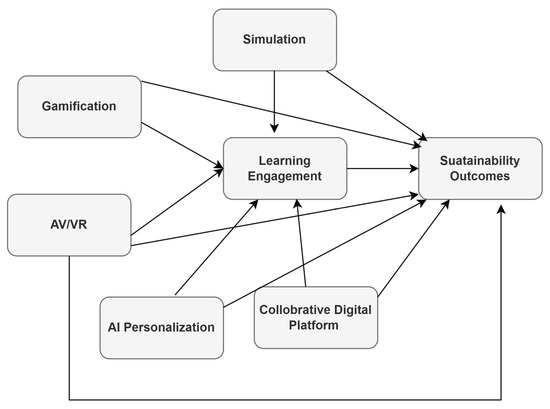
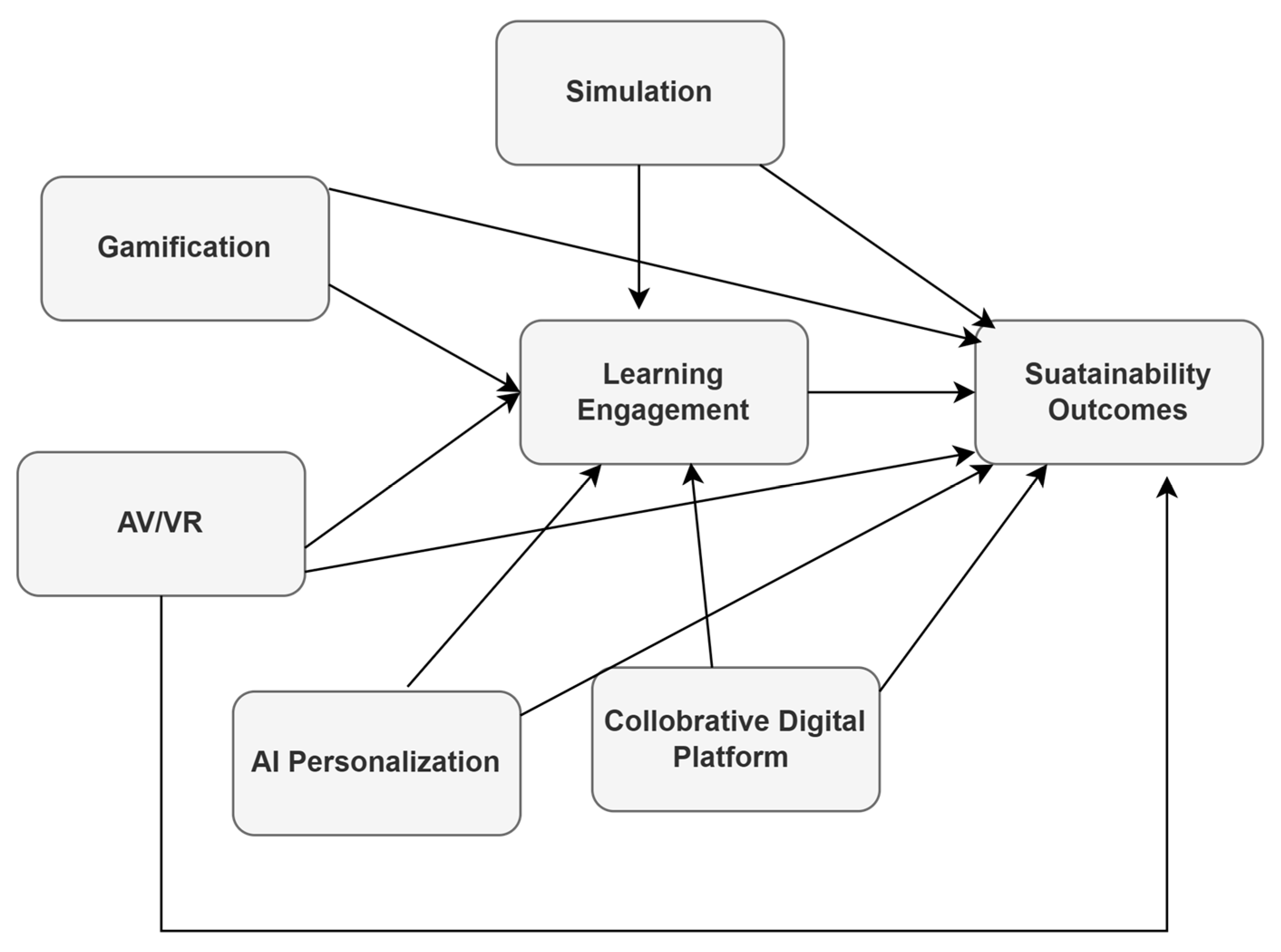

Disclaimer/Publisher’s Note: The statements, opinions and data contained in all publications are solely those of the individual author(s) and contributor(s) and not of MDPI and/or the editor(s). MDPI and/or the editor(s) disclaim responsibility for any injury to people or property resulting from any ideas, methods, instructions or products referred to in the content. |
© 2026 by the authors. Licensee MDPI, Basel, Switzerland. This article is an open access article distributed under the terms and conditions of the Creative Commons Attribution (CC BY) license.