


Abstract
Artificial intelligence (AI)-enabled unmanned aerial vehicles (UAVs) are rapidly emerging as transformative technologies for sustainable healthcare logistics, particularly in remote and infrastructure-constrained regions. Despite growing implementation, the environmental, social, and governance (ESG) implications of these systems remain insufficiently synthesized in the literature. This study conducts a PRISMA-ScR-guided Systematic Review of 37 peer-reviewed studies selected from 333 records across six major scientific databases (2015–2026). The analysis reveals a sharp acceleration of research after 2021, with over 80% of publications produced between 2021 and 2024, indicating increasing global interest in AI-supported autonomous medical logistics. Evidence demonstrates that AI-enabled drones can substantially reduce delivery times; expand access to blood, vaccines, and essential medicines; and enhance emergency response capacity in rural and disaster-affected environments. From a sustainability perspective, AI-driven route optimization and autonomous navigation may reduce transport-related emissions, supporting climate-responsive healthcare supply chains. However, large-scale deployment remains constrained by regulatory fragmentation, cybersecurity risks, operational limitations, and challenges with social acceptance. This review proposes an ESG-oriented framework linking technological innovation, ethical governance, and equitable healthcare access while identifying key research gaps in lifecycle sustainability assessment, cost-effectiveness modeling, and real-world implementation aligned with the Sustainable Development Goals (SDGs).
1. Introduction
Integrating artificial intelligence (AI) with unmanned aerial vehicles (UAVs) and drones revolutionizes medical logistics, particularly last-mile delivery. By incorporating intelligent capabilities, drones increase operational efficiency, reduce costs, and significantly expand access to healthcare services in remote and underserved regions. These emerging technologies have proven to be a promising solution for overcoming geographical and logistical barriers, facilitating the transport of essential medical supplies in contexts where traditional access is limited or nonexistent.
Utilizing autonomous drones with AI-based capabilities for public health and humanitarian action represents a high-impact innovation. However, despite technological advancements and increasing adoption, challenges persist in effectively implementing these technologies. These include regulatory, ethical, technological, and logistical issues that require a deeper and more systematic understanding.
The integration of artificial intelligence (AI) into unmanned aerial vehicles (UAVs) and drones for healthcare logistics has emerged as a transformative innovation with direct implications for the United Nations Sustainable Development Goals (SDGs) [1]. In particular, this technological convergence addresses SDG 3 (Good Health and Well-being) by enabling the timely delivery of essential medicines, vaccines, blood products, and diagnostic samples to underserved populations, especially in remote and hard-to-reach areas. By reducing delivery times during medical emergencies and strengthening the resilience of health supply chains, AI-driven drones help enhance universal health coverage and equitable access to care.
Furthermore, these technologies align with SDG 9 (Industry, Innovation, and Infrastructure) by promoting sustainable innovation in transport systems, stimulating the development of smart infrastructure, and fostering collaboration among public institutions, private companies, and research organizations. At the same time, their implementation supports SDG 10 (Reduced Inequalities) by bridging geographical and logistical gaps that traditionally exclude rural and marginalized communities from timely healthcare services.
Despite these opportunities, several limitations and challenges remain. Issues such as battery endurance, payload capacity, safety risks, regulatory barriers, ethical concerns, and social acceptance hinder the large-scale adoption of these technologies. These constraints underscore the need for integrated frameworks that ensure both technological reliability and social trust, while also addressing ethical considerations aligned with SDG 16 (Peace, Justice, and Strong Institutions).
This literature review explores the opportunities, limitations, and future directions of AI-enabled drones in healthcare logistics. By synthesizing current evidence, it aims to provide a holistic understanding of how this technology can accelerate progress toward the SDGs while highlighting the critical barriers that must be addressed to achieve sustainable, equitable, and ethical deployment.
In this context, it is crucial to synthesize existing knowledge to inform future research, public policy, and implementation strategies. Systematic literature reviews play a vital role in this process, providing a comprehensive and up-to-date overview of the benefits, limitations, advancements, and challenges of AI-powered drones in healthcare logistics.
This article analyzes and synthesizes the available evidence on the use of drones and UAV systems with artificial intelligence for the delivery of medical supplies, including medicines, vaccines, blood products, and diagnostic samples. A Systematic Review of recent literature identifies the most notable benefits, main limitations, and regulatory, ethical, and technical challenges influencing their global implementation.
In particular, the technological advances in AI that have improved the accuracy, safety, and efficiency of these devices’ navigation and operation are examined. The current applications and future projections for using autonomous drones in healthcare emergencies, providing care to isolated communities, and optimizing medical supply chains are explored.
This study aims to address the knowledge gap by focusing on three main objectives: assessing current research on the use of unmanned aerial vehicles (UAVs) in drug distribution. Identify the primary technological, regulatory, and logistical barriers that hinder their implementation. To propose strategies that enhance the effective integration of these technologies into healthcare systems.
The remainder of this paper is structured as follows. Section 2 reviews the relevant literature. Section 3 describes the methodology applied in this scoping review. Section 4 reports the main findings. Section 5 discusses the results in relation to existing research. Finally, Section 6 presents the conclusions, outlines the study’s limitations, and highlights practical and theoretical implications, as well as avenues for future research.
2. Literature Review: Drones, Artificial Intelligence, and Medical Service Delivery
2.1. AI-Based Unmanned Aerial Vehicle (UAV) Systems and the Sustainable Development Goals
Artificial intelligence-based unmanned aerial vehicle (UAV) systems are gaining increasing recognition as technological enablers of the sustainable transformation of healthcare. Their implementation is directly related to several Sustainable Development Goals (SDGs) [1], particularly SDG 3 (Good Health and Well-being), SDG 9 (Industry, Innovation and Infrastructure), and SDG 10 (Reduced Inequalities). By enabling rapid delivery of medicines, vaccines, blood products, and diagnostic samples to geographically isolated communities, AI-based UAVs strengthen universal health coverage and emergency response capacity, thereby contributing to equitable access to health care.
From an infrastructure perspective, these systems support SDG 9 by fostering smart, digital, and adaptable logistics networks that can operate beyond the limitations of traditional road transport. Furthermore, their potential to reduce transport-related emissions and optimize energy consumption aligns with SDGs 12 (Responsible Consumption and Production) and 13 (Climate Action), especially when integrated with renewable energy charging systems and optimized routing algorithms.
However, the contribution of AI-based unmanned aerial vehicle (UAV) systems to sustainable development depends not only on technological advancement but also on harmonized governance, ethical implementation of AI, cybersecurity protection, and inclusive regulatory frameworks. Therefore, understanding their multidimensional impact is essential for fostering sustainable, resilient, and socially responsible healthcare infrastructure.
2.2. Artificial Intelligence and Drones
Artificial Intelligence (AI) [2] significantly enhances drone functionality, enabling autonomous flight, real-time decision-making, dynamic route optimization, and obstacle avoidance. AI techniques, such as deep reinforcement learning, would allow drones to adapt to changing environmental conditions, predict battery consumption, and ensure safe navigation in complex terrains. Moreover, AI-based visual recognition systems enable drones to verify delivery recipients, detect hazards, and enhance compliance with healthcare delivery protocols, thereby minimizing human errors during operations.
2.3. AI in Broader Medical Service Delivery
Beyond drone-specific applications, AI plays a significant role in optimizing medical service delivery. AI algorithms are increasingly used for demand forecasting, dynamic hospital inventory management, and the optimization of healthcare logistics based on epidemiological trends. Predictive analytics support the pre-positioning of critical supplies, and real-time patient monitoring systems can autonomously trigger drone dispatches when medical intervention is required. AI thereby enhances the efficiency, responsiveness, and equity of medical delivery services.
2.4. Challenges and Future Directions
Despite the growing evidence of benefits, significant regulatory, ethical, and technical challenges remain. Issues related to airspace management, privacy, data protection, and liability must be addressed through comprehensive policies and international cooperation. Ethical concerns regarding AI, such as algorithmic bias and transparency, also require careful oversight. Future efforts should focus on increasing drone payload capacity, integrating AI for real-time, adaptive logistics, and ensuring interoperability of drone operations within existing healthcare systems.
Drones in pharmaceutical logistics have emerged as an innovative response to the challenges of delivering medications, particularly in rural and hard-to-reach areas. Traditional distribution systems often face limitations, including poor road infrastructure, adverse weather, and challenging terrain, which can lead to delays that significantly affect access to healthcare in underserved regions.
In contrast, drones equipped with autonomous navigation technologies, geolocation systems, and secure payload mechanisms provide a reliable alternative to conventional transportation methods. Their ability to reduce delivery times and operate in remote environments positions them as a promising tool in medical supply chains. In collaboration with technology companies, international organizations such as the World Health Organization (WHO) have actively explored using uncrewed aerial vehicles (UAVs) to deliver vaccines, blood products, medicines, and other essential medical supplies in areas with limited healthcare infrastructure.
3. Materials and Methods
This study was conducted as a Systematic Review, following the methodological framework proposed by Arksey and O’Malley [3], refined by Levac et al., and reported according to the PRISMA-ScR [4] (Preferred Reporting Items for Systematic Review and Meta-Analyses for Systematic Reviews) guidelines. The objective was to comprehensively analyze the existing literature on the use of AI-powered drones for medical and drug delivery.
To minimize reporting bias and enhance the completeness of methodological disclosure, the review adhered to the PRISMA-ScR Checklist and Explanation developed by [5]. The completed PRISMA-ScR checklist is provided as Supplementary Material, thereby ensuring full alignment with international reporting standards and strengthening the study’s internal validity and replicability.
Figure 1 presents the PRISMA-ScR flow diagram illustrating the identification, selection, eligibility, and inclusion phases of the review process.
Figure 1.
PRISMA Flowchart of the Study Identification, Screening, and Selection Process for a Systematic Review.
3.1. Search Strategy and Identification Phase
A comprehensive search was conducted in six major scientific databases to ensure multidisciplinary coverage: ACM Digital Library (n = 67), IEEE Xplore (n = 10), PubMed (n = 4), ScienceDirect (n = 175), Scopus (n = 72), and Web of Science (n = 5).
The search covered publications from 1 January 2015 to 31 January 2026. Advanced search tools were used, applying Boolean operators to titles, abstracts, and keywords. The combined search yielded 333 records.
The search strings applied in each database are summarized in Table 1.
Table 1.
Search strategy and number of studies identified per database.
3.2. Selection and Eligibility Process
3.2.1. Identification
Of the 333 records identified, 43 duplicates were removed.
245 records were excluded based on predefined criteria (language restrictions, document type, irrelevance to the topic, or lack of thematic alignment).
After this phase, 45 records remained for selection.
3.2.2. Selection
Titles and abstracts were reviewed independently according to the inclusion and exclusion criteria. During this phase, 4 studies were excluded for being irrelevant or failing to meet the inclusion criteria. Therefore, 41 studies proceeded to full-text evaluation.
3.2.3. Eligibility
Full versions of 41 studies were retrieved for detailed evaluation. Three could not be obtained due to access restrictions, while one was excluded because it was a correction document rather than an original study.
Consequently, 37 studies were assessed for eligibility. No further exclusions occurred during this phase, demonstrating a high degree of agreement between the pre-established inclusion criteria and the records selected in the initial stages of the search and screening process.
3.2.4. Inclusion
Ultimately, 37 studies were included in the Systematic Review and formed the corpus for the qualitative mapping and synthesis. The progressive reduction from the initial 333 records to 37 included studies reflects a transparent, structured, and reproducible process. The numerical consistency across the different phases reinforces the methodological rigor of the review.
3.3. Development of the Review Protocol
This Systematic Review was designed to map the state of research on AI-powered UAV systems for drug delivery over the past decade. Unlike a traditional Systematic Review, the objective was not to perform a quantitative synthesis or a risk-of-bias assessment, but rather to: (1) Identify research trends. (2) Map technological advances. (3) Analyze operational and regulatory challenges. (4) Examine emerging innovations and research gaps.
The review protocol is defined: (1) Databases. (2) Search queries. (3) Inclusion and exclusion criteria. (4) Selection process. (5) Data extraction categories aligned with the research questions. Figure 1 visually summarizes the structured selection process.
Figure 1 illustrates the PRISMA-based flowchart [4] process used in our Systematic Review. To collect relevant scholarly articles for the identification stage, we searched six databases: ACM Digital Library (67), IEEE Xplore (10), PubMed (4), ScienceDirect (175), Scopus (72), and Web of Science (5) from 1 January 2015 to 31 December 2025.
We used an advanced search tool and search strings for the title, abstract, and keywords; the search across the databases returned 333 articles. The PRISMA [4] framework comprises four main phases, described below.
3.4. Research Questions
This study is structured around twelve research questions (RQ0–RQ11) that guide the exploratory review and support the systematic mapping of evidence on the implementation of artificial intelligence (AI)-enabled drones for the delivery of medical supplies. These questions and their corresponding analytical motivations are summarized in Table 2.
Table 2.
Research questions and motivations for the deployment of AI-powered medical drones.
To comprehensively map the current body of knowledge on AI-enabled UAV systems in healthcare logistics, the study addresses the following main research question:
MRQ: How has the scientific literature evolved regarding AI-enabled UAV systems in healthcare logistics, and what insights does it provide into their technological development, operational effectiveness, implementation challenges, governance frameworks, and future research directions?
To operationalize this question, twelve sub-research questions were formulated in accordance with the objectives of the review and the PICOC framework, enabling a systematic examination of the population, intervention, outcomes, and contextual factors related to the implementation of AI-powered medical drone systems.
These questions address key dimensions identified in the literature, including bibliometric trends, operational and healthcare benefits, technological innovations in artificial intelligence and sensor systems, regulatory and ethical frameworks, logistical and technological constraints, and the role of social acceptance in technology adoption. They also explore emerging opportunities and research gaps that may influence the future development of AI-enabled drone systems in healthcare supply chains.
Table 2 presents the twelve research questions (RQ0–RQ11) and their corresponding motivations. Together, they provide the analytical foundation for the Systematic Review and guide the organization of the results, enabling a systematic synthesis of technological developments, operational performance, governance challenges, and future research directions in AI-powered UAV healthcare logistics.
Accordingly, the Section 4 is organized around the research questions defined above, enabling a transparent and systematic mapping of the research objectives, the analytical framework, and the evidence synthesized from the selected studies.
3.5. Defining the Scope Using the PICOC Framework
To define the scope of the review, the PICOC framework was applied:
Population (P): Unmanned Aerial Vehicles (UAVs).
Intervention (I): UAV-based drug and medical supply delivery systems.
Comparison (C): Not applicable (mapping of existing evidence rather than comparative effectiveness).
Outcomes (O): Operational performance, acceptance, perceived impact, technological innovations.
Context (C): Healthcare settings, emergency response, rural and resource-limited settings.
3.6. Inclusion and Exclusion Criteria
To ensure methodological transparency and reproducibility, explicit inclusion and exclusion criteria were defined before the selection process. These criteria were aligned with the research objectives and the PICOC framework.
Inclusion Criteria: Studies were included if they met all of the following conditions:
- Thematic Relevance: The study addressed drones used to provide medical, pharmaceutical, or healthcare services.
- Artificial Intelligence Component: The research incorporated artificial intelligence techniques (e.g., machine learning, deep learning, route optimization algorithms, autonomous navigation systems, intelligent control mechanisms).
- Publication Type: Articles in peer-reviewed journals or full conference papers.
- Time Period: Published between 1 January 2015 and 31 January 2026.
- Language: Published in English. Accessibility: Full text available.
- Empirical or technical contribution: The study presented experimental validation, simulation results, system architecture, field implementation, or technical evaluation.
Exclusion criteria: Studies that met one or more of the following conditions were excluded:
- Irrelevant scope: Unmanned aerial vehicle applications unrelated to healthcare or drug delivery.
- Lack of AI integration: Studies describing drone delivery systems without AI-based components.
- Non-academic documents: Editorials, letters, abstracts only, posters, book chapters, theses, white papers, or technical reports without peer review.
- Duplicate records: Identified and removed during the deduplication phase.
- Insufficient methodological details: Studies lacking a technical description, validation, or reproducible methodology.
- Publications in languages other than English. Selection Procedure and Reviewer Agreement
The selection process was conducted in two stages: Stage 1: Title and Abstract Selection. Stage 2: Full Text Eligibility Assessment
Each record was assessed according to predefined criteria. Discrepancies in inclusion decisions were resolved through discussion and consensus.
This structured, predefined eligibility framework reduces selection bias, enhances transparency, and reinforces the methodological rigor of the Scope Review.
Quality Considerations
Although scope reviews do not typically conduct formal bias risk assessments, methodological soundness was considered by verifying: (1) the clarity of the system architecture; (2) the description of AI models; (3) the validation strategy (simulation, field testing, or experimental setup); and (4) technical reproducibility.
This approach ensures that the mapped evidence reflects significant technological contributions rather than purely conceptual discussions.
3.7. Inter-Rater Reliability Analysis
To ensure methodological rigor and reduce selection bias, the level of agreement between reviewers was quantified using Cohen’s Kappa coefficient (κ), which corrects for chance agreement.
Two independent reviewers evaluated 333 records during the title and abstract selection phase. Discrepancies were resolved through discussion and consensus.
The inter-rater reliability analysis yielded the following results:
Cohen’s Kappa (κ) = 0.985.
95% Confidence Interval (CI): 0.96–1.00.
Observed Agreement: 99.7%.
Z ≈ 82.
p < 0.001.
According to the Landis and Koch [6] interpretation scale, κ values between 0.81 and 1.00 indicate near-perfect agreement. The obtained value (κ = 0.985) indicates a near-perfect level of agreement among the reviewers.
Only one discrepancy was identified and resolved by consensus.
The statistical test was performed under the following hypotheses:
H0: κ = 0 (agreement due to chance).
H1: κ ≠ 0.
The resulting Z statistic (Z ≈ 82) and p-value (p < 0.001) indicate that the observed agreement is statistically significant and substantially higher than chance agreement.
The near-perfect agreement between reviewers reinforces the credibility of the selection phase, minimizes subjective bias, and improves the internal validity and reproducibility of the review process.
The high κ value confirms the robustness of the predefined inclusion and exclusion criteria and supports the transparency of the selection methodology.
3.8. Ethical Considerations
This study is based exclusively on previously published scientific literature and does not involve the collection of primary data from human or animal subjects. Therefore, ethical approval was not required. All included studies were conducted in accordance with the ethical standards of their respective institutions.
3.9. Review of Data Extraction and Quality Results
To ensure methodological rigor and transparency, a structured process of data extraction and quality assessment was applied to all included studies. A standardized extraction table was designed to systematically collect bibliographic information, study objectives, technological characteristics (AI techniques, UAV architecture, sensors), application context in the healthcare field, reported results, and identified limitations.
Quality Assessment Criteria
The methodological quality of each selected study was assessed using five predefined criteria (QA1–QA5), as presented in Table 3. The first four criteria evaluate conceptual clarity, methodological rigor, empirical validation, and critical analysis of limitations and future directions. The fifth criterion assesses the scientific impact and reliability of the publishing institution using the SCImago Journal Rank (SJR) quartile classification.
Table 3.
Quality Assessment Framework for AI-Powered Drones in Healthcare Logistics.
Each study received a binary score (1 = Yes; 0 = No) for criteria QA1–QA4. For QA5, a weighted score was assigned according to the SJR quartile classification:
Q1 = 1.00; Q2 = 0.75; Q3 = 0.50; Q4 = 0.25; No classification = 0.00
The maximum quality score per study was 5.00 points. This scoring system enabled a balanced assessment of both the internal methodological rigor and the publication’s external quality.
Table 3 presents the quality assessment framework applied to the selected studies. It includes five assessment criteria (QA1–QA5) that address conceptual clarity, methodological rigor, empirical validation, critical analysis of limitations and regulatory aspects, and the scientific ranking of the publication source by SJR quartile. Each study was scored using a standardized weighting system to ensure methodological consistency and comparability among the studies in the reviewed literature.
Table 4 presents the bibliographic and indexing characteristics of the 37 studies included in the review. It details the study identifier (ID), title, data source, publication type (journal, conference proceedings, or book chapter), journal or proceedings name, SJR quartile ranking, and year of publication. The table provides an overview of the scientific dissemination landscape, highlighting the predominance of journals indexed in the first quarter, the contribution of major databases such as Scopus, Web of Science, IEEE, ACM, and ScienceDirect, and the temporal evolution of research on AI-powered drones in healthcare logistics.
Table 4.
Bibliometric and Source Characteristics of Selected Studies on AI-Powered Drones for Healthcare Logistics.
From Table 3, the quality of the selected articles indicates that almost half (44.7%) of the studies are published in Q1 journals, suggesting that a significant proportion of the evidence comes from high-impact publications with methodological rigor. This case strengthens the validity and robustness of the review.
An additional 13.1% (Q2 and Q3 combined) corresponds to indexed journals with recognized academic standards, although with a lower relative impact. This case broadens the diversity of perspectives while maintaining formal quality criteria. 42.1% of the articles are not classified by quartile. This study is because they appear in publications from specialized conferences, emerging journals, journals not indexed in JCR/Scopus, book chapters, or technical reports.
Although not classified by quartile, these studies can contribute conceptual, technical, or contextual value, especially in emerging technological fields, such as AI-powered drones in healthcare. The review is primarily based on high-quality (Q1) evidence, which lends scientific rigor to the analysis. However, the significant presence of N/A studies suggests that the field continues to integrate established literature with emerging academic output, a common characteristic in rapidly evolving technological fields.
Overall, the distribution reflects a balance between academic rigor and openness to innovative evidence, allowing for a comprehensive view of the state of the art.
The reporting of this scoping review follows the PRISMA-ScR guidelines. The completed checklist is provided in the Supplementary Materials.
4. Results
This section presents the main findings from the Systematic Review and is structured to align directly with the research questions defined in Section 3.4. The analysis synthesizes evidence from the 37 selected studies, enabling a systematic examination of the current state of research on AI-enabled unmanned aerial vehicle (UAV) systems in healthcare logistics. The results highlight key trends in the literature, technological developments, operational benefits, implementation challenges, and emerging research directions associated with the deployment of AI-powered medical drone systems.
To provide an initial overview of the evolution of the research field, the analysis first addresses RQ0, which examines the bibliometric landscape and publication trends related to AI-enabled UAV systems in healthcare logistics. Understanding the bibliometric dynamics of the field allows the identification of growth patterns, major publication periods, and the dissemination of research across scientific databases and disciplines.
Accordingly, the first subsection presents a bibliometric analysis of the selected studies, focusing on the temporal distribution of publications and the scientific visibility of this emerging research domain.
RQ0—What is the bibliometric landscape and publication trend of research on AI-enabled UAV systems in healthcare logistics?
To address the first question, a bibliometric assessment was conducted to compile annual publication records and analyze the growth of scientific output over time. The selected studies comprised journal articles, conference proceedings, and book chapters indexed in major databases, including Scopus, Web of Science, IEEE, ACM, PubMed, and ScienceDirect.
The results indicate a significant increase in publications since 2020, driven especially by the COVID-19 pandemic, which accelerated research on contactless delivery systems, telemedicine support, and emergency medical logistics. Most high-impact contributions were published in Q1-ranked journals, reflecting strong academic interest and scientific rigor in this emerging field. The predominance of journals in areas such as smart healthcare, the Internet of Things (IoT), sustainable supply chains, disaster risk reduction, and intelligent transportation systems demonstrates the interdisciplinary nature of AI drone research.
Figure 2 illustrates the annual evolution of scientific publications on drones and AI-powered unmanned aerial vehicles in healthcare logistics from 2015 to 2025. No publications were recorded between 2015 and 2018 (0%). Research activity began in 2019 with two publications (5.4%), followed by a slight decrease in 2020 with one publication (2.7%). A significant increase is observed in 2021, with 9 publications (24.3%), marking the first major growth peak, likely associated with the COVID-19 pandemic and increased interest in contactless medical delivery systems.
Figure 2.
Annual distribution and percentage of publications on AI-powered drones and unmanned aerial vehicles (UAVs) for healthcare logistics (2015–2025).
The peak was reached in 2024, accounting for 32.43% of all records, indicating that more than a third of total production was generated that year, reflecting a phase of consolidation and high research activity.
In 2025, a decrease to 2.70% was observed, likely due to the year not yet having ended or to incomplete records.
In percentage terms, 81.08% of the records fall between 2021 and 2024, indicating that the field is recent and rapidly expanding, with a clear growth trend peaking in 2024.
Figure 3 highlights the strong predominance of publications indexed in Scopus in recent years and demonstrates the multidisciplinary dissemination of research in major scientific databases. This case reinforces the academic visibility and international indexing of studies related to AI-powered drones and unmanned aerial vehicles (UAVs) in healthcare logistics.
Figure 3.
Distribution of Publications by Data Source and Year (2019–2025).
Figure 3 shows the distribution of scientific publications indexed across different academic databases during 2019–2025, highlighting the evolution of scientific output and its concentration in specific years and indexing platforms. In the first few years (2019–2020), a low proportion of publications is observed, with a constant value of 1 document (2.7%) per record, indexed mainly in IEEE and Scopus. This case suggests an initial stage of scientific production with a moderate presence in high-impact databases.
From 2021 onward, a significant increase in output is evident, with ScienceDirect leading with 9 documents (10.8%), the highest value to date, followed by Scopus with 2 documents (5.4%). This increase reflects greater consolidation of research activity and a diversification of publication platforms.
During 2022, publication output showed a more balanced distribution, with IEEE, Web of Science (WOS), and Scopus accounting for 1 document (2.7%) and 2 documents (5.4%), respectively. This case indicates a continued flow of articles, although without the sharp spikes seen in the previous year.
In 2023, significant growth was observed again, with Scopus standing out with 9 documents (16.2%). This situation demonstrates greater visibility of scientific output in this database, which is widely recognized in the international academic community. ScienceDirect and IEEE maintained smaller but consistent shares of 2 and 1 documents, respectively.
The largest increase occurred in 2024, when Scopus reached 12 documents (27.0%), the highest value of the entire period analyzed. This result indicates a strong consolidation of publications in journals indexed in this database, suggesting a significant increase in both the output and the quality or visibility of scientific work.
Finally, in 2025, one document (2.7%) participation rate was observed again in Scopus, which could indicate an early period of the year or an early phase of indexing new articles.
A comprehensive search strategy using Boolean equations was applied across multiple databases. Inclusion and exclusion criteria were defined to select studies specifically focused on AI-powered unmanned aerial vehicle (UAV) applications in healthcare logistics, including drug delivery, vaccine distribution, blood transport, emergency response, and telemedicine support.
Through full-text review and quality assessment, the selected studies were categorized according to their technological characteristics, healthcare applications, documented benefits, operational limitations, and research gaps.
The review identified several key opportunities. AI-powered drones demonstrate measurable improvements in reducing delivery times, optimizing routes, improving accessibility in rural and remote areas, and enhancing emergency response capabilities. Machine learning and computer vision techniques improve autonomous navigation, obstacle detection, and predictive logistics management. Integration with IoT and blockchain technologies further strengthens traceability, data security, and system reliability.
However, the review also revealed significant limitations. Operational constraints such as limited battery life, payload capacity, weather dependence, and infrastructure requirements remain critical barriers. Regulatory restrictions and aviation policies vary by region, impacting scalability. Ethical concerns related to data governance, cybersecurity, equitable access, and public acceptance were addressed inconsistently across studies.
Finally, the analysis highlights several future research directions. These include developing swarm intelligence for coordinated drone fleets, improving energy-efficient systems, developing AI-based predictive healthcare logistics models, integrating with 5G/6G networks, and strengthening regulatory frameworks aligned with ethical and safety standards. Greater emphasis is also needed on real-world validation studies and cost-effectiveness analysis to support large-scale deployment. Overall, this scope review provides a structured description of the current state of AI-powered drones in healthcare logistics, identifying technological advancements, operational challenges, and research gaps that can guide future innovation and policy development in this rapidly evolving domain.
Table 5 presents the 37 selected primary studies, ranked by their most recent publication year. Each study in the table includes the following information: (1) article number, (2) an assigned identifier, generated from the first author’s name (the first three letters of their last name followed by the publication year), (3) the title of the scientific article, (4) the reference, and (5) the publication year.
Table 5.
Summary of Selected Studies on AI-Powered Drones and UAVs in the Healthcare Sector (2019–2025).
Table 5 presents the 37 main studies included in the review, detailing the study identifier (ID), title, reference code, and year of publication. The selected literature spans 2019 to 2025 and reflects the rapid growth and diversification of research on AI-powered drones and UAVs in the healthcare sector. The studies cover multiple application areas, including medical supply delivery, emergency response, pandemic management, telemedicine, healthcare supply chains, sustainability, blockchain integration, IoT-based systems, and smart city infrastructure. The temporal distribution shows a rapid increase in publications starting in 2020, indicating growing academic and technological interest in autonomous aerial systems for healthcare logistics.
To answer our research questions, we thoroughly analyzed 37 primary studies, examining sections including abstracts, keywords, introductions, methodologies, discussions, and conclusions. We documented the relevant characteristics of each primary study in a spreadsheet for later reference.
RQ1—What operational and healthcare system benefits have been reported from the implementation of AI-enabled drones for delivering medicines, vaccines, blood products, and biological samples in rural or remote areas?
Evidence shows that healthcare systems have documented clinical, logistical, economic, and equity benefits from using AI-enabled drones to deliver medications, vaccines, blood products, and biological samples in rural or remote areas.
In terms of immediate clinical impact, multiple studies report significant reductions in delivery times—from hours or days to minutes—which translates into lives saved and lower mortality rates in obstetric emergencies, accidents, and poisonings [26,32,41]. In Rwanda, for example, the average blood delivery time was reduced by 79 min, and waste of blood products decreased [9,32].
Regarding coverage and equity of access, drones have expanded access to health services in areas without road infrastructure, on islands, in mountainous regions, and in conflict zones, strengthening rural care and continuity of treatment [19,36,37]. In Ghana, the national program improved access to more than 150 essential medicines in over 2000 health centers [43]
With respect to logistical efficiency and sustainability, studies document route optimization using AI, reduced operating costs, less exposure for healthcare personnel, fewer treatment interruptions, and improvements in the cold chain [12,16]. Furthermore, there is evidence of reduced blood and vaccine waste, greater real-time traceability [7,42].
In terms of healthcare system safety and resilience, drones enable safe deliveries, reduce contact during pandemics, and maintain operational continuity during health crises such as COVID-19 [22,24].
Finally, from a technological and digital health innovation perspective, the integration of AI, blockchain, and 5G networks improves traceability, data security, real-time communication, and system reliability [7,42], consolidating Drone-as-a-Service models [13] that strengthen healthcare resilience.
Overall, the literature indicates that AI-powered drones not only reduce delivery times but also transform rural healthcare logistics by improving equity, efficiency, continuity of care, and emergency response capabilities, making them a strategic innovation for health systems in geographically challenging contexts.
RQ2—What technical, operational, and economic limitations of AI-enabled drone logistics are most frequently reported compared with conventional medical supply transportation systems?
The most frequently reported limitations of medical logistics using AI-enabled drones, compared to conventional healthcare transport methods, fall into five main categories: technical-operational, regulatory, economic, safety/cybersecurity, and system acceptance/integration.
The most cited restrictions are limited payload capacity, autonomy, and range, especially compared to ground vehicles that transport larger volumes on established routes [7,9,11,13,31,32,40,41]. Sensitivity to adverse weather conditions (wind, rain, temperature, altitude) that impact battery life and flight stability is also reported [10,13,32]. Short battery life and flight times (20–30 min for multirotors) limit extended operations [13]. Specific infrastructure requirements for takeoff/landing and refueling are also mentioned [13,30].
Restrictions on BVLOS flights, permits required for flights in controlled airspace, and a lack of harmonized regulatory frameworks constitute one of the main bottlenecks compared to conventional transportation [16,18,19,36,43]. Safe integration into shared airspace is still in its early stages and requires coordination, real-time monitoring, and risk mitigation [43].
Although they reduce travel time, drones entail high initial costs, specialized maintenance, and an uncertain return on investment compared to established ground-based networks [16,18,19,41,43]. Furthermore, there are scalability challenges in congested networks and algorithmic limitations for optimizing multiple routes [28].
Several studies emphasize the risks of cyberattacks, GPS/radio frequency interference, spoofing, drone hijacking, and leaks of sensitive data [21,43]. Privacy and concerns about aerial surveillance are also noted [33,43].
Compared to traditional ground transportation, there are concerns regarding drug stability, real-time thermal monitoring, and evidence of PK/PD equivalence [22,41,43]. Maintaining the cold chain over long distances or in extreme climates remains a challenge [43]. Barriers to acceptance among healthcare professionals and communities, as well as negative perceptions stemming from previous military use, can hinder implementation [27,33].
Compared to conventional methods—which are more robust in terms of volume, climate stability, and regulatory maturity—AI-powered drones stand out for their speed and accessibility. However, they present recurring limitations in payload, autonomy, weather dependence, stringent regulations, cybersecurity, initial costs, and integration challenges within existing healthcare systems. However, many of these limitations are being mitigated through advancements in battery technology, AI for route optimization, blockchain for traceability, and emerging regulatory frameworks.
The literature suggests that AI-powered drones do not completely replace traditional methods, but rather serve as a strategic complementary solution, especially in rural, emergency, or hard-to-reach contexts.
RQ3—What artificial intelligence techniques, such as computer vision, machine learning, and reinforcement learning, have most significantly improved the autonomy, navigation accuracy, and operational reliability of medical drones?
The innovations that have most strengthened the accuracy and reliability of autonomous navigation in medical drones are concentrated in five technological areas: robust GPS-free localization, deep vision for environmental perception, multimodal sensor fusion, intelligent trajectory planning, and adaptive airspace management.
The integration of VIO/V-SLAM (visual-inertial odometry) fused with UWB has significantly improved accuracy in environments without a GNSS signal [9]. SLAM enables simultaneous mapping and real-time localization [13,23], reducing drift and cumulative errors. These improvements allow for operation with accuracy comparable to manned aircraft over short distances [7] and with a lower accident rate in complex geographical conditions [8].
The use of CNNs, YOLO, and Transformer-based models has optimized obstacle detection, semantic segmentation, and precision landings [18,31]. LiDAR sensors and multispectral cameras enhance terrain and depth perception [13]. These techniques enable safe navigation in dynamic and unstructured environments.
The combination of GNSS, LiDAR, radar, and computer vision improves obstacle detection and in-flight adjustments [43]. Visual-inertial fusion increases stability and control in adverse conditions [13]. On-chip systems accelerate real-time obstacle-avoidance processing [23].
Deep learning algorithms for route planning, along with reinforcement learning and multi-agent planning approaches, reduce collisions and optimize trajectories [13]. Swarm intelligence methods such as PSO, ACO, and genetic algorithms improve the generation of optimal 3D routes. Dynamic optimization and adaptive airspace management based on AI strengthen safety in BVLOS flights [28,43].
Current systems enable autonomous obstacle detection and avoidance, mid-flight adjustments, and real-time decision-making in response to weather or structural changes [40,43]. This case increases reliability in critical medical missions.
Evidence shows that the most significant innovations have been SLAM and VIO fused with UWB for GPS-free accuracy [9,23].
Deep learning (CNN, YOLO, Transformers) for perception and safe landings [10,13,31]. GNSS-LiDAR-RADAR-vision sensor fusion for stability and obstacle avoidance [13,43]. Intelligent optimization algorithms and reinforcement learning for adaptive planning [13].
Table 6 summarizes the frequency of research questions (RQ1–RQ10), including the most representative references from studies addressing each dimension. Studies with a score of 2 (high coverage) for each RQ are considered representative.
Table 6.
Frequency and Representative References by Research Question.
4.1. Study Selection and Characteristics
Figure 4 presents a summary that synthesizes and compares the levels of evidence reported in the included studies for each research question (RQ1–RQ10). A visual coding system based on three levels of evidence was used:
Figure 4.
Level of evidence by research question (RQ1–RQ10) in the included studies [7,8,9,10,11,12,13,14,15,16,17,18,19,20,21,22,23,24,25,26,27,28,29,30,31,32,33,34,35,36,37,38,39,40,41,42,43].
 Substantive evidence: The study directly and thoroughly addresses the research question, providing solid empirical results, in-depth quantitative or qualitative analyses, and an explicit discussion of the dimension being evaluated.
 Partial evidence: The study briefly mentions or analyzes the dimension, but does not fully develop it or present robust empirical evidence.
 Not addressed: The study does not explicitly address the dimension being evaluated or provide relevant information to answer the corresponding research question.
Analysis of the 37 selected studies reveals that research question 1 (RQ1) is the most frequent, appearing in 34 studies (91.9%), indicating that most research focuses on the fundamental applications and technological potential of unmanned aerial vehicle (UAV) systems in the healthcare sector. Similarly, questions RQ4, RQ6, and RQ7 are addressed in 30 studies each (81.1%), reflecting significant research interest in operational architectures, technological infrastructures, and systems integration for drone-based healthcare services.
Conversely, question RQ5 is the least explored, appearing in 17 studies (45.9%), suggesting that issues related to sustainability, implementation barriers, or specific operational limitations remain under-researched in the literature. Furthermore, the RQ10 question appears in 23 studies (62.2%), indicating moderate attention to advanced perspectives, such as future trends, optimization strategies, and emerging technological integrations in UAV-based medical logistics systems.
To provide a structured technological overview of the identified studies, the selected literature was categorized according to UAV platform type, applied AI techniques, validation methodology, healthcare application domain, and corresponding Technology Readiness Level (TRL). This classification enables a comparative analysis of system maturity, architectural diversity, and operational deployment patterns across AI-enabled medical drone solutions. By integrating platform typology with AI capabilities and validation rigor, Table 6 highlights the current technological landscape and reveals maturity gaps between simulation-based prototypes and deployed healthcare UAV systems.
Table 7 summarizes representative AI-based UAV systems applied to healthcare logistics. It classifies each system according to platform architecture (multirotor, fixed-wing, hybrid VTOL, swarm, edge-cloud), main AI techniques (e.g., reinforcement learning, SLAM, predictive analytics, blockchain integration), validation type (simulation, pilot testing, real-world implementation), healthcare application context, and Technology Maturity Level (TRL). The analysis reveals a predominance of multirotor configurations at intermediate maturity levels (TRL 5–7), while large-scale national implementations reaching TRL 8–9 are limited to specific blood and vaccine distribution programs. This structured characterization facilitates the identification of technological trends, validation gaps, and scalability limitations in AI-based UAV healthcare systems.
Table 7.
Technological Characterization of AI-Enabled UAV Systems in Healthcare Logistics: Architecture, AI Techniques, Validation Level, and Operational Maturity (TRL).
The integration of TRL assessment further enables evaluation of the translational gap between experimental AI-UAV research and certified beyond-visual-line-of-sight (BVLOS) healthcare operations.
4.2. Social Sustainability Outcomes
The social sustainability dimension of AI-enabled UAV healthcare logistics was systematically synthesized across the 37 selected studies. Table 8 presents the main social impact indicators identified in the literature, including reduced delivery times, improved healthcare access in remote areas, reduced mortality, therapeutic continuity, healthcare worker protection, social acceptance, and psychological perceptions. The frequency levels indicate the relative prevalence of each outcome across the reviewed studies.
Table 8.
Cross-Study Synthesis of Social Sustainability Outcomes in AI-Enabled UAV Healthcare Logistics (n = 37).
Table 8 presents a summary of the social dimension of the ESG (Environmental, Social, and Governance) framework identified in the 37 studies analyzed on the use of unmanned aerial vehicles (UAVs) in healthcare systems. The results show that the scientific literature primarily emphasizes the direct operational and social benefits of medical logistics using drones, especially in terms of efficiency, accessibility, and health and safety.
First, dimension S1—Delivery Time Reduction—is the most frequently reported, appearing in 31 of the 37 articles (83.8%). The studies highlight significant reductions in delivery times for medical supplies, ranging from 30 min to 4 h compared to ground transport, and even as low as 10 min in emergencies. This result confirms that the main social contribution of UAVs in the healthcare sector lies in improving response speed in critical situations, with direct implications for the quality and timeliness of medical care.
The second most frequent dimension is S2—Improved Access in Remote Areas, reported in 30 studies (81.1%). These studies highlight the potential of drones to overcome geographical and logistical barriers, facilitating the delivery of medicines, medical samples, and medical equipment to isolated hospitals, rural communities, islands, and mountainous regions. This finding underscores the role of UAVs as an enabling technology for reducing inequalities in access to healthcare services, particularly in regions with limited transportation infrastructure.
On the other hand, S6—Social Acceptance and Trust appears in 24 studies (64.9%), highlighting the importance of social factors such as institutional transparency, community participation, and public education campaigns to promote the adoption of these technologies. Additionally, S5—Healthcare Worker Protection, identified in 22 studies (59.5%), emphasizes how the use of drones can reduce healthcare workers’ exposure to biological risks, especially during pandemics or public health emergencies, as evidenced during the COVID-19 crisis.
Regarding the benefits related to treatment continuity, dimension S4—Therapeutic Continuity and Adherence was identified in 17 studies (45.9%). These studies indicate that drone-delivered medication ensures therapeutic continuity for patients with chronic diseases and supports healthcare logistics in home isolation settings.
In contrast, some social dimensions are less frequently reported in the literature. S3—Mortality Reduction appears in 13 studies (35.1%), documenting cases related to postpartum hemorrhage, trauma, and emergency medical response. Although these results suggest a potential impact on mortality, the evidence remains limited and is based primarily on pilot studies or case reports.
Finally, dimension S7—Psychological Perception (Risk/Militarization) is the least reported, with 7 studies (18.9%). These studies highlight social concerns related to the perception of militarization, fear of drone misuse, and the need for community awareness campaigns. The low frequency of this dimension indicates that the sociocultural and psychological aspects of UAV use in health have been relatively underexplored, representing an opportunity for future research.
4.3. Environmental Sustainability Outcomes
The environmental sustainability dimension of AI-enabled UAV healthcare logistics was analyzed across the 37 selected studies. Table 9 summarizes the primary environmental indicators reported in the literature, including emission reduction, energy efficiency, cold chain optimization, circular economy practices, and infrastructure pressure mitigation. The approximate frequency reflects the proportion of studies that explicitly addressed each environmental contribution.
Table 9.
Cross-Study Synthesis of Environmental Sustainability Outcomes in AI-Enabled UAV Healthcare Logistics.
Table 9 presents the environmental contributions of drone use in healthcare logistics, which are primarily focused on energy efficiency and emissions reduction, although other aspects related to the circular economy and infrastructure are still less developed in the literature.
The most frequently reported dimension is E2—Energy Efficiency, identified in 24 studies (64.9%). These studies highlight the use of artificial intelligence algorithms to optimize flight paths, multi-objective route planning, and the development of new propulsion technologies, such as advanced batteries or hydrogen-based solutions. These strategies aim to reduce energy consumption and improve the operational efficiency of UAV systems.
Similarly, E1—Emission Reduction (CO2) appears in 22 studies (59.5%), demonstrating that drone use can partially replace ground transportation on critical routes or in rural areas, decreasing fossil fuel consumption and the carbon footprint associated with the distribution of medical supplies.
On the other hand, E3—Cold Chain Management is identified in 18 studies (48.6%), highlighting the development of smart transport capsules, thermal sensors, and real-time monitoring that allow for maintaining suitable conditions for the transport of vaccines, blood, and other temperature-sensitive biomedical products, reducing losses and waste of healthcare resources.
In contrast, some environmental dimensions are less covered in the literature. E5—Reduced Infrastructure Pressure, present in 15 studies (40.5%), highlights how drone use can reduce dependence on traditional road infrastructure, especially in congested urban environments or regions with limited access.
Finally, E4—Circular Economy/Reverse Logistics is the least reported dimension, with 9 studies (24.3%), which explore applications related to the collection of medical waste or the development of circular supply chains. The low frequency of this topic suggests that circular economy applications in healthcare UAV systems are still in an early stage of research, representing a significant opportunity for future studies.
Taken together, these results indicate that current literature focuses primarily on operational efficiency and reducing the direct environmental impact of healthcare transport, while applications related to systemic sustainability and the circular economy require further development in future research.
4.4. Governance and Regulatory Implications
The Governance (G) dimension within the ESG framework is a critical component for the sustainable implementation of AI-enabled drones in healthcare logistics. Beyond operational efficiency, the adoption of these systems depends on robust regulatory frameworks, harmonized regulations, legal accountability mechanisms, and data protection safeguards. Evidence reveals significant regional differences: while Europe exhibits high levels of regulatory standardization, Africa stands out for its flexible frameworks geared toward health emergencies, and Latin America faces challenges of regulatory fragmentation. Furthermore, cybersecurity, data privacy, and operational safety in BVLOS flights are key pillars for consolidating ethical, resilient logistics models aligned with international standards.
Table 10 summarizes the main findings related to the Governance (G) dimension in studies on AI-powered medical drones, organizing the evidence into six regulatory and operational sub-dimensions.
Table 10.
Governance and Regulatory Maturity of AI-Enabled Medical Drone Systems.
The results of the governance dimension show that the literature on drones applied to healthcare logistics primarily focuses on formal regulatory frameworks and operational safety, while other aspects, such as ethics and data governance, receive moderate attention.
The most frequently reported dimensions are G1—Formal Regulatory Frameworks and G6—Operational Safety, both of which appear in 26 studies (70.3%). In the case of G1, the studies highlight the role of established regulatory frameworks, especially in Europe, where initiatives such as EASA, SORA, U-space, GDPR, and the AI Act establish robust standards for the safe and responsible operation of drones. G6, on the other hand, emphasizes the development of advanced air safety technologies, such as detection and avoidance systems based on LiDAR, radar, ADS-B, and sensor fusion, which are essential to enable more complex operations such as BVLOS (Beyond Visual Line of Sight).
The G2 dimension—Flexible Health-Oriented Frameworks, identified in 20 studies (54.1%), highlights the implementation of flexible regulatory models in humanitarian contexts, particularly in Africa, where humanitarian corridors and pragmatic BVLOS (Beyond Line of Sight) authorizations have been established to facilitate the rapid delivery of medical supplies to regions with logistical constraints.
On the other hand, the G4 dimension—Data Privacy and Cybersecurity—is present in 17 studies (45.9%) and addresses challenges related to data protection, cybersecurity, and the traceability of logistical operations through technologies such as blockchain, encryption protocols, and secure IoT architectures.
In contrast, the G3 dimension—Regulatory Fragmentation, identified in 15 studies (40.5%)—highlights the difficulties posed by regulatory heterogeneity in Latin America, where the lack of regulatory harmonization can hinder the large-scale implementation of UAV systems in the health sector.
Finally, section G5—Legal and Ethical Responsibility—appears in 13 studies (35.1%), highlighting transparency in the use of artificial intelligence, informed consent, and pharmaceutical traceability. The lower frequency of this dimension suggests that ethical and legal aspects still require further development in research on drones applied to healthcare.
Overall, these results indicate that current literature prioritizes operational safety and regulatory compliance, while ethical governance, data protection, and international regulatory harmonization remain emerging areas that require further research and regulatory development.
4.5. Integrated ESG Synthesis
Together, these innovations have reduced navigation errors, drift, collisions, and localization failures, enabling safer, more accurate, and more reliable autonomous medical operations in rural or complex environments, solidifying the viability of medical drones as advanced healthcare infrastructure.
RQ4—How have advances in sensor technologies and sense-and-avoid systems contributed to improving flight safety, collision avoidance, and operational reliability in AI-enabled medical drone missions?
Evidence indicates that advancements in sensor technologies and detect-and-avoid (DAA) systems have significantly strengthened operational safety and risk management in AI-enhanced medical drones through early obstacle detection, air traffic separation, systemic redundancy, critical cargo protection, and third-party risk mitigation.
The integration of LiDAR, radar, ADS-B, RGB/IR cameras, and altimeters, combined with sensor fusion algorithms, has enabled more accurate detection of both cooperative and non-cooperative obstacles [9,10]. These systems improve safety in BVLOS flights and reduce the risk of collisions in complex environments [7,10]. Detection and dynamic geofencing strengthen incident prevention.
Highlights sensors [22] such as miniaturized LiDAR, radar, ultrasound, and thermal cameras, along with AI-based sensor fusion, enabling collision anticipation and real-time route adjustments, thereby increasing stability even in adverse conditions.
The adoption of standards such as RTCA DO-365 and EASA U-space services has improved traffic separation, alert generation, and evasive guidance in BVLOS operations [9]. The study [43] emphasizes that GNSS-LiDAR-RADAR integration enables in-flight adjustments and reduces risk in real-world deployments. The document [31] confirms that intelligent collision-avoidance systems reduce collisions and dynamically manage risk.
Modern systems incorporate sensor redundancy, return-to-home (RTH) systems, parachutes, and failover protocols [40]. Fault tolerance testing includes simulations of communication loss or engine failures, triggering alerts or backup vehicles [22,40], and adds independent GNSS backup and geofencing to limit flight zones.
Safety focuses not only on navigation but also on the integrity of medical supplies. Real-time temperature and humidity sensors ensure optimal conditions for blood, vaccines, and biologics [22,43]. Blockchain and digital traceability reinforce integrity and transparency in delivery [27,42]. Documents certified vibration and thermal monitoring during flights [41].
The use of drones reduces human exposure in war zones or highly contagious areas [35]. The study [32] notes that DAA (Digital Air Assault) is a fundamental requirement for achieving safety levels equivalent to those of manned operations. The document [26] reports over 1000 accident-free flights enabled by wind sensors and controlled descent systems.
The most significant improvements in safety and risk management stem from:
Multisensor fusion (LiDAR–RADAR–ADS-B–cameras–GNSS) [9,43] AI-based detect-and-avoid systems with probabilistic evasion and dynamic geofencing [10,31]. Redundancy, RTH, and fault-tolerant protocols [40]. Real-time cold chain monitoring and blockchain traceability [22,27,42].
Taken together, these advances have transformed medical drones into more resilient platforms, capable of minimizing collisions, protecting critical supplies, and reducing risks to communities and operators, thus solidifying their viability in high-criticality healthcare operations.
RQ5—What differences exist among regional regulatory and ethical frameworks governing autonomous medical drone operations, particularly in Europe, Africa, and Latin America?
The evidence shows clear regional differences in the regulatory and ethical frameworks governing the use of autonomous drones for pharmaceutical distribution in Europe, Latin America, and Africa, particularly in terms of regulatory harmonization, ethical approach, operational flexibility, and scalability.
Europe operates under a highly structured and harmonized regulatory system, led by EASA, with Open/Specific/Certified categories, SORA assessment, and U-space services for airspace management [9,10].
The studies [7] and [13] highlight that the European framework also incorporates the AI Act, GDPR, and strict cybersecurity requirements, prioritizing security, privacy, and data protection. The study [8] notes that Europe prioritizes digital ethics and security, albeit with slower regulatory processes.
The result is a predictable, technically robust environment, but with greater demands for technical and documentary compliance, which can slow scalability [7].
In Latin America, the landscape is fragmented and evolving, with distinct frameworks in Brazil (RBAC-E 94 and transition to RBAC 100), Mexico, Chile, and Colombia [7,9]. The study [13] agrees that pilot programs and regulatory gaps predominate, with more limited BVLOS procedures and no regional equivalent to the GDPR in data protection. The document [17] describes the region as advanced in pilots but lacking unified, robust frameworks.
Summarizes that the region has heterogeneous [31] and developing regulatory frameworks, which generate legal complexity and implementation inequality. Africa presents the most notable contrast: countries like Rwanda, Ghana, and Malawi have developed flexible, pragmatic frameworks that prioritize access to public health and BVLOS scalability [9,13].
The study [8] states that Africa leads in scalability thanks to frameworks that prioritize public health over regulatory formalism.
Although [32] and [33] point to challenges in aviation legislation in some countries, the African approach tends to favor rapid implementation, community acceptance, and integrated national programs.
In Europe, ethics focuses on data protection, informed consent, and risk mitigation [7]. In Latin America, the ethical dimension is less institutionalized and depends on the national framework [7].
In Africa, ethics is more closely linked to equity in access and direct social benefit, with a strong emphasis on health impact [8,13].
The document [43] warns that gaps persist globally: the lack of a unified international framework, ambiguity in legal responsibility, and challenges to pharmaceutical traceability.
Europe → Harmonized, strict regulations, high data protection, strong precautionary approach, slower but highly controlled scalability [7,9,13].
Latin America → Heterogeneous frameworks, regulatory transition, expanding pilot programs, less regional harmonization [9,13,31].
Africa → Flexible, public health-oriented regulations, humanitarian corridors, rapid BVLOS scalability, pragmatic approach [7,8,13].
Overall, the literature shows that while Europe prioritizes governance, compliance, and digital ethics, Africa prioritizes access to health and operational scalability, and Latin America is transitioning between both models, with frameworks still in the process of consolidation.
RQ6—How is artificial intelligence used for route optimization and decision-making to improve delivery efficiency, reduce operational costs, and minimize risks in UAV-based healthcare logistics?
Artificial intelligence enables dynamic, real-time route optimization in the pharmaceutical supply chain through five main mechanisms: multi-objective planning, integration of dynamic variables, adaptive rerouting, fleet coordination, and predictive analytics.
Models based on reinforcement learning (RL), multi-agent systems, and variants of the Vehicle Routing Problem (VRP) allow for the integration of time windows, exclusion zones, weather, and energy constraints [9,10]. The study [13] highlights the resolution of multi-objective problems considering weather, air traffic, clinical demand, and cold chain constraints. The study [8] emphasizes that AI optimizes energy and fleet resources, reducing costs and operational risks.
AI combines real-time data on weather, battery status, cargo weight, air traffic, and regulatory restrictions to select safer, more efficient routes [31]. The study [43] notes that adaptive airspace management improves safety in unpredictable conditions.
AI systems enable automatic replanning in response to failures, priority changes, or emerging risks [13]. The study [22] indicates that autonomous monitoring allows route modifications, flight stops, or emergency maneuvers to reduce risks. The study [40] confirms that dynamic optimization algorithms minimize delays in remote environments.
AI improves drone coordination, avoids redundant routes, and balances loads, increasing reliability and reducing disruptions [13]. The study [28] describes zoned planning and edge computing for rapid decision-making [7], emphasizing that AI transforms logistics into a dynamic, efficient, and safe system.
The study [33] reports a medical delivery algorithm that reduced delivery time to 15.23 min, compared with 19–21 min with previous methods [12] describes VRP algorithms with runtimes of 0.06 s for near-instantaneous decision-making. The study [29] applies Q-learning to balance energy consumption and service quality.
AI facilitates real-time optimization through: Multi-objective RL and VRP models [9,10]. Integration of dynamic data (weather, energy, traffic) [13,31]. Adaptive replanning in response to risks or failures [22,40]. Fleet coordination and inventory management [13,43].
These capabilities reduce delivery times, minimize energy consumption and operating costs, decrease risks (collisions, cold chain breaches, critical delays), and strengthen the resilience of the pharmaceutical supply chain, especially in rural or emergency contexts.
RQ7—What technological limitations, such as battery endurance, payload capacity, and system reliability, currently restrict the large-scale deployment of medical drone logistics systems?
The literature indicates that large-scale deployment of medical drones is primarily limited by energy autonomy, payload capacity, operational range, cold-chain thermal management, and climate vulnerability, although multiple lines of research seek to mitigate these constraints.
The low energy density of current batteries limits range and flight duration [19,32]. Typical medical multirotors carry approximately 2 kg for approximately 20 km [9] with flight times of 20–30 min on small platforms [32]. Energy consumption increases with higher speed and payload [22,25].
Solutions under investigation: Next-generation batteries (lithium-metal, solid-state) [11,43]. Hydrogen fuel cells with ranges 2–4 times greater [9,10]. Hybrid systems and even internal combustion engines in hybrid VTOL designs [24,34].
Automatic swapping and docking stations [24,43]. Intelligent battery management (predictive BMS) and optimal energy planning [11,23]. Solar charging and energy harvesting [28,43].
Most systems report payloads of 2-, with experimental maximums of 7 kg [30,41]. Increasing battery capacity increases weight and reduces efficiency [24]. This case limits scalability, especially for bulky supplies or simultaneous transport of multiple kits [33].
Solution lines: Ultralight materials and optimized structures [7,13]. Modular design for medical cargo [11]. Passive thermal packaging that reduces energy demand [7,22].
The transport of blood, vaccines, and biologicals requires strict thermal control, which increases energy consumption and technical complexity [22,43]. Ongoing research: Smart containers with thermal monitoring [7,13]. Optimization of thermal windows in route planning [11]. Capsules that utilize external temperature to reduce consumption [22].
The combination of limited range and reduced payload hinders the transition from local pilot programs to stable national networks [8,43]. Furthermore, BVLOS restrictions and adverse weather affect continuity [13,32].
Emerging solutions: Intermediate refueling station infrastructure [9,43], zoned architectures and edge computing for rapid energy decisions [31,32], integration of multiple communication links and radar for greater robustness [7].
Limited onboard processing and storage capacity restricts complex in-flight analysis [42]. Solution: Use of cloud computing for intensive processing.
The technological constraints that most hinder scalability are: limited range and low energy density [19,42], and a limited payload (typically 2–5 kg) [9,24]. Demanding thermal management for the cold chain [7,13]. Impact of climate and limited structural strength [13].
Current research is converging on advanced batteries, hydrogen, hybrid systems, automated exchange stations, lightweight materials, smart BMS, optimized energy planning, and smart thermal containers [13,43].
Overall, the literature suggests that overcoming these barriers will depend on the simultaneous integration of energy, structural, and smart management innovations, rather than a single isolated technological improvement.
RQ8—What operational and logistical challenges arise when deploying AI-enabled drones in geographically complex environments, and what lessons can be learned from documented pilot deployments?
The literature shows that AI-enabled medical drones face significant logistical challenges in geographically complex environments—jungles, mountains, and deserts—due to extreme weather conditions, limited connectivity, landing restrictions, energy performance degradation, and limited infrastructure. Nevertheless, documented pilot projects offer clear lessons for their successful implementation.
In jungles, the dense canopy degrades GPS signals and vision, while rain and humidity degrade sensors and batteries [11,16].
In mountainous areas, orographic winds, altitude, low pressure, and complex topography reduce stability and autonomy [9,29,32]. Energy performance degradation due to altitude and temperature is a recurring issue [13].
In deserts, extreme heat and dust affect motors, electronics, and visibility [7,13]. Additionally, signal loss and limited connectivity are reported in remote areas [31,42] as well as a shortage of safe landing sites [9,10].
The lack of road and pharmaceutical infrastructure on islands or in isolated communities [27,35]. A shortage of designated launch and landing zones [9].
Climate vulnerability and increased energy demand on long journeys [13,43]; BVLOS regulations that slow scaling up in complex topographies [41]. Pilots in Rwanda, Ghana, Vanuatu, Madagascar, Malawi, Senegal, and the mountainous regions of India show that the key is not a one-size-fits-all model but contextual adaptation [8].
Key lessons include the Use of humanitarian corridors and pre-mapped routes [11]. Planned weather windows and redundant routes [9], Preference for hybrid VTOL or fixed-wing platforms for greater range in mountainous areas [11]. Close coordination with local communities and health services [9,10,31]. Implementation of minimal infrastructure: VTOL pads, charging stations, and cold storage [43]. Use of base stations as a communication bridge in areas with limited connectivity [42].
The study [26] demonstrates that even in extremely remote communities, technology can function effectively when integrated into the local healthcare system, contradicting the notion that high technology is unsuitable for developing countries. Reports a 50% reduction in location times [32] during mountain rescues, demonstrating a tangible operational impact.
The main obstacles are: extreme weather (wind, rain, heat, dust) [13,16]. GPS degradation and poor visibility due to canopies or mountain canyons [11]. Scarcity of landing sites [9,10]. Limited connectivity and communication [31,42]. Increased energy demand and logistical fragility in the cold chain [43]. Key lessons from pilot projects indicate that technological adaptation to the environment, weather planning, operational redundancy, community integration, and strategic minimum infrastructure are crucial for success.
Overall, the evidence suggests that effective deployment in challenging geographies depends less on isolated technology and more on an adaptive, resilient, and socially integrated logistics model.
RQ9—What technological or organizational solutions have been proposed to overcome communication and infrastructure limitations in remote medical drone operations?
The literature identifies that mitigating connectivity limitations (internet, GPS, C2 links) in remote contexts has been addressed through hybrid communication architectures, redundant navigation without GNSS, edge autonomy, local mesh networks, and decentralized organizational solutions.
Combining 4G/5G for C2/telemetry, satcom for backhaul, and LoRa/mesh for local coverage and resilience has been proposed [9,10], 5G networks offer latencies of <1 ms and high reliability for critical links [42], while multiple radios (LTE + Wi-Fi 802.11) with bandwidth aggregation and store-and-forward improve continuity in intermittent links [23]. The document [22] adds multiband connectivity (LTE/HSPA/GSM) and redundant GNSS (GPS/BeiDou/GLONASS).
In GNSS-denied environments, VIO/SLAM, LiDAR, and inertial navigation are used as backups [19,22]. In addition, UWB beaconing and visual markers [18,20] are proposed, along with RTK/PPK with HD maps and visual odometry as backups, along with intermittent synchronization with hubs. The study [20] is based on image sensors and decentralized analysis when GPS is inaccurate or unavailable.
Onboard autonomy with local planning/evasion reduces dependence on persistent links [11]. Local RF meshes and delay-tolerant networking (DTN) enable store-and-forward until a connection is restored [11,23]. The studies [40] and [42] highlight edge computing and 5G to minimize latency in critical applications; [29] describes drones as aerial base stations/IoT relays to extend coverage beyond line of sight.
The evidence highlights air corridors, intermediate hubs, local control centers, and community teams trained to operate under intermittent connectivity [9,13]. Emphasizes inter-agency coordination and local ground stations [31]. The study [43] suggests partnerships with telecom operators, integration with EHR/telemedicine systems, and infrastructure-sharing through inventory management.
In the face of vulnerabilities (e.g., GNSS spoofing), redundant multisensor positioning and navigation systems are recommended [10,13] along with architectures that support multiple link scenarios to maintain continuity [42].
The most effective solutions combine: Hybrid connectivity (4G/5G + satcom + mesh/LoRa) [9,10,42]. Redundant navigation without GNSS (VIO/SLAM/LiDAR/UWB/RTK) [9,10,11]. Edge autonomy and DTN for operation with intermittent links [11,23]. Decentralized organization with hubs and corridors [7,8,13].
Overall, the literature shows that resilience in remote contexts does not depend on a single technology, but rather on redundant architectures and decentralized logistics models that ensure operational continuity even with limited infrastructure.
RQ10—How do social acceptance, trust, and stakeholder perceptions influence the adoption, scalability, and long-term sustainability of AI-enabled medical drone systems?
Evidence indicates that social acceptance, trust, and perception are critical determinants for the adoption and scalability of AI-powered medical drones. These factors act as enablers that can accelerate the transition from local pilot projects to national networks.
States that social acceptance and positive perception [7] are catalysts that allow the move from pilot projects to national networks; without them, the technology remains limited. The study [8] concurs that public perception determines whether drones are seen as life-saving allies or as invasive technology. The study [13] adds that trust increases when systems are perceived as safe, accurate, and privacy-respecting, thereby facilitating the acquisition of regulatory permits and operational expansion.
Adoption improves when there is co-design with clinics and communities, transparency regarding safety and privacy, and visible benefits [11]. The study [31] emphasizes that community participation strengthens sustainability. The article [43] emphasizes awareness campaigns and structured training to integrate operators and healthcare personnel into the systems.
Positive perceptions are reinforced when users experience concrete improvements in delivery times and clinical outcomes [13,14,29]. Reports [13,14,29] also document healthcare worker satisfaction and community gratitude following timely blood deliveries, which increase social legitimacy and institutional support.
Transparency in security protocols, data management, and noise reduction or sensitive overflights improves acceptance [9,11]. The document [23] highlights that technological security and protection against attacks strengthen trust. The study [40] notes that blockchain and traceability enhance perceptions of integrity and trust in the handling of medical data.
The study [33] warns that previous experiences with military drones can generate fear or resistance in some communities. Public education and cultural contextualization are essential to mitigate these negative perceptions. Highlights that acceptability [32] should be assessed before implementation and can be strengthened through information campaigns.
The document [27] identifies the acceptance of pharmacists and physicians as a critical barrier. Empowering healthcare stakeholders and their active participation strengthens trust [12] underscores that alignment with patient safety and psychological needs influences adoption.
The literature converges on the fact that scalability depends on trust in safety, privacy, and clinical evidence [13,16]. Community participation and co-design [9,11]. Tangible benefits and public performance metrics [10,26]. Transparency and ongoing communication [8,31]. Education and cultural adaptation [32].
Taken together, social factors are not secondary variables, but rather structural conditions for sustainability. Evidence suggests that even with mature technology, a lack of trust can hinder expansion, while informed and participatory acceptance accelerates integration into health systems.
4.6. RQ11. Opportunities, Limitations, and Future Research Directions in AI-Enabled UAV Healthcare Logistics
RQ11 synthesizes the findings obtained from RQ1–RQ10 to identify cross-cutting opportunities, limitations, and future research directions emerging from the reviewed literature.
4.6.1. Opportunities
The literature highlights several opportunities for integrating artificial intelligence and UAV technologies into healthcare supply chains. First, AI-enabled drones have the potential to significantly improve access to medical services in remote and underserved regions by reducing delivery times for critical medical supplies, such as medicines, vaccines, blood products, and diagnostic samples. Several studies demonstrate that UAV systems can enhance the efficiency of healthcare logistics and emergency response capabilities in geographically isolated environments [27,33,36]. Machine learning, computer vision, and autonomous navigation algorithms have enabled increasingly reliable and autonomous drone operations. These technological advancements improve route planning, obstacle avoidance, and operational decision-making, thereby enhancing mission safety and efficiency [13,26,34,38].
Third, the convergence of UAV systems with emerging digital technologies such as the Internet of Things (IoT), blockchain, and next-generation communication networks (5G/B5G) creates new opportunities for secure, traceable, and integrated healthcare logistics ecosystems [24,32,44]. These technologies support real-time monitoring, secure data transmission, and improved coordination between healthcare infrastructures and autonomous delivery systems.
4.6.2. Limitations
Despite these promising developments, the literature also identifies several technological, operational, and regulatory limitations that currently constrain large-scale implementation. One of the most frequently reported challenges is technological constraints, such as limited battery endurance, restricted payload capacity, and reliability issues during long-distance operations [31,35,38].
Operational challenges also arise in complex geographic environments, where weather conditions, terrain characteristics, and airspace restrictions may affect drone performance and mission safety [36,41]. In addition, several studies emphasize that regulatory fragmentation and the absence of harmonized policies for autonomous UAV operations remain significant barriers to widespread adoption across different regions [27,36].
Furthermore, limitations in communication infrastructure, particularly in rural and low-connectivity areas, can hinder real-time monitoring and coordination of UAV missions [32,44]. These constraints highlight the need for robust communication architectures that support reliable drone operations in remote healthcare settings.
4.6.3. Future Research Directions
Based on the synthesis of the reviewed studies, several research directions emerge. First, future work should focus on improving the technological capabilities of medical drones, particularly in battery performance, payload optimization, and long-endurance flight systems [31,38]. Advances in energy systems and lightweight materials may play a critical role in overcoming current performance limitations.
Second, the development of advanced AI-based decision-support systems for autonomous route optimization, mission planning, and risk assessment represents a key research priority [28,38]. These systems could enhance the efficiency and safety of drone-based healthcare logistics networks.
Third, future research should further explore the integration of UAV systems with digital health infrastructures, including IoT-based monitoring platforms, blockchain-enabled traceability systems, and smart healthcare ecosystems [24,44].
Finally, greater attention is required to the socio-technical dimensions of medical drone deployment, including public acceptance, ethical governance, regulatory harmonization, and stakeholder trust, which are essential for the long-term sustainability of UAV-enabled healthcare logistics systems [27,43].
To further synthesize the opportunities, limitations, and emerging lines of research identified in the reviewed literature, Table 11 summarizes the main research gaps and future priorities related to healthcare logistics using AI-powered UAVs. This synthesis integrates evidence from research questions 1–10 and highlights the main technological, operational, regulatory, and socio-technical challenges that should guide future research in this rapidly evolving field.
Table 11.
Research gaps and future directions in AI-enabled UAV healthcare logistics.
5. Discussion
This Systematic Review synthesizes evidence from diverse geographical contexts and technological implementations, revealing that AI-enabled UAV systems are evolving from experimental logistics tools into increasingly relevant components of sustainable healthcare supply chains. The findings highlight measurable clinical, environmental, socio-economic, and governance implications of deploying AI-powered medical drones. However, the maturity and scalability of these systems remain uneven across regions due to regulatory fragmentation, infrastructural disparities, and technological constraints.
5.1. Clinical Impact and Health System Resilience
Across multiple empirical case studies, AI-enabled drones have demonstrated substantial improvements in the delivery of critical medical supplies in remote settings. In Rwanda, UAV-based blood delivery reduced mean delivery time from 79 min to 49.6 min and decreased wastage to below 1% across more than 100,000 units delivered [35]. Furthermore, Rwanda’s national drone delivery network conducted over 13,000 flights and supplied more than 35% of the national blood supply [43]. Similarly, drone-supported healthcare logistics in Ghana expanded access to over 150 essential medicines across more than 2000 healthcare facilities serving approximately 12 million people.
AI-enhanced medical drone applications in Ghana’s healthcare supply chain have also been associated with reduced mortality related to childbirth complications, accidents, and snakebites, while strengthening system-level sustainability [29]. These outcomes directly contribute to SDG 3 (Good Health and Well-being) by improving access to timely healthcare interventions.
The evidence suggests that drones function not merely as faster transportation mechanisms but also as enablers of health system resilience, particularly in geographically fragmented or infrastructure-constrained contexts. During pandemics, drone-based delivery systems reduced person-to-person contact and helped maintain continuity of care [16], thereby strengthening healthcare system adaptability under crisis conditions.
Nevertheless, the literature reveals uneven evidence maturity. While Rwanda and Ghana represent large-scale national implementations, many studies remain pilot-based, simulation-driven, or conceptual, limiting the generalizability of findings [23,28]. Longitudinal evaluations and cross-country comparative studies remain limited.
5.2. Environmental Sustainability and Carbon Efficiency
Several studies emphasize the potential environmental benefits of UAV-based medical logistics compared to conventional ground transportation. AI-enabled drones can reduce fossil fuel consumption and carbon emissions, particularly in geographically challenging environments where road-based delivery requires long detours [29,36].
Approximately 40–45% of the reviewed studies highlight the potential of drone-based medical delivery systems to reduce carbon emissions and energy consumption compared with traditional transport systems, especially in regions with limited road infrastructure [17,29,32]. These improvements are primarily achieved through route optimization, reduced travel distances, and more efficient delivery operations.
However, environmental sustainability is not inherently guaranteed. Only a small subset of studies provides comprehensive lifecycle assessments or detailed environmental impact evaluations, indicating that the sustainability benefits remain only partially quantified [17,44].
Battery endurance and payload limitations remain significant constraints. Smaller multirotor UAVs typically operate between 20 and 40 min of flight time, with payload capacities often below 5–7 kg [12]. In addition, cold-chain requirements and battery charging infrastructure may increase lifecycle energy consumption [35].
Emerging technological solutions include lithium-ion and solid-state batteries, hydrogen fuel cells, solar-powered charging systems, automated battery-swapping mechanisms, and hybrid vertical take-off and landing (VTOL) designs [32]. Nevertheless, comprehensive life-cycle assessment (LCA) studies remain scarce. Future research should evaluate the net carbon impact across production, charging infrastructure, maintenance, and disposal phases.
Therefore, environmental sustainability depends not solely on drone adoption but on energy optimization, renewable integration, and efficient operational management.
5.3. Artificial Intelligence as a Sustainability Multiplier
Artificial intelligence constitutes the key technological layer that differentiates contemporary UAV healthcare systems from earlier drone deployments. Machine learning algorithms support real-time route optimization, adaptive airspace management, and predictive logistics planning [16,43].
Advanced optimization approaches—including reinforcement learning, multi-agent coordination models, and vehicle routing problem (VRP) optimization—enable the dynamic integration of weather conditions, battery status, air traffic constraints, and fluctuations in healthcare demand.
Computer vision technologies, including SLAM, visual-inertial odometry, YOLO-based object detection, LiDAR integration, and sensor fusion, significantly enhance navigation reliability and precision landing capabilities [13,14]. These technologies improve operational safety, reduce collision risks, and facilitate Beyond Visual Line of Sight (BVLOS) authorization within emerging aviation regulatory frameworks [12].
Importantly, AI contributes to sustainability not only by reducing delivery times but also by enabling multi-objective optimization that balances operational efficiency, cost reduction, energy consumption, and safety risk management [14]. This intelligent integration supports SDG 9 (Industry, Innovation and Infrastructure) by embedding digital intelligence into healthcare logistics ecosystems.
5.4. Governance, Regulation, and Ethical Sustainability
Regulatory frameworks significantly influence the scalability of UAV healthcare logistics systems. These findings are consistent with previous literature reviews indicating that UAV technologies offer significant advantages for logistics systems, such as operational flexibility, reduced delivery times, and potential environmental benefits compared to traditional transportation methods [44]. Europe operates under relatively harmonized aviation governance through the European Union Aviation Safety Agency (EASA), which defines operational categories (Open, Specific, and Certified) and requires risk assessments through the SORA framework while ensuring compliance with GDPR data protection regulations [14,16].
In contrast, Latin America presents heterogeneous and evolving regulatory environments, which often slow the deployment of autonomous drone operations [12]. Meanwhile, several African countries have adopted more pragmatic regulatory approaches that prioritize public health outcomes, enabling the rapid scaling of national drone delivery programs such as those in Rwanda and Ghana [29,44].
Across the reviewed literature, approximately 35–50% of studies identify regulatory fragmentation, airspace management constraints, and data governance concerns as major barriers to large-scale deployment [24,26,44].
Ethical challenges also emerge, including privacy risks, cybersecurity vulnerabilities, and questions regarding liability allocation in autonomous operations [24,43]. Consequently, sustainable deployment requires governance models aligned with SDG 16 (Peace, Justice and Strong Institutions) that integrate ethical AI standards, transparent accountability mechanisms, and harmonized regulatory frameworks.
5.5. Social Acceptance and Equity
Social acceptance is a critical determinant of the long-term sustainability of UAV healthcare systems. In Rwanda and Ghana, community trust increased due to visible health outcomes, consistent operational performance, and government-supported implementation [29].
However, regions with historical exposure to military drone operations may demonstrate psychological resistance and public distrust toward drone technology [36]. Studies suggest that transparency, stakeholder engagement, local workforce training, and public awareness campaigns significantly improve technology acceptance [30,43].
More than 60% of the reviewed studies emphasize the potential of AI-enabled drones to improve equitable access to healthcare by facilitating the rapid delivery of medical supplies to remote or underserved populations [27,31,37]. These systems, therefore, contribute to SDG 10 (Reduced Inequalities) by bridging rural–urban healthcare gaps.
Nevertheless, sustainable deployment requires culturally sensitive implementation strategies and participatory governance models that actively involve communities and healthcare professionals.
5.6. Persistent Technological and Logistical Constraints
Despite technological progress, several persistent operational barriers remain. These include:
- Limited payload capacity and operational range [12,35].
- Weather sensitivity in mountainous, jungle, and desert environments [16].
- Communication infrastructure constraints in low-connectivity regions [23,44].
- Cold-chain reliability and pharmaceutical stability challenges [12].
Technological responses proposed in the literature include hybrid communication networks (4G/5G, satellite, mesh systems), blockchain-secured communication architectures, temperature-controlled smart capsules for pharmaceutical transport [25], and predictive battery management systems supported by AI algorithms [14].
However, economic sustainability remains insufficiently evaluated, as few studies provide detailed cost-effectiveness analyses or total cost-of-ownership models for long-term deployment.
5.7. Toward an Integrated Sustainable AI-UAV Healthcare Framework
The cumulative evidence supports a four-pillar framework for sustainable UAV healthcare deployment:
- Technological robustness (AI navigation, sensor fusion, system reliability).
- Environmental efficiency (energy optimization and lifecycle carbon reduction).
- Ethical and regulatory governance (harmonized frameworks, data protection, BVLOS authorization).
- Social legitimacy (community trust, transparency, and stakeholder engagement).
Sustainable deployment emerges only when these pillars interact synergistically. Technological innovation alone is insufficient; effective governance structures and community integration ultimately determine the scalability and long-term sustainability of AI-enabled UAV healthcare systems.
6. Conclusions
This Systematic Review demonstrates that AI-enabled unmanned aerial vehicle (UAV) systems are evolving from experimental pilot projects into structurally relevant components of sustainable healthcare logistics ecosystems. The evidence synthesized across the 37 reviewed studies indicates measurable improvements in delivery time, accessibility, and emergency responsiveness, particularly in geographically isolated and infrastructure-constrained regions such as Rwanda and Ghana. These operational gains directly support Sustainable Development Goal (SDG) 3 (Good Health and Well-being) by strengthening the healthcare system’s resilience and improving access to essential medical services for underserved populations.
Beyond operational efficiency, the findings suggest that the sustainability potential of AI-powered drones lies in their systemic integration within broader intelligent healthcare logistics infrastructures. When embedded within digitally connected supply chains that incorporate artificial intelligence for route optimization, renewable energy charging systems, secure communication architectures, and coordinated regulatory frameworks, UAV-based delivery systems can contribute to multiple dimensions of sustainable development. These include SDG 9 (Industry, Innovation and Infrastructure), SDG 10 (Reduced Inequalities), and SDG 13 (Climate Action). However, the review also highlights that sustainability is not an inherent outcome of drone deployment. Environmental benefits depend heavily on lifecycle energy optimization, carbon footprint quantification, and the integration of renewable energy sources, areas where empirical and comparative evidence remains limited.
The literature further emphasizes that governance, trust, and social acceptance are critical determinants of large-scale implementation. Transparent regulatory frameworks, beyond-visual-line-of-sight (BVLOS) operational permissions, cybersecurity safeguards, ethical AI governance mechanisms, and community engagement strategies play decisive roles in determining whether UAV systems evolve into trusted public health infrastructure or remain isolated technological pilots. These governance dimensions closely align with SDG 16 (Peace, Justice and Strong Institutions), underscoring the need for regulatory transparency, institutional accountability, and inclusive stakeholder participation.
From an economic perspective, while operational advantages such as reduced delivery times, optimized routing, and improved responsiveness in emergency scenarios are widely documented, comprehensive cost-effectiveness analyses and total cost-of-ownership models remain scarce. Sustainable implementation, therefore, requires hybrid financing mechanisms, public–private partnerships, and strategic integration into national healthcare logistics systems. Without a viable economic framework, the environmental and social benefits identified in the literature may not translate into long-term systemic transformation.
Despite these contributions, several limitations should be acknowledged. As a Systematic Review, this study prioritizes breadth of available evidence over a quantitative meta-analysis, limiting the possibility of establishing causal relationships regarding clinical outcomes or environmental performance. In addition, much of the empirical evidence originates from specific regional case studies, particularly Rwanda and Ghana, potentially restricting the generalizability of the findings to other geographical contexts. Environmental impact assessments are also inconsistently reported across the literature, preventing robust comparisons of lifecycle carbon emissions between UAV-based and conventional logistics systems. Furthermore, the review focused primarily on English-language publications indexed in major scientific databases, which may introduce publication and language bias. Finally, given the rapid pace of technological advancement in artificial intelligence and UAV systems, the findings presented here represent a snapshot within a rapidly evolving technological landscape that requires continuous monitoring and updating.
Future research should therefore prioritize several strategic directions to strengthen the evidence base and support the sustainable scaling of AI-enabled UAV healthcare logistics. First, longitudinal real-world studies are needed to evaluate the sustained clinical and operational impact of drone-based medical delivery systems. Second, comprehensive lifecycle assessment (LCA) studies should be conducted to quantify the net environmental benefits and carbon emissions associated with UAV-based logistics. Third, multi-country comparative analyses of regulatory frameworks could provide valuable insights into governance models that enable safe, scalable, and ethically responsible drone operations. Fourth, economic modeling studies that focus on cost–benefit analysis, return on investment, and long-term financial sustainability are essential for informing public policy and investment strategies. Additional research should also explore the integration of renewable energy systems into UAV charging infrastructures and the application of socio-technical adoption models, such as the Technology Acceptance Model (TAM) and the Unified Theory of Acceptance and Use of Technology (UTAUT), to better understand stakeholder acceptance and community trust.
From a policy perspective, the findings suggest that governments, healthcare institutions, and international development organizations should consider AI-enabled UAV systems as strategic tools for strengthening resilient healthcare supply chains in remote and vulnerable regions. Effective policy frameworks should integrate aviation regulation, digital infrastructure development, environmental sustainability standards, and ethical AI governance. Aligning these technological initiatives with Environmental, Social, and Governance (ESG) principles can further ensure that drone-based healthcare logistics systems contribute not only to operational efficiency but also to responsible and inclusive innovation.
In conclusion, AI-enabled UAV healthcare systems hold significant potential to transform medical supply chains in underserved regions and enhance the resilience of healthcare systems worldwide. Nevertheless, their long-term sustainability depends on achieving a balanced integration of technological robustness, environmental responsibility, economic feasibility, regulatory harmonization, and social legitimacy. Only through this systemic alignment can drone-based healthcare logistics evolve from isolated technological innovation into a scalable, resilient, and sustainable component of global public health infrastructure.
Supplementary Materials
The following supporting information can be downloaded at: https://www.mdpi.com/article/10.3390/su18063140/s1, PRISMA-ScR checklist: mapping of reported items across manuscript sections and pages.
Author Contributions
Conceptualization, P.A.-V., G.A.-V. and L.S.-U.; methodology, P.A.-V., G.A.-V. and L.S.-U., validation, P.A.-V., G.A.-V. and L.S.-U.; formal analysis, P.A.-V., G.A.-V. and L.S.-U.; investigation, P.A.-V., G.A.-V., M.H.-A., B.S.-A., J.P.P.-V., E.A.D. and L.S.-U., resources, P.A.-V. and L.S.-U., writing—original draft preparation, P.A.-V., G.A.-V., M.H.-A., B.S.-A., J.P.P.-V., E.A.D. and L.S.-U., writing—review and editing, P.A.-V., G.A.-V., M.H.-A., B.S.-A., J.P.P.-V., E.A.D. and L.S.-U.; supervision, P.A.-V.; project administration, P.A.-V.; funding acquisition, P.A.-V. All authors have read and agreed to the published version of the manuscript.
Funding
This research was funded by Universidad de Las Américas-Ecuador as part of the internal research project 489. A.XIV.24.
Institutional Review Board Statement
Not applicable.
Informed Consent Statement
Not applicable.
Data Availability Statement
All data supporting the findings of this study are publicly available in the corresponding dataset on Mendeley Data [45]. This dataset includes the complete list of selected studies, the classification criteria, the coding of the evidence by research question, and the quality indicators, ensuring transparency, reproducibility, and accessibility for future research.
Conflicts of Interest
The authors declare no conflicts of interest.
References
- United Nations (UN). Sustainable Development Goals (SDGs) and Disability. 2026. Available online: https://www.un.org/development/desa/disabilities/about-us/sustainable-development-goals-sdgs-and-disability.html (accessed on 2 March 2026).
- Al-Kfairy, M.; Mustafa, D.; Kshetri, N.; Insiew, M.; Alfandi, O. Ethical Challenges and Solutions of Generative AI: An Interdisciplinary Perspective. Informatics 2024, 11, 58. [Google Scholar] [CrossRef] [Scilit]
- Westphaln, K.K.; Regoeczi, W.; Masotya, M.; Vazquez-Westphaln, B.; Lounsbury, K.; McDavid, L.; Lee, H.; Johnson, J.; Ronis, S.D. From Arksey and O’Malley and Beyond: Customizations to enhance a team-based, mixed approach to scoping review methodology. MethodsX 2021, 8, 101375. [Google Scholar] [CrossRef] [Scilit]
- Moher, D.; Liberati, A.; Tetzlaff, J.; Altman, D.G. Preferred reporting items for systematic reviews and meta-analyses: The PRISMA statement. PLoS Med. 2009, 6, e1000097–269. [Google Scholar] [CrossRef] [Scilit] [PubMed]
- Tricco, A.C.; Lillie, E.; Zarin, W.; O’Brien, K.K.; Colquhoun, H.; Levac, D.; Moher, D.; Peters, M.D.J.; Horsley, T.; Weeks, L.; et al. PRISMA Extension for Scoping Reviews (PRISMA-ScR): Checklist and Explanation. Ann. Intern. Med. 2018, 169, 467–473. [Google Scholar] [CrossRef] [Scilit] [PubMed]
- Landis, J.R.; Koch, G.G. An Application of Hierarchical Kappa-type Statistics in the Assessment of Majority Agreement among Multiple Observers. Biometrics 1977, 33, 363–374. [Google Scholar] [CrossRef] [Scilit]
- Zolfaghari, B.; Abbasmollaei, M.; Hajizadeh, F.; Yanai, N.; Bibak, K. Secure UAV (Drone) and the Great Promise of AI. ACM Comput. Surv. 2024, 56, 1–37. [Google Scholar] [CrossRef] [Scilit]
- Liu, G.; Wang, Q.; Huang, G.; Tu, L.; Wu, G. Research on the Most Throwing Position of UAV Based on Mathematical Modeling. In Proceedings of the 2019 International Conference on Artificial Intelligence and Advanced Manufacturing, AIAM 2019, Dublin, Ireland, 17–19 October 2019; pp. 134–137. [Google Scholar]
- Rangel, R.K.; Maitelli, A.L.; Freitas, J.L.; De Araújo, R.F. Smart Drone, Wireless Charge Station and Management System applied to air mobility. In Proceedings of the IEEE Aerospace Conference Proceedings, Big Sky, MT, USA, 4–11 March 2023. [Google Scholar]
- Kien, N.T.; Hoang Anh, V.; Phong, V.D.; Ngoc Minh, N.; Thanh, N.H. Machine Learning-based Service Function Chain over UAVs: Resource Profiling and Framework. In Proceedings of the 2021 31st International Telecommunication Networks and Applications Conference, ITNAC 2021, Sydney, Australia, 24–26 November 2021; pp. 127–133. [Google Scholar]
- Myjak, M.V.K.; Ranganathan, P. Unmanned Aerial System (UAS) Swarm Design, Flight Patterns, Communication Type, Applications, and Recommendations. In Proceedings of the IEEE International Conference on Electro Information Technology, Mankato, MN, USA, 21–23 August 2022; pp. 586–594. [Google Scholar]
- Hannan, A.; Hussain, F.; Ali, N.; Ehatisham-Ul-Haq, M.; Ashraf, M.U.; Alghamdi, A.M.; Alfakeeh, A.S. A decentralized hybrid computing consumer authentication framework for a reliable drone delivery as a service. PLoS ONE 2021, 16, e0250737. [Google Scholar] [CrossRef] [Scilit]
- Munawar, H.S.; Akram, J.; Khan, S.I.; Ullah, F.; Choi, B.J. Drone-as-a-Service (DaaS) for COVID-19 self-testing kits delivery in smart healthcare setups: A technological perspective. ICT Express 2023, 9, 748–753. [Google Scholar] [CrossRef] [Scilit]
- Suthagar, K.S.; Mishra, U. Sustainable green circular economic model with controllable waste and emission in healthcare system. Environ. Dev. Sustain. 2025, 27, 8767–8809. [Google Scholar] [CrossRef] [Scilit]
- Jena, S.M.; Sant, S.M.; Mishra, R. A comprehensive review on Involvement of drones in COVID-19 pandemics. ECS Trans. 2022, 107, 341–351. [Google Scholar] [CrossRef] [Scilit]
- Firouzi, F.; Farahani, B.; Daneshmand, M.; Grise, K.; Song, J.; Saracco, R.; Wang, L.L.; Lo, K.; Angelov, P.; Soares, E.; et al. Harnessing the Power of Smart and Connected Health to Tackle COVID-19: IoT, AI, Robotics, and Blockchain for a Better World. IEEE Internet Things J. 2021, 8, 12826–12846. [Google Scholar] [CrossRef] [Scilit] [PubMed]
- Prathyusha, G.; Krishnan, M.B.M.; Deepak, S.P.K. Integration of IoT-enabled UAVs in Smart Agriculture: Types, Applications, Trends, challenges. In Proceedings of the International Conference on Circuit Power and Computing Technologies, ICCPCT, Kollam, India, 8–9 August 2024; pp. 1124–1130. [Google Scholar]
- Nalini, M. AI-Powered Drones for Healthcare Applications. In Artificial Intelligence for Autonomous Vehicles; Wiley: Hoboken, NJ, USA, 2024; pp. 131–149. [Google Scholar] [CrossRef] [Scilit]
- Mohammed-Nasir, R.; Oshikoya, K.A.; Oreagba, I.A. Digital Innovation in Healthcare Entrepreneurship. In Medical Entrepreneurship: Trends and Prospects in the Digital Age; Springer: Berlin/Heidelberg, Germany, 2023; pp. 341–372. [Google Scholar]
- Kumar, A.; Chopra, M.; Singh, Y.; Kumar, N. Neoteric Trends of Unmanned Aerial Vehicle (UAV) Research: A Scientometric Analysis. J. Sci. Res. 2023, 12, 98–113. [Google Scholar] [CrossRef] [Scilit]
- Wazid, M.; Bera, B.; Mitra, A.; Das, A.K.; Ali, R. Private blockchain-envisioned security framework for AI-enabled IoT-based drone-aided healthcare services. In Proceedings of the DroneCom 2020 Proceedings of the 2nd ACM MobiCom Workshop on Drone Assisted Wireless Communications for 5G and Beyond, London, UK, 25 September 2020; pp. 37–42. [Google Scholar]
- Amicone, D.; Cannas, A.; Marci, A.; Tortora, G. A smart capsule equipped with artificial intelligence for autonomous delivery of medical material through drones. Appl. Sci. 2021, 11, 7976. [Google Scholar] [CrossRef] [Scilit]
- Hussein, M.; Nouacer, R.; Corradi, F.; Ouhammou, Y.; Villar, E.; Tieri, C.; Castiñeira, R. Key technologies for safe and autonomous drones. Microprocess. Microsyst. 2021, 87, 104348. [Google Scholar] [CrossRef] [Scilit]
- Soni, S.; Chandra, P.; Sharma, P.C.; Gangrade, J.; Singh, D.K. Medical kit delivery using Drone: Critical medical infrastructure solution for emergency medical situation. Int. J. Disaster Risk Reduct. 2024, 108, 104502. [Google Scholar] [CrossRef] [Scilit]
- Campuzano, G.; Lalla-Ruiz, E.; Mes, M. The drone-assisted variable speed asymmetric traveling salesman problem. Comput. Ind. Eng. 2023, 176, 109003. [Google Scholar] [CrossRef] [Scilit]
- Damoah, I.S.; Ayakwah, A.; Tingbani, I. Artificial intelligence (AI)-enhanced medical drones in the healthcare supply chain (HSC) for sustainability development: A case study. J. Clean. Prod. 2021, 328, 129598. [Google Scholar] [CrossRef] [Scilit]
- Lanzalonga, F.; Oppioli, M.; Mas, F.D.; Secinaro, S. Drones in Venice: Exploring business model applications for disruptive mobility and stakeholders’ value proposition. J. Clean. Prod. 2023, 423, 138764. [Google Scholar] [CrossRef] [Scilit]
- Kumar, A.; Sharma, K.; Singh, H.; Naugriya, S.G.; Gill, S.S.; Buyya, R. A drone-based networked system and methods for combating coronavirus disease (COVID-19) pandemic. Futur. Gener. Comput. Syst. 2021, 115, 1–19. [Google Scholar] [CrossRef] [Scilit]
- Alsamhi, S.; Afghah, F.; Sahal, R.; Hawbani, A.; Al-Qaness, M.A.; Lee, B.; Guizani, M. Green internet of things using UAVs in B5G networks: A review of applications and strategies. Ad Hoc Netw. 2021, 117, 102505. [Google Scholar] [CrossRef] [Scilit]
- Braun, J.; Gertz, S.D.; Furer, A.; Bader, T.; Frenkel, H.; Chen, J.; Glassberg, E.; Nachman, D. The promising future of drones in prehospital medical care and its application to battlefield medicine. J. Trauma Acute Care Surg. 2019, 87, S28–S34. [Google Scholar] [CrossRef] [Scilit]
- Vaitheeswaran, G.; Sundaravadivazhagan, B. Some studies of the latest artificial intelligence applications of drones are explored in detail with application phenomena. In Drone Technology: Future Trends and Practical Applications; Wiley: Hoboken, NJ, USA, 2023; pp. 99–116. [Google Scholar]
- Surman, K.; Lockey, D. Unmanned aerial vehicles and pre-hospital emergency medicine. Scand. J. Trauma, Resusc. Emerg. Med. 2024, 32, 9. [Google Scholar] [CrossRef] [Scilit] [PubMed]
- Nyaaba, A.A.; Ayamga, M. Intricacies of medical drones in healthcare delivery: Implications for Africa. Technol. Soc. 2021, 66, 101624. [Google Scholar] [CrossRef] [Scilit]
- Mattins, R.F.; Vasudevan, P.; Srivarshan, S.; Maheswari, R.; Kanagraj, V. Medication extender drone using coppeliasim. In Computational Health Informatics for Biomedical Applications; Routledge: London, UK, 2023; pp. 183–204. [Google Scholar]
- Hanafiah, M.H.M.; Al-Humairi, S.N.S.; Taib, M.A.A.M.; Jaharadak, A.A. Analysis and Optimization of Care-purpose Drone for Medical-Based Applications. In Proceedings of the 2024 20th IEEE International Colloquium on Signal Processing and Its Applications, CSPA 2024—Conference Proceedings, Langkawi, Malaysia, 1–2 March 2024; pp. 184–189. [Google Scholar]
- Taib, M.A.A.M.; Al-Humairi, S.N.S.; Hanafiah, M.H.M.; Jaharadak, A.A. Design and Development of Unmanned Aerial Vehicle for Multi-Purposes Delivery in Smart Cities. In Proceedings of the 2024 IEEE 15th Control and System Graduate Research Colloquium (ICSGRC), Shah Alam, Malaysia, 17 August 2024; pp. 296–301. [Google Scholar]
- Bhandari, D.; Kumar, D.T.A.; Sharath, P.C. Drones in health. In Drone Applications for Industry 5.0; IGI Global Scientific Publishing: Hershey, PA, USA, 2024; pp. 298–325. [Google Scholar]
- Anand, R.; Muneshwara, M.S.; Shivakumara, T.; Swetha, M.S.; Anil, G.N. Emergency Medical Services Using Drone Operations in Natural Disaster and Pandemics. In Lecture Notes in Networks and Systems; Springer: Berlin/Heidelberg, Germany, 2022; pp. 227–239. [Google Scholar]
- Narayanan, L.; Subbiah, P.; Muralidharan, R.A.; Venkataraman, A.P.; Sandhiya, M. Future Professions in Agriculture, Medicine, Education, Fitness, R&D, Transport, and Communication. In Digital Twin and Blockchain for Smart Cities; Wiley: Hoboken, NJ, USA, 2025; pp. 529–546. [Google Scholar]
- Punitha, S.; Preetha, K.S. Unleashing potential: A deep dive into AI-blockchain integration for UAV-enhanced tele-surgery. Cogent Eng. 2024, 11, 2429773. [Google Scholar] [CrossRef] [Scilit]
- Theobald, K.; Zhu, W.; Waters, T.; Cherrett, T.; Oakey, A.; Royall, P.G. Stability of Medicines Transported by Cargo Drones: Investigating the Effects of Vibration from Multi-Stage Flight. Drones 2023, 7, 658. [Google Scholar] [CrossRef] [Scilit]
- Sabuncu, Ö.; Bilgehan, B. Revolutionizing healthcare 5.0: Blockchain-driven optimization of drone-to-everything communication using 5G network for enhanced medical services. Technol. Soc. 2024, 77, 102552. [Google Scholar] [CrossRef] [Scilit]
- Jairoun, A.A.; Al-Hemyari, S.S.; Shahwan, M.; Al-Ghananeem, A.M.; El-Dahiyat, F.; Al-Salmi, S.; Babar, Z.-U. The evolution of medication delivery via drones: Revolutionizing healthcare logistics. J. Pharm. Policy Pract. 2025, 18, 2519137. [Google Scholar] [CrossRef] [Scilit]
- Li, Y.; Liu, M.; Jiang, D. Application of Unmanned Aerial Vehicles in Logistics: A Literature Review. Sustainability 2022, 14, 14473. [Google Scholar] [CrossRef] [Scilit]
- Acosta-Vargas, P. (Dataset) UAVs for Healthcare Logistics, Review. Mendeley Data V2. 2026. Available online: https://data.mendeley.com/datasets/zs8b39n8md/2 (accessed on 12 March 2026).
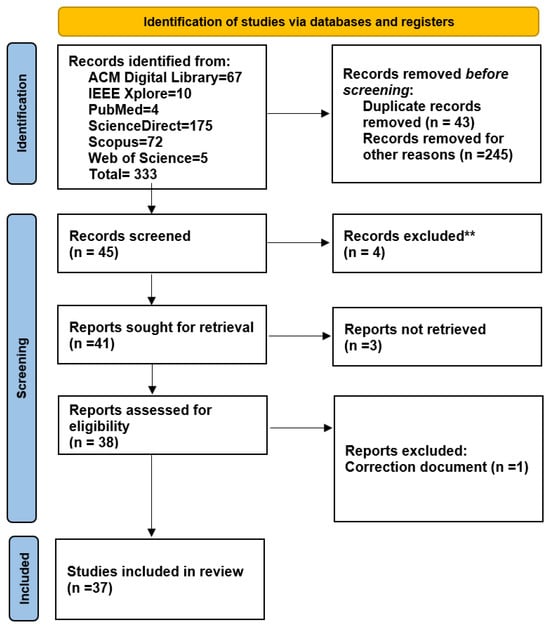
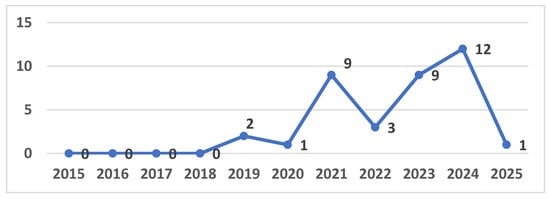
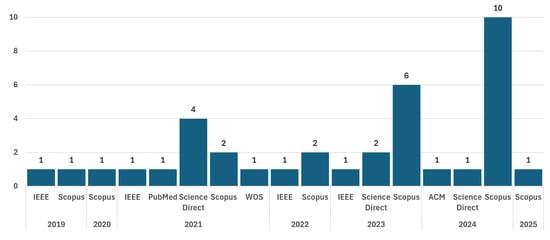
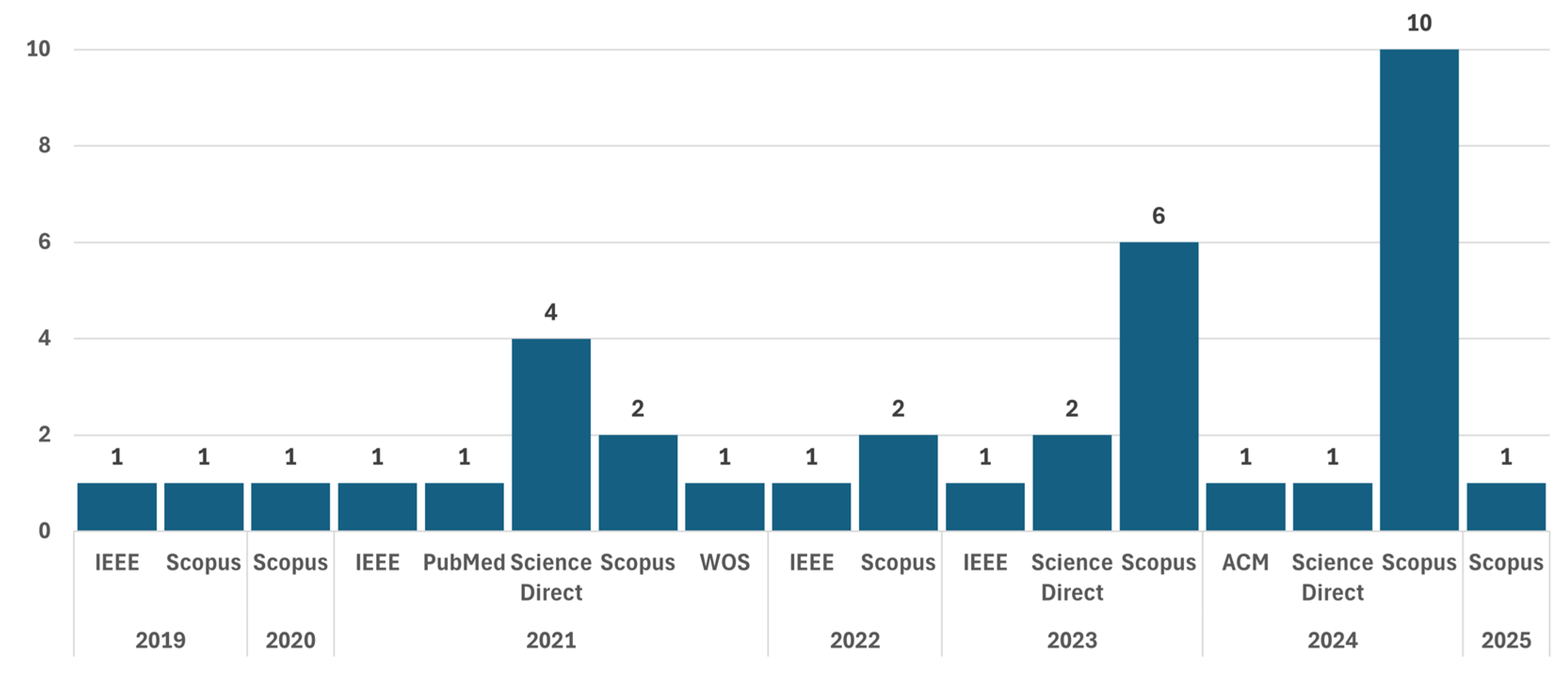
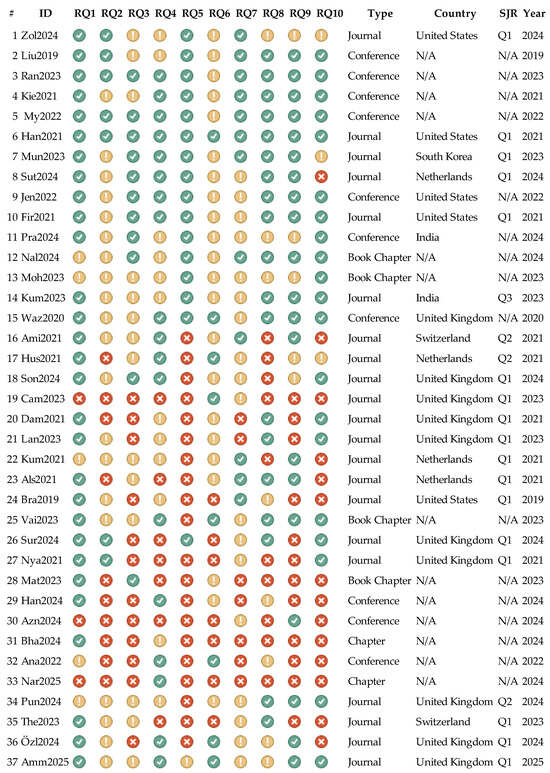
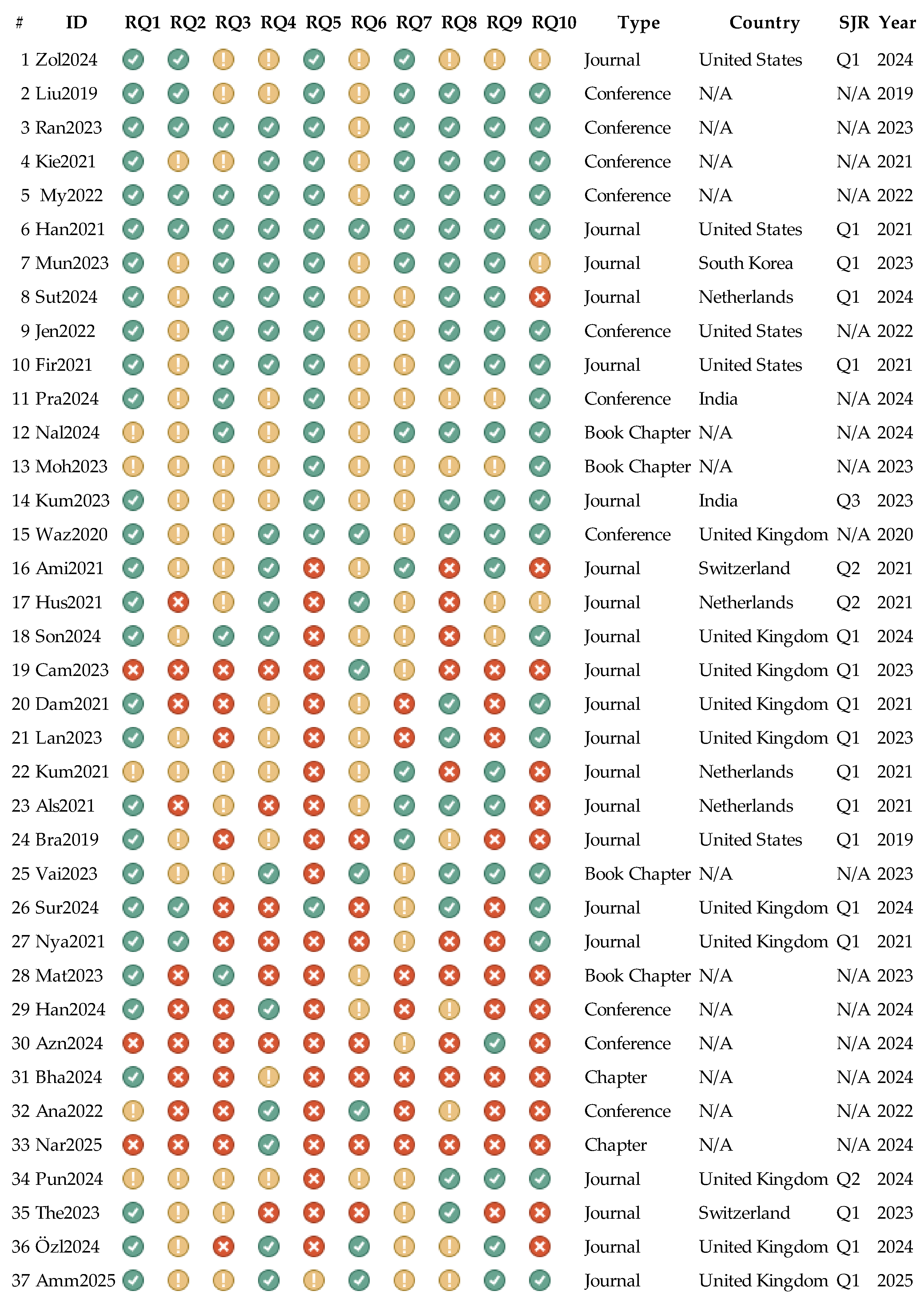

Disclaimer/Publisher’s Note: The statements, opinions and data contained in all publications are solely those of the individual author(s) and contributor(s) and not of MDPI and/or the editor(s). MDPI and/or the editor(s) disclaim responsibility for any injury to people or property resulting from any ideas, methods, instructions or products referred to in the content. |
© 2026 by the authors. Licensee MDPI, Basel, Switzerland. This article is an open access article distributed under the terms and conditions of the Creative Commons Attribution (CC BY) license.