1. Introduction
Some key concepts in the ever-changing world of e-commerce are crucial in understanding consumer behavior and developing business strategies. For example, brand awareness indicates the level at which consumers are able to identify and remember a brand, whereas brand image captures the multifaceted perceptions and meanings that are linked to it. On the other hand, expectations are the consumer’s expectations of the brand’s offerings that are intrinsically linked to perceived performance and the assessment of the actual results of the consumer’s interactions with the brand. Gaining satisfaction is a result of meeting or exceeding expectations that lead to sustainable repurchase intentions and loyalty enhancement. Therefore, it is possible to state that the key factor in the model considered is the concept of consumer satisfaction. Building on the idea of customer loyalty, sustainable repurchase intention emphasizes a deeper, purpose-driven commitment, where consumers choose to support brands aligned with environmental and social responsibility. It reflects a conscious decision to continue engagement with brands that prioritize sustainable practices, fostering long-term trust and a shared commitment to a better future. Refs. [
1,
2] also highlight the dynamic relationship between these factors, with the Brand Equity Theory focusing on the role of brand strength in determining consumer expectations and loyalty. For instance, Expectation-Confirmation Theory (ECT) asserts that satisfaction is dependent on the fulfillment of pre-purchase expectations [
3,
4] to a significant extent. Hence, these theories collectively offer a comprehensive framework for explaining the processes that govern customer retention and repeat purchase behaviors.
Despite extensive research on brand equity and consumer expectations, limited studies have explored how these dynamics operate within culturally specific contexts such as Saudi Arabia’s rapidly evolving e-commerce sector. Existing frameworks, primarily developed in Western settings, may not fully capture the influence of deep-rooted cultural values, emotional bonds, and trust on consumer behavior in Arab markets. This study aims to fill this gap by examining the interaction between brand equity, expectation confirmation, and consumer loyalty through a culturally sensitive lens. Specifically, it investigates how these relationships influence sustainable repurchase intentions among Saudi consumers, integrating Brand Equity Theory and Expectation-Confirmation Theory to develop a comprehensive understanding tailored to the local socio-cultural environment.
However, despite the valuable insights offered by existing research, significant gaps remain. For example, a lot of the literature is biased towards Western contexts, and this makes it possible to question the relevance of the obtained results as culturally specific [
5,
6,
7,
8]. This creates a conceptual gap regarding the possible influence of socio-cultural factors on the relationships between brand equity, customer expectations and satisfaction. Furthermore, many studies have used quantitative methodologies in their research, which can omit the emotional and cultural nuances that consumers from culturally rich regions such as Saudi Arabia embody [
9,
10]. These methodological limitations reveal the need for a more holistic approach to capture the complexities of the consumer decision-making process.
This research attempts to fill the gaps by integrating Brand Equity Theory and Expectation-Confirmation Theory to develop a more accurate consumer behavior model within the Saudi e-commerce market. Using a quantitative methods approach, the research uses quantitative insights to explore the relationship of cultural values, brand perceptions, and customer expectations. This approach not only enriches the analysis but also offers a clearer picture of the role of traditional values and emotional connections in driving consumer loyalty in a digitally emerging market. Furthermore, this study also contributes to the global discourse on e-commerce by offering empirical evidence from an under-researched yet highly relevant region, focusing on a non-Western context.
This paper has particularly chosen Saudi Arabia as the focal point of the research because the nation is unique in its socio-cultural fabric and has exponential growth in its e-commerce sector. This paper considers Saudi Arabia as an ideal setting to explore the intersection of tradition and modernity in consumer behavior, as the kingdom is undergoing a profound digital transformation [
11], and its e-commerce market is expected to grow to unprecedented levels. This way of thinking provides practical findings that can be used by local businesses to improve their performance, as well as extending the theoretical implications of brand equity and customer expectations to emerging markets all over the world. This relevance is further amplified as other countries in the region and other countries with similar economic and social development can learn from the Saudi Arabian experience in managing the challenges of customer interaction in the digital environment [
12]. To fill these gaps and place the findings in the context of a growing market, this study is designed to contribute both academically and practically and to offer a new perspective on the e-commerce story. Sustainability has become a central objective in contemporary e-commerce strategies, extending beyond environmental considerations to encompass economic viability, social trust, and long-term consumer relationships. In digital markets, sustainability is increasingly linked to firms’ ability to retain customers, minimize excessive resource use associated with customer acquisition, and build durable brand–consumer relationships. Within this perspective, customer satisfaction and sustainable repurchase intention represent critical mechanisms through which e-commerce platforms achieve sustainable performance. The focus on consumer loyalty and brand equity in Saudi Arabia’s e-commerce sector directly relates to sustainability by emphasizing long-term relationships, resource efficiency, and trust-based engagement—key elements for resilient digital business models aligned with sustainable development. Prioritizing customer satisfaction through culturally resonant branding and expectation management can reduce resource-intensive acquisition efforts and transactional volatility, thereby supporting economic stability, social trust, and environmentally conscious growth in emerging digital economies.
In Saudi Arabia, sustainability in e-commerce aligns closely with the objectives of Vision 2030, which emphasizes digital transformation, economic diversification, and responsible business growth. Sustainable e-commerce platforms are those capable of maintaining trust, reducing transactional uncertainty, and encouraging long-term engagement rather than short-term consumption cycles. By integrating Brand Equity Theory and Expectation-Confirmation Theory, this study explains how sustainable consumer loyalty emerges through consistent brand performance and expectation fulfillment, offering a behavioral foundation for sustainable digital commerce in emerging markets.
Sustainability has become a central objective in contemporary e-commerce, extending beyond environmental responsibility to encompass economic viability, relational continuity, and long-term value creation. In digital markets, sustainability increasingly depends on firms’ ability to retain customers, minimize excessive resource use associated with repeated customer acquisition, and establish durable brand–consumer relationships. Within this perspective, customer satisfaction and sustainable repurchase intention function as key behavioral mechanisms through which e-commerce platforms achieve sustainable performance. By integrating Brand Equity Theory and Expectation-Confirmation Theory, this study provides a behavioral explanation of how sustainable digital commerce is achieved through trust, expectation fulfillment, and long-term loyalty, particularly in emerging markets such as Saudi Arabia. This framing positions consumer loyalty not merely as a marketing outcome but as a core pillar of sustainable digital business models aligned with Vision 2030.
2. Literature Review
The exponential growth of the e-commerce industry has not only improved the turnaround service to customers but has also significantly transformed the entire retail industry, particularly in regions like the Middle East, where digital innovation is accelerating at a remarkable pace. Saudi Arabian e-commerce revenue was projected to surpass 13 billion USD by 2023, with a compound annual growth rate (CAGR) of 9.98%.
This surge underscores the need to examine the factors that drive sustainable repurchase intention, a critical component of customer loyalty and long-term business success in the digital marketplace [
13]. Customer satisfaction, a widely acknowledged driver of sustainable repurchase intention, is influenced by various aspects of the online shopping experience, such as website design, product selection, delivery efficiency, and after-sales support. In the Middle East, research shows that 72% of online shoppers base their decision to repurchase on the satisfaction of their initial experience, highlighting the critical role of customer satisfaction in fostering consumer loyalty [
14].
In Saudi Arabia’s ever-developing e-commerce environment, customer satisfaction is one of the most important elements of sustainable business growth, according to [
15], based on factors like website usability, security, product quality, and customer service. In the culturally rich and relationship-oriented Middle Eastern market, where trust plays a central role as digital platforms are increasingly becoming competitive, community engagement, transparency and respect for local customs greatly enhance consumer loyalty and repeat purchases [
16,
17,
18]. Even small enhancements in the customer journey may lead to a positive feedback loop that increases profitability by means of word of mouth and stronger brand identification [
14]. As Saudi e-commerce companies strive to navigate this digital revolution, it is essential to grasp the specific drivers of sustainable repurchase intention and to provide experiences that are consistent with cultural norms and the expectations of today’s consumers to gain a competitive edge and for long-term success.
From a sustainability perspective, prior studies increasingly recognize customer loyalty as a driver of economic sustainability in e-commerce ecosystems. Loyal customers reduce marketing and acquisition costs, stabilize revenue streams, and enable firms to invest in service quality, innovation, and socially responsible practices. Brand equity contributes to sustainability by strengthening trust and reducing perceived risk, while expectation confirmation ensures satisfaction that sustains long-term engagement. However, limited research has examined how these mechanisms jointly support sustainable e-commerce development in non-Western contexts such as Saudi Arabia, creating an important gap addressed by the present study.
While loyal consumer behaviors can promote stable market relationships, it is important to recognize that habitual repeat purchases, if driven solely by emotional bonds, may inadvertently sustain overconsumption and resource strain [
19]. To truly advance sustainability, loyalty must evolve beyond mere repetition towards fostering mindful and environmentally responsible consumption, ensuring that long-term loyalty aligns with genuine social and ecological benefit. Incorporating this nuanced perspective emphasizes the need for brands to nurture loyalty that consciously supports sustainable outcomes.
2.1. Brand Equity Theory
Building on the concept of brand equity, this paper posits that brand value is more than just the sum of the products or services provided by the brand. Rather, it is driven by the intangible perceptions that consumers have in their minds about the brand [
20]. This theory was developed in the marketing and consumer behavior literature, and researchers were interested in how brands deliver value beyond their core features. Brand equity became a prominent idea towards the end of the 20th century when companies started to appreciate the significance of brand management in distinguishing themselves in markets that were getting more competitive by the day [
21]. The theory is that brand equity can result in customer loyalty, higher pricing power, and sustainable competitive advantage because consumers prefer brands that they consider valuable and trustworthy [
22,
23].
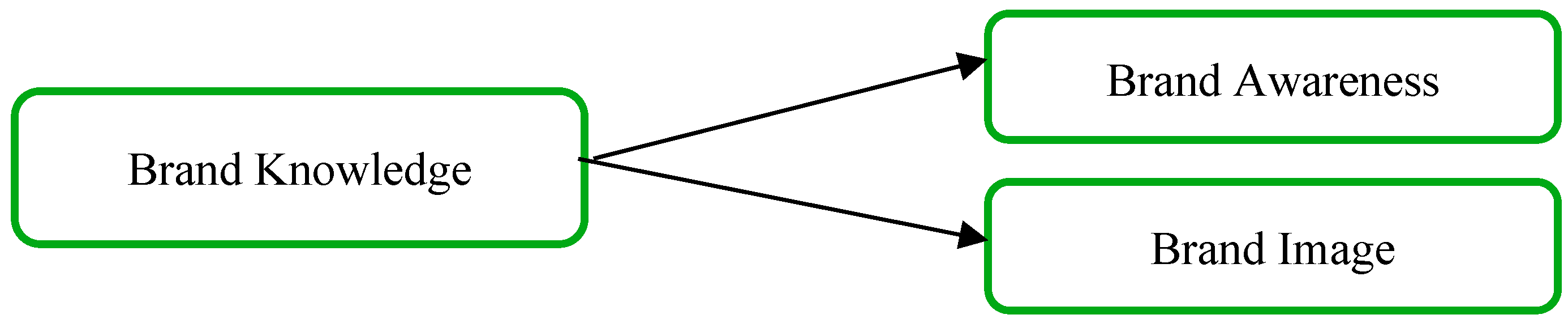
As identified by [
24], the dimensions of brand equity are brand awareness, brand loyalty, perceived quality, and brand associations. These elements all work together to shape the overall consumer experience and buying behavior. For example, brand awareness is a measure of how well consumers can recognize or recall a brand, while brand loyalty captures the probability of repeating purchases. Perceived quality is the consumer’s assessment of the overall excellence of a brand, and brand associations are the attributes, benefits and attitudes associated with a brand by consumers. Good associations and quality consistency can improve equity and impact consumer preferences for brand success [
25].
Figure 1 shows the Brand Equity Theory.
Brand Equity Theory has been applied extensively in various studies across different disciplines such as marketing, consumer behavior and e-commerce. This framework has been employed to examine the impact of brand equity on customer satisfaction, loyalty and purchase intentions with respect to various industries and cultural settings [
27,
28,
29] revealed that brand equity can reduce perceived risk in the context of online shopping, which makes it a key driver of e-commerce success. In the Gulf countries where cultural values and trust influence consumer behavior, brand equity has been seen to play a crucial role in determining purchase decisions [
30].
In this study, Brand Equity Theory was used to examine the effect of brand awareness and brand image on customer satisfaction and sustainable repurchase intention in the e-commerce sector in Saudi Arabia. This theory was chosen because of the cultural and economic specificities of Saudi Arabia, where trust and emotional linking with the brand are the primary factors that influence consumer loyalty [
31]. Using Brand Equity Theory integrated with Expectation-Confirmation Theory (ECT), the study was designed to develop a systematic framework of how brand perceptions prior to purchase and brand experiences after purchase interplay to influence consumer behavior in the digital marketplace. This approach is in concordance with previous studies that have emphasized the role of brand equity in building long-term relationships with customers and gaining a competitive edge in e-commerce platforms [
32].
Therefore, Brand Equity Theory was developed as a theory to explain how brands add value through the eyes of the consumer. Its application in different works has shown its importance for analysing consumers’ behavior, especially in competitive and culturally diverse environments, such as Saudi Arabia. Using this theory, the present study aims to provide practical implications for e-commerce companies wanting to develop solid brand equity and improve customer satisfaction in the digital environment that is constantly changing.
Ref. [
33] stated that brand awareness is the key in influencing pre-purchase expectations since consumers rely on familiar and recognizable brands to form initial beliefs about product quality, service reliability and overall experience. In the Saudi context, where consumer trust in e-commerce platforms is still evolving, the perceived uncertainty is higher and clearer, and more confident expectations are set, even with higher brand awareness before the first purchase. On the other hand, brand image is equally important in the post-purchase evaluation phase when consumers determine whether or not the actual experience was in line with the perceptions and associations they had about the brand [
13]. In culturally sensitive markets such as Saudi Arabia, brands that are local, traditional and embrace the values and identity of the region, impact perceived performance because consumers do not just judge satisfaction by functional quality but also by how well the brand measures up to their cultural standards. This end-to-end link between pre-purchase expectations (based on awareness) and post-purchase performance perceptions (based on image) only serves to further support the argument for combining Brand Equity Theory with ECT to create a single framework to explain customer satisfaction and sustainable repurchase intention in Saudi e-commerce.
Based on this integrated logic, brand-related constructs are expected to influence satisfaction both directly and indirectly through expectation formation, thereby creating a sequential and interdependent mechanism linking pre-purchase and post-purchase processes.
Based on the above discussion, the following hypotheses are proposed:
H1: There is a significant relationship between brand awareness and customer satisfaction in Saudi Arabia.
H2: There is a significant relationship between brand image and customer satisfaction in Saudi Arabia.
2.2. Expectation-Confirmation Theory (ECT)
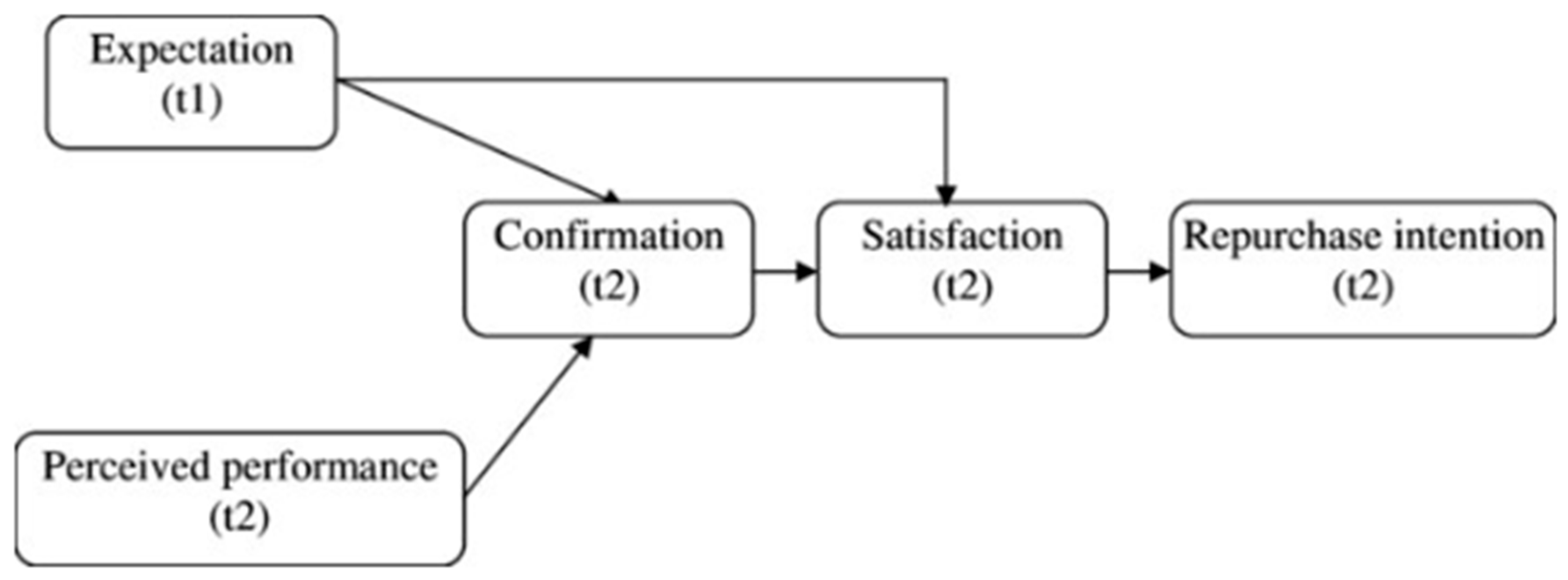
Expectation-Confirmation Theory (ECT) posits that consumer satisfaction is influenced by the alignment between initial expectations and subsequent performance perceptions of a product or service [
34]. This theory highlights the cognitive dissonance that arises when expectations are not met, which can lead to dissatisfaction and reduced loyalty [
35]. In the context of technology adoption, for instance, if users expect a software tool to enhance productivity but find it lacking in performance, their overall satisfaction will decline, impacting future usage intentions [
36]. ECT emphasizes the importance of managing customer expectations through effective marketing communications and product positioning, as positive confirmations can reinforce satisfaction and foster long-term commitment. Thus, understanding and applying ECT can help businesses enhance customer experiences and cultivate loyalty.
Figure 2 shows the Expectation-Confirmation Theory.
Expectation-Confirmation Theory (ECT) plays a key role in understanding consumer satisfaction in the Middle East, particularly in Saudi Arabia, where a burgeoning market of digitally savvy consumers increasingly relies on online services. In Saudi Arabia, approximately 70% of the population is under the age of 30, and this demographic shows a strong preference for high-quality digital experiences [
37]. As a result, managing consumer expectations and aligning them with actual performance perceptions is crucial for businesses aiming to thrive in this competitive landscape.
Expectations serve as the benchmark against which consumers evaluate their experiences with products and services. In a market characterized by rapid technological advancements and heightened competition, Saudi consumers often have elevated expectations influenced by international brands and innovative solutions. According to [
38], 65% of consumers in the Middle East prioritize quality and reliability when choosing brands, indicating that their initial expectations are heavily weighted toward high performance. When businesses fail to meet these expectations, the gap between anticipated and actual performance can lead to dissatisfaction and diminished brand loyalty.
Subsequently, expectation and performance perceptions are equally critical in determining customer satisfaction. Research indicates that in the context of e-commerce, 82% of Saudi consumers expect prompt delivery and seamless service experiences [
39]. If these performance expectations are met or exceeded, consumers are likely to report higher satisfaction levels and a greater likelihood of repeat purchases. Conversely, unmet expectations can lead to negative perceptions, driving customers to seek alternatives. Therefore, focusing on managing expectations and enhancing performance perceptions, businesses can foster positive customer experiences, ultimately leading to increased loyalty and sustained success in the Saudi Arabian market.
H3: There is a significant relationship between expectations and customer satisfaction in Saudi Arabia.
H4: There is a significant relationship between perceive performance and customer satisfaction in Saudi Arabia.
2.3. Customer Satisfaction
Customer satisfaction is among the key elements that influence brand loyalty and long-term business success, representing the degree to which a company’s products or services meet or exceed customer expectations [
40]. In today’s competitive marketplace, where consumers have access to an abundance of choices, understanding and measuring customer satisfaction becomes essential for maintaining a strong market position. Research indicates that a mere 5% increase in customer satisfaction can lead to a profit increase from 25% to 95% [
41], highlighting its financial significance. Additionally, satisfied customers are more likely to engage in positive word-of-mouth promotion, further enhancing brand reputation and customer acquisition efforts [
42]. As businesses increasingly focus on personalized experiences and customer-centric strategies, the emphasis on measuring and improving customer satisfaction continues to grow, making it a key driver for sustainable business growth.
In the rapidly evolving e-commerce landscape of the Middle East, particularly in Saudi Arabia, strong customer satisfaction is not only a key driver of loyalty but also a critical factor influencing sustainable repurchase intention. As of 2023, the e-commerce market in Saudi Arabia is projected to reach approximately USD 13 billion, with an annual growth rate of about 18.6% [
43]. This burgeoning market is fueled by a digitally savvy population, where over 90% of Saudis are active internet users, leading to a significant shift in shopping habits towards online platforms [
44].
Research indicates that customer satisfaction in e-commerce is intricately linked to factors such as website usability, product quality, and customer service responsiveness. For instance, a study revealed that 70% of Saudi consumers are likely to repurchase from e-commerce platforms that provide seamless user experiences and prompt customer support [
37]. Furthermore, a remarkable 85% of satisfied customers reported intentions to recommend these platforms to others, amplifying the importance of satisfaction in fostering a loyal customer base [
40].
In the context of Saudi Arabia, where cultural norms emphasize trust and relationship-building, e-commerce companies must prioritize customer satisfaction to enhance sustainable repurchase intentions. Brands that actively seek feedback and adapt their offerings to meet consumer needs can significantly increase customer retention. For instance, providing personalized shopping experiences and effective after-sales support has been shown to elevate satisfaction levels, resulting in higher repurchase rates. As e-commerce continues to flourish in the region, businesses that strategically focus on customer satisfaction are poised to secure a competitive edge and drive sustainable growth.
H5: There is a significant relationship between customer satisfaction and Sustainable Repurchase Intention on E-Commerce Websites in Saudi Arabia.
2.4. Sustainable Repurchase Intention on E-Commerce Websites
Sustainable repurchase intention on e-commerce platforms is a crucial indicator of customer loyalty and long-term business sustainability. Unlike general brand equity concepts discussed earlier, sustainable repurchase intention focuses on post-purchase behavior and is directly shaped by the consumer’s transactional experiences and brand interactions. In the context of online shopping, this includes user experience, personalization, service quality, and trust.
Globally, seamless navigation, fast transactions, and personalized recommendations significantly enhance repurchase likelihood by up to 60% in some cases [
45]. In Saudi Arabia, where the e-commerce market is expected to reach approximately USD 13 billion by 2023 [
43], these factors are particularly influential due to local consumer preferences and cultural expectations.
Recent studies highlight that 75% of Saudi consumers are more likely to repurchase from websites offering user-friendly interfaces, Arabic-language support, secure payment gateways, and reliable return policies [
46]. Platforms like Noon and Amazon.sa have localized their offerings to cater to these preferences, earning strong consumer trust and encouraging repeat purchases [
47,
48].
Moreover, brands such as Faces and Arabian Oud utilize social media to deliver culturally resonant content and personalized promotions, building deeper emotional bonds with Saudi consumers [
49,
50]. These efforts contribute not only to satisfaction but to loyalty-driven repurchase behavior.
Therefore, in the Saudi e-commerce context, sustainable repurchase intention is best understood as the outcome of a holistic and culturally attuned customer experience. Tailored product recommendations and localized strategies have been shown to boost customer satisfaction and increase repurchase rates by up to 40% [
51]. In a competitive digital marketplace, platforms that prioritize convenience, personalization, and culturally relevant engagement are more likely to foster lasting consumer relationships and gain a competitive edge.
Looking ahead, advanced technologies like robotics, games, artificial intelligence, augmented reality, and personalized digital interfaces stand poised to redefine the consumer experience, seamlessly integrating with the foundational insights of brand equity and expectation confirmation. As these innovations reshape more immersive and tailored shopping environments, they will amplify the dynamics explored in this study by offering a new avenue to strengthen trust, satisfaction, and loyalty in the Gulf countries’ e-commerce landscape, especially in Saudi Arabia. Therefore, embracing these technological frontiers will elevate future applications and deepen our understanding of how digital transformation continues to evolve consumer brand relationships.
2.5. The Integration of Brand Equity Theory and Expectation-Confirmation Theory (ECT)
Despite the growing global trend of e-commerce, there is a profound lack of understanding of the diverse factors that influence consumer behavior, especially in the context of Saudi Arabia, whose socio-cultural context differs from the rest of the world [
52]. As pointed out in the above table, previous research has mainly concentrated on mature e-commerce markets and has not taken into account the cultural, emotional and trust-based aspects of consumer interactions in the Arab Middle East [
53,
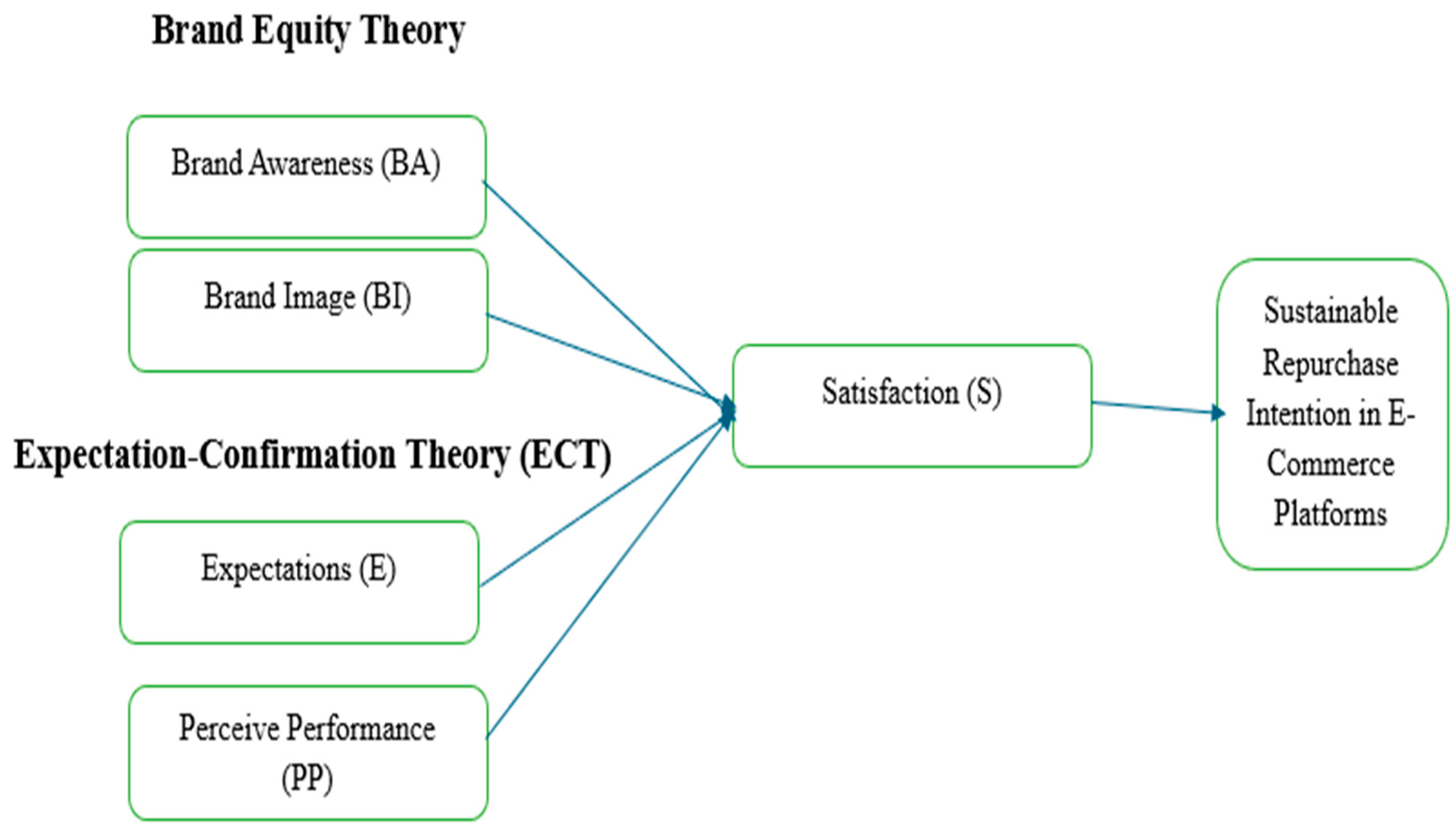
54]. This research therefore aims to contribute to the above by bridging this important gap through the integration of Brand Equity Theory with the Expectation-Confirmation Theory (ECT) in order to offer a new perspective on how brand perceptions and customer expectations work conjointly to determine satisfaction and sustainable repurchase intentions. In this study, “integration” does not refer to merely combining variables from different theories. Instead, it represents a process-based synthesis, in which Brand Equity Theory explains the formation of pre-purchase expectations (through brand awareness and brand image), while Expectation-Confirmation Theory explains the post-purchase evaluation process (through perceived performance and satisfaction). This integration establishes a causal chain linking pre-purchase perceptions to post-purchase outcomes, rather than treating them as independent predictors.
The key novelty of this integration lies in the synergistic relationship between the two theories. Specifically, strong brand equity not only directly influences satisfaction but also shapes consumer expectations, which in turn determines how performance is evaluated. Therefore, the effect of perceived performance on satisfaction is conditional on prior brand-driven expectations, creating an interaction mechanism that cannot be explained by either theory alone.
This research contributes by integrating Brand Equity Theory and Expectation-Confirmation Theory within a unified framework that explains both pre-purchase expectations and post-purchase evaluations. In addition, it provides context-specific insights into consumer behavior in the Saudi digital market, offering practical implications that complement prior studies conducted in more mature e-commerce environments [
55,
56].
Brand Equity Theory emphasizes the value that a brand holds in the minds of consumers. In the context of e-commerce, brand equity is reflected through factors such as brand recognition, perceived quality, and customer loyalty [
57]. Strong brand equity plays a critical role in shaping customers’ perceptions before they even make a purchase. When shopping online, consumers may rely on the reputation of a brand to evaluate the quality of products or services. For instance, well-known e-commerce platforms like Amazon or Alibaba enjoy high brand equity, which increases consumer trust, thereby enhancing their likelihood of completing purchases and returning to the platform [
58].
On the other hand, Expectation-Confirmation Theory (ECT) provides a dynamic perspective on how customer satisfaction is developed post-purchase. According to ECT, satisfaction is a function of the gap between prior expectations and the actual experience of using the product or service [
59]. In the e-commerce domain, customers form expectations based on product descriptions, reviews, and the reputation of the website. After the purchase, if the product or service meets or exceeds these expectations, satisfaction is confirmed, leading to higher sustainable repurchase intention [
14]. In contrast, if the actual experience falls short, it leads to dissatisfaction and may deter repeat purchases.
Figure 3 shows the conceptual framework.
This paper provides a novel contribution to the literature by integrating Brand Equity Theory and Expectation-Confirmation Theory (ECT) as a coherent conceptual lens to explore sustainable repurchase intentions in emerging e-commerce markets, especially in the context of Saudi Arabia’s growing digital economy [
60]. These theories have usually been applied separately in the existing literature, which has mostly been drawn from mature e-commerce ecosystems like the United States, Europe and China [
46,
61,
62]. Research on brand value has mainly focused on how it affects the decisions customers make when they first buy a product and their overall perception of the brand. On the one hand, IED is commonly used to study how customer satisfaction develops after a purchase has been made. This lacks integration with these theories, which leads to a fragmented understanding of how pre-purchase brand expectations affect post-purchase satisfaction and thus repurchase behavior. This gap is particularly relevant in Saudi Arabia, where e-commerce adoption is still maturing, and consumer decision-making is highly influenced by trust, reputation and perceived risk [
40].
This theoretical integration is particularly important in the Saudi e-commerce market, where customers rely more on brand equity signals to mitigate the perceived risks of online shopping [
61]. Pupils in countries with well-established digital economies have a wealth of experience in making and receiving online purchases and have standard service expectations, but Saudi consumers, many of whom are relatively new to digital shopping, are likely to turn to brand credibility as a trust proxy when interacting with e-commerce platforms [
63]. As a result, the role of brand equity in setting pre-purchase expectations is more effective than in mature markets. If these expectations are positively confirmed post-purchase, then satisfaction levels increase, which strengthens customer trust and encourages long-term loyalty and repeat purchases [
46]. However, if a platform with strong brand equity does not meet the expectations of the customer in terms of timely delivery, product quality or customer service, the dissatisfaction can be compounded, resulting in a sharp decline in sustainable repurchase intention [
40].
Thus, by combining Brand Equity Theory with the Expectation-Confirmation Theory (ECT), this study presents a comprehensive framework that starts from the beginning of the consumer journey, from setting expectations, through post-purchase satisfaction, and up to repurchase decisions [
61]. This approach is especially important for Saudi e-commerce companies as it takes into account the specific consumer behaviors, cultural nuances, and trust factors that govern consumer purchasing actions in a new market that is developing digitally. From a sustainability perspective, these findings highlight that customer satisfaction and sustainable repurchase intention are not merely behavioral outcomes but key mechanisms for achieving sustainable e-commerce growth. By fostering long-term, trust-based relationships, Saudi e-commerce platforms can reduce customer churn, lower repeated acquisition costs, and minimize inefficient transaction cycles. This form of economic and relational sustainability supports stable revenue streams and enables firms to invest in service quality, digital innovation, and socially responsible practices. Consequently, brand equity and expectation confirmation emerge as foundational drivers of sustainable digital business models aligned with Saudi Arabia’s Vision 2030.
In contrast to mature e-commerce economies where repurchase behavior is driven by habitual shopping and transactional convenience, Saudi consumers care more about trust, reliability and brand credibility when committing to repeat purchases [
63]. This contextual novelty contributes to the study’s contribution by offering strategic insights tailored to emerging e-commerce markets, and underlining that, in pre-purchase and post-purchase phases, brands need to watch over the management of expectations carefully in order to build long term customer relationships [
46].
2.6. Unique Influences of Brand Equity Theory and Expectation-Confirmation Theory in Saudi Arabia’s E-Commerce Landscape
For the first time, Saudi Arabia has a unique cultural landscape of traditional values, religious beliefs, and societal norms that impact consumer behavior [
64]. Individualism and brand loyalty are common in Western markets, but Saudi consumers place a high value on relationships and trust [
65]. In this cultural context, it is important for BET to go beyond the basic measurement of brand awareness and image to include adherence to local customs and emotional attachments. For instance, ref. [
65] argued that brand equity is very strong in Arab Gulf countries if and only if the brands are able to connect with the cultural norms and values of the people. Brands have to work around the expectations that are set by cultural narratives and social expectations to build loyalty. This is in contrast to other areas where consumer expectations may be driven more by global branding strategies than by specific local cultural contexts [
66].
Secondly, trust is a key factor that influences the buying behavior of consumers in Saudi Arabia. This focus on creating personal connections and loyalty is one of the most significant characteristics of the Saudi market. Therefore, the application of BET in Saudi Arabia must consider how brand equity elements like trust and community alignment can directly impact consumer satisfaction and sustainable repurchase intentions. When it comes to ECT, in the context of Saudi Arabian practices. It shifts the focus from mere performance outcomes to the significance of trust within the community. For instance, if a consumer in Saudi Arabia has trust in a brand but gets a product that does not fulfill its promised performance, they may still consider buying it again because of the trust that has been built up in a previous relationship. This nuanced interplay enriches the role of expectations within ECT and makes it relevant to the Saudi context in a way that is different from more transactional or less relationship-focused markets.
Moreover, in the Saudi e-commerce market, emotional connections are crucial in influencing consumer behavior. Saudi consumers tend to be brand loyal to companies that appeal to their values and emotional needs. This is a contrast to areas where consumer loyalty is most likely triggered by functional factors like price or quality. Including BET enables the examination of the role of emotional connections in building brand equity and, in turn, setting consumer expectations. Those brands that are able to stir up emotional reactions not only set up favorable expectations but also improve their performance perceptions after the purchase. ECT illustrates these dynamics: if emotional expectations are met or surpassed, then customer satisfaction and loyalty are reinforced by strong emotional ties.
Furthermore, the rapid growth of e-commerce in Saudi Arabia, which is driven by digital transformation, creates a specific competitive environment. Those brands that have already established themselves as major players must innovate and adapt to the changing consumer preferences and technological advancements that are occurring. BET and ECT integration is therefore crucial in determining how brands can maintain their edge. In this dynamic market, brand equity becomes a critical determinant of consumer expectations, which drive initial perceptions based on the prestige of an established brand. ECT helps to manage and measure how well a brand meets these evolving expectations in a competitive digital landscape, which may differ from regions with slower market evolution or less intense competition.
Therefore, the unique factors in Saudi Arabia, emphasis on trust and relationship building, the importance of emotional connections and the dynamic market conditions, are quite different from the applicability of Brand Equity Theory and Expectation-Confirmation Theory to other regions. By understanding these nuances, businesses can develop culturally sensitive strategies for brand management to enhance customer satisfaction and increase repeat purchases in ways that are most relevant to the local consumers. The dual application of these theories not only extends the theoretical frameworks but also challenges the reader to explore the complex interactions of brand equity and consumer behavior in different cultural settings around the world.
3. Methodology
The study was carried out in the Hail region of Saudi Arabia, which was chosen for the study due to the fact that it has its own specific socio-cultural characteristics and the rate of development of its e-commerce, which is in line with the larger digital transformation agendas of Saudi Arabia’s Vision 2030 [
67]. An online questionnaire was used for data collection since it was a convenient way of reaching out to a large population and was appropriate for digital research [
68]. The study chose online data collection because it enables efficient access to a large, digitally active population, which is crucial in Saudi Arabia, where approximately 90% of internet users are engaged in e-commerce activities [
69]. Furthermore, utilizing social media platforms for distribution aligns with over 80% of Saudi consumers’ preference for online shopping, making it an effective approach to gather authentic and extensive responses from the target demographic [
70].
The study employed validated measurement scales for constructs such as brand awareness, brand image, expectations, perceived performance, satisfaction, and sustainable repurchase intention, with factor loadings, Cronbach’s alpha, and composite reliability used to ensure their validity and reliability. These scales were selected for their established robustness and appropriateness in capturing complex consumer perceptions within the Saudi e-commerce context, ensuring accurate measurement of latent variables essential for structural equation modeling (see
Appendix A). The questionnaire was distributed through social media to residents of the Hail region who are active in online shopping, thus increasing the response rate.
The study did not focus on a specific e-commerce platform; instead, respondents were asked to reflect on their general experiences across commonly used e-commerce websites (e.g., Amazon.sa, Noon, etc.) to ensure broader applicability of the findings.
To ensure that only eligible respondents participated, screening questions were included at the beginning of the survey, requiring participants to confirm that they are Saudi residents and active users of e-commerce platforms. Responses that did not meet these criteria were automatically excluded. In addition, data cleaning procedures were applied, including the removal of incomplete responses and responses showing inconsistent or patterned answers.
Using convenience sampling, 361 responses were collected from participants who were easily accessible and willing to participate. To increase the sample size, the snowballing approach was also used, where respondents were asked to share the survey with other people in their network [
71]. The exclusion of non-Saudi citizens, residents or Arabic-speaking non-residents from the target population is because understanding of the Saudi culture is crucial in determining the way of behaving, perceiving and responding to online retailers and hence determining the building blocks of trust, the online emotional bonds and the evaluation of the online retailer. Similarly, there are several cultural, linguistic and social factors that are likely to be lost in translation or understood differently by non-Saudi participants. Thus, excluding non-Saudi residents of the Kingdom and excluding Arabic-speaking non-residents of the Kingdom will ensure that all participants are under the same local conditions, infrastructure, and societal trends that are unique to the Kingdom and hence have a direct bearing on bridging tradition and modernity in the consumer’s behavior. For data analysis, the study employed structural equation modeling (SEM) using partial least squares (PLS), a statistical technique that allows for the evaluation of complex relationships between observed and latent variables [
72]. PLS-SEM is particularly advantageous in exploratory research, where the emphasis is on prediction and theory development, rather than the confirmation of existing models. The method’s suitability lies in its capacity to handle smaller sample sizes and non-normal data distributions, making it ideal for this research’s objectives.
The choice of SEM/PLS is justified by the study’s aim to explore the relationships between multiple variables, such as brand equity, customer satisfaction, and sustainable repurchase intention [
73]. SEM allows for the simultaneous examination of these variables, providing a comprehensive understanding of the factors influencing consumer behavior. Since constructs like brand awareness and satisfaction are latent variables that cannot be directly observed, SEM is an appropriate tool for modeling these relationships and predicting outcomes. This approach helps uncover the variance explained by the model, which is crucial for developing strategies in the competitive e-commerce environment [
56].
However, it is acknowledged that online surveys cannot fully prevent respondents from providing inaccurate information. Therefore, the study relied on self-reported eligibility and post hoc data screening techniques to improve data quality.
4. Results
4.1. Demographic Profiles
In alignment with Saudi Arabia’s Vision 2030 and broader trends across the Arab world and globally, understanding the demographic profiles of consumers is essential for shaping e-commerce strategies that enhance satisfaction and sustainable repurchase intentions.
Table 1 highlights key demographic factors, such as gender, age, education level, and employment status, which influence consumer behavior and perceptions of brand power on e-commerce platforms. These insights are vital for businesses aiming to align with the Saudi Arabian Vision 2030’s goals of digital transformation and economic diversification through e-commerce growth.
The gender distribution of the sample reveals that 62.9% of participants are male, while 37.1% are female. This gender imbalance may shape how brands craft their marketing strategies, as male and female consumers often exhibit different preferences in their online shopping experiences [
37]. Understanding these nuances enables brands to develop more targeted campaigns and customer engagement strategies, enhancing satisfaction and loyalty across diverse consumer segments.
Age also plays a crucial role, with the largest group of respondents (32.7%) falling within the 36–45 age range, followed by those aged 26–35 at 23.8%. These age groups are typically more familiar with technology and e-commerce platforms, leading to higher expectations for user experience and customer service [
74]. For e-commerce brands operating in Saudi Arabia and the Arab world, meeting the expectations of this tech-savvy demographic is critical to driving sustainable repurchase intentions and achieving long-term customer satisfaction.
Educational background further shapes consumer behavior, with 41.6% of respondents holding undergraduate degrees. Educated consumers tend to have higher expectations regarding product quality, website functionality, and overall customer service [
75]. For e-commerce platforms to thrive, particularly in line with the Saudi Arabian Vision 2030’s focus on fostering innovation and quality, brands must prioritize delivering exceptional experiences that resonate with this well-educated segment. Similarly, employment status plays a role, as 35.7% of respondents are employed full-time, indicating a consumer base with disposable income. Prioritizing convenience, delivery speed, and responsive customer service for this group can significantly influence their satisfaction and repurchase behavior.
4.2. Construct Validity and Reliability
To ensure the robustness of the measurement instruments, a pilot test was conducted prior to the main survey, and the validity and reliability of the constructs were assessed through confirmatory factor analysis, with all items demonstrating acceptable factor loadings (above 0.7) and composite reliabilities (above 0.7). The study employed multiple measures to control for common method bias, including procedural remedies such as ensuring anonymity and encouraging honest responses, as well as statistical tests like Harman’s single-factor test, which indicated no significant bias. The choice of SEM-PLS for data analysis is justified by its suitability for exploratory research, small sample sizes, and non-normal data distributions, consistent with [
72]. Thresholds for validity and reliability, such as Cronbach’s alpha (above 0.7) and AVE (above 0.5), are adhered to, underpinning the credibility of our measurement model.
The validity and reliability of survey instruments are important for accurately measuring the constructs that influence consumer behavior and e-commerce strategies.
Section 4.2 provides an in-depth analysis of construct validity and reliability, which are vital for aligning research outcomes with the ambitious goals of Vision 2030, particularly in the areas of digital transformation and consumer satisfaction. This section is divided into two key areas: convergent validity and reliability, ensuring that the instruments used are robust and can support informed decision-making in the rapidly evolving e-commerce landscape.
Convergent validity assesses the degree to which multiple measures of the same construct are related, confirming whether the survey items accurately capture the intended variables. This is essential for understanding consumer satisfaction, sustainable repurchase intention, and brand loyalty, particularly in Saudi Arabia’s growing e-commerce market.
Table 2 highlights several key metrics: factor loadings (FL), composite reliability (CR), average variance extracted (AVE), and Cronbach’s alpha (CA), each of which plays a role in validating the survey’s constructs [
72].
The strength of the relationship between each item and its construct is indicated by the factor loadings, with values ranging from 0.642 to 0.858 in
Table 2. A factor loading above 0.5 is considered acceptable, demonstrating that the items are effectively measuring the intended constructs, which is crucial for aligning with Vision 2030’s focus on fostering quality and precision in data-driven initiatives.
The internal consistency is measured through Cronbach’s alpha, with values above 0.7 reflecting strong reliability. In this study, the CA values range from 0.841 to 0.888, indicating that the items within each construct are consistently measuring the same concept, an essential factor for reliability in consumer research across the Arab world [
76].
Similarly, the composite reliability metric assesses the overall reliability of the construct, with values ranging from 0.846 to 0.888 in the study, supporting the reliability of the constructs being measured. CR values above 0.7 are generally acceptable, aligning with global standards in consumer behavior research and ensuring that the data gathered is robust enough for strategic e-commerce applications [
73].
The AVE measures the amount of variance captured by a construct relative to measurement error. With AVE values ranging from 0.556 to 0.601 in
Table 2, the constructs demonstrate adequate explanatory power, ensuring that the data can be reliably used to guide strategic decision-making in Saudi Arabia’s competitive e-commerce market [
55].
Discriminant validity is one of the key aspects of construct validity, which determines whether a construct is truly distinct from others in a measurement model [
73]. This distinction is vital to avoid any overlap or confusion about what is being assessed, especially in a rapidly evolving digital economy like that of Saudi Arabia and the broader Arab world. One of the most widely used methods to evaluate discriminant validity is the Fornell–Larcker criterion.
Table 3 presents the Fornell–Larcker criterion results, comparing the square root of the average variance extracted (AVE) for each construct against its correlations with other constructs. For discriminant validity to be confirmed, the square root of the AVE for each construct should exceed the correlations between that construct and any other. This is particularly important for e-commerce studies, as it helps ensure that variables like brand awareness, perceived performance, and sustainable repurchase intention are measured distinctly [
77].
In
Table 3, the diagonal values represent the square root of the AVE for each construct, and the off-diagonal values represent correlations between the constructs. For example, brand awareness (BA) has a square root of AVE of 0.757, with correlations to other constructs (BI: 0.353, E: 0.295, PP: 0.341, RI: 0.319, S: 0.352), all lower than its AVE value, confirming its uniqueness. Similarly, brand image (BI) also shows an AVE of 0.757, with correlations lower than its AVE, further supporting its distinctiveness in measuring consumer perceptions in an increasingly competitive e-commerce landscape [
72].
Other constructs, such as expectations (E) with an AVE of 0.748 and perceived performance (PP) with an AVE of 0.745, also exhibit lower correlations with other variables, reinforcing their discriminant validity. Sustainable repurchase intention (RI) and satisfaction (S), with AVEs of 0.775 and 0.766, respectively, similarly show clear distinctions from other constructs, which are essential for understanding their unique impact on consumer loyalty and retention in e-commerce [
40].
Thus, the results in
Table 3 demonstrate that all the study constructs possess discriminant validity, ensuring that each measures a unique dimension of consumer behavior. This distinction strengthens the validity of the research model and supports the conclusions drawn regarding the key factors influencing consumer satisfaction and sustainable repurchase intentions. As Saudi Arabia strives to foster a thriving digital economy under Vision 2030, maintaining such methodological rigor is essential for crafting effective strategies in the e-commerce sector [
78].
One method to assess discriminant validity in structural equation modeling is the heterotrait–monotrait ratio (HTMT), which evaluates how well constructs differentiate from one another. The HTMT method compares the correlations between different constructs (heterotrait) with correlations within the same construct (monotrait), providing a clearer picture of construct validity. According to statistical norms, a threshold of 0.85 is widely accepted for establishing discriminant validity, with values exceeding this limit indicating potential issues with the distinctiveness of constructs [
79].
Table 4 displays the HTMT values for key constructs in the e-commerce domain, such as brand awareness (BA), brand image (BI), expectations (E), perceived performance (PP), satisfaction (S), and sustainable repurchase intention (RI). The values offer insight into how the research constructs and how effectively they measure separate dimensions of consumer behavior. For instance, the HTMT value between brand awareness (BA) and brand image (BI) is 0.422, comfortably below the 0.85 threshold, indicating that these two constructs are distinct. Similarly, the HTMT value of BA and expectations (E) is 0.351, further suggesting that these variables measure different aspects of consumer behavior.
The other constructs also exhibit acceptable HTMT values: BA and perceived performance (PP) have a value of 0.419, while brand image (BI) and sustainable repurchase intention (RI) show an HTMT value of 0.347. All these values fall well below the 0.85 threshold, confirming that the constructs are measuring unique components in the e-commerce experience [
72]. For example, perceived performance (PP) and satisfaction (S), with an HTMT value of 0.370, highlight that consumer expectations of performance and their satisfaction are indeed separate entities.
Hence, the HTMT analysis in
Table 4 confirms that all constructs within the study are distinct, with values consistently falling below the accepted threshold of 0.85. This strengthens the measurement model’s discriminant validity, ensuring that constructs such as brand awareness, satisfaction, and sustainable repurchase intention are measuring unique facets of consumer behavior. Such rigor is essential for drawing reliable conclusions about consumer satisfaction and loyalty, especially in an e-commerce environment that is rapidly evolving in the Arab world and beyond. Establishing discriminant validity enhances the study’s reliability and contributes to the theoretical and practical implications of consumer behavior research in Saudi Arabia’s growing digital economy.
4.3. Measurement Model
In the context of brand power and its influence on e-commerce in Saudi Arabia, the Arab world, and globally, examining the main factors that impact consumer satisfaction and sustainable repurchase intention is essential. The measurement model plays a critical role in structural equation modeling (SEM), demonstrating how observed variables, such as survey responses, are linked to latent constructs like brand awareness (BA), brand image (BI), expectations (E), perceived performance (PP), satisfaction (S), and sustainable repurchase intention (RI). This model is particularly important in assessing the accuracy of theoretical assumptions in the context of Saudi Arabia’s Vision 2030, which aims to develop a thriving digital economy. The validation of these relationships ensures the reliability of consumer behavior analysis and its applicability to branding strategies in e-commerce [
80].
4.4. Model Fit Assessment
R-square (R
2) values measure how much variance in dependent variables, such as purchase intention and satisfaction, can be explained by independent variables. Higher R
2 values suggest a stronger model fit, although even moderate values provide valuable insights into consumer behavior. For instance, the R
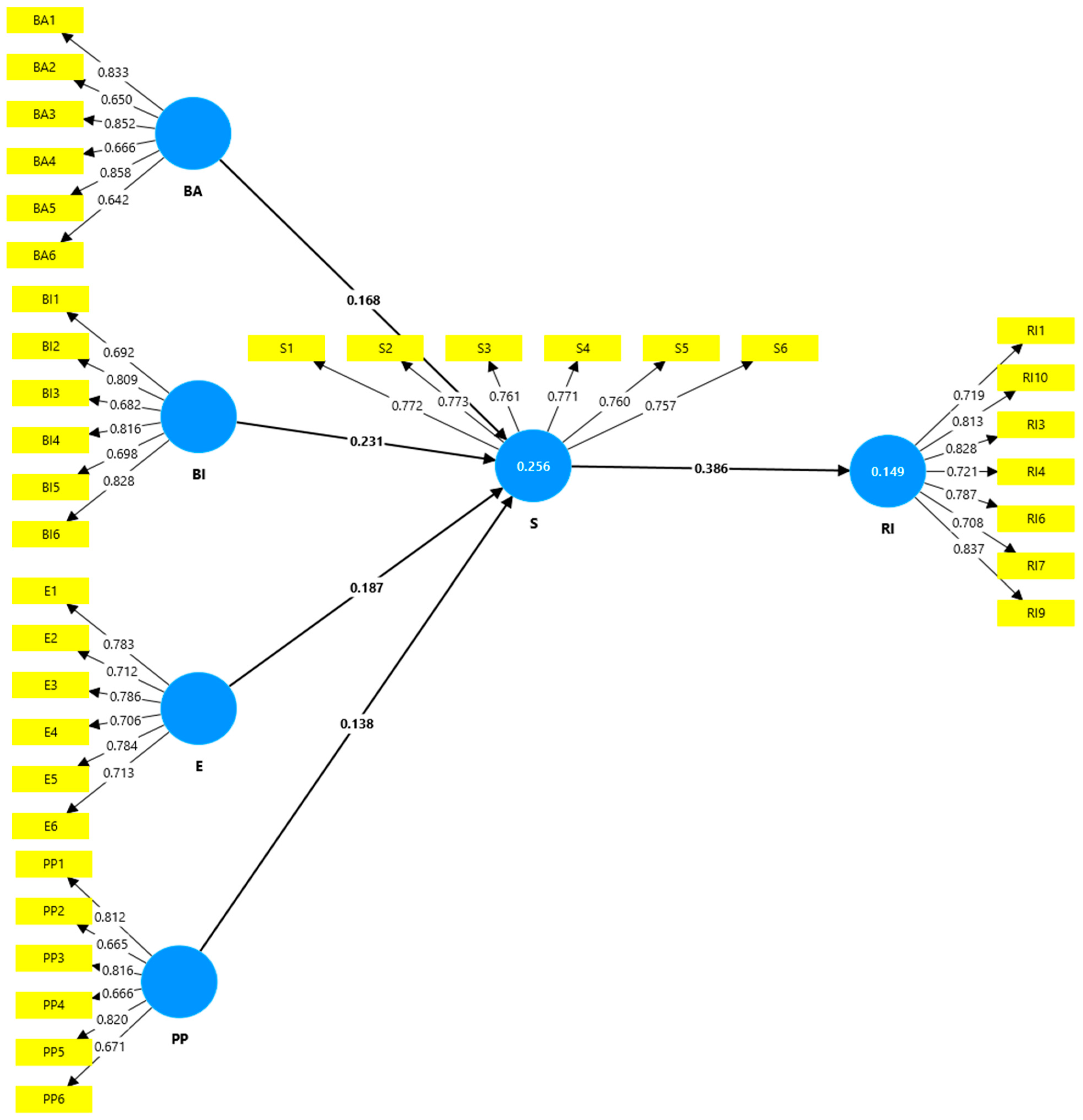
2 for sustainable repurchase intention (RI) is 0.149, meaning that 14.9% of the variance in RI is explained by factors such as brand awareness, brand image, and satisfaction. The reported R
2 value of 0.149 for sustainable repurchase intention indicates a modest explanatory power of the current model, suggesting that key determinants of customer loyalty remain unaccounted for. This gap underscores a critical limitation, as exclusive reliance on the existing variables risks oversimplifying the complex, multi-dimensional nature of consumer decision-making in Saudi Arabia’s unique socio-cultural context. Future research should explicitly integrate factors such as social influence, community engagement, and trust, which are particularly salient in collectivist societies and have been shown to significantly impact repeat purchasing behavior. Including variables linked to loyalty programs, personalized incentives, and perceptions of online security would also provide a more holistic understanding of what sustains customer loyalty over time. From a managerial perspective, neglecting these dimensions risks overlooking vital levers that could enhance customer retention, an oversight that may diminish strategic effectiveness. Moreover, emerging technological advancements like AI-driven personalization and augmented reality have the potential to reshape consumer experiences considerably; their omission from the model limits its relevance in the rapidly evolving digital landscape. While this figure might seem modest, it underscores the complexity of consumer decision-making in fast-evolving markets like Saudi Arabia’s e-commerce sector [
74].
Table 5 shows the R-square results.
Figure 4 shows the measurement model.
Likewise, satisfaction (S) has an R
2 of 0.256, indicating that 25.6% of its variance is explained by independent variables in the model, such as expectations and perceived performance. This suggests a strong link between these constructs and customer satisfaction. The adjusted R
2 values further confirm the model’s robustness, ensuring its relevance in explaining consumer behavior [
46].
Table 6 shows the model fit assessment.
Furthermore, the model fit assessment in
Table 6 highlights that the SEM-PLS remains robust and reliable within the context of Saudi Arabia’s rapidly evolving e-commerce landscape. The slight increase in SRMR from 0.033 to 0.049 suggests that the model’s predictions continue to align well with actual consumer data, indicating that the theoretical framework effectively captures key drivers of customer satisfaction and sustainable repurchase intentions amidst the nation’s digital transformation.
Similarly, the rises in d_ULS from 0.510 to 1.127 and d_G from 0.742 to 0.868, while reflecting minor deviations, affirm that the model adequately represents the complex correlation of factors like brand awareness, expectations, and perceived performance in the unique cultural and socio-economic context of Saudi consumers. The chi-square value’s modest increase from 1455.098 to 1571.849, alongside a stable NFI of around 0.89, underscores that, despite evolving consumer behaviors driven by Vision 2030’s digital initiatives, the model maintains its validity, providing a solid foundation for strategic insights into fostering deeper trust and loyalty within Saudi Arabia’s burgeoning e-commerce market.
4.5. Hypotheses Testing in Structural Model
The hypothesis testing in the structural model aims to assess the relationships between various constructs, using statistical methods to validate whether the proposed relationships are supported by the data. Each hypothesis is tested based on several key statistical indicators, including standardized beta coefficients, standard deviations, t-values,
p-values, and the final decisions on the hypotheses. These results are presented in
Table 7, which serves as the basis for understanding how different factors, such as brand awareness, brand image, expectations, and perceived performance, influence customer satisfaction and sustainable repurchase intention.
The Standard Beta indicates the strength and direction of the relationship between independent and dependent variables. A positive standardized beta suggests a positive relationship, while a negative value would imply the opposite. For example, in the context of this study, the standardized beta for the relationship between brand awareness and satisfaction is 0.168, indicating a positive and significant effect. Meanwhile, the standard deviation (Std. Dev) provides insight into the variability of the estimates, with smaller standard deviations reflecting more precise estimates.
The t-values in this analysis are calculated by dividing the standardized beta by its standard deviation. Higher absolute t-values indicate stronger evidence against the null hypothesis, suggesting a more significant relationship between the constructs. For instance, the t-value for brand image to satisfaction is 4.587, which supports the hypothesis that brand image has a strong influence on satisfaction. Moreover, the
p-values help determine the statistical significance of these relationships, with lower
p-values (typically below 0.05) suggesting that the null hypothesis can be rejected. For instance, the
p-value of 0.000 for the relationship between brand image and satisfaction confirms a highly significant relationship [
39].
The decisions column in
Table 4 indicates whether a hypothesis is supported or rejected based on its
p-value. For example, the hypothesis that brand awareness positively affects satisfaction (H1) is supported, with a standardized beta of 0.168, a t-value of 3.292, and a
p-value of 0.001. This implies that brand awareness has a meaningful and positive impact on customer satisfaction. Similarly, the relationship between brand image and satisfaction (H2) is stronger, with a standardized beta of 0.231, further reinforcing that brand image plays a crucial role in shaping customer satisfaction.
The analysis also highlights the role of expectations in shaping satisfaction. The standardized beta for satisfaction of expectations (H3) is 0.187, with a t-value of 3.804 and a p-value of 0.000, indicating that meeting or exceeding customer expectations is critical for customer satisfaction. Moreover, perceived performance (H4) has a significant positive impact on satisfaction, with a standardized beta of 0.138, suggesting that how customers perceive a brand’s performance directly influences their overall contentment.
Similarly, the relationship between satisfaction and sustainable repurchase intention (H5) is strongly supported, with a standardized beta of 0.386, a t-value of 7.396, and a p-value of 0.000. This indicates that satisfied customers are significantly more likely to engage in repeat purchases, making customer satisfaction a crucial determinant of repurchase.
Thus, the results from the hypothesis testing demonstrate that all proposed relationships are statistically significant, confirming that brand awareness, brand image, expectations, and perceived performance all positively contribute to customer satisfaction. In turn, satisfaction significantly drives sustainable repurchase intention. These findings emphasize the importance of managing brand-related factors effectively to enhance customer satisfaction and encourage repeat purchases, particularly in the competitive landscape of e-commerce [
54].
5. Discussion
When used in Saudi Arabia, the application of BET and ECT produced a contradictory finding. However, on the other hand, in Saudi Arabia, where the role of trust and long-term relationship with customers in affecting their behavioral intentions over time is significant, Brand Equity Theory may not include the full picture of consumer behavior. For example, a big brand may have a great market share among the customers, but people will search for trust and relationship instead of the brand’s reputation, which may result in the possible contradiction that brand equity does not always lead to customer loyalty in the future. Therefore, Refs. [
61,
81] argued that ECT affects customer satisfaction by meeting the customer’s pre-purchase expectations, but because of the technological leap, consumer expectations are shifted to the dynamics of the market, which is completely incompatible with what the customer wants to buy.
The findings confirm the proposed integration mechanism, where brand equity constructs significantly influenced satisfaction, while expectation-confirmation variables explained post-purchase evaluation. This supports the proposed synergistic relationship, demonstrating that pre-purchase brand perceptions and post-purchase evaluations are not independent but jointly determine sustainable repurchase intention.
Moreover, the integration of Brand Equity Theory and Expectation-Confirmation Theory (ECT) in this study provides a comprehensive framework for understanding the factors influencing sustainable repurchase intention (RI) in Saudi Arabia’s e-commerce landscape. Together, these theories illuminate how consumer perceptions and experiences shape their purchasing behaviors in a rapidly evolving digital marketplace, offering valuable insights for businesses striving for success. Brand Equity Theory asserts that a brand’s value stems not just from its products or services but from the associations and perceptions held by consumers. In Saudi Arabia, where brand recognition plays a significant role in purchasing decisions, dimensions of brand equity such as brand awareness and brand image are especially critical. The study reveals that a strong brand presence builds consumer trust and minimizes perceived risk, crucial in a market characterized by emerging brands and intense competition. Notably, approximately 78% of Saudi consumers prefer purchasing from brands they recognize, highlighting the role of brand visibility in nurturing customer loyalty and satisfaction [
53].
Moreover, the cultural context of Saudi Arabia amplifies the significance of brand image. Brands that resonate with local traditions and values tend to form deeper emotional connections with consumers, which, in turn, foster increased loyalty and repeat purchases. The study shows that 68% of Saudi consumers are more loyal to brands that align with their cultural values [
54]. This finding underscores the need for e-commerce platforms to carefully cultivate a brand image that reflects local customs, thus enhancing customer satisfaction and driving sustainable repurchase intentions.
Complementing Brand Equity Theory, Expectation-Confirmation Theory (ECT) provides another perspective by focusing on the post-purchase evaluation process. ECT suggests that customer satisfaction is influenced by the gap between pre-purchase expectations and the actual experience of using the product or service. In e-commerce, where consumers often rely on product descriptions, reviews, and brand reputation to form expectations, the real-world performance of products or services becomes crucial in shaping satisfaction. The study demonstrates that when actual experiences meet or exceed consumer expectations, satisfaction is confirmed, leading to higher sustainable repurchase intentions [
54].
The correlations between Brand Equity Theory and ECT are particularly important in Saudi Arabia’s e-commerce market, where trust and relationship-building are integral to consumer behavior. As Saudi consumers increasingly embrace online shopping, their expectations for seamless user experiences, high-quality products, and responsive customer service are heightened. The research indicates that 75% of consumers are more likely to repurchase from websites that offer user-friendly interfaces and efficient payment processes [
14]. This finding underscores how brand equity shapes customer expectations, which, when met or exceeded, reinforce satisfaction and loyalty.
The findings of this study contribute to the sustainability literature by demonstrating that sustainable e-commerce growth is fundamentally driven by relational and economic sustainability rather than short-term transactional outcomes. Brand equity strengthens consumer trust and reduces perceived risk, while expectation confirmation ensures satisfaction that supports long-term engagement. Together, these mechanisms encourage sustainable repurchase intention, which lowers customer acquisition costs, reduces inefficient transaction cycles, and stabilizes revenue streams. In the context of Saudi Arabia’s digital transformation, such sustainability-oriented consumer behavior supports resilient e-commerce ecosystems capable of continuous value creation. Thus, the study reframes sustainability in e-commerce as a consumer-centric process, where loyalty, satisfaction, and trust operate as strategic resources for sustainable digital business development.
Impact of Recent Global Shifts in Digital Commerce on the Applicability of Study Findings
This has been attributed to the improvement of electronic commerce, which has been accelerated by the COVID-19 pandemic and has actually changed consumer behavior and market dynamics globally. These changes have affected the applications of the findings on the general Brand Equity Theory and Expectation-Confirmation Theory in the context of e-commerce in Saudi Arabia. The COVID-19 pandemic has led to the acceleration of e-commerce adoption across various demographic segments, which in turn leads to consumers expecting more from e-commerce experiences. In the world today, customers are increasingly preferring the convenient and personalized online shopping experience; hence, the study findings are particular to the management of consumers’ expectations while at the same time emphasizing the role of brand equity in order to meet contemporary standards. It means that a business has to be more focused on continuous innovation and improving its value proposition in order to address the growing consumer expectations in the e-commerce category.
Due to the consumers’ shift to e-commerce, where consumers have access to a variety of brands through various online channels, this has become more frequent. This has the potential to affect the findings of the studies, as business organizations have to consider how brand equity and consumer expectations are changing the online business environment across different markets. Therefore, there is a need to carry out future research on these dynamics and their effects on various cultural backgrounds, including Saudi Arabia.
Due to the development of information and communication technology and the integration of artificial intelligence, augmented reality, and e-commerce machines, consumer interaction with different brands has been enhanced. These advanced technologies are used by business organizations to provide a personalized shopping experience to consumers with the help of predictive analysis, which is able to forecast consumers’ needs, demands, and wants, with a view to enhancing consumer satisfaction and loyalty in the long run. To determine how these new technologies affect consumers’ perceptions and their expectations in real time, it is important to look at the study results.
Additionally, the development of e-commerce has equally impacted the customer’s business computations landscape by providing them with access to a lot of information regarding the products and services of big international brands. This development has, in one way or another, lessened the efficiency of the study findings, as small businesses in the Middle East, including Saudi Arabia, face the challenge of competing with the global market and making sure that their products and services are recognized. This is where the mindset of the intranational brands, the brand equity, and customer expectations can be very useful for small businesses in Saudi Arabia and other countries that are planning to enter the global market.
Therefore, the findings of this research are important in understanding the brand equity and customers’ expectations in the Middle East, particularly the e-commerce sector in Saudi Arabia. As e-commerce continues to grow rapidly, it becomes essential to revisit the applications of these models in light of the post-global pandemic world. Therefore, policymakers, researchers, and business organizations should keep a close eye on these innovative changes and the need for adopting a up to date framework that is relevant to the current e-commerce environment.
6. Implications
The findings of the study on the association between brand equity and the Expectation-Confirmation Theory (ECT) in the e-business sector of Saudi Arabia are significant and have several implications for the stakeholders, including practitioners, policy makers and other researchers. The study implications for the practitioners, policymakers and researchers also help to organize the findings and make the specific actionable insight more relevant to certain requirements.
6.1. Implications for Practitioners
In order for an e-business sector to grow, it has to put more effort into developing its brand equity and ensuring that the positive brand image is visible and consistent with the local cultural values in a particular geographical region. The brand images will not only be in the aspect of effective marketing strategies, but also to ensure that the branding is in sync with consumer expectations and experiences.
In addition, the practitioners should also consider the management of the customers’ expectations, that is, they should describe the product accurately, prove that the product is real, and also have a clear channel of communication with the company in case of a complaint. Hence, it is through the validation of organizational marketing promises against the actual product performance that organizations can enhance customer satisfaction and loyalty toward a customer base.
Furthermore, the results of the study also reveal the significance of the post-purchase customer delight. Therefore, practitioners should also focus on the feedback of their customers and concentrate on providing a personal or unique customer service delivery to their customers in order to enhance brand equity and customer satisfaction with the aim of repeat business in the long run.
6.2. Implications for Policymakers
In order to enhance effectiveness and to ensure transparency and accountability in e-commerce, both in the public and private sector, policymakers should develop some special and unique rules and regulations that will not only help in the flow of information but, to some extent, accountability in e-commerce practices. This will greatly assist in ensuring that e-commerce platforms are authentic and provide correct information about the products and services offered in the market for a particular area, which, in turn, will help in gaining the trust of the consumer and enhancing the organizational brand equity.
In the same way, policymakers can also enable the diverse and creative e-commerce businesses to adopt cultural branding strategies in order to prevent competition from big businesses in the global digital market. Policymakers can also shape various platforms that can offer training and resources that can assist organizations to appreciate the significance of brand equity and customer satisfaction. As such, the adoption of consumer protection measures that will help protect consumers against false advertising and, at the same time, preserve quality standards will increase consumer confidence in e-commerce. This, in turn, will improve the brand equity of the organizations that will be complying with those standards.
6.3. Implications for Researchers
This study, however, calls for further research on the integration of Brand Equity Theory (BET) and Expectation-Confirmation Theory (ECT), especially in the Middle East and other regions of the world. This study suggests the requirement of a more solid conceptual model that will be able to capture the dynamic links between brand equity, customer expectations, and customer satisfaction. The e-commerce sector requires further analysis of how diverse cultural factors affect consumer perceptions and behavior. Therefore, knowing these dynamics can lead to more unique and specific marketing strategies and brand management practices that will appeal to local consumers.
The study demonstrated the value of using a quantitative approach only, highlighting its effectiveness in addressing the main research objectives. It can provide a more detailed understanding of different concepts of consumer motivations, emotional drivers, and the overall significant impact of brand equity and consumer purchasing behavior.
6.4. Theoretical Implications
This study extends the understanding of Brand Equity Theory and Expectation-Confirmation Theory by highlighting the moderating role of cultural context. Specifically, it demonstrates that in the socio-cultural landscape of Saudi Arabia, traditional assumptions about these theories are nuanced by cultural values, emotional bonds, and trust, which influence how brand equity and expectations interact to shape satisfaction and loyalty. Unlike the Western-centric assumption that trust and loyalty are primarily driven by consumers’ rational evaluations of quality, the findings emphasize that in Saudi culture, where emotional bonds, trust, and cultural values are deeply intertwined, brand equity flourishes through the cultivation of genuine, culturally resonant relationships that influence expectations even before a consumer’s purchase.
This study makes a novel contribution to the literature by being the first to synthesize Brand Equity Theory (BET) and Expectation-Confirmation Theory (ECT) in the context of the emerging e-commerce industry in Saudi Arabia. While much of the literature has examined pre-purchase brand-related factors such as brand awareness and brand image (BET) and post-purchase satisfaction (ECT), this study synthesizes the two theories and proposes a process-oriented model. This study proposes a conceptual model where the brand image is a pre-purchase attribute that not only impacts the pre-purchase consumer expectations, but is also a persistent attribute that impacts the post-purchase expectations, thereby impacting the perceived performance, leading to satisfaction and loyalty of the consumer.
The novelty of this study is the proof of the ongoing significant and stable impact of brand image on consumer expectations after the purchasing decision in a trust and emotion-driven market like the Saudi market. This research contributes to the marketing literature by developing an integrated model that takes into consideration the management of brand image across the different stages of the consumer buying process to achieve sustainable loyalty in culturally distinct markets. The contributions of this research are substantial at the academic level, as it presents a more context-specific to the Saudi market and process-oriented perspective on consumer behavior. It empirically proves the dynamic and sustained impact of brand image on consumer expectations and perceived quality. This study may open up avenues for cross-cultural studies as well as for strategic branding practices in emerging markets. Therefore, the contributions of this study may also enhance the theoretical foundation of the Business Trust (BET) and Electronic Commerce Trust (ECT) models in the context of digital consumer behavior. This research significantly advances the conceptual understanding of consumer loyalty and brand equity within the context of Saudi Arabia’s e-commerce sector by illustrating how cultural values and emotional bonds shape long-term relationships. It underscores that, in culturally rich markets, trust and emotional resonance are fundamental drivers of sustainable loyalty, suggesting that managers should move beyond standard quality metrics to foster authentic, culturally aligned brand relationships. Practically, the findings highlight the importance for managers to focus on building deep, trust-based connections through localized branding, expectation management, and personalized experiences. Such strategies can effectively reduce resource-intensive customer acquisition, lower transactional volatility, and support the development of resilient, sustainable digital business models, ultimately contributing to long-term economic stability and social trust in emerging markets.
Simultaneously, the study modifies ECT’s premise by illustrating that satisfaction is not a simple post-purchase judgment but a complex, culturally infused interplay where exceeding culturally rooted expectations solidifies long-term emotional loyalty. This reimagining suggests that in the Saudi context, trust and loyalty are cultivated not just through tangible quality but through an ongoing cultural dialogue that makes consumers feel understood, respected, and emotionally connected long before they make a purchase. In doing so, the research calls for a paradigm shift, suggesting that brand equity and consumer satisfaction are less about rational metrics and more about weaving a culturally sensitive emotional tapestry that defines long-term relationships, loyalty, and advocacy in a deeply traditional yet digitally emerging society.
The study findings present a challenge and extension of current theoretical assumptions in both Brand Equity and Expectation-Confirmation Theory in several aspects of e-commerce. Traditional Brand Equity Theory emphasizes brand recognition, perceived quality, and customer loyalty as static constructs influencing consumer behavior before a purchase. It is often assumed that firm brand equity results in higher customer loyalty and satisfaction without regard to the post-purchase process. However, the results of this study reveal that brand equity is not only a pre-purchase factor but also significantly influences post-purchase experiences and evaluations. High brand equity positively impacts customer satisfaction, which, in turn, affects sustainable repurchase intentions, suggesting that brand equity should be regarded as a dynamic concept that evolves throughout the consumer journey.
Furthermore, ECT holds that customer satisfaction is the confirmation of expectations after purchase, focusing on the basic link between expectations and satisfaction without considering how brand equity influences this relationship. This study advances the ECT framework by showing brand equity as a critical factor affecting customer expectations prior to purchase. Customers’ perception of high brand equity may elevate expectations, and when those are met or exceeded, satisfaction increases. This contradicts the assumption that customer expectations are solely shaped by past experiences or marketing strategies, emphasizing instead the foundational role of brand equity in shaping long-term consumer expectations.
Additionally, both Brand Equity Theory and ECT have been predominantly tested in Western contexts, assuming cross-cultural applicability. This study highlights the pivotal role of cultural factors in shaping brand equity and customer expectations, especially in Saudi Arabia. It reveals that traditional values and emotional connections significantly influence how consumers perceive brands and form expectations. Thus, the findings contradict the assumption of homogeneous consumer behavior across cultures and suggest that existing theories should be adapted to local cultural specificities.
As a result, current models in Brand Equity Theory and ECT fail to capture these constructs in relation to one another and to other cultural factors that influence consumer behavior. This study calls for more comprehensive consumer behavior models that integrate Brand Equity Theory and ECT elements. By establishing how these factors interact to impact satisfaction and loyalty, the study extends existing frameworks and invites future research to examine these relationships more holistically.
The findings contrast current theoretical beliefs, showing that brand equity is a dynamic concept influencing both pre-purchase expectations and post-purchase satisfaction. The integration of Brand Equity Theory with ECT offers a more nuanced explanation of consumer behavior, particularly in multicultural environments. This research not only advances theoretical frameworks but also urges a revision in their practical application, emphasizing culturally appropriate strategies in brand and consumer relationship management.
Given the cross-sectional, self-reported nature of the data collected from a single source, there is a potential risk of common method bias influencing the results. Future research should consider implementing procedural or statistical remedies to control for this bias and validate the findings further.
Finally, the study provides specific recommendations to improve brand management practices and guide policy and future research. Its findings enrich academic knowledge and offer managers actionable strategies to build consumer loyalty and support the sustainable growth of e-commerce in Saudi Arabia.
6.5. Managerial Implications
The study has important implications for managers of e-commerce companies in Saudi Arabia, specifically with respect to developing and sustaining brand equity to increase customers’ satisfaction and likelihood to purchase from the brand again. First, the implications of the findings highlight the role of brand awareness and brand image in consumer perception and loyalty. Managers should consider strategies that will raise the brand awareness and its recognition, especially in a market such as Saudi Arabia, where 78% of consumers prefer familiar brands [
33]. This can be done by means of targeted advertising, social media campaigns and collaborations with influencers who are relevant to the local culture. Another important factor is the need to build a good brand image that matches the norms and traditions of the Saudi culture, since 68% of consumers are likely to be more loyal to the brands that are close to their societal values, according to [
13]. This way, by creating emotional attachment to the consumers, the organizations can build trust and loyalty that is very much required in a market where relationship marketing is given precedence.
The research also emphasizes the significance of handling customer expectations and making sure that the experiences after purchase match or surpass these expectations. From a sustainability management perspective, managers should recognize that satisfaction-driven sustainable repurchase intention constitutes a strategic asset for long-term e-commerce viability. Retaining loyal customers reduces dependence on resource-intensive promotional campaigns, lowers customer acquisition costs, and contributes to more efficient operational planning. By consistently aligning brand promises with actual performance, Saudi e-commerce firms can build sustainable customer relationships that support economic resilience, reinforce consumer trust, and advance the broader digital sustainability objectives of Saudi Vision 2030.
Managers need to concentrate on providing user interactions such as website browsing options and effective payment procedures, alongside quick customer assistance, since 75 percent of Saudi consumers are inclined to make repeat purchases from platforms that provide these services (Negm 2024) [
46]. Furthermore, businesses should focus on more personal shopping experiences like product recommendations and localized content, which are reported to enhance customer satisfaction and sustainable repurchase intention by up to 40% [
51]. After the purchase, the respondents valued quick and easy communication with the company, as well as a simple return policy—all of this also contributes to the overall satisfaction and loyalty. By ensuring that their brand reputation matches what customers anticipate and providing an experience, e-commerce companies can nurture lasting customer connections. This can lead to repeat purchases and sustainable expansion within the digital market of Saudi Arabia.
7. Limitations and Directions for Future Research
7.1. Limitations
This study centers on the e-commerce landscape in Saudi Arabia, which may limit the generalizability of its findings to other regions or countries. Thus, the conclusions drawn here may not fully apply to markets with different socio-cultural or economic contexts. The characteristics of consumer behavior in Saudi Arabia may differ from those in other areas, particularly in regions where online shopping behaviors, technology adoption, or consumer–brand relationships vary significantly. For example, the study’s focus on the Hail region may limit the applicability of its findings to other areas within Saudi Arabia, which exhibit varied socio-cultural and economic characteristics. Given that major metropolitan cities such as Riyadh and Jeddah differ significantly in consumer behavior, technology adoption, and urbanization levels, future research should examine these regions to capture a more comprehensive picture of the national e-commerce landscape. Acknowledging these regional differences is crucial for understanding the contextual boundaries of the study’s insights.
Furthermore, the research sample may lack sufficient size and diversity, potentially affecting the robustness of the conclusions. For example, nuances in consumer behavior related to age, gender, or socio-economic status may not be captured. A more diverse sample would ensure that the study’s insights are reflective of the broader population and account for different segments of consumers with varied preferences and purchasing patterns.
Moreover, the study employs a cross-sectional design, offering a snapshot of consumer behavior at one point in time. This approach may not capture how consumer preferences and behaviors evolve, particularly in a fast-changing e-commerce landscape where technological innovations and market conditions are continuously shifting. Over time, factors such as new payment technologies, changing customer expectations, and increased competition in the digital marketplace may lead to different outcomes than those observed in the study.
Similarly, the reliance on self-reported data introduces potential biases into the study. Respondents may provide socially desirable answers or might not recall their experiences accurately, which can skew the results. For example, customers may overstate their satisfaction or sustainable repurchase intention to align with perceived social norms. This reliance on self-reporting can affect the validity of the results, as the true depth of consumer experiences and behaviors might not be fully reflected.
Although the study integrates Brand Equity Theory and Expectation-Confirmation Theory (ECT), it does not consider several other factors that could influence sustainable repurchase intentions. Elements such as social influence, brand loyalty programs, or broader economic conditions could play critical roles in shaping consumer behavior. The omission of these variables limits the study’s comprehensiveness and suggests that future research could expand the model to incorporate additional dimensions for a more holistic view of the factors affecting customer satisfaction and loyalty.
7.2. Directions for Future Research
To enhance the understanding of consumer behavior in e-commerce, future research could conduct comparative studies across different countries or regions. This would test the applicability of the findings in other markets and help identify how cultural, economic, and technological differences affect the dynamics of brand equity and expectation confirmation. Comparing consumer behavior in emerging markets like Saudi Arabia with more mature e-commerce markets could provide valuable insights into global versus local branding strategies.
First, longitudinal research could track changes in consumer behavior over time, offering a clearer view of how satisfaction, purchase intentions, and brand perceptions evolve in response to shifting market conditions and technological advancements. By monitoring trends over an extended period, researchers can identify patterns in customer loyalty and brand interactions, which would provide a deeper understanding of long-term consumer behavior in e-commerce environments.
In addition, this study did not focus on a specific e-commerce platform, as respondents evaluated their general experiences across different platforms. Since different platforms may offer varying interfaces and service quality, this study captures overall consumer perceptions rather than platform-specific effects; future research should examine individual platforms to better understand these differences.
Secondly, future studies should aim to capture a wider demographic range, including various age groups, genders, income levels, and regions within Saudi Arabia. By doing so, researchers can examine how different consumer segments perceive and interact with brands online. Understanding these demographic nuances would help e-commerce platforms design more targeted and effective marketing strategies, catering to the specific needs and preferences of diverse consumer groups.
Additionally, incorporating additional variables such as social media influence, customer engagement strategies, and the role of promotional activities could deepen the understanding of factors influencing sustainable repurchase intentions. As social media continues to shape consumer behavior, future research should explore how digital interactions with brands impact customer loyalty and satisfaction. Similarly, investigating loyalty programs or economic shifts could provide a more comprehensive model for understanding consumer decisions in the e-commerce space. Although this study provides quantitative insights, qualitative methods such as interviews and focus groups could offer a more nuanced understanding of consumer motivations and experiences. Through direct conversations with consumers, researchers could uncover emotional drivers, brand perceptions, and deeper factors that influence purchasing behavior. This qualitative data would complement the quantitative findings, resulting in a richer understanding of the dynamics at play.
8. Conclusions
While the study reaffirms well-established principles linking brand equity, expectations, and satisfaction, it does so within the nuanced and culturally specific context of Saudi Arabia, offering valuable insights into how these relationships manifest in a unique socio-cultural environment. These findings underscore the importance of tailoring branding strategies to local cultural values, providing a meaningful direction for practitioners seeking sustainable growth in emerging markets. Moreover, by integrating cultural dimensions more deeply into the theoretical framework, the research paves the way for more innovative and contextually relevant studies in the future, thereby contributing to a richer understanding of consumer behavior worldwide. This study delves into the intricate dynamics between brand equity and expectation confirmation, shaping sustainable repurchase intentions within Saudi Arabia’s evolving e-commerce ecosystem. Merging Brand Equity Theory with Expectation-Confirmation Theory (ECT) offers a fresh lens on how consumer perceptions before purchase and experiences after purchase intertwine, laying the groundwork for customer satisfaction and long-term loyalty. In a market where deep-rooted cultural values intersect with contemporary digital habits, this interplay becomes even more vital. The findings highlight that in Saudi Arabia’s unique socio-cultural landscape, traditional trust and emotional resonance with brands drive consumer loyalty, setting this market apart from more globalized, mature ones. Based on these theoretical findings of brand equity and consumer expectations, these insights can be generalized to other emerging markets with similar socio-cultural characteristics by arguing that companies should include the incorporation of local cultural values and consumer behaviors into their branding strategies. In markets such as India and Brazil, where digital adoption has been on par with that of Saudi Arabia, integrating a culturally informed approach has the potential to increase customer trust and loyalty, thus reproducing effective e-commerce tactics across varying geographic areas.
In essence, this research elevates the conversation around e-commerce, urging businesses to go beyond transactional exchanges toward creating a deeper, culturally sensitive connection with consumers. The implications go far beyond theory, guiding practitioners to recalibrate their brand strategies to meet the unique needs of the Saudi market. By doing so, they stand to build lasting consumer loyalty, driving not only repeat purchases but long-term brand advocacy.
This conclusion calls for future research to broaden the scope beyond Saudi Arabia, exploring the applicability of these findings across different markets and cultural contexts. Additionally, by incorporating variables such as social media influence, evolving technology, and personalized engagement strategies, future studies can further refine our understanding of consumer behavior in the increasingly complex e-commerce world. The study’s findings mark the beginning of a broader dialogue on how cultural intricacies shape the global digital marketplace and how brands must evolve to thrive within it.
Thus, the theoretical contributions for this study extend beyond its local geographical locations by integrating the Brand Equity Theory and the Expectation-Confirmation Theory (ECT) to create a more comprehensive framework that can be used for understanding consumer behavior in an e-commerce sector. The integration of both theories presents a dynamic correlation between both pre-purchase expectations shaped by brand equity and post-purchase evaluations that can be used to influence customer satisfaction and loyalty. Demonstrating how strong product brand equity can be used to advance real consumer expectations and how these customer expectations, in turn, can be used to affect customer satisfaction and sustainable repurchase intention, the study enriches consumer behavior theories.
Finally, the study also highlights the importance of cultural factors in the formation of these relationships and suggests that traditional models of consumer behavior will have to be modified in the future to include local values. Therefore, the study findings are useful in that future studies should investigate similar integrations in more diverse cultural contexts, including beyond Saudi Arabia or Arab cultures, to extend the application of both theories and make them more relevant to the global marketplace. Moreover, the study stresses the importance of creating more comprehensive models of consumer behavior that would encompass both brand equity and expectation confirmation, which would open up new possibilities for developing a more comprehensive theoretical framework that could capture the complexity of consumer interactions in the digital environment.
This study advances the understanding of how e-commerce platforms can cultivate enduring customer relationships within the Saudi market. By integrating Brand Equity Theory and Expectation-Confirmation Theory, the research demonstrates that long-term loyalty is fostered not only through transactional satisfaction but more critically through emotional bonds, trust, and ongoing relationship management. The findings highlight that in culturally rich markets like Saudi Arabia, relational factors such as emotional resonance, cultural relevance, and continuous engagement are fundamental for establishing relationship continuity, which in turn sustains customer loyalty over time. The research advocates for a strategic focus on nurturing these long-term relationships, emphasizing that sustained consumer engagement driven by trust and emotional connection is vital for resilient digital business models. This relational perspective offers actionable insights for practitioners aiming to build enduring customer bases, rather than pursuing short-term transactional gains that risk superficial engagement. Ultimately, fostering long-term consumer relationships rooted in trust and emotional loyalty supports sustained competitive advantage within the evolving e-commerce landscape.


_Li.png)