


Abstract
This study explores how innovation, economic diversification, and digitalization are boosting Oman’s efforts toward building a smart economy within the context of Oman’s banking and financial regulatory sector, while considering the role of artificial intelligence and governmental support. Supported by the and the Resource-Based View and Innovation Diffusion Theory, this study views innovative and digital competences as key national resources that help governments and organizations to adapt to technological variation and reinforce economic pliability. By using a quantitative approach and convenient sampling, the data were collected through a closed-ended structured questionnaire from 296 individuals representing businesses across Oman and analyzed using SmartPLS 4.0. The results demonstrate that innovation, diversification, and digitalization have a positive and significant impact on governmental support, which eventually plays a mediating role in leading the implementation of a smart economy. Although artificial intelligence was expected to strengthen the effects of digitalization and innovation, the findings reveal that its moderating role is not yet significant, suggesting an early stage of AI diffusion within the banking sector. These results not only confirm Resource-Based View and Innovation Diffusion Theory in an emerging economy but also present practical understandings for business leaders and policymakers. Furthermore, these findings underscore the importance of institutional readiness and diffusion maturity in shaping the role of advanced technologies in smart economy development. This study also suggests that incorporating AI-driven innovation, digital capability development, and strong governance can support Oman to attain the Vision 2040 goals of endorsing diversification, inclusive economic growth, and sustainability in the digital era.
1. Introduction
The world is currently undergoing an urban shift, driven by demographic growth, technological advancement, and evolving socioeconomic needs [1]. Over the past decade, urban environments have transformed significantly due to increased global mobility, digital connectivity, and modern lifestyle demands, which have intensified the need for smarter urban management approaches capable of addressing challenges such as resource efficiency, service delivery, sustainability, and economic competitiveness [2]. Urban polycentric structures describe a shift from conventional single-core urban models toward more distributed forms of development characterized by multiple, interconnected activity centers. Such structures function as a spatial equalizer by bringing essential services and economic opportunities closer to residents, thereby enhancing inclusivity [3]. By decentralizing resources, cities can move away from winner-take-all geography and toward a model where opportunity and essential services are accessible to everyone regardless of their zip code [4]. The concept of the smart economy has gained increasing attention as governments seek to leverage digital technologies, innovation, and institutional reforms to enhance competitiveness, sustainability, and economic resilience. Unlike the broader smart city discourse, which primarily focuses on urban infrastructure and governance, the smart economy emphasizes structural transformation, digital integration, and innovation-driven diversification at the national and sectoral levels [5]. Cities have always been seen as the pinnacle of sociocultural and economic accomplishments, and where non-primary economic activities are located [6]. Environmental preservation and economic development are linked to the urbanization process. The urban ecosystem has undergone significant changes and evolution over the past decade, driven by the diverse needs and lifestyles of people. Cities serve as hubs to produce goods and services for both domestic and international markets. Going through smart ideas can aid in operating and managing many significant issues that economies may face around the world. The concept “smart” refers to technological and data integration in the industry, to create an efficient and livable urban environment, as it assumes that it has more dimensions of being user-friendly and relies on intelligent tools [7,8].
Smart Economy, Smart Environment, Smart People, Smart Living, Smart Mobility, and Smart Governance are all integrated into a “smart city” [9]. The connection and interdependence of all these domains form the foundation of integration. The term “smart economy” refers to operations designed for individuals to achieve user-friendly methods that improve decision-making for the country to go through a smart approach and quality of life for citizens. High productivity, global economic growth, competition, economic advancement, economic prosperity, innovation, sustainable jobs, and the digital economy are just a few of the aspects of the new economy that the smart economy combines in an inventive, sustainable, and eco-economic manner [10]. The concept of “smart cities” is currently experiencing swift growth and is expected to significantly affect people globally, particularly those living in urban regions. While substantial research has examined smart cities and digital transformation in developed economies, comparatively limited attention has been paid to how emerging economies operationalize smart economy strategies within specific institutional and sectoral contexts. Oman’s Vision 2040 agenda provides a relevant case, particularly within the banking and financial regulatory sector, which plays a central role in digital transformation and economic diversification efforts [11]. Numerous existing applications for smart cities significantly depend on IoT, AI predictive analysis, and blockchain technology. An economic smart city emphasizes resource efficiency, sustainability, social well-being, and technological innovation as key factors for success, such as retail, online commerce, savvy business, strategic buying, a marketplace for labor services, clever supply chains, and services for intelligent sharing [12]. In recent years, the smart economy has developed as a component of the smart city concept to propel municipal prosperity. The internet combines platforms with business expansion, enabling the production and distribution of goods, as well as the management of financial and communication flows. Smart city economic growth is suitable for various towns, nations, and continents [13]. Every city in a given nation or continent could face different obstacles to the economic growth of smart cities [14]. Organizations should use digital business techniques to create value in order to develop a smart economy [15]. A smart economy can be viewed as a worldwide marker of neoclassical globalization and the next stage in the development, which turns municipal issues into opportunities for corporate profit-making and investment. As a result, new corporate actors can now participate in the spaces that were previously mostly held by local government organizations [16].
Artificial intelligence technologies have affected the Omani market, causing a significant change in operations and improving efficiency, productivity, and competitiveness in light of the current era’s advancements and the ongoing transformation of global economies. Artificial intelligence technologies like self-learning, predictive maintenance, and data analytics are being used more by the Omani industry to boost decision-making, lower costs, and optimize production processes. As a result of this evolution, a new word that has contributed to the growth of this industry is “smart economy” [1]. It is described as an economic system that improves competitiveness, sustainability, and productivity through resource efficiency and technological innovation to raise the standard of living for its population. It is an essential part of smart city initiatives and depends on making decisions using cutting-edge technology like blockchain, IoT, AI, and data analytics [17].
The establishment of digital marketplaces and services, interaction with international markets, and sophisticated financing techniques are features of smart economies that prioritize sustainable growth. The integration of digital technologies and creative applications across several economic sectors is referred to as a “smart economy.” One of the primary advantages of smart economy solutions is their capacity to boost companies’ productivity and profitability through improved product offers, logistics, and e-commerce services. For both new and established companies, this can result in expansion and success [18]. Smart economy solutions can help companies expand into new markets and establish connections with clients worldwide in today’s linked world, which will boost their competitiveness and profitability. Though indirectly through the smart economy, it is crucial to consider the impact of national economic indicators, as this research has a great deal of practical significance since it shows how the smart economy affects other smart components, which may be used to build other smart sectors, according to other earlier studies. The specific tools of the developing smart economy can be used by the authorities and organizations in charge of the smart fields, and the smart economy will improve conditions in other smart domains [12]. According to this viewpoint, Oman’s unique socioeconomic setting influences how artificial intelligence (AI) is used in government. Oman is recognized for its stability, vibrant culture, and enduring commitment to sustainable growth. Oman’s governance model emphasizes inclusivity and community involvement, providing a strong motivation for aligning AI with its core values and objectives to achieve effective governance and enhance citizen well-being [19]. The importance of this research is to address the significant need for contemporary technologies like artificial intelligence (AI), digitalization, economic diversification, and innovation, together with government support, while upholding moral principles and building public confidence. Expanding to this perception, in order to promote the smart economy, the smart grid has a vital role in assisting the implementation in numerous ways. As smart grids make it possible to integrate monitoring and control that make it easier for grid administration, they are considered primary facilitators for enhancing the integration capability of distributing the resources [20]. By implementing the relay-assisted communication, the smart grid response to the demand will be improved, by enhancing data reliability between utilities and consumers, and reducing the demand fluctuation. Furthermore, a smart grid is a combination of cutting-edge communication technologies with a conventional power network under the intelligent infrastructure backbone [21]. By fusing these technologies, it can facilitate a smart economy and optimize energy efficiency, enable time monitoring, management automation, and effective electricity distribution [22]. The importance of this research is to address the significant need for contemporary technologies like artificial intelligence (AI), digitalization, economic diversification, and innovation, together with government support, while upholding moral principles and building public confidence. Accordingly, the primary objective of this study is to examine how digitalization, innovation, and economic diversification contribute to smart economy implementation within Oman’s banking and financial regulatory sector.
The banking sector was selected as the empirical context for this study due to its central role in Oman’s smart economy transition. As a highly regulated and digitally intensive sector, banking acts as a key enabler of national digital transformation, innovation financing, and economic coordination. In Oman, banks are not only early adopters of digital technologies but also serve as critical intermediaries supporting fintech development, digital payment infrastructures, and data-driven financial services aligned with Vision 2040 objectives. This study offers a thorough grasp of how AI may adapt and integrate within the economic framework, with a particular focus on Oman’s economy. Decision-makers will be able to make evidence-based economic judgments as a result. This study will use a quantitative methodology, and a thorough literature evaluation will be used to collect data. By gathering possibilities and best practices that will enhance future efforts, this research aims to provide a thorough grasp of economic intelligence and incorporate the driving forces behind its implementation. Drawing on the Resource-Based View and Innovation Diffusion Theory, this study develops and tests a structured model comprising direct, mediating, and moderating hypotheses. In particular, it examines the mediating role of government support and the moderating influence of artificial intelligence in shaping smart economy outcomes.
2. Literature Review
2.1. Theoretical Support
Based on many authors, several theories help to demonstrate the focus of the conceptual framework of this study, which links digitalization, economic diversification, innovation, government support, artificial intelligence, and the implementation of the smart economy. The first theory explains the idea of resource-based supply, which posits that when companies use unique resources and capabilities such as digital infrastructure, the ability to innovate, and the efficiency of artificial intelligence, it leads them to improve performance, and they can gain a competitive advantage [23]. The RBV perspective focuses on the firm and considers resources and capabilities as sources of competitive advantage. It examines how firms build competitive advantages from their internal resources, such as technology, human resources, or unique processes, and how they employ intelligent strategies to find solutions that are difficult for imitators to replicate [24,25]. According to this theory, resources themselves are strategic because they are valuable to the firm and are scarce [26]. The development and preservation of these assets are the goals of organizations that embrace this theory. Because it views innovation as a process of transforming resources into competitive skills, this approach is frequently combined with other perspectives, such as the entrepreneurial view. Although RBV is traditionally applied at the firm level, recent research has extended its logic to national and sectoral contexts, where capabilities such as digital infrastructure, innovation capacity, and technological readiness can be viewed as strategic resources that support long-term economic transformation. In this study, RBV provides the theoretical rationale for treating digitalization, innovation, and economic diversification as strategic resources that enable the implementation of a smart economy. From this perspective, governments and organizations that are able to mobilize and coordinate these resources are better positioned to achieve smart, resilient, and diversified economic systems. The significant relationships identified between these factors and smart economy implementation offer empirical support for the applicability of RBV beyond firm-level analysis and within an emerging economy setting [27].
Second, the Digital Economy Theory highlights how digitalization changes economic structures, value chains, operations, and production [28,29]. Complementing RBV, Innovation Diffusion Theory (IDT) explains how new technologies, practices, and ideas are adopted and spread across organizations and institutional systems over time [30]. IDT is particularly relevant to this study, as the smart economy relies not only on the availability of technological resources but also on their diffusion, acceptance, and institutional integration. Digitalization initiatives, innovation practices, and artificial intelligence adoption represent innovations whose impact depends on organizational readiness, regulatory support, and stakeholder acceptance. IDT, therefore, underpins the hypothesized relationships related to digital transformation, innovation adoption, and the mediating role of governmental support, highlighting the importance of diffusion mechanisms in translating technological potential into observable economic outcomes. Through a number of mechanisms with clear environmental effects, the digital economy can greatly enhance sustainability. Production and consumption patterns are changing as a result of digitalization, moving from linear to more effective circular models. More effective management of limited natural resources is made possible by emerging technologies like IoT and big data analytics, proving that environmental sustainability and technical advancement are complementary rather than antagonistic. A special chance to balance economic development with environmental preservation while creating more resilient communities and inclusive economies is presented by the strategic integration of digital technology into sustainability agendas [31].
Within this framework, governmental support plays a critical bridging role between resource availability and innovation diffusion. Drawing on both RBV and IDT, government support can be interpreted as an enabling mechanism that enhances resource mobilization, reduces adoption barriers, and accelerates the diffusion of smart economy practices. This theoretical positioning is particularly relevant in emerging economies, where institutional capacity, regulatory frameworks, and public investment often determine whether digital and innovative resources can be effectively transformed into systemic economic change. Building on evolutionary economic geography, diversification and industrial structure contend that regional diversification is a complicated process involving both linked and unrelated diversification, with agency being crucial in forging new industrial routes. While unrelated diversification blends disparate information, such as analytical, synthetic, and symbolic understanding, to develop unique enterprises, related diversification builds on current knowledge and technologies. This idea emphasizes the importance of related and unrelated diversity, as well as agency at the company and system levels, for regional growth. These ideas offer a prism through which the shift to a smart economy may be driven by digitalization, diversity, innovation, and government backing, with AI serving as both a moderating and enabling factor. By prioritizing RBV and IDT as the main theoretical anchors and positioning other frameworks as complementary, this study establishes a focused and logically consistent foundation for analyzing smart economy implementation in Oman. The empirical results not only extend these theories into a national and sectoral context but also highlight important boundary conditions, particularly regarding the maturity of artificial intelligence adoption, thereby contributing to the broader literature on digital transformation and smart economic development in emerging economies.
Other theoretical perspectives, such as the Triple/Quadruple Helix Model and Digital Economy Theory, are referenced in this study as contextual and interpretive lenses rather than as core theoretical foundations. The Triple/Quadruple Helix framework helps to contextualize the interactions between government, industry, academia, and society in shaping innovation ecosystems, especially within national development strategies. Similarly, Digital Economy Theory provides background insight into how digital technologies reshape value creation, production structures, and economic coordination. These perspectives support the interpretation of findings but are not directly used to derive hypotheses, thereby maintaining theoretical focus and consistency.
2.2. Literature Review and Hypotheses Development
Digitalization and Smart Economy Implementation (H1)
Smart economic systems are being shaped in large part by digitalization, especially in emerging nations that are undergoing a digital revolution. From the perspective of the Resource-Based View (RBV), digital technology integration facilitates the shift to smart and knowledge-based economies by increasing productivity, efficiency, and innovation across industries [29]. According to recent research, digitalization has a major impact on economic diversification and national competitiveness, particularly when it is backed by strong ICT infrastructure and data-driven government [32]. The Vision 2040 goal in Oman has been shown to be greatly aided by digital transformation, which promotes government services, entrepreneurship, and industrial upgrading [33]. In economic systems, digitalization fosters sustainability and inclusion through data integration, automation, and intelligent decision-making [34]. In parallel, Innovation Diffusion Theory (IDT) suggests that the widespread adoption and institutionalization of digital technologies are essential for translating technological potential into economic value [30]. Additional empirical data show that digitalization improves the effectiveness of corporate operations and public administration, which is consistent with the fundamental elements of a smart economy [35,36]. Therefore, digitalization is a strategic necessity that supports economic development in addition to being a technological trend.
It is becoming more and more crucial to digitize the global economy to raise human well-being. The substance of the digital economy is complex and has not received enough attention. In particular, the term “digital economy” must be defined, as well as the guidelines for digitalizing the economy in certain nations and the methods for doing so. Many papers have justified how digitalization can achieve economic goals, as it is becoming more and more crucial to digitize the global economy to raise human well-being. The substance of the digital economy is complex and has not received enough attention. In particular, the term “digital economy” has to be defined, as do the guidelines for digitalizing the economy in certain nations and the methods for doing so [29]. The global digital economy is growing at a rapid pace, necessitating the creation of new theories and classification systems. TA digital product is an information service and the outcome of work that is provided in digital format and written in binary code, among other new phrases and concepts that researchers have established [37]. The growth of the digital sector has played a significant role in recent economic prosperity, and the shift to a digital world has had an impact on society that extends well beyond the realm of digital technology.
In order to establish principles and strategies for implementing them at the state level, an earlier study sought to examine the present trends in the global economy’s digitization. Studying the current level of global economic digitization and elucidating the meaning of the term “digital economy” are the goals. Future studies should identify the most effective digitalization tactics to boost the economy smartly.
Hypothesis 1 (H1).
There is a significant and positive relationship between digitalization and smart economy implementation.
Digitalization and Governmental Support (H1a)
The government’s role shifts from regulator to facilitator as economies grow more digital, guaranteeing the institutional, infrastructural, and policy frameworks required for digital adoption. Research highlights that maintaining digital transformation requires government assistance through digital policy, funding for innovation, and regulatory facilitation [38,39]. Innovation, public–private partnerships, and the effectiveness of e-governance are all impacted by governments that actively support digitalization [40]. Because a lack of digital infrastructure frequently limits competitiveness in emerging economies, state-driven programs become essential to advancing digital readiness [40]. This paradigm is reflected in Oman’s national digital plan, which links governmental support and public investment to the expansion of digital platforms and services [33]. Additionally, research indicates that enterprises’ digital maturity is improved by effective government backing, allowing them to integrate clever ideas and adopt new technologies [41]. As a result, the relationship between digitalization and government assistance is mutually reinforcing. As digitalization progresses, it demands greater institutional commitment and governmental attention.
The moderating effects of institutional forces, that is, government assistance and intervention, are examined in this research. According to earlier studies, government backing is essential to enhancing digital development. We also found that government involvement tends to impair digital development, whereas government backing increases its influence. These observations provide significant contributions to the fields of research on digital progress. The connection between agents, such as public institutions, and clients in the policymaking process may be altered by digitalization and government adaptation to the digital era. Given the evolving nature of politics, the most popular name for the outcome of this digital transition is e-governance [42]. This special issue focuses on digitalized public services by examining methods and difficulties in their delivery, utilization, and assessment. By doing this, it draws attention to how citizens, the government, and public and private actors interact with e-governance, particularly in the context of digitalization, innovation, and e-government public services made possible by ICT [43]. With the potential to drastically alter how governments operate and interact with their citizens, the advent of digitalization has ushered in a new era for public services. Numerous studies have carefully analyzed the various impacts of digital transformation in various nations, emphasizing the notable increases in accountability and efficiency that digitalization offers to public sector operations [44]. Government digital attention highlights the government’s concentrated use of resources and efforts to advance digital technology and digital transformation, greatly improving the predictability and transparency of government operations through the use of digital tools [45].
The impact of government interventions on enhancing the digital age is highlighted in this literature because it provides insights that hold up to rigorous endogeneity and robustness assessments. This study further clarifies how government digital attention promotes enterprise innovation and digital transformation, which in turn, lessens enterprise limits. Future research may consider what policies are followed by the government for improving the economy, in terms of best funding and plans for going through digital transformation.
Hypothesis 1a (H1a).
There is a significant and positive relationship between digitalization and governmental support.
Diversification and Smart Economy Implementation (H2)
A key component of smart economic transformation and sustainable development, particularly for countries that rely on natural resources, is economic diversification. By expanding the industrial and technological base, diversity fosters resilience and innovation while lowering reliance on a single industry [46]. Diversified economies show greater adaptability, technical advancement, and higher value-added products, according to innovation-driven growth theory. Diversification is incorporated into Oman’s Vision 2040 as a key component for the country’s shift to a knowledge-intensive and digital economy [33]. Recent empirical studies show that diversification stimulates job creation, private sector growth, and knowledge diffusion, which are essential to smart economy ecosystems [47]. Additionally, digital diversification promotes the growth of sustainable smart cities and strengthens ties between sectors [48]. The body of research backs up the idea that diversification encourages the flexibility and inventiveness needed to implement smart economies.
Given the ongoing increases in oil prices in recent years, which present a chance to profit from oil profits by using the potential to diversify economies away from the oil sector, the industry’s policy of economic diversification is especially crucial, due to the policies’ emphasis on diversifying economic activities and supplying oil revenues at higher and sufficient levels for government spending and import coverage, the economic diversification policies of the domestic product have been more successful than those of exports and government revenues [46]. Due to the tendency of the majority of non-oil sector growth to meet domestic demand for goods and services, particularly services whose interchange is restricted to the local economy, clever tactics for inclusive growth, and economic diversity, this framework is a major advancement because it takes into account the importance that each nation places on various socioeconomic objectives while also revealing each nation’s viable prospects to diversify its production structures. As a result, it could support a democratic discussion regarding the minimal requirements that each nation places on various socioeconomic objectives [49]. Numerous studies have been conducted using various methods to find and encourage opportunities for economic diversification. The question of whether market forces or government intervention are better suited to encourage economic diversification and sophistication processes has occupied a large portion of the literature on economic growth and industrial policy in developing economies. Studies here instead concentrate on the techniques that make it possible to determine the viability and acceptability of various industrial goods in various nations [50]. The development of the modern economy is inextricably linked to the application of the most cutting-edge information technologies. As a result, scientists are becoming more and more interested in the problems of digitalization and inventive development. Several scientific perspectives on the particulars of digitalizing economic systems and creating a contemporary smart economy of the future were employed in this literature review [23]. Digital technologies improve the business’s capability to share information on green emission reduction technologies and foster cross-sectoral collaboration. It accelerates product development and delivery, enhancing efficiency in green innovation processes [51]. Digital transformation acts as a catalyst for corporate green innovation by optimizing resource allocation, reducing operational waste, and leveraging data-driven insight to develop eco-friendly products. This transformation drives diversification by allowing firms to transition from traditional, resource-intensive models to sustainable, technology-driven sectors, aligning with Oman’s Vision 2040 [52]. Digital transformation drives green innovation by enhancing a firm’s green image, which helps as a mediating transmission pathway. A positive green image reduces information asymmetry, enhancing their capacity for environmentally friendly innovations. This ultimately increases the likelihood of successful commercialization and improves both quantity and quality of these innovations [53]. The literature’s goal is to demonstrate the connection between digitization processes and the development of a novel smart economy model. According to the studies conducted, the country’s economy is presently moving toward the creation of a smart economy, and the majority of creative efforts are implemented at the expense of businesses, while the government employs regulatory tools without actively participating financially. It is established how the execution of the innovation development strategy and diversification processes interact. It was determined that the development of a national model of the smart economy depends heavily on diversification processes, which are applicable and complex but not focused on any one sector or industry.
Hypothesis 2 (H2).
There is a significant and positive relationship between diversification and smart economy implementation.
Diversification and Governmental Support (H2a)
The relationship between diversification and governmental support is based on the notion that diversification initiatives often depend on institutional facilitation, financial incentives, and policy direction. This aligns closely with RBV, which emphasizes the strategic configuration and utilization of resources to enhance resilience and sustainability [24,54]. Diversification into new sectors, including digital services, logistics, and renewable energy, is encouraged by government initiatives [38,55]. Diversification efforts have traditionally been state-driven in the Gulf Cooperation Council (GCC), depending on government backing for investment frameworks, infrastructure, and regulatory reforms [56]. Oman’s efforts to diversify its economy show a strong public sector leadership model in which governmental institutions support entrepreneurship, innovation, and the development of human capital [57]. According to empirical research, governmental support mechanisms like grants, tax breaks, and incubator programs improve businesses’ capacity to incorporate new technology and diversify their operations [45,56]. Because the state is essential to resource allocation and risk mitigation, diversification both demands and encourages political engagement.
Without the government assistance, which is given through the creation and execution of the innovation development plan, the national model of the smart economy cannot be established. The state has the capacity and leverage to encourage the introduction of contemporary diversification and the creation of a novel aspect of scientific research that can be applied to the day-to-day operations of businesses and organizations [50]. Diversification has been and is being used by many businesses to maximize capital, lower risks, and boost profits. Government assistance is also seen to benefit businesses. The purpose of this literature review is to evaluate how government support and diversity affect the smart economy. Globally, business development strategies include government assistance for enterprise activity. Different enterprises receive different levels of government backing. According to the authors of [58], certain enterprises receive financial help, others receive tax support, and yet others receive assistance with related licensing processes for company operations. Compared to concentrated non-diversified businesses, diversified businesses will have stronger competitive advantages in terms of resources and market access tools [59]. A corporation can improve its business position and outcome by utilizing its resources, including unutilized company assets, available management skills, and technology. Additionally, diversity aids businesses in lowering operational risks [16,60]. Future researchers can use the latest data to provide a more thorough description of the current state of the links between diversity and governmental support. The authors of the studies cited in this literature did not take into account additional resources for implementing diversity. As a result, using more thoroughly gathered data to verify and elucidate the government’s support initiatives will be more trustworthy. From an IDT perspective, diversification facilitates the diffusion of digital and innovative practices across sectors, enabling broader participation in smart economy initiatives. In the context of Oman’s Vision 2040, economic diversification is a key national priority aimed at supporting sustainable and technology-driven growth. Therefore, this study hypothesizes that diversification positively contributes to smart economy implementation:
Hypothesis 2a (H2a).
There is a significant and positive relationship between diversification and governmental support.
Innovation and Smart Economy Implementation (H3)
Any smart economy is built on innovation, which enables the continuous production of new information, technologies, and value propositions. Under RBV, innovation capability represents a valuable intangible resource that enhances adaptability and long-term competitiveness [24]. It utilizes digital technologies and R&D investments to transform conventional industries into knowledge-driven systems [36,40]. However, IDT emphasizes that innovation contributes to economic outcomes only when it is successfully diffused, adopted, and embedded within organizational and institutional systems [30]. Innovation capabilities greatly improve productivity, sustainability, and competitiveness, according to empirical studies [38]. In the Omani environment, initiatives aimed at fostering creative SMEs have acknowledged innovation as a strategic determinant of entrepreneurship and industrial growth [57]. Additionally, more intelligent supply chains, governance systems, and business models result from the incorporation of innovation into digital infrastructure [39]. The premise that innovation adoption speeds up the shift from a resource-based to a knowledge-based economy is supported by the diffusion of innovation hypothesis. As a result, economies that place a high priority on innovation attain greater degrees of efficiency, adaptability, and technological preparedness, all critical components of a smart economy [40,48].
According to several studies, the idea of a smart economy has become a crucial framework for promoting innovation and raising businesses’ competitiveness in the current economic environment [61]. The integration of digital technology, intelligent systems, and data-driven decision-making processes that together improve firms’ competitiveness, efficiency, and agility is what defines the smart economy. In order to maintain growth and promote value creation, businesses must not only accept but also strategically navigate technological changes, making the management of innovative development crucial [62]. Innovation is seen as one of the primary sources of growth and adaptability for city dynamics, putting opportunities into practice and making them accessible to the general public. Managers, entrepreneurs, public and private organizations, and society are important partners in both open innovation and the smart economy. People’s lives can be improved by comprehending how innovations can be applied to their environment [63]. Cities must “initiate, foster, and enable innovation that offers solutions to their needs and problems”. New intelligent technologies and solutions can be developed more quickly by establishing innovative environments like technology centers and incubators. Governments have the power to encourage and fund research and development initiatives. It is possible to measure the impact of smart economy projects, identify areas for development, and encourage innovation by putting in place tools for ongoing monitoring and evaluation. Plans and regulations can be influenced by data-driven insights [64]. In addition to the relationship between innovation and Environmental, Social, and Governance, in achieving sustainable competitiveness, this paradigm describes a strategic framework where the use of sustainability initiatives can transform into a long-term competitive advantage. Businesses can go beyond just compliance and use innovation to create value rather than just to be protected by integrating the ESG into their fundamental strategy [34].
While prior studies frequently report a positive relationship between innovation and smart economic or sustainability outcomes, the non-significant effect observed in this study highlights important contextual distinctions. Much of the existing literature is based on manufacturing-intensive, technology-driven, or innovation-led economies, where innovation activities are market-oriented, scalable, and closely linked to commercial outcomes [65,66]. In contrast, innovation within Oman’s banking sector remains largely incremental, compliance-driven, and institutionally guided, reflecting the highly regulated nature of financial services. Recent research on innovation development in emerging and sustainability-oriented contexts emphasizes that innovation outcomes are strongly shaped by institutional environments, regulatory frameworks, and sectoral characteristics rather than innovation intensity alone [67,68]. In such contexts, innovation may not immediately translate into system-wide smart economy outcomes unless supported by complementary mechanisms such as policy alignment, diffusion infrastructure, and institutional coordination. This explains why innovation, while present, does not exert a strong direct effect on smart economy implementation in the Omani banking context.
This literature aims to provide readers with a more thorough understanding of how innovation and a smart economy may benefit the country. To do this, a brief analysis of innovation’s function in the smart economy and its attributes was carried out. In order to better understand the relationship between the concepts of innovation and the smart economy, this study aims to understand the role of innovation in completed projects and identify which aspects it has a greater impact on. Future studies should focus on the important role that smart innovation plays in the implementation of the smart economy.
Hypothesis 3 (H3).
There is a significant and positive relationship between innovation and smart economy implementation.
Innovation and Governmental Support (H3a)
It has long been known that sustainable competitiveness and technological leadership are determined by government funding for innovation. The government’s role in promoting information flows across public institutions, businesses, and universities is emphasized by the national innovation system (NIS) framework [55,69]. Government funding and innovation policies directly improve enterprises’ R&D intensity and innovation performance, according to empirical studies [38,39]. Expanding innovative capability in Oman has been made possible by the government’s support of R&D facilities, incubators, and technology parks [47]. To support research commercialization and digital innovation ecosystems, the Ministry of Higher Education, Research, and Innovation offers structural programs. Government support increases innovation output and speeds up technology adoption, according to comparative studies from other rising economies [33,55]. Therefore, government support is not only complementary but also necessary for the development of the smart economy and innovation-driven growth. Building on this idea, the cross-border collaboration that is enhanced by multinational corporations and government support significantly drive the knowledge on international flows. Government policies promoting openness and innovation partnerships facilitate these collaborations, fostering the exchange of advanced technologies and managerial expertise, which enables the diffusion of innovative practices, thereby bolstering domestic innovation capacity [70]. In this context, government-led initiatives that promote research cooperation, foreign investment, and global integration can enhance innovation outcomes and support smart economy development, especially in emerging and transitioning economies pursuing diversification and openness strategies. This mechanism is highly relevant to Oman’s strategy that aims to pivot from a non-reliant economy to a diversified, knowledge-based economy.
Compared to the number of studies assessing output additionality on a company and macroeconomic levels, behavioral additionality, or analyzing influence on welfare, there are comparatively more studies assessing the impact of government support on R&D spending. This report’s summary of key findings shows that government support for R&D and innovation, whether in the form of grants, loans, subsidies, or tax incentives on input, output, and behavioral additionality as well as welfare, may, but may not always, have a positive effect [63]. More research assessing the effects of the direct and indirect support of government on innovation output at the firm and macroeconomic levels, as well as on welfare, is required to gain a better understanding of the impact of government support for R&D and innovation on firms and to reach a more definitive view of the nature, magnitude, and effectiveness of its impact [71]. According to recent studies, private R&D initiatives are depending more and more on government assistance. The aforementioned arguments served as the basis for innovation policies that were enacted by governments all around the world. This is due to a number of methodological issues. Governments can use incentives like subsidies to encourage businesses to make innovative investments. Therefore, the purpose of this literature review is to examine the findings of many studies that have been published on the assessment of public support for business innovation. Innovation is typically thought to be positively impacted by government support for R&D investment in businesses. Government R&D support programs have a positive effect on innovation activities other than R&D at the firm level, such as new product and process development, productivity, and growth, since public funding of private R&D encourages firms to increase their own R&D expenditure. They have a favorable effect on the caliber of R&D carried out at the firm level and encourage private investment in R&D operations [72].
The impact and efficacy of government assistance for R&D and innovation have been examined empirically in this overview of the literature. More studies assessing the effects of government direct and indirect support on innovation output at the firm and macroeconomic levels, as well as on welfare, are recommended for future research to better understand the impact of government support for R&D and innovation on firms and to reach a more definitive view of the nature and magnitude of its impact and effectiveness. Due to a number of methodological issues, the pure econometric estimations of the impact and effectiveness of government support need to be supplemented by long-term ex-post evaluation studies and qualitative in-depth case studies.
Hypothesis 3a (H3a).
There is a significant and positive relationship between innovation and governmental support.
Governmental Support and Smart Economy Implementation (H4)
The foundation for creating a smart economy is government backing, particularly in developing nations where institutional frameworks, financing sources, and regulatory frameworks are still forming. The degree to which governments create enabling ecosystems, make investments in digital infrastructure, and promote innovation across industries frequently determines how successful smart economic efforts are [35,40]. In order to guarantee the spread of technology and information, the government is essential in connecting business, academia, and society, according to the innovation systems framework [69]. Strong institutional support, strategic governance, and regulatory clarity have a direct impact on the success of smart city and digital transformation initiatives, according to empirical research conducted in GCC countries [40,55]. In collaborative environments such as smart communities, effective benefit allocation is essential for ensuring fairness and long-term stability among stakeholders, which are critical for the sustainable implementation of a smart economy. Conceptually, smart economy frameworks emphasize fairness-oriented coordination mechanisms that account for differences in stakeholder needs and uncertainties in resource distribution. Approaches inspired by robust allocation principles illustrate how benefits can be distributed in a manner that balances efficiency with social equity, thereby reducing conflicts and preventing the exclusion of marginalized groups. Through the integration of advanced digital infrastructure, transparent governance mechanisms, and market-based coordination, the smart economy supports inclusive growth, enhances quality of life, and promotes stable economic development [73]. As part of its transition to a smart economy, Oman’s Vision 2040 blueprint has institutionalized support for digital transformation, e-governance, and entrepreneurship [33]. Public–private cooperation and sustained technology innovation are greatly aided by government initiatives, including digital policy coordination, infrastructure investment, and SME funding [29,39]. Therefore, the research continually emphasizes that government facilitation is essential to the successful implementation of a smart economy rather than merely incidental.
The smart economy incorporates intelligent technologies in all areas of life, promoting growth in the digital economy, enhancing security, and fostering competitiveness. The idea of a smart economy has gained traction. possessing the capacity to enhance urban living. This literature provides a foundation for the development of the smart economy, which seeks to enhance economic growth and the standard of living for residents. Using qualitative techniques. The success of these programs is largely dependent on the cooperation between the public and commercial sectors in the creation of smart economies. Both the government and the private sector have distinct advantages. Technology can be used by the private sector to increase productivity and creativity. Their knowledge and resources can spur the creation of clever solutions. The establishment of an enabling environment is mostly the responsibility of the government. To encourage innovation, they must offer laws and policies that favor it. Better infrastructure development can result from public–private collaborations. It is a win-win scenario. Infrastructure projects can be funded by the private sector, and the government can make sure they support the long-term objectives of the city. The government’s commitment to promoting inclusive development is reflected in its efforts to guarantee fair access to digital resources. According to earlier research, the digital economy has a positive impact on society and the economy, underscoring the significance of ongoing government support and investment [29]. Industries can successfully navigate the digital economy landscape by following best practices like strengthening digital infrastructure, fostering an innovative environment, encouraging digital literacy and skill development, accelerating widespread digital adoption, and building a strong regulatory framework. The nation’s entire development trajectory might be greatly accelerated by this achievement. Local government should focus on a number of processes, such as incorporating stakeholders’ perspectives into the decision-making process. To boost public involvement in the creation of smart cities, local governments must develop creative planning tools [74]. Increased capital expenditure to run and oversee the many smart city projects could result from improved urban planning communication tools. Additionally, local governments that have a strong relationship with city stakeholders are more likely to create inclusive policies that improve equity and justice in access to urban resources. Strong local administration strengthens the city’s social capital by demonstrating improved political and economic support from partners, the federal government, and the general public. Alongside this perspective, government support plays a critical role in promoting the smart economic systems that enhance efficiency, sustainability, and inclusiveness. The concept of sustainable economic growth reflects a shift away from conventional development approaches that prioritize economic growth at the expense of social equity and environmental protection, instead emphasizing the integration of economic, environmental, and social factors [75]. The major challenges of sustainable development are striking a balance between the growing demand for energy and the need to protect the environment. In order to achieve this balance, it is necessary to integrate a strategy that concurrently attends to social, environmental, and economic demands by boosting innovation, accelerating economic development, enhancing efficiency, and raising public awareness [10]. A smart economy increases the resources and reduces the environmental impacts while preserving competitiveness, by utilizing cutting-edge technology.
This literature has investigated the government’s models that are implemented in achieving a smart economy. It has been concluded that a smart economy is one dimension of smart cities, and it relies on good governance, such as governance that is transparent, accountable, collaborative, involving all stakeholders, and participatory, such as by involving citizens’ participation, principles, and electronic government. The authors discovered that the government’s smart economy policy is making great strides in a number of areas, including accelerating citizen welfare by utilizing both human and technological resources, influencing the availability of natural resources, communication effectiveness, actor attitudes, and bureaucratic structure. The evaluation criteria of efficacy, sufficiency, equity, responsiveness, and correctness in implementation are influenced by these elements. It is suggested that future studies look at citizen satisfaction and perceptions to see whether technology advancements actually meet community needs. and academics may evaluate the true effects of particular technologies on sustainability, inclusivity, and the effectiveness of public services. Longitudinal studies would be useful for monitoring development and flexibility over time.
Hypothesis 4 (H4).
There is a significant and positive relationship between governmental support and smart economy implementation.
Mediating Role of Governmental Support (H4a–H4c)
Innovation, diversification, and digitalization are often linked to broader results of economic transformation through government backing. According to the national innovation systems theory, governments can convert innovation inputs into quantifiable economic performance by bridging structural gaps between technology generation and diffusion [69]. Studies show that digital governance, infrastructure investments, and public policy interventions increase the ability of both public and private actors to adopt smart technology [38,39]. Since institutional capacity frequently decides whether digital and innovative capabilities can deliver sustained growth, government mediation is particularly important in emerging economies [33,76]. Within RBV, government policies, investments, and regulatory mechanisms enhance the value and effectiveness of strategic resources such as digital infrastructure and innovation capacity [24]. Similarly, IDT highlights the role of institutional actors in accelerating the diffusion and legitimization of innovations by reducing uncertainty and adoption barriers [30]. One example of how governmental initiatives translate individual capacities into systemic transformation is the state’s active support of digital entrepreneurship and technology diversification in Oman [57]. According to research on digital transformation, government support increases the benefits of innovation and diversity by lowering financial and structural barriers [55]. As a result, government assistance functions as a mediating factor that converts technology potential into observable smart economy results.
The impact of distinct economic variables on particular smart areas or solutions is explained in this literature. However, this study’s objective is to ascertain how the smart economy directly affects other smart components and how general national economic indicators indirectly (via mediation) affect smart domains. The goal of this study was to ascertain how the smart economy directly affects other smart elements and how broad national economic variables indirectly (via mediation) affect smart domains. Instead of operating independently, the smart domains constitute a system, each subsystem of which has the power to alter overall performance. It is reasonable to suppose that this system of intelligent parts functions as a sophisticated, self-evolving system [77]. However, even though this may be of considerable relevance for further research, it was not taken into account in this article. Nonetheless, we chose to look at how the smart economy interacts with other smart elements. This study demonstrated how government support for the smart economy affects the implementation of several elements, such as artificial intelligence, innovation, digitalization, and diversification. Also referred to as “smart processes,” they now play a significant role in every aspect of people’s modern lives. People are forced to grow smarter as a result of the emergence of new economic forms that rely on knowledge, technologies, and inventions. It is almost certain that the opposite is also true: advancements in people’s education, knowledge, abilities, and above all, approaches and attitudes play a major role in the growth and advancement of the smart economy [17]. Government initiatives that support the adoption of ICT, knowledge-intensive jobs, and e-commerce contribute to the development of the smart economy, which in turn, supports other aspects of smart cities. Even fewer wealthy nations can advance by concentrating on the basics of the smart economy because a robust national economy increases the impact of the smart economy on the smart society, but it is less crucial for other areas. To promote the development of smart areas, government assistance should concentrate more on specific digital economy initiatives than just macroeconomic growth [78]. The authors investigated whether the smart economy and the other smart domains are mediated by general national economic indicators such as GDP, GDP growth, unemployment, inflation, and energy consumption. From the standpoint of government assistance, this suggests that rather than waiting for significant macroeconomic improvements, governments should concentrate on increasing smart economy indicators like digitalization, e-commerce, and ICT employment as a strategic lever.
A review of the literature has shown that government support is essential to the growth of the smart economy. Although government support serves as a mediator, its impact is most notable in the context of a smart society, indicating that the social aspects of smart development are predominantly influenced by more general economic factors, such as GDP and employment. This suggests that, if governments proactively support ICT infrastructure, digital innovation, and knowledge-based sectors, they may still promote smart areas even in less robust economic circumstances. Therefore, the successful implementation of smart economies requires government involvement through policy frameworks that promote innovation, competitiveness, and technological adoption. Such assistance fosters entrepreneurship, digital transformation, the adoption of AI, and the alignment of local economic growth with Oman’s objectives and the larger smart economy. Future studies should concentrate on extending the government model to incorporate institutional and governance factors, such as the efficacy of public–private partnerships, government digital strategies, and regulatory quality. Comparative research between several nations or areas may show how differing degrees of government assistance affect the results of smart economies.
Hypotheses 4a–4c (H4a–H4c).
Governmental support plays a significant and positive mediating role between (a) digitalization and smart economy implementation, (b) diversification and smart economy implementation, and (c) innovation and smart economy implementation.
Moderating Effect of Artificial Intelligence (H5a–H5d)
In the smart economy ecosystem, artificial intelligence (AI) serves as a revolutionary moderator as well as a technological facilitator. By offering analytical skills, predictive insights, and automation that maximize efficiency and decision-making, AI improves the efficacy of digitalization [48]. Research demonstrates that integrating AI enhances the advantages of digital platforms and promotes data governance, smart manufacturing, and sustainable innovation [36,40]. Additionally, AI technologies work in concert with innovation and diversification initiatives to help economies transition from conventional linear processes to intelligent and adaptive systems [35,39]. AI-based policymaking and service delivery in government settings strengthen the connection between governmental support and smart economy outcomes by enhancing efficiency, accountability, and data-driven public administration [29,40]. From an RBV perspective, AI can be viewed as a higher-order capability that strengthens the value of existing digital and innovation-related resources when appropriately integrated [24]. AI applications are being included in logistics, energy, and urban management in Oman to support the digital transformation pillars of Vision 2040 and strengthen innovation diffusion [47]. As a result, AI serves as a dynamic moderator that speeds up the adoption of the smart economy by amplifying the benefits of digitalization, diversity, innovation, and government assistance.
The importance of knowledge systems and artificial intelligence applications has been emphasized by many academics. Prior studies have been divided in that they have detailed some aspects of the firms’ performance through AI implementations, but they have not provided a thorough analysis of how it affects other organizational characteristics, like innovation performance and smart city performance. The majority of researchers have looked at the relationship between exclusionary practices, outcomes, or AI enablers. The field of artificial intelligence is still expanding quickly [5,64,66,79]. IDT also suggests that the effectiveness of AI depends on its stage of diffusion, organizational readiness, and institutional acceptance [30]. By developing computer programs designed to mimic intelligent human behavior and capable of processing operations electronically, as well as providing internal and/or external users with the financial data and information they require for various decisions in a timely and efficient manner, artificial intelligence contributes to our understanding of the nature of human intelligence [63,65]. Artificial intelligence is a very special and important topic, considering developments in information technology, and the change in the performance of the accounting profession and governance. The application of artificial intelligence, with its dimensions such as expert systems, neural networks, genetic algorithms, and smart agents, has become required to keep pace with the needs of business in companies [80]. In the realm of management, artificial intelligence (AI) has become a disruptive force that is transforming long-standing technology and creating new opportunities for companies. Smart management procedures driven by AI have many benefits that improve a business’s performance and competitiveness. This ultimately facilitates decision-making, makes it simple to build an enhanced and intelligent economy, and promotes a high standard of living in real life [81]. This literature has discussed the application of artificial intelligence (AI) in smart cities, its impact on innovation, decision-making, governance, and the possibility of revolution. AI-powered data generation is feasible in both the public and private sectors, investigating novel ways to comprehend the world. Big data availability may help make the most use of available resources while making well-informed judgments [82]. Smart decision-making can be positively impacted by artificial intelligence and the Internet of Things [83,84]. The overall summary of the literature and research framework is given below in Table 1 and Figure 1.
Table 1.
Literature review of the positive and significant relationship between the smart economy and the factors affecting it.
Figure 1.
Research framework—building a smart economy.
The benefits of artificial intelligence in a range of industries have been demonstrated by this literature. Large data, improved algorithms, and more processing and storage capacity have all contributed to AI’s rise in popularity. As a result, AI systems are becoming an integral part of digital systems and have a large impact on intelligent decision-making. As a result, there is an increasing need for future research to seek out more specific data, analyze and understand the implications for decision-making, and support the academic development and empirical success of AI technology. Under this paradigm, people are interested in how artificial intelligence can make their work easier and more efficient, as human needs and expectations are growing significantly. The advanced use of AI revolutionizes predictive decision-making by analyzing a wide, complex, and real-time data to uncover hidden patterns. Particularly, Artificial Neural Network (ANN) is actively replacing the existing traditional methods, such as rule-based systems and classical machine-learning techniques. Artificial Neural Networks mimic the brain activity for different of implementation. They solve the burden of complicated problems in an effective manner for society and humanity. In addition, by using training data, ANNs can function in classification, regression, prediction, smart grid, natural language processing, image processing, and medical diagnosis [79]. Quantle regression neural network (QRNN) has gained great attention in several fields as an advanced neural network, as it has emerged as a superior alternative to conventional econometric models. QRNNs provide economic forecasting and deeper and more nuanced insight by estimating the entire conditional distribution of a variable. They also enable better handling of volatility and extreme events [109]. This technique helps in overcoming the quantile crossing post-rearrangement, capable of strengthening prediction intervals and enhancing risk management and stability. Applying these improved technologies will increase effectiveness and efficiency in strategic decision-making by adopting less of operational costs and optimizing resource allocation, which will impact the smart economy applications that are profound with projections. In emerging economy contexts, where AI adoption remains at an early or uneven stage, its moderating influence may vary across different relationships. Based on this theoretical reasoning, AI is examined as a moderating variable in the following relationships:
Hypotheses 5a–5d (H5a–H5d).
Artificial intelligence significantly moderates the relationships between (a) digitalization and smart economy implementation, (b) diversification and smart economy implementation, (c) innovation and smart economy implementation, and (d) governmental support and smart economy implementation.
3. Research Methods
3.1. Research Design
To investigate the connections between artificial intelligence, innovation, diversification, digitalization, governmental support, and smart economy implementation in the context of Oman, this study employs a quantitative research design, as it enables the statistical testing of hypotheses and the evaluation of causal relationships between constructs using quantifiable data. Because structural equation modeling (SEM) enables the simultaneous assessment of numerous dependent and mediating interactions within a single framework, it was used to examine the proposed routes [110]. This strategy advances this study’s goal, which is to empirically confirm how innovation and digital elements contribute to the development of an intelligent and diverse Omani economy.
3.2. Population and Sampling
This study targets the Financial Services Authority and the banking sector in the Sultanate of Oman, as these institutions play a significant role in facilitating the implementation of the smart economy approach in the country by promoting digital solutions and artificial intelligence and contributing to supporting innovation for projects that aim to achieve economic diversification. The population of this study consists of employees working in the banking sector and financial regulatory institutions in Oman, including organizations operating under the oversight of the Financial Services Authority. The data were collected at the individual respondent level, with participants providing perceptual assessments of organizational practices related to digitalization, innovation, government support, and smart economy implementation. Specific categories of employees and professionals representing these institutions were targeted, encompassing a total population of 296 accessible individuals, including representatives from commercial and Islamic banks and regulatory institutions. Although economic diversification is often examined in sectors such as manufacturing or logistics, the banking sector plays a foundational role in enabling diversification across the broader economy. By allocating credit, financing entrepreneurial activity, and supporting investment in non-oil sectors, banks indirectly shape diversification outcomes. From this perspective, economic diversification in the banking context reflects the sector’s capacity to support diversified economic activities through financial intermediation rather than direct production, making it a relevant and theoretically appropriate variable for analysis. To ensure representativeness in completing the research project, stratified random sampling was employed. This method enhances the generalizability of the results and reduces sample bias, as participants were grouped by institution type before random selection [111]. The unit of analysis in this study is the individual employee, whose responses capture perceptions of organizational and institutional practices rather than objective firm-level outcomes. The sample size was sufficient for PLS-SEM, which requires at least 10 times the number of structural paths directed to a latent variable [112].
3.3. Instrument Development
The research uses a closed-ended questionnaire to measure opinions about artificial intelligence and innovation, digitalization and diversification, government backing, and smart economy deployment. The research team modified all items from established peer-reviewed scales [35,36,39] to achieve content validity and enable comparison between responses. The questionnaire uses a five-point Likert scale, which allows respondents to choose between “strongly disagree” (1) and “strongly agree” (5). The scale enables researchers to perform parametric statistical analysis while allowing participants to indicate their level of agreement with each statement [113]. The research team conducted a pilot study with 20 banking sector participants to verify the questionnaire’s clarity and reliability and its appropriate context. The researchers made small changes to the questionnaire language after receiving feedback to enhance reader understanding.
3.4. Data Collection Procedures
The data collection occurred through Microsoft Forms, which sent electronic surveys to the selected participant group. The survey method used online distribution because it provided effective results while being easy to access for people who have limited time and use technology frequently. The survey included three essential elements, which were a statement about voluntary participation and confidentiality protection and a brief explanation of the research objectives. The survey included three essential elements, which were a statement about voluntary participation and confidentiality protection and a brief explanation of the research objectives. The survey platform Microsoft Forms provided secure data storage and immediate submission monitoring while protecting all participant information.
3.5. Data Analysis Techniques
The research data underwent analysis through SmartPLS 4.0, which enables Partial Least Squares Structural Equation Modeling (PLS-SEM). Many previous studies have employed a variety of methodological approaches in digitalization and advanced technological implementation research, including longitudinal research design, which accommodates complex data and utilizes more improved analytical tools that capture and compare the changes and implementations across regions and over time [85]. However, this study employed a cross-sectional research design and utilized Partial Least Squares Structural Equation Modeling (PLS-SEM), which is applicable in examining the complex relationships and effects in survey-based research. This method enables researchers to test theoretical models and generate predictions when dealing with complex systems containing multiple interaction points and mediating and moderating factors [110]. The analysis consisted of two distinct stages. The Measurement Model Assessment evaluated construct validity and reliability through indicator loadings, Cronbach’s alpha, composite reliability (CR), and Average Variance Extracted (AVE). The Structural Model Assessment used path coefficients, together with t-values, p-values, and R2 values to validate the proposed relationships. The analysis of mediating and moderating effects enabled researchers to identify indirect and interaction-based relationships between governmental support and artificial intelligence. The model’s adequacy was verified through evaluation of SRMR, f2, and Q2 model fit indices.
3.6. Reliability and Validity
The measurement model helped researchers assess both the validity and reliability of their data. The measurement model established internal consistency reliability when Cronbach’s alpha and composite reliability exceeded 0.70 [110]. The model demonstrated convergent validity through two conditions: all indicator loadings exceeded 0.70, and the Average Variance Extracted (AVE) value surpassed 0.50. The Fornell–Larcker criterion and the heterotrait–monotrait (HTMT) ratio were used to assess discriminant validity and ensure the constructs were different from one another. Variance Inflation Factor (VIF) was used to test for multicollinearity, and all values fell below the 5 criterion. These evaluations verified that every construct was accurately collected by the instrument without duplication or overlap.
3.7. Ethical Considerations
All institutional and international criteria for ethical research standards were followed in this study. Respondents were advised that participation was entirely optional and that they could stop at any time without facing any negative consequences. A permission statement outlining the study’s goal, the confidentiality of responses, and the intended use of data for academic purposes was provided with the questionnaire. All information was safely stored on password-protected platforms that were only accessible by the researcher, and no personally identifiable information was gathered. Throughout the research process, this study adheres to Middle East College’s ethical guidelines and upholds the values of confidentiality, integrity, and informed consent.
4. Data Analysis and Results
4.1. Instrument Design
The instrument used in this study is a questionnaire that collects quantitative data on a five-point Likert scale ranging from “strongly disagree” to “strongly agree.” It contains 32 questions designed to measure six key variables identified for this study, based on previous research related to achieving a smart economy: artificial intelligence, economic diversification, innovation, digitalization, government support, and the concept of a smart economy. This instrument was used to facilitate respondents’ ability to express their degree of agreement with each statement. The questionnaire included a letter from the Middle East College containing an introductory message that clearly and reliably explained the purpose and importance of this study and assured respondents of the confidentiality of their answers and the anonymity of their identities. The measurement items used in this study were adapted from previously approved instruments in the relevant literature to ensure the accuracy of the information and content. Some questions were reformulated to reduce response bias and improve clarity. Smart-PLS was used to model the structural equations and analyze the relationships between variables [112]. As this study included several variables whose impact and interrelationships the researcher aimed to understand, such as the impact of government support on innovation, economic diversification, artificial intelligence, and digitalization, and their effect on the application of the smart economy.
4.2. Demographic Description
Most of the banking sector was chosen as the study’s focus organization to investigate how smart economy principles are being applied in Oman. This sector was selected because it is essential to advancing digital transformation, technological innovation, and sustainable economic growth, all of which are essential elements of a smart economy. Four items in the survey’s demographic section were intended to capture important traits of the respondents. These demographic factors included age, gender, nationality, and educational attainment. By gathering this data, the researcher was better able to comprehend the sample’s makeup and spot any possible variations in opinions or reactions across various demographic groupings.
Table 2 centered around the demographic information of the study sample, which included 296 respondents, reveals a wide range of participant characteristics. Men constituted the majority at 54% of the total, followed by women (46%). The majority of participants were young, with the largest age group being those between 25 and 34 years old, which constituted 46.5% of the sample, followed by those between 18 and 24 years old, which constituted 32.5%. In terms of educational attainment, the majority of participants (54.5%) held a bachelor’s degree, while 24.5% held a diploma, indicating an overall medium to high level of education. The majority of the participants, 93%, were from Oman, while the other 7% belong to other nationalities. This balanced geographical distribution suggests a diverse range of perspectives and experiences among the participants, which could enrich the findings of this study.
Table 2.
Demographic information.
4.3. Data Analysis
Data analysis using Partial Least Squares Structural Equation Modeling (PLS-SEM) was employed in this study because it is suitable for analyzing small and complex samples involving multiple variables. Smart PLS 4.0 is used when research involves multiple relationships, and the theoretical framework is exploratory [111]. PLS-SEM is used to study the complete model, including direct and indirect relationships and mediating variables, and is applied across multiple dimensions and indicators to confirm the theory and generate results that enhance understanding of theoretical applications. The measurement model and the structural model are the two sub-models that make up structural equation modeling in Smart-PLS [114]. The associations between the latent variables and their observed indicators are defined by the measurement model, and the links between the dependent and independent latent variables are represented by the structural model. The reliability and validity of the variables were evaluated by producing trustworthy estimates using the PLS algorithm for the outer model, also known as the measurement model, in accordance with their methodology [115]. The bootstrapping option for the inner model in Smart-PLS was then used to estimate a structural model.
Cronbach’s alpha, composite reliability, and extracted average variance (AVE) were used to assess the reliability and validity of the measurement model [116]. As shown in the table above, all constructs exhibited acceptable levels. Cronbach’s alpha values ranged from 0.720 to 0.773, as seen in Figure 2 and Table 3. The composite reliability (rho_a) ranged up to approximately 0.775, and the highest value for the other composite reliability component (rho_c) was 0.855. All values exceeded the minimum acceptable threshold, indicating strong internal consistency.
Figure 2.
Measurement model.
Table 3.
Reliability and validity.
The extracted average variance (AVE) values ranged from 0.545 to 0.597, all of which are considered high and acceptable. Both the artificial intelligence and digitalization components showed a value of 0.563. Diversification reached a value of 0.578, government support reached 0.580, innovation reached 0.545, and smart economy application reached 0.597. All elements show sufficient common variances, confirming that these combinations reflect the variance of their respective measurement elements and meet accepted convergent validity criteria.
Table 4 illustrates the cross-loading results for the elements: artificial intelligence, digitalization, diversity, government support, and smart economy applications. Each element exhibits the highest load on its structure through its indicators, confirming the validity of the differentiation at the indicator level. Artificial intelligence has indicators AI1 to AI4 with values ranging from 0.693 to 0.800. Digitalization indicators DG1 to DG4 have values ranging from 0.796 to 0.686. The indicators related to economic diversity, DIV1 to DIV4, have values ranging from 0.646 to 0.815. The government support indicator has the highest value in its structure of 0.811 (GS3) and the lowest value of 0.721 (GS1). Innovation takes its structural values ranging from the highest positive value (INN2) to the lowest positive value (INN4), reaching between 0.637 and 0.794. The Smart Economy Applications Index (SE1-SE4) takes positive values ranging from a high of 0.830 to a low of 0.699. These results indicate that each index is more closely related to its intended structure than to other interactive terms, providing strong evidence for the validity of the discrimination at the index level.
Table 4.
Cross-loading.
4.4. Discriminant Validity
As shown in Table 5, the results of the HTMT criterion are presented in the table. This test assesses the validity of discrimination at the structure level by comparing the square root of the extracted average variance (AVE) value for each structure with its correlations with other structures. According to this criterion, each structure shares a greater variance with its own indices in the model. The table shows that the correlations between AI and other structures, such as digitization, take a value of 0.682. The correlation between AI and economic diversification is 0.647. The correlation index between AI and government support is 0.708. These calculations indicate that all structures have a lower AVE value than the corresponding AVE for AI. The same pattern is observed for all other variables, leading to the conclusion that all variables are closer to themselves than to any other variable. These results confirm that the superpositions in the model are experimentally distinct from one another and meet the requirements for HTMT discriminatory validity.
Table 5.
Heterotrait–monotrait ratio (HTMT).
A metric for evaluating discriminant validity between constructs in a model is the heterotrait–monotrait (HTMT) ratio. Ref. [117] states that, to verify discriminant validity, that is, that the constructs are distinct from one another, the HTMT value between any two constructs should normally be below a threshold, usually 0.85 or 0.90. The above HTMT ratios for pairs of the study’s constructs, such as digitalization AI, innovation, governmental support, diversification, and smart economy implementation, are shown in the table. The range of all reported HTMT values is 0.499 to 0.755. The findings verify that each construct is sufficiently different and valid because each construct shares more variation with its own indicators than with other constructs. Hence, this study satisfies the heterotrait–monotrait (HTMT) ratio requirements.
The Structure Model and Hypotheses Testing
The structural model measures the detailed relationships between the key variables of artificial intelligence, digitalization, economic diversification, government support, and the smart economy in this study. Each path shows how an independent construct affects a dependent construct, much like in a regression study. According to the structural model, every path has a beta value that indicates the direction and strength of the influence. Negative beta values show the reverse, whilst positive beta coefficient values show that increasing one element results in a decrease in its influence. The model displays the p-value for each path, indicating the statistical significance of the relationships; a p-value of less than 0.05 indicates a significant influence. These findings shed light on the model’s prediction ability and the relative significance of the correlations between the variables under investigation.
This study is conducted based on 5 main hypotheses and 7 sub-hypotheses: the primary hypotheses explaining direct relationships between variables, and hypotheses that depend on a mediating variable. As for the primary hypotheses, 6 were accepted, and 2 were rejected, as shown in Figure 3 and Table 5.
Figure 3.
Structure model.
Digitalization had a significant effect on governmental support by the data in the table, which clarifies that p = 0.019, β = 0.151, and t = 2.350. These results prove what is mentioned in [118]; digitalization makes it possible for governments to monitor corporate activity more efficiently and affordably. However, these results are opposite to the results found by the authors of [119], who found that there might be a non-significant relationship between digitalization and governmental support, as the increases in digital usage may not always result in more institutional initiatives or policy support, according to the weak correlation between digitalization and governmental support. This could be because broader national objectives like diversity, innovation, and strategic development frequently have an impact on government assistance. Digitalization positively impacted smart economy implementation by p = 0.001, β = 0.242, t = 3.451, which shows that the digital transformation in banking services clearly contributes to enhancing the efficiency of operation, improving the customer experience, and accelerating services, which are essential elements in the smart economy [120]. However, it goes counter to the assertion made in [28] that inadequate integration of digital tools into strategic economic frameworks or deficiencies in supporting infrastructure may prevent digitization from having a substantial impact on smart economic advancement.
Diversification also has a significant effect on governmental support, with p = 0.000, β = 0.274, and t = 4.070. This reflects the importance of government policies, legislation, and national initiatives in accelerating the adoption of the smart economy and providing the appropriate environment for it [49]. This outcome, however, partially contradicts the findings of the authors of [121], who discovered that diversity did not always result in increased government support since government support was linked to regulatory compliance and risk management priorities rather than organizational expansion. Additionally, diversification had a significant influence on the implementation of the smart economy, p = 0.000, β = 0.305, and t = 3.567, which indicates that diversification of economic sources of income reduces dependence on specific sectors like the oil and gas sector, and supports innovation and sustainability, which are two main pillars of the smart economy [122]. Contrarily, ref. [58] identified cases in which, because of resource dispersion and strategic confusion, diversification delayed technical growth. According to their findings, diversity only promotes wise economic transformation when it is in line with certain organizational objectives.
Governmental support had a significant and positive influence on smart economy implementation, p = 0.008, β = 0.246, and t = 2.668. This reflects the importance of government policies, legislation, and national initiatives in accelerating the adoption of the smart economy and providing the appropriate environment for it [17]. These findings, however, go counter to those of the authors of [74], who found a non-significant correlation in certain developed markets where governmental influence was subordinated to private sector innovation. Competition and technical readiness, rather than government involvement, were the main forces behind sensible economic developments in those areas.
Innovation positively affected governmental support, p = 0.000, β = 0.389, and t = 5.268. The government assistance programs have resulted in an enhancement in productivity, which is due to the significant contribution of a higher number of patents. As a crucial output element in the innovation effectiveness [123]. Nevertheless, these results oppose those of the authors of [71], who discovered a minimal connection between innovation and governmental backing in certain nations due to bureaucratic barriers and obsolete policy frameworks that fail to adequately acknowledge or promote organizational innovation. However, the direct effect of innovation on smart economy implementation was not significant, p = 0.199, β = 0.098, and t = 1.283. This indicates that, although the companies and institutions might be involved in innovative endeavors, these initiatives are not yet significant enough to have a direct impact on the outcomes of a smart economy. This finding backs the claim of the authors of [124], who argued that many regional banks continue to exhibit incremental, operational innovation that focuses on process modifications instead of significant digital transformations. This result is at odds with the authors of [125], who found that innovation significantly enhances smart economy performance in technology-driven sectors.
Artificial intelligence showed no significant direct influence on smart economy implementation, p = 0.510, β = −0.052, and t = 0.658. Since artificial intelligence in the Omani banking sector is still in its early stages, it is used for its limited operational functions that do not directly reflect the smart economy implementations [103]. This runs counter to research by the authors of [126], who found that AI has a significant beneficial impact on the growth of smart economies in nations with high levels of digital maturity. The disparity could be explained by variations in personnel competencies, AI tool complexity, and digital readiness.
Regarding the moderating effects, all interaction terms involving artificial intelligence were not significant. Specifically, the interaction between artificial intelligence and digitalization, p = 0.880, β = −0.015, and t = 0.151, indicates that artificial intelligence does not enhance or weaken the impact of digitization on the smart economy [127]. Alongside what was mentioned by [128], they dissented with the idea that artificial intelligence does not affect digitalization in achieving the smart economy, by stating that stressing the advantages of AI-driven advances could increase public support and lessen opposition. Additionally, it might be more successful to present digitalization as a chance for both economic independence and personal empowerment. Similarly, the interaction between artificial intelligence and diversification, p = 0.781, β = −0.028, and t = 0.278, is not supported. The results proved that the relationship between diversity and smart economy is fixed regardless of the level of artificial intelligence [129]. This runs counter to observations made by the authors of [130], who noted that the use of AI enhances the advantages of diversity in more technologically sophisticated countries by facilitating data-driven decision-making and optimizing resource allocation.
In addition, the moderating effect of artificial intelligence with governmental support on smart economy implementation, p = 0.166, β = 0.123, and t = 1.384, was not significant. Although there is a positive visual orientation, it is statistically non-moral, which prevents the emphasis on the role of artificial intelligence as a reinforcer of this relationship [59]. On the other hand, the result differs from [131], which indicates that, in nations with well-established AI frameworks in public sector workplaces signifies a revolutionary change to improve communication, optimize administrative tasks, and increase employee productivity. Furthermore, the synergy of robust government backing and sophisticated AI abilities enhances and propels economic development outcomes.
Finally, the interaction between artificial intelligence and innovation, p = 0.304, β = −0.074, and t = 1.027, did not produce a significant effect. The role of artificial intelligence in strengthening the impact of innovation on the smart economy has not been proven, indicating the weakness of the integration of smart technologies with current innovation initiatives [132]. Conversely, this contradicts results from [133], which emphasized that artificial intelligence (AI) has emerged as a key catalyst for business innovation, transforming how companies develop new products, processes, and business models. And, as [134] investigated, confronted with fierce competition and sustainability demands, organizations employ AI not only for automation but also to evolve innovation from gradual enhancement into a vibrant, comprehensive process.
Mediation Testing—Governmental Support Effectiveness
The mediation test analyses the impact of a mediator on other factors in this study, focusing on direct, indirect, and moderating effects. This analysis aims to determine the significance of the assumed relationships between digitalization, economic diversification, innovation, artificial intelligence (AI), and smart economy applications. Using PLS-SEM, path coefficients, t-values, and p-values were evaluated to assess predictive and explanatory capabilities [110].
This study considered government support as a mediator among other factors, such as smart economy applications, innovation, digitalization, and economic diversification, as shown in Table 7. To determine whether government support has an impact on these factors, the results presented three hypotheses, two of which were accepted. The mediating effect of government support on the connection between digitization and the implementation of a smart economy was not significant, β = 0.037, t = 1.817, and p = 0.069. Therefore, government support does not affect applying digitalization to achieve a smart economy. The findings indicate that the association between diversification and the implementation of the smart economy is considerably mediated by government support, β = 0.067, t = 2.155, and p = 0.031. The effect of innovation on smart economy implementation is strongly mediated by government support (β = 0.096, t = 2.478, and p = 0.013), suggesting that innovation indirectly improves smart economy implementation through government support.
Moderation Testing
The moderation analysis of AI X DIG, as shown in Figure 4, indicates that artificial intelligence does not significantly moderate the relationship between digitization and smart economy implementation, with a path coefficient (β = −0.015, t = 0.151, and p = 0.880) presented in Table 5. As illustrated in the simple slopes in Table 7, the slopes corresponding to high, mean, and low levels of AI at +SD 0.234, AI at mean 0.247, and AI at −SD 0.260 are almost identical, indicating minimal variation in the strength of the relationship across different levels of AI. The lines in the graph appear nearly parallel, confirming the absence of a meaningful interaction effect. Although the relationship between digitization and smart economy implementation remains positive at all levels of AI, the small differences suggest that AI neither strengthens nor weakens this effect in a statistically significant manner.
Figure 4.
Moderation result—AI × DIG.
The moderating effect of artificial intelligence on the relationship between governmental support and smart economy implementation (AI × GS), as represented in Figure 5, was found to be statistically insignificant, with the path coefficient in Table 5 clarifying the results of β = 0.123, t = 1.384, and p = 0.166. Nevertheless, the simple slopes display a clearer divergence compared to the other moderations; the slope is strongest under high AI conditions 0.364, moderate at the mean level of AI 0.243, and weakest when AI is low 0.121, as shown in Table 7. Even though this visual pattern suggests that AI may enhance the positive influence of governmental support on smart economy implementation, the statistical test shows that the variation is not significant. Therefore, while there is a trend where AI appears to amplify the effect, this trend cannot be confirmed empirically based on the current data.
Figure 5.
Moderation result—AI × GS.
The interaction between artificial intelligence and diversification (AI × DIV) in the moderation result, above in Figure 6, was not statistically significant as per the path coefficient in Table 6, which shows the results, β = −0.028, t = 0.278, and p = 0.78, indicating that AI does not modify the impact of diversification on smart economy implementation. The simple slopes further confirm this conclusion, as Table 6 shows the slopes for high, mean, and low AI, 0.272, 0.303, and 0.334, respectively, showing only minor differences and remaining nearly parallel. Although the slope is slightly stronger at lower levels of AI, the differences are too small to be meaningful. This pattern suggests that the effect of diversification on smart economy implementation is consistent regardless of whether AI usage is high or low.
Figure 6.
Moderation result—AI × DIV.
Table 6.
Path coefficients.
Table 7.
Indirect hypothesis testing.
Figure 7 presents the moderating effect of artificial intelligence on the relationship between innovation and smart economy implementation (AI × INNO), which was found to be statistically insignificant. The path coefficient, which is shown in Table 5, illustrates the statistical results of whether AI drives the innovation in achieving the smart economy implementations by β = −0.074, t = 1.027, and p = 0.304. The simple slopes in Table 6 show that the effect of Innovation on smart economy implementation becomes weaker as AI increases, with slopes of 0.170 at low AI, 0.098 at mean AI, and only 0.025 at high AI. Although this downward trend suggests a potential dampening effect of AI on the innovation–smart economy relationship, the insignificance of the interaction effect means that this pattern is not strong enough to be considered meaningful. The nearly overlapping slopes further confirm that AI does not significantly alter this relationship.
Figure 7.
Moderation result—AI × INNO.
5. Discussion
This study aims to identify the factors influencing the implementation of the smart economy, with a particular focus on the role of artificial intelligence as a mediator for other key factors such as digitalization, economic diversification, government support, and innovation. In addition, this study set out to examine the key drivers of smart economy implementation in Oman by integrating insights from the Resource-Based View (RBV) and Innovation Diffusion Theory (IDT). The banking sector was the focus of this study, and data were collected from banks in Oman, such as Bank Muscat, Alizz Islamic Bank, Bank Dhofar, National Bank of Oman, and the Financial Services Corporation, through a digital survey. This survey aimed to gather their opinions and provide diverse perspectives on the factors and their impact on the development of the Omani economy. The smart-PLS program was used to analyze the data, and the results revealed positive and negative effects of the adopted hypotheses for the factors affecting the application of the smart economy and the hypotheses based on artificial intelligence as a mediator to achieve the smart economy.
This study contained a total of 12 hypotheses, 6 of which were adopted and 6 were rejected. This study’s mediator, artificial intelligence, has shown a detrimental impact on other factors, such as diversification, digitalization, government support, and innovation. Its comparatively small magnitude suggests that AI technologies may still be in their infancy in Oman’s banking industry. This finding is consistent with international studies, which argue that AI contributes to the variables of this study but requires organizational readiness and maturity. The authors of [59] believe that AI systems become more complicated and inexplicable, increasing the possibility of automated decision-making and unforeseen outcomes. Therefore, the median-based hypotheses, such as AI × DIG, AI × DIV, AI × INNO, and AI × GS, did not support this study, considering Table 6’s path coefficient. Digitalization goes beyond simply applying technology; it involves a deeper transformation. Few companies have undergone successful digital transformations, and some have taken a long time to plan their digital transformation [135]. Artificial intelligence (AI) relies heavily on existing digital infrastructure, data quality, interoperability, and, most importantly, organizational readiness. It is difficult to accelerate the implementation of intelligent features within an organization’s system if AI data are limited or of poor quality, thus hindering digital transformation [127]. This demonstrates the lack of support for the hypothesis that digitalization facilitates the achievement of a smart economy through AI (see Figure 3). This finding suggests that digital transformation has a dual role in smart economy implementation by creating significant opportunities as well as introducing internal constraints at the same time. Thus, digitalization enhances efficiency, innovation capacity, and service delivery through improved data utilization and technological integration. On the other hand, it generates organizational and institutional challenges. These constraints can limit the immediate effectiveness of digital initiatives, highlighting the importance of complementary governance and policy support to fully realize the benefits of digital transformations. By looking at Figure 3, the mediation hypothesis of artificial intelligence in governmental support and smart economy implementation is not supported. Government assistance programs can lag behind advancements in technology. Reliance on advanced technology can cause problems, such as malfunctions and unpredictable consequences, when it is incorporated into systems or tactics. Government, employment, and social performance have all been impacted by new technology [110,136]. According to the authors of [59], even AI systems can enhance complexity and inadvertently raise risks in automated decision-making, leading to unforeseen outcomes. The hypothesis, which shows the mediation role of artificial intelligence between diversification and smart economy implementation, is also shown to be insignificant (see Figure 5). As artificial intelligence requires access to diverse talent, industries, and entrepreneurial ecosystems, the market must accommodate technological development, and policy frameworks must support new sectors [107]. As investigated by the authors of [83,129,137], AI application capabilities need to be strengthened, and sustainable technological competitiveness must be built. Companies cannot leverage digital technologies to meet customer needs and achieve industry diversity and efficiency. The effect of artificial intelligence as a mediator between innovation and smart economy implementation was also irrelevant. The innovation gains from using artificial intelligence often only become apparent through research and development and advanced capabilities. Adopting AI can also hinder innovation due to the learning burden on employees and their resistance, the misalignment between artificial intelligence findings and innovation goals, and the limited ability to translate AI insights into productivity innovation [133].
In this study total of eight direct effect hypotheses that influence the dependent variable, smart economy implementations in the context of Oman. Out of eight, six are supported, and two hypotheses were rejected, which are artificial intelligence -> smart economy implementations and innovation -> smart economy implementation. Going back to the path coefficient, Table 6, the direct effect hypothesis of innovation and government support is supported. Innovation has a strong impact on government support, among other factors, and this indicates that sectors that rely on innovations receive significant attention, leading to increased government interest and resource allocation. The findings of [123] confirm that government spending on research and development alone is sufficient to foster innovation. Research and development in the public energy sector has successfully improved production efficiency and economic performance [17]. The impact of innovation on the implementation of a smart economy, as another hypothesis, is not statistically significant; innovation does not directly lead to the implementation of a smart economy. This occurs when innovations remain internal and lack scalability or require government support to translate into smart economic outcomes. While innovation is important, it may not independently contribute to driving smart transformation, digitalization, or coherent strategic planning [39,93]. Digitalization has a significant positive impact on government support, indicating that with the increasing capabilities of digital economies or institutions, such as the integration of digital platforms, improved access to quality data, and enhanced information and communication technology infrastructure [55,127]. Digitalization enhances government support, indicating that digitally advanced environments receive greater attention from government agencies, regulatory facilitation, and institutional support. While digitalization is anticipated to increase participation, lower costs, and improve service quality, authors have examined how it affects government co-production [128]. As seen by the substantial positive impact of diversification on governmental support in Table 5, governments prioritize varied economic structures by providing targeted interventions and financial or regulatory assistance. One significant element influencing business performance is government assistance. Businesses will require government assistance to diversify their operations [92]. The achievement of diversity was fueled by government support for corporate performance, given the contradictory findings regarding the effects of diversification. According to certain research, diversification improves performance [75,97,119]. The relationship between industrial structure and productivity is found to be positively moderated by diversification, especially when it comes to rationalization and outward advancement, both of which have an impact on the expansion of the economy. This, in turn, promotes the development of smart cities [58]. The hypothesis explaining the relationship between economic diversification and the implementation of a smart economy has found strong positive support. Diversified economic sectors offer greater opportunities for adopting smart technologies, and diversified industries facilitate technological expansion, enabling broad integration of smart systems. Economic diversification is one of the main pillars of achieving a smart economy, as it supports innovation, promotes sustainability, and raises resource efficiency based on knowledge and technology, capable of achieving sustainable growth and global competition [50]. The implementation of smart economies is much improved by governmental support, demonstrating that institutional frameworks and supportive policies are essential catalysts for smart transformation projects. This indicates that enabling smart systems is significantly influenced by institutional activities, funding, policies, and incentives. The government’s policy on the development of smart cities in business is an example of how the e-government program is being implemented [138]. It was discovered from Table 5 that there was no statistically significant link between artificial intelligence and the implementation of the smart economy. This suggests that AI does not independently drive smart economy results in the research environment at this point in its development. According to the findings, AI projects can still be in the exploratory or pilot stages and lack the organizational preparedness, policy frameworks, and associated digital infrastructure needed to have quantifiable effects [104]. Artificial intelligence cannot effectively contribute to the achievement of a smart economy in Oman, if it does not address the challenges associated with infrastructure, skills development, data quality, legislation, and innovation culture. As mentioned by [103], while the majority of countries have not yet embraced the AI strategy, many have already done so. Using this framework at an earlier stage of the process, such as developing connections in new product or service specialization areas or particular AI-related competitive advantages during strategy formulation, may hasten economic gains.
5.1. Findings
The results also showed that the enabling factors for implementing the smart economy are the most dominant drivers in the banking sector because they greatly enhance efficiency and productivity, reduce service time, and improve digital interaction channels. This confirms that the operational excellence achieved through automation and workflow has an immediate and easily observable impact from emerging technologies. Government support also plays a crucial role in accelerating the implementation of a smart economy, particularly by shaping the environment in which artificial intelligence (AI) can be relied upon. Despite the existence of strong government support mechanisms, such as funding and regulatory frameworks, to enhance economic performance, the direct impact of AI on achieving a smart economy remains limited. This suggests that government interventions have not been fully programmed for AI use. This gap highlights that, while policies, plans, and guidance exist, the readiness for practical implementation is limited.
This study demonstrated that government support positively impacts digital infrastructure and its development, as well as innovation-related systems, directly boosting the smart economy. Investments in high-speed connectivity and unified data systems also contribute to creating an environment conducive to the integration of artificial intelligence. Government-backed innovation initiatives have strengthened institutional readiness but have not directly improved smart economy outcomes, reinforcing the notion of a misalignment between innovation policies and the actual objectives of achieving a smart economy. The empirical findings reveal that digitalization and economic diversification significantly influence smart economy implementation, while innovation demonstrates a more context-dependent role. Government support plays a critical mediating function, whereas artificial intelligence does not yet exert a statistically significant moderating effect within the studied context. These results provide important insights into the institutional and technological dynamics shaping smart economy development in emerging economies. From a policy perspective, the results underscore the need for a balanced approach to digital transformation that combines incentives with appropriate regulatory oversight. While government incentives such as investment support, infrastructure development, and capacity-building initiatives are essential to accelerate digital adoption, effective governance mechanisms are equally necessary to manage risks and constraints associated with rapid technological change. Policymakers should, therefore, focus on designing adaptive regulatory frameworks that encourage innovation while ensuring coordination, inclusiveness, and long-term sustainability within smart economy systems. Overall, it has been concluded that, while government support is a powerful driver of smart economy transformation, its effectiveness depends on improved coordination, capacity building, and strategic alignment between government policies and practices.
5.2. Recommendations
Based on the results, it is recommended that banks and decision-makers should prioritize enhancing and developing processes using new strategies and resort to the use of smart processes, digital workflows, and digital infrastructure before investing in artificial intelligence operations to improve the readiness of their use. To accelerate the adoption of the inclusive smart economy and align it with Oman’s Vision 2040, the government must strengthen interoperable platforms and secure data systems while developing clear regulatory frameworks and strategies to support the development of the smart economy using the main factors mentioned in this study, such as diversification in sectors, innovation and support for youth projects, the use of artificial intelligence and the trend toward digitization, and providing financial support. This study recommends that banks and other entities continue to promote smart processes by investing in restructuring and organizing processes in the field of digital innovation by prioritizing the development of the workforce through continuous training in the field of using artificial intelligence, digital transformation tools, and change management initiatives to prepare employees and avoid problems of resisting technological transformations. Decision-makers are recommended to work to support diversification strategies for emerging sectors such as financial technology and smart logistics that are in line with Oman’s future vision and aim to ensure sustainable, comprehensive, and independent smart economic development.
5.3. Limitations and Future Research
The limitations of this study were the focus on the banking sector to collect data, and the difficulty of reaching the target number of participants to answer the questionnaire. Furthermore, the constrained timeline limited the gathering of the desired number of responses and might have diminished the overall statistical strength of the analysis. Future research may extend this work by applying panel or longitudinal data designs and advanced econometric or AI-based modeling techniques, in addition to using mixed research to clarify the reasons for choosing the specific answer in the questionnaire, and capturing the impact of the direct elements affecting the application of the smart economy, such as artificial intelligence, digitization, economic diversification, government support, and innovation. Comparative studies should be conducted across sectors to provide deeper insights into the implementation of the smart economy and expanding the model to include additional variables such as human capital, organizational culture, and digital leadership, which will support more inclusive trends and strategic development of smart economic systems in emerging economies.
Author Contributions
Conceptualization, S.A.B. and M.K.K.; methodology, S.A.B.; formal analysis, M.K.K.; data curation, S.A.B.; writing original draft preparation, S.A.B.; review and editing, M.K.K.; visualization, M.K.K.; supervision, M.K.K.; project administration, M.K.K.; funding acquisition, M.K.K. All authors have read and agreed to the published version of the manuscript.
Funding
This research received no external funding.
Institutional Review Board Statement
The study was conducted according to the guidelines of the Declaration of Helsinki and approved by the Institutional Review Board (or Ethics Committee) of MIDDLE EAST COLLEGE (MEC/REG/AR/11/2025/152760 and 5 October 2025).
Informed Consent Statement
Informed consent was obtained from all subjects involved in this study.
Data Availability Statement
Data are contained within the article.
Acknowledgments
We acknowledge our sincere thanks to Middle East College Oman for facilitating the authors in conducting this research.
Conflicts of Interest
The authors declare no conflicts of interest.
Abbreviations
The following abbreviations are used in this manuscript:
| RBV | Resource-Based View |
| IDT | Innovation Diffusion Theory |
| AI | Artificial Intelligence |
| SE | Smart Economy |
| SEM | Structure Equation Modeling |
| INN | Innovation |
References
- Purnomo, A.; Dian Sano, A.V.; Nindito, H.; Madyatmadja, E.D.; Sianipar, C.P.M. Mapping of Smart Economy Research Themes: A Nine-Year Review. In 2021 International Conference on ICT for Smart Society (ICISS); IEEE: Bandung, Indonesia, 2021; pp. 1–7. [Google Scholar]
- Abu-Rayash, A.; Dincer, I. Development of an integrated model for environmentally and economically sustainable and smart cities. Sustain. Energy Technol. Assess. 2025, 73, 104096. [Google Scholar] [CrossRef] [Scilit]
- Yang, X.; Zou, X.; Li, M.; Wang, Z. The Decarbonization Effect of the Urban Polycentric Structure: Empirical Evidence from China. Land 2024, 13, 173. [Google Scholar] [CrossRef] [Scilit]
- Cheng, K.; Liu, S.; Teng, M. Towards the Equalization of Basic Public Services in Chinese Cities: Investigating the Role of Urban Polycentric Structure. Appl. Spat. Anal. Policy 2025, 18, 143. [Google Scholar] [CrossRef] [Scilit]
- John, J.; David Amar Raj, R.; Karimi, M.; Nazari, R.; Yanamala, R.M.R.; Pallakonda, A. Artificial Intelligence for Smart Cities: A Comprehensive Review Across Six Pillars and Global Case Studies. Urban Sci. 2025, 9, 249. [Google Scholar] [CrossRef] [Scilit]
- Jiang, H. Impact of Heterogeneous FTA on Service Trade in the Context of Smart Economy. J. Phys. Conf. Ser. 2020, 1533, 042063. [Google Scholar] [CrossRef] [Scilit]
- Klein, C.; Kaefer, G. From smart homes to smart cities: Opportunities and challenges from an industrial perspective. In International Conference on Next Generation Wired/Wireless Networking; Springer: Berlin/Heidelberg, Germany, 2008; p. 260. [Google Scholar]
- Marsá-Maestre, I.; López-Carmona, M.A.; Velasco, J.R.; Navarro, A. Mobile Agents for Service Personalization in Smart Environments. J. Netw. 2008, 3, 30–41. [Google Scholar] [CrossRef] [Scilit]
- Kumar, V. Smart environment for smart cities. In Smart Environment for Smart Cities; Springer: Berlin/Heidelberg, Germany, 2020; pp. 1–53. [Google Scholar]
- Sharifi, A.; Allam, Z.; Bibri, S.E.; Khavarian-Garmsir, A.R. Smart cities and sustainable development goals (SDGs): A systematic literature review of co-benefits and trade-offs. Cities 2024, 146, 104659. [Google Scholar] [CrossRef] [Scilit]
- Du, M.; Antunes, J.; Wanke, P.; Chen, Z. Ecological efficiency assessment under the construction of low-carbon city: A perspective of green technology innovation. J. Environ. Plan. Manag. 2022, 65, 1727–1752. [Google Scholar] [CrossRef] [Scilit]
- Alhasnawi, B.N.; Hashim, H.K.; Zanker, M.; Bureš, V. The rising, applications, challenges, and future prospects of energy in smart grids and smart cities systems. Energy Convers. Manag. X 2025, 27, 101162. [Google Scholar] [CrossRef] [Scilit]
- Rahmawati, D.; Arvitrida, N.I.; Lastomo, D.; Kusnadi; Rindawati. Smart economy for coastal resource management in Surabaya City. IOP Conf. Ser. Earth Environ. Sci. 2019, 340, 012016. [Google Scholar] [CrossRef] [Scilit]
- Bressanelli, G.; Adrodegari, F.; Pigosso, D.C.A.; Parida, V. Towards the Smart Circular Economy Paradigm: A Definition, Conceptualization, and Research Agenda. Sustainability 2022, 14, 4960. [Google Scholar] [CrossRef] [Scilit]
- Kristoffersen, E.; Mikalef, P.; Blomsma, F.; Li, J. Towards a business analytics capability for the circular economy. Technol. Forecast. Soc. Change 2021, 171, 120957. [Google Scholar] [CrossRef] [Scilit]
- Anand, P.B.; Navío-Marco, J. Governance and economics of smart cities: Opportunities and challenges. Telecommun. Policy 2018, 42, 795–799. [Google Scholar] [CrossRef] [Scilit]
- Popova, Y.; Popovs, S. Impact of Smart Economy on Smart Areas and Mediation Effect of National Economy. Sustainability 2022, 14, 2789. [Google Scholar] [CrossRef] [Scilit]
- Ionescu, R.V.; Zlati, M.L.; Antohi, V.M. Smart Cities from Low Cost to Expensive Solutions Under an Optimal Analysis. In Blockchain, Crypto Assets, and Financial Innovation; Kou, G., Li, Y., Zhang, Z., Zhao, J.L., Zhuo, Z., Eds.; Springer Nature: Singapore, 2025; pp. 483–522. [Google Scholar]
- Khalid, A.H. Investigating the Factors Influencing on the Development of Leaders for Smart City in Duqm: A Special Economic Zone in Oman. Solid State Technol. 2021, 64, 345–375. [Google Scholar]
- Yang, J.; Zhang, Y.; Yuan, Y.; Ma, K.; Li, J. Energy Trading and Power Allocation Strategies for Relay-Assisted Smart Grid Communications: A Three-Stage Game Approach. IEEE Trans. Mob. Comput. 2023, 22, 7438–7450. [Google Scholar] [CrossRef] [Scilit]
- Ma, K.; Yang, J.; Liu, P. Relaying-Assisted Communications for Demand Response in Smart Grid: Cost Modeling, Game Strategies, and Algorithms. IEEE J. Sel. Areas Commun. 2020, 38, 48–60. [Google Scholar] [CrossRef] [Scilit]
- Bibri, S.E. Data-driven smart eco-cities and sustainable integrated districts: A best-evidence synthesis approach to an extensive literature review. Eur. J. Futur. Res. 2021, 9, 16. [Google Scholar] [CrossRef] [Scilit]
- Al-Roubaier, A.; Hamdan, A.; Sarea, A.M. Economic Diversification in a Digital Economy. In Proceedings of the International Conference on Artificial Intelligence and Computer Vision (AICV2020); Advances in Intelligent Systems and Computing; Hassanien, A.E., Azar, A.T., Gaber, T., Oliva, D., Tolba, F.M., Eds.; Springer International Publishing: Cham, Switzerland, 2020; Volume 1153, pp. 665–671. [Google Scholar]
- Barney, J. Firm Resources and Sustained Competitive Advantage. J. Manag. 1991, 17, 99–120. [Google Scholar] [CrossRef] [Scilit]
- Peteraf, M.A. The cornerstones of competitive advantage: A resource-based view. Strateg. Manag. J. 1993, 14, 179–191. [Google Scholar] [CrossRef] [Scilit]
- Lubis, N.W. Resource Based View (RBV) in Improving Company Strategic Capacity. Res. Horiz. 2022, 2, 587–596. [Google Scholar] [CrossRef] [Scilit]
- Ramon-Jeronimo, J.M.; Florez-Lopez, R.; Araujo-Pinzon, P. Resource-Based View and SMEs Performance Exporting through Foreign Intermediaries: The Mediating Effect of Management Controls. Sustainability 2019, 11, 3241. [Google Scholar] [CrossRef] [Scilit]
- Leviäkangas, P.; Sønvisen, S.; Casado-Mansilla, D.; Mikalsen, M.; Cimmino, A.; Drosou, A.; Hussain, S. Towards smart, digitalised rural regions and communities—Policies, best practices and case studies. Technol. Soc. 2025, 81, 102824. [Google Scholar] [CrossRef] [Scilit]
- Vărzaru, A.A. The Digital Economy and Sustainable Development Goals: A Predictive Analysis of the Interconnection Between Digitalization and Sustainability in EU Countries. Systems 2025, 13, 398. [Google Scholar] [CrossRef] [Scilit]
- Rogers. Diffusion of Innovations, 5th ed.; Free Press: New York, NY, USA, 2003. [Google Scholar]
- Skvarciany, V.; Lapinskaite, I.; Stasytyte, V. Efficiency of Digital Economy in the Context of Sustainable Development: DEA-Tobit Approach. Prague Econ. Pap. 2023, 32, 129–158. [Google Scholar] [CrossRef] [Scilit]
- Constantin, A.; Cetulean, M.; Radu, C.G.; Dumitra, E.C.; Iacob, A.T. The Impact of Digitalisation on Supply Chain Competitiveness: A Multi-Country Comparative Approach. Sustainability 2025, 17, 4038. [Google Scholar] [CrossRef] [Scilit]
- Alshubiri, F. The Impact of the Digital Economy Paradigm on Investment Sustainability in Oman. In Green Finance Instruments, FinTech, and Investment Strategies; Naifar, N., Elsayed, A., Eds.; Springer International Publishing: Cham, Switzerland, 2023; pp. 169–189. [Google Scholar]
- Oprean-Stan, C.; Oncioiu, I.; Iuga, I.C.; Stan, S. Impact of Sustainability Reporting and Inadequate Management of ESG Factors on Corporate Performance and Sustainable Growth. Sustainability 2020, 12, 8536. [Google Scholar] [CrossRef] [Scilit]
- Kraus, S.; Durst, S.; Ferreira, J.J.; Veiga, P.; Kailer, N.; Weinmann, A. Digital transformation in business and management research: An overview of the current status quo. Int. J. Inf. Manag. 2022, 63, 102466. [Google Scholar] [CrossRef] [Scilit]
- Vial, G. Understanding digital transformation: A review and a research agenda. J. Strateg. Inf. Syst. 2019, 28, 118–144. [Google Scholar] [CrossRef] [Scilit]
- Pypenko, I.S.; Melnyk, Y.B. Principles of digitalisation of the state economy. Int. J. Educ. Sci. 2021, 4, 42–50. [Google Scholar] [CrossRef] [Scilit]
- Kraus, S.; Breier, M.; Dasí-Rodríguez, S. The art of crafting a systematic literature review in entrepreneurship research. Int. Entrep. Manag. J. 2020, 16, 1023–1042. [Google Scholar] [CrossRef] [Scilit]
- Scuotto, V.; Arrigo, E.; Candelo, E.; Nicotra, M. Ambidextrous innovation orientation effected by the digital transformation: A quantitative research on fashion SMEs. Bus. Process Manag. J. 2019, 26, 1121–1140. [Google Scholar] [CrossRef] [Scilit]
- Bai, X. Digital Platforms in Manufacturing: Past, Present and Future. BCP Bus. Manag. 2022, 23, 982–996. [Google Scholar] [CrossRef] [Scilit]
- Gkika, E.C.; Kargas, A.; Salmon, I.; Drosos, D. Unveiling Digital Maturity: Key Drivers of Digital Transformation in the Greek Business Ecosystem. Adm. Sci. 2025, 15, 96. [Google Scholar] [CrossRef] [Scilit]
- Zhou, D.; Kohtamäki, M.; Peng, X.; Kong, X. How digital orientation impacts service innovation in hotels: The role of digital capabilities and government support. Tour. Econ. 2025, 31, 221–244. [Google Scholar] [CrossRef] [Scilit]
- Omar, N.; Qasim, N.; Kawad, R.; Kalenychenko, R. The role of digitalization in improving accountability and efficiency in public services. Rev. Investig. Oper. 2024, 45, 203–224. [Google Scholar]
- Umbach, G.; Tkalec, I. Evaluating e-governance through e-government: Practices and challenges of assessing the digitalisation of public governmental services. Eval. Program Plan. 2022, 93, 102118. [Google Scholar] [CrossRef] [Scilit] [PubMed]
- Peng, Z.; Huang, Y.; Liu, L.; Xu, W.; Qian, X. How government digital attention alleviates enterprise financing constraints: An enterprise digitalization perspective. Finance Res. Lett. 2024, 67, 105883. [Google Scholar] [CrossRef] [Scilit]
- Kashob, H.S.; Chakor, A. Economic diversification in oman: Progress, challenges, and strategies towards vision 2040. Policies Adm. Mark. J. 2025, 1, 59–82. [Google Scholar]
- Wu, J.; Reimer, J.J. Pollution mobility, productivity disparity, and the spatial distribution of polluting and nonpolluting firms. J. Reg. Sci. 2016, 56, 615–634. [Google Scholar] [CrossRef] [Scilit]
- Ghobakhloo, M. Industry 4.0, digitization, and opportunities for sustainability. J. Clean. Prod. 2020, 252, 119869. [Google Scholar] [CrossRef] [Scilit]
- Hartmann, D.; Bezerra, M.; Pinheiro, F.L. Identifying Smart Strategies for Economic Diversification and Inclusive Growth in Developing Economies. The Case of Paraguay. SSRN Electron J. 2019. Available online: https://www.ssrn.com/abstract=3346790 (accessed on 14 February 2026).
- Demirel, D. The Impact of Managing Diversity on Building the Smart City A Comparison of Smart City Strategies: Cases from Europe, America, and Asia. SAGE Open 2023, 13, 21582440231184971. [Google Scholar] [CrossRef] [Scilit]
- Yang, C.; Liu, Q. Driving Green Innovation Through Digital Transformation: Empirical Insights on Regional Variations. Sustainability 2024, 16, 10716. [Google Scholar] [CrossRef] [Scilit]
- Mu, X.; Chen, D.; Zhang, H. The impact of digital transformation on the sustainable development of enterprises: An analysis from the perspective of digital finance. J. Appl. Econ. 2025, 28, 2464488. [Google Scholar] [CrossRef] [Scilit]
- Ma, J.; Shang, Y.; Liu, L. Green image, digital transformation, and corporate green innovation. Int. Rev. Financ. Anal. 2025, 106, 104518. [Google Scholar] [CrossRef] [Scilit]
- Wernerfelt, B. A resource-based view of the firm. Strateg. Manag. J. 1984, 5, 171–180. [Google Scholar] [CrossRef] [Scilit]
- ElMassah, S.; Mohieldin, M. Digital transformation and localizing the Sustainable Development Goals (SDGs). Ecol. Econ. 2020, 169, 106490. [Google Scholar] [CrossRef] [Scilit]
- Sharma, G.; Shrestha, S.; Kunwar, S.; Tseng, T.M. Crop Diversification for Improved Weed Management: A Review. Agriculture 2021, 11, 461. [Google Scholar] [CrossRef] [Scilit]
- Elshaiekh, N.E.; Al-Hijji, K.; Shehata, A.; Alrashdi, S.M.A. An Empirical Analysis of Factors Motivating Unemployed Individuals to Engage in Digital Entrepreneurship in Oman: Focus on Technological Infrastructure. Sustainability 2023, 15, 12953. [Google Scholar] [CrossRef] [Scilit]
- Wang, R.; Wan, W.; Bai, D.; Wang, J. Digital transformation and corporate diversification: Evidence from China’s A-share listed companies. Econ. Model. 2025, 150, 107142. [Google Scholar] [CrossRef] [Scilit]
- Janssen, M.; Hartog, M.; Matheus, R.; Yi Ding, A.; Kuk, G. Will Algorithms Blind People? The Effect of Explainable AI and Decision-Makers’ Experience on AI-supported Decision-Making in Government. Soc. Sci. Comput. Rev. 2022, 40, 478–493. [Google Scholar] [CrossRef] [Scilit]
- Kuziemski, M.; Misuraca, G. AI governance in the public sector: Three tales from the frontiers of automated decision-making in democratic settings. Telecommun. Policy 2020, 44, 101976. [Google Scholar] [CrossRef] [Scilit] [PubMed]
- Zhyvko, Z.; Stadnyk, M.; Shehynska, A.; Zhyvko, O. Management of innovative development of enterprises in the smart economy. Econ. Financ. Manag. Rev. 2024, 2, 44–50. [Google Scholar] [CrossRef] [Scilit]
- Guo, Q.; Zhong, J. The effect of urban innovation performance of smart city construction policies: Evaluate by using a multiple period difference-in-differences model. Technol. Forecast. Soc. Change 2022, 184, 122003. [Google Scholar] [CrossRef] [Scilit]
- Ratten, V. Entrepreneurship, Innovation and Smart Cities, 1st ed.; Routledge Frontiers of Business Management; Routledge: Abingdon, UK; New York, NY, USA, 2017; Volume 11. [Google Scholar]
- Bosco, G.; Riccardi, V.; Sciarrone, A.; D’Amore, R.; Visvizi, A. AI-driven innovation in smart city governance: Achieving human-centric and sustainable outcomes. Transform. Gov. People Process Policy. 2024. Available online: https://www.emerald.com/insight/content/doi/10.1108/TG-04-2024-0096/full/html (accessed on 14 February 2026).
- Audretsch, D.B.; Belitski, M.; Caiazza, R.; Lehmann, E.E. Knowledge management and entrepreneurship. Int. Entrep. Manag. J. 2020, 16, 373–385. [Google Scholar] [CrossRef] [Scilit]
- Dabić, M.; Stojčić, N.; Simić, M.; Potocan, V.; Slavković, M.; Nedelko, Z. Intellectual agility and innovation in micro and small businesses: The mediating role of entrepreneurial leadership. J. Bus. Res. 2021, 123, 683–695. [Google Scholar] [CrossRef] [Scilit]
- Kusi-Sarpong, S.; Orji, I.J.; Gupta, H.; Kunc, M. Risks associated with the implementation of big data analytics in sustainable supply chains. Omega 2021, 105, 102502. [Google Scholar] [CrossRef] [Scilit]
- Hervas-Oliver, J.L.; Sempere-Ripoll, F.; Boronat-Moll, C. Technological innovation typologies and open innovation in SMEs: Beyond internal and external sources of knowledge. Technol. Forecast. Soc. Change 2021, 162, 120338. [Google Scholar] [CrossRef] [Scilit]
- Deakin, M. (Ed.) Creating Smart-er Cities; Routledge: Oxford, UK; New York, NY, USA, 2013. [Google Scholar]
- Zhang, J.; Li, J.; Yan, Y.; Xie, Z. Concentration in cross-border research collaborations and MNCs’ knowledge creation in a host country. Strat. Manag. J. 2026, 47, 555–582. [Google Scholar] [CrossRef] [Scilit]
- Petrin, T. A Literature Review on the Impact and Effectiveness of Government Support for R & D and Innovation; ISIGrowth: Pisa, Italy, 2018; Volume 5. [Google Scholar]
- Nast, C.; Broekel, T.; Entner, D. Fueling the fire? How government support drives technological progress and complexity. Res. Policy 2024, 53, 105005. [Google Scholar] [CrossRef] [Scilit]
- Meng, Q.; Jin, X.; Luo, F.; Wang, Z.; Hussain, S. Distributionally Robust Scheduling for Benefit Allocation in Regional Integrated Energy System with Multiple Stakeholders. J. Mod. Power Syst. Clean Energy 2024, 12, 1631–1642. [Google Scholar] [CrossRef] [Scilit]
- Paskaleva, K.; Evans, J.; Martin, C.; Linjordet, T.; Yang, D.; Karvonen, A. Data Governance in the Sustainable Smart City. Informatics 2017, 4, 41. [Google Scholar] [CrossRef] [Scilit]
- Wang, X.; Zheng, J. The evolution of sustainable economic development: Trends, trade-offs and trajectories for balanced economic activities. Sustain. Econ. 2024, 2, 12. [Google Scholar] [CrossRef] [Scilit]
- Hinterhuber, A.; Vescovi, T.; Checchinato, F. (Eds.) Managing Digital Transformation: Understanding the Strategic Process, 1st ed.; Routledge: Abingdon, UK; New York, NY, USA, 2021. [Google Scholar]
- Ammara, U.; Rasheed, K.; Mansoor, A.; Al-Fuqaha, A.; Qadir, J. Smart Cities from the Perspective of Systems. Systems 2022, 10, 77. [Google Scholar] [CrossRef] [Scilit]
- Caragliu, A.; Del Bo, C.F. Smart innovative cities: The impact of Smart City policies on urban innovation. Technol. Forecast. Soc. Change 2019, 142, 373–383. [Google Scholar] [CrossRef] [Scilit]
- Madhiarasan, M.; Louzazni, M. Analysis of Artificial Neural Network: Architecture, Types, and Forecasting Applications. J. Electr. Comput. Eng. 2022, 2022, 5416722. [Google Scholar] [CrossRef] [Scilit]
- Afandy, D.; Gunawan, A.; Stoffers, J.; Kornarius, Y.P.; Caroline, A. Improving Knowledge-Sharing Intentions: A Study in Indonesian Service Industries. Sustainability 2022, 14, 8305. [Google Scholar] [CrossRef] [Scilit]
- Al-Tarawneh, D.K.I. The impact of artificial intelligence on improving smart management: An applied study at the ministry of digital economy and entrepreneurship in jordan. Lex Localis J. Local Self-Gov. 2025, 23, 602–621. [Google Scholar] [CrossRef] [Scilit]
- Alam, J.R.; Sajid, A.; Talib, R.; Niaz, M. A review on the role of big data in business. Int. J. Comput. Sci. Mob. Comput. 2014, 3, 446–453. [Google Scholar]
- Russell, S.J.; Norvig, P. Artificial Intelligence: A Modern Approach; [the Intelligent Agent Book]; Prentice Hall: Upper Saddle River, NJ, USA, 1995. [Google Scholar]
- Zanella, A.; Bui, N.; Castellani, A.; Vangelista, L.; Zorzi, M. Internet of Things for Smart Cities. IEEE Internet Things J. 2014, 1, 22–32. [Google Scholar] [CrossRef] [Scilit]
- Li, L.; Xia, Y.; Ren, S.; Yang, X. Homogeneity Pursuit in the Functional-Coefficient Quantile Regression Model for Panel Data with Censored Data. Stud. Nonlinear Dyn. Econ. 2025, 29, 323–348. [Google Scholar] [CrossRef] [Scilit]
- Marchesani, F.; Ceci, F.; McCarthy, I.P. The impact of digital technologies and social media on the urban attractiveness of smart cities. Technol. Forecast. Soc. Change 2026, 222, 124396. [Google Scholar] [CrossRef] [Scilit]
- Xu, Y.; Tiwari, S.; Kazemzadeh, E.; Ghosh, S.; Doğan, B. How does smart cities and digital economy facilitate energy security and energy transition? Empirical evidence from China. Energy Build. 2025, 351, 116639. [Google Scholar] [CrossRef] [Scilit]
- Shevtshenko, E.; Maas, R.; Murumaa, L.; Karaulova, T.; Oluwole Raji, I.; Popell, J. Digitalisation of Supply Chain management system for customer quality service improvement. J. Mach. Eng. 2022, 22, 78–90. [Google Scholar] [CrossRef] [Scilit]
- Clancy, R.; Bruton, K.; O’Sullivan, D.T.J.; Cloonan, A.J. The HyDAPI framework: A versatile tool integrating Lean Six Sigma and digitalisation for improved quality management in Industry 4.0. Int. J. Lean Six Sigma 2024, 15, 1127–1154. [Google Scholar] [CrossRef] [Scilit]
- Elg, M.; Birch-Jensen, A.; Gremyr, I.; Martin, J.; Melin, U. Digitalisation and quality management: Problems and prospects. Prod. Plan. Control. 2021, 32, 990–1003. [Google Scholar] [CrossRef] [Scilit]
- Saviotti, P.P.; Pyka¤, A.; Jun, B. Diversification, structural change, and economic development. J. Evol. Econ. 2020, 30, 1301–1335. [Google Scholar] [CrossRef] [Scilit]
- Nguyen-Thi-Huong, L.; Van Nguyen, D.; Xuan Tran, L. Diversification, government support, and firm performance. Cogent Bus. Manag. 2023, 10, 2215072. [Google Scholar] [CrossRef] [Scilit]
- Alletto, L.; Vandewalle, A.; Debaeke, P. Crop diversification improves cropping system sustainability: An 8-year on-farm experiment in South-Western France. Agric. Syst. 2022, 200, 103433. [Google Scholar] [CrossRef] [Scilit]
- Viguier, L.; Cavan, N.; Bockstaller, C.; Cadoux, S.; Corre-Hellou, G.; Dubois, S.; Duval, R.; Keichinger, O.; Toqué, C.; de Cordoue, A.-L.T.; et al. Combining diversification practices to enhance the sustainability of conventional cropping systems. Eur. J. Agron. 2021, 127, 126279. [Google Scholar] [CrossRef] [Scilit]
- Zhou, C.; Li, X. Impact of Smart Cities on Urban Resilience: The Roles of Land Green Utilization Efficiency and Industrial Structure Transformation. Land 2025, 14, 1373. [Google Scholar] [CrossRef] [Scilit]
- Edvardsson, B.; Enquistm, B. Quality improvement in governmental services: The role of change pressure exerted by the “market”. TQM Mag. 2006, 18, 7–21. [Google Scholar] [CrossRef] [Scilit]
- Yu, H.; Wang, J.; Hou, J.; Yu, B.; Pan, Y. The effect of economic growth pressure on green technology innovation: Do environmental regulation, government support, and financial development matter? J. Environ. Manag. 2023, 330, 117172. [Google Scholar] [CrossRef] [Scilit]
- Bokhari, S.A.A.; Myeong, S. Use of Artificial Intelligence in Smart Cities for Smart Decision-Making: A Social Innovation Perspective. Sustainability 2022, 14, 620. [Google Scholar] [CrossRef] [Scilit]
- Mora, L.; Gerli, P.; Ardito, L.; Messeni Petruzzelli, A. Smart city governance from an innovation management perspective: Theoretical framing, review of current practices, and future research agenda. Technovation 2023, 123, 102717. [Google Scholar] [CrossRef] [Scilit]
- Chu, Z.; Li, W.; Chen, X.; Huang, G. Indirect eco-innovation effects of smart cities: A look across policy mix. Cities 2026, 169, 106549. [Google Scholar] [CrossRef] [Scilit]
- Bernardo, M. Integration of management systems as an innovation: A proposal for a new model. J. Clean. Prod. 2014, 82, 132–142. [Google Scholar] [CrossRef] [Scilit]
- Ockwell, D.; Byrne, R. Improving technology transfer through national systems of innovation: Climate relevant innovation-system builders (CRIBs). Clim. Policy 2016, 16, 836–854. [Google Scholar] [CrossRef] [Scilit]
- Vodă, A.I.; Radu, L.D. Artificial intelligence and the future of smart cities. BRAIN Broad Res. Artif. Intell. Neurosci. 2018, 9, 110–127. [Google Scholar]
- Dash, B.; Sharma, P. Role of artificial intelligence in smart cities for information gathering and dissemination (a review). Acad. J. Res. Sci. Publ. 2022, 4, 58–75. [Google Scholar] [CrossRef] [Scilit]
- Qin, Z.; Zhang, J.; Wang, W.; Gu, M. Adaptive AI-driven incentive framework using GCN-GRU and multi-objective optimization for sustainable urban behavior in smart cities. Sustain. Cities Soc. 2025, 135, 106972. [Google Scholar] [CrossRef] [Scilit]
- Wolniak, R.; Stecuła, K. Artificial Intelligence in Smart Cities—Applications, Barriers, and Future Directions: A Review. Smart Cities 2024, 7, 1346–1389. [Google Scholar] [CrossRef] [Scilit]
- Lamdjad, B. Edge AI-driven adaptive maintenance for manufacturing systems: Improving decision-making and reducing energy consumption. J. Intell. Manuf. Spéc. Equip. 2025, 6, 312–326. [Google Scholar] [CrossRef] [Scilit]
- Robinson, S.; Alifantis, T.; Edwards, J.S.; Ladbrook, J.; Waller, A. Knowledge-based improvement: Simulation and artificial intelligence for identifying and improving human decision-making in an operations system. J. Oper. Res. Soc. 2005, 56, 912–921. [Google Scholar] [CrossRef] [Scilit]
- Hao, R.; Yang, X. Multiple-output quantile regression neural network. Stat. Comput. 2024, 34, 89. [Google Scholar] [CrossRef] [Scilit]
- Hair, J.F., Jr.; Sarstedt, M.; Hopkins, L.; Kuppelwieser, V.G. Partial least squares structural equation modeling (PLS-SEM): An emerging tool in business research. Eur. Bus. Rev. 2014, 26, 106–121. [Google Scholar] [CrossRef] [Scilit]
- Subhaktiyasa, P.G. PLS-SEM for Multivariate Analysis: A Practical Guide to Educational Research using SmartPLS. EduLine J. Educ. Learn. Innov. 2024, 4, 353–365. [Google Scholar] [CrossRef] [Scilit]
- Van Der Merwe, J.; Wahid, S.M.; Cesna, G.P.; Prabowo, D.A. Improving Natural Resource Management through AI: Quantitative Analysis using SmartPLS. Int. Trans. Artif. Intell. 2024, 2, 135–142. [Google Scholar] [CrossRef] [Scilit]
- Sekaran, U.; Wiley, J. Research Methods for Business; Wiley: Chichester, UK, 2013. [Google Scholar]
- Ghanbar, H. Using SmartPLS for Structural Equation Modeling in Applied Linguistics: A Method Note. Educ. Methods Psychom. 2024, 2, 40–52. [Google Scholar] [CrossRef] [Scilit]
- Plisky, P.; Schwartkopf-Phifer, K.; Huebner, B.; Garner, M.B.; Bullock, G. Systematic Review and Meta-Analysis of the Y-Balance Test Lower Quarter: Reliability, Discriminant Validity, and Predictive Validity. Int. J. Sports Phys. Ther. 2021, 16, 1190–1209. [Google Scholar] [CrossRef] [Scilit]
- Shrestha, N. Factor Analysis as a Tool for Survey Analysis. Am. J. Appl. Math. Stat. 2021, 9, 4–11. [Google Scholar] [CrossRef] [Scilit]
- Yusif, S.; Hafeez-Baig, A.; Soar, J.; Teik, D.O.L. PLS-SEM path analysis to determine the predictive relevance of e-Health readiness assessment model. Heal. Technol. 2020, 10, 1497–1513. [Google Scholar] [CrossRef] [Scilit]
- De Mello, L.; Ter-Minassian, T. Digitalisation challenges and opportunities for subnational governments. In OECD Working Papers on Fiscal Federalism; OECD Publishing: Paris, France, 2020. [Google Scholar]
- Chen, C.L.; Lin, Y.C.; Chen, W.H.; Chao, C.F.; Pandia, H. Role of Government to Enhance Digital Transformation in Small Service Business. Sustainability 2021, 13, 1028. [Google Scholar] [CrossRef] [Scilit]
- Tishchenko, I. The impact of digitalisation on changing forms of economic relations. Three Seas Econ. J. 2025, 6, 86–91. [Google Scholar] [CrossRef] [Scilit] [PubMed]
- Francis, B.; Hasan, I.; Zhu, Y. Diversification and the economy: The role of government in enhancing the industrial base. In Breaking the Oil Spell: The Gulf Falcons’ Path to Diversification; International Monetary Fund: Washington, DC, USA, 2016. [Google Scholar]
- Zhao, J.; Lu, J. The crowding-out effect within government funding: Implications for within-source diversification. Nonprofit Manag. Leadersh. 2019, 29, 611–622. [Google Scholar] [CrossRef] [Scilit]
- Kim, S.J.; Kim, E.M.; Suh, Y.; Zheng, Z. The effect of service innovation on R & D activities and government support systems: The moderating role of government support systems in Korea. J. Open Innov. Technol. Mark. Complex. 2016, 2, 1–13. [Google Scholar]
- Naphade, M.; Banavar, G.; Harrison, C.; Paraszczak, J.; Morris, R. Smarter Cities and Their Innovation Challenges. Computer 2011, 44, 32–39. [Google Scholar] [CrossRef] [Scilit]
- Tura, N.; Ojanen, V. Sustainability-oriented innovations in smart cities: A systematic review and emerging themes. Cities 2022, 126, 103716. [Google Scholar] [CrossRef] [Scilit]
- Gonzales, J.T. Implications of AI innovation on economic growth: A panel data study. J. Econ. Struct. 2023, 12, 13. [Google Scholar] [CrossRef] [Scilit]
- Sun, W.; Ren, S.; Tang, G. In the era of responsible artificial intelligence and digitalization: Business group digitalization, operations and subsidiary performance. Ann. Oper. Res. 2025, 354, 223–245. [Google Scholar] [CrossRef] [Scilit]
- Cannavale, C.; Claudio, L.; Koroleva, D. Digitalisation and artificial intelligence development. A cross-country analysis. Eur. J. Innov. Manag. 2025, 28, 112–130. [Google Scholar] [CrossRef] [Scilit]
- Huynh, T.L.; Hille, E.; Nasir, M.A. Diversification in the age of the 4th industrial revolution: The role of artificial intelligence, green bonds and cryptocurrencies. Technol. Forecast. Soc. Change 2020, 159, 120188. [Google Scholar] [CrossRef] [Scilit]
- Khaki, A.R.; Bakry, W.; Deo, N.; Al-Mohamad, S. Re-thinking diversification: Harnessing the diversification potential of AI stocks and cryptocurrencies using portfolio optimization. Int. Rev. Econ. Finance 2025, 104, 104775. [Google Scholar] [CrossRef] [Scilit]
- Cho, S.; Hur, J.Y.; Kim, D. Bridging trust in AI and its adoption: The role of organizational support in AI chatbot implementation in Korean government agencies. Gov. Inf. Q. 2025, 42, 102081. [Google Scholar] [CrossRef] [Scilit]
- Sharma, A.; Singh, S.N.; Serratos, M.M.; Sahu, D.; Strezov, V. Urban energy transition in smart cities: A comprehensive review of sustainability and innovation. Sustain. Futur. 2025, 10, 100940. [Google Scholar] [CrossRef] [Scilit]
- Feng, L.; Hu, J.; Huang, M.; Irfan, M.; Hu, M. From algorithms to invention: AI’s impact on corporate innovation output and efficiency. Q. Rev. Econ. Finance 2025, 104, 102042. [Google Scholar] [CrossRef] [Scilit]
- Wael AL-khatib, A. Drivers of generative artificial intelligence to fostering exploitative and exploratory innovation: A TOE framework. Technol. Soc. 2023, 75, 102403. [Google Scholar] [CrossRef] [Scilit]
- Gibson, C.B.; Birkinshaw, J. The antecedents, consequences, and mediating role of organizational ambidexterity. Acad. Manag. J. 2004, 47, 209–226. [Google Scholar] [CrossRef] [Scilit]
- Townsend. Smart Cities: Big Data, Civic Hackers and the Quest for a New Utopia. WW Norton & Company. 2013. Available online: https://books.google.com.om/books?id=PSsGAQAAQBAJ&lpg=PA1&ots=xcxnYzeoLB&dq=Smart%20Cities%3A%20Big%20Data%2C%20Civic%20Hackers%2C%20and%20the%20Quest%20for%20a%20New%20Utopia.&lr&pg=PA1#v=onepage&q=Smart%20Cities:%20Big%20Data,%20Civic%20Hackers,%20and%20the%20Quest%20for%20a%20New%20Utopia.&f=false (accessed on 6 December 2025).
- Bokhari, S.A.A.; Myeong, S. Artificial Intelligence-Based Technological-Oriented Knowledge Management, Innovation, and E-Service Delivery in Smart Cities: Moderating Role of E-Governance. Appl. Sci. 2022, 12, 8732. [Google Scholar] [CrossRef] [Scilit]
- Pangestu, R.P.A.G.; Sudibyo, D.P.; Nugroho, R.A. Evaluation of Surabaya Smart City implementation in realizing smart government, smart economy, smart environment, smart living, smart people, and smart mobility. In Advances in Social Science, Education and Humanities Research; Atlantis Press: Amsterdam, The Netherlands, 2021; pp. 320–327. [Google Scholar]
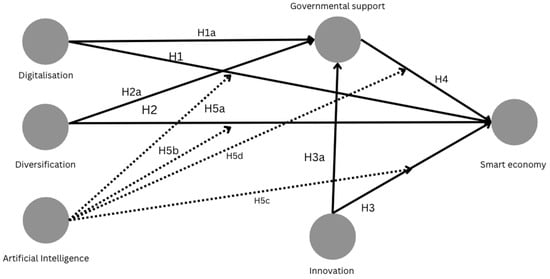
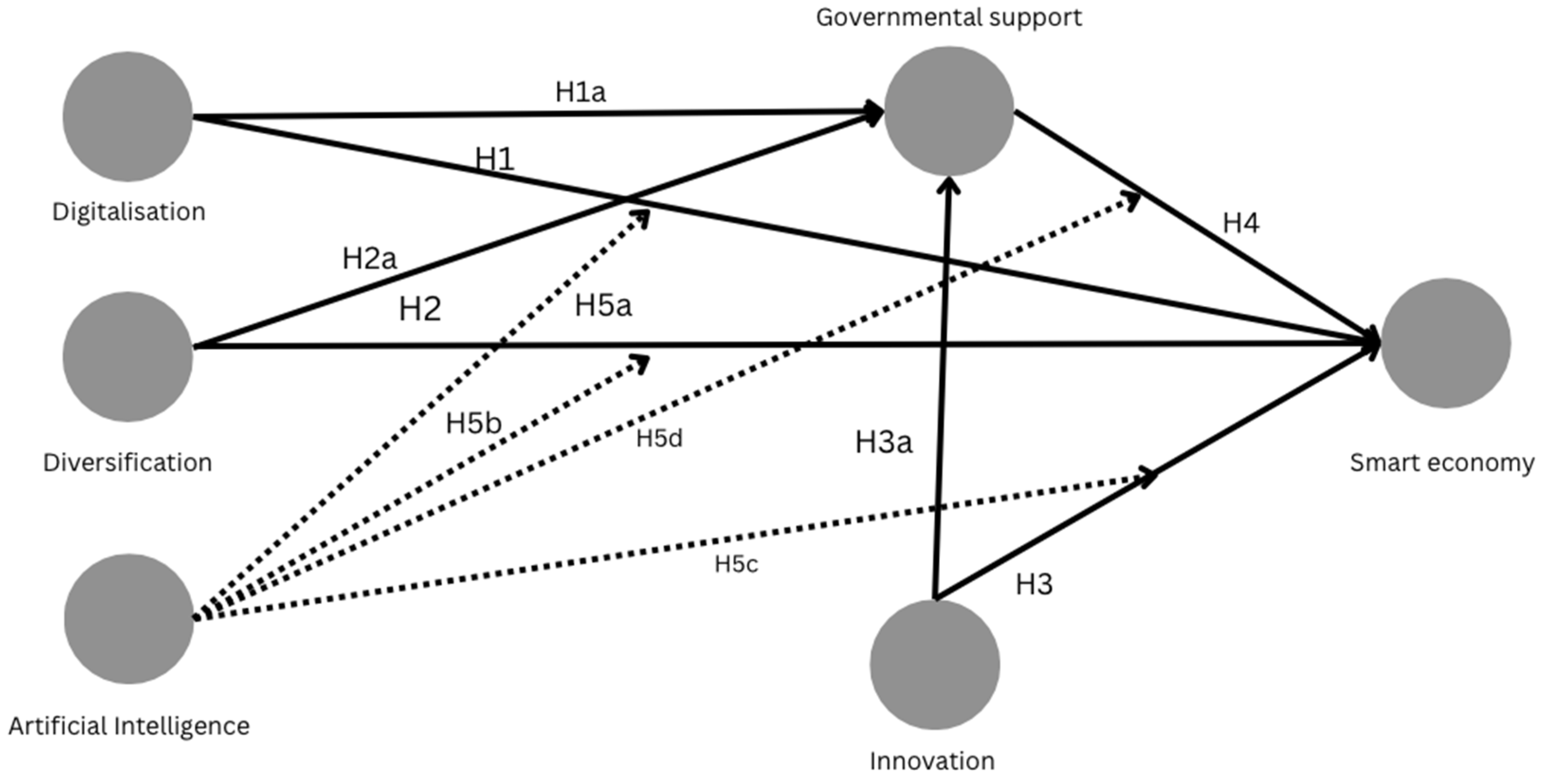
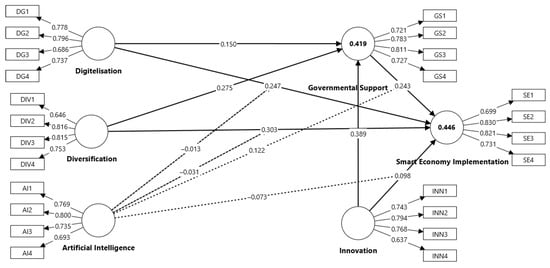
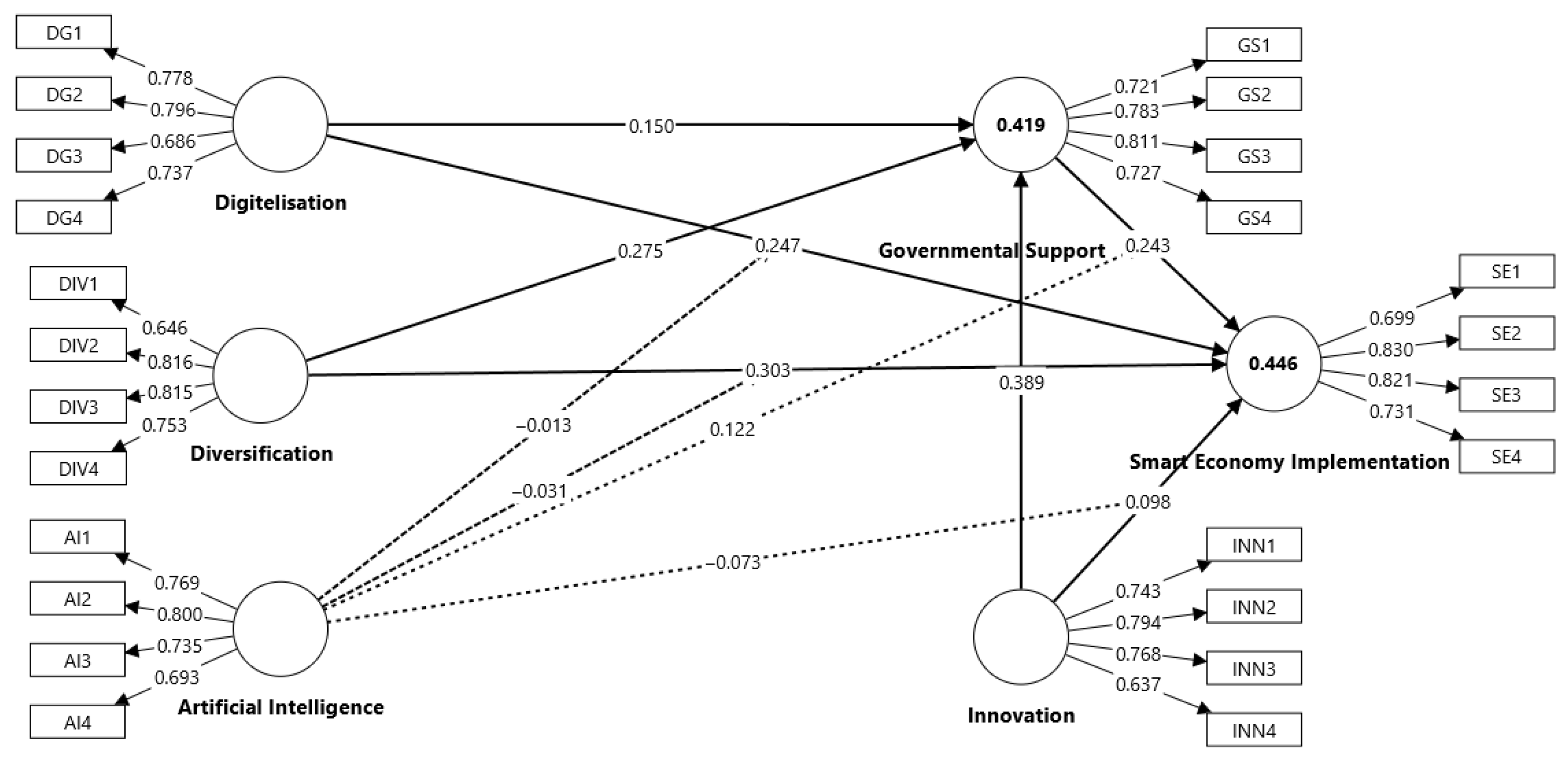
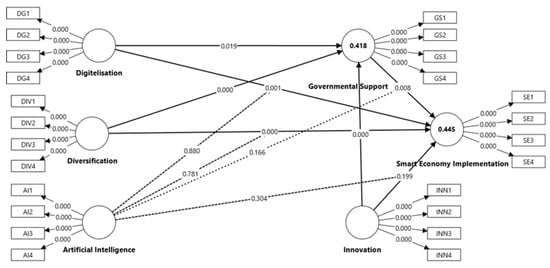
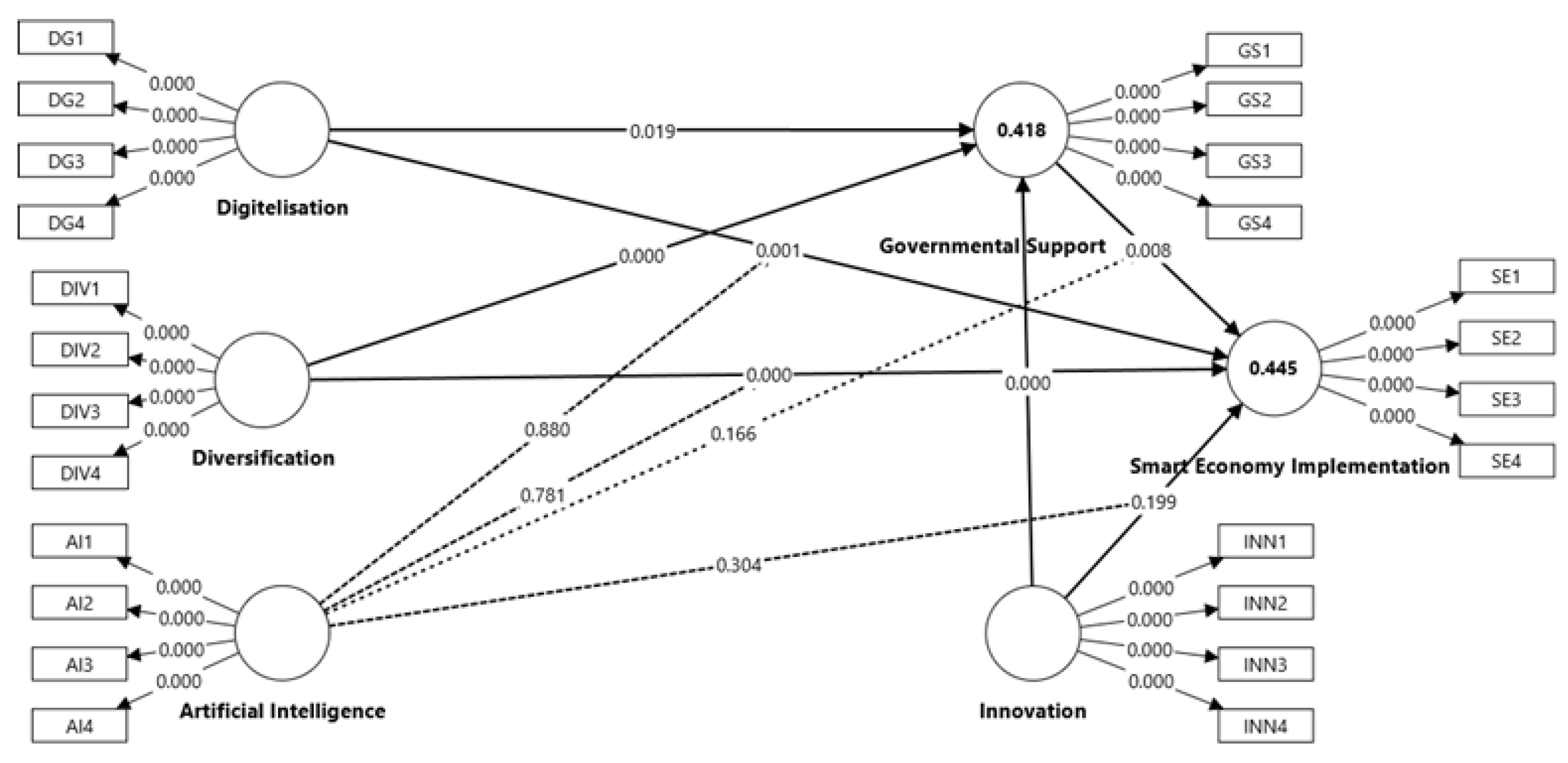
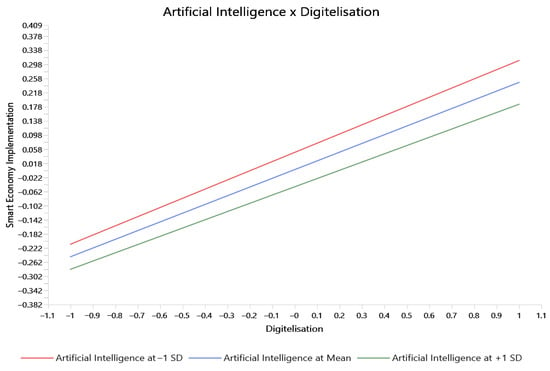
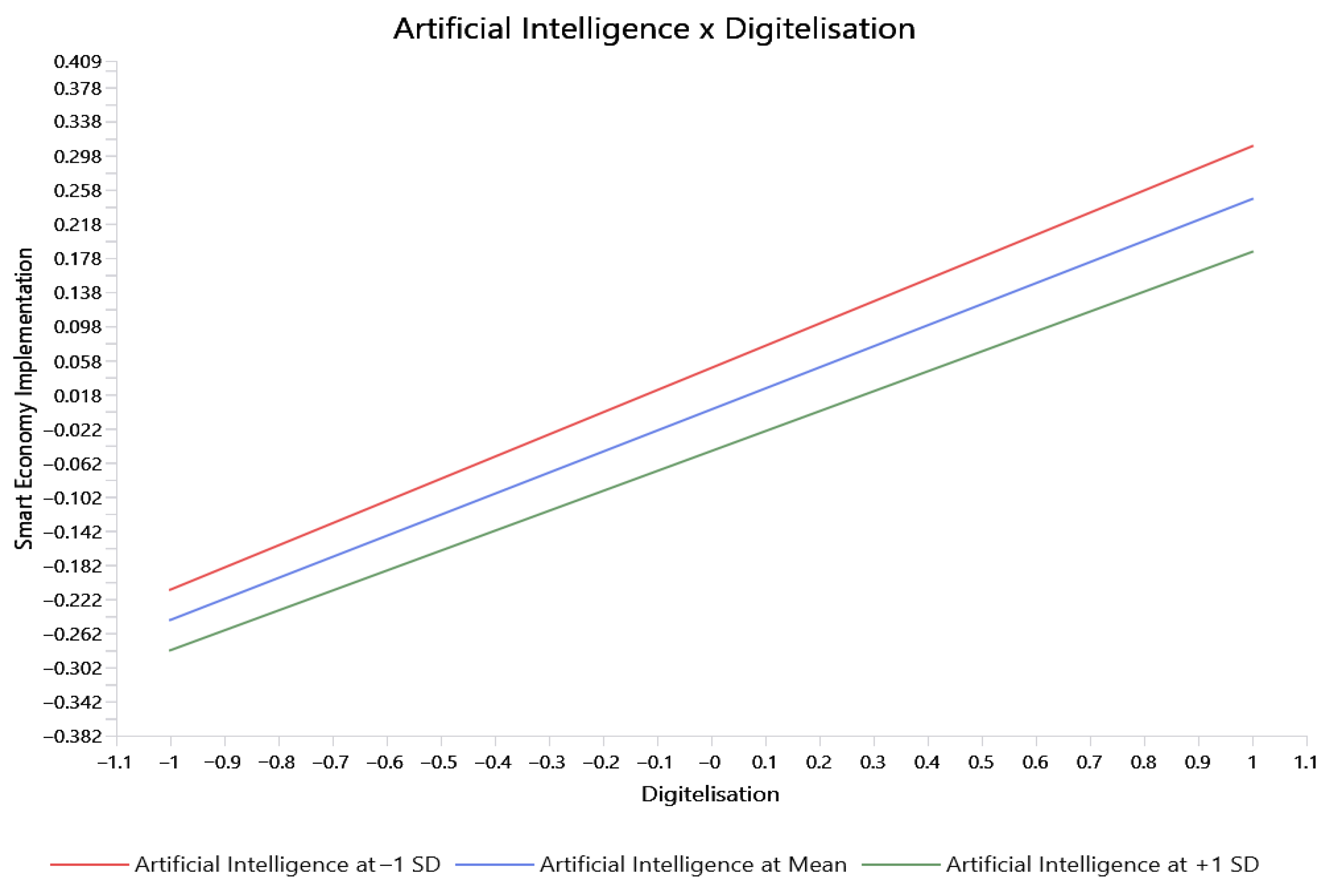
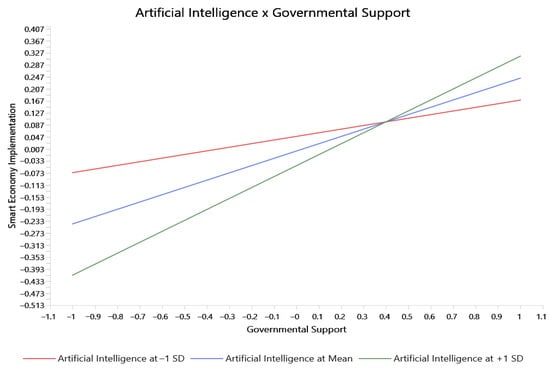
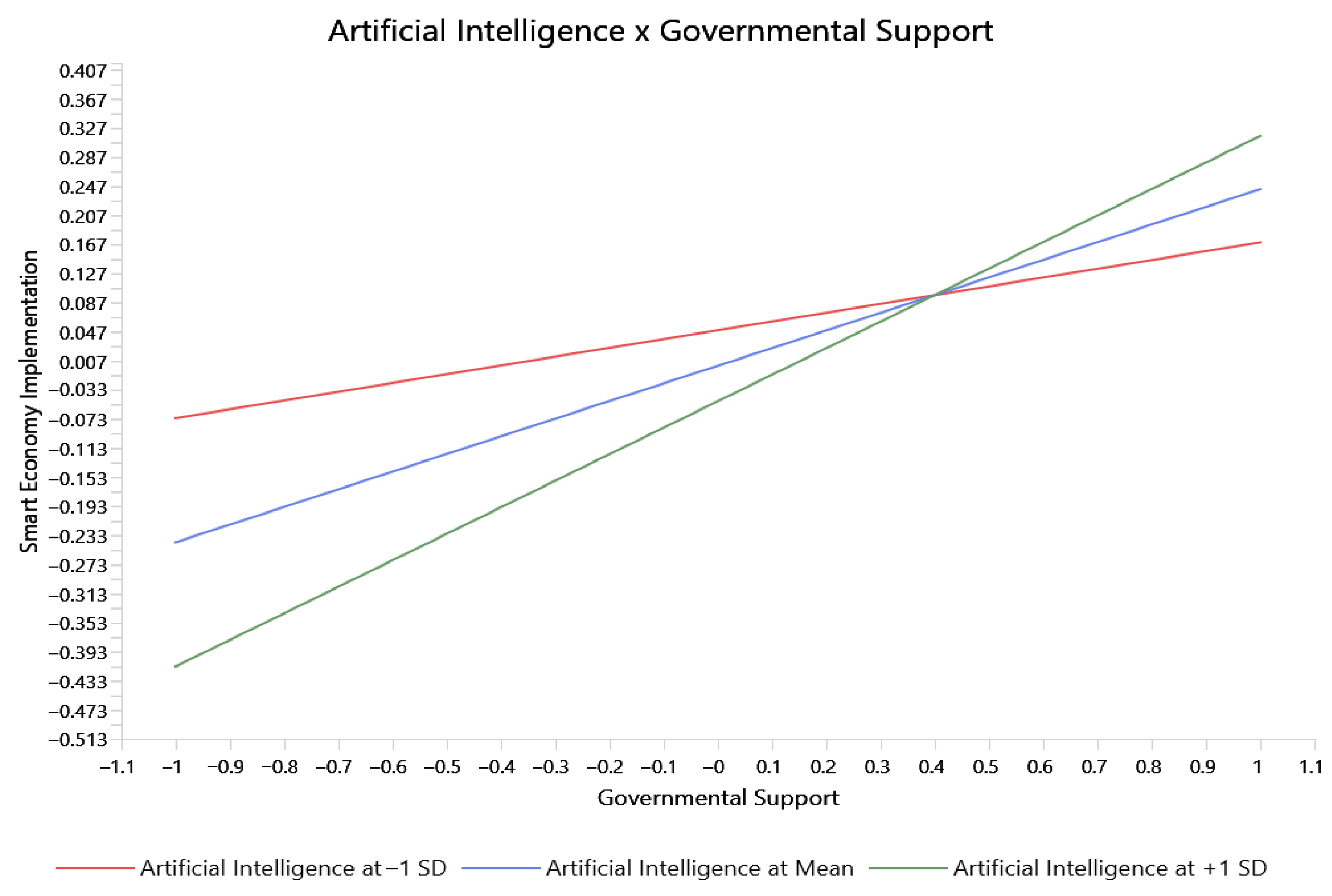
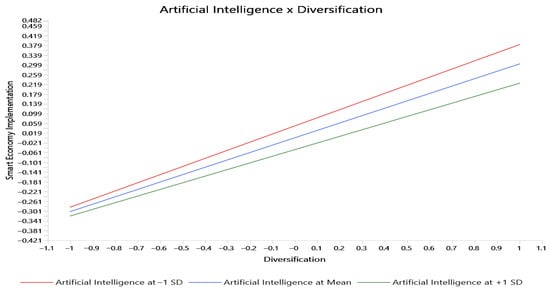
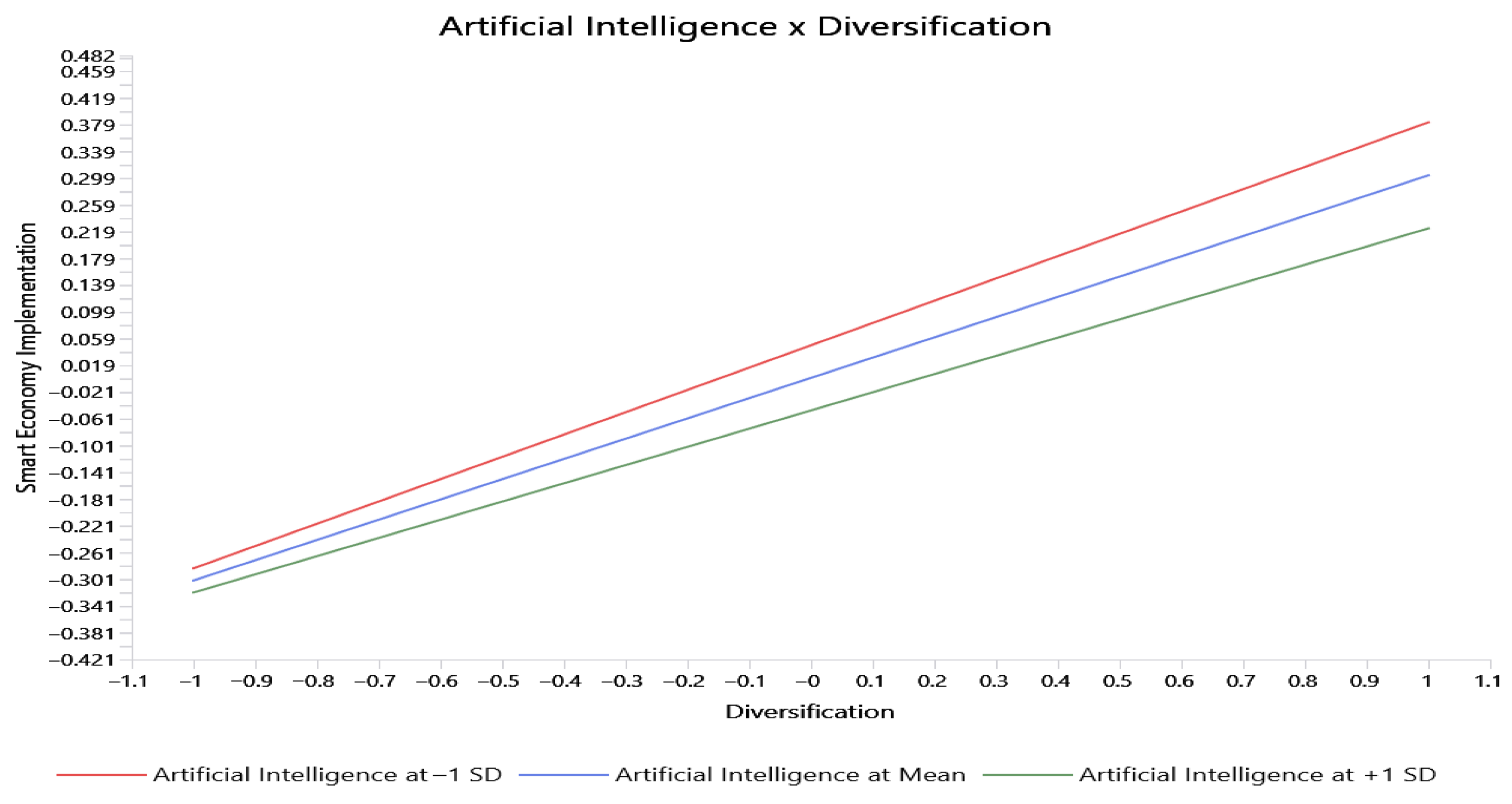
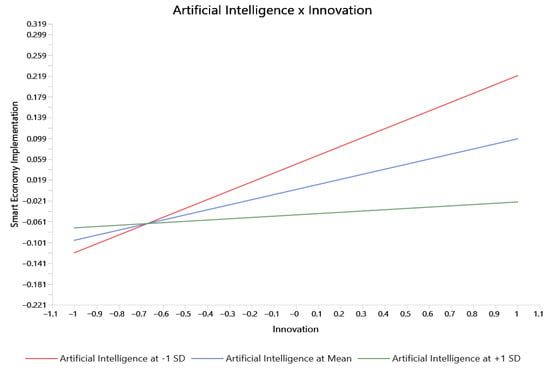
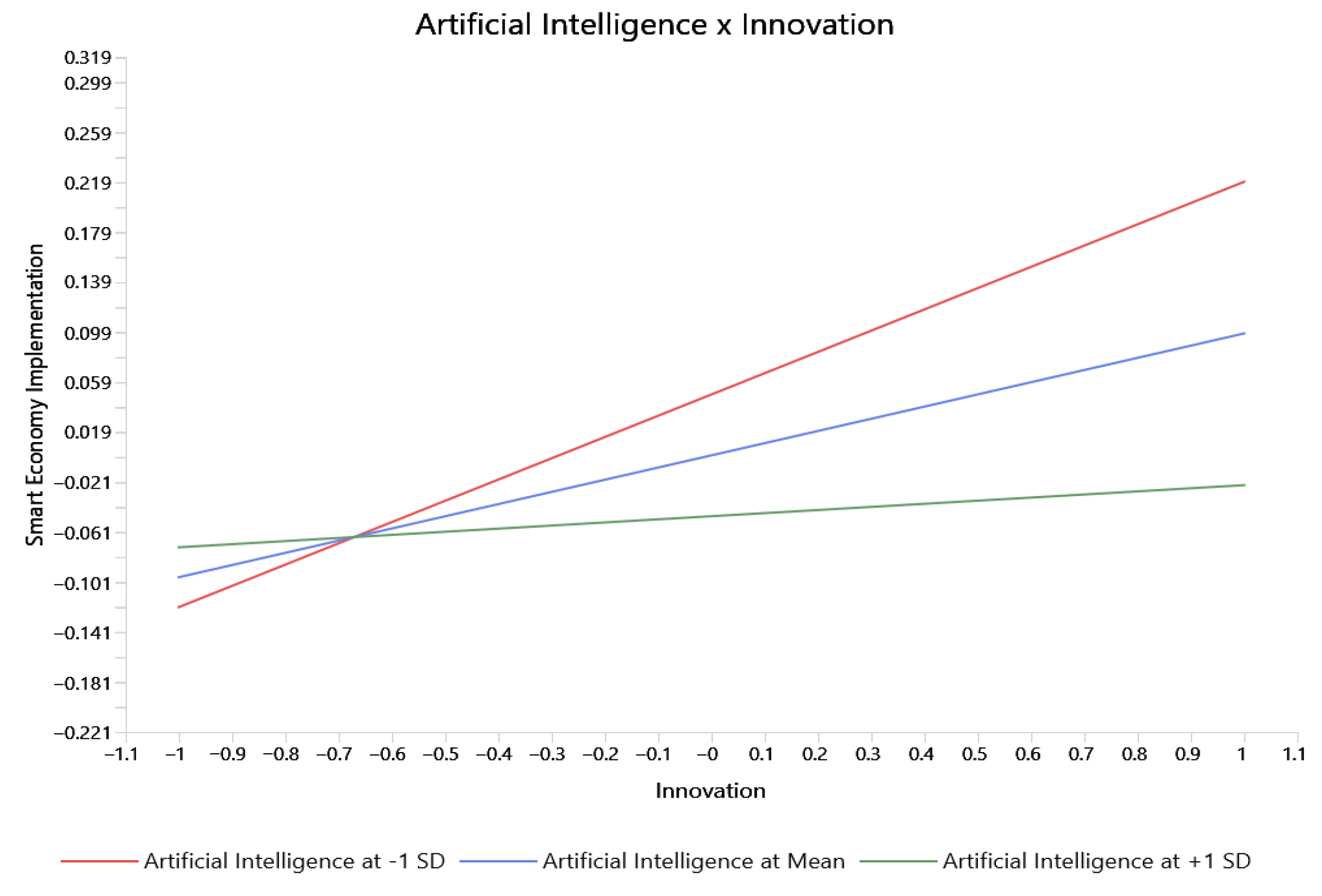

Disclaimer/Publisher’s Note: The statements, opinions and data contained in all publications are solely those of the individual author(s) and contributor(s) and not of MDPI and/or the editor(s). MDPI and/or the editor(s) disclaim responsibility for any injury to people or property resulting from any ideas, methods, instructions or products referred to in the content. |
© 2026 by the authors. Licensee MDPI, Basel, Switzerland. This article is an open access article distributed under the terms and conditions of the Creative Commons Attribution (CC BY) license.