


Abstract
Operationally, energy transition takes place at the local level, that is, in cities and rural municipalities. Its effectiveness is, therefore, dependent on individual actions undertaken in enterprises and households. It also constitutes a particularly challenging task for industrial regions with centuries-old mining traditions. Meanwhile, the opinions of residents living in mining cities receive little attention in the literature. For these reasons, this study used survey research conducted in 19 Silesian cities with county rights and on a representative sample of 1863 residents. In this way, answers were sought to the following research questions: (1) How do urban residents in a developing economy in a post-mining region assess their knowledge regarding environmental protection and energy transition? (2) How do they evaluate local authorities’ actions concerning the replacement of non-ecological heating sources in households? The analysis of results employed descriptive statistics and non-parametric statistical tests, identifying differences in respondents’ assessments according to gender, age, education, and place of residence. The analyses conducted indicate that residents assess their environmental awareness as average. They also rate their knowledge of the energy transition below average, despite being in the midst of it. The assessments of men, older individuals, and those with vocational and secondary education are higher in both cases than the assessments of women, younger generations, and respondents with primary, post-secondary, and higher education. Respondents also rate financial and informational–educational support for heating source replacement as average. Importantly, however, these actions are noticed and appreciated. They meet the expectations of less formally educated individuals (formal education level: primary, vocational, and secondary). However, they do not generate enthusiasm among those with post-secondary and higher education, whose environmental needs and expectations may be higher. The level of financial support, and to a lesser extent informational–educational support, differs significantly among the studied cities, indicating the absence of a coherent regional policy. This may also result in deepening environmental disparities and inequalities in quality of life among the studied urban centers. The two-dimensional assessment reveals that the majority of the examined cities fall into the stagnator category, exhibiting average levels of both environmental awareness and institutional support for energy transition. The most favorable prospects for effective energy transition are observed in Gliwice and Żory, while Zabrze, Świętochłowice, and Jastrzębie-Zdrój—post-mining cities burdened by limited development potential and financial constraints—demonstrate the least promising outlook. The conclusions and recommendations derived from this article directly align with the implementation of Sustainable Development Goal 7—Affordable and Clean Energy (SDG 7)—which addresses energy transition, including the adoption of clean heat sources. They also support the development of sustainable cities, thereby contributing to the achievement of Sustainable Development Goal 11—Sustainable Cities and Communities (SDG 11).
1. Introduction
The seventh Sustainable Development Goal “Affordable and Clean Energy” (SDG 7) aims to increase the share of renewable energy sources in the global energy mix and improve energy efficiency [1,2,3]. This goal is closely linked to climate change mitigation and adaptation actions [4,5,6]. The energy transition serves as the fundamental instrument for its implementation; however, in the context of emerging and developing economies, it poses significant challenges. The main barriers include entrenched reliance on conventional energy sources, insufficient social acceptance of the transition, and limited willingness to bear the associated economic and social costs [7,8,9,10,11,12,13].
General transition challenges are reflected in concrete operational actions implemented at the regional and local levels [14,15,16,17,18]. The effectiveness of the energy transition is therefore significantly dependent on the efforts of individual cities and their communities, which corresponds with the implementation of the eleventh Sustainable Development Goal (SDG 11), aimed at creating safe, resilient, and sustainable cities and human settlements [19,20,21,22,23]. Despite the importance of the regional and local perspectives, the literature devotes relatively little attention to these levels of analysis, focusing primarily on the macroeconomic and international scales. As Komendantova (2021) [24] writes, until 2014, only 3% of analyses of the energy transition addressed social aspects. The consequence of this is a scarcity of research identifying energy transition problems from a local and social perspective. Meanwhile, understanding the individual attitudes and behavioral mechanisms of residents and local communities [25,26,27] is a key factor in supporting the bottom-up implementation of both Sustainable Development Goals. In its absence, macroeconomic measures to mitigate climate change may prove insufficient to achieve the intended outcomes.
Considering the above circumstances, this study attempts to address the identified research gap by answering the following research questions:
- How do urban residents in a developing economy in a post-mining region assess their knowledge regarding environmental protection and energy transition?
- How do they evaluate local authorities’ actions concerning the replacement of non-ecological heating sources in households?
To answer the formulated research questions, a study was conducted on a representative sample of 1863 residents of Polish cities with powiat rights. All surveyed cities are in the Silesian Voivodeship—a region where hard coal, Poland’s main energy resource, has been extracted for decades. Such sample selection enabled the exploration of the perspective of a local community whose identity and economic structure remain closely tied to traditional fossil fuels.
The analysis of research results employed descriptive statistics, correlation coefficients, and non-parametric statistical tests to verify the relationships between respondents’ answers and their demographic characteristics (gender, age, education) and place of residence.
The originality and scientific value of the conducted research are evidenced by the following aspects:
- Adoption of a local and individual research perspective;
- Embedding the research in the specific context of a mining community;
- Identification of relationships between municipal authorities’ actions and residents’ level of environmental awareness;
- Classification of cities according to the degree of support for household energy transition and residents’ environmental awareness levels;
- Development of a sociodemographic profile of residents characterized by the highest and lowest levels of environmental awareness.
The research presented in this study draws on respondents’ self-assessments of their knowledge and their evaluations of municipal authorities. This reflects a deliberate methodological choice. Studies adopting a local community perspective remain scarce in the literature. Yet it is individual attitudes, behaviors, concerns, and knowledge gaps that ultimately determine the success of the energy transition. Identifying these factors enables targeted interventions to mitigate social risks and, consequently, strengthens the effectiveness of climate protection efforts.
The structure of this study was designed to fulfill the research objectives. The subsequent section presents a literature review of environmental awareness, with particular emphasis on the energy transition. This analysis also identifies key themes related to municipal authorities’ actions toward the modernization of heating systems in households. Subsequently, the research process model and research findings are presented. The obtained conclusions are juxtaposed with the existing state of knowledge in the discussion section. The article concludes with a summary, an indication of research limitations, and suggestions for future research directions.
2. Literature Studies
This section presents existing considerations on the two main themes of this study, namely residents’ environmental awareness and local authorities’ actions regarding household heating systems.
2.1. Theoretical Foundations of Pro-Environmental Behaviors and Attitudes
This study frames the research from the perspective of local communities, focusing on residents’ norms, attitudes, and behaviors in the studied cities. This approach situates the analysis within several key behavioral frameworks developed and advanced during the 1990s.
The first of these is the Theory of Planned Behavior, formulated by Icek Ajzen in 1991 [28,29], which has been widely applied in studies on pro-environmental, health-related, and consumer behaviors. According to this theory, human decision-making is determined by behavioral intention, which in turn is shaped by three key components. The first—attitude toward the behavior—refers to an individual’s assessment of the desirability and perceived benefits of a given action. The second component—subjective norm—pertains to the perceived social pressure to conform and the inclination to emulate behaviors considered desirable by one’s social environment. The third component—perceived behavioral control—reflects an individual’s subjective evaluation of their capacity to perform a given action [30].
With respect to the attitudes toward energy transition examined in this study, the theoretical premises outlined above lead to the following conclusion: for residents to actively support transition processes, these must be perceived as individually beneficial, broadly accepted within the local community, and feasible within the context of a given household. Municipal authorities planning effective energy transition measures should therefore consider behavioral determinants, which substantially shape residents’ pro-environmental attitudes and behaviors.
Guagnano et al. (1995) [31] highlight the importance of contextual stimuli as determinants of pro-environmental decision-making, alongside individual behavioral factors, in the ABC Model (Attitude–Behavior–Context). These contextual determinants encompass, among others, the infrastructure available to individuals, institutional conditions, and economic incentives [32,33,34,35].
In the context of urban governance, this implies that strong pro-environmental attitudes among residents may not translate into effective energy transition outcomes unless they are supported by tangible material conditions provided by local authorities. Conversely, favorable contextual conditions may stimulate pro-environmental behaviors within local communities even in the absence of strong individual conviction or marked societal optimism. This finding clearly underscores the pivotal role of municipal authorities in steering and facilitating the energy transition process.
The Value–Belief–Norm Theory [32,36,37] identifies a causal chain—reflected in the framework’s very name—that shapes individuals’ pro-environmental decisions and actions. At its foundation lie the values inherent to each person, whereby altruistic values play a particularly significant role in the context of pro-environmental behavior. This stems from the fact that actions undertaken for the benefit of the natural environment rarely yield direct material gains for the individual concerned. The next link in the chain comprises beliefs, including the sense of personal agency and awareness of individual responsibility for the current ecological state of the world. The chain is completed at the level of norms, in particular personal norms, understood as a sense of moral obligation to care for the natural environment and to safeguard the quality of life of future generations.
Within this theoretical framework, particular emphasis is placed on the significance of individual personality traits and personal life experiences as factors shaping pro-environmental attitudes. Education also plays an important role, shaping how individuals perceive the current state of the natural environment and the possibilities for its improvement. This function should be actively fulfilled by municipal authorities, who ought to treat environmental education as an integral component of local environmental policy.
The foregoing considerations suggest that pro-environmental decisions, attitudes, and behaviors are simultaneously shaped by the behavioral predispositions of decision-makers themselves, the social and institutional environment in which they operate, and the infrastructure and support provided by municipal authorities. All of these factors jointly determine the ultimate effectiveness of the urban energy transition and should be duly considered at both the planning and implementation stages.
2.2. Environmental Awareness of Urban Residents
The energy transition begins at the level of individual entities, i.e., households and enterprises. Their efforts and actions determine the ultimate effectiveness of this process at the macroeconomic scale. For this reason, it is important to examine more closely the factors influencing the acceptance and implementation of energy transition at the micro level and in current practice.
Research by Kola-Bezka (2023) [38] indicates that the overall level of knowledge among residents of countries with varying levels of economic development (Lithuania, Poland, Germany) regarding the energy transition shows no statistically significant differences and remains moderate.
Böhm et al. (2018) [39] further demonstrate that detailed questions about energy transition reveal that respondents predominantly use intuitive approaches to evaluate its accompanying actions, as well as fragmentary and non-specific knowledge on the subject. Respondents perceive nuclear energy and its potential role in a net-zero economy negatively, while they are decidedly more favorable toward renewable energy sources. They also positively evaluate various forms of financial and scientific support for clean energy initiatives.
As demonstrated by Scovell et al. (2024) [40], support for specific transitional projects is strongly determined by the belief in the key role of renewable energy sources in the change process. Factors such as perceptions of fossil fuels or anticipated transition costs are of lesser importance in this context.
The latter can, however, contribute to transition failure if their burden is not accompanied by trust in public authorities, as shown by Becker et al. (2019) [41]. Lack of procedural transparency and excessive focus by decision-makers on financial profits can undermine acceptance of energy changes even among those strongly identifying with environmental goals.
In this study, the research was conducted in a mining region, which—as noted by Gazmararian (2024) [42]—is rarely included in national surveys. According to this author, communities in fossil fuel-dependent regions can support energy transition, provided it is accompanied by appropriate information campaigns conducted by authorities. Research by Steg et al. (2005) [43] also shows that positive attitudes toward energy transition are facilitated by experiential history, i.e., knowledge acquired through personal experience with transitional initiatives.
The importance of knowledge and information in the process of accepting transitional changes is also identified by Gordon et al. (2024) [44] in studies of households in the United Kingdom. Their analyses show that trust, positive perception, and a sense of security shape support for hydrogen energy. Conversely, financial considerations and concerns about the risks associated with hydrogen use can significantly reduce household acceptance of hydrogen as an energy source. The key role of knowledge and information in shaping favorable attitudes toward carbon capture and storage technologies is also emphasized by Gonzalez et al. (2021) [45].
The above literature review shows that most research on social acceptance of energy transition is conducted at the national or international level [46]. Consequently, as rightly noted by Yang et al. (2026) [47] and Dang et al. (2024) [48], there is a clear deficit of analyses conducted at subnational levels and among specific communities most affected by energy transition. This leaves significant gaps in understanding local communities’ knowledge and preferences.
This study sought to fill these gaps by situating the research within a community associated with hard coal mining and by conducting a self-assessment of its members’ knowledge of environmental protection and the energy transition.
2.3. Municipal Actions Toward Energy Transition
The second research strand analyzed in this study concerns municipal authorities’ actions to support households in the transition to heat sources. These actions constitute an integral element of the energy transition process and may take the form of information and education campaigns as well as financial support instruments.
Local authorities play a crucial role in stimulating and coordinating changes toward energy transition, due to their direct contact with residents. This enables the identification of local needs and expectations, as well as the adaptation of undertaken actions to the heating system’s current state and the possibilities for its transition.
In practice, there are numerous barriers to the transition to low- or zero-emission heat sources, even in developed economies. Research by Herreras Martínez et al. (2022) [49] conducted in Dutch municipalities indicates that these barriers most commonly involve insufficient national systemic support, project implementation delays, and poor affordability of alternative heating solutions such as heat pumps. The authors also highlight that the absence of appropriate organizational and legal frameworks may lead the decarbonization process to be controlled by external experts primarily focused on achieving economic gains.
Inadequate governmental systemic support as a barrier to transitioning to more environmentally friendly heat sources is also described by Esmat et al. (2023) [50] through a case study of the Danish municipality of Lyngby-Taarbæk. Their analysis reveals that current energy taxation policies do not provide a level playing field among different heating technologies. Furthermore, there is a lack of decision-support systems that enable the selection of optimal household heating investment strategies across various policy scenarios. Such solutions provide information on the environmental and financial benefits of specific alternatives over the long term, thereby significantly facilitating household heating system choices.
Beyond well-defined and stable policy frameworks, the process of heat source transition in households—as emphasized by Guardaro et al. (2022) [51]—is critically dependent on social acceptance of the transition and willingness to bear the associated financial, technical, and social costs. In this context, comprehensive survey research conducted among local and regional communities is significant. Moreover, as noted by Hu et al. (2017) [52], beyond identifying needs, concerns, and expectations, such surveys can provide valuable information on energy consumption levels, heating costs, and thermal comfort achieved through various heating systems. These data can subsequently be utilized in campaigns promoting new heating solutions as evidence of their actual effectiveness and user comfort.
At the microeconomic level, heat consumer behaviors are shaped by diverse individual factors. Bagheri et al. (2024) [53] observe that the propensity to transition to more environmentally friendly heating systems is influenced by factors such as income level, property tenure, building type, and the country’s energy dependence in its existing energy mix. Their research indicates that new heating solutions are most readily adopted by residents of single-family dwellings, those with lower incomes, property owners, and individuals residing in countries not dependent on gas supplies.
Research by Shen et al. (2022) [54] indicates, in turn, that the adoption of clean energy for heating purposes proceeds more rapidly and effectively among younger individuals, those with higher incomes, better education, and smaller families. This set of parameters reveals the influence of economic development on consumer behavior. Income factors in Chinese households show a different pattern of influence compared to Germany, the Netherlands, Greece, and Poland, as described by Bagheri et al. (2024) [53].
Beyond sociodemographic factors, the level of acceptance of the energy transition in household heating systems is also influenced by considerations of equality and social justice. In this context, Li et al. (2023) [55] highlight the dependence of heat demand on property location. Meanwhile, Wang et al. (2022) [56] emphasize the importance of individual determinants of heat demand, which have received relatively limited attention in the literature.
The above review demonstrates that local authorities play a significant role in the energy transition of local communities. They should be equipped with appropriate policy frameworks, instruments to support the heat source selection process, and knowledge and information about available programs and actions. These, in turn, should be characterized by transparency and ensure equality and social justice for households.
The literature review indicates that research on the energy transition of heat sources at the local level focuses primarily on the determinants of this process—both technological [57,58,59,60] and behavioral [61,62]. Some publications also refer to local energy policy guidelines [51,63], and social research conducted among residents is also embedded in the above context. However, there is a clear lack of assessment of the quality and effectiveness of municipal initiatives from residents’ perspectives. This study examined how local communities perceive city authorities’ efforts to transform household heating systems.
3. Materials and Methods
3.1. Conceptualization of Research Intentions
The conducted literature review clearly indicates that the existing body of research lacks an approach to environmental awareness, particularly knowledge about energy transition, from the perspective of residents in post-mining regions. Limited attention has also been paid to aligning municipal authorities’ environmental protection actions with residents’ expectations in these regions. Research and analyses conducted in these areas are typically one-sided and based on hard technical or economic data. For these reasons, two research questions have been formulated in this study:
- How do urban residents in a developing economy assess their knowledge regarding environmental protection and energy transition?
- How do they evaluate local authorities’ actions concerning the replacement of non-ecological heating sources in households?
To provide more detailed answers obtained through the research, four research hypotheses have also been formulated, relating to the following phenomena:
- Ecological self-awareness;
- Knowledge about energy transition;
- Evaluation of information and educational support for replacing non-ecological heat sources;
- Financial support for replacing non-ecological heat sources.
The rationale for their formulation is presented in the subsequent part of this section.
Environmental awareness results from numerous diverse determinants of a cultural, social, and individual nature. One of these is gender. Research by Xiao et al. (2013) [64] indicates that women exhibit slightly stronger pro-environmental values, beliefs, and attitudes than men. Similar conclusions are reached by Sundström and McCright (2014) [65]. According to Zelezny et al. (2000) [66], this may stem from women’s greater socialization oriented towards others and social responsibility. Nevertheless, Chan et al. (2017) [67] note that the level of gender differences may also be influenced by the socio-cultural context. The authors found that gender differences in environmental concern are smaller in societies characterized by higher levels of gender inequality, economic scarcity, power distance, and collectivism.
Environmental awareness is also influenced by age. Numerous studies and analyses indicate that this influence is paradoxical and non-stereotypical. Hertel et al. (2013) [68] state that older individuals appear to be more inclined to commune with nature, avoid environmental harm, and conserve natural resources. Their attitudes and actual activity are therefore consistent with their declarations and expectations.
Conversely, younger generations demonstrate greater concern about climate change than seniors, as confirmed by research conducted by Milfont et al. (2021) [69], among others. Despite this, Wang et al. (2021) [70] conclude that older individuals are more active in actual actions toward sustainable development. As Poortinga et al. (2023) [71] aptly observe, this may result from the fact that generational differences primarily concern emotional engagement rather than beliefs regarding anthropogenic climate change.
A greater consensus among researchers regarding the influence of individual characteristics on environmental awareness is observed in the case of education. Indeed, many studies indicate a linear relationship between environmental concern and educational attainment. Meyer’s research (2015) [72] demonstrates that individuals with higher levels of education are more concerned about social welfare and therefore behave more environmentally friendly. Similar conclusions are drawn by Olivos et al. (2021) [73], who additionally state that education constitutes a key pathway for action in promoting environmental concern and subsequent pro-environmental behaviors in China.
Considering the above observations and analyses, the following research hypotheses have been formulated in this study:
H1:
Respondents’ ecological awareness is higher among women than men (H1a) and increases with age (H1b) and level of formal education (H1c).
H2:
Respondents’ knowledge about energy transition is higher among women than men (H2a) and increases with age (H2b) and level of formal education (H2c).
The second part of the research focused on the support provided by local authorities for replacing non-ecological heating sources. It is therefore worth considering which of the examined groups of city residents the authorities can rely on more in terms of engagement in the process of change.
Previous research indicates that women are more engaged in the energy transition process at the conceptual stage. Thomas et al. (2022) [74] state that women support the energy transition more strongly than men do. Capetillo-Ordaz et al. (2024) [75] and Chicombo and Musango (2024) [76] add that this stems from their being the primary users and managers of household energy.
Despite their declared support for energy transition, women are less likely to engage directly in initiatives accompanying changes in energy sources. Research by Stephanides et al. (2019) [77] shows that men are more inclined to invest time and money in locally owned energy systems. They are also more willing to participate in energy cooperatives and assume the role of prosumers. Similar conclusions emerge from research by Vogel et al. (2025) [78]. The authors state that women participate less frequently in citizen renewable energy projects. Their participation in this case is lower due to financial, structural, social, and cultural barriers, including issues of representation and gender norms.
It is worth emphasizing, however, that the inclusion of women in the sustainable energy transition makes this process more effective. As Sen et al. (2025) [79] point out, the empowerment of women leads to significant improvements in access to electricity and the use of clean cooking fuels. It also has a positive impact on the share of renewable energy in electricity production and improvements in energy efficiency.
Support for energy transition initiatives also depends on age. Research by Stephanides et al. (2019) [80] shows that younger people (aged 18–54) support the transition toward renewable energy sources (RESs) more strongly than older people (55 years and over). Van Opstal (2025) [81] adds that the expected form of motivation for changing energy sources is also age dependent. Older people expect stable regulatory frameworks due to previous volatility in energy policies. Younger residents primarily rely on financial support to replace energy technologies.
The literature also indicates numerous relationships between knowledge and education, as well as between acceptance of and engagement in the energy transition. These increase the level of understanding and support for renewable energy sources [82,83,84]. Additionally, as Mneimneh et al. (2026) [85] emphasize, they expand the scope of local community participation in decision-making. Research by Maliszewska-Nienartowicz and Stefański (2024) [86] and Dolge et al. (2024) [87] also shows that they can effectively strengthen the competencies of local administration and provide planning and executive skills.
Considering the above observations, two additional hypotheses were formulated for research purposes:
H3:
The assessment of information and educational support in the process of replacing non-ecological heat sources is higher for men than for women (H3a), decreases with age (H3b), and decreases with level of education (H3c).
H4:
The assessment of financial support in the process of replacing non-ecological heat sources is higher for men than for women (H4a), decreases with age (H4b), and is influenced by the level of education (H4c).
The research process for testing the stated research hypotheses and addressing the research questions is described in detail in the following subsection.
3.2. Model of Research Process
The survey was conducted on a representative sample of 1863 residents of the Silesian Voivodeship. The sample selection assumed a 95% confidence level and a fraction of 0.5. The study was conducted using the CAWI (Computer-Assisted Web Interviewing) method. The physical execution of the survey, based on an original research questionnaire, was commissioned to a market research agency. This approach ensured a response rate at the planned representative level of 100%. The demographic section of the questionnaire included questions regarding respondents’ gender and age. With respect to age, the following groups were distinguished:
- 18–30 years;
- 31–40 years;
- 41–50 years;
- 51–60 years;
- 60 years and older.
Respondents were also asked about their level of education, for which the following categories were applied:
- Primary education;
- Vocational education;
- Secondary education;
- Post-secondary education (refers to vocational training pursued after completing secondary school but below the level of higher education, typically leading to a professional diploma or qualification in a specific occupational field);
- Bachelor’s degree;
- Master’s degree.
Respondents came from 19 Silesian cities with county rights. The sample was representative for each of the analyzed cities. The characteristics of the examined cities are presented in Table 1.
Table 1.
Economic characteristics of the cities studied.
All the cities under study operate as urban districts, reflecting their considerable socio-economic significance within the Silesian Voivodeship. Eleven of the examined cities are classified as large, each with a population exceeding 100,000 inhabitants, while the remaining five are considered medium-sized urban units.
Unemployment does not exceed the average rate in any of the examined cities. However, in post-mining cities that have thus far failed to effectively fill the economic void left by the decline of the coal industry, unemployment surpasses 3%: Bytom, Dąbrowa Górnicza, Piekary Śląskie, and Sosnowiec.
The budgetary revenues of most of the examined cities fall within the range of 2000–3000 PLN per capita. Six cities, however, stand out for their fiscal performance. These are cities with well-developed industrial sectors, often operating within special economic zone, which enhance their attractiveness to investors.
The region under study is currently undergoing a profound energy transition [89,90]. It is a mining region where hard coal has been extracted for decades as a key energy resource in the Polish economy. Over the past four decades, Silesian coal mines have been systematically restructured and closed due to economic inefficiency and the European Union’s increasingly stringent environmental requirements [10,91,92,93,94,95,96].
The currently applicable energy policy assumes the closure of hard coal mining in the region by 2050. The implemented and anticipated changes are associated with serious economic and social consequences. These include rising unemployment, deindustrialization, and declining municipal budget revenues. Pauperization also threatens numerous mining families who depend on employment in mining and related sectors [97,98]. Local communities will also experience environmental effects of mine closures for a long time, including post-mining land degradation, mining damage, and disruptions to water systems [99].
The above circumstances directly imply the need to understand the essence of energy transition and its effects. A prerequisite for the effectiveness of changes is also high environmental awareness, allowing for the acceptance and better reception of the negative consequences of mining enterprise closures. For these reasons, the survey questionnaire posed two questions to respondents directly related to the issues described above:
- How would you rate your knowledge of environmental protection?
- How would you rate your knowledge of the energy transition process?
In the analyzed region, coal, as an economic resource, is widely used for heating apartments and houses. This poses a threat to achieving emission targets. Moreover, due to systematically declining production, it will soon become a scarce resource. Ensuring continuity and adequacy in meeting heating needs, therefore, requires radical changes in habits and attitudes.
Continuous and intensive support from local authorities is also essential in this process. It can take the form of information and education or tangible financial assistance. Without both forms of support, households in the region will not be interested in or engaged with the energy transition. For these reasons, two additional survey questions referred specifically to the forms of support:
- How would you rate the informational and educational support regarding the replacement of non-ecological heating sources?
- How would you rate the city’s financial support for replacing non-ecological heating sources?
Respondents’ assessments were based on an eleven-point scale ranging from 0 to 10. This approach provided a wide range of response options. It is also intuitive, as it is based on the commonly used decimal system.
The reliability of the measurement scale for the variables defined in this manner is presented in Table 2. The results indicate that the questionnaire’s reliability is very good, demonstrating the high quality of the research instrument employed.
Table 2.
Cronbach’s alpha reliability assessment results.
Descriptive statistics were used in the analysis of survey results. The mean, mode, and median were employed to assess central tendencies. Standard deviation and the coefficient of variation enabled the assessment of response variability among respondents. Kurtosis and skewness, in turn, were used to compare the distribution of responses with the normal distribution.
Non-parametric tests were utilized in the process of statistical hypothesis verification. The Mann–Whitney U test was applied for gender, while the Kruskal–Wallis test was used for age, education, and place of residence. All calculations were performed using PQStat v.1.8.6 software [100].
The interrelationships among the research questions described, the research problems posed, the research hypotheses formulated, and the statistical analysis tools employed are presented in Figure 1.
Figure 1.
The scheme of the research process.
4. Results
The research results are presented in three parts corresponding to the structure of the literature review and the research problems posed. The first section serves as an introduction to the subsequent research. It presents the broader context of heat source replacement in Polish cities in relation to the implementation of Sustainable Development Goal 7—Affordable and Clean Energy—and Sustainable Development Goal 11—Sustainable Cities and Communities. The second part addresses the environmental awareness of the surveyed residents, while the third examines municipal authorities’ actions regarding the replacement of non-ecological heating sources.
4.1. Sustainable Urban Energy Transition and Its Public Support
The study was conducted in one of the Central and Eastern European countries—a region marked by profound political and economic trauma. In the early 1990s, the countries of this area underwent rapid deindustrialization. In many of them—Poland, the Czech Republic, Slovakia, Hungary, Romania, eastern Germany, and Bulgaria—national economies were heavily dependent on hard coal mining [101,102,103]. Coal extraction enterprises served not only as a key component of the industrial structure but also as an important binding force of regional collective identity. These conditions pose a serious, multidimensional challenge to the energy transition, clearly distinguishing the countries of this region from more economically advanced Western European economies.
In the Polish economy, hard coal has remained the primary energy resource for many years. Its deposits, located in the Upper Silesian and Lublin Coal Basins, constitute a significant element of national energy security [104,105,106]. However, the European Union’s decarbonization policy necessitates a systematic transition away from fossil fuels in the energy and heating sectors, a pressure further reinforced by the growing unprofitability of coal extraction and the prohibition on granting state aid to hard coal mines. Energy transition thus emerges as an inevitable process, grounded in both environmental and economic rationale [107,108].
Poland’s dependence on hard coal, which accounted for over 80% of the national energy mix until as recently as 2018, made it one of the most emissions-intensive economies in the European Union. The Energy Policy of Poland until 2040, adopted in 2021, sets the direction for a gradual transition away from fossil fuels, coupled with the development of renewable and nuclear energy [109,110,111,112]. As a result of implementing these objectives, coal’s share in electricity production declined to approximately 56% in 2024 [113], with subsequent years projected to bring further systematic reductions—inextricably linked to the process of closing unprofitable mines.
A particularly complex situation is faced by the Silesian cities examined in this study. Most of Poland’s coal mining enterprises are located within its borders and, in many cases, constitute the primary driver of local economies. Furthermore, hard coal has remained the dominant source of thermal energy for local households for decades [114,115,116]. The strong economic and historical ties to the mining sector considerably complicate and impede the progress of local energy transition processes, endowing them with a distinctly post-mining character.
The replacement of heat sources in households in Polish cities has been supported since 2018 by the governmental “Clean Air” (Czyste Powietrze) Programme, implemented by the National Fund for Environmental Protection and Water Management (NFOŚiGW) [117]. This program constitutes the largest pro-ecological initiative in Poland’s history, whose principal objective is to improve air quality and reduce greenhouse gas emissions by replacing inefficient heating systems and modernizing the thermal systems of single-family residential buildings [118]. By 2025, the program had engaged 86% of Polish municipalities, unequivocally attesting to its pivotal role in the national energy transition.
Within the framework of the program, a total of 895,361 heat sources have been replaced in households to date. The structure of these sources is as follows:
- Condensing boilers: 31.7%;
- Air-source heat pumps: 29.3%;
- Biomass boilers: 28.4%;
- Coal-fired boilers: 6.5%;
- Ground-source heat pumps: 2.6%;
- Electric heating systems: 1.2%;
- Heat interface units: 0.2%;
- Oil-fired boilers: 0.1% [119].
The replacement of heat sources and the thermal modernization of buildings in the studied cities are primarily financed by the program’s funds. The level of interest among residents of these cities in the program is presented in Table 3, which includes each city’s ranking position in the national ranking for 2022–2024. This ranking was developed based on an indicator reflecting the number of submitted applications for co-financing of heat source replacement per 1000 residential buildings in each city.
Table 3.
Characteristics of the cities studied.
The data presented in Table 3 indicate that the program attracted the greatest interest in 2022, that is, during the initial phase of its implementation. In subsequent years, the ranking positions of the studied cities declined considerably, suggesting local demand saturation and a gradual decrease in program uptake. It should be noted that eligibility for the program was contingent on applicants’ income levels, effectively excluding individuals in a relatively stable financial situation, though not necessarily one that would enable them to independently finance the replacement of a heat source. This constituted a significant barrier to program accessibility.
Among the cities with the highest interest in the program and sustained throughout the entire period under analysis—i.e., those ranking among the top 1000 municipalities out of 2477 in total—Częstochowa and Piekary Śląskie stand out. These are urban centers characterized by a traditional industrial structure and a high level of environmental pollution. They are also distinguished by a low level of budgetary revenue per capita (Table 1), which increases the likelihood that their residents meet the income criteria required for co-financing.
The commitment of certain cities to the energy transition and sustainable development is further evidenced by the high-ranking positions achieved in 2022 by Bytom, Jastrzębie-Zdrój, Ruda Śląska, and Zabrze. These are post-mining cities that have been severely affected by the consequences of the closure of coal mines. Despite their difficult socio-economic circumstances, the residents of these municipalities demonstrated pro-environmental attitudes and made the effort to apply for public funding.
4.2. Self-Assessment of Residents’ Environmental Awareness, Including Knowledge About Energy Transition
In the first part of the study, respondents were asked to conduct a self-assessment of their own environmental awareness. Subsequently, this assessment was narrowed to knowledge about energy transition. The distribution of responses to these questions is presented in Figure 2 and Figure 3, while descriptive statistics are provided in Table 4.
Figure 2.
Distribution of responses to the question on environmental awareness assessment (0—lack of awareness; 10—excellent awareness).
Figure 3.
Distribution of responses to the question on knowledge about energy transition (0—lack of knowledge; 10—excellent knowledge).
Table 4.
Descriptive statistics for questions regarding the environmental awareness of the surveyed residents.
The data presented in Figure 2 indicate that most respondents rate their environmental awareness as good or very good (scores of 5 or higher). This is further confirmed by the arithmetic mean exceeding 6 and the median equal to 6. Respondents thus highly evaluate their attitudes toward the natural environment. It is worth noting, however, that their responses show considerable variation, as evidenced by the high values of standard deviation and coefficient of variation. Most respondents rate their knowledge of environmental protection highly, while only a few are critical of their environmental information and experiences (negative skewness of the distribution).
This observation indicates a relatively high level of self-confidence among respondents. Nevertheless, this may result partly from the general nature of the question and partly from reluctance to admit to ignorance and low self-esteem.
The self-assessment of knowledge about the energy transition, however, is less favorable—a process currently underway in the analyzed region (lower mean and median values than in the overall environmental awareness assessment). Respondents are therefore not fully aware of how this process unfolds and what consequences it may entail. Only 9% of respondents consider themselves well acquainted with transitional activities (scores of 9 and 10). Meanwhile, as much as 30% rate their knowledge of changes affecting their native region as low (scores below 5).
The low and average levels of residents’ knowledge about the transition may pose several serious threats. The first is the lack of, or limited scope of, engagement in the energy transition resulting from unawareness of desirable attitudes and behaviors. The second, far more serious, is the lack of acceptance by local authorities of transitional actions undertaken in the region, including the closure of hard coal mining.
In the subsequent part of the study, the analysis was further deepened by examining individual respondent groups. This stage aimed to identify differences among respondents by gender, age, and education level. The results of non-parametric statistical tests illustrating the scope and significance of these relationships are presented in Table 5 and Table 6.
Table 5.
Results of the Mann–Whitney non-parametric test for questions regarding the environmental awareness of residents—grouping variable: gender.
Table 6.
Results of the Kruskal–Wallis non-parametric test for questions regarding the environmental awareness of residents—grouping variable: age.
The data in Table 5 indicate significant differences in the assessment of environmental awareness and knowledge of the energy transition between women and men. Cohen’s d indicates that the differences in environmental awareness are small. However, their significance increases to a medium level regarding knowledge about energy transition.
The identified differences, however, deviate significantly from previous observations. Research conducted in Silesia indicates that men rate their environmental awareness and knowledge of the energy transition higher than women do. Therefore, hypotheses H1a and H2a, suggesting greater environmental education among women, cannot be confirmed. Nevertheless, the relationship between environmental awareness, including knowledge about the energy transition, exists, is statistically significant, and demonstrates a small effect size.
This rather surprising finding may stem from greater self-confidence among men. It may also be culturally determined. In developing economies, in regions with traditional industrial sectors, patriarchy often prevails. This, in turn, results in the perception of men as individuals better versed in technical and economic processes.
It should be emphasized, however, that the results represent only self-assessment. The study does not verify the actual state of knowledge of both genders. Its findings may therefore be highly subjective and result from entrenched habits and attitudes. Regardless of the circumstances, they will determine respondents’ attitudes and behaviors. The greater the discrepancy between self-assessment and actual knowledge, the less effective climate protection measures in the region will prove to be.
In the subsequent stage of analysis, an assessment of age-related differences in self-evaluation of both phenomena was conducted. The results of the Kruskal–Wallis non-parametric test identifying these relationships are presented in Table 6.
The data in Table 6 indicate statistically significant differences across age groups. Moreover, these differences are greater for environmental awareness than for knowledge about the energy transition.
Additional analysis of the Dunn–Bonferroni–Holm post hoc test results (Appendix A.1 and Appendix A.2) indicates that difference occurs between the two youngest age groups (18–30 years and 31–40 years) and the oldest age group (aged 60 years and over). Furthermore, older respondents rate their environmental awareness higher than younger respondents. The effect is not substantial; however, it is statistically significant.
The observed pattern may result from higher self-assessment of knowledge and experience among older individuals. This is the effect of what is known as experience history. It may also stem from the lower standard of living of older individuals, characteristic of the centrally planned economy, which led to lower, paradoxically more sustainable, consumption than that currently observed among contemporary generations in Poland. The force of habit may therefore lead to greater criticism of excessive consumption and, thus, a higher assessment of environmental self-awareness among older individuals.
Regarding knowledge of the energy transition, statistically significant differences in assessment occur between individuals aged 31–40 years and the oldest group of respondents (over 60 years). Older urban residents rate their experience in the analyzed area more highly than younger ones. This may result from seniors’ long-term, personal observation of changes in the region. The generation of thirty-year-olds has not experienced such profound industrial transitions and therefore lacks in-depth knowledge of their course and consequences.
The above findings confirm hypotheses H1b and H2b regarding the relationship between environmental awareness and knowledge of the energy transition and respondents’ age. It is also worth noting that younger respondents themselves rate their experience in the analyzed aspects as low (the survey is based on self-assessment). In a sense, they therefore accept the fact of weak engagement in climate change mitigation processes. Such an attitude poses a threat to the effectiveness of these actions in the future.
In the final part of the analysis, differences based on respondents’ education were examined. The results of the Kruskal–Wallis non-parametric test for this part of the study are presented in Table 7.
Table 7.
Results of the Kruskal–Wallis non-parametric test for questions regarding the environmental awareness of residents—grouping variable: education.
The data in Table 7 indicate that both environmental awareness and knowledge of the energy transition differ significantly by residents’ education level. Moreover, this difference is bigger regarding industrial transition processes.
The Dunn–Bonferroni–Holm post hoc tests (Appendix A.5 and Appendix A.6) indicate very low self-assessment among individuals with primary education. The formal education level of these respondents confirms a low level of general knowledge and may be directly associated with unfamiliarity with environmental issues. Further analysis, however, does not confirm a linear relationship between education and environmental awareness or knowledge about energy transition. The effect is not substantial; however, it is statistically significant.
Simultaneously, the assessment of differences in mean ranks indicates that individuals with post-secondary education demonstrate low self-assessment. In contrast, respondents with vocational and secondary education rate themselves at a comparable level to those with higher education (master’s and bachelor’s degrees).
The above patterns apply to both environmental awareness and knowledge about energy transition. This indicates a critical approach to one’s own skills and knowledge among residents with low and very high levels of education. These respondents are therefore aware of their deficiencies, unlike individuals with vocational and secondary education. This is a significant observation for conducting educational and informational campaigns.
Hypotheses H1c and H2c can therefore be partially confirmed regarding the relationship between education and environmental awareness, including familiarity with energy transition. However, they cannot be confirmed with respect to the unequivocal direction of this relationship.
4.3. Assessment of Local Authorities’ Climate Protection Efforts Through Support for the Replacement of Environmentally Harmful Heating Sources
In the second stage of the research, an analysis was conducted of the assessment of municipal authorities’ engagement in replacing non-ecological heating sources. Questions in this area of assessment concerned informational–educational and financial support. The distribution of responses to these questions, along with its descriptive statistics, is presented in Figure 4 and Figure 5 and in Table 8.
Figure 4.
Distribution of responses to the question on informational–educational support (0—lack of informational–educational support; 10—excellent informational–educational support).
Figure 5.
Distribution of responses to the question on financial support (0—lack of financial support; 10—excellent financial support).
Table 8.
Descriptive statistics for questions relating to the city authorities’ actions towards replacing non-ecological heating sources.
According to the data presented in Figure 4 and Table 8, residents rate informational and educational support as moderate. Nevertheless, over 42% of respondents express a positive opinion of it (scores above 5), while approximately 35% are dissatisfied with this support to a lesser or greater extent (scores below 5).
It can therefore be concluded that the surveyed cities conduct informational and educational activities in heating source replacement, with residents recognizing these initiatives and evaluating them rather positively. This is confirmed by the distribution’s negative skewness, indicating greater concentration of scores at higher values. At the same time, the negative kurtosis indicates that respondents do not exhibit extreme attitudes in their evaluations.
It should be noted, however, that the analyzed responses exhibit considerable variability (high standard deviation and coefficient of variation). This may result from local conditions specific to individual informational and educational activities, or from respondents’ diverse experiences.
Residents of the surveyed cities evaluate the level of financial support for replacing environmentally harmful heating sources in a very similar manner (comparable mean, identical median, and mode). Nevertheless, a slightly higher percentage of respondents, approximately 36%, express dissatisfaction with the city’s offering in this regard (scores below 5). The responses also show considerable variability, with a limited number of extreme values, confirming the consistency of ratings assigned to individual cities.
The above analysis, therefore, indicates that Silesian cities inform the local community about climate protection initiatives and provide financial support. While these actions do not receive enthusiastic evaluations, they are being undertaken and recognized by residents.
In the subsequent stage of the research, the analysis was narrowed to examine differences in results by gender, age, and education level. The findings from this stage are presented in Table 9 and Table 10.
Table 9.
Results of the Mann–Whitney non-parametric test for questions regarding the city authorities’ actions towards replacing non-ecological heating sources—grouping variable: gender.
Table 10.
Results of the Kruskal–Wallis non-parametric test for questions regarding the city authorities’ actions towards replacing non-ecological heating sources—grouping variable: age.
The data in Table 9 indicate that respondents’ answers differ significantly by gender. However, this effect is small. Men rated both the level of informational–educational support and financial support from city authorities higher.
This confirms earlier observations that men are more inclined than women to take action for the energy transition. Nevertheless, the small magnitude of differences does not imply the need for significant changes in municipal policy. It merely suggests encouraging women to become more actively involved in climate protection initiatives. This is particularly important given that women also reported lower self-assessment of their knowledge of the energy transition and environmental awareness.
These results confirm hypotheses H3a and H4a, which predict that men evaluate informational–educational and financial support more positively.
In the analysis of result differentiation according to respondents’ age, no statistically significant differences are found (Table 10). Respondents from different generations thus assess the financial and informational–educational support from city authorities for similarly replacing non-ecological heating sources. The previously described intergenerational differences in views and attitudes, therefore, do not influence respondents’ assessments. Their evaluation remains unambiguous, suggesting it is also objective.
Consequently, hypotheses H3b and H4b regarding the relationship between age and the assessment of municipal climate protection actions cannot be confirmed, neither for informational–educational support nor for financial assistance. Detailed results of the Dunn–Bonferroni–Holm post hoc tests are provided in Appendix A.2 and Appendix A.3.
Statistically significant differences in the assessment of municipal climate protection actions occur, however, in relation to education level (Table 11). These differences are somewhat higher for informational–educational support than for financial assistance.
Table 11.
Results of the Kruskal–Wallis non-parametric test for questions regarding the city authorities’ actions towards replacing non-ecological heating sources—grouping variable: education.
Nevertheless, in both cases, respondents with primary, vocational, and secondary education give the highest ratings to cities. Residents with post-secondary and higher education (master’s and bachelor’s degrees) are decidedly more critical of local authorities.
The evaluation of local government actions clearly decreases with increasing education level. This illustrates differences in the level of expectations among groups of residents. This tendency also aligns with earlier observations of greater environmental awareness and knowledge among individuals with higher levels of formal education. Their familiarity with the subject leads to higher expectations and, consequently, lower satisfaction with the scope of actions cities undertake. Detailed results of the Dunn–Bonferroni–Holm post hoc tests are provided in Appendix A.7 and Appendix A.8.
Consequently, hypotheses H3c and H4c regarding the relationship between education level and residents’ assessments and expectations concerning informational–educational and financial support from local authorities can be confirmed.
Due to the substantial variation in respondents’ answers revealed in the descriptive statistics, responses were also compared by city of residence. The results of this comparison are shown in Table 12.
Table 12.
Results of the Kruskal–Wallis non-parametric test for questions regarding the city authorities’ actions towards replacing non-ecological heating sources—grouping variable: city.
According to Table 12, assessments of local authorities’ actions differ significantly across cities. These differences are statistically significant and greater for financial support than for informational–educational activities. This implies variation at both the level of environmental policies and the financial resources allocated to activities to replace non-ecological heating sources.
These circumstances may be a consequence of municipal authorities’ lack of initiative in applying for central funding for heating system upgrades. They may also result from a city’s difficult financial situation. The municipalities studied differ in their degree of industrialization, level of own revenues, and size of budget deficit. Nevertheless, it should be emphasized that this situation indicates the absence of national and regional support frameworks for less affluent centers. This may deepen socio-economic disparities and worsen residents’ quality of life. This, in turn, may lead to depopulation and pauperization of the weakest urban centers.
4.4. Classification of Cities According to the Environmental Awareness of Their Residents and the Educational and Informational Support Provided by Municipal Authorities
Based on the obtained results, cities were classified according to two key evaluation criteria: (1) residents’ environmental awareness and (2) municipal authorities’ support for the replacement of non-ecological heat sources. The theoretical framework of this classification is presented in Table 13.
Table 13.
Theoretical framework for classifying cities according to residents’ environmental awareness and municipal authorities’ support for the replacement of non-ecological heat sources.
Cities characterized by high support for transition actions may exhibit varying degrees of residents’ environmental awareness. Depending on this context, they assume distinct roles: an educator—intensively building community knowledge of sustainable energy transition; a mobilizer—addressing existing knowledge gaps; or a leader—collaborating with a fully informed local community committed to ecological change.
Cities offering moderate support for energy transition find themselves in a relatively favorable position when residents demonstrate high environmental awareness. Under such conditions, the city may confine itself to a satellite role. When the local community exhibits average or low ecological knowledge, however, the passive attitude of residents further undermines the effectiveness of transformative efforts.
The most challenging position concerns cities that are disengaged from energy transition and characterized by low levels of social support. The coordination of pro-ecological actions is a necessary condition for their effectiveness, and its absence proves particularly consequential. In this scenario, even average or high environmental awareness among residents carries limited weight for the overall success of the transition process. The most extreme manifestation of this situation is the role of an outsider, in which neither municipal authorities nor residents can effectively implement the required changes.
In the further part of the study, the examined cities were subjected to the above classification, adopting the following assessment levels of awareness and support (arithmetic mean of scores for questions concerning residents’ awareness and city support for energy transition):
- 0–4—low;
- 5–7—average;
- 8–10—high.
The results of this classification are presented in the form of a scatter plot in Figure 6 and in the form of Table 14.
Figure 6.
Classification of the studied cities based on the relationship between city authority support for energy transition and residents’ environmental awareness.
Table 14.
Classification of the cities studied by residents’ environmental awareness and municipal authorities’ support for replacing non-ecological heating sources.
According to the data presented, the majority of the cities under study demonstrate average levels of both support for and awareness of the energy transition and may thus be classified as stagnators. Three of the examined cities were assessed by respondents as receiving low levels of support from local authorities, a characteristic corresponding to the drifter type. Świętochłowice, Zabrze, and Jastrzębie-Zdrój are cities in which hard coal mines have been decommissioned, and which are further distinguished by a considerable degree of post-mining degradation and an absence of clear development prospects. These cities are simultaneously characterized by low levels of budgetary revenue. Considering the aforementioned conditions, it may be assumed that the effectiveness of the measures these cities have undertaken in pursuit of energy transition will remain limited.
Against the backdrop of the analyzed set, Gliwice and Żory stand out as cities where both local community awareness and municipal authority support for the energy transition reach the highest levels among the cities examined. These urban centers, therefore, possess the greatest potential to successfully implement the energy transition. They are characterized by the development of industries alternative to hard coal mining and by their operation within a special economic zone.
5. Discussion
5.1. Environmental Awareness and Knowledge of Energy Transition
The results of a survey conducted among residents of Silesian cities indicate an average level of environmental awareness. They also confirm the relatively low and insufficiently detailed knowledge about energy transition previously observed by Kola-Bezka (2023) [38] and Böhm et al. (2018) [39].
However, situating the research in a region currently undergoing the closure of hard coal mining gives these observations a more significant context. The low level of knowledge about the processes occurring in the region and their potential consequences indicates either a lack of interest in the ongoing changes and/or a scarcity of information regarding the planned energy transition. Given the complexity of this process and the numerous negative social and economic consequences accompanying it, this situation may, in the future, result in resistance and reluctance toward change, leading to social protests or the depopulation of cities most severely affected by the transition.
If low environmental awareness and limited knowledge of the energy transition stem from insufficient communication and information activities by local authorities, the effectiveness of the regional transition is seriously threatened. Research by Scovell et al. (2024) [40] and Becker et al. (2019) [41] clearly demonstrates that the key success factors in the energy transition are trust in authorities, conviction in the necessity of moving away from fossil fuels, and transparency in the transition process. Therefore, the failure to inform local communities about transitional activities and their consequences threatens the loss of trust in local government.
A well-conducted educational and information campaign not only mitigates social resistance to change but also increases citizen engagement. Moreover, as emphasized by Gordon et al. (2024) [44] and Gonzalez et al. (2021) [45], knowledge about the energy transition increases acceptance of its consequences, including economic and financial ones.
A detailed analysis of the levels of environmental awareness and knowledge about the energy transition yields several new cognitive conclusions about the relationships among these phenomena and gender, age, and education.
The research results indicate a relationship between environmental awareness and knowledge of the energy transition and gender, but they do not confirm its direction. Male respondents rate their knowledge of both phenomena higher than women do. This contradicts observations made earlier by Xiao et al. (2013) [64], Zelezny et al. (2000) [66], and Chan et al. (2017) [67].
It is worth noting, however, that the research presented in this study relied on self-assessment, and therefore, the declarations of male respondents may not be fully objective. The potential overestimation by men or underestimation by women may result from the patriarchal family model in the traditional Silesian region. It may also be a result of lower self-confidence among women and, consequently, greater awareness of their own imperfections and deficiencies.
The observed gender differences may reflect the region’s industrial heritage. Coal mining has traditionally been a male-dominated sector, giving men greater direct exposure to the energy transition. Long-term involvement in the mining industry also provided opportunities to develop awareness of environmental risks, which may explain the higher self-assessment scores among male respondents. These differences may also stem from the greater prevalence of technical education among men employed in heavy industry, which enables a better understanding of changes in sociotechnical systems, including the energy transition. This industrial and cultural context should therefore be considered a relevant moderating factor when interpreting gender-based disparities in perceptions of the energy transition and warrants further investigation in future studies.
The analysis of the relationship between age and levels of environmental awareness and knowledge about the energy transition confirmed the conclusions drawn by Hertel et al. (2013) [68] and Wang et al. (2021) [70]. Residents aged 60 or older rated their environmental knowledge higher than respondents aged 18–40. Seniors, therefore, declare and demonstrate greater commitment to implementing the principles of sustainable development than younger generations.
This may result from older people’s greater life experience, including their long-term experience of transitional changes in the region. It may also be an effect of a less commercial and consumerist approach to life among older generations, stemming from the greater economic scarcities characteristic of the centrally planned economy in force in Poland until the 1990s.
The research results also confirm the relationships among environmental awareness, knowledge of the energy transition, and respondents’ education. However, this is not a linear relationship as previously described by Meyer (2015) [72] and Olivos et al. (2021) [73]. The analysis shows that deficits in environmental knowledge are most strongly perceived by respondents with primary and post-secondary education. The highest level of self-confidence in environmental matters is reported by respondents with basic vocational and secondary education.
Such self-assessment by respondents indicates a high level of awareness of deficiencies among people with the lowest levels of formal education. It also demonstrates a certain overestimation of one’s own competencies among respondents who completed vocational and secondary school. The latter may result from their connections with the mining industry, including employment in this sector. Direct contact with entities undergoing energy transition and with the management of mining companies may objectively increase respondents’ knowledge levels and their subjective assessment of their competencies in this area.
5.2. Local Authorities’ Support of Heating Source Replacement
The analysis indicates that the financial, informational, and educational support provided by local authorities for urban energy transition is rather moderate and thus insufficient relative to residents’ expectations. This pattern may result in weakened public support for energy transition in the region. Research by Guardaro et al. (2022) [51] and Hu et al. (2017) [52] clearly demonstrates that acceptance and understanding of the essence of transitional changes are crucial for improving environmental quality in cities.
The substantial variation in local community assessments of institutional support indicates the presence of barriers previously described by Herreras Martínez et al. (2022) [49] and Esmat et al. (2023) [50]. In this case, these barriers stem from inadequate national-level organizational and legal regulations. This results in redistributional imbalances and may contribute to the ineffectiveness of energy transition in economically weaker urban centers.
The assessment of local government support for heating source replacement varies not only by place of residence but also by gender and education level. This suggests differentiated social expectations among women and men as well as among groups with varying levels of formal education.
Men, described in the literature as enthusiasts of the energy transition [77,78], evaluate informational–educational and financial support for heating source replacement more favorably than women do. The latter, as direct energy users in households [75,76], view the effectiveness of urban energy transition more critically. This confirms their support for the concept of change while emphasizing greater requirements stemming from their conceptually stronger advocacy for environmental sustainability described by Thomas et al. (2022) [74].
Higher expectations are also manifested in the evaluations of respondents with tertiary and post-secondary education. These respondents assess municipal actions less favorably than those with vocational and secondary education. The respondents’ skepticism with higher formal education is most likely attributable to their greater knowledge and, thus, better understanding of the change process and identification of the full spectrum of desired outcomes [71,72,73].
The average or low level of ecological knowledge and awareness of the necessity of the energy transition among residents of the studied cities, as well as the relatively low assessment of local authorities’ actions in these areas, may result from economic, cultural, and institutional conditions. In post-mining regions, residents tend to perceive heat source replacement programs primarily through the lens of household financial capacity, which causes environmental concerns to recede into the background. In highly developed countries, where energy costs constitute a relatively smaller burden on household budgets, climate objectives tend to enjoy broader social acceptance.
Among the cultural factors shaping residents’ attitudes toward the energy transition, traditions of civic engagement, attitudes toward state intervention, and prevailing environmental values play particularly significant roles. The local communities under study have their roots in a socialist economic system, which may foster skepticism and distrust toward top-down initiatives. The legacy of coal-dependent economies and the strong identity of mining communities also constitute additional cultural barriers that hinder the acceptance of changes associated with the energy transition.
The divergence in attitudes and the relatively low level of engagement among residents of the studied cities may also be attributed to institutional conditions. The Czyste Powietrze (Clean Air) program has been in operation since 2018 and has already undergone several modifications in response to imprecise regulations and recorded irregularities. These circumstances undermine public trust in institutions and reduce transparency in decision-making, thereby discouraging residents from engaging in pro-environmental initiatives.
Despite previously reported associations between perceptions of the energy transition and age [63,66], the study on pro-environmental support from municipal authorities found no such correlations. Respondents, therefore, assess local governments similarly regardless of age, indicating that their expectations are met at a comparable moderate level.
The considerations presented in this study are situated within the behavioral currents of energy transition analysis, pointing to the diversity in its perception among individual residents because of their held values and prevailing social norms. Nevertheless, as the Theory of Planned Behavior [28,29,30] suggests, this is neither the sole determinant of the effectiveness of urban energy transitions nor beyond the reach of municipal influence. Cities possess informational and educational instruments through which they can shape residents’ behavior. However, in post-socialist economies, the realization of this task encounters considerable difficulties stemming from low levels of public trust in authorities and entrenched tendencies towards centralized decision-making.
The ABC model places particular emphasis on the role of institutional and material support from local authorities in driving the energy transition. Without adequate infrastructural and organizational foundations, residents’ environmental knowledge and awareness cannot be fully utilized. The low ratings this aspect received from residents of the studied cities point to the need to strengthen local governments’ coordinating role. Such strengthening could increase knowledge and social acceptance of the energy transition, which—in the context of the collective determinants of pro-environmental decisions—would constitute an additional impetus for households’ individual decisions [31,32,33,34,35].
The differences identified through statistical testing are not substantial; however, they are statistically significant. The Silesian Voivodeship has a population of 4.5 million, and the study covers its entire area. Even small differences in environmental awareness or pro-environmental behavioral intentions thus affect considerable population groups. Small effects can generate significant social, economic, and environmental consequences at this scale. This justifies their inclusion in the design of local energy policy interventions and recommendations.
Recommendations addressed to the authorities of the cities under study, aimed at strengthening residents’ environmental awareness and encouraging them to replace non-ecological heat sources, can be divided into four groups: (1) monitoring, (2) informational and educational activities, (3) institutional support, and (4) financial support. Specific measures within each group are outlined below.
Urban monitoring should encompass the following activities:
- Identifying the needs and expectations of residents with regard to improving the environmental aspects of urban life;
- Systematically informing residents about air quality in the city and linking this information to energy transition efforts;
- Transparently reporting to the local community on the measures undertaken and their outcomes in the area of urban energy transition.
Informational and educational activities may, in turn, include the following:
- Information campaigns conducted through traditional and online media, supplemented by open days, educational walks, thematic exhibitions, and festivals;
- Cooperation with local stakeholders, including environmental organizations, religious institutions, and local opinion leaders;
- Collaboration with schools at various levels of education, implemented in the form of lectures, training sessions, and public talks;
- Intensification of advisory services related to heat source replacement, encompassing the operation of information points, helplines, expert consultations, and energy audits of buildings and premises.
Institutional support may take the form of the following measures:
- Assisting residents in obtaining funding for heat source replacement;
- Simplifying the procedures associated with applying for such a replacement;
- Establishing lists of certified contractors and suppliers;
- Organizing group purchases of heating equipment;
- Forming partnerships with boiler and heat pump manufacturers;
- Cooperating with local installers and training new specialists in the field.
Financial support may, in turn, encompass:
- Subsidies supplementing national government programs for heat source replacement;
- Exemptions and reductions in local taxes for residents undertaking pro-environmental measures;
- Identification of individuals at risk of energy poverty and provision of appropriate financial assistance.
6. Conclusions
6.1. Synthesis of Research Findings
The analysis conducted in this study allowed for the formulation of two groups of conclusions relating to the residents of the Silesian region and the local authorities of the studied cities, respectively, and their approaches to the necessity of pro-environmental changes.
Observations concerning the local community indicate the following:
- The level of residents’ self-assessment of environmental awareness is average and their knowledge of energy transition is rather low;
- There is substantial variation in self-assessments of environmental awareness and knowledge of energy transition among respondents;
- There are atypical differences in self-assessment of environmental awareness and knowledge of energy transition between women and men (indicating that men declare greater knowledge of both analyzed issues);
- There is a relationship between environmental awareness/knowledge of energy transition and respondents’ age, already confirmed in earlier studies (this awareness and knowledge is higher in the oldest group of respondents than in the youngest group);
- The previously described relationship between environmental awareness, including knowledge of the energy transition, and residents’ educational level, is confirmed, with the caveat that it is non-linear (respondents with primary and post-secondary education assess their familiarity with environmental issues more critically than those with vocational and secondary education).
Observations concerning local authorities’ actions indicate the following:
- Municipal actions regarding informational–educational and financial support for replacing non-ecological heating sources was assessed as average;
- There is substantial variation in respondents’ assessments with respect to both analyzed forms of support;
- There is a more enthusiastic evaluation of municipal actions among men than among women;
- There is no relationship between the assessment of informational–educational and financial support and respondents’ age;
- Assessments of local authorities’ climate protection actions depend on respondents’ education level (individuals with higher education are more critical and demanding than those with primary, vocational, and secondary education);
- There is a very substantial variation in assessments of informational–educational and financial support across cities, indicating considerable diversity in environmental policies and varying effectiveness of the actions they entail.
Based on the two-dimensional assessment of the cities under study, most of the analyzed units demonstrate that residents have average levels of environmental awareness and municipal authority support for energy transition, warranting their classification as stagnators. Against this backdrop, Gliwice and Żory stand out as cities with considerable development potential, where modern industry is progressively replacing traditional mining enterprises. The least promising outlook regarding the effectiveness of energy transition is observed in Zabrze, Świętochłowice, and Jastrzębie-Zdrój—post-mining cities characterized by limited development prospects and a comparatively difficult financial situation.
6.2. Research Limitations and Future Research Directions
The analyses conducted in this study are characterized by several research limitations. The first concerns the study’s local nature, which may limit the generalizability of the findings. Nevertheless, the research sample is large and representative, encompassing residents of 19 cities. Moreover, the research was conducted in an area undergoing a crucial energy transition, including the phase-out of the coal industry, thereby directly addressing the research needs and knowledge gap identified in the introduction.
The second limitation relates to the social character of the research and the use of a survey questionnaire. This approach is associated with subjectivity in the assessments obtained and is influenced by respondents’ personal histories and experiences. Nevertheless, the aim of the study was to examine the region’s energy transition from a social perspective. In this case, survey research constitutes one of the key analytical methods.
In this context, the subjectivity of assessment does not necessarily constitute a methodological limitation. Household decisions about replacing heat sources are shaped by numerous psychosocial factors that, although not directly measurable, are critical in determining final outcomes. The analyses presented thus enrich the understanding of sustainable urban energy transition from a social perspective—one that is particularly relevant for informing local transition and education policies.
The third limitation stems from restricting the research solely to respondents’ opinions and assessments without confronting them with actual municipal actions, investment expenditures, heating source replacement statistics, or environmental indicators.
The fourth research limitation is the study’s cross-sectional design. This precludes drawing cause-and-effect conclusions and prevents observing changes in the examined attitudes and judgments over time.
Considering the above circumstances, future research directions should include conducting interregional and international comparative analyses. An important research area would also be linking residents’ survey responses with hard financial data from cities. The subjective perceptions of respondents could be meaningfully complemented by comparing them with energy data, including data on the effectiveness of the energy transition at the level of individual cities. Given the cross-sectional nature of the research, it would also be possible to deepen and extend its temporal scope to identify causal relationships between the examined aspects of environmental protection in cities.
Funding
This research was funded by Silesian University of Technology. This publication was funded by a second-degree pro-quality grant awarded to Prof. Izabela Jonek-Kowalska, grant number: 13/010/RGJ25/0086.
Institutional Review Board Statement
Ethical review and approval were waived for this study by Institution Committee due to Monitor Prawny Politechniki Śląskiej poz.151 ZARZADZENIE NR 107/2021 REKTORA POLITECHNIKI SLASKIEJ z dnia 28 June 2021, since the research described in the article did not involve persons mentioned in the regulation. Therefore, consent was not necessary to conduct it by Institution Committee.
Informed Consent Statement
The informed consent for participation obtained from the participants of this study.
Data Availability Statement
Data is available on request (izabela.jonek-kowalska@polsl.pl).
Conflicts of Interest
The author declares no conflicts of interest.
Appendix A
Appendix A.1
Table A1.
Results of Dunn’s post hoc test with Bonferroni–Holm correction for question 1: How would you rate your knowledge of environmental protection? (Grouping variable: age).
Appendix A.2
Table A2.
Results of Dunn’s post hoc test with Bonferroni–Holm correction for question 2: How would you rate your knowledge of energy transition? (Grouping variable: age).
Appendix A.3
Table A3.
Results of Dunn’s post hoc test with Bonferroni–Holm correction for question 3: How would you rate the informational and educational support regarding the replacement of non-ecological heating sources? (Grouping variable: age).
Appendix A.4
Table A4.
Results of Dunn’s post hoc test with Bonferroni–Holm correction for question 4: How would you rate the city’s financial support for replacing non-ecological heating sources? (Grouping variable: age).
Appendix A.5
Table A5.
Results of Dunn’s post hoc test with Bonferroni–Holm correction for question 1: How would you rate your knowledge of environmental protection? (Grouping variable: education).
Appendix A.6
Table A6.
Results of Dunn’s post hoc test with Bonferroni–Holm correction for question 2: How would you rate your knowledge of energy transition? (Grouping variable: education).
Appendix A.7
Table A7.
Results of Dunn’s post hoc test with Bonferroni–Holm correction for question 3: How would you rate the informational and educational support regarding the replacement of non-ecological heating sources? (Grouping variable: education).
Appendix A.8
Table A8.
Results of Dunn’s post hoc test with Bonferroni–Holm correction for question 4: How would you rate the city’s financial support for replacing non-ecological heating sources? (Grouping variable: education).
References
- Yang, Y.; Huang, F.; Kang, S. Mechanism of Penetration Rate Improvement in Hot Dry Rock Under the Coupling of Impact Load and Confining Pressure Release. Reserv. Sci. 2026, 2, 52–64. [Google Scholar] [CrossRef] [Scilit]
- Tahir, M.U.; Guo, S. Preliminary Investigation of Fracture Behavior during Carbon Dioxide Fracturing of Natural Hydrogen Reservoir with Hard-Core Imperfections. Reserv. Sci. 2026, 2, 34–51. [Google Scholar] [CrossRef] [Scilit]
- Li, W.; Liao, J. Microscopic Analysis of Flow Resistance of Oil Displacement Fluid in Reservoir Fractures. Reserv. Sci. 2026, 2, 16–33. [Google Scholar] [CrossRef] [Scilit]
- Marchetti, B.; Castelli, G.; Corvaro, F. The Role of Energy Sharing Mechanisms in Advancing the Sustainable Development Goals Outlined in the 2030 Agenda. Energies 2025, 18, 5761. [Google Scholar] [CrossRef] [Scilit]
- Tončev, P.; Tomašević, V.; Raut, J.; Latinović, L. Management of Sustainable Development Goals as Indicators of Ecological Awareness: An Insight Through the 2030 Agenda. Sustainability 2025, 17, 9520. [Google Scholar] [CrossRef] [Scilit]
- Kalús, D.; Mučková, V.; Straková, Z.; Ingeli, R.; Antošová, N.; Šťastný, P.; Ďubek, M.; Füri, M.; Bolček, M. Energy Sustainability, Resilience, and Climate Adaptability of Modular and Panelized Buildings with a Lightweight Envelope Integrating Active Thermal Protection: Part 2—Design and Implementation of an Experimental Prototype of a Building Module for Modular Buildings. Coatings 2025, 15, 781. [Google Scholar] [CrossRef] [Scilit]
- Moscoloni, C.; Gorr-Pozzi, E.; Corrales-González, M.; García-Mendoza, A.; García-Nava, H.; Villalba, I.; Giorgi, G.; Guarniz-Avalos, G.; Rojas, R.; Lafoz, M. Analysis of Technological Readiness Indexes for Offshore Renewable Energies in Ibero-American Countries. Energies 2026, 19, 370. [Google Scholar] [CrossRef] [Scilit]
- Nica, I.; Georgescu, I.; Kinnunen, J. A Fuzzy-Machine Learning Framework for Energy Efficiency Optimization and Smart Transition Analysis in European Economies. Electronics 2026, 15, 276. [Google Scholar] [CrossRef] [Scilit]
- Kowalska, M.; Chomać-Pierzecka, E.; Kuboń, M.; Bogusz, M. The Social Aspects of Energy System Transformation in Light of Climate Change—A Case Study of South-Eastern Poland in the Context of Current Challenges and Findings to Date. Energies 2026, 19, 286. [Google Scholar] [CrossRef] [Scilit]
- Sobczyk, E.J.; Sobczyk, W.; Olkuski, T.; Ciepiela, M. Assessing the Pace of Decarbonization in EU Countries Using Multi-Criteria Decision Analysis. Energies 2026, 19, 243. [Google Scholar] [CrossRef] [Scilit]
- Pereira, S.; Silva, C.; Ferreira, L.M.D. Barriers to energy transition: Comparing developing with developed countries. Energy Sustain. Dev. 2025, 87, 101753. [Google Scholar] [CrossRef] [Scilit]
- Kilinc-Ata, N.; Proskuryakova, L. New energy-rich or still energy-poor? Evidence from selected African countries. Util. Policy 2025, 97, 102068. [Google Scholar] [CrossRef] [Scilit]
- Yuan, P.; Li, J.; Xin, Y.; Tong, D.; Wang, C.; Jia, W.; Li, C.; Du, H.; Goodsite, M.; Feng, K. Material price surges threaten an equitable and timely renewable energy transition. One Earth 2025, 8, 101466. [Google Scholar] [CrossRef] [Scilit]
- Węglińska, E.; Sabal, M.; Zareba, M.; Danek, T. Income, Heating Technologies and Behavioral Patterns as Drivers of Particulate Matter Emissions in the Kraków Metropolitan Area. Energies 2026, 19, 283. [Google Scholar] [CrossRef] [Scilit]
- Ghisellini, P.; Quinto, I.; Passaro, R.; Ulgiati, S. Perspectives on Energy, Environmental and Economic Benefits from Collaborative Interactions of Circular Start-Ups and Large Companies—A Case Study in the Textile District of Prato, Tuscany Region (Italy). Energies 2026, 19, 184. [Google Scholar] [CrossRef] [Scilit]
- Shantz, M.; Walker, C. Who Gets a Piece of the [Solar] PIE? An Exploratory Analysis of Participation, Inclusivity, and Equity in Halifax, Nova Scotia’s Solar Energy Transition. Energies 2026, 19, 168. [Google Scholar] [CrossRef] [Scilit]
- Sassenou, L.N.; Olivieri, L.; Olivieri, F. Challenges for positive energy districts deployment: A systematic review. Renew. Sustain. Energy Rev. 2024, 191, 114152. [Google Scholar] [CrossRef] [Scilit]
- Zhang, P.; Wang, J.; Zhong, W.; Hu, W. Toward governance, resilience, and economic outcomes in urban energy transition based on renewable energy allocation. Sustain. Cities Soc. 2024, 108, 105462. [Google Scholar] [CrossRef] [Scilit]
- Aljohani, R.M.; Almansour, A. Predictive Models for Renewable Energy Generation and Demand in Smart Cities: A Spatio-Temporal Framework. Energies 2026, 19, 87. [Google Scholar] [CrossRef] [Scilit]
- Ansarinasab, M. The role of renewable energy transition in achieving carbon neutrality within the SDG framework: Challenges, and prospects. Gondwana Res. 2025, 153, 236–252. [Google Scholar] [CrossRef] [Scilit]
- Lim, Y.; Edelenbos, J.; Gianoli, A. Smart energy transition: An evaluation of cities in South Korea. Informatics 2019, 6, 50. [Google Scholar] [CrossRef] [Scilit]
- Tamasiga, P.; Onyeaka, H.; Bakwena, M.; Kayembe, B.; Dzingai, V.; Kgengwenyane, N.; Babugura, A.A.; Houssin Ouassou, E. Sustainable futures: Aligning climate actions and socio-economic justice through the just energy transition. Energy Strategy Rev. 2025, 59, 101726. [Google Scholar] [CrossRef] [Scilit]
- Derkenbaeva, E.; Vega, S.H.; Hofstede, G.J.; Van Leeuwen, E. Positive energy districts: Mainstreaming energy transition in urban areas. Renew. Sustain. Energy Rev. 2022, 153, 111782. [Google Scholar] [CrossRef] [Scilit]
- Komendantova, N. Transferring awareness into action: A meta-analysis of the behavioral drivers of energy transitions in Germany, Austria, Finland, Morocco, Jordan and Iran. Energy Res. Soc. Sci. 2021, 71, 101826. [Google Scholar] [CrossRef] [Scilit]
- Peeters, L.; López, L.F.; Trompoukis, C. Addressing the gaps in understanding and assessing energy communities. Energy Res. Soc. Sci. 2025, 127, 104176. [Google Scholar] [CrossRef] [Scilit]
- Wang, X.; Lo, K. Just transition: A conceptual review. Energy Res. Soc. Sci. 2021, 82, 102291. [Google Scholar] [CrossRef] [Scilit]
- Vainio, A.; Pulkka, A.; Paloniemi, R.; Varho, V.; Tapio, P. Citizens’ sustainable, future-oriented energy behaviours in energy transition. J. Clean. Prod. 2020, 245, 118801. [Google Scholar] [CrossRef] [Scilit]
- Ajzen, I. The theory of planned behavior. Organ. Behav. Hum. Decis. Process. 1991, 50, 179–211. [Google Scholar] [CrossRef] [Scilit]
- Ajzen, I. From intentions to actions: A theory of planned behavior. In Action Control: From Cognition to Behavior; Kuhl, J., Beckmann, J., Eds.; Springer: Berlin/Heidelberg, Germany, 1985; pp. 11–39. [Google Scholar] [CrossRef] [Scilit]
- Armitage, C.J.; Conner, M. Efficacy of the theory of planned behaviour: A meta-analytic review. Br. J. Soc. Psychol. 2001, 40, 471–499. [Google Scholar] [CrossRef] [Scilit]
- Guagnano, G.A.; Stern, P.C.; Dietz, T. Influences on attitude-behavior relationships: A natural experiment with curbside recycling. Environ. Behav. 1995, 27, 699–718. [Google Scholar] [CrossRef] [Scilit]
- Stern, P.C. New environmental theories: Toward a coherent theory of environmentally significant behavior. J. Soc. Issues 2000, 56, 407–424. [Google Scholar] [CrossRef] [Scilit]
- Kollmuss, A.; Agyeman, J. Mind the gap: Why do people act environmentally and what are the barriers to pro-environmental behavior? Environ. Educ. Res. 2002, 8, 239–260. [Google Scholar] [CrossRef] [Scilit]
- Steg, L.; Vlek, C. Encouraging pro-environmental behaviour: An integrative review and research agenda. J. Environ. Psychol. 2009, 29, 309–317. [Google Scholar] [CrossRef] [Scilit]
- Bamberg, S.; Möser, G. Twenty years after Hines, Hungerford, and Tomera: A new meta-analysis of psycho-social determinants of pro-environmental behaviour. J. Environ. Psychol. 2007, 27, 14–25. [Google Scholar] [CrossRef] [Scilit]
- Stern, P.C.; Dietz, T.; Abel, T.; Guagnano, G.A.; Kalof, L. A value-belief-norm theory of support for social movements: The case of environmentalism. Hum. Ecol. Rev. 1999, 6, 81–97. [Google Scholar]
- Nordlund, A.M.; Garvill, J. Value structures behind proenvironmental behavior. Environ. Behav. 2002, 34, 740–756. [Google Scholar] [CrossRef] [Scilit]
- Kola-Bezka, M. One size fits all? Prospects for developing a common strategy supporting European Union households in times of energy crisis. Energy Rep. 2023, 10, 319–332. [Google Scholar] [CrossRef] [Scilit]
- Böhm, G.; Doran, R.; Pfister, H.R. Laypeople’s affective images of energy transition pathways. Front. Psychol. 2018, 9, 1904. [Google Scholar] [CrossRef] [Scilit]
- Scovell, M.; McCrea, R.; Walton, A.; Poruschi, L. Local acceptance of solar farms: The impact of energy narratives. Renew. Sustain. Energy Rev. 2024, 189, 114029. [Google Scholar] [CrossRef] [Scilit]
- Becker, S.; Demski, C.; Evensen, D.; Pidgeon, N. Of profits, transparency, and responsibility: Public views on financing energy system change in Great Britain. Energy Res. Soc. Sci. 2019, 55, 236–246. [Google Scholar] [CrossRef] [Scilit]
- Gazmararian, A.F. Fossil fuel communities support climate policy coupled with just transition assistance. Energy Policy 2024, 184, 113880. [Google Scholar] [CrossRef] [Scilit]
- Steg, L.; Dreijerink, L.; Abrahamse, W. Factors influencing the acceptability of energy policies: A test of VBN theory. J. Environ. Psychol. 2005, 25, 415–425. [Google Scholar] [CrossRef] [Scilit]
- Gordon, J.A.; Balta-Ozkan, N.; Haq, A.U.; Nabavi, S.A. Modelling the innovation-decision process for hydrogen homes: An integrated model of consumer acceptance and adoption intention. Int. J. Hydrogen Energy 2024, 94, 554–579. [Google Scholar] [CrossRef] [Scilit]
- Gonzalez, A.; Mabon, L.; Agarwal, A. Who wants North Sea CCS, and why? Assessing differences in opinion between oil and gas industry respondents and wider energy and environmental stakeholders. Int. J. Greenh. Gas Control 2021, 106, 103288. [Google Scholar] [CrossRef] [Scilit]
- Ferguson, M.; Ashworth, P. Message framing, environmental behaviour and support for carbon capture and storage in Australia. Energy Res. Soc. Sci. 2021, 73, 101931. [Google Scholar] [CrossRef] [Scilit]
- Yang, Y.; Li, X.; Song, W.; Fang, L.; Li, L.; Chen, Y. Green inclusive finance: A critical catalyst for energy transition. Sustain. Energy Technol. Assess. 2026, 85, 104790. [Google Scholar] [CrossRef] [Scilit]
- Dang, N.; Wang, Q.; Zhou, K.; Zhou, T. Coordinated transition of the supply and demand sides of China’s energy system. Renew. Sustain. Energy Rev. 2024, 203, 114744. [Google Scholar] [CrossRef] [Scilit]
- Herreras Martínez, S.; Harmsen, R.; Menkveld, M.; Faaij, A.; Kramer, G.J. Municipalities as key actors in the heat transition to decarbonise buildings: Experiences from local planning and implementation in a learning context. Energy Policy 2022, 169, 113169. [Google Scholar] [CrossRef] [Scilit]
- Esmat, A.; Ghiassi-Farrokhfal, Y.; Gunkel, P.A.; Bergaentzlé, C.M. A decision support system for green and economical individual heating resource planning. Appl. Energy 2023, 347, 121442. [Google Scholar] [CrossRef] [Scilit]
- Guardaro, M.; Hondula, D.M.; Ortiz, J.; Redman, C.L. Adaptive capacity to extreme urban heat: The dynamics of differing narratives. Clim. Risk Manag. 2022, 35, 100415. [Google Scholar] [CrossRef] [Scilit]
- Hu, S.; Yan, D.; Guo, S.; Cui, Y.; Dong, B. A survey on energy consumption and energy usage behavior of households and residential building in urban China. Energy Build. 2017, 148, 366–378. [Google Scholar] [CrossRef] [Scilit]
- Bagheri, M.; Kochański, M.; Kranzl, L.; Korczak, K.; Mayrhofer, L.; Müller, A.; Özer, E.; Rao, S. Reduction of gas demand through changes in heating behaviour in households: Novel insights from modelling and empirical evidence. Energy Build. 2024, 318, 114257. [Google Scholar] [CrossRef] [Scilit]
- Shen, G.; Xiong, R.; Tian, Y.; Luo, Z.; Jiangtulu, B.; Meng, W.; Du, W.; Meng, J.; Chen, Y.; Xue, B.; et al. Substantial transition to clean household energy mix in rural China. Natl. Sci. Rev. 2022, 9, nwac050. [Google Scholar] [CrossRef] [Scilit] [PubMed]
- Li, Y.; Xue, P.; Yang, F.; Li, B.; Zhao, R.; Zhang, N.; Xie, J.; Liu, J. Location correction factor for household heat metering and its influencing factors. J. Build. Eng. 2023, 64, 105639. [Google Scholar] [CrossRef] [Scilit]
- Wang, X.; Fang, Y.; Cai, W.; Ding, C.; Xie, Y. Heating demand with heterogeneity in residential households in the hot summer and cold winter climate zone in China-A quantile regression approach. Energy 2022, 247, 123462. [Google Scholar] [CrossRef] [Scilit]
- Sultana, Z.; Mees, H.L.; Mallick, B.; Driessen, P.P.; Bailey, A. Rising temperatures, rising vulnerabilities: Individual and community adaptation to heat stress in urban slums of Bangladesh. Sustain. Cities Soc. 2025, 132, 106803. [Google Scholar] [CrossRef] [Scilit]
- Kane, T.; Firth, S.K.; Lomas, K.J. How are UK homes heated? A city-wide, socio-technical survey and implications for energy modelling. Energy Build. 2015, 86, 817–832. [Google Scholar] [CrossRef] [Scilit]
- Zhang, N.; Liu, G.; Man, X.; Wang, Q. Discussion on the characteristics and renovation technologies of the heating system in Chinese urban residential areas from perspectives of heat sources. Energy Build. 2024, 307, 113966. [Google Scholar] [CrossRef] [Scilit]
- Fuchs, N.; Yanez, G.; Nkongdem, B.; Thomsen, J. Evaluating low-temperature heat sources for large-scale heat pump integration: A method using open-source data and indicators. Appl. Energy 2025, 377, 124487. [Google Scholar] [CrossRef] [Scilit]
- Hasanov, T.; Charlier, D. Classifying energy behaviors to optimize sustainability: Insights from French residential heating practices. Energy Econ. 2025, 152, 109000. [Google Scholar] [CrossRef] [Scilit]
- Lopez-Bernabe, E.; Foudi, S.; Galarraga, I. Mind the map? Mapping the academic, citizen and professional stakeholder views on buildings and heating behaviour in Spain. Energy Res. Soc. Sci. 2020, 69, 101587. [Google Scholar] [CrossRef] [Scilit]
- Amer-Allam, S.B.; Münster, M.; Petrović, S. Scenarios for sustainable heat supply and heat savings in municipalities-The case of Helsingør, Denmark. Energy 2017, 137, 1252–1263. [Google Scholar] [CrossRef] [Scilit]
- Xiao, C.; McCright, A.M. Gender Differences in Environmental Concern: Revisiting the Institutional Trust Hypothesis in the USA: Revisiting the Institutional Trust Hypothesis in the USA. Environ. Behav. 2013, 47, 17–37. [Google Scholar] [CrossRef] [Scilit]
- Sundström, A.; McCright, A.M. Gender differences in environmental concern among Swedish citizens and politicians. Environ. Politics 2014, 23, 1082–1095. [Google Scholar] [CrossRef] [Scilit]
- Zelezny, L.C.; Chua, P.-P.; Aldrich, C. Elaborating on gender differences in environmentalism. J. Soc. Issues 2000, 56, 443–457. [Google Scholar] [CrossRef] [Scilit]
- Chan, H.-W.; Pong, V.; Tam, K.-P. Cross-National Variation of Gender Differences in Environmental Concern: Testing the Sociocultural Hindrance Hypothesis. Environ. Behav. 2017, 51, 81–108. [Google Scholar] [CrossRef] [Scilit]
- Hertel, B.; van der Heijden, I.J.M.; de Lange, A.H.; Deller, J.G.; Wiernik, B.; Ones, D.S.; Dilchert, S. Age and environmental sustainability: A meta-analysis. J. Manag. Psychol. 2013, 28, 826–856. [Google Scholar] [CrossRef] [Scilit]
- Milfont, T.L.; Zubielevitch, E.; Milojev, P.; Sibley, C.G. Ten-year panel data confirm generation gap but climate beliefs increase at similar rates across ages. Nat. Commun. 2021, 12, 4038. [Google Scholar] [CrossRef] [Scilit]
- Wang, Y.; Hao, F.; Liu, Y. Pro-Environmental Behavior in an Aging World: Evidence from 31 Countries. Int. J. Environ. Res. Public Health 2021, 18, 1748. [Google Scholar] [CrossRef] [Scilit]
- Poortinga, W.; Demski, C.; Steentjes, K. Generational differences in climate-related beliefs, risk perceptions and emotions in the UK. Commun. Earth Environ. 2023, 4, 229. [Google Scholar] [CrossRef] [Scilit]
- Meyer, A. Does education increase pro-environmental behavior? Evidence from Europe. Ecol. Econ. 2015, 116, 108–121. [Google Scholar] [CrossRef] [Scilit]
- Olivos, F.; Palomo-Vélez, G.; Olivos-Jara, P.; Liu, M. Educational attainment and environmental concern in China: An instrumental variable approach. Asian J. Soc. Psychol. 2021, 24, 156–168. [Google Scholar] [CrossRef] [Scilit]
- Thomas, M.; DeCillia, B.; Santos, J.B.; Thorlakson, L. Great expectations: Public opinion about energy transition. Energy Policy 2022, 162, 112777. [Google Scholar] [CrossRef] [Scilit]
- Capetillo-Ordaz, N.B.; Martín-Consuegra, F.; Alonso, C.; Terés-Zubiaga, J.; Koutra, S. Inclusivity in urban energy transitions: A methodological approach for mapping gendered energy vulnerability. Energy Res. Soc. Sci. 2024, 109, 103426. [Google Scholar] [CrossRef] [Scilit]
- Chicombo, A.F.F.; Musango, J.K. Examining urban household energy consumption patterns in Mozambique through a gendered lens. Energy Res. Soc. Sci. 2024, 112, 103501. [Google Scholar] [CrossRef] [Scilit]
- Stephanides, P.; Chalvatzis, K.J.; Li, X.; Lettice, F.; Guan, D.; Ioannidis, A.; Zafirakis, D.; Papapostolou, C. The social perspective on island energy transitions: Evidence from the Aegean archipelago. Appl. Energy 2019, 255, 113725. [Google Scholar] [CrossRef] [Scilit]
- Vogel, M.; Kacperski, C.; Bielig, M.; Klingert, S.; Kutzner, F. Designing citizen renewable energy projects for women: Evidence from a choice experiment in Germany. Energy Res. Soc. Sci. 2025, 125, 104064. [Google Scholar] [CrossRef] [Scilit]
- Sen, K.K.; Karmaker, S.C.; Chapman, A.J.; Saha, B.B. Women’s empowerment in driving the energy transition for sustainable development in developing nations. Renew. Sustain. Energy Rev. 2025, 216, 115647. [Google Scholar] [CrossRef] [Scilit]
- Stephanides, P.; Chalvatzis, K.J.; Li, X.; Mantzaris, N.; Prodromou, M.; Papapostolou, C.; Zafirakis, D. Public perception of sustainable energy innovation: A case study from Tilos, Greece. Energy Procedia 2019, 159, 249–254. [Google Scholar] [CrossRef] [Scilit]
- Van Opstal, W. Too old for a circular solar economy? Age dynamics in the acceptance of solar and circular value propositions. Technol. Forecast. Soc. Change 2025, 212, 124001. [Google Scholar] [CrossRef] [Scilit]
- Qamaruzzaman, M. Driving energy transition in BRI nations: The role of education, globalization, trade liberalization, and financial deepening—A comprehensive linear and nonlinear approach. Energy Strategy Rev. 2025, 57, 101620. [Google Scholar] [CrossRef] [Scilit]
- Daoudi, M. Education in renewable energies: A key factor of Morocco’s 2030 energy transition project. Exploring the impact on SDGs and future perspectives. Soc. Sci. Humanit. Open 2024, 9, 100833. [Google Scholar] [CrossRef] [Scilit]
- Saraji, M.K.; Streimikiene, D. Challenges to the low carbon energy transition: A systematic literature review and research agenda. Energy Strategy Rev. 2023, 49, 101163. [Google Scholar] [CrossRef] [Scilit]
- Mneimneh, F.; Poleacovschi, C.; Ullrich, J.S.; Feinstein, S.; Cetin, K.; Quarshie, A. Just transition as a pathway to energy transitions in Alaska Native communities. Energy Policy 2026, 210, 114871. [Google Scholar] [CrossRef] [Scilit]
- Maliszewska-Nienartowicz, J.; Stefański, O. Decentralisation versus centralisation in Swedish energy policy: The main challenges and drivers for the energy transition at the regional and local levels. Energy Policy 2024, 188, 114105. [Google Scholar] [CrossRef] [Scilit]
- Dolge, K.; Gravelsins, A.; Vicmane, L.K.; Blumberga, A.; Blumberga, D. What drives energy storage deployment in local energy transitions? Stakeholders’ perspective. Smart Energy 2024, 15, 100146. [Google Scholar] [CrossRef] [Scilit]
- Bank Danych Lokalnych. Dane Według Dziedzin. Available online: https://bdl.stat.gov.pl/bdl/dane/podgrup/temat (accessed on 25 February 2026).
- Gajdzik, B.; Wolniak, R.; Grebski, W.W. Structural Drivers of Poland’s Renewable Energy Transition (2010–2023): Empirical Insights from Regression and Cluster Analysis. Energies 2025, 18, 4754. [Google Scholar] [CrossRef] [Scilit]
- Kuzior, A.; Ober, J.; Karwot, J. Stakeholder Expectation of Corporate Social Responsibility Practices: A Case Study of PWiK Rybnik, Poland. Energies 2021, 14, 3337. [Google Scholar] [CrossRef] [Scilit]
- Ober, J.; Karwot, J. Pro-Ecological Behavior: Empirical Analysis on the Example of Polish Consumers. Energies 2022, 15, 1690. [Google Scholar] [CrossRef] [Scilit]
- Wolniak, R.; Saniuk, S.; Grabowska, S.; Gajdzik, B. Identification of Energy Efficiency Trends in the Context of the Development of Industry 4.0 Using the Polish Steel Sector as an Example. Energies 2020, 13, 2867. [Google Scholar] [CrossRef] [Scilit]
- Tokarski, S.; Magdziarczyk, M.; Smoliński, A. An Analysis of Risks and Challenges to the Polish Power Industry in the Year 2024. Energies 2024, 17, 1044. [Google Scholar] [CrossRef] [Scilit]
- Awdziej, M.; Dudek, D.; Gajdzik, B.; Jaciow, M.; Lipowska, I.; Lipowski, M.; Tkaczyk, J.; Wolniak, R.; Wolny, R. Energy Efficiency Starts in the Mind: How Green Values and Awareness Drive Citizens’ Energy Transformation. Energies 2025, 18, 4331. [Google Scholar] [CrossRef] [Scilit]
- Kowalska, N.; Brodawka, E.; Smoliński, A.; Zarębska, K. The European Education Initiative as a Mitigation Mechanism for Energy Transition. Energies 2022, 15, 6633. [Google Scholar] [CrossRef] [Scilit]
- Zyśk, J.; Wyrwa, A.; Suwała, W.; Pluta, M.; Olkuski, T.; Raczyński, M. The Impact of Decarbonization Scenarios on Air Quality and Human Health in Poland—Analysis of Scenarios up to 2050. Atmosphere 2020, 11, 1222. [Google Scholar] [CrossRef] [Scilit]
- Jonek-Kowalska, I. Perceptions of Quality of Life Among Various Groups of Residents in Cities Aspiring to Be Smart in a Developing Economy. Smart Cities 2025, 8, 189. [Google Scholar] [CrossRef] [Scilit]
- Jonek-Kowalska, I. Assessing the Effectiveness of Air Quality Improvements in Polish Cities Aspiring to Be Sustainably Smart. Smart Cities 2023, 6, 510–530. [Google Scholar] [CrossRef] [Scilit]
- Jonek-Kowalska, I.; Turek, M. The Economic Situation of Polish Cities in Post-Mining Regions. Long-Term Analysis on the Example of the Upper Silesian Coal Basin. Energies 2022, 15, 3302. [Google Scholar] [CrossRef] [Scilit]
- PQStat. Statystyczne Oprogramowanie Obliczeniowe. Available online: https://pqstat.pl/ (accessed on 28 February 2026).
- Frantal, B.; Frajer, J.; Martinát, S.; Brisudova, L. The curse of coal or peripherality? Energy transitions and the socioeconomic transformation of Czech coal mining and post-mining regions. Morav. Geogr. Rep. 2022, 30, 237–256. [Google Scholar] [CrossRef] [Scilit]
- Bors, M.P. Unlock the Transition: The Role of Public Policy and Sub-National Actors in the Just Transition of Slovakia and Hungary. In Proceedings of the Euromemo 31st Annual Conference on Alternative Economic Policy in Europe: “Europe Quo Vadis: Militarisation or Socio-Ecological Transformation”, Athens, Greece, 22–23 September 2025. [Google Scholar]
- Marot, N.; Harfst, J. Post-mining landscapes and their endogenous development potential for small-and medium-sized towns: Examples from Central Europe. Extr. Ind. Soc. 2021, 8, 168–175. [Google Scholar] [CrossRef] [Scilit]
- Krzemień, A.; Frejowski, A.; Wacławek, G.; Tokarski, S.; Riesgo Fernández, P. Closure as a New Beginning: Repurposing Post-Mining Sites into Industrial Eco-Parks Backed by Virtual Power Plants. Appl. Sci. 2026, 16, 1916. [Google Scholar] [CrossRef] [Scilit]
- Krzemień, A.; Frejowski, A.; Fidalgo Valverde, G.; Riesgo Fernández, P.; Garcia-Cortes, S. Repurposing End-of-Life Coal Mines with Business Models Based on Renewable Energy and Circular Economy Technologies. Energies 2023, 16, 7617. [Google Scholar] [CrossRef] [Scilit]
- Marciniuk-Kluska, A.; Kluska, M. Transformation of the Energy Market in Poland in the Context of the European Union over the Last 20 Years. Energies 2025, 18, 3410. [Google Scholar] [CrossRef] [Scilit]
- Ziemba, P.; Zair, A.; Wolak, A. Progress in the Energy Transition Process in EU Countries—A Sustainable Multi-Criteria Assessment. Energies 2026, 19, 1045. [Google Scholar] [CrossRef] [Scilit]
- Latosińska, J.; Kopacz, M.; Olczak, P.; Miłek, D. Assessment of Environmental Changes in the Context of Renewable Energy Development in EU Countries. Energies 2026, 19, 657. [Google Scholar] [CrossRef] [Scilit]
- Poland’s Climate Action Strategy. Available online: https://www.europarl.europa.eu/RegData/etudes/BRIE/2024/767168/EPRS_BRI(2024)767168_EN.pdf (accessed on 28 February 2026).
- Wojtaszek, H.; Miciuła, I.; Modrzejewska, D.; Stecyk, A.; Sikora, M.; Wójcik-Czerniawska, A.; Smolarek, M.; Kowalczyk, A.; Chojnacka, M. Energy Policy until 2050—Comparative Analysis between Poland and Germany. Energies 2024, 17, 421. [Google Scholar] [CrossRef] [Scilit]
- Kochanek, E. Evaluation of Energy Transition Scenarios in Poland. Energies 2021, 14, 6058. [Google Scholar] [CrossRef] [Scilit]
- Jankowska, B.; Staliński, A.; Trąpczyński, P. Public policy support and the competitiveness of the renewable energy sector—The case of Poland. Renew. Sustain. Energy Rev. 2021, 149, 111235. [Google Scholar] [CrossRef] [Scilit]
- Energy Transition in Poland. Edition 2025. Available online: https://www.forum-energii.eu/en/transformacja-energetyczna-polski-edycja-2025 (accessed on 28 February 2026).
- Kaleta, D.; Kozielska, B. Spatial and Temporal Volatility of PM2.5, PM10 and PM10-Bound B[a]P Concentrations and Assessment of the Exposure of the Population of Silesia in 2018–2021. Int. J. Environ. Res. Public Health 2023, 20, 138. [Google Scholar] [CrossRef] [Scilit]
- Kinelski, G.; Stęchły, J.; Bartkowiak, P. Various Facets of Sustainable Smart City Management: Selected Examples from Polish Metropolitan Areas. Energies 2022, 15, 2980. [Google Scholar] [CrossRef] [Scilit]
- Blazy, R. Living Environment Quality Determinants, Including PM2.5 and PM10 Dust Pollution in the Context of Spatial Issues—The Case of Radzionków. Buildings 2020, 10, 58. [Google Scholar] [CrossRef] [Scilit]
- Czyste Powietrze. Nowe Czyste Powietrze dla Ciebie—Konsultacje i Wsparcie w Termomodernizacji, od Podpisania Dokumentów po Realizację Prac. Wspieramy Cię w Drodze do Ciepłego Domu i Niższych Rachunków. Available online: https://czystepowietrze.gov.pl/ (accessed on 28 February 2026).
- Jagiełło, P.; Struzewska, J.; Jeleniewicz, G.; Kamiński, J.W. Evaluation of the Effectiveness of the National Clean Air Programme in Terms of Health Impacts from Exposure to PM2.5 and NO2 Concentrations in Poland. Int. J. Environ. Res. Public Health 2023, 20, 530. [Google Scholar] [CrossRef] [Scilit] [PubMed]
- Available online: https://czystepowietrze.gov.pl/efekty-programu/zrodla-ciepla (accessed on 28 February 2026).
- Available online: https://krakowskialarmsmogowy.pl/ranking/ (accessed on 28 February 2026).
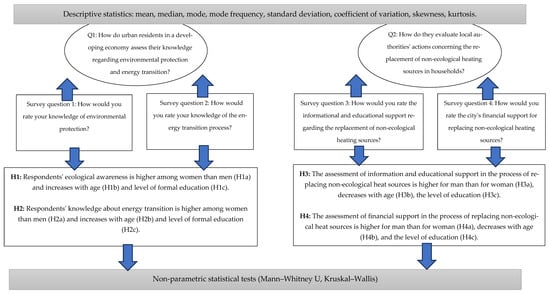
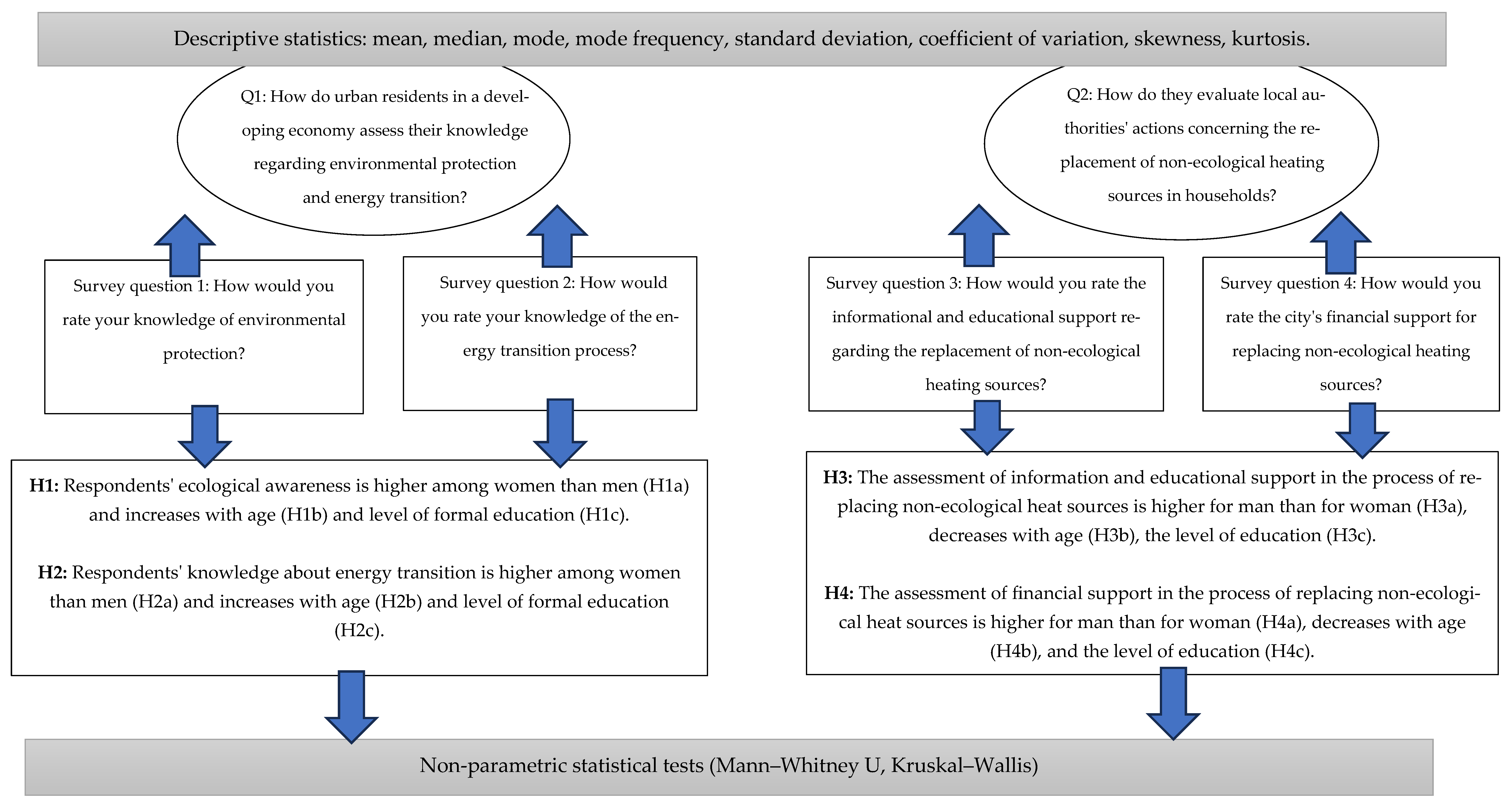
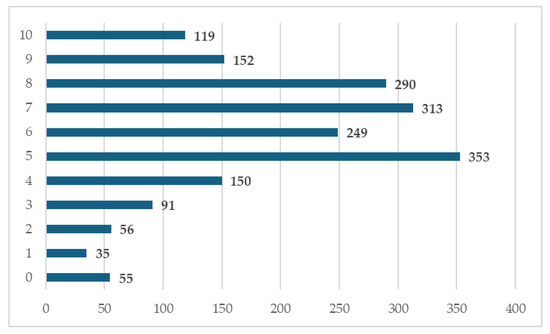
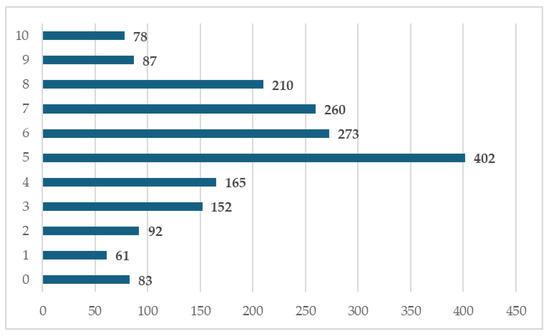
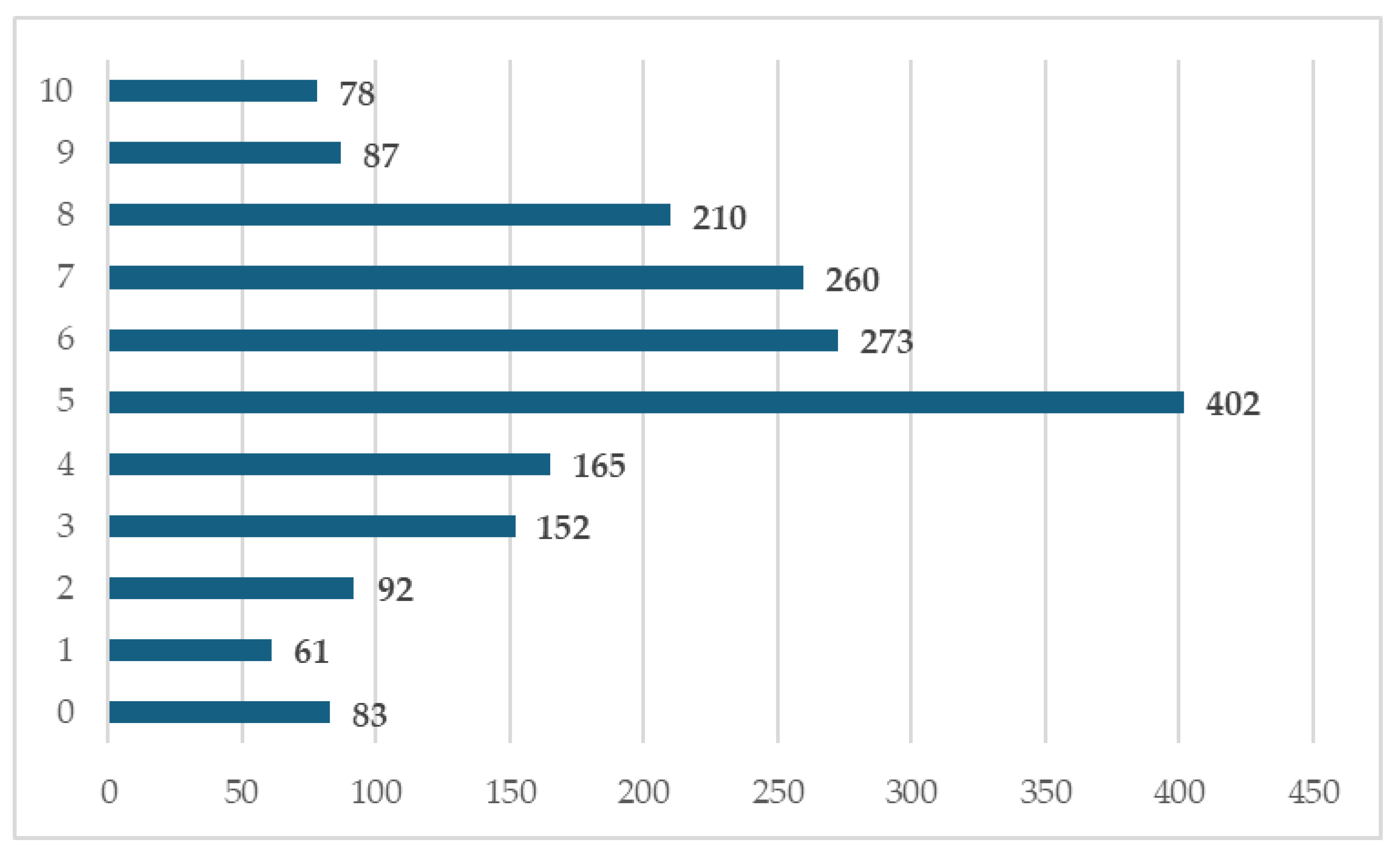
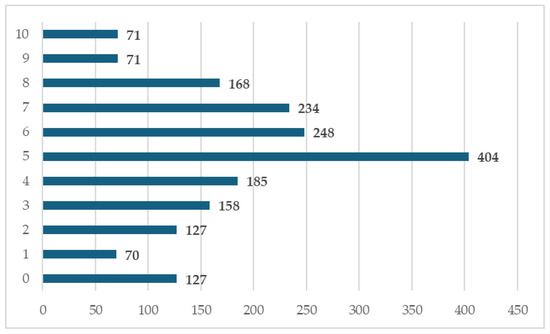
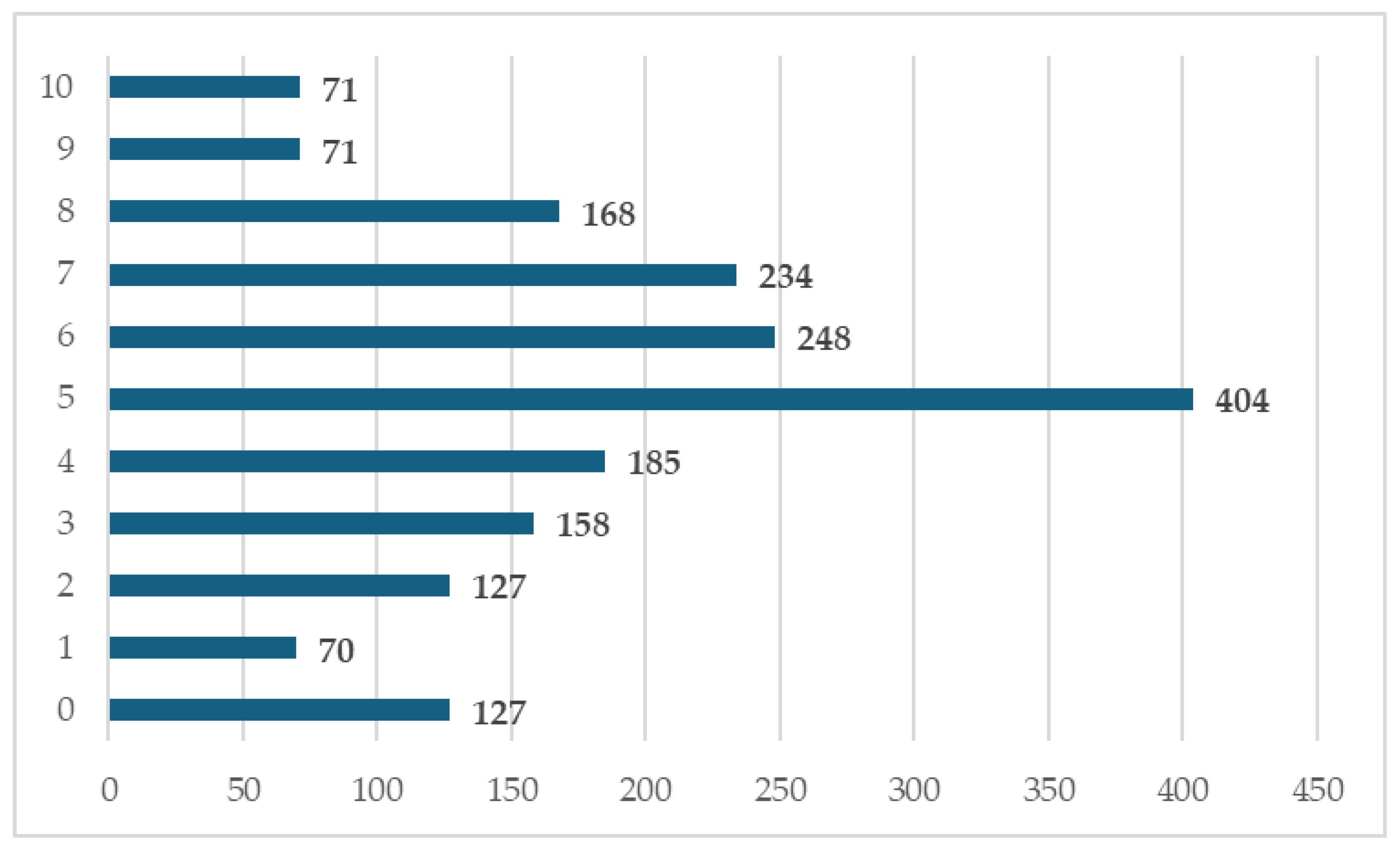
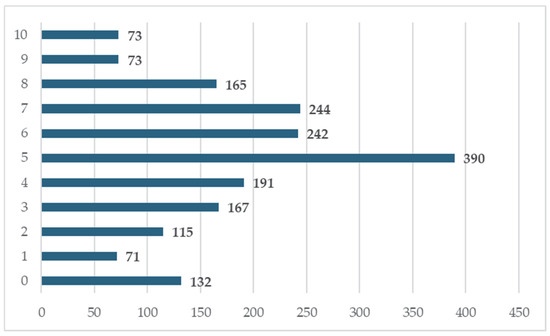
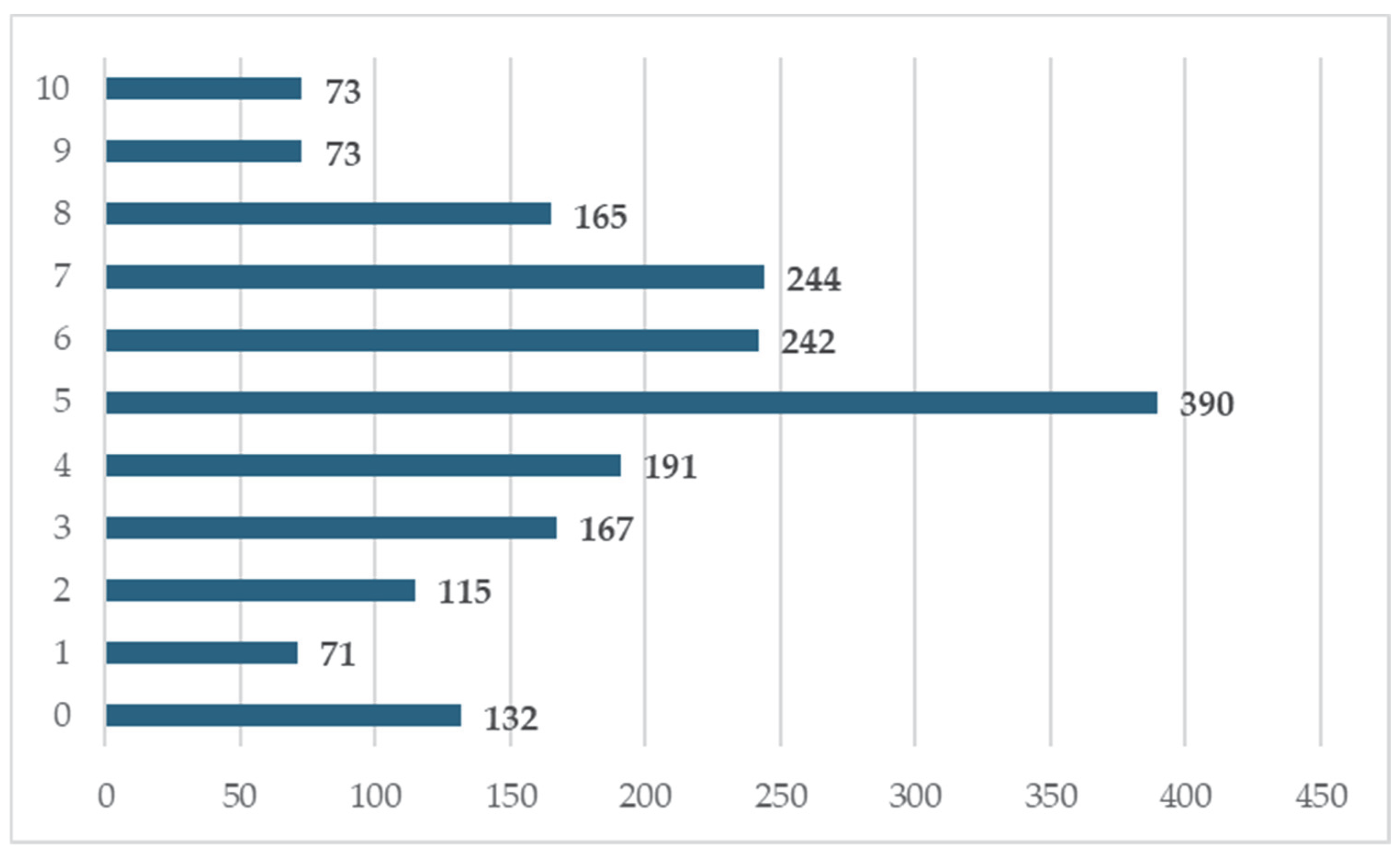
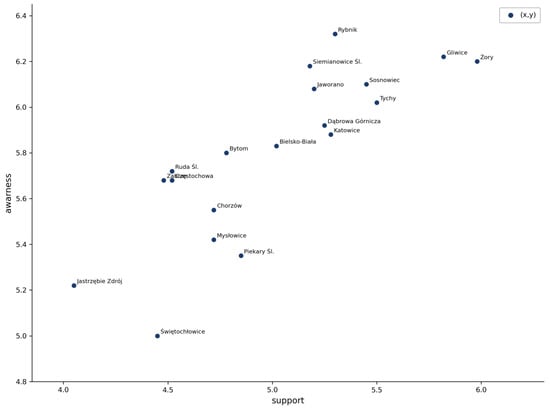
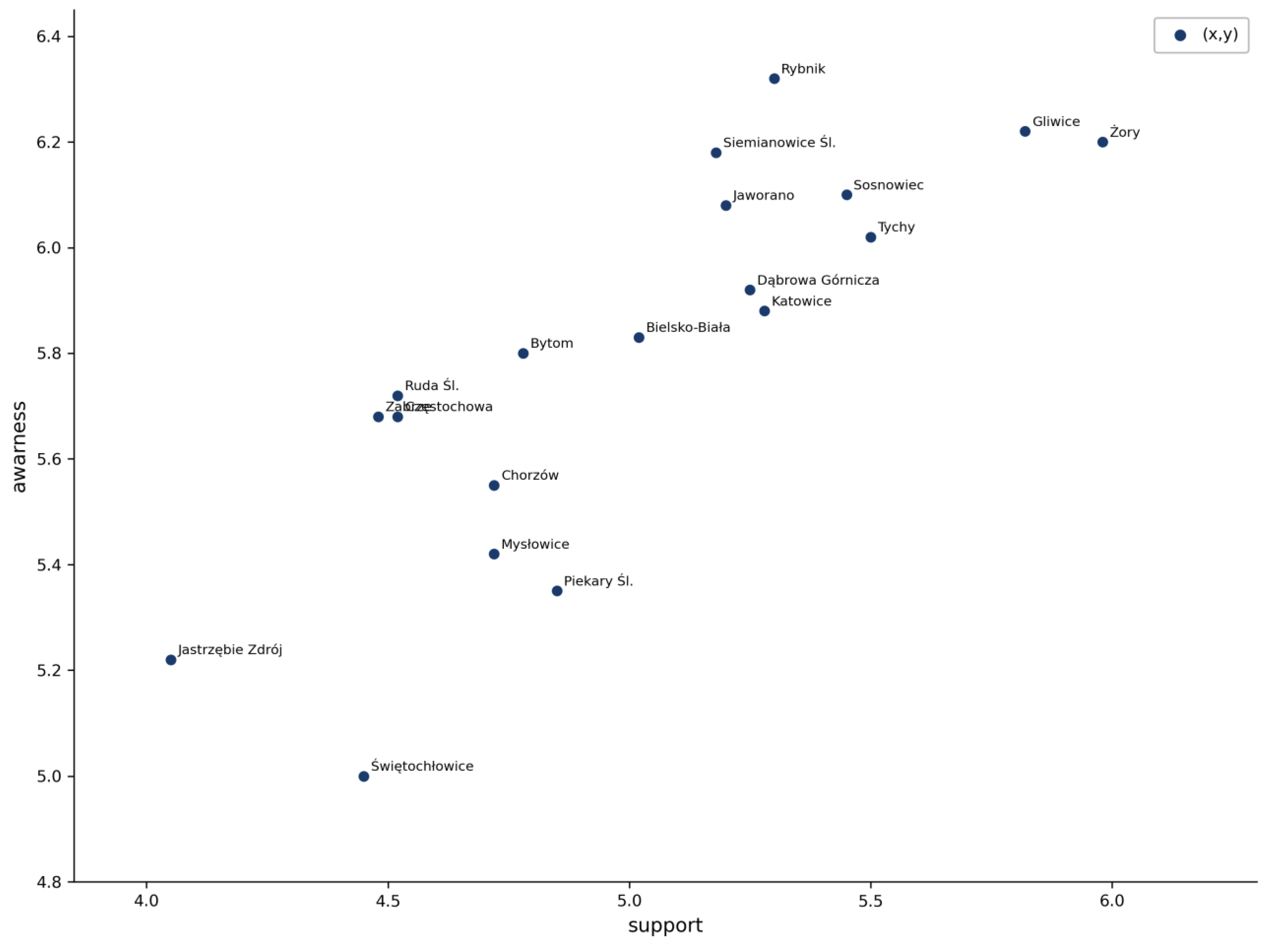

Disclaimer/Publisher’s Note: The statements, opinions and data contained in all publications are solely those of the individual author(s) and contributor(s) and not of MDPI and/or the editor(s). MDPI and/or the editor(s) disclaim responsibility for any injury to people or property resulting from any ideas, methods, instructions or products referred to in the content. |
© 2026 by the author. Licensee MDPI, Basel, Switzerland. This article is an open access article distributed under the terms and conditions of the Creative Commons Attribution (CC BY) license.