


Abstract
Circular economy (CE) claims in fashion aim to mobilize consumer participation in reuse and recycling, yet the interpretative flexibility of “circular” language can also enable vague messaging and skepticism. This study investigates how consumers assess CE fashion claims in terms of (a) claim substantiation quality (CSQ) and (b) claim support credibility (CSC), and how these assessments influence perceived green authenticity (PGA), green trust (GTR), and circular purchase intention (CPI) in Greece and the United Kingdom. A cross-national online stimulus-based survey utilizing standardized e-commerce product-card claims for a fictitious circular fashion brand gathered data from Greece (n = 640) and the UK (n = 572). PLS-SEM and multi-group analysis evaluated a model distinguishing CSQ and CSC as complementary message properties. In the overall sample, both CSQ and CSC exhibited a positive correlation with CPI, whereas PGA and GTR emerged as the most significant proximal predictors, with authenticity demonstrating the most substantial impact. Indirect-effect tests showed that CSQ affected CPI through both authenticity and trust. On the other hand, CSC was only effective through authenticity, and there was no clear pathway for CSC trust intention. The multi-group results also showed context sensitivity: Greece exhibited a stronger trust-based path to intention, while the UK had a stronger authenticity-based path to intention. Overall, the results support a dual-route theory of CE claim persuasion. Additionally, they suggest that effective CE fashion communication should combine clear, specific content with credible, externally checkable support cues.
1. Introduction
The environmental costs of modern fashion systems, where increased consumption and reduced garment lifecycles have increased resource use and textile waste, are pushing circular economy (CE) strategies as a workable solution [1,2]. Closing material loops through reuse, repair, recycling, and alternative consumption models is often framed as the CE promise in fashion, but doing so necessitates both supply-side redesign and significant consumer participation, as fast-fashion dynamics accelerate demand [3,4]. In fashion, the circular economy goes beyond recycling and reusing to include many “loop” strategies. These include durability/repair, take-back and refurbishment/remanufacture, resale and rental/access-based models, and recycling at the end of the product’s life. In parallel, both markets work within an EU policy and consumer protection framework that encourages the use of standardized terminology for CE-related operations (like recycling, repair, and remanufacturing/refurbishment). In this context, “fast fashion” is regarded as a market-level catalyst contributing to the CE issue; however, the current study does not concentrate on fast-fashion brands specifically. Instead, it examines how consumers decode CE-related marketing claims in standardized e-commerce product-card messages. So, “circularity” refers to consumer-facing product-level CE claims (and their implied support) rather than to specific circular business models (e.g., rental or resale) as behavioral modes.
The literature on circular fashion suggests that this is not just an issue of technical innovation, but rather depends on how the individual end-consumer engages with take-back, resale, maintenance, and end-of-life practices that effectively close the loop [5]. At the same time, the concept of circular economy in the context of fashion is also characterized by interpretative flexibility, which may lead to confusion regarding the actual meaning of the term “circular” [4,6,7]. Thus, claim decoding and potential misinterpretation are a key marketing–communication issue rather than a purely definitional one. This occurs since consumers may still map “circular” language onto diverse and occasionally incompatible conceptions (e.g., recycled content versus resale/rental versus repair) even when formal definitions exist at the policy level. This, in turn, may lead to issues of misappropriation, thereby bringing marketing communication into the core role. This is because, in order for circular value propositions to scale, consumers must be convinced that these claims are believable, actionable, and ultimately linked to performance and environmental outcomes [8,9].
In fashion markets, though, sustainability signals that are designated for consumers are often challenging to interpret and can be processed in ways that do not align with their informational intent [10,11]. Experimental evidence regarding ethical fashion labeling indicates that even intricate point-of-sale rating labels may affect purchase intention, despite consumers not responding in alignment with the label’s ethical score. This suggests heuristic rather than deliberate cognitive processing in some fashion-retail settings, including fast-fashion purchase environments [1]. This issue extends beyond labeling formats; when consumers possess uncertain perceptions regarding the quality of “green” products and find it complicated to validate claims, companies are strategically motivated to communicate either in an informative manner, enhancing belief accuracy, or in a persuasive manner, exaggerating quality to foster optimism and confidence [12]. In other words, the same communication environment that could facilitate credible CE transitions can also facilitate greenwashing, particularly when consumers are unable to distinguish between ambiguous assurances and substantiated information and verification is insufficient or disjointed.
These dynamics pose a specific inquiry for CE fashion marketing: what differentiates circular claims that serve as credible indicators from those that provoke doubt or cursory acceptance? Previous research indicates that ambiguous or deceptive greenwashing assertions can elicit consumer perceptions of greenwashing and negatively impact brand assessments, while consumers’ capacity to identify greenwashing is influenced by the nature of the claim and its informational attributes [4]. Policy-oriented work also emphasizes that credible green claims must be accurate, verifiable, and comparable, and that companies should offer supporting evidence against standardized methods to avert deceptive marketing [11]. However, in CE fashion communications, the reality is that consumers frequently experience claims that differ in informational substance and in how strongly they imply external support [10,11]. This necessitates the distinction between two complementary message attributes that influence subsequent evaluations: the perceived quality of the claim’s substantiation and the perceived credibility of its supporting foundation.
Therefore, this study compares a vague versus a substantiated claim for a fictional circular fashion brand using a controlled stimulus-based survey design to investigate consumer reactions to CE claims in fashion [13,14]. In this design, “vague vs. substantiated” is treated as a message-level manipulation, and it is theorized to operate through two separable perceived claim properties that capture what consumers actually decode from the claim exposure. The perceived specificity, clarity, and verifiability of a claim—whether it offers specific details and precise meaning instead of general slogans—are what we conceptualize as claim substantiation quality (CSQ) [14,15]. A vague claim should be interpreted as possessing lower claim substantiation quality (CSQ)—more general, less precise, and less concrete—while a substantiated claim should be interpreted as having higher CSQ—more specific, quantified, and interpretable. In line with the design of the stimulus, the main “circularity” cue is displayed as a product-level material-loop claim (like recycled content) along with a verification-like support cue. This allows us to examine how substantiation and perceived support affect authenticity, trust, and intention in CE claim communication. So, the study’s findings are more about how CE-related claims are talked about and understood than about claims about specific circular categories (like remanufactured products). We define claim support credibility (CSC) as the perceived credibility of the evidence supporting the claim, specifically whether it seems to be independently verifiable, non-promotional, and legitimate. CSC is different from CSQ because the “strength” of a claim can come from both the content of the message and the credibility of its implied support, making CSQ and CSC complementary rather than redundant.
Theoretically, these claim-level assessments translate into green trust (GTR), which measures confidence that the brand is honest and unlikely to mislead, and perceived green authenticity (PGA), which indicates whether the brand’s circular stance feels real rather than performative [16]. We hypothesize that trust should increase intention while decreasing perceived risk.
We examine the stability or sensitivity of CE-claim decoding by comparing consumers in Greece and the United Kingdom (UK), two European markets characterized by significant exposure to sustainability rhetoric, yet likely differing in their everyday “decoding environments” (marketplace signals, previous claim experiences, and verification expectations). This concentrated Greece–UK pairing facilitates a manageable cross-national examination of the proposed credibility–authenticity–trust mechanism’s generalizability or variation in strength. Previous research indicates ambiguity in the interpretation of sustainability claims and context-dependent variations in assessment through localized knowledge frameworks and trust anticipations [3]. Consequently, we employ PLS-SEM with measurement invariance assessment and multi-group analysis to evaluate the stability of the relationships among claim substantiation quality (CSQ), claim support credibility (CSC), perceived green authenticity (PGA), green trust (GTR), and circular purchase intention (CPI) across different countries, formulating relevant hypotheses and research inquiries.
The study’s findings indicate that consumers do not respond to circular economy (CE) messaging as a single, undifferentiated “green” cue. They distinguish between claim substantiation quality (CSQ) and claim support credibility (CSC), and these assessments influence circular purchase intention primarily through perceived green authenticity and green trust. In the pooled model, CSQ and CSC were both linked to intention in a positive way, but authenticity was the strongest predictor in the short term. Cross-national comparisons revealed a context-sensitive pattern: in Greece, substantiation-related evaluations correlated more significantly with trust and intention, whereas in the UK, authenticity exerted a comparatively stronger influence in transforming claim evaluations into intention, thereby supporting a dual-route framework of consumer engagement claim persuasion across markets.
The remainder of the paper is structured as follows: comparing Greece and the UK, Section 2 examines earlier research on CE fashion claims and the functions of substantiation, credibility cues, authenticity, and trust. The hypotheses and research model are developed in Section 3. The study design, measurements, and PLS-SEM process (including invariance and MGA) are described in Section 4. The results are presented in Section 5. The practical implications are presented in Section 6. Limitations and future directions for research are discussed in Section 7.
2. Literature Review and Hypotheses Development
2.1. Circular Economy Claims in Fashion as Persuasive Signals: Vagueness, Substantiation, and Consumer Response Outcomes
Claims regarding sustainability and the circular economy serve as signals that convert organizational behavior into visible indicators, but the same signaling logic also permits selective disclosure. The authors of ref. [13] found intent signals to be the most prevalent in their content analyses of sustainability reports from 43 Colombian listed companies. They also demonstrated that camouflage can refer to either strategically highlighting accomplishments or concealing information. While cautioning that camouflage coding is prone to bias, the authors of ref. [13] suggest a stepwise classification process. Reception evidence is required because these studies do not test audience decoding but instead infer signaling from reports.
Reception work demonstrates that credibility does not increase consistently with stronger cues. In an assurance experiment, the authors of ref. [17] discover that reference explicitness and assurance depth collaboratively influence credibility perceptions. However, readers may misinterpret assurance signals and react adversely, suggesting that excessive explicitness could be counterproductive. Carson et al. [18] demonstrate, through a new-hire vignette, that more expensive sustainability messaging diminishes perceived credibility, whereas an extrinsic-motivation frame can enhance it. Sustainability reporting can begin as an expensive signal but gradually gain more positive value, according to Friske et al. [16]. This is particularly true when externally guaranteed, motivating tests of credibility cues are used in consumer contexts.
Consumer research indicates that ambiguity and persuasion knowledge can sustain weak signals even under skepticism. The authors of ref. [19] argue that green advertising frames are prevalent but often unclear and not supported by evidence. Focus groups reveal motivated rationalizations that normalize weak claims. In ref. [15], the authors also show through experiments that consumers struggle to distinguish between levels of environmental commitment and can be deceived by exaggerated claims; education renders consumers more cognizant of institutional substantiation but does not eliminate deception. Naderer et al. [14] also find that literacy programs increase knowledge about greenwashing, but a quiz format lowers confidence. This suggests that ability and calibration work together to shape claim scrutiny and motivate controlled tests of claim features.
Fashion is a diagnostic domain because circular apparel claims blend moral meaning with performance uncertainty. Ref. [20]’s online fashion retail experiments demonstrate that third-party certification labels enhance information credibility and bolster purchase intentions; however, the effects are contingent upon providing sustainability information rather than framing it in terms of consumer benefits. We remain uncertain about the interplay between claim substantiation and perceived support credibility in generating authenticity and trust across various contexts. Our research fills this gap by comparing ambiguous and substantiated circular-economy assertions and by modeling downstream authenticity, trust, risk, and intention, while also examining Greece–UK disparities using MGA.
Outcomes in Circular Fashion: Risk and Circular Purchase Intention
Previous research on circular consumption shows that perceived uncertainty about circular offerings influences purchase intentions in addition to pro-environmental motivation [21,22,23]. Perceived risk inhibits adoption intentions and can erode evaluative pathways like attitudes in remanufactured and recycled product contexts, even when more general motivational drivers are positive [24]. Studies on sustainable apparel also find that perceived risk is a significant predictor, along with environmental consciousness and value [25].
When risk is treated as multidimensional, it more clearly constrains intentions. For example, in fashion renting, financial, performance, and psychological risks lower attitudes and perceived enjoyment, which then predict adoption intention [26,27]. In sustainable apparel, on the other hand, distinct risks (financial, performance, psychological, and social) have different effects and work through attitudes as a mediator [27]. However, the effects of risk are not consistent across circular fashion forms. Kim et al. [28] demonstrate that emotional value is the primary influence on responses to reused, upcycled, or recycled clothing, while economic and performance risks do not impact product attitudes, and individualism serves as a moderating factor—suggesting that circular modes and cultural orientations determine the relevance of performance concerns in decision-making [28].
Furthermore, there is evidence that market cues can act as a buffer against risk: value-based research further demonstrates that emotional value is crucial for willingness to pay and circular purchase intentions [29]; lenient return policies increase purchase intention for remanufactured products [30]; and luxury value brand signals can lower quality risk and increase trust, supporting purchase intention when new sustainable materials are introduced [31].
Despite these insights, the literature remains fragmented across circular modes, contexts, and measures, and rarely isolates message-level levers under comparable designs, leaving unresolved how differences in the substantiation and support credibility of circular economy claims translate into authenticity, trust, perceived performance risk, and purchase intention across national markets. This study fills that gap by comparing vague and substantiated claim stimuli in a fashion-brand context and examining the credibility–authenticity–trust pathway to risk and intention in Greece and the UK through measurement invariance procedures and multi-group analysis.
2.2. Claim Properties as Antecedents: Claim Substantiation Quality (CSQ) and Claim Support Credibility (CSC)
Within green and CSR communication, claim substantiation usually appears as how specific and concrete a claim is—how clearly it says what actions it will take, what its scope is, and what details can be checked [7,9,32,33]. In this study, this rationale establishes a direct theoretical connection between the research topic (“substantiated vs. vague CE claims”) and CSQ: “vague” claims are defined by low informational specificity and interpretability (resulting in lower perceived CSQ), while “substantiated” claims are defined by higher informational content (e.g., quantified, concrete, and interpretable details), which should be regarded as higher CSQ. In industrial green advertising, deeper “advertising greenness” aligns with more fact-based focal points and more substantive issue treatment [34], suggesting that detail can operate as a legitimacy cue. However, boundary conditions emerge: for Turkish consumers, particular claims enhanced effectiveness for a product with low environmental relevance but not for one with high relevance [35]. Message concreteness can also improve attitudes and supportive intentions via perceived authenticity, with involvement shaping receptiveness [36]. Which makes support credibility the next issue to be concerned about. These findings motivate CSQ as a message property that captures the “content strength” dimension of CE claims, rather than treating claim vagueness as a purely categorical label.
However, “substantiated vs. vague” claim contrasts in practice often involve more than wording detail; they also vary in the extent to which they imply an externally checkable evidence base. Support credibility measures whether or not viewers believe that claims and senders are trustworthy. Consumer skepticism is shaped by the interaction between corporate credibility and green marketing claim type [37], and the impact of claim type on advertising effectiveness is moderated by the green image of the source country [38]. This inference is strengthened by external scrutiny: brand attitudes and purchase intentions decreased sequentially through increased skepticism and diminished corporate credibility when specific (as opposed to vague) environmental claims were refuted by specific (compared to vague) external disconfirming information [39]. This suggests that CSC is seen as supporting evidence rather than merely wording. Accordingly, we conceptualize CSC as the perceived credibility of the claim’s support basis (e.g., whether it signals verification, external checkability, and legitimacy), which may accompany—but is not reducible to—claim specificity.
Cue integration further demonstrates that substantiation and support signals do not merely aggregate. In three experiments, meaningless claims (e.g., being “friendly to” the environment) heightened pro-environmental perceptions, yet did not produce any additional effect when substantive attribute information was also available [40]), suggesting substitution rather than reinforcement. Visual aesthetic quality also altered green brand associations and attitudes in a vignette experiment examined through MANOVA [41], indicating that refined execution can overshadow the examination of claim content and encourage clearer distinctions between CSQ and CSC. This cue-integration perspective emphasizes the necessity of analytically distinguishing between CSQ and CSC: a claim may be interpreted as specific yet inadequately supported (high CSQ, low CSC), or may contain support-like cues that appear credible while the substantive content remains general (low CSQ, higher CSC). It is better to think of vague-substantiated exposure as working through both CSQ and CSC than to think of it as a single, undifferentiated “claim strength” factor.
An integrated account that connects CSQ and CSC to authenticity- and trust-based pathways across different audiences and situations remains underdeveloped. Claim specificity may be counterproductive when perceived competence and warmth are diminished, leading to perceived manipulative intent and decreased perceived environmental commitment [42]. Goal-based work also demonstrates that construal–goal fit influences evaluations and willingness to pay, necessitating replication across various categories and cultural contexts [42]. Our study addresses existing gaps by contrasting substantiated and vague circular-economy claims in the fashion industry, while modeling CSQ and CSC as precursors to perceived authenticity and green trust in Greece and the UK, employing PLS-SEM, and multi-group analysis methodologies. We conceptually differentiate between perceived claim attributes and subsequent evaluative judgments derived from those attributes. Claim substantiation quality (CSQ) and claim support credibility (CSC) capture attributes of the message itself, such as information content/precision and implied external checkability, respectively. On the other hand, perceived green authenticity (PGA) and green trust (GTR) are judgments made based on these cues: whether the brand’s circular positioning seems genuine or fraudulent (PGA) and whether its environmental or circular claims seem true and not misleading (GTR). PGA and GTR are assessed immediately following exposure and are linked to the claim; however, they are regarded as evaluative measures that convert claim cues into intention, prompting their identification as parallel downstream mechanisms rather than supplementary claim–property indicators.
2.3. The Mediation Mechanism: Perceived Green Authenticity and Green Trust
Perceived green authenticity and green trust are repeatedly framed as the psychological route through which sustainability communication becomes behaviorally meaningful [43,44,45,46]. Thao et al. [47] utilize SmartPLS and PLS-SEM to demonstrate that green advertising receptivity, green brand image, and perceived brand authenticity enhance green brand trust, subsequently predicting green purchase intention, whereas perceived greenwashing diminishes this intention. In the realm of social media influencers, Poulis et al. [48] ascertain that influencer credibility enhances green brand authenticity, whereas perceived greenwashing diminishes it; authenticity serves as a predictor of trust, which in turn predicts purchase intention with partial mediation. But the evidence is cross-sectional, so we need to explain how negative cues make trust less stable.
Greenwashing research suggests that trust deterioration is often indirect and multi-stage rather than a simple direct deterrent. Chen et al. [49] demonstrate that greenwashing diminishes green trust among Taiwanese consumers purchasing information and electronics, both directly and indirectly, through consumer confusion and perceived risk, linking ambiguity to risk-induced distrust. Guerreiro et al. [45] also find that expectations of greenwashing do not directly affect green purchase decisions, but they do affect them through green trust and green word-of-mouth. Xiao et al. employ PROCESS to demonstrate that greenwashing enhances brand avoidance, in part due to brand hypocrisy, and that these effects diminish when CSR–CA beliefs are elevated. Mixed direct effects indicate boundary conditions, directing focus toward authenticity assessments.
Authenticity, however, is operationalized inconsistently and placed at different points in causal chains. Yu et al. [46] define green brand authenticity as multidimensional, encompassing quality commitment, heritage, uniqueness, and symbolism, and associate it with well-being and behavioral approaches, whereas environmental values exert minimal regulatory influence, and everyday green behavior only partially does so. Alyahia et al. [43] demonstrate that in the hospitality sector, greenwashing diminishes guest green trust and intentions to patronize; green trust serves as a mediator for these effects, whereas increased green authenticity and green transparency mitigate the penalties associated with greenwashing. This lack of clarity about roles leads to stricter message-level tests.
Our research fulfills this requirement by employing a standardized message-exposure framework to analyze the influence of sustainability signals, including greenwashing indicators, on perceived green authenticity and green trust, and how these mediators affect purchase intentions. By examining the same mechanism across different contexts, we ascertain whether the authenticity-to-trust pathway is resilient rather than confined to specific samples.
2.4. Cross-National Rationale: Greece vs. The UK as Contexts for Claim Decoding
Cross-national research indicates that sustainability claims are not decoded in a vacuum; instead, context shapes what consumers treat as informative, credible, and actionable signals [27,33,50,51,52]. Ref. [53]’s focus groups in the UK and Greece demonstrate that consumers interpret sustainability labels on FMCGs using a variety of knowledge types, but labeling knowledge is lacking and leaves consumers perplexed. This is important for the present study because CE fashion claims are frequently “interpretatively flexible,” so the same claim text may trigger different standards of scrutiny and different inferences about genuineness and trustworthiness across contexts. Testing whether contexts alter the structural role of credibility cues is motivated by the qualitative nature of this evidence. Institutional settings influence anticipations regarding verifiability and fundamental trust.
The Greece–UK comparison is analytically meaningful for two reasons. First, it provides a concentrated, interpretable cross-national examination within Europe: both contexts are subject to sustainability discourse, yet the existing research indicates variations in the acquisition, accessibility, and application of sustainability information, which can influence expectations of validation and foundational trust. Using non-parametric analyses within a varieties-of-capitalism framework, ref. [52] identify systematic disparities in sustainability reporting practices between Nordic and Mediterranean European nations, positioning the UK as more “intermediate” than Mediterranean economies like Greece on specific indices. Using Eurobarometer 2023 and mediation path analysis, ref. [54] demonstrate that knowledge of ecolabels is connected to buying behavior, in part through trust and attitudes toward ecolabels. Together, this supports the premise that trust-based translation mechanisms may not operate with the same strength across contexts, and that differences in label knowledge and trust expectations can plausibly shift which “route” dominates (authenticity-based versus trust-based). Yet these macro patterns do not specify how people react to concrete claim texts [55,56]. Accordingly, a controlled stimulus design is needed to isolate message-level differences (substantiation quality versus support credibility) under comparable exposure conditions. Cross-country consumer models validate the heterogeneity in sustainable choices, yet assert that comparability can often be inadequate.
Jung et al. [56] employ SEM in the UK, US, and China, identifying both commonalities and variations in the determinants of sustainable apparel intentions across these countries. Loose et al. [57] employs a cross-national discrete choice experiment, demonstrating that the valuation of CSR claims differs by market and remains consistently inferior to that of organic claims. These findings validate cross-national tests and indicate the necessity for standardized stimuli and measurement equivalence assessments. However, only a few studies simultaneously combine controlled claim manipulations with explicit invariance testing [54,58,59]. Thus, the national differences observed may be due to measurement artifacts instead of real decoding processes in sustainability advertising contexts. This gap is especially relevant for CE fashion claims, where consumers may rely on heuristic cues and where credibility signals may be processed as either “truth assurance” (trust) or “genuineness inference” (authenticity).
Evidence related to Greece and the UK underscores the significance of a targeted comparison in advancing decoding theory. Balaskas et al. [59] demonstrate that among Greek young adults, perceived greenwashing, literacy, and source credibility function through persuasion knowledge and advertising skepticism. Urbański et al. [50], along with respondents from the UK, express skepticism and challenges in recognizing greenwashed products. Nonetheless, it remains unexplored whether the identical CE fashion claim exposure—maintained consistently in format and context—produces divergent structural “translation” patterns from claim evaluations (CSQ/CSC) to perceived green authenticity (PGA), green trust (GTR), and purchase intention (CPI) in Greece and the UK. Our study addresses this shortcoming by utilizing matched stimuli and employing MICOM and MGA within PLS-SEM. Thus, the Greece–UK pairing serves not as a descriptive comparison but as a theoretical examination of generalizability versus context sensitivity in CE claim persuasion.
2.5. Hypotheses Development
2.5.1. Direct Effects on Circular Purchase Intention
Specific, concrete, and interpretable substantiated claims are more likely to be regarded as informative signals than ambiguous slogans [7,9,32,33,34]. In fashion contexts where consumers frequently depend on heuristics [14,15,19], an enhanced perception of claim substantiation quality should nonetheless bolster intention by diminishing interpretative ambiguity and augmenting the perceived diagnosticity of the CE claim. When claims also imply an externally checkable support basis, consumers should infer greater legitimacy and a lower likelihood of deception [37,38,39]; in CE fashion communication, where verification is often difficult and greenwashing is salient, credible support cues may therefore strengthen intention beyond wording alone [20,39]. Lastly, downstream evaluations should directly predict intention: authenticity judgments assess whether sustainability positioning is perceived as genuine rather than performative, and are consistently associated with positive behavioral outcomes [43,46,47,48]. Green trust indicates confidence in the veracity of claims and the brand’s integrity, serving as a well-established predictor of green purchase intention and a significant pathway through which greenwashing hampers adoption [45,47,49].
H1.
Claim substantiation quality (CSQ) is associated with circular purchase intention (CPI).
H2.
Claim support credibility (CSC) is associated with circular purchase intention (CPI).
H3a.
Perceived green authenticity (PGA) is associated with circular purchase intention (CPI).
H3b.
Green trust (GTR) is associated with circular purchase intention (CPI).
2.5.2. Indirect Effects via Authenticity and Trust; Cross-National Research Questions
Message concreteness may operate through perceived authenticity [36], and authenticity is a strong predictor of intention in green branding contexts [46,47,48]. So, higher CSQ should indirectly raise CPI by making authenticity inferences stronger. Substantiated claims should diminish ambiguity and cultivate confidence that messaging transcends mere persuasive rhetoric, thereby facilitating trust development in green communication [45,47,49]. Simultaneously, credible support cues can serve as legitimacy indicators that enhance “genuineness” inferences, especially in contentious green communication contexts [39,43,48]. Furthermore, when perceived as externally verifiable, they may strengthen confidence in the veracity of claims and diminish skepticism [37,38,39,49]. Claim decoding is contingent upon contextual expectations of verification and foundational trust [27,33,50,51,52,53,54]. Consequently, the robustness of these CSQ/CSC → PGA/GTR → CPI pathways may vary between Greece and the UK, even when exposure and measurement invariance are controlled [54,58,59].
H4a.
CSQ is indirectly associated with CPI via perceived green authenticity (PGA).
H4b.
CSQ is indirectly associated with CPI via green trust (GTR).
H5a.
CSC is indirectly associated with CPI via perceived green authenticity (PGA).
H5b.
CSC is indirectly associated with CPI via green trust (GTR).
RQ1:
Do the structural relationships among CSQ/CSC, PGA, GTR, and CPI differ between Greece and the UK?
RQ2:
Do these relationships differ across stimulus conditions (A vs. B) and does that pattern vary by country (4-group comparisons)?
When analyzed collectively, the research shows that circular economy messaging in fashion serves as a disputed and unevenly decoded sustainability signal: credibility cues do not always directly translate into trust or intention, and consumers differ in their capacity and motivation to assess what “circular” means. This drives a model that distinguishes between two complementary claim-level assessments, Claim Substantiation Quality (CSQ) and Claim Support Credibility (CSC), and explains how these assessments are anticipated to influence downstream psychological judgments of Perceived Green Authenticity (PGA) and Green Trust (GTR), leading to Circular Purchase Intention (CPI), while permitting the strength of these relationships to differ across national contexts (Greece vs. UK). Figure 1 summarizes the proposed conceptual model and the hypothesized direct and indirect linkages examined in the study.
Figure 1.
Conceptual model.
3. Research Methodology
3.1. Research Design, Data Collection and Sampling
A cross-national online survey with embedded stimulus exposure was used to collect data on how consumers understand marketing claims about the circular economy and how these evaluations affect their perceptions of authenticity, trust, risk, and willingness to purchase circular merchandise [60,61]. A non-probability sampling strategy was utilized, employing online convenience and snowball recruitment in Greece and the United Kingdom, supplemented by quota guidance to improve comparability between the two national subsamples regarding key demographics typically associated with apparel purchasing and sustainability perceptions (e.g., gender and age categories) [62,63]. Between September and November 2025, participants were recruited through (i) posts in relevant social media groups, (ii) distribution through email lists, and (iii) university-affiliated networks, with recipients encouraged to forward the survey link (snowballing). No paid panel provider (e.g., MTurk-type access) was used. Greece and the UK were chosen for a focused cross-national comparison because they facilitate a theory-relevant examination of whether identical CE claim stimuli yield stable versus context-sensitive decoding patterns in two European markets that are similarly exposed to sustainability messaging, yet possibly differ in consumers’ knowledge frameworks and trust expectations regarding verification cues [53]. This approach matches the study’s objectives and design: the focus is on theory testing and cross-national comparison utilizing PLS-SEM, rather than population estimation. Furthermore, meaningful multi-group analysis (MGA) necessitates adequately sized and compositionally comparable samples gathered through standardized procedures. Although recruitment was non-probability, quota guidance (e.g., age and gender categories) and identical procedures across countries were used to improve sample comparability for mechanism-focused MGA, recognizing that the goal is not population estimation.
A digital survey tool was used to administer the questionnaire (Google Forms). This tool combined standardized psychometric scales with controlled marketing stimuli. Participants rated the “ecommerce ‘product card’ stimuli” for the fictional “circular fashion brand,” named “CIRCULA,” and its “product,” the “Unisex Hoodie.” The fictitious brand and product card were designed to be segment-neutral (i.e., no price, retailer, or positioning cues), so the study examines CE-claim decoding in online fashion-brand communication contexts rather than fast-fashion brands specifically. In line with the paper’s scope, the stimuli operationalize a product-level “material-loop” circularity claim (i.e., recycled-content circularity) and its implied verifiability, rather than circular business models such as rental, resale, or repair services. The stimuli were similar in design to eliminate design-related confounds. However, the content of the claims varied. In Stimulus A, the vague claim of circularity/sustainability was used. In Stimulus B, the substantiated claim with quantified information about the recycled content and the generic “CERTIFIED” cue was used. Consistent with the study’s conceptualization, this manipulation was designed to shift two perceived message properties: Stimulus B was expected to increase claim substantiation quality (CSQ) via greater specificity/quantification, and to increase claim support credibility (CSC) via the inclusion of a verification-like support cue (“CERTIFIED”), whereas Stimulus A was expected to be decoded as lower on these properties due to its more generic phrasing. Figure 2 presents the two standardized product-card stimuli (A vs. B) used in the study, the verbatim claim text for each condition is reproduced in Appendix A, Table A2.
Figure 2.
Stimulus materials for the claim manipulation (vague vs. substantiated CE claim) displayed as standardized e-commerce product cards for the fictitious brand “CIRCULA”. (Left) Stimulus A (Vague Claim Condition)—“Circular & Sustainable Collection” message with general, non-quantified sustainability wording. (Right) Stimulus B (Substantiated Claim Condition)—“Verified Circular Claim” message with quantified recycled content (≥60%) and a generic “CERTIFIED” verification cue. All non-manipulated elements (brand, product, layout, imagery, and call-to-action) were held constant across conditions.
A between-subject design was used to ensure unbiased comparisons of the effect of the claims. This procedure constitutes a randomized 2 × 2 between-subjects experiment (Country × Claim condition), implemented via random assignment to Stimulus A vs. B within each country sample. Participants were randomly assigned to view either Stimulus A or Stimulus B. Immediately after viewing the stimuli, the same measurement battery was used to measure the claims. Because the manipulation is theorized to operate through perceived claim properties, CSQ and CSC were measured as decoded message evaluations rather than inferred solely from condition.
This included the evaluation of the claim substantiation quality (CSQ) and the perceived credibility of the evidential basis/verification (evidence/verification credibility; EVC). It also included perceived green authenticity (PGA), green trust (GTR), and circular purchase intention (CPI). Green skepticism (GS) was measured at the end of the survey to avoid priming. Demographic questions and questions concerning the relevance of the purchase were also included.
In accordance with the study’s cross-national objective, the variable of country (GR/Greece vs. United Kingdom) was utilized as a theoretically significant grouping factor (context), while the claim manipulation (A vs. B) functioned as the controlled message-level variable; collectively, they establish a 2 × 2 grouping framework that facilitates both general cross-national multigroup analysis and exploratory four-group comparisons under matched exposure conditions. The two levels of the stimuli (A vs. B) and the country (GR/Greece vs. the United Kingdom) formed a 2 × 2 grouping structure for the multigroup analysis: GR-A, GR-B, UK-A, UK-B.
The sampling plan aimed for a minimum of 300 respondents per country (total N ≥ 600), with equitable distribution across stimulus conditions within each country whenever possible [64,65]. This target was chosen to make sure that reflective measurement models can be estimated reliably, to facilitate with measurement invariance testing before comparing groups, and to provide MGA and a single moderation effect within the PLS-SEM framework sufficient accuracy. Inclusion criteria required participants to be adults (18+), current residents of Greece or the UK, and be in a position to read and understand the survey language (Greek or English) sufficiently well to understand the questions and the stimulus content. Respondents were excluded if they did not pass attention or content checks related to the stimulus, failed to complete the surveys, had low-quality response patterns (like straightlining), completed the survey in an unreasonably short amount of time, or had inconsistent eligibility indicators that could affect valid group assignment. Screening was done via posed eligibility questions and using built-in attention/content checks. After that, the same quality filters were used in all countries and stimulus conditions.
To improve reliability and validity, the survey and stimuli were pilot-tested to ensure clarity, speed, and the distinction between ambiguous and substantiated claims. When necessary, the survey was translated from Greek to English, following standard translation guidelines to ensure conceptual congruity. With respect to construct reliability and validity, the PLS-SEM guidelines were followed, while measurement invariance testing preceded MGA procedures. Ethical guidelines were strictly followed during data collection, including the use of informed consent, voluntary participation, and anonymous data collection following GDPR guidelines on data minimization and storage.
3.2. Measurement Scales
All focal constructs were operationalized as reflective multi-item measures adapted from prior validated instruments. Items were rated on a 5-point Likert-type scale (1 = strongly disagree, 5 = strongly agree) and were anchored to the stimulus claim participants had just viewed (“Based only on the claim you just read…”) (Appendix A, Table A1).
Claim Substantiation Quality (CSQ). CSQ captured the perceived informational strength of the claim in terms of specificity, clarity, precision, and concreteness (4 items; adapted from [20,23]). One item assessing verifiability (CSQ5) was removed during measurement-model refinement.
Claim Support Credibility (CSC). CSC assessed the perceived credibility of the claim’s evidential basis, including impressions of verification and external checkability (4 items; adapted from [20,23]).
Perceived Green Authenticity (PGA). PGA measured perceived genuineness of the brand’s circular commitment versus performative messaging (3 items; adapted from [66,67,68]). One additional item (PGA4) was removed during scale refinement.
Green Trust (GTR). GTR captured confidence in the truthfulness and reliability of the brand’s circular/environmental claims (3 items; adapted from [21,22]). One item (GTR4) was removed during scale refinement.
Circular Purchase Intention (CPI). CPI measured intention to purchase and recommend the circular apparel product (3 items; adapted from [22,69]).
3.3. Sample Profile
Participants were drawn from the UK (n = 572) and Greece (n = 640) (Table 1). The UK sample had 47.0% males (n = 269) and 53.0% females (n = 303), while the Greek sample had 45.8% females (n = 293) and 54.2% males (n = 347). In the last 12 months, 42.3% of Greek respondents (n = 271) and 41.8% of UK respondents (n = 239) said they had bought clothes that were labeled as recycled, circular, or sustainable. Greece’s educational attainment was 41.9% secondary or lower (n = 268), 33.1% bachelor’s (n = 212), and 25.0% MSc or above (n = 160); in the UK, the same percentages were reported: 37.9% secondary or lower (n = 217), 29.4% bachelor’s (n = 168), and 32.7% MSc or above (n = 187). In both countries, the largest age group was 35–44 (Greece: 31.9%, n = 204; UK: 37.6%, n = 215), followed by 18–24 (Greece: 24.8%, n = 159; UK: 19.8%, n = 113) and 25–34 (Greece: 23.4%, n = 150; UK: 20.3%, n = 116). Both samples had a modal response at the midpoint (3; Greece: 30.2%, n = 193; UK: 35.0%, n = 200), indicating generally moderate familiarity with terms like “recycled content,” “circular economy,” and “eco-certification.”
Table 1.
Sample profile.
4. Data Analysis and Results
We used SmartPLS 4 (v4.1.1.6) to estimate the structural equation model. In line with Nitzl et al. [70], variance-based SEM was chosen as a suitable method for business and social science applications. PLS-SEM was utilized to emphasize explanatory power for endogenous constructs and predictive relevance [71]. We employed multi-group analysis (MGA) to investigate at unobserved heterogeneity by comparing path coefficients across subgroups and finding differences that depend on the situation that go beyond standard regression frameworks [72,73]. Estimation and reporting adhered to Wong’s [74] guidelines concerning path estimates, standard errors, and reliability evaluation. When examining reflective measurement models, outer loadings of 0.70 or higher were usually seen as acceptable for indicator reliability and construct validity.
4.1. Manipulation Checks and Zero-Order Correlations by Group
The perceived claim substantiation quality (CSQ) was subjected to manipulation checks. The perceived substantiation contrast varied across national contexts, as evidenced by a significant Country × Manipulation interaction, F(1, 1208) = 51.68, p < 0.001, ω2 = 0.039, found in a two-way ANOVA with Country (Greece vs. UK) and Manipulation (vague claim A vs. substantiated claim B). Follow-up simple-effects tests indicated that in Greece, CSQ was significantly higher for the substantiated claim (B; M = 4.155, SD = 0.693) compared to the vague claim (A; M = 3.725, SD = 0.589). In contrast, in the UK, CSQ did not exhibit a meaningful difference between conditions (A: M = 4.161, SD = 0.601; B: M = 4.070, SD = 0.630). Due to the cross-national variability in perceived claim substantiation, subsequent analyses concentrate on perceived CSQ (as opposed to condition alone) as the functional claim-quality antecedent.
To aid interpretation of treatment differences within each regional sample, we report construct-level means and standard deviations by country × stimulus group (GR-A, GR-B, UK-A, UK-B) in Table 2. In addition, group-specific Pearson correlation matrices among the focal constructs are provided in Appendix A (Table A2 and Table A3). All descriptives and correlations are based on construct composite scores (mean of retained indicators) and are reported for transparency alongside the PLS-SEM and multi-group results.
Table 2.
Construct descriptives by country × stimulus group.
Across groups, the substantiated claim condition in Greece (GR-B) showed higher average decoded substantiation and downstream evaluations than the vague condition (GR-A), with increases in CSQ (4.156 vs. 3.725), PGA (4.045 vs. 3.669), GTR (4.347 vs. 3.899), and CPI (3.593 vs. 3.237), while CSC was similar across the two Greek conditions (4.221 vs. 4.183). In the UK, mean differences between conditions were smaller and in some cases reversed: CSQ was slightly higher in UK-A than UK-B (4.161 vs. 4.070), PGA was slightly higher in UK-A (4.082 vs. 3.942), CSC was essentially unchanged (4.209 vs. 4.207), and CPI was nearly identical across conditions (3.493 vs. 3.479), while GTR was higher in UK-A than UK-B (4.484 vs. 4.171). Overall, these descriptives suggest a clearer manipulation separation in Greece than in the UK, consistent with the subsequent manipulation-check results and the context-sensitive pattern explored in the MGA.
4.2. Common Method Bias and Diagnostics
The issue of common method variance (CMV) was also examined based on Podsakoff et al.’s [75] recommendations to ensure that measurement validity is supported by the study. Moreover, a single-factor test suggested by Harman was used to ensure that a single factor underlies most of the covariation between measured constructs. The unrotated principal factor solution showed that the first factor accounted for only 36.129% of variance, which is below 50%, thus showing that common method variance is not a concern. These tests collectively suggest that inter-construct relationships observed are not primarily due to systematic measurement error [75,76]. Cross-loadings were also inspected for the pooled sample and each country subsample; all indicators loaded highest on their intended construct, with no substantive cross-loading concerns (Table A3). Collinearity was assessed using inner VIF values for the structural model; all inner VIFs were low (max = 2.156 across country subsamples), indicating no multicollinearity concerns for the estimated paths (Table A4).
4.3. Measurement Model
The initial phase in PLS-SEM analysis was to examine at the reflective measurement models. In accordance with the methodologies of [71,77], the evaluation encompassed internal consistency reliability at both the construct and indicator levels, as well as convergent and discriminant validity, to ensure sufficient measurement quality prior to the estimation of the structural model. In line with Vinzi et al. [78], indicator reliability was assessed using outer loadings, which indicate the percentage of variance in each item that is accounted for by its corresponding construct. Loadings of 0.70 or higher were generally treated as acceptable [79,80]. However, as Vinzi et al. [78] point out, the loadings of indicators in social science data often fall below this level, making deletion decisions non-trivial. Consequently, in accordance with [71,81], only items with loadings ranging from 0.40 to 0.70 were deemed eligible for removal if such action significantly enhanced composite reliability (CR) and/or average variance extracted (AVE). Following these criteria [82], indicators were considered for removal only when they showed comparatively weak outer loadings and when deletion improved convergent validity (AVE) and/or composite reliability (CR), while preserving the conceptual coverage of each construct. Accordingly, CSQ5 (verifiability), PGA4 (“walk the talk”), and GTR4 (non-misleading) were removed during refinement due to weaker loadings relative to the remaining indicators, resulting in improved measurement quality in the pooled and country-specific models. For transparency and comparability with prior studies using the full scales, a full-item sensitivity check (including CSQ5, PGA4, and GTR4) is summarized in Appendix A Table A5 and shows that the substantive pattern of structural paths and indirect effects is unchanged. This refinement, which is demonstrated in Table 3, led to a more robust measurement model for subsequent analyses.
Table 3.
Factor loading reliability and convergent validity.
Cronbach’s alpha, rho_A, and composite reliability (CR) were used to evaluate reliability. The CR values for the core constructs (CPI, CSC, CSQ, GTR, and PGA) either met or nearly met the 0.70 benchmark, indicating acceptable internal consistency [82]. In both the pooled and country-specific samples, reliability was also supported by rho_A values that fell between alpha and CR [79,83]. According to Fornell et al. [84], CR remained above 0.60 in cases where AVE was slightly lower. Convergent validity was assessed using AVE, and the majority of constructs had AVE values above 0.50 [71,85]. The Fornell–Larcker criterion (square roots of AVE exceeding inter-construct correlations) and HTMT values below the conservative 0.85 threshold [79], both supported discriminant validity. Table 4 and Table 5 provide comprehensive reliability and validity statistics.
Table 4.
HTMT ratio.
Table 5.
Fornell and Larcker criterion.
4.4. Structural Model
We utilized explained variance (R2), predictive relevance (Q2_predict), and the statistical significance of path estimates to evaluate the structural model. The model explained a moderate amount of the variance in the endogenous constructs in the pooled sample (CPI R2 = 0.477; GTR R2 = 0.287; PGA R2 = 0.457). The explanatory power was similar in Greece (CPI R2 = 0.496; GTR R2 = 0.331; PGA R2 = 0.492), but the UK results were a little lower for GTR and PGA (CPI R2 = 0.479; GTR R2 = 0.216; PGA R2 = 0.399). Out-of-sample predictive relevance was supported by cross-validated redundancy, with Q2_predict values in the moderate-to-strong range for the pooled sample (GTR = 0.284; PGA = 0.455; CPI = 0.286), Greece (GTR = 0.326; PGA = 0.489; CPI = 0.319), and the UK (GTR = 0.209; PGA = 0.394; CPI = 0.242). We used nonparametric bootstrapping to test the hypotheses and obtain path coefficients and standard errors [73,85]. We used bias-corrected one-tailed bootstrapping with 10,000 resamples to obtain more accurate estimates of indirect effects [86]. Full results are reported in Table 6.
Table 6.
Direct effects on circular purchase intention (CPI) in the pooled sample and by country.
We applied bootstrapped significance testing and PLS-SEM path estimates to test the hypotheses. Table 5 shows the direct effects on circular purchase intention (CPI) for the entire sample as well as for the Greece and UK subsamples.
In the pooled model, claim substantiation quality (CSQ) exhibited a modest a positive relationship with CPI, thereby corroborating H1 (β = 0.055, t = 1.901, p = 0.029). Claim support credibility (CSC) had a positive relationship with CPI, which supported H2 (β = 0.180, t = 7.069, p < 0.001). Both proposed mediators were significant predictors of CPI: green trust (GTR) positively predicted CPI (supporting H3b; β = 0.229, t = 8.764, p < 0.001) and perceived green authenticity (PGA) exhibited the most substantial effect on CPI (supporting H3a; β = 0.456, t = 16.988, p < 0.001).
Country-specific models showed a pattern that was essentially identical, with one notable exception. In Greece, CSQ continued to be a significant positive predictor of CPI (β = 0.088, t = 2.054, p = 0.020); however, this effect was not significant in the UK (β = 0.020, t = 0.505, p = 0.307). In both Greece (β = 0.185, t = 5.879, p < 0.001) and the UK (β = 0.170, t = 3.781, p < 0.001), CSC was a strong predictor of CPI. Similarly, GTR significantly predicted CPI in Greece and the UK (Greece: β = 0.313, t = 8.687, p < 0.001; UK: β = 0.155, t = 4.288, p < 0.001), and so did PGA (Greece: β = 0.362, t = 8.728, p < 0.001; UK: β = 0.546, t = 16.255, p < 0.001). Overall, PGA was the most important proximal predictor of CPI in the whole sample, and it was especially strong in the UK subsample.
4.5. Mediation Analysis
We utilized bootstrapped indirect effects to test mediation in the pooled sample and separately for Greece and the UK. Table 7 illustrates that perceived green authenticity (PGA) and green trust (GTR) predominantly served as mechanisms connecting claim evaluations to circular purchase intention (CPI), although the efficacy and relevance of these indirect pathways differed by predictor and country.
Table 7.
Mediating effects on circular purchase intention (CPI) in the pooled sample and by country.
Both of the proposed indirect effects were confirmed for claim substantiation quality (CSQ). The indirect effect of CSQ on CPI through PGA was positive and statistically significant in the pooled sample (β = 0.305, t = 15.296, p < 0.001), in Greece (β = 0.252, t = 8.442, p < 0.001), and in the UK (β = 0.335, t = 11.620, p < 0.001), thereby supporting H4a. The indirect effect of CSQ on CPI through GTR was significant in the pooled sample (β = 0.123, t = 8.499, p < 0.001), Greece (β = 0.180, t = 8.369, p < 0.001), and the UK (β = 0.072, t = 4.236, p < 0.001), thus supporting H4b. Across all countries, the PGA-mediated pathway was consistently larger than the GTR-mediated pathway, suggesting that perceptions of authenticity played a larger role in CSQ’s downstream link to CPI.
Results showed selective mediation for claim support credibility (CSC). The indirect effect of CSC on CPI through PGA was statistically significant in the pooled sample (β = 0.038, t = 3.904, p < 0.001), Greece (β = 0.021, t = 1.944, p = 0.026), and the UK (β = 0.070, t = 4.253, p < 0.001), thereby corroborating H5a. Conversely, the indirect effect of CSC on CPI through GTR was not statistically significant in the pooled sample (β = 0.006, t = 1.038, p = 0.150), Greece (β = 0.013, t = 1.263, p = 0.103), or the UK (β = 0.002, t = 0.323, p = 0.373), thereby failing to support H5b. In summary, these results indicate that CSC is mainly connected to CPI through authenticity-based inferences rather than trust-based transmission.
4.6. Multi-Group Analysis
Following measurement invariance assessment (MICOM), multi-group analysis (MGA) was conducted to compare structural paths and specific indirect effects between the Greece and UK subsamples [83]. To assess cross-national heterogeneity, MGA analyzed structural paths and specific indirect effects between the Greece and UK subsamples. Table 8 shows the differences between groups, which were determined as Δβ = β(GR) − β(UK) with two-tailed p values.
Table 8.
Multi-group analysis (Greece vs. UK): Differences in structural paths.
At the structural level, various effects exhibited significant differences across countries. The impact of perceived green authenticity on circular purchase intention was more pronounced in the UK compared to Greece, as evidenced by a negative group difference (Δβ = −0.184, p < 0.001). Conversely, the impact of green trust on purchase intention was more pronounced in Greece than in the UK (Δβ = 0.159, p = 0.001). In terms of upstream relationships, the impact of claim substantiation quality was more significant in Greece for both CSQ → PGA (Δβ = 0.084, p = 0.016) and CSQ → GTR (Δβ = 0.109, p = 0.027). In contrast, CSC → PGA was more robust in the UK (Δβ = −0.072, p = 0.034). Overall, these results show that Greece has a stronger “translation” from substantiation quality to authenticity and trust, while the UK has a stronger conversion from authenticity to purchase intention.
These cross-national differences were further supported by MGA of indirect effects (Table 8). In Greece, trust plays a stronger role in driving intention than in the UK, as evidenced by the larger mediated effect of CSQ → GTR → CPI (Δβ = 0.108, p < 0.001). On the other hand, the UK had a larger CSC → PGA → CPI (Δβ = −0.050, p = 0.005), which was consistent with a stronger UK pathway from support credibility into authenticity and downstream intention. In line with the relatively stronger UK effect of authenticity on intention, the indirect pathway CSQ → PGA → CPI was also stronger in the UK than in Greece (Δβ = −0.083, p = 0.023). Overall, the cross-national pattern points to distinct psychological “routes” to intention: a comparatively stronger authenticity-based route in the UK and a significantly stronger trust-based route in Greece.
Exploratory MGA: Four-Group Comparison (GR-A vs. GR-B vs. UK-A vs. UK-B)
An additional exploratory MGA compared four groups based on country and stimulus condition (GR-A, GR-B, UK-A, UK-B) (Table 9). Pairwise differences showed that there were a number of important differences in both structural and indirect effects. For example, (a) authenticity (PGA) was more strongly linked to intention in the UK conditions than in Greece, and (b) the trust pathway (GTR → CPI and CSQ → GTR → CPI) was generally stronger in Greece. Table 5 and Table 6 show detailed pairwise differences. Due to the quantity of pairwise tests, these results are regarded as exploratory and serve to contextualize the primary two-group MGA findings rather than function as independent confirmatory evidence.
Table 9.
Four-group MGA: selected structural path differences (pairwise comparisons).
5. Discussion
This study investigated consumer interpretations of circular economy (CE) claims in fashion, considering variations in informational strength and perceived support, and how these assessments influence authenticity, trust, and circular purchase intention. Aligned with the perspective that circular economy transitions necessitate consumer engagement while being complicated by the interpretative ambiguity of “circular” terminology [3,5], the results indicate that consumers do not perceive circular economy messaging as a singular, indistinct “green signal.” Instead, they differentiate between the perceived substantiation quality of the claim (CSQ) and the perceived credibility of its supporting basis (CSC). Both evaluations contributed to purchase intention in the pooled model, while perceived green authenticity and green trust emerged as the most proximal predictors particularly authenticity, which showed the largest effect.
A significant contribution is the empirical distinction between CSQ and CSC as complementary message attributes in contentious green communication contexts. Previous research suggests that ethical and sustainability signals in fast fashion can be processed heuristically, affecting consumer intentions without the necessity of comprehending the label’s informational content [1]. Simultaneously, when verification is challenging and perceptions of “green quality” are unclear, companies are motivated to merge informative and persuasive tactics, potentially leading to exaggeration [12]. Our results demonstrate that intention increases not only when claims appear specific and checkable (CSQ), but also when they convey external support and checkability (CSC), which is consistent with normative calls that trustworthy green claims should be verifiable and demonstrable rather than vague [11]. More evidence that substantiation can function as an informational cue in some situations while its influence may be primarily indirect through downstream judgments in others comes from the pooled sample’s modest direct CSQ → CPI association, which is present in Greece but absent in the UK [23,49,53].
The mediation outcomes elucidate these subsequent judgments. For CSQ, both indirect pathways were validated across countries, with the authenticity-mediated pathway consistently exhibiting greater magnitude than the trust-mediated pathway. This pattern shows that consumers first infer whether circular messaging reflects genuine commitment rather than Perceived Green Authenticity (PGA), and that authenticity is a powerful driver of intention. This is in line with research that shows that authenticity is a key factor in building trust and purchase intentions [47,48] and that negative reactions often happen in stages rather than just stopping people from doing something [45,87]. For CSC, mediation was selective: CSC → PGA → CPI was significant in both the pooled sample and within each country, while CSC → GTR → CPI was not. Substantively, perceived support credibility functions more as an authenticity indicator—reinforcing “this is legitimate” conclusions—rather than as a direct mechanism for enhancing trust in non-deception. This aligns with reception-oriented apprehensions regarding audiences misinterpreting credibility and assurance signals, and that more robust indicators do not consistently enhance perceived credibility, indicating that “support” might be construed as authenticity rather than as truth assurance.
The cross-national MGA illustrates how these mechanisms are context-sensitive. In Greece, CSQ experienced a stronger effect on authenticity and trust (CSQ → PGA; CSQ → GTR), and trust was a stronger predictor of intention (GTR → CPI). In the UK, authenticity had a stronger effect on intention (PGA → CPI), and CSC had a stronger link to authenticity (CSC → PGA). This pattern aligns with assertions that the interpretation of sustainability labels is influenced by institutional and discursive contexts, and that knowledge regarding labeling may be constrained in both Greece and the UK [53]. Additionally, cross-national research highlights the variability in sustainable apparel determinants and the market valuation of CSR-related claims [56,57]. When considered in this manner, it appears that Greek respondents relatively more responsive to authenticity and trust on the strength of the information in the claim, while UK respondents are more likely to base their intention on authenticity. The indirect-effect MGA reinforces this argument, showing that the trust-mediated CSQ → CPI path is stronger in Greece and the authenticity-mediated paths (CSQ → PGA → CPI; CSC → PGA → CPI) are stronger in the UK.
The final model prioritized intention as the focal outcome, despite the fact that circular performance risk was motivated as a significant barrier in circular apparel. This aligns with the communication objectives of the study and the compelling evidence that sustainability intentions are proximal to authenticity and trust [47,48]. However, the literature on circular fashion risk is still spread out across different modes and measures. For example, the effects of performance risk differ depending on the circular form and cultural orientation [26,27], and market cues can sometimes help with quality uncertainty [29,30,31]. Subsequent research may reintegrate performance risk within frameworks that alter circular modes (e.g., recycled, rental, or resale) or intentionally modify risk-reducing cues to examine the conditions under which credibility functions through uncertainty reduction rather than predominantly through authenticity inferences.
6. Practical Implications
The results have several practical implications for stakeholders interested in increasing participation in the CE in the fashion industry via credible marketing communication. Because the study examines consumer responses to standardized claim messages (rather than validating objective circularity categories), the implications are primarily for how CE-related terminology and supporting information are communicated and decoded in the marketplace. To begin with, the results show that CE-related marketing communication is judged on at least two separate dimensions, namely, claim substantiation quality (CSQ) and claim support credibility (CSC) [23,67]. Furthermore, these dimensions may jointly contribute to influencing circular purchase intention, particularly via green authenticity and green trust. From the perspective of managers in industry, this implies that CE-related marketing communication is not limited to common phrases like “circular,” “sustainable,” and so on, but rather serves as an information signal in the design of marketing communication. This implies, for example, that stakeholders should clearly indicate what is done, how it is done, and to what extent (e.g., specificities in terms of scope, materials, or processes) in order to enhance claim substantiation quality, while at the same time ensuring that the message also indicates an evidence base that is perceived as externally verifiable in order to enhance claim support credibility. The dominant role of perceived authenticity, however, suggests that marketers should rather focus on designing the message in such a way that it is perceived as genuine, rather than focusing on the quantity of claims [1,2]. In practice, this also means aligning consumer-facing wording with standardized definitions and clearly signaling which CE “loop” is being claimed (e.g., recycled content versus repair, resale, or refurbishment), to reduce interpretative drift.
Second, the insignificant CSC → GTR → CPI mediation pathway suggests that support cues do not inherently convert into trust as “truth assurance.” So, managers and certifiers should see verification cues as tools that help make sense of the brand’s position, not as a way to replace clarity and coherence in the claim. In practice, verification signals should be accompanied by concise, straightforward explanations of the verification process and its scope, minimizing the likelihood that the cue is interpreted as promotional or ornamental.
Third, the cross-national differences suggest that a uniform communication strategy may be suboptimal. In Greece, substantiation appears to possess a stronger effect on trust and intention. This suggests that adding more CSQ (specific, verifiable content) may be an effective means to build trust and motivating purchase decisions. In the UK, authenticity has a stronger effect on intention and CSC is more closely related to authenticity. This implies that communications may work more effectively if they concentrate on cues that support genuineness (like externally checkable standards) and avoid giving the impression that they are “badge collecting.” For managers working in both markets, this supports moderate localization: keep the claim content the same, but change the emphasis (more information vs. more authenticity) to the dominant route observed in each context [4,32].
For policymakers and regulators, these findings reinforce the importance of advice that encourages claims to be verifiable and comparable, an issue also highlighted by the push for standardization methodologies. In this regard, policies that encourage accessible substantiation—such as documentation, scope boundaries, and auditability—can help raise the market-wide CSQ/CSC standard and limit the scope for vague and flexible “circular” type rhetoric. Further, for educators and organizations focused on consumers, these findings can be used to develop more nuanced literacy programs, moving beyond “distrust green claims” to “recognize substantiation features” and “support cues,” and “differentiating between commitment and performative messaging,” thereby enabling more nuanced and informed participation in carbon-efficient (CE) fashion markets.
7. Conclusions, Limitations and Future Directions
This study investigated how consumers interpret fashion’s circular economy (CE) claims and how their assessments relate to perceived green authenticity, green trust, and circular purchase intention. In the pooled sample, purchase intention was positively correlated with both claim substantiation quality (CSQ) and claim support credibility (CSC). The most proximal predictors were perceived green authenticity (PGA) and green trust (GTR), with authenticity showing the largest effect. Indirect-effect tests demonstrated that CSQ affected intention through both PGA and GTR, while CSC functions mostly through PGA instead of a trust-mediated pathway. A multi-group analysis revealed a context-sensitive pattern: Greece exhibited a more pronounced translation from substantiation to authenticity and trust, along with a stronger trust-to-intention link. Conversely, the UK demonstrated a more robust authenticity-to-intention link and a stronger CSC-to-authenticity association. Overall, the results support a “dual-route” account of CE claim persuasion in which authenticity and trust are distinct mechanisms whose relative role varies by national context. These conclusions illustrate how consumers interpret CE claim messages (and implied support) within a standardized e-commerce product-card context, rather than the objective performance or equivalence of circular product categories (e.g., recycling vs. remanufacturing) as delineated in policy frameworks. Because the sampling used non-probability convenience/snowball recruitment (social media, email lists, university networks; September–November 2025; no compensation), population generalization—especially prevalence estimates—should be carefully considered when interpreting cross-national MGA differences because residual compositional differences between country subsamples may cause “country” effects even when quota guidance and the same procedures are used. Replication with harmonized sampling frames is a top priority.
Several future research directions follow directly from the design and findings. Initially, the controlled stimulus methodology offered a clear examination of claim attributes; however, subsequent research should enhance ecological validity by replicating the model with actual brands (where reputation and prior attitudes are prominent) and by integrating behavioral outcomes (e.g., simulated choice, willingness-to-pay, or information seeking) alongside intentions [6,8]. Second, since the evidence is cross-sectional, longitudinal or repeated-exposure designs could elucidate the evolution of authenticity and trust over time and assess whether support credibility (CSC) emerges as a more robust “truth assurance” channel in the presence of clearer verification explanations, enhanced documentation cues, or increased consumer knowledge.
Third, subsequent research should expand the CE fashion context beyond a singular product-card scenario [5,52]. The literature indicates that perceived performance risk can significantly differ among circular modes (recycled, resale, rental, repair) and cultural orientations. Consequently, reintroducing risk and evaluating it across modes, price tiers, and return-policy conditions would facilitate the identification of instances when credibility cues mitigate uncertainty as opposed to predominantly enhancing authenticity. Related experiments could also change the claim form (vague, quantified, or refuted) and the support format (label-like cues, third-party statements, links to evidence) to test when substantiation and support cues reinforce one another versus substitute.
Lastly, the cross-national variations highlight the importance of additional comparative studies employing strict measurement equivalency checks and standardized stimuli [6,8,52]. It would be more straightforward to comprehend why certain contexts favor trust-based routes while others favor authenticity-based routes if we examined beyond Greece and the UK and explicitly tested moderators like label knowledge or persuasion knowledge. Collectively, these guidelines can improve guidance on creating CE fashion claims that encourage participation while reducing ambiguity and misappropriation and improve generalizability.
Author Contributions
Conceptualization, S.B. and I.Y.; methodology, S.B.; software, S.B.; validation, S.B.; formal analysis, S.B.; investigation, S.B.; data curation, S.B.; writing—original draft preparation, S.B., I.Y. and D.S.; writing—review and editing, S.B., I.Y. and D.S.; visualization, S.B.; supervision, S.B., I.Y. and D.S. All authors have read and agreed to the published version of the manuscript.
Funding
This research received no external funding.
Institutional Review Board Statement
This study was conducted in accordance with the Declaration of Helsinki and approved by the Research Ethics and Deontology Committee (E.H.D.E.) of University of Patras on 22 October 2025 (Protocol/Ref. No.: 16216/175).
Informed Consent Statement
Informed consent was obtained from all subjects involved in the study.
Data Availability Statement
The data presented in this study are available upon reasonable request from the corresponding author.
Conflicts of Interest
The authors declare no conflicts of interest.
Abbreviations
| CE | Circular economy |
| CSQ | Claim substantiation quality |
| CSC | Claim support credibility |
| PGA | Perceived green authenticity |
| GTR | Green trust |
| CPI | Circular purchase intention |
| PLS-SEM | Partial least squares structural equation modeling |
| MGA | Multigroup analysis |
| CMV | Common method variance |
| HTMT | Heterotrait–monotrait ratio |
| VIF | Variance inflation factor |
| CR | Composite reliability |
| AVE | Average variance extracted |
Appendix A
Table A1.
Measurement used in data collection.
Table A2.
Construct correlations (pooled sample; N = 1212).
Table A3.
Construct correlations by country × stimulus group.
Table A4.
Stimulus claim text (verbatim; English and Greek).
Table A5.
Complete and country-specific cross-loadings.
Table A6.
Outer and inner VIFs (indicator and structural collinearity) by sample.
Table A7.
Full-item sensitivity check (no deletions): measurement impact and robustness summary (pooled sample).
References
- Hamlin, R.P.; McNeill, L.S. Marketing Tactics for Sustainable Fashion and the Circular Economy: The Impact of Ethical Labels on Fast Fashion Choice. Sustainability 2023, 15, 10331. [Google Scholar] [CrossRef] [Scilit]
- Chamberlin, L.; Boks, C. Marketing Approaches for a Circular Economy: Using Design Frameworks to Interpret Online Communications. Sustainability 2018, 10, 2070. [Google Scholar] [CrossRef] [Scilit]
- Hossain, M.; Park, S.; Suchek, N.; Pansera, M. Circular Economy: A Review of Review Articles. Bus. Strategy Environ. 2024, 33, 7077–7099. [Google Scholar] [CrossRef] [Scilit]
- Neureiter, A.; Matthes, J. Comparing the Effects of Greenwashing Claims in Environmental Airline Advertising: Perceived Greenwashing, Brand Evaluation, and Flight Shame. Int. J. Advert. 2023, 42, 461–487. [Google Scholar] [CrossRef] [Scilit]
- Cruz, E.F.; Rosado da Cruz, A.M. Digital Solutions for Engaging End-Consumers in the Circular Economy of the Textile and Clothing Value Chain—A Systematic Review. Clean. Responsible Consum. 2023, 11, 100138. [Google Scholar] [CrossRef] [Scilit]
- Abdelmeguid, A.; Afy-Shararah, M.; Salonitis, K. Investigating the Challenges of Applying the Principles of the Circular Economy in the Fashion Industry: A Systematic Review. Sustain. Prod. Consum. 2022, 32, 505–518. [Google Scholar] [CrossRef] [Scilit]
- Ritch, E.L.; Siddiqui, N. Fashioning the Circular Economy with Disruptive Marketing Tactics Mimicking Fast Fashion’s Exploitation of Social Capital: A Case Study Exploring the Innovative Fashion Rental Business Model “Wardrobe”. Sustainability 2023, 15, 14532. [Google Scholar] [CrossRef] [Scilit]
- Dissanayake, D.G.K.; Weerasinghe, D. Towards Circular Economy in Fashion: Review of Strategies, Barriers and Enablers. Circ. Econ. Sustain. 2022, 2, 25–45. [Google Scholar] [CrossRef] [Scilit]
- D’Adamo, I.; Lupi, G.; Morone, P.; Settembre-Blundo, D. Towards the Circular Economy in the Fashion Industry: The Second-Hand Market as a Best Practice of Sustainable Responsibility for Businesses and Consumers. Environ. Sci. Pollut. Res. 2022, 29, 46620–46633. [Google Scholar] [CrossRef] [Scilit]
- Mishra, S.; Jain, S.; Malhotra, G. The Anatomy of Circular Economy Transition in the Fashion Industry. Soc. Responsib. J. 2020, 17, 524–542. [Google Scholar] [CrossRef] [Scilit]
- Marcatajo, G. Green Claims, Green Washing and Consumer Protection in the European Union. J. Financ. Crime 2023, 30, 143–153. [Google Scholar] [CrossRef] [Scilit]
- Bottega, L.; Brécard, D.; Delacote, P. Advertising, Ecolabeling and Consumers’ Beliefs: Greenwashing or Not? Econ. Lett. 2024, 235, 111513. [Google Scholar] [CrossRef] [Scilit]
- López-Santamaría, M.; Amaya, N.; Grueso Hinestroza, M.P.; Cuero, Y.A. Sustainability Disclosure Practices as Seen through the Lens of the Signaling Theory: A Study of Companies Listed on the Colombian Stock Exchange. J. Clean. Prod. 2021, 317, 128416. [Google Scholar] [CrossRef] [Scilit]
- Naderer, B.; Opree, S.J. Increasing Advertising Literacy to Unveil Disinformation in Green Advertising. Environ. Commun. 2021, 15, 923–936. [Google Scholar] [CrossRef] [Scilit]
- Iovino, R.; Testa, F.; Iraldo, F. Do Consumers Understand What Different Green Claims Actually Mean? An Experimental Approach in Italy. J. Advert. 2024, 53, 200–214. [Google Scholar] [CrossRef] [Scilit]
- Friske, W.; Hoelscher, S.A.; Nikolov, A.N. The Impact of Voluntary Sustainability Reporting on Firm Value: Insights from Signaling Theory. J. Acad. Mark. Sci. 2023, 51, 372–392. [Google Scholar] [CrossRef] [Scilit]
- Baier, C.; Göttsche, M.; Hellmann, A.; Schiemann, F. Too Good To Be True: Influencing Credibility Perceptions with Signaling Reference Explicitness and Assurance Depth. J. Bus. Ethics 2022, 178, 695–714. [Google Scholar] [CrossRef] [Scilit]
- Carson, J.E.; Westerman, J.W. The Effectiveness of Organizational Sustainability Messaging to New Hires: An Exploratory Analysis of Signal Cost, Perceived Credibility, and Involvement Intention. Sustainability 2023, 15, 1167. [Google Scholar] [CrossRef] [Scilit]
- Atkinson, L.; Kim, Y. “I Drink It Anyway and i Know i Shouldn’t”: Understanding Green Consumers’ Positive Evaluations of Norm-Violating Non-Green Products and Misleading Green Advertising. Environ. Commun. 2015, 9, 37–57. [Google Scholar] [CrossRef] [Scilit]
- Behre, B.; Cauberghe, V. Signaling Sustainability in Online Fashion Consumption: The Role of Credibility Induced by Certification Labels. Clean. Responsible Consum. 2025, 17, 100287. [Google Scholar] [CrossRef] [Scilit]
- Chen, Y.S.; Lin, C.Y.; Weng, C.S. The Influence of Environmental Friendliness on Green Trust: The Mediation Effects of Green Satisfaction and Green Perceived Quality. Sustainability 2015, 7, 10135–10152. [Google Scholar] [CrossRef] [Scilit]
- Chen, Y.S.; Chang, C.H. Enhance Green Purchase Intentions: The Roles of Green Perceived Value, Green Perceived Risk, and Green Trust. Manag. Decis. 2012, 50, 502–520. [Google Scholar] [CrossRef] [Scilit]
- Neureiter, A.; Stubenvoll, M.; Matthes, J. Is It Greenwashing? Environmental Compensation Claims in Advertising, Perceived Greenwashing, Political Consumerism, and Brand Outcomes. J. Advert. 2024, 53, 511–529. [Google Scholar] [CrossRef] [Scilit]
- Zhang, W.; Luo, B. Do Environmental Concern and Perceived Risk Contribute to Consumers’ Intention toward Buying Remanufactured Products? An Empirical Study from China. Clean Technol. Environ. Policy 2021, 23, 463–474. [Google Scholar] [CrossRef] [Scilit]
- Lin, P.H.; Chen, W.H. Factors That Influence Consumers’ Sustainable Apparel Purchase Intention: The Moderating Effect of Generational Cohorts. Sustainability 2022, 14, 8950. [Google Scholar] [CrossRef] [Scilit]
- Lang, C. Perceived Risks and Enjoyment of Access-Based Consumption: Identifying Barriers and Motivations to Fashion Renting. Fash. Text. 2018, 5, 23. [Google Scholar] [CrossRef] [Scilit]
- Lang, C.; Seo, S.; Liu, C. Motivations and Obstacles for Fashion Renting: A Cross-Cultural Comparison. J. Fash. Mark. Manag. 2019, 23, 519–536. [Google Scholar] [CrossRef] [Scilit]
- Kim, I.; Jung, H.J.; Lee, Y. Consumers’ Value and Risk Perceptions of Circular Fashion: Comparison between Secondhand, Upcycled, and Recycled Clothing. Sustainability 2021, 13, 1208. [Google Scholar] [CrossRef] [Scilit]
- Helinski, C.; Westmattelmann, D.; Schewe, G. Necessary and Sufficient Values: A Dual Perspective on Consumers’ Willingness to Pay Premiums and Purchase Intentions for Circular Fashion. J. Clean. Prod. 2025, 501, 145220. [Google Scholar] [CrossRef] [Scilit]
- Confente, I.; Russo, I.; Peinkofer, S.; Frankel, R. The Challenge of Remanufactured Products: The Role of Returns Policy and Channel Structure to Reduce Consumers’ Perceived Risk. Int. J. Phys. Distrib. Logist. Manag. 2021, 51, 350–380. [Google Scholar] [CrossRef] [Scilit]
- Kumagai, K.; Nagasawa, S. Effects of Perceived Luxury Value and Use of Sustainable Polyester on Brand Trust, Perceived Quality Risk, and Consumers’ Brand Evaluation. J. Glob. Fash. Mark. 2023, 14, 123–142. [Google Scholar] [CrossRef] [Scilit]
- Papamichael, I.; Chatziparaskeva, G.; Voukkali, I.; Navarro Pedreno, J.; Jeguirim, M.; Zorpas, A.A. The Perception of Circular Economy in the Framework of Fashion Industry. Waste Manag. Res. 2023, 41, 251–263. [Google Scholar] [CrossRef] [Scilit]
- Sivapalan, A.; Jebarajakirthy, C.; Saha, R.; Mehta, P.; Balaji, M.S.; Maseeh, H.I. Green Skepticism: Review and Research Agenda. Mark. Intell. Plan. 2024, 42, 1541–1580. [Google Scholar] [CrossRef] [Scilit]
- Leonidou, L.C.; Leonidou, C.N.; Hadjimarcou, J.S.; Lytovchenko, I. Assessing the Greenness of Environmental Advertising Claims Made by Multinational Industrial Firms. Ind. Mark. Manag. 2014, 43, 671–684. [Google Scholar] [CrossRef] [Scilit]
- Alniacik, U.; Yilmaz, C. The Effectiveness of Green Advertising: Influences of Claim Specificity, Product’s Environmental Relevance and Consumers’ Pro-Environmental Orientation. Amfiteatru Econ. J. 2012, 14, 207–222. [Google Scholar]
- Park, M.; Koo, J.; Kim, D.Y. Femvertising of Luxury Brands: Message Concreteness, Authenticity, and Involvement. J. Glob. Fash. Mark. 2023, 14, 243–262. [Google Scholar] [CrossRef] [Scilit]
- Musgrove, C.F.; Choi, P.; Chris Cox, K. Consumer Perceptions of Green Marketing Claims: An Examination of the Relationships with Type of Claim and Corporate Credibility. Serv. Mark. Q. 2018, 39, 277–292. [Google Scholar] [CrossRef] [Scilit]
- Chan, R.Y.K. The Effectiveness of Environmental Advertising: The Role of Claim Type and the Source Country Green Image. Int. J. Advert. 2000, 19, 349–375. [Google Scholar] [CrossRef] [Scilit]
- Orazi, D.C.; Chan, E.Y. “They Did Not Walk the Green Talk!:” How Information Specificity Influences Consumer Evaluations of Disconfirmed Environmental Claims. J. Bus. Ethics 2020, 163, 107–123. [Google Scholar] [CrossRef] [Scilit]
- Polonsky, M.J.; Rotman, J.; Weber, V.; Kumar, P. How Meaningless and Substantive Green Claims Jointly Determine Product Environmental Perceptions. Int. J. Advert. 2025, 44, 396–427. [Google Scholar] [CrossRef] [Scilit]
- Kostan, H.; Salendu, A. Logic vs Aesthetic: The Effect of Environmental Claim and Visual Design in Green Advertising. Media Ekon. Dan Manaj. 2020, 35, 164. [Google Scholar] [CrossRef] [Scilit]
- Janssen, C.; Swaen, V.; Du, S. Is a Specific Claim Always Better? The Double-Edged Effects of Claim Specificity in Green Advertising. J. Bus. Res. 2022, 151, 435–447. [Google Scholar] [CrossRef] [Scilit]
- Alyahia, M.; Azazz, A.M.S.; Fayyad, S.; Elshaer, I.A.; Mohammad, A.A.A. Greenwashing Behavior in Hotels Industry: The Role of Green Transparency and Green Authenticity. Sustainability 2024, 16, 1050. [Google Scholar] [CrossRef] [Scilit]
- Lee, S.; Han, S.h.; Park, S.H.; Chai, D.S. Authentic Leadership and Organizational Sustainability: The Moderated Mediation of Knowledge Sharing and Proactive Personality. Eur. J. Train. Dev. 2025, 50, 107–130. [Google Scholar] [CrossRef] [Scilit]
- Guerreiro, J.; Pacheco, M. How Green Trust, Consumer Brand Engagement and Green Word-of-Mouth Mediate Purchasing Intentions. Sustainability 2021, 13, 7877. [Google Scholar] [CrossRef] [Scilit]
- Yu, J.; Baah, N.G.; Kim, S.; Moon, H.; Chua, B.L.; Han, H. Effects of Green Authenticity on Well-Being, Customer Engagement and Approach Behavior toward Green Hospitality Brands. Int. J. Contemp. Hosp. Manag. 2024, 36, 3129–3150. [Google Scholar] [CrossRef] [Scilit]
- Thao, T.T.; Linh, L.T.P.; Cuong, N.Q. The Relationship Between Green Advertising Receptivity, Green Brand Image, Perceived Brand Authenticity and Perceived Greenwashing on Green Purchase Intention. Sage Open 2025, 15, 1–13. [Google Scholar] [CrossRef] [Scilit]
- Poulis, A.; Theodoridis, P.; Zacharatos, T. Green Branding in the Digital Era: The Role of Influencer Credibility and Greenwashing in Shaping Brand Authenticity, Trust and Purchase Intentions. Sustainability 2026, 18, 451. [Google Scholar] [CrossRef] [Scilit]
- Chen, Y.S.; Chang, C.H. Greenwash and Green Trust: The Mediation Effects of Green Consumer Confusion and Green Perceived Risk. J. Bus. Ethics 2013, 114, 489–500. [Google Scholar] [CrossRef] [Scilit]
- Urbański, M.; Ul Haque, A. Are You Environmentally Conscious Enough to Differentiate between Greenwashed and Sustainable Items? A Global Consumers Perspective. Sustainability 2020, 12, 1786. [Google Scholar] [CrossRef] [Scilit]
- Riskos, K.; Dekoulou, P.; Mylonas, N.; Tsourvakas, G. Ecolabels and the Attitude–Behavior Relationship towards Green Product Purchase: A Multiple Mediation Model. Sustainability 2021, 13, 6867. [Google Scholar] [CrossRef] [Scilit]
- Branco, M.C.; Delgado, C.; Marques, C. How Do Sustainability Reports from the Nordic and the Mediterranean European Countries Compare. Rev. Manag. Sci. 2018, 12, 917–936. [Google Scholar] [CrossRef] [Scilit]
- Alevizou, P.J.; Oates, C.J.; McDonald, S. The Well(s) of Knowledge: The Decoding of Sustainability Claims in the UK and in Greece. Sustainability 2015, 7, 8729–8747. [Google Scholar] [CrossRef] [Scilit]
- Recio-Román, A.; Recio-Menéndez, M.; Román-González, M.V. Examining the Attitude–Behavior Gap in EU Ecolabel Adoption: A Mediation Path Analysis. Sustainability 2024, 16, 7214. [Google Scholar] [CrossRef] [Scilit]
- Aminravan, M.; Kaliji, S.A.; Mulazzani, L.; Rota, C.; Camanzi, L. Ecolabels as a Means to Satisfy Consumers’ Environmental Concerns, Need for Information, and Trust in Short Fruit and Vegetable Supply Chains: A Cross-National Study. Agric. Food Econ. 2025, 13, 24. [Google Scholar] [CrossRef] [Scilit]
- Jung, H.J.; Oh, K.W.; Kim, H.M. Country Differences in Determinants of Behavioral Intention towards Sustainable Apparel Products. Sustainability 2021, 13, 558. [Google Scholar] [CrossRef] [Scilit]
- Loose, S.M.; Remaud, H. Impact of Corporate Social Responsibility Claims on Consumer Food Choice: A Cross-Cultural Comparison. Br. Food J. 2013, 115, 142–161. [Google Scholar] [CrossRef] [Scilit]
- Polonsky, M.J.; Carlson, L.; Prothero, A.; Kapelianis, D. A Cross-Cultural Examination of the Environmental Information on Packaging: Implications for Advertisers. Adv. Int. Mark. 2002, 12, 153–174. [Google Scholar] [CrossRef] [Scilit]
- Balaskas, S.; Stamatiou, I.; Komis, K.; Nikolopoulos, T. Perceptions of Greenwashing and Purchase Intentions: A Model of Gen Z Responses to ESG-Labeled Digital Advertising. Risks 2025, 13, 157. [Google Scholar] [CrossRef] [Scilit]
- Spector, P.E. Do Not Cross Me: Optimizing the Use of Cross-Sectional Designs. J. Bus. Psychol. 2019, 34, 125–137. [Google Scholar] [CrossRef] [Scilit]
- Kesmodel, U.S. Cross-sectional Studies–What Are They Good For? Acta Obstet. Gynecol. Scand. 2018, 97, 388–393. [Google Scholar] [CrossRef] [Scilit]
- Olsen, C.; St George, D.M.M. Cross-Sectional Study Design and Data Analysis. Coll. Entr. Exam. Board 2004, 26, 2006. [Google Scholar]
- Rahman, M.M. Sample Size Determination for Survey Research and Non-Probability Sampling Techniques: A Review and Set of Recommendations. J. Entrep. Bus. Econ. 2023, 11, 42–62. [Google Scholar]
- Janadari, M.P.N.; Sri Ramalu, S.; Wei, C.; Abdullah, O.Y. Evaluation of measurment and structural model of the reflective model constructs in PLS–SEM. In Proceedings of the 6th International Symposium—2016 South Eastern University of Sri Lanka (SEUSL), Oluvil, Sri Lanka, 20–21 December 2016; pp. 20–21. [Google Scholar]
- Hair, J.F.; Hult, G.T.M.; Ringle, C.M.; Sarstedt, M.; Danks, N.P.; Ray, S. An Introduction to Structural Equation Modeling. In Partial Least Squares Structural Equation Modeling (PLS-SEM) Using R; Springer International Publishing: Cham, Switzerland, 2021; pp. 1–29. [Google Scholar]
- Huang, C.; Guo, R. The Effect of a Green Brand Story on Perceived Brand Authenticity and Brand Trust: The Role of Narrative Rhetoric. J. Brand Manag. 2021, 28, 60–76. [Google Scholar] [CrossRef] [Scilit]
- Xu, Y.; Du, J.; Shahzad, F.; Li, X. Untying the Influence of Green Brand Authenticity on Electronic Word-of-Mouth Intention: A Moderation–Mediation Model. Front. Psychol. 2021, 12, 724452. [Google Scholar] [CrossRef] [Scilit] [PubMed]
- Morhart, F.; Malär, L.; Guèvremont, A.; Girardin, F.; Grohmann, B. Brand Authenticity: An Integrative Framework and Measurement Scale. J. Consum. Psychol. 2013, 25, 200–218. [Google Scholar] [CrossRef] [Scilit]
- Grewal, D.; Krishnan, R.; Baker, J.; Borin, N. The Effect of Store Name, Brand Name and Price Discounts on Consumers’ Evaluations and Purchase Intentions. J. Retail. 1998, 74, 331–352. [Google Scholar] [CrossRef] [Scilit]
- Nitzl, C.; Roldan, J.L.; Cepeda, G. Mediation Analysis in Partial Least Squares Path Modeling: Helping Researchers Discuss More Sophisticated Models. Ind. Manag. Data Syst. 2016, 116, 1849–1864. [Google Scholar] [CrossRef] [Scilit]
- Hair, J.; Alamer, A. Partial Least Squares Structural Equation Modeling (PLS-SEM) in Second Language and Education Research: Guidelines Using an Applied Example. Res. Methods Appl. Linguist. 2022, 1, 100027. [Google Scholar] [CrossRef] [Scilit]
- Matthews, L. Applying Multigroup Analysis in PLS-SEM: A Step-by-Step Process. In Partial Least Squares Path Modeling Basic Concepts, Methodological Issues and Applications; Springer: Berlin/Heidelberg, Germany, 2017; pp. 219–243. [Google Scholar]
- Hair, J.; Sarstedt, M.; Matthews, L.M.; Ringle, C.M. Identifying and Treating Unobserved Heterogeneity with FIMIX-PLS: Part I–Method. Eur. Bus. Rev. 2016, 28, 63–76. [Google Scholar] [CrossRef] [Scilit]
- Wong, K.K.-K. Partial Least Squares Structural Equation Modeling (PLS-SEM) Techniques Using SmartPLS. Mark. Bull. 2013, 24, 1–32. [Google Scholar]
- Podsakoff, P.M.; MacKenzie, S.B.; Podsakoff, N.P. Sources of Method Bias in Social Science Research and Recommendations on How to Control It. Annu. Rev. Psychol. 2012, 63, 539–569. [Google Scholar] [CrossRef] [Scilit] [PubMed]
- Podsakoff, P.M.; MacKenzie, S.B.; Lee, J.-Y.; Podsakoff, N.P. Common Method Biases in Behavioral Research: A Critical Review of the Literature and Recommended Remedies. J. Appl. Psychol. 2003, 88, 879. [Google Scholar] [CrossRef] [Scilit] [PubMed]
- Sarstedt, M.; Ringle, C.M.; Hair, J.F. Partial Least Squares Structural Equation Modeling. In Handbook of Market Research; Springer: Berlin/Heidelberg, Germany, 2021; pp. 587–632. [Google Scholar]
- Vinzi, V.E.; Chin, W.W.; Henseler, J.; Wang, H. Handbook of Partial Least Squares; Springer: Berlin/Heidelberg, Germany, 2010; Volume 201. [Google Scholar]
- Henseler, J.; Ringle, C.M.; Sarstedt, M. A New Criterion for Assessing Discriminant Validity in Variance-Based Structural Equation Modeling. J. Acad. Mark. Sci. 2015, 43, 115–135. [Google Scholar] [CrossRef] [Scilit]
- Henseler, J.; Hubona, G.; Ray, P.A. Using PLS Path Modeling in New Technology Research: Updated Guidelines. Ind. Manag. Data Syst. 2016, 116, 2–20. [Google Scholar] [CrossRef] [Scilit]
- Hair, J.F.; Ringle, C.M.; Sarstedt, M. PLS-SEM: Indeed a Silver Bullet. J. Mark. Theory Pract. 2011, 19, 139–152. [Google Scholar] [CrossRef] [Scilit]
- Gefen, D.; Straub, D. A Practical Guide to Factorial Validity Using PLS-Graph: Tutorial and Annotated Example. Commun. Assoc. Inf. Syst. 2005, 16, 5. [Google Scholar] [CrossRef] [Scilit]
- Sarstedt, M.; Henseler, J.; Ringle, C.M. Multigroup Analysis in Partial Least Squares (PLS) Path Modeling: Alternative Methods and Empirical Results. In Measurement and Research Methods in International Marketing; Emerald Group Publishing Limited: Leeds, UK, 2011; pp. 195–218. [Google Scholar]
- Fornell, C.; Larcker, D.F. Evaluating Structural Equation Models with Unobservable Variables and Measurement Error. J. Mark. Res. 1981, 18, 39–50. [Google Scholar] [CrossRef] [Scilit]
- Hair, J.F., Jr.; Sarstedt, M.; Hopkins, L.; Kuppelwieser, V.G. Partial Least Squares Structural Equation Modeling (PLS-SEM): An Emerging Tool in Business Research. Eur. Bus. Rev. 2014, 26, 106–121. [Google Scholar] [CrossRef] [Scilit]
- Streukens, S.; Leroi-Werelds, S. Bootstrapping and PLS-SEM: A Step-by-Step Guide to Get More out of Your Bootstrap Results. Eur. Manag. J. 2016, 34, 618–632. [Google Scholar] [CrossRef] [Scilit]
- Chen, H.-S.; Chen, C.-Y.; Chen, H.-K.; Hsieh, T. A Study of Relationships among Green Consumption Attitude, Perceived Risk, Perceived Value toward Hydrogen-Electric Motorcycle Purchase Intention. AASRI Procedia 2012, 2, 163–168. [Google Scholar] [CrossRef] [Scilit]
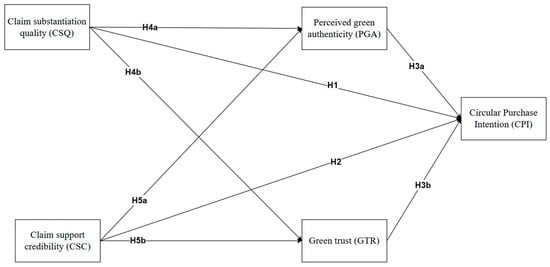
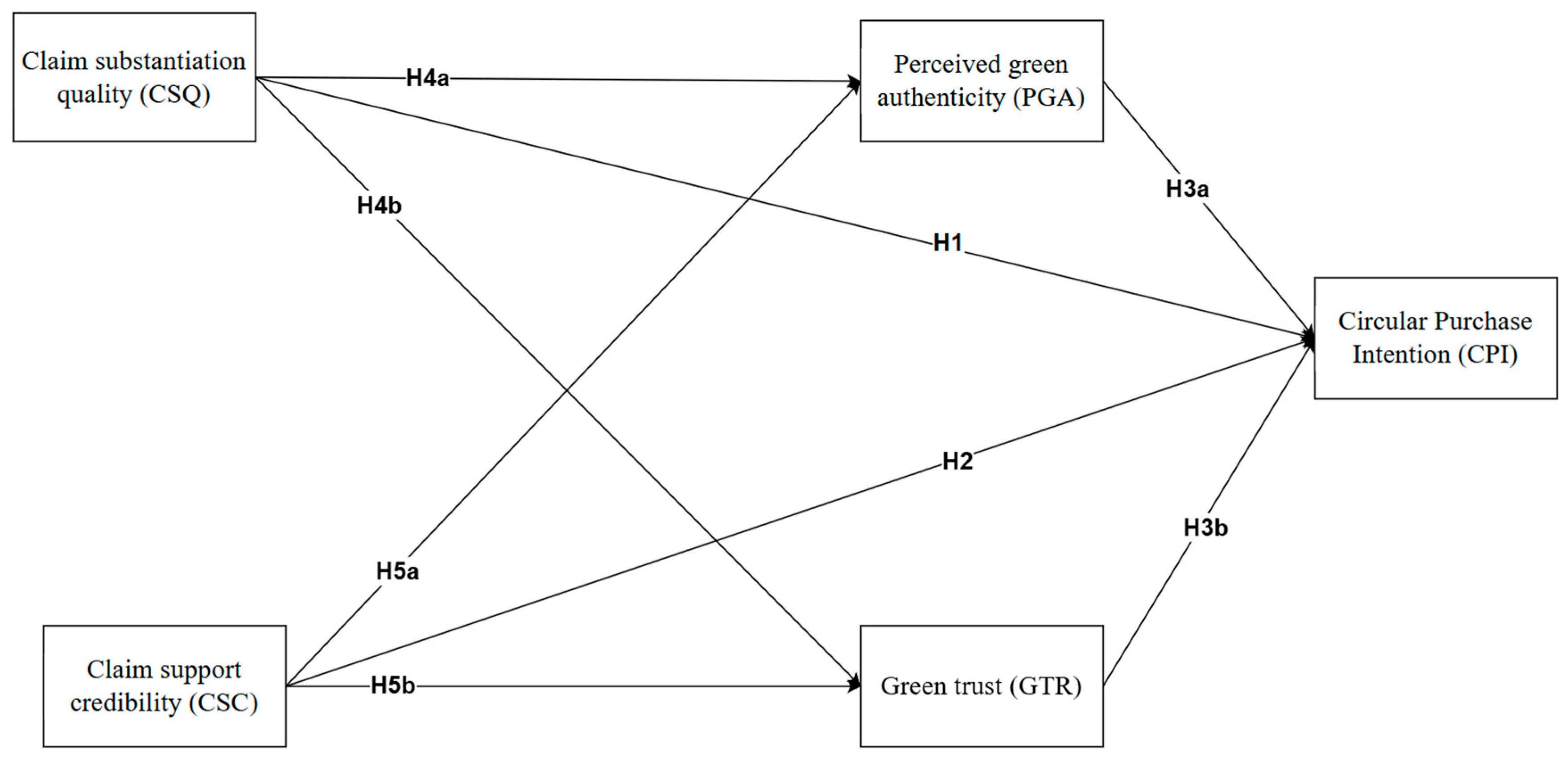
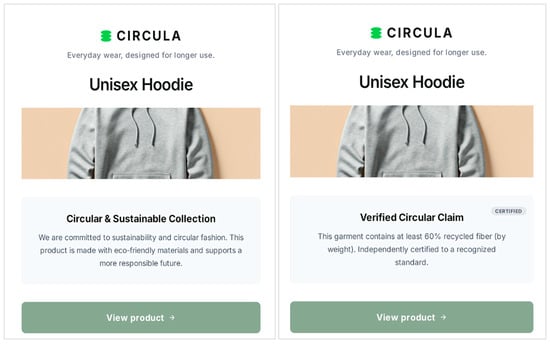
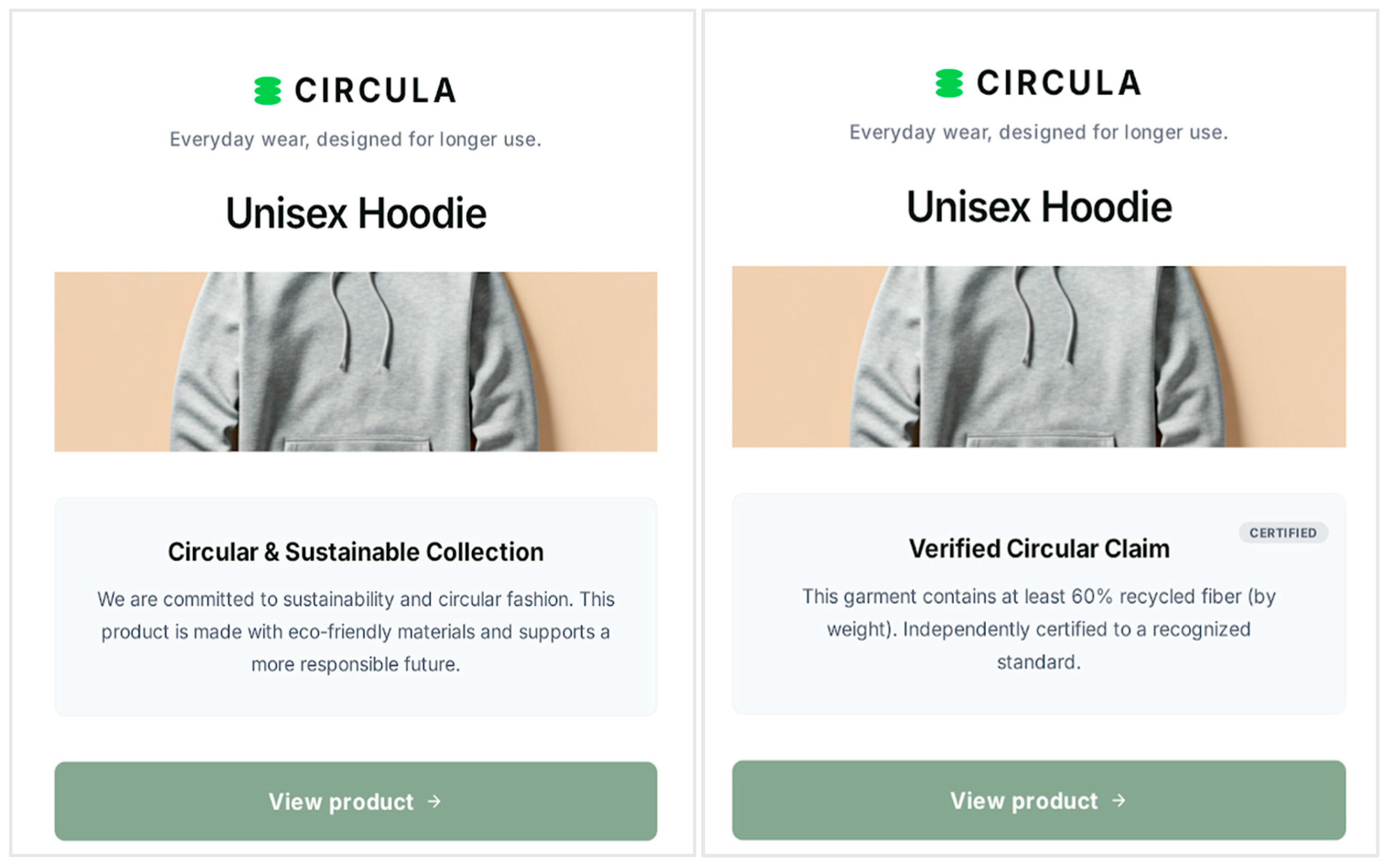

Disclaimer/Publisher’s Note: The statements, opinions and data contained in all publications are solely those of the individual author(s) and contributor(s) and not of MDPI and/or the editor(s). MDPI and/or the editor(s) disclaim responsibility for any injury to people or property resulting from any ideas, methods, instructions or products referred to in the content. |
© 2026 by the authors. Licensee MDPI, Basel, Switzerland. This article is an open access article distributed under the terms and conditions of the Creative Commons Attribution (CC BY) license.