


Abstract
Backyard activities (BAs) constitute a traditional rural food production strategy, although their sustainability-related outcomes remain underexplored in rural contexts. Our objective is to analyze how BAs in rural communities in the municipality of Guasave, Sinaloa, Mexico, represent a local strategy for producing healthy food through sustainable practices, focusing on the relationship between production processes and indicators associated with waste management, water use, and environmental impact. A stratified sampling approach was employed, and a structured survey was administered to 387 households practicing BAs in the region. Instrument consistency was verified using the Kuder–Richardson coefficient. Results show that BAs are relevant in the region: 89.15% of respondents have a family garden and 67.96% raise animals for domestic consumption, supporting an additional income. Chi-square tests revealed statistically significant correlations (p < 0.05) among the study variables, ranging from moderate to strong, with backyard animal husbandry practices standing out in relation to nutritional and health management in animal production, reaffirming that these are not isolated events but complementary activities. These findings indicate that BAs involve interconnected systems rather than isolated activities, reflecting an integrated household-level system with potential implications for resource management and environmental sustainability in rural contexts.
1. Introduction
Global demand for food has increased exponentially in recent years. According to projections by the United Nations [1], the world population is expected to increase by approximately 2 billion people by 2050. Consequently, to meet the demands of a growing population, food production will need to increase by 70% [2].
Faced with this challenge, it is essential to promote sustainable practices that optimize the production of healthy food, with a focus on BAs, particularly in rural contexts. These practices are understood as strategies that optimize productive outcomes while reducing environmental impact and increasing household resilience and represent a comprehensive approach that combines traditional community knowledge and management practices focused on small-scale food production, contributing to food security and sustainable development in these regions [3].
These activities are implemented using various production systems and technological approaches, which, from the backyards of homes, expand on the planting of plant-based foods, animal husbandry, or integrated systems that combine agriculture and livestock. These practices range from home gardens, small-scale orchards, family farms, chicken coops, and backyard beehives to the development of innovative techniques such as aquaponics and hydroponics [4,5].
However, given the relevance of the development of BAs, it is essential to assess the environmental impact they generate in comparison with extensive and intensive food production models. Based on traditional models for food production, both in the agricultural and livestock sectors, these represent one of the fields with the greatest ecological impact. This is mainly attributed to greenhouse gas emissions (GHG) and high levels of water consumption [6]. These practices highlight the need to transition to more sustainable and efficient production systems.
In the agricultural sector alone, the indiscriminate use of synthetic fertilizers has serious environmental consequences, including soil degradation due to contamination, loss of nutritional balance—reducing its fertility—acidification, and the accumulation of heavy metals [7]. These effects not only alter soil quality but also have a severe impact on water resources and the atmosphere, contributing to widespread pollution [8].
A similar situation occurs in the production of animal-based foods, as this activity involves polluting processes associated with fodder cultivation, leading to deforestation for land expansion, waste burning, and the emission of gases from animal waste, such as methane, a powerful greenhouse gas [9]. Table 1 details five of the most widely consumed animal products globally, which contribute significantly to climate change due to their environmental impact.
Table 1.
Reference means of greenhouse gas (GHG) emissions associated with the most widely consumed animal products globally.
The growing global demand for food has driven the intensification of agricultural and livestock production systems, generating significant pressure on the environment due to the negative effects associated with these activities, such as soil degradation, water pollution, increased presence of poorly biodegradable waste, and biodiversity loss [11].
In this context, BAs have gained relevance as a viable alternative for small-scale food production, especially in rural areas with high levels of poverty and limited access to resources. Unlike intensive production systems, backyard farming and livestock practices, even when they produce emissions or waste on a smaller scale, are characterized by their integration with sustainable methods, which reduces their environmental impact [12].
These activities not only contribute to the diversification of food production but also strengthen the socioeconomic and environmental resilience of rural communities by providing an additional source of income and improving food security.
The prevalence of poverty in rural areas has led to a revaluation of backyard production systems, identifying them as a sustainable strategy for food security. These practices not only promote sociocultural benefits—such as improved public health, reduced environmental impact, and local economic revitalization [13]—but also raise questions about their effectiveness as a sustainable model. Therefore, the objective of this research is to analyse how BAs in rural communities in the municipality of Guasave, Sinaloa, Mexico, represent a local strategy for producing healthy food through sustainable practices.
Ejidal and Residential Context of Backyard Activities in Guasave, Sinaloa
Backyard activities in the municipality of Guasave, Sinaloa, are carried out on ejidal plots, which constitute a form of collective land tenure with individual assignment of use rights to ejidatarios over their allocated units. This system is composed of parceled land, common-use areas, and human settlements. From a legal standpoint, land delimitation is established through the issuance of parcel certificates, common-use certificates, and urban residential plot titles, under the Program for the Certification of Ejidal Rights and Titling of Urban Plots (PROCEDE) [14].
The municipality of Guasave, Sinaloa, Mexico, comprises 144 ejidos, of which 100 include settlements where 17,337 urban residential plots have been allocated to ejidatarios and residents belonging to these agrarian nuclei. The average plot size in Guasave is 723.95 m2, with a standard deviation of 470.54 m2, a minimum value of 100.14 m2, and a maximum of 2500 m2. According to the Federal Agrarian Reform Law, Article 93 establishes that each ejidatario is entitled to receive, free of charge, a residential plot as family patrimony within the urbanization zone, with its size determined by regional conditions and local practices, without exceeding 2500 m2 under any circumstances [15,16].
The histogram (Figure 1) shows a positively skewed distribution of land area allocated for housing. The highest concentration of observations is found in the lower class intervals (200–600 m2), corresponding to smaller plot sizes, indicating that most ejidatarios fall within these ranges. As plot size increases, the frequency progressively decreases, demonstrating that larger residential plots are less common and concentrated in the upper intervals. Overall, this pattern reveals a heterogeneous distribution of residential land area among ejidatarios.
Figure 1.
Histogram of residential land area.
Important aspects of the rural population in the study area, which represents 73.10% of the inhabitants recorded in the 2020 Population and Housing Census reported by INEGI [17], include that more than 69% of the population resides in occupied private dwellings with three or more rooms, with an average of 3.83 occupants per household. In addition, the population exhibits a balanced sex distribution, with 49.87% female and 50.13% male inhabitants (see Figure 2).
Figure 2.
Sociodemographic and housing characteristics of the population of the municipality of Guasave, Sinaloa.
In Figure 3, an aerial image of the settlement located within the study area is presented, obtained from Google Earth. It can be observed that most dwellings are constructed with brick walls and concrete roofs, reflecting the area’s vulnerability during the hurricane season. Evidence of backyard activities associated with households is also identifiable. In the region, the presence of fruit trees such as mango (Mangifera indica), plum (Spondias purpurea), guava (Psidium guajava), and orange (Citrus sinensis), as well as medicinal and ornamental plants, vegetables, greens, and legumes, among other species, is common (see Figure 4). The selection of these plant species is primarily determined by their adaptation to local climatic conditions and soil characteristics, considering that some areas present salinity-related constraints. Additionally, some households engage in backyard animal husbandry, including chickens, cattle, goats, sheep, and rabbits, among others (see Figure 5).
Figure 3.
Aerial view of a typical rural community where backyard activities are practiced.
Figure 4.
Examples of plants cultivated in the region through backyard activities.
Figure 5.
Diversity of animal species raised in backyard systems in rural communities.
2. Theoretical Review
2.1. Backyard Activities as an Alternative for Rural Development
In this study, BAs are conceptualized as small-scale productive practices carried out within the household plot or a portion thereof, including areas contiguous to the residential space, and primarily aimed at supplementing household income and food production for self-consumption. These activities include backyard farming and family gardens, small-scale livestock production, composting and integrated waste-use practices, and household-level water management related to productive use. Activities that belong to commercial agricultural systems or large-scale production are excluded from this definition [3,4,5].
BAs represent the interaction between land, natural resources, local knowledge, and family labour, generating continuity between ecology, economy, and culture [18]. They are an option that can promote development in rural areas by identifying and taking advantage of areas of opportunity on an agroecological scale [19].
As a mechanism for contributing to development, backyard agriculture has driven transformations in household food production strategies, strengthening the family economy through savings and functioning as a viable and sustainable tactic [20,21]. According to Garduño et al. [22], these practices focus mainly on generating supplementary income and, in particular, on producing food for self-consumption, which promotes economic independence and food security in rural households [23].
It is important to note that, in their development, these systems function as a production model in which the family participates and is integrated into the processes, using the free spaces at home for planting vegetables, herbs, and medicinal plants, raising animals, producing milk, etc. [24].
Backyard systems play a key role in rural development by directly impacting family income and, consequently, the socioeconomic status of households. Their functional structure is based on two pillars: (1) the available surface area and (2) the agrobiodiversity they harbour. Likewise, these activities involve various social actors and are linked to public social development policies [25,26]. Thus, the backyard transcends its economic function to become a comprehensive model that combines social welfare with environmental sustainability, positioning itself as an engine of progress for rural communities.
2.2. Environmental Impact of Backyard Farming Activities
Currently, all economic, environmental, and social changes in rural areas have led to the adoption of a sustainable development approach [26]. Developing backyard farming improves nutrition, reduces costs, increases resilience, and promotes sustainable practices [27].
However, the negative impacts that may result are due to a lack of knowledge of appropriate practices and environmental awareness on the part of small-scale producers [28,29].
The issue of how to meet future food demands is a subject of debate, where the main challenge lies in ensuring that the entire population has access to sufficient and nutritious food, produced under socio-cultural and environmental sustainability criteria [30].
Given this scenario, the United Nations, in its role as a global actor committed to sustainable solutions, has implemented the Sustainable Development Goals (SDGs) as a framework for combating hunger through sustainable strategies [31]. Particularly relevant is SDG 11: “Sustainable Cities and Communities,” which integrates sustainable food systems as an essential component of sustainable development [32]. This goal is structured around three fundamental dimensions:
- (a)
- Reducing the adverse environmental impact of cities;
- (b)
- Providing access to green spaces; and
- (c)
- Promoting resource efficiency in urban environments.
In this context, BAs emerge as a viable alternative that not only contributes to food security and income generation for rural families but also promotes economic recovery and has significant potential for environmental preservation. These practices promote the sustainable development of small-scale producers, enabling them to meet basic subsistence needs in rural communities [33].
The implementation of domestic farming systems, supported by technological advances and scientific knowledge, is a promising solution for strengthening the productive capacity of small-scale farmers [34]. Another viable option is backyard animal husbandry, which generates food that, although not reaching the production levels of commercial systems, is of great importance in socio-economic and sustainability terms due to the number of people who benefit from this activity [35].
The analysis of the society–nature relationship finds its theoretical basis in the socio-ecological systems approach, which provides tools to study:
- Patterns of environmental transformation and their social distribution; and
- The emerging dynamics of this interaction [36].
To counteract accelerated environmental degradation and preserve the provisioning capacity of ecosystems, a critical balance between economic development and ecological conservation is required. This synergy ensures that socio-environmental services maintain their capacity to respond to global demands [37,38]. Thus, the socio-ecological framework emphasizes the urgency of implementing sustainability strategies that strengthen systemic resilience in the face of complex challenges.
The theory of eco-efficiency, initially formulated by Schaltegger and Sturm [39], constitutes a contemporary conceptual framework that quantifies the systemic relationship between economic value generation processes and their corresponding impact on ecosystems. This approach analytically integrates society–nature dynamics through indicators that assess the ecological efficiency of productive systems. In the current context of ecological crisis, this paradigm takes on special relevance as a theoretical foundation for the transition to models of civilization that respect planetary boundaries [40], thus promoting rational management of natural resources without compromising future needs.
According to Merchán-Gómez and Vegas-Meléndez [41], eco-efficiency can measure the balance between increased production, provided that natural resources are used responsibly and that the organization’s activities do not affect the environment.
Under this context, BAs are conceived as a source of food production that contributes to small-scale productive growth while promoting the responsible use of natural resources. From an eco-efficiency perspective, environmental impacts are reduced through practices such as the recycling of organic waste for compost production and chemical-free production systems. Nevertheless, their sustainability requires strengthened sanitary surveillance in rural areas, as well as the development of educational campaigns and institutional support for small-scale producers, in order to improve animal health, protect human health, and reduce negative environmental effects [42].
In Latin American countries, the application of the eco-efficiency strategy has been adopted positively, albeit with some limitations and, in most cases, specifically motivated by transnational corporations themselves, as it has been useful in promoting better environmental management and encouraging partnerships in industry, including small and medium-sized enterprises. However, large companies have the greatest financial impact on the effect of eco-efficiency [43,44].
This metric is widely used to quantify sustainable development and is a crucial concept that highlights the synergistic relationship between economic, social, and ecological development [43,45].
BA are aligned with the principles of eco-efficiency theory, which proposes a sustainability-oriented approach by optimizing the production of goods and services, using a minimum number of resources, generating reduced waste, and minimizing environmental impacts [41].
In the backyard setting, eco-efficiency manifests itself through practices such as efficient use of resources, waste reduction and recycling, mitigation of environmental impact, and generation of both social and economic benefits. These practices not only contribute to environmental sustainability but also strengthen the resilience of small-scale production systems.
When looking at the link between BAs and eco-efficiency, these practices can be interpreted as small-scale models that demonstrate how rural communities can contribute significantly to sustainable development by applying principles of resource optimization and environmental impact reduction.
In summary, the socio-ecological systems approach provides an analytical framework to understand the interaction between households, productive practices, and natural resources in rural contexts, while eco-efficiency theory supports the evaluation of resource optimization, waste reduction, and environmental performance in these systems. Together, these perspectives establish the conceptual basis that guides the analytical interpretation of backyard farming as an integrated socio-environmental system and a sustainability strategy.
3. Materials and Methods
This study examines the relationship between the development of BAs in rural communities in the municipality of Guasave, Sinaloa, Mexico, and practices implemented from an ecological approach. To this end, the research was designed using a quantitative approach with a descriptive–correlational scope, which allows for the analysis and establishment of associations between the variables of interest in the management of results [46].
This approach facilitates the identification of patterns and trends that contribute to understanding the interaction between backyard practices and their impact on ecological sustainability.
3.1. Study Area
The study was conducted in the municipality of Guasave, Sinaloa, Mexico (see Figure 6), which has 46,824 households. The area includes the central seat and 12 municipal syndicates. The municipal syndicates constitute the rural population of the municipality and concentrate 72.71% of its inhabitants. A distinctive characteristic of households in these rural sectors is their formation around ejidal nuclei, where by legal provision, plots designated for housing may reach up to 2500 m2 per unit. However, the area effectively allocated to backyard activities is not homogeneous and varies according to the characteristics of each dwelling, the physical layout of the plot, and the decisions of household members. Consequently, backyard areas differ in size, configuration, and productive intensity, as families allocate space according to their needs, capacities, and resource availability. The types of crops grown and livestock raised are therefore diverse and reflect traditional practices, local knowledge, and household priorities, with a significant proportion of production oriented toward self-consumption rather than commercial scale.
Figure 6.
Location of the study area. Source: Prepared by the author using data from INEGI [17].
The Economically Active Population (EAP) of the municipality of Guasave represents approximately 29% of the total population, with a clear orientation toward the primary sector, where agricultural activities predominate. This productive configuration reflects the municipality’s agricultural vocation, which not only drives the local economy but also constitutes an essential component for income generation and employment retention in rural areas [47,48].
3.2. Population and Sample
Households that practice BA in rural communities in the region were selected as the study population. A stratified sampling approach was employed [49]. The selected groups were largely homogeneous, as the terrain corresponds to an almost flat coastal plain with a topographic gradient of approximately 0.5 m/km. The spatial distribution of household plots where BA are carried out follows a regular (rectangular) pattern, and there is no notable variation in backyard livestock practices. Consequently, the selected groups differ primarily in their geographic location rather than in the characteristics assessed through the interviews.
Within this population framework, a statistical formula was applied to calculate the sample size, establishing a confidence level of 95% and a margin of error of 5% [49].
where
- N = Population size (46,824 households);
- Z = Confidence level 95% (Z = 1.96);
- p = Probability of success (50%);
- q = Probability of failure (50% from the results of the pilot test);
- d = Precision (4.965%).
Substituting values as follows:
Obtaining a result of:
n ≈ 387
A total of 387 surveys were administered to the target population. The instrument used consisted of a structured survey, designed with dichotomous and multiple-choice questions, following the methodological guidelines established by Hernández Sampieri and Mendoza Torres [50]. The purpose of this procedure was to generate information aligned with the analysis model described in this methodological section [51]. This design allowed for the collection of robust quantitative data for subsequent analysis. For the analysis, only surveys that were fully answered were considered; these were reviewed at the time of administration, and the anonymity and confidentiality of responses were ensured in order to reduce social desirability bias.
Sociodemographic variables (such as age and sex) were collected exclusively to describe the profile of the respondents representing each household and were not intended to establish causal or explanatory relationships with backyard practices, given that the household was defined as the unit of analysis.
Likewise, key dimensions were defined that allowed for the evaluation of specific backyard practices associated with sustainability. These dimensions included fundamental aspects such as waste management, water management, and crop and animal protection, which are considered essential elements for ensuring environmental preservation.
Table 2 presents the study dimensions and indicators selected to assess BAs based on qualitative criteria commonly used in rural and socio-environmental research [51]. The indicators were chosen because they reflect key components of household-level sustainability, such as input use, waste management, and water use in small-scale production systems [52,53,54,55]. This approach allows for a systematic assessment of the environmental contribution of BAs under real rural conditions.
Table 2.
Study dimensions in backyard production processes.
3.3. Statistical Analysis
The reliability of the instrument was assessed by calculating internal consistency coefficients. The reliability of the instrument, which consists of 24 dichotomous items, was assessed by calculating the Kuder–Richardson internal consistency coefficient. Both the Kuder–Richardson coefficient and Cronbach’s alpha evaluate the reliability of measurement instruments and are based on the same statistical principle, differing only in the type of items analyzed, as the Kuder–Richardson coefficient is used for items with dichotomous scoring, while Cronbach’s alpha is used in instruments with polytomous scoring items [57].
For dichotomous items, the Kuder–Richardson coefficient was applied as a measure of consistency, with values above 0.7 considered indicative of reliability [58].
The Kuder–Richardson coefficient was calculated using the following expression [59]:
where
- n = Total number of items in the test.
- p = Proportion of participants who answered an item correctly.
- q = Corresponds to the proportion of incorrect answers (q = 1 − p).
- σ2 = Variance of the total test scores
Likewise, a correlational statistical analysis was performed using the Chi-square (χ2) test with a value of p < 0.05 to determine statistical significance. In addition, the strength of the association was evaluated using the Phi (Φ) correlation coefficient. According to Tafur Barboza [60], the Phi coefficient test is used to analyze the association between two variables that are measured at the nominal (dichotomous) level. Based on the Phi (Φ) value, an interrelation value was assigned for the interpretation of the colors in the correlation matrix.
Given that this study employed a cross-sectional design, causal inferences cannot be established. However, the design is appropriate to identify statistically significant associations between the studied variables at a specific point in time.
Therefore, while the design does not allow for causal interpretation, the combination of χ2 and Phi coefficients offers a robust framework for identifying and quantifying associations between key study variables [60].
4. Results and Discussions
This section presents the results derived from the study, which was carried out by conducting surveys in various rural communities in a designated area, where it has been identified that more than 70% of the rural population engages in some form of BA [61]. The findings focus on five key dimensions related to sustainable backyard production, including composting practices, products used, crop management, livestock production, waste use, and water use.
These elements allow for the evaluation of the potential of small-scale farming as a sustainable practice that integrates resource management, family production, and environmental conservation.
In researching the 24 items in the test, a Kuder–Richardson coefficient value of 0.801 was obtained, indicating that the instrument has good internal consistency, i.e., the items are adequately related to each other and consistently measure the same underlying construct or dimension according to the literature [58].
It should be noted that 62.01% of the respondents were women, while the age of the people who participated in the instrument ranged from 18 to 83 years (see Figure 7), with a mean of 42.59 and a standard deviation of 14.72.
Figure 7.
Age range of respondents.
Backyard agriculture (BA) not only fulfills a food-production function but also represents a relevant economic strategy at the household level, as it contributes to cost savings, complements family income, and, in some cases, is associated with short marketing circuits and local markets, thereby extending the productive role of rural households. Previous studies have documented that these practices support household socioeconomic well-being and food security by providing products for self-consumption and occasional sale, with positive effects on the household economy. For instance, González et al. [18] report that, in certain rural contexts, income derived from backyard activities may range between USD 2000 and 2650 annually, highlighting their potential economic relevance.
The literature also indicates that backyard agriculture is typically embedded in family-based management structures and intergenerational knowledge transmission, which consolidates these practices as culturally rooted components of rural household strategies [47]. While several studies emphasize differentiated participation patterns by household members—often noting the prominent involvement of women in daily management tasks [23]—the present study considers these aspects as contextual background. Accordingly, analysis and interpretation are conducted at the household level, without inferring individual-level roles or causal relationships related to sex or age.
A key element in this research was to analyze the preferences of the families surveyed with regard to backyard agriculture, distinguishing between those engaged in crop farming and those engaged in livestock farming. The results indicated that 89.58% of families allocate an area to crop production, while 67.96% use this space for raising animals (see Table 3). It should be noted that, in many cases, a combination of both activities was identified, demonstrating the integration of agricultural and livestock practices in backyard systems. This multifunctionality highlights their capacity to promote productive diversification and their importance in sustaining families.
Table 3.
Division of backyard agriculture practices.
4.1. Family Gardens
In terms of the type of food grown by households in Guasave (Table 4), fruit trees stand out with a 63.57% share, followed by vegetables with 42.38% and medicinal plants with 28.17%.
Table 4.
Types of domestic crops and management practices reported by households in family gardens.
This pattern may be associated with the fact that in rural areas, families tend to have more space on their properties, which facilitates the creation of gardens for the purpose of nourishment or income generation. It should be noted that this region of the state of Sinaloa is in a strategic geographical position between the Sierra Madre Occidental, the Pacific coast, and the northwestern coastal plain, providing ideal climatic and soil conditions for growing a wide variety of crops, achieving high yields when conditions are right [62].
The results indicate a limited use of synthetic agricultural inputs in backyard production systems. As shown in Table 4, only 3.36% of households reported using inorganic fertilizers, and 1.03% reported using chemical insecticides. Additionally, 26.61% of respondents indicated that they do not use any of the listed products, while 36.69% reported using compost and 26.87% reported using organic fertilizers.
These findings suggest that backyard agriculture in the study area is predominantly managed under low-input conditions, with a preference for organic or non-synthetic alternatives. In contrast to conventional agricultural systems—where fertilizer use is widespread and global consumption reached approximately 200.5 million tons in 2018—the reduced reliance on synthetic inputs observed in backyard systems may help limit negative environmental externalities such as water pollution, greenhouse gas emissions, and soil degradation [63,64,65].
The presence of composting and organic fertilizers indicates a potential orientation toward agroecological practices. Previous studies have shown that organic inputs contribute to soil fertility and structure by increasing organic matter content and supporting beneficial microorganisms, without generating the adverse effects commonly associated with prolonged chemical fertilizer use [66]. However, it is important to note that the present study does not quantify yields or environmental impacts; therefore, interpretations are limited to identifying management tendencies rather than measured ecological outcomes.
From this perspective, backyard agriculture may be understood as a complementary alternative to conventional input-intensive agricultural models. By favoring practices that rely on internal nutrient cycling and reduced external inputs, these systems may contribute to household-level food security and environmentally responsible resource management, particularly in rural contexts [67].
4.2. Animal Husbandry
Regarding backyard animal production, the results show that a majority of households engage in some form of animal rearing. The results show that 32.04% of respondents reported that they do not raise animals and focus exclusively on fruit or crop production. In contrast, 67.96% of households indicated the presence of at least one animal species in their backyard. Additionally, 87.21% of participants reported that they would not be bothered if their neighbors kept animals in their yards.
The partial absence of backyard animal production may be related to spatial and regulatory constraints commonly associated with increasing urbanization processes in peri-urban and rural areas. Previous studies indicate that animal rearing requires greater space availability and continuous management, and that local regulations often restrict the keeping of species that may generate odors or noise affecting neighboring households [68].
Nevertheless, the high level of social acceptance observed—reflected in the willingness of most respondents to tolerate animal rearing in neighboring households—suggests that cultural acceptance of backyard animal practices remains relatively strong within the study area.
To assess backyard livestock activity, the survey included a question designed to identify the most common animal species in rural communities. Since many households raise multiple species, the instrument allowed respondents to select all applicable options, recording each species independently for analysis.
The results in Figure 8 show that the most important species in the field of animal production are poultry and pigs, representing 31.27% and 32.56% of the activity, respectively.
Figure 8.
Animal species raised in backyard livestock production units in households in Guasave, Sinaloa, Mexico.
This is because their breeding and fattening are more economically viable and accessible for low-income populations, compared to cattle or horse breeding. It should be noted that, globally, livestock production for human consumption is one of the sectors that generates the most waste, contributing significantly to GHG emissions. In the specific case of Spain, it is estimated that livestock farming produces 75 million tons of CO2 equivalent (CO2e) in total GHG emissions annually [69].
Given this scenario, the application of traditional knowledge and practices that allow for the efficient use of available resources in domestic environments, such as backyards, takes on special relevance. These practices not only contribute to more sustainable food production systems, with minimal wasting of resources [70], but also reduce the carbon footprint associated with large-scale livestock production.
For this reason, questions were also raised about the use of products to improve production (Figure 9). The survey included a question designed to identify the most common products used to improve production on small family farms. Given that some households use more than one product, the instrument allowed respondents to select all applicable options, recording each response independently for analysis.
Figure 9.
Products used to improve production on small family farms.
The results show that, while 19.12% purchase balanced feed, 32.04% and 23.26% feed their animals with grass and leftovers from the family diet; the use of medications in backyard animals is distributed as follows: 16.80% of producers use vitamins, 16.80% implement vaccination protocols, while 1.29% continue to use hormones as part of their management practices.
The way animals are fed and cared for significantly influences the ecological footprint of these practices. The use of commercial feed, the use of pasture and family diet leftovers, as well as the administration of hormones, vitamins, or vaccines, are aspects that directly influence animal health and the production of healthier and safer food for human consumption.
These elements are fundamental to assessing the potential of backyard animal production systems as a sustainable development strategy. Their proper implementation can generate multidimensional benefits, including the socioeconomic strengthening of local communities, the conservation of natural resources, and the promotion of public health through safe and sustainable livestock practices.
The results are consistent with approaches described in the literature that highlight the reuse of household organic residues as animal feed. Previous studies indicate that such practices may contribute to improved community sanitation and to the reduction in organic waste sent to municipal landfills, with potential implications for methane emissions, while also providing a nutritional resource comparable to conventional livestock fodder [71].
Huang et al. [72] warn that the use of inappropriate nutritional methods increases susceptibility to disease, negatively affecting the productive development and economic viability of the system (as is the case with poultry). In line with this, Alcívar Acosta [73] and Rubio Fernández [74] demonstrate that a scientifically balanced dietary formulation, tailored to the specific requirements of poultry, not only improves production indicators—such as growth rate and feed conversion—but also:
- Increases economic profitability by optimizing the use of inputs,
- Promotes the expression of the animals’ genetic potential, and
- Ensures optimal nutritional status, reducing the incidence of metabolic disorders.
Regarding disease prevention, Roberts [75] emphasizes that vaccination is a widely used prophylactic strategy. The adoption of biosecurity measures, such as maintaining closed herds, purchasing animals exclusively from certified sources, and avoiding events that encourage contact between individuals of different origins, can significantly reduce dependence on vaccination programs.
Scientific evidence has extensively documented the toxicological risks associated with the use of hormones in animal production, regardless of their origin, natural or synthetic. Pleadin [76] demonstrates that these bioactive compounds can have disruptive effects on human health, particularly in pediatric populations, where alterations in growth and pubertal development processes have been observed, with possible pathological consequences in later stages of life. This evidence has prompted the European Union to ban the use of hormones as growth promoters in livestock production [77].
As an alternative to the use of hormones to improve production in animal husbandry, new functional foods have been developed that promote growth and nutrient absorption in backyard species. These improve production and reduce costs without compromising consumer health, such as the use of agricultural by-products, mineral additives, and enzymes, among others [78,79,80].
Regarding the problems that raising animals in family yards can cause (Figure 10), 36.17% believe that they do not cause diseases or problems for family members. It is important to note that having animals at home represents a possibility of contracting a foodborne zoonotic disease. This represents a significant public health problem in both developed and developing countries. However, Keerthirathne et al. [81] mention that backyard farming is possible without spreading disease by practicing proper hygiene, such as washing hands with soap and water before and after handling animals, keeping spaces clean, cooking food properly, and implementing safe food handling and storage practices to avoid cross-contamination.
Figure 10.
Opinion of backyard animal husbandry as a source of disease.
Regarding raising animals in their yards, respondents indicate that they do so with the aim of generating extra income for the family (21.96%) and for family consumption (23.77%); however, more than half (54.27%) stated that they combine both purposes. This promotes self-employment opportunities and helps preserve family traditions within rural communities, contributing to self-consumption and commercialization, resulting in positive economic effects for families [61].
Bautista-Martínez et al. [82] point out that people who combine agricultural activities and animal husbandry obtain a benefit of 27.44 cents for every dollar they invest. This shows that these practices are economically viable, allowing for a reduction in food expenses within the family. This contributes to the theory of rural territorial development, which seeks to reduce poverty through a process of productive transformation [83].
4.3. Use of Waste
One of the most relevant aspects of the development of BA is that they contribute to reducing food waste, a phenomenon that has gained political relevance in industrialized Western societies since, according to the Food and Agriculture Organization [84], on a global scale, a significant fraction of annual food production ends up in landfills.
BA not only seeks to reduce food waste, but also to optimize its management through circular economy strategies. Faced with the inevitable loss of perishable products, rural families have adopted practices such as reusing organic waste for animal feed and composting, thus integrating them into local production cycles [85]. These initiatives not only strengthen food security in contexts of uncertainty [70] but also minimize the environmental impact of agricultural waste.
The generation of waste from BAs is significantly lower compared to the food industry, marking a notable gap in terms of environmental impact and associated waste management challenges. Masjhoer et al. [86] point out that, in rural areas, daily waste generation averages around 0.34 kg per person per day, with organic waste accounting for around 81% of this total. Meanwhile, the global food industry generates approximately 1.3 billion tons of waste annually, about one-third of the food produced worldwide [87].
In this context, Waitt and Rankin [88] consider home composting to be an important nature-based solution for urban sustainability. Meanwhile, Cruz-Luján [89] mentions that household waste can be used to feed backyard poultry, representing another economical and sustainable option. It is interesting to note that the results obtained through field research show that 37.73% of respondents compost BA waste, 26.61% send it to landfills, 2.33% burn it, 7.75% bury it, and 7.75% engage in other activities (Figure 11).
Figure 11.
Use of BA waste.
The results of this study reveal that 82% of respondents (Figure 12) express a willingness to implement domestic composting practices with backyard waste, recognizing its usefulness for both gardening and maintaining family gardens.
Figure 12.
Promotion of composting with waste generated in the home and in agricultural areas.
Composting, understood as an aerobic process of biodegradation of organic matter mediated by microbial activity under controlled conditions, is an efficient strategy for the management of biodegradable solid waste [90]. This alternative is an accessible option, as families can purchase compost at the market or produce it independently using on-site waste management techniques [91].
However, as Pai et al. [92] warn, the effectiveness of community composting is subject to variations depending on demographic factors and land use patterns, although its environmental benefits, such as waste reduction and soil quality improvement, are consistent. This finding reinforces the potential of BAs as the backbone of circular systems in rural and peri-urban environments.
In summary, the management and reuse of waste within BAs constitute a key component of their environmental dimension. Practices such as composting and the reutilization of organic residues for animal feed contribute to closing local nutrient cycles, reducing the volume of household waste sent to landfills, and improving soil fertility in family gardens. These practices reinforce the role of backyard systems as low-impact productive spaces that promote resource efficiency and circularity at the household level, highlighting their importance within strategies aimed at strengthening environmental sustainability in rural contexts.
4.4. Water Footprint
In some Asian countries, approximately more than 90% of total water consumption is used to produce food [93]. Livestock agri-food systems use 200 km3 of water annually for various purposes, including feed production, drinking water, and water for animals [94]. Meanwhile, the Secretariat of Agriculture and Rural Development (SADER) [95] reports that 86% of a Mexican’s water footprint comes from food and beverages. Table 5 shows the water footprint of animals that can be raised in backyards.
Table 5.
Water footprint shown in (m3/kg) of animal production and breeding.
Another benefit of these activities is that they prevent water waste. According to Alberti et al. [98], backyard farming initiatives represent a nature-based alternative for achieving some of the UN’s Sustainable Development Goals (SDGs) for 2030, with water reuse and adaptive practices providing an opportunity to achieve water security.
Among the practices that can be developed are container gardening, aquaponics, and indoor farming, as well as the cultivation of fruit trees, edible wild plants, and varieties with low water requirements.
This can be related to the results obtained from the surveys, where 64.86% indicate that they use domestic water for the development of ABs, 20.41% use wells or waterwheels, 5.17% use water from canals, and 9.56% use other means (Figure 13).
Figure 13.
Water use for the development of BA.
Regarding this information, the literature points out that the values of water and energy use and pollutant emissions are higher in the technified system, while the backyard system is the most eco-efficient [99]. This translates into sustainable agricultural production systems that ensure significant water savings. This information is related to the theory of eco-efficiency, which seeks to build an ecological civilization [40]. However, it is important to raise awareness so that family gardens introduce more sustainable practices in water use.
Within the classifications, the water footprint and percentage of use in backyard crops are as follows: the green water footprint constitutes 86% of the total (rainwater stored in the soil and used by plants); the blue water footprint constitutes 12.5% (surface and groundwater used for irrigation); and the grey water footprint constitutes 1.5% (fresh water required to dilute contaminants) [100].
The literature reports that, in the state of Sinaloa, Mexico, family gardens have an area of 182.5 ± 23.62 m2; they highlight 577 tree species native to the region, of which four are endemic to the state. In the context of family gardens, 79 native tree species are recognized, with 57 species specifically present in these gardens [62]. Their main use is medicine, in addition to providing shade and food.
This allows for natural adaptation to local conditions and significantly reduces the need for excessive irrigation. This choice of crops, aligned with the ecological environment, allows for the optimization of water use by taking advantage of the best species adapted to the regional climate and soil.
Overall, the results indicate that BAs are implemented at a small-scale, low-intensity level that is closely adapted to local hydrological conditions. The predominant use of domestic water sources, rain-fed systems, and species well adapted to regional climates contributes to efficient water use and reduces pressure on conventional irrigation systems. These characteristics position backyard production as a water-efficient form of food production, where limited resource use, short production cycles, and ecological adaptation converge to support environmental sustainability at the household level. Consequently, backyard systems represent a viable strategy for reducing the water footprint associated with food production in rural contexts.
4.5. Correlation of Variables
To understand the dynamics and relationships between backyard practices, a statistical correlation analysis was performed using the Chi-square (χ2) test with a p-value < 0.05 to determine statistical significance. In addition, the strength of the association between variables was evaluated using the Phi (Φ) correlation coefficient. This approach allowed us to identify the interaction and degree of association between these variables, providing key information for sustainable development in BAs.
The results obtained through the correlation analysis reveal a statistically significant dependence between the subcategories studied: backyard crops, animals for consumption in backyard farming, soil management and crop protection, and nutritional and health management in animal production. In all cases, a two-tailed asymptotic significance of 0.000 (p < 0.05) was obtained; as can be seen in the correlation matrix (see Figure 14), this confirms a positive association between these variables. This finding suggests that practices related to integrated backyard management are interconnected, reflecting a holistic approach to rural production.
Figure 14.
Variable correlation matrix. Source: Prepared internally using data obtained from surveys.
The correlation matrix indicates that results closer to 0, or with “lighter” colors, indicate a weaker relationship between variables, while values closer to 1, or “darker” colors, reflect a stronger relationship between the two variables [101].
Figure 14 shows that the “strongest” interrelationship, with a Phi value of 0.79, was between backyard animal husbandry practices, which are associated with the application of animal nutrition and health practices, as these are complementary activities in backyard animal husbandry. Similarly, a “strong” interdependence (Phi = 0.542) was observed between soil management and crop protection practices and the existence and type of backyard crops.
Correlations within the “moderate” range were backyard crops and animals for consumption (Phi = 0.348), indicating that within households there remains a tendency to raise animals, thus leading to a moderate level of correlation between the nutritional management of animals and BA (Phi = 0.367).
The variables related to animals for consumption in relation to soil management (Phi = 0.413) show that people who raise animals for consumption have a “moderate” tendency to carry out soil management and use practices, which leads to dependence on soil use and comprehensive animal care (Phi = 0.513). The most prominent practice shown is animal husbandry, given its “strong” relationship with nutritional and health management in animal production, as well as its moderate relationships with other activities.
The consistency of these results reinforces the hypothesis that proper management in key areas, such as soil care, crop protection, and animal health management, collectively contributes to the success of backyard production activities. This analysis provides relevant empirical evidence for understanding how these practices can be optimized in an integrated manner, promoting sustainable development in rural contexts.
The statistically significant associations identified among backyard crops, animal husbandry, soil management, and nutritional practices support the understanding of backyard production units as socio-ecological systems, where productive and environmental components function in an interdependent manner.
Similarly, the strong correlation between animal husbandry and nutritional–health management reflects eco-efficiency-oriented behavior, as households tend to optimize resources to maintain productive, resilient, and environmentally responsible systems.
5. Conclusions
Backyard agriculture constitutes a long-standing household practice in rural communities of the municipality of Guasave, Sinaloa, Mexico, where it plays a relevant role in food provision and household well-being. The findings of this study highlight the persistence of diversified backyard systems that integrate crop production and small-scale animal husbandry at the household level.
The results of the correlational analysis show that backyard farming practices maintain a statistically significant interdependence (p < 0.05), confirming a comprehensive approach to sustainable rural production. Productive practices do not operate in isolation but are interconnected through a network of meaningful relationships.
The strongest associations were found between animal husbandry and the application of animal nutrition and health practices (Φ = 0.79), as well as between soil management and crop protection practices and the existence and type of backyard crops (Φ = 0.542). These relationships reflect the complementarity of agricultural and livestock activities within rural households.
Within the local context of Guasave, this interdependence suggests that backyard agriculture functions as a household strategy oriented toward self-consumption and, in some cases, small-scale commercialization, while promoting resource management practices based on low external inputs. Although the study does not quantify environmental impacts, the observed management tendencies are consistent with agroecological approaches reported in the literature and may support environmentally responsible practices at the household level.
The observed trend towards the use of organic waste for composting, the low reported use of synthetic agrochemicals, and the domestic reuse of water suggest that these systems could have a favorable environmental profile compared to intensive conventional systems. However, to quantitatively affirm a reduction in water or carbon footprint, subsequent studies are required that measure specific material and energy flows by species and scale. The documented multifunctionality (food production, waste management, self-consumption) points to a model of basic circularity at the household level, which constitutes a foundation for sustainability.
To improve backyard livestock management, it is important to assess health risks and promote veterinary and public health education to prevent the transmission of zoonotic diseases, such as salmonellosis and campylobacteriosis, among others. Meanwhile, to optimize crop management in BA, it is essential to promote the use of composting, as well as water reuse and the reduction in waste sent to landfills. These actions not only improve soil fertility and resource use efficiency but also contribute to mitigating the environmental impact of agricultural activities, strengthening the sustainability of the backyard production system.
The multifunctionality of backyard agriculture within the studied rural communities is consolidating itself as a strategy for producing healthy food using sustainable production methods that contribute significantly to ecological balance and family well-being. As noted, the potential to reduce greenhouse gases and the water and carbon footprint is linked to practices such as composting, minimizing chemical inputs, and optimizing water use. In this way, the rural backyard in Guasave, Sinaloa, not only represents an alternative for marketing and consumption, but also a model of local sustainability that strengthens the resilience of rural communities in the face of current environmental and production challenges.
Nevertheless, backyard systems, like any productive activity, may also present environmental management challenges when good practices are not applied. In this sense, future research could complement this social and household-based approach with quantitative environmental indicators (e.g., measured water consumption, waste management efficiency, and emission estimates) that consider the specific composition (species, scale) and management of backyard subsystems to more precisely assess the environmental performance of backyard agriculture and to support evidence-based decision making for sustainability.
It is also important to recognize that the promotion of sustainable backyard practices must consider existing structural and contextual limitations. Therefore, future studies should incorporate analyses of institutional support, land tenure conditions, and urban dynamics, in order to better understand the feasibility and scalability of these practices.
Regarding the extensibility of the findings, although this study focuses on rural communities in the municipality of Guasave, Sinaloa, the methodological approach and the observed relationships among backyard practices may be transferable to other rural contexts with similar socio-environmental and productive characteristics. However, variations in local policies, resource availability, and socio-cultural conditions may influence the degree to which these results can be replicated, highlighting the need for comparative studies in different rural settings.
Author Contributions
Conceptualization, V.M.P.-G., M.M.S. and L.I.P.-G.; methodology, V.M.P.-G., H.J.P.-G. and J.H.-B.; data curation, H.J.P.-G. and M.C.S.-A.; investigation, H.J.P.-G., J.H.-B. and J.A.P.-G.; supervision, M.C.S.-A. and G.K.G.-F.; validation, M.C.S.-A.; visualization, M.C.S.-A.; writing—original draft, V.M.P.-G., L.I.P.-G. and J.A.P.-G.; writing—review and editing, M.C.S.-A., H.J.P.-G. and J.A.P.-G. All authors have read and agreed to the published version of the manuscript.
Funding
This research received no external funding.
Institutional Review Board Statement
The research was conducted through the application of surveys with adult participants. Participation was entirely voluntary and anonymous. No sensitive personal data were collected, and no information that could allow for the identification of participants was requested or stored. In accordance with the current national regulations in Mexico governing research in the social sciences, this type of study does not require approval by an Institutional Review Board (IRB) or an Ethics Committee, as it does not involve clinical procedures, medical intervention, experimental manipulation, or any physical or psychological risk to the participants.
Informed Consent Statement
Informed consent was obtained from all subjects involved in the study.
Data Availability Statement
The original contributions presented in this study are included in the article. Further inquiries can be directed to the corresponding author(s).
Conflicts of Interest
The authors declare no conflicts of interest.
References
- United Nations. La Población Mundial Sigue en Aumento, Aunque sea cada vez más Vieja; United Nations: New York, NY, USA, 2019; Available online: https://www.un.org/es/desa/world-population-prospects-2019 (accessed on 3 December 2024).
- Kuttibai, T.G.J.; Bhagavathi, M.S.; Prakash, V. Smart Farming: Future of Agriculture. Res. Highl. Agric. Sci. 2022, 6, 64–72. [Google Scholar] [CrossRef] [Scilit]
- Guzmán Hernández, C.; Soto Albarrán, F.; Mendoza Vilchis, R.; López Ojeda, A.; Hernández López, R. Ruta alimentaria en circuitos y producción de traspatio en Donato Guerra, México. Estud. Soc. 2019, 29, e19696. [Google Scholar] [CrossRef] [Scilit]
- Aboah, J.; Enahoro, D. A Systems Thinking Approach to Understand the Drivers of Change in Backyard Poultry Farming System. Agric. Syst. 2022, 202, 103475. [Google Scholar] [CrossRef] [Scilit]
- Novera, J.; Kark, S. Backyard Conservation in Traditionally Owned Lands. Trends Ecol. Evol. 2023, 38, 3–7. [Google Scholar] [CrossRef] [Scilit] [PubMed]
- Faverín, C.; Tieri, M.P.; Herrero, M.A. Metodologías de cálculo de emisiones de gases de efecto invernadero en ganadería bovina. Rev. Argent. Prod. Anim. 2019, 39, 87–104. [Google Scholar]
- Bisht, N.; Chauhan, P.S. Excessive and Disproportionate Use of Chemicals Cause Soil Contamination and Nutritional Stress. In Soil Contamination—Threats and Sustainable Solutions; IntechOpen: London, UK, 2020. [Google Scholar] [CrossRef] [Scilit]
- Beltrán, M.E.; Bernal, A.A. Biofertilizantes: Alternativa biotecnológica para los agroecosistemas. Rev. Mutis 2022, 12, 1. [Google Scholar] [CrossRef] [Scilit]
- Williams, J. Contribution of Livestock Farming to Environmental Pollution in China. J. Anim. Health 2024, 4, 43–53. [Google Scholar] [CrossRef] [Scilit]
- Poore, J.; Nemecek, T. Reducing Food’s Environmental Impacts through Producers and Consumers. Science 2018, 360, 987–992. [Google Scholar] [CrossRef] [Scilit]
- Velázquez-Chávez, L.J.; Ortiz-Sánchez, I.A.; Chávez-Simental, J.A.; Pámanes-Carrasco, G.A.; Carrillo-Parra, A.; Pereda-Solís, M.E. Influencia de la contaminación del agua y el suelo en el desarrollo agrícola nacional e internacional. TIP Rev. Esp. Cienc. Quím.-Biol. 2022, 25, e482. [Google Scholar] [CrossRef] [Scilit]
- Mujiburrahmad, M.; Kesumawati, E.; Saputra, K. Empowerment of the Community Through the Utilization of Yard in Narrow Areas of My Village, Gajah District, Darul Imarah Sub-district, Aceh Besar Regency. J. Pengabdian Masy. 2024, 5, 34–40. [Google Scholar] [CrossRef] [Scilit]
- Sáenz-Leguizamón, G.L.; Guevara-Hernández, F.; González-Cabañas, A.A.; González-Cabañas, M.A. Agroecosistemas tradicionales del trópico mexicano: Los “bajíos” de Chiapas y sus características en el contexto actual. Rev. Cienc. Soc. 2020, 29, 108–122. [Google Scholar]
- Thiébaut, V. Ejidatarios, legislación agraria y territorios en Veracruz, México. Noventa años de relaciones complejas. Hist. Agrar. América Lat. 2022, 3, 125–148. [Google Scholar] [CrossRef] [Scilit]
- Mondragón, J.L. El PROCEDE en la reorganización socioterritorial de Tixmadejé, México. Caderno CRH 2025, 38, e025037. [Google Scholar] [CrossRef] [Scilit]
- Registro Agrario Nacional. Programa de Regularización y Registro de Actos Jurídicos Agrarios (RRAJA); Gobierno de México: Mexico City, Mexico, 2025. Available online: https://www.gob.mx/ran/acciones-y-programas/regularizacion-y-registro-de-actos-juridicos-agrarios-rraja (accessed on 22 January 2025).
- INEGI. Población: Estructura de la Población; Instituto Nacional de Estadística y Geografía: Aguascalientes, Mexico, 2020; Available online: https://www.inegi.org.mx/temas/estructura/ (accessed on 24 January 2025).
- González, J.L.L.; Huato, M.A.D.; Gaxiola, F.Á.; Inzunza, F.P.; Sánchez, G.P.Z. La economía de traspatio como estrategia de supervivencia en San Nicolás de los Ranchos, Puebla, México. Rev. Geogr. Agríc. 2012, 48–49, 51–62. [Google Scholar]
- Gutiérrez-García, G.; Espinosa-Ayala, E.; Márquez-Molina, O. Evaluación de la sustentabilidad de la cunicultura de traspatio en el Estado de México mediante el método IDEA. Terra Latinoam. 2022, 40, e946. [Google Scholar] [CrossRef] [Scilit]
- Burgin, S. ‘Back to the Future’? Urban Backyards and Food Self-Sufficiency. Land Use Policy 2018, 78, 29–35. [Google Scholar] [CrossRef] [Scilit]
- Montalvo-Romero, N.; Montiel-Rosales, A.; Merino-Torres, A.K.; Tavares-López, J.L. Potencialidad de la agricultura de traspatio de precisión como estrategia táctica en la reactivación: Mujeres mexicanas. Rev. Cienc. Tecnol. 2022, 22, 9–20. [Google Scholar] [CrossRef] [Scilit]
- Garduño, M.; de Oca, E.R.M.; Patiño, M.A.R.; Fernández, C.S.; Barbosa, L.A.L.; León, A.C.; Matías, F.G. La cunicultura de traspatio como parte de las estrategias de seguridad alimentaria en Morelos, México. Rev. Espamciencia 2019, 10, 43–51. [Google Scholar]
- Bobadilla-Soto, E.E.; Ochoa-Ambriz, F.; Perea-Peña, M. El sistema de producción maíz-ovinos de traspatio en los pueblos Mazahuas del Estado de México. Terra Latinoam. 2022, 40, e945. [Google Scholar] [CrossRef] [Scilit]
- Vieyra, J.; Castillo, A.; Losada, H.; Cortés, J.; Bastida, G.A.; Ruiz, T.; Acevedo, A. La participación de la mujer en la producción traspatio y sus beneficios tangibles e intangibles. Cuad. Desarro. Rural 2004, 53, 9–23. [Google Scholar]
- Joseph, O.O.; Odemero, A.F.; Folunsho, O.G.; Oghenefejiro, J.-J.U. Appraisal of Backyard Farming Among Households: Implications for Rural Development and Food Security in Nigeria. Asian J. Agric. Rural Dev. 2020, 10, 160–170. [Google Scholar] [CrossRef] [Scilit]
- Salazar-Barrientos, L.D.L.; Magaña-Magaña, M.A.; Latournerie-Moreno, L. Importancia económica y social de la agrobiodiversidad del traspatio en una comunidad rural de Yucatán, México. Agric. Soc. Desarro. 2015, 12, 1–14. [Google Scholar] [CrossRef] [Scilit]
- Meneses Soto, M.; Peinado Guevara, V.M.; Peinado Guevara, H.J. La importancia de las actividades de traspatio en la seguridad alimentaria: Un enfoque sostenible de las comunidades rurales. In Sostenibilidad y Desarrollo Regional de cara a los Desafíos Socioambientales; Universidad Nacional Autónoma de México, Instituto de Investigaciones Económicas y Asociación Mexicana de Ciencias para el Desarrollo Regional: Ciudad de México, Mexico, 2024; pp. 143–162. [Google Scholar]
- Hortúa-López, L.C.; Cerón-Muñoz, M.F.; Zaragoza-Martínez, M.D.L.; Angulo-Arizala, J. Avicultura de traspatio: Aportes y oportunidades para la familia campesina. Agron. Mesoam. 2021, 32, 1019–1033. [Google Scholar] [CrossRef] [Scilit]
- Solís-Tejeda, M.Á.; Lango-Reynoso, F.; Castañeda-Chávez, M.R.; Ruelas-Monjardin, L.C. Analysis of the Environmental Impact Generated by Backyard Swine Production in Tepetlán, Veracruz, Mexico: Pig Production Impact in Tepetlán, Veracruz. Agro Prod. 2021, 14. online first. [Google Scholar] [CrossRef] [Scilit]
- Verma, M.K.; Saroniya, R.K. A Review on Sustainable Eating and Eco-Friendly Diets. Flora Fauna 2020, 26, 257–260. [Google Scholar] [CrossRef] [Scilit]
- United Nations. La Agenda 2030 y los Objetivos de Desarrollo Sostenible: Una Oportunidad para América Latina y el Caribe; United Nations: Santiago, Chile, 2018. [Google Scholar]
- Ayambire, R.A.; Amponsah, O.; Peprah, C.; Takyi, S.A. A Review of Practices for Sustaining Urban and Peri-Urban Agriculture: Implications for Land Use Planning in Rapidly Urbanising Ghanaian Cities. Land Use Policy 2019, 84, 260–277. [Google Scholar] [CrossRef] [Scilit]
- Mejía-López, M.P.; de Oca, E.R.M.; Juantorena-Ugás, A. Energía renovable en traspatio: ¿Una alternativa en México? Bioagrociencias 2020, 13, 23–30. [Google Scholar] [CrossRef] [Scilit]
- Jiao, X.Q.; Zhang, H.Y.; Wang, C.; Li, X.L.; Zhang, F.S. Science and Technology Backyard: A Novel Approach to Empower Smallholder Farmers for Sustainable Intensification of Agriculture in China. J. Integr. Agric. 2019, 18, 1657–1666. [Google Scholar] [CrossRef] [Scilit]
- Alberca, V.; León, D.; Falcón, N. Tenencia de animales de traspatio y evaluación de conocimientos y prácticas asociadas a exposición a agentes zoonóticos en La Coipa, Cajamarca, Perú. Rev. Investig. Vet. Perú 2020, 31, e18733. [Google Scholar] [CrossRef] [Scilit]
- Rathe, L. La sustentabilidad en los sistemas socio-ecológicos. Utop. Prax. Latinoam. 2017, 22, 65–78. [Google Scholar]
- Castillo, A.Y.; Suárez, J.H.; Mosquera, J. Naturaleza y sociedad: Relaciones y tendencias desde un enfoque eurocéntrico. Luna Azul 2017, 44, 348–371. [Google Scholar] [CrossRef] [Scilit]
- Baños-González, I.; Martínez-Fernández, J.; Esteve-Selma, M.Á. Simulación dinámica de sistemas socio-ecológicos: Sostenibilidad en Reservas de la Biosfera. Ecosistemas 2014, 22, 74–83. [Google Scholar] [CrossRef] [Scilit]
- Schaltegger, S.; Sturm, A. Ökologische Rationalität: Ansatzpunkte zur Ausgestaltung von ökologieorientierten Managementinstrumenten. Die Unternehm. 1990, 44, 273–290. [Google Scholar]
- Gong, W. A Study on the Effects of Natural Resource Abundance and Foreign Direct Investment on Regional Eco-Efficiency in China under the Target of COP26. Resour. Policy 2023, 82, 103529. [Google Scholar] [CrossRef] [Scilit]
- Merchán-Gómez, J.E.; Vegas-Meléndez, H.J. Importancia de la teoría de la ecoeficiencia en las organizaciones empresariales. Polo Conoc. 2020, 5, 145–162. [Google Scholar]
- Hernández Rincón, M. Experiencias de Producciones de Traspatio con un Enfoque en Salud Pública. Bachelor’s Thesis, Universidad Cooperativa de Colombia, Bogota, Colombia, 2025. Available online: https://repository.ucc.edu.co/server/api/core/bitstreams/38db331e-1645-406f-b45c-1722af901e12/content (accessed on 1 November 2025).
- Rodríguez-García, M.P.; Galindo-Manrique, A.F.; Cortez-Alejandro, K.A.; Méndez-Sáenz, A.B. Eco-Efficiency and Financial Performance in Latin American Countries: An Environmental Intensity Approach. Res. Int. Bus. Finance 2022, 59, 101547. [Google Scholar] [CrossRef] [Scilit]
- Leal, J. Ecoeficiencia: Marco de Análisis, Indicadores y Experiencias; CEPAL: Santiago, Chile, 2005. [Google Scholar]
- Cui, S.; Wang, Z. The Impact and Transmission Mechanisms of Financial Agglomeration on Eco-Efficiency: Evidence from OECD Economies. J. Clean. Prod. 2023, 392, 136219. [Google Scholar] [CrossRef] [Scilit]
- Hernández-Sampieri, R.; Fernández-Collado, C.; Baptista-Lucio, P. Metodología de la Investigación, 6th ed.; McGraw-Hill: Ciudad de México, Mexico, 2014. [Google Scholar]
- Peinado-Guevara, V.M.; Peinado-Guevara, H.J.; Sánchez-Alcalde, M.C.; González-Félix, G.K.; Herrera-Barrientos, J.; Ladrón de Guevara-Torres, M.d.l.Á.; Cuadras-Berrelleza, A.A. Backyard Activities as Sources of Social and Personal Well-Being: A Study of the Mexican Population (Guasave, Sinaloa). Soc. Sci. 2024, 13, 462. [Google Scholar] [CrossRef] [Scilit]
- INEGI. Mapa Base del Estado de Sinaloa; Instituto Nacional de Estadística y Geografía: Aguascalientes, Mexico, 2009. [Google Scholar]
- Torres, M.; Paz, K.; Salazar, F. Tamaño de una muestra para una investigación de mercado. Boletín Electrón. 2006, 2, 1–13. [Google Scholar]
- Hernández-Sampieri, R.; Mendoza-Torres, C.P. Metodología de la Investigación: Las Rutas Cuantitativa, Cualitativa y Mixta. 2018. Available online: https://virtual.cuautitlan.unam.mx/rudics/?p=2612 (accessed on 16 September 2025).
- López-Roldán, P.; Fachelli, S. La Encuesta. In Metodología de la Investigación Social Cuantitativa; López-Roldán, P., Fachelli, S., Eds.; Universitat Autónoma de Barcelona: Barcelona, Spain, 2015; Capítulo II.3; Available online: http://ddd.uab.cat/record/163567 (accessed on 16 September 2025).
- Food Safety CTS, LLC. La Ley de Modernización de la Inocuidad de los Alimentos; Pennsylvania State University: University Park, PA, USA, 2017. [Google Scholar]
- SENASICA. Manual de Buenas Prácticas Pecuarias en Unidades de Producción de Leche Bovina; SENASICA: Ciudad de México, Mexico, 2019. Available online: https://www.gob.mx/cms/uploads/attachment/file/859832/MANUAL_DE_BPP_PRODUCCI_N_DE_LECHE_BOVINA_2019.pdf (accessed on 25 October 2025).
- Montalvo-Romero, N.; Montiel–Rosales, A.; Fernández-Lambert, G. Backyard Production as a Sustainable Circular Bioeconomy Model in the Reduction of Food Waste. In Tendencias 2023; Fondo Editorial Universitario Servando Garcés/Universidad Politécnica Territorial de Falcón; Alianza de Investigadores Internacionales S.A.S.: Itagüí, Colombia, 2023; pp. 17–31. [Google Scholar] [CrossRef] [Scilit]
- Quispe-Limaylla, A. El valor potencial de los residuos sólidos orgánicos, rurales y urbanos para la sostenibilidad de la agricultura. Rev. Mex. Cienc. Agríc. 2015, 6, 83–95. [Google Scholar]
- Meyer, B.E.; Jacobs, H. Garden Irrigation as Household End-Use in the Presence of Supplementary Groundwater Supply. Water SA 2019, 45, 447–455. [Google Scholar] [CrossRef] [Scilit]
- Madadizadeh, F.; Bahariniya, S. Tutorial on Internal Consistency Assessment by Cronbach’s Alpha and McDonald’s Omega. Perioper. Care Oper. Room Manag. 2025, 41, 100568. [Google Scholar] [CrossRef] [Scilit]
- Galindo-Domínguez, H. Estadística para No Estadísticos: Una Guía Básica Sobre la Metodología Cuantitativa de Trabajos Académicos; 3Ciencias: Alcoy, Spain, 2020; Volume 59. [Google Scholar]
- Kasali, J.; Faremi, Y.A. Reliability Index of 2015 West Africa Examination Council Economics Objective Item Based on Number of Options Using Kuder–Richardson Formula. Int. J. Res. Publ. 2022, 99, 16. [Google Scholar] [CrossRef] [Scilit]
- Tafur-Barboza, K.A. Mal Control Glicémico como Factor Asociado a Prurito Sistémico en Pacientes con Diabetes Mellitus Tipo 2. Bachelor’s Thesis, Universidad Privada Antenor Orrego, Trujillo, Peru, August 2023. [Google Scholar]
- González-Félix, G.K.; Guevara, V.M.-P.; Peinado-Guevara, H.J.; Cuadras-Berrelleza, A.A.; Herrera-Barrientos, J.; López-López, J.J.; Guadalupe, Z.-E.N. Backyard Agricultural and Farm Activity as an Option of Socioeconomic and Food Improvement in the Rural Towns of the Municipality of Guasave, Sinaloa. Sustainability 2021, 13, 3606. [Google Scholar] [CrossRef] [Scilit]
- Avendaño-Gómez, A.; Salomón-Montijo, B.; Márquez-Salazar, G. Árboles Nativos de Sinaloa del Sistema Agroforestal Huerto Familiar. Polibotánica 2022, 54, 219–240. [Google Scholar] [CrossRef] [Scilit]
- Moreno-Reséndez, A.; Carda Mendoza, V.; Reyes-Carrillo, J.L.; Vásquez Arroyo, J.; Cano Ríos, P. Rizobacterias Promotoras del Crecimiento Vegetal: Una Alternativa de Biofertilización para la Agricultura Sustentable. Rev. Colomb. Biotecnol. 2018, 20, 68–83. [Google Scholar] [CrossRef] [Scilit]
- Zhang, J. Applying Ecology to Realize Organic Farming: Mini Review. Mod. Tech. Agri. Horti. Sci. 2024, 3, 1–4. [Google Scholar] [CrossRef] [Scilit]
- Valenciano, J.D.P.; Gómez, A.C. Evolución de las Teorías de Desarrollo Rural: La Aplicación en España. Investig. Soc. 2001, 5, 151–172. [Google Scholar] [CrossRef] [Scilit]
- Goldan, E.; Nedeff, V.; Barsan, N.; Culea, M.; Panainte-Lehadus, M.; Mosnegutu, E.; Irimia, O. Assessment of Manure Compost Used as Soil Amendment—A Review. Processes 2023, 11, 1167. [Google Scholar] [CrossRef] [Scilit]
- Vogel, C.; Poveda, K.; Iverson, A.; Boetzl, F.A.; Mkandawire, T.; Chunga, T.L.; Küstner, G.; Keller, A.; Kerr, R.B.; Steffan-Dewenter, I. The effects of crop type, landscape composition and agroecological practices on biodiversity and ecosystem services in tropical smallholder farms. J. Appl. Ecol. 2023, 60, 859–874. [Google Scholar] [CrossRef] [Scilit]
- Lee, J.-E. Restrictions on Animal Breeding Life in Regulations by Property Owner Association. Jibhab Geonmul Beobhag 2023, 45, 169–197. [Google Scholar] [CrossRef] [Scilit]
- Aguilera, E.; Piñero, P.; Infante Amate, J.; González de Molina, M.; Lassaletta, L.; Sanz Cobeña, A. Emisiones de Gases de Efecto Invernadero en el Sistema Agroalimentario y Huella de Carbono de la Alimentación en España; Real Academia de Ingeniería: Madrid, Spain, 2020. [Google Scholar]
- García-Navarro, M.J.; Ramírez-Valverde, B.; Cesín-Vargas, A.; Juárez-Sánchez, J.P.; Martínez-Carrera, D.C. Funciones agroalimentarias y socioculturales del traspatio en una comunidad Totonaca de Huehuetla, Puebla, México. Acta Univ. 2020, 30, 1–15. [Google Scholar] [CrossRef] [Scilit]
- Coulibaly, F.; Ba, A.; Sissoko, S.; Maïga, M.; Koné, A.K.; Coulibaly, D.; Diawara, M.O.; Diakité, H.S. Green Kitchen Waste: A Feed Resource for Urban and Peri-Urban Livestock. Sch. J. Agric. Vet. Sci. 2022, 9, 124–131. [Google Scholar] [CrossRef] [Scilit]
- Huang, A.S.; Carvallo, F.R.; Pitesky, M.E.; Stoute, S.; Mete, A. Gastrointestinal impactions in backyard poultry. J. Vet. Diagn. Investig. 2019, 31, 368–370. [Google Scholar] [CrossRef] [Scilit] [PubMed]
- Alcívar Acosta, E.H.; Fernández Roma, Y.; Vivas, W.F.; Cusme Rivas, K.E.; Verduga López, C.D.; Heredia Mendoza, J.D. Evaluación del potencial nutritivo de especies arbustivas tropicales para la alimentación de cerdos de traspatio. Cienc. Tecnol. Agropecu. 2023, 24, 3. [Google Scholar] [CrossRef] [Scilit]
- Rubio Fernández, C.N. Pastos y Forrajes como Fuente de Alimento para Animales en Épocas de Sequía. Bachelor’s Thesis, Universidad Técnica de Babahoyo, Babahoyo, Ecuador, 2024. [Google Scholar]
- Roberts, V. Common presentations and diseases of backyard chickens. Companion Anim. 2014, 19, 46–49. [Google Scholar] [CrossRef] [Scilit]
- Pleadin, J. Hormone use in food-animal production: Dietary exposure of consumers and public health significance. Hrana Ishrana 2019, 60, 49–54. [Google Scholar] [CrossRef] [Scilit]
- Tosun, J. Growth Hormones in Meat Production. In SpringerBriefs in Political Science; Springer: New York, NY, USA, 2012; Volume 3, pp. 51–66. [Google Scholar] [CrossRef] [Scilit]
- Juárez Morales, P.; Cortes Cuevas, A.; Arce Menocal, J.; Del Río García, J.C.; Gómez Verduzco, G.; Avila González, E. Efecto de un complejo multienzimático y un probiótico en gallinas de postura alimentadas con dietas sorgo-soya-canola. Rev. Mex. Cienc. Pecu. 2020, 11, 369–379. [Google Scholar] [CrossRef] [Scilit]
- Sánchez-Alcade, M.C.; García-Ulloa, M.; Montaño, E.M.; Castro-Martínez, C.; Álvarez-Ruíz, P.; González, H.R. Use of Enzyme Mixtures in Diets Based on Animal and Plant Ingredients for Litopenaeus vannamei: Effect on Digestibility, Growth, and Enzyme Activity. Turk. J. Fish. Aquat. Sci. 2023, 23, TRJFAS21999. [Google Scholar] [CrossRef] [Scilit]
- Yarmots, G.A.; Belenkaya, A. The Effectiveness of the Use of Natural Mineral Additives in the Diets of Young Pigs. Feed. Agric. Anim. Feed. Prod. 2022, 11. [Google Scholar] [CrossRef] [Scilit]
- Keerthirathne, T.P.; Ross, K.; Fallowfield, H.; Whiley, H. Examination of Australian Backyard Poultry for Salmonella, Campylobacter and Shigella spp., and Related Risk Factors. Zoonoses Public Health 2022, 69, 13–22. [Google Scholar] [CrossRef] [Scilit]
- Bautista-Martínez, Y.; Martínez-Castañeda, F.E.; Morales, A.; Haro, J.G.; Granados Rivera, L.D. Análisis económico de la agricultura y ganadería de traspatio en zonas semiurbanas de la sierra central de México. Nova Sci. 2023, 15, 1–11. [Google Scholar] [CrossRef] [Scilit]
- Fernández, L.J.; Fernández, M.I.; Soloaga, I. Enfoque territorial y análisis dinámico de la ruralidad: Alcances y límites para el diseño de políticas de desarrollo rural innovadoras en América Latina y el Caribe. In CEPAL Documentos de Proyectos; LC/TS.2019/65; CEPAL: Mexico City, Mexico, 2019. [Google Scholar]
- FAO. Global Food Losses and Food Waste. 2011. Available online: https://www.fao.org/3/mb060e/mb060e00.htm (accessed on 13 November 2025).
- Nóbrega, R.; Mota, L.E.; Cirne, R.; Oragui, T.M.F.; Farias, M.E.V. Practice Use of Organic Waste in the Countryside, Importance and Efficiency of Resource Use. 2014. Available online: http://www.geyseco.es/geystiona/adjs/comunicaciones/304/P06470002.pdf (accessed on 13 November 2025).
- Masjhoer, J.; Syafrudin, S.; Maryono, M. Household and Household-Related Waste Generation and Characteristics in Rural Areas: A Case Study in Tanjungsari Sub-district. Sustinere J. Environ. Sustain. 2022, 6, 174–184. [Google Scholar] [CrossRef] [Scilit]
- Vatsala, S.; Singh, A.; Grenier, M.; Singh, A.; Thakur, M. Waste Valorization in Food Industries: A Review of Sustainable Approaches. In Sustainable Food Systems (Volume II); World Sustainability Series; Springer: Berlin/Heidelberg, Germany, 2023. [Google Scholar] [CrossRef] [Scilit]
- Waitt, G.; Rankin, K. Towards Household Sustainability? Experimenting with Composting Food Waste. Geoforum 2022, 129, 98–106. [Google Scholar] [CrossRef] [Scilit]
- Cruz-Lujan, L.A.; Albarrán-Portillo, B.; Jasso-Arriaga, X.O.C. Tipología de Unidades de Producción de Guajolote Criollo (Meleagris gallopavo L.) de Traspatio en Temascaltepec, Estado de México, México. Trop. Subtrop. Agroecosystems 2023, 26, 1. [Google Scholar] [CrossRef] [Scilit]
- Duan, M.; Zhang, Y.; Zhou, B.; Qin, Z.; Wu, J.; Wang, Q.; Yin, Y. Effects of Bacillus subtilis on Carbon Components and Microbial Functional Metabolism during Cow Manure–Straw Composting. Bioresour. Technol. 2020, 303, 122868. [Google Scholar] [CrossRef] [Scilit]
- Mao, Y.; Akdeniz, N.; Nguyen, T.H. Quantification of Pathogens and Antibiotic Resistance Genes in Backyard and Commercial Composts. Sci. Total Environ. 2021, 797, 149197. [Google Scholar] [CrossRef] [Scilit]
- Pai, S.; Ai, N.; Zheng, J. Decentralized Community Composting Feasibility Analysis for Residential Food Waste: A Chicago Case Study. Sustain. Cities Soc. 2019, 50, 101683. [Google Scholar] [CrossRef] [Scilit]
- Zhang, Y.; Tian, Q.; Yu, W. Water Footprint of Food Production and Consumption in China. Water Supply 2022, 22, 6792–6806. [Google Scholar] [CrossRef] [Scilit]
- Wisser, D.; Grogan, D.S.; Lanzoni, L.; Tempio, G.; Cinardi, G.; Prusevich, A.; Glidden, S. Water Use in Livestock Agri-Food Systems and Its Contribution to Local Water Scarcity: A Spatially Distributed Global Analysis. Water 2024, 16, 1681. [Google Scholar] [CrossRef] [Scilit]
- SADER. Conoce la Huella Hídrica de los Cultivos y los Alimentos. In Secretaría de Agricultura y Desarrollo Rural; SADER: Mexico City, Mexico, 2024. [Google Scholar]
- Jiao, F.; Nie, L.; Shao, J.; Wang, Y.; Du, Y.; Guo, X.; Feng, H.; Liu, Z. Water Footprint Analysis of Sheep and Goat from Various Production Systems in Northern China. Sustainability 2023, 15, 10504. [Google Scholar] [CrossRef] [Scilit]
- Mekonnen, M.M.; Hoekstra, A.Y. The Green, Blue and Grey Water Footprint of Farm Animals and Animal Products; Value of Water Research Report Series No. 48; UNESCO-IHE Institute for Water Education: Delft, The Netherlands, 2010; Available online: https://ris.utwente.nl/ws/files/59481062/Report-48-WaterFootprint-AnimalProducts-Vol1.pdf (accessed on 29 November 2025).
- Alberti, M.A.; Blanco, I.; Vox, G.; Scarascia-Mugnozza, G.; Schettini, E.; da Silva, L.P. The Challenge of Urban Food Production and Sustainable Water Use: Current Situation and Future Perspectives of Urban Agriculture in Brazil and Italy. Sustain. Cities Soc. 2022, 83, 103961. [Google Scholar] [CrossRef] [Scilit]
- Cansino Juárez, N. Análisis Socioeconómico y Ambiental de la Producción de Conejo en el Valle de Puebla y Tlaxcala, México. Master’s Thesis, Colegio de Postgraduados, Puebla, Mexico, 2019. [Google Scholar]
- Barbosa, A.L.G.; Pinto, D.B.F.; Almeida, R.A. Water Footprint in Family Farming. Res. Soc. Dev. 2021, 10, e26610615777. [Google Scholar] [CrossRef] [Scilit]
- Cayo Maldonado, L.A.; Crisantos Reyes, N.E.; Ramírez Contreras, V.; Ventura Soriano, U. Correlación Entre Grado de Conocimiento, Apego Terapéutico y Metas de Control en Pacientes Hipertensos. Cienc. Lat. Rev. Cien. Multidiscip. 2024, 8, 5021–5033. [Google Scholar] [CrossRef] [Scilit]
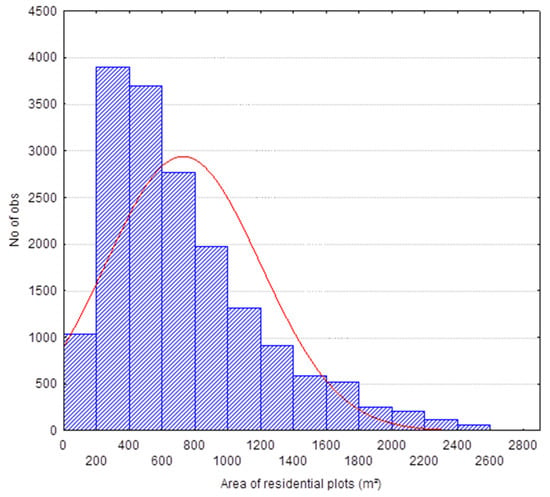
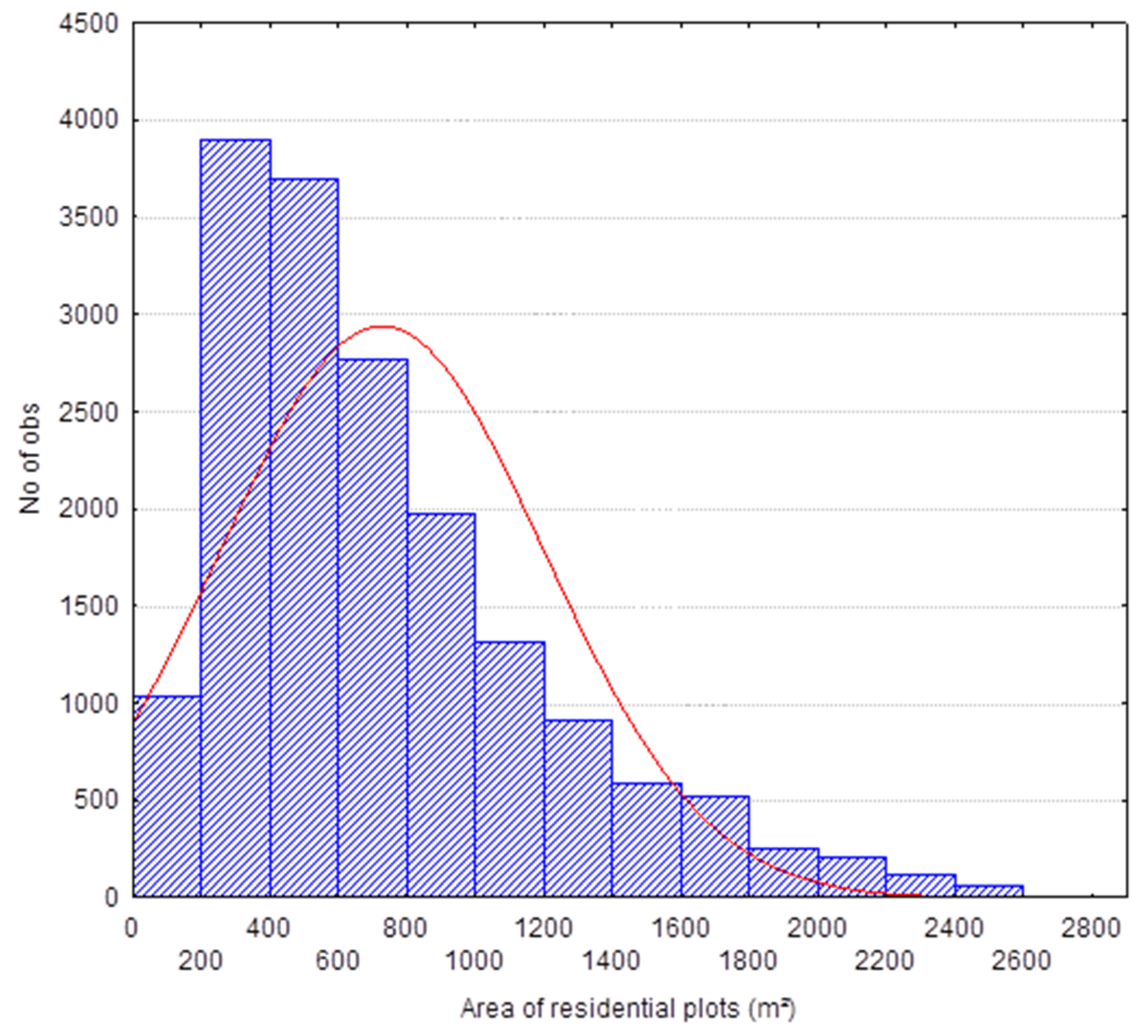
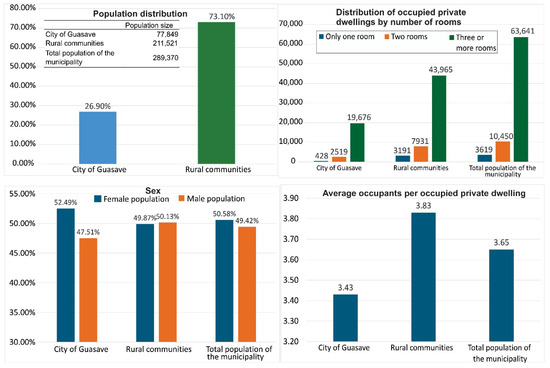
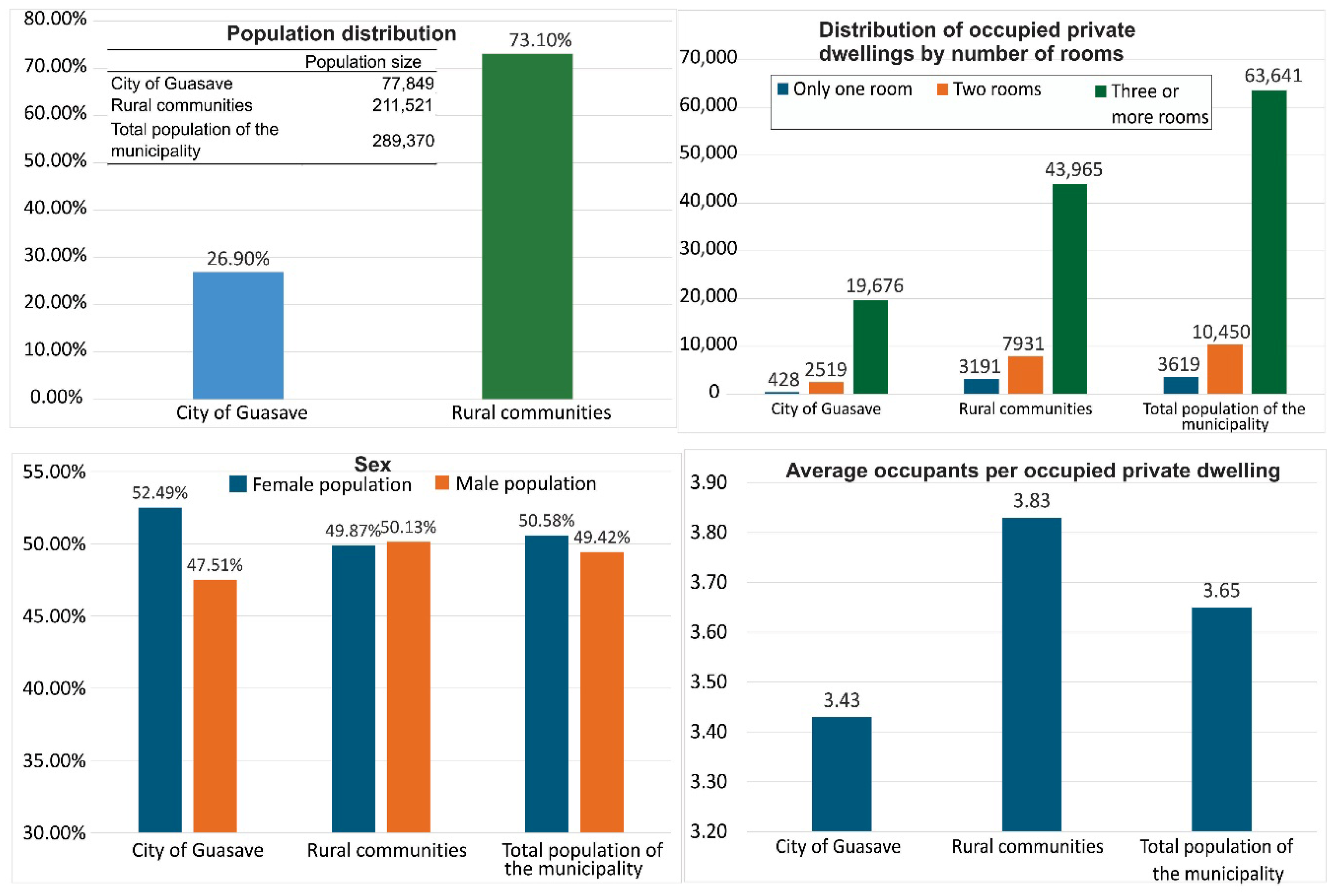
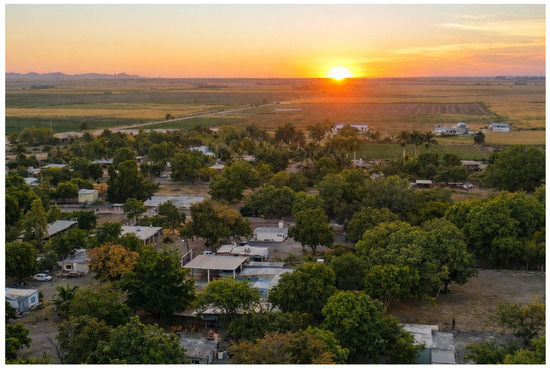
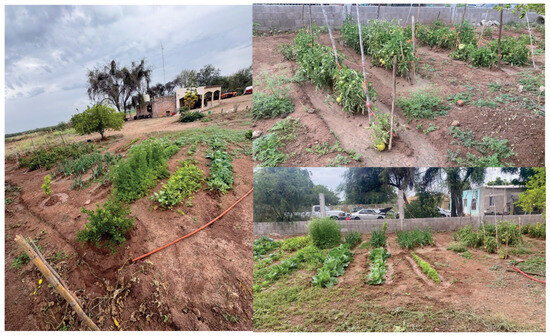
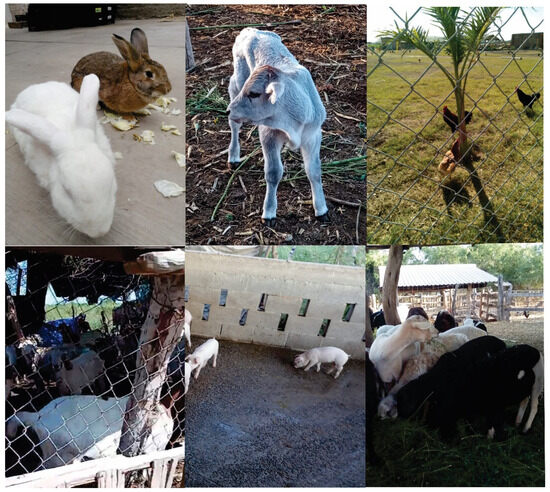
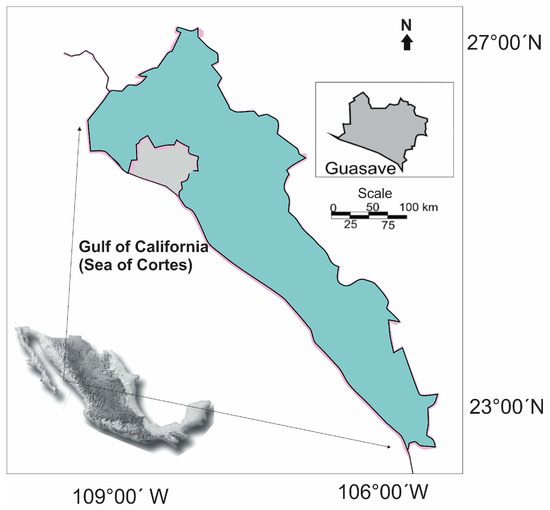
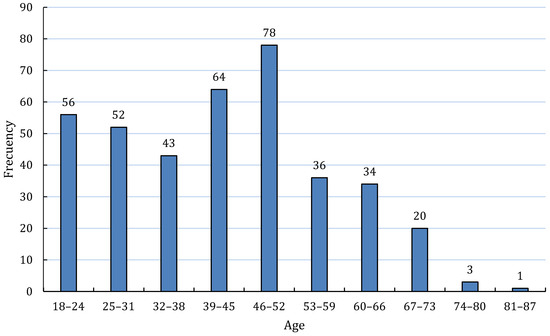
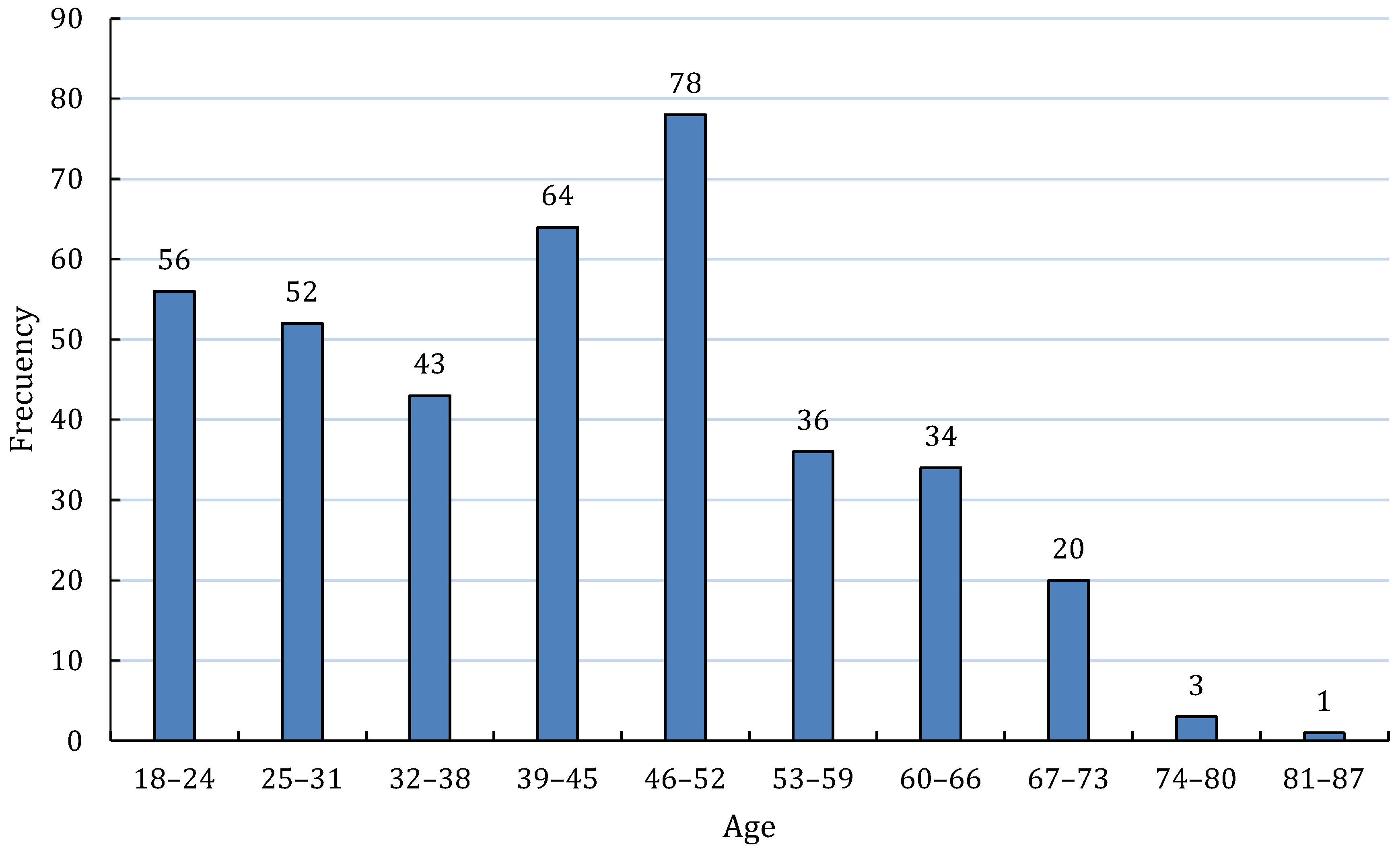
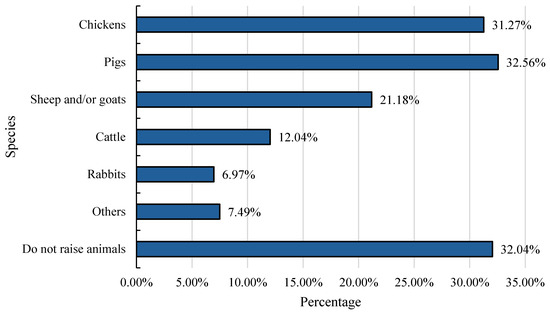
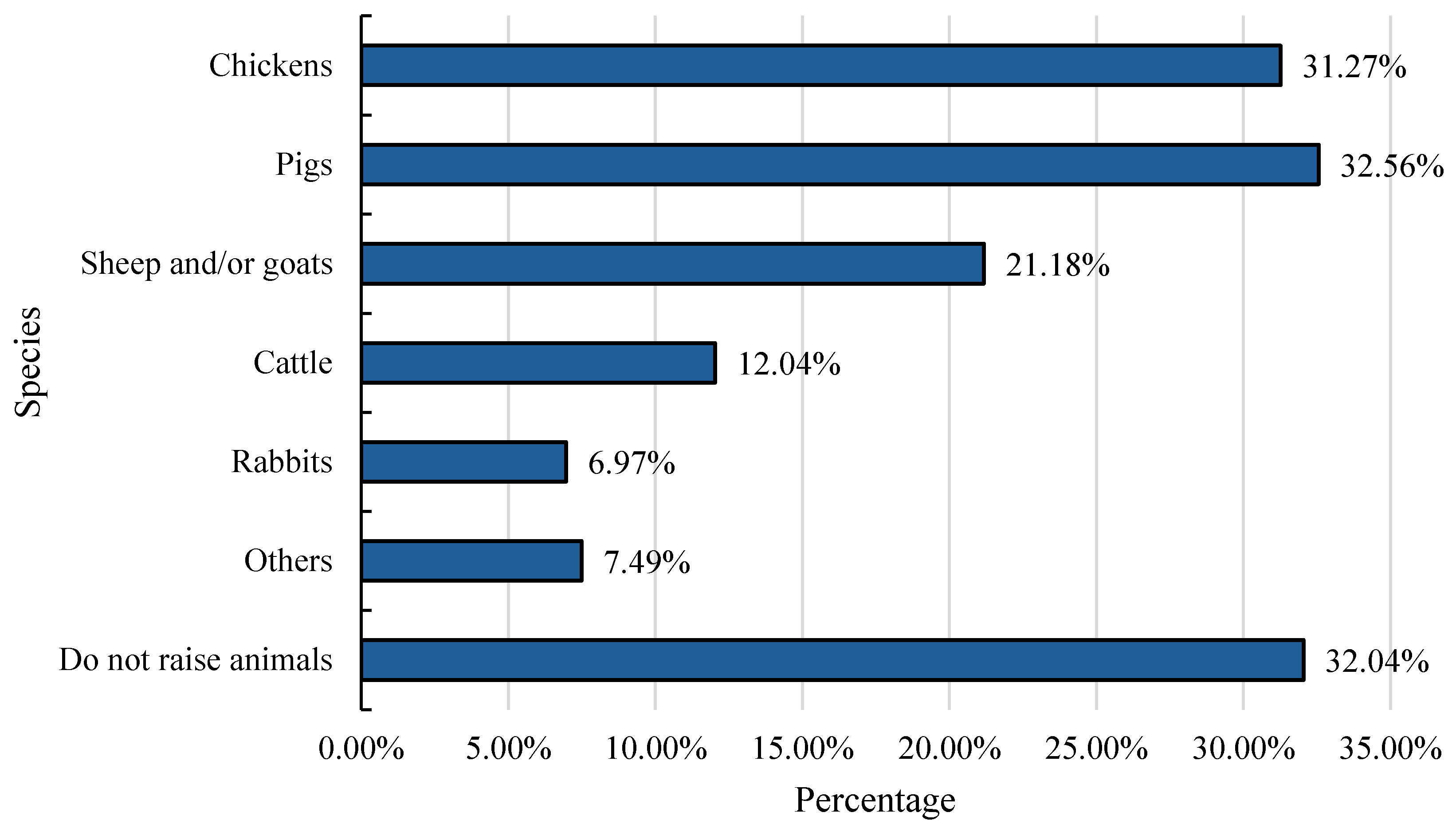
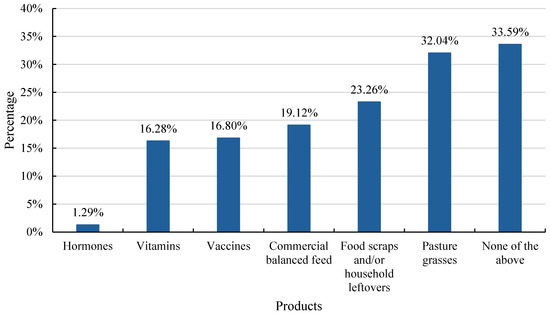
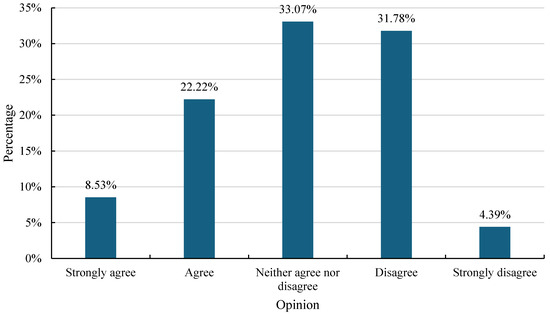
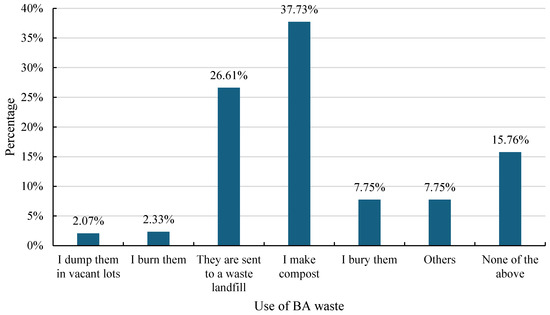
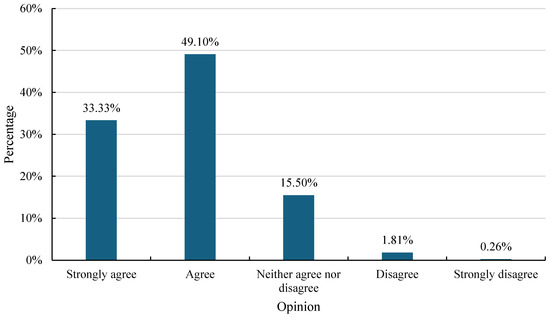
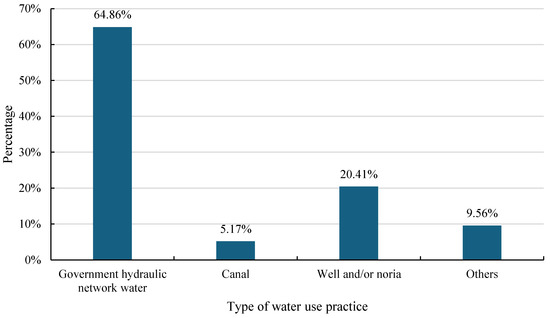
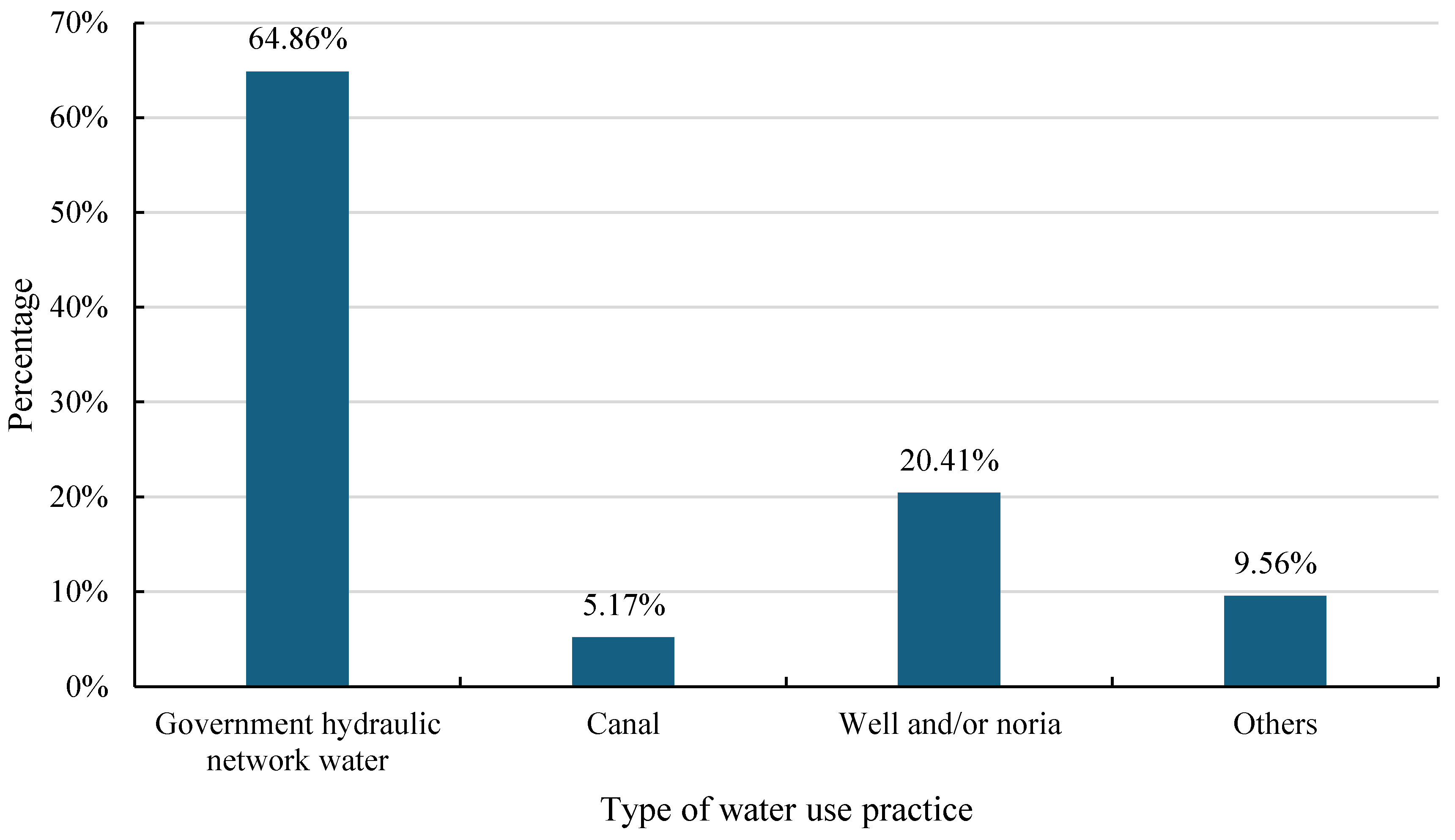
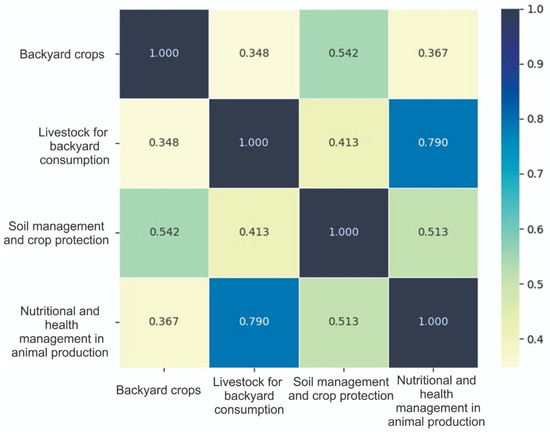
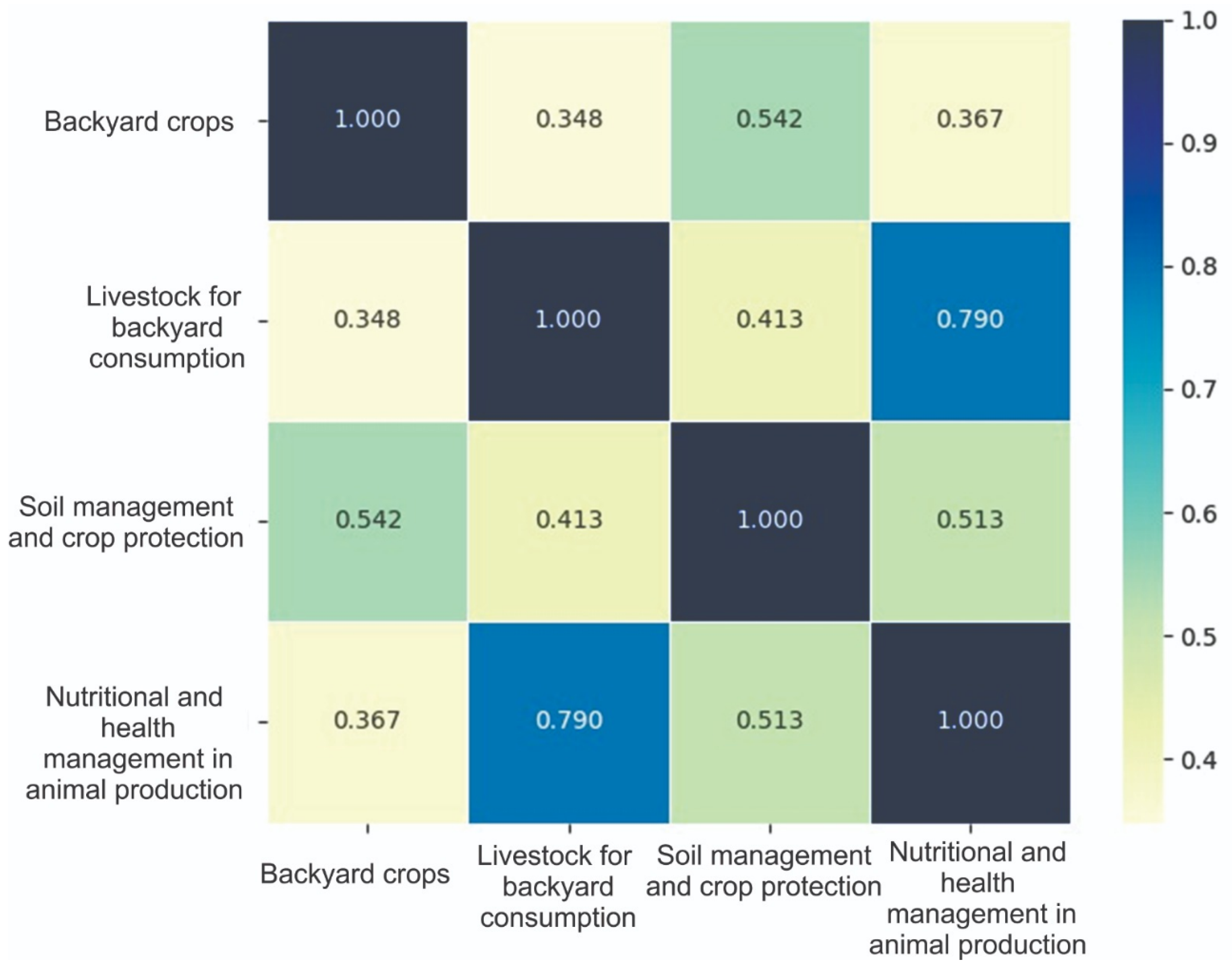

Disclaimer/Publisher’s Note: The statements, opinions and data contained in all publications are solely those of the individual author(s) and contributor(s) and not of MDPI and/or the editor(s). MDPI and/or the editor(s) disclaim responsibility for any injury to people or property resulting from any ideas, methods, instructions or products referred to in the content. |
© 2026 by the authors. Licensee MDPI, Basel, Switzerland. This article is an open access article distributed under the terms and conditions of the Creative Commons Attribution (CC BY) license.