


Abstract
Investigating the relationship between digital innovation and carbon productivity, along with its underlying mechanisms, is important for advancing regional low-carbon, sustainable development. In this study, panel data spanning 2012 to 2022 from 30 provincial-level regions in China are analyzed utilizing mediation analysis and spatial Durbin models to systematically examine the transmission pathways, heterogeneous characteristics, and impact of digital innovation on carbon productivity. The findings reveal the following: (1) Digital innovation significantly enhances carbon productivity, exhibiting robust spatial spillover effects. (2) Spatial mediation analysis reveals that digital innovation enhances carbon productivity through three pathways—industrial structure upgrading, energy consumption efficiency, and technological progress—each exhibiting both local transmission and cross-regional spillover characteristics. (3) Regional heterogeneity analysis indicates that digital innovation exerts more substantial cross-regional spillover effects on carbon productivity in central and western regions than in eastern regions. Temporal heterogeneity analysis indicates that the effect of digital innovation on enhancing carbon productivity increased significantly after 2018. This study reveals the intrinsic logic and constraints governing digital innovation’s impact on carbon productivity, providing policymakers with a reference for formulating strategies to coordinate the development of digital and green economies.
1. Introduction
The ecological and environmental crisis precipitated by global warming is an increasingly serious bottleneck constraining humanity’s sustainable development. Promoting low-carbon transformation and enhancing resource utilization efficiency have become global strategic imperatives for all nations, which need to balance environmental protection and economic growth dynamically as they cut carbon emissions [1]. Against this backdrop, ‘carbon productivity’ has emerged as a crucial metric for global low-carbon development, with digital technologies serving as key drivers [2]. As the world’s largest developing nation, China has achieved incremental progress in its low-carbon transition while sustaining robust economic growth. Since 2016, China’s carbon productivity has significantly improved, contributing to a global reduction of approximately 25% in carbon emissions per unit of GDP [3]. However, the nation continues to face substantial challenges: its carbon emissions remain at extremely high levels, regional disparities in low-carbon development persist, and the pressure to transform traditional energy-intensive industries remains immense. The tension between economic growth and carbon emission control endures, making the enhancement of carbon productivity and the promotion of sustainable development long-term challenges for China [4].
To address these challenges, China has established a multi-tiered strategic framework for low-carbon development. From the formal introduction of the dual carbon goals to promoting the extensive integration of the digital and real economies, accelerating the coordinated transition towards digitalization and greening, and implementing specialized policies across regions, focus is gradually shifting from traditional energy conservation and emission reduction strategies towards full-chain optimization of low-carbon development through digital empowerment. These institutional plans not only provide safeguards for the widespread application of digital technologies but also inject sustainable policy momentum into strategies for enhancing carbon productivity [5]. Confronted with formidable environmental governance challenges and an urgent need to transform economic development models, digital innovation—bolstered by the information technology revolution—has emerged as a pivotal driving force in solving these predicaments [6]. China has achieved significant progress in digital innovation. To date, the added value of China’s core digital industries accounts for 10.4% of its GDP, while its digital infrastructure, such as 5G base stations and computing power, is among the best in the world. Digital technologies have been comprehensively integrated into 49 major sectors of the national economy and are accelerating the green transformation.
In the context of the ‘dual carbon’ goals and the burgeoning digital economy, digital innovation has emerged as the core pathway for nations to overcome the ‘strong lock-in between economic growth and carbon emissions’ and drive the ‘decoupling transition’ between carbon productivity enhancement and economic development [7]. Theoretically, the essence of carbon productivity lies in maximizing economic output per unit of carbon emissions. Its enhancement fundamentally requires dual optimization: improving factor allocation efficiency and advancing production technology levels [8]. Digital innovation influences carbon productivity through two pathways: direct driving effects and indirect diffusion effects. Technological innovations enabled by digital technologies can optimize the allocation structure of production factors, pushing industries to adopt green technological models and thereby effectively enhancing carbon productivity. This process necessitates precise monitoring and standardized management across the entire industrial chain. Concurrently, digital innovation has pronounced spatial–geographical diffusion effects. Its adaptability and scalability transcend geographical boundaries, enabling neighboring regions to absorb and transform digital innovations through technological imitation, digital platform sharing, and industrial chain collaboration. Promoting the cross-regional application of green digital technologies ultimately extends the enhanced carbon productivity of core areas to surrounding regions, thereby establishing a collaborative low-carbon development framework. Existing research predominantly focuses on the reducing effects of digital technologies on ‘absolute carbon emissions’ and overlooks the dual significance of carbon productivity, which encompasses both efficiency gains and emission reductions. Carbon productivity has dual economic and environmental implications. Its enhancement relies not only on the application of emission reduction technologies but also on the optimization of production efficiency and the upgrading of financial structures. In contrast, approaches to reduce absolute emissions focus on a single environmental dimension and are constrained by rigid factors such as the regional industrial scale and the energy mix, resulting in significantly less cross-regional transmission potential. Furthermore, carbon productivity has stronger spatial correlations, with its core drivers exhibiting greater spatial mobility.
In contrast, locally determined factors constrain the spatial distribution of absolute carbon emissions. These factors are difficult to adjust in the short term, resulting in relatively narrow spatial pathways. It is precisely due to the neglect of these differences that existing research has failed to systematically reveal the intrinsic theoretical logic of how digital innovation influences carbon productivity from the core perspective of ‘input–output efficiency optimization’. Furthermore, there remains a lack of in-depth argumentation and interpretation regarding the significant spatial spillover effects of carbon productivity.
Research on the relationship between digital innovation and carbon productivity has yielded substantial findings, yet significant gaps remain. First, the methods of measuring digital innovation suffer from fundamental flaws. Existing studies predominantly rely on the number of digital patents as a single metric [9,10], focusing solely on technological output. This approach fails to align with the systemic characteristics of digital innovation—which encompasses infrastructure, factor inputs, outcome transformation, and value diffusion—making it difficult to comprehensively and accurately reflect the actual level of development. Second, spatial spillover effects remain inadequately substantiated. While the positive environmental impacts of digital innovation are widely discussed in the existing literature [11,12,13], in-depth explanations of its spatial transmission mechanisms, spillover effects, and impact intensity are lacking, hindering the identification of spatial interregional correlations. Third, the spatial dimension of its intermediary mechanisms has not been analyzed. Existing research confirms that digital innovation improves environmental quality through mechanisms such as enhancing green innovation [8,14], optimizing resource utilization [15], refining energy mixes, reducing energy consumption costs, and driving industrial upgrading [16]. However, most studies examine mediation effects at the local level only and do not analyze spatial coordination. Consequently, the spatial transmission logic through which digital innovation influences carbon productivity via mediating variables remains unclear. Fourth, heterogeneity analyses have been conducted with static and one-sided approaches. Existing studies focus on either the temporal or spatial dimension [17], failing to reveal the regional spatiotemporal heterogeneity and spatial manifestations of digital innovation’s impact on carbon productivity. Consequently, their conclusions cannot effectively support the formulation of differentiated, precision-targeted low-carbon development policies for diverse regions.
Consequently, in this study, a spatial econometric framework is employed to systematically deconstruct the impact and mechanisms of digital innovation on provincial carbon productivity. The core objectives of this study include constructing a multidimensional digital innovation evaluation system to overcome the limitations of single indicators; examining the spatial mediating effects of industrial structure upgrading, energy consumption efficiency, and technological progress, thereby revealing pathways through which digital innovation influences carbon productivity; and investigating the temporal and spatial heterogeneity of this impact, clarifying the differentiated characteristics of digital innovation’s spatial spillover effects across different developmental stages and regions.
This study’s marginal contributions manifest in three key areas. First, from a theoretical perspective, this study develops an integrated analytical framework. It assesses how digital innovation shapes carbon productivity by evaluating its effects, spatial spillover effects, and mediating mechanisms within a unified framework. This approach moves beyond fragmented analyses, clarifies the theoretical logic and pathways of influence, and enhances the analytical paradigm at the intersection of the digital economy and green development. Second, from a research perspective, this study advances the literature on the environmental impacts of digital innovation. Most existing research examines only its effects on economic growth, with limited systematic analysis of environmental performance metrics such as carbon productivity. By combining fixed-effects models with spatial Durbin models, this study provides robust empirical evidence of the green effects of digital innovation. It addresses gaps in the literature and broadens the research perspective and content on environmental impacts. Finally, regarding mediation mechanisms, this study substantiates three core pathways: industrial structure upgrading, energy efficiency, and technological progress. It further demonstrates that each pathway features both local transmission and cross-regional spillover effects. These findings overcome a limitation of existing research, which has considered only local mediating effects. Regarding heterogeneity analysis, this study distinguishes itself by probing heterogeneity in spatial spillover effects. It deepens our understanding of such heterogeneity and offers guidance for differentiated approaches in future research. This study also provides targeted empirical support for tailored low-carbon policies.
This paper is structured as follows: Section 2 reviews the related literature. Section 3 builds the theoretical framework and develops hypotheses. Section 4 introduces the research design, while Section 5 presents the empirical model. Section 6 reports and discusses the empirical results. Finally, Section 7 concludes this study and puts forward policy implications.
2. Literature Review
Extensive research confirms that digital technologies can significantly enhance carbon productivity. From a global perspective, digital innovation has substantially boosted carbon productivity, providing crucial support for resolving the dilemma between economic expansion and carbon emission reduction [18]. Specifically, energy digitalization markedly elevates regional carbon productivity by maximizing energy efficiency and accelerating the iteration of green technologies. This effect is particularly pronounced in regions with well-developed market mechanisms and comprehensive digital infrastructure [19]. Investment in information and communications technology (ICT), meanwhile, effectively enhances carbon emission efficiency and ultimately drives carbon productivity growth through pathways such as incentivizing technological innovation, correcting industrial structural distortions, and optimizing resource allocation efficiency. Central China has benefited significantly from this effect [20]. In the industrial sector, digital transformation markedly enhances provincial export carbon emission efficiency by optimizing product quality, adjusting industrial structures, and boosting total factor productivity. This effect is more pronounced in provinces with higher levels of infrastructure, human capital, and economic development [21]. The positive impact of digital technologies is unequivocal at both the micro-enterprise and macro-policy levels: pilot e-commerce policies and the ‘Broadband China’ strategy indirectly enhance carbon productivity by optimizing resource allocation and promoting green technological progress, a conclusion upheld in multiple robustness tests [22,23]. Digital technological progress can also reduce carbon emission intensity by improving operational efficiency and promoting cleaner production models, thereby indirectly driving increases in carbon productivity [24].
Notably, some scholars offer alternative perspectives, arguing that digital innovation and carbon productivity do not exhibit a simple positive correlation but rather a complex, non-linear relationship with potential risks. The inherent characteristics of digital technologies and issues arising from their long-term application are the core reasons for their potential negative impact on carbon productivity. The implications of such research warrant attention. Should technological innovation channels prove narrow and fail to generate cross-sectoral spillovers, carbon productivity may actually decline. Net growth in carbon productivity can only be achieved when the emission-reducing effects of innovation outweigh the emission-promoting effects of technological spillover [25]. From a long-term perspective, corporate digital transformation may trigger a ‘carbon rebound effect’ through technology diffusion. While digital technology patents may reduce emissions and enhance carbon productivity in the short term, this effect may ultimately diminish or even offset earlier gains as breakthroughs in core technologies stagnate or the potential for efficiency improvements is exhausted [24,26].
Furthermore, key characteristics of green technological innovation influence this relationship. Insufficient technology adoption can stifle green innovation processes, impede the effective enhancement of carbon productivity in the digital economy, and potentially lead to resource misallocation. Conversely, once green technological innovation crosses critical thresholds, the positive impact of the digital economy on carbon productivity exhibits a markedly amplified trajectory [27]. From an evolutionary development perspective, the early stages of digitalization are often constrained by the high energy consumption of infrastructure construction and the immaturity of technological applications, leading to slow growth or even temporary declines in carbon productivity. However, once the digitalization index surpasses a critical threshold, the synergistic effects of technological efficiency gains and green transformation are fully unleashed, propelling carbon productivity into a phase of rapid growth [28,29]. The relationship between digital technological innovation levels, technology transfer scale, and emission reduction coordination follows an inverted U-shaped pattern. Beyond a specific threshold, their marginal effect in improving carbon productivity gradually diminishes [30]. The impact of novel digital technologies on carbon dioxide intensity also displays non-linear characteristics, forming a bidirectional regulatory mechanism with urban digitalization levels, thereby further enriching the manifestations of their non-linear relationship [31].
Concurrently, digital technologies exert significant spatial spillover effects on carbon productivity. Existing research indicates that digital technologies enhance energy efficiency in neighboring regions through channels such as knowledge diffusion and cross-regional resource flows, thereby indirectly driving carbon productivity growth [32]. The non-linear spillover effects of the digital economy on neighboring cities’ carbon intensity also establish a ‘core–periphery’ coordinated growth model, providing an external impetus to enhance carbon productivity in surrounding regions [29]. The spatial spillover effects of novel digital technologies on carbon dioxide intensity offer further empirical support for the coordinated improvement of regional carbon productivity [31]. Moreover, the spatial spillover effects of digital technologies exhibit significant directional complexity, encompassing both positive spillovers that promote coordinated regional development and adverse impacts that trigger resource competition and pollution transfer. Consequently, there is an urgent need to formulate precise policy guidance to strengthen the catalytic role of positive spillover while mitigating the adverse impacts of negative spillover, thereby achieving balanced and coordinated growth in regional carbon productivity [32].
3. Theoretical Hypotheses
3.1. Direct Impact of Digital Innovation on Carbon Productivity
Technological innovation theory posits that technological advancement is the core catalyst driving productivity gains. Digital technologies, through tools such as real-time carbon emissions monitoring and carbon capture and resource utilization, can empower low-carbon technological innovation practices. They accelerate the translation of low-carbon technologies from R&D to industrial application, thereby reducing the carbon intensity per unit of economic output and enhancing carbon productivity. According to resource-based theory, digital innovation enables enterprises to integrate heterogeneous internal and external resources (including data, low-carbon technology, and green supply chain resources) to build differentiated low-carbon competitive advantages. This theory emphasizes that a firm’s capacity for resource integration and optimization is pivotal to its operational performance. Digital innovation enables precise matching and efficient resource allocation across industrial chains through platforms such as the Industrial Internet and digital carbon management systems, thereby reducing misallocation and waste and indirectly boosting carbon productivity. From a signaling perspective, digital innovation conveys positive signals to markets regarding a firm’s commitment to low-carbon development strategies. Signaling theory posits that an enterprise’s innovation investments and practices communicate its long-term development potential and strategic direction to stakeholders, such as investors and partners. Digital innovation not only attracts high-quality resources to the enterprise, such as green capital and technical talent, but also compels it to strengthen end-to-end carbon management capabilities, ultimately contributing to enhanced carbon productivity.
In summary, this study proposes Hypothesis 1: Digital innovation exerts a significant positive impact on carbon productivity.
3.2. Spatial Spillover Effects of Digital Innovation on Carbon Productivity
Spatial correlation theories in economic geography indicate that the dissemination and application of digital technologies exhibit pronounced distance-decay characteristics [33]: the diffusion efficiency of digital innovations gradually diminishes with increasing geographical distance. Adjacent regions, which benefit from lower technical exchange costs and tighter industrial collaboration networks, can more readily achieve digital technology penetration and sharing, thereby forming more robust economic and technological linkages.
Research on the impact of digital innovation on regional carbon emissions is expanding. Liu et al. found that although newly constructed digital infrastructure drives short-term local carbon emission growth, it also generates significant positive spillover effects for neighboring cities [34]. Shi et al. developed a comprehensive analytical framework: using provincial panel data and corporate annual reports to calculate an energy digitalization index, they confirmed that energy digitalization transformation effectively enhances regional carbon productivity. This effect exhibits significant spatial and temporal heterogeneity, with short-term spatial spillover effects being particularly pronounced in neighboring regions [19]. These studies reveal a core conclusion: spatial factors, including cross-regional digital technology transfer and the geographic layout of industrial chains, profoundly shape carbon productivity enhancement, which is often very spatially dependent. Significant disparities exist between regions in terms of digital innovation levels and carbon productivity performance. Neglecting this spatial correlation in empirical analysis and relying solely on traditional econometric models for parameter estimation risks introducing substantial bias in the research conclusions.
In summary, this paper proposes Hypothesis 2: The positive promotion of carbon productivity by digital innovation exhibits significant spatial spillover effects.
3.3. Indirect Impact of Digital Innovation on Carbon Productivity
From the perspective of structural transformation theory, digital innovation serves as a pivotal engine for factor restructuring. It not only propels the low-carbon and high-end transformation of local industrial structures but also drives regional collaborative decarbonization through spatial spillover effects [35]. On one hand, local digital innovation facilitates the integration of data elements with traditional production factors, driving the shift of production resources from inefficient, high-carbon industries towards efficient, low-carbon emerging sectors. Concurrently, technologies such as digital twins and the industrial internet reduce the cost of transforming traditional sectors, fostering new green digital industrial models that directly enhance local carbon productivity [36]. On the other hand, digital innovation outcomes exhibit cross-regional diffusion. Low-carbon industrial development models and digital transformation experiences from core regions can radiate to surrounding areas through industrial chain linkages and the sharing of digital platforms. Promoting the coordinated optimization of industrial structures across areas results in a regionally interconnected low-carbon development model. The spatial spillover effects of industrial upgrading amplify the positive impact on carbon productivity [37].
According to factor reallocation theory, digital innovation’s enhancement of energy consumption efficiency exhibits both local enabling and cross-regional synergistic characteristics [38]. At the regional level, digital innovation leverages technologies such as artificial intelligence and big data to reconfigure energy production and consumption processes. Such mechanisms enable precise matching of energy supply and demand, as well as refined control across the entire industrial chain, driving a shift toward low-consumption and high-efficiency energy allocation and directly boosting local carbon productivity [39]. At the spatial level, the universality of digital technologies transcends geographical constraints on energy efficiency improvements. Digital platforms enable innovative energy management models and energy-saving retrofitting solutions in core regions, enabling them to scale across areas. This approach not only helps surrounding areas reduce their energy optimization costs and enhance energy utilization efficiency but also leverages the effects of spatial spillover on energy consumption efficiency to drive coordinated improvements in regional carbon productivity.
From the perspective of technological progress theory, the technological advances driven by digital innovation constitute the core driver of carbon productivity enhancement [40], with this effect radiating across regions through technological diffusion. Digital innovation itself serves as the primary vehicle for technological progress. It not only reduces trial-and-error costs and time expenditure in green technology R&D through big data mining and artificial intelligence simulation, accelerating iterative breakthroughs in core low-carbon technologies such as photovoltaics, energy storage, and carbon capture, but also drives the integration of low-carbon technologies into traditional production processes. Such an innovative model, which optimizes production processes and improves the efficiency of factor utilization, directly enhances regional carbon productivity [41]. Simultaneously, it assists neighboring regions in rapidly absorbing and adapting advanced low-carbon technologies, accelerating their scaled and industrialized application. This spatial spillover effect not only directly enhances carbon productivity in surrounding areas but also amplifies the low-carbon-enabling effect of digital innovation through interregional technological complementarity and collaborative innovation, thereby driving overall regional carbon productivity growth.
In summary, this paper proposes Hypothesis 3: Digital innovation can significantly enhance carbon productivity growth through three pathways—industrial structure upgrading, improved energy consumption efficiency, and technological advancement—each with pronounced spatial spillover effects.
Figure 1 illustrates the mechanisms linking the digital economy to carbon productivity.
Figure 1.
Theoretical framework.
4. Data and Methods
4.1. Dependent Variable
The dependent variable in this study is carbon productivity (CP) [42], defined as carbon emissions per unit of GDP. This measure equals the ratio of provincial GDP to carbon emissions (TC) [43], with the formula shown below:
In this study, carbon dioxide emissions from eight fossil fuels (coal, coke, crude oil, petrol, kerosene, diesel, fuel oil, and natural gas) and the IPCC’s carbon emission factors were calculated. denotes the consumption of the eight energy sources, while represents the carbon emission factor. The formula is as follows:
Data from the year 2012, which marks the start of the study period, clearly reveal the initial spatial pattern of carbon productivity under the traditional development model. The year 2018 marked a pivotal turning point when the digital economy and low-carbon policies were integrated. At this juncture, the enhancing effect of digital innovation on carbon productivity intensified significantly, effectively reflecting the spatial restructuring characteristics arising from policy empowerment and technological transformation. Comparing these two years elucidates the evolutionary logic of carbon productivity’s spatial distribution throughout the study period, precisely highlighting the pattern differences during the core phase.
Figure 2 illustrates the spatial distribution characteristics of China’s carbon productivity in 2012 and 2018. Spatially, the distribution exhibits a core pattern of ‘higher in the east, lower in the west’. The eastern coastal regions consistently occupy the high-value zone for carbon productivity, while most areas in the central and western regions fall within the medium-to-low-value zone. Temporally, the high-value zone had greater coverage in 2018 than in 2012, with tighter connectivity, reflecting the effectiveness of China’s transition efforts. Moreover, the low-carbon development model in the eastern high-value zones has gradually matured, and some central and western provinces have improved their carbon productivity. However, most regions in the central and western parts of the country remain in the medium-to-low-value zones. The overall pattern of ‘high in the east, low in the west’ has not fundamentally changed, and the disparity in the pace of low-carbon transformation between regions remains significant. This distribution pattern vividly illustrates the regional imbalance in China’s economic development and low-carbon transition, providing direction for subsequent policy measures.
Figure 2.
Geographical distribution of carbon productivity in China in 2012 and 2018.
4.2. Core Explanatory Variables
The digital innovation assessment framework constructed in this study encompasses four dimensions: digital infrastructure, digital innovation investment, digital innovation output, and digital innovation dissemination. This framework integrates existing definitions of digital innovation while balancing data availability and indicator hierarchy [44]. As a result, it demonstrates strong practicality and rationality.
Digital infrastructure acts as the foundational support and core prerequisite for digital innovation. It includes hardware facilities such as broadband networks and mobile base stations, along with supporting operational service systems. The sophistication of this infrastructure directly determines the accessibility, stability, and efficiency of regional digital innovation. It lowers technological access costs for innovation actors and provides critical hardware support, thereby enabling interdisciplinary collaboration, cross-regional technology diffusion, and resource sharing [45,46]. The assessment framework for this dimension draws upon research by Li et al. [47].
Investing in digital innovation is the core driver of sustained digital innovation and focuses on two key aspects: human capital and financial investment. This investment structure is entirely consistent with the dual nature of digital innovation as both technology- and knowledge-intensive [48]. ICT human capital and scientific and technological human capital form professional technical talent and high-quality R&D teams that ensure the forward-looking nature of innovation and the feasibility of technological implementation. Education and science and technology expenditure provide sustained financial support for innovation, R&D, technological iteration, and equipment upgrades. These two elements are mutually reinforcing and form an essential support system for digital innovation [20,49]. In this study, indicators selected by Han et al. are used to measure innovation investment levels [50].
Digital innovation outputs directly represent regional digital innovation capability. They reflect breakthroughs in R&D on digital technology, commercialization efficiency, and technological maturity [51]. Digital innovation patents are key vehicles of innovation outcomes; they are the most direct and representative manifestations of innovation output. Therefore, this study quantifies regional R&D strength and innovation output in the digital technology domain using the number of digital patent applications and grants [52].
Digital innovation dissemination is the critical link in achieving a value closed loop of digital innovation. It highlights digital technology’s core characteristics: strong permeability, broad coverage, and network externalities. Effective dissemination enables innovation outcomes to transcend the limits of individual entities or regions. This results in shared technical standards, reused application scenarios, and mutual learning from innovation experiences. Ultimately, these outcomes translate into tangible productivity and economies of scale [53]. This study comprehensively measures the breadth and depth of digital innovation dissemination by evaluating corporate website coverage and technology market transaction contribution.
Standardization is applied when processing all raw data, and the entropy method establishes indicator weights to ensure accuracy and offset dimensional differences. Detailed indicator information is provided in Table 1.
Table 1.
Digital innovation indicator system (+ for positive impact).
4.3. Control Variables
This study selected five key control variables [54,55]; their specific definitions and the methods used to measure them are given below.
Population density (PD): Calculated as the ratio of the total regional population to the administrative area, reflecting the population concentration. Regional development level (RDL): The stage of regional economic development influences the scale of infrastructure investment scale and the demand for digital innovation technologies. Economically advanced regions typically possess stronger foundational conditions for advancing digital innovation and low-carbon transformation; therefore, the logarithmically transformed per capita GDP (in ten thousand yuan) is used as a metric. Government Intervention (GI): The degree of government intervention directly impacts the efficiency of resource allocation. Excessive intervention may distort market mechanisms, while appropriate intervention can guide resources towards digital innovation and low-carbon development. This variable takes the ratio of local government total expenditure to GDP. Urbanization level (UL) is the share of the urban population in the total regional population and indicates the regional stage of urbanization. Foreign direct investment (FDI) is measured as the ratio of total FDI to GDP to capture its impact on regional development.
4.4. Mediating Variable
This study quantifies industrial structure upgrading using the industrial structure hierarchy coefficient and the relative change in ISU share [56]. The specific methodology is as follows:
Energy efficiency reflects the economic output efficiency corresponding to energy inputs [57]. Drawing upon existing research methodologies [58,59], this study measures energy consumption efficiency by calculating the ratio of GDP to total energy consumption for each province.
Technological progress is measured by the ratio of R&D expenditure by industrial enterprises above a designated size in each region to the regional GDP [60].
4.5. Sample and Data Sources
This study examines 30 provincial-level administrative regions in China (excluding Tibet, Hong Kong, Macao, and Taiwan) in a sample period from 2012 to 2022. Research data were obtained from the China Statistical Yearbook (2012–2022) [61], the China Energy Statistical Yearbook (2012–2022) [62], provincial statistical yearbooks, carbon emissions accounting and databases, the China Science and Technology Statistical Yearbook, the CSMAR database, the CNRDS database, and EPS. Empirical analysis of panel data used Stata 18.0. Table 2 reports the descriptive statistics for each variable.
Table 2.
Descriptive statistics.
5. Research Models
5.1. Baseline Regression Model
The following baseline regression model was built to validate Hypothesis 1:
Each provincial administrative region is indicated by the subscript i in Formula (4) (i = 1, 2, …, 30), and the year is indicated by the subscript t (t = 2012, 2013, …, 2022). Control indicates control variables; α is a constant term; β is the independent variable’s estimated parameter; and and stand for time-fixed effects and individual-fixed effects, respectively. The random error term is .
5.2. Spatial Econometric Model
This study uses spatial econometrics to examine digital innovation’s “neighborhood” carbon productivity-boosting effect. Geographical econometric analysis incorporates geographical impacts into conventional analysis using the spatial weight matrix [63,64,65].
5.2.1. Spatial Weight Matrix
The mathematical expression of the link between variables is found in the spatial weight matrix, usually denoted by :
Spatial weight matrices come in a variety of forms, including inverse distance squared, economic distance, and spatial adjacency matrices. The diffusion of digital technologies and industrial collaboration between provinces is largely underpinned by geographical proximity, a characteristic that aligns with the core tenets of spatial decay theory. The intensity of technological spillover effects diminishes with increasing geographical distance. Adjacent provinces exhibit lower costs for technological exchange and tighter industrial linkages, thereby amplifying the spatial spillover effects of digital innovation. Consequently, this study employs a geographical adjacency matrix as the core spatial weighting matrix. Its advantage lies in accurately capturing the low-carbon collaborative development patterns between ‘core–periphery’ regions, better aligning with the real economic logic governing the interaction between interprovincial digital innovation and carbon productivity [66]. The exact formula is provided below:
5.2.2. Spatial Autocorrelation Test
By analyzing the regional autocorrelation of carbon emissions using Moran’s I, this study aims to ascertain whether the carbon production of each province demonstrates geographical dependence. The variables have a positive spatial correlation when Moran’s I is greater than zero; when it is less than zero, there is no geographic connection; and when it is equal to zero, there is no spatial correlation at all. Formula (7) presents its formula:
In Formula (7), , represents the element in the spatial weight matrix, i = 1 to n and j = 1 to n denote the summation of all spatial weights, and signifies the dependent carbon productivity.
This research utilized the geographical distance weight matrix W to calculate the global Moran’s I for carbon productivity across 30 Chinese provinces from 2012 to 2022, aiming to analyze spatial distribution patterns. Data on carbon productivity exhibit positive spatial autocorrelation in geographic space, as shown in Table 3.
Table 3.
Moran’s I of carbon productivity from 2012 to 2022.
This study employed scatter plots of Moran’s I (Figure 3) to validate the spatial autocorrelation of carbon productivity.
Figure 3.
Scatter plots of Moran’s I.
The results indicate that provincial carbon productivity during the study period was predominantly clustered in the first (high–high cluster) and third (low–low cluster) quadrants, exhibiting a significant positive spatial correlation. This associative pattern indicates temporal evolutionary variations. The first quadrant’s long-term concentration in eastern regions reflects the high degree of industrial decarbonization and strong regional economic synergy in eastern development. The third quadrant, centered on northwestern and southwestern provinces, exhibits spatial dependence on low-quality development stemming from a delayed low-carbon transition due to the dominance of traditional high-energy-consuming industries. Comparing scatter distributions across different years reveals that points in the first quadrant are clustering towards higher values, while those in the third quadrant are becoming denser. Additionally, certain intermediate regions are converging towards the extremes. This indicates that both the polarizing effect of the high carbon productivity concentration in the east and the lock-in effect of low carbon productivity in the central and western regions are intensifying. Moving forward, it will be necessary to promote the outward flow of low-carbon resources from the east, break path dependencies in the central and western regions, and dismantle spatial club barriers to achieve coordinated regional low-carbon development.
5.2.3. Selection of the Spatial Econometric Model
Table 4 indicates that LM-error and LM-lag are statistically significant at the 1% significance level; as a result, the SDM model was selected. When SDM and SLM are compared using the LR test, all p values are less than 0.1, suggesting that the data cannot be reduced to SLM and SEM models. The Wald test demonstrates that it will not be simplified to the SAR model.
Table 4.
Spatial panel model test results.
In light of these test results, this study used the fixed-effect SDM for estimation, as shown in Formula (8) [67]:
The individual is , and the year is . represents the spatial autoregressive coefficient, denotes the fixed effect for 30 provincial regions, indicates the temporal fixed effect, and the residual term is expressed as .
5.2.4. Mediating Mechanism Testing Model
To examine whether the effect of digital innovation on carbon productivity is mediated through intermediate variables, a spatial mediation effect model with the following specifications was constructed [68]:
Here, serves as the mediating variable, encompassing industrial structure upgrading, energy consumption efficiency, and technological progress.
6. Empirical Findings
6.1. Examination of Baseline Regression Model Outcomes
Table 5 demonstrates the correlation between carbon productivity and the digital innovation index across different scenarios. Columns (1) to (2) present regression results with and without control variables, respectively, where the coefficient for the digital innovation index is consistently positive. Regarding control variables, regional development levels exhibit a significant positive correlation, confirming that economic growth underpins the low-carbon transition. Population density and urbanization levels show substantial negative correlations at 10% and 1%, respectively, indicating that the current population concentration and urbanization processes exert a restraining effect on carbon productivity. The findings support Hypothesis 1, indicating that the positive impact of digital innovation on carbon productivity is robust.
Table 5.
Results of the baseline regression model.
6.2. Analysis of SDM Regression Results
Building upon prior research, the decomposition method was employed to break down the overall impact into direct, indirect, and total effects [69]. The coefficients for digital innovation were all significantly positive, indicating that the universality and boundlessness of digital technologies overcome geographical barriers, driving cross-regional synergistic improvement in carbon productivity. The results are presented in Table 6.
Table 6.
SDM regression results.
The direct effect coefficient for digital innovation is 4.207 (significant at the 1% significance level), indicating that a one-standard-deviation increase in local digital innovation levels directly drives a 0.522-unit improvement in local carbon productivity. This corresponds to an approximate 19.2% increase in carbon productivity relative to the sample mean. Translated into tangible development outcomes, this equates to a reduction in carbon emissions per unit of GDP of approximately 16.3%, or an increase in GDP per capita of approximately 12,000 yuan (calculated based on the average ratio of GDP to carbon emissions during the sample period). Compared to the baseline regression, this effect distinctly highlights the core enabling role of digital innovation. After accounting for spatial feedback effects, digital innovation can overcome the common development model characterized by ‘high emissions and low output’ by integrating and substituting high-carbon factors through data elements. This provides robust support for regions to achieve sustainable development through digital innovation.
The indirect effect coefficient reached 5.35 (at the 1% significance level). This indicates that a one-standard-deviation increase in digital innovation in neighboring provinces, through cross-regional channels such as technology diffusion, industrial chain collaboration, and digital platform sharing, would boost the province’s carbon productivity by 0.663 units. This equates to 24.4% of the average carbon productivity during the sample period, corresponding to a reduction in carbon emissions per unit of GDP of approximately 19.6%. This highlights the cross-regional spillover capacity of digital innovation—digital technologies effectively lower the diffusion costs of low-carbon technologies. Innovation in core provinces can radiate to surrounding areas, helping neighboring regions replicate efficient low-carbon models and lowering technological barriers, thereby fostering a regionally coordinated development pattern.
The total effect value approaches 10 and significantly exceeds the sum of individual effects, underscoring the synergistic amplification effect of ‘local–regional’ coordination. This indicates that foundational local innovation and the spatial diffusion of regional innovation complement each other to simultaneously overcome resource and technological bottlenecks within individual regions and amplify the overall efficacy of digital innovation.
These findings validate Hypothesis 2 and reveal a core principle of carbon productivity enhancement: it is not an isolated local endeavor and requires leveraging the spatial diffusion characteristics of digital innovation to foster inter-regional innovation collaboration and technology sharing. This offers practical insights for achieving the dual carbon goals: establishing a system combining local innovation cultivation with cross-regional innovation collaboration. This approach strengthens local innovation while promoting inter-regional technology sharing, fully leveraging the overall efficacy of digital innovation in driving carbon productivity enhancement.
6.3. Robustness Tests
6.3.1. Replacement of Core Indicators
Specifically, in the explanatory variable substitution test, the digital innovation index was replaced with the logarithm of the number of digital invention patents granted [70]. As shown in Table 7, the core coefficient remained significantly positive. Carbon productivity, measured as the ratio of the regional GDP to carbon emissions, reflects carbon emission efficiency solely from a single perspective, resulting in a relatively narrow measurement dimension. To validate the reliability of core conclusions, this study replaces the dependent variable with total factor carbon productivity (TFCP) [71]. This indicator integrates multiple production factors while accounting for the dual impact of output, enabling a more comprehensive assessment of regional low-carbon production efficiency levels.
Table 7.
Replacement of core variables.
This study employs a Super-SBM model to calculate the TFCP, using the following formula:
where , , and represent inputs, expected outputs, and non-expected outputs, respectively; denotes the value of TFCP; and is the weight coefficient for each decision unit.
This study uses capital, labor, and energy as input factors in the TFCP model, with real GDP as the desirable output (unit: billion yuan) and carbon emissions as the undesirable output (unit: million tons). Capital input uses the capital stock (unit: billion yuan), labor input uses total employment (unit: ten thousand persons), and energy input uses provincial total energy consumption (unit: million tons of standard coal).
For measuring capital stock, the perpetual inventory method is employed as follows:
represents capital stock, denotes total social fixed asset investment, and indicates the fixed asset depreciation rate. This study uses 2000 as the base year.
Table 7 presents that the coefficient for the impact of digital innovation on TFCP remains significantly positive. This indicates that the conclusion is unaffected by the method of indicator measurement.
6.3.2. Spatial Weight Matrix Substitution
In the spatial weight matrix substitution test, the benchmark geographic adjacency matrix was replaced with an inverse distance matrix (inverse of inter-provincial geographic center distances) and an economic distance matrix (inverse of the absolute difference between each province’s per capita GDP and national per capita GDP). The results, presented in Table 8, show that neither the sign nor the significance of the core coefficient and spatial spillover coefficient changed substantially, indicating that the conclusions remain unaffected by the spatial association measurement criteria.
Table 8.
Replacement of weight matrix.
6.3.3. Alleviation of Endogeneity
To preliminarily validate and mitigate potential bidirectional causal endogeneity issues between digital innovation and carbon productivity, this study employs a lagged independent variable approach for testing. Specifically, lagged terms of the core explanatory variable, digital innovation, were incorporated into the regression model. This leveraged the weak correlation between the historical values of the explanatory variable and the current value of the dependent variable, thereby reducing the impact of reverse causality interference. As shown in Table 9, digital innovation from the previous period continues to have a significant positive effect on carbon productivity. This finding preliminarily rules out reverse causality as an explanation for the core conclusions.
Table 9.
Results of the Lagged Variable and IV Methods.
To further address potential endogeneity between digital innovation and carbon productivity, this study adopts an instrumental variable approach for robustness checks. Specifically, the logarithm of the interaction term between the number of provincial post offices in 1984 and the prior year’s national mobile internet users serves as the instrumental variable [72,73]. Regarding the instrument’s validity, the 1984 provincial post office count represents a historical geographic layout variable with inherent exogeneity unaffected by contemporary digital innovation levels or carbon productivity. Simultaneously, as a traditional form of information infrastructure, post offices share a historical lineage and functional connections with modern digital infrastructure, thereby indirectly reflecting the regional foundations of information dissemination. The previous year’s national mobile internet user count, as a macro-level variable, has no direct correlation with individual provinces’ carbon productivity. However, it influences regional digital innovation development through channels such as technology diffusion and market demand guidance. The interaction term between these two variables satisfies the correlation requirement for instrumental variables while effectively avoiding endogeneity interference.
The instrumental variable validity test shows that the LM statistic for the underidentification null hypothesis yields a p-value of 0.000, rejecting the null. At the same time, the Wald F-statistic of 39.94 confirms strong identification and no weak instrument concerns. Regression results indicate that DI continues to have a significantly positive impact on CP.
In summary, all robustness tests confirm that digital innovation significantly promotes carbon productivity enhancement and that the spatial spillover effect is robust, lending high reliability and generalizability to the core conclusions.
6.4. Mediating Effect Analysis
6.4.1. Mediating Effect of ISU
Table 10 presents the results of the mediation effect decomposition when industrial structure upgrading is treated as the mediating variable. Digital innovation, centered on data as a key factor, reconfigures production systems and drives industrial structure upgrading. At the local level, it facilitates the reallocation of production factors from inefficient, high-carbon traditional industries to efficient, low-carbon emerging sectors. Concurrently, technologies such as digital twins and the industrial internet reduce the transition costs for traditional high-carbon industries, accelerating their low-carbon and intelligent transformation while fostering new industrial forms like the digital economy and green manufacturing. At the spatial level, digital innovation enables the cross-regional dissemination of industrial upgrading expertise and low-carbon industrial chain standards from core areas, achieving coordinated regional industrial structure optimization. This process transforms the ‘low-carbon growth dividend’ of individual regions into a collective ‘industrial upgrading synergy’ for the entire area, enhancing the low-carbon resilience of regional economic development.
Table 10.
Mechanism tests (1).
Industrial structure upgrading, as the key intermediary between digital innovation and carbon productivity, warrants particular attention for its transmission mechanism. At the local level, traditional industries undergo low-carbon intelligent transformation through digital technologies, enabling resource flows from inefficient, high-carbon sectors to efficient, low-carbon ones. This establishes structural support for regional sustainable development.
From a spatial transmission perspective, the positive spatial spillover of industrial upgrading represents the cross-regional redistribution of low-carbon development dividends. Core regions leverage low-carbon industrial paradigms and supply chain standards formed through digital innovation to radiate outward via cross-regional resource linkage and technology sharing, rapidly integrating into low-carbon growth trajectories. The economic value of this spillover effect lies in transforming a single region’s ‘low-carbon growth advantage’ into a collective ‘coordinated enhancement of carbon efficiency’ across the entire area. This approach avoids redundant resource investment between regions while fostering the formation of low-carbon industrial clusters characterized by ‘core leadership and peripheral coordination’. Ultimately, it achieves a win–win outcome of regional economic growth and ecological improvement, providing a practical pathway for industrial linkage in building a unified national low-carbon financial system.
This offers clear direction for policy formulation: while deploying digital innovation resources locally to drive deep industrial restructuring, it is equally vital to strengthen inter-regional industrial linkage and innovation collaboration. This maximizes the spatial spillover effects of industrial upgrading and fully leverages the low-carbon enabling value of digital innovation.
6.4.2. Mediating Effect of ECE
The spatial Durbin model decomposition results in Table 11 reveal that the mediating effect of energy consumption efficiency encompasses both significant local driving effects and spatial spillover effects. Within the interactive relationship between digital innovation and energy consumption efficiency, digital innovation—through its technological pervasiveness and resource allocation optimization capabilities—emerges as the pivotal lever driving energy efficiency improvements. Digital innovation reconfigures the entire energy production and consumption process through technologies such as big data, the Internet of Things, and artificial intelligence. This enables precise matching and dynamic regulation of energy supply and demand, driving a shift in energy factor allocation from extensive ‘high-consumption, low-efficiency’ patterns towards intensive ‘low-consumption, high-efficiency’ models. Consequently, it substantially reduces energy consumption costs per unit of output for enterprises, fundamentally improving the economic efficiency of energy utilization.
Table 11.
Mechanism tests (2).
Within the mediating transmission pathway, energy consumption efficiency serves as a critical intermediary link. Enhanced energy consumption efficiency directly translates into growth momentum for carbon productivity, enabling reduced carbon emissions alongside stable economic output growth. This injects fresh, green, low-carbon vitality into local economic development. Moreover, improvements in energy efficiency within neighboring regions can drive synchronous growth in local carbon productivity. This process not only avoids redundant investment in R&D for energy-saving technology across areas but also provides an efficient, feasible, and practical pathway for advancing low-carbon transformation on a large scale and at low cost. Ultimately, it achieves a win–win outcome for both the quality of regional economic development and ecological benefits.
6.4.3. Mediating Effect of TP
This study introduces technological progress as an intermediary variable, constructing a spatial mediation effect model. As shown in Table 12, technological progress plays a significant mediating role between digital innovation and carbon productivity. Leveraging technological advantages such as big data mining and artificial intelligence simulation, digital innovation reduces the cost and time required for low-carbon technology R&D. It accelerates iterative breakthroughs in core low-carbon technologies like photovoltaics, energy storage, and carbon capture, while simultaneously driving the integration of low-carbon technologies with traditional production processes. This fosters new production paradigms, such as smart manufacturing and green energy utilization, enhancing the efficiency and quality of technological innovation at both the local and territorial levels.
Table 12.
Mechanism tests (3).
Technological progress serves as the pivotal intermediary link in the transmission pathway of ‘digital innovation → technological progress → carbon productivity’. It directly converts the technological dividends of digital innovation into growth momentum for carbon productivity. By optimizing production processes and enhancing factor utilization efficiency, technological progress effectively reduces the carbon emission intensity per unit of economic output. This achieves simultaneous improvements in economic growth quality and ecological benefits, providing core technological support for local low-carbon transitions.
From a spatial transmission perspective, the positive spatial spillover effects of technological progress facilitate the cross-regional redistribution and sharing of low-carbon technological dividends. Technological advancements in neighboring regions can drive synchronous growth in local carbon productivity. This process not only avoids resource wastage from duplicated inter-regional R&D but also fosters a clustering effect in low-carbon technological innovation through complementary regional technologies and collaborative innovation. It propels the overall application level and innovation capacity of low-carbon technologies across regions, establishing a model for coordinated regional development. This facilitates the nationwide advancement of low-carbon transformation at low cost and with high efficiency, organically unifying high-quality economic development with the dual carbon goals.
This mechanism offers significant policy implications: although cultivating local digital innovation ecosystems and strengthening low-carbon R&D capabilities remain essential, proactive establishment of cross-regional technological innovation cooperation platforms is equally vital. Such platforms facilitate the diffusion of low-carbon technologies, enabling the full utilization of digital innovation’s low-carbon value through regional collaborative innovation. Thus, Hypothesis 3 is proven.
6.5. Heterogeneity Analysis
6.5.1. Regional Heterogeneity Analysis
The impact of digital innovation on carbon productivity exhibits pronounced regional differentiation. It is noteworthy that the economic development models of the central and western regions are very similar; both are dominated by traditional industries such as energy and raw materials. The convergence between them in key dimensions—including industrial structure, technological level, and digital innovation foundations—far exceeds the internal differences within the central and western regions, providing a theoretical basis for combined analysis [74]. Performing separate regressions for the western and central areas yielded coefficients that were consistent in magnitude and significance. Therefore, combining the western and central regions allows for a more precise comparison of their distinct spatial spillover dynamics, avoiding the dilution of effects and the ambiguous conclusions that would result from analyzing them separately [75]. As shown in Table 13, these findings profoundly reflect the divergent pathways and core logic underpinning digitally enabled low-carbon development across regions at different stages of advancement.
Table 13.
Results of regional heterogeneity analysis.
Regarding direct effects, the central and western areas exhibit more pronounced outcomes. This stems from their accelerated phase of industrial transformation and low-carbon development, where digital innovation yields stronger marginal gains. The application of digital technologies rapidly remodels production models in traditional, high-energy-consuming industries, optimizes the allocation of local factors, and effectively resolves the predicament of extensive development. This positions digital innovation as the core driver for the central and western regions to achieve low-carbon transformation through localized innovation. In contrast, the eastern regions exhibit higher levels of economic development and industrial concentration, with a relatively higher baseline carbon productivity. Here, digital innovation tends to manifest as refined efficiency gains, resulting in comparatively milder marginal effects.
Regarding indirect effects, regional disparities become more pronounced, with digital innovation in the central and western regions demonstrating greater cross-regional spillover effects. This divergence stems from the greater homogeneity of industrial structures and more active factor mobility within the western and central regions. Digital innovation achievements in core provinces can rapidly diffuse to neighboring provinces, forming a regional linkage pattern of ‘innovation sharing and collaborative carbon reduction’. In contrast, the eastern region features a more specialized industrial division, where inter-regional competition and cooperation coexist. The cross-regional diffusion of digital innovation outcomes is constrained by factors such as industrial barriers and technological adaptability, preventing the full release of spatial spillover effects. Regarding overall effects, the total effect coefficients for the eastern, central, and western regions all passed significance tests, confirming that digital innovation exerts a stable, comprehensive enabling effect on carbon productivity. In summary, the impact of digital innovation on carbon productivity exhibits regional heterogeneity characterized by ‘stronger local drivers and more pronounced spatial spillovers in central and western regions’.
6.5.2. Time Heterogeneity Analysis
Concurrently, the impact exhibits pronounced temporal phasing, mapping the evolutionary trajectory of digital technology and low-carbon development from ‘initial integration’ to ‘deep empowerment.’ A pivotal turning point for the integration of China’s digital economy and low-carbon development strategies occurred in 2018, when the nation implemented multiple core policies, including the formulation of the Digital Economy Development Strategy Outline, the final phase of the Broadband China Strategy, and the launch of digital government initiatives [76], and made accelerated progress in establishing the national carbon emissions trading market. These policies promoted the coordinated development of digital technology and low-carbon transfomation at the top-level design stage, providing institutional safeguards for digital innovation to empower carbon productivity. The concentrated release of these policy dividends propelled digital infrastructure construction and the expansion of digital technology application scenarios into an accelerated phase after 2018 [77], establishing a theoretical basis for delineating distinct time periods. Therefore, 2018 was selected as the node for this study’s time heterogeneity analysis; specific data are provided in Table 14.
Table 14.
Results of time heterogeneity analysis.
Between 2012 and 2017, the comprehensive enabling effect of digital innovation on carbon productivity remained underutilized, with the overall effect coefficient failing to pass the significance test. At the local level, domestic digital innovation struggled to drive carbon productivity gains. This stemmed primarily from China’s nascent industrialization of digital technologies during this period, coupled with inadequate digital infrastructure development. Key technologies like 5G and the industrial internet had yet to undergo widespread implementation. The superficial integration of digital innovation with traditional high-energy-consumption industries prevented key changes—such as factor restructuring and the intelligent optimization of production processes—from overcoming developmental bottlenecks, resulting in insufficient momentum to realize local low-carbon goals. At the cross-regional level, positive spatial spillovers failed to materialize. The core problem in this phase was the inadequate maturity of the digital technologies themselves, coupled with the absence of collaborative mechanisms to support the diffusion of innovation outcomes, hindering the realization of the low-carbon value of digital innovation.
Between 2018 and 2022, as the digital economy ascended to a national strategic status, the comprehensive driving effect of digital innovation on carbon productivity achieved a qualitative leap. The overall effect coefficient became significantly positive, indicating the synergistic release of dual value through ‘local empowerment + spatial spillover’. In the local-level driver dimension, the direct effect coefficient rose sharply. This can be attributed to the accelerated deployment of new digital infrastructure, which significantly enhanced the depth and breadth of the integration of digital technology with the real economy. Digital innovation empowered local industries in their low-carbon transition, eliminating high-carbon, inefficient production methods and cultivating new low-carbon business models through digital transformation. This substantially increased the economic output per unit of carbon emissions, fully unleashing the local low-carbon driving momentum. At the cross-regional coordination level, spatial spillover effects intensified from weak to strong. This shift stemmed from the gradual refinement of inter-regional digital coordination mechanisms, supported by the universal and borderless nature of digital technologies. Digital innovations originating in core regions radiated outward, enabling neighboring areas to rapidly integrate into efficient, low-carbon production systems and forge a regional landscape of collaborative carbon reduction.
In summary, the impact of digital innovation on carbon productivity exhibits regional heterogeneity characterized by ‘stronger local drivers and more pronounced spatial spillovers in central and western regions,’ alongside temporal phasing marked by ‘insignificant initial effects followed by comprehensive release in later stages.’ The latter essentially reflects the inevitable progression of digital innovation from its technological incubation phase to value realization. These findings provide precise guidance for policy formulation.
7. Research Conclusions and Implications
7.1. Research Conclusions
Against the backdrop of complete integration of the dual carbon goals and the digital economy, clarifying the impact mechanisms, spatial characteristics, and heterogeneity patterns of digital innovation’s effect on carbon productivity is a key issue for advancing regional low-carbon coordinated development and achieving a balanced outcome between high-quality economic growth and ecological conservation. This study uses a spatial econometric approach to investigate the impact, spatial transmission mechanisms, and heterogeneity of digital innovation on carbon productivity. Theoretical and empirical analyses yield the core conclusions below:
First, digital innovation exerts a significant positive effect, enhancing carbon productivity, and this effect exhibits robust spatial spillover characteristics. The cross-regional penetration and boundary-free dissemination of digital technologies enable them to transcend geographical barriers, radiating from innovation hubs to adjacent areas. This not only directly boosts local carbon productivity but also drives coordinated improvements in surrounding regions through channels such as technology sharing and industrial linkage, forming a spatial pattern of low-carbon development characterized by ‘core-led, periphery-coordinated’ development. This finding validates the core value of digital innovation in resolving the ‘carbon reduction–economic growth’ dilemma, providing direct empirical support for leveraging digital technologies to advance regional low-carbon collaborative development.
Second, digital innovation indirectly empowers carbon productivity through three overlapping spatial intermediary pathways: industrial structure upgrading, enhanced energy consumption efficiency, and technological progress. These pathways operate synergistically and are mutually reinforcing, forming a comprehensive spatial transmission network. Along the industrial upgrading pathway, digital innovation not only advances local industrial restructuring but also drives cross-regional industrial collaboration, thereby optimizing neighboring areas’ industrial structures and fostering spatial synergistic transmission of industrial advancement. Digital technologies enhance local energy efficiency through intelligent management across the entire energy production and consumption process. Moreover, standardized energy-saving technical solutions facilitate cross-regional replication and dissemination, enabling spatial radiative transmission of energy efficiency gains. Regarding technological advancement, digital innovation accelerates the development and adoption of local low-carbon technologies. Simultaneously, it fosters technological spillovers through cross-regional technology sharing platforms, thereby supporting technological progress in neighboring areas and indirectly enhancing carbon productivity. The synergistic effects of these three pathways underscore the multifaceted and systemic nature of digital innovation’s influence on carbon productivity.
Third, the impact of digital innovation on carbon productivity exhibits significant regional and temporal heterogeneity. Regionally, digital innovation in the central and western regions demonstrates stronger local driving effects and spatial spillover effects on carbon productivity than in the eastern areas. This occurs because the western and central regions are in a ‘catch-up phase’ of industrial decarbonization, where traditional high-energy-consuming industries constitute a larger share. Consequently, digital innovation possesses greater potential to transform traditional industries, and the strong demand for inter-regional industrial synergy accelerates the release of digital innovation dividends. In contrast, the eastern regions have already achieved a relatively high level of digital innovation and industrial decarbonization, resulting in a narrower marginal improvement space. Simultaneously, intense intra-regional industrial competition decreases the willingness to share technology, reducing the effect intensity. From a temporal perspective, 2018 marked a pivotal turning point in digital innovation, driving carbon productivity gains. Before 2018, digital infrastructure was in a deployment phase, with policies on the industrial internet and smart manufacturing yet to be implemented. Disconnects between digital technologies and production processes resulted in limited driving effects. After 2018, the digital infrastructure matured comprehensively, accompanied by intensive policy rollouts yielding tangible outcomes. Digital technologies have deeply penetrated all stages of industrial production, enabling full utilization of their driving effects.
The findings of this study not only enrich theoretical research on the relationship between digital innovation and carbon productivity but also offer practical insights for formulating precise regional low-carbon development policies and fully unlocking the low-carbon-enabling potential of digital innovation.
7.2. Policy Implications
Based on the aforementioned research findings, the following policy recommendations are proposed: (1) Spatial spillover effects should be activated, and cross-regional digital low-carbon coordination mechanisms should be established. When leveraging the spatial spillover characteristics of digital innovation and its leadership and coordination framework, inter-provincial collaboration mechanisms should be established. First, a regional digital low-carbon technology sharing platform should be created, spearheaded by the digitally innovative eastern provinces. This platform would consolidate resources such as low-carbon technology patents and digital transformation solutions, offering technical sharing subsidies to the central and western provinces to reduce cross-regional technology transfer costs. Second, pilot initiatives in urban clusters such as Beijing–Tianjin–Hebei, and Chengdu–Chongqing should standardize regional nodes within the industrial internet identifier resolution system, dismantling infrastructural barriers to spatial spillover. Finally, a cross-regional carbon productivity enhancement program should be established to provide dedicated funding for inter-provincial digital low-carbon industrial chain collaboration projects to strengthen interregional transmission and linkage. (2) Spatial intermediary pathways should be cultivated, and differentiated transmission empowerment strategies should be implemented. When addressing transmission disparities across three spatial intermediary pathways—energy consumption efficiency, industrial structure upgrading, and technological advancement—tailored measures should be implemented to enhance transmission efficacy. For the energy consumption efficiency pathway, standardized digital energy-saving solutions should be promoted. Governments should lead the development of sector-specific standardized manuals for intelligent energy consumption monitoring and green electricity substitution. Third-party institutions should be supported in providing low-cost digital energy-saving retrofitting services to SMEs, and inter-provincial mutual recognition mechanisms for energy-saving technologies should be established. For the industrial structure upgrading pathway, ‘digital + low-carbon’ industry adaptation policies based on regional industrial endowments are required. The eastern regions should prioritize integrating digital technologies with high-end services and strategic emerging industries. In contrast, the central and western regions should focus on the digital transformation and upgrading of traditional high-energy-consuming industries, taking care to avoid blindly replicating eastern industrial models. Regarding technological advancement pathways, ‘cross-regional collaborative low-carbon technology development bases’ should be established to encourage eastern innovative enterprises to establish branches in central and western regions for localized technology adaptation R&D. Concurrently, inter-provincial mechanisms for distributing benefits from technology transfer should be refined to safeguard innovators’ rights. (3) Heterogeneity constraints should be addressed through regionally and temporally targeted policies. A differentiated, dynamic policy framework should be constructed based on regional and temporal heterogeneity. Regionally, digital infrastructure investment in the central and western regions should be increased, industrial internet pilot projects should be prioritized, and a ‘Low-Carbon Industry Cultivation Fund’ should be established to channel digital innovation resources towards local low-carbon industries, thereby avoiding the ‘latecomer disadvantage trap’. For eastern regions, focus should be placed on advancing ‘digital innovation for enhanced quality and efficiency’, encouraging the deep application of frontier technologies such as digital twins and blockchain in low-carbon sectors. Simultaneously, eastern enterprises should be incentivized to transfer low-carbon digital technologies to the central and western regions through ‘technology export subsidies’, thereby activating spatial spillover potential. In terms of timing, policy continuity with the digital economy and low-carbon development since 2018 should be maintained by incorporating digital infrastructure construction and digital low-carbon transformation into local governments’ long-term development plans. Finally, a ‘dynamic policy effectiveness evaluation mechanism’ should be established to annually track the transmission efficiency between digital innovation and carbon productivity, enabling prompt refinements to policy details.
7.3. Limitations and Future Research
The core limitations of this study manifest in four aspects: research scale, indicator dimensions, model design, and coverage of influencing factors. First, the data were focused on the provincial macro level and failed to encompass the micro dimensions of cities and enterprises. Therefore, the heterogeneous digital transformation behaviors of micro-level entities were not captured. Second, the indicators did not distinguish between digital technology innovation and digital model innovation, thus failing to reveal the differentiated impacts of different types of innovation. Third, the model does not account for the interaction effects between digital innovation and factors such as low-carbon policies, hindering its ability to reflect the synergistic effects of multiple policies. Fourth, it fails to sufficiently incorporate industry-specific variations and external factors such as international carbon leakage and global digital technology competition, thereby limiting the generalizability of its conclusions.
To address these limitations, future research may expand in four directions: first, employing city- or enterprise-level microdata to refine analyses of the micro-level mechanisms through which digital innovation influences carbon productivity; second, categorizing digital innovation types to explore differentiated pathways of impact; third, incorporating policy interaction terms to analyze synergies between digital innovation and low-carbon policies; and fourth, integrating international perspectives with international input–output models to extend research on the global implications of cross-border digital technology diffusion for carbon productivity.
Author Contributions
J.S. conceived and designed this study, performed data analysis, and drafted the manuscript. L.Z. contributed to data analysis and validation. All authors have read and agreed to the published version of the manuscript.
Funding
This research received no external funding.
Institutional Review Board Statement
Not applicable.
Informed Consent Statement
Not applicable.
Data Availability Statement
The data presented in this study are publicly available in the sources cited within the reference list and text. Data for the research was obtained from the China Statistical Yearbook (2012–2022) [61], China Energy Statistical Yearbook (2012–2022) [62], provincial statistical yearbooks, Carbon Emission Accounts and Database, China Science and Technology Statistical Yearbook, CNRDS database, and EPS data. All source data are cited, publicly available, and accessible.
Conflicts of Interest
The authors declare no conflicts of interest.
Abbreviations
The following abbreviations are used in this manuscript:
| DI | Digital Innovation |
| CP | Carbon Productivity |
| ISU | Industrial Structure Upgrading |
| ECE | Energy Consumption Efficiency |
| TP | Technological Progress |
| SDM | Spatial Durbin Model |
References
- Long, J. The United Nations’ 2030 Agenda for Sustainable Development and the Impact of the Accounting Industry. Honors College Thesis, Pace University, New York, NY, USA, 2019. Available online: https://digitalcommons.pace.edu/honorscollege_theses/260 (accessed on 3 October 2025).
- Yu, H.; Liu, H. Impact of digitization on carbon productivity: An empirical analysis of 136 countries. Sci. Rep. 2024, 14, 5094. [Google Scholar] [CrossRef] [Scilit] [PubMed]
- Liu, Z. China’s Carbon Emissions Report 2016; Harvard Belfer Center for Science and International Affairs: Cambridge, MA, USA, October 2016; Available online: https://nrs.harvard.edu/urn-3:HUL.InstRepos:29916843 (accessed on 3 October 2025).
- Li, H.; Qin, Q. Challenges for China’s carbon emissions peaking in 2030: A decomposition and decoupling analysis. J. Clean. Prod. 2019, 207, 857–865. [Google Scholar] [CrossRef] [Scilit]
- Tao, W.; Weng, S.; Chen, X.-L.; Song, M. Exploring the role of digital economy on carbon productivity: New evidence from the “Broadband China” Policy. Energy Effic. 2025, 18, 34. [Google Scholar] [CrossRef] [Scilit]
- He, G.; Jiang, H.; Zhu, Y. The effect of digital technology development on the improvement of environmental governance capacity: A case study of China. Ecol. Indic. 2024, 165, 112162. [Google Scholar] [CrossRef] [Scilit]
- Lei, Z.; Zhang, C.; Li, R.; Cai, L.; Zhou, Y. How does digital financial inclusion improve Chinese county-level carbon productivity? Front. Clim. 2025, 7, 1644628. [Google Scholar] [CrossRef] [Scilit]
- Liu, X.; Zhang, X. Industrial agglomeration, technological innovation and carbon productivity: Evidence from China. Resour. Conserv. Recycl. 2021, 166, 105330. [Google Scholar] [CrossRef] [Scilit]
- Rao, W.; Liu, P. Can Digital Innovation Improve Green Total Factor Productivity: Evidence from Digital Patents of China. Sustainability 2024, 16, 3891. [Google Scholar] [CrossRef] [Scilit]
- Feng, Y.; Li, Y.; Nie, C. Digital technology innovation and synergy of pollution control and carbon reduction: Empirical evidence from digital patents in Chinese cities. Econ. Chang. Restruct. 2024, 57, 235. [Google Scholar] [CrossRef] [Scilit]
- Li, J.; Ji, L.; Zhang, S.; Zhu, Y. Digital technology, green innovation, and the carbon performance of manufacturing enterprises. Front. Environ. Sci. 2024, 12, 1384332. [Google Scholar] [CrossRef] [Scilit]
- Haseeb, A.; Xia, E.; Saud, S.; Ahmad, A.; Khurshid, H. Does information and communication technologies improve environmental quality in the era of globalization? An empirical analysis. Environ. Sci. Pollut. Res. 2019, 26, 8594–8608. [Google Scholar] [CrossRef] [Scilit]
- Ahmad, M.; Kuldasheva, Z.; Nasriddinov, F.; Balbaa, M.E.; Fahlevi, M. Is achieving environmental sustainability dependent on information communication technology and globalization? Evidence from selected OECD countries. Environ. Technol. Innov. 2023, 31, 103178. [Google Scholar] [CrossRef] [Scilit]
- Wang, J.; Dong, K.; Dong, X.; Taghizadeh-Hesary, F. Assessing the digital economy and its carbon-mitigation effects: The case of China. Energy Econ. 2022, 113, 106198. [Google Scholar] [CrossRef] [Scilit]
- Mondejar, M.E.; Avtar, R.; Diaz, H.L.B.; Dubey, R.K.; Esteban, J.; Gómez-Morales, A.; Hallam, B.; Mbungu, N.T.; Okolo, C.C.; Prasad, K.A.; et al. Digitalization to achieve sustainable development goals: Steps towards a Smart Green Planet. Sci. Total. Environ. 2021, 794, 148539. [Google Scholar] [CrossRef] [Scilit] [PubMed]
- Li, X.; Yue, S. Blessing or curse? The role of digital technology innovation in carbon emission efficiency. J. Environ. Manag. 2024, 365, 121579. [Google Scholar] [CrossRef] [Scilit] [PubMed]
- Yan, X.; Zhang, Y. Empirical study on the impact of digital economy on carbon emission intensity--based on the mediating role of technological innovation. Front. Energy Res. 2023, 11, 1300158. [Google Scholar] [CrossRef] [Scilit]
- Liu, J.; Liu, M.; Liang, D. Research on the impact of digital technology application in industry on industrial carbon dioxide emissions: Evidence from China. Energy Econ. 2024, 141, 108121. [Google Scholar] [CrossRef] [Scilit]
- Shi, Z.; Loh, L.; Wu, H.; Han, D. Smarter and cleaner: How does energy digitalization affect carbon productivity? Energy Strat. Rev. 2024, 52, 101347. [Google Scholar] [CrossRef] [Scilit]
- Xu, Q.; Zhong, M.; Cao, M. Does digital investment affect carbon efficiency? Spatial effect and mechanism discussion. Sci. Total. Environ. 2022, 827, 154321. [Google Scholar] [CrossRef] [Scilit]
- Zhao, S.; Zhang, X. Did digitalization of manufacturing industry improved the carbon emission efficiency of exports: Evidence from China. Energy Strat. Rev. 2025, 57, 101614. [Google Scholar] [CrossRef] [Scilit]
- Peng, H.-R.; Ling, K.; Zhang, Y.-J. The carbon emission reduction effect of digital infrastructure development: Evidence from the broadband China policy. J. Clean. Prod. 2024, 434, 140060. [Google Scholar] [CrossRef] [Scilit]
- Wang, H.; Li, Y.; Lin, W.; Wei, W. How does digital technology promote carbon emission reduction? Empirical evidence based on e-commerce pilot city policy in China. J. Environ. Manag. 2023, 325, 116524. [Google Scholar] [CrossRef] [Scilit]
- Pu, Z.; Qian, Y.; Liu, R. Is digital technology innovation a panacea for carbon reduction? Technol. Econ. Dev. Econ. 2025, 31, 496–524. [Google Scholar] [CrossRef] [Scilit]
- Wang, L.; Chen, Y.; Ramsey, T.S.; Hewings, G.J. Will researching digital technology really empower green development? Technol. Soc. 2021, 66, 101638. [Google Scholar] [CrossRef] [Scilit]
- Guan, R.; Wang, H.; Zheng, R.; Shi, X.; Wang, K. Evaluating the impact of digital technologies on energy efficiency: Evidence from Chinese publicly listed companies. Energy Policy 2025, 207, 114847. [Google Scholar] [CrossRef] [Scilit]
- Hou, J.; Bai, W.; Sha, D. Does the digital economy successfully facilitate carbon emission reduction in China? Green technology innovation perspective. Sci. Technol. Soc. 2023, 28, 535–560. [Google Scholar] [CrossRef] [Scilit]
- Zheng, R.; Wu, G.; Cheng, Y.; Liu, H.; Wang, Y.; Wang, X. How does digitalization drive carbon emissions? The inverted U-shaped effect in China. Environ. Impact Assess. Rev. 2023, 102, 107203. [Google Scholar] [CrossRef] [Scilit]
- Cheng, Y.; Zhang, Y.; Wang, J.; Jiang, J. The impact of the urban digital economy on China’s carbon intensity: Spatial spillover and mediating effect. Resour. Conserv. Recycl. 2023, 189, 106762. [Google Scholar] [CrossRef] [Scilit]
- Zhu, Y.; Xu, Y.; Yin, S. How does digital technology innovation drive synergies for reducing pollution and carbon emissions? Sustain. Cities Soc. 2024, 116, 105932. [Google Scholar] [CrossRef] [Scilit]
- Chen, J.; Chen, Y.; Liang, X.; Yu, L.; Sun, J.; Luo, X.; Zhang, M.; Wu, Z. The mitigating effect of new digital technology on carbon emissions: Evidence from China. Environ. Sci. Pollut. Res. 2024, 31, 9433–9444. [Google Scholar] [CrossRef] [Scilit]
- Li, S.; Zhang, Z.; Lee, C.-C. The spillover effects of digital technology innovation on carbon emissions in urban agglomerations: A perspective based on manufacturing investment networks and geospatial spillovers. Sustain. Cities Soc. 2025, 124, 106321. [Google Scholar] [CrossRef] [Scilit]
- Hall, S. An Introduction to Economic Geography: Globalization, Uneven Development and Place D. MacKinnon and A. Cumbers; Routledge: London, UK, 2008; pp. 262–264. [Google Scholar]
- Liu, Y.; Wang, Y.; Yan, B.; Zhang, H. The impact of new infrastructure development on urban total factor carbon productivity-empirical evidence based on Chinese cities. Front. Environ. Sci. 2024, 12, 1432534. [Google Scholar] [CrossRef] [Scilit]
- Kuznets, S.; Murphy, J.T. Modern Economic Growth: Rate, Structure, and Spread; Yale University Press: New Haven, CT, USA, 1966; Volume 2. [Google Scholar]
- Liu, B.; Huang, Y.; Chen, M.; Lan, Z. Towards sustainability: How does the digital-real integration affect regional green development efficiency? Econ. Anal. Policy 2024, 83, 42–59. [Google Scholar] [CrossRef] [Scilit]
- Li, Z.; Chen, X.; Ye, Y.; Wang, F.; Liao, K.; Wang, C. The impact of digital economy on industrial carbon emission efficiency at the city level in China: Gravity movement trajectories and driving mechanisms. Environ. Technol. Innov. 2024, 33, 103511. [Google Scholar] [CrossRef] [Scilit]
- Poirson, H. Factor Reallocation and Growth in Developing Countries; Research Department, International Monetary Fund: Washington, DC, USA, 2000. [Google Scholar]
- Pan, W.; Xie, T.; Wang, Z.; Ma, L. Digital economy: An innovation driver for total factor productivity. J. Bus. Res. 2022, 139, 303–311. [Google Scholar] [CrossRef] [Scilit]
- Acemoglu, D.; Restrepo, P. The race between man and machine: Implications of technology for growth, factor shares, and employment. Am. Econ. Rev. 2018, 108, 1488–1542. [Google Scholar] [CrossRef] [Scilit]
- Liu, X.; Qin, C.; Liu, B.; Ahmed, A.D.; Ding, C.J.; Huang, Y. The economic and environmental dividends of the digital development strategy: Evidence from Chinese cities. J. Clean. Prod. 2024, 440, 140398. [Google Scholar] [CrossRef] [Scilit]
- Kaya, Y.; Yokobori, K. (Eds.) Environment, Energy, and Economy: Strategies for Sustainability; United Nations University Press: Tokyo, Japan, 1997; Volume 4. [Google Scholar]
- Shan, Y.; Guan, D.; Zheng, H.; Ou, J.; Li, Y.; Meng, J.; Mi, Z.; Liu, Z.; Zhang, Q. China CO2 emission accounts 1997–2015. Sci. Data 2018, 5, 170201. [Google Scholar] [CrossRef] [Scilit]
- Du, D.; Jian, X. Nonlinear impact of digital innovation on regional economic growth: Empirical evidence from Chinese data. Technol. Anal. Strat. Manag. 2025, 37, 737–751. [Google Scholar] [CrossRef] [Scilit]
- Wang, Y.; Dong, F. How intellectual property protection enhances data capitalization: The mediating effects of resources and willingness to capitalize on data. Int. Rev. Financ. Anal. 2025, 107, 104539. [Google Scholar] [CrossRef] [Scilit]
- Storeng, K.T.; Fukuda-Parr, S.; Mahajan, M.; Venkatapuram, S. Digital technology and the political determinants of health Inequities: Special issue introduction. Glob. Policy 2021, 12, 5–11. [Google Scholar] [CrossRef] [Scilit]
- Li, J.; Chen, L.; Chen, Y.; He, J. Digital economy, technological innovation, and green economic efficiency—Empirical evidence from 277 cities in China. Manag. Decis. Econ. 2022, 43, 616–629. [Google Scholar] [CrossRef] [Scilit]
- Nwankpa, J.K.; Merhout, J.W. Exploring the effect of digital investment on IT innovation. Sustainability 2020, 12, 7374. [Google Scholar] [CrossRef] [Scilit]
- Yoo, Y.; Boland, R.J., Jr.; Lyytinen, K.; Majchrzak, A. Organizing for innovation in the digitized world. Organ. Sci. 2012, 23, 1398–1408. [Google Scholar] [CrossRef] [Scilit]
- Han, D.; Ding, Y.; Shi, Z.; He, Y. The impact of digital economy on total factor carbon productivity: The threshold effect of technology accumulation. Environ. Sci. Pollut. Res. 2022, 29, 55691–55706. [Google Scholar] [CrossRef] [Scilit]
- Zahra, S.A.; Liu, W.; Si, S. How digital technology promotes entrepreneurship in ecosystems. Technovation 2023, 119, 102457. [Google Scholar] [CrossRef] [Scilit]
- Huang, J.; Chen, X.; Zhao, X. How digital technology reduces carbon emissions: From the perspective of green innovation, industry upgrading, and energy transition. J. Knowl. Econ. 2024, 15, 19294–19326. [Google Scholar] [CrossRef] [Scilit]
- Porter, M.E.; Heppelmann, J.E. How smart, connected products are transforming competition. Harv. Bus. Rev. 2014, 92, 64–88. [Google Scholar]
- Zhou, X.; Ji, J. The nonlinear effects of digital economy on the low-carbon green total factor productivity: Evidence from China. Environ. Sci. Pollut. Res. 2023, 30, 91396–91414. [Google Scholar] [CrossRef] [Scilit]
- Chang, H.; Ding, Q.; Zhao, W.; Hou, N.; Liu, W. The digital economy, industrial structure upgrading, and carbon emission intensity—Empirical evidence from China’s provinces. Energy Strat. Rev. 2023, 50, 101218. [Google Scholar] [CrossRef] [Scilit]
- Zheng, J.; Shao, X.; Liu, W.; Kong, J.; Zuo, G. The impact of the pilot program on industrial structure upgrading in low-carbon cities. J. Clean. Prod. 2021, 290, 125868. [Google Scholar] [CrossRef] [Scilit]
- Li, B.; Wang, J.; Wang, M. Pursuit of sustainable environment; Quantifying the role of fintech, natural resources and energy efficiency in carbon neutrality in top six manufacturing nations. Resour. Policy 2024, 97, 105247. [Google Scholar] [CrossRef] [Scilit]
- Patterson, M.G. What is energy efficiency?: Concepts, indicators and methodological issues. Energy Policy 1996, 24, 377–390. [Google Scholar] [CrossRef] [Scilit]
- Wang, Q.; Sun, Z.; Guo, J.; Li, R. The more effective option to combat environmental degradation: Energy efficiency vs. renewable energy vs. natural gas? Energy 2023, 283, 128512. [Google Scholar] [CrossRef] [Scilit]
- Ren, C.; Liu, W.; Xiao, T.; Castellini, A.; Maesano, G. The impact of technological progress and industrial structure upgrading on agricultural economic resilience: An empirical study in China. Sustainability 2025, 17, 8062. [Google Scholar] [CrossRef] [Scilit]
- China Statistical Yearbook. Available online: https://www.stats.gov.cn/sj/ndsj/ (accessed on 3 October 2025).
- China Energy Statistical Yearbook. Available online: http://60.16.24.131/CSYDMirror/area/Yearbook/Single/N2024050932?z=D15 (accessed on 3 October 2025).
- Deng, W.; Zhang, Z. Environmental regulation intensity, green finance, and environmental sustainability: Empirical evidence from China based on spatial metrology. Environ. Sci. Pollut. Res. 2023, 30, 66228–66253. [Google Scholar] [CrossRef] [Scilit]
- Zhang, Z.; Zhou, Z.; Zeng, Z.; Zou, Y. How does heterogeneous green technology innovation affect air quality and economic development in Chinese cities? Spatial and nonlinear perspective analysis. J. Innov. Knowl. 2023, 8, 100419. [Google Scholar] [CrossRef] [Scilit]
- Hu, Y.; Wang, C.; Zhang, X.; Wan, H.; Jiang, D. Financial agglomeration and regional green innovation efficiency from the perspective of spatial spillover. J. Innov. Knowl. 2023, 8, 100434. [Google Scholar] [CrossRef] [Scilit]
- Liu, L.; Zhang, Y.; Gong, X.; Li, M.; Li, X.; Ren, D.; Jiang, P. Impact of digital economy development on carbon emission efficiency: A spatial econometric analysis based on Chinese provinces and cities. Int. J. Environ. Res. Public Health 2022, 19, 14838. [Google Scholar] [CrossRef] [Scilit]
- LeSage, J.; Pace, R.K. Introduction to Spatial Econometrics; Chapman and Hall/CRC: Boca Raton, FL, USA, 2009. [Google Scholar]
- Cheng, K.; Yin, J.; Wang, F.; Wang, M. The impact pathway of new quality productive forces on regional green technology innovation: A spatial mediation effect based on intellectual property protection. PLoS ONE 2025, 20, e0319838. [Google Scholar] [CrossRef] [Scilit]
- Pace, R.K.; LeSage, J.P. A sampling approach to estimate the log determinant used in spatial likelihood problems. J. Geogr. Syst. 2009, 11, 209–225. [Google Scholar] [CrossRef] [Scilit]
- He, Z.; Tong, T.W.; Zhang, Y.; He, W. Constructing a Chinese Patent Database of listed firms in China: Descriptions, lessons, and insights. J. Econ. Manag. Strat. 2018, 27, 579–606. [Google Scholar] [CrossRef] [Scilit]
- Li, Z.; Lu, X.; Wang, S.; Li, X.; Li, H. The threshold effect of environmental regulation in the nexus between green finance and total factor carbon productivity: Evidence from a dynamic panel threshold model. Environ. Sci. Pollut. Res. 2023, 30, 42223–42245. [Google Scholar] [CrossRef] [Scilit]
- Huang, Q.; Yu, Y.; Zhang, S. Internet development and manufacturing productivity improvement: Internal mechanism and China’s experience. China Ind. Econ. 2019, 8, 5–23. [Google Scholar]
- Zhao, T.; Zhang, Z.; Liang, S.K. Digital economy, entrepreneurial activity and high-quality development: Empirical evidence from Chinese cities. Manag. World 2020, 36, 65–76. [Google Scholar]
- Wang, Q.; Yang, J.; Chiu, Y.; Lin, T. Cross-regional comparative study on digital finance and finance efficiency in China: The eastern and non-eastern areas. Manag. Decis. Econ. 2023, 44, 68–83. [Google Scholar] [CrossRef] [Scilit]
- Zhang, W.; Zhao, S.; Wan, X.; Yao, Y. Study on the effect of digital economy on high-quality economic development in China. PLoS ONE 2021, 16, e0257365. [Google Scholar] [CrossRef] [Scilit] [PubMed]
- Ren, S.; Wei, W. The Impact of Digital Government on Innovation: City-Level Evidence from China. Emerg. Mark. Finance Trade 2026, 1–15. [Google Scholar] [CrossRef] [Scilit]
- Zeng, J.; Yang, M. Digital technology and carbon emissions: Evidence from China. J. Clean. Prod. 2023, 430, 139765. [Google Scholar] [CrossRef] [Scilit]
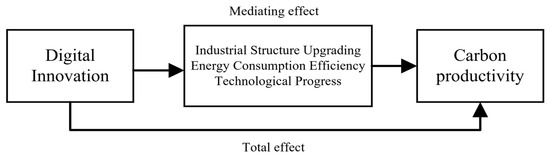
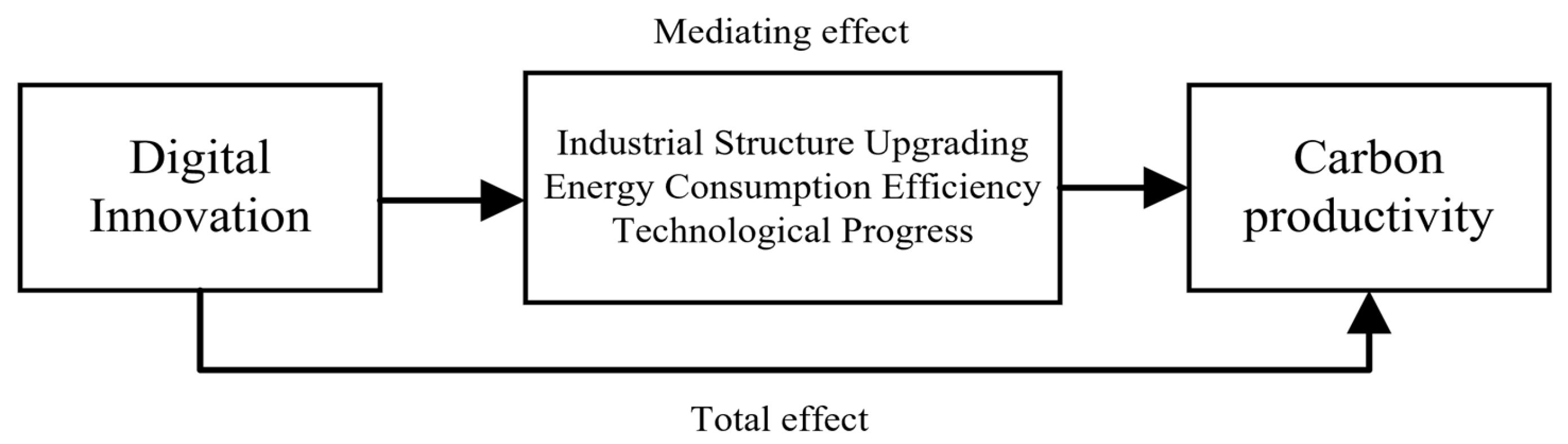
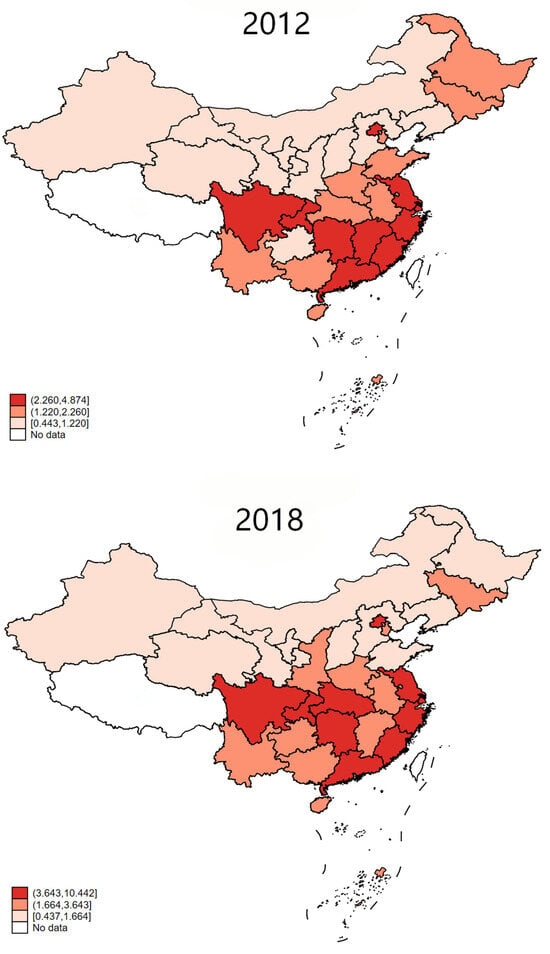
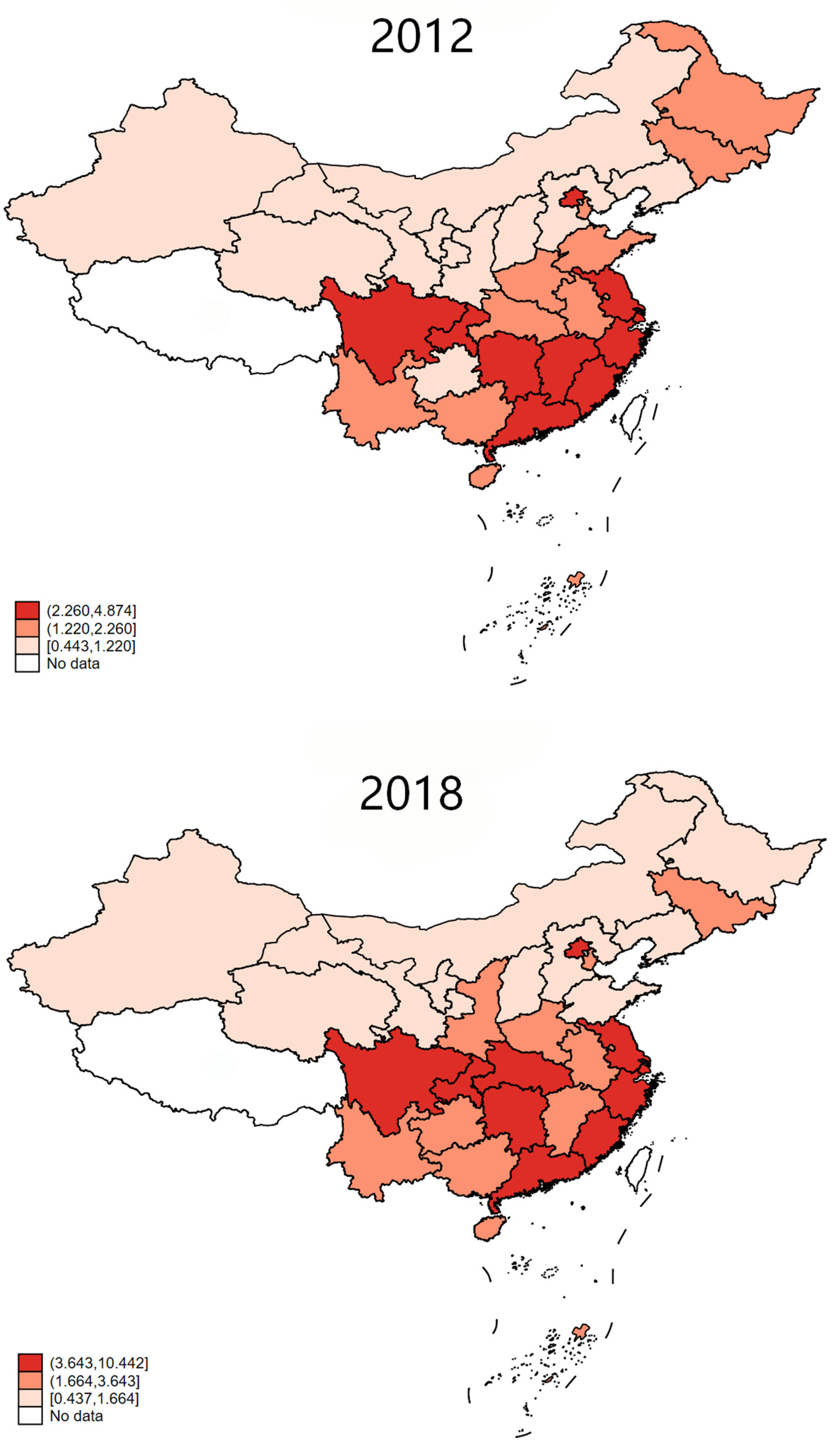
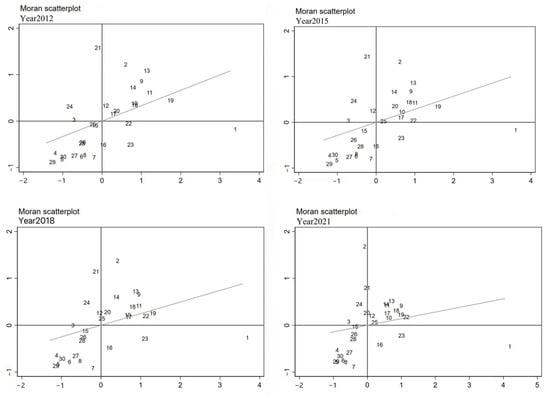
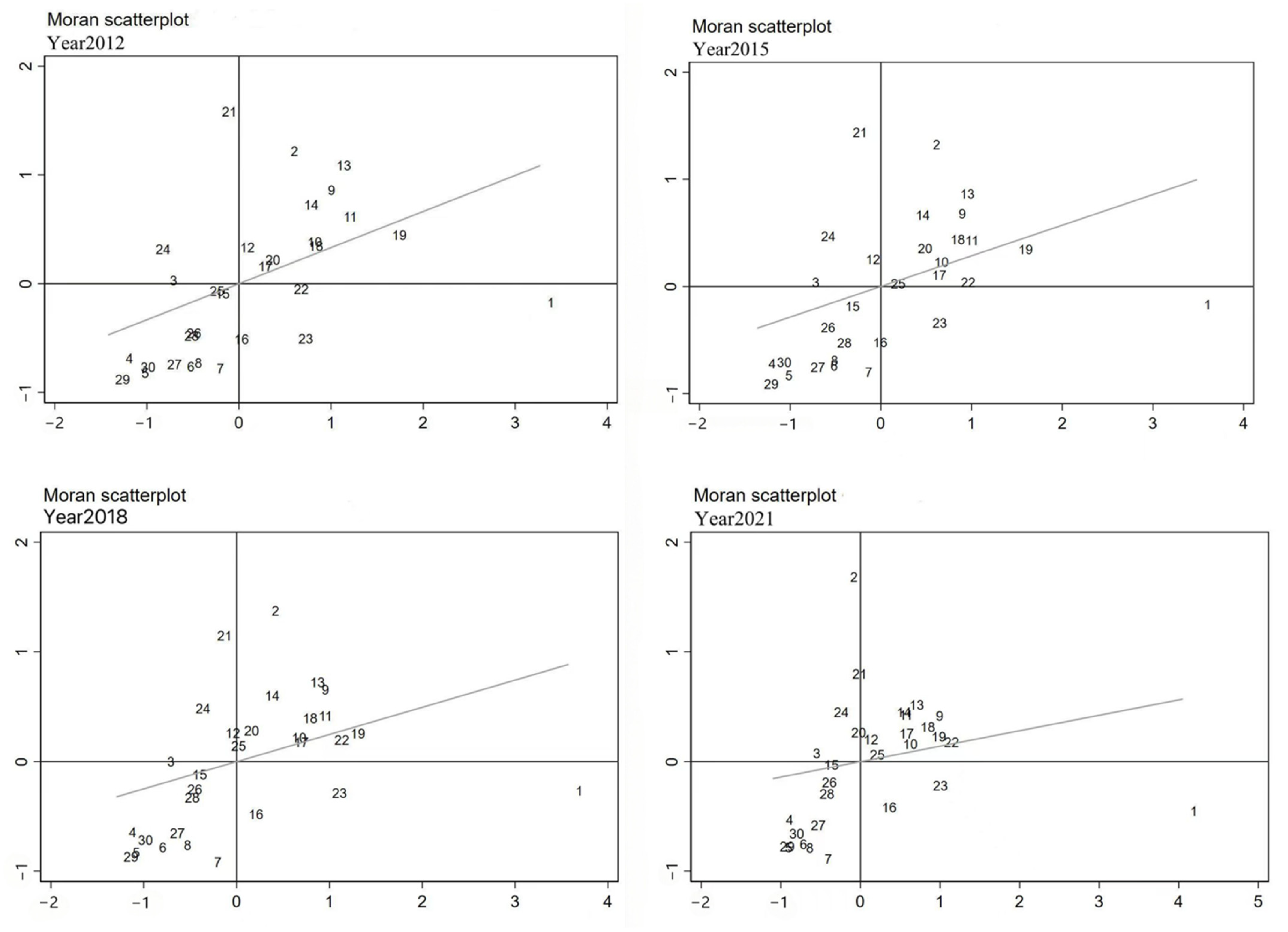

Disclaimer/Publisher’s Note: The statements, opinions and data contained in all publications are solely those of the individual author(s) and contributor(s) and not of MDPI and/or the editor(s). MDPI and/or the editor(s) disclaim responsibility for any injury to people or property resulting from any ideas, methods, instructions or products referred to in the content. |
© 2026 by the authors. Licensee MDPI, Basel, Switzerland. This article is an open access article distributed under the terms and conditions of the Creative Commons Attribution (CC BY) license.