


Abstract
In the current era of educational digitalization, Learning Management Systems (LMS) serve as the critical backbone of online learning for content delivery, administration, and communication. This study addresses key limitations in delivering hands-on training for online Technical and Vocational Education and Training (TVET), using Malaysian automotive programs as a case. It develops and provides an initial validation for a sustainable Virtual Reality-LMS (VR-LMS) framework to explore its potential to enhance immersive learning, engagement, and skill assessment. This study firstly triangulated literature, stakeholder interviews, and national data to define the problem and quantitatively evaluated a VR intervention with 100 automotive engineering students using an extended Unified Theory of Acceptance and Use of Technology (UTAUT) model; further designed a validated multimodal VR-LMS conceptual model; and finally developed a sustainable implementation strategy. Results show high training performance (M = 92.55) and examination achievement (M = 89.78). Structural Equation Modeling indicated that Performance Expectancy (β = 0.78), Hedonic Motivation (β = 0.25), and Effort Expectancy (β = 0.45) are significant predictors, with the model explaining 66.3% of the variance in learning outcomes (R2 = 0.663). The findings provide integrated empirical evidence that embedding multimodal VR into an LMS can contribute to creating a more sustainable and effective educational model by fostering engagement, practical competence, and instructional effectiveness, which offers a promising sustainable solution framework for TVET institutions, educators, and policymakers, aligning with Malaysia’s digital transformation and workforce development agendas.
1. Introduction
The global shift to the digital economy and the resulting need for a fresh approach to post-secondary education have created a significant paradigm change in higher education institutions, forcing them to innovate and pursue approaches that transcend typical teaching methodologies [1]. It is within this context that the concept of sustainable education has come into play, not just as related to sustainability and the environment, but as a means of formulating approaches for designing and supporting learning that is robust, fair, and functional [2,3]. The performance of a sustainable form of education can be measured if it fulfills the demands of the current generation without compromising the potential of future generations to satisfy their own demands, implying a system of adaptability and a scalable component that always ensures top-quality production [4]. However, the fast-paced, often event-driven establishment and utilization of the digital classroom, impelled by events across the entire global platform, have created significant sustainability issues and challenges [5]. The Traditional Learning Management System, although successful in its dissemination of content, is clearly ineffective in courses requiring hands-on and experiential learning, hence implying the creation of an unsustainable divide between theoretical conceptual notions and their appropriateness and applicability [6].
Indeed, this problem is even more apparent within the framework of Technical and Vocational Education and Training (TVET), which represents an integral part of Malaysia’s overall development plans. The Malaysian government has been placing considerable emphasis on TVET to enable the development of a competent human resource base that will carry the country’s high-income economy forward. This is evident within the implementation of initiatives like the National TVET Policy 2030 and the result of these efforts to produce more employable graduates at a rate above 95% [7]. At the same time, other policies active within Malaysia’s digital framework have been encouraging the involvement of Information and Communication Technology to promote more student-centric and interactive learning settings [8,9]. Although these dual approaches make up a considerable aspect of current initiatives in Malaysia’s education sector, one crucial deficit still exists within this environment. The migration of TVET courses to online environments has often resulted in teaching practices that involve content only and lack the implementation of hands-on experiences [10], which are essentially not available within current workshop or lab settings. Such teaching practices then lead to issues of student disaffection, poor skill development, and high dropout rates within the educational model’s sustainability framework [11].
In automotive engineering education, for instance, mastering complex mechanical systems requires psychomotor skills and spatial understanding that cannot be effectively conveyed through static text, slides, or 2D videos. The inability of conventional LMS to bridge this theory–practice gap represents a core threat to the sustainability of TVET outcomes. Students may graduate with theoretical knowledge but lack the practical competence demanded by industry, undermining the very purpose of vocational training [12]. This research is predicated on the problem that existing LMS-driven online learning frameworks are pedagogically and structurally unsustainable for delivering the hands-on training central to TVET.
Through this investigation, the authors explore the integration and use of Virtual Reality as a transformative tool to create and develop a sustainable educational ecosystem. VR holds the promise to create real-like, interactive, and safe simulation environments where the student learns through doing, thus filling the gap between theory and practice [13]. By incorporating the use of Multimodal Virtual Reality Modules within the present Learning Management System Infrastructure, the authors hypothesize the development of the synergy between the two, thus increasing student engagement, facilitating the assessment of skills, and developing a cost-effective solution for training. The authors have proposed the development and validation of the Virtual Reality Learning Management Framework, specifically for TVET Automotive Engineering education offered to Malaysians. The authors plan to approach the research through four stages: diagnosis of the gaps present in non-immersive learning, the measure and adoption level of the intervention efficacy, conceptual development, and the development of the strategic plan. The findings and results thus have the potential to provide sustainable educational practices, not only through the pathway towards digital transformation to continue the consistency and quality of delivery in education, but also to transform the delivery for the better.
2. Literature Review
2.1. The Imperative for Sustainable Education in the Digital Age
The concept of sustainability in education could be viewed as having expanded its conceptual foundation, which was initially anchored in the environmentally focused definition, to include the development of learning systems that are resilient, equitable, and effective [14]. An effective and sustainable form of education, therefore, is one that is nimble within the context of emerging technology and societal dynamics, scalable across various types of learners, and able to produce relevant and quality outcomes on a continuing and sustained basis. Within the modern technology context, sustainability means going beyond the transformation of existing content into digital form and implies, instead, the integration and utilization of technology that can significantly transform the current modalities of teaching and learning. The exigencies of the change due to technology have, instead, laid bare the ineffectiveness of existing models of education, specifically those that do not engage learners and those involving authentic and related practice. Technical and Vocational Education and Training, where the combination and integration of theory and practice are involved, is particularly susceptible to these dynamics and challenges. The sustainability of e-TVET, based on literature, is seen to be directly related to its success in closing the gap between theory and practice, a challenge that existing LMS platforms have failed to meet [6,15]. This research, instead, distinguishes and advances its proposal on the profound integration of VR.
2.2. The Theory–Practice Gap in TVET and the Limitations of Conventional LMS
The purpose of TVET is to provide the learner with theoretical knowledge, as well as practical skills to be employed on the job. Nonetheless, the existing mismatch between theoretical learning and practical skills is very much prevalent in various courses, where concepts learned in the class remain intangible, with no relevance to practical implementation [12]. This mismatch is further compounded by the presence of the conventional learning platform, known as the Learning Management System (LMS), within online learning. Conventional LMSs, for instance, Moodle or Blackboard, are adequate for content management, including the required tasks, such as assigning readings, playing videos, and tracking grades, but lack the capacity for intensive practical training [2,16]. Nonetheless, the structure remains very much content-focused, leading to passive, one-way flow, which is inefficient for developing psychomotor skills.
Indeed, in the context of a field such as automotive engineering, this challenge is especially significant. A student can learn about the combustion cycles in an engine or watch a video demonstrating how to change gasket kits, and this will not replace the procedural knowledge gathered by the performance of those activities. The lack of resources in the standard LMS that allow for simulation and performance assessment means the assessment only takes place at the cognitive level (e.g., in the form of multiple choice). This does not account for competency level, and the end result is that the student can be seen to be having a dull and isolating experience, with high dropout rates, which clearly is not what can be described as a sustainable model for education [10,11,17].
2.3. Virtual Reality as a Catalyst for Immersive and Experiential Learning
Virtual Reality is thus considered a significant technological catalyst that is capable of addressing the major challenges associated with the conventional online learning model. For instance, the ability to provide immersive, three-dimensional environments promotes active learning, unlike the conventional model that is associated with passive learning [18]. This approach is appropriate for the Constructivism learning model, which claims that the individual constructs his or her own understanding of the environment through active engagement, and appropriate for the Experiential Learning Cycle, which argues that learning is cyclical, with stages that include experience, reflection, conceptualization, and experimentation [2,19].
In the TVET environment, the use of VR makes it possible to recreate scenarios that are complex, expensive, or dangerous in a controlled environment. For example, Hernández-Chávez described how the use of a virtual automotive lab allowed students to disassemble and reassemble a virtual engine in a completely interactive way, resulting in a better understanding of the engine mechanics compared with other methods [13]. Projects such as these clearly illustrate the use of VR in being able to enable “virtual hands-on” experiences, thereby closing the gap between theoretical knowledge and practical knowledge [20]. Additionally, the interactive nature of virtual experiences has been cited as having a profoundly motivating effect on students, effectively offsetting the passivity typically associated with passive e-learning experiences [21].
2.4. Technology Acceptance: The UTAUT Framework in Immersive Learning
The successful adoption and incorporation of any new technological advancement within an education environment also relies not only on the technology’s possible benefits but, most importantly, on user acceptance and adoption. The Unified Theory of Acceptance and Use of Technology (UTAUT), described in the study by Venkatesh [22], has been proven to provide a comprehensive framework within which the main determinants of technology adoption can be explained. Unified Theory of Acceptance and Use of Technology, UTAUT, begins with the construct that behavioral intention and actual system use are influenced by four principal constructs: “Performance Expectancy, Effort Expectancy, Social Influence, and Facilitating Conditions”.
Under the umbrella of immersive learning, this research proposes the addition of Hedonic Motivation to the UTAUT model, which defines the hedonic or pleasure component of technology use, an aspect highly relevant in the context of an immersed VR experience [23]. Results in the educational technology literature clearly show that the most effective learning technology will fail if perceived as difficult to use and/or incongruous to learning goals [24]. As such, assessment of the VR-LMS framework from the perspective of the UTAUT is clearly crucial to developing an effective and easily accepted system by the teacher and the pupil [25]. Results obtained in Phase 2 of this research are critical to their informing effective system design to maximize usability and perceived utility, which are clearly fundamental to the integration of technology.
3. Methodology
This study employed a pragmatic, four-phase mixed-methods research design to develop and validate a sustainable framework for integrating multimodal VR into an LMS for TVET education. The pragmatic paradigm was chosen for its focus on practical problem-solving and its flexibility in combining qualitative and quantitative techniques to generate actionable insights [26]. The research progressed sequentially through four distinct but interconnected phases, where the findings of each phase informed the subsequent one, creating a rigorous and iterative development cycle. The overall methodological framework is depicted in Figure 1.
Figure 1.
The Four-Phase Iterative Research Methodology Framework.
3.1. Phase 1: Problem Identification Through Triangulation
The overarching goal of Phase 1 is to conduct an in-depth, multi-perspective diagnosis of the challenges and shortcomings embedded in non-immersive online learning, focusing exclusively on the Malaysian TVET industry. A qualitative research approach centered around methodological triangulation [27] is used in this study to ensure the attainment of a thorough and comprehensive understanding of the phenomenon of interest. Triangulation is proven to be an excellent approach in intensifying the validity of results in research by cross-verifying results from multiple and divergent sources [28,29,30].
This study employs triangulation across three independent data sources to ensure the comprehensiveness and reliability of the analysis. Firstly, a systematic and extensive review of academic literature, government policy documents, and industry publications was conducted. The search strategy involved using databases such as Scopus, Web of Science, and Google Scholar with keywords including “TVET Malaysia”, “online learning challenges”, “LMS limitations”, “vocational education”, “VR in education”, and “student engagement”. This review served to establish a robust baseline understanding of the known issues in online TVET, the limitations of conventional LMS, and the potential of immersive technologies, both globally and within the specific Malaysian context. It provided the theoretical foundation for the investigation.
Secondly, to gather rich, contextual, and direct “local perspectives” (internal viewpoints), the research team conducted structured interviews with 10 key stakeholders deeply involved in Malaysia’s Technical and Vocational Education and Training (TVET) ecosystem. This sample employed purposive sampling to comprehensively capture a 360-degree perspective on the issues. The sample included three educational administrators from two distinct vocational colleges, E-access and KVL, who provided critical insights on institutional strategy, resource allocation challenges, and quality assurance issues. Additionally, a technical expert from the edtech company TureXR was interviewed, offering professional perspectives on the technical capabilities and limitations of current non-immersive platforms, as well as the feasibility of potential solutions. Additionally, six engineering instructors from two vocational colleges (E-access, KVL) and one university (UKM) shared pedagogical and practical challenges encountered while teaching technical practice courses online. Interviews employed open-ended questions, focusing on respondents’ direct experiences with non-immersive online courses, observed student engagement and comprehension issues, difficulties in assessing practical skills, and perceived gaps in technical and managerial capabilities.
Lastly, this study involves systematically collecting and analyzing macro-level data to place qualitative findings within a broader quantitative context. This includes reviewing Malaysian policy documents (e.g., the Ministry of Higher Education (MOHE), the Official Reports of the Department of Statistics Malaysia (DOSM), the 11th and 12th Malaysia Plans, the National Vocational Education and Education Policy 2030), national education statistics, and reports from UNESCO and the International Telecommunication Union (ITU) on digital access, participation, and learning outcomes [31,32,33,34]. These reports provide quantitative and contextual evidence on macro-level trends such as digital infrastructure limitations, student participation, dropout rates, graduate skills gaps, and skills disparities, corroborating findings from literature and interviews.
Data gathered from these three sources was integrated using thematic analysis to derive converging themes. The essence of the thematic analysis lies within the process of convergence, whereby the outcome drawn from one source had to be validated against data drawn from the others. An issue qualified to be considered a “core shortcoming” could only be one that had supporting data drawn from at least two sources or ideally all sources. The above protocol ensured that the final compilation of shortfalls provided systemic and properly attested issues and not mere observations. Six core shortcomings of non-immersive online learning were derived using the above protocol.
3.2. Phase 2: VR Field Testing and Quantitative Analysis
The successive stage was an empirical field test, which focused on a quantitative assessment of the acceptance of VR and its impact on learning outcomes. The methodology was designed so as to strictly test the hypotheses underpinning the unified theory of acceptance and use of technology framework through collection and analysis of objective performance measures and subjective perceptual feedback from participants.
3.2.1. Participants and Intervention
A quantitative, cross-sectional research design was adopted for this study to investigate factors influencing the effectiveness of a VR immersive course. The sample consisted of 100 participants from three vocational education institutions specializing in technology in the United Kingdom (E-Access, KVL, FKAB in UKM). The sampling was done to obtain complete data for analysis. All participants underwent the same structured VR immersive course on automotive maintenance to maintain consistency in intervention. Data collection was done immediately after the VR session for accurate performance measurement and immediate perceptual feedback. The intervention was a structured VR training module called the “VR 2022 Engine Demo”, which was created in Unity and experienced with Oculus Quest 2 headsets. The module guided students through practical activities such as replacing engine gaskets.
3.2.2. Data Collection
A mixed-data collection approach was utilized, combining objective performance data logged by the VR system with subjective perceptual data from a post-experience questionnaire:
- Device-Logged Performance Data: The VR system automatically recorded objective performance metrics, including scores on three training lessons and three final examinations (Effective Outcomes: EO), and the time taken to complete tasks (Actual Use: AU).
- Post-Experience Questionnaire: Immediately following the VR session, participants completed a structured questionnaire. This instrument measured their perceptions based on the extended UTAUT framework using 5-point Likert scales. The constructs measured were Performance Expectancy (PE), Effort Expectancy (EE), Social Influence (SI), Facilitating Conditions (FC), and Hedonic Motivation (HM). The questionnaire’s reliability and validity were confirmed through pilot testing and psychometric analysis.
Device-Logged Performance Data
The virtual reality system automatically recorded essential key performance indicators for each individual, which represent the main components of the effectiveness evaluation.
Effective Outcomes (EO). The assessment of this construct involved two major factors, namely the VR Course Training Score and the VR Course Exam Score. The training score is the overall result of performance in directed learning tutorials for general engine repairs (for example, Lesson 1: Replace Valve Cover Gasket, Lesson 2: Remove Gasket: Exhaust Manifold, and Lesson 3: Replace Gasket: Intake Manifold), among others. The training results are gauged based on factors of procedure flow, engine cleanliness, accuracy of gasket replacement, and proper torque rotation, among others.
Actual Use (AU). The Actual Use construct was defined by the Completion Time, in minutes, for the mean VR use session. Completion Time is inherently a proxy for user efficiency with the system.
Questionnaire Data (UTAUT Constructs)
A structured research instrument, conducted after experiencing the VR technology, was designed to elicit perceptions based on the overall UTAUT model [25]. All constructs consisted of multiple items based on a 5-point Likert-type scale, which ranged from 1, Strongly Disagree, to 5, Strongly Agree. Ethical approval for conducting this research was obtained from the Institutional Review Board (RECUKM), with reference approval code: JEP-2024-1032. The constructs are:
- Performance Expectancy (PE): Four items related to the belief about the usage benefit of the VR course to improve skills, for example, “Using the VR system improves my understanding in automotive maintenance tasks.”
- Effort Expectancy (EE): Four statements measuring the perceived usability of the VR system (for example, “It was easy for me to understand the VR system”).
- Social Influence (SI): Four questions regarding the effect of peers and teachers (for instance, “I would be more likely to use VR courses if the teacher stresses them.”)
- Facilitating Conditions (FC): Four items pertaining to the sufficiency of technical and organizational support (e.g., “I have the resources necessary to use the VR system.”).
- Hedonic Motivation (HM): Four items measuring the intrinsic pleasure derived from the experience of VR technology (for example, “Using the VR system was enjoyable.”). This particular concept was added to the UTAUT model to include the experiential aspect of the technology, which is inherent in the nature of the technology for virtual reality [23].
Before full deployment, the questionnaire underwent pilot testing among interns to ensure the reliability and validity of measurement scales. Items with suboptimal psychometric properties were revised or removed accordingly. To delve into the effective mechanisms and underlying principles of virtual reality technology in vocational training, this study employs a comprehensive structural equation model (SEM) alongside other statistical methods to validate a series of hypotheses. Specifically, this study hypothesizes that Performance Expectancy (PE) will positively influence Effective Outcomes (H1), while Effort Expectancy (EE) will exert a dual effect: positively influencing Effective Outcomes while negatively affecting Actual Usage (AU) (H2, measured over time). Additionally, social influence (SI) is posited to positively affect usage intention, which in turn influences actual usage (H3). Facilitative conditions (FC) are hypothesized to exert a significant positive effect on actual usage (H4), while hedonistic motivation (HM) is expected to positively impact effective outcomes (H5).
3.2.3. Statistical Analysis
Quantitative data was processed by using IBM SPSS Statistics 31 and IBM Amos 31 version software. The process followed several stages:
- Descriptive Statistics: Means, standard deviations, and ranges were calculated for all variables.
- Assessment of Reliability and Validity: The internal consistency of the scales in the questionnaire was measured by Cronbach’s alpha, and construct validity was evaluated by means of Confirmatory Factor Analysis.
- Structural Equation Modeling (SEM): To test the hypothesized relationships, the study employed SEM. Specifically, we chose a Covariance-Based SEM (CB-SEM) approach, implemented via AMOS software. CB-SEM is primarily used for theory confirmation and testing, making it the ideal choice for this study, as our objective was to test and validate the causal relationships proposed by our extended UTAUT theoretical framework [35]. Unlike variance-based approaches such as ‘PLS-SEM’, which are more suited for exploratory research and prediction, CB-SEM focuses on explaining the covariance among observed variables, thereby providing a robust test of the entire model’s fit to the data. This method allowed us to simultaneously assess the measurement model and the structural paths, providing a comprehensive evaluation of the causal associations between the UTAUT constructs, actual usage, and effective learning outcomes.
3.3. Phase 3: Sustainable Multimodal Framework Design
The third phase was more focused on the conceptual design process for a multimodal VR-LMS. The design process was guided by findings collected within the previous two phases, ensuring the designed solution was addressing the issues and was aligned with the determinants for user acceptance. The design process was guided by a total of four key principles, including Intuitive Affordance-Driven Design (theoretical underpinning based on the work of Gibson) [36]; Constructivist Contextualization (concerning isolation) [37]; Experiential Learning Theory (addressing theory and practice gaps) [38]; and Adaptive Cognitive Load Management (responses guided by pilot results and cognitive theory) [39].
This theoretical framework has been implemented in a concrete system architecture that includes VR Environment, LMS Platform, and Data Analysis Engine that are connected to each other through an API that follows the requirements of the xAPI protocol. The system has been implemented through six submodules.
The resultant architecture encompasses the incorporation of VR Environment, LMS Platform, and Data Analytics Engine. Essentially, the architecture boils down to the incorporation of the six sub-modules, which are linked together in order to ensure the development of a holistic learning environment based on an integrated approach of the data generated by the linked sub-modules.
3.4. Phase 4: Sustainability and Scalability
The final phase of the research addressed the critical, practice-oriented challenge of long-term sustainability and scalability, directly answering the third research question. This phase synthesized the insights from the problem analysis (Phase 1) and the model design (Phase 2) to formulate a strategic framework for integrating the VR–LMS model into the wider Malaysian higher education system. The methodology for this phase was primarily constructive, involving the development of several key strategic documents based on the evidence gathered in the preceding phases:
- A Strategic Implementation Roadmap: A detailed, phased (three-year) guide was developed for educational institutions to adopt the VR–LMS model. This roadmap is a change management strategy, covering stages from institutional readiness assessment and pilot programs to full-scale curriculum integration and long-term institutionalization.
- Actionable Policy Recommendations: A set of specific, evidence-based policy recommendations was formulated for key stakeholders at multiple levels, including university administrations and national bodies like the Ministry of Higher Education (MOHE). These recommendations focus on creating a supportive ecosystem through targeted actions in funding, quality assurance, faculty incentives, and national digital strategy.
- A Framework for Continuous Improvement: A cyclical framework based on the well-established Plan-Do-Check-Act (PDCA) model was proposed. This framework leverages the data analytics capabilities built into the VR-LMS model to ensure its long-term, data-driven evolution and adaptation to changing needs.
- A Dissemination and Community Building Plan: A comprehensive strategy was developed for sharing the research findings and practical outputs with the broader community. This includes traditional academic outputs (journal articles, conference presentations), the creation of an open-access toolkit for practitioners, and a plan for community engagement to foster a network of innovators in immersive education.
4. Results
4.1. Phase 1: Synthesized Shortcomings of Non-Immersive Online Learning
The rigorous triangulation of data from the extensive literature review, in-depth stakeholder interviews, and macro-level government and statistical reports converged to identify and validate six core shortcomings that systemically undermine the effectiveness of non-immersive online learning, particularly in the hands-on context of TVET.
4.1.1. Missing Behavioral Data and Difficulty Measuring Engagement
One of the persistent themes is the lack of clarity of engagement data among students in non-immersive learning environments. All parties involved have been unable to identify actual engagement among students beyond surface-level and often misleading data points like the length of time they log in and the number of video plays. A manager at E-access Vocational College discussed this topic quite clearly as follows:
“We can see they’re logged in, but are they truly present and learning? It’s a black box for us. We get reports on ‘attendance,’ but that’s just a digital ghost. We have no real insight into their cognitive presence or effort.”
Yet this qualitative scenario is consistent with the literature, which places great emphasis on lack of motivation and passive approaches to learning, specifically within the context of eLearning [40]. Furthermore, this is quantified with the alarming rates of poor task engagement documented to occur within eLearning; for example, one study reveals 95% of participants confessed to using their personal devices (e.g., smartphones, tablets, laptops) for non-academic purposes (e.g., Facebook, text messaging) while engaged in computer-mediated lectures, up 10% (75% associated with in-person lectures) [41]. The impossibility of tracking precise behavioral data, such as attention heat maps where conceptual diagrams are necessary, or simulation activities, makes it difficult to track engagement levels and distinguish between active engagement and passive viewing.
4.1.2. Weak Real-Time Intervention and Classroom Management
Instructors expressed significant frustration caused by the inability to use appropriate tools for intervention with sufficient timeliness during live web-based classes. An engineering educator from UKM affirmed the observation:
“In a physical lab, I can see the confusion on a student’s face or notice they’re holding a tool incorrectly and I can walk over and help them instantly. Online, if a student gets lost during a live demonstration, I might not know until much later when they send an email, by which time they’ve missed crucial steps, and the learning moment is gone.”
This is further worsened by the high student-to-teacher ratio commonly seen in online courses, which might range from the average classroom sizes to the massive settings present within MOOCs, making it impossible to monitor the members effectively [42]. The use of standard LMS or video conferencing software does not present an effective way of monitoring those who are distracted or struggling to use the dynamic management capabilities offered by these systems. As a result, classroom management becomes inefficient, support is often late, and the teaching process becomes a reactive rather than a pro-active one [43].
4.1.3. Limited Evaluation of Practical and Applied Skills
Perhaps the most critical shortcoming for TVET was the inability to authentically assess hands-on, practical skills. A senior engineering teacher from KVL lamented:
“Our entire purpose is to produce job-ready technicians. Written exams or multiple-choice questions can test their theoretical knowledge of an engine, but they don’t tell me if a student can actually calibrate an instrument, troubleshoot a circuit, or perform a diagnostic sequence correctly. Our current online tools simply cannot measure competency in the psychomotor domain.”
This reflects a well-documented disconnection between theory and practice in online learning [44]. This micro-level concern is supported by macro-data from a joint World Bank/ILO/UNESCO report, which concludes that in many countries, TVET systems “do not match skills and labour market needs,” suggesting a systemic failure to impart and verify the practical competencies employers require [45]. Evaluation in non-immersive online learning remains fundamentally one-sided, heavily focused on theoretical outputs and cognitive recall rather than the applied competency that is the hallmark of vocational excellence.
4.1.4. Insufficient Personalization and Low Learning Efficiency
The absence of data-driven “individual learning portraits” in most non-immersive systems severely hinders the ability to provide personalized instruction and support. Teachers reported that it is nearly impossible to manually track the detailed progress and specific struggles of all students in a large online class. One teacher noted, “I’m essentially teaching to the middle, and I know I’m losing the students who are struggling and boring the ones who are ahead.” This aligns with literature on the insufficient adaptability and inherent “one-size-fits-all” nature of many single-method online teaching approaches [46]. This issue is critical, as large-scale assessment data from sources like the UNESCO Institute for Statistics (UIS) confirms extremely wide variations in student proficiency within the same cohorts [47]. Yet, non-immersive systems typically lack the sophisticated diagnostic tools needed to automatically identify individual weak links (e.g., a student repeatedly making the same error in a simulation) and recommend targeted remedial content, leading to inefficient and frustrating learning cycles for students.
4.1.5. High Resource Management Costs and Low Flexibility
Counterintuitively, managers highlighted that attempts to replicate hands-on learning in an online format can lead to significant operational costs and logistical burdens. One manager explained:
“We tried sending out physical lab kits to our automotive students. The upfront cost was high, but the real nightmare was the logistics: shipping, tracking, maintenance, and getting them back. It was a massive operational strain.”
Furthermore, the rigidity of many institutional LMS platforms makes it difficult and time-consuming to update or adapt course content. As a manager stated, “Every time a curriculum standard changes, overhauling all the related online modules is a massive undertaking.” These micro-level challenges are compounded by macro-level financial realities. Institutional budgets are often tight, with global education spending per child remaining flat for over a decade, and ICT infrastructure in many schools is still limited, making expensive or inflexible technological solutions unsustainable in the long run [47,48].
4.1.6. Weak Interactive Experience and Low Participation
Finally, all stakeholder groups (managers, technicians, and teachers) noted the profound lack of rich, meaningful interaction in typical online settings. An E-access teacher shared,
“It’s hard to get a natural flow of conversation going in a large video call. It’s mostly me talking, and students typing short answers in a chat box. You lose all the non-verbal cues, the spontaneous debates, the feeling of a shared community.”
This often results in a “one-way output” from the instructor and contributes to a strong sense of social isolation for students, a well-documented phenomenon in online learning [49]. This qualitative experience is corroborated by quantitative survey data, which shows that exclusively online students report a significantly lower sense of belonging to their institution (31%) compared to their on-campus peers (48%) [50]. This weak interactive experience directly impacts student satisfaction, motivation, and active participation.
4.2. Phase 2: Findings from the VR Field Test and Quantitative Analysis
The quantitative analysis of data from the 100 participants in the VR field test yielded significant findings regarding both learning effectiveness and technology acceptance.
4.2.1. Participant Descriptive Statistics
The participant pool consisted of automotive engineering students with a generally moderate level of pre-existing familiarity with VR (M = 2.73, SD = 1.39 on a 5-point scale). A vast majority (89%) did not own a personal VR device, indicating that the experience was novel for most. Participants demonstrated overwhelmingly positive perceptions of the VR system, with high mean scores for Performance Expectancy (M = 4.33), Effort Expectancy (M = 4.14), and Facilitating Conditions (M = 4.15). Hedonic Motivation was rated moderately high (M = 3.63).
Analysis of Student Performance in VR Modules
Student performance in the VR modules was generally high. As shown in Figure 2, in the guided lessons, mean scores were 88.49 (SD = 6.54) for Lesson 1, 90.49 (SD = 11.09) for Lesson 2, and 98.67 (SD = 8.06) for Lesson 3. In the unguided examinations, mean overall scores showed a slight upward trend: 88.29 (SD = 4.91) for Examination 1, 88.56 (SD = 10.93) for Examination 2, and 92.49 (SD = 13.06) for Examination 3, suggesting a significantly learning progression.
Figure 2.
Mean Overall Scores.
UTAUT Constructs and Overall Performance
Descriptive statistics for the UTAUT constructs and overall performance metrics are summarized in Figure 3 and Table 1. Participants reported generally positive perceptions of the VR system. Performance Expectancy (M = 4.33, SD = 0.38) and Facilitating Conditions (M = 4.15, SD = 0.43) received the highest ratings, indicating that students believed the VR course was effective and felt well-supported. Effort Expectancy was also high (M = 4.14, SD = 0.62), suggesting that the system was perceived as user-friendly. Social Influence (M = 3.87, SD = 0.53) and Hedonic Motivation (M = 3.63, SD = 0.58) scored moderately. Overall performance was high, with a mean Training Score of 92.55 (SD = 8.12) and a mean Exam Score of 89.78 (SD = 9.54), indicating a high level of mastery of the practical tasks within the VR environment.
Figure 3.
Distribution of UTAUT Constructs and Performance Metrics.
Table 1.
Descriptive Statistics of Key Variables.
4.2.2. Reliability and Validity
To ensure the quality of the measurement results, both reliability and validity analyses were performed. The internal consistency of the questionnaire scales was assessed using Cronbach’s alpha. As shown in Table 2, all five UTAUT constructs demonstrated acceptable to good reliability (α > 0.70), with coefficients ranging from 0.791 for Social Influence to 0.856 for Performance Expectancy [51].
Table 2.
Reliability Analysis (Cronbach’s Alpha).
Construct validation was assessed using Confirmatory Factor Analysis (CFA). The five-factor measurement model had a good data fit, supported by various fit statistics (refer to Table 3). The value of chi-square to degree of freedom (CMIN/DF) was 1.89, well within the recommended limit of 3.0. Other fit statistics approaches or exceeds the recommended levels of good fit, namely Comparative Fit Index (CFI of 0.955), Tucker–Lewis Index (0.948), Root Mean Square Error of Approximation (RMSEA of 0.068), and Standardized Root Mean Squared Residual (SRMR of 0.054). All of these significant loads had values of 0.71 and 0.89, both of which are well within acceptable limits and are significant at p < 0.001, ensuring good convergent and discriminant validity. Overall, it can be concluded that the data obtained is reliable and valid for the UTAUT variables of interest.
Table 3.
CFA Model Fit Indices.
4.2.3. Structural Equation Modeling (SEM)
The primary analysis using SEM tested the full theoretical model. The model demonstrated an excellent fit and provided strong support for most of the research hypotheses. The key findings from the path analysis are visualized in Figure 4.
Figure 4.
Final Structural Equation Model with Standardized Path Coefficients.
Meanwhile, as shown in Table 4, the model has identified some major paths:
Table 4.
SEM Path Coefficients and Hypothesis Testing.
- Performance Expectancy (PE) → Effective Outcomes (EO): PE stands out as the foremost determinative factor for learning outcomes, with a large and highly significant path coefficient (β = 0.78, p < 0.001). Indeed, this confirms the assertion that the student’s perception of the value of the VR system as the driving force for their achievement can hardly be overstated.
- Effort Expectancy (EE) → Actual Use (AU): Effort Expectancy has a strong positive influence on actual use, as evident from the fact that it leads to reduced completion time (β = 0.45, p < 0.001). This enunciates the significance of ease of use.
- Hedonic Motivation (HM) → Effective Outcomes (EO): There is a direct prediction of learning performance by hedonic motivation, with the results showing positive learning outcomes (β = 0.25, p < 0.01).
- Facilitating Conditions (FC) → Actual Use (AU): FC has a significant and smaller effect on efficiency (β = 0.16, p < 0.05), which indicates that sufficient support influences the speedy accomplishment of tasks.
- Social Influence (SI) did not appear as a predictor in this study.
Overall, the final SEM explained 66.3% of the variance (R2 = 0.663) in effective learning outcomes, indicating the exceptional explanatory power and universality rather than contingency of the extended UTAUT framework in this VR learning environment.
4.3. Phase 3: The Multimodal VR-LMS Conceptual Framework
The findings from the first two phases directly informed the design of a sustainable, multimodal VR-LMS conceptual framework. The architecture is built on a three-part structure: the VR Environment (for immersive experience), the LMS Platform (for structure and administration), and a Data Analytics Engine (for intelligence and adaptation). The framework’s core functionality is delivered through six interconnected sub-modules, each designed to address the shortcomings identified in Phase 1. The model is built on a sophisticated architecture designed to create a seamless, cyclical flow of information between an immersive VR environment, a robust LMS platform, and a powerful data analytics engine.
4.3.1. Overall System Architecture
The architecture, illustrated in Figure 5, is designed to be both multimodal and integrated by nature. The architecture consists of three main parts that work in conjunction with each other: a dynamic virtual reality (VR) environment (for example, one created in a game engine like Unity and accessible through headsets or WebXR), a learning management system (LMS) platform (for example, one that is open-source like Moodle or one customized and flexible like WordPress with the LearnDash plug-in), and a data analytics engine. The interaction between the various parts is facilitated by a modern application program interface (API), namely the Experience-API (xAPI), which allows for the capture of complex learning behavior and activity data. Such a multimodal architecture thus facilitates a very tight feedback cycle: teaching content and educational goals provided by the LMS are utilized for the structuring and personalization of the VR experience. At the other end, the very extensive behavioral and performance data gathered in VR (such as gaze tracking, motion, completion times for tasks, error rates) is analyzed by the analytics engine and made available for authentic assessment, personalized feedback, and visualization for instructors through real-time dashboards in the LMS.
Figure 5.
System Architecture of the Multimodal VR-LMS Model.
4.3.2. Theory-Driven Design Decisions
The primary result of this phase is the mapping of the theoretical approaches into the operational properties within the system, guaranteeing that the system acts as an educationally functional environment and not simply as a technical one. This mapping is summarized within Table 5, where the decision of design directly corresponds to one of the theoretical points and an identified problem.
Table 5.
Design Decision Mapping from Theory to Function.
4.3.3. Functional Specifications of the Six Sub-Modules
Figure 6 and Table 6 together illustrate the extensive capabilities, which are broken down into six different yet intricately linked sub-modules, altogether constituting a closed-loop process that encompasses “data collection → monitoring → evaluation → optimization” for the deficiencies shown below.
Figure 6.
The VR Conceptual Framework Six Sub-Modules.
Table 6.
Functional Specifications of the Six VR-LMS Sub-Modules.
- Online Observation Sub-Module: The main data acquisition component, acting as the sensing system inside the VR system. The sub-module passively and objectively acquires raw behavioral data by recording all significant user interactions like tool manipulation and button presses; attention by generating attention heat maps, body motion and path analysis for exploration behavior analysis; and audio data for collaborative systems. It directly resolves the issue of Missing Behavioral Data.
- Teaching Supervision Sub-Module: “The lecturer’s command center, allowing for a complete, real-time view of the virtual classroom.” Adding to the support of the teaching process, this sub-module helps the lecturer have a complete, real-time virtual classroom interface where the lecturer can track the status of the students, can have the ability to mirror the point of view of any student in the virtual classroom in real-time, can receive automated alerts for inactivity and repeated mistakes, and has direct intervention tools like private voice chat and hints for the purpose of providing immediate assistance.
- Learning Evaluation Sub-Module: This is the authentic assessment module. This automatically evaluates student performance in the VR simulations based on predetermined rubrics (such as accuracy, efficiency, and safety procedures) and weighs these in a comprehensive gradebook within the LMS. This correlates student performance in particular activities back to professional skills in a variety of ways that avoid the “Limited Evaluation of Practical Skills.”
- Learning Inspection Sub-Module: This involves the diagnosis or personalization engine of the system. The module uses artificial intelligence algorithms to analyze longitudinal information with a view to producing a “learning portrait” of the learners. It also examines “weak links” with a view to recommending a remedy through recompletion of a VR sub-task or viewing a video. This addresses the problem of “Insufficient Personalization”.
- Course Management Sub-Module: Educator-oriented authoring module. Provides an easily usable interface within the learning management system to author educational pathways with multimodal content that integrates VR content seamlessly with existing content, determining activity flow to reflect Kolb’s learning cycle and evaluating learning criteria for VR tasks. This sub-module addresses the “Low Flexibility in Course Design.”
- Live Broadcast Sub-Module: The synchronous teaching and interaction sub-module. This sub-module will enable the lecturer to conduct a live virtual reality session, inviting all the registered students into a virtual environment (e.g., a virtual classroom or workshop) for the purpose of presentations and group interactions, thereby improving the “Weak Interactive Experience.”
This modular, data-driven design creates a cyclical ecosystem where student interaction generates data, which informs real-time pedagogical interventions and long-term personalization, thereby creating a more adaptive, engaging, and sustainable learning environment.
4.4. Phase 4: Sustainable Implementation and Scalability Strategy
The final phase of the research produced a comprehensive, evidence-based strategic framework for moving the VR–LMS model from a conceptual prototype to a sustainable and scalable institutional practice. The framework is underpinned by the iterative research methodology illustrated in Figure 7.
Figure 7.
The Four-Phase Iterative Research Methodology Framework, which underpins the strategic implementation roadmap.
4.4.1. A Phased Implementation Roadmap
Recognizing that successful technological adoption is a process of change management, a detailed three-year roadmap was developed to guide institutions. This roadmap is designed to build capacity, foster buy-in, and mitigate risks through a gradual, phased approach.
This three-year roadmap begins with a foundational year dedicated to institutional readiness and a targeted pilot. Year 1 is centered on laying the essential groundwork through the establishment of a cross-departmental leadership task force, incorporating key voices from management, IT, and faculty. This team initiates a comprehensive institutional infrastructure and readiness audit while recruiting and intensively training a small cohort of enthusiastic “Seed Teachers.” The culmination of this phase is an initial pilot study designed to gather baseline data. The critical outputs from this first year include a detailed institutional feasibility report with long-term budget forecasts and the validated, actionable results of the pilot study.
Building upon this validated foundation, Year 2 shifts focus to capacity building and formal curriculum integration. With the Seed Teachers now established as faculty champions, the project scales through a “Train the Trainer” program, empowering these pioneers to mentor their peers. The successfully tested VR modules are formally integrated into the official syllabi of one or two core engineering courses as credit-bearing components. Concurrently, a centralized technology support helpdesk is established to ensure a smooth user experience, and development begins on new VR modules informed by faculty feedback from the pilot phase.
Looking toward Year 3 and beyond, the initiative enters a phase of full-scale rollout and permanent institutionalization. The model is actively promoted and expanded to other high-potential faculties such as Medicine, Architecture, and Environmental Science. To ensure deep-rooted adoption, the successful development and implementation of VR courses are integrated into the official criteria for faculty evaluation, tenure, and promotion. A sustainable, long-term hybrid funding model is also established, blending central budgets with departmental grants and potential revenue streams. Finally, the system matures into a tool for continuous improvement, with its analytics feeding into a formal PDCA cycle for ongoing research and quality enhancement, securing the program’s legacy and evolution.
4.4.2. Multi-Level Policy Recommendations
The research culminated in a set of specific, evidence-based policy recommendations formulated for different stakeholder levels. These recommendations are designed to work in concert to create a supportive and enabling ecosystem for immersive learning in Malaysia.
At the institutional level, for university management, this study proposes a three-pronged strategy. First, a dedicated, centrally managed “Immersive Learning Innovation Fund” (e.g., RM 500,000 to RM 1,000,000 annually) should be established to provide seed money for faculties to acquire hardware and develop content. Second, institutions should move beyond ad hoc solutions by developing centralized, well-equipped “VR Hubs” complemented by a robust device lending program to ensure equitable student access. Finally, and crucially, Human Resources must revise official faculty performance review and promotion guidelines to explicitly recognize and reward the development of innovative digital pedagogies, such as VR courses, as a significant contribution to teaching excellence.
At the national level, for the Ministry of Higher Education (MOHE), this study recommends three key actions. First, the Malaysian Qualifications Agency (MQA) should revise its Code of Practice for Programme Accreditation (COPPA) to include specific criteria for the use of immersive methods in developing practical skills. Second, immersive technologies (VR/AR) must be explicitly integrated as a funded priority within future national education plans, such as the successor to the 12th Malaysia Plan and the ongoing Digital Education Policy (DEP). Third, MOHE should launch and fund a national consortium to facilitate collaboration between universities, technology companies, and industry bodies, tasked with co-developing standardized, high-quality VR training modules for critical sectors of the economy.
4.4.3. Operationalizing Sustainability Proposed Indicators and Evaluation Criteria
To make the concept of sustainable education actionable, this study proposes a suite of measurable indicators for collection during scale-up pilots and institutional rollouts, designed to provide a holistic view of the initiative’s viability and impact. The framework encompasses “economic feasibility”, assessed through metrics such as the cost per student trained, factoring in both amortized capital costs and annual operational expenses, alongside the projected time to payback for central VR hub investments. “Device lifecycle and maintenance” will be tracked via the average device useful life in years, mean time between failures, annual maintenance cost per device, and the size of the spare pool relative to the active student cohort.
Concurrently, “technical support and institutional capacity” will be evaluated using the ratio of support staff to active students, the average time to resolve technical incidents, and the annual training hours dedicated per faculty member. To ensure the initiative advances inclusively, “equity and access” will be monitored through the proportion of students with access, specifically the device lending take-up rate, a demographic breakdown of that access, and the waiting list latency for VR sessions. Finally, “pedagogical continuity and scalability” will be gauged by the number of courses or modules ported per year, the time required in months to author a new module, and the instructor adoption rate.
Together, these indicators create a comprehensive system for empirical monitoring, enabling the dashboard metrics and cost benefit analyses essential for informed institutional decision-making.
5. Discussion
The findings of this research provide compelling, integrated evidence that the strategic integration of multimodal VR into an LMS framework can create a more sustainable and effective educational model for TVET. This discussion synthesizes the results from all four research phases, interpreting their theoretical and practical implications and positioning them within the broader context of digital transformation in education.
5.1. The Diagnosis of Unsustainability in Conventional Online TVET
Phase 1 of this study successfully triangulated evidence to diagnose the root causes of unsustainability in conventional online TVET. The six identified shortcomings (from missing behavioral data to the inability to assess practical skills) paint a clear picture of a system struggling to meet its core mandate. The findings resonate strongly with the existing literature on the theory–practice gap [12] and the limitations of content-centric LMS platforms [2]. The stakeholder interviews provided powerful, context-specific validation, with Malaysian educators and administrators articulating the profound challenges of teaching hands-on subjects like automotive engineering in a 2D environment. This initial diagnosis is critical, as it frames the problem not as a simple technological deficit but as a fundamental pedagogical unsustainability. When an educational model struggles to engage students, assess core competencies, and bridge theory with practice, it may fail to produce the job-ready graduates that industry and national policy demand, thus compromising its long-term viability.
5.2. VR as a Viable Solution: Interpreting the UTAUT Findings
Phase 2 offers concrete quantitative evidence that virtual reality (VR) offers far more than a new and interesting technology; it offers a potent pedagogic solution too. The fact that student performance was very high (M > 89) demonstrates that complex practical skills can be learned and mastered effectively in a carefully designed VR environment. The findings from Structural Equation Modeling (SEM) offer a complex but accurate description of this effectiveness too. The strong emphasis placed upon the factor “Performance Expectancy” (β = 0.78) stands out as having far more importance than any other factor and clearly indicates that an individual’s perception that this technology has practical application in their lives (their perception that this technology is a valuable or useful tool in this skill-building process) is their greatest determining factor in this scenario.
The significant impact of Hedonic Motivations on the efficiency of the learning process resulted in a positive coefficient of 0.25, proving that the intrinsic pleasure of the VR experience has a direct impact on the process, rather than the experience being supplemental to the process. The monotony and disengagement, being the ill effects of the traditional online course, can easily have a treat with the increased level of engagement with the VR system being used. More importantly, the significant positive coefficient of Effort Expectancy and efficiency of 0.45 emphasizes the significance of having a user-friendly system in place for the learners to focus on the process of studying rather than dealing with the ill effects of complex interfaces of the system.
5.3. The VR-LMS Framework as a Blueprint for Sustainable Pedagogy
The conceptual model developed in Phase 3 is the architectural embodiment of the answers to the above-said problems. It serves not only as a technical solution but also as a teaching blueprint for a more resilient online learning environment. It does so through the creation of a closed-loop system whereby there is a continuous feedback process carried out between the online environment and the LMS through a data analytics engine. The architecture specifically caters to the six problems mentioned before. The Online Observation and Teaching Supervision modules in the architecture allow for real-time surveillance and remediation, which was missing for teaching staff in Phase 1. The modules on Learning Evaluation and Inspection allow for a real online, performance-oriented evaluation and data driven customization, addressing the issues of unilateral evaluation and inefficient learning. The above-described modularity is also a measure ensuring flexibility for the online learner’s institution, allowing for the assimilation and adaptation of the architecture’s components based on their institutional needs.
5.4. From Framework to Practice: The Role of the Implementation Pathway
A framework, no matter how meticulously crafted, is meaningless unless it is implementable. That is the focus of phase 4. Sustainable Implementation Pathway is a step ahead of the general need for “Facilitating Conditions” and is an action-enabling tool for strategic planning. The UTAUT model suggested that although the impact of “Facilitating Conditions” was slightly smaller, lack of “Facilitating Conditions” may sometimes act as a substantial impedance in the implementation process. The Pathway helps the institutions identify the possible impediments in the “technological, pedagogical, institutional, and financial” levels actively. Based on the “cold spot,” the institution can strategically prepare an action plan, which may range from investing in the staff’s readiness before investing in hardware or culminating the administrative approval process before the trial implementation phase. This approach is very important because it helps the institution implement the use of Virtual Reality technology not as an “unaffordable trend” but as an “enduring, worthwhile investment” over time.
5.5. Integrated Discussion and Contributions
Viewed holistically, this research makes several significant contributions. Theoretically, it validates an extended UTAUT model in the specific context of vocational VR training, highlighting the unique and powerful roles of Performance Expectancy and Hedonic Motivation. Practically, it provides a validated blueprint (the VR-LMS framework) and a strategic planning tool that TVET institutions in Malaysia and beyond can use to guide their digital transformation efforts. By demonstrating a clear pathway from problem diagnosis to validated solution and strategic implementation, the study offers a comprehensive model for how to leverage technology to build more sustainable educational practices. It argues that true digital transformation is not about replacing teachers with technology, but about empowering them with data-driven tools that show potential to enhance their ability to facilitate deep, engaging, and practical learning experiences.
6. Conclusions
6.1. Summary of Findings
This research set out to address the fundamental unsustainability of conventional online learning models for hands-on disciplines within Malaysian TVET. Through a four-phase, mixed-methods study, we have moved from a comprehensive diagnosis of the problem to the development and validation of a viable, sustainable solution. Phase 1 identified six critical shortcomings of non-immersive online learning, confirming a deep-seated disconnect between theory and practice. Phase 2 provided robust empirical evidence that a VR intervention can significantly enhance learning outcomes, with student performance being exceptionally high. The UTAUT analysis revealed that this success is driven primarily by the perceived utility of the technology (Performance Expectancy), its ease of use (Effort Expectancy), and the intrinsic enjoyment it provides (Hedonic Motivation). Phase 3 translated these insights into a multimodal VR-LMS conceptual framework, an architectural blueprint for a data-driven, adaptive, and pedagogically sound learning ecosystem. Finally, Phase 4 produced a strategic planning tool, the Sustainable Implementation Pathway, to guide institutions in a realistic and sustainable adoption process.
6.2. Theoretical and Practical Contributions
The paper is highly significant in the context of theory as well as practice. In the context of theory, the paper upgrades and verifies the UTAUT model in relation to the concept of immersive vocational training, thereby obtaining significant insights regarding the psychological factors influencing the effective adoption and use of virtual reality technology in the context of education. The results clearly show that, in relation to complex tasks, perceived usefulness and pleasure have considerable influence, as opposed to social influence.
In reality, the study offers an empirical, proof-based approach for TVET institutions undergoing the digital makeover. The VR-LMS structure gives an empirical approach towards the shortcomings of the traditional LM system, and the system pathway functions as an apparatus for implementing the sustainability of the makeover process for the institution. For the teacher, the study shows the application of VR in designing more engaging and effective teaching and learning processes for students. For the policymaker, the study gives pre-requisites for the allocation of more investments on the adoption of immersion technologies as an apparatus for improving the quality of TVET for the Malaysian digital economy vision.
6.3. Limitations and Future Research
Although the study is rather exhaustive, it has a few limitations. First, while the conceptual framework is grounded in experiential learning theory, our empirical validation focused primarily on performance outcomes and technology acceptance rather than the full learning cycle. Future research should explicitly measure the impact of the reflective and conceptualization phases by, for example, analyzing student reflective journals, implementing conceptual pre/post-tests, or conducting delayed retention tests to assess long-term knowledge transfer. Second, the study was carried out in the context of automotive engineering courses in Malaysia, and although the concepts can be applied universally, the results may need to be validated in other fields related to TVET. Third, our quantitative analysis relied on a single-group, post-intervention design, which limits causal claims about the effectiveness of VR compared to other modalities. Future studies should employ experimental or quasi-experimental designs with control groups (e.g., LMS-only or traditional lab) to provide comparative evidence. Furthermore, the increasing pace of advancement in the fields of VR and AI may necessitate periodic improvement in the proposed conceptual framework. Other research may be carried out to explore the potential integration with more advanced AI tutors, approaches based on augmented and mixed reality, and the improvement of the approach related to the analysis of the large behavioral outputs generated within the context. Finally, the UTAUT framework doesn’t capture all factors influencing technology adoption and learning behavior. The Task-Technology Fit (TTF) model could be used to explore how well the VR technology aligns with the specific learning tasks of automotive repair. Future research should consider integrating complementary frameworks, for instance, combining UTAUT with TTF, to better account for contextual fit and motivational drivers [52].
In conclusion, the digital transformation of learning environments requires the establishment of pedagogical foundations for sustainability. A strategy that involves merely migrating content to new technology is clearly unsustaining and unable to address the needs of the learner in the 21st century. Through this study, however, which integrates immersive technologies such as VR, strategically combined with the data-driven approach of the LMS, it is possible to foster learning environments that are more engaging, more effective, and ultimately more sustainable. The model of the VR-LMS is clearly on the right path for the TVET sector, which is potentially capable of making available high-quality learning for practical purposes, thus helping to produce competent workers for the future.
Author Contributions
Conceptualization, L.L. and C.K.L.; Methodology, L.L. and C.K.L.; Software, C.K.L.; Validation, L.L.; Formal analysis, L.L.; Investigation, L.L.; Resources, C.K.L.; Data curation, L.L., Z.Y. and R.C.R.; Writing—original draft, L.L.; Writing—review & editing, C.K.L., Z.Y. and R.C.R.; Supervision, C.K.L. and R.C.R.; Project administration, C.K.L. and Z.Y. All authors have read and agreed to the published version of the manuscript.
Funding
We would like to express our sincere gratitude to Higher Education Ministry (KPT), Malaysia. This research is funded by the Fundamental Research Grant Scheme (FRGS) under project code FRGS/1/2023/ICT10/UKM/02/2.
Institutional Review Board Statement
Approval was obtained from the Research Ethics Committee of the National University of Malaysia (RECUKM, approval code: JEP-2024-1032; Approval Date: 6 February 2025). The procedures used in this study adhere to the tenets of the Declaration of Helsinki.
Informed Consent Statement
Informed consent was obtained from all individual participants included in the study.
Data Availability Statement
The data that supports the findings of this study are available from the corresponding author upon reasonable request.
Acknowledgments
The authors would like to thank the students from E-Access International College, Langkawi Vocational College and the Faculty of Engineering and Built Environment as the respondents for their commitment and support of this research.
Conflicts of Interest
The authors declare no conflicts of interest.
Abbreviations
The following abbreviations are used in this manuscript:
| VR | Virtual Reality |
| LMS | Learning management system |
| TVET | Technical and Vocational Education and Training |
| UTAUT | The Unified Theory of Acceptance and Use of Technology |
| PE | Performance Expectancy |
| EE | Effort Expectancy |
| SI | Social Influence |
| FC | Facilitating Conditions |
| HM | Hedonic Motivation |
| EO | Effective Outcomes |
| AU | Actual Use |
| SEM | Structural Equation Modeling |
References
- Tang, J.; Huang, P.; Yan, S. Digital Transformation in Higher Education: Logical Framework, Practical Dilemmas, and Implementation Approaches. Front. Psychol. 2025, 16, 1565591. [Google Scholar] [CrossRef] [Scilit]
- Farameita, E.; Kurniasari, F.; Tjahjana, D. Evaluation of the Integration of Learning Management Systems with Virtual Reality Platform. Multidiscience 2025, 2, 384–397. [Google Scholar] [CrossRef] [Scilit]
- UNESCO. Education for Sustainable Development: A Roadmap; UNESCO: Paris, France, 2020. [Google Scholar]
- UNESCO Education 2030: Incheon Declaration and Framework for Action for the Implementation of Sustainable Development Goal 4: Ensure Inclusive and Equitable Quality Education and Promote Lifelong Learning Opportunities for All—UNESCO Digital Library. Available online: https://unesdoc.unesco.org/ark:/48223/pf0000245656 (accessed on 30 December 2025).
- UNESCO Education: From COVID-19 School Closures to Recovery|UNESCO. Available online: https://www.unesco.org/en/covid-19/education-response (accessed on 30 December 2025).
- Yeap, C.F.; Suhaimi, N.; Nasir, M.K.M. Issues, Challenges, and Suggestions for Empowering Technical Vocational Education and Training Education during the COVID-19 Pandemic in Malaysia. Creat. Educ. 2024, 12, 1818–1839. [Google Scholar] [CrossRef]
- Zahid, A. BERNAMA—TVET Reforms Lift Malaysia’s Graduate Employability To 95.1. Available online: https://www.bernama.com/en/news.php?id=2456165 (accessed on 17 December 2025).
- Mohd Jamil, M.R.; Idris, N.; Md Zalli, M.M.; Nek Rakami, N.M.H.; Putra, Z.H. Transforming Inclusive Digital Pedagogy in Malaysian Tertiary TVET: Adapting to a New Educational Landscape. J. Tech. Educ. Train. 2024, 16, 161–170. [Google Scholar] [CrossRef] [Scilit]
- Perdana, S.; Complex, S.P. Malaysia Digital Economy Blueprint; Economic Planning Unit, Prime Minister’s Department: Putrajaya, Malaysia, 2013. [Google Scholar]
- Yates, A.; Brindley-Richards, W.; Thistoll, T. Student Engagement in Distance-Based Vocational Education. J. Open Flex. Distance Learn. 2020, 24, 15. [Google Scholar] [CrossRef] [Scilit]
- Shahbodin, F.; Maksom, Z.; Al-Fatta, H.; Chandini, U.; Kasim, H.M. Issues and Challenges in Online Learning: A Case Study in Malaysia. J. Theor. Appl. Inf. Technol. 2024, 102, 5322–5333. [Google Scholar]
- Kilbrink, N. Theory and Practice in Technical Vocational Education: Pupils’; Teachers’ and Supervisors’ Experiences. Tech. Vocat. Educ. 2012, 10, 247–252. [Google Scholar]
- Hernández-Chávez, M.; Cortés-Caballero, J.M.; Pérez-Martínez, Á.A.; Hernández-Quintanar, L.F.; Roa-Tort, K.; Rivera-Fernández, J.D.; Fabila-Bustos, D.A. Development of Virtual Reality Automotive Lab for Training in Engineering Students. Sustainability 2021, 13, 9776. [Google Scholar] [CrossRef] [Scilit]
- Sterling, S. Learning and Sustainability in Dangerous Times: The Stephen Sterling Reader, 1st ed.; Agenda Publishing: Newcastle upon Tyne, UK, 2024. [Google Scholar]
- Maclean, R.; Jagannathan, S.; Sarvi, J. (Eds.) Skills Development for Inclusive and Sustainable Growth in Developing Asia-Pacific; Technical and Vocational Education and Training: Issues, Concerns and Prospects; Springer: Dordrecht, The Netherlands, 2013; Volume 19. [Google Scholar]
- Wakefield, J.; Zhen, A.; Soames, C. Exploring Digital Learning Platforms for Skills Training in TVET. Int. J. Online Eng. 2021, 17, 45–58. [Google Scholar]
- Simpson, O. Supporting Students for Success in Online and Distance Education: Third Edition; Routledge: Oxfordshire, UK, 2013. [Google Scholar]
- Conrad, M.; Kablitz, D.; Schumann, S. Learning Effectiveness of Immersive Virtual Reality in Education and Training. A Systematic Review of Findings. Comput. Educ. X Real. 2024, 4, 100053. [Google Scholar] [CrossRef] [Scilit]
- Samala, A.D.; Rawas, S.; Rahmadika, S.; Criollo-C, S.; Fikri, R.; Sandra, R.P. Virtual Reality in Education: Global Trends, Challenges, and Impacts—Game Changer or Passing Trend? Discov. Educ. 2025, 4, 229. [Google Scholar] [CrossRef] [Scilit]
- Radianti, J.; Majchrzak, T.A.; Fromm, J.; Wohlgenannt, I. A Systematic Review of Immersive Virtual Reality Applications for Higher Education: Design Elements, Lessons Learned, and Research Agenda. Comput. Educ. 2020, 147, 103778. [Google Scholar] [CrossRef] [Scilit]
- Makransky, G.; Petersen, G.B. The Cognitive Affective Model of Immersive Learning (CAMIL): A Theoretical Research-Based Model of Learning in Immersive Virtual Reality. Educ. Psychol. Rev. 2021, 33, 937–958. [Google Scholar] [CrossRef] [Scilit]
- Venkatesh, V.; Morris, M.G.; Davis, G.B.; Davis, F.D. User Acceptance of Information Technology: Toward a Unified View. MIS Q. 2003, 27, 425–478. [Google Scholar] [CrossRef] [Scilit]
- Van der Heijden, H. User Acceptance of Hedonic Information Systems. MIS Q. 2004, 28, 695. [Google Scholar] [CrossRef] [Scilit]
- Davis, F.D. Perceived Usefulness, Perceived Ease of Use, and User Acceptance of Information Technology. MIS Q. 1989, 13, 319–340. [Google Scholar] [CrossRef] [Scilit]
- Venkatesh, V.; Thong, J.; Xu, X. The Hong Kong Polytechnic University Unified Theory of Acceptance and Use of Technology: A Synthesis and the Road Ahead. J. Assoc. Inf. Syst. 2016, 17, 328–376. [Google Scholar] [CrossRef] [Scilit]
- Creswell, J.; Clark, V. Designing and Conducting Mixed Methods Research; SAGE Publications: Thousand Oaks, CA, USA, 2011. [Google Scholar]
- Lee, S. Triangulation in Educational Research. Available online: https://www.numberanalytics.com/blog/ultimate-guide-triangulation-educational-research (accessed on 21 June 2025).
- Asogwa, V.C.; Hamisu, M.; Ede, M.O. Methodological Triangulation in Educational Research: Pros and Cons. Propellers J. Educ. 2023, 2, 79–87. [Google Scholar]
- Oberoi, K. Triangulation in Qualitative Research: A Comprehensive Guide [2025]|Looppanel. Available online: https://www.looppanel.com/blog/triangulation-in-qualitative-research (accessed on 21 June 2025).
- Bekhet, A.K.; Zauszniewski, J.A. Methodological Triangulation: An Approach to Understanding Data. Nurse Res. 2012, 20, 40–43. [Google Scholar] [CrossRef] [Scilit] [PubMed]
- Gideon, S. Malaysia Launches National TVET Policy 2030. Available online: https://www.humanresourcesonline.net/malaysia-launches-national-tvet-policy-2030 (accessed on 19 December 2025).
- InvestKL How TVET Education in Greater Kuala Lumpur Supports Global Tech Needs—Spotlight Greater KL|InvestKL. Available online: https://www.investkl.gov.my/insights/spotlight-greater-kl/how-tvet-education-in-greater-kuala-lumpur-supports-global-tech-needs (accessed on 19 December 2025).
- ITU Facts and Figures 2024—Internet Use. Available online: https://www.itu.int/itu-d/reports/statistics/2024/11/10/ff24-internet-use (accessed on 27 July 2025).
- UNESCO Startling Digital Divides in Distance Learning Emerge|UNESCO. Available online: https://www.unesco.org/en/articles/startling-digital-divides-distance-learning-emerge (accessed on 27 July 2025).
- Wijaya, T.T.; Su, M.; Cao, Y.; Weinhandl, R.; Houghton, T. Examining Chinese Preservice Mathematics Teachers’ Adoption of AI Chatbots for Learning: Unpacking Perspectives through the UTAUT2 Model. Educ. Inf. Technol. 2025, 30, 1387–1415. [Google Scholar] [CrossRef] [Scilit]
- Gibson, J.J. The Ecological Approach to Visual Perception; Houghton Mifflin: Boston, MA, USA, 1979. [Google Scholar]
- Cobern, W.W. Contextual Constructivism: The Impact of Culture on the Learning and Teaching of Science. In The Practice of Constructivism in Science Education; Routledge: Oxfordshire, UK, 1995. [Google Scholar]
- Kolb, D.A.; Boyatzis, R.E.; Mainemelis, C. Experiential Learning: Experience as the Source of Learning and Development. Englewood Cliffs, NJ: Prentice Hall. In Englewood Cliffs; Routledge: Oxfordshire, UK, 1984. [Google Scholar]
- Zhang, L.; Liu, G. A Review of Factors Affecting Cognitive Load in Immersive Virtual Learning Environment. In Proceedings of the 2023 IEEE 12th International Conference on Educational and Information Technology (ICEIT), Chongqing, China, 16 March 2023; pp. 48–52. [Google Scholar]
- Grover, P.; Phutela, N.; Guess, W. Metaverse and Students Engagement—Instructors’ Perspective. In Proceedings of the 2023 IEEE Pune Section International Conference (PuneCon), Pune, India, 14 December 2023; pp. 1–6. [Google Scholar]
- Aivaz, K.; Teodorescu, D. College Students’ Distractions from Learning Caused by Multitasking in Online vs. Face-to-Face Classes: A Case Study at a Public University in Romania. Available online: https://www.mdpi.com/1660-4601/19/18/11188 (accessed on 27 July 2025).
- Daphne, K.; Andrew, N. Retention and Intention in Massive Open Online Courses: In Depth. Available online: https://er.educause.edu/articles/2013/6/retention-and-intention-in-massive-open-online-courses-in-depth (accessed on 27 July 2025).
- Leonard, S. Overcoming the Top 4 Challenges of Online Learning: Solutions for Educators. TAO. 2024. Available online: https://www.taotesting.com/blog/how-to-overcome-the-top-4-challenges-of-online-learning/ (accessed on 27 July 2025).
- Kappler, U.; Wang, J.T.H. Exploring the Utility of Virtual Laboratory Training Tools. Microbiol. Aust. 2023, 44, 149–151. [Google Scholar] [CrossRef] [Scilit]
- Weforum Low- and Middle-Income Countries Spend Less than 0.2 Percent of GDP Compared to 0.46 Percent for High-Income Countries. Available online: https://www.weforum.org/stories/2023/09/technical-vocational-training-systems-sustainable-development-goals/ (accessed on 27 July 2025).
- Freina, L.; Ott, M. A Literature Review on Immersive Virtual Reality in Education: State of The Art and Perspectives. In Proceedings of the International Scientific Conference eLearning and Software for Education (eLSE), Bucharest, Romania, 23–24 April 2015; pp. 133–141. [Google Scholar] [CrossRef] [Scilit]
- UIS Home—UIS Data Browser. Available online: https://uis-data-browser-frontend-3rkj597rg-ixt1.vercel.app/index (accessed on 27 July 2025).
- World Bank. Education Finance Watch 2024; World Bank Group: Washington, DC, USA, 2024. [Google Scholar]
- Binder, M. 7 Top Challenges with Online Learning for Students (and Solutions). Thinkific. 2024. Available online: https://www.thinkific.com/blog/challenges-with-online-learning/ (accessed on 27 July 2025).
- Flaherty, C. Survey: What Online College Students Need. Available online: https://www.insidehighered.com/news/tech-innovation/teaching-learning/2025/05/01/survey-what-online-college-students-need (accessed on 27 July 2025).
- Cheung, G.W.; Cooper-Thomas, H.D.; Lau, R.S.; Wang, L.C. Reporting Reliability, Convergent and Discriminant Validity with Structural Equation Modeling: A Review and Best-Practice Recommendations. Asia Pac. J. Manag. 2024, 41, 745–783. [Google Scholar] [CrossRef] [Scilit]
- Wang, F.; Wijaya, T.T.; Habibi, A.; Liu, Y. Predictors Influencing Urban and Rural Area Students to Use Tablet Computers as Learning Tools: Combination of UTAUT and TTF Models. Sustainability 2022, 14, 13965. [Google Scholar] [CrossRef] [Scilit]
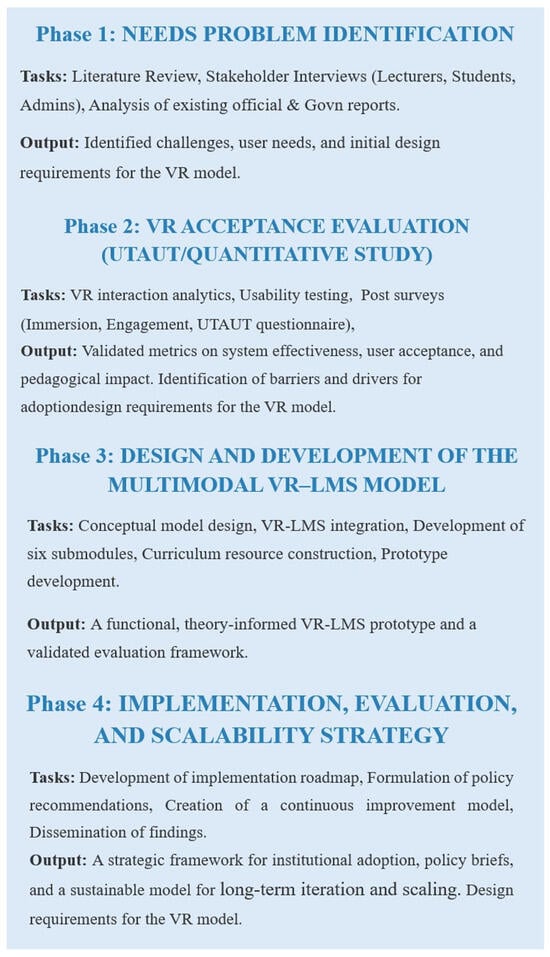
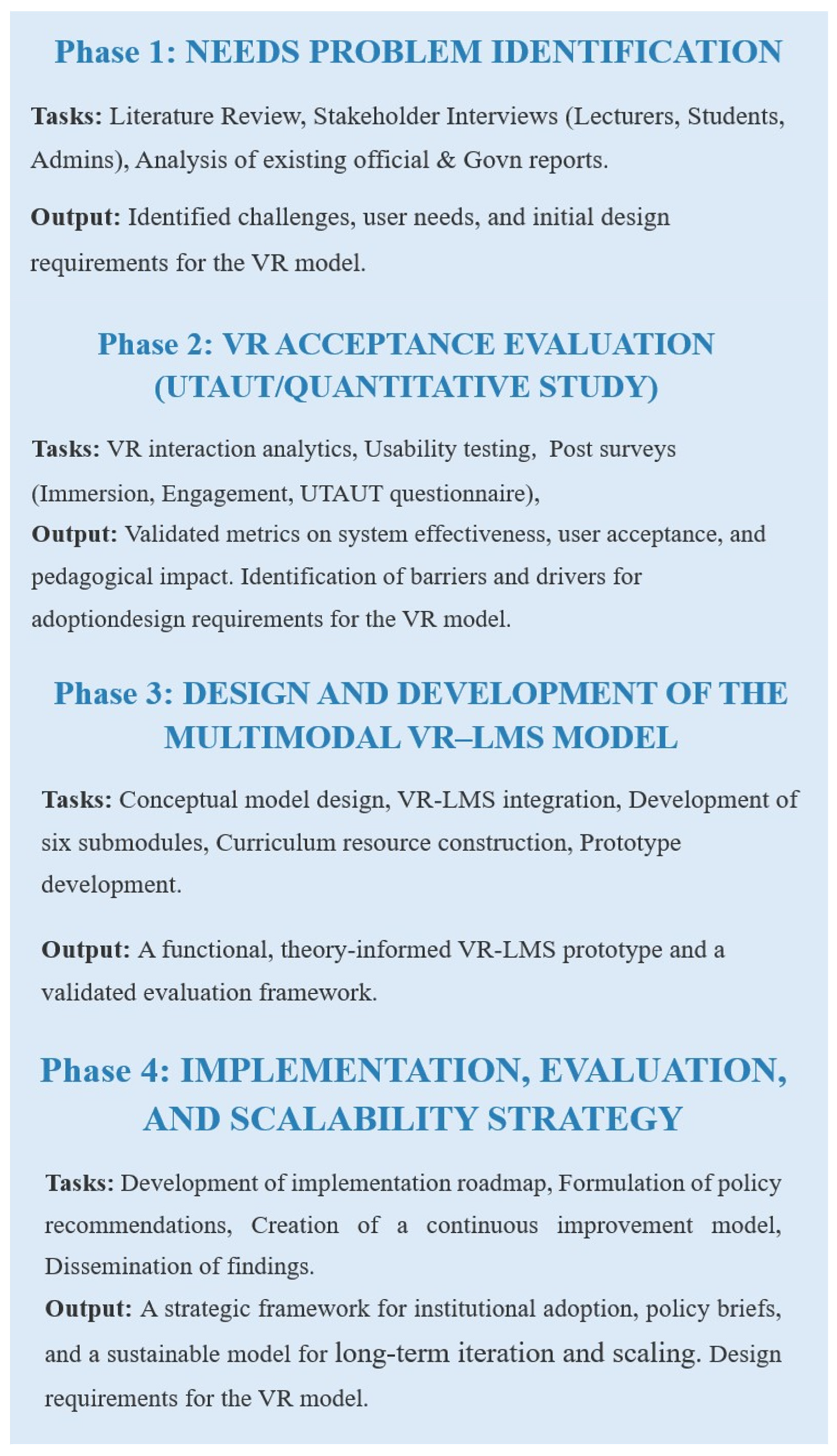
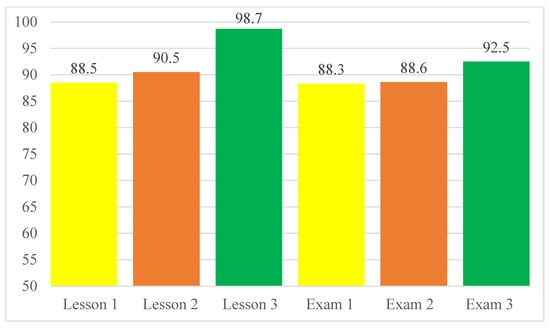
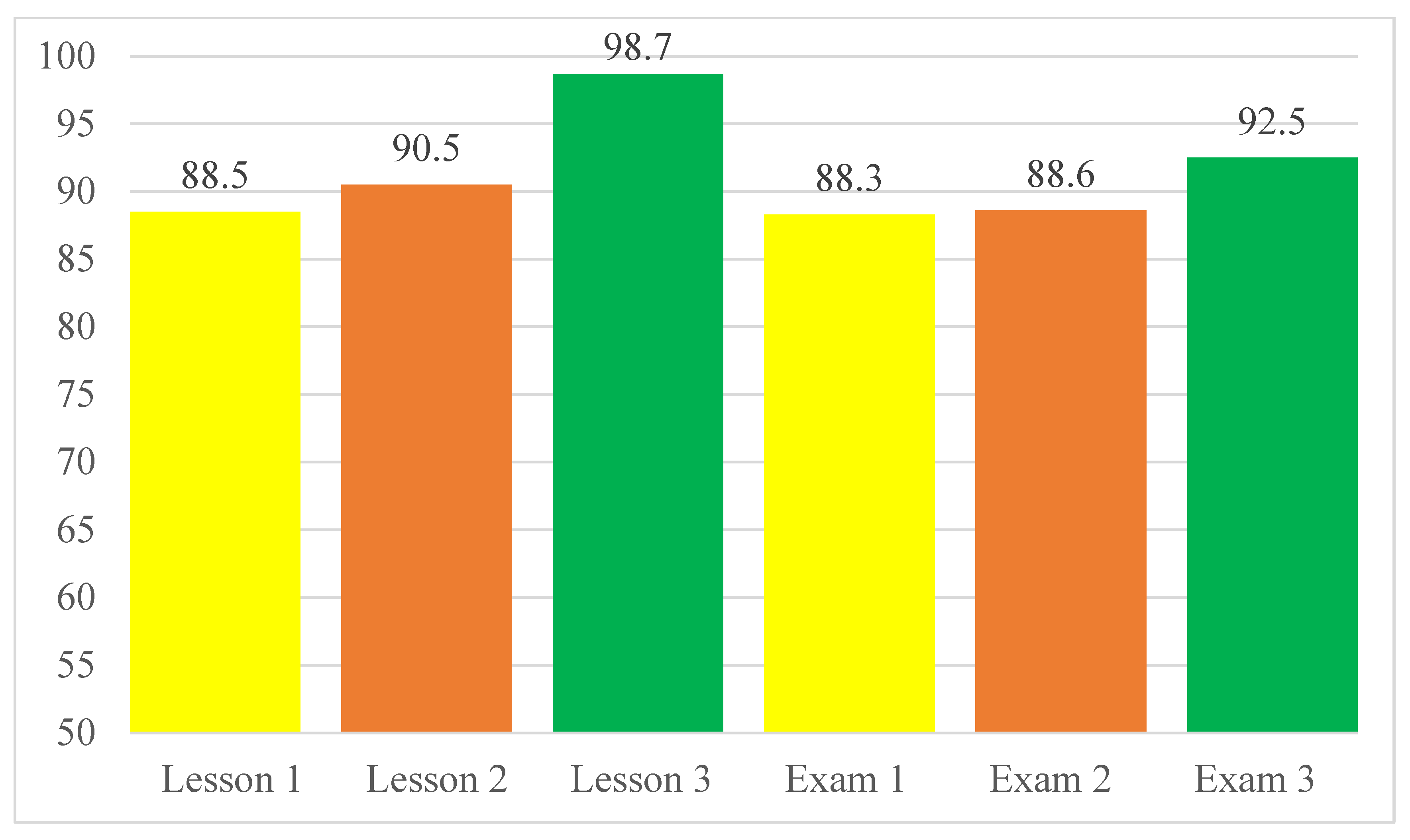
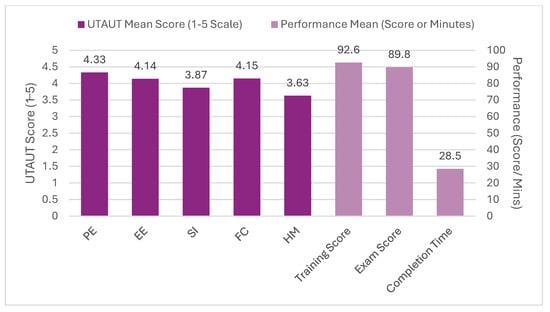
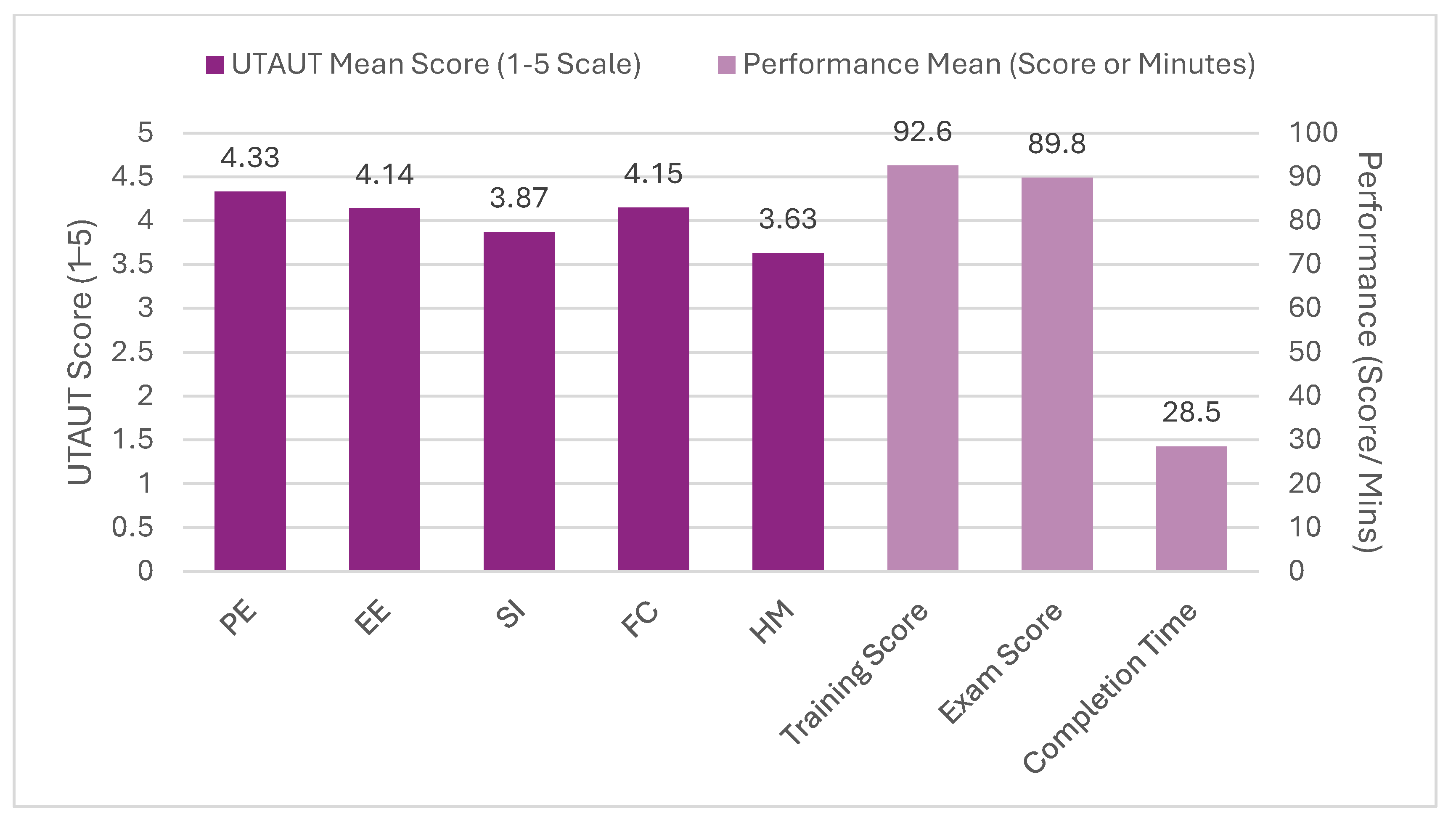
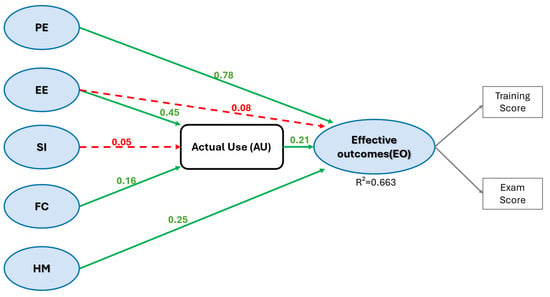
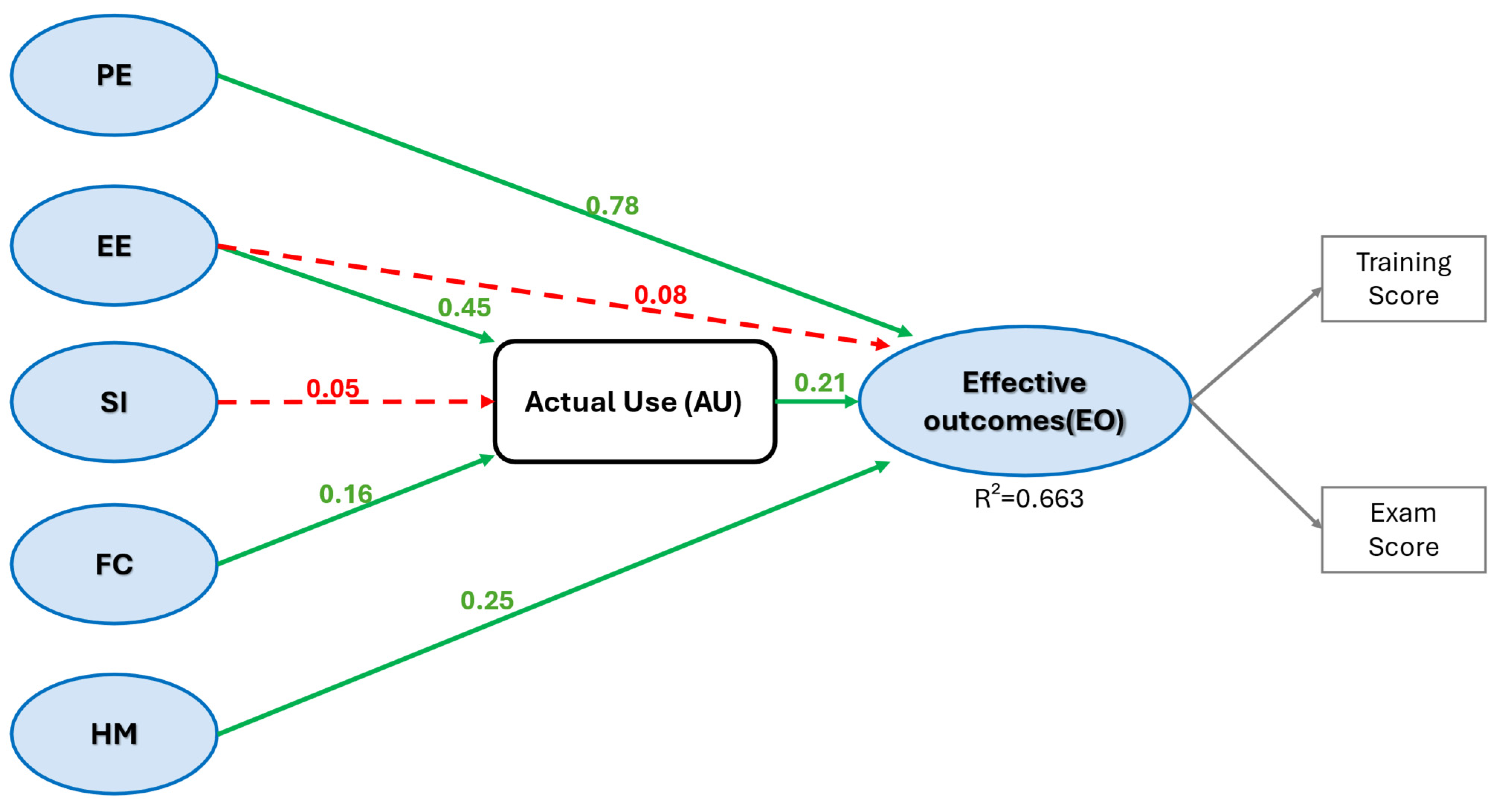
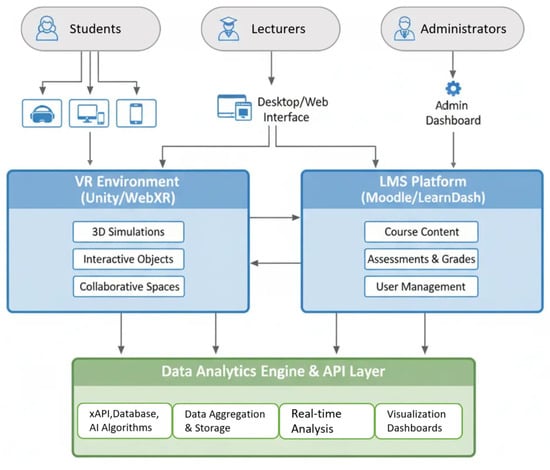
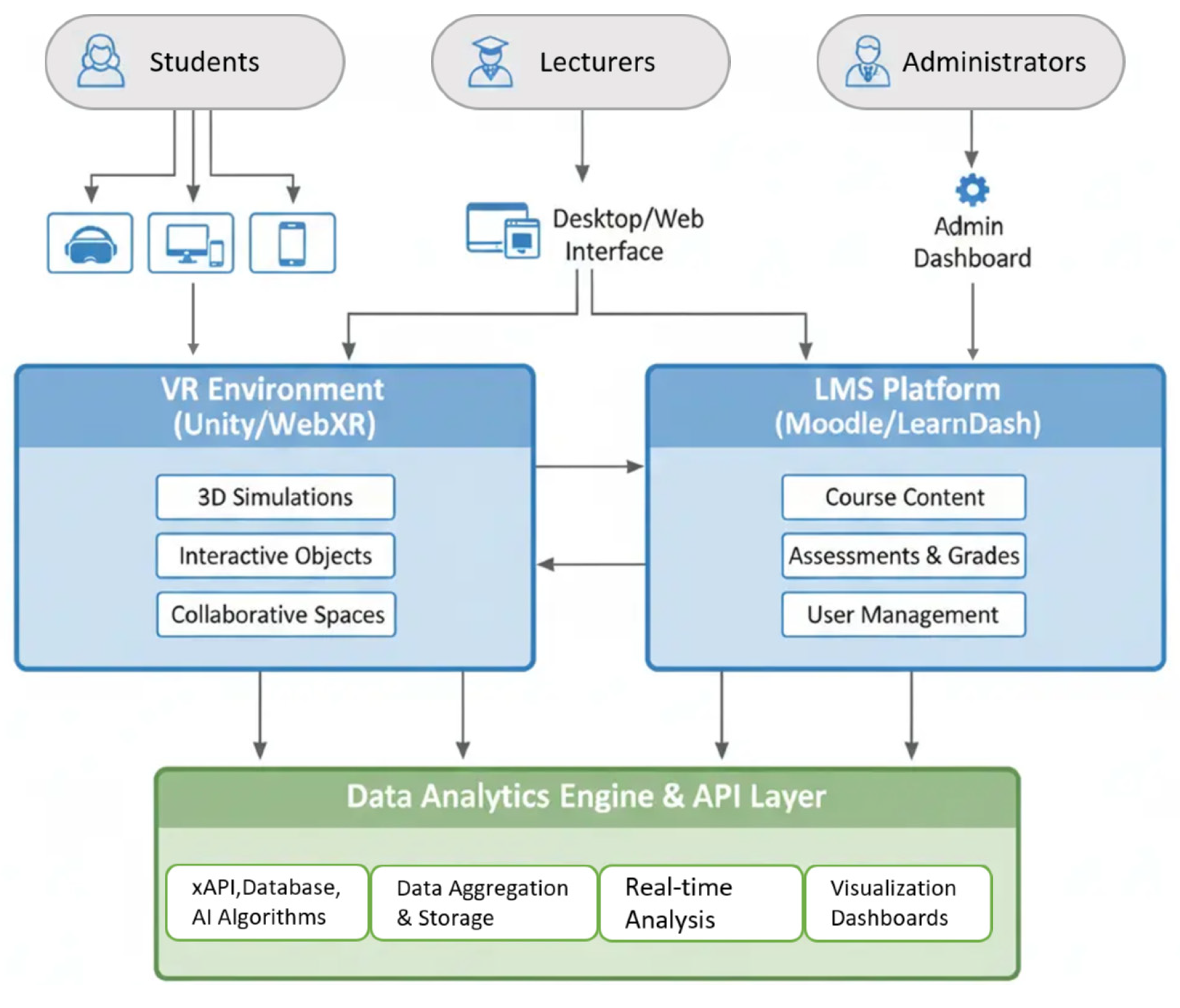
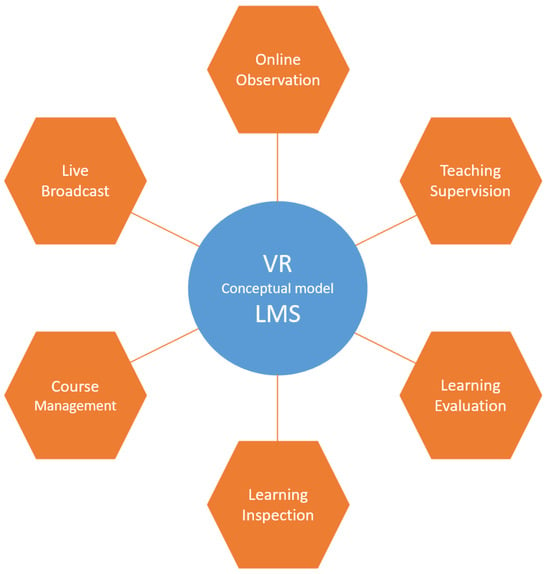
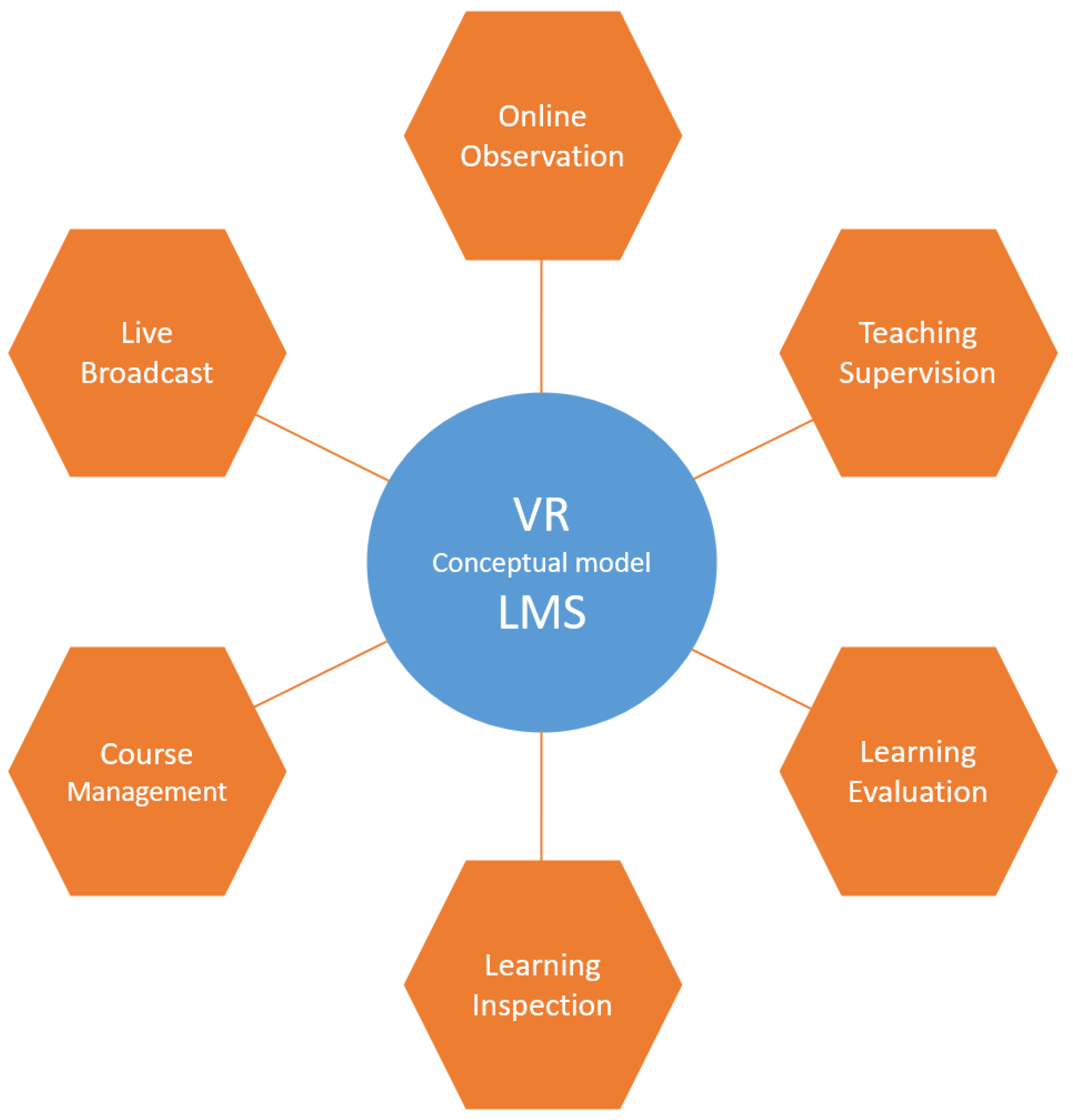
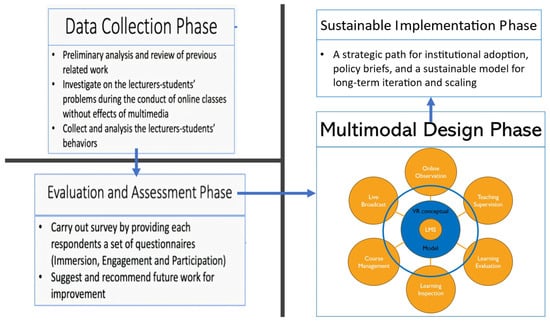
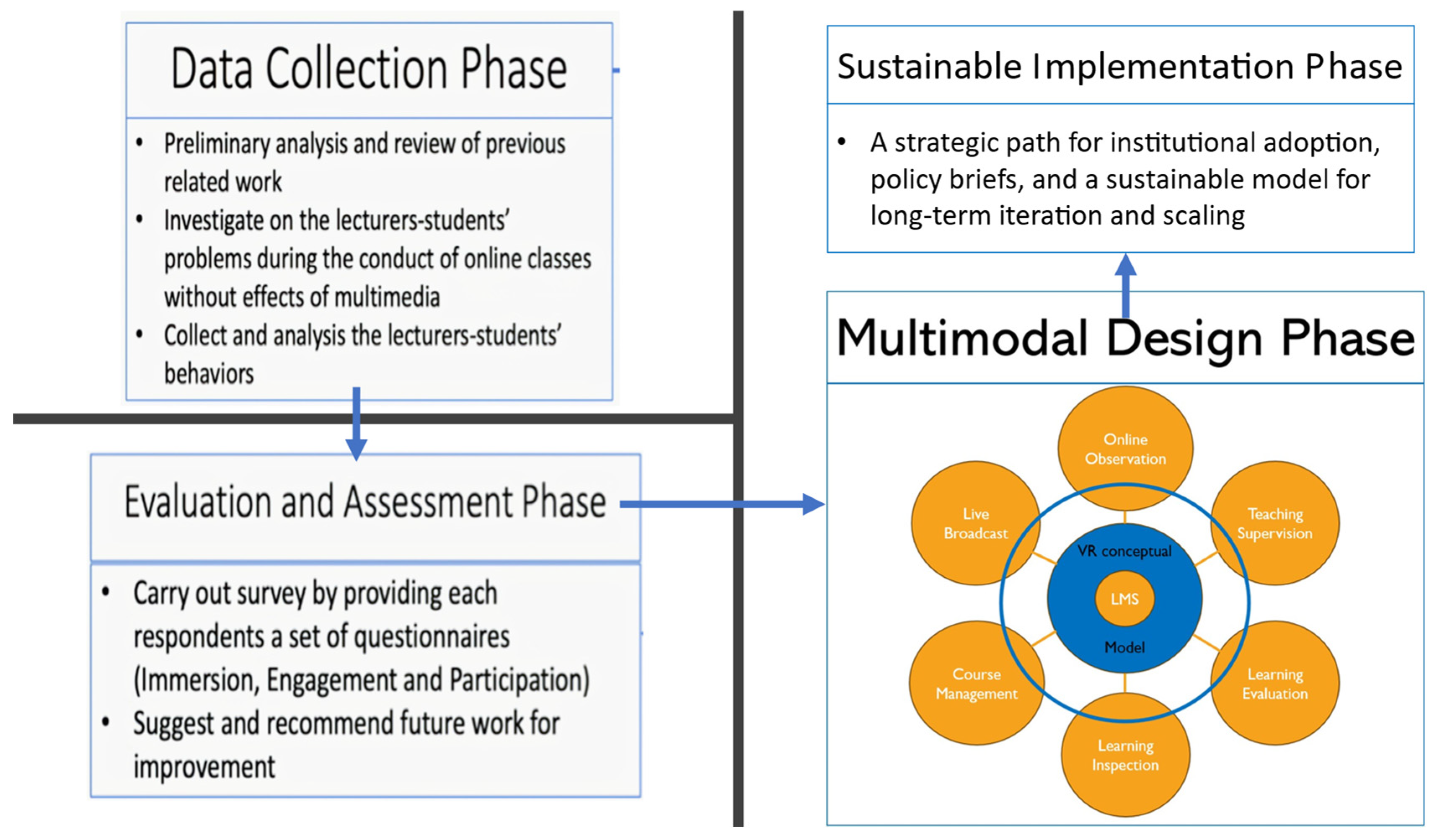

Disclaimer/Publisher’s Note: The statements, opinions and data contained in all publications are solely those of the individual author(s) and contributor(s) and not of MDPI and/or the editor(s). MDPI and/or the editor(s) disclaim responsibility for any injury to people or property resulting from any ideas, methods, instructions or products referred to in the content. |
© 2026 by the authors. Licensee MDPI, Basel, Switzerland. This article is an open access article distributed under the terms and conditions of the Creative Commons Attribution (CC BY) license.