


Abstract
In the context of accelerating urbanization, university students face mounting academic stress and increasingly severe psychological health challenges. University blue-green spaces are critical environments for fostering restorative experiences. They highlight the urgent need for targeted strategies to enhance their restorative potential. This study used three universities in Guangzhou as case studies, based on image collection and deep learning-based semantic segmentation methods, and employed the Perceived Restorativeness Scale (PRS) and Restoration Outcome Scale (ROS) to explore the hypothesized pathways and threshold characteristics through which visual elements of blue-green spaces are associated with university students’ psychological restoration within everyday campus environments. The results indicate: (1) the restorative effects of different space types follow a clear gradient: waterfront spaces > planar vegetation spaces > linear vegetation spaces > point vegetation spaces; (2) perceived restorativeness acts as a key mediator between visual elements and psychological restoration. The mediating pathways vary across space types. Waterfront spaces show polarized effects. Planar vegetation spaces rely on a dual pathway of being away and compatibility, supplemented by a secondary role of fascination. Linear vegetation spaces exhibit complex pathway patterns in which multidimensional positive support coexists with both positive and negative influences; (3) several visual elements display nonlinear threshold effects. This study deepens the understanding of the “environment–perception–psychology” pathway in the context of sustainable campus environments. It also proposes a three-level optimization framework (macro–meso–micro) that provides empirical references for evidence-informed planning and design of university blue-green spaces, with potential implications for sustainable campus environments and student well-being.
1. Introduction
National health is the cornerstone of social development. It also serves as a key benchmark of modernization. In recent years, the advancement of national health strategies has brought greater attention to both physical and psychological well-being [1,2]. Psychological health disorders are now recognized as the leading contributor to the global burden of disease [3]. University students, compared with other groups, face multiple stressors such as academic competition and insufficient social support. These pressures make them more susceptible to emotional distress and attentional fatigue. Surveys conducted between 2016 and 2020 revealed that about 30% of university students experienced mental health problems such as anxiety and depression, and the proportion has increased each year [4,5]. In China, students account for nearly half of all patients with depression [6]. Therefore, strategies for reducing psychological stress and promoting effective restoration through everyday environments have become a critical area of inquiry.
Optimizing living and learning environments to improve psychological health has become a central concern in architecture and planning. Creating blue-green spaces is regarded as a particularly effective approach [3,7]. Blue-green spaces are natural or semi-natural areas with vegetation cover or accessible water bodies, such as waterfronts, forests, and lawns. They combine both blue and green elements [3,8]. Most existing research has focused on public open spaces such as urban parks and community green areas [9,10]. In contrast, university campuses, which constitute the core settings of students’ daily study and life, are often described as high-pressure environments characterized by information overload [11]. However, their restorative potential has received comparatively less attention. Previous studies indicate that campus green spaces can improve students’ psychological states through mechanisms such as stress reduction and attention restoration [12]. However, the quantity and depth of such studies still lag behind research on urban public green spaces.
Recent campus-based research has begun to explore how students’ overall perceptions of campus environments relate to mental health and well-being outcomes, often emphasizing experiential or psychosocial pathways [13]. Empirical studies have also shown that the architectural and landscape characteristics of campus public spaces influence students’ psychological restoration, with key factors including the green view index, waterscape coverage, and the openness of building enclosures [14]. Restorative performance also varies across space types: spaces with higher landscape quality, richer natural elements, and better integration with built components (e.g., small gardens and waterfront green spaces) tend to demonstrate more favorable restoration-related outcomes [15,16]. Together, these studies suggest that restorative effects are not solely determined by the presence or quantity of natural elements in a linear manner.
At the same time, important methodological limitations remain. Many existing studies rely primarily on subjective questionnaires or coarse objective indicators, such as overall greenness or NDVI, which are insufficient for capturing fine-grained visual composition in campus blue-green spaces [17,18,19,20,21,22,23]. With recent advances in computer vision, methods such as semantic segmentation have been increasingly applied to quantify urban spatial elements [24,25], providing new opportunities to examine relationships between visual characteristics of blue-green spaces and psychological restoration. Moreover, such coarse indicators also implicitly assume linear relationships between environmental features and psychological responses [26], thereby limiting the ability to detect potential nonlinear or threshold effects associated with specific visual elements.
In addition, university campuses differ from urban parks in that they involve high-frequency, long-term daily exposure and that campus blue-green spaces often serve multiple functional roles, such as circulation and everyday activities, rather than being destinations primarily intended for deliberate restoration. Together with planning and design constraints related to safety, functionality, and institutional management, these characteristics underscore the need for campus-specific empirical investigations [13,21,27].
Under this context, understanding how campus blue-green spaces influence students’ psychological restoration requires attention to perceptual and restorative processes, rather than focusing solely on physical environmental features. In the theoretical framework of environmental psychology, physical environmental characteristics do not directly determine restorative outcomes. They must first be processed through perception before being transformed into psychological benefits. The Attention Restoration Theory (ART, Kaplan & Kaplan, 1989 [28]) argues that physical environmental characteristics alone are insufficient to restore attention. Restoration instead requires perceptual experiences such as being away, extent, fascination, and compatibility [28]. The Stress Recovery Theory (SRT, Ulrich, 1983; Ulrich et al., 1991 [29,30]) emphasizes that natural environments, especially visual features such as water bodies and vegetation, can rapidly evoke positive emotions and physiological responses (e.g., reduced heart rate and muscle relaxation), thereby relieving stress [29,30]. The human perception of external environments is not passive reception but involves rapid affective evaluations shaped by evolutionary adaptation and personal experience. Such evaluations occur early in perception and often precede extensive cognitive processing. Once a scene is judged to be safe or pleasant, it can elicit positive emotions. This suggests that environmental effects are driven mainly by perception-based emotion-cognition processes, rather than by simple physical exposure.
Building on these theoretical foundations, this study examines how campus blue-green spaces are associated with students’ psychological restoration through an indirect pathway linking environmental characteristics, perceived restorativeness, and restoration outcomes. In this framework, perceived restorativeness reflects individuals’ perceptual evaluation of the restorative qualities of an environment, whereas restoration outcomes represent the resulting recovery state after environmental exposure.
The Perceived Restorativeness Scale (PRS) is the core instrument for assessing perceived restorativeness. It covers four dimensions: being away, fascination, coherence, and compatibility. As a widely used tool for operationalizing perceived restorativeness as a perceptual construct, PRS has been extensively applied to examine how environmental characteristics are associated with psychological restoration through individual perceptual processes [31,32]. A growing body of empirical research supports this associative chain. For example, biodiversity in waterfront green spaces indirectly enhances psychological benefits by improving perceived restorativeness [33]. Other studies have found that higher levels of perceived or objective greenness are typically accompanied by stronger perceived restorativeness, which in turn is associated with restoration-related outcomes such as stress relief and improved attentional states [34,35]. Accordingly, PRS primarily captures restoration-related representations at the perceptual level.
The Restoration Outcome Scale (ROS) focuses on outcome-level psychological states, including stress relief, attention recovery, and mental clarity [7,8]. Accordingly, the ROS was employed in this study to measure the individuals’ subjective restoration states after viewing campus blue-green space stimuli, thereby characterizing restoration outcomes associated with environmental experience. In contrast to PRS, the ROS captures restoration states manifested after environmental exposure rather than perceptual evaluations of environmental restorative quality. Within the analytical framework of this study, the two constructs are conceptually distinct yet sequentially related, reflecting a “perceptual level–outcome level” relationship. In this study, the PRS captures restoration-related evaluations at the perceptual level, whereas the ROS reflects restoration outcomes following environmental exposure.
In summary, although research has confirmed the positive effects of natural elements in both urban and campus environments and has highlighted the mediating role of perceived restorativeness, several gaps remain: (1) quantitative studies on university blue-green spaces still rely heavily on subjective evaluation and lack objective measurement; (2) the independent effects of the four PRS sub-dimensions within the environment–psychological restoration pathway have not yet been thoroughly examined. To address these gaps, this study focused on university blue-green spaces. It integrates deep learning-based semantic segmentation with questionnaire surveys to construct a mechanism model of visual elements–perceived restorativeness–psychological restoration. This study addresses four research questions: (1) Do different types of blue-green spaces differ in their restorative effects on students? (2) How does perceived restorativeness mediate the relationship between visual elements and psychological restoration? (3) How do specific visual elements influence psychological restoration through mediation effects? (4) Do visual elements exhibit optimal threshold ranges in promoting psychological restoration?
2. Research Methods
This study systematically examined how visual elements of university blue-green spaces influence students’ psychological restoration. It combined on-site image collection, deep learning-based semantic segmentation, principal component analysis (PCA), and questionnaire surveys. The research design consisted of four main steps (Figure 1):
Figure 1.
Research methodology framework.
- (1)
- On-site image collection of the study areas. Standardized photographs were collected from the campus environments of three universities in Guangzhou to ensure the authenticity and representativeness of the data. The sampling covered different types of blue-green spaces, including waterfront spaces, planar vegetation spaces, linear vegetation spaces, and point vegetation spaces. All images were taken under consistent conditions to minimize external interference. These images served as both raw data for subsequent semantic segmentation and as experimental stimuli that ensured wide coverage and comparability across spatial types.
- (2)
- Objective quantification of visual elements. This study employed the DeepLabv3+ deep learning model to achieve precise and objective quantification of visual elements in campus blue-green spaces. The model can automatically identify features and perform pixel-level segmentation on large-scale on-site images. This method reduces the subjective bias of traditional manual interpretation and ensures accuracy and consistency in data extraction. It thus provides a solid quantitative foundation for subsequent analysis.
- (3)
- Identification of spatial element combinations: principal component analysis (PCA). Because visual elements are multidimensional and interrelated, PCA was applied to reduce dimensionality and extract core features from the quantified data. This method identifies underlying combination patterns by integrating multiple correlated variables into a few independent principal components. PCA mitigates the interference of multicollinearity and summarizes typical spatial visual characteristics. These results provide a scientific basis for selecting representative images as questionnaire stimuli.
- (4)
- Subjective measurement of restorative effects. To validate the core environment–perception–psychology pathway at the individual level, this study used standardized questionnaire methods. The Perceived Restorativeness Scale (PRS) captured individuals’ multidimensional perceptions of environments, while the Restoration Outcome Scale (ROS) directly assessed their psychological restorative states. Using the PRS together with the ROS made it possible to construct a complete “environment–perception–psychology” pathway.
2.1. Study Sites
This study selected three university campuses in Guangzhou as research sites (Figure 2): the Wushan Campus and the Guangzhou International Campus of South China University of Technology (SCUT-Wushan, SCUT-GZIC), and the Shipai Campus of South China Normal University (SCNU-Shipai).
Figure 2.
Study area in Guangzhou.
These campuses include both long-established sites with stable spatial patterns and newly constructed sites with recent planning. In terms of spatial form and landscape structure, the three campuses collectively represent common types of urban university campuses in China, including a traditional mature campus characterized by natural water bodies and layered vegetation, a newly planned campus organized by axial structure and continuous waterfront landscapes, and a campus type in which fragmented green spaces are embedded within highly mixed academic and living functions. This diversity ensures spatial heterogeneity in the sample and provides strong representativeness.
The land areas of the three campuses are approximately 183.0 ha, 81.35 ha, and 114.7 ha, respectively. All campuses contain relatively complete blue-green space systems, including natural or artificial lakes, landscape waterways, and mature vegetation systems, and serve as shared living and learning environments for both undergraduate and graduate students with high levels of daily use. Therefore, these campuses reflect typical campus blue-green space settings encountered in the students’ daily learning and living environments.
Existing research on blue-green spaces has primarily classified them by spatial morphology, natural elements, and functional attributes [36,37,38,39,40], which provides a general basis for spatial categorization. Drawing on the basic definition of blue-green spaces and established classification methods, this study categorized campus blue-green spaces into two main types: waterfront spaces and vegetation spaces. Vegetation spaces were further divided into three subtypes: point, linear, and planar vegetation spaces.
In the classification process, campus blue-green spaces were first distinguished according to whether water was present as a key spatial attribute. Spaces containing visible water elements were initially categorized as waterfront spaces. In addition, spaces that belong to the same waterfront spatial unit or are directly adjacent to water bodies were also classified as waterfront spaces, even if water was not directly visible in certain images due to viewing angle or visual obstruction.
For spaces without water elements, vegetation spaces were further classified according to the spatial form of vegetation as point, linear, or planar vegetation spaces. This classification was conducted at the spatial-unit level rather than based on single-image appearance, ensuring clear and reproducible classification criteria. In this study, point vegetation spaces denote small-scale lawns or landscape nodes. Linear vegetation spaces are typically distributed along roads or corridors. Planar vegetation spaces correspond to large, contiguous lawns or woodlands.
In selecting specific sites, the study followed five principles: (1) spaces that were established and characterized by stable pedestrian flows, reflecting the students’ daily usage contexts; (2) spaces containing both natural and artificial visual elements to allow for the identification of combined effects; (3) spaces with sufficient openness to ensure accessibility; (4) spaces that were safe and well-maintained, free from construction or closure disturbances; and (5) spaces with sufficient independence to avoid overlapping sampling with adjacent sites. Ultimately, 48 campus blue-green spaces were selected (Figure 3).
Figure 3.
Sampled campus blue-green spaces in Guangzhou (Figure source: Figure 2 and Figure 3 created by the second author; the maps were created based on the Standard Map Service System (http://bzdt.ch.mnr.gov.cn/index.html) (accessed on 15 June 2025), Amap (https://www.amap.com/) (accessed on 15 June 2025), Baidu Maps (https://map.baidu.com/) (accessed on 15 June 2025), and Google Earth Pro (https://www.google.com/earth/about/versions/) (accessed on 15 June 2025); The maps were further processed and annotated using Adobe Photoshop 2023).
2.2. Selection of Visual Elements
Visual perception plays a dominant role in environmental experience. It accounts for approximately 87% of the overall sensory input [41,42]. Liu et al. proposed that elements attracting visual attention can be grouped into seven categories: color, entities, transient natural phenomena, texture, vegetation, space, and water [43]. Building on this framework, Wu Yi further categorized the elements of waterfront green spaces into six types: spatial, natural, artificial, waterfront, color, and entities, and extracted 26 specific elements [10]. Based on these established frameworks, this study selected 17 key visual elements. These covered four major categories: spatial elements, natural elements, waterfront elements, and artificial elements (Table 1). These elements formed the indicator system for subsequent analysis.
Table 1.
Visual elements of campus blue-green spaces.
2.3. Image Collection and Semantic Segmentation
Image collection took place between 15 June and 30 June 2025 under clear daytime conditions (09:00–18:00). All images were captured using the same device (Insta360 X2 (Insta360, Shenzhen, China)) by the same operator. This approach minimized bias caused by differences in data collection. The camera was fixed at a height of 1.6 m and set to a 150° horizontal field of view to ensure consistent shooting conditions. Pedestrians and other potential visual disturbances were excluded whenever possible. For larger spatial nodes, multiple shooting angles were adopted to improve spatial coverage. In total, 2072 wide-angle images were obtained. These images provided a detailed representation of the visual characteristics of campus blue-green spaces.
For element extraction, a dedicated semantic segmentation model was trained using the DeepLabv3+ framework. Specifically, DeepLabv3+ incorporates atrous convolution within an encoder–decoder architecture to capture rich multi-scale contextual information, enabling effective extraction and integration of image features at multiple scales. Due to these characteristics, DeepLabv3+ has been widely adopted for semantic segmentation in complex natural and urban scenes [24,44], and has demonstrated robust stability and high accuracy in urban landscape segmentation tasks [45].
Existing public street-view datasets differ substantially from campus environments and thus could not meet the research requirements. Accordingly, this study designed and trained a customized semantic segmentation system tailored to campus blue-green spaces using the DeepLabv3+ network. A total of 240 representative images were manually annotated using Labelme (version 4.5.7) software. To ensure representativeness, the annotated images covered scenes from all three campuses and included all four predefined blue-green space types while also ensuring the coverage of all semantic label categories defined in this study, thereby capturing the major visual characteristics present in campus blue-green spaces. The visual element labels were classified into nine categories (Figure 4), thereby constructing a small-sample training dataset specific to campus environments.
Figure 4.
Example of semantic segmentation methods and results (IMG_20250623_150659_10_144).
After 230 training iterations, the model achieved a mean pixel accuracy (MPA) of 82.91% and a mean intersection over union (MIoU) of 76.61%. These results satisfied the accuracy requirements for semantic label recognition. The trained model was subsequently applied to all images to achieve automated segmentation. This process generated the proportion data of multiple semantic labels for blue-green spaces and provided an objective quantitative foundation for subsequent analyses.
2.4. Questionnaire Design
2.4.1. Principal Component Analysis and Selection of Representative Images
In recent years, related studies have adopted either qualitative classifications and combinations of landscape elements or quantitative methods such as clustering to identify typical spatial characteristics and examine their psychological restorative effects [14,46]. Following this approach, the present study applied Principal Component Analysis (PCA) to extract typical feature combinations and reduce redundancy among multidimensional visual elements. This procedure compressed spatial characteristics into a few interpretable dimensions [47]. Before analysis, all indicators were standardized. The Kaiser–Meyer–Olkin (KMO) measure and Bartlett’s test of sphericity were then conducted to verify the suitability of the data. Principal components were retained if their eigenvalues exceeded 1 and the cumulative variance explained was greater than 70%. The inflection point of the scree plot was also inspected to support the decision. Ultimately, five principal components were extracted for waterfront spaces. Three were extracted for each of the point vegetation, linear vegetation, and planar vegetation spaces. These components effectively reflected the primary characteristics of each space type.
For the selection of stimuli, the study considered the distribution of principal component scores. In principal component analysis, interpretation is commonly supported by examining variables or cases with high positive or negative component scores, which helps illustrate the characteristics associated with each component [47]. Two images were chosen from both the positive and negative directions of each principal component to ensure coverage across the score distribution. Specifically, images were first ranked according to their standardized scores on each principal component. From the positive and negative ends of the score distribution, images with relatively high absolute component scores were prioritized. To reduce redundancy, duplicate images appearing within the same space-type questionnaire were avoided, and the next-ranked images were selected instead when necessary. In total, ten stimulus units were formed for waterfront spaces, and six units were formed for each of the point vegetation, linear vegetation, and planar vegetation spaces. Each stimulus unit consisted of two images reflecting the same feature. This approach presented spatial differences comprehensively and reduced the risk of randomness or bias from single images. It therefore enhanced the reliability and stability of the experimental measurement (see loading results in Appendix A Table A1, Table A2, Table A3 and Table A4).
2.4.2. Measurement of Perceived Restorativeness Scale and Psychological Restoration
The questionnaire consisted of two parts. The first was a demographic information module, which collected variables such as gender, age, and grade level. The second was an image evaluation module, in which participants completed the Perceived Restorativeness Scale (PRS) and the Restoration Outcome Scale (ROS) based on each set of stimulus images. The PRS, developed by Hartig et al., is widely used to assess the restorative characteristics of environments. It includes four dimensions: Being Away, Fascination, Extent (Coherence), and Compatibility. In the PRS, the dimension historically termed “Extent” is further specified as “Coherence”, which captures a scene’s consistency and order. To maintain terminological consistency, this study uniformly adopted the term Coherence (CH) for this dimension [18,48]. The ROS, developed by Korpela et al., was used to measure the individuals’ subjective restorative outcomes. It covers attentional recovery, mental clarity, and emotional relaxation [18]. Both scales employed a 7-point Likert-type response format, which captures subtle perceptual differences more effectively than binary choices [49].
To reduce fatigue effects, four mutually exclusive versions of the questionnaire were designed. Each version corresponded to one type of blue-green space, and each participant completed only one version. The questionnaires were distributed both online and offline and included attention-check items to ensure data quality. The study protocol was reviewed and approved by the Ethics Committee of the School of Architecture, South China University of Technology (Approval Code: SCUT-gwh-L16; Date: 22 September 2025). All participants were informed in advance about the study’s aims, procedures, potential benefits, and possible risks. Participation was entirely voluntary, and written informed consent was obtained before completing the questionnaire. All procedures were conducted in line with recognized ethical principles and the relevant regulations.
A total of 273 responses were collected. All respondents were currently enrolled college students. Questionnaires were screened according to predefined quality-control criteria. Specifically, responses were excluded if they exhibited substantial repetitive or uniform response patterns across items, evidently meaningless or internally inconsistent answers, failure on attention-check items, or abnormally short completion times indicating insufficient engagement.
After excluding invalid samples, 202 valid questionnaires were retained (male-to-female ratio ≈ 1.2:1, average age = 21.7 years). This process yielded 1442 image evaluations. All data were standardized using the Z-score method before statistical modeling.
3. Results and Analysis
Prior to standardization and subsequent statistical analyses, the distributional characteristics of the key study variables were examined. According to commonly accepted criteria in applied statistics and behavioral research, distributions with absolute skewness values below 2 and absolute kurtosis values below 7 can be regarded as approximately normal [50,51]. Descriptive statistics indicated that the four dimensions of the Perceived Restorativeness Scale (PRS), the PRS total score, and the Restoration Outcome Scale (ROS) total score exhibited no substantial deviations from normality. Based on these criteria, the variables examined in this study were considered to satisfy the normality assumption and were therefore suitable for subsequent parametric analyses.
3.1. Extraction of Visual Elements and Results of Principal Component Analysis
Based on DeepLabv3+ semantic segmentation, visual element indicators were extracted for each type of space (Table 2). The Kaiser–Meyer–Olkin (KMO) measure and Bartlett’s test indicated that the data were suitable for factor analysis (p < 0.001). Several variables were removed because of weak correlations or multicollinearity. Ultimately, five principal components were extracted for waterfront spaces. The cumulative variance explained reached 72.0%. For the point vegetation, linear vegetation, and planar vegetation spaces, three principal components were extracted for each. The cumulative variance explained was 70.4%, 64.3%, and 67.0%, respectively. These principal components effectively captured the element combinations of typical spaces and provided a foundation for subsequent mechanism modeling (see Table 3 for feature combinations and Appendix A Table A1, Table A2, Table A3 and Table A4 for detailed loadings).
Table 2.
Visual elements contained in blue-green spaces.
Table 3.
Typical combinations of spatial features.
3.2. Reliability and Validity Testing of the Perceived Restorativeness Scale and Psychological Restoration Scale
Reliability and validity analyses were conducted for the Perceived Restorativeness Scale (PRS) and the Restoration Outcome Scale (ROS). The PRS achieved a Cronbach’s α of 0.900 and a KMO value of 0.845. The ROS achieved a Cronbach’s α of 0.915 and a KMO value of 0.760. Both scales passed Bartlett’s test of sphericity (p < 0.001). The results indicated good internal consistency and structural validity, confirming their suitability for subsequent statistical analyses.
3.3. Effects of Space Types on Psychological Restoration
A one-way ANOVA revealed significant differences in the ROS scores among space types (F = 14.675, p < 0.001) (Table 4). The mean values showed a clear gradient: waterfront spaces (M = 4.92) > planar vegetation spaces (M = 4.75) > linear vegetation spaces (M = 4.48) > point vegetation spaces (M = 4.22). Overall, water bodies and large-scale green spaces provided the strongest benefits for students’ psychological restoration. In contrast, small-scale point vegetation spaces showed the weakest effects. The effect size was relatively small (η2 ≈ 0.03), indicating that space type explained a limited proportion of the variance in psychological restoration outcomes, and suggesting that restorative differences cannot be attributed to space type alone.
Table 4.
Mean ROS scores (M ± SD) across different space types.
3.4. Mediated Pathways of Blue-Green Spaces
To further explain the differences identified above, this study employed structural equation modeling (SEM) at the meso level and the PROCESS macro at the micro level to examine the mediating role of perceived restorativeness.
3.4.1. Dimensional Pathway Characteristics of Typical Principal Components
To examine the pathway characteristics of typical principal components (RCs) across different space categories, preliminary assessments were conducted to assess the relationships among principal components, perceived restorativeness, and restoration outcomes. Specifically, correlation analyses and regression analyses were applied to evaluate whether different principal components exhibited relatively stable associations with perceived restorativeness and ROS within each space type, thereby informing their suitability for subsequent mediation analysis.
Based on these assessments, structural equation models (SEMs) were constructed for the principal components that exhibited relatively stable and interpretable association patterns. In the model construction process, potential confounding effects related to population heterogeneity were reduced by restricting the study sample to currently enrolled college students. The analysis further focused on everyday campus environments to minimize confounding arising from differences in usage context. Moreover, SEM analyses were conducted separately for each space type to avoid confounding across different spatial categories.
In these models, principal components served as independent variables and were treated as composite spatial features, thereby reducing multicollinearity among the visual elements. The four dimensions of perceived restorativeness (Being away [BA], Fascination [F], Coherence [CH], and Compatibility [CP]) were simultaneously specified as mediators, and Restoration Outcomes (ROS) as the dependent variable (path coefficients are provided in Appendix A Table A6).
For point vegetation spaces, the SEM analysis yielded no valid results because of model oversaturation. PROCESS mediation tests also indicated weak effects. Therefore, this type was excluded from cross-space comparisons in this section, which does not affect the overall conclusions.
The results showed that the indirect pathway patterns through which typical principal components were associated with psychological restoration via perceived restorativeness varied across space types (Table 5). In waterfront spaces, a clear polarization emerged. Spaces with a higher proportion of aquatic vegetation and well-coordinated transitions with terrestrial vegetation (RC2) were significantly associated with higher levels of being away and compatibility, both of which were associated with higher levels of psychological restoration. They were also associated with a weaker positive association with fascination. In contrast, complex waterfront spaces characterized by a high proportion of artificial disturbance factors (RC4) were associated with lower restoration outcomes through reduced levels of being away, compatibility, and fascination. This pattern suggests that in waterfront environments, the coordination of natural elements and the presence of artificial disturbances are associated with opposing perceptual responses along similar pathways.
Table 5.
Mediation effect models of perceived restorativeness.
The restorative pathway patterns of planar vegetation spaces primarily relied on the dual pathways of being away and compatibility. Spaces with extensive vegetation coverage and high enclosure (RC1) were associated with higher levels of being away and compatibility and showed a weaker positive association with fascination. In contrast, spaces with prominent disturbance factors and high proportions of artificial elements (RC3) were negatively associated with fascination and compatibility. This suggests that artificial disturbances or uncoordinated spatial elements may undermine restorative experiences. For RC1, the pathway through compatibility was the most salient, indicating that such spaces are associated with the combined influence of multiple perceptual dimensions on restoration outcomes.
For linear vegetation spaces, the restorative pathway patterns varied considerably across principal components. Spaces with rich vegetation stratification and minimal building disturbance (RC2) showed consistently positive associations across all four dimensions (being away, fascination, coherence, and compatibility), reflecting a multi-channel concurrent pathway pattern. In contrast, spaces with high sky openness and low disturbance (RC3) showed more complex pathways. Fascination and compatibility were positively associated, coherence showed a negative association, and being away was not significant. This suggests that the restorative potential of linear spaces does not follow a single pattern but depends on specific combinations of elements. These pathway patterns may display both positive and negative associations across different dimensions. However, the effects of single dimensions were relatively weak, and the overall restorative impact was less pronounced than in the waterfront and planar vegetation spaces.
Overall, the mediating effects were most pronounced in the waterfront and planar vegetation spaces, followed by linear vegetation spaces. Point vegetation spaces showed relatively weak restorative effects due to insufficient model fit. Differences among principal components within each space type further highlighted the diversity of pathway patterns associated with element combinations.
In addition, it should be noted that the estimated effects of individual mediation pathways in the SEM were relatively small in magnitude, which is consistent with the contextual characteristics of everyday campus environments. Psychological restoration is not driven by a single spatial feature or a single perceptual pathway, but rather emerges through the parallel operation of multiple perceptual dimensions. These indirect effects accumulate across multiple mediation pathways, collectively constituting the overall restorative contribution of specific spatial feature combinations. Therefore, relatively small effect sizes do not imply a lack of practical relevance, but instead suggest that their influence is more likely to operate in a gradual and sustained manner.
In campus environments characterized by high-frequency and long-term use, even modest restorative gains from single exposures may accumulate into meaningful effects at the population level over time. Accordingly, the present results do not indicate immediate or pronounced intervention effects, but rather provide a basis for identifying spatial feature combinations with comparatively higher restorative potential within campus blue–green spaces.
3.4.2. Overall Mediation Effects of Visual Elements
Although human perception of the environment usually results from the combined effects of multiple elements, previous studies have also tested single visual indicators as independent variables for mediation analysis. For example, Wu Yi et al. (2025) examined the indirect effects of elements such as the blue view index and floral landscapes on health behaviors through perceived restorativeness [10]. Similarly, in an empirical study of Huanhuaxi Park in Chengdu, Deng et al. (2020) analyzed the effects of landscape elements such as water bodies, vegetation, terrain, and their subcomponents on perceived restorativeness [52]. These studies suggest that although overall perceptual characteristics are important, disaggregated analyses of specific elements are methodologically valid and useful for answering more targeted design questions. For instance, under resource-constrained conditions, it is important to ask whether increasing the green view index or reducing the proportion of artificial pavement is more beneficial for supporting students’ psychological restoration.
Based on this rationale, the present study applied Hayes’s PROCESS framework to individually test the mediation pathways of element–perceived restorativeness–psychological restoration for each visual element, building upon the analysis of typical spatial features presented earlier. This approach quantified their independent contributions, complemented the integrative results from PCA, and revealed which specific components play key roles within typical spatial combinations.
At the micro level, PROCESS Model 4 (Bootstrap = 5000) was applied to examine the mediation effects of individual visual elements. Visual elements served as independent variables (X), the total score of the Perceived Restorativeness Scale (PRS) was the mediator (M), and the Restoration Outcome Scale (ROS) was the dependent variable (Y) (Table 6). The results showed that natural elements generally had positive associations. In waterfront spaces, the aquatic vegetation–water ratio had the strongest positive indirect association. In planar vegetation spaces, the green view index also showed significant positive indirect associations. However, the key elements varied across space types. In linear vegetation spaces, the richness of vegetation stratification showed the strongest indirect association. In planar vegetation spaces, spatial enclosure showed an even stronger indirect association than the green view index. This finding suggests that large-scale green spaces rely not only on vegetation coverage but also on appropriate enclosures to strengthen perceptions of safety and immersion, consistent with the SEM results.
Table 6.
Mediation effects of visual elements across different space types.
Some natural elements also showed negative associations in specific contexts. For example, in planar vegetation spaces, excessively high sky openness significantly weakened the participants’ restorative experiences. In contrast, artificial elements showed more consistent effects, most of which were negative. In particular, the building proportion consistently inhibited perceived restorativeness and psychological restoration across multiple space types.
It is noteworthy that for most visual elements, the direct effects on restoration outcomes were not significant, while the indirect effects were. This finding suggests that perceived restorativeness plays a crucial mediating role between visual elements and psychological restoration. Key elements in different spaces influence psychological restoration through distinct perceptual dimensions. This provides an important conceptual explanation for how environmental elements are associated with individuals’ psychological states.
3.5. Exploration of Threshold Effects of Visual Elements
Quadratic regression (ROS ~ X + X2) was conducted to examine the nonlinear relationships between visual elements and psychological restoration. The results showed that certain elements exhibited statistically significant nonlinear patterns (Table 7). In waterfront spaces, sky openness followed an inverted U-shaped relationship, with the peak association observed at a moderate level (approximately 0.24). In point vegetation spaces and linear vegetation spaces, spatial enclosure showed U-shaped patterns. Restorative effects were weaker at moderate levels (approximately 0.67–0.73) but stronger at both lower and higher levels. In point vegetation spaces, the landscape artifact proportion also followed a U-shaped trend. The inflection point appeared around 0.1, suggesting relatively higher restorative associations at greater levels of landscape artifacts within the observed range.
Table 7.
Quadratic regression results of the threshold effects of visual elements across different space types.
These findings suggest that the associations between visual elements and psychological restoration are not purely linear. Instead, they indicate the presence of potential effective ranges or inflection points within the observed data. This highlights that indiscriminately increasing natural elements may not always be associated with stronger restorative outcomes under the observed conditions. Instead, attention may be given to maintaining visual elements within empirically observed ranges, rather than assuming monotonic increases, when interpreting design implications.
4. Discussion
As discussed earlier, campus blue–green spaces represent everyday environments characterized by high-frequency and long-term exposure, rather than short-term or intensive interventions. Under such conditions, psychological restoration is more likely to occur in subtle but sustained ways through gradual and cumulative perceptual processes, rather than through immediate or pronounced effects [53]. This contextual perspective provides an important interpretive basis for understanding the results presented below.
Building on the decomposition of visual elements and the multi-level analytical framework adopted in this study, we examined the hypothesized pathways through which campus blue-green spaces are associated with psychological restoration. The analysis covered macro-level space types, meso-level principal components, micro-level single visual elements, and threshold effects. The results show that restorative effects in blue-green spaces are not homogeneous. Instead, they are shaped by spatial categories, element combinations, and element thresholds. These findings offer empirical evidence on how different visual elements and spatial configurations are associated with psychological restoration. Based on these empirical patterns, the results may inform planning considerations for campus blue-green spaces.
4.1. Spatial Type Differences and Hierarchical Restorative Effects
In terms of overall gradient differences, the four types of campus blue-green spaces showed a clear hierarchy in restorative effects. Waterfront spaces had the strongest restorative associations, followed by planar vegetation spaces, while linear and point vegetation spaces were relatively weaker. This overall gradient aligns with existing studies reporting stronger restorative responses in environments characterized by higher naturalness, the presence of water bodies, and greater spatial continuity [13,14]. This trend can be explained by the richness of natural elements and the integrity of the environment as a whole. Waterfront spaces combine water and vegetation. Their open and coherent spatial structures are strongly associated with higher levels of coherence (CH) and being away (BA), which are indicative of higher restorative potential [54,55]. Planar vegetation spaces, characterized by a high green view index and spatial continuity, generate strong immersion effects. They rank second only to waterfront spaces. In contrast, point and linear vegetation spaces are characterized by fragmented elements, limited scale, and greater disturbance. They lack sufficient integrity and spatial inclusiveness, which makes it difficult to sustain restorative effects. This finding supports the Stress Recovery Theory view that “richness and coherence are core conditions of restorative environments” [56].
By distinguishing multiple campus blue-green space types within a unified analytical framework, the present findings help clarify how differences in spatial scale and integrity are associated with variations in restorative outcomes. From an interpretative perspective, this also highlights that the scale and integrity of campus spatial configurations are important factors associated with students’ psychological restoration, which may have implications for campus planning considerations.
4.2. Element Combination Patterns and Heterogeneity of Restorative Pathways
From the perspective of indirect pathways, this study found that waterfront, planar vegetation, and linear vegetation spaces showed three distinct pathway patterns: polarization, dual-channel support, and multi-channel coexistence of positive and negative effects, respectively. These differentiated pathway patterns support prior evidence that restorative responses are mediated through multiple perceptual dimensions rather than single environmental attributes, while further indicating that the configuration of element combinations shapes how these dimensions are engaged across different spatial contexts.
In waterfront spaces, naturally coordinated combinations (e.g., a high proportion of aquatic vegetation with smooth transitions to terrestrial vegetation) were primarily associated with higher restoration outcomes via perceived being away (BA) and compatibility (CP). They were also associated with weaker but observable positive effects on fascination (F). In contrast, combinations with high proportions of artificial disturbance (e.g., complex elements and human-made interference) were associated with reduced perceived restorativeness through the same perceptual channels. This produced polarized effects in opposite directions. This suggests that the restorative potential of waterfront environments is more strongly associated with the dynamic balance between natural and artificial elements than with the sheer quantity of natural elements.
In planar vegetation spaces, hypothesized restorative pathways were mainly characterized by dual-channel associations via being away (BA) and compatibility (CP). Combinations with high vegetation coverage and strong enclosure were strongly associated with higher levels of both. Fascination made weaker positive contributions. In contrast, combinations with prominent artificial disturbances were associated with negative associations on fascination and compatibility. These findings indicate that the restorative advantages of planar vegetation spaces are derived mainly from dual-channel support: immersion (enclosure → being away) and safety (compatibility). Stability, however, can be undermined by artificial disturbances.
In linear vegetation spaces, the observed pathway patterns were characterized by multi-channel effects, with positive and negative influences coexisting. No single pathway was dominant. Combinations with rich vegetation stratification and minimal building disturbance produced significant positive effects across all four dimensions (BA, F, CH, CP). This pattern is consistent with a multi-channel concurrent pathway structure. However, spaces with high sky openness and low disturbance showed more complex patterns. Fascination and compatibility were positively associated, while coherence had a negative effect. This suggests that when interpreted in a design context, continuity, visibility, and vegetation stratification may contribute to the integration of dispersed perceptual effects. Such integration appears to be important for maintaining overall restorative potential and may help prevent declines caused by deficiencies in single dimensions.
In summary, space type is associated with not only hierarchical differences in restorative effects but also the direction and strength of restorative pathways through internal element combination patterns. Waterfront and planar vegetation spaces exhibited clearer pathway structures and more consistent positive associations, whereas linear vegetation spaces appeared to rely more heavily on the integration of specific element combinations to achieve restorative outcomes. Together, these results extend existing restoration research by highlighting that it is not individual elements, but their coordinated configurations, that shape how perceptual pathways operate across different campus blue–green space types.
4.3. Mediating Roles and Boundary Conditions of Single Visual Elements
At the micro level, PROCESS mediation analyses showed that natural elements were generally positively associated with restoration outcomes, but their characteristics varied across space types. In waterfront spaces, the aquatic vegetation–water ratio was the strongest positive factor. This suggests an association between the co-occurrence of water and vegetation and higher restorative responses.
In planar vegetation spaces, the green view index showed significant positive associations. However, spatial enclosure showed a stronger association, highlighting immersion and safety as key perceptual dimensions within large-scale green spaces. This result nuances earlier studies that primarily emphasize vegetation quantity by suggesting that configurational features, such as enclosure, may play an equally or more salient role in shaping restorative perceptions under campus conditions.
In linear vegetation spaces, the richness of vegetation stratification was more influential than the green view index. Layering was associated with higher levels of being away (BA) and fascination (F) within narrow spaces, potentially offsetting perceived deficiencies. Some natural elements showed negative associations under specific conditions. For example, in planar vegetation spaces, excessively high sky openness diminished feelings of safety and immersion. These findings suggest that the effects of natural elements are subject to boundary conditions. Accordingly, when interpreted in a design context, careful moderation may be necessary.
In contrast, artificial elements consistently showed negative associations across multiple space types. Increases in building proportion and paving proportion were persistently negatively associated with perceived restorativeness and psychological restoration. This suggests that from a planning and design perspective, reducing the visual prominence of hard elements may help mitigate their negative perceptual effects. Their impacts can be mitigated through vegetation coverage or landscape facilities.
More importantly, for most visual elements, direct effects on restoration outcomes were not significant, while indirect effects through perceived restorativeness were. This finding reinforces the perception mediation hypothesis, which holds that environmental elements do not directly determine psychological restoration but instead influence it through perceptual processing [14].
4.4. Threshold Characteristics and Potential Restorative Ranges
Finally, the threshold effect analysis revealed that the restorative impacts of certain visual elements were nonlinear, exhibiting potential restorative ranges or critical points under the observed conditions.
For example, in waterfront spaces, sky openness showed the strongest restorative association at a moderate level (approximately 0.24 within the observed sample). This suggests a balance between openness with a sense of shelter in relation to perceived restoration. In point and linear vegetation spaces, spatial enclosure followed U-shaped relationships (with inflection points around 0.67 and 0.73, respectively, as observed in the present data): both very low and very high levels were more restorative than moderate levels. This indicates that semi-open and semi-enclosed ambiguous spaces may be less favorable for restoration under the observed conditions, leading to perceptual uncertainty and reduced restorative experiences. This phenomenon can be interpreted through Kaplan’s preference matrix. Environments with moderate enclosure lack both the coherence of highly open spaces and the refuge provided by highly enclosed spaces. This results in perceptual uncertainty and reduced legibility and fascination [28].
Similarly, in point vegetation spaces, the landscape artifact proportion also followed a U-shaped trend, but with an inflection point close to the lower sample limit. Under the observed conditions, this manifested as a generally positive association, suggesting that increased landscape artifacts may be related to opportunities for stay and social interaction. Overall, these findings are consistent with prior studies reporting diminishing marginal effects of natural exposure and inverted U-shaped patterns of green view index [18,57,58]. The present study provides additional evidence that these patterns are also observed among student populations in campus settings.
In terms of practical interpretation, these results suggest that indiscriminate maximization of natural elements may not always produce optimal restorative outcomes. Rather than being interpreted as definitive “optimal values”, the identified numerical ranges should be understood as empirically observed, context-dependent reference intervals that may support the formulation of preliminary design hypotheses. In addition, the nonlinear response patterns observed in this study provide directions for future research to further examine and validate element ranges across different spatial and experiential contexts.
4.5. Study Limitations
Several limitations remain in this study, which also point to directions for future research. First, the research relied on cross-sectional data and static images. This limits the strength of causal inference. Future studies may integrate virtual reality (VR) experiments or longitudinal tracking to further validate the effects of visual elements under dynamic experiences.
Second, image collection intentionally sought to minimize the presence of pedestrians and visible disturbances in order to reduce visual noise and improve consistency across samples. While this approach enhanced comparability, it may still limit the ecological validity by underrepresenting dynamic usage conditions. Future studies could further examine images with varying activity intensities.
Third, the threshold effect analysis was based on non-continuous image data. Therefore, it remains exploratory. Subsequent studies will require larger sample sizes and continuous visual materials to more precisely identify the optimal ranges and critical points of different elements.
In addition, the study focused on three university campuses in Guangzhou and was conducted during summer daytime conditions. This may limit the generalizability of the findings across regions, campus types, and seasonal or temporal contexts. Future studies could examine whether similar patterns emerge under different conditions.
Finally, this study focused exclusively on visual elements. However, restorative experiences are often derived from multisensory integration. Future research could incorporate factors such as soundscapes, odors, lighting, thermal comfort, and microclimate, aiming to construct a more comprehensive and integrative model of environment–psychology associations and pathways.
5. Conclusions and Recommendations
5.1. Conclusions
This research, based on three universities in Guangzhou, investigated the hypothesized pathways linking visual elements of campus blue-green spaces, perceived restorativeness, and psychological restoration. The main conclusions are as follows:
- (1)
- Restorative effects exhibit strong spatial-type dependence. Significant hierarchical differences were observed among campus blue-green space types. The overall pattern was: waterfront spaces > planar vegetation spaces > linear vegetation spaces > point vegetation spaces. This hierarchy reflects the importance of natural element richness, spatial integrity, and configurational coherence as key factors associated with restorative outcomes.
- (2)
- Restorative patterns exhibit heterogeneous hypothesized pathway characteristics. Perceived restorativeness plays a significant mediating role between visual elements and psychological restoration, but the indirect associations differ by space type. Waterfront spaces showed a polarized effect between natural coordination and artificial disturbance. Planar vegetation spaces relied mainly on dual-channel support from being away (BA) and compatibility (CP). Fascination (F) made weaker but still positive contributions. Disturbance-prone combinations produced negative effects on both compatibility (CP) and coherence (CH). These results suggest that stability can be easily undermined. Linear vegetation spaces exhibited both multi-dimensional positive support and complex coexisting positive–negative effects, resulting in dispersed overall outcomes without a single dominant pathway. These findings suggest that element combination patterns and their coordination are closely associated with the direction and strength of restorative pathways.
- (3)
- Certain visual elements exhibit nonlinear threshold effects. Elements such as sky openness and spatial enclosure influenced psychological restoration not through simple linear patterns but through inverted U-shaped or U-shaped relationships. These relationships exhibited identifiable potential optimal ranges within the observed data. This aligns with the law of diminishing marginal benefits of natural exposure in built environments [57]. From a practical perspective, design may benefit from avoiding extreme configurations of single high-quality elements and instead seek dynamic balance among multiple elements to achieve stable and long-lasting restorative effects.
5.2. Recommendations
Based on these conclusions, this study proposes psychological health-oriented strategies for the design and optimization of campus blue-green spaces:
- (1)
- Macro-level: Priority may be given to safeguarding the integrity of waterfront and large-scale vegetation spaces to form continuous blue-green foundations. Because these spaces are associated with stronger restorative effects, they may be preserved, strengthened, and prioritized in campus master planning. For smaller point vegetation spaces, adding landscape artifacts and rest facilities, as well as fostering diverse and stratified vegetation communities, can enhance stayability and distinctiveness, thereby leveraging their accessibility advantages.
- (2)
- Meso-level: Attention may be paid to element combination patterns within space types, shifting the design focus from “single elements” to “scene-making”. In waterfront spaces, emphasis may be placed on natural transitions between water and vegetation while minimizing the visual intrusion of artificial elements to maintain overall dynamic balance. Planar vegetation spaces may strengthen immersion and safety by increasing the green view index and spatial enclosure. Moderate use of fascination-enhancing elements can support this effect. However, artificial disturbances that disrupt stability may benefit from being avoided. Linear vegetation spaces may consider adopting “continuous vegetation + functional node” composite layouts, enhancing the green view index and vegetation stratification, and creating spatial rhythms of “opening–enclosure”. Through continuous vegetation and stratified richness, multi-channel effects can be integrated while minimizing the deficiencies of single dimensions, and transitional vegetation can reduce artificial disturbances, thereby consolidating otherwise dispersed perceptual effects.
- (3)
- Micro-level: Greater emphasis may be placed on the threshold control of key visual elements. Refined design may be guided by empirical data. For example, maintaining sky openness at a moderate range (approximately 0.2–0.3) in waterfront nodes may help balance openness and safety. In point and linear vegetation spaces, enclosure may benefit from avoiding ambiguous semi-open intermediate states (0.67–0.73). Instead, stratification or artifact provision can create clearer experiences of openness or refuge. The proportion of artificial elements may be carefully controlled and mitigated through vegetation coverage or soft landscape features to reduce negative impacts.
Overall, the restorative effects of campus blue-green spaces depend on the coordination and balance of elements at the macro, meso, and micro levels. By combining macro-level pattern protection, meso-level combination optimization, and micro-level threshold control, healthier and more restorative campus environments can be achieved. These findings provide empirical support and practical strategies for advancing the goals of “Healthy Campuses” and “Green Campuses”.
Author Contributions
W.G.: Conceptualization, Methodology, Resources, Validation, Software, Supervision, Writing—original draft, Writing—review & editing. Q.L.: Conceptualization, Data curation, Formal analysis, Investigation, Methodology, Resources, Software, Visualization, Writing—original draft, Writing—review & editing. H.W.: Conceptualization, Methodology, Software, Visualization, Project administration, Resources, Writing—original draft, Writing—review & editing, Funding acquisition. All authors have read and agreed to the published version of the manuscript.
Funding
This research was funded by the National Natural Science Foundation of China (Grant No. 51678239); the South China University of Technology (Grant No. x2jzD9237360); and Guangdong Provincial Philosophy and Social Sciences Planning Project (Grant No. GD25YYS38).
Institutional Review Board Statement
The study was conducted in accordance with the Declaration of Helsinki, and approved by School of Architecture, South China University of Technology (code: SCUT-gwh-L16, 22 September 2025).
Informed Consent Statement
Informed consent was obtained from all subjects involved in the study.
Data Availability Statement
Data are available from the corresponding author upon reasonable request.
Conflicts of Interest
The authors declare no conflict of interest.
Abbreviations
The following abbreviations are used in this manuscript:
| PRS | Perceived Restorativeness Scale |
| ROS | Restoration Outcome Scale |
| BA | Being away |
| F | Fascination |
| CH | Coherence |
| CP | Compatibility |
Appendix A
Table A1.
Factor loadings of principal components for waterfront spaces.
Table A2.
Factor loadings of principal components for point vegetation spaces.
Table A3.
Factor loadings of principal components for linear vegetation spaces.
Table A4.
Factor loadings of principal components and typical spatial features for planar vegetation spaces.
Table A5.
SEM model fit indices for different types of blue-green spaces.
Table A6.
Path coefficients of SEM models for different types of blue-green spaces.
References
- Xinhua News Agency “Healthy China 2030” Planning Outline. The State Council of the People’s Republic of China. Available online: https://www.gov.cn/zhengce/2016-10/25/content_5124174.htm (accessed on 1 September 2025). (In Chinese)
- State Council of the People’s Republic of China Notice on the “14th Five-Year” National Health Plan. The State Council of the People’s Republic of China. Available online: https://www.gov.cn/zhengce/content/2022-05/20/content_5691424.htm (accessed on 1 September 2025). (In Chinese)
- Leng, H.; Yan, T.J.; Yuan, Q. Research Progress on Mental Health Effect of Blue-Green Space and Its Enlightenments. Urban Plan. Int. 2022, 37, 34–43+52. (In Chinese) [Google Scholar] [CrossRef]
- Arias-de la Torre, J.; Fernández-Villa, T.; Molina, A.J.; Amezcua-Prieto, C.; Mateos, R.; Cancela, J.M.; Delgado-Rodríguez, M.; Ortíz-Moncada, R.; Alguacil, J.; Redondo, S.; et al. Psychological Distress, Family Support and Employment Status in First-Year University Students in Spain. Int. J. Environ. Res. Public Health 2019, 16, 1209. [Google Scholar] [CrossRef] [Scilit]
- Larcombe, W.; Finch, S.; Sore, R.; Murray, C.M.; Kentish, S.; Mulder, R.A.; Lee-Stecum, P.; Baik, C.; Tokatlidis, O.; Williams, D.A. Prevalence and Socio-Demographic Correlates of Psychological Distress among Students at an Australian University. Stud. High. Educ. 2016, 41, 1074–1091. [Google Scholar] [CrossRef] [Scilit]
- Guo, W.; Wen, H.; Liu, X. Research on the Psychologically Restorative Effects of Campus Common Spaces from the Perspective of Health. Front. Public Health 2023, 11, 1131180. [Google Scholar] [CrossRef] [Scilit]
- Chu, S.; Xu, W.; Zhang, D.; Lin, J.; Liu, J.; Liu, S.; Hong, X.-C. Urban Blue-Green Spaces and Tranquility: A Comprehensive Review of Noise Reduction and Sensory Perception Integration. J. Asian Archit. Build. Eng. 2025, 1–22. [Google Scholar] [CrossRef] [Scilit]
- Aghabozorgi, K.; Van Der Jagt, A.; Bell, S.; Brown, C. Assessing the Impact of Blue and Green Spaces on Mental Health of Disabled Children: A Scoping Review. Health Place 2023, 84, 103141. [Google Scholar] [CrossRef] [Scilit]
- Yue, Y.F.; Yang, D.F.; Xu, D. Exploration and Examination of the Influence Mechanism of Urban Blue-Green Space on the Elderly’s Mental Health. Landsc. Archit. 2022, 29, 71–77. (In Chinese) [Google Scholar] [CrossRef]
- Wu, Y.; Qiu, H.; Luo, X.; Hu, Y. Impact of Urban Waterfront Green Space Landscape Elements on Public Health Behaviors Based on Restorative Perception. Landsc. Archit. 2025, 32, 119–126. (In Chinese) [Google Scholar] [CrossRef] [Scilit]
- Wang, S.Q.; Mei, H.Y. Campus Space Design for Cold-Region Universities under the Goal of Attention Restoration. Archit. J. 2019, 117–122. (In Chinese) [Google Scholar]
- Campus Green Spaces: A Natural Remedy for Anxious Youth. Available online: https://lyj.gd.gov.cn/news/dynamic/content/post_4692612.html (accessed on 1 September 2025). (In Chinese)
- Deng, L.; Lee, C. How Perceived Campus Environments Influence College Students’ Mental Health: Mediating Roles of Campus Life Experiences. J. Environ. Psychol. 2025, 108, 102808. [Google Scholar] [CrossRef] [Scilit]
- Wen, H.; Lin, H.; Liu, X.; Guo, W.; Yao, J.; He, B.-J. An Assessment of the Psychologically Restorative Effects of the Environmental Characteristics of University Common Spaces. Environ. Impact Assess. Rev. 2025, 110, 107645. [Google Scholar] [CrossRef] [Scilit]
- Grahn, P. The Relation between Perceived Sensory Dimensions of Urban Green Space and Stress Restoration. Landsc. Urban Plan. 2010, 94, 264–275. [Google Scholar] [CrossRef] [Scilit]
- Luo, S.; Xie, J.; Furuya, K. Assessing the Preference and Restorative Potential of Urban Park Blue Space. Land 2021, 10, 1233. [Google Scholar] [CrossRef] [Scilit]
- Hartig, T. The Need for Psychological Restoration as a Determinant of Environmental Preferences. J. Environ. Psychol. 2006, 26, 215–226. [Google Scholar] [CrossRef] [Scilit]
- Zhang, J.; Jin, J.; Liang, Y. The Impact of Green Space on University Students’ Mental Health: The Mediating Roles of Solitude Competence and Perceptual Restoration. Sustainability 2024, 16, 707. [Google Scholar] [CrossRef] [Scilit]
- Subiza-Pérez, M. Perceived Environmental Aesthetic Qualities Scale (PEAQS)—A Self-Report Tool for the Evaluation of Green-Blue Spaces. Urban For. Urban Green. 2019, 43, 126383. [Google Scholar] [CrossRef] [Scilit]
- de Jong, K.; Albin, M.; Skärbäck, E.; Grahn, P.; Wadbro, J.; Merlo, J.; Björk, J. Area-Aggregated Assessments of Perceived Environmental Attributes May Overcome Single-Source Bias in Studies of Green Environments and Health: Results from a Cross-Sectional Survey in Southern Sweden. Environ. Health 2011, 10, 4. [Google Scholar] [CrossRef] [Scilit] [PubMed]
- Ding, Y.; Lee, C.; Chen, X.; Song, Y.; Newman, G.; Lee, R.; Lee, S.; Li, D.; Sohn, W. Exploring the Association between Campus Environment of Higher Education and Student Health: A Systematic Review of Findings and Measures. Urban For. Urban Green. 2024, 91, 128168. [Google Scholar] [CrossRef] [Scilit]
- Lin, H.; Wang, J.-B.; Zhang, X.; Hu, F.; Liu, J.; Hong, X.-C. Historical Sensing: The Spatial Pattern of Soundscape Occurrences Recorded in Poems between the Tang and the Qing Dynasties amid Urbanization. Humanit. Soc. Sci. Commun. 2024, 11, 730. [Google Scholar] [CrossRef] [Scilit]
- Lin, H.; Hong, X.-C.; Wen, C.; Hu, F. The Historical Sensing of Urban Forest Based on the Indicators of CES and Landscape Categories: A Case of Kushan Scenic Area in CHINA. Ecol. Indic. 2024, 166, 112440. [Google Scholar] [CrossRef] [Scilit]
- Chen, L.-C.; Papandreou, G.; Kokkinos, I.; Murphy, K.; Yuille, A.L. DeepLab: Semantic Image Segmentation with Deep Convolutional Nets, Atrous Convolution, and Fully Connected CRFs. IEEE Trans. Pattern Anal. Mach. Intell. 2018, 40, 834–848. [Google Scholar] [CrossRef] [Scilit]
- Lin, H.; Wen, H.; Zhang, D.-Y.; Yang, L.; Hong, X.-C.; Wen, C. How Social Media Data Mirror Spatio-Temporal Behavioral Patterns of Tourists in Urban Forests: A Case Study of Kushan Scenic Area in Fuzhou, China. Forests 2024, 15, 1016. [Google Scholar] [CrossRef] [Scilit]
- Hong, X.-C.; Zhang, D.-Y.; Hu, F.-B.; Guo, L.-H.; Liu, J.; Guo, H. Does Urban Green Space Form Influence the Spatial Pattern of Noise Complaints? Sustain. Cities Soc. 2025, 130, 106506. [Google Scholar] [CrossRef] [Scilit]
- Lu, P.; Zhan, K.Y.; Xu, W.Z.; Ren, W.; Liu, J.; Hong, X.-C. Potential Impacts of Socio-Economic Changes on Urban Acoustic Environment: Evidence from 20 Cities in Southern China. Environ. Dev. Sustain. 2025. [Google Scholar] [CrossRef] [Scilit]
- Kaplan, R.; Kaplan, S. The Experience of Nature: A Psychological Perspective; CUP Archive: Cambridge, UK, 1989; ISBN 978-0-521-34939-0. [Google Scholar]
- Ulrich, R.S. Aesthetic and Affective Response to Natural Environment. In Behavior and the Natural Environment; Altman, I., Wohlwill, J.F., Eds.; Springer US: Boston, MA, USA, 1983; pp. 85–125. ISBN 978-1-4613-3539-9. [Google Scholar]
- Ulrich, R.S.; Simons, R.F.; Losito, B.D.; Fiorito, E.; Miles, M.A.; Zelson, M. Stress Recovery during Exposure to Natural and Urban Environments. J. Environ. Psychol. 1991, 11, 201–230. [Google Scholar] [CrossRef] [Scilit]
- Hartig, T.; Korpela, K.; Evans, G.W.; Gärling, T. A Measure of Restorative Quality in Environments. Scand. Hous. Plan. Res. 1997, 14, 175–194. [Google Scholar] [CrossRef] [Scilit]
- Hartig, T.; Kaiser, F.G.; Bowler, P.A. Further Development of a Measure of Perceived Environmental Restorativeness; Arbetsrapport/Working Paper; Institute for Housing and Urban Research: Uppsala, Sweden, 1997. [Google Scholar]
- Zhou, Y.; Luo, Y.; Guo, S. Influence Mechanism of Perceived Biodiversity on Mental Restoration in Large Waterfront Green Spaces. Landsc. Archit. 2024, 31, 111–119. [Google Scholar] [CrossRef] [Scilit]
- Gao, W.; Tang, B.M.; Liu, B. Effects of Landscape Characteristic Perception of Campus on College Students’ Mental Restoration. Behav. Sci. 2025, 15, 470. [Google Scholar] [CrossRef] [Scilit] [PubMed]
- Hipp, J.A.; Gulwadi, G.B.; Alves, S.; Sequeira, S. The Relationship Between Perceived Greenness and Perceived Restorativeness of University Campuses and Student-Reported Quality of Life. Environ. Behav. 2016, 48, 1292–1308. [Google Scholar] [CrossRef] [Scilit]
- Zhang, J.; Liu, S.; Liu, K.; Bian, F. How Does Campus-Scape Influence University Students’ Restorative Experiences: Evidences from Simultaneously Collected Physiological and Psychological Data. Urban For. Urban Green. 2025, 107, 128779. [Google Scholar] [CrossRef] [Scilit]
- Du, Y.; Zou, Z.; He, Y.; Zhou, Y.; Luo, S. Beyond Blue and Green Spaces: Identifying and Characterizing Restorative Environments on Sichuan Technology and Business University Campus. Int. J. Environ. Res. Public Health 2022, 19, 13500. [Google Scholar] [CrossRef] [Scilit] [PubMed]
- Wang, X.; Chen, Z.; Ma, D.; Zhou, T.; Chen, J.; Jiang, X. Relationship between Visual and Thermal Comfort and Electrodermal Activity in Campus Blue–Green Spaces: A Case Study of Guangzhou, China. Sustainability 2023, 15, 11742. [Google Scholar] [CrossRef] [Scilit]
- Wang, M.; Sheng, S.; Wang, Y. Scenario Simulation of the Urban Green-Blue Space Cooling Effect under Multi-Dimensional Collaboration:A Case Study Based on the Central City of Shanghai. South Archit. 2024, 5, 95–105. (In Chinese) [Google Scholar] [CrossRef]
- Guo, H.; Wang, J.; Li, J.; Wang, J. Research on the Restorative Efficiency of Environmental Characteristics of Urban Park Blue-Green Space Based on the Perception of Stressed People. Tour. Sci. 2025, 39, 160–179. (In Chinese) [Google Scholar] [CrossRef]
- Lü, S.; Chen, J. A Comparative Study of Visual Landscape Planning and Design Methods Abroad. Urban Plan. Int. 2019, 34, 151–154. (In Chinese) [Google Scholar]
- Chang, J.; Li, J.; Cheng, S. Seeing Means Feeling? The Transformation Mechanism from Visual Attention to Emotional Experience toward Linguistic Landscape in Cultural District. J. Destin. Mark. Manag. 2025, 37, 101007. [Google Scholar] [CrossRef] [Scilit]
- Liu, B.; Fan, R. Study on Visual Attraction Elements of Landscape Space and Their Mechanisms. Chin. Landsc. Archit. 2013, 29, 5–10. (In Chinese) [Google Scholar]
- Cordts, M.; Omran, M.; Ramos, S.; Rehfeld, T.; Enzweiler, M.; Benenson, R.; Franke, U.; Roth, S.; Schiele, B. The Cityscapes Dataset for Semantic Urban Scene Understanding. In Proceedings of the IEEE Conference on Computer Vision and Pattern Recognition (CVPR), Las Vegas, NV, USA, 27–30 June 2016; pp. 3213–3223. [Google Scholar]
- Wang, Y.; Chang, Q.; Fan, P.; Shi, X. From Urban Greenspace to Health Behaviors: An Ecosystem Services-Mediated Perspective. Environ. Res. 2022, 213, 113664. [Google Scholar] [CrossRef] [Scilit]
- Yi, K.; Shi, X.; Wei, M.; Zhang, Z. Benefits of Various Urban Green Spaces for Public Health Based on Landscape Elements: A Study of Public Visual Perception. Forests 2025, 16, 648. [Google Scholar] [CrossRef] [Scilit]
- Jolliffe, I.T.; Cadima, J. Principal Component Analysis: A Review and Recent Developments. Philos. Trans. R. Soc. A Math. Phys. Eng. Sci. 2016, 374, 20150202. [Google Scholar] [CrossRef] [Scilit] [PubMed]
- Berto, R. Exposure to Restorative Environments Helps Restore Attentional Capacity. J. Environ. Psychol. 2005, 25, 249–259. [Google Scholar] [CrossRef] [Scilit]
- Wakita, T.; Ueshima, N.; Noguchi, H. Psychological Distance Between Categories in the Likert Scale: Comparing Different Numbers of Options. Educ. Psychol. Meas. 2012, 72, 533–546. [Google Scholar] [CrossRef] [Scilit]
- Kline, R.B. Principles and Practice of Structural Equation Modeling; Guilford Publications: New York, NY, USA, 2023; ISBN 978-1-4625-5191-0. [Google Scholar]
- Hair, J. Multivariate Data Analysis, 8th ed.; Cengage: Boston, MA, USA, 2018; ISBN 978-981-4314-71-8. [Google Scholar]
- Deng, L.; Li, X.; Luo, H.; Fu, E.-K.; Ma, J.; Sun, L.-X.; Huang, Z.; Cai, S.-Z.; Jia, Y. Empirical Study of Landscape Types, Landscape Elements and Landscape Components of the Urban Park Promoting Physiological and Psychological Restoration. Urban For. Urban Green. 2020, 48, 126488. [Google Scholar] [CrossRef] [Scilit]
- Chu, S.; Wang, Y.; Liu, J.; Hong, X.-C. Pandemic-Induced Shifts in Urban Noise Perception: A Spatial-Temporal Analysis in a Chinese Megacity. J. Environ. Manag. 2025, 391, 126584. [Google Scholar] [CrossRef] [Scilit]
- Pazhouhanfar, M.; Kamal, M. Effect of Predictors of Visual Preference as Characteristics of Urban Natural Landscapes in Increasing Perceived Restorative Potential. Urban For. Urban Green. 2014, 13, 145–151. [Google Scholar] [CrossRef] [Scilit]
- Zhou, S.; Lin, C.; Huang, Q. Enhancing Restoration in Urban Waterfront Spaces: Environmental Features, Visual Behavior, and Design Implications. Buildings 2025, 15, 2567. [Google Scholar] [CrossRef] [Scilit]
- Wen, H.; Lin, H.; Liu, X.; Guo, W.; He, B.-J. Analysis of the Characteristics of University Common Spaces That Affect University Students’ Psychological Restoration. Sci. Rep. 2025, 15, 14146. [Google Scholar] [CrossRef] [Scilit] [PubMed]
- White, M.P.; Elliott, L.R.; Grellier, J.; Economou, T.; Bell, S.; Bratman, G.N.; Cirach, M.; Gascon, M.; Lima, M.L.; Lõhmus, M.; et al. Associations between Green/Blue Spaces and Mental Health across 18 Countries. Sci. Rep. 2021, 11, 8903. [Google Scholar] [CrossRef] [Scilit]
- Lu, S.; Oh, W.; Ooka, R.; Wang, L. Effects of Environmental Features in Small Public Urban Green Spaces on Older Adults’ Mental Restoration: Evidence from Tokyo. Int. J. Environ. Res. Public Health 2022, 19, 5477. [Google Scholar] [CrossRef] [Scilit]
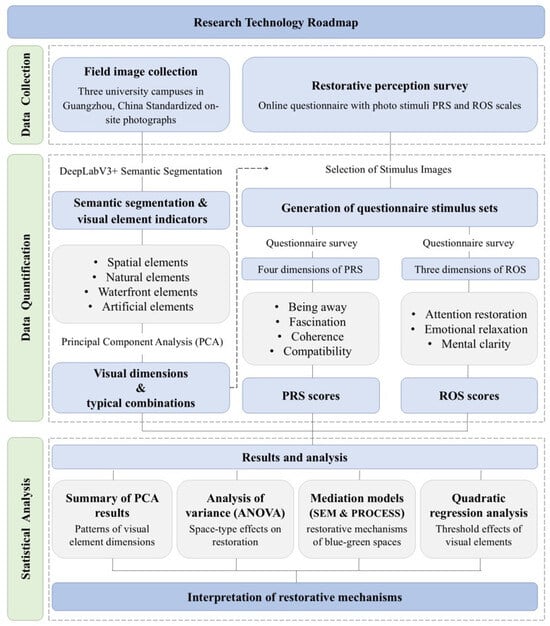
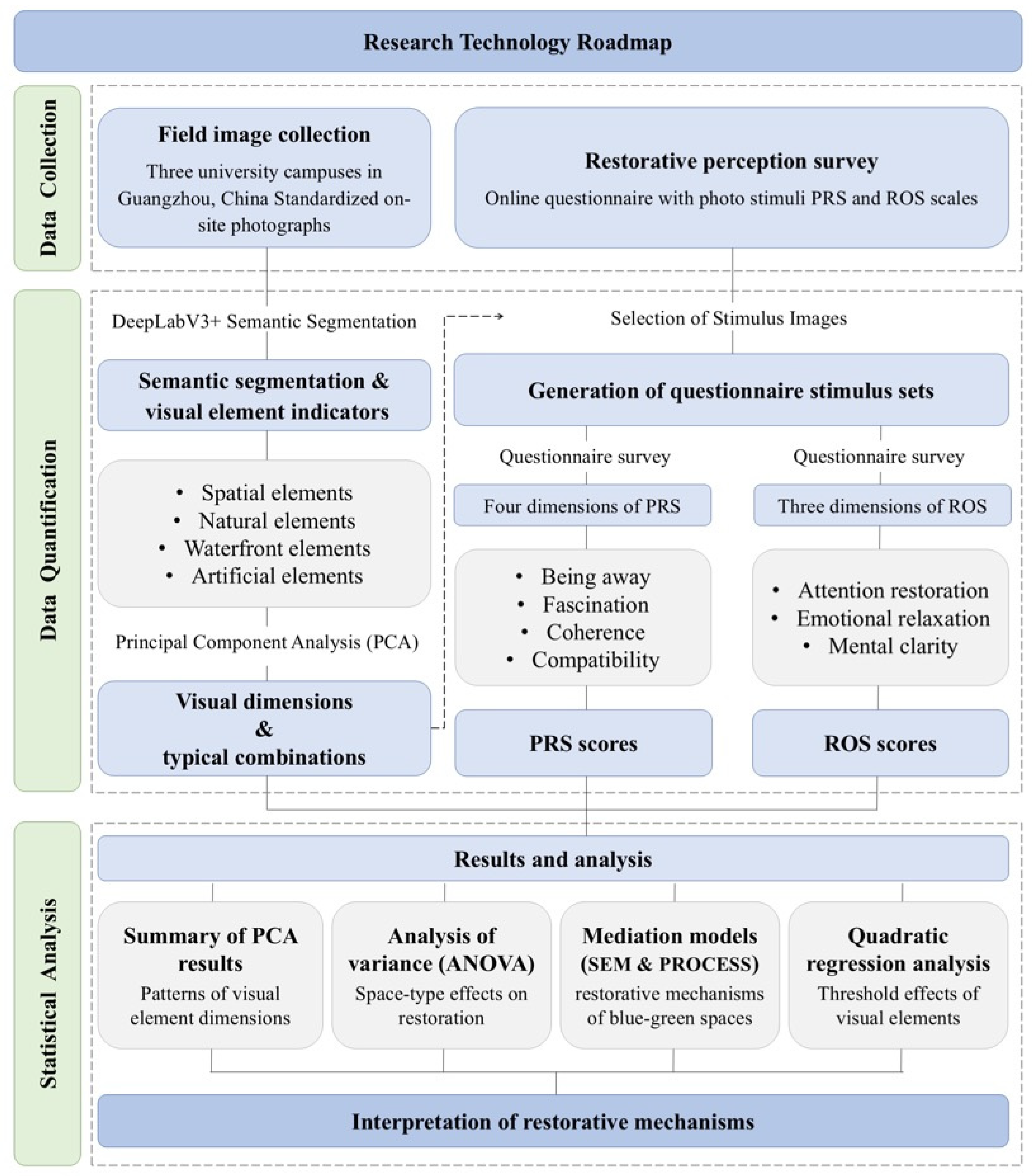
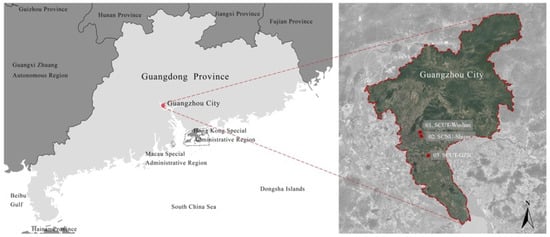
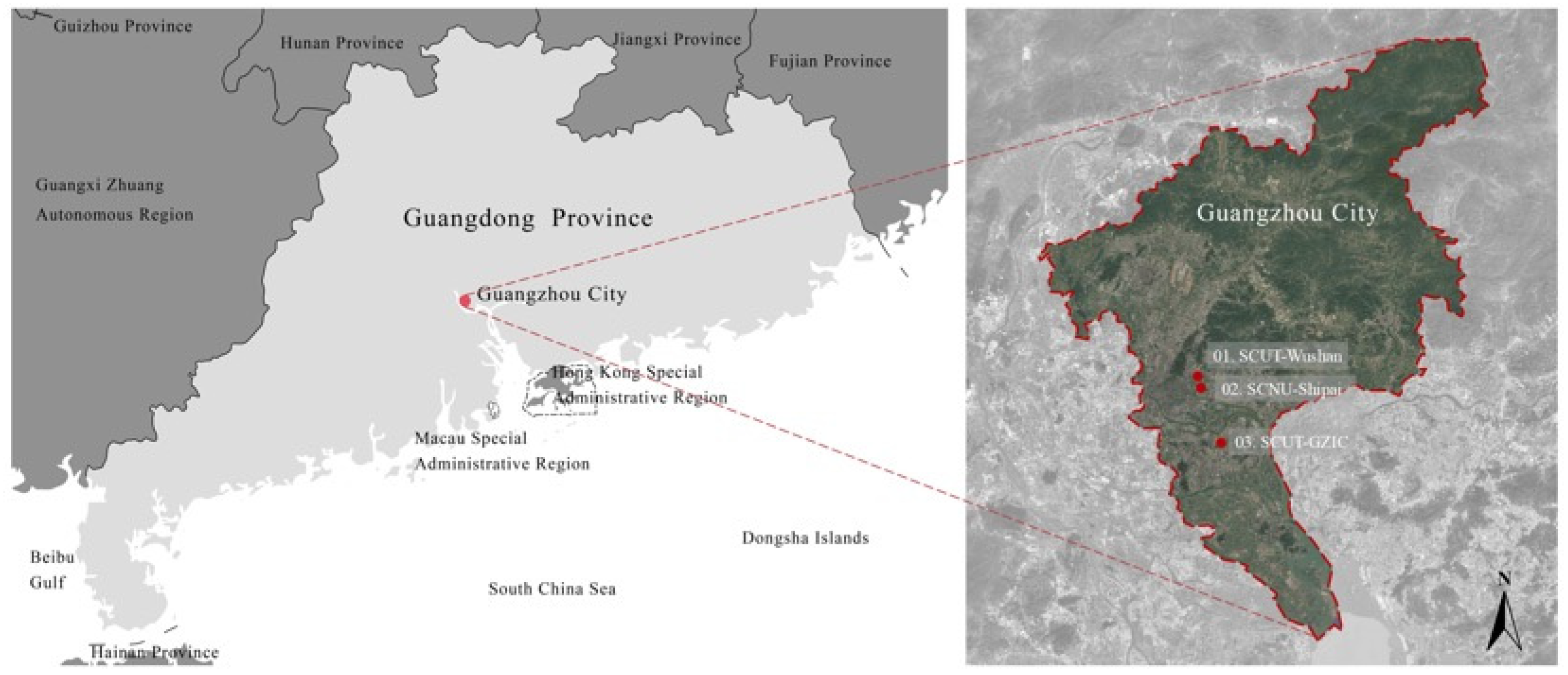
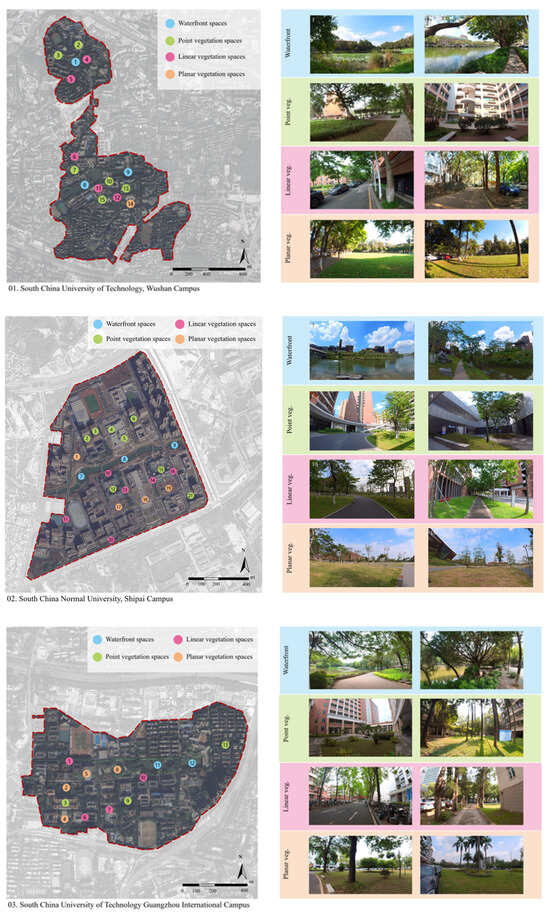
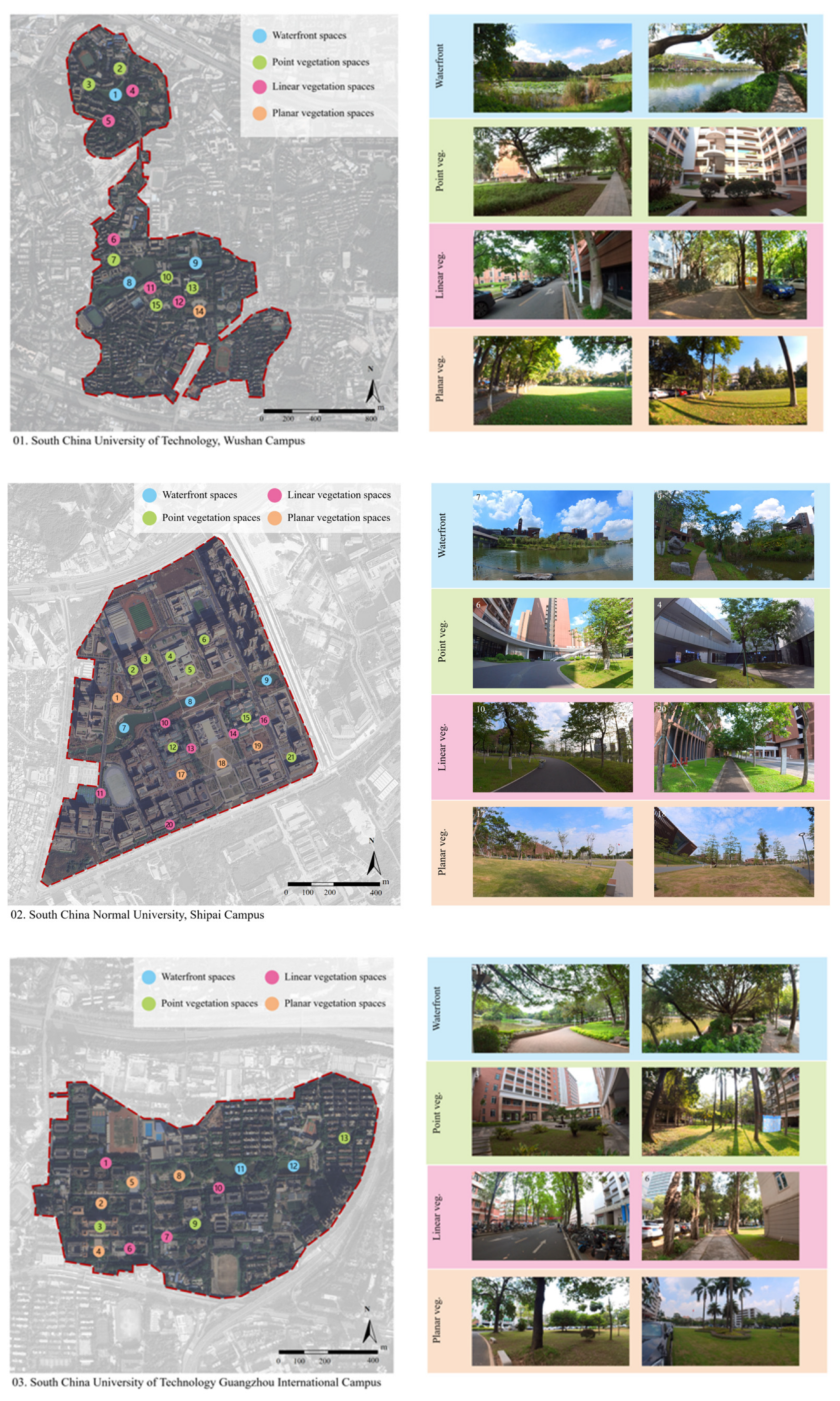
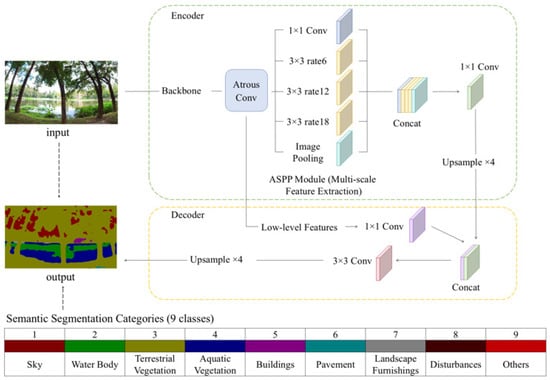
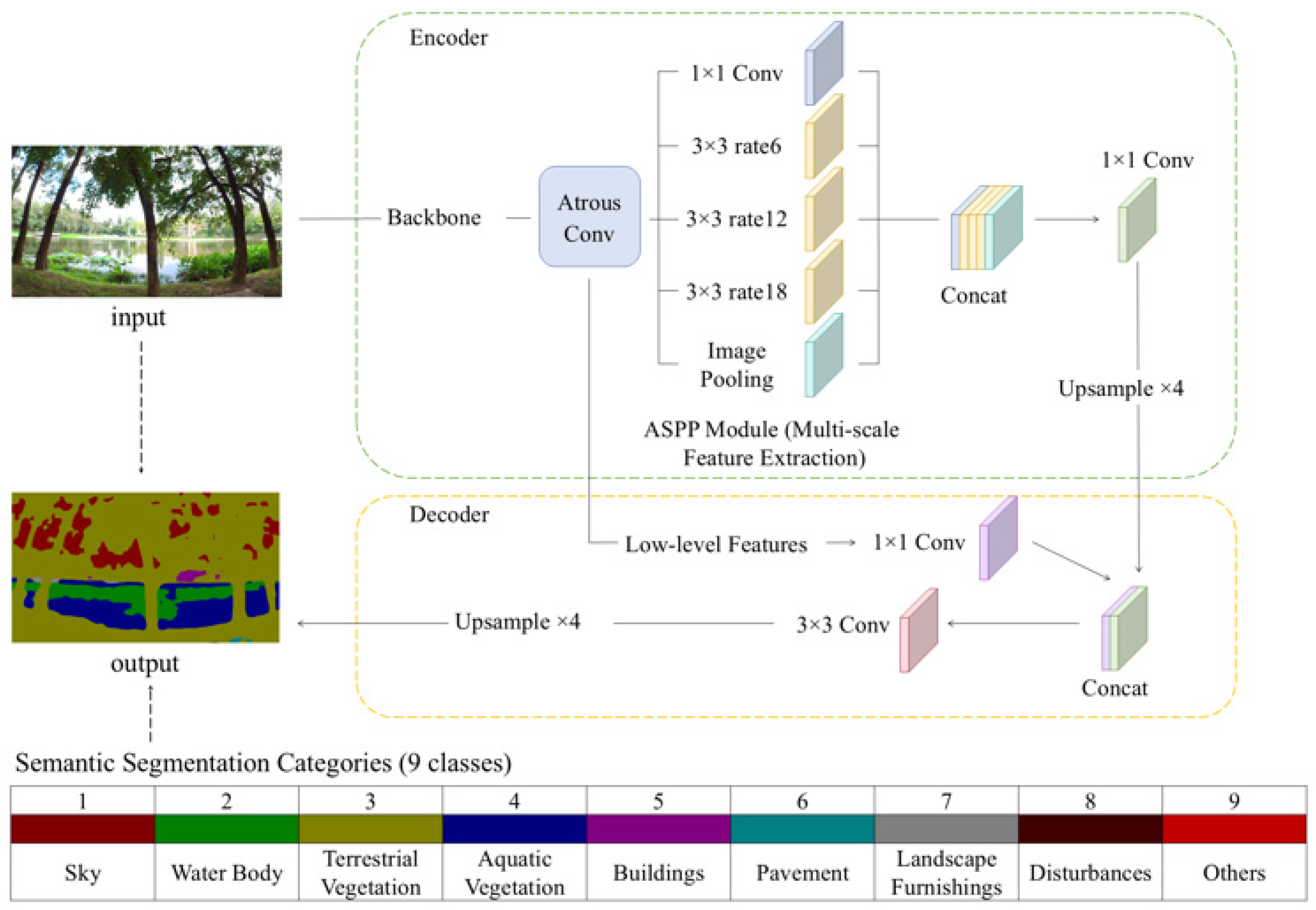

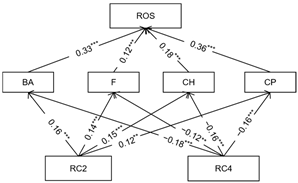
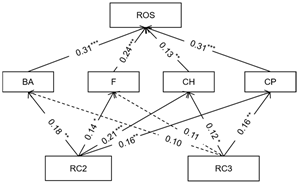
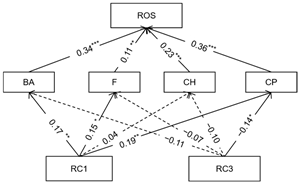
Disclaimer/Publisher’s Note: The statements, opinions and data contained in all publications are solely those of the individual author(s) and contributor(s) and not of MDPI and/or the editor(s). MDPI and/or the editor(s) disclaim responsibility for any injury to people or property resulting from any ideas, methods, instructions or products referred to in the content. |
© 2026 by the authors. Licensee MDPI, Basel, Switzerland. This article is an open access article distributed under the terms and conditions of the Creative Commons Attribution (CC BY) license.