


Abstract
As sustainability marketing research advances, conceptual debates persist regarding relevant stakeholders, motivations, and the integration of sustainability into marketing. However, these debates are not always consistently reflected in empirical work. Given the urgency of sustainability, a unifying framework is crucial to synthesize four decades of research. We aim to provide a durable framework to ensure that critical research progresses efficiently by supporting meaningful knowledge generation in sustainability marketing research. We conduct a scoping review of 48 conceptual articles, resulting in the A-VO-S Map. Its three dimensions are: Actors (Consumers, Businesses, Institutions), Value Orientations (Self-, Societally-, and Environmentally-Oriented), and Scope of Sustainability (Peripheral to Central). We then present an evidence map of empirical sustainability marketing research based on a content analysis of 191 empirical articles from 19 top journals. Findings reveal that Consumers are overrepresented, Societal-Orientation lacks supporting evidence, and sustainability is studied with a Moderate Scope. We conclude the paper with a practitioner-informed research agenda and an interactive version of our evidence map. Thus, we offer unique contributions over prior reviews through a meta-framework that functions as an evidence map, with high valorization potential due to its interactive tool and practitioner-informed perspectives.
1. Introduction
Sustainability is a pressing global issue that requires immediate attention [1,2,3]. The rapidly evolving demands of sustainability, the diversity of stakeholders involved, and the complex, interdisciplinary nature of the field highlight the need for focused, actionable research directions to guide academics. To define the scope and direction of research, clear concepts and empirical direction are crucial. Ideally, conceptual theory informs empirical research, which in turn advances conceptual research, establishing a mutually reinforcing relationship [4]. However, conceptual debates within sustainability marketing make it challenging to generate empirical research that is cohesive with conceptual calls. Thus, the field currently faces conceptual ambiguity [5,6], overlapping constructs [7,8], and terminological confusion [9]. Without conceptual clarity, researchers risk exploring tangential or redundant topics, resulting in fragmented findings [10] that lack a stable, unified direction [11].
Addressing conceptual ambiguities in sustainability marketing is critical to provide a clearer path for future empirical research. Where conceptual work identifies key areas requiring empirical investigation, empirical research validates and refines these conceptual models [4,12]. This symbiotic relationship ensures that both conceptual and empirical scholars address critical questions, advancing the field in a structured manner that fosters a cohesive research agenda. Thus, a unified conceptual framework that offers a clear overview of the state of research enables empirical research to identify and fill meaningful gaps in the literature by bridging the field’s theoretical and empirical branches [13,14,15].
Furthermore, when conceptual calls and empirical research progress in tandem, theoretical knowledge is more easily translated into actionable business insights. Across the field, there has been a growing emphasis on enhancing the value of marketing research for practitioners [16,17] to ensure that academic sustainability research is not siloed in the ivory tower. Yet marketing academics struggle to engage practitioners, who struggle to see the relevance of academic research [18], leading to a decline in research impact [19]. Given the urgency of achieving sustainability goals, this perception must be countered, as academic research can provide practitioners with knowledge that improves decision-making in sustainability marketing. By aligning conceptual and empirical research, sustainability marketing can more effectively guide the adoption of sustainable knowledge in practice by providing clear, practically relevant research directions.
In this review article, we have three key objectives: (i) conduct a scoping review of conceptual sustainability marketing research to develop a meta-theoretical framework, (ii) create an evidence map of empirical sustainability marketing research along this framework, and (iii) outline practitioner-relevant research directions for the field. This paper is structured around these objectives. First, we present a scoping review of 48 conceptual articles that developed the A-VO-S Map, offering a meta-theoretical conceptual framework for sustainability marketing. This provides a structured approach to understanding conceptual research and identifies key dimensions of sustainability marketing. Next, we demonstrate how we used content analysis to generate an evidence map of 191 empirical sustainability marketing articles from 19 top marketing journals, thereby populating the A-VO-S Map. We finish with a general discussion that offers a theoretical synthesis, practitioner-informed research directions, methodological reflections and limitations, an interactive web tool, and practitioner implications.
2. Building the A-VO-S Map: A Scoping Review of Conceptual Sustainability Marketing Research to Identify Unifying Dimensions
The Need for a Scoping Review
A first step toward creating a clear structure for sustainability marketing is to provide an overview of the field’s current scope [20,21,22]. To do this, we conducted the first scoping review of the sustainability marketing field.
The importance of conceptual unification for the field speaks for itself in the many prior efforts to structure sustainability marketing research and build coherence, including literature reviews [23,24,25], bibliometric and co-citation analyses [26,27], and meta-methods [28]. These efforts have led to a broad debate on sustainability as a field within marketing, highlighting that, while there is no shortage of high-quality conceptual work, there is a lack of a unified structure. This fragmentation is exacerbated by divergent terminology and frameworks [13], resulting in scattered conceptual research across various streams [29]. The diversity of frameworks, while valuable in many ways, can hinder research exchange and slow the field’s overall progress.
A scoping review offers the best approach beyond what prior review methodologies offer. A scoping review provides a “big picture” lens to structure a field by synthesizing the extent and breadth of existing literature and examining the field’s key characteristics [20,21,22]. Using the clear methodological steps of a scoping review, we go beyond a traditional literature review by integrating and interpreting diverse research through an intentional meta-theoretical lens. We also go beyond meta-analysis, focusing on conceptual discussions rather than individual studies or effects. We also extend our reach beyond examining publication patterns or trends in conceptual research, as bibliometric and co-citation methods primarily aim to do. This scoping review enabled us to achieve our first objective: creating a meta-theoretical framework for sustainability marketing that offers a higher-level synthesis of the field [22].
Looking ahead, a scoping review is particularly well-positioned to produce evidence maps [20], which address our second objective. Evidence maps are visualizations of evidence synthesis, which we produce by mapping empirical sustainability marketing articles onto our conceptual framework. With this, we aim to create a bridge between conceptual calls and empirical research, ensuring that both types of research progress in tandem. Additionally, evidence maps are useful not only for academic audiences but also for communicating the state of a field to non-academic stakeholders, such as policymakers and practitioners [20]. This enabled us to communicate the state of the field to practitioners, which in turn allowed them to identify critical research gaps. With that, we generated key practitioner-informed research directions that address our third objective. This enhances the applied value of sustainability marketing research, creating an impact that extends beyond the academic sphere.
3. Methodology of the Conceptual Scoping Review
Sampling method. The literature search for this conceptual scoping review was conducted in March 2022 and updated in February 2025, in line with PRISMA guidelines (see Supplementary Material SA for the PRISMA checklist, as per Tricco et al., 2018 [30]) using the Web of Science and Scopus databases. See Figure 1 for the PRISMA flow chart. The search terms “sustainab*” and “marketing” were used in titles, topics, keywords, and abstracts [8,29]. 10,401 articles were collected. After removing duplicates, 8866 articles remained. The articles were then reduced to English peer-reviewed journals relevant to sustainability marketing. The inclusion criteria were broad, encompassing several sources. Only journals that were distinctly unrelated, for example, the EMS Journal for Medical Education and the Journal of Statistics and Management Systems, were excluded. We acknowledge that filtering out non-English journals could tilt our framework towards an Anglophone lens. However, we aimed to be more inclusive of non-Western research by including all relevant journals, rather than just the top publications in the field. These journals have been shown to be more accessible to researchers outside of the global North [6,31], and valuable sustainability research is found outside of top marketing journals [32]. This left us with 3942 articles.
Figure 1.
PRISMA Flow Chart for Identification and Screening of Non-Empirical Sustainability Marketing Articles Across Web of Science and Scopus Databases.
To further refine the sample, we applied two inclusion criteria for the scoping review by reviewing the articles based solely on their titles to fit our first objective of reviewing conceptual articles pertaining to sustainability marketing [26]—(1) relevant to marketing and sustainability, namely, linked to the marketing discipline through Hunt’s (1983) [13] explananda for marketing theory (further described below) and addressing sustainability from an environmental and/or societal lens, and (2) conceptual, thus excluding quantitative studies, interviews, experiments, or field studies. Using these two criteria to evaluate articles by title, the sample was reduced to 612.
The authors then reviewed the abstracts of the 612 articles. First, abstracts were assessed for fit to sustainability and marketing and non-empirical methods, resulting in a refined selection of 186 articles [33]. The authors then developed a systematic selection catalog based on Hunt’s (1983) [13] explananda for marketing theory (see Supplementary Material SB).
This yielded a 12-item binary evaluation framework that facilitated a rigorous assessment of article relevance. Abstracts were evaluated with questions regarding previous synthesis calls (e.g., “Does the abstract discuss shifting marketing paradigms?” [26]) and prior conceptualizations of sustainability in marketing (e.g., “Does the abstract refer to sustainability as a holistic concept, accounting for the environment, society, and economy?” [24,34]). We included all articles with a score above nine, a threshold determined through careful calibration of relevance to the scoping review’s objective. Robustness checks ensured the approach did not exclude relevant conceptual content. The author team then reviewed the 46 articles and excluded three additional articles (details of their exclusion are outlined in Supplementary Material SC), resulting in a final sample of 43 articles from 17 journals. In February 2025, we conducted a follow-up search and added five new articles [1,2,3,35,36], bringing the total to 48 (see Supplementary Material SD). This relatively small sample is due to our stringent inclusion criteria regarding the scope of the articles and our goal to create a meta-structure, which required each article to offer a framework for the field itself.
Data analysis. We conducted a directed qualitative content analysis using Atlas.ti to identify unifying dimensions, following coding guidelines from various sources [37].
This approach is well-suited for sustainability marketing, where there is an understanding of pre-existing themes or concepts [38], for example, the role of consumers in sustainability marketing and the Triple Bottom Line’s People, Planet, and Profit, and yet, theory would benefit from expansion, and critical concepts still need to be identified [39]. The directed qualitative content analysis required interpretive synthesis [37,38]. The coding was conducted by the first author, and no formal inter-coder reliability statistic was calculated. To enhance credibility, the full author team participated iteratively in (i) defining and refining the coding framework, (ii) discussing and resolving borderline cases, and (iii) reviewing the emerging dimensions over multiple rounds.
119 first-level codes comprising 1179 quotations were identified through initial coding that combined theory-informed codes (i.e., sensitized to the importance of consumers and businesses in sustainability marketing) with inductive codes for content not captured by prior frameworks. The most grounded codes (“the number of quotations coded by a single code”, Atlas.ti (2023) [40]) were value orientations (104 quotes), definitions of sustainability (97), businesses as profit-driven (70), frameworks (69), and paradigm shifts (66). These codes were iteratively axially coded into categories via inductive abstraction [41]. For example, the Consumer category was identified by categorizing open codes such as consumption and consumer responsibility.
The categories were then selectively coded to identify underlying dimensions [39]. The first dimension, Actors (274 quotes over 16 codes), includes categories of Consumers, Businesses, and Institutions. The second dimension, Value Orientations (319 quotes across 10 codes), comprises categories of Self-Oriented Motives, Societally-Oriented Motives, and Environmentally-Oriented Motives. The final dimension, Scope of Sustainability, encompassed various Approaches to Sustainability in Marketing (256 quotes across 16 codes), Marketing Critique (239 quotes across 11 codes), and Definitions/Conceptualizations of Sustainability Marketing (282 quotes across nine codes). Taken together, this dimension addresses the ongoing debate about how sustainability should be integrated into marketing research. Supplementary Material SE offers an outline of how this dimension aligns with its related constructs in the conceptual sample.
4. Results of the Scoping Review
Below, we outline each dimension of the A-VO-S Map. Table 1 offers definitions and an in-depth analysis of how each dimension manifested in the conceptual sample. While we discuss each dimension separately here, they are intricately linked. To understand sustainability marketing in its complexity, all dimensions should be considered together. We address this in further depth after introducing the dimensions.
Actors. This dimension refers to the various stakeholders or entities involved in or influencing sustainability marketing efforts and outcomes. Actors are made up of three different agents who hold varying levels of responsibility and capacity for sustainability—(i) Consumers, (ii) Businesses, and (iii) Institutions, which cover a network of actors functioning at the macro-level of capacity and agency, including policymakers, governments, non-governmental institutions, educational institutions, and researchers [33,42,43].
Table 1.
Meta-Theoretical Insights From The A-VO-S Map Related To The Sampled Body of Conceptual Work.
Value Orientations. This dimension refers to the underlying motivations, personal values, identity, norms, and feelings that influence how Actors direct their sustainability actions. It is grounded in established theories of behavior and motivation, which commonly distinguish between self-interested (egoistic), other-regarding (prosocial), and biospheric (environment-focused) drivers of sustainable behavior. In our conceptual sample, these drivers appear through theory-based lenses and integrative frameworks. As examples of theory-based lenses, Lunde (2018) [49] used the Theory of Planned Behavior, Borland and Lindgreen (2013) [58] explored ecocentric motivators for businesses, and Coffin and Egan-Wyer (2022) [47] discuss the balance between altruism and egocentrism. In their integrative framework, White et al. (2019) [44] operationalize key motivational levers of Social Influence, Habit Formation, and Tangibility, and Xu and Gursoy (2015) [65] discuss the motivators and inhibitors of businesses’ engagement in greening their supply chain.
From synthesizing these recurring motivational framings across the conceptual sample, we derived the Value Orientations dimension, which captures the primary focus of sustainability efforts. This dimension is split into three levels of abstraction: Self-Oriented, when sustainability actions are motivated by Self- (Consumer), Profit- (Business), or Growth-Oriented (Institutions) objectives; Societally-Oriented; and Environmentally-Oriented (Table 1). Various conceptualizations in the sustainability literature align with these orientations, such as the Triple Bottom Line, Environmental, Equity, and Economic [53], Promise, Principles, and Partnerships [61], and broader frameworks like People, Prosperity, Peace, and Planet [2], or Individual, Community, and Planet [35].
Scope of Sustainability. Lastly, the dimension of Scope of Sustainability reflects how sustainability can be integrated into marketing practices, on a continuum of Very Peripheral to Very Central. When sustainability is Peripheral to marketing, it is approached as a side effect of Self-, Profit-, or Growth-Oriented objectives or as a secondary concern [50,58,66]. For example, some scholars have argued that sustainability is often used as a tool to drive profit or growth, with social or environmental benefits being secondary [67]. However, with a Central Scope, sustainability becomes a core part of the research value proposition, with sustainability efforts deeply embedded in efforts to contribute to long-term societal and environmental well-being. For example, Sheth and Parvatiyar (2021) [63] propose that marketing is transitioning from a market-driven to a market-driving approach, where marketing efforts should redirect consumers toward more sustainable consumption practices, de-prioritizing growth and profit. Mende et al. (2024) [2] also emphasize the importance of aligning marketing strategies with the Sustainable Development Goals (SDGs). This shift has been documented in recent reviews that reflect on the evolving role of sustainability in marketing research [1,3].
Table 2 provides a more detailed examination of how the identified dimensions and sub-dimensions relate to the sampled body of conceptual work. The table also provides examples of how these dimensions manifest in prior conceptual research.
4.1. Potential Interconnectedness of the Dimensions
We acknowledge the potential interconnections among these dimensions while maintaining that each dimension is orthogonal and represents a distinct category. For instance, in most conceptual work, Actors are rarely mentioned in isolation but are part of interconnected networks in which their actions impact one another [50]. For example, the GREEN framework [49] primarily functions at the Consumer level but incorporates the roles of Businesses and Institutions. Similarly, an Actor may primarily focus on one orientation, but other orientations can still provide collateral benefits. For example, a Consumer donating to community charities is Societally-Oriented, but this may also fulfill Self-Oriented goals (e.g., the warm glow effect [53]). Additionally, Value Orientation and Scope of Sustainability frequently overlap. When sustainability is Central, it is often Societally- and Environmentally-Oriented. Yet, these dimensions are distinct. For example, a company offering green construction services may have sustainability at the core of its operations (i.e., a Central Scope), while its Value Orientation might still be Profit-Oriented (e.g., meeting market demand for sustainable services).
4.2. The A-VO-S Map’s Unique Contribution
To demonstrate that this scoping review and the resulting A-VO-S Map offer a novel, meaningful contribution beyond merely replicating existing frameworks, we compared it to the 48 sampled articles. We evaluated whether these articles included all three dimensions we identified as distinct and orthogonal factors (see Table 2).
While aspects of our framework are present in prior research, most do not focus on all three dimensions concurrently. Prior research typically provides deeper insights into a single sub-dimension [36,44,66], such as by addressing a specific Actor in more detail [43,68]. Alternatively, some frameworks combine a single sub-dimension (e.g., focusing on Businesses) with all sub-dimensions of another dimension (e.g., all three Value Orientations), for example, Triple Bottom Line research [57].
Some frameworks include Actors and Value Orientations, along with their sub-dimensions [24,42,53]. However, these either do not address the Scope of Sustainability or do not treat it as a distinct dimension. As discussed earlier, a Central Scope of Sustainability often aligns with an orientation towards the long-term well-being of society or nature. This alignment has conflated the Scope of Sustainability and Value Orientations. For example, Lunde (2018) [49] offers the GREEN framework, which distinguishes between the Value Orientations that motivate Businesses and Consumers. However, it does not consider the extent to which sustainability is central to research; thus, the Scope of Sustainability dimension is not addressed. As another example, Laczniak and Shultz (2020) [55] argue that socially responsible marketing research should primarily focus on pro-social outcomes rather than on instrumental or financial outcomes. While this does account for the Scope of Sustainability, in their framework, Value Orientations are intertwined with Scope rather than accounted for separately, demonstrating a lack of orthogonality.
Some frameworks do allude to orthogonality between the three dimensions we have identified. For example, Chabowski et al. (2011) [57] employ a three-dimensional typology of sustainability marketing, making this distinction via Emphasis (Social/Environmental), Focus (Internal/External), and Intent (Legal, Ethical/Discretionary). These dimensions reflect how sustainability is integrated (Peripheral versus Central). However, Chabowski et al.’s (2011) [57] typology focuses solely on businesses. Kemper and Ballantine (2019) [24] provide a three-leveled (Auxiliary, Reformative, and Transformative) overview of sustainability marketing that discusses Actors and Value Orientations, but with less consideration of each sub-dimension than the A-VO-S Map offers. While they partially address Scope by indicating how sustainability is (not) prioritized and integrated into business models at all three levels of sustainability marketing, they take a higher-level theoretical perspective instead of offering a clear research agenda and evaluative component of what research with a Central Scope of Sustainability is, as the A-VO-S Map does.
Building on the comparative assessments above and insights from Table 2, the A-VO-S Map makes a novel contribution by clearly and orthogonally identifying all three core dimensions and their respective sub-dimensions.
Table 2.
Overlaps Between Prior Frameworks and The A-VO-S Map’s Dimensions and Unique Offerings, Where First Row Shows How the A-VO-S Map Fulfills All Elements.
5. The A-VO-S Map as an Evidence Map: Identifying Trends and Gaps in Evidence in Empirical Sustainability Marketing Research
Following the identification of the unifying dimensions of the A-VO-S Map, we now aim to provide an evidence map of the spread of evidence-supported empirical research across these dimensions.
By visualizing the A-VO-S Map and populating it with empirical sustainability marketing articles, we provide an evidence map of the current state of empirical research [20]. that illustrates how empirical research aligns with the conceptually derived dimensions. The visualization of the A-VO-S Map as an evidence map succinctly communicates patterns and evidence-supported gaps, reducing accessibility barriers and highlighting paths for future research [77,78,79].
Here, we focus specifically on empirical research to bridge the gap between conceptual calls and the research being conducted. This aligns with the goal of evidence maps to identify clusters of primary studies that offer evidence and critical gaps in a research area using a pre-specified framework (i.e., the A-VO-S Map), assisted by strong visualization to succinctly communicate the evidence [79]. Practically, the format of empirical research lends itself better to a stringent coding rubric, as its structure is more systematic, increasing the comparability between coders. This methodological flow follows the pathway from scoping review to evidence mapping, as outlined by Campbell et al. (2023) [20], to offer a “big picture” of sustainability marketing research.
6. Methodology to Construct the Evidence Map
To construct the A-VO-S Map as an evidence map, we conducted a content analysis of 191 sustainability marketing articles from 19 top marketing journals. Content analysis is a well-established method for analyzing textual data, usually by counting occurrences of a construct [80]. Recently, Mende et al. (2024) [2] used content analysis to examine how the SDGs are represented in marketing journals. It is also helpful for mapping research across dimensions, aligning it with the goals of an evidence map.
Sample. We sampled marketing journals ranked three or higher on the AJG list (Academic Journal Guide 2024, Chartered Association of Business Schools) in November 2024. Prior research has typically focused on the six marketing journals from the Financial Times Top 50 list [26,36,44]. We aimed to provide insights across a broader range of journals. Yet, because each article was manually coded, we were unable to sample from all journals. The AJG list, ranked three and above, strikes a balance by sampling the six Financial Times Top 50 journals and 13 additional influential marketing journals.
Within the 19 selected journals, we applied the same search criteria as for the scoping review (“sustainab*” AND “marketing”), collecting 278 articles. We then filtered out articles that did not meet our inclusion criteria. In this step, our search targeted empirical, quantitative studies. After applying these filters, the final sample included 73 articles from 14 journals (five journals had no matching articles). A two-person coding team coded these articles using predefined coding categories, as called for in evidence mapping [20].
To provide an extended perspective of sustainability marketing research, we also conducted a search using the term “sustainab*” alone, identifying an additional 118 articles. This second sample serves as a robustness check, and our analysis revealed no substantial contradictions. Together, these make up the sample of 191 empirical articles.
Codebook development. Evidence maps require a coding framework to extract high-level data with predefined coding categories [20]. Thus, we developed a codebook based on the dimensions of the A-VO-S Map, which the author team iteratively refined to improve our initial conceptualizations and account for differences between conceptual and empirical research. The codebook (Supplementary Material SF) has a robust theoretical grounding, as it is rooted in our findings from the conceptual development of the A-VO-S Map. The codebook introduces each construct, providing a definition, full description, inclusion criteria, exclusion criteria, and examples for each Actor and the three Value Orientations per Actor.
Actors are only marked as present if they were directly involved in the empirical steps of the research.
Value Orientations are considered present only if they are both directly examined in the article and demonstrate a significant effect. For example, if Consumers’ pro-environmental attitude were measured and found to be significant, they would then be marked as Environmentally-Oriented. This approach encompasses both the researchers’ goals (whether a certain Value Orientation was measured by design) and participant behavior (whether their response was significant), combining a research-design layer with an evidence-support layer. However, we also acknowledge the impact of publication bias on this evidence map and explore this limitation in the General Discussion.
The codebook also guides the rating of an article’s Scope of Sustainability from Very Peripheral (1) to Very Central (5). Assessing the Scope of Sustainability requires distinguishing between the researchers’ motivations, positioning, and research design and the research’s actual outcomes. The Scope of Sustainability not only reflects market developments but also reveals the extent to which researchers perceive sustainability as integral to both marketing practice and the research discipline. We examine the Scope of Sustainability from researchers’ perspectives, furthering the research-design layer of the Value Orientations dimension. This approach aligns with calls to integrate researchers’ roles in shaping a field [81]. The codebook outlines how each level differs in sustainability in the research question, the target for sustainability, the research design, the framing of findings, and the mitigation attempts of any unsustainable findings (Supplementary Material SF). Thus, the Scope of Sustainability is not a normative moral rating of research but an ordinal rating of how sustainability is framed in the research design. Supplementary Material SG presents two worked examples of borderline cases to illustrate how the coding of the Scope of Sustainability was approached when disagreements arose.
Pilot phase and coder training. Two coders were trained for eight hours. The codebook was explained, and any uncertainties were addressed. A training phase on a subset of the articles (n = 10) established intercoder reliability. The unit of analysis was the full article, including any appendices. After the training phase, minor codebook adjustments were made.
Coding process. The training articles were resubmitted to the sample to ensure equal treatment, and the two-person coding team separately coded all 73 primary articles. For each article, coders answered thirteen questions via Qualtrics. For Actors and Value Orientations, coders merely had to indicate the presence of the construct. For example, the coder would be asked, “Is the Consumer an Actor in this article?” If they indicated “Yes,” they would be asked, “Is the Consumer Self-Oriented in this article?”, “Is the Consumer Societally-Oriented in this article?”, and “Is the Consumer Environmentally-Oriented in this article?”, then answer Yes or No independently. The Scope of Sustainability was measured from 1 (Very Peripheral) to 5 (Very Central). To offer more auditability, Table 3 details the coding rubric for the Scope of Sustainability. For the full codebook, please refer to Supplementary Material SF.
Table 3.
Scope of Sustainability ordinal coding rubric for coders based on four core criteria.
Reliability. Inter-coder reliability was calculated at two points: after the pilot test and then at the end of the coding process [80]. Krippendorf’s alpha was above 0.8 for the entire pilot sample, considered a high alpha [80]. In the final reliability test, inter-coder agreement exceeded 85% for all items, and Krippendorf’s alpha remained above 0.8 for all units and measures (see Supplementary Material SH for full reliability scores). Disagreements on binary items were resolved by discussion. After the primary sample was coded, one of the authors coded the secondary sample using the same codebook and process.
7. Results of the Evidence Map
The A-VO-S Map, including all 191 articles, is presented in Figure 2. The A-VO-S Map is an evidence map that combines the features of a radial wheel and a heatmap, displaying patterns and gaps [20,77,78,79]. We chose a radial design, as it is more visually intuitive and user-friendly than traditional tables or Cartesian models [82]. The map is divided into three segments, representing Consumers, Businesses, and Institutions, ensuring each Actor has equal visual weight and eliminating any implied hierarchy. It is also flexible: future research can easily incorporate new Actors or more granular dimensions [83,84]. For example, while the current sparsity of research on Institutional actors supports grouping them together, if more research is generated on governments in the future, governments can be listed as Actors in their own right. The three rings represent the Value Orientations—Self-Orientation (purple), Societal-Orientation (blue), and Environmental-Orientation (light green). These color choices ensure visual harmony without implying a ranking of importance [85]. The map also shows how an Actor can span multiple Orientations. Finally, the Scope of Sustainability is displayed radially, from Very Peripheral to Very Central, reflecting the integration of sustainability into each Actor’s practices. This design also allows the Scope of Sustainability scale to be expanded if necessary.
Figure 2.
The A-VO-S Map.
Each article is represented by a series of nodes corresponding to the Actor(s) present in the article, the Value Orientation(s) of those Actors, and the article’s Scope of Sustainability. Opaque nodes represent the 73 articles coded by the two-person coder team, while semi-transparent nodes represent the 118 robustness check articles. We provide the full reference list for this sample in Supplementary Material SI. The colors of the nodes indicate the various journals. While not the primary focus of our analyses, differentiating the journals’ colors allowed us to observe interesting trends in our dimensions across the 19 included marketing journals (Supplementary Material SJ).
7.1. Descriptive Trends of A-VO-S Map as an Evidence Map
For Actors, 61 (83.6%) articles discuss Consumers in sustainability marketing. Following that, 26 (35.6%) discussed Businesses, while only seven (9.6%) discussed Institutions as Actors. In the secondary sample, 101 of the 118 articles (85.6%) discussed Consumers, 30 (25%) addressed Businesses, and just eight (6.8%) discussed Institutions.
Value Orientations are coded only when explicitly tested and statistically significant; therefore, gaps reflect areas with less statistically significant published evidence. Of the 61 sustainability marketing articles in the primary sample that recognized Consumers as Actors, 56 articles (91.8%) found them to be Self-Oriented in their sustainability action, thirteen articles (21.1%) Societally-Oriented, and 37 articles (60.6%) Environmentally-Oriented. Of the 26 articles that found Businesses as Actors, 25 articles (96.2%) found them to be Profit-Oriented in their sustainability action, four articles (15.4%) found them to be Societally-Oriented, and 20 articles (76.9%) found them to be Environmentally-Oriented. Of the seven articles that identified Institutions as Actors in sustainability, two (28.6%) were Growth-Oriented, one (14.2%) was Societally-Oriented, and all seven (100%) were Environmentally-Oriented. Thus, Consumers were primarily Self-Oriented, and Businesses primarily Profit-Oriented. Unlike the other Actors, Institutions were found to be mostly Environmentally- rather than Growth-Oriented. Similarly, in the secondary sample, of the 101 articles with Consumers as actors, 89 (88.1%) found them to be Self-Oriented, 19 (18.8%) as Societally-Oriented, and 59 (58.4%) as Environmentally-Oriented. For Businesses, all 30 (100%) of the articles that found Businesses to be Actors were found to be Profit-Oriented, 10 (33.3%) were Societally-Oriented, and 22 (73.3%) were Environmentally-Oriented. Of the eight articles that found Institutional actors, four (50%) found Institutions to be Growth-Oriented, four (50%) found them to be Societally-Oriented, and seven (87.5%) were Environmentally-Oriented.
Regarding the Scope of Sustainability, the primary sample showed that only one (1.4%) article had a Very Peripheral scope. Eighteen articles (24.7%) had a Peripheral Scope, 31 (42.5%) articles had a Moderate Scope, and 23 (31.5%) articles had a Central Scope. However, none had a Very Central Scope of Sustainability. In the secondary sample, six articles (5.1%) had a Very Peripheral Scope, 25 (21.2%) articles had a Peripheral Scope, 51 (43.2%) articles had a Moderate Scope, 36 (30.5%) articles had a Central Scope, and one (0.86%) article had a Very Central Scope.
7.2. Interpretation of the Patterns of the A-VO-S Map
One reason for the heavy empirical emphasis on Consumers is likely the increased accessibility of conducting consumer research through recruitment, the alignment with dominant methodologies, and the fit with standard marketing outcomes, for example, brand attitude. Lembregts and Cadario (2024) [81] found that high-potential consumer behaviors for climate mitigation have been underexplored due to external factors such as methodological challenges and practical constraints. On the flip side, research on Businesses, and especially Institutions, often requires access to organizations and governments, faces longer timelines and ethical or legal constraints, and can be harder to identify causally.
There is also sparse statistically supported Societally-Oriented evidence. However, because Value Orientations in the evidence map were coded as present only when explicitly examined and statistically significant, this should be interpreted as a gap in published statistically supported evidence, not necessarily as the absence of attempts to study this orientation. Nonetheless, the difference between clusters in Societally-Oriented research and Self- and Environmentally-Oriented research is notable. One explanation is that societal outcomes can be more difficult to measure because they require accounting for social desirability bias [84], making them harder to operationalize and measure accurately. Another explanation could be that Societal-Orientations are associated less with sustainability, despite being core to the SDGs [35].
The scarcity of Very Central research could indicate that the marketing field may not view sustainability a core tenet, as it reflects researchers’ choices in dependent variables, stimuli, models, and other methods that shape how Actors and their Values are framed [1,3,4,81]. However, another likely reason for this is the difficulty of operationalizing and testing system-level change within typical marketing research designs. As per Table 3, (Very) Central research requires interventions or outcomes that are high impact, structural, long-term, and multi-actor. Consistent with Lembregts and Cadario (2024) [81], research may cluster around a Moderate Scope due to practical limitations in conducting research.
7.3. Analysis of the Alignment of Trends in Empirical Research with Conceptual Research
Empirical researchers continue to focus heavily on Consumers, while conceptual research advocates greater attention to Institutional Actors to promote systems-thinking and enhance marketing’s societal impact [3,86,87]. This presents a clear opportunity for empirical researchers to more consistently incorporate Institutions as key Actors in their designs.
The evidence map is densest in Self/Profit-Oriented motivations, aligning with conceptual research suggesting that Consumers’ and Businesses’ sustainability engagement is often framed as primarily beneficial to themselves (e.g., self-satisfaction or identity fulfillment for Consumers, competitive edge for Businesses). When Institutions are examined, they are framed primarily outside the Growth-Orientation, consistent with conceptual research positioning Institutions as key change-makers. Encouragingly, the evidence map shows substantial Environmental-Oriented evidence across all Actors. However, as prior conceptual work has observed [1], there is sparse statistically significant published evidence supporting Societally-Oriented motivations, indicating an ongoing misalignment with conceptual calls to treat sustainability as a more holistic construct that includes societal outcomes alongside environmental ones.
Including Scope of Sustainability enabled us to assess alignment with conceptual work advocating for a Central integration of sustainability [1,2,3,24,57]. The evidence map clusters around a Moderate Scope and rarely reaches a (Very) Central Scope, suggesting that empirical literature has not yet matched the strongest conceptual calls. Importantly, studies with a Central Scope can still involve sustainable behaviors arising from Self-Oriented motives. For example, Kidwell et al. (2013) [87] focused on recycling through identity-affirming messaging (Self-Orientation), without measuring their Environmental-Orientation. Similarly, Mookerjee et al. (2021) [88] and Das et al. (2021) [89] examined sustainability through a Central Scope driven by Self-Oriented motivations. While any research with a Central Scope is meaningful, the relative scarcity of research with Environmental- and/or Societal-Orientations highlights a further misalignment with conceptual aspirations.
In summary, the evidence map highlights three key empirical research directions: (1) more research on Institutions, (2) continued pursuit of Societally-Oriented research, and (3) more research that adopts a (Very) Central Scope of Sustainability, particularly when combined with Environmental- and/or Societal-Orientations.
8. General Discussion
Sustainability marketing research has grown rapidly. Conceptual work aims to identify key areas of the field that require further empirical investigation, while empirical research helps validate, extend, and refine theory [4,12]. This symbiotic relationship ensures that scholars address critical questions and advance the field in a structured, cohesive manner. However, several fundamental debates persist. While such debates can enrich the field, the sheer volume of research, combined with a lack of structure [5] and ambiguous terminology [9], makes it challenging for researchers to navigate these discussions. This limits the potential for valorizing research, widening the academic-practitioner gap. A clear structure is essential to align conceptual calls with empirical research directions. Without this, research efforts risk further fragmentation, hindering the identification and resolution of gaps.
We address these challenges by (i) conducting a scoping review of conceptual research to offer a meta-theoretical framework, (ii) building an evidence map of empirical research, and (iii) offering practitioner-informed research directions. With this, we provide a unique contribution by assessing alignment between conceptual calls and empirical research, which, to our knowledge, has not yet been performed in the field. In this General Discussion, we first synthesize the theoretical insights from this review and then present our third key objective: practitioner-informed research direction. We finish this article with a reflection on the limitations of our approach, introduce an interactive tool, and finally, discuss the practical implications of this work.
8.1. Theoretical Synthesis and Core Insights
The A-VO-S Map is built on three core dimensions: Actors (Consumers, Businesses, and Institutions), Value Orientations (Self-, Societally-, and Environmentally-Oriented), and the Scope of Sustainability (Very Peripheral to Very Central). These dimensions synthesize ongoing debates and terminology, clarifying distinctions between concepts that are often conflated in prior work. By mapping empirical research onto this unifying framework, we also identify key research gaps that indicate a misalignment between conceptual calls and empirical directions.
Conceptual literature emphasizes the importance of expanding the focus from Consumers to include other stakeholders, such as Businesses and Institutional Actors [3,53,59]. Yet, empirical literature remains heavily focused on Consumer research [90,91,92]. While Consumer research is critical to the field, and conceptual calls acknowledge this, the field will benefit from empirical research on Institutions, as they are particularly powerful agents within the interconnected network of sustainability [50].
Conceptual research also increasingly recognizes the need to include Environmental- and Societal-Orientations alongside Self-Oriented motives [1,24,33,42]. Encouragingly, there is more evidence supporting Actors being driven by Environmentally-Oriented motives [93,94]. Nonetheless, a gap remains in Societally-Oriented research. This gap could reflect a lack of focus on Societally-Oriented research, or it could indicate that Actors are less often significantly Societally-Oriented. To clarify this, researchers should expand their focus to Societally-Oriented behaviors to contribute to existing progress in this area, for example, Tang et al.’s (2024) [94] study into the effect of psychological ownership of community on sustainable behavior. Critically, there is no mutual exclusivity among Value Orientations, and empirical research can continue to identify Self-Oriented motives to engage in sustainability while also incorporating holistic motives.
In addition to bridging conceptual calls and empirical research, our synthesis distinguishes the Scope of Sustainability from Value Orientations. Conceptual research largely calls for incorporating sustainability as a Central aspect of marketing practice, for example, shifting from profit generation to degrowth as a sustainability transition. Yet, empirical research clusters around a Moderate Scope. On a positive note, empirical research is trending towards a more Central Scope, for example, investigating consumer engagement in the sharing economy [91], examining the consequences of governmental plastic regulations [94], and exploring how marketing can be used to reduce disgust towards insect-based food [95].
Our approach also required us to reflect on the role of researchers in shaping sustainability marketing, specifically on the over-representation of research with a Peripheral Scope. On the one hand, this could reflect the behavior of unsustainable actors. On the other hand, it could also reflect how researchers frame their studies (i.e., dependent variables, stimuli, and other methodological choices; [1,3,4,81]). This challenge is increasingly explored in the broader marketing field [81]. As such, the A-VO-S Map represents both Actors’ motivations and researchers’ choices in study design. Recognizing this dynamic is crucial and warrants greater attention in future research.
Together, these insights underscore the need for sustainability marketing to align conceptual ambition and empirical effort to create a structured research agenda, avoiding further fragmentation of the field, minimizing the risk of duplicative efforts, and avoiding further theoretical confusion that hinders critical progress in sustainability research.
8.2. A Practitioner-Informed Research Agenda for Sustainability Marketing Researchers
Given the importance of achieving sustainability goals, future research in this area cannot be confined to academic audiences; it must also address industry-relevant questions. To this end, we conducted 21 semi-structured online interviews with sustainability executives to contextualize our insights and develop practitioner-informed research directions. Supplementary Material SK offers an extended analysis of these practitioner interviews, and Supplementary Material SL offers an extended list of practitioner-relevant research questions.
Executives expressed that while Consumer research is the most practically relevant, they are interested in Business research, for example, how sustainability can be framed as beneficial for both parties in B2B settings. They also highlighted two key Institutional Actors of interest: political parties, where a Growth-Oriented (securing votes and power) approach was seen as a barrier amid political polarization; and the media, which may spread anti-woke narratives. While executives highlighted the practical importance of Self- and Profit-Orientations, they are also interested in Societally-Oriented research. They believe that consumers may more easily relate to societal issues than to environmental ones, underscoring the need for further empirical work. While many were skeptical about a dramatic shift toward a Central scope, there was broad agreement that a more systemic, long-term approach is necessary. They expressed interest in research exploring these tensions while offering pathways to embed sustainability into core business activities.
In Table 4, we present exemplary research directions grounded in conceptual and empirical research conclusions and practitioner perspectives. We rank the relevance of these directions on a 3-tiered scale, where Tier 1 offers broad questions targeting critical gaps and underdeveloped intersections, Tier 2 advances promising areas, and Tier 3 focuses on detailed questions in areas that would benefit from incremental refinement.
Table 4.
Key Conclusions Per Dimension and Tiered Research Recommendations.
8.3. Limitations and Future Research Opportunities
We also note some limitations of our approach. In our methodological process, we treat conceptual and empirical work as distinct perspectives. However, we recognize that there is overlap between both streams of research. Meaningful conceptual insights are often disentangled and presented in tabular literature reviews that empirical research articles build on to identify their novel research gaps and theoretical contributions. While these conceptual developments in empirical research inform conceptual-focused research, as per the research cycle MacInnis (2011) [4] outlined, we acknowledge that we have not systematically incorporated these conceptual insights into our framework development.
Additionally, Value Orientations were coded as present in the evidence map only when they were explicitly examined and supported by statistically significant results. This makes the Value Orientation layer sensitive to publication and reporting practices, introducing interpretive ambiguity: gaps may reflect either limited attention to a Value Orientation or underreporting of non-significant results. Accordingly, we refer to gaps in published statistically supported evidence, not a definitive absence of research activity. To note, our qualitative reading of the articles suggests that Societally-Oriented research was indeed less prevalent than Environmental- or Self-Oriented research. Nonetheless, future iterations of the map could reduce ambiguity by separately coding (i) examined but non-significant and (ii) examined and significant Value Orientations.
We also had to make choices that limited our reach. The journal selection for our empirical sample is one of these. We sampled empirical articles from 19 top marketing journals identified in the AJG list of marketing journals ranked 3 and above [96]. However, important and influential research is not found only in these journals. There are various other sources that provide valuable empirical insights, such as non-marketing journals, practitioner-oriented journals (e.g., Harvard Business Review), primary industry white papers, or case studies. Incorporating these articles would also address issues of normativity and publication bias, creating important interdisciplinary links. The current framework is also largely grounded in Western perspectives. While many conceptual articles went beyond a purely Western lens, for example, by addressing Bottom of Pyramid consumers [68] and differences in consumption habits between Western and non-Western consumers [31,58], there is an opportunity to systematically examine the differences between frameworks from both regions. Future research that aims to include a broader range of studies would benefit from using large language models or artificial intelligence tools. However, we caution against relying only on artificial intelligence tools for qualitative coding of complex empirical research [97].
In addition to the journal selection, both our conceptual and empirical samples were limited by the search terms used to extract relevant articles. While we employed the broad terms “sustainab*” AND “marketing,” in line with the scoping review methodology [20,22], we acknowledge that many relevant articles would use divergent terminology. Consequently, the A-VO-S Map provides insights primarily into research that explicitly identifies itself as related to sustainability and marketing, without considering parallel terms such as “green,” “ecological,” or “eco-friendly”. Although we cross-checked our results with these terms, we encourage a more systematic approach. This reflects concerns of ambiguous terminology [9], and we recommend more convergent terminology to streamline research in sustainability marketing.
Our work, particularly the extracted dimensions and plotted articles, reflects the current state of sustainability marketing. Given the field’s fast-evolving, interdisciplinary nature, protecting the longevity of our work requires continuous updates. The A-VO-S Map would benefit from regular assessment and adaptation to incorporate new developments, ensuring it remains a relevant and cohesive synthesis of the field. For example, if research on governments expands, they may warrant their own category as an Actor, separate from the broader Institution category. This type of updating should take place both within sustainability marketing and across other relevant disciplines.
8.4. The A-VO-S Tool
Evidence maps are made even more valuable when they incorporate interactivity, making them accessible to audiences beyond academics, including policymakers and practitioners [20]. As an additional offering, we translated the A-VO-S Map into an interactive web tool, the A-VO-S Tool, accessible via this link—https://avosp.vercel.app/.
The A-VO-S Tool enables researchers and practitioners to interactively engage with research on a unified structure. Users can hover over each node to access critical information about the articles, including a “snackable” summary and a link to the full text. The tool also includes journal and temporal filters to visualize trends. To enhance usability, we have incorporated tooltips and panels that give users easy access to additional article details while minimizing information overload and visual clutter [98].
There are many pathways to growth for the A-VO-S Tool, for example, automating coding to incorporate a broader array of relevant empirical research. Yet, current language models struggle to capture nuances effectively [99], and the field’s dynamism still requires human involvement for accurate analysis [97]. For now, we offer a “Try It Yourself” functionality that allows researchers to map their own work onto the A-VO-S Map using a simplified codebook, with the full codebook available for download. To enhance this function, future work could build on hybrid approaches, such as the one described by Kindermann et al. (2023) [11], which used partial automation to detect contributions to marketing theory, followed by human validation.
8.5. Practical Implications
Given the urgency and complexity of sustainability and the involvement of multiple stakeholders [3], academics should make scientific research accessible to practitioners. While academic research provides valuable knowledge, its impact is limited unless it is applied to practice [19].
By providing a comprehensive overview of the sustainability marketing research field, the A-VO-S Map has the potential to support practitioners in two ways.
Firstly, sustainability marketing research is more accessible through the A-VO-S Map. The A-VO-S Map as a visual evidence map communicates variances and patterns in the complex relationships and dimensions of sustainability marketing, reducing accessibility barriers [20,77,100]. Thus, practitioners can more easily identify research trends that are most valuable to them.
Secondly, the A-VO-S Map can serve as an effective bridge between academic research and practitioners’ needs. Practitioners can outline the research gaps most relevant to them using the A-VO-S Map as scaffolding, offering shared language. Both these factors enable us to develop stronger research directions that are aligned with practitioner needs, ensuring academic research is not siloed and increasing the relevance of academic research to practitioners [18]. By integrating practitioner-informed marketing strategies grounded in research that encompasses stakeholders’ priorities, marketing research can indirectly foster employee buy-in and sustained sustainability [35]. This is crucial in sustainability research, where collaboration is key to achieving sustainability goals [2].
Additionally, the A-VO-S Tool is particularly beneficial for practitioners, providing a one-stop site for knowledge dissemination that can be visited to gain a deeper understanding of sustainability marketing research, thereby reducing accessibility barriers [26]. The Try It Yourself function is also relevant to practitioners, as brands, campaigns, or specific advertisements can also be mapped (see Supplementary Material SM for an example). Overall, these contributions address calls for more accessible formats to engage practitioners [17].
Supplementary Materials
The following supporting information can be downloaded at: https://www.mdpi.com/article/10.3390/su18031428/s1, Supplementary Material SA: PRISMA Checklist for Scoping Reviews; Supplementary Material SB: 12-item Checklist for Scoping Review, Abstract Reading; Supplementary Material SC: Scoping Review Selection: Articles Rejected Upon Full Text Reading; Supplementary Material SD: Full List of Conceptual Articles per Journal; Supplementary Material SE: Inter-Relations Between Scope of Sustainability and Other Sustainability Marketing Conceptualizations; Supplementary Material SF: Final Codebook for A-VO-S Map; Supplementary Material SG: Examples of Resolving Differences Between Borderline Scope Cases Supplementary Material SH: Full Krippendorf’s Alpha for Inter-Coder Reliability; Supplementary Material SI: Full Bibliography of 191 Empirical Articles on the A-VO-S Map; Supplementary Material SJ: Spread of Articles Across Journals, Actors, Value Orientations, and Scope of Sustainability; Supplementary Material SK: Extended Analysis of Practitioner Interviews; Supplementary Material SL: Research Questions for Sustainability Marketing Academics from Practitioners—Extended; Supplementary Material SM: Consumer Brand Perceptions Survey.
Author Contributions
Conceptualization, R.L.S.G., A.W. and W.v.D.; Methodology, R.L.S.G., A.W. and W.v.D.; Software, R.L.S.G.; Validation, R.L.S.G., A.W. and W.v.D.; Formal Analysis, R.L.S.G.; Investigation, R.L.S.G.; Resources, R.L.S.G.; Data Curation, R.L.S.G.; Writing—Original Draft Preparation, R.L.S.G.; Writing—Review and Editing, R.L.S.G., A.W. and W.v.D.; Visualization, R.L.S.G.; Supervision, A.W. and W.v.D.; Project Administration, R.L.S.G.; Funding Acquisition, R.L.S.G. All authors have read and agreed to the published version of the manuscript.
Funding
The authors acknowledge the financial support of the A Sustainable Future initiative (ASF), financed internally by the faculty of Economics and Business at the University of Amsterdam.
Institutional Review Board Statement
The study was conducted in accordance with the Declaration of Helsinki, and the protocol was approved by the Ethics Committee of the Economics and Business faculty of the University of Amsterdam (EB-10621) on 23 January 2025.
Informed Consent Statement
Informed consent for participation was obtained from all subjects involved in the study.
Data Availability Statement
The original contributions presented in this study are included in the article/Supplementary Materials. Further inquiries can be directed to the corresponding author.
Acknowledgments
The authors thank Stefania Popa and Leonie Löwy for their support in coding the data, Maddy Vollebregt for valuable comments on the manuscript, and the A Sustainable Future fund of the University of Amsterdam for their grant.
Conflicts of Interest
The authors have no conflicting financial or non-financial interests to declare that are relevant to the content of this article.
References
- Kim, S.; He, H.; Gustafsson, A. The Impact of Corporate Social Irresponsibility on Prosocial Consumer Behavior. J. Acad. Mark. Sci. 2024, 53, 394–418. [Google Scholar] [CrossRef] [Scilit]
- Mende, M.; Borah, A.; Scott, M.L.; Bolton, L.E.; Lee, L. People, Peace, Prosperity, and the Planet: A Journey toward Sustainable Development in Consumer Research. J. Consum. Res. 2024, 51, 91–103. [Google Scholar] [CrossRef] [Scilit]
- White, K.; Cakanlar, A.; Sethi, S.; Trudel, R. The Past, Present, and Future of Sustainability Marketing: How Did We Get Here and Where Might We Go? J. Bus. Res. 2025, 187, 115056. [Google Scholar] [CrossRef] [Scilit]
- Macinnis, D.J. A Framework for Conceptual Contributions in Marketing. J. Mark. 2011, 75, 1547–7185. [Google Scholar] [CrossRef] [Scilit]
- Cotterell, D.; Hales, R.; Arcodia, C.; Ferreira, J.A. Overcommitted to Tourism and Under Committed to Sustainability: The Urgency of Teaching “Strong Sustainability” in Tourism Courses. J. Sustain. Tour. 2019, 27, 882–902. [Google Scholar] [CrossRef] [Scilit]
- Polonsky, M.J. The Role of Corporate Social Marketing. J. Soc. Mark. 2017, 7, 268–279. [Google Scholar] [CrossRef] [Scilit]
- García-de-Frutos, N.; Ortega-Egea, J.M.; Martínez-del-Río, J. Anti-Consumption for Environmental Sustainability: Conceptualization, Review, and Multilevel Research Directions. J. Bus. Ethics 2018, 148, 411–435. [Google Scholar] [CrossRef] [Scilit]
- Gossen, M.; Ziesemer, F.; Schrader, U. Why and How Commercial Marketing Should Promote Sufficient Consumption: A Systematic Literature Review. J. Macromarketing 2019, 39, 252–269. [Google Scholar] [CrossRef] [Scilit]
- Thomas, N.J.R. Sustainability Marketing. The Need for a Realistic Whole Systems Approach. J. Mark. Manag. 2018, 34, 1530–1556. [Google Scholar] [CrossRef] [Scilit]
- Eisend, M. Have We Progressed Marketing Knowledge? A Meta-Meta-Analysis of Effect Sizes in Marketing Research. J. Mark. 2015, 79, 23–40. [Google Scholar] [CrossRef] [Scilit]
- Kindermann, B.; Wentzel, D.; Antons, D.; Salge, T.-O. Conceptual Contributions in Marketing Scholarship: Patterns, Mechanisms, and Rebalancing Options. J. Mark. 2023, 88, 29–49. [Google Scholar] [CrossRef] [Scilit]
- Edmondson, A.C.; Mcmanus, S.E. Methodological Fit in Management Field Research. Acad. Manag. Rev. 2007, 32, 1246–1264. [Google Scholar] [CrossRef] [Scilit]
- Hunt, S.D. General Theories and the Fundamental Explananda of Marketing. J. Mark. 1983, 47, 9–17. [Google Scholar] [CrossRef] [Scilit]
- McDonagh, P.; Prothero, A. Sustainability Marketing Research: Past, Present and Future. J. Mark. Manag. 2014, 30, 1186–1219. [Google Scholar] [CrossRef] [Scilit]
- Peattie, K.; Belz, F.-M. Sustainabiltiy Marketing—An Innovative Conception of Marketing. Mark. Rev. St. Gall. 2010, 27, 8–14. [Google Scholar] [CrossRef] [Scilit]
- Deighton, J.A.; Mela, C.F.; Moorman, C. Marketing Thinking and Doing. J. Mark. 2021, 85, 1–6. [Google Scholar] [CrossRef] [Scilit]
- van Heerde, H.J.; Moorman, C.; Moreau, C.P.; Palmatier, R.W. Reality Check: Infusing Ecological Value into Academic Marketing Research. J. Mark. 2021, 85, 1–13. [Google Scholar] [CrossRef] [Scilit]
- Jedidi, K.; Schmitt, B.H.; Ben Sliman, M.; Li, Y. R2M Index 1.0: Assessing the Practical Relevance of Academic Marketing Articles. J. Mark. 2021, 85, 22–41. [Google Scholar] [CrossRef] [Scilit]
- Warren, N.L.; Farmer, M.; Gu, T.; Warren, C. Marketing Ideas: How to Write Research Articles That Readers Understand and Cite. J. Mark. 2021, 85, 42–57. [Google Scholar] [CrossRef] [Scilit]
- Campbell, F.; Tricco, A.C.; Munn, Z.; Pollock, D.; Saran, A.; Sutton, A.; White, H.; Khalil, H. Mapping Reviews, Scoping Reviews, and Evidence and Gap Maps (EGMs): The Same but Different—The “Big Picture” Review Family. Syst. Rev. 2023, 12, 45. [Google Scholar] [CrossRef] [Scilit]
- Mak, S.; Thomas, A. Steps for Conducting a Scoping Review. J. Grad. Med. Educ. 2022, 14, 565–567. [Google Scholar] [CrossRef] [Scilit] [PubMed]
- Munn, Z.; Peters, M.D.J.; Stern, C.; Tufanaru, C.; McArthur, A.; Aromataris, E. Systematic Review or Scoping Review? Guidance for Authors When Choosing between a Systematic or Scoping Review Approach. BMC Med. Res. Methodol. 2018, 18, 143. [Google Scholar] [CrossRef] [PubMed]
- Bhattacharyya, J. The Structure of Sustainability Marketing Research: A Bibliometric Review and Directions for Future Research. Asia Pac. J. Bus. Adm. 2023, 15, 245–286. [Google Scholar] [CrossRef] [Scilit]
- Kemper, J.A.; Ballantine, P.W. What Do We Mean by Sustainability Marketing? J. Mark. Manag. 2019, 35, 277–309. [Google Scholar] [CrossRef] [Scilit]
- Kumar, V. Transformative Marketing: The next 20 Years. J. Mark. 2018, 82, 1–12. [Google Scholar] [CrossRef] [Scilit]
- de Ruyter, K.; Keeling, D.I.; Plangger, K.; Montecchi, M.; Scott, M.L.; Dahl, D.W. Reimagining Marketing Strategy: Driving the Debate on Grand Challenges. J. Acad. Mark. Sci. 2022, 50, 13–21. [Google Scholar] [CrossRef] [Scilit]
- Diez-Martin, F.; Blanco-Gonzalez, A.; Prado-Roman, C. Research Challenges in Digital Marketing: Sustainability. Sustainability 2019, 11, 2839. [Google Scholar] [CrossRef] [Scilit]
- Hallinger, P. A Meta-Synthesis of Bibliometric Reviews of Research on Managing for Sustainability, 1982–2019. Sustainability 2021, 13, 3469. [Google Scholar] [CrossRef] [Scilit]
- Sandberg, M. Sufficiency Transitions: A Review of Consumption Changes for Environmental Sustainability. J. Clean. Prod. 2021, 293, 126097. [Google Scholar] [CrossRef] [Scilit]
- Tricco, A.C.; Lillie, E.; Zarin, W.; O’Brien, K.K.; Colquhoun, H.; Levac, D.; Moher, D.; Peters, M.D.J.; Horsley, T.; Weeks, L.; et al. PRISMA Extension for Scoping Reviews (PRISMA-ScR): Checklist and Explanation. Ann. Intern. Med. 2018, 169, 467–473. [Google Scholar] [CrossRef] [Scilit]
- Polonsky, M.J. Transformative Green Marketing: Impediments and Opportunities. J. Bus. Res. 2011, 64, 1311–1319. [Google Scholar] [CrossRef] [Scilit]
- Haba, H.F.; Bredillet, C.; Dastane, O. Green Consumer Research: Trends and Way Forward Based on Bibliometric Analysis. Clean. Responsible Consum. 2023, 8, 100089. [Google Scholar] [CrossRef] [Scilit]
- Kemper, J.A.; Hall, C.M.; Ballantine, P.W. Marketing and Sustainability: Business as Usual or Changing Worldviews? Sustainability 2019, 11, 780. [Google Scholar] [CrossRef] [Scilit]
- Gordon, R.; Carrigan, M.; Hastings, G. A Framework for Sustainable Marketing. Mark. Theory 2011, 11, 143–163. [Google Scholar] [CrossRef] [Scilit]
- DeBerry-Spence, B.; Trujillo-Torres, L.E.; Sengupta, R.; Matsumoto, K.; Chen, J. Marketing’s Role in Promoting the Common Good: A Systematic Examination and an Agenda for Future Inquiry. J. Public Policy Mark. 2023, 42, 95–114. [Google Scholar] [CrossRef] [Scilit]
- Lamberton, C.; Wein, T.; Morningstar, A.; Ghai, S. Marketing’s Role in Promoting Dignity and Human Rights: A Conceptualization for Assessment and Future Research. J. Acad. Mark. Sci. 2024, 52, 1391–1411. [Google Scholar] [CrossRef] [Scilit]
- Linneberg, M.; Korsgaard, S. Coding Qualitative Data: A Synthesis Guiding the Novice. Qual. Res. J. 2019, 19, 259–270. [Google Scholar] [CrossRef] [Scilit]
- Hickey, G.; Kipping, C. A Multi-Stage Approach to the Coding of Data from Open-Ended Questions. Nurse Res. 1996, 4, 81–91. [Google Scholar] [CrossRef] [Scilit]
- Hsieh, H.F.; Shannon, S.E. Three Approaches to Qualitative Content Analysis. Qual. Health Res. 2005, 15, 1277–1288. [Google Scholar] [CrossRef] [Scilit] [PubMed]
- ATLAS.ti Scientific Software Development GmbH. ATLAS.ti Mac, Version 23.2.1; ATLAS.ti Scientific Software Development GmbH: Berlin, Germany, 2023; Qualitative Data Analysis Software. Available online: https://atlasti.com/research-hub/citing-atlas-ti-in-your-research (accessed on 28 August 2023).
- Assadourian, E. Transforming Cultures: From Consumerism to Sustainability. J. Macromarketing 2010, 30, 186–191. [Google Scholar] [CrossRef] [Scilit]
- Lim, W.M. The Sustainability Pyramid: A Hierarchical Approach to Greater Sustainability and the United Nations Sustainable Development Goals with Implications for Marketing Theory, Practice, and Public Policy. Australas. Mark. J. 2022, 30, 142–150. [Google Scholar] [CrossRef] [Scilit]
- Schaefer, A.; Crane, A. Addressing Sustainability and Consumption. J. Macromarketing 2005, 25, 76–92. [Google Scholar] [CrossRef] [Scilit]
- White, K.; Habib, R.; Hardisty, D.J. How to SHIFT Consumer Behaviors to Be More Sustainable: A Literature Review and Guiding Framework. J. Mark. 2019, 83, 22–49. [Google Scholar] [CrossRef] [Scilit]
- Prothero, A.; Dobscha, S.; Freund, J.; Kilbourne, W.E.; Luchs, M.G.; Ozanne, L.K.; Thøgersen, J. Sustainable Consumption: Opportunities for Consumer Research and Public Policy. J. Public Policy Mark. 2011, 30, 1547–7207. [Google Scholar] [CrossRef] [Scilit]
- Varey, R.J. Marketing in the Flourishing Society Megatrend. J. Macromarketing 2013, 33, 354–368. [Google Scholar] [CrossRef] [Scilit]
- Coffin, J.; Egan–Wyer, C. The Ethical Consumption Cap and Mean Market Morality. Mark. Theory 2022, 22, 105–123. [Google Scholar] [CrossRef] [Scilit]
- Davies, I.; Oates, C.J.; Tynan, C.; Carrigan, M.; Casey, K.; Heath, T.; Henninger, C.E.; Lichrou, M.; McDonagh, P.; McDonald, S.; et al. Seeking Sustainable Futures in Marketing and Consumer Research. Eur. J. Mark. 2020, 54, 2911–2939. [Google Scholar] [CrossRef] [Scilit]
- Lunde, M.B. Sustainability in Marketing: A Systematic Review Unifying 20 Years of Theoretical and Substantive Contributions (1997–2016). AMS Rev. 2018, 8, 85–110. [Google Scholar] [CrossRef] [Scilit]
- Kelleci, A.; Yıldız, O. A Guiding Framework for Levels of Sustainability in Marketing. Sustainability 2021, 13, 1644. [Google Scholar] [CrossRef] [Scilit]
- Morales, P.A.; True, S.; Tudor, R.K. Insights, Challenges and Recommendations for Research on Sustainability in Marketing. J. Glob. Sch. Mark. Sci. 2020, 30, 394–406. [Google Scholar] [CrossRef] [Scilit]
- Sodhi, K. Has Marketing Come Full Circle? Demarketing for Sustainability. Bus. Strategy Ser. 2011, 12, 177–185. [Google Scholar] [CrossRef] [Scilit]
- Bolton, R.N. The Convergence of Sustainability and Marketing: Transforming Marketing to Respond to a New World. Australas. Mark. J. 2022, 30, 107–112. [Google Scholar] [CrossRef] [Scilit]
- Sheth, J.N.; Sethia, N.K.; Srinivas, S. Mindful Consumption: A Customer-Centric Approach to Sustainability. J. Acad. Mark. Sci. 2011, 39, 21–39. [Google Scholar] [CrossRef] [Scilit]
- Laczniak, G.; Shultz, C. Toward a Doctrine of Socially Responsible Marketing (SRM): A Macro and Normative-Ethical Perspective. J. Macromarketing 2021, 41, 201–231. [Google Scholar] [CrossRef] [Scilit]
- Seshadri, S. The Sustainability Syndicate: Shared Responsibility in a Trans-Organizational Business Model. Ind. Mark. Manag. 2013, 42, 765–772. [Google Scholar] [CrossRef] [Scilit]
- Chabowski, B.R.; Mena, J.A.; Gonzalez-Padron, T.L. The Structure of Sustainability Research in Marketing, 1958-2008: A Basis for Future Research Opportunities. J. Acad. Mark. Sci. 2011, 39, 55–70. [Google Scholar] [CrossRef] [Scilit]
- Borland, H.; Lindgreen, A. Sustainability, Epistemology, Ecocentric Business, and Marketing Strategy: Ideology, Reality, and Vision. J. Bus. Ethics 2013, 117, 173–187. [Google Scholar] [CrossRef] [Scilit]
- Kelleci, A. Four-Stage Model of Value Creation for Sustainability-Oriented Marketing: En Route to Participatory Marketing. J. Macromarketing 2022, 42, 5–11. [Google Scholar] [CrossRef] [Scilit]
- Kim, J. Social Dimension of Sustainability: From Community to Social Capital. J. Glob. Sch. Mark. Sci. 2018, 28, 175–181. [Google Scholar] [CrossRef] [Scilit]
- Pomering, A. Marketing for Sustainability: Extending the Conceptualisation of the Marketing Mix to Drive Value for Individuals and Society at Large. Australas. Mark. J. 2017, 25, 157–165. [Google Scholar] [CrossRef] [Scilit]
- Hult, G.T.M. Market-Focused Sustainability: Market Orientation Plus! J. Acad. Mark. Sci. 2011, 39, 1–6. [Google Scholar] [CrossRef] [Scilit]
- Sheth, J.N.; Parvatiyar, A. Sustainable Marketing: Market-Driving, Not Market-Driven. J. Macromarketing 2021, 41, 150–165. [Google Scholar] [CrossRef] [Scilit]
- Scott, K.; Martin, D.M.; Schouten, J.W. Marketing and the New Materialism. J. Macromarketing 2014, 34, 282–290. [Google Scholar] [CrossRef] [Scilit]
- Xu, X.; Gursoy, D. A Conceptual Framework of Sustainable Hospitality Supply Chain Management. J. Hosp. Mark. Manag. 2015, 24, 229–259. [Google Scholar] [CrossRef] [Scilit]
- Press, M. Developing a Strong Sustainability Research Program in Marketing. AMS Rev. 2021, 11, 96–114. [Google Scholar] [CrossRef] [Scilit]
- Lim, W.M. A Blueprint for Sustainability Marketing: Defining Its Conceptual Boundaries for Progress. Mark. Theory 2016, 16, 232–249. [Google Scholar] [CrossRef] [Scilit]
- Rosenbloom, A. Marketing Scholarship and the Sustainable Development Goals: Thoughts on Moving Forward. Australas. Mark. J. 2022, 30, 113–118. [Google Scholar] [CrossRef] [Scilit]
- Dyck, B.; Manchanda, R.V. Sustainable Marketing Based on Virtue Ethics: Addressing Socio-Ecological Challenges Facing Humankind. AMS Rev. 2021, 11, 115–132. [Google Scholar] [CrossRef] [Scilit]
- Meng, J. Sustainability: A Framework of Typology Based on Efficiency and Effectiveness. J. Macromarketing 2015, 35, 84–98. [Google Scholar] [CrossRef] [Scilit]
- Mittelstaedt, J.D.; Shultz, C.J.; Kilbourne, W.E.; Peterson, M. Sustainability as Megatrend: Two Schools of Macromarketing Thought. J. Macromarketing 2014, 34, 253–264. [Google Scholar] [CrossRef] [Scilit]
- Santos, N.J.C.; Laczniak, G.R. Marketing to the Poor: An Integrative Justice Model for Engaging Impoverished Market Segments. J. Public Policy Mark. 2009, 28, 1547–7207. [Google Scholar] [CrossRef] [Scilit]
- Shultz, C.J. Marketing: The Next 40,000 Years. J. Macromarketing 2017, 37, 328–330. [Google Scholar] [CrossRef] [Scilit]
- Shultz, C.J. There Is More to Marketing: An Encore to Layton’s Ring Cycle and the Compelling Case for Marketing Systems Theory, Research and Management. Australas. Mark. J. 2016, 24, 257–259. [Google Scholar] [CrossRef] [Scilit]
- Varey, R.J. Marketing Means and Ends for a Sustainable Society: A Welfare Agenda for Transformative Change. J. Macromarketing 2010, 30, 112–126. [Google Scholar] [CrossRef] [Scilit]
- Voola, R.; Bandyopadhyay, C.; Azmat, F.; Ray, S.; Nayak, L. How Are Consumer Behavior and Marketing Strategy Researchers Incorporating the SDGs? A Review and Opportunities for Future Research. Australas. Mark. J. 2022, 30, 119–130. [Google Scholar] [CrossRef] [Scilit]
- Jones, A.S.; Horsburgh, J.S.; Jackson-Smith, D.; Ramírez, M.; Flint, C.G.; Caraballo, J. A Web-Based, Interactive Visualization Tool for Social Environmental Survey Data. Environ. Model. Softw. 2016, 84, 412–426. [Google Scholar] [CrossRef] [Scilit]
- Manovich, L. What Is Visualisation? Vis. Stud. 2011, 26, 36–49. [Google Scholar] [CrossRef] [Scilit]
- Miake-Lye, I.M.; Hempel, S.; Shanman, R.; Shekelle, P.G. What Is an Evidence Map? A Systematic Review of Published Evidence Maps and Their Definitions, Methods, and Products. Syst. Rev. 2016, 5, 28. [Google Scholar] [CrossRef] [Scilit]
- Neuendorf, K.A.; Skalski, P.D.; Cajigas, J.A.; Allen, J.C. The Content Analysis Guidebook; SAGE Publications: Thousand Oaks, CA, USA, 2017. [Google Scholar]
- Lembregts, C.; Cadario, R. Consumer-Driven Climate Mitigation: Exploring Barriers and Solutions in Studying Higher Mitigation Potential Behaviors. Int. J. Res. Mark. 2024, 41, 513–528. [Google Scholar] [CrossRef] [Scilit]
- Burch, M.; Pompe, D.; Weiskopf, D. An Analysis and Visualization Tool for DBLP Data. In Proceedings of the 2015 19th International Conference on Information Visualisation, Barcelona, Spain, 22–24 July 2015; pp. 163–170. [Google Scholar] [CrossRef] [Scilit]
- Fry, B. Visualizing Data: Exploring and Explaining Data with the Processing Environment; Oram, A., Ed.; O’Reilly Media: Sebastopol, CA, USA, 2017. [Google Scholar]
- Midway, S.R. Principles of Effective Data Visualization. Patterns Cell Press J. 2020, 1, 100141. [Google Scholar] [CrossRef] [Scilit]
- Thielmann, I.; Heck, D.W.; Hilbig, B.E. Anonymity and Incentives: An Investigation of Techniques to Reduce Socially Desirable Responding in the Trust Game. Judgm. Decis. Mak. 2016, 11, 527–536. [Google Scholar] [CrossRef] [Scilit]
- Chater, N.; Loewenstein, G. The I-Frame and the s-Frame: How Focusing on Individual-Level Solutions Has Led Behavioral Public Policy Astray. Behav. Brain Sci. 2023, 46, e147. [Google Scholar] [CrossRef] [Scilit]
- Kidwell, B.; Farmer, A.; Hardesty, D.M. Getting Liberals and Conservatives to Go Green: Political Ideology and Congruent Appeals. J. Consum. Res. 2013, 40, 350–367. [Google Scholar] [CrossRef] [Scilit]
- Mookerjee, S.; Cornil, Y.; Hoegg, J.A. From Waste to Taste: How “Ugly” Labels Can Increase Purchase of Unattractive Produce. J. Mark. 2021, 85, 62–77. [Google Scholar] [CrossRef] [Scilit]
- Das, G.; Peloza, J.; Varshneya, G.; Green, T. When Do Consumers Value Ethical Attributes? The Role of Perceived Quality in Gift-Giving. Eur. J. Mark. 2021, 55, 315–335. [Google Scholar] [CrossRef] [Scilit]
- Li, S.Y.; Graul, A.R.H.; Zhu, J.J. Investigating the Disruptiveness of the Sharing Economy at the Individual Consumer Level: How Consumer Reflexivity Drives Re-Engagement in Sharing. J. Acad. Mark. Sci. 2024, 52, 164–195. [Google Scholar] [CrossRef] [Scilit] [PubMed]
- Yan, L.; Keh, H.T.; Murray, K.B. Feeling the Values: How Pride and Awe Differentially Enhance Consumers’ Sustainable Behavioral Intentions. J. Acad. Mark. Sci. 2024, 52, 75–96. [Google Scholar] [CrossRef] [Scilit]
- Thürridl, C.; Mattison Thompson, F. Making Brand Activism Successful: How Advice-Giving Can Boost Support Behavior and Reap Benefits for the Brand. Mark. Lett. 2023, 34, 685–696. [Google Scholar] [CrossRef] [Scilit]
- Van Doorn, J.; Verhoef, P.C. Willingness to Pay for Organic Products: Differences between Virtue and Vice Foods. Int. J. Res. Mark. 2011, 28, 167–180. [Google Scholar] [CrossRef] [Scilit]
- Tang, Y.; Felix, R.; Hinsch, C. Ritual and Environmental Ineffectiveness: How Psychological Ownership of Community Drives Environmental Behavior. Psychol. Mark. 2024, 41, 860–879. [Google Scholar] [CrossRef] [Scilit]
- Pozharliev, R.; De Angelis, M.; Rossi, D.; Bagozzi, R.; Amatulli, C. I Might Try It: Marketing Actions to Reduce Consumer Disgust toward Insect-Based Food. J. Retail. 2023, 99, 149–167. [Google Scholar] [CrossRef] [Scilit]
- Chartered Association of Business Schools. Academic Journal Guide 2024; Chartered Association of Business Schools: London, UK, 2024. [Google Scholar]
- Jowsey, T.; Braun, V.; Clarke, V.; Lupton, D.; Fine, M. We Reject the Use of Generative Artificial Intelligence for Reflexive Qualitative Research. SSRN, 2025; preprint. [CrossRef] [Scilit]
- Mejtoft, T.; Ristiniemi, C.; Söderström, U.; Mårell-Olsson, E. User Experience Design and Digital Nudging in a Decision Making Process. In Proceedings of the 32nd Bled eConference Humanizing Technology for a Sustainable Society, BLED 2019, Bled, Slovenia, 16–19 June 2019; University of Maribor Press: Maribor, Slovenia, 2020; pp. 427–442. [Google Scholar] [CrossRef] [Scilit]
- Plebe, A.; Grasso, G. The Unbearable Shallow Understanding of Deep Learning. Minds Mach. 2019, 29, 515–553. [Google Scholar] [CrossRef] [Scilit]
- Turkay, C.; Slingsby, A.; Lahtinen, K.; Butt, S.; Dykes, J. Supporting Theoretically-Grounded Model Building in the Social Sciences through Interactive Visualisation. Neurocomputing 2017, 268, 153–163. [Google Scholar] [CrossRef] [Scilit]
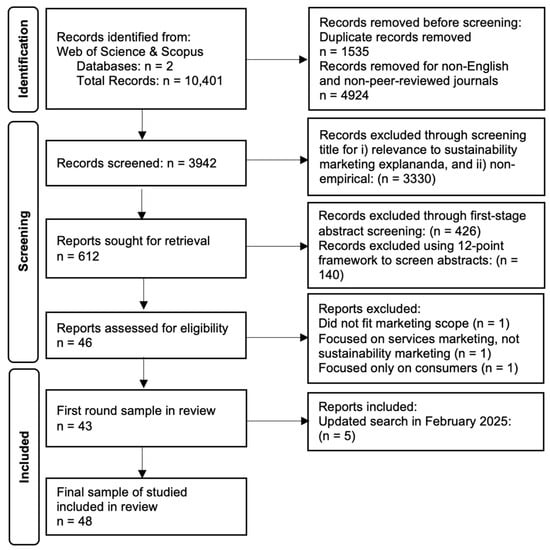
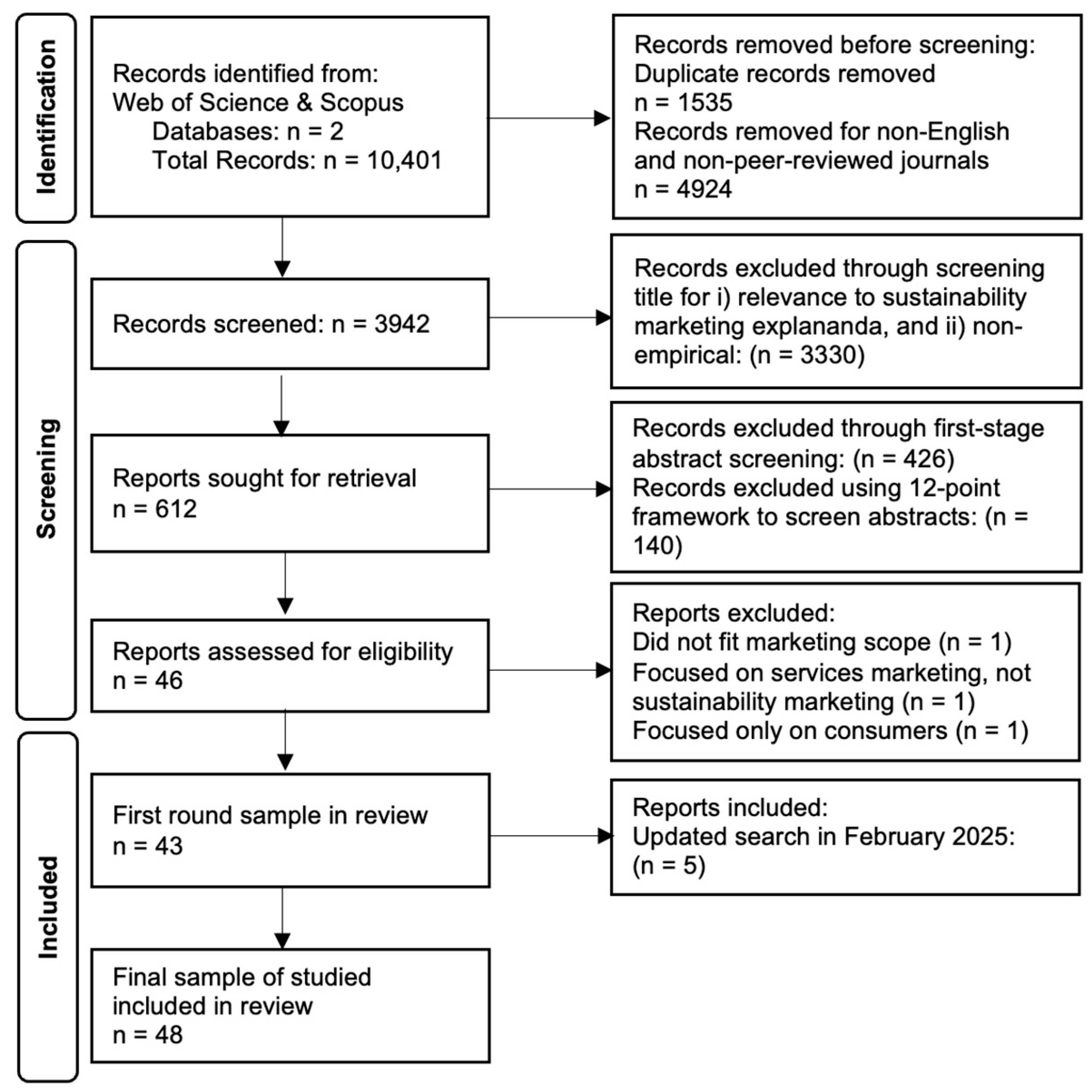
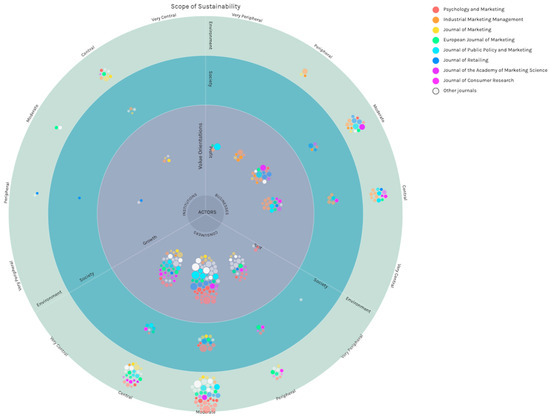
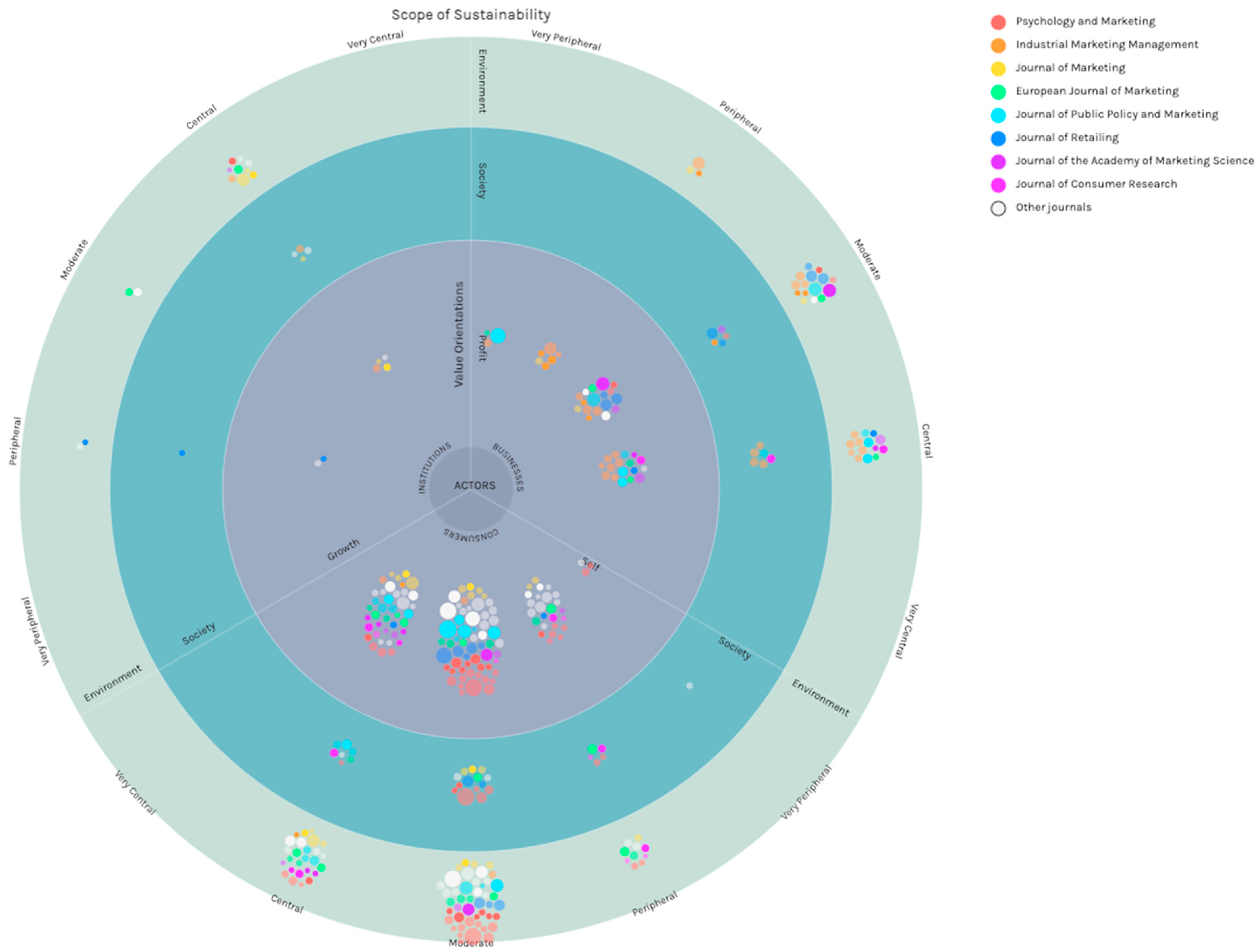

Disclaimer/Publisher’s Note: The statements, opinions and data contained in all publications are solely those of the individual author(s) and contributor(s) and not of MDPI and/or the editor(s). MDPI and/or the editor(s) disclaim responsibility for any injury to people or property resulting from any ideas, methods, instructions or products referred to in the content. |
© 2026 by the authors. Licensee MDPI, Basel, Switzerland. This article is an open access article distributed under the terms and conditions of the Creative Commons Attribution (CC BY) license.