


Abstract
This study investigates whether the use of financial technology (Fintech) is linked to better sustainability outcomes among Saudi Arabian small- and medium-sized enterprises (SMEs), while examining employee efficiency as a mediating mechanism and employee digital literacy (EDL) as a moderating condition. Data were obtained from questionnaire responses from 265 manufacturing SMEs operating in Saudi Arabia. Partial least squares structural equation modeling (PLS-SEM) was employed to test the hypothesized paths, including the indirect pathway involving employee efficiency and the interaction with EDL. The estimates show favorable direct associations between Fintech adoption and the economic, environmental, and social pillars of firm performance, as well as indirect associations operating through employee efficiency. The Fintech–efficiency association is also significantly conditioned by EDL. Evidence from the Saudi manufacturing industry broadens the predominantly service-oriented Fintech literature and sheds light on the organizational processes connecting digital finance with sustainability. For managers, the findings point to the value of combining Fintech implementation with initiatives that enable employees to perform their work more efficiently and effectively.
1. Introduction
To maintain competitiveness as business processes become increasingly digital, manufacturers need to incorporate financial technology (Fintech) into operational and payment-related activities [1]. Although traditionally associated with services such as banking and insurance, Fintech is gaining traction in the manufacturing sector, where it offers opportunities to improve operational efficiency, foster innovation, and address sustainability challenges [2,3,4]. Accordingly, scholarly interest in Fintech adoption has expanded to examine its implications for manufacturing processes, organizational performance, and sustainability outcomes [1].
Financial technology combines digital platforms with financial service delivery: its applications range from payment and transfer systems to financial advice, project funding, deposits, credit, insurance, and compliance functions [5,6]. These services also include peer-to-peer lending, crowdfunding, automated investment advisory, blockchain applications, and digital currencies [5,7]. Despite its potential to enhance operational efficiency and expand access to finance, there is still limited understanding of how far adopting Fintech translates into sustainable performance at the firm level [8].
For small- and medium-sized enterprises (SMEs), the available empirical literature offers relatively little evidence on how Fintech use relates to particular sustainability measures or on the organizational processes connecting digital finance with those outcomes [9,10]. This omission is especially consequential in emerging-market settings, where smaller firms often face financing barriers, gaps in digital infrastructure, and mounting regulatory obligations [11,12].
Existing findings therefore do not provide a uniform picture of the sustainability outcomes associated with firms’ use of Fintech. Some investigations document favorable Fintech–SME sustainability associations [13,14,15], whereas others indicate that the relationship differs between the economic, environmental, and social dimensions. Specifically, other investigations identify significant improvements in social and environmental outcomes following FinTech adoption without finding a corresponding significant improvement in economic performance [4,16].
Recent evidence identifies sustainability commitment and green innovation as pathways through which the combination of Fintech uptake and digital resources is connected to sustainable performance, emphasizing the importance of what firms do internally with these resources [8]. Consequently, possessing digital infrastructure is not enough: sustainability improvements also require firms to deploy Fintech productively through efficient employees and practices aligned with environmental and social objectives.
The literature further suggests that FinTech adoption can improve employee efficiency by streamlining work processes and facilitating resource utilization, thereby strengthening firms’ capacity to implement sustainable practices [17]. Through more efficient work practices, employees can help reduce energy consumption, minimize paper waste, and conserve resources, contributing to improved environmental performance. Despite evidence that employees matter for organizational success and sustainability [18,19,20], it remains uncertain how strongly their efficiency relates to the economic, environmental, and social components of sustainable firm performance [21].
Building on these research gaps, and addressing [22]’s call to investigate the sustainability consequences of Fintech uptake among SMEs and subsequent recommendations to clarify the mediating processes involved [4,11,12,22], the present analysis investigates how FinTech adoption relates to economic, social, and environmental performance in Saudi manufacturing SMEs, giving particular attention to employee efficiency as the channel through which these relationships may operate.
Employee digital literacy (EDL) has attracted increasing scholarly attention amid the increasing presence of digital tools in day-to-day organizational activities and changes in how work is performed [23]. It is recognized as a key factor in effectively leveraging information technology within organizations [24] and is particularly relevant to SMEs, whose digital transformation depends partly on employees’ ability to use digital technologies effectively [25].
Although EDL has been linked to organizational digitalization and more productive use of technology [26], research has devoted less attention to its potential influence on the strength of the Fintech–employee efficiency relationship [27,28]. The analysis therefore considers whether the efficiency benefits associated with Fintech use differ with employees’ level of digital literacy, helping to explain the role of workforce competencies in Saudi manufacturing SMEs.
Finally, among Gulf Cooperation Council (GCC) economies, manufacturing accounts for the greatest energy use. Saudi Arabia combines the highest regional GDP with the highest level of CO2 emissions [29]. Despite ongoing efforts to improve the business environment, Saudi SMEs continue to face challenges, including complex administrative and legal procedures, skills shortages, limited capabilities, and difficulties accessing finance [30]. Against the priorities set out in Saudi Vision 2030, the analysis treats FinTech uptake as one possible means of advancing the Sustainable Development Goals (SDGs) [31,32]. Realizing this potential also requires developing a skilled workforce capable of supporting economic transformation through effective labour allocation and skills enhancement [33].
The analysis brings together the Resource-Based View (RBV) [34] and Ecological Modernization Theory (EMT) [35] to examine Fintech and the economic, social, and environmental performance of Saudi manufacturing SMEs. It considers employee efficiency as an intermediary mechanism and EDL as a factor that conditions the Fintech–efficiency link. The resulting evidence can inform research on sustainability and digitalization as well as managerial and policy choices concerning how digital finance, employee effectiveness, and longer-term organizational competitiveness can be developed together.
The remaining sections develop the argument and report the empirical investigation. Section 2 sets out the theoretical foundations, followed in Section 3 by the hypotheses and conceptual framework. The research design is described in Section 4; Section 5 then presents the findings and interprets their implications. The concluding Section 6 considers contributions, limitations, and possibilities for subsequent research.
2. Theoretical Background
The RBV and EMT offer different but mutually informative explanations of how Fintech uptake may be connected to firms’ sustainability outcomes [4,16]. Within the RBV, Fintech-related capabilities and employees’ digital literacy are resources from which firms may derive an advantage over competitors [36,37]. In contrast, EMT focuses on how technological advances may allow economic activity to progress while reducing pressures on environmental sustainability [38]. Considered jointly, the two perspectives clarify the potential contributions of FinTech uptake, employee efficiency, and digital literacy to sustainable outcomes within firms.
From an RBV perspective, Fintech adoption provides firms with valuable technological and financial capabilities, including advanced data management tools, financial expertise, and customer relationship management systems, which firms can draw upon to reinforce their competitive position and sustainability results [39]. Fintech may encourage innovation and creativity as financial procedures become less cumbersome and operational tasks are handled more efficiently [1]. Moreover, artificial intelligence, blockchain applications, and analytics may enable green financing, strengthen the monitoring of environmental activities, and encourage more efficient resource use [16,37,40]. Nevertheless, improvements in sustainability are not an automatic consequence of introducing Fintech; they depend on firms incorporating digital financial applications into their capabilities and responsible business activities [11,41]. In addition, improvements in transaction processing and administrative efficiency are not necessarily sufficient to generate environmental benefit. Consistent with RBV arguments, ref. [42] found that employees’ digital capabilities partly account for the link between digital leadership and sustainable organizational performance, illustrating the role of human capital in putting digital resources to productive use [42].
Within the RBV, employee efficiency and digital literacy represent valuable firm-specific capabilities that enable companies to leverage FinTech to improve economic, social, and environmental performance. Efficiently deployed human capital provides firms with a strategic asset that underpins organizational achievement and shapes corporate sustainability performance [43]. Similarly, firm-specific human capital plays an important role in fostering competitive advantage and firm sustainability [44]. Employees can also contribute to corporate sustainability by expressing their expectations and using their experiences to support organizational changes that advance sustainability objectives [45].
In parallel, digital literacy develops employees’ ability to apply digital tools across different settings by combining technical knowledge, cognitive competence, and interpersonal skills [23,46]. These competencies also enable employees to learn, adapt their behaviours, and interact effectively with colleagues and technologies, thereby facilitating the successful integration of new digital solutions into organizational practices [47].
Moreover, EMT conceptualizes FinTech innovation as a technological driver that can help firms reconcile economic growth with environmental sustainability [38]. EMT argues that technology can alleviate the environmental consequences of development when innovation lowers resource requirements and the pressures placed on natural systems [48,49]. Accordingly, EMT helps explain why the contribution of Fintech to corporate sustainability may depend on whether firms incorporate technological innovations into the management of environmental activities [4].
Building on EMT, technological advances and innovations, including FinTech, can facilitate environmental modernization and improve resource efficiency, thereby helping firms address environmental challenges [38]. Drawing on these insights and previous research [50], this study integrates RBV and EMT to develop a theoretical framework linking FinTech adoption, employee efficiency, and corporate sustainable performance. From an RBV perspective, FinTech adoption, employee digital capabilities, and financial literacy represent complementary resources that can enhance organizational performance. EMT further explains how these capabilities can support environmental modernization. However, the sustainability value of these capabilities is contingent on their incorporation into firms’ innovation activities and their compatibility with enabling regulatory arrangements [8].
3. Conceptual Model and Hypotheses Development
3.1. Fintech and Firms’ Sustainable Performance
The possible contribution of Fintech to sustainability spans all three pillars: digital finance can facilitate funding for socially responsible and environmental projects, encourage renewable energy, and support lower resource use and greener innovation [40].
Fintech adoption can improve economic performance by streamlining financial transactions, enhancing cash flow management, reducing operational expenses, and strengthening market competitiveness. For SMEs, these changes can strengthen financial resource management and thereby improve the prospects for business continuity over time [12]. Consistent with this argument, ref. [51] highlighted the contribution of Fintech to operational efficiency and corporate sustainability.
Fintech can also enhance environmental performance by facilitating investments in renewable energy, cleaner technologies, and green innovation, thereby reducing energy consumption, waste generation, and carbon emissions [16]. Furthermore, Fintech can facilitate the transition towards sustainable business models by supporting environmentally responsible investments [22]. A study of Bangladeshi manufacturing SMEs reports favorable links between Fintech adoption, green innovation, and environmental outcomes [38]. Similarly, improvements in carbon emissions and resource efficiency have been reported among companies in the Indian apparel sector [4].
Finally, Fintech adoption can support social performance by facilitating the financing of CSR initiatives and socially responsible investments, which can benefit employees and local communities [40,52]. This contribution is consistent with [51], which linked corporate sustainability and CSR practices to the adoption of Fintech. Positive implications for stakeholder and community well-being have also been identified [4]. Overall, the potential sustainability contribution of Fintech operates through several mutually reinforcing channels: improved financial management and competitiveness, a smaller environmental footprint, and stronger social responsibility toward stakeholders. This positive relationship is also supported by research on manufacturing SMEs in Pakistan [53]. These arguments motivate the following hypotheses:
H1.
Greater Fintech adoption is associated with stronger overall sustainable performance among firms.
H1a.
Firms’ economic performance is positively associated with their level of Fintech adoption.
H1b.
Firms’ social performance is positively associated with their level of Fintech adoption.
H1c.
Firms’ environmental performance is positively associated with their level of Fintech adoption.
3.2. Fintech and Employee Efficiency
Employee efficiency describes the relationship between the outcomes generated by a worker and the effort required to produce them [54,55]. Organizations may derive competitive advantage from employee efficiency [56], which captures how employee output advances firm objectives, together with the productivity and resource-use effectiveness achieved in producing that output [55].
The relevant literature indicates that FinTech adoption increases employee efficiency by reducing manual tasks, simplifying procedures, reducing administrative hassles, increasing data accuracy and the speed of decision-making, and saving valuable time and resources [17]. Furthermore, prior investigations have considered how applying FinTech tools within human resource management functions relates to both employee outcomes and wider organizational performance [51,57]. It highlights how training informed by employee data can build the competencies workers need to perform successfully in technology-intensive settings. FinTech also provides opportunities to empower employees by reducing costs, increasing transparency, removing intermediaries, and improving access to financial information [58].
The existing literature also reveals that the perceived benefits of FinTech are significantly reflected in employee work efficiency [59]. FinTech adoption enhances incentives and long-term strategic investments in human capital among micro- and small enterprises [60]. It also helps companies reduce financing constraints, recruit highly skilled university graduates, and adjust employee motivation strategies, such as income, stock ownership, promotion, and tangible rewards, thereby stimulating employee efficiency and innovation. In this regard, digital technologies (i.e., FinTech) automate tasks, reduce labour demand, and increase the need for highly skilled labour, thus improving labour investment efficiency and human capital quality [61]. On this basis, we propose:
H2.
Higher Fintech adoption is associated with greater employee efficiency.
3.3. Employee Efficiency and Firms’ Sustainable Performance
Employee efficiency can contribute to firms’ sustainable performance through improved productivity, effective resource utilization, and the development of employees’ work-related capabilities. In this study, employee efficiency primarily refers to employees’ ability to accomplish their tasks effectively by making better use of their time, skills, and organizational resources. Although operational efficiency and sustainability-oriented employee behaviours are conceptually distinct, they can represent complementary mechanisms supporting corporate sustainability.
From an environmental perspective, efficient employees can identify opportunities to reduce resource consumption, minimize waste, and improve operational processes [17,21]. Such operational improvements, however, need not result in environmentally responsible employee behaviour. Their environmental value is also shaped by whether employees participate in sustainability initiatives and receive organizational support for doing so [18,62,63]. Such engagement may include integrating environmental considerations into job responsibilities, collaborating with suppliers, and promoting sustainable practices [64,65]. Moreover, employee training and specialized knowledge are essential for implementing environmental initiatives, including green design and product life cycle assessment [45].
Regarding economic performance, employee efficiency enhances productivity, supports better decision-making, and reduces operational inefficiencies. Providing staff with relevant training and technological resources can improve how they undertake their responsibilities and, in turn, benefit firms’ economic results [20]. Earlier evidence has likewise connected stronger employee job performance with improved economic results at the firm level and identified human resource efficiency as an important organizational performance indicator [21,66].
From a social perspective, employee efficiency can support human capital development, improve workplace relationships, and contribute to better work organization and occupational health and safety [21]. Furthermore, employees’ participation in organizational sustainability initiatives can strengthen stakeholder relationships and corporate image [67]. Overall, employee efficiency can contribute to the three dimensions of sustainable performance through distinct but complementary pathways: productivity and operational improvements support economic performance; human capital development and improved workplace relationships contribute to social performance; and effective resource utilization, combined with environmental engagement, supports environmental performance [21,67]. These considerations give rise to the following hypotheses:
H3.
Greater employee efficiency is associated with better overall sustainable performance.
H3a.
Economic performance is expected to improve as employee efficiency increases.
H3b.
Social performance is expected to improve as employee efficiency increases.
H3c.
Environmental performance is expected to improve as employee efficiency increases.
3.4. The Mediating Role of Employee Efficiency
Despite growing interest in Fintech and firm sustainability, much of the available work concentrates on service industries, particularly finance, insurance, and healthcare [68,69,70,71,72]. Consequently, its effects on manufacturing firms and the mechanisms underlying these effects remain insufficiently explored.
Fintech adoption can support sustainable performance by improving financial and operational processes. In particular, it can facilitate sustainable manufacturing practices, including circular procurement, recycling, resource conservation, renewable energy consumption, and carbon emission reduction, while improving productivity and reducing production costs [38]. Digital transactions can also reduce paperwork and the associated environmental impacts [68,73]. Furthermore, Fintech applications can lower financial transaction costs and improve firms’ profitability [74]. However, realizing these benefits depends partly on employees’ ability to use these technologies effectively in their daily activities.
Employee efficiency may therefore constitute an important mechanism linking Fintech adoption to sustainable performance. Previous research has highlighted how employee efficiency, together with green finance and green technology initiatives, is associated with better environmental outcomes in Malaysian banking institutions [17].
More broadly, the capacity of employees to complete their responsibilities efficiently and advance institutional goals is an important determinant of organizational effectiveness [54,75]. By facilitating work processes and improving employees’ ability to perform their responsibilities, Fintech adoption may enhance employee efficiency and help firms translate technological investments into improved organizational outcomes.
More specifically, employees’ efficient work can support firm sustainability in different ways: higher productivity and fewer operational losses improve economic results; responsible workplace conduct benefits social outcomes; and the effective implementation of environmental measures contributes to ecological objectives [21,64,65]. Employee efficiency may thus explain part of the association between a firm’s use of Fintech and its overall sustainability, including the separate economic, social, and environmental outcomes. The reasoning above gives rise to these hypotheses:
H4.
Employee efficiency acts as a mediator between Fintech adoption and firms’ sustainable performance.
H4a.
The association of Fintech adoption with economic performance operates partly through employee efficiency.
H4b.
The association of Fintech adoption with social performance operates partly through employee efficiency.
H4c.
The association of Fintech adoption with environmental performance operates partly through employee efficiency.
3.5. The Moderating Effect of Employee Digital Literacy
Employee digital literacy (EDL) encompasses the capabilities through which people make sense of digital technology and apply it in their learning and workplace activities [26,76]. Unlike digital skills, which generally refer to specific technical abilities required to operate digital tools, EDL encompasses a broader capacity to understand, interpret, select, and apply digital technologies in different work contexts. It also differs from technology acceptance, which concerns employees’ willingness to use a technology rather than their ability to exploit its functionalities. Furthermore, EDL should be distinguished from employee efficiency, as the former represents an individual capability, whereas the latter reflects an operational work outcome.
Beyond facilitating technology use, EDL enables employees to select and apply digital tools according to their task requirements. Empirical work suggests that the association between task–technology mastery and employee performance becomes stronger at higher levels of EDL, suggesting that digital literacy helps employees translate technological capabilities into improved work outcomes [77]. Employees who possess stronger digital literacy can apply digital applications with greater competence, address task-related difficulties, communicate with colleagues, and adjust to evolving work demands. These capabilities promote employee agility, organizational learning, creativity, and productivity [23,24,78,79].
EDL is also considered an important enabler of digital transformation and successful technology adoption within organizations [25,26,80]. Employees with stronger digital literacy generally approach unfamiliar technologies with greater confidence and a more favorable disposition toward using them [28]. EDL may also encourage employees to accept digital work practices and contribute to a workplace culture that is receptive to innovation [81]. Access to digital technologies alone therefore cannot determine their organizational value; employees must also understand the tools and be able to incorporate them into their work.
When firms implement Fintech, employees’ level of digital literacy can shape how successfully the technology is converted into greater efficiency in day-to-day operations. Through digital literacy, employees acquire competencies that allow them to recognize the potential of digital applications and use their functionality effectively [47]. Related research likewise suggests that organizations benefit more from digital tools when their employees possess the literacy required to apply them [24,27]. Digitally proficient employees can carry out financial transactions, handle information, and organize work processes through Fintech applications with fewer errors and less time expenditure. Employees without comparable digital capabilities, by contrast, may struggle with these applications and obtain fewer improvements in efficiency. Accordingly, the positive association of Fintech uptake with employee efficiency is therefore expected to be more pronounced when EDL is stronger. Specifically, EDL represents an enabling individual capability that determines employees’ ability to translate the technological functionalities of Fintech applications into improved work efficiency. When EDL is high, employees can integrate these applications more effectively into their daily tasks and achieve greater operational benefits. Conversely, lower levels of EDL may constrain the efficiency gains resulting from Fintech adoption. These considerations lead to the following prediction:
H5.
The positive Fintech adoption–employee efficiency association is stronger at higher levels of employee digital literacy.
The relationships and hypotheses discussed above are represented in the conceptual framework shown in Figure 1.
Figure 1.
Conceptual model. Source: Author’s own creation.
4. Research Methodology
4.1. Study Context: Manufacturing SMEs in Saudi Arabia
Saudi Arabia has increasingly emphasized sustainable economic development and digital transformation as central pillars of its national development agenda. In this regard, Saudi Vision 2030, introduced in 2016, aims to broaden the economy beyond its traditional activities, expand the private sector’s contribution, raise productivity, and advance economic, social, and environmental priorities together [82,83]. These priorities are particularly relevant to manufacturing, given its contribution to economic diversification, industrial expansion, and the move toward production practices that are more sustainable.
Within this national agenda, SMEs represent an important driver of economic growth, employment, and industrial development. Saudi Vision 2030 explicitly emphasizes increasing the contribution of SMEs to GDP and strengthening their competitiveness and productive capabilities [33]. Established in 2016 as an implementation programme for Vision 2030, the National Transformation Program (NTP) seeks to strengthen institutions, raise public-sector effectiveness, and facilitate economic restructuring [84]. Furthermore, economic and fiscal reforms aim to encourage private-sector development, diversify productive activities, and enhance the competitiveness of existing industries [85].
These initiatives have accelerated the development of Saudi Arabia’s digital ecosystem and encouraged firms to integrate advanced technologies into their business operations [31,86]. For manufacturing SMEs, digital transformation is particularly important as they must cope with rising expectations to operate more efficiently, make better use of resources, reinforce their competitive position, and meet expanding sustainability demands. For these manufacturers, using Fintech can potentially widen access to financial services and capital, simplify payments and financial administration, and create opportunities to invest in technology and more sustainable production. Moreover, Fintech innovations have been increasingly recognized as potential enablers of sustainable development across different economic sectors [31].
Although Vision 2030 has prompted government action on digital innovation, diversification, and environmental objectives, the sustainability implications of Fintech use in Saudi manufacturing SMEs are still not well documented. In particular, evidence remains limited on whether Fintech adoption is simultaneously associated with economic, environmental, and social outcomes in this particular industrial and institutional environment [32,87]. Therefore, the manufacturing SME sector in Saudi Arabia offers a suitable setting in which to assess the association of Fintech use with sustainability outcomes.
4.2. Sample and Data Collection
The empirical dataset draws on responses to a structured questionnaire administered to 265 Saudi manufacturing SMEs during March–July 2025. The study targeted manufacturing SMEs located in Saudi Arabia that used Fintech applications for payroll or other transactions, including mobile financial services and internet banking. To ensure that the responses reflected relevant organizational knowledge, managers and executive officers were approached as potential respondents. The firms were assessed for eligibility based on their location in Saudi Arabia, their classification as SMEs, their manufacturing activities, and their use of Fintech services. The geographical areas covered by the sample were Riyadh, Medina, Najran, Tabuk, and Qassim.
In this study, SMEs refer specifically to small- and medium-sized enterprises, excluding micro-enterprises. Classification as a small or medium-sized firm followed the employee-count and annual-revenue criteria issued by Saudi Arabia’s Small and Medium Enterprises General Authority (Monsha’at). Small enterprises employ 6–49 individuals, whereas medium-sized enterprises employ 50–249 individuals. A total of 520 managers and executive officers were initially contacted by telephone, WhatsApp, and email to explain the study and verify their eligibility. Of these, 412 agreed to participate, and participants subsequently received the questionnaire by email or through digital messaging channels. At the close of data collection, 302 completed questionnaires had been received; after screening, 265 valid responses were included in the analysis. These figures correspond to a 58.1% return rate and a 51.0% usable-response rate relative to the 520 individuals initially contacted.
Following previous research [88,89], a non-probability sampling method was adopted because of temporal and geographical constraints and the difficulty of identifying and accessing the entire target population. More specifically, convenience sampling was used to recruit eligible firms and respondents who were accessible and willing to participate. The minimum sample size was established in advance through a statistical power analysis conducted with G*Power 3.1 (Heinrich Heine University Düsseldorf, Düsseldorf, Germany) [90]. For a fixed-model multiple regression testing R2 against zero, the assumed inputs were six predictors, f2 = 0.15, a Type I error probability of 0.05, and a desired power of 0.95. These inputs produced a minimum requirement of 74 respondents [91].
With 265 usable questionnaires, the analyzed sample was substantially larger than the calculated minimum and was considered sufficient to estimate the specified variance-based structural equation model [92]. The analyzed firms represented a variety of manufacturing activities (Table 1). Medical, precision, and optical equipment firms were especially prominent, followed by businesses in electrical and electronic products, textiles and apparel, food, pharmaceuticals, and property-related production. Regarding the latter category, the real-estate category should be understood as firms engaged in property development and manufacturing-related activities, not standard real-estate service providers, such as estate agencies or property brokerage. Their activities included production-related operations involving construction materials, building components, and other related processes. These businesses were retained because of the manufacturing-related nature of their work and its relevance to the study’s focus on Fintech and sustainability.
Table 1.
Sample demographics.
Regarding the survey design, a preliminary test involving 35 participants was conducted to evaluate whether the questionnaire wording and instructions were clear. Based on their feedback and recommendations from academic experts, minor revisions were made to certain items and to the questionnaire structure. The questionnaire comprises three main sections: company characteristics, respondent characteristics, and the measurement items for the study constructs.
4.3. Instrument Development and Measures
The study’s constructs were classified according to the conceptual relationship between each construct and its indicators. The sustainable-performance construct was defined to capture three components: economic outcomes, social outcomes, and environmental outcomes. These dimensions capture distinct yet complementary aspects of corporate sustainability and jointly contribute to the overall construct. This conceptualization led to sustainable performance being modeled formatively at the higher-order level. In contrast, Fintech adoption, employee efficiency, and EDL were modeled reflectively because their observed indicators are treated as expressions of the corresponding latent concepts.
Moreover, the questionnaire drew its indicators from established studies, with limited adjustments to make the items understandable and appropriate for the study setting. Fintech adoption was captured using seven indicators drawn and adapted from the existing literature [16,37,40,93]. Five items measuring employee efficiency were drawn from previous research [55], while ten items assessing employee digital literacy (EDL) were adopted from [28]. Measures of economic, social, and environmental performance comprised five, four, and five published questionnaire items, respectively [16,94].
Respondents indicated their agreement with each construct item using five ordered response categories, from 1 (‘strongly disagree’) to 5 (‘strongly agree’). Comparable five-category response formats have frequently appeared in published Fintech studies [38,40,73].
4.4. Analytical Approaches and Techniques
The paths linking the model’s latent constructs were estimated by applying partial least squares structural equation modeling (PLS-SEM) in SmartPLS 4 (SmartPLS GmbH, Oststeinbek, Germany). The software supplies multivariate estimation procedures suited to examining hypothesized relationships among latent constructs [92]. Moreover, PLS-SEM can be used in exploratory as well as confirmatory settings. This approach can accommodate relatively elaborate path structures in modest samples, does not require multivariate normality, and facilitates the assessment of collinearity within the structural model [92,95].
Nevertheless, PLS-SEM has gained academic relevance across research areas such as strategic management [96], information systems management [97], and operations management [98].
Prior to interpreting the model estimates, the analysis considered whether non-response patterns or the use of a common survey method might have distorted the data. The first assessment involved comparing early and late respondents using a t-test [99]. Early responses correspond to those collected during the first two months (March and April), representing 46.5% of the total sample, whereas late responses were collected during the last three months and account for the remaining 53.5%. At the 5% significance level, the t-test did not detect differences between the early and late response groups; this result offers no evidence of material non-response bias in the analyzed data. Possible common method variance was also investigated using Harman’s single-factor diagnostic [100].
A single factor explained 48.02% of the variation, remaining below the previously used 50% reference level [101]. This outcome does not indicate that one measurement factor accounts for most of the response variation. As a further check relevant to common method concerns, the analysis considered the inner-model variance inflation factors (VIFs) [102]. Every inner VIF was below 3.3, providing additional evidence against a pronounced common-method problem in this sample.
5. Results Analysis and Discussion
5.1. Measurement Model Assessment
The PLS-SEM assessment proceeded sequentially, beginning with the reliability and validity of the measurements and then examining the structural paths [95]. The measurement-stage assessment addresses three properties: internal consistency, convergence among indicators, and discrimination across constructs [95]. As Table 2 indicates, the factor loadings, Cronbach’s alpha values, and composite reliability estimates all exceed 0.70, suggesting acceptable consistency among the indicators.
Table 2.
Internal consistency reliability and convergent validity.
Convergent validity considers how much of the observed variation in a set of indicators can be attributed to their common underlying construct [95]. Convergent validity was evaluated through average variance extracted (AVE). Values at or above 0.50 imply that the underlying construct captures at least 50% of the variance represented by its indicators. The AVE values in Table 2 are all above this benchmark, indicating that the convergent-validity criterion is met.
To test whether the latent constructs were empirically distinguishable [95], the analysis considered the Fornell–Larcker criterion [103] alongside the heterotrait–monotrait (HTMT) correlation ratio [103].
For HTMT, correlations between indicators assigned to different constructs are compared with a geometric mean based on the within-construct correlations [95]. For constructs expected to be distinguishable in theory, prior methodological research recommends an HTMT cutoff of 0.85 [103]. Accordingly, Table 3 shows that none of the HTMT estimates reaches 0.85, consistent with the recommended cutoff [103]. This pattern provides evidence that the measured constructs exhibit discriminant validity.
Table 3.
HTMT analysis.
5.2. Structural Model Assessment
The structural specification tests the hypothesized associations linking Fintech adoption, employee efficiency, and EDL with the three sustainability performance dimensions. Significance testing for the direct paths, mediation estimates, and moderation term relied on 5000 bootstrap samples generated in SmartPLS 4 [104].
As indicated in Table 4 and Figure 2, Fintech adoption has positive, statistically significant paths to economic performance (β = 0.464, p < 0.001), social performance (β = 0.357, p = 0.002), and environmental performance (β = 0.429, p = 0.008). Consequently, the evidence is consistent with hypotheses H1a, H1b, and H1c. Given the relatively larger economic coefficient, managers may obtain particularly strong gains from Fintech through financial administration and efficiency, while separate initiatives may be necessary to realize comparable environmental and social improvements.
Table 4.
Results of the hypotheses testing.
Figure 2.
Structural model. Blue circles represent latent constructs, and yellow rectangles represent measurement indicators. Source: Author’s own creation.
The coefficient estimated for Fintech adoption in the employee-efficiency equation is positive and significant (β = 0.739, p < 0.001), as predicted by H2. Employee efficiency also has significant positive relationships with economic (β = 0.388, p = 0.007), social (β = 0.528, p < 0.001), and environmental performance (β = 0.406, p = 0.020). Accordingly, H3a, H3b, and H3c receive empirical support. The particularly strong social-performance coefficient suggests that investment in workforce capabilities can complement Fintech spending in efforts to improve overall sustainability.
Following [105], the evidence points to employee efficiency as a complementary mediating pathway for each of the three sustainability outcomes. The mediated paths are positive and statistically significant for economic performance (β = 0.287, p = 0.004), social performance (β = 0.390, p < 0.001), and environmental performance (β = 0.300, p = 0.028), supporting H4a, H4b, and H4c. Because direct associations also remain significant, the evidence indicates that employee efficiency accounts for part, rather than all, of the positive Fintech–sustainability relationships.
To examine how EDL conditions the association of Fintech adoption (FA) with employee efficiency (EE), the analysis estimated simple slopes at different levels of the moderator. Moreover, the product indicator method was used by multiplying FA×EDL to predict the outcome variable EE. Table 4 and Figure 3 indicate a statistically significant positive interaction between Fintech adoption and EDL (β = 0.146, p = 0.028), in line with H5. In other words, the association of Fintech uptake with employee efficiency becomes stronger as digital literacy increases. Employees with greater EDL are therefore expected to obtain larger efficiency gains from the same level of Fintech adoption. A more digitally capable workforce can interpret financial information, complete transactions, and incorporate Fintech applications into everyday tasks with greater competence. Consequently, they are more likely to translate the technological functionalities of Fintech applications into tangible improvements in work efficiency.
Figure 3.
Moderating effect analysis. Source: Author’s own creation.
Following the guidance of [95], structural-model evaluation considered explanatory power (R2), predictive relevance using the cross-validated Q2 statistic, and the magnitude of individual path contributions (f2). Moreover, R2 measures the share of variation in endogenous constructs accounted for within the estimation sample. Its value lies between 0 and 1, and larger estimates correspond to greater explanatory power [95]. The explanatory shares reported in Table 5 are 80.8% for employee efficiency, attributable to Fintech adoption, and 68.2%, 73.9%, and 65.4% for economic, social, and environmental performance, respectively, attributable to Fintech adoption and employee efficiency.
Table 5.
R-Square and Q2-Predict.
Predictive performance beyond the estimation sample was assessed using the PLS-Predict approach [106]. For the four endogenous constructs, Table 5 gives Q2predict values of 0.472 (employee efficiency), 0.409 (economic performance), 0.243 (social performance), and 0.335 (environmental performance). These positive values are consistent with the model exhibiting predictive relevance.
In accordance with [98], this study evaluated the effect size (f2) to determine the substantive significance and quality of the model. Statistical significance, such as the p-value, can only indicate whether or not there is an effect, but not the size of the impact. However, f2 quantifies how much a particular explanatory construct adds to the variance explained in an endogenous variable; conventional reference points are 0.02 for a small contribution, 0.15 for a moderate one, and 0.35 for a large one [92,107]. Given that the f2 results are satisfactory, the corresponding values are presented in Table 6 to facilitate the interpretation and reporting of the findings.
Table 6.
Effect sizes (f2).
5.3. Discussion
Recent scholarship increasingly identifies Fintech uptake as a potential means of advancing sustainable development among SMEs, especially in emerging-market settings [12]. The observed positive relationships across the economic, social, and environmental pillars add evidence from manufacturing to the smaller body of industrial-sector Fintech research [4,16,38,40]. Within the sampled setting, the estimates are consistent with the relationships anticipated by the conceptual framework. Nevertheless, a single cross-sectional survey cannot establish that Fintech use itself caused the observed performance differences.
Specifically, the largest estimated Fintech association concerns economic outcomes, with smaller coefficients for environmental outcomes and then social outcomes. Unlike the results of certain previous studies [4,16], this ordering points to especially pronounced economic advantages of Fintech for Saudi manufacturing SMEs, potentially arising from better financing access, lower costs, and more efficient operations. Its positive effects on environmental and social performance further demonstrate its broader sustainability potential, although these benefits may depend on how firms integrate digital financial solutions into their environmental practices and human resource management. The differences in effect magnitude therefore highlight the multidimensional contribution of Fintech adoption while suggesting that its sustainability benefits may materialize differently across economic, environmental, and social outcomes.
Indeed, SMEs face greater digital transformation challenges than larger firms, including scarce financial and organizational resources, gaps in workforce skills, weak strategic direction, and insufficient information-technology infrastructure. In this context, Fintech adoption can help overcome these barriers by providing financial technologies that can expand at relatively low cost, including automated credit assessment, accessible user interfaces, and less burdensome customer enrollment processes, thereby enhancing sustainability outcomes [9]. Furthermore, Fintech solutions can improve financial management efficiency, expand market access, and strengthen competitiveness, supporting sustainable business growth and contributing to regional sustainable development goals [14].
These benefits are particularly relevant to manufacturing SMEs, whose activities make an important contribution to the development of lower-income and emerging economies. The results accord with more recent evidence that financial technologies can assist businesses across the MENA region by reducing carbon emissions, diversifying energy sources, and facilitating the transition from non-renewable to renewable energy resources [108].
According to the RBV, high-performing and efficient employees are important resources for helping businesses achieve their goals and improve their competitive advantage and performance [109]. In this vein, this study revealed that Fintech adoption enhances employee efficiency within manufacturing SMEs in Saudi Arabia by boosting their productivity, promoting their effective utilization of organizational resources, and reinforcing their contributions to organizational goal attainment. These findings are consistent with previous research [1,58,59].
Moreover, the observed results align with earlier evidence relating employee efficiency and workplace behaviors to higher firm sustainability outcomes across the economic, social, and environmental pillars [17,20]. Taken together, evidence on employee participation in sustainability initiatives [18,64,65] and the need for suitable workforce skills [45] suggests that productivity, careful resource use, and participation in organizational objectives can form complementary links between employee performance and corporate sustainability.
These estimates are consistent with research on Malaysian banks, where employee efficiency was identified as a positive intermediary mechanism connecting Fintech adoption to environmental performance [17]. Moreover, the previous literature has shown that Fintech adoption can meet future requirements, such as increasing efficiency, reducing costs, optimizing business processes, and enhancing speed, flexibility, and innovation [110]. However, at the corporate level, its benefits may depend on employees’ capabilities and effective workplace practices.
The lack of digital literacy and skills not only undermines employability, productivity, and workplace efficiency but also limits opportunities for employment, promotion, and salary advancement [111]. Given the numerous challenges confronting the Saudi economy in general, and its industrial SMEs in particular, including low labor productivity, high labor costs, and reliance on imported inputs [85], the analysis investigated whether EDL helps employees integrate digital tools into their work and operate more efficiently when their firms adopt financial technology. A significant interaction estimate further indicates that EDL conditions the relationship between Fintech uptake and employee efficiency. When workers are more digitally literate, the positive Fintech–efficiency association is stronger, consistent with their greater capacity to learn and make effective use of financial technology. Accordingly, firms with stronger managerial capabilities, better financial resources, or more developed sustainability orientations may be more likely to adopt Fintech and report higher employee efficiency and sustainability performance.
6. Conclusions and Implications
6.1. Conclusions
Against the objectives of Saudi Vision 2030 and the limited manufacturing-SME evidence, the study shows how integrating Fintech into firms’ routine activities can be associated with improved sustainability performance. The evidence also extends the relevance of financial technologies beyond financial and IT services: manufacturing businesses may deploy these applications to simplify operations, limit administrative expenditure, and pursue environmental and social goals.
The analysis likewise identifies positive relationships between Fintech adoption and each of the three sustainability outcomes of Saudi industrial SMEs, with employee efficiency serving as a significant intermediate pathway. They also highlight EDL as an important enabling capability that helps employees integrate digital technologies into their daily work activities. These findings may be particularly relevant to SMEs in emerging economies, where resource constraints make employees’ digital capabilities essential for translating technological investments into organizational outcomes. However, variations in regulatory frameworks, institutional support, technological infrastructure, and organizational resources may influence the strength and nature of these relationships. Accordingly, additional evidence from other countries, industries, and institutional environments is required before the proposed framework can be considered broadly applicable.
6.2. Theoretical Implications
The study contributes to explanations of the Fintech–sustainability connection in several ways. Its first contribution is to consider the economic, environmental, and social components of corporate performance separately when assessing FinTech adoption. While previous studies have primarily investigated overall sustainability outcomes [14,40,53], the dimension-specific analysis clarifies whether the strength of the FinTech association differs across sustainability outcomes.
Second, the analysis clarifies potential transmission and boundary mechanisms by examining employee efficiency as an intermediary pathway and EDL as a condition governing the FinTech adoption–employee efficiency relationship. Rather than treating digital technology as sufficient in itself, the framework places employees’ capabilities between firms’ adoption decisions and the sustainability outcomes that may follow. It therefore suggests opportunities for further work that jointly examines digital finance, workforce management, and sustainable organizational practices.
Third, the research applies the RBV and EMT jointly to interpret the connections between FinTech and firm sustainability. The RBV stresses that firms can make productive use of FinTech when they possess distinctive resources and capabilities, notably employee efficiency and digital literacy.
EMT complements this perspective by explaining how technological innovation can support more sustainable production and resource use. Viewed together, the RBV and EMT illuminate why workforce capabilities and digital financial innovation may interact in shaping firms’ environmental and broader sustainability results.
Finally, the analysis responds to the limited coverage of manufacturing enterprises in a literature dominated by banks and other financial-service providers, especially when the focus is on developing economies. By examining manufacturing SMEs in Saudi Arabia, evidence from Saudi manufacturing SMEs broadens the geographical and sectoral basis of FinTech research beyond conventional financial services. These findings offer a foundation for comparative studies across industries and countries to examine how institutional conditions, technological development, and employee capabilities shape the sustainability outcomes of FinTech adoption.
6.3. Practical Implications
The findings are relevant to managers of Saudi manufacturing SMEs and to the public agencies developing support policies for these businesses. Because favorable associations appear for all three dimensions, managers may consider embedding appropriate Fintech systems in financial administration, production, logistics, and employee-related processes. Blockchain applications, data analytics, and AI-enabled financial services may, in particular, support more transparent transactions, informed financial choices, and financing for sustainability-oriented projects.
Second, in line with Saudi Vision 2030, policymakers should move beyond general investment in Fintech and introduce targeted support mechanisms for manufacturing SMEs. For example, public–private Fintech sandboxes could enable SMEs, Fintech providers, banks, and regulators to test digital financial solutions in controlled environments, with particular attention to supply chain financing and green investment. The government could also introduce subsidized digitalization grants and tax incentives to help SMEs adopt suitable Fintech solutions, alongside simplified financing procedures and partnerships between financial institutions and industrial associations. These measures could reduce adoption costs and address the resource constraints that often prevent smaller manufacturers from benefiting from digital financial innovation.
A further managerial implication is that employee efficiency and digital literacy are important complements to Fintech implementation when sustainability improvements are sought. Policymakers, universities, vocational training institutions, and Fintech providers should collaborate to offer subsidized digital literacy training grants tailored to manufacturing SMEs. Such programmes could cover digital financial management, data analytics, cybersecurity, digital payment systems, and the use of technology to support sustainability-related decisions. At the firm level, managers should complement technical training with continuous learning opportunities and incentives that encourage employees to apply digital skills to operational improvements and sustainability objectives.
Finally, these initiatives should be supported by mechanisms to evaluate their effectiveness. Government agencies could monitor SME participation, improvements in digital literacy, access to green finance, and changes in economic, environmental, and social performance. This targeted approach would help ensure that public support translates into measurable benefits and strengthens the contribution of manufacturing SMEs to the national ambitions for digital transformation and sustainable development set out in Saudi Arabia.
6.4. Limitations and Future Research Direction
Interpretation of the findings is subject to several constraints that also identify directions for further research. Because the firms were recruited through convenience sampling within Saudi Arabia, caution is needed when applying the findings to other national contexts, industrial sectors, or firm-size groups. Replication using firms from different countries and institutional settings would help determine whether the proposed relationships are stable across contexts.
The cross-sectional survey cannot determine the sequence of events over time or provide conclusive evidence of causal effects. In particular, the indirect effects through employee efficiency support the proposed mediation mechanism but do not demonstrate causal mediation. Reverse causality and omitted organizational factors may also influence the observed relationships. Furthermore, sustainable performance reflects respondents’ assessments rather than objectively verified operational improvements. Longitudinal evidence combined with independently measured performance outcomes would help address these design constraints.
Future investigations could also analyze technical, cognitive, and socio-emotional aspects of employee digital literacy separately rather than representing them with one aggregate EDL measure [46]. Moreover, the distinction between employee and organizational digital literacy highlights the importance of considering both individual capabilities and organizational technological conditions [26]. Future studies could investigate how these dimensions interact to influence employees’ ability to exploit digital technologies effectively. Finally, later studies could enrich the framework with further organizational determinants, including digital leadership and the firm’s digital culture. Interviews and mixed-method research designs may additionally clarify the organizational processes through which Fintech uptake is associated with sustainability outcomes.
Funding
This research received no external funding.
Institutional Review Board Statement
Ethical review and approval were waived for this study due to the anonymous nature of the questionnaire survey, which did not collect personally identifiable or sensitive personal information. This exemption is in accordance with Article (10.33) of the Implementing Regulations of the Law of Ethics of Research on Living Creatures (https://researchcompliance.kaust.edu.sa/IBEC/guidelines/Implementing%20Regulations%20of%20the%20Law%20of%20Ethics%20of%20Research%20on%20Living%20Creatures_%20Version%203_2025.pdf, accessed on 22 September 2026), which permits the exemption of surveys involving non-identifiable information from ethics committee review and periodic monitoring.
Informed Consent Statement
Informed consent was waived due to the anonymous nature of the questionnaire survey, which did not collect personally identifiable or sensitive personal information, posed minimal risk to participants, and falls under Article (14) of the Implementing Regulations of the Law of Ethics of Research on Living Creatures (National Committee of BioEthics) (https://researchcompliance.kaust.edu.sa/IBEC/guidelines/Implementing%20Regulations%20of%20the%20Law%20of%20Ethics%20of%20Research%20on%20Living%20Creatures_%20Version%203_2025.pdf), which permits a waiver when information cannot be linked to the identity of its source.
Data Availability Statement
The original contributions presented in this study are included in the article. Further inquiries can be directed to the corresponding author.
Acknowledgments
The author gratefully acknowledges all participants for their time and valuable contributions to this research.
Conflicts of Interest
The author declares no conflicts of interest.
References
- Akhtar, S.; Tian, H.; Alsedrah, I.T.; Anwar, A.; Bashir, S. Green mining in China: Fintech’s contribution to enhancing innovation performance aimed at sustainable and digital transformation in the mining sector. Resour. Policy 2024, 92, 104968. [Google Scholar] [CrossRef] [Scilit]
- Dhiaf, M.M.; Khakan, N.; Atayah, O.F.; Marashdeh, H.; El Khoury, R. The role of Fintech for manufacturing efficiency and financial performance: In the era of Industry 4.0. J. Decis. Syst. 2024, 33, 220–241. [Google Scholar] [CrossRef] [Scilit]
- Ellili, N.O.D. Is there any association between Fintech and sustainability? Evidence from bibliometric review and content analysis. J. Financ. Serv. Mark. 2022, 28, 748–762, Correction in J. Financ. Serv. Mark. 2024, 29, 201. [Google Scholar] [CrossRef] [Scilit]
- Sreenu, N. The influence of Fintech and financial knowledge on sustainable business success: Exploring the mediating effect of financial accessibility in Indian firms. Benchmarking Int. J. 2025; Ahead of print. [CrossRef] [Scilit]
- Udeagha, M.C.; Ngepah, N. The drivers of environmental sustainability in BRICS economies: Do green finance and Fintech matter? World Dev. Sustain. 2023, 3, 100096. [Google Scholar] [CrossRef] [Scilit]
- Zhang, L.; Wong, W.-K.; Liu, L.; Al Shraah, A.; Albasher, B.; Shamansurova, Z. Balancing environmental sustainability through Fintech, green finance, natural resources, and economic growth in Asian economies: A Cup-FM and Cup-BC study. Resour. Policy 2024, 98, 105294. [Google Scholar] [CrossRef] [Scilit]
- Alsedrah, I.T. Fintech and green finance revolutionizing carbon emission reduction through green energy projects in mineral-rich countries. Resour. Policy 2024, 94, 105064. [Google Scholar] [CrossRef] [Scilit]
- Hassan, M.S.; Saraswati, E. SME Sustainability Performance Through Digital Transformation: The Roles of FinTech Adoption, Digital Resources, Sustainability Orientation, and Green Innovation. Bus. Strategy Dev. 2026, 9, e70427. [Google Scholar] [CrossRef] [Scilit]
- Campanella, F.; Ferri, L.; Serino, L.; Zampella, A. Driving sustainability: How FinTech transforms SDG performance in SMEs. J. Glob. Responsib. 2026, 17, 322–342. [Google Scholar] [CrossRef] [Scilit]
- Toumi, A.; Najaf, K.; Dhiaf, M.M.; Li, N.S.; Kanagasabapathy, S. The role of Fintech firms’ sustainability during the COVID-19 period. Environ. Sci. Pollut. Res. 2023, 30, 58855–58865. [Google Scholar] [CrossRef] [Scilit] [PubMed]
- Waqar, M.; Riaz, A.; Baig, J.; Bashir, Z.; Cai, Z. Fintech-driven sustainability: Examining the pathways to sustainable performance through innovation and circular practices in emerging market SMEs. J. Clean. Prod. 2026, 571, 148837. [Google Scholar] [CrossRef] [Scilit]
- Waqar, M.; Sohail, A.; Bashir, Z.; Cai, Z.; Ahmad, M.; Mehak, G. Fintech revolution and sustainability: Unveiling the impact on SMEs through circular economy and green innovation practices. Sustain. Futur. 2025, 9, 100714. [Google Scholar] [CrossRef] [Scilit]
- Asad, M.; Ghazalat, A.; Mansour, A.A.Z.; Asif, M.U.; Campbell, A.C. Fintech adoption and sustainable performance of SMEs: Moderated mediated analysis of technological turbulence and competitive advantage. Manag. Sustain. Arab. Rev. 2025, 1–22. [Google Scholar] [CrossRef] [Scilit]
- Bhat, M.A.; Khan, S.T.; Alkhwaldi, A.F.; Abdulmuhsin, A.A. Investigating the critical drivers of Fintech adoption to promote business sustainability of SMEs. Glob. Knowl. Mem. Commun. 2026, 75, 3558–3580. [Google Scholar] [CrossRef] [Scilit]
- Sharma, V.; Gupta, M.; Taneja, S. Does FinTech adoption impact on sustainability of small businesses: Mediating role of financial well-being. Glob. Knowl. Mem. Commun. 2026, 75, 3008–3027. [Google Scholar] [CrossRef] [Scilit]
- Siddik, A.B.; Rahman, M.N.; Yong, L. Do Fintech adoption and financial literacy improve corporate sustainability performance? The mediating role of access to finance. J. Clean. Prod. 2023, 421, 137658. [Google Scholar]
- Bhuiyan, M.A.; Rahman, M.K.; Patwary, A.K.; Akter, R.; Zhang, Q.; Feng, X. Fintech adoption and environmental performance in banks: Exploring employee efficiency and green initiatives. IEEE Trans. Eng. Manag. 2024, 71, 11346–11360. [Google Scholar] [CrossRef] [Scilit]
- Coutinho, V.; Domingues, A.R.; Caeiro, S.; Painho, M.; Antunes, P.; Santos, R.; Videira, N.; Walker, R.M.; Huisingh, D.; Ramos, T.B. Employee-driven sustainability performance assessment in public organisations. Corp. Soc. Responsib. Environ. Manag. 2018, 25, 29–46. [Google Scholar] [CrossRef] [Scilit]
- Khan, S.A.R.; Sheikh, A.A.; Tahir, M.S. Corporate social responsibility—An antidote for sustainable business performance: Interconnecting role of digital technologies, employee eco-behavior, and tax avoidance. Environ. Sci. Pollut. Res. 2024, 31, 4365–4383. [Google Scholar] [CrossRef] [Scilit] [PubMed]
- Li, Y.; Al-Sulaiti, K.; Dongling, W.; Abbas, J.; Al-Sulaiti, I. Tax avoidance culture and employees’ behavior affect sustainable business performance: The moderating role of corporate social responsibility. Front. Environ. Sci. 2022, 10, 964410. [Google Scholar] [CrossRef] [Scilit]
- Ruiz-Pérez, F.; Lleo, A.; Ormazabal, M. Employee sustainable behaviors and their relationship with corporate sustainability: A Delphi study. J. Clean. Prod. 2021, 329, 129742. [Google Scholar] [CrossRef] [Scilit]
- Pizzi, S.; Corbo, L.; Caputo, A. Fintech and SMEs sustainable business models: Reflections and considerations for a circular economy. J. Clean. Prod. 2021, 281, 125217. [Google Scholar] [CrossRef] [Scilit]
- Deschênes, A.-A. Digital literacy, the use of collaborative technologies, and perceived social proximity in a hybrid work environment: Technology as a social binder. Comput. Hum. Behav. Rep. 2024, 13, 100351. [Google Scholar] [CrossRef] [Scilit]
- Khorakian, A.; Jahangir, M.; Rahi, S.; Eslami, G.; Muterera, J. Remote working and work performance during the COVID-19 pandemic: The role of remote work satisfaction, digital literacy, and cyberslacking. Behav. Inf. Technol. 2024, 43, 1938–1956. [Google Scholar] [CrossRef] [Scilit]
- Zahoor, N.; Zopiatis, A.; Adomako, S.; Lamprinakos, G. The micro-foundations of digitally transforming SMEs: How digital literacy and technology interact with managerial attributes. J. Bus. Res. 2023, 159, 113755. [Google Scholar] [CrossRef] [Scilit]
- Zhao, L.; He, Q.; Guo, L.; Sarpong, D. Organizational digital literacy and enterprise digital transformation: Evidence from Chinese listed companies. IEEE Trans. Eng. Manag. 2023, 71, 11884–11897. [Google Scholar] [CrossRef] [Scilit]
- Cetindamar, D.; Abedin, B.; Shirahada, K. The role of employees in digital transformation: A preliminary study on how employees’ digital literacy impacts use of digital technologies. IEEE Trans. Eng. Manag. 2021, 71, 7837–7848. [Google Scholar] [CrossRef] [Scilit]
- Nikou, S.; De Reuver, M.; Mahboob Kanafi, M. Workplace literacy skills—How information and digital literacy affect adoption of digital technology. J. Doc. 2022, 78, 371–391. [Google Scholar] [CrossRef] [Scilit]
- Amran, Y.A.; Amran, Y.M.; Alyousef, R.; Alabduljabbar, H. Renewable and sustainable energy production in Saudi Arabia according to Saudi Vision 2030: Current status and future prospects. J. Clean. Prod. 2020, 247, 119602. [Google Scholar] [CrossRef] [Scilit]
- Kingdom of Saudi Arabia. Vision 2030. National Transformation Program 2020; Kingdom of Saudi Arabia: Riyadh, Saudi Arabia, 2016.
- Noreen, U. Mapping of Fintech ecosystem to sustainable development goals (SDGs): Saudi Arabia’s landscape. Sustainability 2024, 16, 9362. [Google Scholar] [CrossRef] [Scilit]
- Zaid, M.A.K.; Khan, M.F.; Al-Mekhlafi, A.W.A.G.S.; Al Koliby, I.S.; Saoula, O.; Saeed, H.A.E.M.; Mohammad, R.A. The future of green finance: How digital transformation and Fintech drive sustainability. Discov. Sustain. 2025, 6, 480. [Google Scholar] [CrossRef] [Scilit]
- Alhamad, S.H.; Bani Hani, S.I.; Dakhli, A.C.; Almahayreh, A.S. The effectiveness of applying the economic and technological dimensions of the Kingdom of Saudi Arabia’s Vision 2030 to achieve the competitive advantage of the Hail Region. Front. Energy Res. 2024, 12, 1337349. [Google Scholar] [CrossRef] [Scilit]
- Barney, J. Firm resources and sustained competitive advantage. J. Manag. 1991, 17, 99–120. [Google Scholar] [CrossRef] [Scilit]
- Spaargaren, G.; Mol, A.P. Sociology, environment, and modernity: Ecological modernization as a theory of social change. Soc. Nat. Resour. 1992, 5, 323–344. [Google Scholar] [CrossRef] [Scilit]
- Almasria, N.A.; Alhatabat, Z.; Ershaid, D.; Ibrahim, A.; Ahmed, S. The mediating impact of organizational innovation on the relationship between fintech innovations and sustainability performance. Sustainability 2024, 16, 10044. [Google Scholar] [CrossRef] [Scilit]
- Yuan, X. Integrating Fintech, CSR, and green finance: Impacts on financial and environmental performance in China. Humanit. Soc. Sci. Commun. 2025, 12, 1072. [Google Scholar] [CrossRef] [Scilit]
- Tian, H.; Siddik, A.B.; Pertheban, T.R.; Rahman, M.N. Does Fintech innovation and green transformational leadership improve green innovation and corporate environmental performance? A hybrid SEM–ANN approach. J. Innov. Knowl. 2023, 8, 100396. [Google Scholar] [CrossRef] [Scilit]
- Baig, M.H.; Xu, J.; Shahzad, F.; Ali, R. Revealing the potential of Fintech innovation through knowledge assets: A study of firm financial performance. Int. J. Innov. Sci. 2025, 17, 650–682. [Google Scholar] [CrossRef] [Scilit]
- Siddik, A.B.; Yong, L.; Rahman, M.N. The role of Fintech in circular economy practices to improve sustainability performance: A two-staged SEM-ANN approach. Environ. Sci. Pollut. Res. 2023, 30, 107465–107486. [Google Scholar] [CrossRef] [Scilit] [PubMed]
- EL-Ghaylany, I.; Ed-Dafali, S.; Hussainey, K.; Adardour, Z. FinTech-Driven Corporate Sustainability Performance: A Systematic Review, Practical Insights, and Future Research Agenda. Bus. Strategy Environ. 2026, 35, 9929–9948. [Google Scholar] [CrossRef] [Scilit]
- Shin, J.; Mollah, M.A.; Choi, J. Sustainability and organizational performance in South Korea: The effect of digital leadership on digital culture and employees’ digital capabilities. Sustainability 2023, 15, 2027. [Google Scholar] [CrossRef] [Scilit]
- Al Frijat, Y.S.; Elamer, A.A. Human capital efficiency, corporate sustainability, and performance: Evidence from emerging economies. Corp. Soc. Responsib. Environ. Manag. 2025, 32, 1457–1472. [Google Scholar] [CrossRef] [Scilit]
- Githaiga, P.N.; Soi, N.; Buigut, K.K. Does intellectual capital matter to MFIs’ financial sustainability? Asian J. Account. Res. 2023, 8, 41–52. [Google Scholar] [CrossRef] [Scilit]
- Wolf, J. Improving the sustainable development of firms: The role of employees. Bus. Strategy Environ. 2013, 22, 92–108. [Google Scholar] [CrossRef] [Scilit]
- Ng, W. Can we teach digital natives digital literacy? Comput. Educ. 2012, 59, 1065–1078. [Google Scholar] [CrossRef] [Scilit]
- Cetindamar Kozanoglu, D.; Abedin, B. Understanding the role of employees in digital transformation: Conceptualization of digital literacy of employees as a multi-dimensional organizational affordance. J. Enterp. Inf. Manag. 2021, 34, 1649–1672. [Google Scholar] [CrossRef] [Scilit]
- Mol, A.P.; Spaargaren, G. Ecological modernisation theory in debate: A review. Environ. Politics 2000, 9, 17–49. [Google Scholar] [CrossRef] [Scilit]
- Rehman Khan, S.A.; Yu, Z.; Sarwat, S.; Godil, D.I.; Amin, S.; Shujaat, S. The role of block chain technology in circular economy practices to improve organisational performance. Int. J. Logist. Res. Appl. 2022, 25, 605–622. [Google Scholar] [CrossRef] [Scilit]
- Bonsu, M.O.A.; Wang, Y.; Nartey, P.R.D.; Amala, M.N. Does the integration of Fintech and green finance enhance sustainability performance in the banking sector? Information technology governance as moderator. Bus. Strategy Environ. 2025, 34, 9954–9977. [Google Scholar] [CrossRef] [Scilit]
- AlQudah, M.Z.; Samara, H.; Qudah, H.; Nazzal, R.; Yousef Bani Hani, L.; Radwan, R.A.; Alrahamneh, S. Financial technology’s role in advancing social responsibility: A bibliometric review of research progress and future opportunities. Int. J. Law Manag. 2024; Advance online publication. [CrossRef] [Scilit]
- Allahham, M.; Sharabati, A.-A.A.; Almazaydeh, L.; Shalatony, Q.M.; Frangieh, R.H.; Al-Anati, G.M. The impact of Fintech-based eco-friendly incentives in improving sustainable environmental performance: A mediating-moderating model. Int. J. Data Netw. Sci. 2024, 8, 415–430. [Google Scholar] [CrossRef] [Scilit]
- Hidayat-ur-Rehman, I.; Alsolamy, M. A SEM-ANN analysis to examine sustainable performance in SMEs: The moderating role of transformational leadership. J. Open Innov. Technol. Mark. Complex. 2023, 9, 100166. [Google Scholar] [CrossRef] [Scilit]
- Awaah, F. Does organisational politics moderate the relationship between organisational culture and employee efficiency? J. Econ. Adm. Sci. 2023; Ahead of print. [CrossRef] [Scilit]
- Dwivedi, P.; Chaturvedi, V.; Vashist, J.K. Transformational leadership and employee efficiency: Knowledge sharing as mediator. Benchmarking Int. J. 2020, 27, 1571–1590. [Google Scholar] [CrossRef] [Scilit]
- Khan, S.A.R.; Sheikh, A.A.; Tahir, M.S. Green HRM and employee efficiency: The mediating role of employee motivation in emerging small businesses. Front. Environ. Sci. 2022, 10, 1044629. [Google Scholar] [CrossRef] [Scilit]
- Qudah, H.; Almustafa, E.; Almnadheh, Y. Exploring the relationship between Fintech solutions and HRM efficiency in Jordanian banking. Hum. Syst. Manag. 2025, 44, 408–423. [Google Scholar] [CrossRef] [Scilit]
- Bhutto, S.A.; Jamal, Y.; Ullah, S. Fintech adoption, HR competency potential, service innovation and firm growth in banking sector. Heliyon 2023, 9, e13967. [Google Scholar] [CrossRef] [Scilit] [PubMed]
- Chen, X.; You, X.; Chang, V. Fintech and commercial banks’ performance in China: A leap forward or survival of the fittest? Technol. Forecast. Soc. Change 2021, 166, 120645. [Google Scholar] [CrossRef] [Scilit]
- Chen, S.; Guo, Q. Fintech, strategic incentives and investment to human capital, and MSEs innovation. N. Am. J. Econ. Finance 2023, 68, 101963. [Google Scholar] [CrossRef] [Scilit]
- Ang, J.; Yan, Z.; Xiao, T.; Yuan, C.; Wang, J. Impact of Fintech on labor allocation efficiency in firms: Empirical evidence from China. Glob. Finance J. 2024, 62, 101011. [Google Scholar] [CrossRef] [Scilit]
- Delmas, M.A.; Pekovic, S. Organizational configurations for sustainability and employee productivity: A qualitative comparative analysis approach. Bus. Soc. 2018, 57, 216–251. [Google Scholar] [CrossRef] [Scilit]
- Merriman, K.K.; Sen, S.; Felo, A.J.; Litzky, B.E. Employees and sustainability: The role of incentives. J. Manag. Psychol. 2016, 31, 820–836. [Google Scholar] [CrossRef] [Scilit]
- Pellegrini, C.; Rizzi, F.; Frey, M. The role of sustainable human resource practices in influencing employee behavior for corporate sustainability. Bus. Strategy Environ. 2018, 27, 1221–1232. [Google Scholar] [CrossRef] [Scilit]
- Temminck, E.; Mearns, K.; Fruhen, L. Motivating employees towards sustainable behaviour. Bus. Strategy Environ. 2015, 24, 402–412. [Google Scholar] [CrossRef] [Scilit]
- Jiang, Y.; Jamil, S.; Zaman, S.I.; Fatima, S.A. Elevating organizational effectiveness: Synthesizing human resource management with sustainable performance alignment. J. Organ. Eff. People Perform. 2024, 11, 392–447. [Google Scholar] [CrossRef] [Scilit]
- Gadenne, D.; Mia, L.; Sands, J.; Winata, L.; Hooi, G. The influence of sustainability performance management practices on organisational sustainability performance. J. Account. Organ. Change 2012, 8, 210–235. [Google Scholar] [CrossRef] [Scilit]
- Almaqtari, F.A. The moderating role of IT governance on the relationship between Fintech and sustainability performance. J. Open Innov. Technol. Mark. Complex. 2024, 10, 100267. [Google Scholar] [CrossRef] [Scilit]
- Hidayat-ur-Rehman, I. The role of financial literacy in enhancing firm’s sustainable performance through Fintech adoption: A moderated mediation analysis. Int. J. Innov. Sci. 2025, 17, 754–785. [Google Scholar] [CrossRef] [Scilit]
- Hidayat-ur-Rehman, I.; Hossain, M.N. The impacts of Fintech adoption, green finance and competitiveness on banks’ sustainable performance: Digital transformation as moderator. Asia-Pac. J. Bus. Adm. 2024, Ahead of print. [Google Scholar] [CrossRef] [Scilit]
- Liu, Y.; Saleem, S.; Shabbir, R.; Shabbir, M.S.; Irshad, A.; Khan, S. The relationship between corporate social responsibility and financial performance: A moderate role of Fintech technology. Environ. Sci. Pollut. Res. 2021, 28, 20174–20187. [Google Scholar] [CrossRef] [Scilit] [PubMed]
- Meiling, L.; Yahya, F.; Waqas, M.; Shaohua, Z.; Ali, S.A.; Hania, A. Boosting sustainability in healthcare sector through Fintech: Analyzing the moderating role of financial and ICT development. Inq. J. Health Care Organ. Provis. Financ. 2021, 58, 00469580211028174. [Google Scholar] [CrossRef] [Scilit] [PubMed]
- Guang-Wen, Z.; Siddik, A.B. The effect of Fintech adoption on green finance and environmental performance of banking institutions during the COVID-19 pandemic: The role of green innovation. Environ. Sci. Pollut. Res. 2023, 30, 25959–25971. [Google Scholar] [CrossRef] [Scilit] [PubMed]
- Rahadian, D.; Firli, A.; Yüksel, S.; Dinçer, H. Fintech competencies in emerging markets: Cognitive hybrid decision-making approach. Emerg. Mark. Rev. 2024, 63, 101211. [Google Scholar] [CrossRef] [Scilit]
- Otoo, F.N.K.; Mishra, M. Measuring the impact of human resource development (HRD) practices on employee performance in small and medium scale enterprises. Eur. J. Train. Dev. 2018, 42, 517–534. [Google Scholar] [CrossRef] [Scilit]
- Stordy, P. Taxonomy of literacies. J. Doc. 2015, 71, 456–476. [Google Scholar] [CrossRef] [Scilit]
- Zhang, X.; Qi, Z.; Ma, L.; Zhang, G. Assessing the curvilinear relationship in employee digital performance: A task-technology fit perspective. Int. J. Hum.–Comput. Interact. 2025, 41, 2615–2633. [Google Scholar] [CrossRef] [Scilit]
- Chong, Y.K.; Zainal, S.R.M. Employee agility’s mediating role on the link between employee vitality, digital literacy and transformational leadership with job performance: An empirical study. Cogent Bus. Manag. 2024, 11, 2337447, Correction in Cogent Bus. Manag. 2024, 11. https://doi.org/10.1080/23311975.2024.2390259. [Google Scholar] [CrossRef] [Scilit]
- Mohammadyari, S.; Singh, H. Understanding the effect of e-learning on individual performance: The role of digital literacy. Comput. Educ. 2015, 82, 11–25. [Google Scholar] [CrossRef] [Scilit]
- Xicang, Z.; Bilal, M.; Jiying, W.; Sohu, J.M.; Akhtar, S.; Itzaz Ul Hassan, M. Unraveling the factors influencing digital transformation and technology adoption in high-tech firms: The moderating role of digital literacy. Sage Open 2024, 14, 21582440241300189. [Google Scholar] [CrossRef] [Scilit]
- Chan, A.J.; Hooi, L.W.; Ngui, K.S. Do digital literacies matter in employee engagement in digitalised workplace? J. Asia Bus. Stud. 2021, 15, 523–540. [Google Scholar] [CrossRef] [Scilit]
- Altouma, A.; Bashir, B.; Ata, B.; Ocwa, A.; Alsalman, A.; Harsányi, E.; Mohammed, S. An environmental impact assessment of Saudi Arabia’s Vision 2030 for sustainable urban development: A policy perspective on greenhouse gas emissions. Environ. Sustain. Indic. 2024, 21, 100323. [Google Scholar] [CrossRef] [Scilit]
- Kingdom of Saudi Arabia. Vision 2030; Kingdom of Saudi Arabia: Riyadh, Saudi Arabia, 2016. Available online: https://www.vision2030.gov.sa/media/rc0b5oy1/saudi_vision203.pdf (accessed on 22 September 2026).
- Nurunnabi, M. Transformation from an oil-based economy to a knowledge-based economy in Saudi Arabia: The direction of Saudi Vision 2030. J. Knowl. Econ. 2017, 8, 536–564. [Google Scholar] [CrossRef] [Scilit]
- Moshashai, D.; Leber, A.M.; Savage, J.D. Saudi Arabia plans for its economic future: Vision 2030, the National Transformation Plan and Saudi fiscal reform. Br. J. Middle East. Stud. 2020, 47, 381–401. [Google Scholar] [CrossRef] [Scilit]
- Aziz, G.; Strielkowski, W.; Sarwar, S.; Tiwari, A.K. Implications of circular economy, digitalization and technological innovation to achieve sustainable environmental goal: Pre and post-vision 2030. Heliyon 2024, 10, e30978. [Google Scholar] [CrossRef] [Scilit] [PubMed]
- Albarrak, M.S.; Alokley, S.A. Fintech: Ecosystem, opportunities and challenges in Saudi Arabia. J. Risk Financ. Manag. 2021, 14, 460. [Google Scholar] [CrossRef] [Scilit]
- Hair, J.F.; Ringle, C.M.; Sarstedt, M. Partial least squares structural equation modeling: Rigorous applications, better results and higher acceptance. Long Range Plan. 2013, 46, 1–12, Correction in Long Range Plan. 2014, 47, 392. [Google Scholar] [CrossRef] [Scilit]
- Stratton, S.J. Population research: Convenience sampling strategies. Prehospital Disaster Med. 2021, 36, 373–374. [Google Scholar] [CrossRef] [Scilit] [PubMed]
- Faul, F.; Erdfelder, E.; Lang, A.G.; Buchner, A. G*Power 3: A statistical flexible power analysis program for the social, behavioral, and biomedical sciences. Behav. Res. Methods 2007, 39, 175–191. [Google Scholar] [CrossRef] [Scilit] [PubMed]
- Faul, F.; Erdfelder, E.; Buchner, A.; Lang, A.G. Statistical power analyses using G*Power 3.1: Tests for correlation and regression analyses. Behav. Res. Methods 2009, 41, 1149–1160. [Google Scholar] [CrossRef] [Scilit] [PubMed]
- Hair, J.; Hollingsworth, C.L.; Randolph, A.B.; Chong, A.Y.L. An updated and expanded assessment of PLS-SEM in information systems research. Ind. Manag. Data Syst. 2017, 117, 442–458. [Google Scholar] [CrossRef] [Scilit]
- Durak, I.; Cise, S.N.; Yazıcı, S. Developing a financial technology (Fintech) adoption scale: A validity and reliability study. Res. Int. Bus. Finance 2024, 70, 102344. [Google Scholar] [CrossRef] [Scilit]
- Abdul-Rashid, S.H.; Sakundarini, N.; Raja Ghazilla, R.A.; Thurasamy, R. The impact of sustainable manufacturing practices on sustainability performance: Empirical evidence from Malaysia. Int. J. Oper. Prod. Manag. 2017, 37, 182–204. [Google Scholar]
- Hair, J.F.; Risher, J.J.; Sarstedt, M.; Ringle, C.M. When to use and how to report the results of PLS-SEM. Eur. Bus. Rev. 2019, 31, 2–24. [Google Scholar] [CrossRef] [Scilit]
- Hair, J.F.; Sarstedt, M.; Pieper, T.M.; Ringle, C.M. The use of partial least squares structural equation modeling in strategic management research: A review of past practices and recommendations for future applications. Long Range Plan. 2012, 45, 320–340. [Google Scholar] [CrossRef] [Scilit]
- Ringle, C.M.; Sarstedt, M.; Straub, D.W. A critical look at the use of PLS-SEM in MIS Quarterly. MIS Q. 2012, 36, iii–xiv. [Google Scholar]
- Peng, D.X.; Lai, F. Using partial least squares in operations management research: A practical guideline and summary of past research. J. Oper. Manag. 2012, 30, 467–480. [Google Scholar] [CrossRef] [Scilit]
- Armstrong, J.S.; Overton, T.S. Estimating nonresponse bias in mail surveys. J. Mark. Res. 1977, 14, 396–402. [Google Scholar] [CrossRef] [Scilit]
- Harman, H.H. Modern Factor Analysis; University of Chicago Press: Chicago, IL, USA, 1976. [Google Scholar]
- Podsakoff, P.M.; MacKenzie, S.B.; Lee, J.Y.; Podsakoff, N.P. Common method biases in behavioral research: A critical review of the literature and recommended remedies. J. Appl. Psychol. 2003, 88, 879–903. [Google Scholar] [CrossRef] [Scilit] [PubMed]
- Kock, N. Common method bias in PLS-SEM: A full collinearity assessment approach. Int. J. E-Collab. (IJEC) 2015, 11, 1–10. [Google Scholar]
- Henseler, J.; Ringle, C.M.; Sarstedt, M. A new criterion for assessing discriminant validity in variance-based structural equation modeling. J. Acad. Mark. Sci. 2015, 43, 115–135. [Google Scholar] [CrossRef] [Scilit]
- Ringle, C.M.; Wende, S.; Becker, J.-M. SmartPLS 4; SmartPLS GmbH: Oststeinbek, Germany, 2022; Available online: https://www.smartpls.com (accessed on 22 September 2026).
- Zhao, X.; Lynch, J.G., Jr.; Chen, Q. Reconsidering Baron and Kenny: Myths and truths about mediation analysis. J. Consum. Res. 2010, 37, 197–206. [Google Scholar] [CrossRef] [Scilit]
- Shmueli, G.; Sarstedt, M.; Hair, J.F.; Cheah, J.H.; Ting, H.; Vaithilingam, S.; Ringle, C.M. Predictive model assessment in PLS-SEM: Guidelines for using PLSpredict. Eur. J. Mark. 2019, 53, 2322–2347. [Google Scholar] [CrossRef] [Scilit]
- Cohen, J. Statistical Power Analysis for the Behavioral Sciences; Lawrence Erlbaum Associates: Hillsdale, NJ, USA, 1988. [Google Scholar]
- Zhou, L.; Alharthi, M.; Aziz, B.; Kok, S.H.; Wasim, S.; Dong, X. Illuminating the contributions of Fintech, mineral resources, and foreign direct investment in alleviating environmental issues: An empirical analysis. Resour. Policy 2024, 89, 104635. [Google Scholar] [CrossRef] [Scilit]
- Eriksson, T.; Nummela, N.; Saarenketo, S. Dynamic capability in a small global factory. Int. Bus. Rev. 2014, 23, 169–180. [Google Scholar] [CrossRef] [Scilit]
- Zavolokina, L.; Dolata, M.; Schwabe, G. The Fintech phenomenon: Antecedents of financial innovation perceived by the popular press. Financ. Innov. 2016, 2, 16. [Google Scholar] [CrossRef] [Scilit]
- Bejaković, P.; Mrnjavac, Ž. The importance of digital literacy on the labour market. Empl. Relat. Int. J. 2020, 42, 921–932. [Google Scholar] [CrossRef] [Scilit]
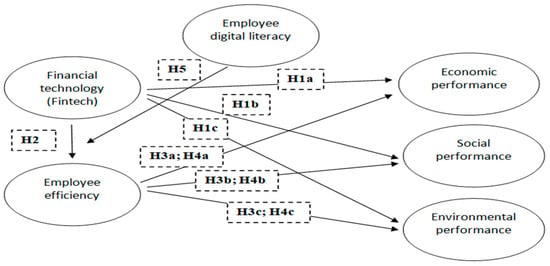
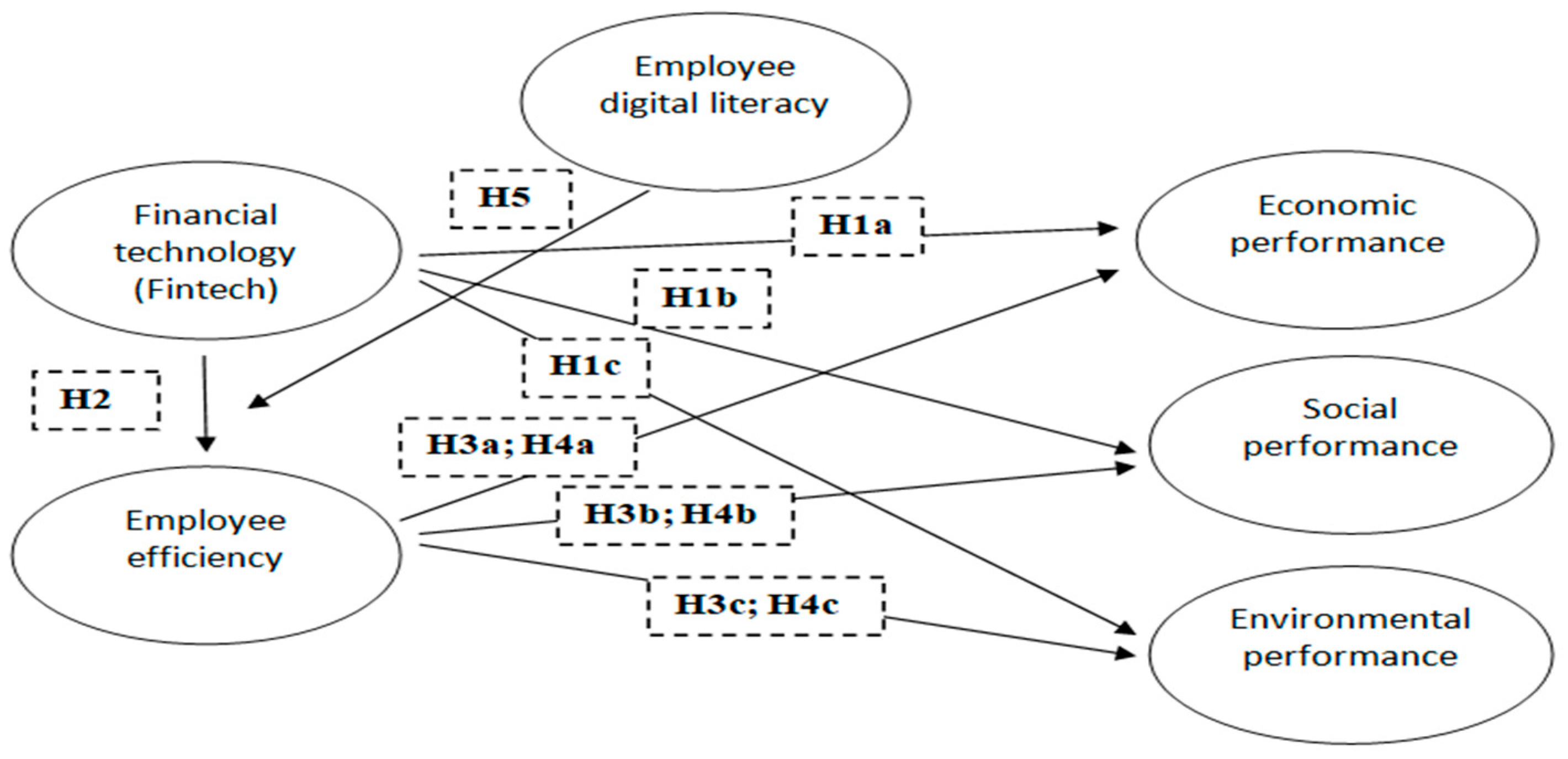
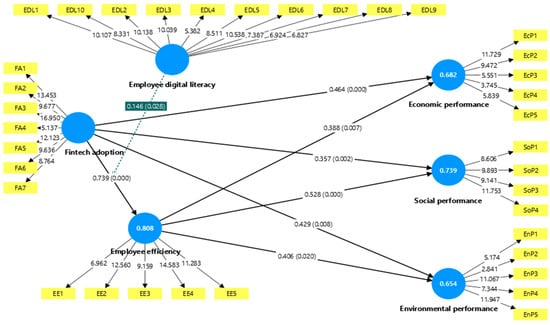
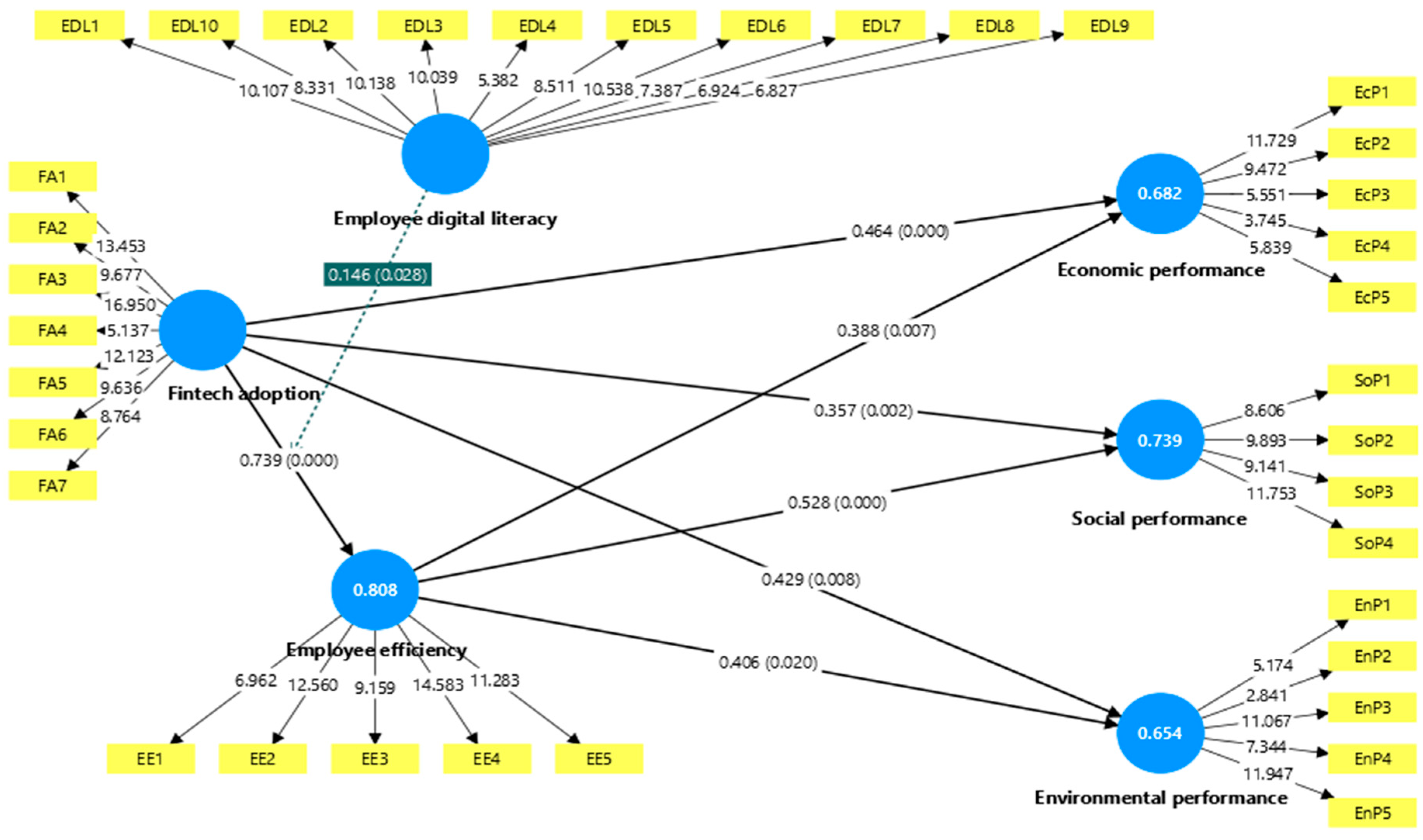
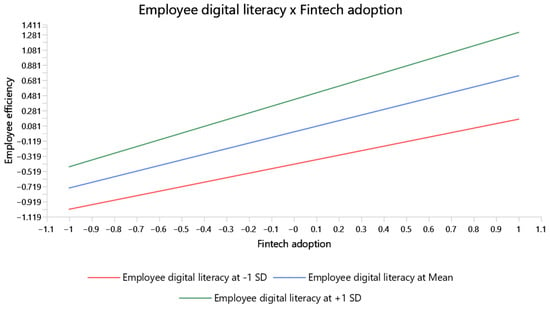
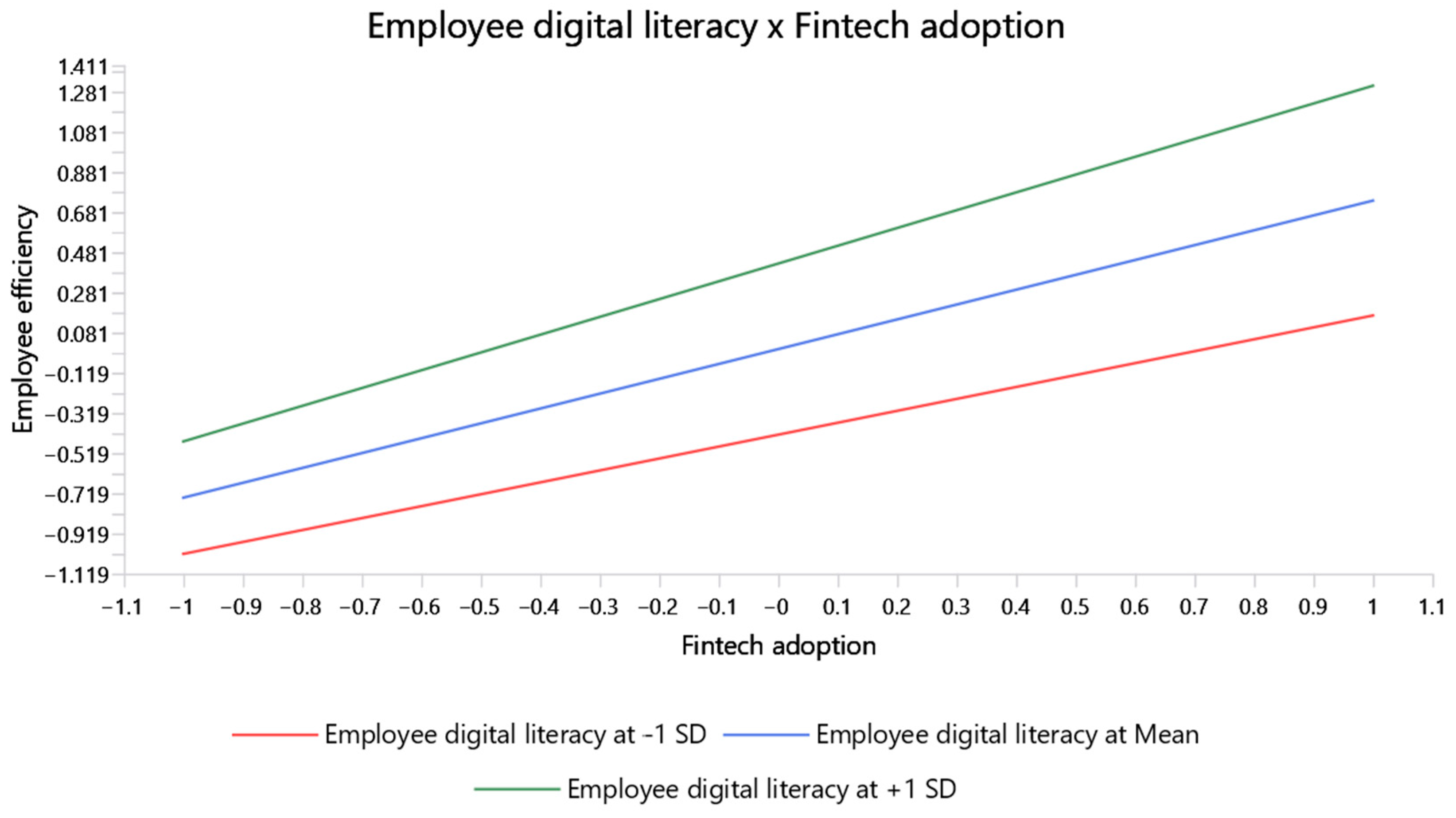

Disclaimer/Publisher’s Note: The statements, opinions and data contained in all publications are solely those of the individual author(s) and contributor(s) and not of MDPI and/or the editor(s). MDPI and/or the editor(s) disclaim responsibility for any injury to people or property resulting from any ideas, methods, instructions or products referred to in the content. |
© 2026 by the author. Licensee MDPI, Basel, Switzerland. This article is an open access article distributed under the terms and conditions of the Creative Commons Attribution (CC BY) license.