


Abstract
Sustainability has become increasingly important in luxury fashion, but different approaches to sustainable sourcing may generate different consumer responses. This study examines how substitution-based and certified/traceable sustainable sourcing strategies influence luxury product evaluations and consumer purchase intention. Drawing on signalling theory, this paper proposes a dual-pathway model in which sustainable sourcing affects purchase intention through ethical and symbolic value formation. A between-subjects online experiment involving 359 participants compared two luxury handbags: one made with a mycelium-based leather alternative and the other made with traditionally sourced leather accompanied by certification and traceability information. The results show that substitution-based sourcing generates greater moral legitimation but also greater material compromise than certified/traceable sourcing. Moral legitimation positively influences ethical personal value, while material compromise negatively influences symbolic personal value; both forms of personal value subsequently influence purchase intention. However, despite these significant individual relationships, neither the proposed sequential indirect effects nor the total indirect effect on purchase intention reached statistical significance, leaving the evidence for mediation inconclusive. The findings highlight the importance of how sustainability is implemented, rather than treating sustainable sourcing as a uniform product attribute. The study contributes to sustainable luxury research by developing a dual-pathway explanation of consumer responses to sustainable sourcing and extends signalling theory by demonstrating the multidimensional implications of sustainability-related market signals.
1. Introduction
Sustainability strategies are increasingly shaped by policy agendas, regulatory requirements, stakeholder scrutiny, and expectations of environmental and social responsibility [1,2]. At the corporate level, sustainability initiatives commonly address carbon emissions, energy use, waste reduction, and environmental compliance [3]. Luxury fashion brands have also incorporated sustainability into their sourcing and material strategies. For example, LVMH’s LIFE 360 programme identifies creative circularity, biodiversity, climate, traceability & transparency, and engaging stakeholders as key environmental priorities [4]; Prada’s Re-Nylon project replaces virgin nylon with regenerated nylon made from recycled plastic waste [5]; Gucci has introduced Demetra as an animal-free luxury material [6]; and Hermès has experimented with mushroom-derived Sylvania in its Victoria bag [7]. These examples suggest that sustainability in the luxury industry is increasingly expressed through material innovation, sourcing governance, traceability, animal-welfare commitments, and circular material use [8,9]. Thus, luxury fashion provides a useful context for examining sustainability because sourcing decisions concern attributes central to luxury product evaluations [10]. However, the main issue here is that sustainability may not be the primary source of luxury value and cannot be interpreted as uniformly beneficial by luxury consumers. Prior research suggests that sustainability initiatives may conflict with established expectations of luxury, as customers may perceive gaps between sustainability and luxury’s associations with rarity, indulgence, exclusivity, authenticity, and symbolic distinction [11,12]. This makes sustainability particularly important: it is not merely a compliance-related or promotional claim, but a signal that may reshape how consumers evaluate the ethical and symbolic value of luxury products.
Integrating sustainability into luxury fashion is challenging because responsible practices must coexist with established expectations of luxury [13]. An essential gap here is that current research has not fully explained why different implementations of sustainability may generate different consumer responses. Instead, the previous literature focused more on whether luxury and sustainability can be compatible. Previous studies have examined consumers’ interpretations of ethical luxury and the potential consequences of sustainable attributes for luxury brands [10,12,14]. However, treating sustainability as a broad evaluative category may overlook the additional information conveyed by specific sourcing practices.
To address this gap, the present study examines sustainable sourcing as a specific form of sustainability implementation. Sustainable sourcing provides a particularly relevant focus because it directly concerns animal welfare and the materials used in luxury products. Unlike general sustainability claims, including general pro-environmental commitments or corporate responsibility statements, the sourcing strategies and advertisements are directly associated with the material basis of the product. Therefore, sourcing is central to sustainability, because it is highly relevant to how materials are obtained, governed, certified, traced, and justified within the whole supply chain [15,16]. Moreover, as it is highly associated with how luxury products express authenticity and symbolic value [17,18], sourcing can also change customers’ perceptions of the luxury level. Consequently, sourcing cues serve as an essential factor influencing both perceived ethical sustainability and material authenticity expected from luxury.
Signalling theory provides an appropriate theoretical framework for examining these effects. This theory is relevant because consumers cannot directly verify many sustainability-related attributes, such as material origins, sourcing practices, and supply-chain accountability, when evaluating luxury products. Instead, consumers mainly rely on observable sourcing information to infer difficult-to-assess product attributes [19]. More importantly, sustainable sourcing information may communicate more than pro-environmental responsibility. Thus, signalling theory helps explain how consumers interpret different implications of sustainable sourcing information and how these interpretations shape ethical and symbolic value evaluations. This research focuses on two main types of sustainable sourcing cues: substitution-based cues and certified/traceable cues. Substitution-based cues refer to claims that sustainability is achieved by replacing traditional luxury materials with alternative materials, such as vegan leather, animal-free materials, regenerated fibres, or mushroom-derived leather alternatives [20]. Certified/traceable cues refer to claims that sustainability is achieved by preserving the product’s traditional material basis while improving sourcing governance, certification, traceability, transparency, or supply chain accountability [21]. These two types of sustainable cues differ in sustainable content and their relationship with the material foundations of luxury value.
Building on this distinction, the study proposes that the two sourcing cues influence consumers’ evaluations through two potentially competing pathways. Through the ethical pathway, sustainable sourcing cues can enhance consumers’ ethical evaluation of the luxury product by signalling responsibility, accountability, and alignment with their sustainability expectations. Through the symbolic pathway, they can also affect consumers’ symbolic evaluation of the product by changing how they perceive the product’s material authenticity and luxury value. The dual-pathway logic is adopted to explain why and how sustainability in luxury fashion can generate different consumer responses: the same sourcing strategy can simultaneously strengthen ethical evaluation and weaken symbolic evaluation. Accordingly, this study addresses two research questions:
RQ1: How do substitution-based and certified/traceable sustainable sourcing strategies differ in their effects on consumers’ moral legitimation and perceived material compromise?
RQ2: How do these ethical and material evaluations translate into ethical and symbolic personal value, respectively, and subsequently influence purchase intention?
Taken together, this research makes three main theoretical contributions. First, it contributes to sustainable luxury literature by developing a dual-pathway model to explain why and how sustainability can affect purchase intention through different value evaluation pathways. Second, it contributes to luxury value literature by showing how sourcing-related ethical and material evaluations are associated with distinct forms of personal value. Finally, it extends the application of signalling theory by showing how sustainable sourcing signals can generate distinct ethical and material inferences.
2. Literature Review and Theoretical Foundation
2.1. Sustainable Sourcing as a Market Signal in Luxury Fashion
This paper adopts signalling theory to explain how consumers interpret sustainable sourcing information when purchasing a luxury product. Signalling theory addresses situations of information asymmetry in which consumers infer otherwise unobservable product attributes from signals communicated by firms [19]. This theory has been adopted into marketing research, where firms use observable market signals to communicate otherwise difficult-to-assess product information [22]. As many environmental and sourcing characteristics cannot be independently and easily verified by customers at the point of purchase [23], sustainable attributes are compatible with signalling theory [19]. For example, existing literature suggests that sustainability certifications can function as signals that reduce uncertainty surrounding sustainable products [24].
In this research, sustainable sourcing information is particularly informative as it provides information about materials and supply-chain practices for consumers [25]. Compared with general environmental claims, sourcing information can specify the materials and governance practices through which a brand intends to improve sustainability [26]. However, these practices are difficult for consumers to verify, making sourcing advertising an important basis for inferring product attributes [19]. Importantly, different sourcing strategies do not communicate the same underlying change. Substitution-based sourcing signals sustainability through an alteration of the product’s material basis, whereas certified/traceable sourcing signals sustainability through changes in sourcing governance while retaining the conventional material. Prior luxury research shows that material changes can meaningfully affect consumer evaluation [27]. For example, recycled materials could reduce consumer preference for luxury products [28], while Hemonnet-Goujot et al. [20] demonstrated that consumer responses to sustainable substitution innovations depend partly on how the substituted component relates to established product identity. Thus, a sustainable sourcing signal can simultaneously communicate information about the responsibility of the sourcing practice and the implications of that practice for product attributes.
Given the dual roles of sustainable sourcing strategies when signalling information for customers, this study extends the application of signalling theory by treating sustainable sourcing as a market signal with two evaluative implications rather than a unidimensional signal. Different sourcing strategies may provide consumers with different bases for inferring whether a luxury purchase is ethically acceptable and whether the product continues to embody the material meanings associated with luxury. These distinct inferences provide the basis for the two evaluative pathways developed below.
Figure 1 summarises the two sustainable sourcing strategies and their distinct signalling implications in luxury fashion.
Figure 1.
Two sustainable sourcing strategies and their signalling implications in luxury fashion.
2.2. Ethical and Symbolic Personal Value in Luxury Consumption
From a signalling perspective, consumers’ responses to sustainable sourcing depend on how they interpret sourcing information and the value they associate with it [19]. However, customer value is inherently multidimensional instead of being reducible to a single overall evaluation [29]. This distinction is particularly relevant to luxury consumption, where value extends beyond functional and economic attributes to include individual and social meanings [30]. In addition, the literature confirms that luxury value includes multiple value dimensions with distinct consequences for consumer responses [31]. Therefore, assessing sustainable sourcing strategies only by whether sustainability increases or decreases overall product value can obscure the different forms of value of the sourcing methods.
The first main dimension is ethical personal value (EPV), which this research conceptualises as the extent to which choosing a product enables consumers to act consistently with their personal values concerning responsible consumption [32]. EPV emphasises the value that the consumer derives when the consumption choice is consistent with personally important ethical standards rather than a general or universal ethical judgement. Prior research indicates that corporate responsibility can generate value for consumers in different forms [33], and preferences for products with ethical attributes become stronger when consumers’ self-accountability is salient [34]. In the luxury industry, ethical considerations can be included in customers’ purchase decision-making process [11]. Therefore, EPV captures one distinct way in which sustainability-related information can become personally consequential to luxury consumers.
The second dimension is symbolic personal value (SPV), referring to the extent to which a luxury product enables consumers to express personal identity, taste, status, distinction, and a desired self-image [30]. Existing research identifies self-related and socially oriented meanings as central components of luxury perceptions [35]. Wiedmann et al. [30] distinguished individual and social value from the functional and financial value of luxury consumption. Thus, the value of a luxury product depends partly on what possessing and consuming it means for the consumer, rather than solely on its objective attributes. SPV captures this self-relevant capacity of a luxury product and is therefore conceptually distinct from EPV.
3. Hypotheses Development and Conceptual Framework
3.1. Ethical Pathway
The first pathway concerns the ethical implications of sustainable sourcing signals. The ethical implications of sustainable sourcing should depend on the nature of the intervention communicated to consumers and the perceived corporate responsibility conveyed by the signals. In luxury fashion, the use of animal-derived materials can constitute an ethically relevant issue [36]. Current research shows that consumers pay attention to animal-welfare information in fashion consumption, and differentiate between conventional animal materials, animal materials produced under improved welfare conditions, and non-animal alternatives [37]. Therefore, certified/traceable sourcing and substitution-based sourcing address this issue in fundamentally different ways. The former retains the conventional material while signalling improved oversight of its sourcing, while the latter removes the animal-derived material from the product altogether. Consequently, by replacing animal-derived leather in the advertised product, substitution-based sourcing may provide consumers with a stronger basis for viewing the purchase as morally acceptable and responsible. In this study, moral legitimation (ML) refers to the extent to which a sourcing strategy makes the resulting luxury purchase appear morally acceptable, responsible, and justifiable to the consumer [38].
H1.
Compared with certified/traceable sustainable sourcing, substitution-based sustainable sourcing leads to greater moral legitimation.
Moral legitimation should subsequently increase the ethical personal value (EPV) derived from purchasing or owning the product. Whereas moral legitimation concerns whether a particular purchase can be normatively justified, EPV concerns whether making that purchase is consistent with the consumer’s own standards of responsible consumption [32]. Ethical product attributes become more influential when consumers evaluate their choices against personally important standards [39]. Sustainability-related consumption decisions can involve self-evaluative moral processes through which consumers assess the appropriateness of their own choices [40]. Thus, when sustainable sourcing provides stronger ML for purchasing a luxury product, consumers’ EPV derived from the product should be increased.
H2.
Moral legitimation positively influences ethical personal value.
Once ethical considerations become personally valuable, they constitute part of the benefits consumers derive from choosing the product rather than merely an external judgement of the brand’s sustainability or responsibility. According to consumption-value theory, the value consumers obtain from a product contributes to their subsequent choice behaviour [41]. Moreover, Shaw et al. [32] argued that ethical obligation and ethical self-identity contribute to consumer decision-making and behavioural intentions. Accordingly, greater ethical personal value derived from a luxury product should increase consumers’ willingness to purchase it.
H3.
Ethical personal value positively influences purchase intention.
3.2. Symbolic Pathway
The second pathway concerns the implications of sustainable sourcing for the material basis of luxury value. Unlike certified/traceable sourcing, which modifies the governance of sourcing while retaining the conventional material, substitution-based sourcing changes the material category. Such a change can introduce a perceived trade-off when consumers associate sustainability with a departure from product attributes conventionally expected within the category. Previous research in sustainability indicates that ethical product attributes can create a “sustainability liability” when consumers infer reduced performance on attributes that are important to the product category [42]. In luxury consumption, material substitution may raise concerns about whether a product continues to meet established material standards and retain its associated symbolic meanings [43]. In this study, material compromise (MC) refers to the extent to which the sourcing strategy leads consumers to perceive that the product’s material basis has been compromised or is less consistent with expected luxury material standards [42]. Because certified/traceable sourcing retains the conventional material while substitution-based sourcing changes it, the latter should generate greater perceived material compromise.
H4.
Compared with certified/traceable sustainable sourcing, substitution-based sustainable sourcing leads to greater material compromise.
Material compromise (MC) is expected to negatively influence symbolic personal value (SPV) because the symbolic meanings of luxury products are partly embedded in their material characteristics. Luxury consumption allows consumers to construct and communicate their identities, social status, and desired self-image [30,44]. However, the effectiveness of these symbolic functions depends on whether consumers perceive the product as consistent with the luxury characteristics traditionally associated with the product [45]. Material authenticity is particularly relevant because consumers use product attributes to judge whether a product represents an authentic expression of its luxury category [43,46]. When a sustainable sourcing strategy is perceived as compromising these expected material characteristics, consumers may question whether the product still embodies the meanings associated with luxury. Thus, greater perceived material compromise should reduce the product’s ability to communicate personal taste, distinction, status, and identity, thereby decreasing SPV.
H5.
Material compromise negatively influences symbolic personal value.
Symbolic personal value (SPV) is expected to positively influence purchase intention because luxury consumption extends beyond acquiring functional product attributes. Consumers obtain value from luxury products through the ability to express identity, communicate social status, and reinforce a desired self-image [30]. From a consumption-value perspective, the value that consumers associate with a product contributes to their subsequent choice decisions [41,47]. In the context of luxury fashion, symbolic and self-expressive considerations are particularly relevant to consumer purchase decisions [48]. Thus, when consumers perceive that a luxury product provides greater symbolic personal value, they should be more willing to purchase it because the product better supports their desired identity and self-expression.
H6.
Symbolic personal value positively influences purchase intention.
3.3. Dual-Pathway Signalling Model and Conceptual Framework
Taken together, the preceding hypotheses form a dual-pathway signalling model of sustainable luxury sourcing. Rather than assuming that a sustainable sourcing strategy produces a single favourable or unfavourable evaluation, the model proposes that consumers can derive conceptually and qualitatively different inferences from the same sourcing signal. This formulation is consistent with the broader signalling perspective that the consequences of a signal depend on how receivers interpret the information it delivers [19]. In the proposed model, these interpretations are separated into two main mechanism pathways: an ethical inference concerning the moral legitimacy of the purchase and a material inference concerning whether the sourcing strategy compromises the expected material basis of the luxury product.
The distinction between these mechanisms is theoretically important because the outcomes of sustainability should not be evaluated in an uninformed way. Prior research shows that sustainable attributes can create favourable ethical associations while simultaneously generating concerns about category-relevant product attributes, including material [42]. In addition, sustainable substitution innovations in luxury can produce different consumer responses depending on how the innovation relates to established product characteristics [20]. The present model develops this logic by locating these consequences in two separate value-formation pathways, as shown in Figure 2. Moral legitimation channels the ethical implications of the sourcing signal into ethical personal value, while material compromise channels its product-related implications into symbolic personal value. These values subsequently provide different bases for purchase intention.
Figure 2.
Conceptual framework of the dual-pathway model.
Importantly, the model does not assume that the two pathways necessarily offset one another or produce a predetermined effect. A sourcing strategy may strengthen one pathway more than it weakens the other, affect both simultaneously, or generate downstream consequences of different intensities. Figure 2 presents the proposed conceptual framework and the six hypothesised relationships. In the conceptual framework, the sustainable sourcing condition represents the experimentally manipulated sourcing strategy. The two conditions are substitution-based sourcing and certified/traceable sourcing. The sourcing condition serves as an exogenous predictor of moral legitimation and perceived material compromise, which subsequently influence ethical and symbolic personal value, respectively. Both forms of personal value are then proposed to influence purchase intention.
4. Materials and Methods
4.1. Research Design and Overview
This study adopted a scenario-based, between-subjects, online vignette experiment to examine how different sustainable sourcing strategies influence consumers’ evaluations of luxury handbags of a fictional brand. Participants were randomly assigned to one of two experimental conditions involving a fictional luxury fashion brand, VAERONNE.
The two sustainable sourcing cues represent different sustainability implementation strategies. Condition A refers to a substitution-based sustainable sourcing cue, where traditional animal-derived leather is replaced with a mycelium-based leather alternative. Meanwhile, Condition B refers to a certified/traceable sustainable sourcing cue, where traditional leather is retained but supported by certified sourcing and supply chain traceability. After reviewing the assigned advertisement scenario, participants evaluated the featured handbag based on their perceptions and responses to the product information.
The sustainable sourcing was operationalised as a binary experimentally manipulated variable. Participants were randomly assigned to either the substitution-based sourcing condition or the certified/traceable sourcing condition. For the structural equation modelling analysis, the substitution-based sourcing was coded as 0, whereas the certified/traceable sourcing was coded as 1. This observed exogenous variable was incorporated into the PLS-SEM model as a predictor of moral legitimation (H1) and perceived material compromise (H4). The remaining constructs were measured using multiple questionnaire items and modelled as latent variables.
Figure 3 provides an overview of the two experimental sourcing conditions.
Figure 3.
Overview of the two experimental sourcing conditions.
4.2. Experimental Context, Manipulations, and Stimulus Development
To minimise the influence of prior brand knowledge, this study employed a fictional luxury fashion brand, VAERONNE, as the experimental context. The brand was presented as a high-end luxury handbag brand characterised by refined craftsmanship, premium materials, and timeless design.
Two experimental advertising stimuli were developed to manipulate sustainable sourcing strategy. In the substitution-based condition, the fictional luxury brand VAERONNE introduced a structured handbag made from a mycelium-based leather alternative developed using renewable plant-derived inputs and regenerated fibres. The advertisement emphasised replacing traditional animal-derived leather with an alternative material as the brand’s approach to sustainability. In the certified/traceable condition, VAERONNE presented a structured handbag made from traditional leather sourced through certified and audited suppliers, with supply-chain traceability from material origin to final production. This condition emphasised transparency, supplier accountability, and responsible sourcing governance while retaining the conventional material. Both advertisements presented VAERONNE as a high-end luxury fashion brand with comparable design standards, craftsmanship, and brand positioning.The advertising stimuli used in the two experimental conditions are shown in Figure 4.
Figure 4.
Experimental Visual Stimuli for the Two Sustainable Sourcing Conditions.
4.3. Participants, Pretest, and Samples
Participants in the pretest and main study were recruited through Prolific (Prolific Academic Ltd., London, UK). Eligible participants were required to be adults, able to read English, have considered purchasing luxury products within the past 12 months, and have previously owned at least one luxury product. Recruitment primarily targeted developed countries and regions for two main reasons. First, these economies have relatively mature luxury consumption markets, providing access to consumers with relevant experience and familiarity with luxury products [49]. Second, developed economies represent established and strategically important markets for many international luxury brands [50]. Therefore, recruiting participants from these markets aligns the sampling approach with the commercial contexts in which luxury brands actively communicate their product attributes, brand values, and sustainability initiatives. However, the concentration of participants in developed economies limits the generalisability of the findings to consumers in other economic and cultural contexts, particularly those in emerging and developing markets. The participants were paid in accordance with Prolific’s recommended fair-pay guidance.
Before the main experiment, a pretest was conducted to validate the experimental stimuli. A total of 120 participants recruited through Prolific were randomly assigned to one of the two manipulation conditions. The manipulation checks confirmed that the substitution-based condition was perceived as placing greater emphasis on alternative materials than the certified/traceable condition (M = 6.64 vs. 3.51, p < 0.001) and as moving away from animal-derived leather (M = 6.05 vs. 3.44, p < 0.001). Conversely, the certified/traceable condition was perceived as placing greater emphasis on certified and traceable sourcing (M = 6.05 vs. 4.73, p < 0.001) and the use of traditional leather from audited suppliers (M = 5.52 vs. 2.71, p < 0.001). Both conditions were perceived as communicating a sustainability-related message (p = 0.007) and did not differ significantly in perceived luxury brand positioning, including perceptions of VAERONNE as a luxury fashion brand (p = 0.829; 0.734; 0.653). Therefore, the stimuli were considered appropriate for the main experiment.
A total of 400 responses were initially collected. After excluding responses with abnormally short completion times or failed attention checks (n = 32), straightlining responses (n = 4), and responses with missing data (n = 5), 359 valid responses were retained for final analysis. The final dataset included 163 male participants (45.4%), 194 female participants (54.0%), one non-binary/third-gender participant (0.3%), and one participant who preferred not to disclose their gender (0.3%). Most participants had a high familiarity with luxury fashion products (M = 5.59, SD = 0.94). The largest age group was 25–34 years, accounting for 35.1% of the sample. Moreover, 42 participants (11.7%) were aged 18–24, 93 (25.9%) were aged 35–44, 48 (13.4%) were aged 45–54, and 50 (13.9%) were aged 55 or above. More than two-thirds of the participants (68.4%) had a personal income above USD 2000 per month, with 20.1% above USD 5000. Participants were primarily from the United Kingdom (32.1%), the United States (25.0%), Canada (15.7%), and other developed countries.
To assess sample size adequacy, a power analysis was conducted using G*Power 3.1 [51]. The calculation considered the two predictors of an endogenous construct in the proposed PLS-SEM model. Assuming an effect size of f2 = 0.05, a significance level of α = 0.05, and a desired statistical power of 0.95, the minimum required sample size was estimated to be 312. The final sample of 359 valid responses exceeded this requirement, corresponding to an estimated statistical power of approximately 0.973 under the specified assumptions. With 359 observations and the same significance and power criteria, the minimum detectable effect size was approximately f2 = 0.043. Therefore, the sample size was considered adequate for evaluating the proposed model within these effect-size assumptions, but recognising the limited sensitivity to very small effects.
4.4. Questionnaire Design and Research Procedures
The questionnaire was administered through Qualtrics (Qualtrics LLC, Provo, UT, USA; version in use in August 2026). Participants first provided formal consent and then completed the eligibility screening. Then, they were randomly assigned to either of the two manipulated scenarios: the substitution-based sourcing condition or the certified/traceable sourcing condition. The participants first reviewed the same general introduction to the fictional luxury brand VAERONNE, and then the two manipulated scenarios were presented. After viewing the scenarios, participants completed manipulation checks, brand-positioning checks, and attention checks. They subsequently completed the purchase-related measures and the multi-item measures of moral legitimation (ML), perceived material compromise (MC), ethical personal value (EPV), and symbolic personal value (SPV). The experiment concluded with a debriefing statement explaining the study’s purpose and the fictional nature of VAERONNE. Figure 5 summarises the study design and participant flow.
Figure 5.
Study design and participant flow.
4.5. Measures
All focal constructs were measured using seven-point Likert scales. For purchase intention, response anchors ranged from 1 = very unlikely to 7 = very likely. For the remaining perceptual measures, response anchors ranged from 1 = strongly disagree to 7 = strongly agree.
In addition to the focal constructs, several preliminary measures were included to assess participants’ familiarity with luxury fashion, the effectiveness of the experimental manipulations, and the consistency of perceived brand positioning across conditions. Luxury fashion familiarity was assessed using a single seven-point item. The manipulation checks assessed participants’ perceptions of alternative material use, certified and traceable sourcing, and the sustainability-related message communicated by the manipulations. Brand positioning was assessed using three items measuring perceptions of VAERONNE as a luxury, premium, and high-end brand. These measures were used in the preliminary analyses to examine the experimental manipulations and the comparability of the two conditions. This approach follows recommendations for validating experimental manipulations in experiments [52]. The measurement items for the five focal constructs are presented in Table 1.
Table 1.
Measurement Items for the Structural Model.
Purchase Intention (PI) was measured with four likelihood-based items capturing participants’ willingness to consider, purchase, choose, and include the advertised handbag in their final consideration set. These items are consistent with measures of purchase intention in prior consumer research [53].
Moral Legitimation (ML) was measured with four items assessing the extent to which the sustainability information made choosing the handbag feel morally acceptable, responsible, ethically legitimate, and less morally problematic. This measure was developed with reference to moral legitimacy and ethical-consumption research [38].
Ethical Personal Value (EPV) was measured with four items capturing the extent to which choosing the handbag was consistent with participants’ personal values, personal responsibility, and ethical self-identity [29].
Material Compromise (MC) was measured with four items assessing whether the sourcing approach made the handbag appear materially compromised, less aligned with luxury standards, or less consistent with traditional luxury materials. This measure was developed from prior research on sustainability-related product trade-offs [42].
Symbolic Personal Value (SPV) was measured with four items capturing personal taste expression, desired image, distinctiveness, and identity expression through luxury consumption [30].
5. Data Analysis and Results
5.1. Preliminary Analyses and Manipulation Checks
Prior to the between-condition comparisons, normality was assessed for the preliminary measures described in Section 4.5, including luxury fashion familiarity, alternative-material perceptions, certified/traceable sourcing perceptions, sustainability-message perceptions, and perceived brand positioning. As shown in Table 2, the results indicated significant deviations from normality across all examined measures in both experimental conditions (all p < 0.001). Given the relatively large sample sizes in the substitution-based (n = 167) and certified/traceable (n = 192) conditions, Welch’s independent-samples t-tests were used to compare group means. To further assess the robustness of the findings, Mann–Whitney U tests were conducted as non-parametric alternatives. The results were consistent across both methods: the conditions differed significantly in alternative-material perceptions, certified/traceable sourcing perceptions, and sustainability-message evaluations (all p < 0.001), whereas no significant differences were observed in luxury fashion familiarity or brand positioning (all p > 0.05). These findings suggest that the conclusions of the between-condition comparisons were robust to the choice of statistical test despite departures from normality.
Table 2.
Normality Assessment and Robustness Checks for Between-Condition Comparisons.
Baseline comparability between the two experimental conditions was assessed using independent-samples tests appropriate to each variable’s measurement level. The two conditions did not differ significantly in luxury fashion familiarity (M = 5.66 vs. 5.54, p = 0.217), gender distribution (p = 0.994), or income distribution (p = 0.348). The cell sizes were also not significantly different from an equal allocation pattern (167 vs. 192, p = 0.205). No statistically significant between-condition differences were detected in the reported baseline characteristics.
Independent t-tests were adopted for manipulation checks. Participants in the substitution-based sourcing condition perceived the advertisement as placing stronger emphasis on alternative materials and moving away from animal-derived leather than those in the certified/traceable sourcing condition (M = 6.33 vs. 3.99, p < 0.001). Conversely, participants in the certified/traceable sourcing condition perceived the advertisement as placing stronger emphasis on certified and traceable sourcing and the use of traditional leather from audited suppliers than those in the substitution-based condition (M = 5.84 vs. 3.49, p < 0.001). Therefore, the manipulations were successful.
Both conditions were perceived as communicating sustainability-related information (M = 6.25 vs. 5.81). The two conditions did not differ significantly in perceived luxury brand positioning (M = 5.66 vs. 5.63, p = 0.818), suggesting that the two stimuli maintained comparable luxury, premium, and high-end brand perceptions. Overall, these preliminary results support the validity of the experimental manipulation while showing no statistically significant difference in perceived brand positioning between conditions.
5.2. Reliability and Validity Checks
The measurement model was analysed using SmartPLS 4.1.1.4 (SmartPLS GmbH, Bönningstedt, Germany). As shown in Table 3, the outer loadings ranged from 0.753 to 0.949, exceeding the recommended threshold of 0.70. Internal consistency reliability was evaluated using Cronbach’s alpha, rho_A, and composite reliability (rho_C). Cronbach’s alpha values ranged from 0.827 to 0.948, rho_A values ranged from 0.844 to 0.949, and rho_C values ranged from 0.889 to 0.963. The average variance extracted (AVE) values ranged from 0.668 to 0.866, exceeding the recommended threshold of 0.50 [54,55]. The outer VIF values for moral legitimation (ML), material compromise (MC), and symbolic personal value (SPV) were all below the conservative threshold of 3.3. These results generally indicate satisfactory internal consistency, reliability and convergent validity.
Table 3.
Reliability and Convergent Validity.
However, the rho_C values for ethical personal value (0.961) and purchase intention (0.963) exceeded the commonly recommended upper threshold of 0.95. Additionally, the outer VIF values for both constructs exceeded the conservative threshold of 3.3, indicating potential indicator redundancy. To address this, the items measuring purchase intention and ethical personal value were reviewed for potential conceptual overlap. However, as shown in Table 1, the items captured related but distinguishable aspects of purchase intention and ethical personal value. Moreover, all items also demonstrated strong outer loadings, ranging from 0.914 to 0.941 for EPV and from 0.904 to 0.949 for PI. Given that both constructs were specified as reflective measurement models, the elevated outer VIF values were not considered sufficient grounds for indicator deletion. Consequently, all four items for each construct were retained to preserve their intended conceptual coverage. This research acknowledges the potential redundancy indicated by their high composite reliability values.
Discriminant validity was assessed using the heterotrait–monotrait ratio of correlations (HTMT). As shown in Table 4, all HTMT values were below 0.85, with the highest value observed between symbolic personal value and ethical personal value (HTMT = 0.803). In addition, the bootstrapped confidence intervals did not include 1.00. These results indicate satisfactory discriminant validity.
Table 4.
HTMT Results.
5.3. Common Method Bias Assessment
As the five perceptual constructs were measured using self-reported responses collected within a single questionnaire, potential common method bias (CMB) was assessed using the full collinearity approach proposed by Kock [56]. Full collinearity variance inflation factors (VIFs) across the constructs in the model were calculated from the latent-variable correlation matrix obtained from SmartPLS. As presented in Table 5, the full collinearity VIF values ranged from 1.059 to 3.119, with the highest value observed for ethical personal value (VIF = 3.119). All values were below the conservative threshold of 3.3 [56]. These results indicate that the full collinearity assessment did not identify problematic collinearity suggestive of substantial common method bias.
Table 5.
Full Collinearity Assessment for Common Method Bias.
5.4. Structural Model and Hypotheses Testing
PLS-SEM was employed to estimate the proposed dual-pathway model and assess the relationships through which sustainable sourcing strategies influence consumer evaluations and purchase intention. This approach was adopted to examine the explanatory performance of the endogenous constructs within the hypothesised theoretical framework. The structural model was estimated using SmartPLS 4.1.1.4, and statistical significance was assessed through bootstrapping with 5000 subsamples and two-tailed tests at the 0.05 significance level. As specified in Section 4.1, the substitution-based sourcing condition was coded as 0, whereas the certified/traceable sourcing condition was coded as 1. Accordingly, negative path coefficients originating from the sustainable sourcing indicate higher outcome scores under substitution-based sourcing.
Because sustainable sourcing was coded as a binary variable (0/1) and retained on its original scale, the coefficients for Sourcing → ML (−0.215) and Sourcing → MC (−0.259) are partially standardised. Their fully standardised equivalents are approximately −0.107 and −0.129, respectively, which are consistent with the corresponding R2 values of 0.012 and 0.017.
The explanatory power of the structural model was assessed using the coefficient of determination (R2). The model explained 1.2% of the variance in moral legitimation (R2 = 0.012), 1.7% in perceived material compromise (R2 = 0.017), 47.0% in ethical personal value (R2 = 0.470), 5.6% in symbolic personal value (R2 = 0.056), and 54.8% in purchase intention (R2 = 0.548). These findings suggest that the proposed model provides stronger explanatory power for ethical personal value and purchase intention than for the initial responses to sourcing conditions and the material-related component of symbolic value. Accordingly, the statistically significant relationships should be interpreted in conjunction with their relatively limited explanatory contributions.
The effect sizes (f2) were examined to evaluate the contribution of each predictor to the explained variance of its corresponding endogenous construct. As shown in Table 6, the effects of the sustainable sourcing condition on ML (f2 = 0.012) and MC (f2 = 0.017) were below the conventional small-effect benchmark of 0.02. ML had a large effect on EPV (f2 = 0.888), whereas MC had a small effect on SPV (f2 = 0.060). EPV had a small effect on PI (f2 = 0.076), while SPV had a medium effect (f2 = 0.256). Structural collinearity was also assessed using inner VIF values, which ranged from 1.000 to 2.247. All values were below the conservative threshold of 3.3, indicating no substantial collinearity concerns among the structural predictors.
Table 6.
Hypothesis Testing Results.
Out-of-sample predictive performance was evaluated using the PLSpredict procedure. The indicator-level Q2_predict values ranged from −0.007 to 0.012, with ten positive values, nine negative values, and one value approximately equal to zero. Comparisons with the linear regression benchmark showed that the PLS-SEM model produced slightly lower RMSE values for 14 of the 20 indicators. These findings suggest that the model is more informative for explaining the hypothesised relationships than for predicting individual responses to sustainable sourcing conditions.
Figure 6 presents the estimated structural model. The first-stage results show that the two sustainable sourcing strategies generated systematically different psychological responses. Compared with certified/traceable sourcing, substitution-based sourcing produced significantly greater moral legitimation (β = −0.215, t = 2.085, p = 0.037), supporting H1. Moreover, substitution-based sourcing also produced significantly greater perceived material compromise (β = −0.259, t = 2.361, p = 0.018), supporting H4. These findings demonstrate that substitution-based sourcing was evaluated better on the ethical dimension while simultaneously creating greater concern regarding the material basis of luxury.
Figure 6.
Estimated PLS-SEM Structural Model. Note: Path coefficients originating from the binary sourcing condition are partially standardised because the predictor retains its original 0/1 coding. All other structural path coefficients are fully standardised. The reported R2 values were verified against the original SmartPLS output.
The results further supported the proposed ethical-value pathway. Moral legitimation had a strong positive effect on ethical personal value (β = 0.686, t = 18.429, p < 0.001), supporting H2. Ethical personal value, in turn, positively influenced purchase intention (β = 0.277, t = 3.972, p < 0.001), supporting H3. The indirect effect of moral legitimation on purchase intention through ethical personal value was also statistically significant (β = 0.190, t = 3.859, p < 0.001). Furthermore, the indirect effect of sourcing condition on ethical personal value through moral legitimation was also significant (β = −0.148, t = 2.078, p = 0.038). These results provide evidence for the hypothesised relationships within the ethical pathway.
As for the symbolic pathway, material compromise significantly reduced symbolic personal value (β = −0.237, t = 4.302, p < 0.001), supporting H5, while symbolic personal value positively influenced purchase intention (β = 0.510, t = 7.732, p < 0.001), supporting H6. The indirect effect of material compromise on purchase intention through symbolic personal value was negative and significant (β = −0.121, t = 3.684, p < 0.001). However, the indirect effect of sourcing condition on symbolic personal value through perceived material compromise did not reach the conventional 0.05 significance level (β = 0.061, t = 1.936, p = 0.053). These results support the hypothesised relationships within the symbolic-value pathway, although the evidence for the indirect effect originating from sourcing condition was less conclusive.
Finally, the total indirect effect of sustainable sourcing on purchase intention was not statistically significant (β = −0.010, t = 0.307, p = 0.759). The two specific sequential indirect effects also did not reach the conventional 0.05 significance level. The indirect effect through the ethical pathway (Sourcing → ML → EPV → PI) was negative (β = −0.041, t = 1.808, p = 0.071), whereas the indirect effect through the symbolic pathway (Sourcing → MC → SPV → PI) was positive (β = 0.031, t = 1.845, p = 0.065). Although all six hypothesised direct relationships were statistically significant, neither complete sequential indirect effect reached the predefined 0.05 significance threshold. These results support the individual structural relationships within the ethical and symbolic pathways but provide insufficient evidence to establish the proposed sequential mediation mechanisms.
Taken together, the findings reveal distinct evaluative patterns associated with sustainable sourcing strategies. Substitution-based sourcing elicited stronger moral legitimation alongside greater perceived material compromise, while these evaluations were associated with different forms of personal value. The subsequent relationships between personal value and purchase intention were also statistically supported. However, the evidence for the complete sequential mediation mechanisms remains inconclusive. Thus, the findings confirm the differentiated evaluative implications of sustainable sourcing but do not support its indirect effects on purchase intention.
6. Discussion
6.1. General Discussion of Findings
This study examined how different sustainable sourcing strategies shape consumer responses to luxury products through the dual-pathway signalling model, including the ethical pathway and the symbolic pathway. The findings highlight the distinct ethical and material implications of sustainable sourcing signals, with significant relationships linking these evaluations to different forms of personal value and purchase intention. However, the evidence does not establish the sequential mediation mechanisms connecting sourcing strategies to purchase intention. First, substitution-based sourcing generated greater moral legitimation but also greater material compromise than certified/traceable sourcing. This finding indicates that a sustainable sourcing strategy can simultaneously elicit ethical evaluations and concerns regarding the material characteristics of luxury products. These findings are consistent with signalling theory, as receivers may draw multiple implications from the information conveyed by a market signal rather than responding only to its intended focal meaning [19]. They also align with existing papers about the tensions between sustainability and luxury consumption, especially those concerning ethical responsibility, authenticity, and traditional luxury attributes [11,57].
However, the effects of sourcing condition on moral legitimation and perceived material compromise were relatively small (f2 = 0.012 and 0.017, respectively). These results suggest that different sourcing strategies can generate statistically significant differences in consumer evaluations, although the experimental manipulation alone accounts for only a limited proportion of individual variation in these responses.
The ethical pathway further illustrates how the moral acceptability of sustainable sourcing may contribute to the personal ethical value consumers associate with luxury products. Substitution-based sourcing produced stronger moral legitimation, which was positively associated with ethical personal value. Ethical personal value, in turn, was positively associated with purchase intention. These findings are consistent with existing research in sustainability that animal welfare is a meaningful concern in luxury consumption and that consumers distinguish between improved sourcing of animal materials and their replacement with alternatives [11,37]. Related research also suggests that consumers’ ethical standards, self-identity, and self-accountability influence their attitudes toward products with responsible attributes [34,58,59]. Building on these findings, the present study identifies moral legitimation as a specific evaluative mechanism connecting sustainable sourcing information with ethical personal value. Thus, the study provides a more differentiated understanding of how ethical considerations become personally meaningful in luxury consumption.
The symbolic pathway reveals a different evaluative implication of the same sourcing decision. Substitution-based sourcing increased perceived material compromise, which was negatively associated with symbolic personal value. Symbolic personal value, in turn, was positively associated with purchase intention. This finding is consistent with the broader sustainability-liability argument that sustainable attributes may generate unfavourable inferences when consumers perceive them as conflicting with category-relevant product benefits [42]. Similarly, Achabou and Dekhili [28] indicated the tensions between luxury consumption and sustainable development, while Hemonnet-Goujot et al. [20] highlighted the importance of established product identity in consumers’ responses to sustainable luxury innovation. The present findings extend these discussions by identifying perceived material compromise as a specific factor associated with reduced symbolic personal value. However, as shown in Section 5.4, material compromise explained only 5.6% of the variance in symbolic personal value. This limited explanatory power indicates that material compromise represents one contributing factor rather than a comprehensive explanation of consumers’ symbolic evaluations. The limited explanatory contribution of material compromise does not diminish the relevance of symbolic personal value to purchase decisions.
One possible explanation for the limited explanatory power of material compromise lies in the distinction between consumers’ evaluations of specific material characteristics and their broader perceptions of luxury. The brand-positioning checks indicated that participants perceived VAERONNE similarly as a luxury brand across the two experimental conditions (M = 5.66 vs. 5.63, p = 0.818). The two manipulations did not produce a statistically significant difference in perceived luxury brand positioning. This finding is consistent with the possibility that consumers distinguish concerns about individual material attributes from their broader evaluations of luxury products. As luxury consumption provides symbolic value through identity expression, personal taste, status, and distinction [30], the symbolic value may not depend exclusively on the product’s material composition. Consequently, changes in material-related evaluations may weaken certain aspects of symbolic personal value without fundamentally determining consumers’ general symbolic evaluations of the product.
The limited out-of-sample predictive performance provides an additional perspective on the model’s explanatory scope. The PLS_predict results showed that the indicator-level Q2_predict values ranged from −0.007 to 0.012, indicating minimal predictive improvement over the indicator-mean benchmark. One possible explanation lies in the relatively small effects of the experimentally manipulated sustainable sourcing on moral legitimation and material compromise. As sustainable sourcing represents the only exogenous predictor in the proposed model, its limited explanatory contribution at the initial stage may constrain the information available for predicting downstream outcomes. Although moral legitimation and material compromise were significantly associated with their respective personal value constructs, and both forms of personal value were positively associated with purchase intention, these relationships did not translate into substantial out-of-sample predictive gains. Therefore, the framework appears better suited to explaining the hypothesised evaluative relationships than to predicting individual responses. However, limited predictive performance does not necessarily invalidate the statistically supported structural relationships.
Finally, the findings offer qualified support for the proposed dual-pathway framework. The significant individual relationships indicate that sustainable sourcing strategies can generate distinct ethical and material evaluations, which are associated with different dimensions of personal value. In addition, these relationships do not establish that the effects of sourcing strategies are transmitted to purchase intention through the complete sequential pathways. Therefore, the contribution of the present findings lies primarily in distinguishing the evaluative implications of sustainable sourcing, while the proposed sequential mediation mechanisms require further empirical examination.
6.2. Theoretical Contributions
This research makes three main theoretical contributions. First, it advances sustainable luxury research by shifting attention from the general compatibility between sustainability and luxury toward the specific manner in which sustainability is implemented. Existing research has established the tensions and potential complementarities between sustainability and luxury consumption [11,13,14]. However, treating sustainability as a broad product or brand characteristic provides limited explanation of why different sustainability practices may generate different consumer evaluations and, in turn, cause different customer decisions. This study addresses this issue by distinguishing substitution-based sourcing from certified/traceable sourcing and providing a dual-pathway signalling model. The findings indicate that different sourcing strategies generate distinct ethical and material evaluations, while the subsequent relationships within the ethical and symbolic pathways help explain how these evaluations are associated with personal value and purchase intention. This shifts attention from the general compatibility of sustainability and luxury towards the consequences of specific sustainability implementation strategies.
Second, this research contributes to luxury value literature by distinguishing the ethical and symbolic dimensions of personal value associated with sustainable sourcing evaluations. Prior research has established that luxury consumption involves multiple forms of value, including individual, social, functional, and financial value [30], while responsible business practices can create additional forms of consumer value [33]. The findings extend this literature by showing that moral legitimation is positively associated with ethical personal value, while perceived material compromise is negatively associated with symbolic personal value. These relationships suggest that sustainability-related sourcing decisions may have different implications for the ethical and symbolic dimensions of luxury consumption. This provides a more differentiated understanding of personal value formation in the context of sustainable luxury.
Finally, the study extends the application of signalling theory by showing that sustainable sourcing can operate as a multidimensional market signal whose implications extend beyond its focal sustainability meaning. Signalling theory explains how receivers use observable information to infer attributes that cannot be directly observed [19]. Sustainable sourcing information communicates not only claims of responsibility but also changes to the product’s material basis. Substitution-based sourcing simultaneously communicates a sustainability intervention and a departure from the conventional material basis, while certified/traceable sourcing communicates changes in sourcing governance while preserving that basis. Specifically, this extends signalling theory by demonstrating that a market signal oriented toward one focal objective can simultaneously generate qualitatively different evaluative consequences. The dual-pathway model therefore illustrates how signalling theory can be applied to examine multiple consumer inferences arising from the same sustainability-related signal.
6.3. Managerial Implications
The findings provide several implications for luxury brands developing sustainable sourcing strategies. First, managers should not assume that one sourcing strategy is universally superior to another. Substitution-based sourcing generated stronger moral legitimation but also greater perceived material compromise, suggesting a potential trade-off between ethical appeal and traditional luxury expectations. However, these differences in consumer evaluations should not be interpreted as evidence that either sourcing strategy produces a more favourable purchase intention through the proposed pathways. Therefore, luxury brands should consider how their sourcing strategies align with the ethical values they seek to communicate while preserving the material attributes and symbolic meanings central to their brand positioning.
Second, brands adopting substitution-based sourcing should pay particular attention to consumers’ perceptions of material compromise. Sustainable sourcing cannot rely only on the ethical appeal of alternative materials. Consumers who perceive material substitution as a compromise may assign less symbolic value to the product. Luxury brands often rely on long-established associations between traditional materials and perceptions of quality, craftsmanship, and authenticity. Therefore, when utilising a substitution-based sourcing strategy, the brands need to provide strong evidence that the alternative material still meets the requirements of luxury standards in essential aspects, including scarcity, symbolism, durability, and tactile quality. The main objective is to prevent consumers from interpreting sustainability-led material change as a reduction in luxury quality or symbolic meaning. In practice, brands could emphasise the distinctive characteristics and technological sophistication of alternative materials while providing verifiable evidence of their durability, tactile quality, craftsmanship, and product performance.
Third, luxury brands with certified/traceable sourcing should make the governance of traditional materials visible and valuable to consumers. Rather than communicating certification and traceability as procedural statements, brands can communicate specific details about fair supply chains, material sources, supplier choices, animal welfare standards, production sites and the chain of custody from raw material to finished product. Traceability can be integrated into luxury storytelling. For example, brands could use product-specific QR codes, NFC-enabled tags, or digital product passports to communicate the origin of traditional leather, the role of certified and audited suppliers, and the craftsmanship processes. Such information could also be incorporated into in-store displays and brand narratives, connecting verified material provenance with artisanal expertise and luxury heritage rather than presenting certification as a checklist of compliance requirements. Such storytelling could connect responsible sourcing with the craftsmanship and material provenance.
6.4. Limitations and Future Research
This study acknowledges several limitations that provide opportunities for future research. First, the experiment focused exclusively on luxury handbags, allowing a controlled examination of the proposed mechanisms within a single product category. However, this study acknowledges that the effects may be influenced by the extent to which the material is essential to the luxury category. For example, for some jewellery or watches, the traditional material may not involve animal materials. The luxury category or the material centrality may serve as the boundary condition of the dual-pathway model. Future research could examine other luxury categories and compare whether different forms of sourcing can still operate in the dual-pathway model.
Second, the study employed image- and text-based scenarios featuring a fictional luxury brand. This design helped minimise the influence of pre-existing brand attitudes but could not capture the effects of established brand heritage, perceived authenticity, or existing consumer–brand relationships. This research acknowledges that the long-term brand image and storytelling strategies can affect customers’ interpretation of the same sourcing signal. To further test the relationship between brand images and sustainable sourcing strategies, further studies could replicate the model to test existing luxury brands. These studies can improve the generalisability of the findings and the dual-pathway model of this research. Future research could also examine whether established brand heritage and broader luxury perceptions help explain symbolic personal value beyond material compromise.
Third, the sample was primarily drawn from developed economies, particularly the United Kingdom, the United States, and Canada. Although these markets represent relevant contexts for luxury consumption, the findings may not be directly generalisable to consumers in emerging and developing economies. Differences in economic and cultural contexts may influence consumers’ evaluations of animal welfare, sustainable materials, and the symbolic meanings of luxury products. Future research could replicate the proposed model across different markets to examine the generalisability of the identified relationships.
Finally, purchase intention was measured using self-reported responses rather than observed purchasing behaviour. Although appropriate for examining the hypothesised relationships, this approach cannot establish whether reported purchase intentions translate into actual purchasing decisions. Future research could address this gap through field experiments or observational studies that examine actual purchases and subsequent consumer behaviour. In addition, although sourcing condition was experimentally manipulated, all perceptual constructs were measured within a single questionnaire. The full collinearity assessment did not indicate substantial common method bias, but this diagnostic cannot entirely rule out method-related influences. Future research could employ temporally separated measurements or sequential experiments to further examine the proposed mechanisms and reduce potential common-method concerns. Furthermore, the limited out-of-sample predictive performance indicates that the model provides little predictive improvement over the indicator-mean benchmark when applied to new observations. Future research could examine the predictive generalisability of the proposed framework using independent samples and different luxury consumption contexts. Future research should also revisit the sequential mediation mechanisms using independent samples and research designs with sufficient statistical power to detect indirect effects.
Author Contributions
Conceptualization, C.L. and L.X.; methodology, C.L.; software, C.L. and K.L.; validation, C.L., L.X. and K.L.; formal analysis, C.L. and K.L.; investigation, C.L.; resources, C.L. and Y.W.; data curation, C.L. and K.L.; writing—original draft preparation, C.L.; writing—review and editing, C.L., L.X., K.L. and Y.W.; visualization, C.L.; supervision, Y.W.; project administration, C.L. and Y.W.; funding acquisition, Y.W. All authors have read and agreed to the published version of the manuscript.
Funding
This research was funded by the Jiangsu Education Planning Project of Jiangsu Provincial Department of Education awarded to Yuanqing Wang (Grant No. C/2025/01/132).
Institutional Review Board Statement
Ethical review and approval were waived for this study since the anonymous online situational experiment involved adult participants and did not involve bodily intervention, sensitive personal information, vulnerable populations, or commercial interests. In accordance with Article 32(2) of the Measures for Ethical Review of Life Sciences and Medical Research Involving Humans, issued by the National Health Commission of the People’s Republic of China in February 2023, research using anonymised information and data that does not cause harm to participants or involve sensitive personal information or commercial interests may be exempt from ethical review.
Informed Consent Statement
Informed consent was obtained from all subjects involved in the study.
Data Availability Statement
Data are available on request from the authors.
Acknowledgments
The visual components of the experimental stimuli used in this study (Figure 4) were generated using ChatGPT (GPT-6.1; OpenAI, San Francisco, CA, USA). Generative AI was used solely to create the images presented as part of the experimental materials. The authors determined the experimental design, manipulation conditions, stimulus content and specifications, and reviewed the generated images to ensure their suitability and consistency with the intended experimental manipulations. Generative AI was not used to generate or analyse the research data or to determine the study findings. ChatGPT (GPT-6.1; OpenAI, San Francisco, CA, USA) was consulted solely for suggestions on the visual layout and composition of the Graphical Abstract and Figure 1, Figure 2, Figure 3 and Figure 5. The final artwork for these figures was manually drawn and assembled using Adobe Illustrator 30.8 (Adobe Inc., San Jose, CA, USA), without incorporating AI-generated graphical elements. The authors re-viewed and verified all figure content and take full responsibility for its accuracy and scientific integrity.
Conflicts of Interest
The authors declare no conflicts of interest.
References
- Farla, J.; Markard, J.; Raven, R.; Coenen, L. Sustainability transitions in the making: A closer look at actors, strategies and resources. Technol. Forecast. Soc. Change 2012, 79, 991–998. [Google Scholar] [CrossRef] [Scilit]
- Schaltegger, S.; Hansen, E.G.; Lüdeke-Freund, F. Business models for sustainability: Origins, present research, and future avenues. Organ. Environ. 2016, 29, 3–10. [Google Scholar] [CrossRef] [Scilit]
- Bocken, N.M.P.; Short, S.W.; Rana, P.; Evans, S. A literature and practice review to develop sustainable business model archetypes. J. Clean. Prod. 2014, 65, 42–56. [Google Scholar] [CrossRef] [Scilit]
- LVMH. Our Commitment for the Environment. Available online: https://www.lvmh.com/en/commitment-in-action/for-the-environment (accessed on 9 October 2026).
- Prada. Prada Re-Nylon. Available online: https://www.prada.com/ww/en/sustainability/prada-re-nylon.html (accessed on 9 October 2026).
- Zargani, L. Gucci Introduces Animal-Free Material. Women’s Wear Daily, 17 June 2021. Available online: https://wwd.com/sustainability/materials/feature/gucci-introduces-new-animal-free-material-1234846757/ (accessed on 9 October 2026).
- Hahn, J. Hermès Creates Mycelium Version of its Classic Leather Victoria Bag. Dezeen, 18 March 2021. Available online: https://www.dezeen.com/2021/03/18/hermes-mycelium-leather-victoria-bag-mycoworks/ (accessed on 9 October 2026).
- Colombi, C.; Rodigari, M. Beyond sustainability rhetoric: Design guidelines for a responsible fashion system. Front. Sustain. 2026, 7, 1811881. [Google Scholar] [CrossRef] [Scilit]
- Reddy, Y.Y.S.; Sneha, V.S.; Meenakshy, M. Redefining luxury in the era of sustainability: A systematic review and qualitative investigation into sustainable luxury marketing. Cogent Bus. Manag. 2026, 13, 2624172. [Google Scholar] [CrossRef] [Scilit]
- Alghanim, S.; Ndubisi, N.O. The paradox of sustainability and luxury consumption: The role of value perceptions and consumer income. Sustainability 2022, 14, 14694. [Google Scholar] [CrossRef] [Scilit]
- Davies, I.A.; Lee, Z.; Ahonkhai, I. Do consumers care about ethical-luxury? J. Bus. Ethics 2012, 106, 37–51. [Google Scholar] [CrossRef] [Scilit]
- Kapferer, J.-N.; Michaut-Denizeau, A. Is luxury compatible with sustainability? Luxury consumers’ viewpoint. J. Brand Manag. 2014, 21, 1–22. [Google Scholar] [CrossRef] [Scilit]
- Athwal, N.; Wells, V.K.; Carrigan, M.; Henninger, C.E. Sustainable luxury marketing: A synthesis and research agenda. Int. J. Manag. Rev. 2019, 21, 405–426. [Google Scholar] [CrossRef] [Scilit]
- Osburg, V.-S.; Davies, I.; Yoganathan, V.; McLeay, F. Perspectives, opportunities and tensions in ethical and sustainable luxury: Introduction to the thematic symposium. J. Bus. Ethics 2021, 169, 201–210. [Google Scholar] [CrossRef] [Scilit]
- van den Brink, S.; Kleijn, R.; Tukker, A.; Huisman, J. Approaches to responsible sourcing in mineral supply chains. Resour. Conserv. Recycl. 2019, 145, 389–398. [Google Scholar] [CrossRef] [Scilit]
- Koberg, E.; Longoni, A. A systematic review of sustainable supply chain management in global supply chains. J. Clean. Prod. 2019, 207, 1084–1098. [Google Scholar] [CrossRef] [Scilit]
- Cheah, I.; Zainol, Z.; Phau, I. Conceptualizing country-of-ingredient authenticity of luxury brands. J. Bus. Res. 2016, 69, 5819–5826. [Google Scholar] [CrossRef] [Scilit]
- Karaosman, H.; Perry, P.; Brun, A.; Morales-Alonso, G. Behind the runway: Extending sustainability in luxury fashion supply chains. J. Bus. Res. 2020, 117, 652–663. [Google Scholar] [CrossRef] [Scilit]
- Connelly, B.L.; Certo, S.T.; Ireland, R.D.; Reutzel, C.R. Signaling theory: A review and assessment. J. Manag. 2011, 37, 39–67. [Google Scholar] [CrossRef] [Scilit]
- Hemonnet-Goujot, A.; Kessous, A.; Magnoni, F. The effect of sustainable product innovation on the consumer–luxury brand relationship: The role of past identity salience. J. Bus. Res. 2022, 139, 1513–1524. [Google Scholar] [CrossRef] [Scilit]
- Garcia-Torres, S.; Albareda, L.; Rey-Garcia, M.; Seuring, S. Traceability for sustainability—Literature review and conceptual framework. Supply Chain Manag. Int. J. 2019, 24, 85–106. [Google Scholar] [CrossRef] [Scilit]
- Kirmani, A.; Rao, A.R. No pain, no gain: A critical review of the literature on signaling unobservable product quality. J. Mark. 2000, 64, 66–79. [Google Scholar] [CrossRef] [Scilit]
- Caswell, J.A.; Mojduszka, E.M. Using informational labeling to influence the market for quality in food products. Am. J. Agric. Econ. 1996, 78, 1248–1253. [Google Scholar] [CrossRef] [Scilit]
- Brach, S.; Walsh, G.; Shaw, D. Sustainable consumption and third-party certification labels: Consumers’ perceptions and reactions. Eur. Manag. J. 2018, 36, 254–265. [Google Scholar] [CrossRef] [Scilit]
- White, K.; Hardisty, D.J.; Habib, R. The Elusive Green Consumer. Harvard Business Review, July–August 2019, pp. 124–133. Available online: https://hbr.org/2019/07/the-elusive-green-consumer (accessed on 9 October 2026).
- Gatti, L.; Seele, P.; Rademacher, L. Grey zone in—Greenwash out. A review of greenwashing research and implications for the voluntary-mandatory transition of CSR. Int. J. Corp. Soc. Responsib. 2019, 4, 6. [Google Scholar] [CrossRef] [Scilit]
- Jaegler, A.; Goessling, T. Sustainability concerns in luxury supply chains: European brand strategies and French consumer expectations. Bus. Strateg. Environ. 2020, 29, 2715–2733. [Google Scholar] [CrossRef] [Scilit]
- Achabou, M.A.; Dekhili, S. Luxury and sustainable development: Is there a match? J. Bus. Res. 2013, 66, 1896–1903. [Google Scholar] [CrossRef] [Scilit]
- Sweeney, J.C.; Soutar, G.N. Consumer perceived value: The development of a multiple item scale. J. Retail. 2001, 77, 203–220. [Google Scholar] [CrossRef] [Scilit]
- Wiedmann, K.-P.; Hennigs, N.; Siebels, A. Value-based segmentation of luxury consumption behavior. Psychol. Mark. 2009, 26, 625–651. [Google Scholar] [CrossRef] [Scilit]
- Akarsu, T.; Shaikh, S.; Maity, M. Luxury value perceptions and consumer outcomes: A meta-analysis. Psychol. Mark. 2025, 42, 193–213. [Google Scholar] [CrossRef] [Scilit]
- Shaw, D.; Shiu, E.; Clarke, I. The contribution of ethical obligation and self-identity to the theory of planned behaviour: An exploration of ethical consumers. J. Mark. Manag. 2000, 16, 879–894. [Google Scholar] [CrossRef] [Scilit]
- Green, T.; Peloza, J. How does corporate social responsibility create value for consumers? J. Consum. Mark. 2011, 28, 48–56. [Google Scholar] [CrossRef] [Scilit]
- Peloza, J.; White, K.; Shang, J. Good and guilt-free: The role of self-accountability in influencing preferences for products with ethical attributes. J. Mark. 2013, 77, 104–119. [Google Scholar] [CrossRef] [Scilit]
- Vigneron, F.; Johnson, L.W. Measuring perceptions of brand luxury. In Advances in Luxury Brand Management; Kapferer, J.-N., Kernstock, J., Brexendorf, T.O., Powell, S.M., Eds.; Palgrave Macmillan: Cham, Switzerland, 2017; pp. 199–234. [Google Scholar] [CrossRef] [Scilit]
- Joy, A.; Sherry, J.F., Jr.; Venkatesh, A.; Wang, J.; Chan, R. Fast fashion, sustainability, and the ethical appeal of luxury brands. Fash. Theory 2012, 16, 273–295. [Google Scholar] [CrossRef] [Scilit]
- Achabou, M.A. Is animal welfare a central issue for consumers of luxury goods? Nat. Resour. Forum 2021, 45, 18–36. [Google Scholar] [CrossRef] [Scilit]
- Suchman, M.C. Managing legitimacy: Strategic and institutional approaches. Acad. Manag. Rev. 1995, 20, 571–610. [Google Scholar] [CrossRef] [Scilit]
- White, K.; Habib, R.; Hardisty, D.J. How to SHIFT consumer behaviors to be more sustainable: A literature review and guiding framework. J. Mark. 2019, 83, 22–49. [Google Scholar] [CrossRef] [Scilit]
- Antonetti, P.; Maklan, S. Exploring postconsumption guilt and pride in the context of sustainability. Psychol. Mark. 2014, 31, 717–735. [Google Scholar] [CrossRef] [Scilit]
- Sheth, J.N.; Newman, B.I.; Gross, B.L. Why we buy what we buy: A theory of consumption values. J. Bus. Res. 1991, 22, 159–170. [Google Scholar] [CrossRef] [Scilit]
- Luchs, M.G.; Naylor, R.W.; Irwin, J.R.; Raghunathan, R. The sustainability liability: Potential negative effects of ethicality on product preference. J. Mark. 2010, 74, 18–31. [Google Scholar] [CrossRef] [Scilit]
- Grayson, K.; Martinec, R. Consumer perceptions of iconicity and indexicality and their influence on assessments of authentic market offerings. J. Consum. Res. 2004, 31, 296–312. [Google Scholar] [CrossRef] [Scilit]
- Escalas, J.E.; Bettman, J.R. Self-construal, reference groups, and brand meaning. J. Consum. Res. 2005, 32, 378–389. [Google Scholar] [CrossRef] [Scilit]
- Ko, E.; Costello, J.P.; Taylor, C.R. What is a luxury brand? A new definition and review of the literature. J. Bus. Res. 2019, 99, 405–413. [Google Scholar] [CrossRef] [Scilit]
- Campagna, C.L.; Donthu, N.; Yoo, B. Brand authenticity: Literature review, comprehensive definition, and an amalgamated scale. J. Mark. Theory Pract. 2023, 31, 129–145. [Google Scholar] [CrossRef] [Scilit]
- Tanrikulu, C. Theory of consumption values in consumer behaviour research: A review and future research agenda. Int. J. Consum. Stud. 2021, 45, 1176–1197. [Google Scholar] [CrossRef] [Scilit]
- Zhang, L.; Zhao, H. Personal value vs. luxury value: What are Chinese luxury consumers shopping for when buying luxury fashion goods? J. Retail. Consum. Serv. 2019, 51, 62–71. [Google Scholar] [CrossRef] [Scilit]
- Shukla, P. Impact of interpersonal influences, brand origin and brand image on luxury purchase intentions: Measuring interfunctional interactions and a cross-national comparison. J. World Bus. 2011, 46, 242–252. [Google Scholar] [CrossRef] [Scilit]
- Tafani, E.; Vigneron, F.; Azoulay, A.; Crener, S.; Zahid, A. The influence of culture and gender in luxury brand consumption: A comparison across Western and Eastern culture consumers. J. Int. Mark. 2024, 32, 58–80. [Google Scholar] [CrossRef] [Scilit]
- Faul, F.; Erdfelder, E.; Buchner, A.; Lang, A.-G. Statistical power analyses using G*Power 3.1: Tests for correlation and regression analyses. Behav. Res. Methods 2009, 41, 1149–1160. [Google Scholar] [CrossRef] [Scilit] [PubMed]
- Hauser, D.J.; Ellsworth, P.C.; Gonzalez, R. Are manipulation checks necessary? Front. Psychol. 2018, 9, 998. [Google Scholar] [CrossRef] [Scilit] [PubMed]
- Dodds, W.B.; Monroe, K.B.; Grewal, D. Effects of price, brand, and store information on buyers’ product evaluations. J. Mark. Res. 1991, 28, 307–319. [Google Scholar] [CrossRef] [Scilit]
- Hair, J.F., Jr.; Hult, G.T.M.; Ringle, C.M.; Sarstedt, M. A Primer on Partial Least Squares Structural Equation Modeling (PLS-SEM); SAGE Publications: Thousand Oaks, CA, USA, 2014. [Google Scholar]
- Henseler, J.; Ringle, C.M.; Sarstedt, M. A new criterion for assessing discriminant validity in variance-based structural equation modeling. J. Acad. Mark. Sci. 2015, 43, 115–135. [Google Scholar] [CrossRef] [Scilit]
- Kock, N. Common method bias: A full collinearity assessment method for PLS-SEM. In Partial Least Squares Path Modeling: Basic Concepts, Methodological Issues and Applications; Latan, H., Noonan, R., Eds.; Springer: Cham, Switzerland, 2017; pp. 245–257. [Google Scholar] [CrossRef] [Scilit] [PubMed]
- Kunz, J.; May, S.; Schmidt, H.J. Sustainable luxury: Current status and perspectives for future research. Bus. Res. 2020, 13, 541–601. [Google Scholar] [CrossRef] [Scilit]
- Dermody, J.; Hanmer-Lloyd, S.; Koenig-Lewis, N.; Zhao, A.L. Advancing sustainable consumption in the UK and China: The mediating effect of pro-environmental self-identity. J. Mark. Manag. 2015, 31, 1472–1502. [Google Scholar] [CrossRef] [Scilit]
- Rise, J.; Sheeran, P.; Hukkelberg, S. The role of self-identity in the theory of planned behavior: A meta-analysis. J. Appl. Soc. Psychol. 2010, 40, 1085–1105. [Google Scholar] [CrossRef] [Scilit]
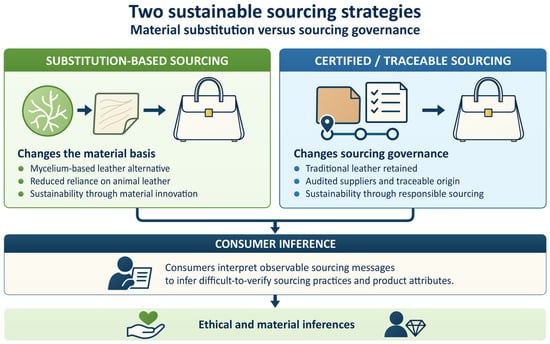
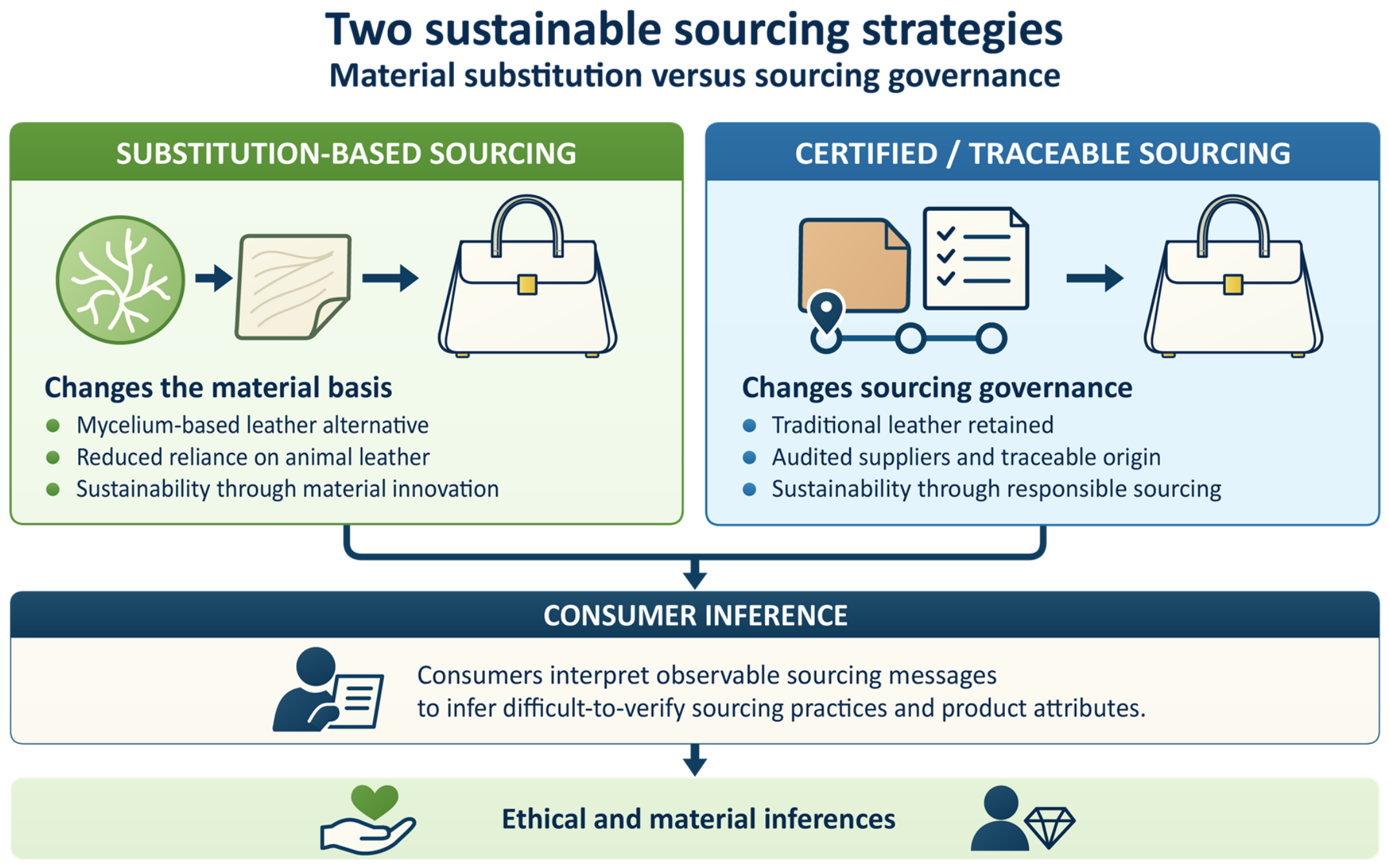
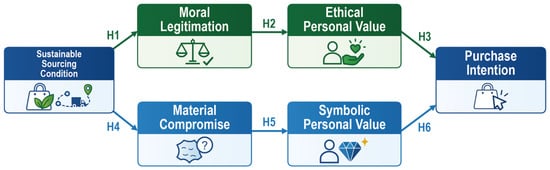
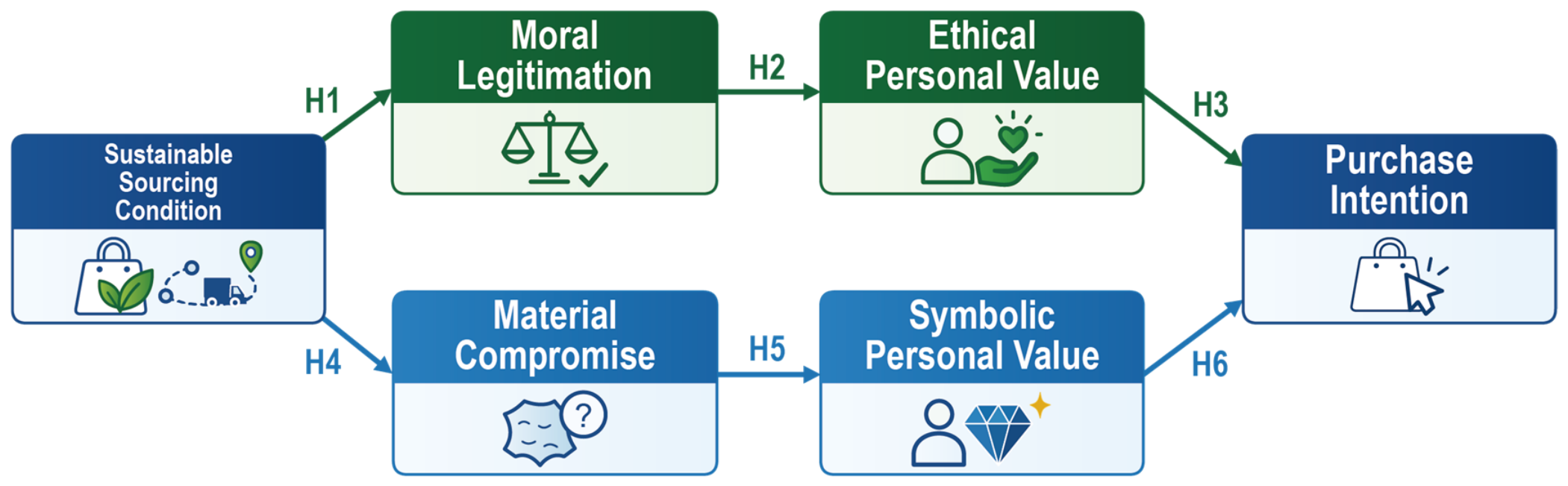
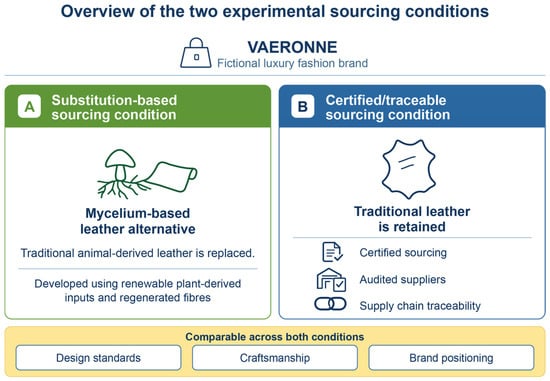
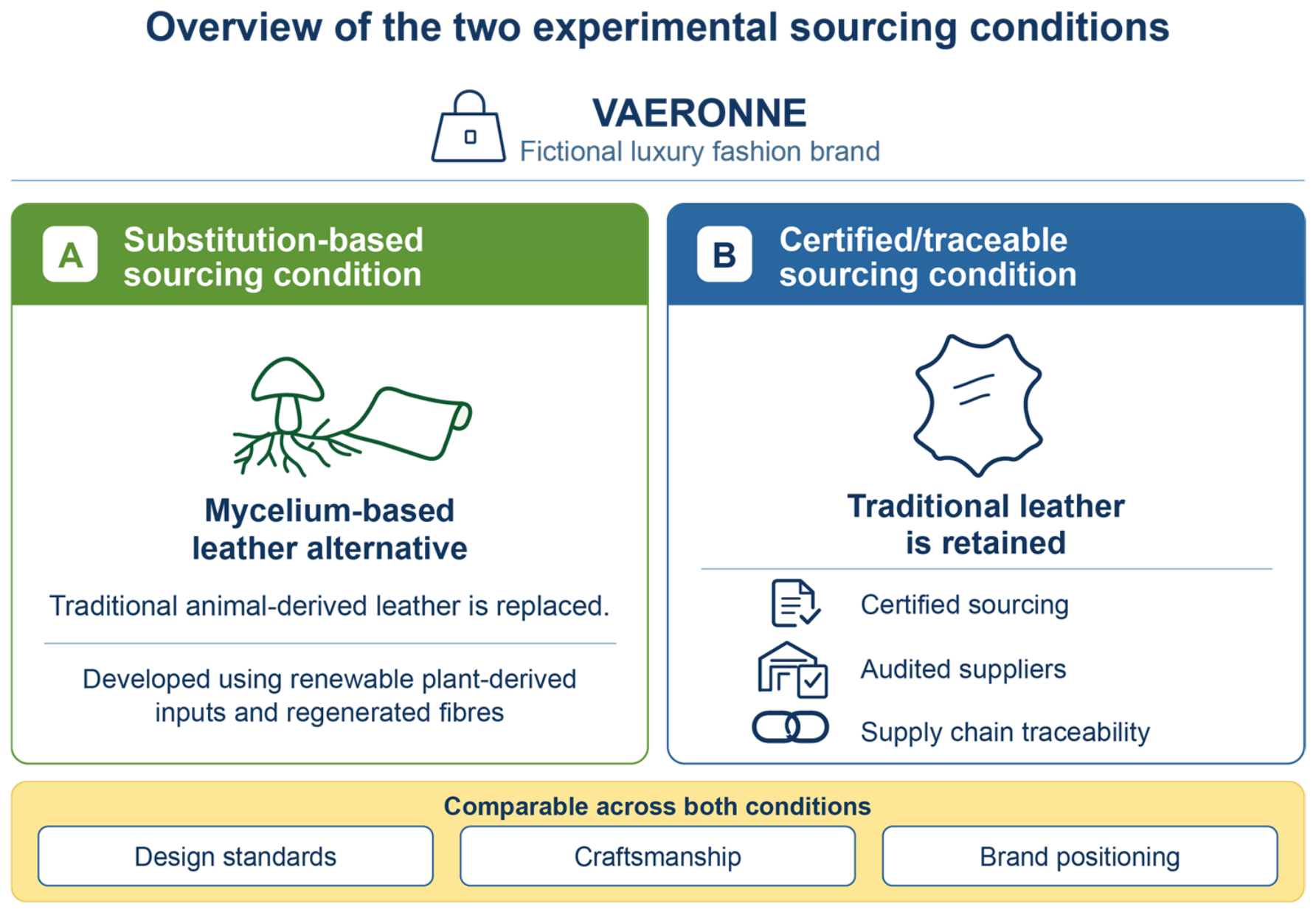
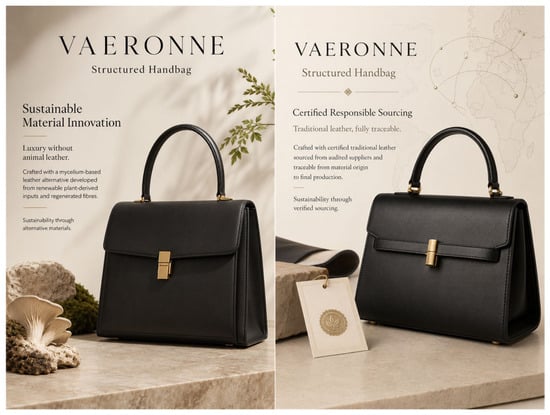
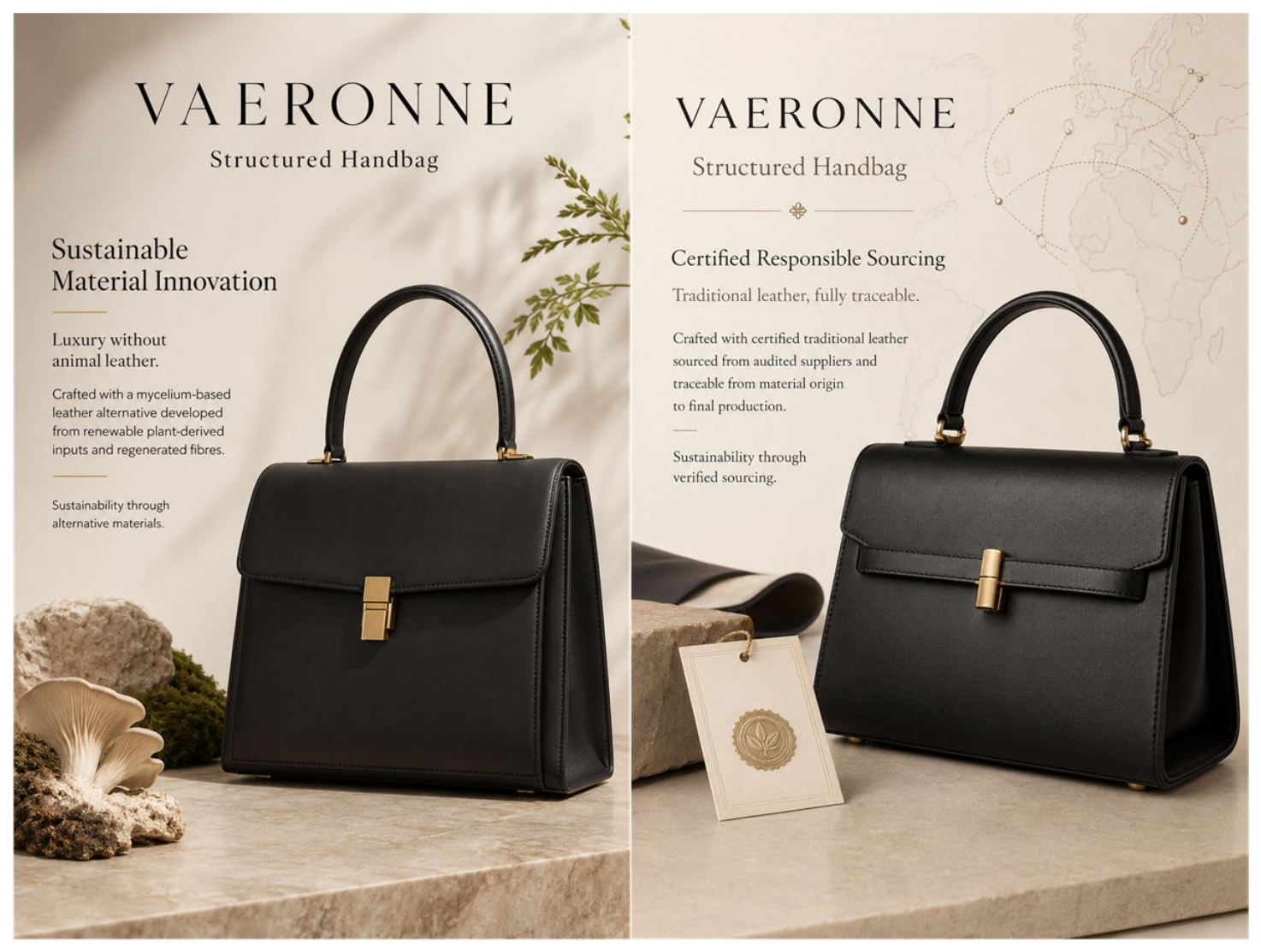
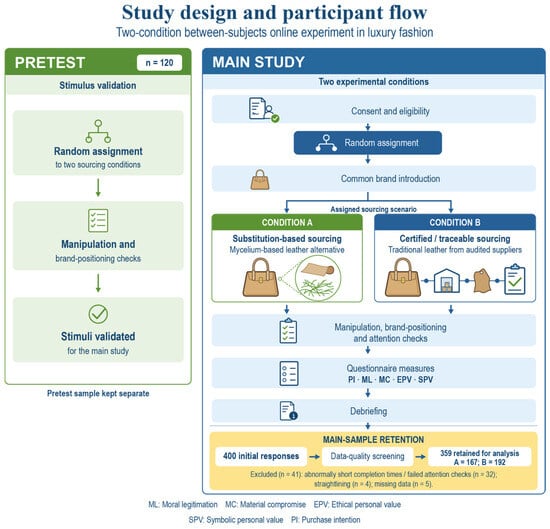
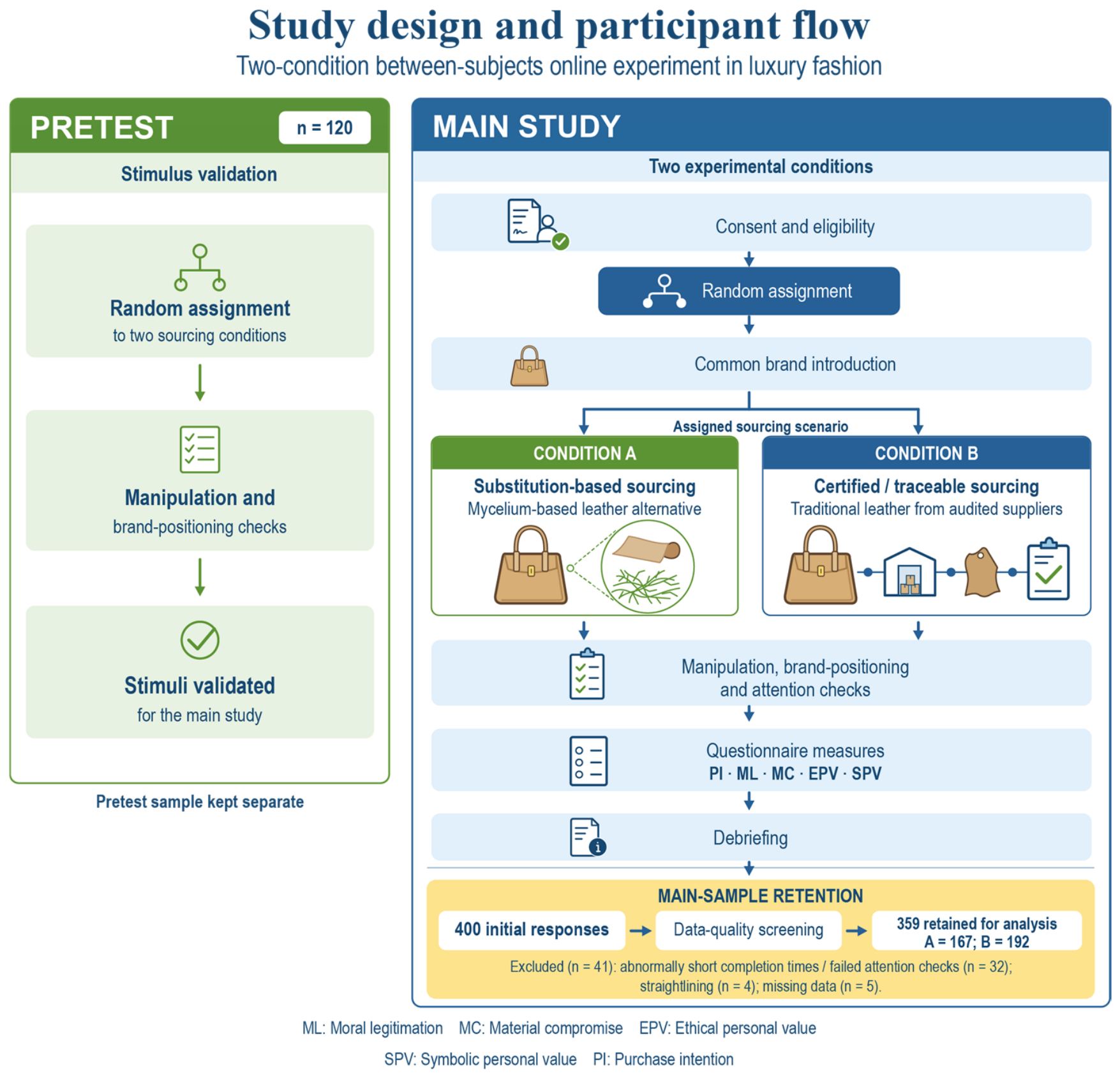
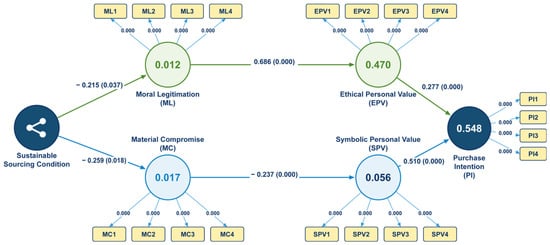
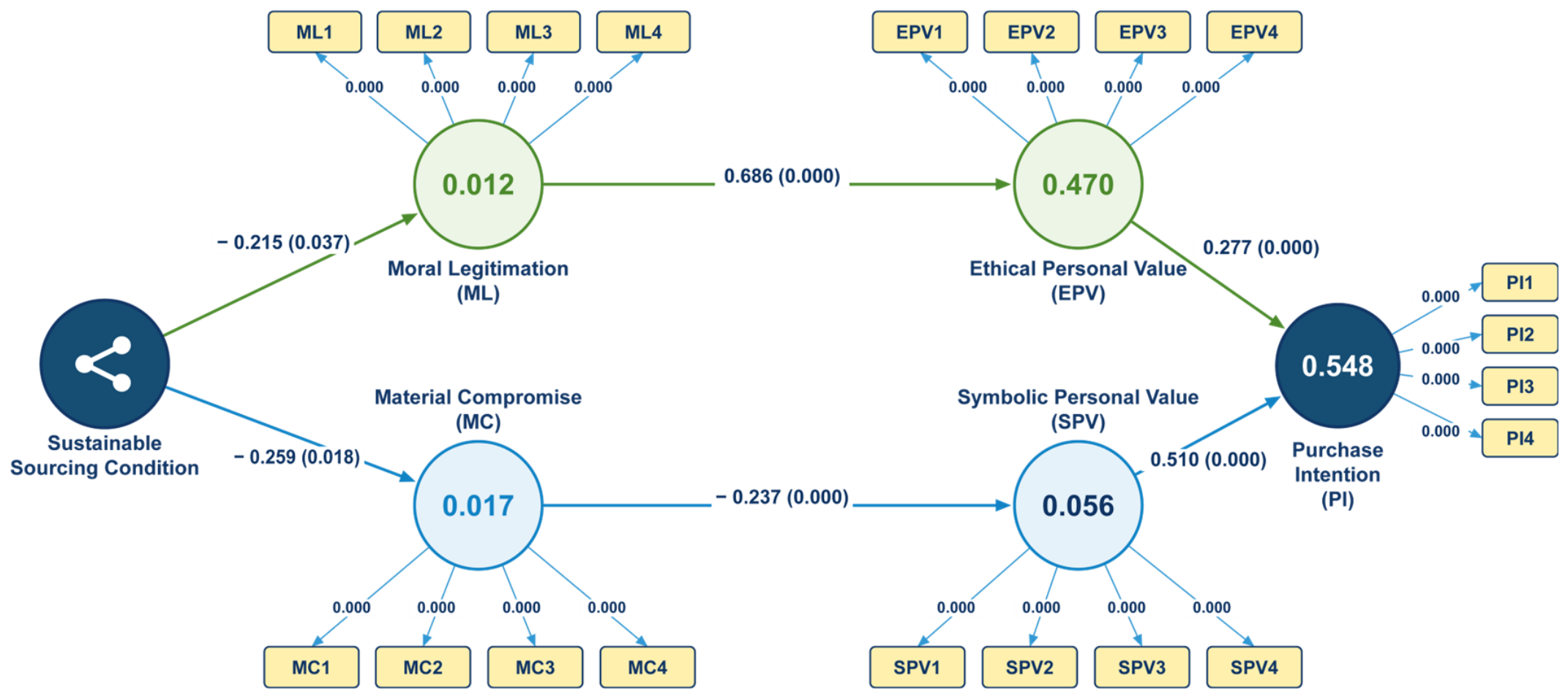

Disclaimer/Publisher’s Note: The statements, opinions and data contained in all publications are solely those of the individual author(s) and contributor(s) and not of MDPI and/or the editor(s). MDPI and/or the editor(s) disclaim responsibility for any injury to people or property resulting from any ideas, methods, instructions or products referred to in the content. |
© 2026 by the authors. Licensee MDPI, Basel, Switzerland. This article is an open access article distributed under the terms and conditions of the Creative Commons Attribution (CC BY) license.